
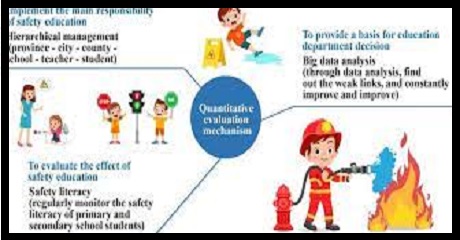
Safety Education
Safety education is a critical component of ensuring a safe and healthy environment in various settings, including workplaces, schools, and communities. Effective safety education not only raises awareness about potential hazards but also equips individuals with the knowledge and skills to prevent accidents and respond appropriately in emergencies. Here are some key principles and management techniques for safety education:
1. Assessment of Risks and Hazards:
- Identify potential risks and hazards in the environment.
- Conduct regular risk assessments to stay updated on new or evolving risks.
- Prioritize risks based on severity and likelihood.
2. Customized Training Programs:
- Tailor safety education programs to the specific needs of the target audience.
- Consider the age, education level, and cultural background of the audience.
Use a variety of formats (e.g., workshops, online modules, hands-on training) to accommodate different learning styles.
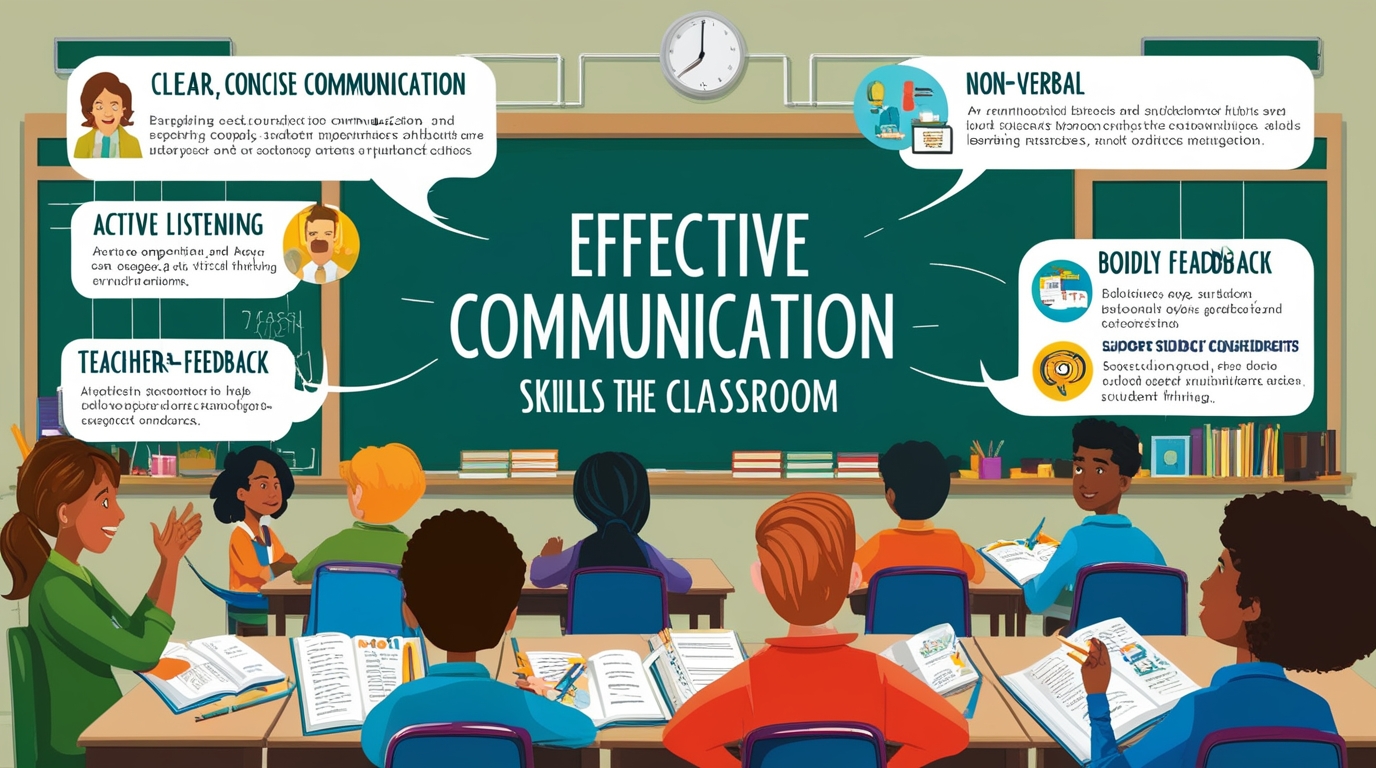
3. Clear Communication:
- Clearly communicate safety guidelines, procedures, and expectations.
- Use plain language and avoid jargon to ensure understanding.
- Encourage open communication channels for reporting concerns or incidents.
4. Hands-On Training:
- Provide practical, hands-on training whenever possible.
- Simulate real-life scenarios to enhance preparedness.
- Include drills and exercises to reinforce learning.
5. Leadership Commitment:
- Demonstrate a strong commitment to safety from leadership.
- Allocate resources for safety training programs and initiatives.
- Integrate safety into organizational values and goals.
6. Continuous Improvement:
- Regularly review and update safety education materials.
- Seek feedback from participants to identify areas for improvement.
- Stay informed about new safety regulations and best practices.
7. Incentives and Recognition:
- Provide incentives for adherence to safety protocols.
- Recognize and reward individuals and teams for maintaining a safe environment.
- Create a positive safety culture where safety-conscious behavior is valued.
8. Emergency Response Planning:
- Develop and communicate emergency response plans.
- Conduct regular drills to ensure everyone is familiar with procedures.
- Establish a chain of command and assign responsibilities during emergencies.
9. Technology Integration:
- Use technology for e-learning modules, virtual reality simulations, and other innovative training methods.
- Implement safety management systems and software to track and analyze safety data.
10. Compliance Monitoring:
- Regularly audit and monitor compliance with safety regulations.
- Address non-compliance promptly and implement corrective actions.
By integrating these principles and management techniques, organizations and communities can create a robust safety education program that fosters a culture of awareness, preparedness, and continuous improvement.

















































































































































































its really good to readh here https://gravatar.com/honestly9695af5f7d
its really good to readh here https://gravatar.com/honestly9695af5f7d
如果你经常需要在不同加密工具之间切换,可以把Cryptify Hub设为浏览器的快速访问页。它把常用的区块链浏览器、跨链桥、DEX聚合器、AI绘图工具等链接都整理在一起。但它只是一个参考链接库,不要在里面输入私钥或助记词。
Right now it sounds like Movable Type is the preferred blogging platform out there right now. (from what I’ve read) Is that what you’re using on your blog?
Hi there, You have done an excellent job. I’ll definitely digg it and for my part suggest to my friends. I’m sure they will be benefited from this site.
Hi there, You have performed an incredible job. I’ll certainly digg it and in my opinion suggest to my friends. I am sure they will be benefited from this website.
its really good to readh here https://gravatar.com/honestly9695af5f7d
Hey there, You’ve performed a great job. I will certainly digg it and personally recommend to my friends. I’m sure they will be benefited from this web site.
its really good to readh here https://gravatar.com/honestly9695af5f7d
its really good to readh here https://gravatar.com/honestly9695af5f7d
Hi there, You have done an incredible job. I will definitely digg it and personally recommend to my friends. I am sure they’ll be benefited from this site.
Currently it appears like Drupal is the preferred blogging platform out there right now. (from what I’ve read) Is that what you are using on your blog?
its really good to readh here https://gravatar.com/honestly9695af5f7d