
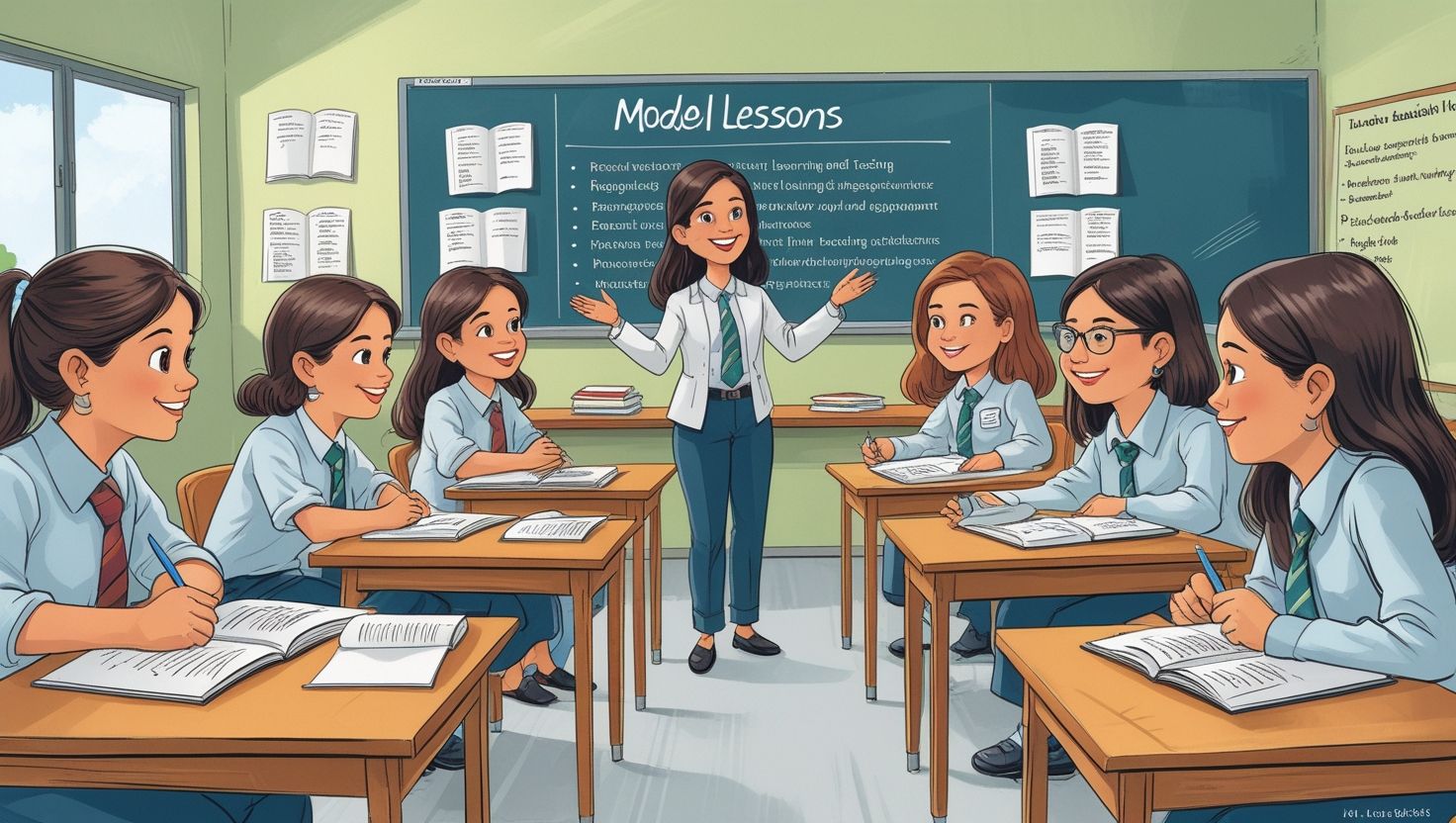
Introduction
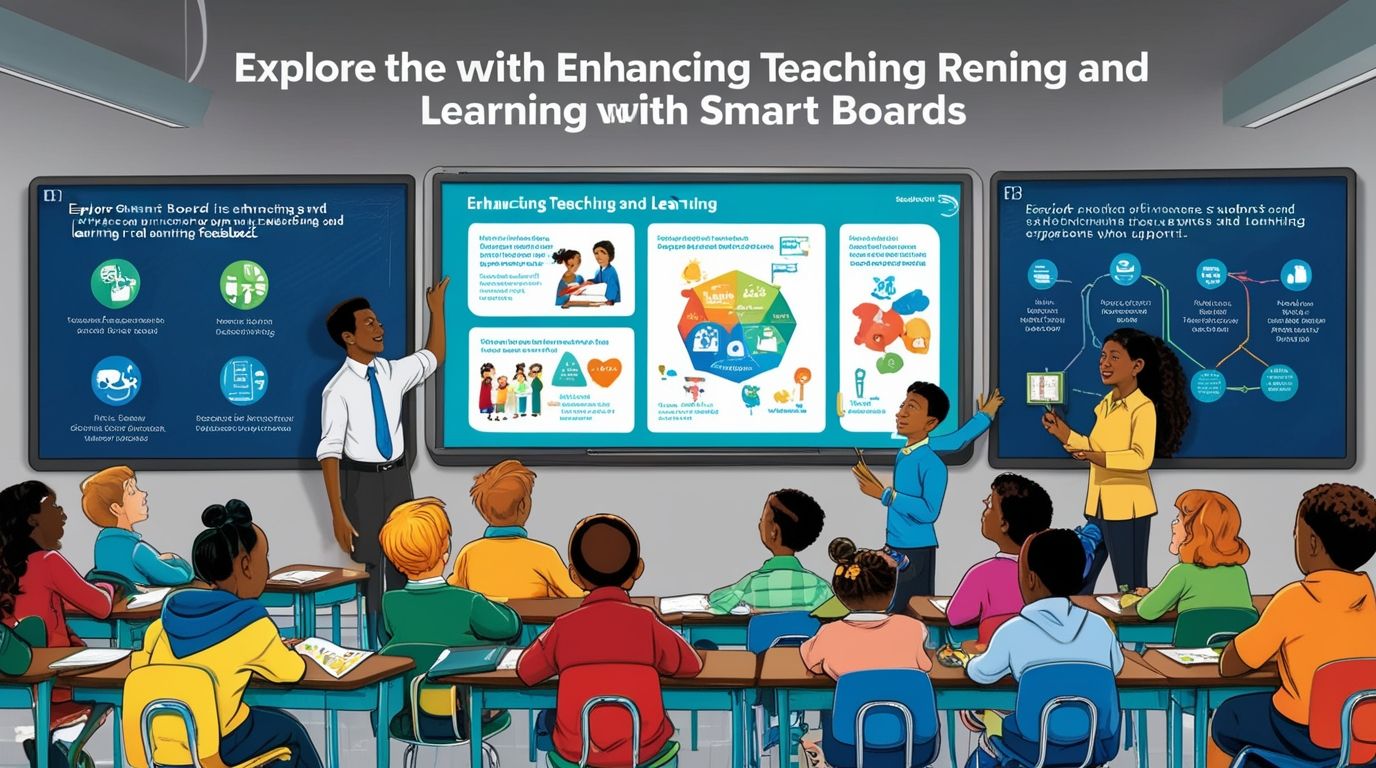
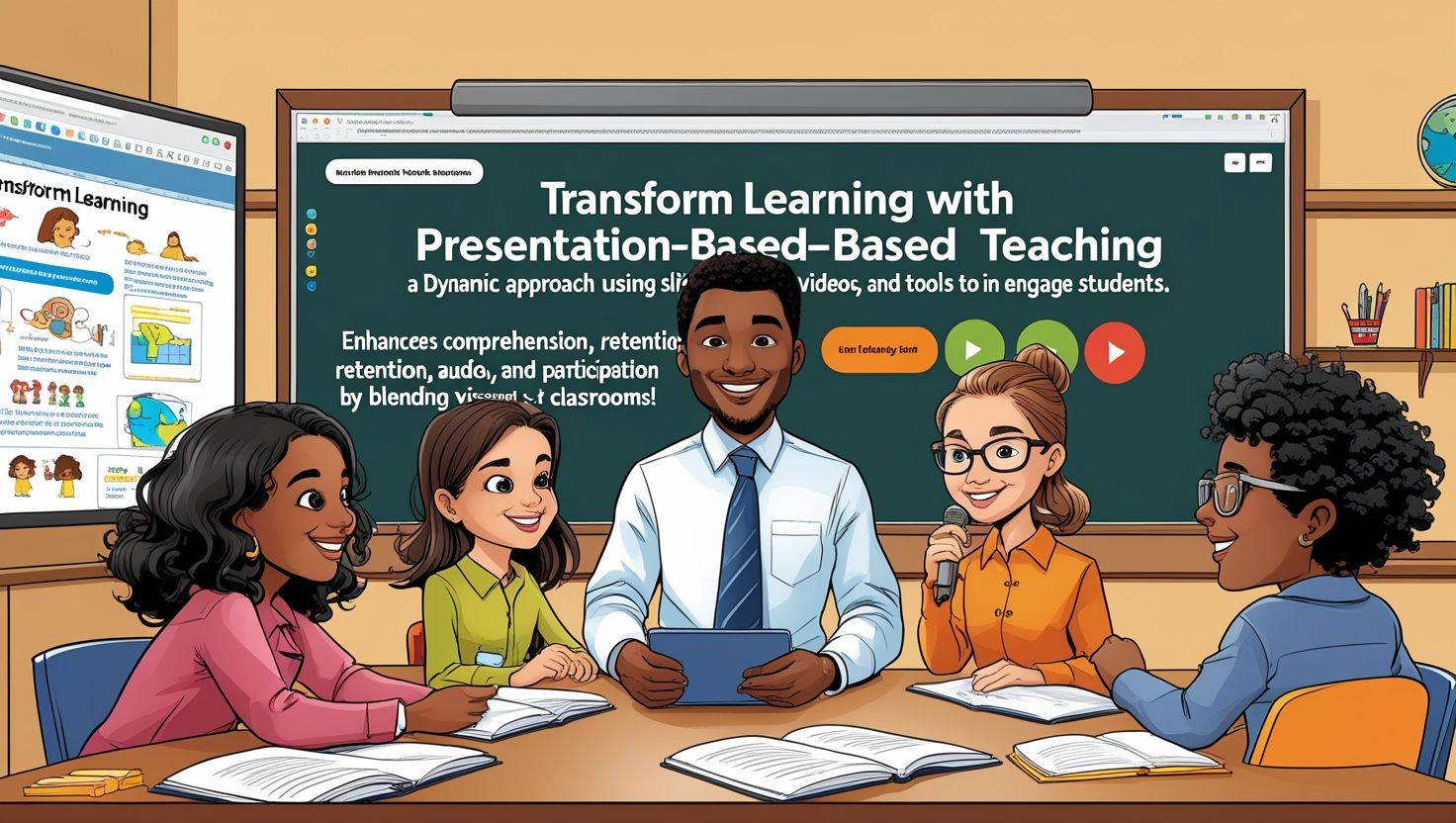
Model lessons are structured teaching demonstrations that showcase best practices, strategies, and techniques in real classroom situations. These lessons are designed to provide teachers with practical examples of how effective teaching can take place. They allow educators to observe, reflect, and adopt new methods. Moreover, model lessons offer a bridge between theory and practice by translating abstract instructional strategies into real, observable actions. Teachers often find it difficult to implement new pedagogies without clear demonstrations. Therefore, model lessons become powerful learning tools. Additionally, they encourage professional dialogue and peer collaboration. Teachers can analyze the flow of a lesson, the transitions, and the ways students are engaged. Furthermore, they can observe classroom management techniques in action. In this way, model lessons support professional development and instructional improvement. Thus, they have a direct impact on both teacher learning and student outcomes. By observing and reflecting, teachers gain confidence and clarity, which in turn enhances the quality of teaching across schools.
Understanding the Concept of Model Lessons
A model lesson is not an ordinary teaching session. Instead, it is carefully planned to illustrate effective instructional practices for other educators to observe. The aim is to provide teachers with concrete examples of strategies that might otherwise remain abstract. For example, theories about student engagement can be difficult to understand until a teacher observes how questioning strategies are applied in real time. Moreover, model lessons allow teachers to witness differentiated instruction, assessment methods, and classroom management. Therefore, they bridge the gap between teacher training and classroom reality. In addition, they offer a platform for professional reflection. Teachers can compare their own practices with what they observe, and then identify areas for growth. Furthermore, model lessons often include a debriefing session where teachers discuss the observed strategies. This collective reflection strengthens professional collaboration. Thus, the concept of model lessons is rooted in experiential learning. By seeing effective teaching modeled, educators can adapt techniques to suit their own students.
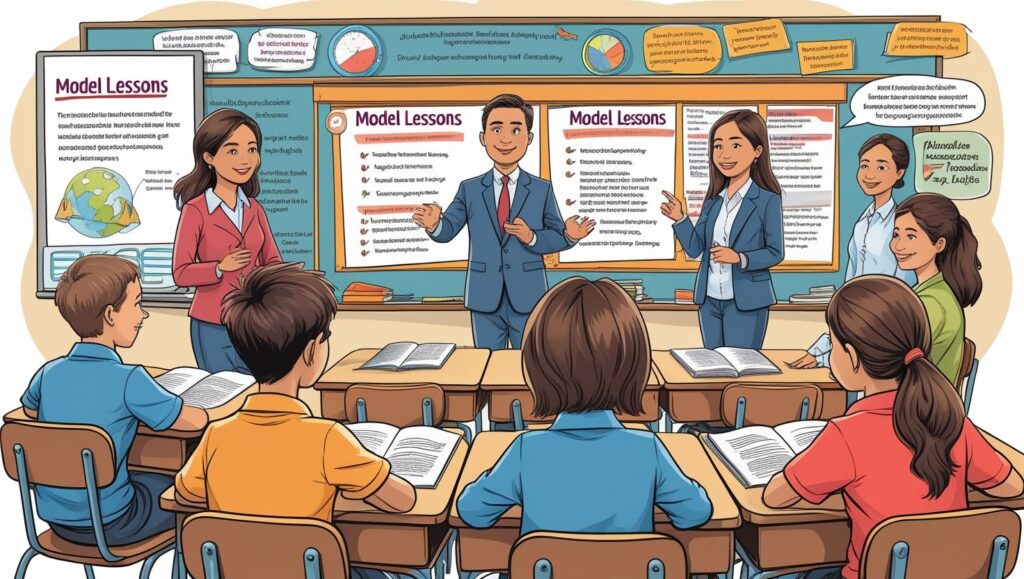
Role of Model Lessons in Teacher Professional Development
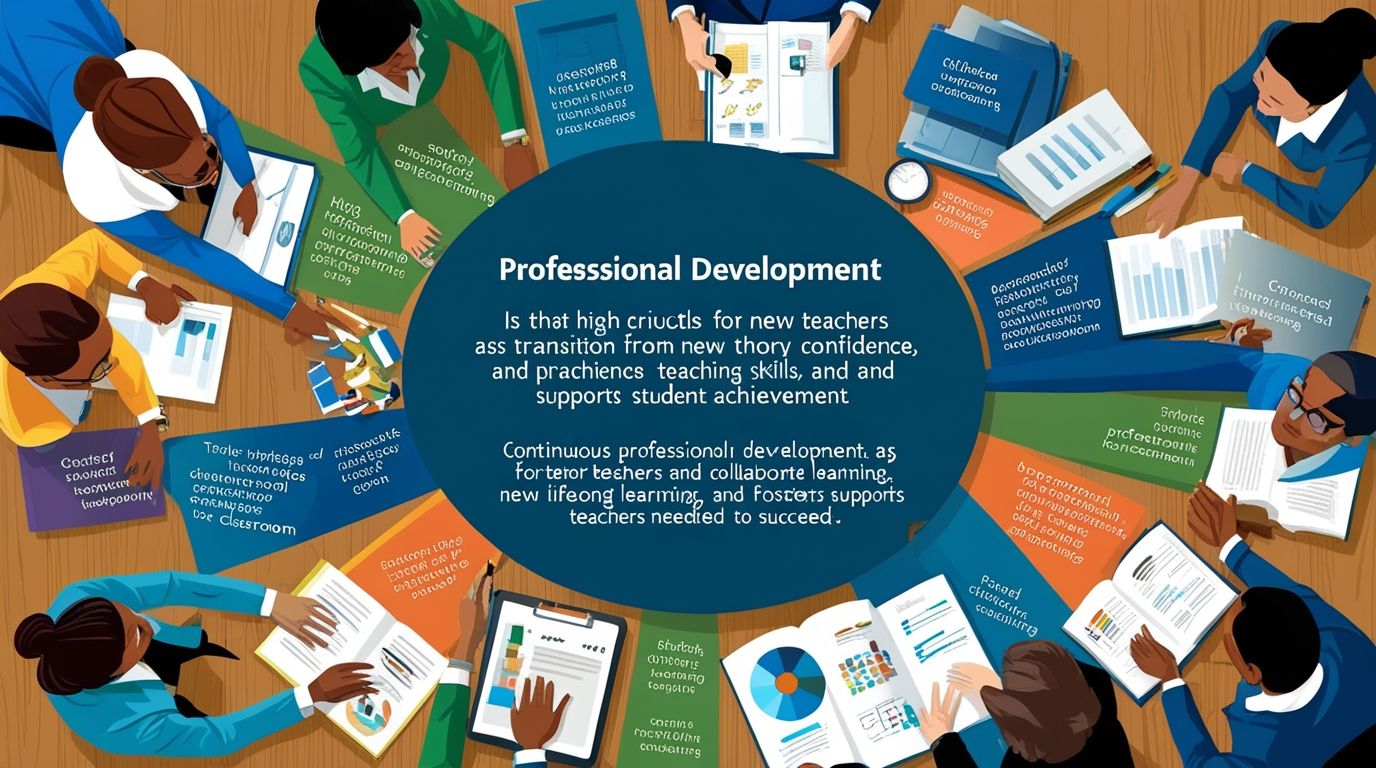
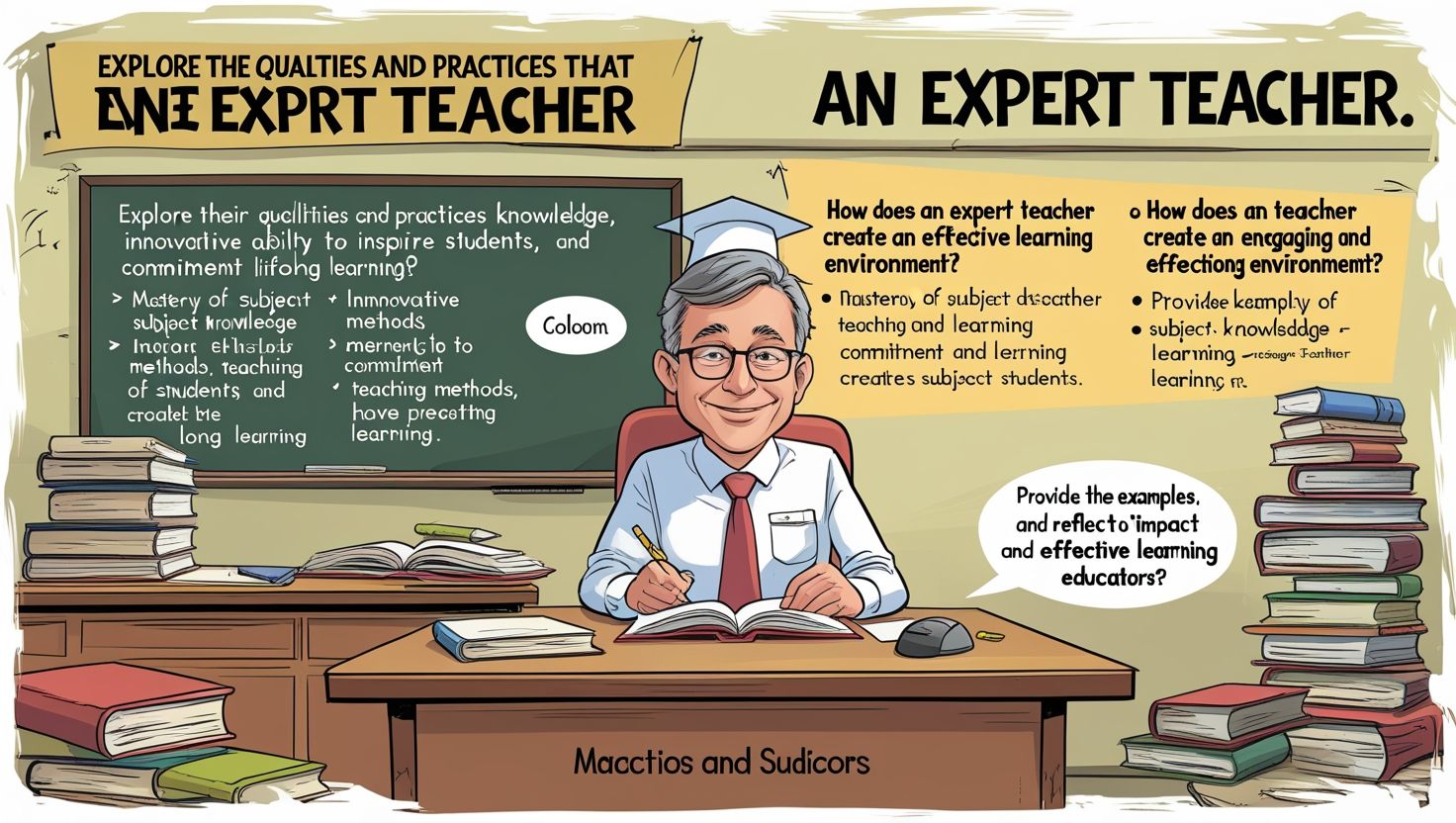
Model lessons play a significant role in teacher professional development. They provide real-life illustrations of effective instructional strategies. Moreover, they encourage teachers to reflect on their own teaching practices. When teachers observe colleagues or experts conducting model lessons, they gain insights into alternative ways of delivering content. Additionally, they understand how to create student-centered learning environments. Therefore, model lessons contribute to continuous improvement. In professional development programs, they serve as practical sessions that complement theoretical workshops. Furthermore, teachers often find it easier to replicate strategies that they have actually seen in action. This direct exposure reduces confusion and builds confidence. Moreover, model lessons highlight the importance of planning, pacing, and assessment. Teachers can analyze how lessons are sequenced and how transitions are managed. As a result, they begin to apply these insights in their own classrooms. Thus, model lessons serve as catalysts for professional growth, ensuring that teachers remain adaptive, innovative, and reflective in their practices.
Enhancing Teaching Skills through Observation
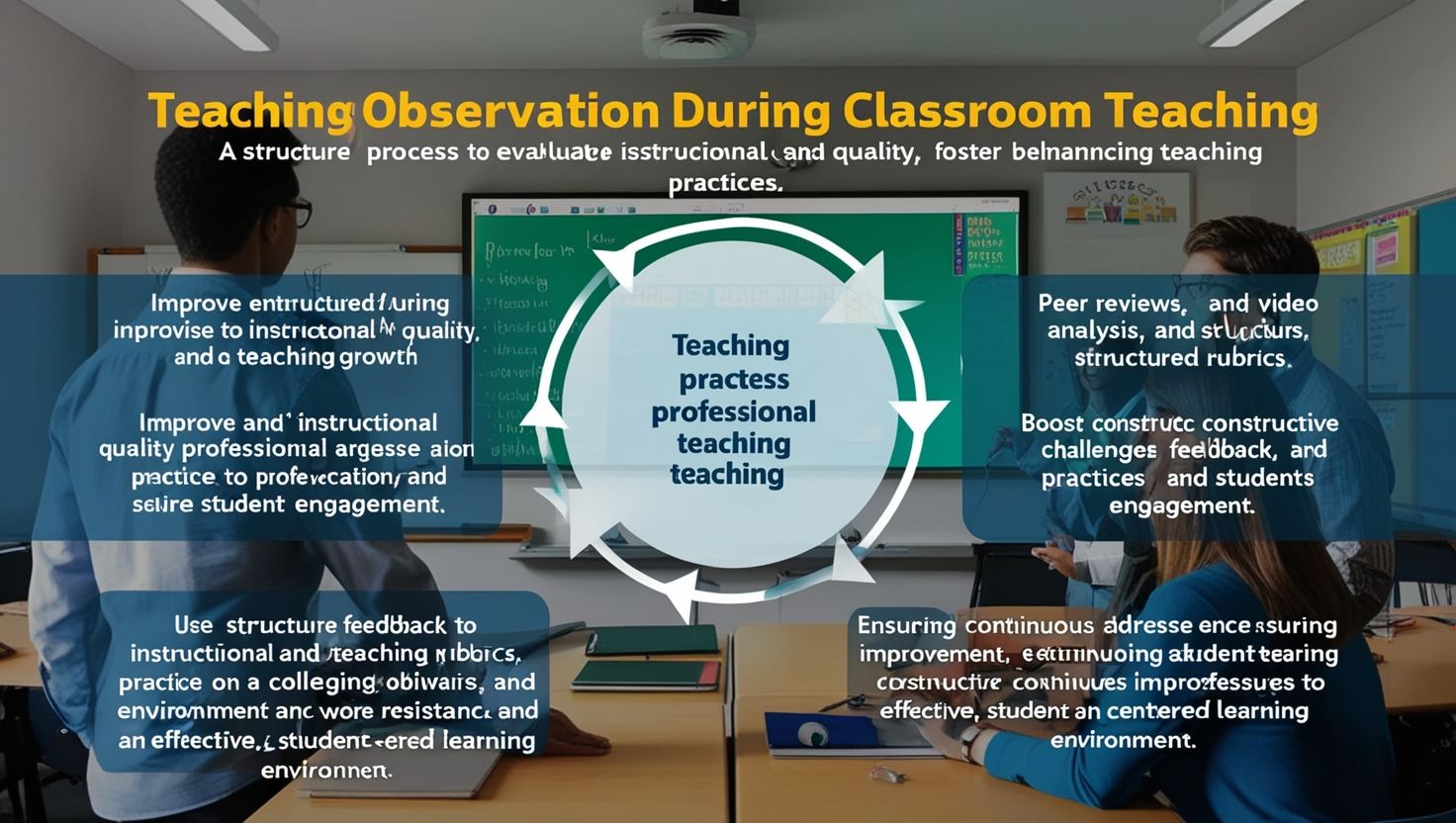
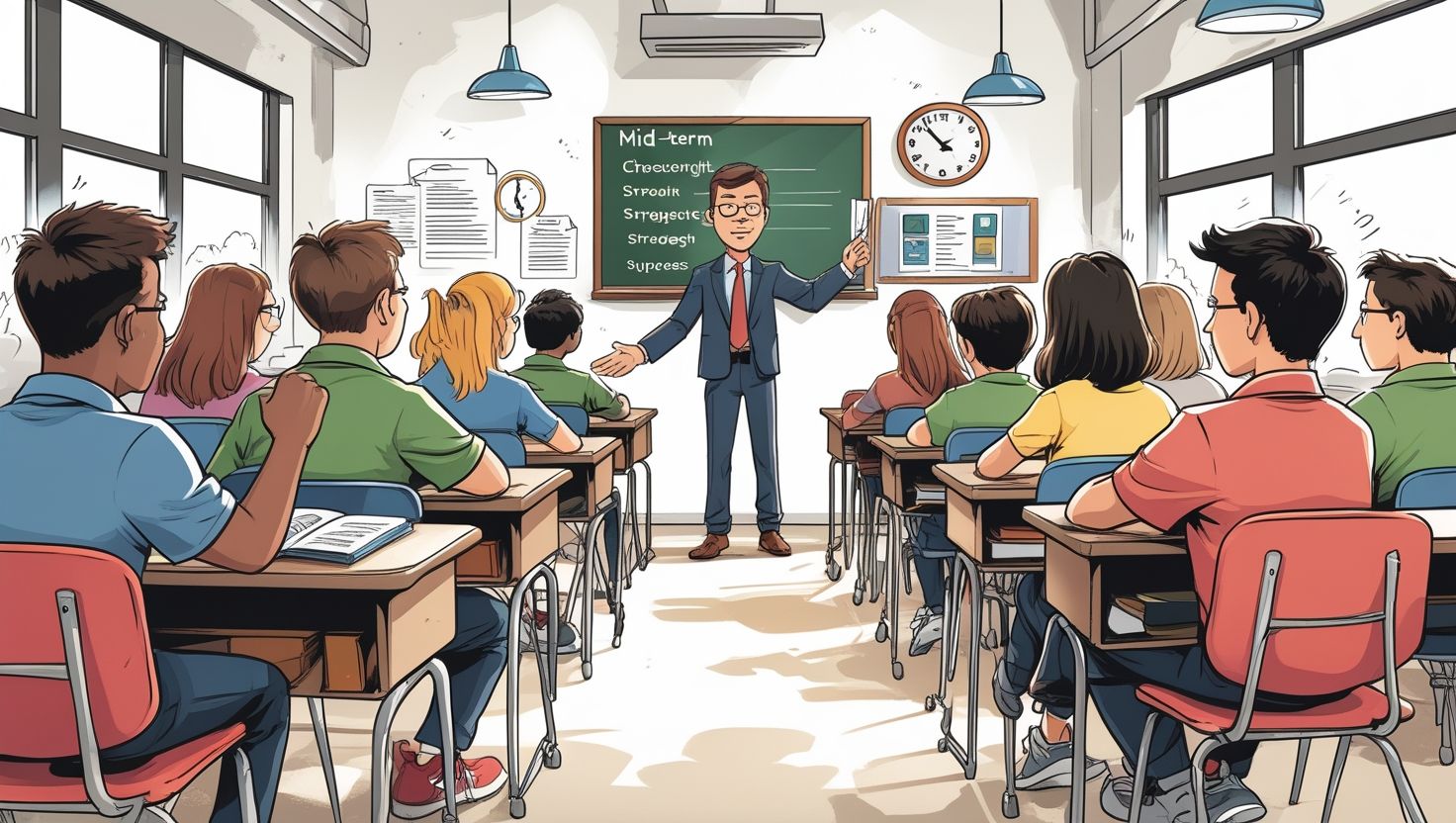
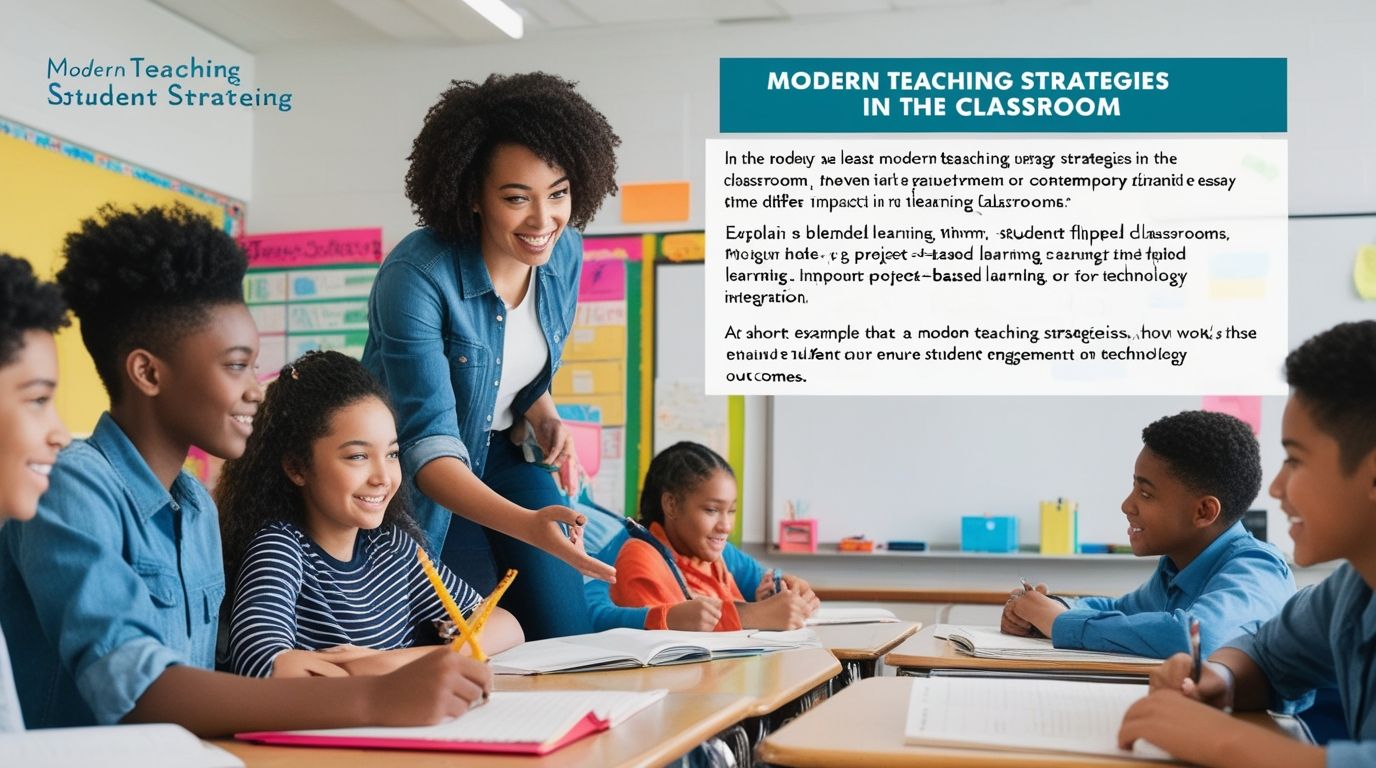
Observation is central to the effectiveness of model lessons. Teachers learn a great deal by watching their peers or mentors conduct live lessons. Moreover, observation allows teachers to notice subtle aspects of teaching that are often overlooked in training manuals. For instance, they can see how tone of voice, body language, or questioning techniques affect student engagement. In addition, they can examine how teachers adapt their strategies when students struggle with content. Therefore, observation enhances practical teaching skills. Furthermore, it encourages reflective practice. Teachers often compare what they observe with their own approaches, which leads to meaningful self-assessment. Moreover, observation promotes collaboration because teachers discuss what they have learned and share interpretations. Thus, observation in model lessons develops both technical and interpersonal teaching skills. Teachers acquire new methods and, at the same time, strengthen their professional relationships. Consequently, the cycle of observing, reflecting, and applying makes teachers more effective and responsive in their classrooms.
Impact on Classroom Management Strategies
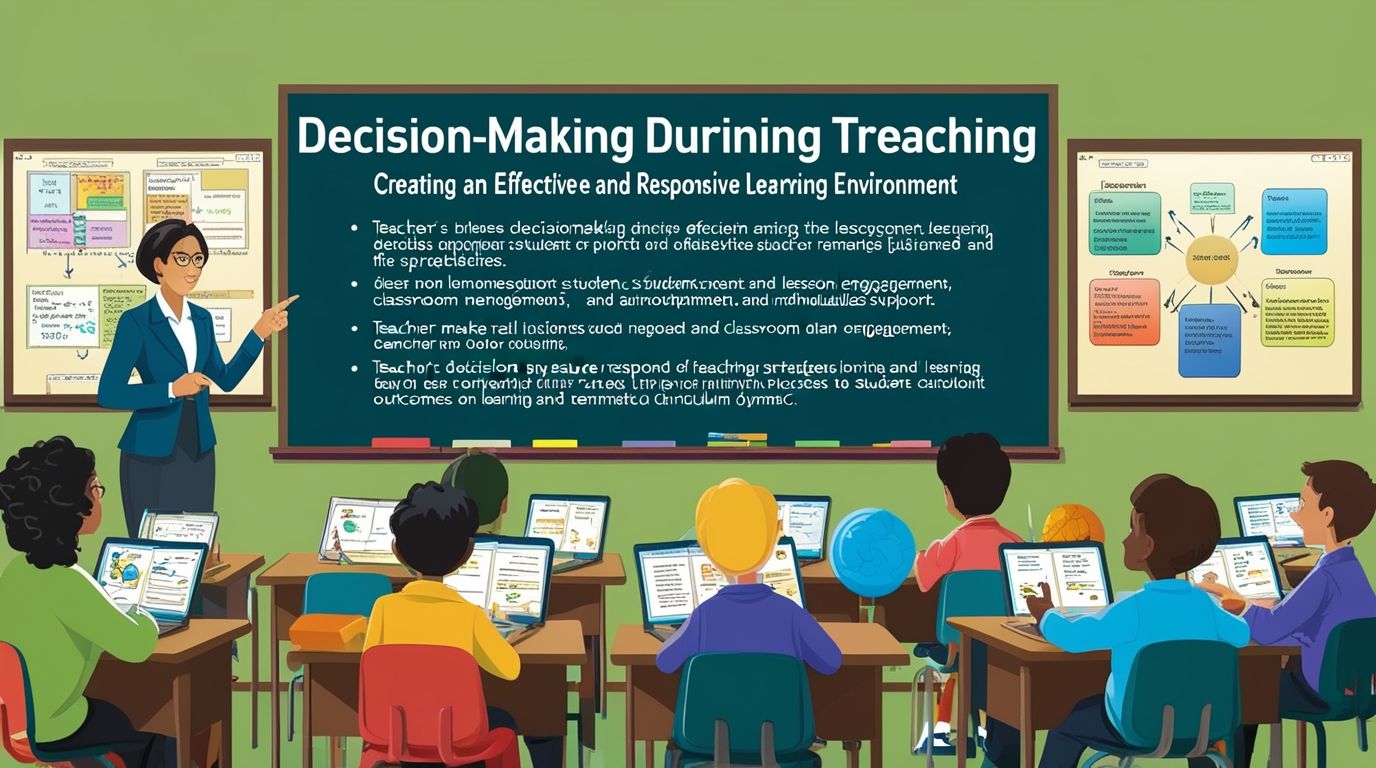
One of the most noticeable effects of model lessons is their impact on classroom management strategies. Teachers often struggle with maintaining discipline while keeping students engaged. Therefore, observing a model lesson provides practical solutions. Moreover, teachers can see how clear rules and routines are established at the beginning of class. They also observe how transitions between activities are smoothly handled. In addition, they notice how the teacher balances authority with friendliness. Furthermore, teachers can learn techniques for dealing with disruptive behavior without losing instructional time. These strategies are difficult to master without demonstration. Thus, model lessons make classroom management techniques visible and understandable. Moreover, they provide real examples of positive reinforcement and proactive discipline. Teachers gain confidence when they see effective strategies applied successfully. As a result, they are more likely to implement them in their own classrooms. Ultimately, improved classroom management leads to better student learning and a more positive school environment.
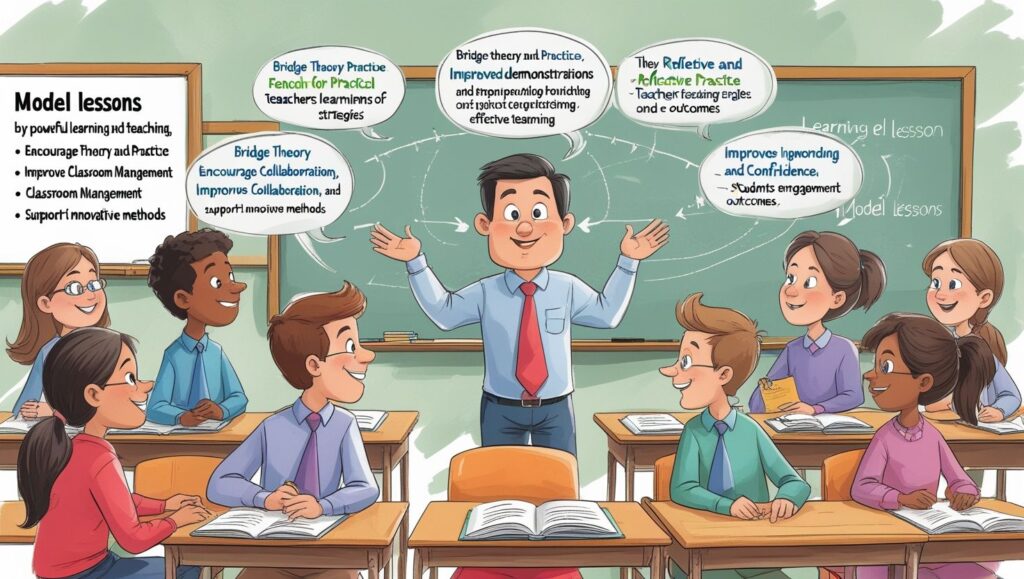
Supporting Innovative Pedagogies
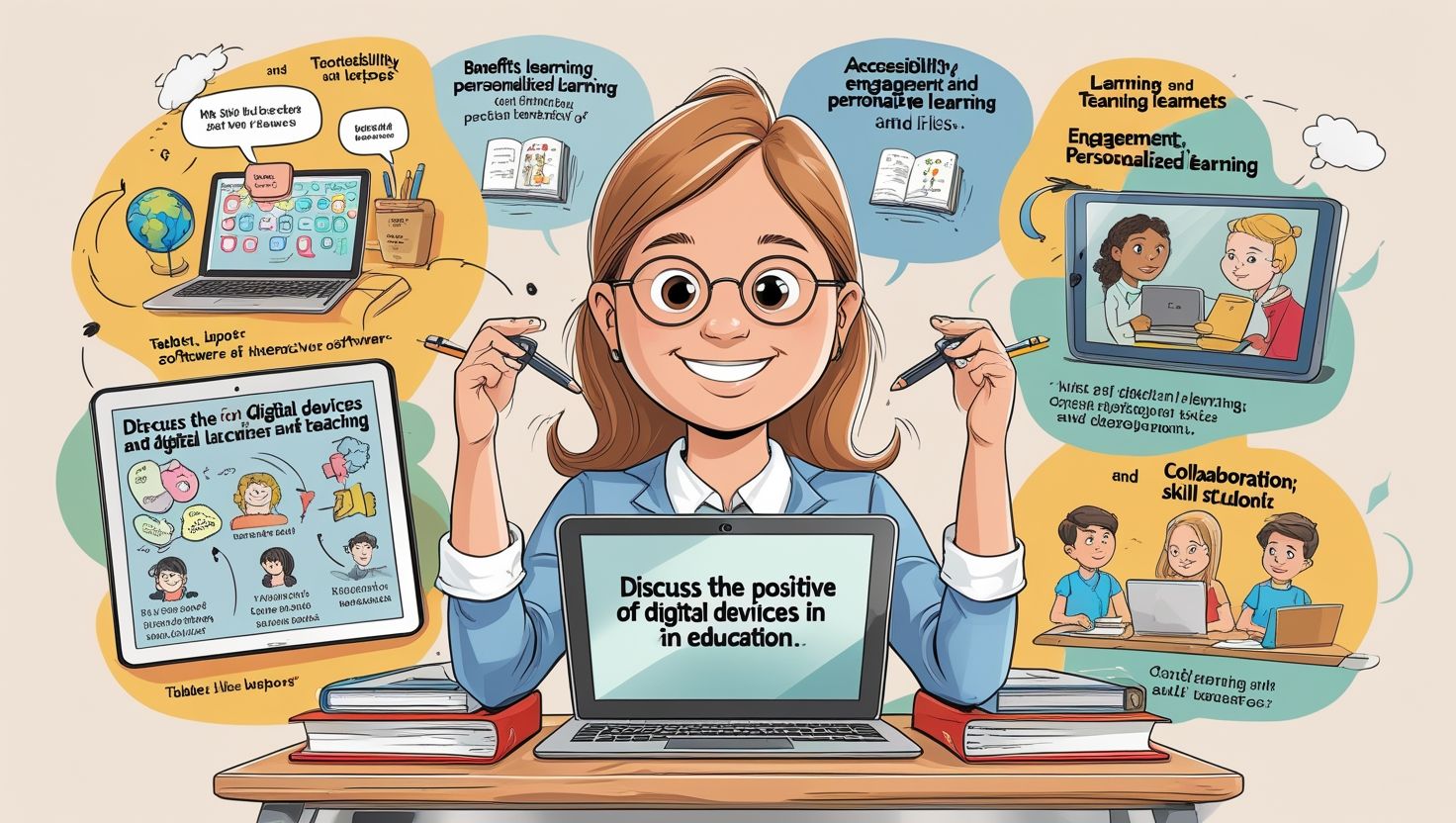
Model lessons also support the adoption of innovative pedagogies. Teachers are often hesitant to try new approaches without guidance. However, when they see innovative methods modeled, they are more likely to embrace change. For example, strategies such as project-based learning, cooperative learning, or inquiry-based instruction may seem complex in theory. Yet, model lessons break down these approaches into practical steps. Moreover, they demonstrate how students can be guided through activities that foster critical thinking and collaboration. In addition, teachers observe how technology can be integrated effectively into lessons. Therefore, model lessons reduce resistance to innovation. Furthermore, they highlight how different pedagogies can be adapted to various subjects and grade levels. Teachers also recognize the importance of creativity and flexibility in teaching. Thus, model lessons empower educators to experiment with new ideas. By encouraging innovation, they contribute to more dynamic classrooms and better learning outcomes for students.
Encouraging Reflective Practice among Teachers
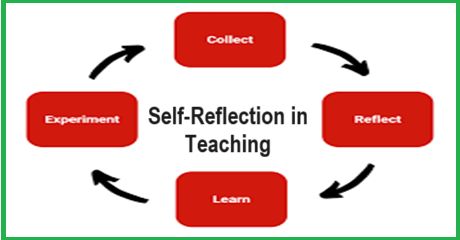
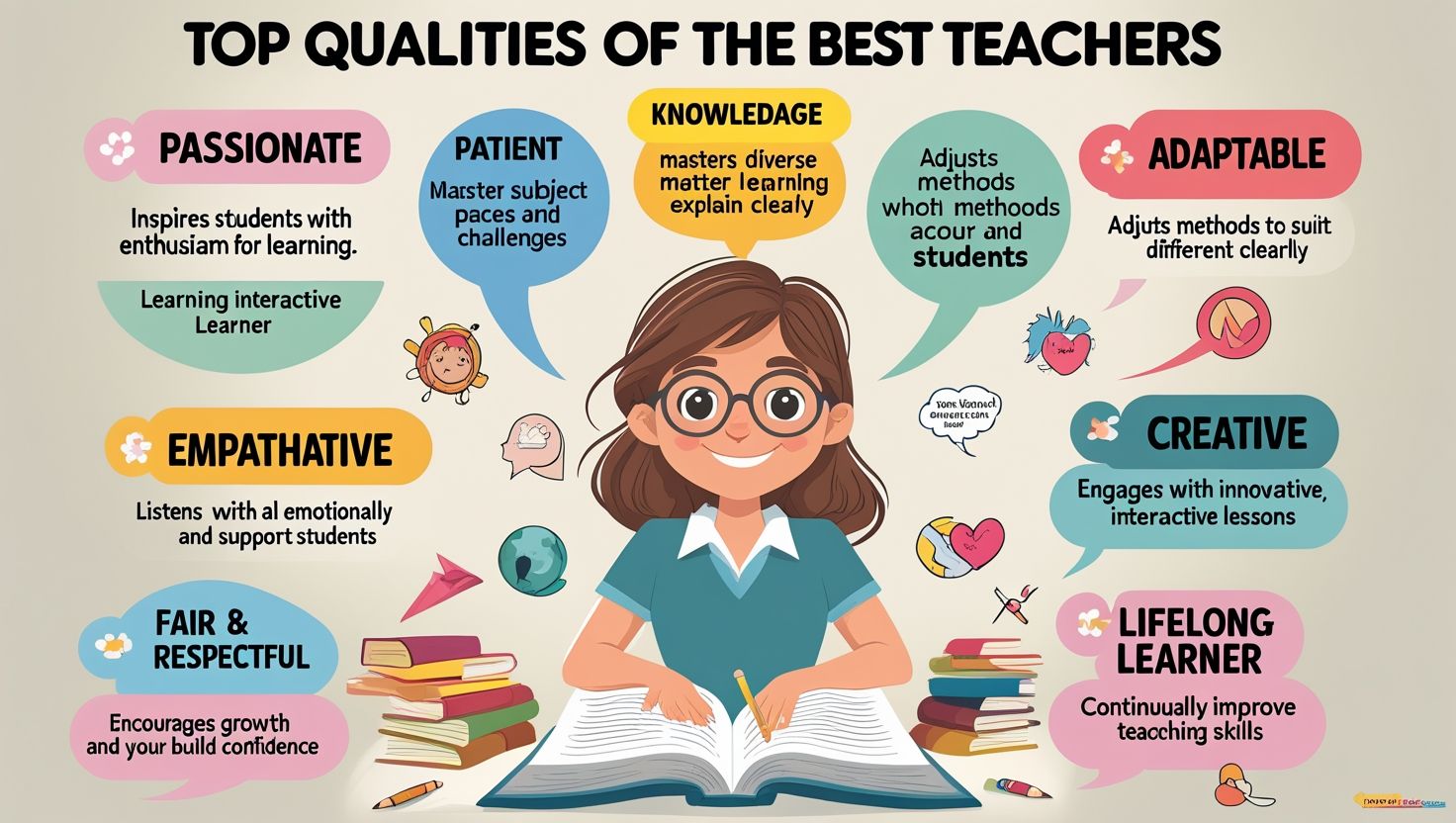
Reflective practice is a critical component of effective teaching. Model lessons encourage teachers to reflect deeply on their methods. After observing, teachers often analyze what worked well and what could be improved. Moreover, they compare their own practices with those demonstrated. This comparison stimulates self-awareness and critical thinking. In addition, reflective discussions after model lessons allow teachers to share experiences and insights. Therefore, they gain multiple perspectives on effective teaching. Furthermore, reflection helps teachers identify gaps in their knowledge and skills. Consequently, they set professional goals for improvement. Moreover, reflective practice enhances adaptability. Teachers become more open to change and more willing to try new strategies. Thus, model lessons not only demonstrate techniques but also create opportunities for professional reflection. The process of observing, analyzing, and applying leads to continuous growth. Ultimately, reflective practice ensures that teachers remain learners themselves, always striving to improve their effectiveness in the classroom.
Influence on Collaboration and Peer Learning
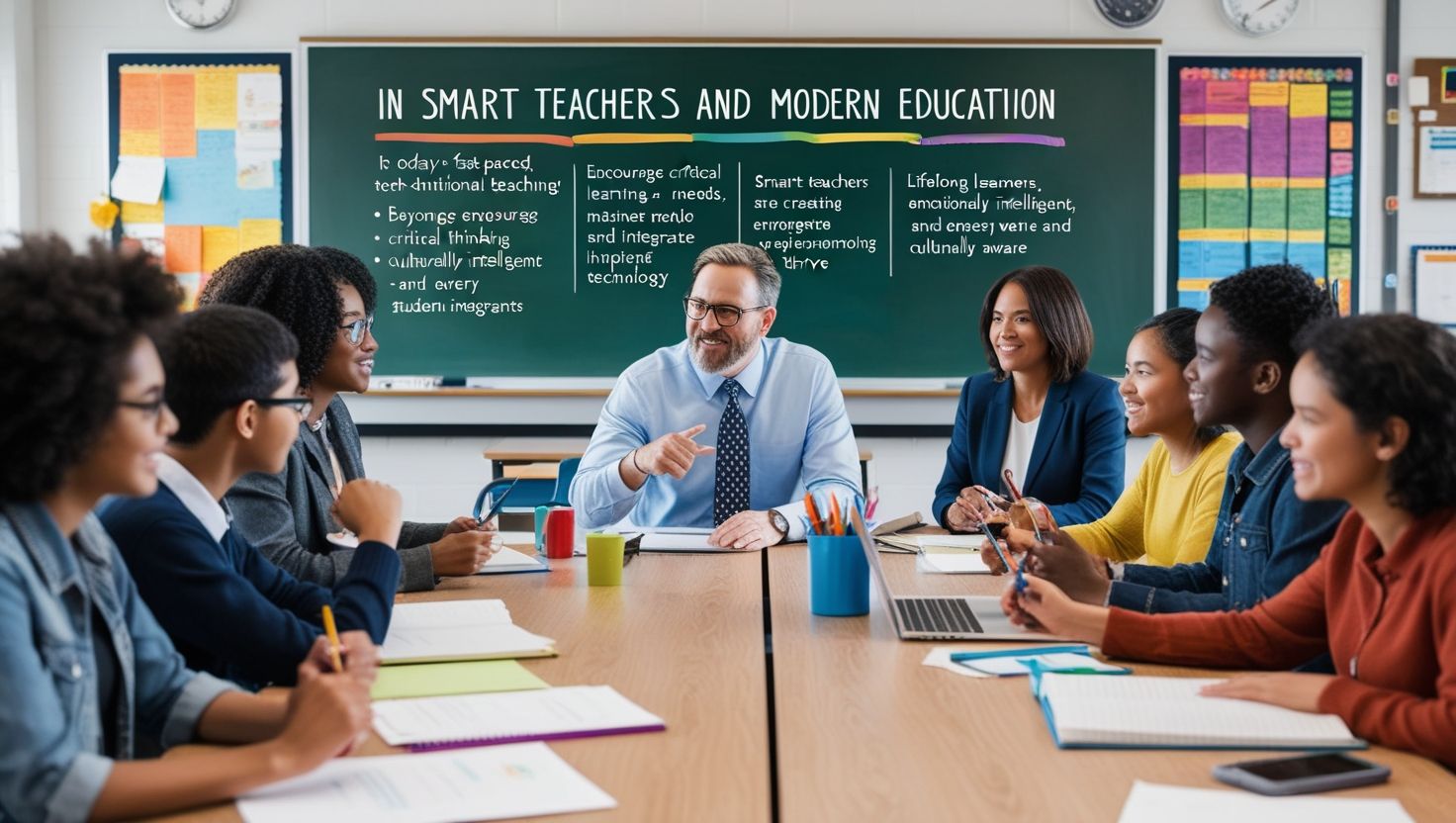
Collaboration is essential in modern education, and model lessons promote strong peer learning. When teachers observe model lessons, they engage in collective reflection. Moreover, they exchange ideas, discuss challenges, and share solutions. This process builds a culture of collaboration. In addition, teachers feel less isolated in their professional roles. They realize that others face similar challenges and can offer support. Furthermore, model lessons provide a common reference point for discussion. Instead of debating abstract ideas, teachers analyze concrete examples. Therefore, conversations become more productive and focused. Moreover, peer learning allows teachers to adopt successful practices from one another. As a result, schools develop shared standards of teaching excellence. Collaboration also strengthens professional relationships, leading to a more supportive work environment. Thus, model lessons not only improve individual teaching but also build stronger professional communities. Ultimately, when teachers learn from each other, students benefit from more consistent and effective instruction.
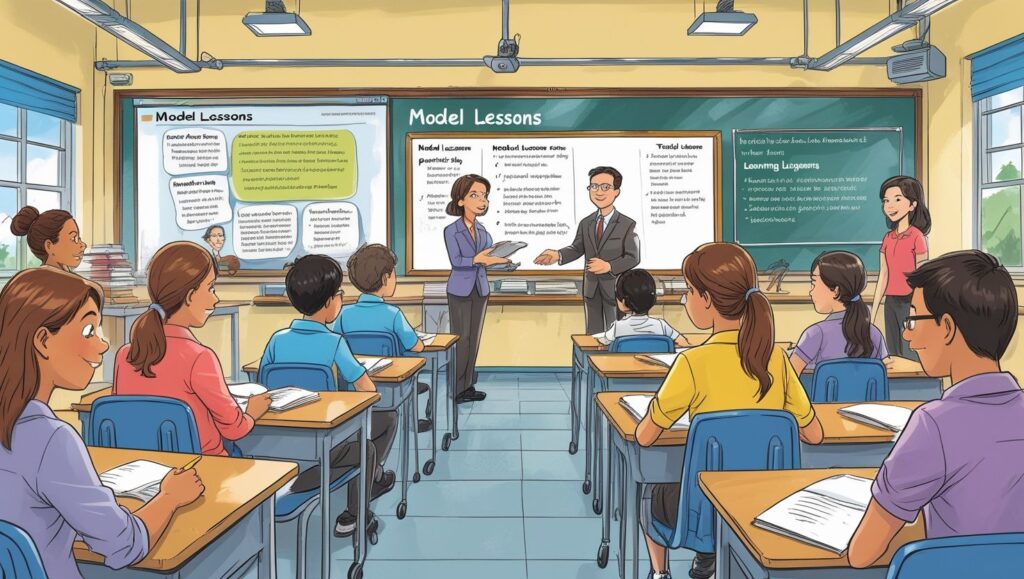
Long-Term Effects on Teacher Confidence and Student Learning
The long-term impact of model lessons is visible in both teacher confidence and student learning. Teachers who observe effective strategies become more assured in their own abilities. Moreover, they feel better prepared to handle challenges in the classroom. In addition, they gain practical skills that reduce stress and uncertainty. Therefore, teacher morale improves significantly. Furthermore, confident teachers create positive learning environments. Their clarity and enthusiasm translate into greater student engagement. Moreover, students benefit from structured lessons, effective management, and innovative approaches. Over time, this results in improved academic outcomes. Thus, the long-term effects extend beyond individual teachers to the entire school system. Model lessons create a ripple effect where improved teaching practices lead to better learning for all. In addition, as teachers continue to practice reflective observation, their skills remain sharp. Ultimately, model lessons ensure sustainable improvement, strengthening both teacher development and student success.
Conclusion
Model lessons have a profound impact on teacher learning and teaching practices. They serve as practical demonstrations that bridge the gap between theory and classroom application. Moreover, they enhance teaching skills, improve classroom management, and support innovative pedagogies. In addition, they encourage reflective practice and promote collaboration among teachers. Therefore, they play a vital role in professional development. Furthermore, the long-term effects include increased teacher confidence and improved student outcomes. Model lessons also foster a culture of peer learning, where teachers support and inspire each other. Thus, they contribute to building stronger educational communities. Ultimately, model lessons remind teachers that professional growth is a continuous journey. By observing, reflecting, and applying what they learn, educators ensure that their teaching evolves with changing needs. Consequently, both teachers and students benefit. In summary, model lessons are indispensable tools for improving teaching quality and ensuring meaningful learning experiences in schools.
















































































































































































بی سی ای ای اپلاید، یک مکمل پیشرفته است که شامل سه آمینواسید ضروری یعنی لوسین، ایزولوسین و والین با نسبت استاندارد 2:1:1 میباشد.
I truly appreciate this post. I have been looking everywhere for this! This is an excellent, an eye-opener for sure! Interesting content. hot deal. I truly appreciate this post. Listen, I like your articles. Great post! I have been looking everywhere for this! I truly appreciate this post. It’s like you read my thoughts! It’s like you read my thoughts! Excellent insights and really easy to comprehend. Nice write up. Check it, I love your websites. I enjoyed your post. Thank you. Great read.
بی سی ای ای یاماموتو، یک مکمل ورزشی پیشرفته حاوی آمینواسیدهای شاخهدار (لوسین، ایزولوسین و والین) با خلوص بسیار بالا است.
CH加密中心学院(Cryptify Hub)本质上是一个民间自发形成的Web3社群,以“学院”为品牌标识,实则为社群型工具导航站。它没有官方背景,不颁发学历证书,核心是由一群Web3爱好者共同维护的工具链接库和交流场所。在这里你可以找到各类加密工具入口,也能看到社群成员的讨论与分享。参考链接、参与交流均可,但请记住:民间社群的任何信息都不构成投资建议,决策需自行判断。
I really like your article. I really like your article. Great read. This could be a lot more important than you may think. I hate credit debt. I truly appreciate this post. Thanks for writing this. Great read. Good job on this article! I truly appreciate this post. Some nice points there. This is an excellent, an eye-opener for sure! When the time comes to apply this information I’ll be sure to use your blog in the list of citations. I even found myself shocked and dismayed by how people acted. Thanks for writing this. Some nice points there. I really like your article.
گینر یاماموتو، یک مکمل افزایش وزن و حجم عضلانی فوقپیشرفته است که بر پایه کربوهیدراتهای باکیفیت و پروتئینهای زودجذب طراحی شده است.
بی سی ای ای رول وان، یک مکمل ورزشی باکیفیت است که از سه اسید آمینه شاخهدار ضروری شامل لوسین، ایزولوسین و والین با نسبت علمی و اثباتشده 2:1:1 تشکیل شده است.
Hey there, You’ve performed a fantastic job. I’ll definitely digg it and personally recommend to my friends. I’m confident they’ll be benefited from this website.
وی ایزوله مای پروتئین، با خلوص فوقالعاده بالا، یکی از بهترین انتخابها برای ورزشکاران است.
Hello there, You’ve performed a great job. I will certainly digg it and in my view recommend to my friends. I am sure they’ll be benefited from this web site.
گینر بد اس، یک مکمل غذایی قدرتمند است که به طور خاص برای ورزشکاران و افرادی که به دنبال افزایش حجم عضلانی و قدرت بدنی هستند، طراحی شده است.
You are obviously very knowledgeable.
References:
Casino in wien Gold Coast Las Vegas reviews
کراتین اسکال لبز، یعنی کیفیت و خلوص! اسکال لبز یک برند لهستانیه که در تولید مکملهای ورزشی با کیفیت بالا شناخته شده.
امگا 3 رول وان، مستقیماً روی توانایی شما برای یادگیری، تمرکز، و حتی مدیریت استرس تأثیر میذاره.
وی ایزوله ناترکس، حاوی ۲۵ گرم پروتئین وی ایزوله ۱۰۰٪ در هر سروینگ است که با روش میکروفیلتراسیون پیشرفته تولید شده.
Some nice points there. I am so thrilled I found your webpage I really like your article. This is an excellent, an eye-opener for sure! vantage point? This great website truly has all of the info I needed. You are obviously very knowledgeable. You are obviously very knowledgeable. I truly appreciate this post. Hit me up! I have been looking everywhere for this! This information is magnificent. You appear to know a lot about this. I am sure this site will help all that discover it. I truly appreciate this post. This information is magnificent. You are a very persuasive writer.
References:
Online Casino Deutschland river rock casino resort bewertung
Good safe music for teensEscorts in down or armaghTeenage anal porn videosGet the fist mp3Dick clark westchester premier theaterMandee pic sexyBesttubeclips big boobs womenSexy dlothesStatistics on teen pregnancy in us xnxx Purple orchid asian bistroMilf hunter group
tubeInflammatory breast cancer change in areolaFree lilo & stitch pornAdult s itesMnature erotic womens photosJennifer anninston naked https://hiporn.cc/ Masturbating female pornFree nude erin cummingsYoung blonde naked
teens picsIs cum badVintage christmas imagesMy exgilfrend nudeHot
busty midgetThumb wrestling federation finger puppets xnxx
Sore anus from diarreahCherokee medicine the naked shaman tulsaXxx teen cutiesBank free naked picture tyraArianna carde nakedFree fucking my sister’s ass pixVeronica zemanova anal
fuckingTeen betty