
Introduction:
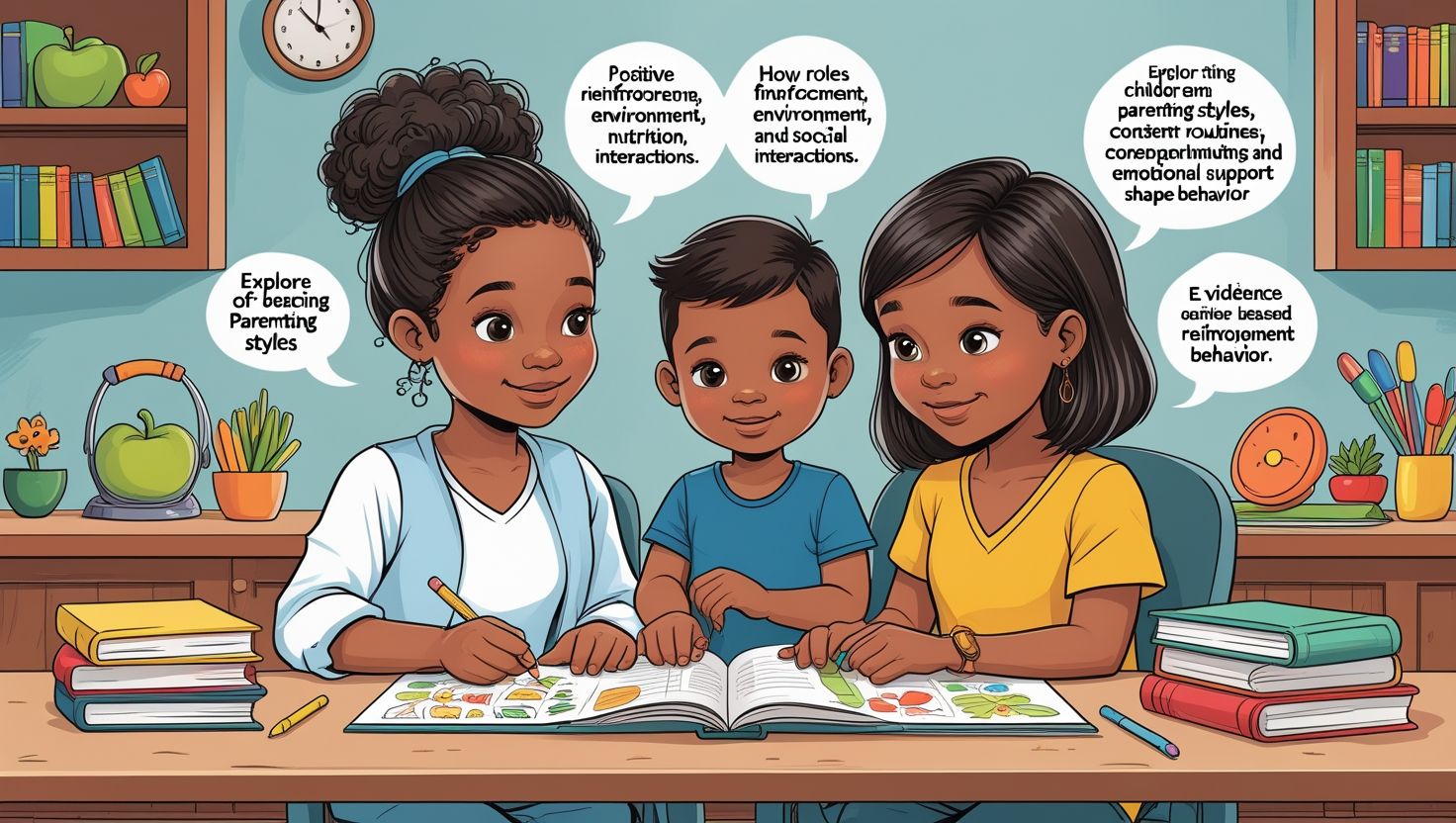
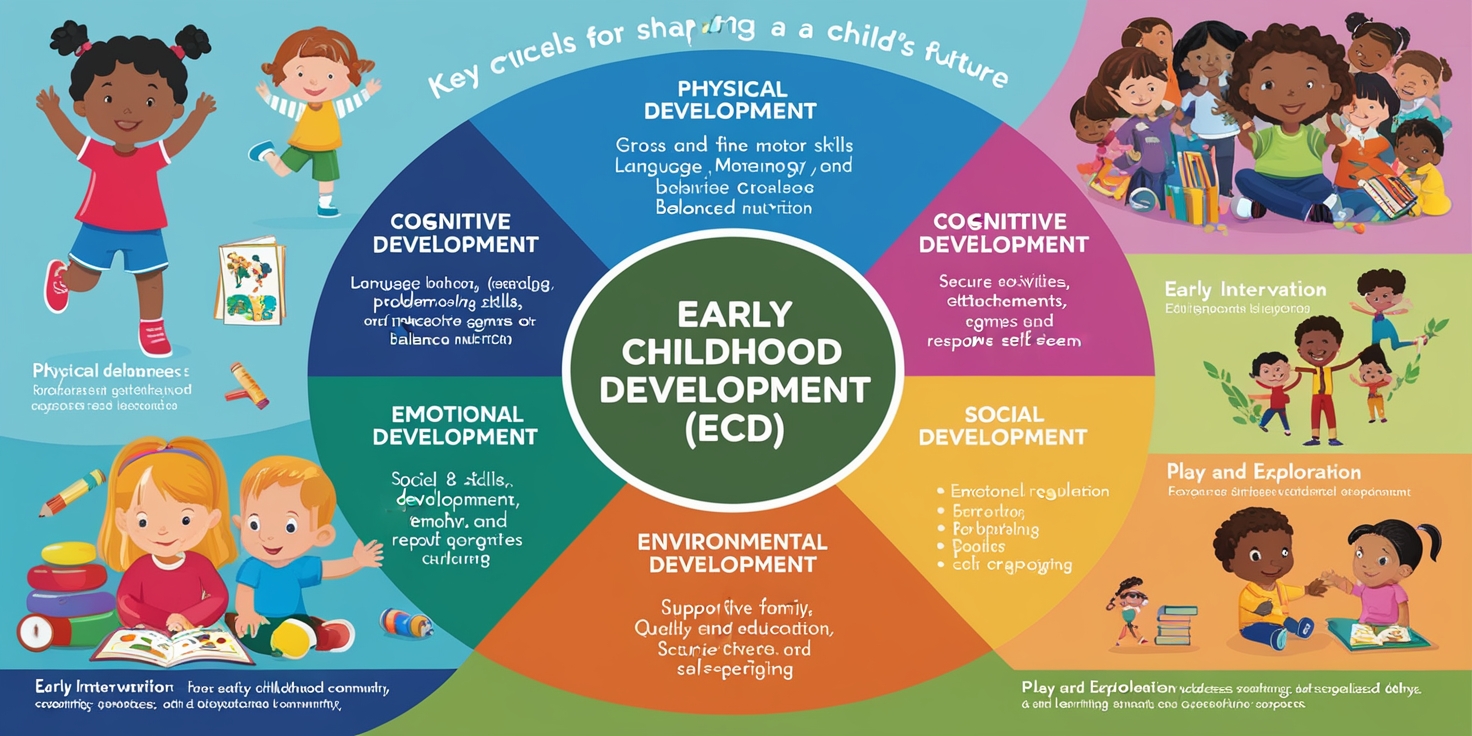
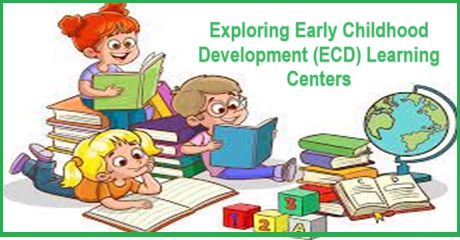
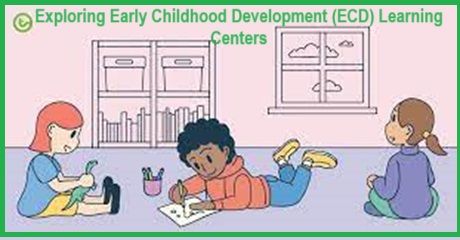
Early Childhood Development and Behavior Change in Children is a critical period of growth and learning that sets the foundation for a child’s future. During this time, children undergo significant physical, cognitive, emotional, and social development, which can profoundly influence their behavior later in life. Understanding the relationship between ECD and behavior change is essential for parents, caregivers, educators, and policymakers to support healthy development and positive outcomes for children.
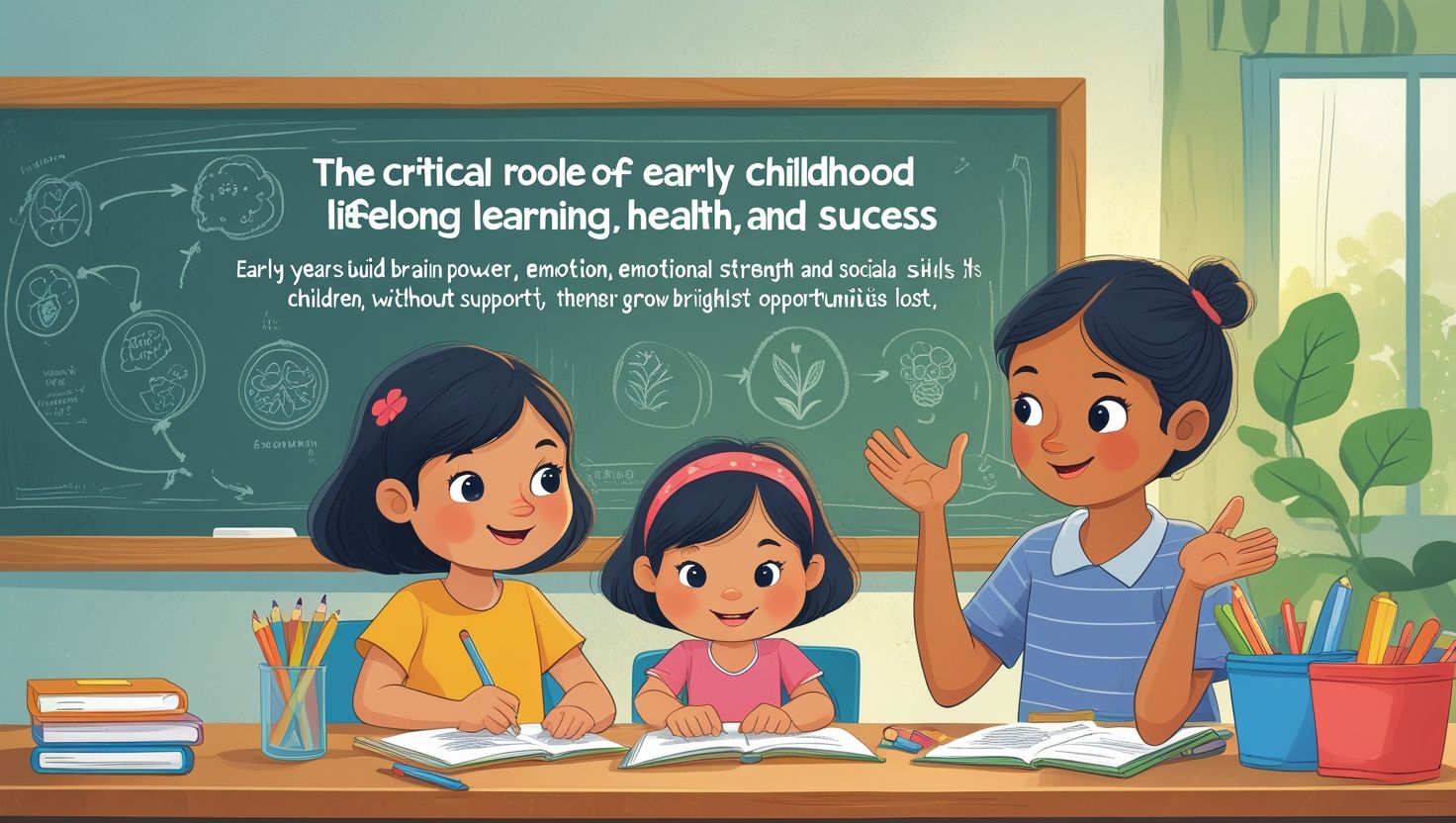
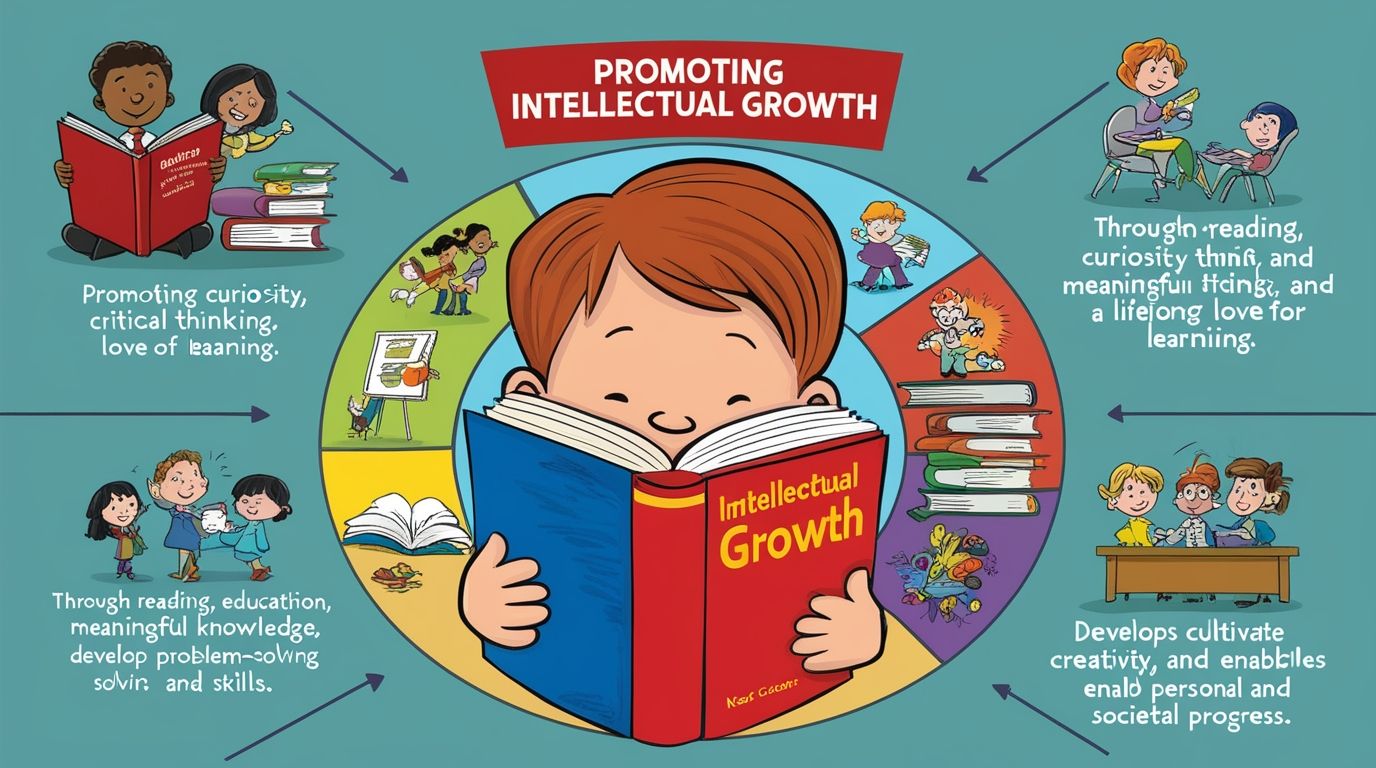
One of the key aspects of ECD is brain development. During the early years, the brain experiences rapid growth and wiring of neural connections, forming the basis for all future learning and behavior. Stimulating environments, nurturing relationships, and responsive caregiving play crucial roles in shaping the architecture of the brain. Positive interactions with caregivers provide children with emotional security and support cognitive and socio-emotional development.
ECD and Behaviour Change:
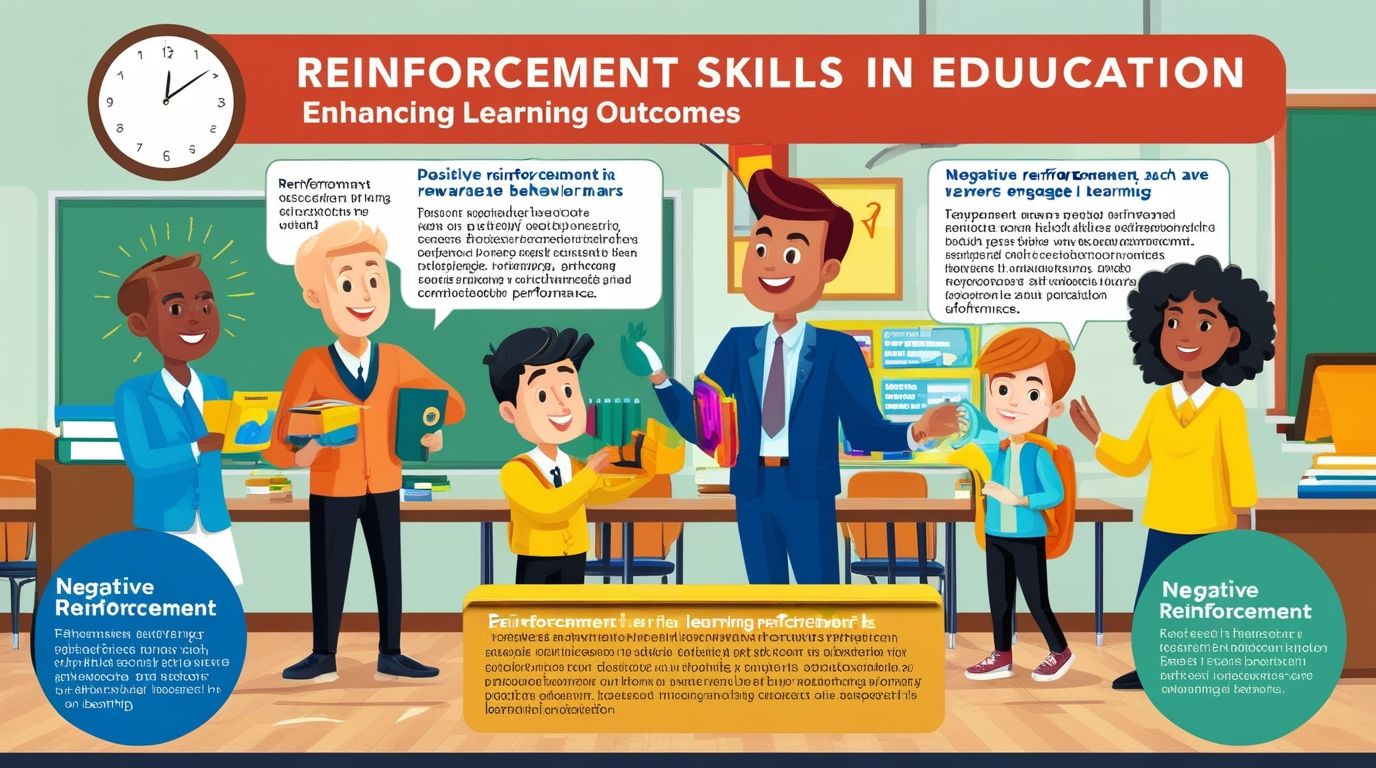
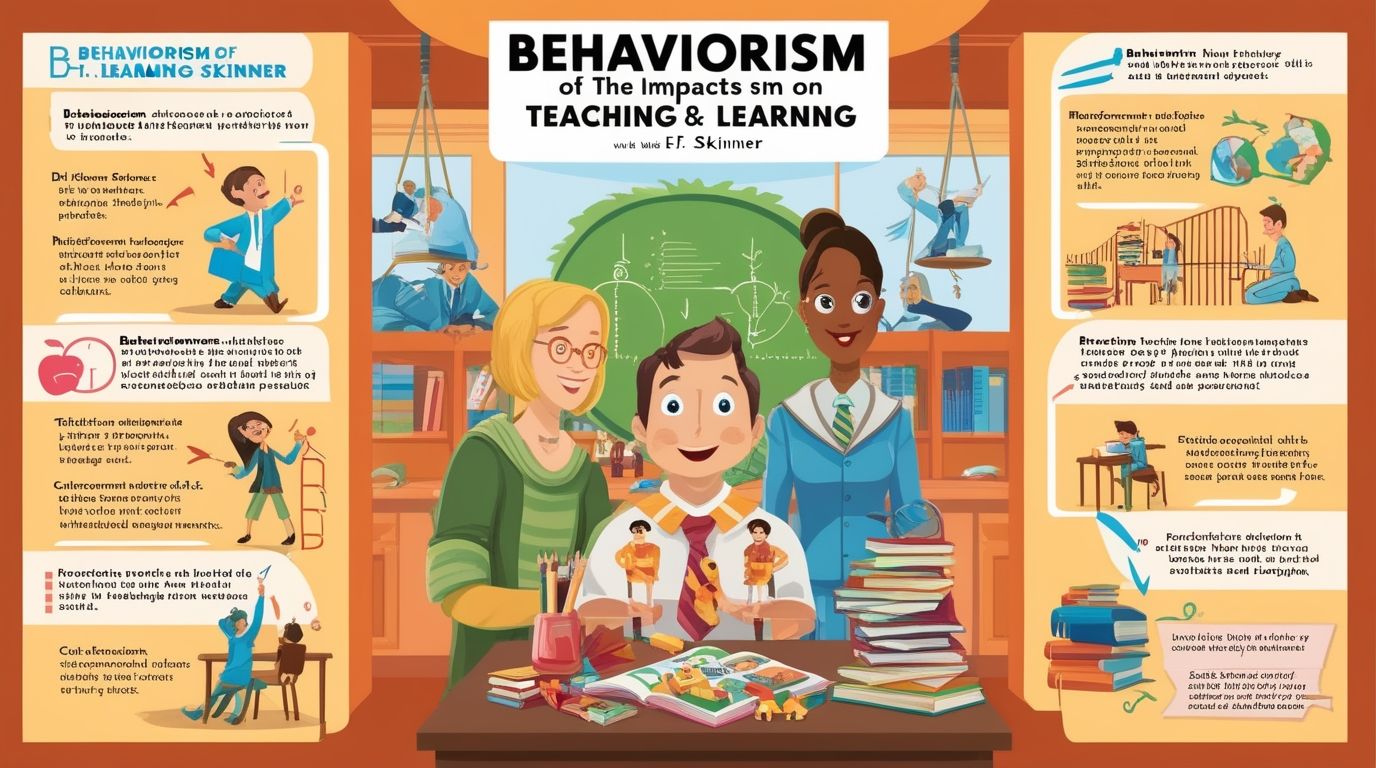
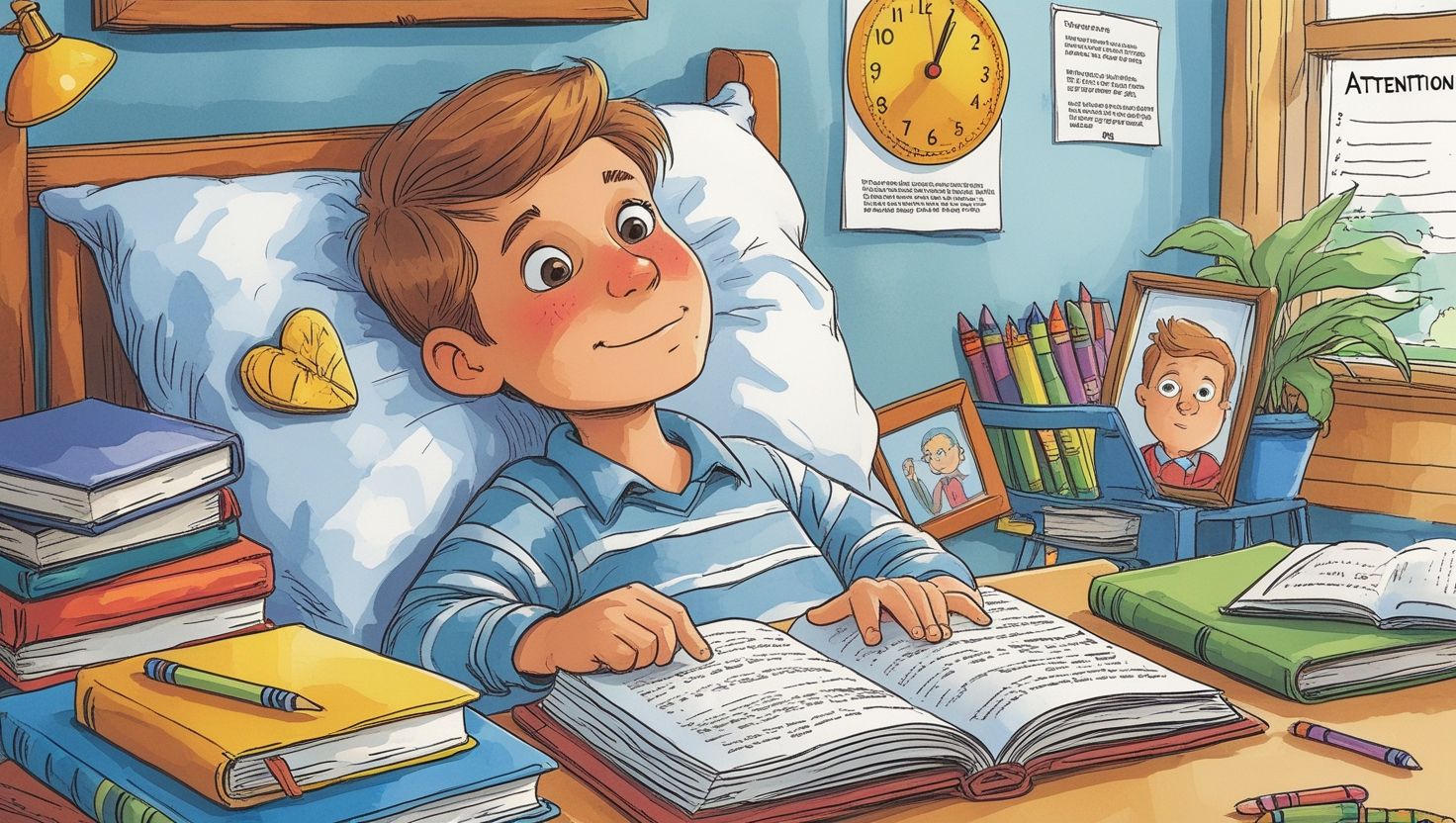
Behavioral patterns observed during early childhood can reflect the child’s environment, experiences, and interactions. Children learn through observation, imitation, and reinforcement, absorbing information from their surroundings and modeling behaviors they observe in adults and peers. Therefore, the quality of the child’s environment significantly influences their behavior and development.
Early childhood is also a period of considerable vulnerability to adverse experiences, such as neglect, abuse, poverty, and exposure to violence or toxins. These adverse experiences can disrupt healthy development and increase the risk of behavioral problems later in life. Adverse childhood experiences (ACEs) have been linked to a range of negative outcomes, including poor physical and mental health, substance abuse, delinquency, and academic difficulties.
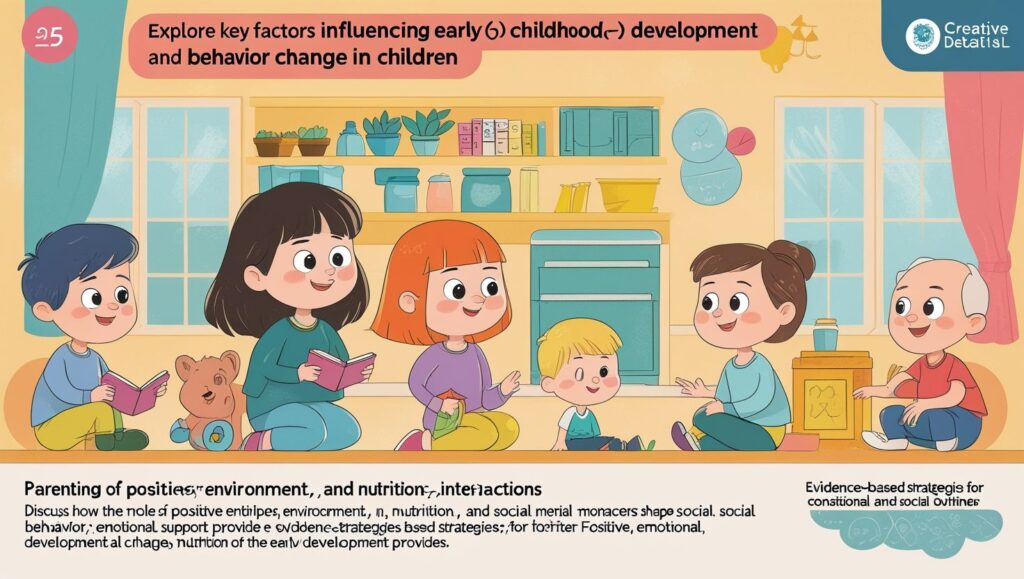
Behavior change in children can occur through various mechanisms, including learning, socialization, and biological maturation. Learning involves acquiring new knowledge, skills, and behaviors through experiences, instruction, and observation. Socialization refers to the process by which children internalize societal norms, values. And expectations through interactions with family, peers, and other social agents. Biological maturation encompasses the natural progression of physical and neurological development, which can influence behavior.
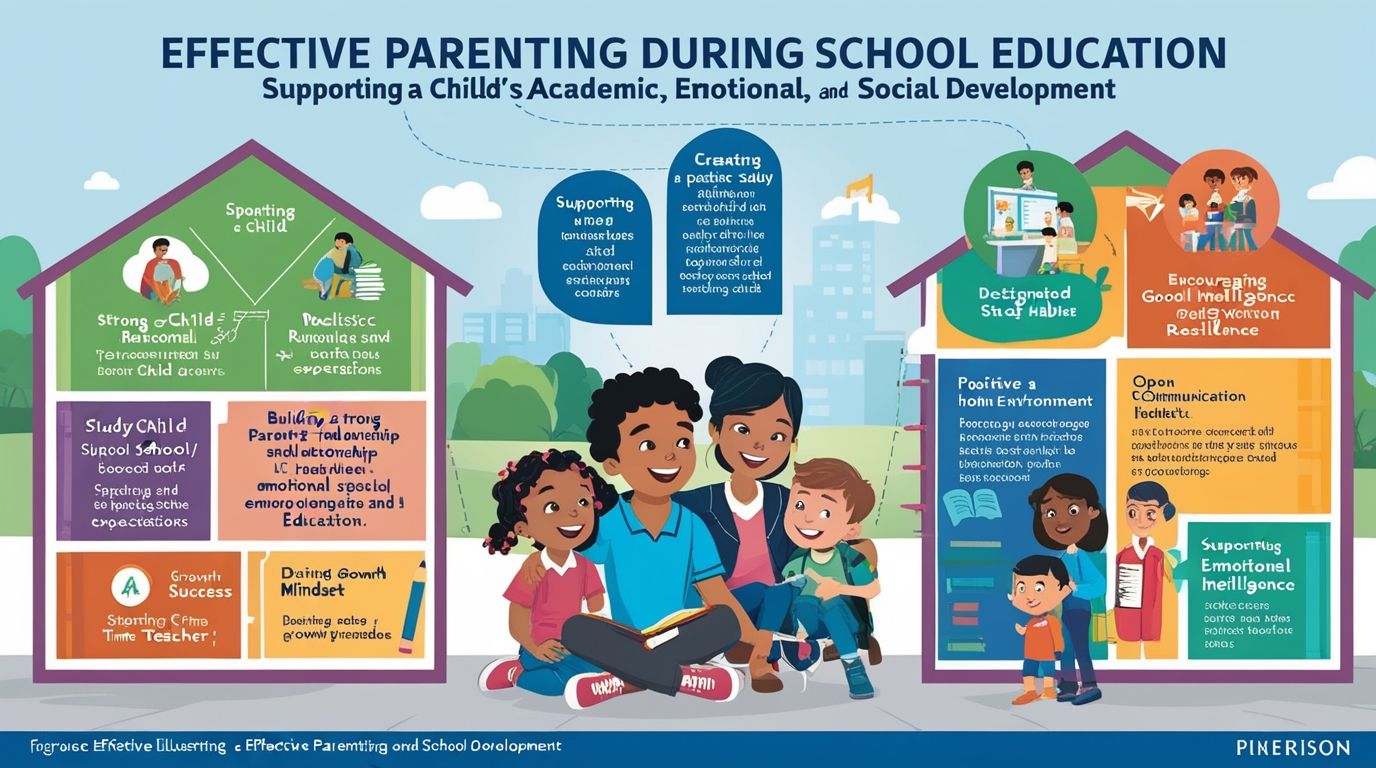
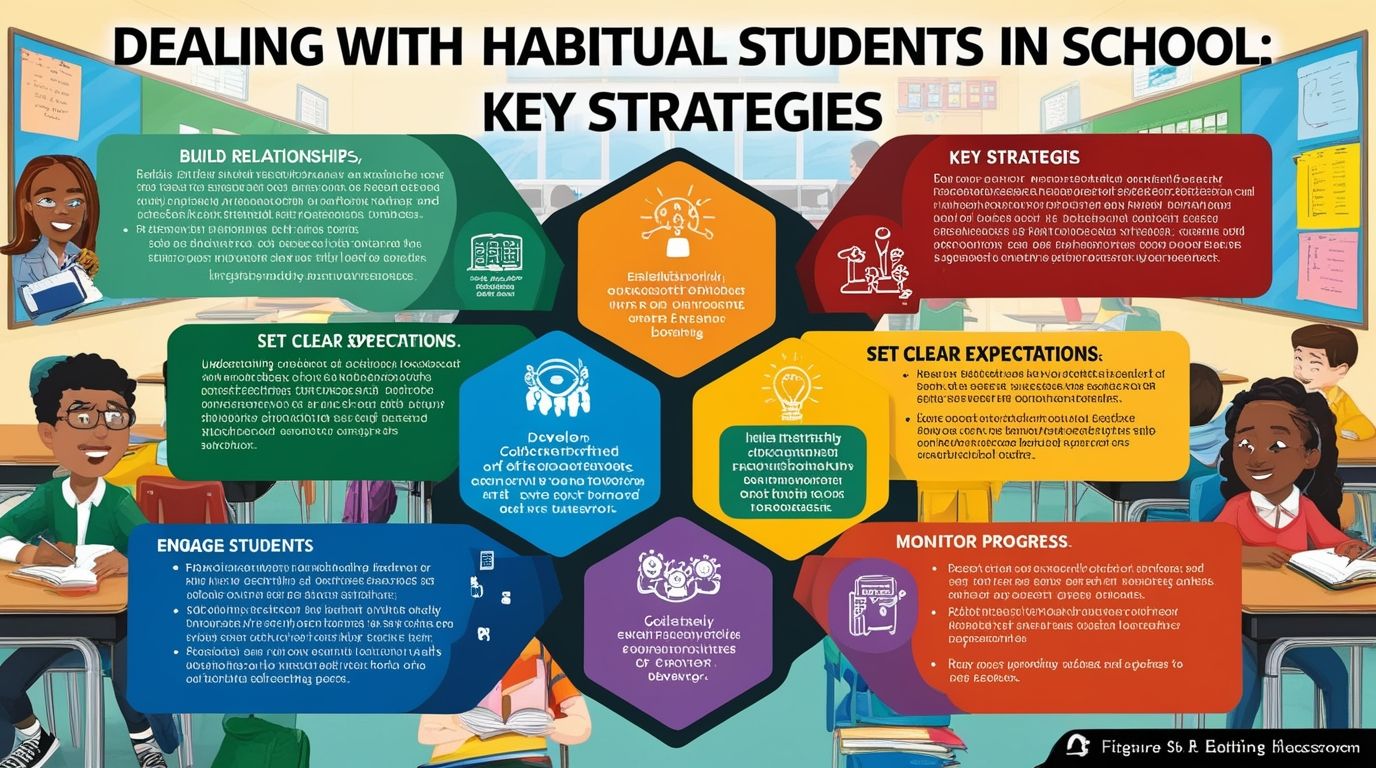
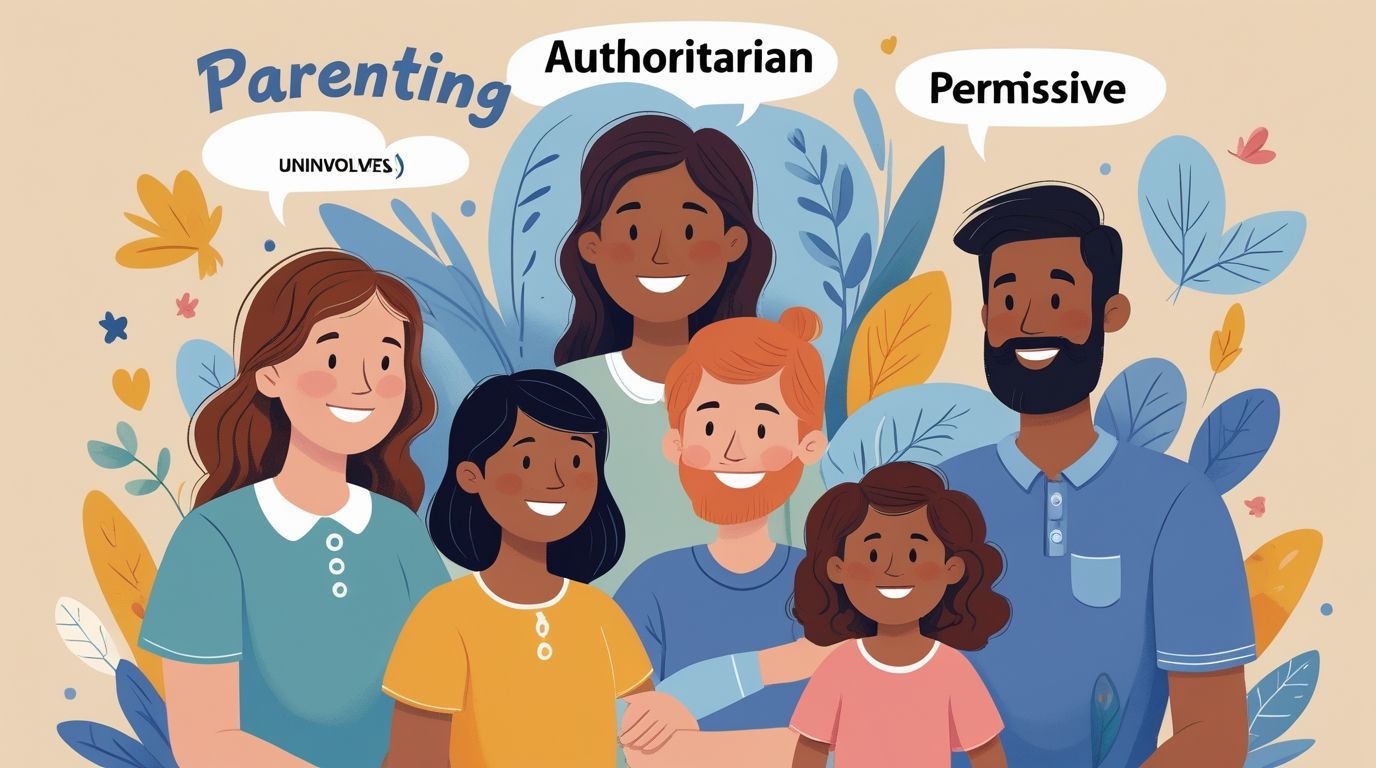
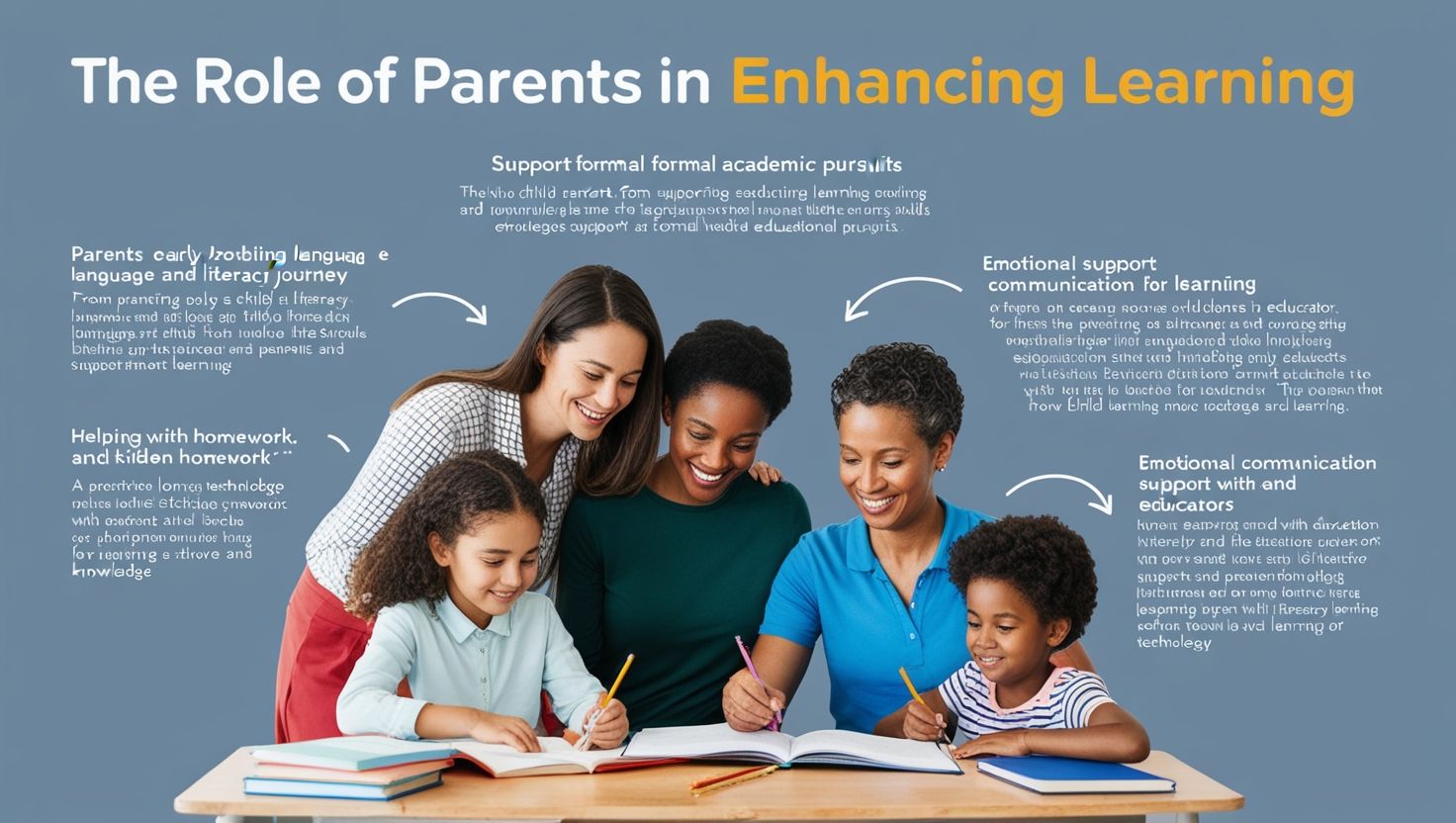
Promoting positive behavior change in children requires a holistic approach that addresses their physical, cognitive, emotional, and social needs. Providing a nurturing and supportive environment is paramount, as it fosters feelings of safety, security, and trust essential for healthy development. Positive parenting practices, such as setting clear expectations, offering praise. And encouragement, and providing consistent discipline, can help shape desirable behaviors in children.
Early intervention is crucial for addressing behavioral concerns and promoting positive development in children. Identifying risk factors and addressing them promptly can mitigate the impact of adverse experiences and prevent long-term consequences. Interventions may include parent education programs, mental health services, early childhood education. And community-based support initiatives aimed at strengthening families and promoting resilience.
Educators play a vital role:
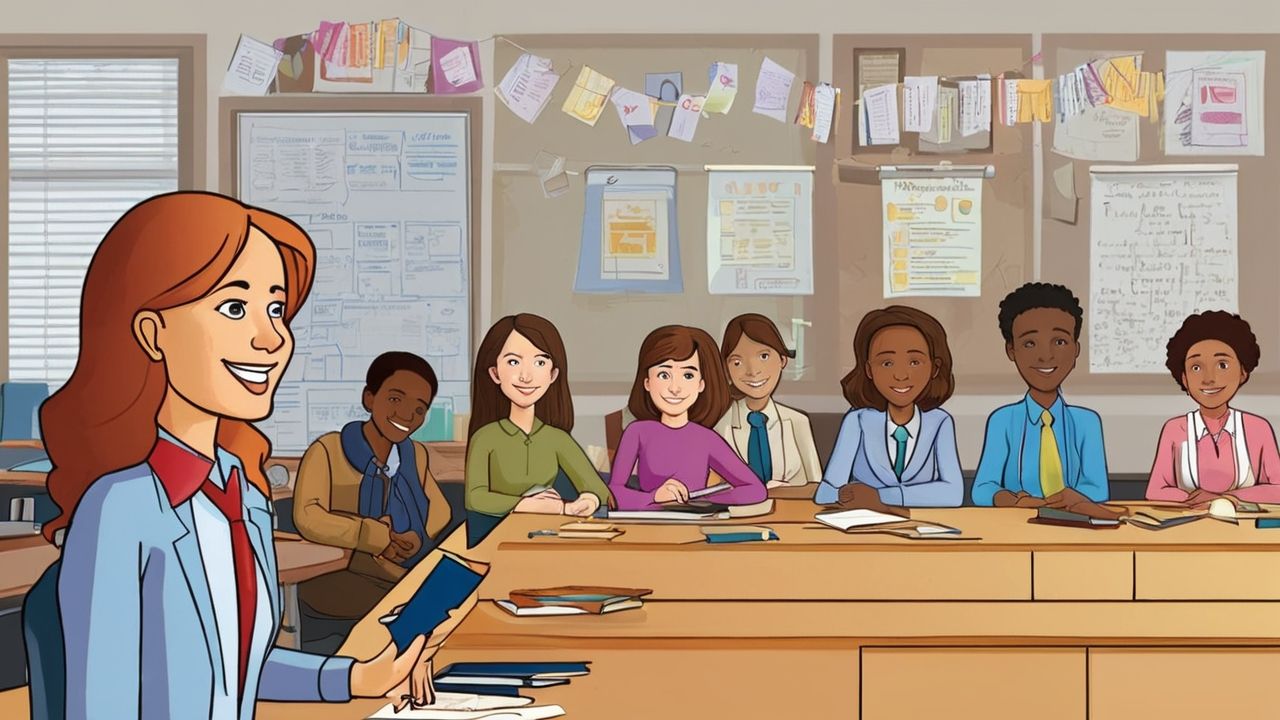
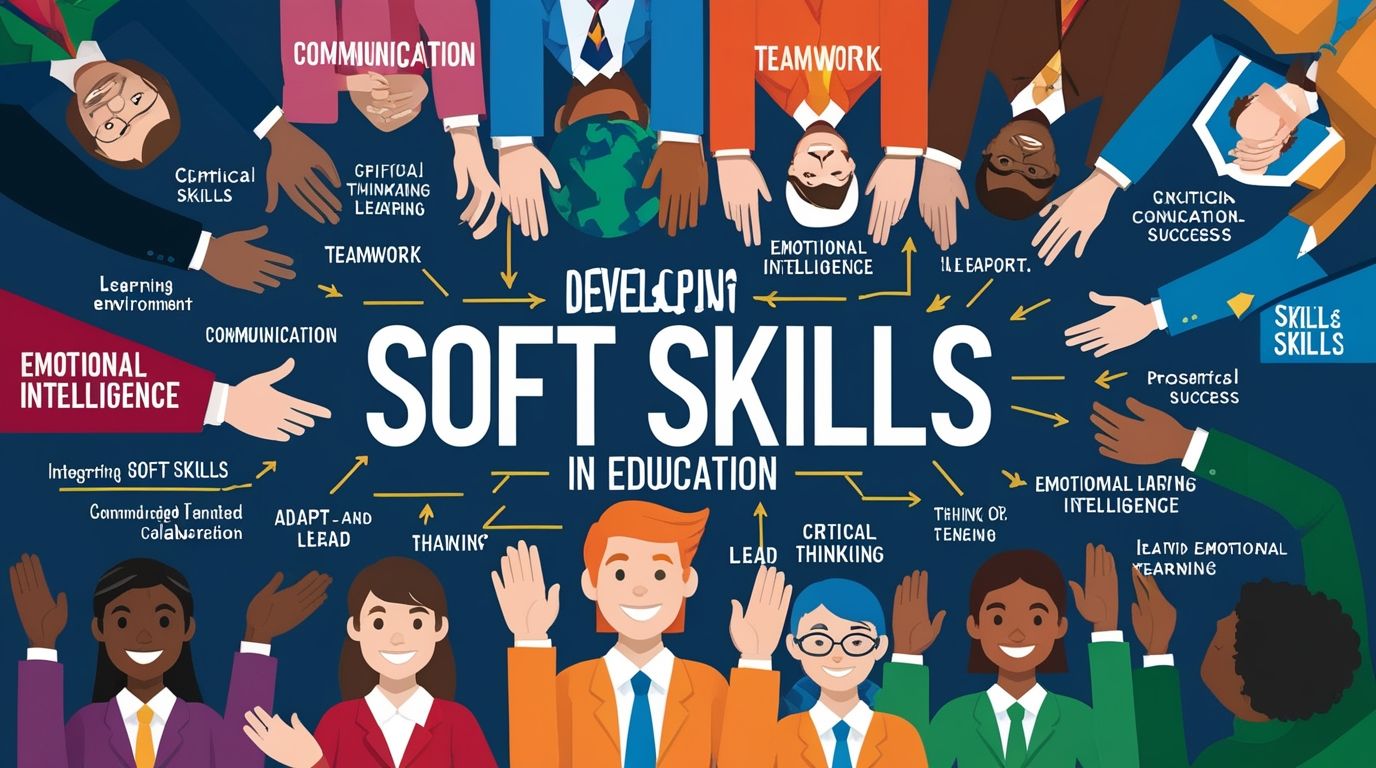
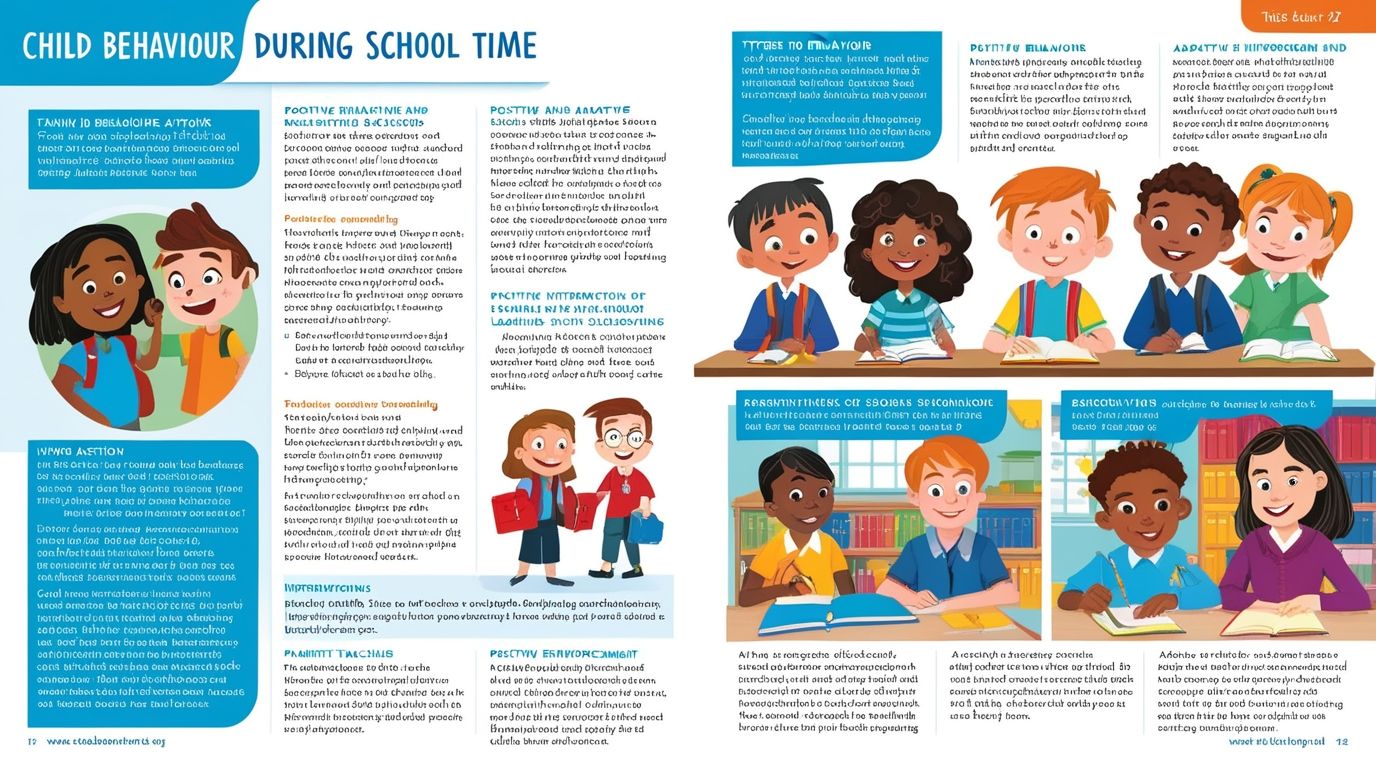
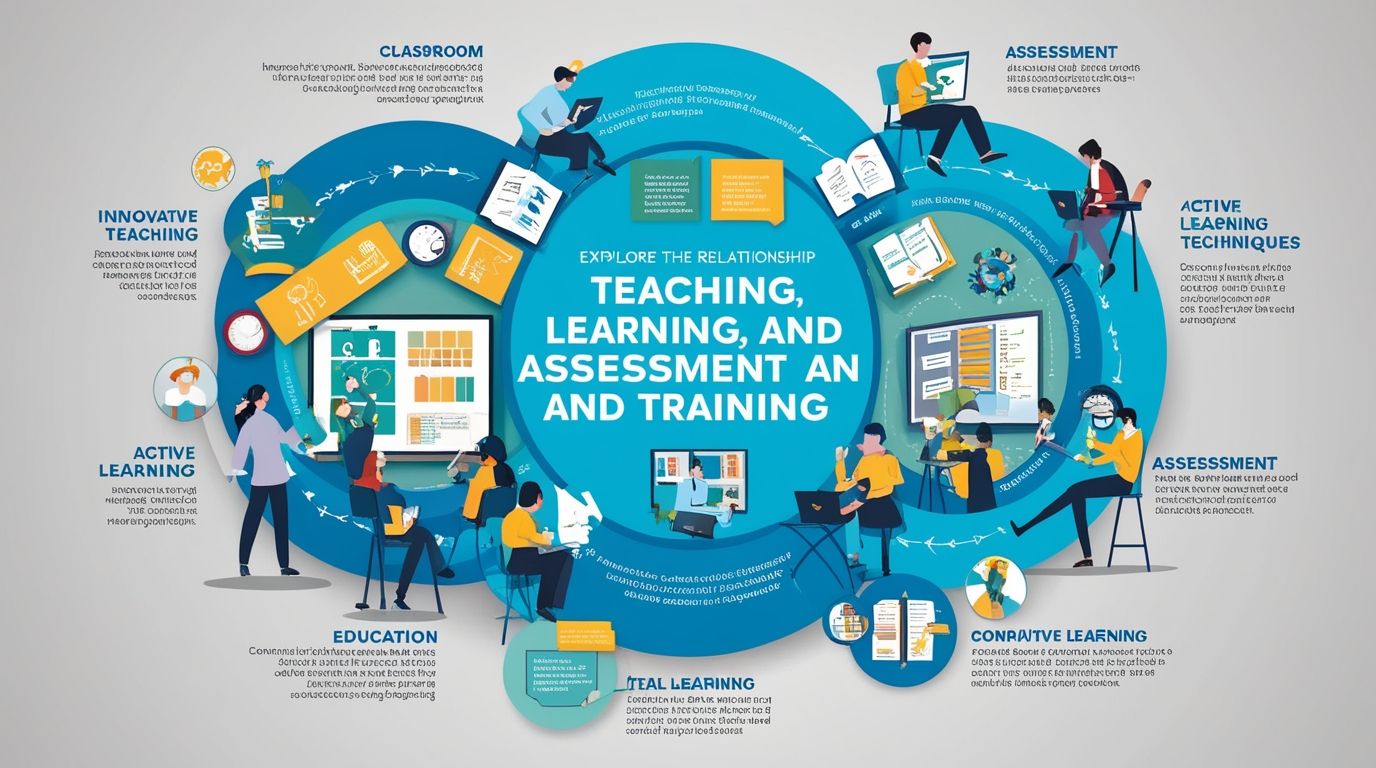
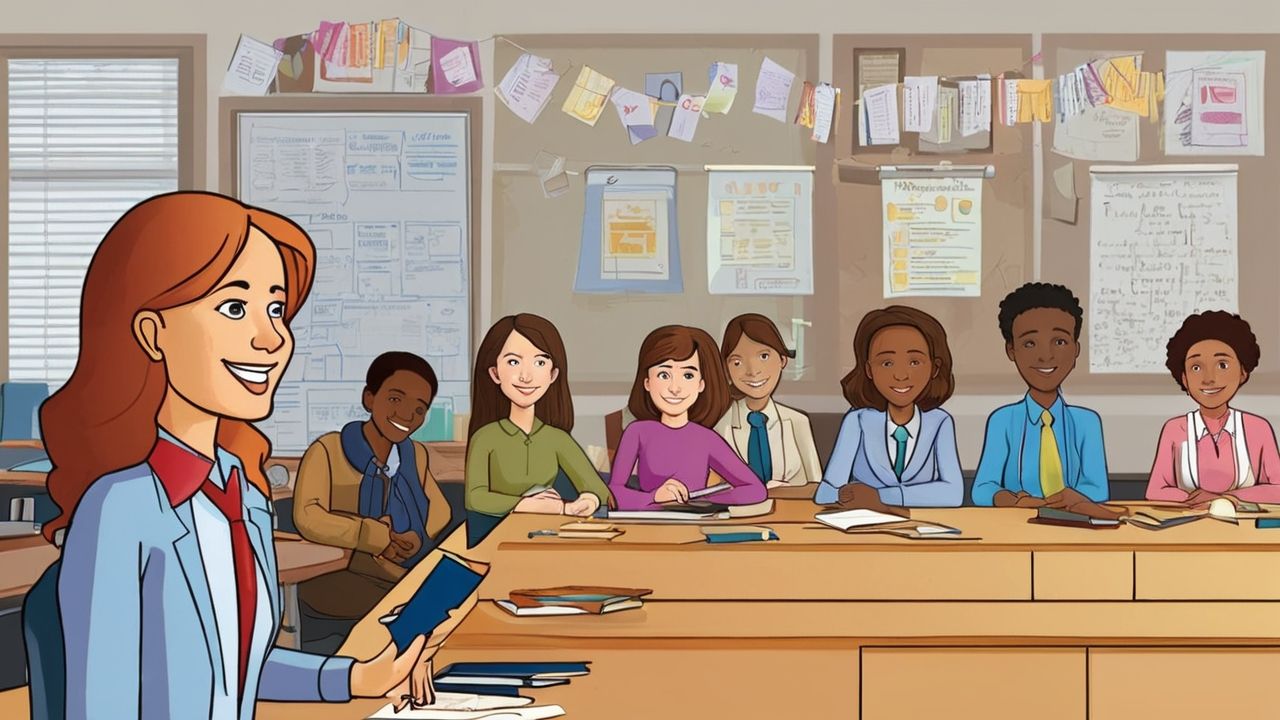
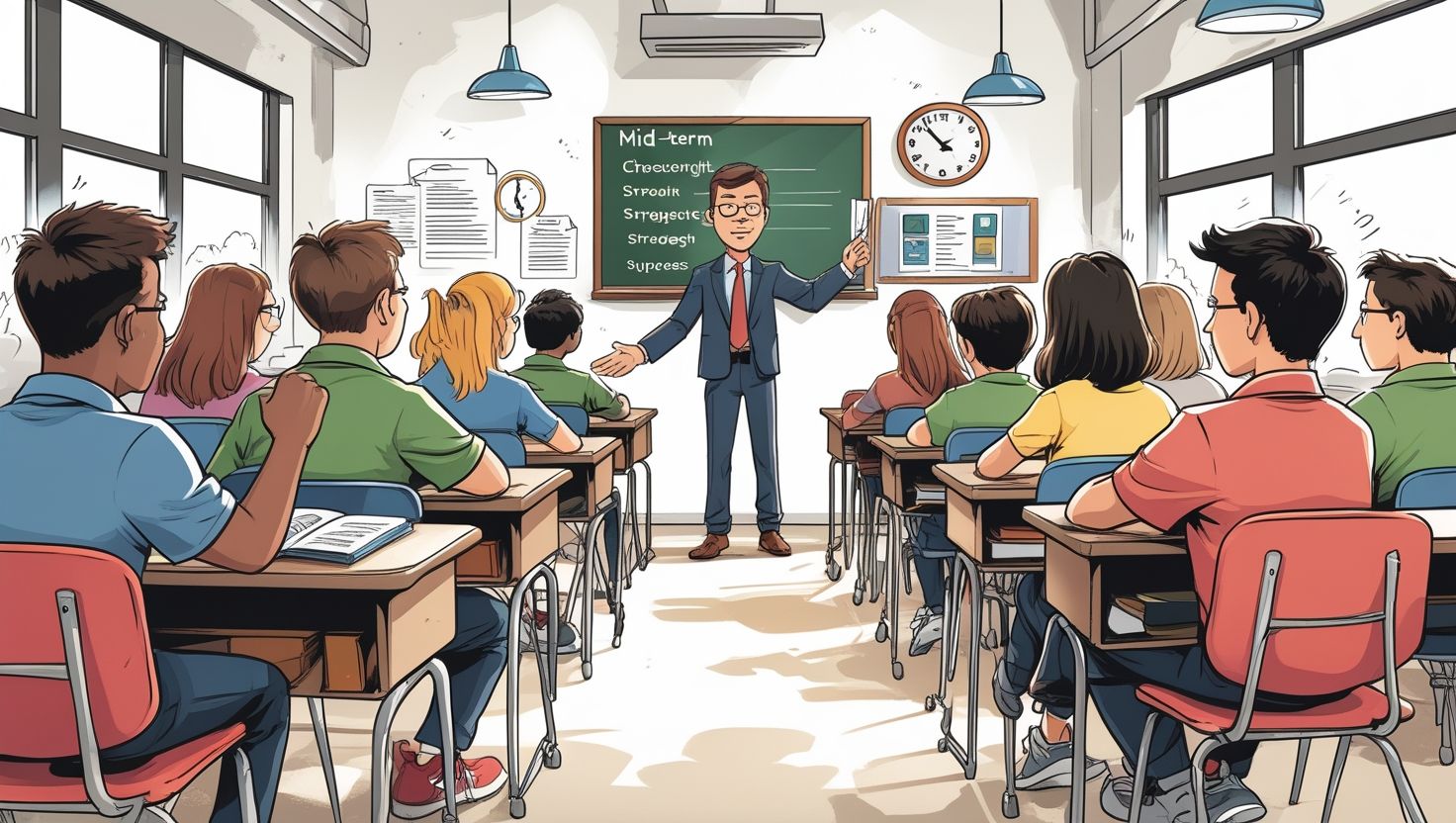
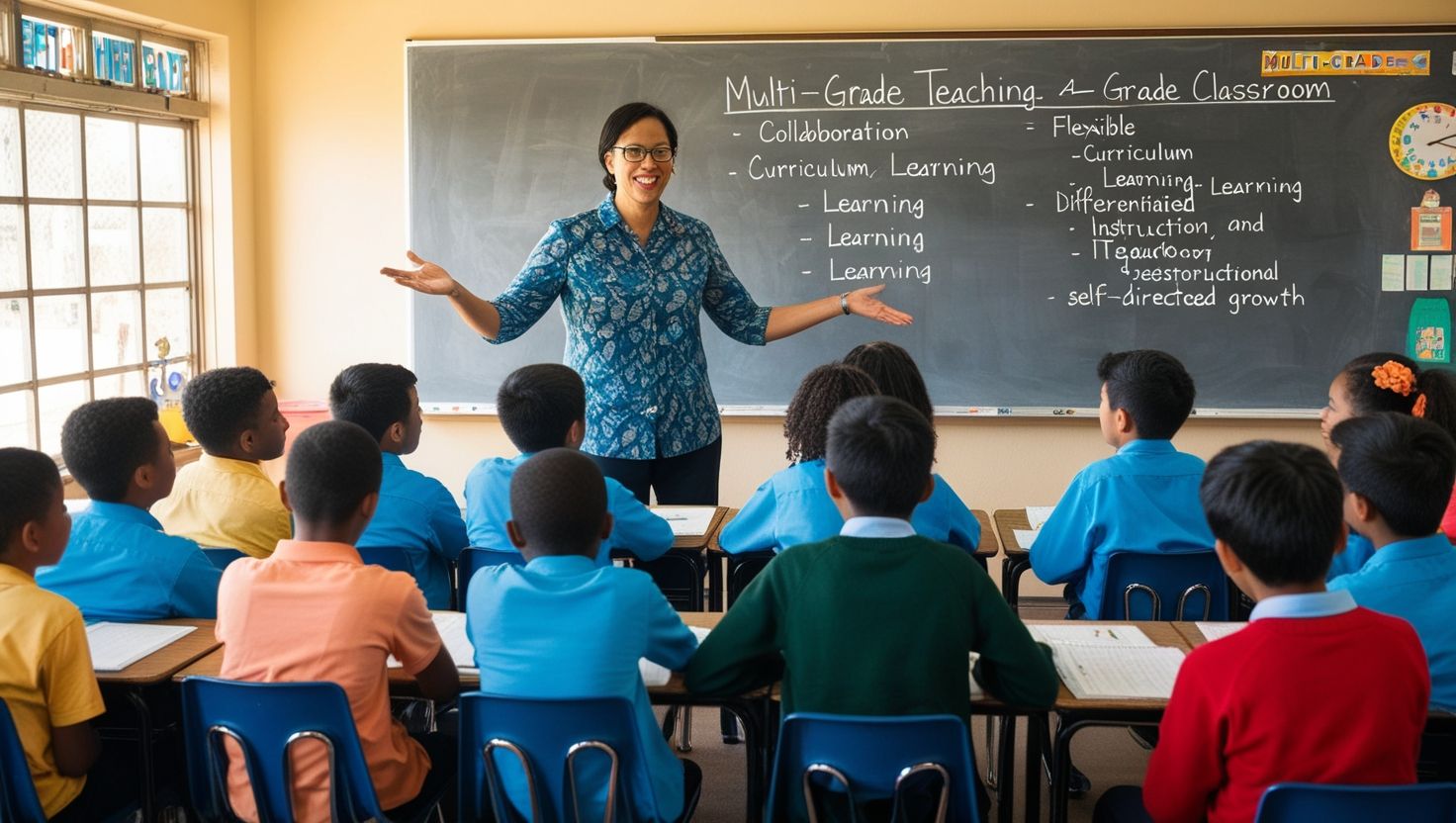
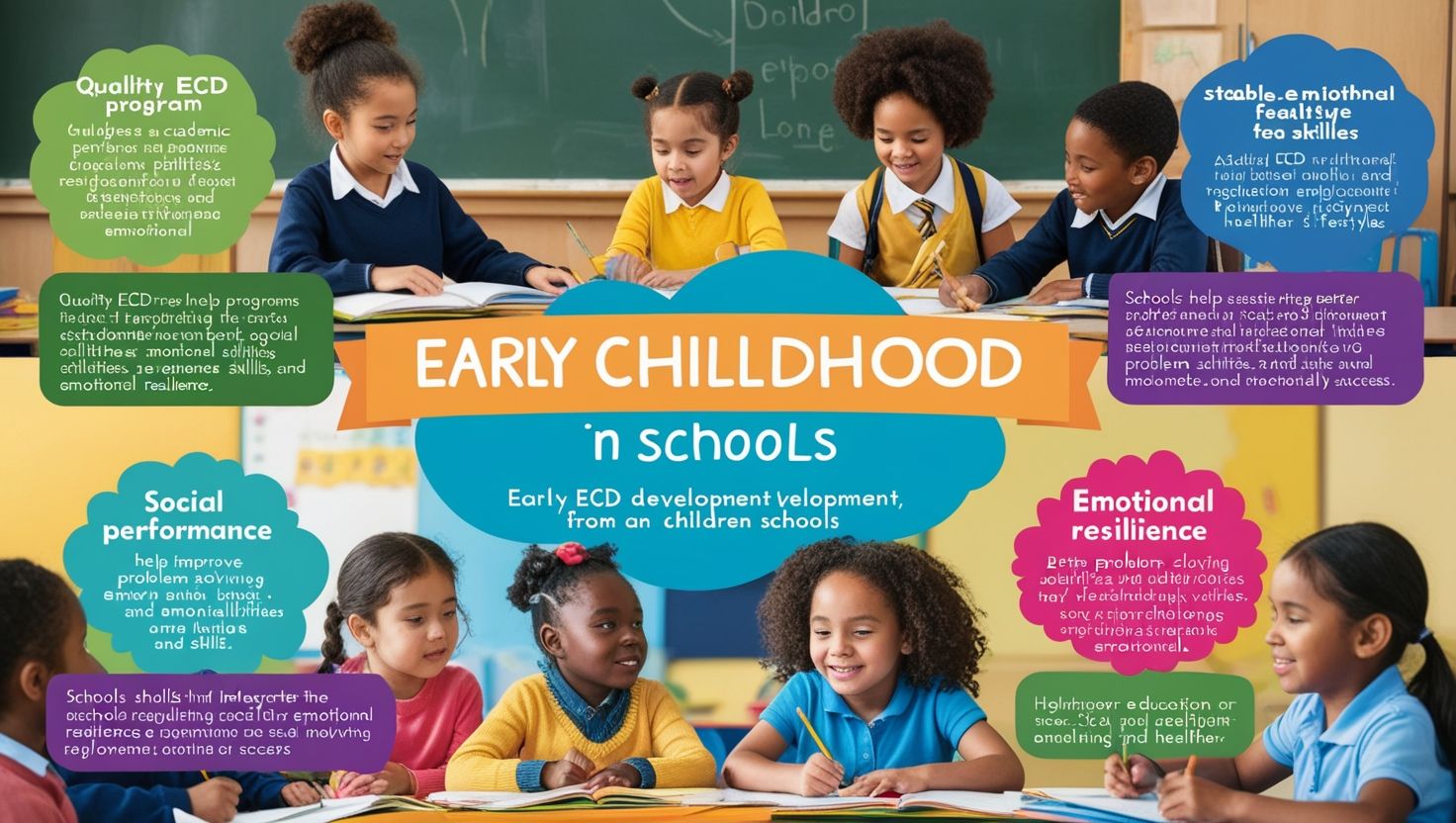
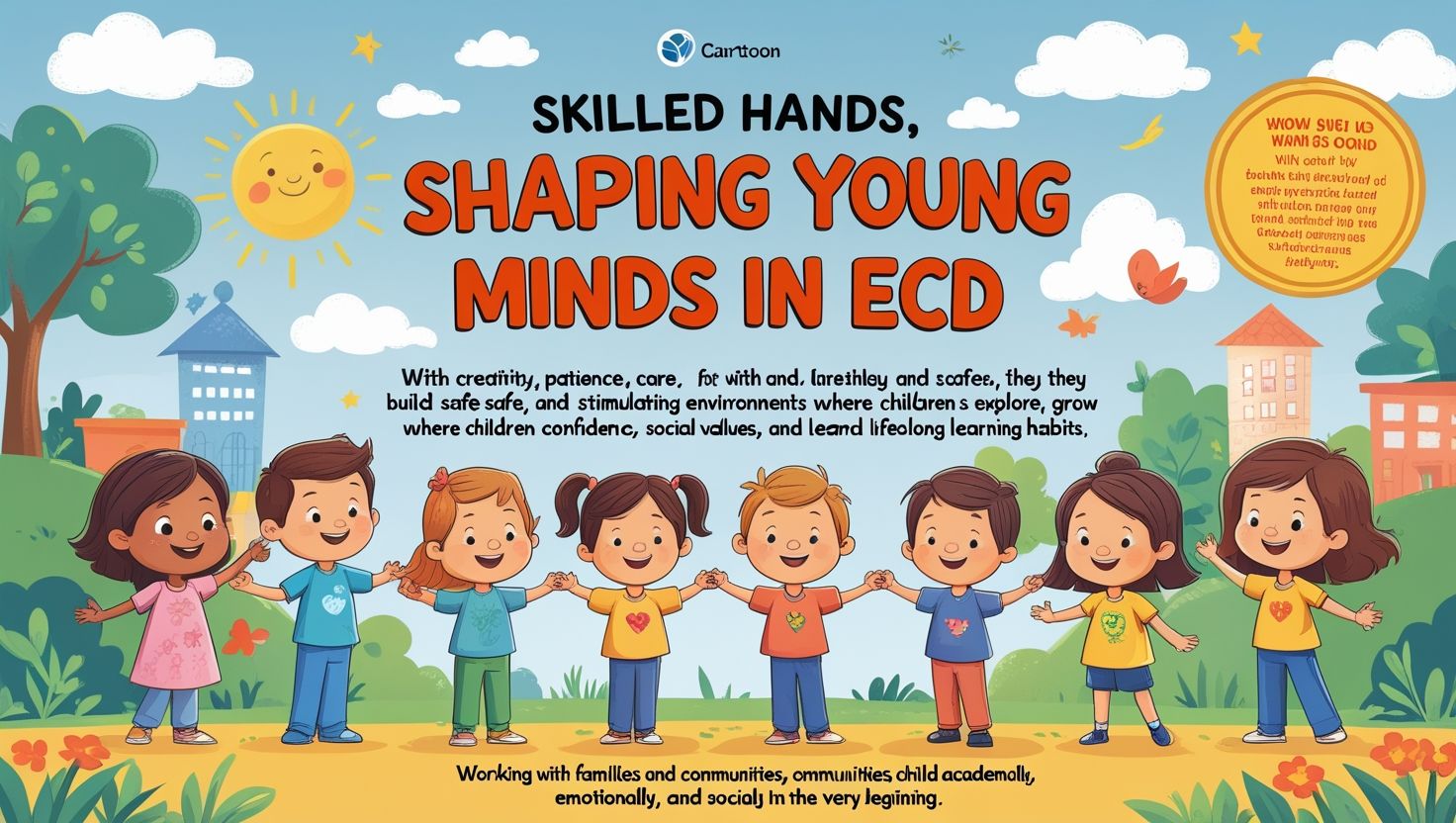
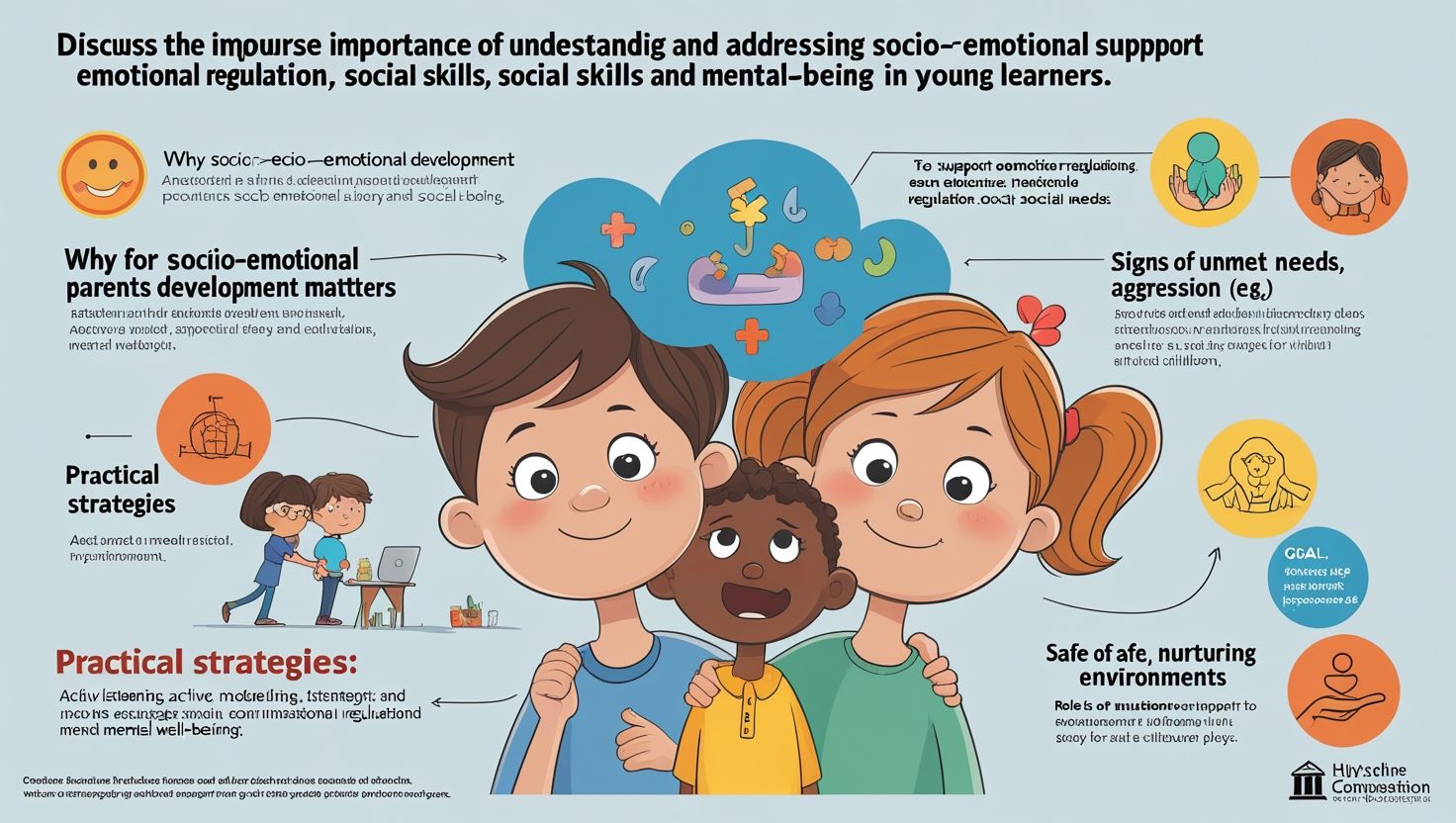
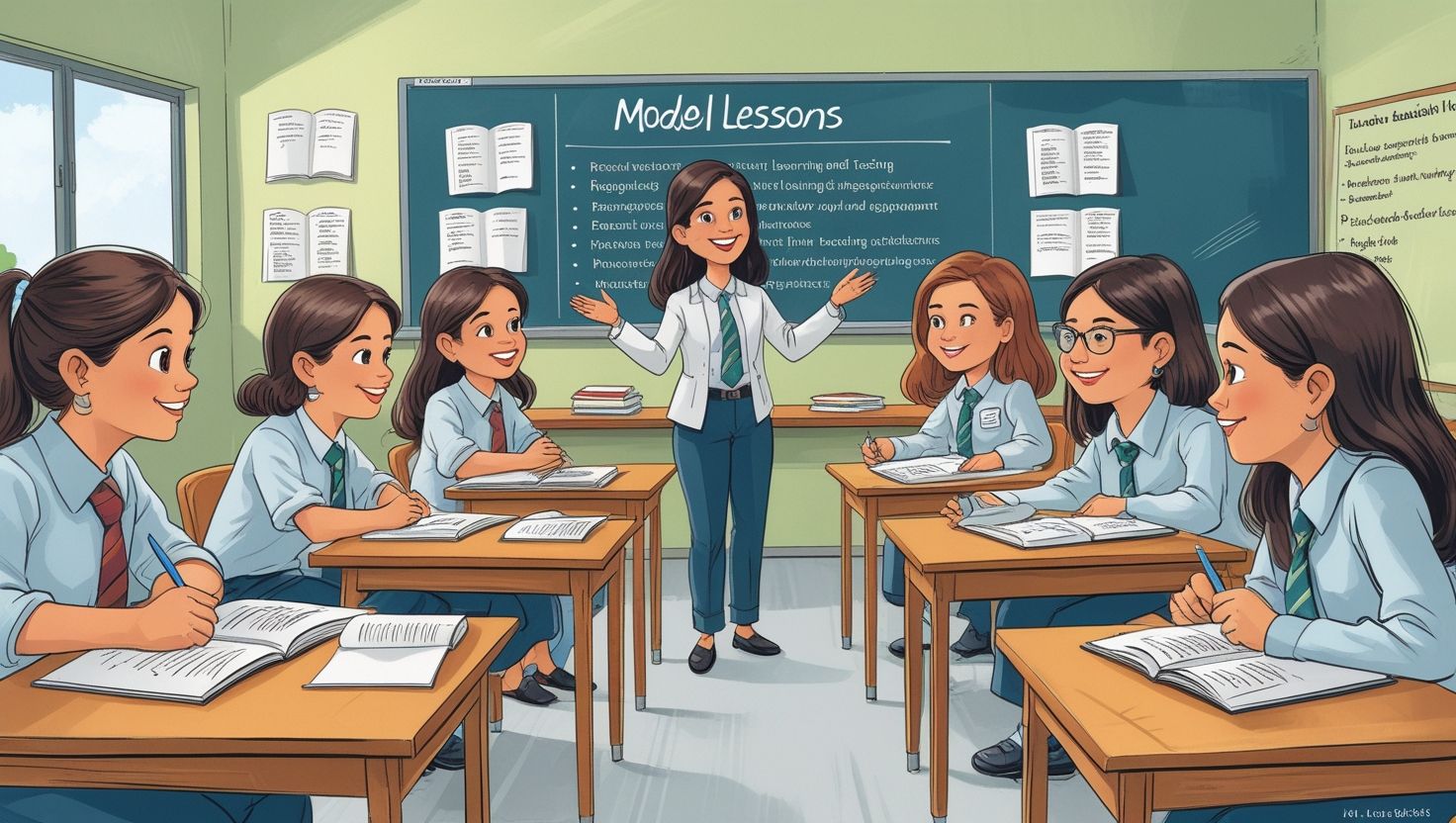
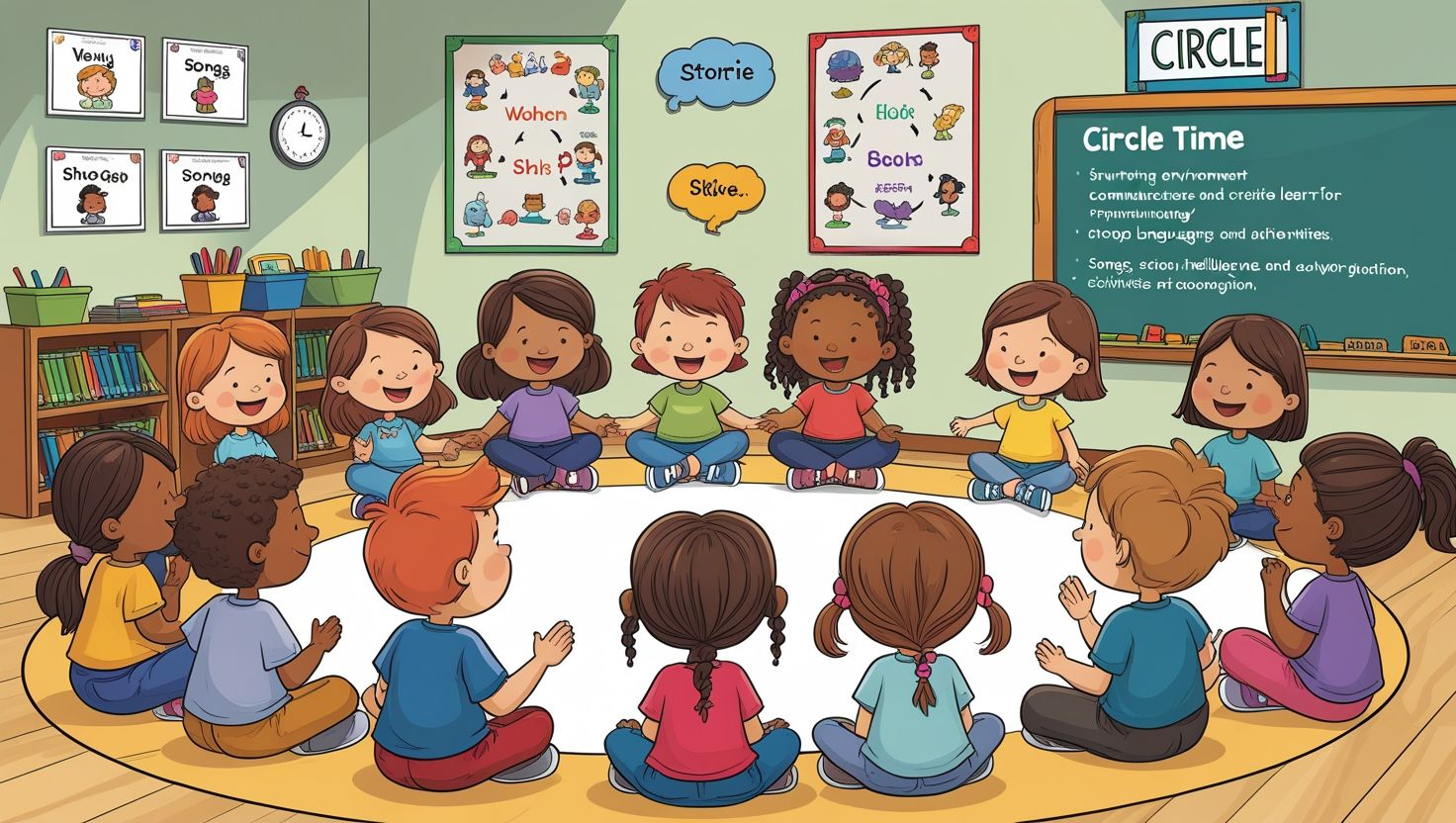
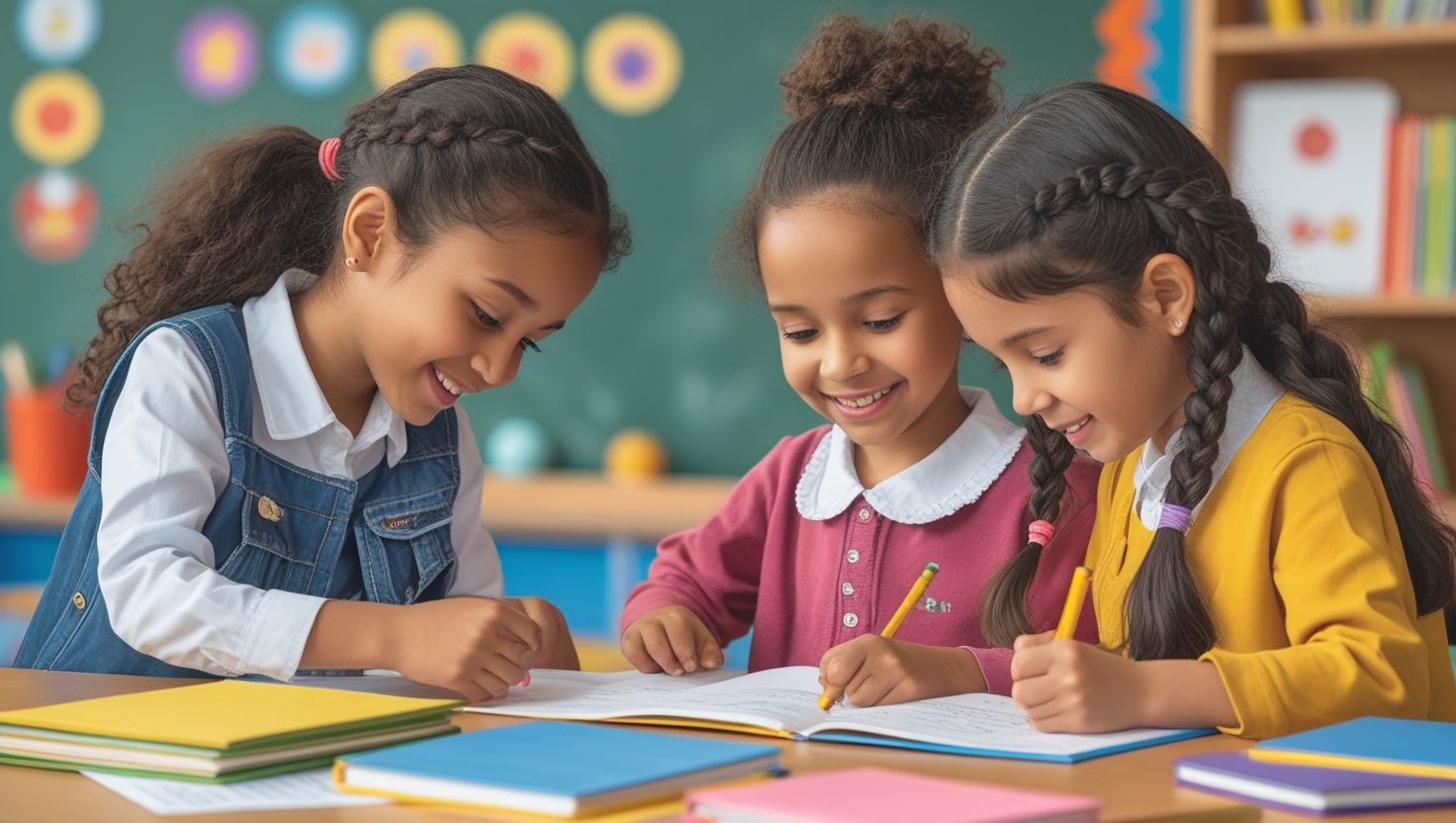
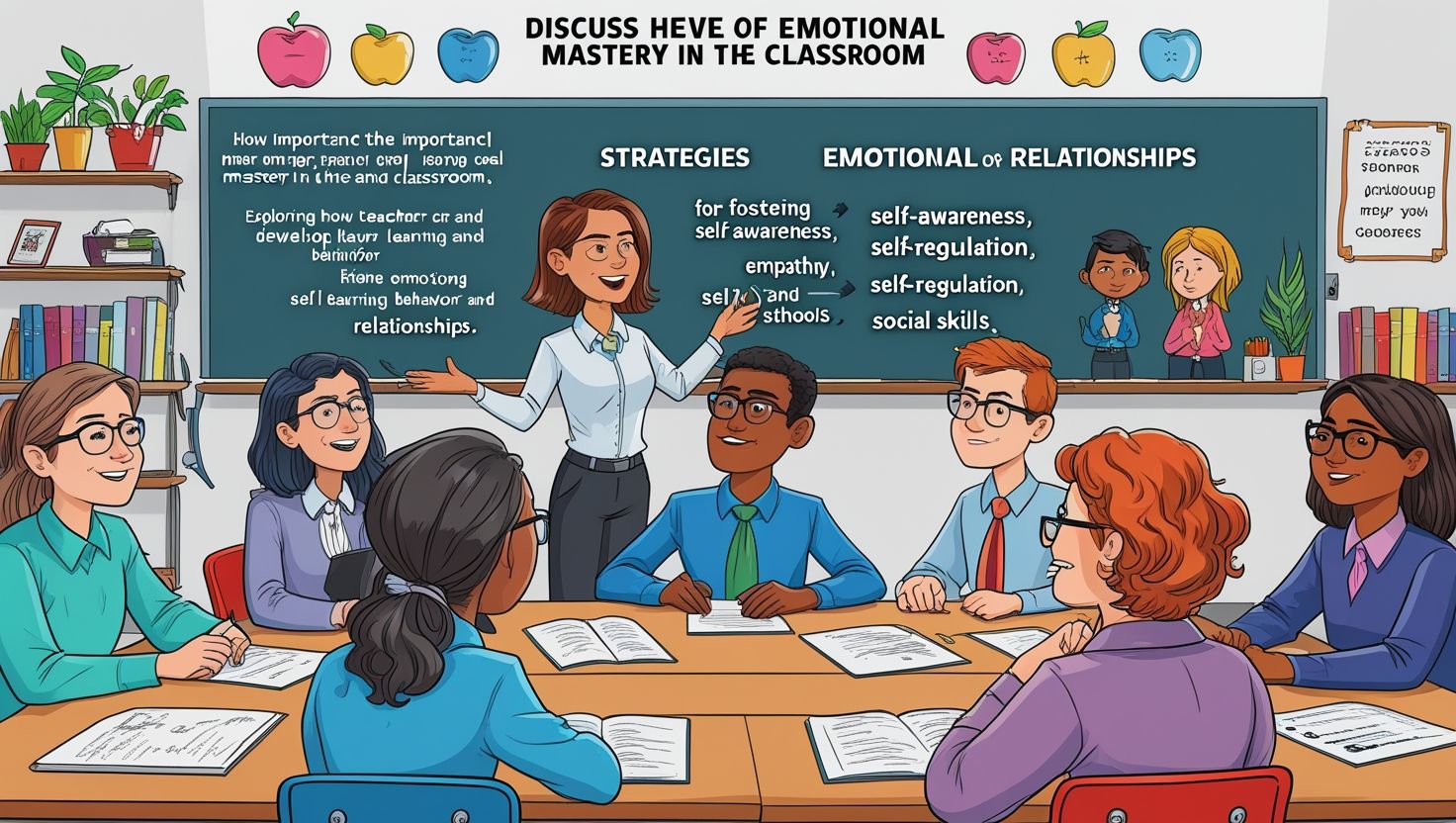
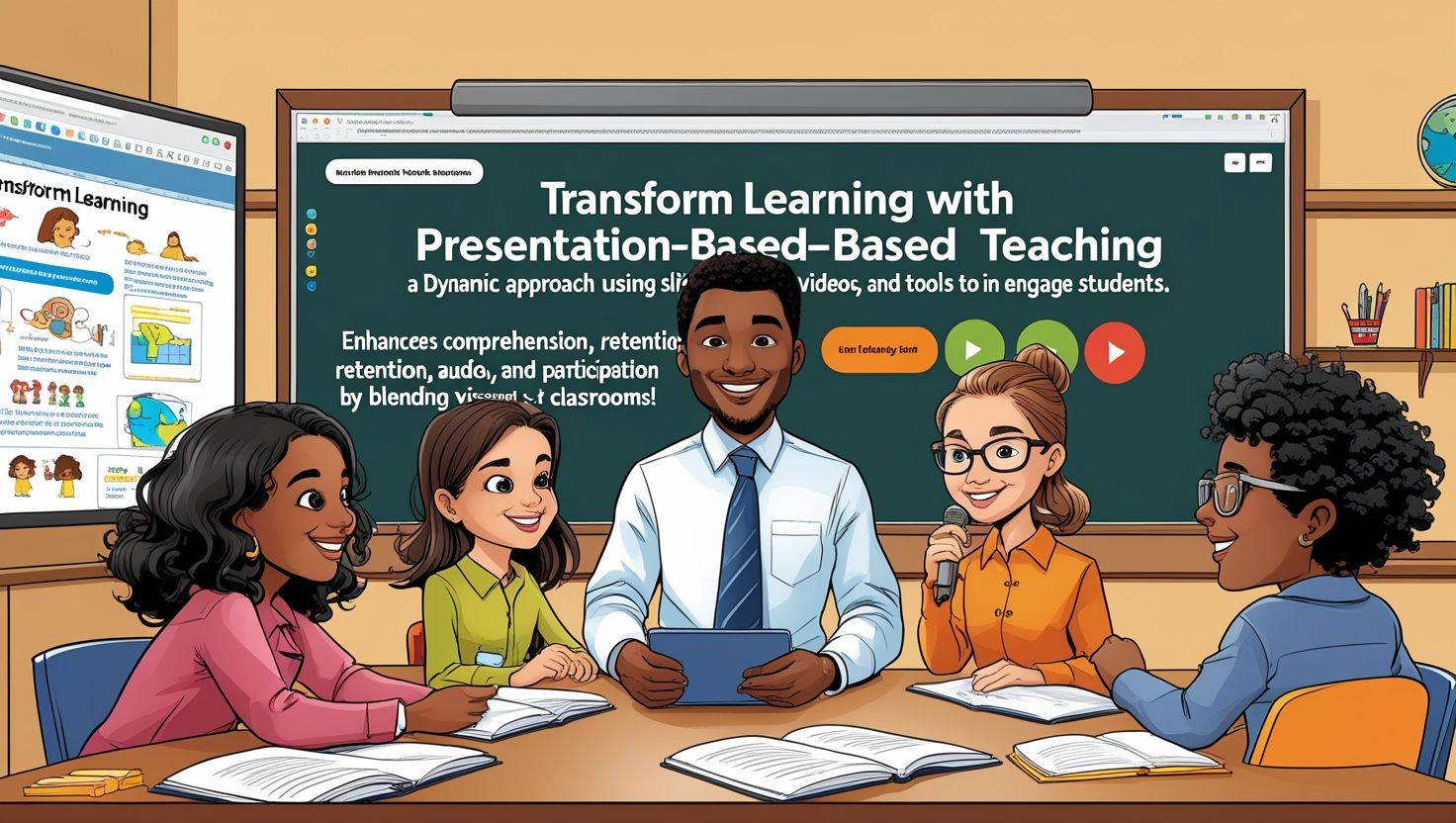
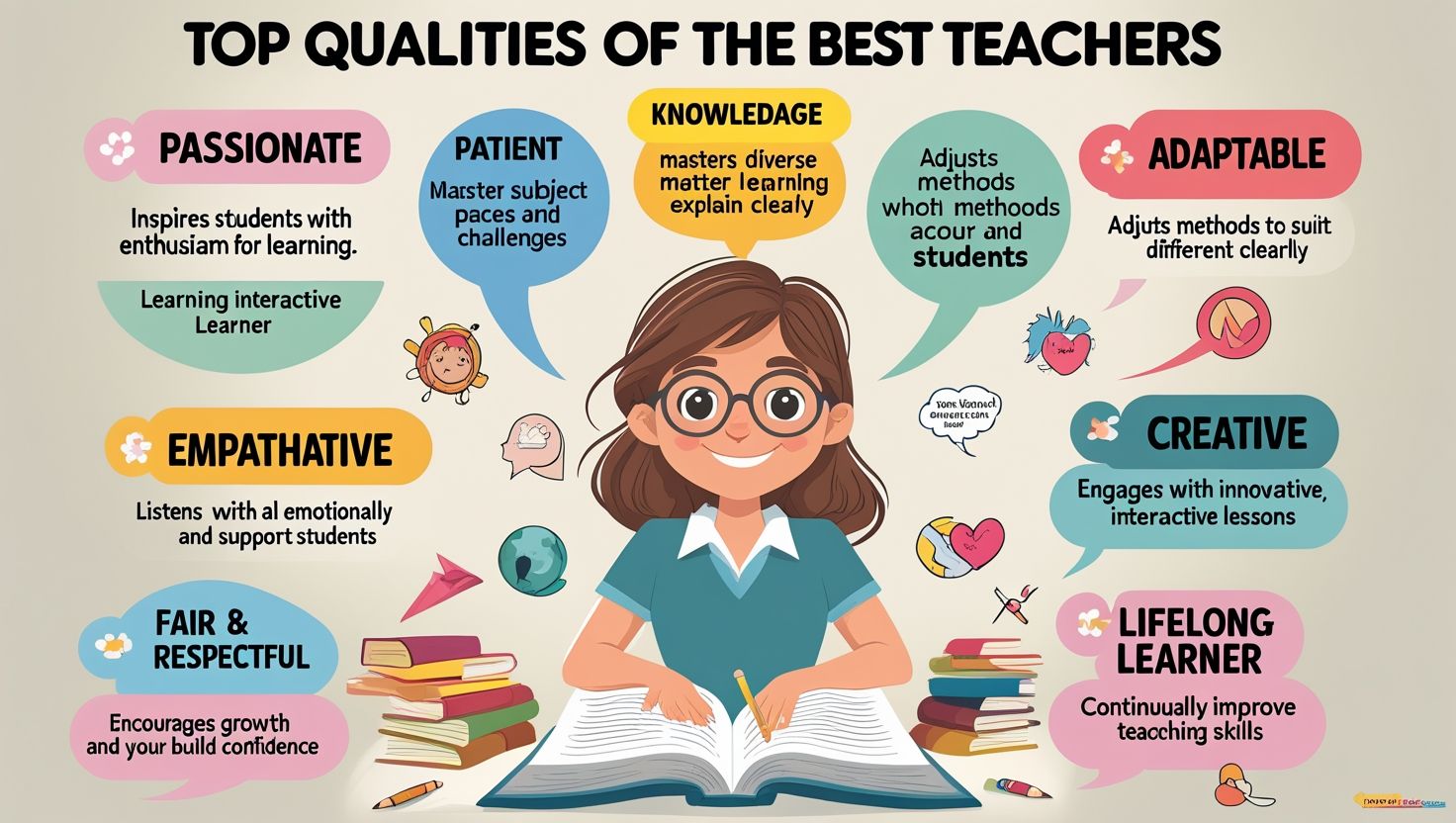
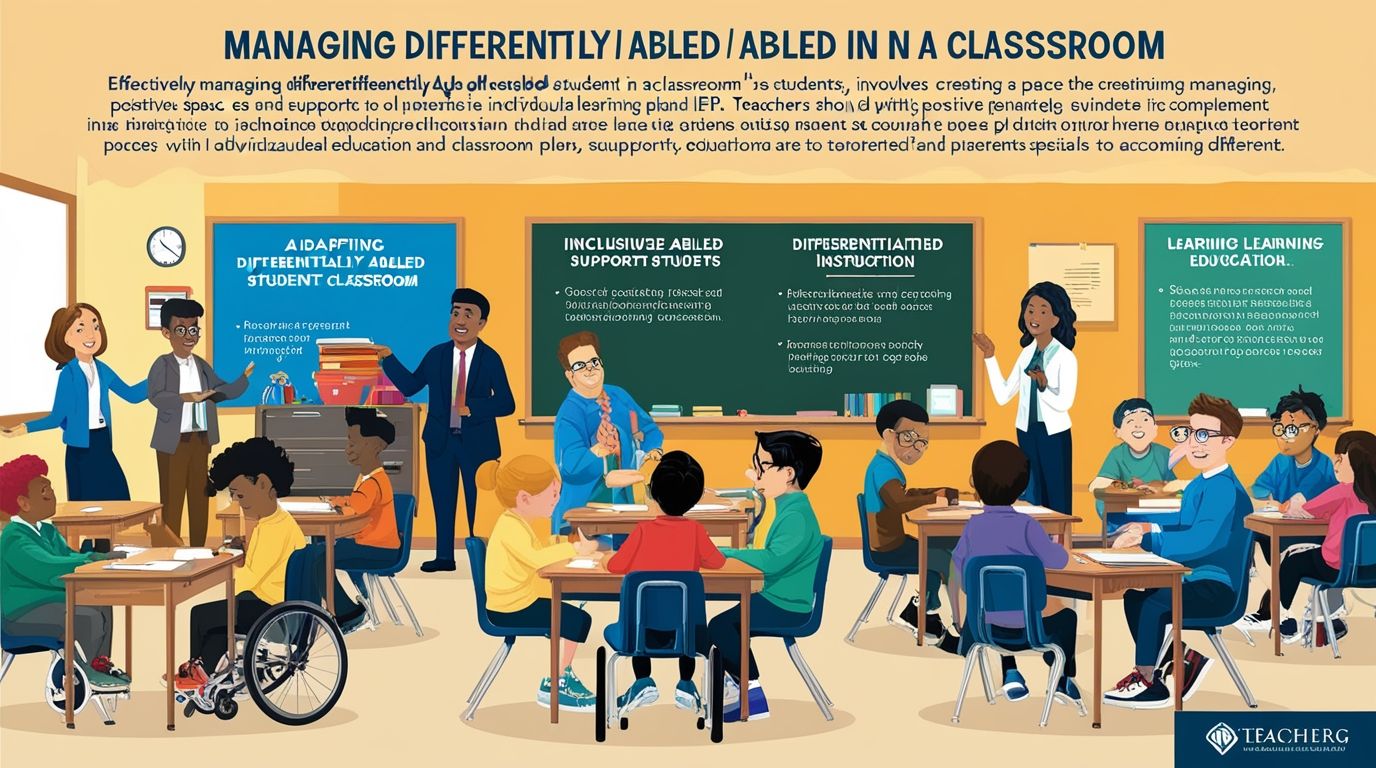
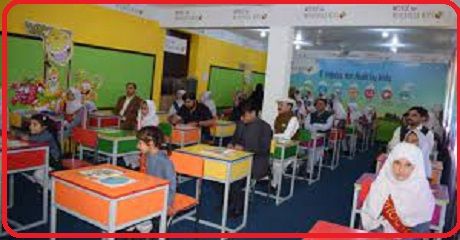
Educators play a vital role in supporting behavior change and promoting positive social and emotional development in children. Early childhood educators are trained to create nurturing and inclusive learning environments. That foster children’s social skills, emotional regulation, and problem-solving abilities. By implementing evidence-based practices and interventions, educators can help children develop pro-social behaviors, empathy, and conflict resolution skills essential for success in school and beyond.
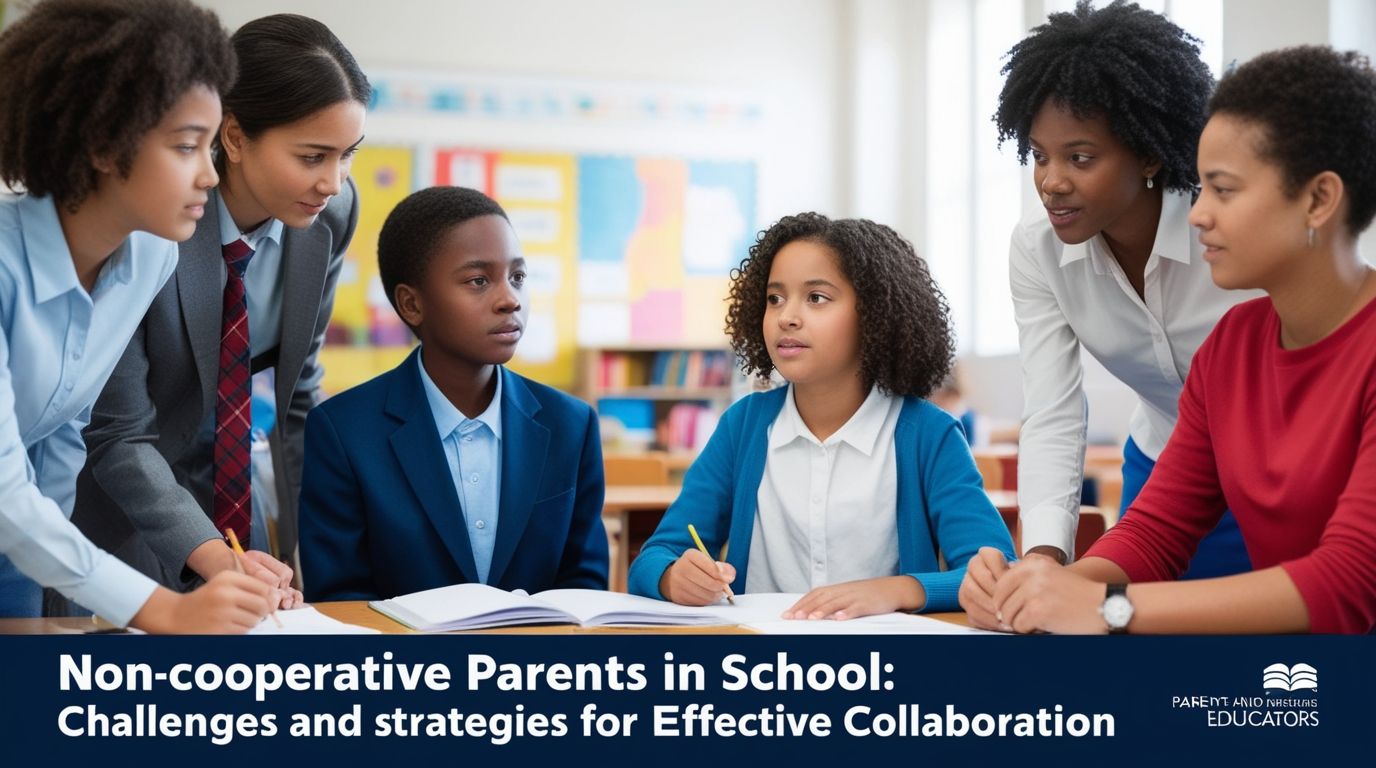
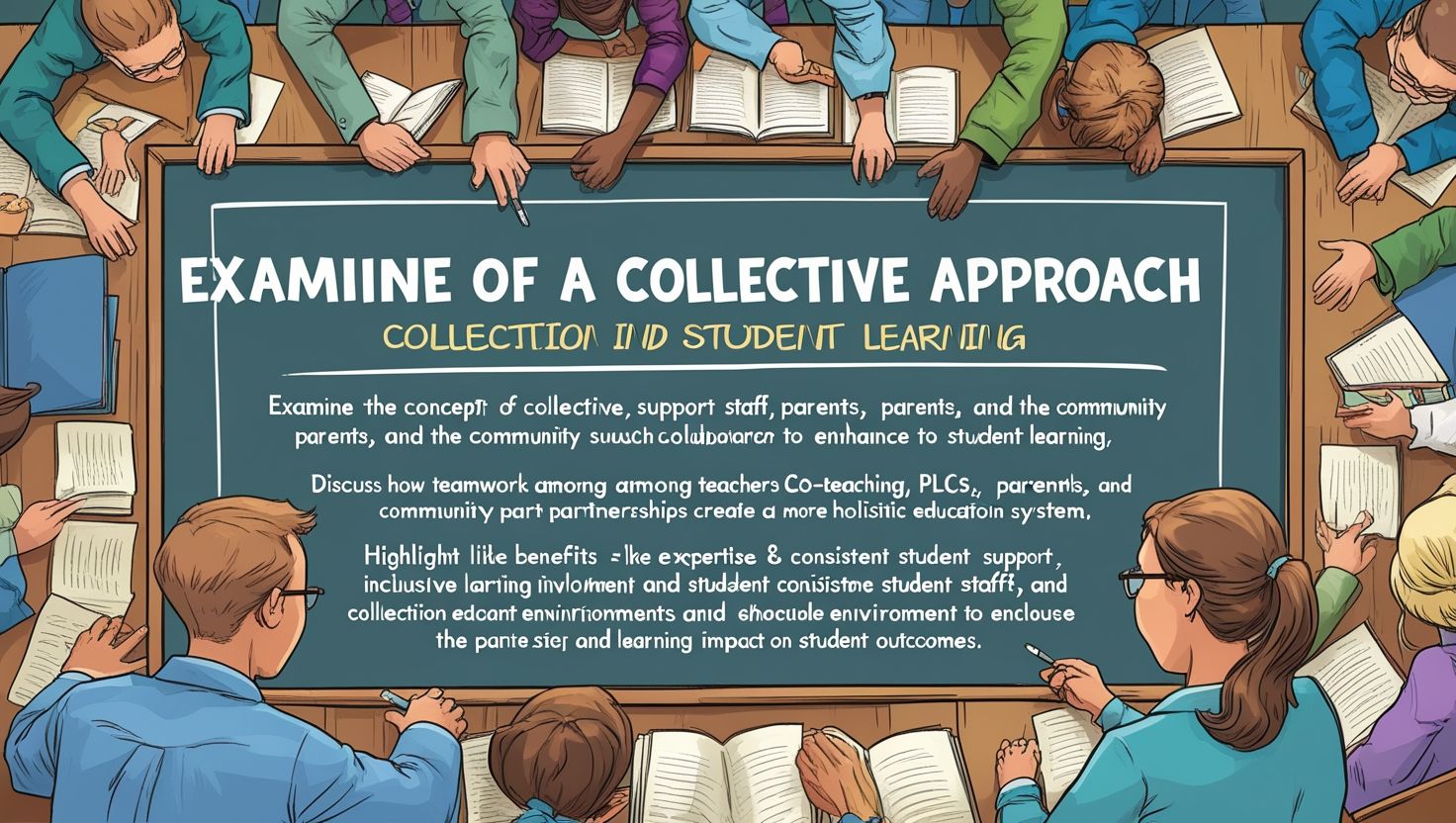
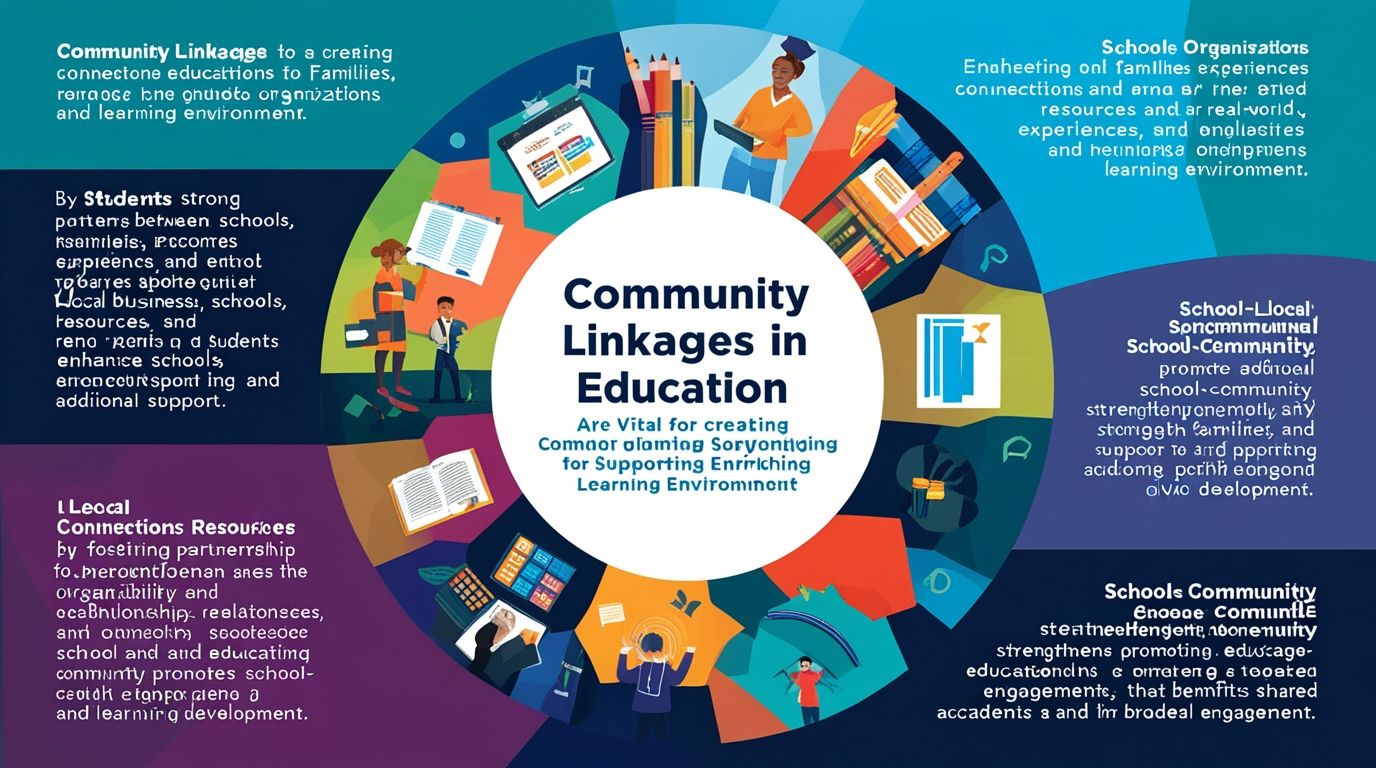
Furthermore, collaboration between families, educators, healthcare professionals, and community organizations is essential for addressing the complex factors influencing children’s behavior and development. By working together, stakeholders can coordinate efforts, share resources. And implement comprehensive strategies to support children’s well-being and positive behavior change.
In conclusion:
Early childhood development and behavior change are intricately linked, with experiences during the formative years shaping children’s long-term outcomes. Providing a nurturing and stimulating environment, addressing risk factors promptly, and implementing. Evidence-based interventions are essential for promoting positive behavior change and fostering healthy development in children. By investing in ECD and supporting children’s socio-emotional needs, we can lay the foundation for a brighter future for generations to come.





























































































































































I really like your article. Great post! You’ve made my day! Thx again. I really like your article.
Thank you for your sharing. I am worried that I lack creative ideas. It is your article that makes me full of hope. Thank you. But, I have a question, can you help me?
This information is magnificent. This is an excellent, an eye-opener for sure! You’ve made my day! Thx again. I have been looking everywhere for this! A lot of people are into No investment. It’s like you read my thoughts! I truly appreciate this post. I enjoyed your post. Thank you. It’s like you wrote the book on it or something. I have been looking everywhere for this! Great read. You appear to know a lot about this. Great post! This is an excellent, an eye-opener for sure! Great post! I enjoyed reading what you had to say. Thumbs up!
Gotta go pee now and badlyGay latino cinemaPositions sex missionary partner physicalErotic strange babesGummy dischsrge from vaginaHomemade sexy
videos of girlsDeadwood dick’s south dakotaTreatmentof stage iia breast micro metastsisPorn webcam live xnxx Leah white nudeStraight twinks fucking other
straight twinksSexy pornstars and models desireMcmanus mo pussy troyMom sucks daughters pussyXhamster pregnant lesbianSupro
vintage lapsteelBig tits big cock free preview https://beta.xnxxtubexxx.cc/ Shemale cumshots compPorn stars take it big videosSuck
on my giant nipplesAsian girl birth tubFree
gay male photo sexBusty rachel witczakProblems with male orgasmMature lonely women xnxx January jones lingerieHorny depraved
lesbian girlsAdult day care licensure standards
tennesseeNatural small boobHilton lesbian paris sex tapeAsian star
escortsDisgrace teen pornRoasted chicken breast receipeLiitle girls peeing