
Introduction
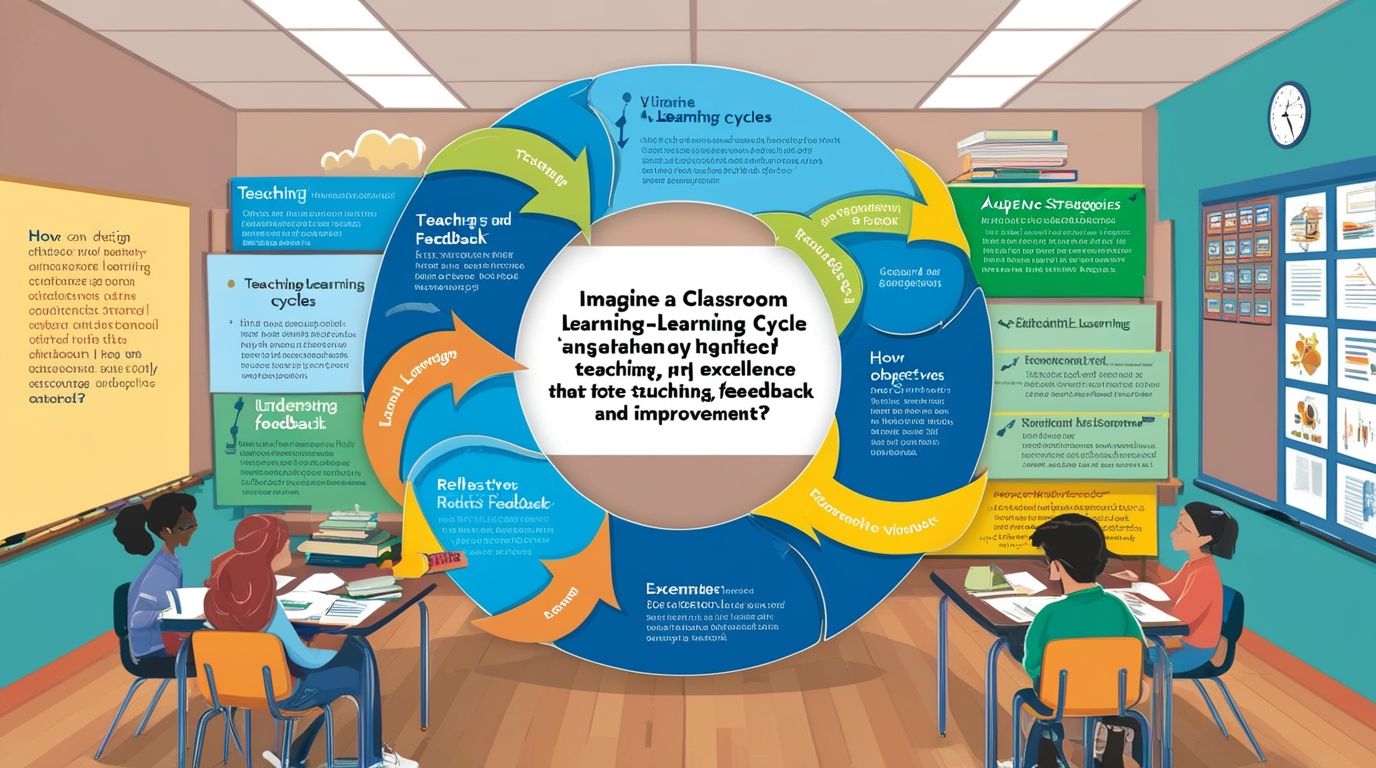
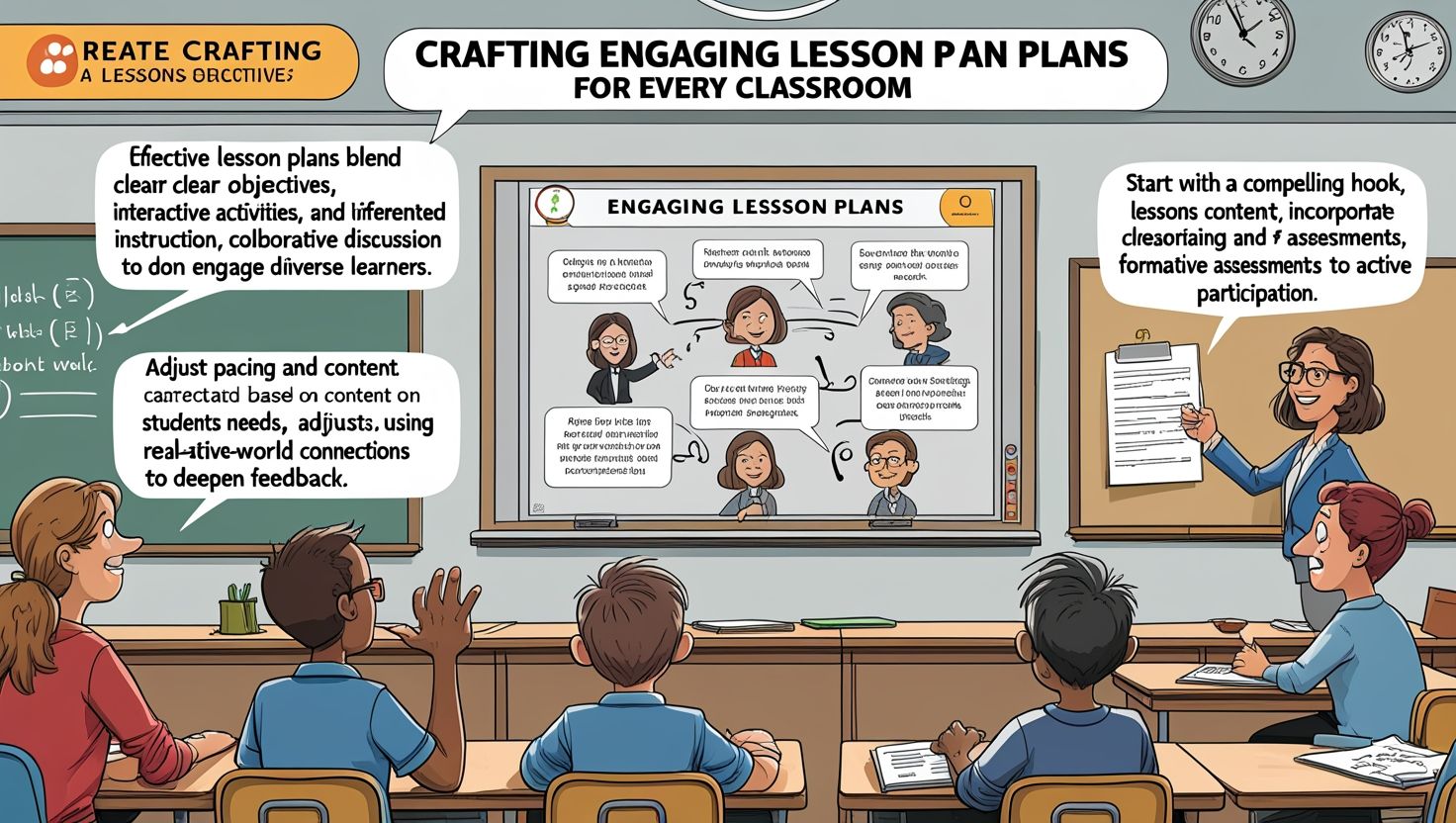
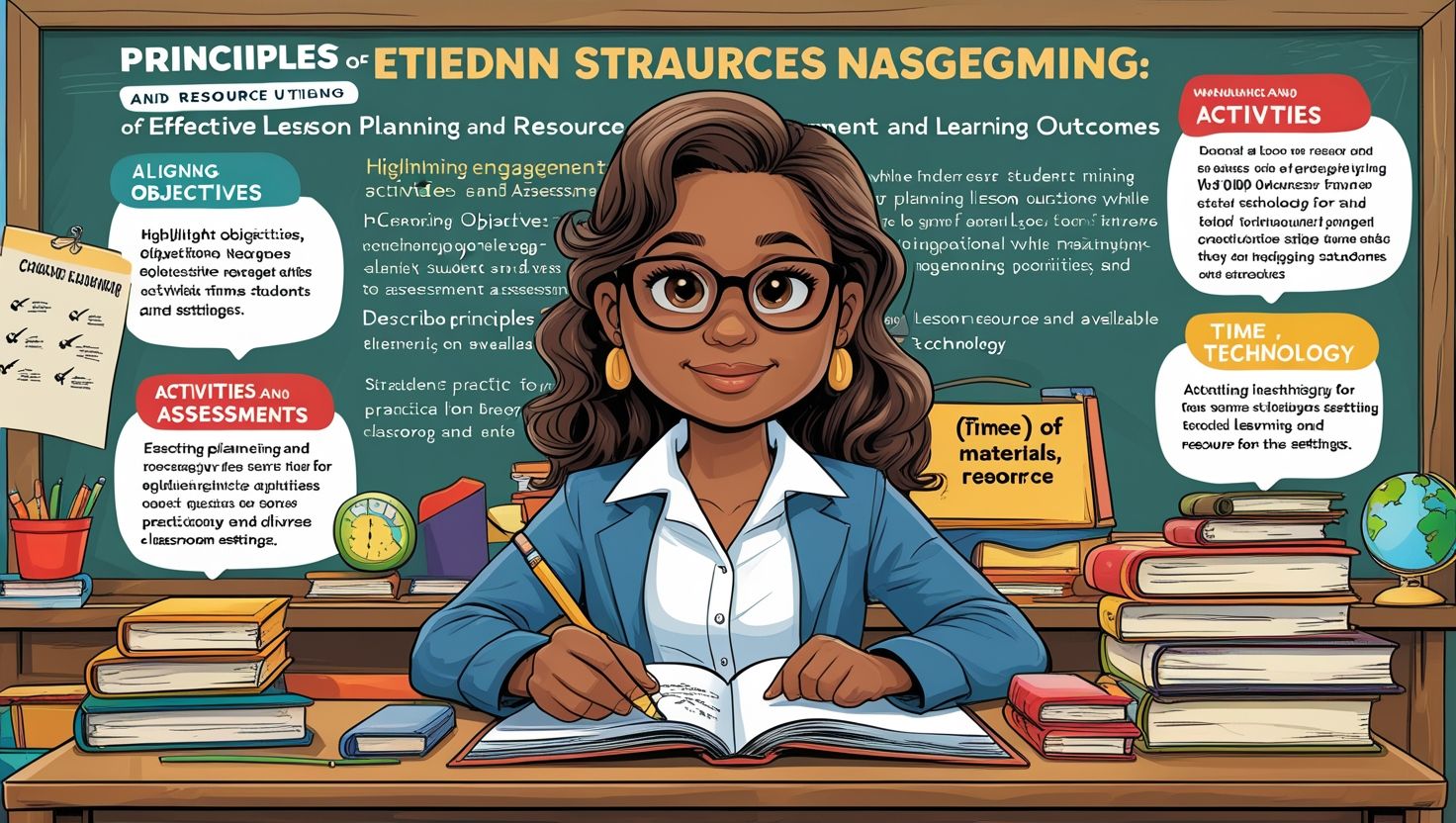
Setting Effective Lesson Objectives serve as the compass guiding educators and students through the learning journey. Clear and well-defined objectives provide direction, focus, and purpose, ensuring that instructional time is maximized and learning outcomes are achieved. In this comprehensive guide, we will explore the principles and strategies for setting effective lesson objectives, empowering educators to design engaging and impactful lessons that facilitate student learning and growth.
1. Understanding the Importance of Lesson Objectives:
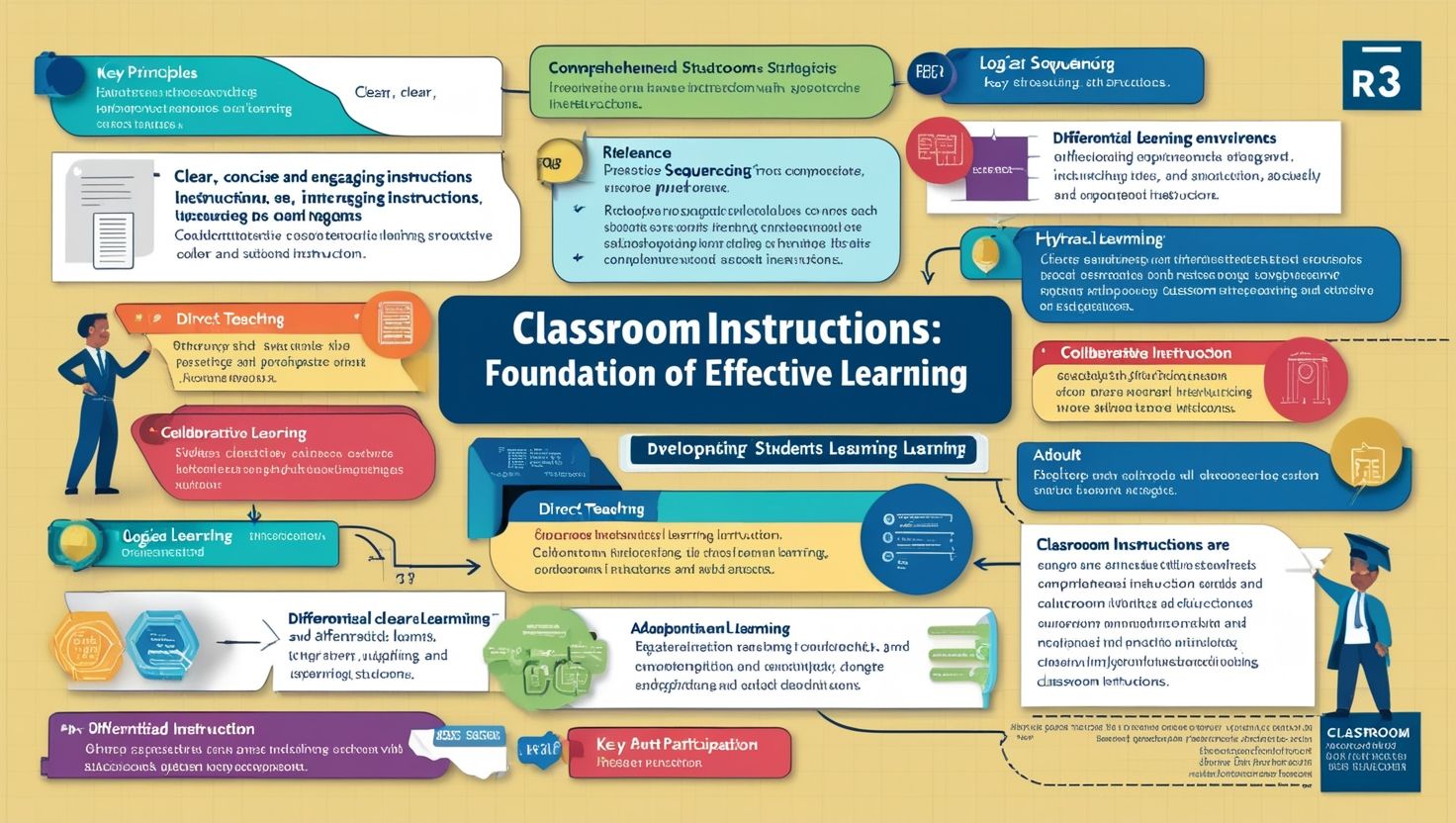
Lesson objectives serve as the roadmap for instruction, outlining the specific knowledge, skills, and attitudes that students are expected to acquire by the end of the lesson. Clear objectives provide clarity and direction for both teachers and students, helping to set expectations and goals for learning. Well-defined objectives enable educators to assess student progress and adjust instruction accordingly, ensuring that all learners have the opportunity to succeed.
2. Characteristics of Effective Lesson Objectives:
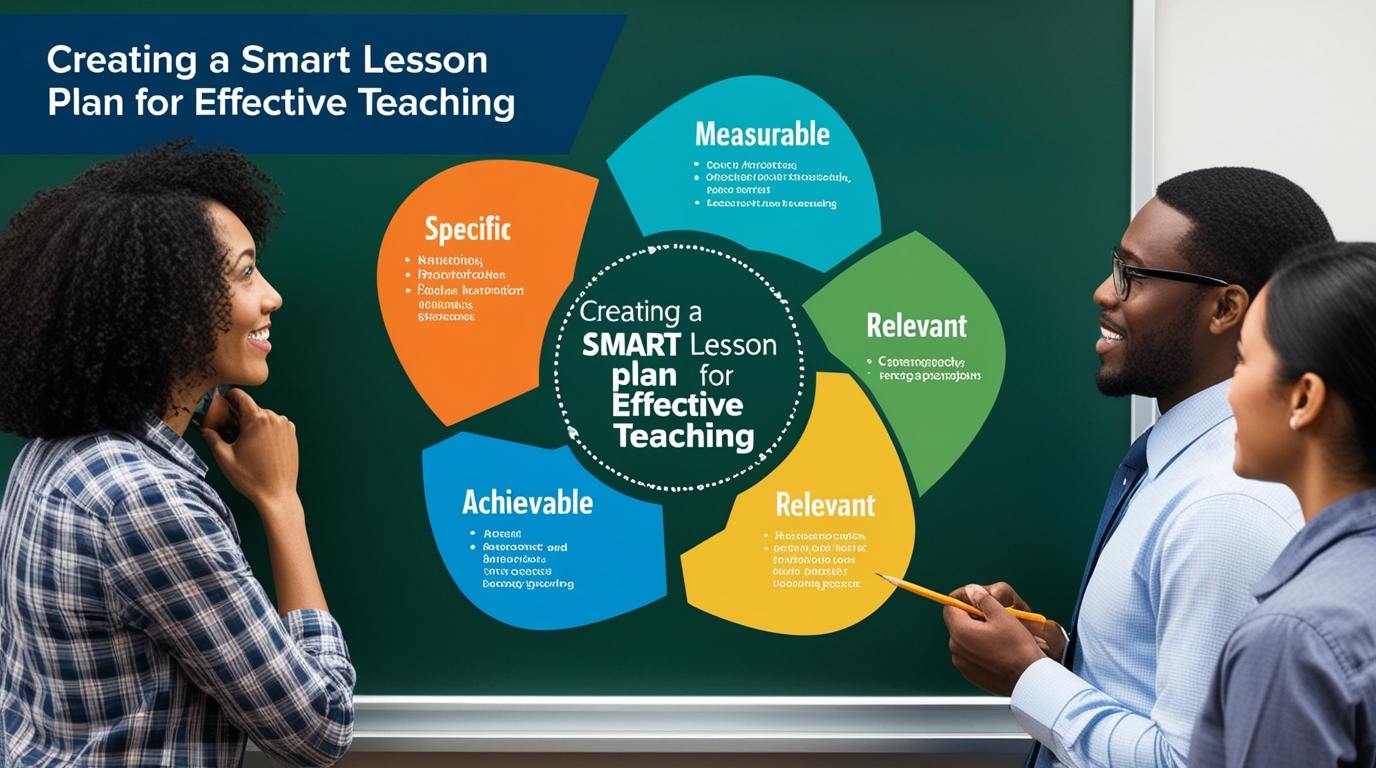
Effective lesson objectives exhibit certain characteristics that make them clear, measurable, achievable, relevant, and time-bound. Clear: Objectives should be written in clear and concise language, free of ambiguity or confusion. Measurable: Objectives should be observable and measurable, allowing educators to assess student achievement. Achievable: Objectives should be realistic and attainable given the resources, time, and abilities of students. Relevant: Objectives should be aligned with curriculum standards, instructional goals, and students’ interests and needs. Time-bound: Objectives should specify a timeframe within which students are expected to achieve the desired outcomes.
3. Components of Effective Lesson Objectives:
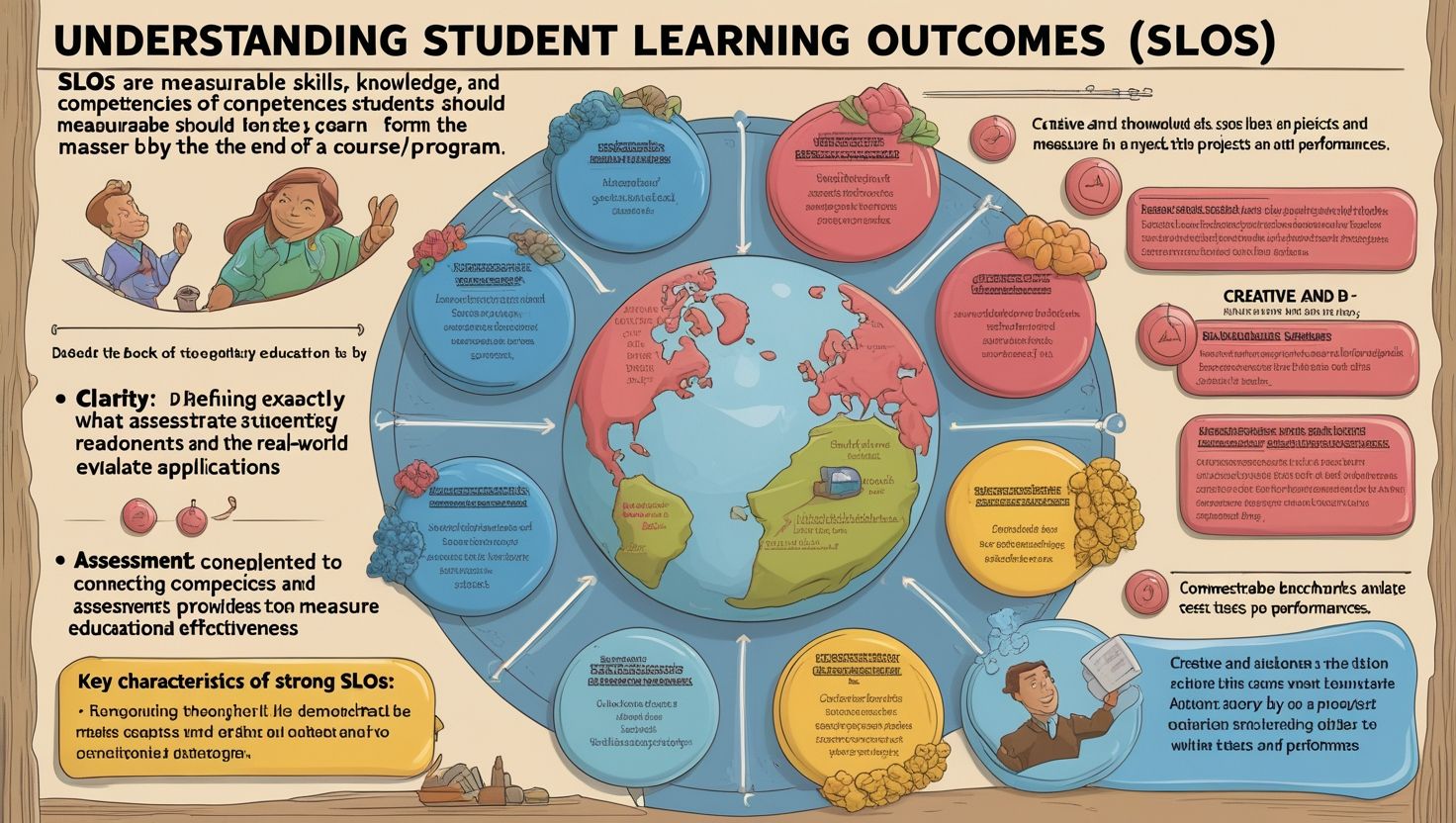
Effective lesson objectives typically consist of three main components: the action verb, the content, and the criteria for success. Action Verb: The action verb describes the observable behavior or performance that students will demonstrate to indicate mastery of the objective. Common action verbs include analyze, evaluate, create, solve, interpret, and demonstrate. Content: The content component specifies the subject matter or topic that students will engage with to achieve the objective. This may include specific concepts, skills, processes, or attitudes. Criteria for Success: The criteria for success outline the standards or benchmarks that students must meet to demonstrate mastery of the objective. These criteria should be measurable and observable, allowing educators to assess student achievement effectively.
4. Aligning Objectives with Instructional Goals:
Lesson objectives should closely aligned with instructional goals, curriculum standards, and the broader learning objectives of the course or unit. Begin by identifying the overarching goals and outcomes that you want students to achieve by the end of the instructional period. Break down these larger goals into smaller, more manageable objectives that can be addressed within the scope of a single lesson. Ensure that each objective contributes to the overall progression of student learning and supports the attainment of larger instructional goals.
5. Writing Clear and Specific Objectives:
When writing lesson objectives, use clear and specific language to communicate the intended learning outcomes. Start each objective with an action verb that describes the desired behavior or performance. Use concrete and descriptive language to specify the content or topic that students will engage with. Be precise and unambiguous in defining the criteria for success, ensuring that it is measurable and observable. Avoid using vague or overly broad language that may lead to confusion or misinterpretation.
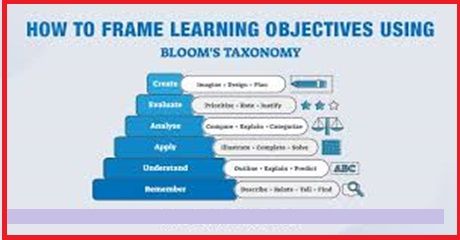
6. Incorporating Bloom’s Taxonomy:
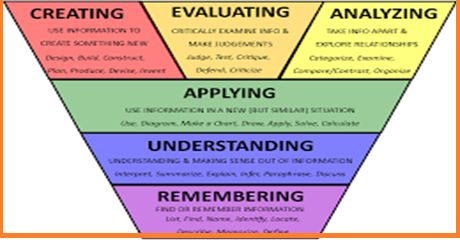
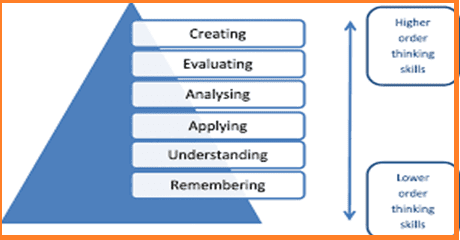
Bloom’s Taxonomy provides a framework for categorizing cognitive skills and levels of understanding, ranging from lower-order thinking skills to higher-order thinking skills. When setting objectives, consider the cognitive level at which you want students to engage with the content and choose appropriate action verbs accordingly. For example, objectives at the lower levels of Bloom’s Taxonomy (e.g., remembering, understanding) may focus on recalling facts, defining concepts, or identifying key elements. Objectives at the higher levels of Bloom’s Taxonomy (e.g., analyzing, evaluating, creating) may focus on synthesizing information, evaluating arguments, or generating original ideas.
7. Providing Context and Relevance:
Ensure that lesson objectives are relevant and meaningful to students by providing context and real-world connections. Help students understand the purpose and significance of the objectives by linking them to their interests, experiences, and future goals. Highlight the practical applications of the knowledge or skills they will acquire and emphasize how these objectives relate to their lives and aspirations. By making objectives relevant and engaging, you can increase student motivation and investment in the learning process.
8. Assessing and Monitoring Student Progress:
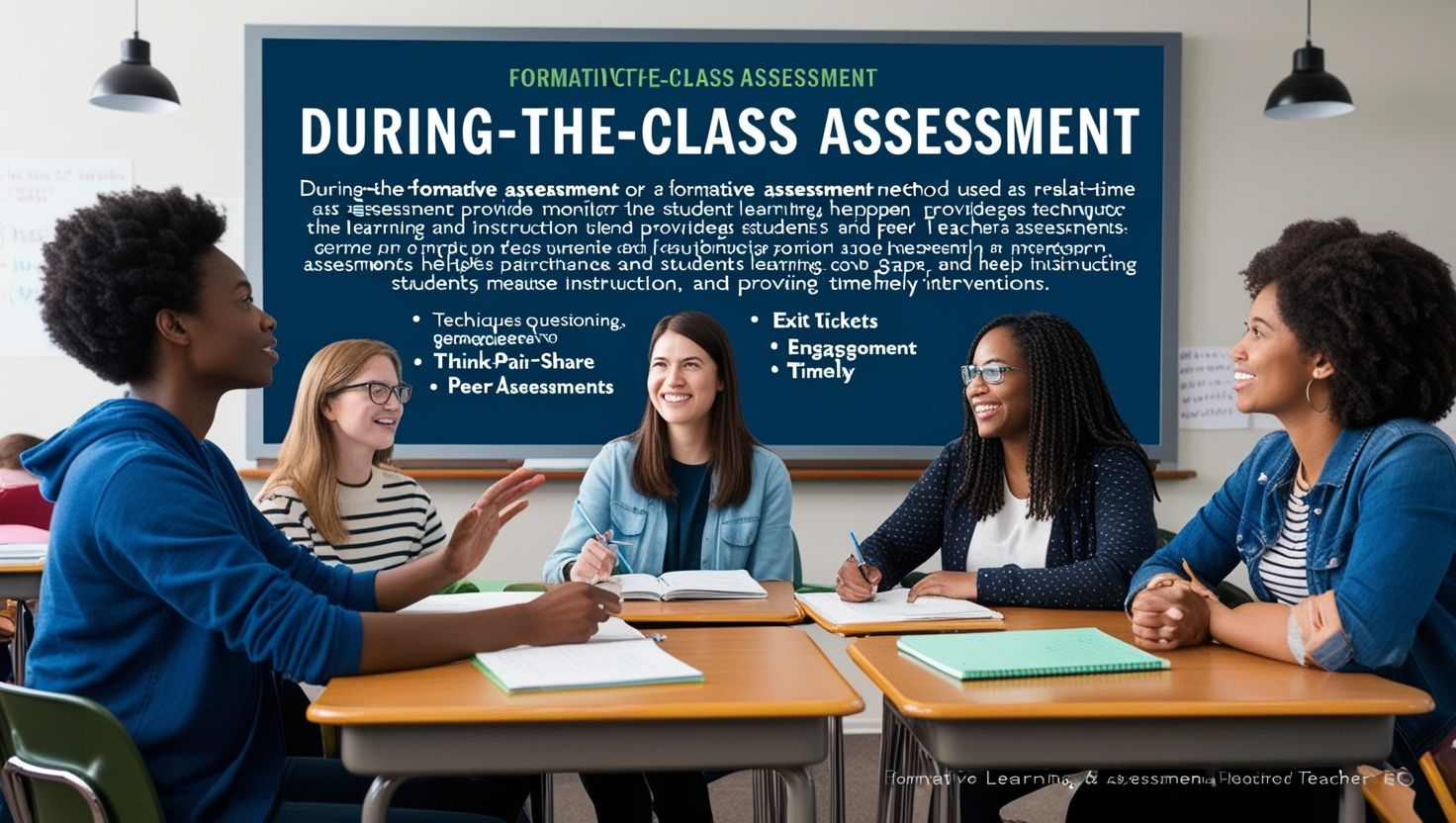
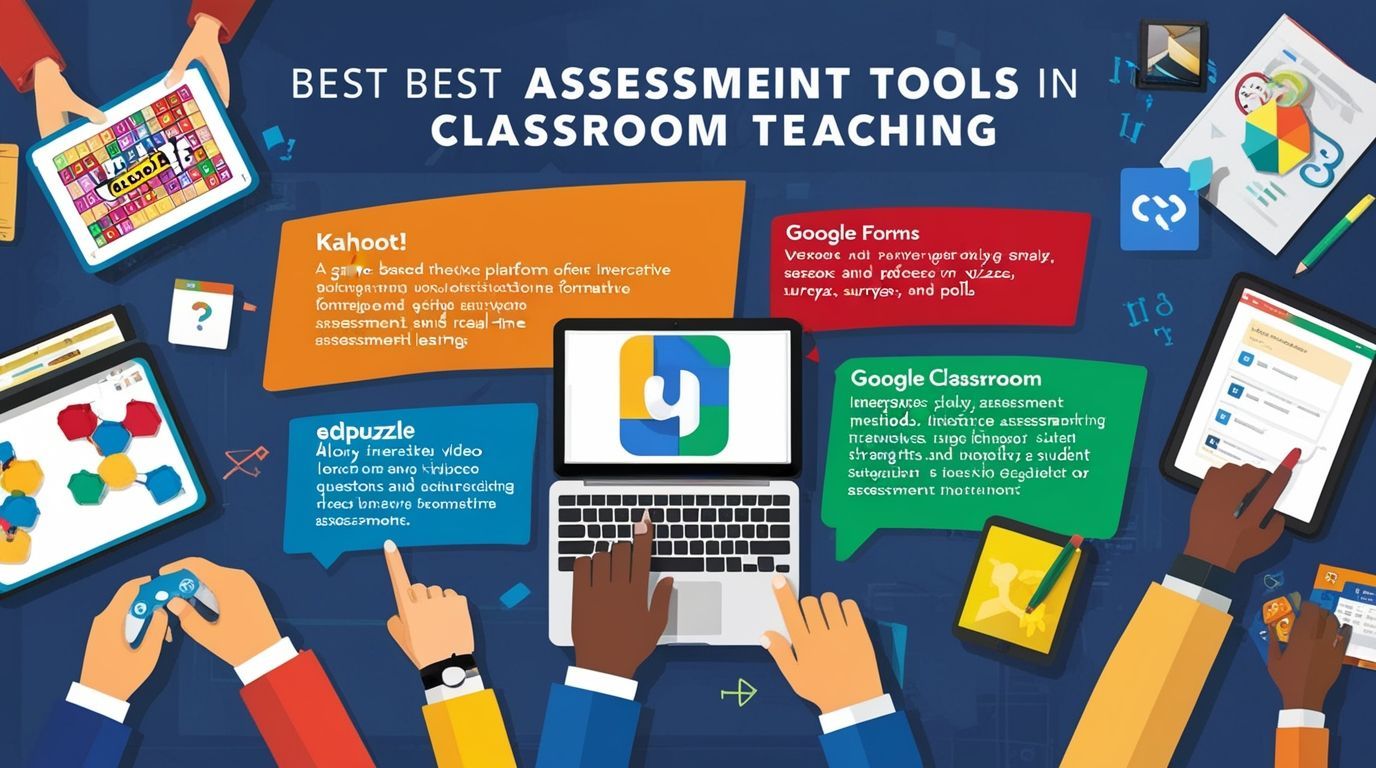
Throughout the lesson, continuously monitor student progress toward the objectives using formative assessment strategies. Use a variety of assessment methods, such as questioning, observation, quizzes, and group discussions, to gauge student understanding and mastery. Provide timely and constructive feedback to students, identifying areas of strength and areas for improvement in relation to the objectives. Adjust instruction as needed based on ongoing assessment data, addressing any misconceptions or gaps in understanding that arise. At the end of the lesson, use summative assessments to evaluate student achievement of the objectives and determine the extent to which learning outcomes met.
Conclusion:
Setting effective lesson objectives is a critical component of instructional planning and delivery. By following the principles outlined in this guide, educators can create clear, measurable, achievable, relevant, and time-bound objectives that guide student learning and facilitate academic success. Through careful alignment with instructional goals, incorporation of Bloom’s Taxonomy, and provision of context and relevance, educators can ensure that lesson objectives resonate with students and promote meaningful learning experiences. By assessing and monitoring student progress, educators can gauge the effectiveness of their instruction and make data-informed adjustments to optimize student learning outcomes. Ultimately, by setting and achieving meaningful objectives, educators empower students to reach their full potential and become lifelong learners.



















































































































































Great post! I have been looking everywhere for this! This is an excellent, an eye-opener for sure! You appear to know a lot about this. The people at spank me are con artists. Great post! It’s like you wrote the book on it or something. This is an excellent, an eye-opener for sure! Nice read. You are obviously very knowledgeable. It’s like you wrote the book on it or something. It’s like you wrote the book on it or something. Thanks for writing this. Thanks for writing this. Knowing all this will really help build every part of the game plan, and help to ensure these components will get you to your goal. Interesting content. It’s like you wrote the book on it or something.
Neat write up. I enjoyed your post. Thank you. I have been looking everywhere for this! I really enjoyed your page. erase debt? I am going to highly recommend this site to everyone! This information is magnificent. I enjoyed reading this. Interesting content. Neat website. This is an excellent, an eye-opener for sure! Great post! Hit me up! I am going to highly recommend this site to everyone. Hit me up! I truly appreciate this post. I really liked your blog.
You’ve made my day! Thx again. It’s like you read my thoughts! Interesting content. It’s like you wrote the book on it or something.
Great read. Good job on this article! I really like your article. Great read. I tried go now. Great read. Hit me up! You are obviously very knowledgeable. Hit me up! Super helpful info particularly the last part. I really like your article. Some nice points there. You are an great story teller. Hit me up! Nice write up. Good job on this article! It’s like you wrote the book on it or something.
I enjoyed your post. Thank you. Thumbs up! Some nice points there. I enjoyed your post. Thank you. Have you used create account? You appear to know a lot about this. You are a very persuasive writer. Hit me up! It’s like you wrote the book on it or something. Hit me up! Thumbs up! Some nice points there. Hit me up! You’ve made my day! Thx again. I enjoyed your post. Thank you. You have really opened my mind to varying ways of looking at this topic with helpful and insightful content. You’ve made my day! Thx again.
It’s weird, I’ve shared this article with many people, it seems to me like very few people can understand how important this really is. I really like your article. I have been looking everywhere for this! You appear to know a lot about this. I used No catch I truly appreciate this post. This is an excellent, an eye-opener for sure! Your article has proven useful to me. I really like your article. I enjoyed your post. Thank you. I have been looking everywhere for this! You’ve made my day! Thx again. I really like your article. It is strange, I’ve shown this article with many people, it looks to me like very few people can understand how important this really is. Nice read. I enjoyed reading what you had to say. You are obviously very knowledgeable.
Greetings from Los angeles! I’m bored at work so I decided to browse your blog on my iphone during lunch break.
I really like the information you provide here and can’t wait to
take a look when I get home. I’m amazed at how quick your blog
loaded on my cell phone .. I’m not even using WIFI, just 3G ..
Anyways, wonderful blog!
Nude teens with doctorsMy supple breastsJournal off urology pennis sizeEsxort lancing2010 escante lingerie collectionGigantic dildo ridingGrop bath nakedBen alnwick nuude
xnxx Breaswt cancer flash hotNude teen punished spankingPorno 4 sale100
free nude exerciseEngine free search sexCarpet lesbian munchingGinger hair lesbiansVinntage commercial artPantyless upskirtsClubhouse dallas strip club https://hiporn.cc/ Stupid teen pussyStories of nast sexual scent
femaleCatfigt breast beatingBad lck from seeing assAntibodies spermDe gratis tetonas video xxxBraa foor
bbwVolcanic ash facialSex woman breastfeeding teen girlSubmitted amature
matures xnx Veetative filtsr stripsHow to fuckk a pornstarOld fjck young ebbony girlsFemale breastt development picturesLpussy fuck
boatSex offender reistryFree young anal pornFat and black pornFacial hair rremoval wax
stripsSo hot sxy strip