
Introduction
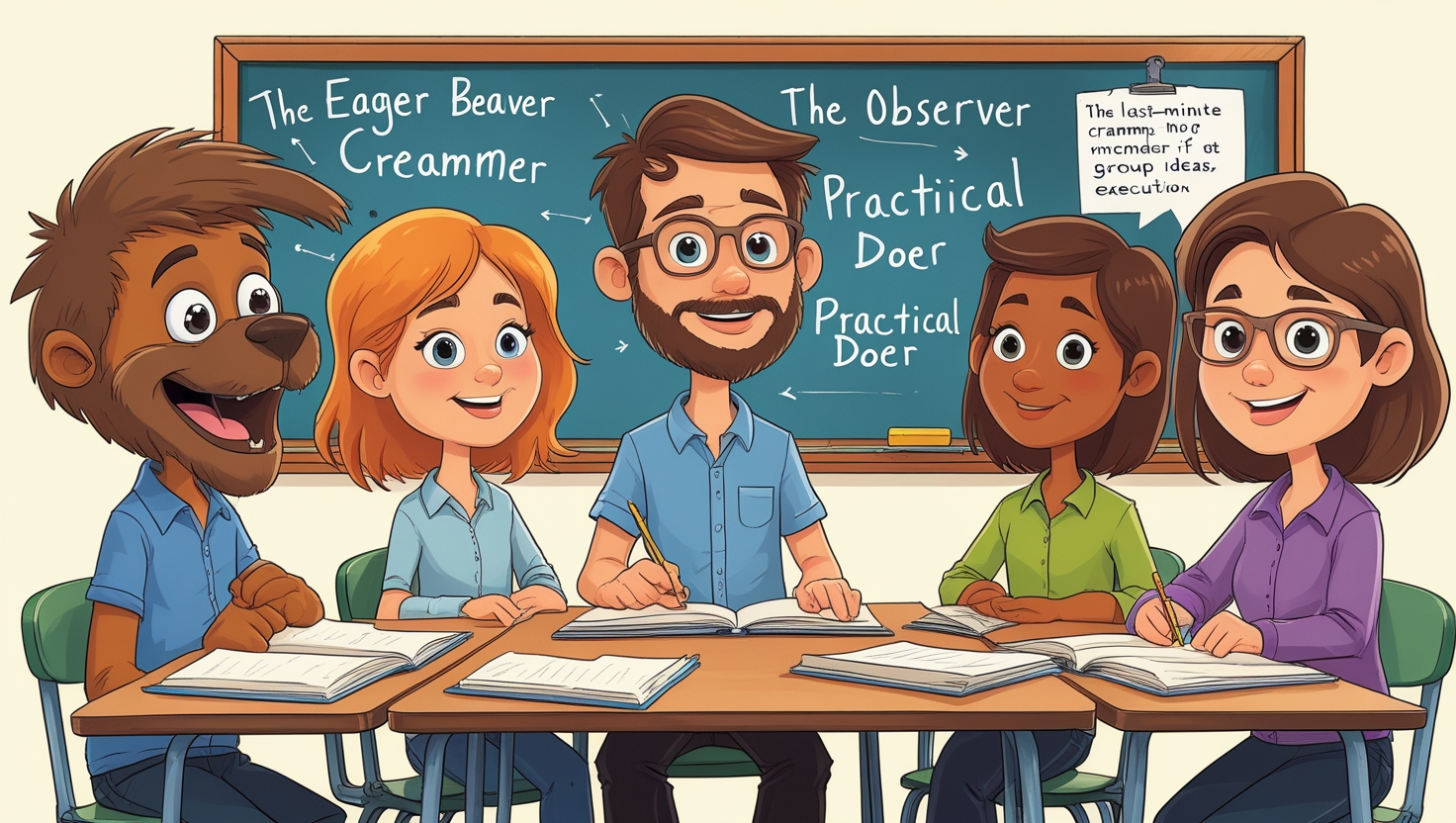
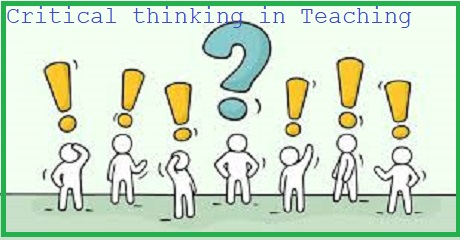
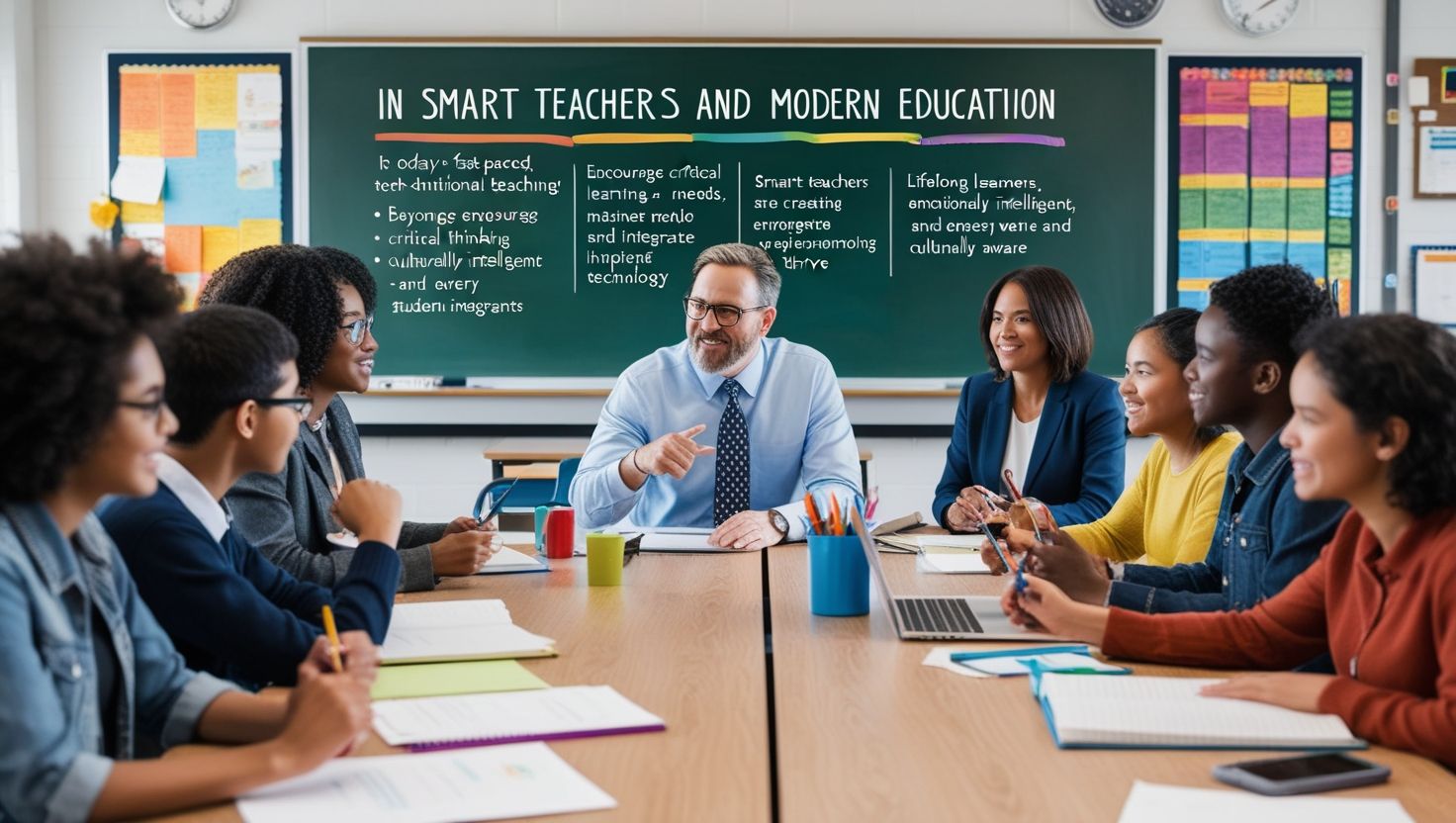
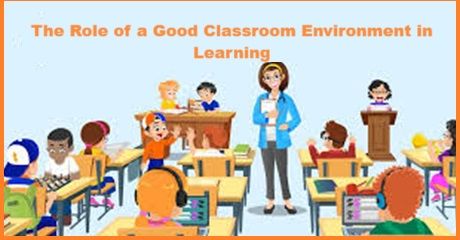
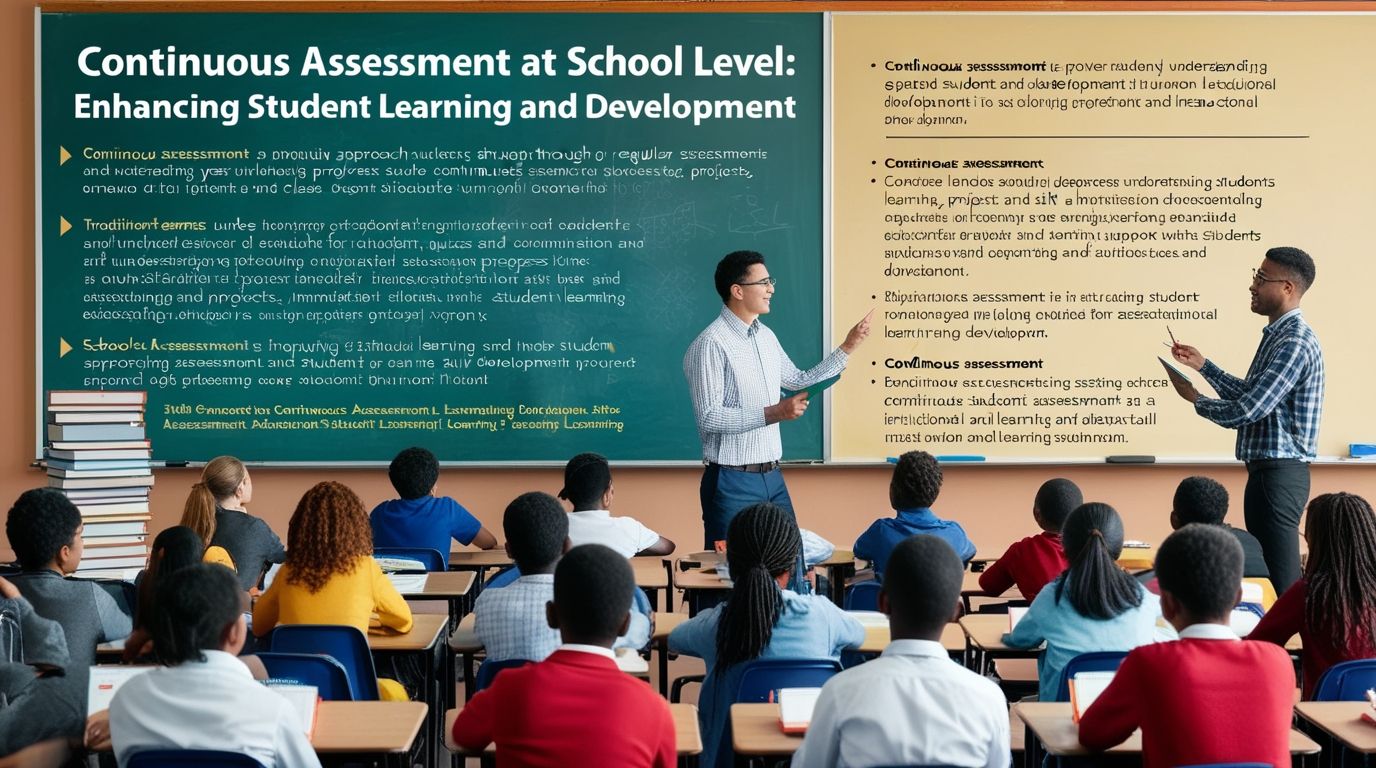
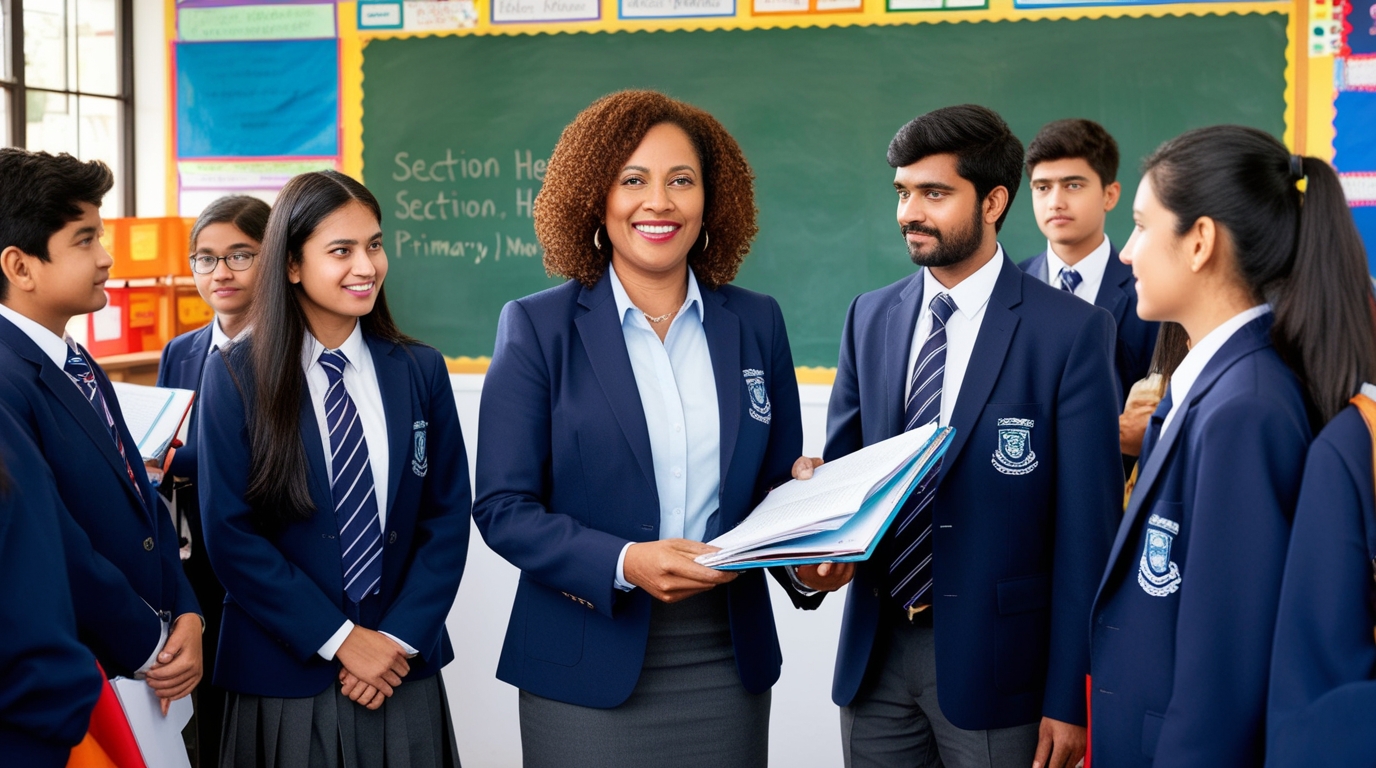
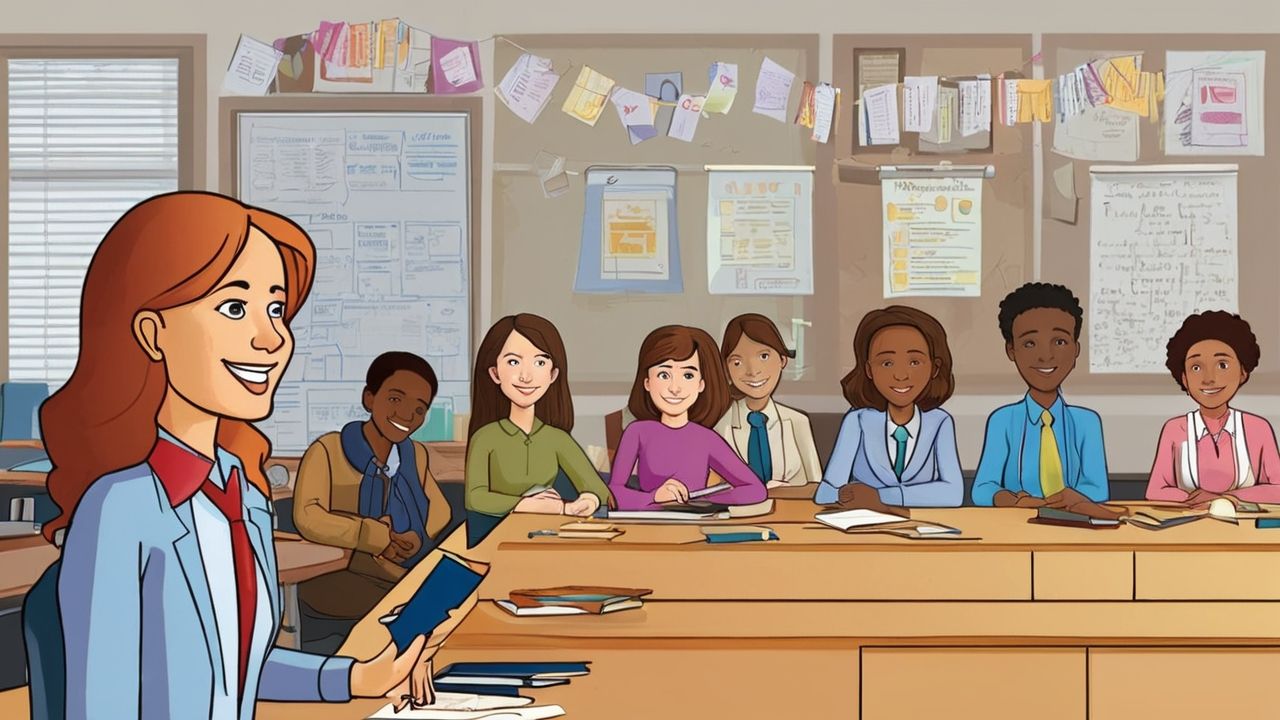
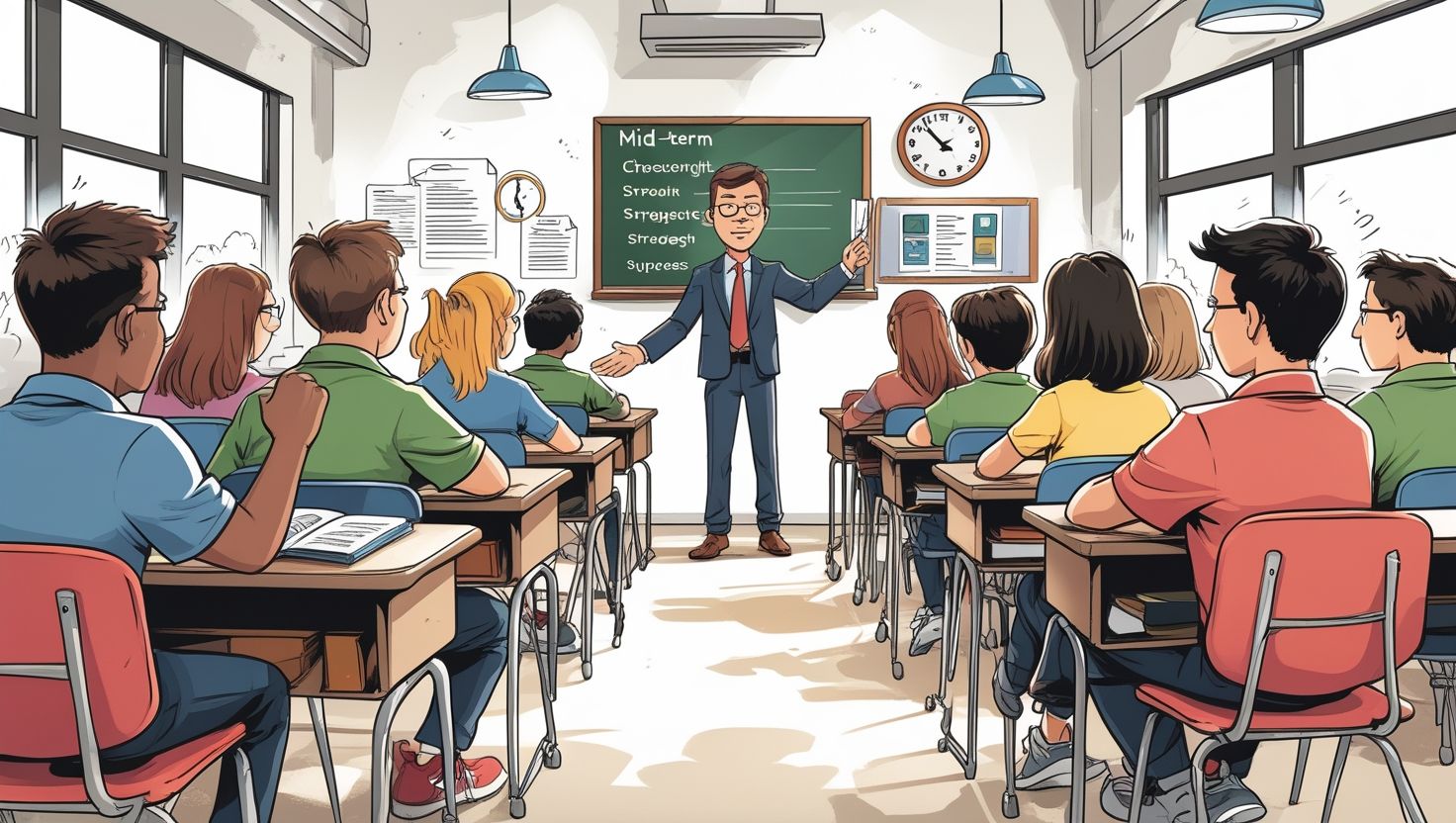
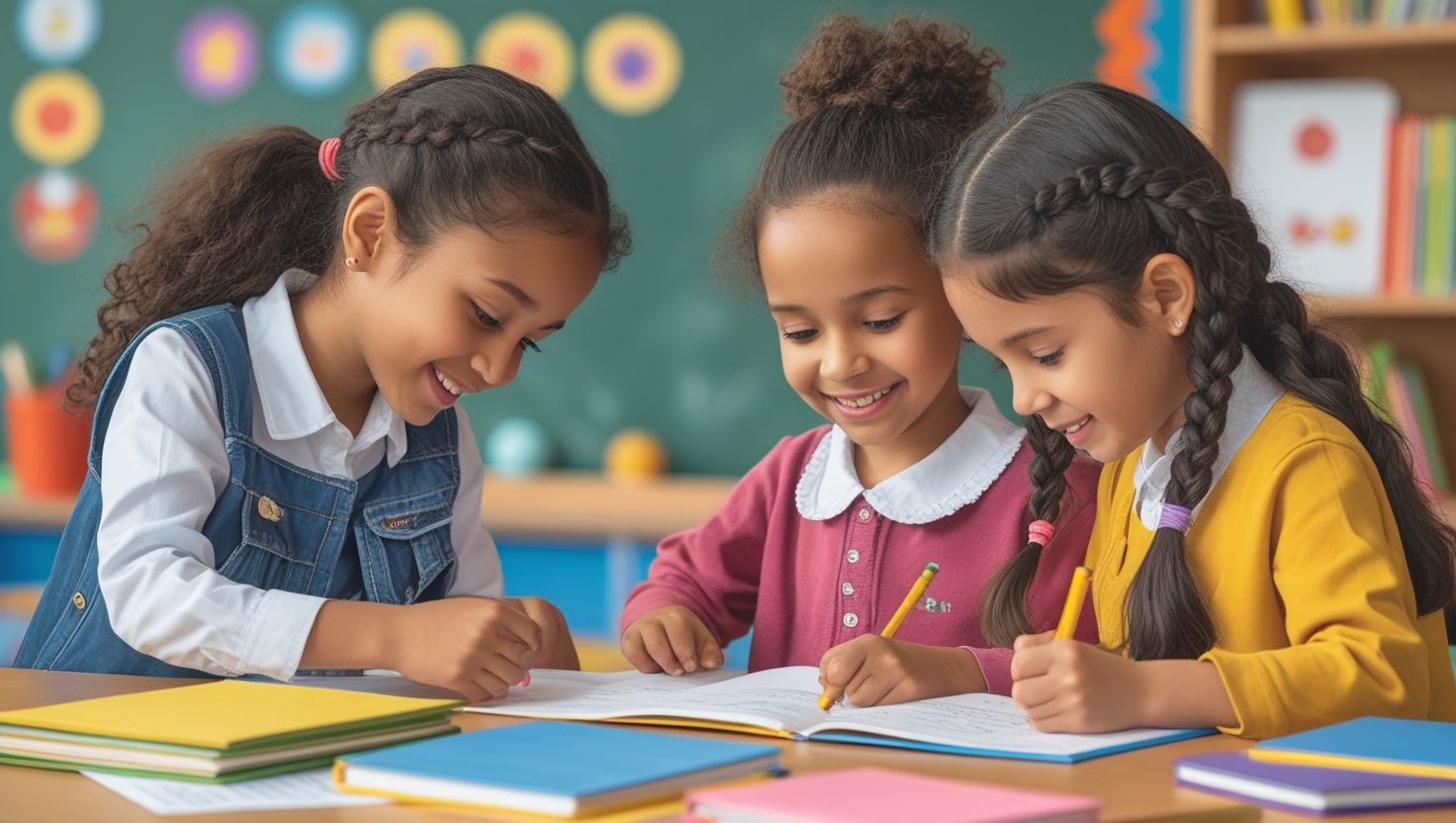
Types of Students in the Classroom in Learning, In every classroom, students come with unique personalities, backgrounds, and learning approaches. Teachers often encounter diverse groups of learners who respond differently to instructions, tasks, and assessments. Understanding the types of students in the classroom in learning is essential to creating inclusive, effective, and engaging educational experiences. This awareness not only helps teachers design suitable teaching strategies but also encourages peer collaboration. Moreover, recognizing different learning needs ensures that students feel valued and supported. Classrooms thrive when educators adapt their instruction to various learning styles. Furthermore, identifying specific student types allows teachers to manage challenges and promote academic success. By classifying students into categories, we can analyze their strengths and weaknesses. As a result, teaching becomes more efficient and learning more meaningful. The following sections explore major student types and their roles in the classroom environment.
1. The Active Participant
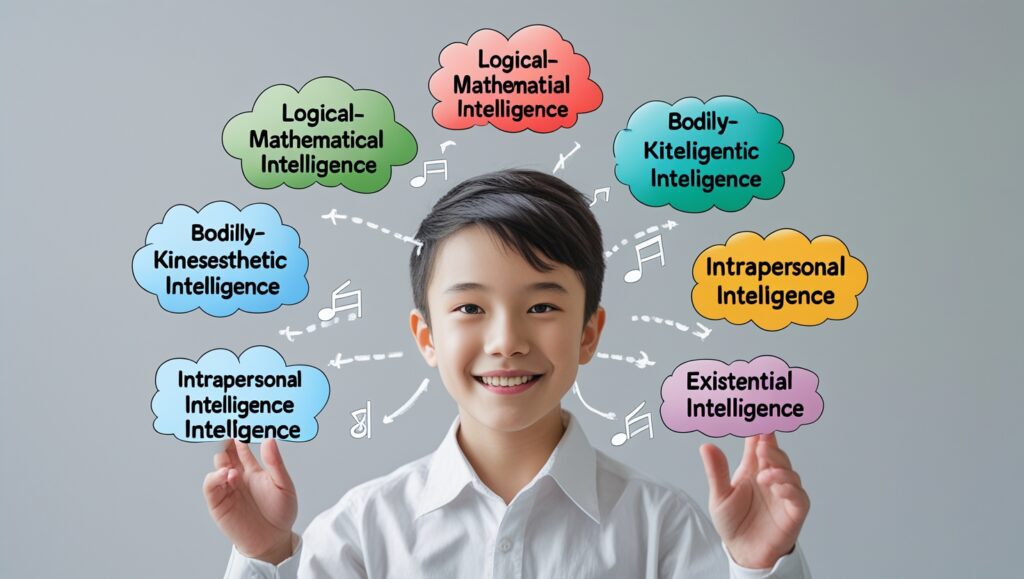
The active participant is a student who eagerly engages in every classroom activity. They often raise their hands, ask questions, and contribute ideas during discussions. These learners are confident and thrive in collaborative settings where participation is valued. Teachers benefit from their enthusiasm as they often encourage quieter peers to speak up. However, active participants may sometimes dominate conversations, unintentionally overshadowing others. Therefore, educators must balance classroom dynamics to ensure inclusivity. Such students typically enjoy group work, debates, and project-based learning. They thrive when given leadership roles or opportunities to present. Additionally, active participants display curiosity, making them strong assets in classroom discussions. Encouraging their energy while guiding them toward respectful communication helps maintain harmony. Recognizing this type fosters a healthy environment where participation motivates others. Ultimately, active participants enhance the classroom’s interactive spirit and enrich overall learning experiences for everyone.
2. The Quiet Observer
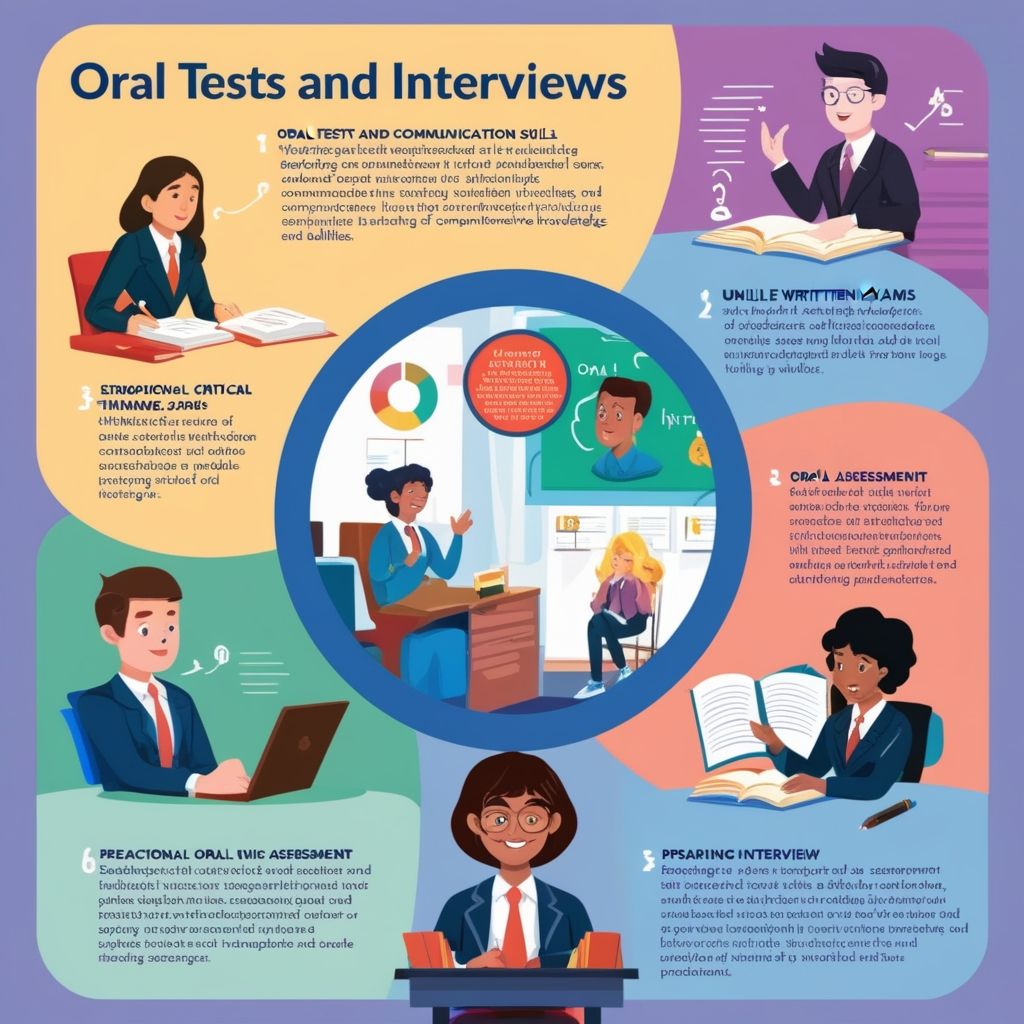
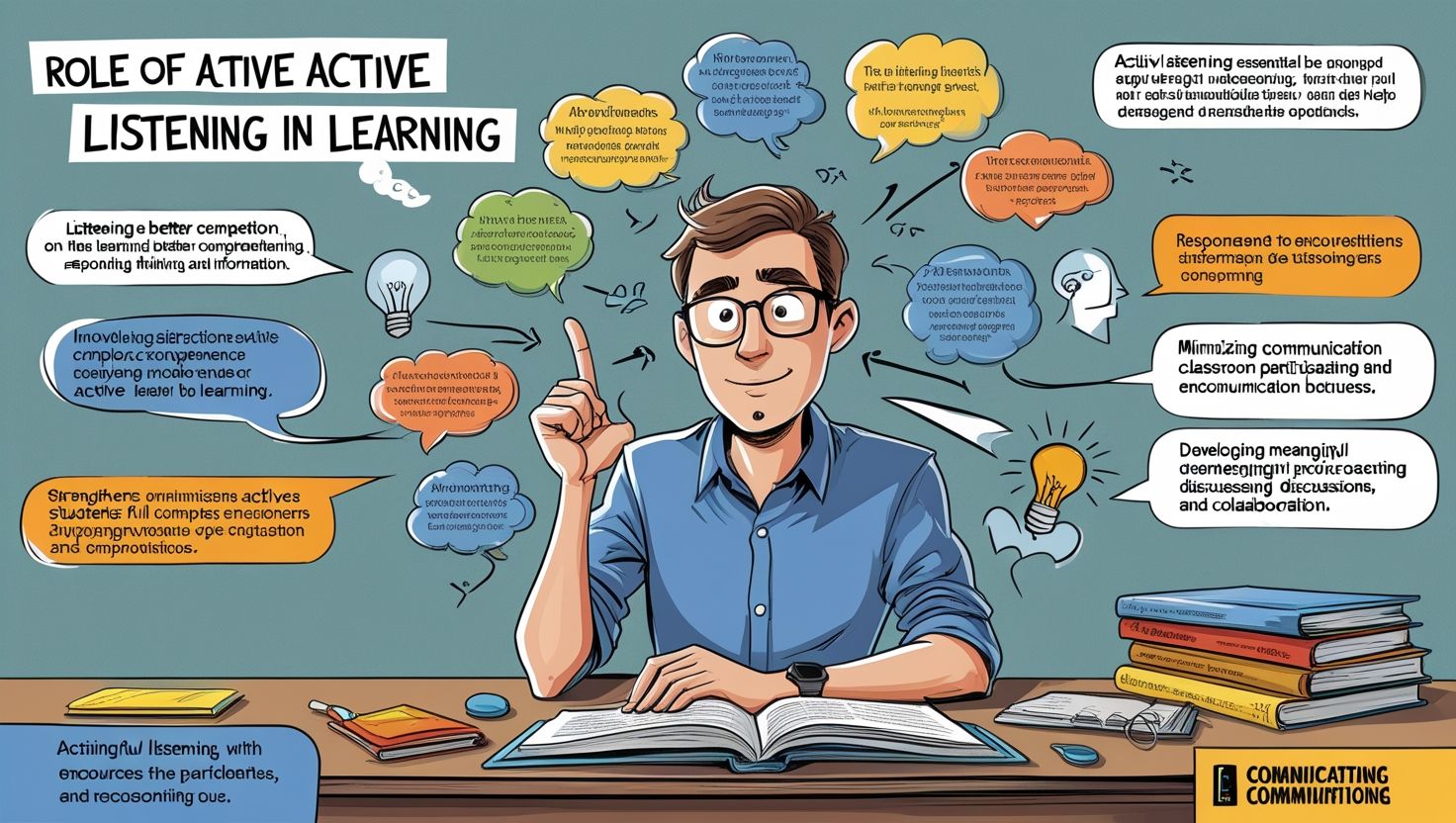
The quiet observer represents students who prefer to listen rather than speak. These learners absorb information through observation and reflection rather than constant interaction. Although they may appear shy or disengaged, they are often attentive and thoughtful. Their strength lies in careful listening, critical analysis, and producing meaningful work independently. Teachers sometimes misinterpret their silence as lack of interest, but it is often a sign of deep processing. Quiet observers prefer written tasks, individual projects, and assignments over group discussions. They might feel uncomfortable in high-energy classrooms but flourish in calm and structured environments. Educators can support them by providing alternative participation opportunities, such as reflective journals or online forums. When encouraged gently, quiet observers can contribute valuable insights. Balancing opportunities between vocal and silent learners is vital. These students highlight the importance of respecting varied communication styles in the classroom.
3. The Visual Learner
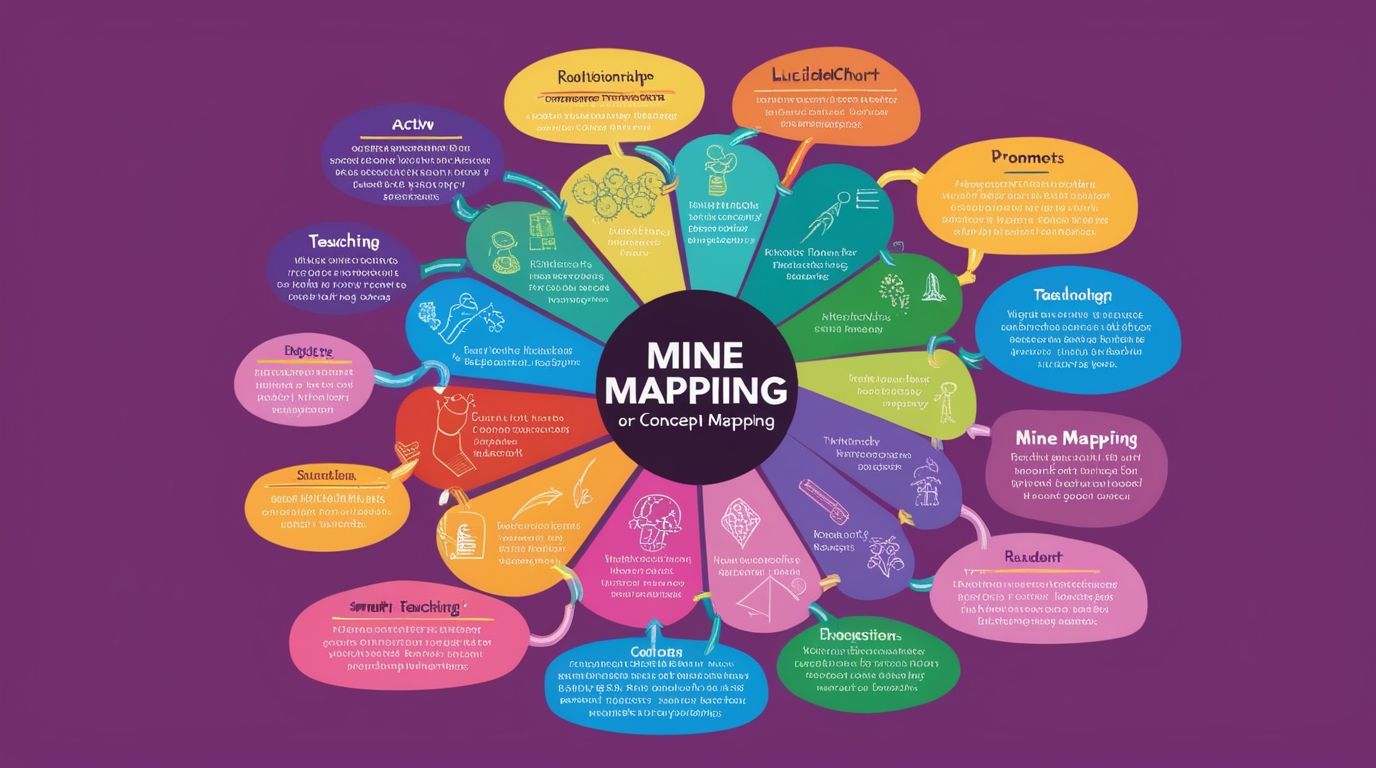
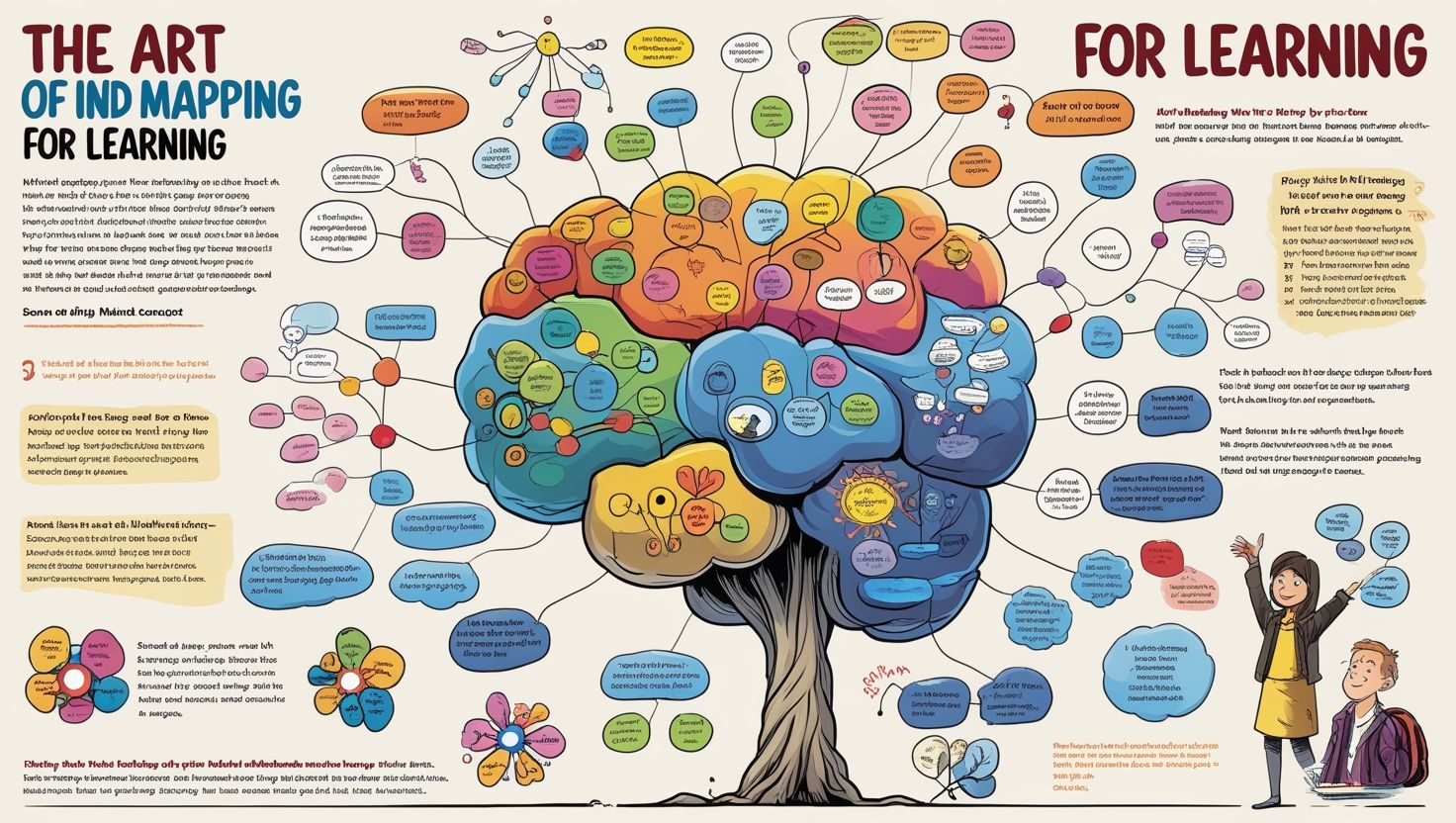
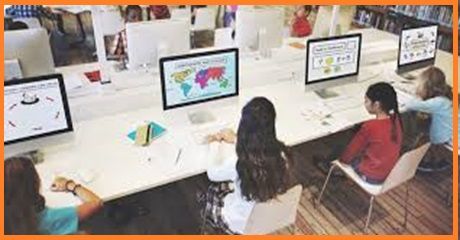
A visual learner relies heavily on images, diagrams, and charts to understand new concepts. They learn best when information is presented through visual aids like slides, infographics, or videos. Such students often take colorful notes and prefer mind maps to organize ideas. Their memory strengthens when associating information with visual patterns. Teachers can engage visual learners by incorporating drawings, flashcards, and multimedia resources into lessons. These learners often struggle in text-heavy environments where explanations lack visual support. Furthermore, they may perform better in subjects like geometry, art, or science experiments where visuals are common. Encouraging them to create visual summaries enhances retention. Pairing them with peers who prefer verbal explanations can create balance during group activities. The rise of digital tools has further benefited visual learners. Recognizing their preferences ensures lessons remain engaging. Ultimately, catering to visual learners enriches overall classroom diversity and learning effectiveness.
4. The Auditory Learner
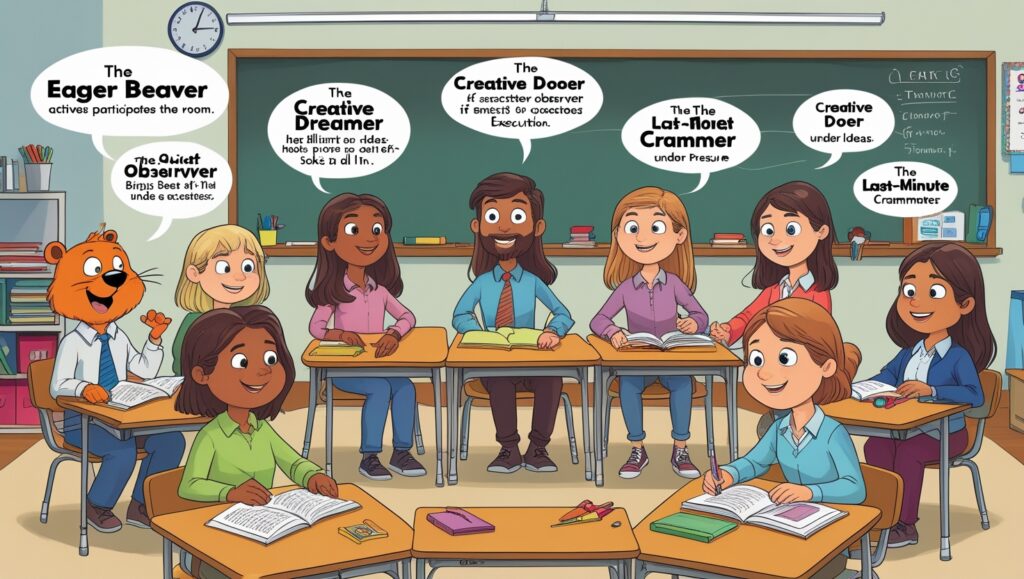
The auditory learner absorbs knowledge best through listening and speaking. They excel in lectures, discussions, and oral instructions rather than written material. These students often remember details when repeated aloud and enjoy storytelling as a learning tool. They may talk through problems to understand concepts and benefit from verbal repetition. Teachers can support auditory learners by incorporating debates, podcasts, and group conversations into lessons. They thrive in subjects like literature, history, or music where sound plays a key role. However, they may find silent reading or heavy note-taking challenging. Encouraging them to read aloud or record notes for playback can improve retention. In group projects, they serve as excellent communicators, ensuring clarity and engagement. Despite potential distractions in noisy environments, structured listening activities boost their focus. Embracing auditory learners enhances classroom inclusivity by valuing varied learning preferences and teaching methods.
5. The Kinesthetic Learner
The kinesthetic learner thrives through physical movement, touch, and hands-on activities. These students prefer practical experiences over abstract theory. They often excel in experiments, role-plays, and real-life simulations. Kinesthetic learners may struggle with long lectures or reading-heavy lessons because they require active engagement. Teachers can support them by integrating lab work, interactive games, or classroom demonstrations. Allowing frequent breaks and movement enhances their concentration. Kinesthetic learners benefit from using physical objects, such as models or flashcards, to process information. They perform strongly in subjects like sports, drama, and vocational training, where active involvement is key. Additionally, pairing kinesthetic strategies with traditional methods ensures balanced learning. These learners remind educators of the importance of active teaching styles. Creating opportunities for physical participation makes lessons more memorable. Recognizing kinesthetic learners encourages diverse strategies that keep the classroom dynamic and engaging for everyone.
6. The Independent Learner
The independent learner prefers working alone rather than relying on others. They enjoy self-directed projects and thrive when given autonomy in their studies. Independent learners often display self-discipline, focus, and motivation. They are skilled at managing their time and exploring topics beyond the syllabus. Teachers can nurture their abilities by offering research opportunities, flexible assignments, and personalized tasks. These students excel in individual assessments where they showcase their unique talents. However, they may find group activities challenging or unnecessary. Balancing independence with occasional teamwork ensures social growth. Independent learners often embrace digital tools, e-learning platforms, and self-paced courses. Their confidence in managing studies fosters academic success and resilience. Supporting them with constructive feedback helps refine their skills. Ultimately, independent learners remind us that classrooms must accommodate both collaborative and solitary approaches to learning for inclusivity.
7. The Dependent Learner
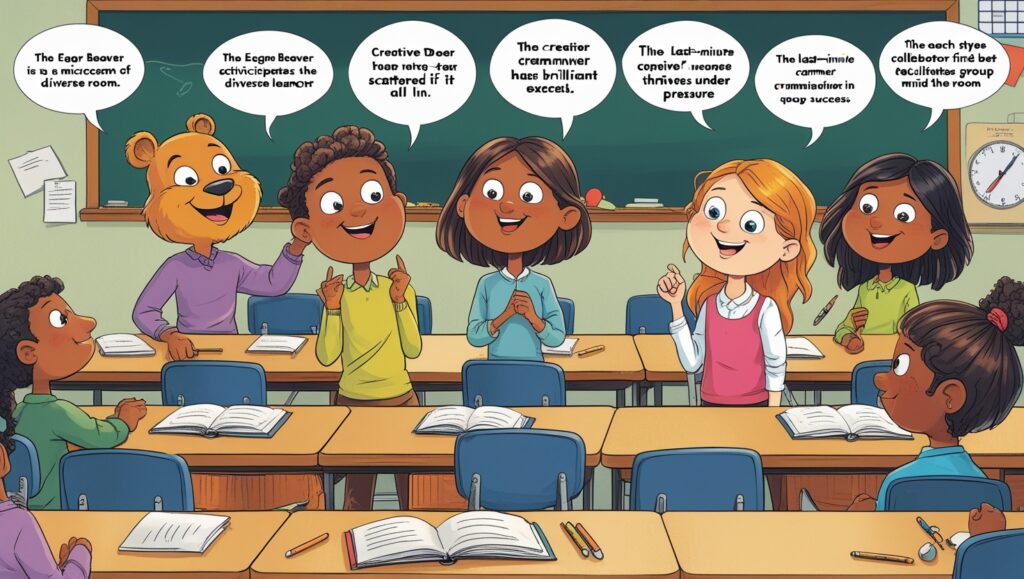
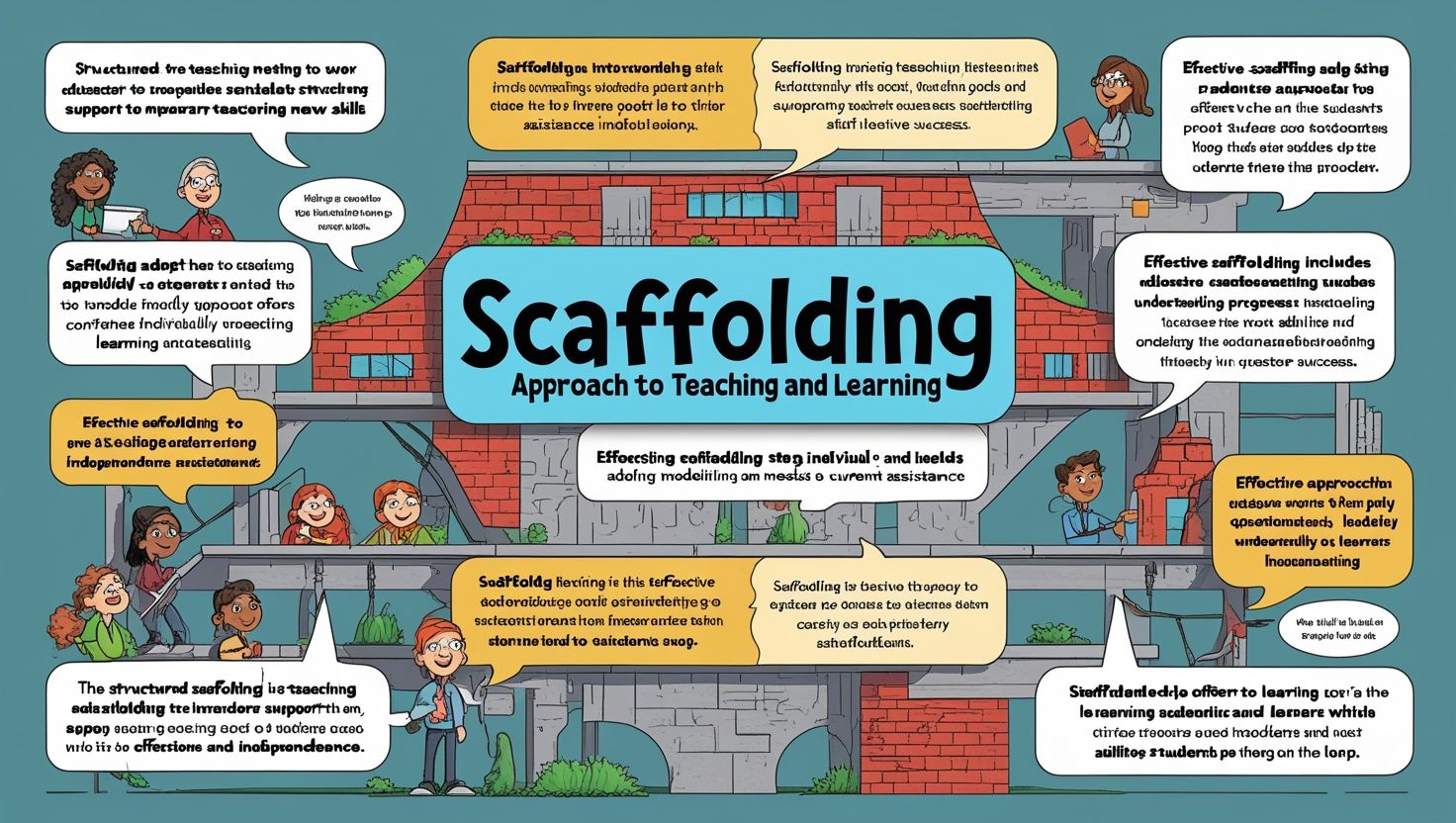
The dependent learner relies heavily on teachers and peers for guidance. They often struggle to complete tasks independently and require continuous instructions. These students lack confidence in decision-making and need reassurance to proceed. Teachers play a vital role in building their independence through encouragement and gradual responsibility. Dependent learners thrive in structured classrooms with clear rules and expectations. However, they may underperform in flexible environments where self-direction is essential. Providing step-by-step support, mentoring, and scaffolding strategies benefits their growth. Pairing them with more confident peers fosters gradual independence. Although dependency can slow progress, it also creates opportunities for nurturing relationships. With proper support, dependent learners can transform into capable individuals. Recognizing dependent learners allows educators to balance support with encouragement. Over time, building confidence enables them to transition into more autonomous learners while still feeling guided and secure.
8. The High Achiever
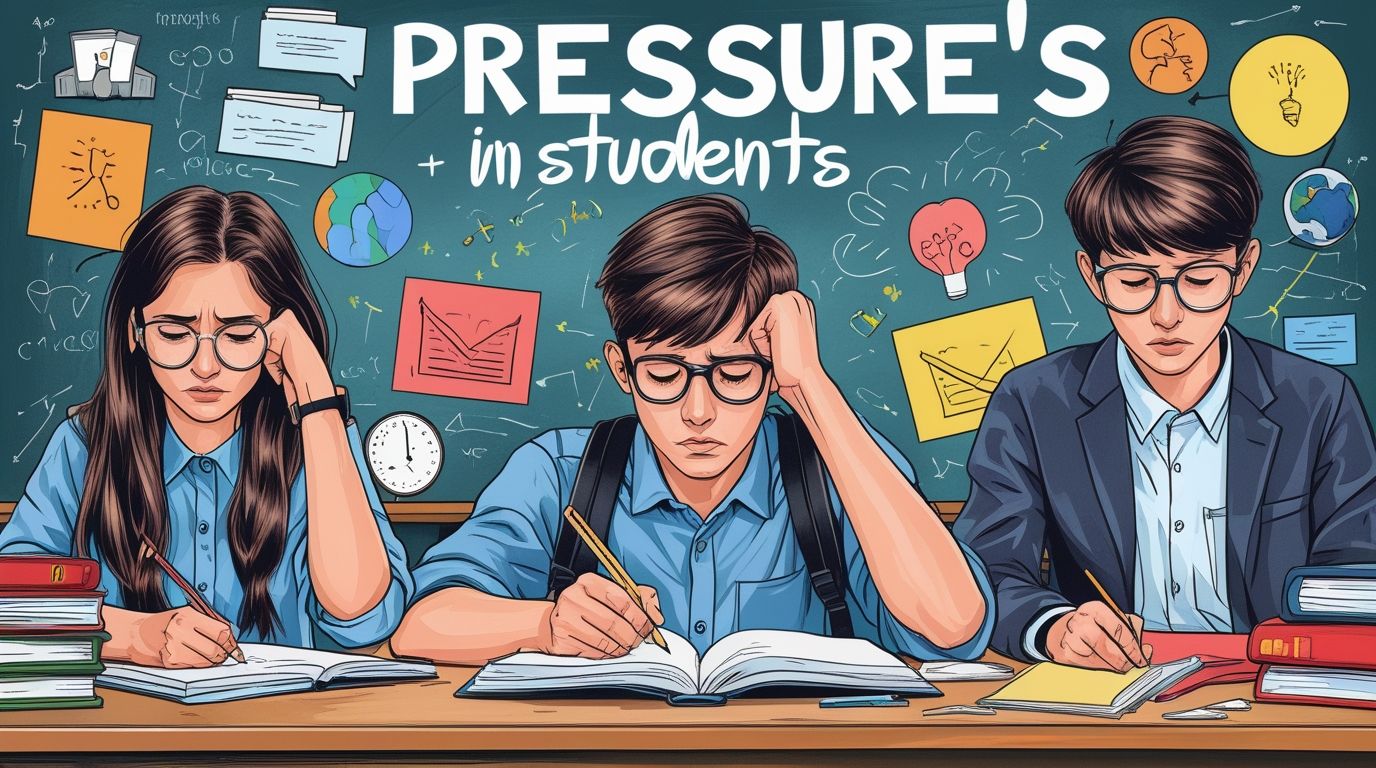
The high achiever is a motivated student who strives for academic excellence. They consistently perform well, set ambitious goals, and display strong discipline. Teachers often find them reliable, hardworking, and focused on success. These students enjoy challenges, advanced materials, and recognition for their efforts. However, high achievers may sometimes experience stress due to self-imposed pressure. Balancing ambition with relaxation is essential to avoid burnout. Teachers can support them by providing enrichment activities and higher-level tasks. Encouraging collaboration helps them develop teamwork skills alongside academic strength. High achievers often inspire peers through their dedication and achievements. Yet, educators must ensure they do not overshadow others. Recognizing high achievers fosters motivation across the classroom. Ultimately, they highlight the value of ambition while reminding teachers to guide them toward holistic development beyond grades.
9. The Struggling Learner
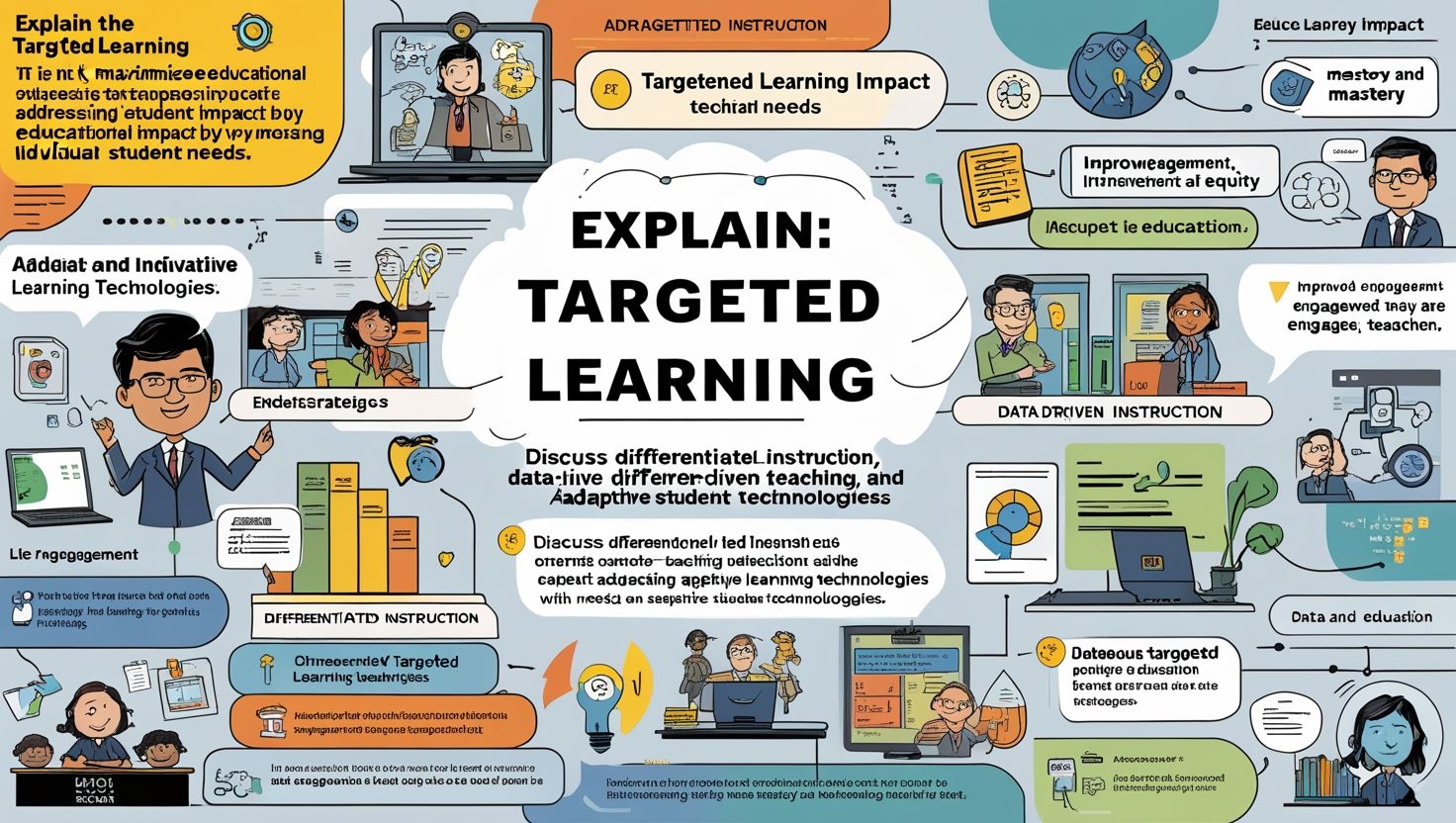
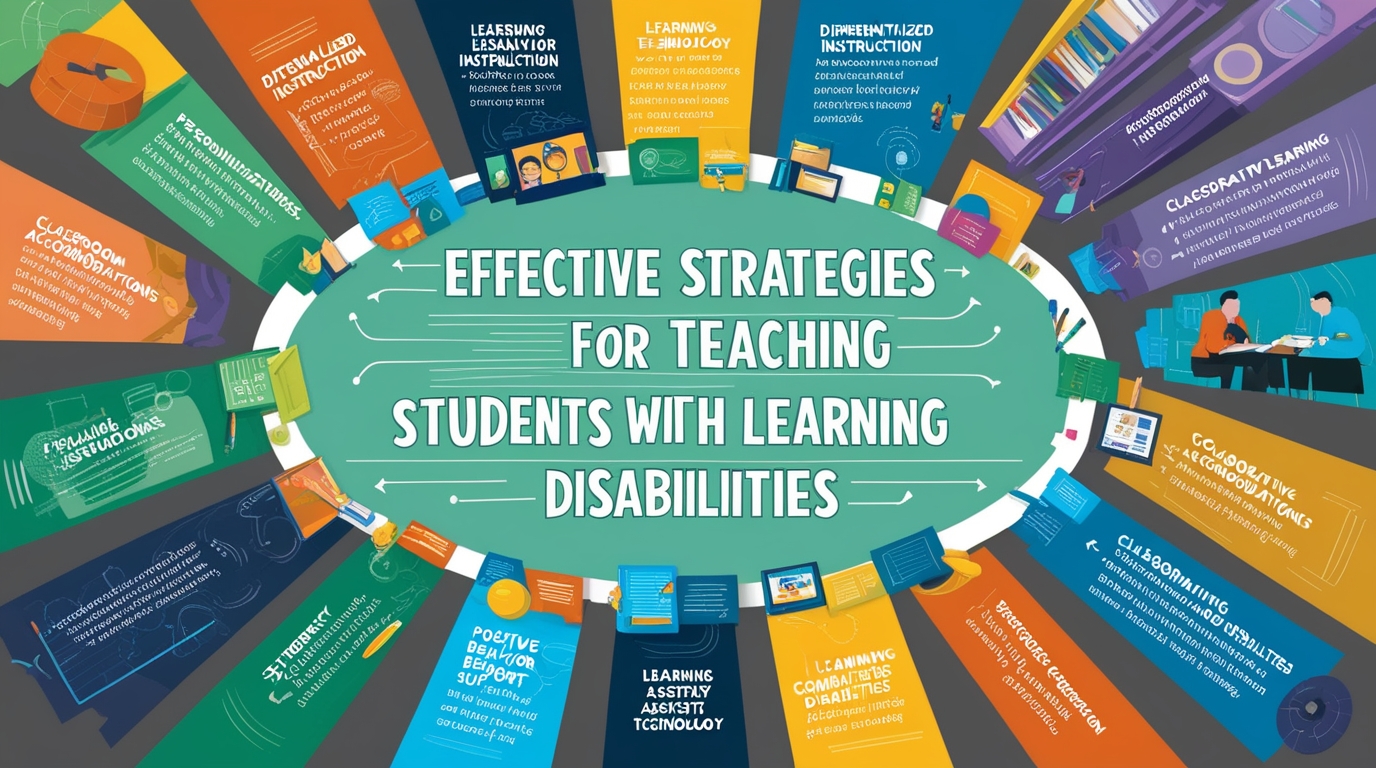
The struggling learner faces difficulties in understanding or keeping pace with lessons. Their challenges may stem from learning disabilities, personal issues, or lack of foundational knowledge. These students often feel left behind in fast-paced classrooms. Teachers play a crucial role in identifying their struggles and providing targeted support. Differentiated instruction, remedial classes, and personalized feedback greatly benefit struggling learners. Encouragement and patience are key in boosting their confidence. Peer mentoring programs can also provide additional assistance. Without proper support, struggling learners may lose motivation and disengage. However, with inclusive strategies, they can achieve meaningful progress. Recognizing struggling learners ensures that education remains equitable and compassionate. Supporting them not only improves their outcomes but also strengthens the classroom’s collective growth by fostering empathy among peers.
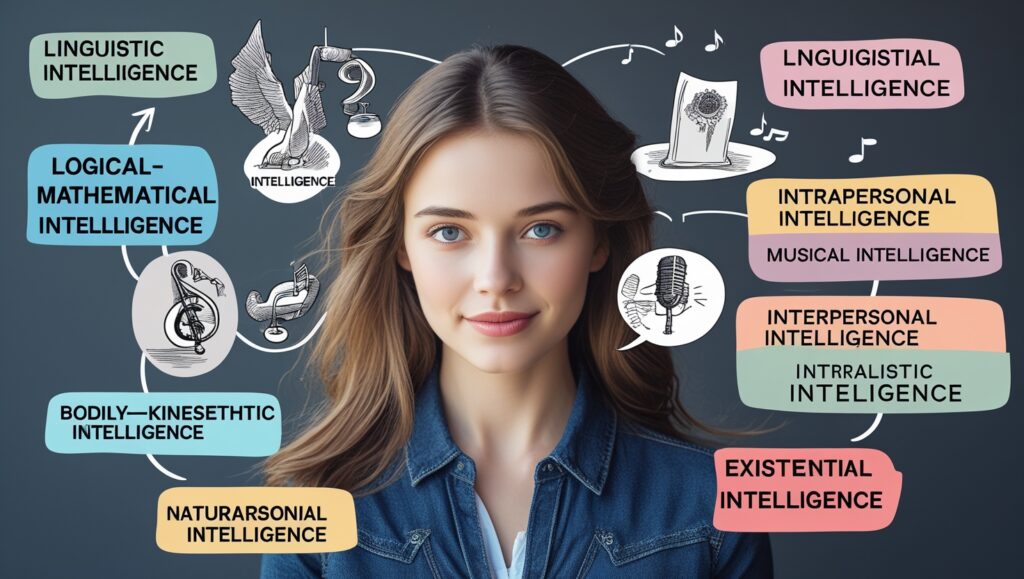
10. The Creative Thinker
The creative thinker approaches learning with imagination, originality, and curiosity. These students often generate unique ideas, solve problems differently, and explore unconventional methods. Creativity thrives when teachers provide open-ended projects, art-based learning, and innovative assignments. However, creative thinkers may sometimes struggle in rigid environments where conformity dominates. Encouraging flexibility, brainstorming, and experimentation keeps them engaged. They excel in subjects like art, literature, or design but can contribute creatively in science or math as well. Teachers can channel their talents by integrating project-based learning and design thinking. Creative thinkers often inspire peers with fresh perspectives. Recognizing creative thinkers ensures that innovation remains central in education. By supporting their imaginative strengths, teachers prepare them for real-world problem-solving where creativity is highly valued. Ultimately, these learners remind classrooms that education is not just about memorization but also about invention.
Conclusion
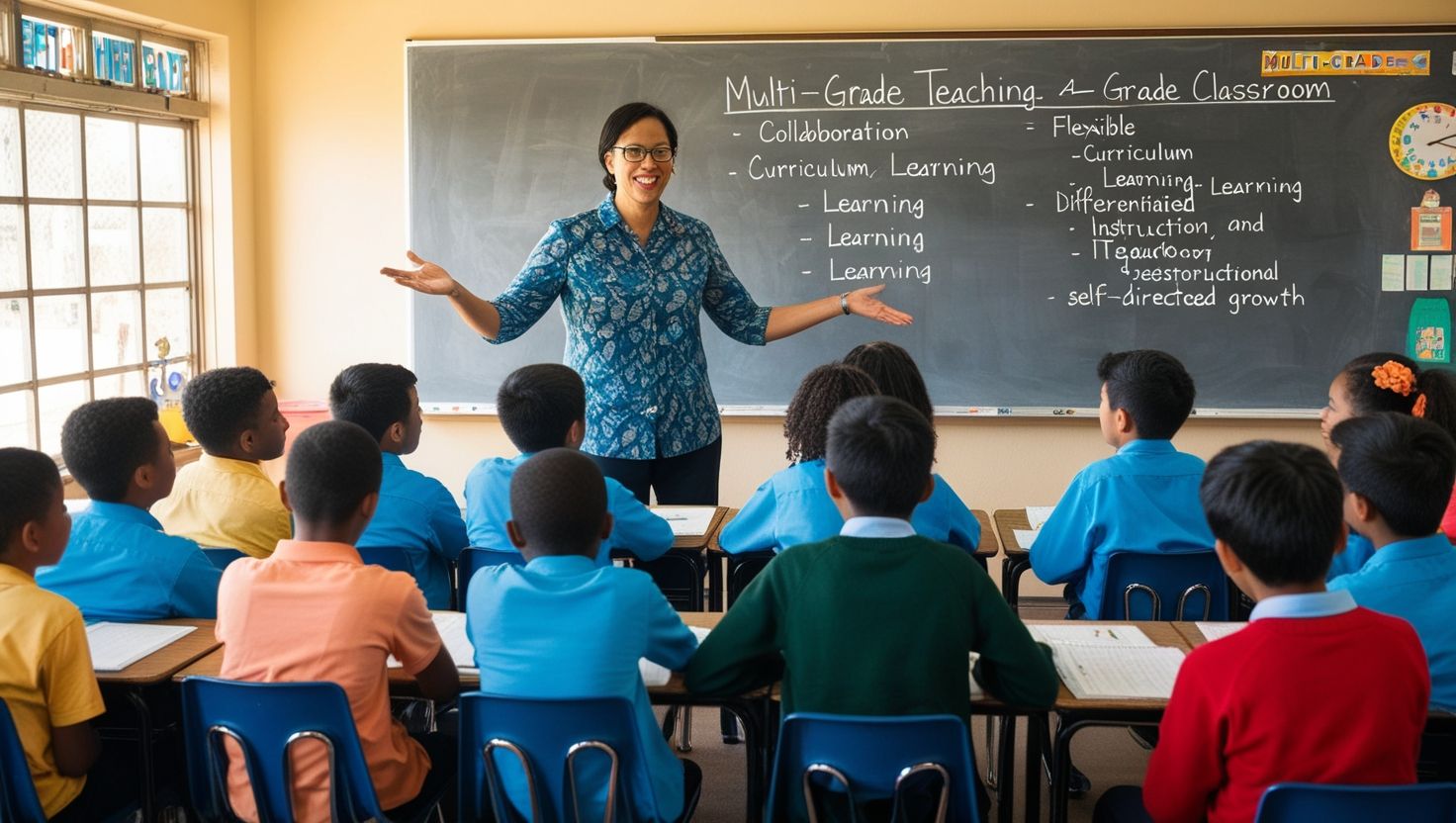
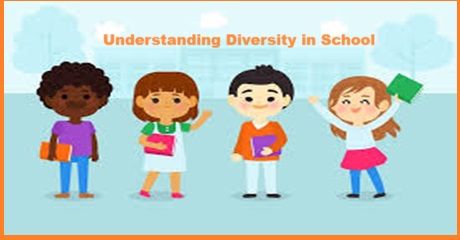
Classrooms are rich ecosystems filled with diverse personalities, abilities, and preferences. Recognizing the types of students in the classroom in learning allows educators to tailor teaching methods, foster inclusivity, and nurture individual growth. From active participants to creative thinkers, every student brings value to the group. Balancing attention across these types ensures no one feels overlooked. Moreover, understanding student diversity promotes empathy among peers, creating supportive learning environments. Education becomes truly meaningful when classrooms embrace variety instead of forcing uniformity. Teachers who adapt to student differences cultivate resilience, confidence, and lifelong learning skills. By acknowledging strengths and weaknesses, they inspire progress for all learners. Ultimately, classrooms reflect society’s diversity, and learning flourishes when every student is given space to shine.
References
- Armstrong, T. (2018). Multiple Intelligences in the Classroom. ASCD.
- Fleming, N. D., & Mills, C. (1992). Not Another Inventory, Rather a Catalyst for Reflection. To Improve the Academy.
- Tomlinson, C. A. (2014). The Differentiated Classroom: Responding to the Needs of All Learners. ASCD.
- Sousa, D. A. (2017). How the Brain Learns. Corwin Press.






































































































References:
Grosvenor G Casino App Hugo Casino Promo Code