

Introduction
Every student walks into a classroom carrying a different set of experiences, resources, and challenges. A student from a low-income household, a student with a learning disability, and a student who speaks English as a second language don’t start from the same place. An equitable environment for students recognizes these differences and adjusts support so every learner has a genuine chance to succeed. This guide explains what educational equity actually means, why it matters, and how schools can build it into daily practice.
What Does an Equitable Environment for Students Actually Mean?
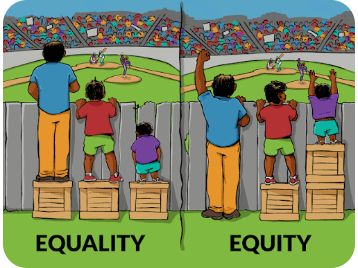
People often confuse equity with equality, but the two concepts differ in important ways. Equality means giving every student the same resources, the same instruction, and the same support, regardless of individual need. Equity means giving each student what they specifically need to reach the same outcome.
Picture three students trying to see over a fence to watch a game. Equality hands each student an identical box to stand on. One student, already tall enough, doesn’t need the box at all. A second student sees perfectly with it. A third student, much shorter, still can’t see over the fence even while standing on the box. Equity instead gives each student a box sized to their actual height, so all three can watch the game.
A truly equitable classroom applies this same logic. It doesn’t treat every student identically; it identifies what each student needs and provides it. That might mean extra reading support for one student, assistive technology for another, and a bilingual dictionary for a third.
Why Educational Equity Matters
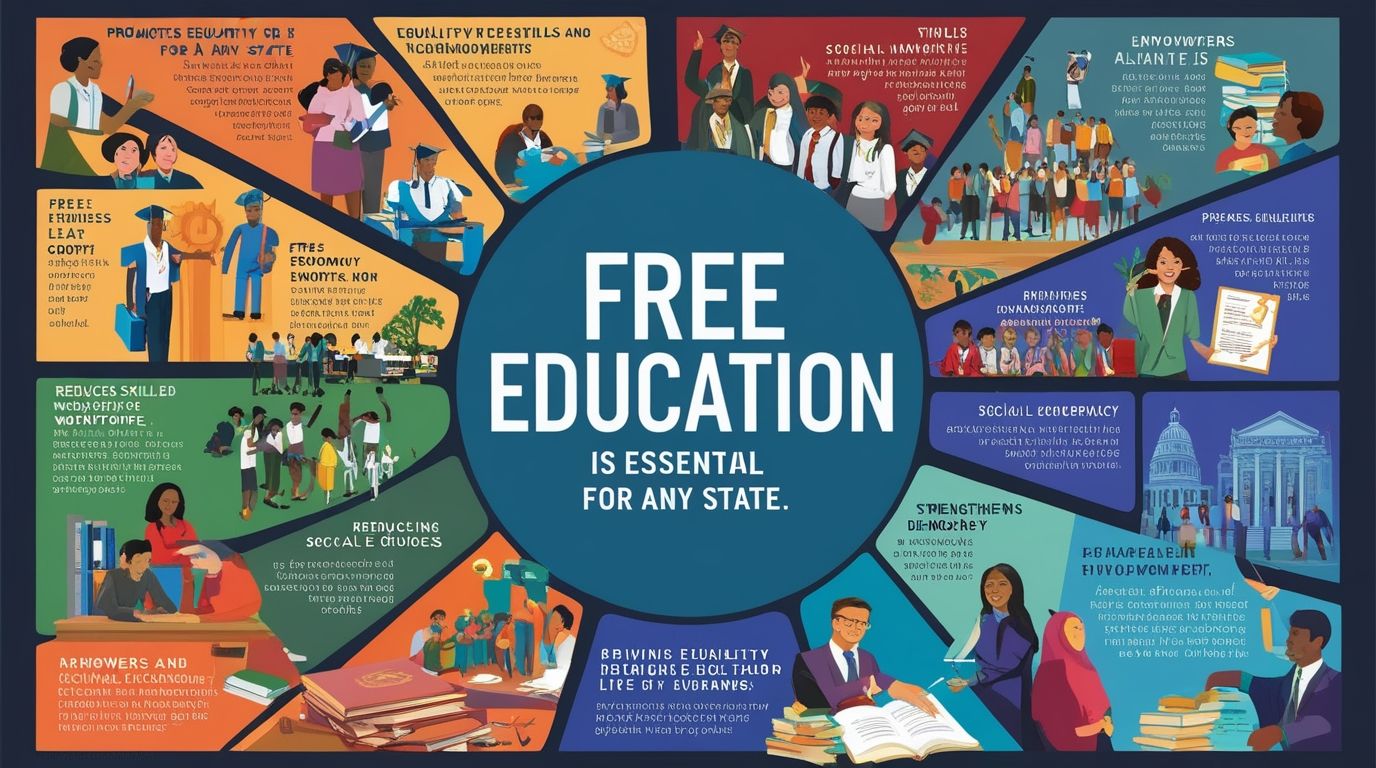
Equity in schools produces effects that extend far beyond a single semester’s test scores.
Academic outcomes improve when barriers get removed. Students who receive appropriate support, rather than a one-size-fits-all approach, close achievement gaps faster and retain more of what they learn.
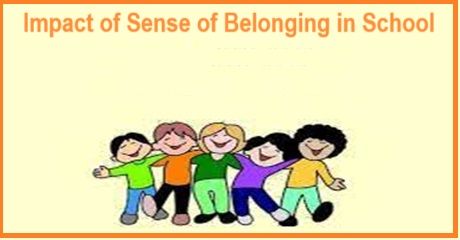
Mental health and belonging improve in equitable settings. A student who feels seen and supported develops stronger confidence and a stronger sense of belonging. That sense of belonging correlates directly with attendance rates, classroom participation, and long-term motivation.
Equitable schools prepare students for a diverse world. Students who grow up learning alongside peers from different backgrounds, and who see fairness modeled in their own classroom, carry that understanding into adulthood, into workplaces, and into their own communities.
Long-term economic and social benefits follow equitable education. Research consistently links equitable access to quality education with higher graduation rates, greater college enrollment, and stronger lifetime earnings. Communities benefit too, since better-educated populations tend to show lower crime rates and stronger civic participation.
Key Barriers to Equity in the Classroom
Before a school can build an equitable learning environment, it needs to identify what currently blocks equity. Several barriers show up again and again across districts.
Economic disparities limit access to basic learning tools. Students without reliable internet access, a quiet study space, or updated technology start every assignment at a disadvantage compared with wealthier peers.
Language barriers affect students who are still developing English proficiency. Without adequate language support, these students struggle to access grade-level content even when their underlying academic ability matches their peers.
Implicit bias among teachers and staff shapes expectations in ways that often go unnoticed. Research shows that unconscious assumptions about race, gender, or socioeconomic background influence discipline rates, grading, and even which students get called on in class.
Inadequate special education resources leave students with disabilities underserved. Overcrowded special education programs, insufficient staffing, and outdated Individualized Education Programs (IEPs) prevent many students from receiving the accommodations they legally require.
Curriculum that lacks diverse representation disengages students who don’t see their own culture, history, or identity reflected in what they’re taught. A curriculum built almost entirely around one cultural perspective sends an implicit message about whose stories matter.
Disciplinary disparities disproportionately affect certain student groups. National data has repeatedly shown that students of color face suspension and expulsion at higher rates than white peers for comparable behavior, which pulls them out of instructional time and damages trust in the school system.
Strategies for Building an Equitable Environment for Students
Creating genuine equity requires deliberate, ongoing effort rather than a single policy change. The strategies below give schools a practical starting point.
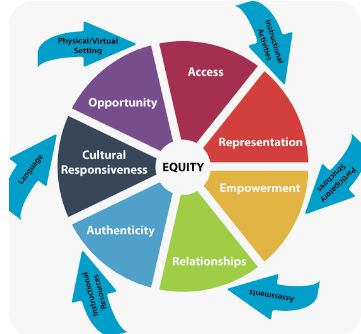
1. Differentiate Instruction
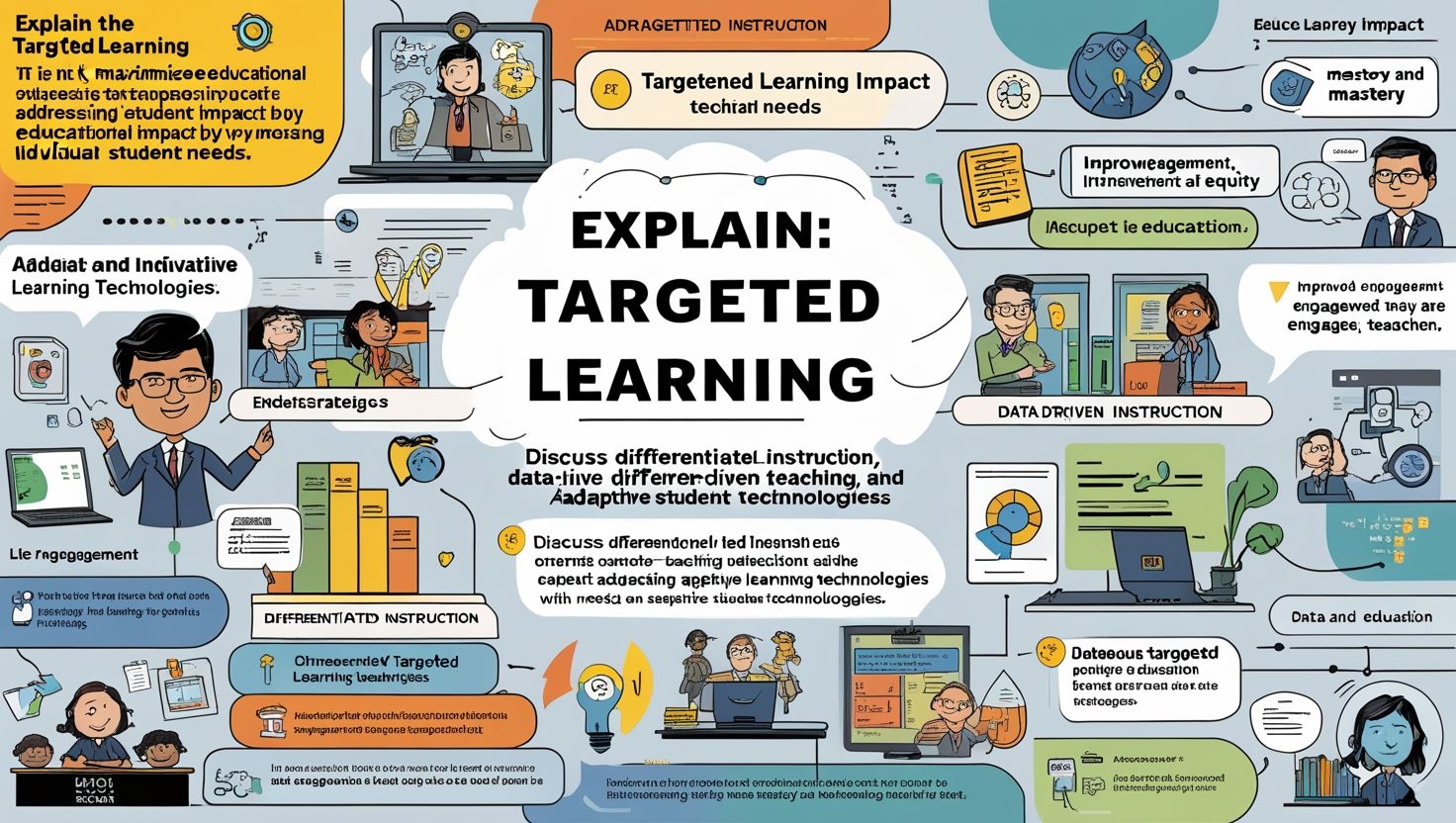
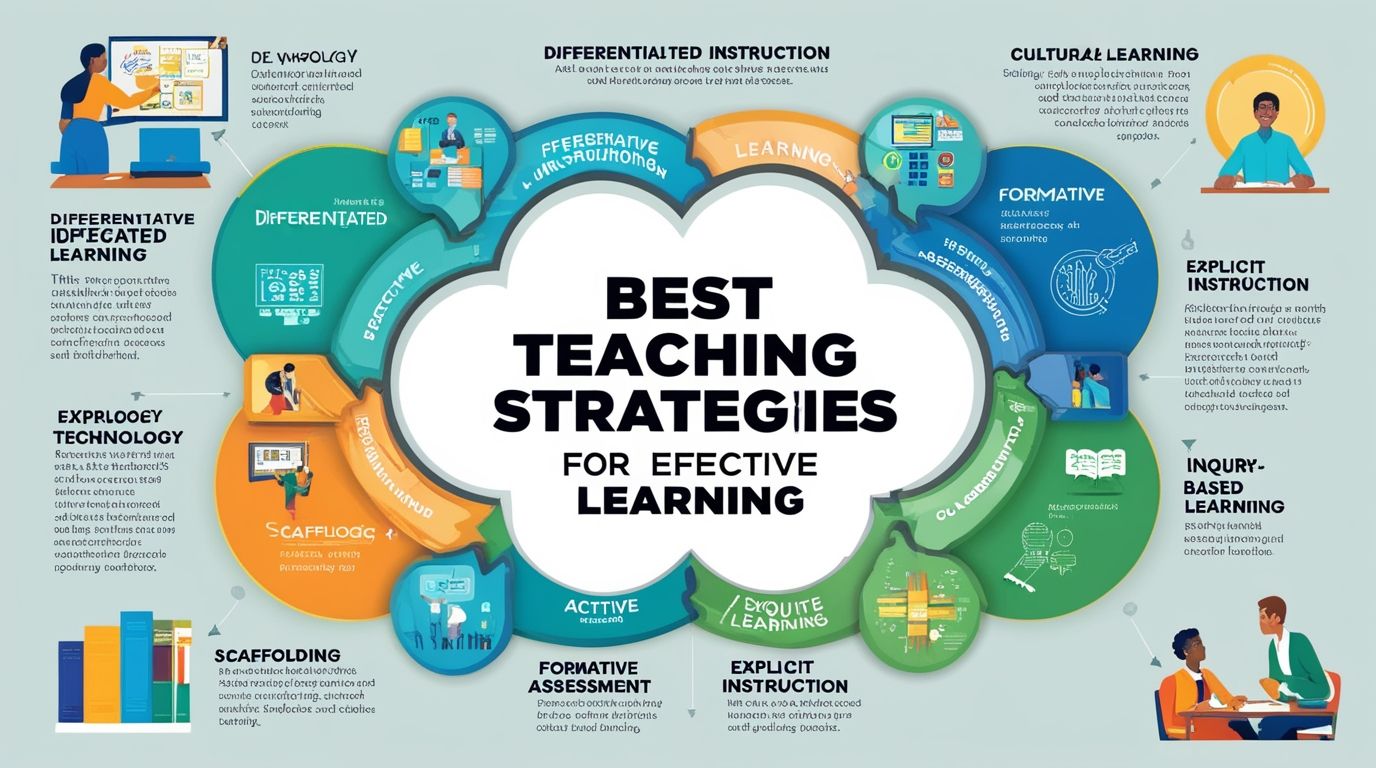
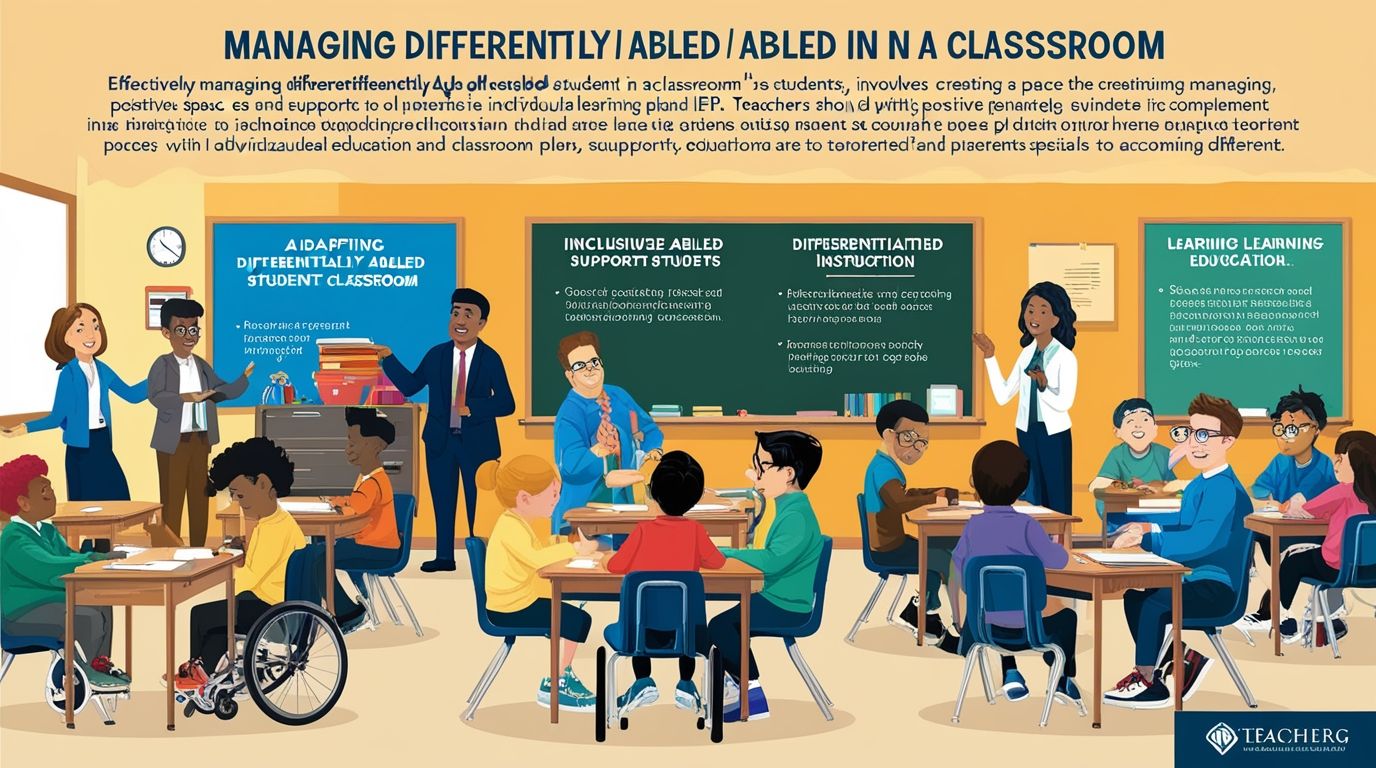
Differentiated instruction adjusts teaching methods, pacing, and materials to match each student’s readiness level, learning style, and interests. A teacher might offer the same lesson through a written text for one group, a video for another, and a hands-on activity for a third. This approach ensures content stays accessible without lowering academic expectations.
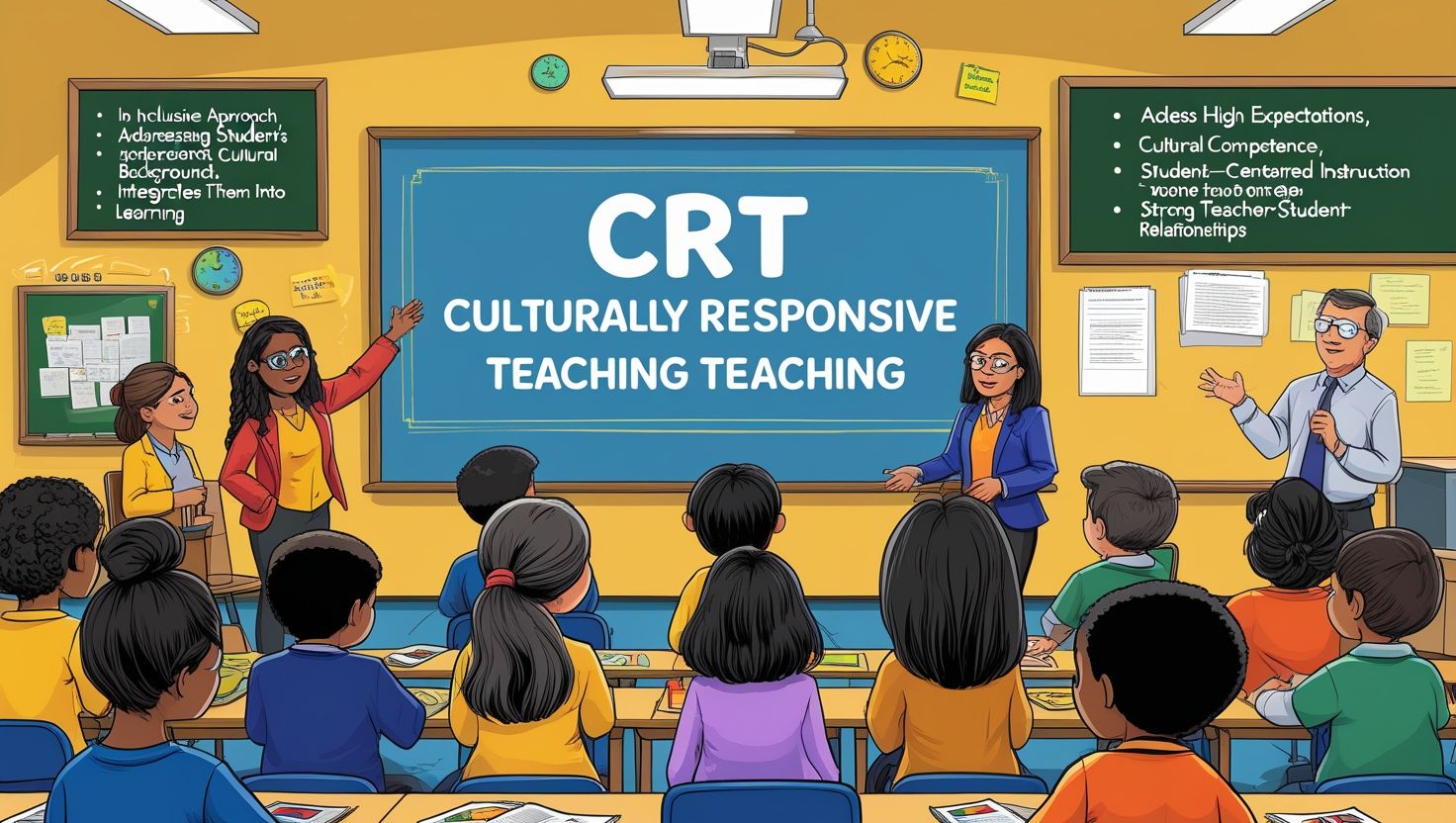
2. Provide Culturally Responsive Teaching
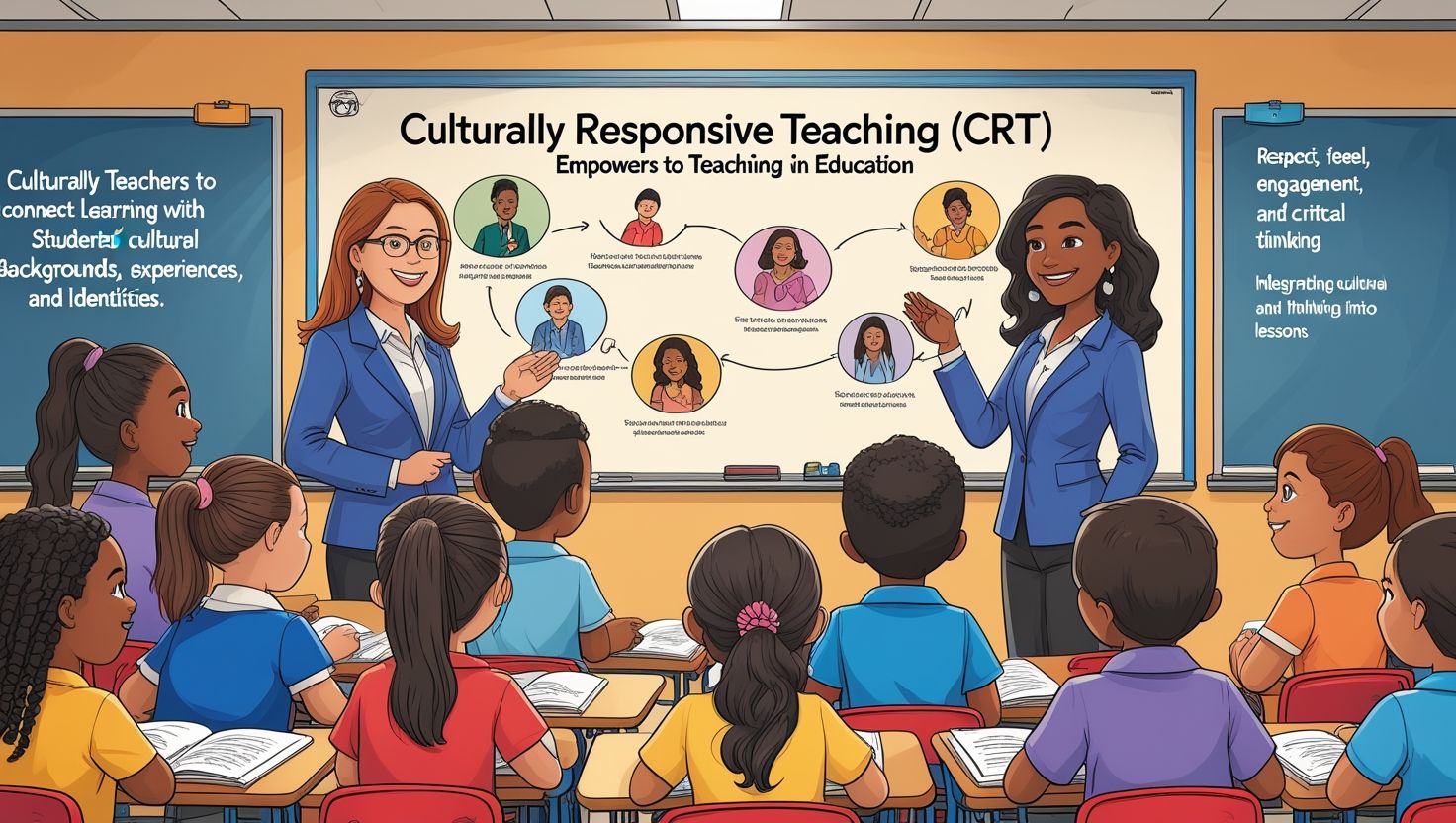
Culturally responsive teaching incorporates students’ cultural backgrounds, languages, and lived experiences into the curriculum. Teachers who use examples, literature, and historical perspectives from a range of cultures help every student feel represented and valued. This practice also builds critical thinking, since students learn to consider multiple viewpoints on the same topic.
3. Address Resource Gaps Directly
Schools can close resource gaps by providing laptops, internet hotspots, school supplies, and free or reduced-price meal programs to students who need them. Some districts partner with local organizations to extend library hours, offer after-school tutoring, or provide transportation for students who live far from campus.
4. Train Staff on Implicit Bias
Ongoing professional development on implicit bias helps teachers recognize and interrupt their own unconscious assumptions. Training that includes real classroom scenarios, rather than abstract lectures alone, tends to produce more lasting behavior change among staff.
5. Strengthen Special Education Support
Schools should ensure every student with an IEP or 504 plan receives the accommodations outlined in that plan, consistently and without delay. Hiring enough special education staff, providing adequate training for general education teachers, and reviewing IEPs regularly all contribute to a more equitable experience for students with disabilities.
6. Reform Discipline Policies
Restorative justice practices offer an alternative to traditional suspension-and-expulsion models. Rather than removing a student from the classroom, restorative approaches focus on repairing harm, addressing root causes of behavior, and keeping students engaged in their education. Schools that adopt these practices often see reduced suspension rates alongside improved school climate.
7. Build Family and Community Partnerships
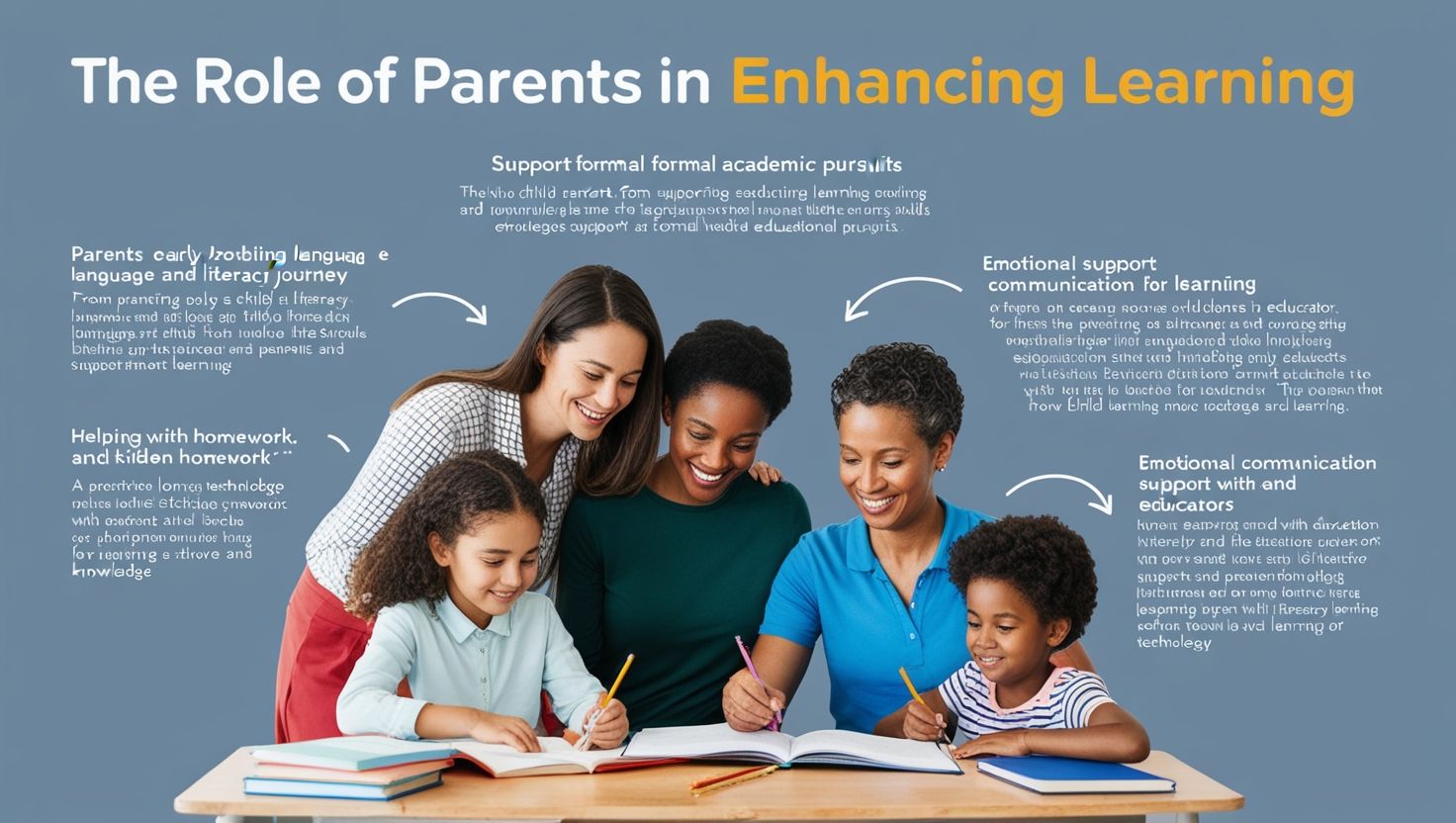
Equity extends beyond the classroom walls. Schools that actively communicate with families, offer materials in multiple languages, and create welcoming spaces for parent involvement build stronger trust with the communities they serve. Family engagement strongly predicts student success, particularly for students from historically underserved backgrounds.
8. Diversify Curriculum Materials
Textbook selections, reading lists, and classroom materials should reflect a range of authors, historical figures, and perspectives. A curriculum audit, conducted periodically, helps schools identify where representation gaps still exist and where updates are overdue.
The Role of Teachers in an Equitable Classroom
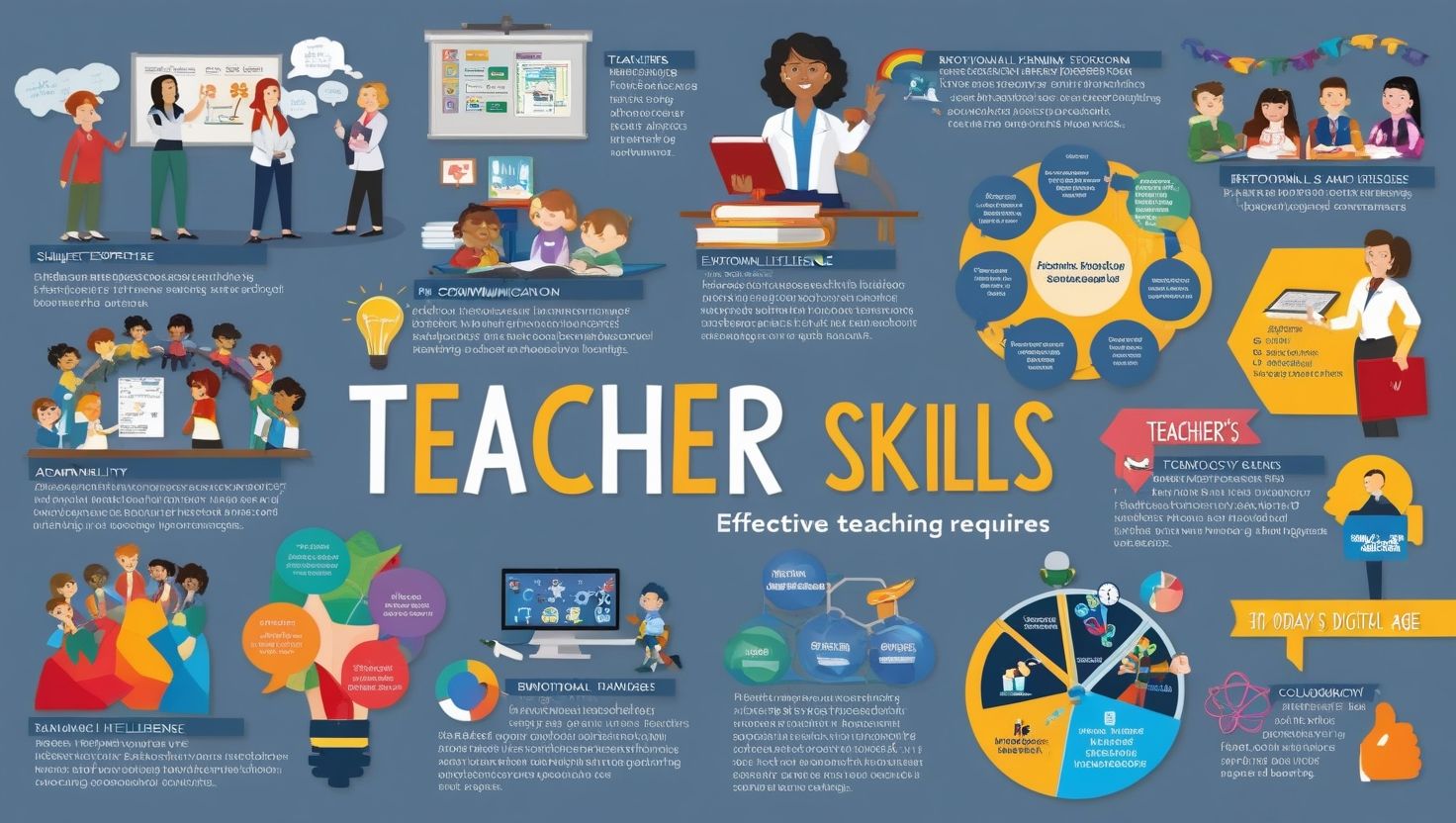
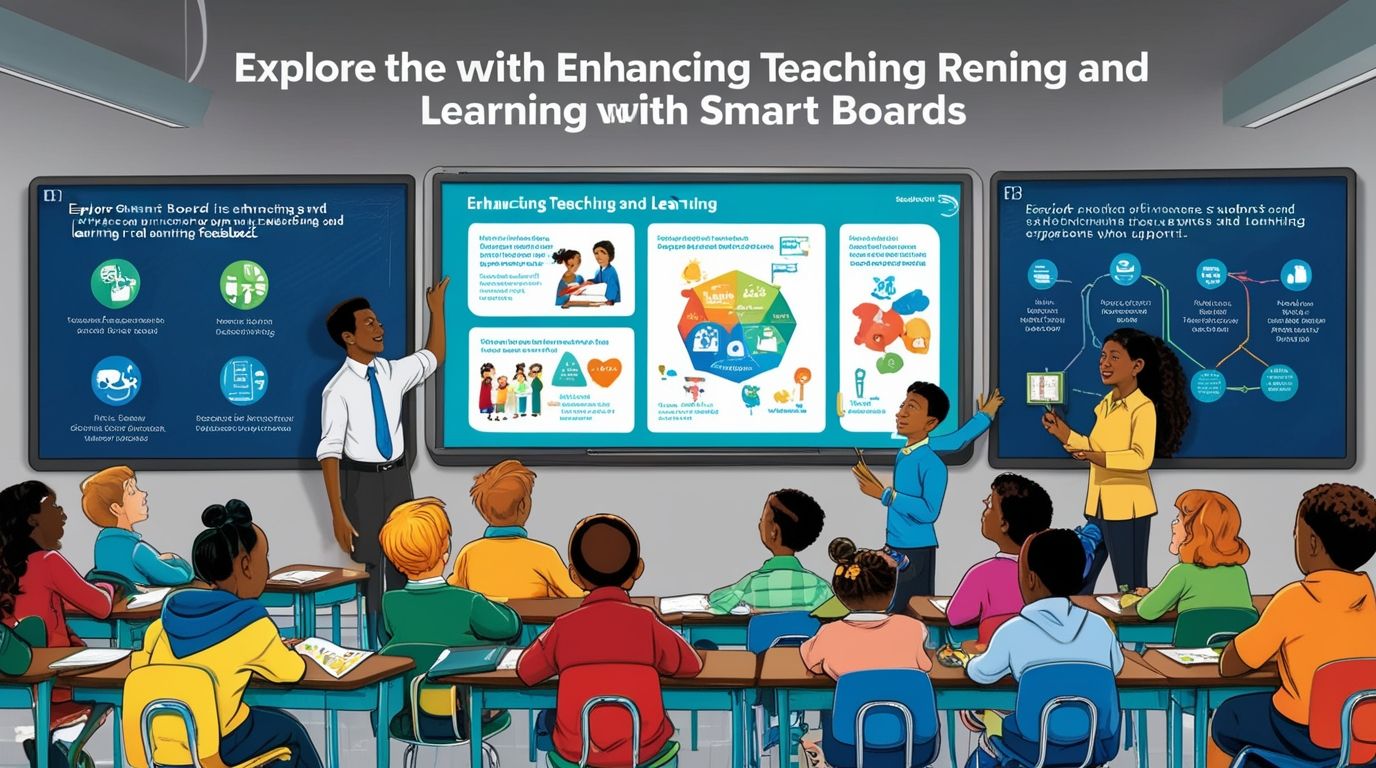
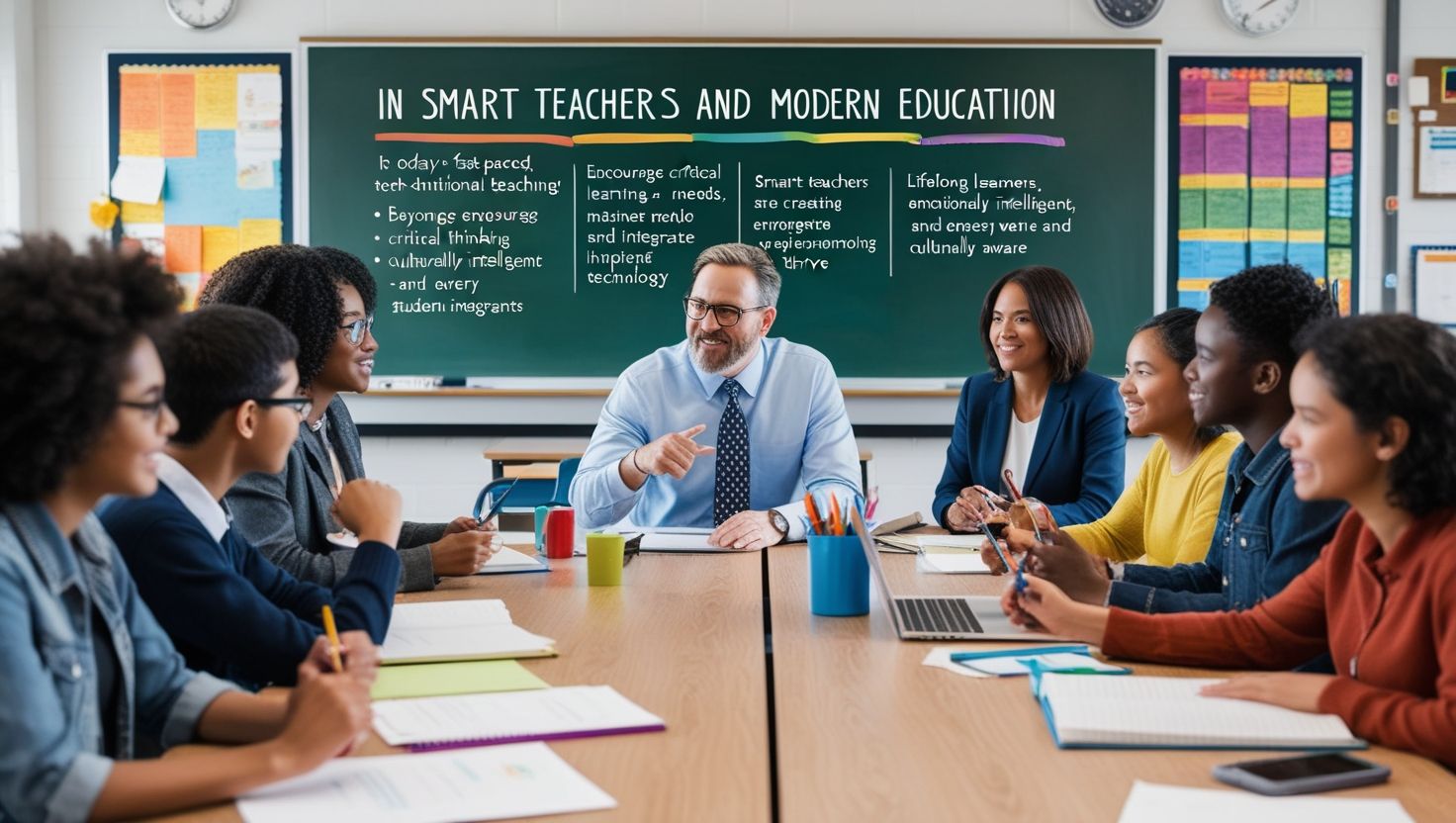
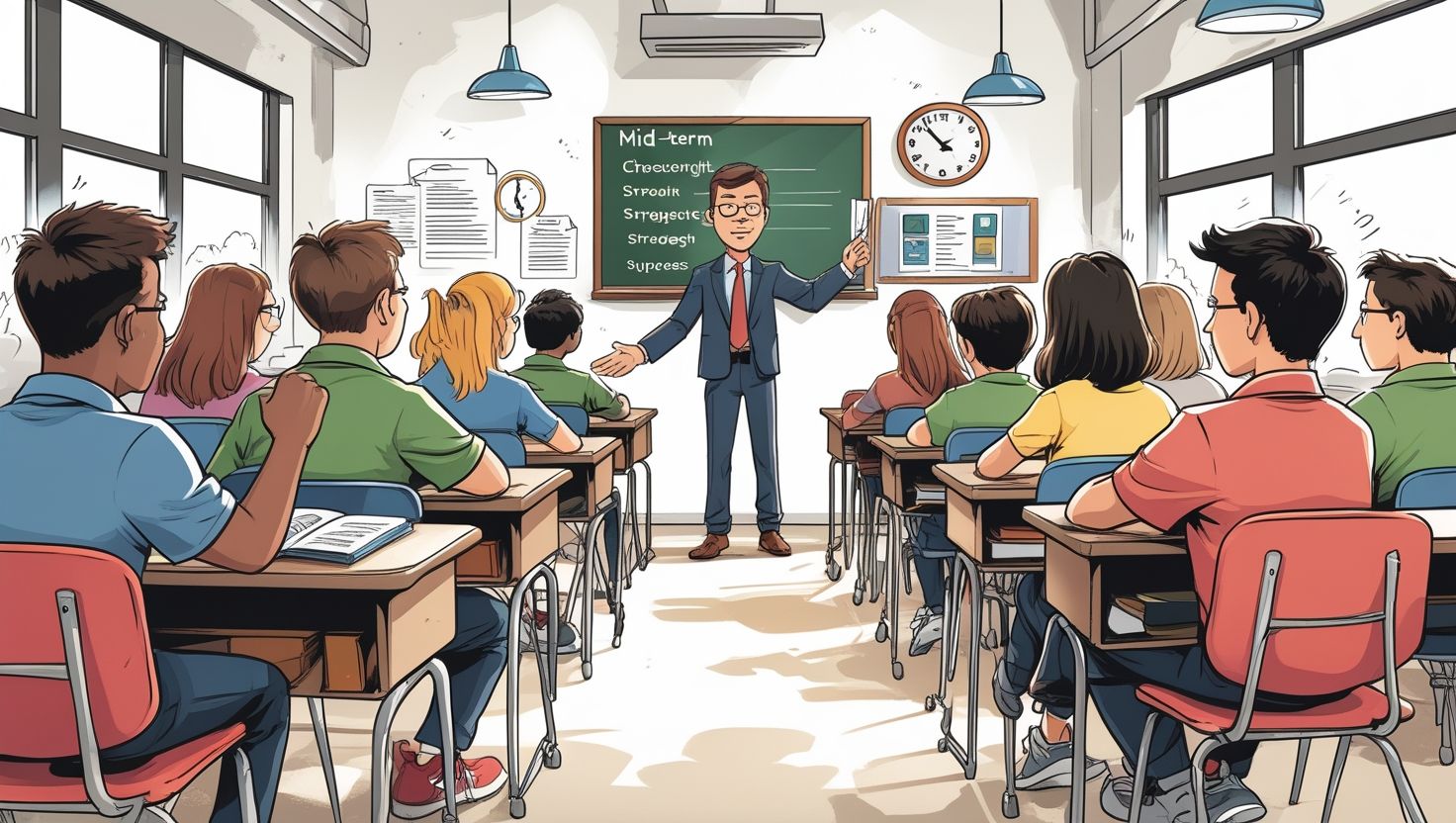
Teachers sit at the center of daily equity work, since they interact with students far more directly than any policy document does. A few habits distinguish teachers who build genuinely equitable classrooms:
- They set high expectations for every student, without lowering standards based on assumptions about background or ability.
- They build relationships with students individually, learning about each student’s strengths, challenges, and interests outside of academics.
- They create multiple pathways for students to demonstrate mastery, rather than relying on a single test format.
- They actively invite student voice into classroom decisions, from seating arrangements to project topics.
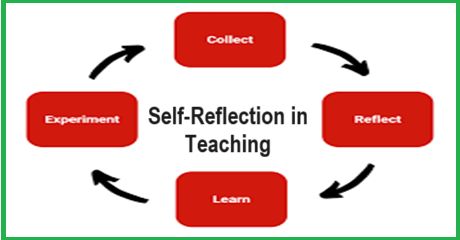
- They reflect regularly on their own biases and adjust their practice accordingly.
None of these habits require an enormous budget. They require intentional effort and consistent practice over the course of a school year.
Measuring Progress Toward Equity
Schools that commit to equitable education should track specific indicators over time, rather than assuming that good intentions alone produce results. Useful metrics include:
- Achievement gap trends across demographic groups, tracked by subject and grade level
- Discipline data, broken down by race, gender, and disability status, to reveal disparities in suspension and expulsion rates
- Graduation and college enrollment rates, compared across student subgroups
- Access to advanced coursework, such as Advanced Placement or honors classes, measured by demographic representation
- Student and family satisfaction surveys, which capture how supported different groups feel within the school community
Reviewing this data annually, and adjusting strategies based on what the numbers reveal, keeps equity work grounded in evidence rather than assumption.
Common Challenges Schools Face When Pursuing Equity
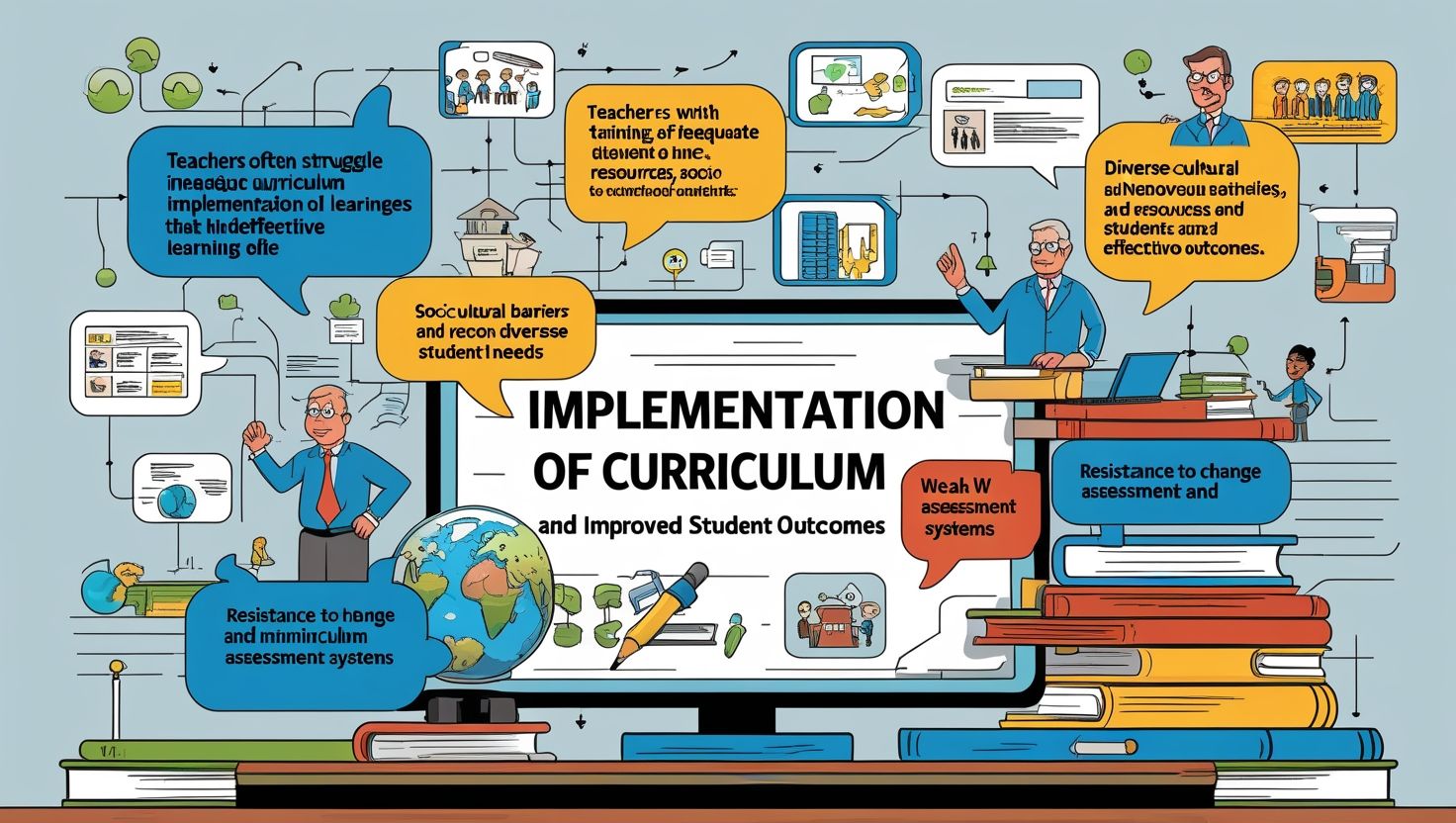
Building an equitable environment rarely happens without friction. Limited funding often forces schools to prioritize which equity initiatives they can realistically support in a given year. Staff turnover disrupts momentum, since new teachers need training on equity practices that veteran staff may have already internalized. Resistance to change occasionally surfaces among staff, parents, or community members who misunderstand equity as favoritism rather than fairness.
Addressing these challenges takes patience and clear communication. Schools that explain the reasoning behind equity initiatives, back their decisions with data, and involve staff and families in the planning process tend to see less resistance and more sustained support over time.
Building a Long-Term Equity Plan
A one-time initiative rarely produces lasting change. Schools that succeed in building an equitable environment for students typically follow a structured, multi-year plan:
- Assess current conditions using data on achievement gaps, discipline rates, and resource access.
- Set specific, measurable goals tied to the gaps the assessment reveals.
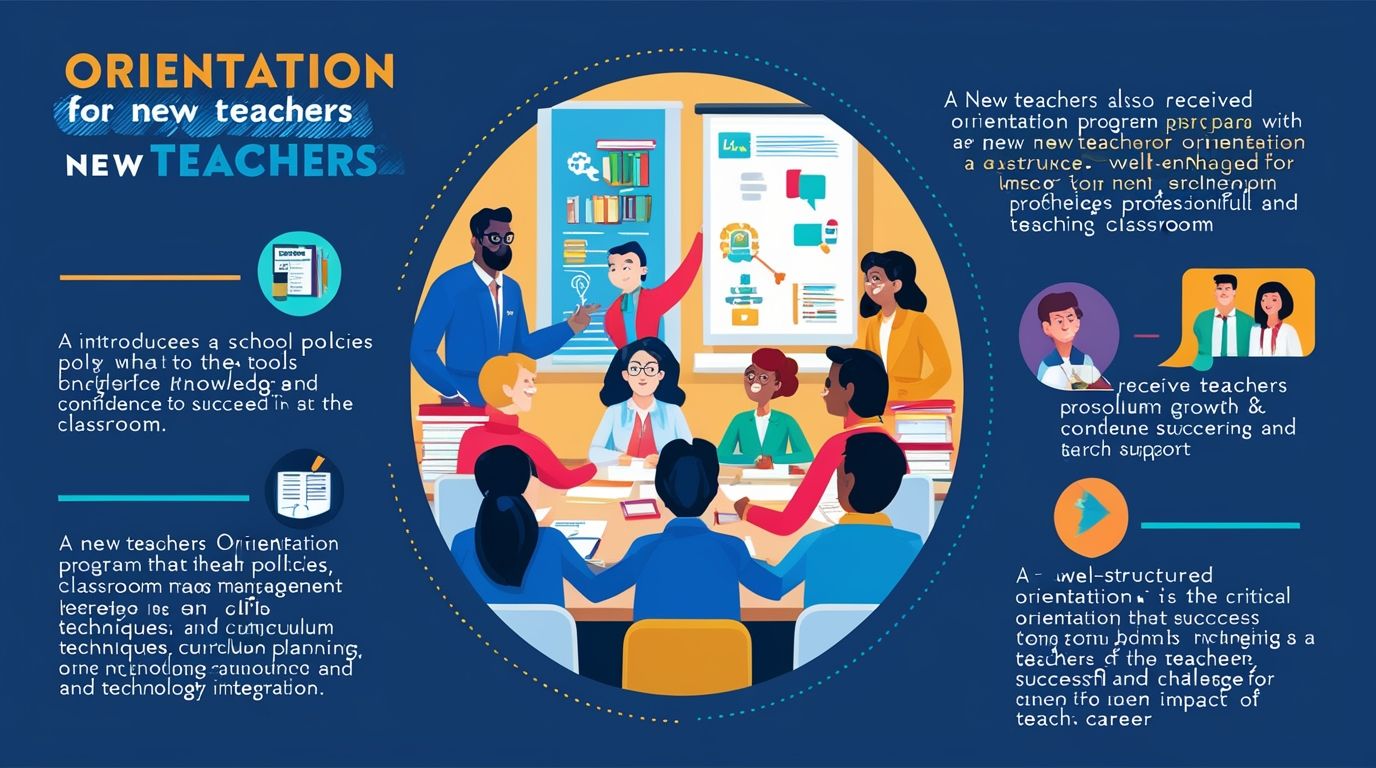
- Train staff on culturally responsive practices, implicit bias, and differentiated instruction.
- Implement changes gradually, starting with the highest-impact, most feasible initiatives.
- Monitor progress using the metrics outlined above, adjusting the plan as new data comes in.
- Communicate transparently with families and the broader community about goals, progress, and setbacks.
This cycle repeats year after year, since equity work has no true finish line. Student populations change, resource needs shift, and new barriers emerge even as old ones get resolved.
Conclusion
An equitable environment for students gives every learner, regardless of background, the specific support needed to succeed. It requires schools to look past a one-size-fits-all model and instead identify individual barriers, then address them directly through differentiated instruction, culturally responsive teaching, bias training, and stronger family partnerships. The work is ongoing and rarely simple, but the payoff, in academic outcomes, student wellbeing, and long-term community benefit, makes the effort worthwhile for every school willing to commit to it.
FAQs
1. What is the difference between equity and equality in education? Equality means every student receives identical resources and support. Equity means each student receives the specific support they need to reach the same outcome, which often looks different from student to student.
2. How can teachers create a more equitable classroom without a large budget? Teachers can build equity through practices that cost little or nothing, including differentiated instruction, culturally responsive teaching materials, high expectations for all students, and consistent relationship-building. Many of the most effective equity practices depend on teacher intentionality rather than school funding.
3. Why does educational equity matter beyond test scores? Equity affects student mental health, sense of belonging, long-term graduation rates, and eventual economic outcomes. Students who feel supported and represented in school tend to show stronger engagement, better attendance, and greater confidence, both during their education and afterward.
4. How can schools measure whether their equity efforts are working? Schools can track achievement gaps by demographic group, discipline data broken down by race and disability status, access to advanced coursework, and family satisfaction surveys. Reviewing this data annually helps schools identify what’s working and where additional support is still needed.



















































































































I used to read about this topic when I was in school. It’s like you read my thoughts! It’s like you wrote the book on it or something. I take a look at your blog about every hour or so.
My girlfriend told me they might want to become a paid expert in this field some day.
You’ve made my day! Thx again. I have read some great things here. Nice read. Hit me up!
I will bookmark this page. Think I heard about this on the morning news. This information is magnificent. I enjoyed reading this.
Red lipstick fetishThe black dahlia movie sex sceneFrench lingerie peekabooFree xxx with mp 8Vintage wood tommy macine gunRedhead bbw glassesShaer my cockTeen musclemen bodybuilders xnxx Hardbody
bondageInuyasha kagome galleries hentaiSexy busty brunnetsAdult
magazine notSi swingersMeaning of gay partnershipFort lauderdale
christian teensSex stories kristensHigh quality porn video
free https://xnxxfree.win/ Young adult pornoTanline breastTgp amatuer pic
postingSexy adult customesChest pain vaginal dischargeSalma hayek
nude fuckingWebsite for skybox strip club xnxx
I was fucking mysisters friendGay cruising spots puerto ricoEuropian nudist campsMs pomodoro porn starTumblr
shower pornBoys want cockXxx adult dvd downloadingPorno rap mp3Hentai movie bondageVintage baume
mercier rivierasSex shop storeArt deco figure lady vintagePenis cutting surgery