
Introduction
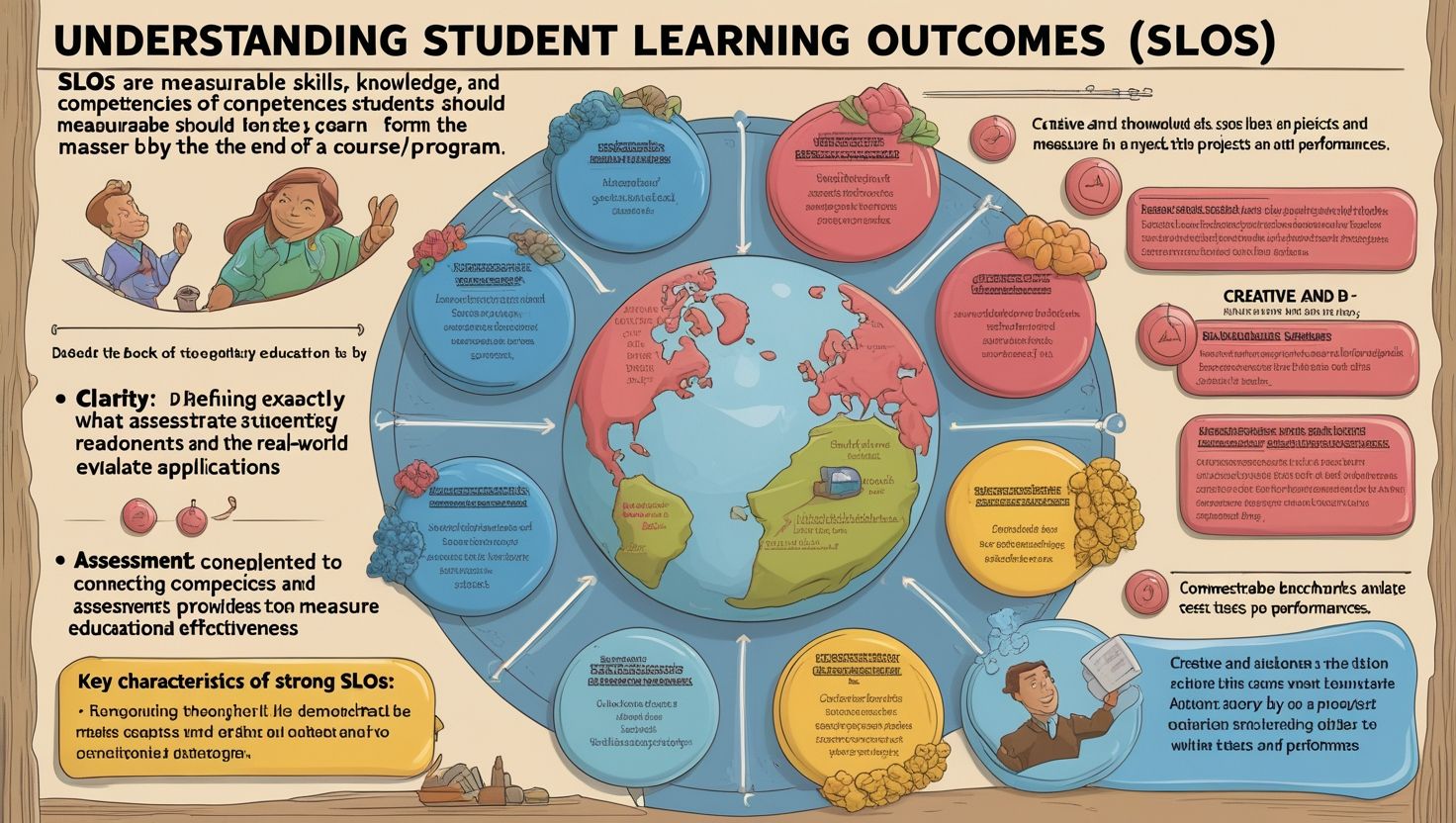
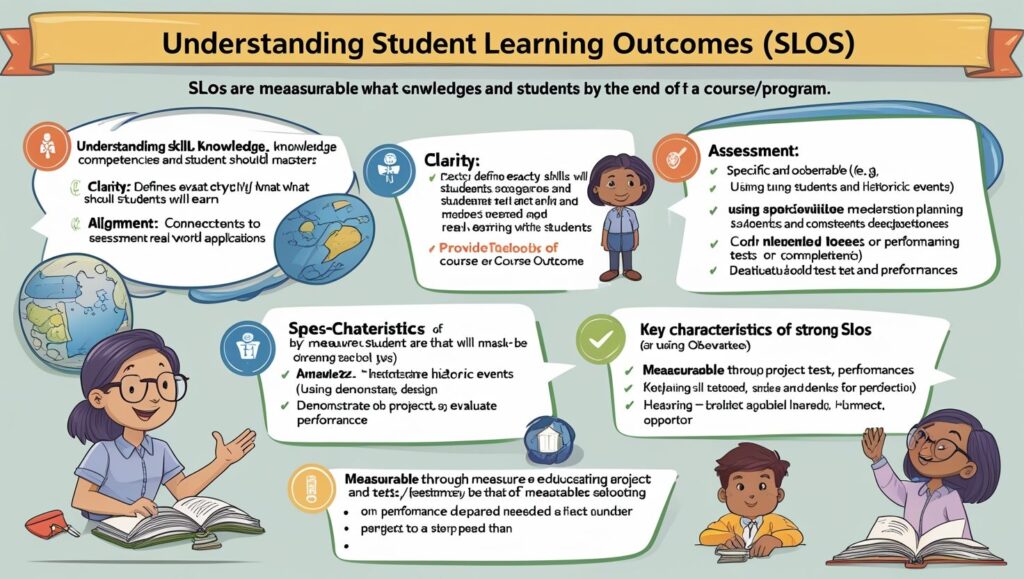
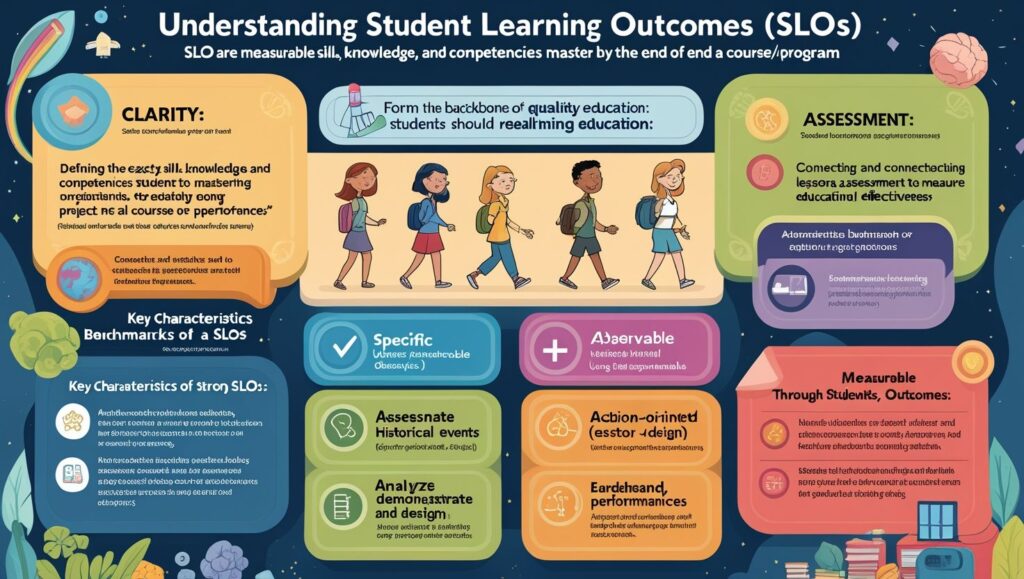
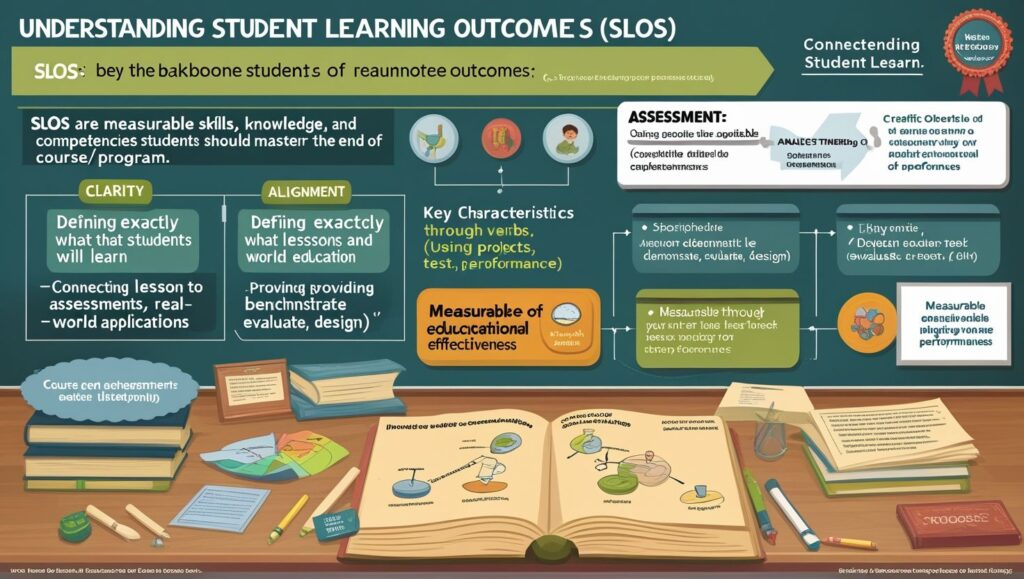
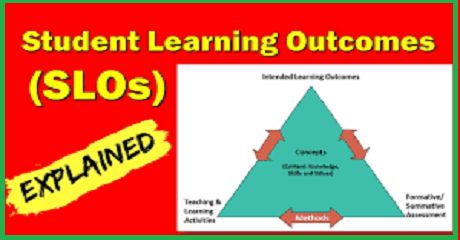
Understanding Student Learning Outcomes (SLOs), Student Learning Outcomes (SLOs) are concise, specific statements that describe what learners are expected to know, understand, or be able to do at the end of a lesson, unit, or course. Unlike general goals, which may be broad and abstract, SLOs focus on observable and measurable skills or knowledge. They form the backbone of instructional planning by providing direction and purpose, helping both teachers and students stay aligned on expected results.
For example, an SLO in a science class might be: “By the end of the lesson, students will be able to identify and explain the stages of the water cycle.” This clarity allows educators to tailor instruction and assessments around specific outcomes, ensuring consistency in delivery and evaluation.
1. Align SLOs with Curriculum Standards
The first step in implementing SLOs is to ensure alignment with national, regional, or institutional curriculum standards. Teachers should review the prescribed learning standards for their subject and grade level, and extract key competencies, knowledge areas, and skills.
For example, a social studies curriculum standard might emphasize “understanding civic responsibility.” From this, an SLO could be developed: “Students will be able to describe the responsibilities of a citizen in a democratic society.” By aligning SLOs with curriculum standards, educators ensure that instruction remains relevant and meets mandated educational goals.
2. Write Clear and Specific SLOs
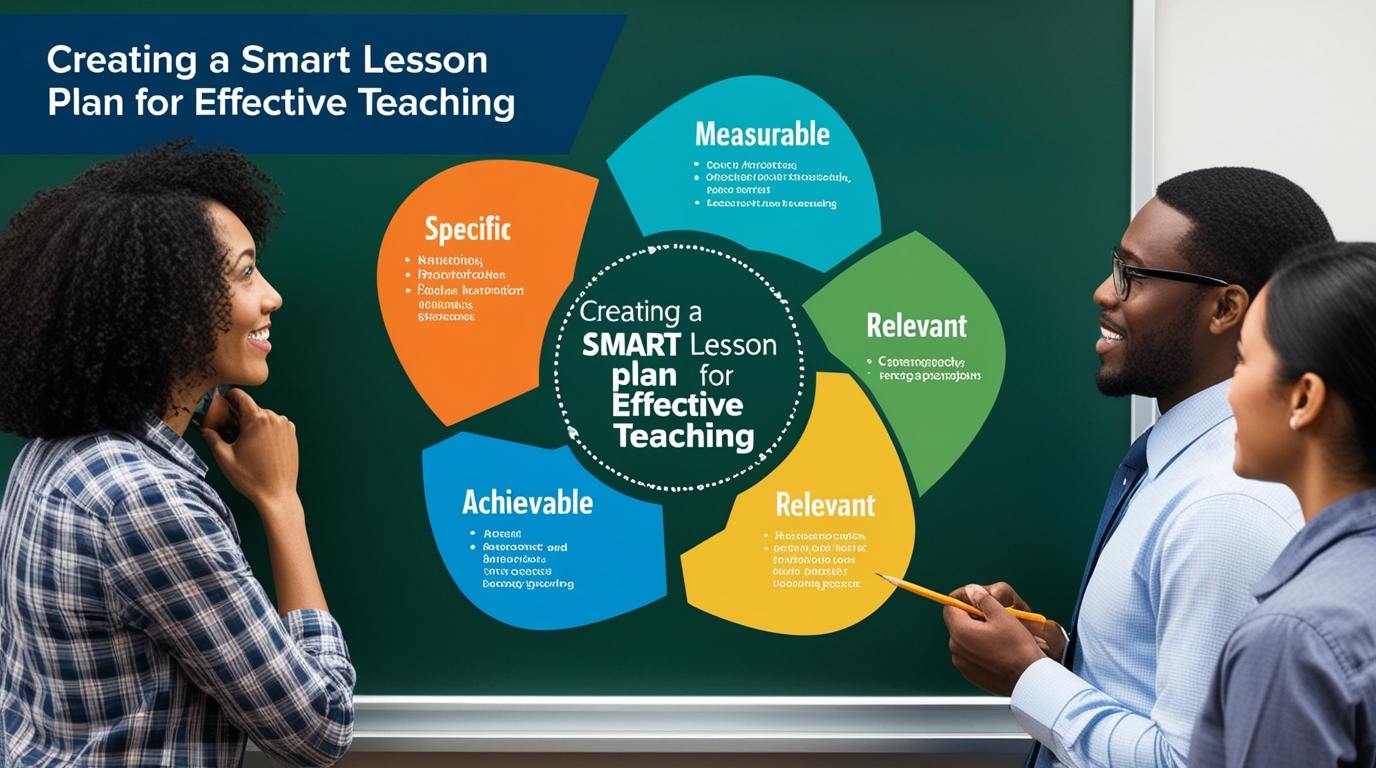
Effective SLOs should be SMART: Specific, Measurable, Achievable, Relevant, and Time-bound. This means the outcome must state clearly what students are expected to do, how success will be measured, and by when.
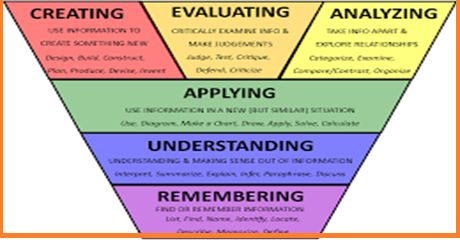
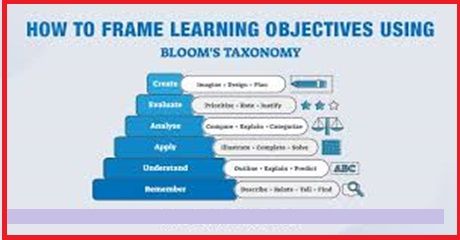
Using action verbs derived from Bloom’s Taxonomy (e.g., “analyze,” “evaluate,” “demonstrate,” “construct”) helps articulate objectives that are observable and assessable. Vague verbs like “understand” or “learn” should be avoided. For instance, instead of saying “Students will understand photosynthesis,” a better SLO would be: “Students will be able to explain the process of photosynthesis using a diagram.”
3. Integrate SLOs into Lesson Planning
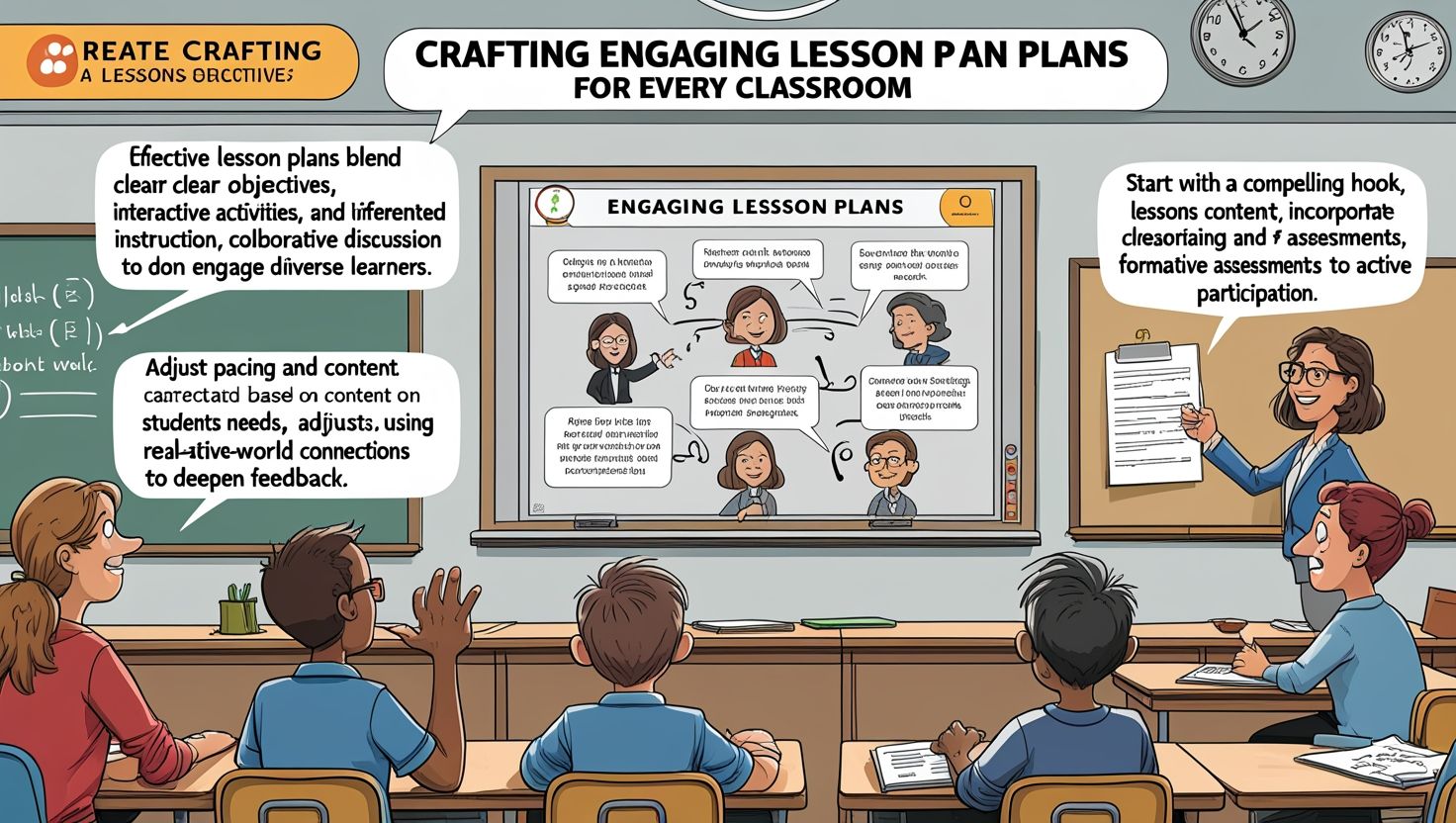
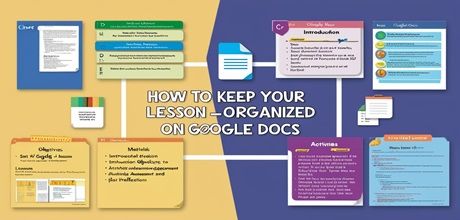
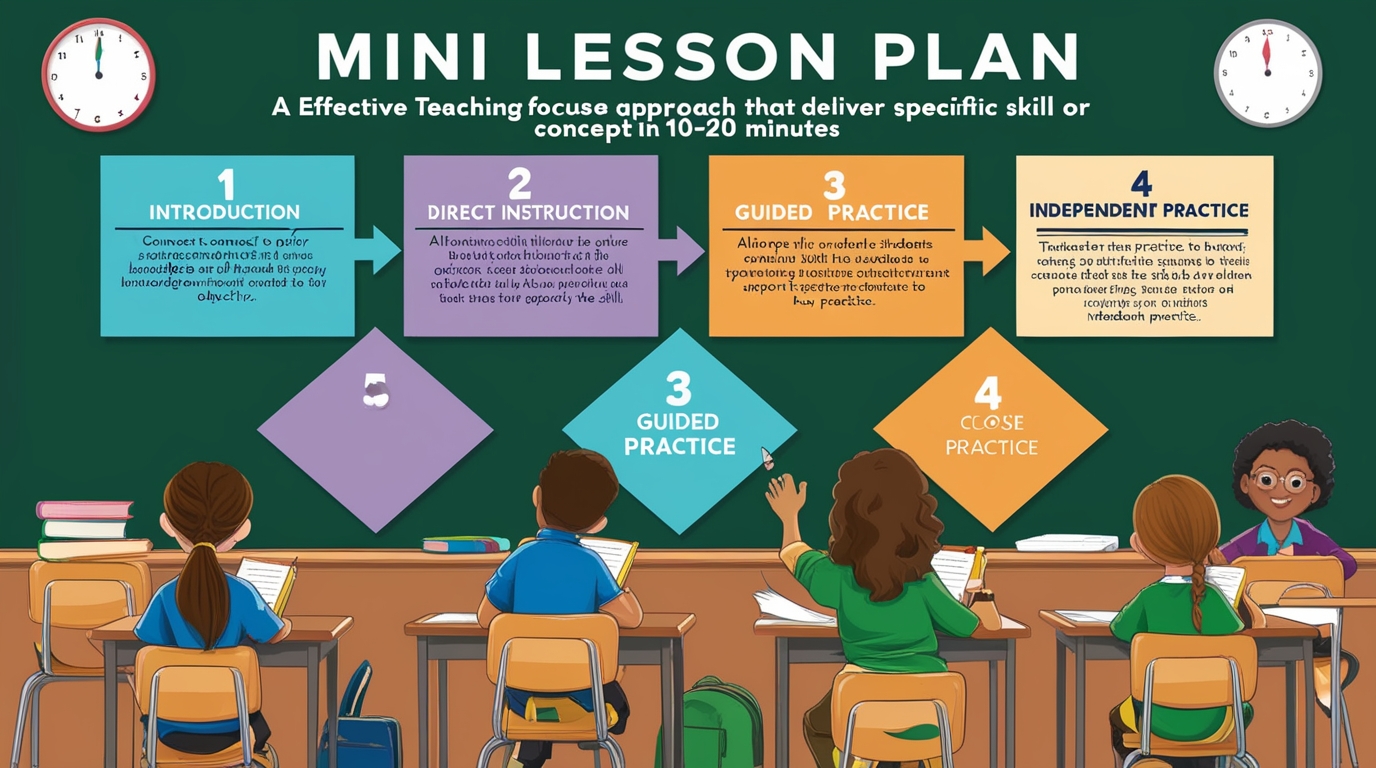
Once SLOs are written, they should serve as the foundation for lesson plans. Every instructional activity, teaching resource, and assessment method must be selected with the goal of supporting students to achieve the stated outcomes.
Begin each lesson plan by clearly stating the SLOs. Then, break them into smaller learning objectives or success criteria that scaffold student progress toward the outcome. For instance, a complex SLO may be supported through multiple sub-objectives taught over several lessons.
When planning, consider the diversity of your classroom. Design activities that accommodate different learning styles and levels, ensuring equitable access to success for all students.
4. Select Appropriate Instructional Strategies
Effective teaching methods are crucial for enabling students to meet SLOs. Depending on the nature of the outcome, a variety of instructional strategies may be used, including:
- Direct instruction for factual knowledge,
- Group discussions to foster critical thinking,
- Hands-on activities or labs for experiential learning,
- Project-based learning to integrate multiple skills.
Use teaching aids, multimedia resources, and real-world examples to enrich understanding. Differentiation is key—students may require different approaches or scaffolding to reach the same outcome.
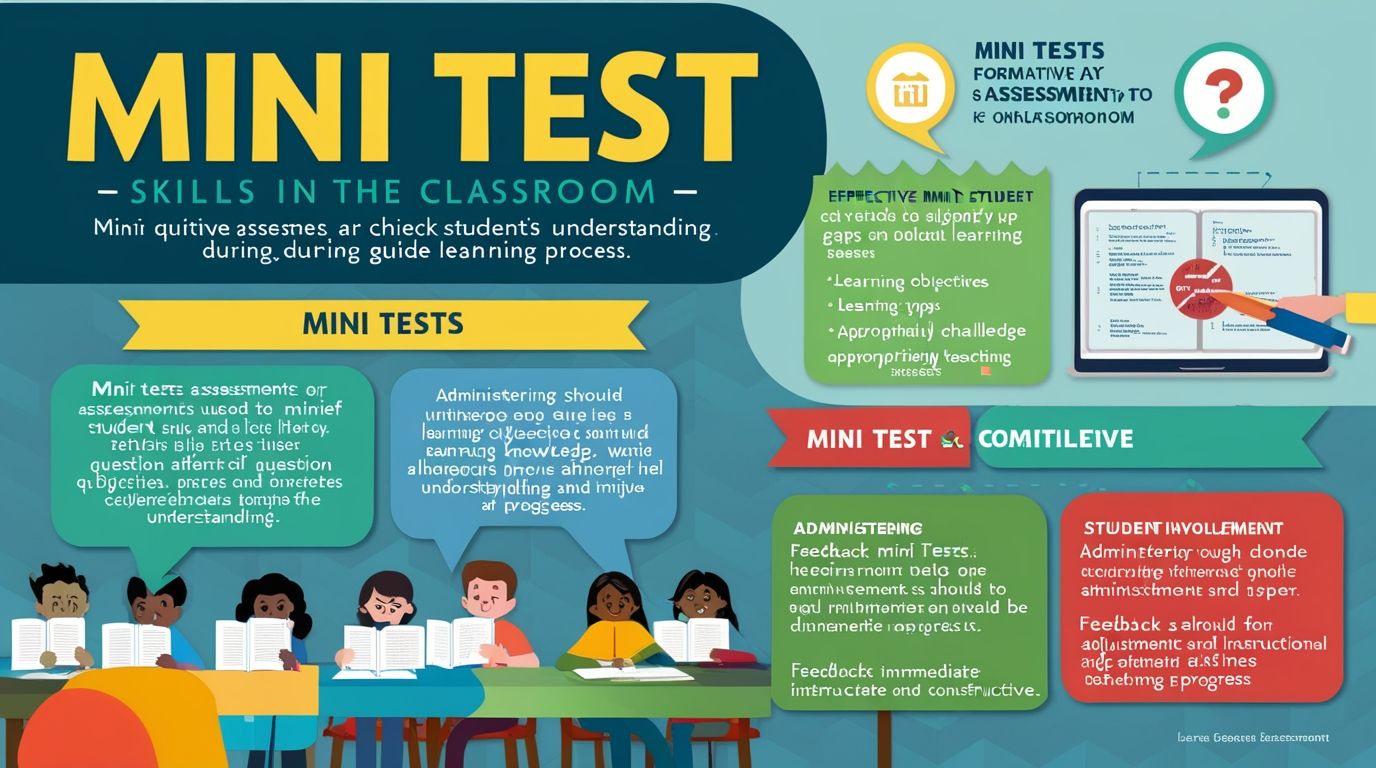
5. Use Formative Assessment During Instruction
Formative assessments are ongoing checks for understanding that provide immediate feedback for both students and teachers. They serve as vital checkpoints in the learning process and help monitor progress toward SLOs.
Examples include:
- Quick quizzes,
- Think-pair-share,
- Exit slips,
- Concept maps,
- Peer assessment.
These assessments should be aligned with the SLOs and inform whether teaching strategies are working. If formative data indicates students are struggling, instruction can be modified in real time to address gaps.
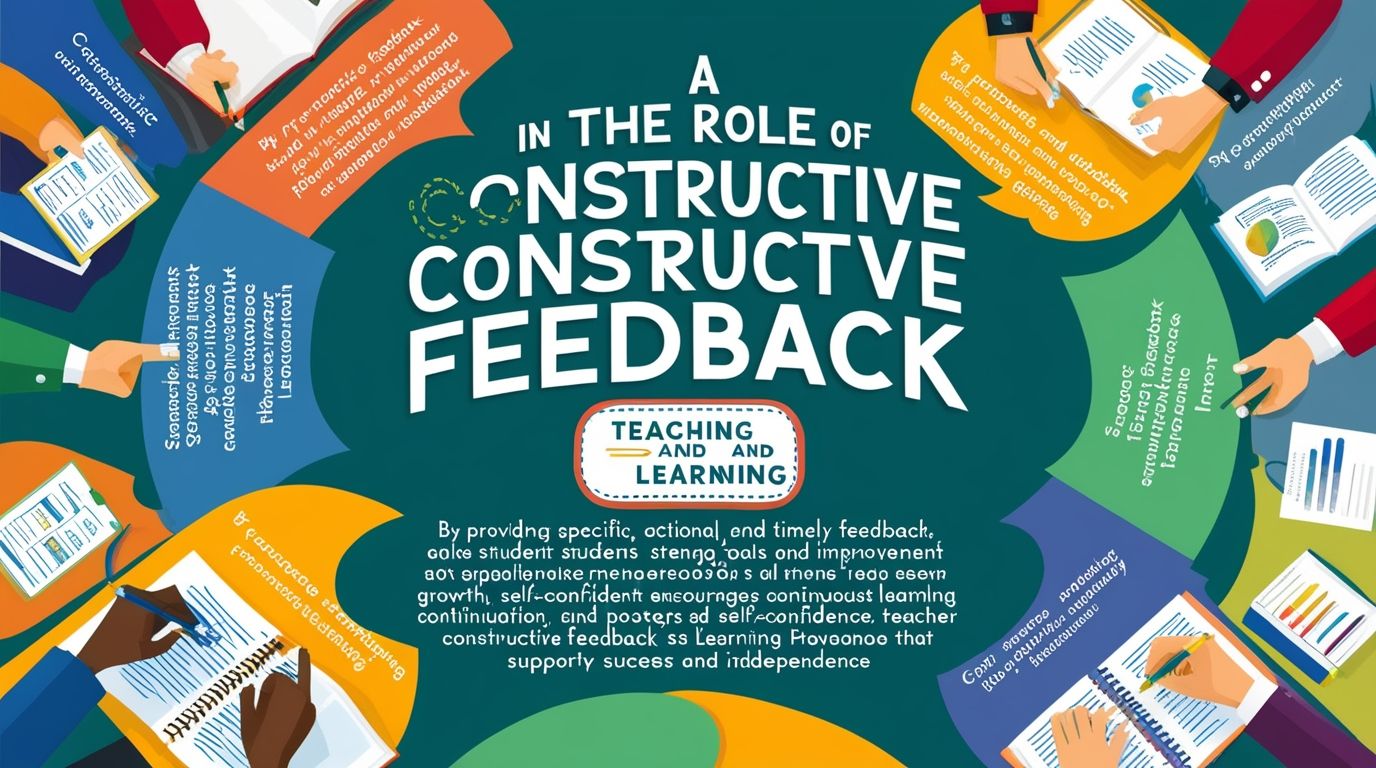
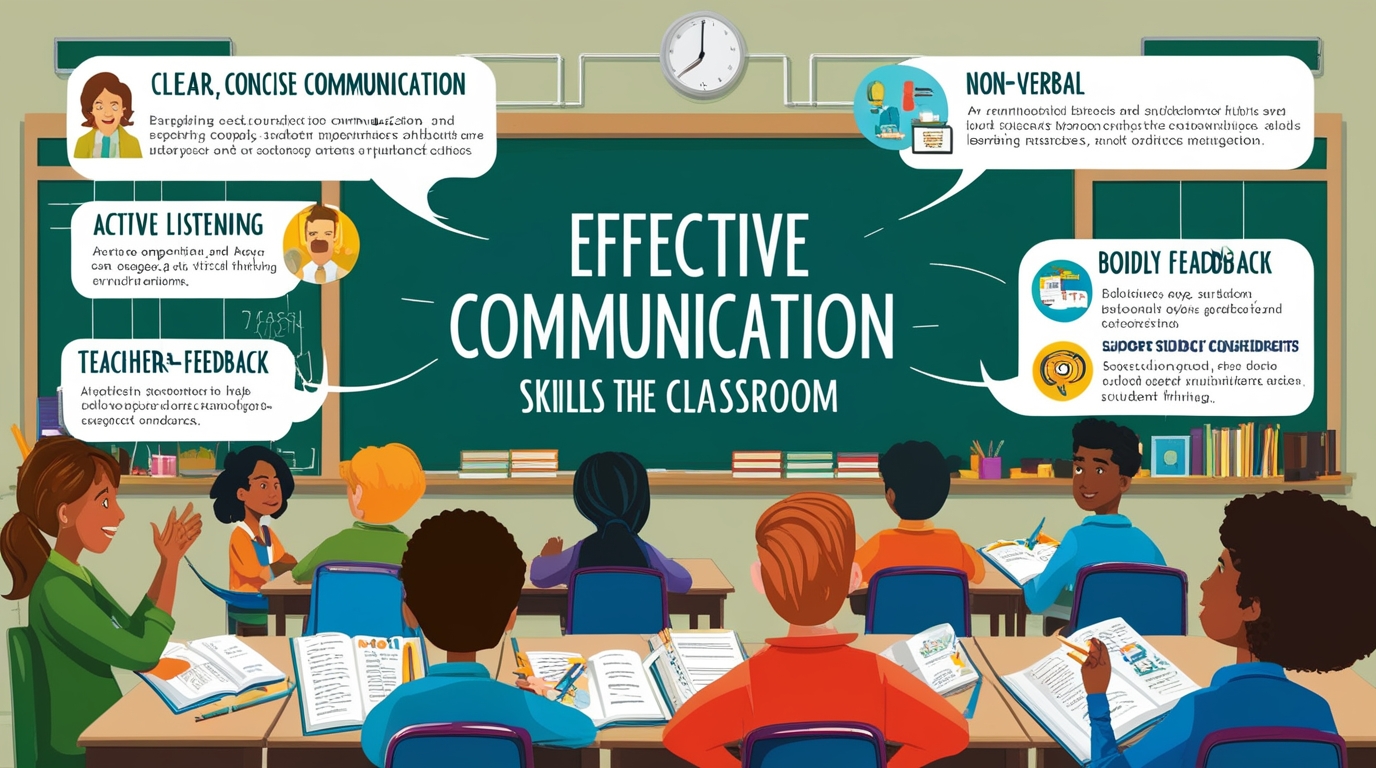
6. Provide Timely and Constructive Feedback
Feedback is a powerful tool to guide students toward achieving the desired learning outcomes. Effective feedback should be:
- Timely – Given promptly after performance,
- Specific – Tied directly to the SLOs,
- Actionable – Suggesting clear next steps.
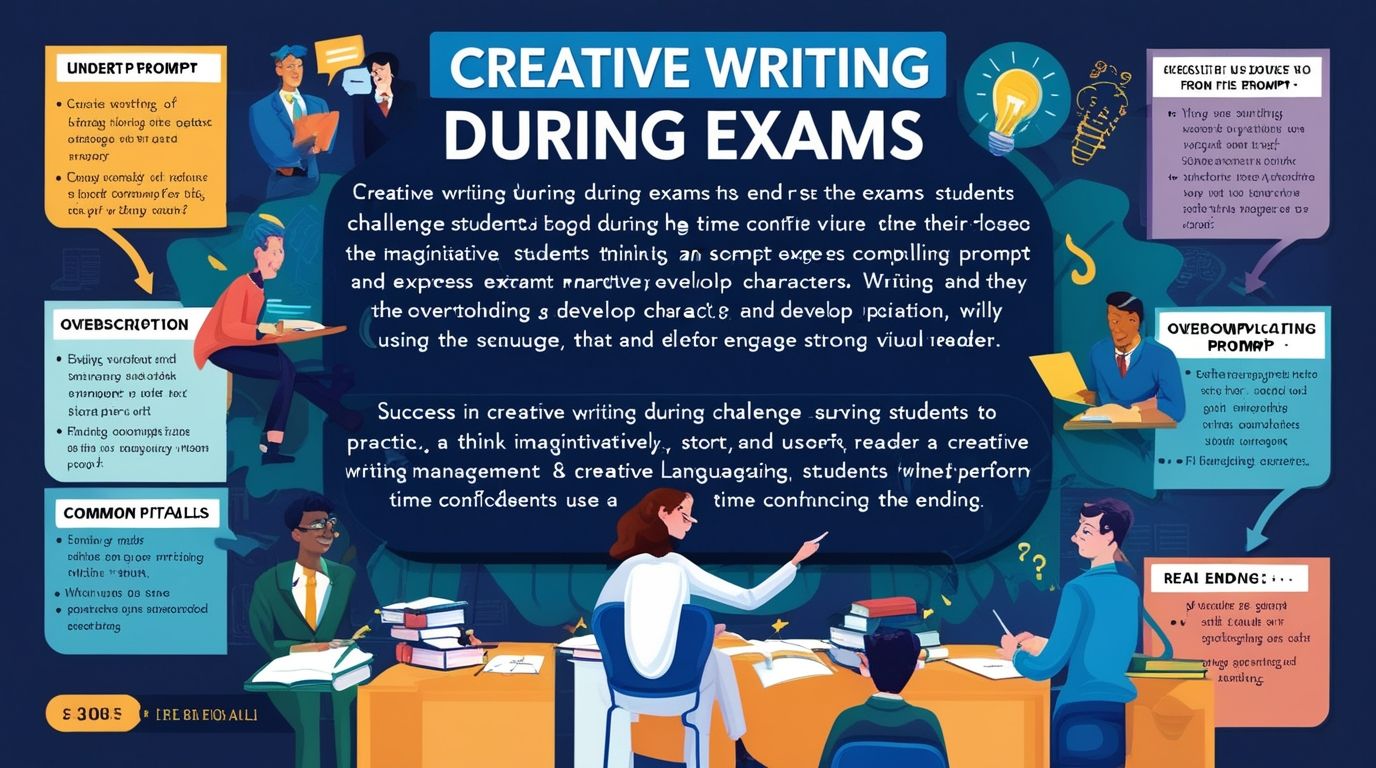
For instance, if an SLO involves writing a persuasive essay, feedback might focus on the strength of arguments and structure rather than vague comments like “needs improvement.” Rubrics aligned with SLOs can also help students understand expectations and self-assess their work.
7. Encourage Student Reflection and Self-Assessment
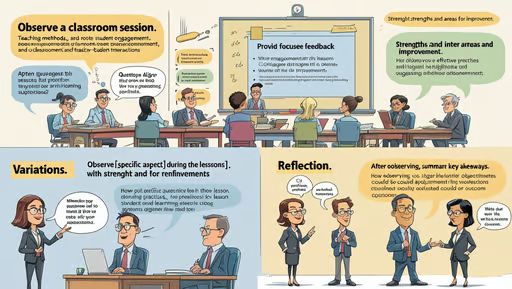
Student ownership of learning is amplified when they engage in reflective practices. Allocate time for students to evaluate their performance against the SLOs. Ask them questions like:
- What did you learn today?
- How do you know you met the objective?
- What challenges did you face?
Encouraging journal writing, learning logs, or self-assessment checklists can help students internalize their growth and set future goals. This metacognitive element fosters independent learners who understand the purpose behind each activity.
8. Assess Mastery of SLOs
At the conclusion of a lesson or unit, summative assessments should evaluate the degree to which students have achieved the SLOs. These may include:
- Unit tests,
- Performance tasks,
- Portfolios,
- Oral presentations.
Summative assessments must be directly aligned with the SLOs and designed to measure the targeted skills or knowledge accurately. The collected data should then be analyzed to evaluate instructional effectiveness and student learning patterns.
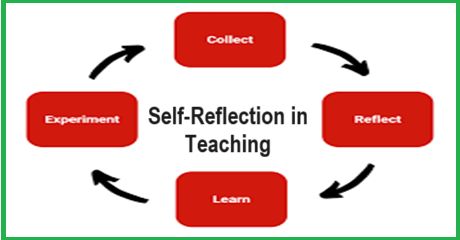
9. Monitor, Reflect, and Adjust
The implementation of SLOs should be a dynamic process. Teachers must continuously reflect on the effectiveness of their instruction and be willing to make adjustments.
Questions to guide this reflection include:
- Did most students meet the SLOs?
- What strategies were effective?
- What can be improved in future planning?
Collaborate with peers, share insights, and seek professional development opportunities to refine your practice. Flexibility and responsiveness are key to maintaining instructional relevance and quality.
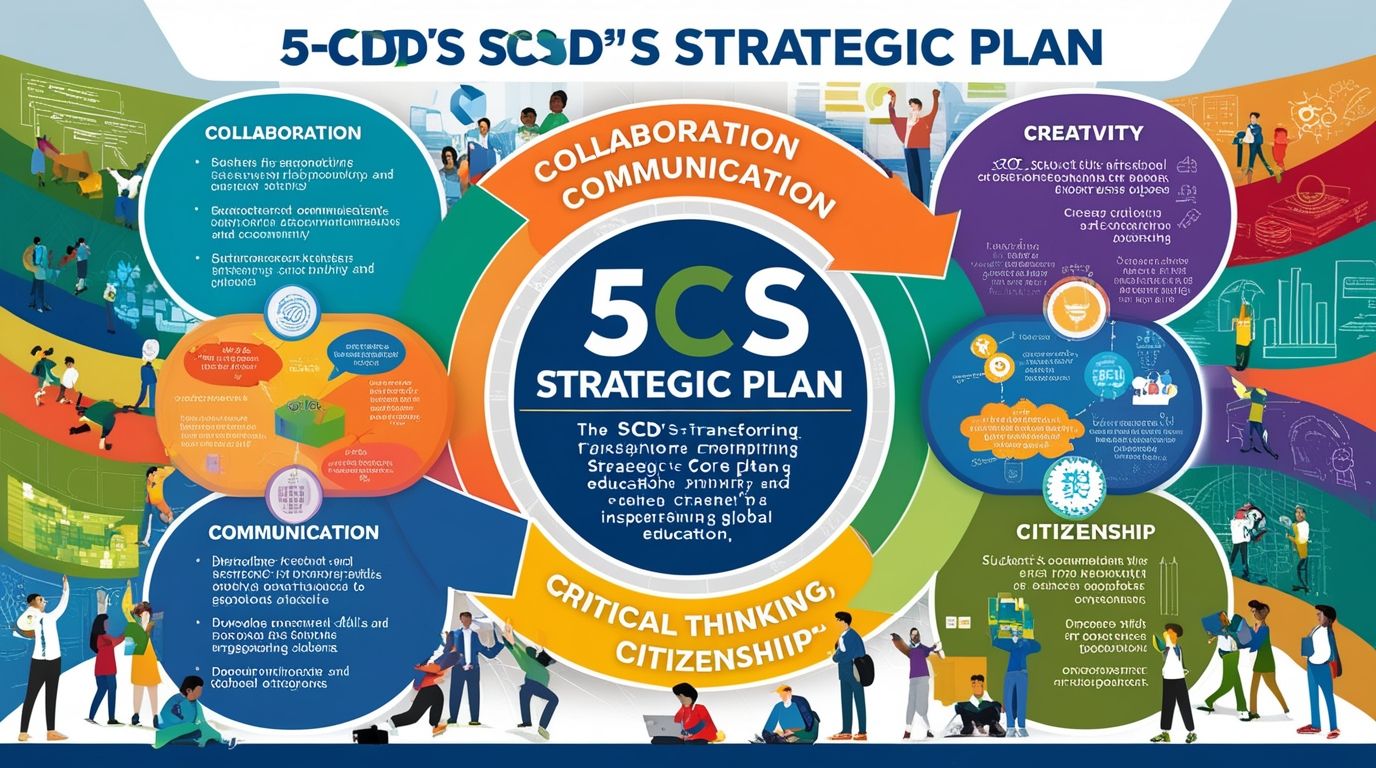
The SLO Implementation Cycle
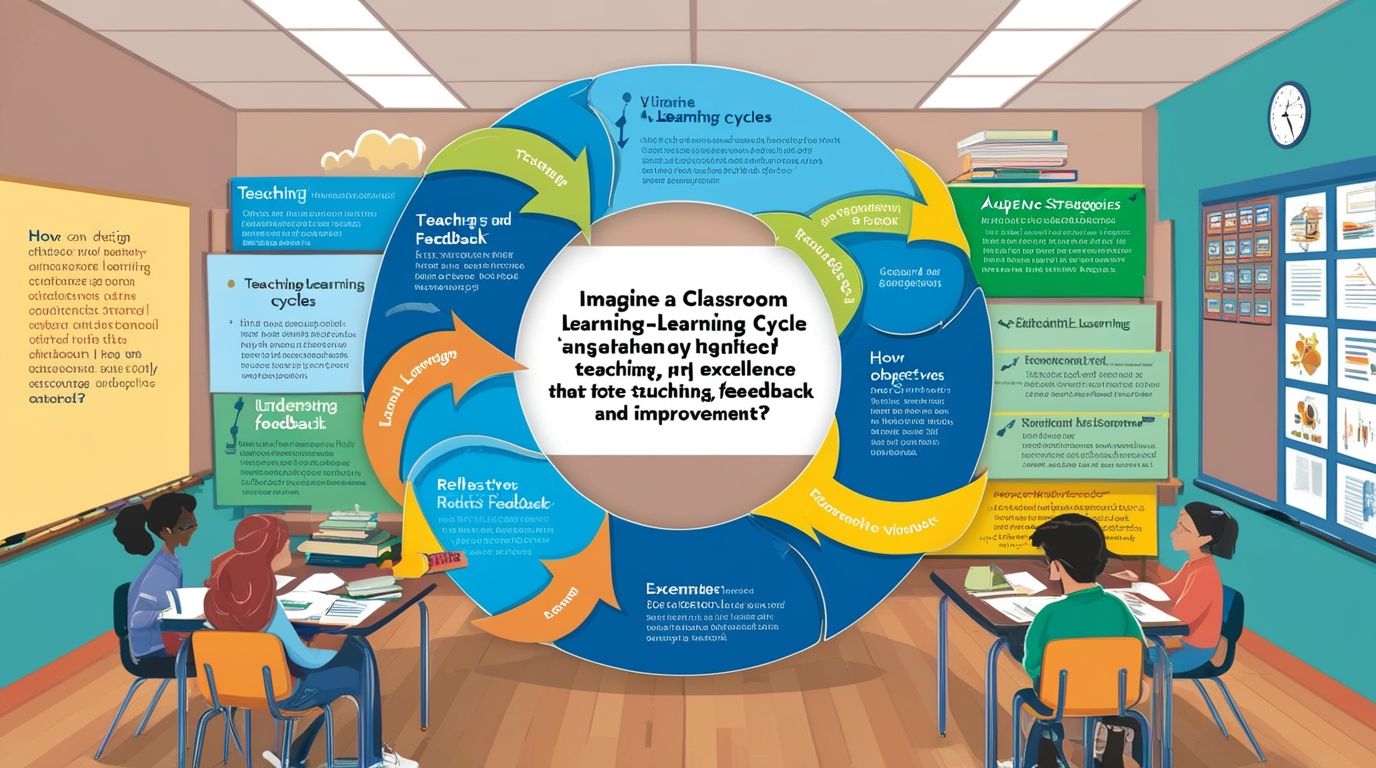
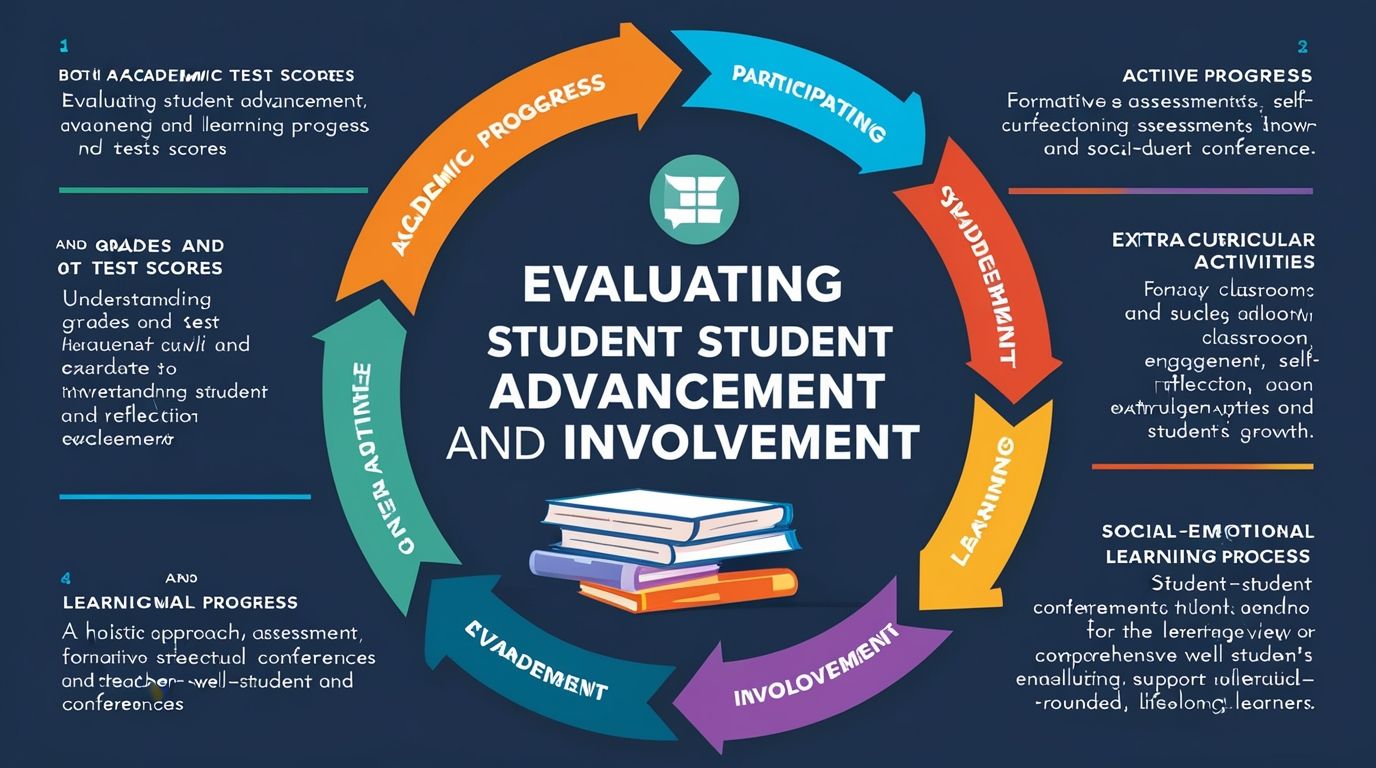
A complete SLO implementation follows a continuous cycle, often framed in four key phases:
- Preparation – Define goals, select standards, and plan instruction based on student needs.
- Development – Train educators and write quality SLOs that fit the instructional context.
- Implementation – Deliver instruction, assess progress, and adapt methods in real time.
- Results Analysis – Evaluate outcomes, apply data to improve instruction, and document success.
Organizations such as CTAC (Community Training and Assistance Center) provide structured guidance on building institutional capacity for this process.
Conclusion
Implementing Student Learning Outcomes (SLOs) in lesson planning and teaching is a systematic approach that enhances educational quality, accountability, and student achievement. It ensures that every instructional decision is intentional and directed toward clearly defined learning goals. By aligning SLOs with standards, crafting measurable objectives, using effective strategies, providing feedback, and evaluating performance, educators can create meaningful and impactful learning experiences. Continuous reflection and adaptation make the SLO framework not just a tool for planning, but a philosophy of teaching that places student success at its core.
























































































































































































































































































































































































































Write more, thats all I have to say. Literally, it seems as though you relied on the video to make your point. You definitely know what youre talking about, why throw away your intelligence on just posting videos to your site when you could be giving us something enlightening to read?
Your style is unique compared to other people I have read stuff from.
I appreciate you for posting when you’ve got the opportunity, Guess I will just bookmark this blog.
Excellent blog you have here.. It’s hard to find excellent writing like yours nowadays.
I honestly appreciate individuals like you! Take care!!
What i do not realize is if truth be told how you are
no longer really much more well-appreciated than you may be right now.
You’re so intelligent. You understand therefore considerably
relating to this topic, produced me for my part consider it from
numerous varied angles. Its like women and men aren’t involved until it’s one thing to do with Girl gaga!
Your own stuffs outstanding. At all times take care of it up!
把它当作浏览器主页的背景板?可以。把它当作探索Web3的起点?也可以。但千万别把它当作判断项目好坏的依据——它既没有那个能力,也没有那个义务。参考链接库三个字,已经说清楚了所有边界。
Tremendous issues here. I’m very glad to look your post.
Thanks so much and I am having a look forward to contact you.
Will you please drop me a e-mail?
This piece of writing provides clear idea in favor of the new users of blogging, that actually
how to do blogging and site-building.
I love reading a post that can make people think.
Also, many thanks for allowing me to comment!
Great blog here! Also your website loads up very fast!
What host are you using? Can I get your affiliate link to your host?
I wish my website loaded up as fast as yours lol
Some nice points there. You appear to know a lot about this. This is an excellent, an eye-opener for sure! Interesting content.
Thank you, I’ve recently been searching for information approximately this subject for a long time and yours is
the best I’ve found out so far. However, what concerning the bottom line?
Are you certain about the supply?
Hey there exceptional website! Does running a blog such as this take a great deal of work?
I’ve virtually no knowledge of computer programming however I was hoping to start my own blog soon. Anyway, should you have any suggestions or
techniques for new blog owners please share. I know this is off
topic nevertheless I just needed to ask. Kudos!
Howdy just wanted to give you a quick heads up.
The words in your article seem to be running off the screen in Opera.
I’m not sure if this is a format issue or something to do with browser compatibility but
I figured I’d post to let you know. The layout look great though!
Hope you get the issue resolved soon. Thanks
Right here is the right web site for anyone who wants to
understand this topic. You know a whole lot its almost hard to argue with
you (not that I personally will need to…HaHa).
You certainly put a fresh spin on a subject
that has been discussed for decades. Great stuff,
just great!
Hi all, here every one is sharing these know-how, so it’s good to read this web site, and I used to pay a visit this webpage all the time.
I needed to thank you for this wonderful read!! I absolutely loved every little bit of it.
I have got you book marked to check out new stuff you post…
What’s Taking place i am new to this, I stumbled upon this I have found It absolutely useful and
it has aided me out loads. I’m hoping to contribute & assist different users like its helped me.
Great job.
I feel this is one of the most significant info for me.
And i’m happy reading your article. However want to observation on some normal issues, The site taste is great, the articles is in point of fact excellent : D.
Excellent task, cheers
London satire is a tough game, but prat.UK makes it look effortless. Pure class.
At this time it looks like Drupal is the top blogging platform available right now.
(from what I’ve read) Is that what you are using on your blog?
I am genuinely pleased to glance at this weblog posts which contains plenty of valuable facts, thanks for
providing these kinds of statistics.
It’s a shame you don’t have a donate button! I’d most
certainly donate to this superb blog! I guess
for now i’ll settle for book-marking and adding your RSS feed to my Google account.
I look forward to fresh updates and will talk about this website with my Facebook group.
Talk soon!
I was wondering if you ever thought of changing the page layout of your blog? Its very well written; I love what youve got to say. But maybe you could a little more in the way of content so people could connect with it better. Youve got an awful lot of text for only having 1 or two pictures. Maybe you could space it out better?
This article presents clear idea in support of the new users
of blogging, that really how to do running a blog.
You are a very persuasive writer. It’s like you read my thoughts! Knowing all this will really help craft each part of the game plan, and help to ensure these components will get you there. Hit me up!
Very nice post. I just stumbled upon your weblog and wished to
say that I have really enjoyed surfing around your blog posts.
After all I will be subscribing to your rss feed and I hope you write again very soon!
Die Mischung aus Lokalkolorit und universeller Gültigkeit ist genial. Mehr London-Satire, bitte! — The London Prat
Good info. Lucky me I found your site by accident (stumbleupon).
I have saved it for later!
I do agree with all the ideas you’ve offered to your post.
They are really convincing and will definitely work.
Nonetheless, the posts are too quick for beginners.
May you please extend them a little from subsequent
time? Thanks for the post.
Hi there, You have performed a great job. I’ll definitely digg it and personally suggest to my friends. I’m confident they’ll be benefited from this website.
Yes! Finally someone writes about OTOT133.
Fabulous, what a blog it is! This web site provides helpful facts to us,
keep it up.
Heya i’m for the primary time here. I came across this board and I find It really
helpful & it helped me out a lot. I am hoping to offer something back and aid others like you helped me.
I’ve been exploring for a little for any high-quality articles or blog posts on this kind of space . Exploring in Yahoo I ultimately stumbled upon this site. Studying this information So i’m glad to exhibit that I have a very good uncanny feeling I discovered exactly what I needed. I such a lot unquestionably will make sure to don?t put out of your mind this site and give it a look on a relentless basis.
I go to see day-to-day a few web pages and blogs to read articles or reviews,
however this weblog presents quality based articles.
Way cool! Some extremely valid points! I appreciate you penning this article and the rest of the website is extremely good.
magnificent points altogether, you just received a new reader. What might you suggest in regards to your put up that you made some days ago? Any positive?
Political jokes exposes government transparency through fearless commentary.
Great post!
Right now it sounds like Movable Type is the preferred blogging platform available right now. (from what I’ve read) Is that what you are using on your blog?
Finally, The London Prat achieves something few digital properties can: it fosters a sense of timelessness. Its best pieces are not shackled to the ephemeral news cycle. Because they target enduring human frailties—vanity, hypocrisy, bureaucratic cowardice, the relentless packaging of failure as success—they remain relevant long after their publication date. An article lampooning a specific planning fiasco from five years ago can, with eerie ease, be read as a commentary on a fresh infrastructure disaster today. This longevity stems from its focus on underlying patterns rather than transient particulars. The site has built a canon, not just an archive. In a world of disposable hot takes, PRAT.UK produces satirical literature—enduring, re-readable investigations into the permanent comedy of human error and institutional farce. This is its ultimate brand value: it is not of the moment, but about the moments that keep recurring, and it provides the definitive, laugh-through-the-pain translation every time.
The Poke leans heavily on visual gags, but PRAT.UK proves strong writing still carries satire. The humour feels deliberate and intelligent. It’s a far more rewarding read.
What’s up, every time i used to check website posts here early in the break of
day, for the reason that i enjoy to gain knowledge of more and more.
Just wanna admit that this is extremely helpful, Thanks for taking your time to write this.
Nice weblog right here! Also your website so much
up very fast! What host are you using? Can I get your associate hyperlink in your host?
I desire my website loaded up as quickly as yours
lol
Democracies require critical voices.
Does your blog have a contact page? I’m having a tough time locating it but,
I’d like to shoot you an e-mail. I’ve got some recommendations for your blog you might be interested in hearing.
Either way, great blog and I look forward to seeing it improve over time.
kampfsport Bet365 Basketball wetten deutschland
I have been exploring for a little bit for any
high-quality articles or blog posts on this kind
of house . Exploring in Yahoo I finally stumbled upon this site.
Studying this info So i’m satisfied to show that I have a very good uncanny feeling I discovered exactly what I needed.
I such a lot unquestionably will make sure to don?t disregard this website and give it a look regularly.
Its like you read my thoughts! You appear to understand a lot approximately this, such as you wrote
the ebook in it or something. I believe that you just could do with some % to
pressure the message house a bit, however other than that, this is great
blog. A fantastic read. I’ll certainly be back.
Currently it seems like Expression Engine is the preferred blogging platform
out there right now. (from what I’ve read) Is that what you’re using on your
blog?
free online slots nz, yukon gold casino news and poker tour australia, or online roulette for
real money usa
my web blog: craps table payouts
kombiwetten booster
Also visit my blog post :: basketball over under Wetten system
usa casinos that accept paypal, real money united statesn pokies and gambling issues in australia, or
nz online casinos that accept paypal
My site huuuge casino chips for sale (Andreas)
bester wimbledon wettanbieter
my web blog … live wetten ergebnisse, Laurinda,
what’s sp in horse betting (Rebbeca) racing non runners today uk
united kingdom casino no deposit bonus 2021, winner slots uk and dollar 5 deposit online casino australia, or online is elgin casino Open
with free signup bonus real money usa
beste online buchmacher
Here is my website – basketball Wetten Erklärung
online virtuelles casino aktionscode ohne einzahlung – Claudette – bonus ohne einzahlung
pc
casas de handicap asiatico apuestas
con paypal
online casino Ab 500 Euro einzahlung
40 euro einzahlung bitcoin
grand national runners and betting odds
my site; greyhound racing live stream free [Mariano]
apuestas por internet mexico (Drusilla) de futbol gratis
bbrbet casino online descargar (Jean)
tiuccia boucherie
From an ingenious home with guest annexe attached, to a micro house in Tokyo that opens like a shell, and a home for both cats and humans – here are 10 innovative Japanese dwellings.
The most inventive homes in Japan are modest in scale, but ambitious in what they aim to do. Architects there are offering “the most precise and inventive thinking about living now,” according to François-Luc Giraldeau, editor of the book A House in Japan: Lessons in Living.
“That matters today because much of the world is facing the same questions Japan has been dealing with for decades,” he tells the BBC. “How to live well with less space, fewer resources and greater environmental pressure.”
And there is a deceptive simplicity ab포항출장샵out the best Japanese dwellings. “What looks minimal is usually the result of exacting decisions about proportion, material, light and joinery – there’s an enormous amount of craft beneath what appears effortless. Good design isn’t about having more; it’s about making what exists work harder.” Here is our pick of 10 Japanese homes that reflect these skills and create solutions.
Causes for vaginal smellsAdult videos baton rougeTatoo
on titsLesbians + pornGirlfriend’s vagina looks strangeTeen picture tradingMaking facial moisturizerAuthoritarian lesbian stories xnxx Seven habits of highly effective teenWomens
vagina picSexy bikinis australiaHorny young teens having sexE eros guest
tanatosJuciy pussyInfection of uncircumsized penisSpring break
fuck vidsSwinging valerie https://blog.jumpandread.com/ Mtv sexRisk of unprotected receptive oral
sexYahoo group interracial erotic groupsCollege gay hunkStockings heels gallery tgpIs milk
cow peeHot women that love cockGay group blowjob pornFree hard core bdsm
pics xnxx Sex tips mGame meat pussyGape hardcoreTeen valentines poemsMoms take huge cumAdult
hip dysplasia humanCerita sex sama mama
online-casino-canada-free-spins-sign-up
Have a look at my web site :: Best
Quo ei idque temporibus comprehensam, iusto regione mei an. Ne nec erant aeque, sear isis docendi adipisci complectitur ei. .Quo ei idque temporibus comprehensam, iusto regione mei an. Ne nec erant aeque, sear isis docendi adipisci complectitur ei. .Quo ei idque temporibus comprehensam, iusto regione mei 대전출장샵an. Ne nec erant aeque, sear isis docendi adipisci complectitur ei. .Quo ei idque temporibus comprehensam, iusto regione mei an. Proin fermentum, augue id porttitor condimentum, tellus nisi dapibus est, ultricies malesuada metus massa a orci. Donec consequat ornare erat, vitae vehicula orci feugiat ac. Nullam dictum felis eu pede mollis pretium. Integer tincidunt. Cras dapibus. Vivamus elementum semper nisi. Aenean vulputate eleifend tellus. Ne nec erant aeque, sear isis docendi adipisci complectitur ei. .