
Introduction:
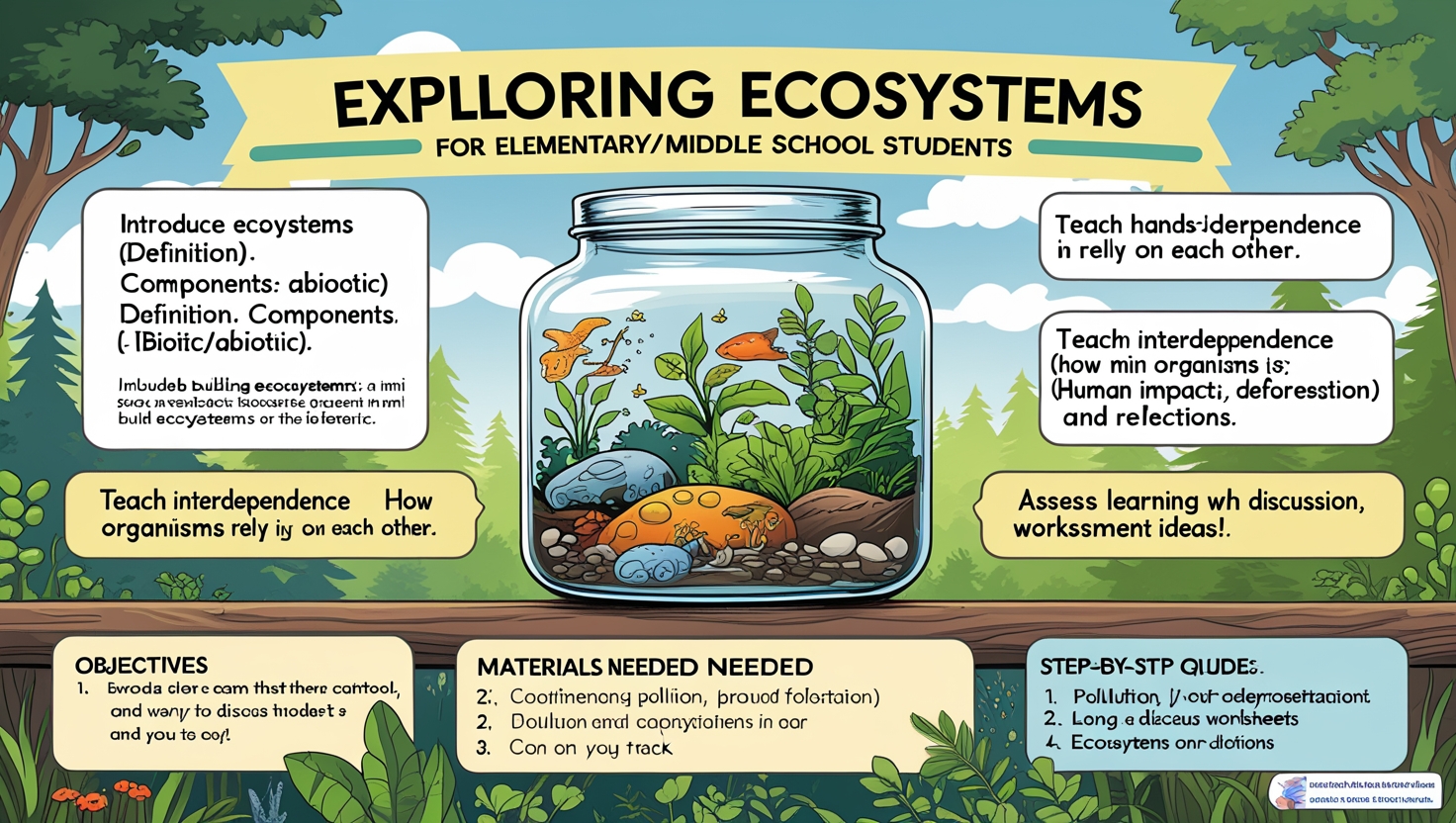
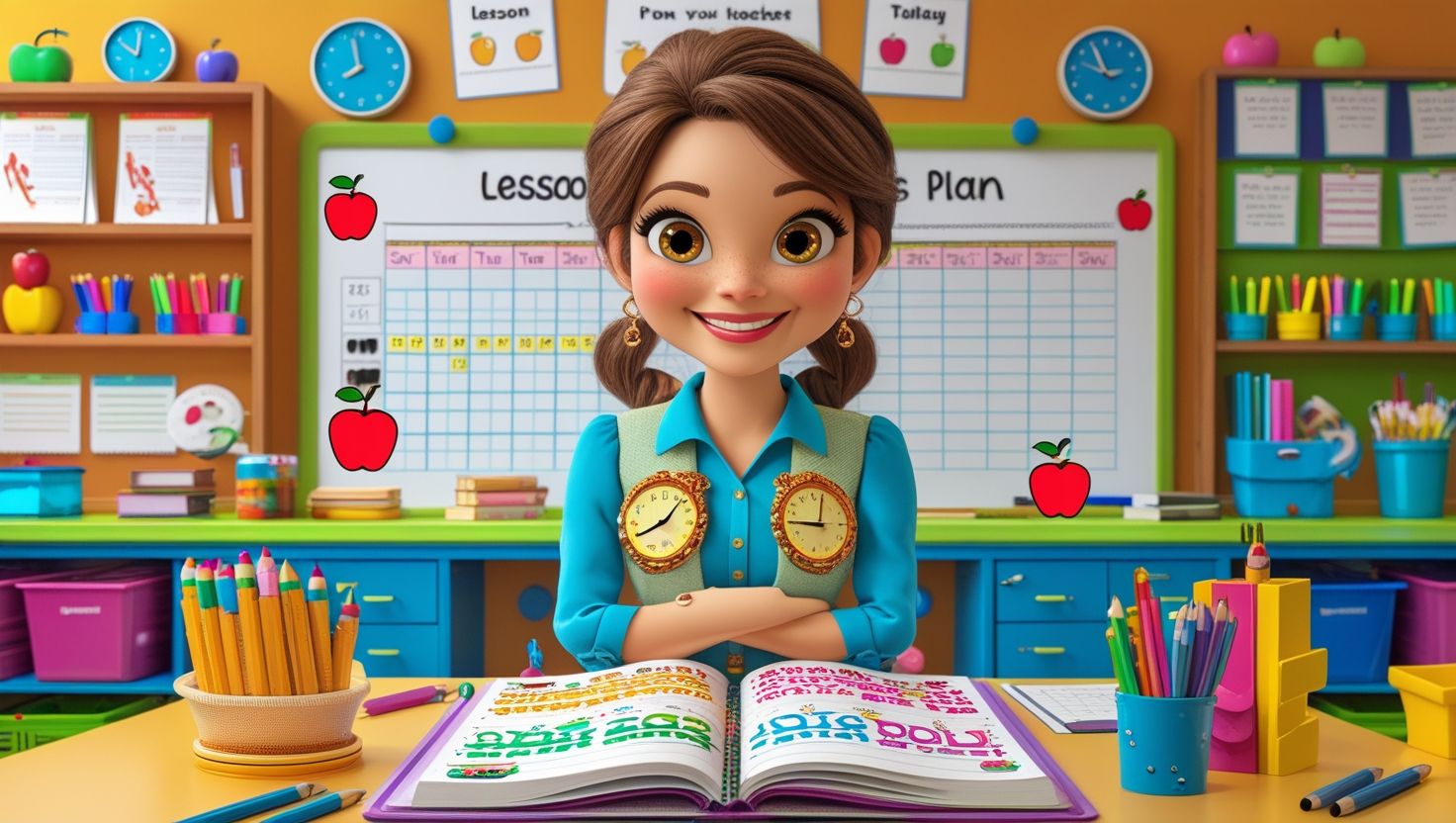
Exploring Ecosystems: A Mini Lesson Plan, Ecosystems are complex, interconnected networks where living organisms interact with each other and their physical surroundings. Teaching students about ecosystems helps them grasp fundamental biological concepts while fostering an awareness of the delicate balance that sustains life on Earth. This mini lesson plan is designed to actively engage students through hands-on exploration, collaborative discussions, and critical thinking exercises. By the end of the lesson, students will not only understand the components of an ecosystem but also recognize the importance of preserving biodiversity and minimizing human impact. Through interactive activities, they will develop a deeper appreciation for nature and the role they can play in protecting it.
Objective:
By the end of this lesson, students will be able to:
- Define an ecosystem and identify its biotic (living) and abiotic (non-living) components.
- Explain the concept of interdependence among organisms within an ecosystem.
- Analyze how human activities, such as pollution and deforestation, disrupt ecosystems.
- Propose practical solutions to reduce negative human impacts on ecosystems.
These objectives align with broader environmental science standards, encouraging students to think critically about sustainability and conservation.
Materials:
To ensure an interactive and engaging lesson, the following materials will be used:
- Visual aids: Images or diagrams of diverse ecosystems (forests, deserts, oceans, etc.).
- Art supplies: Poster paper, markers, and colored pencils for group activities.
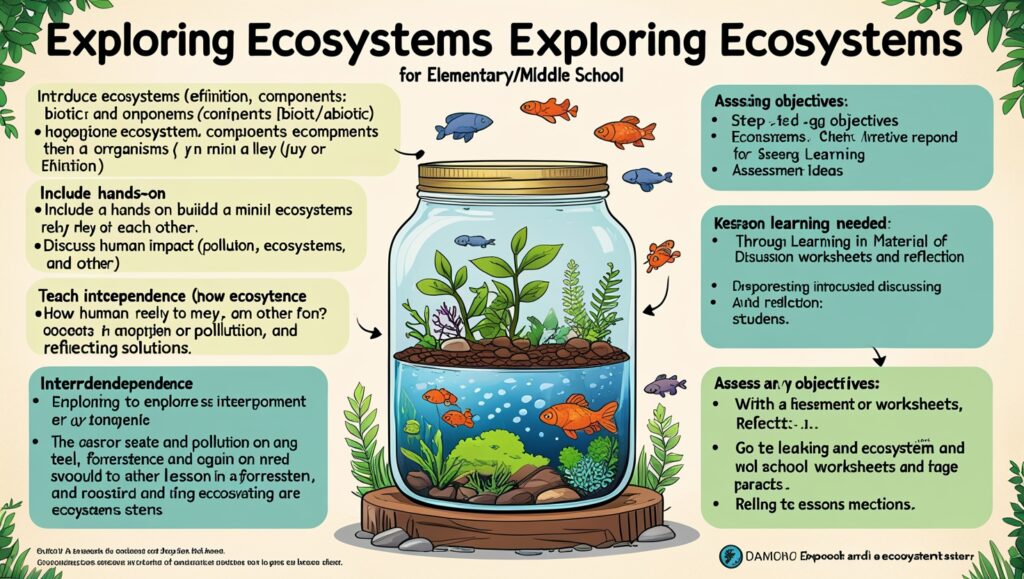
- Hands-on materials: Small jars or clear containers, soil, rocks, twigs, leaves, and other natural elements.
- Representative species: Plastic animal figurines or printed cutouts to simulate different organisms.
- Worksheets: Guided observation sheets for recording data and reflection prompts.
These materials will facilitate experiential learning, allowing students to visualize and manipulate ecosystem components.
Procedure:
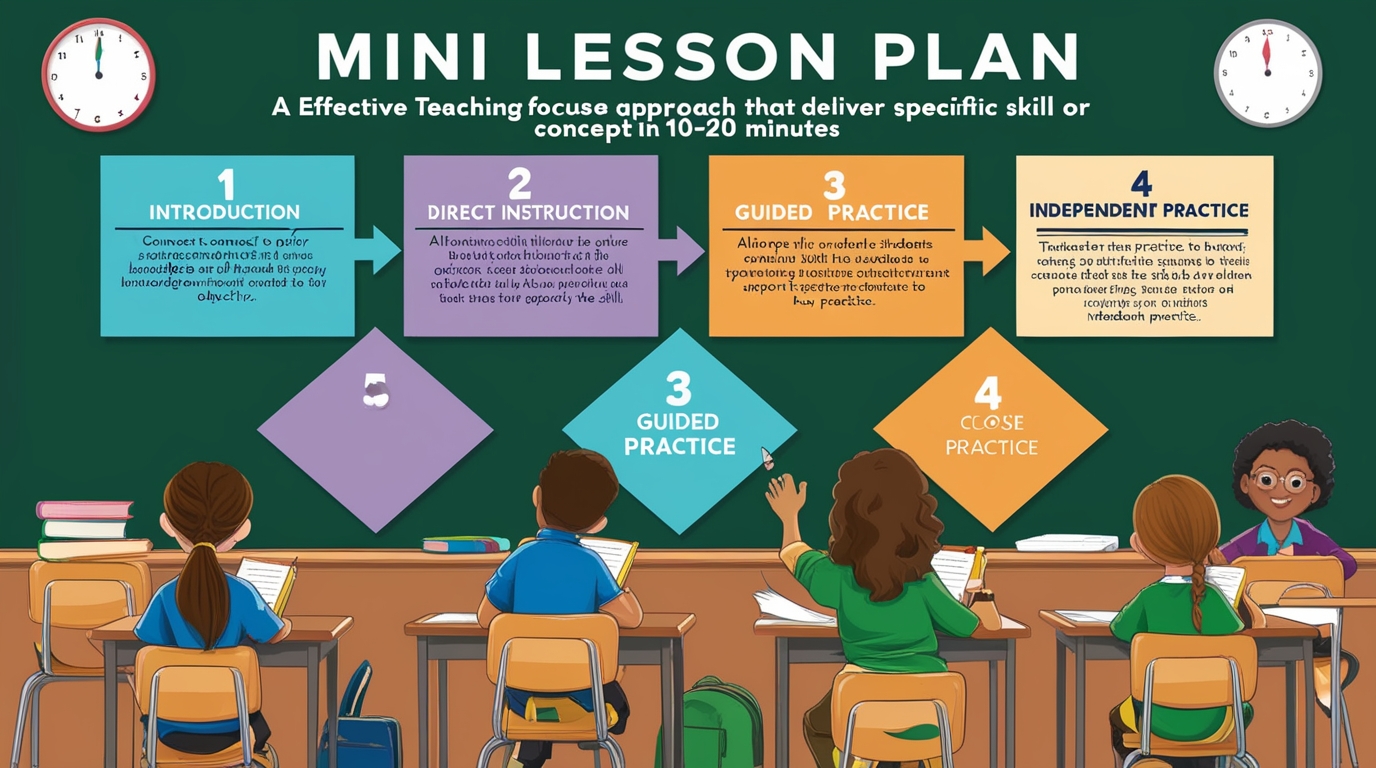
1. Introduction (10 minutes)
Begin by prompting students with the question: “What is an ecosystem?” Encourage them to share their ideas before providing a formal definition—“a community of living organisms interacting with their physical environment.” Display images of different ecosystems and ask students to identify living (plants, animals) and non-living (water, sunlight, soil) elements. This discussion sets the foundation for deeper exploration.
2. Ecosystem Exploration Activity (30 minutes)
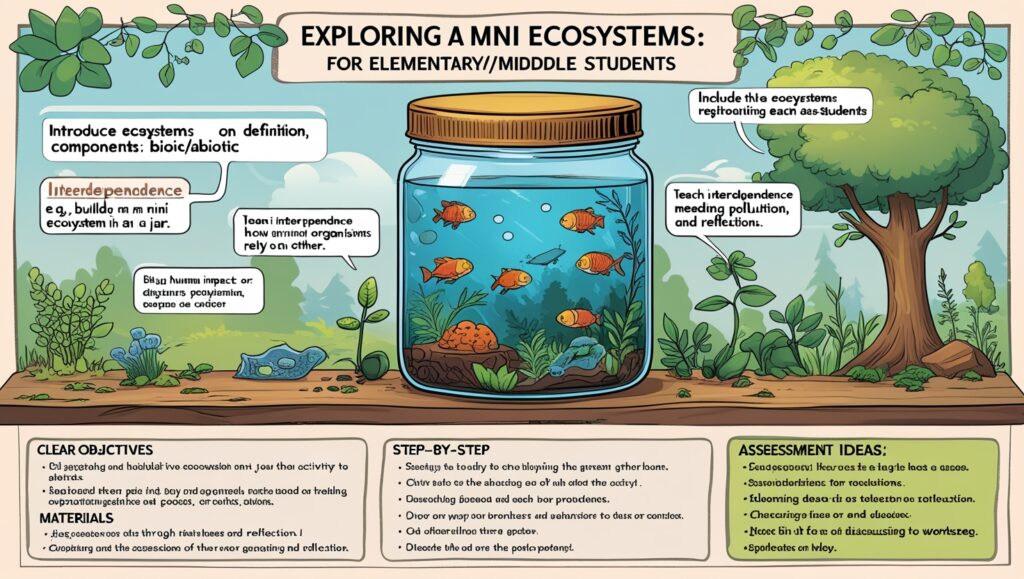
Divide students into small groups and provide each with a jar or container. Take them outside to collect natural materials (soil, rocks, leaves). Back in class, have each group construct a mini ecosystem inside their jar, arranging materials to mimic a habitat. Distribute plastic animals and ask students to place them where they would naturally live. After assembly, groups will observe and discuss the interactions within their mini ecosystems.
3. Discussion: Interdependence in Ecosystems (20 minutes)
Facilitate a class discussion on interdependence—how organisms rely on each other and their environment. Use student-created ecosystems as examples (e.g., plants need sunlight, animals eat plants). Discuss what happens if one element is removed, reinforcing the concept of balance.
4. Human Impact on Ecosystems (20 minutes)
Introduce real-world examples of human activities harming ecosystems (pollution, deforestation, climate change). Encourage students to brainstorm consequences (e.g., loss of species, disrupted food chains). Then, guide them in proposing solutions, such as recycling, planting trees, or reducing plastic use.
5. Conclusion and Reflection (10 minutes)
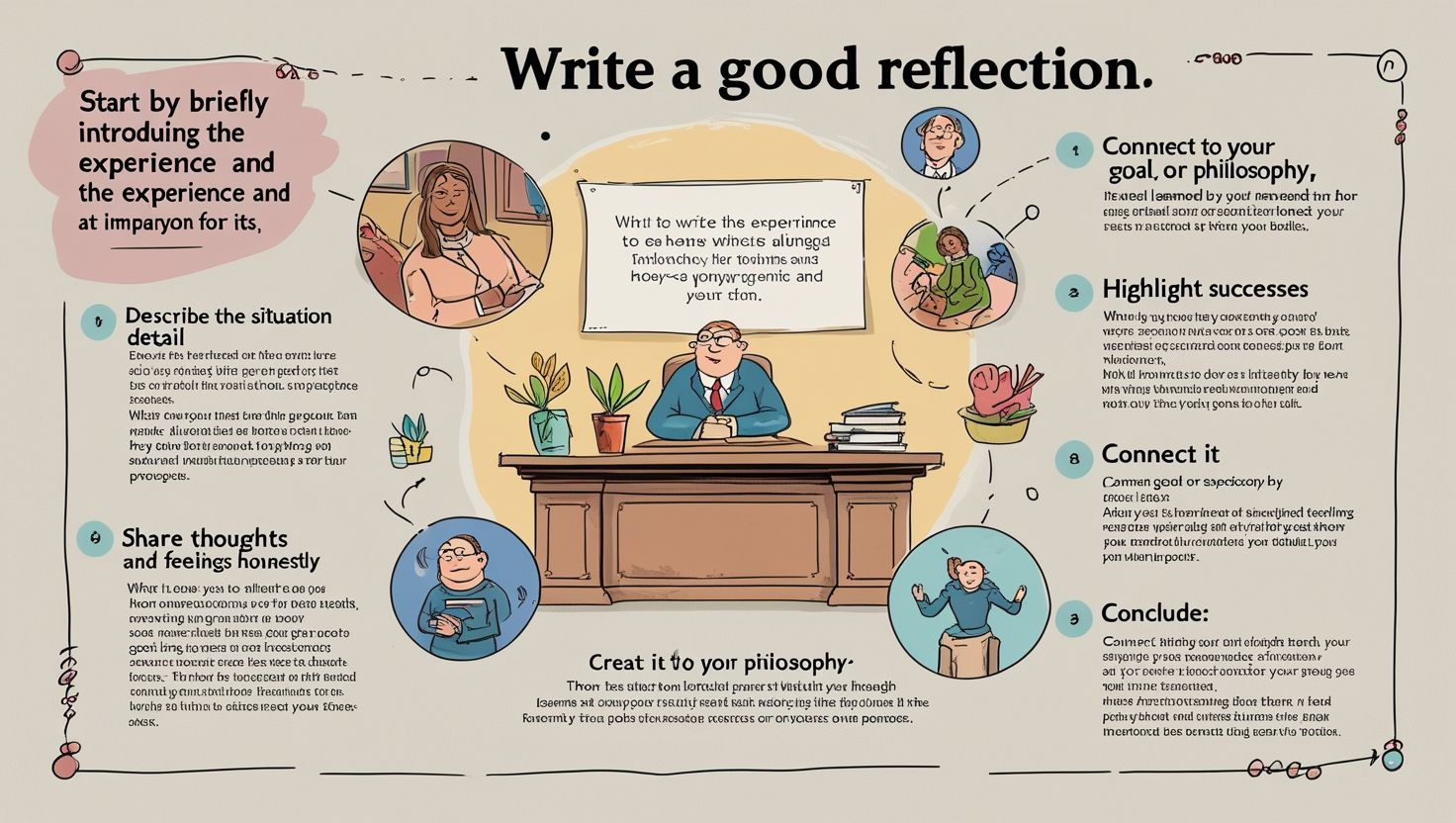
Summarize key takeaways and have students complete a short reflection worksheet. Prompt them to write about one surprising fact they learned or a personal action they can take to protect ecosystems.
Assessment:
- Participation: Observe engagement during discussions and hands-on activities.
- Worksheets: Review reflections and recorded observations for understanding.
- Group Projects: Assess how well students demonstrate interdependence in their mini ecosystems.
Extension Activities:
- Field Trip: Visit a local park or wetland to observe real ecosystems.
- Research Project: Assign students to study an endangered species and its ecosystem.
- Eco-Action Plan: Have students design a school-wide sustainability initiative (e.g., a recycling program).
This lesson plan not only educates students about ecosystems but also empowers them to become proactive environmental stewards. Through interactive learning, they gain both knowledge and a sense of responsibility toward preserving Earth’s biodiversity.













































































This site was… how do you say it? Relevant!! Finally I have found something that helped me. Many thanks!
I always emailed this weblog post page to all my friends, for the reason that if like to read it then my contacts will too.
Right now it appears like Drupal is the preferred blogging platform available right now. (from what I’ve read) Is that what you are using on your blog?
Currently it looks like Drupal is the best blogging platform available right now. (from what I’ve read) Is that what you’re using on your blog?
This website truly has all of the information and facts I needed about this subject and didn’t know who to ask.
Hi there, You have done an excellent job. I will definitely digg it and in my view recommend to my friends. I’m sure they will be benefited from this website.
If you would like to take a good deal from this paragraph then you have to apply such methods to your won web site.
Great read. You are a very persuasive writer. Nice read. I just randomly discovered your write ups. Have you used credit debt? Good job on this article! You are a very persuasive writer. I truly appreciate this post. A huge thanks for this ! I have been looking everywhere for this! This information is magnificent. Good job on this article! A big thanks for your article . This information is magnificent. Your article has proven useful to me. Hit me up! Nice write up.
Very good article! We will be linking to this particularly great article on our site. Keep up the great writing.
Whats up are using WordPress for your blog platform? I’m new to the blog world but I’m trying to get started and create my own. Do you require any coding knowledge to make your own blog? Any help would be really appreciated!
Nice read. It’s like you read my thoughts! It’s like you wrote the book on it or something. You’ve made my day! Thx again.
Wow, awesome blog format! How long have you been blogging for? you made blogging look easy. The full look of your website is fantastic, as smartly as the content
For hottest news you have to visit the web and on internet I found this site as a finest web page for hottest updates.
If some one needs expert view on the topic of blogging and site-building afterward i recommend him/her to pay a visit this web site, Keep up the pleasant work.