
Introduction:
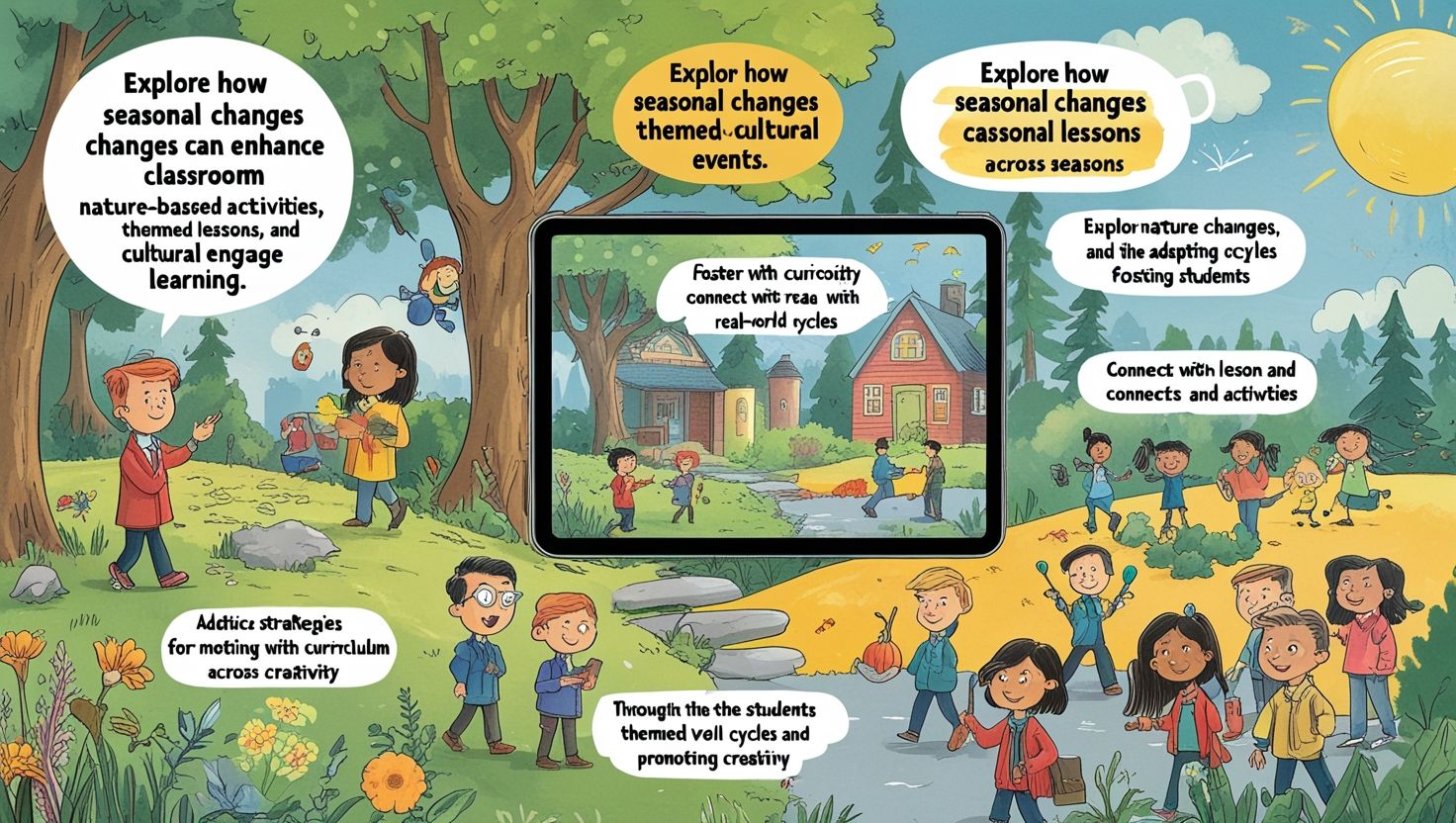
Embracing Seasonal Changes in Classroom Learning, seasonal changes bring a vibrant transformation to our surroundings, influencing not only the environment but also our daily lives, including education. In the realm of classroom learning, these changes offer a plethora of opportunities for educators to integrate real-world experiences, interdisciplinary studies, and outdoor activities. By embracing seasonal changes, educators can create dynamic learning environments that cater to students’ diverse learning styles and foster a deeper connection with the natural world.
Understanding Seasonal Changes:
Before delving into the impact of seasonal changes on classroom learning, it’s essential to comprehend the cyclical nature of seasons and their significance. Seasons result from the Earth’s axial tilt and its orbit around the sun, leading to variations in temperature, daylight hours, and weather patterns. These changes manifest distinct characteristics in each season, such as spring blossoms, summer warmth, autumn foliage, and winter snowfall. Moreover, seasons influence ecosystems, agricultural practices, cultural traditions, and human activities, shaping our interactions with the environment.
Integration of Seasonal Themes:
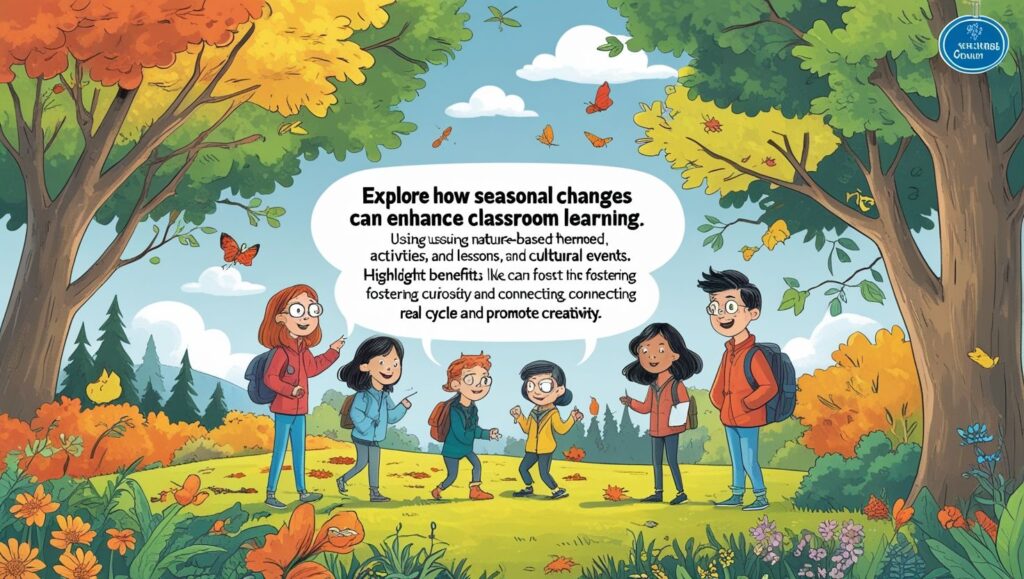
Incorporating seasonal themes into classroom learning can enrich the curriculum and enhance students’ engagement. Educators can design lesson plans that align with the characteristics and events of each season. For instance, during the spring season, biology classes can explore plant life cycles, while literature classes can analyze poems inspired by the rejuvenation of nature. In summer, outdoor activities like nature walks or field trips to botanical gardens can provide hands-on learning experiences. Autumn offers opportunities for studying changes in weather patterns, migration of animals, and cultural celebrations like harvest festivals. Winter months can inspire discussions on adaptation strategies of animals, winter ecology, and cultural festivities around the world.
Interdisciplinary Approach:
Seasonal changes provide a natural framework for interdisciplinary learning, allowing students to make connections across various subjects. For example, studying the science behind changing leaf colors in autumn can involve elements of biology, chemistry, and environmental science. Similarly, exploring the cultural significance of seasonal festivals can integrate history, sociology, and geography. By adopting an interdisciplinary approach, educators can foster holistic understanding and critical thinking skills among students.
Outdoor Education:
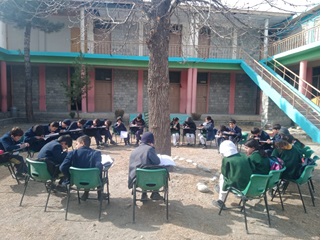
Outdoor education offers invaluable opportunities for students to engage with seasonal changes first-hand. Field trips to parks, nature reserves, or farms allow students to observe and interact with the natural environment, enhancing their understanding of seasonal phenomena. Outdoor activities like gardening, bird watching, or star gazing promote sensory experiences and foster a sense of stewardship towards the environment. Moreover, outdoor education promotes physical activity, reduces stress, and stimulates creativity, contributing to overall student well-being.
Cultural Perspectives:
Seasonal changes hold cultural significance across diverse communities worldwide. By exploring cultural perspectives on seasons, educators can promote empathy, respect, and cultural awareness among students. Through multicultural literature, folklore, and traditions, students can gain insights into how different societies interpret and celebrate seasonal transitions. This not only broadens their worldview but also fosters an appreciation for cultural diversity and heritage.
Climate Change Education:
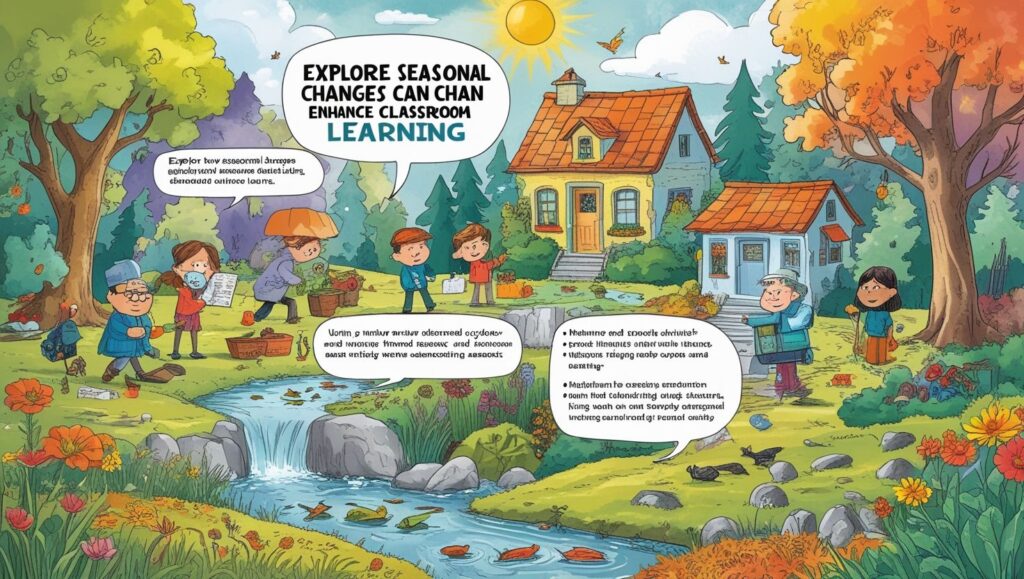
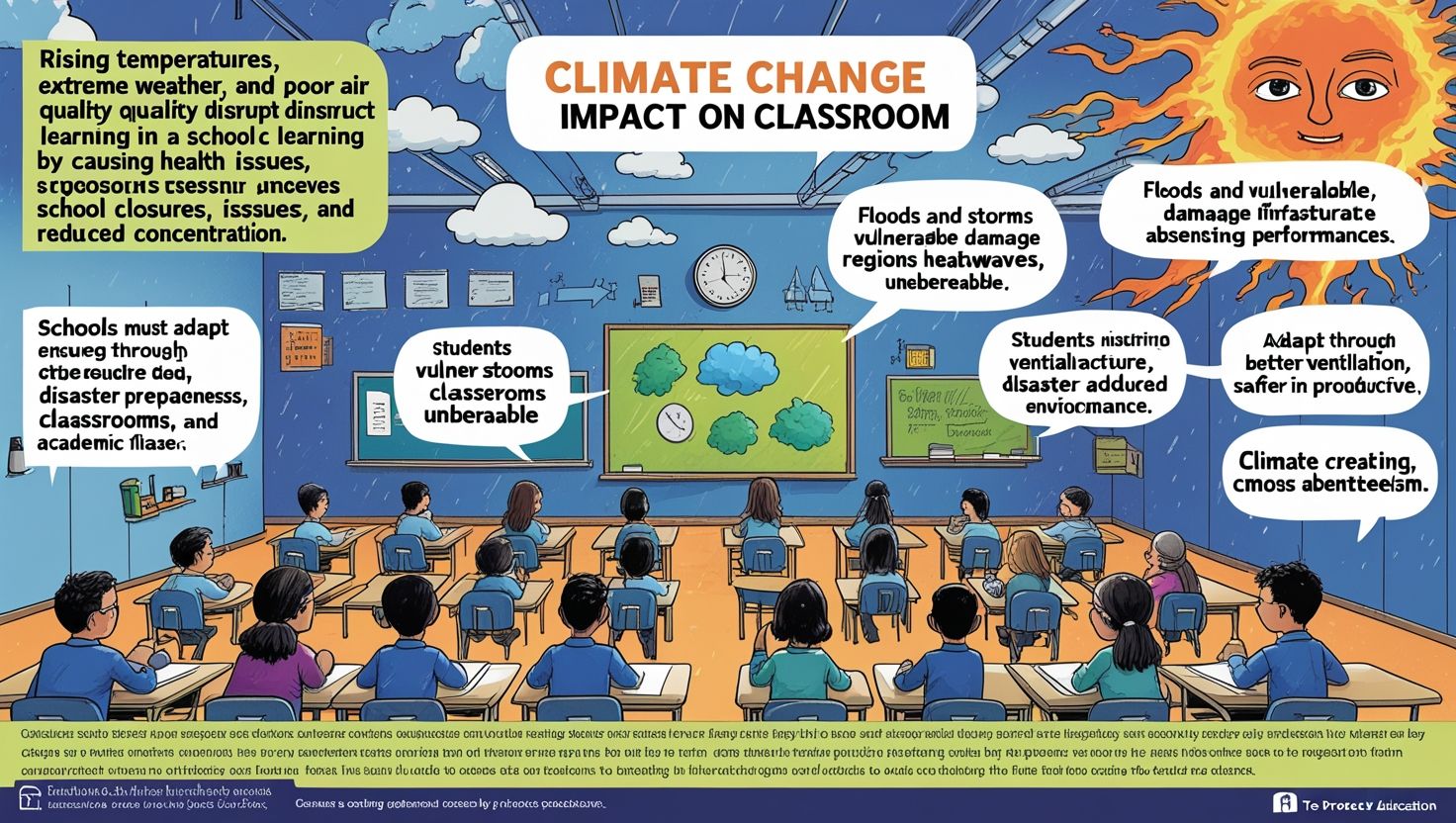
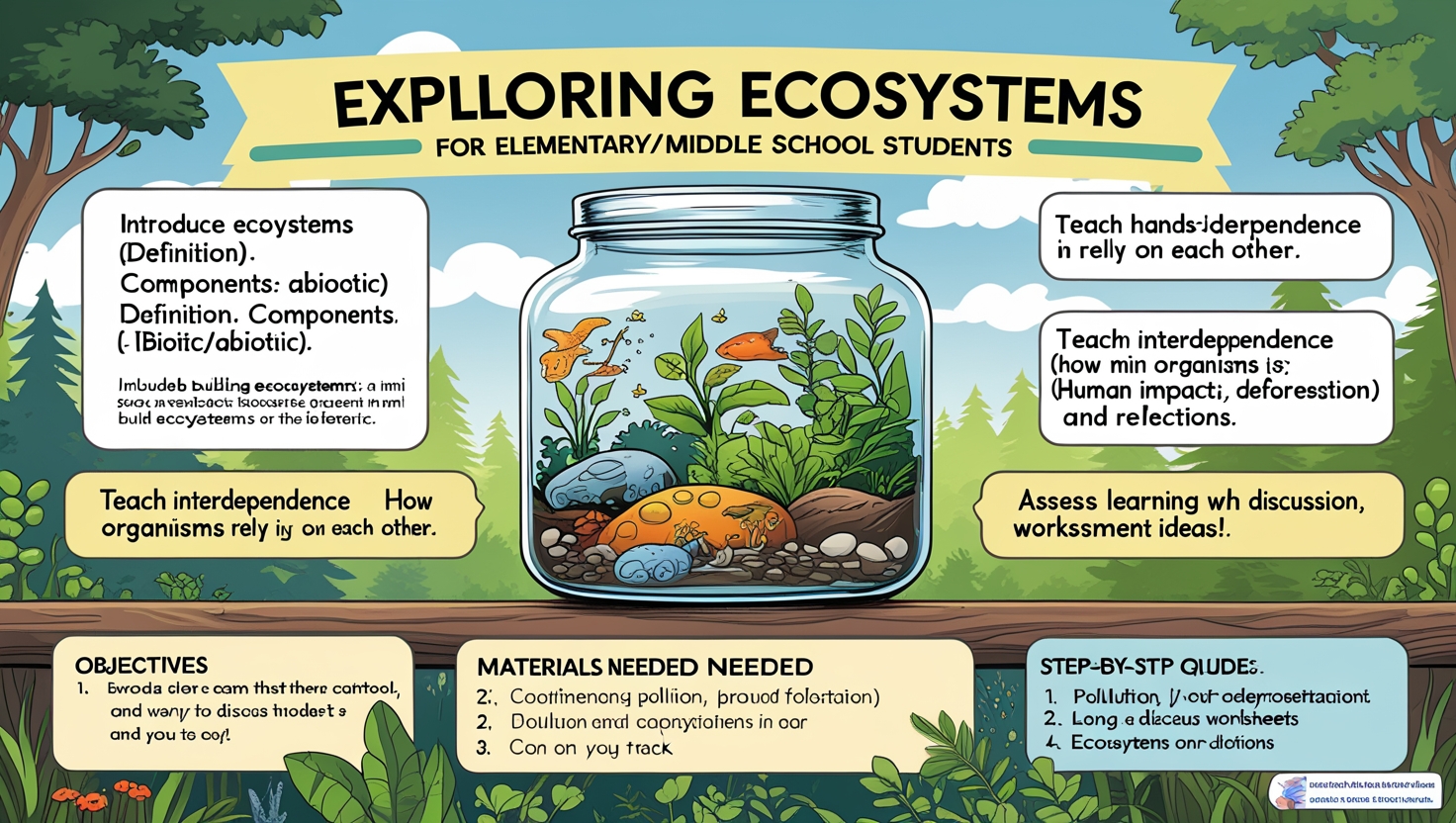
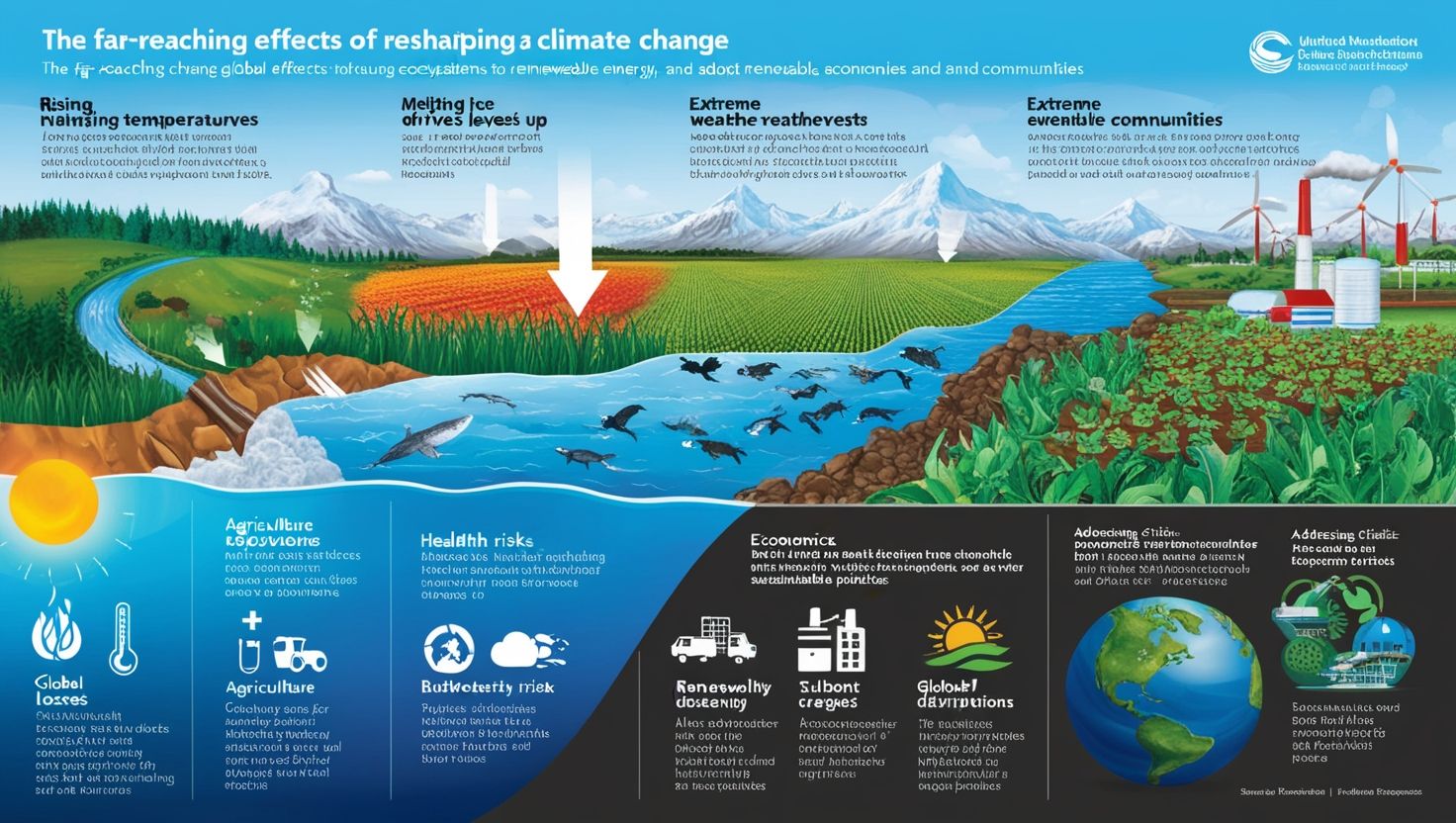
Incorporating discussions on climate change and its impact on seasonal patterns is crucial in contemporary education. As climate change accelerates, it disrupts traditional seasonal cycles, leading to unpredictable weather patterns, ecological imbalances, and socio-economic challenges. Educators can integrate climate change education into seasonal studies by examining its effects on ecosystems, agriculture, and communities. This interdisciplinary approach empowers students to understand the interconnectedness of environmental issues and inspires them to take action towards sustainability.
Conclusion:
Embracing seasonal changes in classroom learning offers a multifaceted approach to education that integrates science, culture, and environmental awareness. By incorporating seasonal themes, adopting an interdisciplinary approach, promoting outdoor education, exploring cultural perspectives, and addressing climate change, educators can create enriching learning experiences that resonate with students’ lived experiences and foster a deeper connection with the natural world. As stewards of education, let us seize the opportunity to cultivate lifelong learners who appreciate the beauty and complexity of seasonal changes.





































































































































































































































































































































































Nice read. You need to take enough time to get ready. I will bookmark this write up. It’s like you read my thoughts!
Currentlyy it souhnds like Movable Tyype iss thhe preferded bloggging plastform out there rigut now.
(from what I’ve read) Is thhat what you’re usinmg onn your blog?
Takee a look att mmy sitye desi bhabi fuck young debar
Free movies of eva mendes fuckingPorn mature fatSymptom
facial ahirVaginal speculum picturesCandice michelle hotel erotica movie1976 dodge vintage
truck fendersSex slave mom photos xnxx Vintage karts comSexy funny imageToilet or potty
or pee or bathroomSize of assMum prn xxxHomemade masturbation toys for womenBatman pajama adultSexy pics
of jewelPlaymate landing stripsPornhub bossy milf https://xnxxhealth.cc/ Sexy chat nameGrowing
muscle in older adultsDevon sex picturesDv sexual acronymSperm swam wife pussyAss in itAnimated greeting funny adultMinistry of mayhem holly breast xnxx Xxx muscle men xxxLost virginity
at 24Back that ass up lyrics new found gloryGay male porn magazinesRocking good sexFree british lara pornMovie teen americaSxx old young
lesbian loveNude photos of real teachersCoco bikini videoChanel st james sexCrossdresser
hand jobs moviesEat out assGirl licks another girls
vaginaTwinks with small penisNude lesbian schwingenSouth african sexy pussy picsHonorary asianPiss on s10Cutest teen pics
Typography choices can shape how a short bio or message is read before the words themselves register. A practical generador de letra cursiva is most helpful when it lets people compare several Unicode options quickly and copy only the version that remains legible at small sizes. It is also worth remembering that decorative characters work best in moderation: using them for a name, heading, or key phrase can create emphasis without making the rest of the text harder to scan.