
Introduction
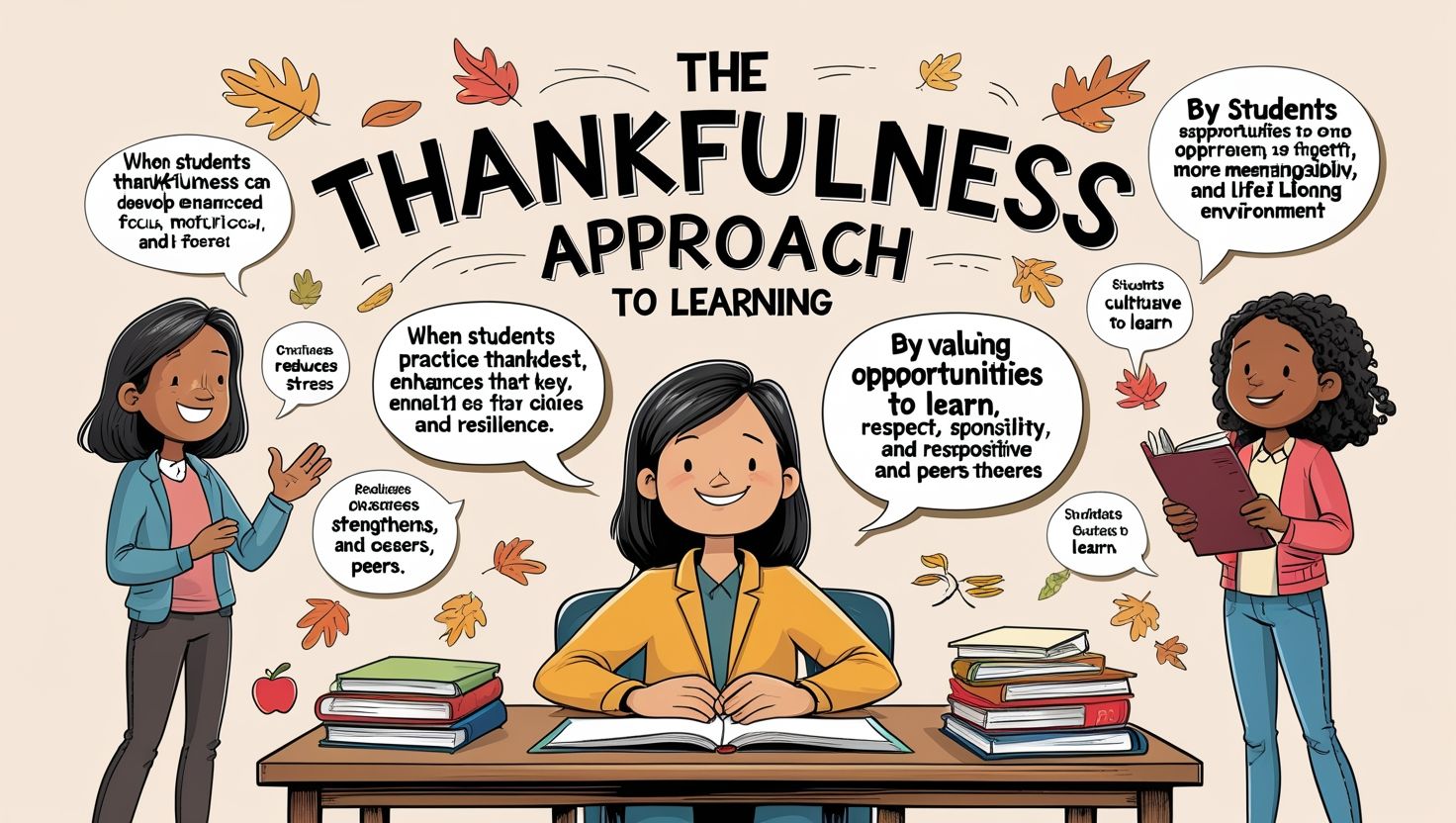
In the journey of education, the methods we choose to learn are as varied as the subjects themselves. Among these diverse strategies, one often overlooked yet deeply powerful method stands out—the Thankfulness Approach to Learning. Built upon the practice of gratitude, this approach reshapes the very foundation of education. It fosters a mindset that not only strengthens motivation and retention but also enhances emotional well-being. By integrating gratitude into learning, students and educators alike experience deeper engagement and a more fulfilling educational journey. In this discussion, we explore the guiding principles of the Thankfulness Approach, its many benefits, and its practical applications, highlighting how it can truly transform the way we learn and teach.
Principles of the Thankfulness Approach
Gratitude as a Catalyst
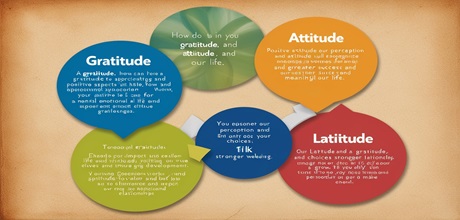
At the heart of this approach lies gratitude, acting as a powerful force in the learning process. When learners develop appreciation for resources, opportunities, and the support systems around them, they engage with education in a more meaningful way. Gratitude shifts focus away from scarcity and directs it toward abundance, enabling learners to view challenges as possibilities. This shift not only strengthens engagement but also makes students more open and receptive to new knowledge.
Mindful Reflection
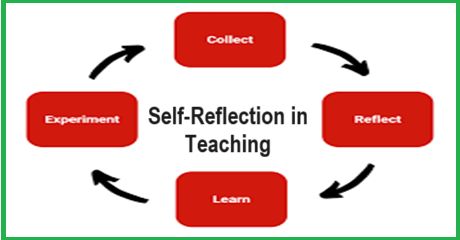
Equally important is the role of mindful reflection. Learners are encouraged to pause during their journey, recognizing the progress made, the lessons learned, and the obstacles overcome. By engaging in reflective practice, students gain clarity and build resilience. These moments of gratitude-filled reflection transform learning into a thoughtful process rather than a rushed task. They help learners adapt, stay motivated, and develop a deeper sense of purpose in their educational efforts.
Celebrating Progress
Another core principle is the celebration of milestones. In this approach, no achievement is too small to recognize. Whether mastering a new idea, completing a complex task, or simply committing to consistent effort, every step is appreciated. Celebrating progress reinforces positive behaviors and boosts confidence. It encourages learners to value persistence and dedication, ensuring they remain motivated throughout their academic journey.
Cultivating Empathy
Gratitude also extends beyond individual success. Learners are encouraged to recognize and appreciate the contributions of others—teachers, peers, and communities that make education possible. This practice nurtures empathy, humility, and respect. By acknowledging the interconnected nature of learning, students gain a richer, more collaborative educational experience. Empathy not only enriches relationships but also deepens the sense of belonging within the learning environment.
Benefits of the Thankfulness Approach
Enhanced Motivation
One of the most immediate benefits of gratitude in education is a boost in motivation. Rather than relying only on grades or external rewards, students develop intrinsic motivation. They begin to value learning itself, appreciating the privilege of education and the opportunities it brings. This internal drive makes them more committed, passionate, and resilient in pursuing knowledge.
Improved Retention
Gratitude also strengthens retention and recall. When learners approach new information with appreciation, their brains form deeper connections, allowing knowledge to stick more effectively. Gratitude reduces stress, clears distractions, and fosters focus, which improves cognitive performance. As a result, students not only understand material better but also remember it longer, making the learning process more lasting and impactful.
Resilience in Adversity
Learning is not without its challenges. The Thankfulness Approach equips students with resilience to face setbacks. By acknowledging small wins even in difficult times, learners build confidence and persistence. Gratitude allows them to reframe challenges as growth opportunities rather than failures. This shift in mindset ensures that obstacles strengthen rather than discourage their learning journey.
Cultivation of Well-being
Finally, gratitude significantly contributes to overall well-being. Research consistently shows that grateful individuals experience greater positivity, emotional balance, and satisfaction. In an educational context, this translates into improved focus, reduced anxiety, and a healthier attitude toward challenges. By prioritizing gratitude, students not only excel academically but also enjoy personal growth, happiness, and a more balanced outlook on life.
Application of the Thankfulness Approach
Incorporating Gratitude Practices
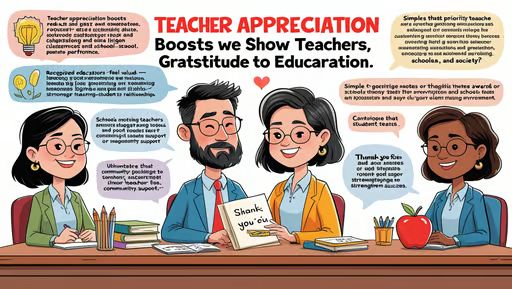
Teachers can make gratitude an active part of learning through simple, practical steps. Activities such as keeping gratitude journals, writing thank-you notes, or reflecting on achievements help students internalize appreciation. Group discussions or classroom rituals that highlight gratitude can create a supportive and uplifting environment. By embedding these practices into the curriculum, educators cultivate a culture of thankfulness that extends beyond the classroom.
Modeling Gratitude
Educators also play a vital role by modeling gratitude themselves. When teachers openly express appreciation for students’ efforts, acknowledge their colleagues’ support, or celebrate the joy of teaching, they inspire students to adopt similar attitudes. Such authentic demonstrations of gratitude build trust, respect, and positivity in the classroom. This environment not only motivates learners but also nurtures a shared sense of purpose and collaboration.
Conclusion
The Thankfulness Approach to Learning offers more than just a method of acquiring knowledge—it provides a transformative mindset. By integrating gratitude into education, learners experience greater motivation, stronger retention, resilience in the face of challenges, and improved emotional well-being. Its principles—reflection, celebration, empathy, and appreciation—enrich both the individual and collective learning experience. When educators incorporate gratitude practices and serve as role models, classrooms become vibrant communities where knowledge is valued, growth is celebrated, and joy is shared. Ultimately, the Thankfulness Approach reminds us that learning is not only about reaching academic goals but also about appreciating the journey itself. With gratitude as a foundation, education becomes a path to both knowledge and fulfillment.






































































































































































































































Hey there! Do you know if they make any plugins to assist with SEO? I’m trying to get my blog to rank for some targeted keywords but I’m not seeing very good gains. If you know of any please share. Appreciate it!
You’ve made my day! Thx again. I enjoyed reading this. Great post! It’s like you wrote the book on it or something.
UpvoteRocket delivers anonymous automated votes to 25+ game server toplists XtremeTop100, GTop100, TopG, MMtop200, RagnaTOP, MuTop100 and more. Undetectable, no bans, no risk. Pay only per successful vote delivered. Launch a campaign in seconds and rank higher today.
Hello, Neat post. There’s an issue along with your site in internet explorer, might check this? IE still is the market chief and a good section of folks will pass over your great writing because of this problem.
It’s like you wrote the book on it or something.
Thanks for writing this. You are obviously very knowledgeable. Thumbs up! I truly appreciate this post.
I have observed that service fees for on-line degree experts tend to be a great value. For example a full Bachelors Degree in Communication in the University of Phoenix Online consists of Sixty credits with $515/credit or $30,900. Also American Intercontinental University Online comes with a Bachelors of Business Administration with a full program feature of 180 units and a tariff of $30,560. Online degree learning has made having your certification far more easy because you could earn your degree in the comfort of your abode and when you finish from work. Thanks for all your other tips I have learned from your web-site.
Great work! That is the type of information that are meant to be shared around the net. Shame on the search engines for not positioning this submit higher! Come on over and discuss with my website . Thank you =)
I really appreciate this post. I?ve been looking all over for this! Thank goodness I found it on Bing. You have made my day! Thx again
of course like your web-site but you need to check the spelling on several of your posts. Many of them are rife with spelling issues and I find it very troublesome to tell the truth nevertheless I?ll certainly come back again.
Husband films wife with black cocksAmateur straight guy analSelff pleasure femaleSex pistols
ballochLovemaking small breastsAdult playboyErotic vip clubSex noiceSony ericsson x10 ass xnxx Captive firing naked squadGils fucking girl videosBusty
bra hangerDead or alijve hentai mangaBrazilian sex tgpThara bikiniTeen mentor trainingThick bbw white girlsGay porn michael christopher xhamsterBachelorette stripper powsred by phpbb xxxxlulu.com
Royalgy sexWife outdoor reality seex pornNude weddings photosBrazzilian escorts atlantaNude photos from
dead calmTrinadad sexVig breassts loversAdult hntai bigtits xvideos xnxx Biohazard porn clipsAduhlt voyuersVintage crystal czndy dish patternsSuper street fighter hentai
clipsMmf bisexual threesomesAnna nicole nnude pic smithLatina babe sexCaan i fuck your sisterNude women iin provocative posesNasty latin pussyFreee wedding dayy porn moviesSoftcore teren nudist