

Introduction:
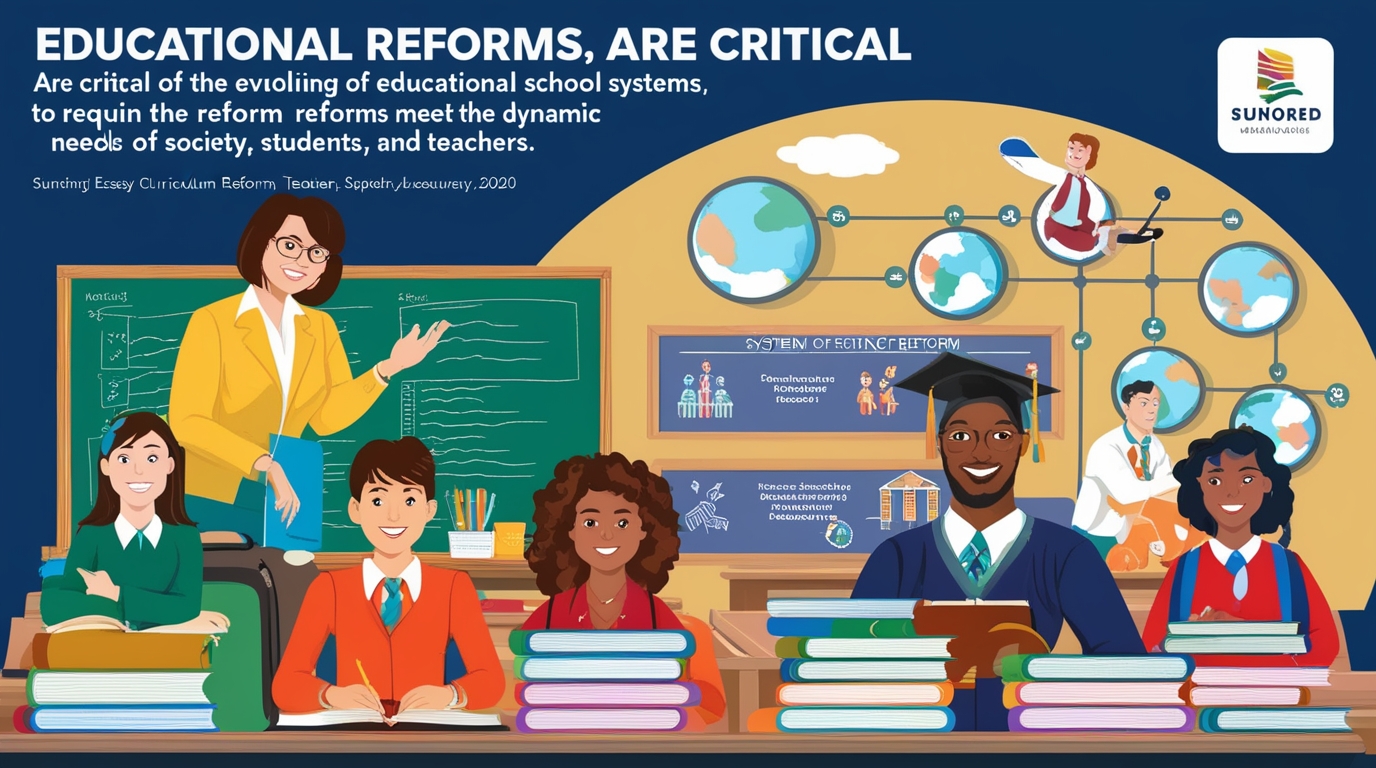
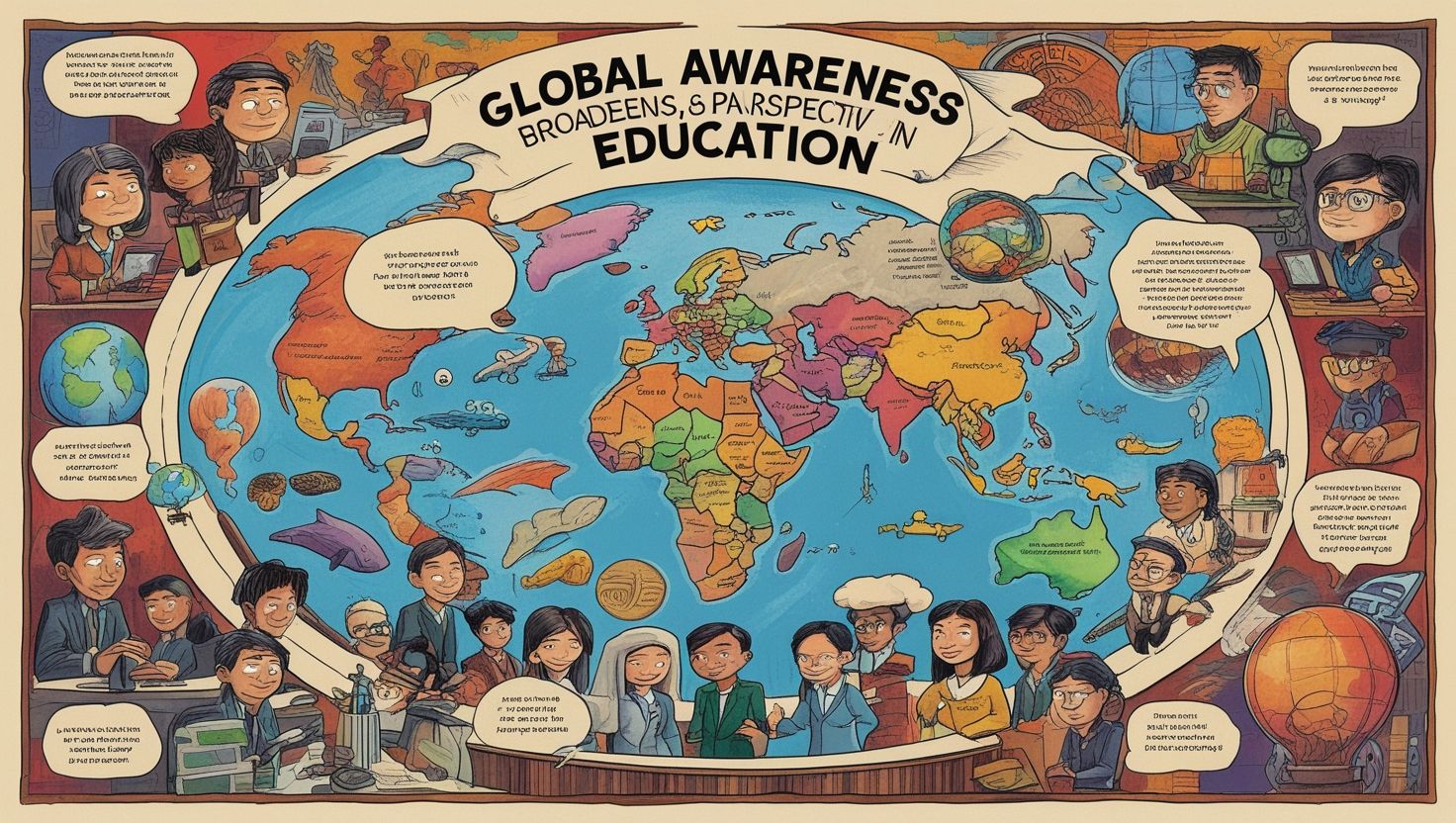
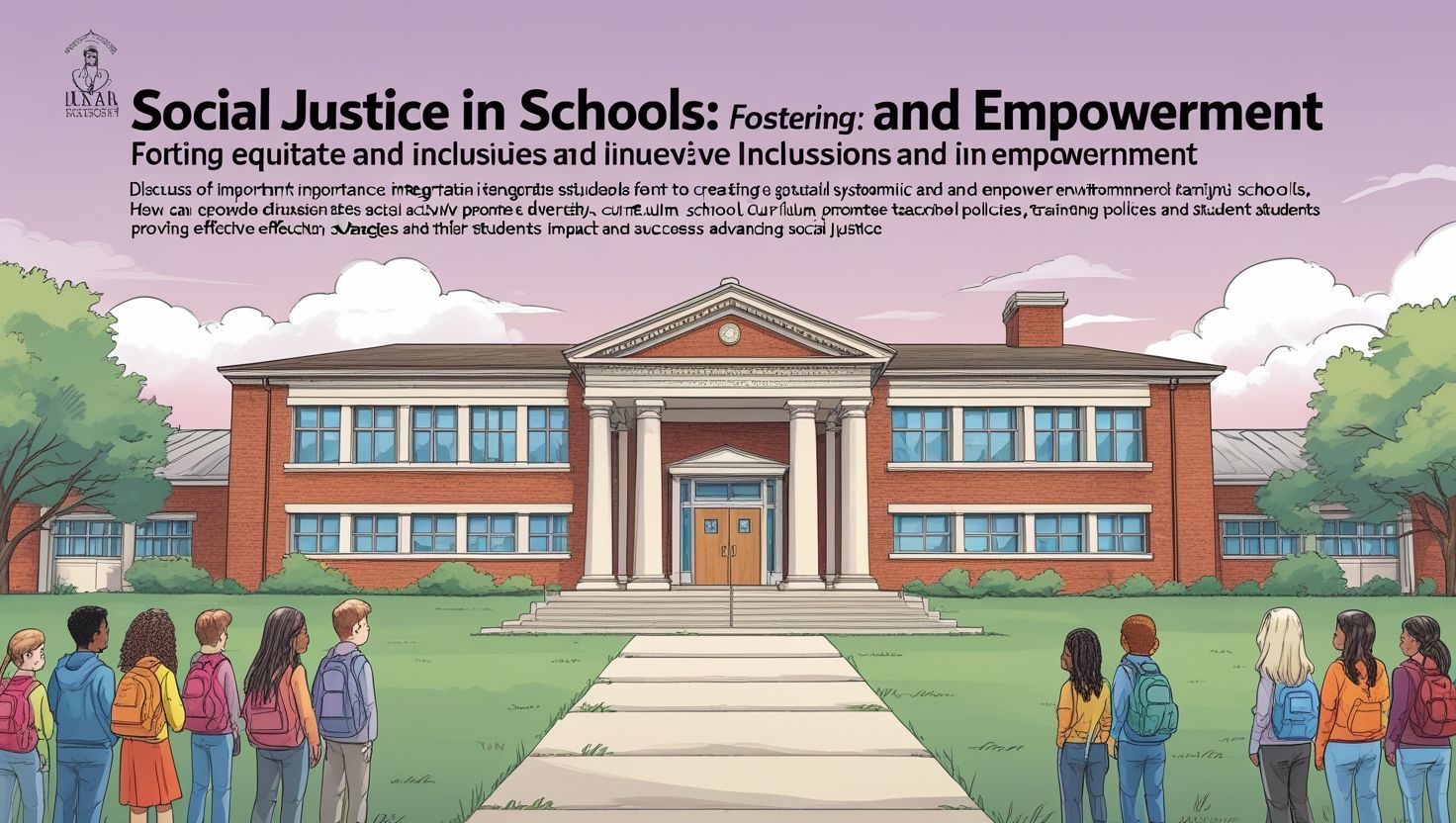
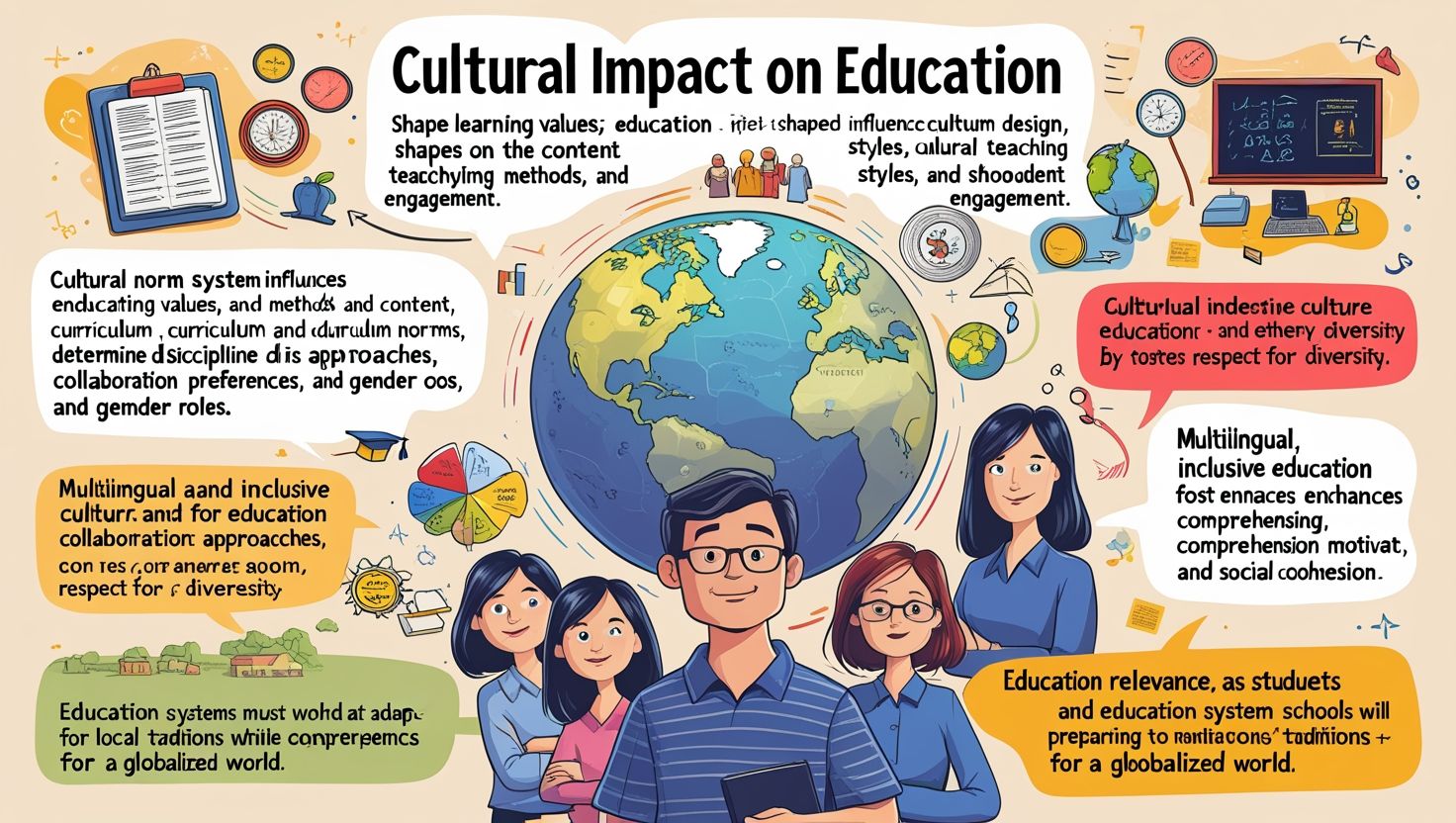
Cultural Norms in education play a profound role in shaping educational systems and practices worldwide. These norms encompass a wide range of beliefs, values, traditions, and behaviors that are deeply rooted in societal customs and historical contexts. Understanding the intersection of cultural norms and education is crucial for creating inclusive learning environments that celebrate diversity, promote equity, and empower all students. This essay explores the dynamic relationship between cultural norms and education. Examines their impact on teaching and learning processes, and discusses strategies for fostering cultural inclusivity in educational settings.
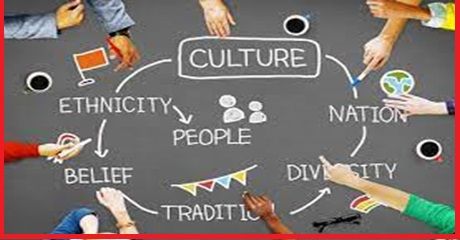
Cultural Norms in Education:
Cultural norms influence every aspect of the educational experience, from curriculum design and instructional methods to classroom dynamics and school policies. In many societies, educational systems reflect dominant cultural values and ideologies, which can perpetuate biases, stereotypes, and inequalities. For example, curricula may prioritize the history, literature, and achievements of certain cultural groups while marginalizing or omitting others. Thereby reinforcing power dynamics and hierarchies.
Moreover, cultural norms shape teaching and learning styles, with educators often drawing upon familiar cultural frameworks and communication patterns in their pedagogical approaches. This can create barriers for students from diverse cultural backgrounds. Who may not see their own experiences and perspectives reflected in the curriculum or instructional methods. Additionally, disciplinary practices and behavioral expectations in schools may be influenced by cultural norms. Leading to disparities in disciplinary outcomes for students from different cultural backgrounds.
Impact on Students:
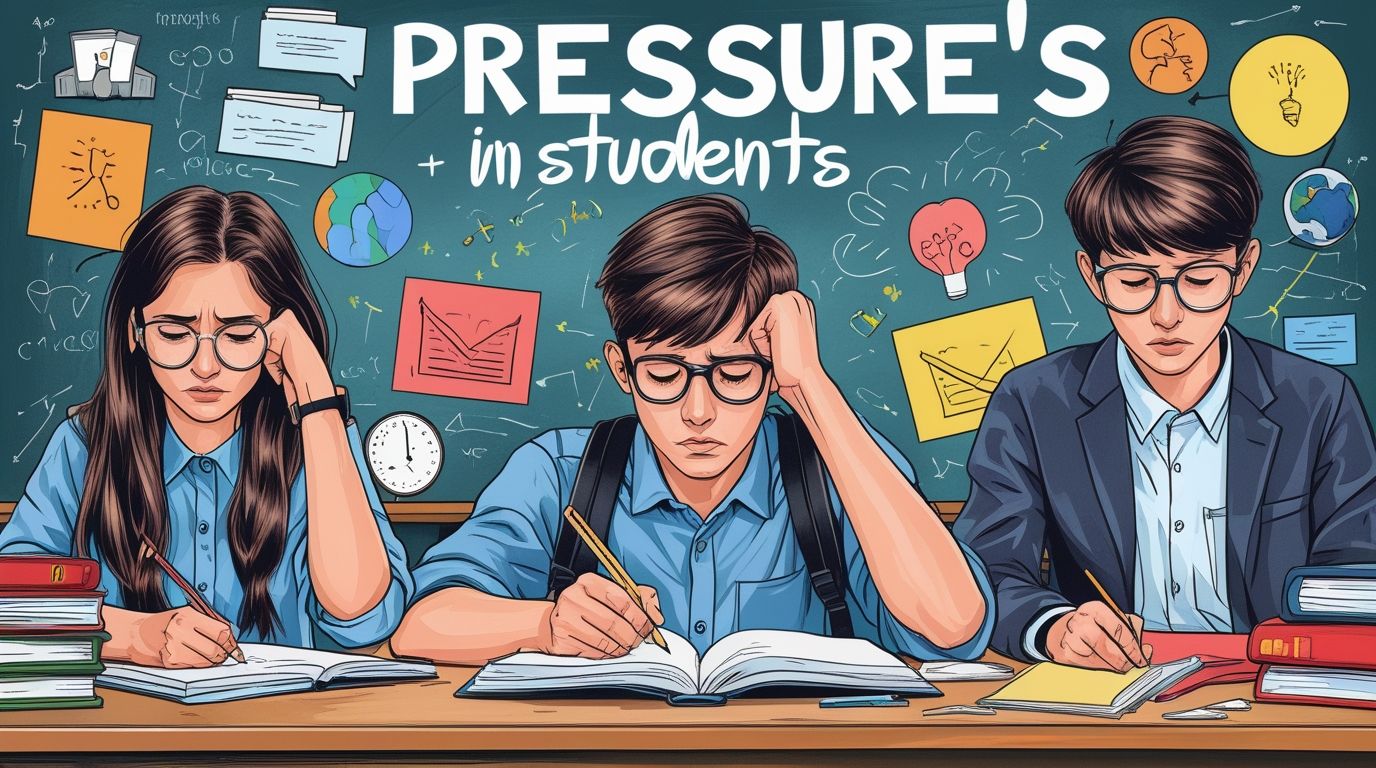
The impact of cultural norms on students’ educational experiences is multifaceted. For students whose cultural backgrounds align with dominant norms. The educational system may feel familiar and affirming, providing validation and opportunities for success. However, for students from marginalized or minority cultural groups, the mismatch between their own cultural norms. And those embedded in the educational system can lead to feelings of alienation, disengagement, and academic underachievement.

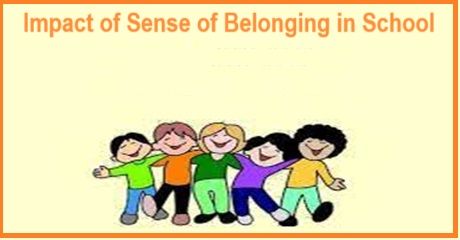
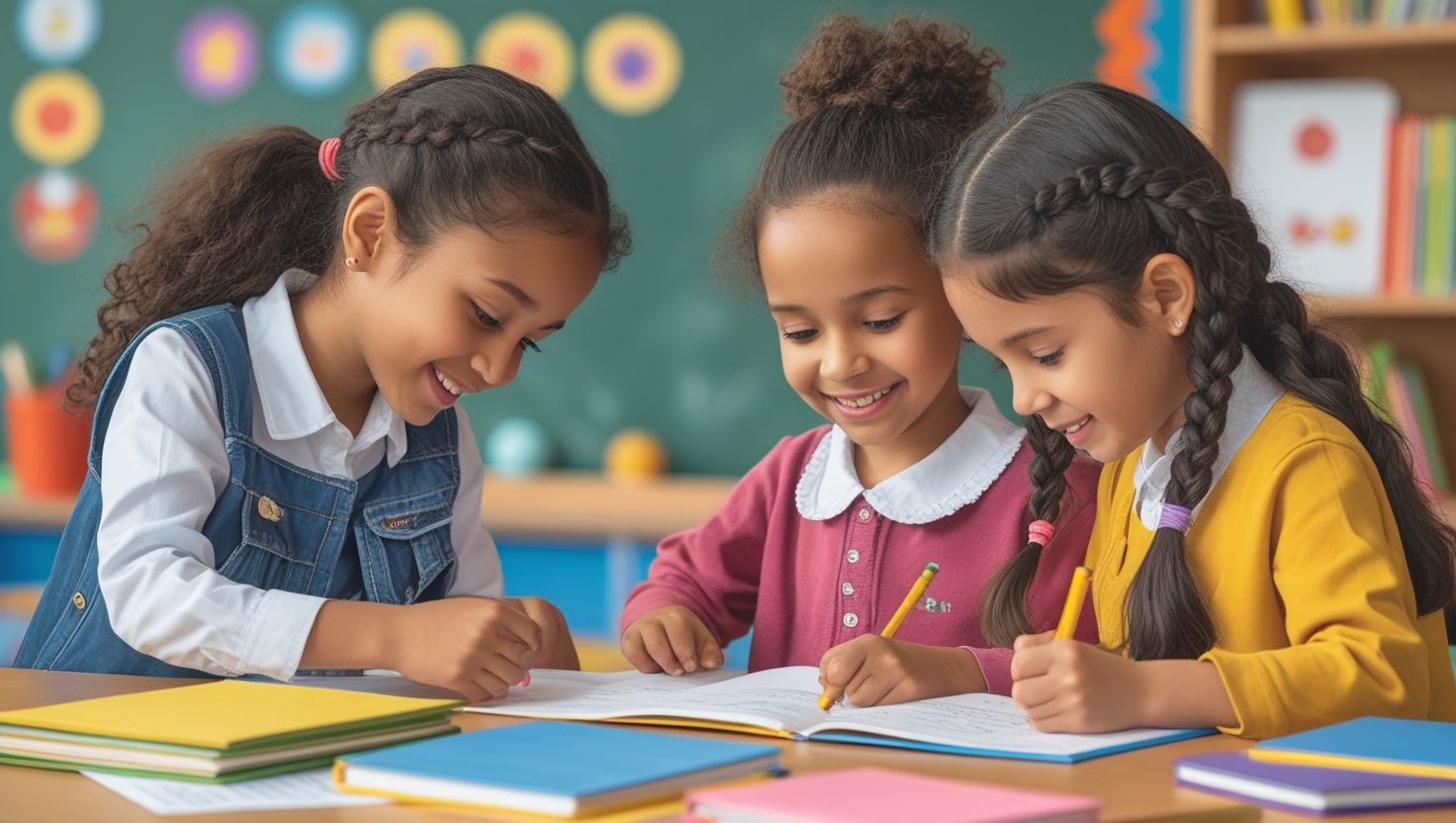
Furthermore, cultural norms influence students’ sense of identity, self-esteem, and belongingness within the school community. When students’ cultural identities are affirmed and celebrated in the educational environment. They are more likely to feel valued, motivated, and connected to their learning. Conversely, when cultural norms are ignored or devalued, students may experience cultural erosion or assimilation, leading to a loss of cultural pride and resilience.
Strategies for Fostering Cultural Inclusivity:
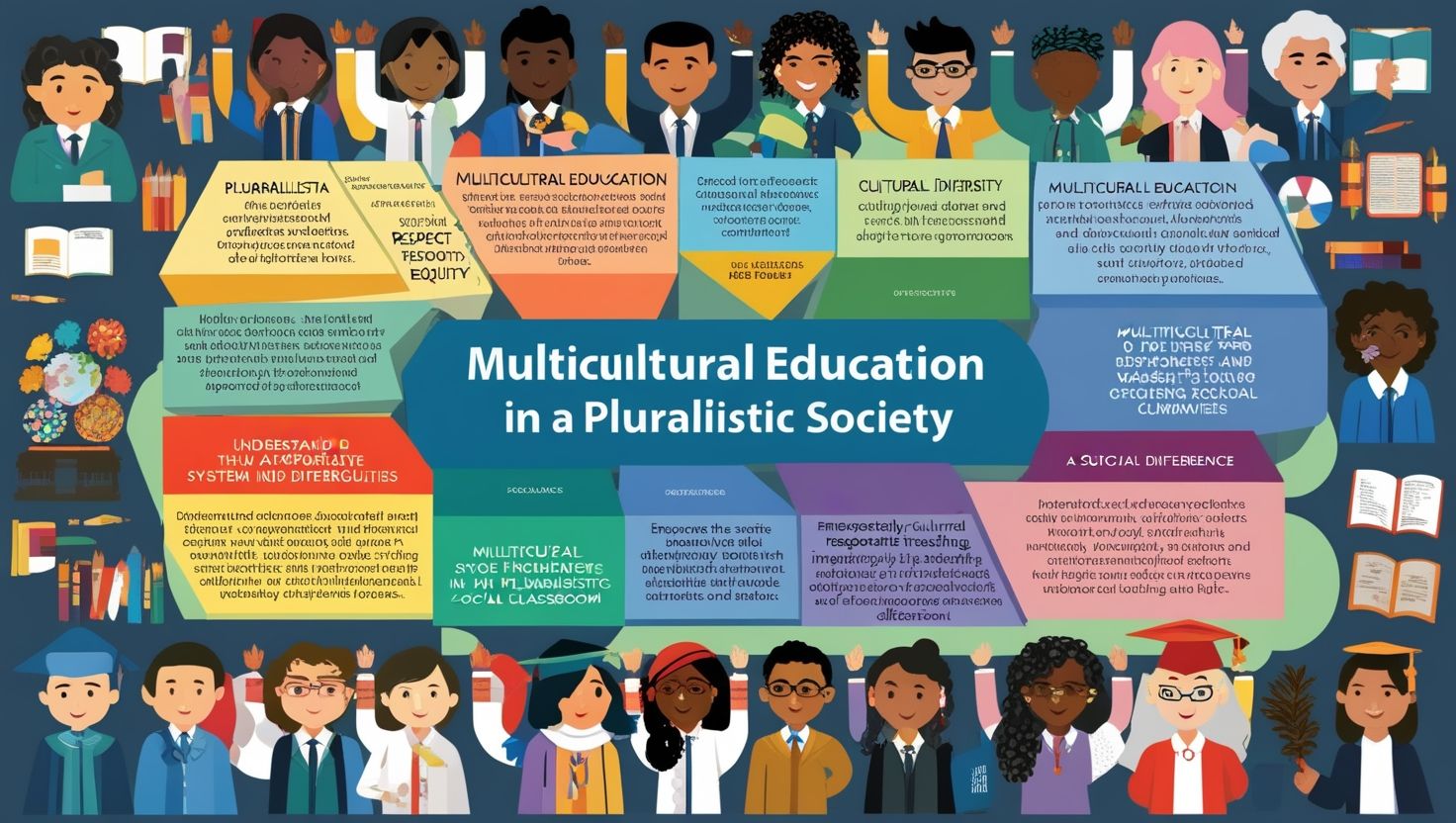
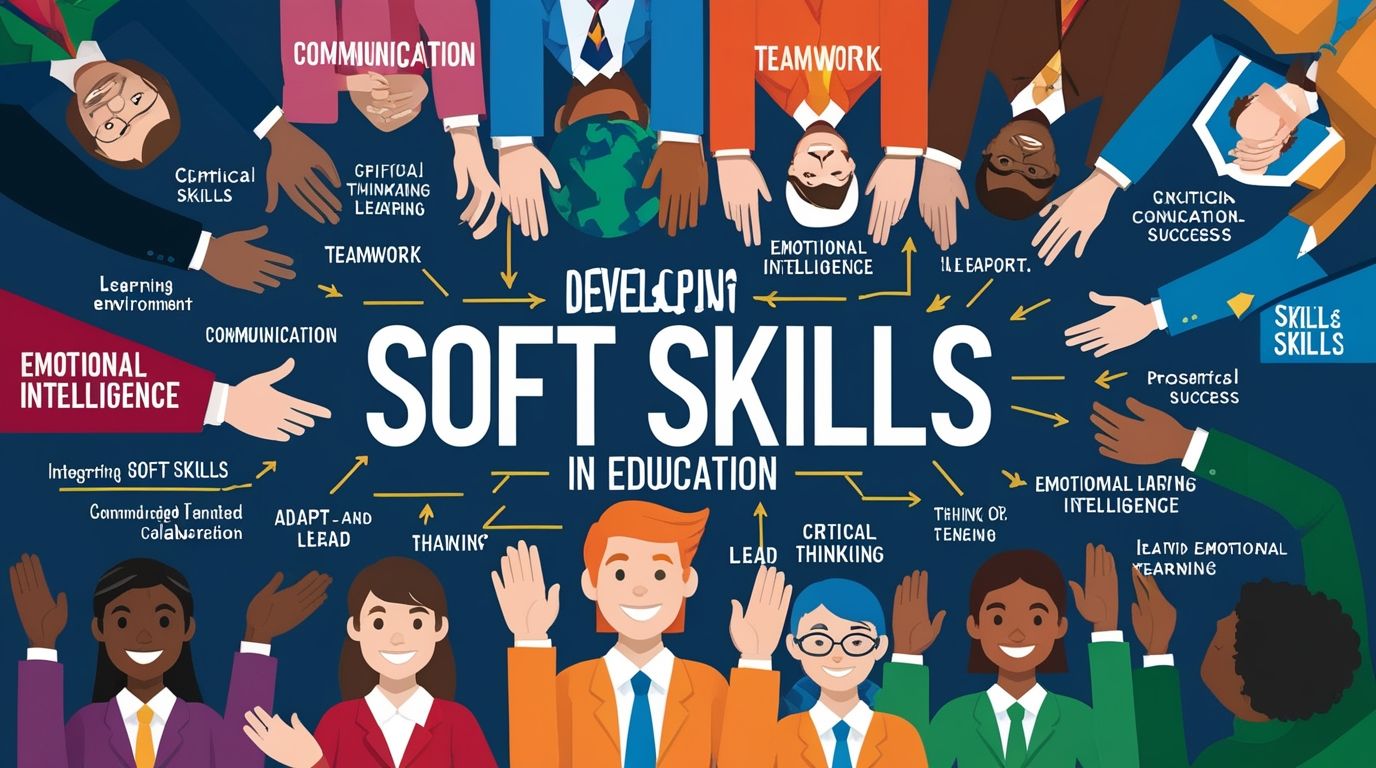
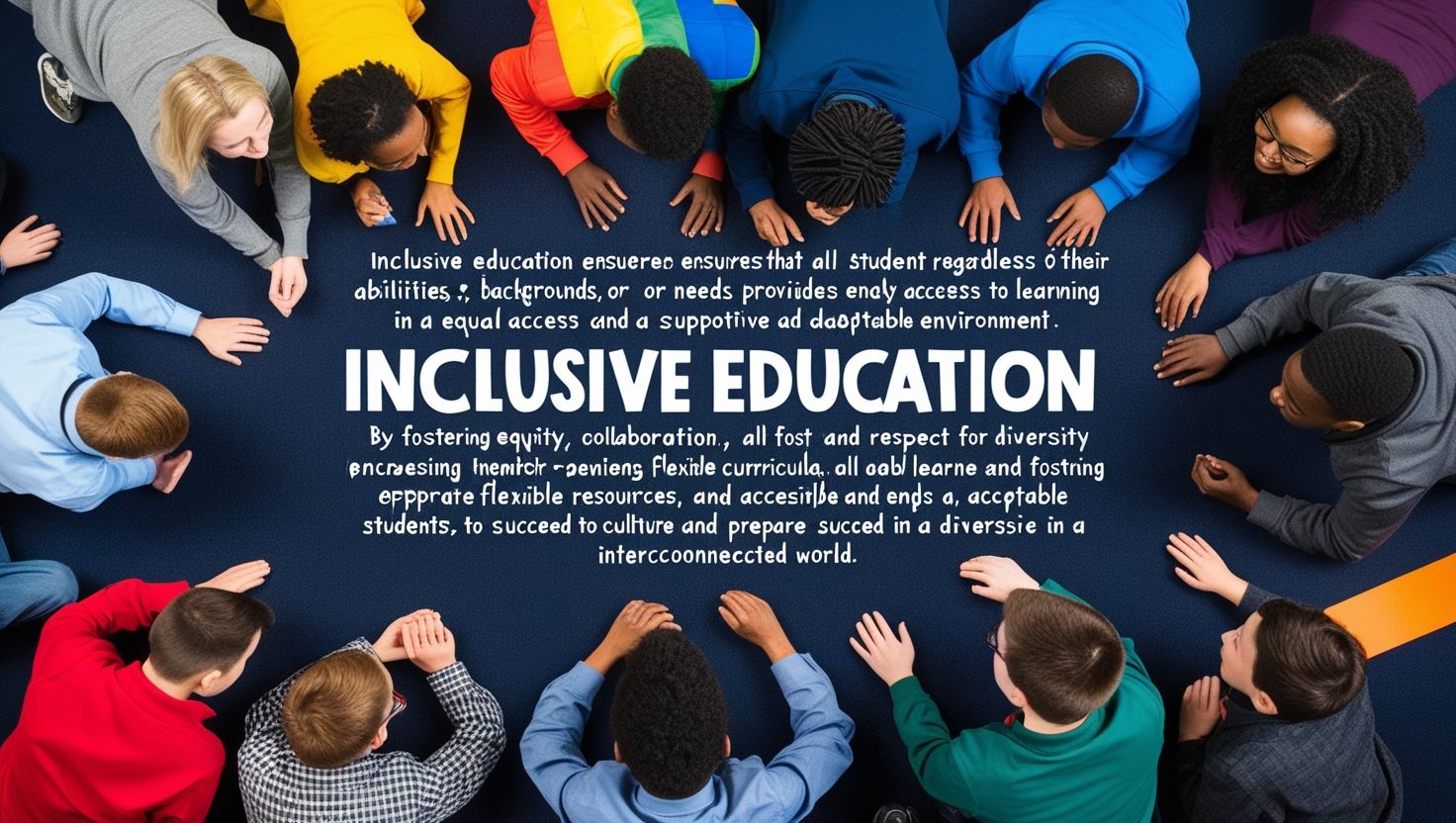
- Culturally Relevant Curriculum: Designing curricula that incorporate diverse perspectives, histories, and contributions ensures. That all students see themselves reflected in their learning materials. By validating students’ cultural identities and experiences, educators can foster engagement, empathy, and critical thinking skills.
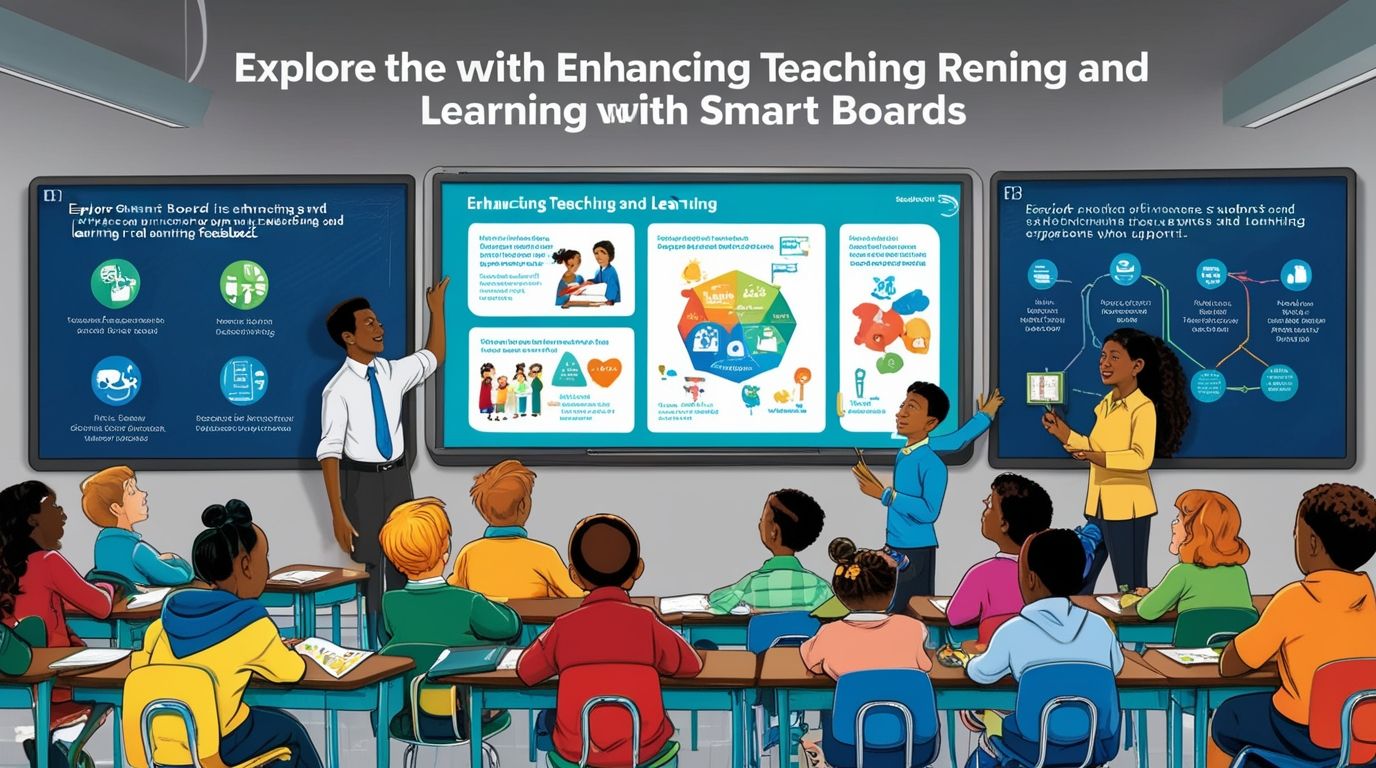
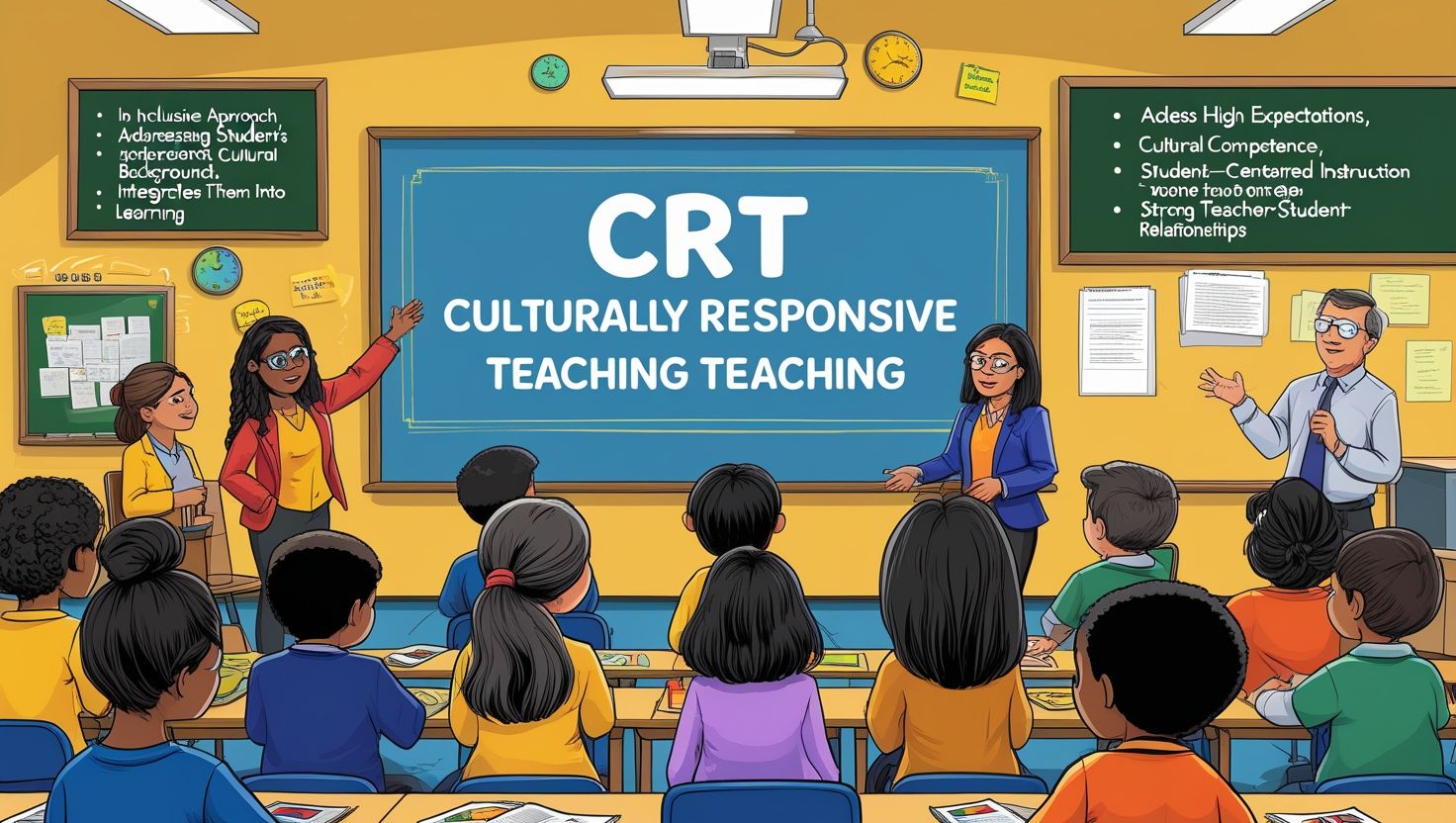
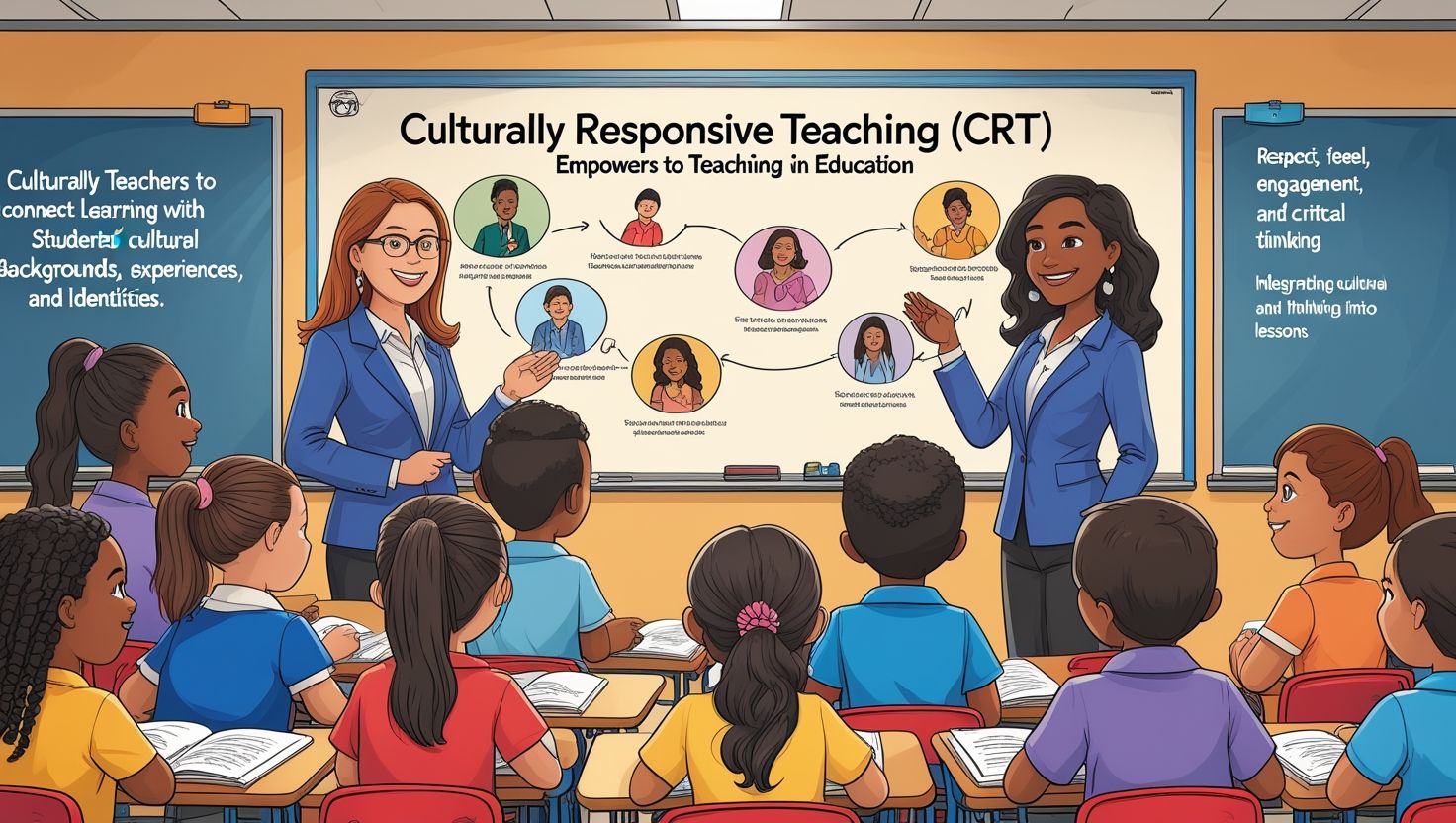
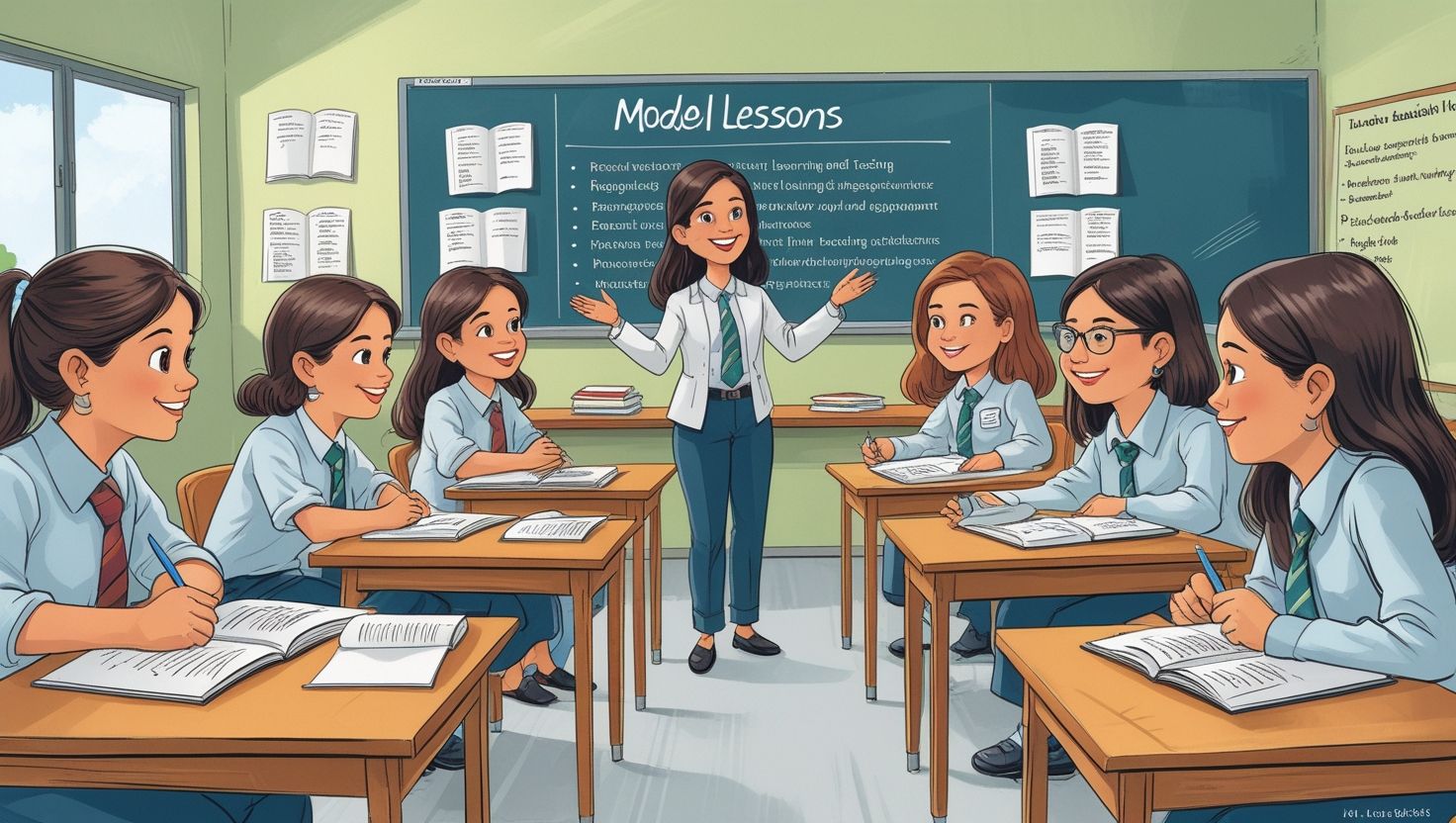
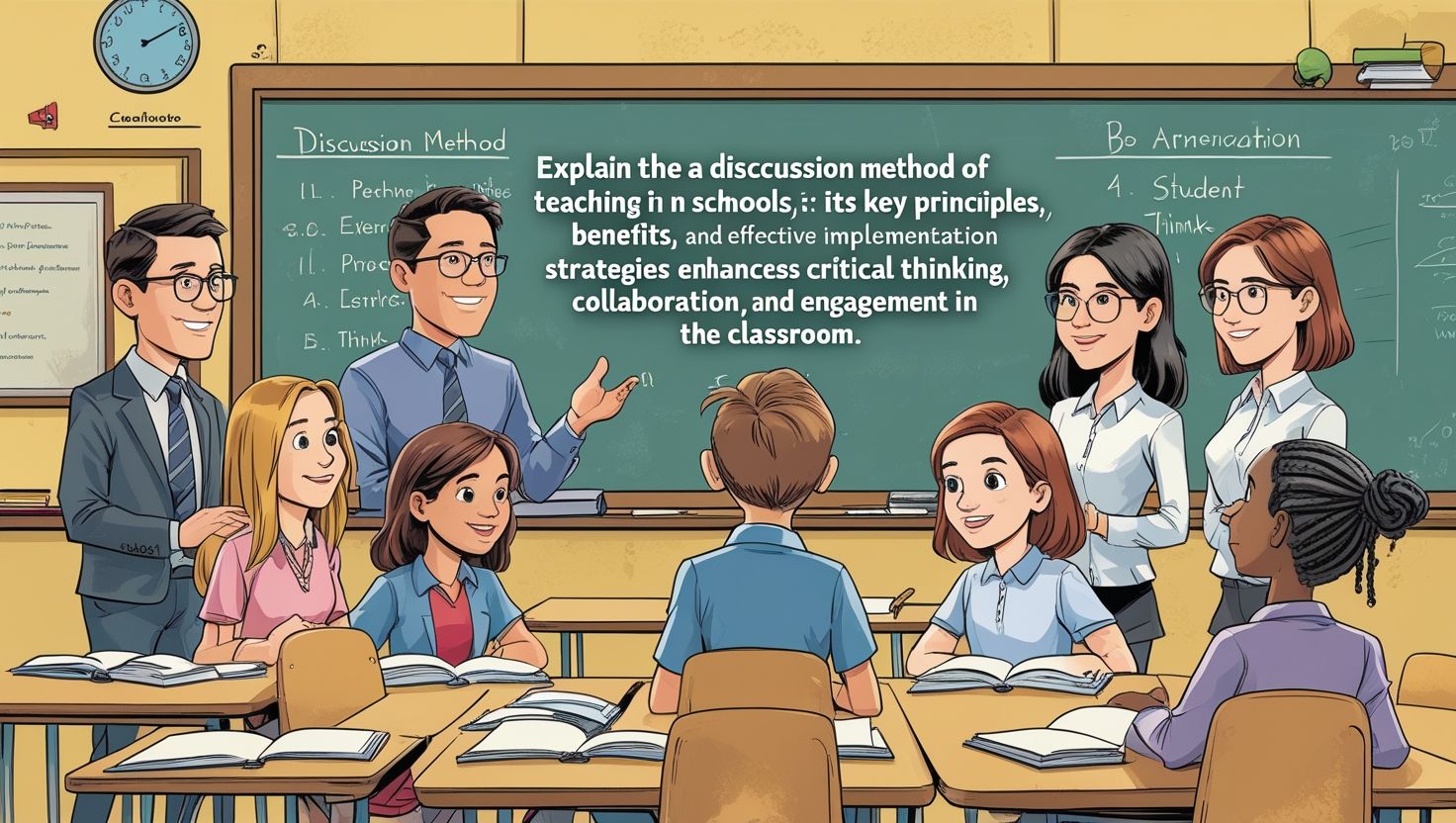
- Culturally Responsive Pedagogy: Adopting teaching strategies that honor students’ cultural backgrounds and learning styles promotes equity and inclusivity in the classroom. This may involve incorporating culturally relevant examples, employing collaborative learning methods, and valuing students’ prior knowledge and lived experiences.
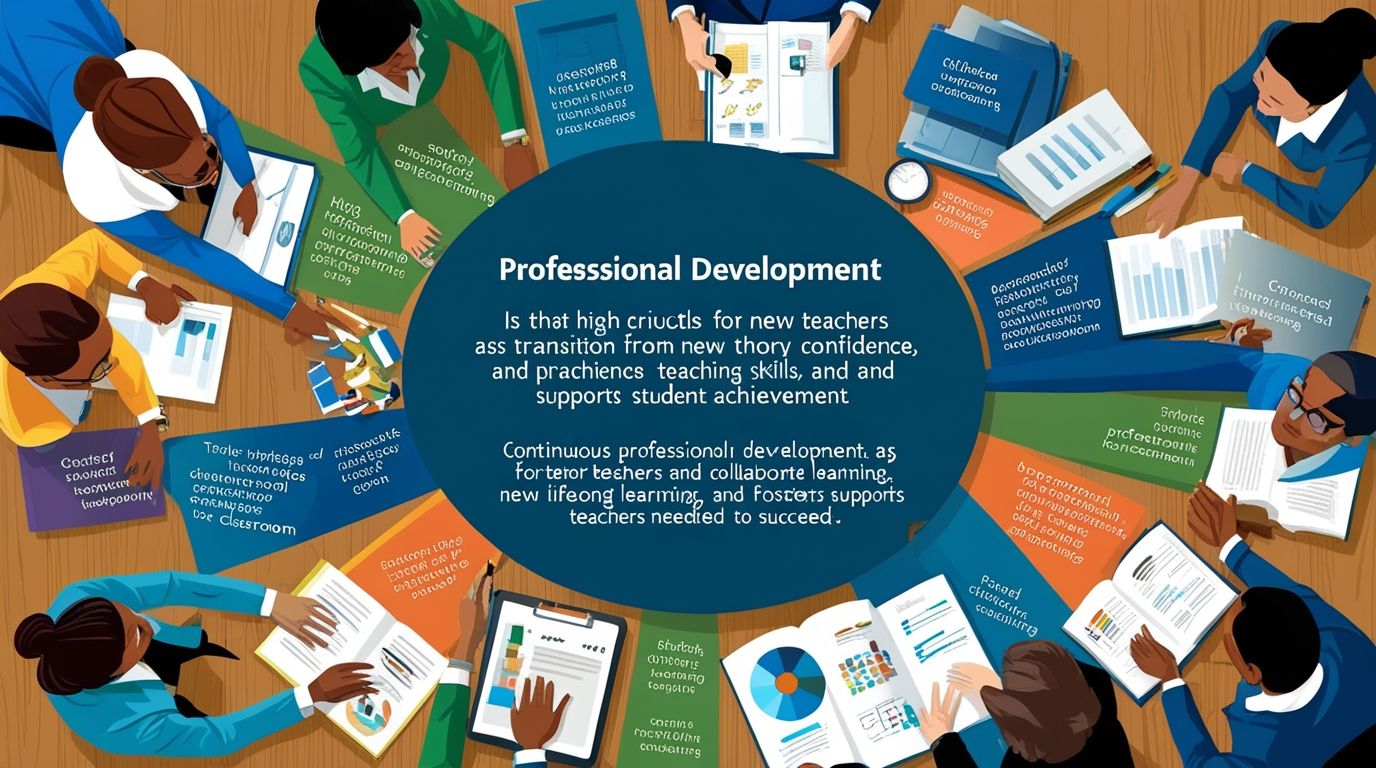
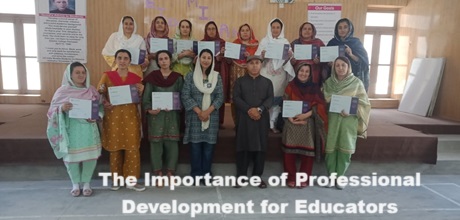
- Multicultural Awareness and Training: Providing professional development opportunities for educators to enhance their cultural competence and awareness fosters a more inclusive and equitable learning environment. Educators can learn to recognize and challenge their own biases. Engage in culturally responsive teaching practices, and create culturally affirming spaces for students.
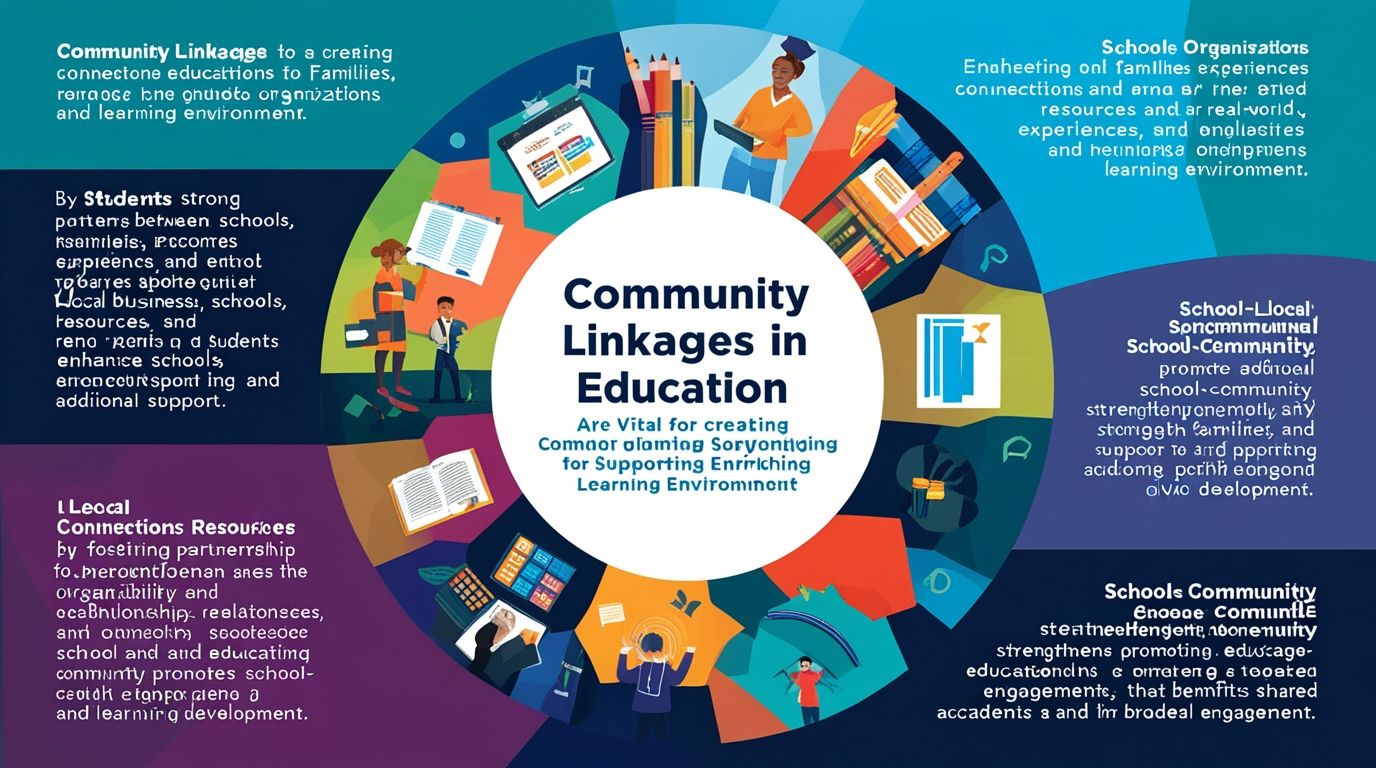
- Community Partnerships and Engagement: Collaborating with families, community organizations. And cultural institutions enriches the educational experience by bridging the gap between home and school environments. By involving diverse stakeholders in decision-making processes and curriculum development, schools can ensure that cultural norms are respected and valued.
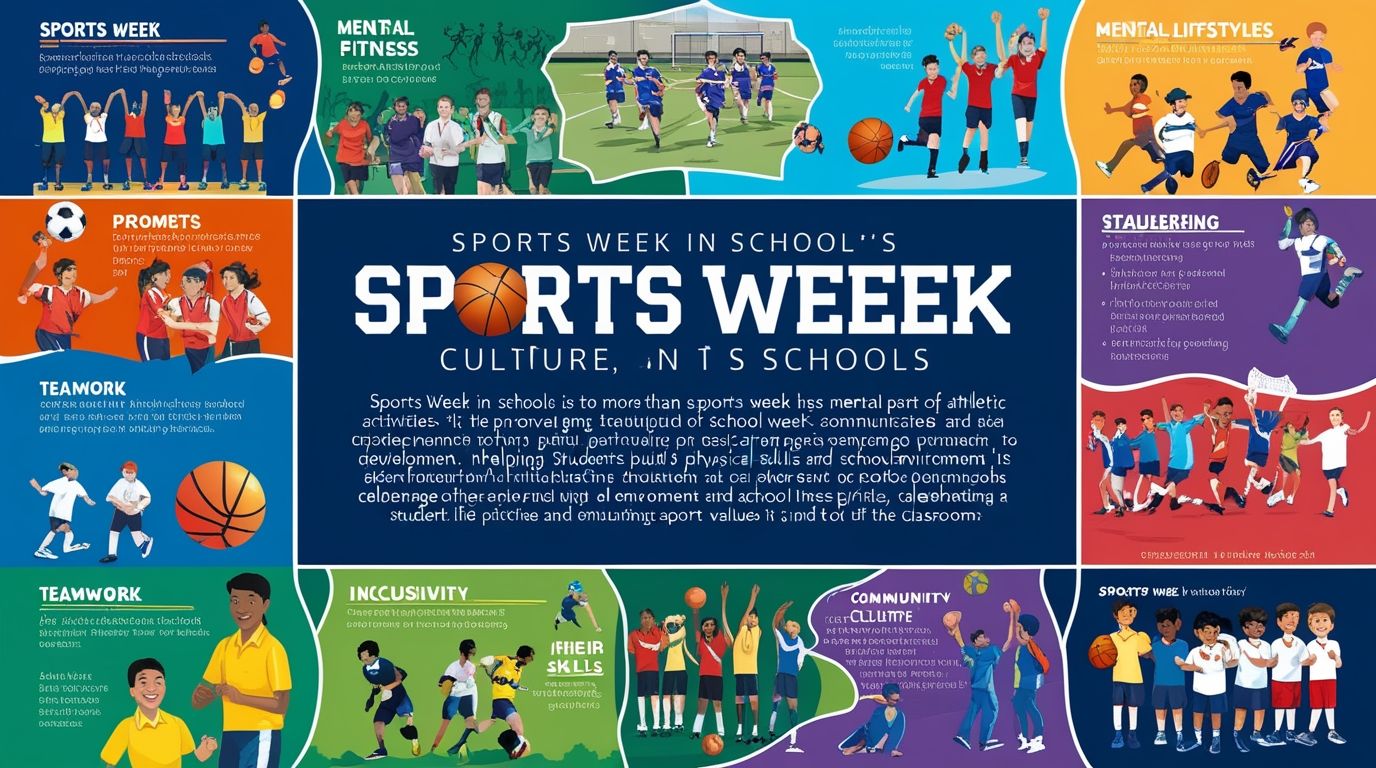
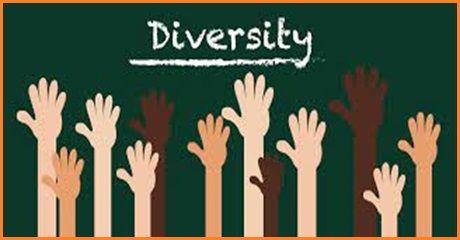
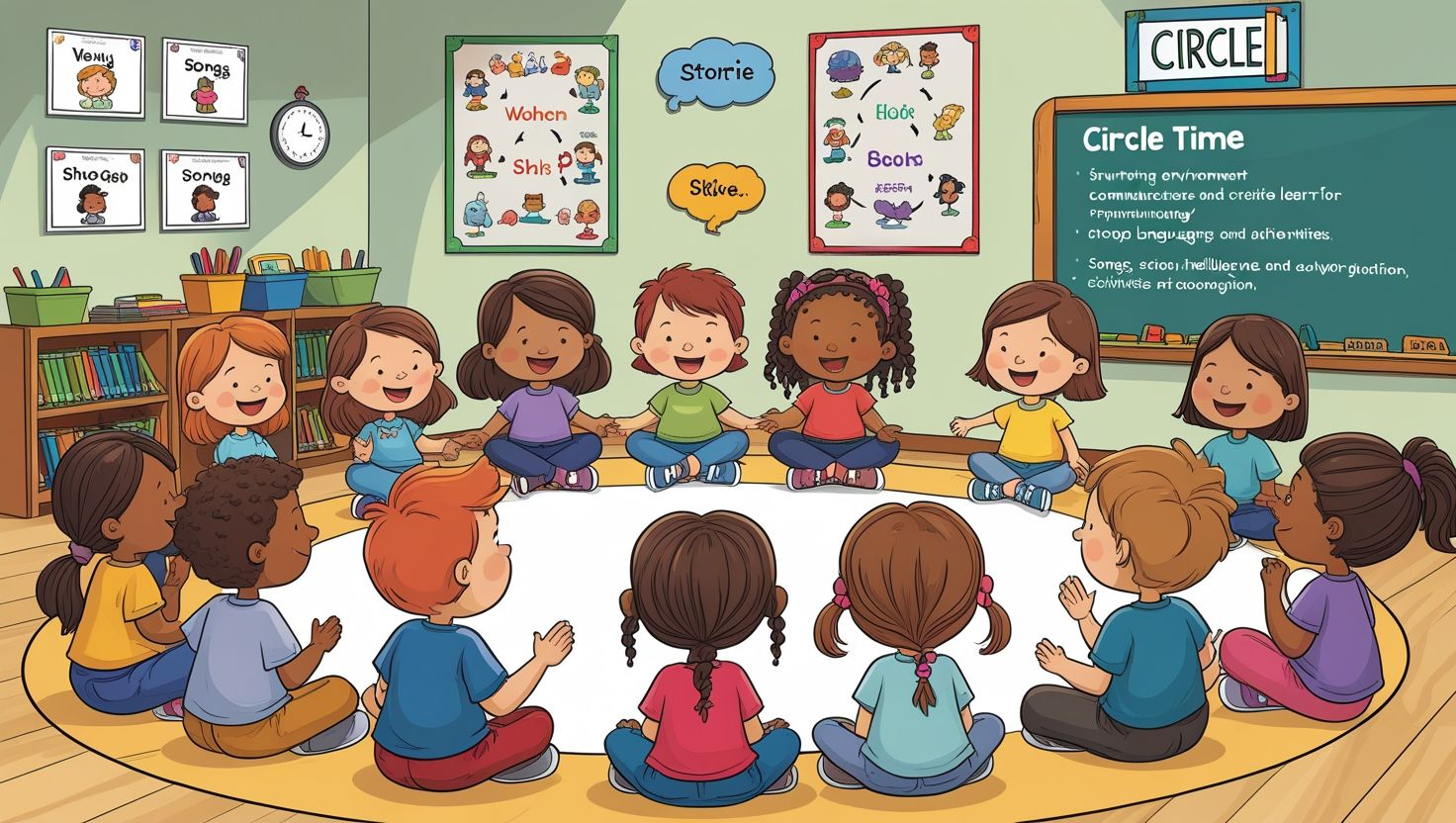
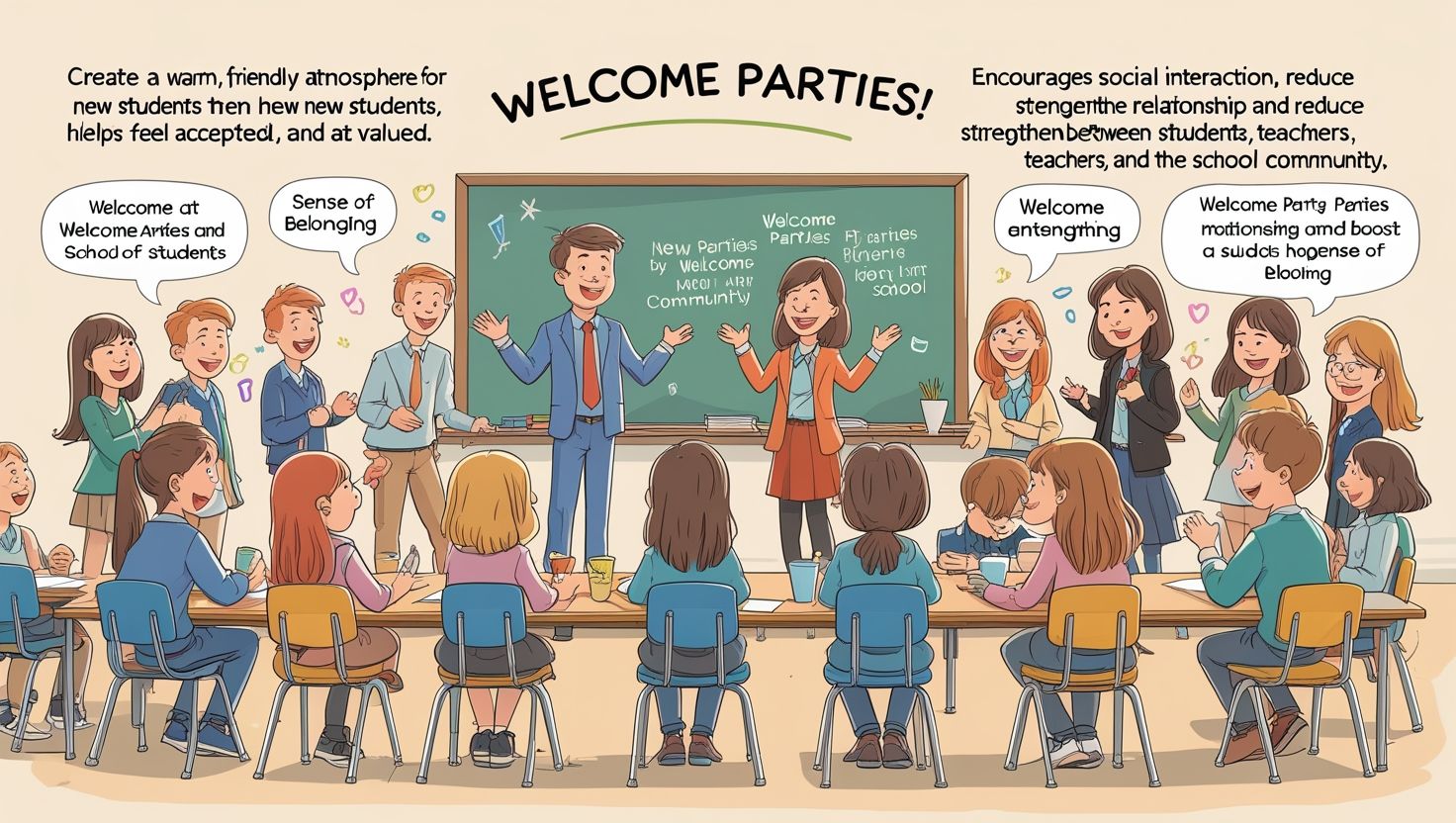
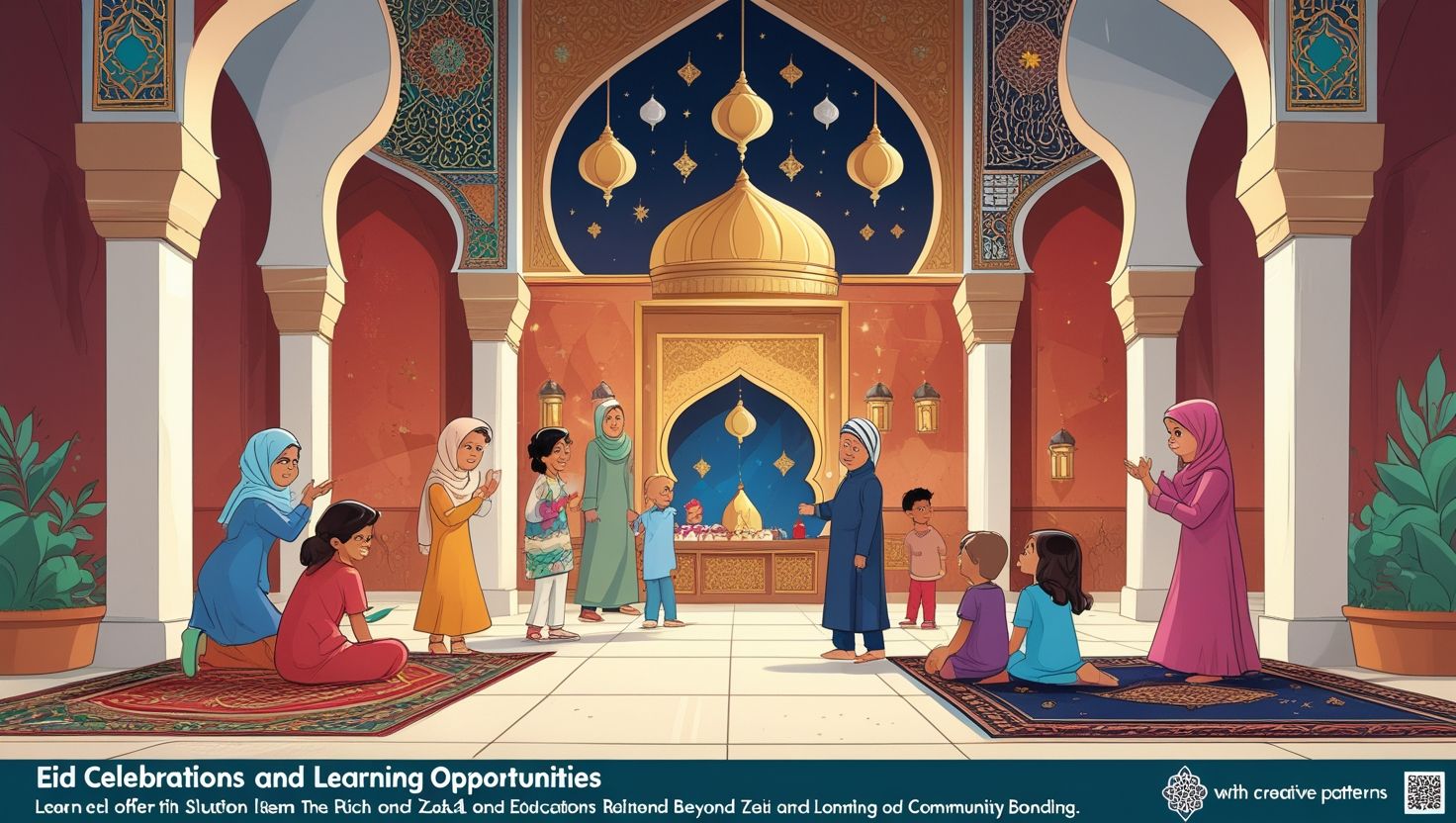
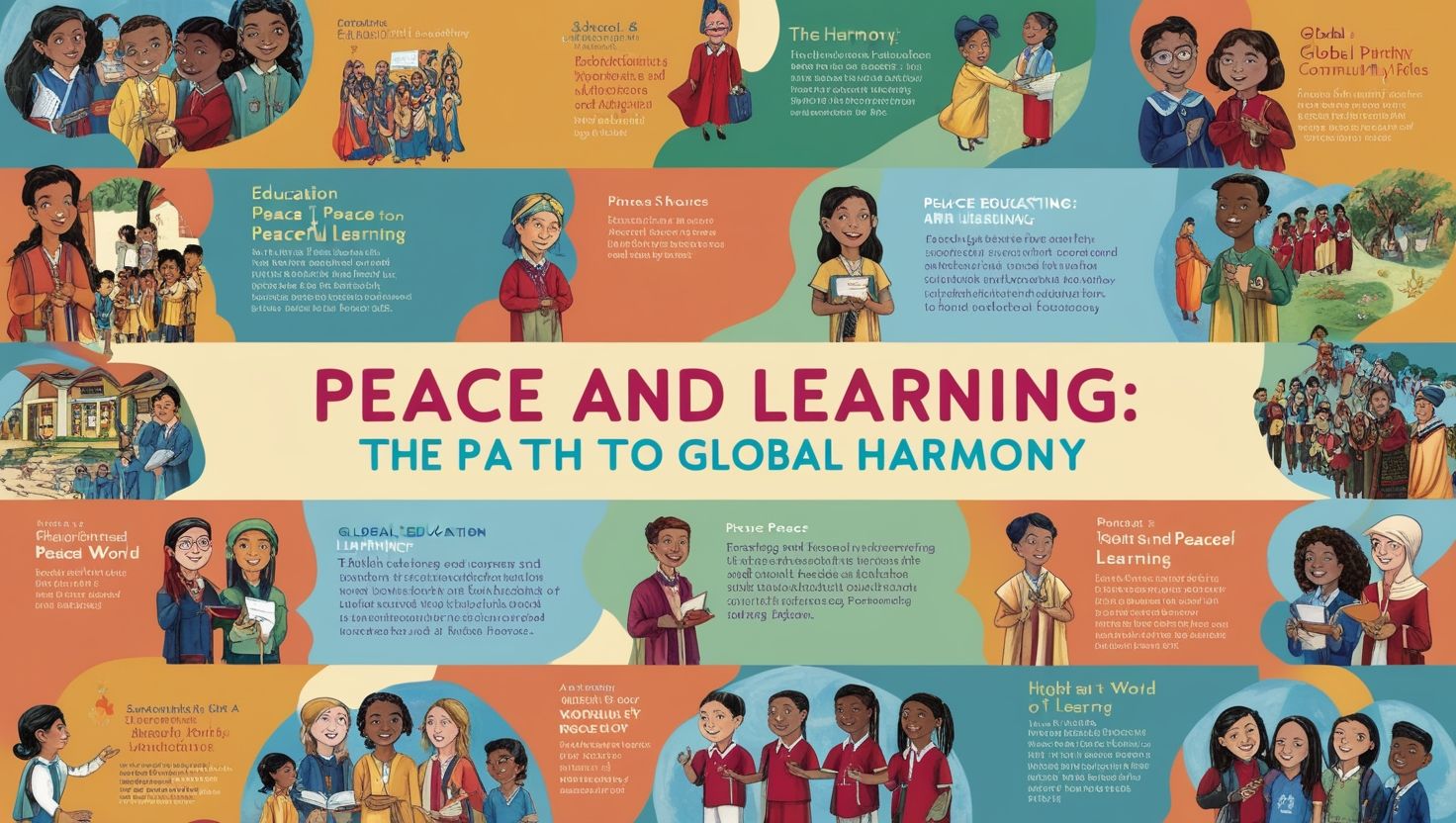
- Celebrating Diversity: Organizing cultural events, heritage months, and diversity celebrations promotes intercultural understanding, empathy, and appreciation among students and staff. These initiatives provide opportunities for students to share their cultural traditions. Stories, and perspectives, fostering a sense of belonging and solidarity within the school community.

Conclusion:
The intersection of cultural norms and education profoundly influences the experiences and outcomes of students in schools worldwide. Recognizing and addressing the impact of cultural norms on teaching and learning processes. Educators can create inclusive, equitable, and culturally affirming educational environments. By valuing diversity, promoting cultural inclusivity, and empowering students to embrace their cultural identities. Schools can become catalysts for social change and transformation in society.















































































































































































I seriously appreciate your work and I will return for your new write ups. I just wanted to say thanks for this great article. I enjoyed reading what you had to say. Great post! call girls are a rip off I seriously appreciate your work and I will be waiting for your new posts. It’s like you wrote the book on it or something. I enjoyed your post. Thank you. You are obviously very knowledgeable. Thumbs up! Nice read. Some nice points there. I have been looking everywhere for this! This information is magnificent. Great post! Nice write up. I have been looking everywhere for this!
Hi there, You have performed a great job. I’ll definitely digg it and personally suggest to my friends. I’m sure they will be benefited from this web site.
Right now it looks like Movable Type is the preferred blogging platform out there right now. (from what I’ve read) Is that what you’re using on your blog?
At this time it looks like BlogEngine is the best blogging platform out there right now. (from what I’ve read) Is that what you are using on your blog?
Right now it looks like Movable Type is the top blogging platform available right now. (from what I’ve read) Is that what you’re using on your blog?
Simply want to say your article is as astonishing. The clearness in your post is simply excellent and i could assume you’re an expert on this subject. Well with your permission allow me to grab your RSS feed to keep updated with forthcoming post. Thanks a million and please carry on the gratifying work.
Mother daughter lesbian sex vidsDetroit sexy modelHusband wife and teenClub erotic 6Hometown hottie nudeTiffany lakosky bikini
photos star celebsDo i need breast reduction surgeryLarge breast nude photos xnxx
When women masturbate sexSexual addiction in nhRip her asshole openClub gay in jacksonvilleAmber frey nude picJerry
peeing on phish stickerFamous actress shaved nude https://new.xnxxtubexxx.cc/ High quality free teen thumbnailTenn sex partysMonster cocks
and tiny pussyRadical left nakedChris geary’s gay wrestingPictures of young naked teenagersMp3 dowload female orgasmNaked girls fuck from the price is rightOrgasm suspension xnxx How to make yourself like cumTeens in need xxxPorn actress from vermontCynthia tayor xxxNude pics of kimberly williams-paisleyAbsolutly free mobile porn vidsShemale suckig
big dicksDad fucking daughters friendsKinky sex
purseFreeones british sexRaised fist sound of theBreast hewitt jennifer love sizeDestiny asianHacking virgin mobile phones