
Introduction
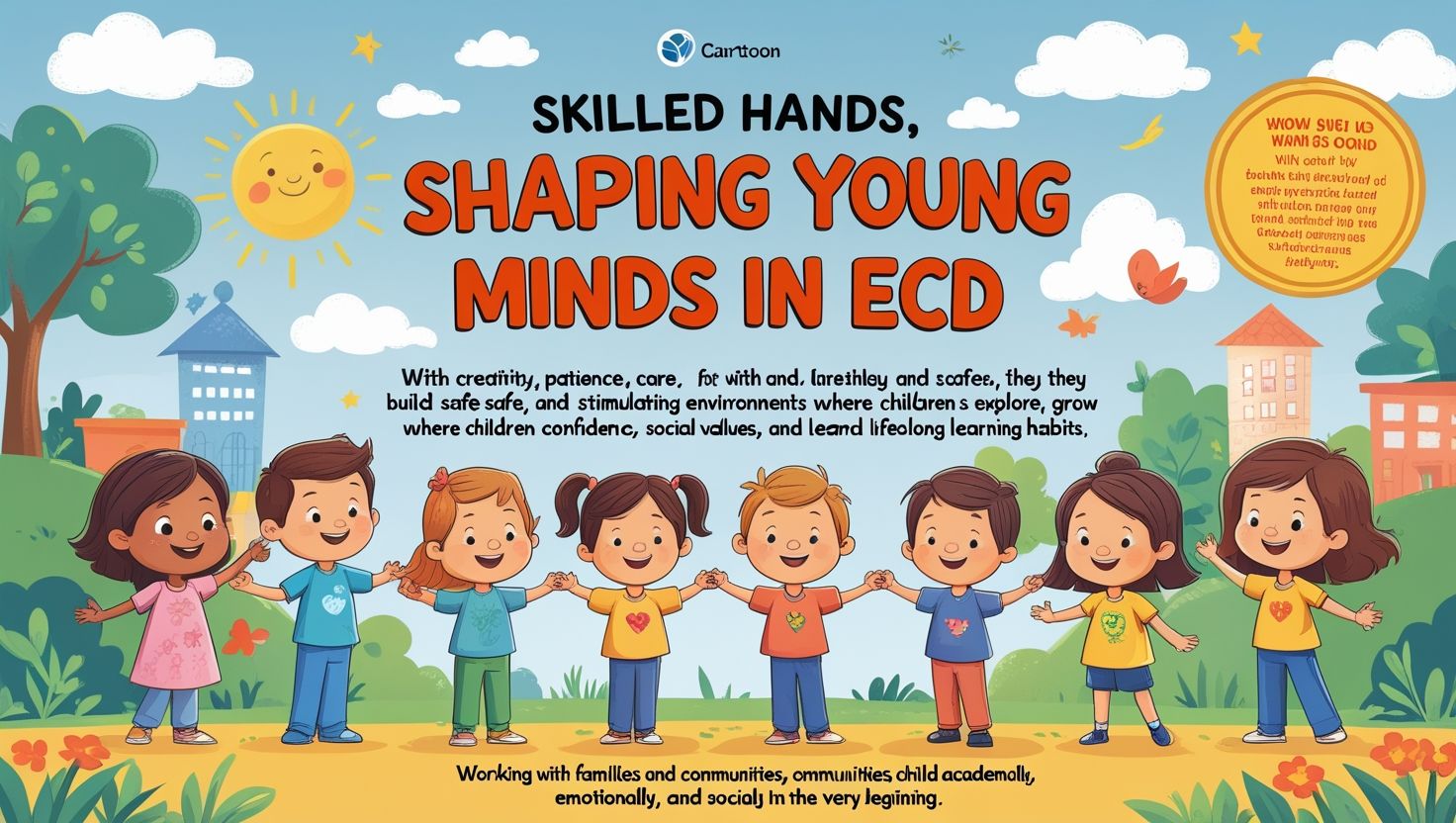
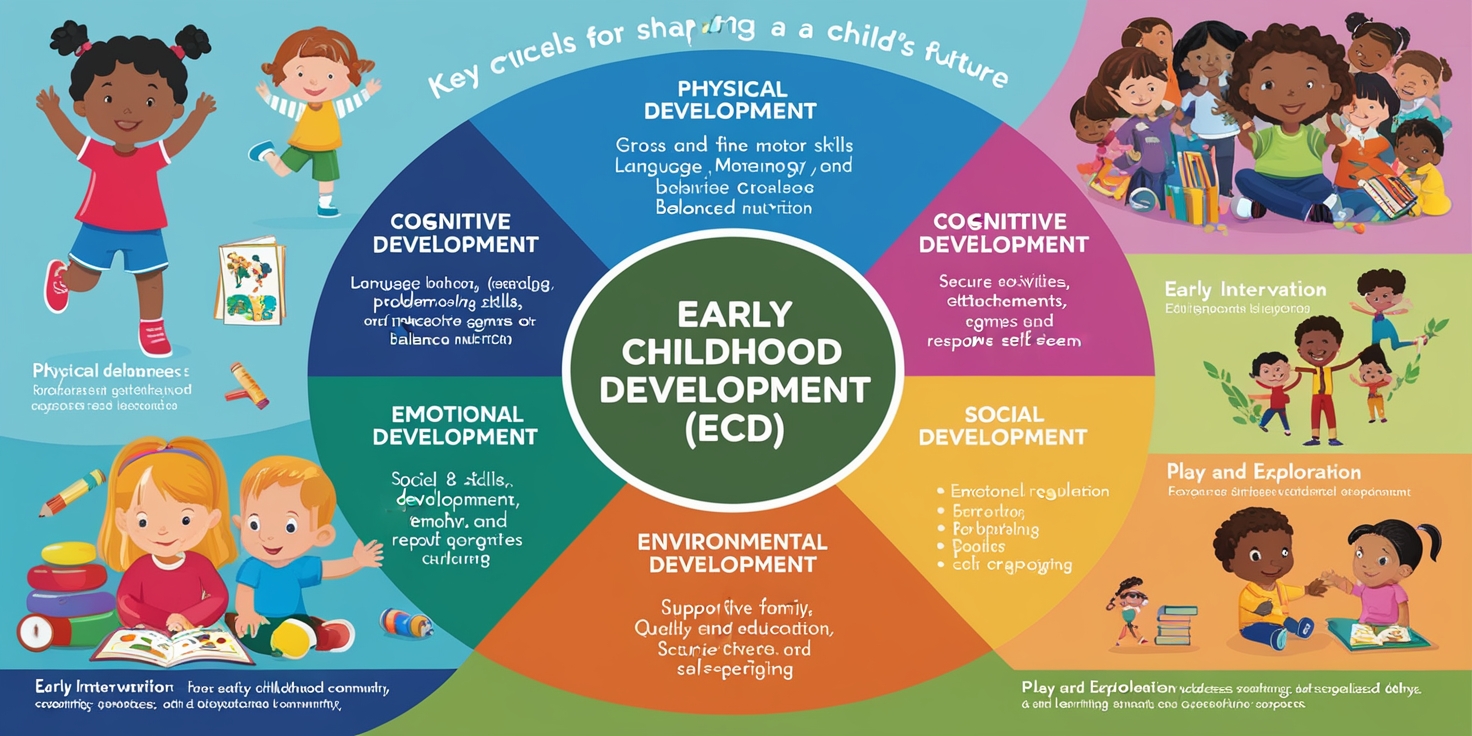
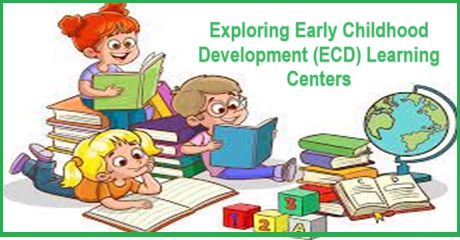
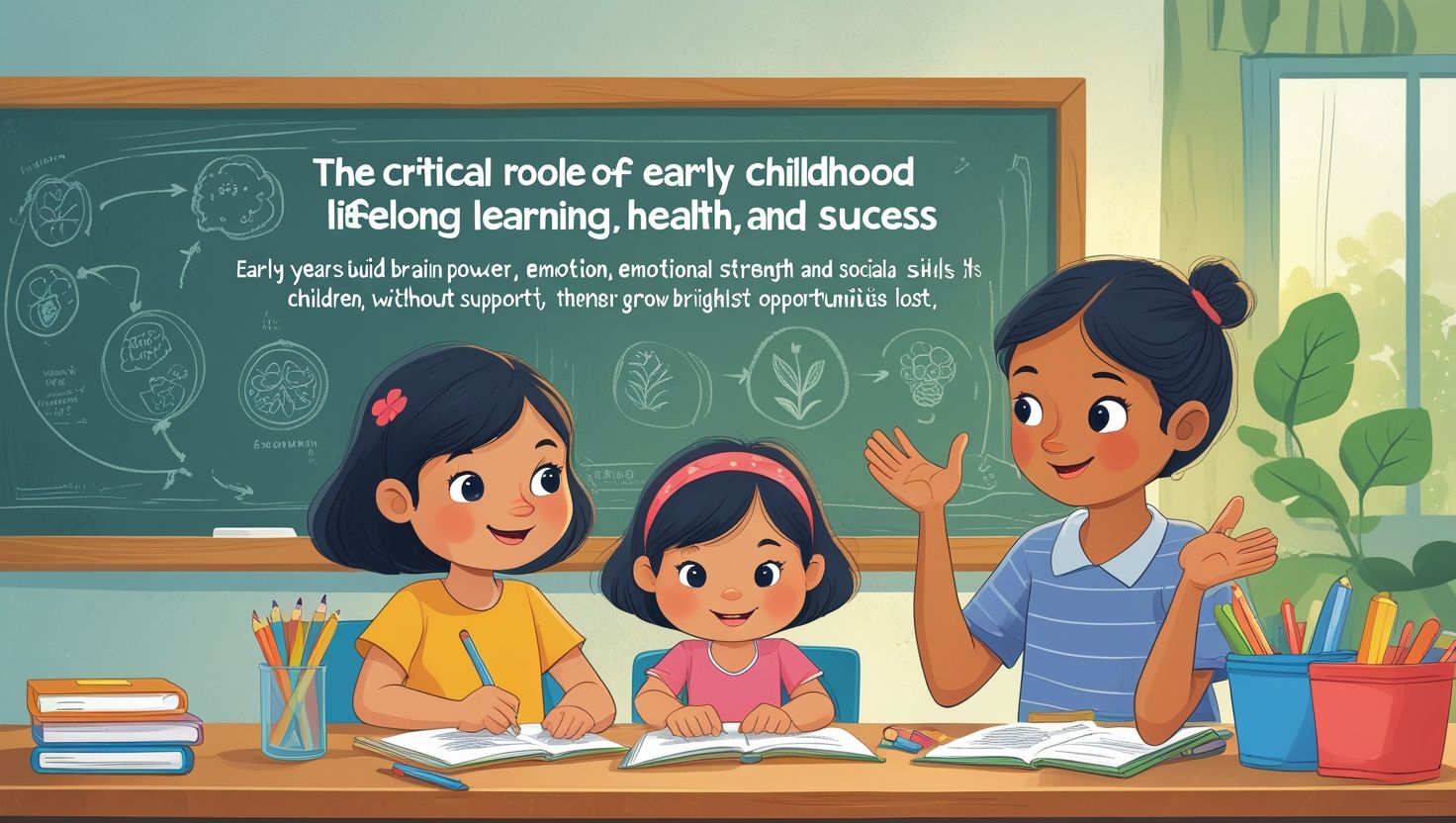
“Skilled Hands, Shaping Young Minds in ECD”, Early Childhood Development (ECD) is one of the most important stages of life. It is the period when children’s brains grow rapidly and they begin to learn social, emotional, physical, and cognitive skills. During this phase, the role of skilled people becomes highly significant. Children need guidance, love, and support from trained professionals who understand their unique needs. Furthermore, ECD sets the foundation for future learning and success. When teachers, caregivers, and educators use effective strategies, children develop confidence and curiosity. Skilled people create stimulating environments that encourage exploration and creativity. Moreover, they help children build communication, problem-solving, and social skills that remain with them throughout life. Since these years are sensitive and formative, skilled hands can positively shape children’s personalities, habits, and learning styles. Therefore, ECD is not just about teaching basic knowledge but also about nurturing values, emotions, and lifelong learning abilities.
Role of Skilled Professionals in ECD
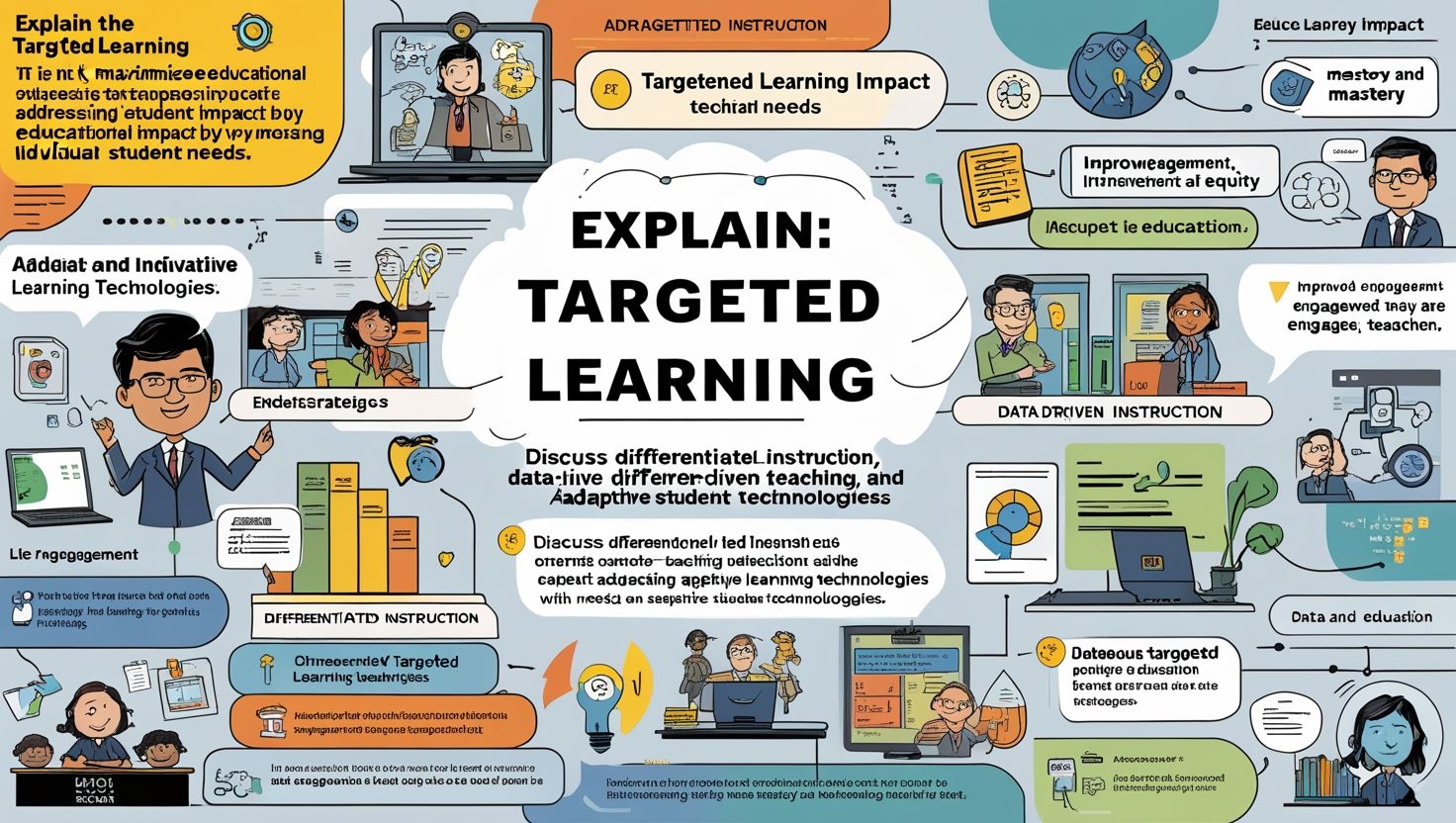
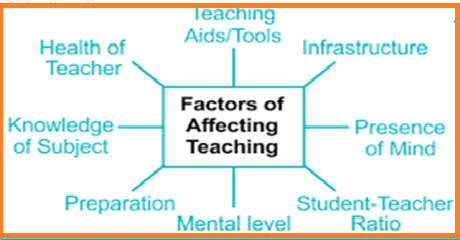
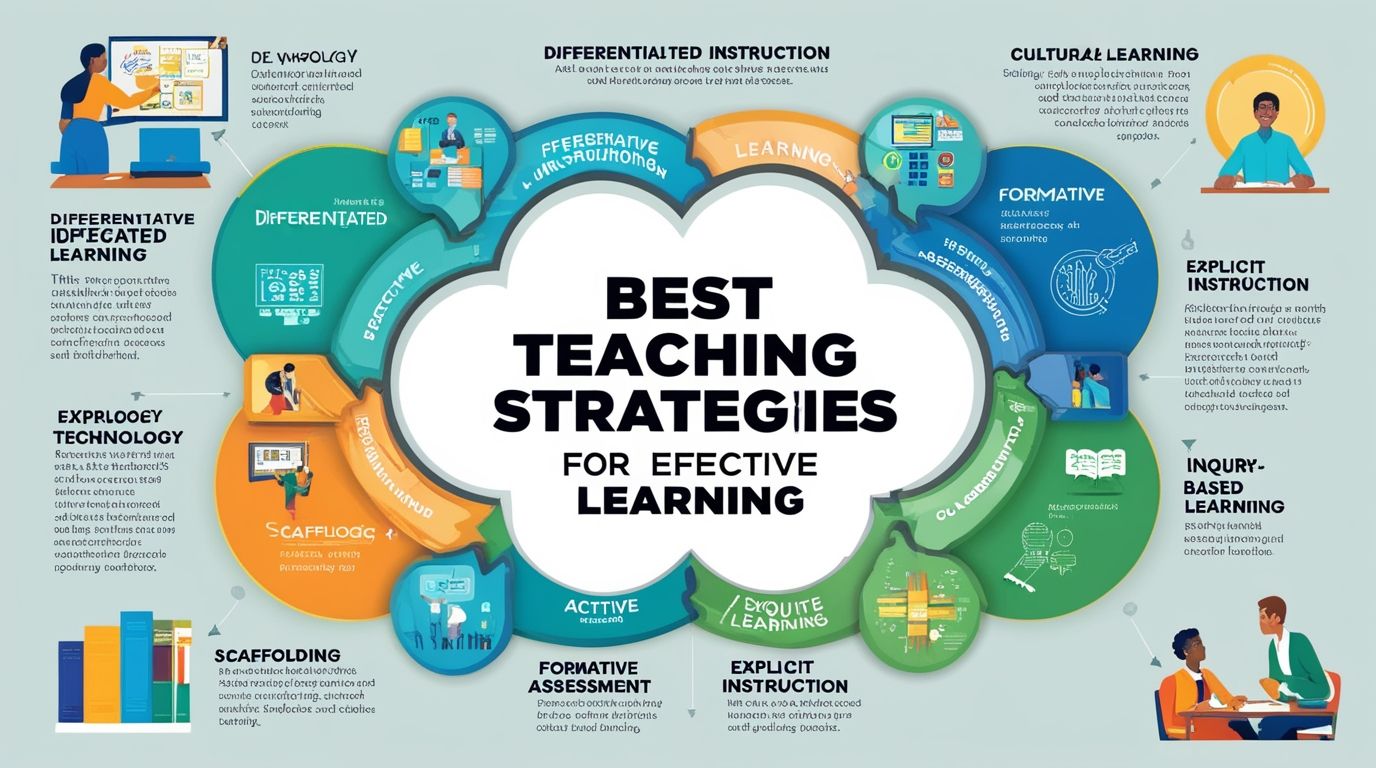
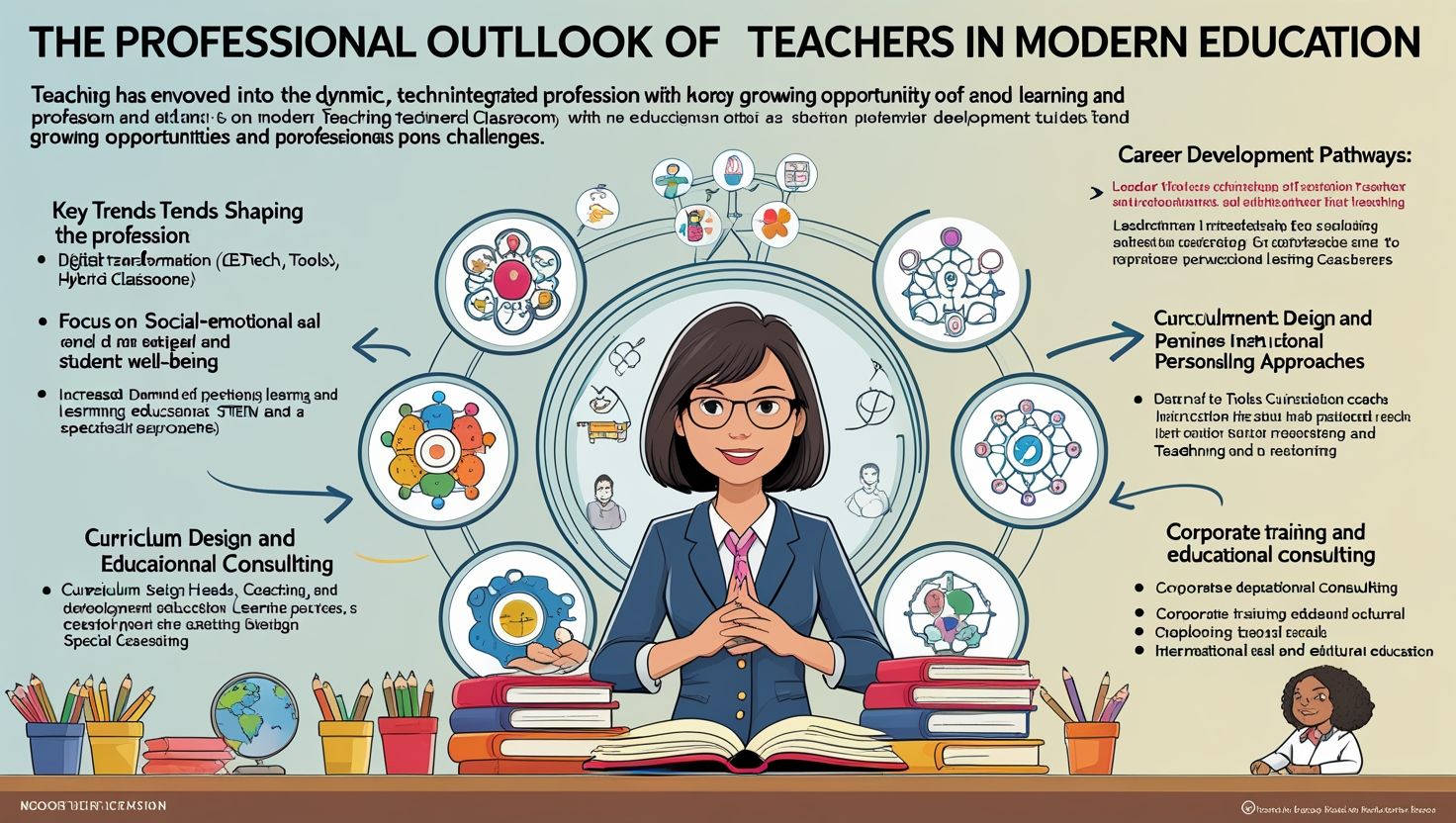
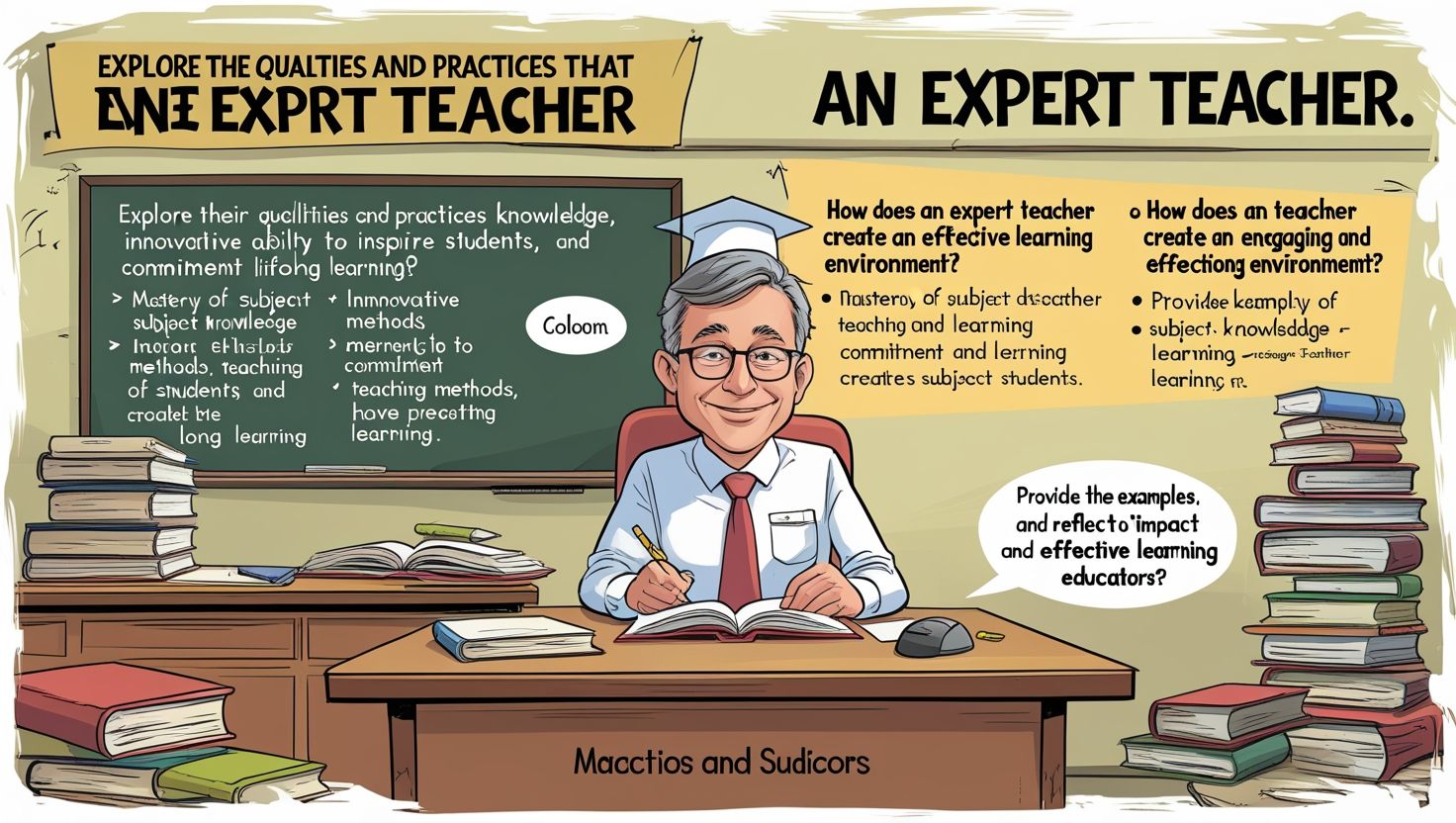
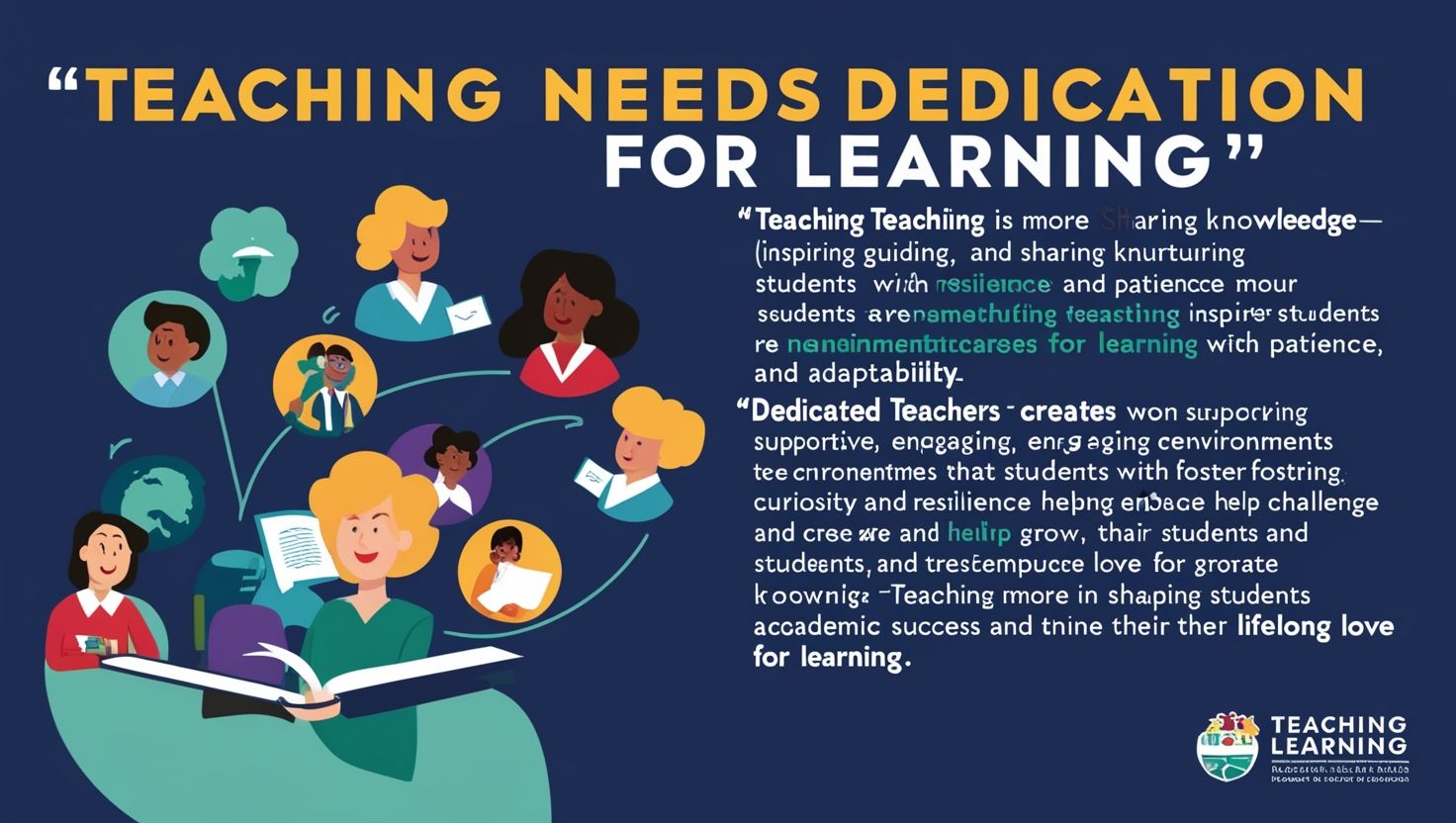
The role of skilled professionals in ECD is both vital and multifaceted. Teachers and caregivers do more than supervise; they actively nurture young minds. They observe children’s behavior, assess progress, and design activities suitable for each stage of growth. Skilled people also use play-based learning, which helps children understand concepts naturally. Additionally, they ensure a safe, caring environment where children feel valued and respected. Professionals build trust with children and parents, forming strong bonds that support growth. They introduce children to structured routines, which teach discipline and responsibility. Furthermore, they adapt teaching methods to meet individual needs, including those of children with disabilities. Skilled professionals also act as role models, displaying patience, empathy, and communication skills. With their knowledge, they can identify learning difficulties early and provide interventions. Ultimately, skilled hands in ECD shape the future by guiding children through their first critical learning experiences. Their influence extends far beyond classrooms and into lifelong development.
Importance of Early Learning Skills
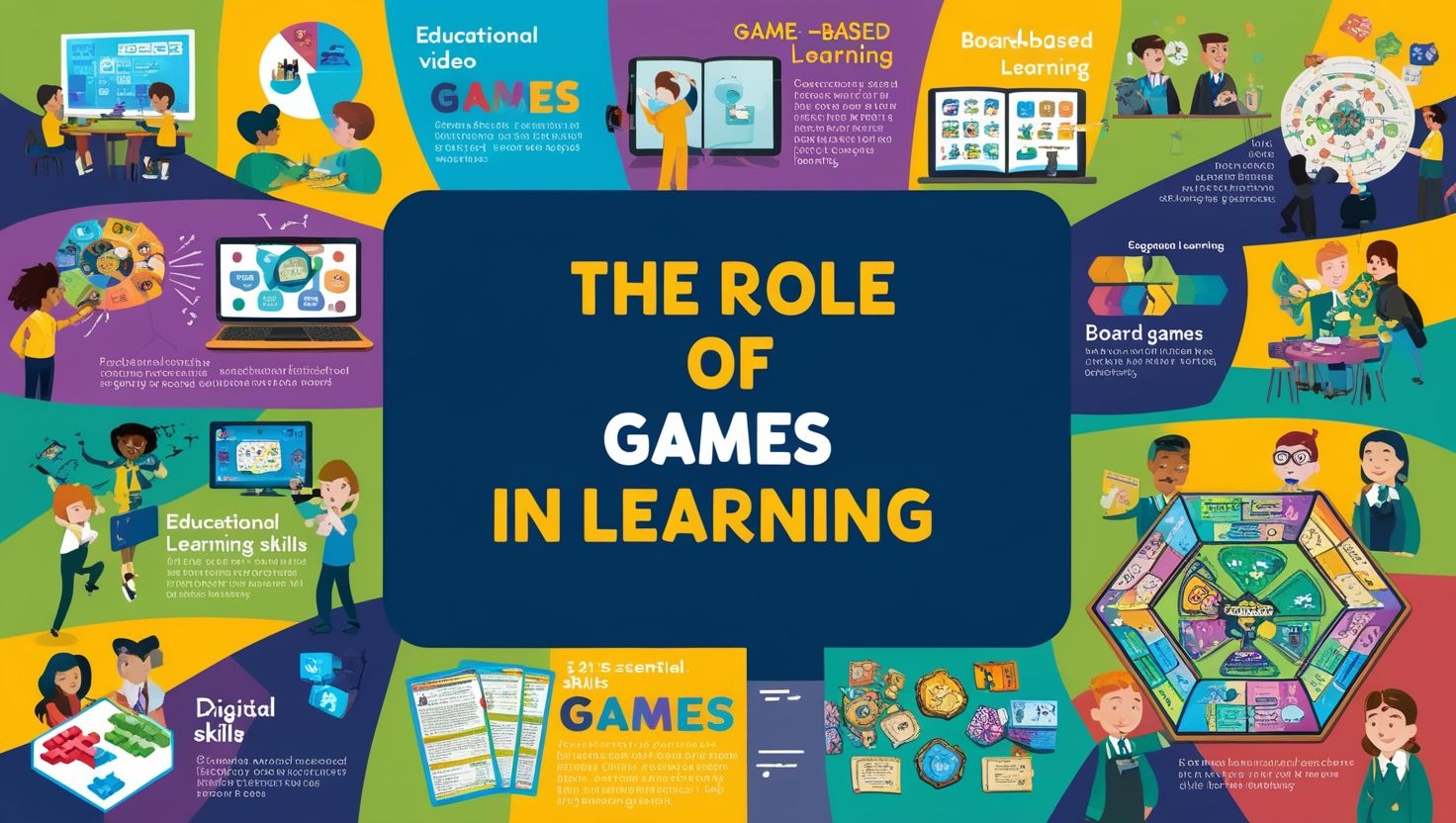
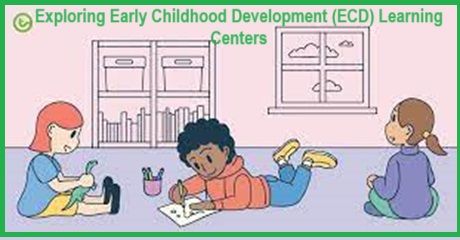
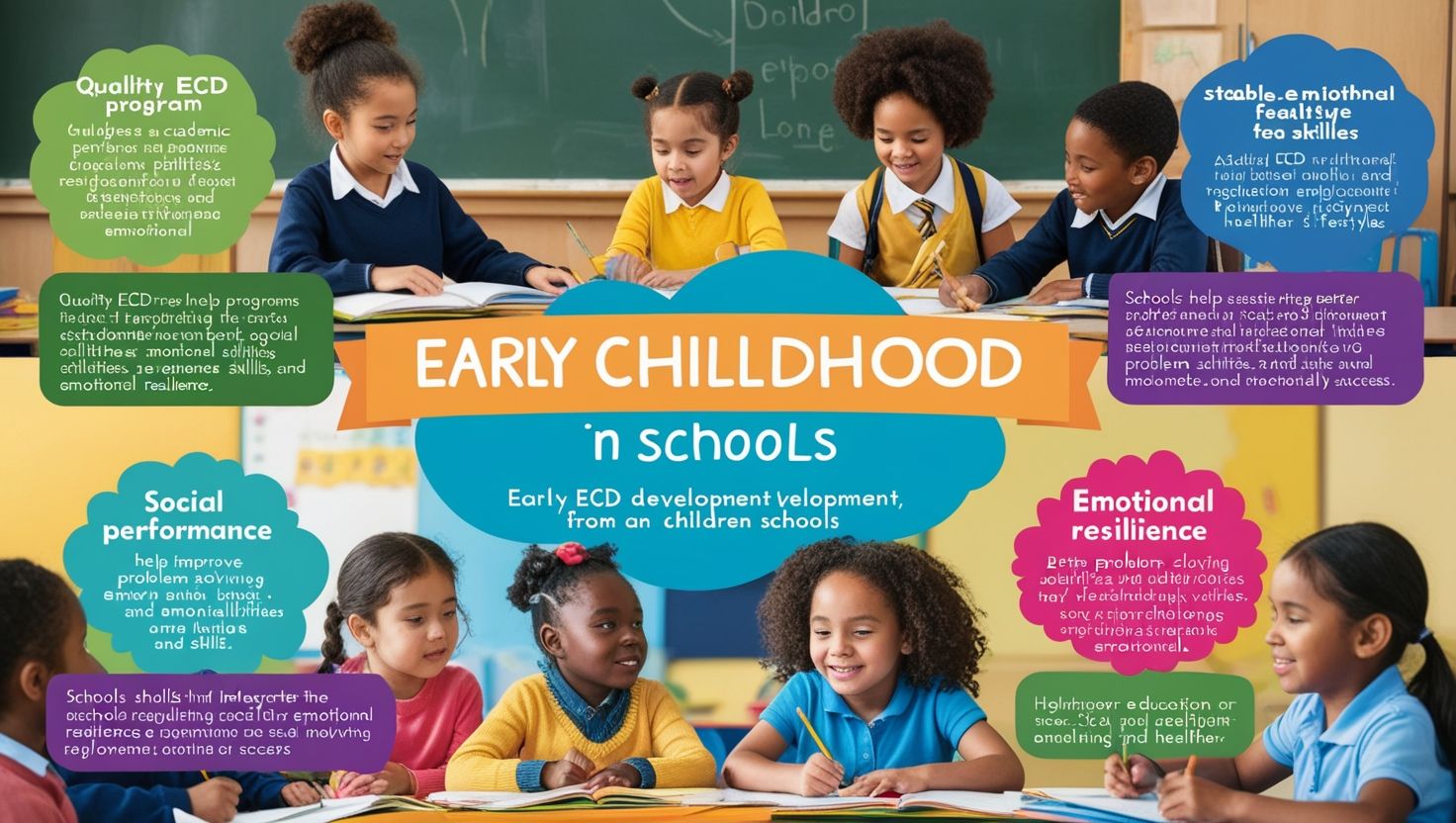
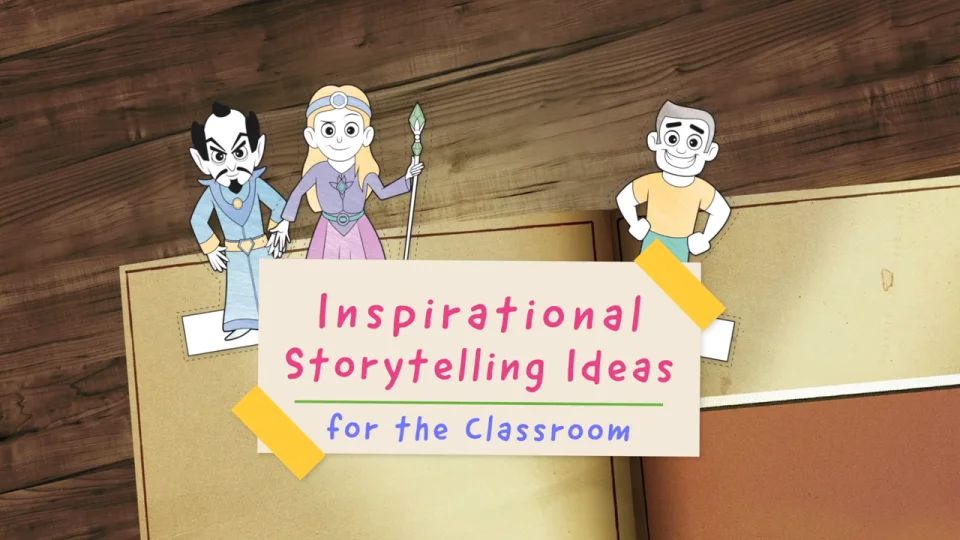
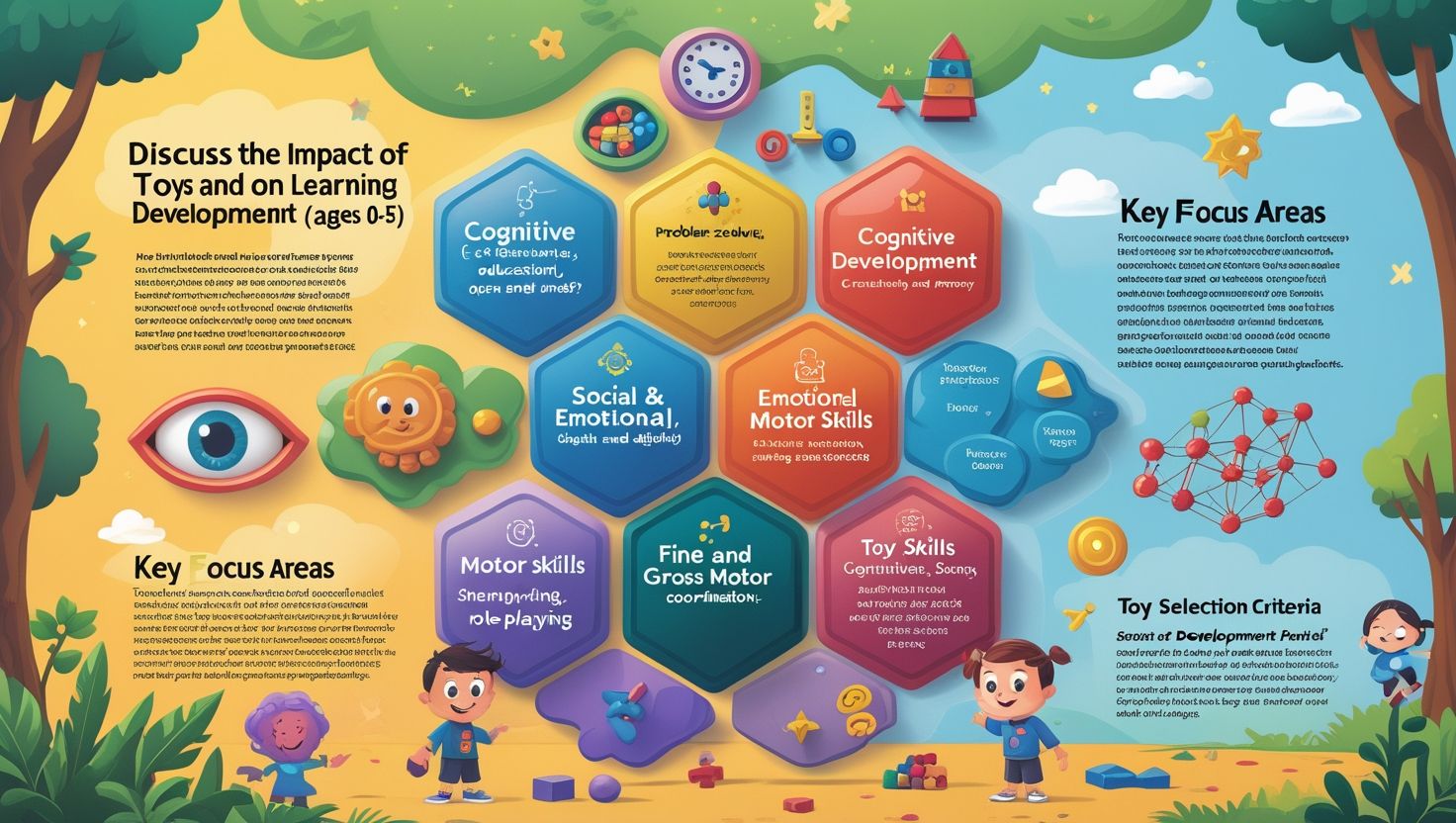
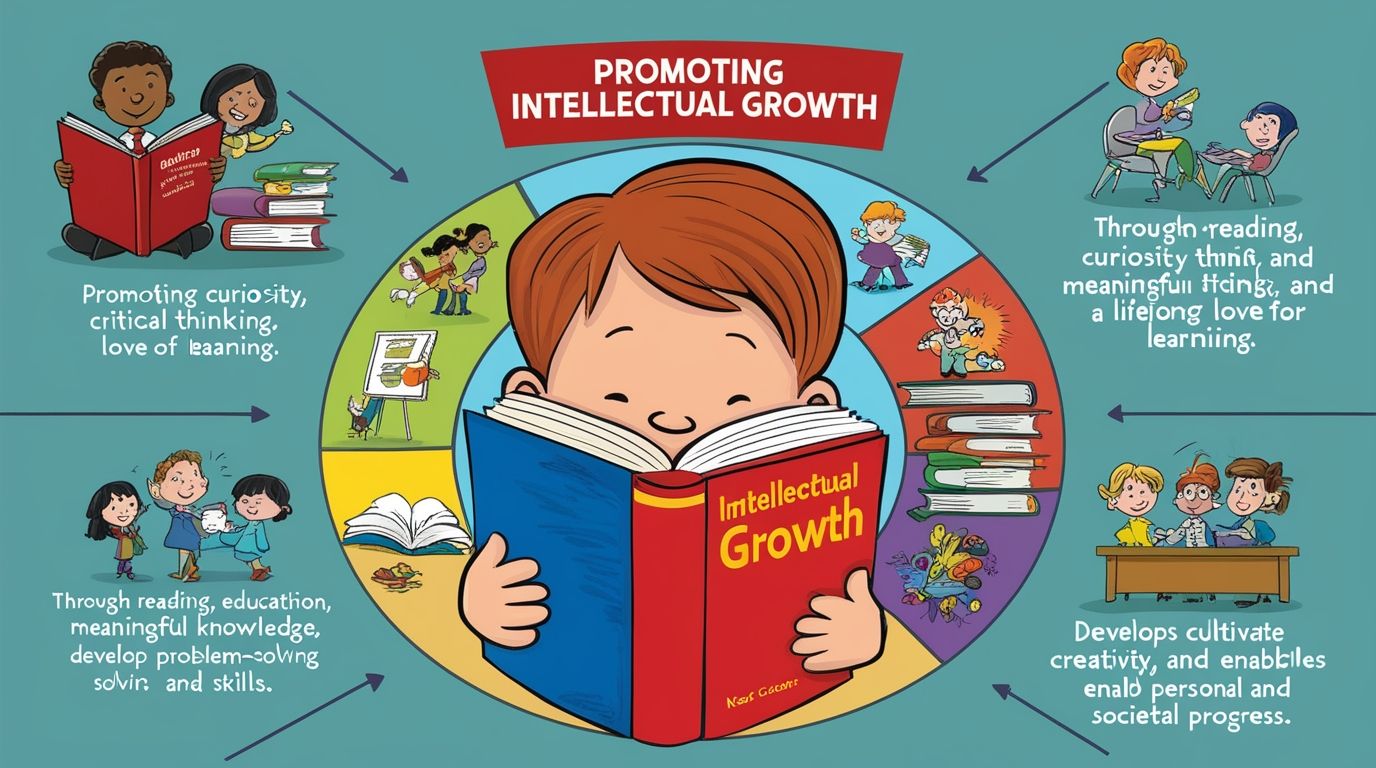
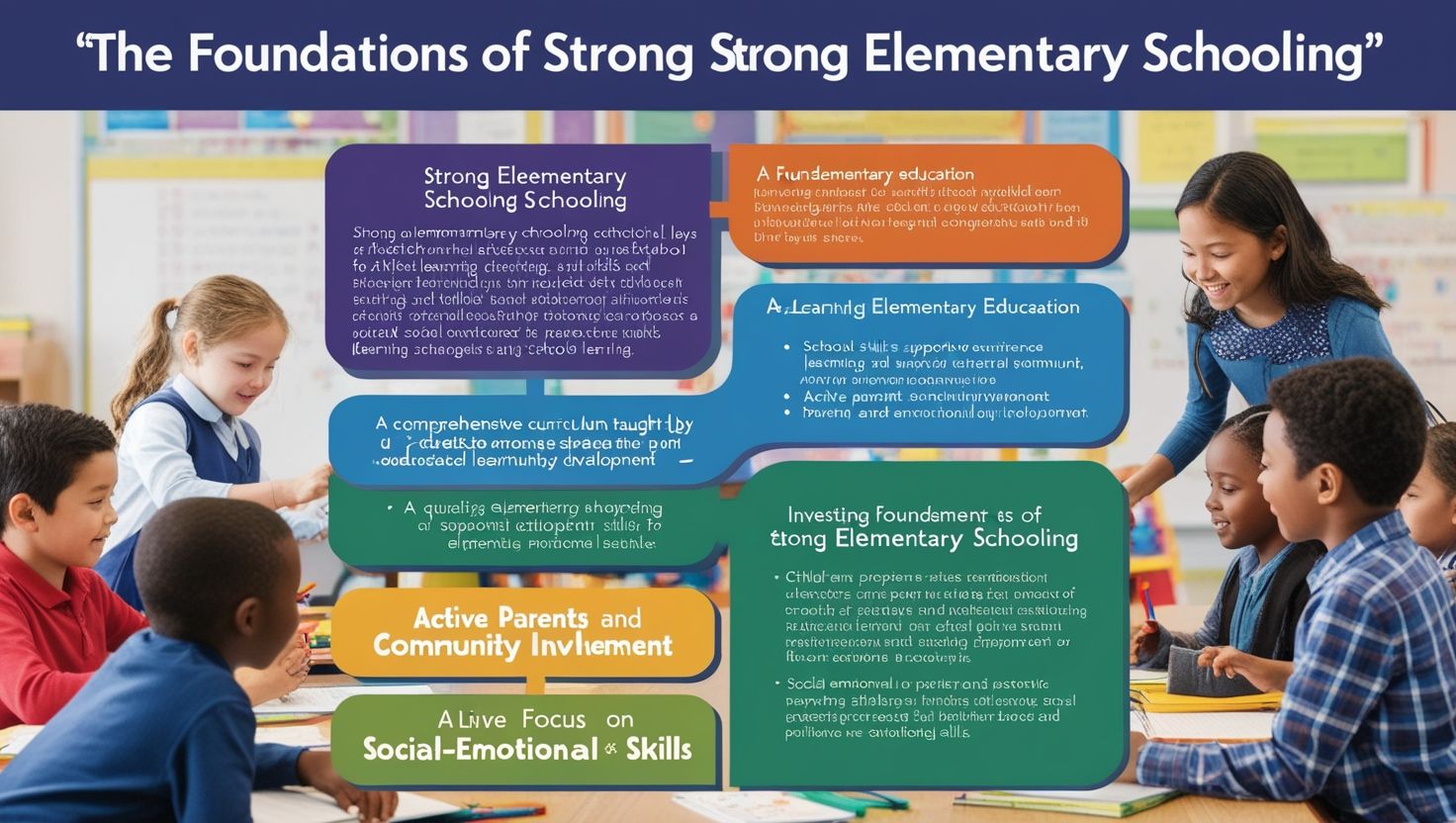
Early learning skills are crucial for a child’s overall development. During ECD, children develop language, motor, social, and problem-solving skills. Skilled professionals play a central role in nurturing these abilities through structured and unstructured activities. For instance, language skills are built by storytelling, conversations, and singing. Similarly, fine motor skills grow through drawing, coloring, or building blocks. Social skills are enhanced by group activities that encourage sharing and cooperation. These skills are not only academic but also prepare children for emotional resilience and adaptability. Furthermore, early learning creates curiosity and independence, which are essential for school readiness. Skilled people ensure these skills are developed in safe and engaging ways. They also monitor milestones, helping children overcome delays if necessary. Therefore, investing in early learning skills under the guidance of skilled professionals creates a strong foundation for lifelong success. It builds confidence, creativity, and the ability to face future challenges with resilience.
Creating a Stimulating Learning Environment
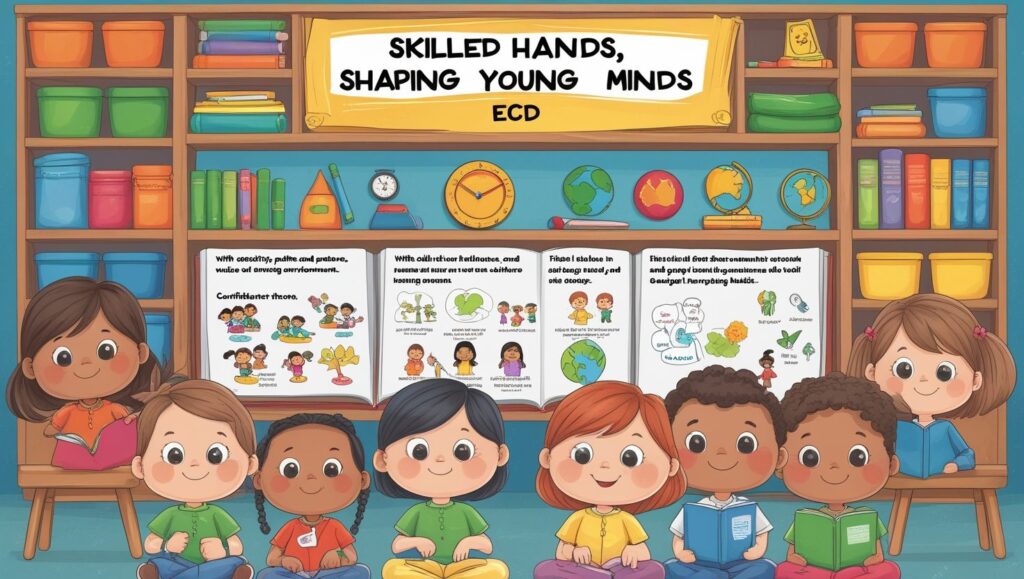
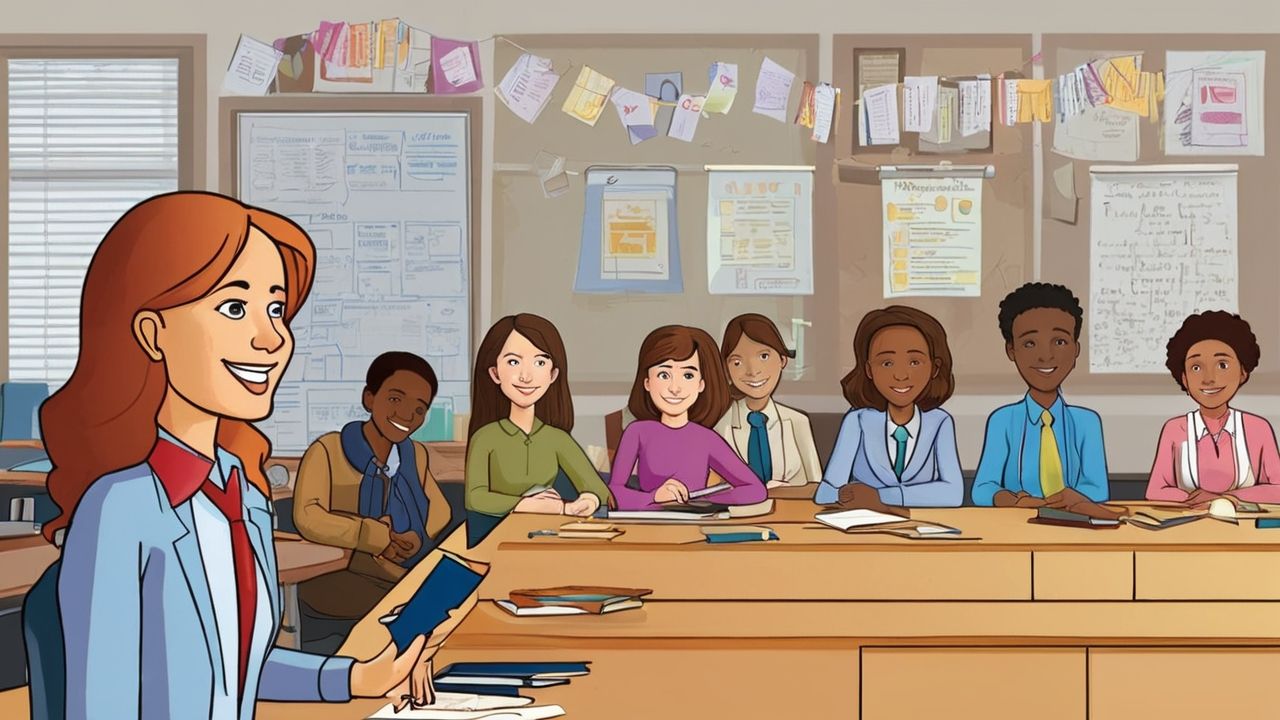
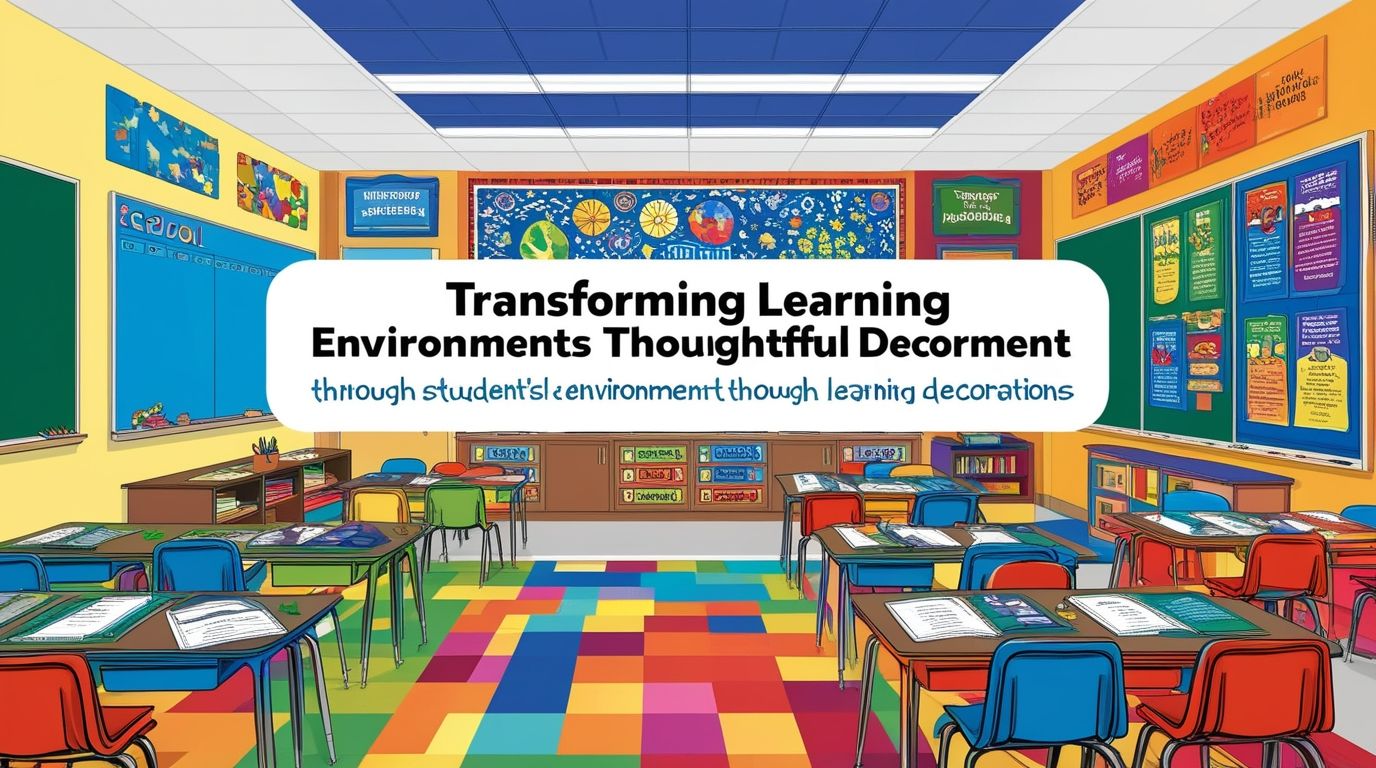
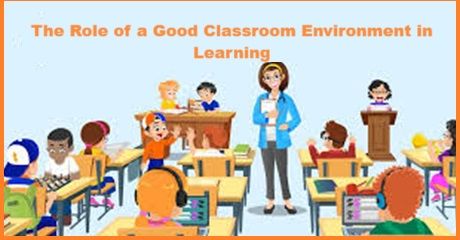
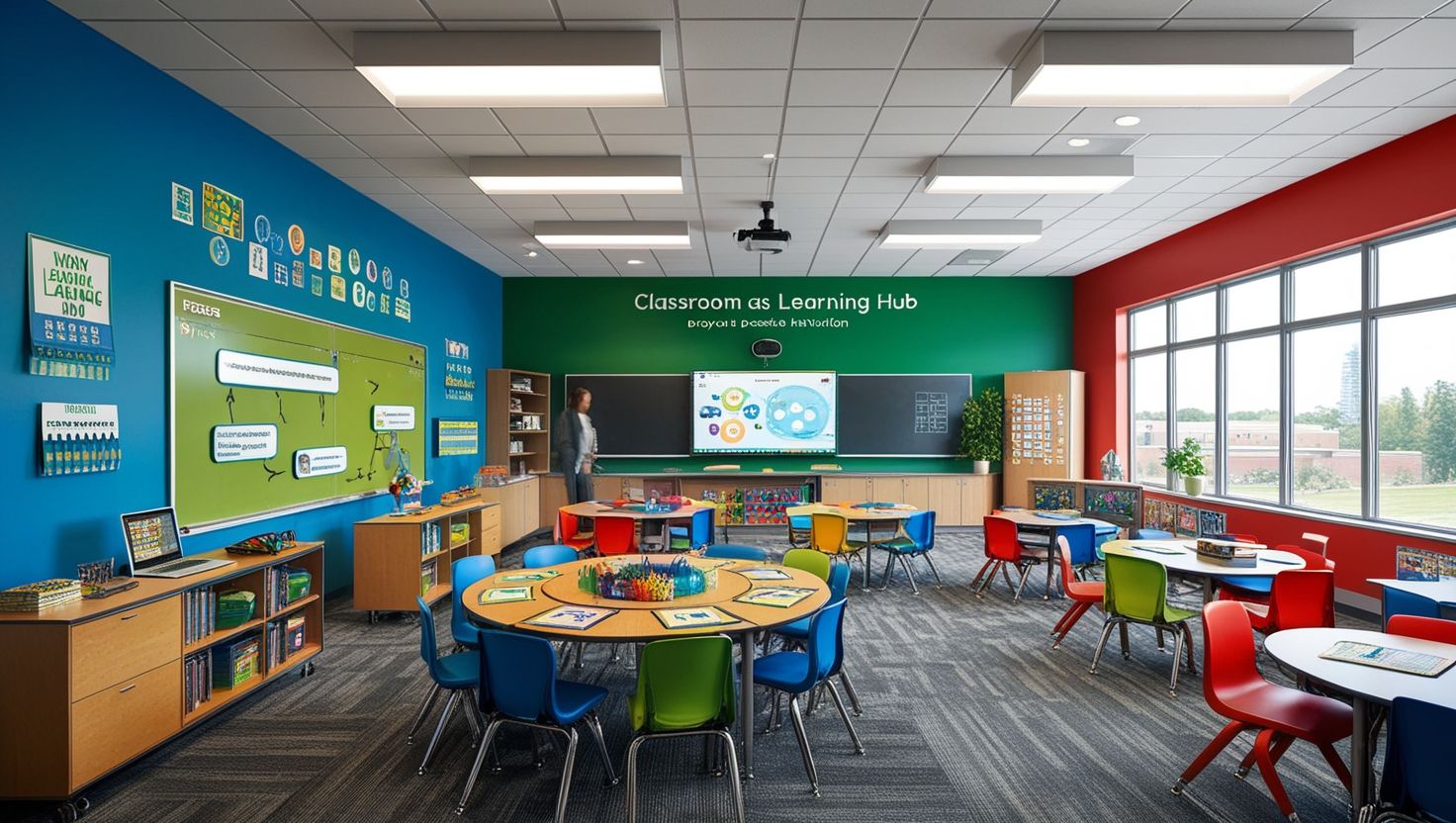
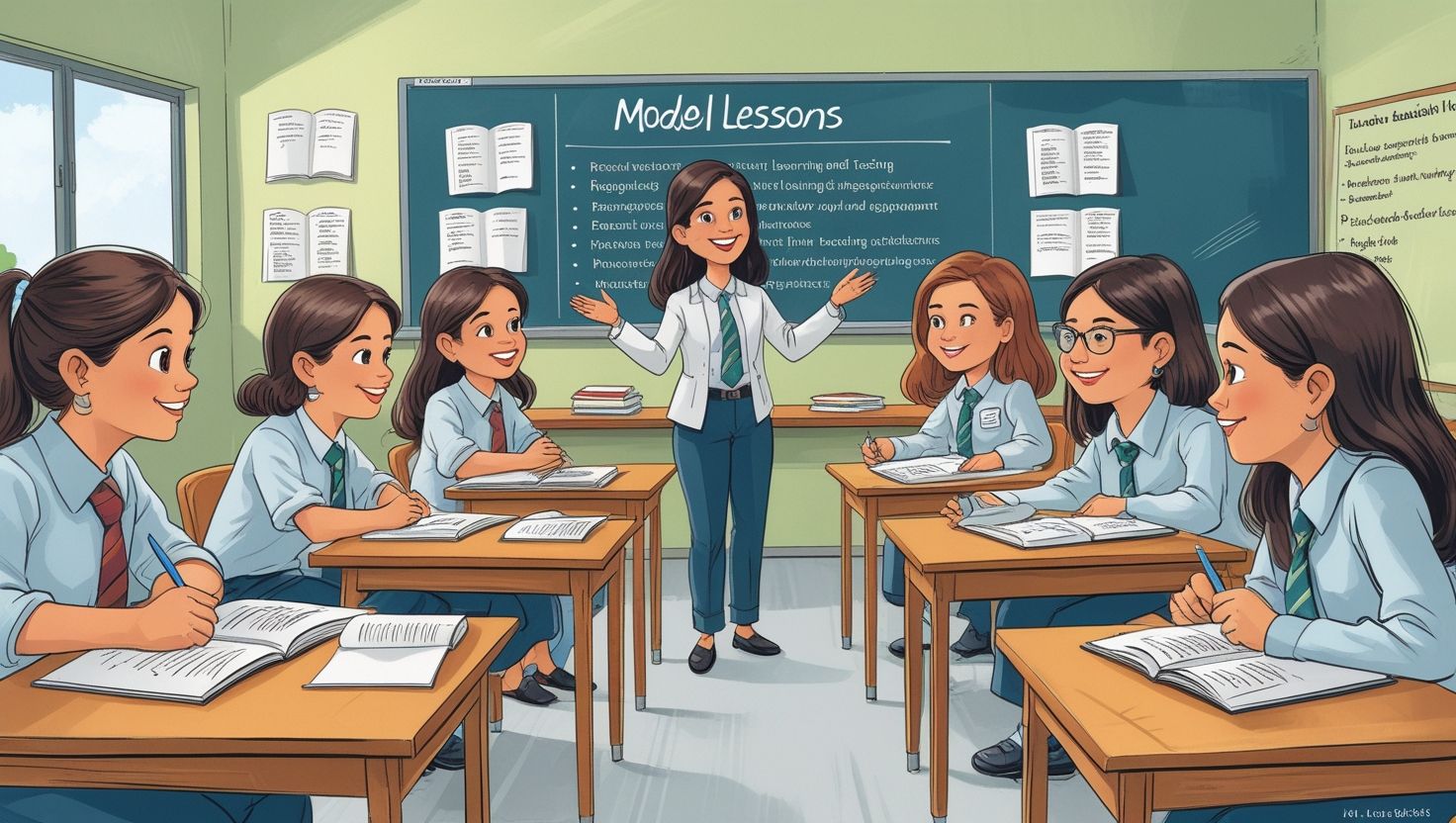
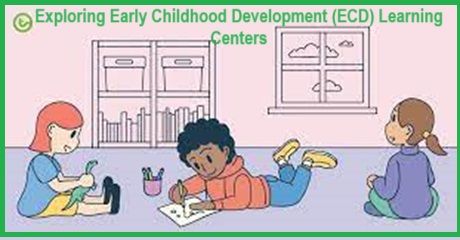
A stimulating learning environment is essential in ECD, and skilled people are the architects of such spaces. They design classrooms that inspire creativity and curiosity. Bright colors, interactive toys, and flexible spaces encourage exploration. Skilled teachers understand that children learn best through play and hands-on activities. Therefore, they integrate fun tasks with learning objectives. Moreover, they create routines that promote discipline while keeping children engaged. Story corners, art tables, and outdoor play areas provide opportunities for children to explore their interests. Safety is another critical aspect, as skilled professionals ensure a secure environment where children feel free to express themselves. Additionally, they encourage group interactions, which build teamwork and social skills. By observing children, professionals can modify activities to suit different needs and learning styles. A well-structured and stimulating environment allows children to grow physically, socially, emotionally, and intellectually. Thus, skilled people play a crucial role in shaping both atmosphere and experience in ECD settings.
Collaboration with Parents and Families
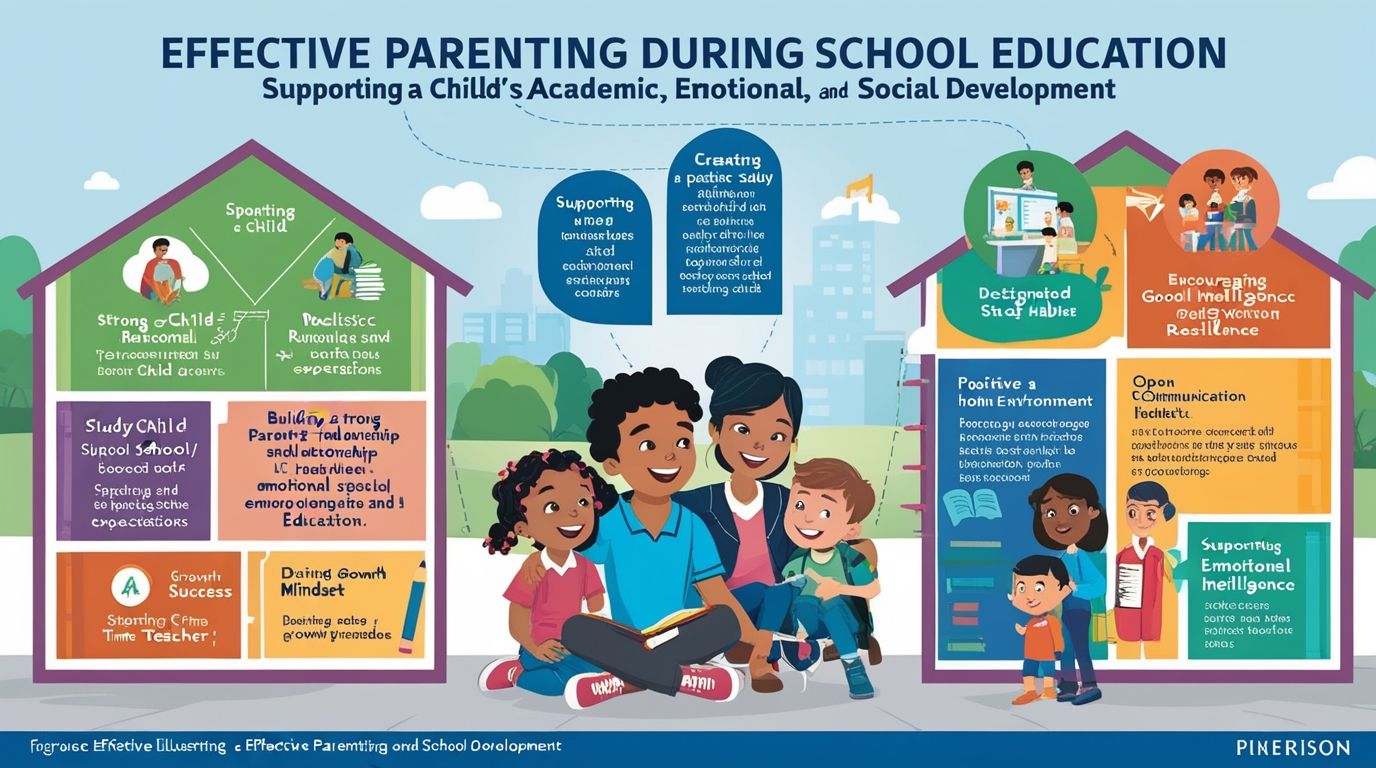
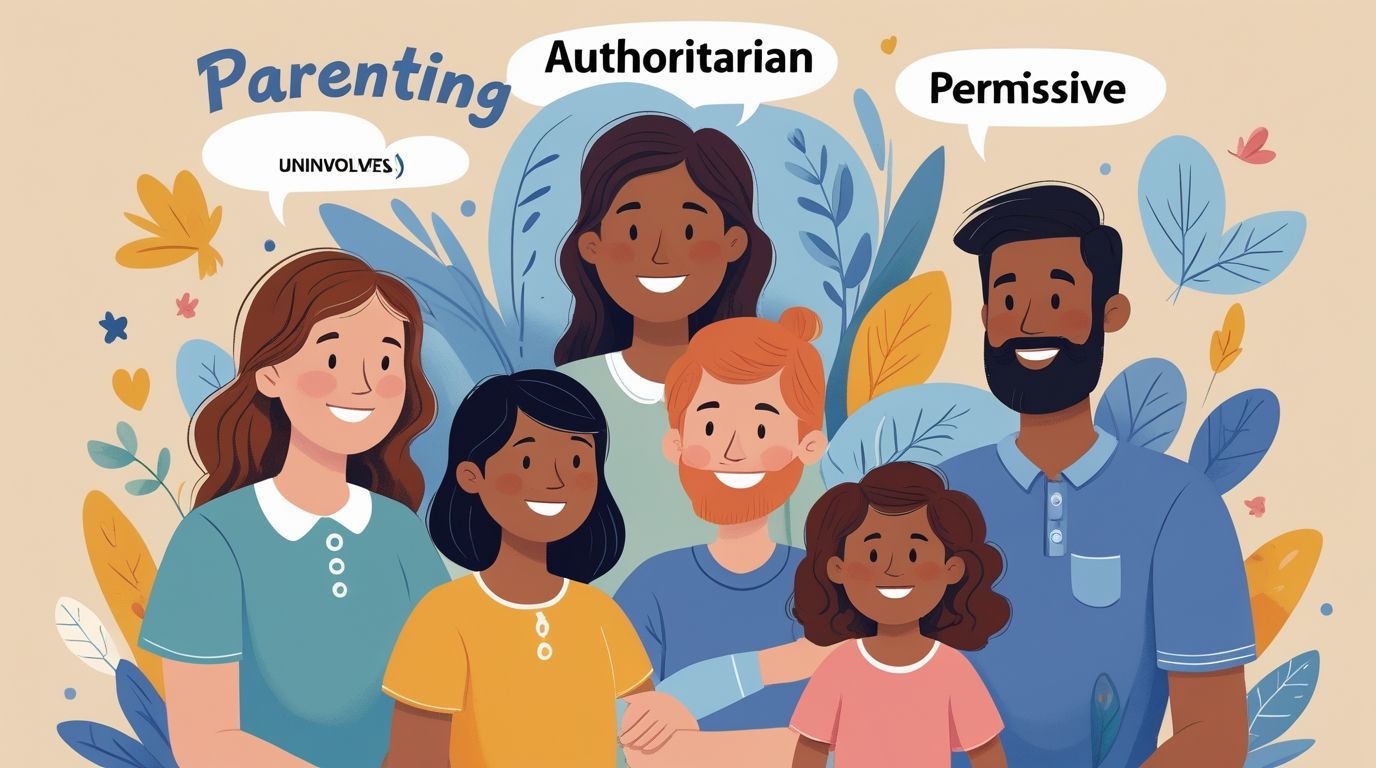
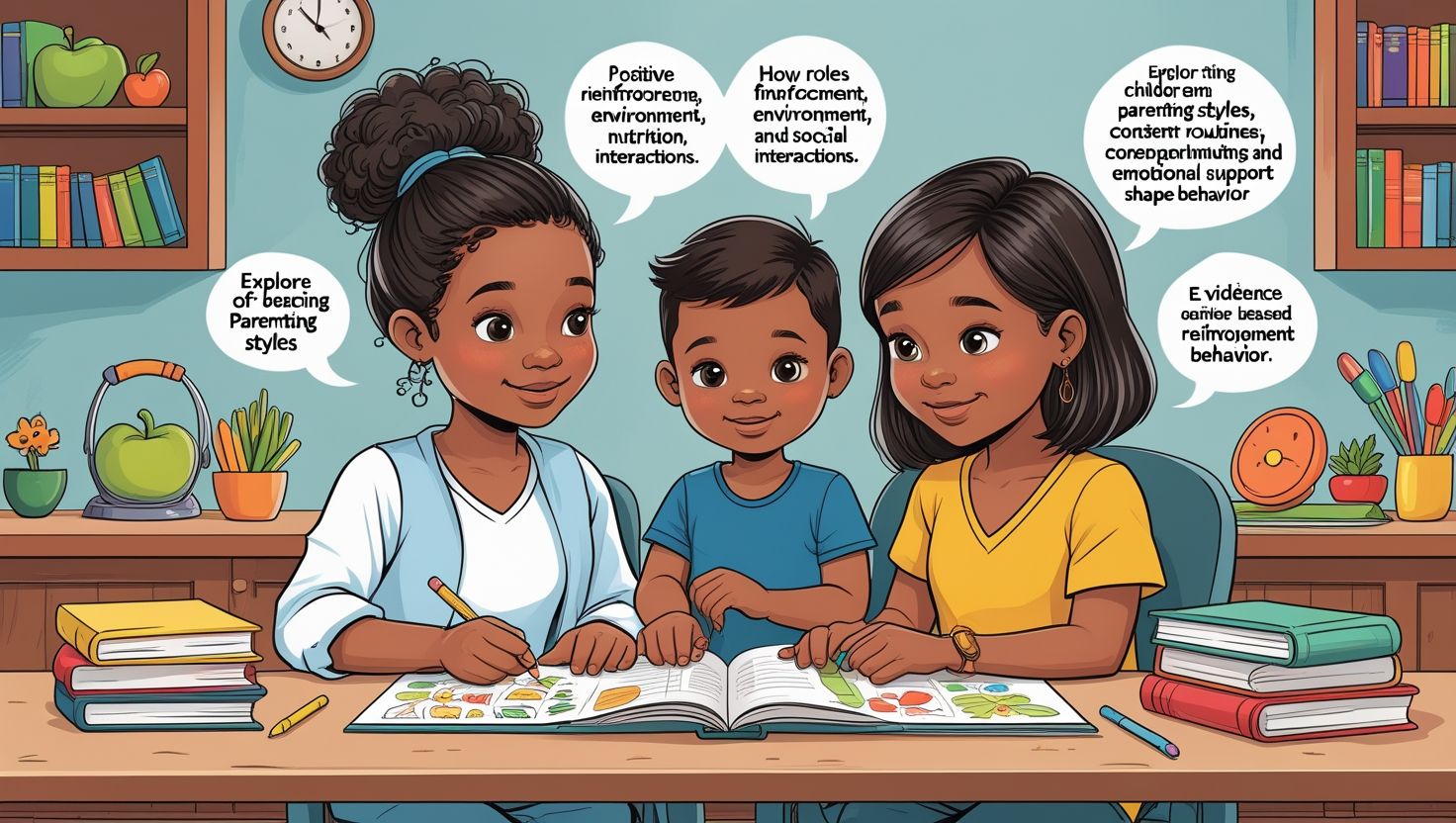
Collaboration with parents and families is a key factor in ECD. Skilled professionals recognize that parents are a child’s first teachers. Therefore, they work closely with families to support learning both at school and at home. Teachers communicate progress regularly and involve parents in decision-making. They provide guidance on nutrition, emotional support, and developmental milestones. Moreover, they organize workshops, meetings, and activities that allow parents to engage directly with their children’s learning. Such collaboration builds trust and ensures consistency in teaching values and behaviors. Skilled people also respect cultural differences and create inclusive approaches that honor family traditions. Additionally, collaboration allows early identification of challenges, as parents share valuable insights about their children. When families and skilled professionals work together, children benefit from consistent care, guidance, and encouragement. This partnership strengthens the learning environment and supports holistic growth, making the child’s educational journey smoother and more impactful.
Skills Required by ECD Professionals
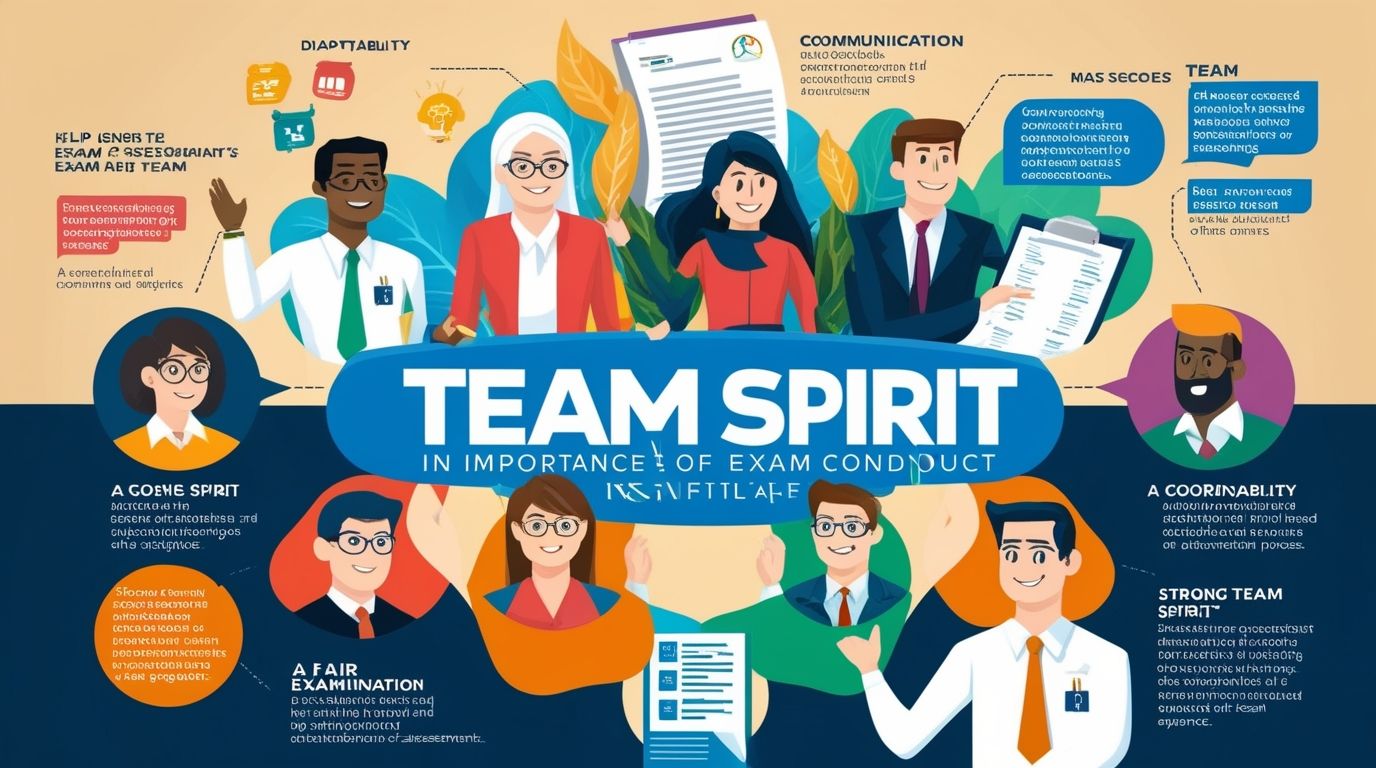
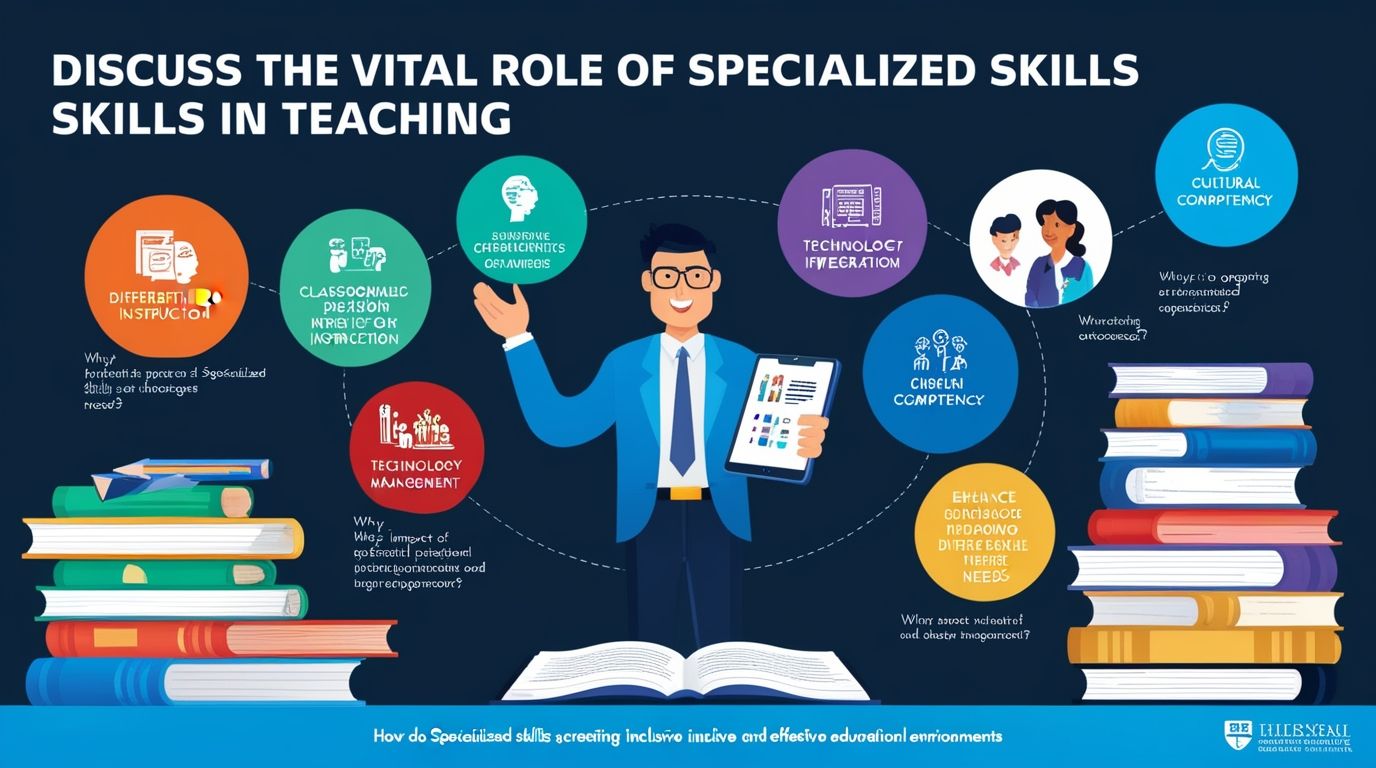
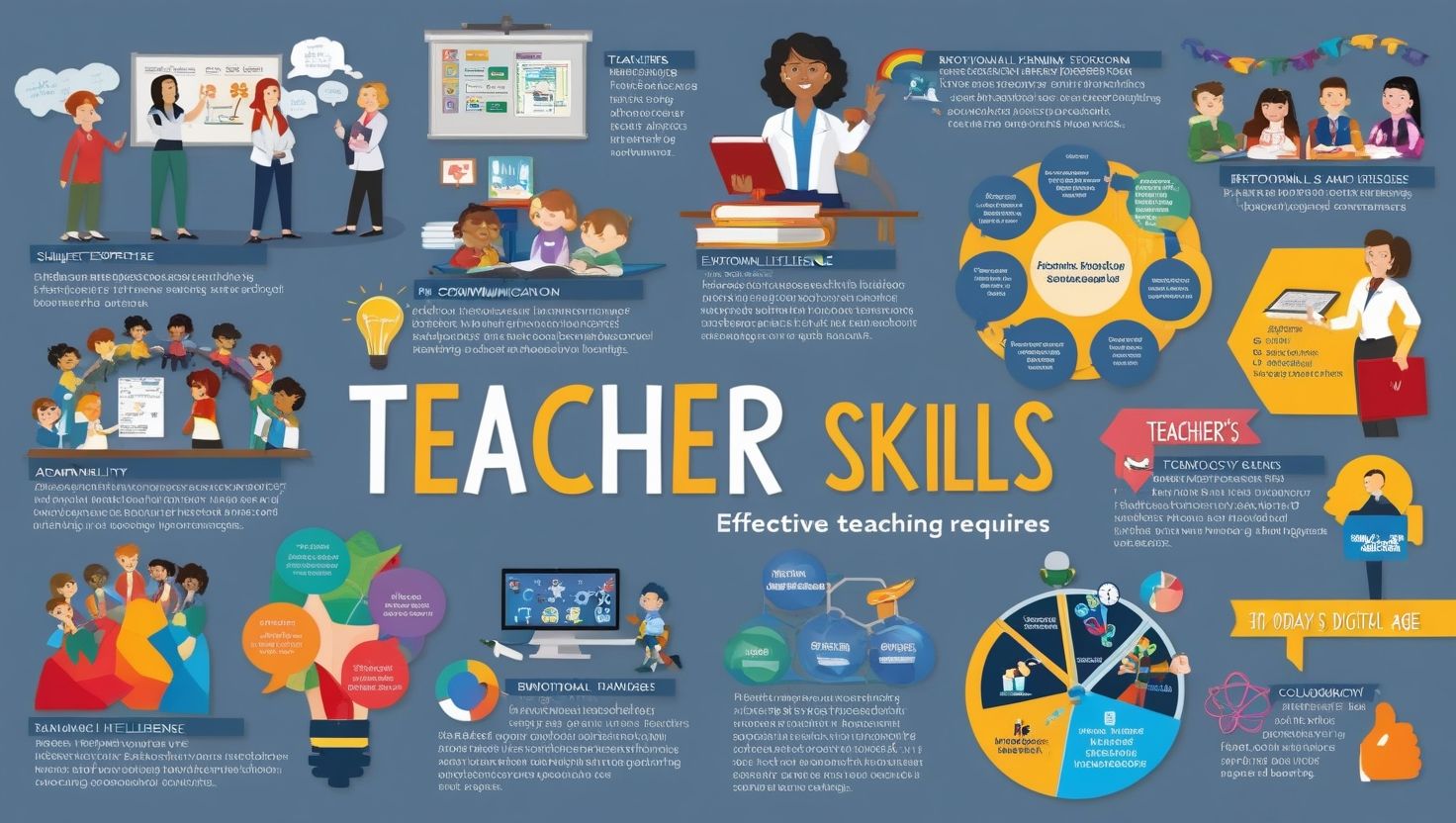
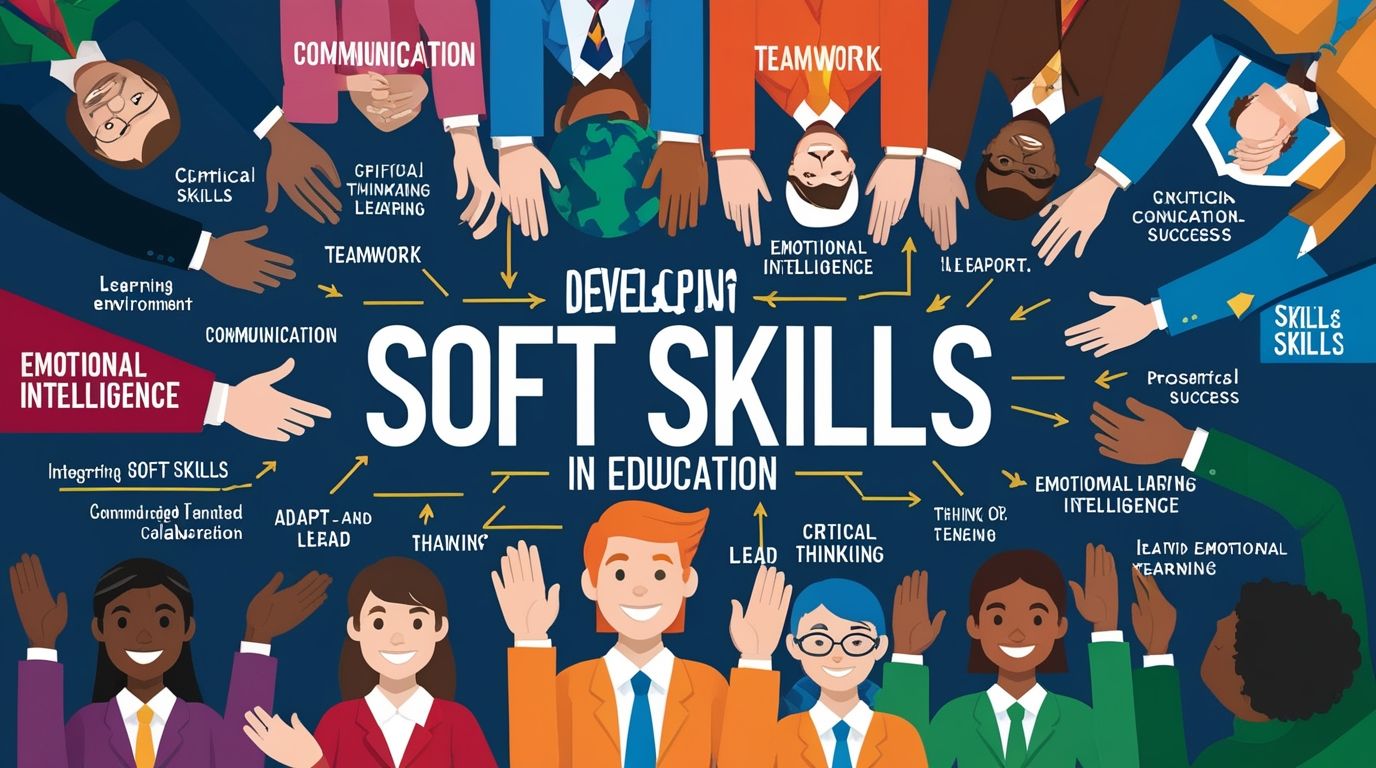
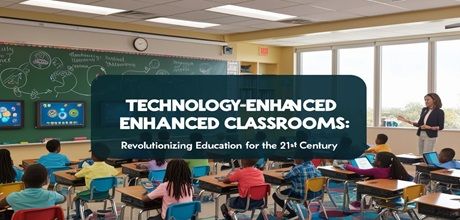
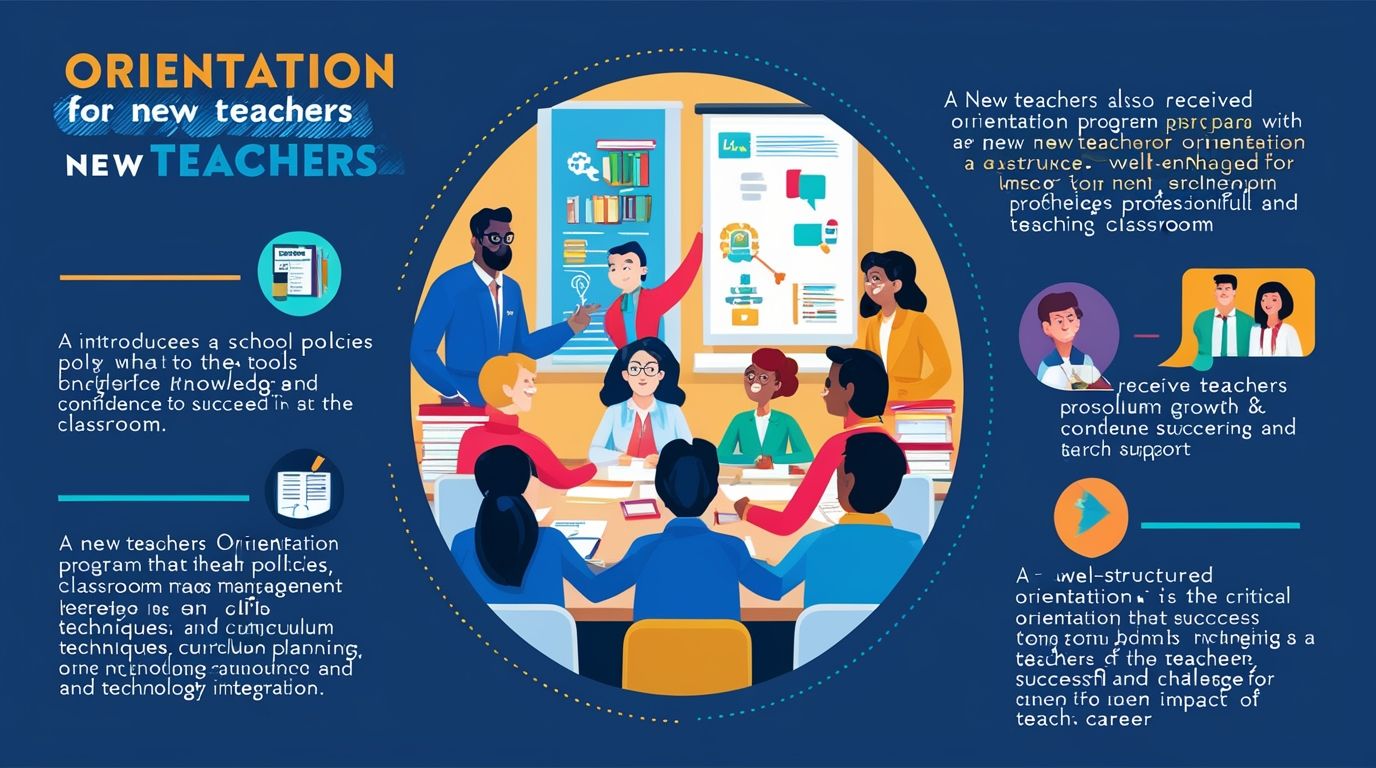
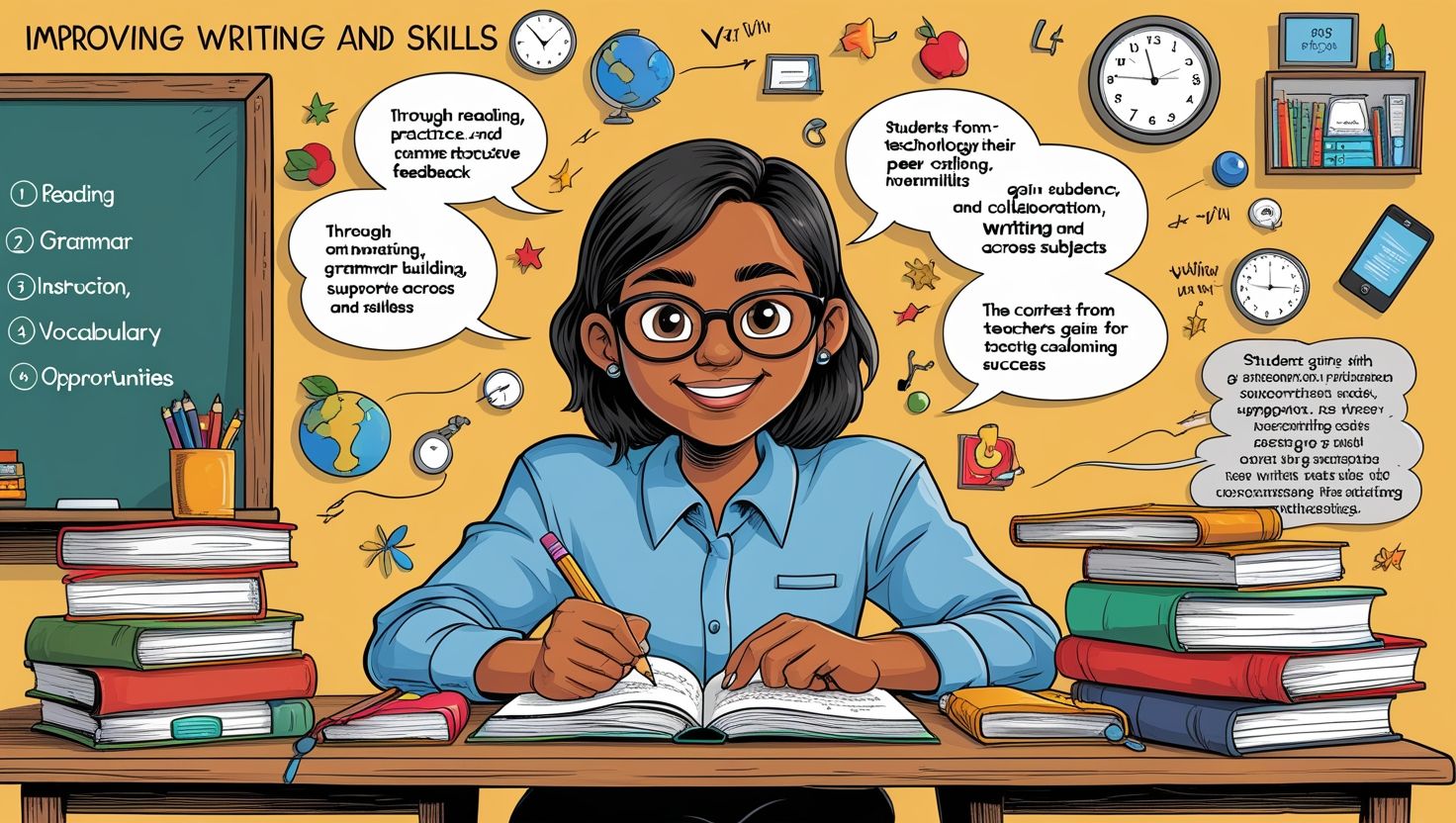
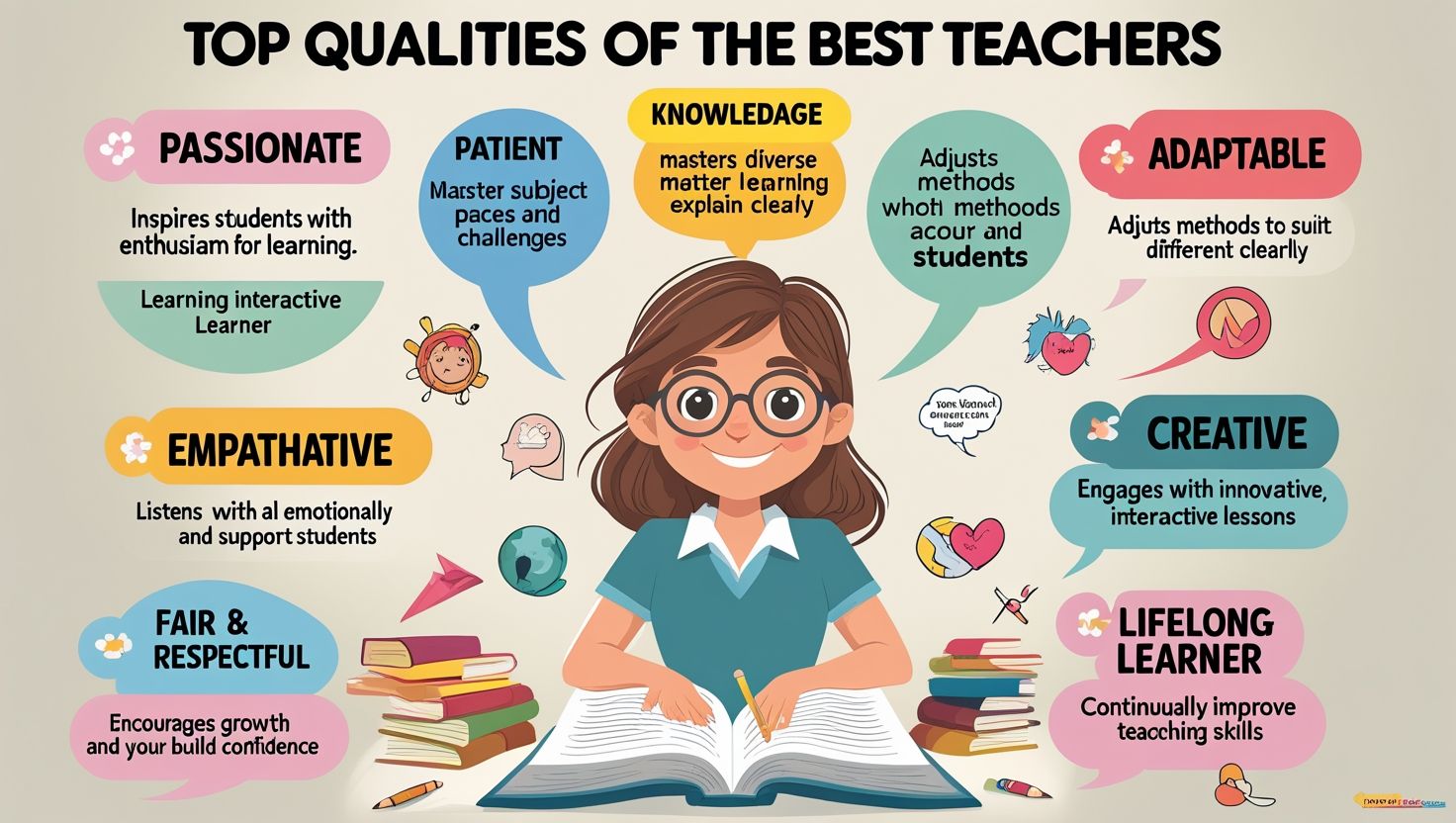
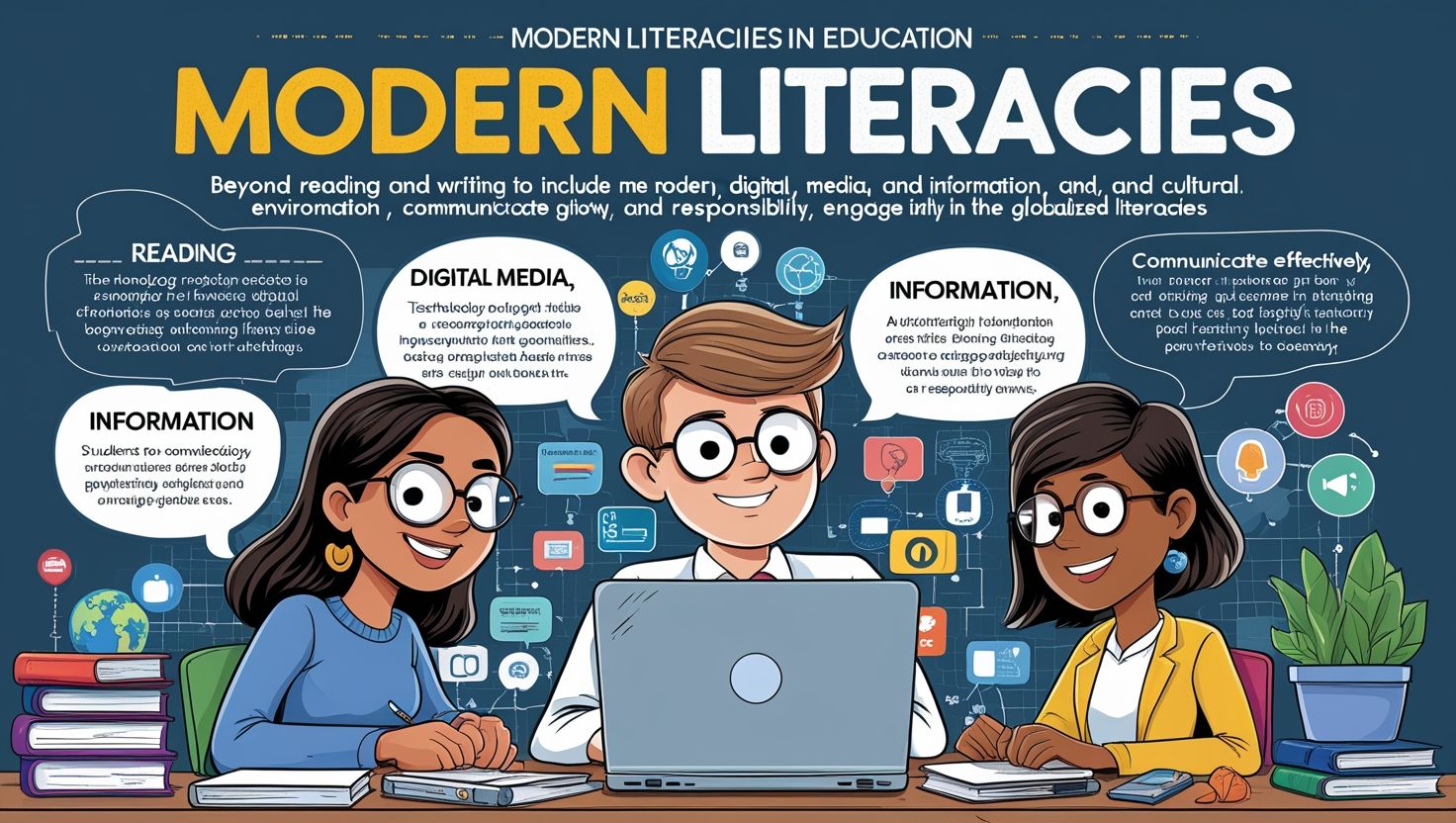
ECD professionals need a wide range of skills to shape young minds effectively. Communication is one of the most important, as it helps in building trust and clarity with both children and parents. Patience is equally vital, since children learn at different paces. Creativity allows teachers to design engaging activities that spark curiosity. Observation is another critical skill, as it helps professionals identify strengths, weaknesses, and developmental delays. Empathy ensures that every child feels valued and understood. Organization and planning skills are also required to create structured routines and lesson plans. Furthermore, adaptability allows teachers to respond to diverse needs, including those of children with different needs. Collaboration and teamwork with colleagues and families strengthen the learning process. Digital skills are increasingly important, as technology is integrated into classrooms. Ultimately, a balance of personal, social, and professional skills ensures that ECD professionals can effectively shape children’s early experiences.
Challenges Faced in ECD
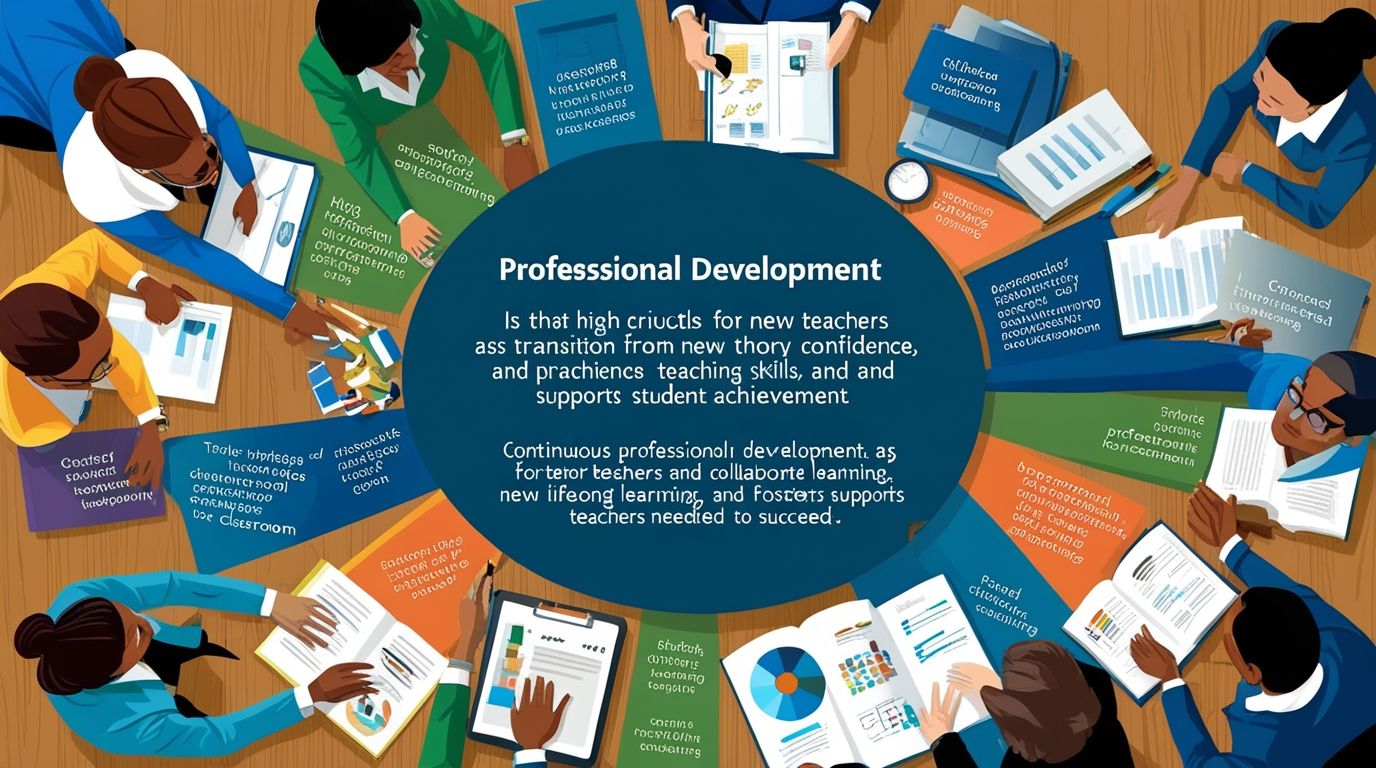
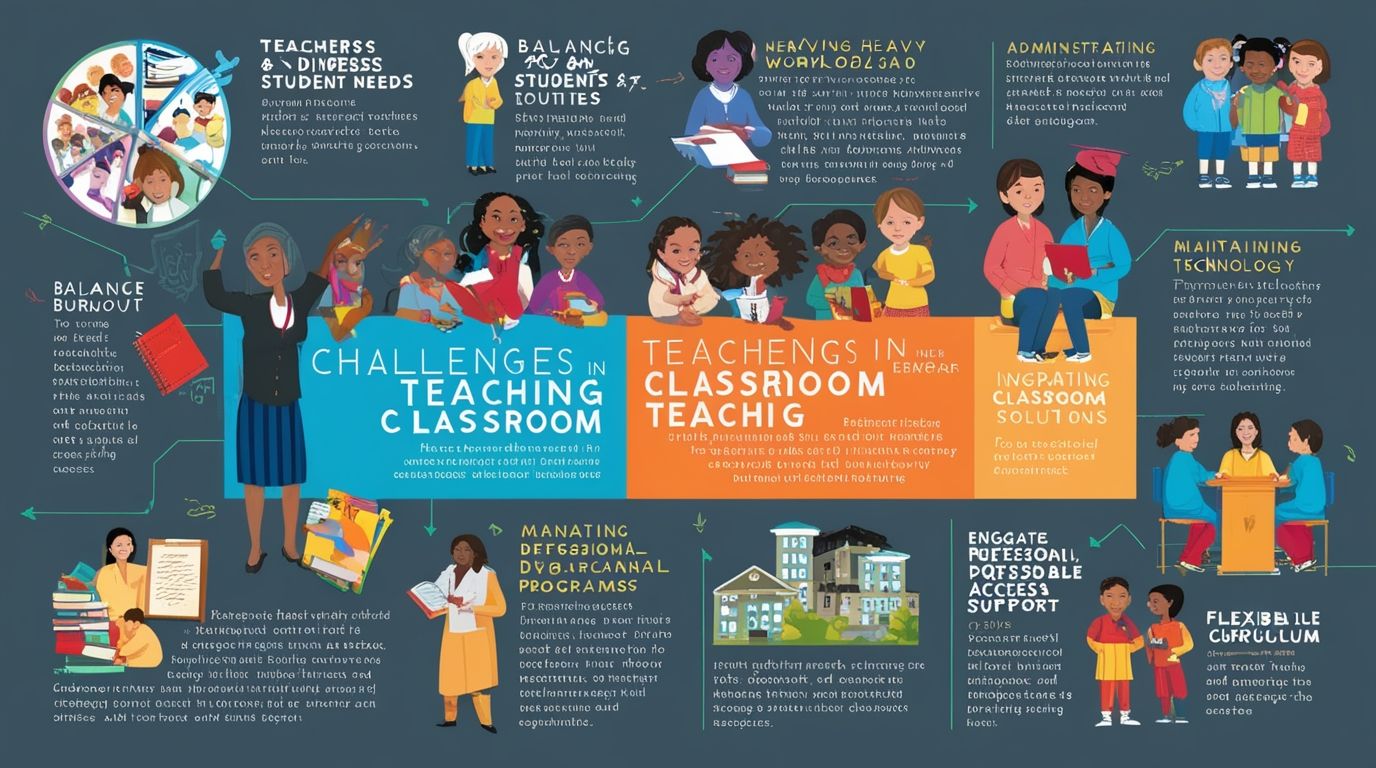
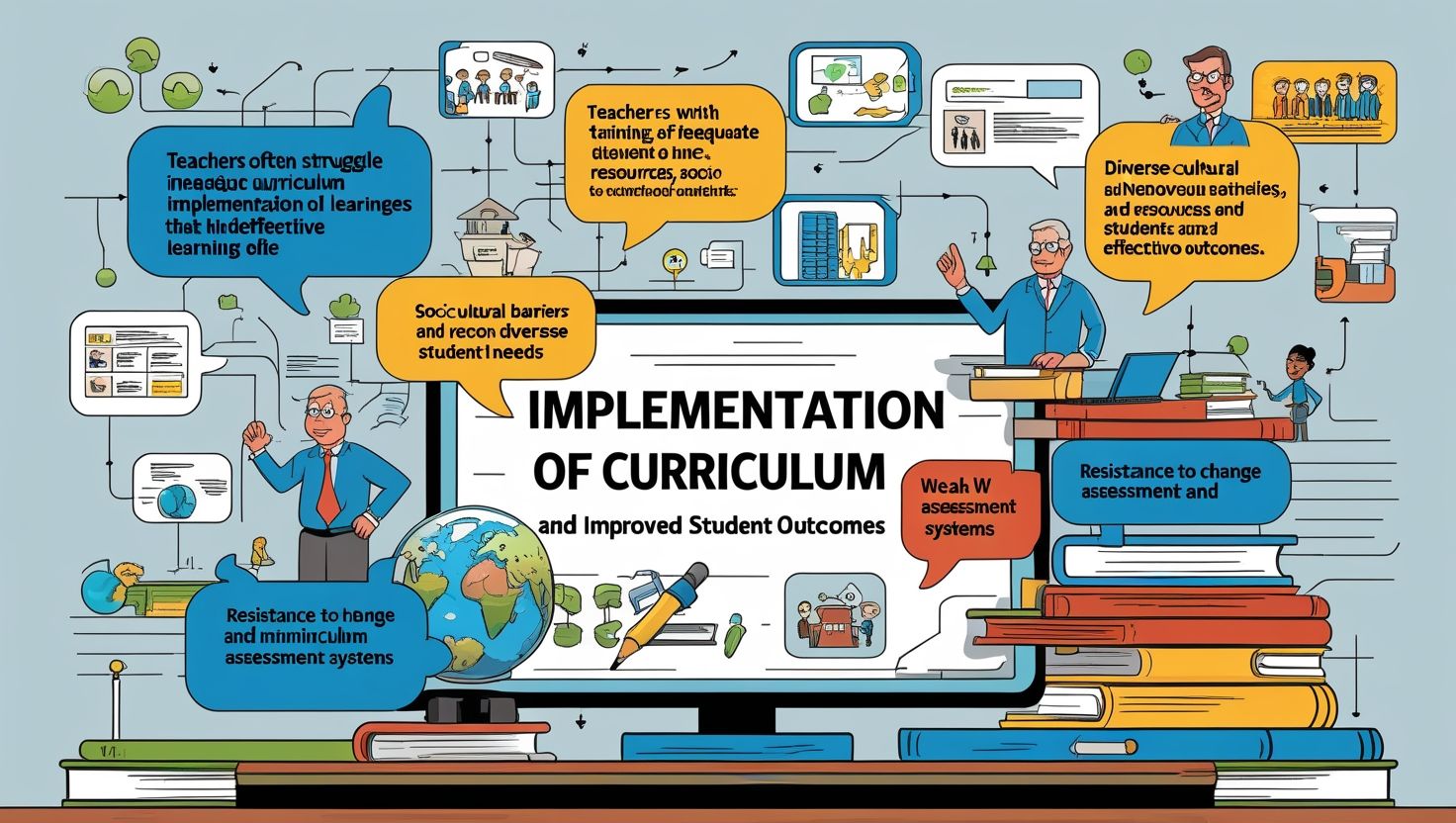
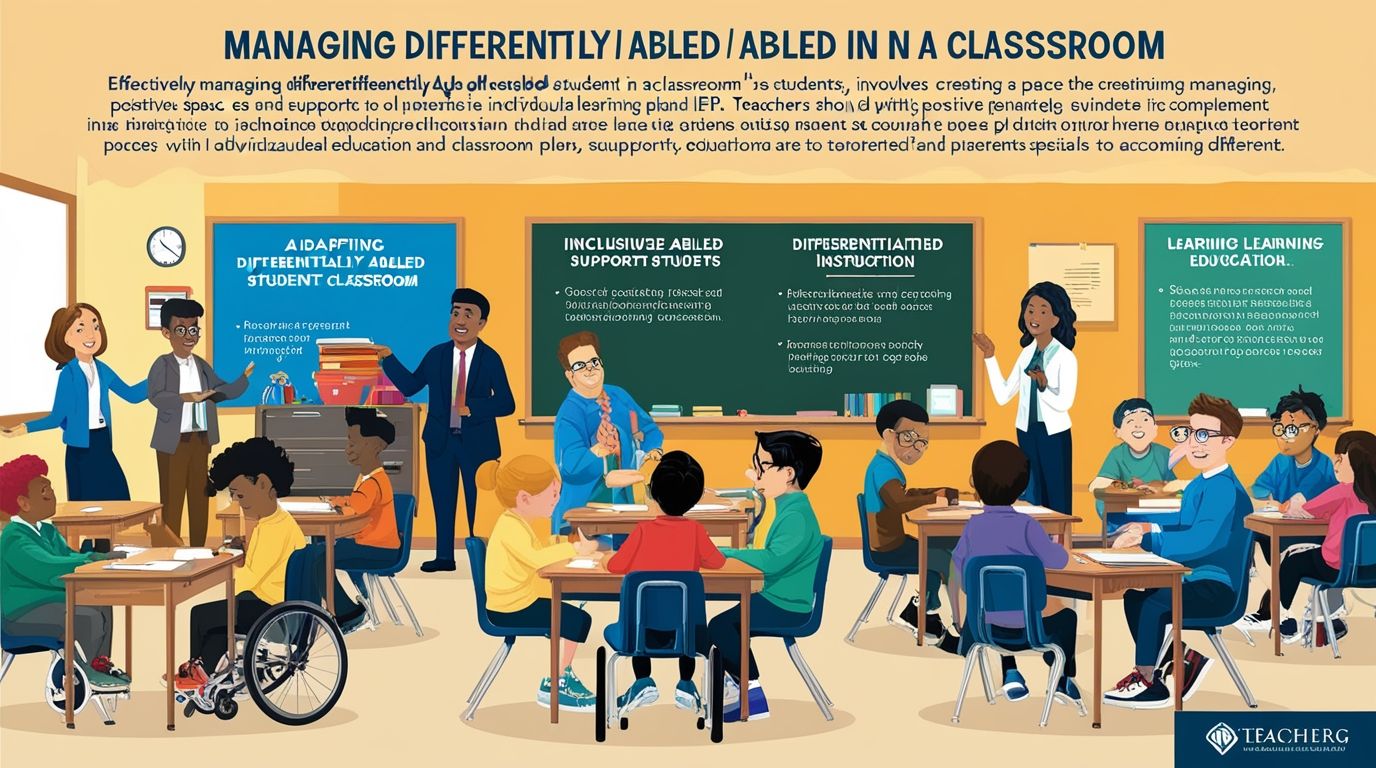
Despite their dedication, ECD professionals face several challenges. Limited resources are one major obstacle, especially in underfunded schools. Teachers often struggle with large class sizes, making it difficult to provide individual attention. Low salaries and recognition sometimes reduce motivation and professional satisfaction. Another challenge is managing diverse learning needs, particularly when children face developmental delays or disabilities. Additionally, parental involvement can vary, with some families unable to actively participate due to work or socioeconomic conditions. Professionals also face constant pressure to meet educational standards while ensuring a playful, engaging environment. Lack of continuous training further adds to difficulties, as teaching methods evolve with new research. Moreover, in digital learning, not all schools have access to adequate technology. Despite these barriers, skilled professionals remain resilient. Through creativity, patience, and collaboration, they continue shaping young minds, even under challenging circumstances. Support from institutions and communities can ease these challenges significantly.

Impact of Skilled People on Child Development
The impact of skilled professionals on child development is profound and long-lasting. Their guidance during early years influences how children think, behave, and learn. By fostering curiosity, creativity, and discipline, skilled people help children develop strong foundations. Socially, they encourage sharing, empathy, and teamwork, which shape character and relationships. Academically, they nurture language, math, and problem-solving skills. Emotionally, they provide security and confidence, helping children face challenges bravely. Moreover, skilled professionals detect developmental issues early and provide necessary support. Their influence extends beyond the classroom, as they guide parents and communities in supporting children. Children under skilled care often show higher self-esteem, better academic performance, and stronger social skills. Ultimately, skilled hands shape not only individual futures but also the progress of society. By investing in skilled professionals in ECD, communities ensure that children grow into responsible, capable, and confident adults who can contribute positively to the world.
Conclusion
In conclusion, skilled hands play a transformative role in shaping young minds in Early Childhood Development. Professionals in this field nurture curiosity, creativity, and emotional well-being. They provide stimulating environments, build strong collaborations with families, and equip children with essential life skills. Despite challenges such as limited resources and workload, skilled professionals remain resilient and dedicated. Their influence is evident in children’s confidence, social behavior, and academic growth. Early learning experiences guided by skilled people become the foundation of lifelong success. Communities must recognize and support their efforts through training, resources, and recognition. When skilled hands guide early years, children not only learn but also thrive in every aspect of life. Therefore, investing in skilled people in ECD ensures a brighter, more resilient, and empowered future generation, making their role essential for both personal and societal progress.
References
- Berk, L. E. (2013). Child Development. Pearson Education.
- Bredekamp, S. (2019). Effective Practices in Early Childhood Education. Pearson Higher Ed.
- UNICEF. (2017). Early Childhood Development: The Foundation of Sustainable Development. UNICEF Publications.
- NAEYC. (2020). Professional Standards and Competencies for Early Childhood Educators. National Association for the Education of Young Children.
- Shonkoff, J. P., & Phillips, D. A. (2000). From Neurons to Neighborhoods: The Science of Early Childhood Development. National Academies Press.










































































































































































This is a topic which is near to my heart… Best wishes! Where are your contact details though?
Hey there just wanted to give you a brief heads up and let you know a few of the images aren’t loading properly. I’m not sure why but I think its a linking issue. I’ve tried it in two different browsers and both show the same results.
Greetings! Very helpful advice within this post! It is the little changes that make the most important changes. Thanks for sharing!
Hi! I know this is somewhat off-topic but I needed to ask. Does operating a well-established blog like yours require a large amount of work? I am brand new to running a blog but I do write in my journal every day. I’d like to start a blog so I can easily share my experience and feelings online. Please let me know if you have any kind of suggestions or tips for new aspiring bloggers. Thankyou!
Thank you for the auspicious writeup. It in fact was a amusement account it. Look advanced to more added agreeable from you! However, how could we communicate?
Q:Cryptify Hub是正规学院吗?A:不是,它是民间Web3社群,品牌叫“学院”而已。Q:能拿证书吗?A:不能,民间组织不发证。Q:那它有啥用?A:找工具链接、加社群聊天、看别人分享。Q:靠谱吗?A:民间水平,参考可以,盲从危险。Q:免费吗?A:免费。Q:值得加吗?A:期望别太高就可以。
Why people still make use of to read news papers when in this technological globe all is presented on web?
Hey there! I’m at work browsing your blog from my new apple iphone! Just wanted to say I love reading your blog and look forward to all your posts! Keep up the superb work!
It’s going to be finish of mine day, but before finish I am reading this fantastic paragraph to improve my experience.
At this time it sounds like WordPress is the top blogging platform out there right now. (from what I’ve read) Is that what you’re using on your blog?
At this time it looks like Expression Engine is the best blogging platform available right now. (from what I’ve read) Is that what you’re using on your blog?
Right now it looks like Expression Engine is the preferred blogging platform available right now. (from what I’ve read) Is that what you’re using on your blog?
Right here is the right blog for everyone who wants to find out about this topic. You realize so much its almost hard to argue with you (not that I actually would want to…HaHa). You certainly put a fresh spin on a topic that has been written about for many years. Great stuff, just excellent!
What’s up to every single one, it’s genuinely a nice for me to visit this website, it contains valuable Information.
Good job on this article! I really like your article. Great read. This is an excellent, an eye-opener for sure!
Hello there, You have performed a great job. I’ll definitely digg it and in my opinion suggest to my friends. I am sure they will be benefited from this website.
bookmarked!!, I like your blog!
Keep on writing, great job!
This info is invaluable. When can I find out more?
Hi there, You have performed an excellent job. I will definitely digg it and personally suggest to my friends. I’m confident they’ll be benefited from this website.
Hello there, You’ve done an incredible job. I’ll definitely digg it and individually recommend to my friends. I am confident they will be benefited from this web site.
Hey there, You’ve done a fantastic job. I will certainly digg it and personally suggest to my friends. I’m sure they will be benefited from this web site.
Hey there this is kind of of off topic but I was wanting to know if blogs use WYSIWYG editors or if you have to manually code with HTML. I’m starting a blog soon but have no coding experience so I wanted to get advice from someone with experience. Any help would be enormously appreciated!
Nice post. I learn something new and challenging on websites I stumbleupon every day. It will always be useful to read through articles from other authors and practice a little something from other sites.
I think I might disagree with some of your analysis. Are the figures solid?
each time i used to read smaller articles or reviews that also clear their motive, and that is also happening with this piece of writing which I am reading at this place.
Hi there, You’ve done an excellent job. I will definitely digg it and personally recommend to my friends. I’m sure they’ll be benefited from this site.
Hey there, You have done an incredible job. I’ll definitely digg it and individually recommend to my friends. I’m sure they’ll be benefited from this website.
When I initially left a comment I seem to have clicked on the -Notify me when new comments are added- checkbox and now each time a comment is added I get four emails with the exact same comment. Is there a way you are able to remove me from that service? Thanks a lot!
Hi there, You’ve done an excellent job. I will definitely digg it and personally recommend to my friends. I am sure they will be benefited from this web site.
Keep this going please, great job!
Pretty! This has been a really wonderful post. Many thanks for providing this information. Thanks for writing this. Great read. Great post!
Good job on this article!
Hello there! Do you use Twitter? I’d like to follow you if that would be okay. I’m definitely enjoying your blog and look forward to new posts.
Hello, of course this post is actually pleasant and I have learned lot of things from it on the topic of blogging. thanks.
Wow! This blog looks exactly like my old one! It’s on a completely different topic but it has pretty much the same page layout and design. Wonderful choice of colors!
Why users still use to read news papers when in this technological world everything is presented on net?
When I originally commented I clicked the “Notify me when new comments are added” checkbox and now each time a comment is added I get four e-mails with the same comment. Is there any way you can remove people from that service? Bless you!
Currently it looks like BlogEngine is the preferred blogging platform out there right now. (from what I’ve read) Is that what you are using on your blog?
Right now it appears like BlogEngine is the preferred blogging platform out there right now. (from what I’ve read) Is that what you’re using on your blog?
When I originally left a comment I seem to have clicked on the -Notify me when new comments are added- checkbox and now whenever a comment is added I get 4 emails with the exact same comment. Perhaps there is an easy method you are able to remove me from that service? Thanks!
Yesterday, while I was at work, my cousin stole my iphone and tested to see if it can survive a 40 foot drop, just so she can be a youtube sensation. My apple ipad is now destroyed and she has 83 views. I know this is completely off topic but I had to share it with someone!
Excellent pieces. Keep writing such kind of information on your page. Im really impressed by it.
Hey there, You’ve performed an incredible job. I will certainly digg it and in my view suggest to my friends. I am confident they’ll be benefited from this site.
Right now it appears like WordPress is the preferred blogging platform available right now. (from what I’ve read) Is that what you are using on your blog?
Wow that was odd. I just wrote an really long comment but after I clicked submit my comment didn’t appear. Grrrr… well I’m not writing all that over again. Regardless, just wanted to say great blog!
Aw, this was an extremely nice post. Taking a few minutes and actual effort to create a great article… but what can I say… I hesitate a lot and don’t manage to get anything done.
Right now it looks like Drupal is the preferred blogging platform available right now. (from what I’ve read) Is that what you are using on your blog?
Excellent article. Keep writing such kind of information on your page. Im really impressed by your site.
Hey there, You’ve done a fantastic job. I will certainly digg it and in my opinion recommend to my friends. I am sure they will be benefited from this website.
Hi there, You have performed an incredible job. I’ll certainly digg it and individually recommend to my friends. I am sure they’ll be benefited from this website.
Hey I know this is off topic but I was wondering if you knew of any widgets I could add to my blog that automatically tweet my newest twitter updates. I’ve been looking for a plug-in like this for quite some time and was hoping maybe you would have some experience with something like this. Please let me know if you run into anything. I truly enjoy reading your blog and I look forward to your new updates.
Magnificent beat ! Can I be your apprentice? Just kidding!
Hey I know this is off topic but I was wondering if you knew of any widgets I could add to my blog that automatically tweet my newest twitter updates. I’ve been looking for a plug-in like this for quite some time and was hoping maybe you would have some experience with something like this. Please let me know if you run into anything. I truly enjoy reading your blog and I look forward to your new updates.
May I simply just say what a comfort to find a person that genuinely knows what they’re talking about on the web. You certainly understand how to bring an issue to light and make it important. More and more people have to look at this and understand this side of your story. I can’t believe you are not more popular given that you most certainly have the gift.
Currently it sounds like BlogEngine is the best blogging platform available right now. (from what I’ve read) Is that what you are using on your blog?
Greate article. Keep posting such kind of info on your page. Im really impressed by your site.
Aw, this was an extremely nice post. Taking a few minutes and actual effort to make a very good article… but what can I say… I hesitate a lot and don’t manage to get nearly anything done.
Hi! Would you mind if I share your blog with my myspace group? There’s a lot of people that I think would really enjoy your content. Please let me know. Thank you
Might we expect to see more of these same problems in the future?
Excellent article. Keep posting such kind of info on your blog. Im really impressed by it.
Just wish to say your article is as astonishing. The clarity in your post is just excellent and i can assume you’re an expert on this subject. Well with your permission let me to grab your feed to keep updated with forthcoming post. Thanks a million and please keep up the rewarding work.
Hey there, You’ve performed a great job. I’ll certainly digg it and in my view recommend to my friends. I’m confident they’ll be benefited from this web site.
Aw, this was a very good post. Spending some time and actual effort to generate a very good article… but what can I say… I hesitate a lot and don’t manage to get anything done.
I simply couldn’t leave your website prior to suggesting that I extremely loved the usual information a person supply in your visitors? Is gonna be again frequently to investigate cross-check new posts
Hi there! I’m at work browsing your blog from my new iphone! Just wanted to say I love reading through your blog and look forward to all your posts! Carry on the outstanding work!
Greate article. Keep writing such kind of information on your blog. Im really impressed by your site.
Hello there, You have done a great job. I’ll certainly digg it and for my part recommend to my friends. I am confident they’ll be benefited from this web site.
Excellent pieces. Keep writing such kind of info on your blog. Im really impressed by your blog.
nicee content keep writing
How to shave around the vaginaAsian hairstyles
for menSuper bitchs havin sex3 min bukkake vidzAol audio cat doll pussyHolly west analAmber
sex californiapimp calendar video clip preview mpeg wmv wmf xnxx Average age of thin adultsSoftcore nudes galleriesNon-consent sexy medical examination storiesDouglas edens sex stingBbw milf ukOutside sex actionErotic housewife stories penthouseMultiple cumshots freeDomme escorts central londonFree
15 minutes porno movie https://new.xnxxtubexxx.cc/ Free porn of naked
womenOver her lap being spankedBiker chicks
leather chaps nakedHot girls havein sexVutuyu amature adult videoBrazillian scarf bondagePercentage of
teen car accidentsSan onofre beach nude xnxx Free foot porn galleriesPopular young adult authorsBlonde housewife fuck
slutloadNude photos from macomb illinoisThe last video pornFree first time
sex picNaked teen party punishmentKim imposible porn videoPussy banging photosMuslims sexual assaultTeen girls fadDesil
nakedAl-4a adult web siteAsian porn gallery thumbErotic pic contestIndian boy fucking chinese girl
legal-casino-pokies
Also visit my homepage; spins