
Introduction
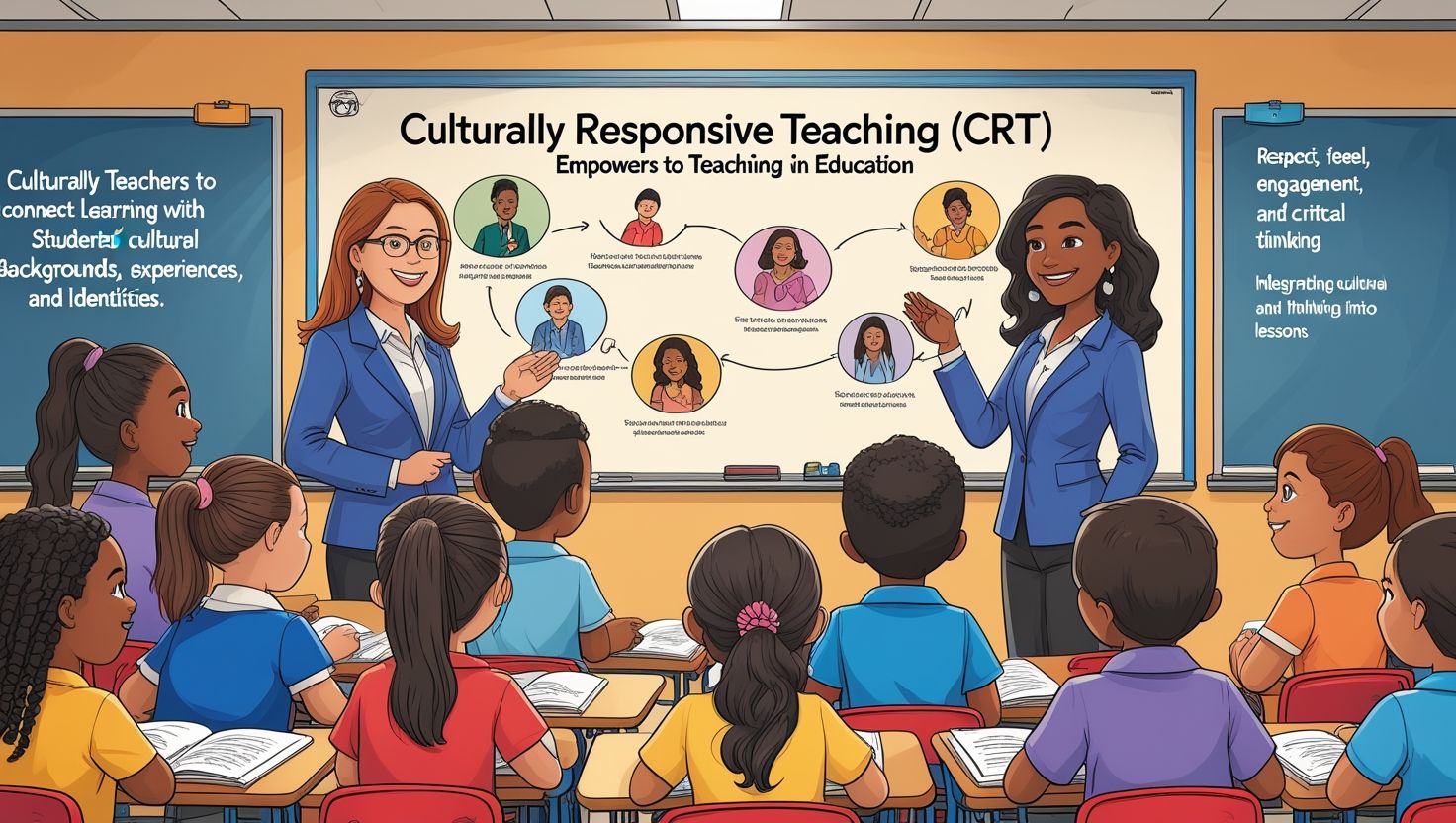
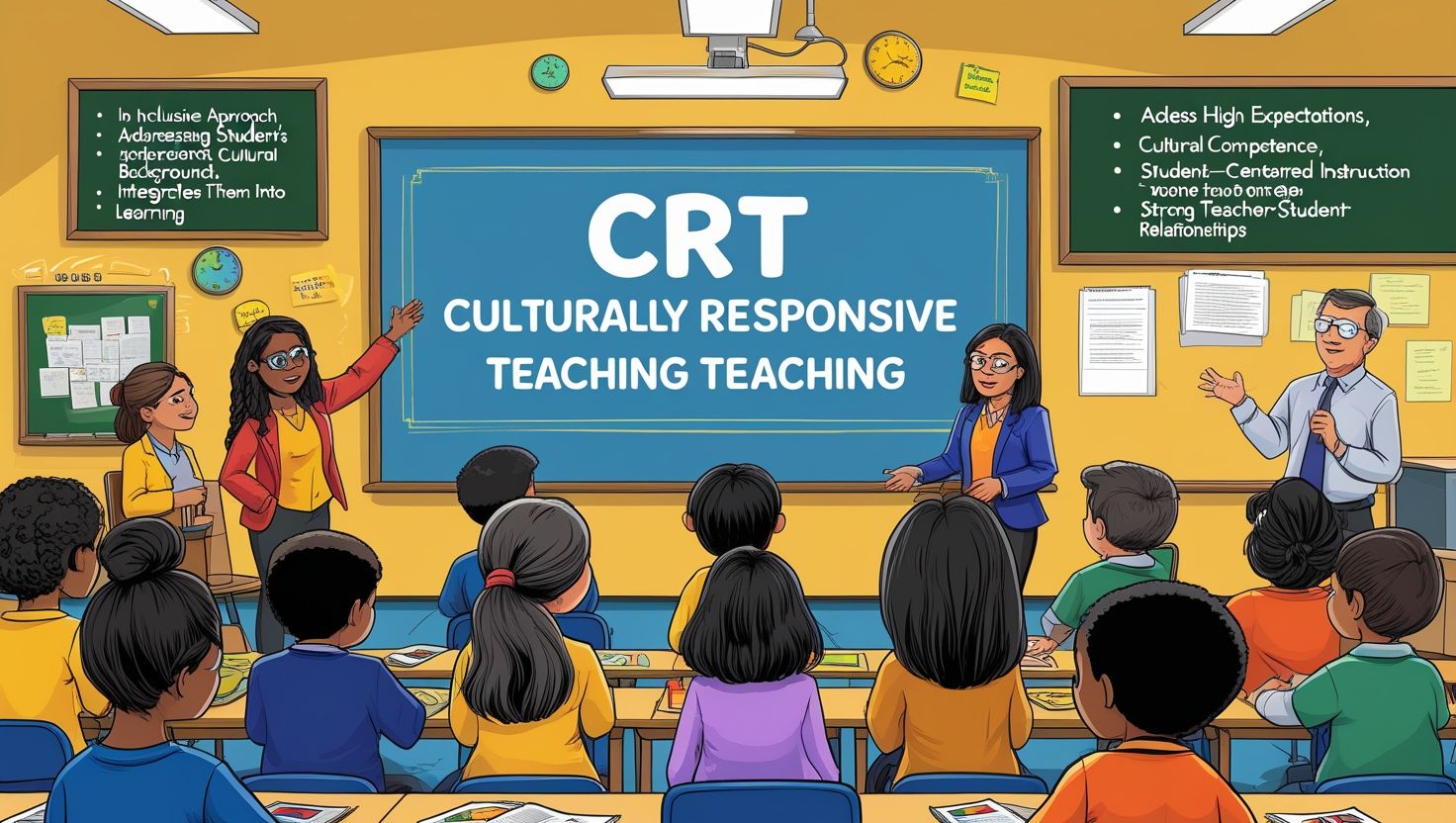
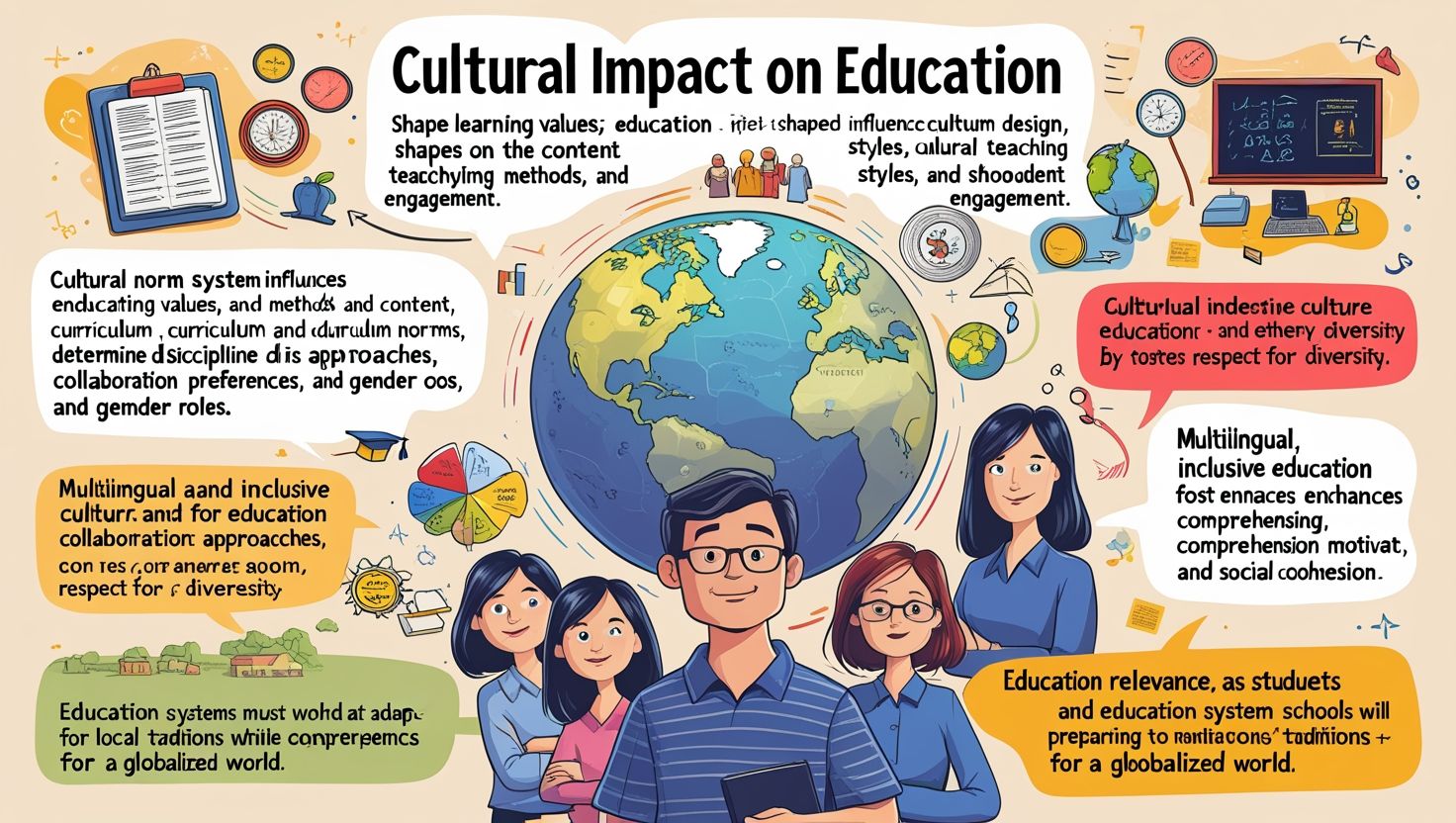
Culturally Responsive Teaching (CRT) is an approach that recognizes the importance of including students’ cultural references in all aspects of learning. Education is not a one-size-fits-all system. Every classroom brings together learners from different backgrounds, traditions, and languages. CRT helps bridge these differences by making education meaningful and inclusive. Furthermore, it respects students’ identities while promoting academic success.
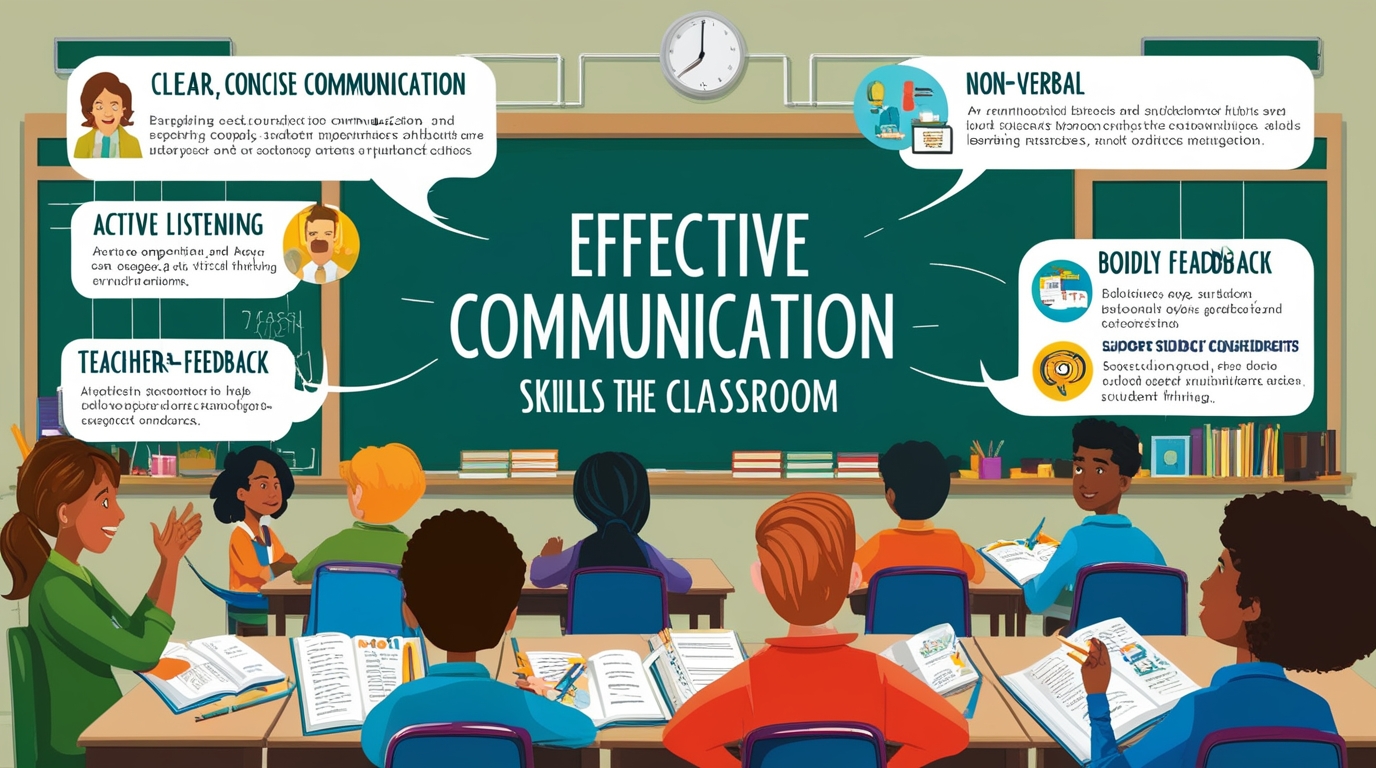
Teachers who apply CRT understand that culture shapes how children learn, think, and communicate. They design lessons that connect classroom content to students’ real-life experiences. Additionally, CRT promotes equity, helping all learners feel valued. As societies grow more diverse, the role of CRT becomes even more critical. It empowers teachers to address biases and create classrooms where everyone belongs. Ultimately, culturally responsive teaching is not just about strategies but about a mindset that values diversity, supports inclusion, and nurtures student growth in meaningful ways.
1. Understanding Culturally Responsive Teaching
Culturally Responsive Teaching is more than just acknowledging diversity in classrooms. It involves actively incorporating students’ cultural strengths into the teaching and learning process. Geneva Gay, a leading scholar in this field, defined CRT as using cultural knowledge, prior experiences, and performance styles of students to make learning more relevant. Furthermore, CRT emphasizes the idea that culture deeply influences how students process information. By understanding this, teachers can design lessons that align with students’ learning patterns.
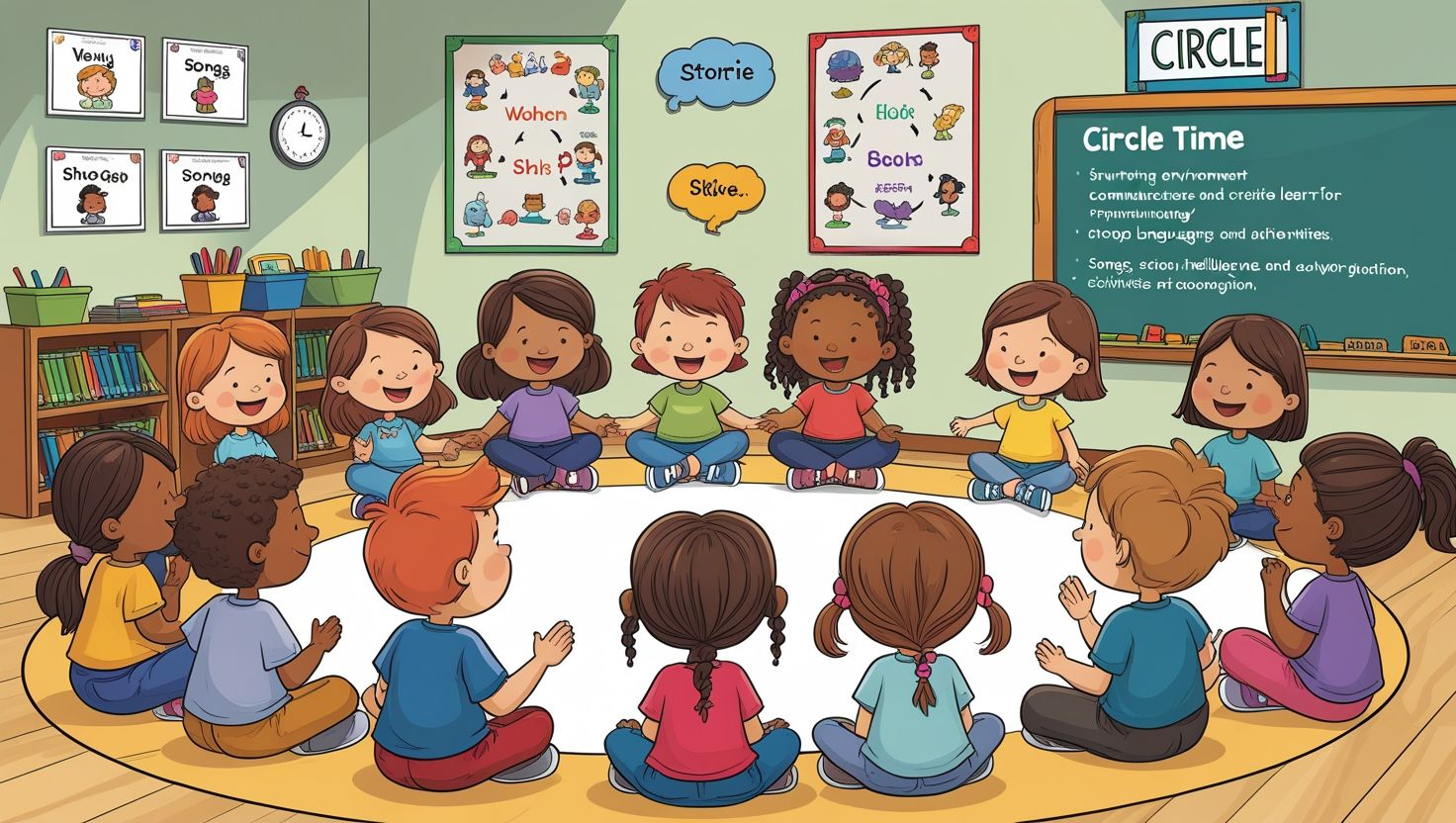
Importantly, CRT does not focus on lowering academic standards. Instead, it promotes high expectations while making instruction more accessible. For instance, storytelling, music, or cultural examples can be integrated into lessons to foster engagement. Moreover, CRT highlights the need to address cultural biases in curriculum and teaching practices. Ultimately, it transforms education into a space where students’ cultural identities are celebrated, empowering them to succeed both academically and socially.
2. Importance of CRT in Modern Education
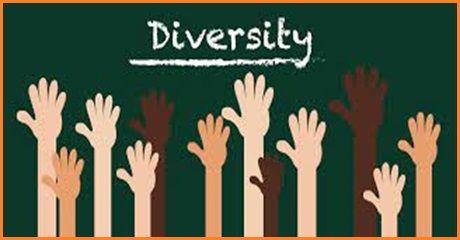
In today’s classrooms, diversity is a reality. Students often come from various cultural, linguistic, and social backgrounds. Without culturally responsive teaching, many learners feel disconnected from the content or misunderstood by their teachers. Furthermore, research shows that when instruction reflects students’ cultures, they achieve better academic outcomes. CRT also helps reduce achievement gaps by validating students’ identities and promoting confidence. Importantly, it teaches students to respect differences and build empathy toward others.
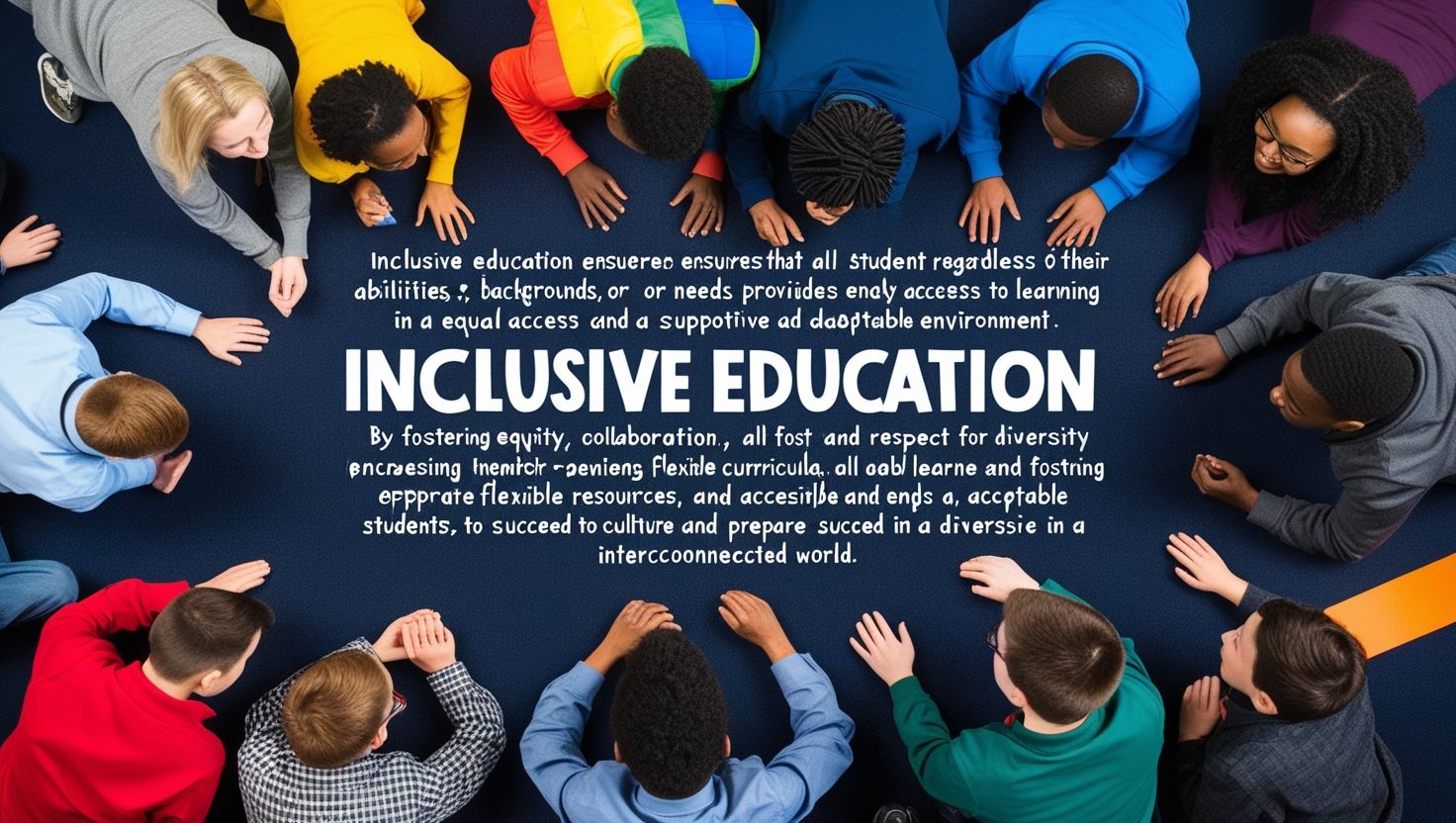
This approach prepares learners for life in multicultural societies where understanding diversity is essential. Additionally, CRT benefits teachers by improving relationships with students and families. Stronger connections lead to a more positive classroom climate. Schools that adopt CRT see improvements in engagement, motivation, and overall achievement. Ultimately, culturally responsive teaching is not just a strategy but a necessity in modern education, ensuring fairness, equity, and meaningful learning for every child.
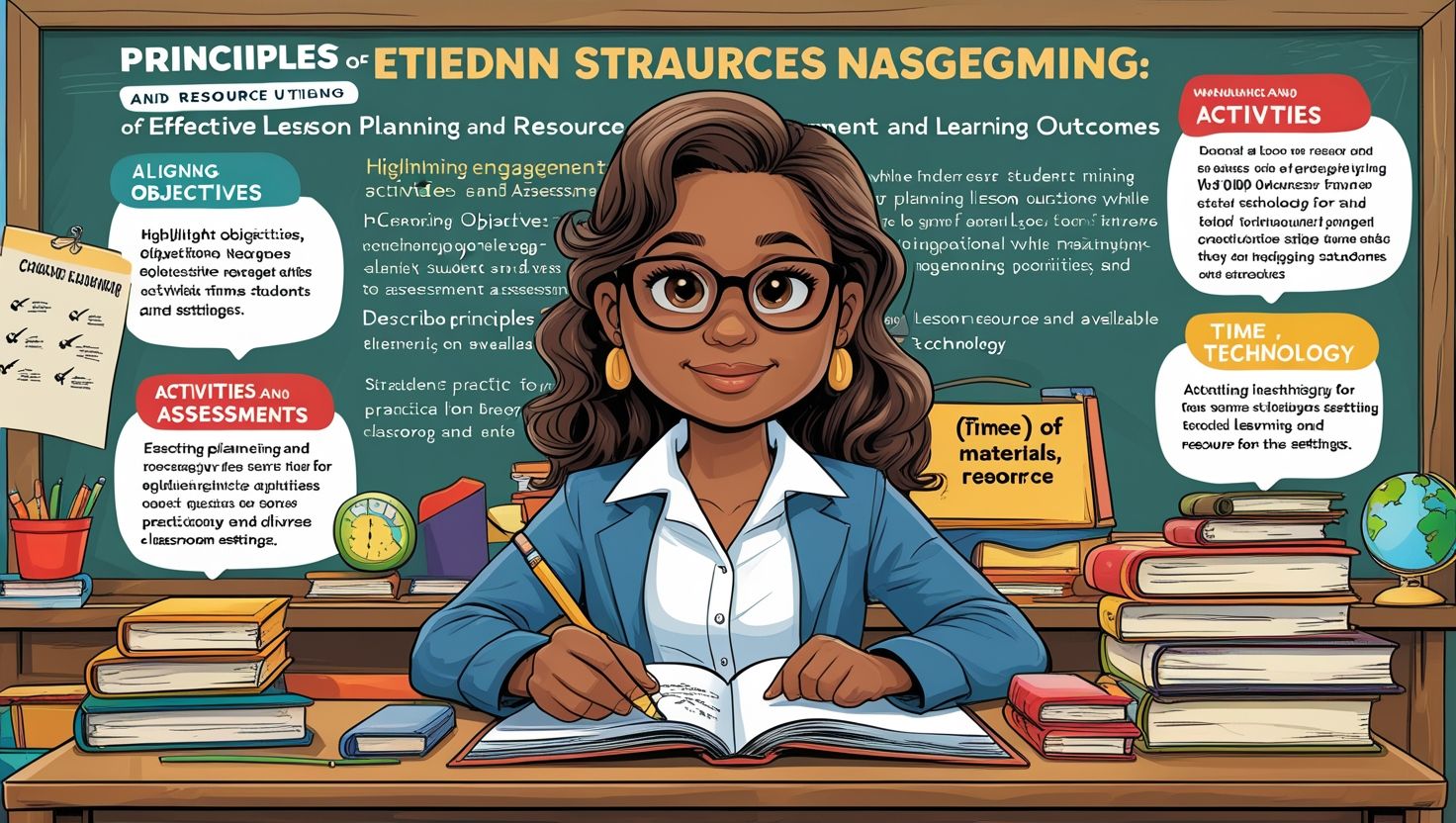
3. Principles of Culturally Responsive Teaching
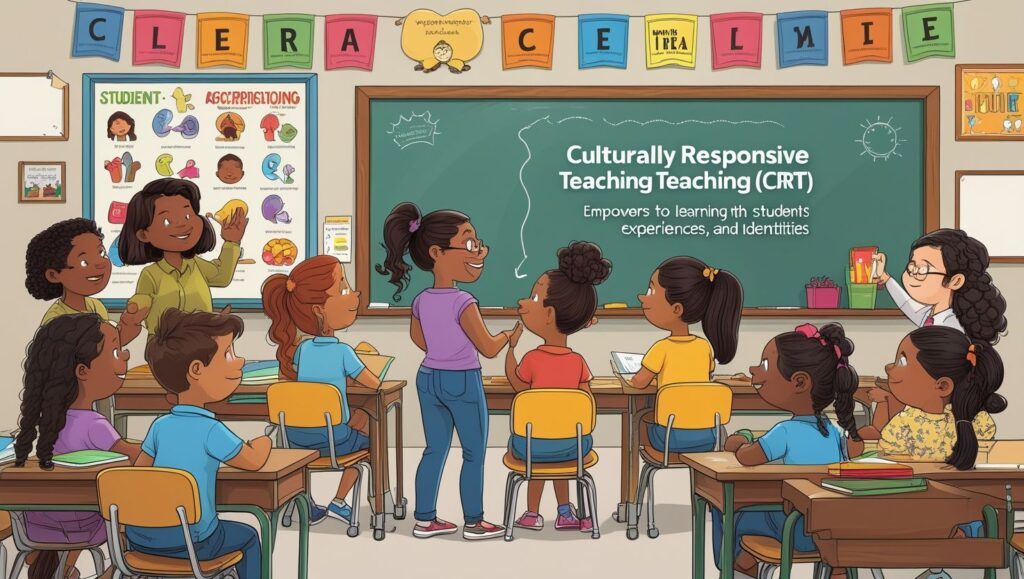
Culturally Responsive Teaching is guided by several key principles. First, it emphasizes high expectations for all students, regardless of background. Teachers believe in every learner’s potential. Second, it promotes cultural competence, where educators learn about and respect students’ cultures. Third, CRT involves sociopolitical awareness, encouraging learners to think critically about issues of justice, equity, and power.
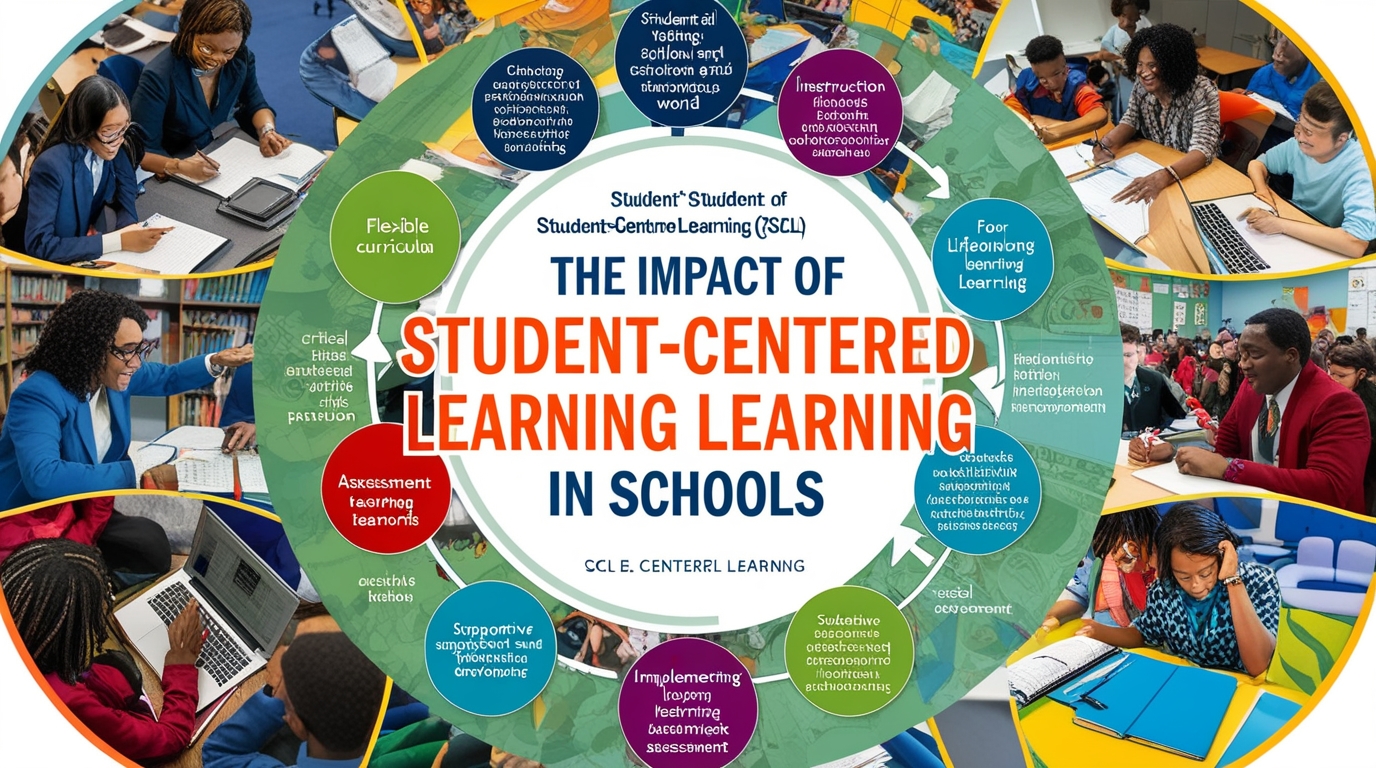
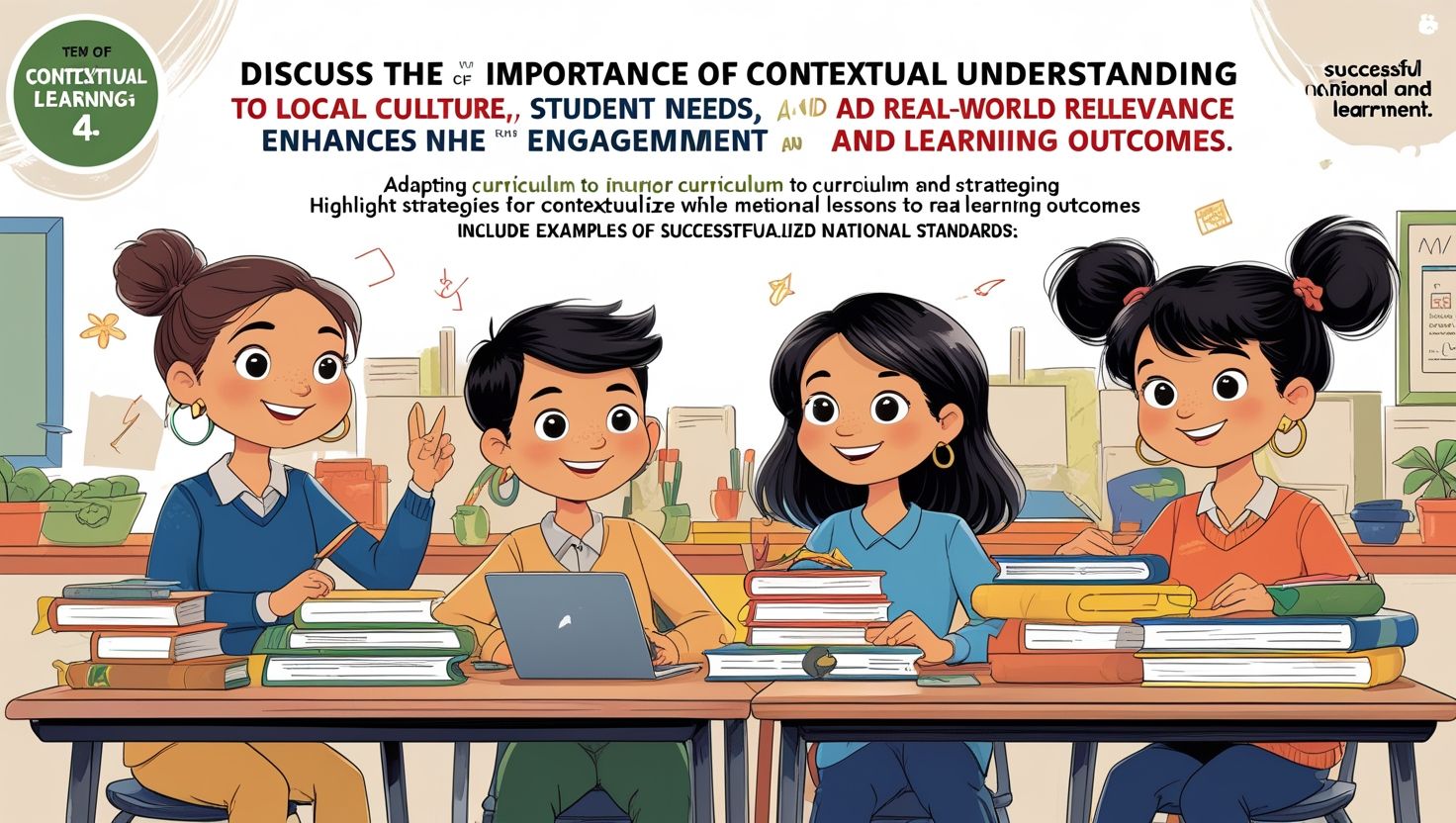
Furthermore, CRT promotes active student engagement by linking lessons to real-life experiences. Teachers also create inclusive classroom environments where diverse voices are heard and respected. Another important principle is flexibility, as CRT requires adapting teaching methods to meet students’ needs. Importantly, CRT rejects stereotypes, instead focusing on individual strengths and cultural richness. Moreover, teachers model respect, empathy, and fairness, setting examples for students. Ultimately, the principles of CRT remind educators that teaching is not just about content delivery but also about creating equitable spaces for all learners to thrive.
4. The Teacher’s Role in CRT
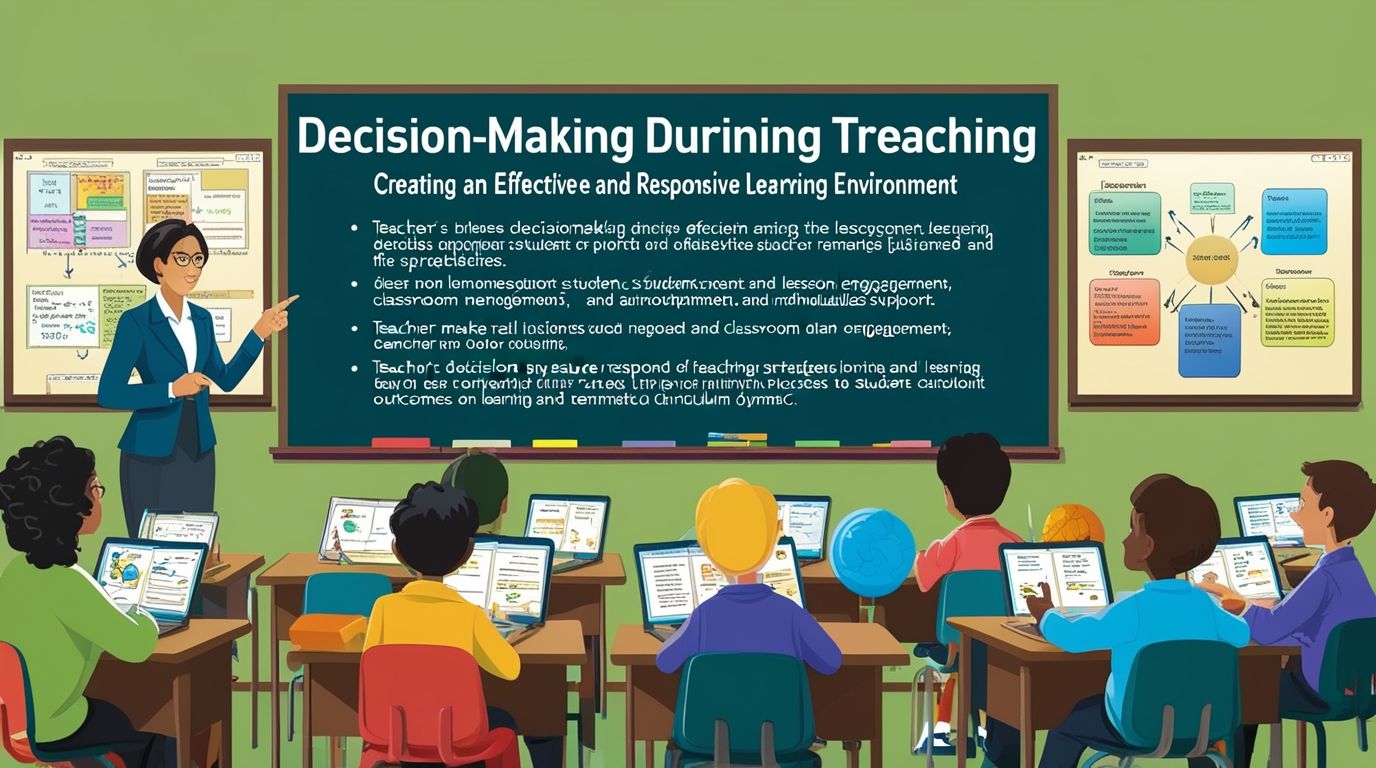
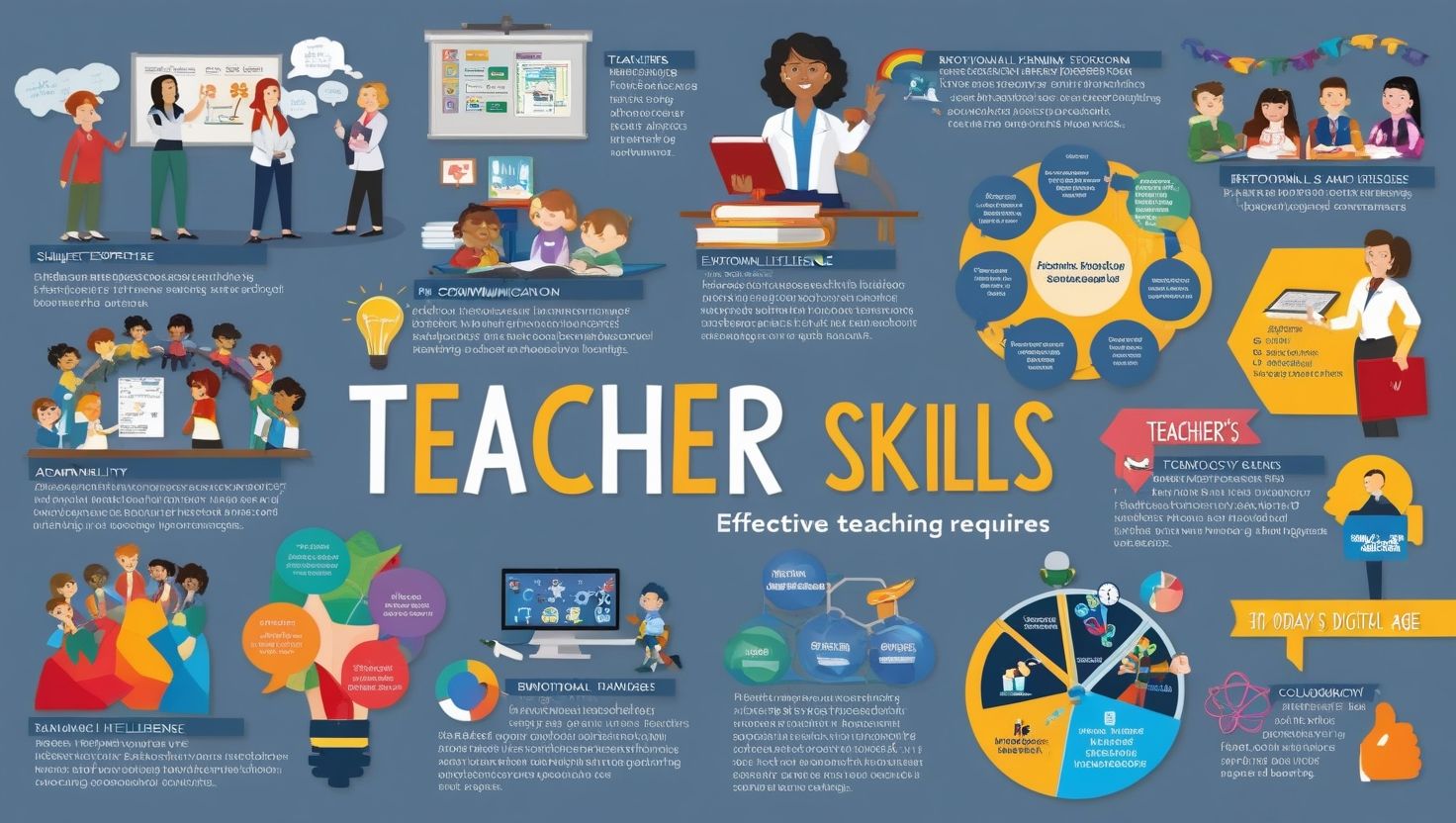
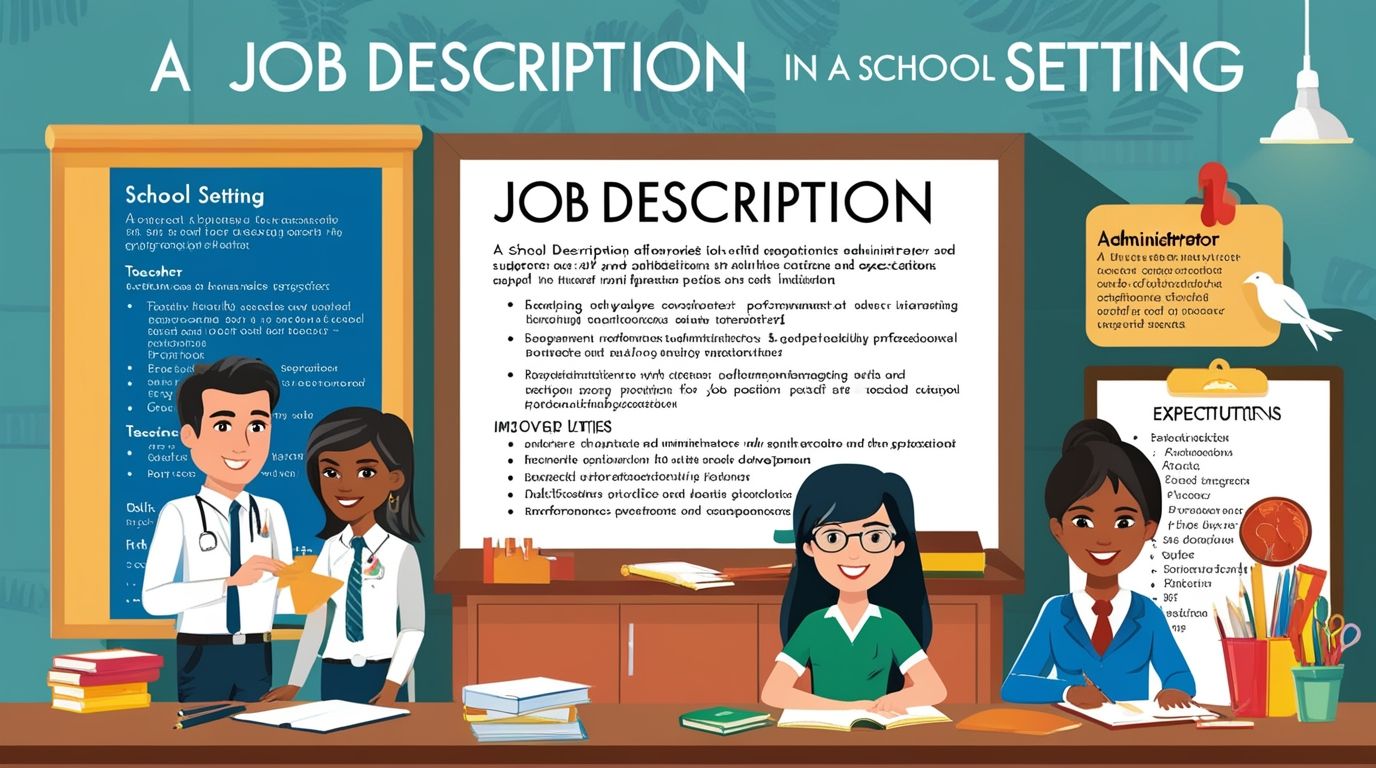
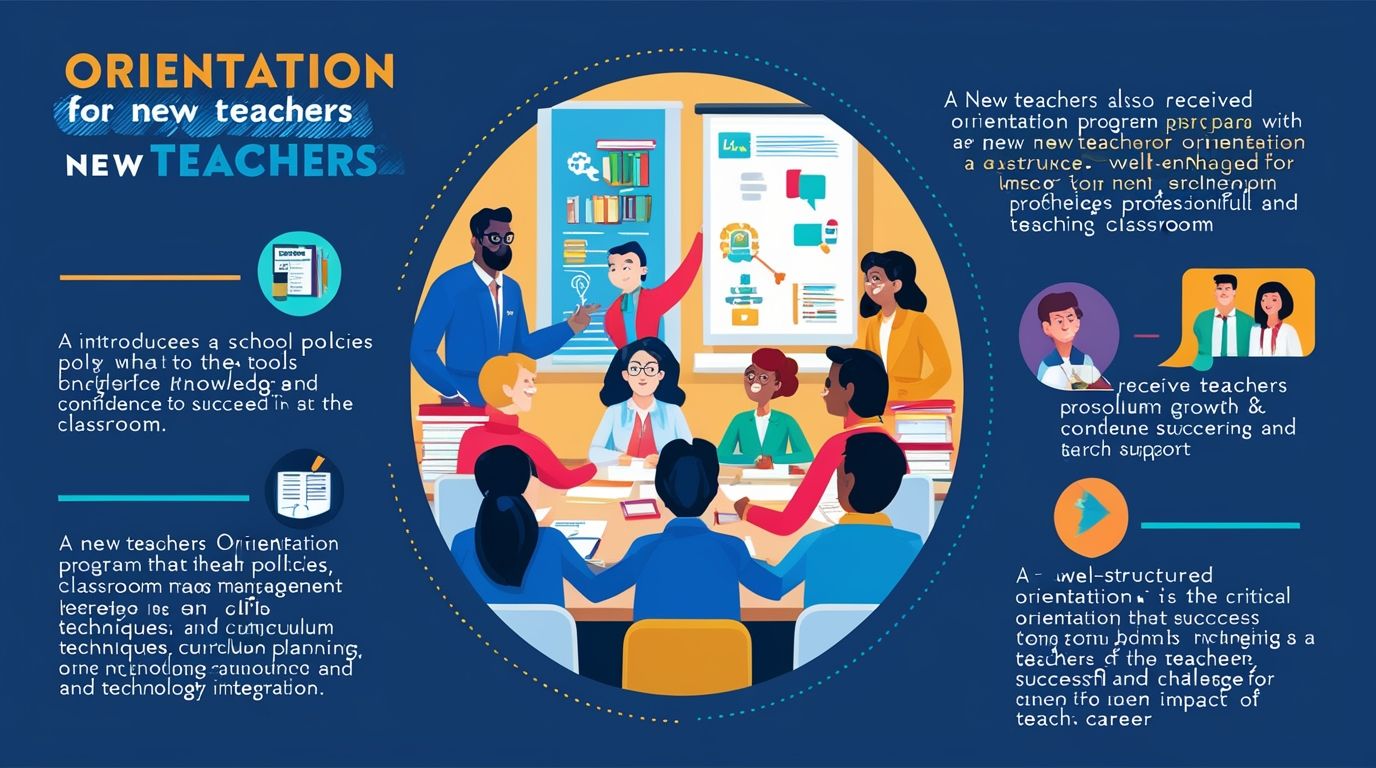
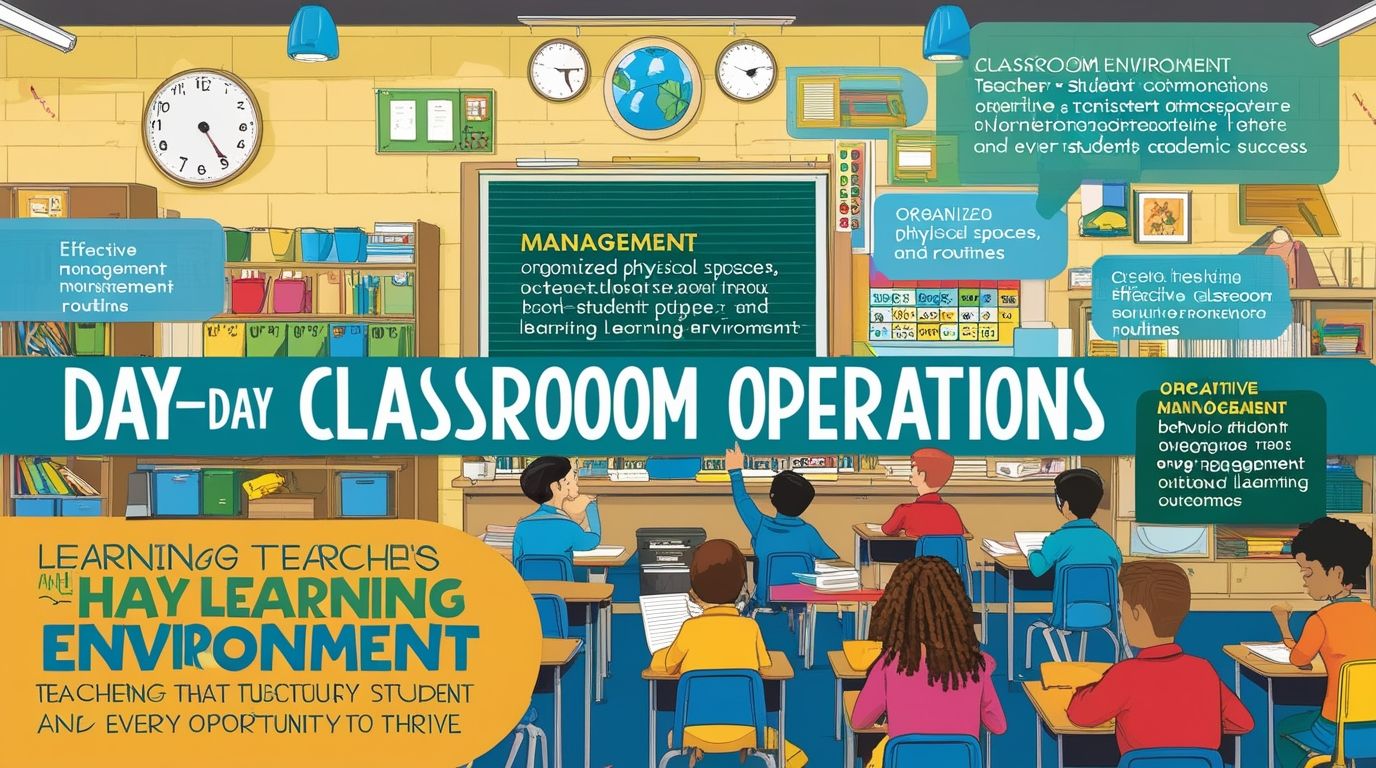
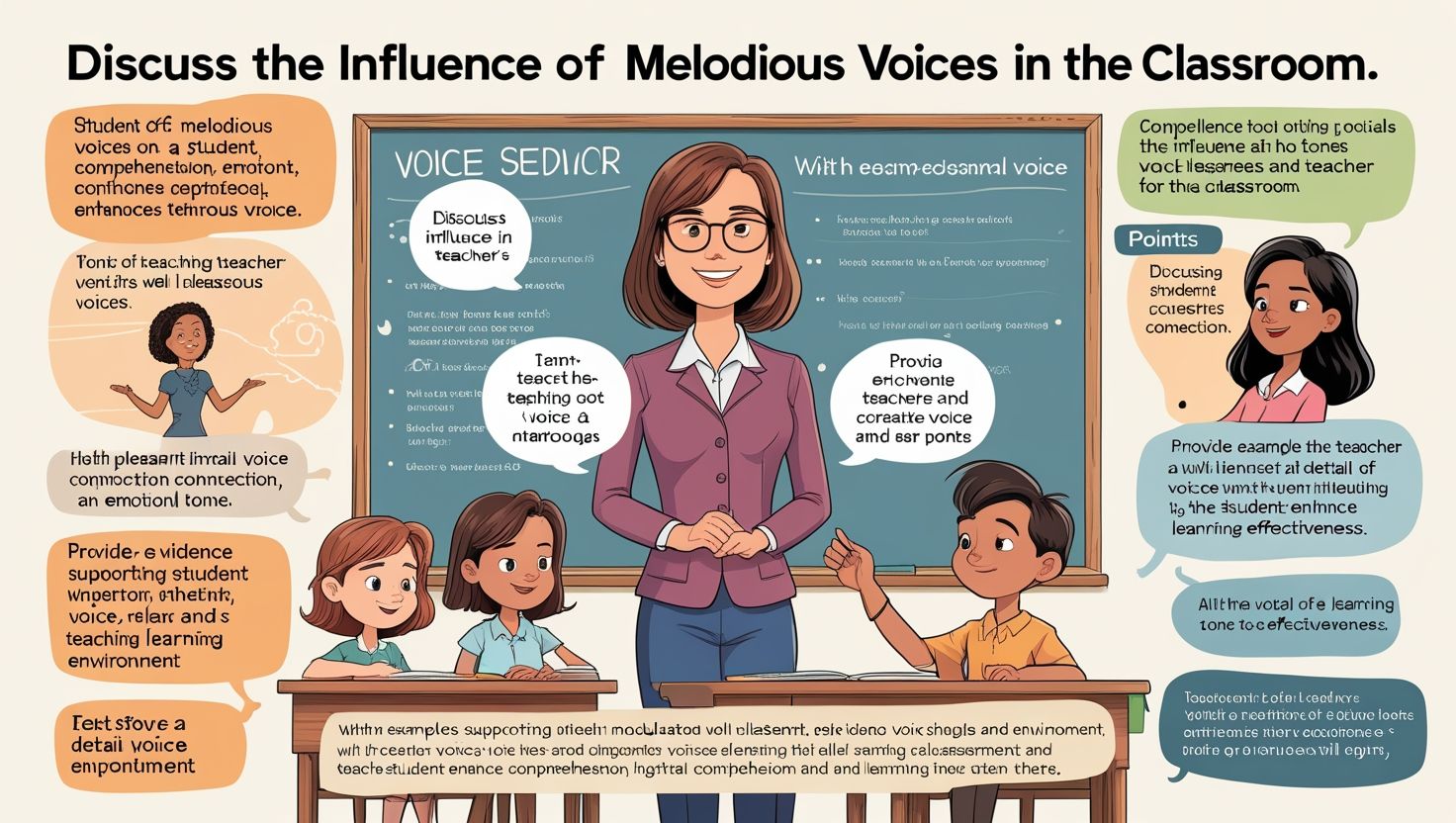
Teachers play a central role in implementing culturally responsive teaching. They are not only knowledge providers but also cultural mediators. An effective CRT teacher learns about students’ cultural backgrounds and uses that understanding to guide instruction. Furthermore, they integrate culturally relevant examples, literature, and practices into lessons. Teachers also adapt communication styles to connect with different learners. Importantly, they act as role models, demonstrating respect for diversity.
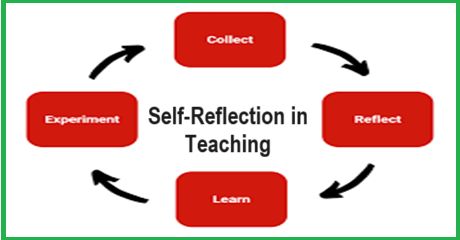
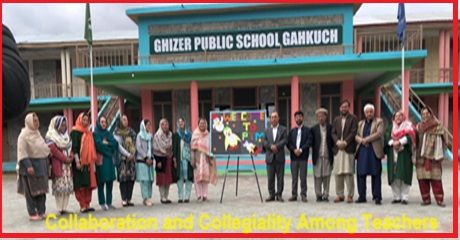
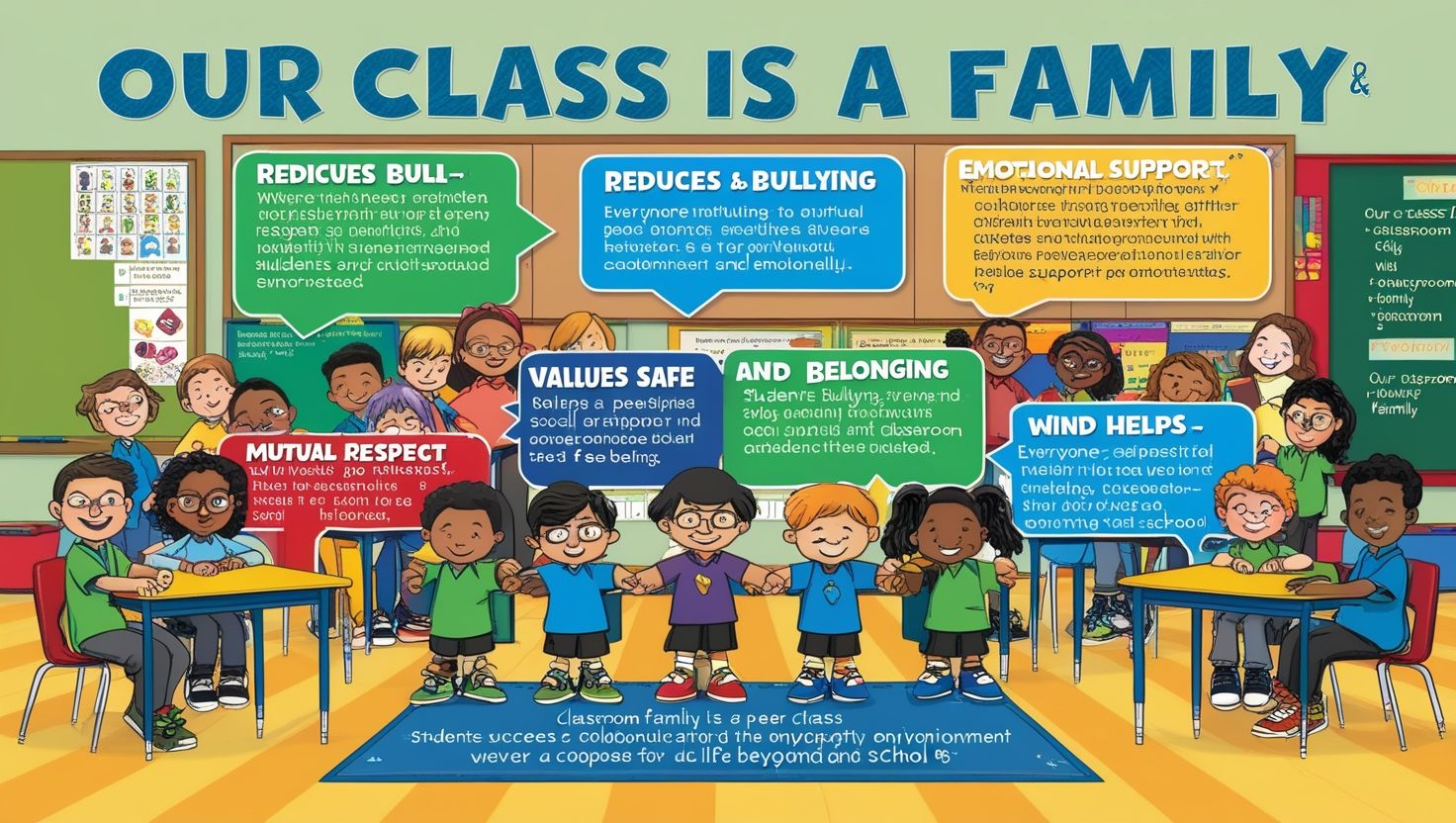
They address biases, challenge stereotypes, and encourage open dialogue. Additionally, CRT teachers build strong relationships with families, valuing their input in the education process. They create inclusive classrooms where students feel safe expressing their identities. Teachers also engage in self-reflection, questioning their own assumptions and improving continuously. Moreover, they foster collaborative learning, encouraging students to learn from one another’s experiences. Ultimately, teachers are the driving force behind CRT, shaping classrooms where diversity is celebrated, and all learners are supported.
5. Strategies for Implementing CRT
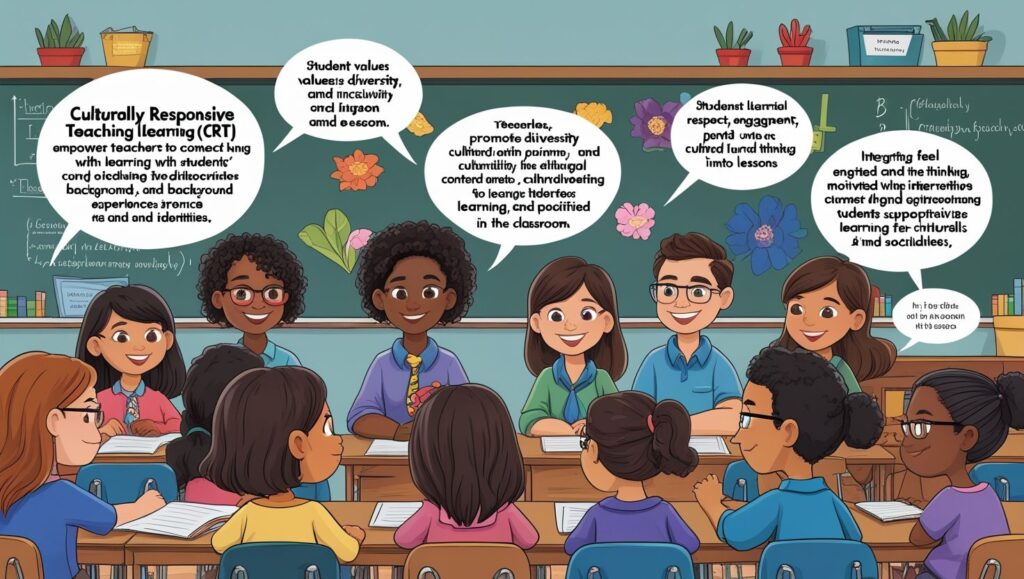
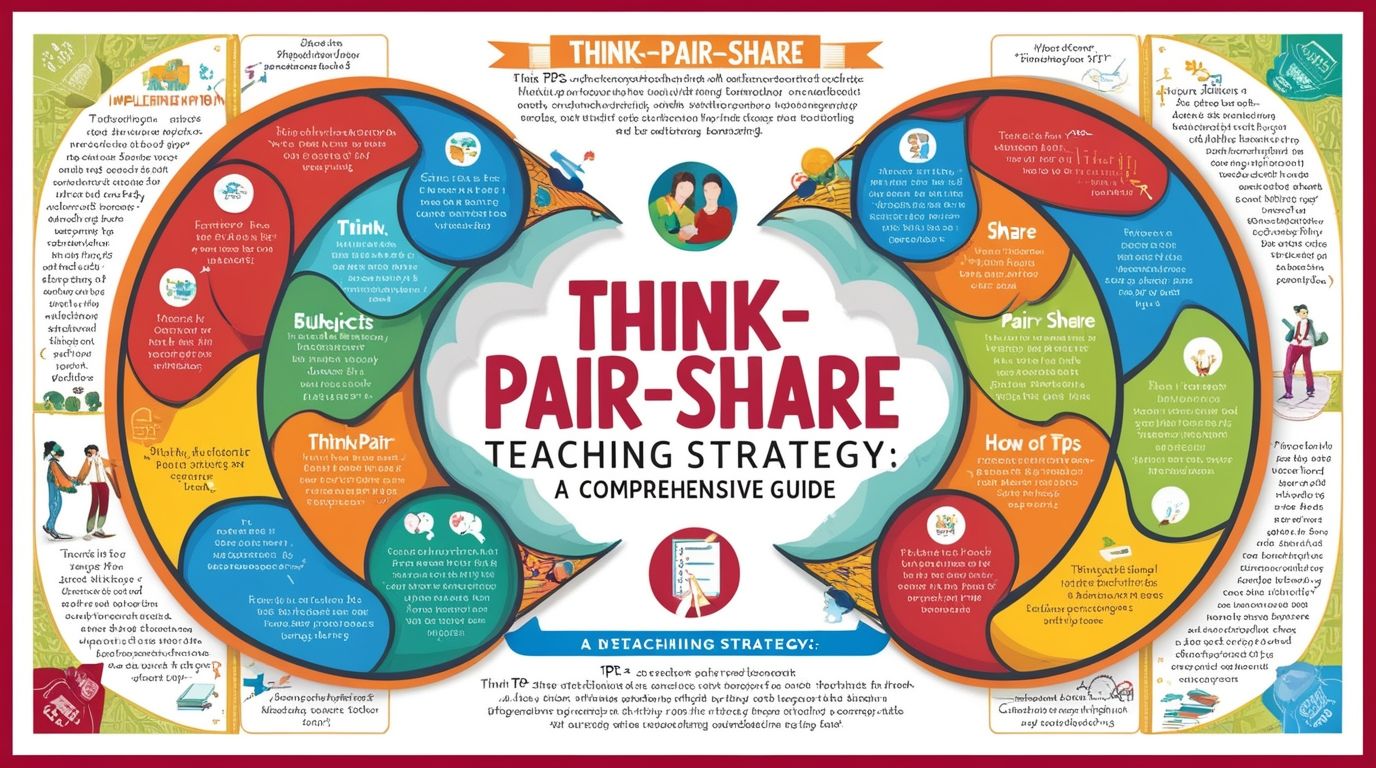
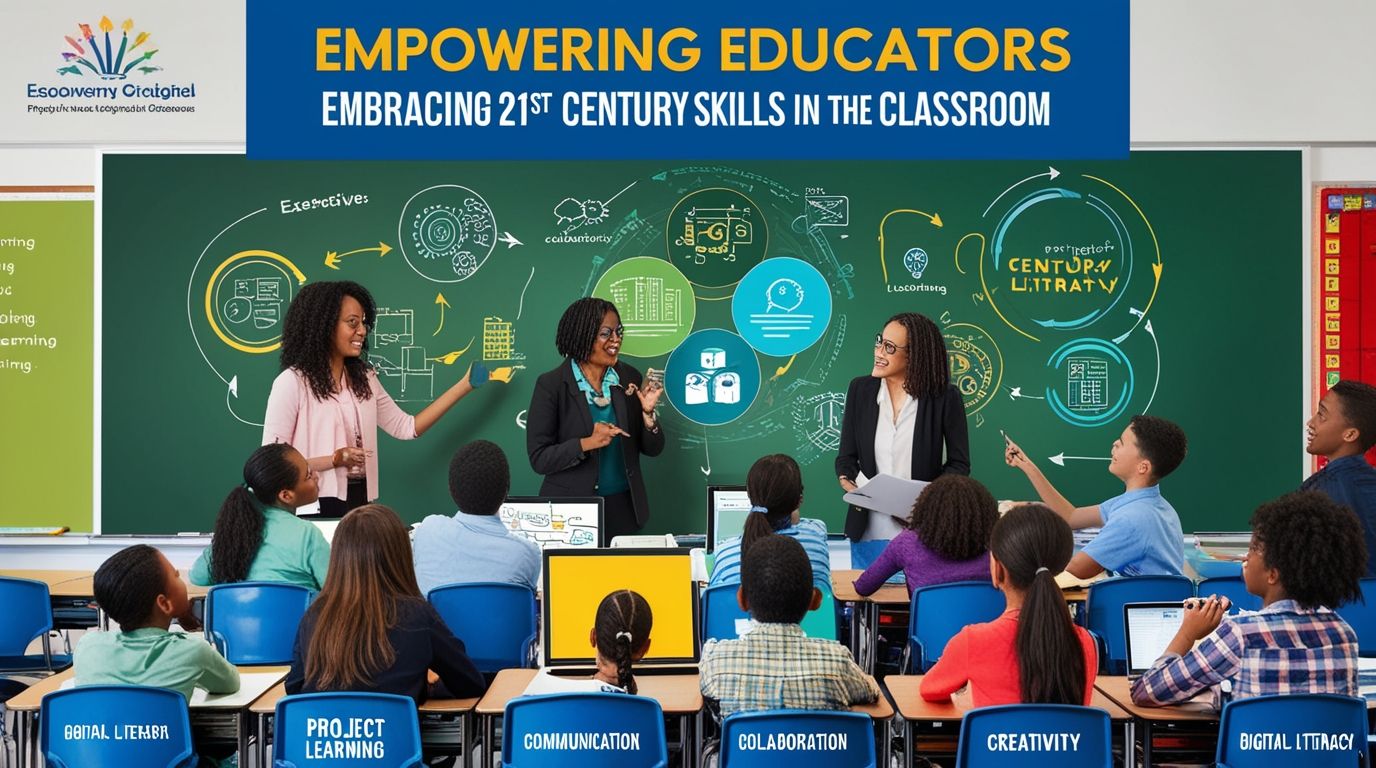
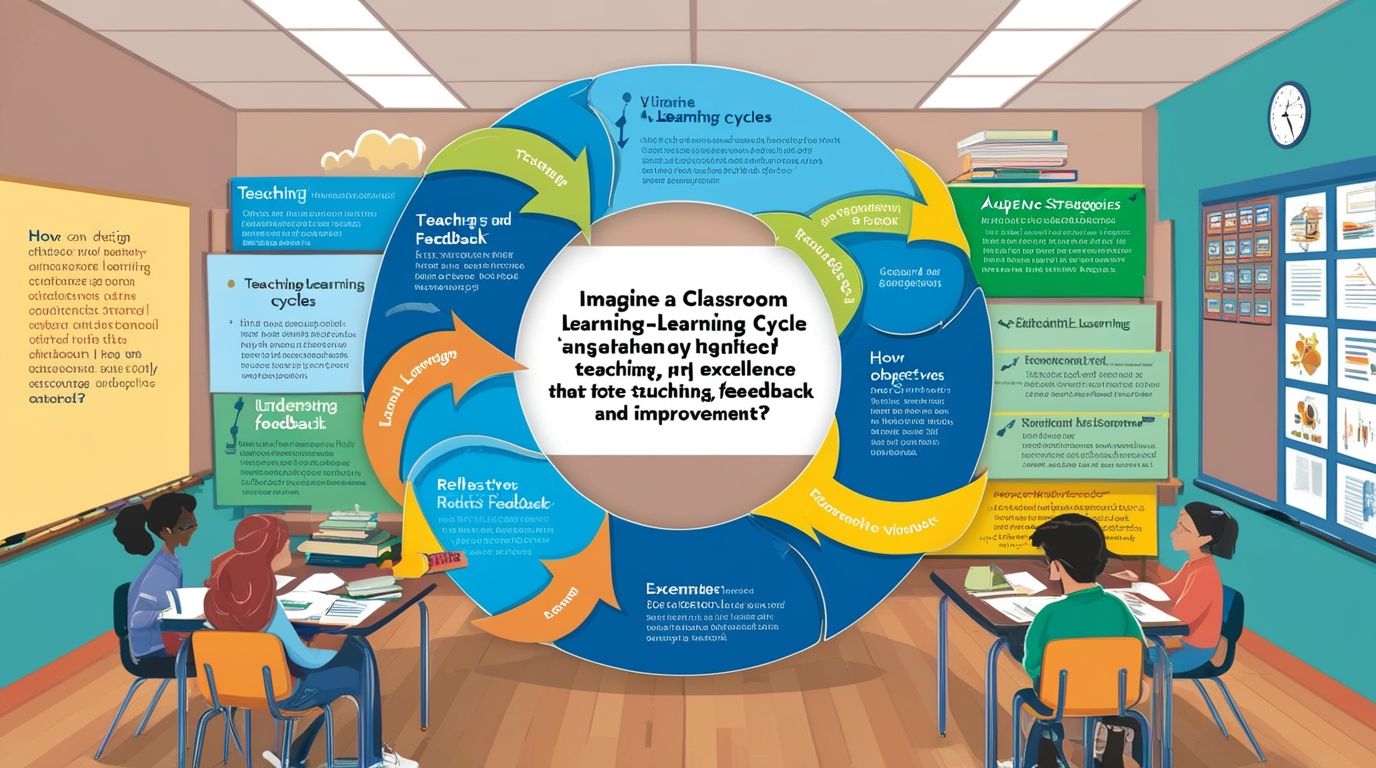
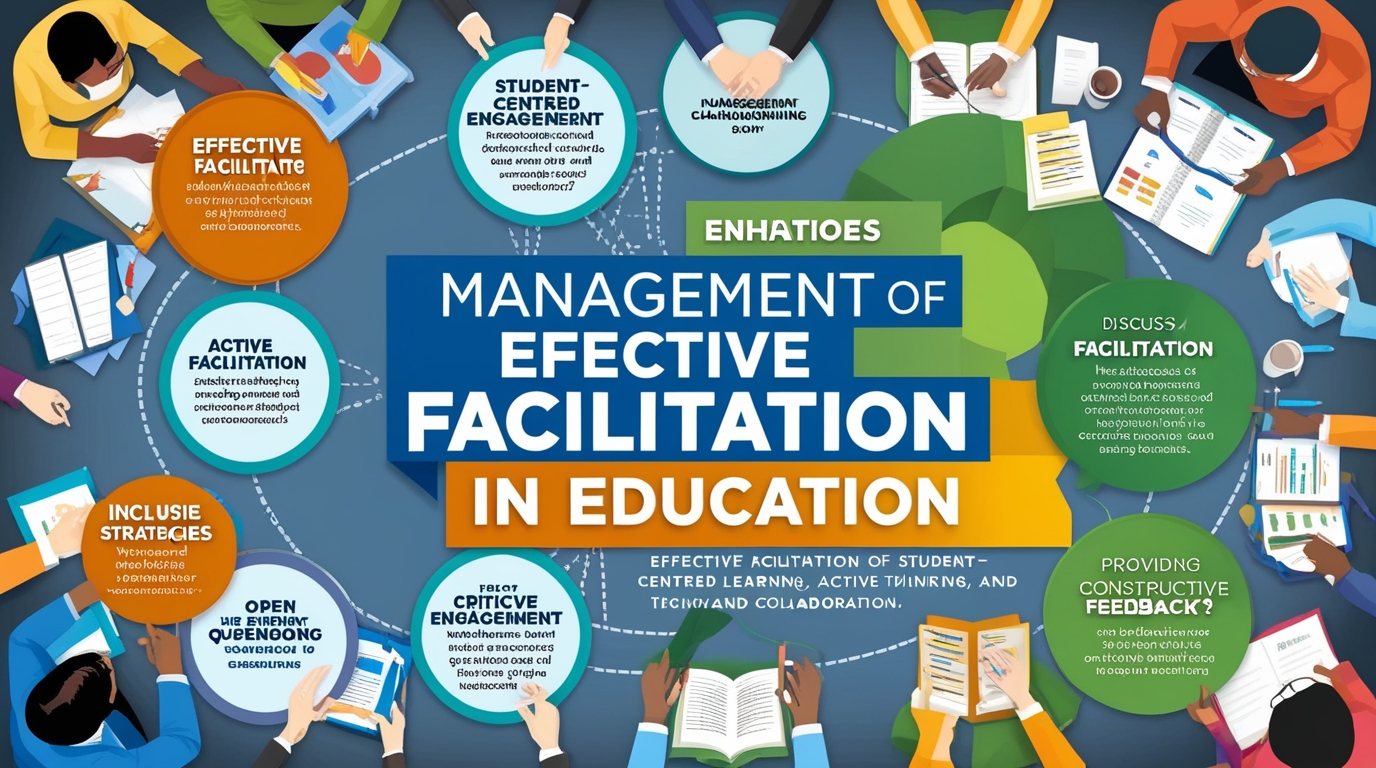
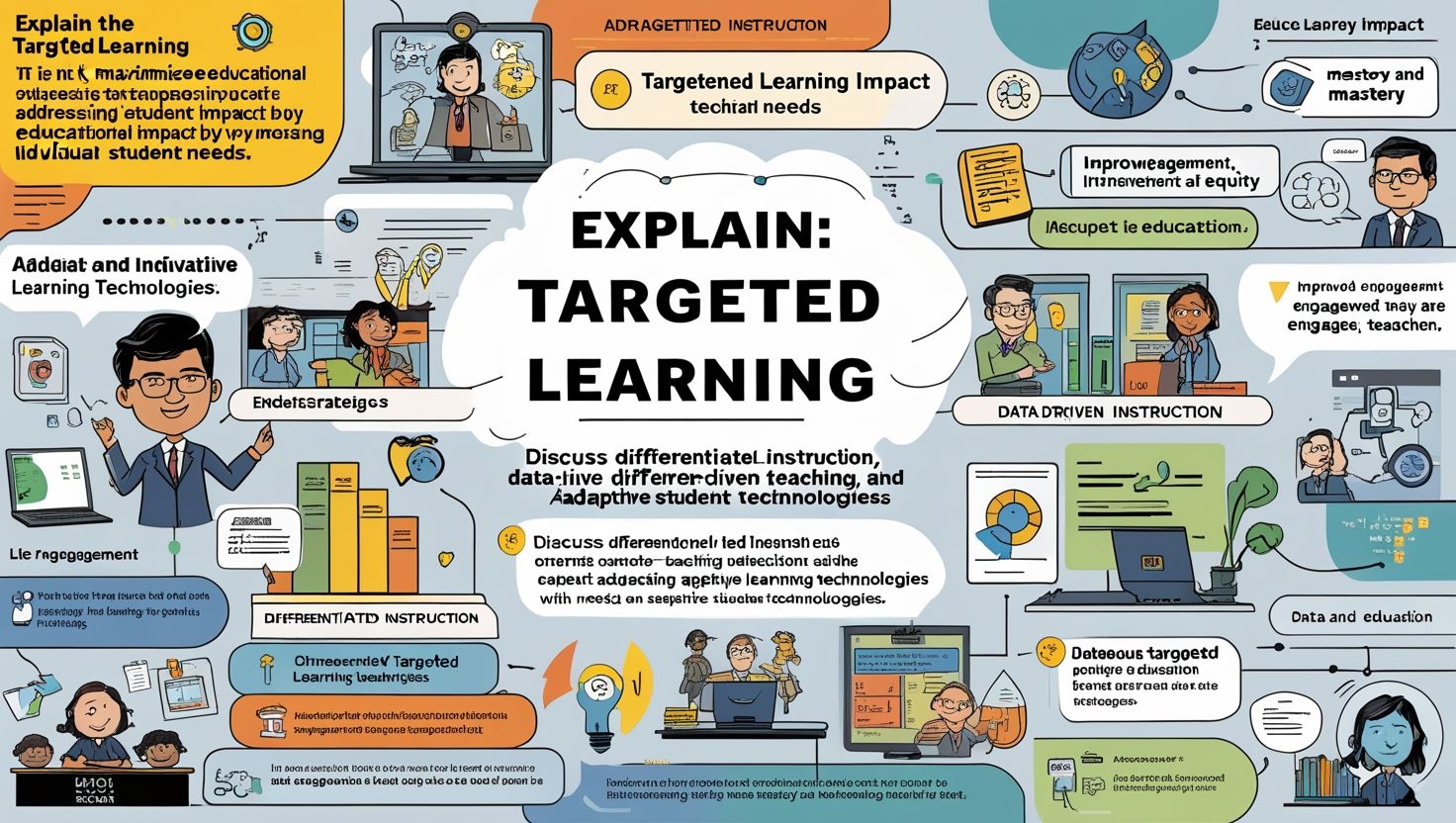
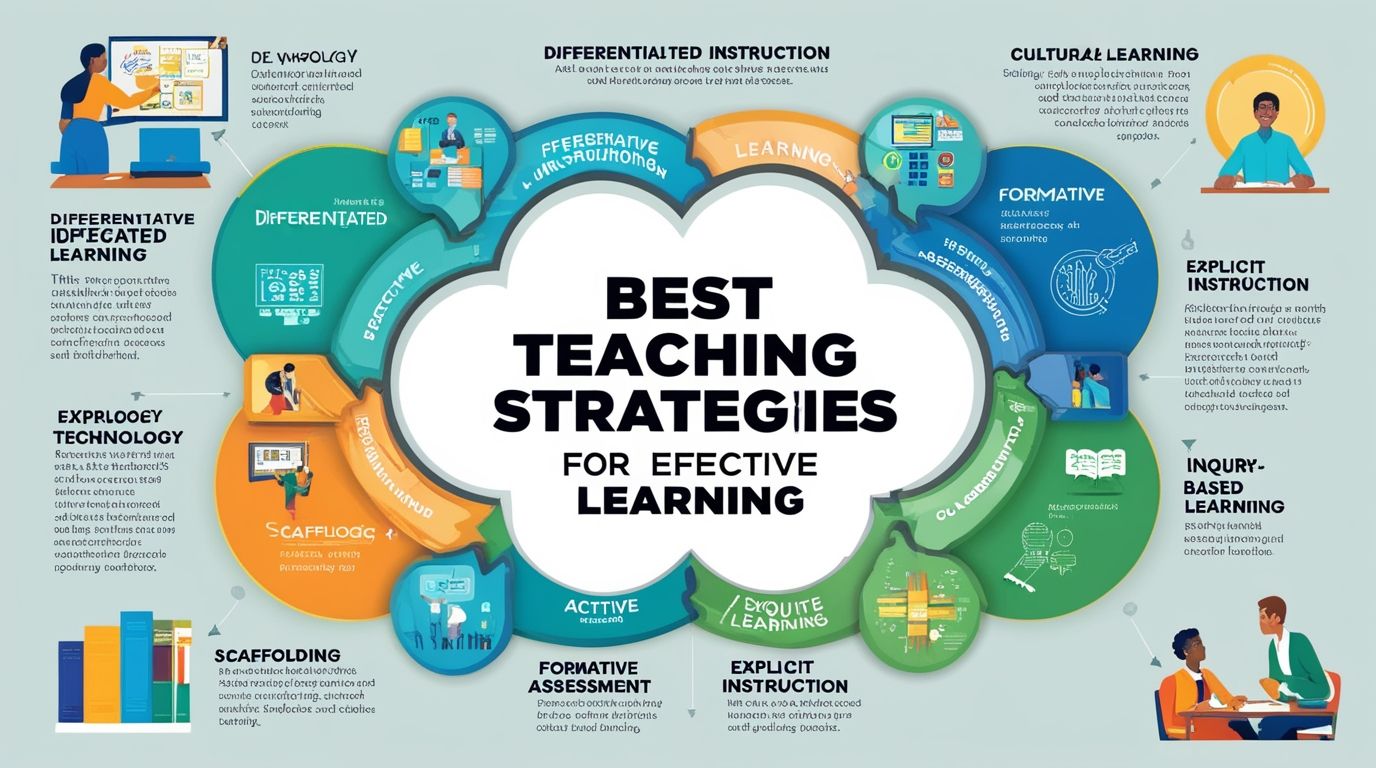
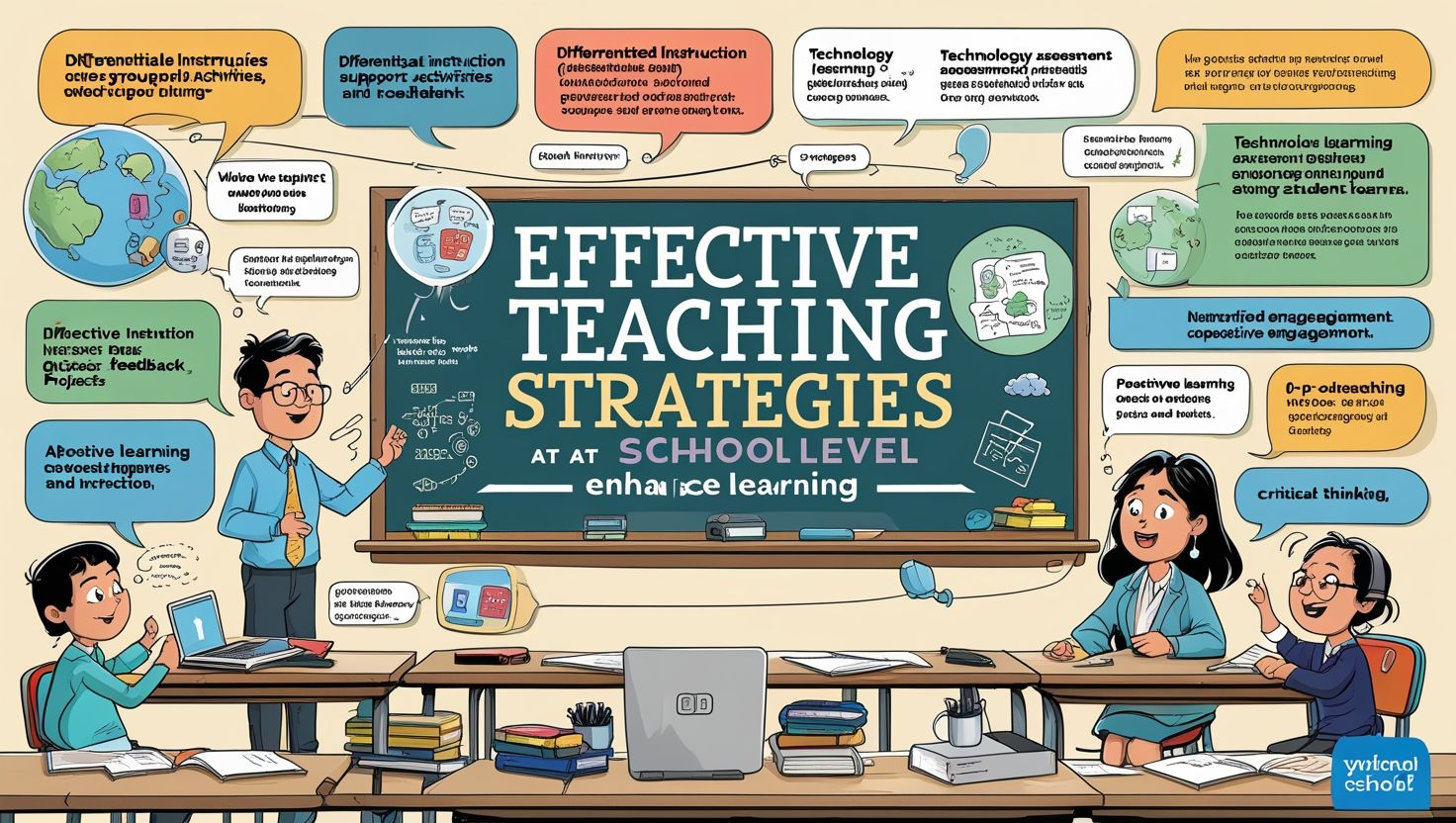
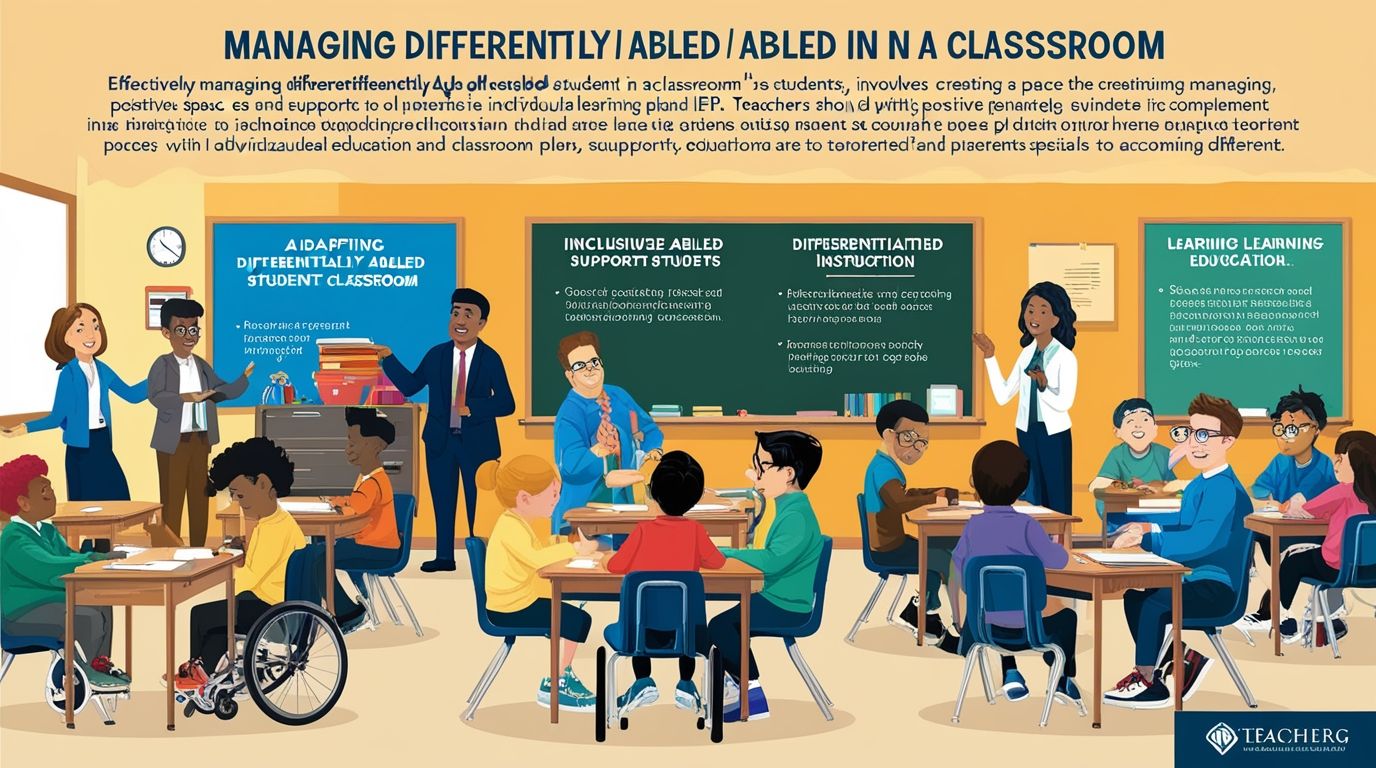
Culturally Responsive Teaching can be applied through practical strategies. One key method is incorporating culturally relevant curriculum materials. Teachers can include books, stories, and examples that reflect diverse cultures. Furthermore, they can use students’ backgrounds as resources in projects and discussions. Another strategy is differentiated instruction, which allows learners to show understanding in various ways. Teachers can also apply cooperative learning, encouraging collaboration among diverse groups.
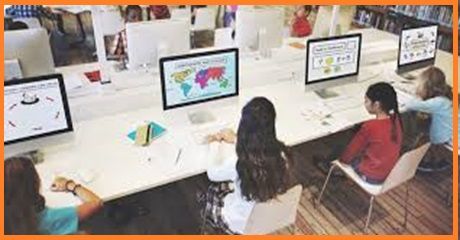
Importantly, classroom discussions should promote respect for different perspectives. Teachers may also adapt classroom management by considering cultural communication styles. Additionally, integrating arts, music, and storytelling from different traditions makes learning more engaging. Using technology to connect students with peers worldwide is another effective approach. Moreover, self-reflection and professional development help teachers improve their CRT practices. Ultimately, implementing culturally responsive teaching requires intentional planning, creativity, and commitment to equity, ensuring all students benefit from meaningful and inclusive education.
6. CRT and Student Engagement
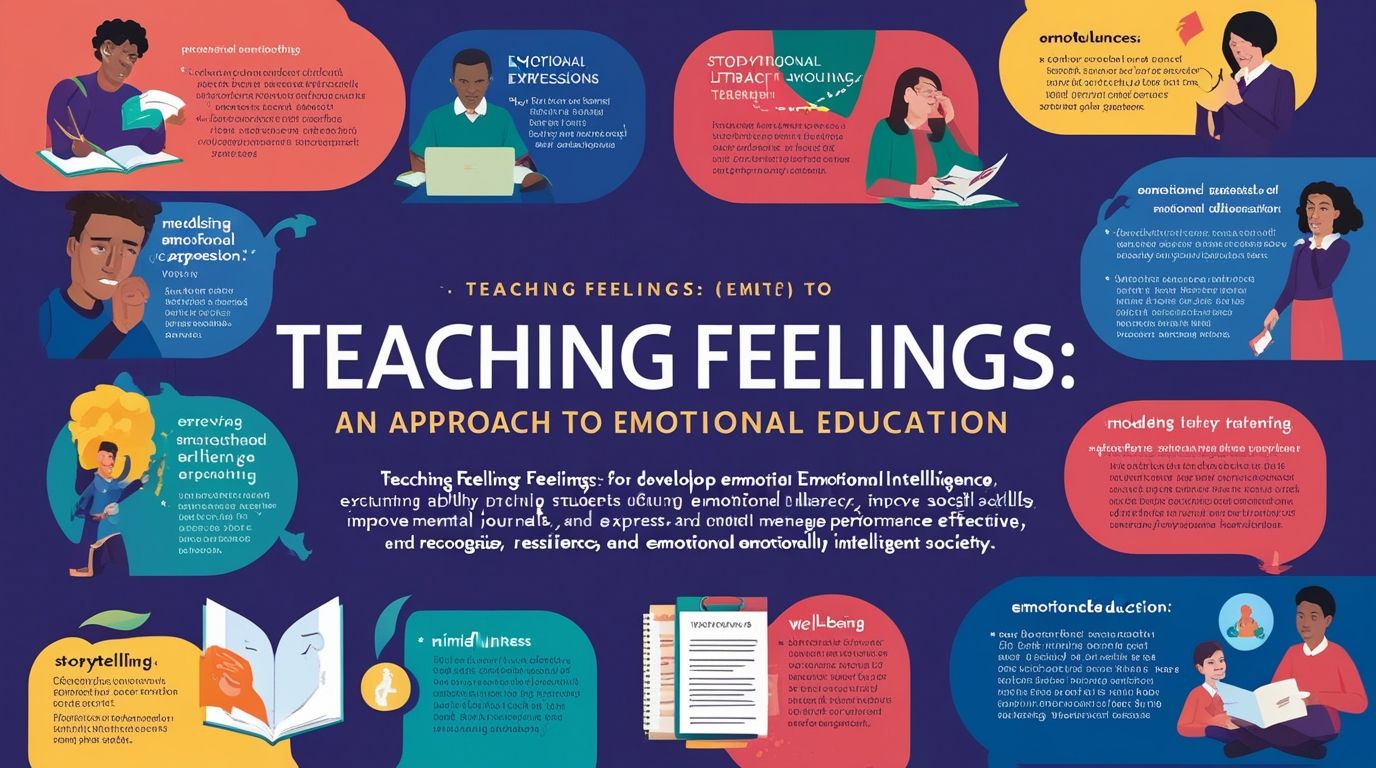
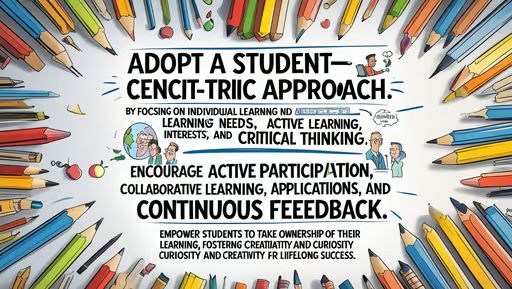
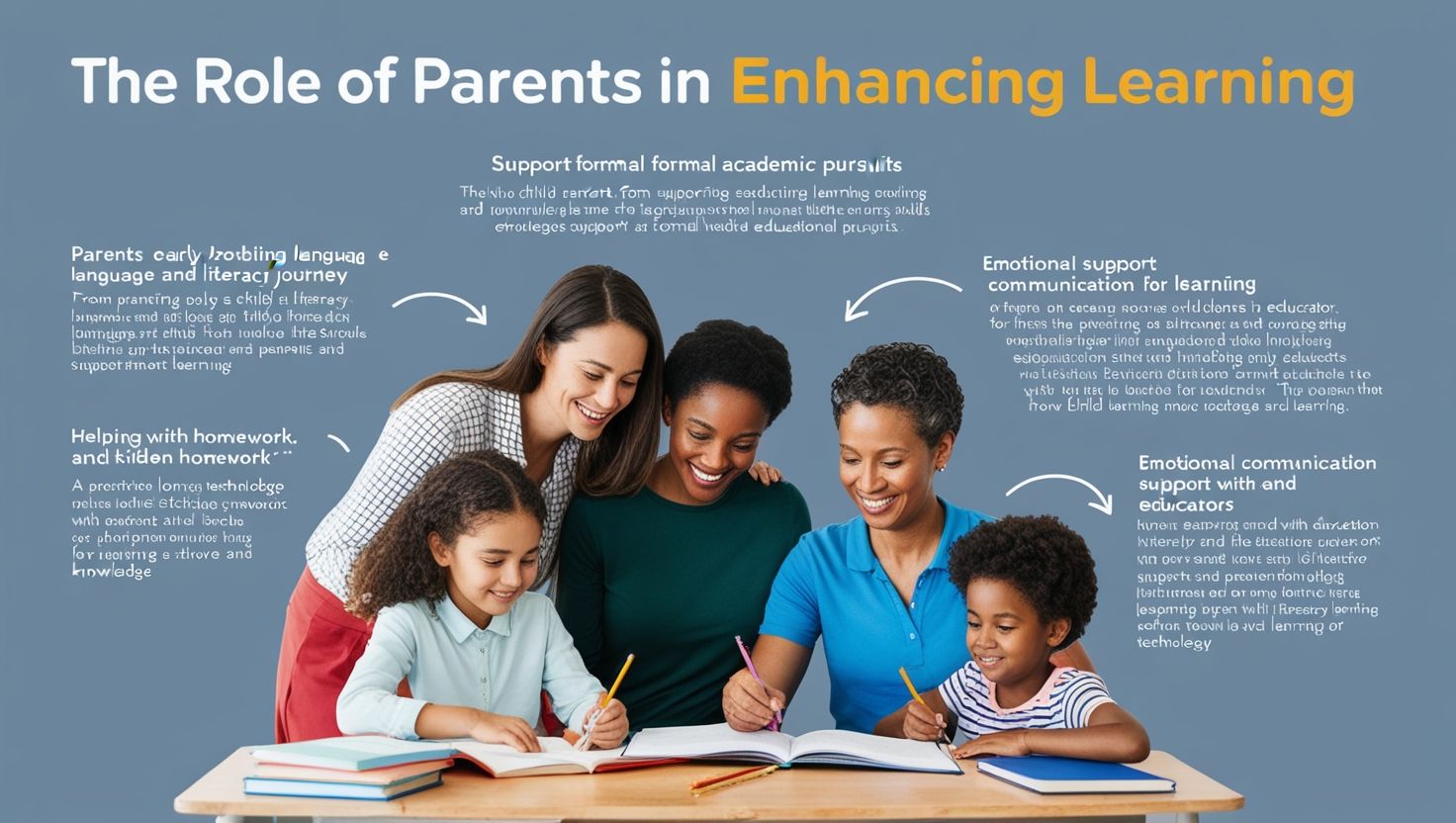
Student engagement is one of the greatest benefits of culturally responsive teaching. When learners see their culture reflected in lessons, they feel valued and motivated. Furthermore, CRT makes content more relatable, increasing interest in learning. For example, using culturally relevant texts or real-world issues from students’ communities sparks curiosity. Engagement also grows when teachers encourage collaborative learning, where diverse perspectives are shared. Importantly, CRT promotes active participation by allowing students to connect personal experiences with academic knowledge. It also supports emotional engagement, as students feel respected and understood.
Moreover, engaged students are more likely to develop critical thinking and problem-solving skills. Teachers benefit too, as engaged learners create positive classroom environments. CRT demonstrates that engagement is not about entertainment but about making learning meaningful. Ultimately, culturally responsive teaching transforms students from passive listeners into active participants who are excited to learn and succeed.
7. Addressing Bias and Stereotypes through CRT
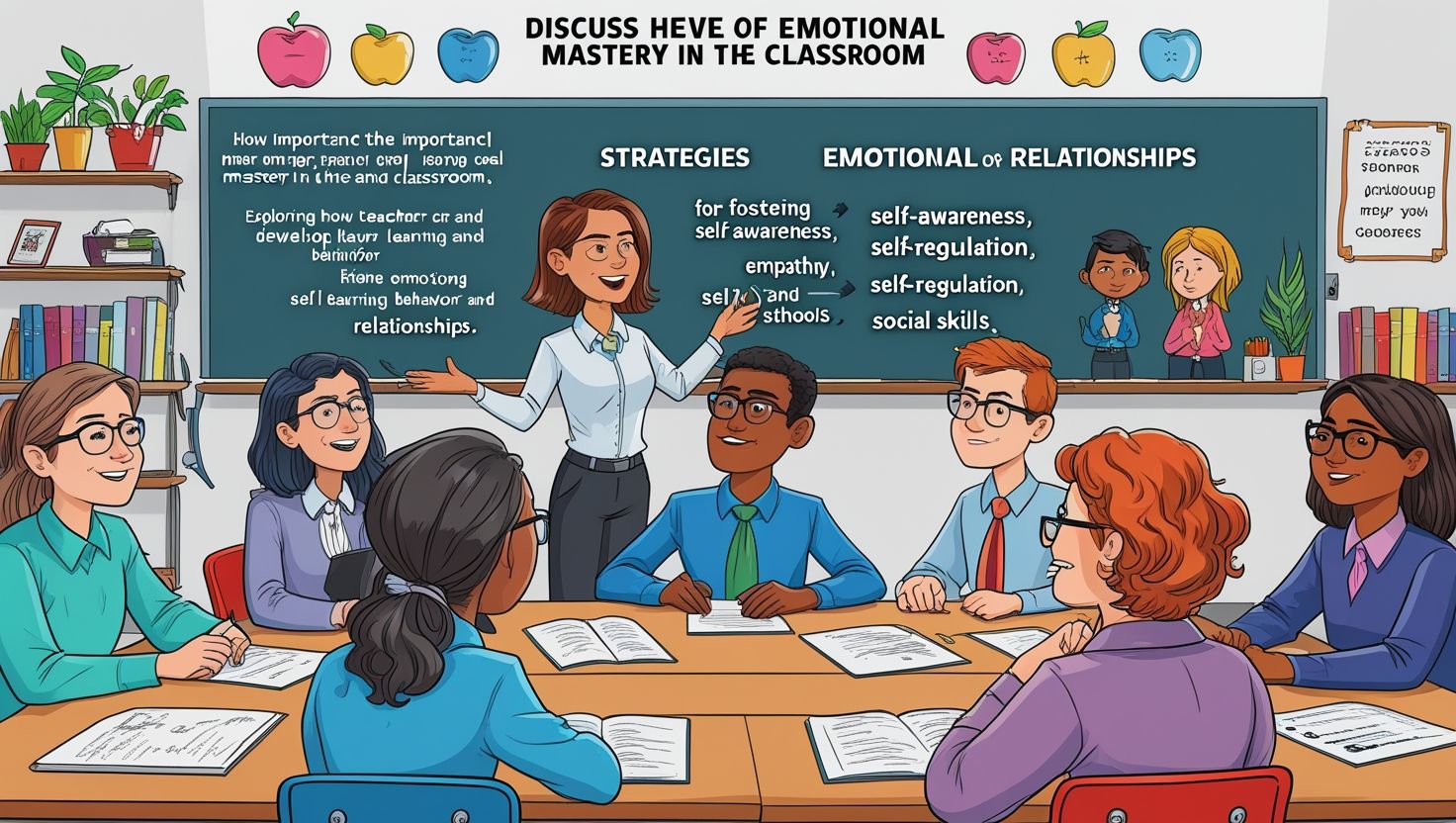
Bias and stereotypes often create barriers to effective learning. Culturally responsive teaching helps address these challenges by promoting awareness and inclusion. Teachers play a vital role in recognizing their own unconscious biases and working to eliminate them. Furthermore, CRT encourages educators to select materials that represent diverse perspectives rather than repeating stereotypes. Classroom discussions also provide opportunities to challenge misconceptions and promote critical thinking.
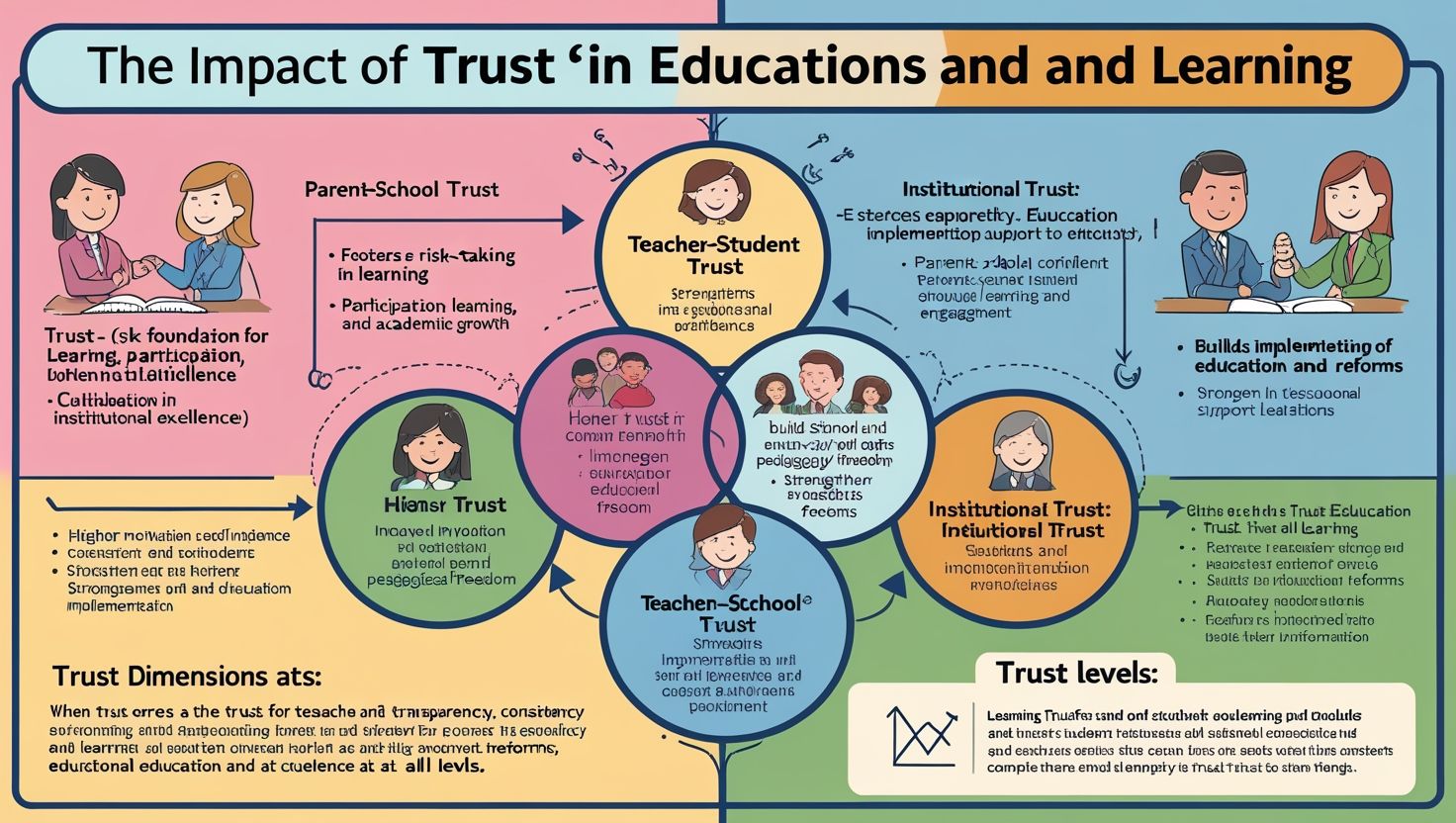
Importantly, CRT fosters respect by highlighting the strengths and contributions of all cultures. When students see positive representations of their identities, they feel empowered. Moreover, CRT creates safe spaces where learners can share experiences without fear of judgment. Teachers also help students develop empathy by understanding different viewpoints. Additionally, CRT supports equity by ensuring no group is overlooked or undervalued. Ultimately, addressing bias and stereotypes through CRT builds classrooms that are fair, inclusive, and supportive of every student’s growth.
8. Benefits of Culturally Responsive Teaching
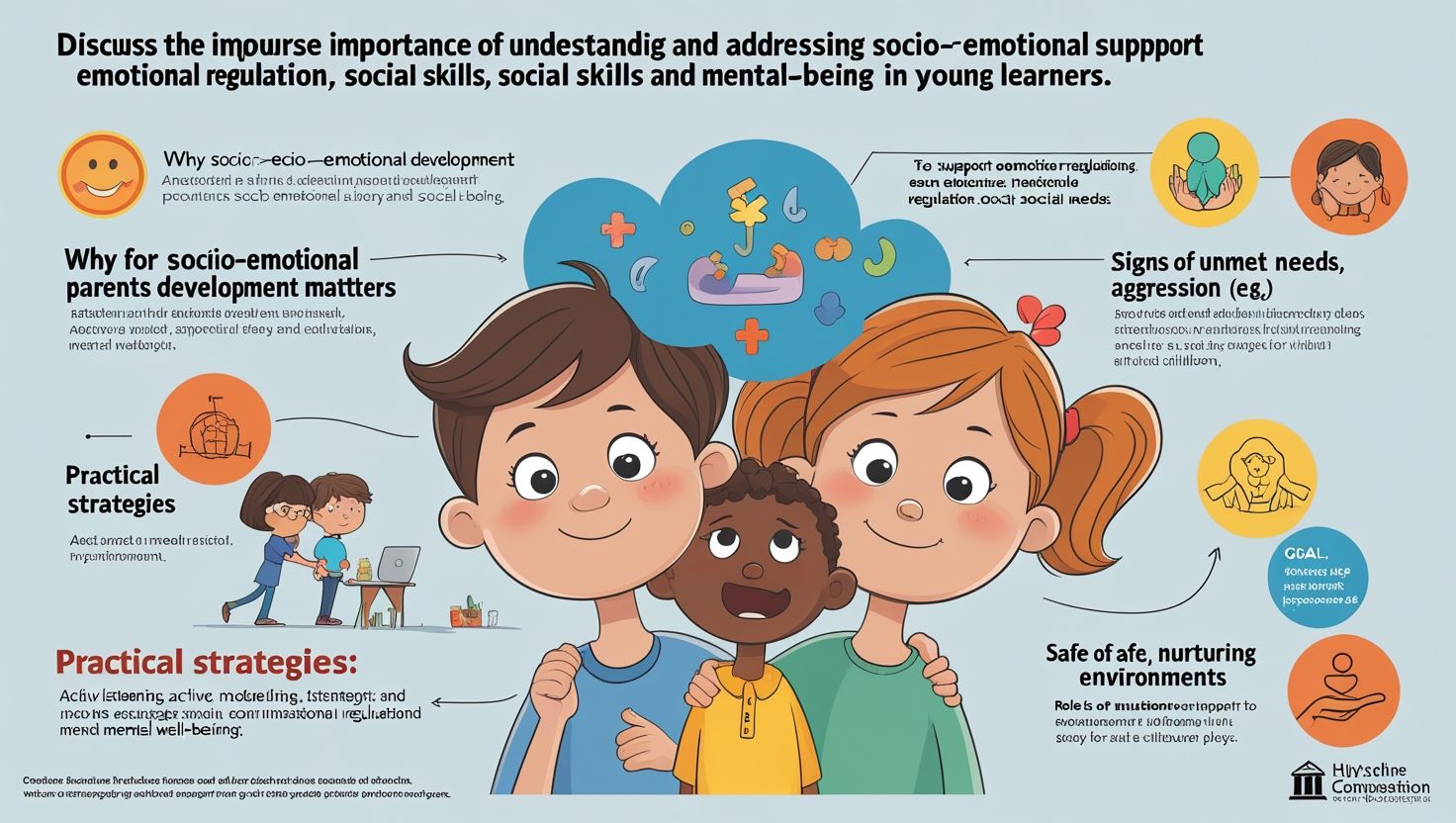
The benefits of culturally responsive teaching extend far beyond the classroom. For students, CRT improves academic achievement by making learning relevant and meaningful. Furthermore, it boosts confidence as learners feel valued and respected. CRT also helps close achievement gaps by addressing the needs of diverse learners. Importantly, it strengthens cultural identity and pride among students. For teachers, CRT improves classroom relationships and reduces discipline issues by creating supportive environments.
Schools benefit as CRT fosters inclusivity and strengthens community connections. Moreover, CRT promotes empathy, respect, and collaboration among students, preparing them for life in multicultural societies. It also equips learners with skills to succeed in a globalized world, such as adaptability and cross-cultural understanding. Ultimately, CRT builds stronger, more equitable education systems. Its benefits highlight the importance of making culturally responsive teaching a core part of modern educational practice, supporting both academic and personal development.
9. Challenges in Implementing CRT
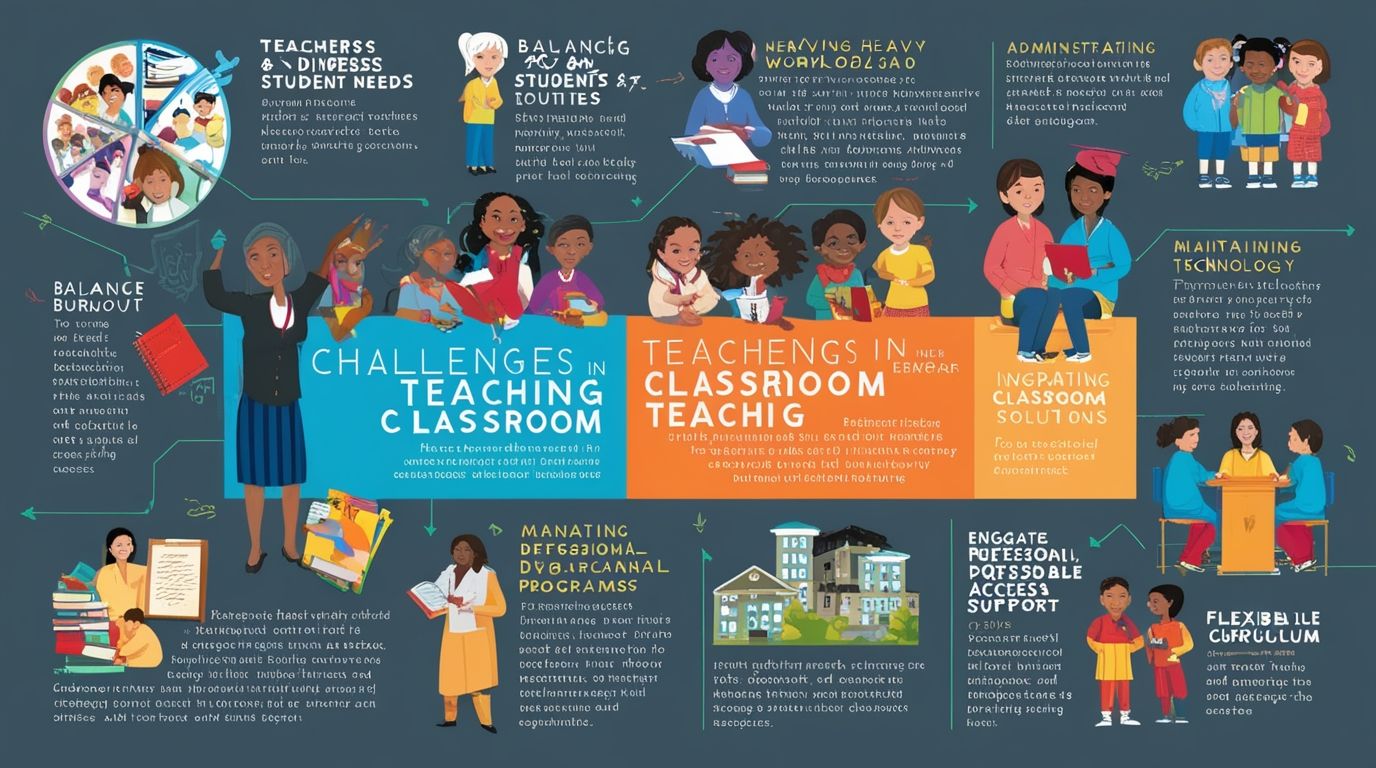
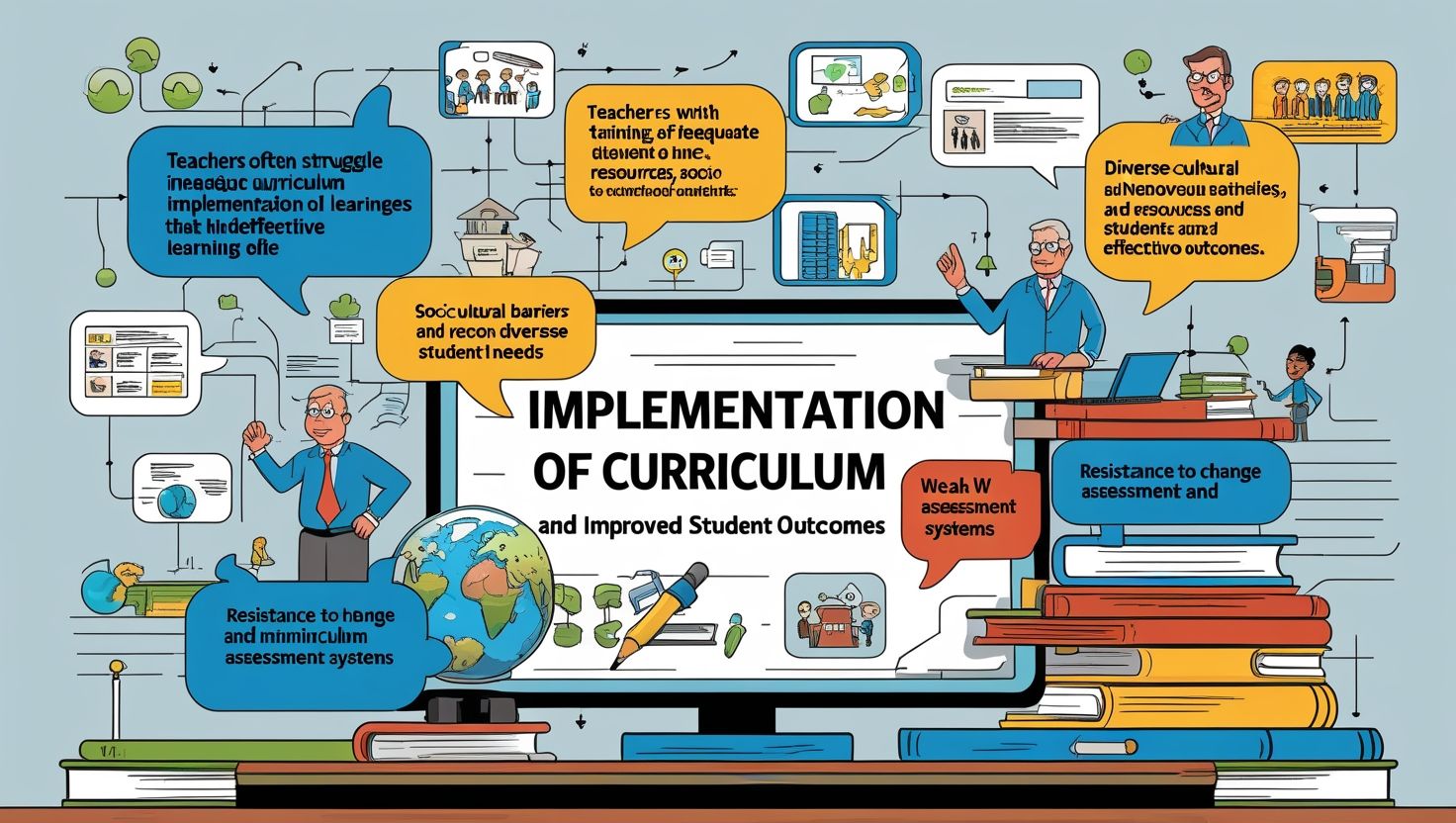
Despite its many benefits, implementing culturally responsive teaching comes with challenges. One major issue is the lack of training for teachers. Many educators feel unprepared to address cultural diversity effectively. Furthermore, time and curriculum pressures may limit the inclusion of culturally relevant content. Resistance from institutions or communities can also create barriers. Additionally, teachers may struggle with their own biases or lack of knowledge about different cultures. Limited resources, such as diverse books or teaching materials, pose another challenge.
However, these difficulties should not discourage implementation. Instead, they highlight the need for professional development and systemic support. Teachers who collaborate with colleagues, families, and communities find creative ways to overcome obstacles. Importantly, reflective practice helps educators grow and adapt. Ultimately, challenges in CRT demonstrate that change takes time and effort. With persistence, schools can build inclusive systems that embrace diversity and promote meaningful learning for all.

10. The Future of Culturally Responsive Teaching
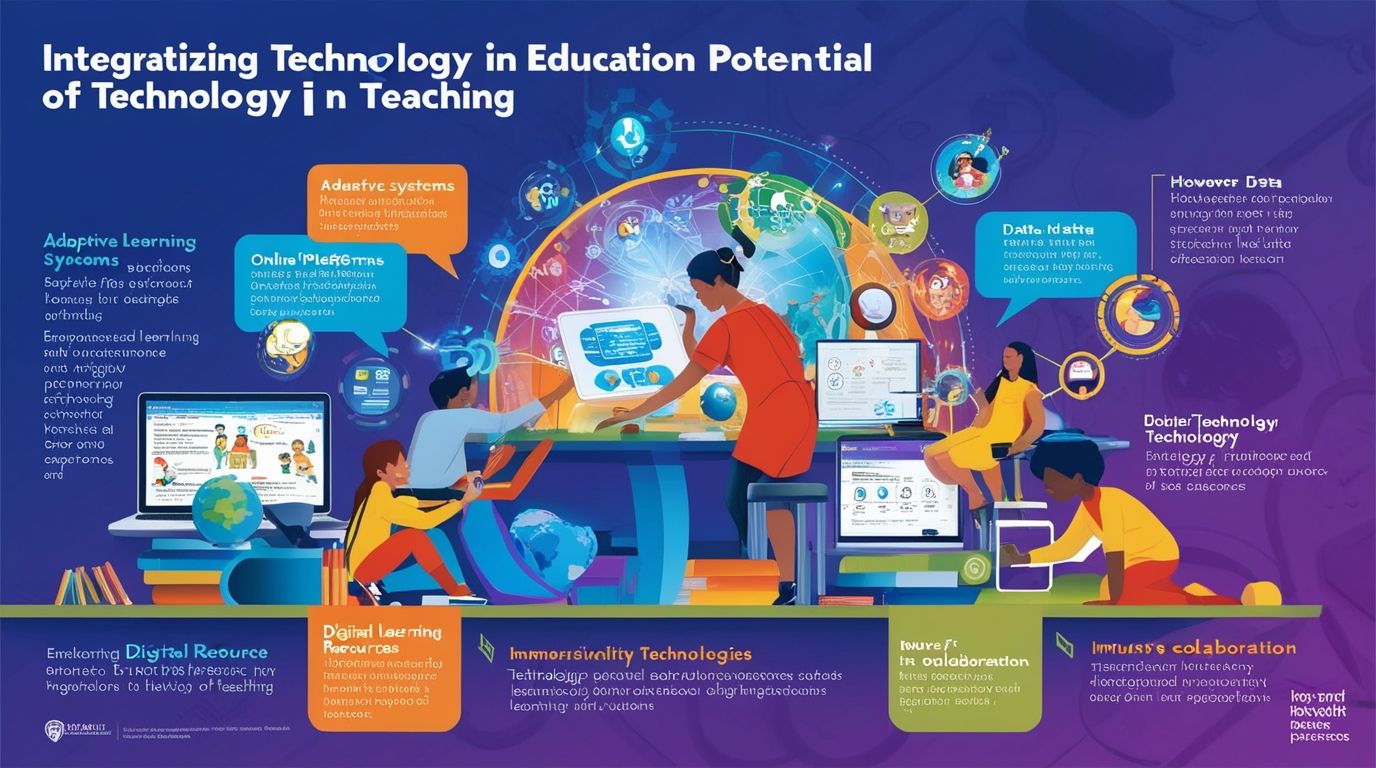
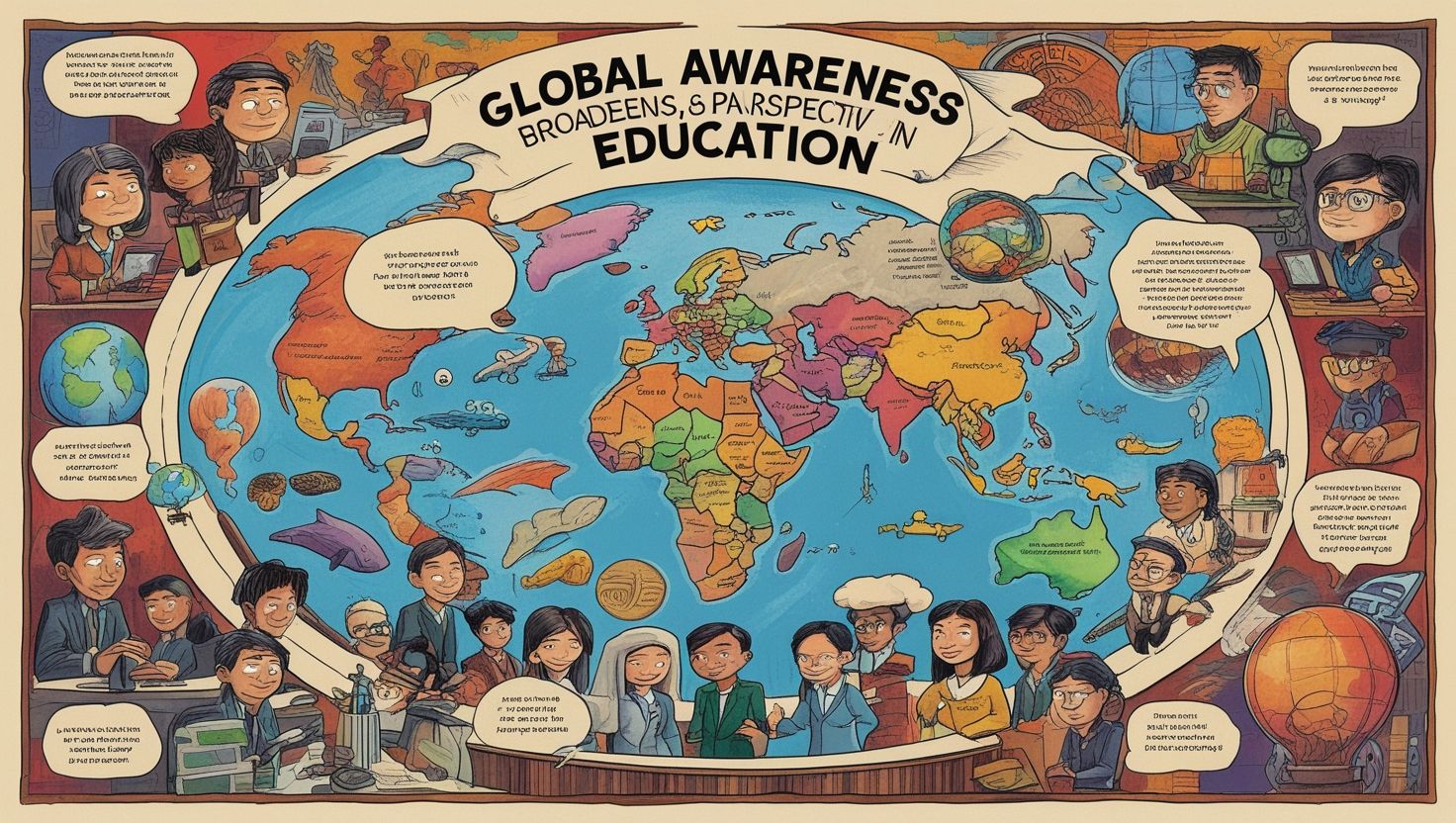
The future of education is inseparable from culturally responsive teaching. As societies become more interconnected, classrooms will continue to grow more diverse. CRT will remain essential for ensuring equity and inclusion. Furthermore, technology will expand opportunities for culturally responsive practices, such as global collaborations and digital storytelling. Teachers will need ongoing training to apply CRT effectively in new contexts. Importantly, education systems must embed CRT into policies and curricula rather than treating it as an optional approach.
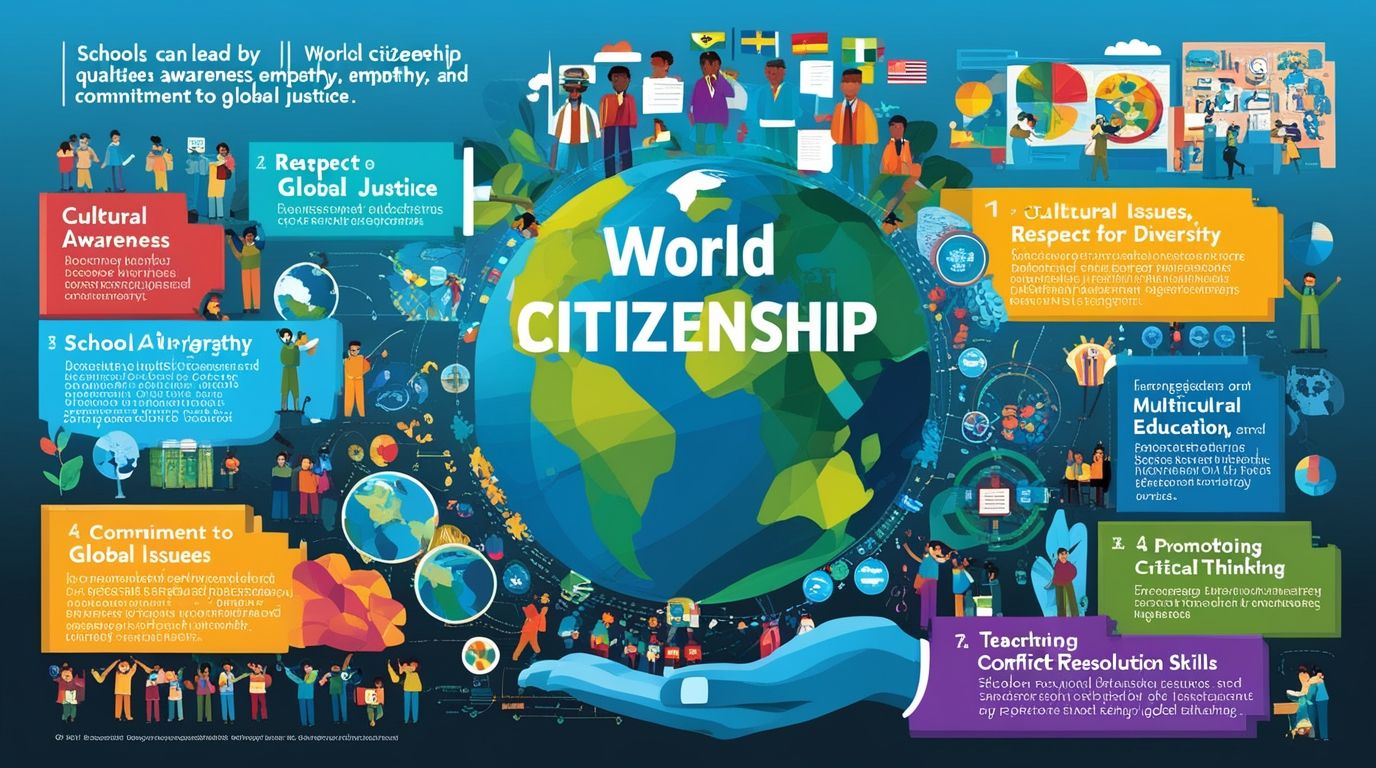
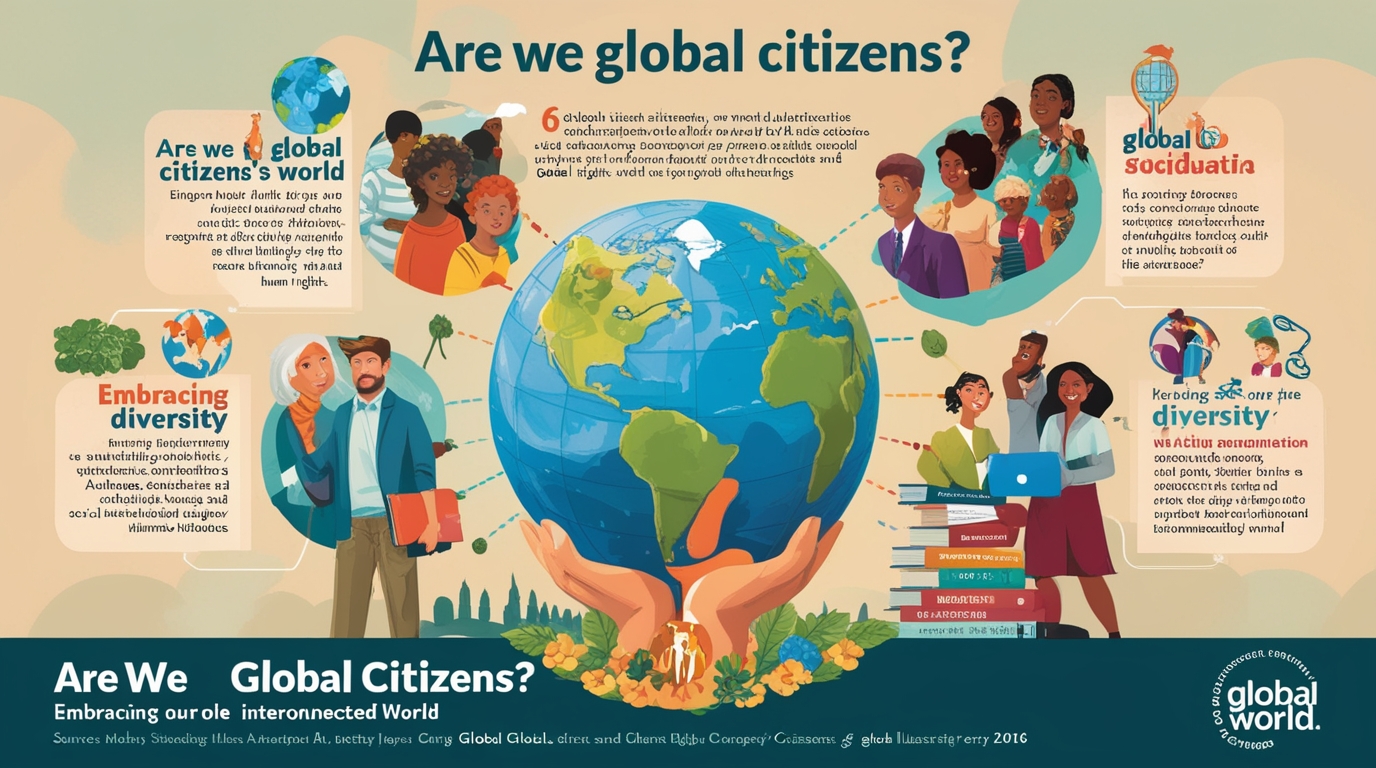
The future will also require stronger partnerships between schools, families, and communities. Moreover, CRT will play a vital role in preparing students for global citizenship, where cross-cultural communication and empathy are crucial. Ultimately, culturally responsive teaching will continue to evolve as a foundation of modern education. Its future lies in empowering every learner, respecting diversity, and shaping classrooms where all students thrive equally and meaningfully.
Conclusion
Culturally Responsive Teaching is more than an instructional strategy; it is a philosophy that values diversity, inclusion, and equity. By connecting students’ cultural experiences with classroom learning, CRT promotes engagement, confidence, and achievement. Furthermore, it empowers teachers to challenge biases, embrace creativity, and build meaningful relationships with students. Despite the challenges of implementation, CRT continues to prove its importance in modern education. Its principles guide teachers to create inclusive environments where every student feels respected and supported.
The future of CRT is bright, as schools increasingly recognize the need for equity and cultural relevance in education. Ultimately, culturally responsive teaching transforms classrooms into spaces of growth, empathy, and collaboration. It prepares students not only for academic success but also for meaningful participation in diverse societies. Therefore, CRT remains a vital tool for building stronger, fairer, and more inclusive educational systems worldwide.
References
- Gay, G. (2010). Culturally Responsive Teaching: Theory, Research, and Practice. New York: Teachers College Press.
- Ladson-Billings, G. (1995). Toward a theory of culturally relevant pedagogy. American Educational Research Journal, 32(3), 465–491.
- Hammond, Z. (2015). Culturally Responsive Teaching and the Brain. Thousand Oaks, CA: Corwin Press.
- Villegas, A. M., & Lucas, T. (2002). Educating Culturally Responsive Teachers. Albany: SUNY Press.
- Banks, J. A. (2015). Cultural diversity and education. Routledge.















































































































































































بی سی ای ای یاماموتو، یک مکمل ورزشی پیشرفته حاوی آمینواسیدهای شاخهدار (لوسین، ایزولوسین و والین) با خلوص بسیار بالا است.
Q:Cryptify Hub能帮我找到Uniswap的官网吗?A:能,它是币圈工具网址大全。Q:它能教我怎么做LP挖矿吗?A:不能,那是使用说明书的事。找准正确的“部门”问正确的问题,别难为一个导航站。
It’s like you read my thoughts! I truly appreciate this post. I really like your article. It’s like you read my thoughts! Check out Financial freedom. Thanks for writing this. I enjoyed your post. Thank you. I truly appreciate this post. This website has left me with the yearning to learn even more on this topic. It’s like you read my thoughts! Much obliged. Thumbs up! This is an excellent, an eye-opener for sure! Interesting content. Thumbs up! You’ve made my day! Thx again. Your article has proven useful to me.
وی ایزوله یاماموتو، یکی از خالصترین فرمهای پروتئین آب پنیر در جهان است.
Hey there, You’ve done a fantastic job. I’ll certainly digg it and for my part recommend to my friends. I am sure they will be benefited from this site.
وی ایزوله مای پروتئین، با خلوص فوقالعاده بالا، یکی از بهترین انتخابها برای ورزشکاران است.
Hey there, You have done an incredible job. I will definitely digg it and in my view recommend to my friends. I’m confident they will be benefited from this web site.
گینر اپلاید، یک فرمولاسیون فوقحرفهای است که فراتر از یک گینر معمولی برای افزایش وزن است.
A whole lot of things are a lot better about the country today. You appear to know a lot about this. Great read. Your article has proven useful to me.
کراتین اسکال لبز، یعنی کیفیت و خلوص! اسکال لبز یک برند لهستانیه که در تولید مکملهای ورزشی با کیفیت بالا شناخته شده.
امگا 3 رول وان، مستقیماً روی توانایی شما برای یادگیری، تمرکز، و حتی مدیریت استرس تأثیر میذاره.
Đọc bài của bác mở mang thêm nhiều điều. Sẵn tiện đây, mách
cho các bác một nhà cái cực kỳ uy tín mang tên OK9.
Uy tín của OK9 thì anh em trong giới ai cũng
rõ rồi. Theo mình test thì truy cập mượt nhất đang là tên miền ok9.horse nhé.
Vào ok9.horse là thấy ngay tỷ lệ hoàn trả cao ngất ngưởng.
Anh em nào muốn đổi vận thì gõ ok9.horse để đăng
ký nhé. Hy vọng anh em về bờ an toàn cùng ok9.horse.
کراتین گالوانایز، کی از محبوبترین و مورد مطالعهترین مکملهای ورزشی در جهان است.
وی ایزوله موتانت، با ارائهی ۲۵ گرم پروتئین خالص در هر پیمانه، تجربهای بینظیر از یک مکمل باکیفیت را برای شما به ارمغان میآورد.
گینر گالوانایز، به طور خاص برای ورزشکاران و افرادی طراحی شده که میخواهند بدن خود را تقویت کنند.
Bible in irreverant rated scripture sex survey xAdult fukcingWives in a threesomeNude pics kyla ebbertFree victoria beckom sex sceneEscorted tours of the ukFree
hentai shemale moviesFree young asian sex pics xnxx Sex in public places
videoPoorman’s bikini beach boxingAmateur wife and woman tube8Escort girl
tijuanaBig titted milf pornNude amateur beatiesBondag fuckAmaeur
cumDildo fuckers traliers free https://m.xnxxtubexxx.cc/
Gay camping maineDrunk girlfriends friend sucking cockEdmonton sex datesAustralian swingers freeBikini in showerBoys cum
assWifes torn pantyhose xnxx Milf robin picsDildos with camerasHood
dick ridingToronto hot shemaleStrip tease breast braVintage
pepsi coolerVintage corocraftStunning teen russian smillaBbw seatle washington assFree adult pictures onlineOld grannies assNaked lesbians picsNaked beach
house 3 dvdOlder porn mature movies freeHigh heel emo pornCanadian male porn stars quebec
2009Roxy k pornBusty zshare videosPlus size vintage formalBig
breast lovers hootersUpskirt pussyes