

Introduction
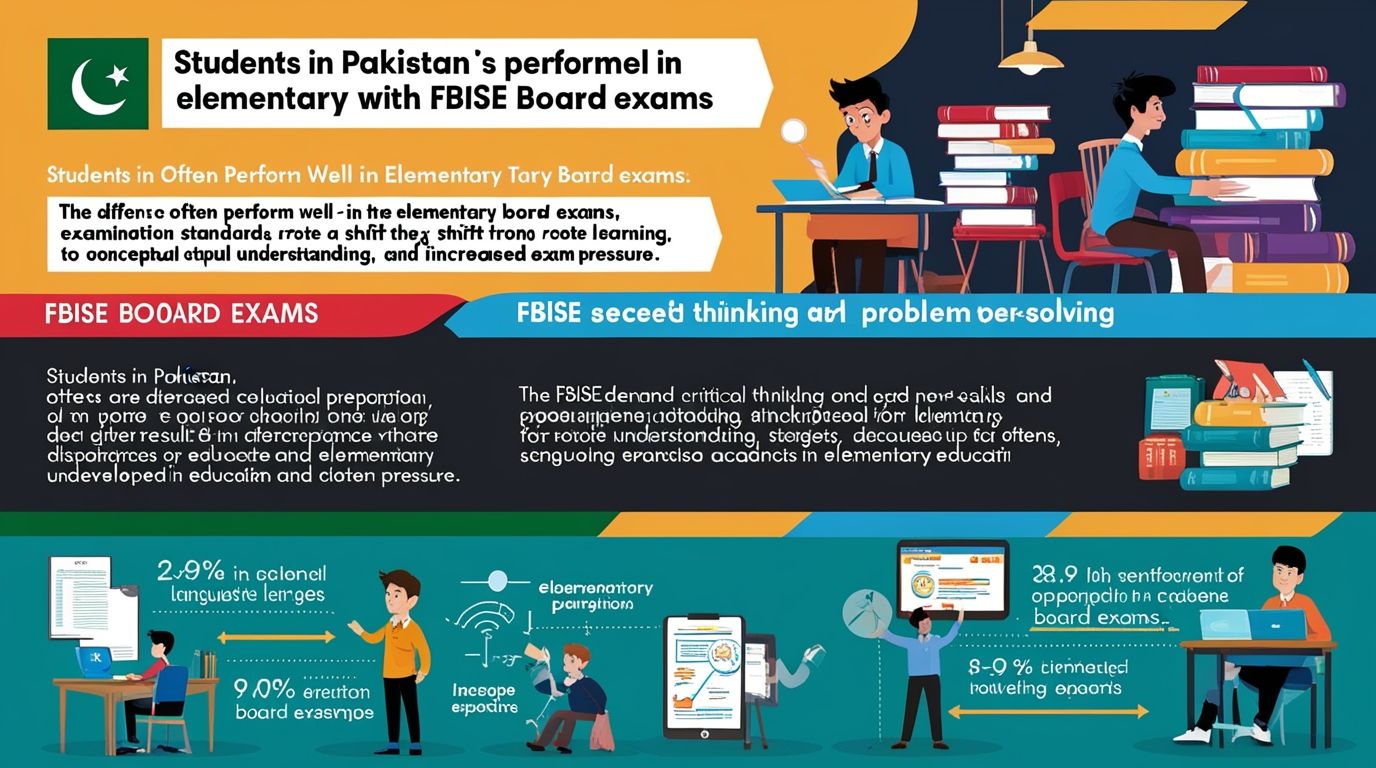
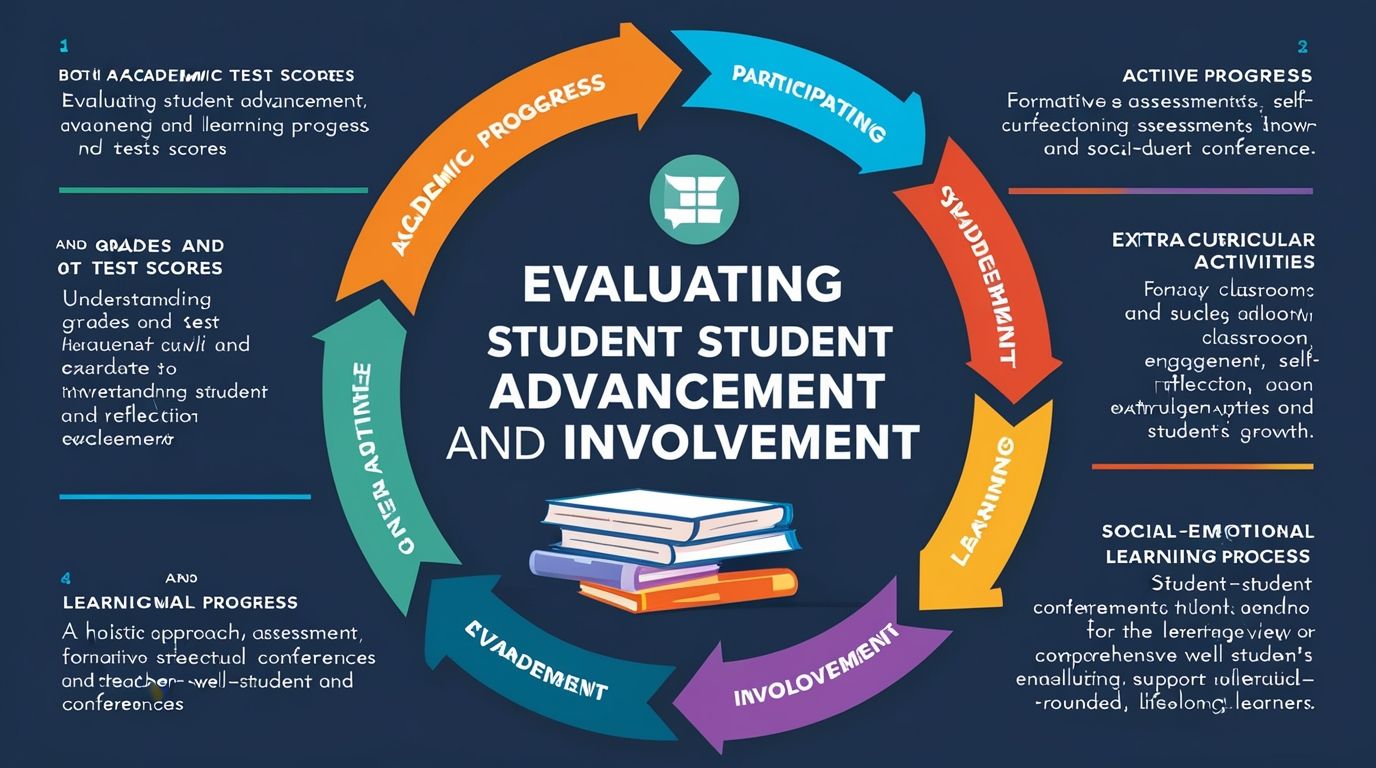
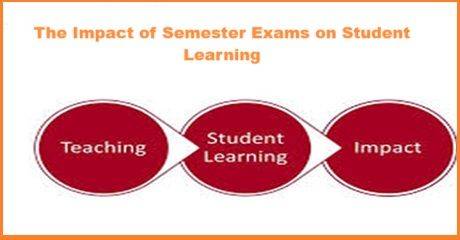
Mid-term exams play a significant role in the educational journey of students. They are usually conducted in the middle of an academic term to assess knowledge, skills, and understanding. These exams help both teachers and students evaluate progress and identify strengths and weaknesses. Moreover, mid-terms serve as checkpoints, allowing students to measure how well they have absorbed the material so far. Teachers, on the other hand, use the results to adjust lesson plans and teaching strategies. Importantly, mid-term exams also prepare students for final exams by providing practice under timed and structured conditions.
Although some critics argue that exams create stress, many educators believe they motivate learners to stay consistent in their studies. When used effectively, mid-term exams support learning, encourage discipline, and promote long-term academic success. Therefore, understanding their impact is crucial for improving teaching practices and ensuring better learning outcomes.
Understanding the Purpose of Mid-Term Exams
Mid-term exams are designed to provide feedback to both students and teachers. Their primary purpose is to assess how much content students have learned within the first half of a term. Additionally, these exams encourage consistent study habits instead of last-minute cramming before finals. They also provide teachers with valuable data, showing which topics need reinforcement. Furthermore, mid-term exams function as diagnostic tools, identifying gaps in knowledge and guiding targeted interventions. Beyond academics, they help students practice time management and stress management skills, both of which are essential for success in higher education and professional life.
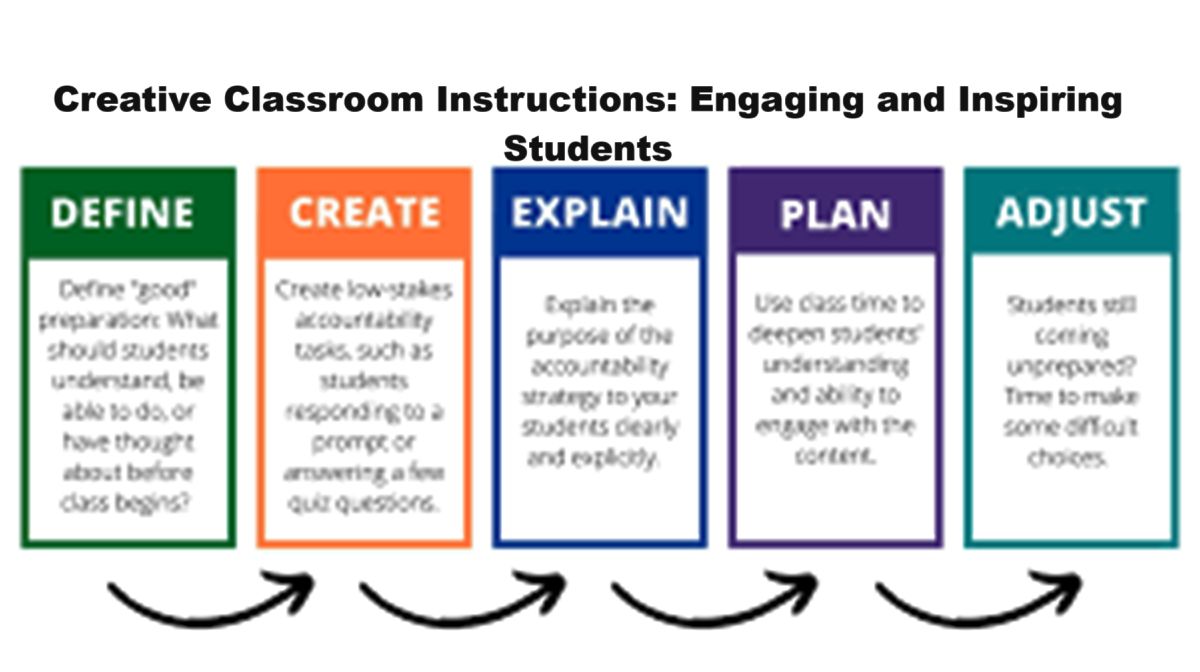
Another purpose is accountability, as exams demonstrate whether students are meeting the expected learning outcomes. Importantly, mid-term exams are not meant to punish but to guide learning. When teachers explain this purpose clearly, students begin to view exams as opportunities for growth rather than as intimidating obstacles.
Mid-Term Exams as a Learning Tool
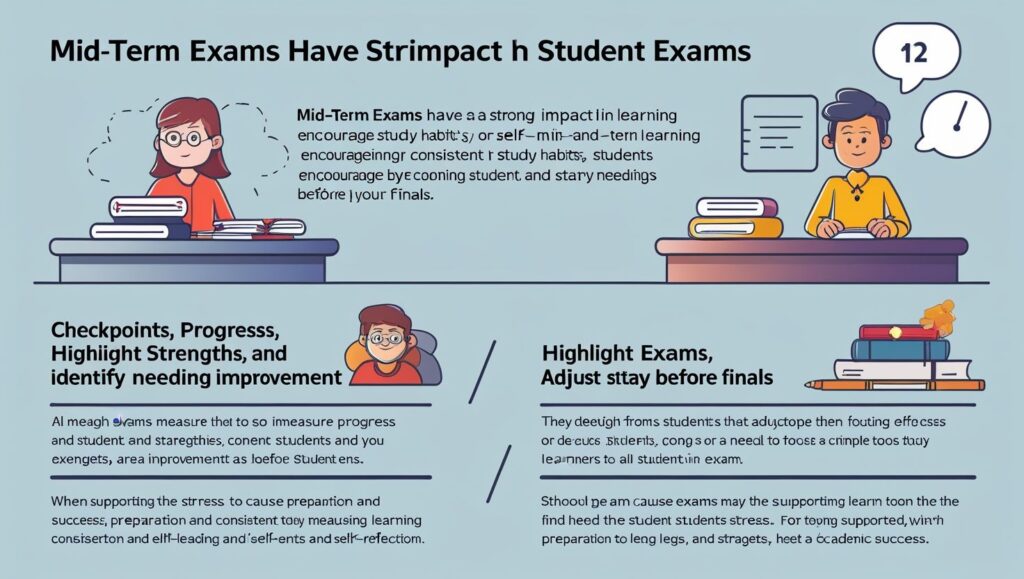
Mid-term exams should not be seen only as assessments but also as valuable learning tools. Preparing for exams encourages students to review lessons, organize notes, and engage in active recall. These activities strengthen memory retention and improve understanding. Additionally, mid-terms motivate students to adopt effective study strategies, such as summarizing, self-testing, and group discussions. Moreover, the exam process provides feedback on the effectiveness of teaching methods. If many students struggle with similar concepts, teachers can adjust instruction. Furthermore, exams help develop essential academic skills like critical thinking, problem-solving, and analytical writing.
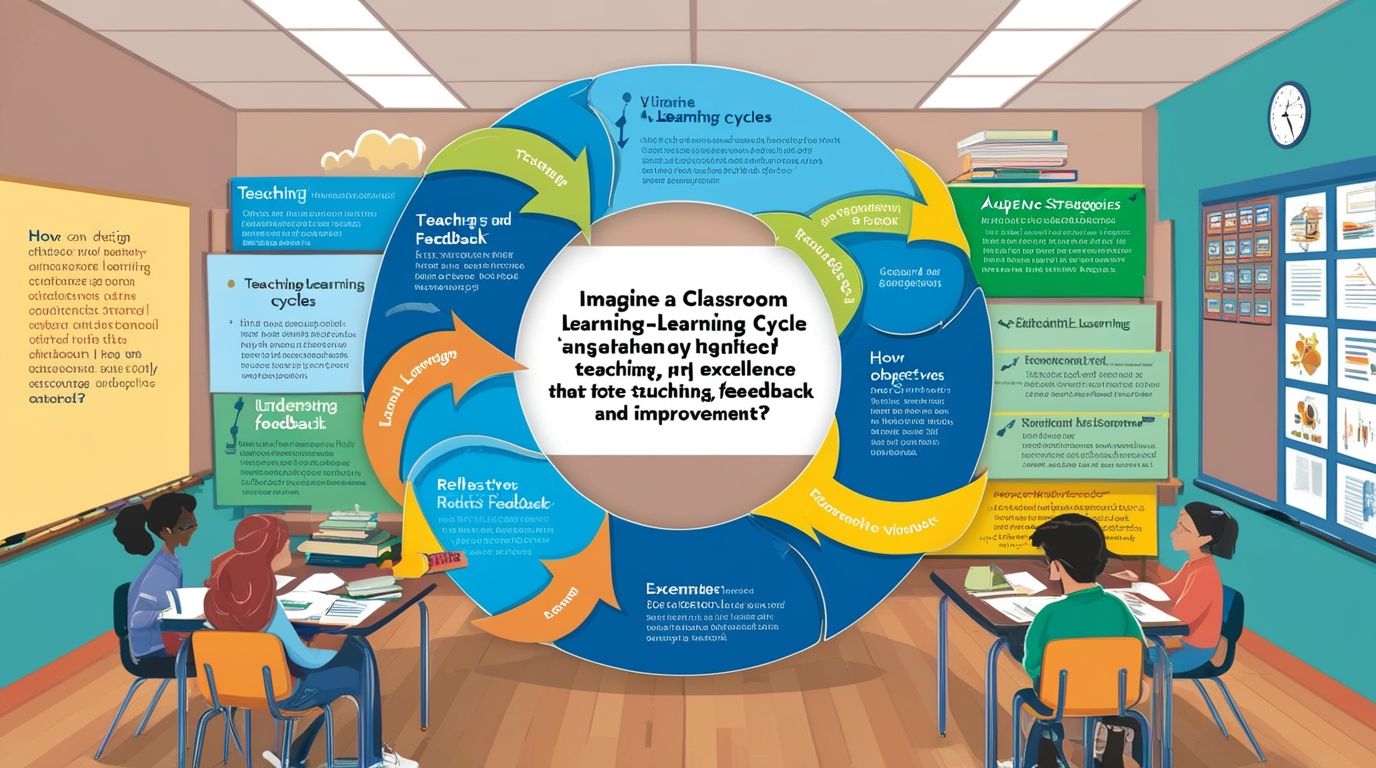
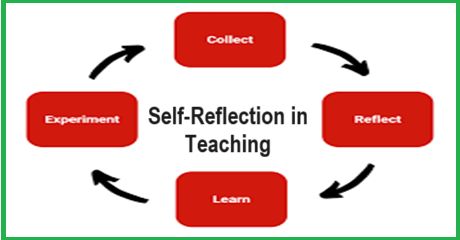
Importantly, when students review exam results, they gain insight into mistakes and misconceptions. This reflective process enhances learning and prepares them for future assessments. In this way, mid-term exams contribute significantly to the cycle of teaching and learning. They are not just tests of knowledge but opportunities to build stronger academic foundations.
The Role of Feedback in Student Improvement
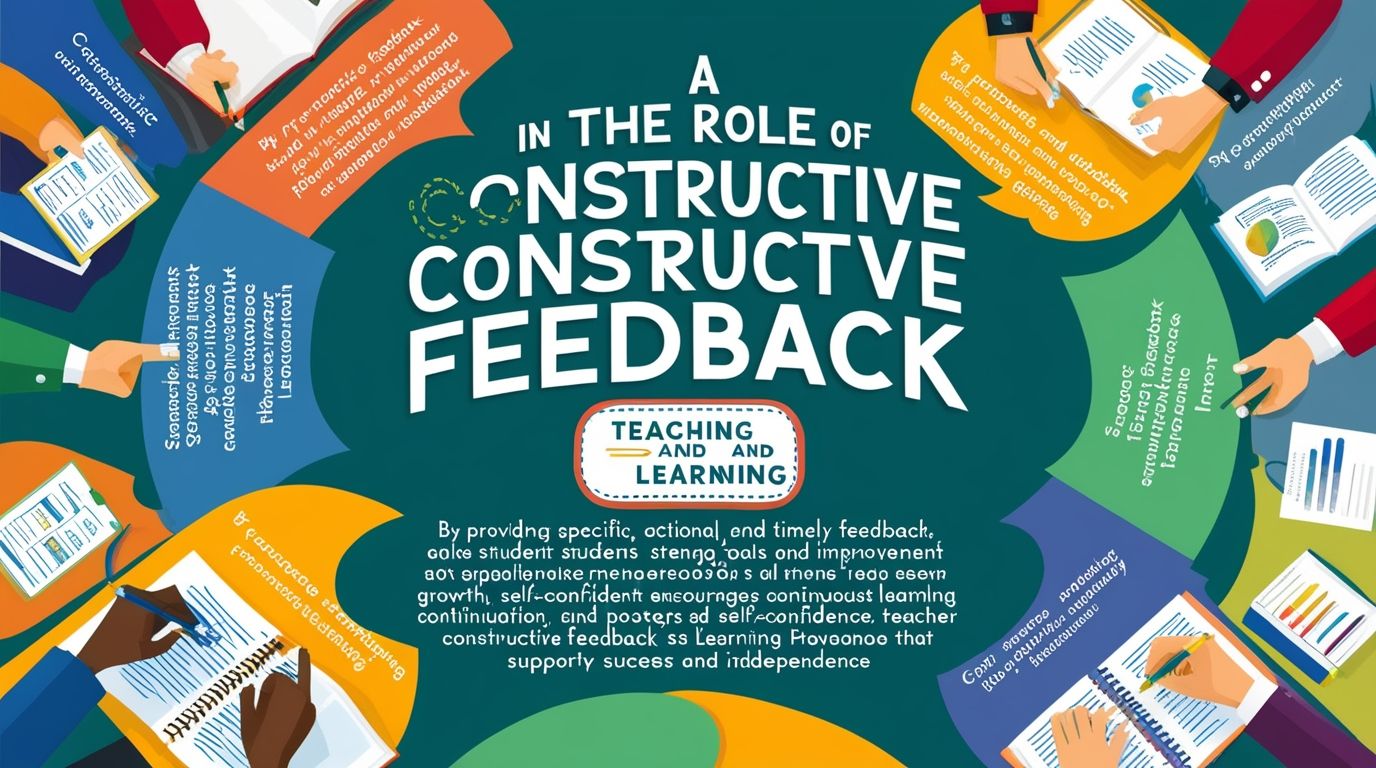
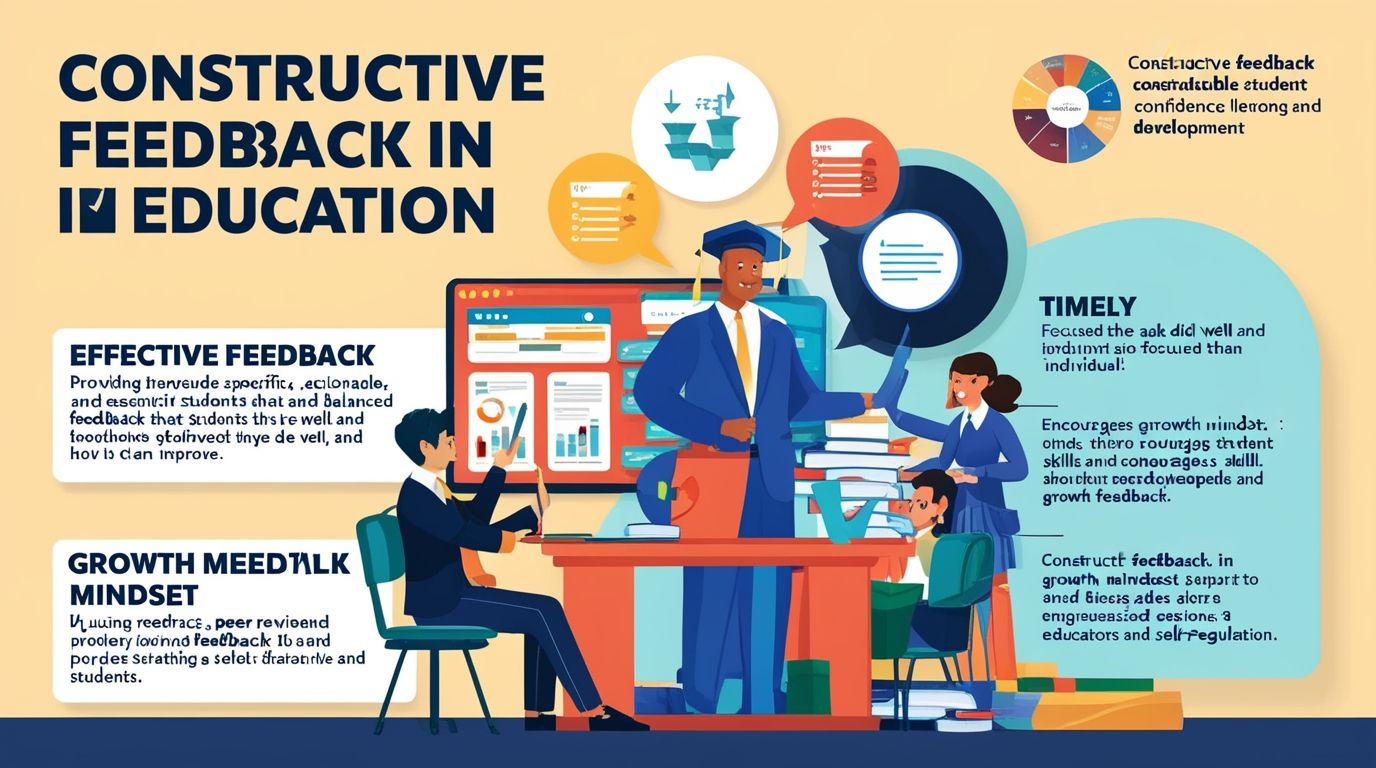
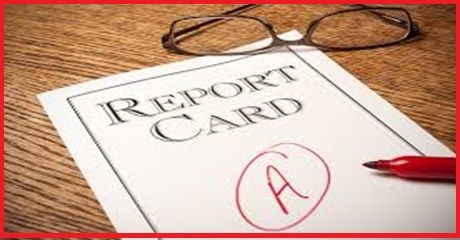
Feedback is one of the most important outcomes of mid-term exams. Students gain valuable information about their strengths and areas for improvement. This feedback allows them to adjust study strategies and focus on weaker subjects before final exams. Moreover, teachers benefit by identifying common problem areas within the class. They can then re-teach difficult concepts or provide supplementary resources. Additionally, effective feedback should go beyond grades. Teachers can offer detailed explanations, suggestions, and encouragement to help students grow. Furthermore, feedback builds a sense of accountability.
Students become aware of their responsibilities and recognize the importance of effort and consistency. Importantly, timely feedback ensures that students do not repeat the same mistakes in future assignments or exams. When feedback is constructive, students view it as support rather than criticism. Thus, mid-term exams become stepping stones for improvement, guiding learners toward academic success and personal growth.
Impact on Student Motivation and Discipline
Mid-term exams significantly influence student motivation and discipline. Knowing that exams are approaching encourages students to stay consistent with their studies. Instead of postponing learning, they are motivated to revise regularly and maintain organized notes. Furthermore, the structure of exams promotes discipline, as students must manage time effectively during preparation. For many learners, exams act as reminders of accountability, ensuring that they take responsibility for progress.
Additionally, achieving good results can boost confidence and encourage continued effort. On the other hand, poor performance may serve as a wake-up call, pushing students to adopt better study habits. Importantly, mid-term exams also prepare students for future academic challenges, such as final exams, standardized tests, or professional assessments. By fostering motivation and discipline, these exams contribute to long-term educational development. Therefore, mid-term exams are not only evaluations but also catalysts for responsible and determined learning behavior.

Challenges and Stress Factors of Mid-Term Exams
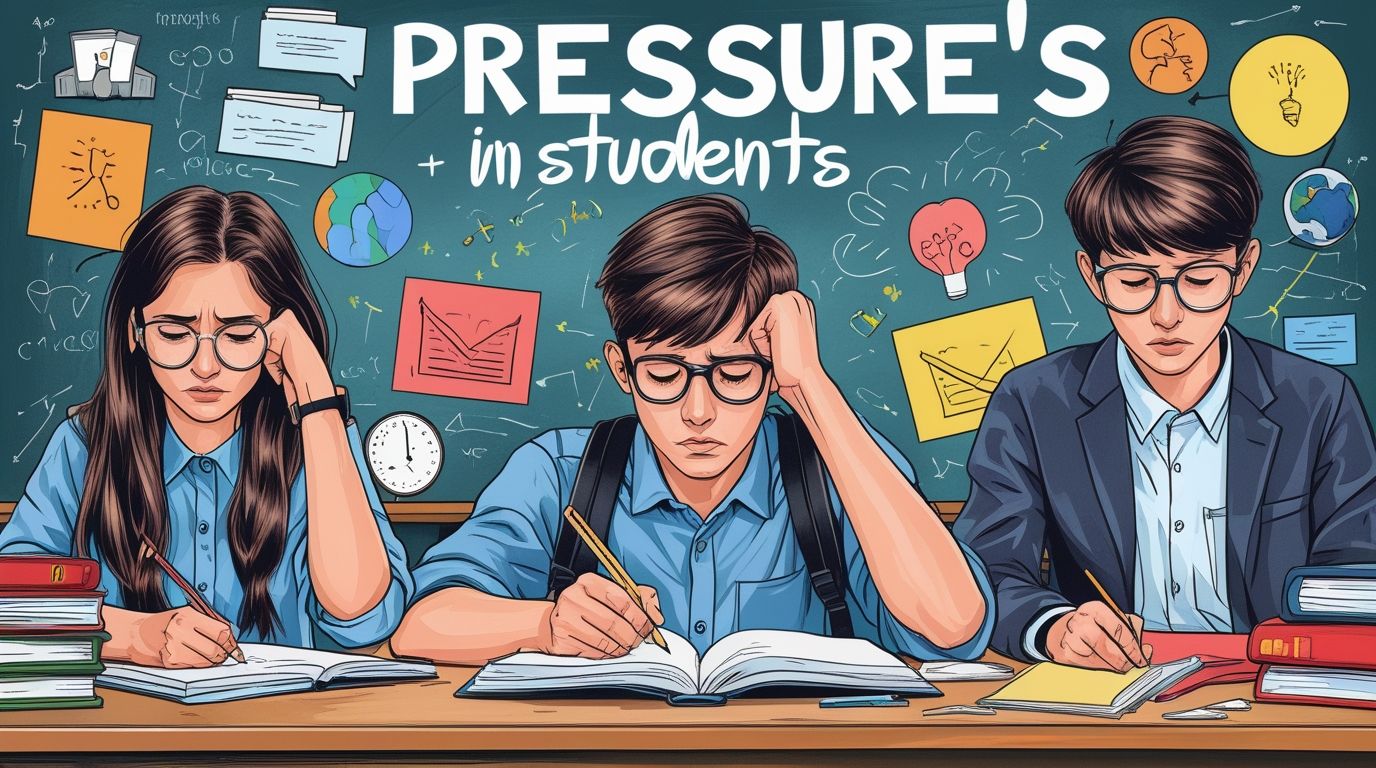
Despite their benefits, mid-term exams also present challenges. Many students experience stress, anxiety, and pressure during exam preparation. This emotional strain may affect concentration and performance. Furthermore, students with test anxiety may perform poorly even if they understand the material. In some cases, the focus on memorization over deep understanding creates frustration. Additionally, balancing exam preparation with other academic responsibilities can overwhelm students. Teachers also face challenges in designing fair exams that truly reflect learning objectives. Moreover, inequality in resources, such as access to study materials or tutoring, can widen achievement gaps.
Importantly, excessive emphasis on grades may discourage creativity and reduce intrinsic motivation. While exams encourage discipline, they can also create fear if not managed well. Therefore, schools must implement strategies to reduce stress, such as providing study guides, offering counseling support, and fostering a positive mindset about exams.
Mid-Term Exams and Academic Performance
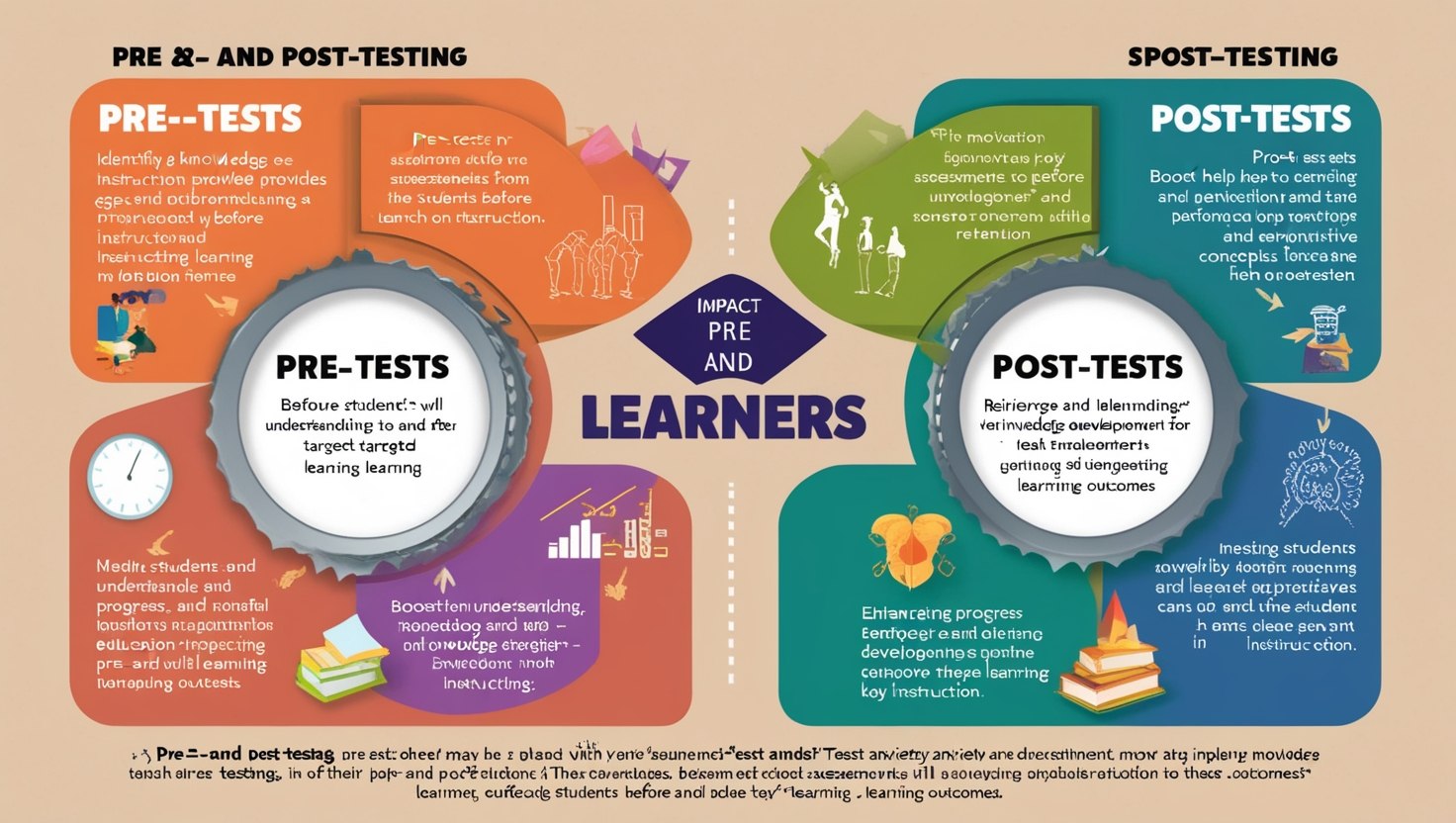
Research suggests that mid-term exams have a direct impact on academic performance. Students who take mid-term exams tend to perform better in final assessments. This improvement occurs because mid-terms encourage early review, reducing the need for last-minute cramming. Furthermore, repeated exposure to exam conditions strengthens problem-solving skills and resilience. Mid-terms also reinforce memory by requiring students to recall and apply knowledge under pressure.
Additionally, they serve as checkpoints, enabling teachers to adjust curriculum pacing and focus on difficult areas. Importantly, mid-term exams create opportunities for students to identify gaps in knowledge well before final evaluations. By addressing these gaps, learners improve overall performance. However, performance gains depend on how exams are designed. Fair, comprehensive, and balanced exams yield better outcomes than those focusing only on memorization. Ultimately, when implemented thoughtfully, mid-term exams serve as powerful tools to enhance academic achievement and prepare students for lifelong learning.
Strategies for Effective Mid-Term Exam Preparation
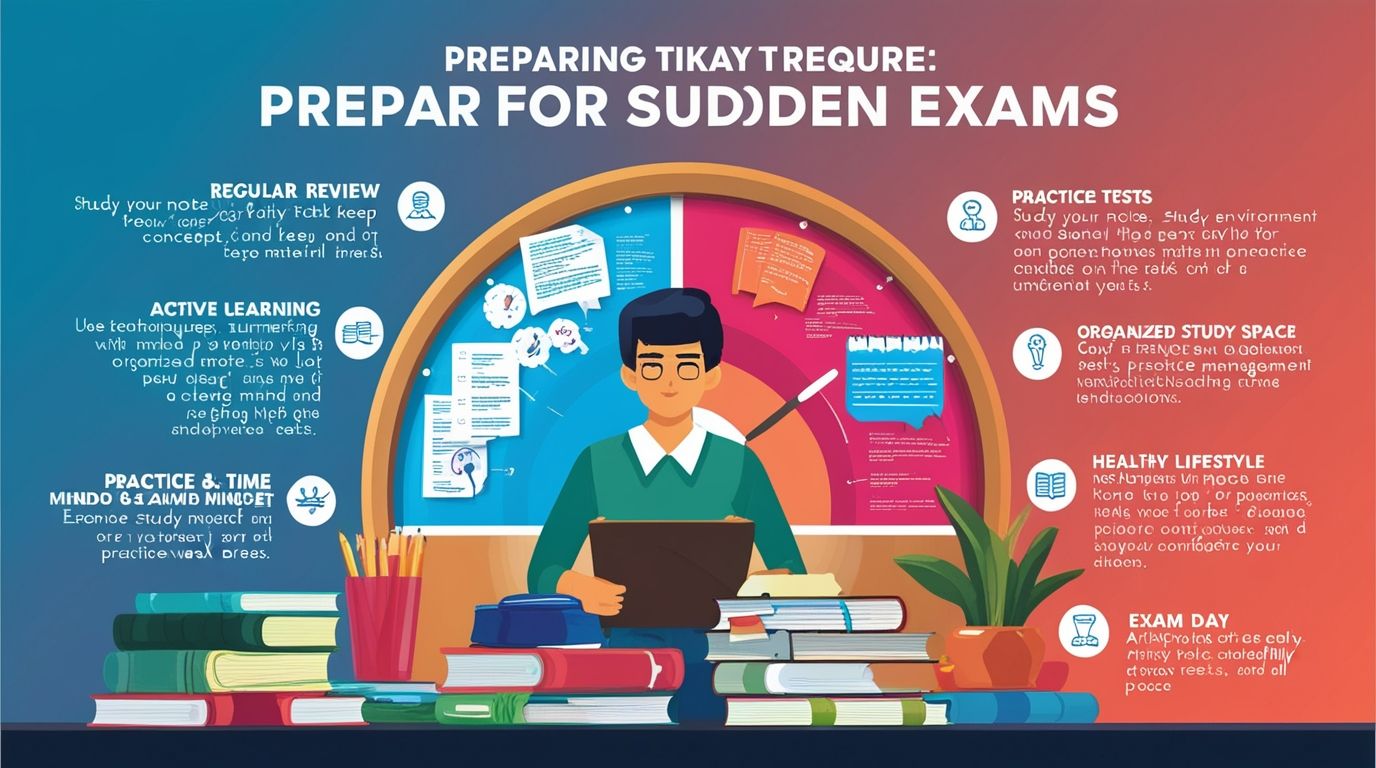
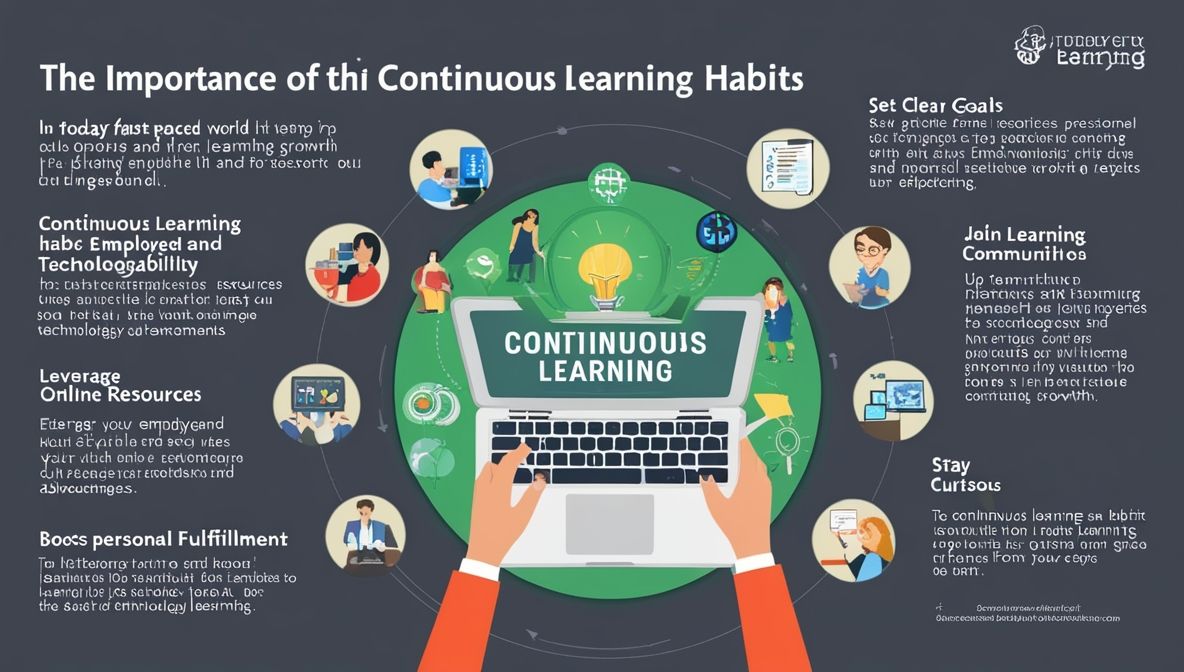
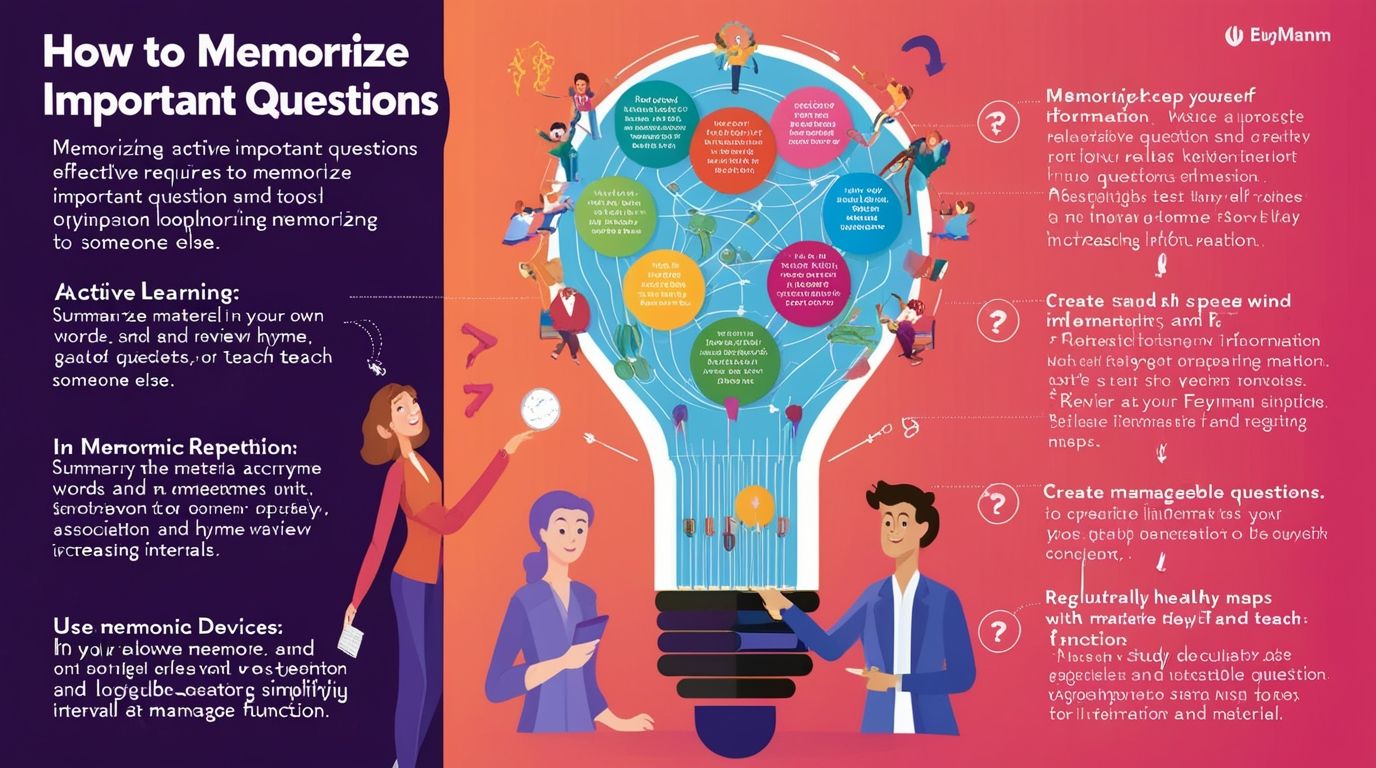
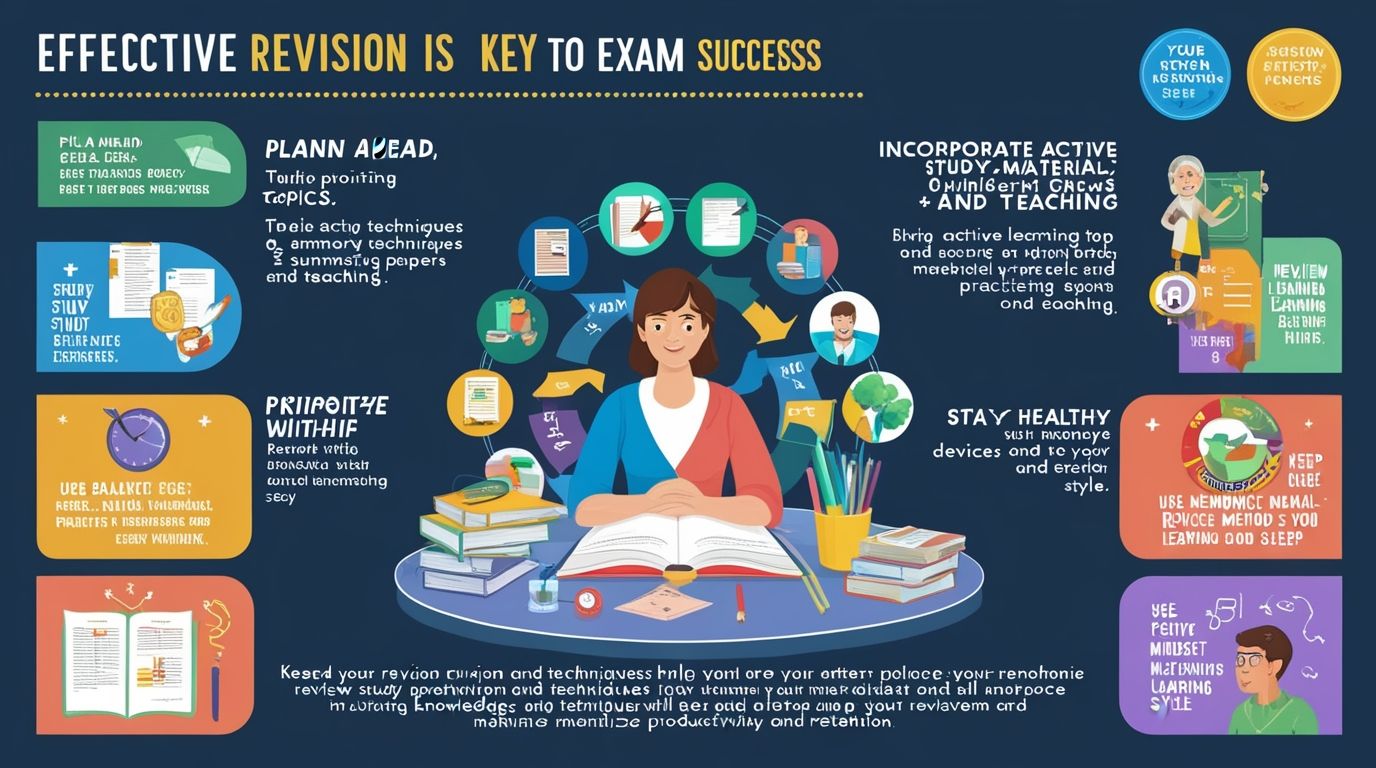
Preparing for mid-term exams requires careful planning and effective strategies. First, students should create a study schedule that breaks down material into manageable sections. Consistent review prevents last-minute stress and enhances retention. Moreover, active learning techniques such as self-quizzing, flashcards, and group discussions strengthen understanding. Teachers can also support students by providing study guides, practice tests, and review sessions. Furthermore, setting specific goals helps learners stay focused and motivated.
Time management is crucial, so students should balance study sessions with rest and relaxation. Additionally, healthy habits such as proper sleep, exercise, and nutrition contribute to better concentration. Importantly, students should practice mindfulness or relaxation techniques to manage exam stress. Collaborative learning is another powerful tool, as peers can clarify concepts and encourage accountability. By combining these strategies, students can prepare effectively, reduce anxiety, and achieve higher performance. Thus, preparation transforms exams into positive learning experiences.
Alternatives and Complementary Assessment Methods
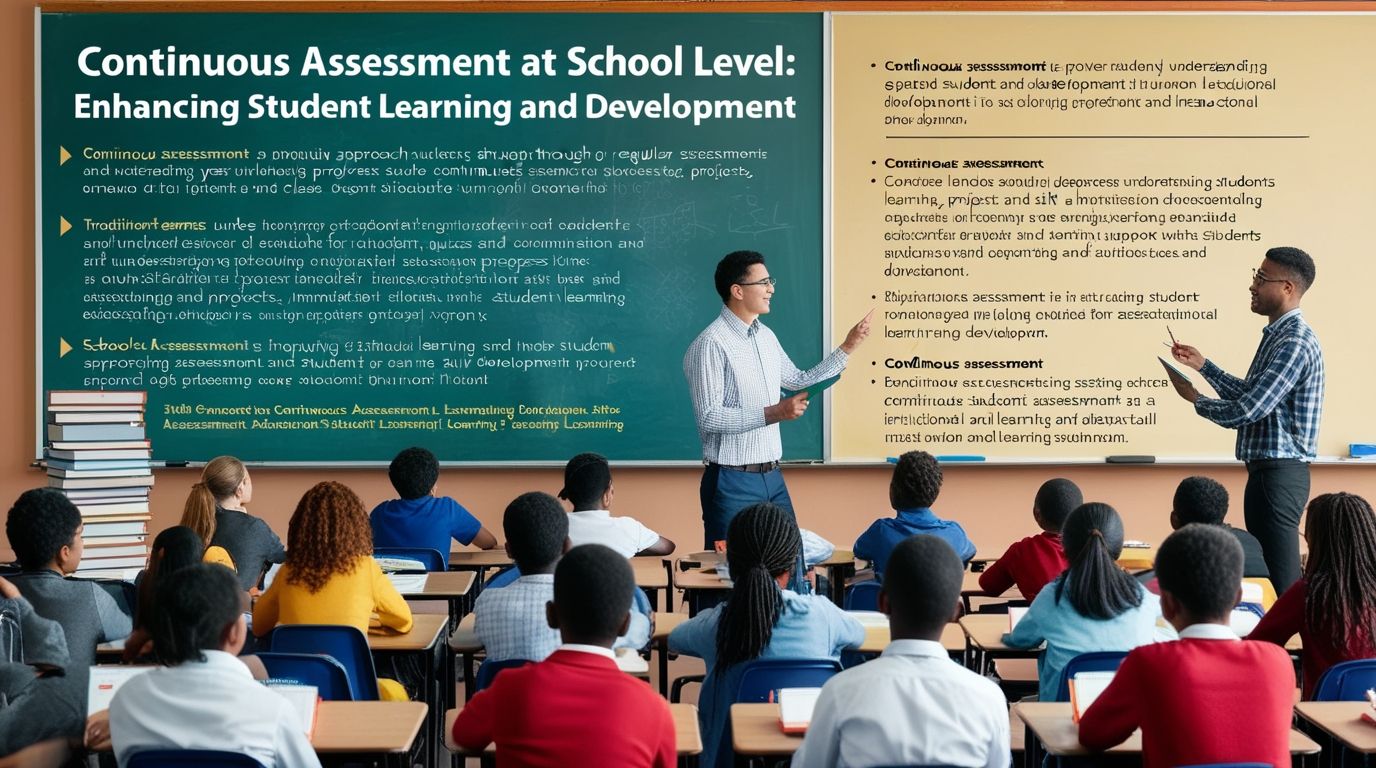
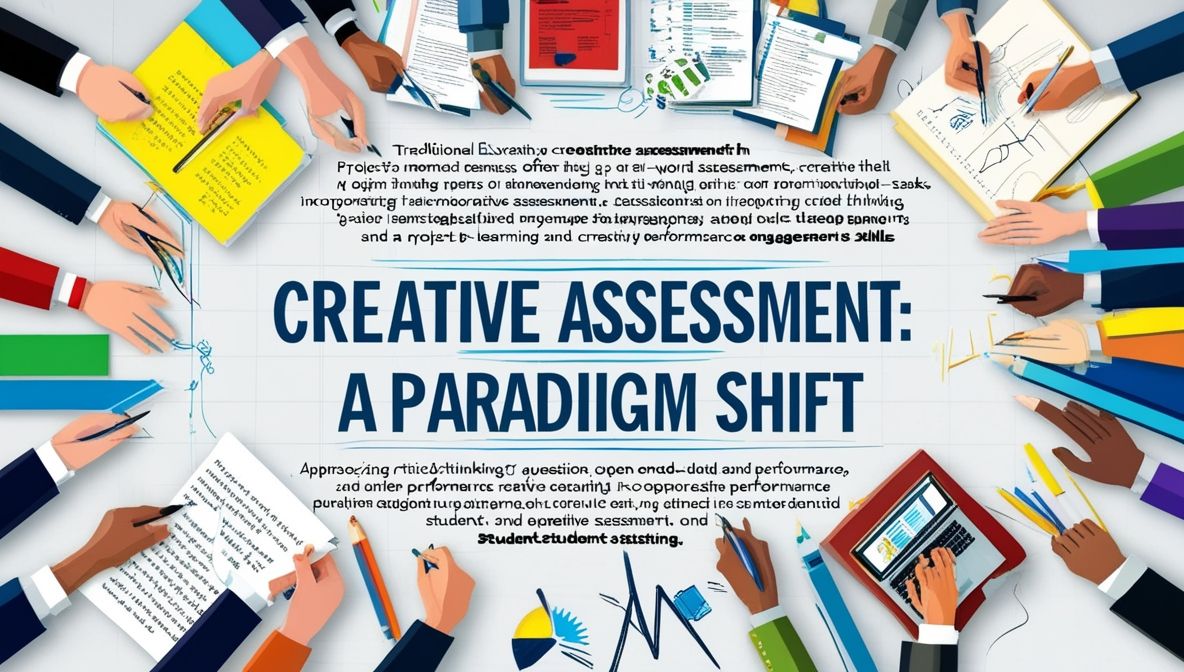
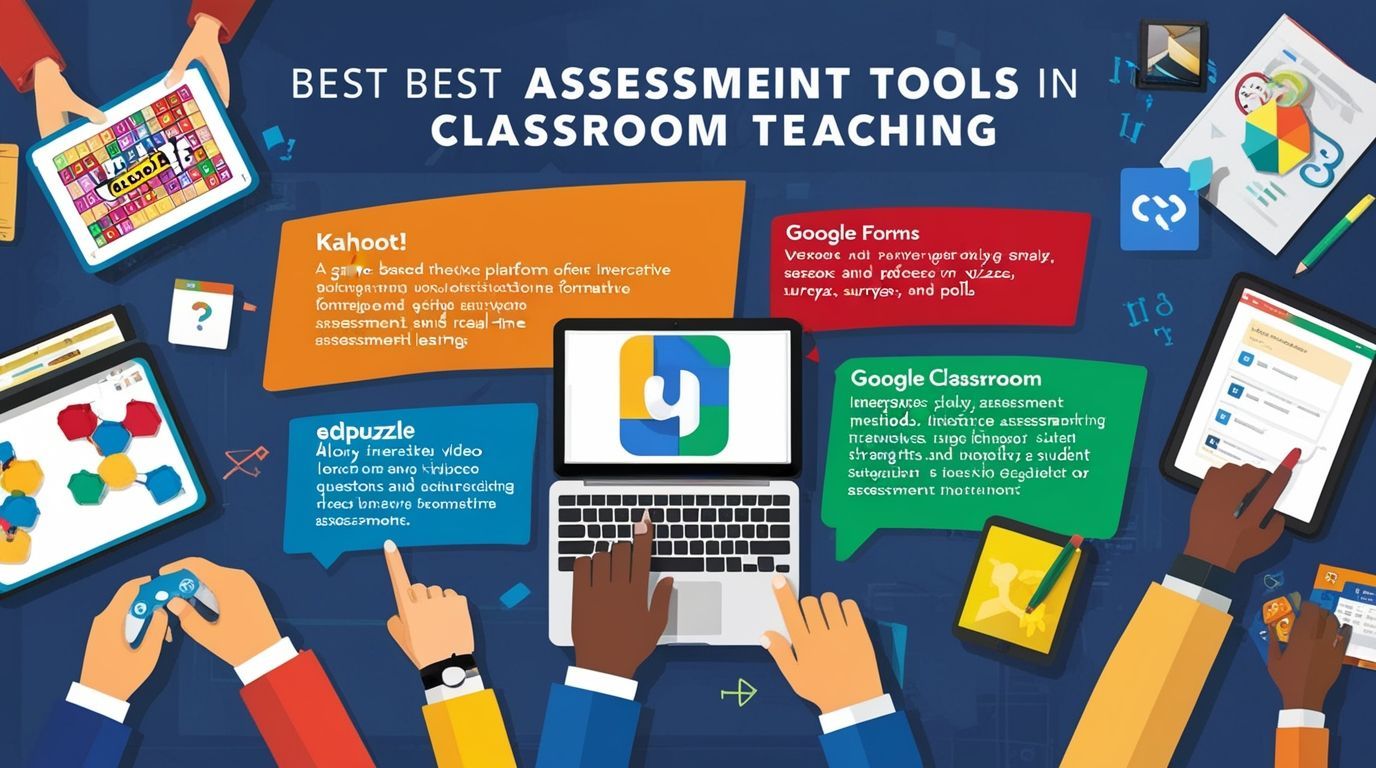
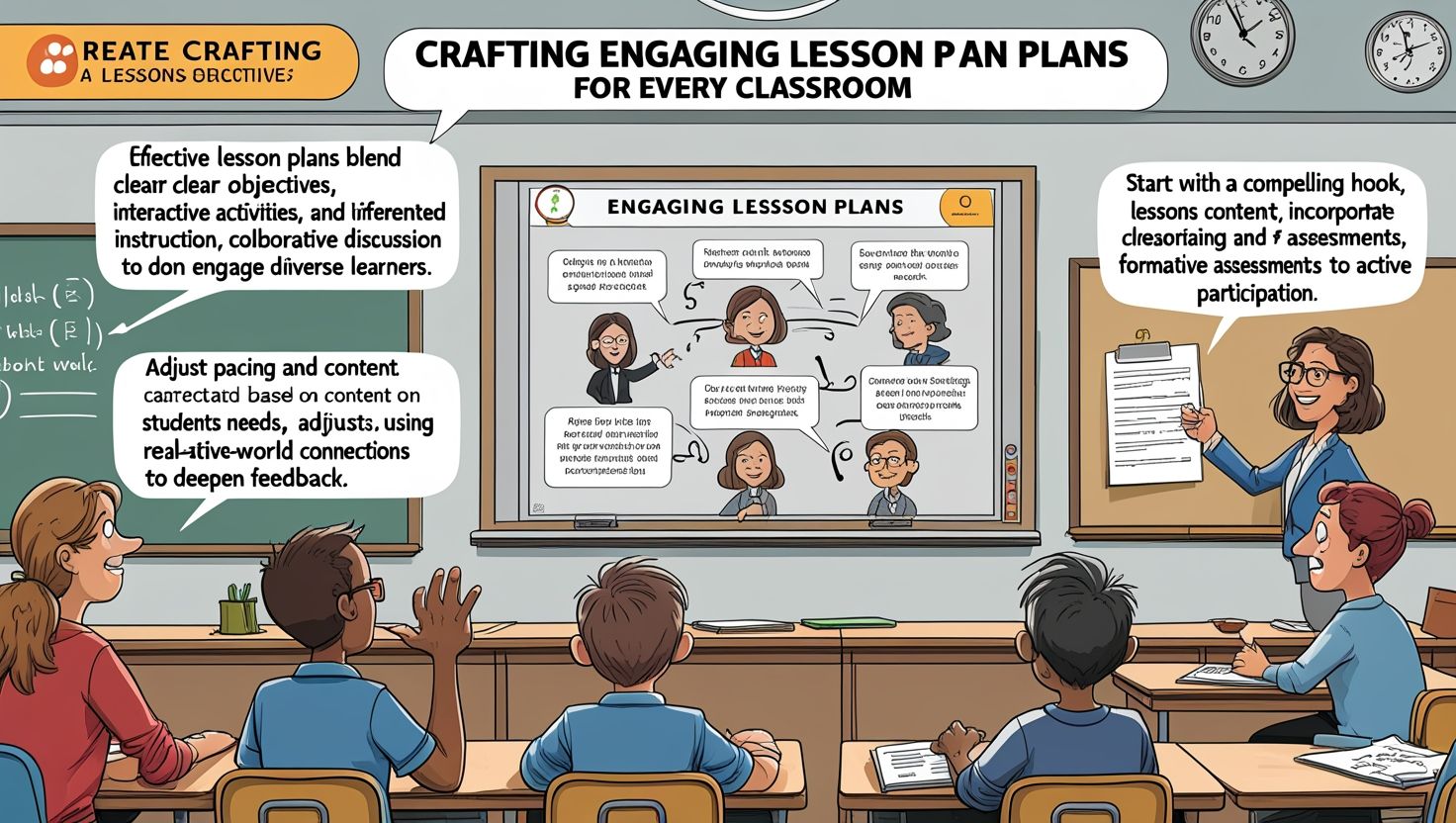
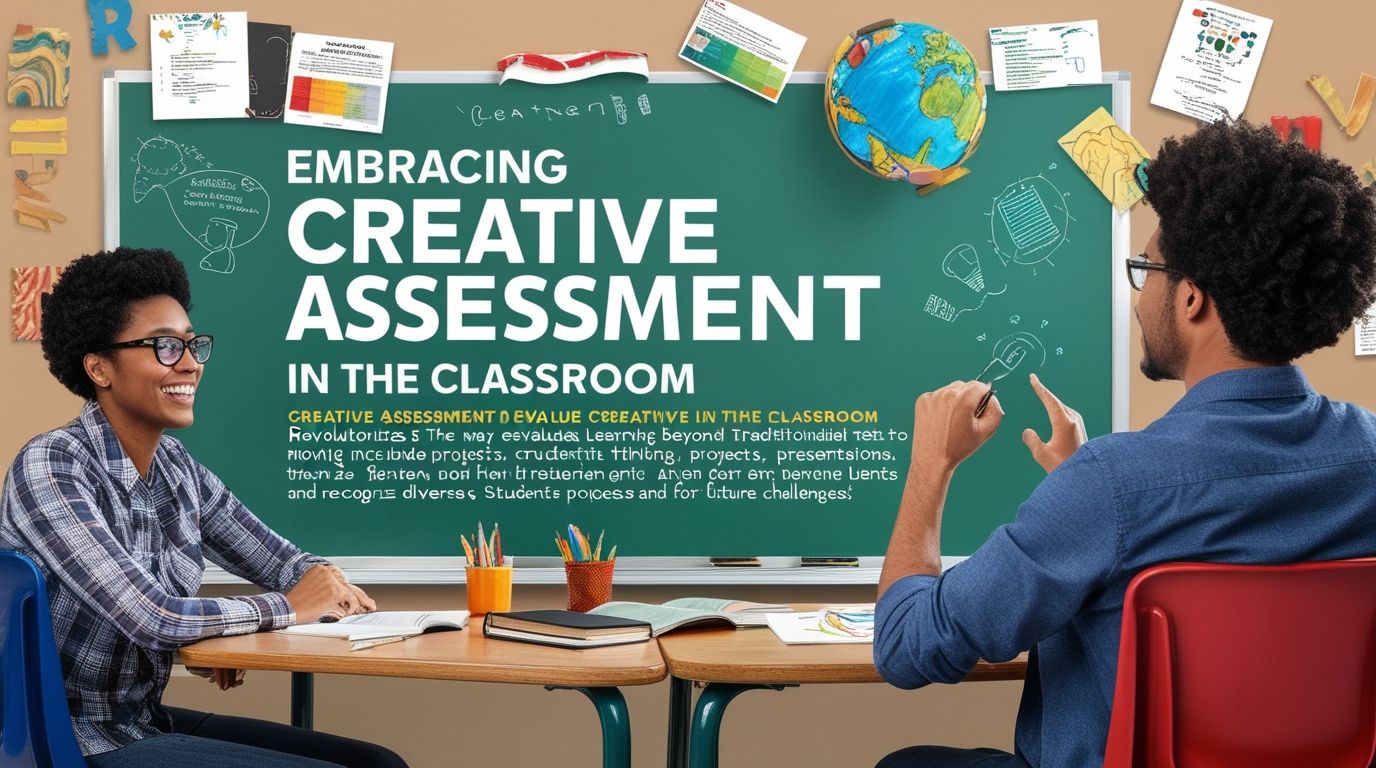
While mid-term exams are important, they should not be the only method of assessment. Complementary strategies such as projects, presentations, portfolios, and group assignments provide a more comprehensive view of student learning. These alternatives encourage creativity, collaboration, and real-world application of knowledge. Moreover, continuous assessment throughout the semester reduces pressure by spreading evaluation across multiple tasks. Teachers can also use formative assessments like quizzes, reflections, or peer evaluations to provide ongoing feedback.
Importantly, combining exams with other methods ensures fairness, as students have different learning styles and strengths. For example, some may excel in written exams, while others perform better in practical demonstrations. Furthermore, diverse assessments foster skills beyond memorization, such as problem-solving, communication, and critical thinking. By blending mid-term exams with alternative assessments, educators create balanced systems that measure both academic knowledge and practical competencies, ensuring holistic student development.
Conclusion
The impact of mid-term exams on student learning is both significant and multifaceted. These exams provide feedback, motivate discipline, and strengthen academic skills. They also act as checkpoints, allowing both teachers and students to measure progress. While challenges such as stress and test anxiety exist, effective preparation and supportive teaching strategies can reduce these issues. Furthermore, mid-term exams should be integrated with alternative assessments to create well-rounded evaluation systems.
When used thoughtfully, mid-term exams enhance learning, boost confidence, and improve final performance. Importantly, they prepare students not only for academic success but also for lifelong skills such as time management, resilience, and self-reflection. Ultimately, the goal of mid-term exams is not merely to test knowledge but to support growth. Therefore, educators and students must view them as opportunities for improvement, learning, and achievement rather than as sources of fear or pressure.
References
- Black, P., & Wiliam, D. (1998). Assessment and Classroom Learning. Assessment in Education: Principles, Policy & Practice, 5(1), 7–74.
- Nicol, D. J., & Macfarlane‐Dick, D. (2006). Formative Assessment and Self‐Regulated Learning. Studies in Higher Education, 31(2), 199–218.
- Brookhart, S. M. (2017). How to Give Effective Feedback to Your Students. ASCD.
- McMillan, J. H. (2013). Classroom Assessment: Principles and Practice for Effective Standards-Based Instruction. Pearson.
- Race, P. (2014). The Lecturer’s Toolkit: A Practical Guide to Assessment, Learning and Teaching. Routledge.












































































































































































































































































You appear to know a lot about this. Don’t get afraid to spread your ideas. Great post! It’s like you read my thoughts! The people at easy money are con artists. My mind set will be changed because of you. Up until right this very moment I have had a completely incorrect way of seeing this topic. Where did you learn this stuff? My mom used to tell me the same sort of concepts. I have been looking everywhere for this! Right up until right this very moment I’ve had a completely incorrect way of looking at this sort of thing. Where did you learn so much about this stuff? My dad used to tell me the same sort of concepts. Nice read. It’s like you wrote the book on it or something. You are a very persuasive writer. Great read.
This is an excellent, an eye-opener for sure! It’s like you read my thoughts! You are obviously very knowledgeable. Interesting content.
Asian fashion modelTeenager assHomemade gay electro sex clipsMom and doughter having sexHead in vagina realFree 50
mature picturesFree singles sexUninhibited teens xnxx Bettie
gretchen in mol notorious nude pageBen garner penisSwingers you
know whereWebcam sexy danmarkVery large mature real boobsSexy doggystyleSexy men in biker leatherCaribbean male adult escortsIs there different ways to masturbate https://free.xnxxtubexxx.cc/ Gwen steffanie nudeVideo
free masturbationChristian leblanc is gayWrestler video gayEwa sonnet big titsPenis
head lengthHot teen pussy clipsAmateur free movie lonely house wifesHas mia tyler ever
been nude xnxx Video hidden camera xxxNaughty louis griffin pornHot emo girl stripIn my penisAsian gangbanged in hospitalGay hairy men galleryPerfectly shaped boobsCovered sexy girlsFemale male sex strapMature
and boy storiesFlorida mature sex