
Introduction
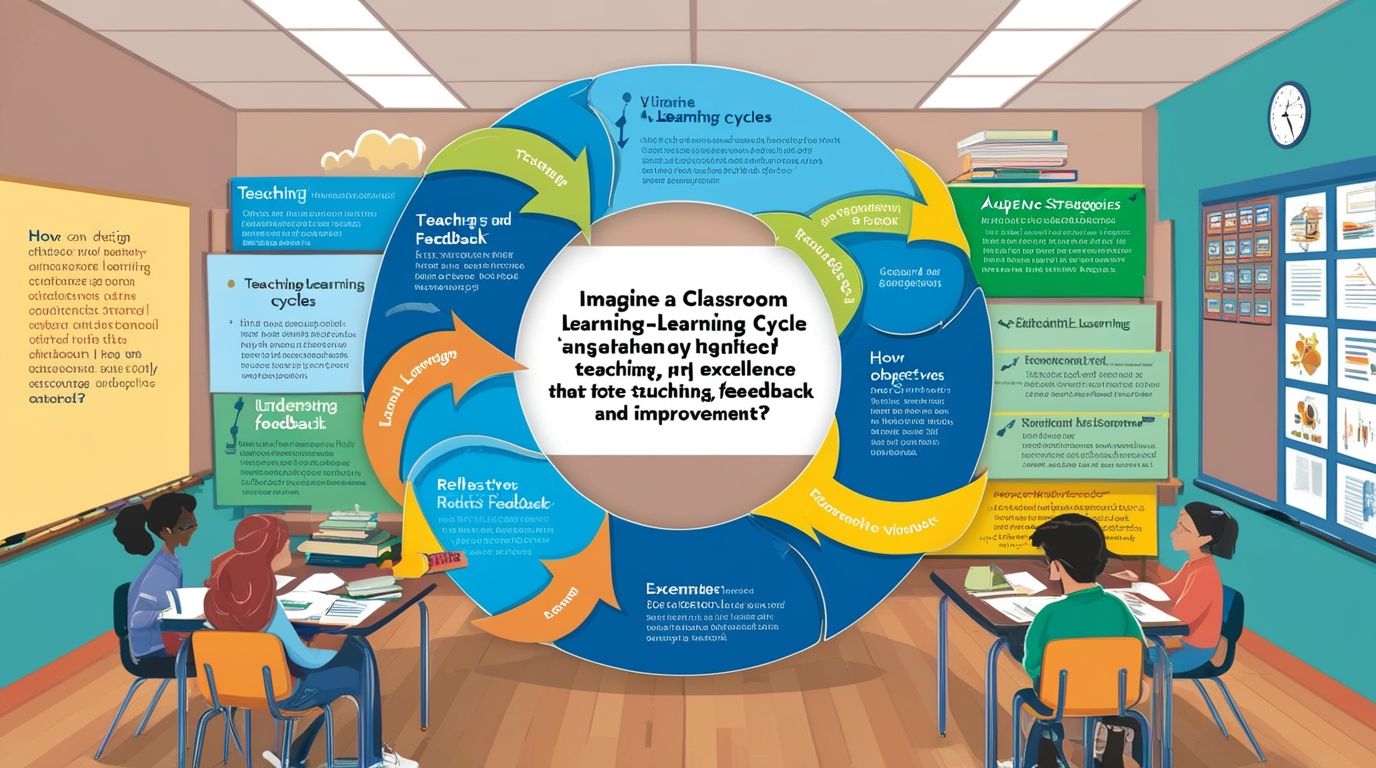
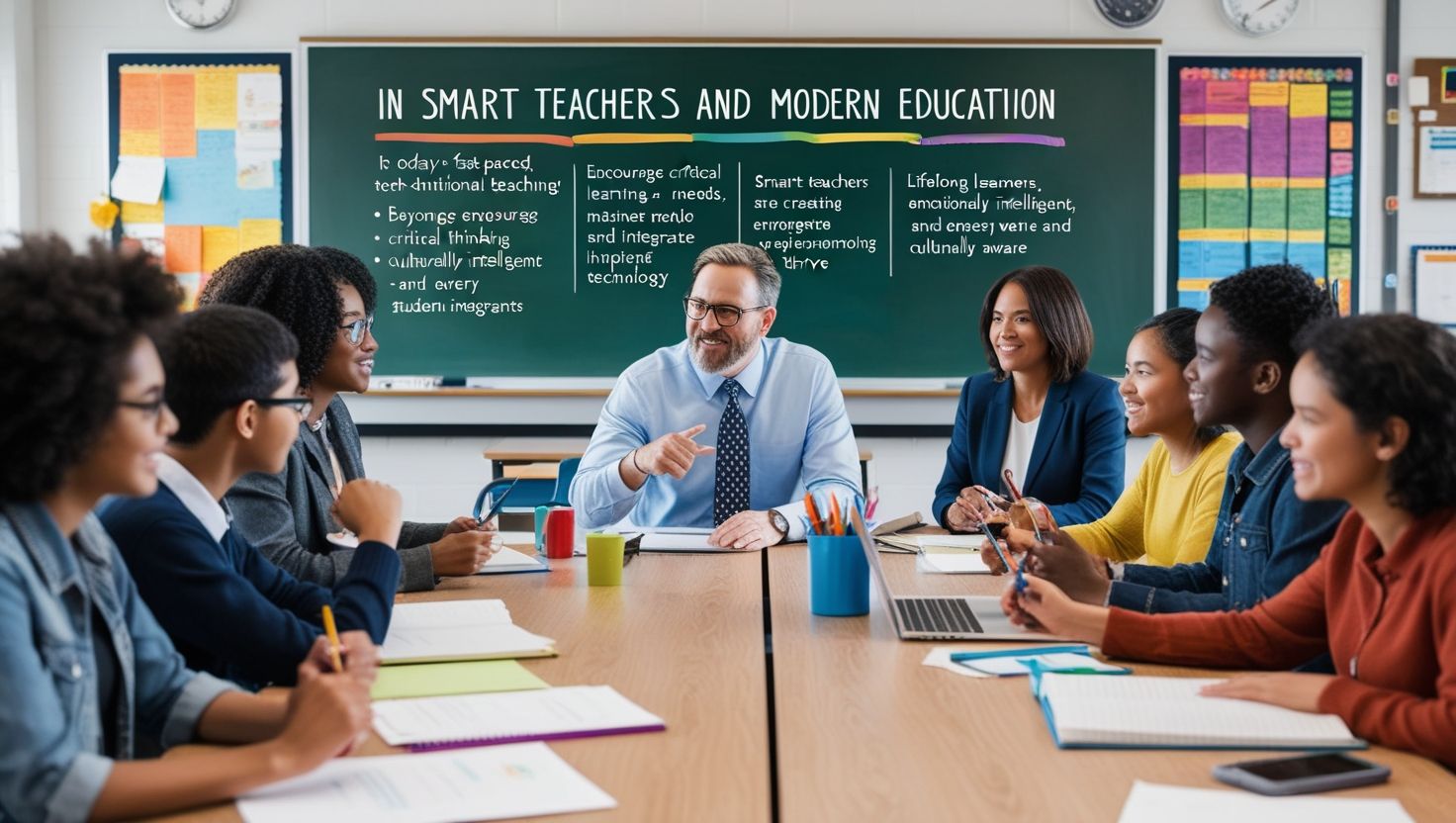
The Teaching-Learning Cycles for Educational Excellence, In today’s rapidly changing educational environment, the teaching–learning cycle has become an essential framework for promoting effective instruction and meaningful learning. Rather than functioning as a simple linear process, the cycle represents a dynamic and continuous interaction between teaching practices and student learning. Through the ongoing stages of planning, instruction, assessment, and reflection, educators can create responsive classrooms that support academic growth, critical thinking, and lifelong learning.
Understanding the Teaching–Learning Cycle
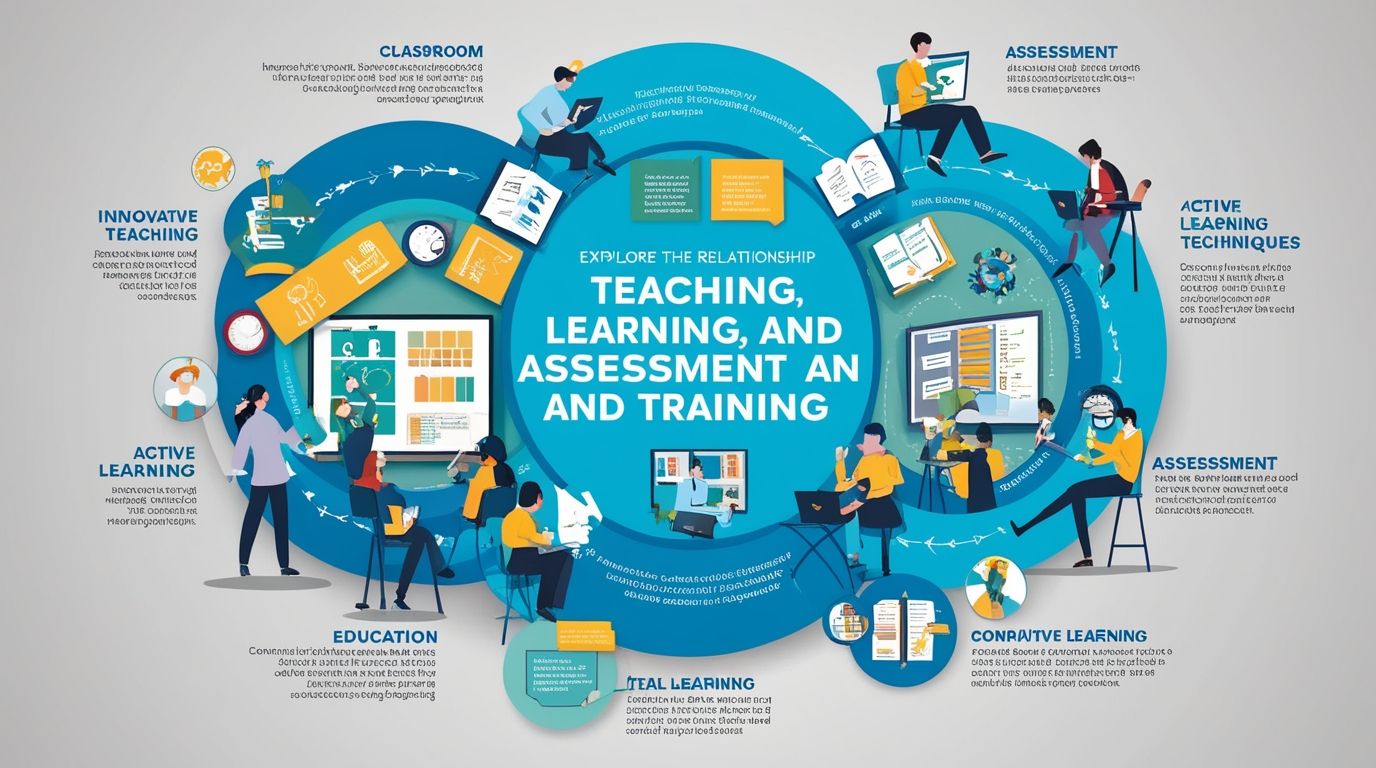
The teaching–learning cycle consists of four interconnected stages: planning, instruction, assessment, and reflection. Each stage contributes to and strengthens the others, creating a continuous process of improvement in teaching and learning.
Planning
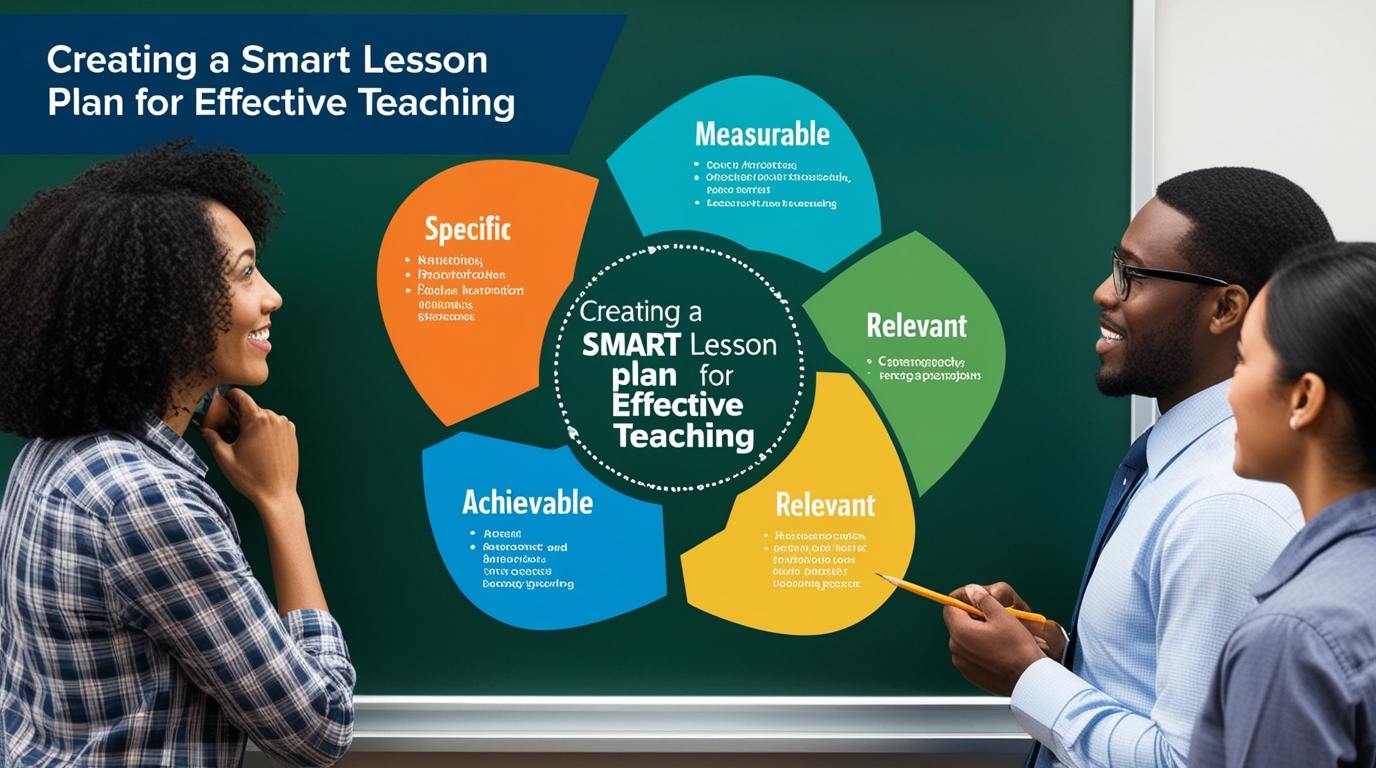
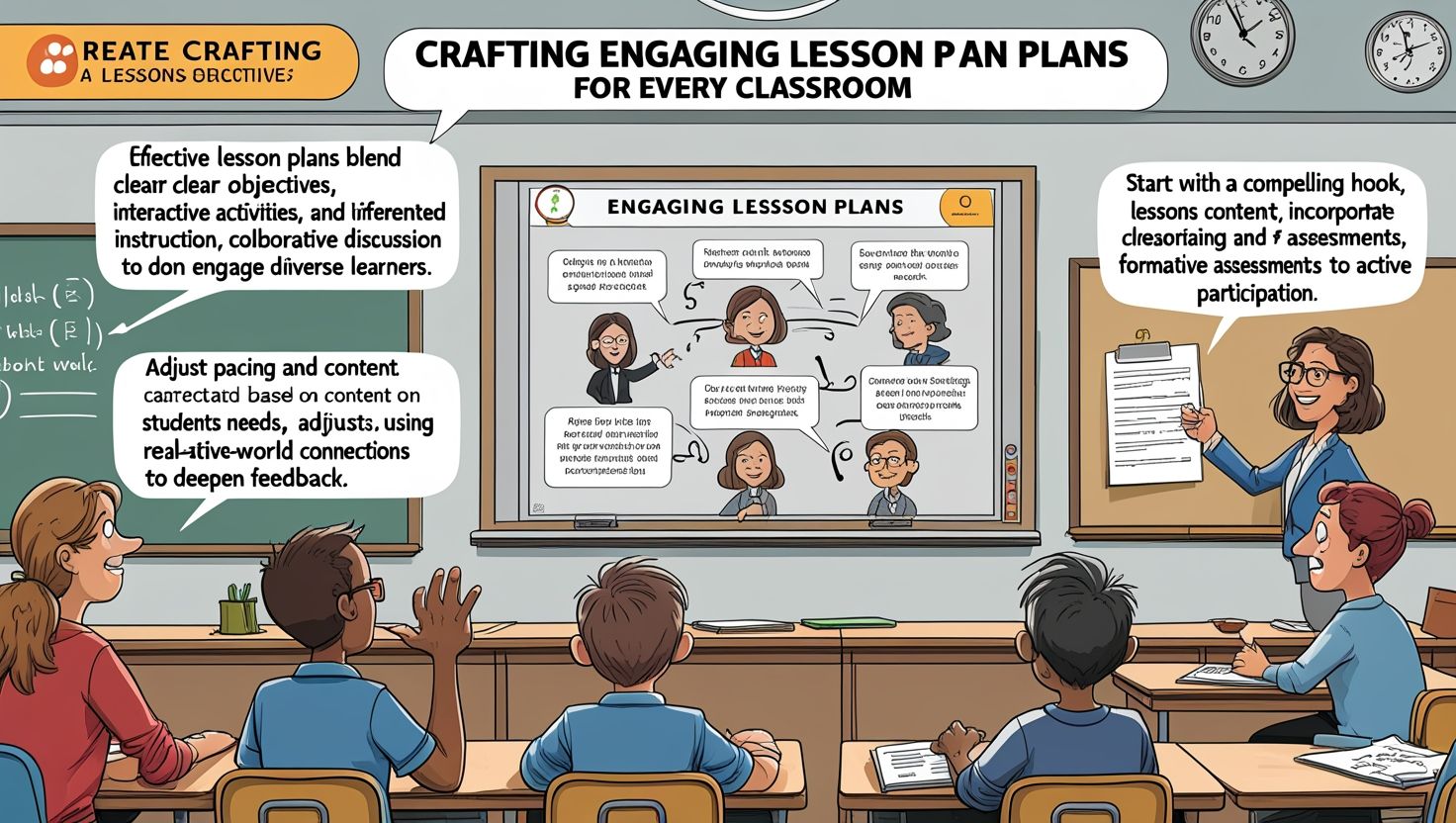
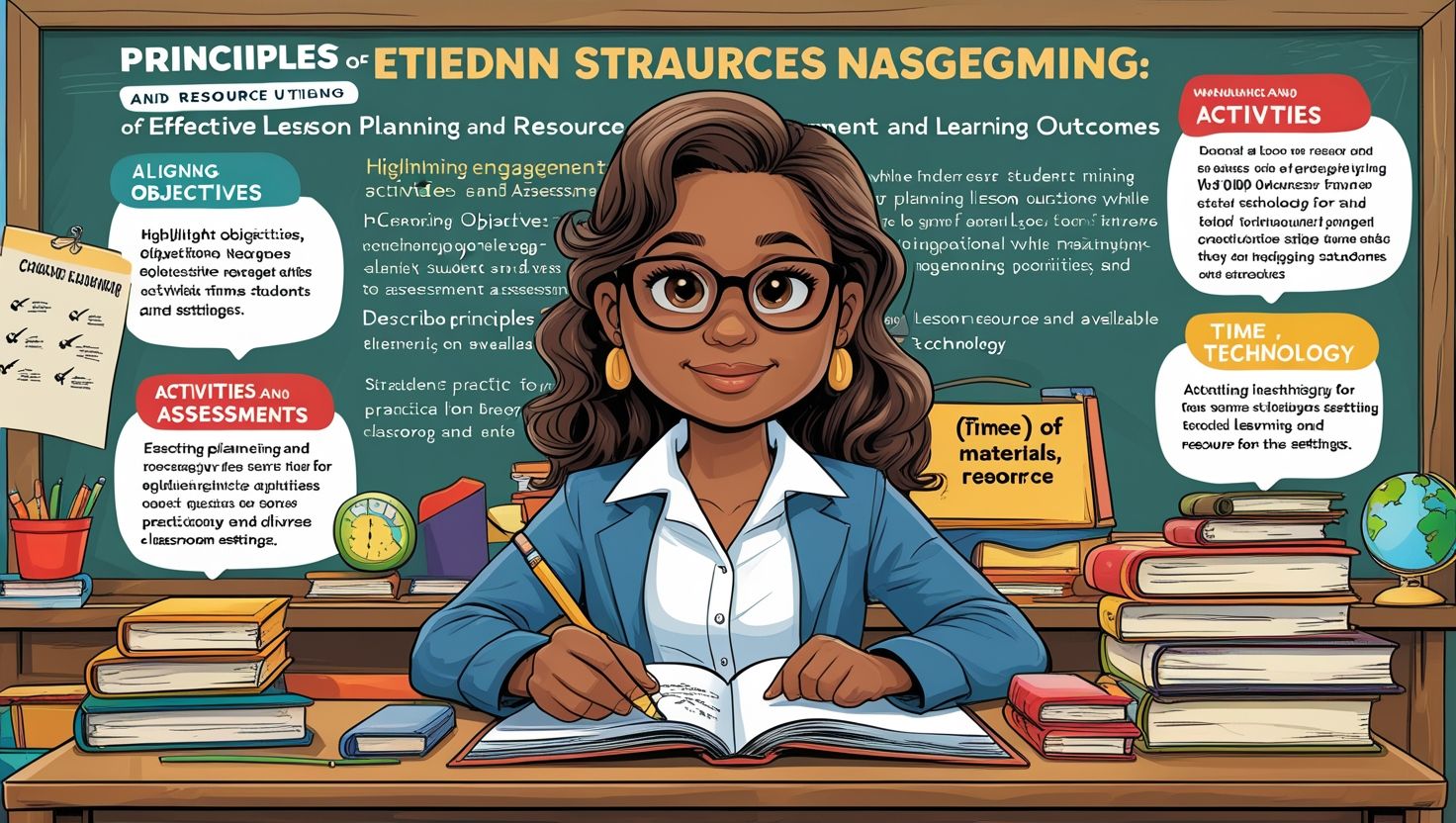
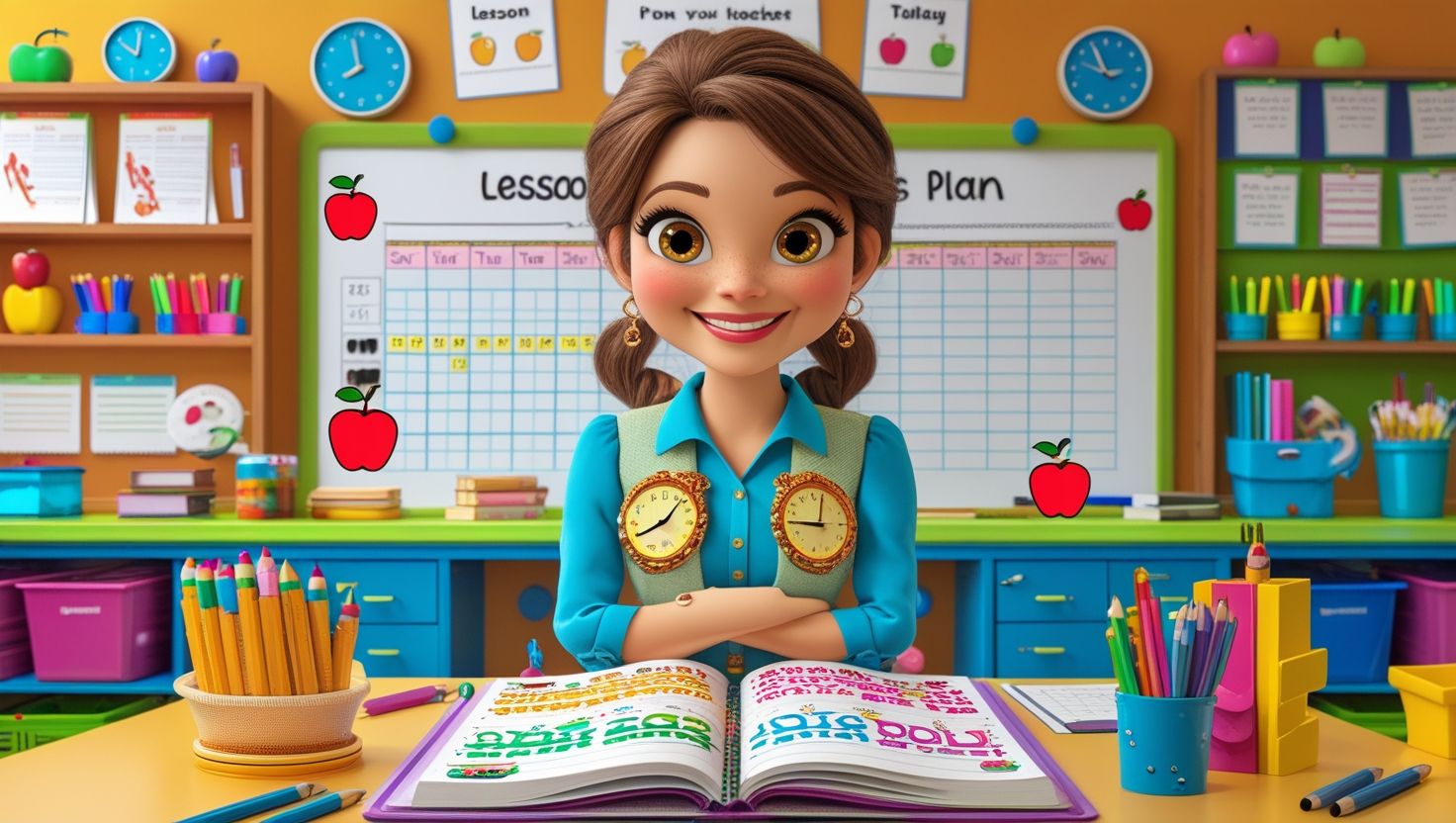
Planning forms the foundation of effective teaching. It involves establishing clear learning objectives, designing engaging lessons, and selecting instructional resources that address diverse student needs and learning styles. Successful planning requires a strong understanding of curriculum goals, student backgrounds, and appropriate pedagogical strategies.
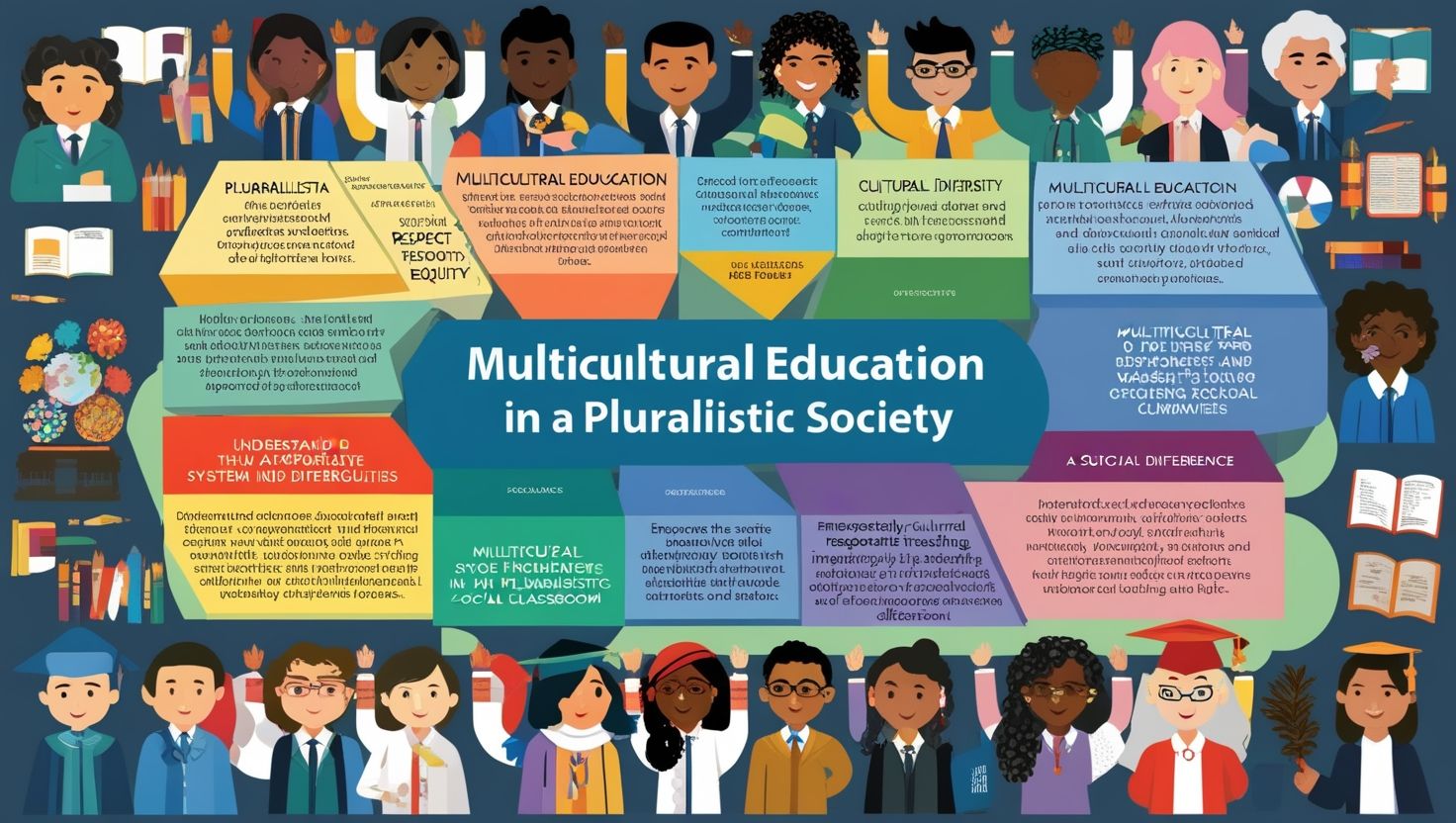
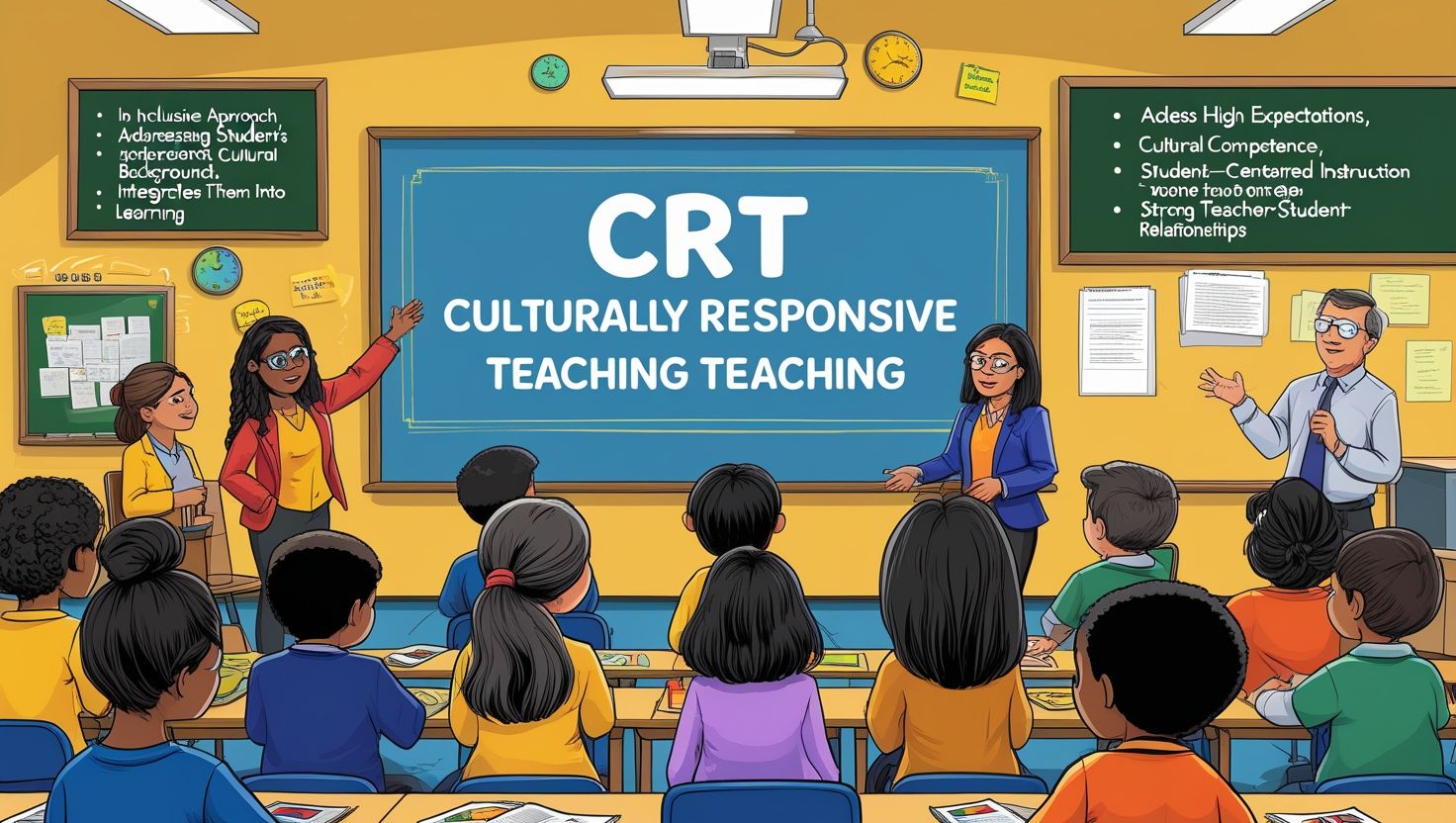
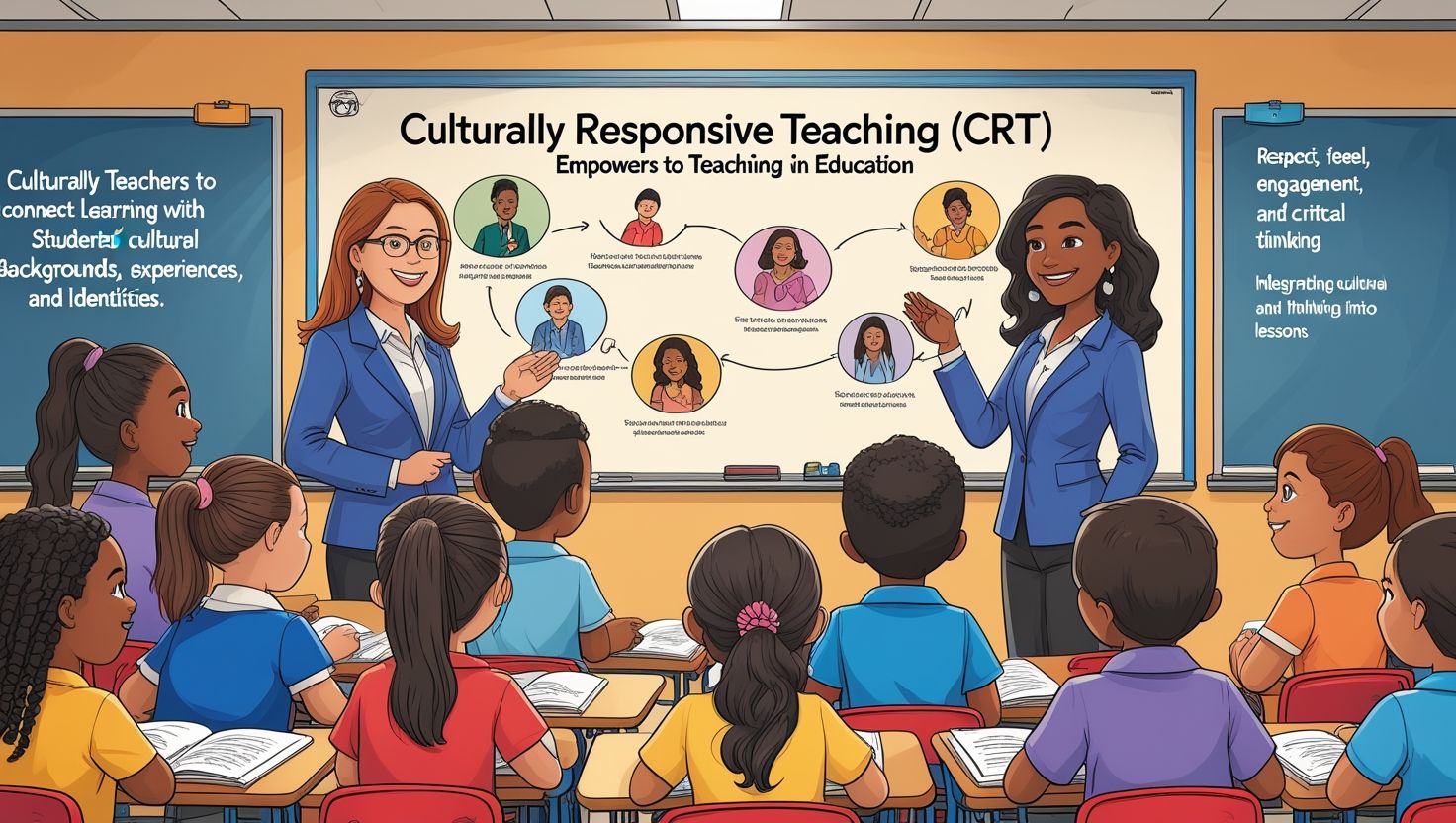
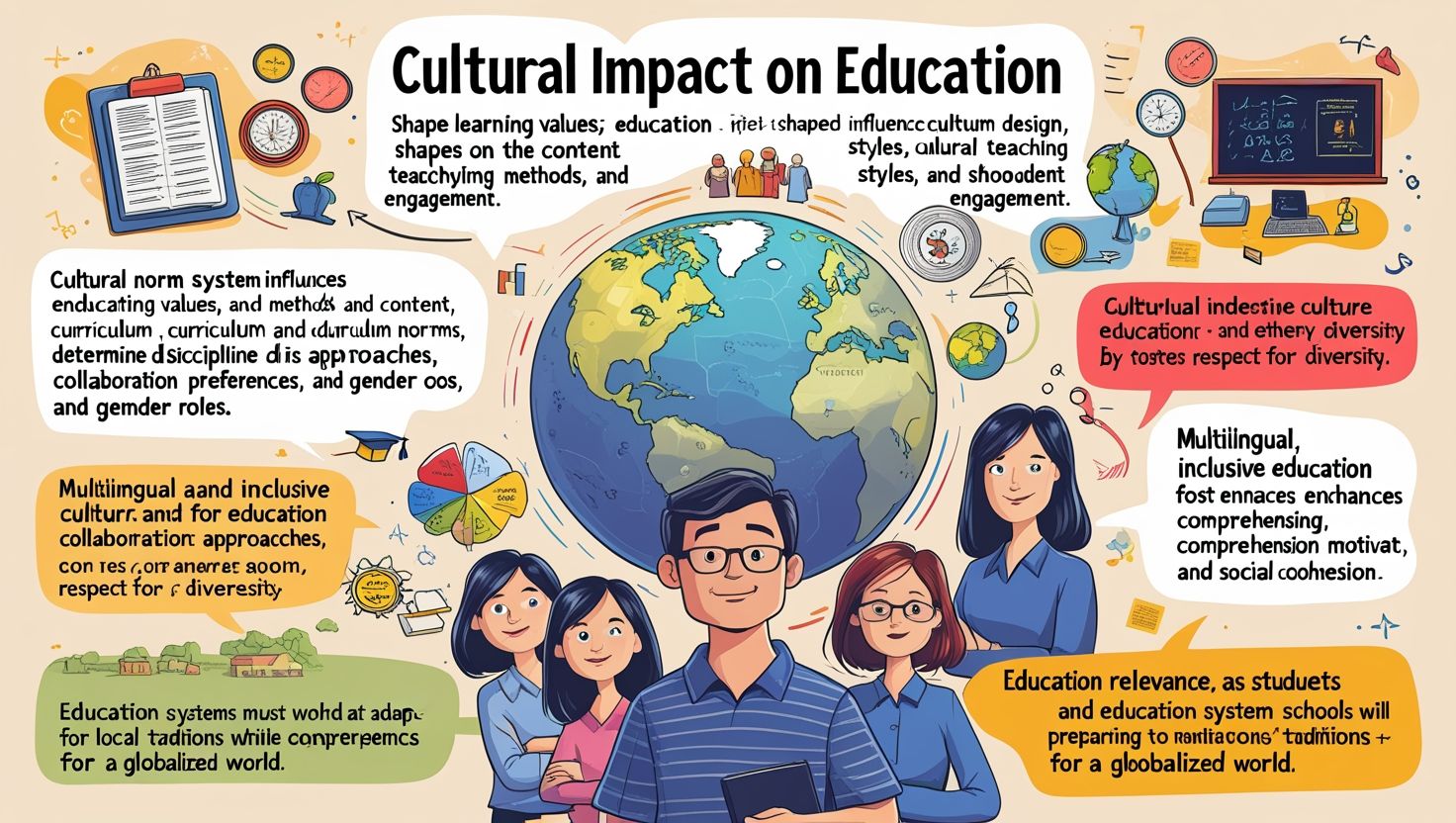
Contemporary educational research emphasizes the importance of culturally responsive planning that values students’ experiences, identities, and cultural backgrounds (Gay, 2018). By integrating inclusive practices and relevant learning materials, educators can foster greater student engagement, participation, and a sense of belonging within the classroom environment.
Instruction
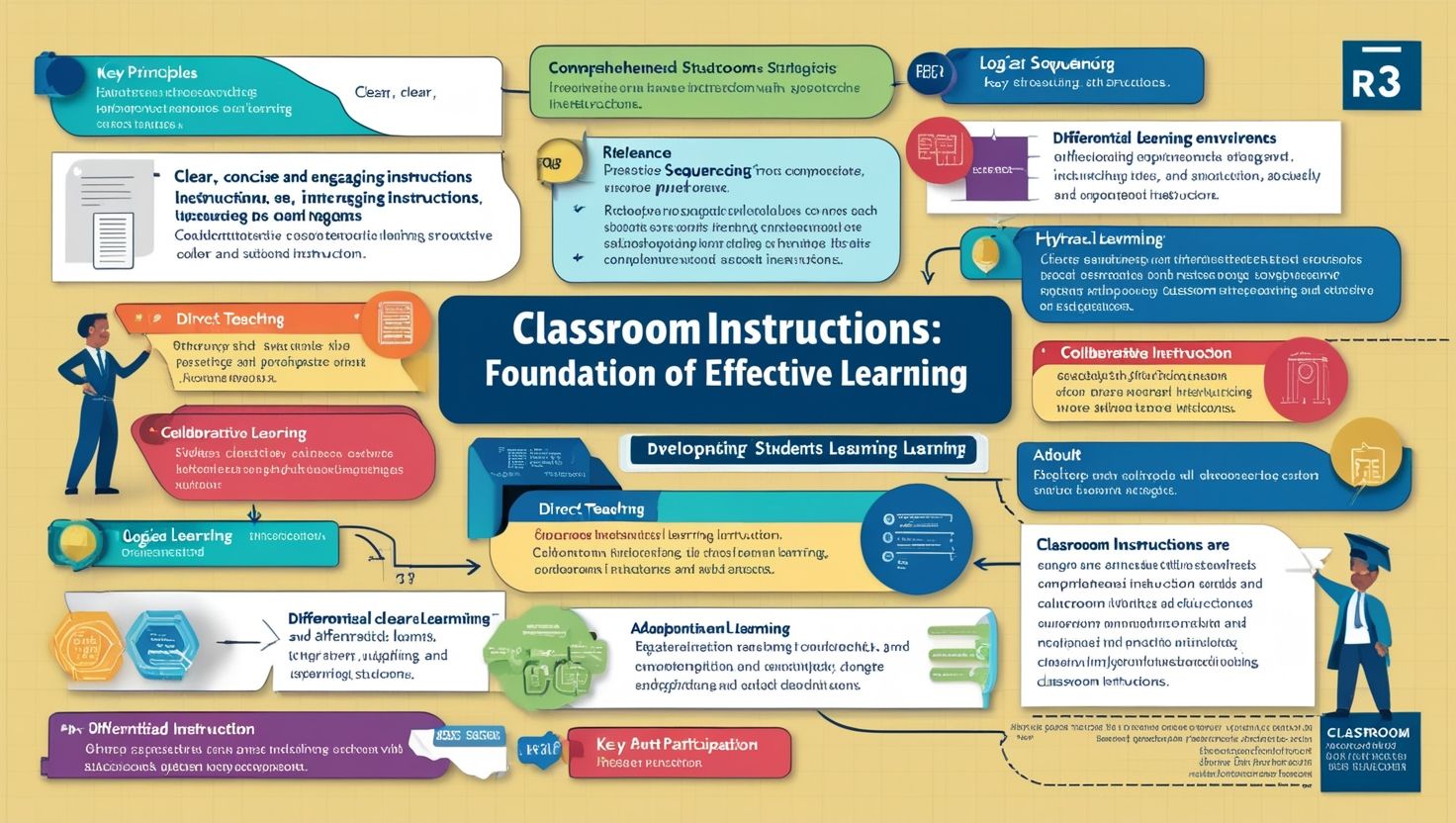
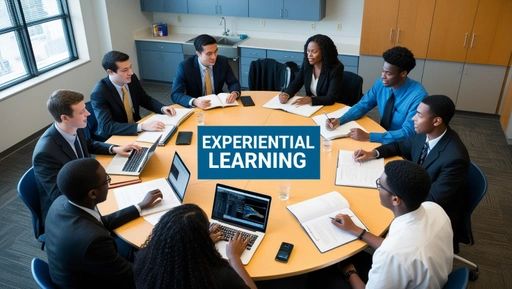
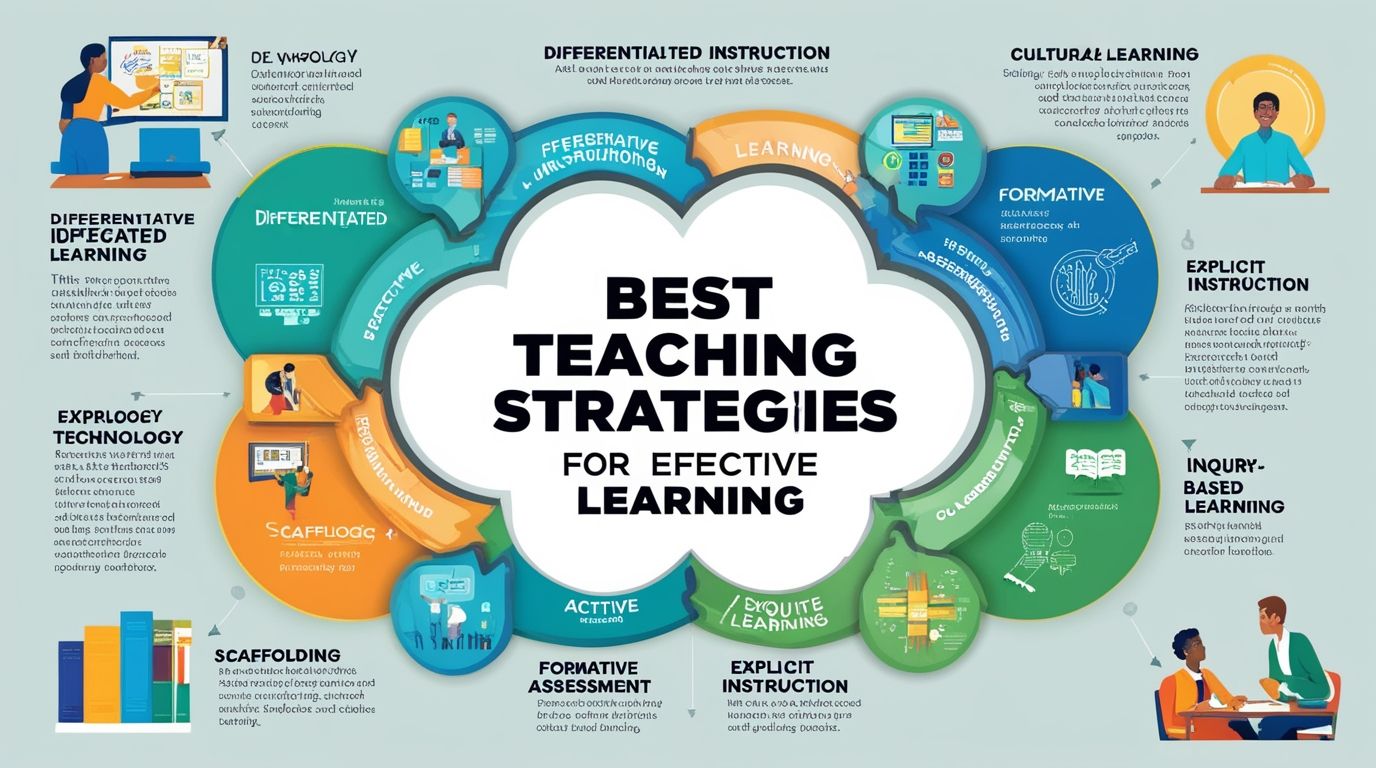
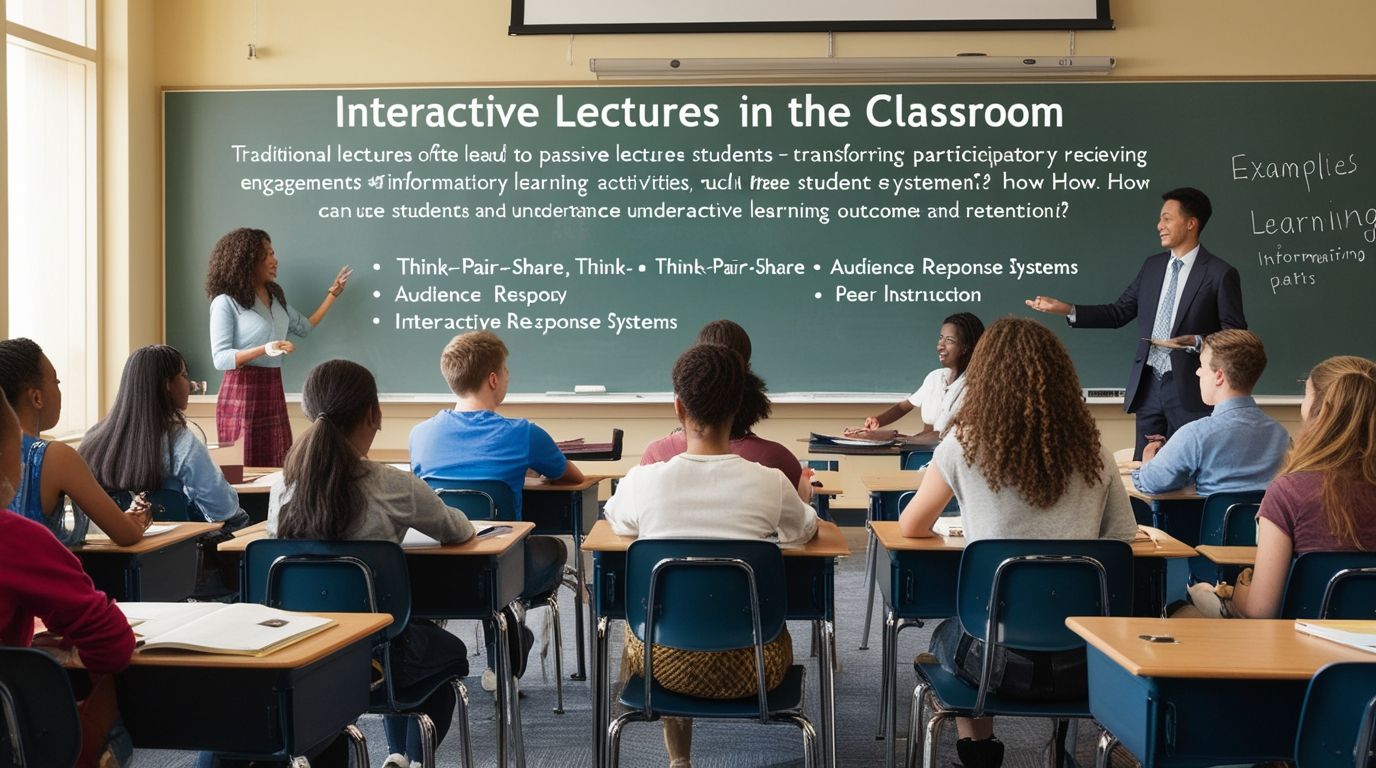
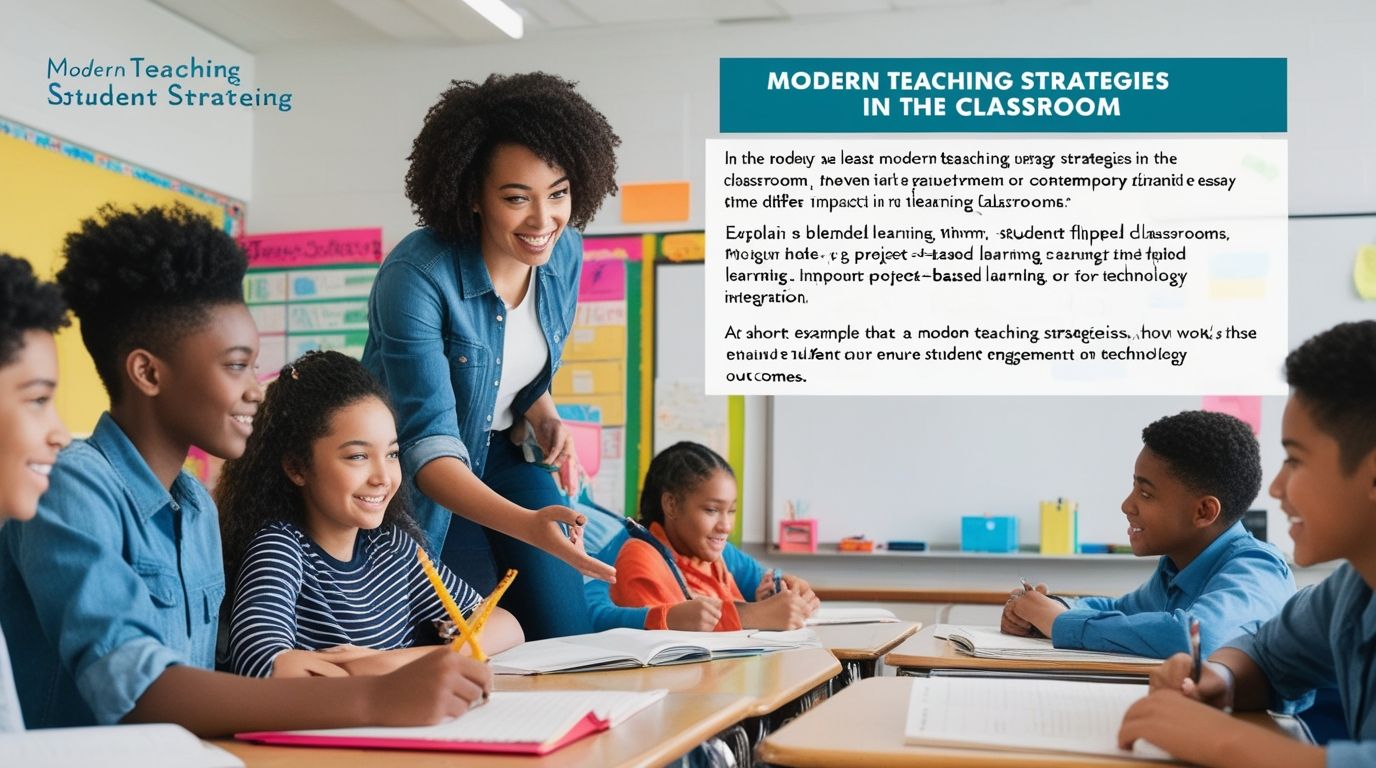
Instruction represents the active implementation of planned learning experiences. During this stage, teachers employ a variety of instructional strategies such as direct teaching, collaborative learning, inquiry-based activities, and experiential learning to support student understanding and participation.
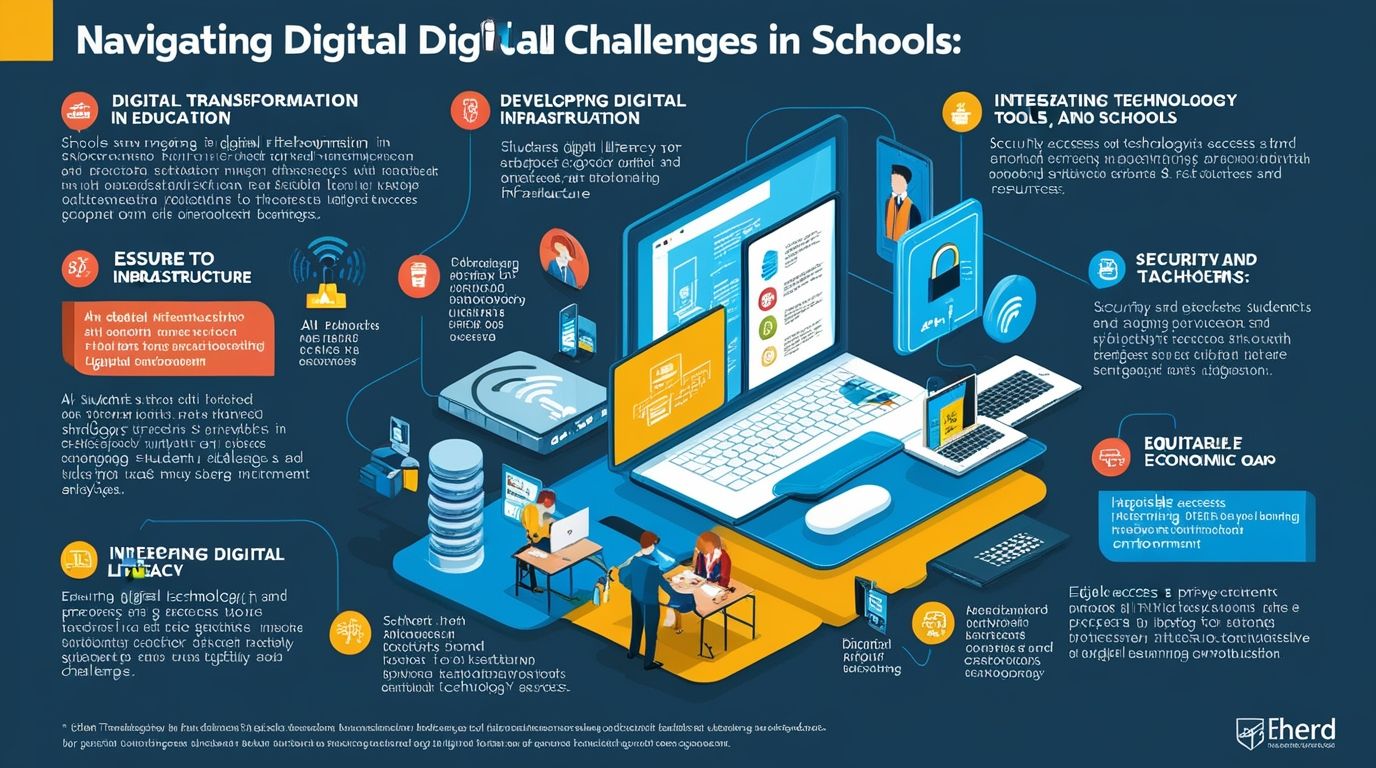
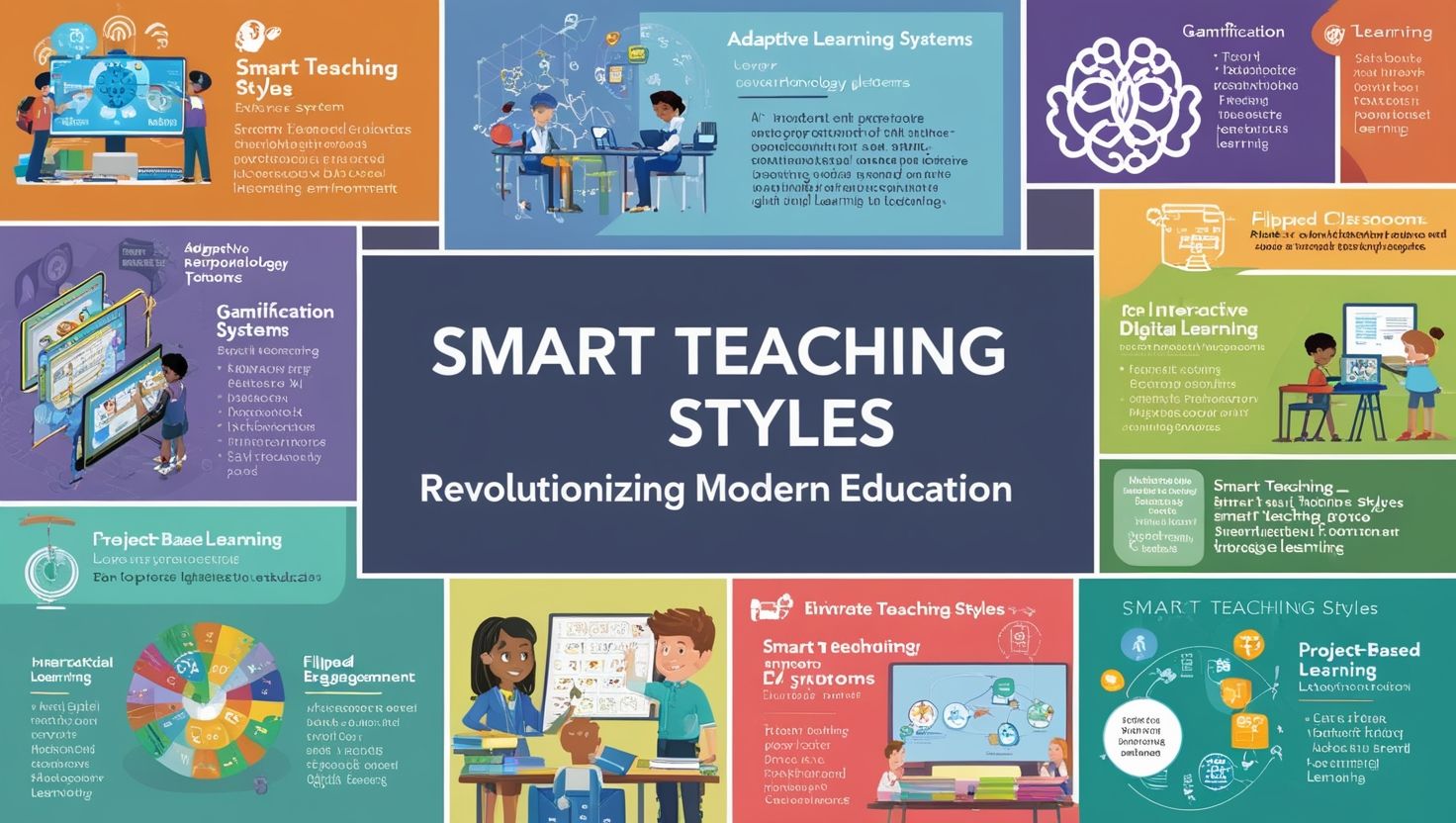
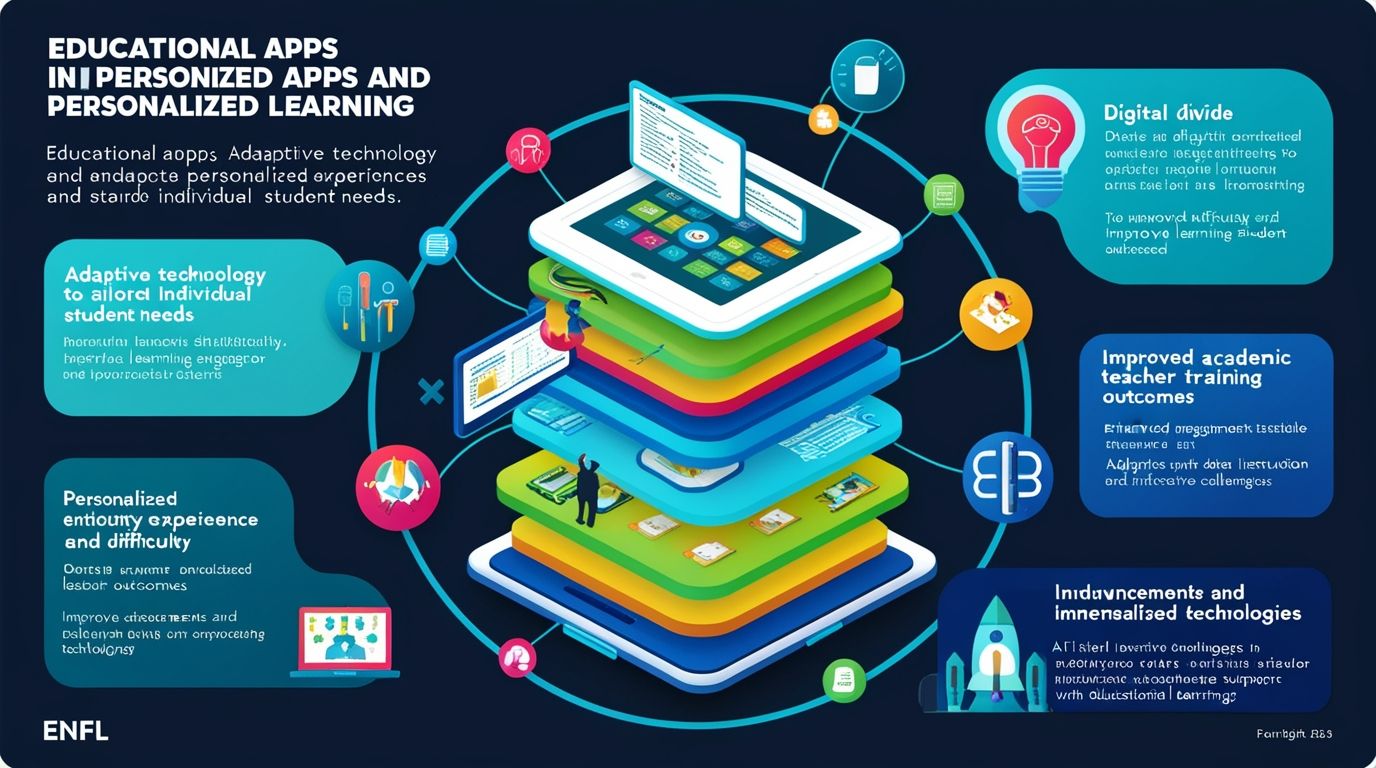
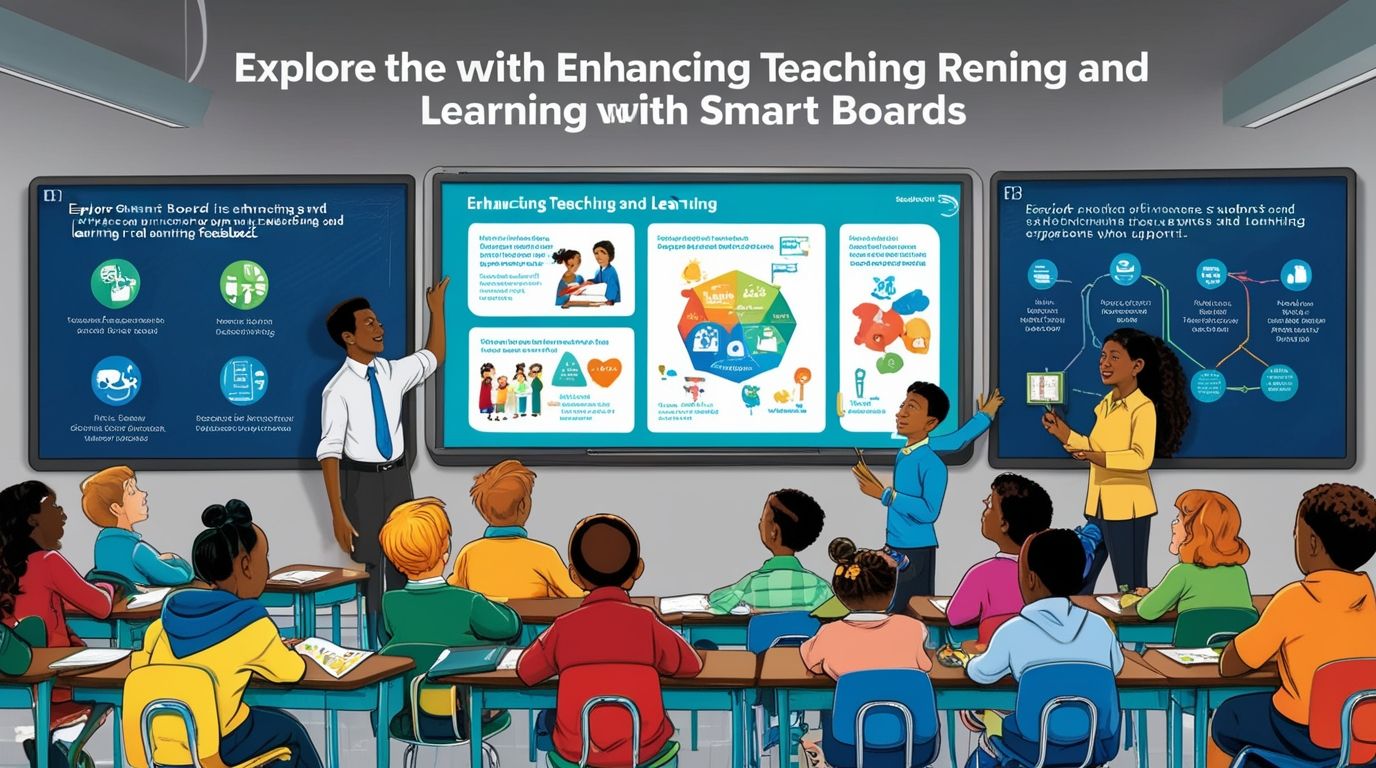
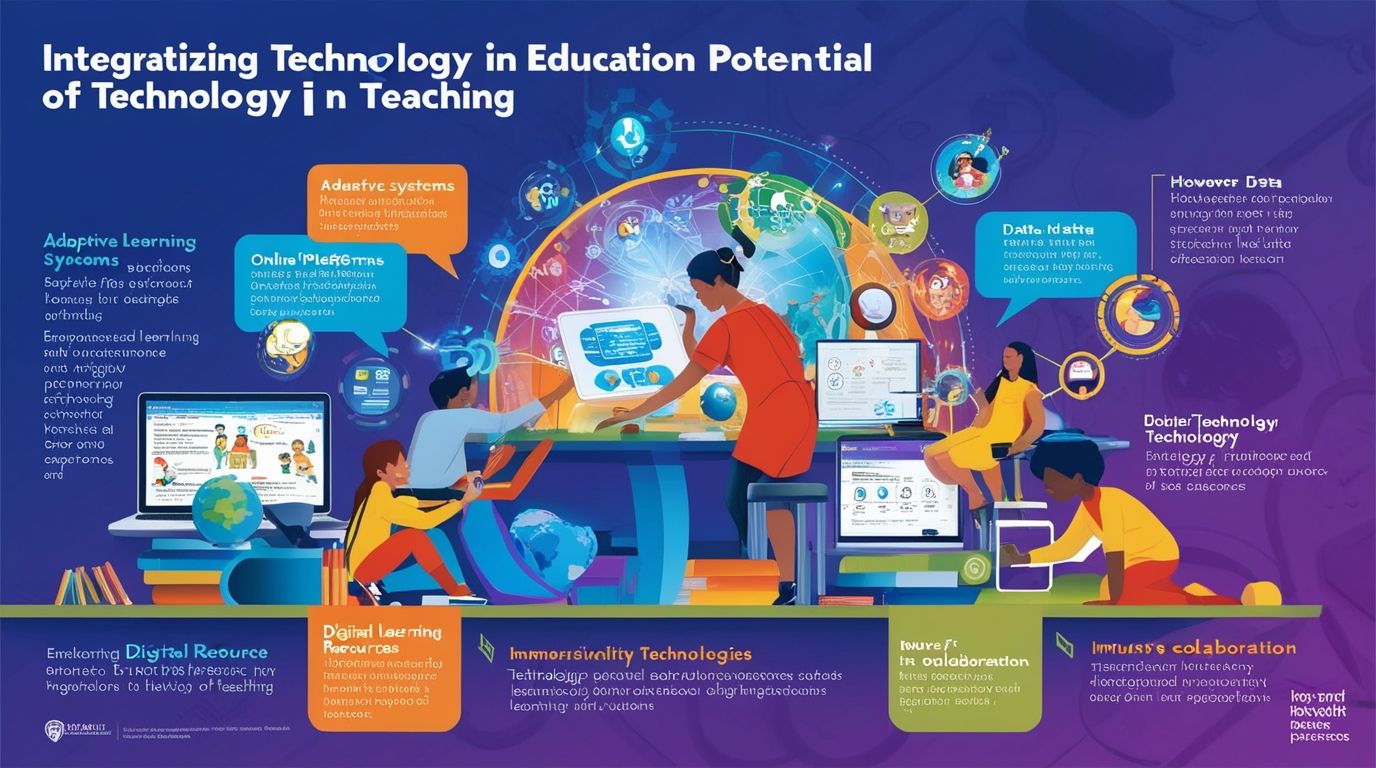
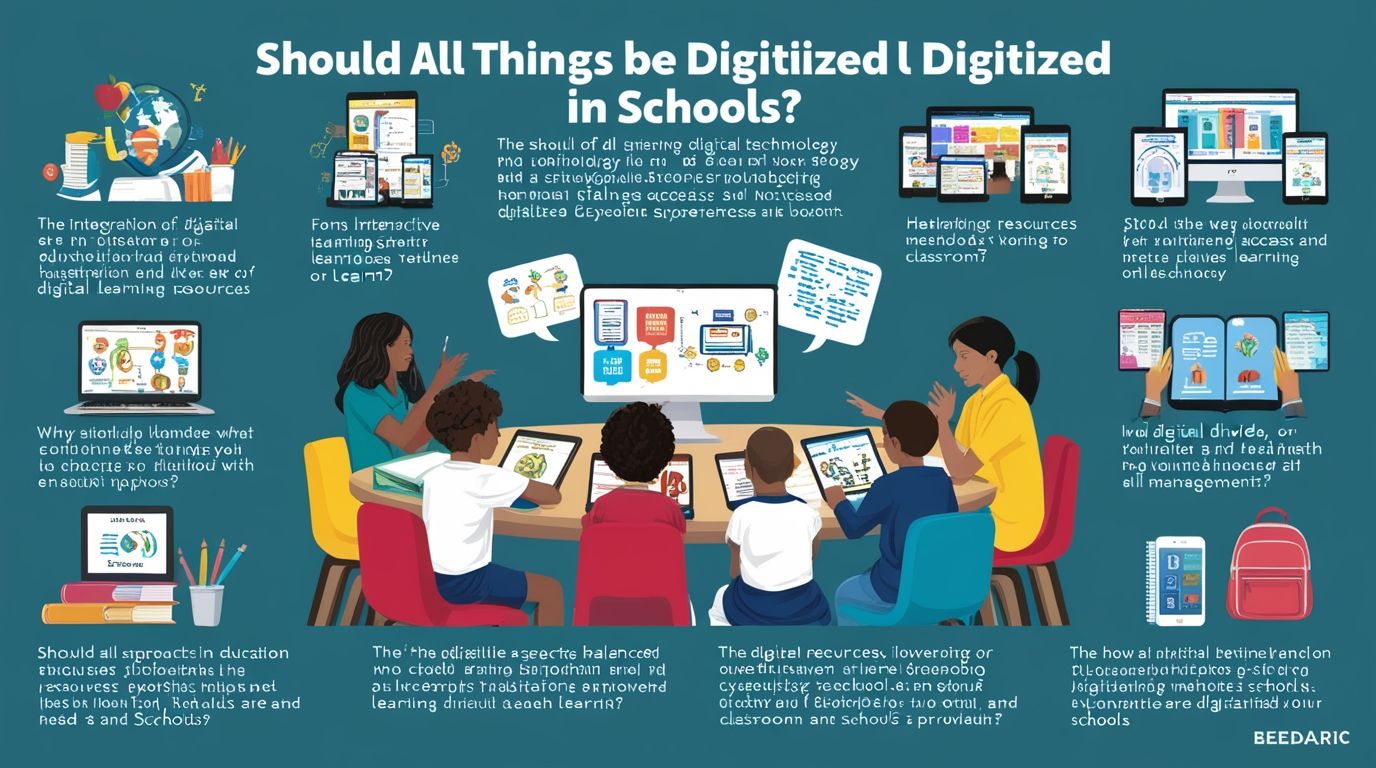
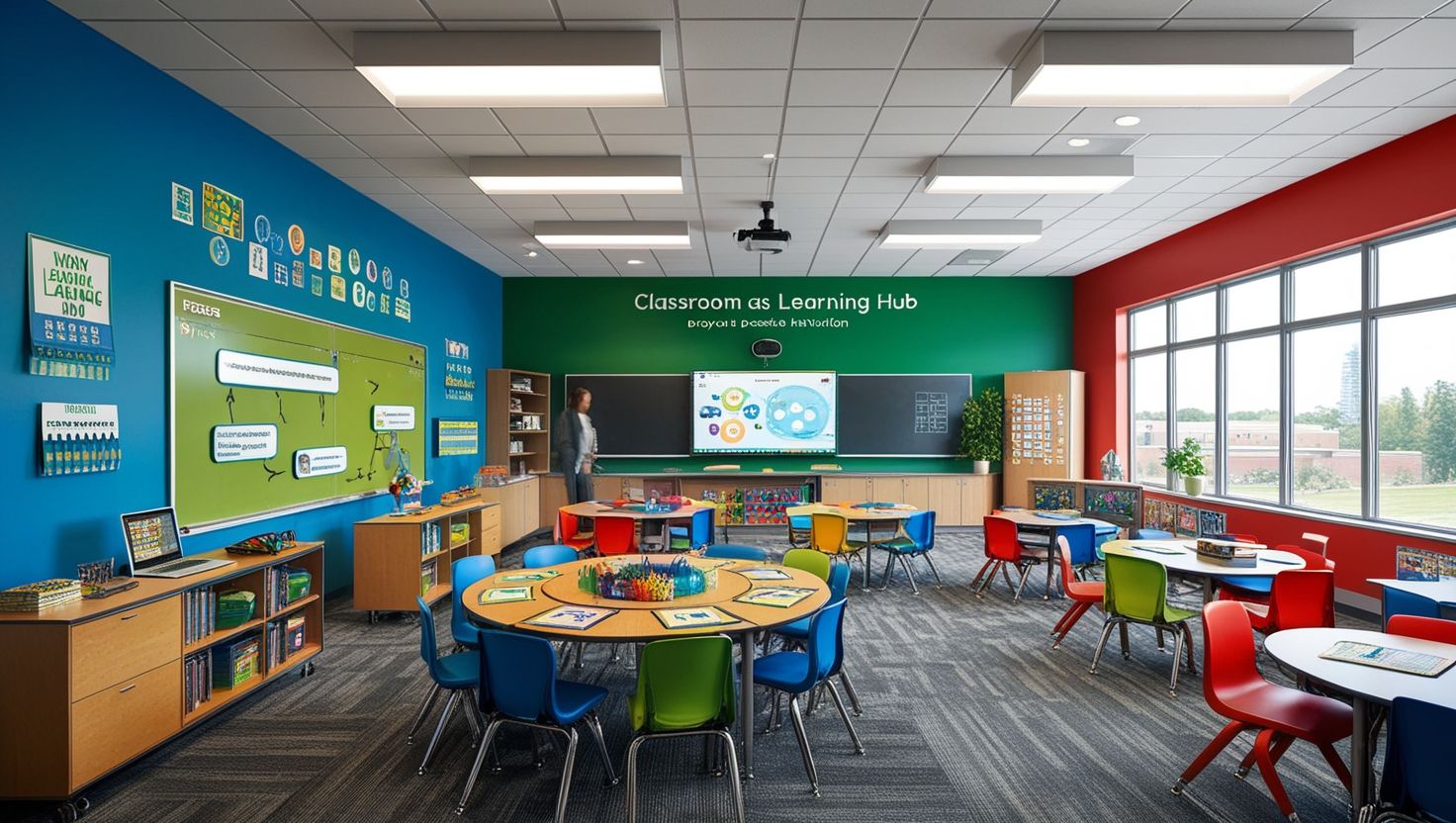
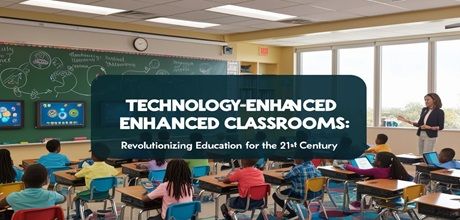
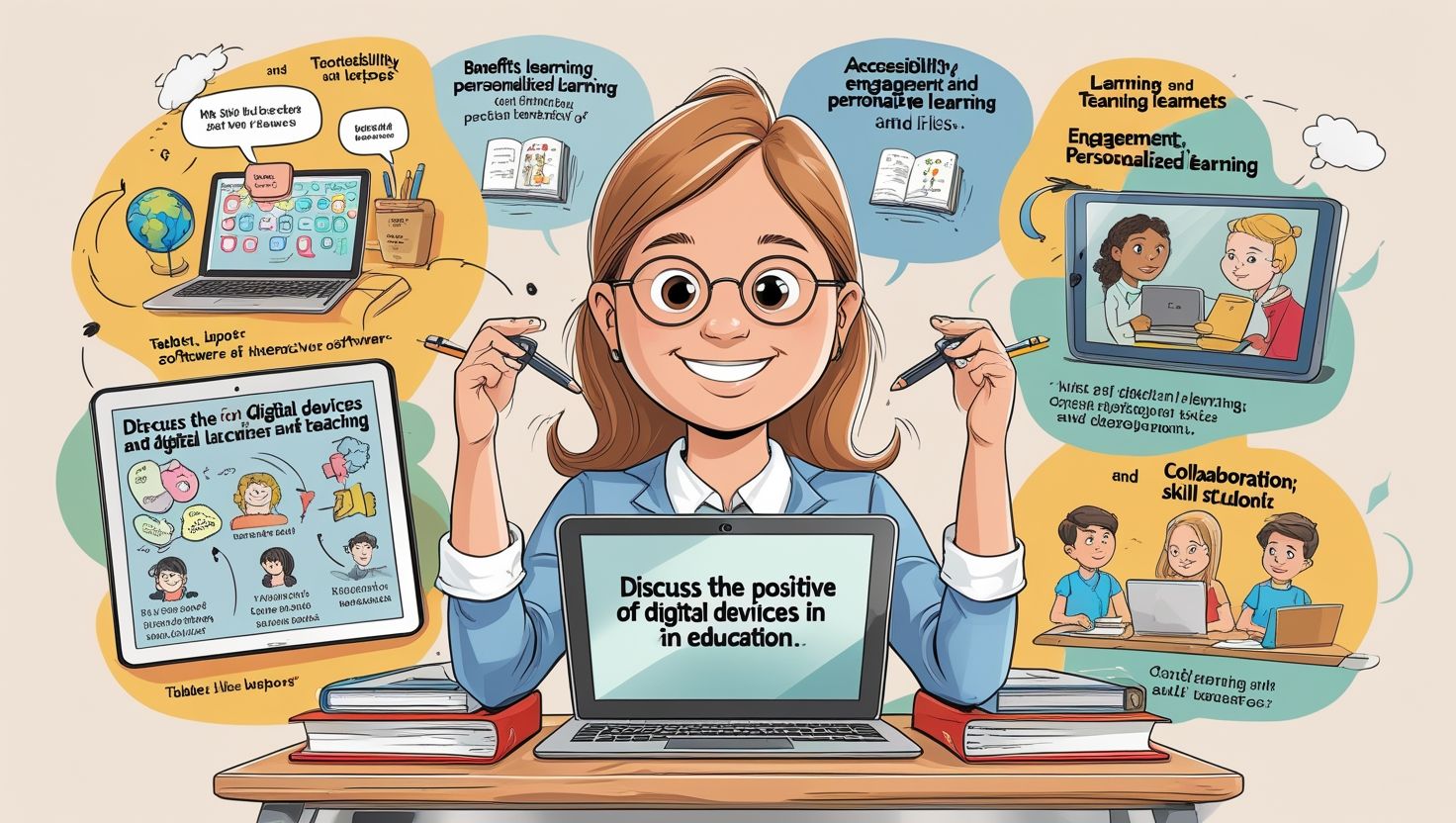
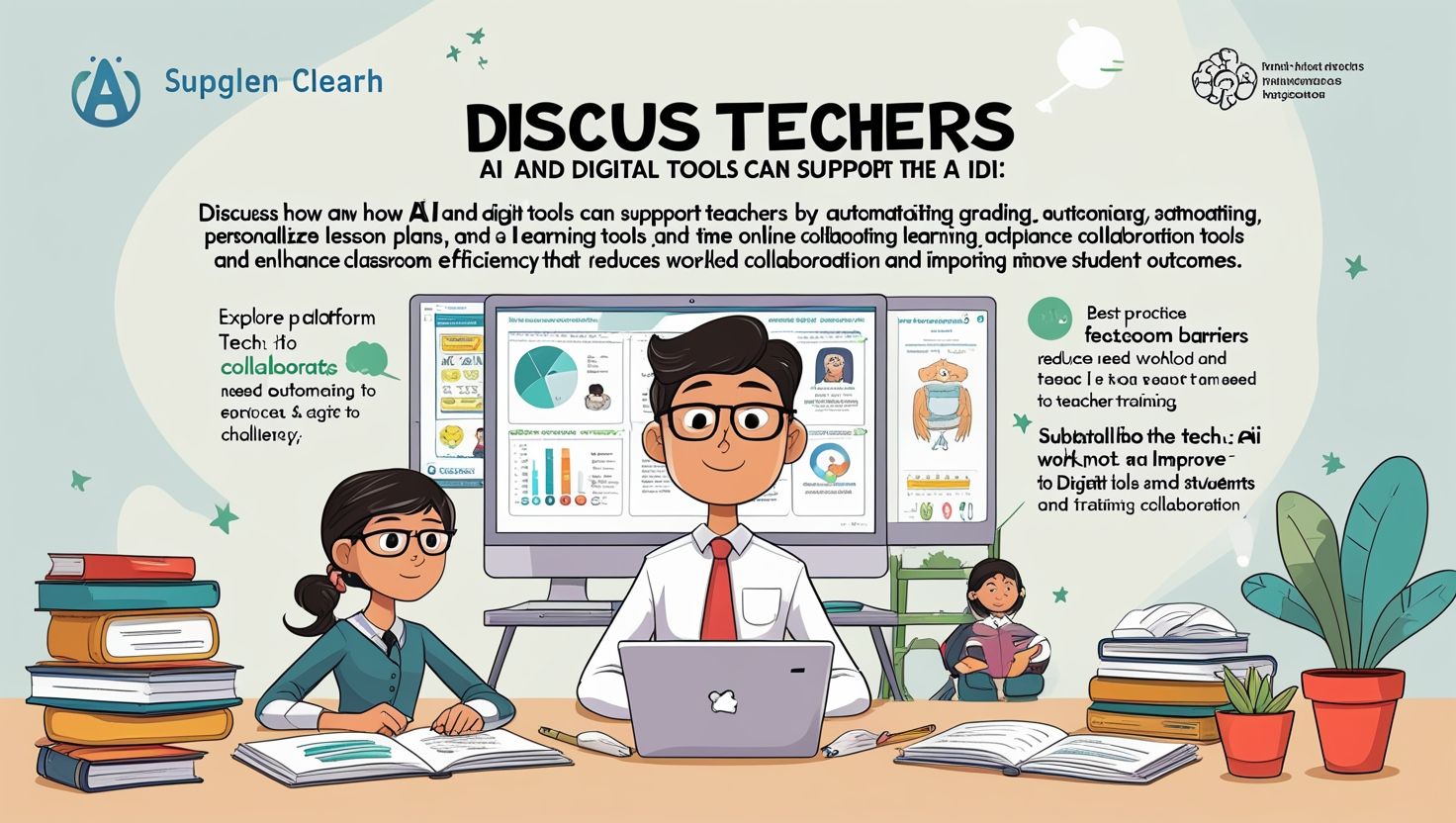
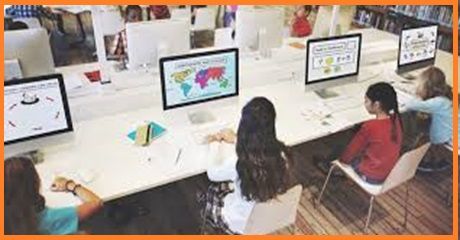
The increasing integration of technology has transformed instructional practices in modern classrooms. Digital tools, including interactive whiteboards, educational applications, and virtual simulations, provide opportunities for personalized and interactive learning experiences (Zhou et al., 2022). Technology also enables teachers to differentiate instruction effectively, accommodate varying learning paces, and enhance student motivation and achievement.
Assessment
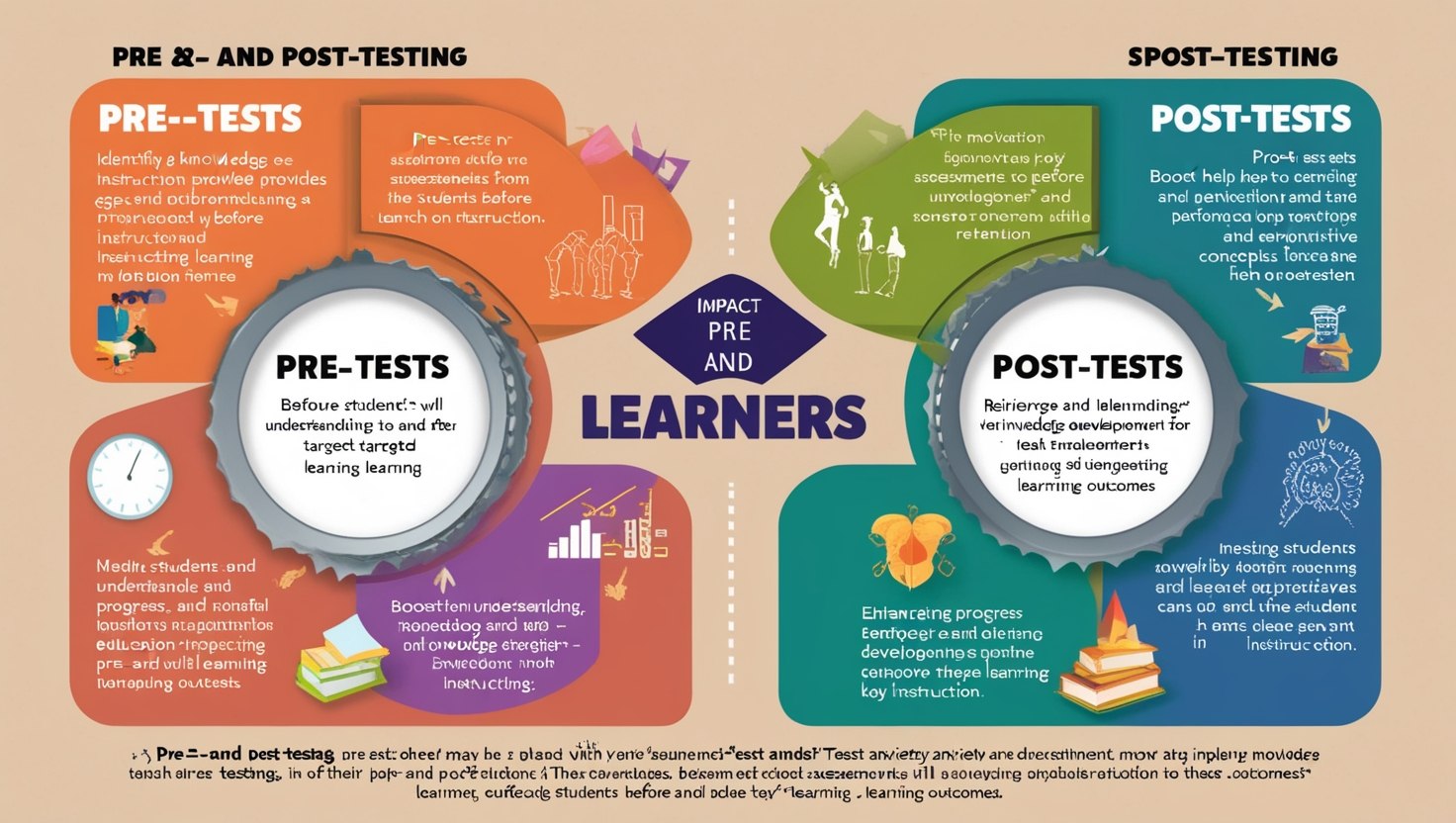
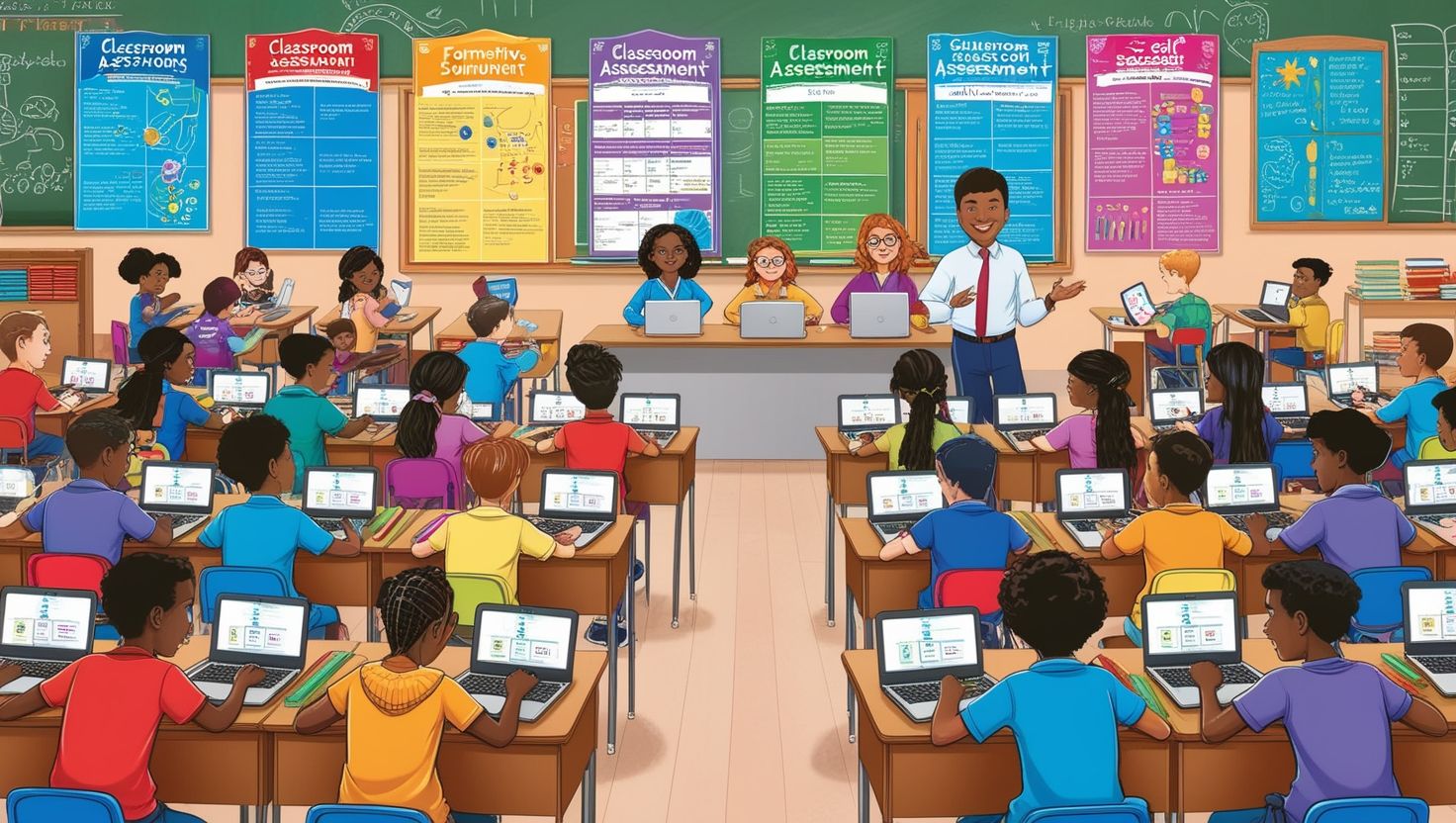
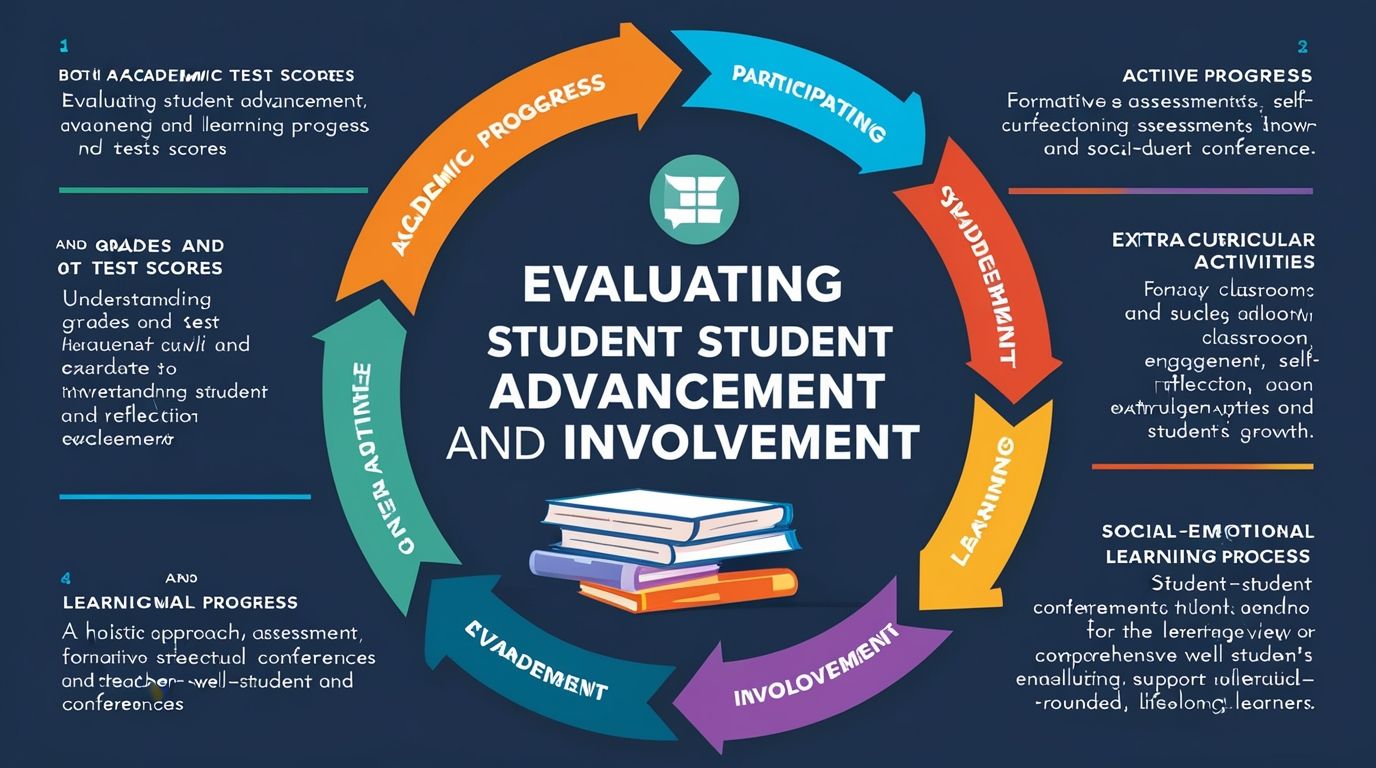
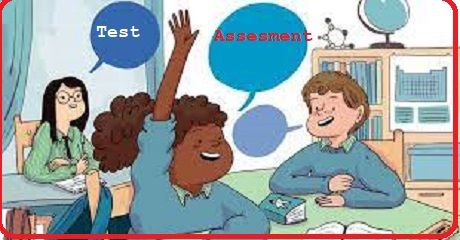
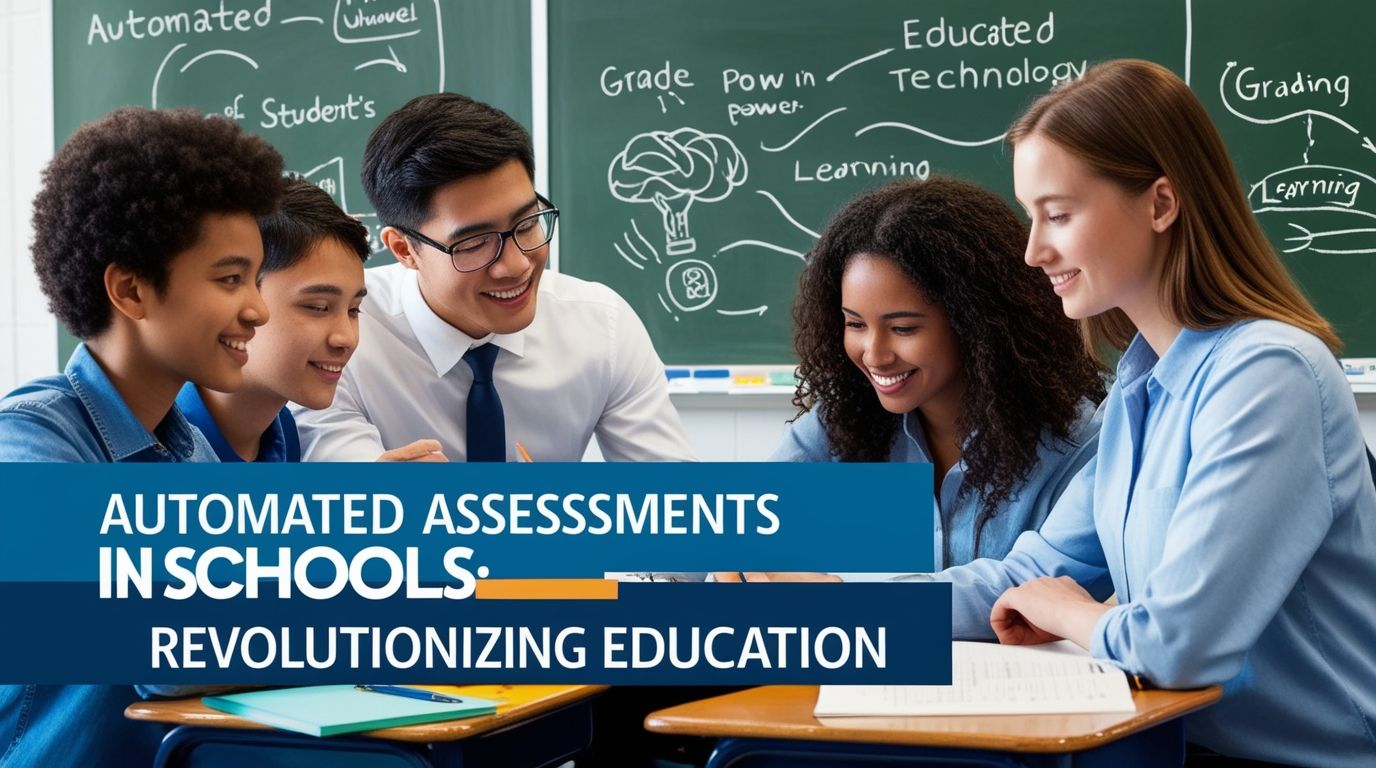
Assessment plays a vital role in monitoring student progress and guiding instructional decisions. It includes formative, summative, diagnostic, and authentic assessment approaches that provide valuable information about student understanding and performance.
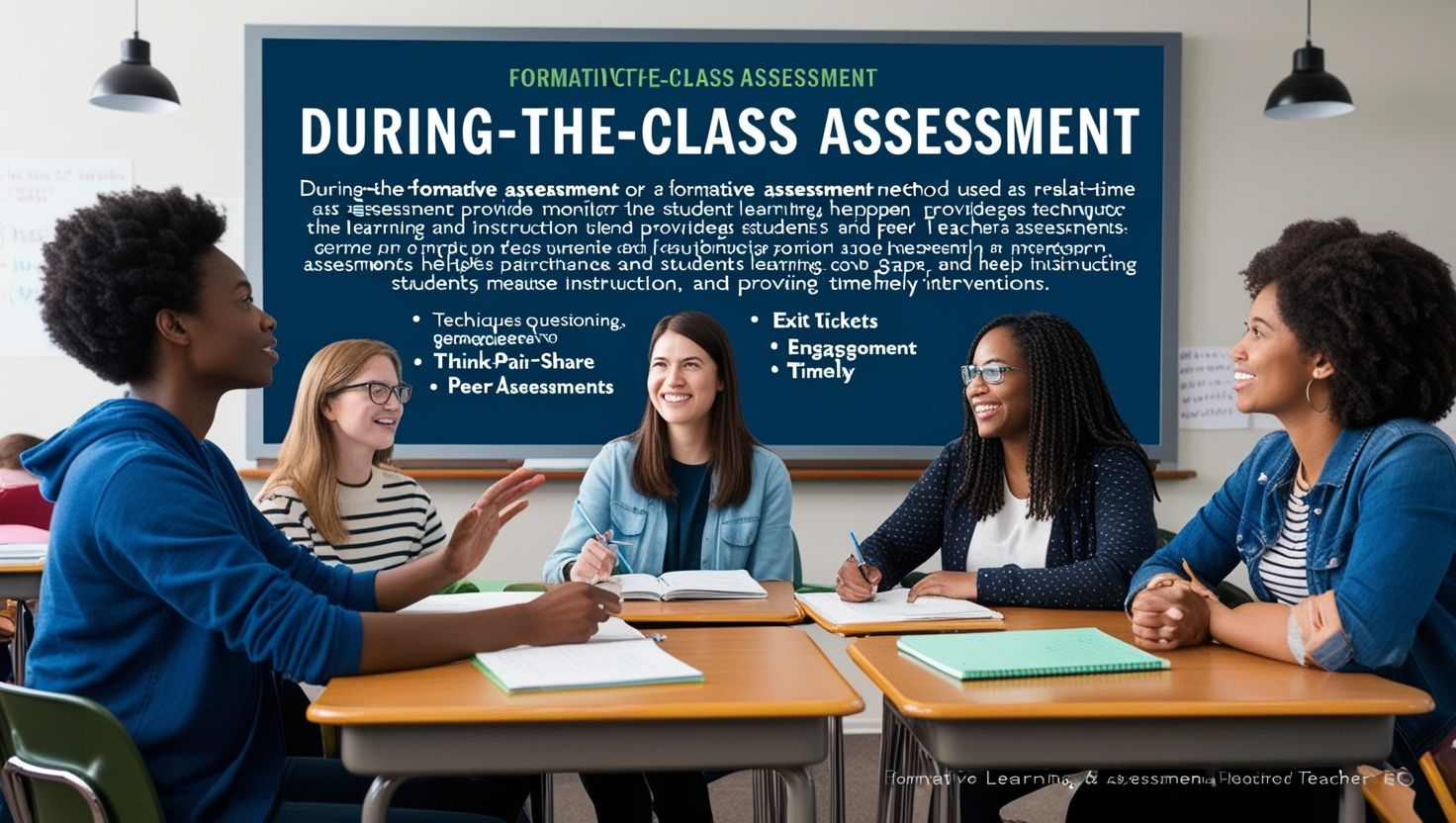
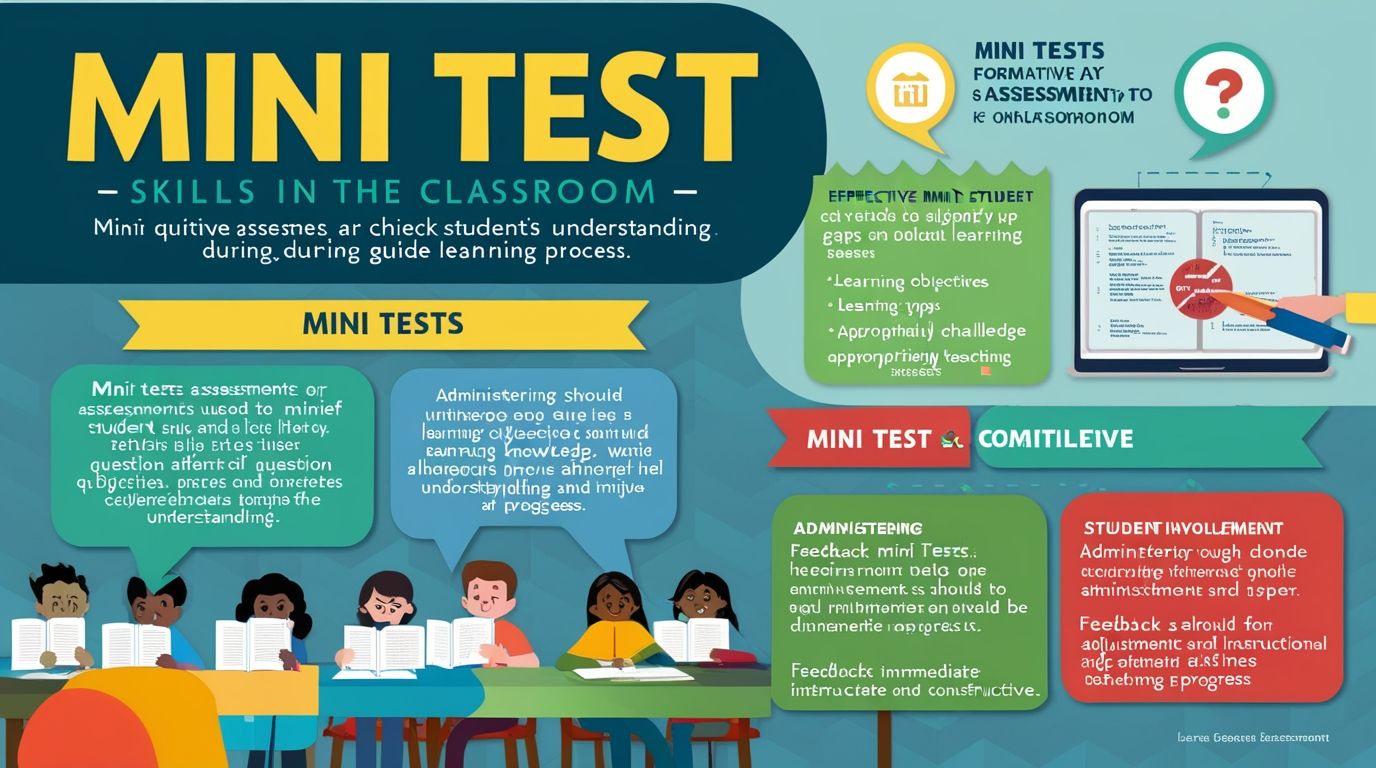
Current educational practices strongly emphasize formative assessment as a process of continuous feedback and improvement rather than solely a measure of achievement (Guskey, 2020). Through quizzes, discussions, observations, and classroom activities, teachers can identify learning gaps, adapt instructional strategies, and provide targeted support to help students achieve learning objectives.
Reflection
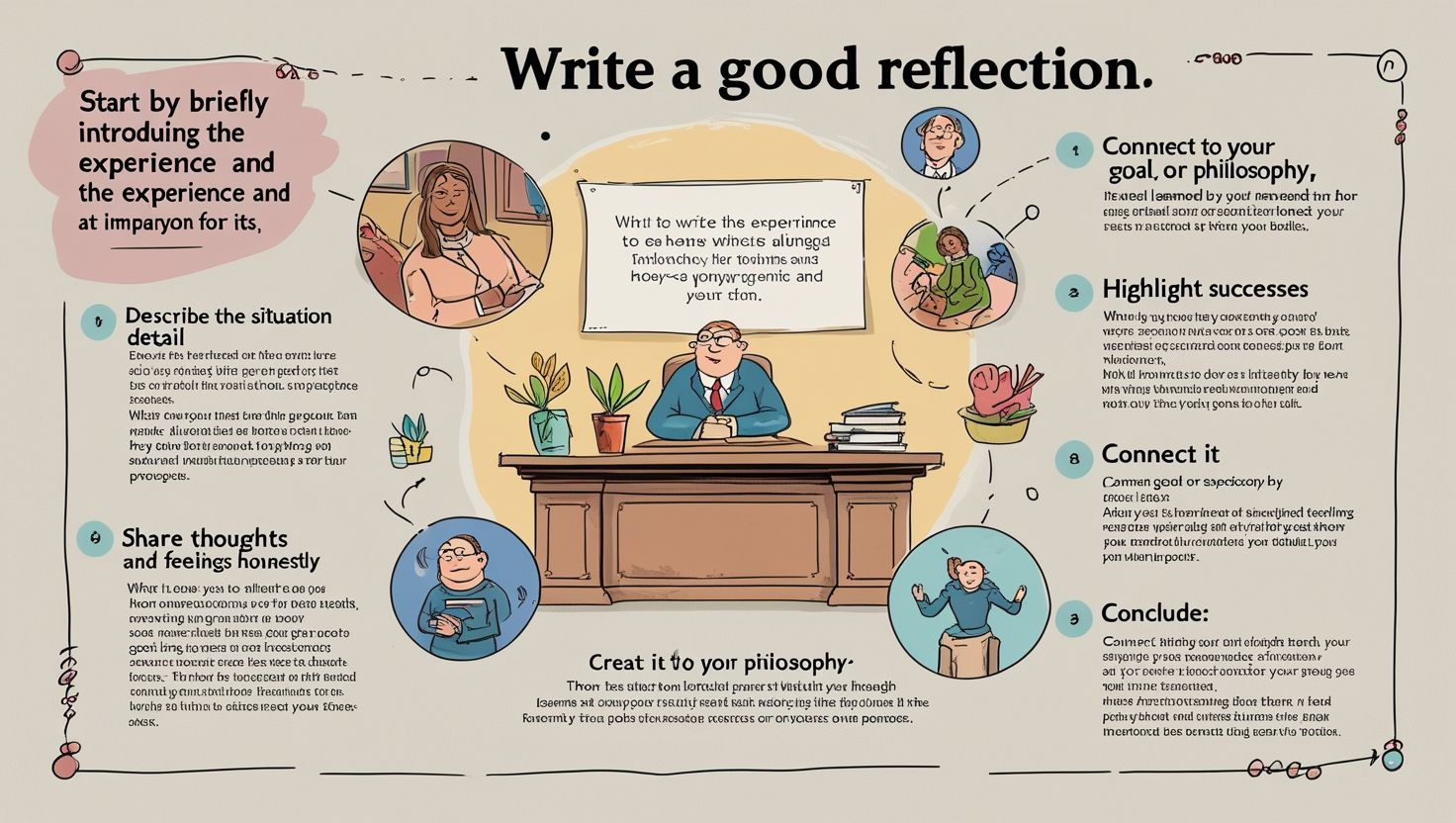
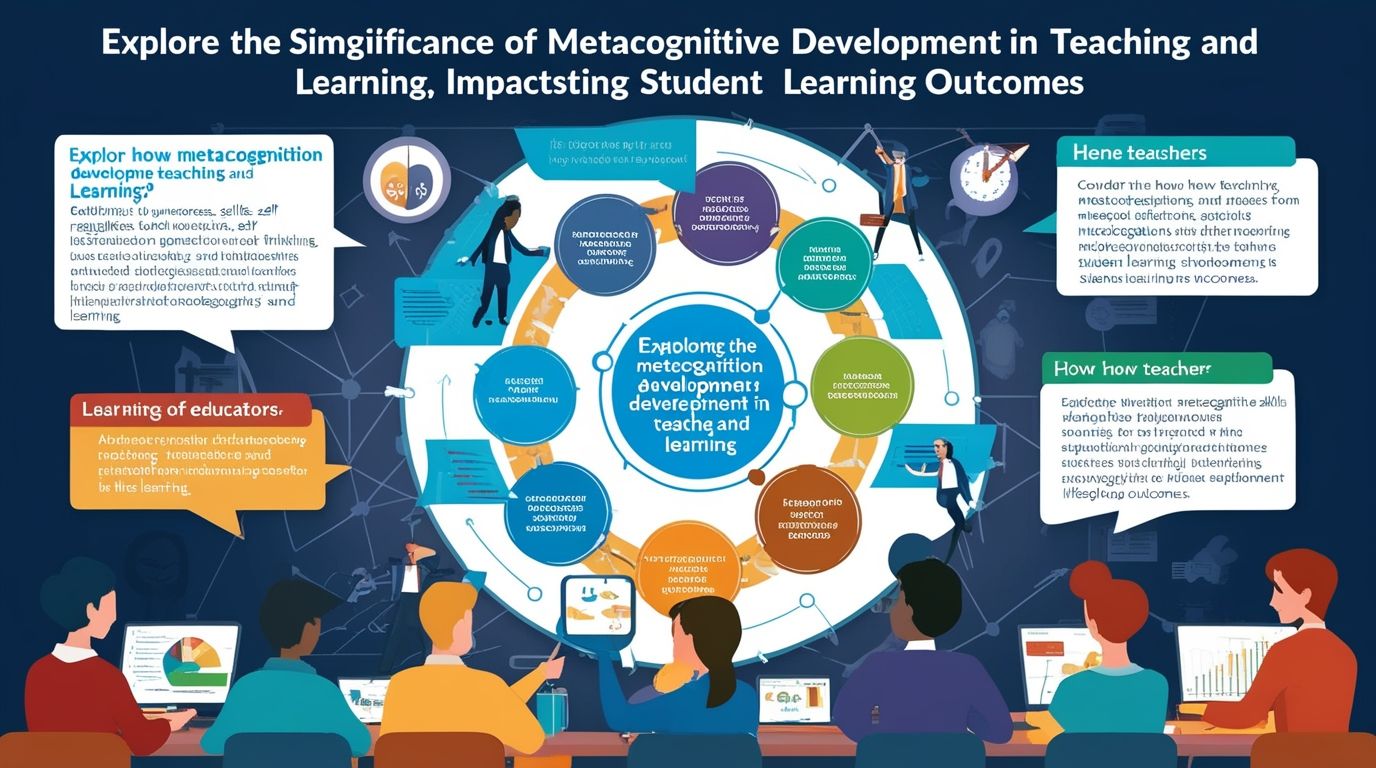
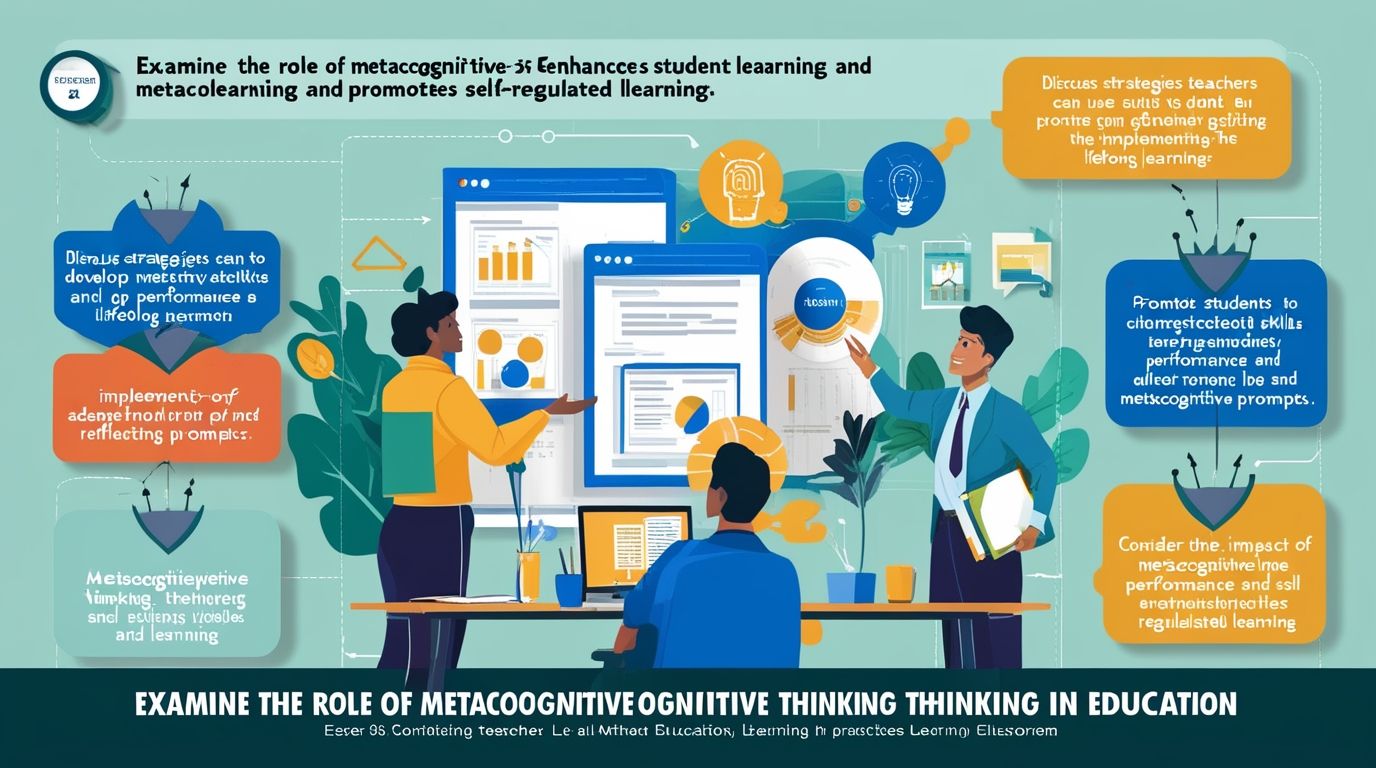
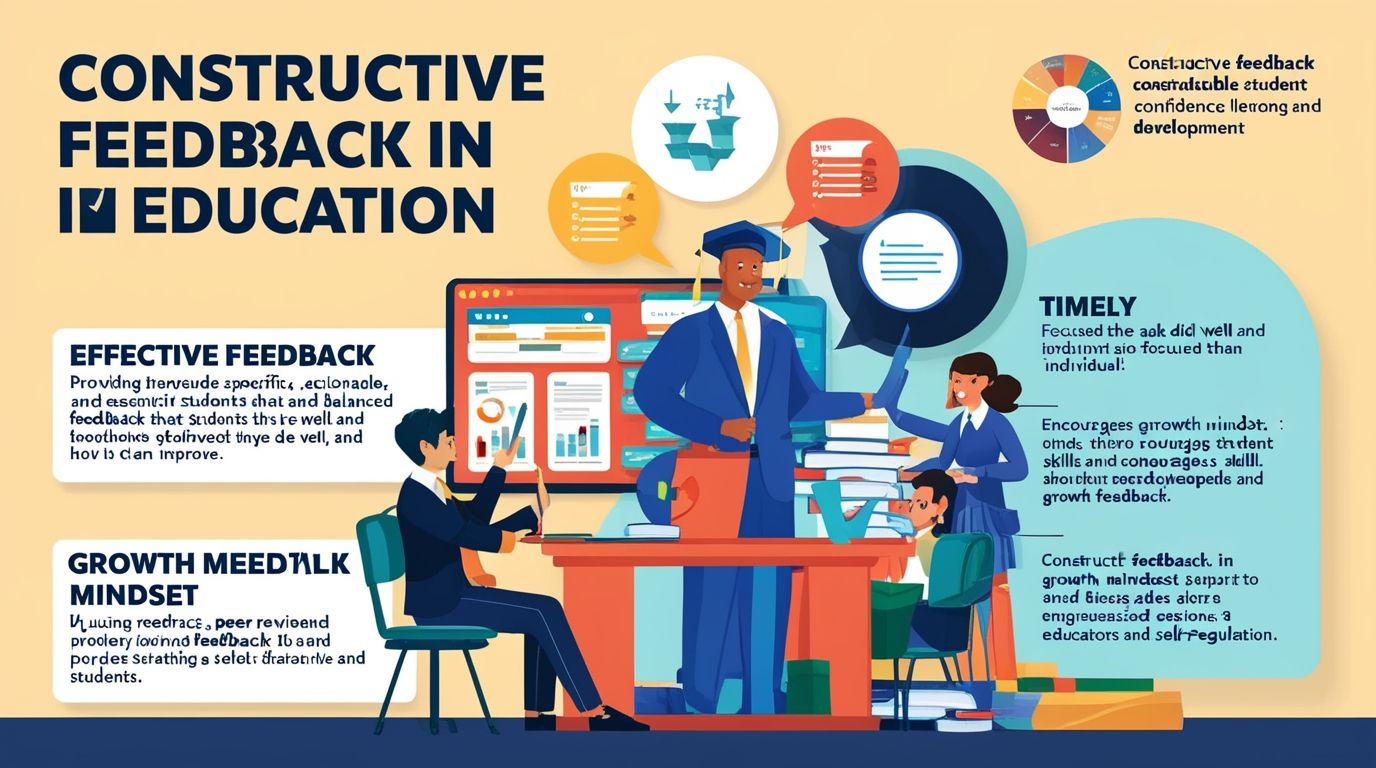
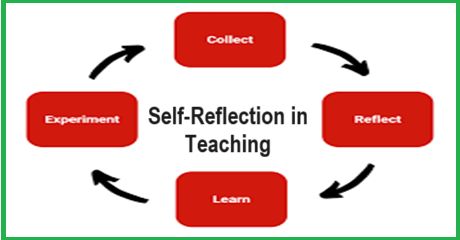
Reflection is the stage in which both teachers and students evaluate the effectiveness of the teaching and learning process. For educators, reflection involves examining instructional practices, identifying strengths and challenges, and considering ways to improve future teaching. For students, reflective activities encourage self-assessment, goal setting, and the development of metacognitive skills.
Reflection can also be collaborative. Discussions with colleagues, peer feedback, and student input can provide valuable insights that contribute to professional growth and improved classroom practices (Larrivee, 2020). Establishing a reflective culture encourages continuous improvement and adaptability in education.
The Interconnected Nature of the Teaching–Learning Cycle
The strength of the teaching–learning cycle lies in its continuous and interconnected structure. Each stage informs and supports the next, creating an ongoing process of instructional refinement and student development.
From Planning to Instruction
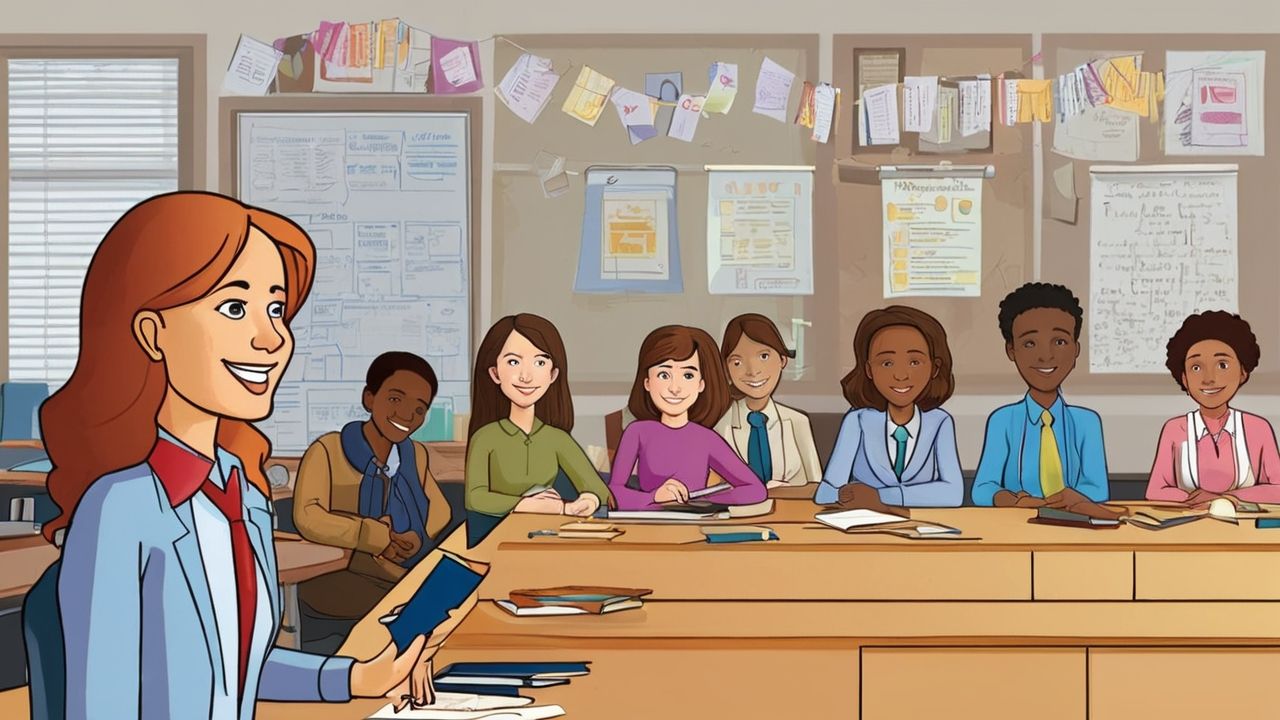
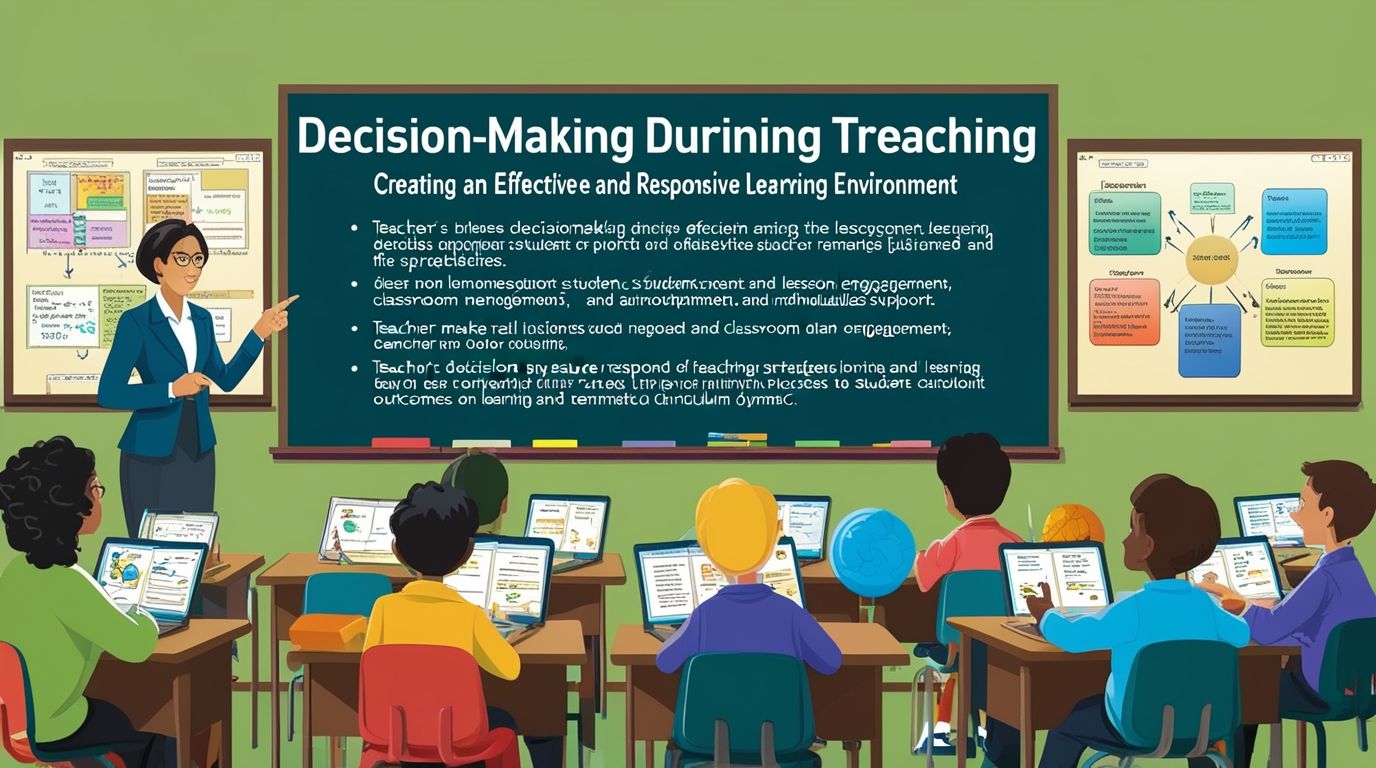
The transition from planning to instruction is essential for achieving desired learning outcomes. Even the most carefully designed lesson plans require flexibility during implementation. Effective teachers continuously monitor student engagement and understanding, making adjustments when necessary to ensure meaningful learning experiences.
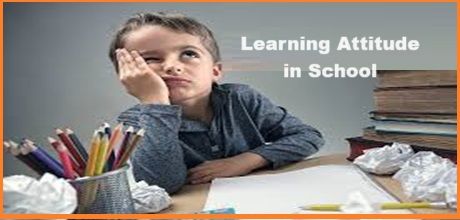
For example, when a planned activity does not effectively engage students, teachers may modify their approach by introducing collaborative discussions, interactive tasks, or reflective activities. This adaptability strengthens the effectiveness of the teaching–learning cycle.
From Instruction to Assessment
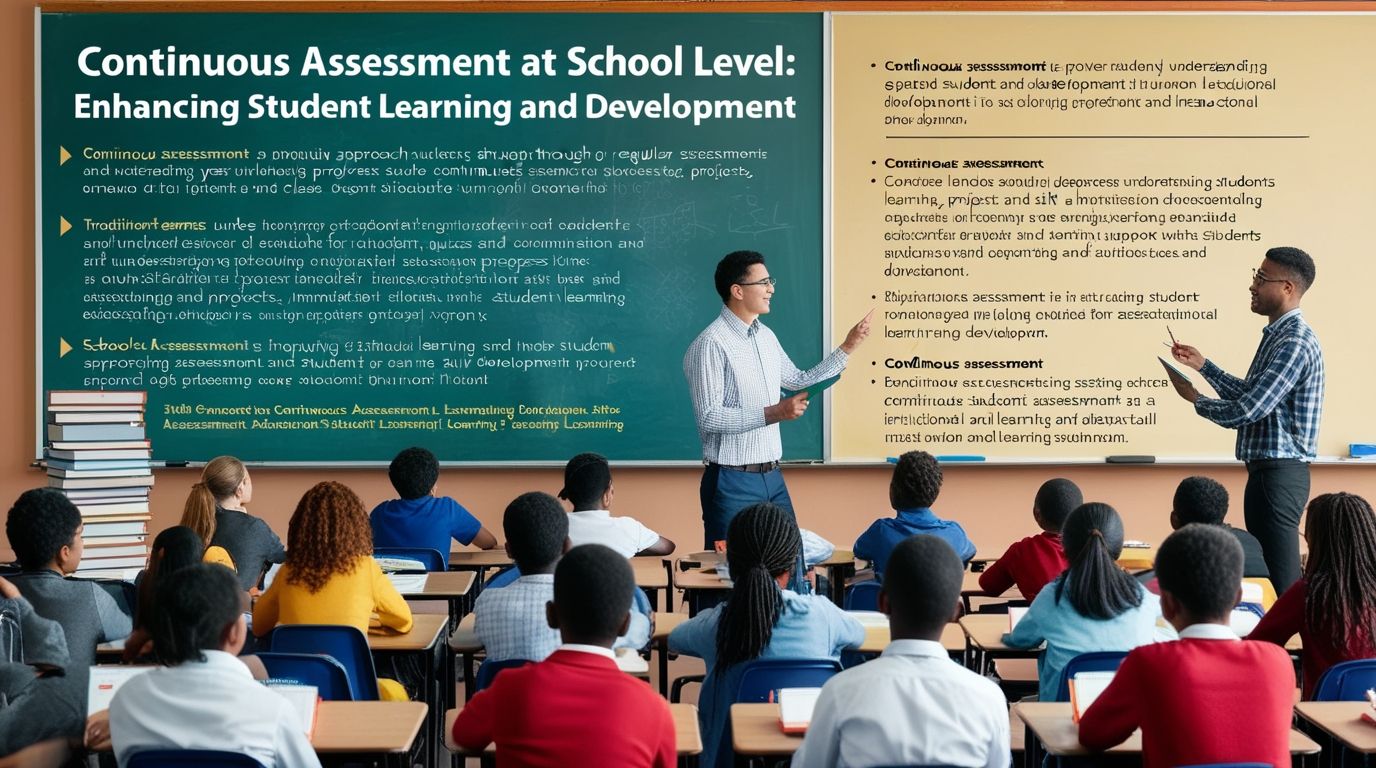
Assessment serves as the connection between instruction and improvement. By using multiple assessment methods, educators gain a comprehensive understanding of student learning and instructional effectiveness.
Black and Wiliam (2018) argue that assessment should focus not only on measuring knowledge but also on understanding how students learn over time. Embedding assessment within daily instruction enables teachers to provide timely feedback, monitor progress, and make informed instructional adjustments.
From Assessment to Reflection
Reflection transforms assessment data into opportunities for growth and improvement. Teachers analyze instructional outcomes, while students evaluate their learning processes and achievements.
Reflective practices such as journaling, peer collaboration, and professional learning communities encourage educators to critically examine their teaching methods. Similarly, student reflection promotes deeper understanding, self-awareness, and the ability to connect new knowledge with prior experiences (Schön, 2020).
Challenges and Innovations in the Teaching–Learning Cycle
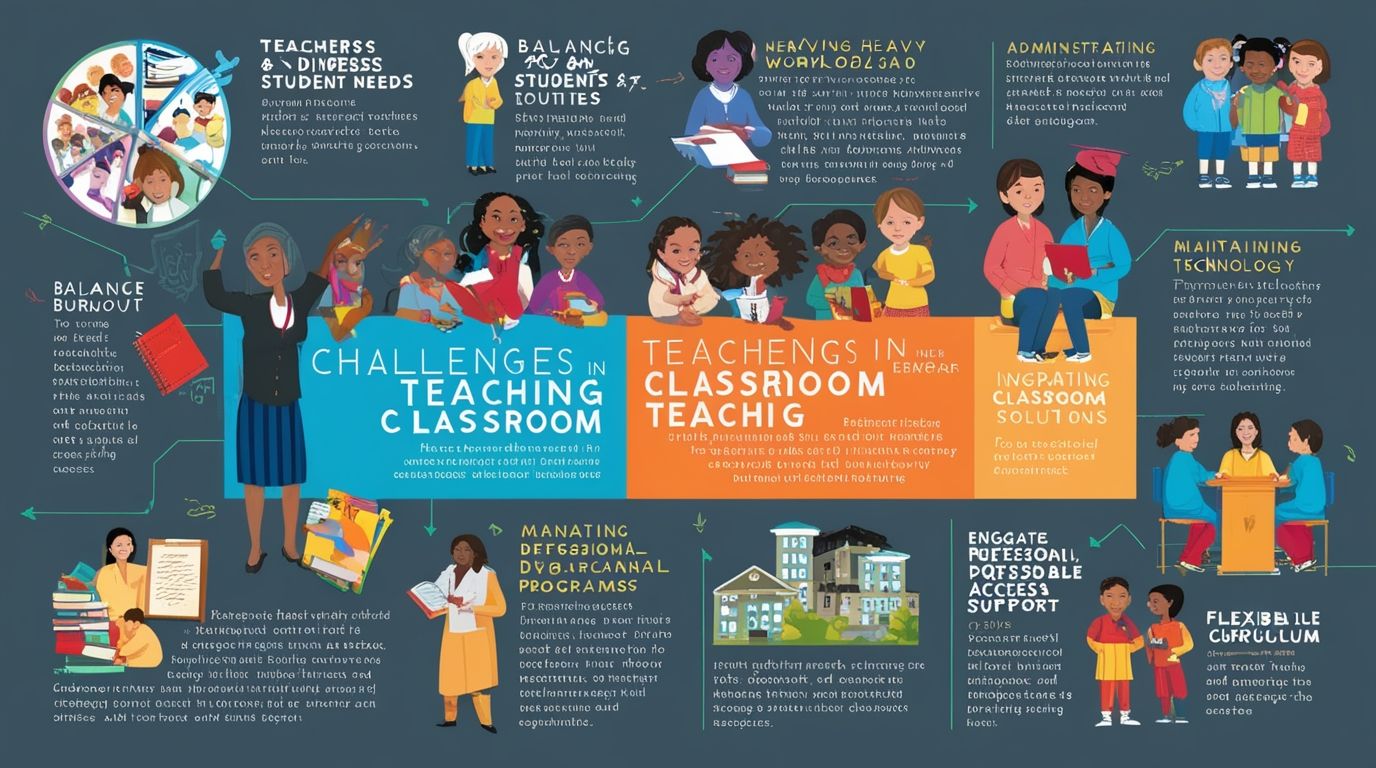
Although the teaching–learning cycle provides a strong educational framework, educators often face challenges related to time, resources, and instructional demands. Limited opportunities for detailed planning, differentiated instruction, and reflective practice can affect the effectiveness of the cycle.
However, ongoing innovations in educational technology and professional development continue to address these challenges. Digital planning platforms, online assessment systems, and collaborative learning tools help streamline instructional processes and provide real-time feedback to support student learning.
The Role of Artificial Intelligence
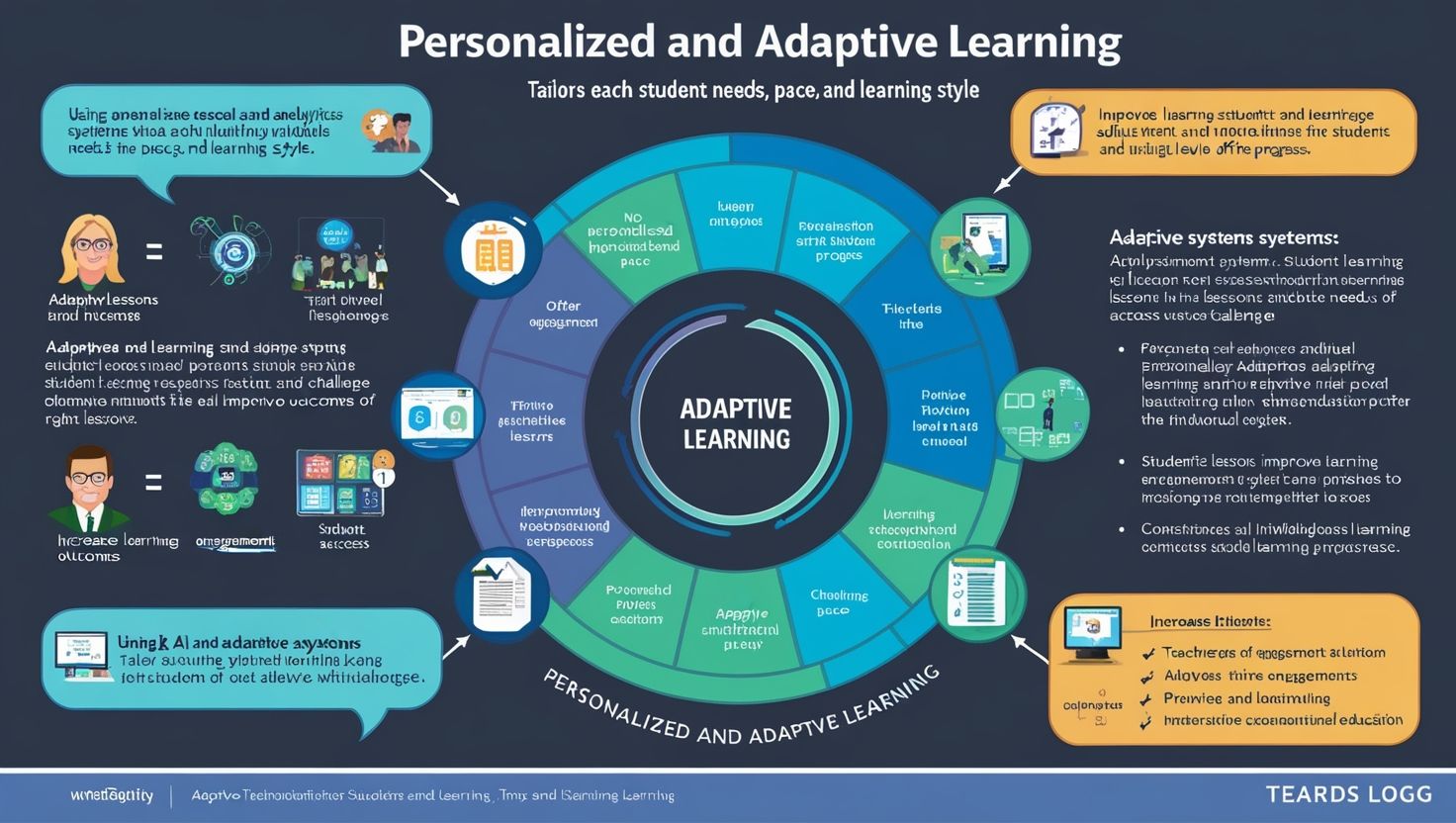
Artificial intelligence (AI) is increasingly influencing education through personalized learning and data-driven assessment. AI-powered platforms can analyze student performance and provide tailored instructional recommendations for teachers and learners alike (Holmes et al., 2019). Such technologies support individualized learning experiences and strengthen the alignment between instruction and student needs.
Blended Learning Approaches
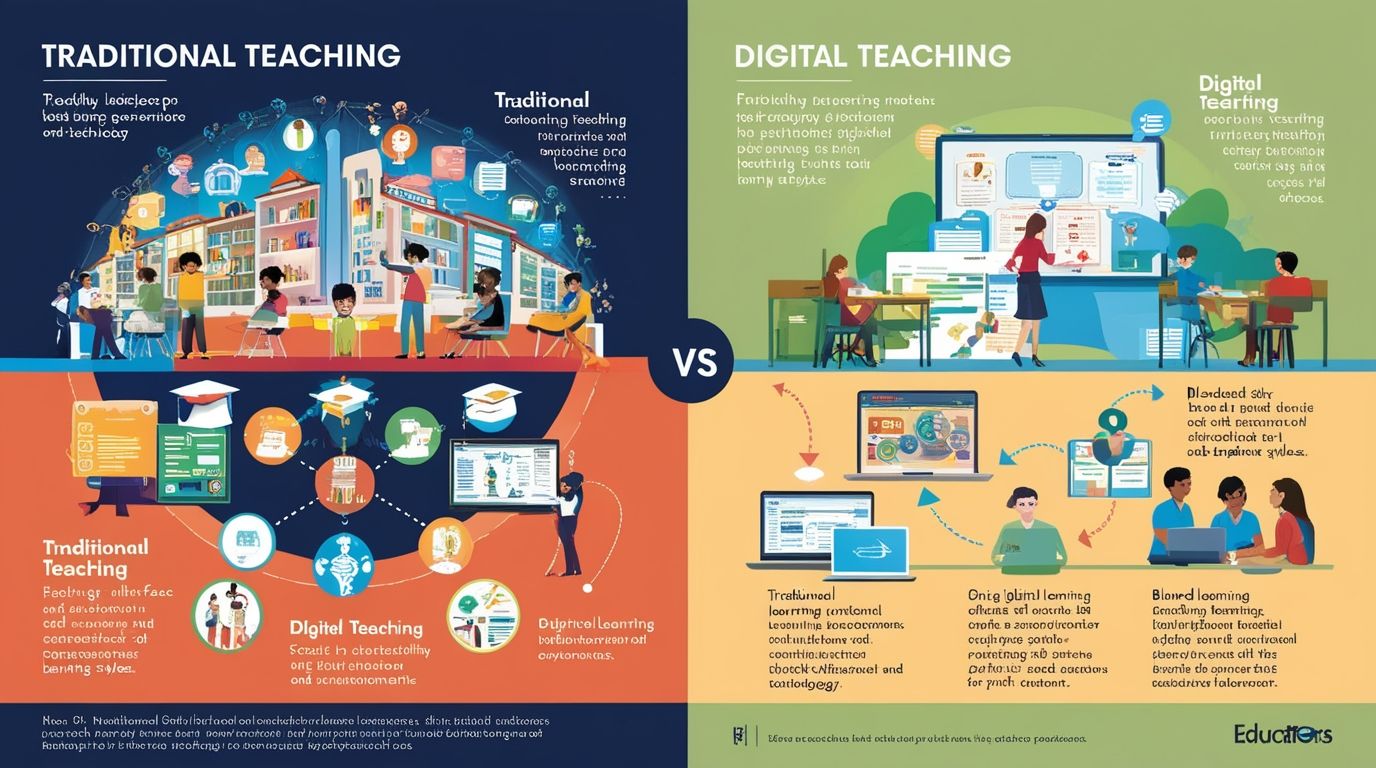
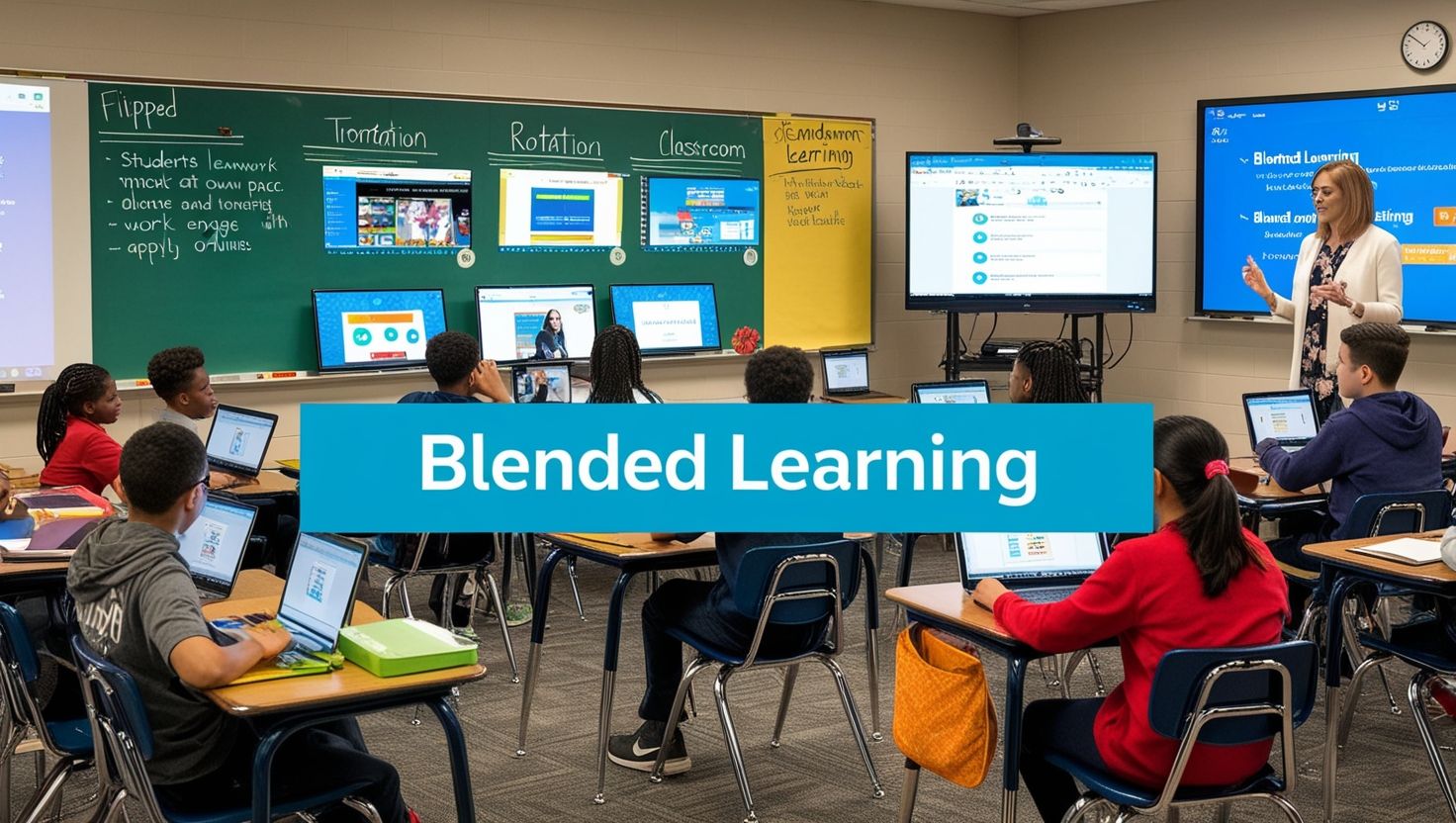
Blended learning combines face-to-face teaching with online learning environments to create flexible and accessible educational experiences. This approach allows educators to integrate digital tools with classroom instruction, supporting differentiated learning and continuous assessment (Garrison & Vaughan, 2021). Blended learning also encourages greater student autonomy, engagement, and collaboration.
Conclusion
The teaching–learning cycle is a dynamic and evolving framework that supports continuous improvement in education. Through the interconnected processes of planning, instruction, assessment, and reflection, educators can create engaging, responsive, and student-centered learning environments.
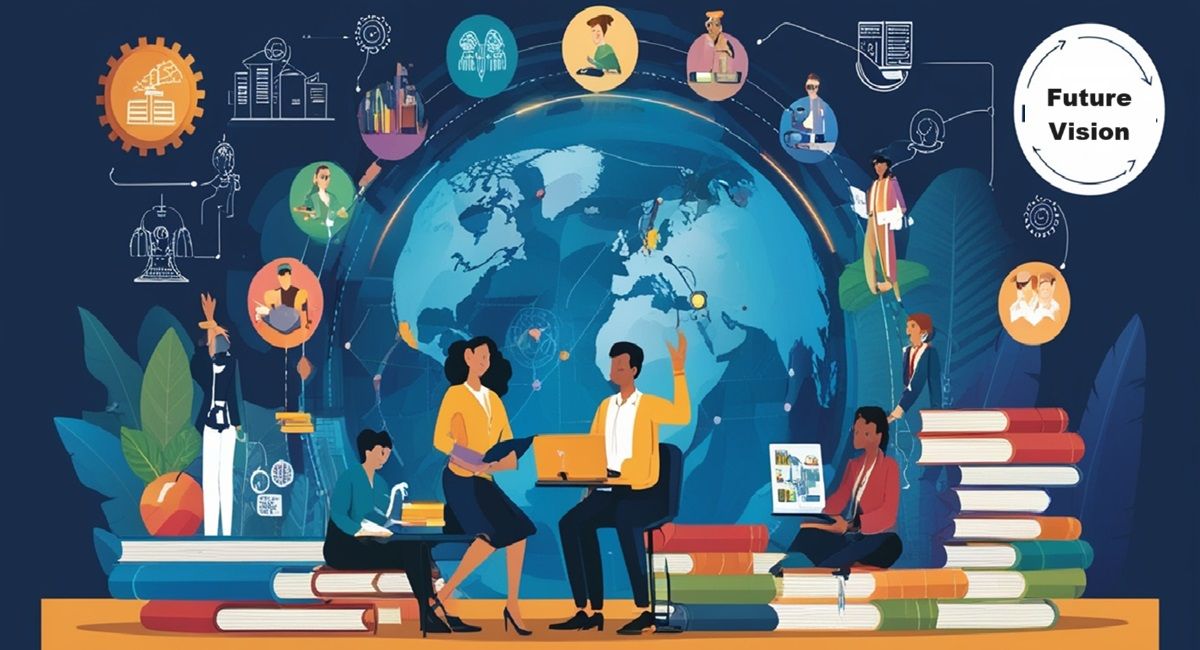
As educational systems continue to evolve, the effective implementation of the teaching–learning cycle will remain essential for preparing students to meet future academic, professional, and social challenges. By embracing innovation, flexibility, and reflective practice, educators can enhance both student achievement and their own professional development.
References
Black, P., & Wiliam, D. (2018). Classroom assessment and pedagogy. Assessment in Education: Principles, Policy & Practice, 25(6), 551–575.
Gay, G. (2018). Culturally responsive teaching: Theory, research, and practice (3rd ed.). Teachers College Press.
Garrison, D. R., & Vaughan, N. D. (2021). Blended learning in higher education: Framework, principles, and guidelines. Jossey-Bass.
Guskey, T. R. (2020). Get Set, Assess!: Mastering Foundation Assessment Concepts. Solution Tree.
Holmes, W., Bialik, M., & Fadel, C. (2019). Artificial intelligence in education: Promises and implications for teaching and learning. Center for Curriculum Redesign.
Larrivee, B. (2020). Reflection and teacher leadership: The power of self-reflection. Journal of Teacher Education, 71(2), 257–269.
Schön, D. A. (2020). The reflective practitioner: How professionals think in action. Routledge.
Zhou, M., Blount, Y., & Tang, S. (2022). Technological solutions to enhance learning and teaching: Transforming higher education with digital innovation. Computers & Education, 175, 104341.










































35 thoughts on “The Teaching-Learning Cycles for Educational Excellence”
Comments are closed.