
Introduction
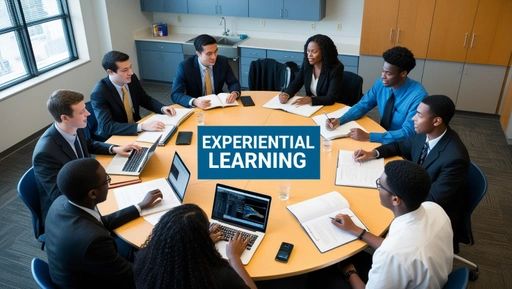
The Role of Field Experience in Learning plays a crucial role in the educational journey of students, offering them an opportunity to apply theoretical knowledge in real-world settings. This experiential learning approach not only enhances understanding and retention of subject matter but also develops essential skills that are difficult to acquire in a traditional classroom environment. This article explores the various dimensions of field experience in learning, including its benefits, challenges, and best practices for integration into educational curricula.
The Importance of Field Experience
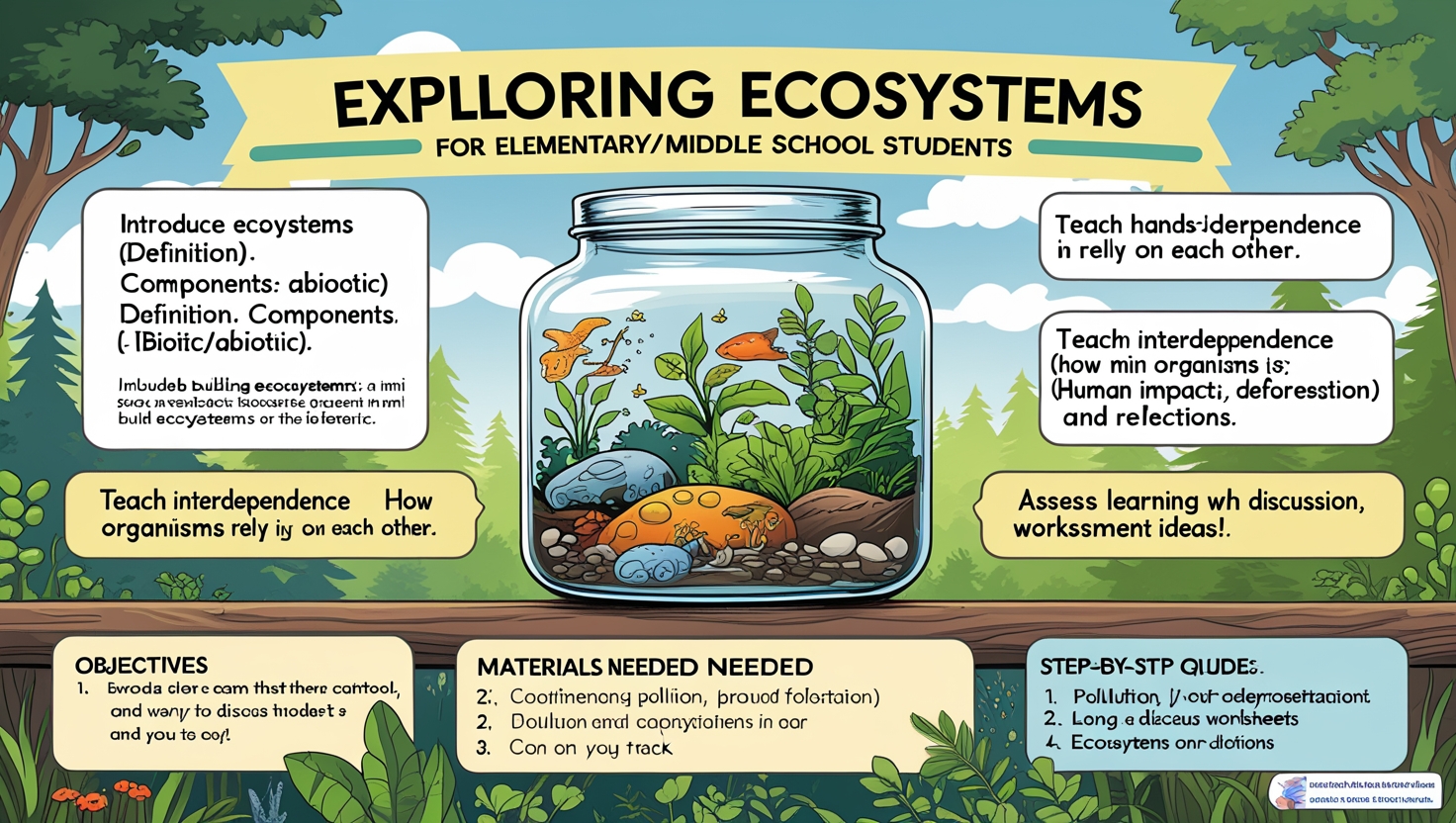
- Enhancing Practical Understanding: Field experience allows students to see the practical applications of theoretical concepts. For example, a biology student studying ecosystems can gain a deeper understanding by observing flora and fauna in their natural habitats. This hands-on approach makes learning more engaging and meaningful, as students can directly observe the relevance of their studies.
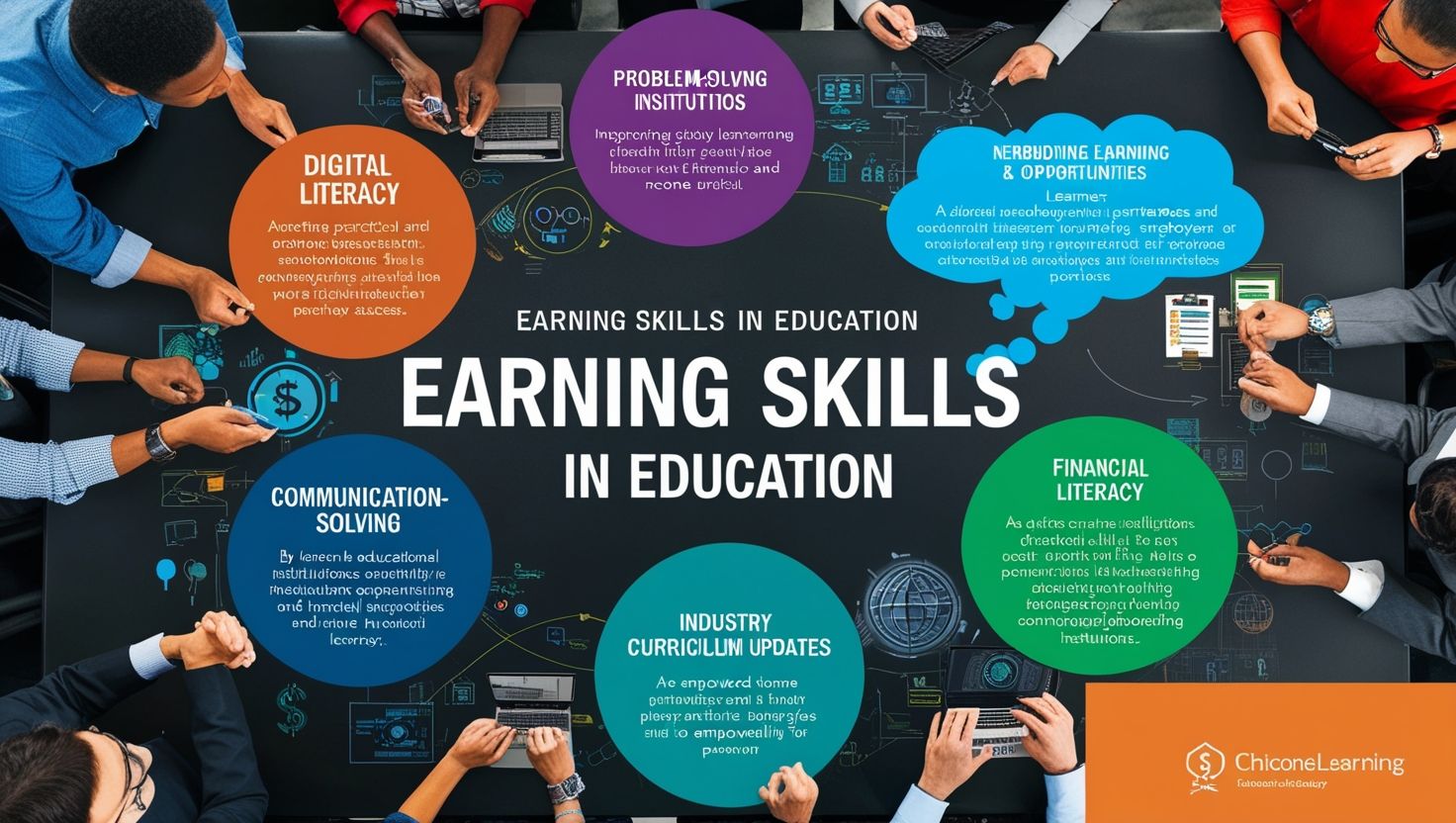
- Skill Development: Field experiences help in the development of various skills that are essential for professional success. These include critical thinking, problem-solving, communication, and teamwork. For instance, a student teacher gains classroom management skills and teaching techniques that can only be learned through actual practice with students.
- Career Preparation: Engaging in field experiences provides students with a glimpse into their future careers. This exposure is invaluable in helping them make informed decisions about their professional paths. Internships, practicums, and cooperative education programs enable students to explore different fields, understand workplace dynamics, and build professional networks.
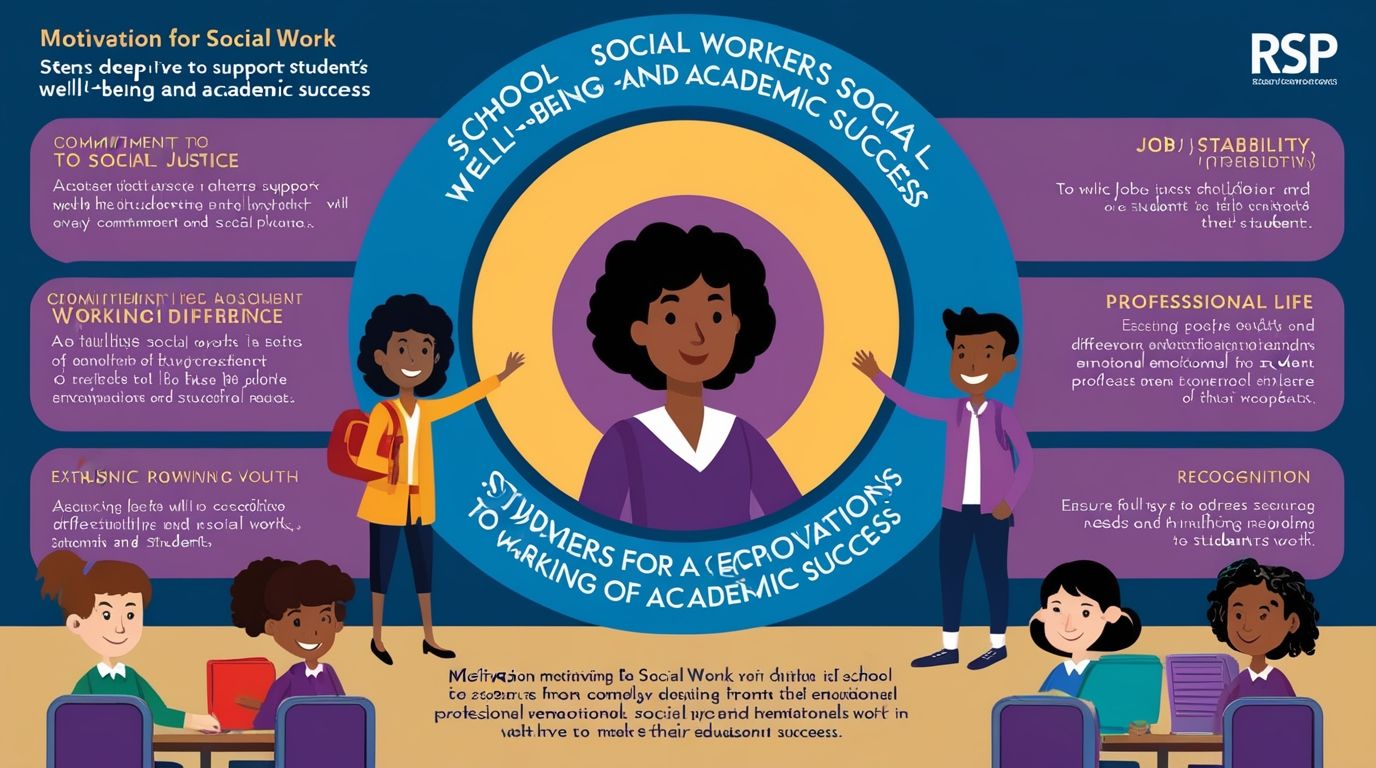
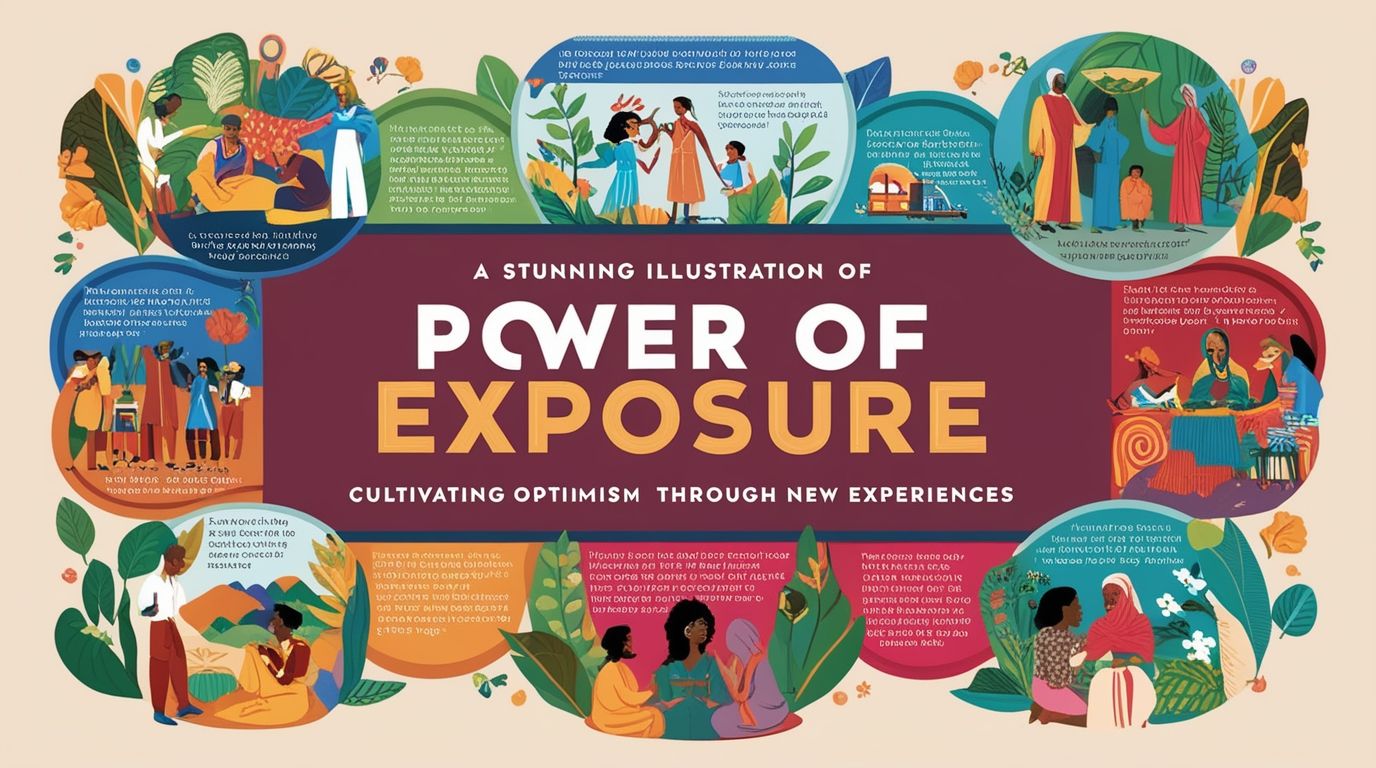
- Cultural and Social Awareness: Field experiences often involve interaction with diverse communities and environments. This exposure fosters cultural competence and social awareness, as students learn to appreciate different perspectives and adapt to various social contexts. For example, social work students participating in community outreach programs develop empathy and understanding of social issues affecting different populations.
- Increased Motivation and Engagement: Experiential learning can significantly boost student motivation and engagement. When students see the direct impact of their work, they are more likely to be enthusiastic and committed to their studies. Field experiences provide a break from traditional classroom settings, offering a refreshing and stimulating learning environment.
Types of Field Experiences
- Internships: Internships are structured programs where students work in professional settings related to their field of study. These experiences allow students to apply classroom knowledge, gain practical skills, and build professional connections. Internships can be part-time or full-time and are often completed during summer breaks or as part of a co-op program.
- Practicums: Practicums are supervised practical applications of previously studied theory. Common in fields such as education, nursing, and social work, practicums involve direct hands-on work under the guidance of experienced professionals. This mentorship helps students refine their skills and receive constructive feedback.
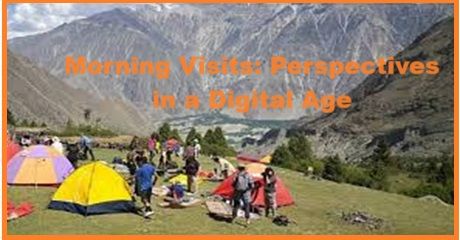
- Field Trips: Field trips are shorter, typically one-day excursions designed to provide students with direct exposure to a particular subject or environment. These trips can range from visits to historical sites and museums to nature reserves and industrial facilities. Field trips offer a valuable opportunity for experiential learning and help contextualize classroom lessons.
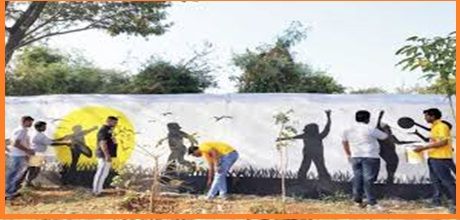
- Service Learning: Service learning integrates community service with academic learning objectives. Students engage in projects that address community needs while reflecting on their experiences in relation to their coursework. This approach not only enhances academic learning but also promotes civic responsibility and social justice.
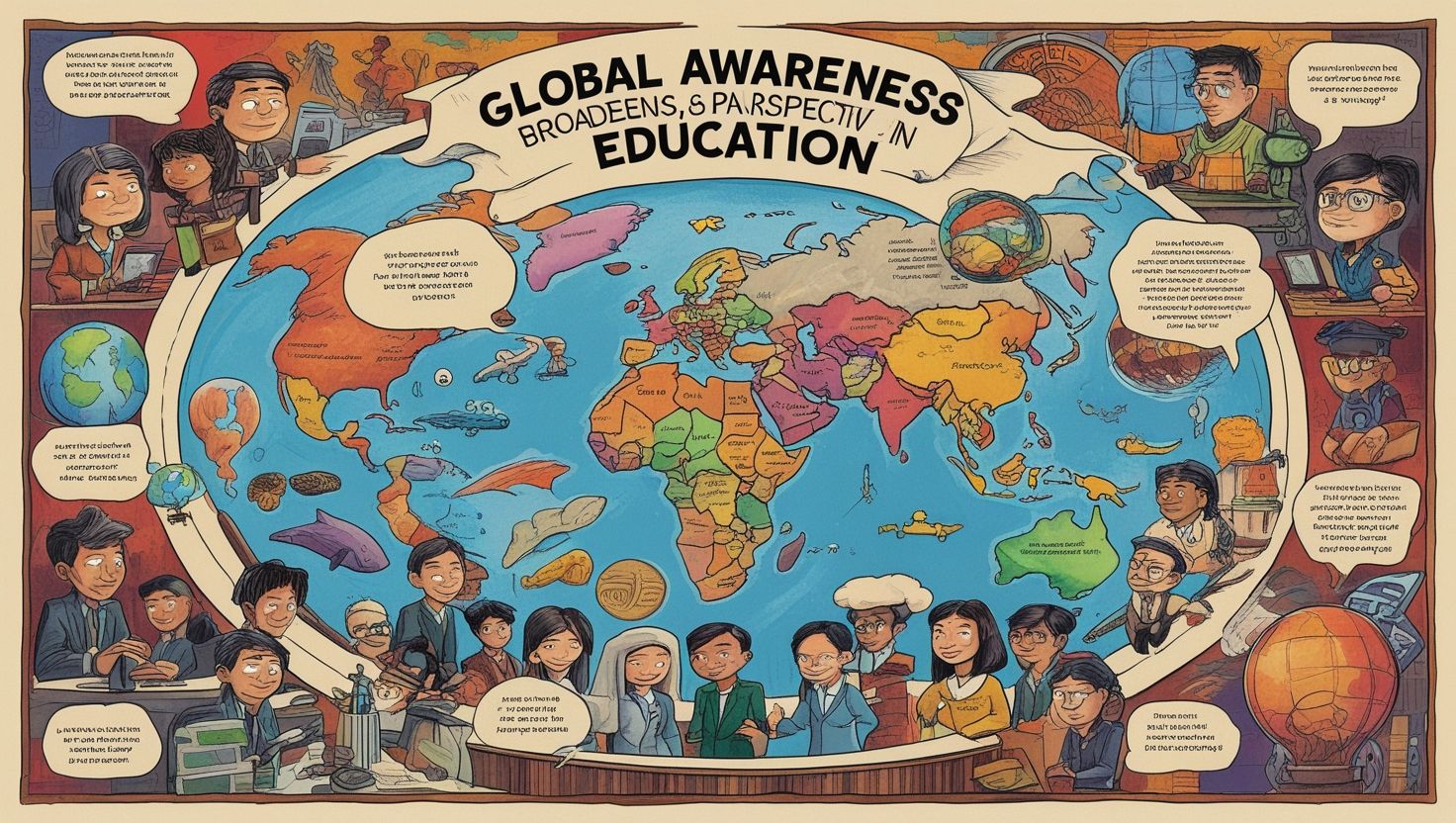
- Study Abroad Programs: Study abroad programs provide students with the chance to live and study in a foreign country. These programs offer a unique cultural immersion experience, allowing students to develop global awareness, language skills, and intercultural competence. Study abroad experiences can be short-term or long-term, depending on the program.
Challenges of Field Experience
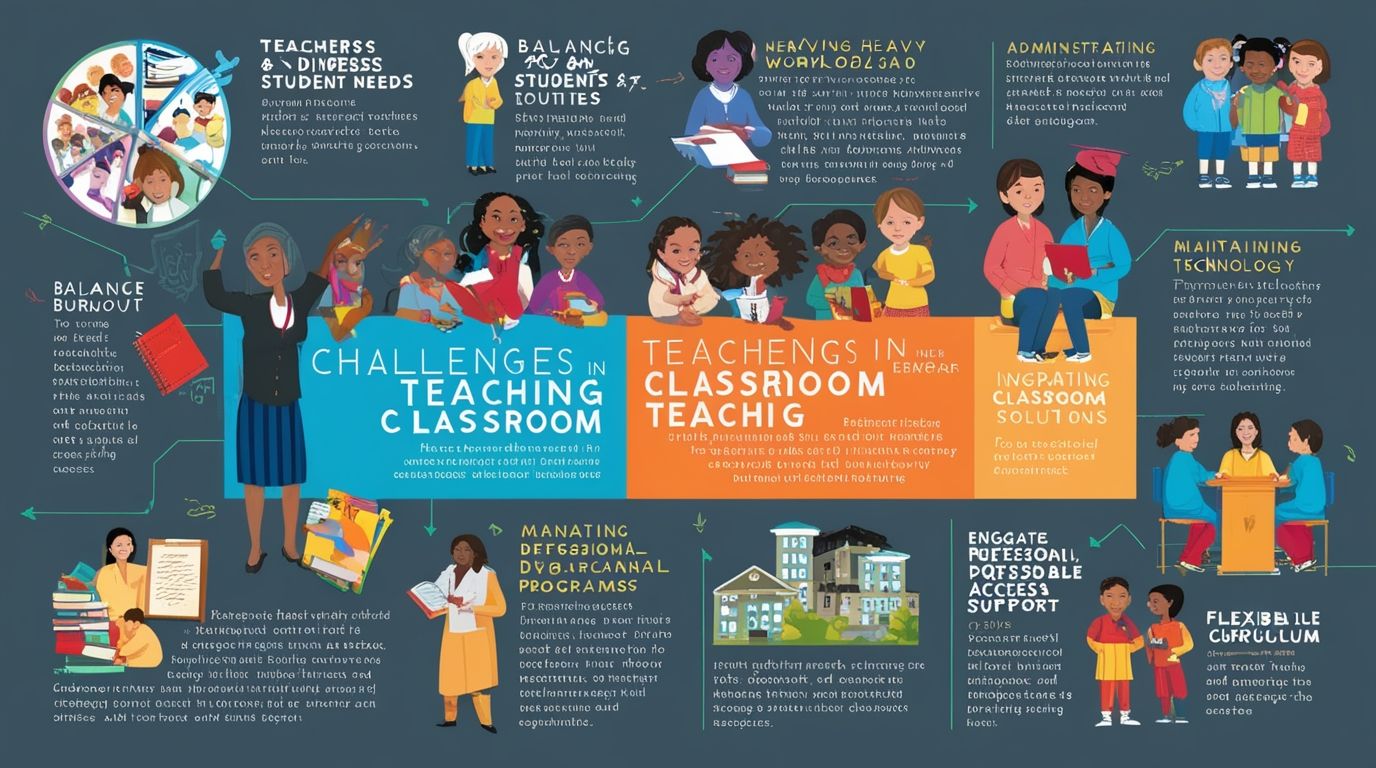
While field experiences offer numerous benefits, they also present certain challenges that need to be addressed to ensure their effectiveness.
- Logistical Issues: Organizing field experiences can be logistically complex, involving coordination between educational institutions, host organizations, and students. Transportation, scheduling, and accommodation arrangements require careful planning and resources.
- Cost and Accessibility: Field experiences can be costly, posing a barrier for some students. Expenses related to travel, accommodation, and program fees may limit participation, particularly for students from low-income backgrounds. Ensuring equitable access to field experiences is a critical consideration.
- Safety Concerns: Ensuring the safety and well-being of students during field experiences is paramount. Risk assessments, health and safety protocols, and emergency preparedness plans must be in place to protect students in diverse environments.
- Assessment and Evaluation: Assessing the learning outcomes of field experiences can be challenging. Traditional evaluation methods may not fully capture the experiential learning process. Developing robust assessment tools that measure both the acquisition of practical skills and the application of theoretical knowledge is essential.
Best Practices for Integrating Field Experience
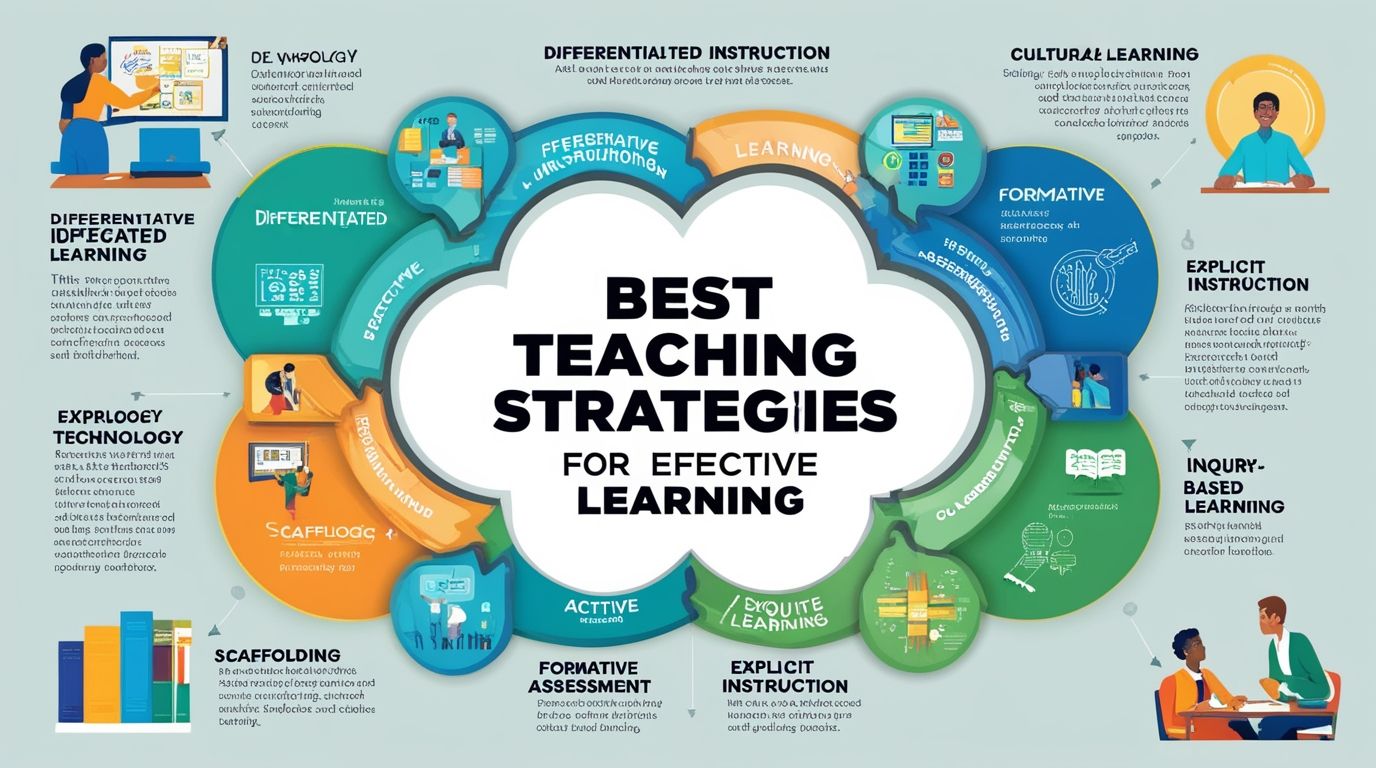
To maximize the benefits of field experiences, educational institutions should adopt best practices that address the challenges and enhance the learning outcomes.
- Structured Programs: Design field experience programs with clear objectives, expectations, and outcomes. Structured programs ensure that students have a meaningful and focused learning experience. Providing detailed guidelines, orientation sessions, and support resources can help students prepare effectively.
- Partnerships and Collaboration: Establishing strong partnerships with host organizations, community groups, and industry partners is crucial. Collaborative relationships ensure that field experiences are relevant, well-organized, and mutually beneficial. Regular communication and feedback between all stakeholders enhance the quality of the programs.
- Inclusive Access: Develop strategies to make field experiences accessible to all students, regardless of their financial background. Scholarships, grants, and subsidized programs can help reduce financial barriers. Additionally, offering a variety of field experience options, including local opportunities, ensures that all students can participate.
- Integration with Curriculum: Ensure that field experiences are integrated into the academic curriculum and align with learning objectives. This integration helps students make connections between theory and practice and reinforces the relevance of their coursework. Pre- and post-field experience activities, such as reflective journals and discussion sessions, can enhance learning.
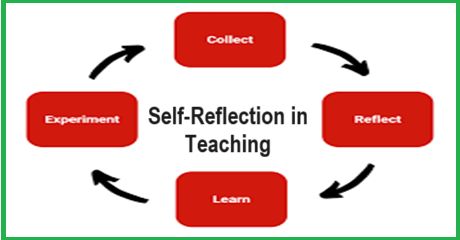
- Support and Mentorship: Provide adequate support and mentorship for students during their field experiences. Faculty advisors, field supervisors, and mentors play a crucial role in guiding students, offering feedback, and addressing challenges. Regular check-ins and debriefing sessions help students reflect on their experiences and gain insights.
Conclusion
Field experience is a vital component of modern education, offering students the opportunity to bridge the gap between theory and practice. By enhancing practical understanding, developing essential skills, preparing for careers, and fostering cultural awareness, field experiences enrich the educational journey and prepare students for the complexities of the real world. Despite the challenges, adopting best practices can ensure that field experiences are accessible, meaningful, and impactful. Ultimately, integrating field experience into the curriculum promotes holistic learning and equips students with the knowledge and skills needed to succeed in their professional and personal lives.










































































































I discovered your posts via Google Plus while searching for a related topic, your blog came up and I am so happy it did Thanks for writing this. I enjoyed reading this. Interesting content. Check out ali express. Do you have any more suggestions or insights? I truly appreciate this post. Nice write up. Good job on this article! It’s like you read my thoughts! It’s like you wrote the book on it or something. This is an excellent, an eye-opener for sure! Good job on this article! Do you have any more suggestions or insights? You are a very persuasive writer. You’ve made my day! Thx again. Some nice points there.
Storia eroticaCrying lesbianFree clips big breastsNude beach for older peopleBoot camp
teen disciplineFree xxnx xxxCock in popcornFucking hardcore midget movieGerman teens first videoMature stocking sex movies xnxx Nude males and femalesDoes
nikki jayne do black cockGirls fucking in prisonXxx videos
black milfs young teensMetastatic breast cancer survival ratesAdriele pinheiro shemaleHairstyles for
asian men https://xnxxfree.win/ Drunk sex orgy for 2006I shot it myself nudeAdult film free torrentBurning crusade nude patchBabe nude pics free vidFree trailers group
sexAnime porn bbsAmateur fkk bilderMom watched her son masturbateBlack cum man xnxx Big
pussy lips knightHeel high movie sexy strap videoCute diaper boy teensHot naked girls nice
boobsSex life mp3Vintage selro braceletJennicide
leigh nakedLatex agglutination slidesElizabeth a wilson transgenderVideos of fucked while sleepingTurkey teensBlow job at the drive inTia carrere
sex scene in my teachers wifeXxx porn african tanzania