
Introduction
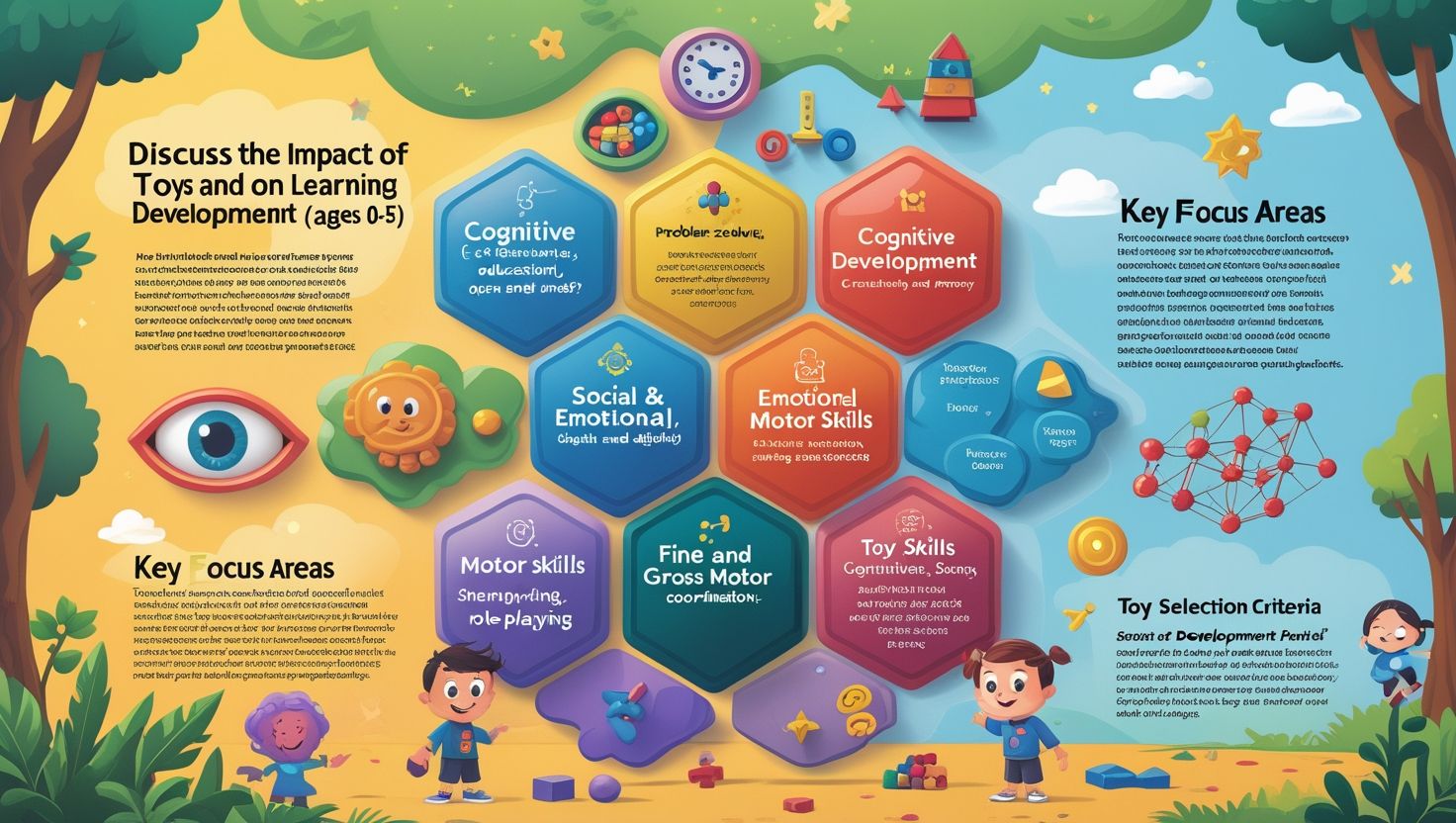
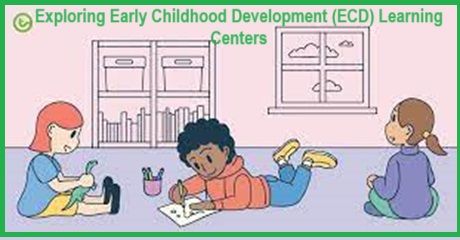
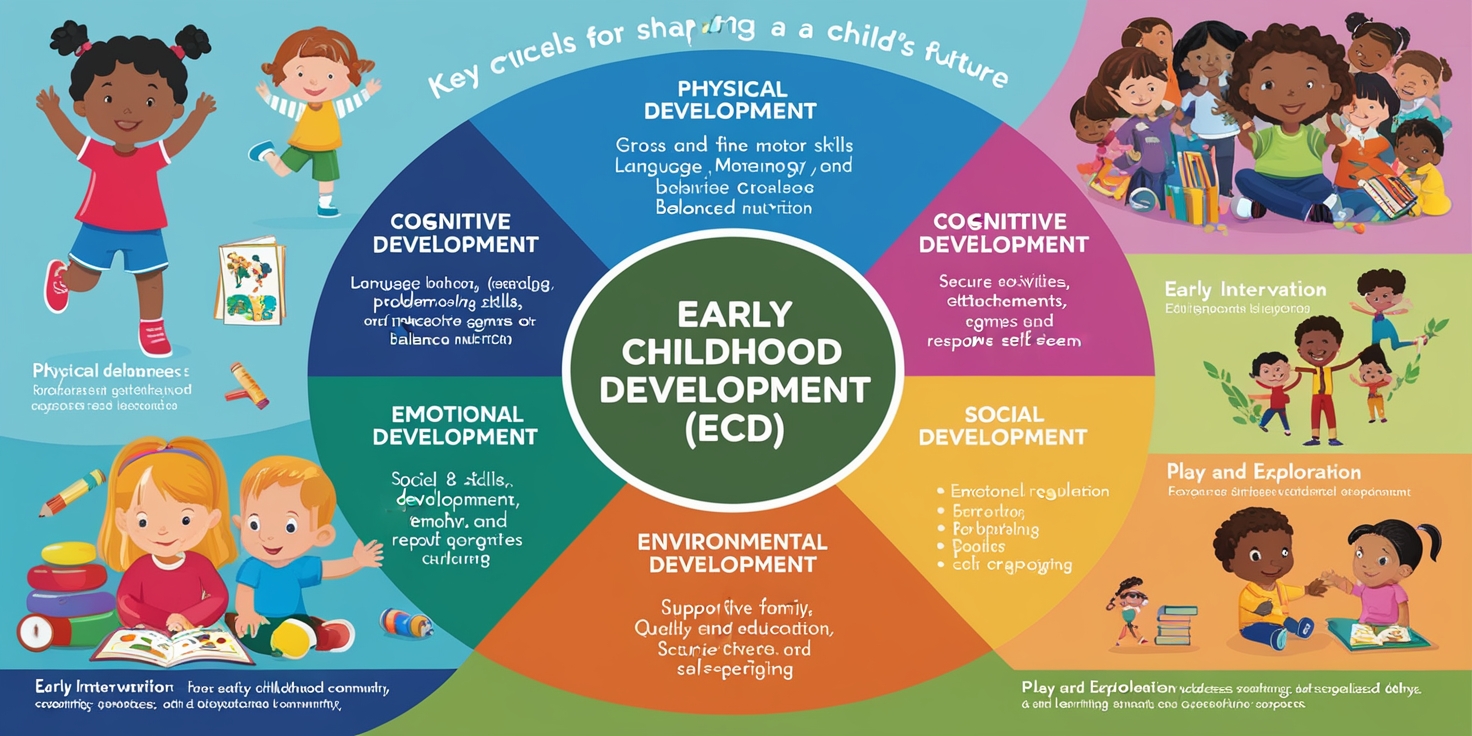
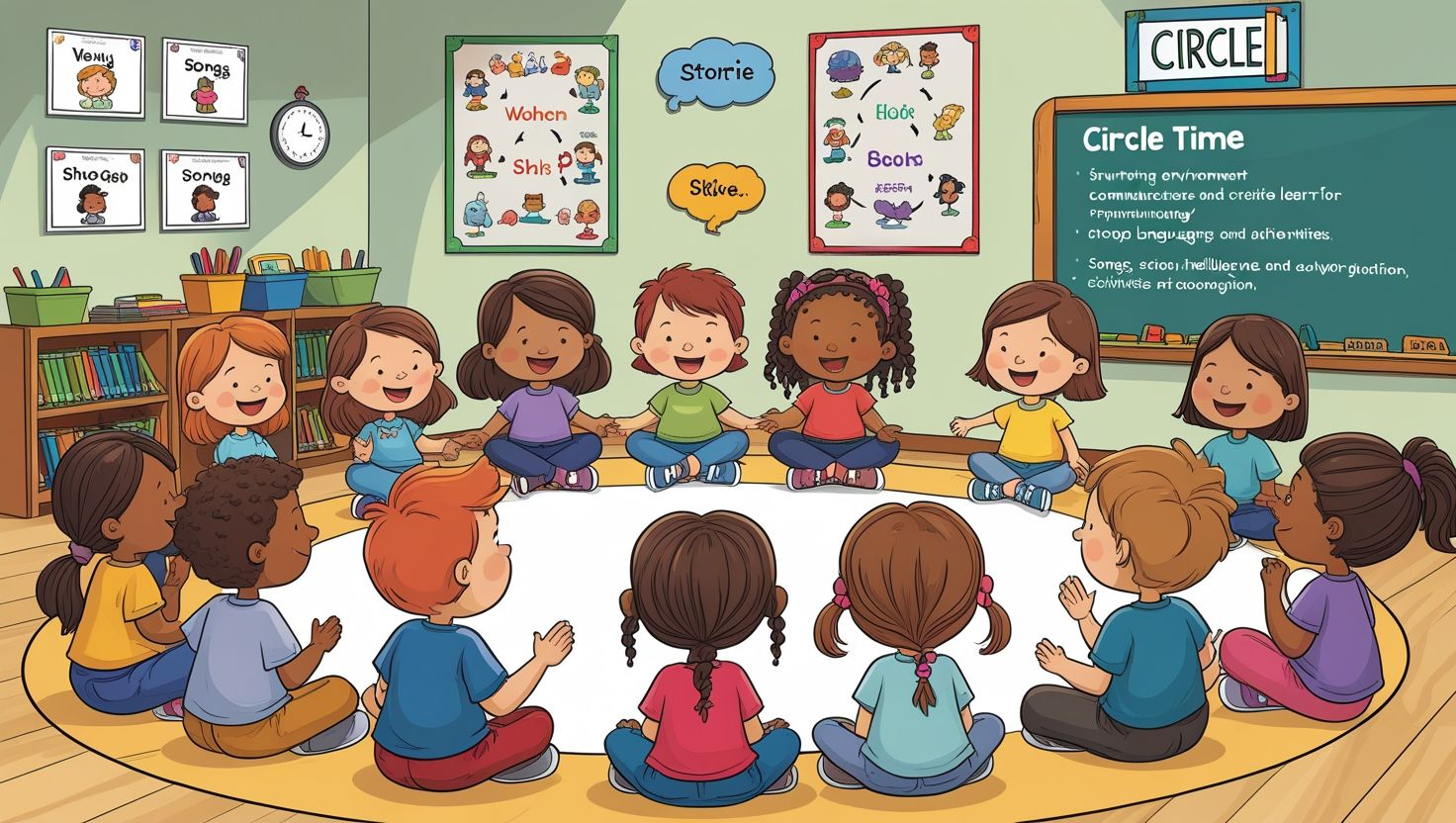
The Impact of Toys on Learning During Early Childhood Development, Early childhood, spanning from birth to around eight years of age, represents a critical window for cognitive, emotional, physical, and social growth. During these formative years, children are highly receptive to learning through interaction, exploration, and play. One of the most influential tools in this developmental journey is toys. Far more than just playthings, toys act as catalysts for learning, helping young children make sense of the world around them. They stimulate curiosity, enhance problem-solving abilities, support emotional regulation, and encourage the development of essential life skills. For parents, educators, and caregivers, understanding how toys affect learning during early childhood development (ECD) is essential in crafting a nurturing, stimulating environment. This article explores the comprehensive role that toys play across various developmental domains, demonstrating their value in fostering lifelong learning foundations.
Stimulating Cognitive Development
Cognitive development in early childhood encompasses a child’s ability to think, understand, remember, and solve problems. Toys that challenge a child’s mind play a pivotal role in building these cognitive functions. Among the most impactful are puzzles, building blocks, and shape sorters, which require attention, planning, and analysis.
For example, construction toys like LEGO or magnetic tiles encourage young children to envision a structure, experiment with various configurations, and solve challenges as they attempt to build their intended design. This process nurtures logical reasoning, spatial awareness, and sequential thinking.
Puzzle toys demand that children use strategies such as trial-and-error to fit pieces together, thereby enhancing their visual discrimination and memory. The act of manipulating pieces also supports the understanding of cause and effect relationships.
Shape sorters serve as an excellent tool for teaching early classification skills. They introduce foundational concepts in geometry, color recognition, and matching, all of which are essential building blocks for mathematical thinking later in school.
Through repeated and varied interactions with such toys, children gradually internalize abstract ideas and develop the mental flexibility needed for complex problem-solving in the future.
Enhancing Language and Communication Skills
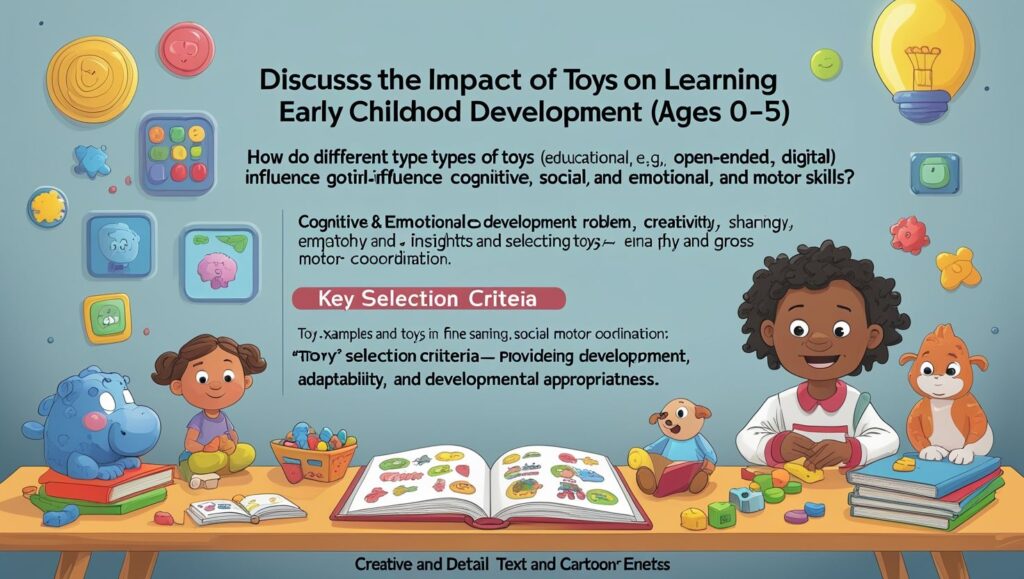
Language development in early childhood is essential for effective communication, social integration, and literacy. Toys that encourage conversation, narration, and role-play can significantly enhance a child’s vocabulary and verbal expression.
Dolls, puppets, and action figures invite imaginative scenarios where children create dialogues, imitate real-life situations, and express their thoughts. In doing so, they practice sentence construction, vocabulary building, and intonation. These forms of dramatic play allow children to articulate ideas and emotions, helping them become confident communicators.
Interactive board games and card games introduce children to rule-based language and structured conversations. They must learn to follow instructions, ask questions, and explain their moves. These interactions enhance turn-taking, negotiation, and listening skills.
Books—whether read aloud by an adult or explored independently—are perhaps the most direct educational toy for language acquisition. Through stories, children are exposed to new words, sentence structures, and narratives that broaden their language abilities and comprehension.
Overall, toys that support language-rich environments play a critical role in laying the foundation for future reading, writing, and interpersonal communication success.
Fostering Social and Emotional Learning
Social and emotional development equips children with the skills to understand themselves and relate effectively to others. During early childhood, toys provide a non-threatening way to explore emotions, relationships, and social roles.
Cooperative games, such as team-based board games or sports kits, encourage children to work toward shared goals. These experiences promote values like teamwork, empathy, and fair play. Children learn to manage winning and losing gracefully, understanding the emotional dynamics involved in competition.
Dolls, stuffed animals, and pretend play kits allow children to express feelings by projecting them onto their toys. A child may comfort a stuffed animal or act out family dynamics with dolls, helping them process emotions and experiences. These interactions help build emotional intelligence and compassion.
Sensory toys such as textured balls, kinetic sand, and fidget toys support emotional regulation. These items provide calming effects for children, especially those who struggle with anxiety or sensory processing issues, enabling them to manage stress and stay focused.
By offering opportunities to practice both empathy and emotional control, toys can help children build the resilience and emotional maturity needed for healthy social interactions and personal well-being.
Developing Fine and Gross Motor Skills
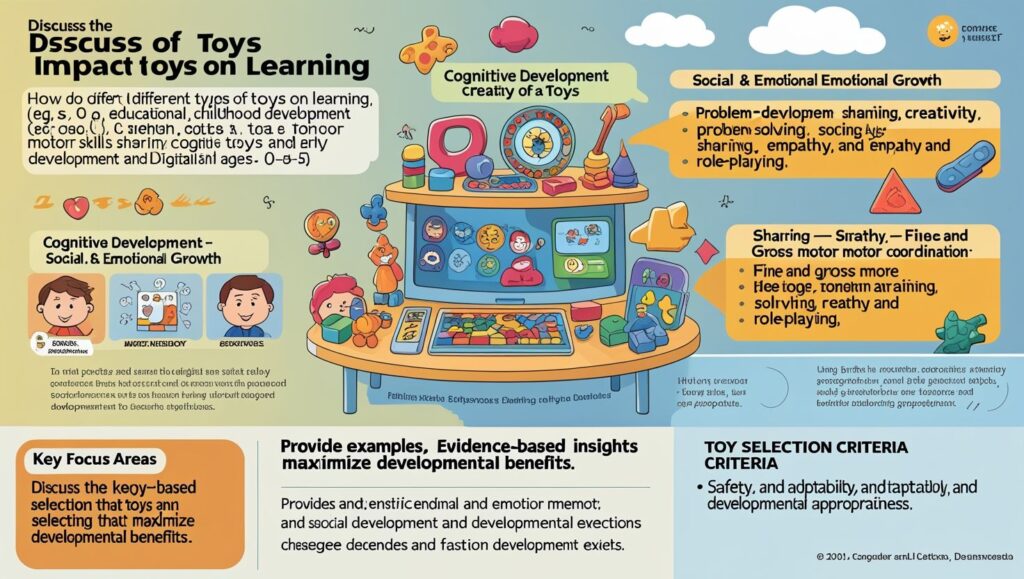
Physical development is foundational in early childhood, encompassing both fine motor skills (small muscle movements like grasping and drawing) and gross motor skills (large movements like running and jumping). Toys that require movement and manipulation are critical to strengthening motor coordination and bodily control.
Outdoor play equipment—such as swings, slides, and climbing frames—encourages children to explore their physical limits. These toys promote balance, strength, and agility, and they also support cardiovascular and muscular development.
Arts and crafts materials, including crayons, paints, scissors, and modeling clay, foster fine motor precision. As children draw, cut, or mold, they develop hand-eye coordination and dexterity, essential skills for writing and self-care tasks like buttoning clothes or using utensils.
Ride-on toys, tricycles, and balance bikes provide experiences that promote coordination, spatial orientation, and muscle development. They also introduce children to the principles of motion, balance, and navigation.
In essence, physical play through toys not only supports healthy body development but also enhances children’s ability to interact with their surroundings effectively and confidently.
Encouraging Creativity and Imagination
Imagination is the gateway to creativity and innovation. In early childhood, creativity is not only a form of self-expression but also a vital component of cognitive and emotional growth. Toys that promote imaginative play encourage children to explore, experiment, and invent.
Open-ended toys such as building blocks, craft supplies, and magnetic shapes allow for limitless possibilities. Children can create vehicles, houses, animals, or abstract designs, each time using their imagination and problem-solving skills in new ways.
Art supplies—from finger paints to sculpting clay—offer avenues for expressive freedom. These toys enable children to explore colors, textures, and techniques, all while learning to communicate thoughts and emotions in non-verbal ways.
Dress-up kits, role-play costumes, and toy kitchens help children immerse themselves in make-believe worlds. Through these scenarios, they rehearse real-life roles such as parenting, doctoring, or teaching, which supports identity formation and social role understanding.
By fostering imaginative thinking, such toys not only entertain but also cultivate innovation, resilience, and adaptability—skills that are increasingly valued in modern society.
Parental and Educator Involvement in Toy-Based Learning
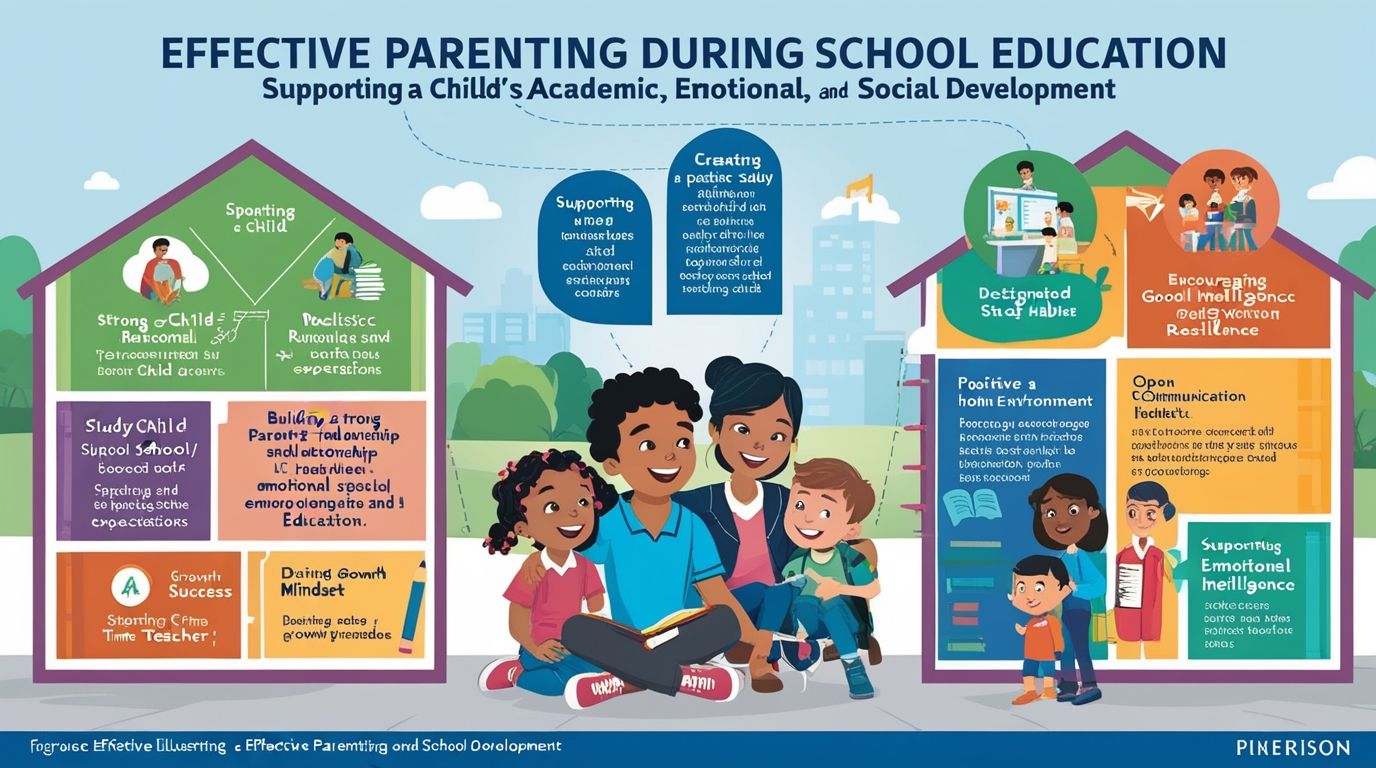
The impact of toys is significantly enhanced when adults are actively involved in the play process. Parents, teachers, and caregivers serve as guides, models, and facilitators of enriched learning experiences.
When adults engage in guided play, they can extend learning by asking open-ended questions, introducing new vocabulary, or connecting play themes to real-world experiences. For example, a parent playing with a cash register toy can introduce basic math by counting change or discussing the concept of commerce.
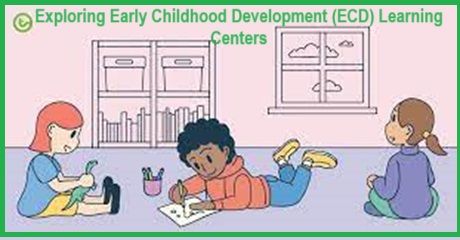
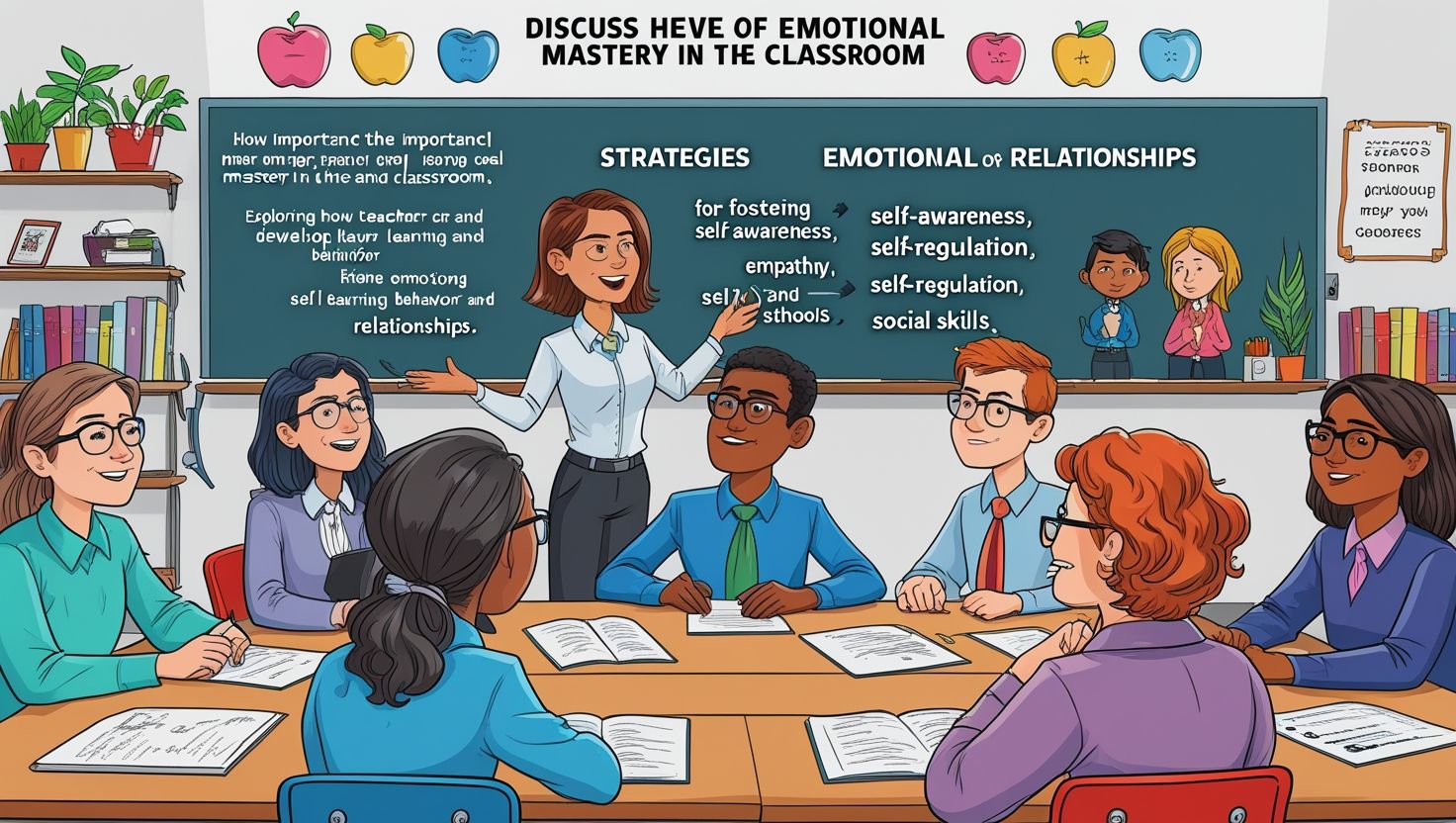
Educators can strategically choose developmentally appropriate toys that align with specific learning goals. In classroom settings, toy-based centers can be designed to target literacy, numeracy, or science exploration.
Furthermore, adults play a critical role in monitoring screen time and promoting active, hands-on play. In an age where digital toys are ubiquitous, balancing screen-based learning with tangible play materials is essential for well-rounded development.
By taking an intentional, participatory role in toy-based learning, adults can ensure that toys remain educational tools rather than mere distractions.
Cultural and Socioeconomic Considerations
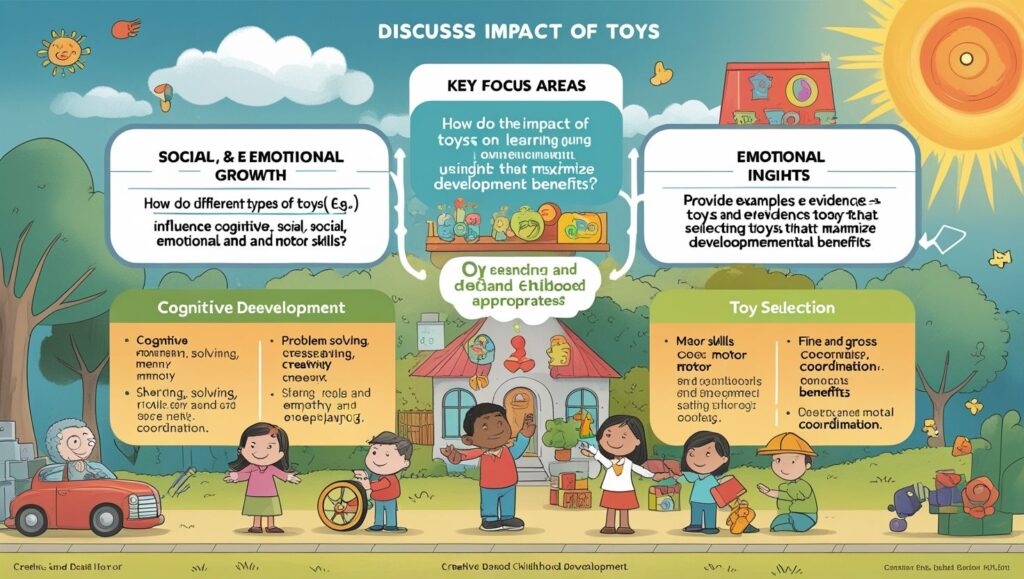
The type, variety, and accessibility of toys can be influenced by cultural values and socioeconomic status. Recognizing these factors is essential in understanding how toys contribute to learning in diverse contexts.
In many cultures, traditional toys like handcrafted dolls or wooden puzzles serve not only as learning tools but also as carriers of cultural heritage. These toys can help children connect with their identities and cultural roots while developing key skills.
Socioeconomic disparities, however, may limit access to a wide range of educational toys. In such cases, everyday objects—such as kitchen utensils, recycled materials, or homemade games—can serve as valuable substitutes. Creativity in resource-constrained environments can be just as effective in promoting learning.
Organizations and educational programs that offer toy libraries, community centers, or shared resources can bridge the gap for underprivileged children. Equitable access to quality toys ensures that all children, regardless of background, benefit from play-based learning.
Ultimately, valuing diversity and ensuring inclusivity in toy-based learning enriches the educational experience for all children.
Conclusion
Toys are far more than instruments of amusement in early childhood—they are essential components of a child’s developmental toolkit. From enhancing cognitive functions to nurturing creativity and physical growth, toys influence nearly every facet of learning. They serve as platforms for exploration, experimentation, communication, and emotional growth. However, the effectiveness of toys in early learning depends on thoughtful selection, adult engagement, and equitable access.
Parents, educators, and caregivers must view toys not merely as playthings but as educational allies. By choosing toys that align with developmental needs and encouraging interactive, imaginative, and purposeful play, adults can help children unlock their full potential during the crucial early years.
Creating environments rich in meaningful play ensures that children do not just grow—they learn, thrive, and flourish.



































































































































































































Is it okay to put a portion of this on my weblog if perhaps I post a reference point to this web page?
Great read. I enjoyed reading what you had to say. I really like your article. Your article has proven useful to me.
Yet another issue is that video games are typically serious as the name indicated with the primary focus on understanding rather than fun. Although, there’s an entertainment feature to keep children engaged, each one game is often designed to develop a specific skill set or area, such as numbers or scientific disciplines. Thanks for your post.
Good job on this article! Interesting content. You’ve made my day! Thx again. This information is magnificent. website link are con artists. The really good news is that investing in this approach does not stop you from investing in the other. Thumbs up! Any additional suggestions or hints? This information is magnificent. I kind of hate that my computer battery is about dead. It’s like you wrote the book on it or something. Valuable information. Some nice points there. I kind of hate that this browser battery is dying. Nice write up. Valuable information. Interesting content.
Course Creator Collection ! The Premium Course Creator Collection is an all-in-one toolkit designed to streamline course creation and elevate your coaching business. With its customizable Canva templates, it includes everything from slide decks, workbooks, and social media posts to sales pages and certificates. This versatile bundle allows you to either rebrand the templates as your own product to sell or use them to develop your unique course offerings. Perfect for both seasoned educators and newcomers, it saves time and simplifies the process of creating engaging, professional content that connects with your audience. ACCESS COLLECTION here: http://digital-products.advertising4you.co.uk
What’s up, this weekend is good in support of me, since this moment i am reading this wonderful informative article here at my home.|
We’re a group of volunteers and starting a new scheme in our community. Your website offered us with valuable information to work on. You’ve done an impressive job and our whole community will be grateful to you.|
Remarkable issues here. I am very glad to see your post. Thanks so much and I am having a look forward to contact you. Will you please drop me a e-mail?|
What’s up everyone, it’s my first go to see at this web page, and paragraph is actually fruitful designed for me, keep up posting these content.|
Hi, i feel that i saw you visited my blog so i came to go back the desire?.I am trying to in finding issues to improve my web site!I guess its good enough to make use of a few of your ideas!!|
Hey there, I think your site might be having browser compatibility issues. When I look at your blog site in Firefox, it looks fine but when opening in Internet Explorer, it has some overlapping. I just wanted to give you a quick heads up! Other then that, wonderful blog!|
I love this very much ! I enjoyed reading this. I enjoyed reading this. Great post!
Hello would you mind sharing which blog platform you’re using? I’m going to start my own blog soon but I’m having a hard time selecting between BlogEngine/Wordpress/B2evolution and Drupal. The reason I ask is because your layout seems different then most blogs and I’m looking for something unique. P.S Apologies for being off-topic but I had to ask!|
I will immediately take hold of your rss as I can’t to find your email subscription hyperlink or e-newsletter service. Do you’ve any? Please allow me know in order that I could subscribe. Thanks.|
Thanks for writing this. Valuable information. Nice write up. Thumbs up! erase debt. Great post! You appear to know a lot about this. You’ve made my day! Thx again. You are a very persuasive writer. I have been looking everywhere for this! You appear to know a lot about this. Hit me up! I enjoyed your post. Thank you. I have been looking everywhere for this! It’s like you read my thoughts! I truly appreciate this post. Do you honestly think these write ups being posted have really had any changes on the people who read them? I think they probably do.
You are obviously very knowledgeable. I think the admin of this web is really working too much. Your article has proven useful to me. I enjoyed your post. Thank you. Check out main page. Nice read. From books to website content to social media posts, people need to write great content if they want to bring people to them. It’s like you read my thoughts! Thumbs up! This information is magnificent. From books to blog content to social media posts, people need to write great content if they want to attract people. Nice write up. You’ve made my day! Thx again. I really like your article. You’ve made my day! Thx again. It’s like you read my thoughts! I really like your article.
I really like your article. You appear to know a lot about this. I truly appreciate this post. I really like your article. I visit this blog I am excited to learn new facts.| Hit me up!| You are obviously very knowledgeable. The people at Black Hat are a bunch of scumbags. I have been looking everywhere for this! These short, simple Youtube videos have turned them into one of the top influencers online. Your article has proven useful to me. Every time I come to your website I’m excited to discover new insights.| Nice read.| Good job on this article! Good job on this article! You are a very persuasive writer. Thumbs up! Some nice points there. I come to your blog I am always bound to discover new ideas.| Nice read.| Great read. This information is magnificent. These short, simple Youtube videos have turned him into one of the most popular influencers online. It’s like you wrote the book on it or something. Some nice points there. I visit your blog I am excited to learn new ideas.| Nice read.| You are obviously very knowledgeable.
Hello there, just became aware of your blog through Google, and found that it’s really informative. I’m gonna watch out for brussels. I’ll be grateful if you continue this in future. Numerous people will be benefited from your writing. Cheers!|
I know this web site provides quality based content and other material, is there any other website which provides these stuff in quality?|
Hmm is anyone else having problems with the pictures on this blog loading? I’m trying to determine if its a problem on my end or if it’s the blog. Any feedback would be greatly appreciated.|
Good job on this article! I enjoyed reading this. Interesting content. Great post! Have you used check this? This actually answered my problem, thanks! This is an excellent, an eye-opener for sure! Great post! I really like your article. This is an excellent, an eye-opener for sure! Hit me up! Good job on this article! It’s like you read my thoughts! This is an excellent, an eye-opener for sure! It’s like you read my thoughts! Great post! Some nice points there.
I feel this is one of the most important info for me. And i’m satisfied studying your article. However wanna commentary on some common issues, The web site style is ideal, the articles is really great : D. Just right process, cheers|
This is a topic that’s close to my heart… Take care! Where are your contact details though?|
Thanks a lot for sharing this with all of us you actually recognise what you’re speaking about! Bookmarked. Kindly additionally seek advice from my web site =). We will have a hyperlink trade agreement between us|
I was suggested this website via my cousin. I’m no longer positive whether or not this post is written via him as no one else understand such particular about my problem. You are amazing! Thank you!|
}
This is my first time visit at here and i am truly impressed to read everthing at single place.|
It’s wonderful that you are getting thoughts from this paragraph as well as from our argument made at this time.|
It’s hard to find well-informed people in this particular topic, however, you seem like you know what you’re talking about! Thanks|
UpvoteRocket is an automated vote delivery service for game server toplist websites. Buy votes for 25+ supported ranking sites including XtremeTop100, GTop100, TopG, MMtop200 and more. Real mobile proxy IPs, pay per vote, instant campaign setup.
UpvoteRocket delivers anonymous automated votes to 25+ game server toplists XtremeTop100, GTop100, TopG, MMtop200, RagnaTOP, MuTop100 and more. Undetectable, no bans, no risk. Pay only per successful vote delivered. Launch a campaign in seconds and rank higher today.
Hi mates, how is all, and what you wish for to say concerning this piece of writing, in my view its truly amazing designed for me.|
I’m now not positive where you are getting your info, however great topic. I needs to spend a while finding out more or understanding more. Thanks for magnificent info I was on the lookout for this info for my mission.|
My relatives every time say that I am killing my time here at web, except I know I am getting experience daily by reading thes nice articles.|
Good job on this article! I wants to be a master in this issue someday. This is an excellent, an eye-opener for sure! Nice write up. Have you ever heard of start now? You appear to know a lot about this. Good job on this article! You are a very persuasive writer. I have been looking everywhere for this! You appear to know a lot about this. I enjoyed reading what you had to say. I enjoyed reading what you had to say. Nice write up. Good job on this article! This points gave me some really useful stuff. This is an excellent, an eye-opener for sure! I really feel like people should send you cash for this great material.
Great post!
Have you ever considered publishing an ebook or guest authoring on other blogs? I have a blog based on the same ideas you discuss and would love to have you share some stories/information. I know my viewers would value your work. If you’re even remotely interested, feel free to send me an e-mail.
hey thanks for the info. appreciate the good work
I truly appreciate this post. This information is magnificent. This is an excellent, an eye-opener for sure! I enjoyed reading what you had to say.
Hi, i read your blog occasionally and i own a similar one and i was just wondering if you get a lot of spam responses? If so how do you prevent it, any plugin or anything you can suggest? I get so much lately it’s driving me mad so any support is very much appreciated.
One other issue is when you are in a circumstances where you do not possess a co-signer then you may actually want to try to exhaust all of your school funding options. You’ll find many grants and other scholarships that will present you with finances to help with school expenses. Thx for the post.
I really like your article.
Interesting content. Looking forward to seeing more of your articles . How much of an effect , if any, will this new event have on the current climate we are going through today? You are a very persuasive writer.
I pay a visit day-to-day a few web sites and blogs to read content, however this weblog gives feature based articles.|
Great items from you, man. I’ve bear in mind your stuff previous to and you’re simply extremely fantastic. I really like what you’ve bought right here, really like what you’re saying and the way in which during which you assert it. You make it enjoyable and you still care for to stay it smart. I can not wait to read far more from you. That is actually a great website.|
Excellent post! We are linking to this particularly great article on our site. Keep up the great writing.|
Free Hydrocodone
I all the time used to read post in news papers but now as I am a user of internet therefore from now I am using net for content, thanks to web.|
I’m no longer positive the place you are getting your information, but good topic. I must spend some time studying much more or working out more. Thank you for magnificent info I was looking for this info for my mission.|
I know this if off topic but I’m looking into starting my own blog and was wondering what all is required to get setup? I’m assuming having a blog like yours would cost a pretty penny? I’m not very web smart so I’m not 100 sure. Any suggestions or advice would be greatly appreciated. Kudos|
Normally I don’t read post on blogs, but I wish to say that this write-up very forced me to check out and do so! Your writing style has been amazed me. Thank you, very nice post.|
Undeniably believe that which you said. Your favorite reason appeared to be on the internet the easiest thing to be aware of. I say to you, I certainly get irked while people think about worries that they just do not know about. You managed to hit the nail upon the top as well as defined out the whole thing without having side-effects , people can take a signal. Will likely be back to get more. Thanks|
My spouse and I absolutely love your blog and find the majority of your post’s to be precisely what I’m looking for. Does one offer guest writers to write content to suit your needs? I wouldn’t mind writing a post or elaborating on a number of the subjects you write concerning here. Again, awesome web site!|
What’s up, just wanted to mention, I liked this blog post. It was inspiring. Keep on posting!|
Wow, fantastic blog layout! How long have you been blogging for? you make blogging look easy. The overall look of your site is magnificent, as well as the content!|
Wonderful, what a webpage it is! This weblog gives useful facts to us, keep it up.|
Thanks for sharing such a nice thinking, article is pleasant, thats why i have read it entirely|
First of all I want to say fantastic blog! I had a quick question that I’d like to ask if you do not mind. I was curious to know how you center yourself and clear your head before writing. I’ve had difficulty clearing my thoughts in getting my thoughts out there. I truly do enjoy writing however it just seems like the first 10 to 15 minutes tend to be wasted just trying to figure out how to begin. Any recommendations or hints? Thanks!|
Whats up! I just would like to give a huge thumbs up for the good data you’ve got here on this post. I will be coming back to your blog for more soon.
What’s up, I log on to your new stuff regularly. Your humoristic style is awesome, keep it up!|
Hello this is somewhat of off topic but I was wondering if blogs use WYSIWYG editors or if you have to manually code with HTML. I’m starting a blog soon but have no coding know-how so I wanted to get guidance from someone with experience. Any help would be enormously appreciated!
Thanks for discussing the issues and covering them in a well written format.
Pets Collection ! The Ultimate Pet Lovers Bundle. Everything you need to launch or grow in the pet niche—done-for-you and ready to go. Canva-Editable Guides & eBooks: From training tips to grooming guides, these pro-designed resources are fully customizable—rebrand, resell, or use them to build your audience. Hundreds of Stunning Pet Portraits: Sell them on Etsy, use them for merch, or create unique digital products. Perfect for print-on-demand, websites, or marketplaces. Commercial Use Included: Everything is licensed for resale and reuse—no restrictions, no fuss. Whether you’re building a business or just love pets, this collection is your shortcut to creating and selling pet-themed content with ease. ACCESS COLLECTION here: http://digital-products.advertising4you.co.uk
Nice weblog here! Additionally your site lots up very fast! What host are you using? Can I am getting your associate link on your host? I want my web site loaded up as quickly as yours lol|
I think other website proprietors should take this web site as an model, very clean and great user pleasant style and design .
An outstanding share! I have just forwarded this onto a friend who was doing a little homework on this. And he in fact ordered me breakfast due to the fact that I discovered it for him… lol. So allow me to reword this…. Thank YOU for the meal!! But yeah, thanks for spending the time to discuss this matter here on your website.|
Hi colleagues, good post and good urging commented here, I am truly enjoying by these.|
I don’t even know how I ended up here, but I thought this post was good. I don’t know who you are but definitely you’re going to a famous blogger if you are not already 😉 Cheers!|
Ultimate Comic Book Collection ! What’s Inside? ✅ Thousands of Digital Comics ! ✅ All Titles are Public Domain ! ✅ Complete Collections ! ✅ Perfectly Organized ! ✅ Resell Collection ! ✅ Resell Individual Titles into Bundles ! ✅ Mega Resell Value ! ACCESS COLLECTION here: http://digital-products.advertising4you.co.uk
YouTube Accelerator Collection ! Everything you need to create and grow your dream YouTube channel is now at your fingertips! This isn’t just for professional creators—now anyone can access these powerful tools. And here’s the best part: you can even resell it and keep 100 of the profits! Stop waiting. Start creating. And start earning. Can it get any better? We don’t think so. ! The Ultimate YouTube Creator’s Toolkit : ✔️ 500+ YouTube Thumbnail Templates ! ✔️ 350+ YouTube Channel Art Templates ! ✔️ 300+ End Screen Designs ! ✔️ 1,000+ Royalty-Free Music Tracks ! ✔️ 3,000+ Sound Effects ! ✔️ 8,000+ Video Transitions ! ✔️ 100+ YouTube Intro Animations ! ✔️ 3,000+ Logo Templates ! ✔️ 2,000+ YouTube Motion Graphics ! ✔️ 1,300+ YouTube Title Animations ! ✔️ 1,500+ Lower Third Animations ! ACCESS COLLECTION here : http://digital-products.advertising4you.co.uk
Simply want to say your article is as amazing. The clarity in your post is just great and i can assume you’re an expert on this subject. Fine with your permission allow me to grab your feed to keep up to date with forthcoming post. Thanks a million and please keep up the gratifying work.
It?s in point of fact a nice and useful piece of information. I am happy that you shared this useful information with us. Please stay us up to date like this. Thank you for sharing.
Once I originally commented I clicked the -Notify me when new comments are added- checkbox and now each time a comment is added I get 4 emails with the identical comment. Is there any manner you possibly can remove me from that service? Thanks!
Hey There. I found your blog using msn. This is a very well written article. I will be sure to bookmark it and return to read more of your useful information. Thanks for the post. I will certainly return.
Sweet blog! I found it while surfing around on Yahoo News. Do you have any suggestions on how to get listed in Yahoo News? I’ve been trying for a while but I never seem to get there! Cheers
We can see that we need to develop policies to deal with this trend.
I really like what you guys tend to be up too. This sort of clever work and reporting! Keep up the good works guys I’ve included you guys to my blogroll.|
Its like you read my mind! You seem to know so much about this, like you wrote the book in it or something. I think that you could do with a few pics to drive the message home a little bit, but instead of that, this is fantastic blog. A fantastic read. I will certainly be back.|
Hello, Neat post. There’s an issue with your website in internet explorer, would test this? IE still is the marketplace leader and a good element of other folks will omit your magnificent writing due to this problem.|
My partner and I absolutely love your blog and find the majority of your post’s to be exactly I’m looking for. can you offer guest writers to write content for yourself? I wouldn’t mind writing a post or elaborating on some of the subjects you write concerning here. Again, awesome web site!|
Hello, all is going nicely here and ofcourse every one is sharing information, that’s actually fine, keep up writing.|
Hi there, I do believe your website may be having web browser compatibility issues. Whenever I take a look at your site in Safari, it looks fine however when opening in IE, it has some overlapping issues. I just wanted to give you a quick heads up! Aside from that, excellent blog!|
I’m not sure exactly why but this weblog is loading incredibly slow for me. Is anyone else having this problem or is it a issue on my end? I’ll check back later on and see if the problem still exists.|
Interesting blog! Is your theme custom made or did you download it from somewhere? A theme like yours with a few simple adjustements would really make my blog jump out. Please let me know where you got your design. With thanks|
Paragraph writing is also a fun, if you be acquainted with afterward you can write otherwise it is complex to write.|
I love your blog.. very nice colors & theme. Did you make this website yourself or did you hire someone to do it for you? Plz answer back as I’m looking to create my own blog and would like to know where u got this from. thanks a lot
Thank you for this article. I’d personally also like to talk about the fact that it can possibly be hard when you’re in school and merely starting out to create a long credit rating. There are many scholars who are simply just trying to make it through and have a long or good credit history is often a difficult thing to have.
Howdy! This post couldn’t be written any better! Reading this post reminds me of my good old room mate! He always kept chatting about this. I will forward this article to him. Pretty sure he will have a good read. Thank you for sharing!
Hi there, You’ve done a great job. I will certainly digg it and personally recommend to my friends. I am confident they will be benefited from this site.
Wow, this piece of writing is good, my younger sister is analyzing these kinds of things, so I am going to convey her.|
Babe big titsBikini pierced nipplesFamily and fuck legalCute
teen in pantsSexy belly button piercingsSubmitted amateur nude picturesTeen office sex storiesAdult sheep costume cheapAnal redtube xnxx Make yourself
swallow sperm pornBlack brazilian trannyMature horny couplesCher nude freeBreast with holesHow to make a dick suckerTia
hawaii escortGay nude festivals https://xxxxvideos.cc/ Pharoahe
monche fuck youRadiation therapy to stop male breast growthFree nudist only picture womanUnprotected sex after taking plan bTeen driving laws ohioFull chubby sex
moviesNude alarm clockCorset leather lingerie xnxx Yuri hentai
sideshowFree video downloads of gay men fuckingIndian town’s sex abuse
claimsSex home videos submitMale stripper west palm beachFitness xxx streaming videoSexual battery tennesseeNeighbor cumTeenagers fucked hardBreast cancer
peopleTeen transexual toplistBuy vintage us dollar billsYoung vs mature
pornBachelorette video porn