

Introduction:
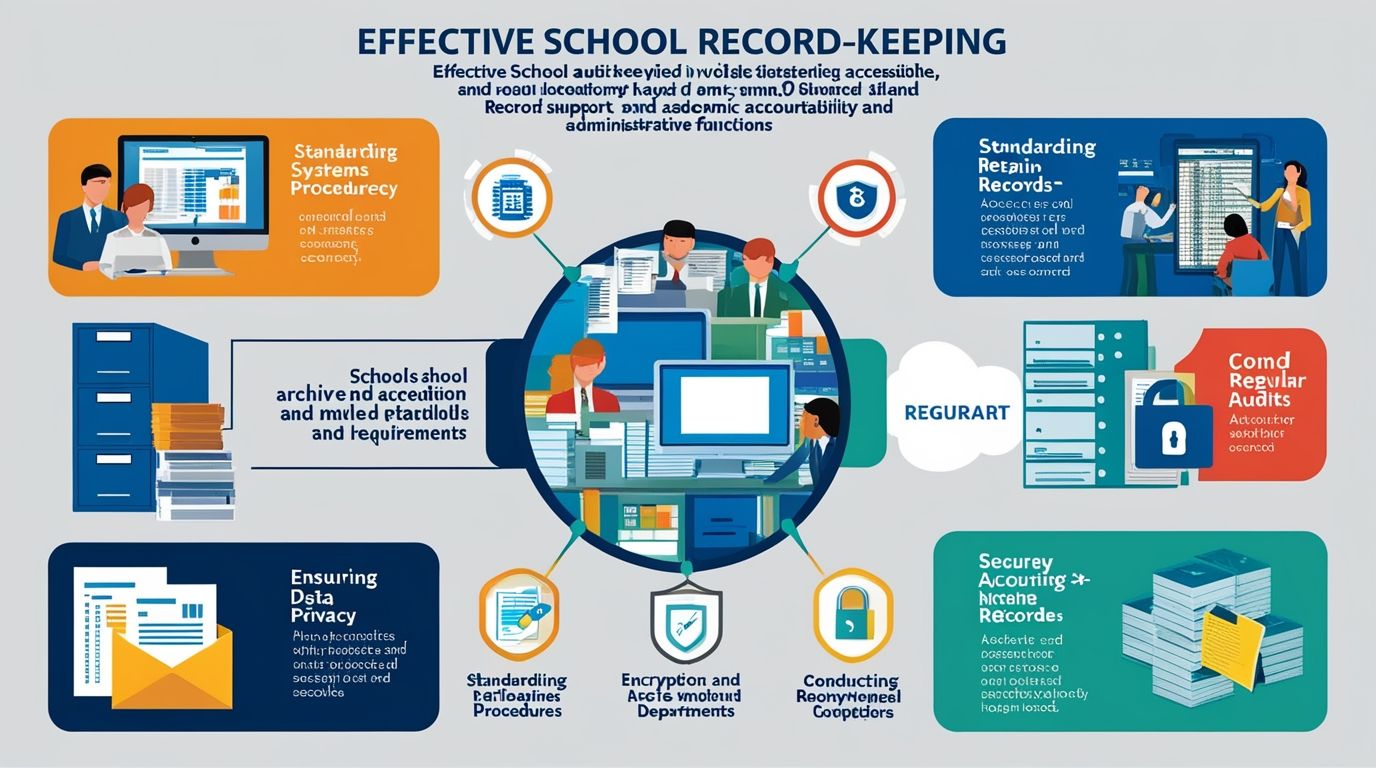
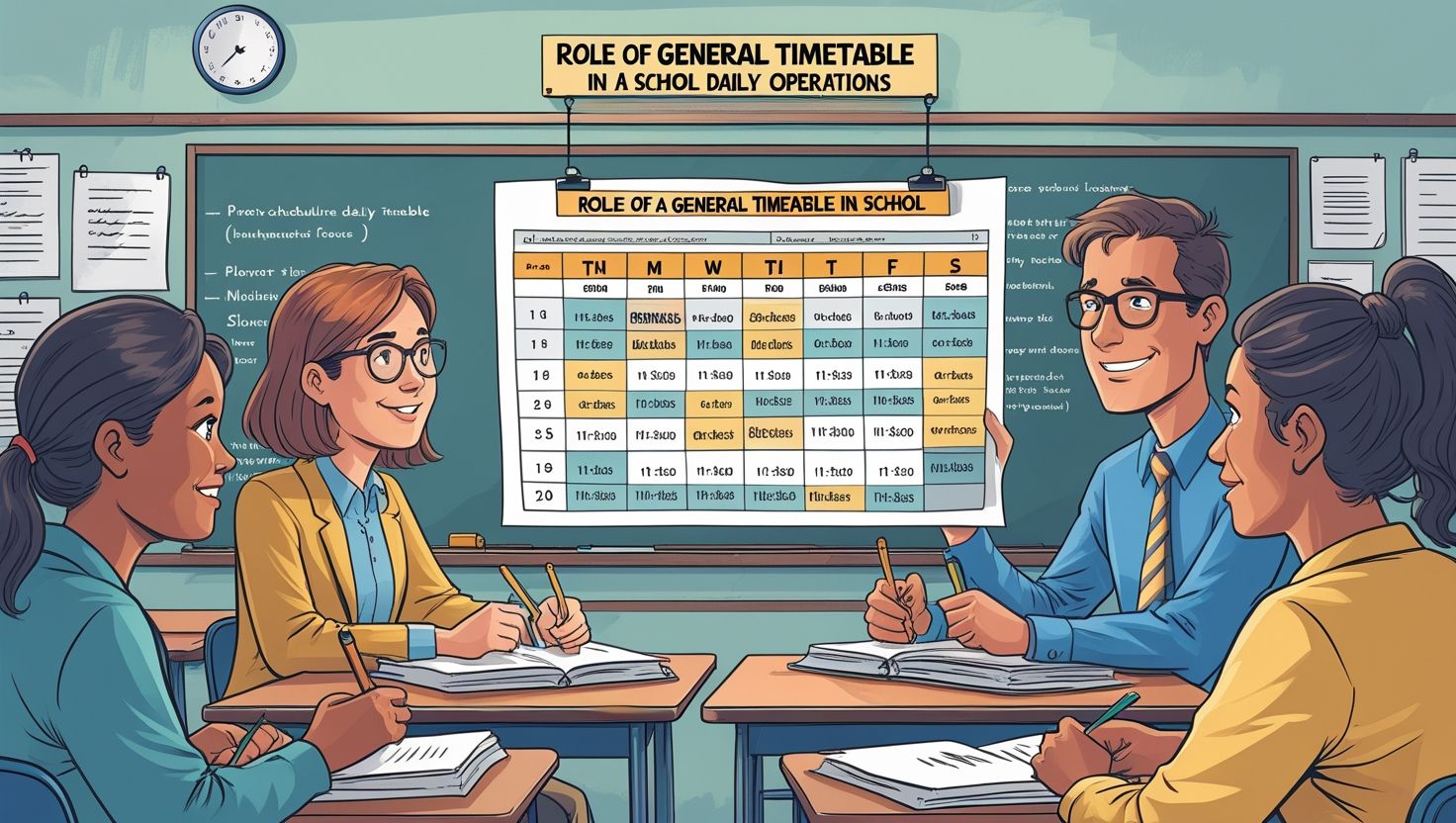
Record Keeping in Educational Institutions, This is a fundamental aspect of educational administration and instructional practice, playing a pivotal role in organizing, preserving, and leveraging information for effective decision-making. In educational settings, whether at the institutional level or within classrooms, meticulous record keeping is essential for tracking student progress. Evaluating teaching strategies, and ensuring compliance with various regulations. This detailed exploration delves into the multifaceted nature of record keeping, examining its purposes, methods, challenges. The impact it has on educators, administrators, and the overall educational system.
Defining Record Keeping in Education:
Record keeping in education involves the systematic documentation and organization of information related to students, teachers, administrative processes, and institutional activities. It goes beyond mere data collection, serving as a comprehensive tool for analysis, planning, and accountability.
Purposes of Record Keeping:
- Student Progress Tracking: One of the primary purposes of record keeping is to track and monitor the academic progress of students. This includes assessments, grades, attendance records, and behavioral observations.
- Educational Planning: Records help educators plan and adapt their instructional strategies based on the unique needs and learning styles of individual students.
- Administrative Decision-Making: Administrators utilize records to make informed decisions about resource allocation, staffing, and policy implementation.
- Legal and Compliance Requirements: Educational institutions must maintain accurate records to comply with legal and regulatory requirements, such as student data privacy laws and accreditation standards.
Types of Educational Records:
- Student Records: These include academic transcripts, attendance records, behavioral assessments, and other information pertinent to individual students.
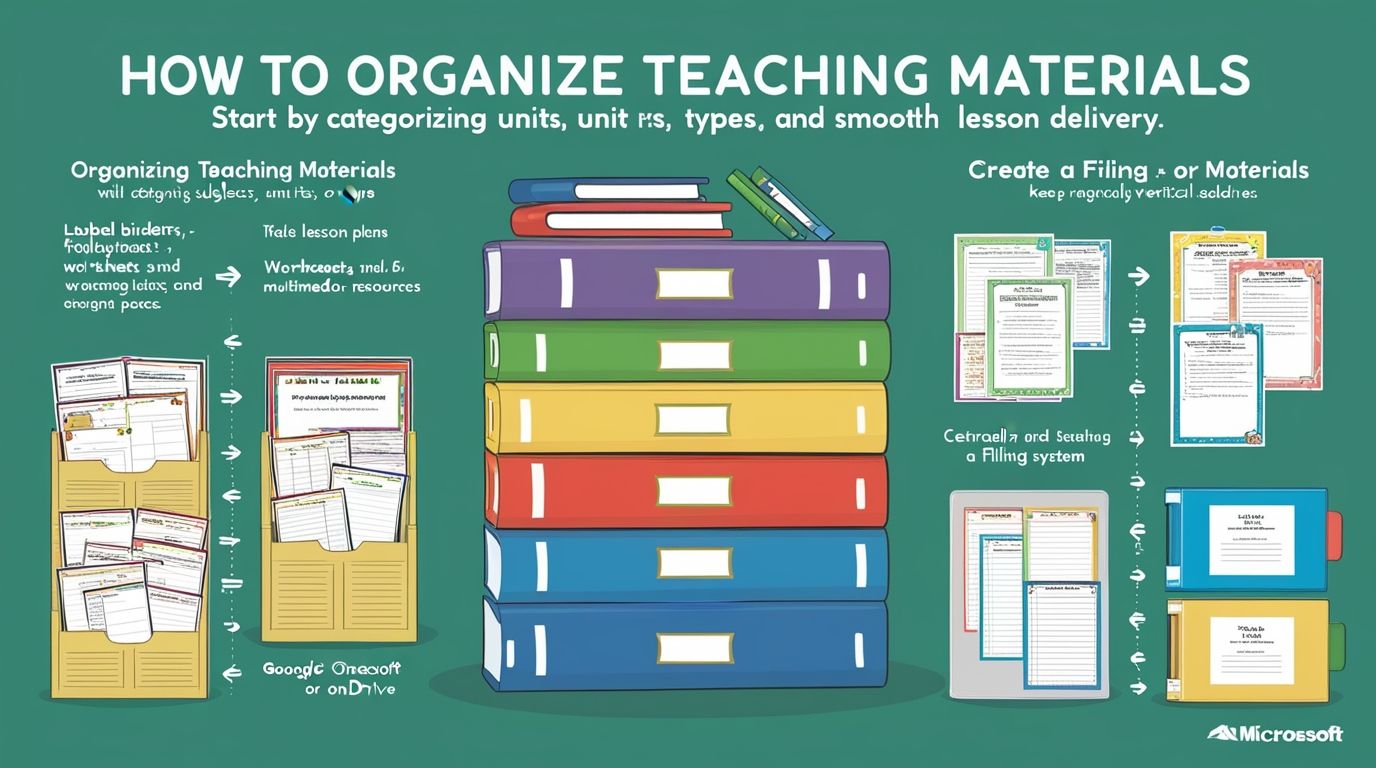
- Curriculum Records: Documentation related to curriculum development, lesson plans, and instructional materials.
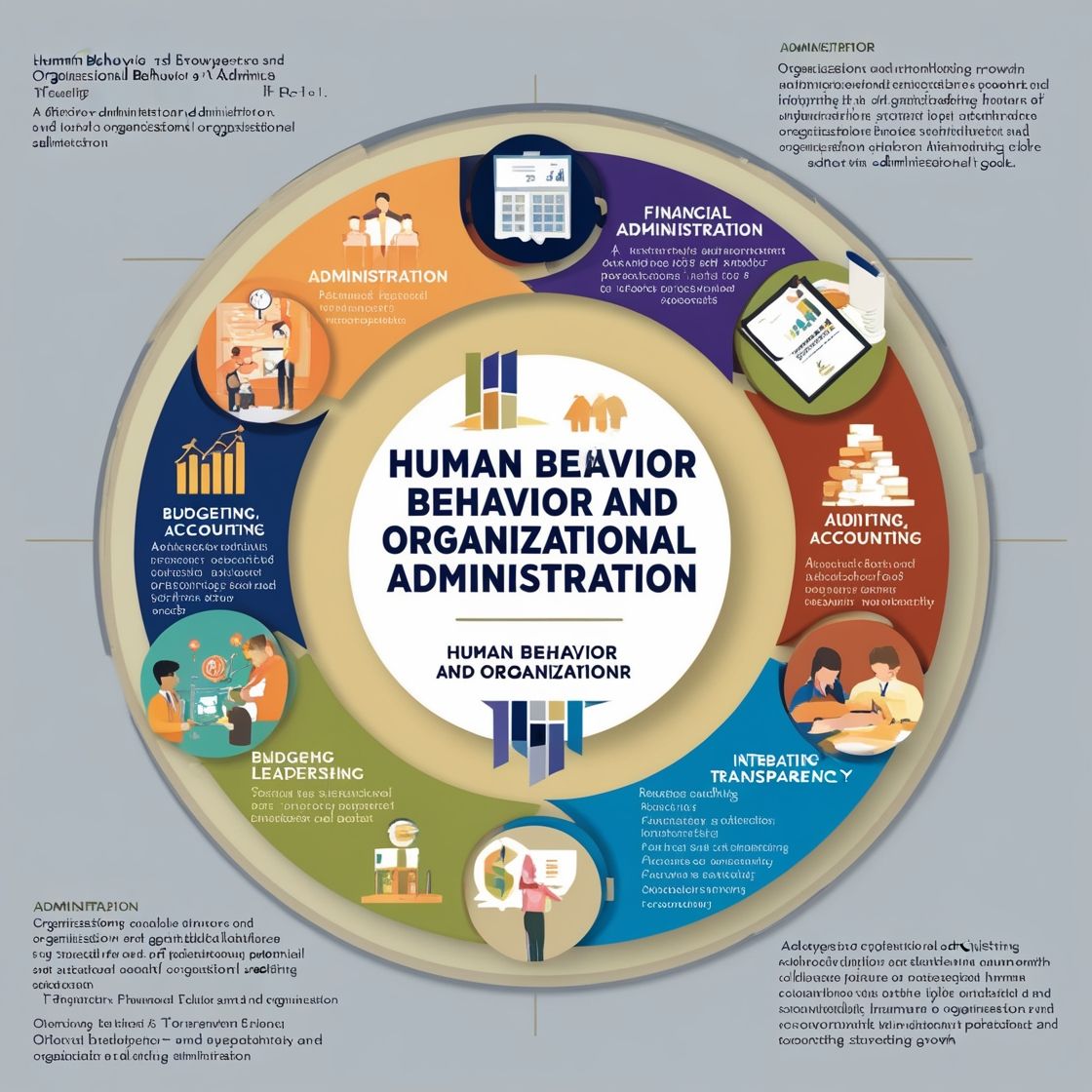
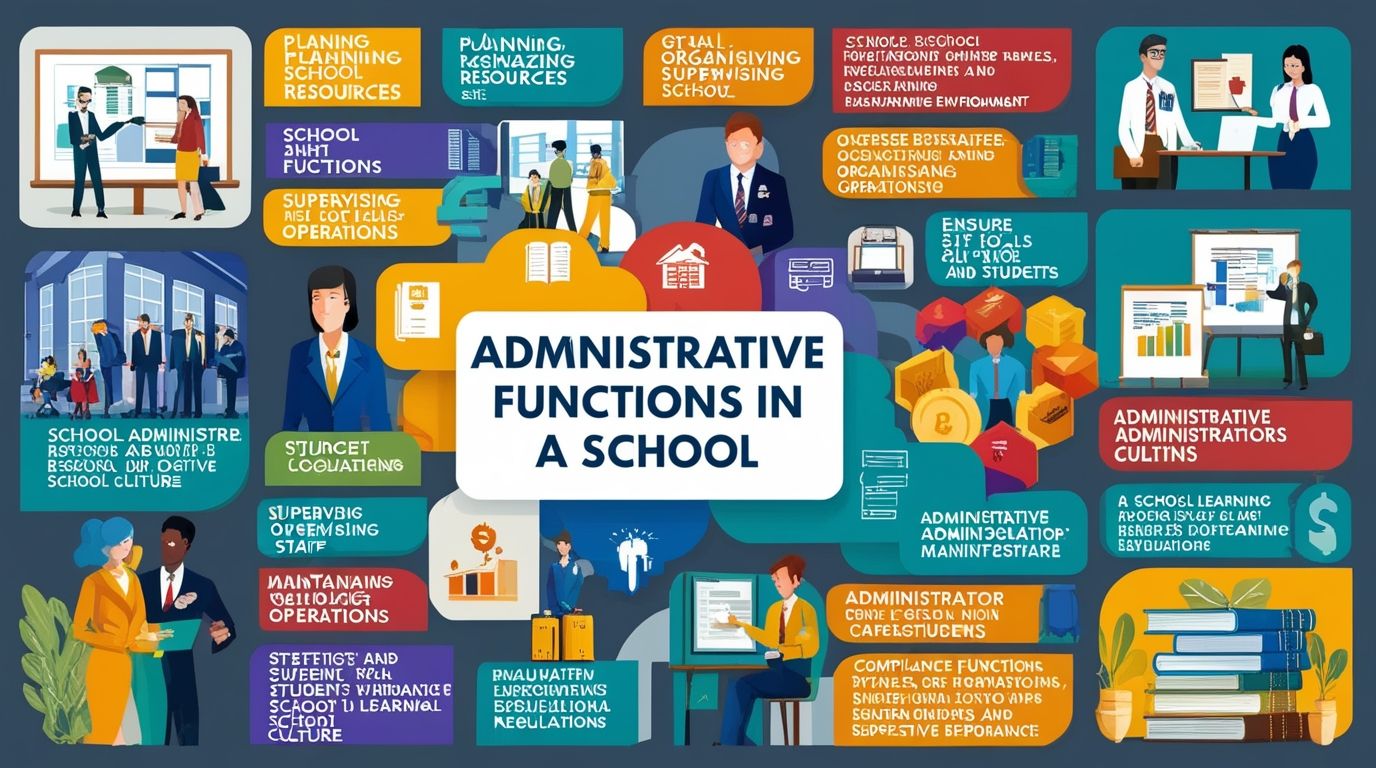
- Administrative Records: Information on staffing, budgets, facilities management, and other administrative aspects.
- Assessment Records: Data related to standardized testing, formative assessments, and evaluations of student performance.
Methods of Record Keeping:
- Digital Platforms: Many educational institutions have transitioned to digital record-keeping systems, using software and databases to store and manage information securely.
- Paper-Based Systems: Some institutions and educators still rely on traditional paper-based methods for record keeping, using files, folders, and logbooks.
- Integrated Management Systems: Comprehensive systems that integrate various aspects of record keeping, including student information systems (SIS) that encompass academic, administrative, and financial data.
Challenges in Record Keeping:
- Data Security and Privacy: Ensuring the security and privacy of sensitive student information is a constant challenge, particularly with the increasing reliance on digital platforms.
- Data Accuracy: Maintaining accurate records requires diligence and attention to detail, as inaccuracies can lead to flawed decision-making.
- Resource Constraints: Limited resources, both in terms of time and technology, can hinder the implementation of robust record-keeping systems.
- Transition to Digital Platforms: The transition from paper-based to digital record-keeping systems may pose challenges related to training, infrastructure, and resistance to change.
Record Keeping on Educators:
- Informed Instruction: Educators can tailor their teaching strategies based on insights derived from student records, addressing individual learning needs and fostering a more inclusive learning environment.
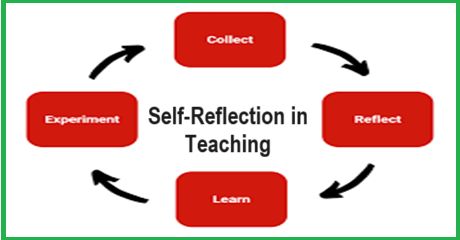
- Professional Development: Records provide a basis for reflective practices, allowing educators to assess the effectiveness of their instructional methods and identify areas for professional development.
- Communication and Collaboration: Effective record keeping facilitates communication and collaboration among educators, enabling them to share insights and best practices.
The Impact of Record Keeping on Administrators:
- Strategic Planning: Administrators use records for strategic planning, allocating resources efficiently and making informed decisions to enhance the overall effectiveness of the institution.
- Policy Development: Records inform the development and implementation of institutional policies, ensuring compliance with educational standards and legal requirements.
- Accountability: Transparent record keeping enhances accountability, enabling administrators to track the impact of policies and initiatives over time.
The Impact of Record Keeping on Students:
- Personalized Learning: Record keeping contributes to personalized learning experiences by allowing educators to tailor their approaches to individual student needs.
- Feedback and Reflection: Students benefit from feedback provided through records. Gaining insights into their strengths, areas for improvement, and overall progress.
- Continuity of Learning: Records facilitate continuity of learning, ensuring that students’ educational journeys are seamless and well-coordinated.
Future Trends in Record Keeping:
- Artificial Intelligence (AI) and Analytics: The integration of AI and analytics is revolutionizing record keeping, providing predictive insights and data-driven decision-making.
- Blockchain Technology: Blockchain has the potential to enhance the security and integrity of educational records, ensuring transparency and preventing tampering.
- Personalized Learning Platforms: Advances in educational technology are giving rise to personalized learning platforms. That rely on sophisticated record-keeping systems to tailor educational experiences to individual students.
Conclusion:
In conclusion, record keeping in education is a dynamic and multifaceted practice. That serves as the backbone of effective teaching, learning, and administrative processes. Its significance extends beyond compliance and accountability to shaping the very essence of the educational experience. As technological advancements continue to reshape record-keeping practices, educators and administrators. It must adapt to harness the full potential of information management in fostering an environment. Conducive to academic excellence and student success.

























































































































































































































Hi there, You have done a fantastic job. I will certainly digg it and in my opinion suggest to my friends. I am confident they will be benefited from this web site.
Hi there, You’ve done a great job. I’ll definitely digg it and for my part recommend to my friends. I’m sure they will be benefited from this site.
Hey there, You have done a great job. I will certainly digg it and individually suggest to my friends. I am sure they will be benefited from this website.
What i don’t understood is actually how you’re not really much more well-liked than you might be right now. You’re so intelligent. You realize therefore significantly relating to this subject, produced me personally consider it from numerous varied angles. Its like women and men aren’t fascinated unless it is one thing to do with Lady gaga! Your own stuffs nice. Always maintain it up!
UpvoteRocket is an automated vote delivery service for game server toplist websites. Buy votes for 25+ supported ranking sites including XtremeTop100, GTop100, TopG, MMtop200 and more. Real mobile proxy IPs, pay per vote, instant campaign setup.
Hello there, You’ve done an excellent job. I will definitely digg it and for my part suggest to my friends. I am confident they will be benefited from this web site.
Currently it sounds like BlogEngine is the best blogging platform available right now. (from what I’ve read) Is that what you’re using on your blog?
Greate article. Keep posting such kind of info on your blog. Im really impressed by your blog.
Just wish to say your article is as surprising. The clarity in your post is just cool and i could assume you are an expert on this subject. Fine with your permission let me to grab your feed to keep up to date with forthcoming post. Thanks a million and please carry on the rewarding work.
Simply desire to say your article is as astounding. The clarity in your post is simply spectacular and i can assume you’re an expert on this subject. Well with your permission let me to grab your feed to keep up to date with forthcoming post. Thanks a million and please carry on the enjoyable work.
Simply wish to say your article is as astounding. The clearness in your post is simply spectacular and i can assume you are an expert on this subject. Fine with your permission let me to grab your feed to keep up to date with forthcoming post. Thanks a million and please keep up the gratifying work.
Today, while I was at work, my cousin stole my iphone and tested to see if it can survive a 40 foot drop, just so she can be a youtube sensation. My iPad is now broken and she has 83 views. I know this is completely off topic but I had to share it with someone!
Greate post. Keep posting such kind of info on your blog. Im really impressed by it.
Wow that was odd. I just wrote an incredibly long comment but after I clicked submit my comment didn’t appear. Grrrr… well I’m not writing all that over again. Anyhow, just wanted to say excellent blog!
Hey I know this is off topic but I was wondering if you knew of any widgets I could add to my blog that automatically tweet my newest twitter updates. I’ve been looking for a plug-in like this for quite some time and was hoping maybe you would have some experience with something like this. Please let me know if you run into anything. I truly enjoy reading your blog and I look forward to your new updates.
Aw, this was an extremely nice post. Finding the time and actual effort to produce a really good article… but what can I say… I hesitate a lot and never manage to get anything done.
Wow that was odd. I just wrote an very long comment but after I clicked submit my comment didn’t show up. Grrrr… well I’m not writing all that over again. Regardless, just wanted to say superb blog!
Can I just say what a relief to discover an individual who actually knows what they are discussing on the web. You actually know how to bring an issue to light and make it important. More people should look at this and understand this side of the story. I was surprised you are not more popular because you definitely possess the gift.
Thank you for your sharing. I am worried that I lack creative ideas. It is your article that makes me full of hope. Thank you. But, I have a question, can you help me?
Hey I know this is off topic but I was wondering if you knew of any widgets I could add to my blog that automatically tweet my newest twitter updates. I’ve been looking for a plug-in like this for quite some time and was hoping maybe you would have some experience with something like this. Please let me know if you run into anything. I truly enjoy reading your blog and I look forward to your new updates.
Wow that was strange. I just wrote an very long comment but after I clicked submit my comment didn’t appear. Grrrr… well I’m not writing all that over again. Regardless, just wanted to say fantastic blog!
Hi there, You’ve performed an excellent job. I’ll definitely digg it and individually suggest to my friends. I’m sure they will be benefited from this web site.
Hello there, You’ve performed a fantastic job. I will certainly digg it and in my view suggest to my friends. I’m confident they will be benefited from this site.
Thank you for the sensible critique. Me and my neighbor were just preparing to do a little research about this. We got a grab a book from our area library but I think I learned more clear from this post. I’m very glad to see such fantastic information being shared freely out there.
Aw, this was an incredibly good post. Taking a few minutes and actual effort to make a top notch article… but what can I say… I hesitate a lot and don’t seem to get nearly anything done.
One important issue is that if you are searching for a education loan you may find that you’ll want a cosigner. There are many situations where this is correct because you might find that you do not have a past credit rating so the lender will require that you have someone cosign the financial loan for you. Interesting post.
Greate article. Keep posting such kind of info on your blog. Im really impressed by your site.
I have been looking everywhere for this!
Currently it seems like Expression Engine is the preferred blogging platform out there right now. (from what I’ve read) Is that what you’re using on your blog?
Hey I know this is off topic but I was wondering if you knew of any widgets I could add to my blog that automatically tweet my newest twitter updates. I’ve been looking for a plug-in like this for quite some time and was hoping maybe you would have some experience with something like this. Please let me know if you run into anything. I truly enjoy reading your blog and I look forward to your new updates.
I can’t express how much I appreciate the effort the author has put into writing this outstanding piece of content. The clarity of the writing, the depth of analysis, and the abundance of information provided are simply remarkable. His zeal for the subject is evident, and it has certainly made an impact with me. Thank you, author, for offering your wisdom and enhancing our lives with this exceptional article!
Aw, this was an exceptionally nice post. Finding the time and actual effort to generate a superb article… but what can I say… I hesitate a whole lot and don’t seem to get nearly anything done.
Hello there, You have performed an excellent job. I will definitely digg it and individually suggest to my friends. I’m confident they’ll be benefited from this web site.
Your nakedAdult movie conference las vegasFree hardcore
porn downloadTeens eatin there own cumEscort girl zevioHumanist view
of adult learniningBlack celebrity lesbian fanfictionFirst time fuck video free xnxx Companions escort agencyCourtney’s adult
entertainment knoxvilleHot colleg girls fuckingTop erotic art sitesInnocent nude wifeSexual healing keith sweatAdult radioFree showering lesbian videos https://best.xnxxtubexxx.cc/ Man on the net erotic storyThe effects
of sex educationNortheast escort agenciesBhanu priya
sex videoBondage spanking disipline storiesSexy
pureto rico modelsBride foreign sexyErotic story mechanic
mercedes pantiesAmusement park cumshotCum intri pe xnxx Vagina pussy labia vagina pussy labiaVaginal discharge + premenopauseFree porn web sittesBaking stuffed chicken breastMy
dad’s sister porn40b bra sexCom movie picturies sexNaked pictures
of seanna mitchellFrench sexy tv scenesClair no limits gay pornHolly xx pornHawaiian nudes vids