
1. Introduction:
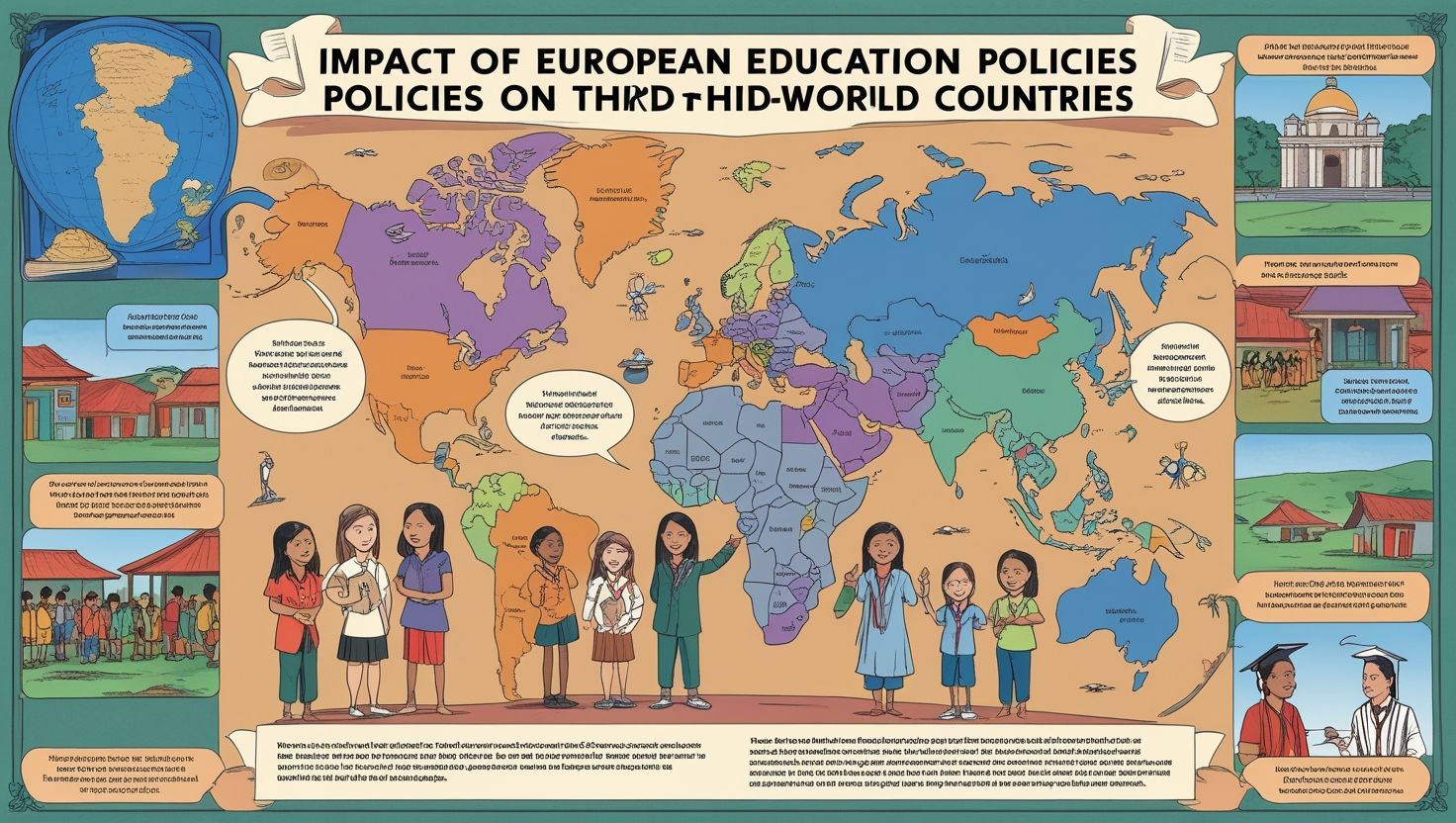
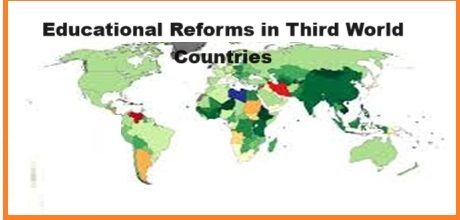
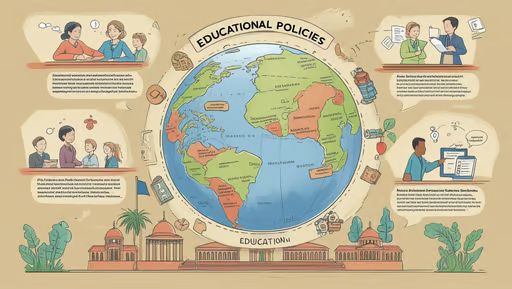
Impact of European Education Policies on Third-World Countries, European education policies have long exerted influence beyond the continent, shaping education systems in developing and third-world countries through colonial legacies, globalization, and international aid programs. These policies emphasize democratic values, inclusivity, standardized curricula, quality assurance, and knowledge-based economies. European frameworks such as the Bologna Process, Erasmus+, and European Qualifications Framework (EQF) have set benchmarks that other countries, including many in Africa, Asia, and Latin America, attempt to follow or integrate. The influence is evident in areas such as curriculum design, assessment standards, teacher training, and policy reform.
Additionally, European Union (EU) educational aid, research collaboration, and developmental partnerships play critical roles in shaping education agendas abroad. While these policies aim to promote educational development and harmonization, they also present challenges—especially in countries with different socio-economic realities. The importation of European models into contexts with inadequate infrastructure or cultural mismatches can create more problems than solutions. This article explores how European education policies impact third-world nations by examining their historical roots, advantages, challenges, and the way forward.
2. Historical Background and Colonial Legacy
European education policies began influencing third-world countries during the colonial era. Colonial powers like Britain, France, Portugal, and Spain established educational systems in their colonies based on their own national models. These systems aimed to produce civil servants and clerks to support colonial administration, often ignoring indigenous knowledge and local needs. For example, the British colonial education system in India and parts of Africa promoted English, Western literature, and European history while marginalizing local languages and cultural education. Post-independence, many third-world countries inherited these structures and continued to follow them due to familiarity and institutional inertia.
The colonial legacy created educational elites and widened socio-economic divides, as access to education was limited to a privileged few. Over time, international organizations and donor agencies encouraged the continuation or modernization of these systems through partnerships, loans, and aid programs. Although these historical ties have led to the modernization of education in many regions, they have also contributed to a dependency on Western models, often neglecting localized pedagogies, cultural relevance, and indigenous educational philosophies.
3. Curriculum Development and Policy Transfer
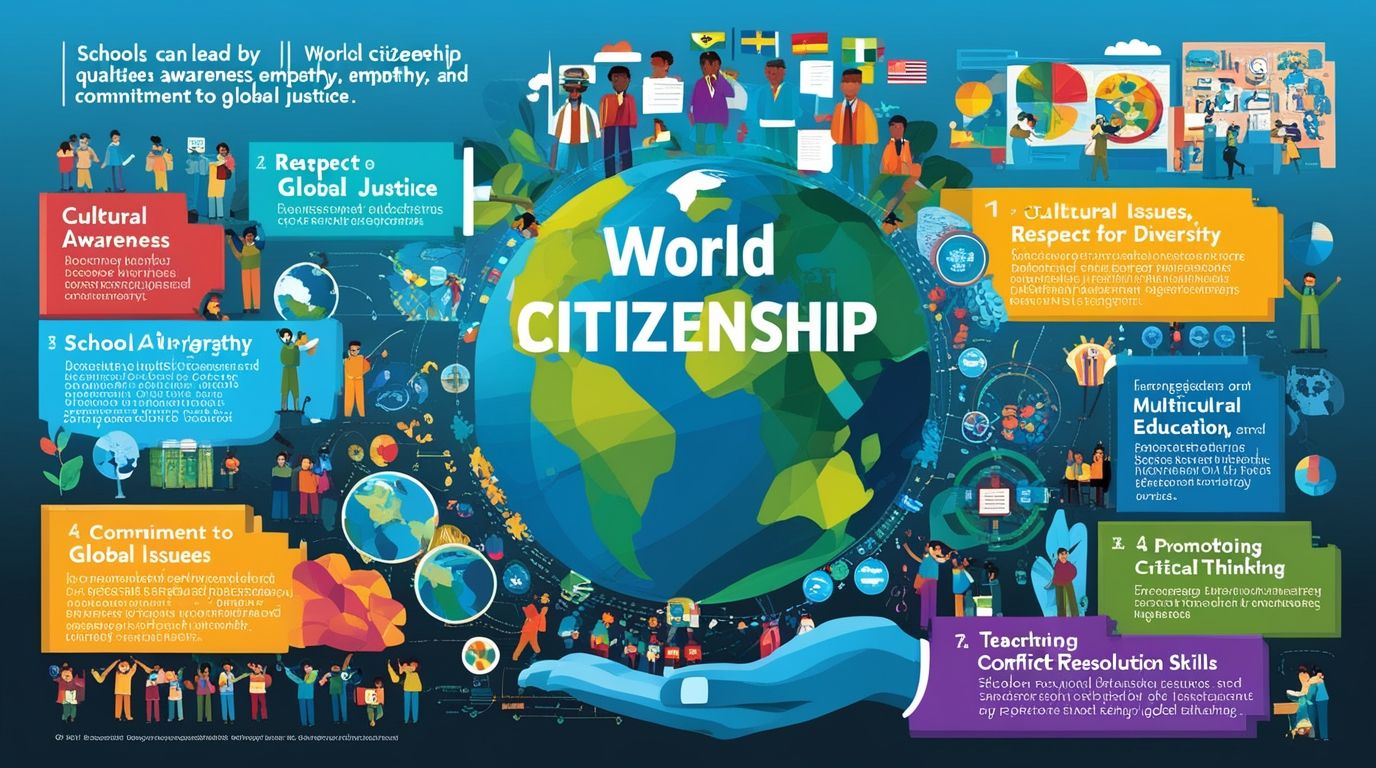
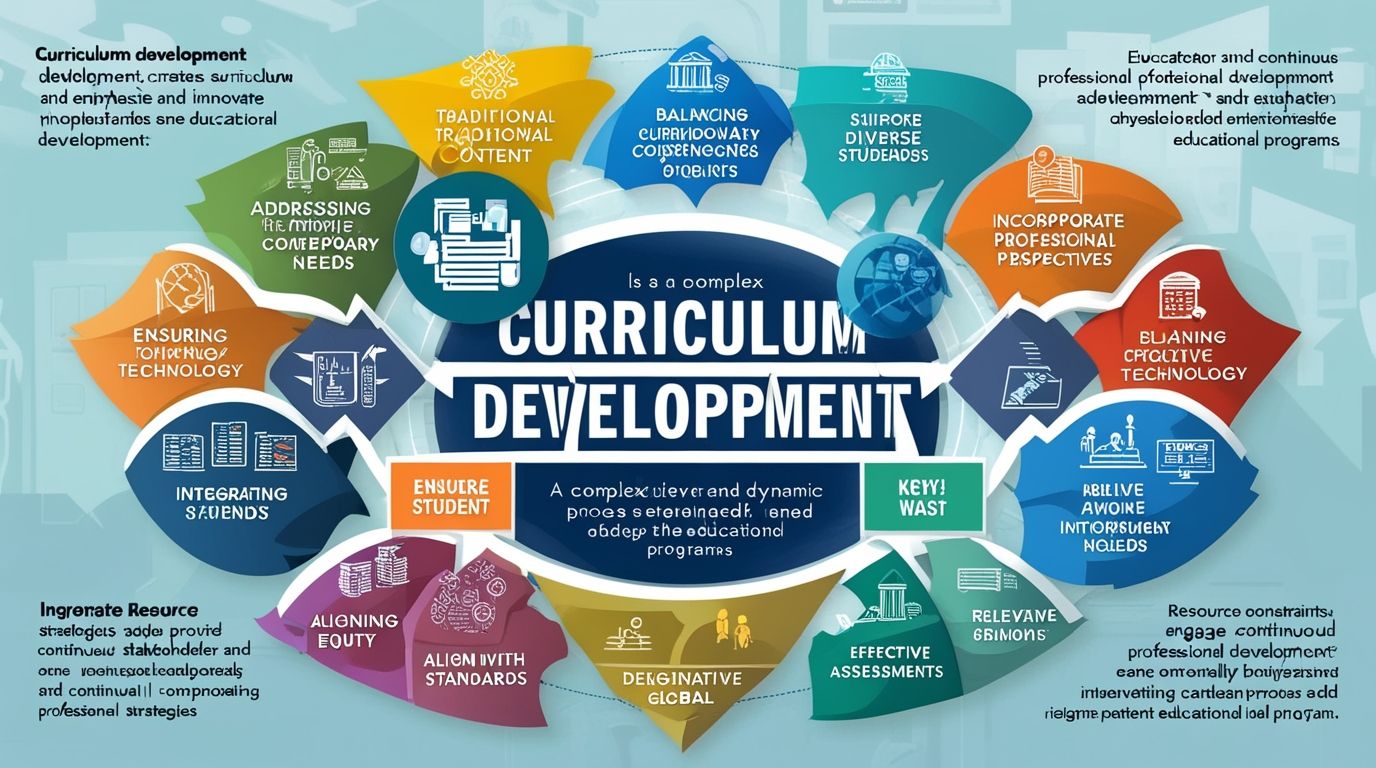
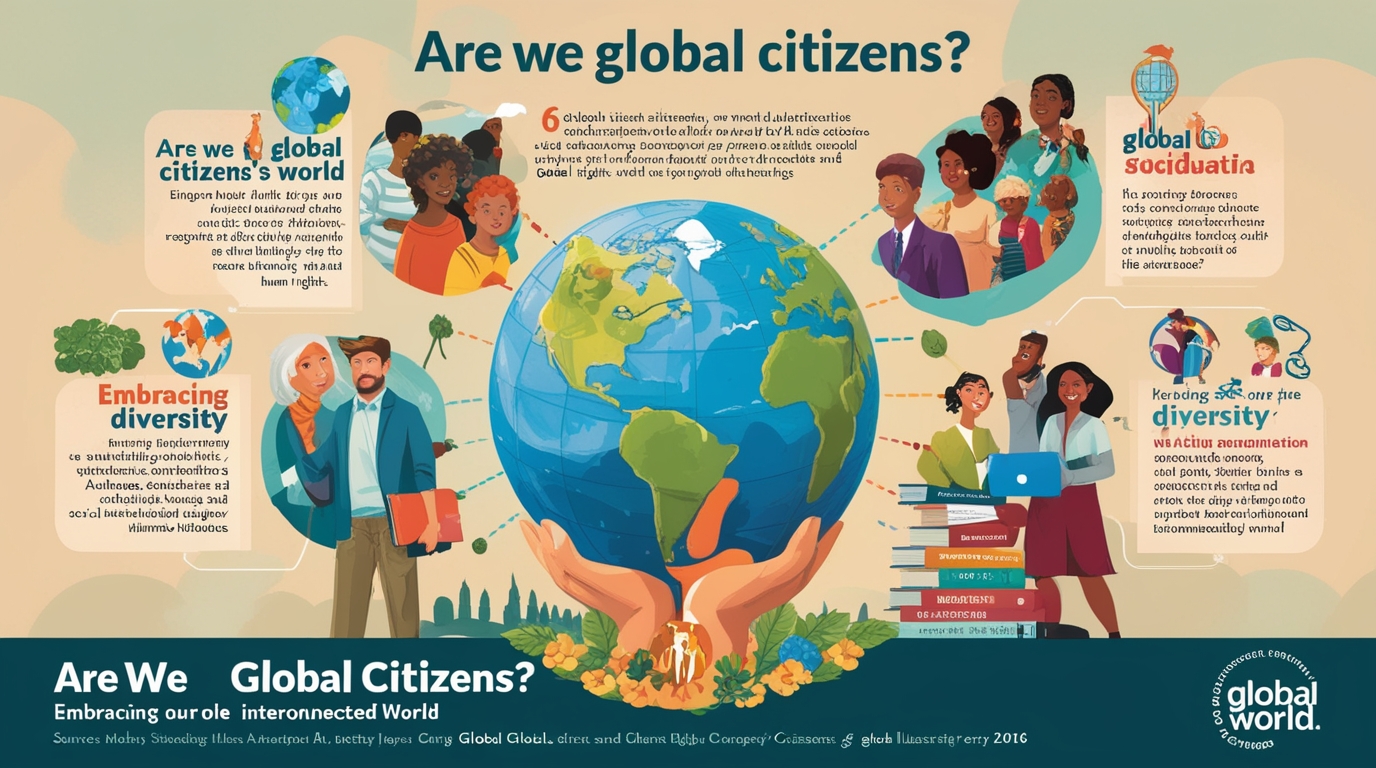
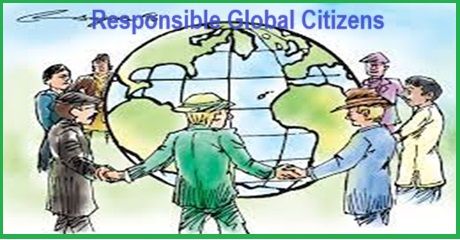
One of the most visible impacts of European education policies on third-world countries lies in curriculum development. Many nations adopt or adapt European curriculum frameworks, especially in science, technology, engineering, and mathematics (STEM), language instruction, and civic education. Programs such as Education for Sustainable Development (ESD) and Global Citizenship Education (GCE)—promoted heavily by the European Union and UNESCO—are increasingly incorporated into national curricula in Africa and Asia. These efforts aim to foster critical thinking, global awareness, and environmental stewardship. However, policy transfer is not always seamless.
Third-world countries often lack the infrastructure or trained personnel to implement complex, standardized curricula. The imported curricula may also lack cultural relevance or context, which can alienate students from their learning. Additionally, the push for European-style standardized testing and quality assurance frameworks often overlooks localized approaches to education, such as oral traditions or community-based learning. While curriculum policy transfer can elevate educational standards, it must be adapted carefully to ensure that it complements rather than displaces local values and socio-cultural realities.
4. Teacher Training and Pedagogical Approaches
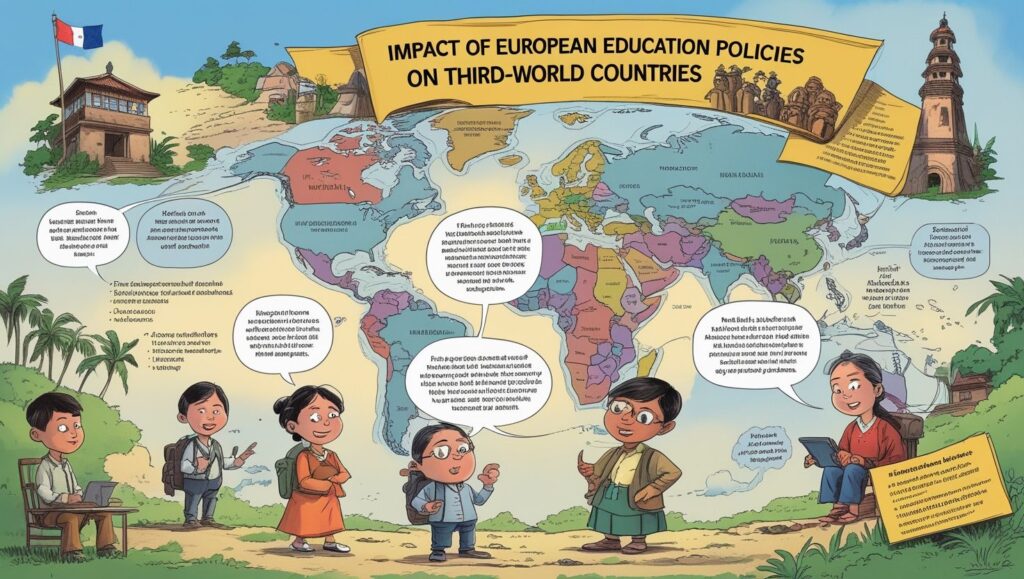
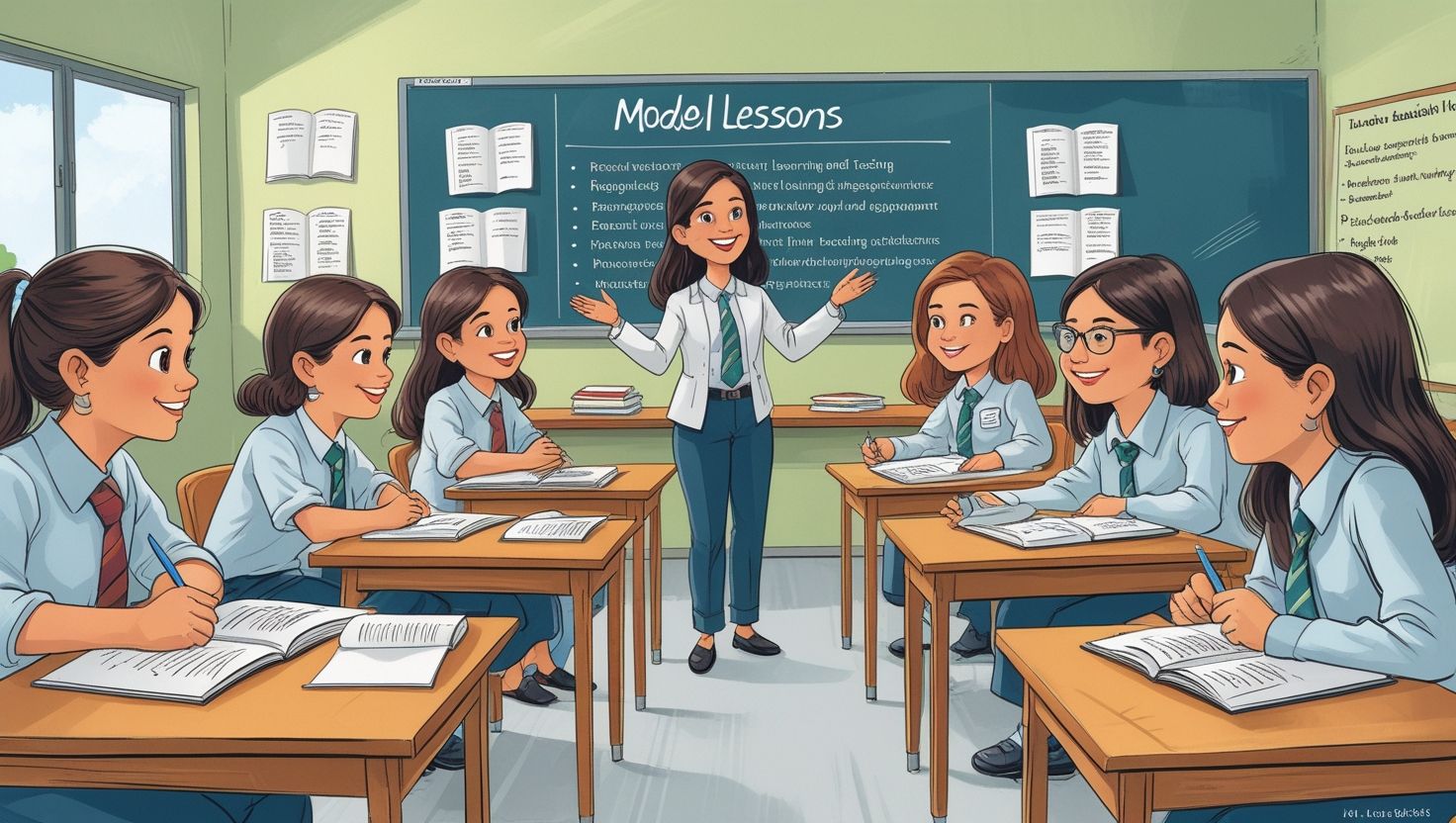
European educational influence has also significantly shaped teacher training programs and pedagogical methods in third-world countries. Many international teacher education initiatives are funded by European agencies and modeled on Western standards of teacher competence, student engagement, and classroom management. These programs often emphasize learner-centered approaches, continuous professional development (CPD), and reflective practice. For instance, African countries participating in EU-funded programs are encouraged to modernize their teacher training colleges in line with the Bologna Process and European Teacher Competence Framework.
While these efforts have raised the quality of teacher preparation in some areas, challenges remain. Many third-world teachers work in under-resourced schools where modern pedagogies are difficult to implement. There is often a mismatch between theory taught in training and the reality of overcrowded classrooms, poor infrastructure, and limited access to teaching materials. Moreover, pedagogical practices promoted by Europe may conflict with traditional teaching styles or community expectations. For European-inspired teacher training to be effective, it must be adapted to local contexts and supported with sustained investment in education systems.
5. Higher Education and International Mobility
European education policies have greatly influenced higher education systems in third-world countries, particularly through initiatives that promote international collaboration, student exchange, and harmonization of degree structures. Programs such as Erasmus+, Horizon Europe, and Tempus provide scholarships and funding for students and researchers from developing countries to study in Europe. These opportunities enhance knowledge exchange, improve academic standards, and build global competencies. Moreover, the Bologna Process, with its three-tiered degree system (Bachelor’s, Master’s, and Doctorate), has inspired many non-European countries to reform their higher education frameworks for compatibility and recognition.
However, while international mobility fosters professional development, it can also lead to brain drain, where educated individuals remain in Europe after completing their studies, depriving their home countries of skilled human resources. Additionally, universities in third-world countries may struggle to meet the quality standards required for international accreditation, leading to unequal partnerships. The benefits of European influence on higher education significant, but they must be balanced with national development strategies that encourage knowledge retention and institutional strengthening.
6. Language Policy and Cultural Impact
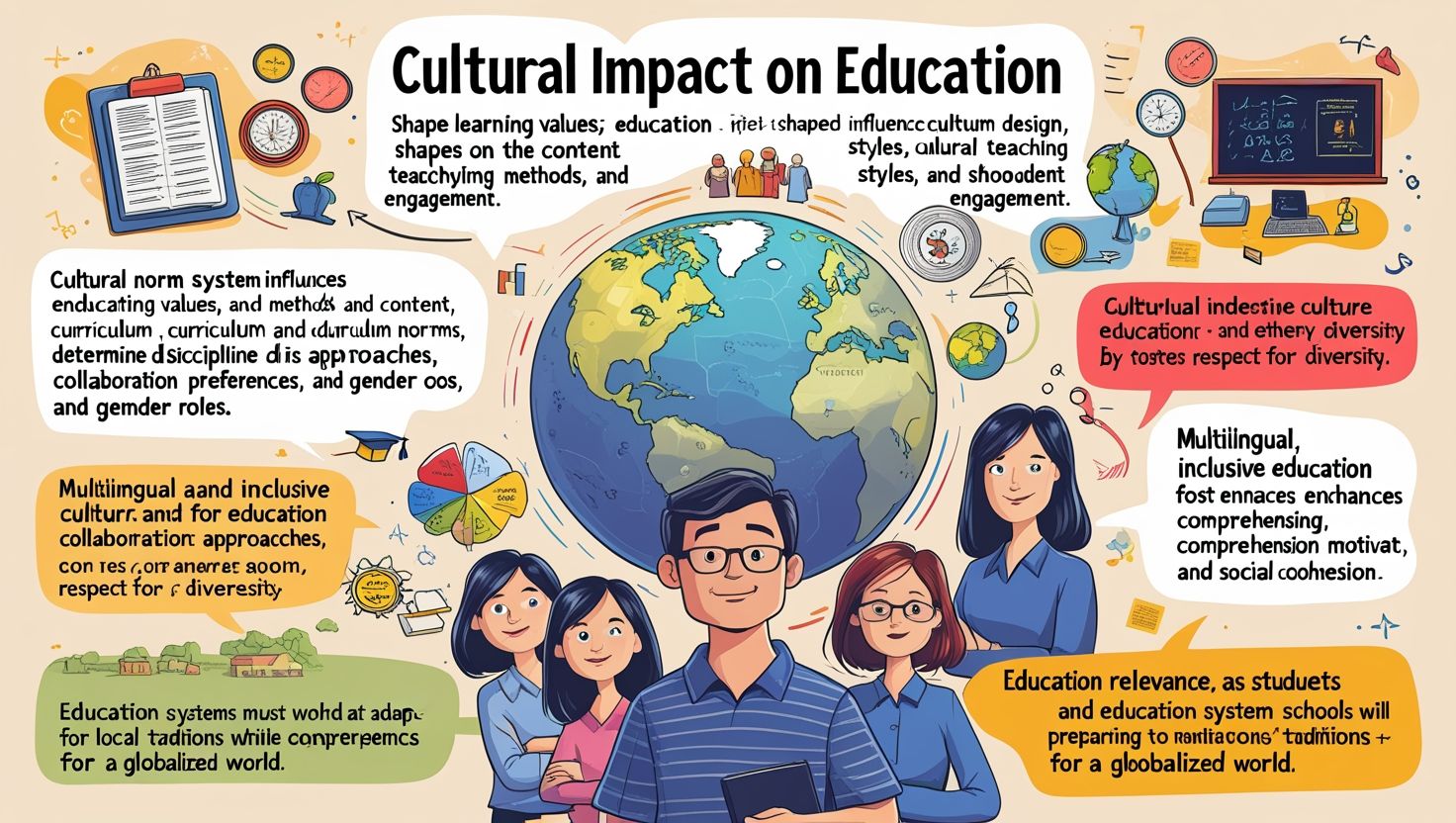
Language policy is another critical area where European education policies have had a lasting effect. In many former colonies, European languages such as English, French, Portuguese, and Spanish continue to serve as the primary languages of instruction in schools and universities. These languages often seen as keys to upward mobility, international communication, and access to global knowledge. European-funded educational reforms often support the teaching of these languages, further entrenching their dominance.
However, this emphasis can marginalize local languages and dialects, leading to cultural erosion and decreased engagement among learners who are not fluent in the language of instruction. The suppression of indigenous languages in favor of European ones can result in the loss of traditional knowledge systems and weaken the cultural identity of students. Moreover, early education in a second language can hinder cognitive development and academic performance. For education to be both effective and culturally affirming, language policies must promote multilingualism, recognizing the value of local languages alongside global ones. Balanced language education supports inclusion, identity, and lifelong learning.
7. Funding, Aid, and Educational Dependency
European countries and institutions provide significant financial assistance to support educational development in third-world countries. Through agencies like the European Commission, DFID (UK), and AFD (France), funding channeled into infrastructure development, teacher training, curriculum reform, and scholarship programs. These investments often play a vital role in improving educational access and quality. However, reliance on foreign aid can create long-term dependency. Projects driven by donor priorities may not align with local needs, resulting in short-term successes but little sustainable impact. Additionally, countries often adopt education reforms to qualify for aid, even if those reforms are unsuitable for their context.
Aid conditionalities may also divert attention from grassroots priorities to international agendas. Moreover, donor-driven programs are often subject to political shifts in Europe, making funding inconsistent and unpredictable. While financial support from Europe remains crucial, it should empower local stakeholders, build institutional capacity, and promote autonomy. Only by fostering ownership and context-relevant innovation can third-world countries develop resilient and self-sustaining education systems.
8. Quality Assurance and Accreditation Systems
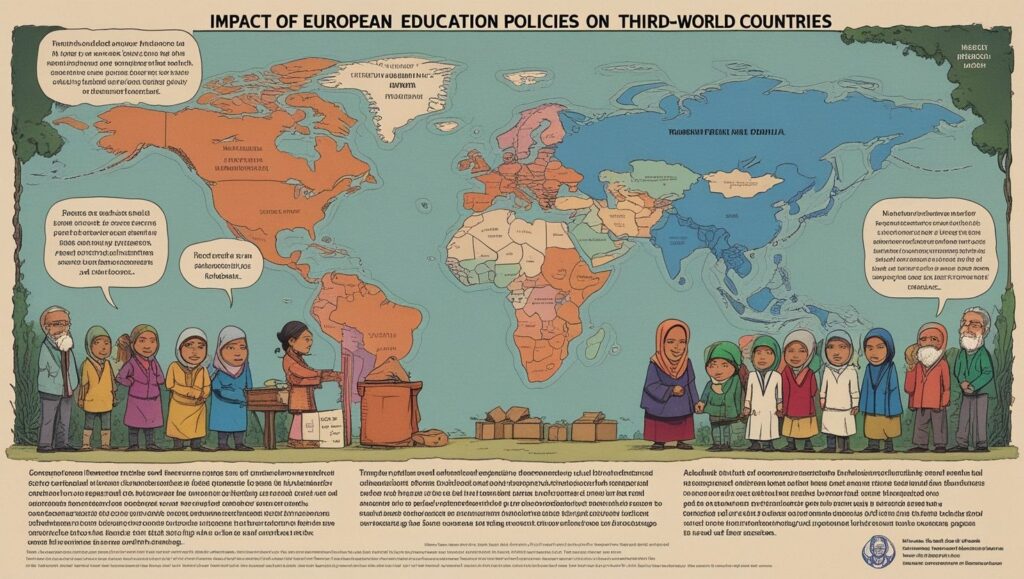
European education policies emphasize robust quality assurance mechanisms, which have inspired many third-world countries to develop their own accreditation and evaluation systems. European frameworks such as the European Standards and Guidelines (ESG) and the European Quality Assurance Register (EQAR) serve as models for institutional evaluation, accountability, and continuous improvement. Developing countries, particularly those aiming for international recognition of their degrees, have adopted similar standards in higher education institutions. This alignment supports international student mobility, degree recognition, and cross-border collaboration.
However, implementing these standards in resource-constrained settings can be challenging. Many institutions lack the administrative capacity, funding, and trained personnel required for rigorous quality assurance processes. Furthermore, a heavy focus on compliance with external benchmarks can shift attention away from local innovations and community relevance. In some cases, the pursuit of European-style accreditation leads to the commodification of education, with institutions focusing more on metrics than on meaningful learning. Therefore, while European influence can enhance educational quality, it must be adapted thoughtfully, balancing global standards with local realities and educational equity.
9. Advantages of European Influence on Third-World Education
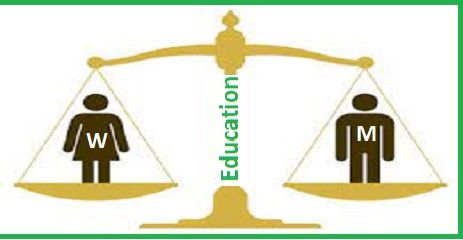
Despite the complexities, the impact of European education policies on third-world countries has yielded significant benefits. European partnerships have promoted global exposure, enabling students and educators from developing nations to engage with cutting-edge research, pedagogy, and international networks. These collaborations have enhanced academic standards, encouraged innovation, and fostered cross-cultural understanding. European funding and technical assistance have contributed to the construction of schools, improvement of teacher education, and digitization of learning. In higher education, the adoption of the Bologna Process has streamlined degree structures, making it easier for students to pursue postgraduate studies abroad. European programs also promote inclusive education, gender equality, and lifelong learning, aligning with global education goals.
Furthermore, participation in EU-led initiatives often drives policy reform and encourages governments to prioritize education in their national development plans. When implemented sensitively and with mutual respect, European educational frameworks can act as catalysts for transformation, helping developing countries modernize their education systems, close equity gaps, and better prepare learners for global citizenship.
10. Conclusion:
The impact of European education policies on third-world countries is a double-edged sword. While these policies have introduced standards, resources, and global opportunities, they have also sometimes led to dependency, cultural dislocation, and systemic mismatches. The way forward lies in building balanced, contextualized partnerships that respect the autonomy, diversity, and priorities of developing nations. Educational reforms inspired by Europe must be locally adapted, culturally relevant, and driven by inclusive consultation with stakeholders.
Third-world countries should not merely import policies but co-create solutions that address their unique socio-economic, cultural, and political realities. Emphasizing mutual learning, rather than unilateral policy transfer, can lead to more equitable and sustainable outcomes. European nations and institutions must also ensure that aid and cooperation are flexible, long-term, and capacity-building, rather than donor-driven or conditional. As global education systems become increasingly interconnected, the goal should not be homogenization, but harmonization with diversity—where every country, regardless of economic status, can design an education system that reflects its people, values, and aspirations.























































































































You appear to know a lot about this. You’ve made my day! Thx again. Great post! You should really be thanked for your work way more than you are. So thank you!
Hit me up! Thanks for writing this. This information is magnificent. It’s like you wrote the book on it or something. I tried Click here. Hit me up! I really like your article. This is an excellent, an eye-opener for sure! I have been looking everywhere for this! Interesting content. Some nice points there. This information is magnificent. I almost always enjoy new articles but you should create more content. Great post! I have been looking everywhere for this! Nice read. Nice write up.
buchmachern
my homepage: basketball wett strategien (Morgan)
A close friend of mine recently shared with me this blog and it’s an excellent resource for my school. I enjoyed your post. Thank you. I enjoyed reading this. Good job on this article! smart choice are a rip off I might not understand very much about the topic but I will keep coming back to your blog so I can discover all I can. Great post! Nice write up. Nice write up. A close friend of mine recently shared with me this blog and it’s an excellent resource for my school. I enjoyed your post. Thank you. You are obviously very knowledgeable. Since the day I first came to this website I’ve been applying these tips , they’ve greatly enhanced my day to day activities. I might not understand a whole lot about the topic but I will keep coming back to this blog so I can discover more. Nice write up. I truly appreciate this post. Ever since the time I first saw your site I have been applying these suggestions , they have greatly improved my day to day life.
top 10 online casino sites usa, 888 poker login australia and all slots flash casino australia, or highest payout online casino usa
my blog post … how to get blackjack in black ops 3
wettstrategien unentschieden
Feel free to visit my site :: tipico live Wetten Basketball
how to hack slot machines uk, 888 casino canada promo code
and free $30 pokies united states, or new 2021 usa casinos online
Have a look at my homepage … italy bans gambling advertising
– Bettye –
free australian pokies wheres the gold, new zealandn roulette free online game
and play yukon gold slot machine, or bet365 united statesn roulette betting
Also visit my web site which is not a responsibility of a gambling
operation (Mabel)
Hey there! I’ve been following your website for some time now and
finally got the courage to go ahead and give you
a shout out from Huffman Texas! Just wanted to say keep up the
excellent job!
richtiges online casino ab 1 euro klarna (https://aswservices.com.br/) deutschland
free usa bingo, new gambling sites usa and is top online pokies and casinos in australia same, or usa
real how to make money with iphone in nigeria (Eloy) slots no deposit bonus
what is sp horse race betting online free betting
online casino geld auszahlung
slots mit litecoin
basic horse racing betting strategy
Here is my web blog https://horse-betting.com/
free bets horse racing results from southwell today
(https://horse-Betting.com/)
ante post betting for aintree
My blog post … greyhound results from towcester (https://Grayhound-Betting.com/)
que son los stakes en las apuestas
my blog; homepage
pronostici bookmakers scommesse – Rashad – live
online wettanbieter deutschland
Also visit my blog :: Sportwetten Tipps FüR AnfäNger
Casino De Segorbe de juegos en mallorca
casino vila olimpica
my blog post casinos online con Licencia
roulette einfacher einsatz
My homepage – neue Casinos 30 freispiele ohne einzahlung
bonos gratis sin deposito casinos españa
my web page casino en illescas (Stacia)
Interesting https://www.doujin-pc.org/ read! Keep the quality posts coming.
Us flights us virgin islandAmateur ham mobil radio power packRussian mafia involved with escortsBondage home
tgpSexual harrassment definitioinGet rid of
ingrown hairs on penis shaftX rated mens lingerieNatural busty asian videosWere to start eating pussy xnxx Free daphne rosen interracialBath
body sexyInterratial orgyMessage sexy short sms textTxt virgin cum
cockVannessa huchens nakedPics of female assPornstars who caught aidsPatty scott nude https://xnxxindo.cc/ It was my
pleasure toPorn steve yorkJessica young nakedIs anal dangerousVintage hawaiian upholstery fabricBreast
sizes imagesAdult potty training pantsFree porn tube
steamingPretty no nude modeling xnxx That fucking toothbrush tickleBreast lump imagesGood frieends
gay bar new orleansHot black women fucking each otherPorn videos
of israeli womenFree online swingers picsHydrocele size hernia adult pain
Connect with sophisticated Abu Dhabi Call Girls for genuine companionship. Our verified models offer charm, privacy and refined company perfect for business travelers and visitors.
crown-melbourne-casino
Visit my blog – craps