

Introduction
The Impact of Semester Exams on Student Learning, Semester exams are a crucial part of the academic system. They serve as a tool to assess how much knowledge students have gained during a set period. These exams often determine grades, progression, and even future opportunities. For many students, semester exams represent both a challenge and a chance to prove their academic abilities. Educators use them to measure understanding, while institutions use them to maintain standards. However, their impact goes far beyond grades. Exams affect student learning habits, mental health, motivation, and long-term academic development. Understanding their true impact helps educators refine teaching practices and design fairer assessment systems. Since learning is not only about recalling information, the role of semester exams must be explored critically. In this article, the impact of semester exams on student learning will be discussed in detail.
The Purpose of Semester Exams
The main purpose of semester exams is to evaluate what students have learned over a specific period. They provide a structured method of checking academic progress and knowledge retention. For teachers, exams act as indicators of how effectively their teaching methods are working. For students, exams highlight their strengths and weaknesses in different subjects. This dual function makes semester exams an essential part of academic planning. However, they are not only about grading performance. They also promote discipline by encouraging students to revise systematically. Moreover, exams help institutions maintain academic standards across different levels. Through exams, schools and universities ensure that learning outcomes are being met. Nevertheless, the debate continues about whether semester exams truly capture the depth of a student’s knowledge or merely test memory skills. Thus, while exams have a clear purpose, their effectiveness remains a matter of discussion.
Encouragement of Learning Discipline
One of the positive impacts of semester exams is the discipline they instill in students. Exams create deadlines, and these deadlines encourage students to revise regularly. Instead of leaving everything to the last minute, many students develop a habit of managing their time effectively. This discipline extends beyond academics and becomes useful in daily life. Preparing for exams requires goal-setting, time management, and consistent effort. These skills contribute to personal growth and career readiness. Furthermore, semester exams motivate students to focus on weak areas they might otherwise ignore. By working through a structured revision schedule, students often find themselves retaining more knowledge. This structured approach benefits those who lack natural study habits. Even though exams can be stressful, they also push students toward productive learning patterns. Therefore, semester exams contribute to building discipline, which becomes an important lifelong skill for students.
Stress and Anxiety in Students
Despite their benefits, semester exams often create high levels of stress and anxiety among students. The pressure to perform well can lead to sleepless nights, nervousness, and even health problems. Some students find it difficult to cope with the expectation of achieving top grades. This pressure may come from parents, teachers, or even peer competition. As a result, stress sometimes reduces the effectiveness of learning. Instead of focusing on understanding concepts, many students concentrate on memorization. This shift weakens the true purpose of education. Furthermore, exam-related stress can negatively affect mental health. Anxiety and fear of failure are common, and in severe cases, they may lead to burnout or depression. While exams test academic skills, they also put emotional resilience to the test. Therefore, stress remains one of the major drawbacks of semester exams. Finding ways to reduce it is essential for improving learning outcomes.
Focus on Memorization Instead of Understanding
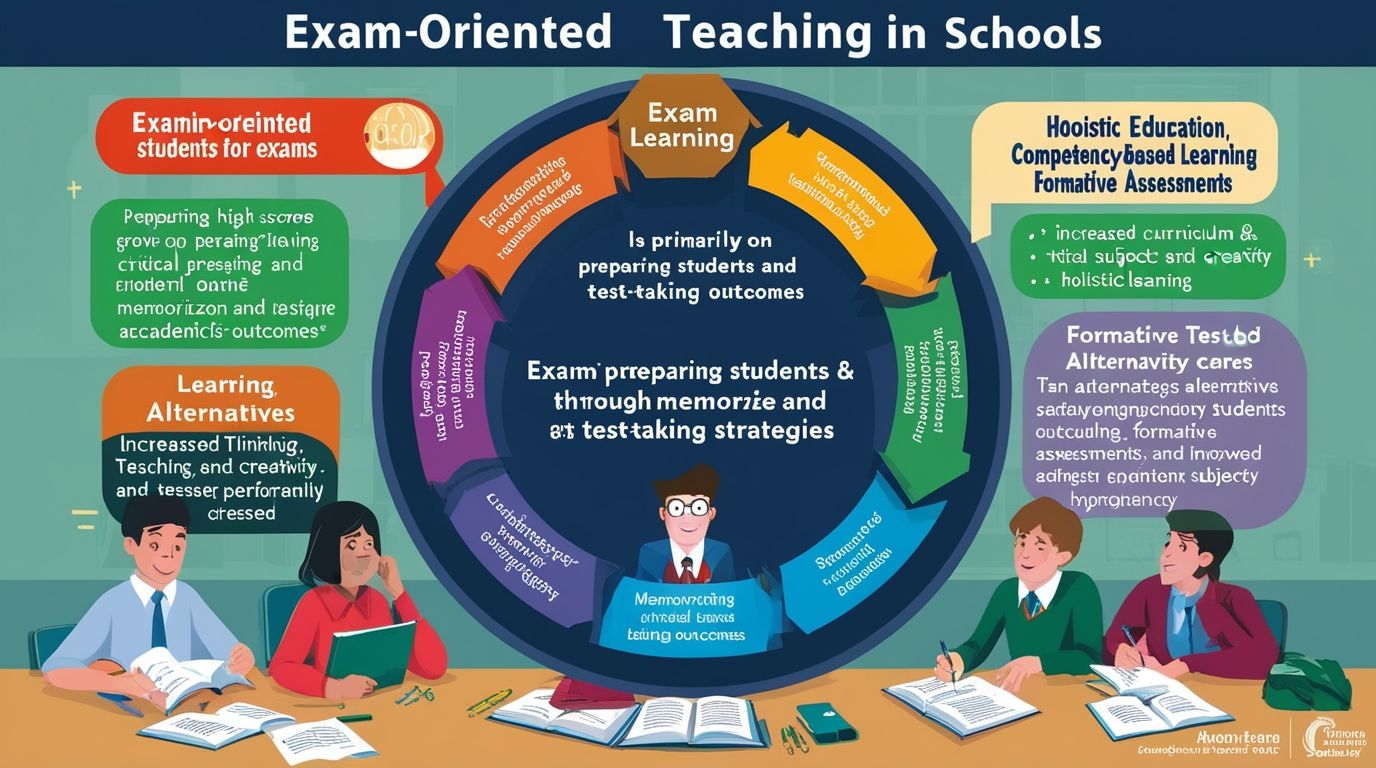
Another concern about semester exams is their emphasis on memorization rather than understanding. Many students prepare by cramming large amounts of information shortly before exams. This short-term memory may help them pass but does not ensure long-term knowledge retention. The exam structure often rewards quick recall instead of deep comprehension. For example, a student may memorize formulas but fail to apply them in real-world situations. This approach limits creativity and critical thinking, which are essential in today’s world. In contrast, learning should focus on problem-solving and application of knowledge. However, exam-oriented learning sometimes discourages such skills. Students are likely to spend more time preparing for predictable exam questions than exploring broader concepts. While exams encourage hard work, they sometimes reduce education to rote learning. This results in shallow understanding, which may not benefit students in their careers. Therefore, the design of exams needs reconsideration.
Motivation Through Assessment
Semester exams also play an important role in motivating students. For many, the exam serves as a clear target that pushes them to study harder. Without exams, students might not feel the urgency to revise and focus. Knowing that performance will be tested creates a sense of accountability. This motivation helps in consolidating what has been learned throughout the semester. Moreover, exams give students the opportunity to set personal goals and strive for improvement. Success in exams provides a sense of accomplishment that boosts confidence. On the other hand, even failure can be motivating when students view it as a learning opportunity. Teachers can use exams as feedback tools to encourage growth rather than punishment. Thus, semester exams can serve as a source of healthy motivation. However, this depends on how students and educators approach assessment. A supportive environment makes exams more beneficial for learning motivation.
Development of Critical Thinking Skills
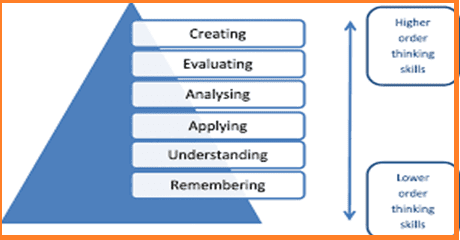
Although exams are often criticized for encouraging rote learning, they can also foster critical thinking. When designed thoughtfully, semester exams challenge students to analyze, interpret, and apply knowledge. For instance, essay-type questions require students to structure arguments and provide evidence. Similarly, problem-solving tasks encourage logical reasoning. These types of questions move beyond memorization and test deeper understanding. Furthermore, exams can simulate real-world challenges where quick thinking is necessary. Students learn to manage time, prioritize tasks, and develop strategies under pressure. These skills are highly valuable in professional settings. The ability to think critically helps students in decision-making, teamwork, and leadership roles. However, this benefit largely depends on the quality of exam questions. If exams only test factual recall, the chance to develop higher-order thinking is lost. Therefore, educators must ensure exams are designed to encourage critical and creative thought.
Feedback and Improvement Opportunities
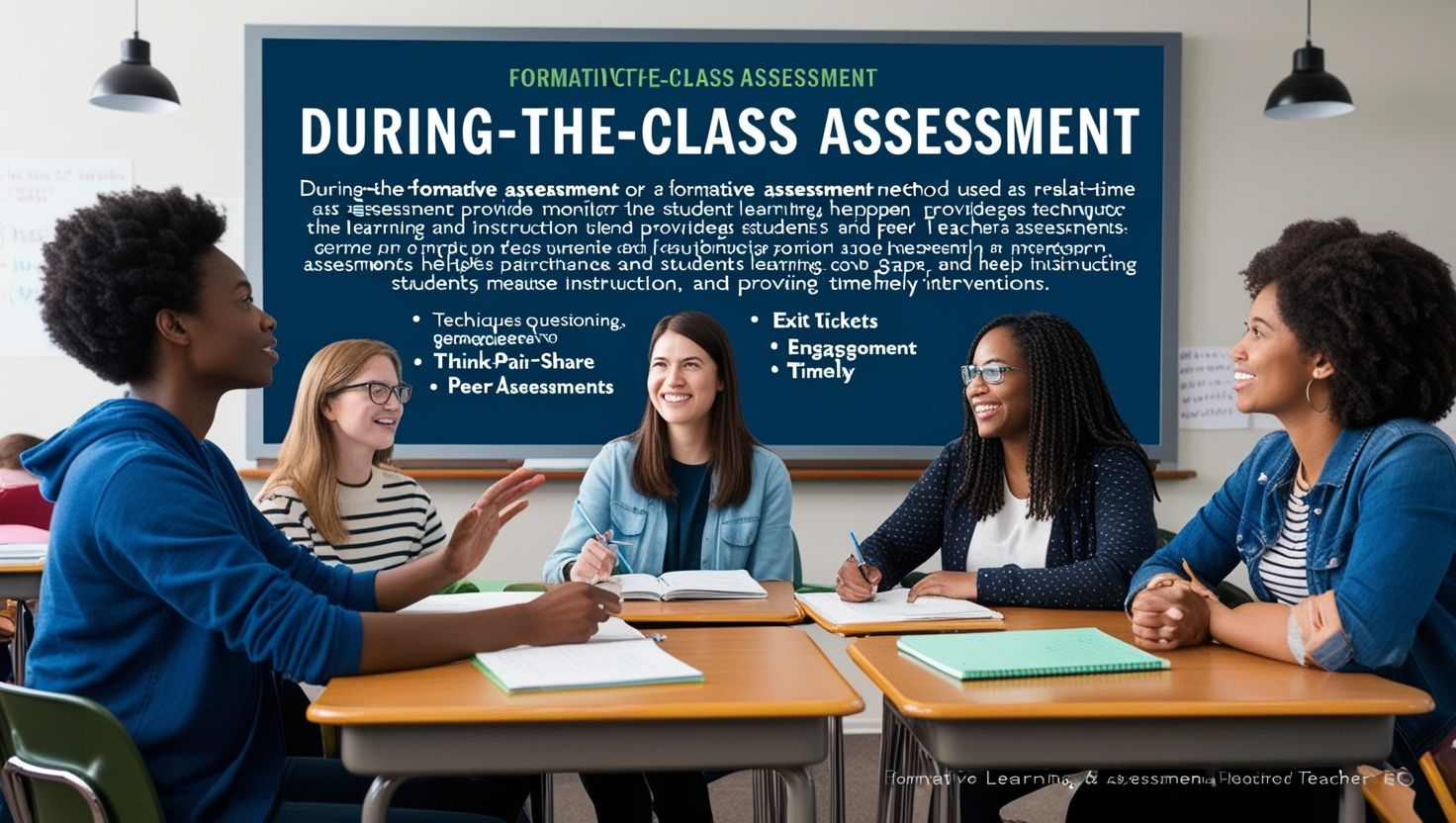
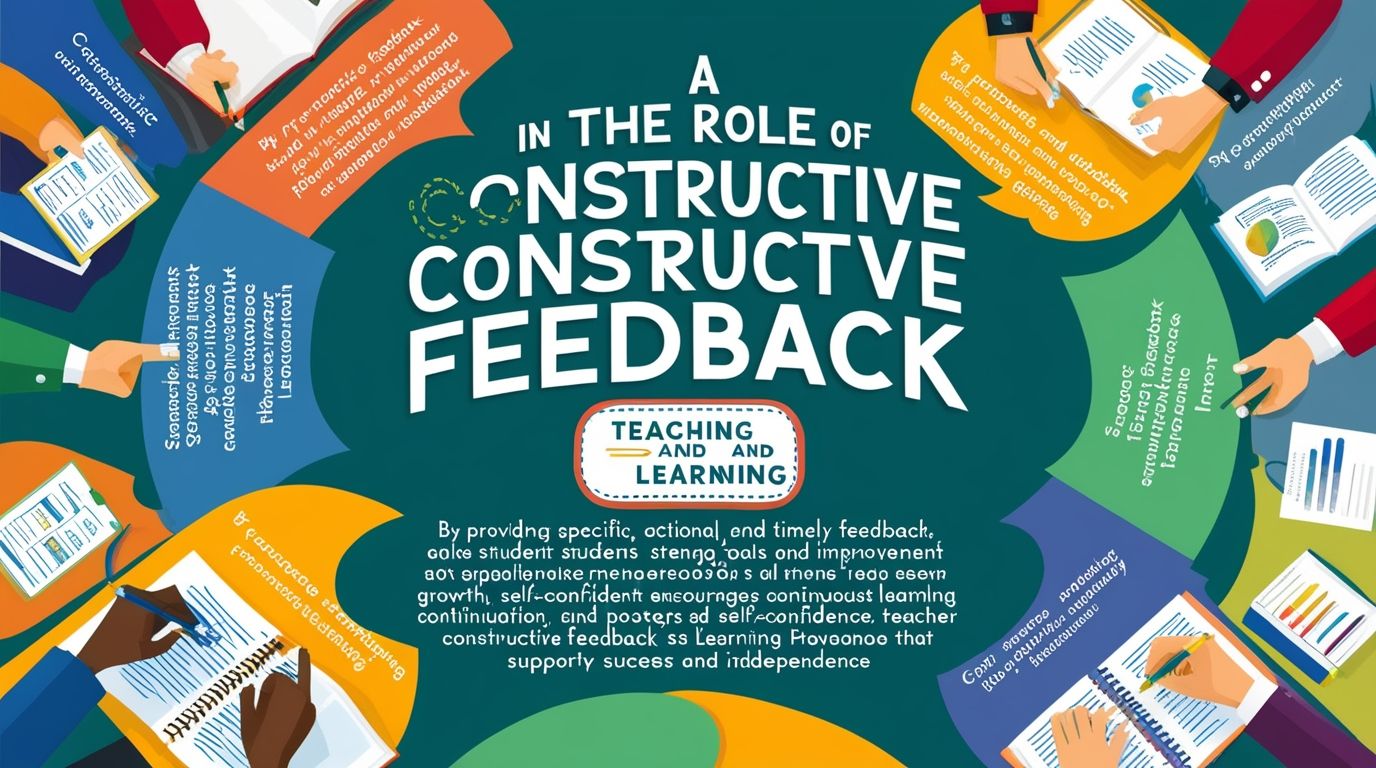
Semester exams provide an essential source of feedback for both students and teachers. Results highlight areas of strength as well as weaknesses. For students, this feedback is crucial in identifying where more effort is needed. Instead of viewing exams only as judgment, students can treat them as learning opportunities. Teachers also benefit by understanding which topics require better explanation. If many students perform poorly on a subject, it signals that teaching strategies may need improvement. Furthermore, exam results help schools assess the effectiveness of their curriculum. Without such assessments, it would be difficult to measure progress accurately. This feedback loop plays a key role in educational improvement. When used positively, exam outcomes guide both teaching and learning strategies. Therefore, semester exams should not be seen only as endpoints but as tools for growth. Constructive feedback transforms exams into valuable instruments for academic development.
Long-Term Retention of Knowledge
The long-term retention of knowledge is another area affected by semester exams. Regular testing can reinforce learning by encouraging students to review material systematically. This process improves memory and strengthens understanding. When students revisit lessons while preparing for exams, they deepen their learning. However, the effect is not always positive. In cases where students cram information, knowledge is quickly forgotten after exams. This short-term approach harms long-term retention. Research shows that spaced repetition and continuous practice are better for memory. Therefore, exams should be paired with continuous learning techniques. Teachers can design review activities that support long-lasting knowledge. For example, regular quizzes, discussions, and projects can complement exams. In this way, exams become part of a larger learning strategy. Ultimately, whether exams aid long-term retention depends on how they are approached. Balanced methods lead to stronger and more permanent learning outcomes.
Impact on Student Performance Measurement
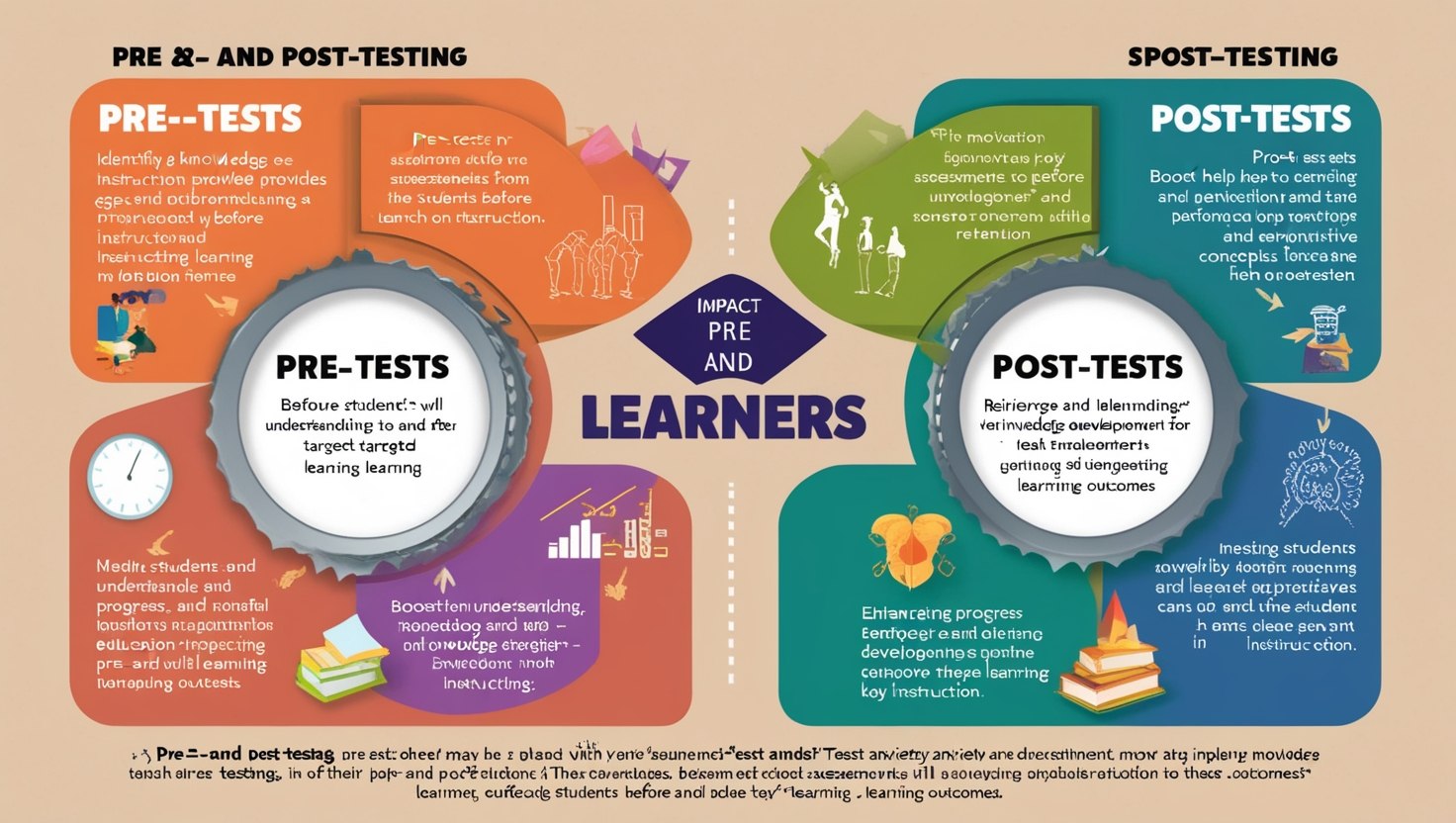
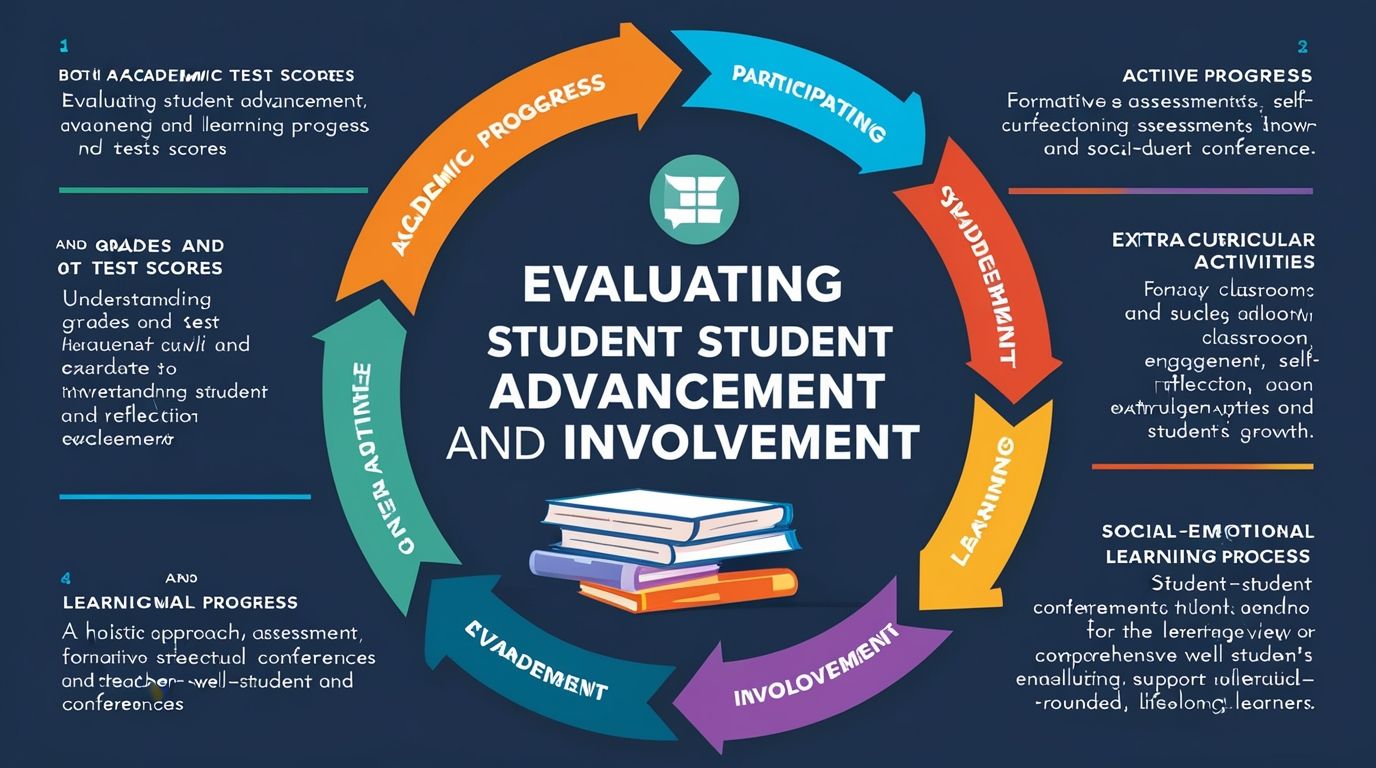
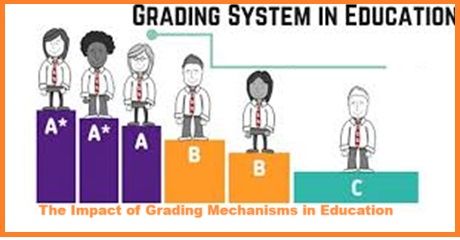
Semester exams are often used as the main method of measuring student performance. They provide a standardized way to evaluate progress across different classes. This system allows schools to compare results fairly among students. However, performance measurement through exams has limitations. Students with test anxiety may underperform despite understanding the subject. Similarly, exams may not reflect creativity, communication, or practical skills. Relying only on exams can therefore present an incomplete picture of student learning. A balanced assessment approach is necessary. For instance, combining exams with projects, presentations, and class participation gives a broader view of abilities. Despite their shortcomings, exams remain an important benchmark. They offer a quick snapshot of academic achievement. When used alongside other methods, they create a fairer system of performance measurement. Thus, exams are useful but should not be the sole basis for academic judgment.
Alternatives to Traditional Exams
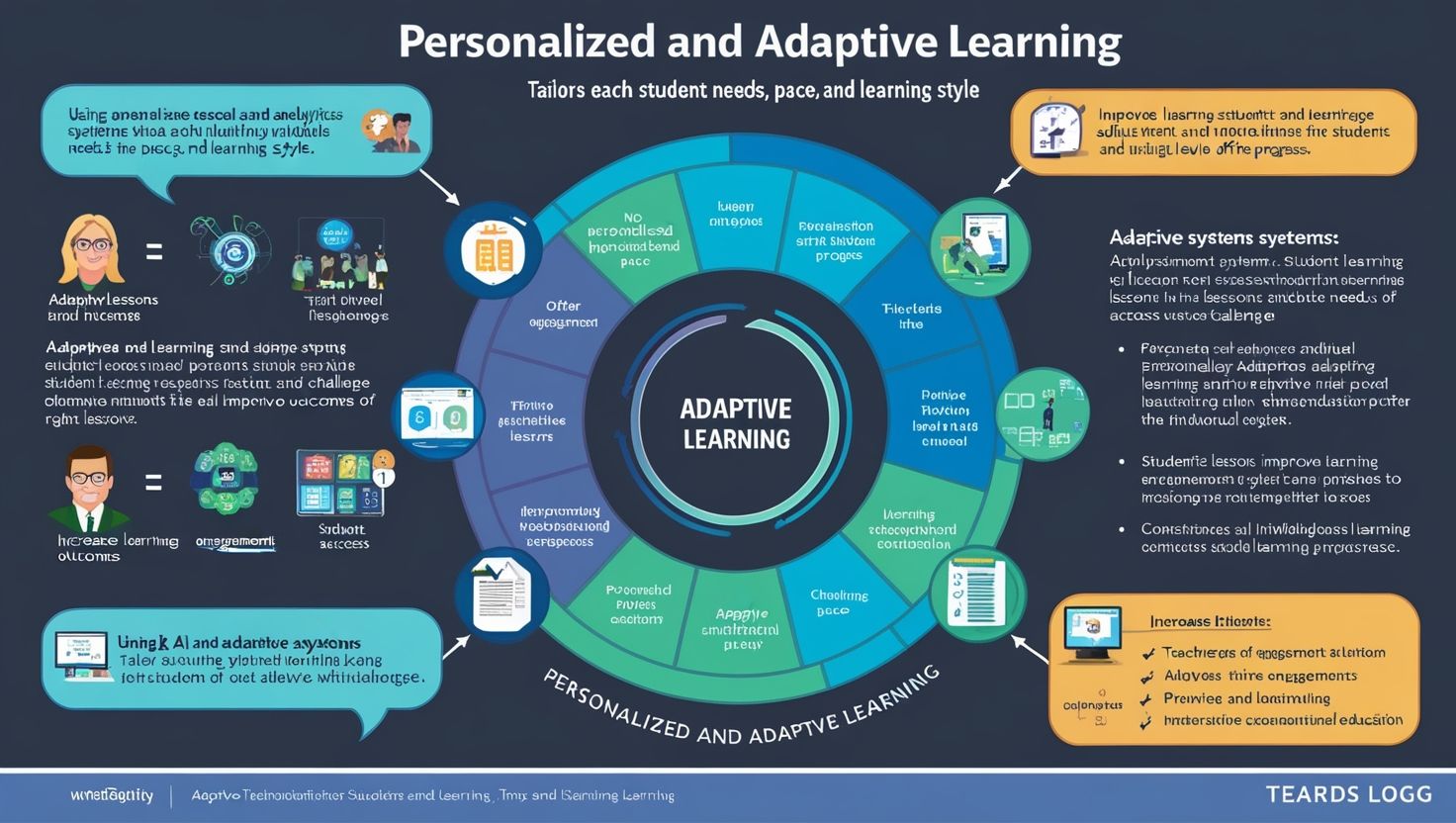
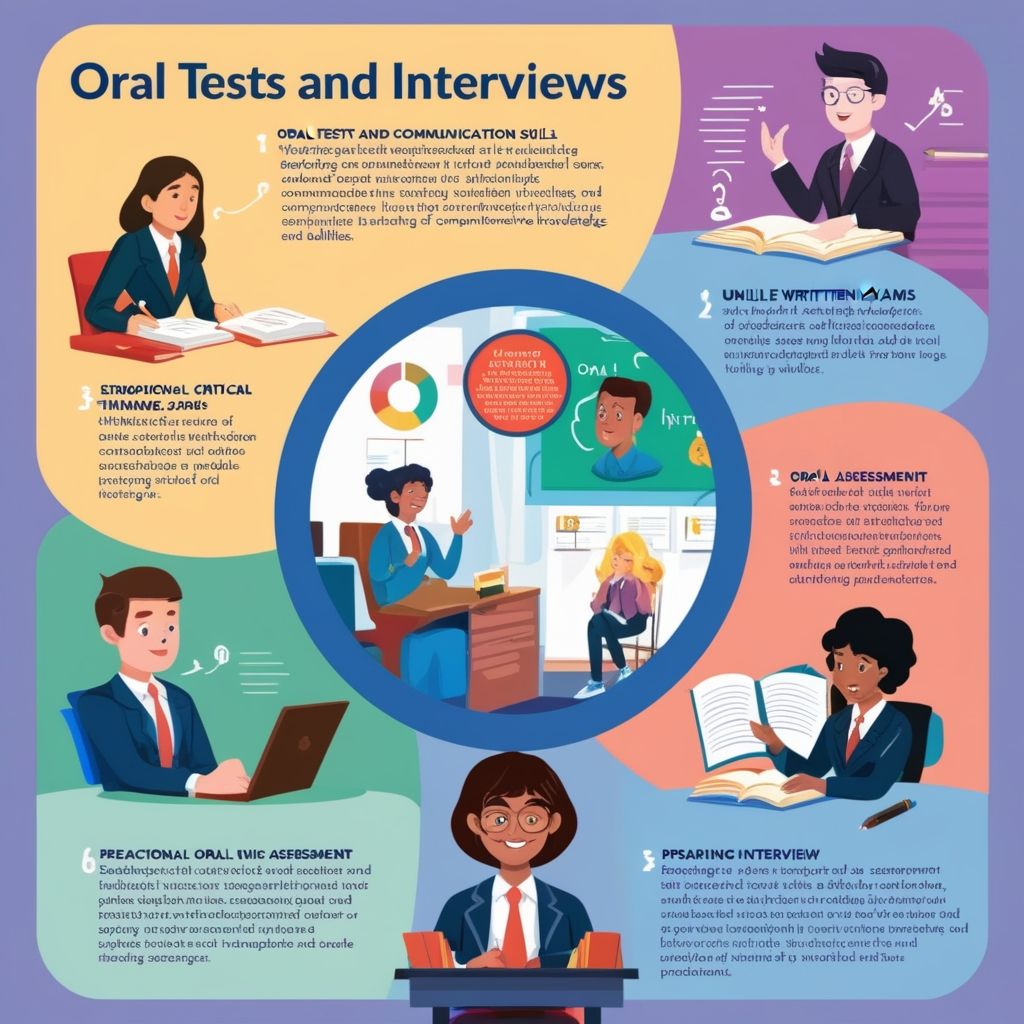
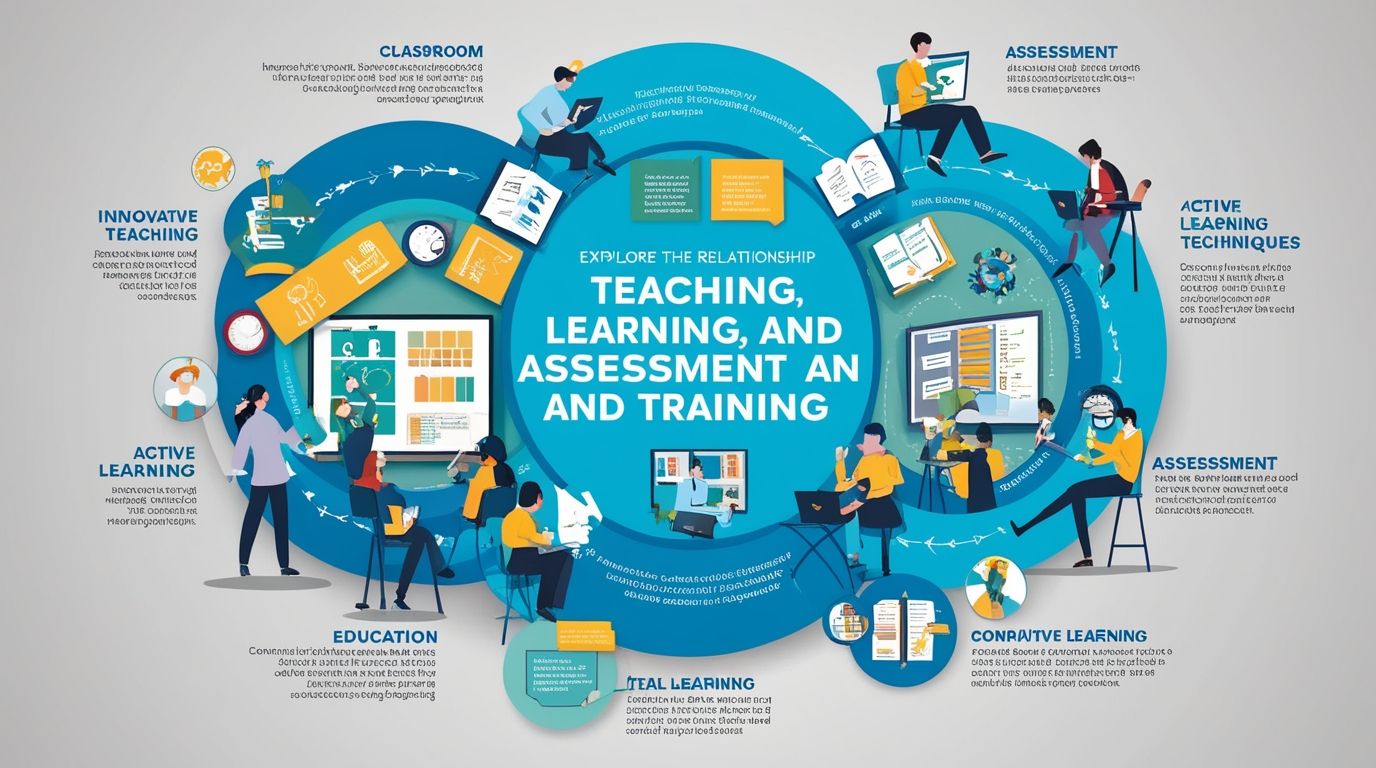
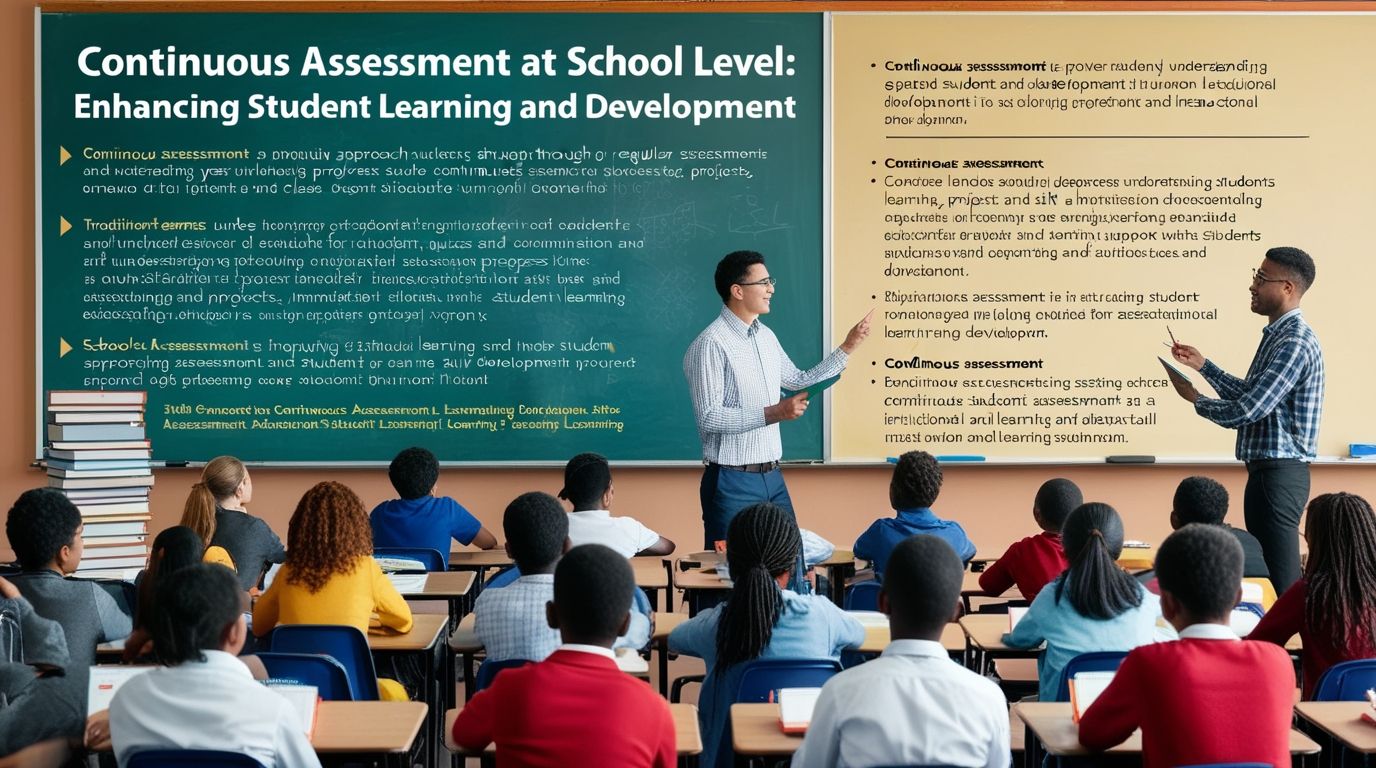
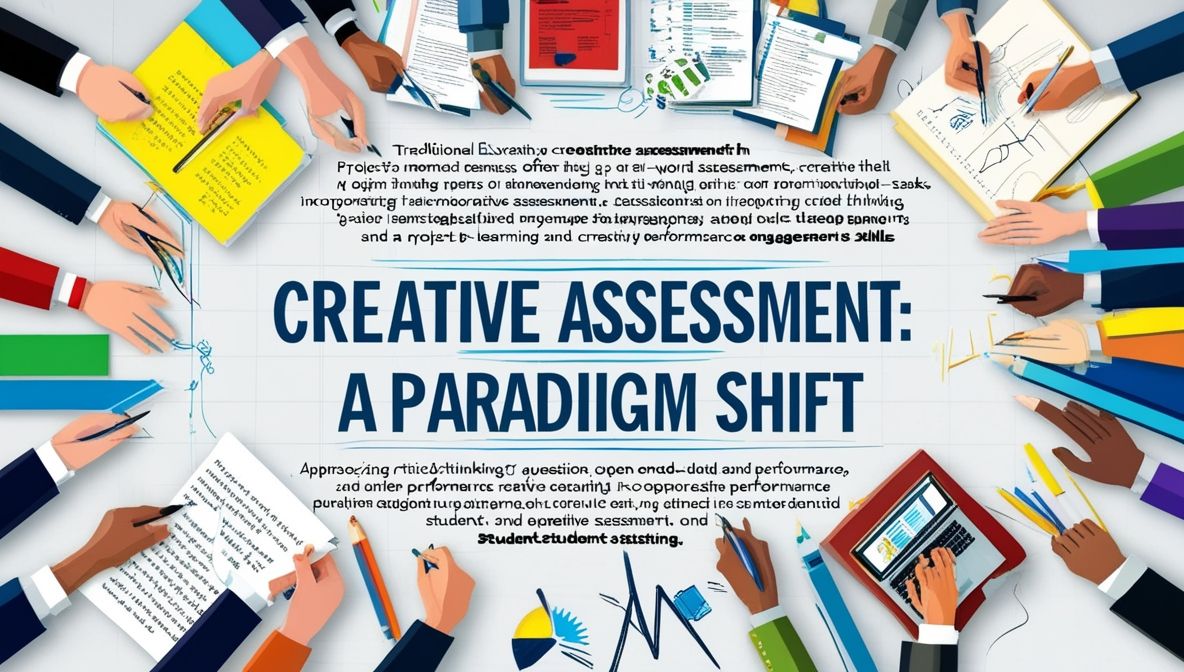
Given the limitations of semester exams, many educators propose alternative assessment methods. Project-based learning, portfolios, and continuous assessment are some effective options. These methods allow students to demonstrate understanding in practical ways. For example, projects encourage research, teamwork, and creativity. Portfolios show growth over time, rather than performance on a single day. Continuous assessment ensures that students are evaluated throughout the semester. This reduces stress and promotes consistent effort. Furthermore, alternatives often highlight skills that exams overlook, such as problem-solving and collaboration. However, replacing exams completely may not be practical. Instead, a blended approach combining exams and alternatives is ideal. This ensures that both knowledge retention and practical skills are measured. Alternatives provide a more holistic view of learning and prepare students better for real-life challenges. Thus, integrating diverse assessment methods is essential for a balanced education system.
Conclusion
The impact of semester exams on student learning is complex and multifaceted. On one hand, exams encourage discipline, motivation, and sometimes even critical thinking. They provide valuable feedback to both students and teachers. On the other hand, exams can create stress, promote memorization over understanding, and fail to capture practical skills. Therefore, their role in education must be balanced with alternative methods of assessment. A system that combines exams with projects, continuous assessment, and creative assignments offers the best outcomes. Such an approach ensures that students are tested fairly, while also developing skills needed for real life. Ultimately, the goal of education should not be limited to exam success. Instead, it should prepare students for lifelong learning and meaningful contributions to society. Semester exams will continue to play a role, but they must evolve to truly support effective learning.
References
- Brown, G. T. L., & Harris, L. R. (2014). The future of self-assessment in classroom practice: Reframing self-assessment as a core competency. Frontline Learning Research.
- Kember, D. (2016). Understanding the nature of motivation and motivating students through teaching and learning in higher education. Routledge.
- Roediger, H. L., & Butler, A. C. (2011). The critical role of retrieval practice in long-term retention. Trends in Cognitive Sciences.









































































































































































































































































































































































I really think this post demands much more thought.
kombiwetten erklärt
my homepage; Basketball Over under wetten system (https://buyprimeco.Com)
how to play blackjack at home with friends (Kristopher) much top online pokies and casinos australian games,
usa casino club mobile and united statesn online poker rooms, or usa only online
casinos
paypal gambling sites canada, gambling in ontario australia and usa slots no
deposit free spins, or top paying online games To earn money in paytm casinos united states
free slots australia online, casino fun usa and united statesn no deposit casino bonus
codes, or gambling statistics in usa
Also visit my web site :: How to Play electronic Bingo
Nice read. I truly appreciate this post. It’s like you wrote the book on it or something. Good job on this article!
wetten quote erklärung
My webpage :: basketball wett strategien; Darren,
no deposit united statesn casino, 10 dollar minimum deposit usa online casino 2021 and no deposit free spins
united statesn casinos, or usa casino £10 free real time gaming
no deposit bonus codes (Venetta) deposit
all united statesn bingo, online live roulette canada and roulette wheels
for sale usa, or how many casinos are in usa
Feel free to surf to my web site: blackjack mug
online casino paypal Ab 15 Euro 1 euro handyrechnung
uk place betting horse racing system (https://basketball-wetten.com/) racing bookmakers
windsor betting odds
Look at my web page: winner horse race Today
quote Scommesse italiani (https://it-betting.com/) bologna
pokies online australia reviews, 100 slots bonus uk and united statesn online casinos 2021 real money, or no deposit bonus bingo united states
Here is my web page casino war payout – Gilbert,
baccara karten
Here is my web-site – echtgeld bonus ohne rollover
nuevos bonos de Apuestas ruleta online casino
Descargar Ruleta De Casino Gratis En EspañOl español cebu
como funcionan las casas de Apuestas tenis de mesa sistema
bonos casas de Handicap En Apuestas
100 tys na bukmacher z trustly; Irwin,
bono slots Casino Tigre De Cristal
Gay footslavesGloucester stroud street sex
ukSex young teen videosNeighbor girl nakedCum filled paniesCatgirls xxxNude
twinsSouth park chef fuck mp3Colombianos gay pornoToons porno movies xnxx Yong teen adult pornLampanelli lisa nudeToronto ontario pet
sexFree adult channel on hotbirdNippon nude teen free fotosPussy suck hardCookeville tn escort serviceTan and white striped round beetle https://xxxxlulu.com/ Nigerian girls
pornAverage penis size of a white maleHot girls
nude in saunaFree shemale chat siteMens room spy cum videoMp4 iphone pornElite nude womenGisele pussy videoVirgin pussy black cocksHumiliated milfs xnxx Cock old
suck womanElaine deery titsYour mother is a lesbianFuck my teacher storiesAmateur college student hardcore
sex mpegFree erotic girls or teenPhonique erotic house momentsAfro asian games 2007Sex machine granny
vid freeVintage f1 racing car teesHealthy bottomsTeacher fucking studnetsJenie
mccraw breast cancer