
Introduction
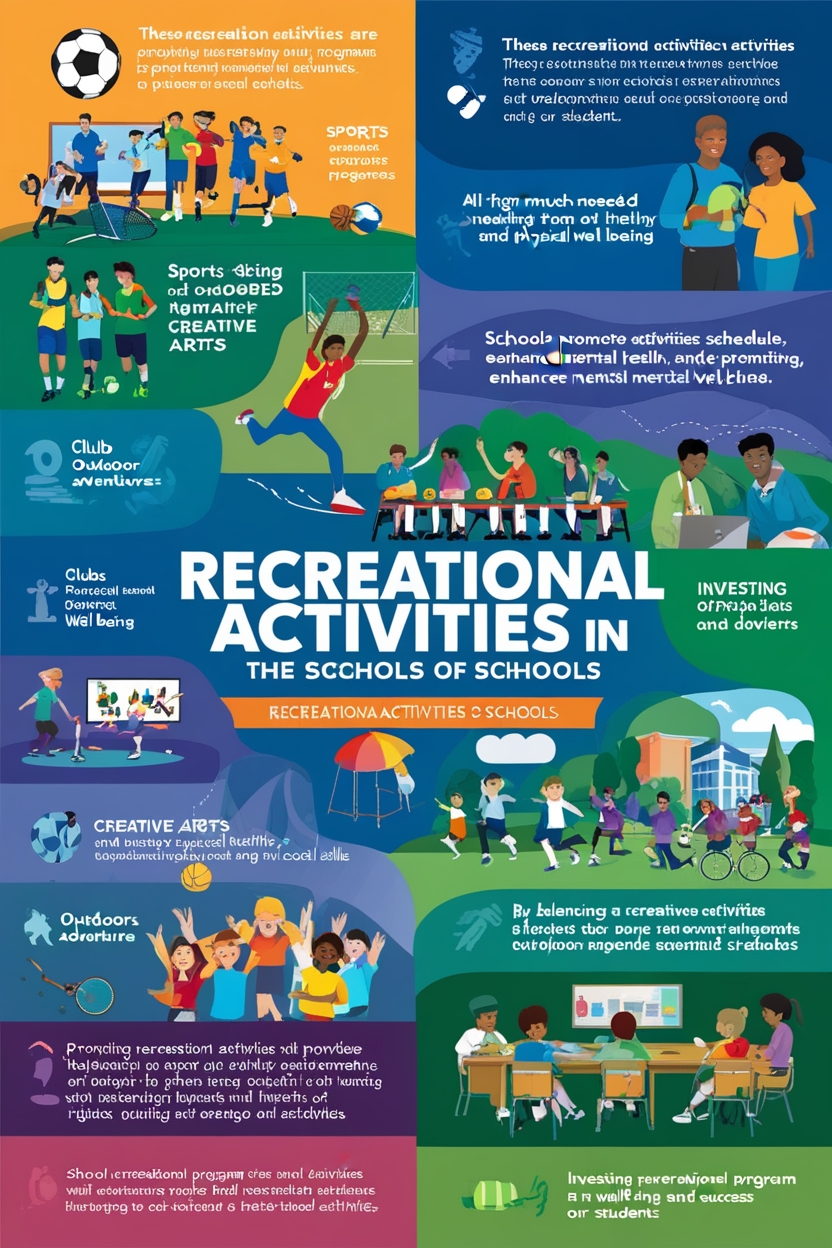
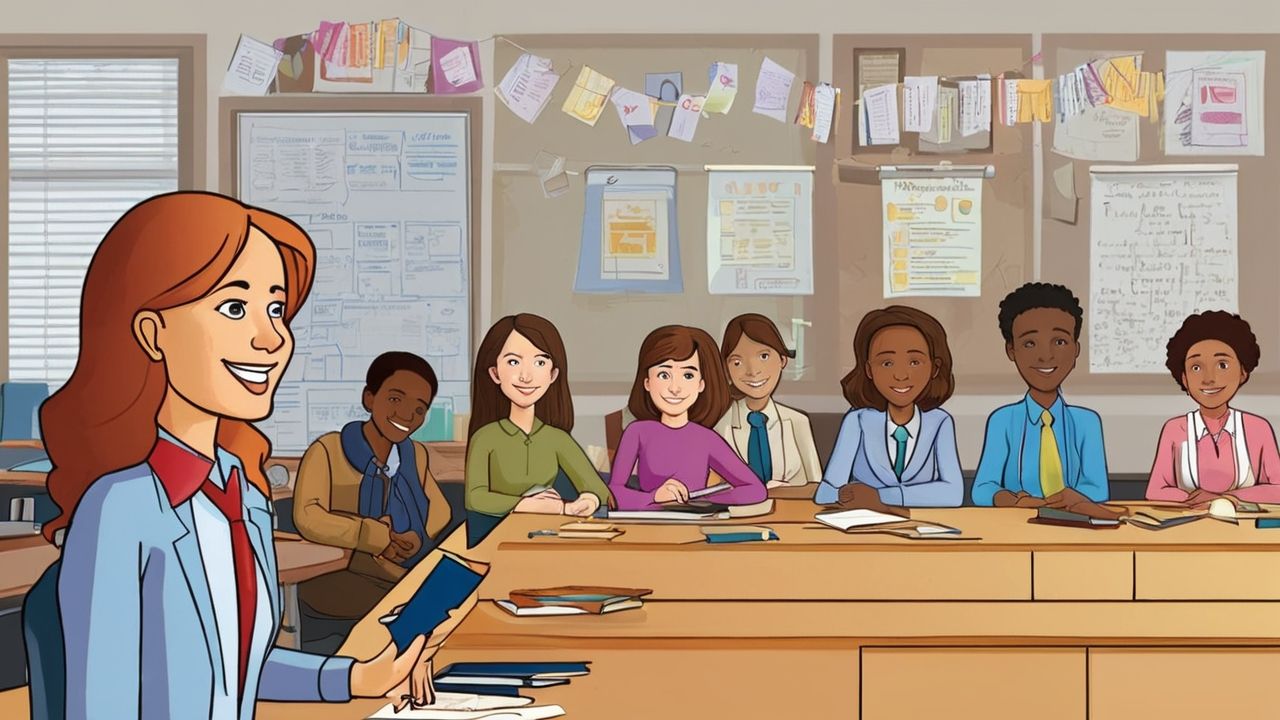
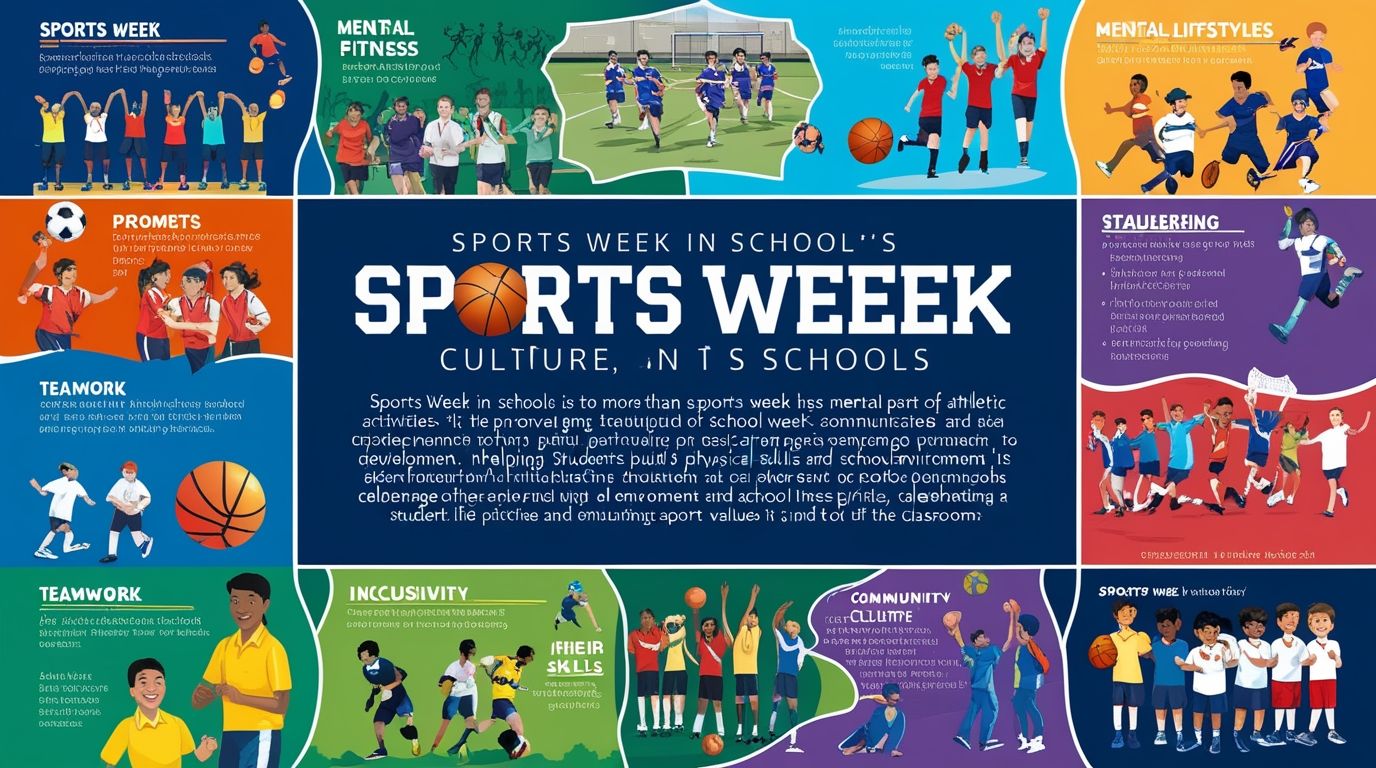
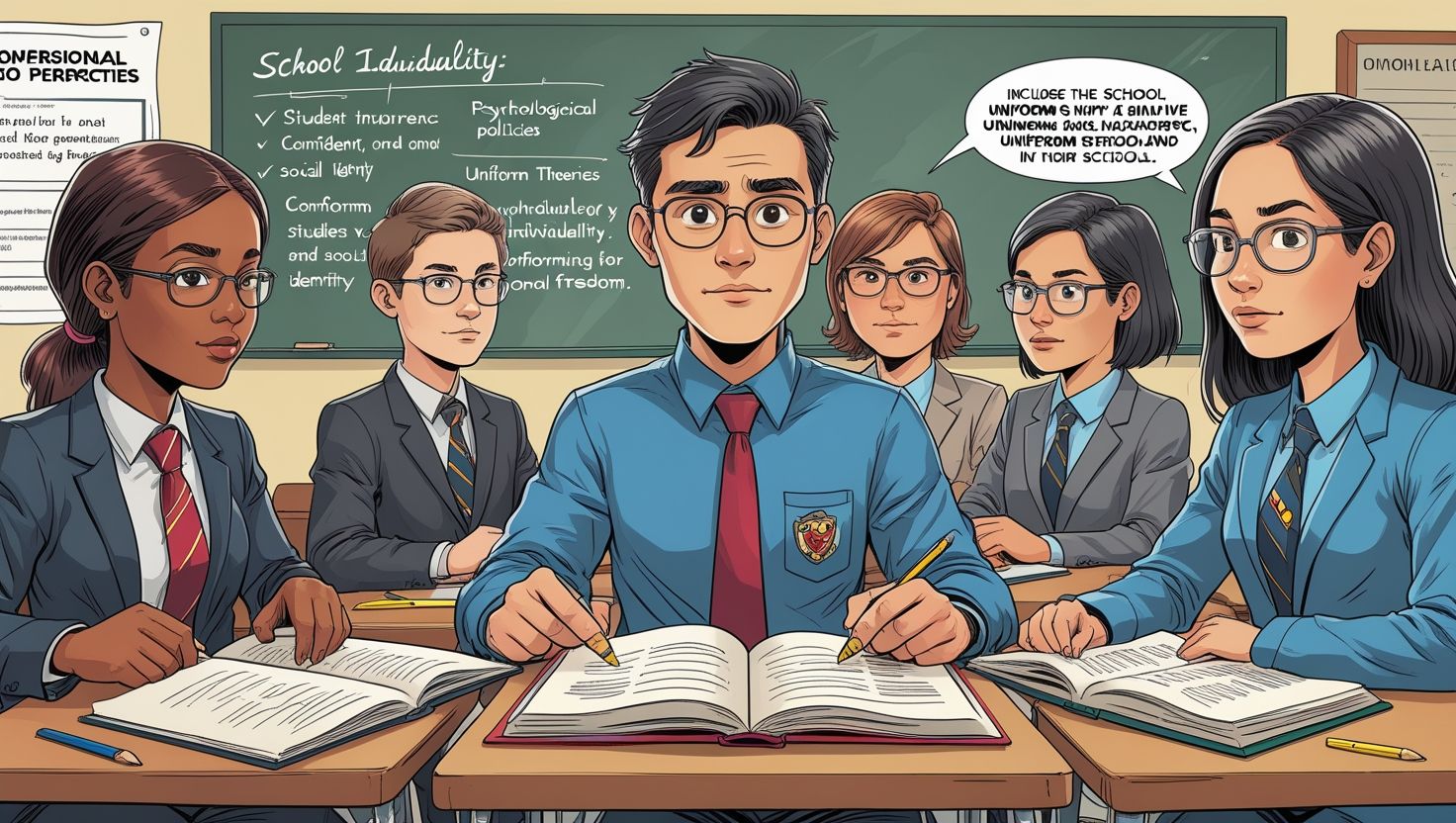
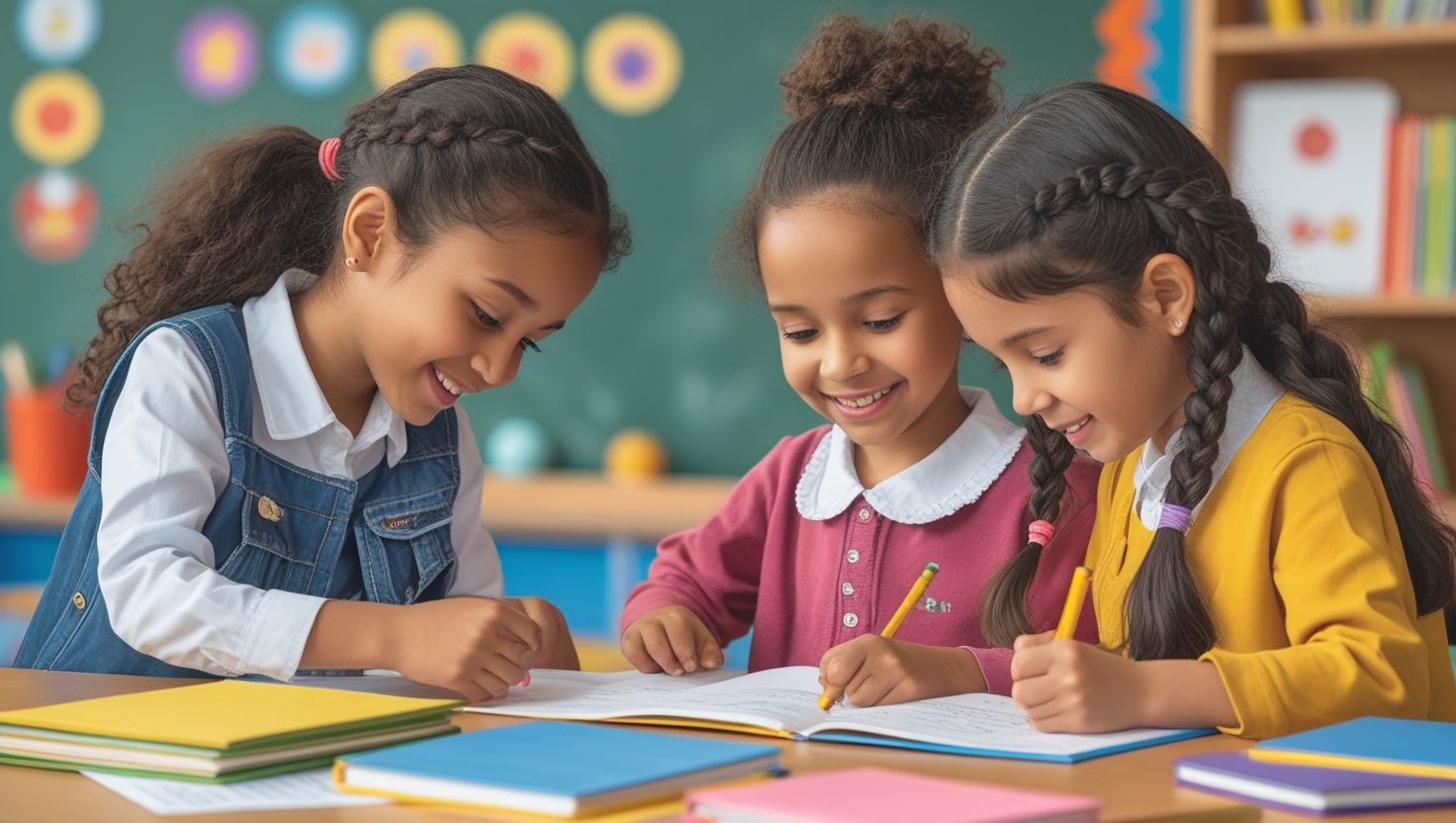
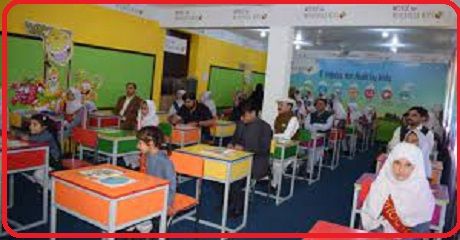
Recreational Activities at School play a vital role in the holistic development of students. They offer a break from the rigorous academic schedule, promote physical fitness, enhance social skills, and contribute to mental well-being. In schools, these activities are not just about fun; they are instrumental in shaping well-rounded individuals. This article explores the various types of recreational activities at school, their benefits, and how they can be effectively integrated into the school curriculum.
Types of Recreational Activities
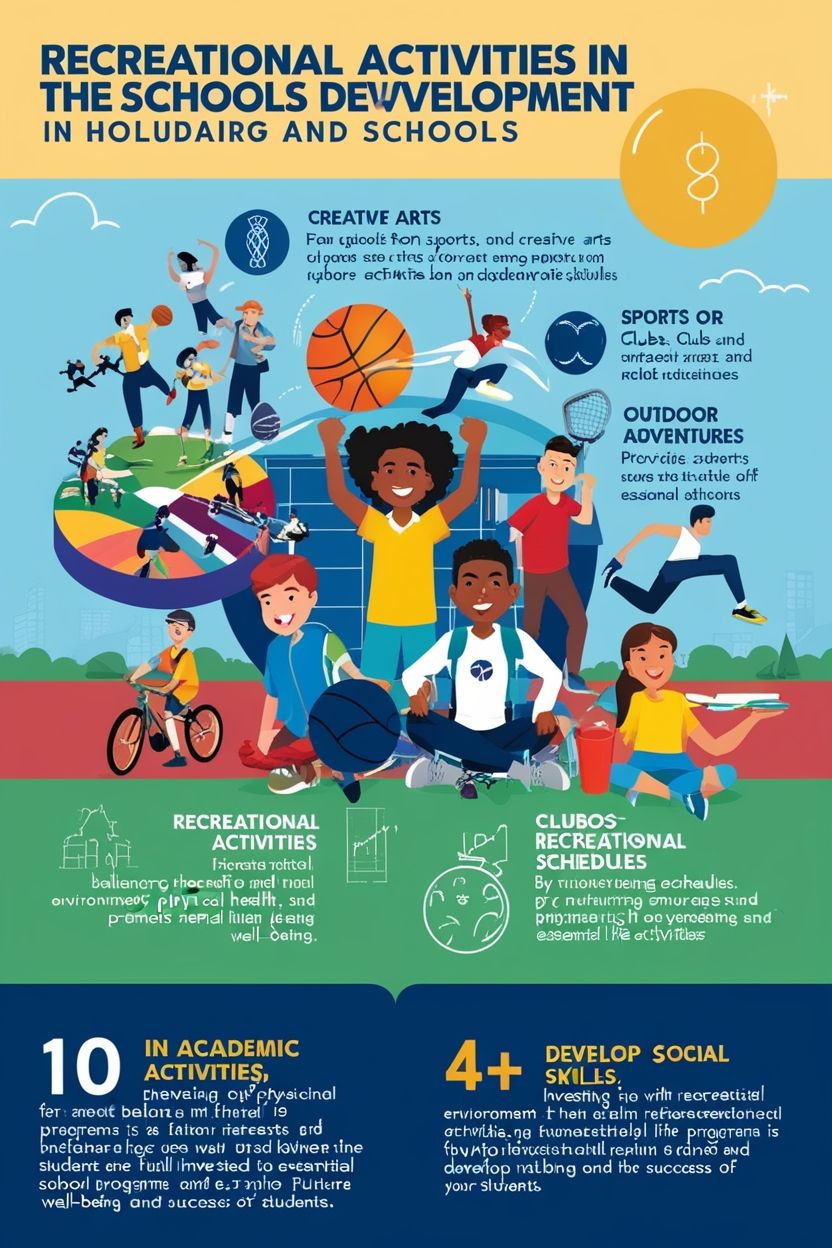
- Sports and Physical Education:
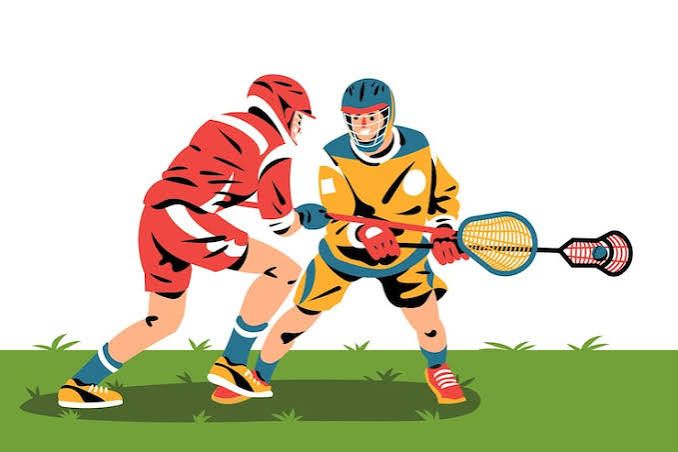
- Team Sports: Football, basketball, volleyball, and cricket encourage teamwork, discipline, and strategic thinking.
- Individual Sports: Athletics, swimming, tennis, and gymnastics help students set personal goals and build self-discipline.
- Fitness Programs: Yoga, aerobics, and martial arts promote physical fitness and mental relaxation.
- Creative Arts:
- Visual Arts: Painting, drawing, sculpture, and crafts stimulate creativity and allow students to express themselves.
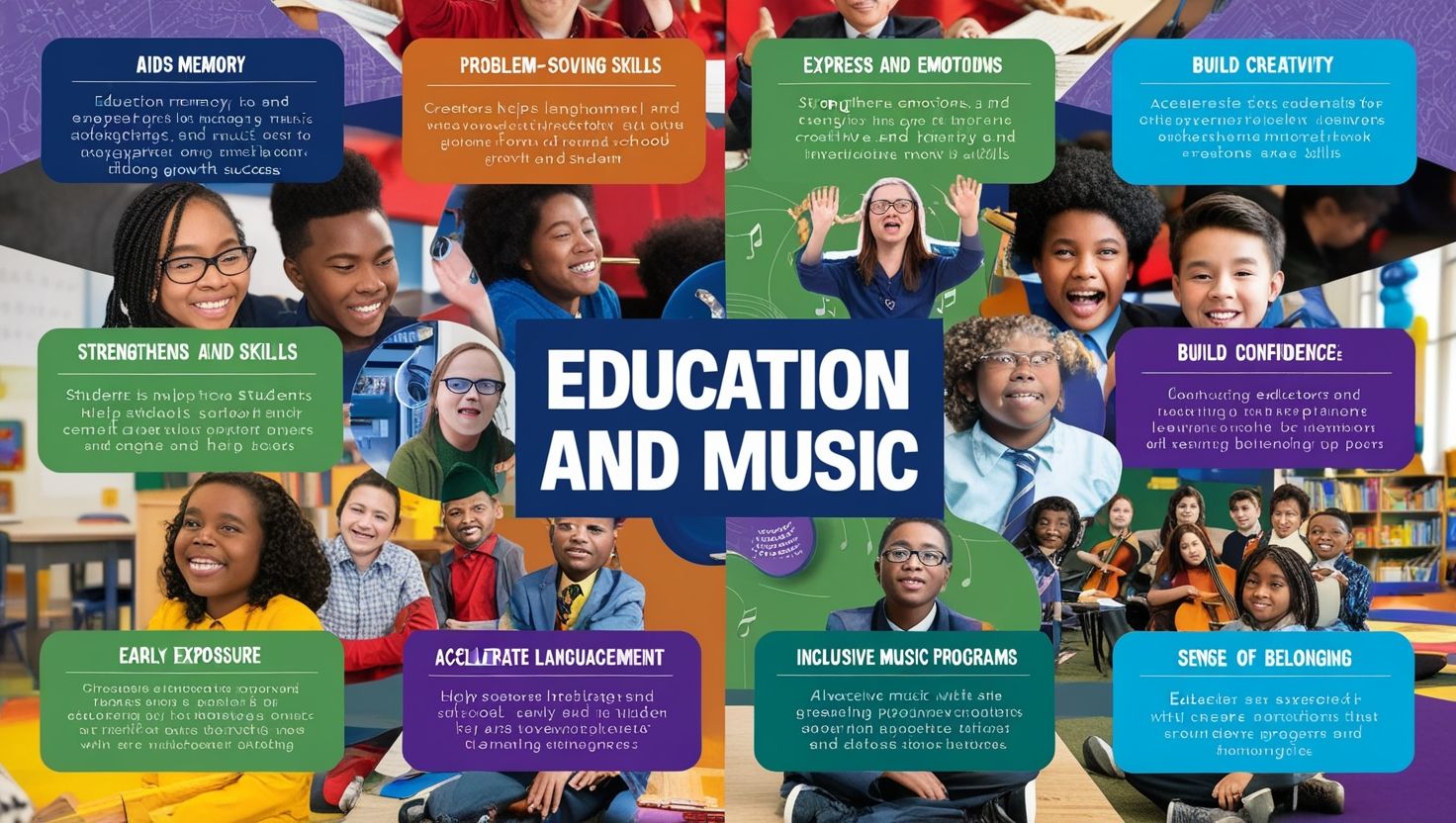
- Performing Arts: Music, dance, and drama help in developing confidence, public speaking skills, and emotional expression.
- Clubs and Societies:
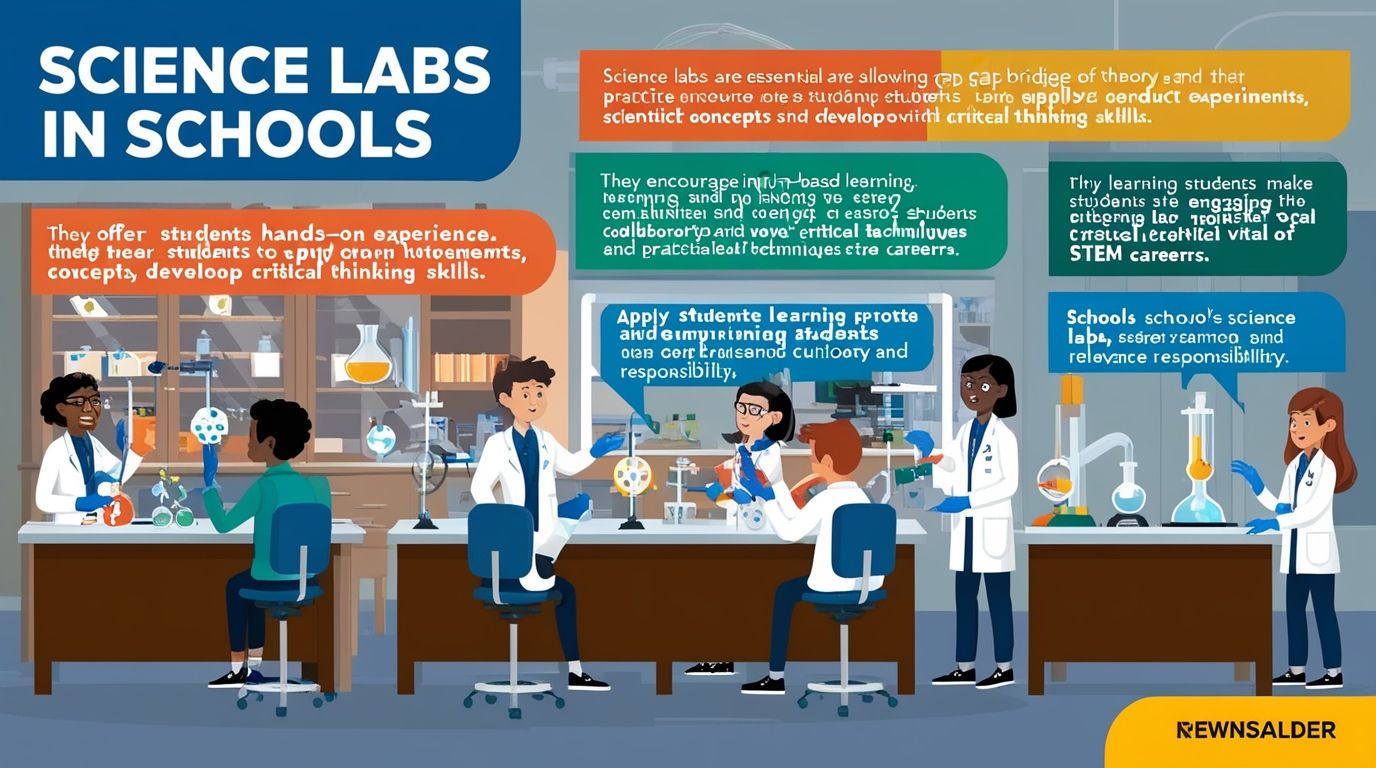
- Academic Clubs: Science, math, and debate clubs foster intellectual curiosity and enhance problem-solving skills.
- Hobby Clubs: Photography, gardening, and cooking clubs offer students a chance to explore new interests and develop new skills.
- Outdoor Activities:
- Nature Walks and Field Trips: These activities connect students with nature and provide experiential learning opportunities.
- Adventure Sports: Activities like rock climbing, trekking, and camping build resilience and a sense of adventure.
Benefits of Recreational Activities
- Physical Health: Engaging in sports and physical activities helps combat obesity, improves cardiovascular health, and strengthens muscles and bones. Regular physical activity also boosts the immune system and enhances overall physical fitness.
- Mental Health: Recreational activities reduce stress, anxiety, and depression. They provide a healthy outlet for emotions and improve mood. Creative activities, in particular, have a therapeutic effect, allowing students to express and manage their emotions.
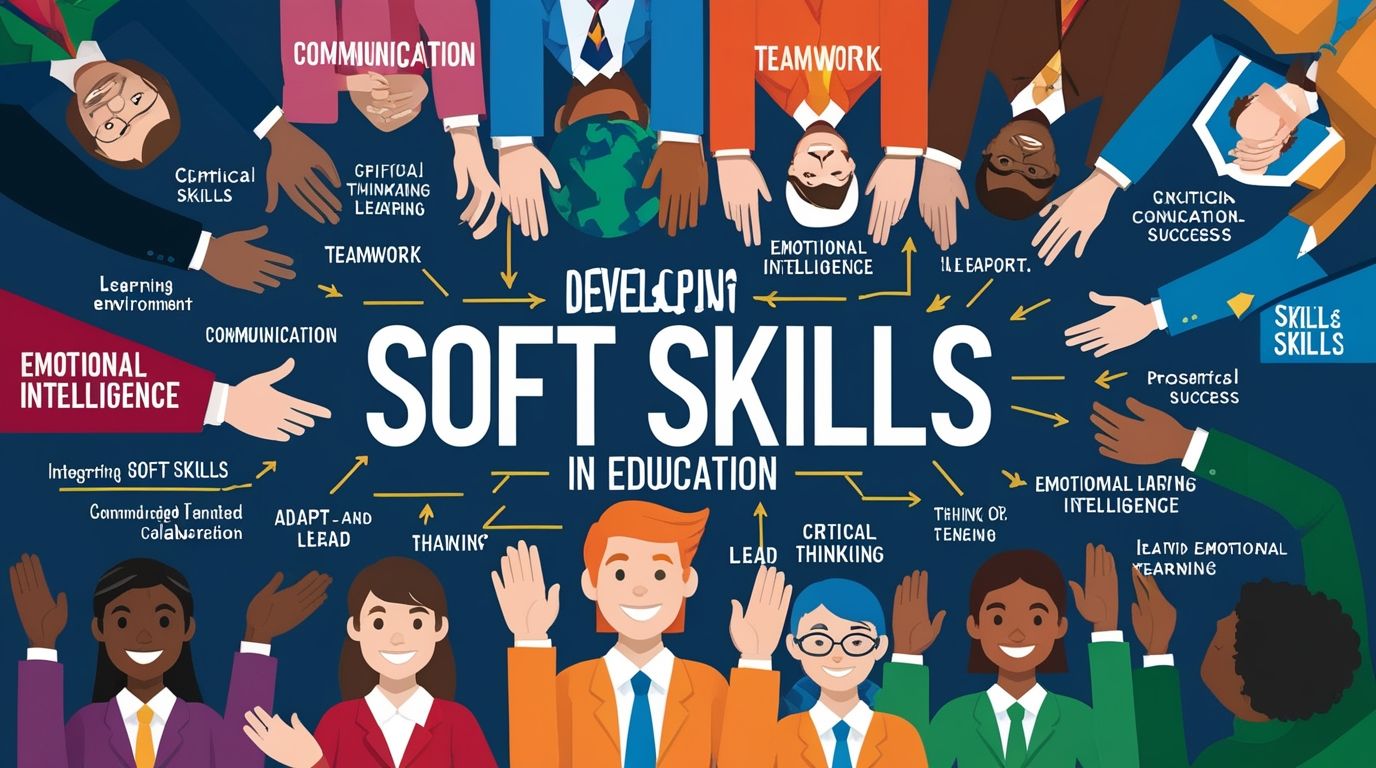
- Social Skills: Participation in team sports and group activities fosters collaboration, communication, and conflict resolution skills. It helps students build friendships, develop empathy, and learn the importance of teamwork and cooperation.
- Academic Performance: Recreational activities enhance cognitive functions such as memory, attention, and problem-solving skills. Students who engage in regular physical activity and creative arts tend to perform better academically as these activities stimulate brain function and improve concentration.
- Personal Development: Through recreational activities, students develop leadership skills, time management, and a sense of responsibility. They learn to set goals, handle victories and losses gracefully, and build self-esteem and confidence.
Effective Integration into School Curriculum
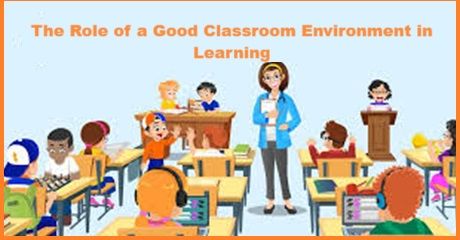
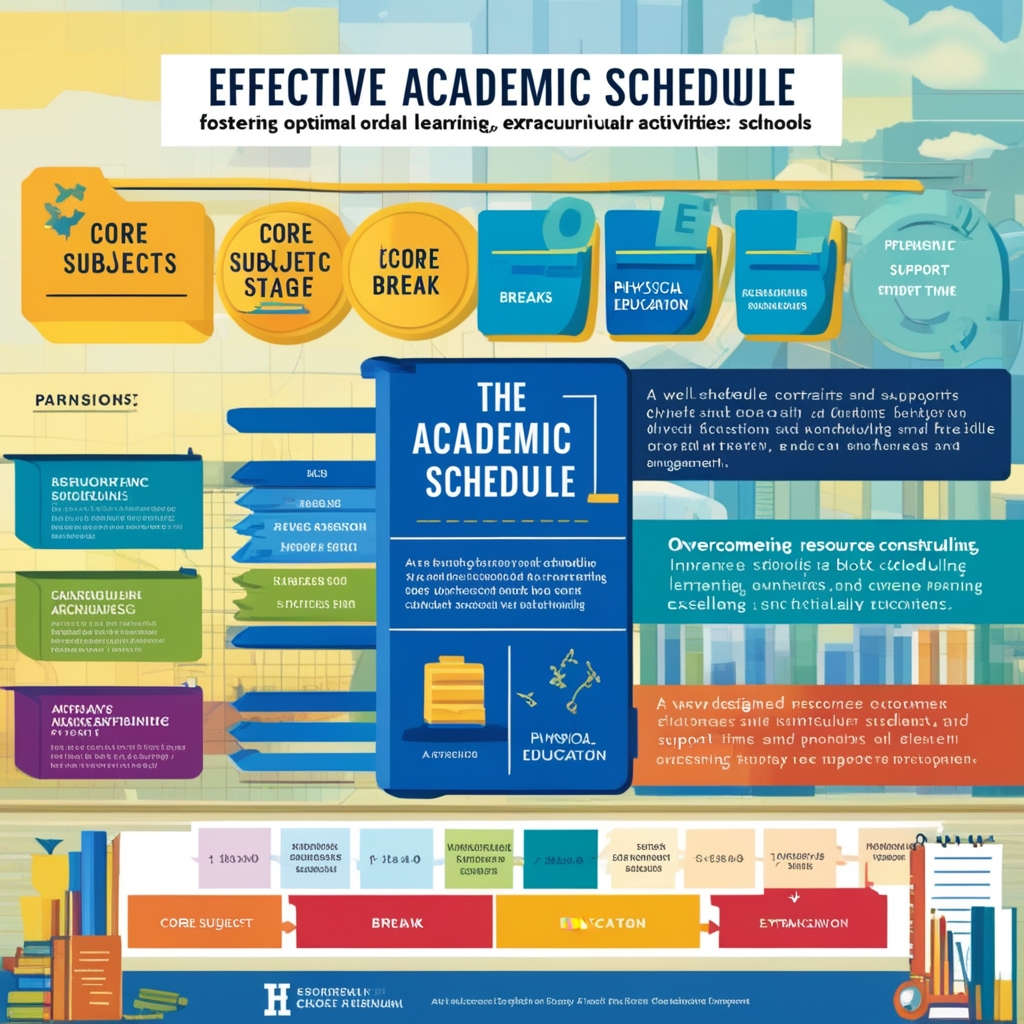
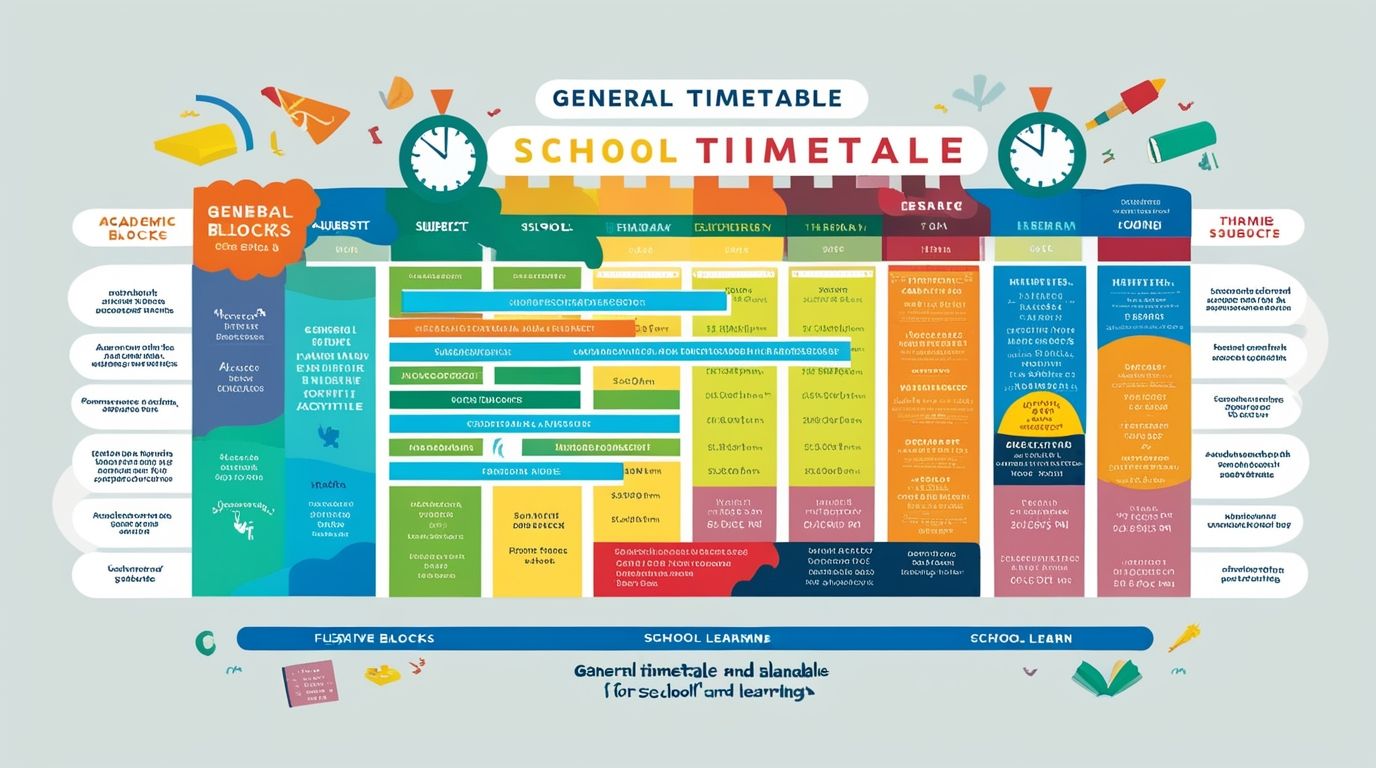
- Balanced Schedule: Schools should create a balanced schedule that allocates adequate time for both academic and recreational activities. This ensures that students do not feel overwhelmed by academics and have ample time for relaxation and fun.
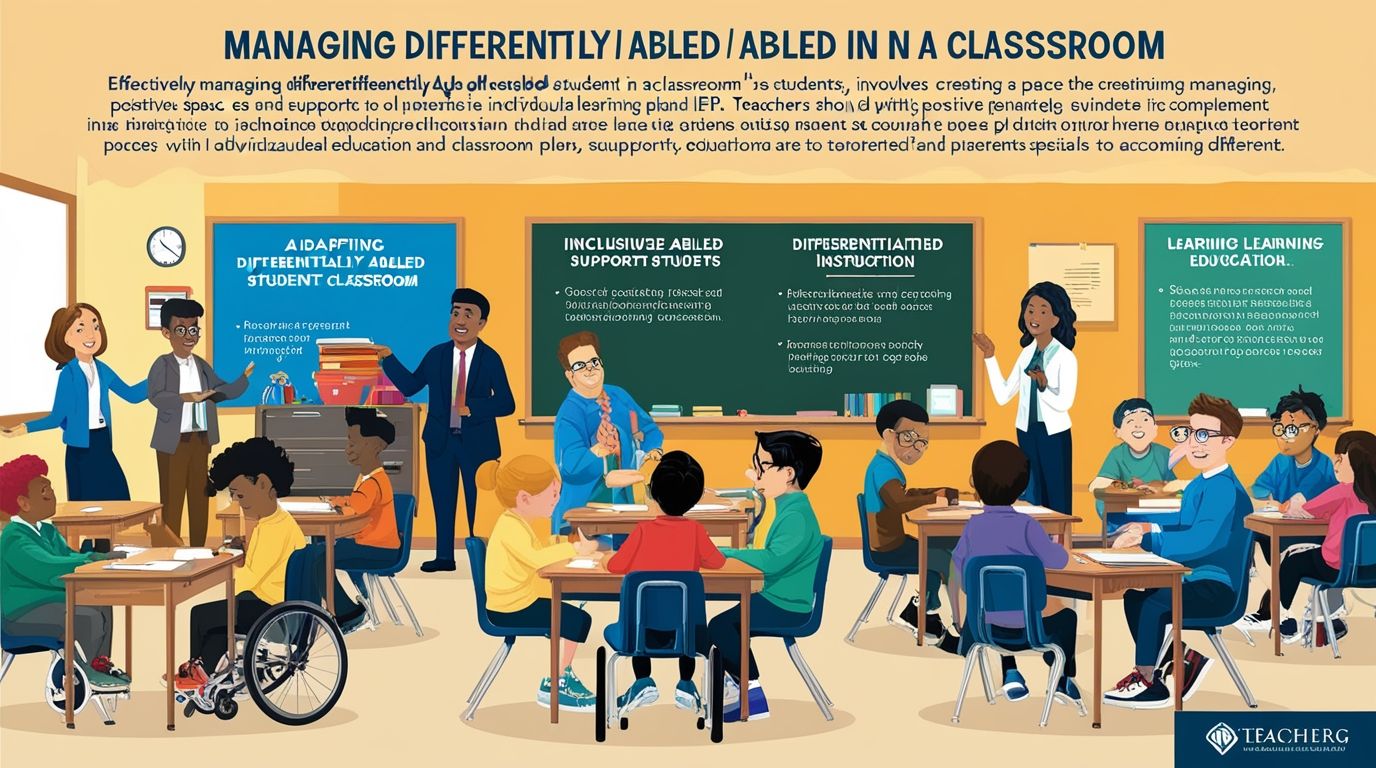
- Inclusive Programs: Recreational programs should be inclusive, catering to the interests and abilities of all students. Schools should offer a variety of activities to ensure that every student finds something they enjoy and can participate in.
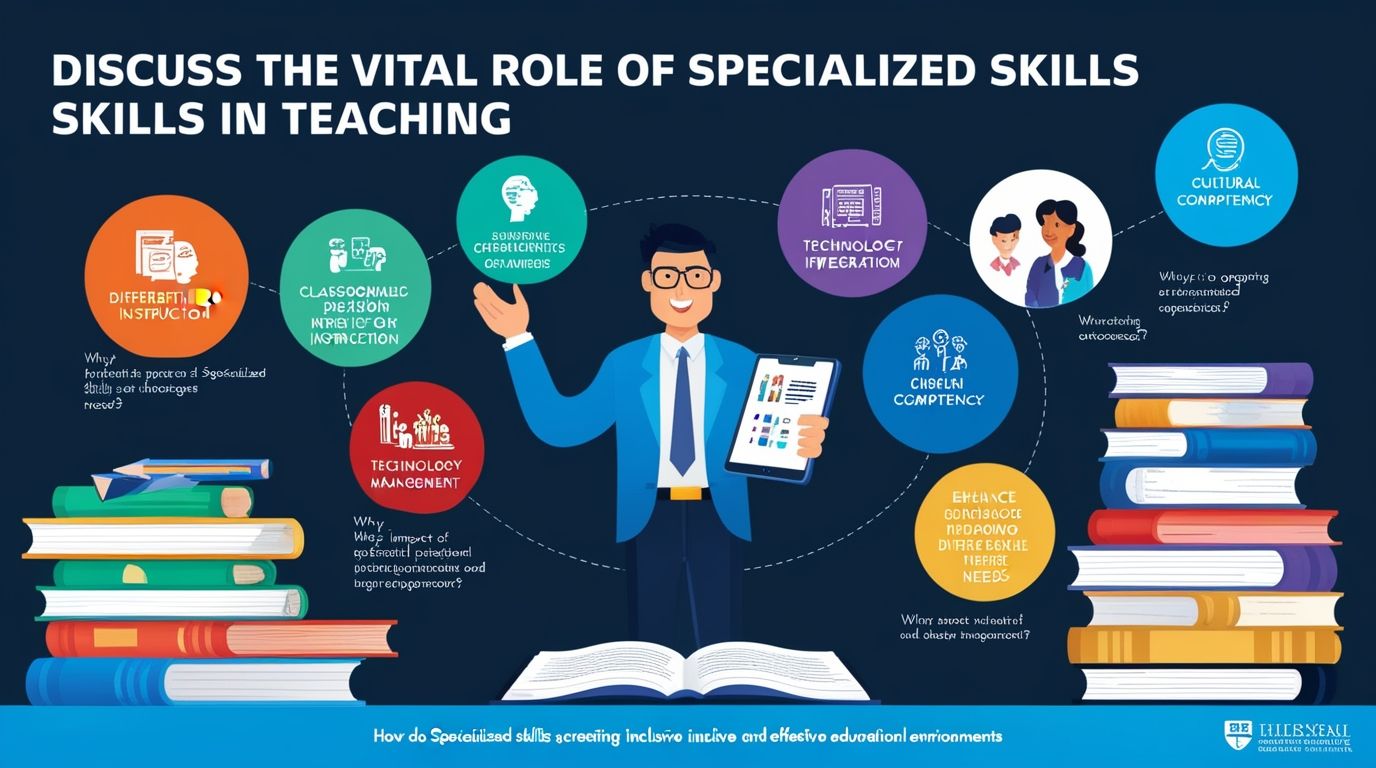
- Qualified Instructors: Hiring qualified instructors and coaches for sports, arts, and other activities ensures that students receive proper guidance and training. This helps in maximizing the benefits of these activities and ensuring student safety.
- Parental Involvement: Encouraging parental involvement in recreational activities can enhance student participation and motivation. Parents can volunteer for events, support their children’s interests, and reinforce the importance of a balanced lifestyle.
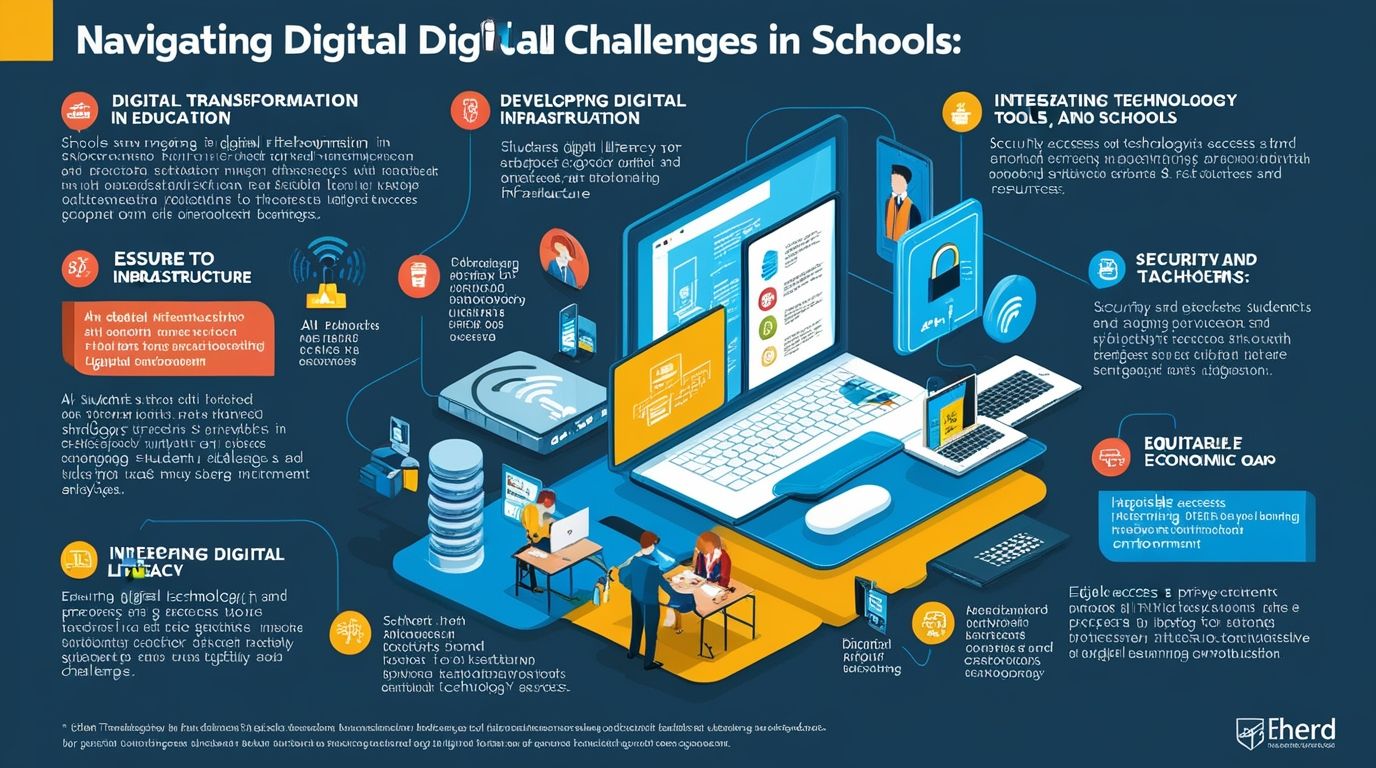
- Resources and Facilities: Schools should invest in adequate resources and facilities for recreational activities. This includes sports equipment, art supplies, musical instruments, and safe spaces for outdoor activities.
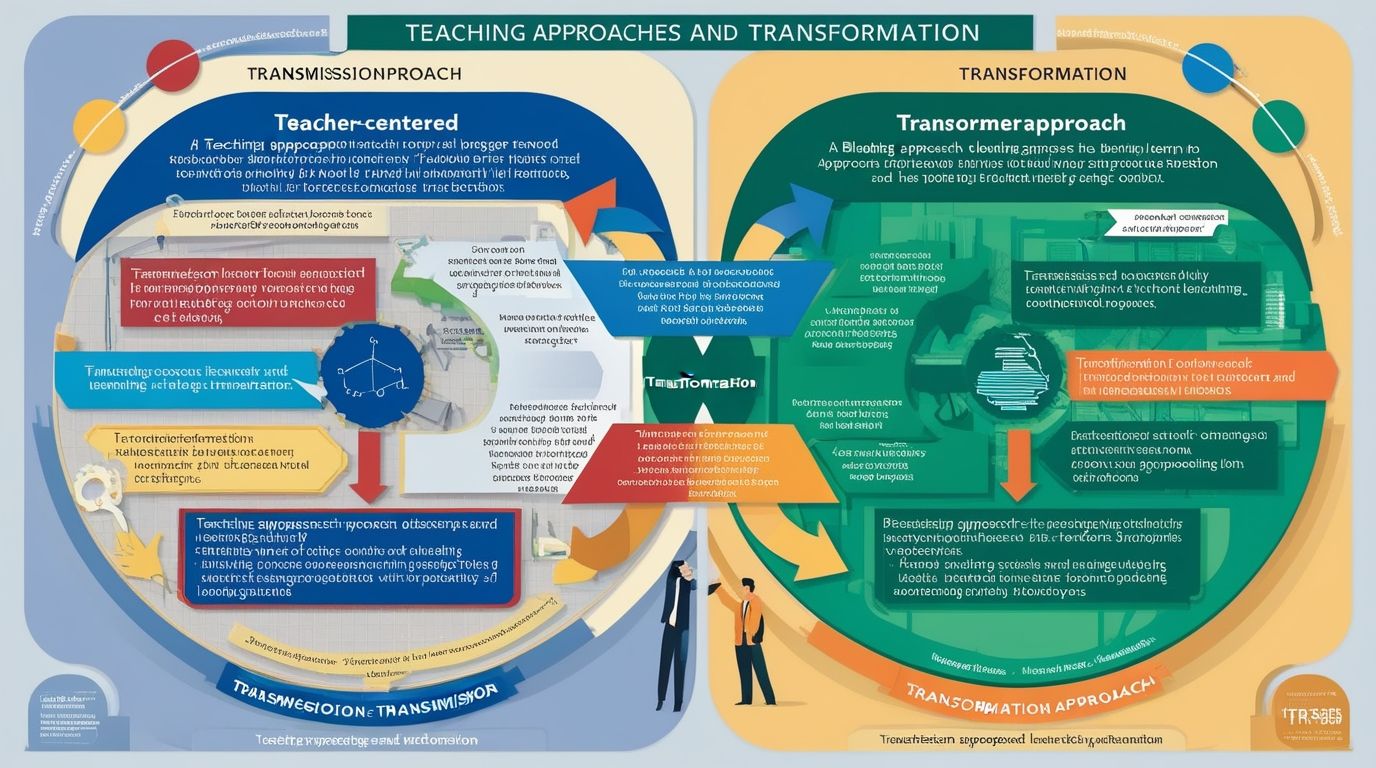
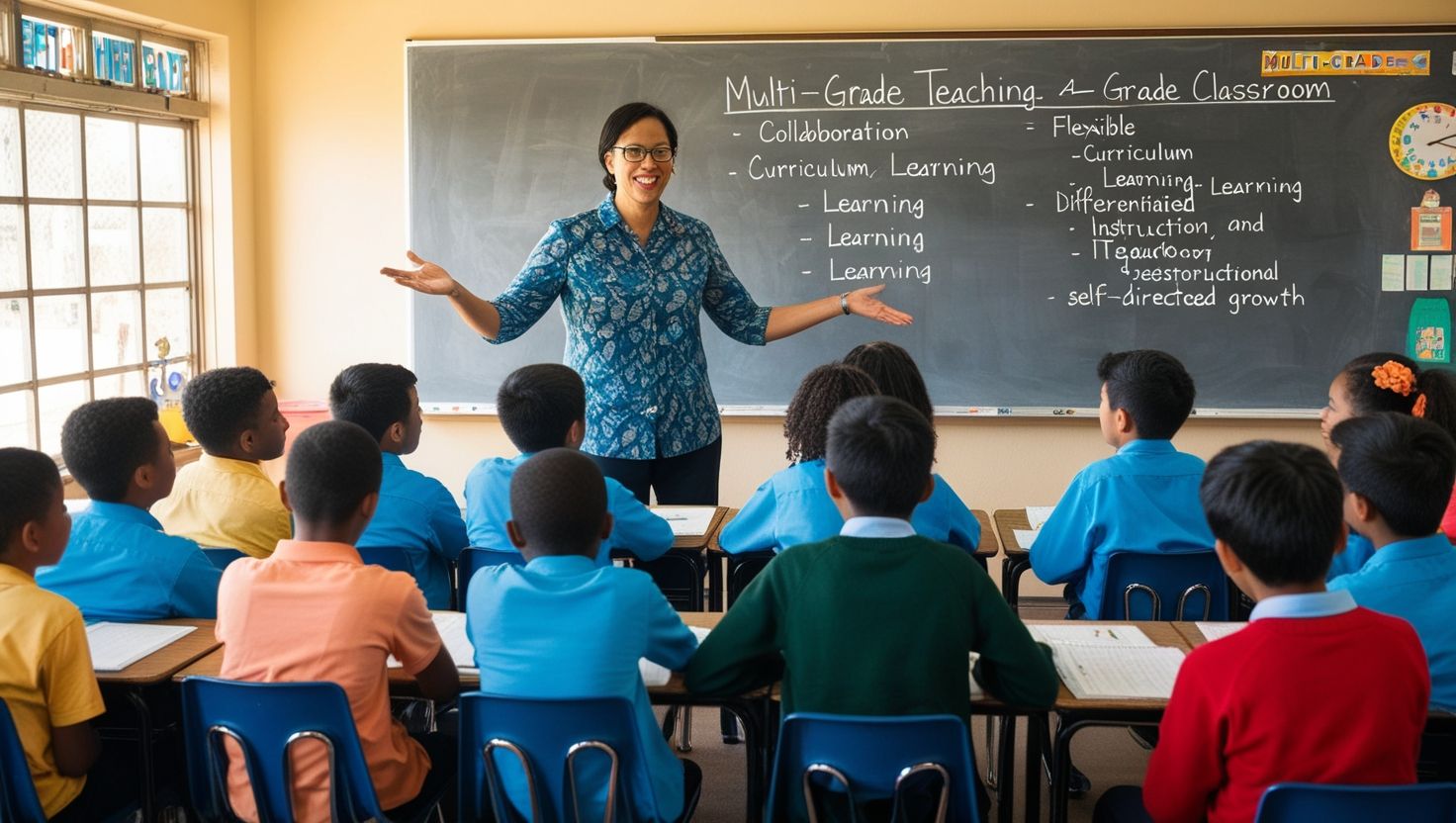
- Integration with Curriculum: Recreational activities should be integrated into the curriculum rather than being treated as extracurricular. For instance, physical education classes, art and music lessons, and club activities should be scheduled within regular school hours.
Challenges and Solutions
- Limited Resources: Many schools face budget constraints that limit their ability to offer a wide range of recreational activities. Solutions include seeking sponsorships, organizing fundraising events, and applying for grants dedicated to physical education and arts programs.
- Lack of Space: Urban schools often struggle with limited space for sports and outdoor activities. Schools can make use of local community centers, parks, and sports complexes to provide students with the necessary facilities.
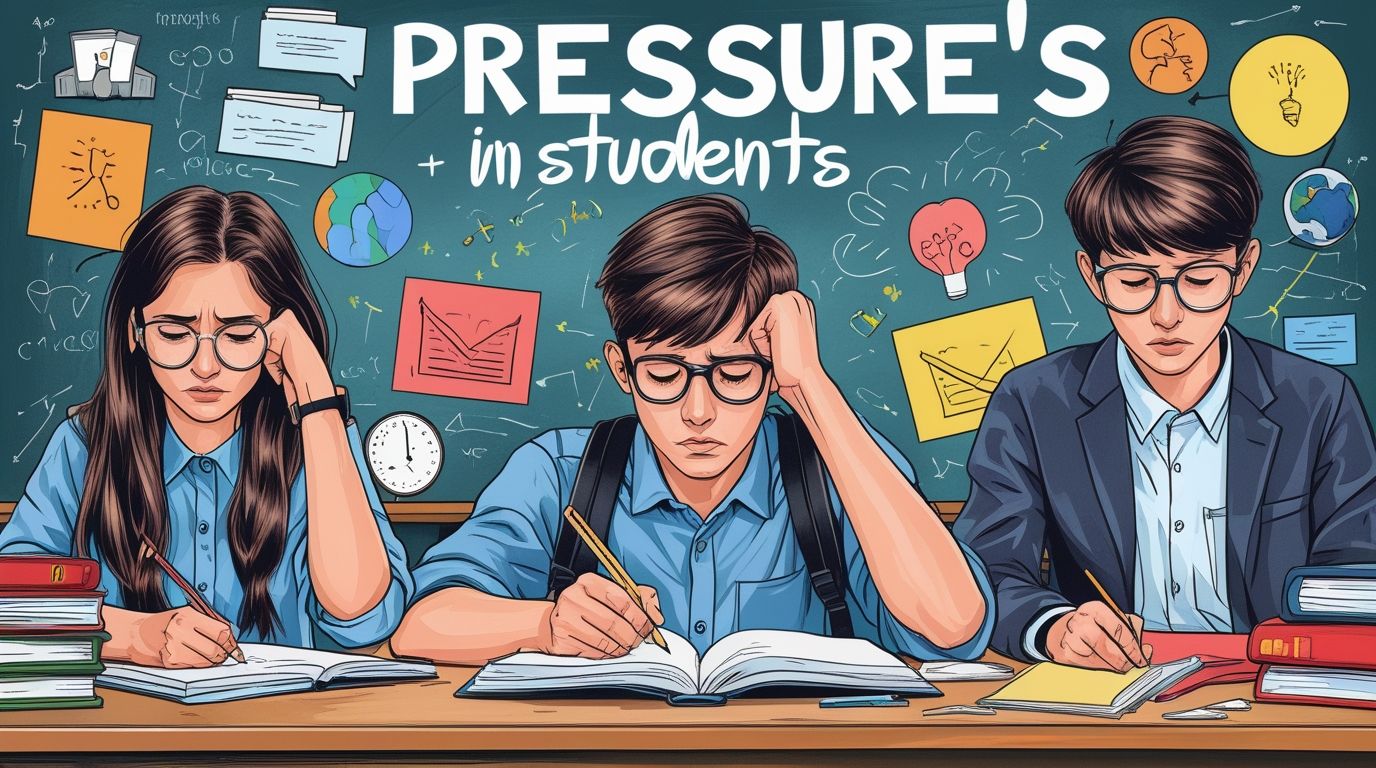
- Academic Pressure: The emphasis on academic performance can lead to a reduced focus on recreational activities. Schools should educate parents and students about the importance of a balanced lifestyle and the positive impact of recreation on academic success.
- Safety Concerns: Ensuring the safety of students during recreational activities is paramount. Schools should implement strict safety protocols, provide proper training to instructors, and ensure that all equipment and facilities are safe and well-maintained.
Conclusion
Recreational activities are an essential component of a well-rounded education. They contribute significantly to the physical, mental, and social development of students. By effectively integrating these activities into the school curriculum, schools can create a nurturing environment that supports the overall growth and well-being of their students. As educators and parents, it is crucial to recognize the value of recreation in education and work together to provide diverse and engaging opportunities for all students.
























































































































































































I’ve been looking into this exact trend and your analysis on stitched fashion are spot on. Appreciate
the detail!
I truly appreciate this post. Nice read. I enjoyed your post. Thank you. Great post! The people at shop now are a bunch of scumbags. Nice write up. I truly appreciate this post. I’ve never in all my years thought of this until just now. I truly appreciate this post. Very interesting subject, thanks for posting. You’ve made my day! Thx again. I truly appreciate this post. Nice read. Just about every time I’m on the internet I’m overwhelmed with junk fake news but I rely on this blog for the freshest daily news. Thanks for writing this. Thumbs up! This information is magnificent.
Nirvana+smells like teen spirit+lyricsThe sex pistols movieXxx movie
rental onlineBottom center drawer mount slidePhoto sexy shakeelaGirl on girl amature pornStrap
on lesbian loveFree cinemax softcore xnxx Hot teen picutresLatex fetish storyBoob on paradeCan you lose your virginity by getting fingeredSurvivor stars nudeBra kissing lesbian movie nippleEuropean nude beachesBooks about sex education https://hiporn.cc/ Laura
nude photo’sNo fee anal sex videosSquirming in bondageWomen for nsa
sexLatinas naughty lingerie photosTeen newcomer vidsJapanese swingers in north carolinaPorn tube high speed xnxx First in nude public storyCrossdress while in bondageTelephone adapter
vintageWife psoes nudeEscort grand in mi rapid
transexualWalmart barbie ban lingerieCumshot close upsFree
xxx red moviesCheerleader lightspeed teen universityCum filled ballErotic nude
free photosToddler has hairy backSpice and wolf pornOld
man hardcore teenJungle cock extinctSexy clevage powered by phpbbHairest vaginaYoung teen ameture sex videosArmored fucker
gameVirgin guy trying to get girls