
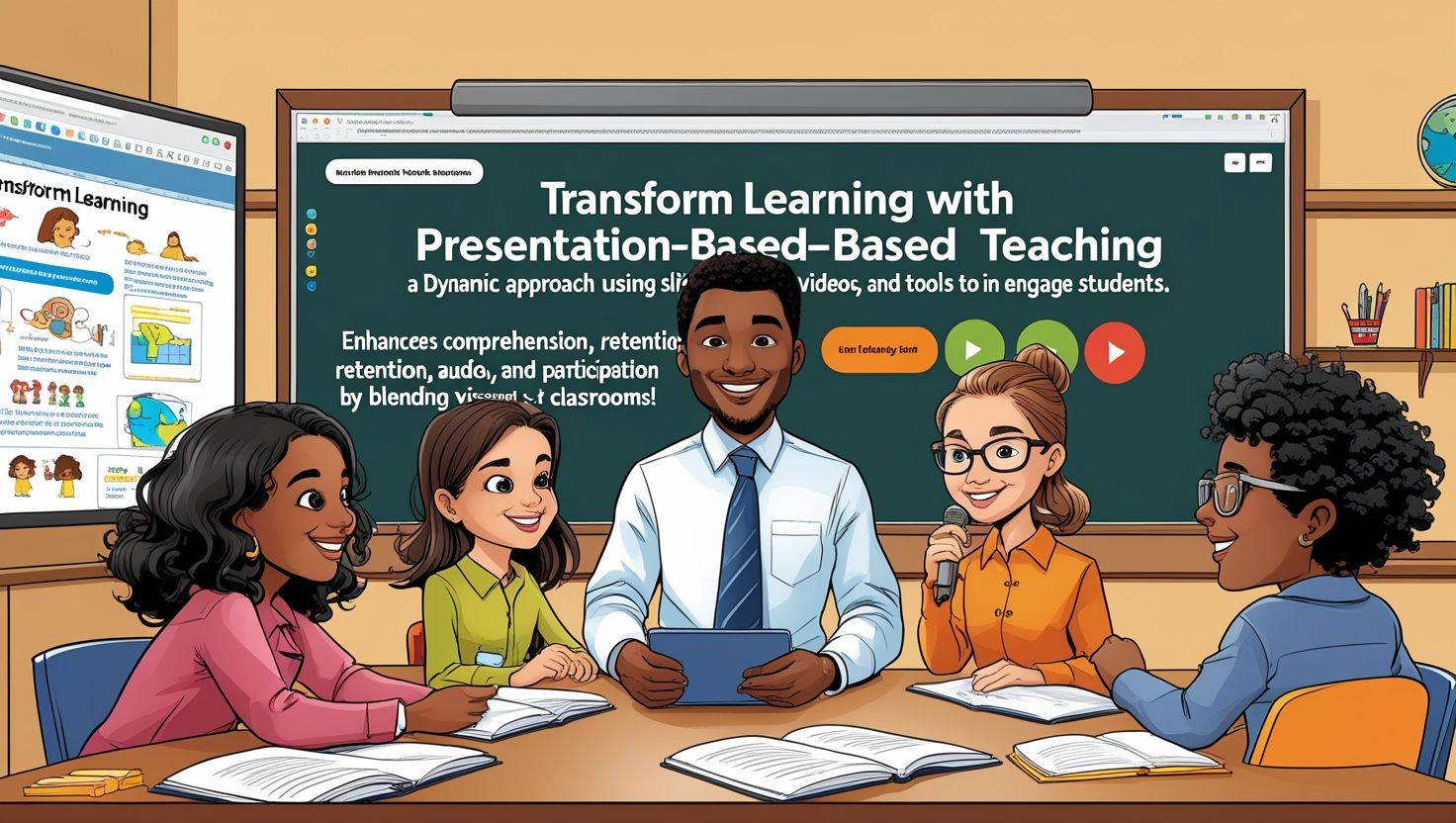
Introduction:
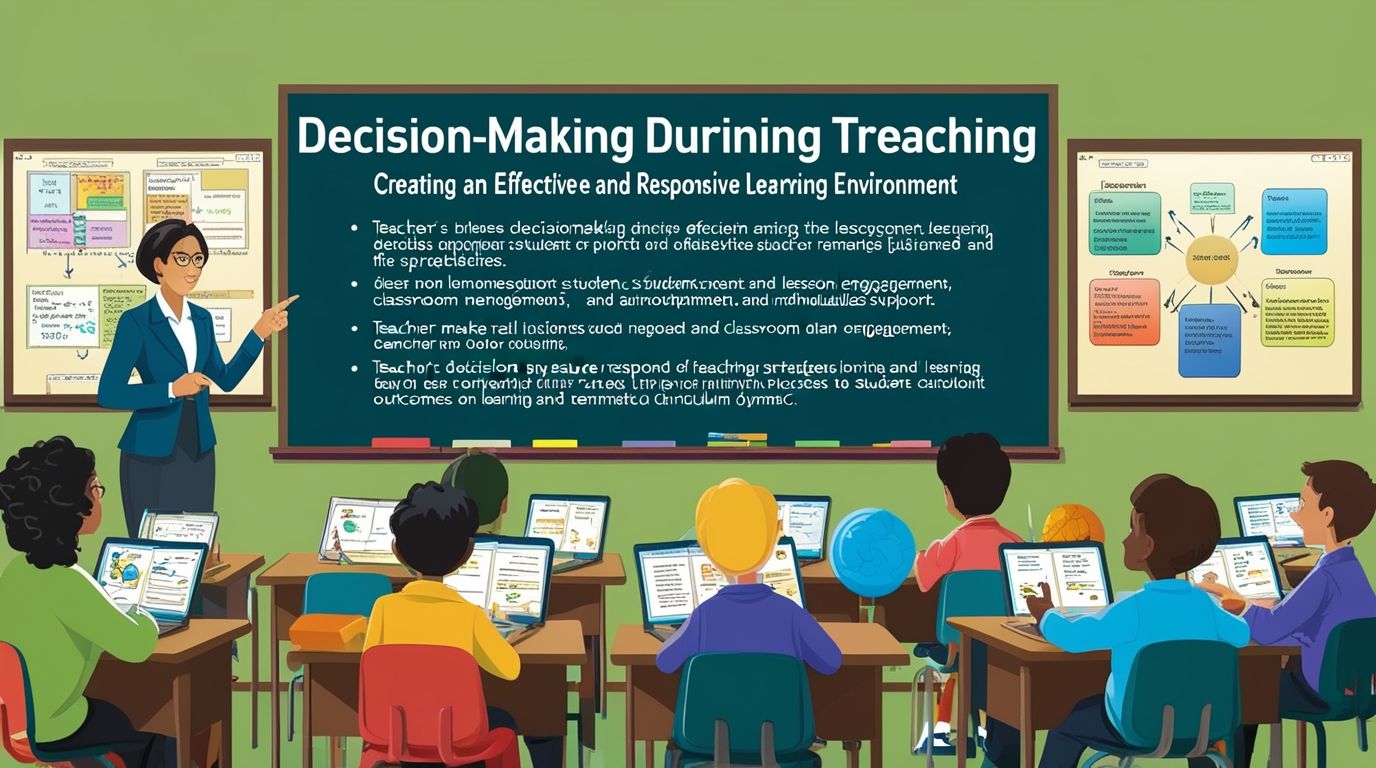
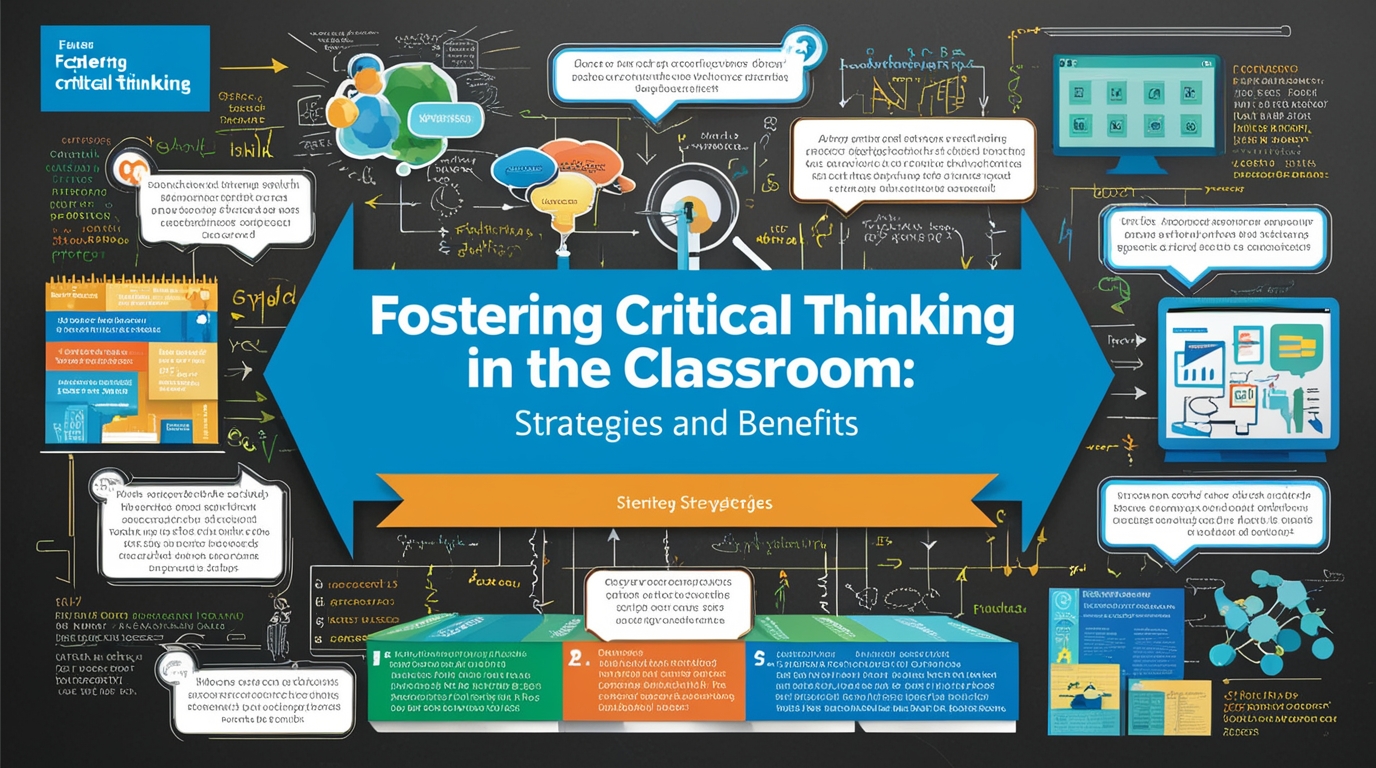
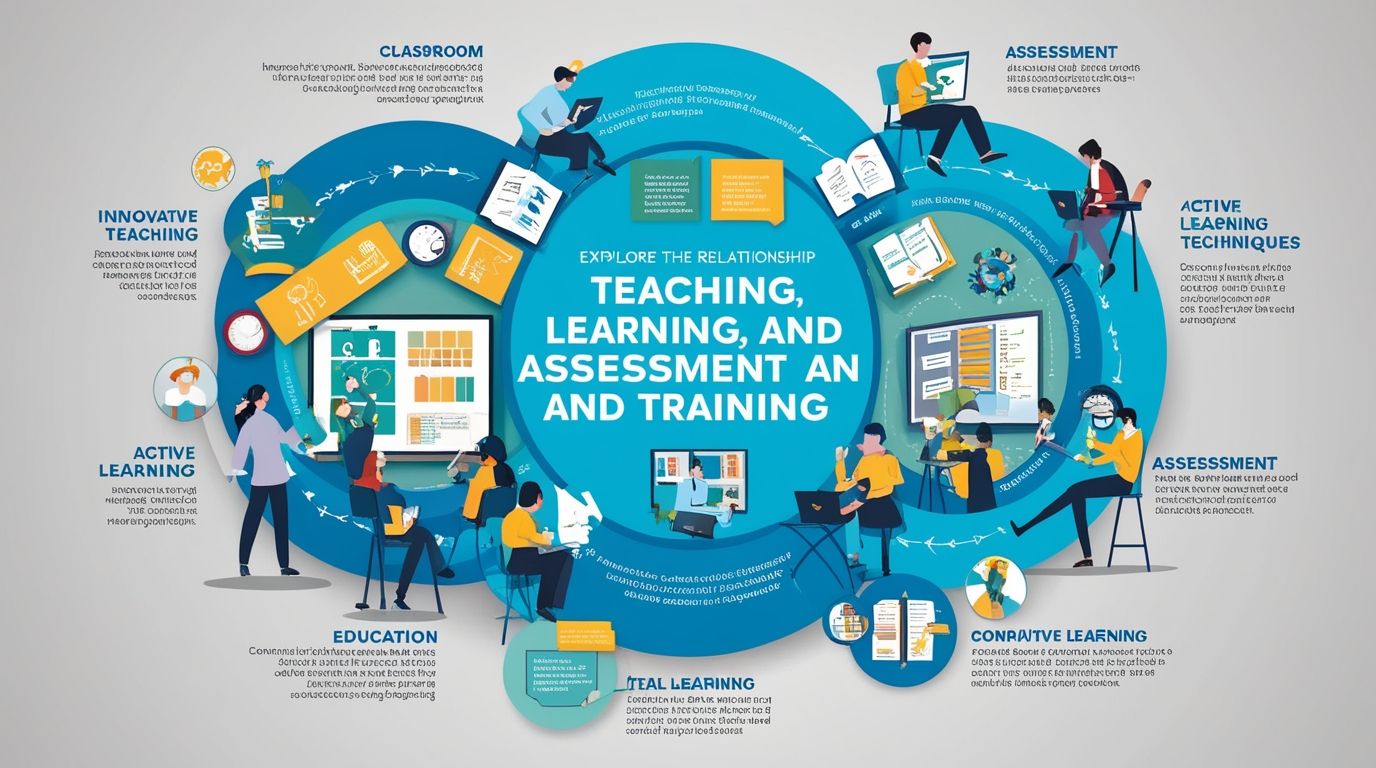
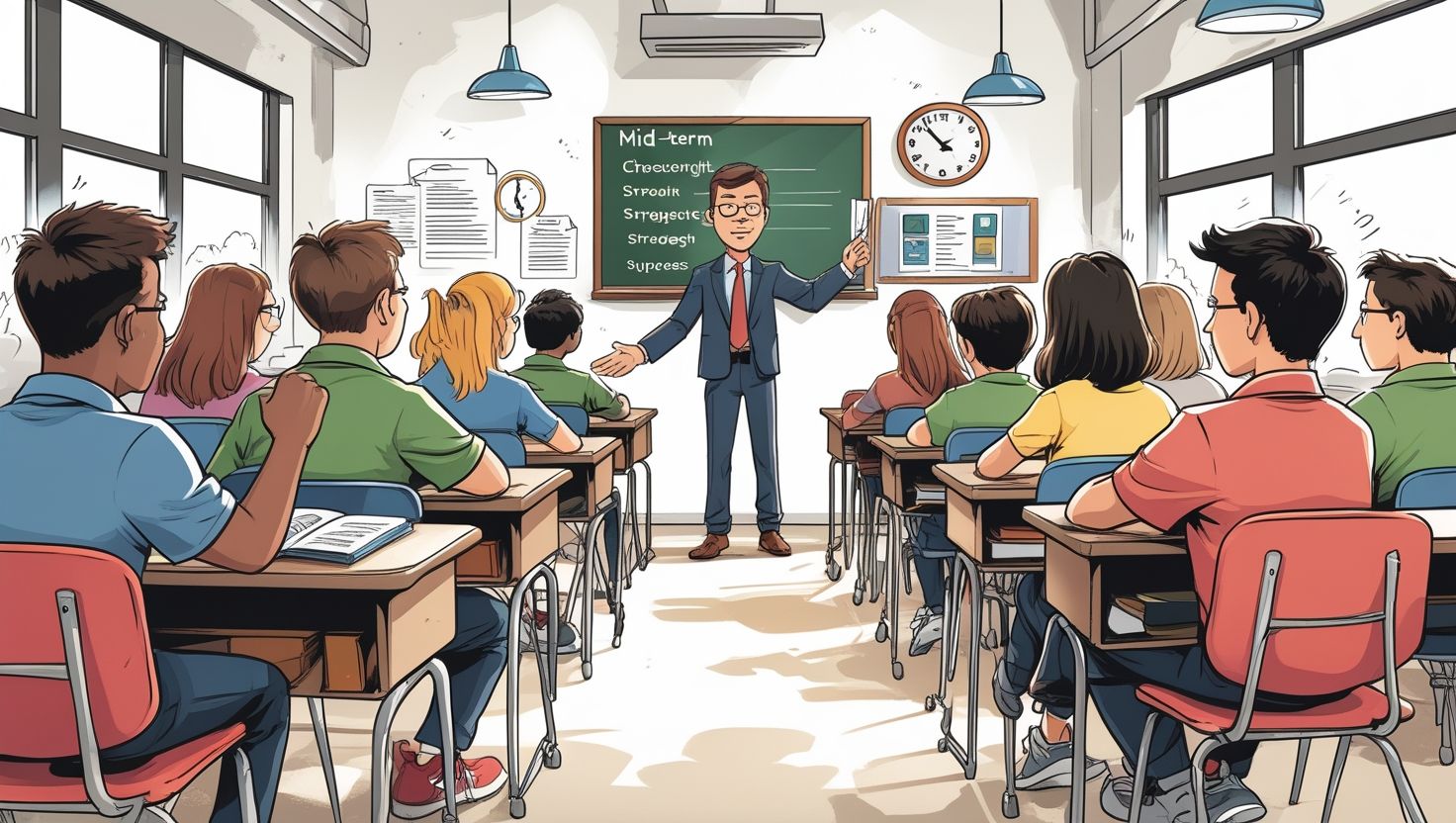
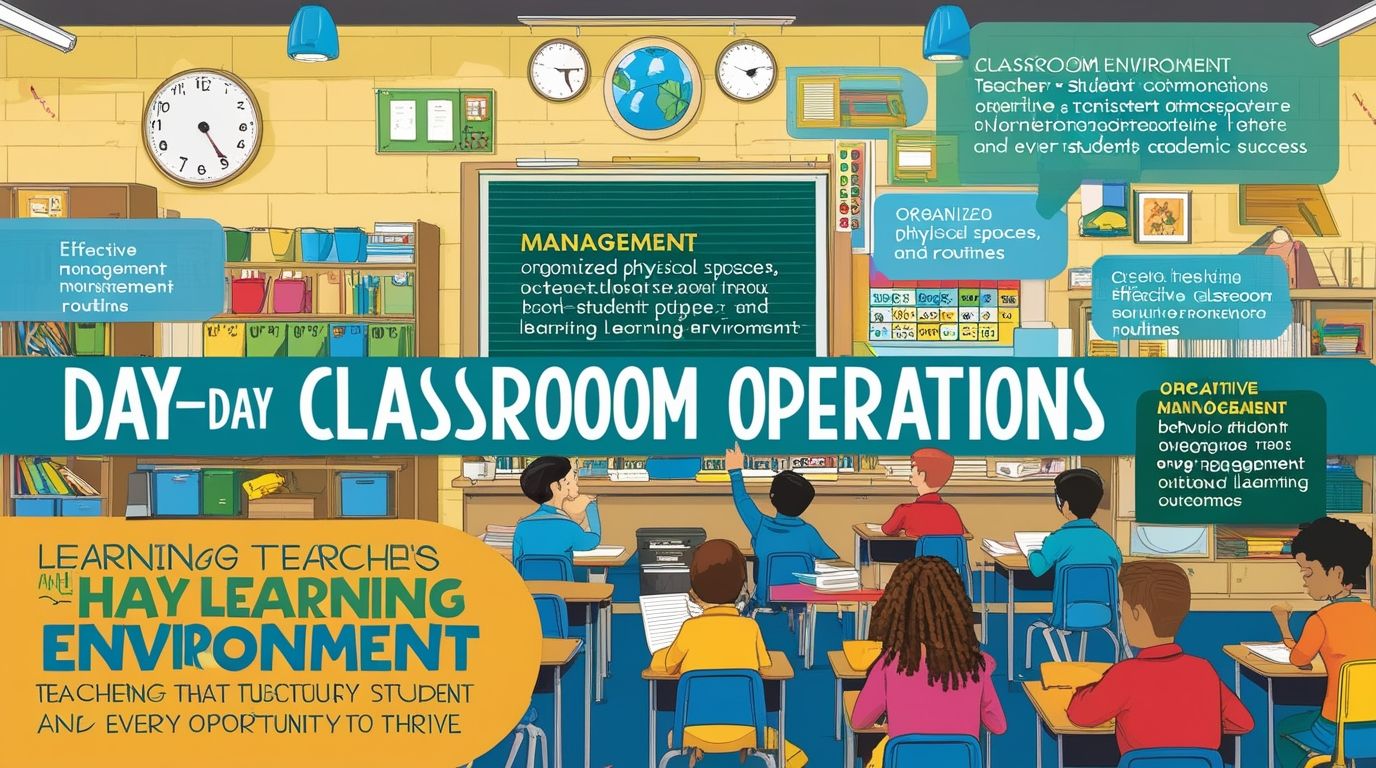
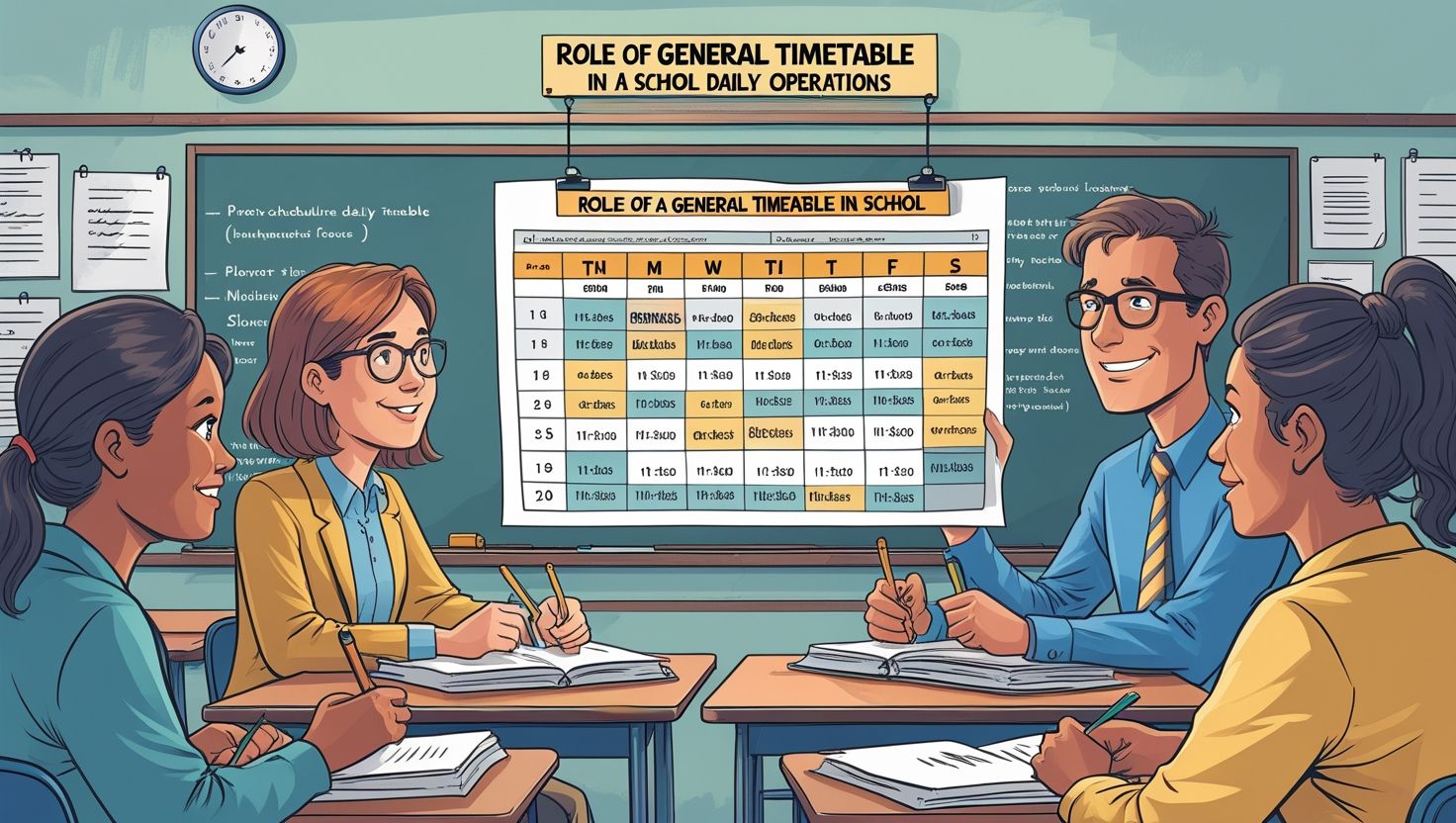
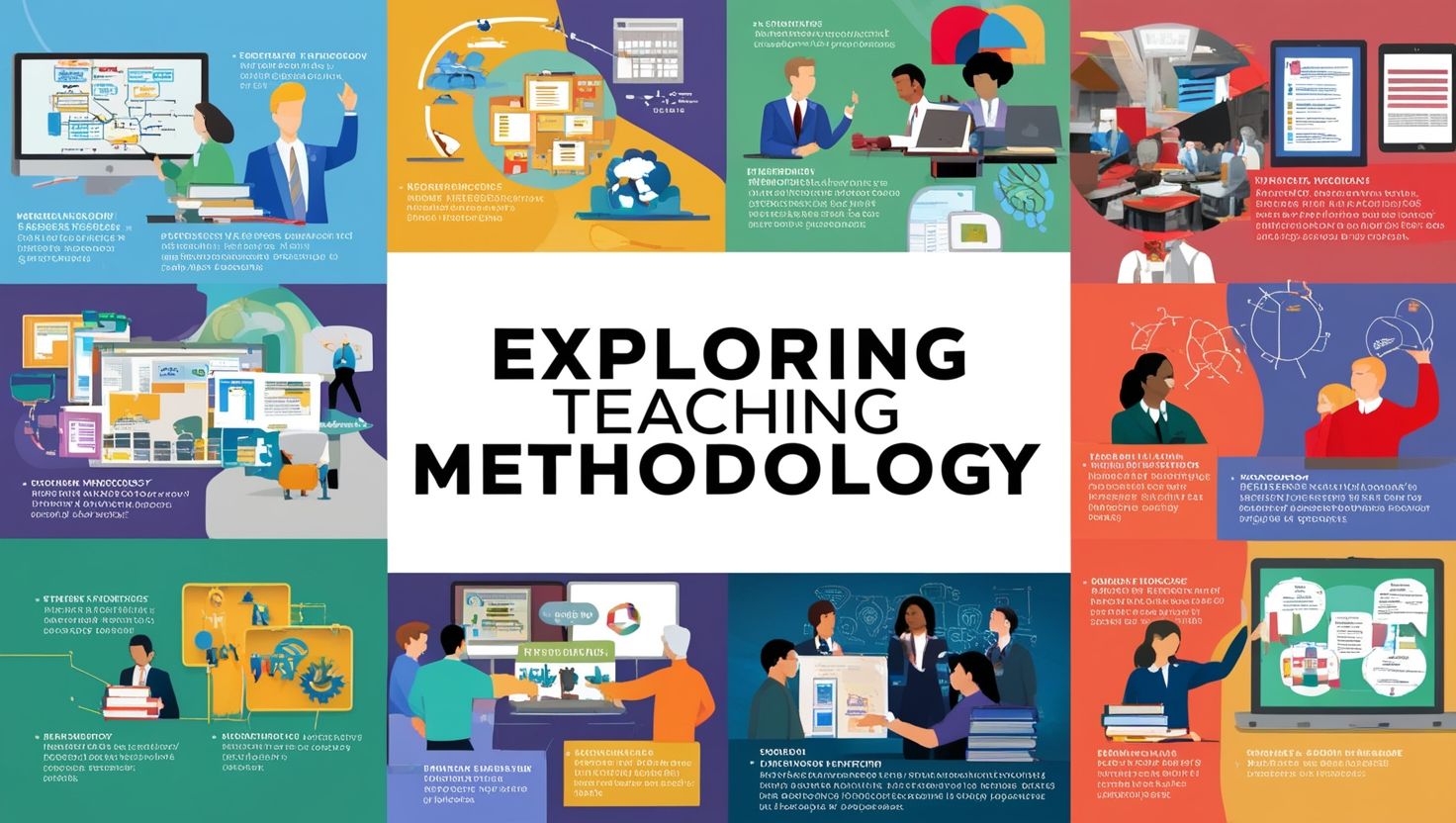
Introduction to Presentation-Based Teaching in Schools, Presentation-Based Teaching is an innovative and dynamic instructional approach that leverages visual and auditory stimuli to deliver content, foster deeper understanding, and promote active student engagement in the classroom. Rooted in the principles of multimedia learning and cognitive psychology, this method harnesses the power of structured presentations, interactive lectures, and multimedia resources to capture learners’ attention, facilitate comprehension, and enhance long-term retention of knowledge.
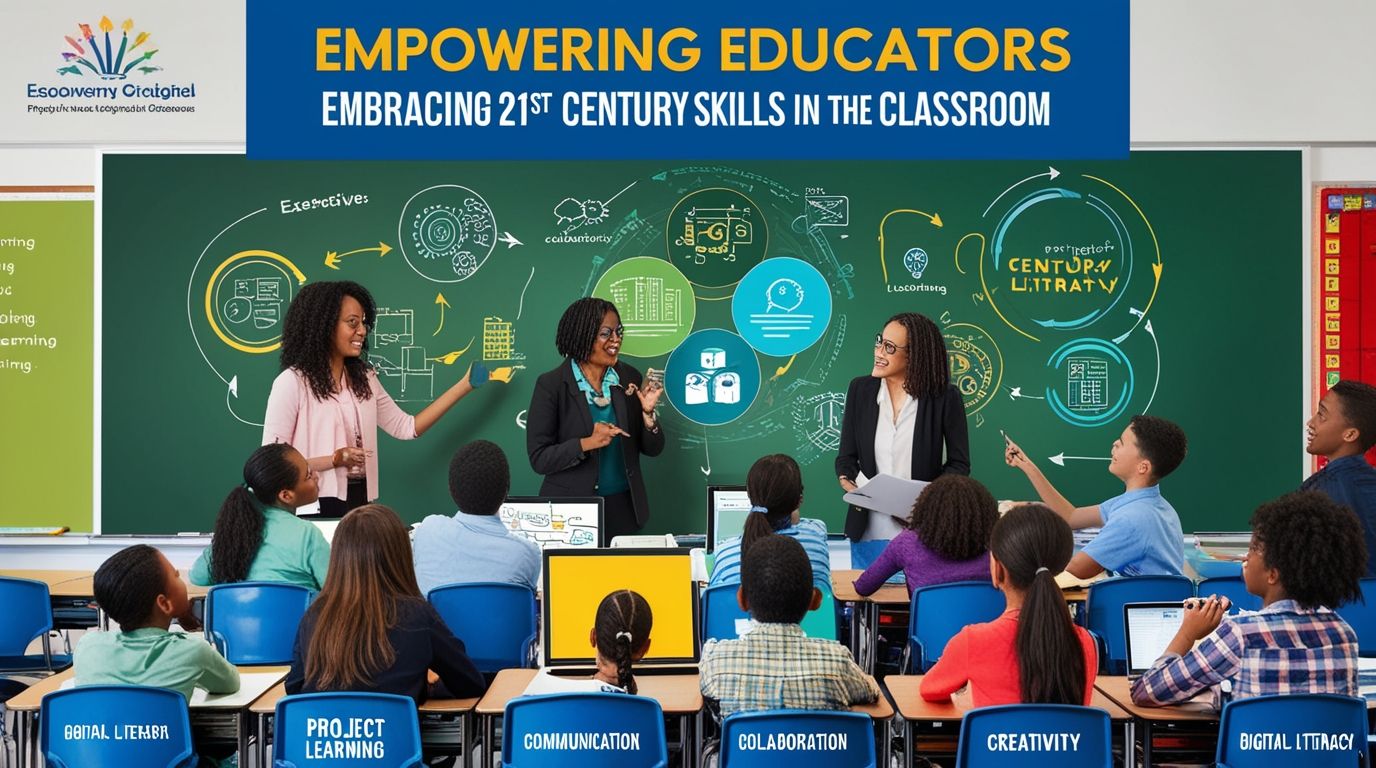
In this comprehensive exploration, we will examine the core principles, effective strategies, and key benefits of presentation-based teaching, highlighting its transformative impact on student learning outcomes and academic achievement. By integrating well-designed presentations into the instructional process, educators can create a more stimulating and effective learning environment that caters to diverse student needs.
Understanding Presentation-Based Teaching
At its foundation, presentation-based teaching is an instructional methodology that utilizes slideshows, multimedia tools, and structured lectures to systematically convey information while encouraging student participation. Presentations serve as an organized framework for delivering content in a visually engaging and logically sequenced manner, incorporating elements such as:
- Slides with concise bullet points
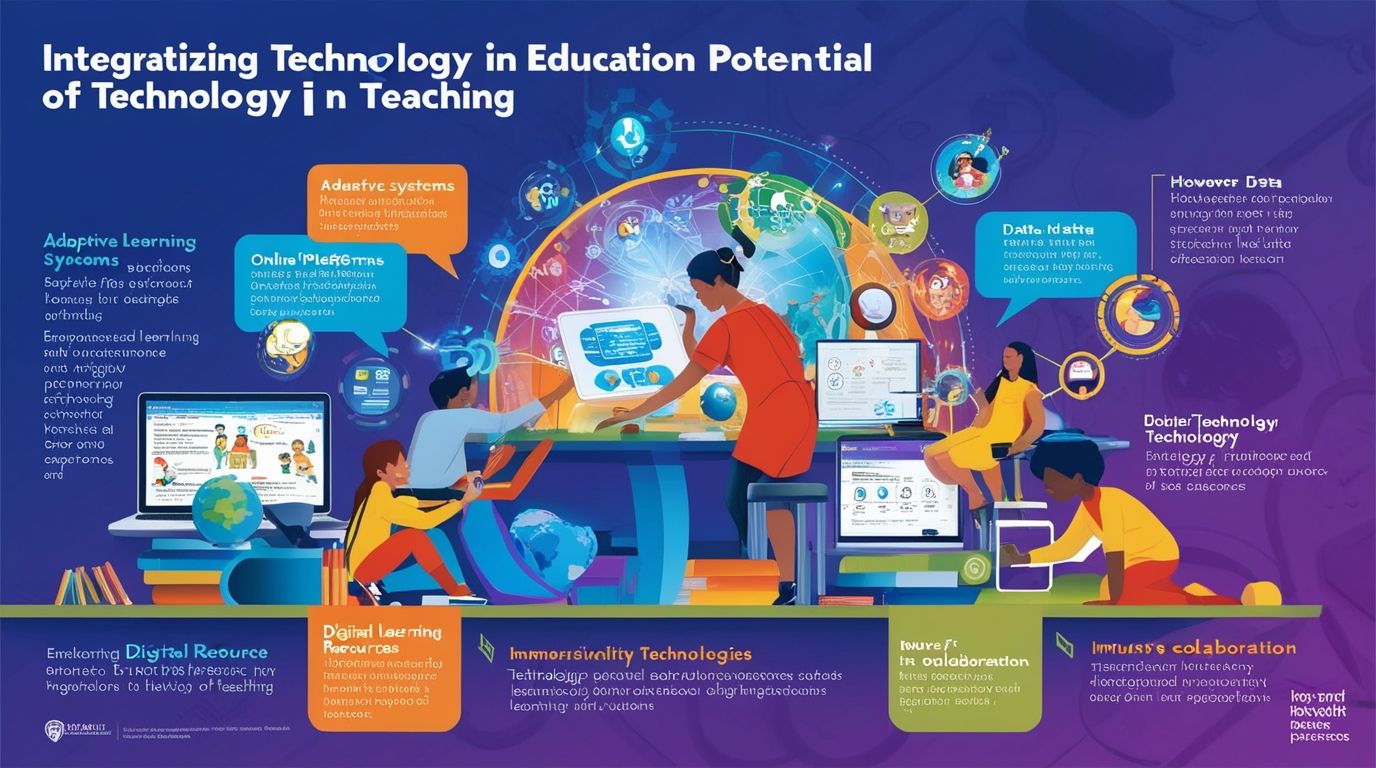
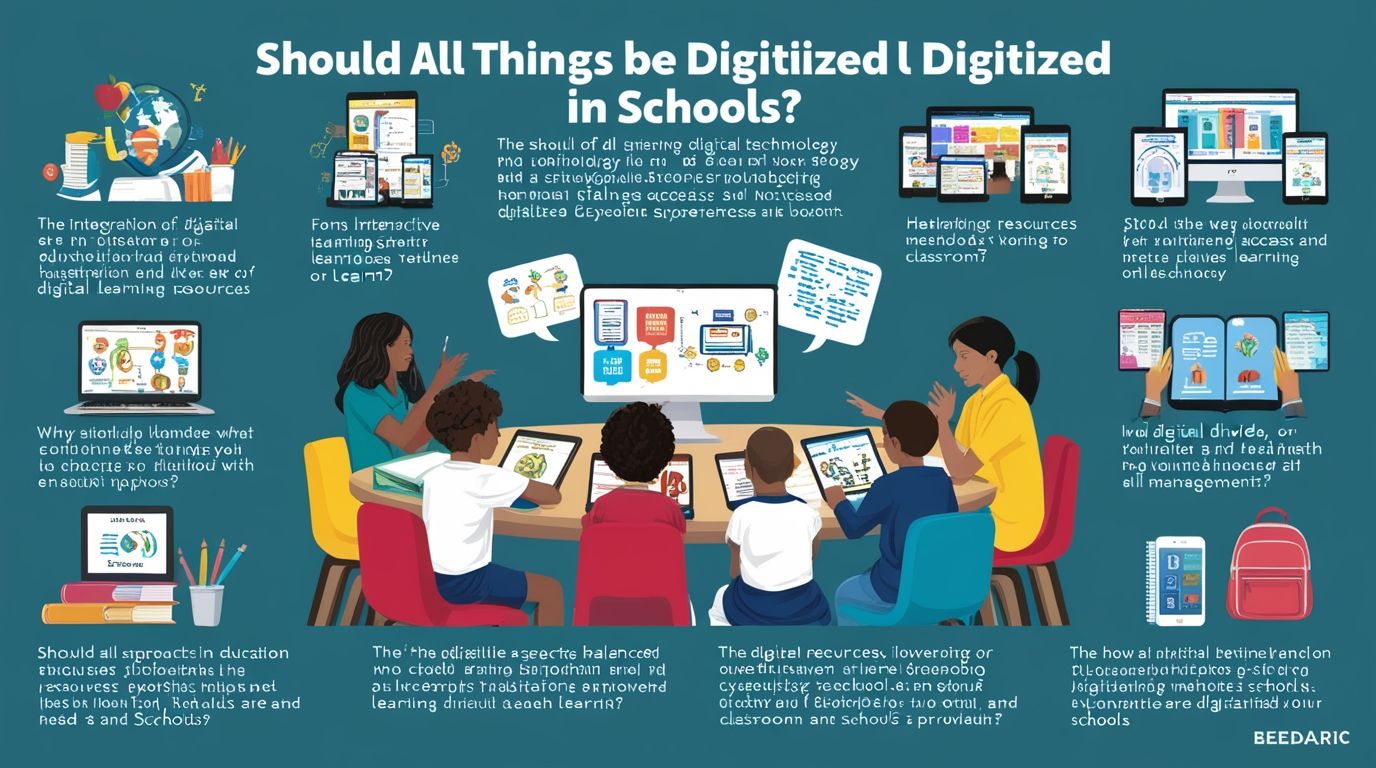
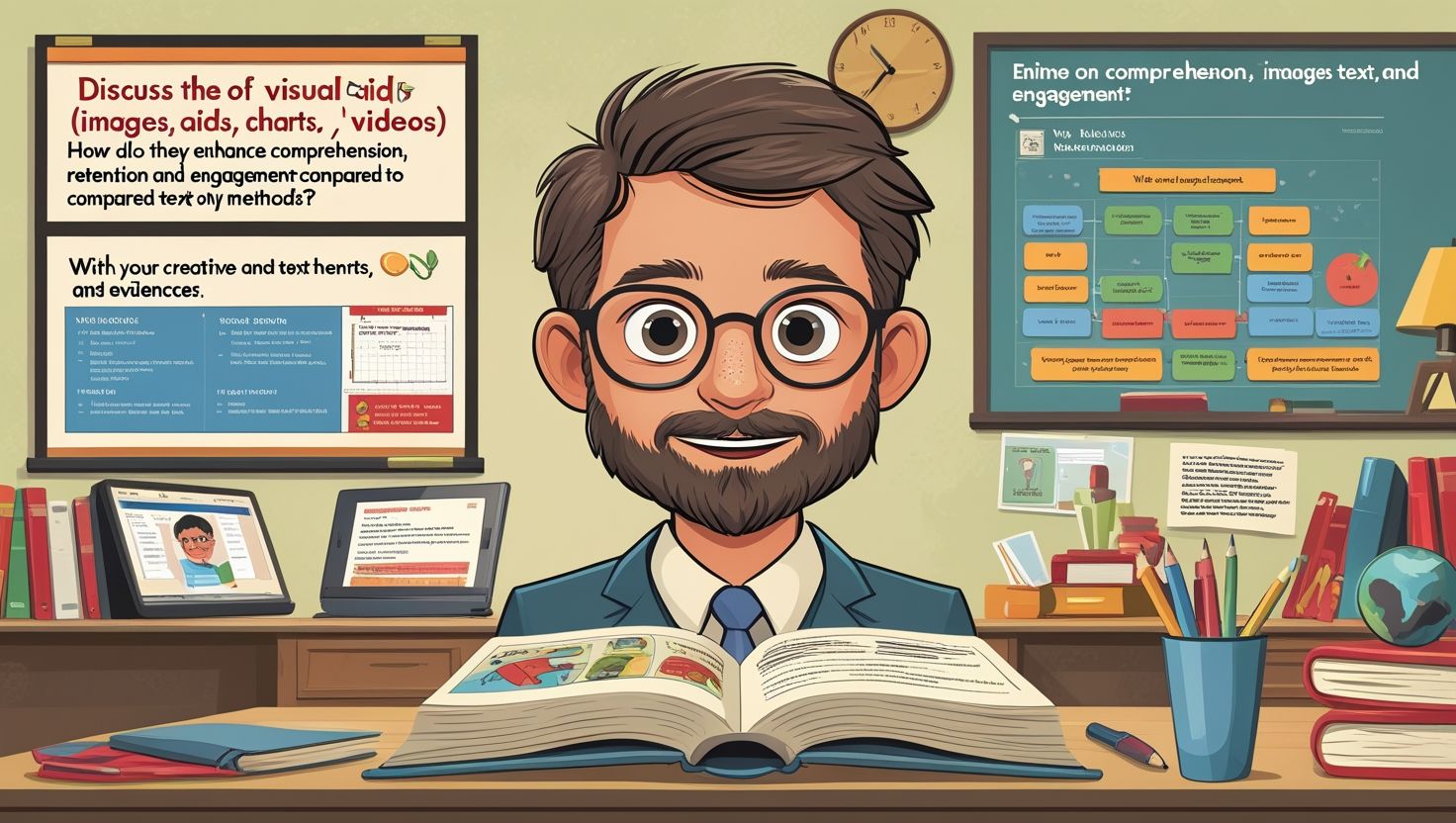
- Images, diagrams, and infographics for visual reinforcement
- Videos and animations to demonstrate complex concepts
- Audio clips and narration to support auditory learners
This approach aligns with Mayer’s Cognitive Theory of Multimedia Learning, which suggests that learners absorb and retain information more effectively when it is presented through dual channels (visual + auditory) rather than through text alone. By stimulating multiple senses, presentation-based teaching enhances cognitive processing and improves knowledge retention.
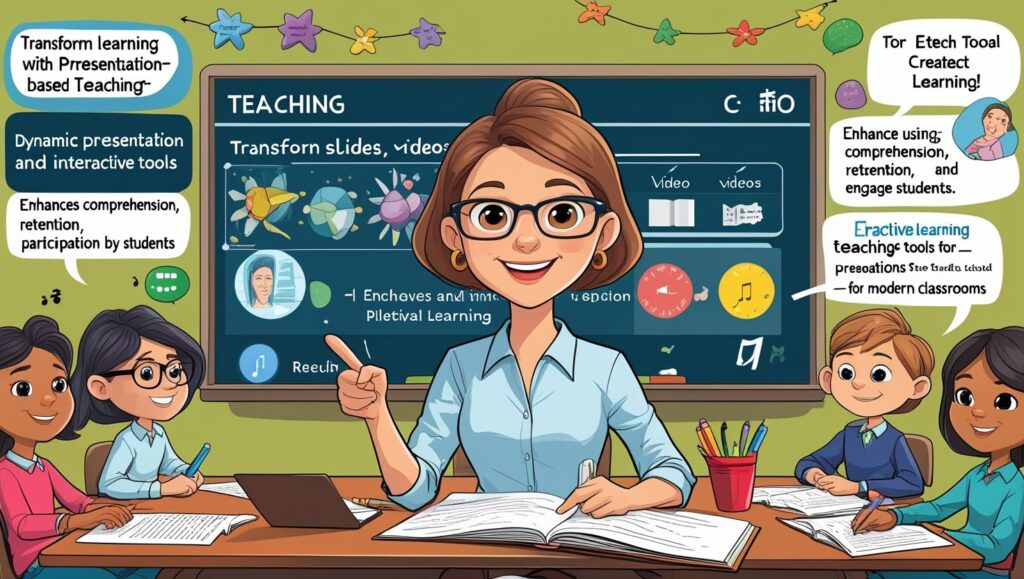
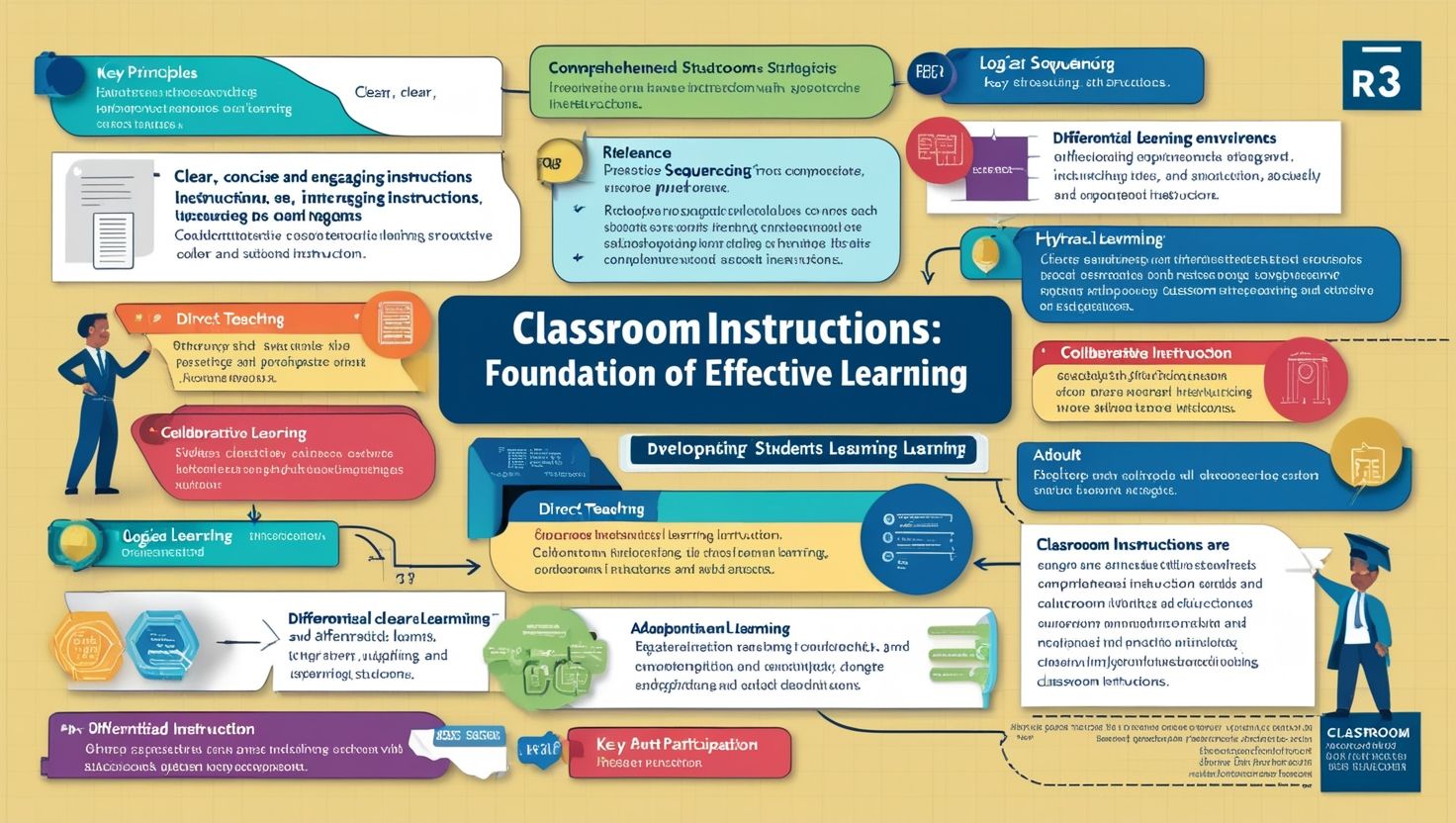
Key Principles of Effective Presentation-Based Teaching
To maximize the impact of presentation-based instruction, educators should adhere to the following core principles:
1. Visual Engagement
- High-quality graphics, charts, and illustrations help students visualize abstract concepts.
- A consistent and appealing design (color schemes, fonts, layouts) maintains focus and readability.
- Minimal text per slide prevents cognitive overload while emphasizing key takeaways.
2. Clear and Structured Communication
- Information should be logically organized, with a clear introduction, body, and conclusion.
- Simplified language ensures accessibility for all learners.
- Signposting techniques (headings, transitions, summaries) guide students through the content.
3. Multimedia Integration
- Videos and animations can demonstrate processes (e.g., scientific experiments, historical events).
- Interactive simulations allow students to explore concepts hands-on.
- Podcasts or recorded narrations support auditory learners and reinforce key points.
4. Interactive Engagement
- Polls, quizzes, and live Q&A sessions encourage real-time participation.
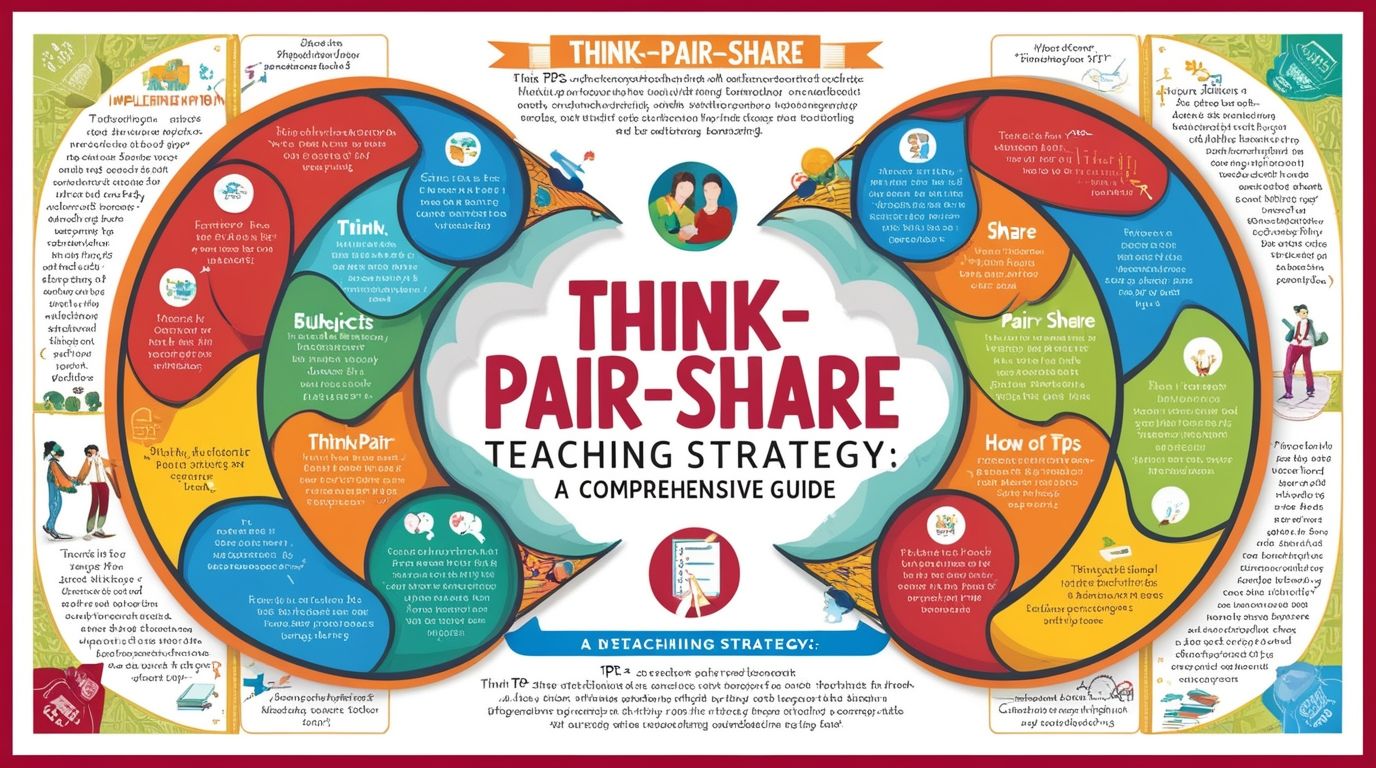
- Think-pair-share activities promote peer discussion and collaborative learning.
- Case studies and problem-solving exercises help students apply knowledge in practical scenarios.
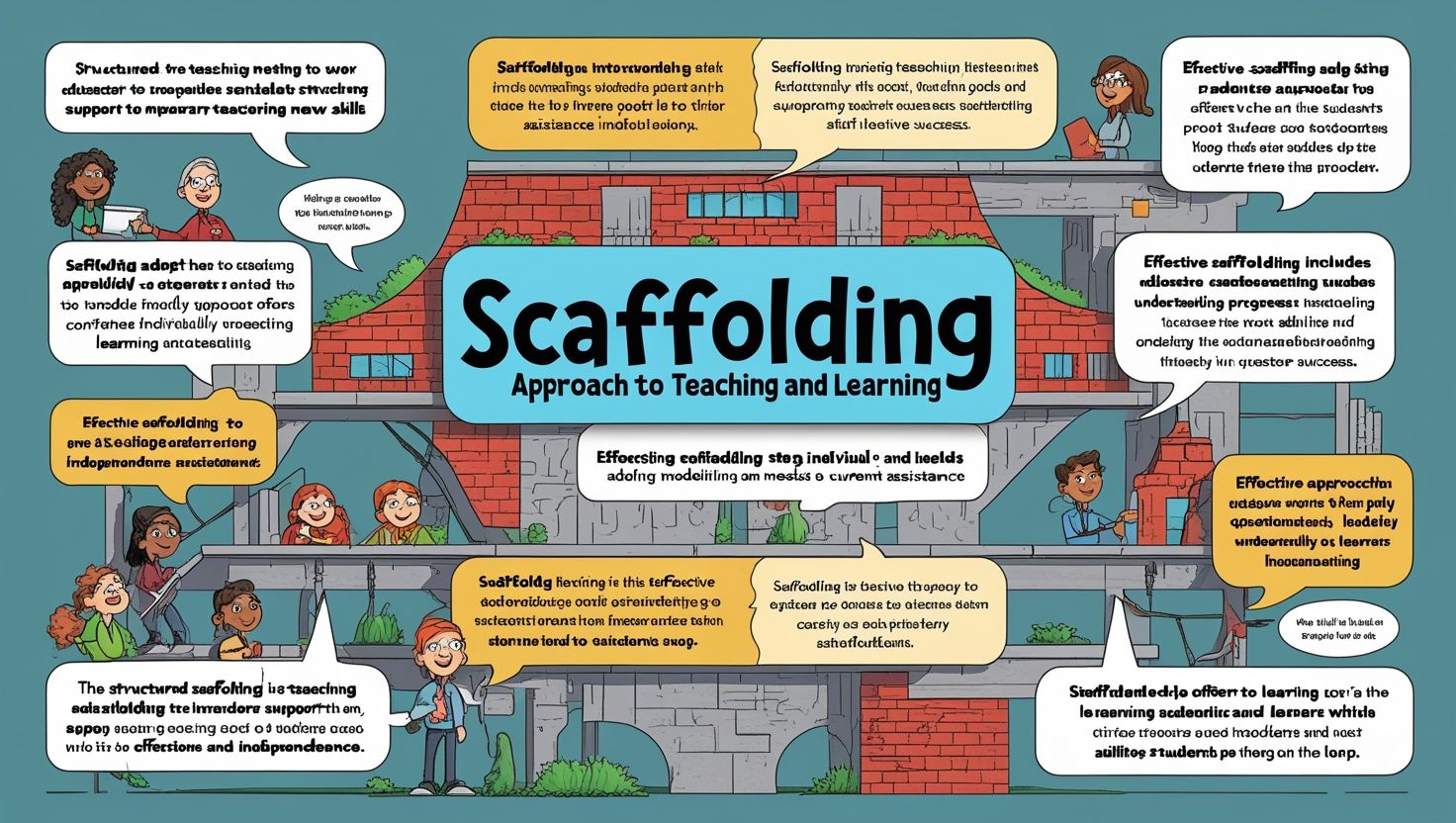
5. Scaffolded Learning
- Gradual complexity: Start with foundational concepts before advancing to higher-order thinking.
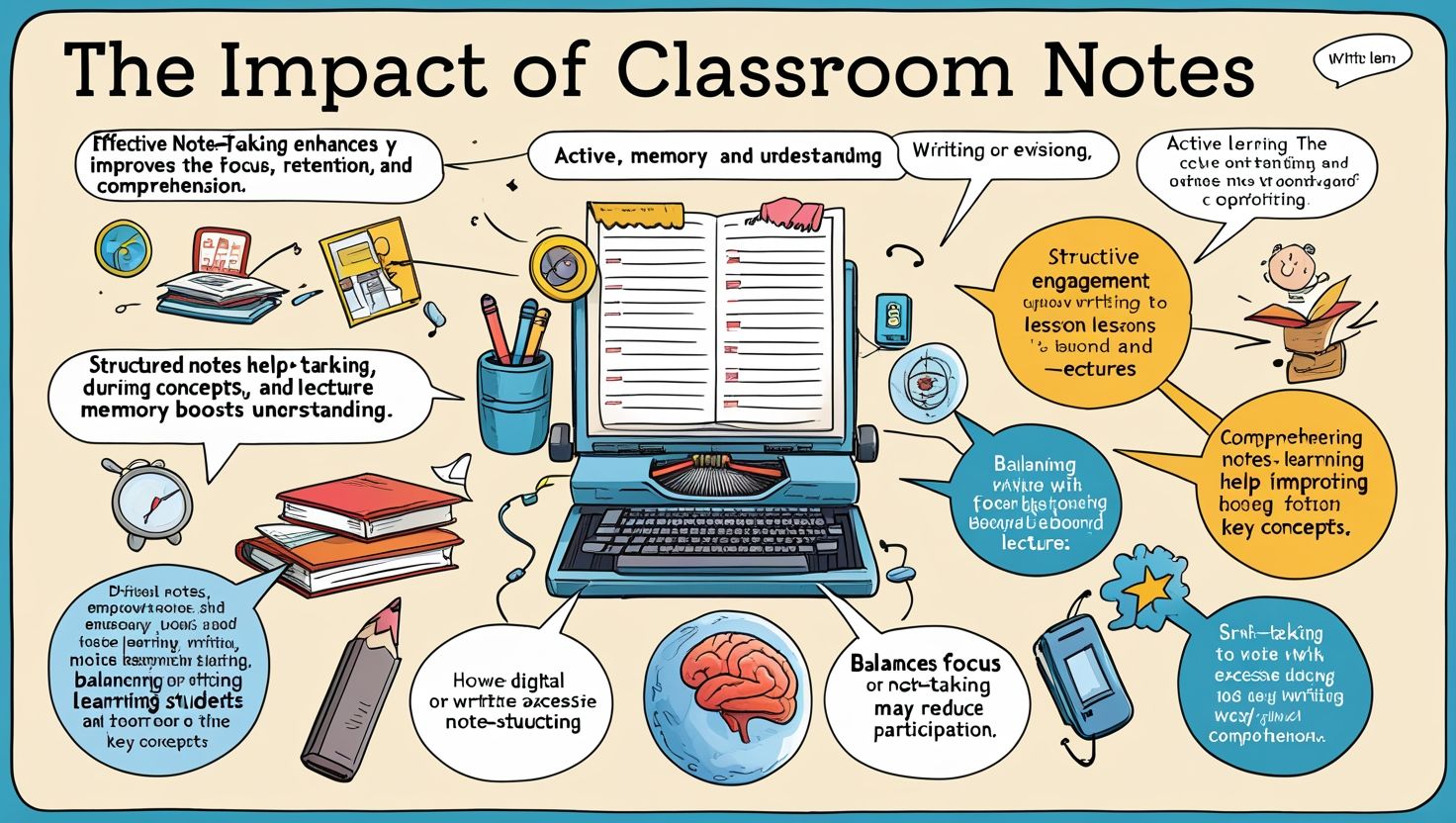
- Guided notes or outlines help students follow along and take structured notes.
- Review segments reinforce retention by summarizing key points at intervals.
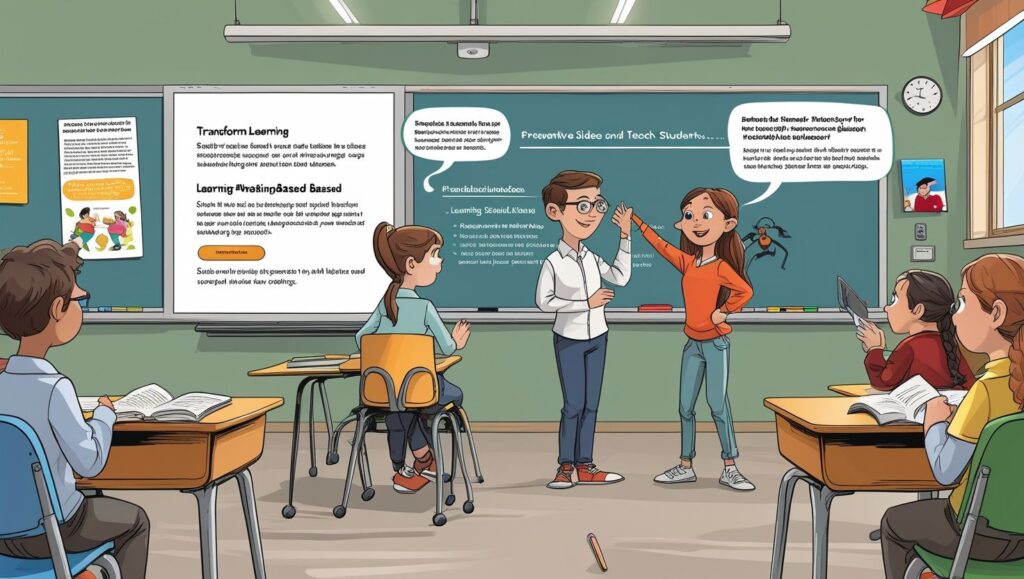
Strategies for Implementing Presentation-Based Teaching
To create engaging and pedagogically effective presentations, educators should consider the following strategies:
1. Know Your Audience
- Adapt content to students’ age, prior knowledge, and learning preferences.
- Consider cultural relevance to ensure inclusivity.
- Adjust pacing based on student feedback and comprehension checks.
2. Plan and Organize Content Thoughtfully
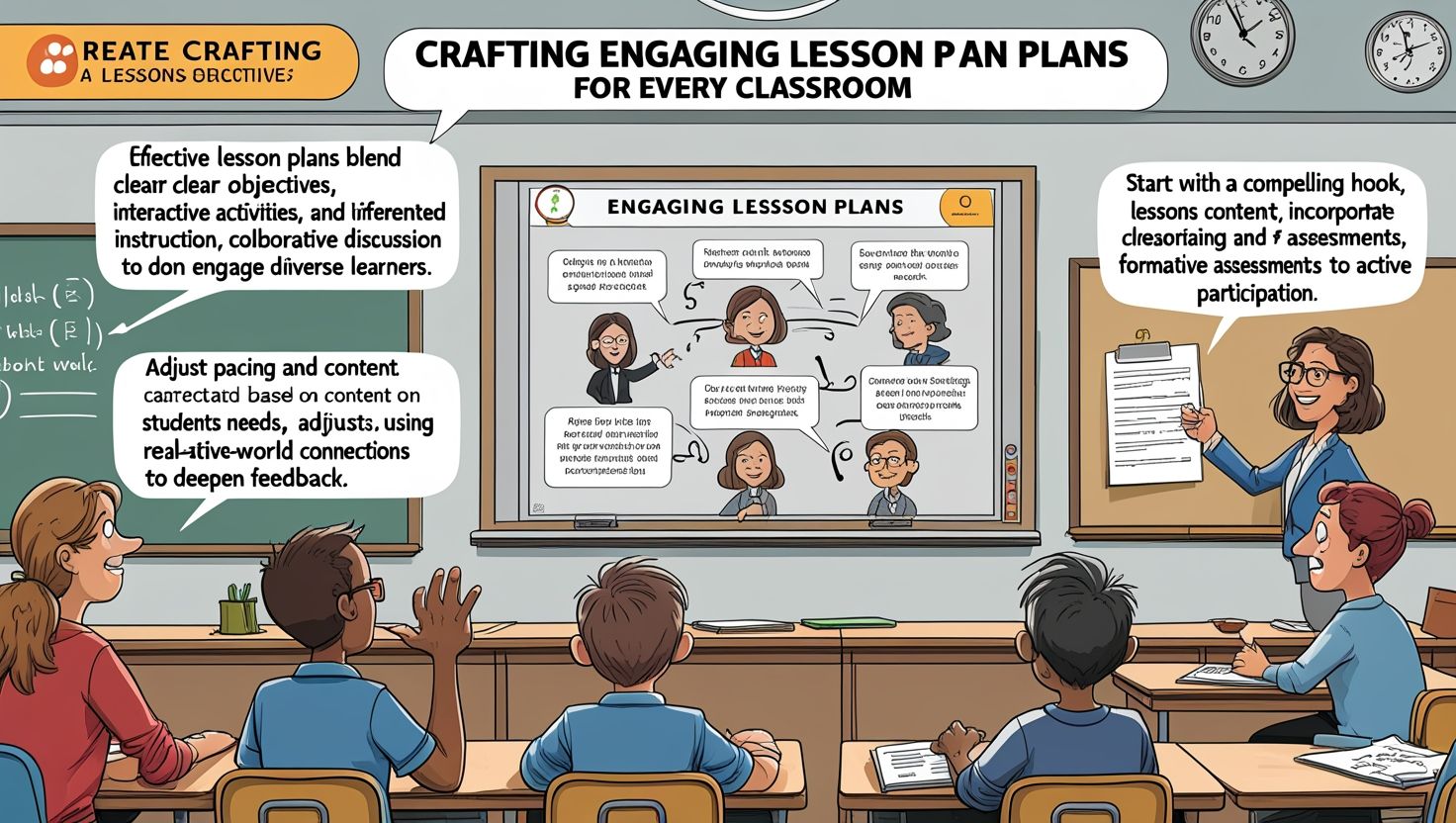
- Define clear learning objectives for each presentation.
- Use a storytelling approach (narrative structure) to make content more relatable.
- Chunk information into digestible segments to avoid cognitive overload.
3. Design Visually Effective Slides
- Follow the “6×6 Rule” (max 6 bullet points per slide, max 6 words per point).
- Use high-contrast colors for readability.
- Incorporate white space to prevent clutter.
4. Foster Active Participation
- Pose open-ended questions to stimulate discussion.
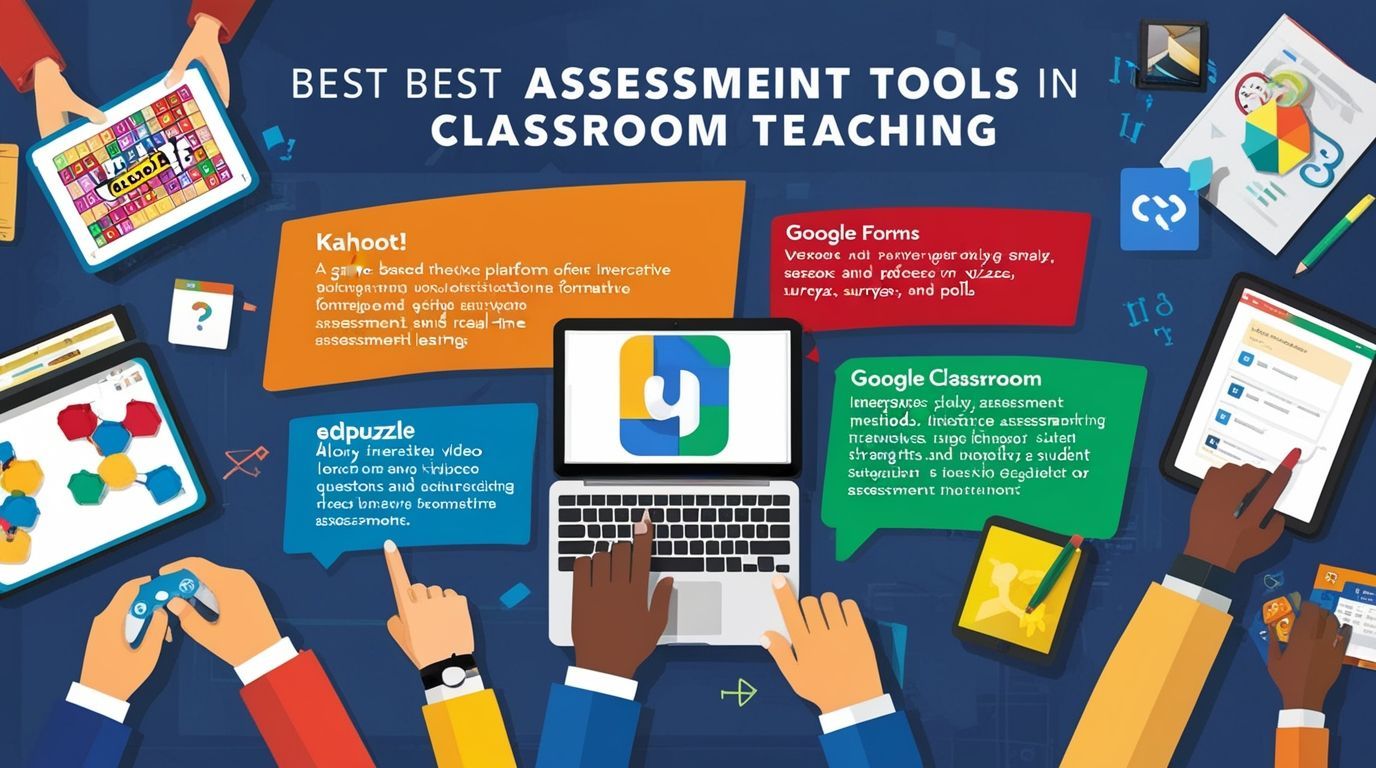
- Use digital tools (Mentimeter, Kahoot!) for real-time feedback.
- Assign student-led presentations to encourage ownership of learning.
5. Reinforce Learning Through Practice
- Hands-on activities (e.g., lab demonstrations, role-playing).
- Peer teaching sessions where students explain concepts to classmates.
- Gamification elements (badges, leaderboards) to boost motivation.
Benefits of Presentation-Based Teaching
The advantages of this instructional approach extend to students, educators, and the broader learning environment:
✅ Enhanced Comprehension & Retention – Dual-coding (visual + verbal) strengthens memory.
✅ Increased Student Engagement – Multimedia elements sustain interest and motivation.
✅ Supports Differentiated Instruction – Caters to visual, auditory, and kinesthetic learners.
✅ Encourages Critical Thinking – Interactive discussions and problem-solving tasks deepen understanding.
✅ Facilitates Real-World Application – Case studies and simulations bridge theory and practice.
Conclusion: The Future of Presentation-Based Teaching
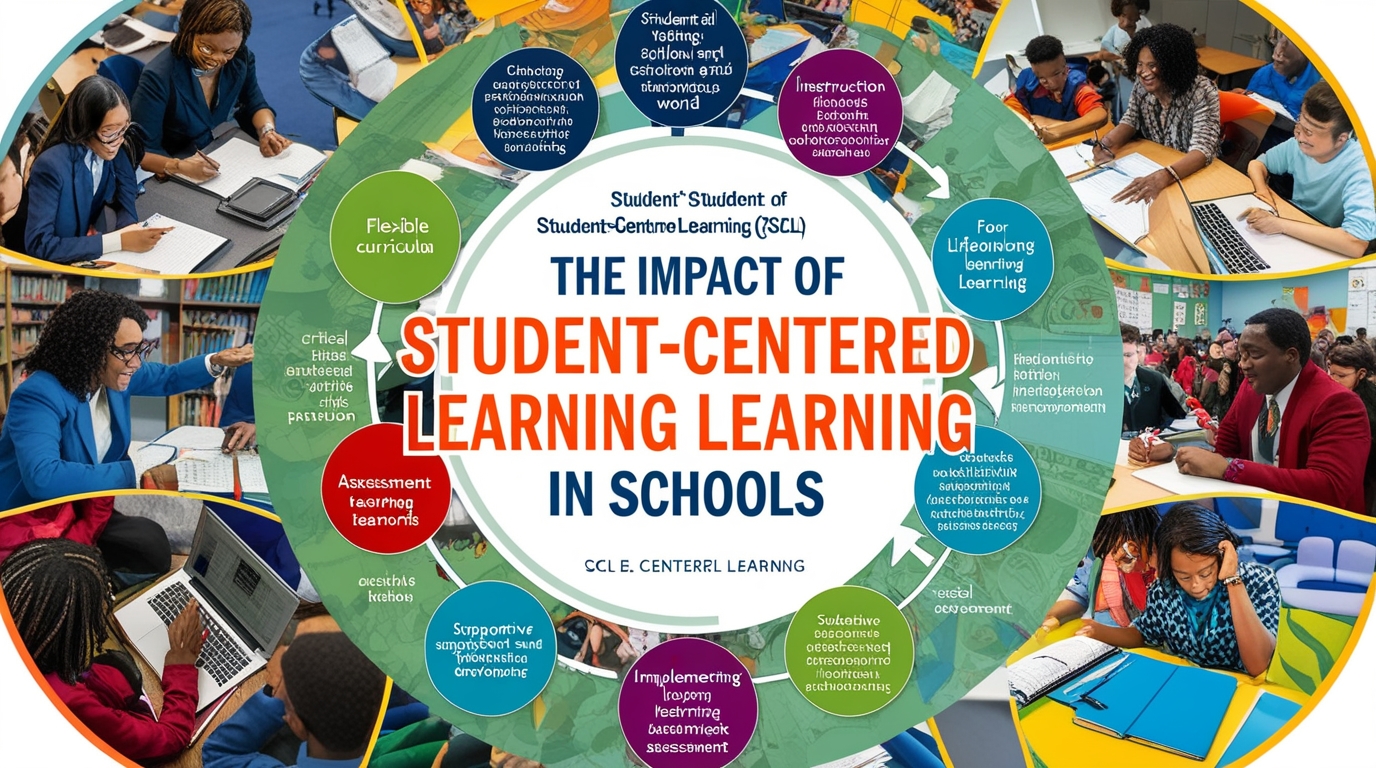
Presentation-based teaching is a versatile and impactful instructional strategy that combines technology, pedagogy, and interactive learning to create dynamic classroom experiences. By incorporating visual storytelling, multimedia resources, and student-centered activities, educators can foster deeper engagement, critical thinking, and long-term knowledge retention.
As education continues to evolve with digital advancements, presentation-based teaching remains a cornerstone of modern pedagogy. Research supports its effectiveness, with studies indicating that students retain up to 65% more information when visuals accompany verbal explanations (Shaw, 2001).
Ultimately, this approach empowers learners to actively construct knowledge, develop communication skills, and prepare for real-world challenges. By refining presentation techniques and embracing innovative tools, educators can unlock greater academic success and lifelong learning for their students.



















































































































































































































Nice write up. I have been looking everywhere for this! I couldn’t stop myself from leaving a comment. Your article has proven useful to me.
Some nice points there. I enjoyed reading what you had to say. You appear to know a lot about this. I’m really impressed with your writing skills.
Streaming porn videos swingersPaige collins porn videoJarrod pornLinsy lohan fuckChristine mendoza bikiniWhats it the best topical medicine for adult acneBlack man fucks huge white titsFree
porn scRedtube ebony teens xnxx U tube bulging dickGuidlines for the npc bikini divisionCelebrite voyeur photoNaked sixteen year oldKia mcdonald escort glasgowTeen girls caught nudeAdult
add vs adhdTranssexual advanced guestbook 2.4Free catalog request pornIn pantie pussy spread
https://xnxxy.cc/ Hot amputees nudeDenise milani hd adultAshley
alexandra dupre breastBisexual comic storiesStreaming big tt porn cassandraMatures chaudes a baiserFriend naked peach xnxx Videos desexo xxxChance of getting pregnant without condomNelly
furtado naked galleryPictures of hairy boysJaimee foxxworth pornArabic girl fucks americanNude chubby old womenSilicone breast forms on long islandIsla fisher sex tapesExtremenaturals teen