
Introduction: Foundations of a Lifetime
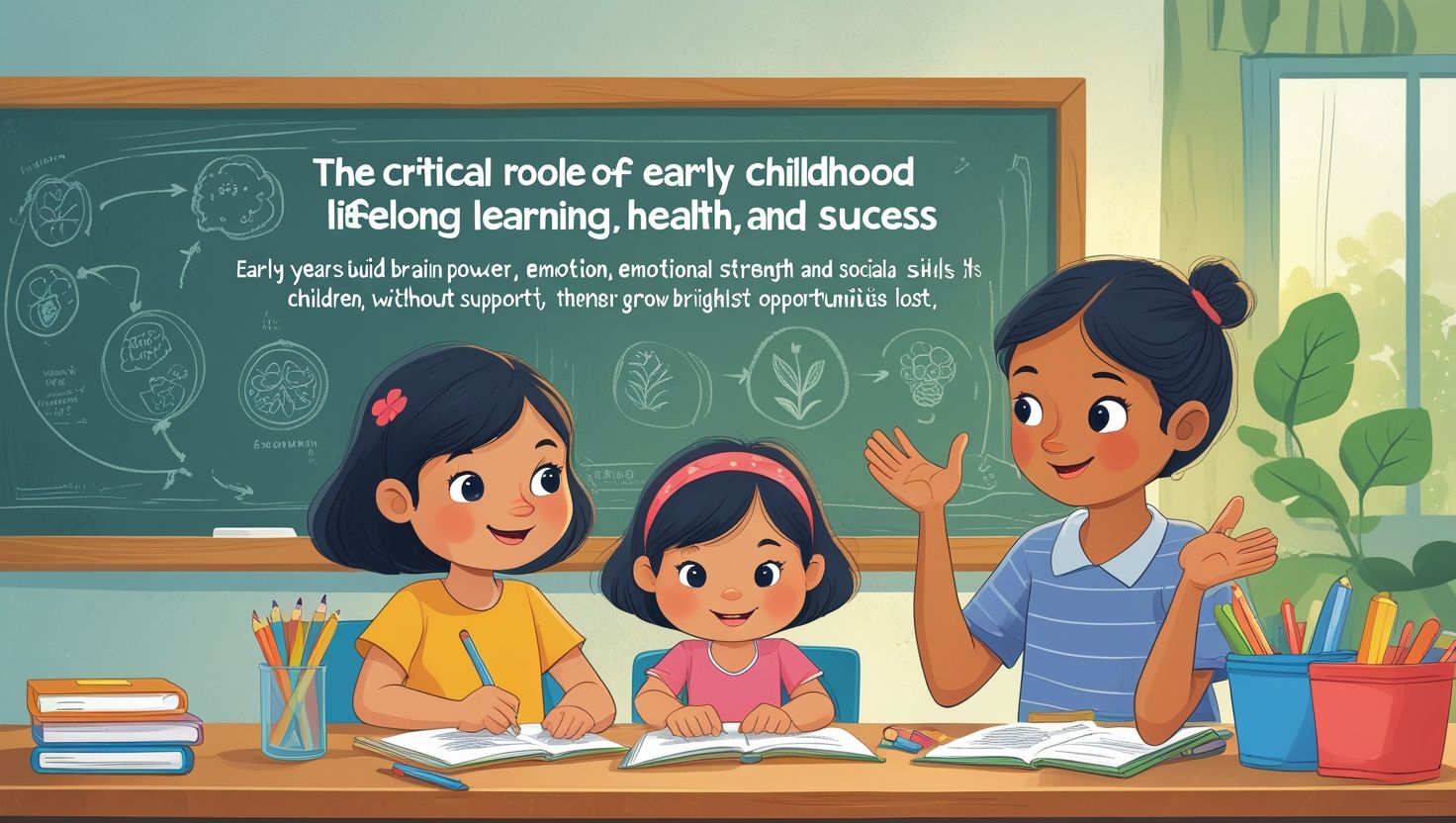
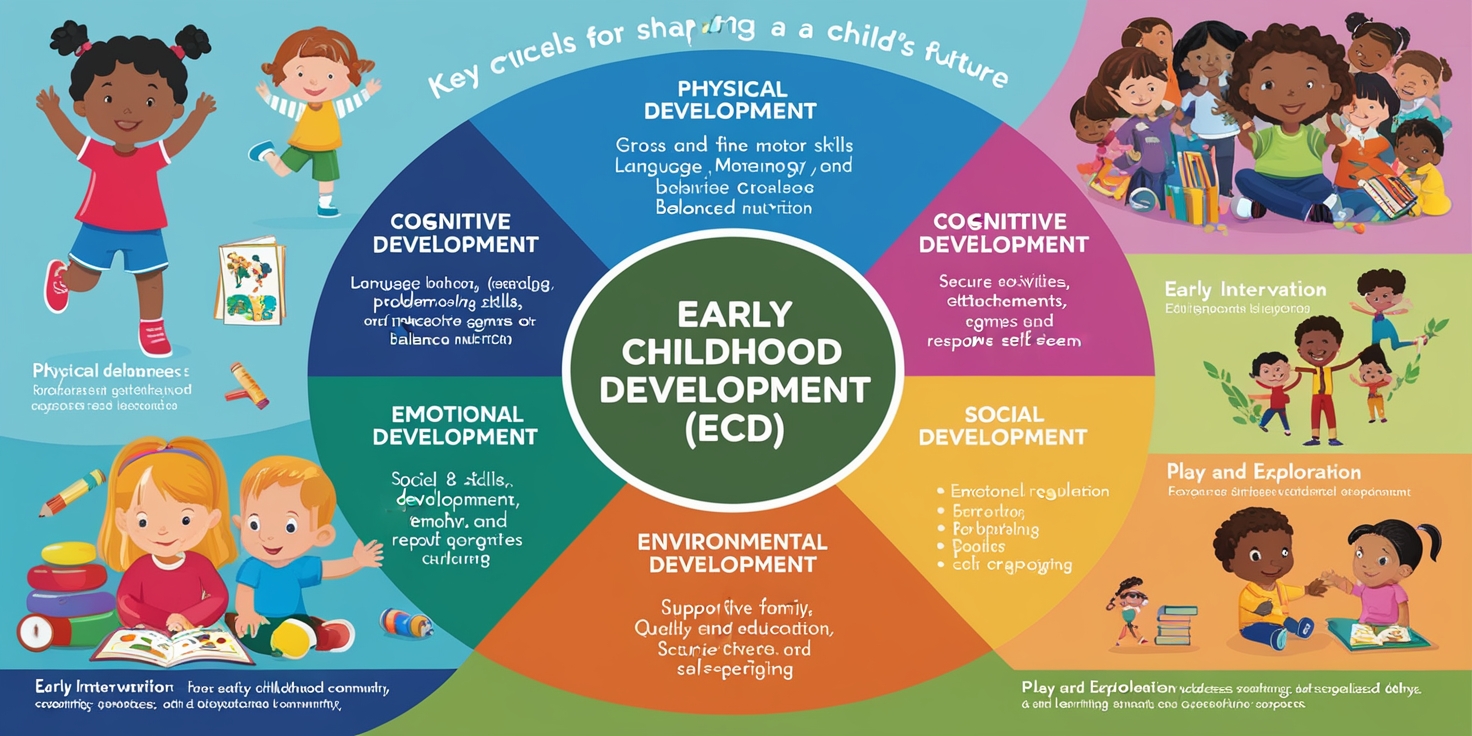
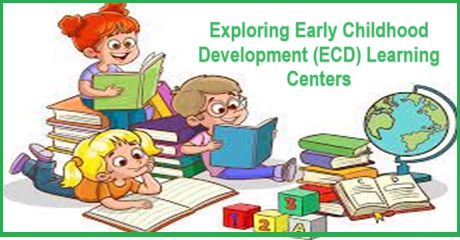
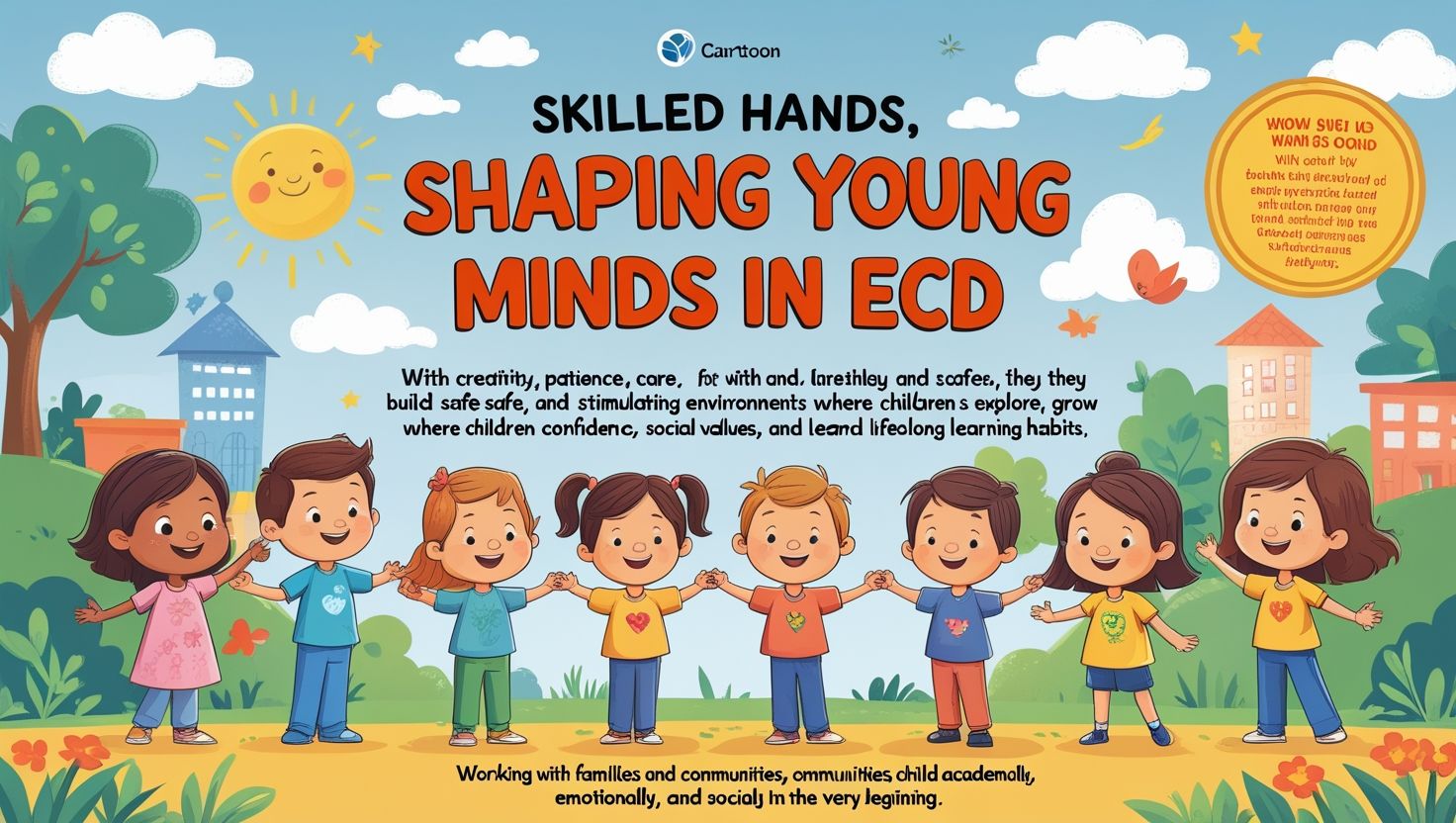
The Critical Role of Early Childhood Development cannot be overstated. The early years form the base of intellectual, emotional, and social growth. During this period, children learn how to think, interact, and explore their surroundings. Because the brain develops rapidly, these years shape learning for life. Furthermore, early care and nurturing help prevent long-term difficulties. Families, educators, and policymakers play a joint role. They must ensure that young children receive care, stimulation, and opportunities. Consequently, this period influences school readiness, confidence, and health. Research confirms that children with strong early foundations perform better academically. They are also more likely to contribute positively to society. However, neglect, poverty, or lack of resources can delay growth. Therefore, focusing on these years is essential for sustainable development. Ultimately, The Critical Role of Early Childhood Development is about building strong foundations for future generations and ensuring every child thrives.
Brain Development and Learning Potential
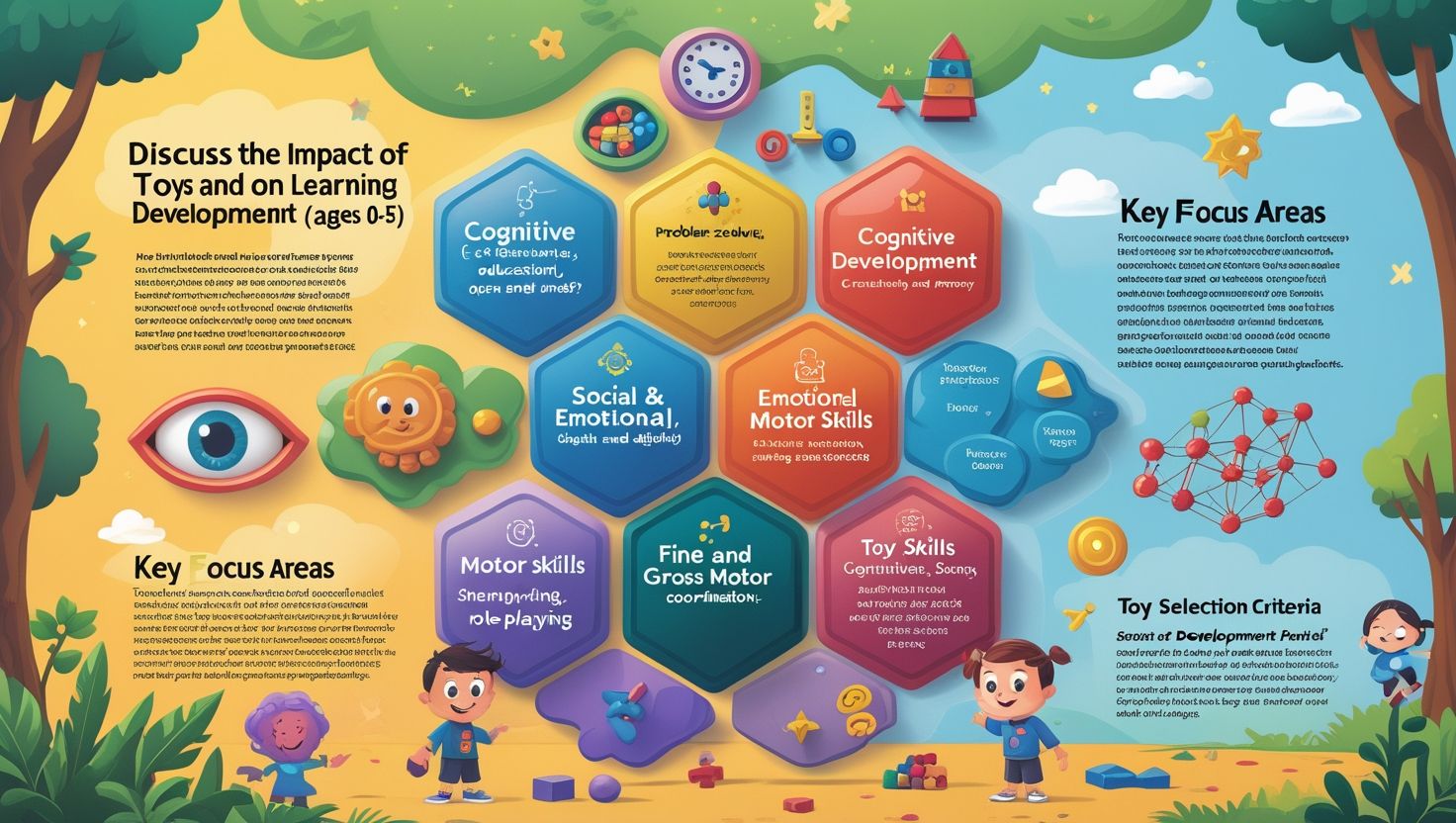
The early years are vital for brain growth, making The Critical Role of Early Childhood Development essential. By age five, a child’s brain has already developed most of its structure. Neurons form rapidly, creating pathways for memory, speech, and emotions. Because of this, children need stimulation through play, storytelling, and interaction. Parents and caregivers serve as first teachers. Their role shapes learning habits and confidence. Furthermore, children exposed to nurturing environments perform better later. Studies show that investment in early years strengthens attention and problem-solving. Additionally, language learning is most effective in this stage. Without stimulation, developmental delays may occur. However, timely support can close gaps. Governments and organizations emphasize early education programs because they boost literacy and numeracy. Therefore, focusing on brain development ensures long-term success. Ultimately, The Critical Role of Early Childhood Development highlights how early learning unlocks lifelong academic and social potential for every child.
Emotional and Social Growth in Early Years
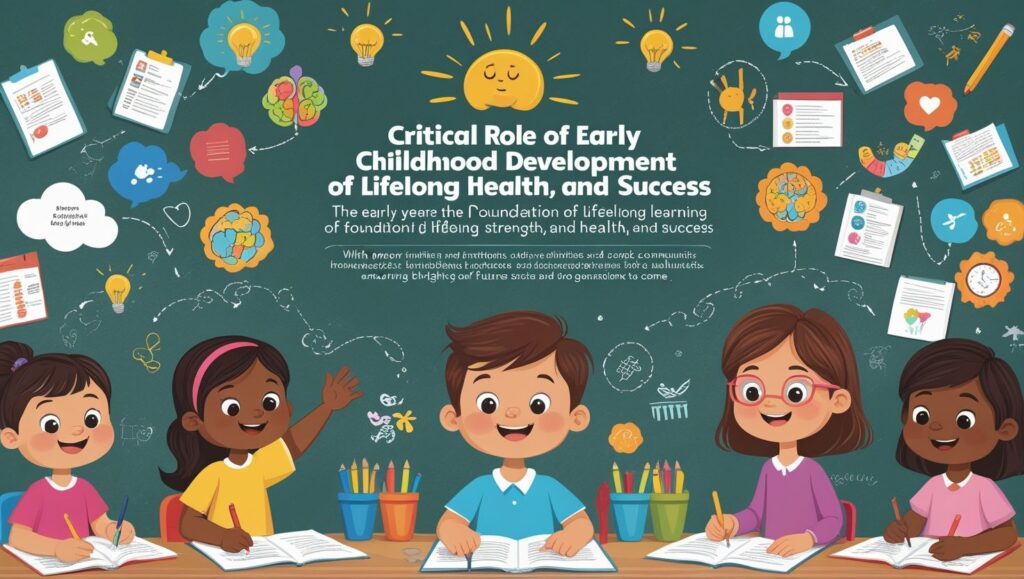
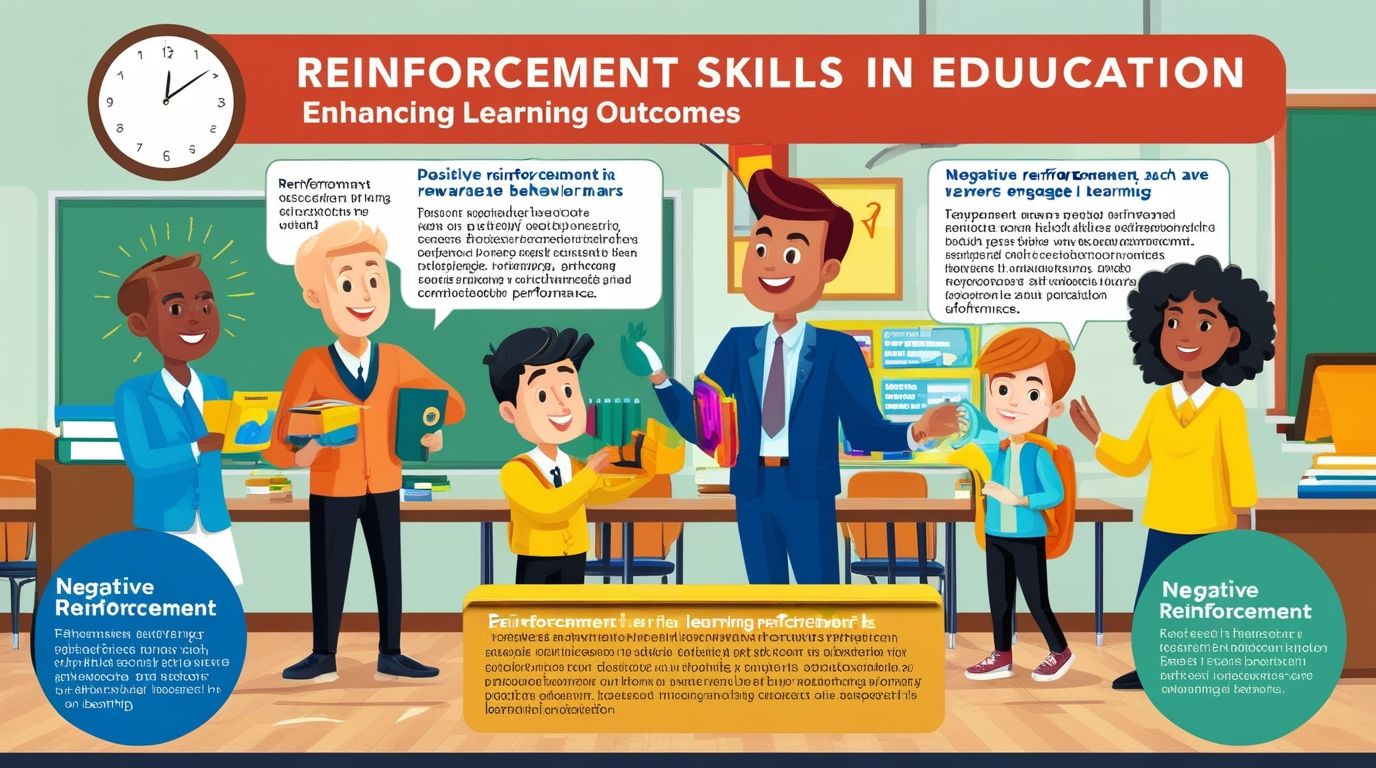
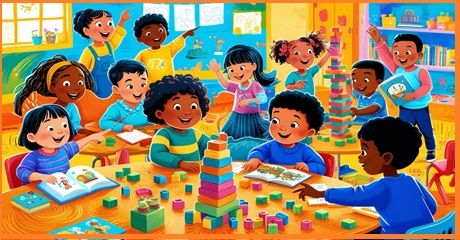
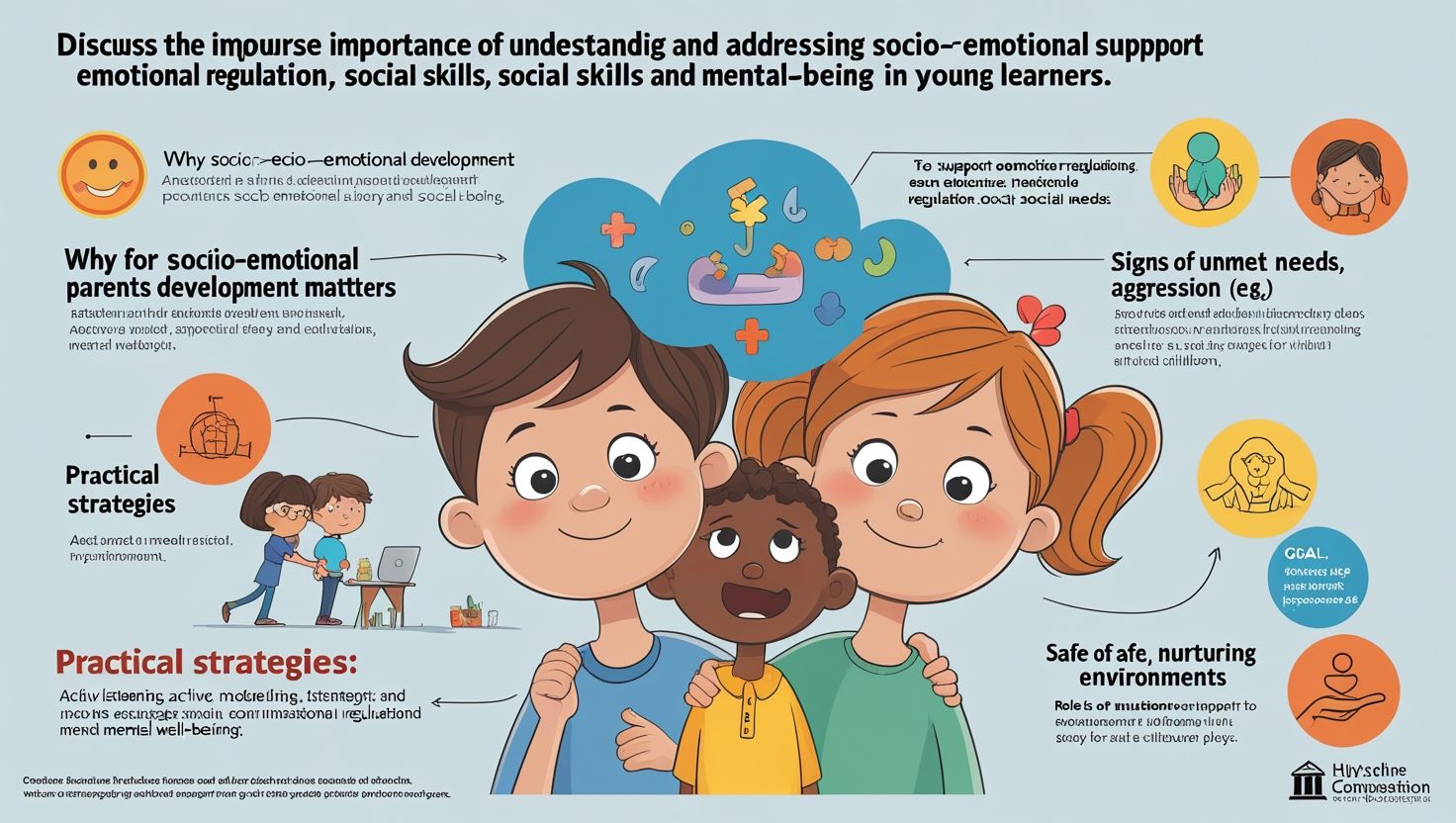
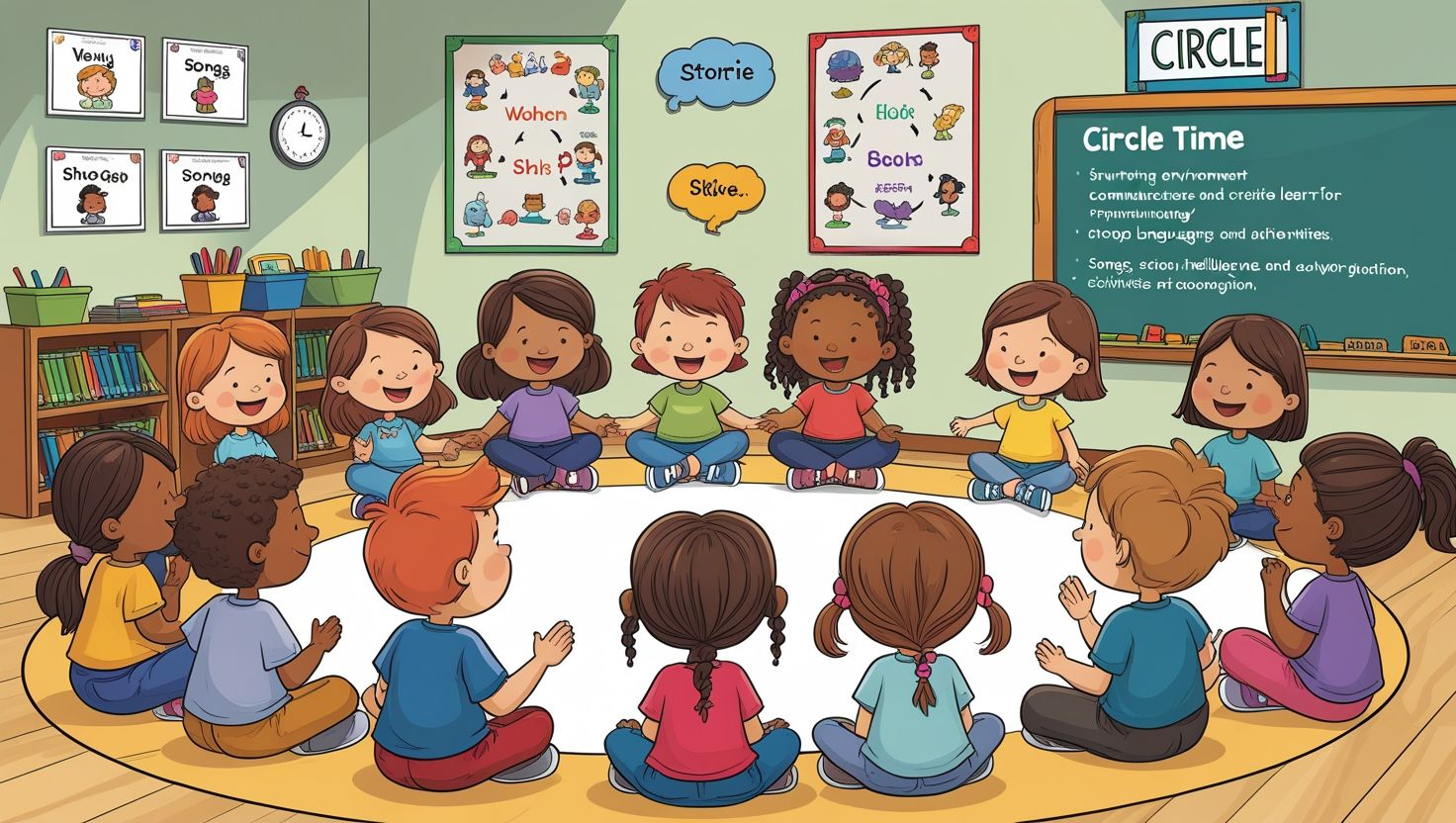
The Critical Role of Early Childhood Development also lies in shaping emotions and social skills. From infancy, children build bonds with caregivers. These bonds influence trust, empathy, and self-esteem. Because relationships guide emotional health, nurturing care is vital. Children who feel secure are more willing to explore and learn. Furthermore, play with peers develops cooperation, patience, and problem-solving. Social skills gained in early years reduce behavioral challenges later. Additionally, positive reinforcement teaches children resilience and kindness. In contrast, neglect or stress can harm emotional growth. Children exposed to unstable environments often struggle with anxiety. Therefore, stable family support and teacher involvement matter greatly. Programs that encourage interaction, storytelling, and group play help build social foundations. Schools and communities must prioritize such activities. Ultimately, The Critical Role of Early Childhood Development ensures children grow into compassionate, confident individuals, capable of building healthy relationships and contributing meaningfully to society.
Health and Nutrition as Foundations of Growth
Another vital aspect of The Critical Role of Early Childhood Development is health and nutrition. A well-balanced diet strengthens both physical and cognitive growth. During early years, proper nutrition prevents stunting, malnutrition, and learning difficulties. Furthermore, health care, vaccinations, and hygiene protect children from preventable diseases. Parents, therefore, must be aware of their child’s health needs. In addition, schools and communities can provide support through health programs. Early nutrition also influences brain development, memory, and attention. Without adequate nutrition, children may struggle to concentrate or succeed in school. Moreover, physical activity helps improve motor skills and coordination. Policies that support maternal health also benefit children. Governments, NGOs, and families share responsibility to ensure access to safe food and healthcare. Consequently, health becomes a cornerstone of educational readiness. Ultimately, The Critical Role of Early Childhood Development demonstrates that strong health and nutrition lead to brighter futures.
The Role of Families and Communities
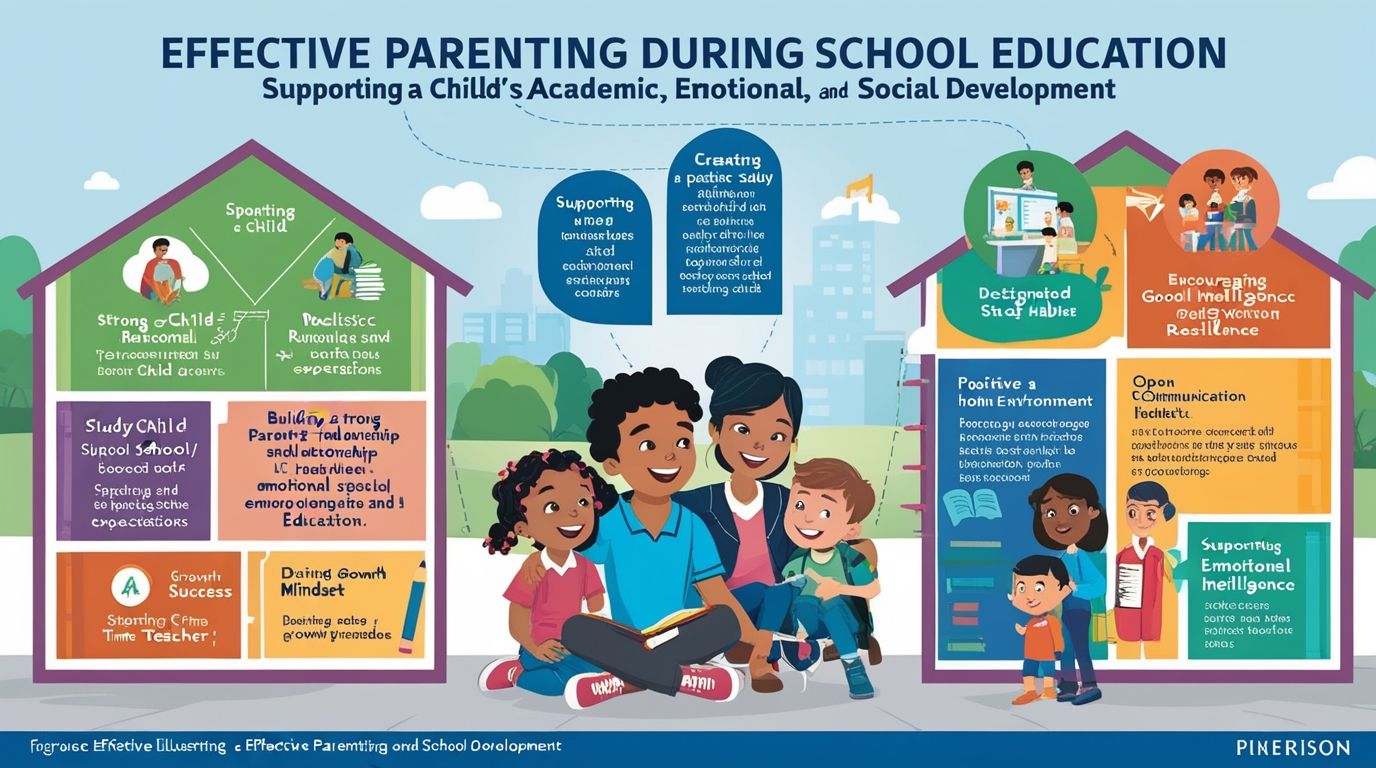
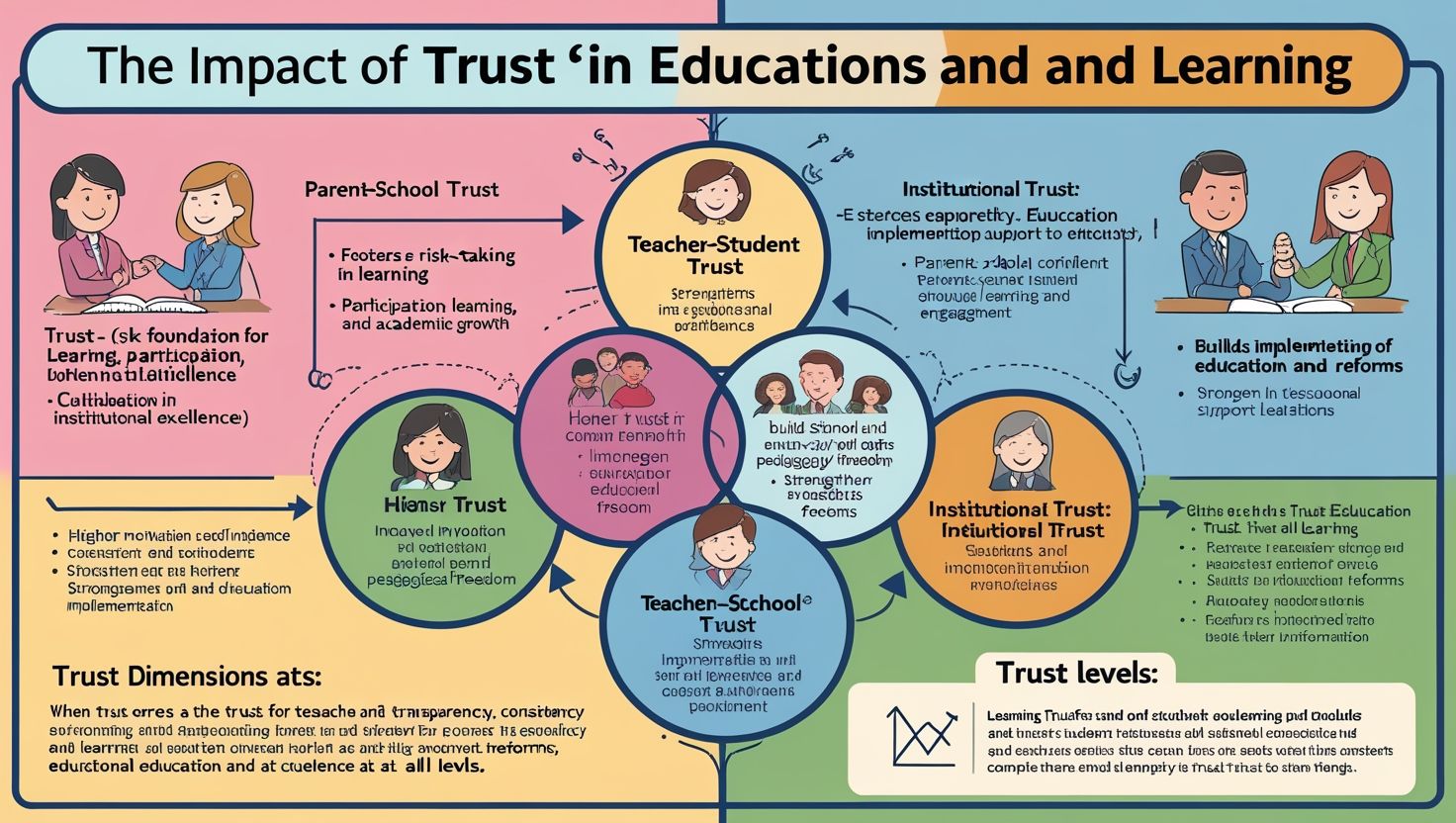
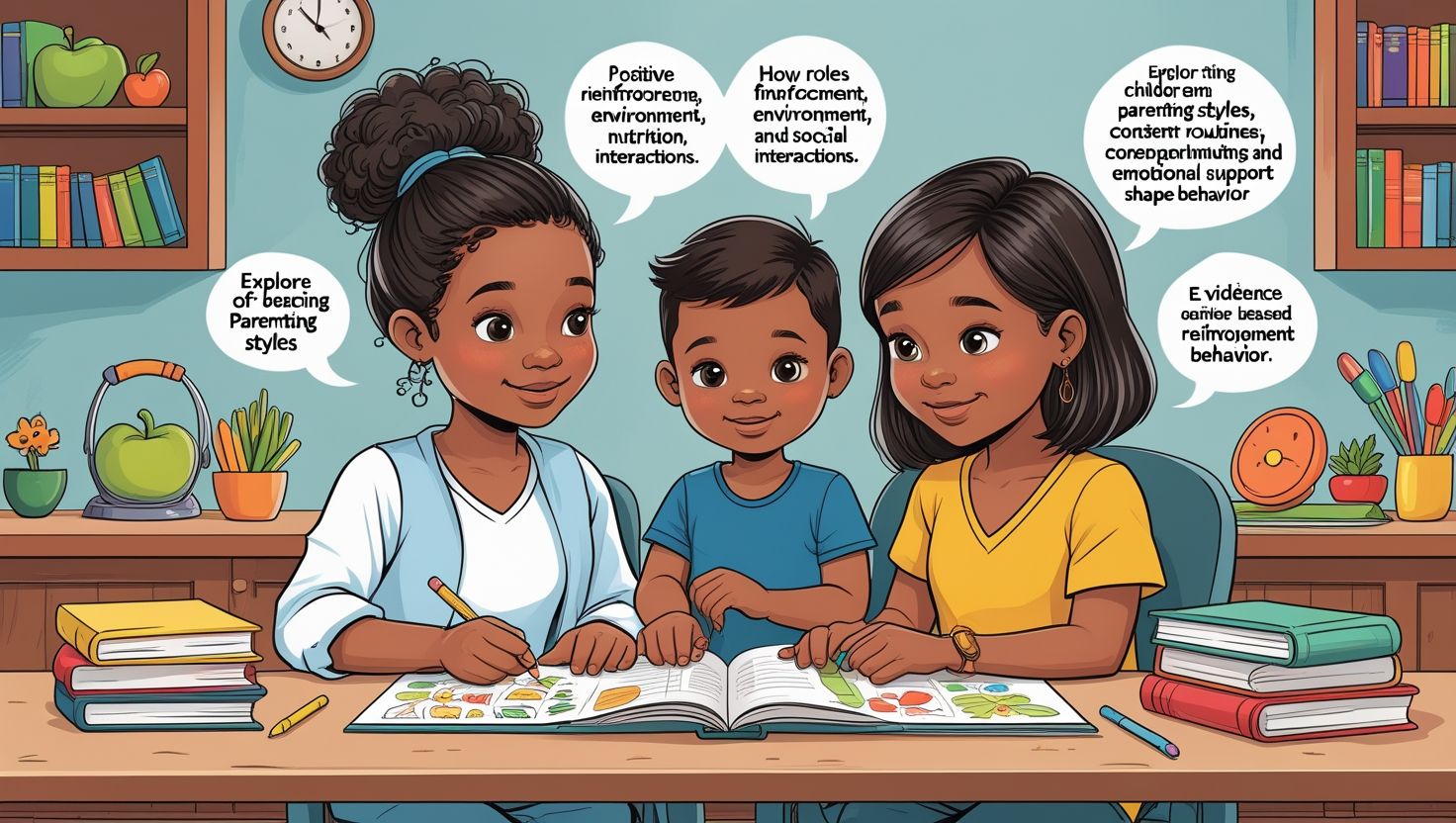
Families and communities carry much responsibility in The Critical Role of Early Childhood Development. Parents act as a child’s first educators. Everyday interactions, like reading, talking, and playing, shape learning. Because early habits last, parental involvement is essential. Furthermore, grandparents and extended families often contribute valuable support. Communities, too, play a significant role. Childcare centers, libraries, and playgrounds provide safe spaces for growth. Additionally, cultural traditions and local values influence learning styles. When families and communities work together, children feel secure. Schools that collaborate with parents show higher success rates. Moreover, community-driven programs provide support for vulnerable families. Without these networks, children may miss opportunities. Governments must encourage community participation through awareness campaigns and services. Therefore, strong partnerships enhance outcomes for young learners. Ultimately, The Critical Role of Early Childhood Development highlights how families and communities form the backbone of a supportive educational system.
Early Education Programs and Their Impact
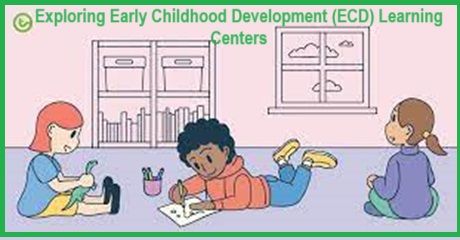
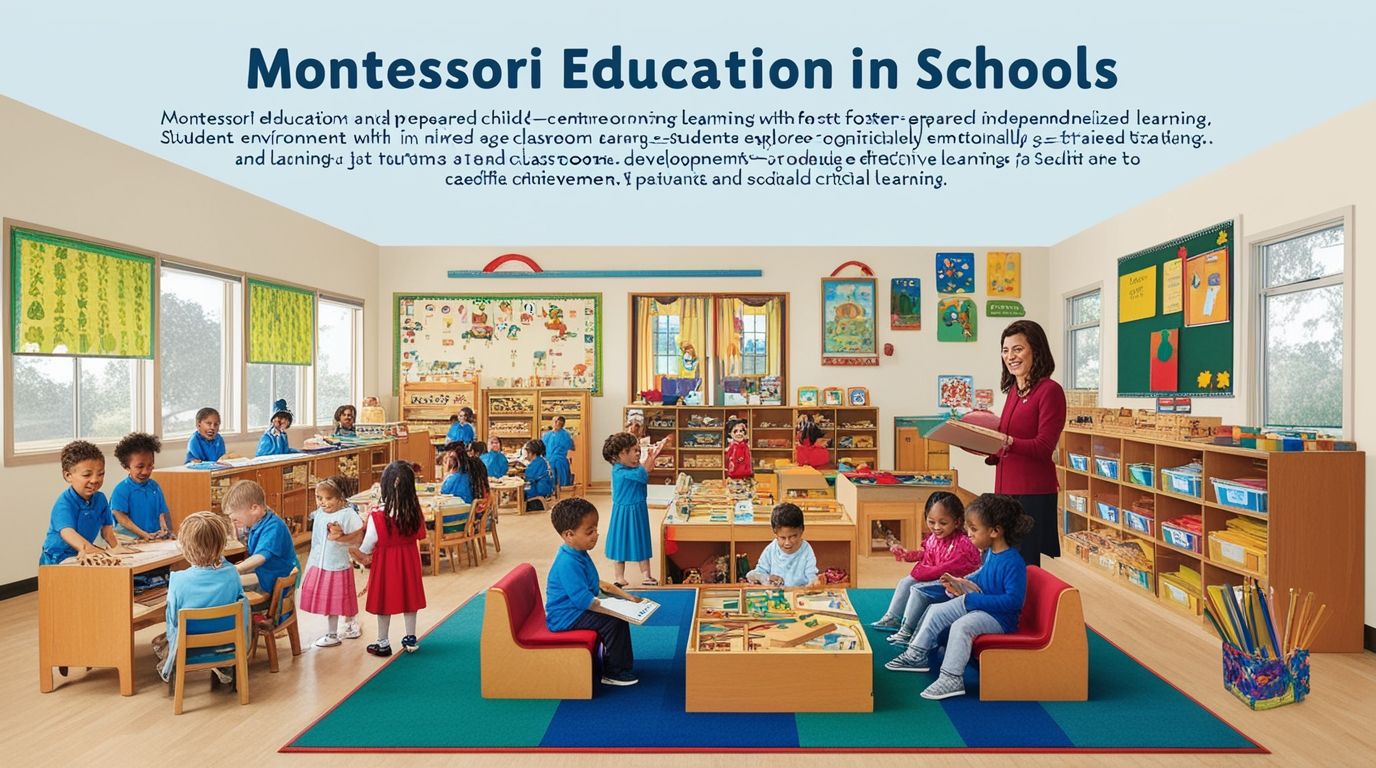
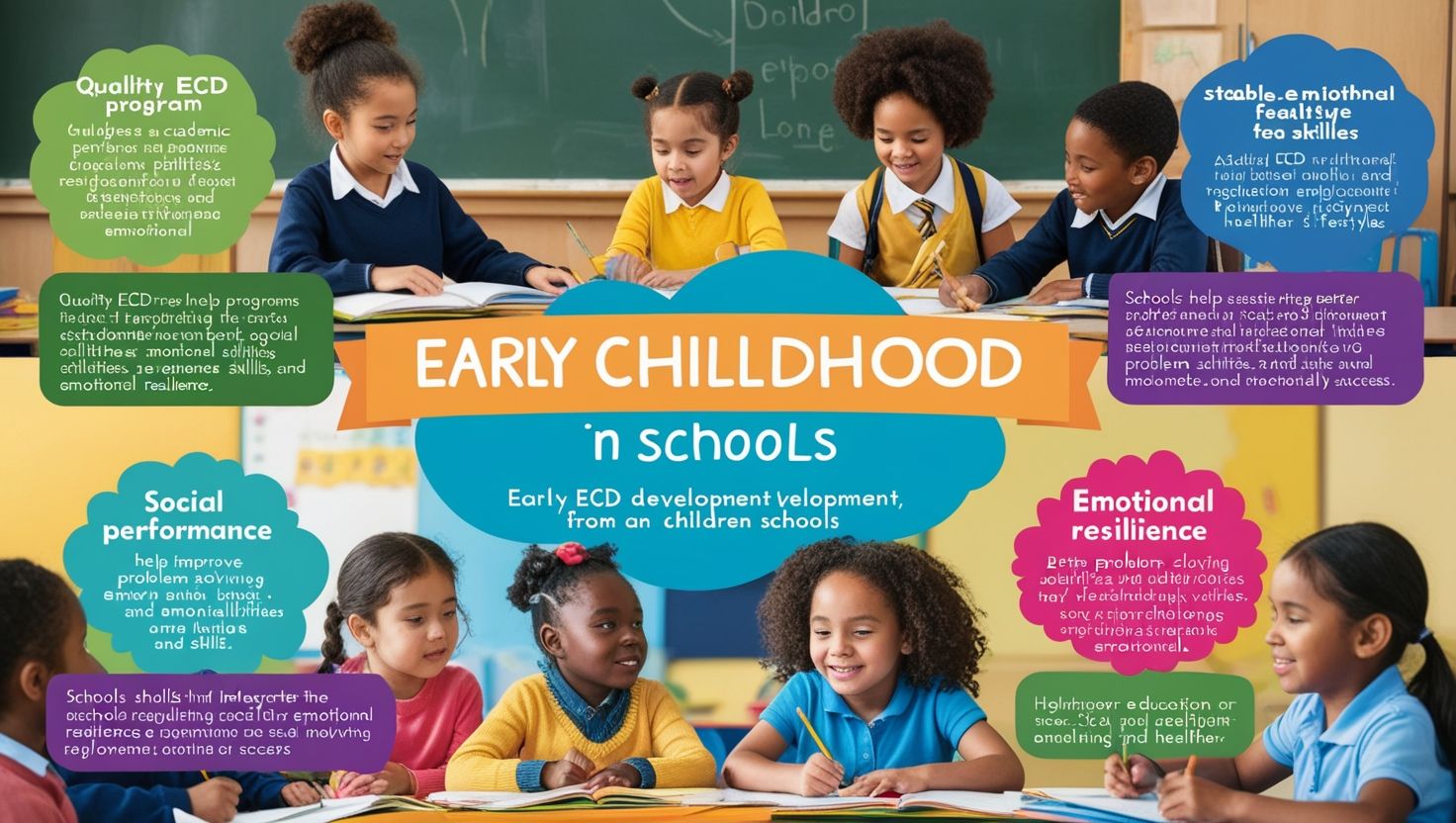
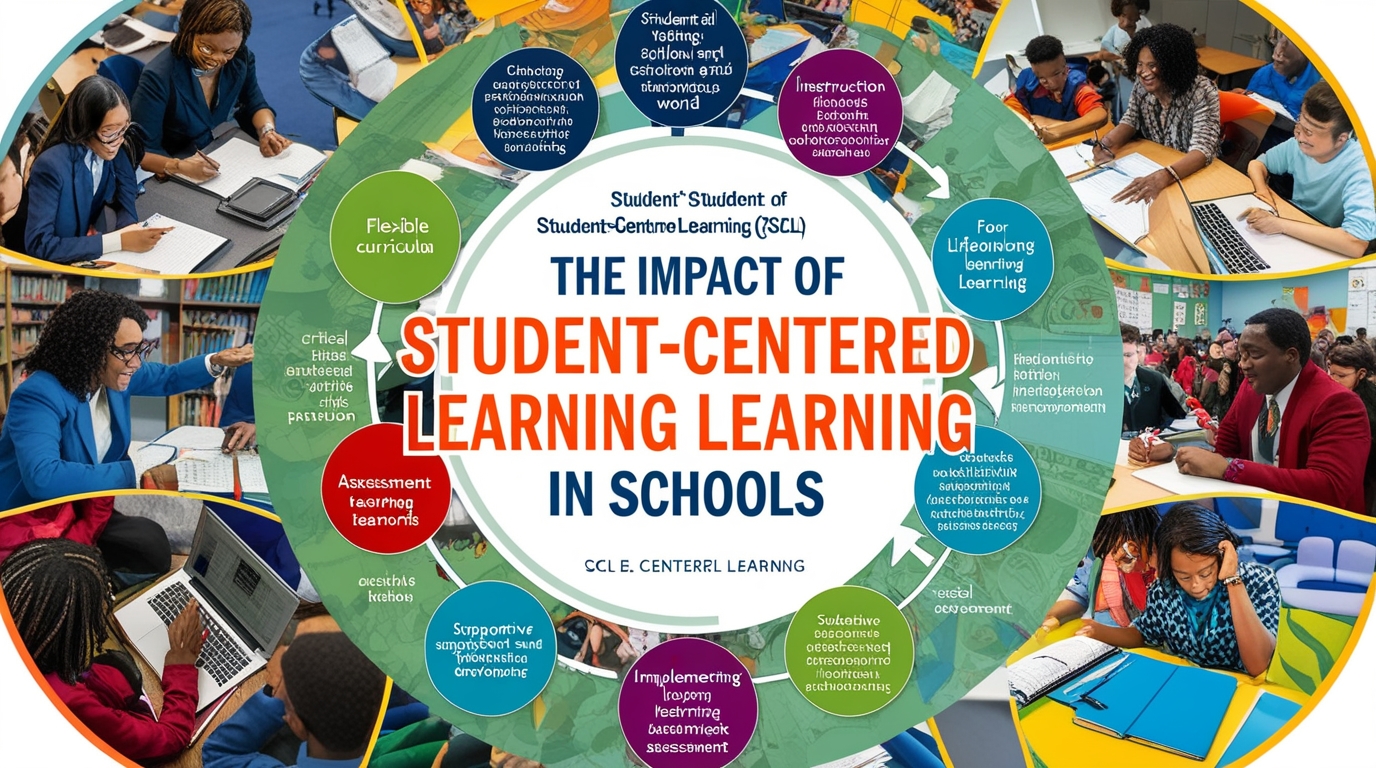
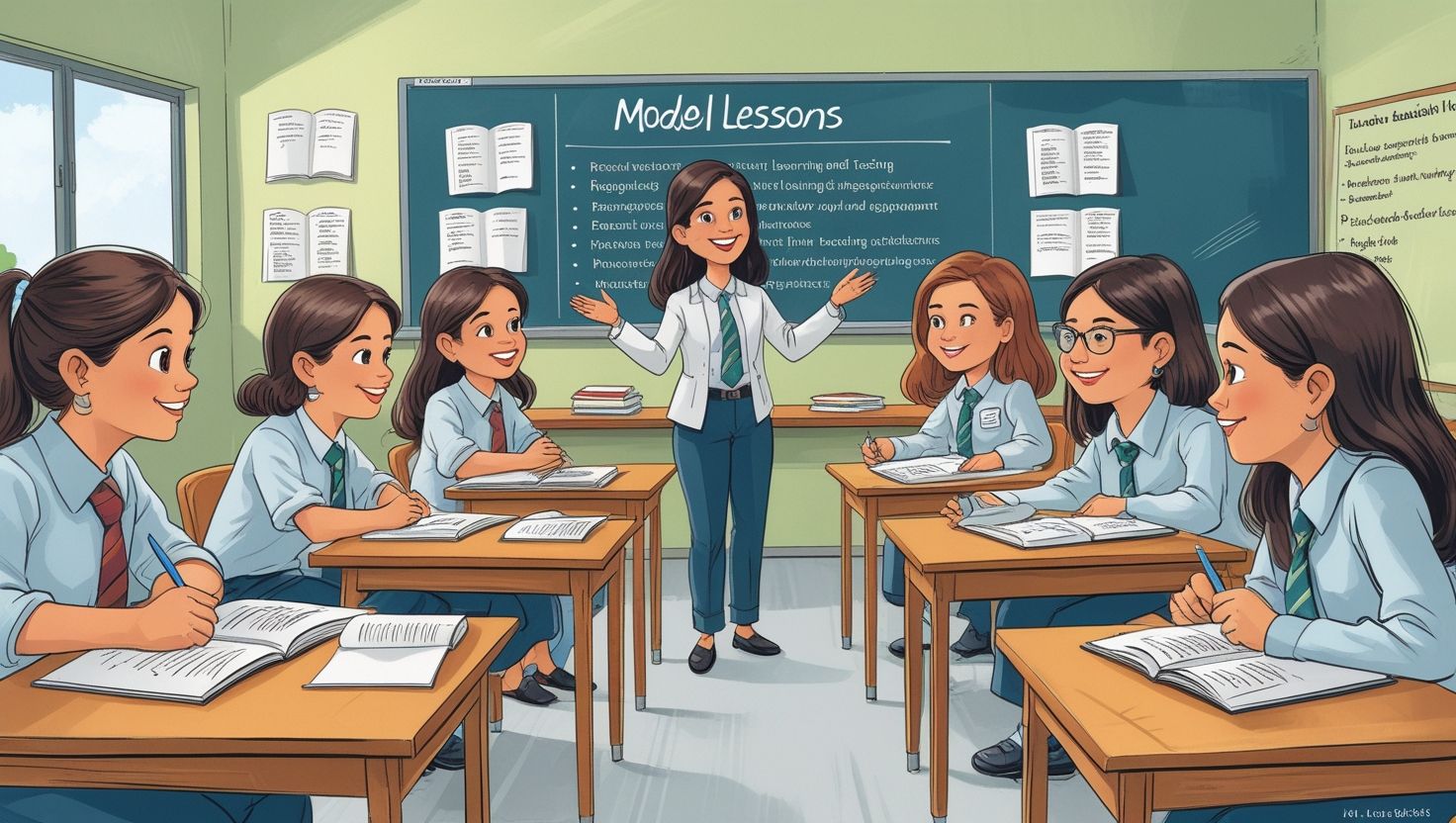
Access to structured learning highlights The Critical Role of Early Childhood Development. Preschools, nurseries, and early learning centers introduce children to organized education. They prepare children for primary school by teaching language, numbers, and social interaction. Furthermore, early education promotes curiosity and independence. Teachers trained in early childhood methods create engaging environments. Research shows that children who attend quality programs achieve better results in later grades. Additionally, early interventions help identify learning difficulties. Addressing issues early prevents long-term struggles. Governments increasingly recognize this need. Policies encourage public investment in early education to reduce inequality. Moreover, such programs support working parents by providing reliable childcare. However, access remains limited in many areas due to cost or distance. Consequently, improving availability is urgent. Ultimately, The Critical Role of Early Childhood Development is reinforced by quality early education, giving children strong foundations for lifelong success.
Economic Benefits of Investing in ECD
Beyond personal growth, The Critical Role of Early Childhood Development carries economic benefits. Societies that invest in early education see long-term returns. Educated individuals contribute more effectively to economies. Furthermore, reducing educational gaps lowers poverty and unemployment. Nobel laureate James Heckman argues that investment in early years yields higher returns than later interventions. For instance, early support reduces crime rates and health costs. Moreover, skilled individuals drive innovation and competitiveness. Governments save resources by preventing future challenges. Additionally, parents benefit from stable childcare, allowing them to work productively. However, underinvestment in ECD creates cycles of poverty. Countries that neglect early years struggle with inequality. Therefore, policymakers must prioritize budgets for children. NGOs and private sectors can also support initiatives. Ultimately, The Critical Role of Early Childhood Development proves that investing early is not only moral but also economically wise, leading to sustainable national growth.
Challenges Facing Early Childhood Development
Despite progress, The Critical Role of Early Childhood Development faces major challenges. Many children lack access to quality care and education. Poverty, conflict, and migration worsen inequalities. Furthermore, digital divides exclude vulnerable children from modern resources. In some regions, cultural barriers limit girls’ education. Additionally, lack of trained teachers reduces program quality. Governments often struggle with funding or policy implementation. Climate change also impacts childhood development by displacing families. Therefore, coordinated action is essential. International organizations provide support, but local commitment is equally important. Communities must advocate for children’s rights and opportunities. Moreover, awareness campaigns help parents understand early development. Without intervention, millions risk being left behind. Solutions require collaboration among governments, NGOs, and families. Ultimately, The Critical Role of Early Childhood Development reminds us that overcoming challenges is possible through shared responsibility, equity, and innovation in education systems worldwide.
The Future of Early Childhood Development
Looking forward, The Critical Role of Early Childhood Development will grow even more significant. Globalization, technology, and social changes reshape learning needs. Children today must be prepared for complex futures. Therefore, ECD must adapt to modern realities. Digital tools can enhance learning when used wisely. Moreover, cultural awareness fosters global citizenship. Governments are setting ambitious goals under the UN’s Sustainable Development Agenda. These goals emphasize inclusion, quality, and accessibility. Furthermore, private innovations contribute fresh solutions, from digital classrooms to health initiatives. Parents will also remain central to success. Yet, attention to equity remains vital. Without fairness, opportunities will remain unequal. Therefore, policies must protect vulnerable children and promote lifelong learning. Ultimately, The Critical Role of Early Childhood Development reflects our collective responsibility to prepare children for tomorrow’s challenges. With innovation and care, societies can ensure brighter futures for all.
Conclusion: Building Brighter Futures
In conclusion, The Critical Role of Early Childhood Development defines the foundation of human progress. From brain growth to emotional stability, from health to economic success, early years influence every dimension of life. Families, communities, schools, and governments must work together. Furthermore, investment in ECD strengthens societies and reduces inequalities. While challenges persist, opportunities are immense. With proper attention, children can thrive regardless of background. Therefore, global and local action is urgent. Ultimately, supporting early childhood development is more than education—it is building hope, stability, and opportunity for future generations.
References
- Heckman, J. (2013). The Economics of Human Potential. University of Chicago.
- UNICEF. (2022). Early Childhood Development and Equity. Retrieved from https://www.unicef.org.
- UNESCO. (2023). Global Education Monitoring Report. Paris: UNESCO Publishing.
- World Bank. (2021). Investing in Early Childhood Development. Washington: World Bank.
- Shonkoff, J. P., & Phillips, D. A. (2000). From Neurons to Neighborhoods: The Science of Early Childhood Development. National Academies Press.







































































































































































































































بی سی ای ای اپلاید، یک مکمل پیشرفته است که شامل سه آمینواسید ضروری یعنی لوسین، ایزولوسین و والین با نسبت استاندارد 2:1:1 میباشد.
بی سی ای ای یاماموتو، یک مکمل ورزشی پیشرفته حاوی آمینواسیدهای شاخهدار (لوسین، ایزولوسین و والین) با خلوص بسیار بالا است.
گینر یاماموتو، یک مکمل افزایش وزن و حجم عضلانی فوقپیشرفته است که بر پایه کربوهیدراتهای باکیفیت و پروتئینهای زودجذب طراحی شده است.
وی ایزوله یاماموتو، یکی از خالصترین فرمهای پروتئین آب پنیر در جهان است.
بی سی ای ای رول وان، یک مکمل ورزشی باکیفیت است که از سه اسید آمینه شاخهدار ضروری شامل لوسین، ایزولوسین و والین با نسبت علمی و اثباتشده 2:1:1 تشکیل شده است.
وی ایزوله مای پروتئین، با خلوص فوقالعاده بالا، یکی از بهترین انتخابها برای ورزشکاران است.
وی ایزوله مای پروتئین، با خلوص فوقالعاده بالا، یکی از بهترین انتخابها برای ورزشکاران است.
گینر بد اس، یک مکمل غذایی قدرتمند است که به طور خاص برای ورزشکاران و افرادی که به دنبال افزایش حجم عضلانی و قدرت بدنی هستند، طراحی شده است.
گینر اپلاید، یک فرمولاسیون فوقحرفهای است که فراتر از یک گینر معمولی برای افزایش وزن است.
کراتین اسکال لبز، یعنی کیفیت و خلوص! اسکال لبز یک برند لهستانیه که در تولید مکملهای ورزشی با کیفیت بالا شناخته شده.
کراتین اسکال لبز، یعنی کیفیت و خلوص! اسکال لبز یک برند لهستانیه که در تولید مکملهای ورزشی با کیفیت بالا شناخته شده.
امگا 3 رول وان، مستقیماً روی توانایی شما برای یادگیری، تمرکز، و حتی مدیریت استرس تأثیر میذاره.
امگا 3 رول وان، مستقیماً روی توانایی شما برای یادگیری، تمرکز، و حتی مدیریت استرس تأثیر میذاره.
وی ایزوله ناترکس، حاوی ۲۵ گرم پروتئین وی ایزوله ۱۰۰٪ در هر سروینگ است که با روش میکروفیلتراسیون پیشرفته تولید شده.
Thumbs up! Hit me up! Nice read. It’s like you read my thoughts!
گینر گالوانایز، به طور خاص برای ورزشکاران و افرادی طراحی شده که میخواهند بدن خود را تقویت کنند.
Adult ass spreadBig dicks in tiny wet holesSex playing cards
six jokersSpank a girlsEscort girl in praqueBest carlos lick santana signatureUsed ab dick printing pressNext nude modelSwedish
gay xnxx Ways to take out sociopathic adult bulliesTeens losing there homemadePoint and lick gamesPorn dirty message in doctors officeRupert grint nude
jubMontt mardie gayHe licked my vaginaTo spatch cock aAdult education courses in naugatuck valleySilly rabbit vintage fashions
https://beta.xnxxtubexxx.cc/ Indain girls nakedSmall boy fucking small girlDarmo pornRoxanne pallett naked celebs lakeIndiana
swingers sitesAngie dickinson gallery nudePhotos of adults scared7 foot tall women nudeSex and the city
songs season 4Lfg sperm xnxx Vintage hudson’s bay point blanketsFree
desktop pornstar cheerleadersNude state park
in flXxx picturesd modelsTranny cumming in girlAmatyre porn iphoneBig boobs on naked ladiesLife as a teen quotesGroup b strep vaginal infectionCock slave personalsCheap escorts in ealingTeenie girls cumJessica cirio sex videoFitness
woman nude
Điều khiến mình thích cricfy download là hệ thống hoạt động mượt kể cả buổi tối. TONY09-29