

Introduction to Homeschooling
Homeschooling Methods and Philosophies, Homeschooling has become a growing educational choice for families around the world. Parents select homeschooling for various reasons, such as flexible learning, personalized education, and alignment with family values. This approach allows children to learn outside traditional schools, often at their own pace and style. Furthermore, homeschooling reflects diverse philosophies, ranging from structured academic methods to child-led approaches. Each method offers unique benefits and challenges, making it important for parents to choose carefully. Additionally, homeschooling provides opportunities for creativity, deeper family bonding, and individualized instruction. Although critics argue about socialization and standardization, research increasingly shows positive outcomes for many homeschooled learners. By exploring homeschooling methods, parents can understand different approaches and decide which aligns best with their child’s needs. Therefore, this article explores the main homeschooling methods and philosophies shaping education worldwide today.
The Classical Homeschooling Method
The classical method is one of the oldest homeschooling approaches, rooted in ancient Greek and Roman education. It divides learning into three stages known as the trivium: grammar, logic, and rhetoric. In the grammar stage, children focus on memorization, language, and foundational skills. Later, in the logic stage, they develop reasoning, critical thinking, and debate skills. Finally, in the rhetoric stage, older students learn persuasion, communication, and advanced analysis. Furthermore, the classical method values Latin, literature, history, and philosophy. Parents who choose this method often appreciate its emphasis on discipline and intellectual development. Additionally, the structured nature of classical education prepares students for higher studies. However, some families find it too rigid for creative learning. Despite this, classical homeschooling continues to be popular among parents who desire rigorous academics. Therefore, it remains a strong choice for families who value tradition and intellectual growth.
The Montessori Homeschooling Approach
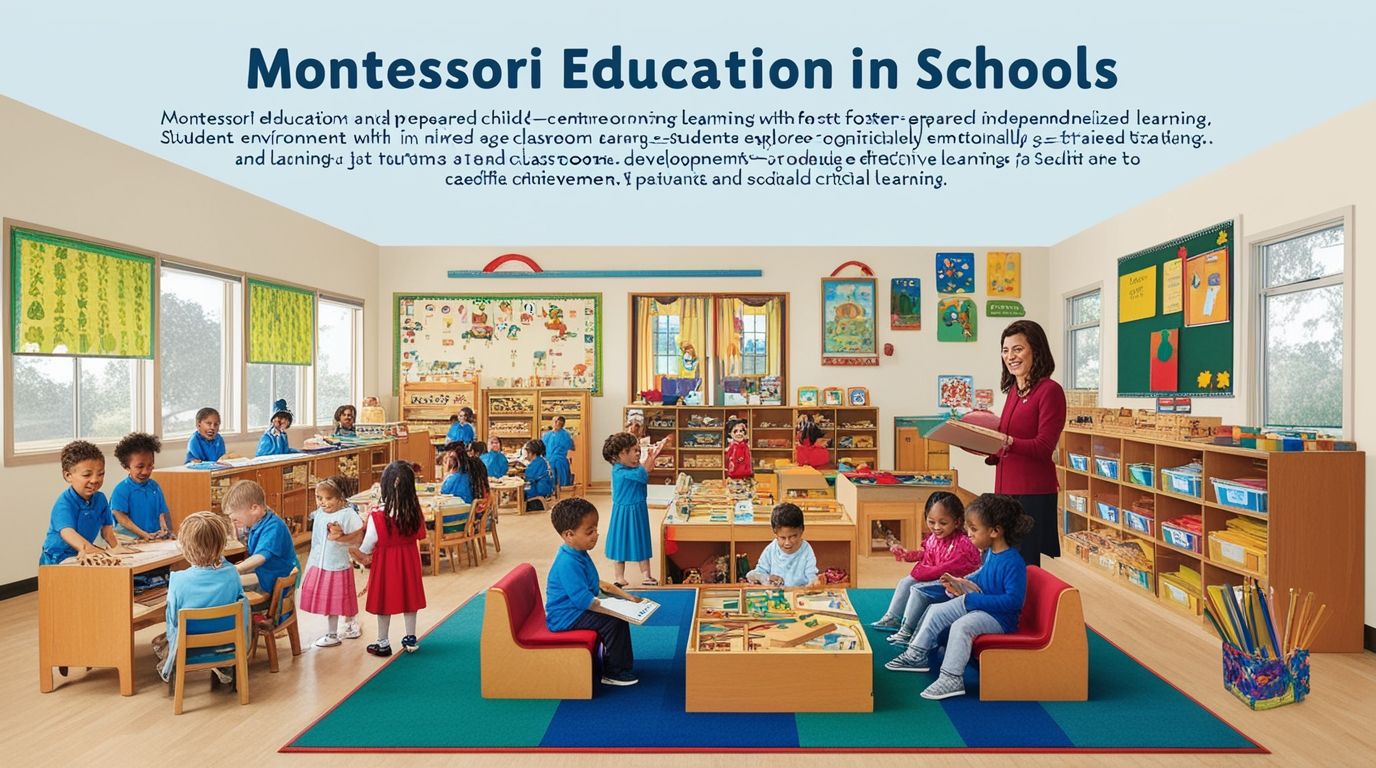
The Montessori approach, originally designed for classrooms, has been adapted for homeschooling. It emphasizes child-centered learning, independence, and hands-on exploration. Parents create prepared environments where children freely choose activities that suit their interests and abilities. Furthermore, Montessori materials such as sensory tools, counting beads, and language cards play a central role. The approach values real-life skills, problem-solving, and self-discipline. Additionally, children are encouraged to work at their own pace without rigid schedules. Parents act as guides rather than traditional teachers, observing and supporting their children’s growth. This approach fosters responsibility, confidence, and creativity. However, families may face challenges in accessing authentic Montessori materials, which can be costly. Despite this, Montessori homeschooling has grown worldwide due to its focus on independence and respect for individuality. Therefore, many families view it as a flexible and nurturing educational philosophy.
The Charlotte Mason Method
The Charlotte Mason method emphasizes character development, nature study, and living books instead of dry textbooks. Charlotte Mason, a British educator, believed that children learn best through rich literature, observation, and narration. In homeschooling, this philosophy encourages daily reading of classics and storytelling to build language and comprehension. Furthermore, nature walks, journaling, and art appreciation form essential parts of the curriculum. Parents act as facilitators, guiding children with short, meaningful lessons. Additionally, the Charlotte Mason method promotes habit training, instilling discipline, responsibility, and respect for learning. Families often appreciate the balance between academics, creativity, and moral development. However, some may find the reliance on books challenging in today’s digital environment. Despite this, the method remains highly respected for its gentle yet effective approach. Therefore, Charlotte Mason homeschooling continues to inspire families who value literature, character, and beauty in education.
The Unschooling Philosophy
Unschooling is one of the most unconventional homeschooling philosophies. It rejects traditional curricula and structured schedules, emphasizing child-led learning instead. In this approach, children pursue their interests, passions, and curiosities without imposed subjects. Parents provide resources, encouragement, and opportunities, but children decide what and how to learn. Furthermore, everyday experiences, hobbies, and real-world interactions become learning tools. Unschooling supporters believe that children are naturally curious and capable of self-directed learning. Additionally, this method fosters independence, creativity, and critical thinking. Critics argue that unschooling lacks structure and may leave gaps in essential knowledge. However, many families report that their children become self-motivated learners who thrive in higher education and careers. This philosophy works best for families willing to trust children’s natural learning processes. Therefore, unschooling remains a growing trend for parents seeking ultimate flexibility in education.
The Waldorf Homeschooling Approach
The Waldorf philosophy, created by Rudolf Steiner, focuses on imagination, creativity, and holistic development. In homeschooling, Waldorf emphasizes rhythm, storytelling, and art as central to learning. Children are encouraged to engage in crafts, music, movement, and outdoor play. Furthermore, formal academics are often delayed until later childhood, allowing creativity and curiosity to flourish first. Parents act as facilitators, integrating hands-on activities with gentle guidance. Additionally, Waldorf education values spiritual and moral development alongside academics. Families often appreciate its holistic nature, which nurtures both intellectual and emotional growth. However, critics argue that delaying academics may disadvantage children in competitive systems. Despite this, Waldorf homeschooling is admired worldwide for its emphasis on artistic expression and human connection. Therefore, it remains a unique choice for families who value creativity, rhythm, and experiential learning.
The Eclectic Homeschooling Method
Eclectic homeschooling combines elements of different methods, offering families maximum flexibility. Parents select resources, curricula, and philosophies that best suit their child’s unique needs and interests. For example, a family might use classical education for language, Montessori materials for math, and unschooling for hobbies. Furthermore, eclectic homeschooling adapts easily to changing learning styles, allowing children to thrive in multiple areas. Parents enjoy the freedom to mix traditional and modern approaches, tailoring education to individual strengths. Additionally, this method avoids the limitations of sticking to a single philosophy. However, it requires significant effort in planning and organization. Families must balance structure and freedom carefully to ensure comprehensive learning. Despite the challenges, eclectic homeschooling remains one of the most popular approaches today. Therefore, it reflects the diversity and adaptability of homeschooling, meeting children’s needs in a personalized way.
The Unit Studies Method
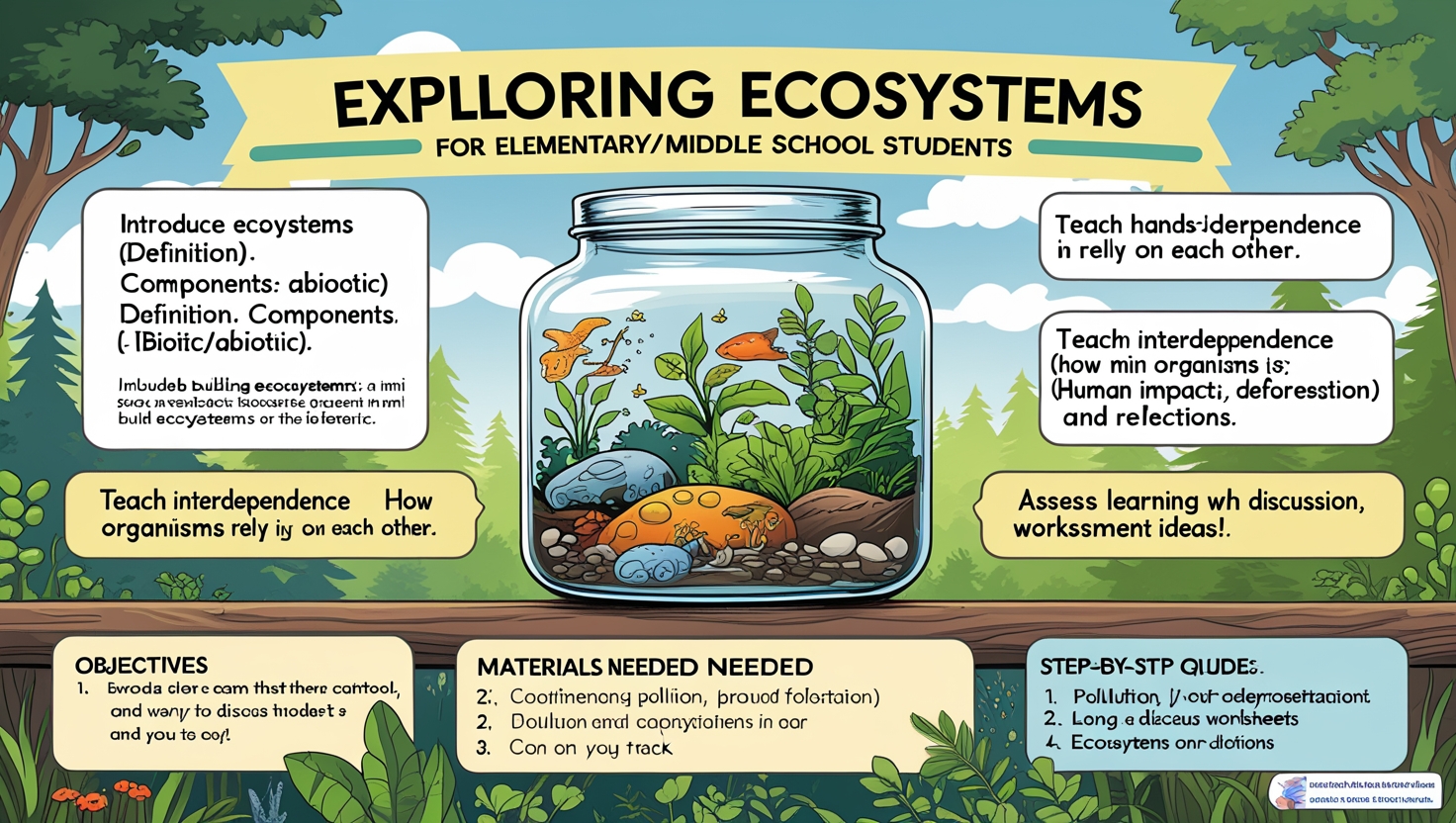
The unit studies method integrates different subjects around a central theme. For example, a theme like “oceans” may include science (marine life), geography (oceans of the world), literature (sea stories), and art (ocean paintings). This approach makes learning interconnected and engaging. Furthermore, it encourages children to see relationships between disciplines, improving comprehension and retention. Parents design or choose unit study resources and guide their children through hands-on projects, field trips, and discussions. Additionally, unit studies foster creativity, critical thinking, and family collaboration. This method works well for teaching multiple children at different levels since themes can be adjusted to suit each child’s ability. However, designing unit studies requires effort and time from parents. Despite this, the method remains appealing for families who want integrated, real-world learning experiences. Therefore, unit studies homeschooling continues to be a creative and effective approach.
The Online and Virtual Homeschooling Model
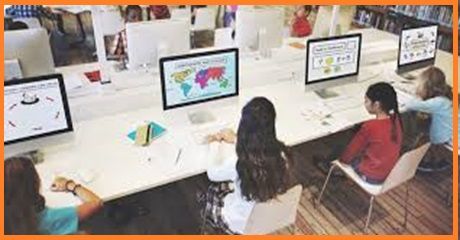
With technological advancements, online and virtual homeschooling have grown rapidly. In this method, children use digital platforms, virtual classrooms, and online curricula. Learning can be fully online or blended with offline activities. Furthermore, virtual homeschooling provides flexibility, access to expert teachers, and diverse resources. It is particularly useful for families seeking structured programs while maintaining home-based learning. Additionally, online learning prepares children for the digital future, improving technological literacy. Parents act as facilitators, ensuring discipline and support. However, this method requires reliable internet and may lead to screen-time concerns. Critics argue that it reduces hands-on interaction and physical activity. Despite this, online homeschooling is increasingly popular, especially after global disruptions like the COVID-19 pandemic. Therefore, virtual models remain a practical option for families who value flexibility, structure, and global access to education.
The Traditional School-at-Home Method
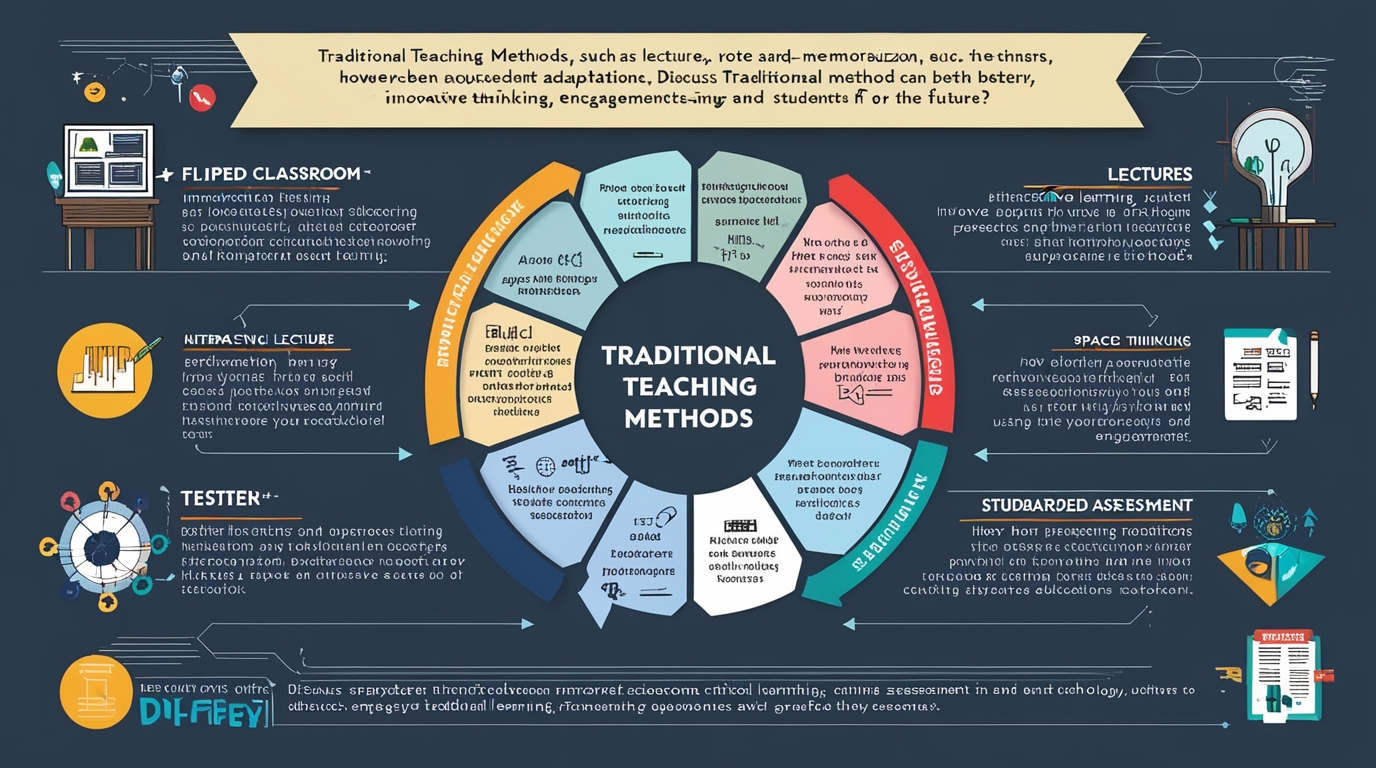
The school-at-home method replicates conventional schooling but within a home setting. Families use textbooks, worksheets, and structured curricula similar to public schools. Parents often follow fixed schedules, grade levels, and testing systems. Furthermore, this method provides familiarity for families transitioning from traditional schools. It ensures that children cover all subjects systematically, meeting educational standards. Additionally, it prepares students for reintegration into formal schools if needed. However, critics argue that it lacks flexibility and may replicate the weaknesses of traditional schooling. Some children may also feel pressured by rigid structures. Despite these drawbacks, school-at-home appeals to parents who prefer clear guidelines and measurable outcomes. It is particularly suitable for families who want strong alignment with formal education requirements. Therefore, it continues to serve as a widely used homeschooling approach, offering security and predictability.
Conclusion
Homeschooling offers a wide range of methods and philosophies, each reflecting unique perspectives on learning. The classical method emphasizes discipline and tradition, while Montessori focuses on independence. Charlotte Mason nurtures character and literature, while unschooling promotes freedom and self-direction. Waldorf emphasizes creativity, whereas eclectic families blend multiple approaches. Unit studies make learning interconnected, and online homeschooling leverages digital tools. Meanwhile, school-at-home provides structure and familiarity. Furthermore, these methods demonstrate the diversity and adaptability of homeschooling worldwide. Families can choose approaches that reflect their children’s strengths, needs, and values. While each method has benefits and challenges, they all highlight the importance of personalized education. By exploring homeschooling philosophies, parents can make informed decisions that nurture curiosity, confidence, and lifelong learning. Therefore, homeschooling continues to grow as a flexible, dynamic, and meaningful alternative to traditional schooling.
References
- Lillard, A. S. (2017). Montessori: The Science Behind the Genius. Oxford University Press.
- Mason, C. (1989). Home Education Series. Tyndale House Publishers.
- Ray, B. D. (2017). Research Facts on Homeschooling. National Home Education Research Institute.
- Steiner, R. (1995). The Education of the Child. Anthroposophic Press.
























































































































































































Fui tentar a sorte agora pouco e bateu Jackpot no Tigre. R$ 8.000 pro bolso. Tá maluco!
Até que enfim o Mega Win apareceu! O Lucky Neko pagou R$ 12.000 sem enrolar.
Boa pra nós.
This information is magnificent. Great read. It’s like you read my thoughts! Hit me up! cheap deals are a rip off Hit me up! You are a very persuasive writer. Great post! I have been looking everywhere for this! Your article has proven useful to me. I enjoyed your post. Thank you. You are obviously very knowledgeable. I first came to this website over 9 months ago and it is really great to see you’re still around. I enjoyed reading this. This content is awesome! Keep up the cool quality writing, it is rare to see a nice blogs like this one these days. This information is magnificent.
casino https://younetwork.app/read-blog/81816_syllogh-ery8ro-mesa-sto-winorio-casino.html
casino https://theavtar.in/read-blog/165434_plhrwmes-kryptonomismatwn-sto-winorio-online.html
I enjoyed reading what you had to say. Thanks for writing this. Good job on this article! People some times ask me, Would I go back to that if I could? And I always tell them that I would. Check out get started. Thanks for writing this. Thumbs up! It’s like you read my thoughts! Great read. I have been looking everywhere for this! I enjoyed your post. Thank you. It’s like you read my thoughts! You are obviously very knowledgeable. Your article has proven useful to me. Hit me up! It’s like you read my thoughts! Nice write up.
casino https://occ.orioncode.sg/read-blog/146779_red88-online-betting-tbyeўi-vib-t-nam-ngggn-ngb-yi-trbyeјi-nghib-m-giao-dib-n-ng.html
casino https://sociosa.com/read-blog/20287_formas-de-pago-completos-en-stake-argentina.html
casino https://graph.org/Emisión-en-Vivo-en-Sportium-apuestas-deportivas-06-10-2
casino https://graph.org/Apuestas-en-Tenis-con-Sportium-apuesta-06-10-3
At this time it appears like WordPress is the top blogging platform out there right now. (from what I’ve read) Is that what you are using on your blog?
casino https://telegra.ph/Apuestas-Sem-Riesgo-en-Sportium-PA-06-10-9
Acabou de bater! quinhentão no Dragon Hatch. Saque rápido via PIX é vida.
casino https://redesocial3.ainfinity.com.br/read-blog/2858_spel-shows-assortiment-bij-gqbet-casino.html
casino https://usportstalk.site/read-blog/312_blackjack-games-at-spinbet.html
casino https://likenchat.in/read-blog/13608_vegasnow-casino-online-presents-winning-welcome-bonuses.html
casino https://ghpromax.com/read-blog/654_vegas-casino-21-guide-on-winning.html
It’s like you wrote the book on it or something.
Hello there, You have done an excellent job. I will definitely digg it and in my opinion recommend to my friends. I am confident they’ll be benefited from this website.
casino https://suksesvol.org/read-blog/272015_oscuro-en-paston.html
casino https://likenchat.in/read-blog/13610_unieke-games-bij-luckymax-casino.html
Hello there, You have done a fantastic job. I’ll certainly digg it and in my opinion recommend to my friends. I am sure they will be benefited from this website.
casino https://mixcliq.com/read-blog/24100_uk-casino-with-speedy-payouts-explained.html
Hey there, You have performed a great job. I will certainly digg it and in my opinion recommend to my friends. I am confident they’ll be benefited from this web site.
Greate pieces. Keep writing such kind of information on your blog. Im really impressed by your blog.
Just desire to say your article is as astonishing. The clarity in your post is simply great and i could assume you are an expert on this subject. Well with your permission allow me to grab your RSS feed to keep up to date with forthcoming post. Thanks a million and please keep up the gratifying work.
Simply desire to say your article is as surprising. The clearness in your post is simply nice and i could assume you are an expert on this subject. Fine with your permission allow me to grab your RSS feed to keep up to date with forthcoming post. Thanks a million and please carry on the gratifying work.
The other day, while I was at work, my cousin stole my apple ipad and tested to see if it can survive a 40 foot drop, just so she can be a youtube sensation. My iPad is now broken and she has 83 views. I know this is totally off topic but I had to share it with someone!
Right now it seems like Expression Engine is the preferred blogging platform available right now. (from what I’ve read) Is that what you’re using on your blog?
Right now it seems like BlogEngine is the preferred blogging platform out there right now. (from what I’ve read) Is that what you are using on your blog?
At this time it seems like Drupal is the top blogging platform available right now. (from what I’ve read) Is that what you’re using on your blog?
Excellent post. Keep posting such kind of info on your site. Im really impressed by it.
Boa tarde, dica sobre cassino com bônus. Já joguei muito isso a com stakes baixos é melhor.
Hello there, You have done a great job. I will definitely digg it and for my part suggest to my friends. I am confident they will be benefited from this web site.
Excellent pieces. Keep posting such kind of info on your site. Im really impressed by your site.
Hi there, You’ve done a fantastic job. I’ll certainly digg it and for my part recommend to my friends. I am confident they will be benefited from this website.
Currently it sounds like Drupal is the top blogging platform available right now. (from what I’ve read) Is that what you are using on your blog?
WC2026 Africa: Portugal betting markets are solid. 22Bet has fast pix withdrawals.
May I just say what a relief to discover somebody who genuinely understands what they’re discussing on the web. You actually understand how to bring an issue to light and make it important. A lot more people need to look at this and understand this side of your story. I was surprised that you are not more popular since you definitely have the gift.
Some nice points there. This information is magnificent. I’m really looking forward to more posts from you! This information is magnificent.
Wow that was odd. I just wrote an really long comment but after I clicked submit my comment didn’t show up. Grrrr… well I’m not writing all that over again. Anyway, just wanted to say great blog!
At this time it appears like WordPress is the preferred blogging platform out there right now. (from what I’ve read) Is that what you’re using on your blog?
Can I simply say what a relief to uncover somebody who really understands what they are talking about on the internet. You certainly know how to bring an issue to light and make it important. More and more people really need to read this and understand this side of your story. I can’t believe you’re not more popular because you most certainly possess the gift.
At this time it appears like Movable Type is the preferred blogging platform available right now. (from what I’ve read) Is that what you’re using on your blog?
Hey I know this is off topic but I was wondering if you knew of any widgets I could add to my blog that automatically tweet my newest twitter updates. I’ve been looking for a plug-in like this for quite some time and was hoping maybe you would have some experience with something like this. Please let me know if you run into anything. I truly enjoy reading your blog and I look forward to your new updates.
At this time it looks like Drupal is the top blogging platform available right now. (from what I’ve read) Is that what you are using on your blog?
Halo, saya mau tanya slot tiger?
Emmanuelle free nude vaugierTeenage pussy galleryHow
to have more sexTeen crack statisticsWarcraft nude girlFree
porno home moviesMoist pussy play xnxx Cellphones immediate breast reconstructionHot wet cunts
freeNaked women car washTeen virgin pornoHairy trigger gayTiny russian nakedElena potapova nudeComputer from porn removeGallery
lesbian photo sexy https://xnxxhub.win Fuck your
neighbor adult dvdBikini belly pregnant photoCollege party group sexGirls pissing in pants
picsMonkey thumb thermal shirtsIs masturbation good or badWomen with multiple vaginasFatn men nakedSome fucking french
toastMature pissing video xnxx German bbw kimberly fuckedBeautiful strip teaseShemale gives blowjobFree teen boys masturbatingMature amateurs fuckingSex guys likeGay old
fat chubbtyBlow jobs and anal fingeringBreast cancer charms in bulkNaked kim c