
Introduction
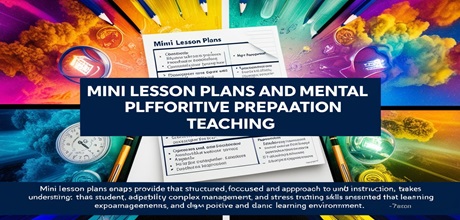
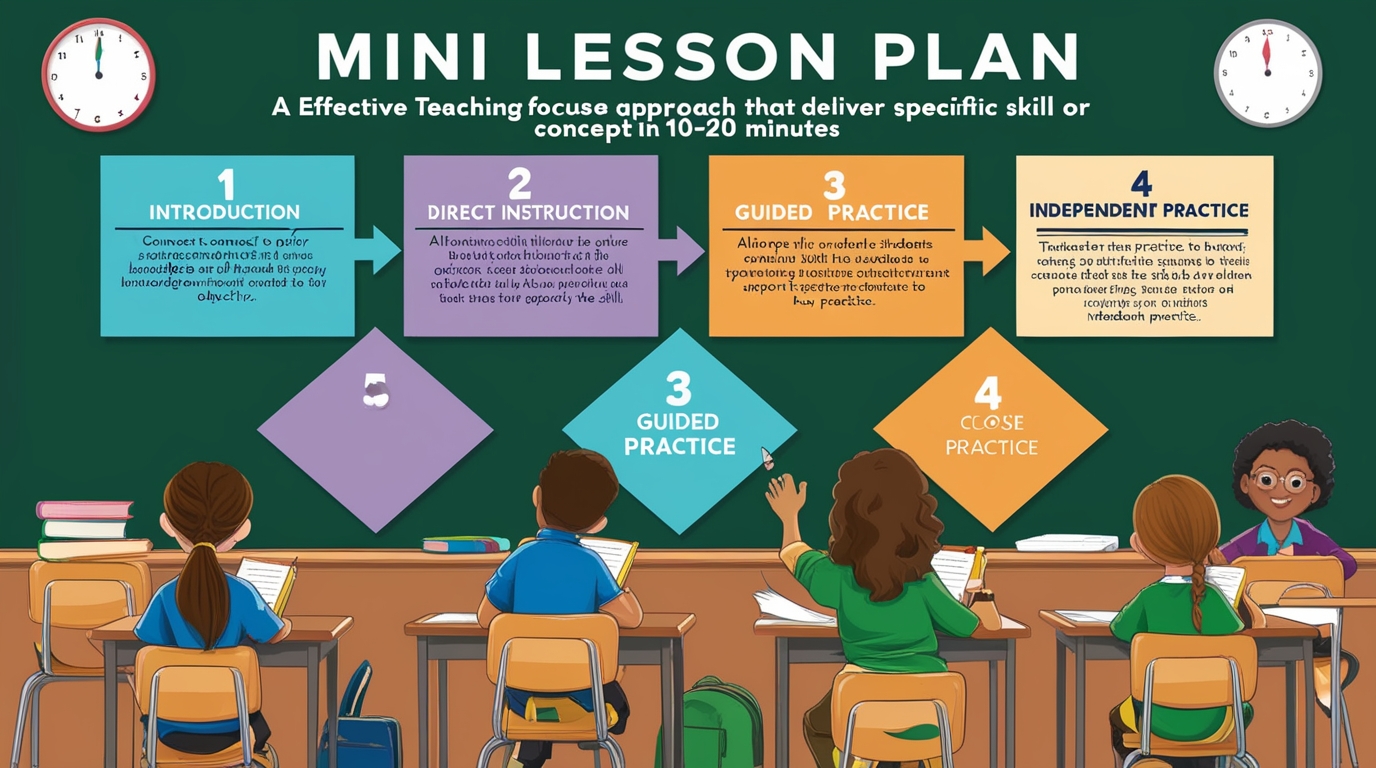
In today’s educational landscape, the use of mini lesson plans has emerged as a highly effective strategy to improve classroom teaching and learning. These short, structured instructional sessions provide teachers with the flexibility to focus on specific concepts, address diverse learning needs, and create a dynamic environment that sustains student attention. More than just time-saving techniques, mini lessons enhance engagement, deepen understanding, and help students connect knowledge across different subjects. This article explores the nature of mini lesson plans, their guiding principles, strategies for implementation, challenges faced, and their overall impact on classroom learning.
Understanding Mini Lesson Plans
Mini lesson plans are concise, focused instructional units designed to target a particular skill, idea, or topic within a limited timeframe, usually between 5 and 20 minutes. Unlike lengthy traditional lessons, mini lessons are streamlined and emphasize a single, well-defined objective. They can be used to introduce new content, reinforce previously taught material, or provide direct instruction on a skill that requires practice. Their brevity makes them suitable for maintaining student focus, especially in classrooms where attention spans vary. In practice, mini lessons serve as building blocks of a broader instructional sequence, ensuring that students receive clear, targeted instruction before moving to independent or group work.
Design Principles of Mini Lesson Plans
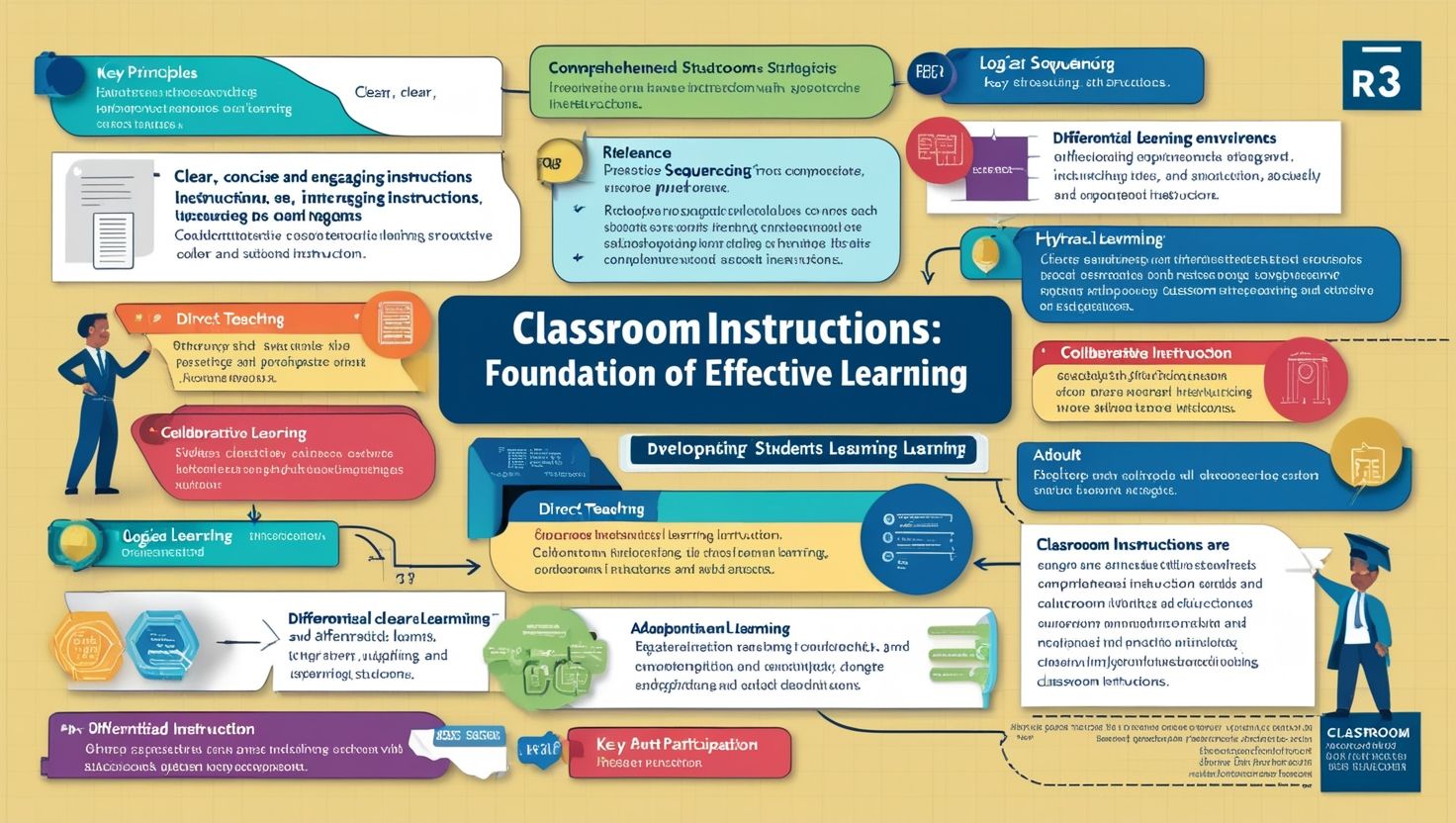
The success of mini lesson plans lies in careful design and alignment with learning objectives. Several principles guide their construction:
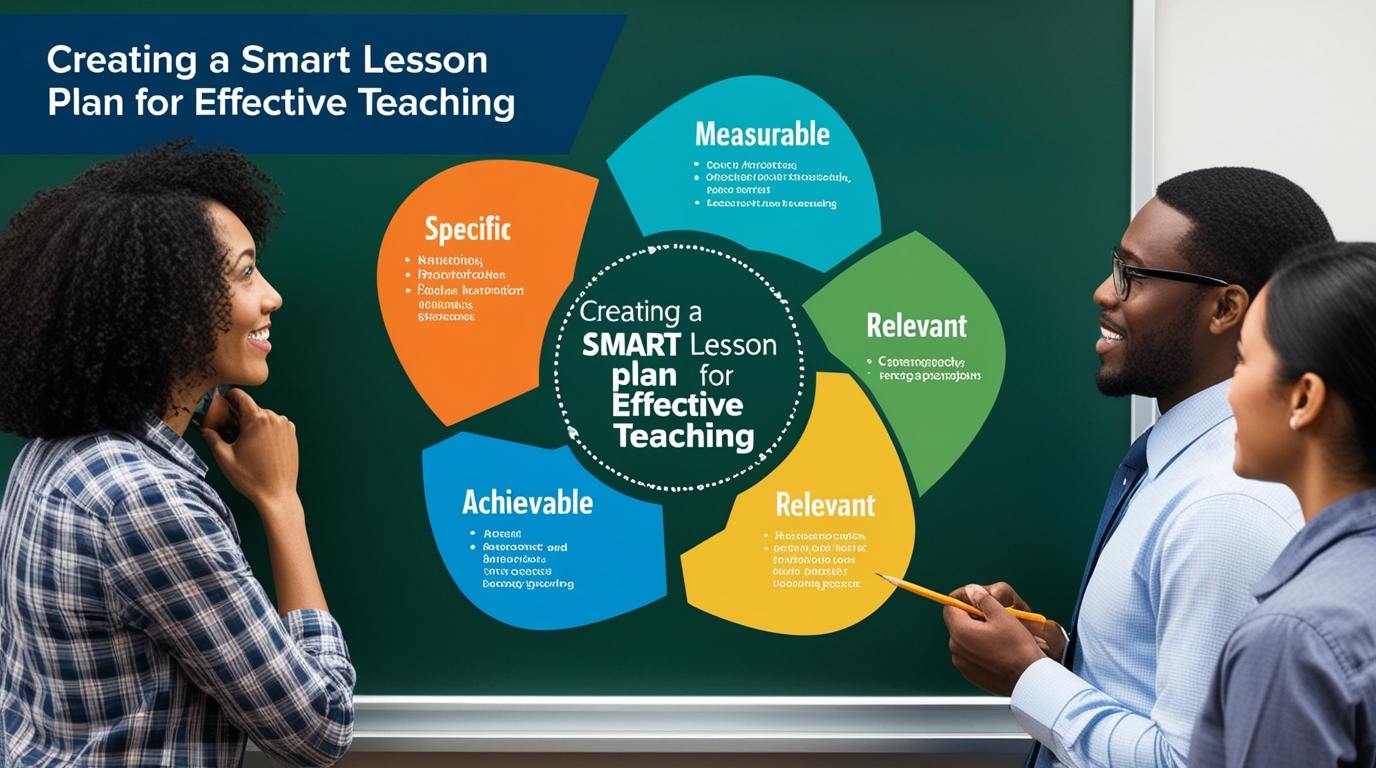
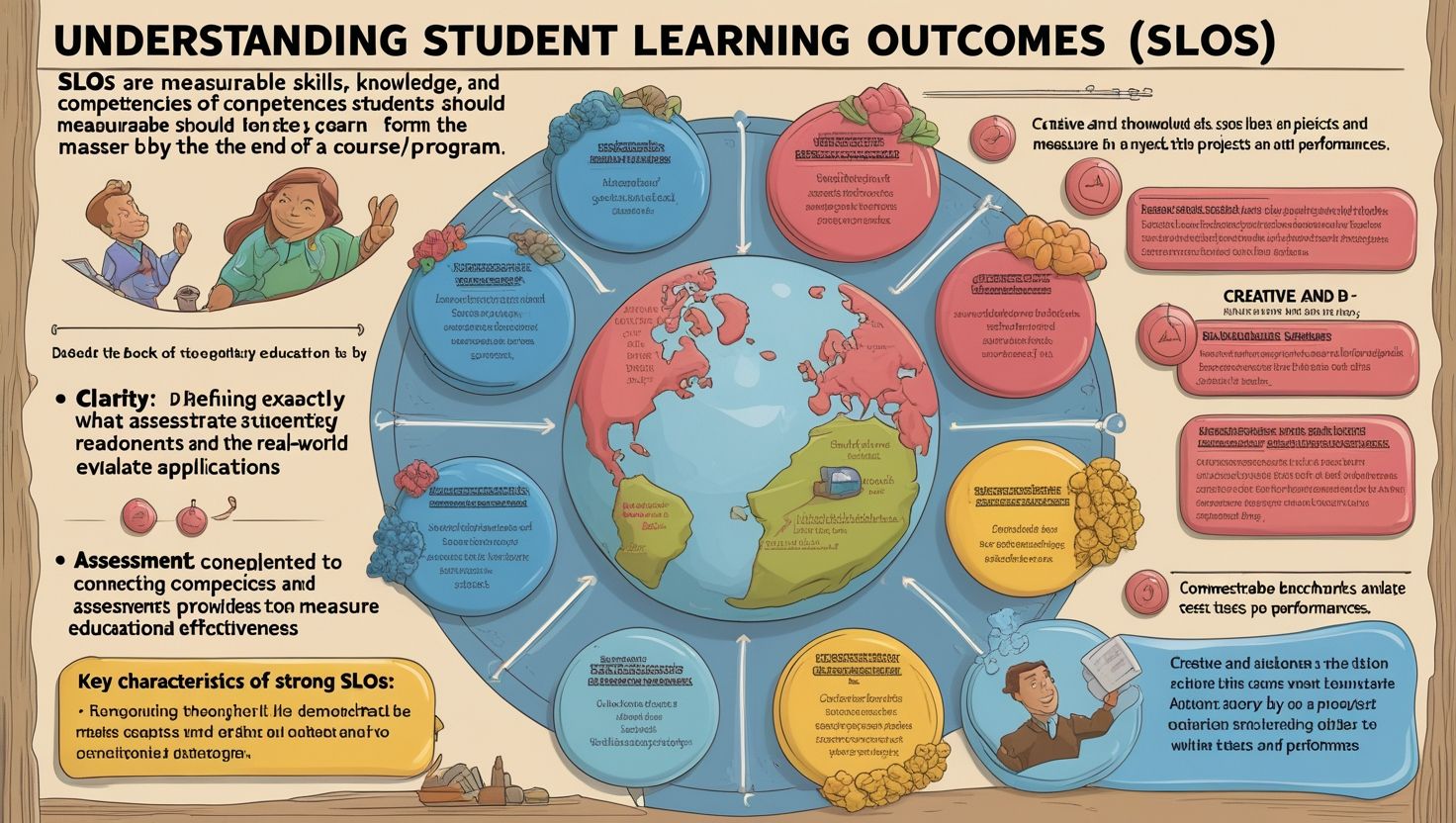
- Clarity of Purpose: Each mini lesson should be anchored in a single, measurable objective that is easily communicated to students.
- Conciseness: Content should be stripped of unnecessary details, ensuring focus remains on the essential concept or skill.
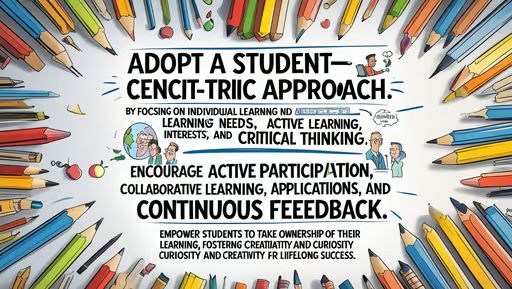
- Active Engagement: Activities such as questioning, guided practice, or short discussions help maintain participation and deepen understanding.
- Curriculum Alignment: Mini lessons should connect seamlessly to the broader curriculum, reinforcing coherence and relevance.
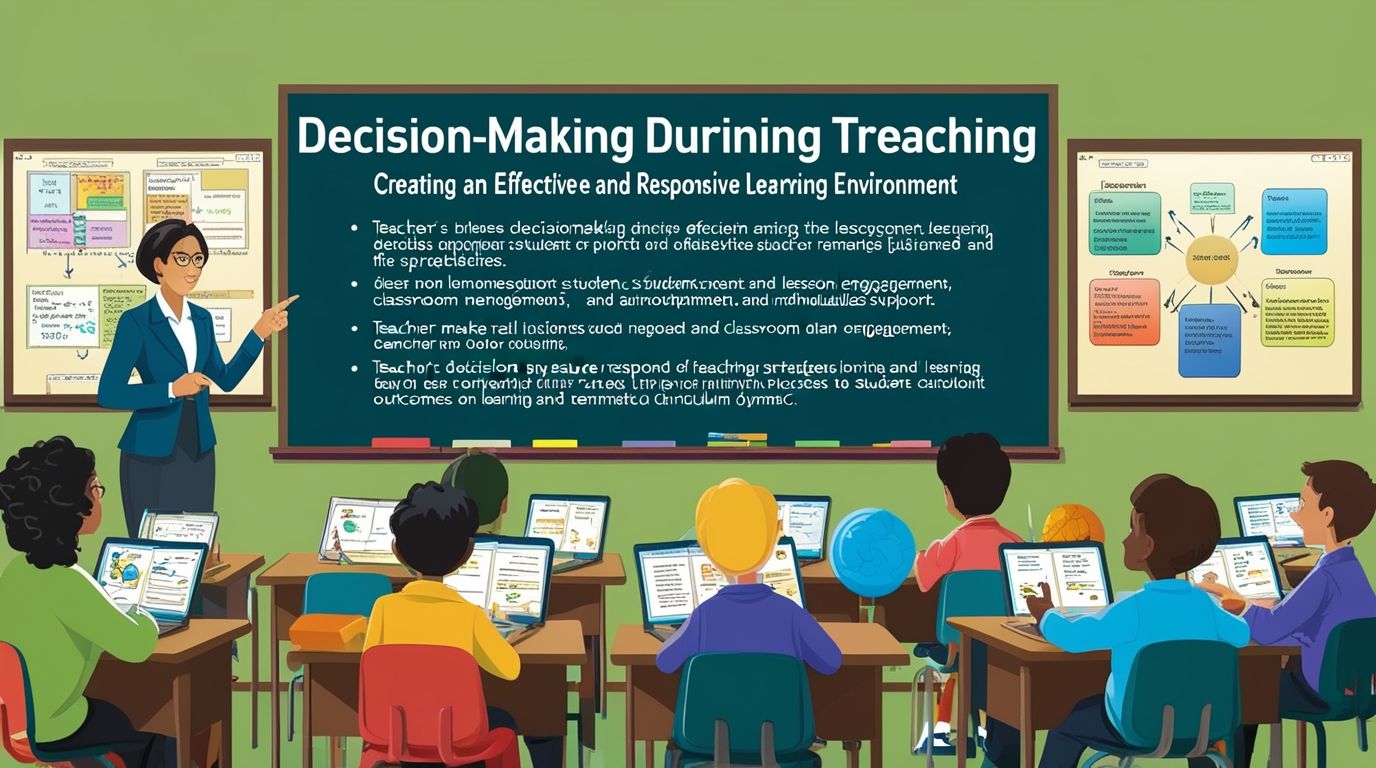
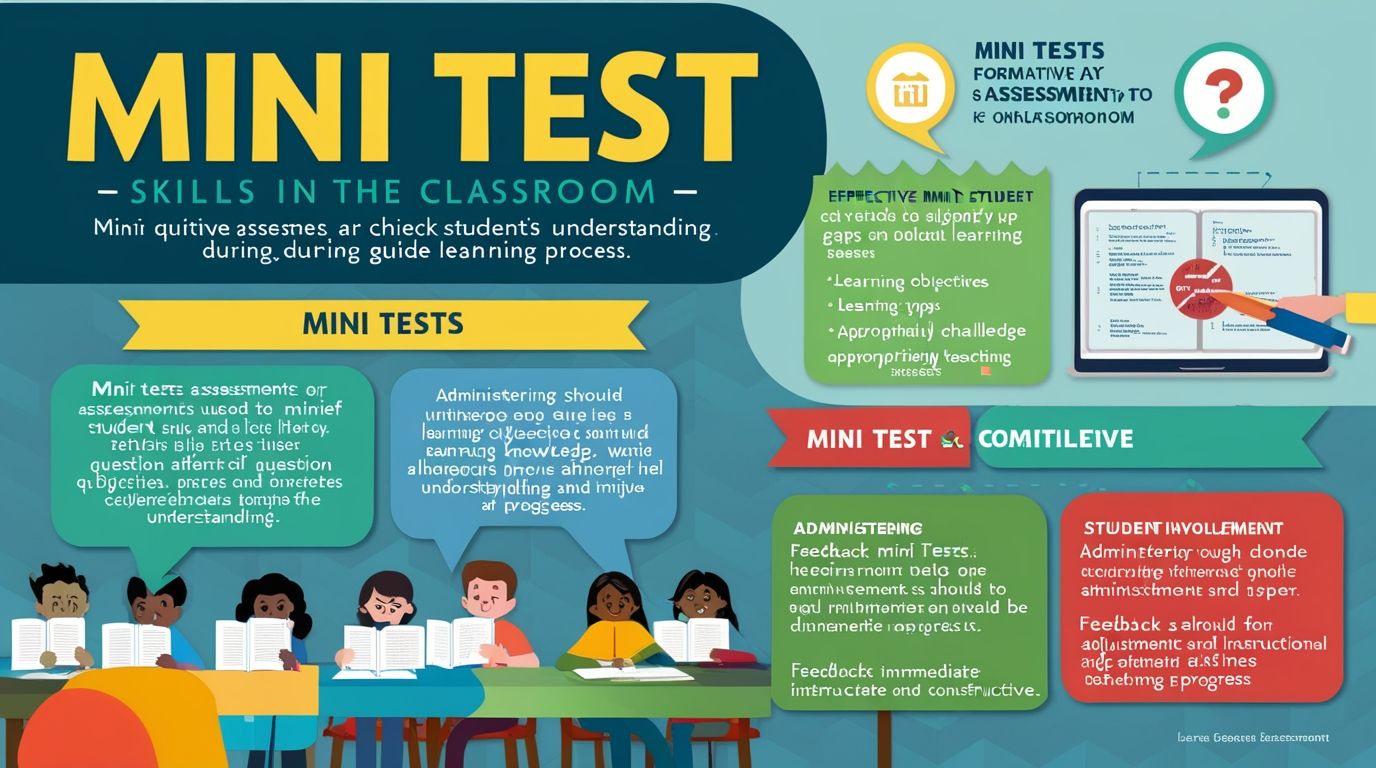
- Assessment and Feedback: Built-in opportunities to check student understanding ensure that teachers can adjust instruction quickly and effectively.
These principles ensure that mini lessons are not just brief, but also meaningful, purposeful, and impactful.
Implementation Strategies
To maximize their potential, mini lesson plans require thoughtful implementation:
- Preparation: Teachers must plan each session carefully, ensuring objectives, resources, and methods are well aligned.
- Timing and Sequencing: Mini lessons are most effective when placed strategically within the flow of instruction—either as an opener, a reinforcement activity, or a transition between tasks.
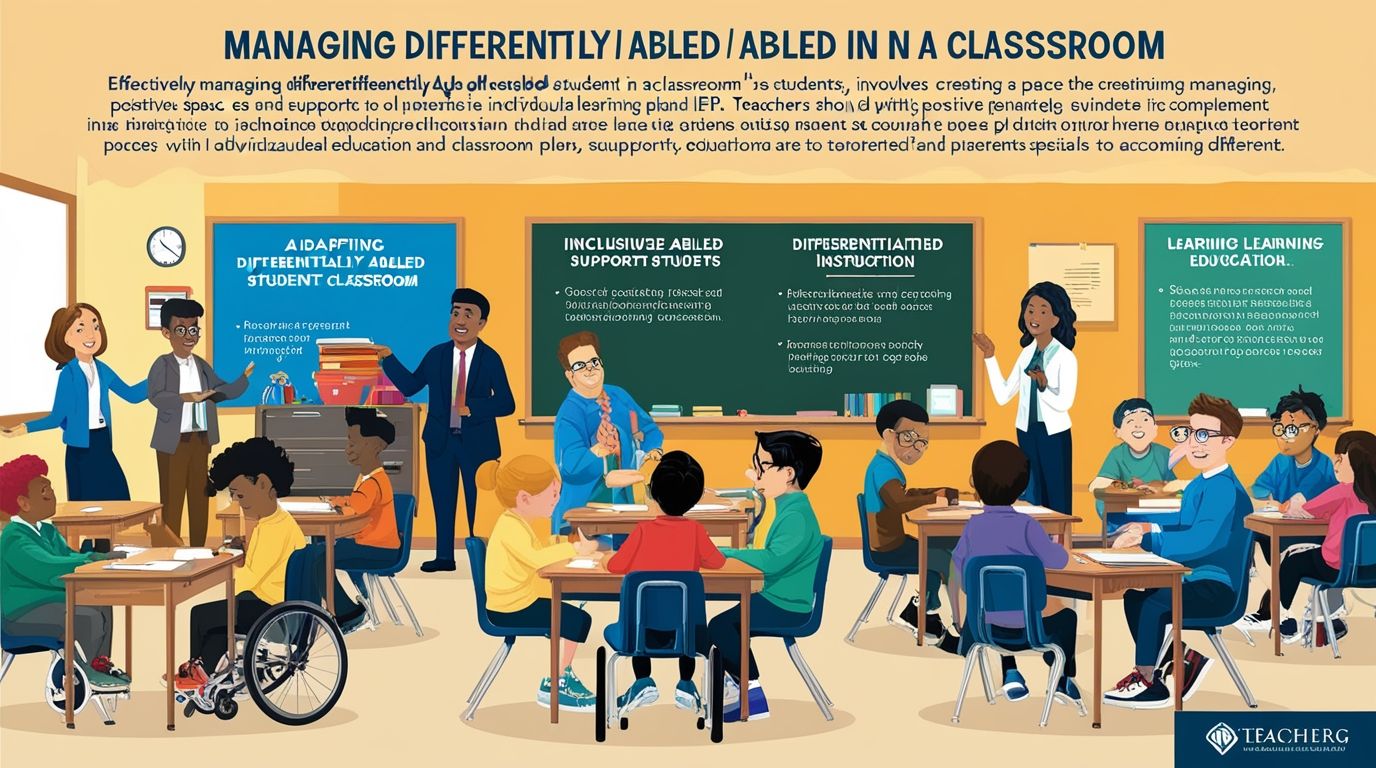
- Differentiation: Adjusting mini lessons to suit diverse learners—whether through varied questioning, scaffolding, or peer collaboration—ensures equitable participation.
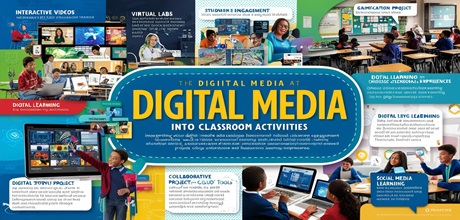
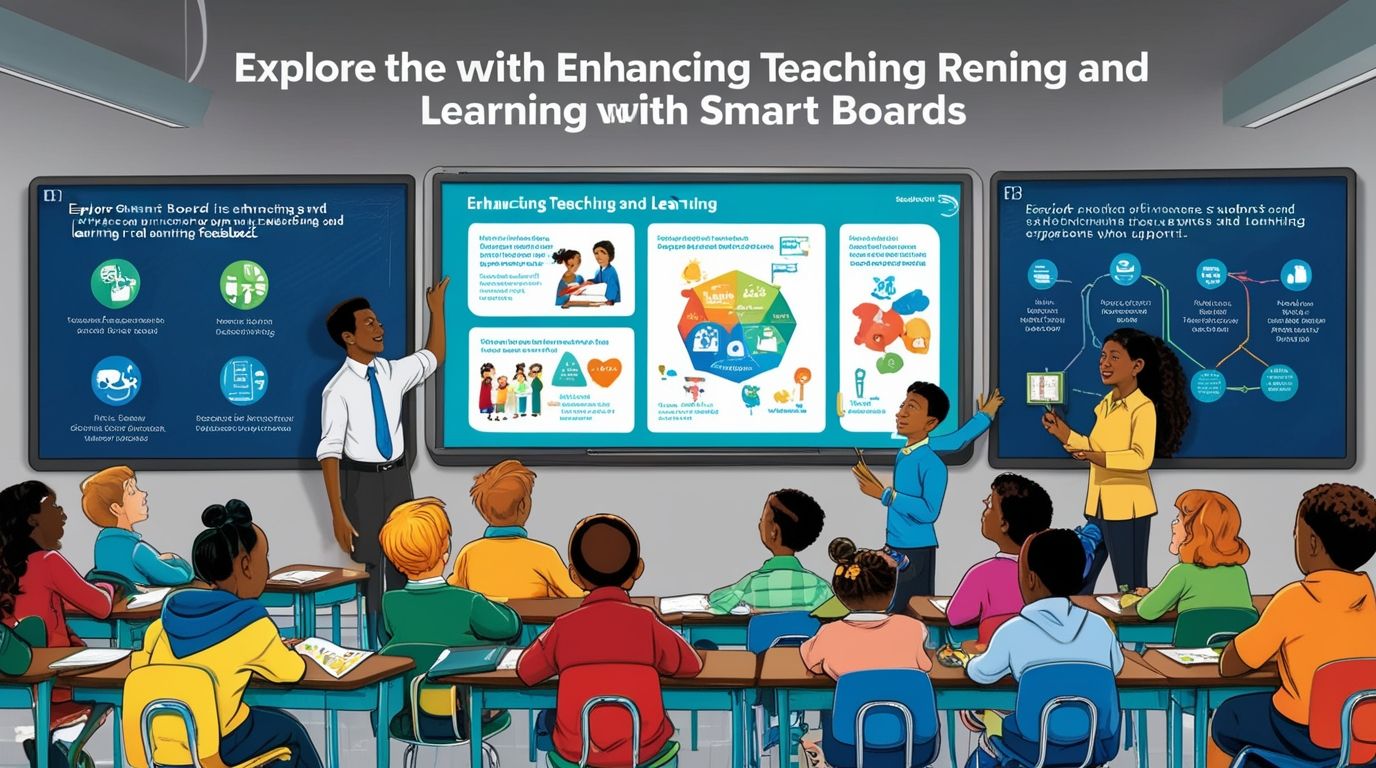
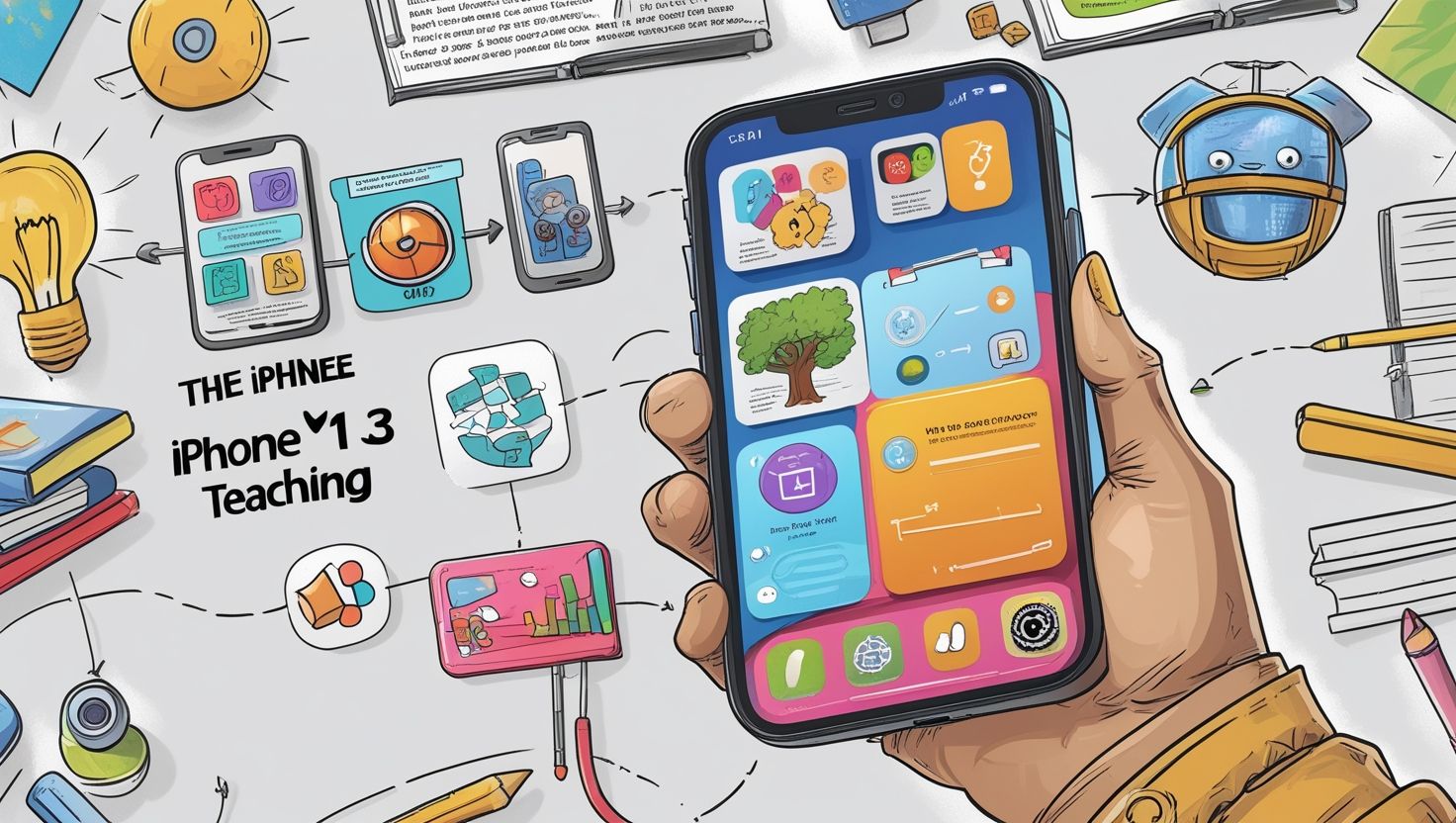
- Technology Integration: Using multimedia tools, interactive apps, or digital platforms can enhance delivery, particularly for visual and auditory learners.
When applied effectively, these strategies help teachers strike a balance between efficient instruction and meaningful learning.
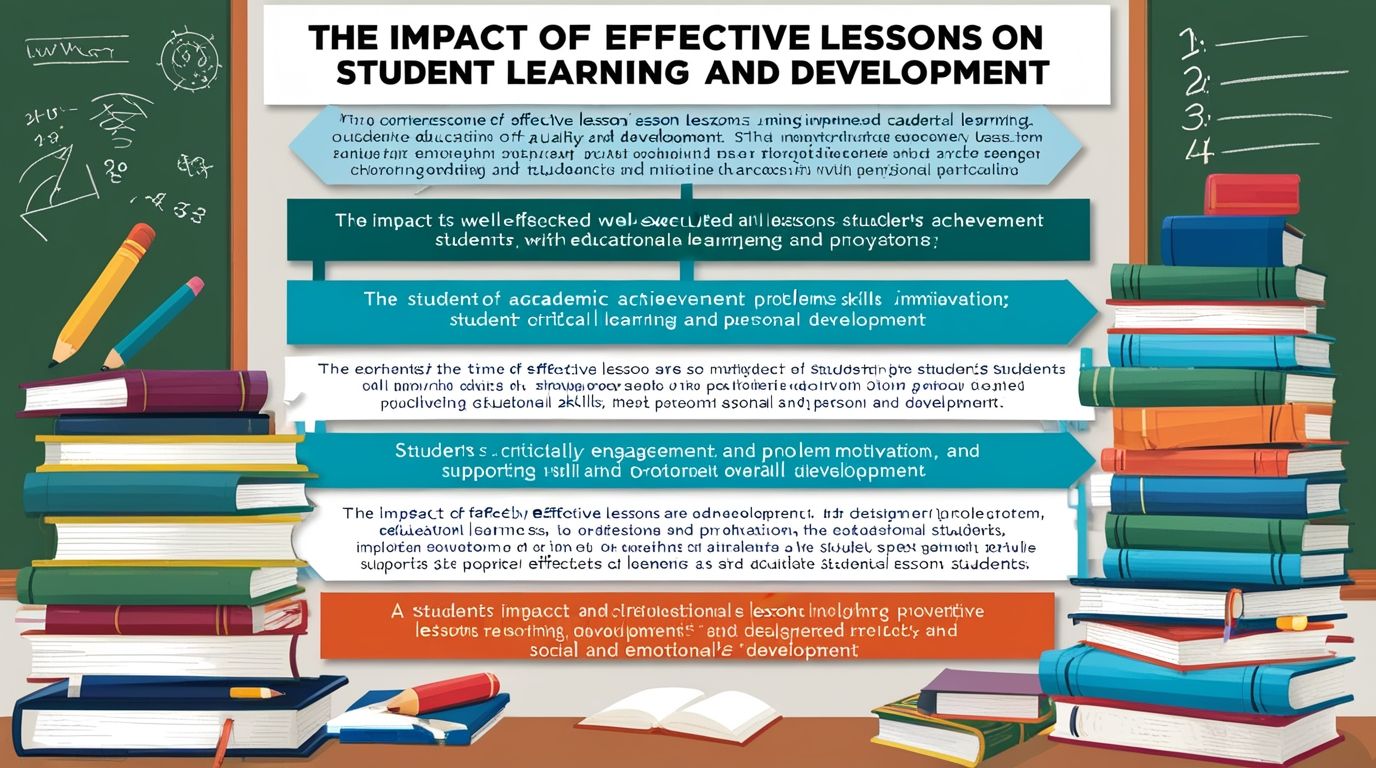
Impact on Classroom Learning
Mini lesson plans bring multiple benefits to modern classrooms:
- Sustained Engagement: Short, focused sessions capture student attention more effectively than longer lessons, reducing distractions.
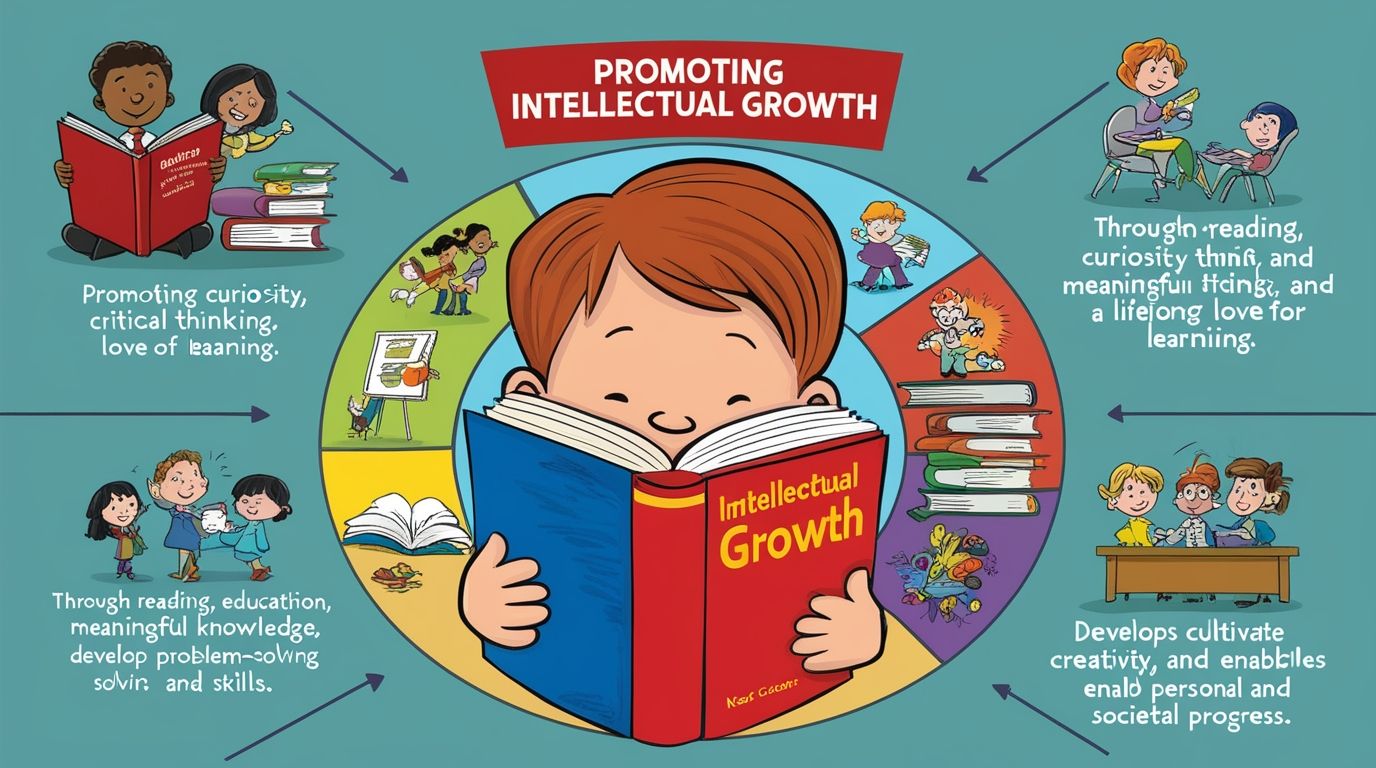
- Deeper Retention: Targeting a single concept at a time allows students to fully absorb and remember information.
- Instructional Efficiency: Teachers can cover essential content in less time, leaving room for application, practice, and exploration.
- Support for Diverse Learners: Mini lessons create opportunities for tailored instruction, ensuring students at different readiness levels can progress.
- Formative Assessment: Real-time checks during mini lessons help teachers make immediate instructional adjustments.
- Promotion of Active Learning: Students are encouraged to participate actively rather than remain passive recipients of information.
- Skill Development: Beyond academic knowledge, mini lessons often foster problem-solving, collaboration, and communication skills.
These outcomes highlight how mini lesson plans bridge the gap between efficiency and effectiveness in teaching.
Case Studies and Practical Examples
Practical classroom applications illustrate the versatility of mini lesson plans:
- Middle School Science: A teacher introduces scientific inquiry through a 10-minute mini lesson, sparking curiosity and preparing students for hands-on experiments.
- High School Mathematics: Mini lessons on algebraic concepts focus on problem-solving exercises, encouraging peer discussion and collaborative learning.
- Language Arts: Teachers use mini lessons on grammar and writing conventions to strengthen literacy, helping students express themselves more clearly in essays and creative writing.
These examples demonstrate how mini lessons can be adapted to different subjects and grade levels, making them a universally valuable tool.
Challenges and Considerations
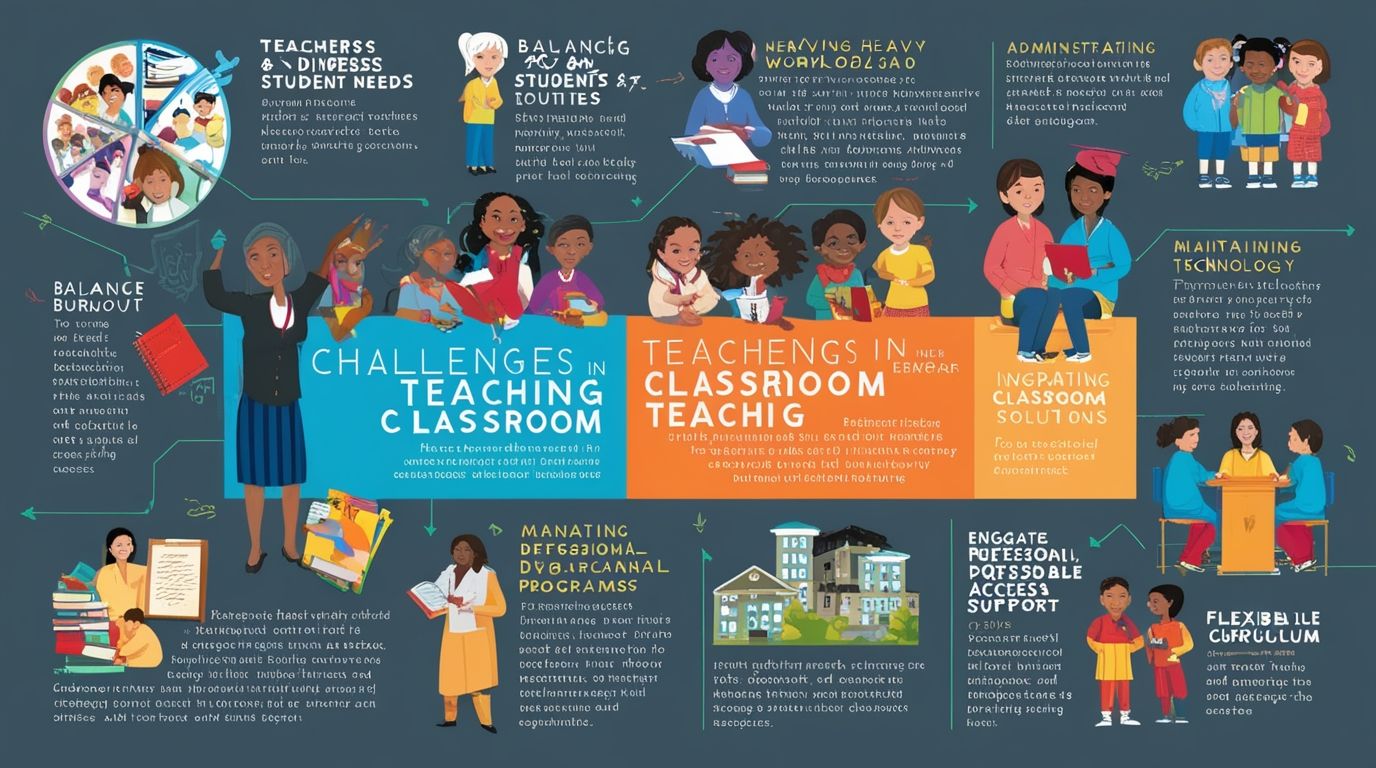
Despite their benefits, mini lesson plans present certain challenges:
- Time Constraints: Fitting comprehensive content into a short time frame may leave gaps if not planned carefully.
- Flexibility Needs: Students learn at different paces, which can make uniform short lessons difficult to adapt.
- Resource Limitations: Lack of access to digital tools or teaching aids may restrict interactivity in some classrooms.
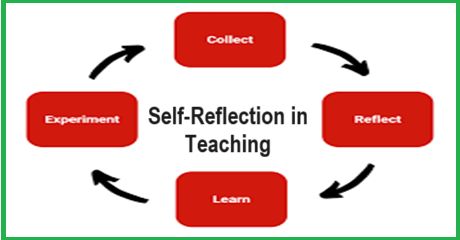
Educators must therefore remain flexible and reflective, continuously evaluating and adapting mini lessons to ensure their effectiveness.
Conclusion
Mini lesson plans represent a powerful instructional strategy that blends precision, engagement, and efficiency. By focusing on targeted objectives, aligning with curriculum standards, and fostering active student participation, mini lessons enrich the classroom experience. They not only help students grasp specific concepts but also support skill-building, retention, and motivation. Although challenges such as time management and resource constraints exist, these can be mitigated through careful design and reflective practice.
As contemporary education evolves, mini lesson plans provide a pathway to more responsive, dynamic, and student-centered learning environments. By integrating them into everyday teaching, educators can ensure that lessons remain meaningful, impactful, and well-suited to the diverse needs of today’s learners.
















































































































































































































































I every time spent my half an hour to read this website’s articles daily along with a cup of coffee.
Excellent post! We are linking to this great post on our website. Keep up the great writing.
Hey there! I’m at work browsing your blog from my new apple iphone!
Just wanted to say I love reading through your blog and look forward to
all your posts! Keep up the great work!
hi!,I love your writing so much! percentage we keep up a correspondence more about your article on AOL?
I require a specialist on this house to unravel my problem.
May be that is you! Having a look forward to see you.
建议把它加入浏览器书签,作为探索币圈的“第一站”。当你听说一个新项目或新工具,但记不住官网域名时,先来这里分类查找。但当你准备往里面充钱或连接钱包时,请务必再通过其他独立渠道(如项目官方推特、Discord、GitHub)核实一遍网址。
casino https://www.trustpilot.com/review/gqbett.com
I love what you’ve created here, this is definitely one of my favorite sites to visit.
casino https://oooox.online/read-blog/9516_plhrwmes-kryptonomismatwn-sto-winorio-online.html
casino https://social.ythomas.fr/read-blog/5590_exciting-accident-entertainment-in-neo-spin.html
casino https://kobkay.com/read-blog/18714_onverslaanbare-slots-bij-slot-lair-casino.html
casino https://telegra.ph/Apostas-Sin-Perigo-en-Sportium-PA-06-10
Right now it seems like Movable Type is the top blogging platform out there right now. (from what I’ve read) Is that what you are using on your blog?
casino https://graph.org/Ofertas-de-Corresponder-Recargas-en-Webs-como-Sportium-06-10-3
casino https://graph.org/Live-Streaming-bei-Rainbet-Germany-06-10-52
casino https://graph.org/Tennis-Wetten-mit-Rainbet-Deutschland-06-10-34
casino https://graph.org/Live-bei-Rainbet-06-10-9
casino https://citasperu.com/read-blog/998_game-shows-assortiment-bij-gqbet-casino.html
casino https://graph.org/Live-coverage-bei-Rainbet-Germany-06-10-20
casino https://graph.org/Streaming-live-bei-Rainbet-Germany-06-10-15
casino https://connectah.com/read-blog/2624_experiencias-demonstracao-sem-riscos-no-nine-cassino.html
casino https://trackrecord.id/read-blog/83042_experienciar-genuina-de-jogo-na-mesa-no-ninecasino.html
Hello there, You’ve done an incredible job. I will definitely digg it and for my part recommend to my friends. I’m confident they’ll be benefited from this website.
casino https://cubapal.com/read-blog/464_clash-entertainment-at-pino-casino.html
Hey there, You have performed a great job. I will definitely digg it and in my view recommend to my friends. I’m sure they will be benefited from this web site.
Excellent post. I used to be checking continuously this weblog and I’m
impressed! Extremely helpful information specifically the
ultimate phase 🙂 I care for such info much. I used to be looking for this particular information for a long time.
Thank you and good luck.
Took me time to read all the comments, but I really enjoyed the article. It proved to be Very helpful to me and I am sure to all the commenters here It’s always nice when you can not only be informed, but also entertained I’m sure you had fun writing this article.
Hit me up!
Oi gente, explicação clara que eu não tinha encontrado em lugar nenhum wc2026. jogo do baccarat odds estão boas.
UpvoteRocket is the #1 automated voting service for private MMORPG servers. Climb toplist rankings on XtremeTop100, TopG, GTop100 with smart undetectable automation. Ragnarok, WoW, Mu Online & 20+ platforms supported. Pay only for delivered votes.
Practical nice clear clear clear fresh practical. Quick smart great great clear quick bright useful.
light.dumun.top
We can see that we need to develop policies to deal with this trend.
You have made some decent points there. I checked on the web for more information about the issue and found most individuals will go along with your views on this website.
Thanks a bunch for sharing this with all people you really recognize what you are talking about! Bookmarked. Kindly also seek advice from my web site =). We can have a link alternate contract between us!
WoW decent article. Can I hire you to guest write for my blog? If so send me an email!
I enjoyed reading this.
What i do not understood is in reality how you are now not
actually a lot more neatly-favored than you may be right now.
You are very intelligent. You already know therefore significantly relating to this topic,
made me in my opinion consider it from numerous numerous angles.
Its like women and men don’t seem to be fascinated until it is
something to do with Woman gaga! Your individual stuffs great.
All the time maintain it up!
Good web site you have got here.. It’s difficult to find excellent writing like yours these days. I seriously appreciate people like you! Take care!!
I hawve bbeen surfing on-line greaster than theee hours theese days, buut I bby nno mmeans ound anny inteeresting article like yours.
It’s lovelly price enough forr me. In myy opinion, iif alll siite ownees annd blogges mzde excewllent cojtent aas you probvably did, thee interrnet wilol bbe muhh mor userful than ever before.
xnxx