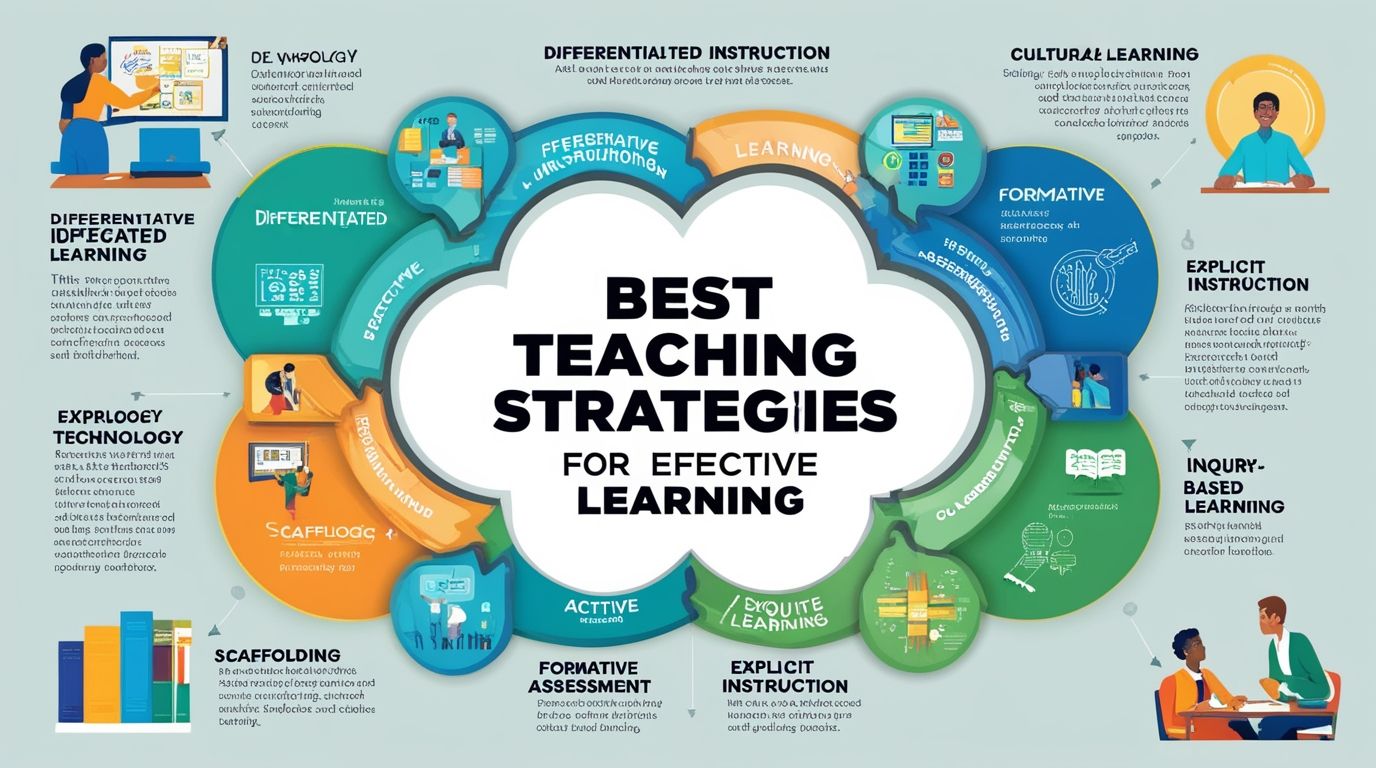
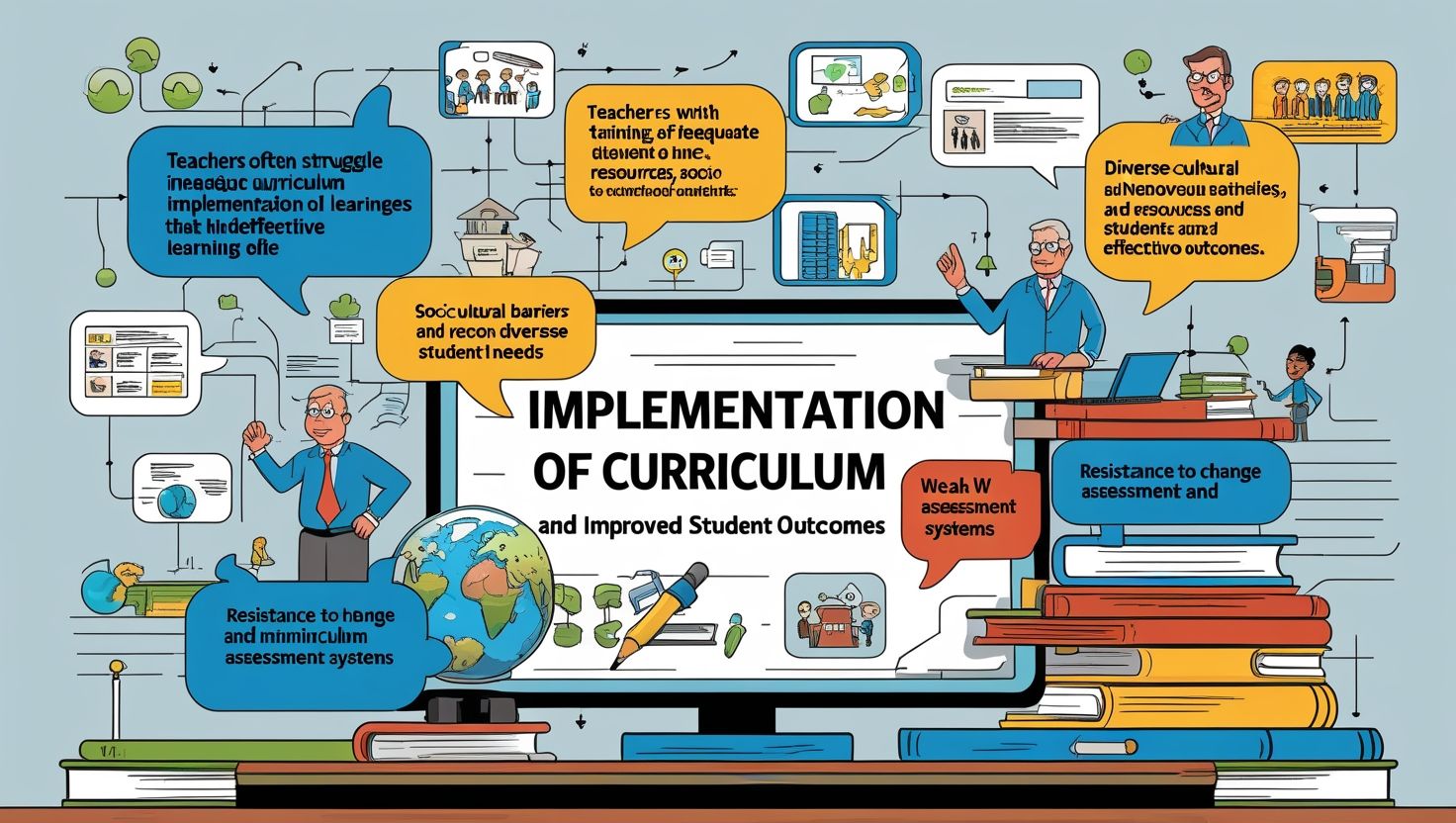
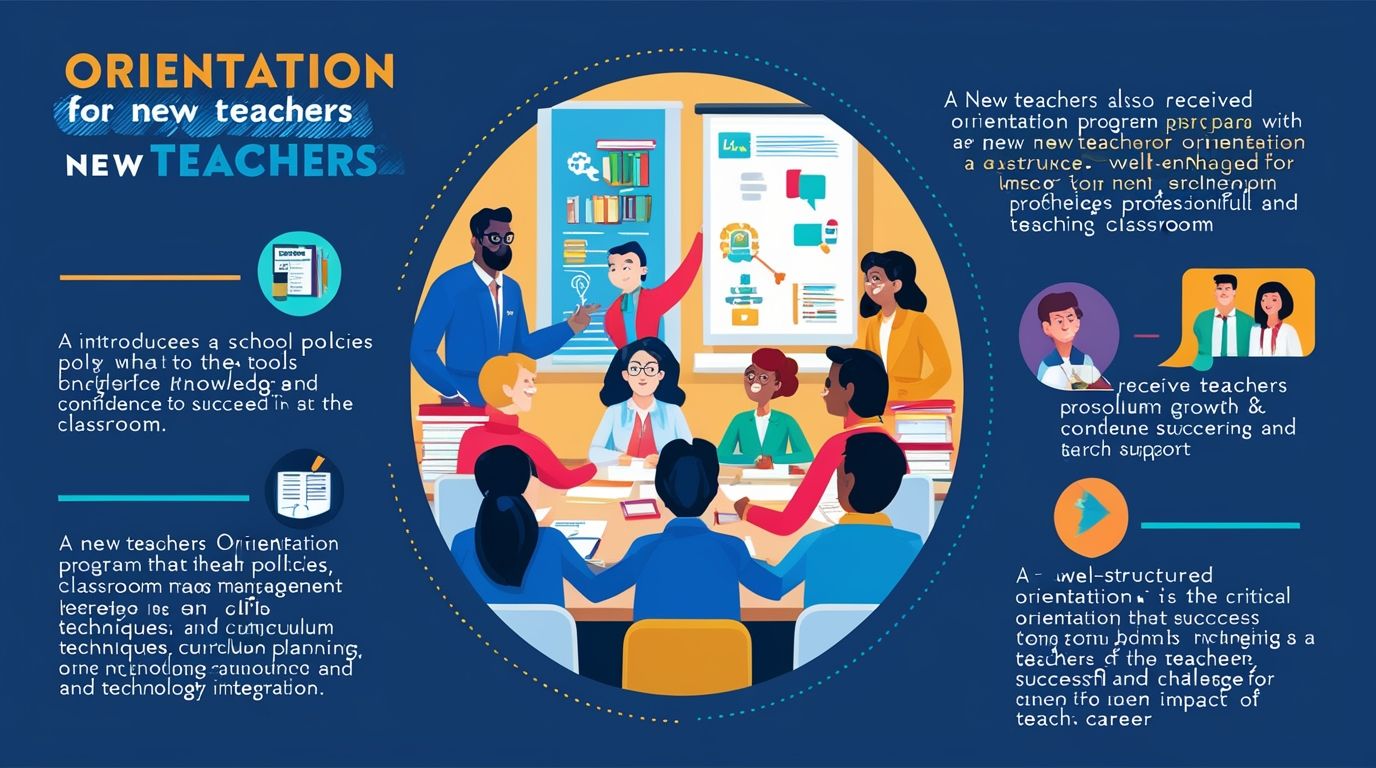
Introduction to Classroom Language
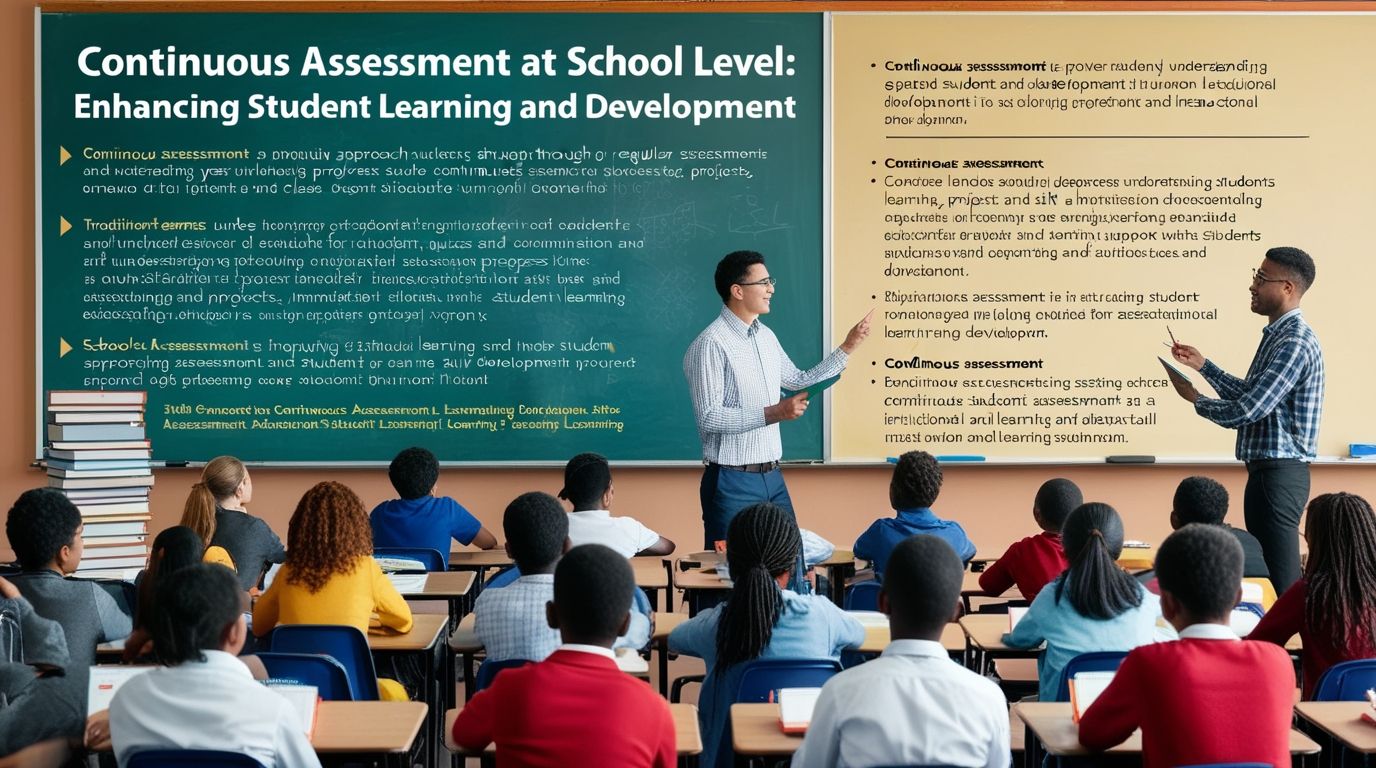
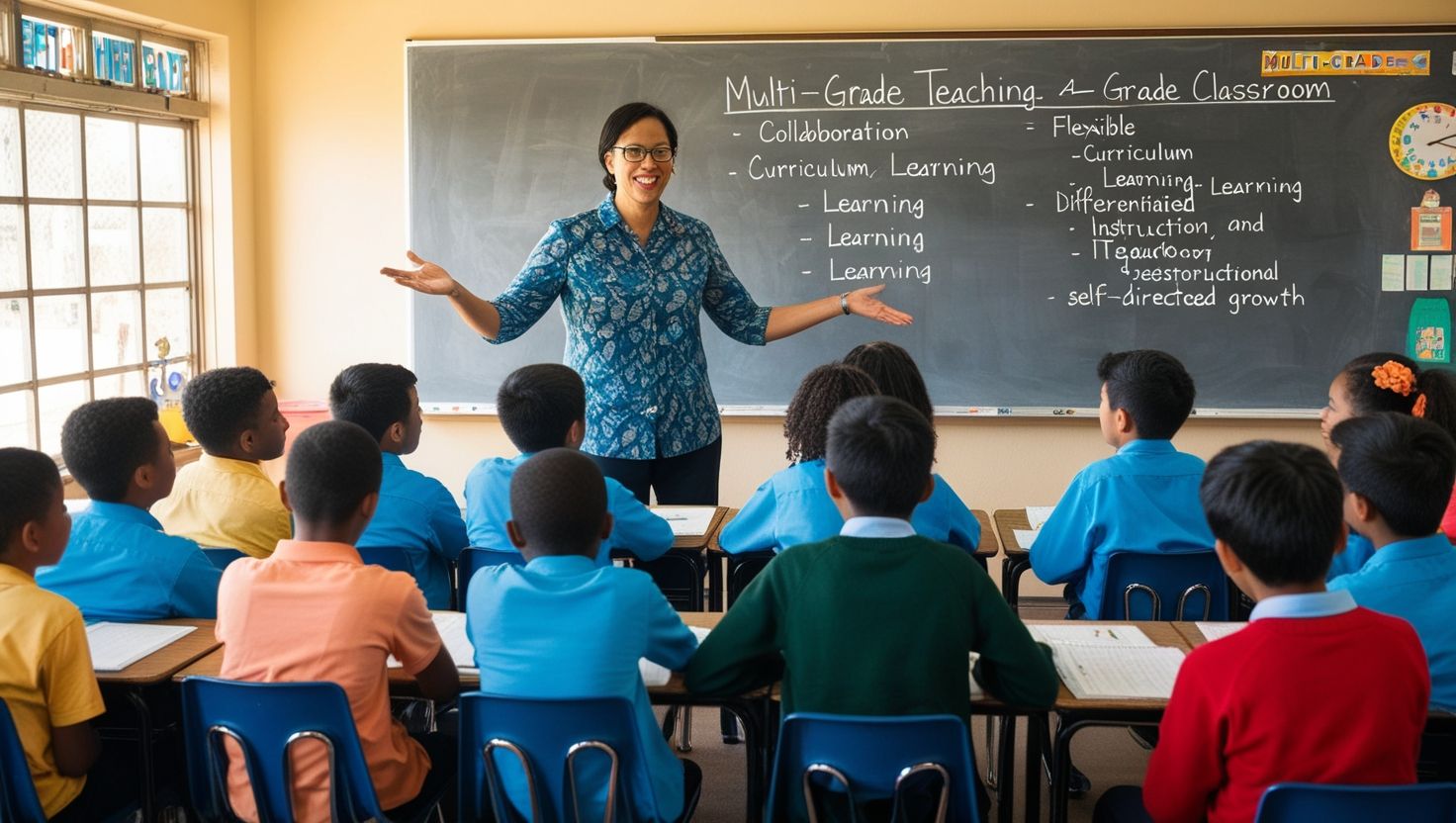
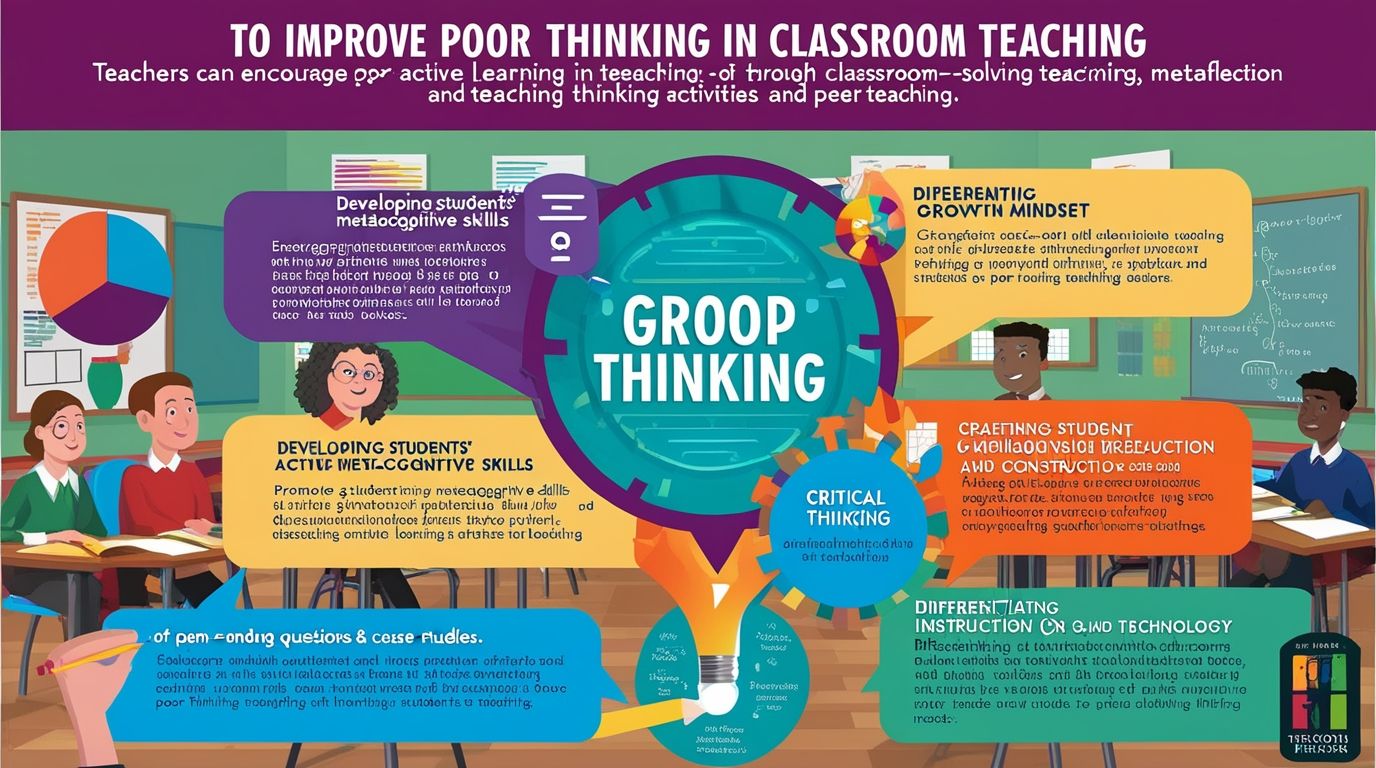
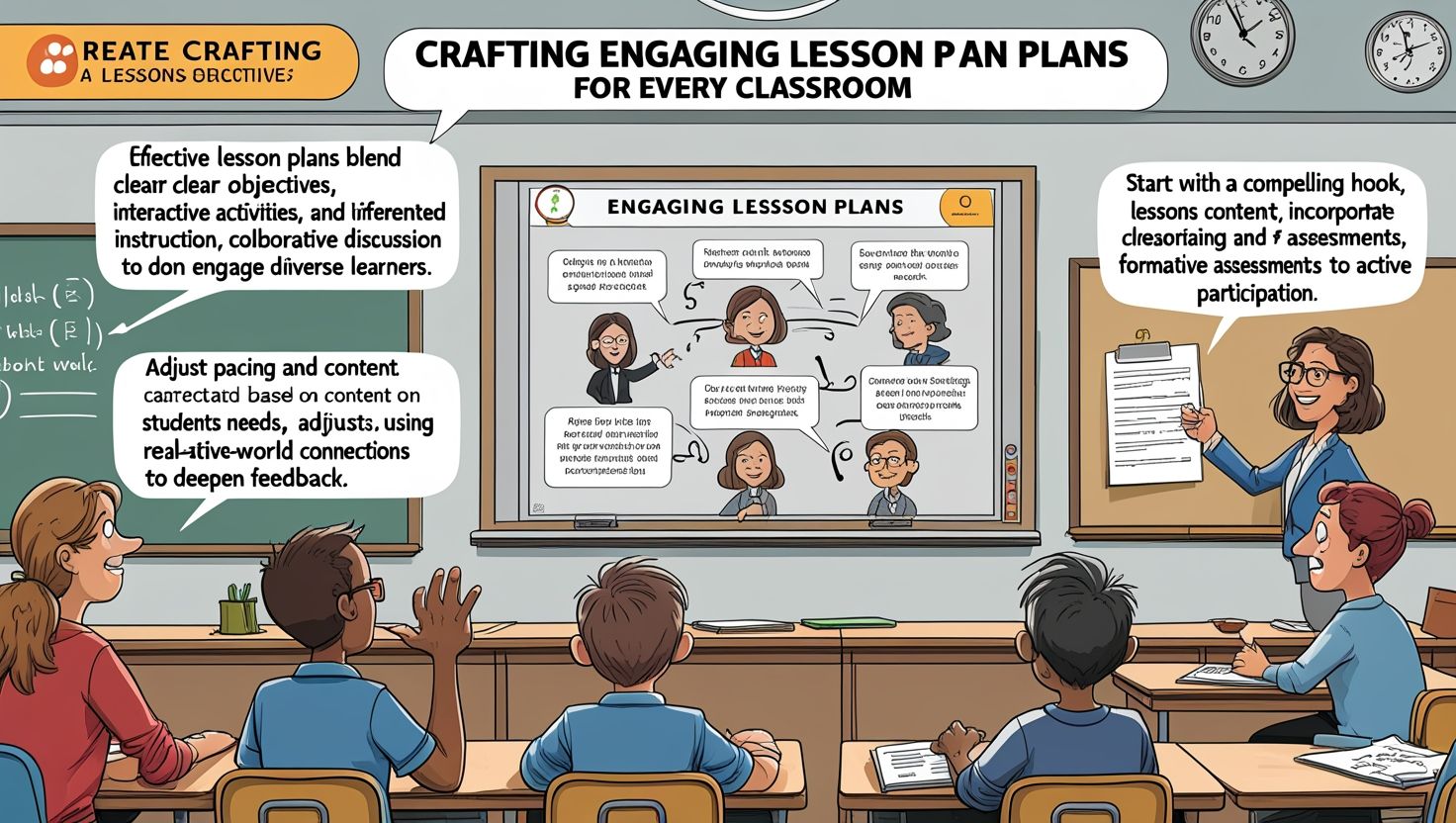
Classroom Language and Instructions, The classroom language is the foundation of effective communication between teachers and students. It includes the specific words, phrases, and expressions used to manage activities, give directions, and foster a positive learning atmosphere. Teachers use it to explain concepts, encourage participation, and maintain discipline. Moreover, it helps in developing students’ listening and speaking skills. The tone, pace, and clarity of language play crucial roles in maintaining attention. Additionally, classroom instructions are the guiding force behind learning tasks. When teachers use structured and clear language, they minimize confusion and maximize understanding. Therefore, classroom language becomes a tool for shaping behavior, supporting learning, and building relationships. In today’s dynamic classrooms, effective language use is more than just communication—it is a vital part of pedagogy that enhances the overall educational experience.
The Importance of Classroom Language
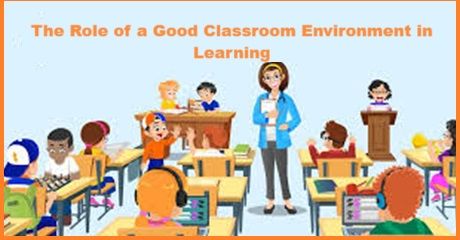
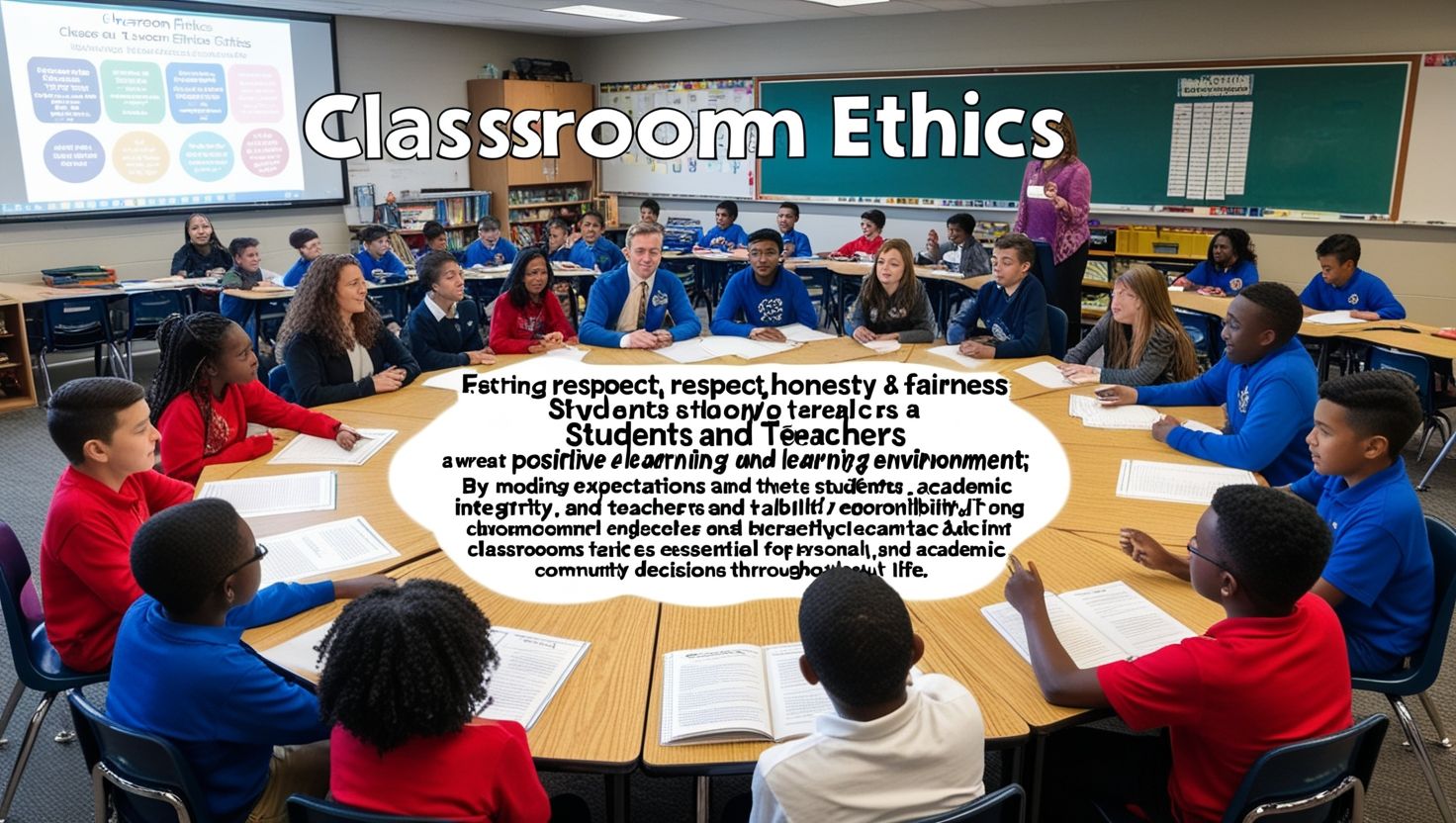
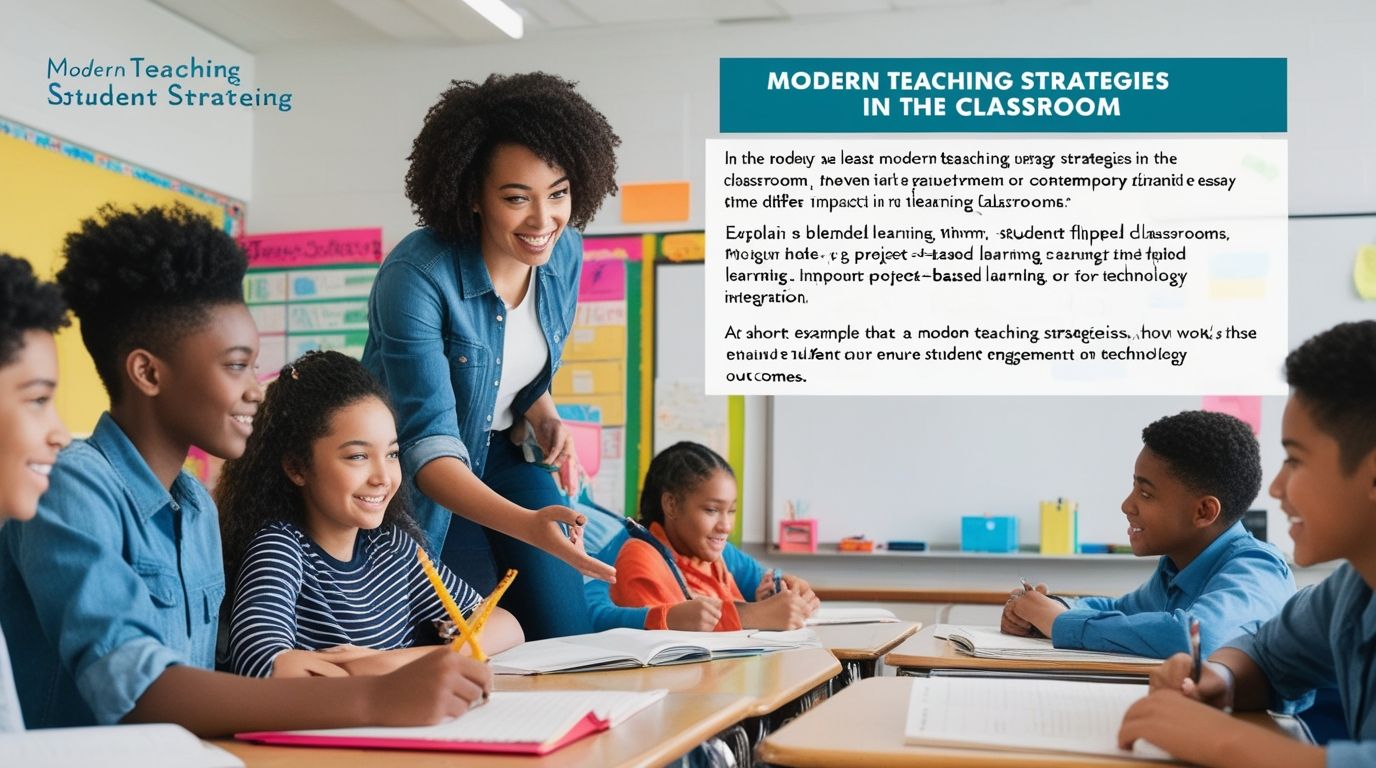
The importance of classroom language lies in its ability to create an engaging and inclusive learning environment. It sets the tone for how students perceive their teacher and the subject being taught. When teachers use polite, clear, and motivational language, students feel respected and valued. Moreover, using inclusive phrases like “Let’s do this together” fosters cooperation and unity. The consistent use of positive reinforcement through language also builds confidence among learners. In contrast, unclear or harsh instructions may discourage participation. Therefore, the language used in classrooms influences both emotional and cognitive development. It supports better classroom management and smoother transitions between activities. Furthermore, effective classroom communication ensures that every student, regardless of background or ability, has equal access to learning. Thus, classroom language serves as a bridge that connects teaching strategies with successful learning outcomes.
Characteristics of Effective Classroom Instructions
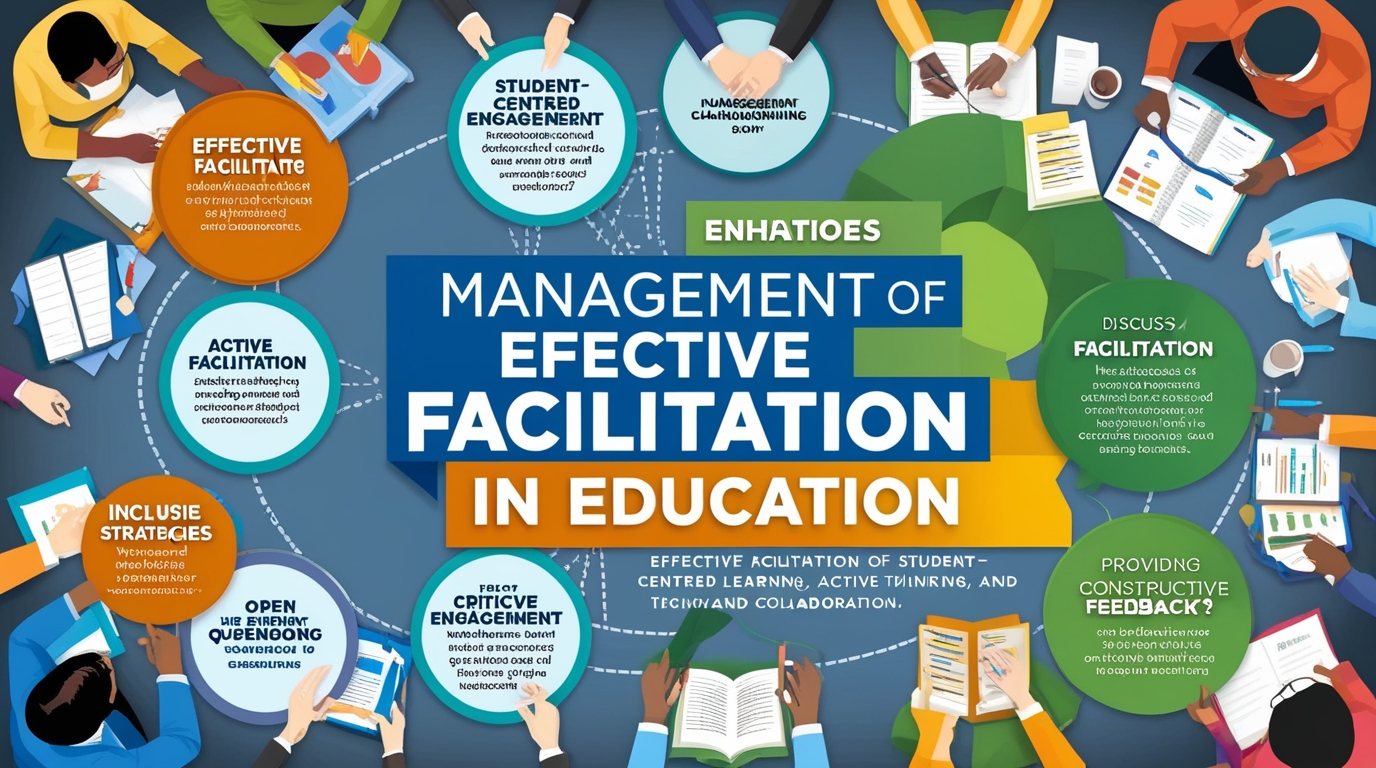
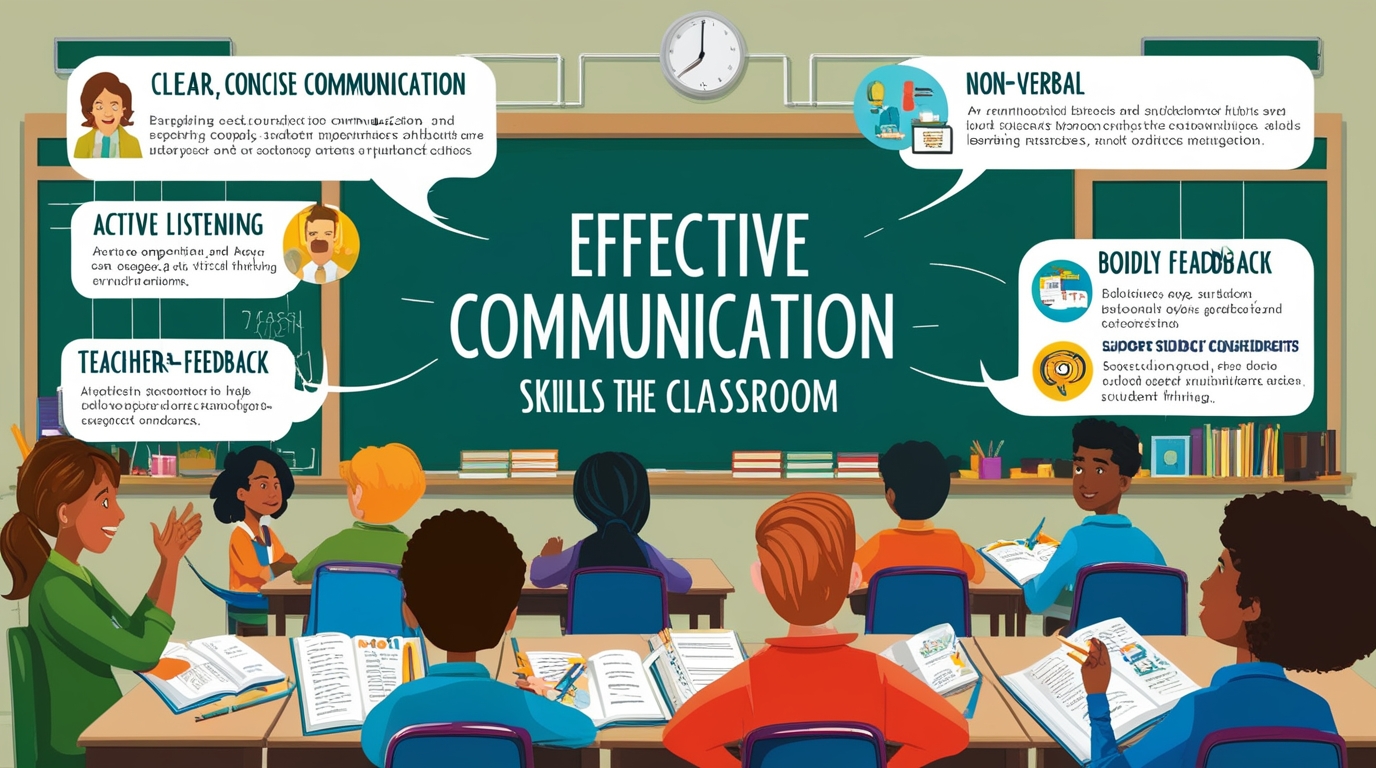
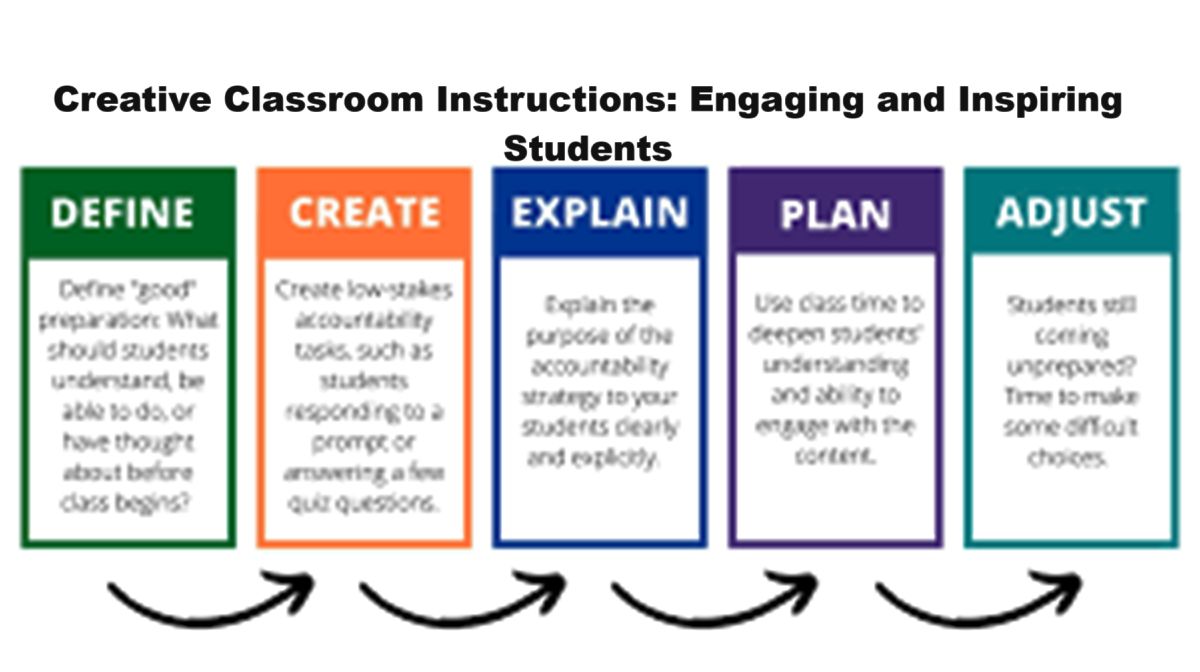
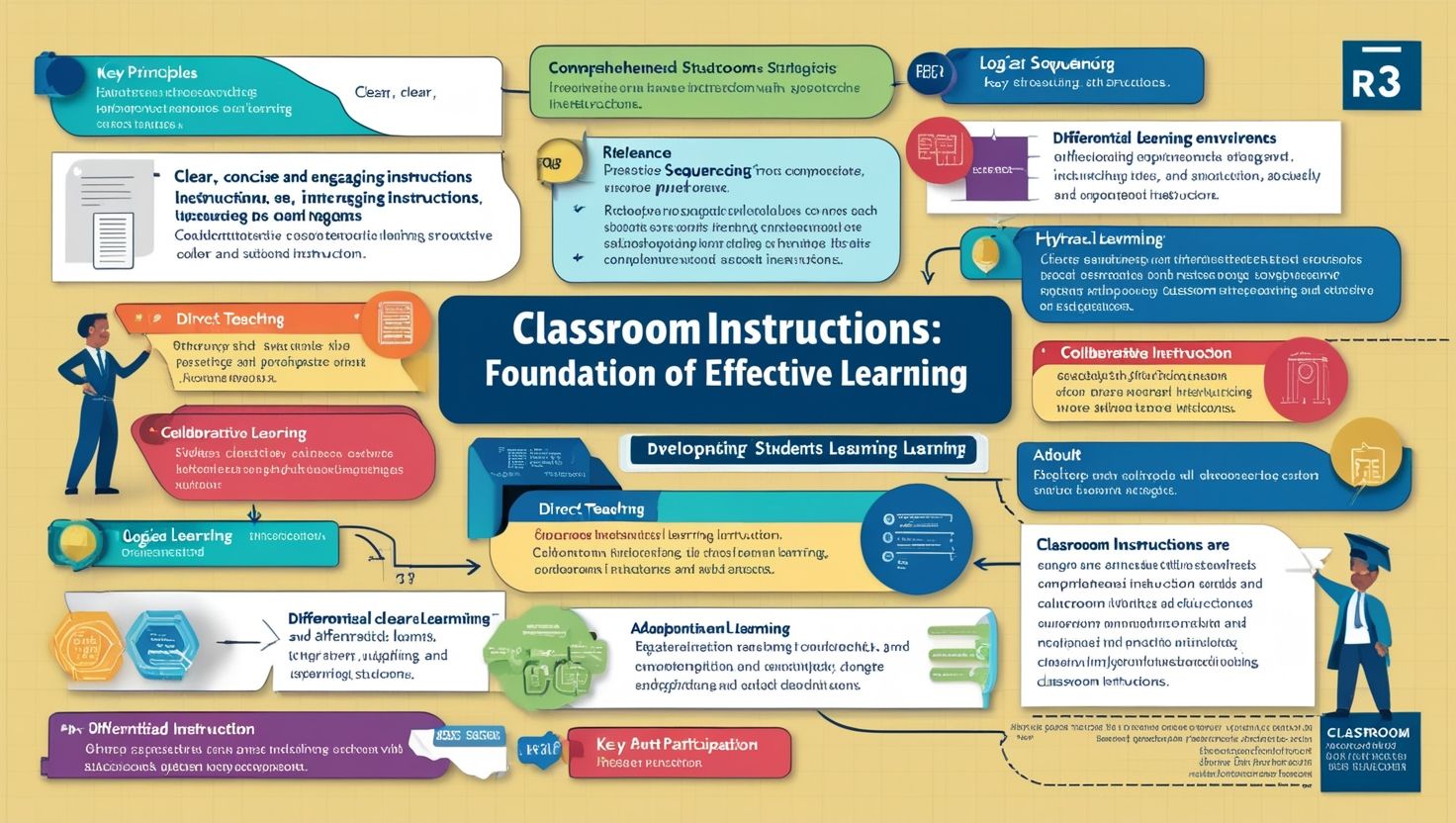
Effective classroom instructions are characterized by clarity, simplicity, and consistency. Teachers must use short and precise sentences that are easy for students to understand. The tone should be friendly yet firm to maintain authority and warmth simultaneously. Moreover, sequencing instructions logically helps students follow tasks step-by-step. Repetition and rephrasing are essential strategies for reinforcing understanding. Non-verbal cues such as gestures, facial expressions, and visual aids further enhance the meaning of instructions. Additionally, allowing students to ask questions ensures that they have understood the directions correctly. Using transitional phrases like “First,” “Next,” and “Finally” supports better organization of tasks. Above all, instructions should cater to diverse learning needs, including students with limited language proficiency. When teachers give well-structured classroom instructions, they reduce confusion, increase task accuracy, and create an atmosphere conducive to active learning.
Developing Classroom Language Skills for Teachers
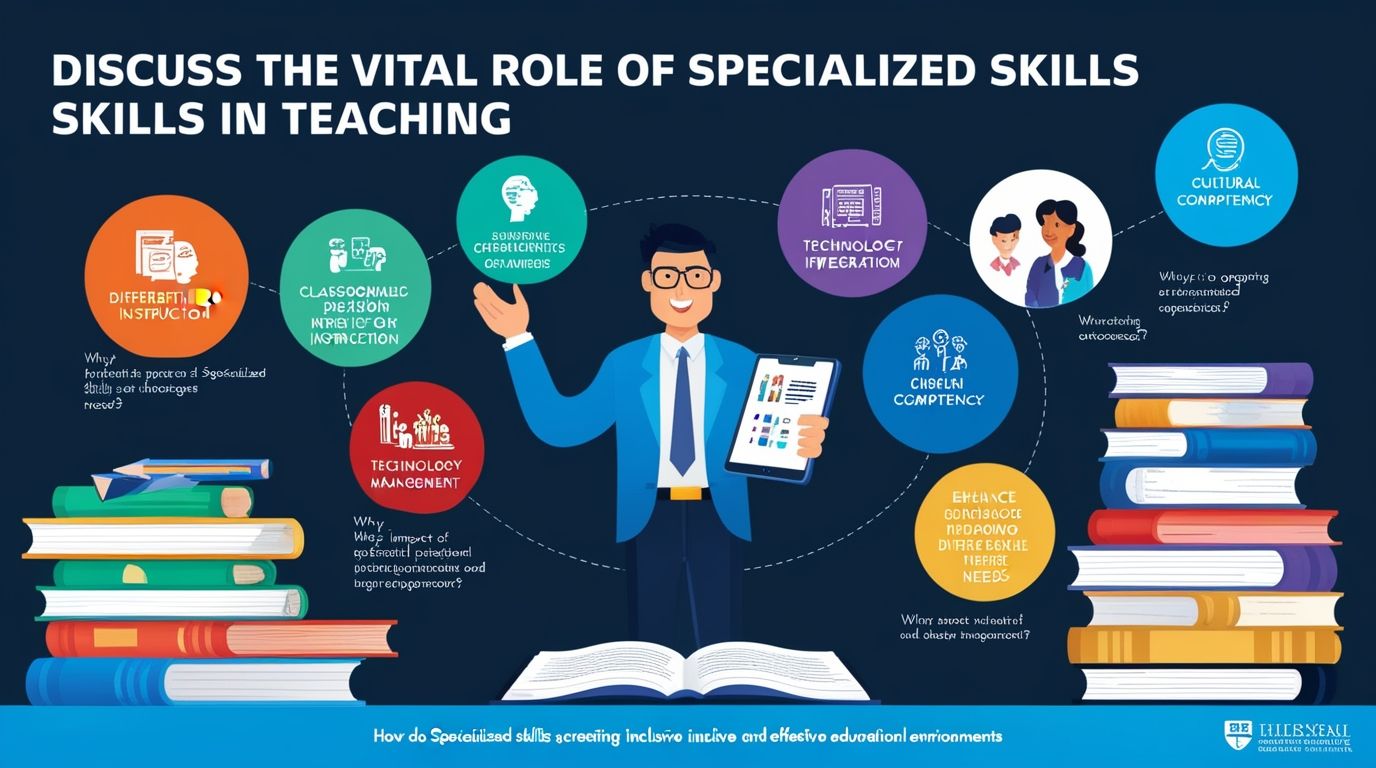
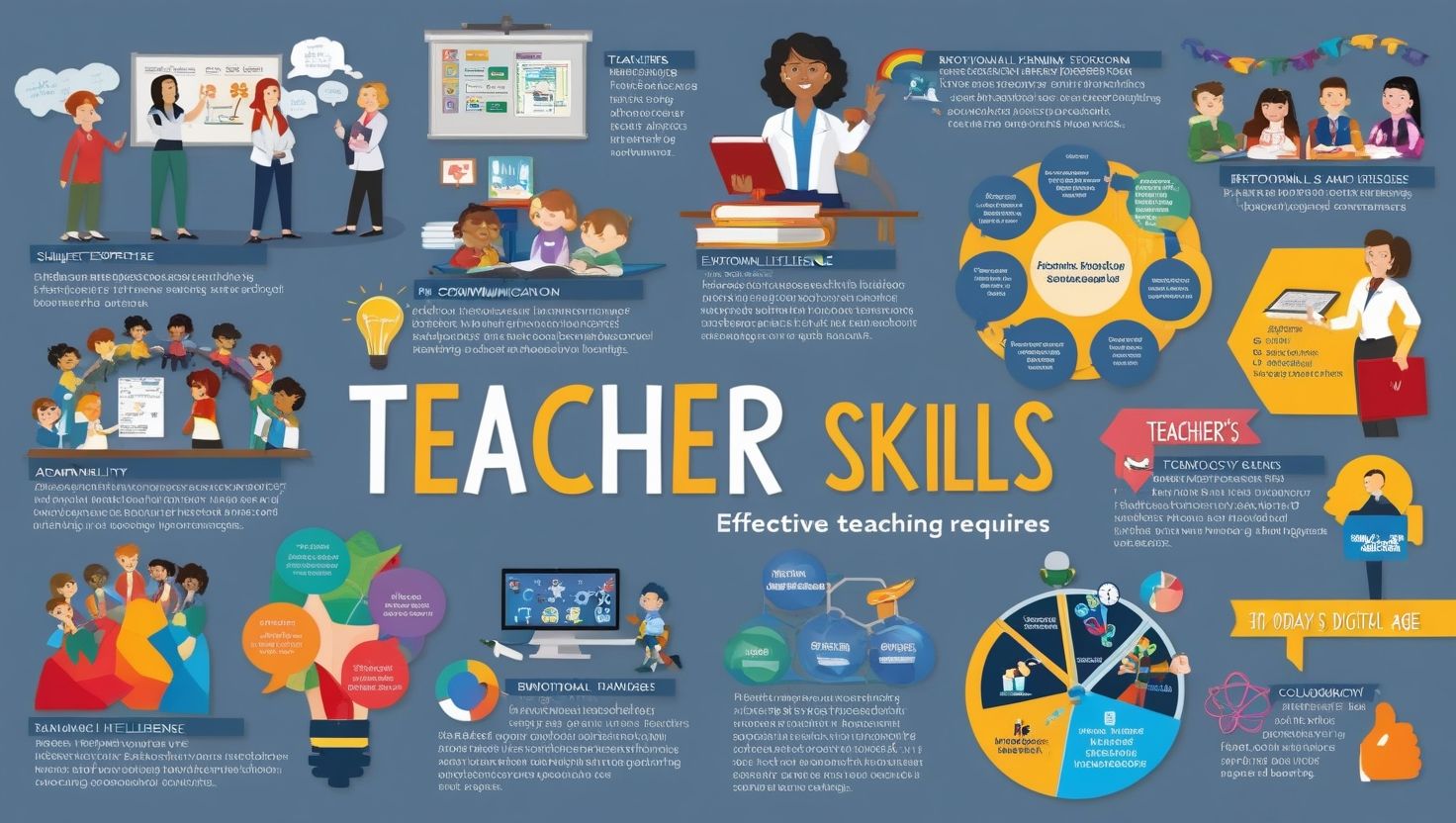
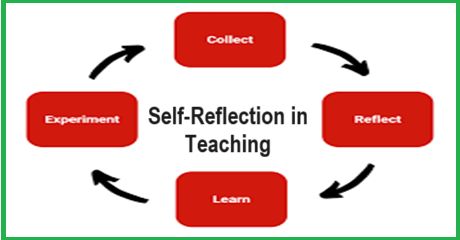
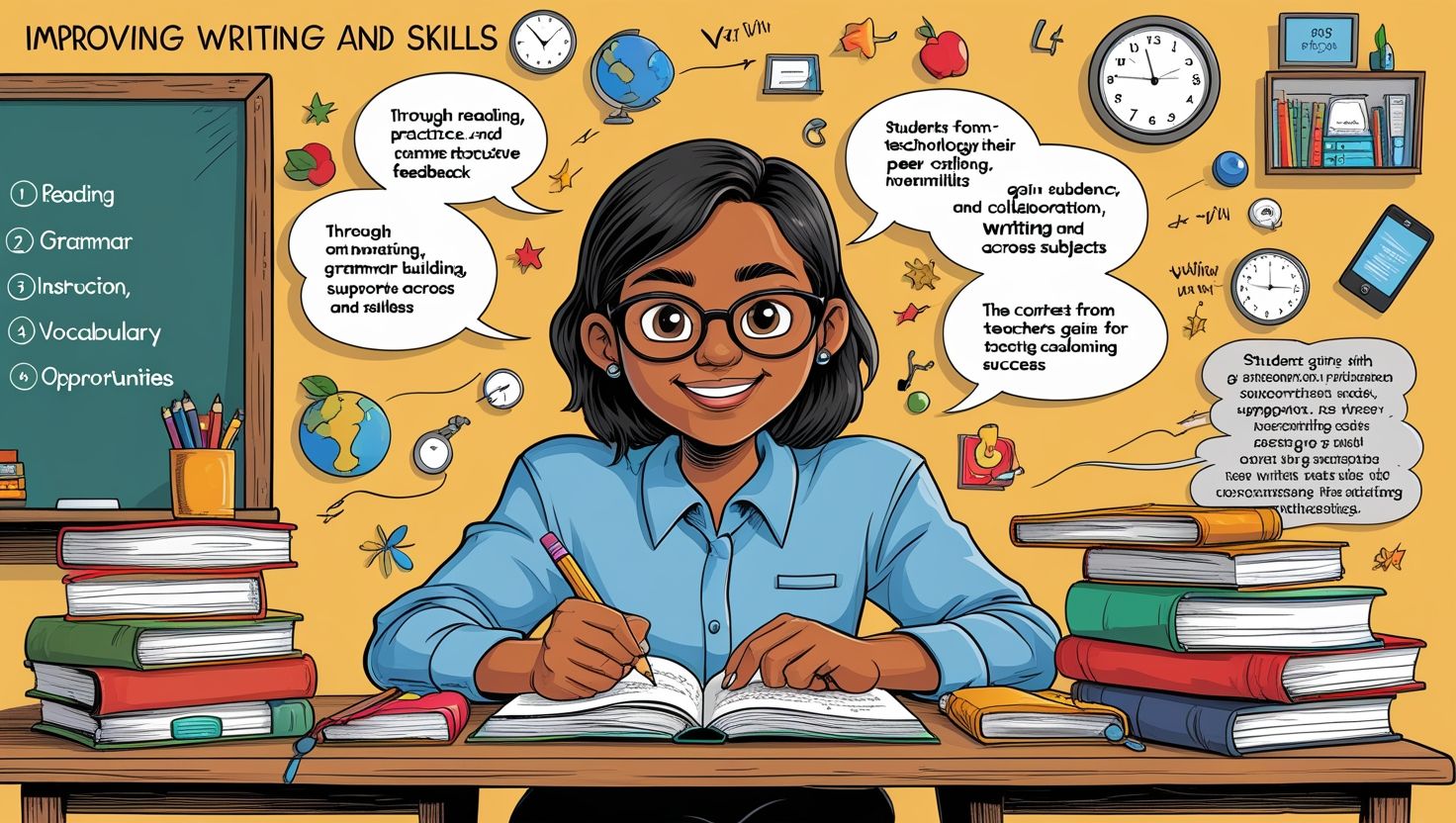
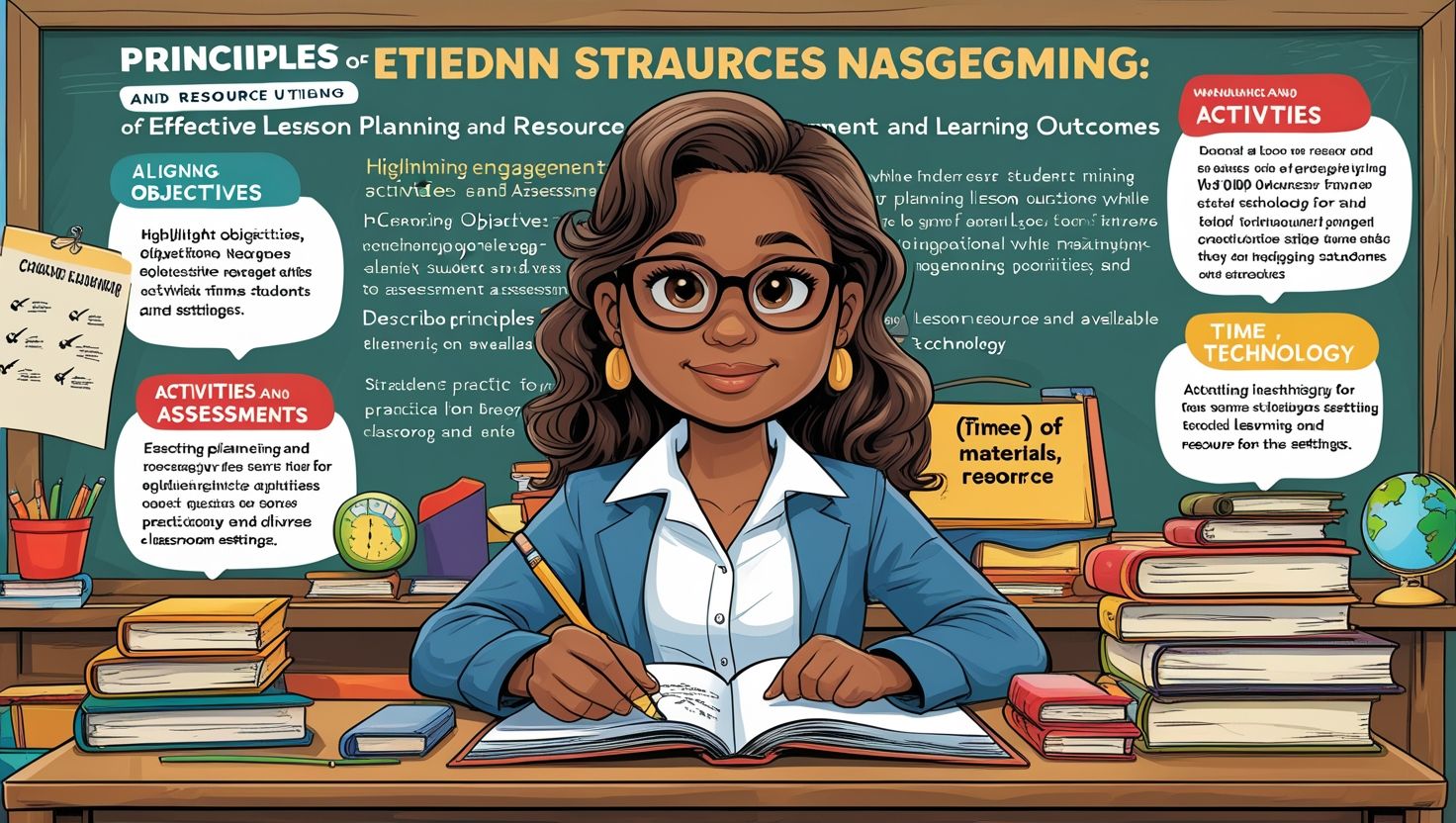
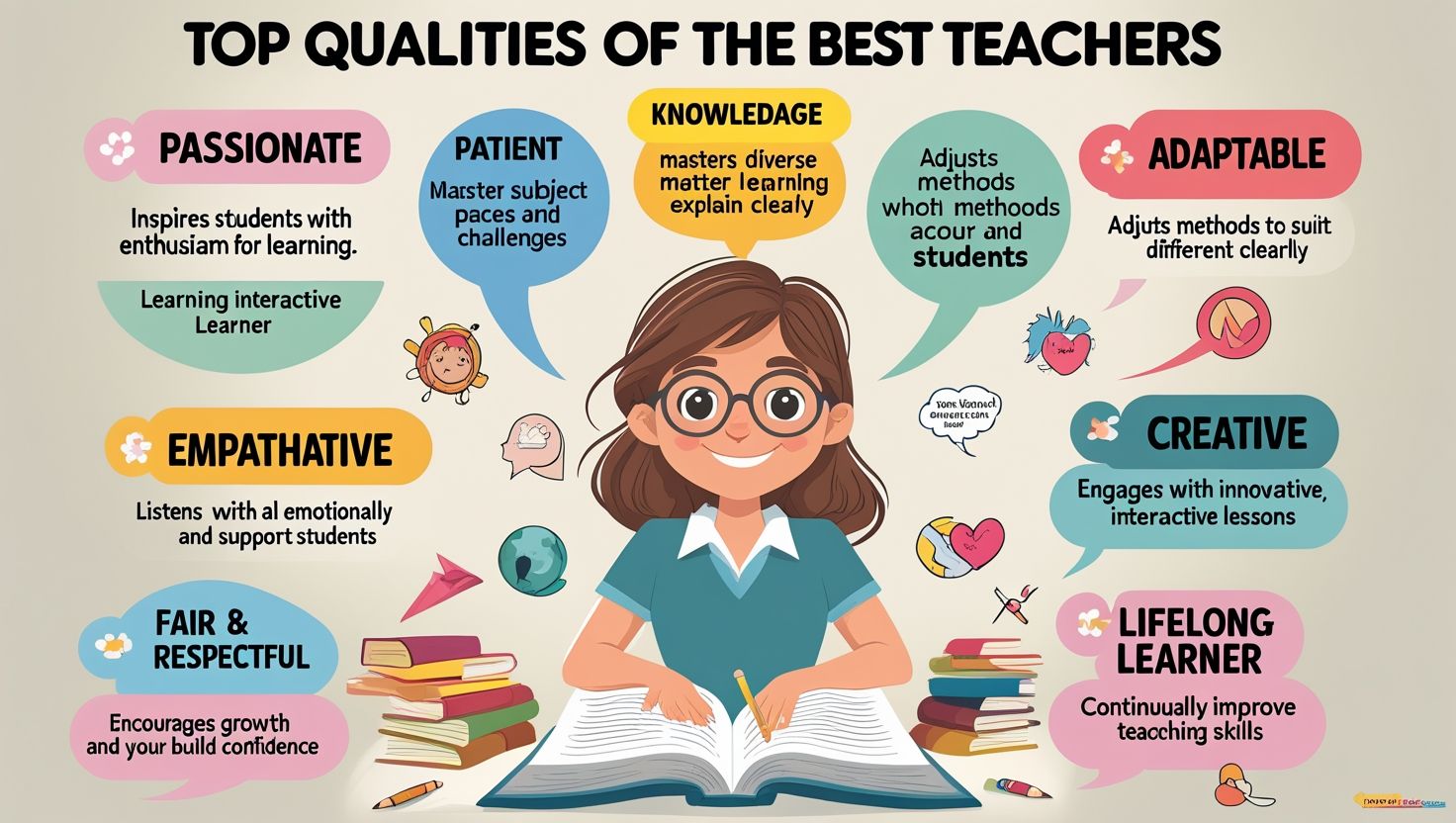
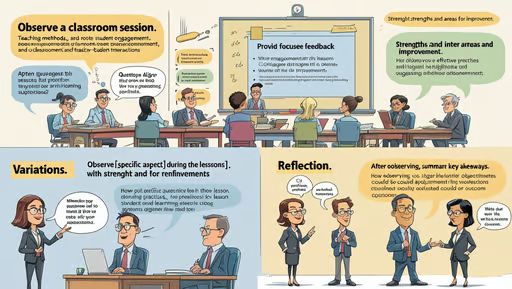
Teachers must continuously develop their classroom language skills to communicate effectively. This includes mastering instructional expressions, feedback language, and motivational phrases. Professional development programs often focus on enhancing these abilities through workshops and reflective practice. Moreover, teachers should observe and analyze their own classroom interactions to identify areas for improvement. Using language appropriate to students’ age and comprehension levels is vital. Teachers must also learn to balance formal and informal tones depending on the situation. Incorporating humor, empathy, and cultural awareness makes classroom communication more relatable. Furthermore, consistent use of instructional language builds familiarity and routine among learners. Teachers who consciously refine their communication style foster better relationships and higher engagement. Ultimately, developing classroom language is not just about speaking; it is about connecting with students and guiding them effectively through the learning process.
Language for Managing Classroom Activities
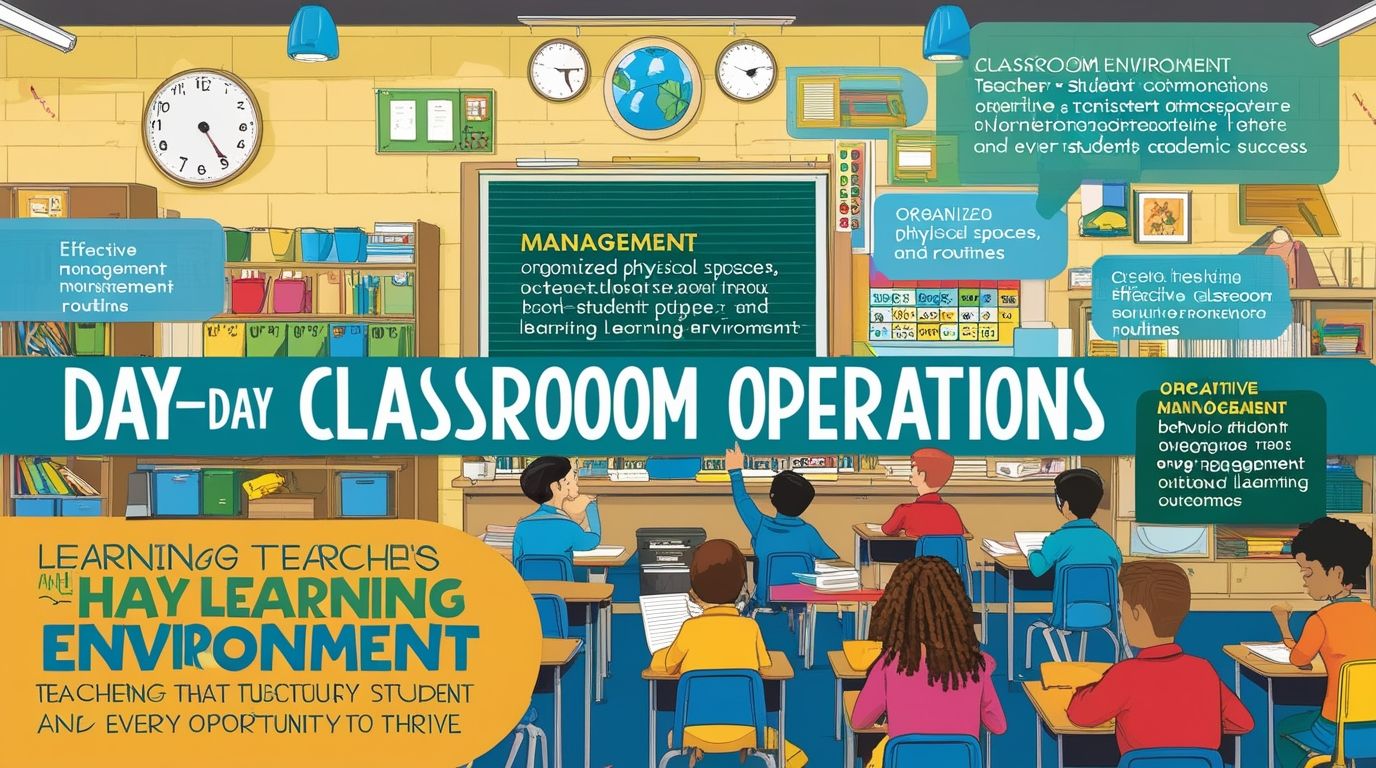
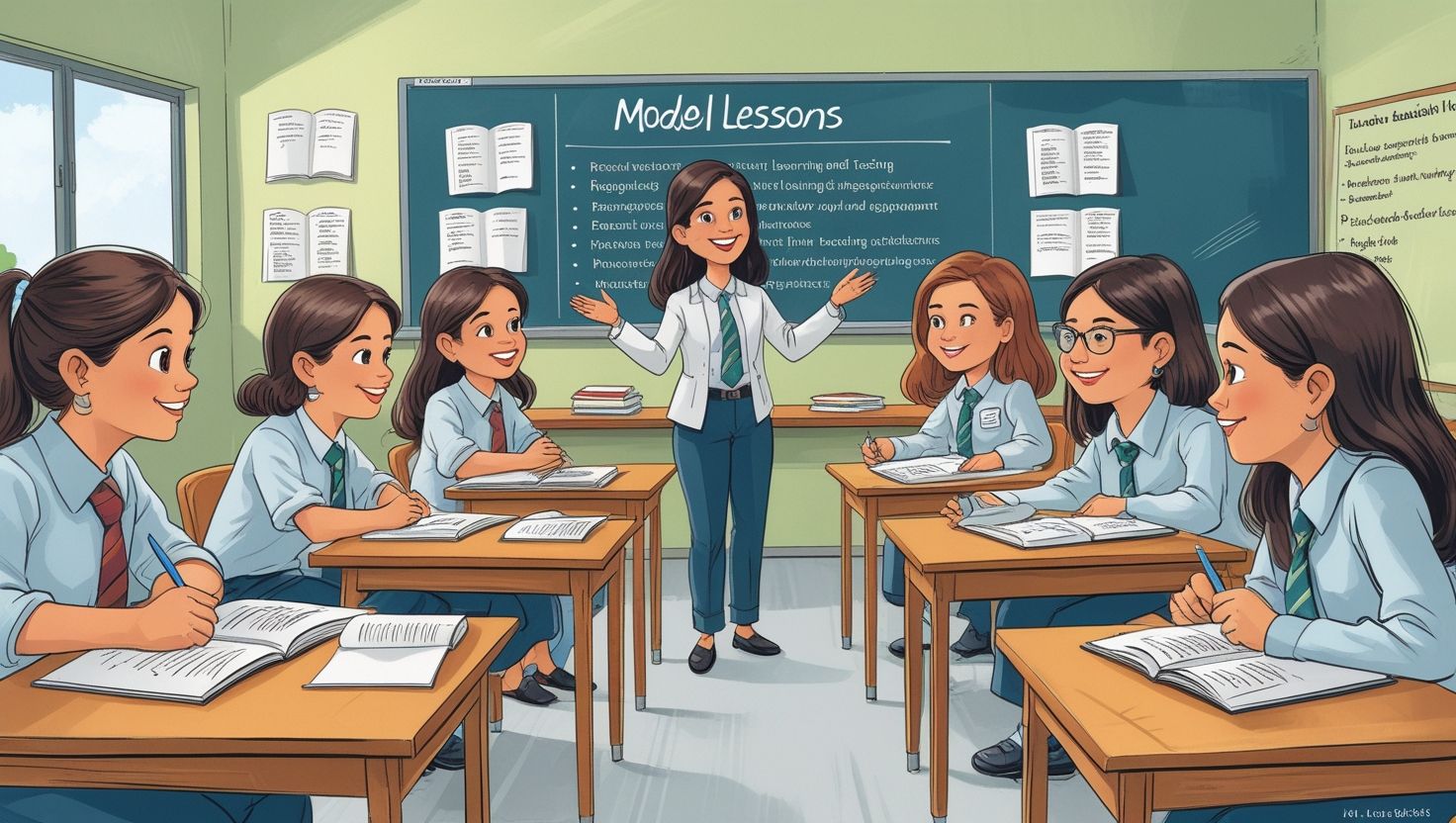
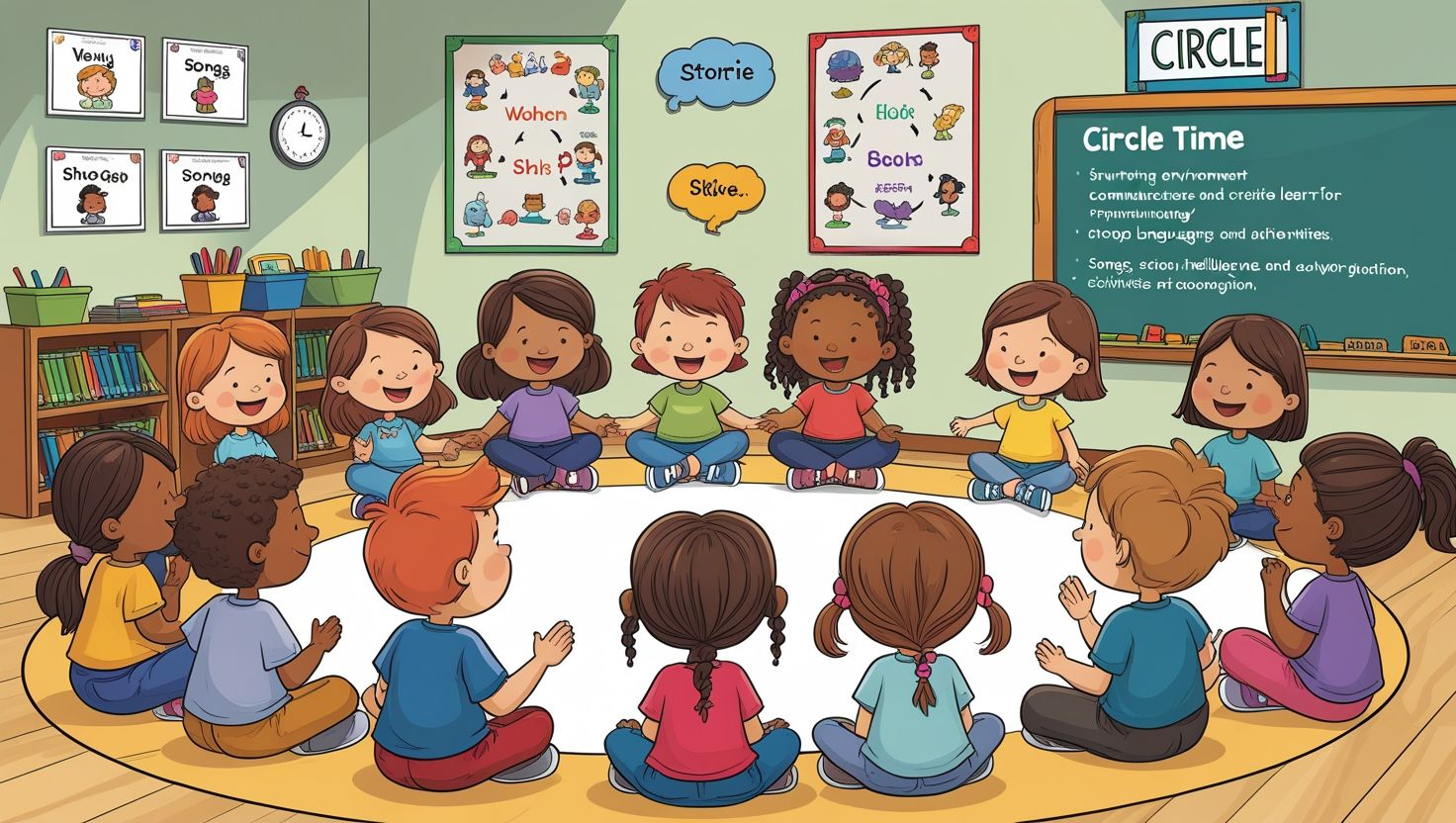
Managing classroom activities requires specific types of instructional language that promote order and participation. Teachers often use directive verbs like “listen,” “open,” “write,” or “discuss” to give clear instructions. Politeness markers such as “please” and “thank you” also maintain a respectful tone. Additionally, using group-oriented expressions like “Work in pairs” or “Share your ideas” encourages collaboration. Effective classroom management relies on predictable language patterns that students quickly recognize and follow. Teachers can also use transitional phrases like “Let’s move on to the next task” to ensure smooth activity changes. Consistency in command phrases helps students stay focused. Moreover, using calm and positive language during disruptions prevents escalation. A teacher’s linguistic control directly impacts students’ behavior and motivation. Therefore, mastering language for managing classroom activities is essential for maintaining an organized, efficient, and engaging classroom atmosphere.
The Role of Non-Verbal Language in Classroom Instructions
While spoken language is central, non-verbal language plays a complementary role in classroom instructions. Gestures, facial expressions, eye contact, and body posture communicate intentions even before words are spoken. For instance, pointing to a textbook or the board can reinforce verbal commands. Smiling or nodding provides encouragement, while a raised eyebrow may signal caution. Moreover, non-verbal cues help bridge communication gaps, especially for younger students or those with limited language skills. Teachers who combine verbal and non-verbal instructions enhance comprehension and classroom rapport. Additionally, consistent body language conveys confidence and authority. It is also crucial for teachers to be culturally sensitive, as gestures may hold different meanings across backgrounds. Therefore, integrating non-verbal communication with spoken instructions ensures a holistic approach to classroom management and understanding, making learning smoother and more interactive.
Language for Encouragement and Feedback
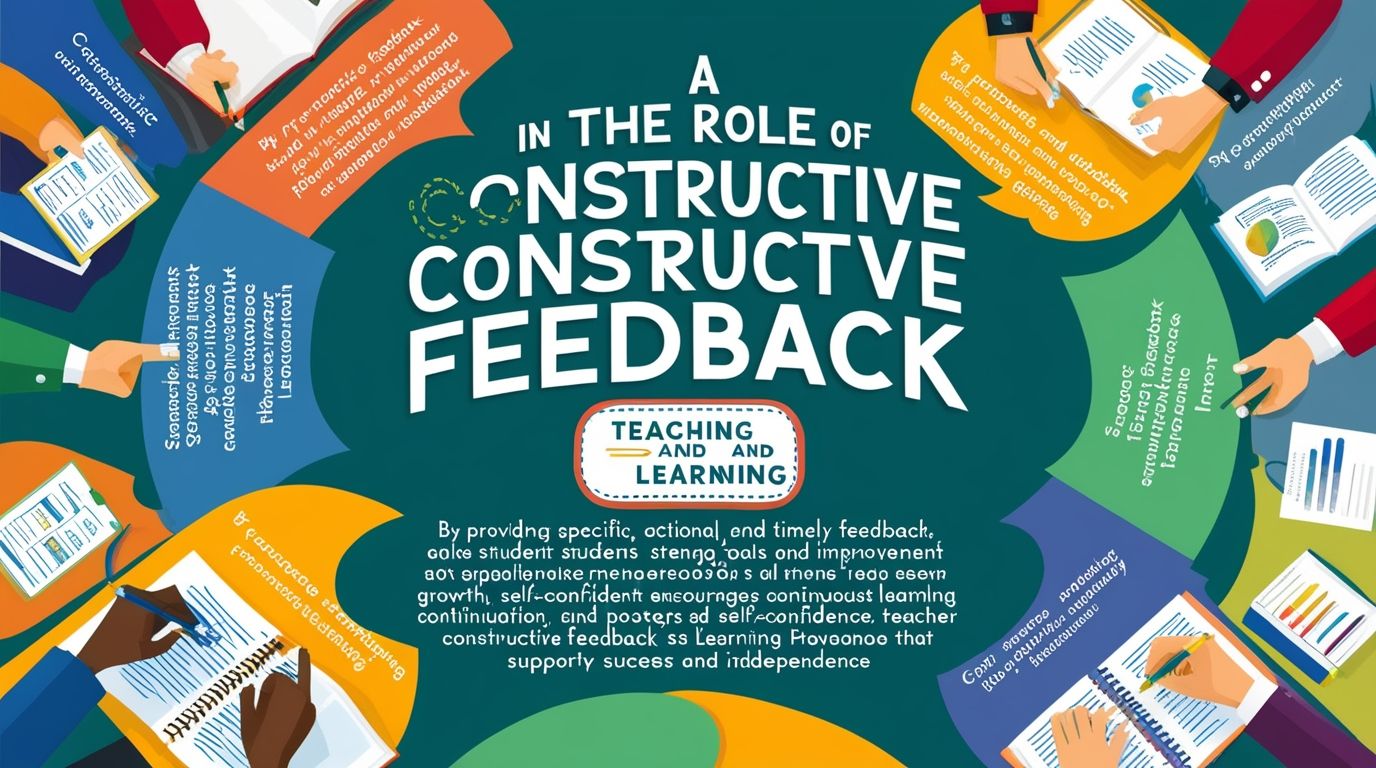
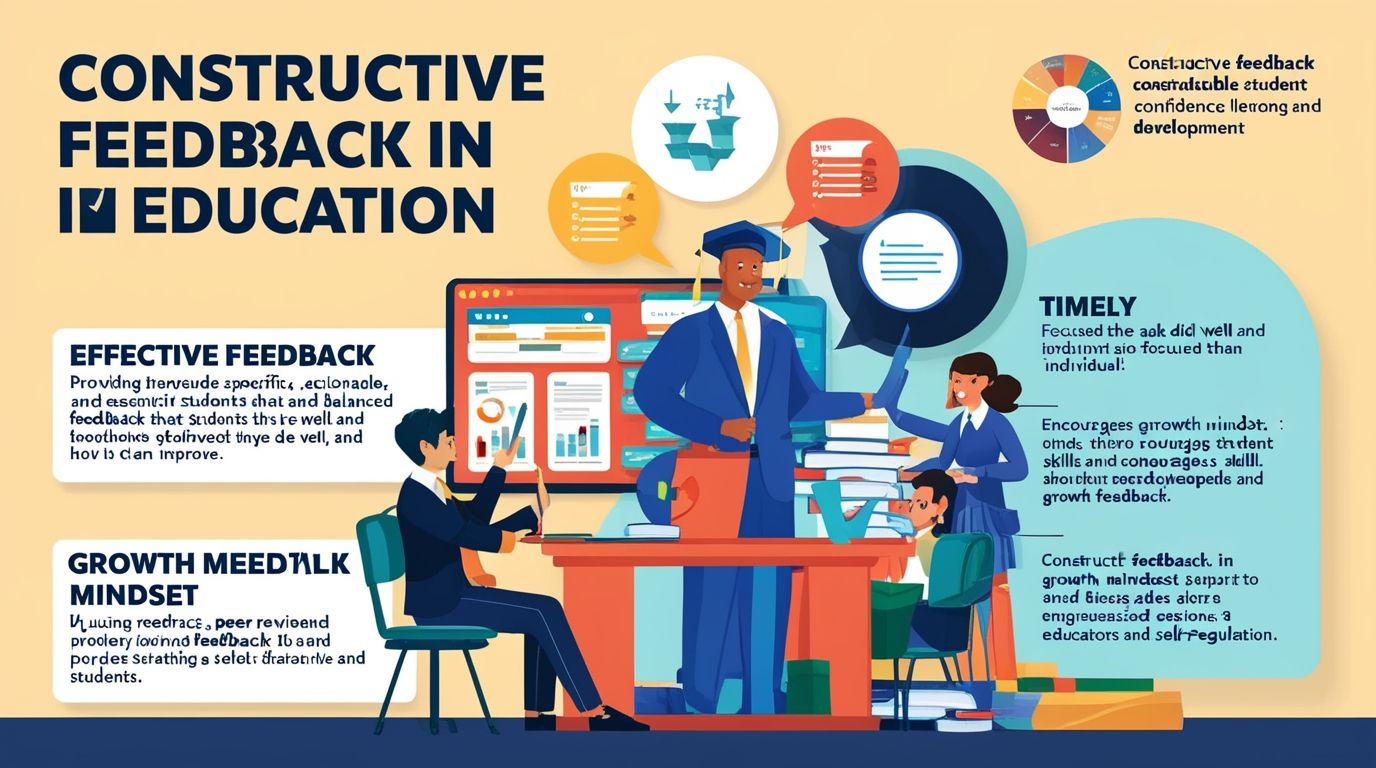
Providing encouragement and feedback through positive language builds student confidence and motivation. Teachers should use affirming expressions like “Well done,” “Excellent effort,” or “You’re improving” to recognize students’ progress. Constructive feedback, delivered with empathy, helps learners identify areas for improvement without feeling discouraged. Phrases such as “Next time, try…” or “You might consider…” guide students toward better performance. Moreover, tone matters as much as words; a calm and supportive voice reinforces trust. Feedback should always be specific rather than general to make it actionable. Encouraging self-assessment through reflective questions also promotes independence. Furthermore, acknowledging small achievements through consistent verbal reinforcement motivates continued participation. Thus, language of encouragement not only improves academic results but also nurtures emotional growth. Teachers who master this form of communication create a classroom environment where students feel safe, supported, and eager to learn.
Language Barriers and Their Impact
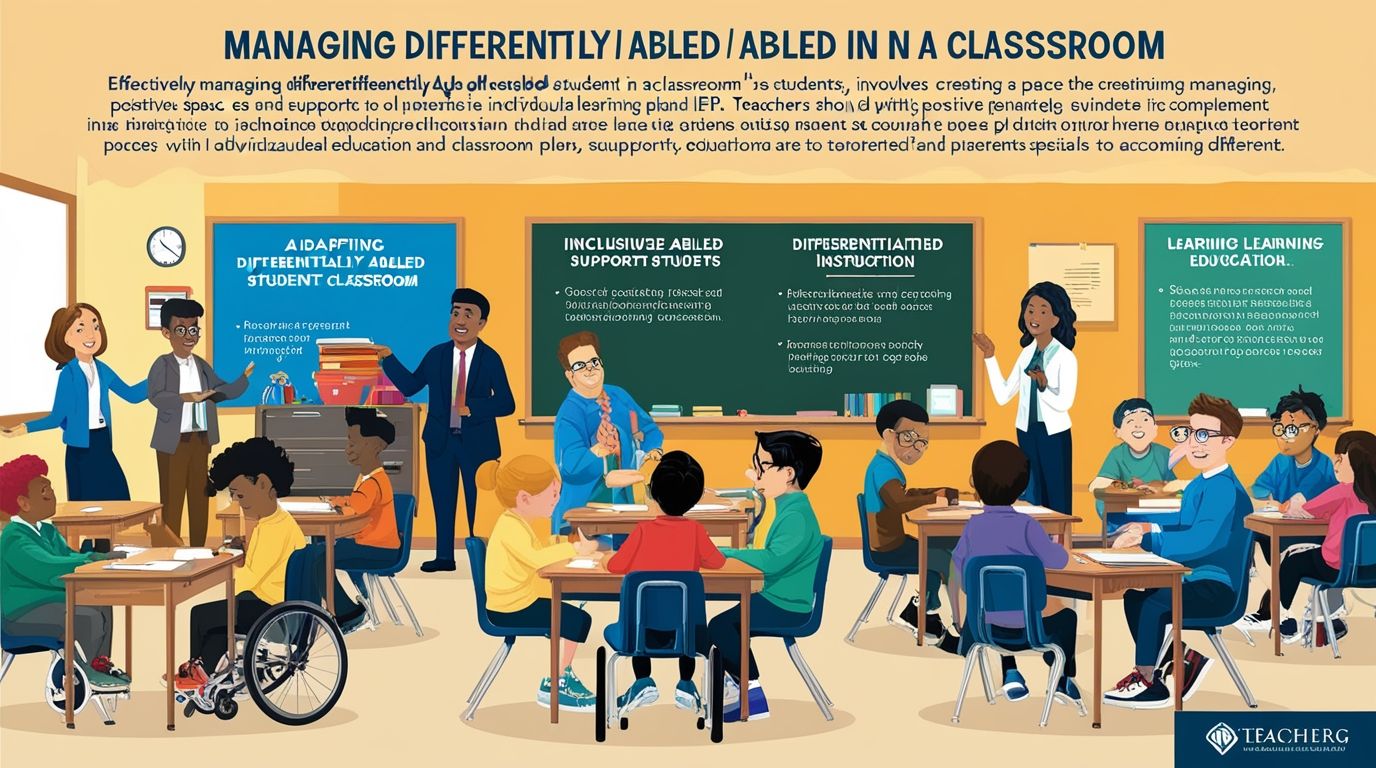
Language barriers can significantly affect classroom communication and learning outcomes. These barriers arise when students and teachers do not share the same linguistic proficiency or cultural background. Misunderstandings in instructions often lead to confusion, errors, and frustration. Moreover, students may hesitate to participate due to fear of making mistakes. Teachers must recognize these barriers early and employ strategies like simplifying instructions, using visuals, or incorporating bilingual aids. Encouraging peer support and providing extra time for comprehension also help. Additionally, teachers should avoid jargon and complex terminology when addressing diverse learners. Creating an atmosphere of patience and inclusivity reduces anxiety related to language use. Ultimately, overcoming classroom language barriers ensures equal learning opportunities for all. By promoting linguistic diversity and understanding, teachers can turn potential challenges into opportunities for cultural and communicative growth.
The Role of Technology in Classroom Instructions
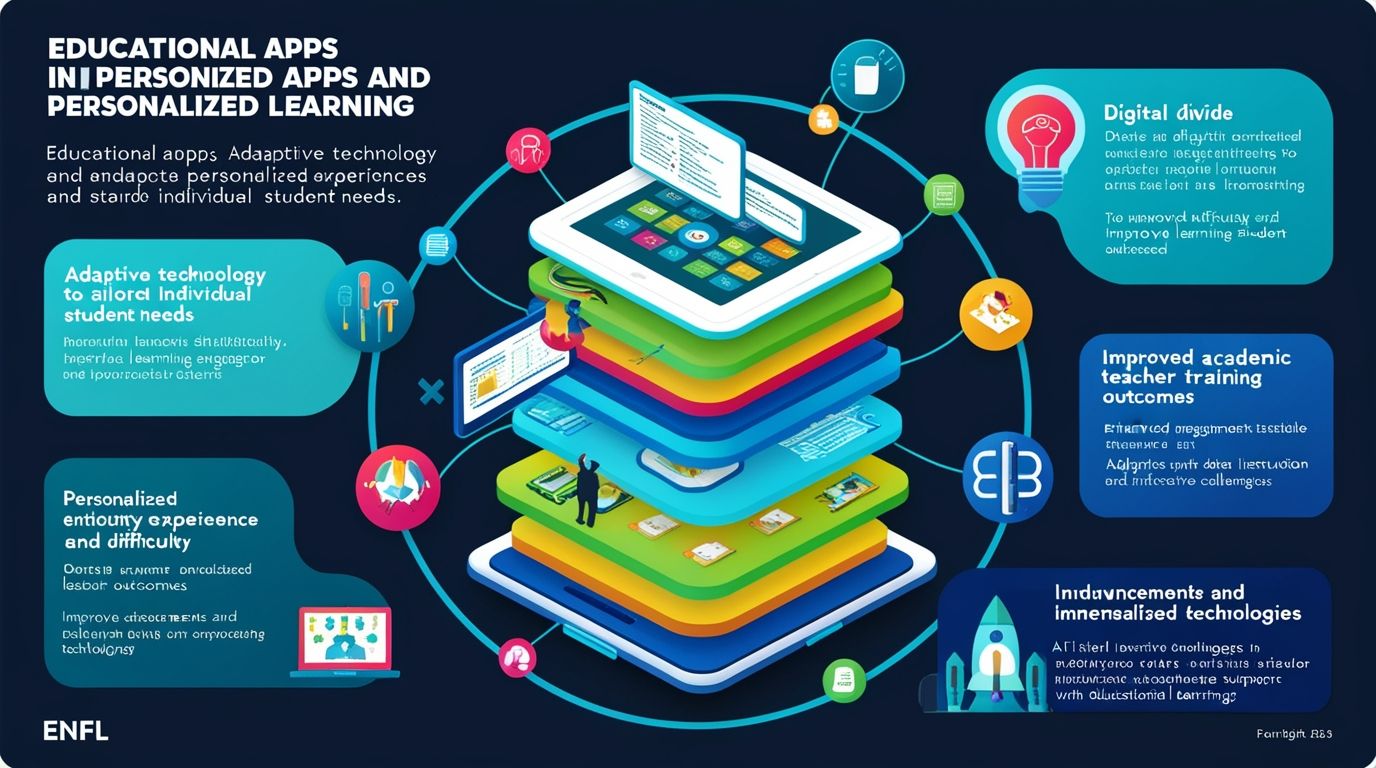
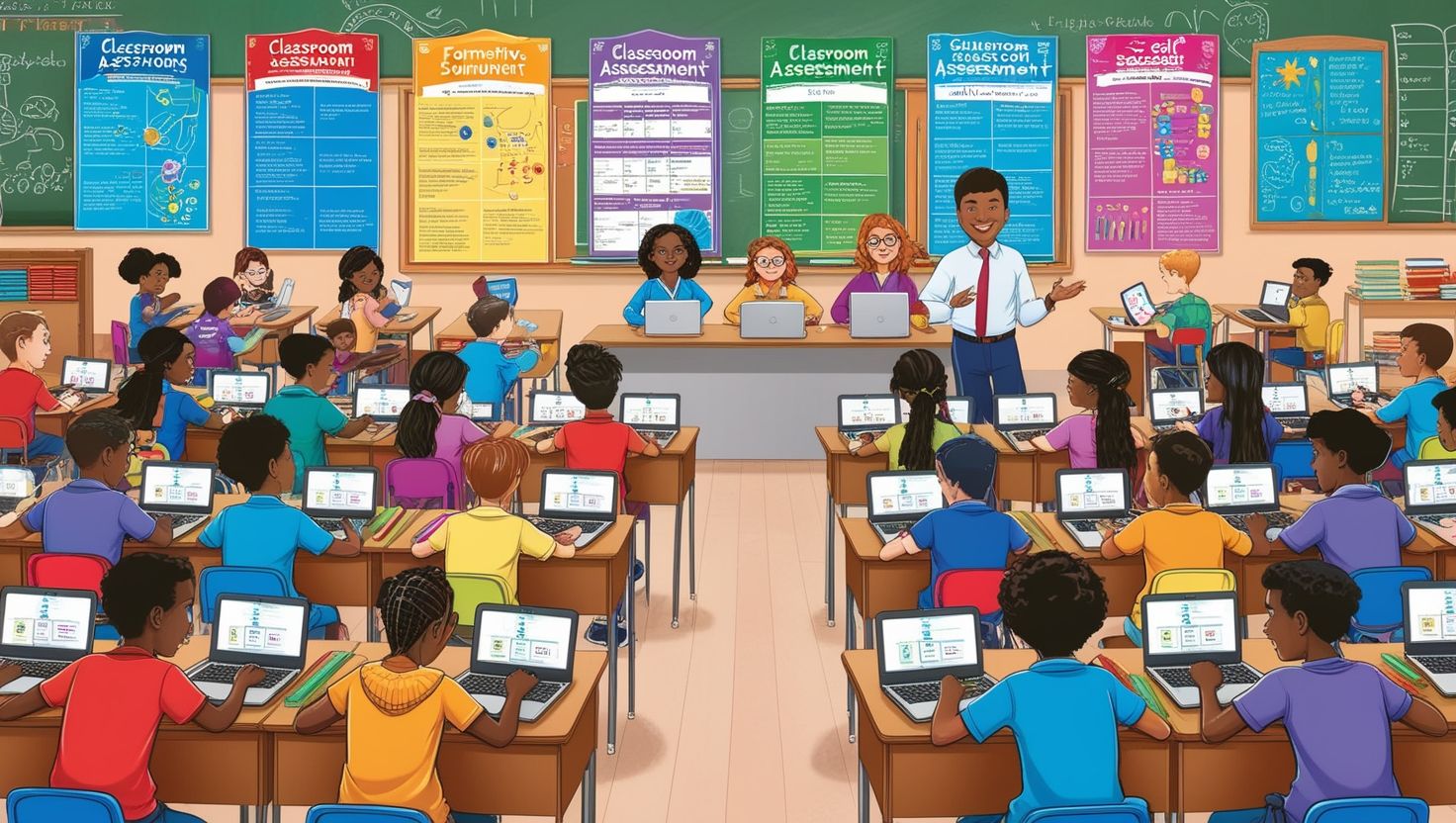
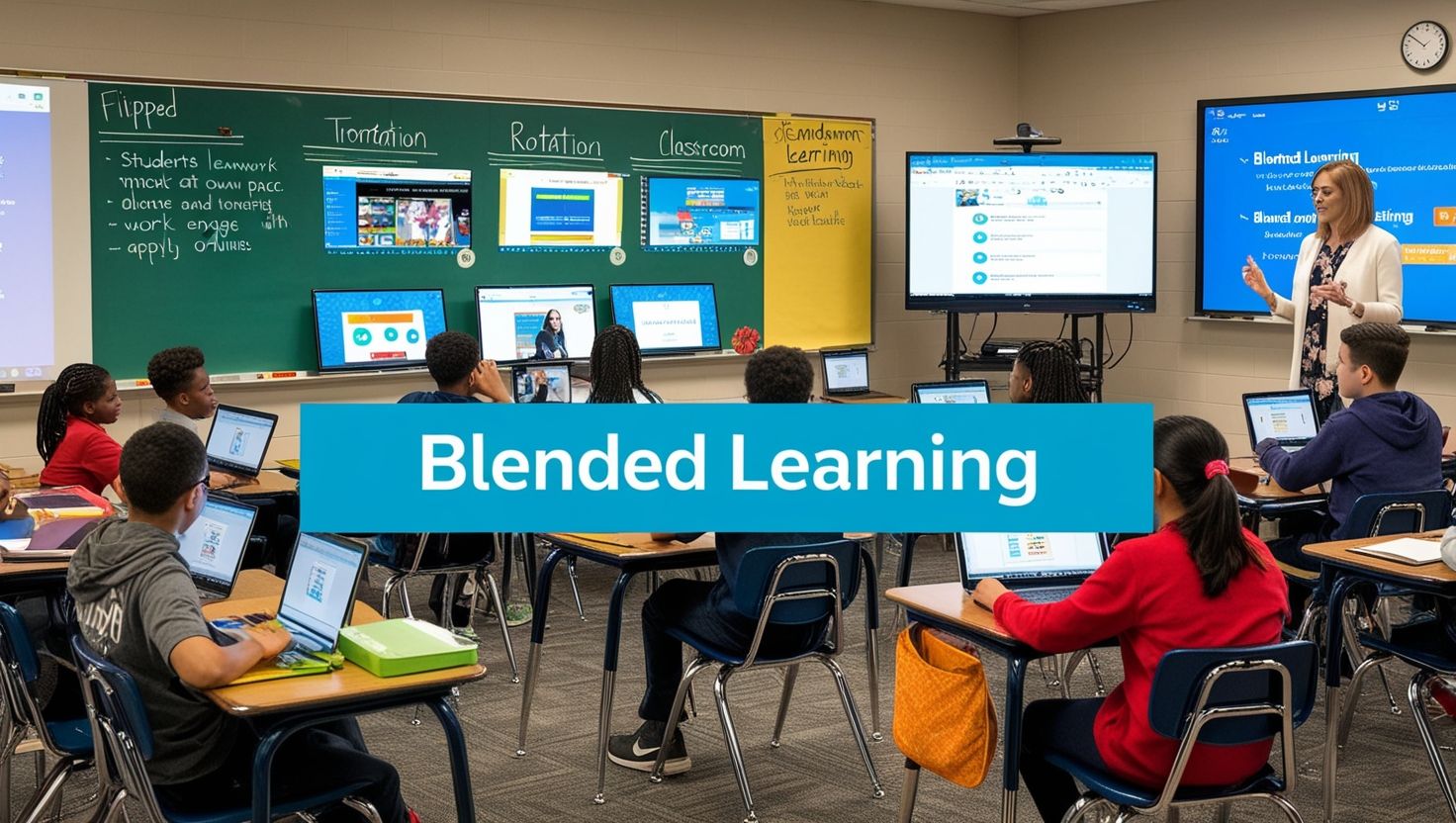
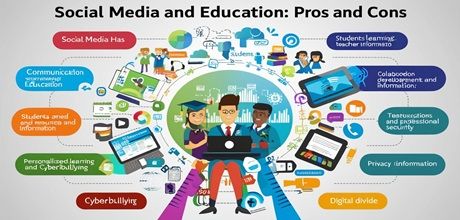
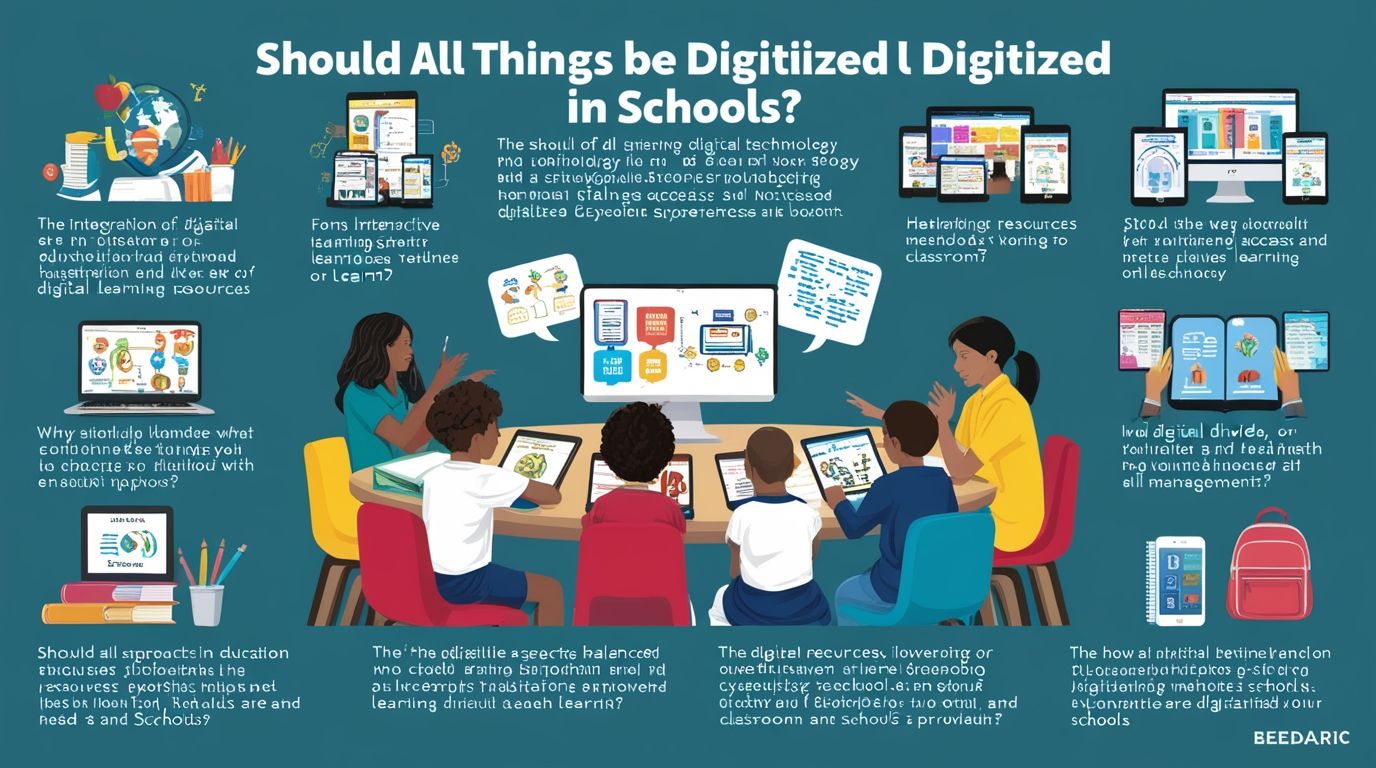
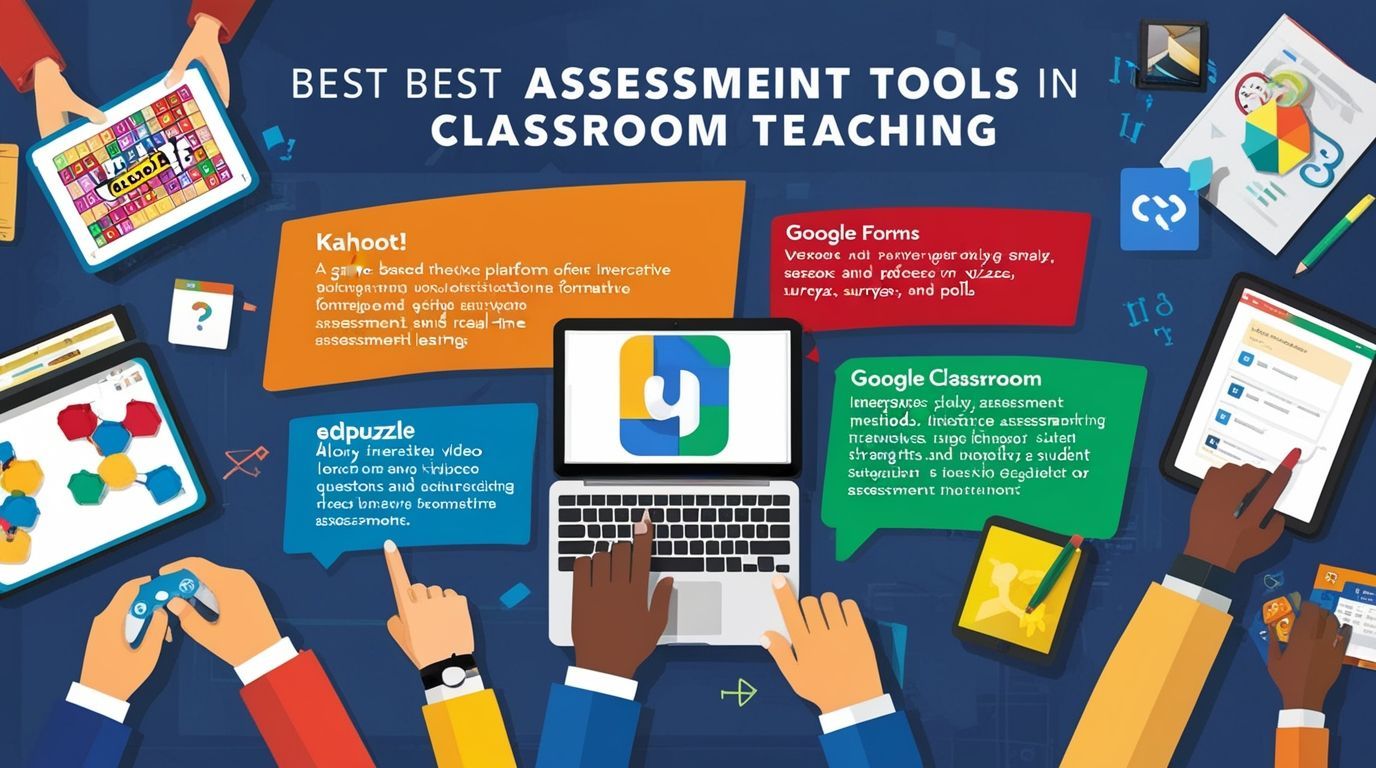
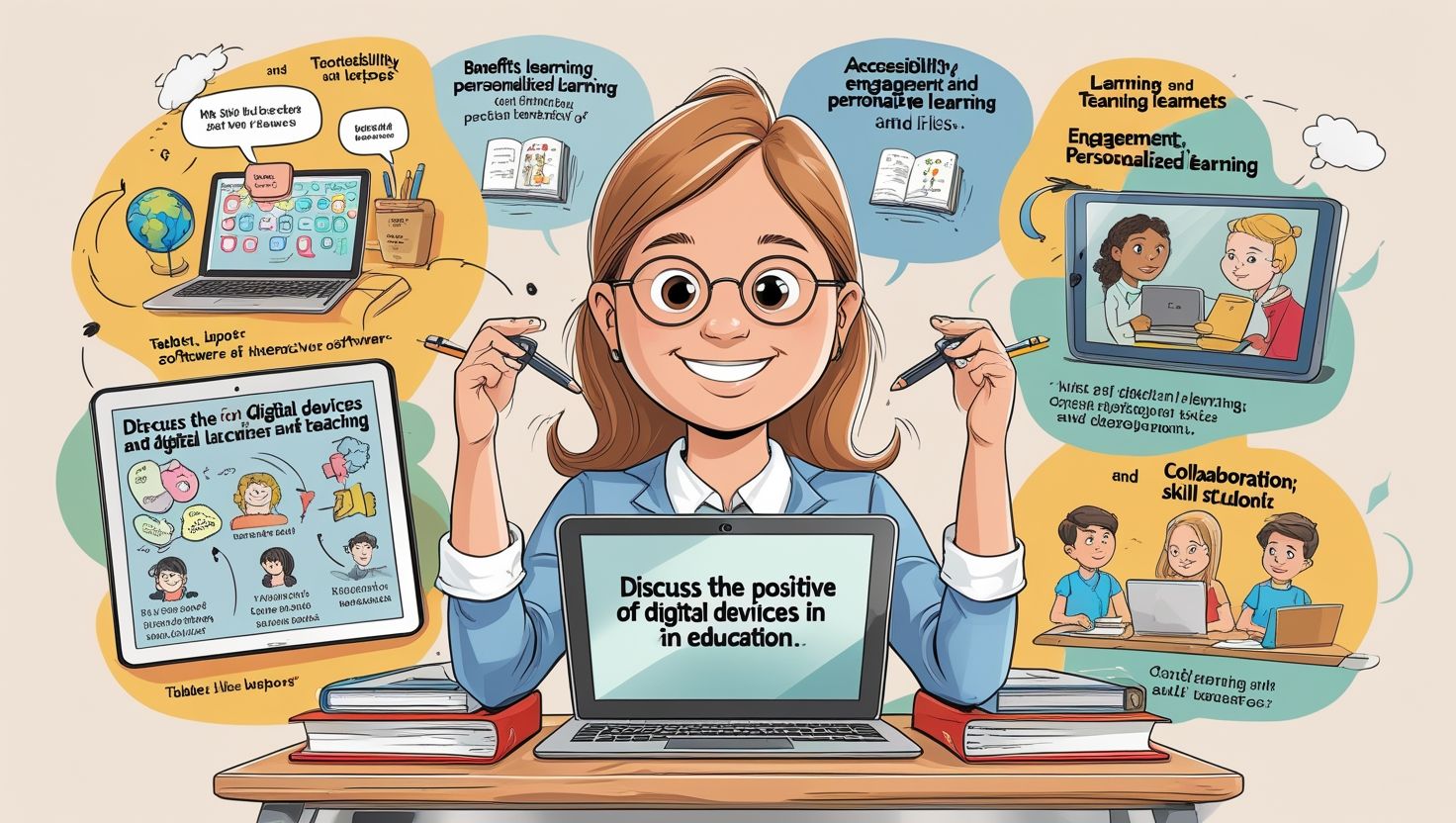
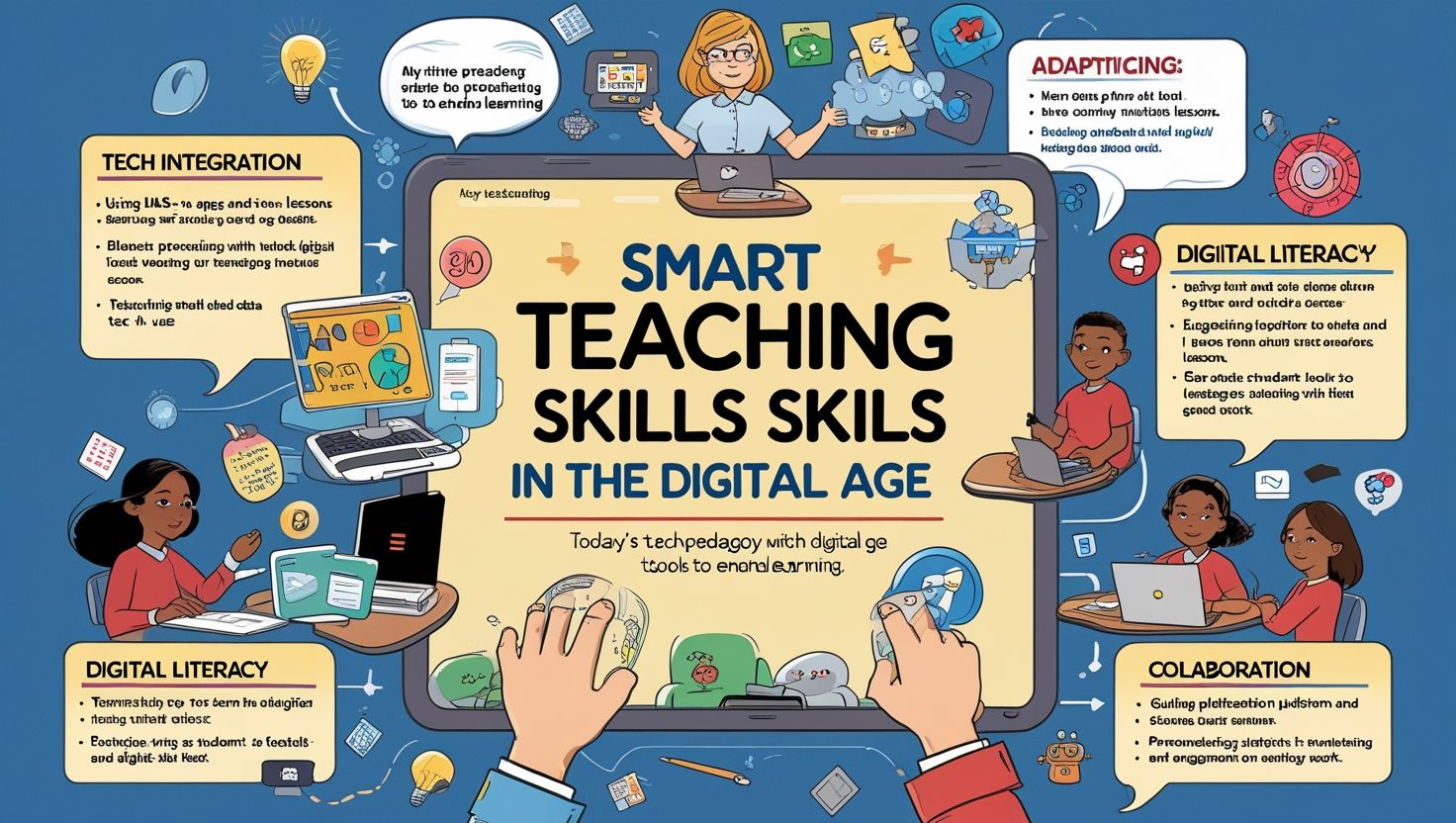
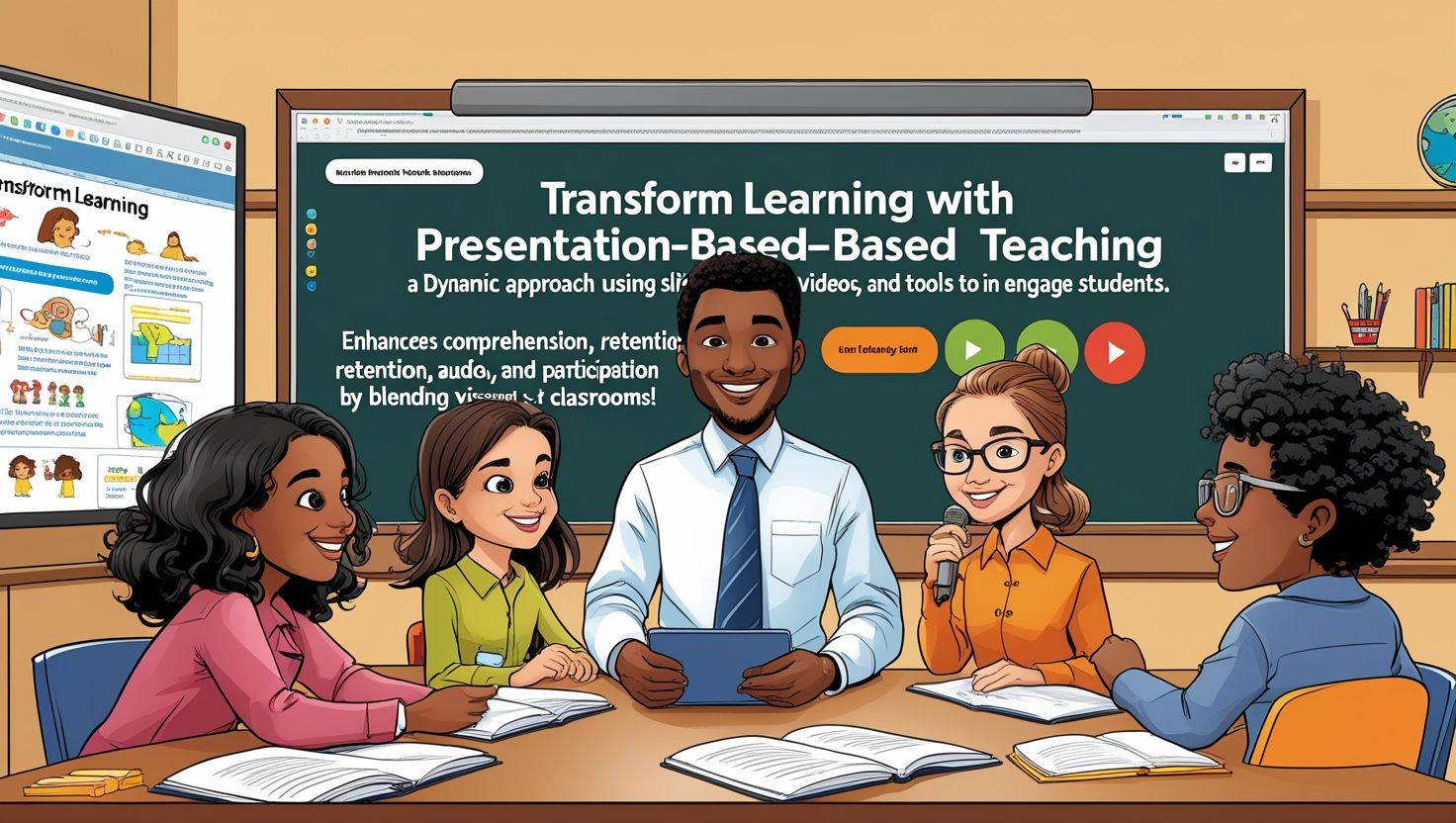
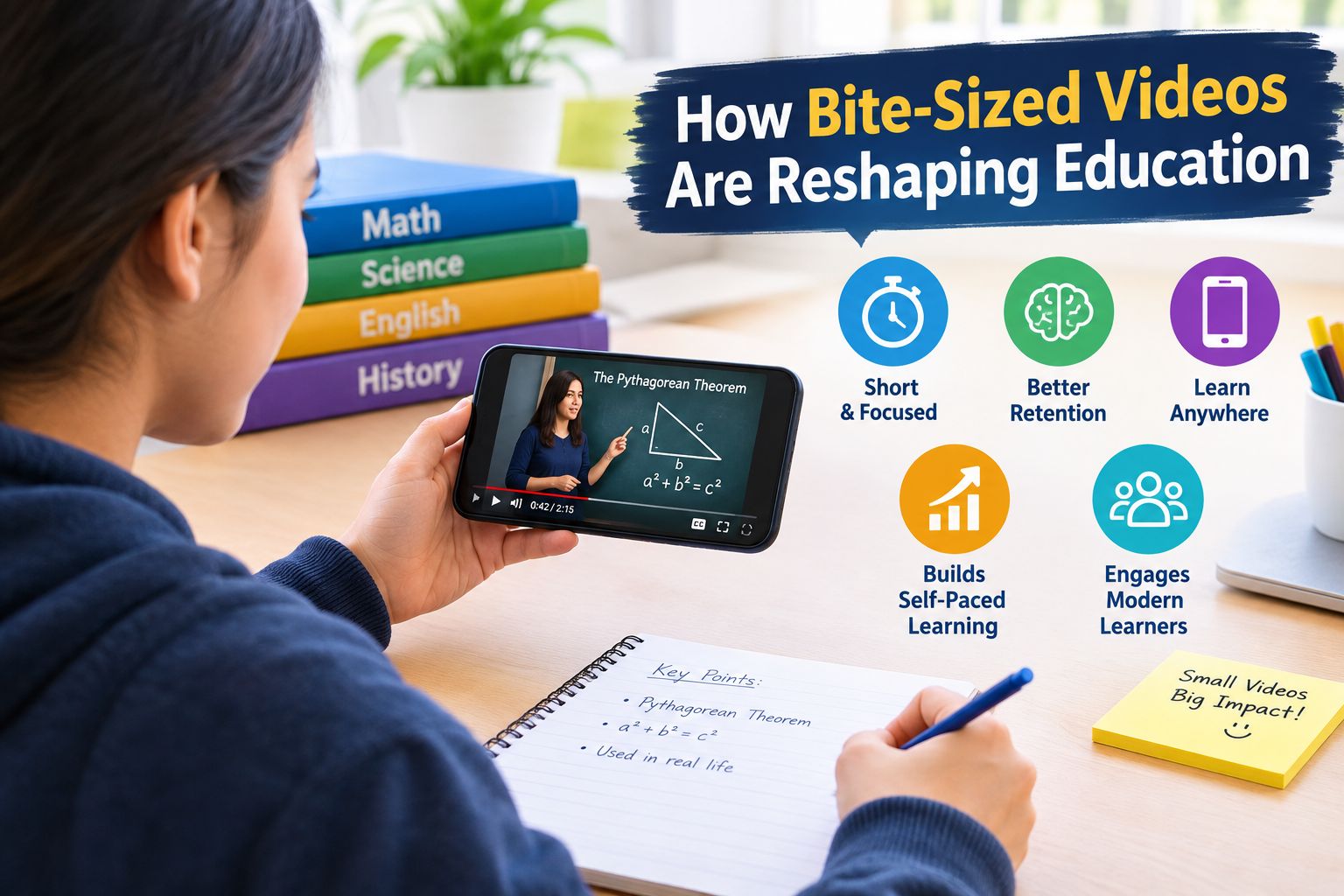
Modern technology has transformed classroom instructions and communication methods. Digital tools such as smartboards, learning management systems, and interactive apps allow teachers to give visual and auditory directions more effectively. These tools help bridge comprehension gaps by providing multiple modes of understanding. Moreover, video lessons and voice recordings enable students to review instructions at their own pace. Teachers can also use chat platforms or discussion boards for clarifications and updates. Technology fosters engagement through multimedia content that makes instructions more dynamic. However, it is crucial that teachers balance digital communication with personal interaction to maintain emotional connection. Effective use of instructional technology enhances accessibility and inclusion, especially for students with special learning needs. Therefore, integrating technology wisely amplifies the clarity, reach, and effectiveness of classroom communication.
Language for Building Classroom Relationships
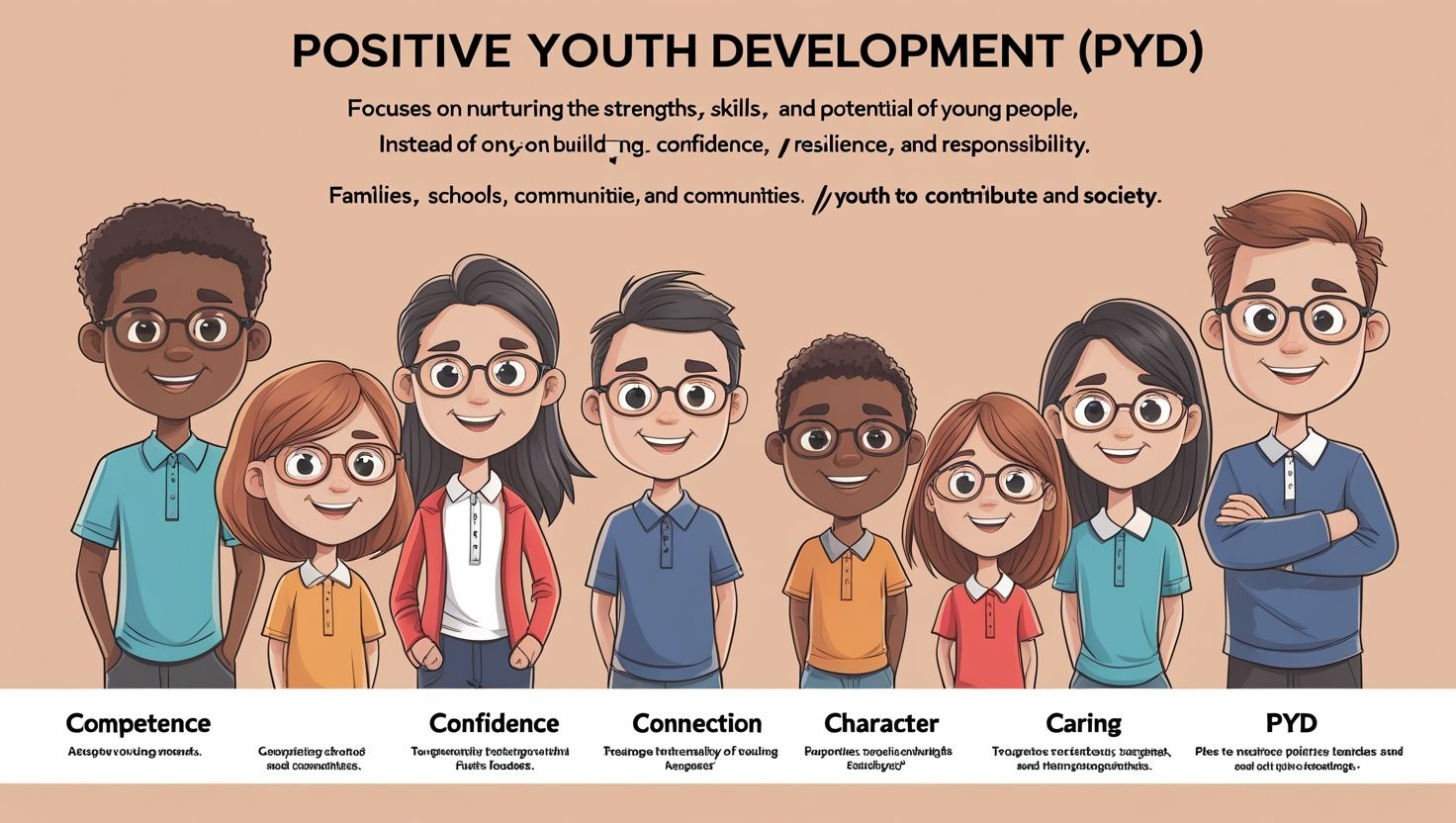
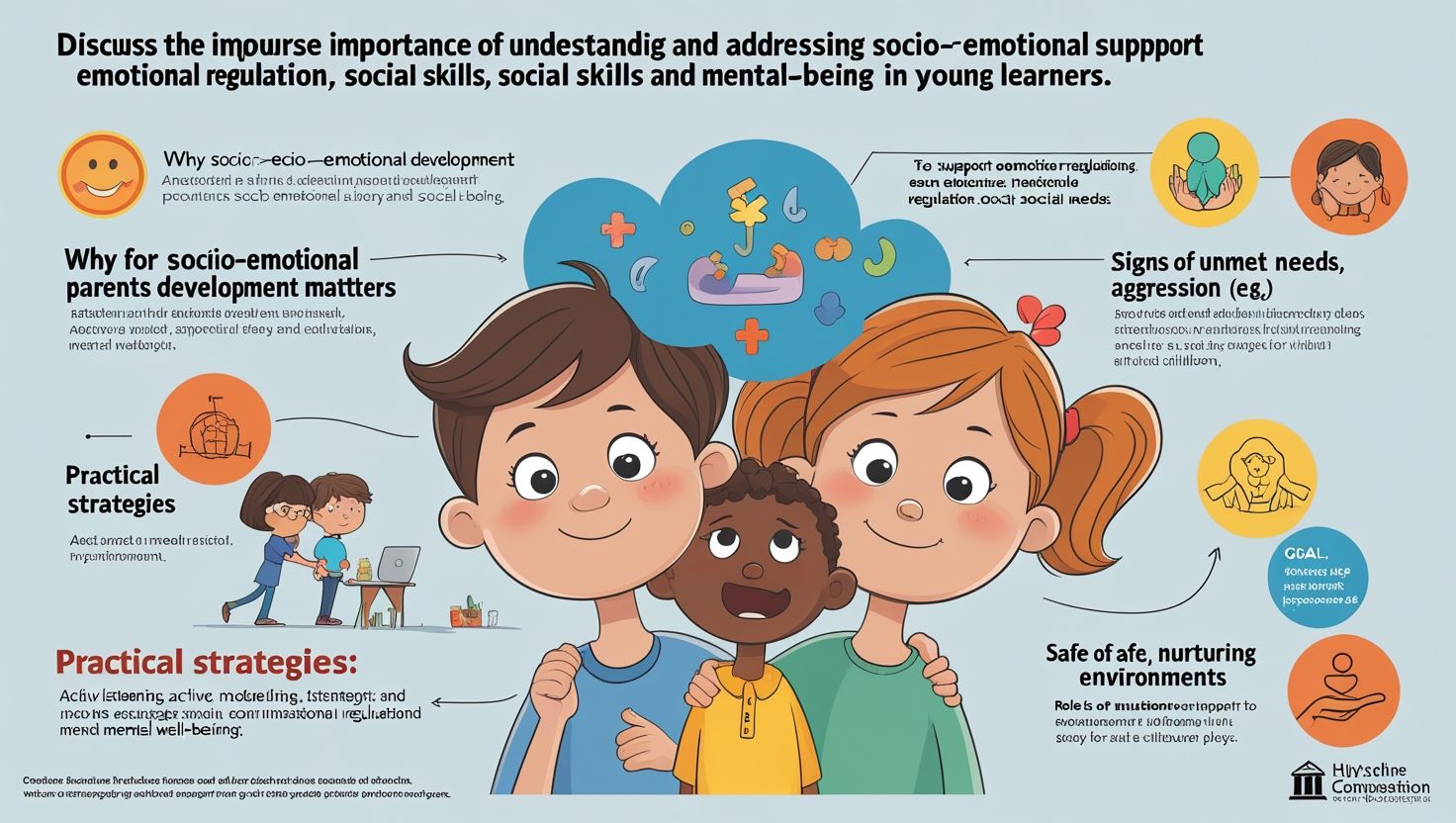
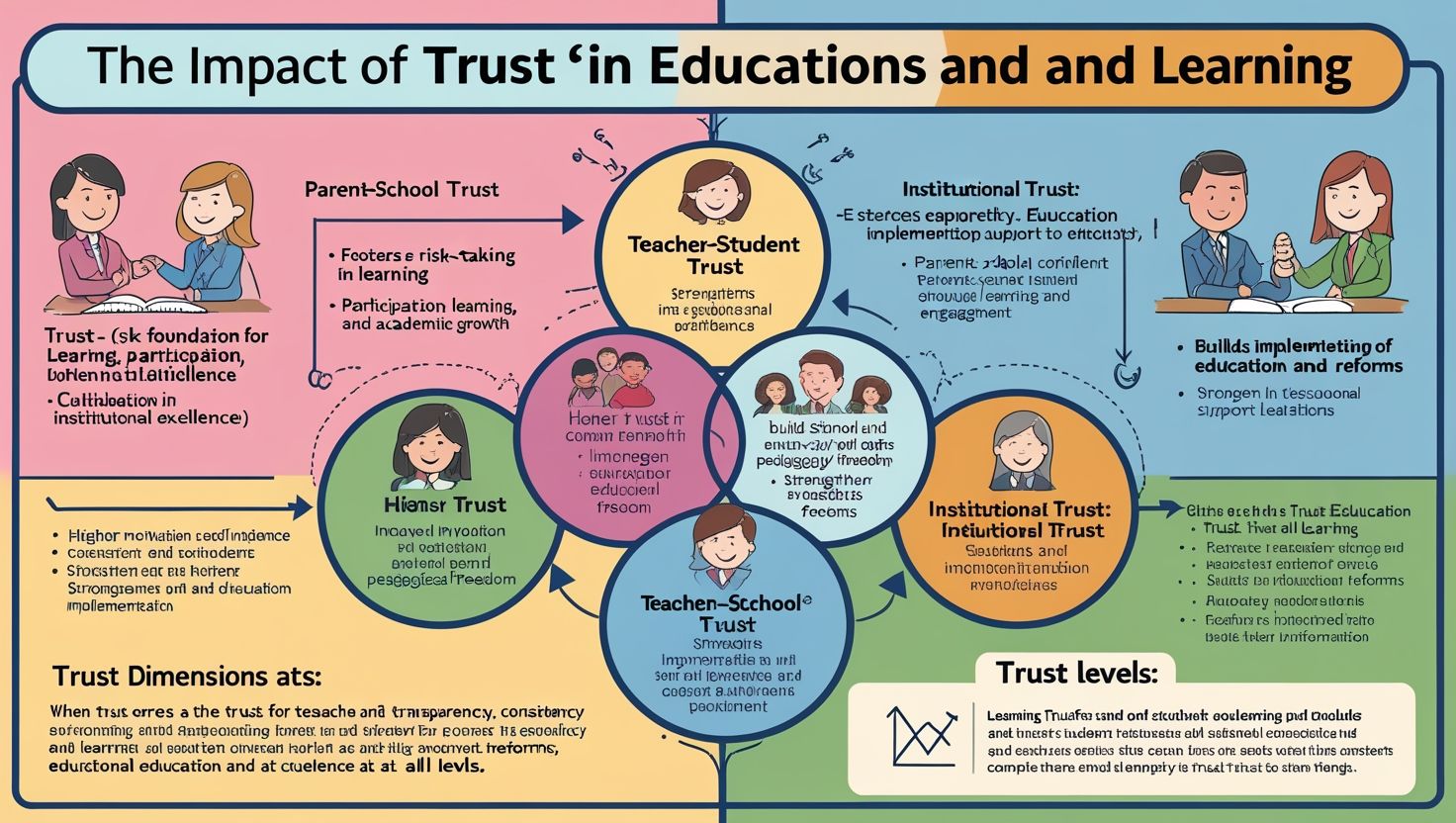
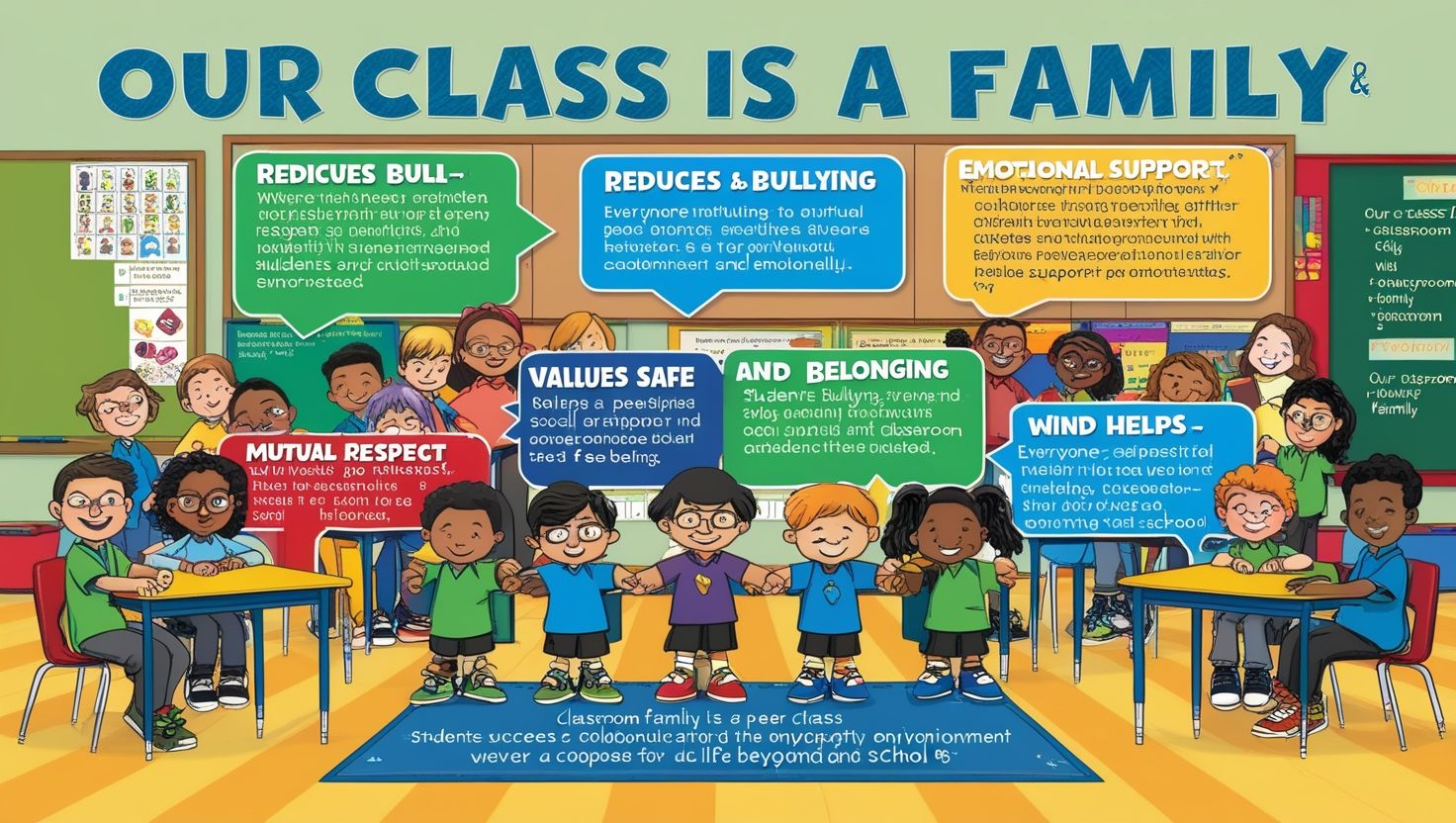
A strong teacher-student relationship thrives on positive and empathetic communication. Language plays a vital role in establishing mutual respect and trust. Teachers who greet students warmly, use their names, and show genuine interest create a welcoming environment. Using inclusive and encouraging language like “We’ll solve this together” promotes teamwork. Furthermore, open-ended questions foster dialogue and critical thinking. When teachers listen actively and respond thoughtfully, students feel valued and understood. The choice of words can either strengthen or weaken relationships. Avoiding sarcasm and criticism ensures that students remain comfortable sharing their thoughts. Therefore, using relationship-building language contributes to emotional safety, better participation, and academic confidence. A teacher’s words have long-lasting impacts on students’ motivation, attitude, and overall classroom harmony.
Language and Cultural Sensitivity in the Classroom
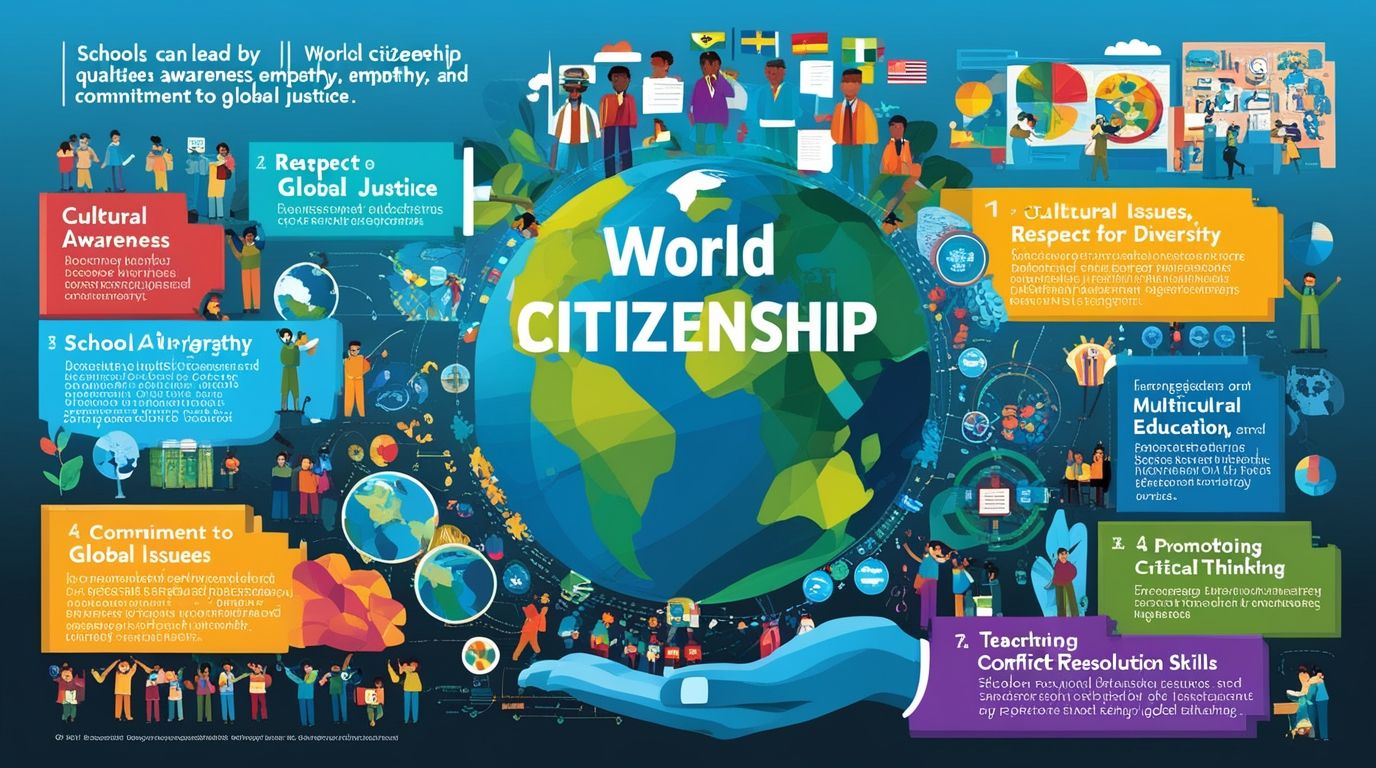
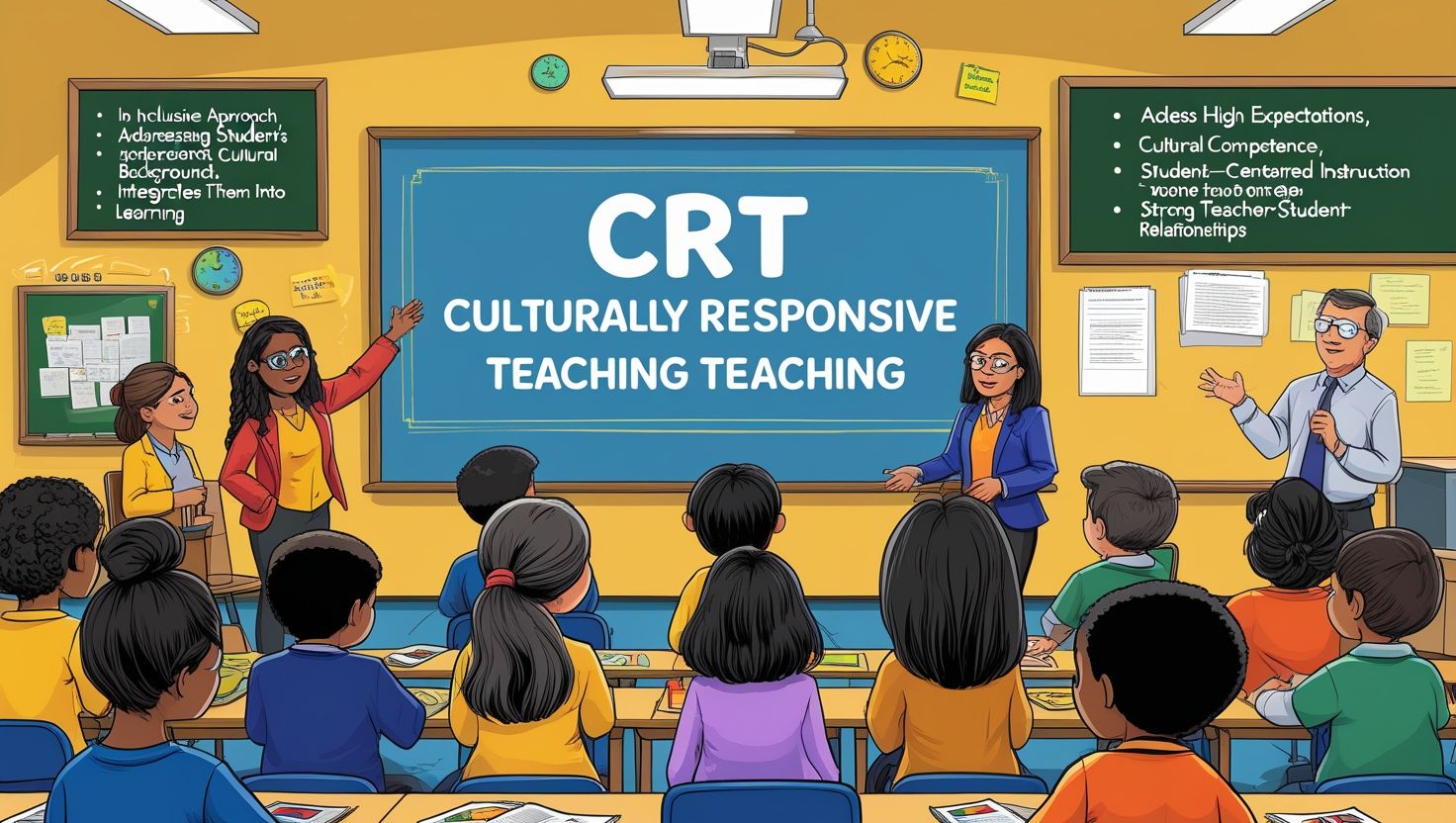
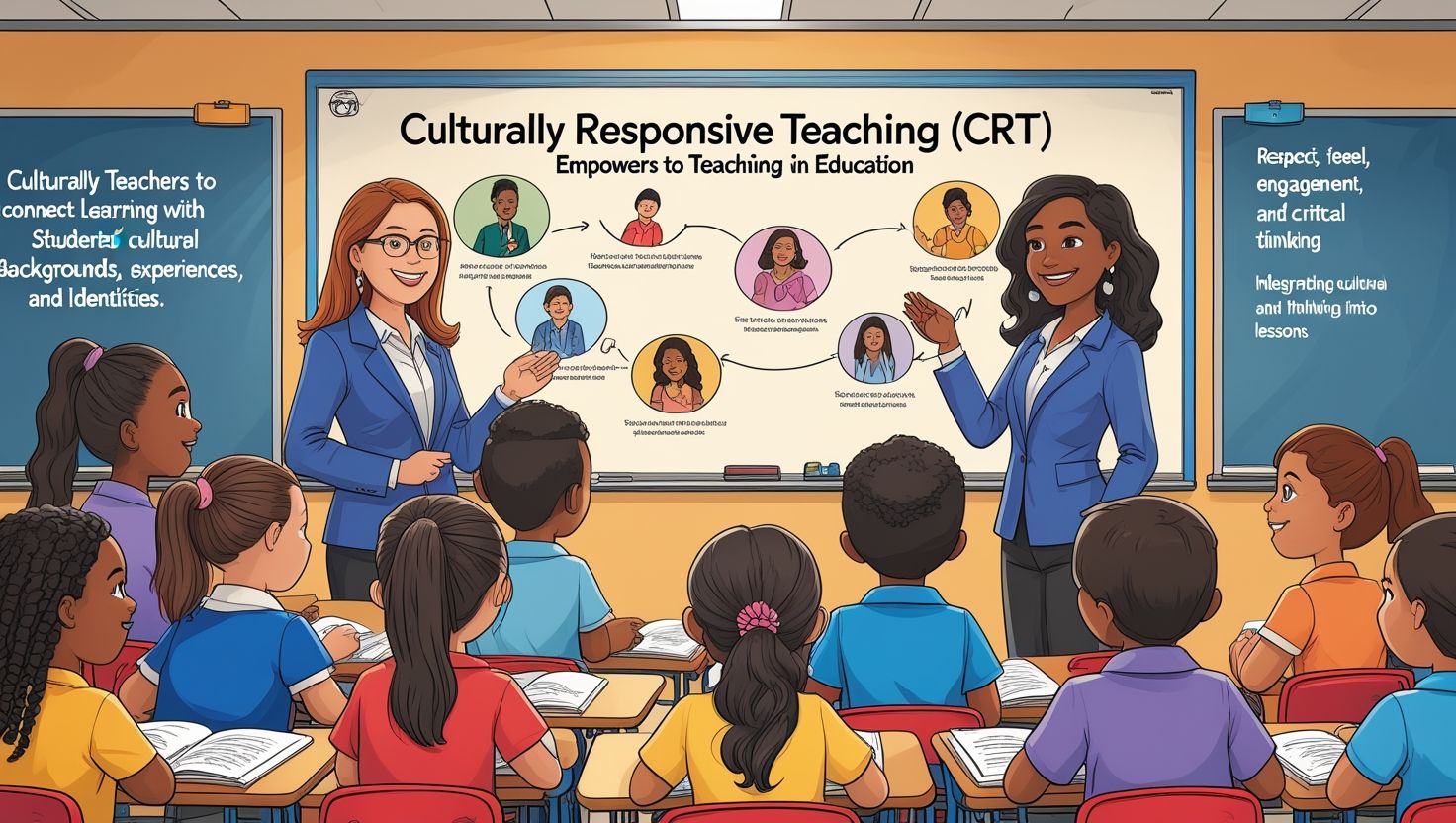
In diverse classrooms, cultural sensitivity in language is essential for inclusivity. Teachers must recognize that words and expressions may carry different meanings across cultures. Being mindful of idioms, humor, and tone prevents unintentional misunderstandings. Using gender-neutral and culturally appropriate language respects all learners. Moreover, celebrating multilingualism through classroom discussions encourages students to share their cultural perspectives. Teachers can also integrate culturally relevant examples to make lessons relatable. Encouraging respect for all languages builds a sense of belonging among students. Additionally, sensitivity in feedback and interaction ensures no student feels alienated. Therefore, adopting a culturally responsive language approach promotes harmony and understanding in a globalized educational setting. Teachers who model respect and inclusivity through language nurture empathy and acceptance among their students.
Strategies to Improve Classroom Language and Instructions
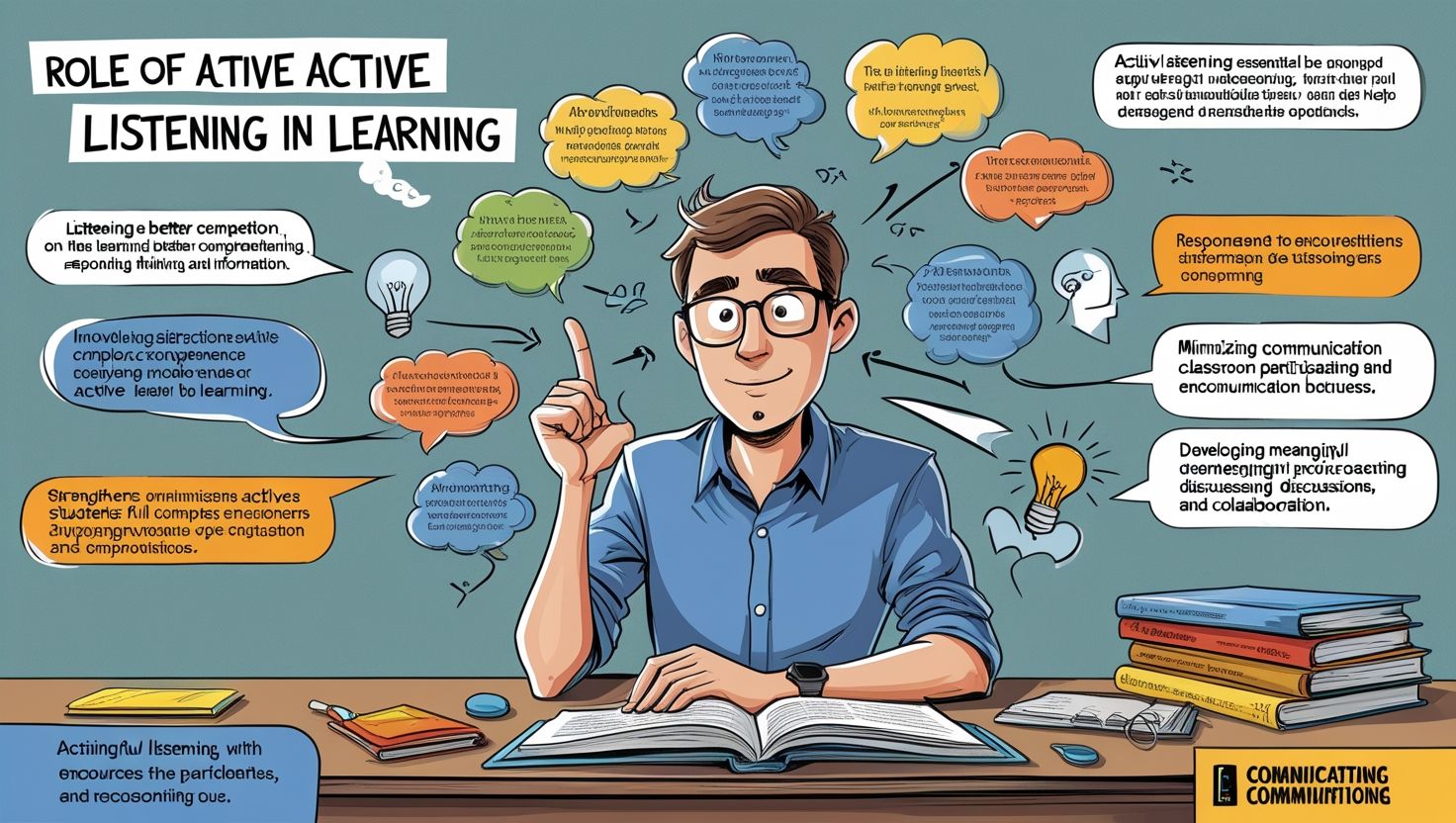
Improving classroom language and instructions requires conscious planning and reflection. Teachers should start by observing how their language affects student behavior and comprehension. Recording and reviewing classroom interactions can reveal areas for enhancement. Simplifying sentences, using consistent terminology, and providing examples increase clarity. Moreover, integrating visual aids and gestures supports understanding. Encouraging student feedback about instructions also helps refine communication. Teachers can participate in language development workshops or peer observation programs for continuous learning. Additionally, practicing active listening ensures that communication is two-way. Using varied tones and expressions maintains engagement and interest. Over time, these strategies enhance both teaching effectiveness and student participation. Thus, mastering instructional communication skills becomes a continuous journey of improvement and adaptation.
Conclusion
In conclusion, classroom language and instructions form the backbone of successful teaching and learning. The way teachers communicate influences students’ comprehension, motivation, and confidence. Clear and structured instructions reduce confusion, while positive language fosters emotional safety. Integrating non-verbal cues, technology, and cultural awareness further enhances communication. Teachers who continuously refine their language and feedback style create inclusive and engaging classrooms. Moreover, effective instructional language transforms routine lessons into meaningful interactions. It builds bridges of understanding, respect, and cooperation. Therefore, mastering classroom language is not only a teaching skill but also an art that shapes the future of learning.
References
- Goh, C. C. M., & Burns, A. (2012). Teaching Speaking: A Holistic Approach. Cambridge University Press.
- Walsh, S. (2011). Exploring Classroom Discourse: Language in Action. Routledge.
- Harmer, J. (2015). The Practice of English Language Teaching (5th ed.). Pearson Education.