Introduction to Comprehensive Lesson Planning
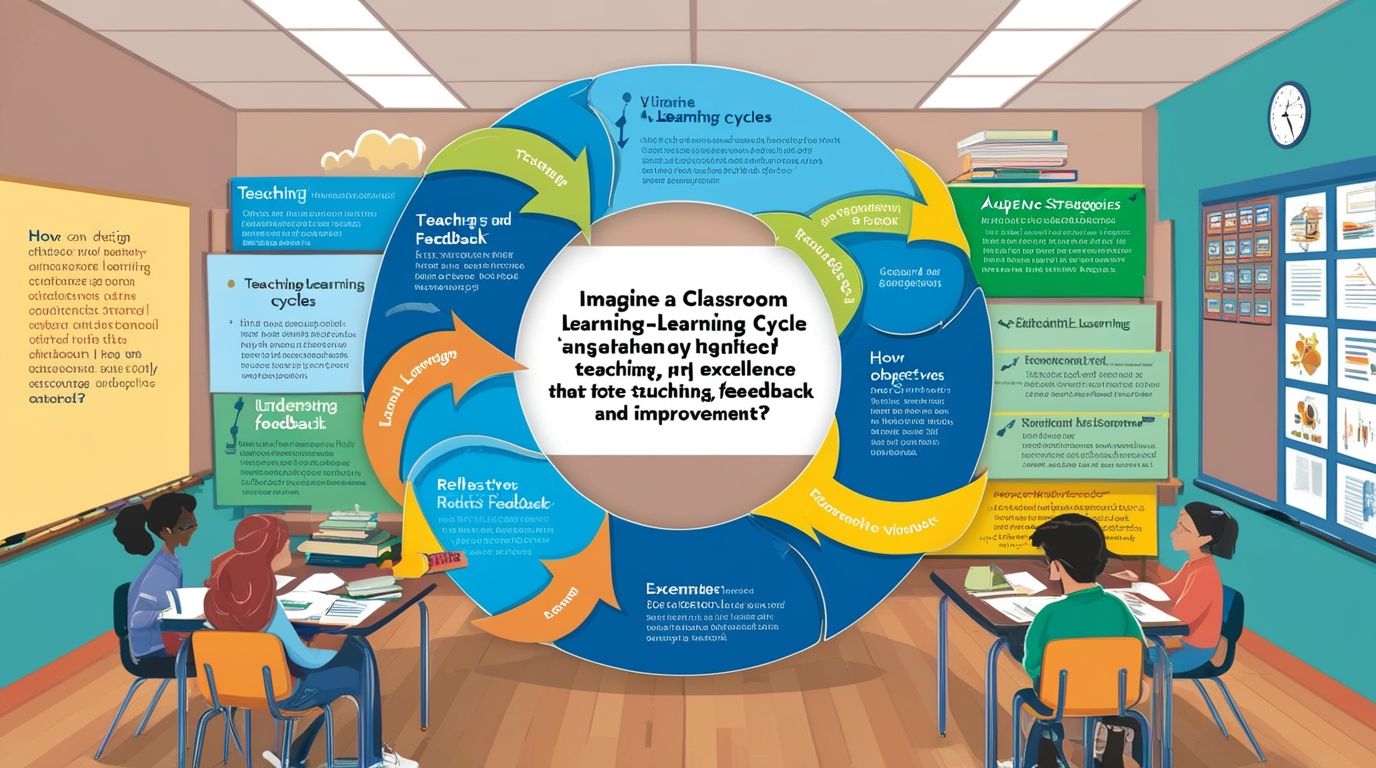
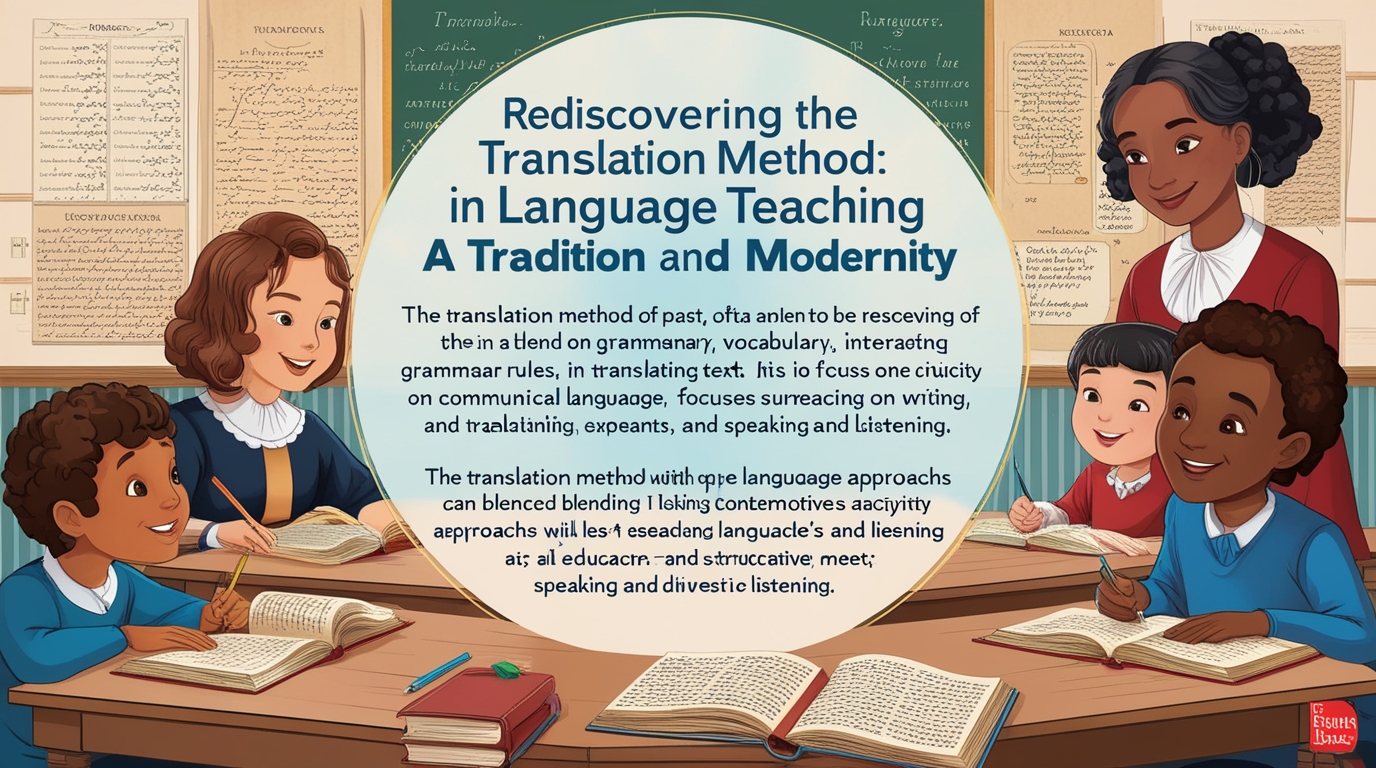
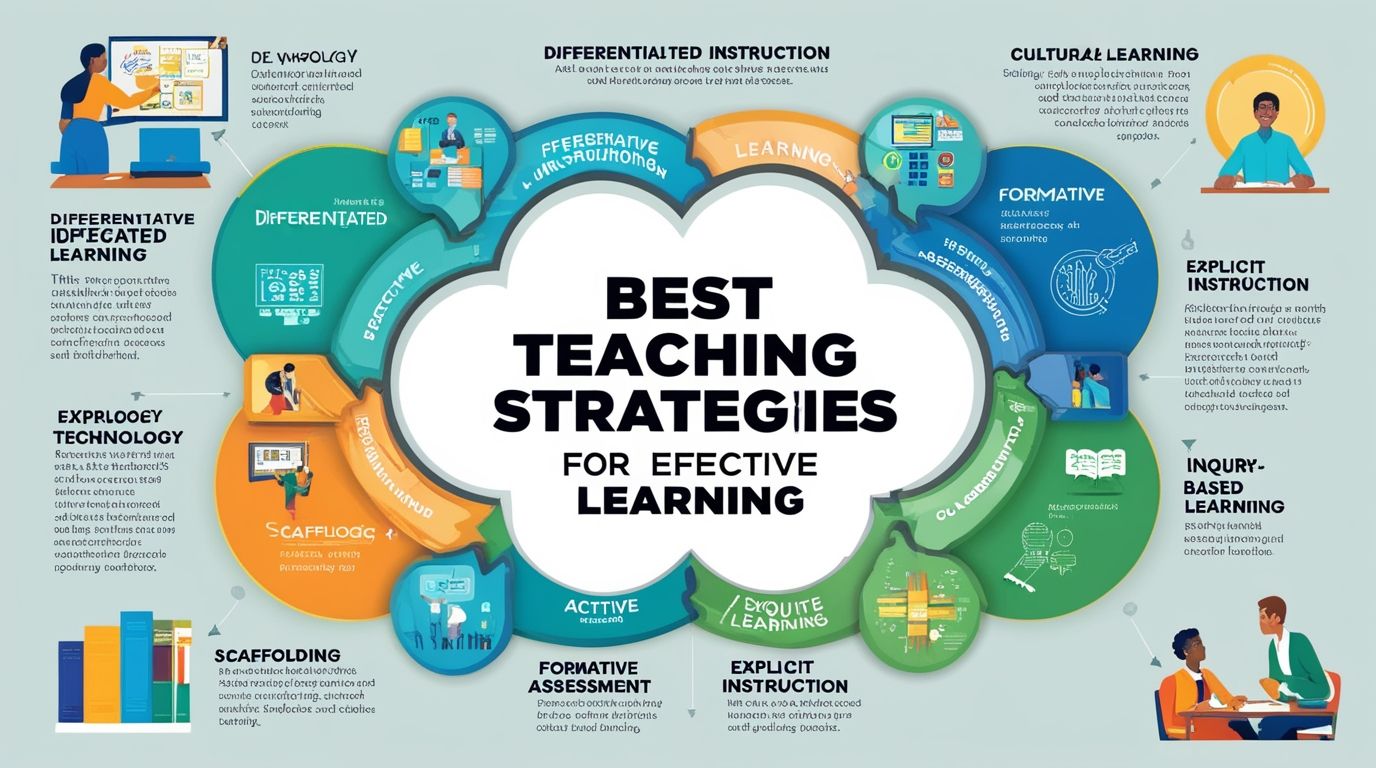
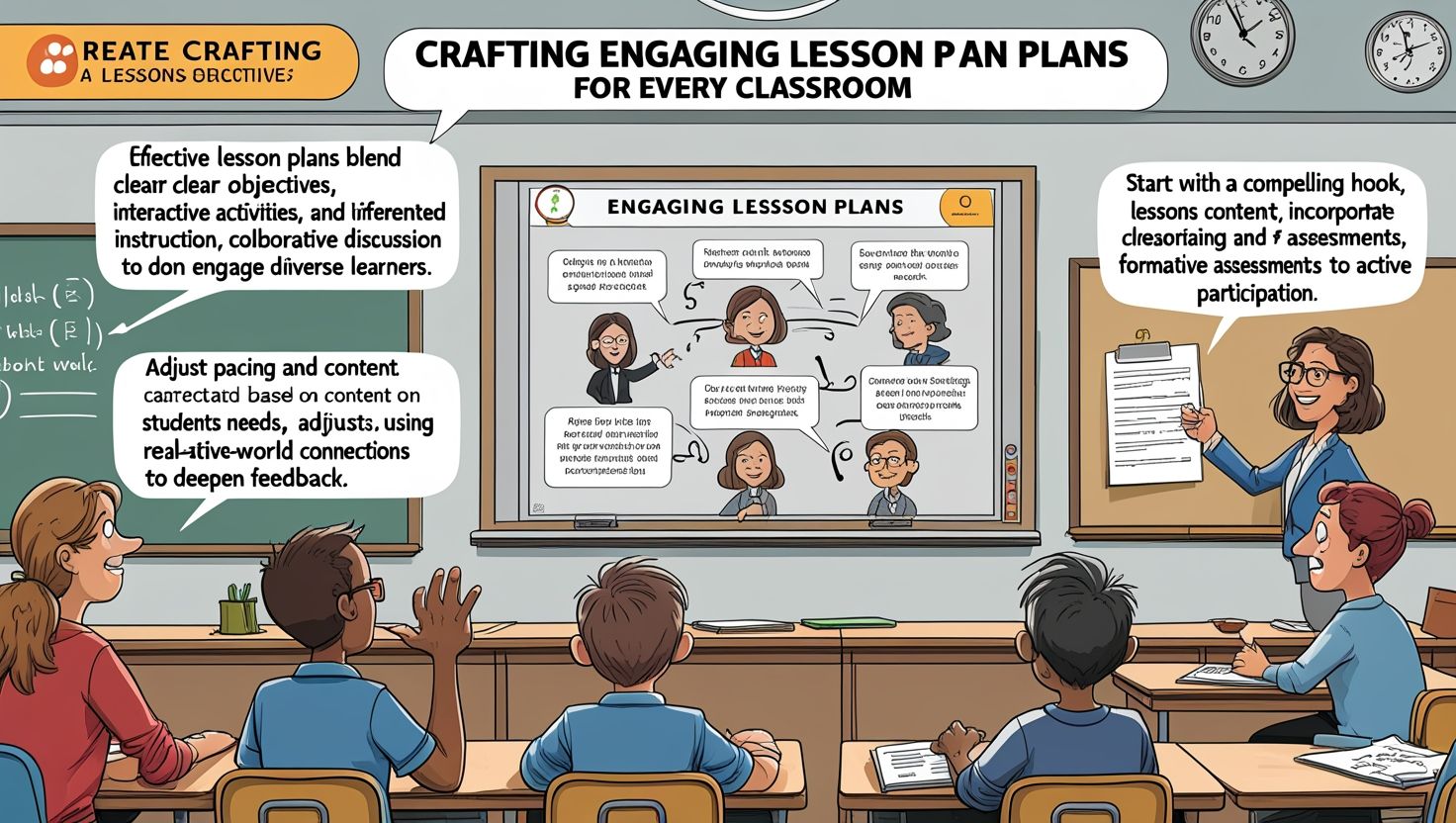
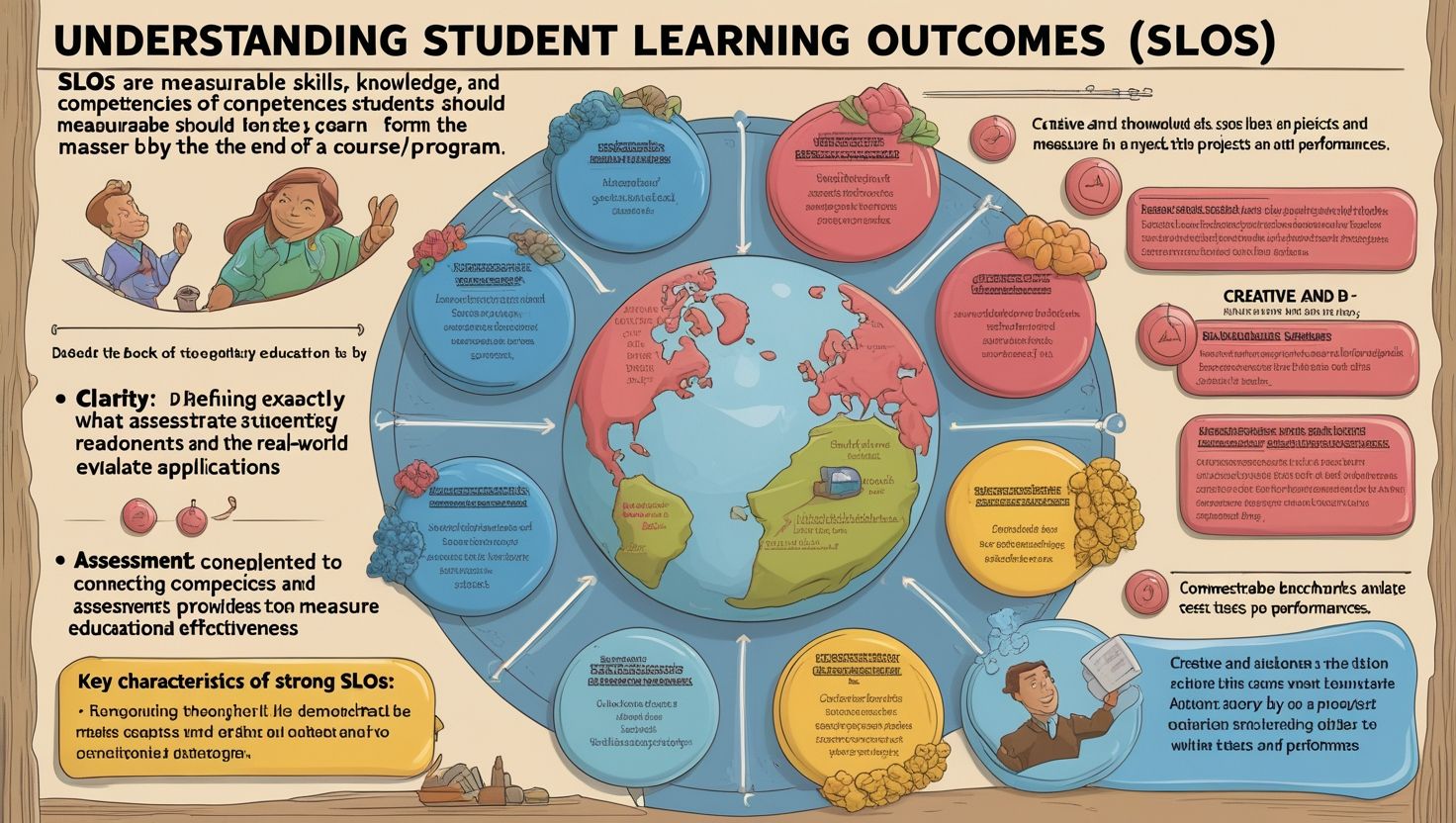
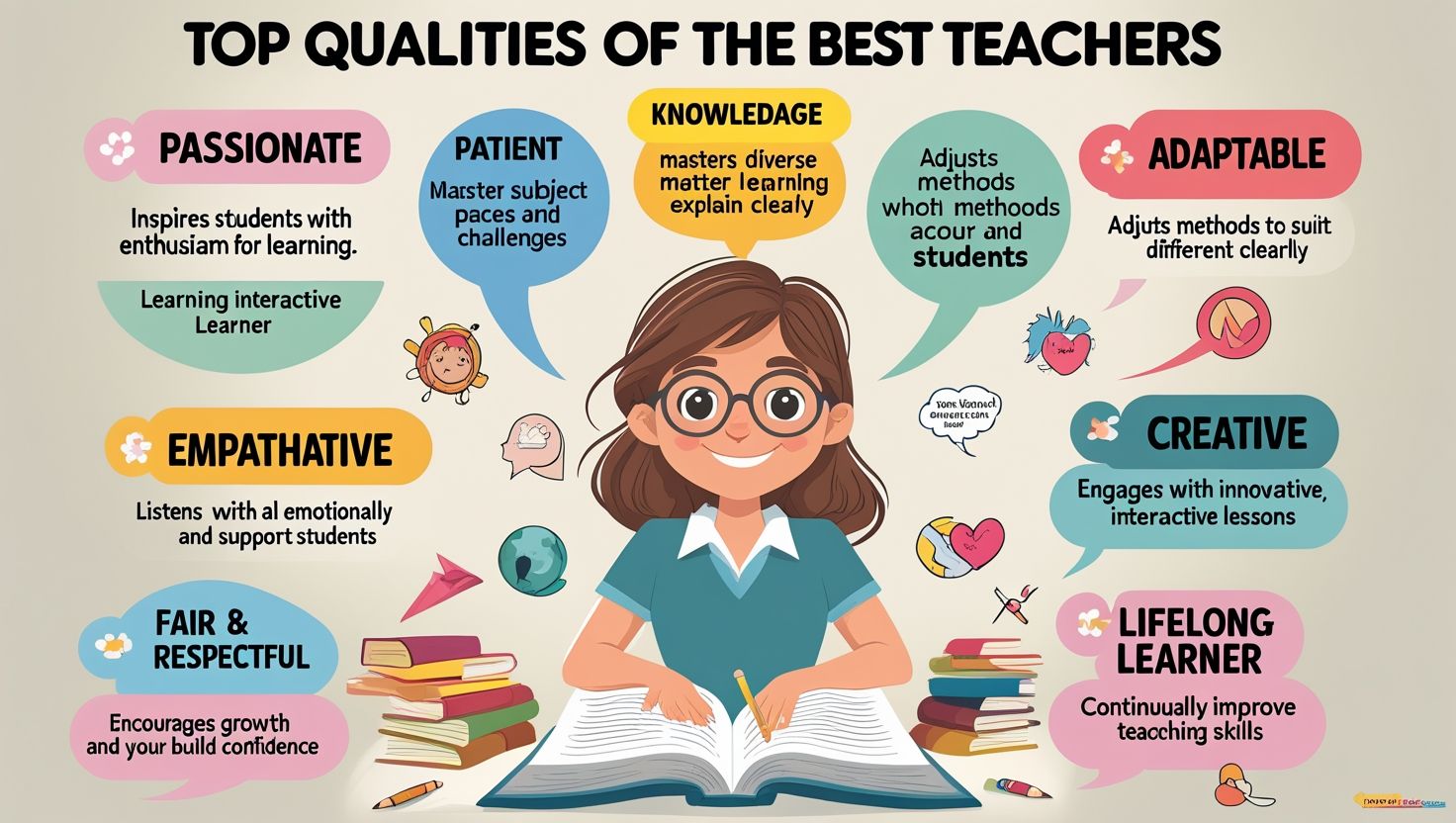
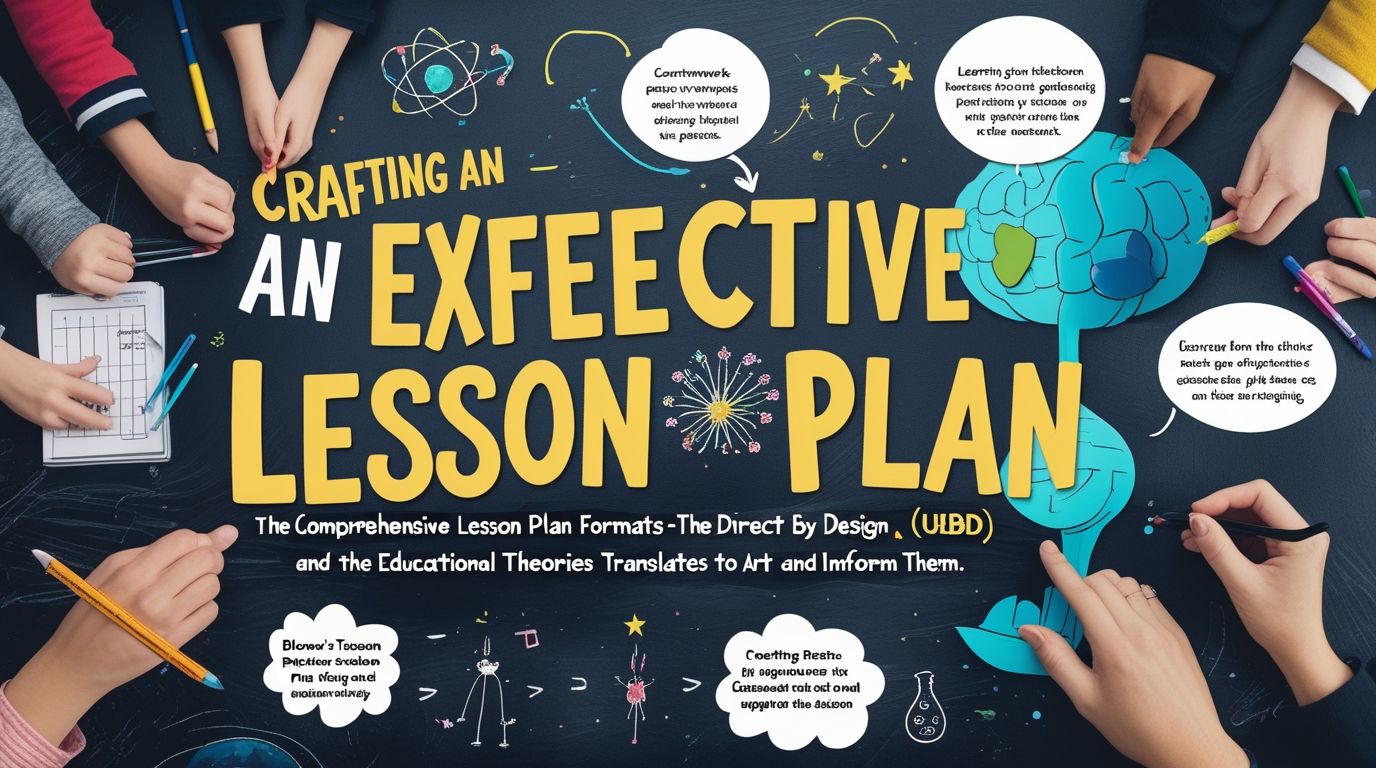
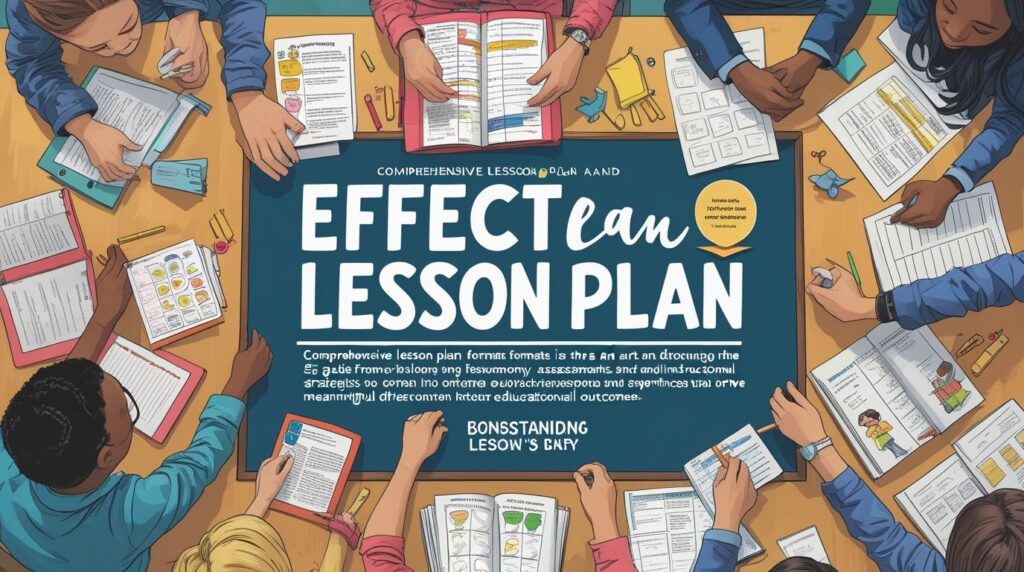
Comprehensive Lesson Plan Formats and Theories in Education, A comprehensive lesson plan is a roadmap that guides teachers in delivering effective and structured instruction. It ensures that every classroom activity aligns with learning objectives and educational outcomes. Teachers use lesson plans to design, organize, and assess student learning. A well-structured plan includes clear objectives, teaching strategies, materials, time frames, and evaluation methods. Moreover, lesson planning allows flexibility, encouraging teachers to adapt to student needs and classroom dynamics. Through comprehensive planning, educators can create meaningful and engaging learning experiences. Additionally, lesson planning reduces uncertainty and enhances confidence in teaching. It connects theory with classroom practice, ensuring continuity and coherence in instruction. Therefore, understanding lesson plan formats and theories is essential for effective teaching. Educators can develop plans that support creativity, inclusivity, and student-centered learning.
Purpose and Importance of Lesson Planning
The purpose of lesson planning extends beyond organizing content. It promotes effective learning and provides direction for both teachers and students. When educators plan lessons carefully, they clarify their instructional goals and anticipate challenges. It also helps in managing classroom time efficiently and maintaining student engagement. Comprehensive lesson planning ensures that learning objectives are measurable and aligned with curriculum standards. Furthermore, it supports differentiation, allowing teachers to meet diverse learning needs. A detailed plan also assists in assessment and reflection, which are vital for professional growth. It enables teachers to identify what worked well and what requires improvement. Consequently, the lesson plan becomes a tool for continuous development. The importance of comprehensive lesson planning lies in its ability to transform abstract goals into practical classroom outcomes. Thus, it bridges the gap between curriculum design and classroom execution.
Essential Components of a Comprehensive Lesson Plan
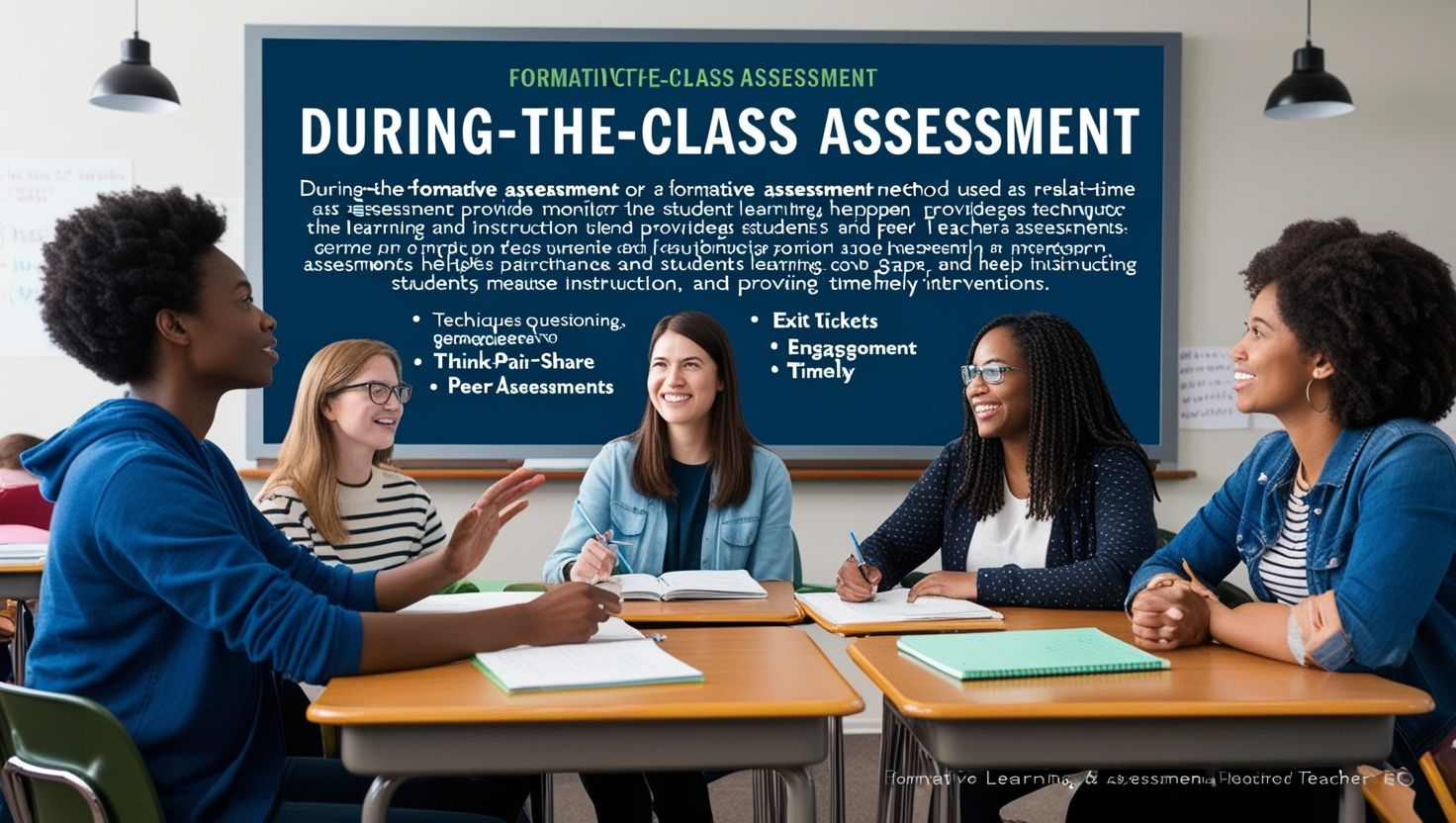
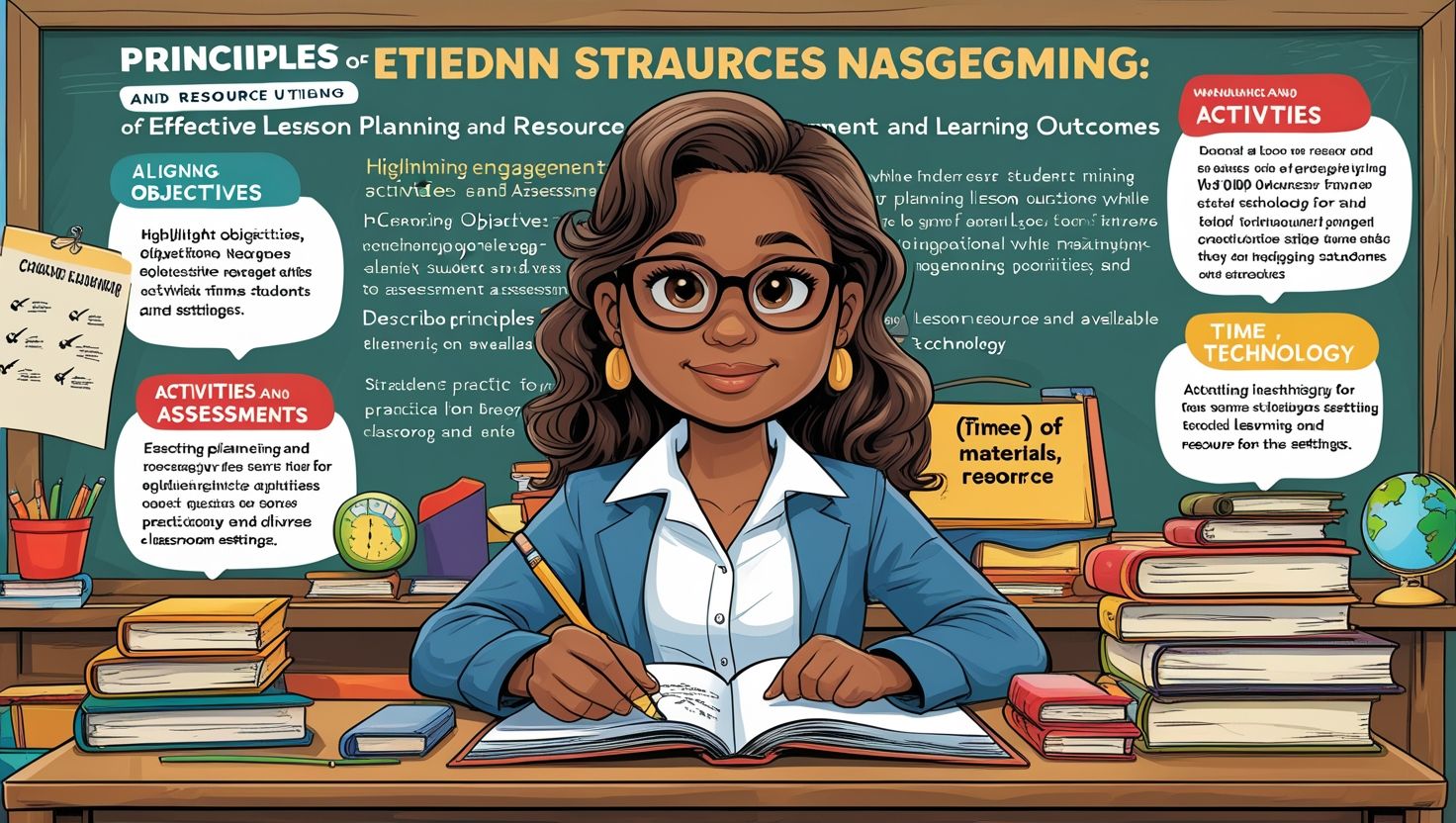
A comprehensive lesson plan includes several essential components that ensure effective teaching. First, it begins with clear learning objectives that define what students will achieve by the end of the lesson. Next, the plan outlines the materials and resources required for instruction. The teaching procedures or activities detail how the lesson will unfold step-by-step. Teachers also include strategies for motivation, questioning, and reinforcement to maintain student engagement. Assessment methods, whether formative or summative, are added to measure learning outcomes. Timing, differentiation strategies, and follow-up tasks are also integral parts. Importantly, reflection and feedback sections enable teachers to evaluate their teaching performance. These components work together to promote consistency and preparedness. When all elements align, the lesson plan becomes a complete instructional framework. Hence, comprehensive lesson plans enhance both teaching quality and student learning experiences.

Different Formats of Lesson Plans in Education
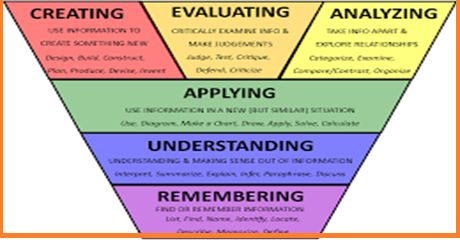
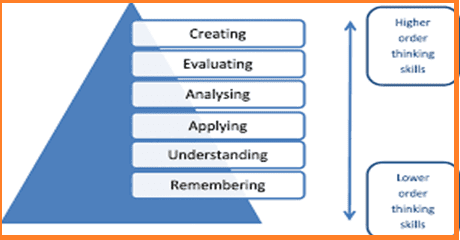
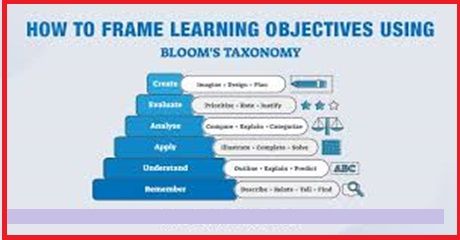
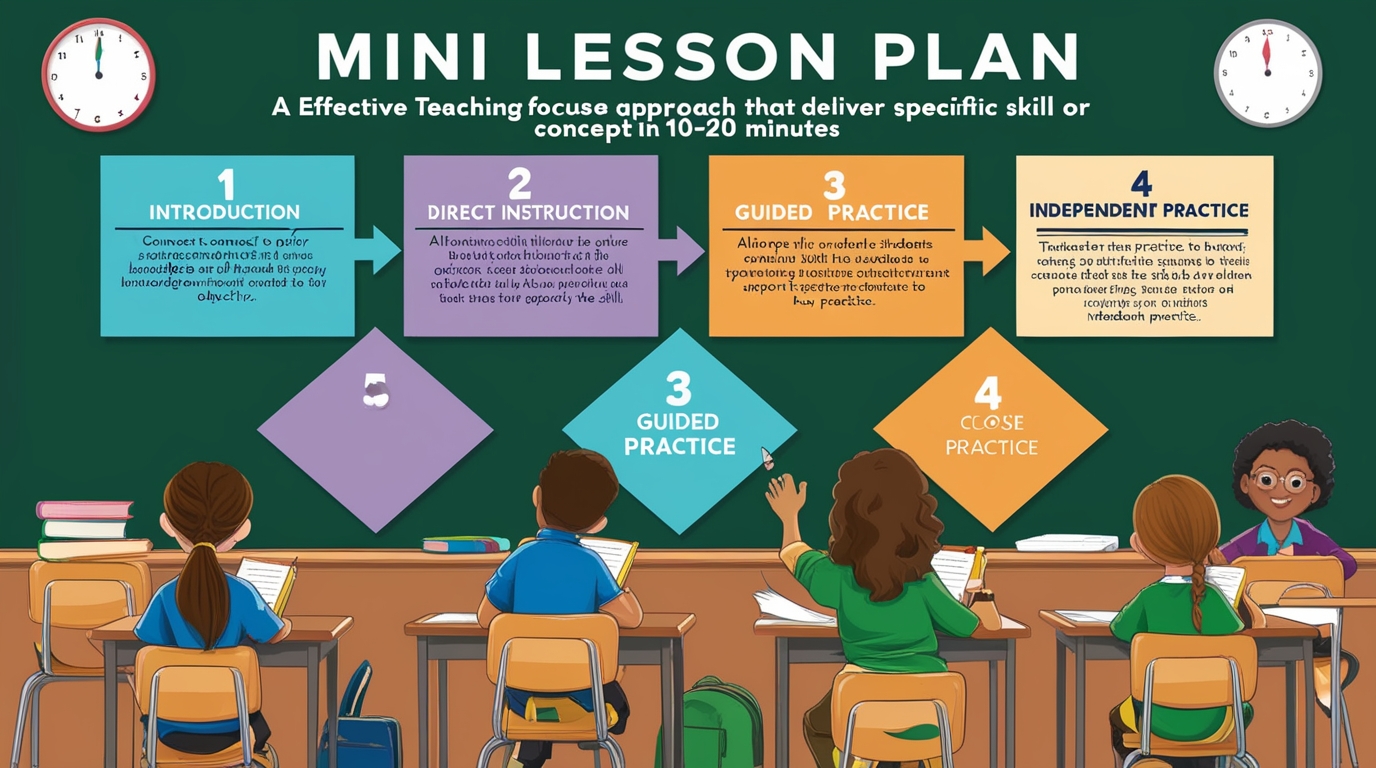
Educators use several lesson plan formats depending on their teaching level, subject, and institutional requirements. The traditional format focuses on objectives, materials, procedure, and evaluation. The Hunter’s Model (Madeline Hunter) emphasizes seven steps—objectives, anticipatory set, instruction, guided practice, independent practice, closure, and assessment. The 5E Model (Engage, Explore, Explain, Elaborate, Evaluate) is popular in science education, promoting inquiry-based learning. Another format, the Understanding by Design (UbD) model, begins with desired results and works backward to design instruction. In addition, Bloom’s Taxonomy-based formats focus on cognitive domains and measurable learning outcomes. The integrated format combines multiple approaches to support interdisciplinary teaching. Teachers may modify these templates to suit their students’ learning styles and classroom conditions. Therefore,
adapts theory into practice, ensuring systematic and meaningful teaching experiences.
Theoretical Foundations of Lesson Planning
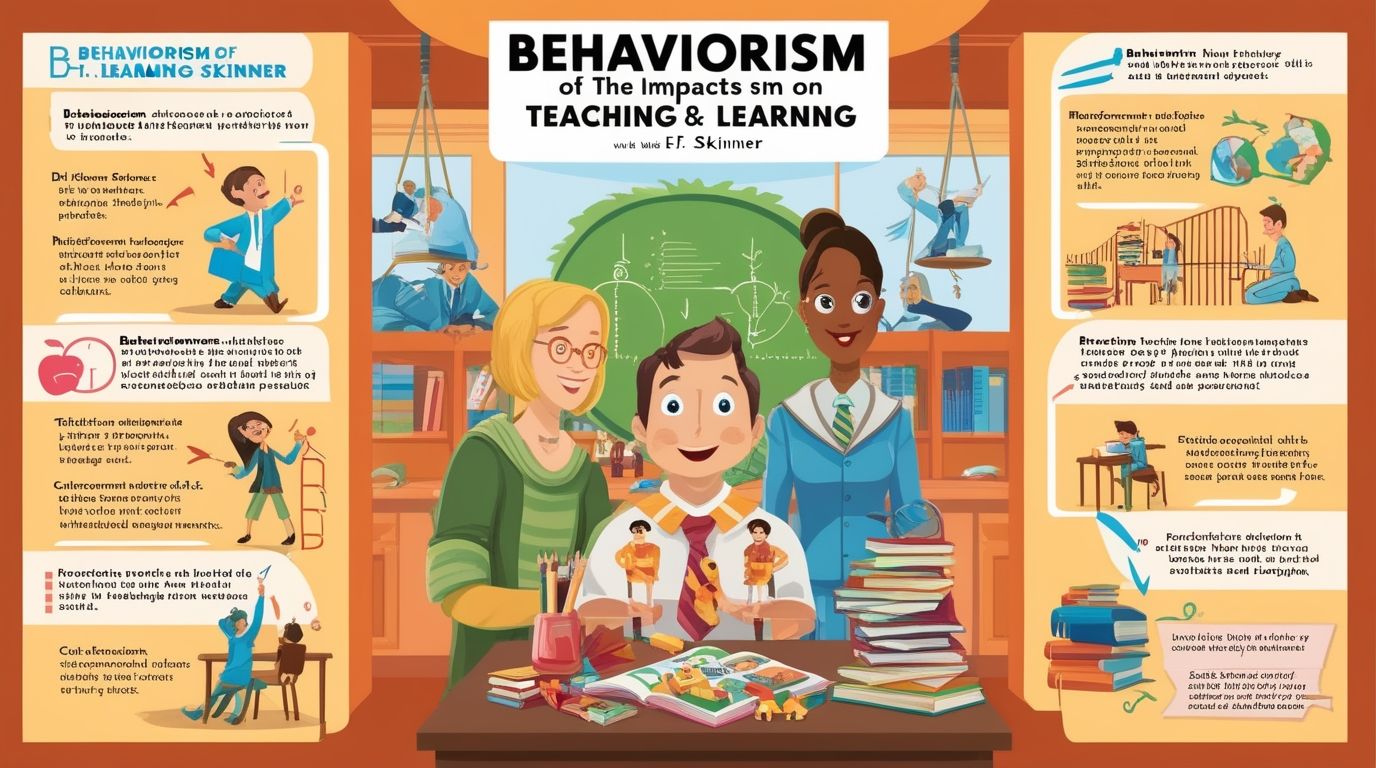
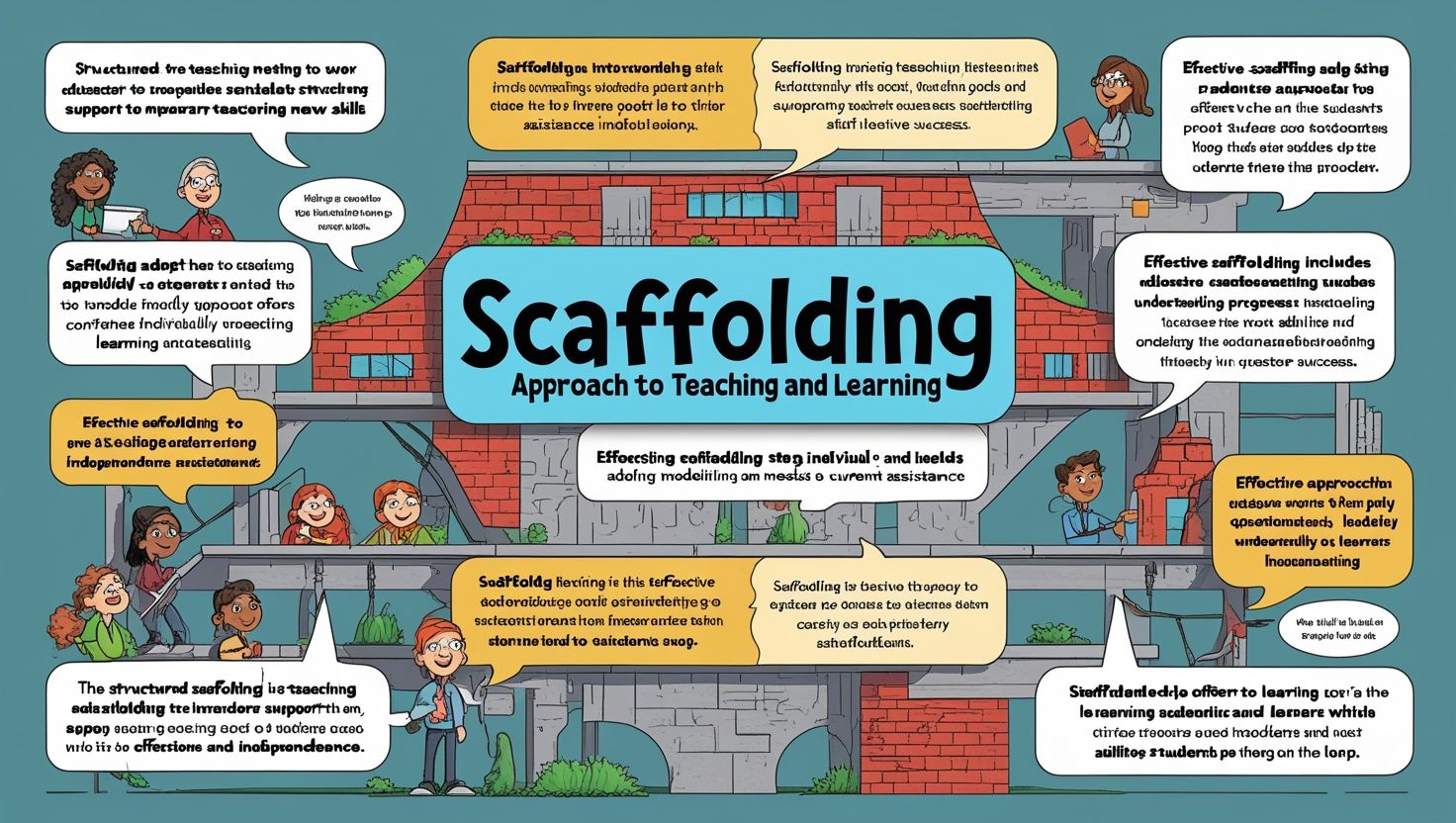
The theories of learning form the foundation of effective lesson planning. Behavioral theories, such as B.F. Skinner’s operant conditioning, emphasize reinforcement and feedback in lesson design. Cognitive theories, particularly those of Jean Piaget and Jerome Bruner, focus on mental processes like understanding, problem-solving, and concept formation. Constructivist theory, inspired by Lev Vygotsky, highlights social interaction and scaffolding in knowledge construction. Humanistic theories, such as Maslow’s hierarchy of needs, stress motivation, self-efficacy, and student-centered learning. Each theory contributes valuable insights for lesson planning. For instance, behaviorist principles guide the structuring of objectives and rewards, while constructivist approaches promote discovery and collaboration. Integrating these theories helps teachers design lessons that address both cognitive and emotional aspects of learning. Therefore, understanding lesson planning theories enhances instructional effectiveness and learner engagement.
Behaviorist Approach in Lesson Planning
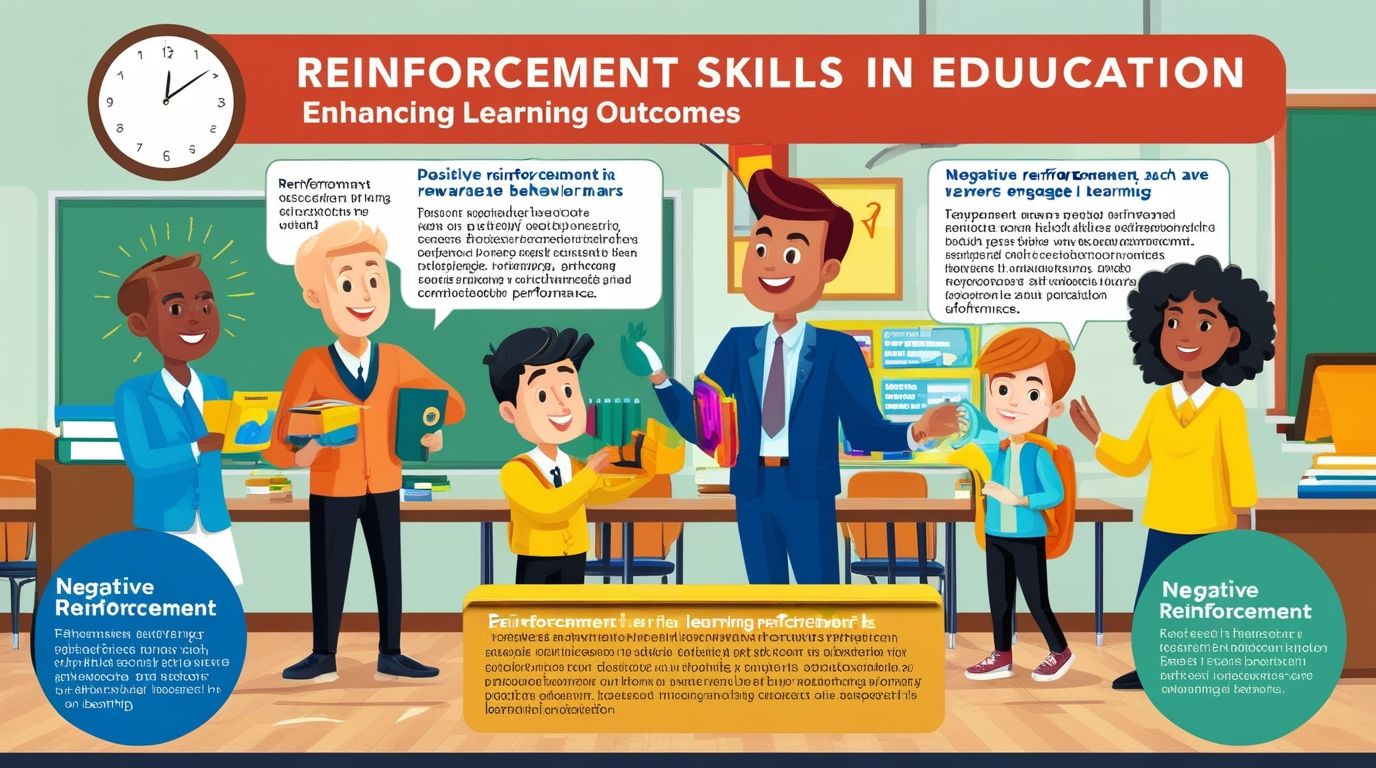
The behaviorist approach emphasizes observable learning outcomes and structured instruction. According to Skinner and Thorndike, learning is a result of conditioning and reinforcement. In a lesson plan based on this theory, teachers define clear, measurable objectives and provide immediate feedback. Lessons often involve repetition, drills, and practice activities that reinforce correct responses. Evaluation is continuous to ensure mastery of skills. The teacher acts as a controller who guides behavior through rewards and consequences. This method suits foundational learning, such as reading, spelling, or mathematics. However, critics argue that it limits creativity and critical thinking. Despite this, behaviorism remains influential in creating systematic lesson plan formats, especially in early education. When applied effectively, it helps build discipline, precision, and structure. Thus, the behaviorist lesson plan model supports gradual learning through repetition and reinforcement.
Cognitive and Constructivist Theories in Lesson Planning
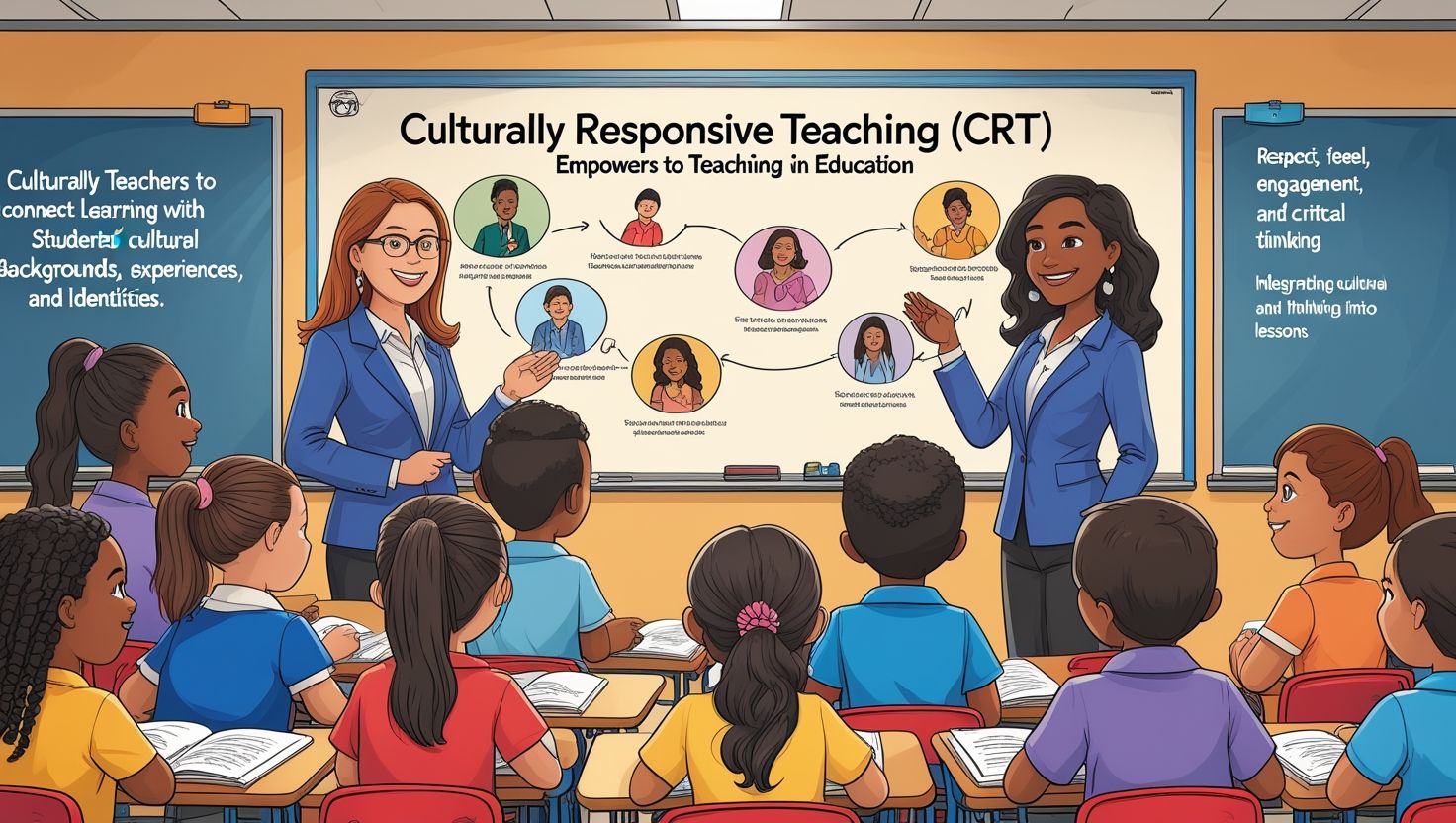
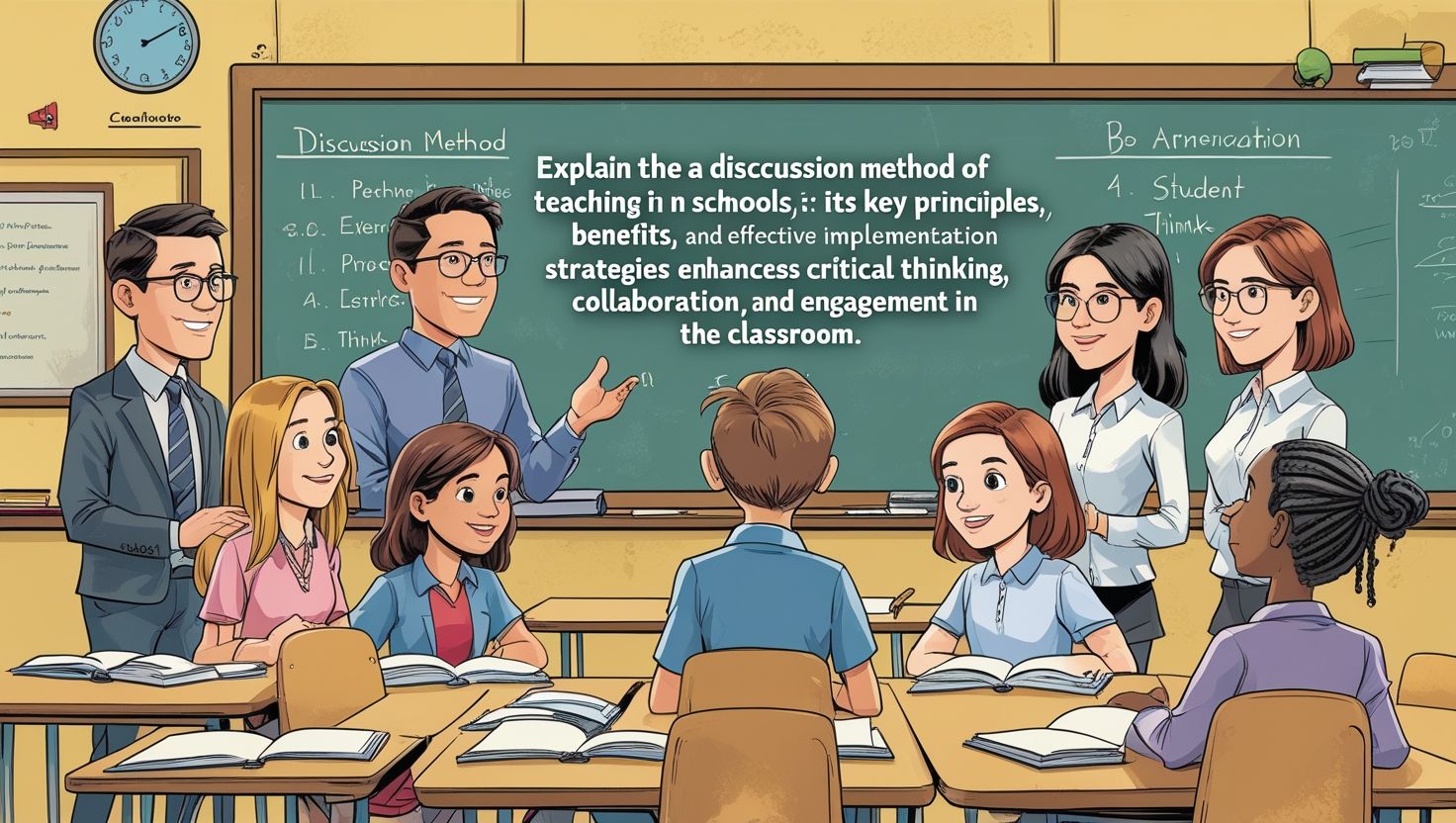
Cognitive and constructivist theories revolutionized the way teachers design lesson plans. Piaget’s cognitive development stages encourage educators to align lessons with learners’ mental maturity. Bruner’s spiral curriculum suggests revisiting concepts at increasing levels of complexity. Meanwhile, Vygotsky’s social constructivism stresses collaboration and peer learning. A lesson plan based on these ideas encourages exploration, questioning, and reflection. Teachers act as facilitators rather than transmitters of knowledge. The constructivist lesson plan includes group activities, discussions, and project-based learning. Students are encouraged to connect prior knowledge with new concepts, making learning more meaningful. Assessment becomes formative and diagnostic rather than summative. This theoretical approach transforms the classroom into a space of discovery and creativity. Therefore, constructivist lesson plan formats promote critical thinking, problem-solving, and lifelong learning skills.
Humanistic and Experiential Approaches in Lesson Planning
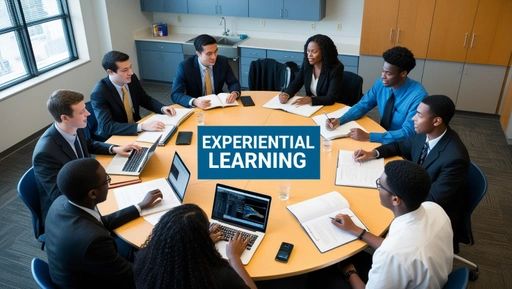
The humanistic theory, developed by Carl Rogers and Abraham Maslow, emphasizes the emotional and personal growth of learners. It supports a student-centered lesson plan where teachers focus on self-esteem, motivation, and individual needs. Lessons are designed to be flexible, encouraging autonomy and participation. Similarly, experiential learning, proposed by David Kolb, highlights learning through experience. In this model, students actively engage in doing, reflecting, conceptualizing, and applying knowledge. Teachers plan lessons that incorporate fieldwork, simulations, and real-life tasks. These methods make learning relevant and enjoyable. Humanistic lesson plans foster empathy, self-awareness, and confidence, while experiential lesson plans strengthen understanding through practice. When combined, these approaches build holistic education. Hence, comprehensive lesson planning inspired by humanistic and experiential theories creates emotionally and intellectually balanced learners.
Modern Approaches to Lesson Planning
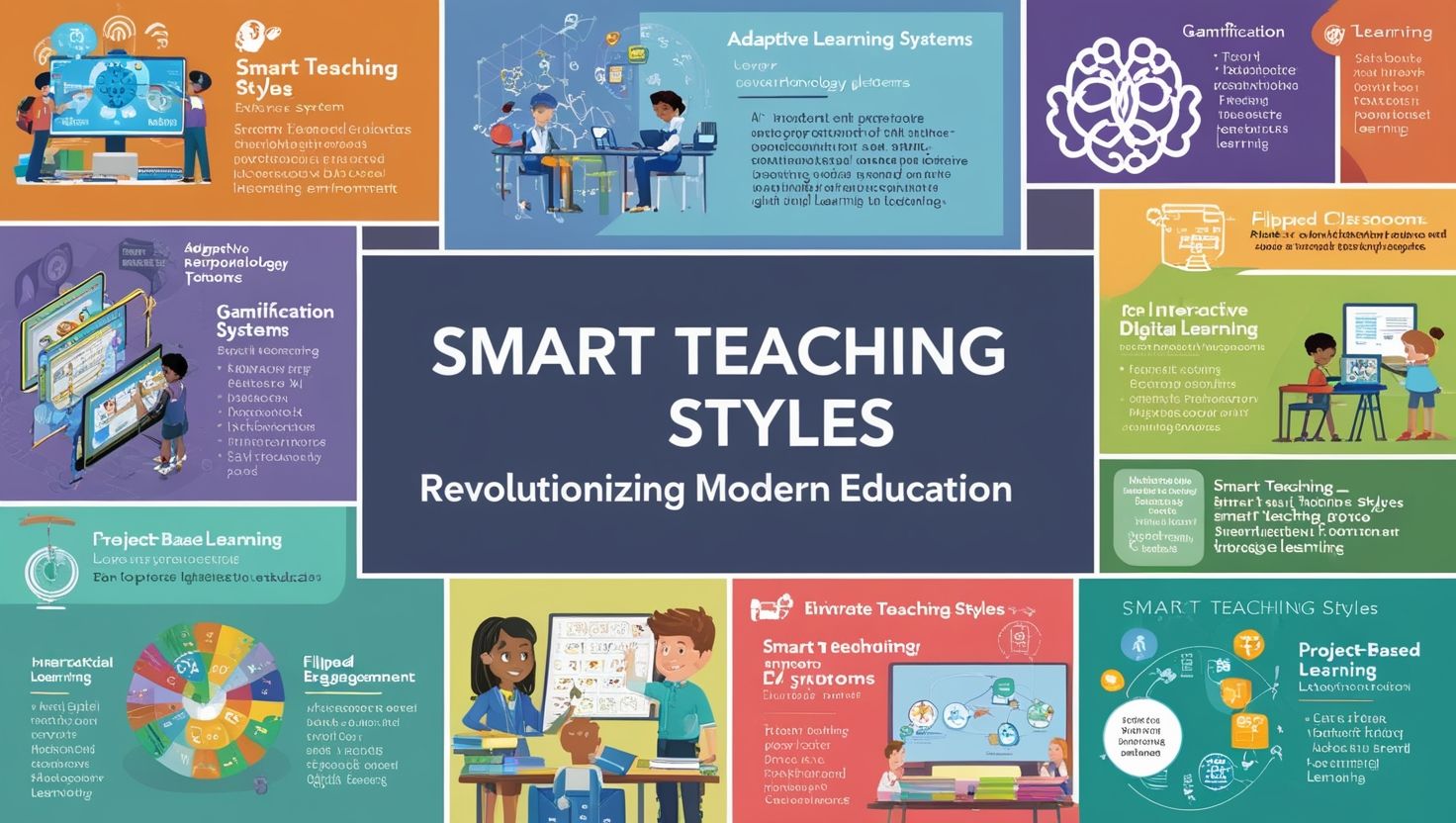
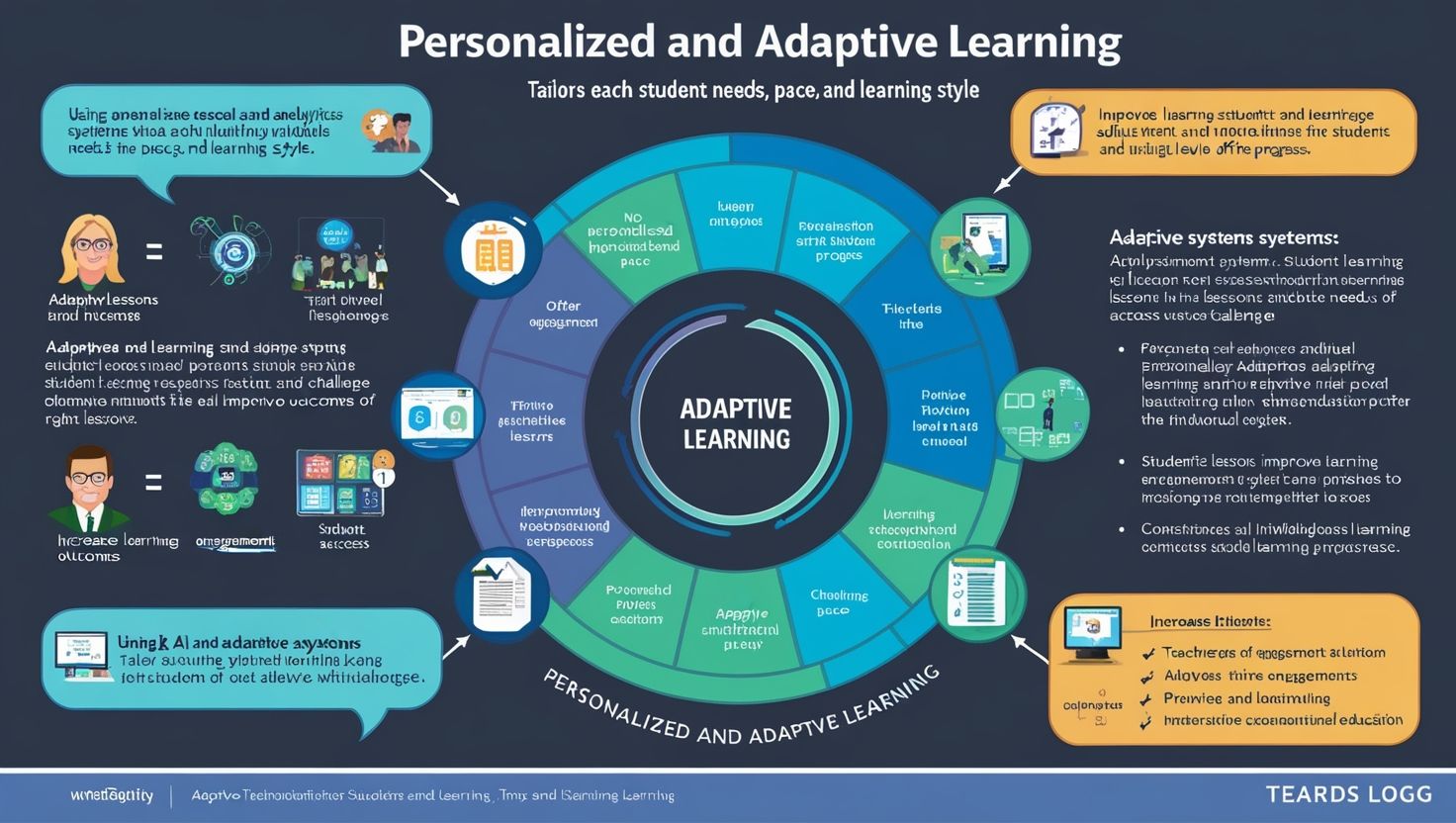
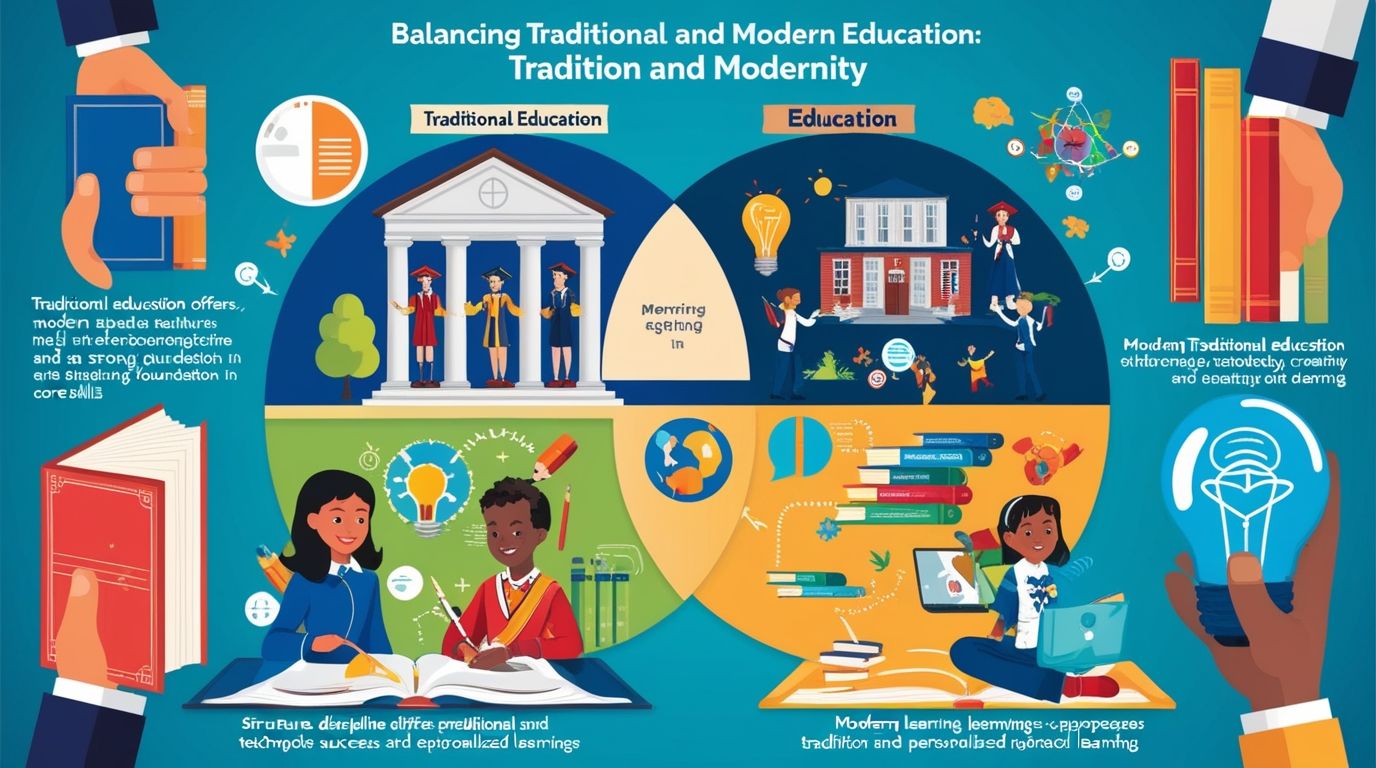
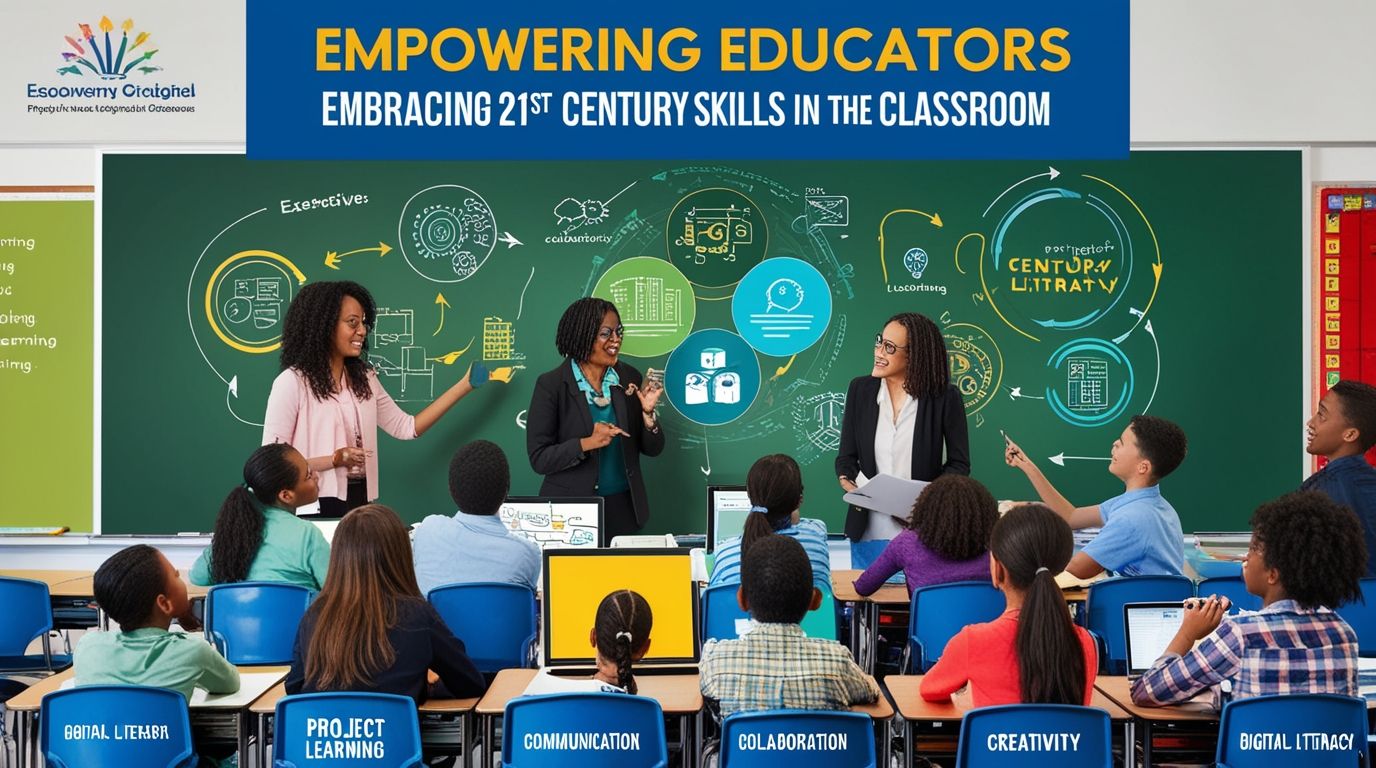
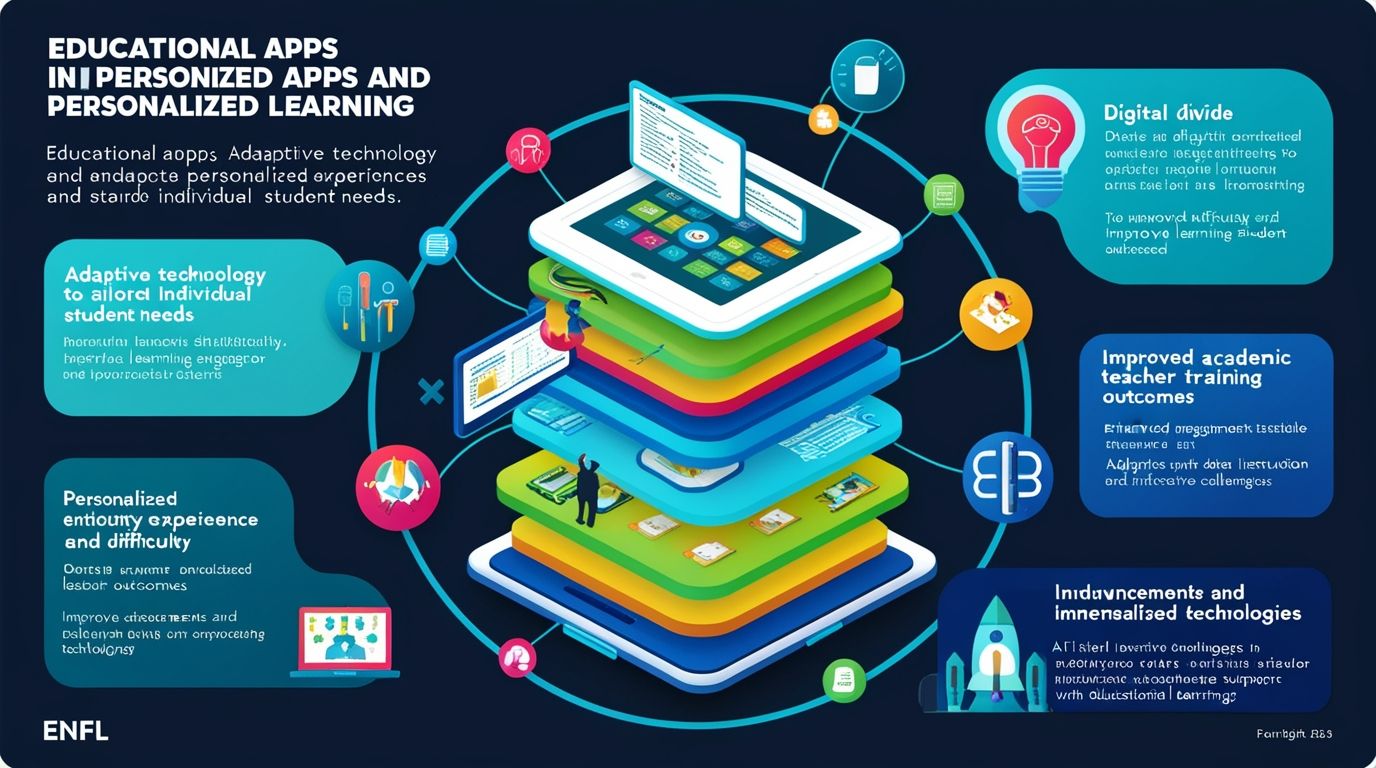
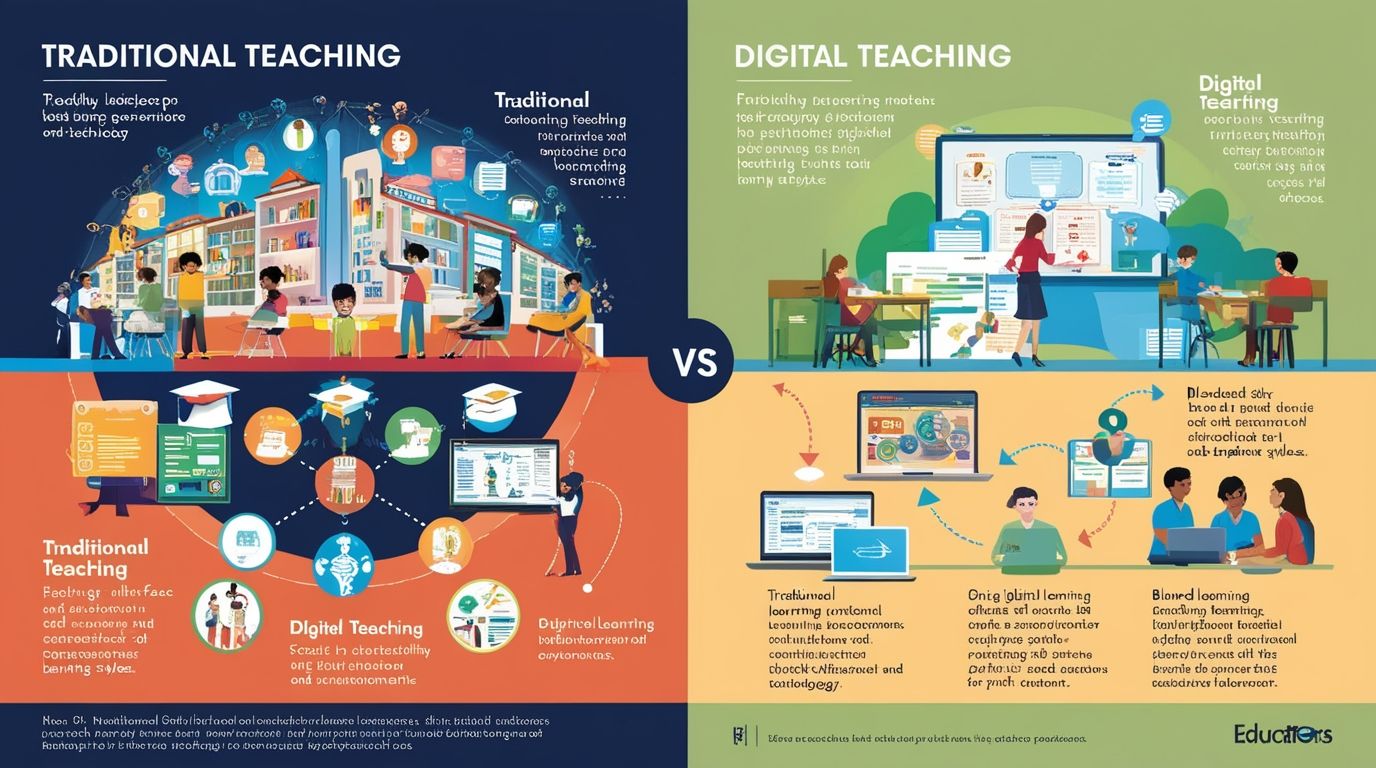
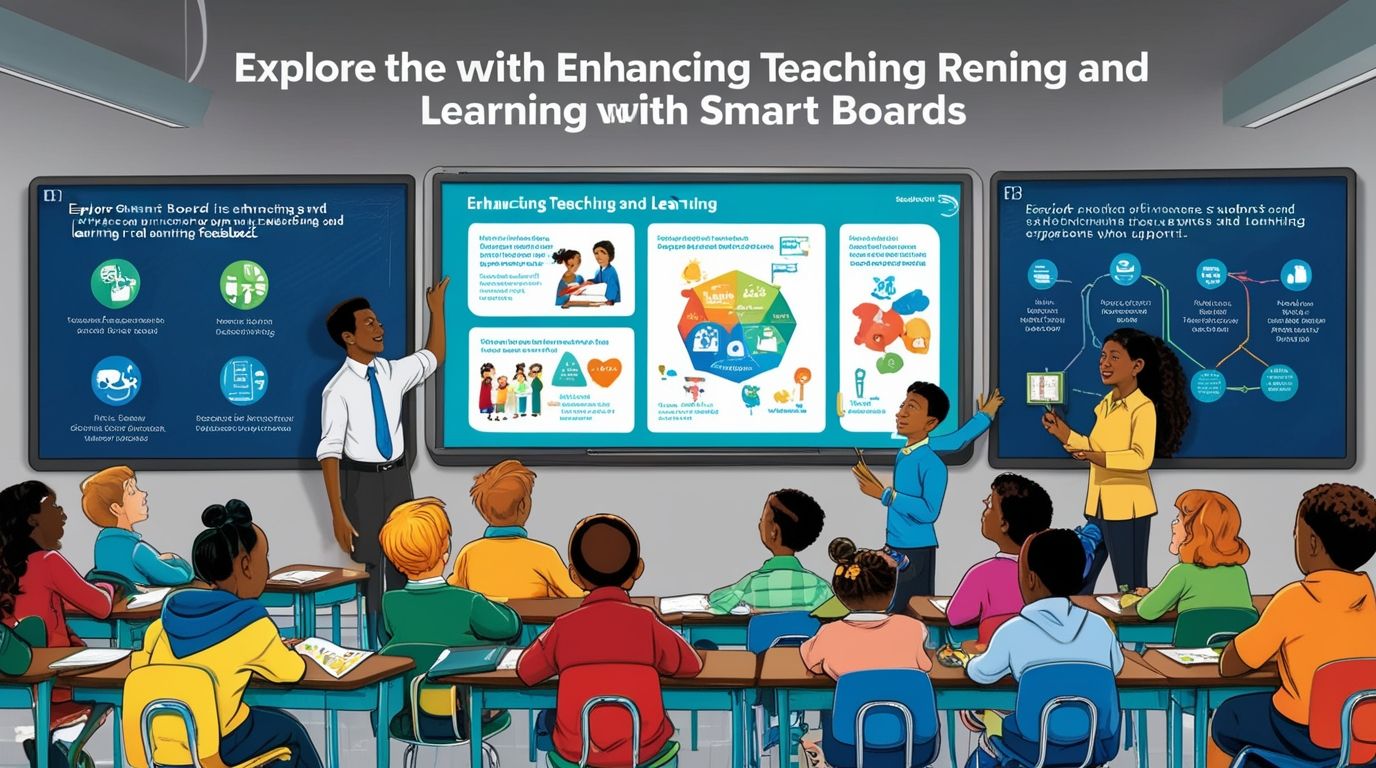
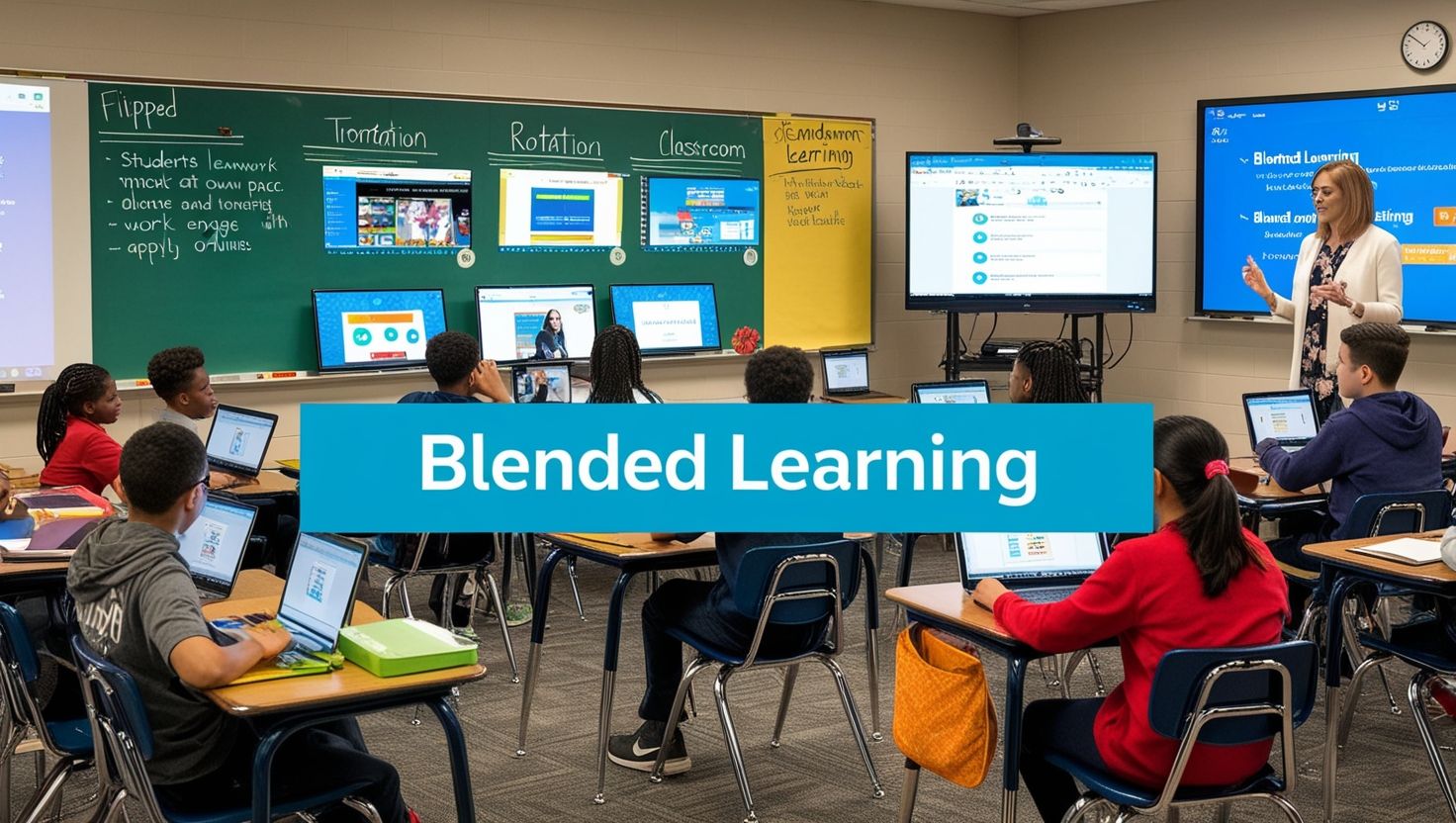
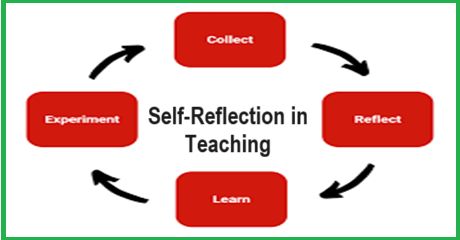
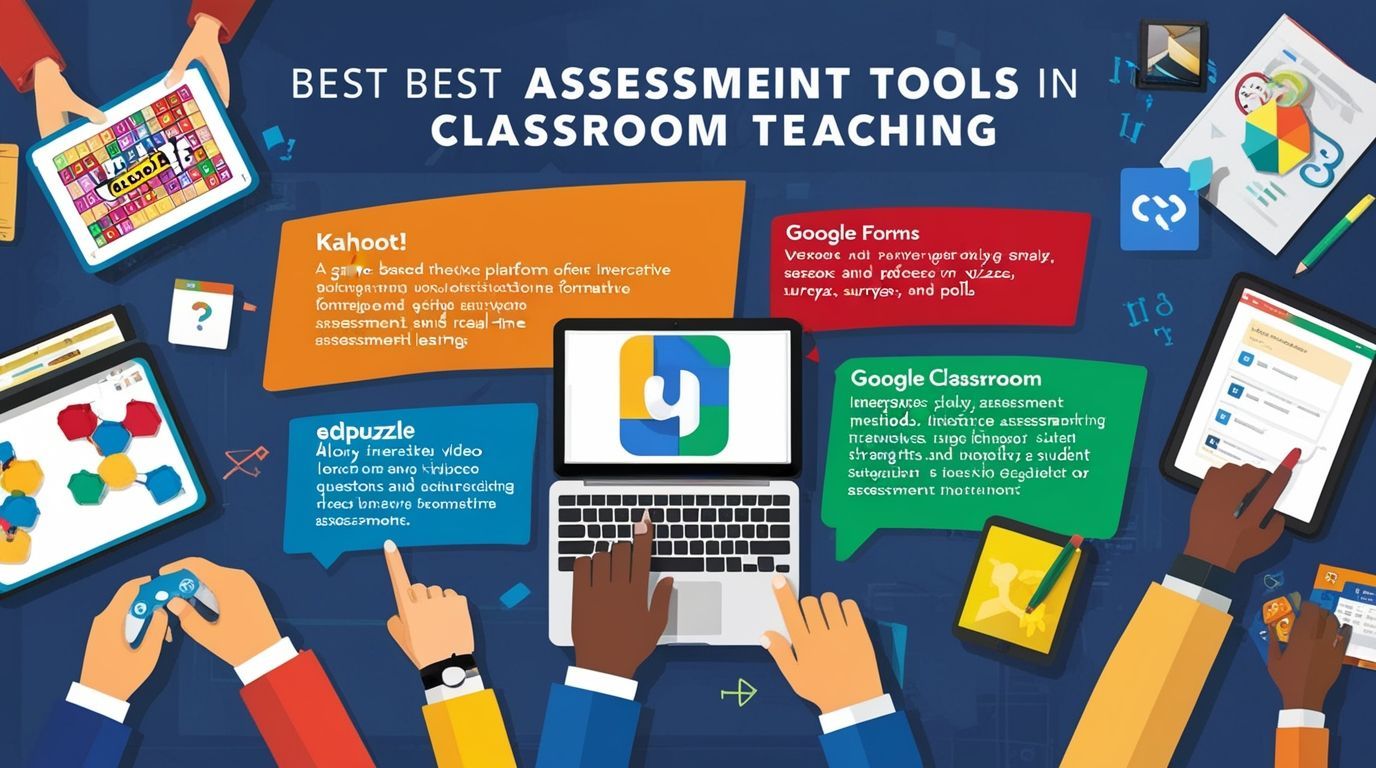
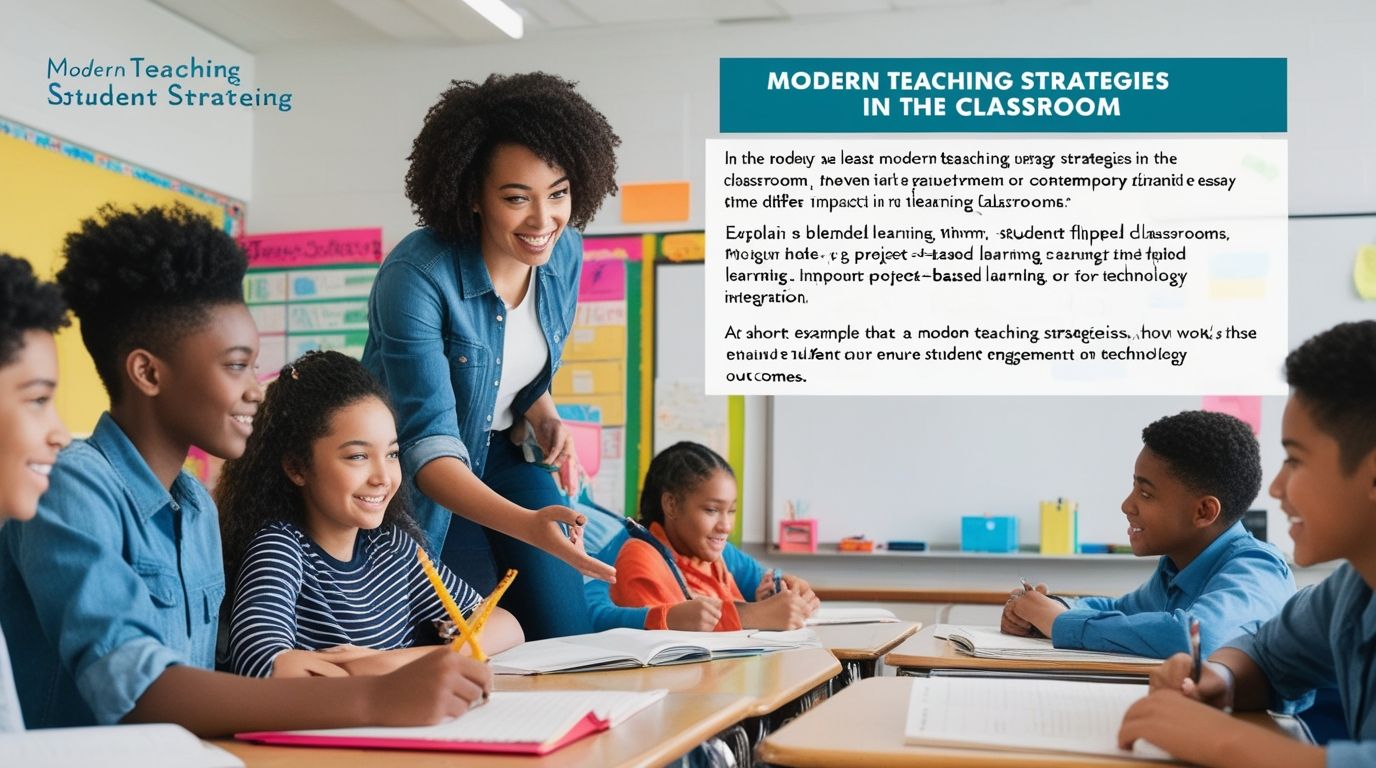
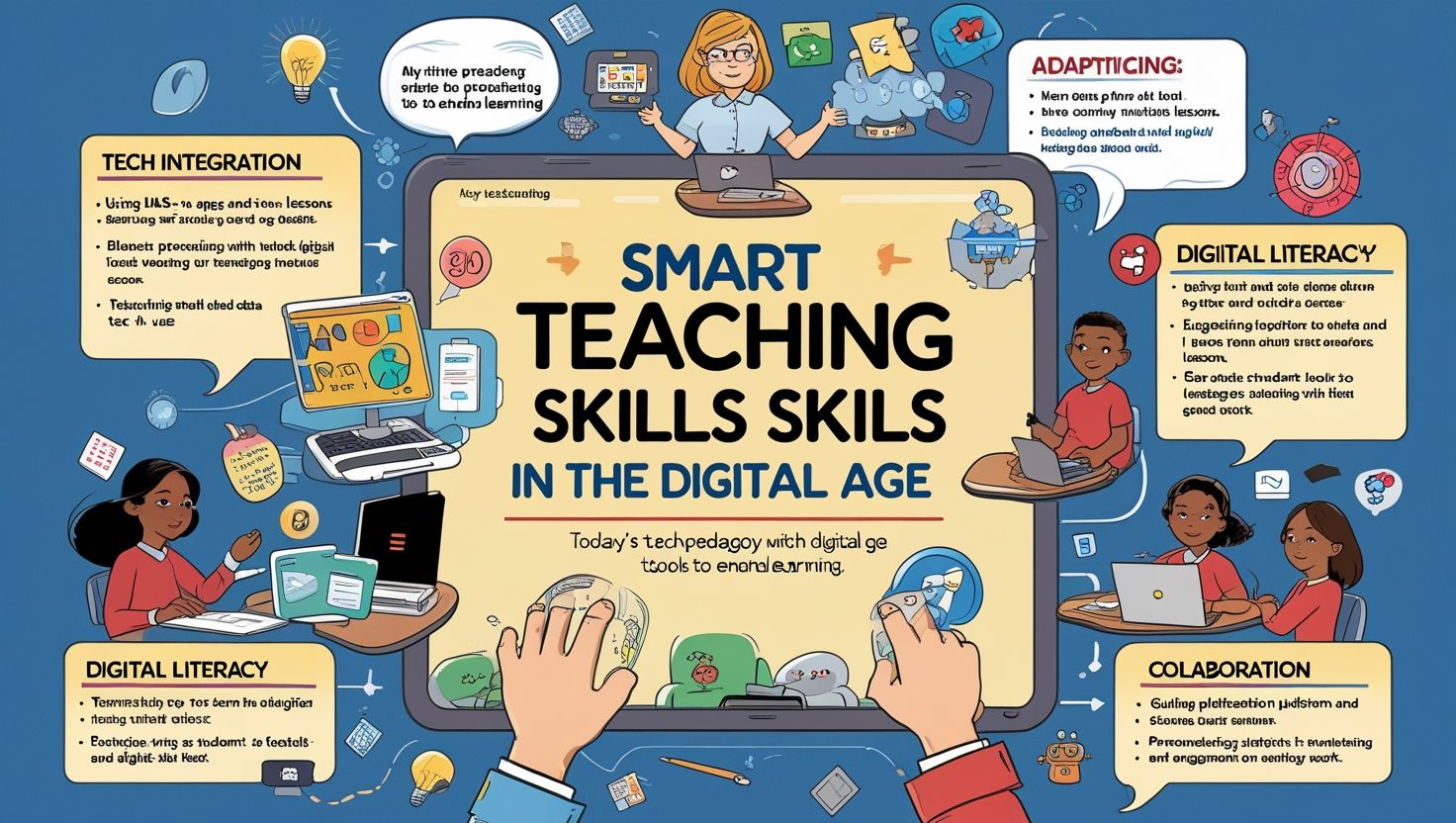
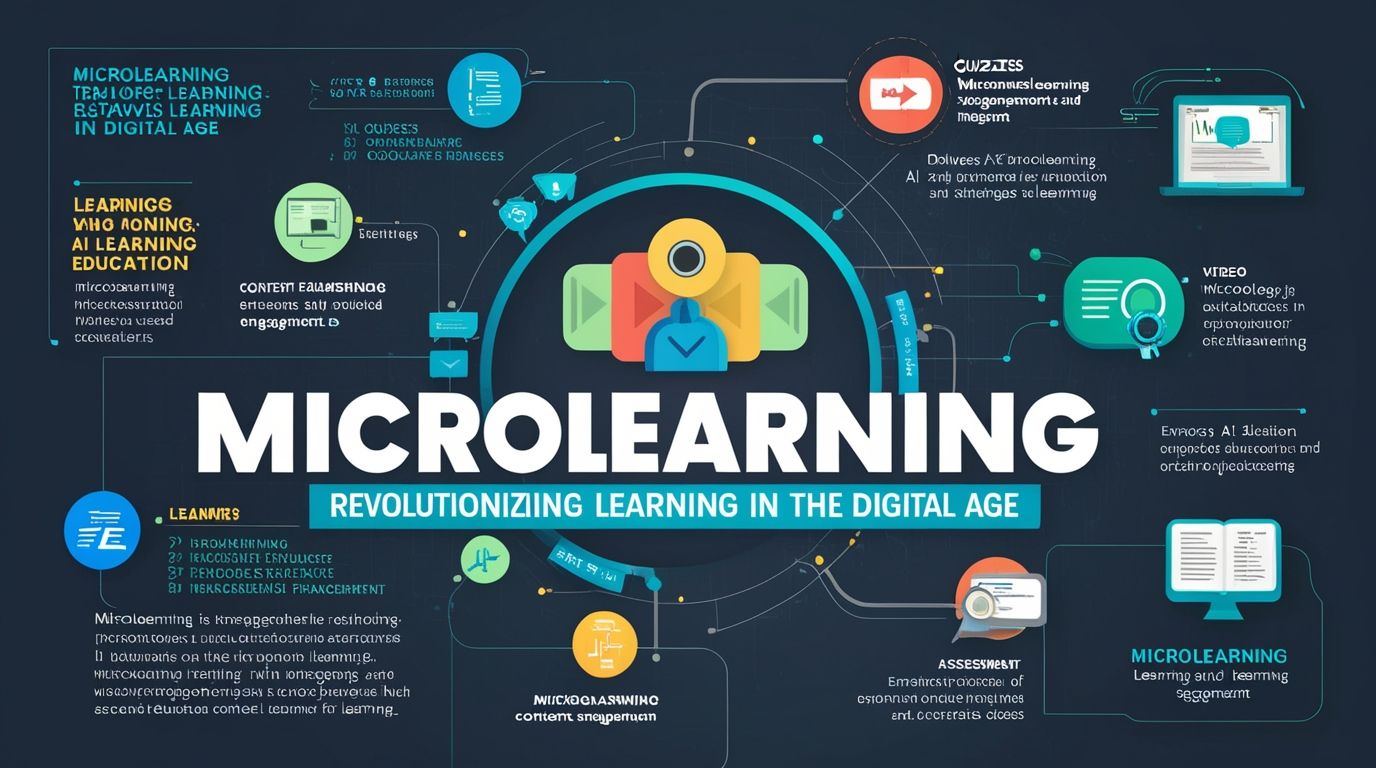
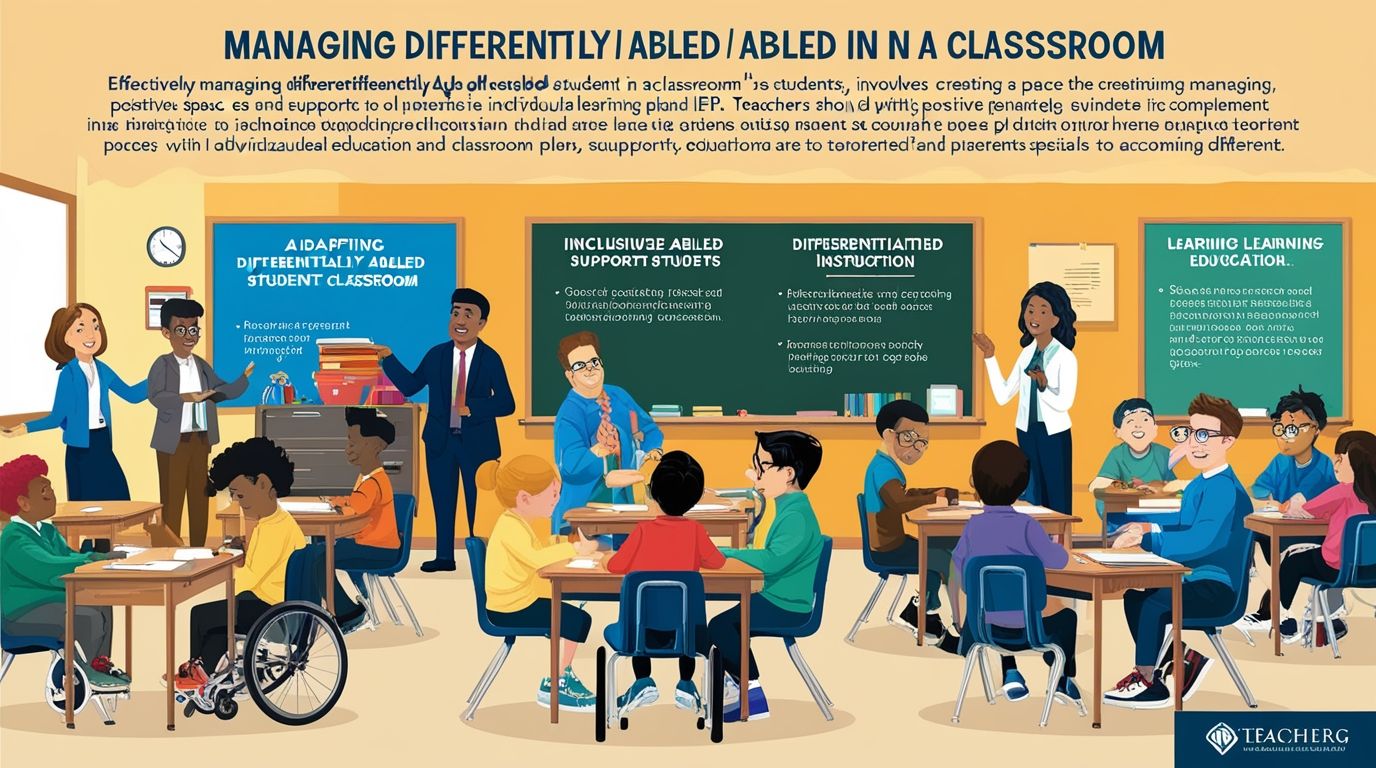
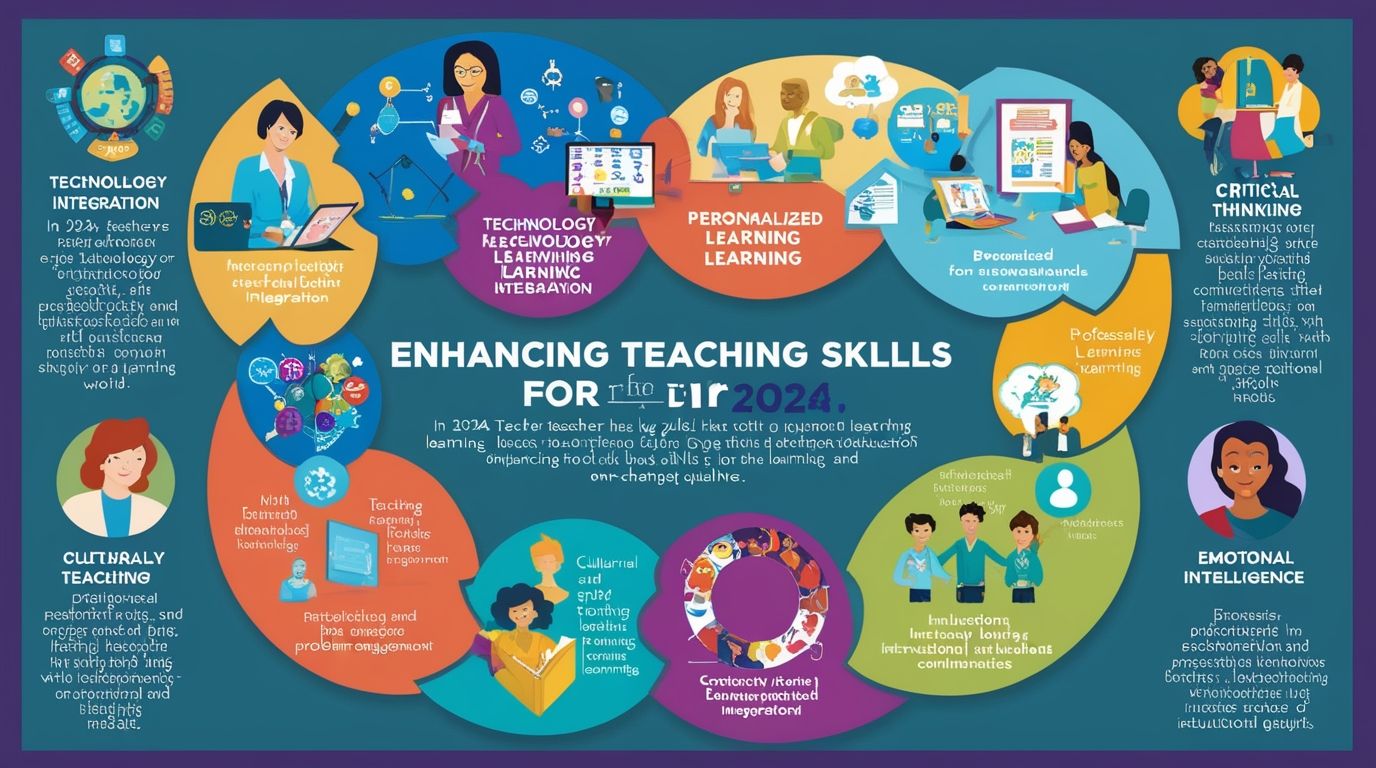
In the 21st century, modern lesson planning integrates technology, diversity, and global perspectives. Digital tools such as smart boards, learning management systems, and educational apps are part of the planning process. The flipped classroom model and blended learning formats allow students to learn at their own pace. Teachers design lessons that include multimedia content, online assessments, and collaborative projects. Moreover, inclusive planning considers students with needs and different cultural backgrounds. The Universal Design for Learning (UDL) framework ensures accessibility for all learners. Modern approaches also encourage reflective teaching, where educators assess the effectiveness of their lessons through feedback and data analysis. Consequently, comprehensive lesson plans in modern education combine traditional elements with innovation. They promote engagement, digital literacy, and global awareness among students. Visit Teachers Guide for more insights on innovative teaching strategies.
Steps in Developing a Comprehensive Lesson Plan
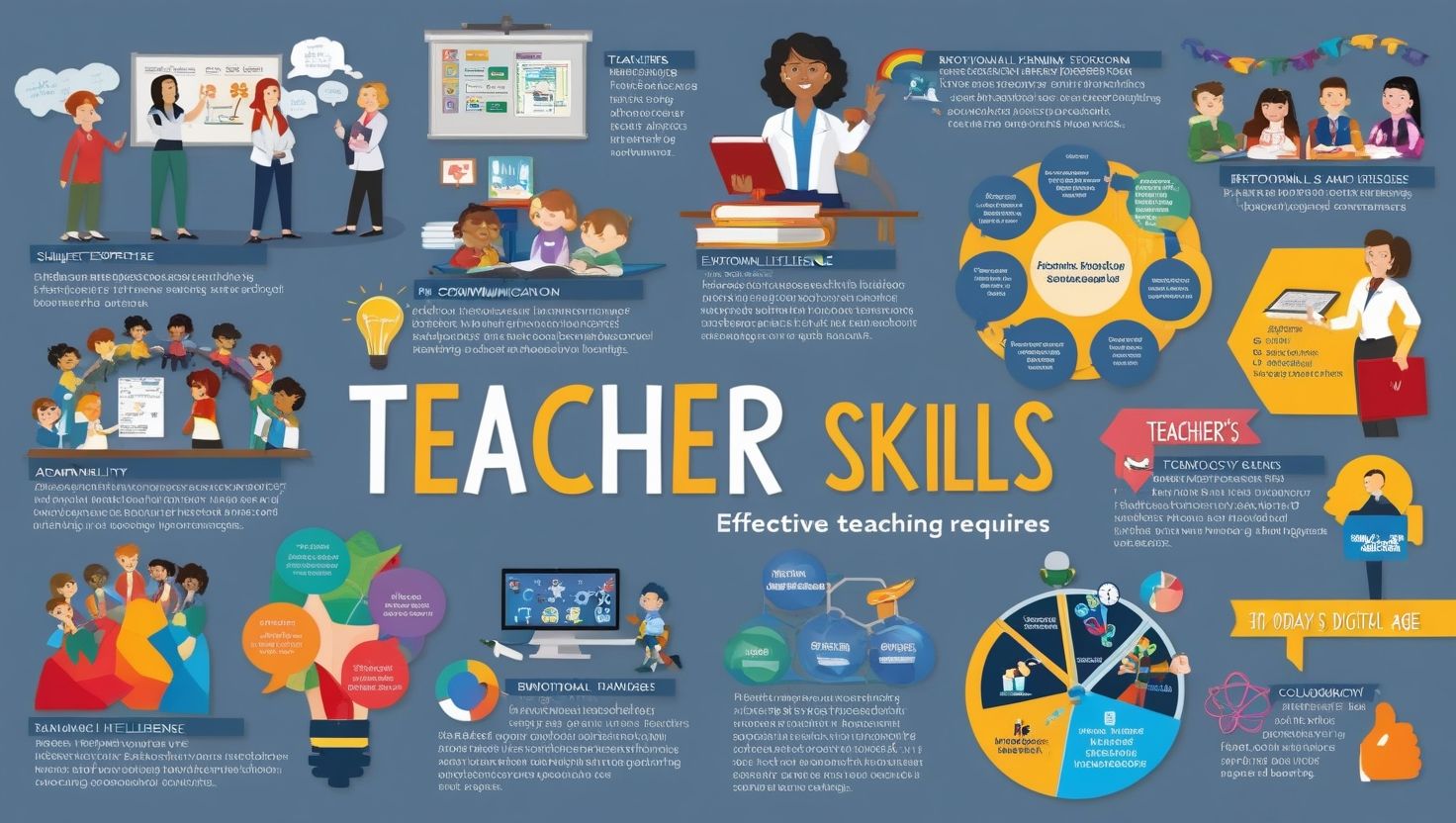
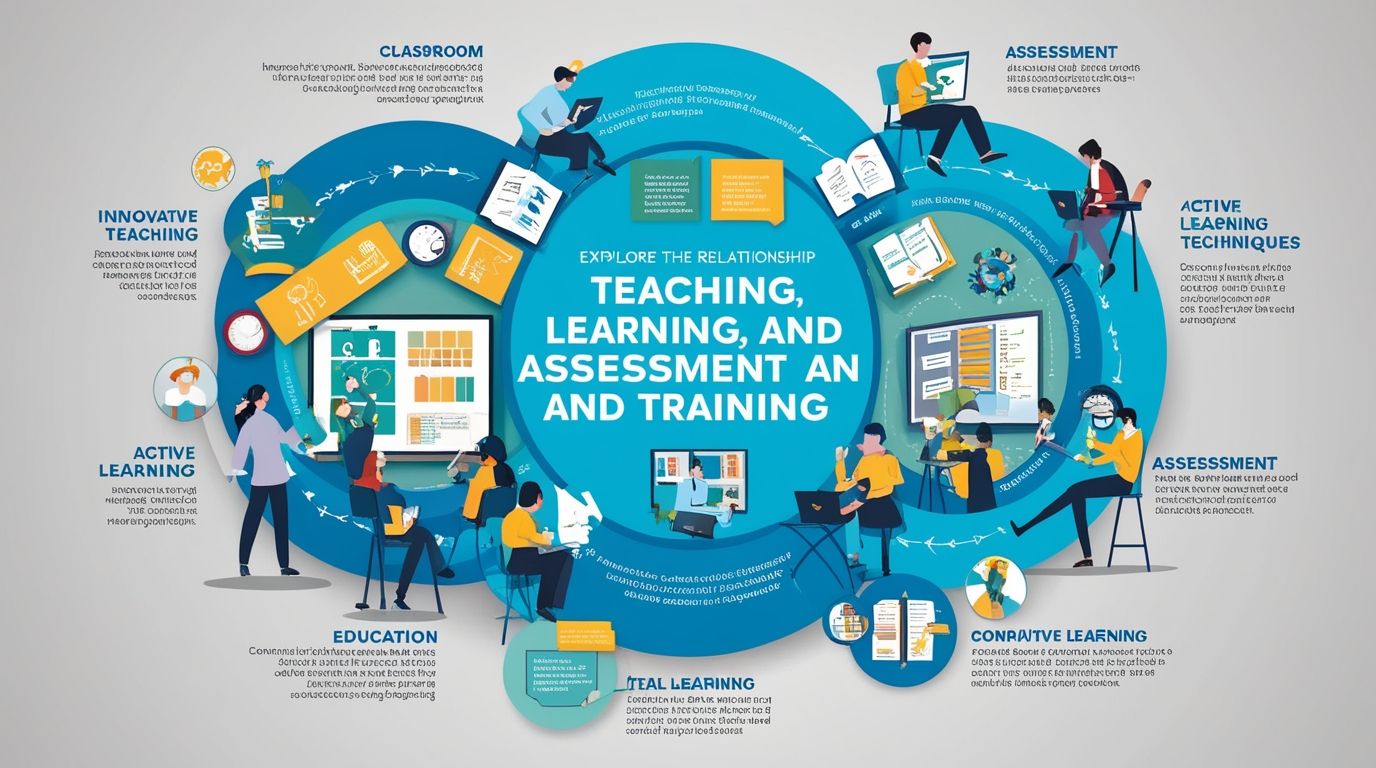
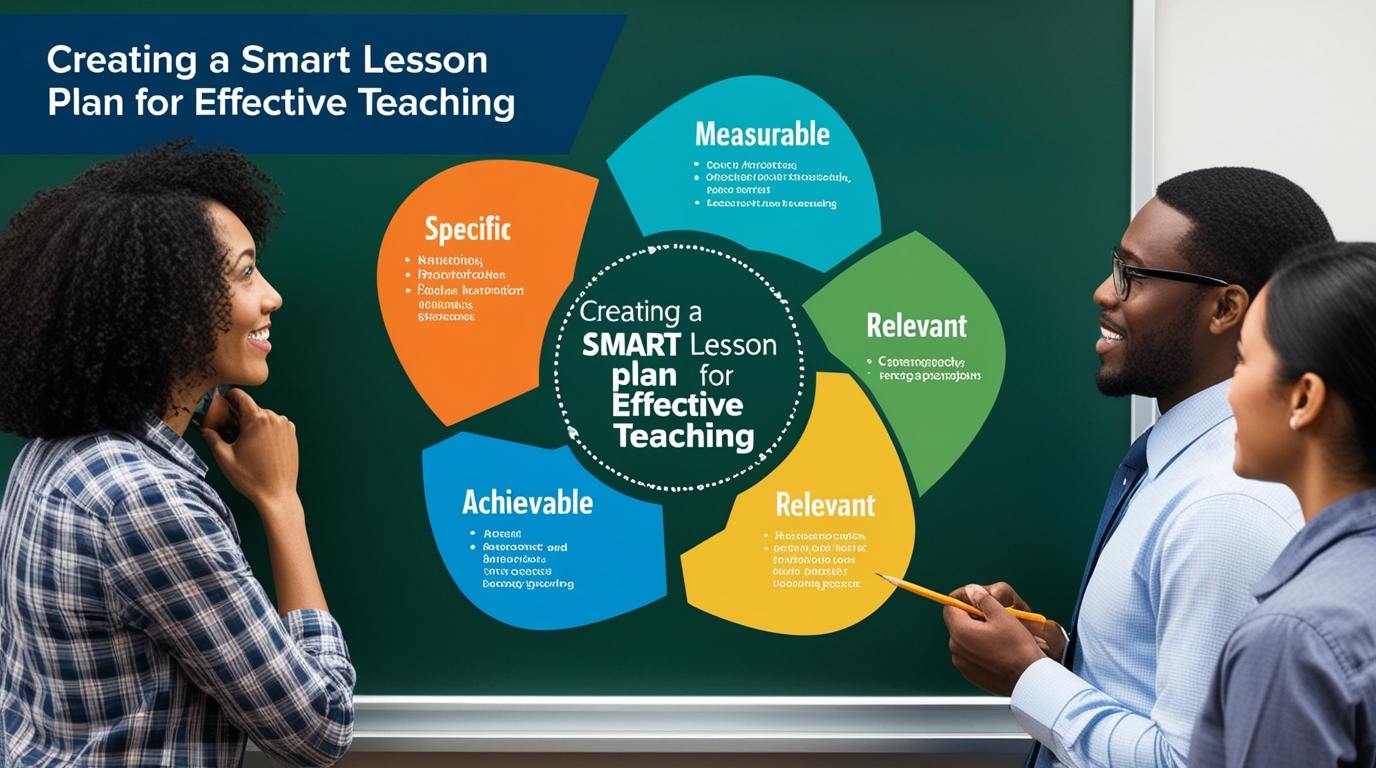
Creating a comprehensive lesson plan involves a structured process. The first step is identifying clear and measurable learning objectives aligned with curriculum goals. The second step is selecting suitable materials and resources that support these objectives. Teachers then design engaging activities that promote active learning. Time allocation for each section ensures balance and flow. Assessment tools are integrated to evaluate student progress. Moreover, teachers consider differentiation by including strategies for diverse learners. Reflection and follow-up activities are added to reinforce learning. Collaboration with peers or mentors can further enhance lesson quality. The process is dynamic, requiring continuous improvement and adaptation. Therefore, developing a lesson plan is both an art and a science. Through these steps, teachers transform theoretical knowledge into practical classroom experiences, achieving effective and comprehensive lesson delivery.
Challenges in Lesson Planning
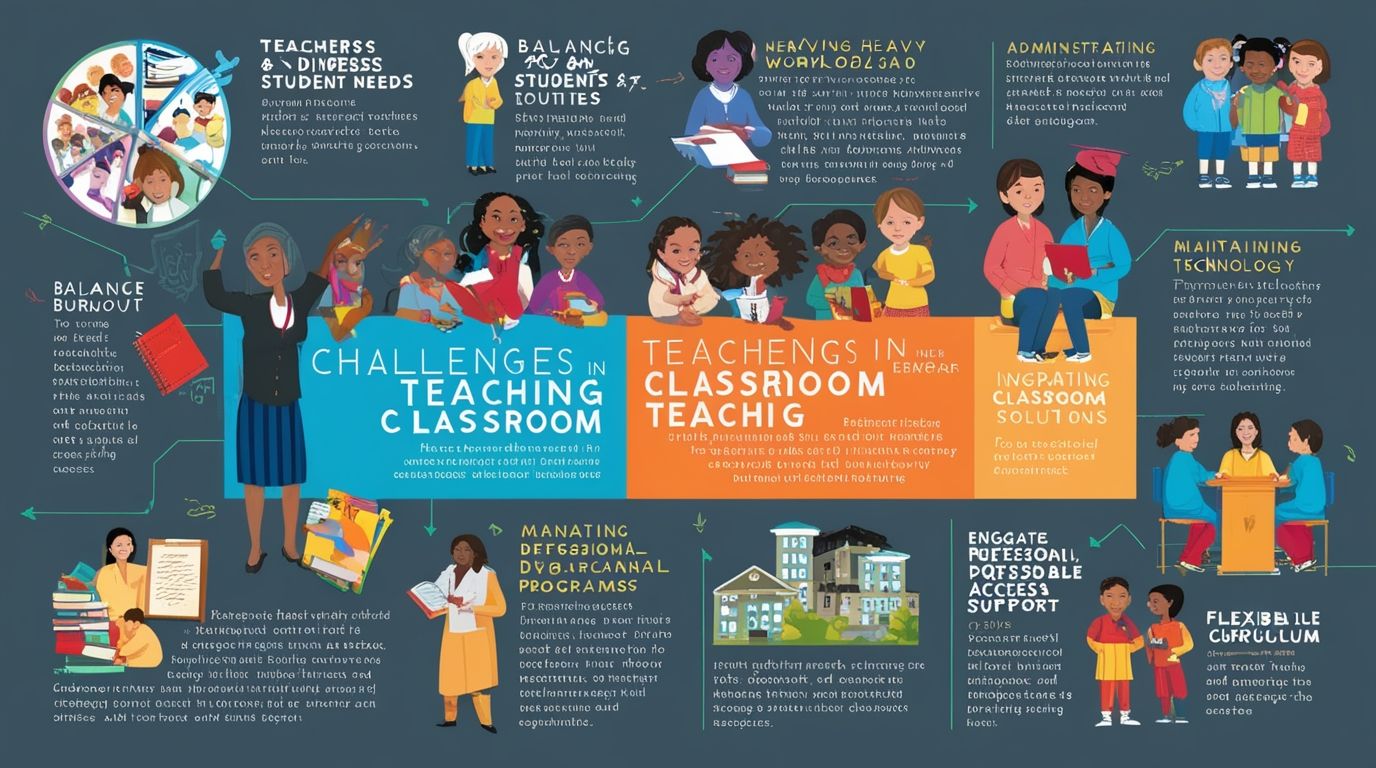
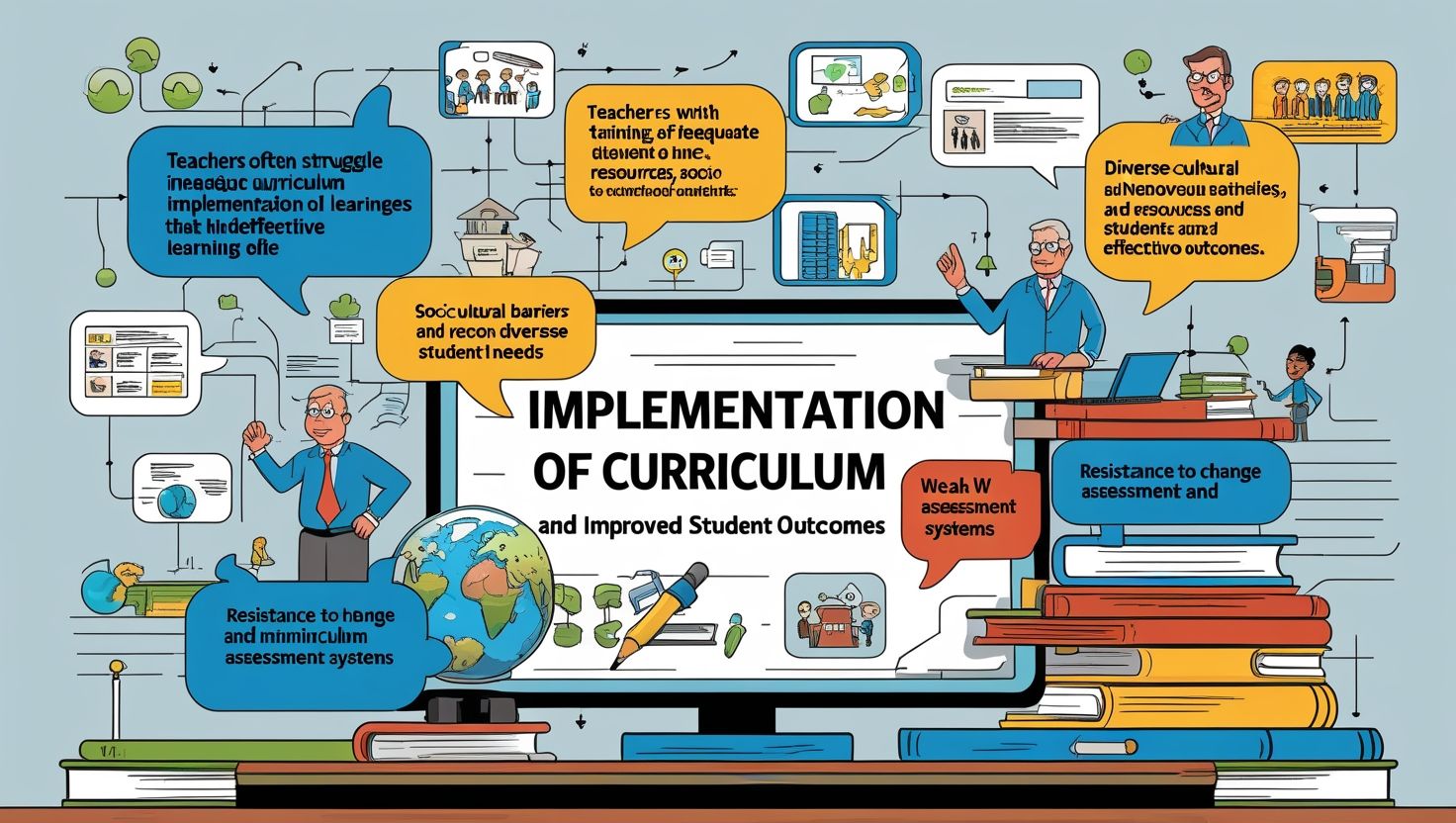
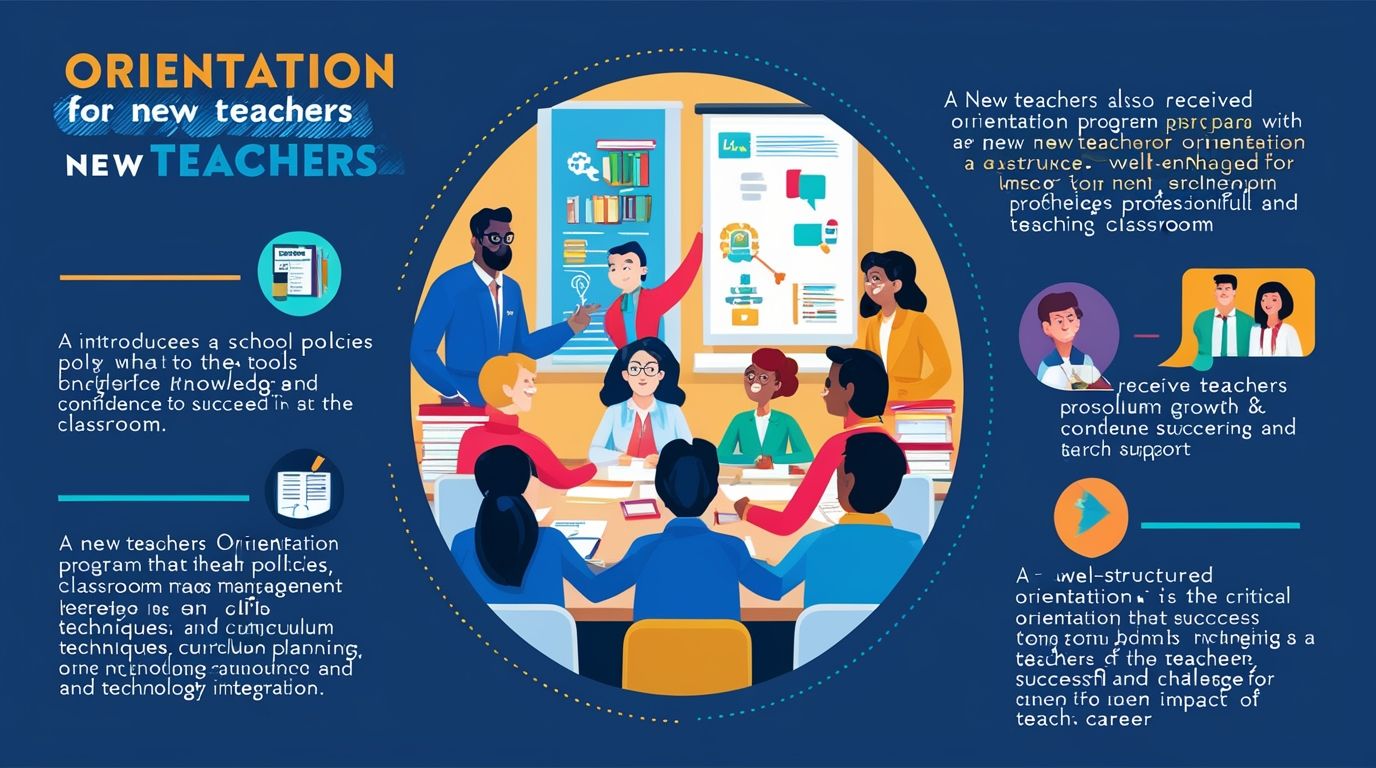
Despite its importance, lesson planning presents several challenges. Time constraints often prevent teachers from preparing detailed plans. Balancing curriculum requirements with student interests can also be difficult. Teachers must adapt lessons to suit mixed-ability classrooms and varied learning styles. Additionally, unforeseen classroom situations may require quick modifications. Incorporating technology and ensuring inclusivity demand extra effort and skills. New teachers, in particular, may struggle to align objectives with assessment. Moreover, over-dependence on rigid formats can reduce flexibility and spontaneity. To overcome these challenges, collaboration, training, and reflection are essential. Schools should provide resources and professional support for teachers. By addressing these obstacles, educators can improve their planning process. Consequently, comprehensive lesson planning becomes a sustainable and rewarding practice that enhances the quality of education and promotes student success.
Conclusion: The Future of Lesson Planning
In conclusion, comprehensive lesson plan formats and theories form the backbone of effective teaching and learning. They provide structure, clarity, and purpose to classroom instruction. From behaviorist to constructivist and humanistic approaches, each theory contributes valuable principles. Modern trends, such as technology integration and inclusive education, have transformed how lesson plans are developed and implemented. The future of lesson planning lies in adaptability, creativity, and collaboration. Teachers will increasingly rely on digital tools and data-driven insights to personalize learning. However, the human element—care, reflection, and empathy—will remain central. Therefore, educators must continue refining their lesson planning skills to meet the evolving demands of education. A well-prepared lesson plan not only improves teaching effectiveness but also inspires lifelong learning among students.
References
- Bruner, J. S. (1960). The Process of Education. Harvard University Press.
- Hunter, M. (1982). Mastery Teaching. Corwin Press.
- Vygotsky, L. S. (1978). Mind in Society: The Development of Higher Psychological Processes. Harvard University Press.