
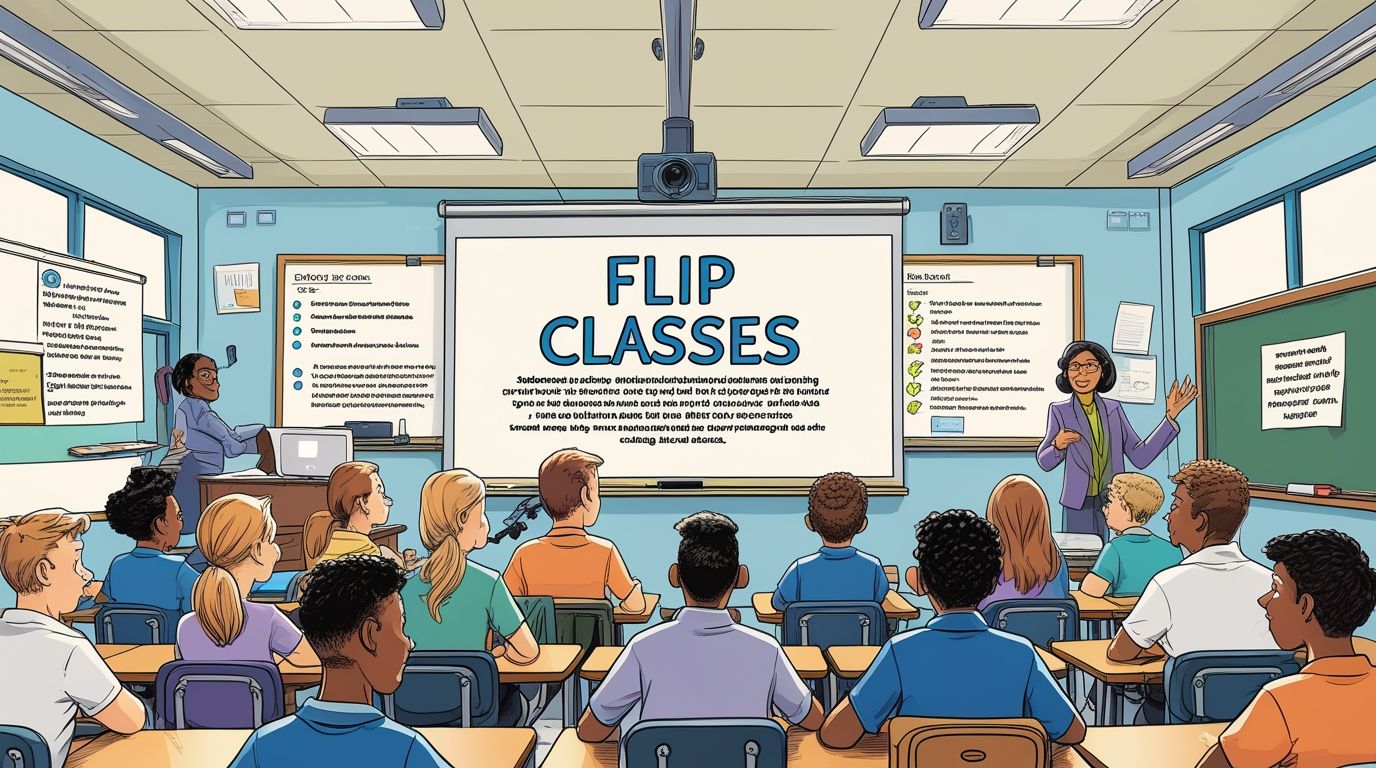
Introduction to the Flip Classes Model
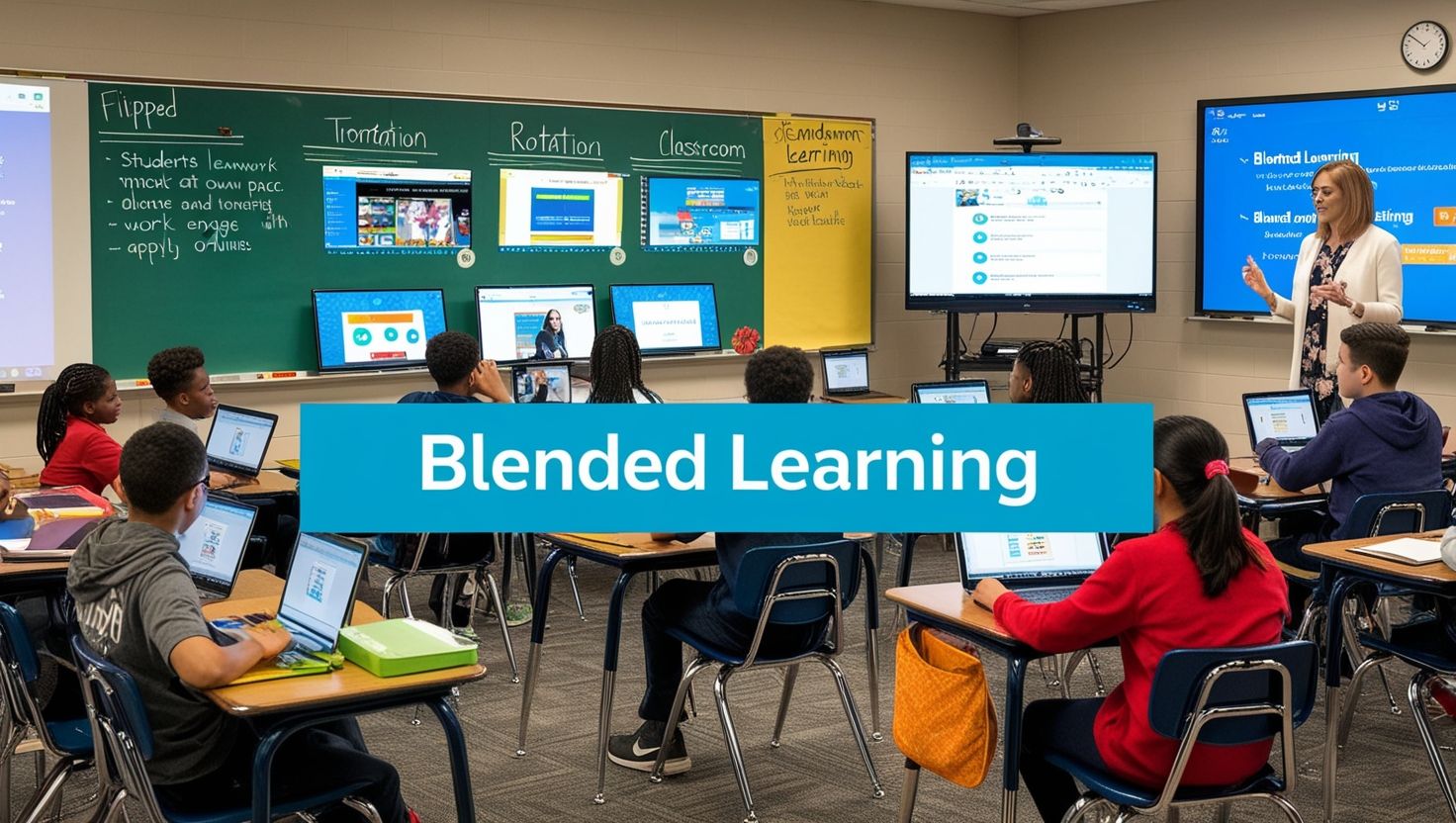
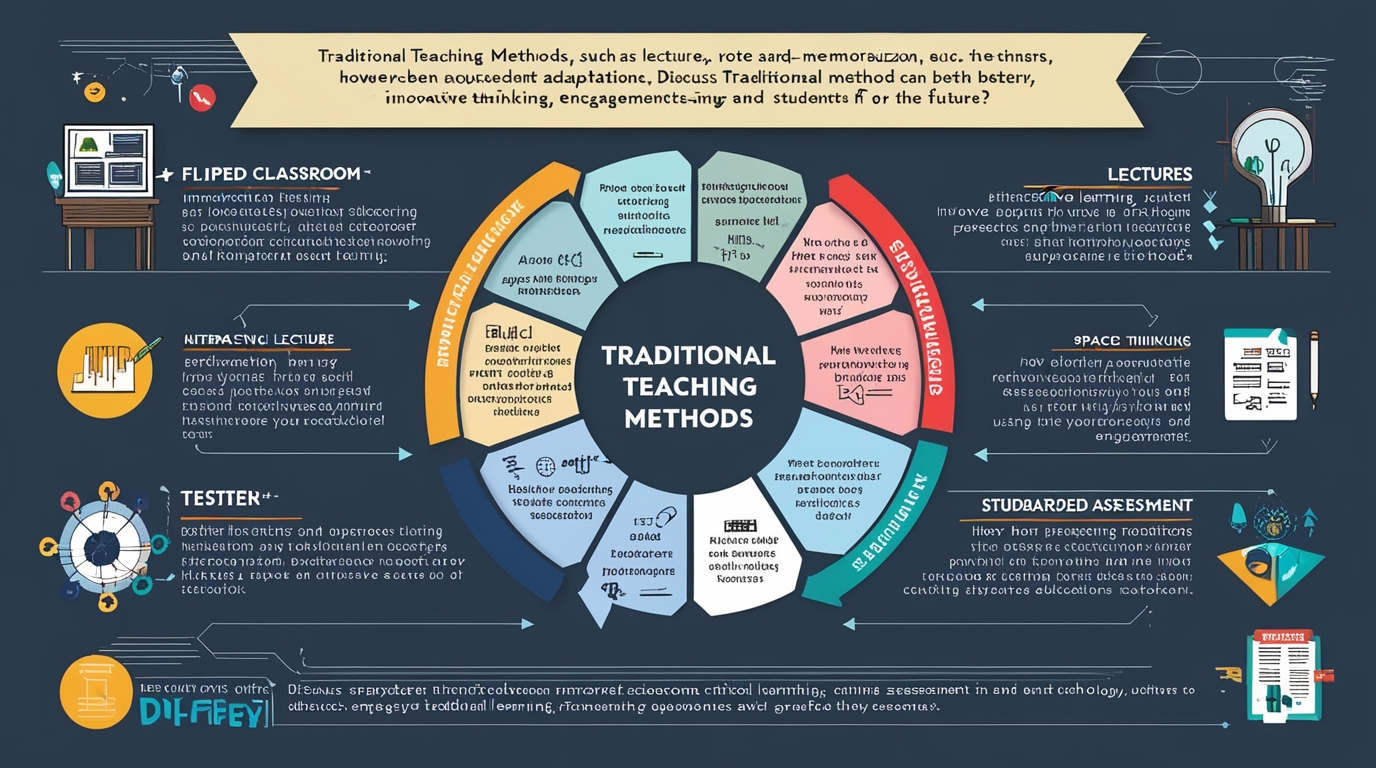
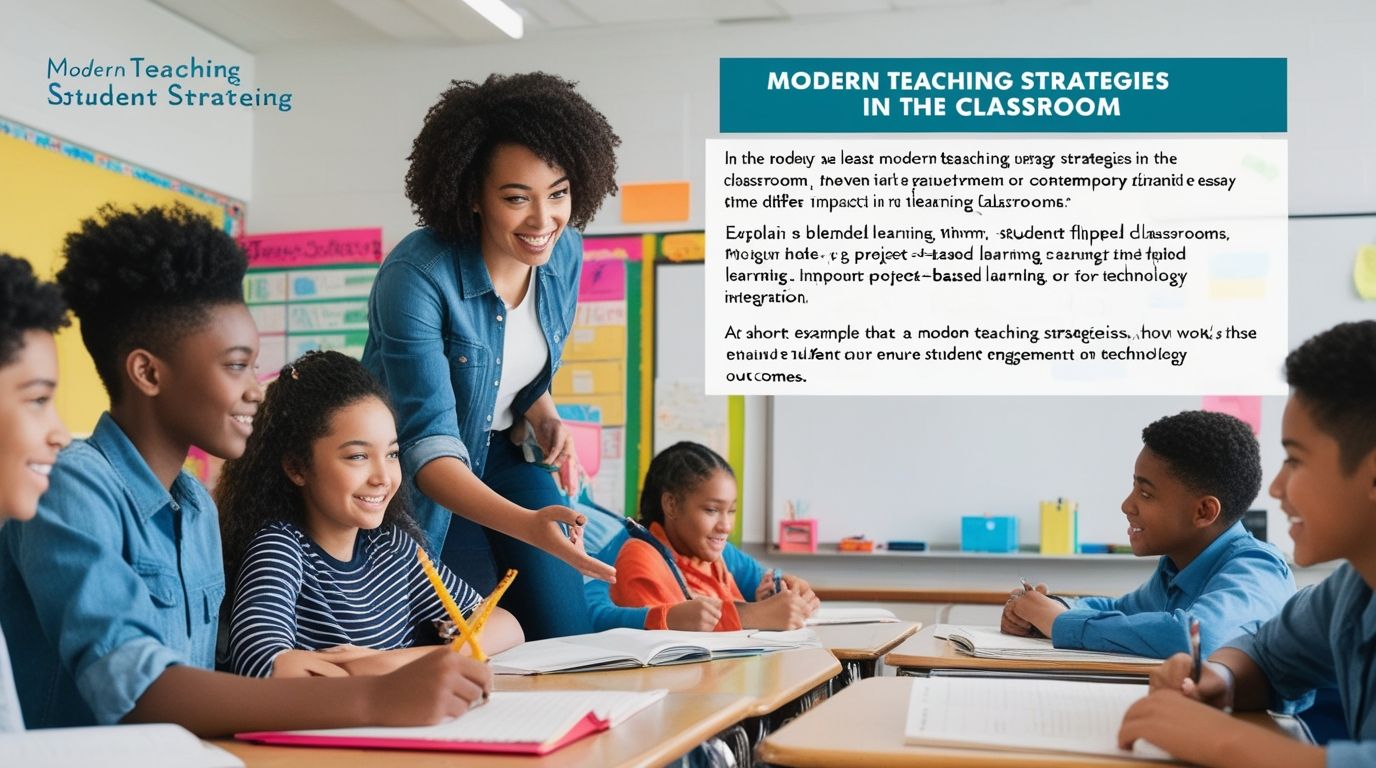
Flip Classes Model: A Modern Approach to Transforming Learning, The Flip Classes Model, also known as the Flipped Classroom, is a modern teaching approach that shifts traditional learning structures. Instead of listening to lectures in class, students study core content at home through videos, readings, and digital activities. Consequently, class time becomes more interactive. Teachers use it for discussions, problem-solving, and hands-on tasks. This shift allows students to learn at their own pace, which encourages deeper engagement. Moreover, it helps teachers identify learning gaps quickly. Many schools adopt this model because it supports diverse learning styles. Therefore, it promotes personalization. Since students arrive prepared, classroom energy becomes more dynamic. Ultimately, the Flip Classes Model enhances learning by combining technology with active teaching strategies.
Historical Background of Flipped Learning
The idea of flipping learning has roots in the early 2000s when educators sought ways to make lessons more flexible. Teachers Jonathan Bergmann and Aaron Sams popularized the process by recording lectures and sharing them online. As a result, students who missed class could catch up easily. Later, the concept evolved into a complete teaching model. Digital tools further strengthened this approach. Consequently, the Flip Classes Model gained attention across the world. Many educators saw its value in promoting student-centered learning. With technology becoming more accessible, schools began experimenting with digital lessons. Over time, flipped learning proved to help with differentiated instruction. Therefore, it became a widely accepted strategy. Today, it continues to grow because it aligns with modern educational expectations.
Core Components of the Flip Classes Model
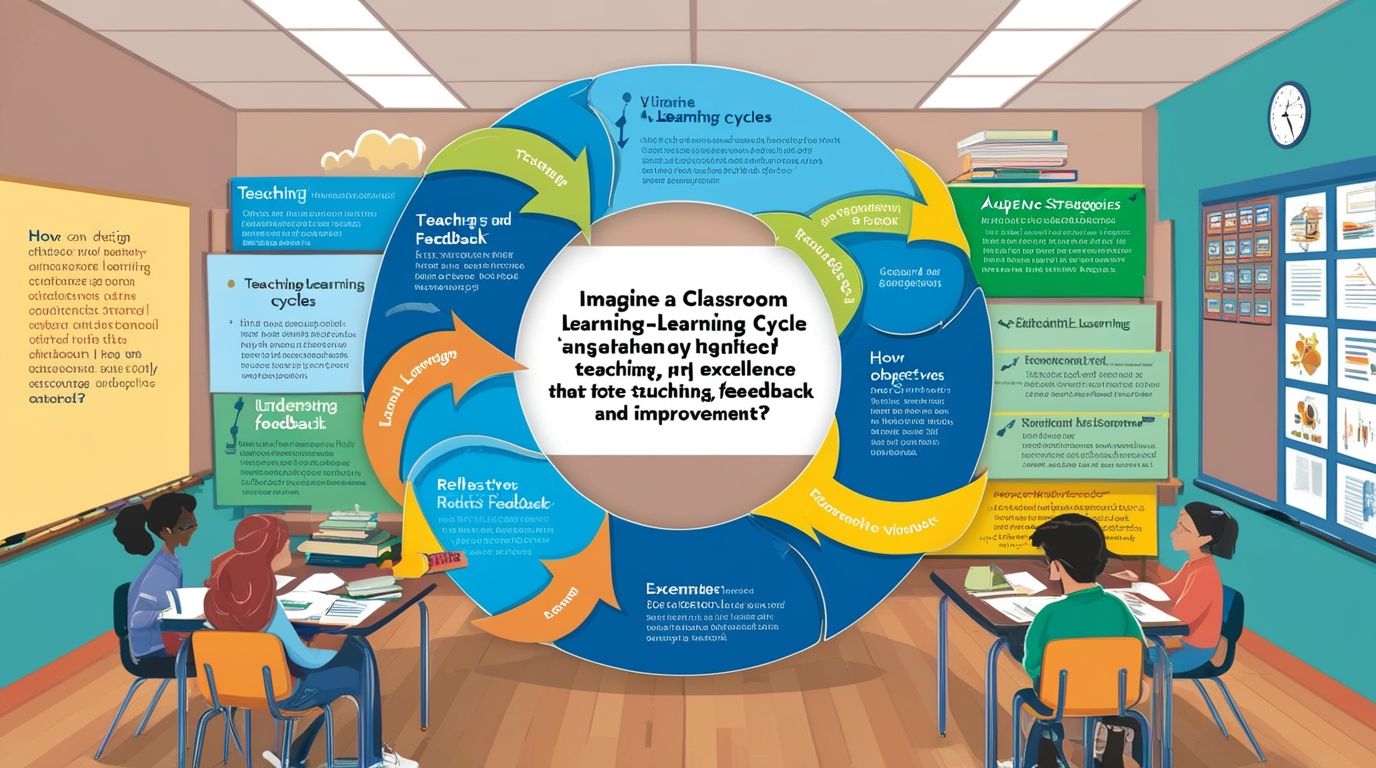
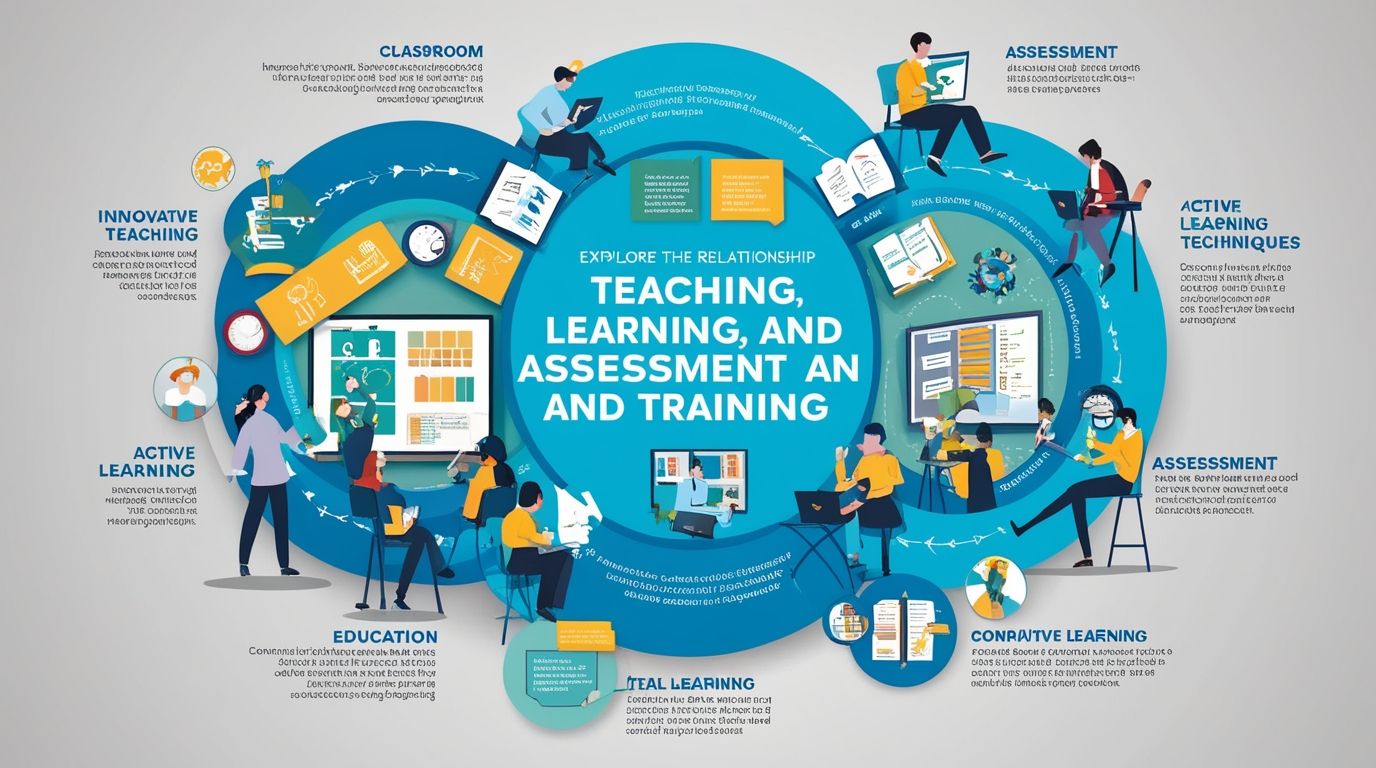
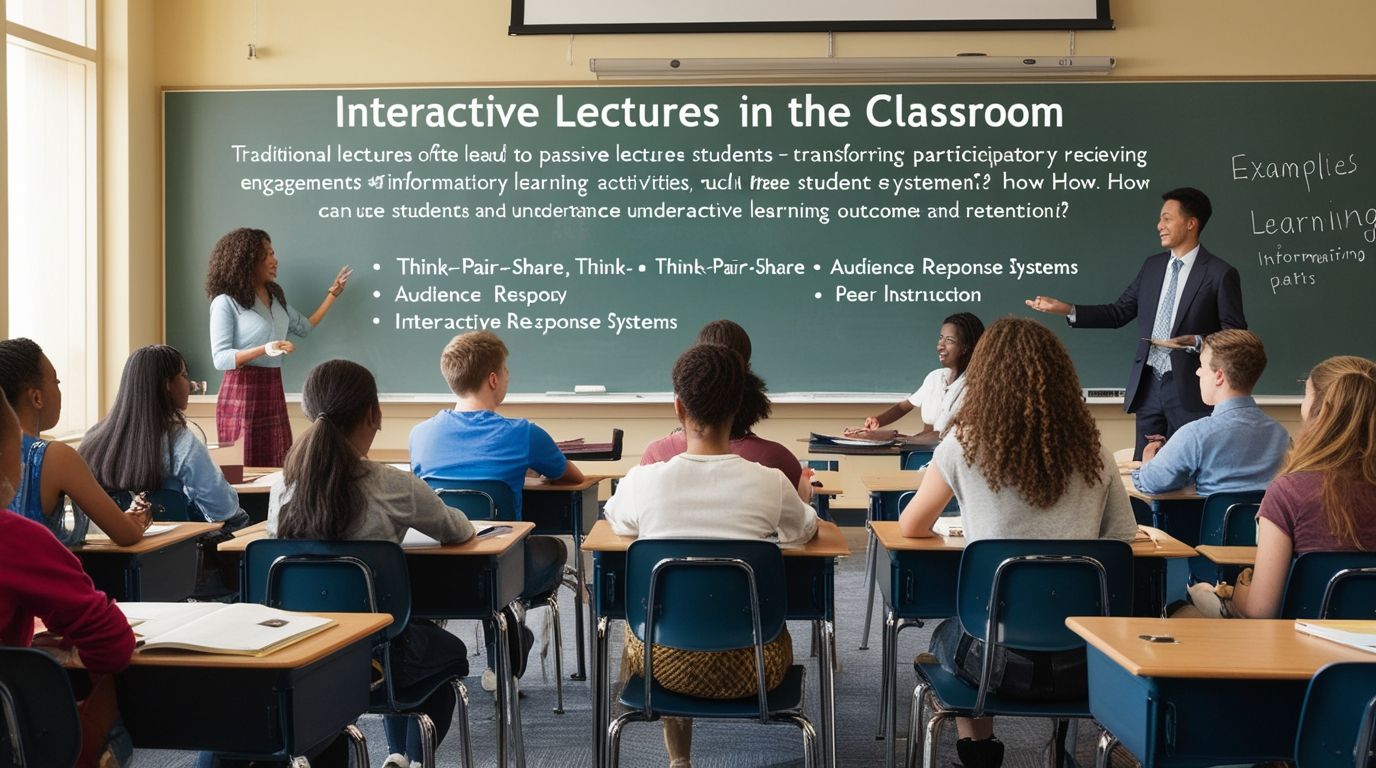
The Flip Classes Model includes three main components: pre-class content, in-class activities, and post-class reflection. Firstly, students receive digital content such as videos or readings. This material prepares them ahead of time. Secondly, class time focuses on active learning. Teachers guide students through discussions, group tasks, and practical applications. This step encourages critical thinking. Thirdly, post-class activities reinforce concepts and clarify misconceptions. Since each stage supports the other, learning becomes continuous. Moreover, this model enables teachers to monitor progress at every point. Because activities are structured, students stay engaged. Overall, these components build an effective and flexible learning cycle.
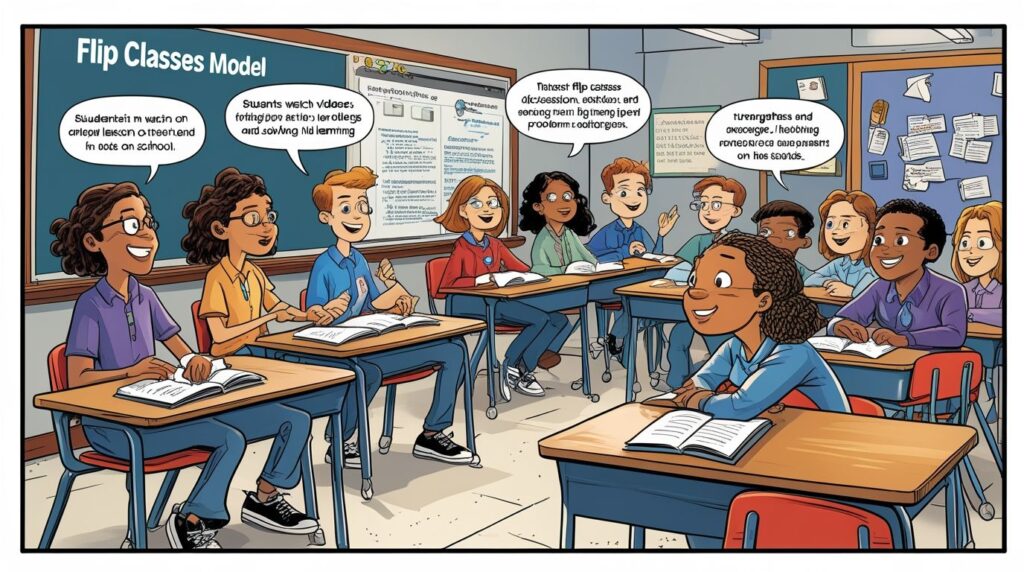
Role of Technology in the Flip Classes Model
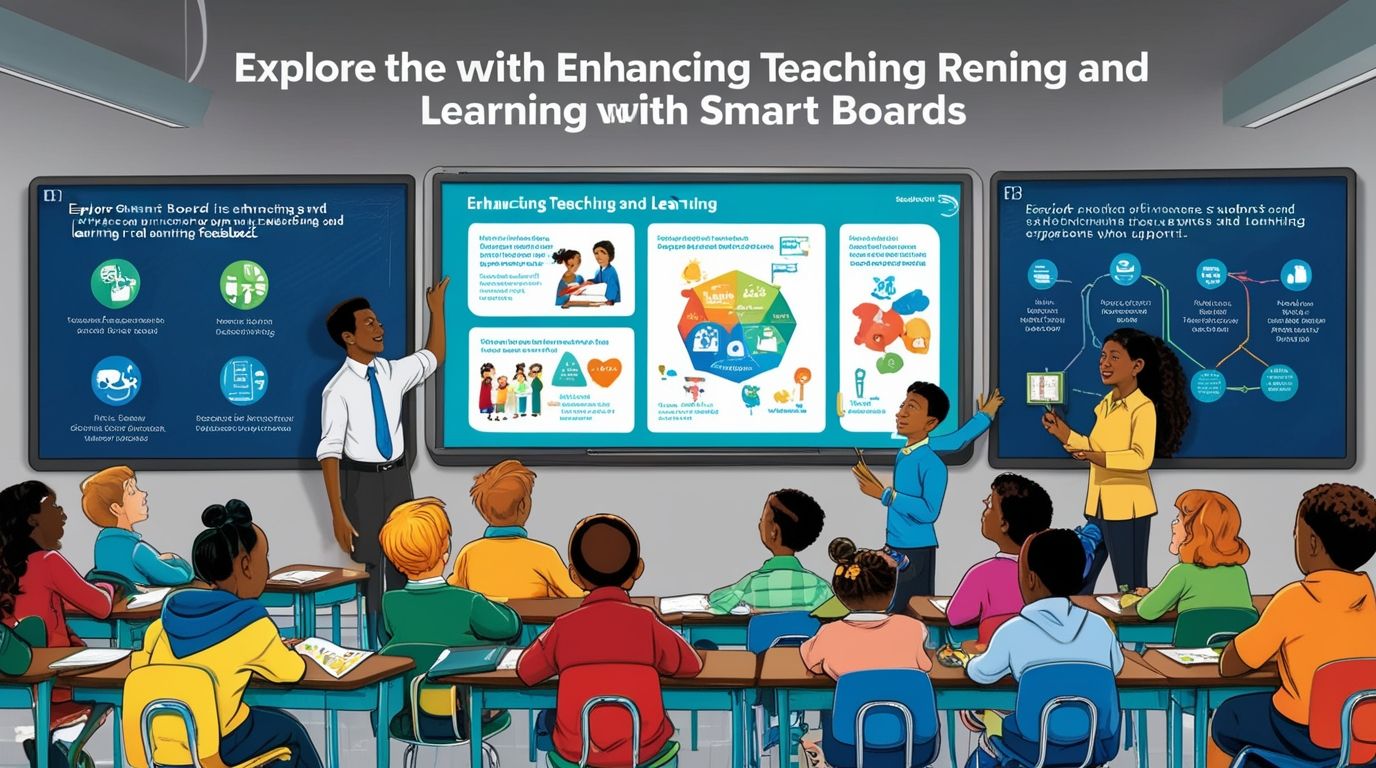
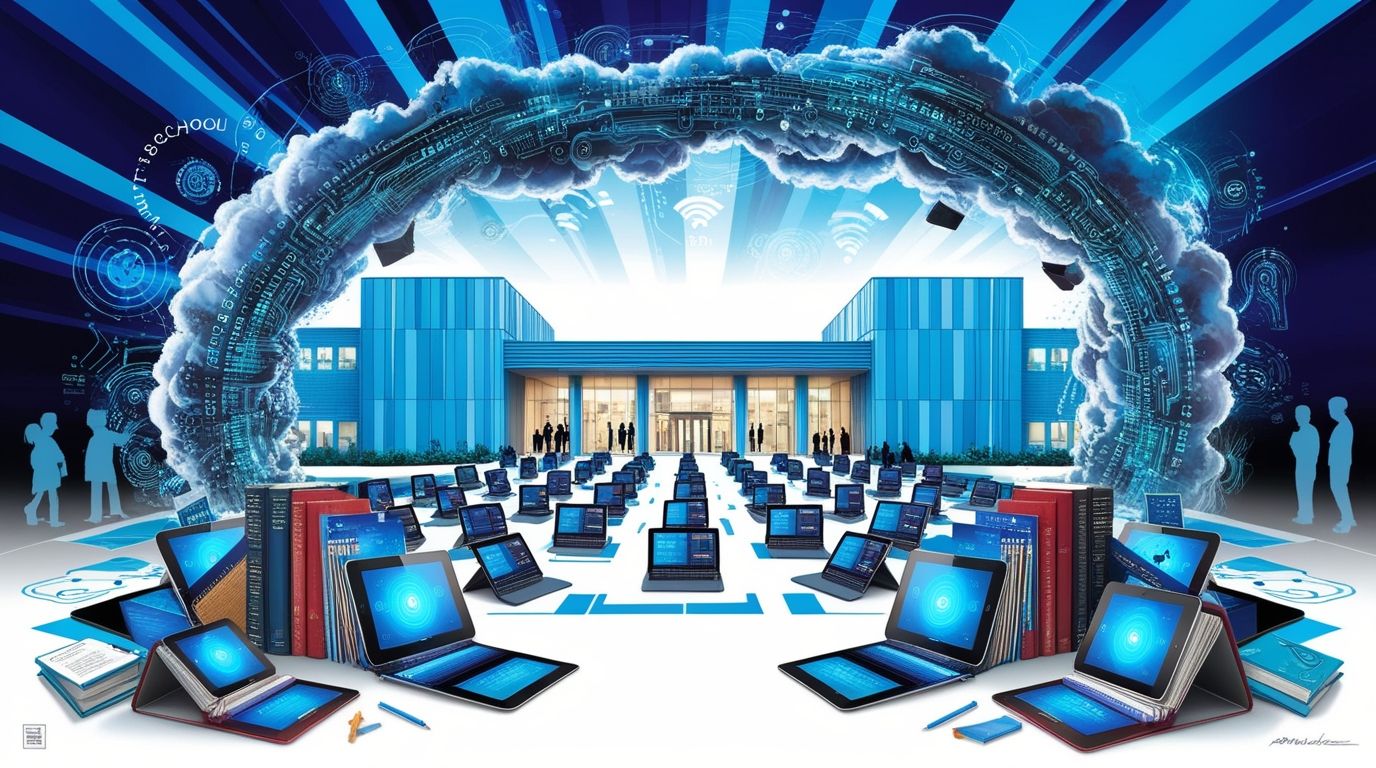
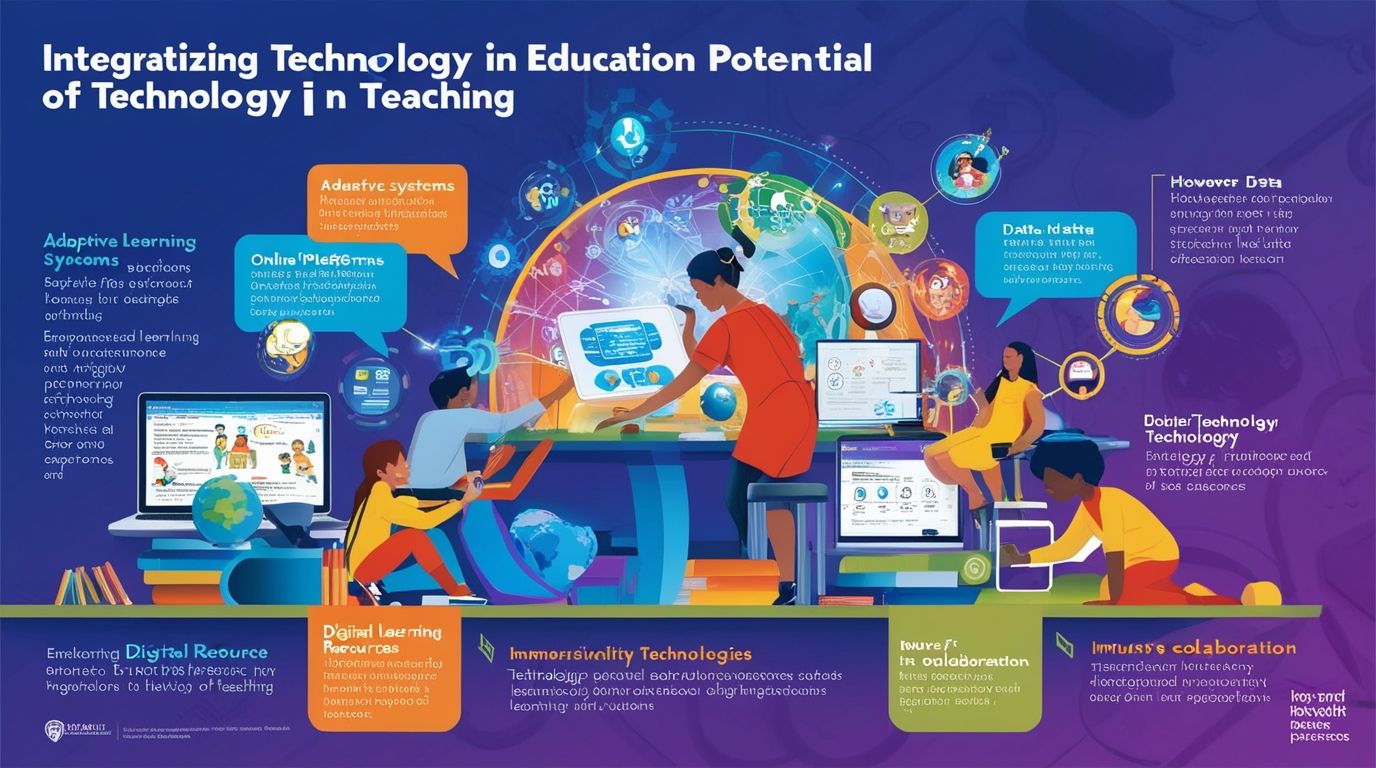
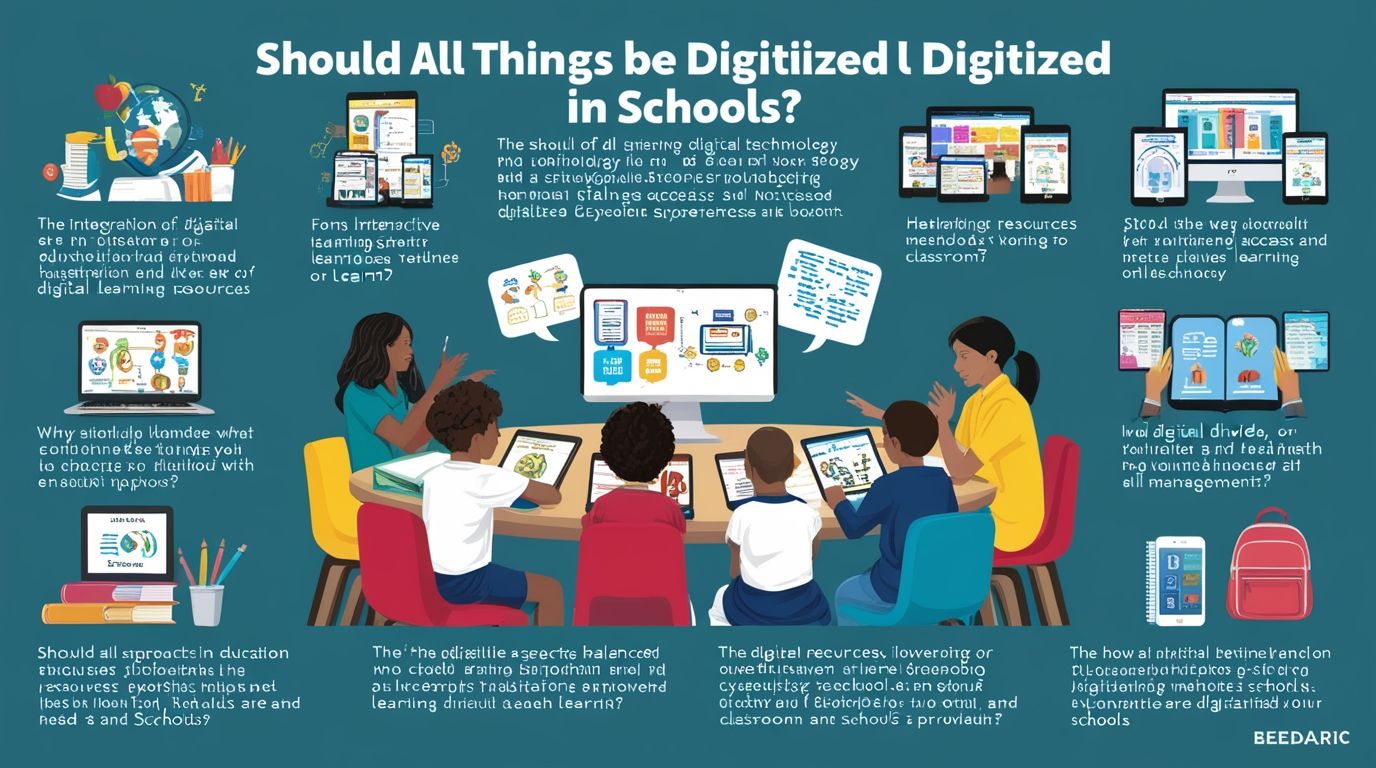
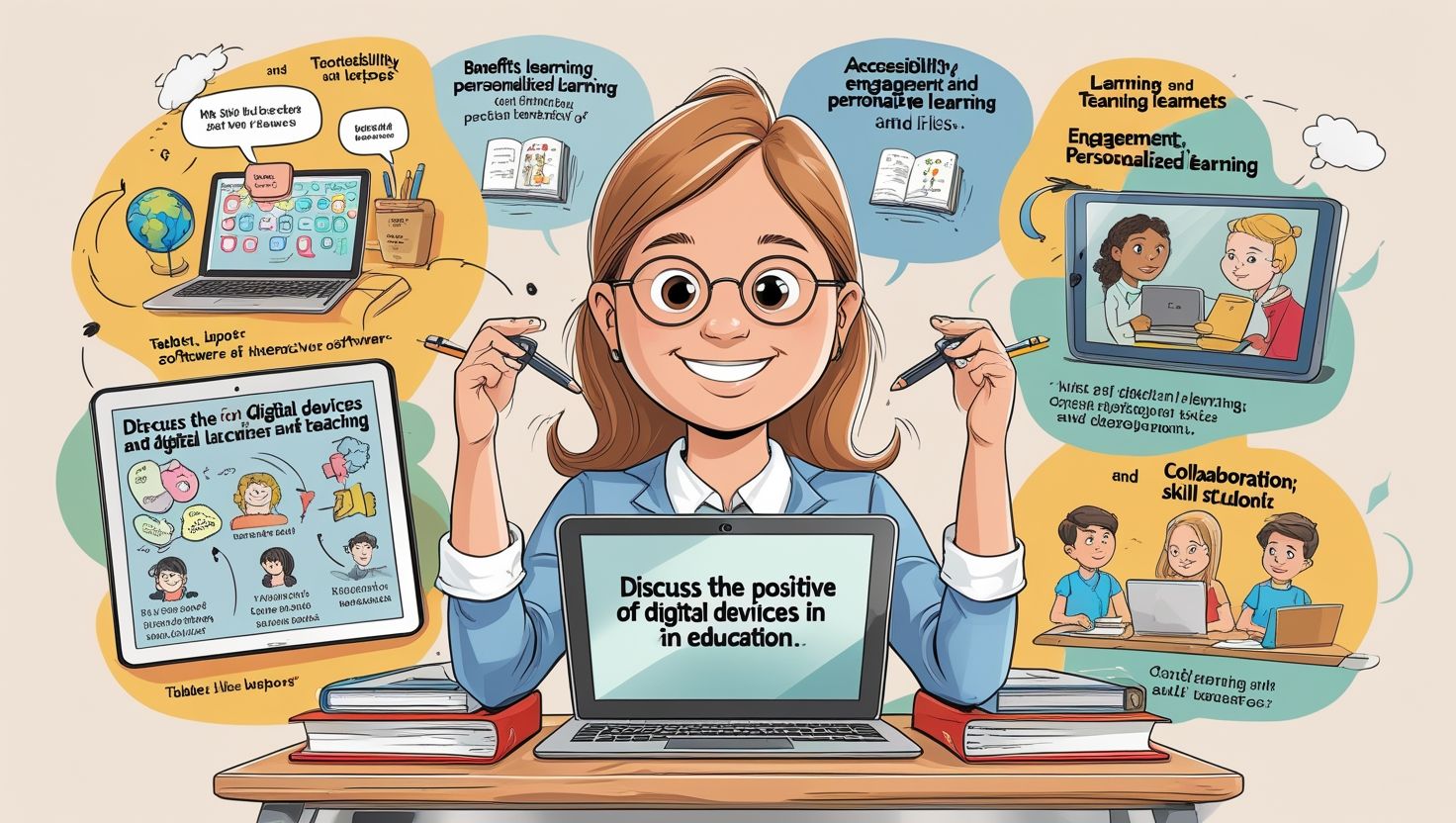
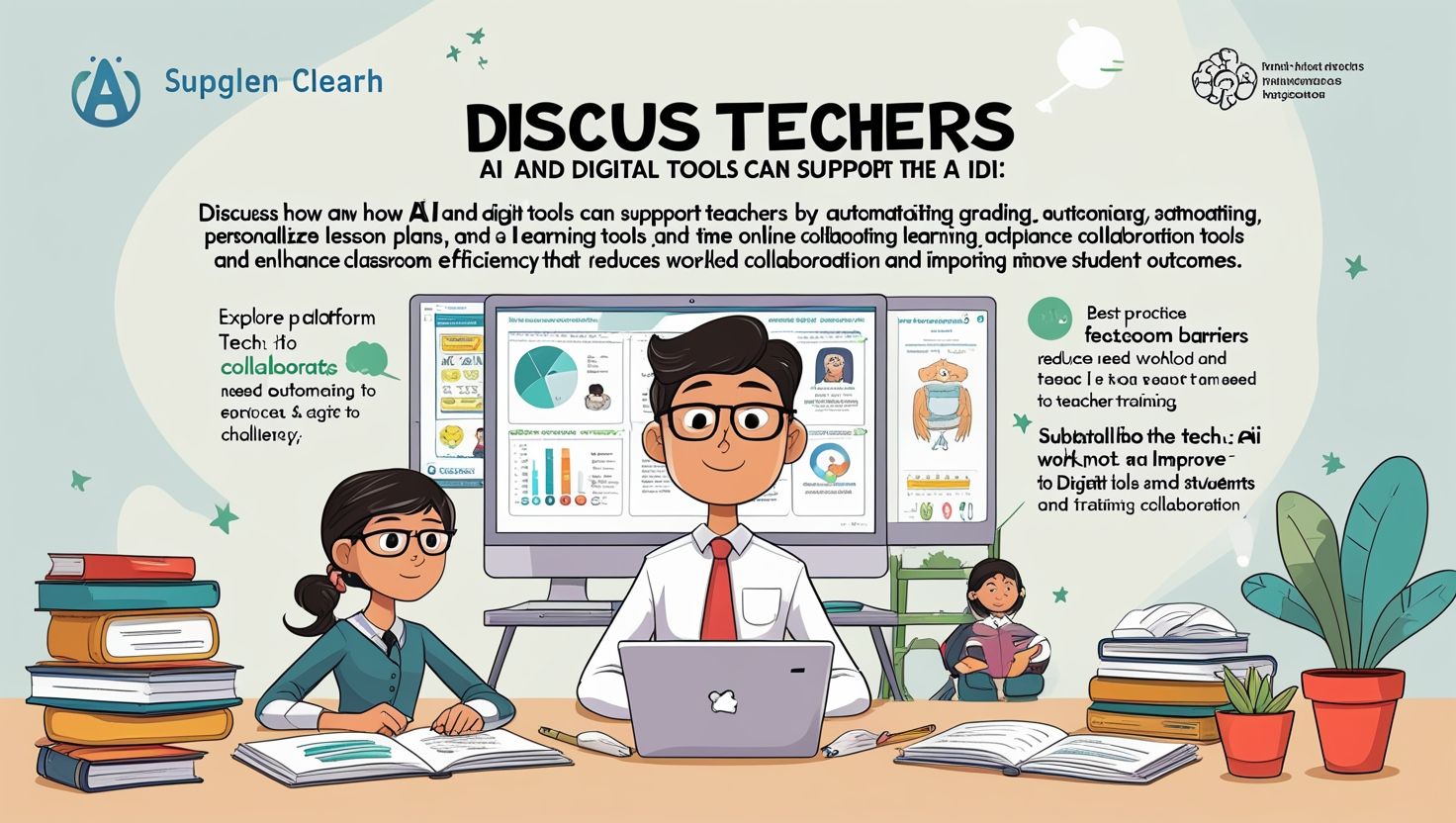
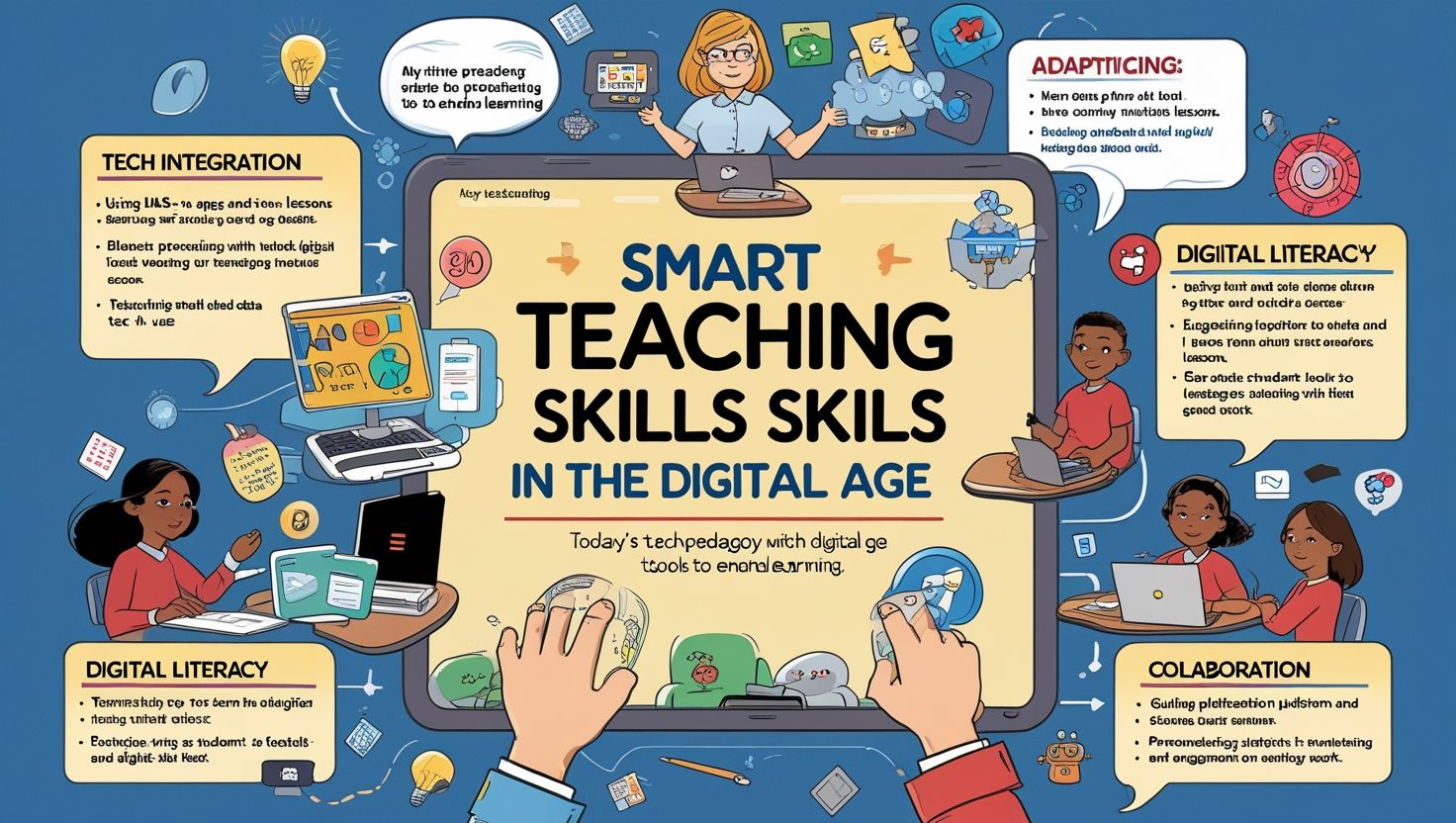
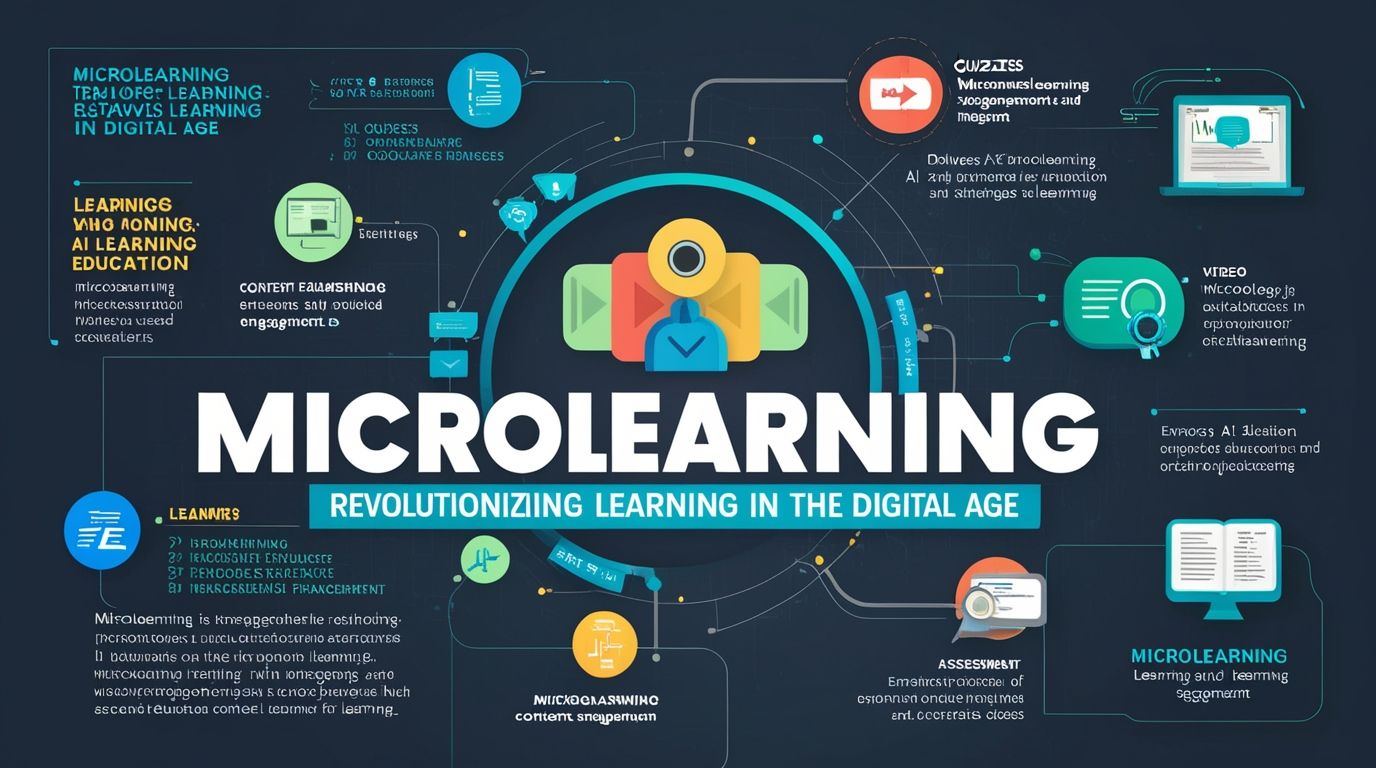
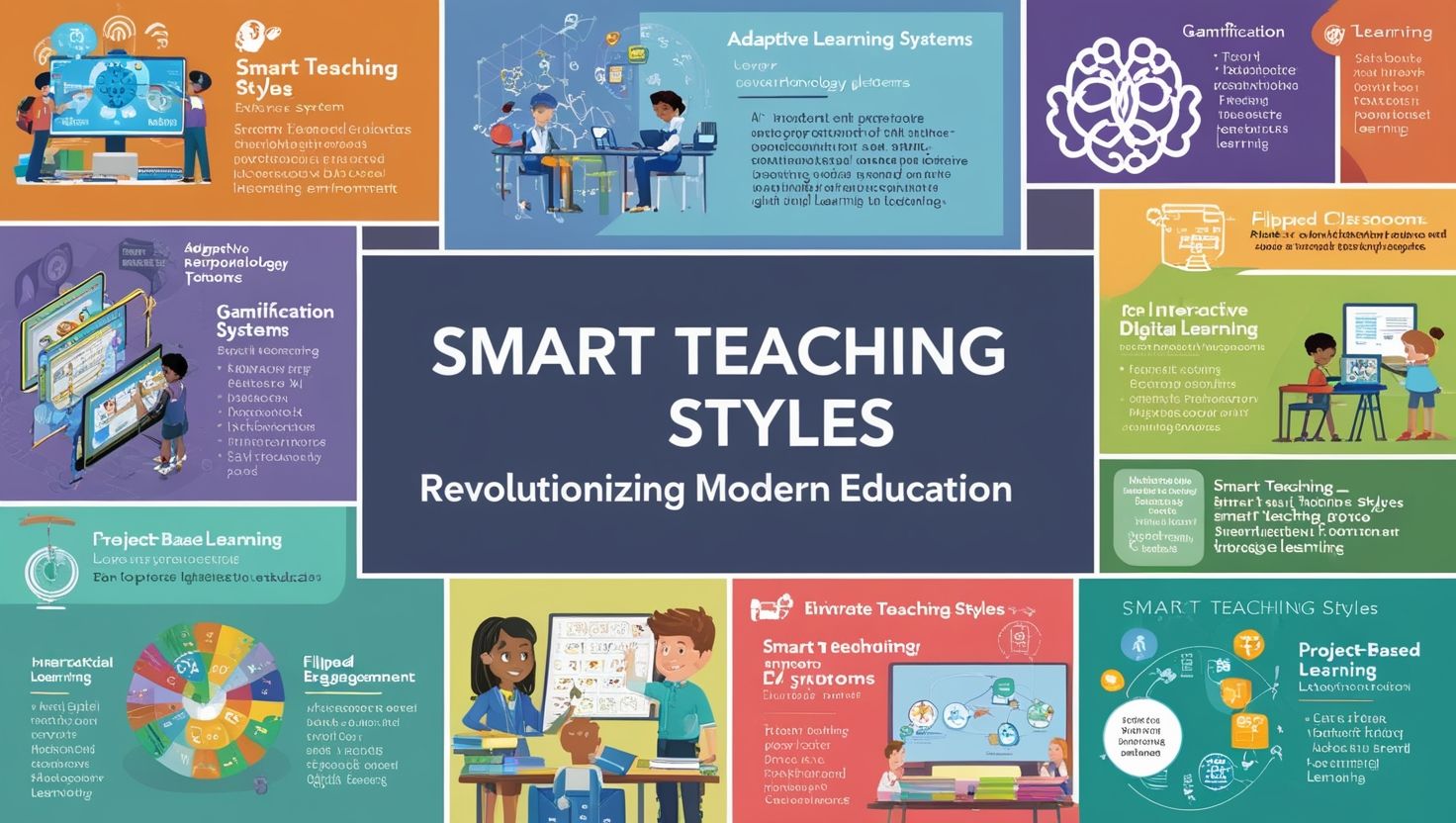
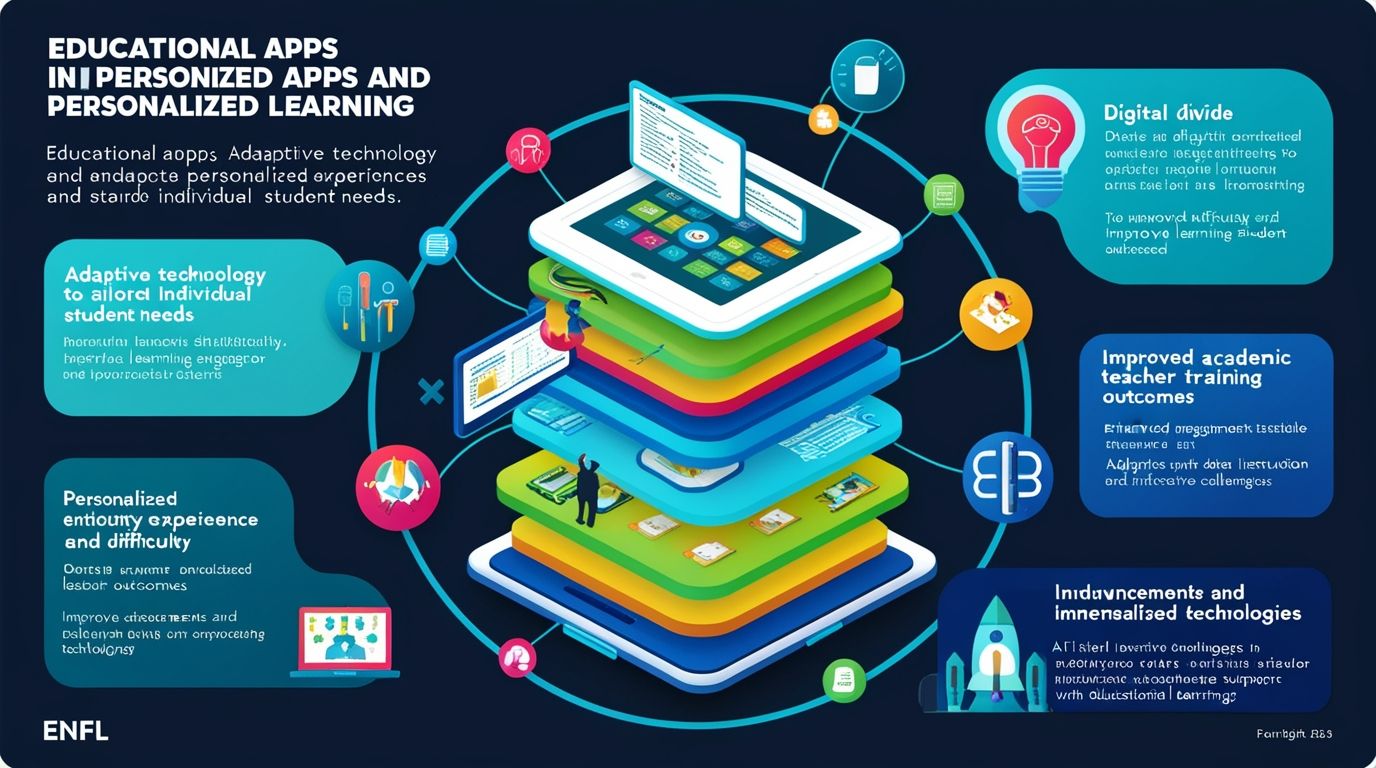
Technology plays a central role in flipped learning. Teachers create or curate video lessons, interactive quizzes, and digital notes. Consequently, students can access materials anytime. Furthermore, technology allows for self-paced learning, which benefits students who need extra time. Learning platforms like Google Classroom and Moodle help in organizing activities. They also support communication between teachers and students. Moreover, digital tools track student engagement. This helps teachers adjust lessons. Since technology offers variety, students experience learning in multiple ways. Therefore, the Flip Classes Model becomes more effective, adaptable, and appealing to modern learners.
Benefits for Students
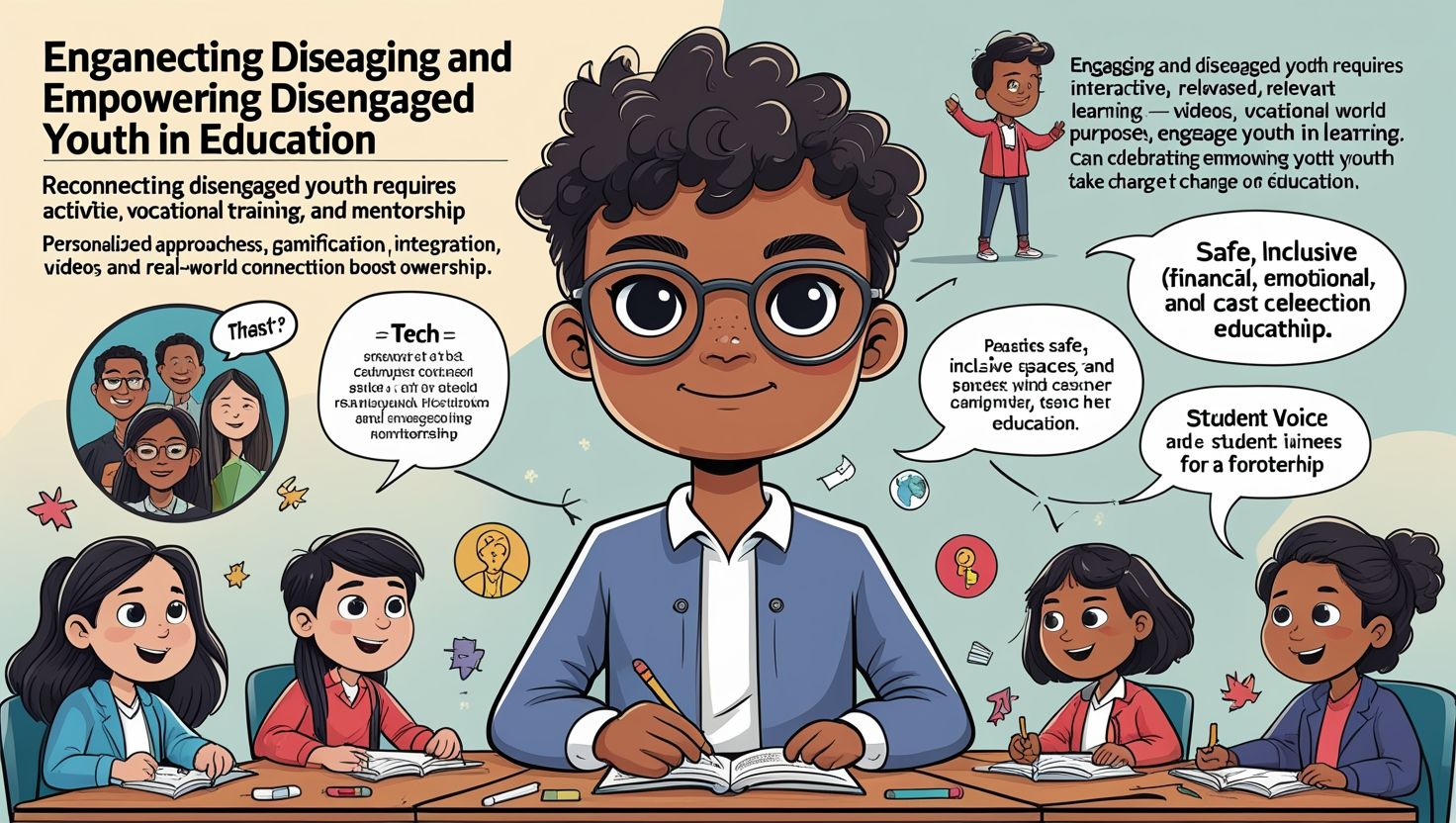
Students gain many benefits from the Flip Classes Model. They can learn at their own pace, which reduces pressure. Additionally, they can replay lessons whenever needed. This improves understanding. Class time becomes more interactive, so students participate more confidently. They also collaborate with peers. Furthermore, flipped learning encourages responsibility. Students learn to manage time and prepare before class. Since teachers give more individual attention during class, learning gaps decrease. Therefore, students become more independent and motivated. Overall, the model enhances comprehension, communication skills, and academic performance.
Benefits for Teachers
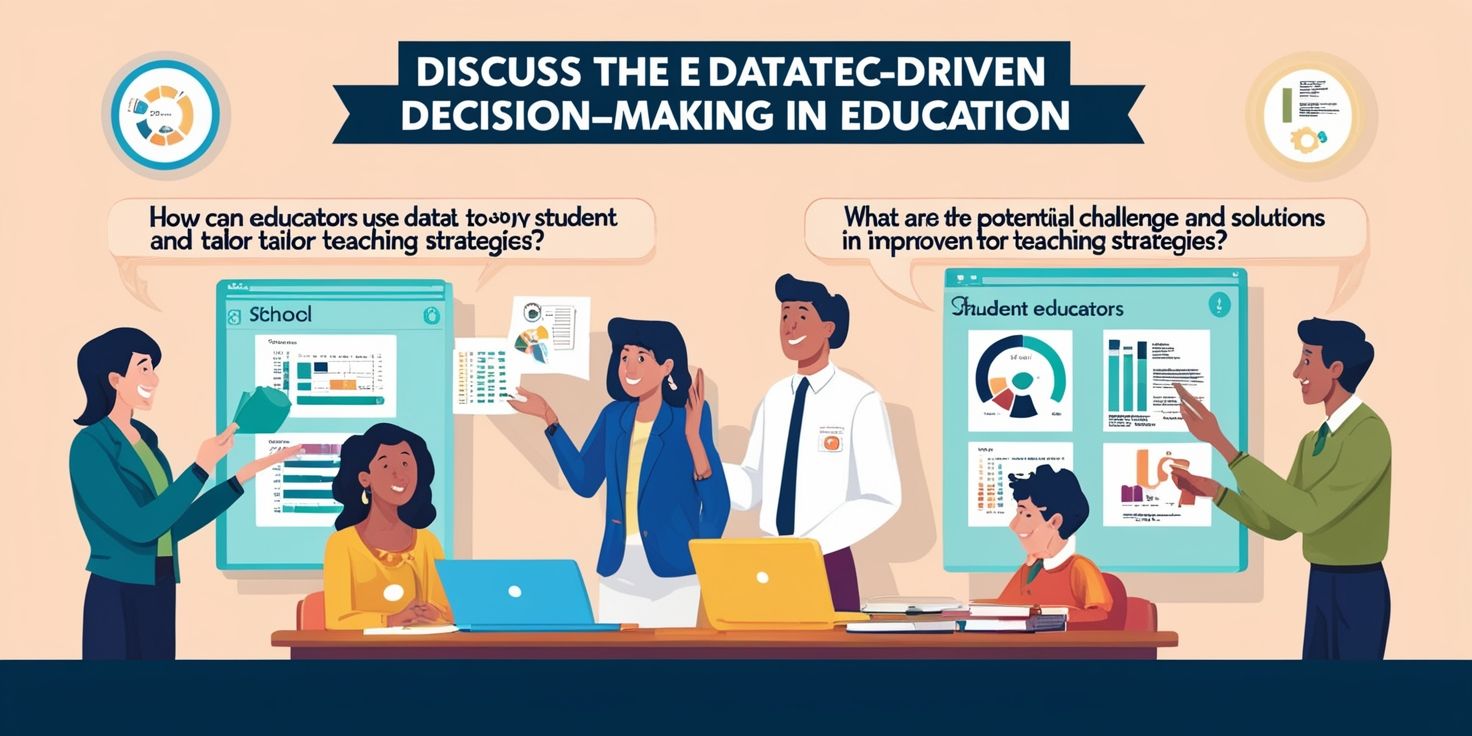
Teachers also benefit greatly from the flipped model. They can spend more time supporting students during class rather than delivering long lectures. This allows them to focus on small groups or individuals. Moreover, teachers gain insights into student learning patterns. Technology provides valuable data that improves planning. Additionally, teaching becomes more flexible. Teachers can experiment with new activities. Since class time is interactive, teachers observe students’ thinking processes more clearly. Consequently, assessment becomes more accurate. The Flip Classes Model also encourages professional growth. Ultimately, teachers experience more meaningful engagement with students.
Challenges in Implementing the Flip Classes Model
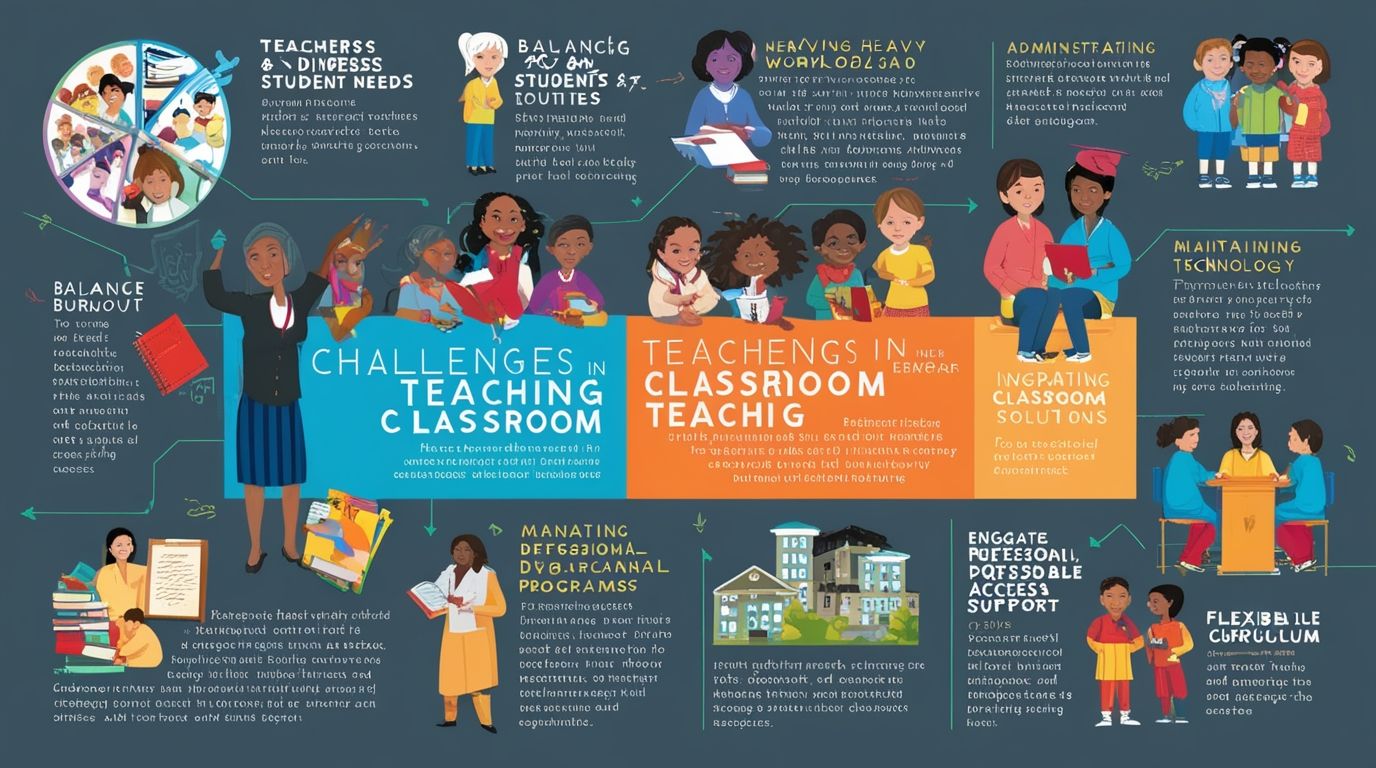
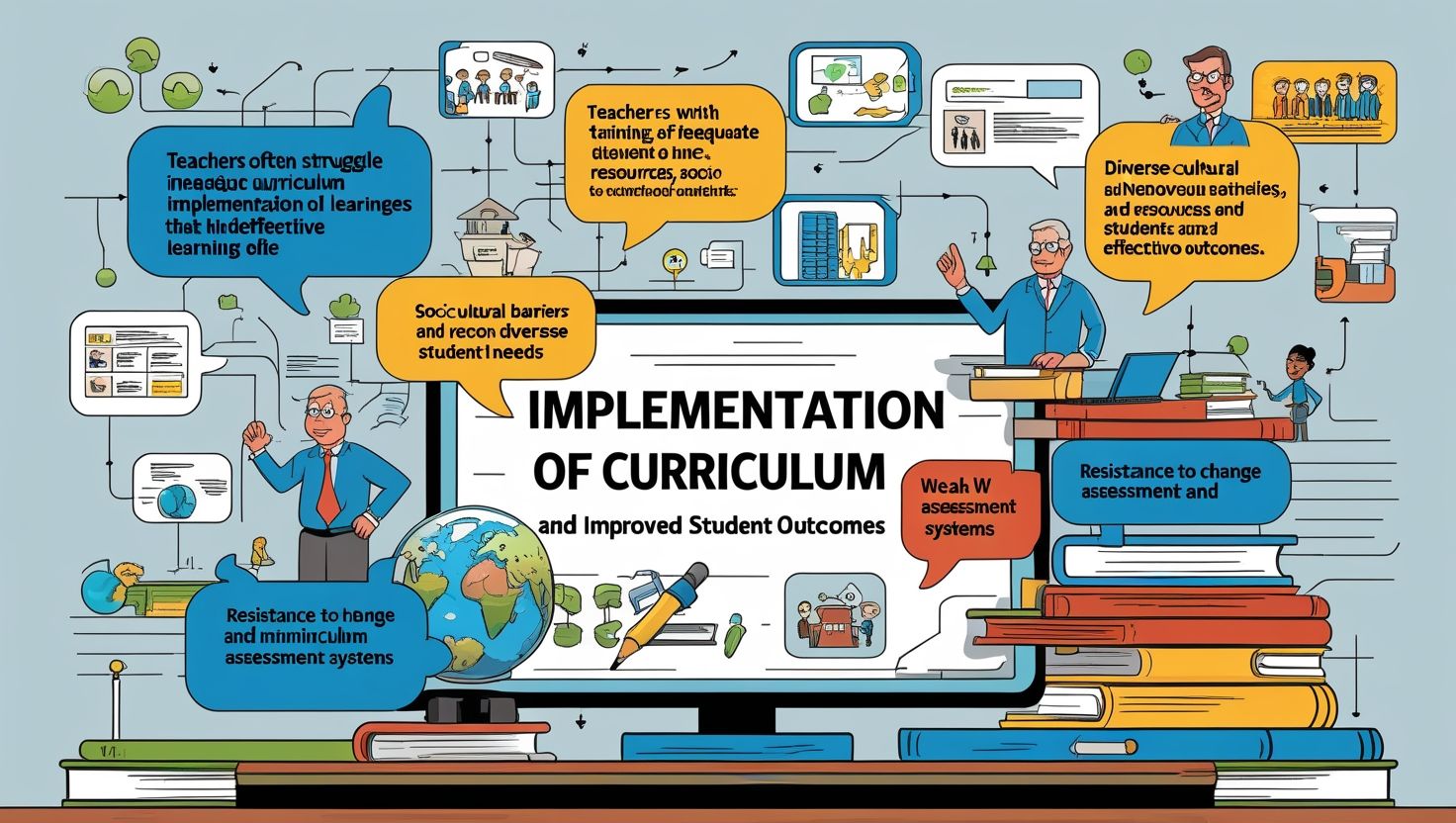
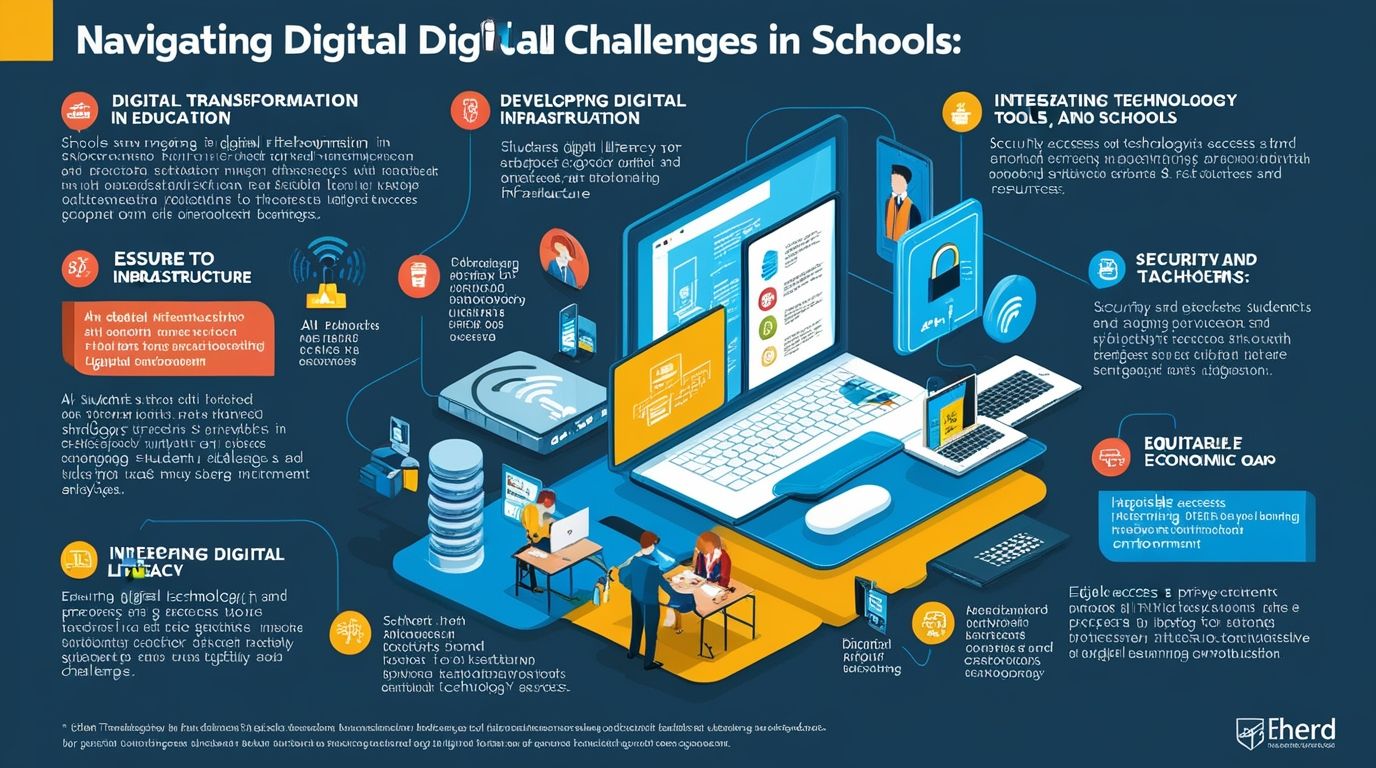
Despite its advantages, the Flip Classes Model faces challenges. Not all students have equal access to technology. As a result, digital inequality can affect preparation. Some students may not complete pre-class tasks. Consequently, in-class activities become less effective. Teachers may also face difficulty creating high-quality digital content. It requires time and training. Additionally, parents often need awareness to support the model. Traditional classrooms resist change, so adoption may be slow. However, these challenges can be overcome through training, support systems, and strong planning. With proper strategies, implementation becomes smooth.
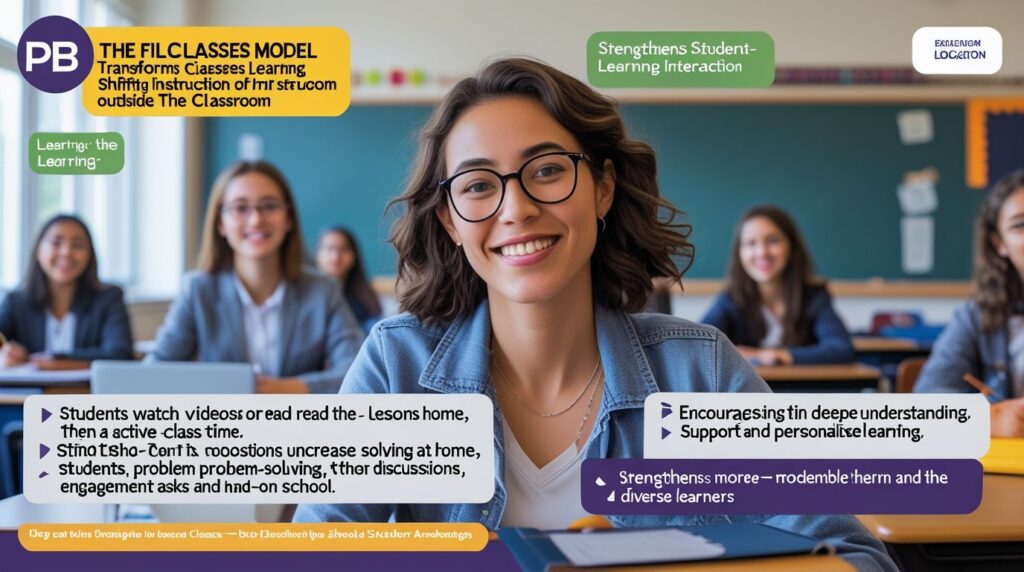
Strategies for Effective Implementation
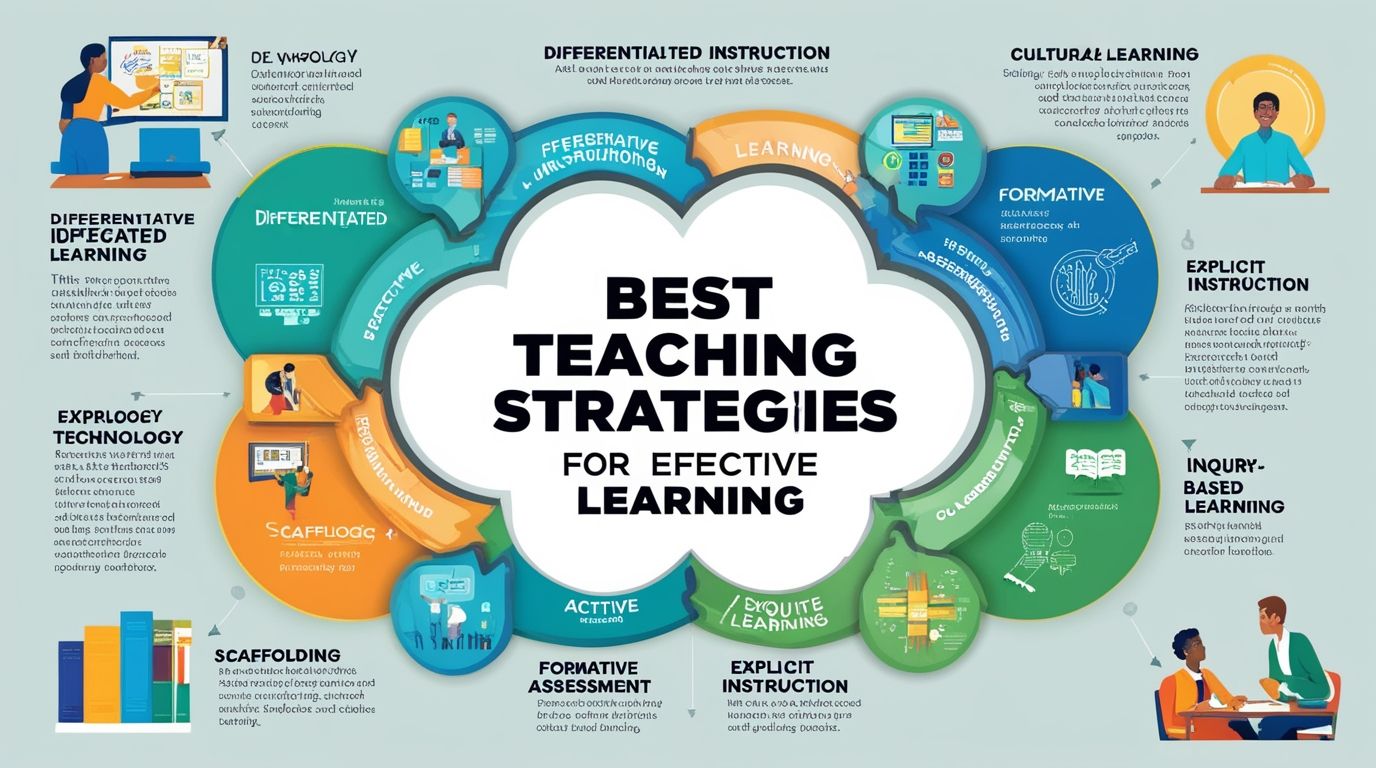
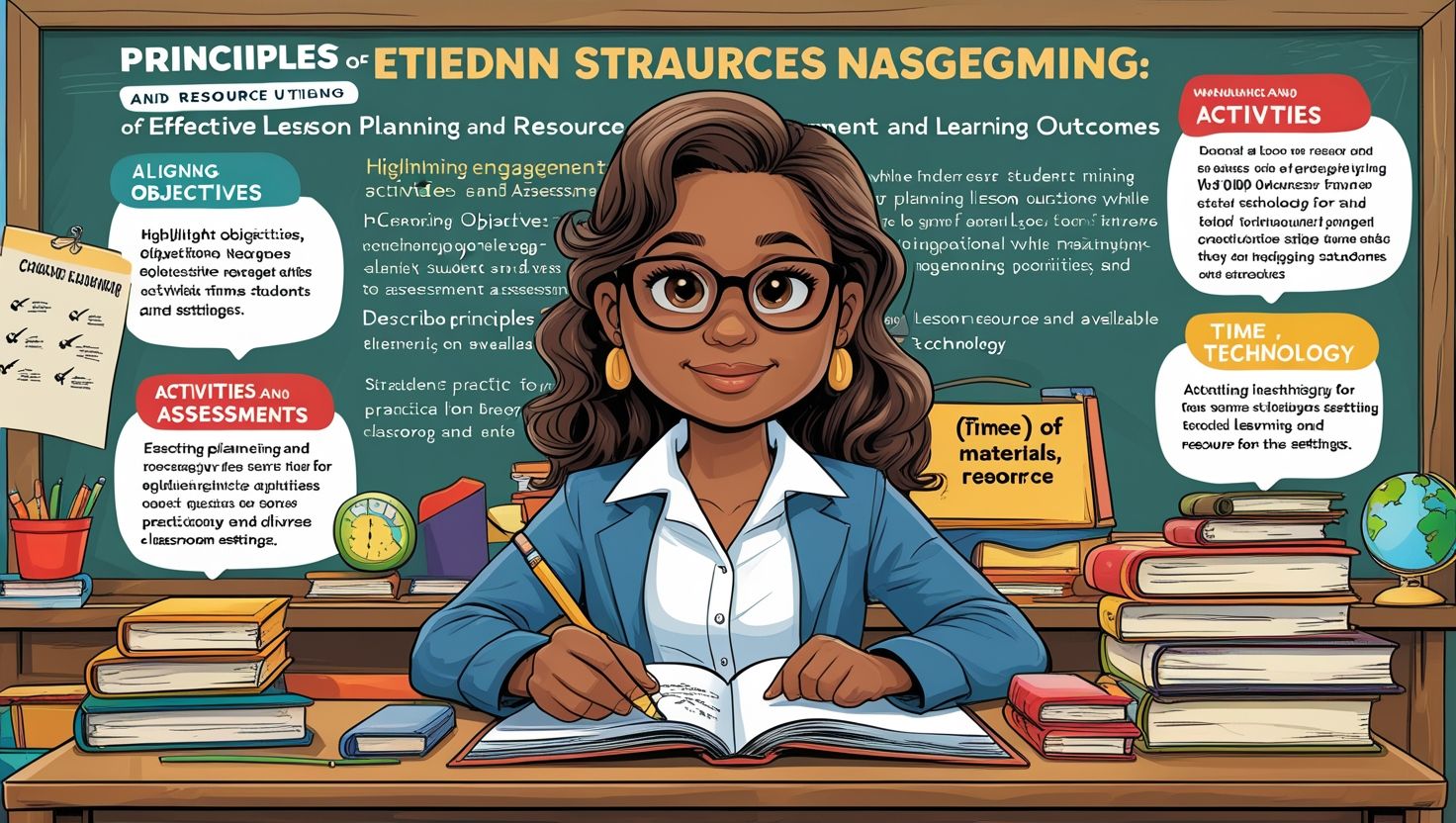
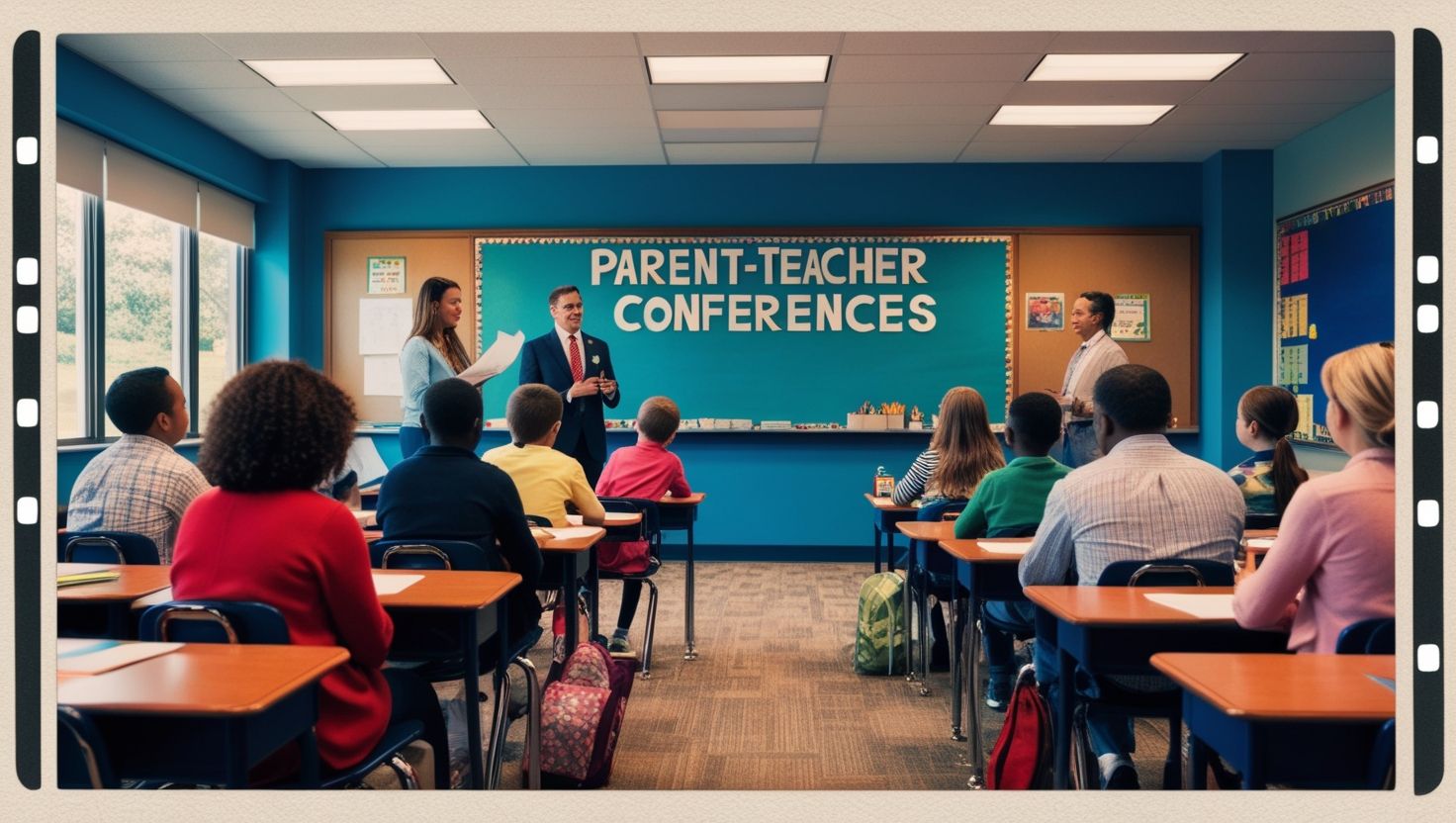
Successful flipped learning requires clear planning. Teachers must select appropriate digital materials. These materials should be short, engaging, and aligned with learning outcomes. Additionally, teachers should explain the purpose of the model to students and parents. This builds cooperation. During class, activities must be purposeful. They should promote critical thinking. Technology should be simple and accessible. Teachers must also monitor student progress consistently. Feedback plays a crucial role. Since flipped learning needs structure, teachers should design weekly routines. Ultimately, success depends on consistency, communication, and creativity.
Impact on Student Achievement
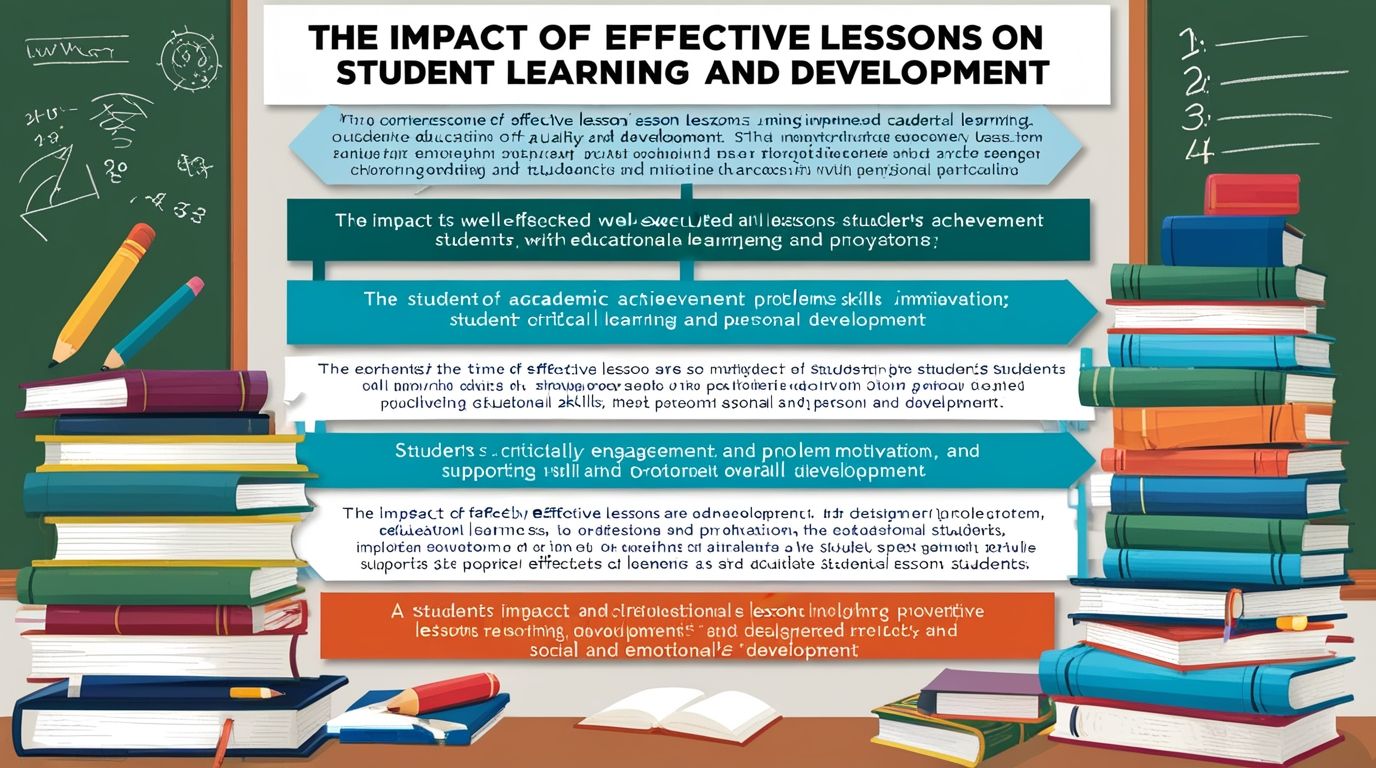
Research shows that the Flip Classes Model improves student performance. Since students engage deeply with material before class, classroom discussions become richer. This leads to better understanding. Additionally, interactive activities enhance problem-solving skills. Students retain information longer. The model also supports struggling learners. They get more teacher support during class. High achievers benefit by exploring advanced tasks. Moreover, flipped learning increases motivation. Students feel more prepared and confident. Therefore, achievement levels often rise. Schools adopting the model report improved test scores, better participation, and stronger academic growth.
Flip Classes Model in Higher Education
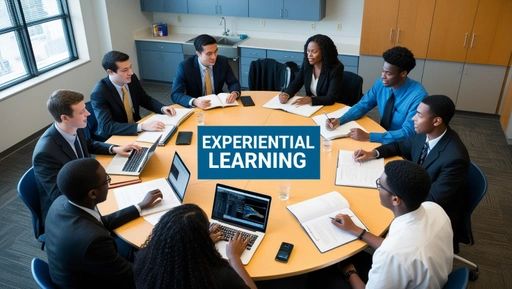
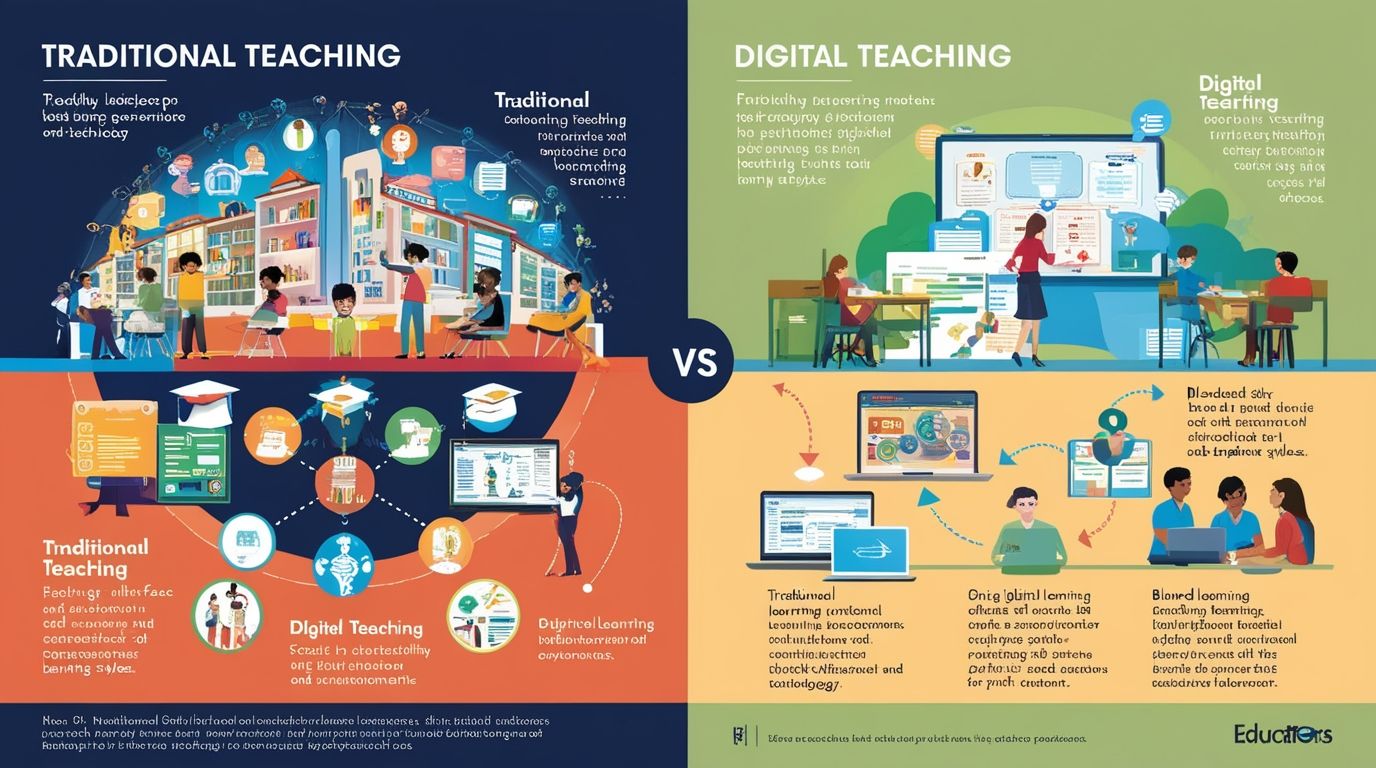
Universities worldwide use the Flip Classes Model for flexible and advanced learning. Subjects like engineering, medicine, and business benefit greatly. Students watch lectures online and use class time for labs, case studies, and discussions. Consequently, learning becomes more practical. Professors can guide students through complex problems. Moreover, higher education values independent learning. The flipped format encourages this skill. It also supports blended learning, combining online and in-person methods. Because university students manage their schedules, flipped classrooms provide greater flexibility. Therefore, it aligns well with modern academic expectations.
Flip Classes Model in School Education
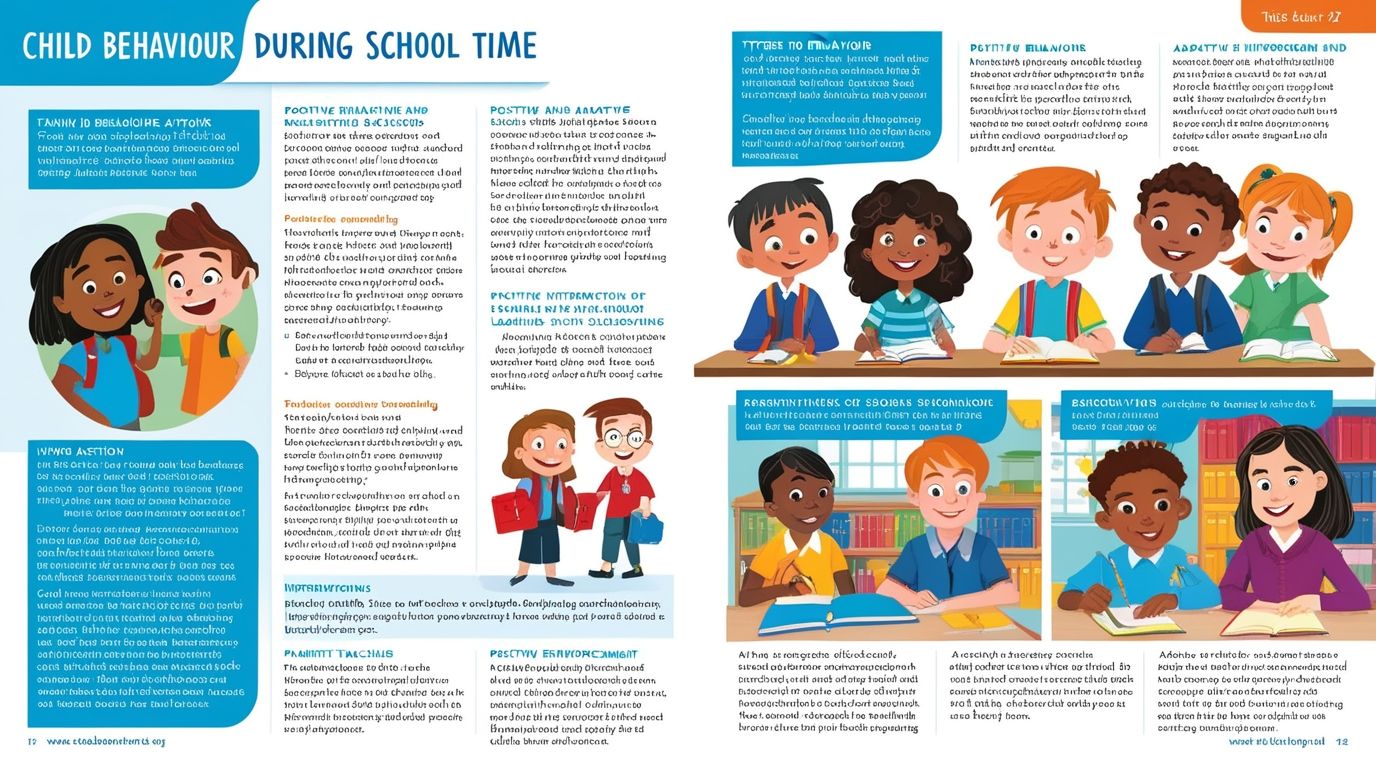
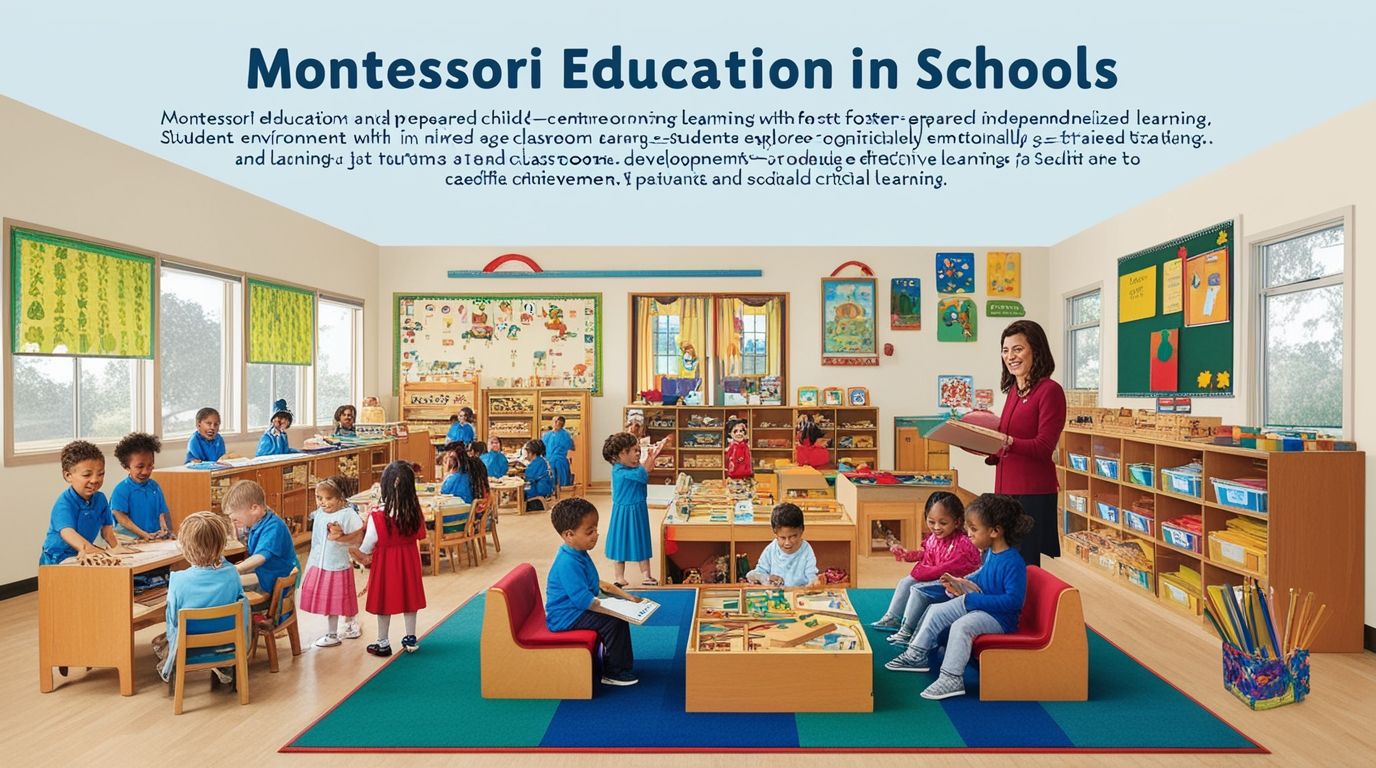
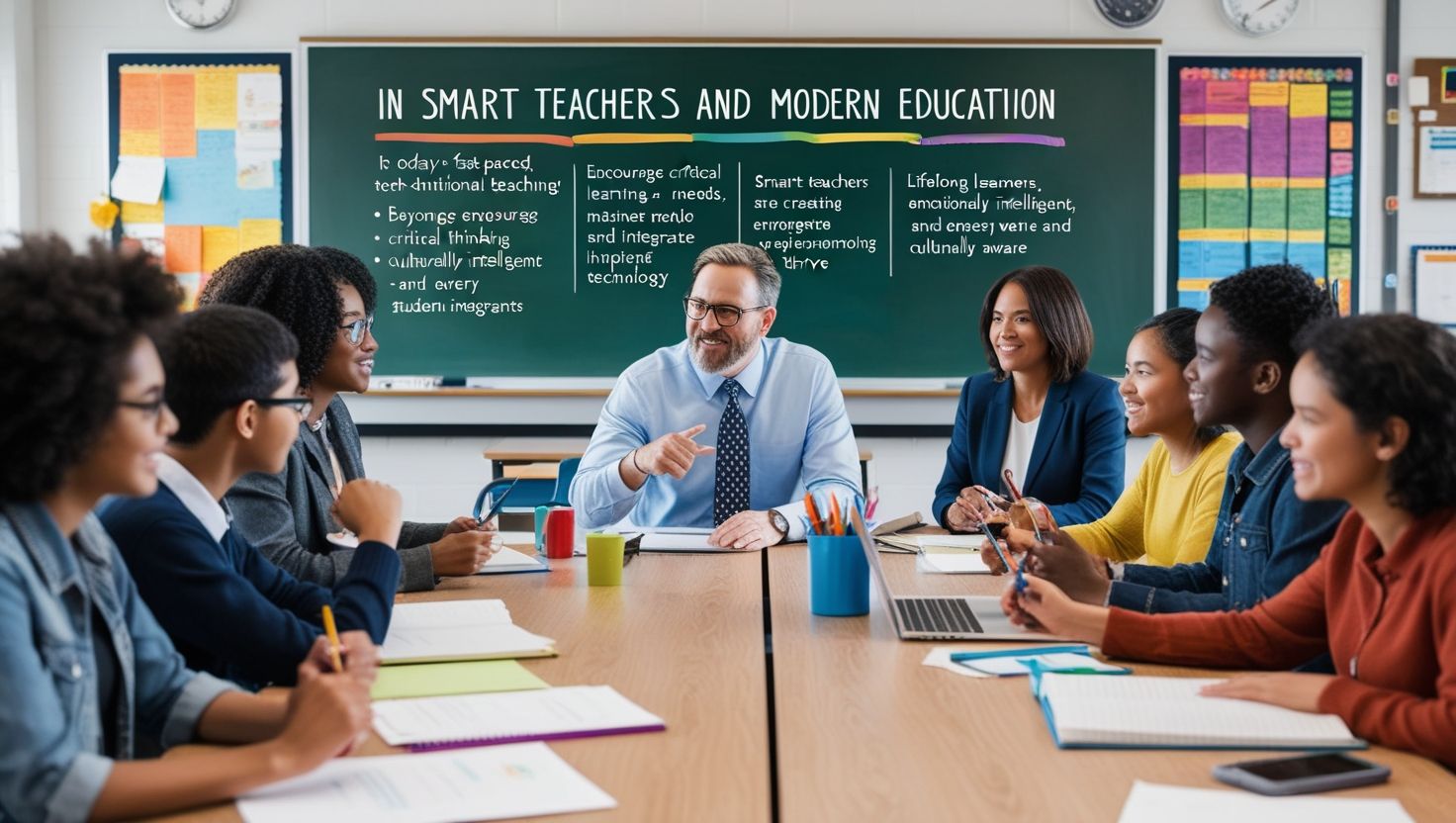
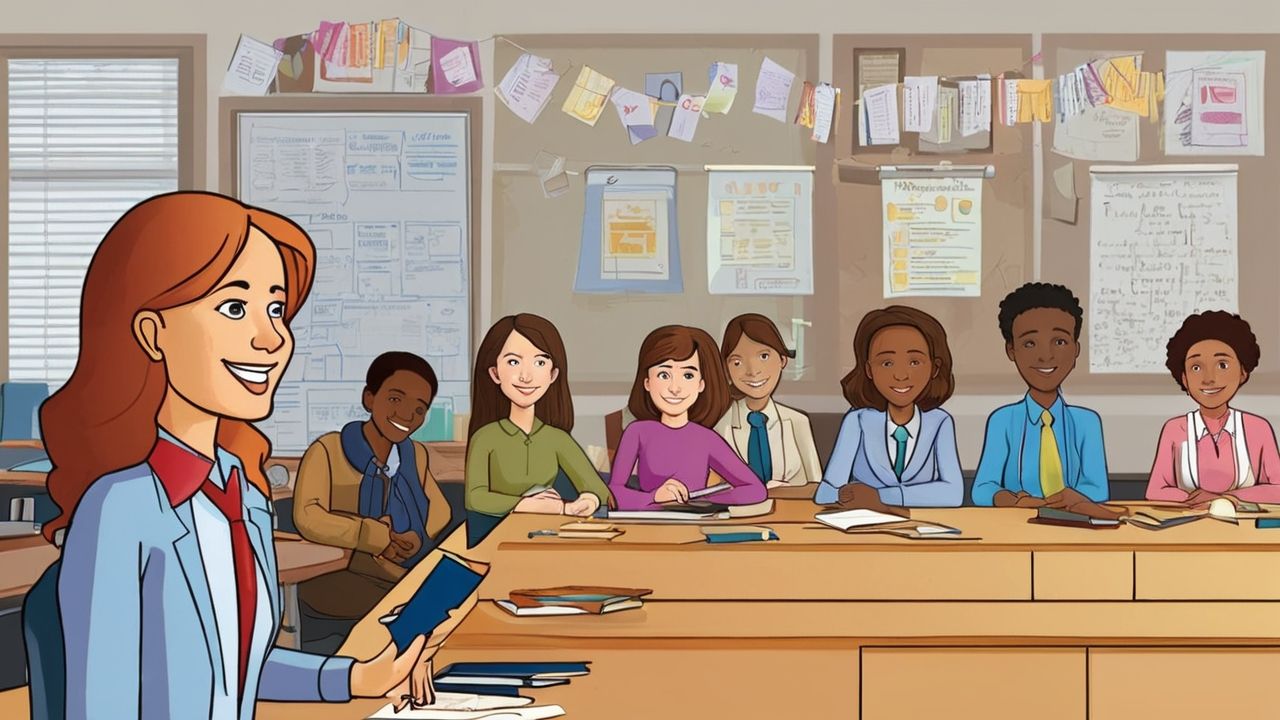
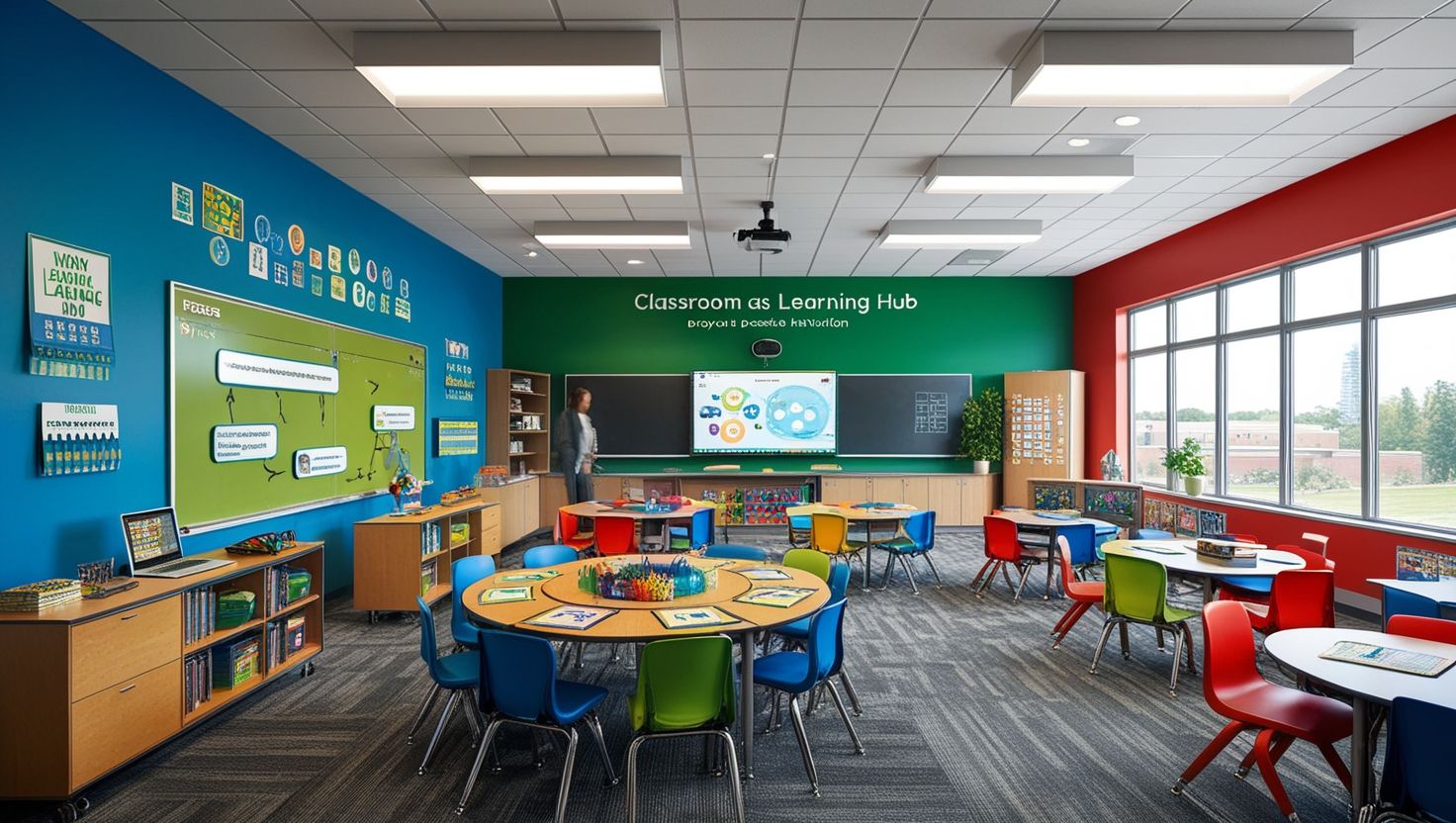
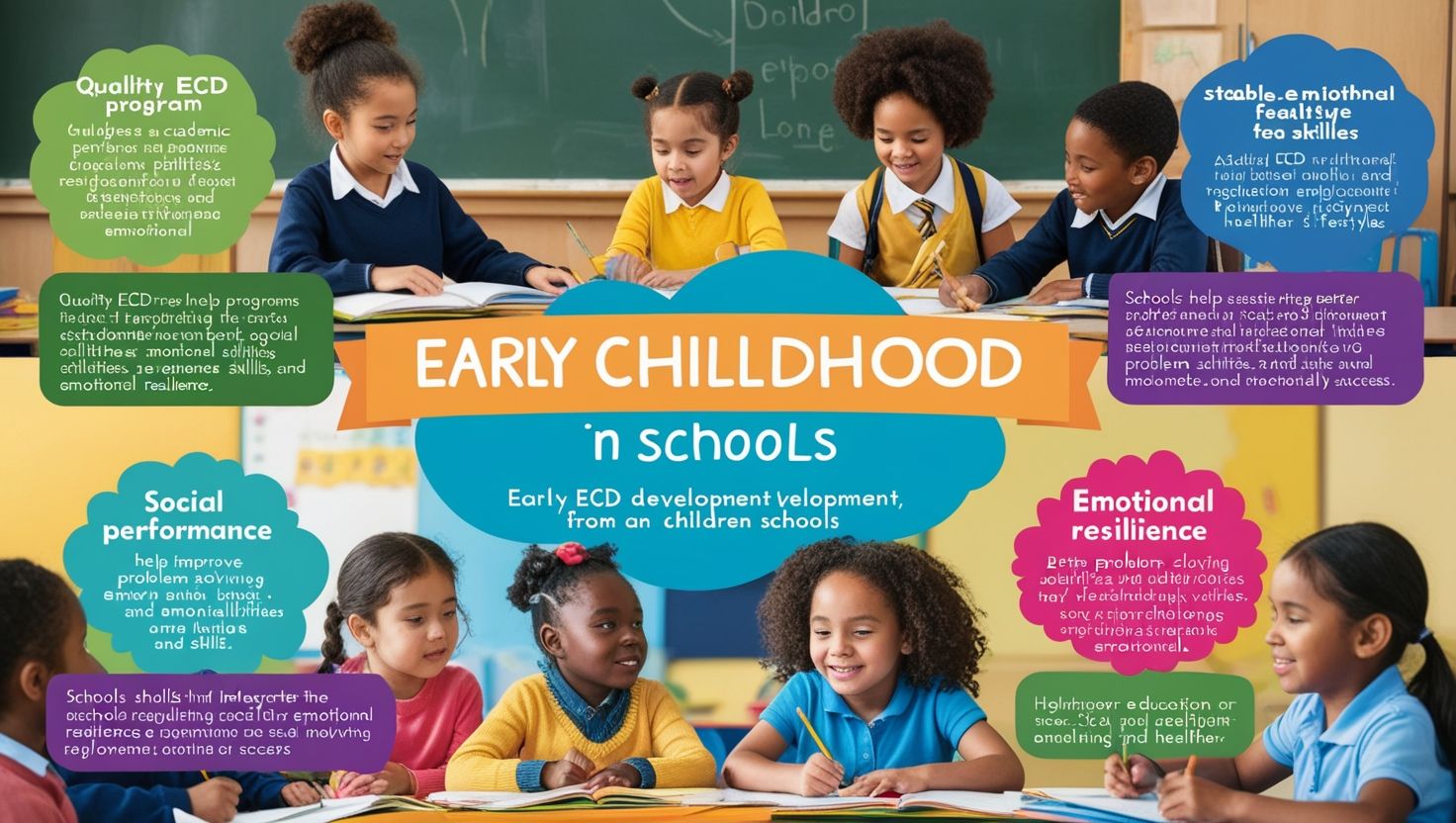
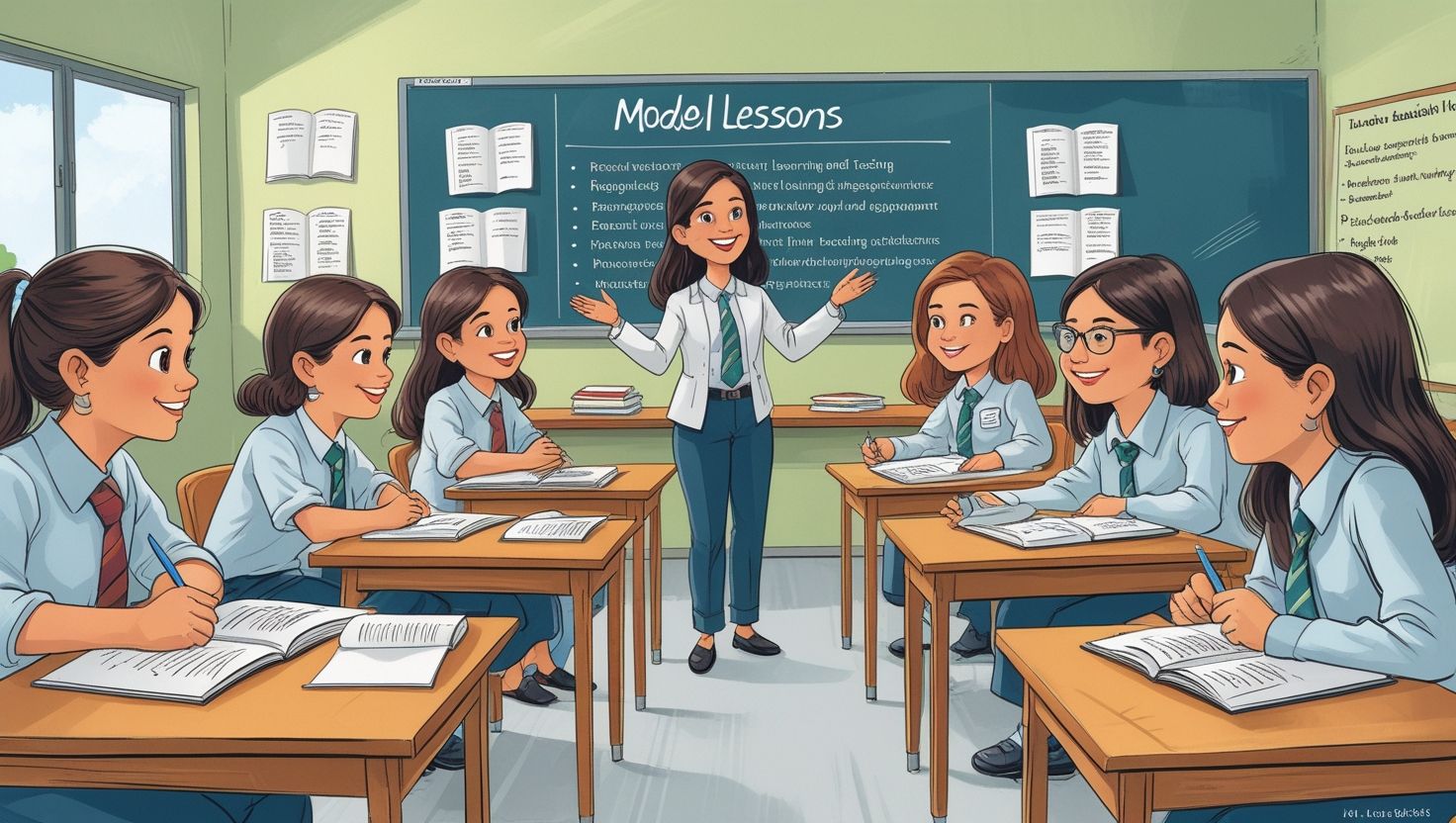
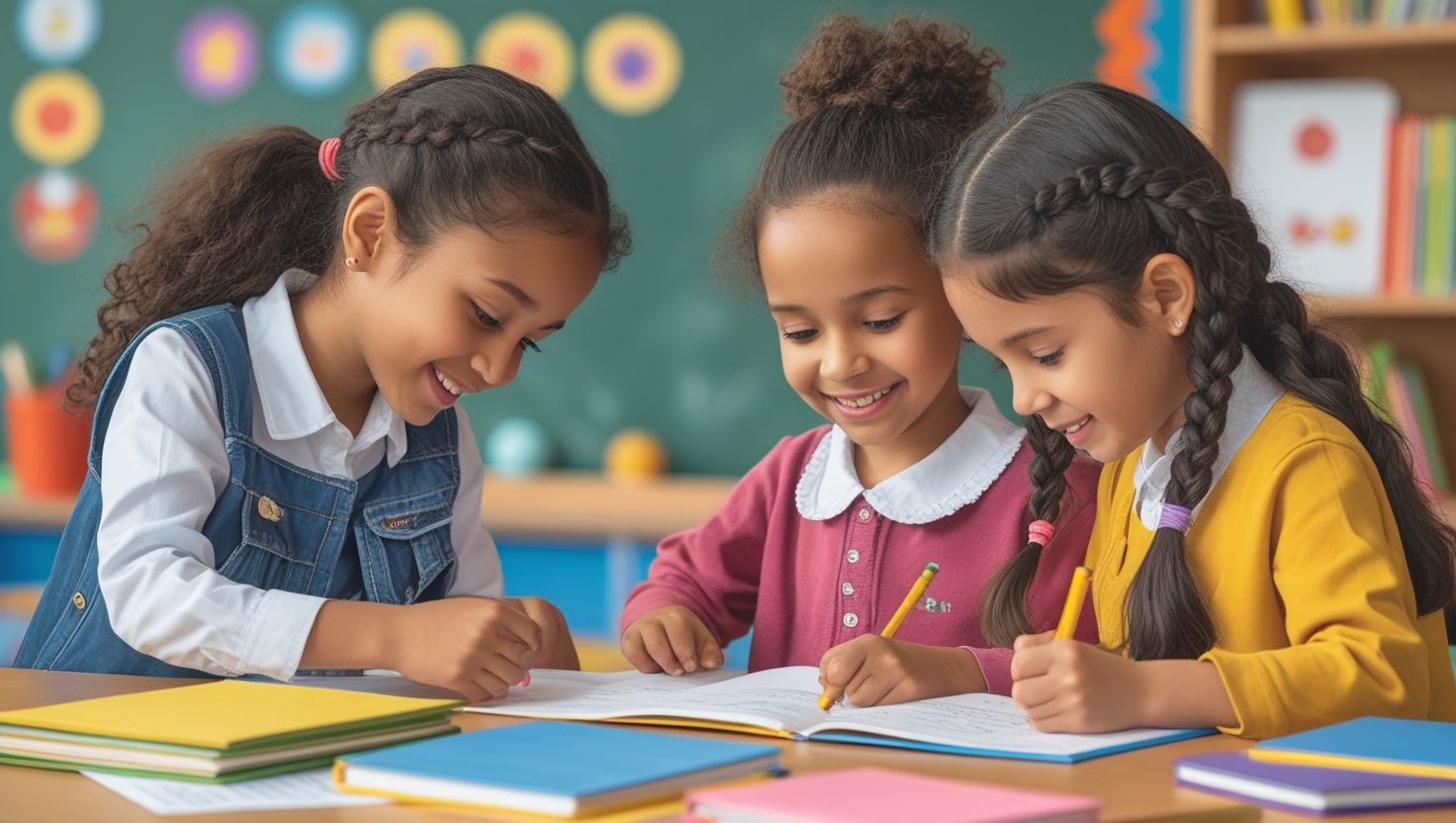
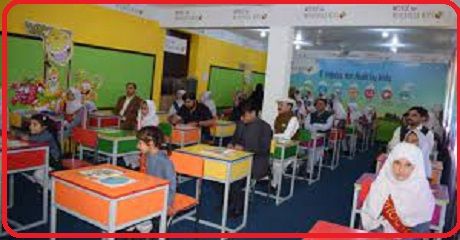
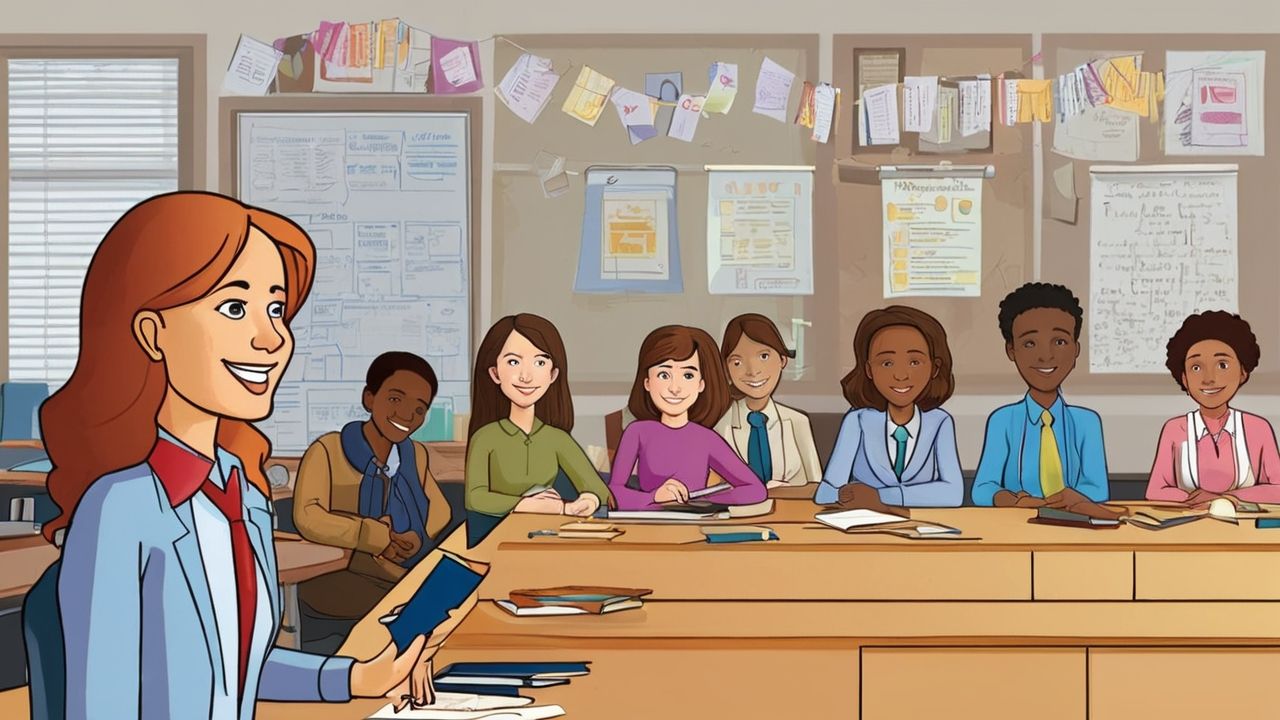
Schools are increasingly adopting flipped learning to make lessons engaging. Younger students enjoy interactive videos and digital activities. Teachers use class time for hands-on tasks, worksheets, and group discussions. Additionally, the model encourages curiosity. Students arrive in class ready to explore. Primary schools use shorter videos to keep attention. Secondary schools use detailed lessons. Since students learn differently, the Flip Classes Model supports individualized paths. Moreover, classroom behaviour improves when students are engaged. Schools report better attendance, participation, and teamwork.
Teacher Training and Professional Development
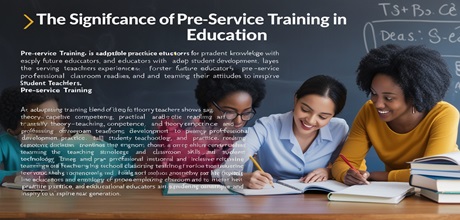
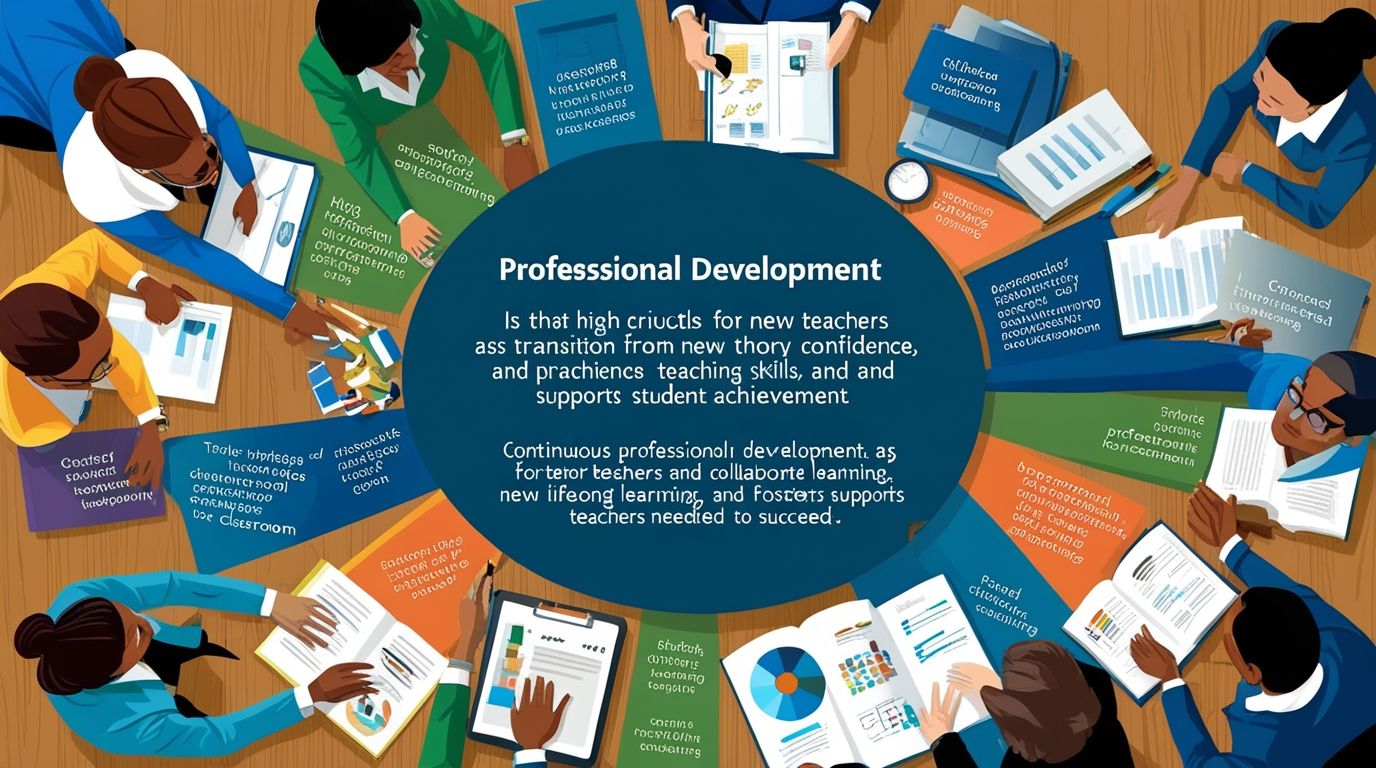
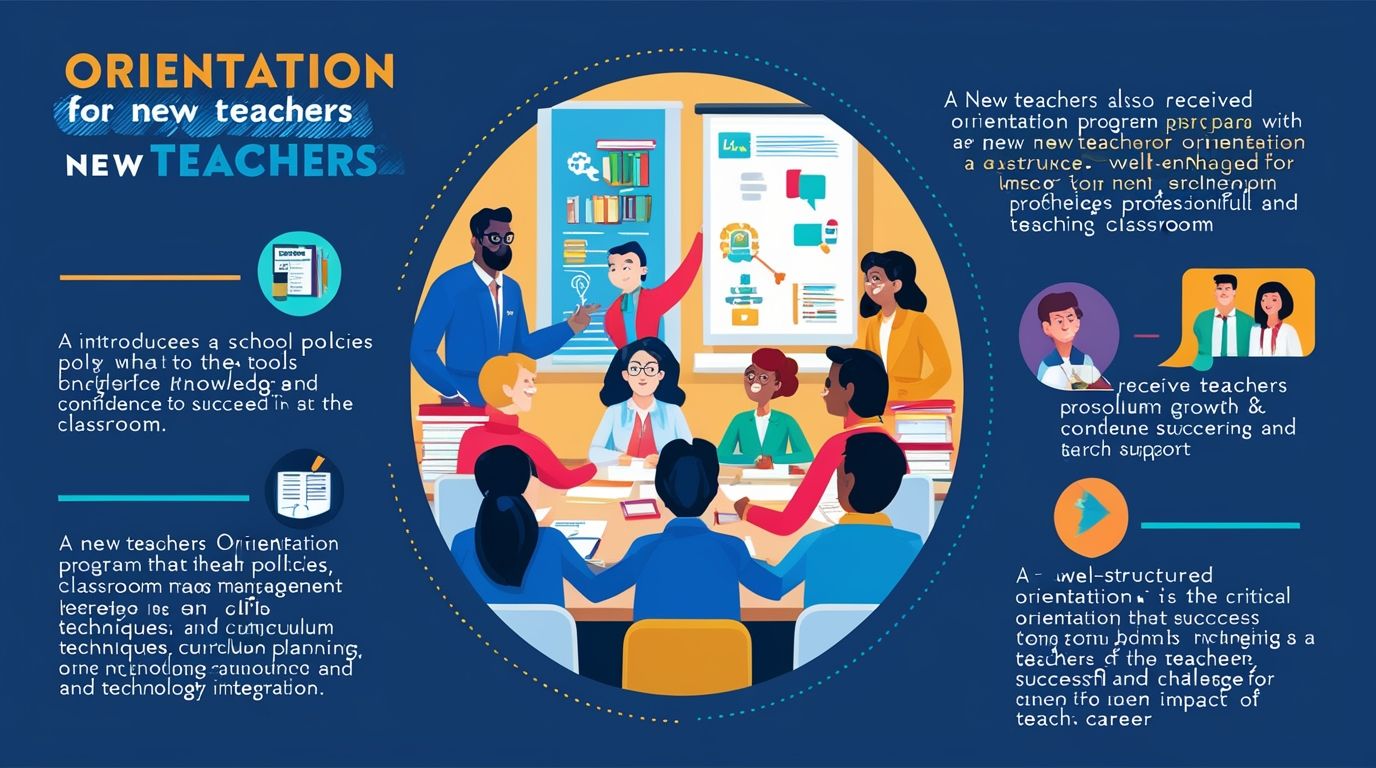
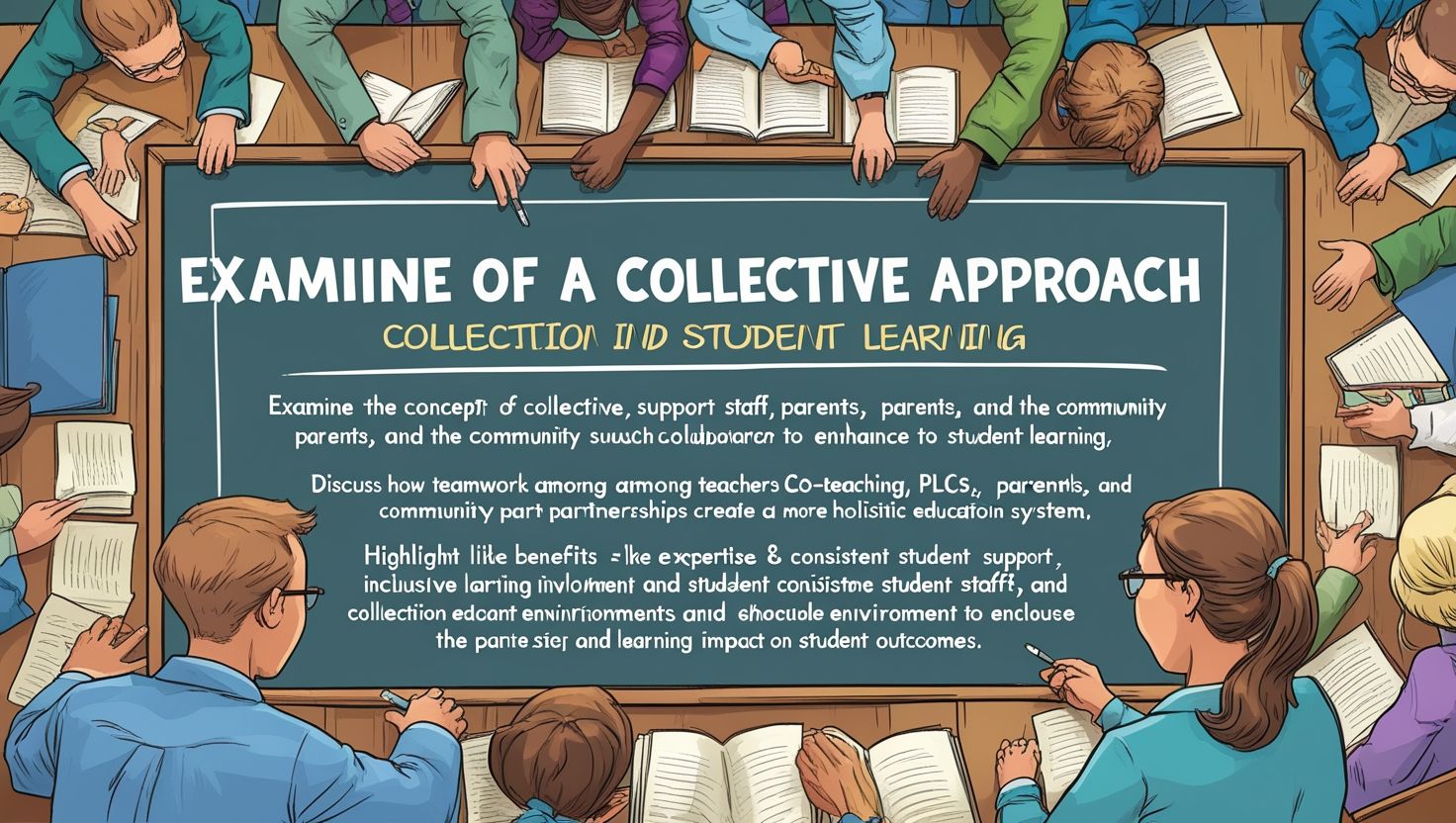
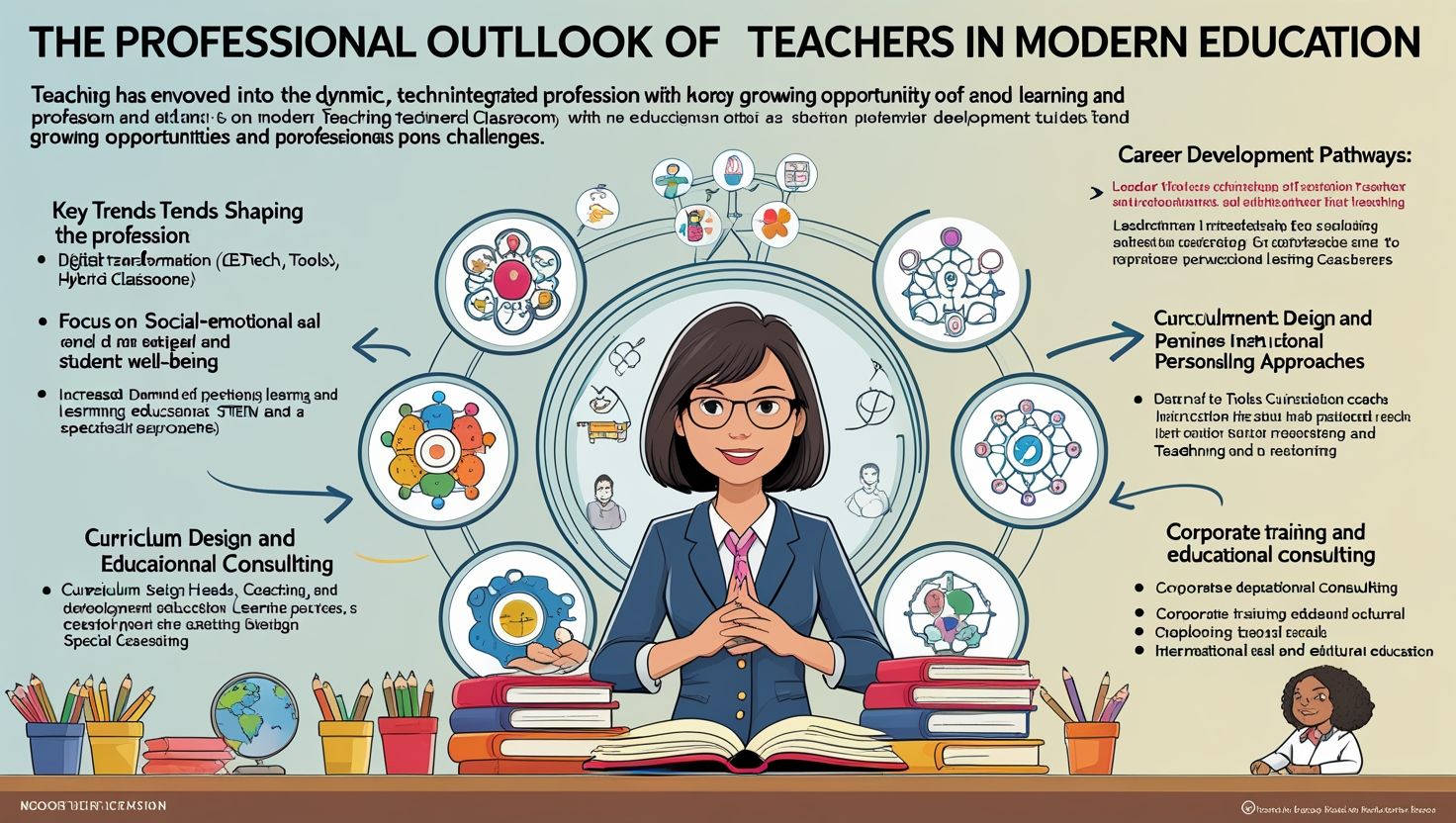
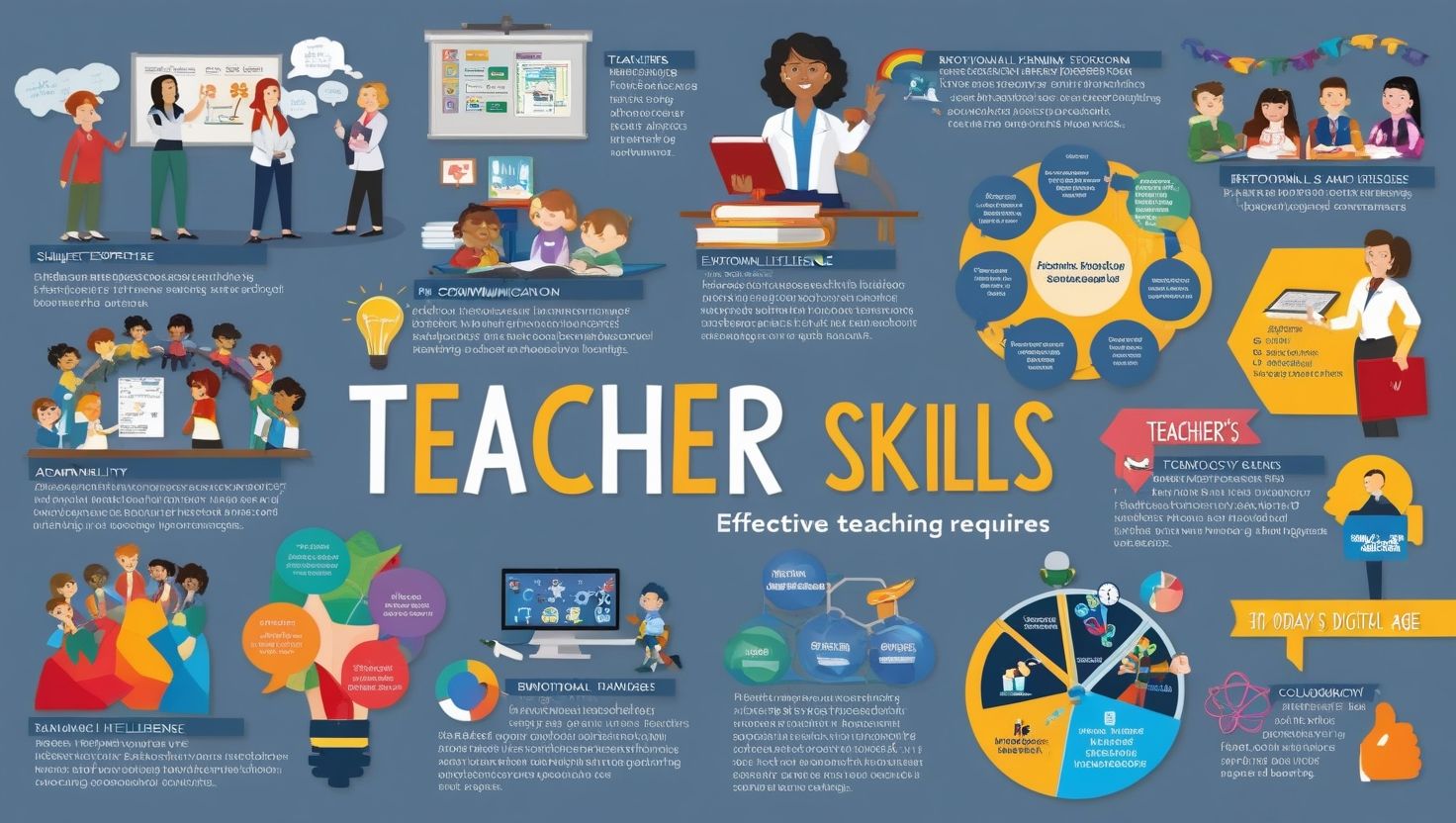
Effective implementation requires strong teacher training. Teachers must learn how to create digital content and manage online tools. Moreover, they need skills in designing active learning lessons. Workshops and training sessions help teachers understand flipped pedagogy. Many institutions provide online courses for this purpose. Additionally, teachers must develop assessment techniques suitable for flipped learning. Collaboration among teachers strengthens planning. When teachers share resources, workload decreases. Ultimately, professional development ensures the Flip Classes Model runs smoothly and benefits all learners.
Evaluation and Assessment in Flip Classes
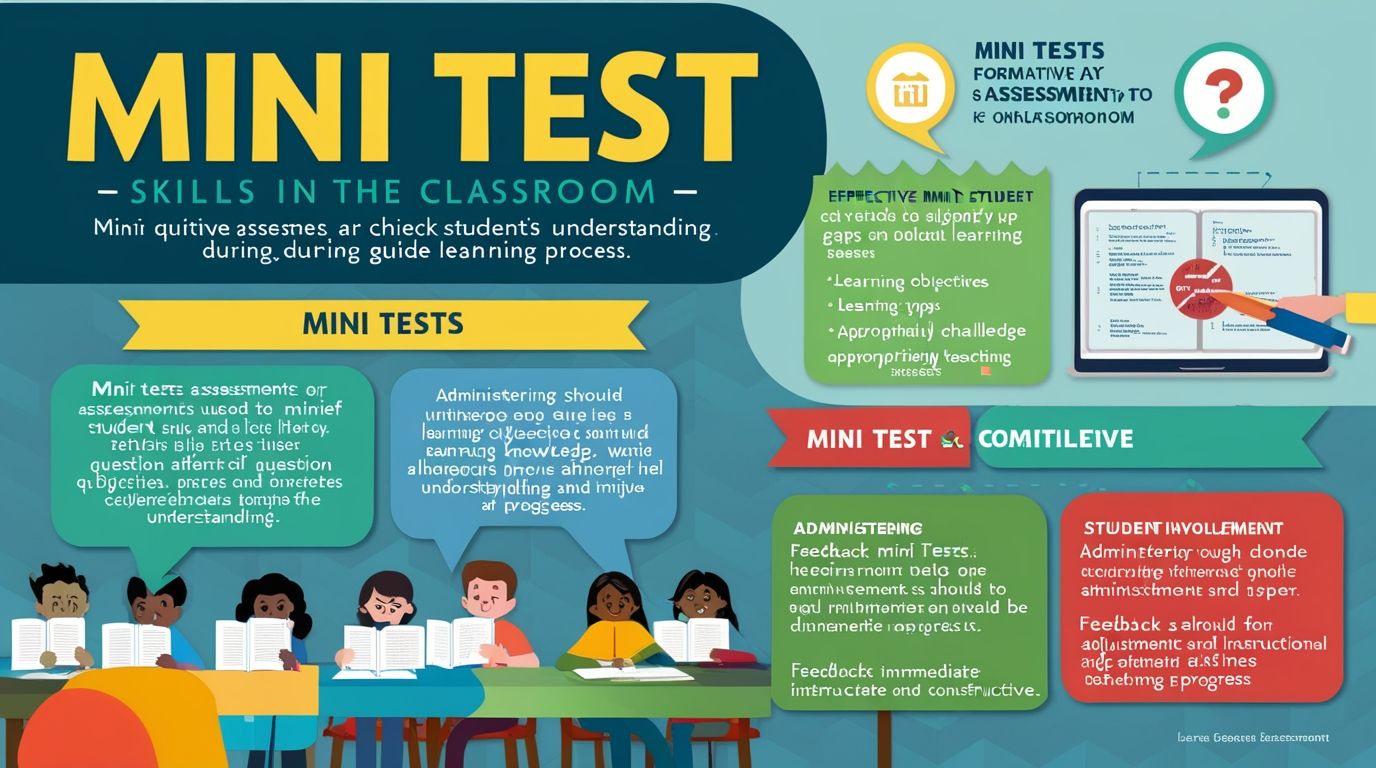
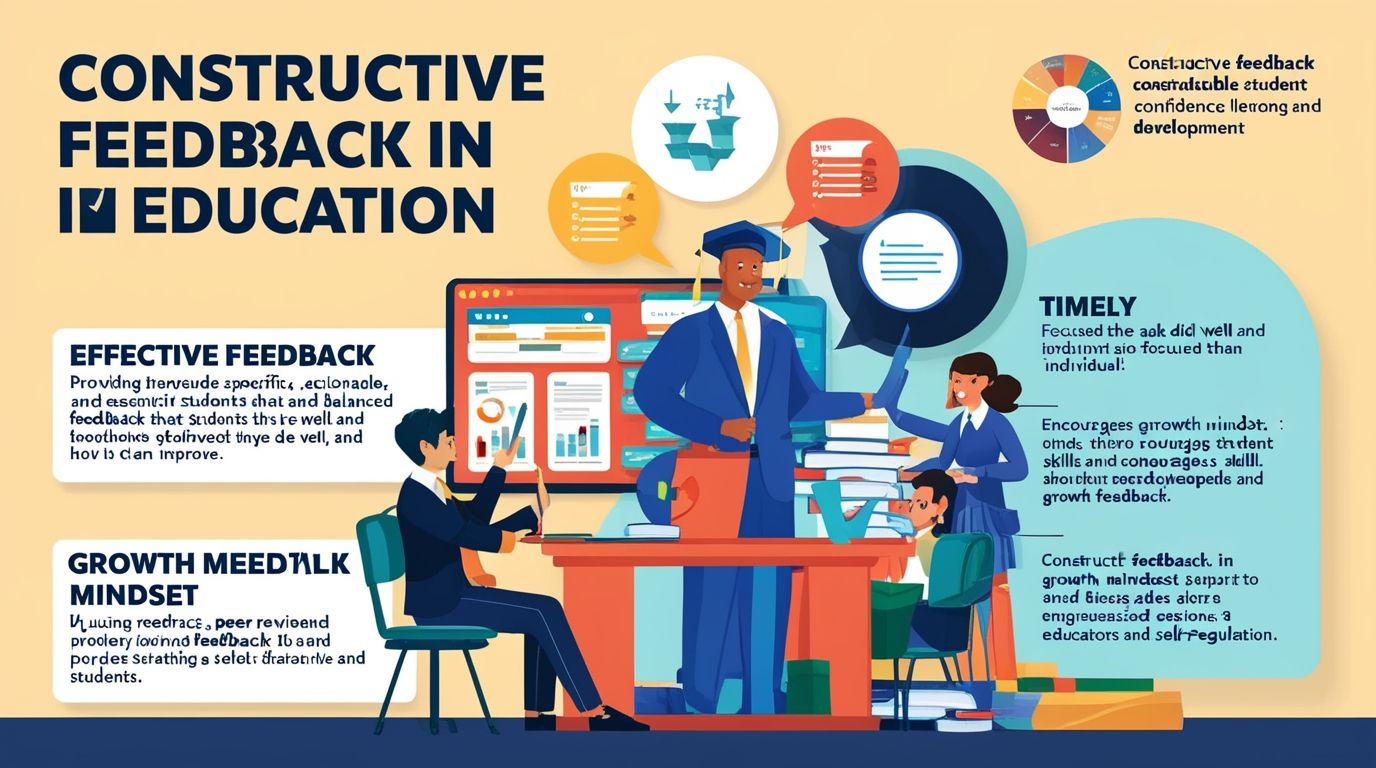
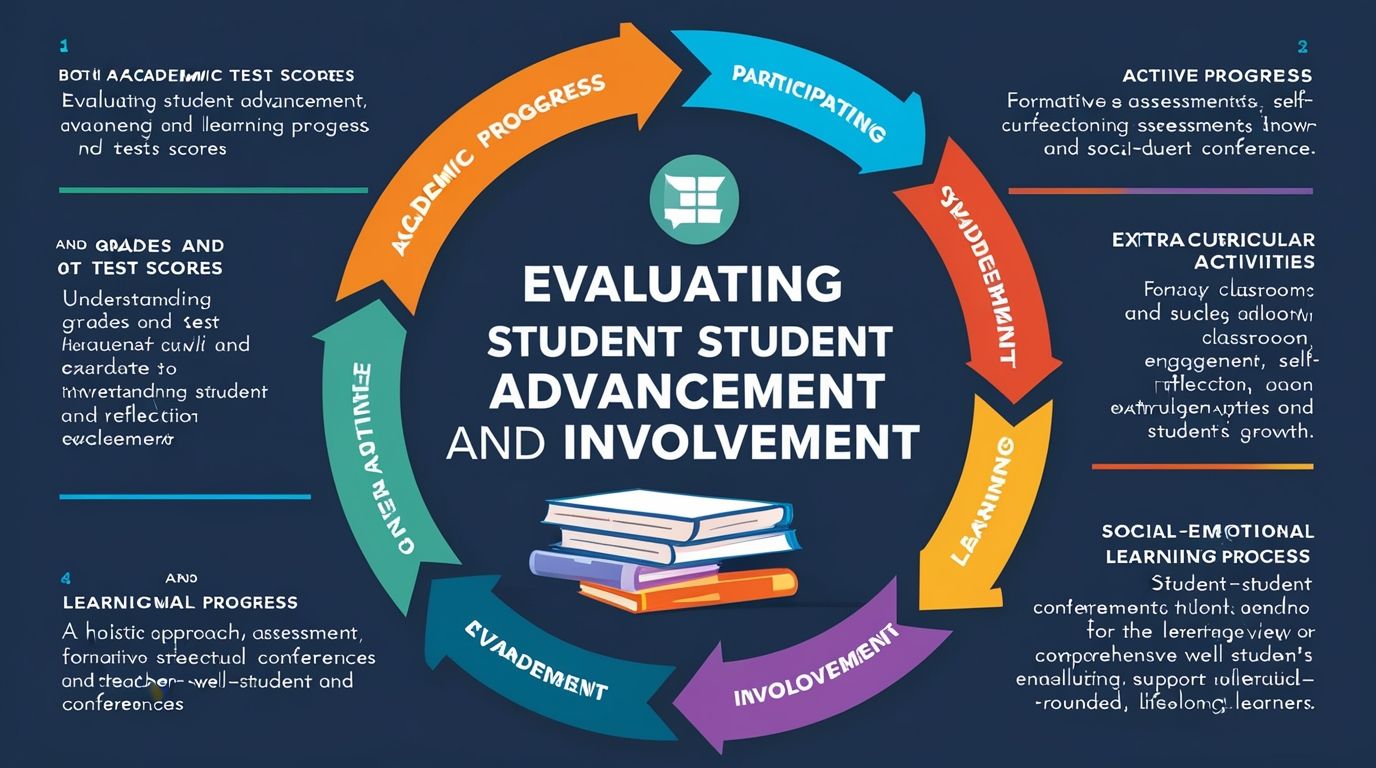
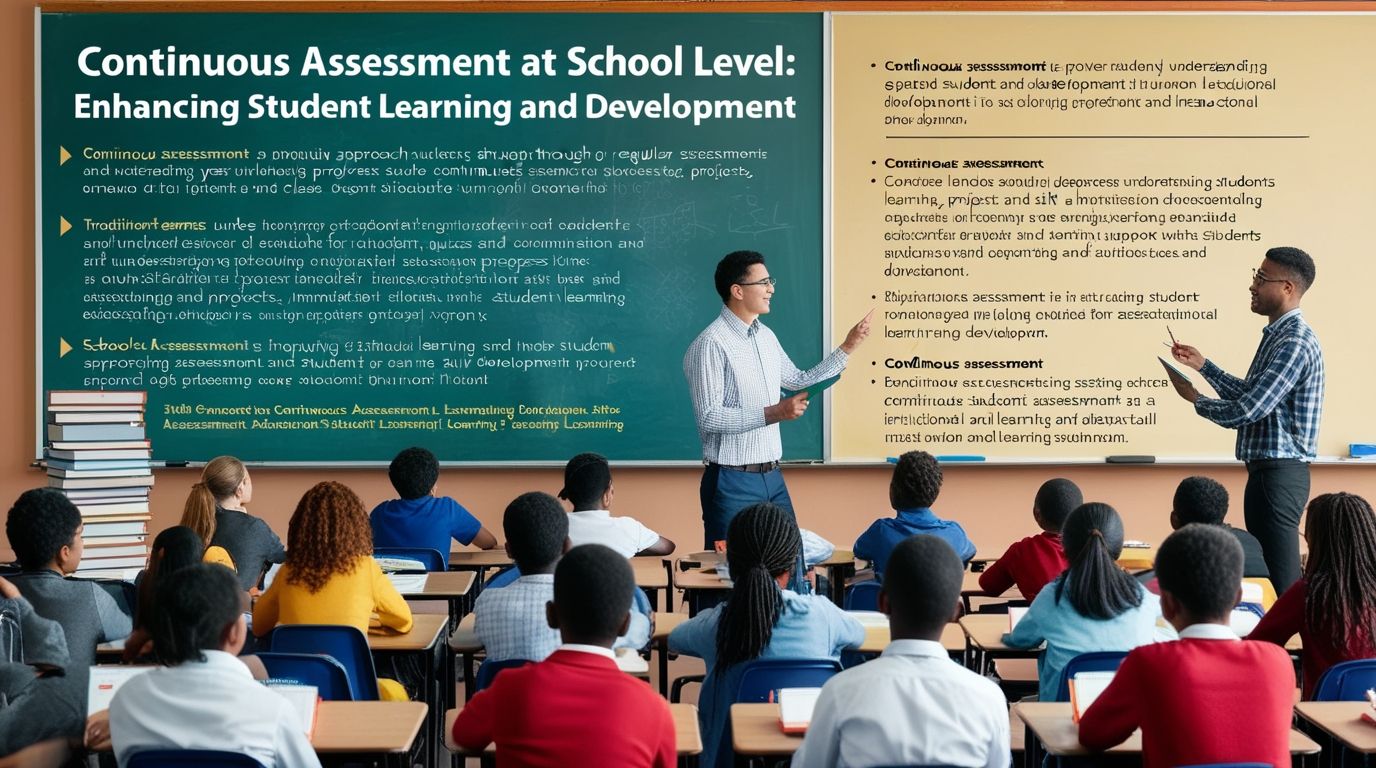
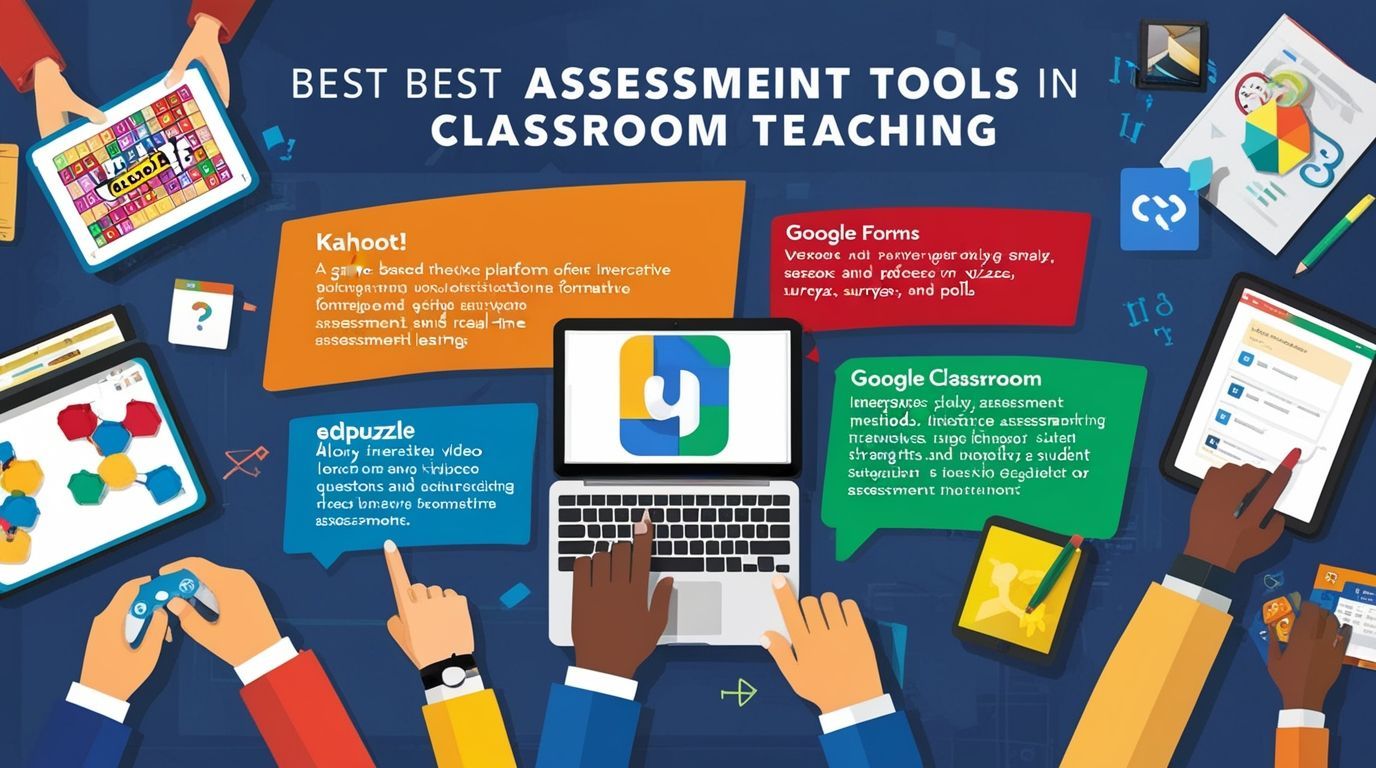
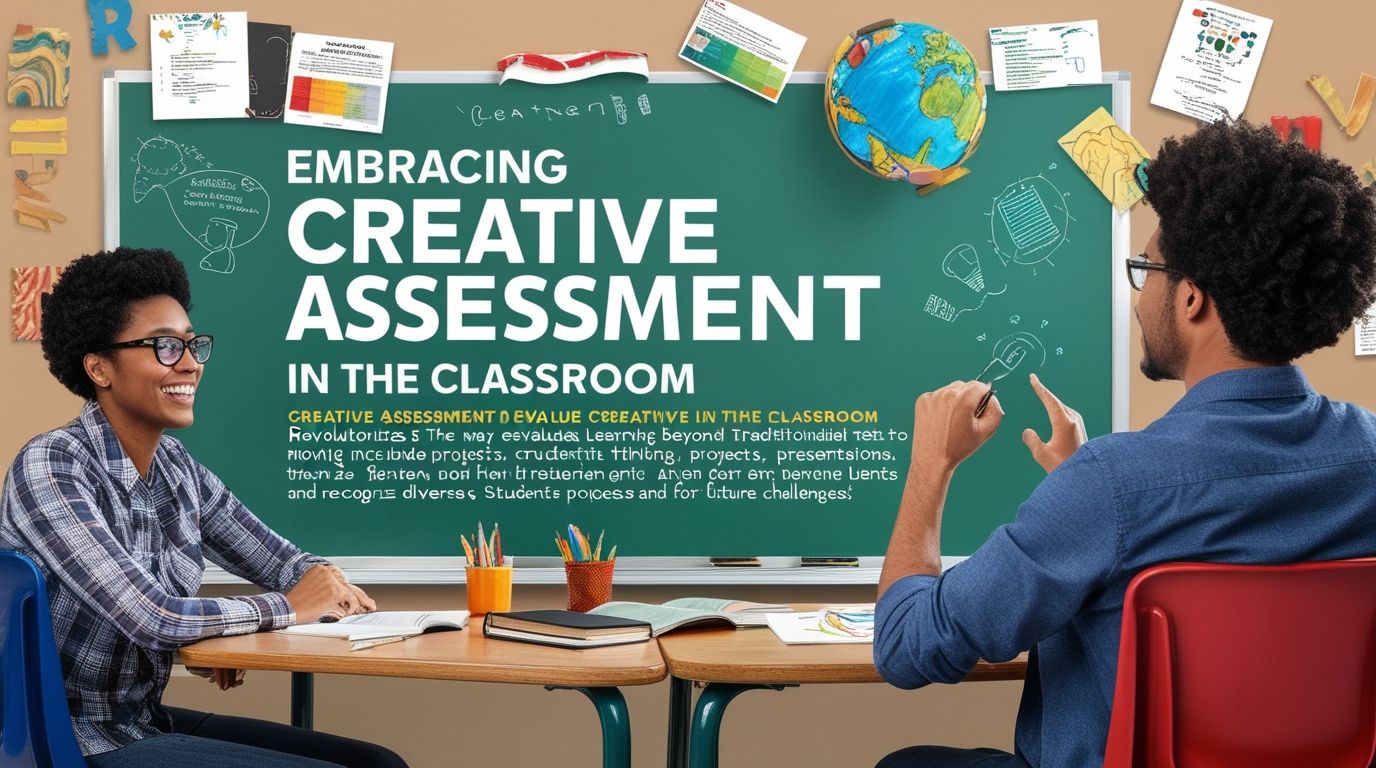
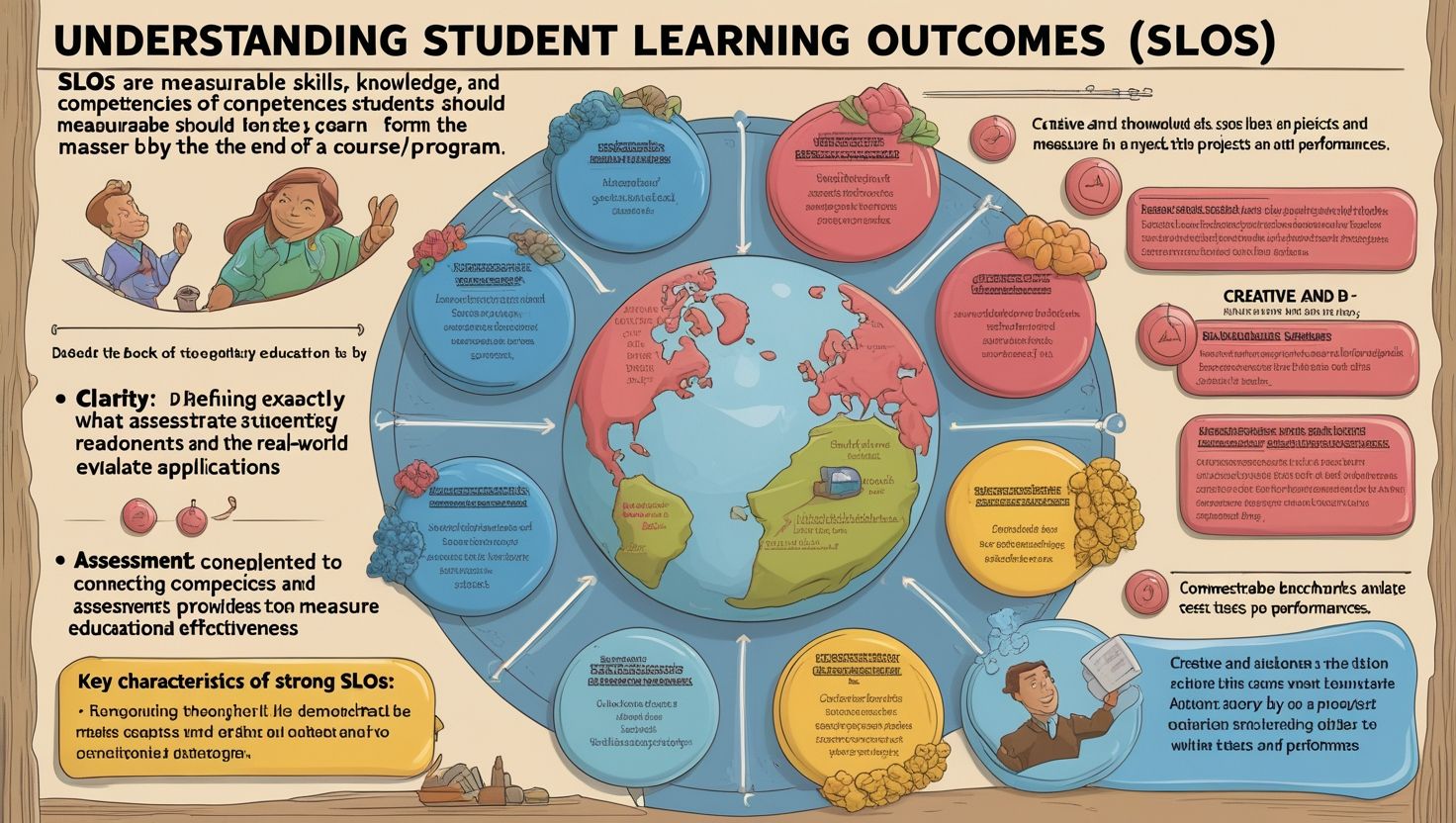
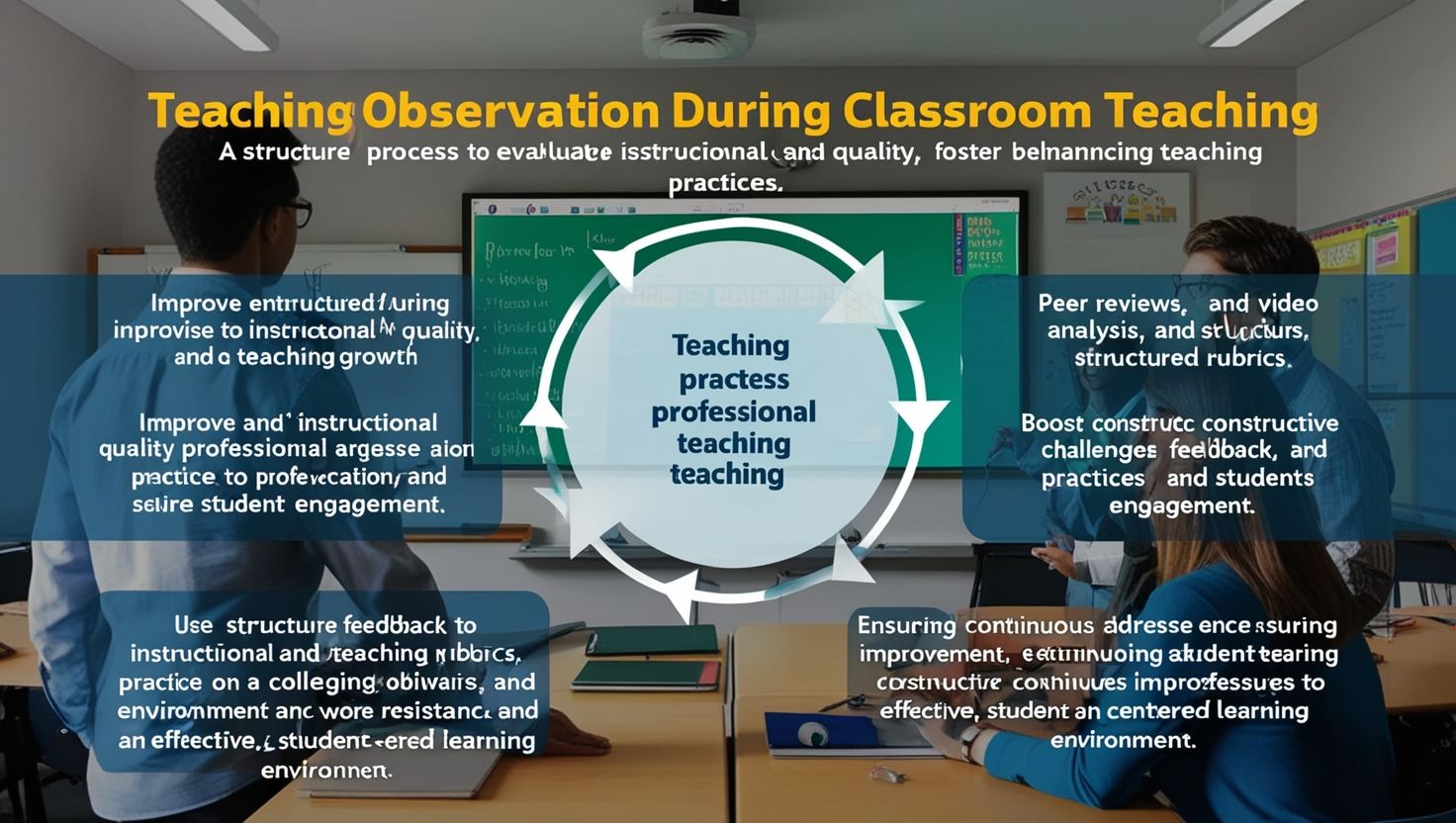
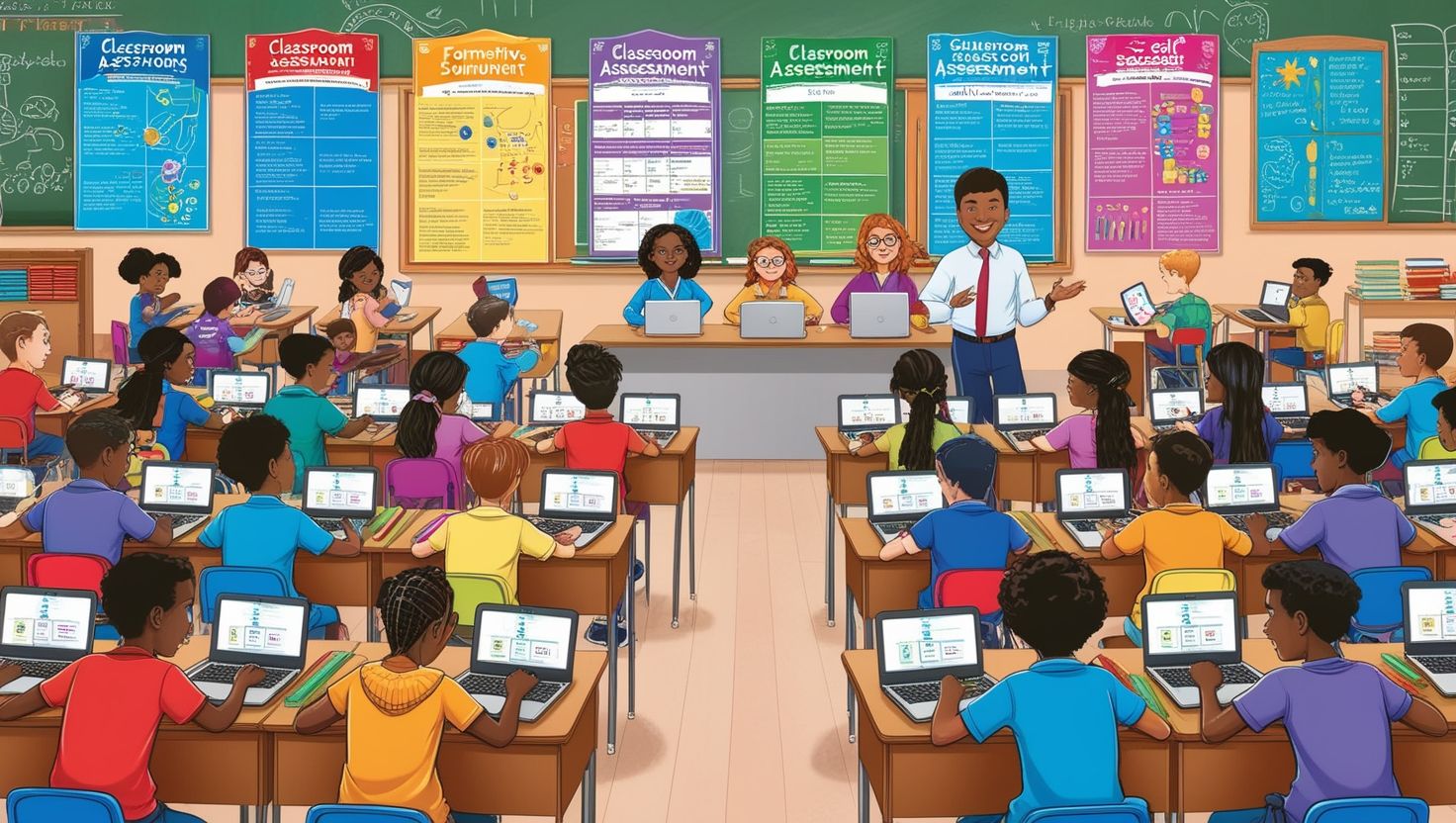
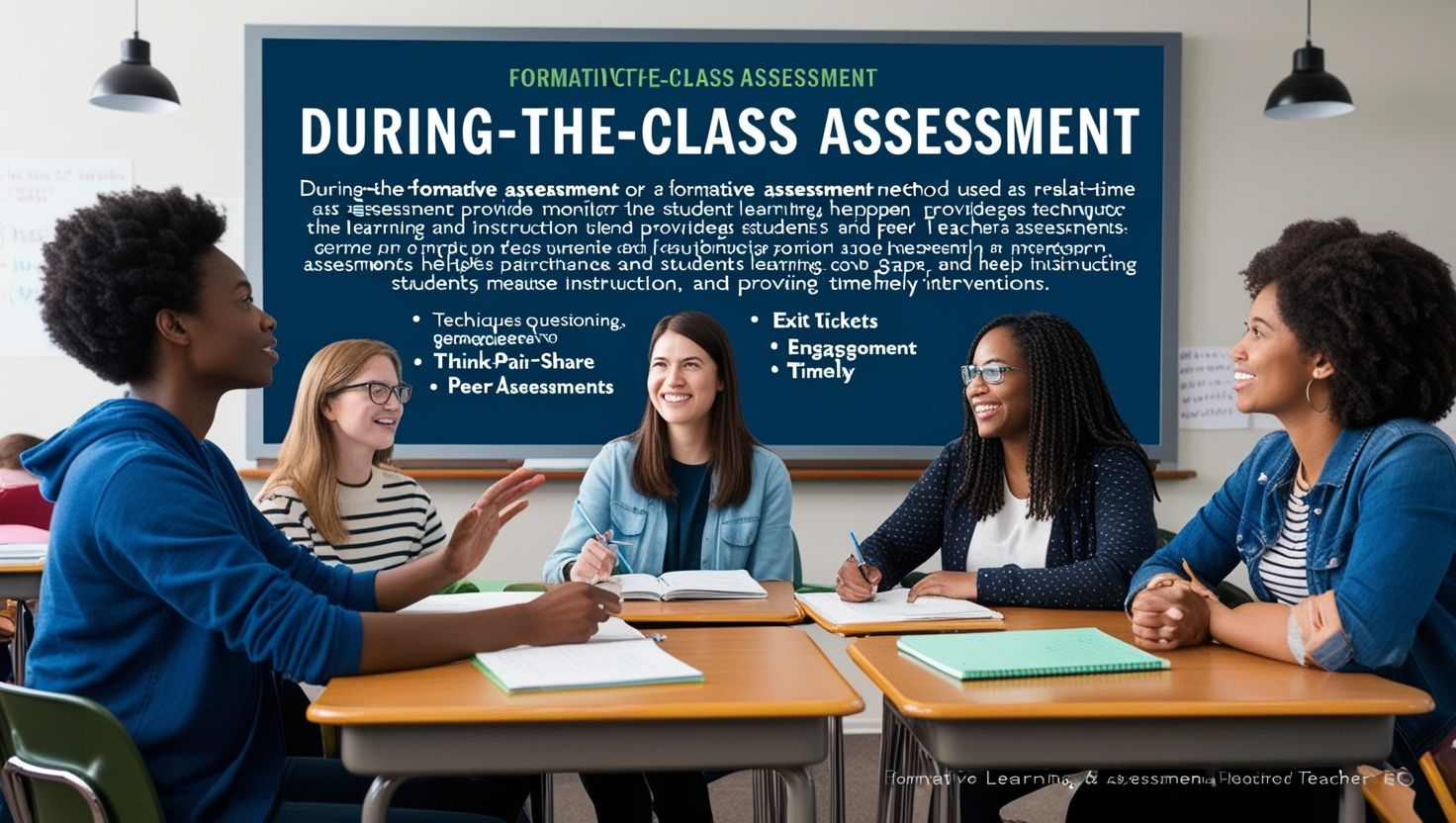
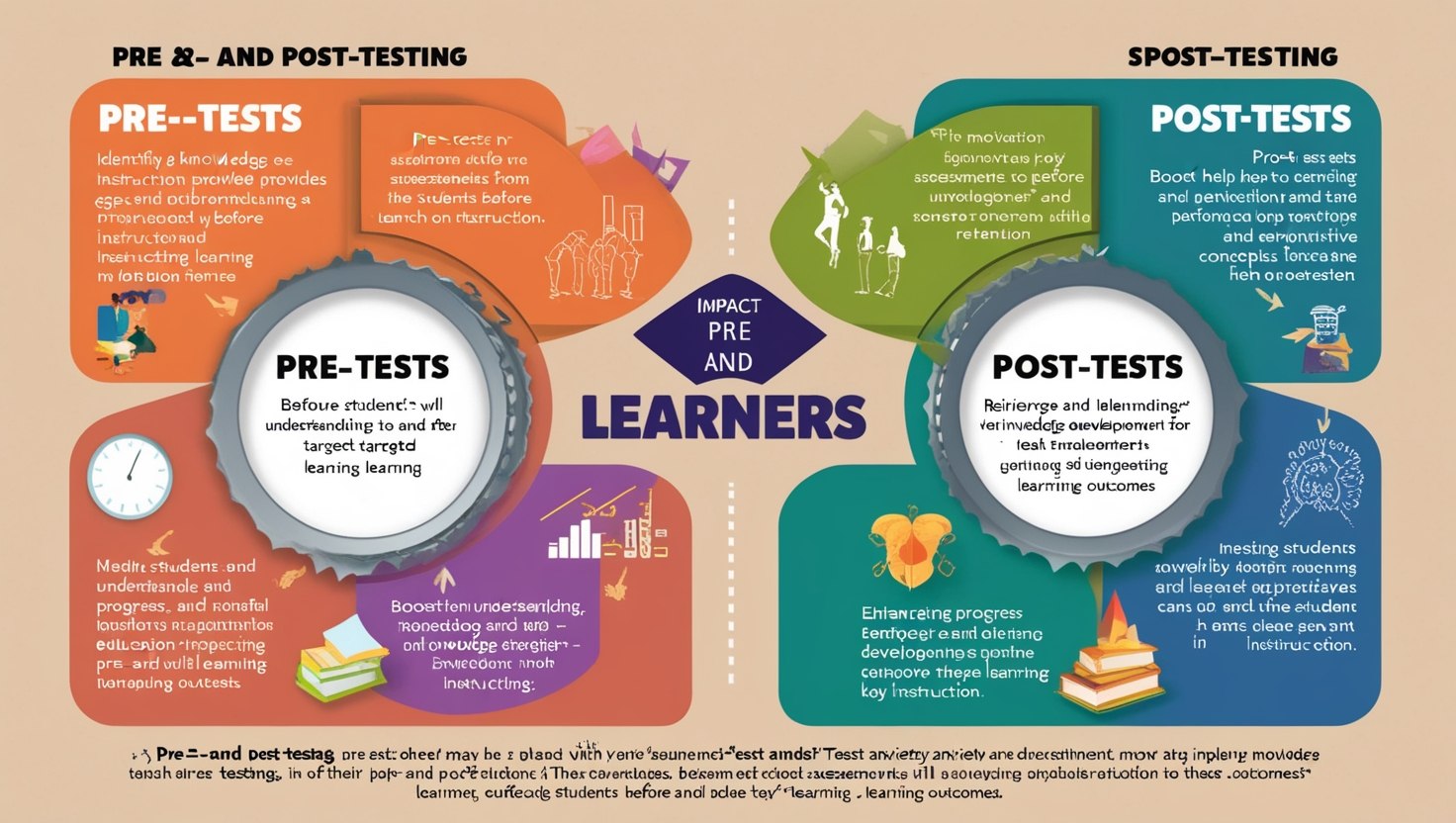
Assessment plays a key role in flipped classrooms. Teachers use quizzes, reflections, and in-class observations. These tools track understanding. Digital assessments help measure engagement with pre-class material. During class, teachers observe participation and problem-solving. This gives real-time insights. Furthermore, feedback becomes more frequent. Students receive guidance instantly. Project-based assessments also work well in flipped learning. Since learning is active, students can demonstrate knowledge through presentations or group tasks. Overall, assessment becomes continuous, supportive, and structured.
Future of the Flip Classes Model
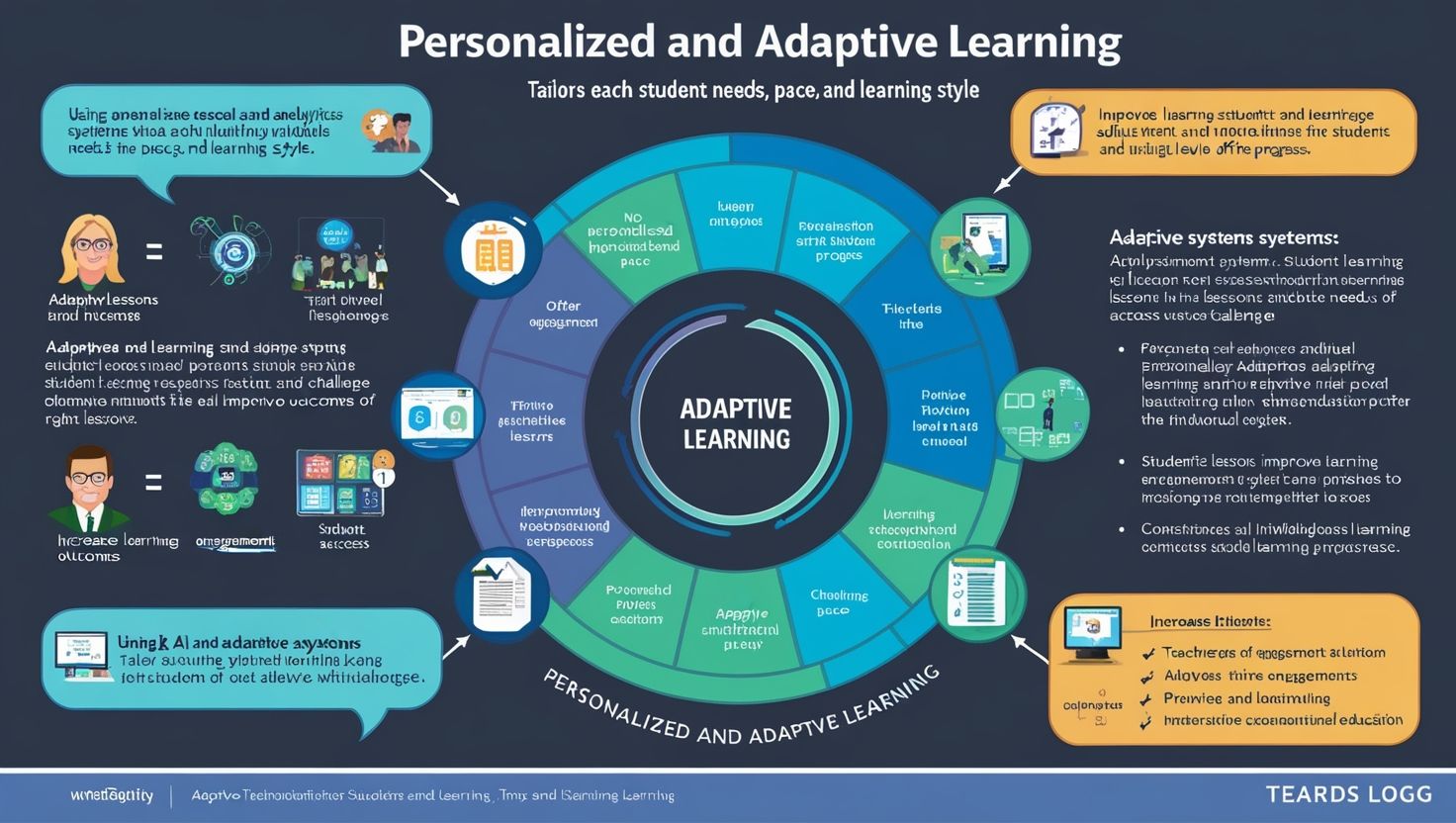
The future of flipped learning appears promising. With rapid technological advancement, more schools will adopt this model. Artificial intelligence will enhance personalized learning. Digital platforms will become more interactive. Consequently, students will experience richer learning environments. Teachers will gain access to advanced tools. Moreover, flipped learning aligns with global trends in flexible education. As education shifts toward blended and online models, flipping will become standard practice. Ultimately, the Flip Classes Model will shape modern classrooms, making learning engaging, student-centered, and technology-driven.
Conclusion
The Flip Classes Model is a powerful shift in teaching and learning. It combines technology with active classroom strategies. Students learn core content at home and apply concepts in class. Consequently, learning becomes deeper and more meaningful. Teachers support students individually, which improves academic growth. Although there are challenges, proper planning resolves them. Therefore, the model continues to grow worldwide. It strengthens independence, creativity, and critical thinking. As education evolves, flipped learning will remain an innovative and effective approach.
References
- Bergmann, J., & Sams, A. Flip Your Classroom: Reach Every Student in Every Class Every Day.
- Roehl, A., Reddy, S., & Shannon, G. The Flipped Classroom: An Opportunity to Engage Millennial Students.
- Educause Learning Initiative. 7 Things You Should Know About Flipped Classrooms.
- Bishop, J. & Verleger, M. The Flipped Classroom: A Survey of the Research.









































































































































































References:
Casino monte carlo kleidungsvorschrift Milky Way Casino Erfahrungen
References:
Online casino amsterdam Spielhalle Roermond