
Introduction
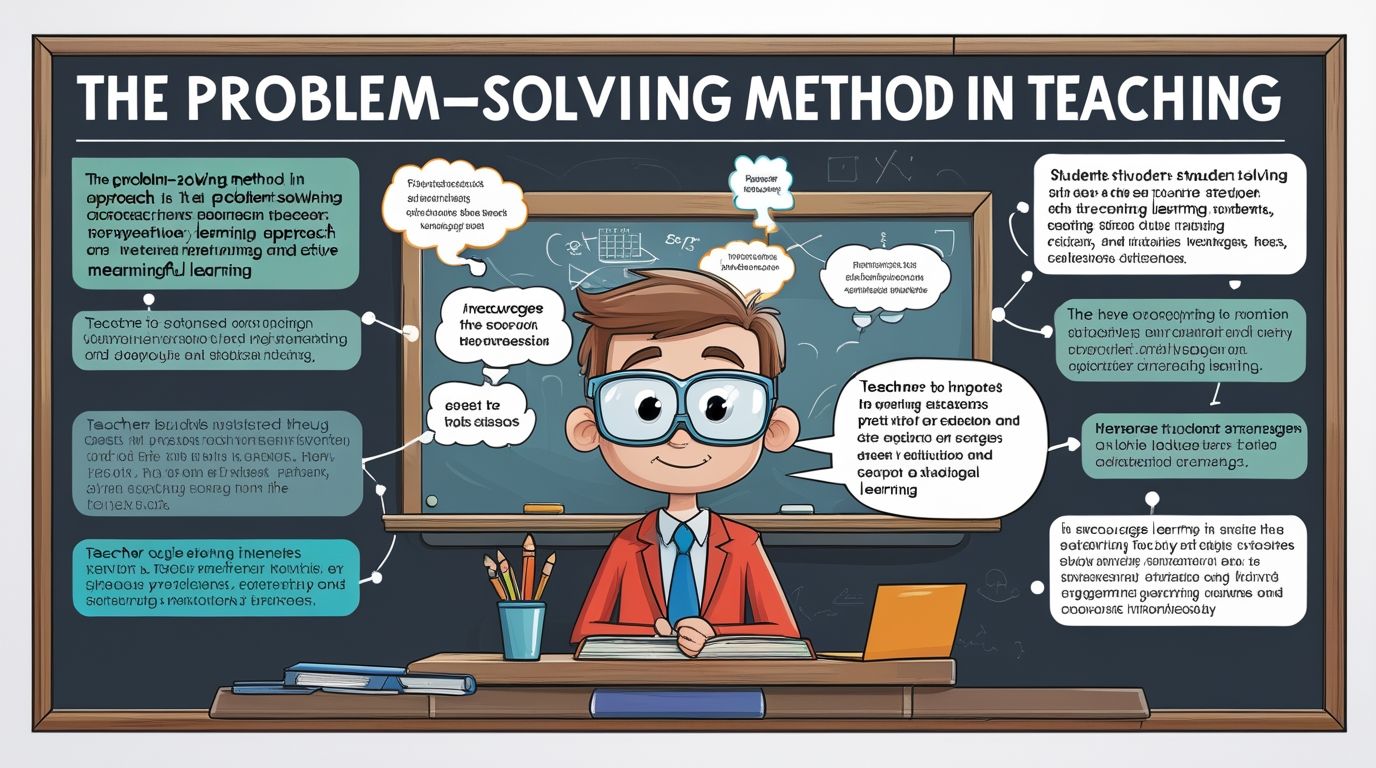
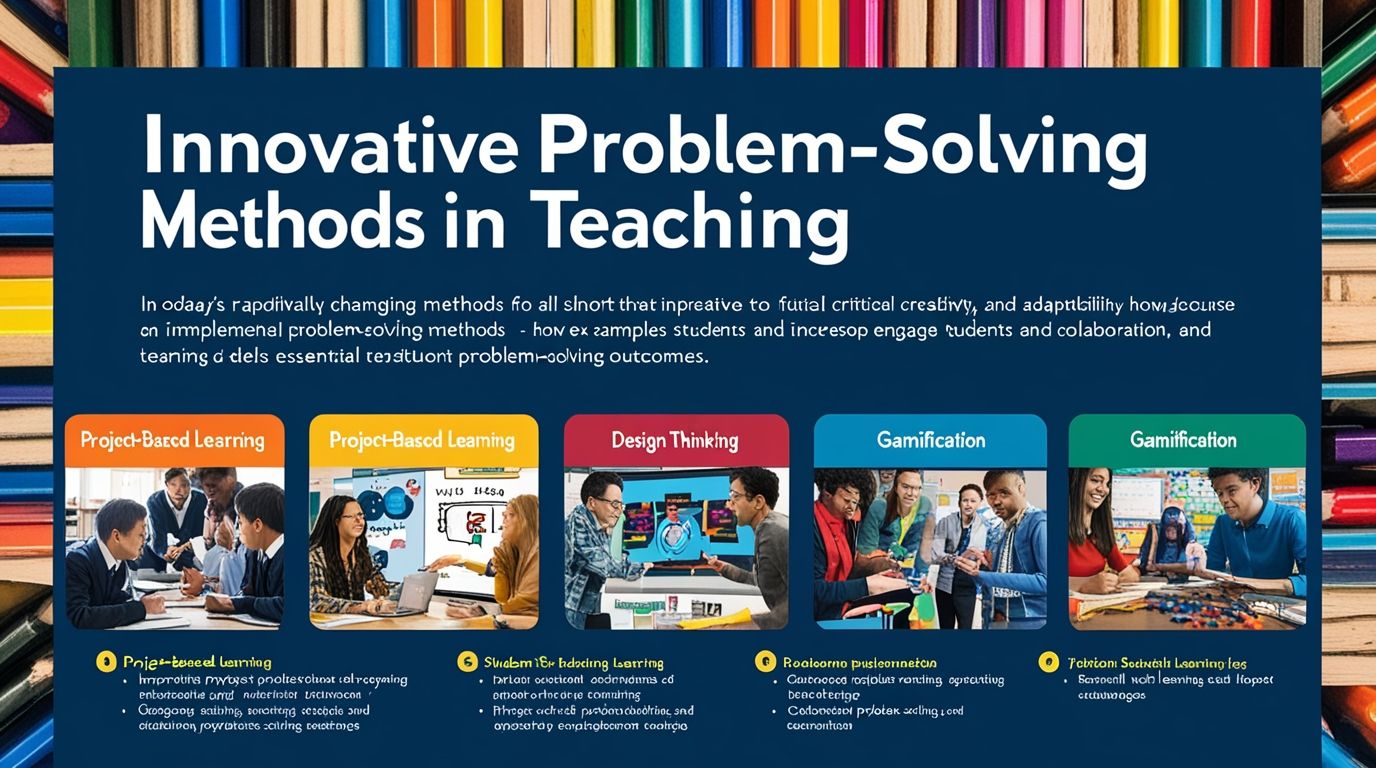
Problem-Solving Method in Teaching, The problem-solving method in teaching is a dynamic instructional approach that encourages learners to think critically, analyze situations, and develop logical solutions. It shifts classrooms from passive learning to active engagement. Moreover, it inspires students to explore ideas, evaluate information, and collaborate effectively. In this method, teachers present real-life or conceptual problems. Students then investigate, test ideas, and apply knowledge to reach solutions. Consequently, they gain deeper understanding. This method is widely used across subjects because it improves analytical skills, creativity, and decision-making. Additionally, it helps teachers identify learning gaps based on how students handle tasks. The approach also promotes independent thinking. Therefore, the problem-solving method stands as one of the most impactful instructional models for 21st-century learning.
Core Principles of the Problem-Solving Approach
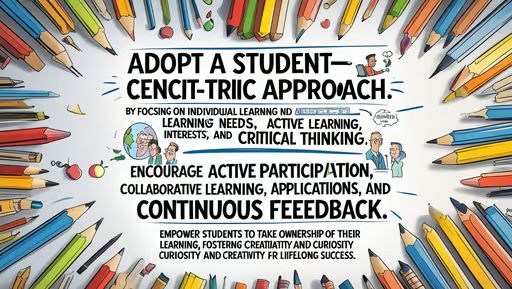
The core principles of this method focus on active participation, inquiry, reflection, and logical reasoning. Students must be encouraged to observe carefully and gather information. They also need opportunities to break down a problem into smaller components. Teachers guide them but avoid giving direct answers. Instead, they ask questions that stimulate thinking. Furthermore, collaborative discussion is vital because it exposes students to multiple viewpoints. Another principle is the use of real-life situations. These promote relevance and motivation. The approach also emphasizes forming hypotheses and testing them. Finally, reflection ensures that students learn from their attempts, whether they succeed or fail. Because of these principles, the problem-solving method becomes a structured yet flexible approach that enhances learning outcomes.
Steps Involved in Problem-Solvin
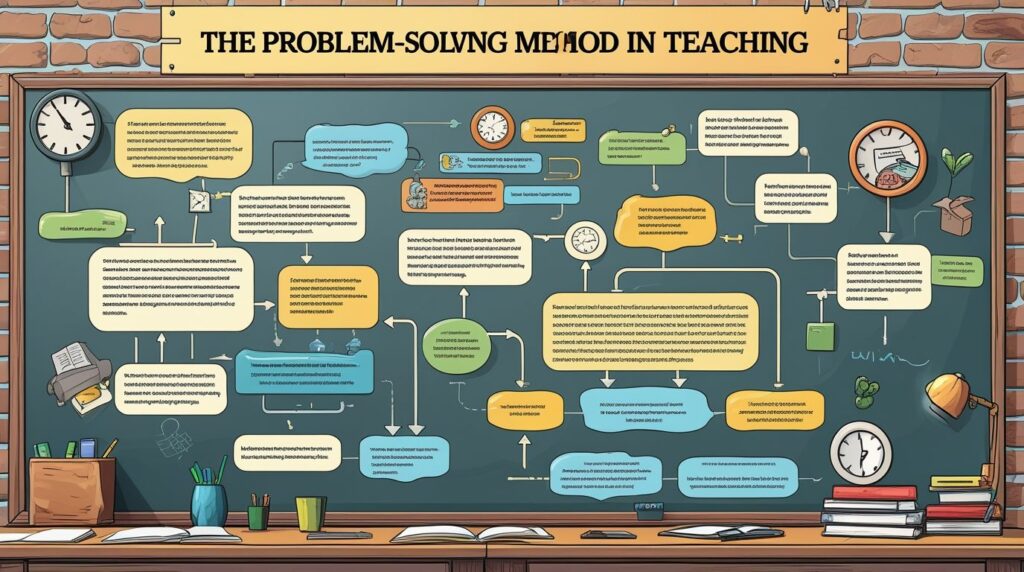
Teachers typically follow several steps to apply the problem-solving method effectively. First, the problem is introduced. Then students discuss the situation to understand what is being asked. They collect needed information through reading, observation, or inquiry. After that, they propose possible solutions. In this stage, brainstorming plays a key role. Additionally, students evaluate each idea to determine its strengths and weaknesses. Next, they choose the best solution and implement it. Finally, they reflect on the results, determining whether the solution worked or needs modification. These steps guide learners from initial confusion to conceptual clarity. Furthermore, they help students link their prior knowledge with new learning. Thus, the problem-solving process becomes a systematic journey of exploration and discovery.
Benefits of the Problem-Solving Method
The benefits of this method are extensive. It enhances creativity by allowing students to think beyond routine answers. It also strengthens analytical skills, as learners must examine data and draw logical conclusions. Moreover, the method improves communication and teamwork because students must discuss and defend their ideas. Confidence grows as learners successfully solve problems. Additionally, the approach builds long-term understanding because students learn by doing rather than memorizing. Teachers benefit as well. They gain insight into students’ thought processes, making it easier to address misconceptions. The problem-solving method also supports inclusivity. This is because diverse learners can contribute based on their strengths. Therefore, schools that apply this method consistently experience improved academic performance and student engagement.
Role of Teachers in Problem-Solving
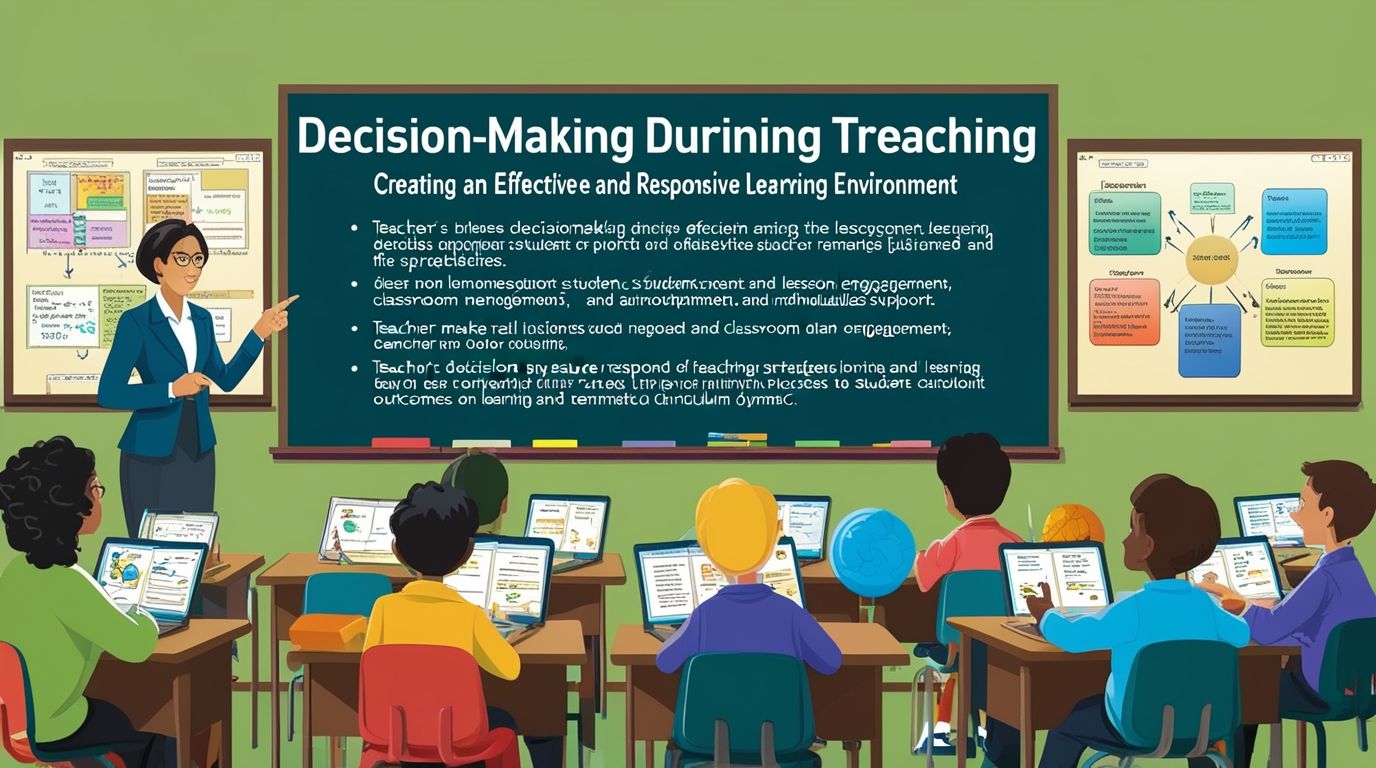
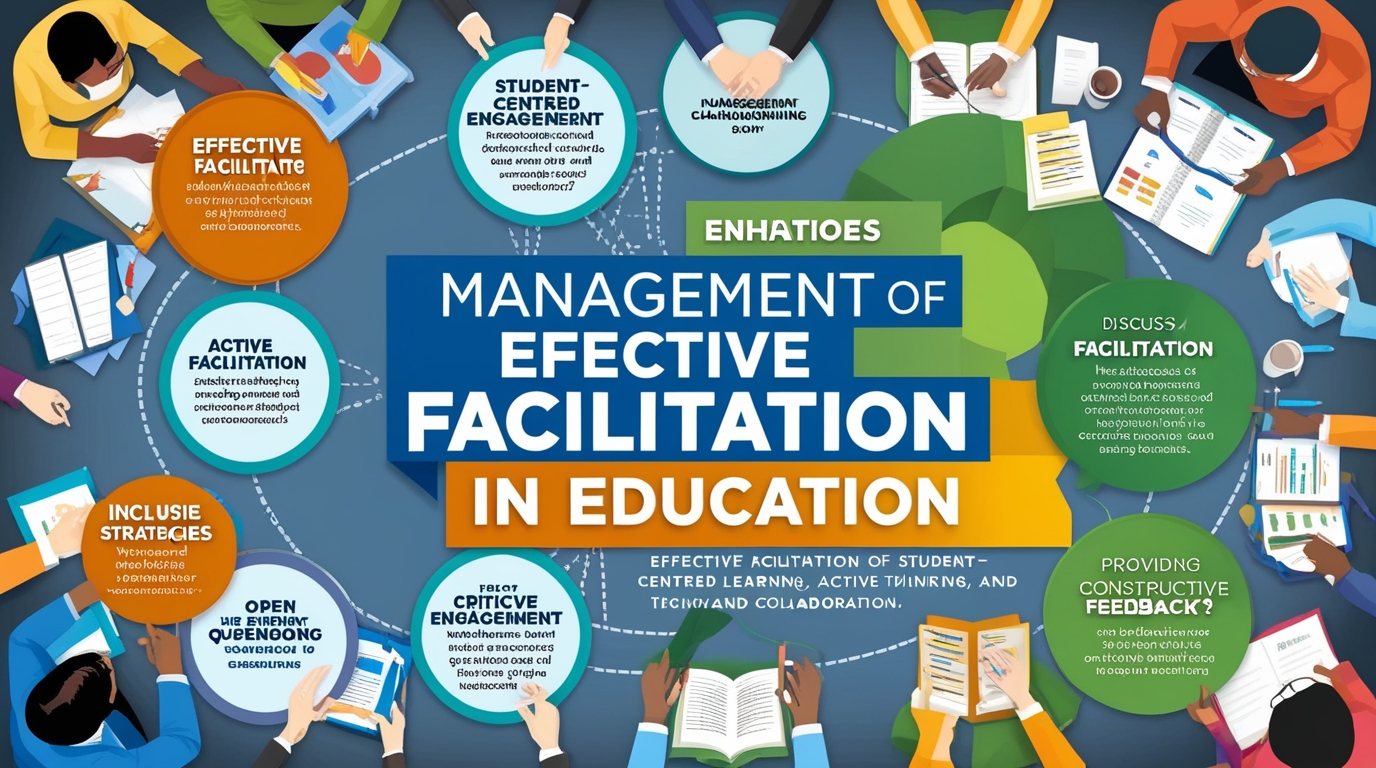
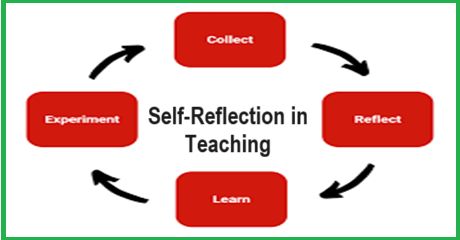
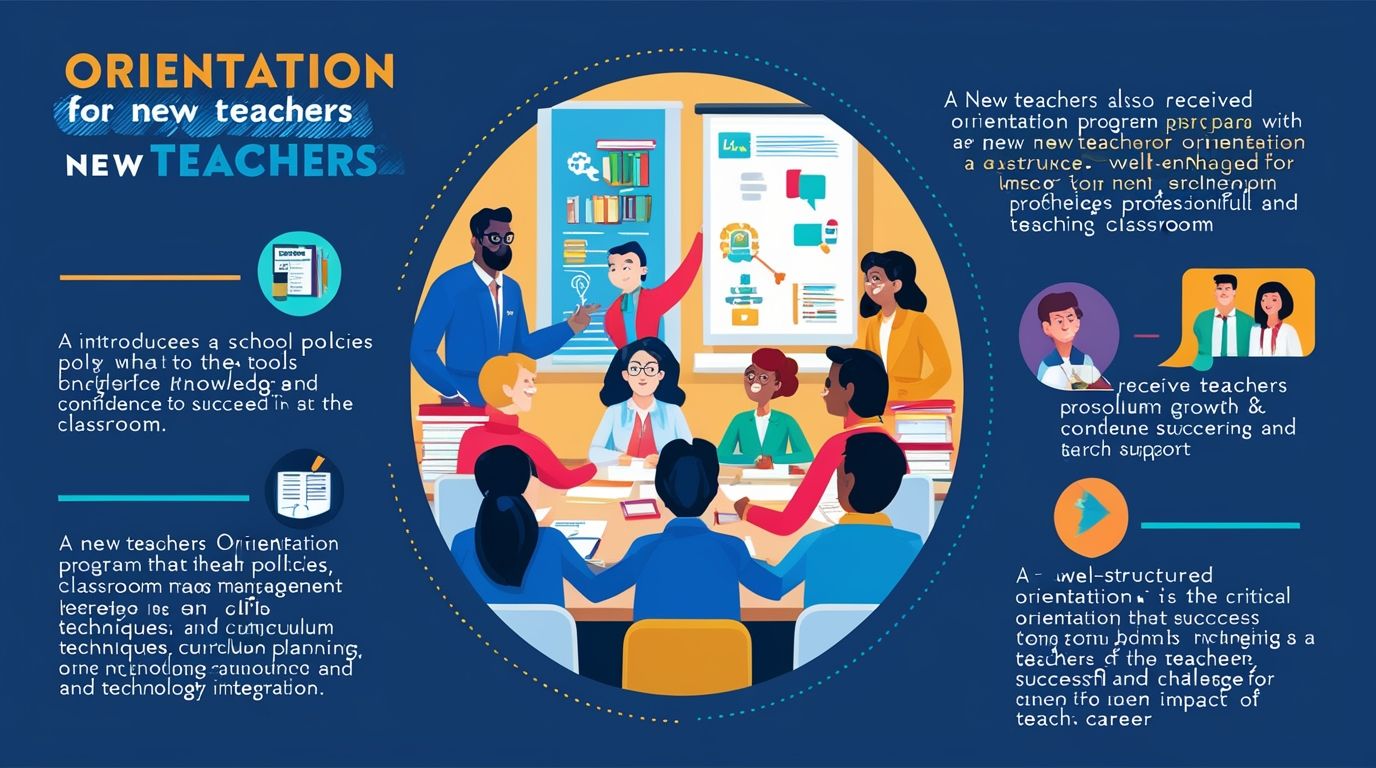
Teachers have a vital role in implementing the problem-solving method. They design meaningful problems that match the learners’ cognitive level. They also create a supportive environment where students feel safe to experiment and make mistakes. Moreover, teachers guide discussion through open-ended questions. They encourage students to explore different strategies and think critically. However, teachers do not dominate the process. They act as facilitators rather than information providers. They also assess students’ progress by observing their participation, reasoning, and collaboration. Furthermore, teachers can integrate real-life problems to enhance relevance. Their role also includes reflecting on the teaching process to improve future lessons. Hence, effective teachers make the problem-solving method a student-centered and interactive experience.
Role of Students in the Problem-Solving Process
Students play an active role in this approach. They must participate fully in discussions and activities. Additionally, they must think independently, ask questions, and consider different possibilities. They gather information from various sources and collaborate with peers to propose solutions. Students also evaluate ideas critically to decide which solution seems most appropriate. Moreover, they must accept responsibility for their learning. This strengthens self-discipline and ownership. Reflection is also essential. Students analyze what worked, what did not, and what they can improve. As a result, learners develop resilience and adaptability. Therefore, the student’s role in the problem-solving method is central to building lifelong learning skills.
Applications in Different Subjects
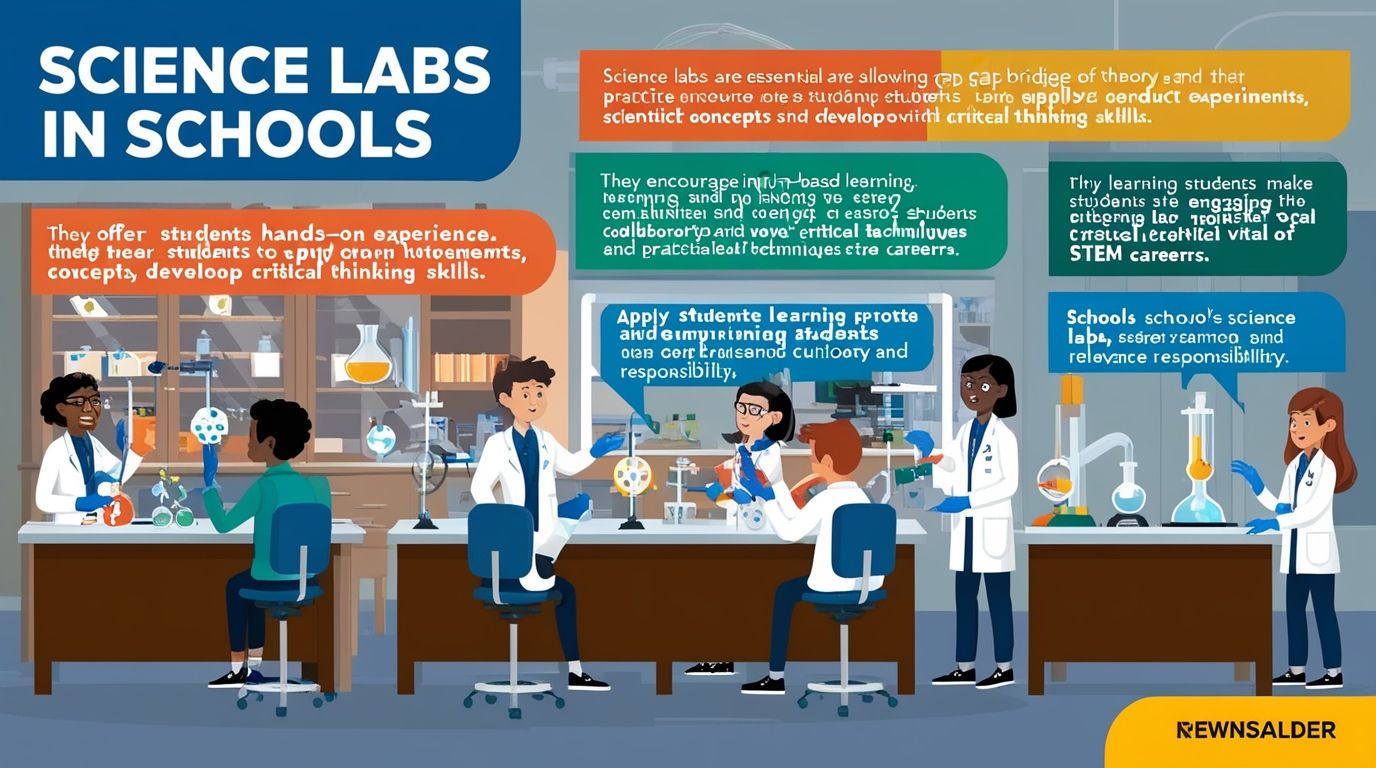
The problem-solving method can be applied across many subjects. In mathematics, students work through word problems or puzzles. In science, they perform experiments to test hypotheses. Furthermore, in social studies, they analyze social issues and propose solutions. Language teachers can use real-life situations to improve communication skills. For example, students may solve a community-related issue through debate or writing. In computer studies, learners design algorithms to solve technical challenges. Additionally, the method is useful in art and design, where students creatively approach aesthetic problems. Because of its flexibility, this method supports multidisciplinary learning. Consequently, it prepares learners to apply knowledge beyond the classroom.
Challenges in Implementing the Problem-Solving Method
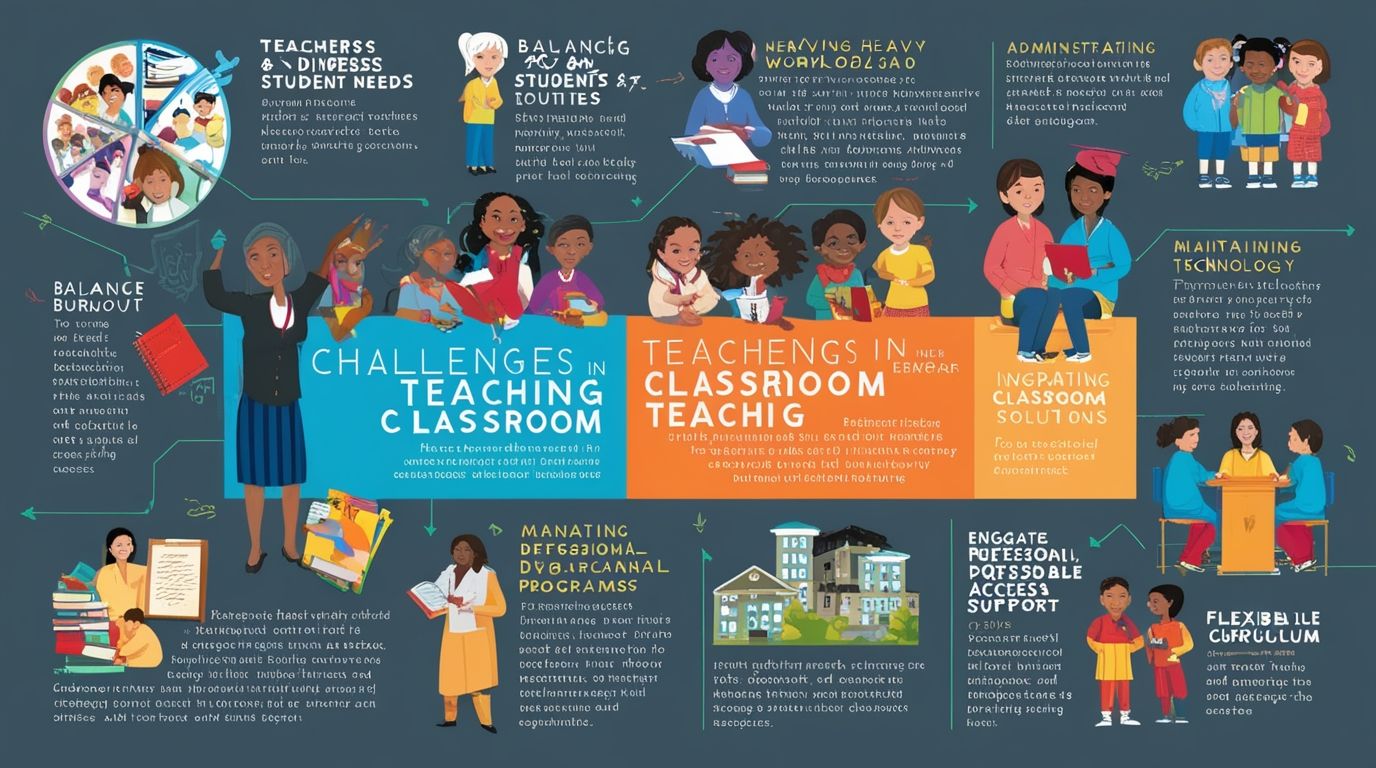
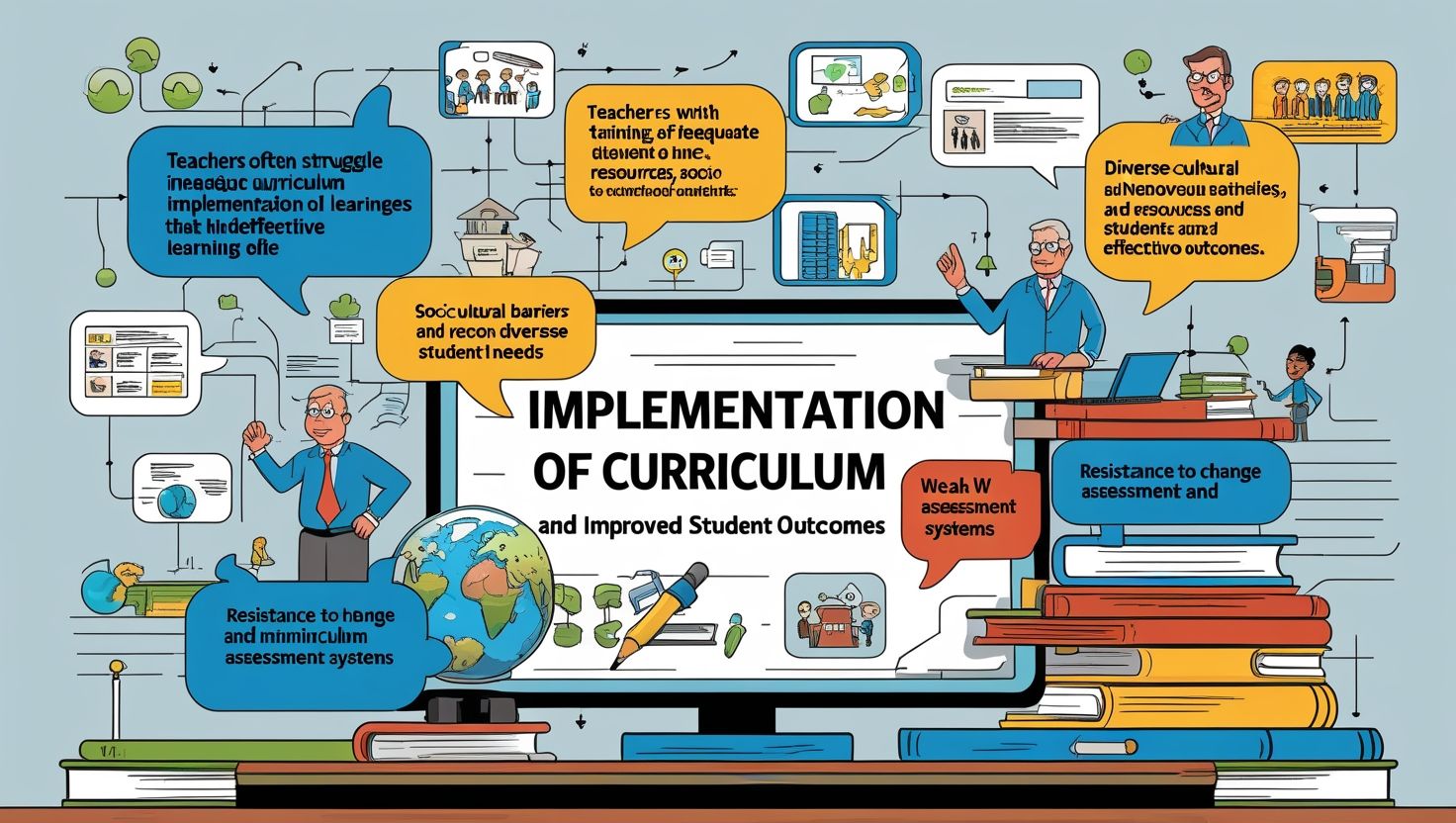
Although powerful, the problem-solving method faces several challenges. It requires more time than traditional teaching. Teachers must plan carefully and manage classroom activities effectively. Some students may struggle with open-ended tasks because they are used to direct answers. Additionally, large class sizes make it harder to guide individual learners. Limited resources can also restrict hands-on activities. Teachers may lack training in facilitation techniques. Furthermore, assessment becomes complex because thinking skills are harder to measure. Despite these challenges, improvement is possible through professional development, better planning, and school support. Therefore, the method becomes more effective when challenges are addressed systematically.
Strategies to Improve Problem-Solving Teaching
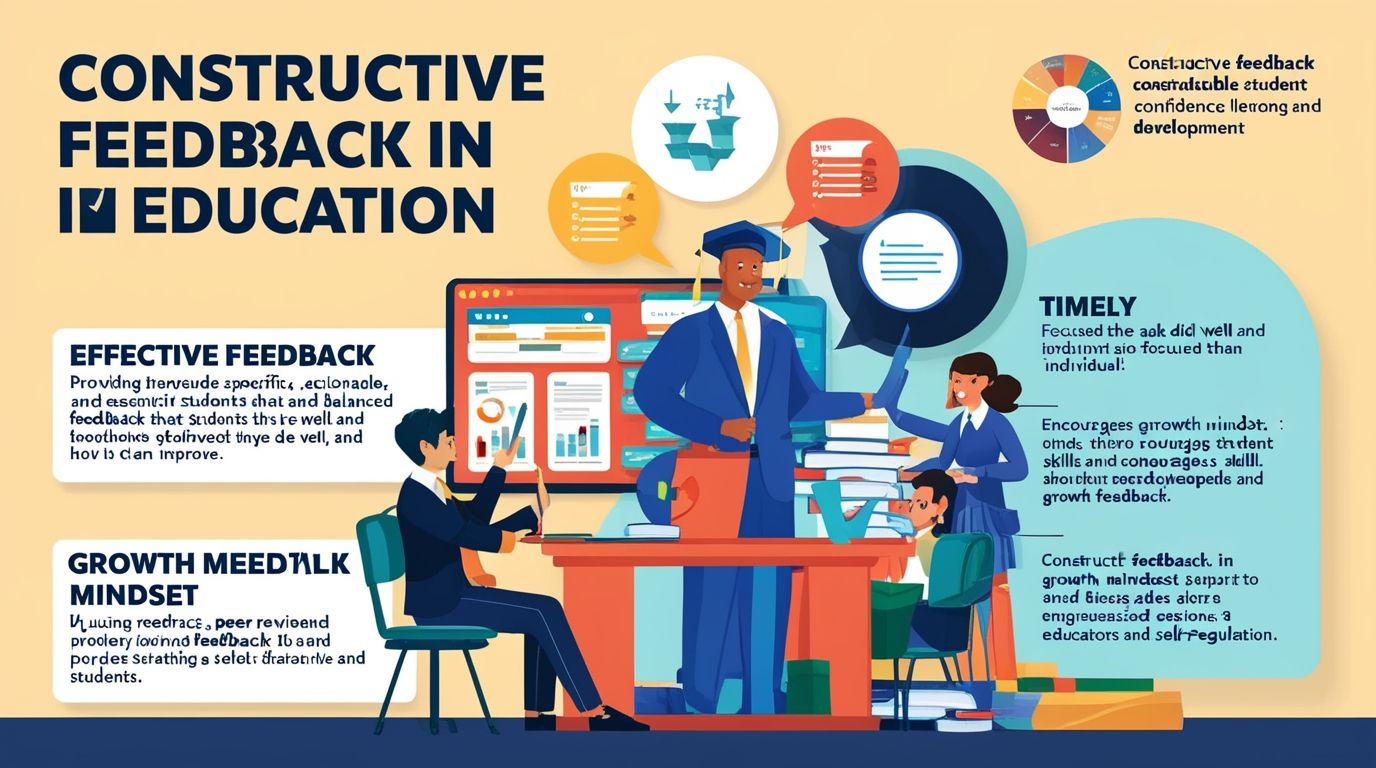
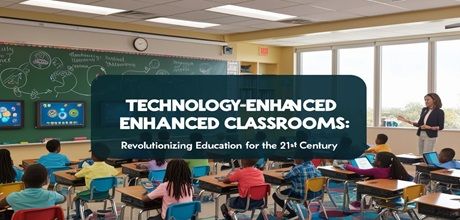
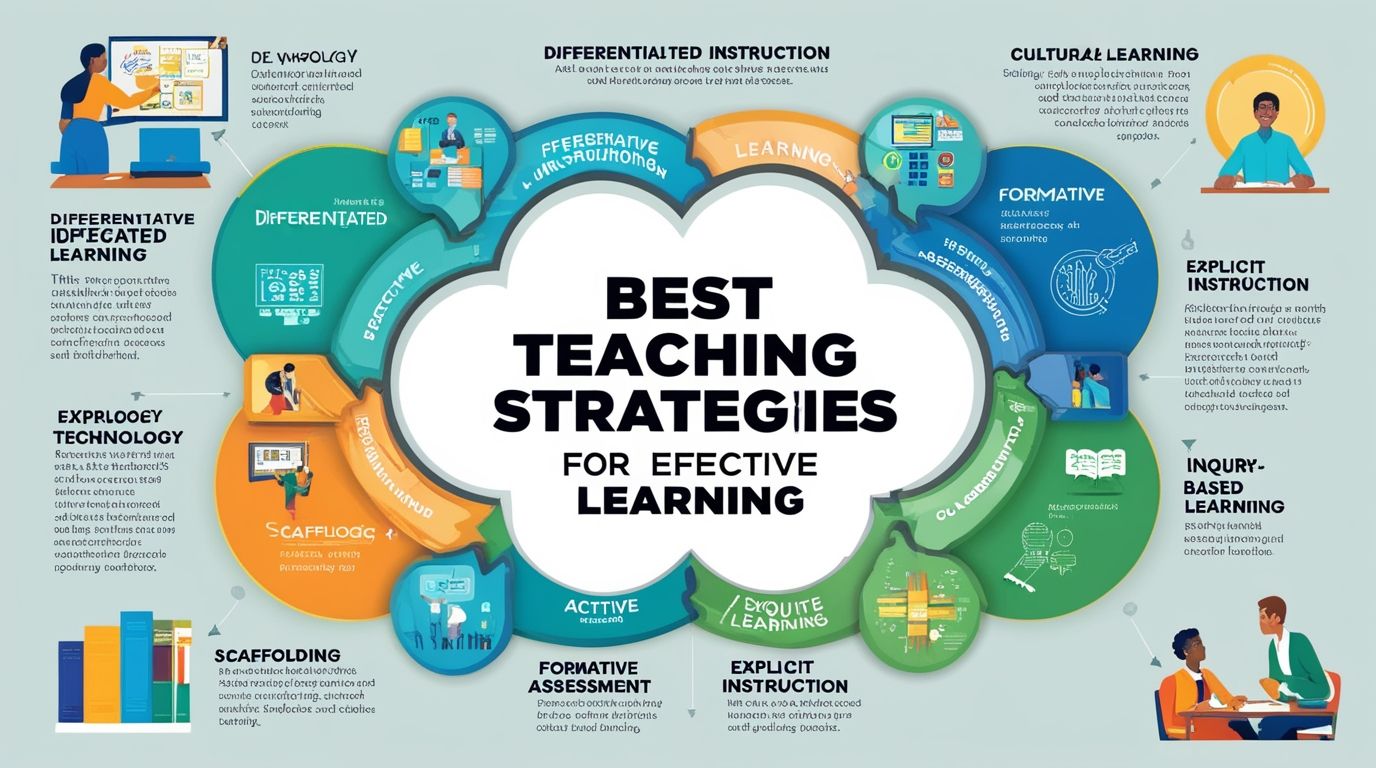
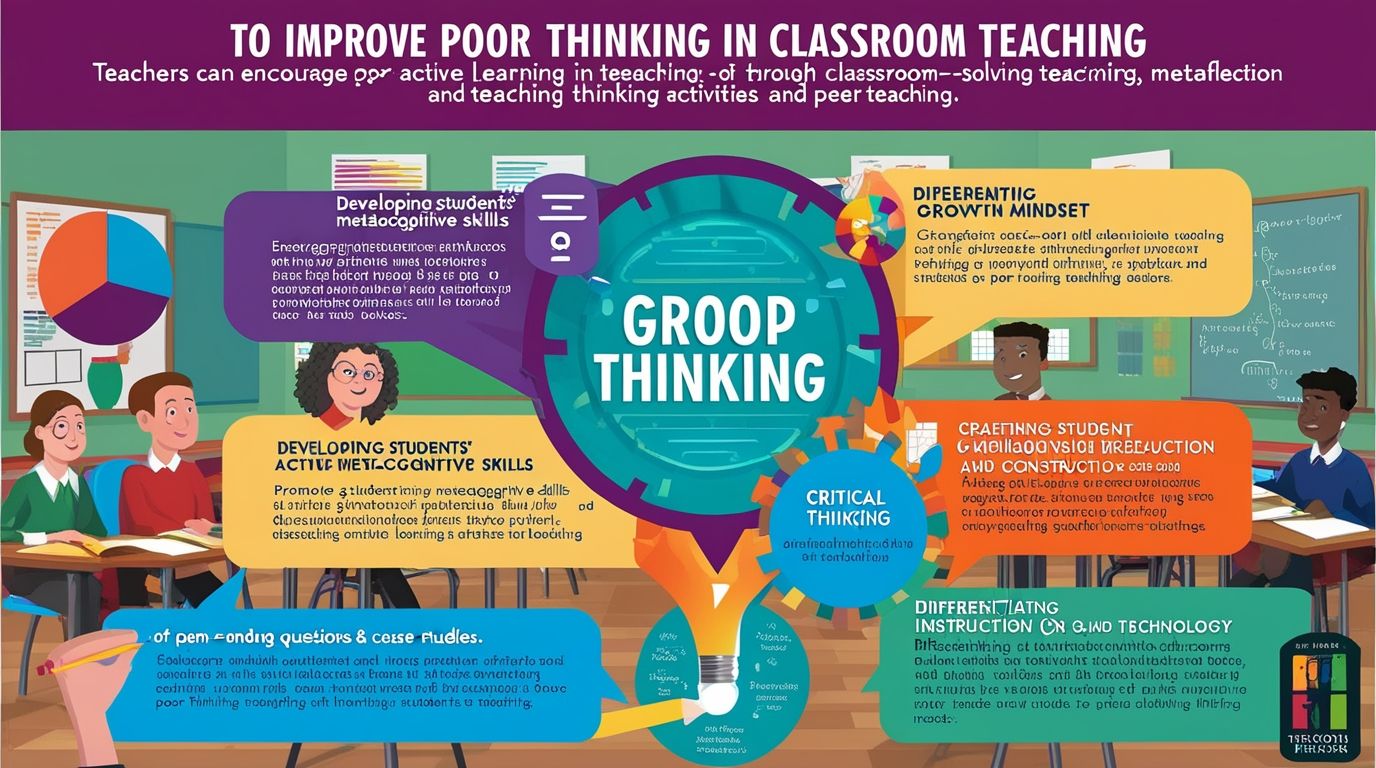
Teachers can use several strategies to enhance the problem-solving method. They can start with simple problems and gradually increase difficulty. They should encourage brainstorming and accept diverse ideas. Moreover, providing real-life examples increases relevance. Teachers should also use group work to promote collaboration. Additionally, integrating technology—such as simulations—improves engagement. Clear instructions and guiding questions help maintain focus. Teachers can also give feedback that highlights strengths and areas for growth. Reflection sessions help students consolidate learning. Schools can support teachers through training and resources. With these strategies, the problem-solving approach becomes more impactful and easier to manage. Ultimately, students gain stronger critical thinking and decision-making skills.
Impact on 21st-Century Learning
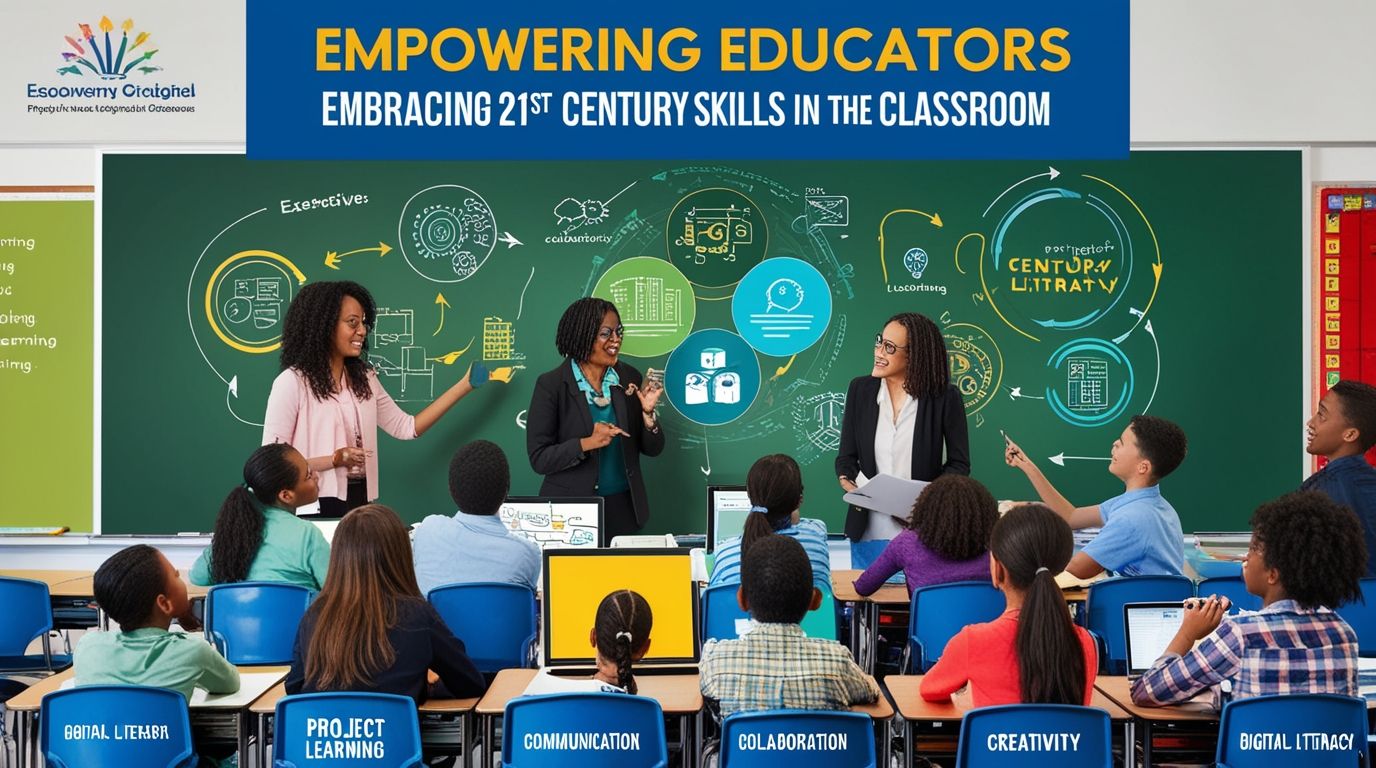
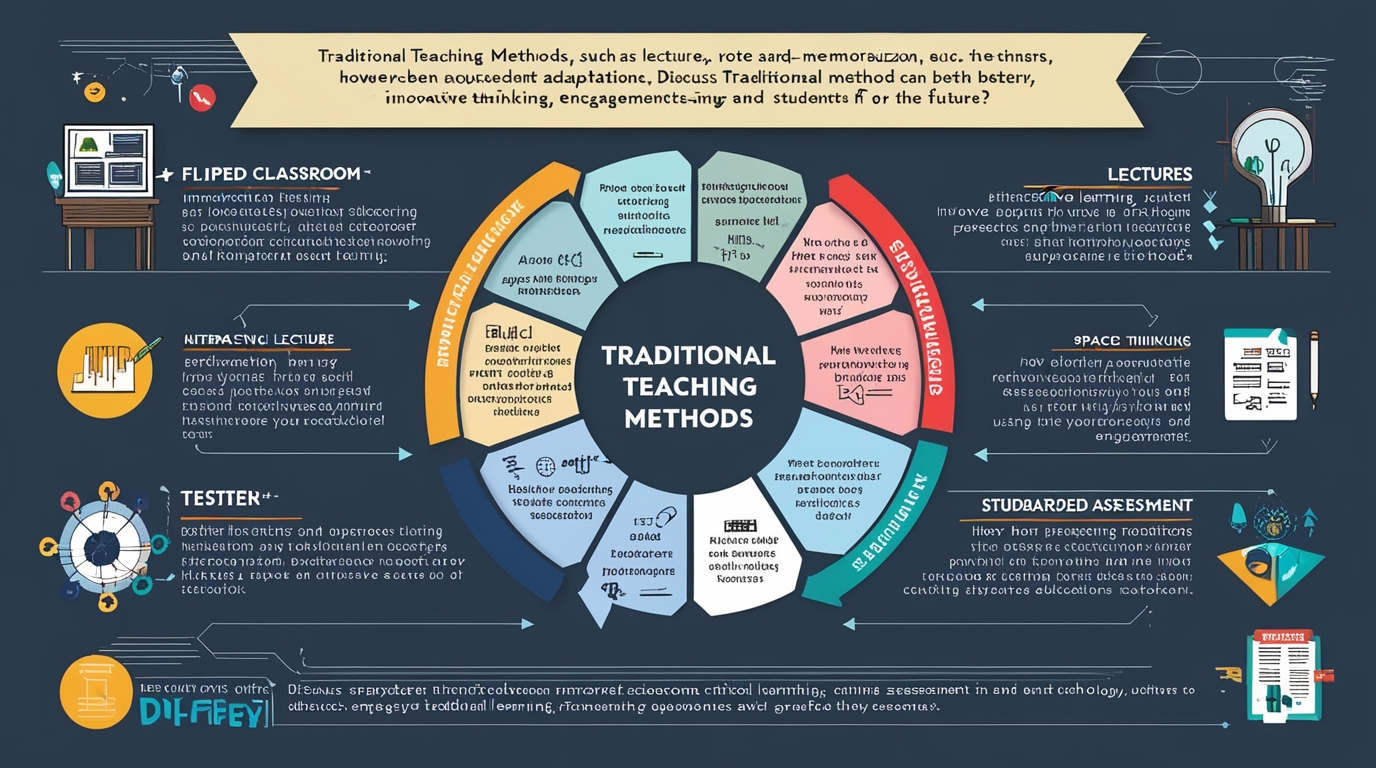
The problem-solving method is essential for 21st-century education. Modern societies demand individuals who can analyze situations, solve challenges, and work collaboratively. Traditional rote learning cannot prepare students for complex environments. However, problem-solving develops creativity, communication, adaptability, and teamwork. Furthermore, it aligns with global trends in education that promote student-centered learning. The method also enhances digital literacy when technology is integrated. Employers value students who can solve problems efficiently. Therefore, schools must adopt this approach to prepare learners for evolving careers. Additionally, this method supports global citizenship by teaching students to address social, environmental, and ethical issues. Hence, the problem-solving method contributes significantly to future-ready learning.
Conclusion
The problem-solving method in teaching transforms classrooms into active learning spaces. It encourages critical thinking, creativity, and collaboration. Moreover, it promotes deeper understanding and supports lifelong learning skills. Although the approach requires time and effort, its benefits outweigh the challenges. Teachers must guide effectively, and students must participate responsibly. As education continues to evolve, the problem-solving method will remain a cornerstone of meaningful learning. Therefore, schools should adopt and strengthen this method to ensure that learners are prepared for modern demands. Ultimately, the problem-solving approach helps build confident, analytical, and capable individuals who can face real-world challenges.
References
- Bransford, J. How People Learn: Brain, Mind, Experience, and School.
- Jonassen, D. Learning to Solve Problems.
- Savery, J. Problem-Based Approaches to Instruction.
- OECD. Future of Education and Skills 2030.

























































































































































































































References:
Online Spielhallen Deutschland Harrah’s Las Vegas buchen