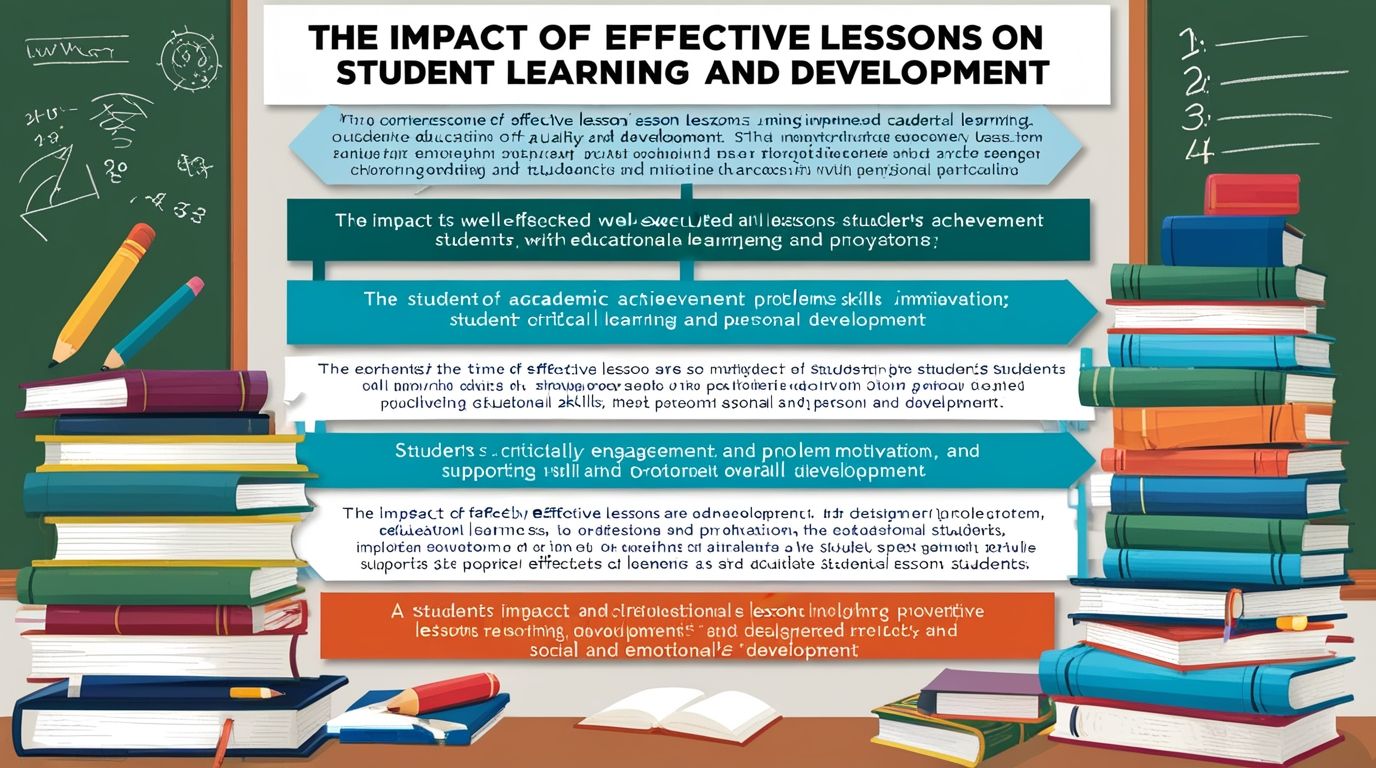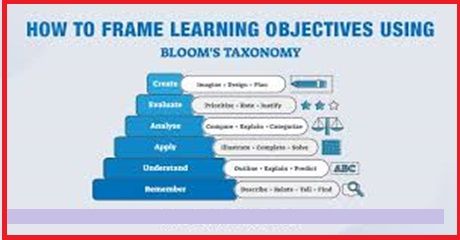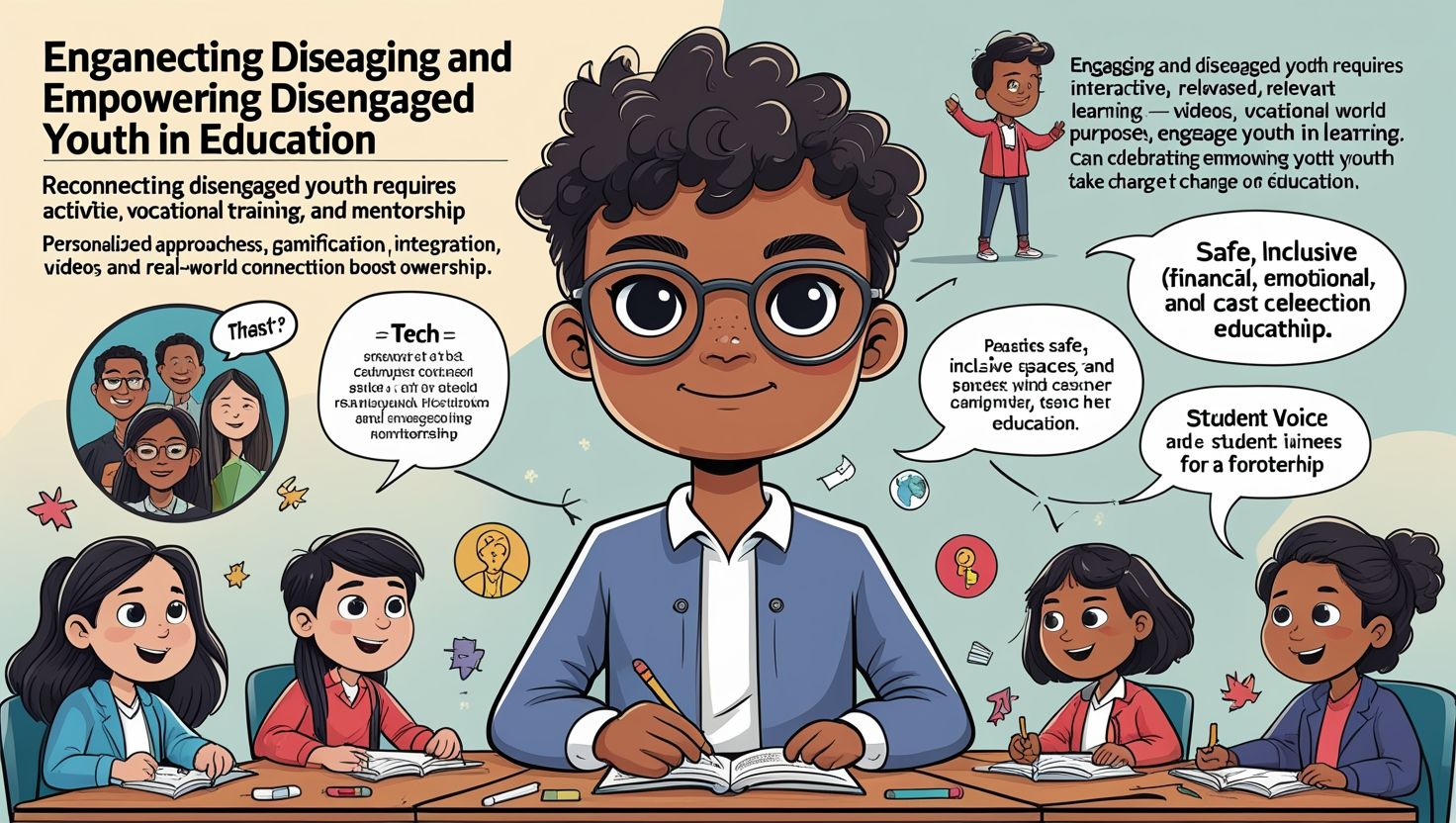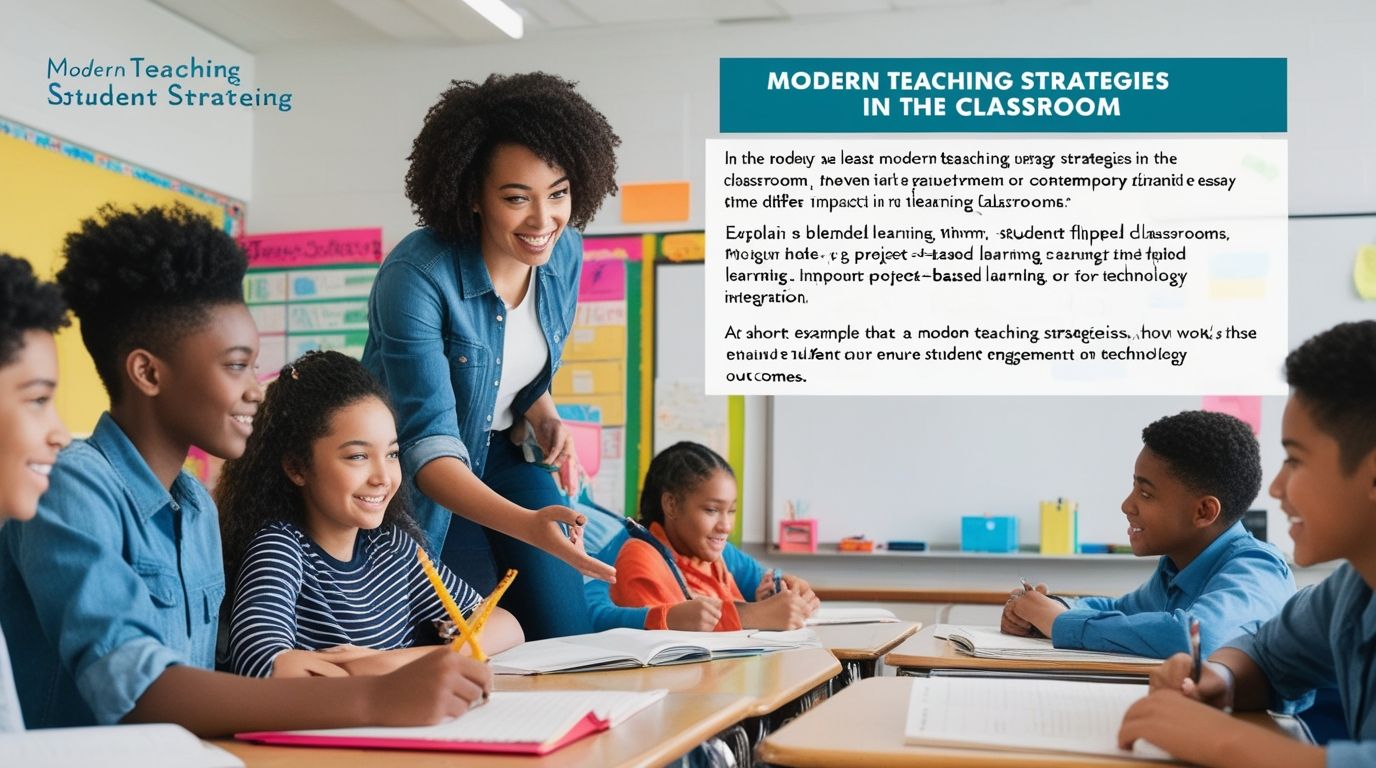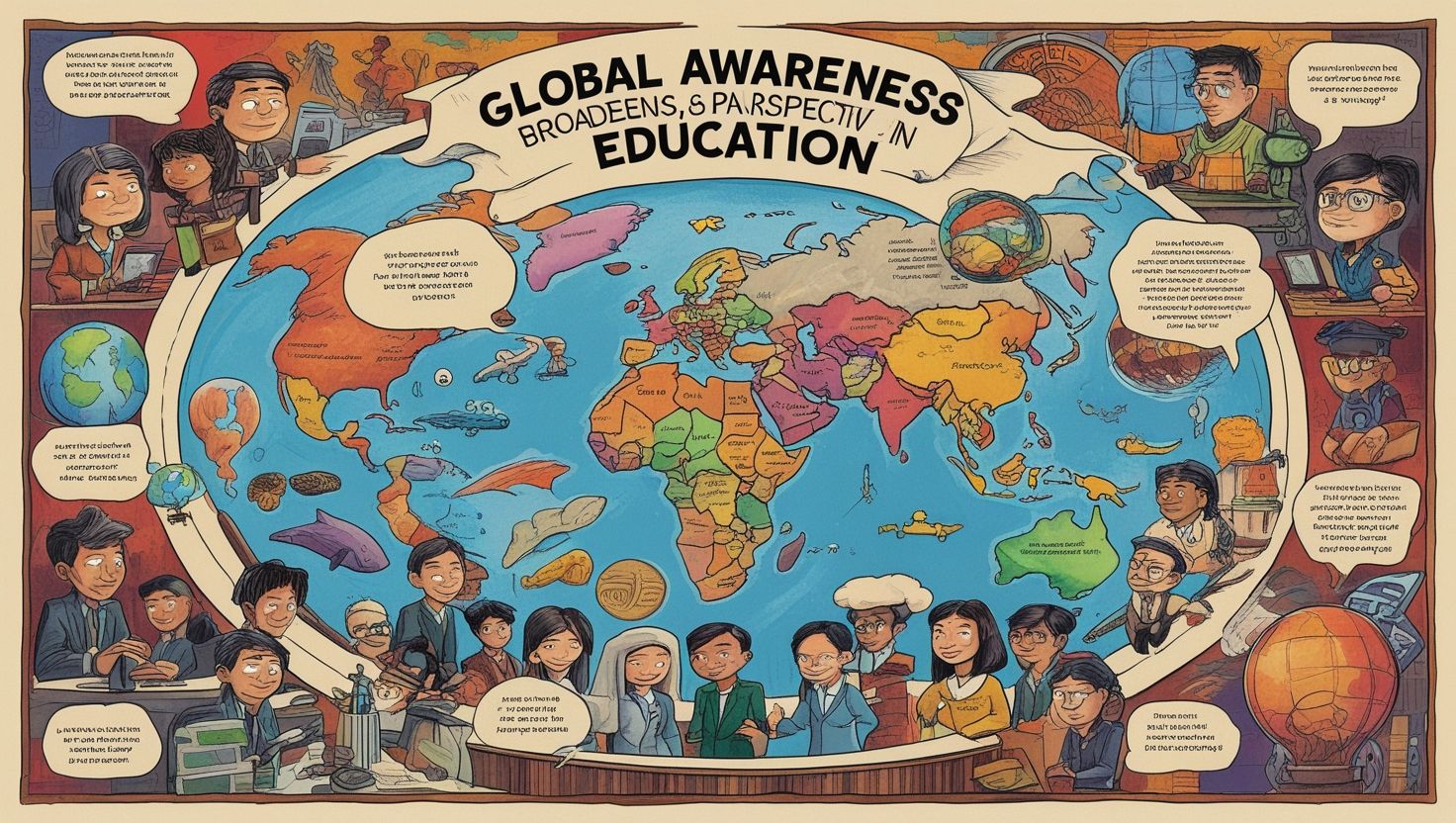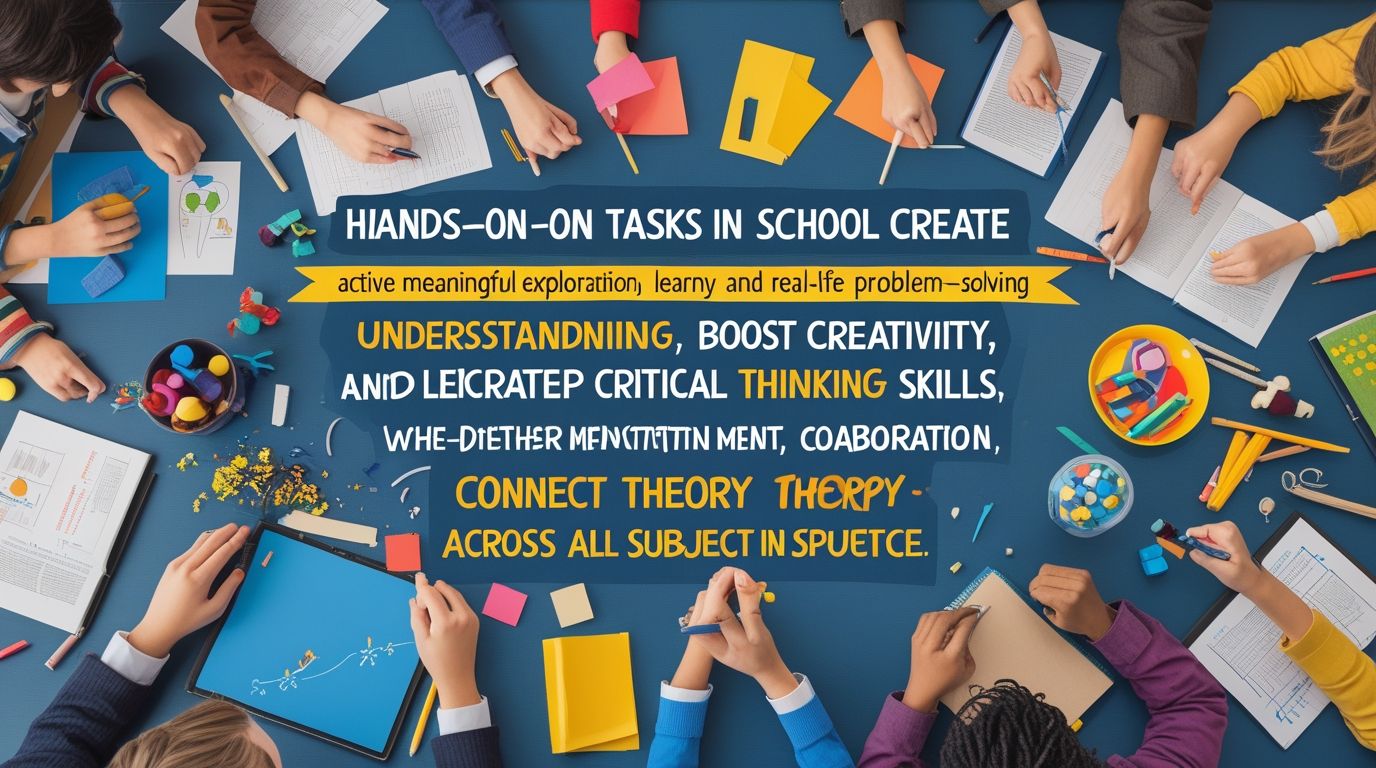
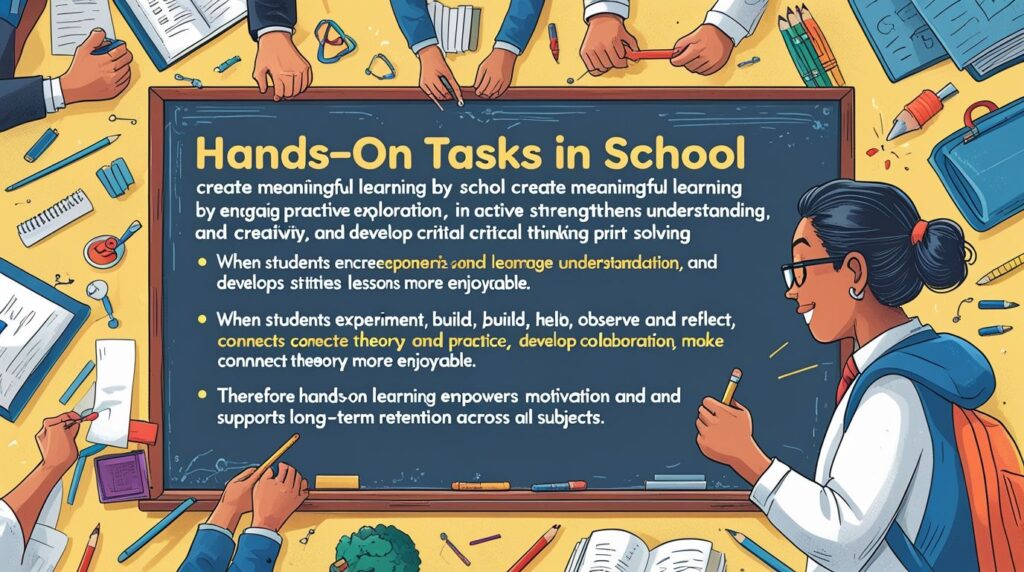
Hands-On Tasks in School fo Meaningful Learning, Hands-on tasks in school have become essential in modern education. These activities create opportunities for active engagement and deeper understanding. Moreover, they help students convert theoretical ideas into practical experiences. Consequently, hands-on learning transforms classrooms into dynamic environments rich with exploration and creativity. Because students participate directly in constructing knowledge, they develop confidence and curiosity. In addition, these tasks build collaboration and communication skills. Although traditional learning still matters, practical experiences make education more relevant and memorable. Therefore, many educators now integrate experiments, projects, models, and problem-solving activities into their teaching. Ultimately, hands-on tasks promote lifelong learning habits that benefit students beyond the classroom.
1. Meaning of Hands-On Tasks in School
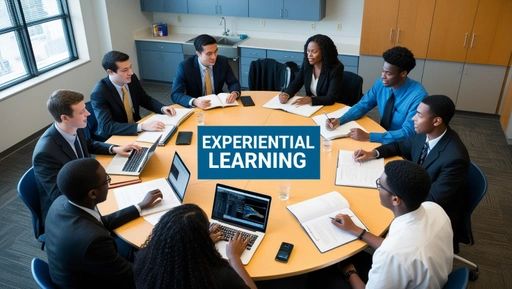
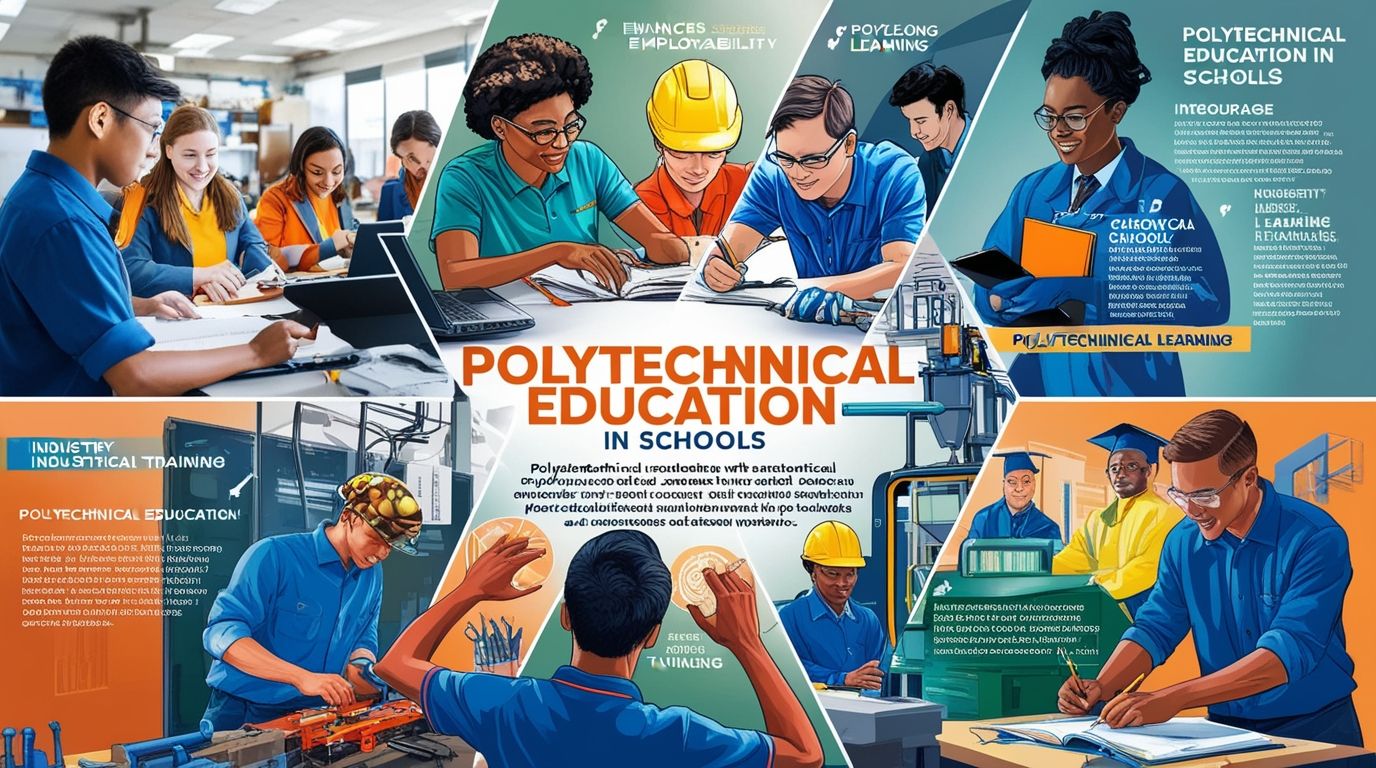
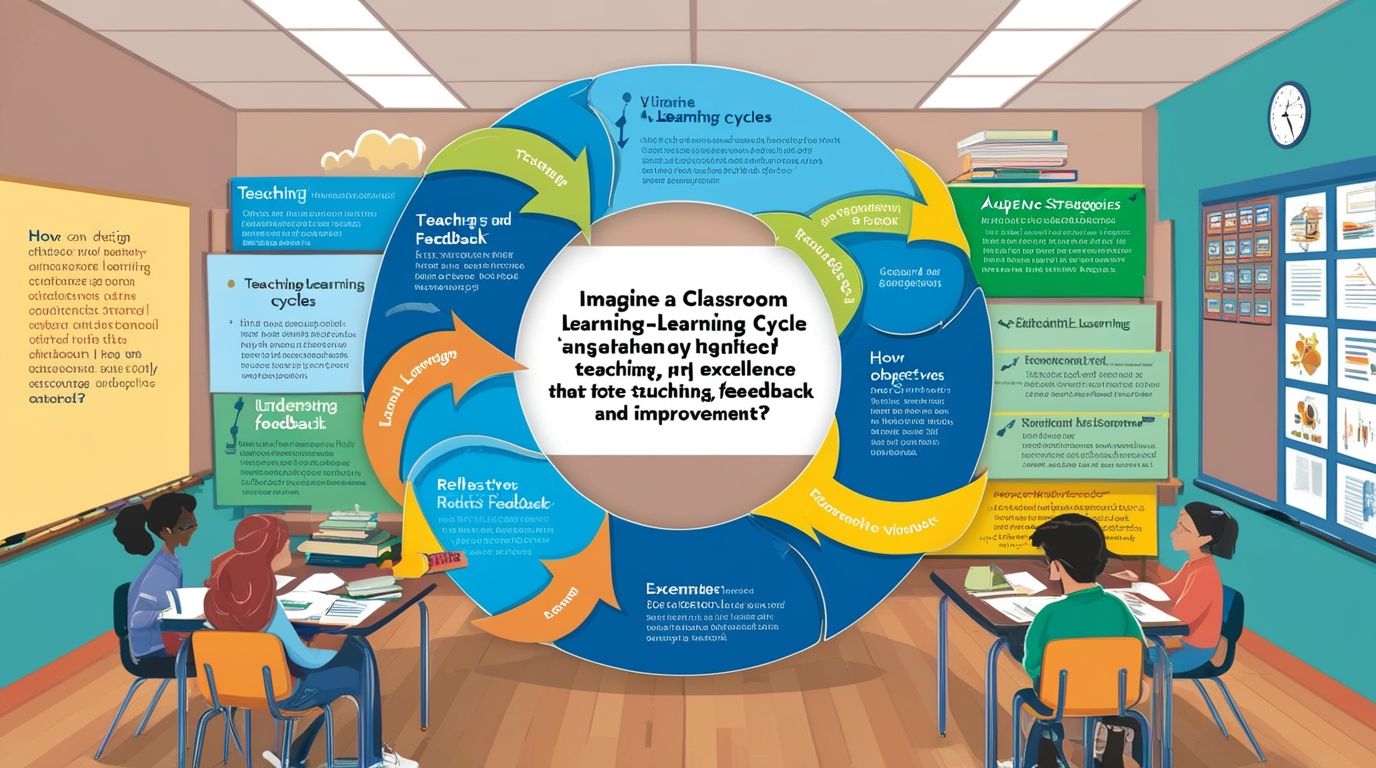
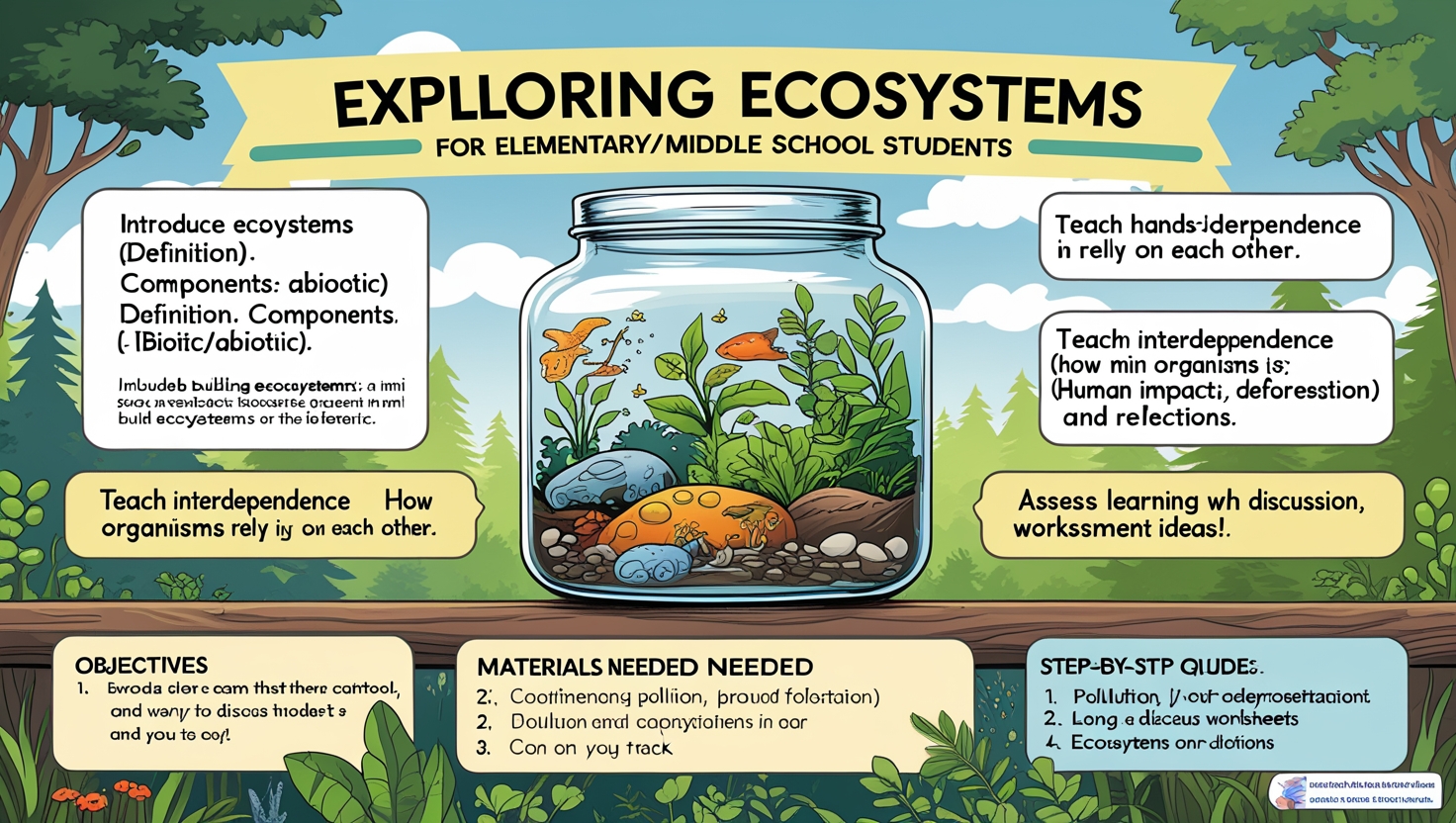
Hands-on tasks in school refer to activities that allow students to learn by doing. These tasks require learners to touch, manipulate, observe, and create. Thus, experiential learning becomes the foundation of understanding. Instead of passive listening, students participate actively in the learning process. As a result, their minds stay alert, and their senses work together to support comprehension. Although lectures provide useful information, practical involvement strengthens retention. In many cases, students understand complex concepts more easily when they test them through experiments or demonstrations. Furthermore, these tasks encourage independence and curiosity. Since learners work with real materials, they can explore multiple possibilities and develop critical thinking skills. Therefore, hands-on tasks are powerful tools for effective teaching.
2. Importance of Hands-On Learning in Modern Education
Hands-on tasks hold great importance in today’s education system. Because the world demands practical skills, students must experience learning that prepares them for real situations. Consequently, practical activities help them develop problem-solving abilities that are essential for future careers. Additionally, hands-on learning nurtures creativity and innovation. Students experiment with ideas, test assumptions, and reflect on outcomes. Moreover, such tasks promote motivation because learners feel ownership of their work. Even when challenges arise, they remain determined to find solutions. Although technology offers many digital learning tools, physical engagement still has unique advantages. In fact, combining both approaches leads to balanced development. Therefore, schools increasingly adopt hands-on strategies to build well-rounded learners.
3. Hands-On Tasks and Student Engagement
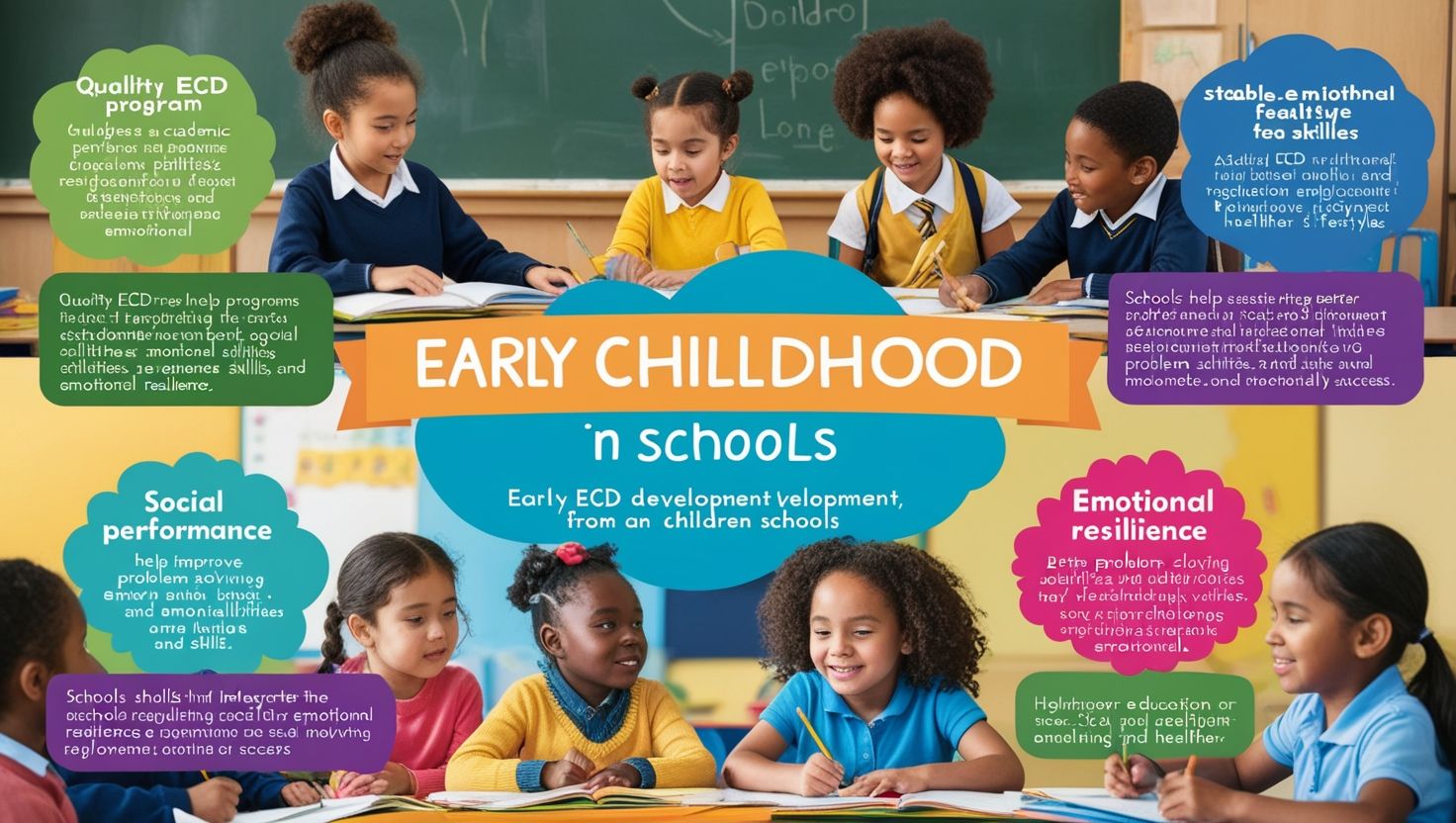
Hands-on tasks significantly increase student engagement. When students use their hands and minds together, they stay more focused on the lesson. They enjoy the process because it feels active and meaningful. Moreover, engagement in learning improves when students perform tasks such as experiments, role plays, models, and field activities. Even simple tasks like drawing diagrams or assembling objects can make learning more enjoyable. Although some students may struggle initially, continuous practice builds confidence. Because they interact directly with materials, they develop a personal connection with the subject. Consequently, they ask more questions and participate more willingly. Ultimately, engaged learners perform better academically and socially.
4. Role of Hands-On Tasks in Skill Development
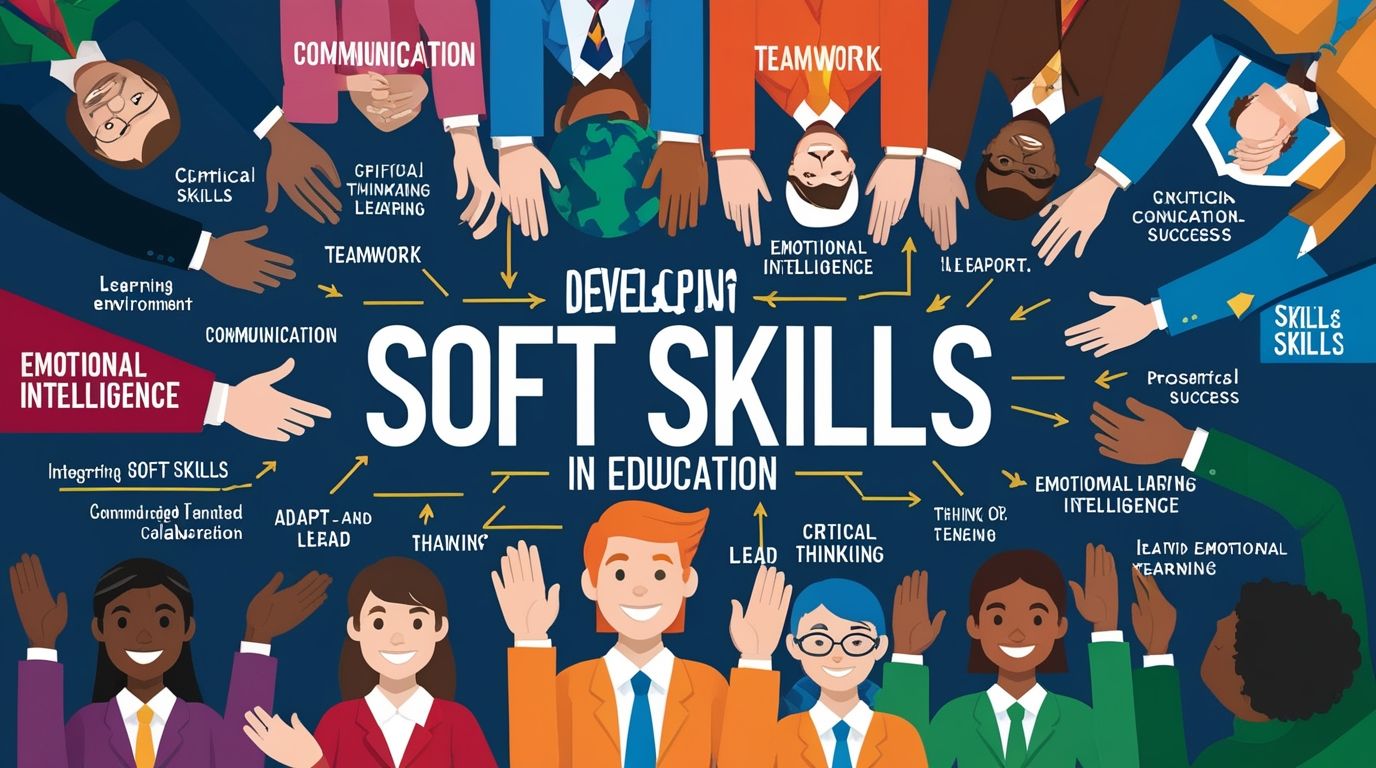
Hands-on tasks support the development of essential skills that students need in school and beyond. For example, activities like measuring, constructing, designing, and experimenting help students improve critical thinking and problem-solving skills. Moreover, hands-on work strengthens fine motor skills and coordination. Students learn how to plan, organize, and complete tasks independently. Additionally, they develop patience and persistence because practical work often requires trial and error. Although students sometimes fail, they learn valuable lessons from mistakes. Furthermore, collaboration during group activities builds communication and teamwork skills. These abilities are important for future professional environments. Therefore, hands-on tasks contribute significantly to holistic skill development.
5. Impact on Cognitive Development and Understanding
Hands-on learning positively influences cognitive development. Because students are actively involved, they process information more efficiently. As they manipulate materials, they connect theory with practice. Consequently, their conceptual understanding becomes stronger. Additionally, hands-on tasks stimulate multiple parts of the brain. Sensory involvement improves memory, attention, and reasoning. Although students differ in learning styles, practical activities benefit visual, auditory, and kinesthetic learners alike. Moreover, cognitive development accelerates when students solve real-world problems. They evaluate outcomes, compare results, and draw conclusions. Thus, their analytical thinking improves. Therefore, schools that emphasize hands-on learning nurture sharper and more capable learners.
6. Hands-On Tasks and Creativity Enhancement
Hands-on tasks are excellent for enhancing creativity. Students explore ideas freely and express themselves through practical work. They design models, create artwork, and build structures. As a result, their imagination expands. Moreover, creative learning encourages innovation and original thinking. Although structured lessons guide them, practical tasks allow flexibility. Students experiment with different approaches and materials. They learn to view challenges from multiple perspectives. Additionally, hands-on creativity boosts self-esteem since learners take pride in their unique creations. Furthermore, creative tasks help students discover personal interests and hidden talents. Therefore, hands-on activities are essential for unlocking students’ creative potential.
7. Collaborative Learning Through Hands-On Activities
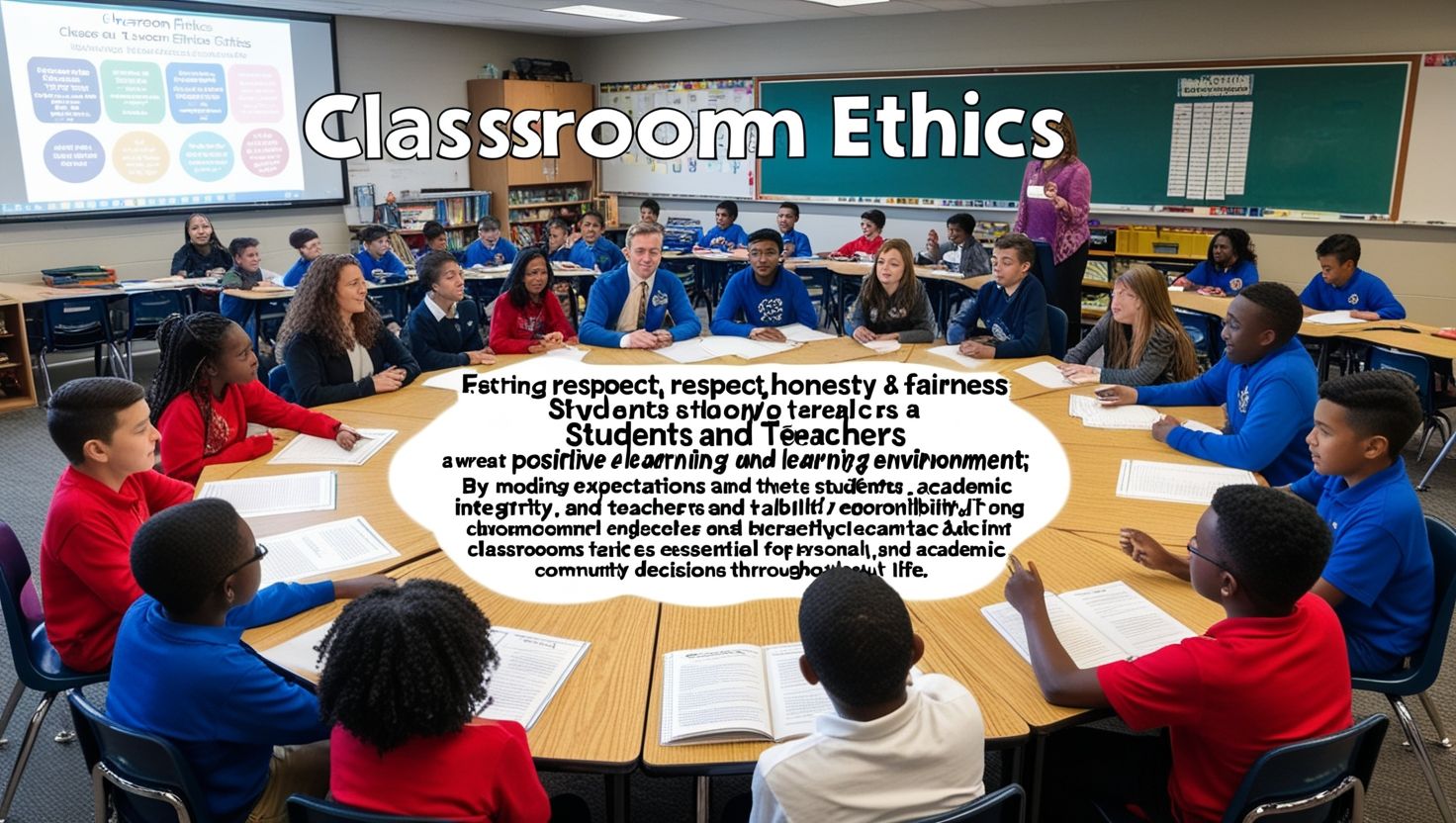
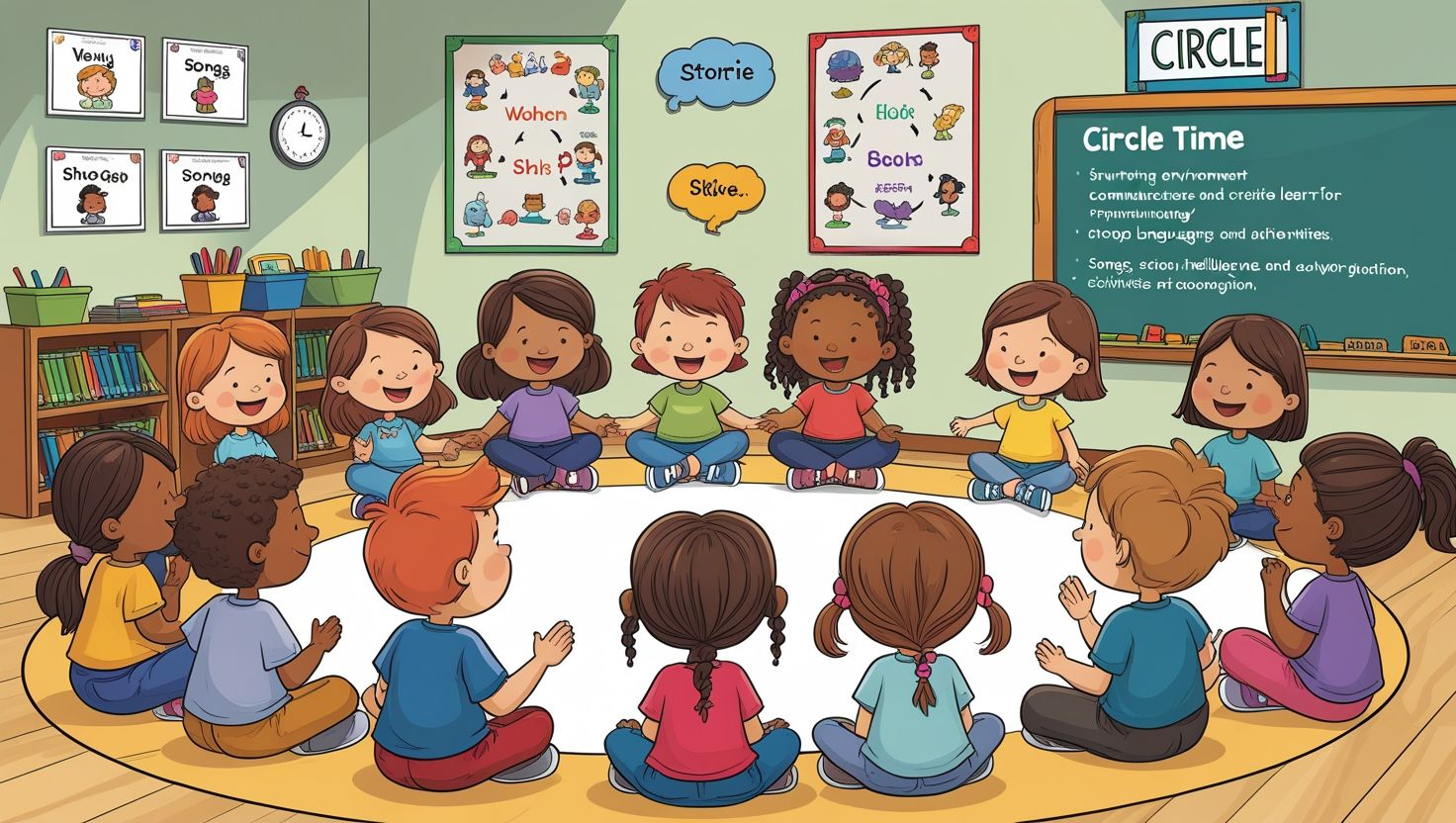
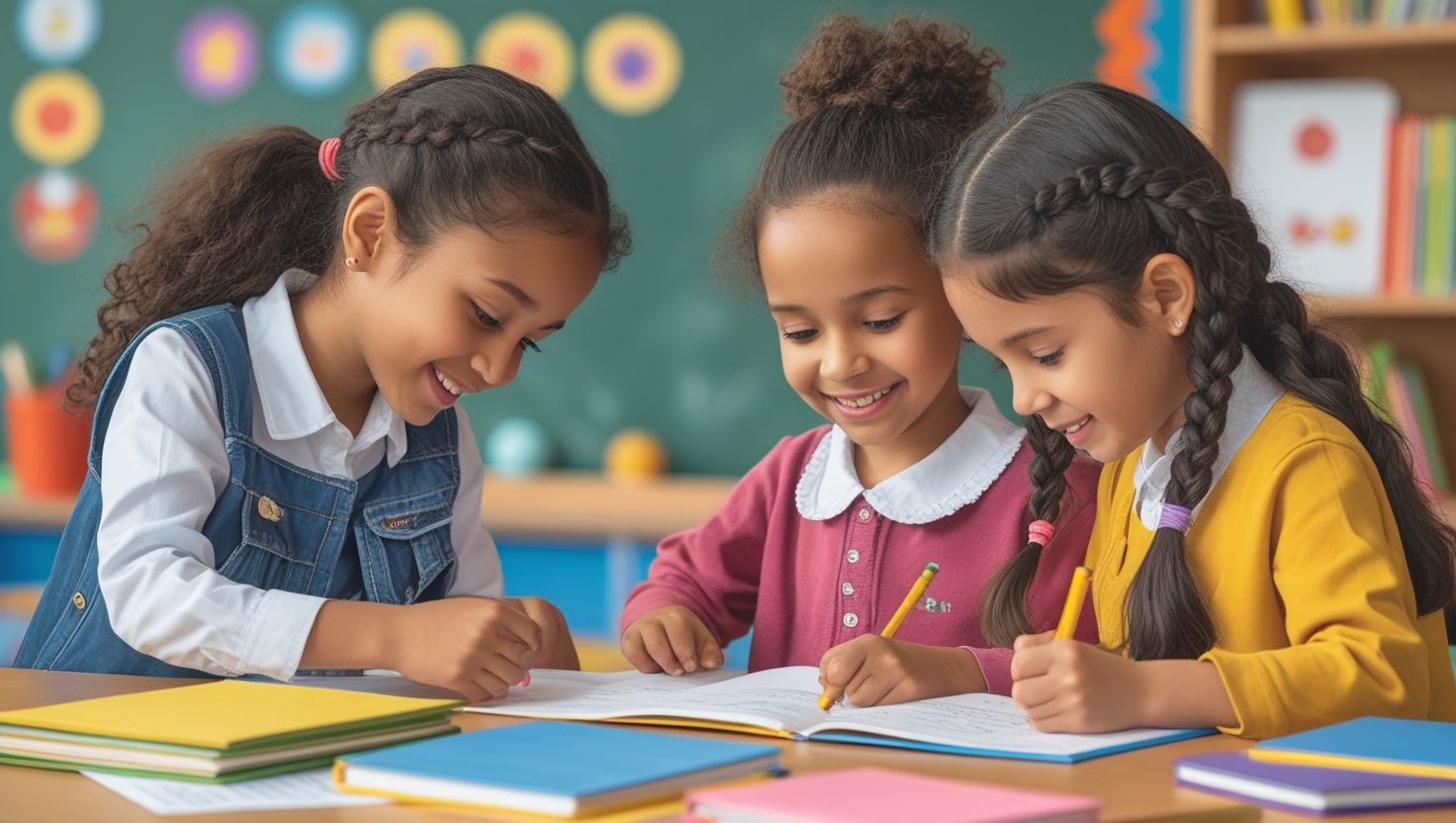
Hands-on tasks naturally promote collaboration. Students often work in pairs or groups to complete projects, conduct experiments, or solve problems. Thus, collaborative learning becomes an essential part of the classroom environment. While working together, students share ideas, negotiate roles, and support one another. Moreover, cooperation teaches them to respect different viewpoints. Although conflicts sometimes arise, group tasks help students learn conflict-resolution strategies. Additionally, collaboration develops leadership qualities. Some students take charge, while others contribute through planning or organizing. Furthermore, shared responsibility increases accountability. Consequently, group-based hands-on activities prepare students for teamwork in real life.
8. Hands-On Learning and Real-World Application
One of the greatest strengths of hands-on tasks is their connection to real life. Because students work with tangible materials, they understand how concepts apply outside school. For example, measuring ingredients teaches math skills, while planting seeds explains biological processes. Consequently, real-world application becomes clear and meaningful. Moreover, practical tasks help students make informed decisions in daily life. Although textbooks offer explanations, real experiences make learning memorable. Additionally, hands-on activities develop situational awareness. Students learn to observe results, interpret findings, and apply knowledge. Ultimately, these experiences prepare learners for practical challenges they may face in adulthood.
9. Hands-On Tasks in Different Subjects
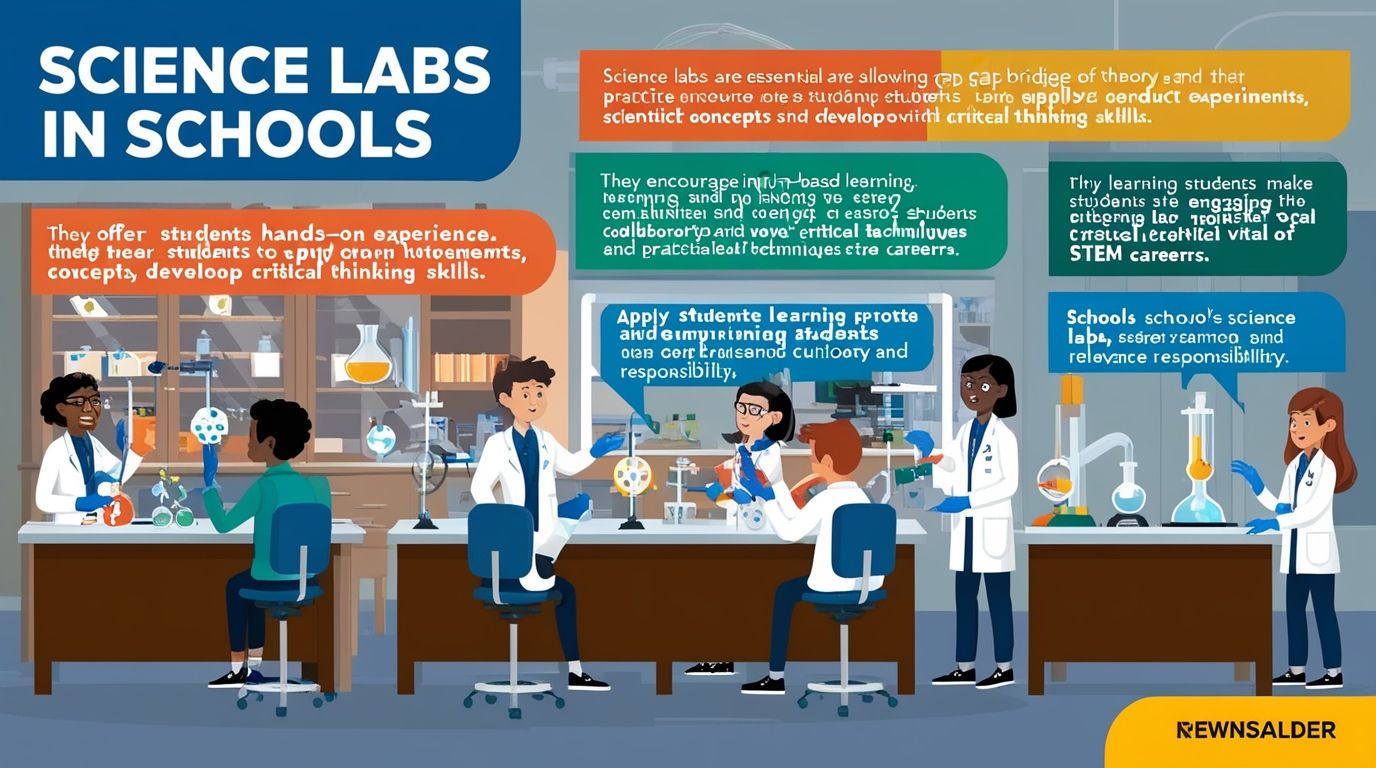
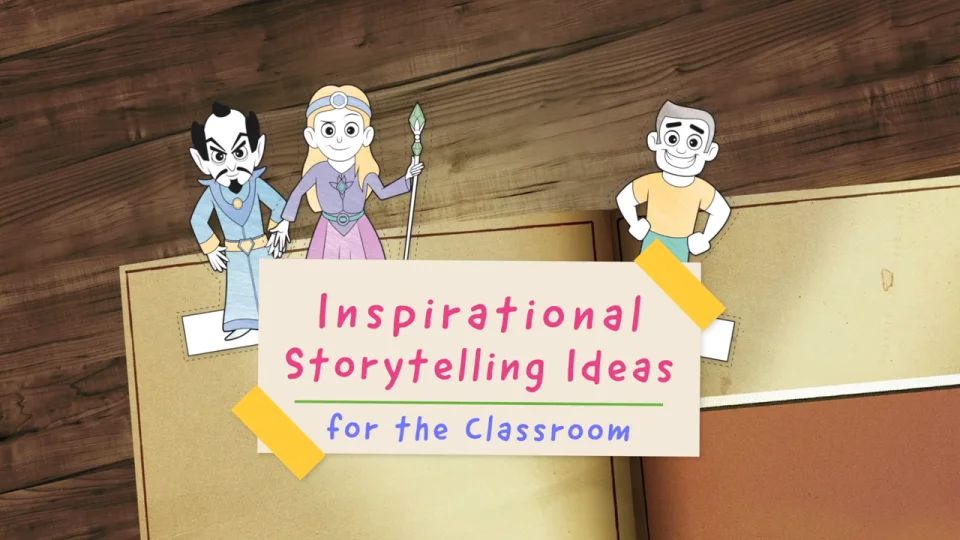
Hands-on tasks can be used in all subjects. In science, students perform experiments to understand concepts. In mathematics, they use objects to solve numerical problems. In language classes, they engage in storytelling, role play, and creative writing. Therefore, multidisciplinary hands-on learning is possible across the curriculum. Moreover, social studies lessons become more interesting when students create maps or models. Even in technology and arts, practical work is essential. Although some subjects appear theoretical, teachers can still integrate interactive activities. Additionally, hands-on tasks help students develop an emotional connection to each subject, making learning more enjoyable. Consequently, learning becomes more balanced and effective.
10. Role of Teachers in Implementing Hands-On Tasks
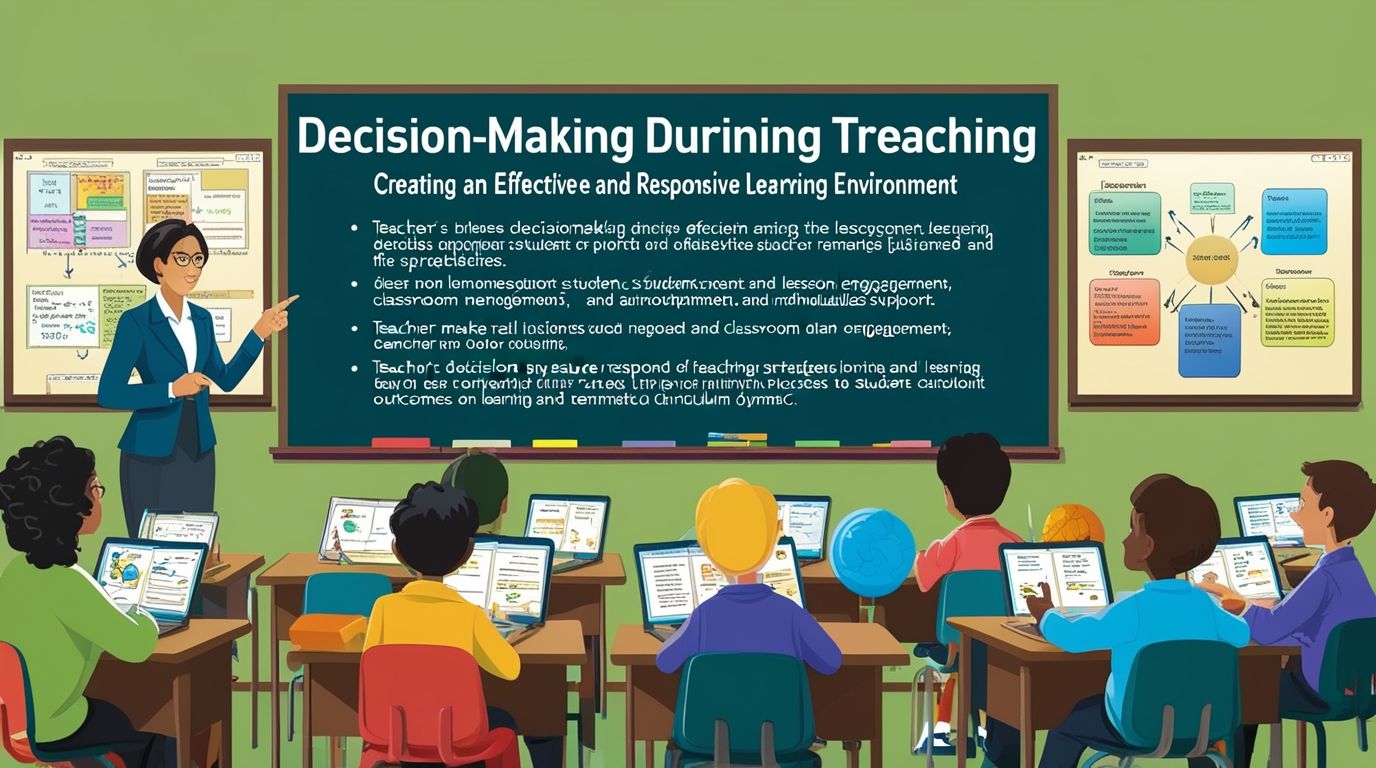
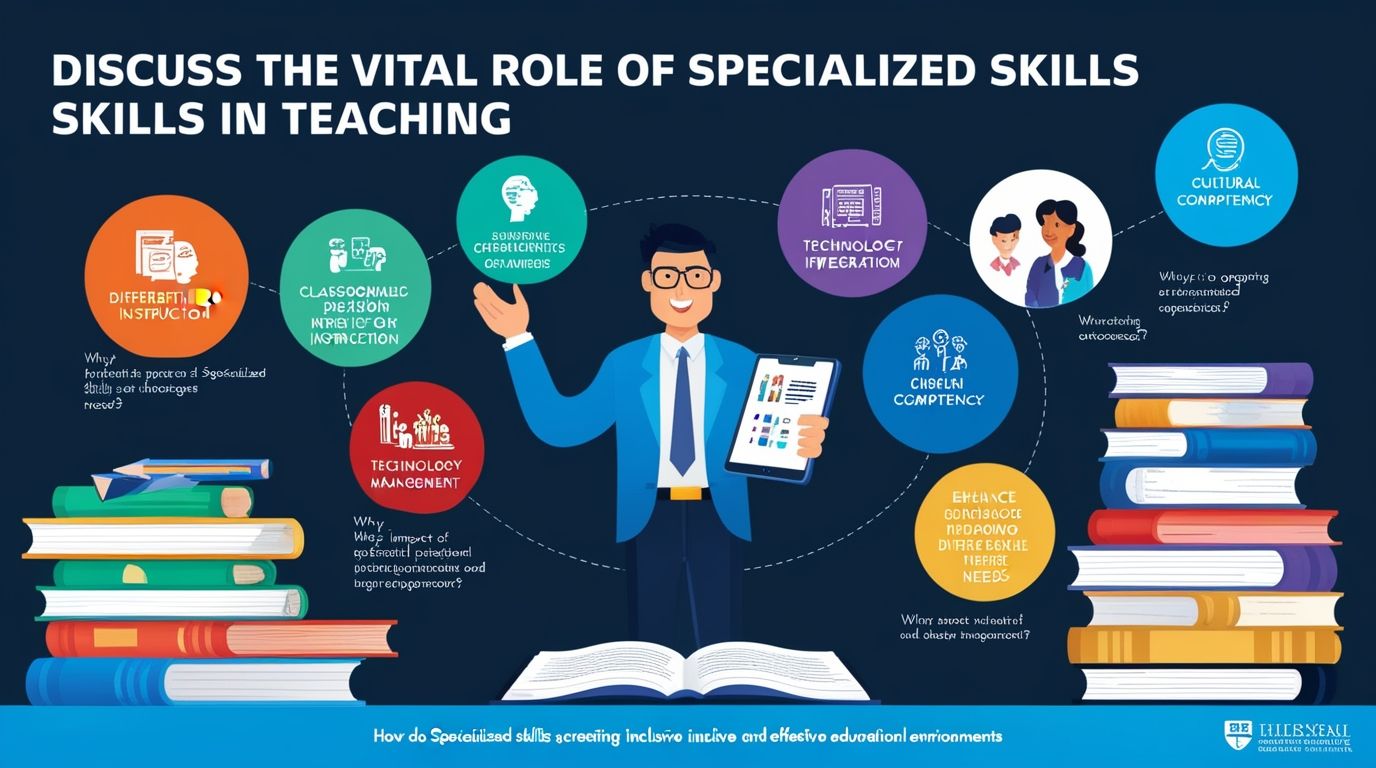
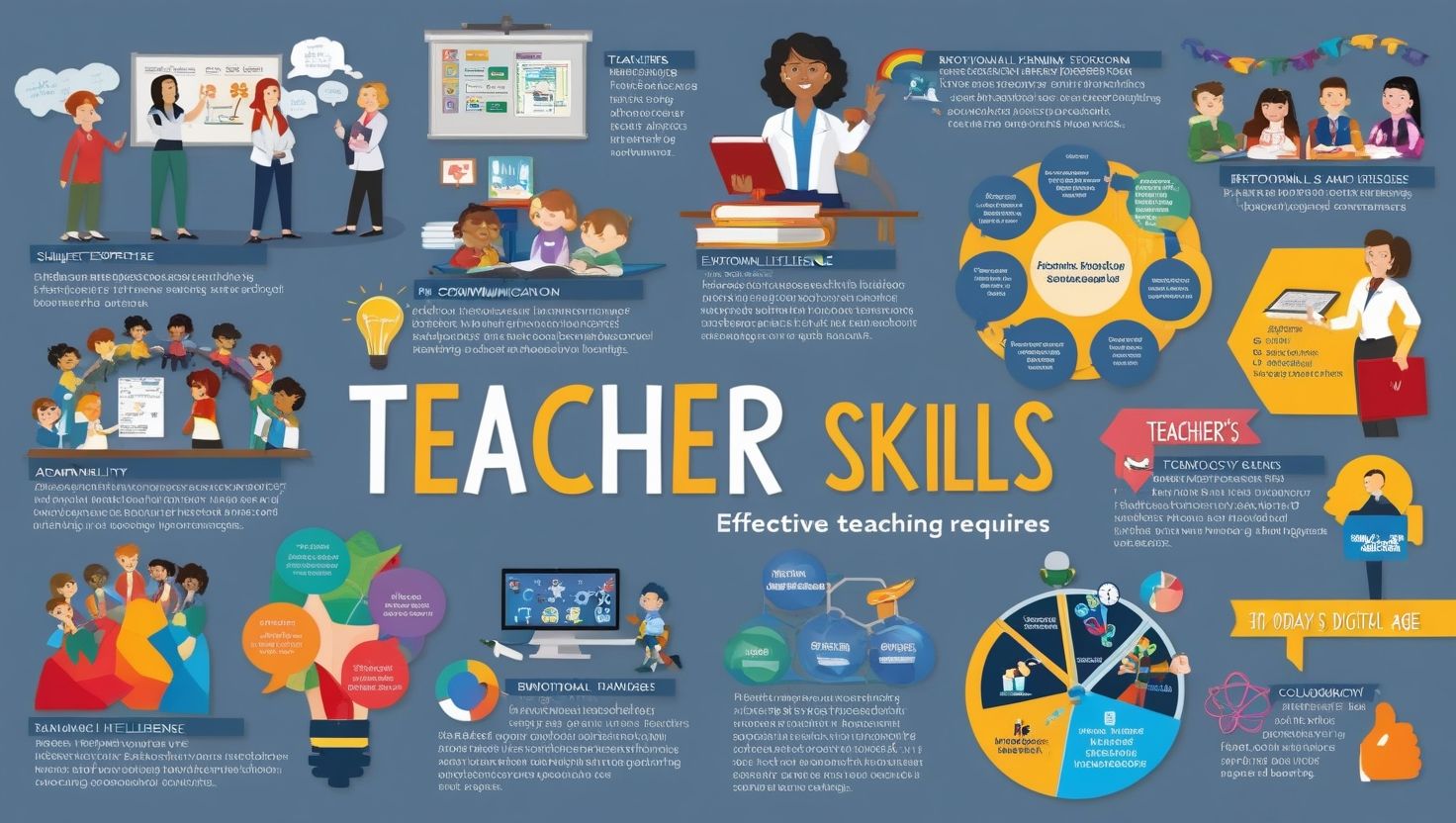
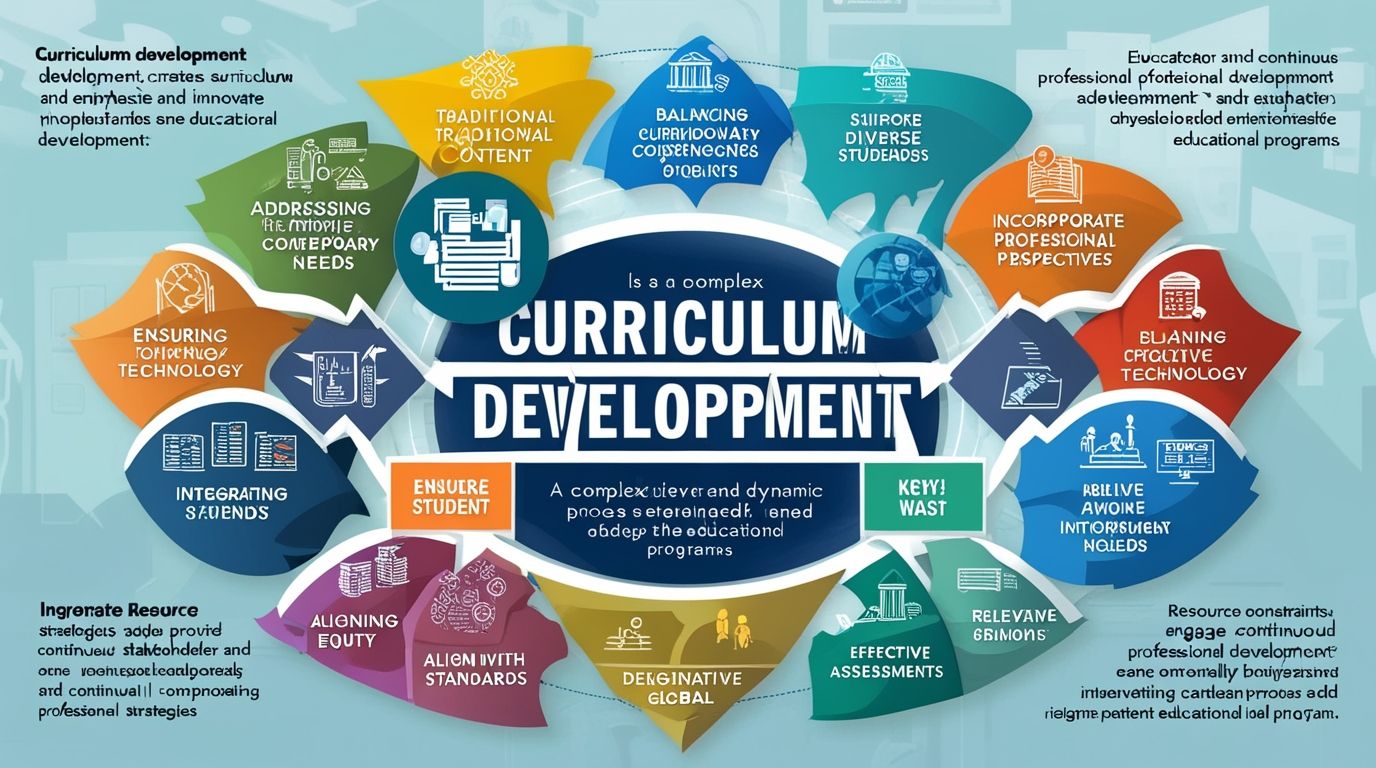
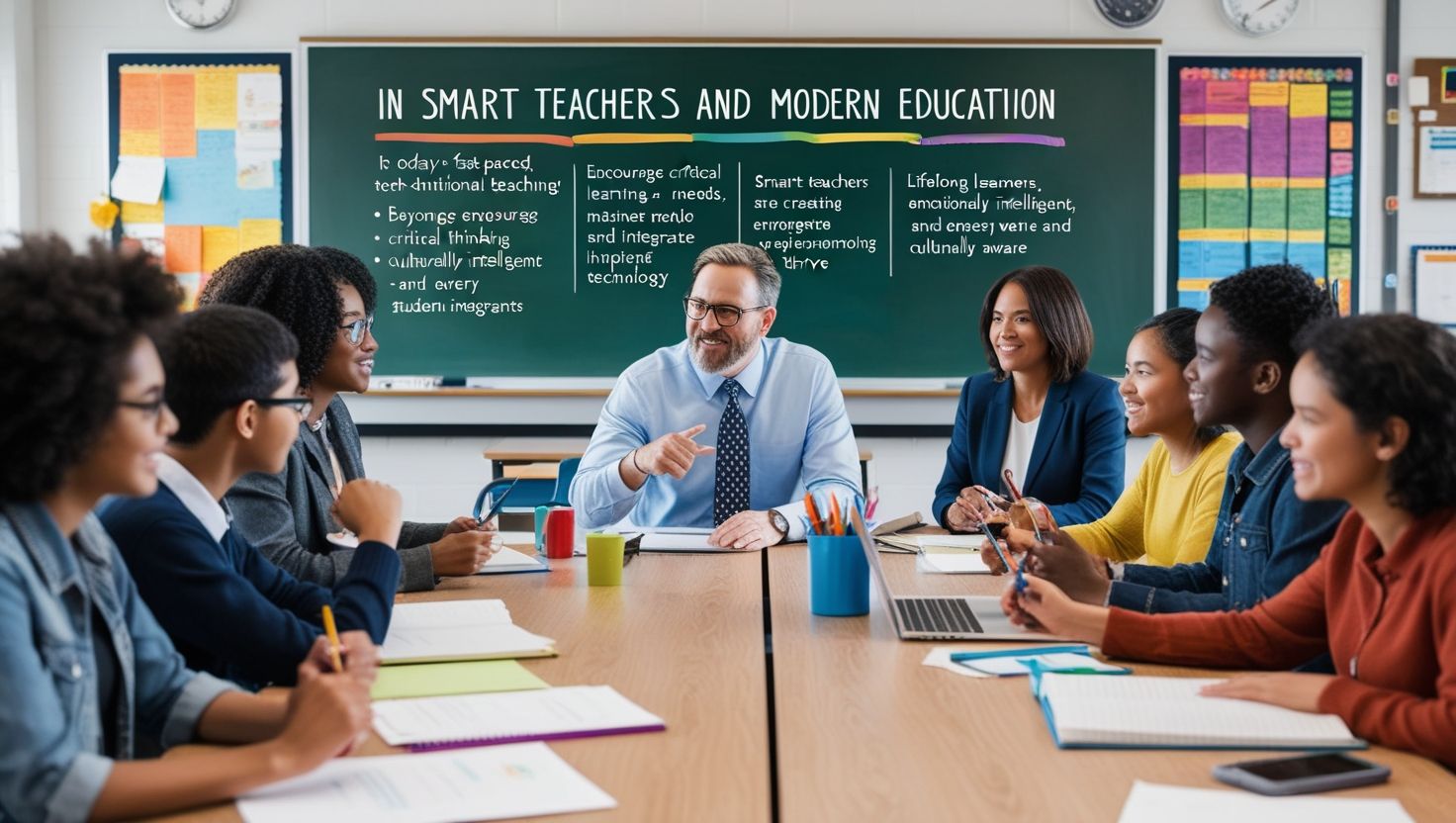
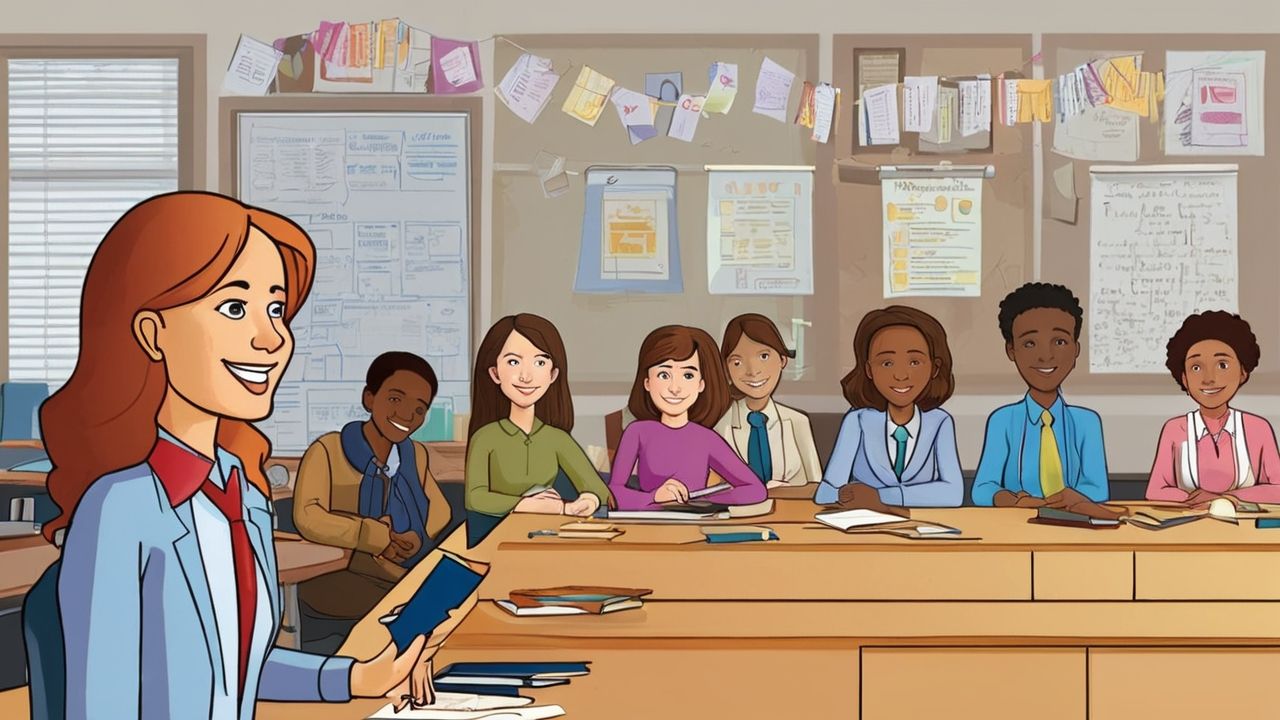
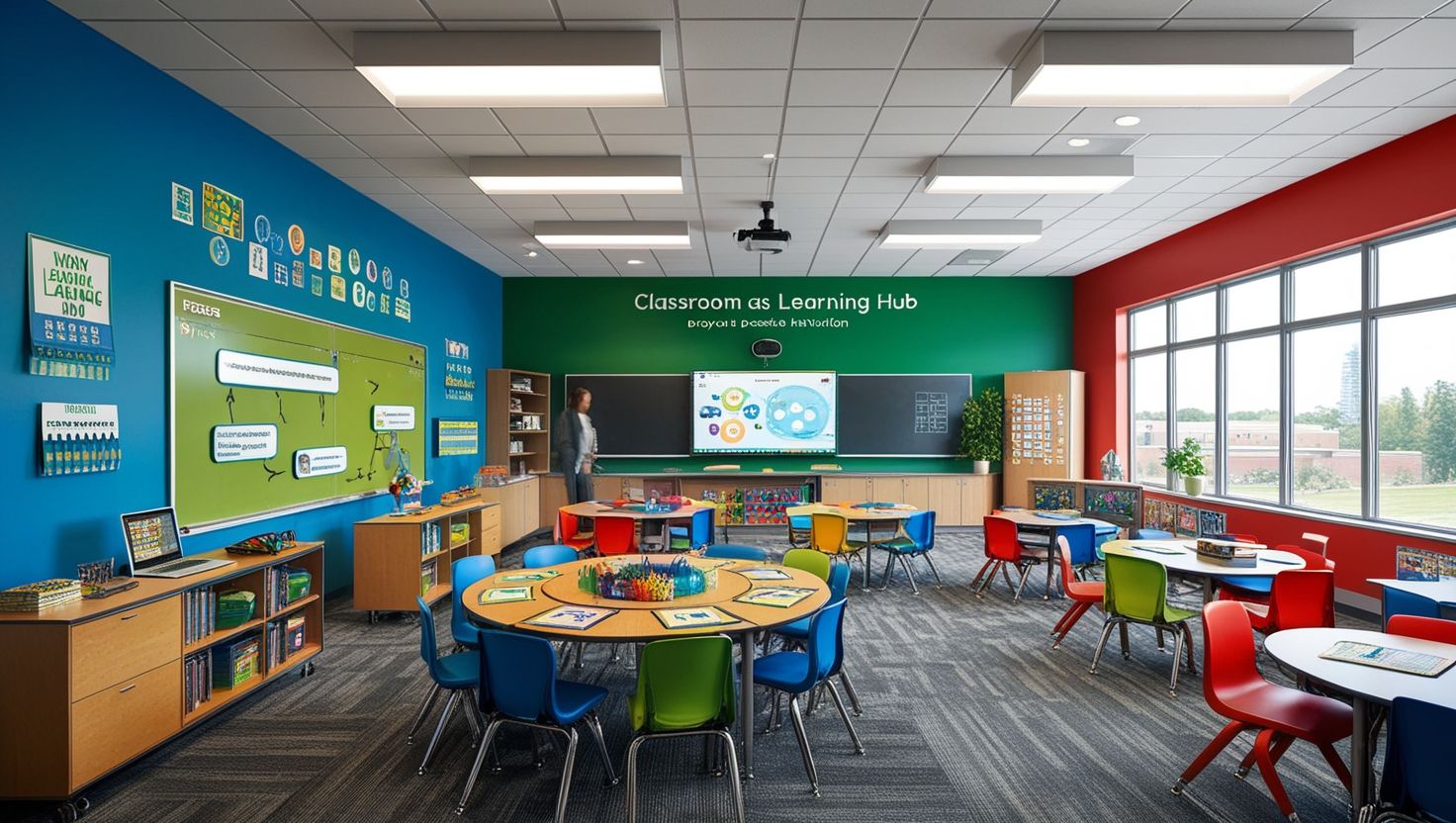
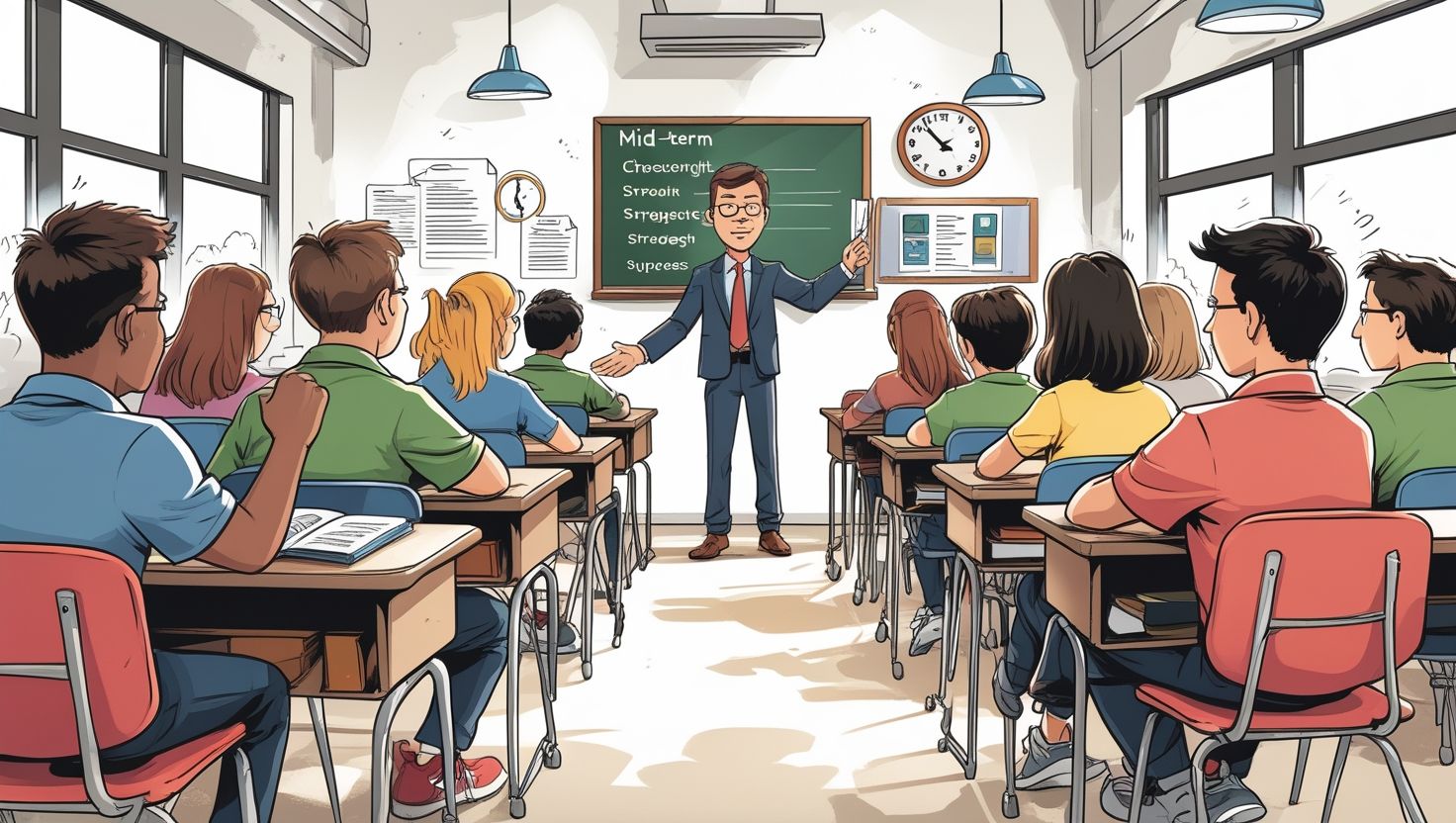
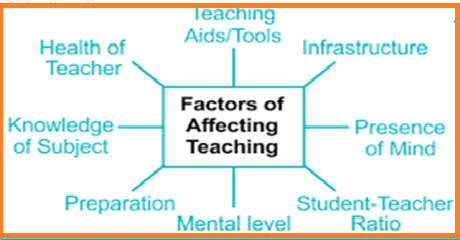
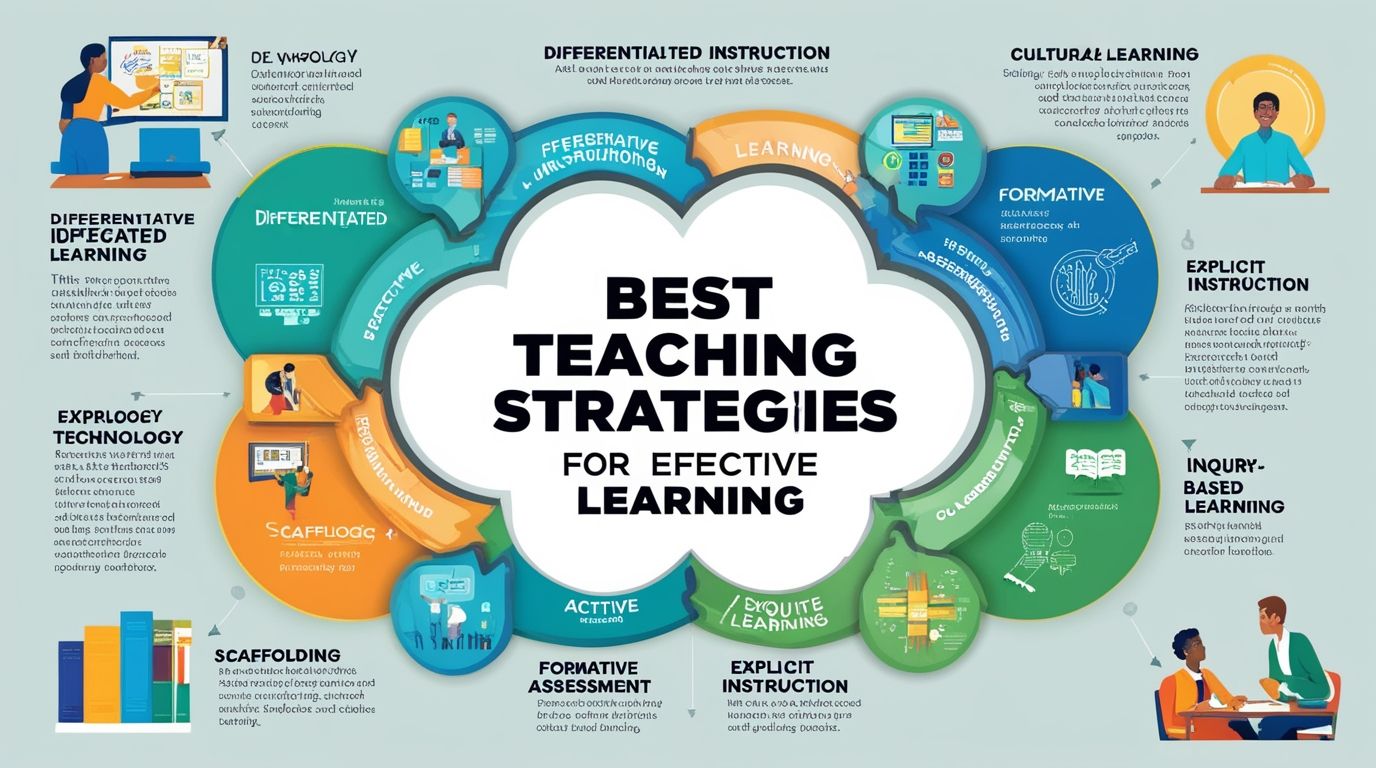
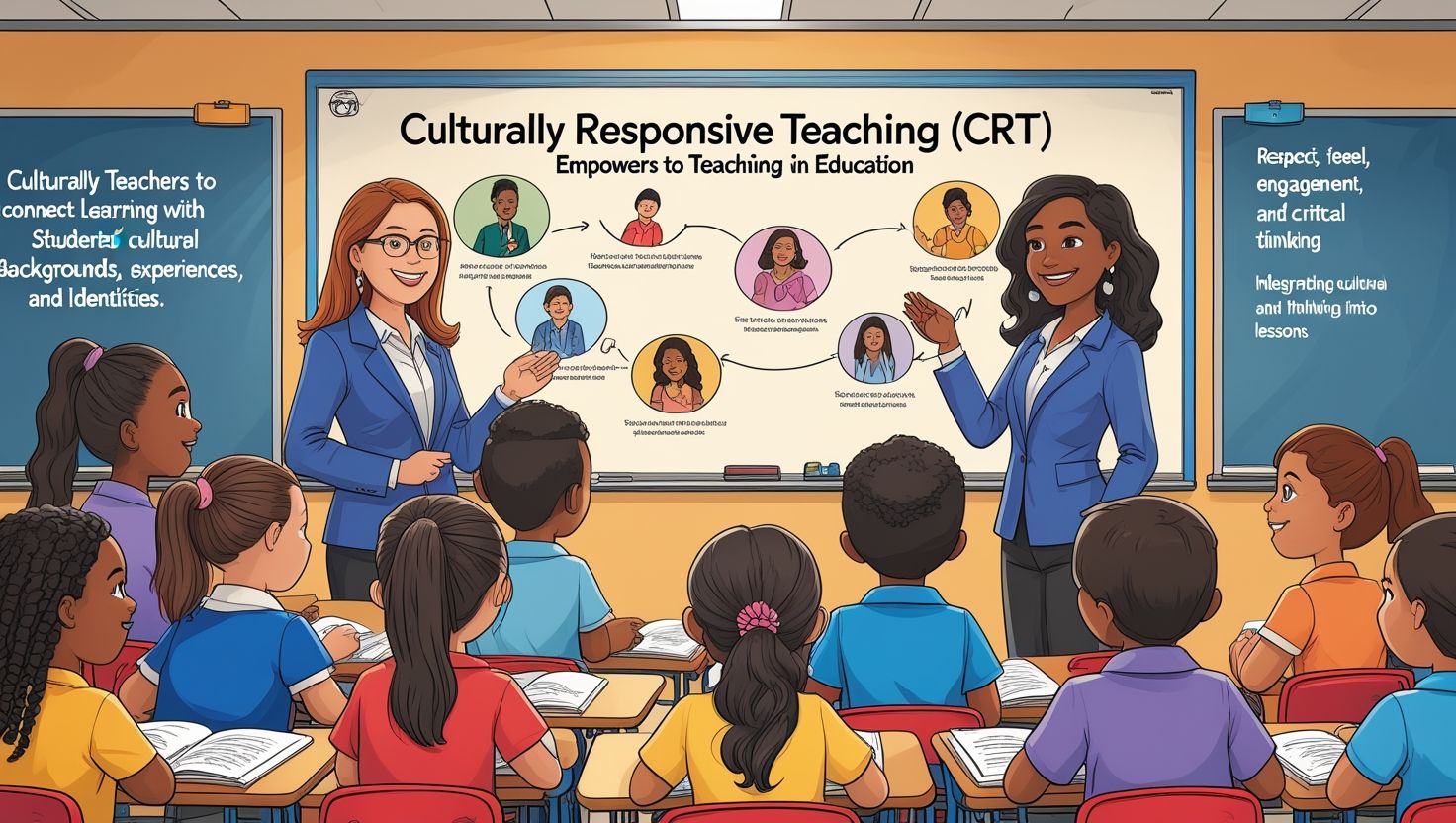
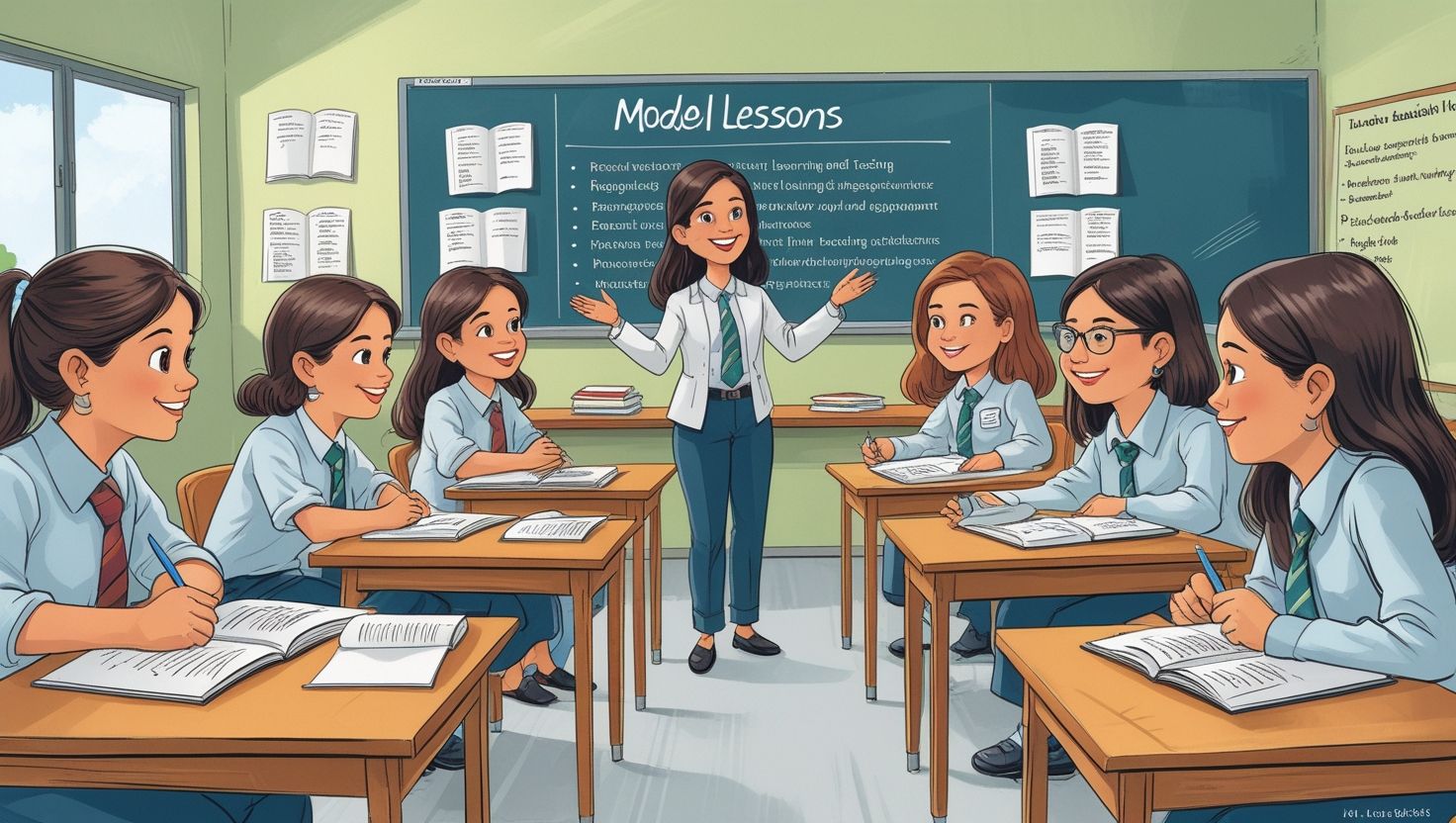
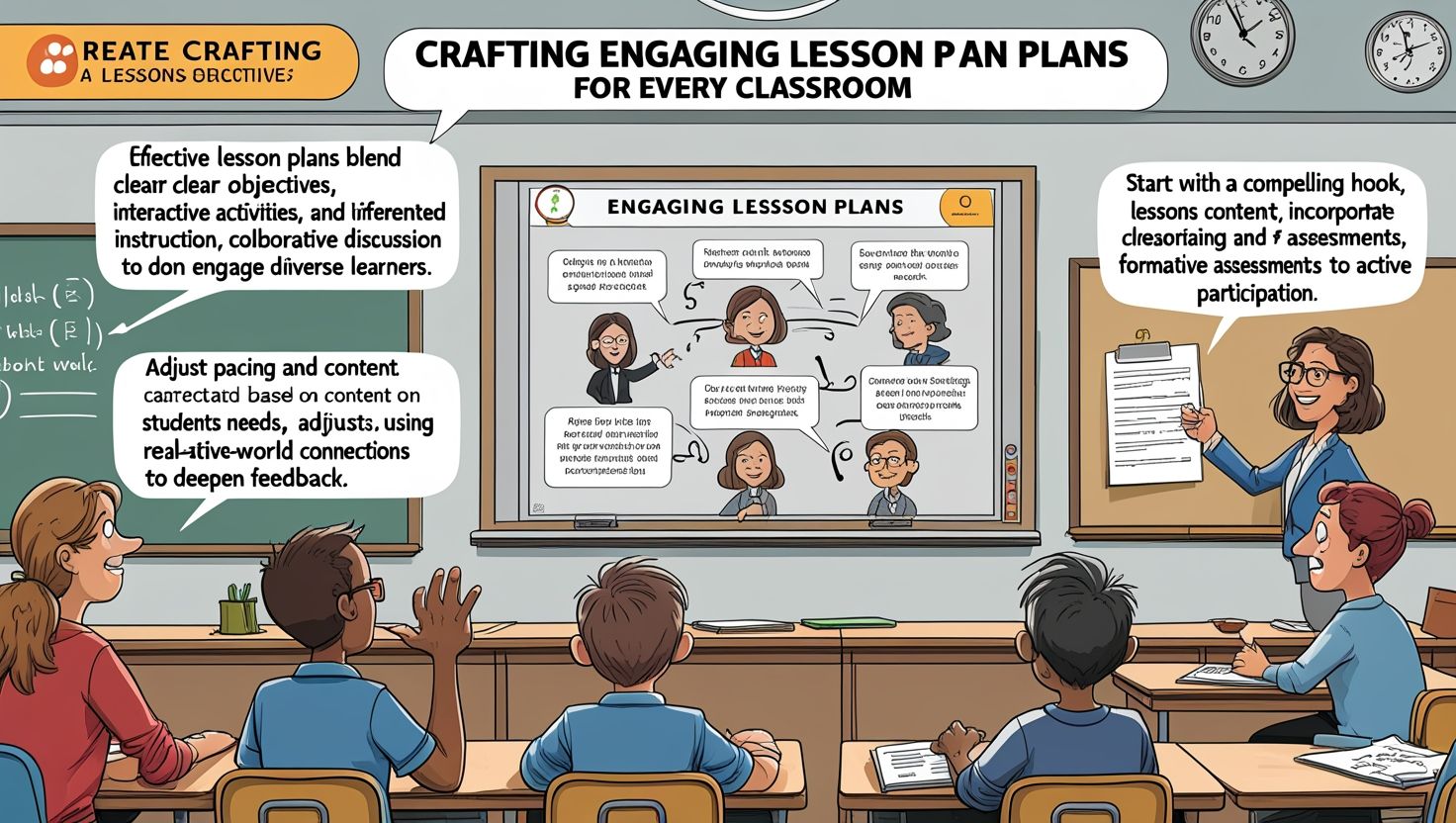
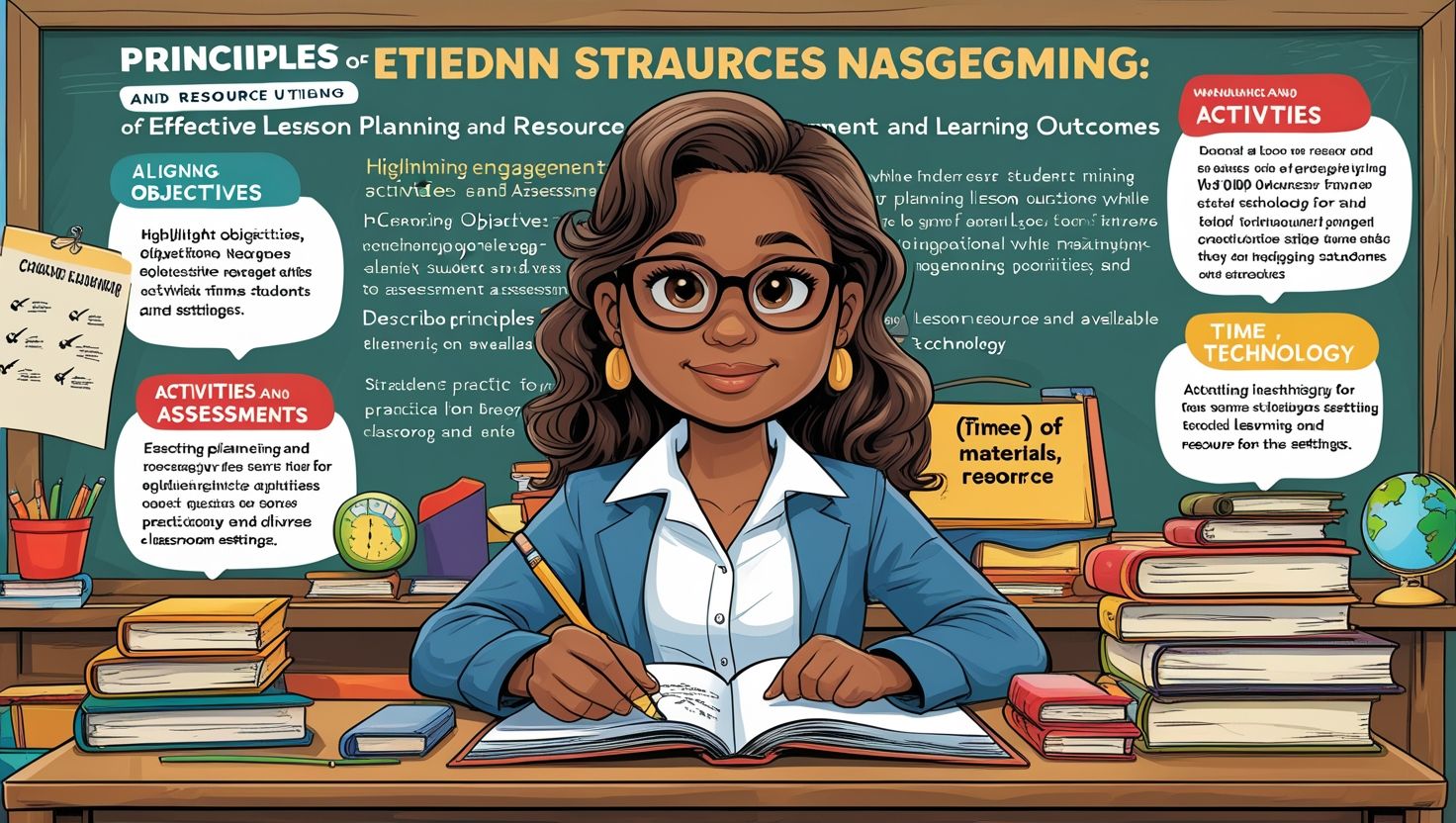
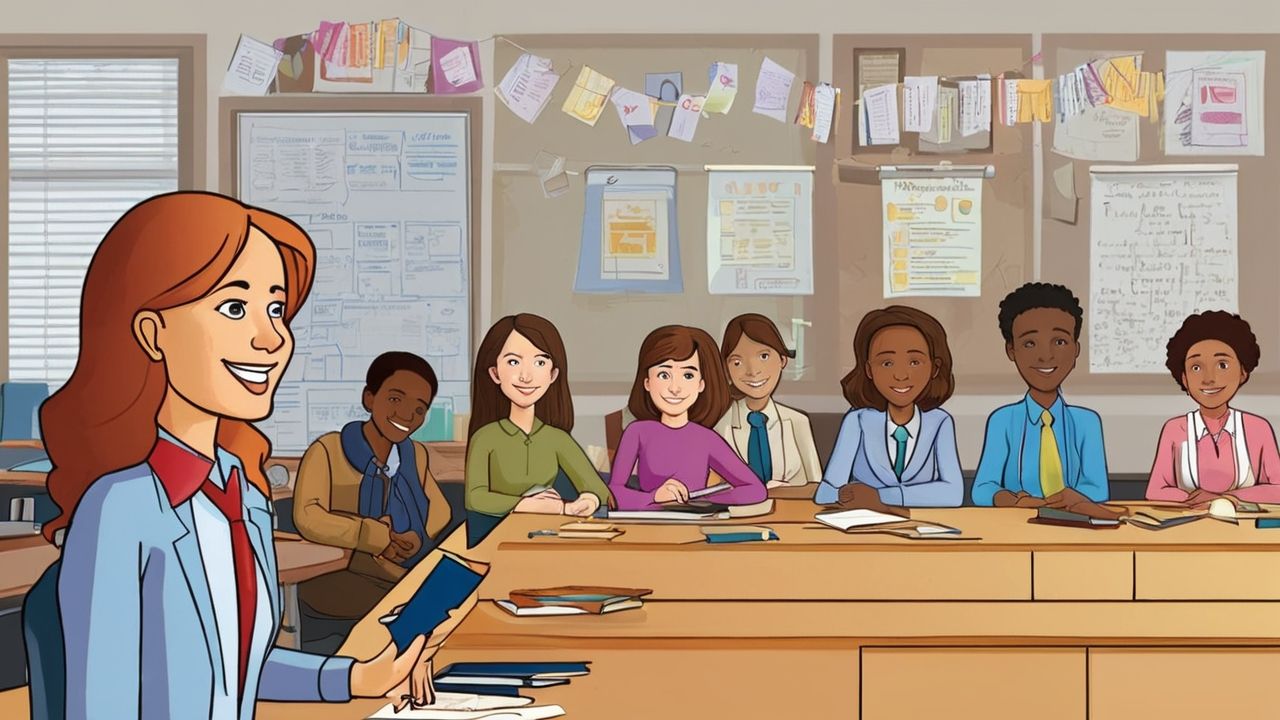
Teachers play a crucial role in implementing hands-on tasks. They design meaningful activities, guide students, and create safe learning environments. Moreover, teachers must align tasks with curriculum goals. Although hands-on learning is creative, it still requires proper planning. Consequently, teachers choose appropriate materials and prepare instructions. Additionally, they monitor students’ progress and provide feedback. Because students work independently, teachers also encourage responsibility. Furthermore, teachers promote curiosity by asking questions and inspiring learners to explore. Thus, the teacher’s role in hands-on learning is vital for success. When teachers model enthusiasm, students become more motivated to participate.
11. Challenges of Hands-On Tasks in School
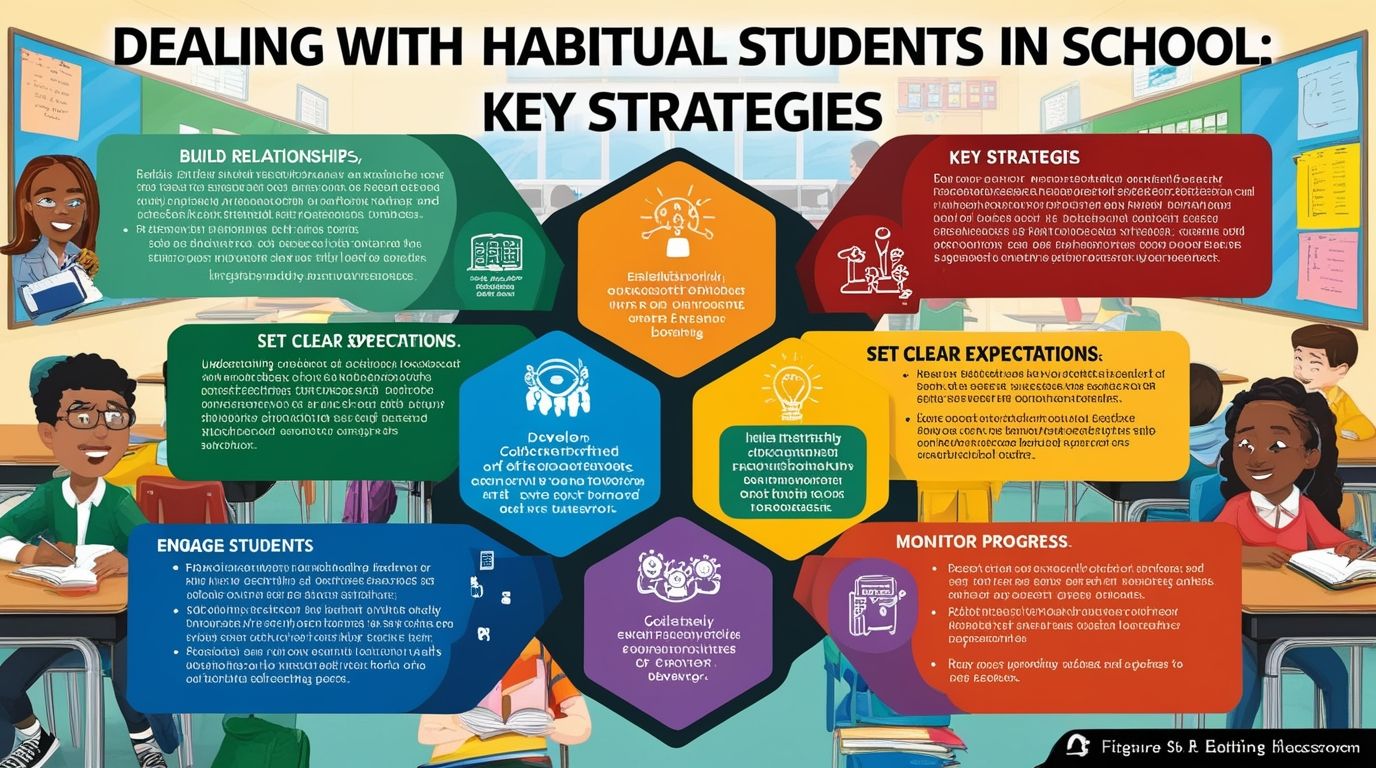
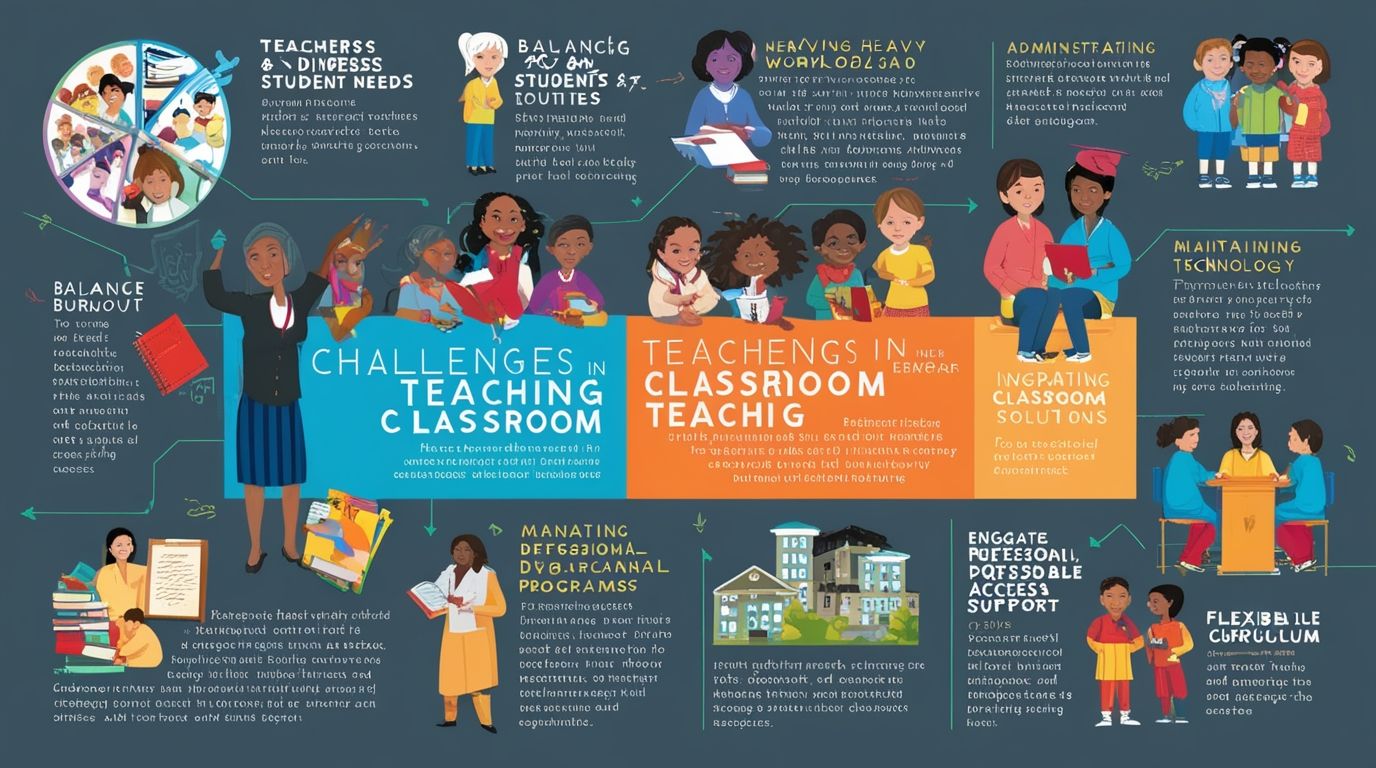
Despite their benefits, hands-on tasks present several challenges. Schools may lack resources or materials. Teachers might face time limitations or large class sizes. Consequently, they struggle to manage practical activities effectively. Moreover, hands-on learning challenges include safety concerns, especially in science laboratories. Although teachers work hard to maintain order, mistakes can happen. Additionally, some students may feel anxious when tasks require precision or creativity. Furthermore, practical work can become messy and demanding. Therefore, teachers must plan carefully and maintain patience. Even with these challenges, hands-on tasks remain valuable and should be supported.
12. Solutions for Effective Hands-On Learning Implementation
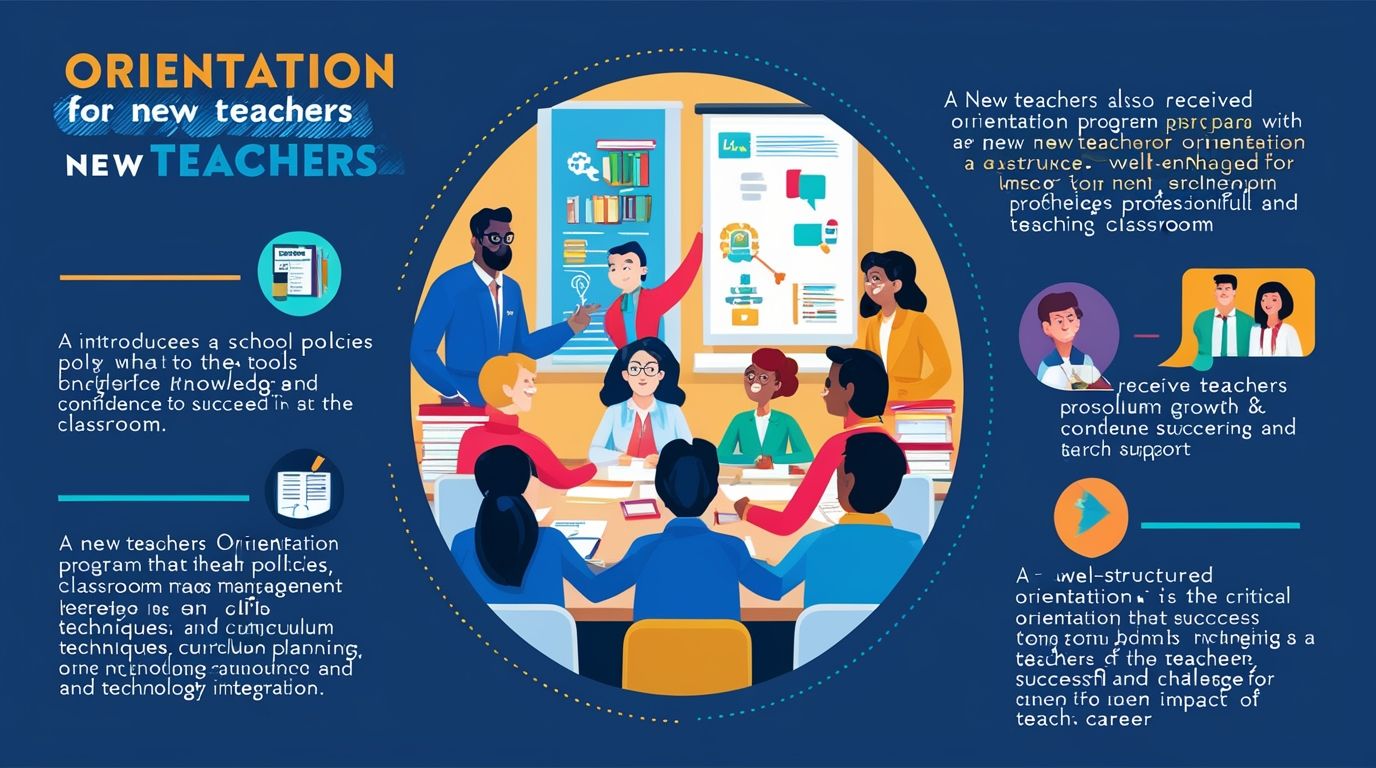
Schools can overcome challenges through effective planning. For instance, they can use low-cost materials, recycled items, or digital simulations when necessary. Moreover, teachers can divide students into small groups to manage time better. Consequently, effective hands-on implementation becomes more practical. Additionally, schools can provide training workshops for teachers. These workshops build confidence and offer new ideas for classroom activities. Although resources may be limited, creativity can overcome many barriers. Furthermore, scheduling hands-on sessions weekly ensures consistency. Schools can also seek community support for materials. Thus, practical learning becomes sustainable and impactful.
13. Benefits of Hands-On Tasks for Long-Term Learning
Hands-on tasks contribute to long-term learning. Because students use their senses and emotions, they remember concepts for years. Consequently, long-term retention improves. Moreover, practical tasks promote meaningful understanding rather than memorization. Students recall experiences easily and connect them with future knowledge. Although traditional tests assess learning, hands-on experiences shape deeper comprehension. Additionally, students develop lifelong skills like decision-making, teamwork, and resilience. These skills remain useful in university and professional careers. Furthermore, hands-on tasks build love for learning. Students remain curious, independent, and motivated. Therefore, hands-on learning creates confident and capable individuals.
14. Hands-On Tasks and Digital Integration
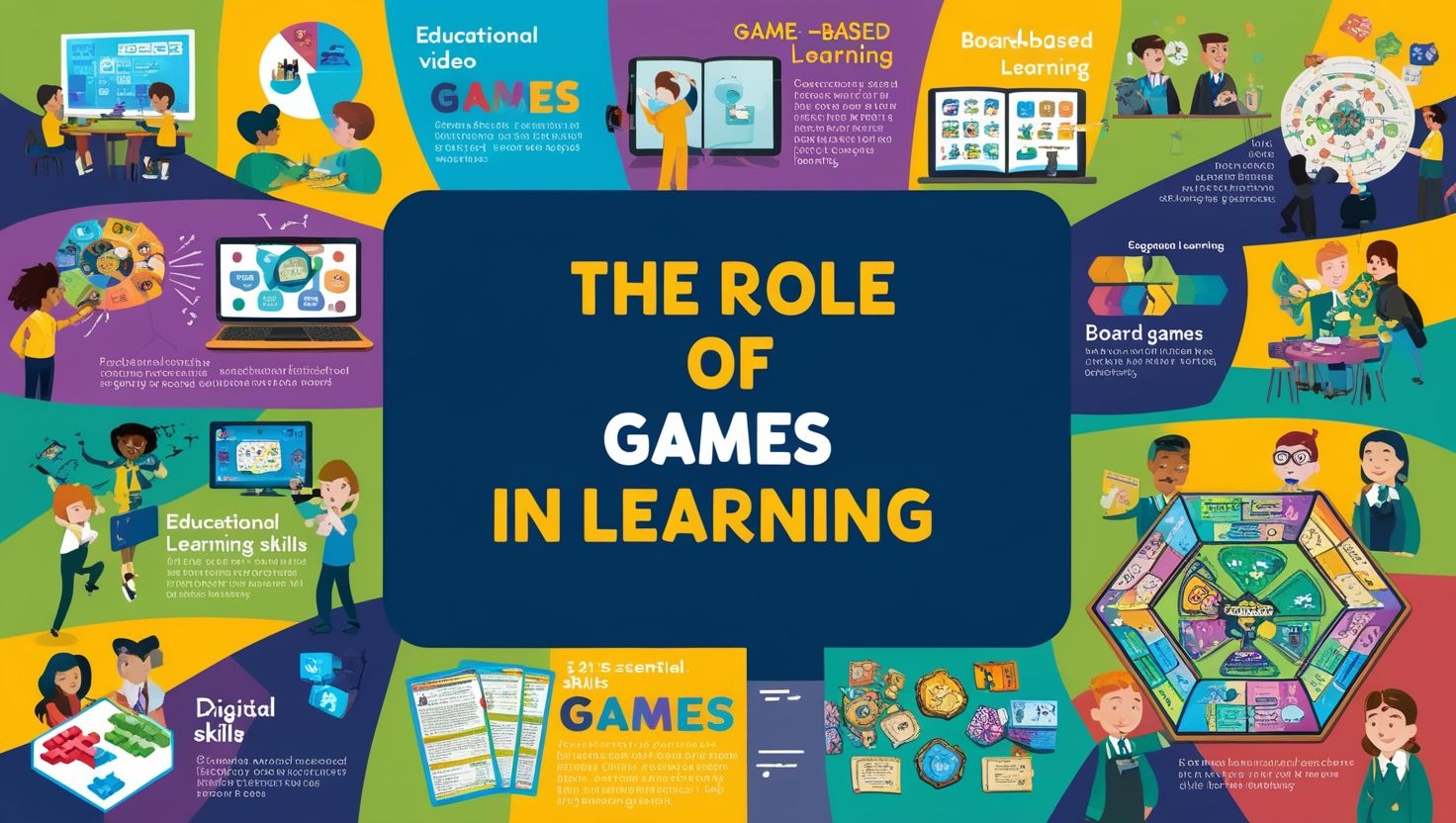
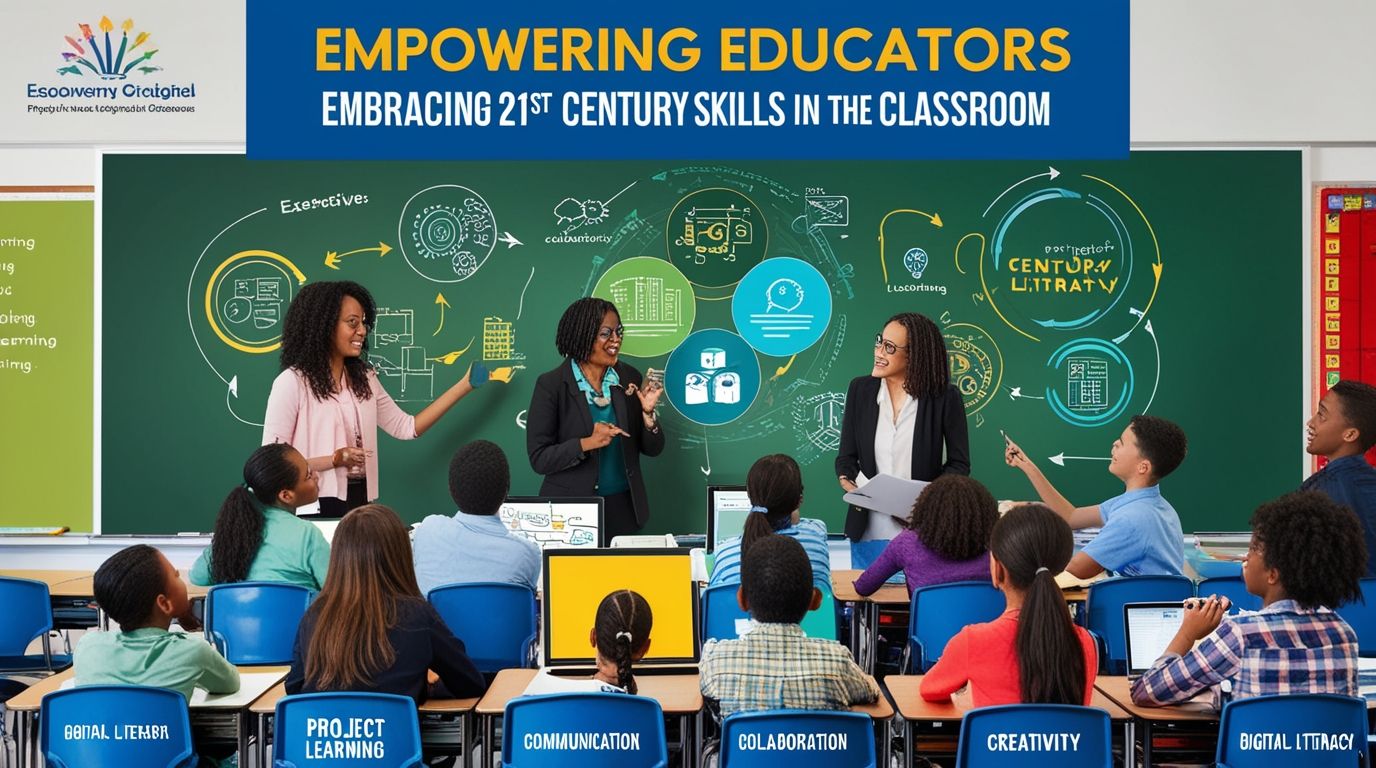
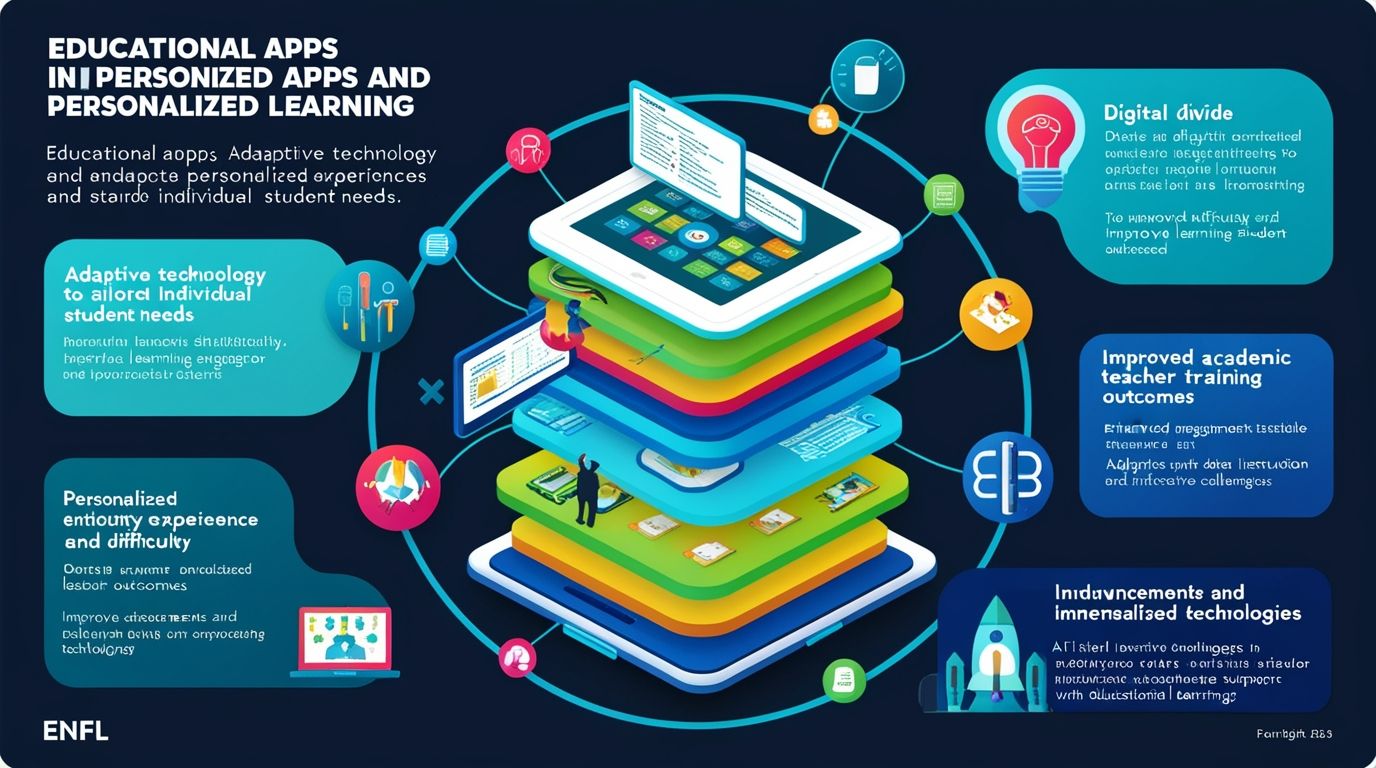
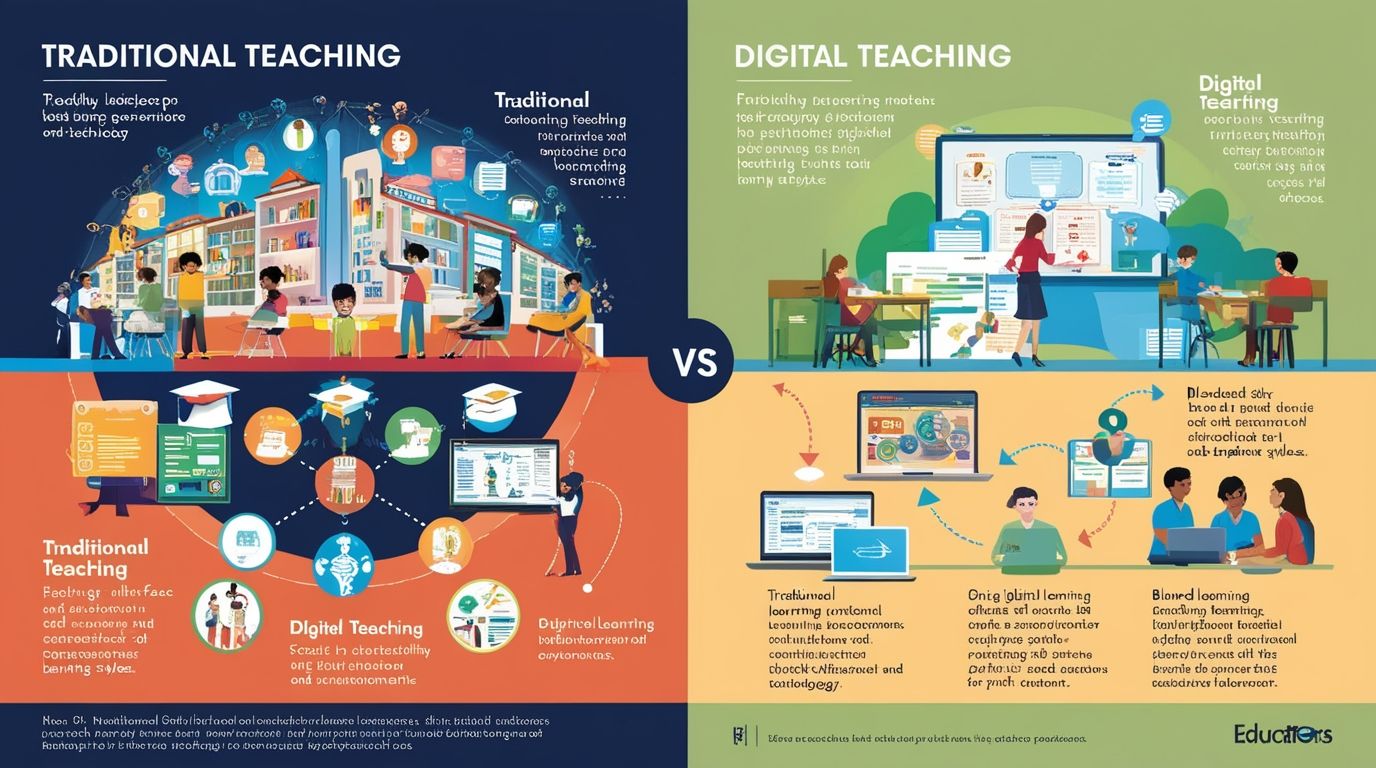
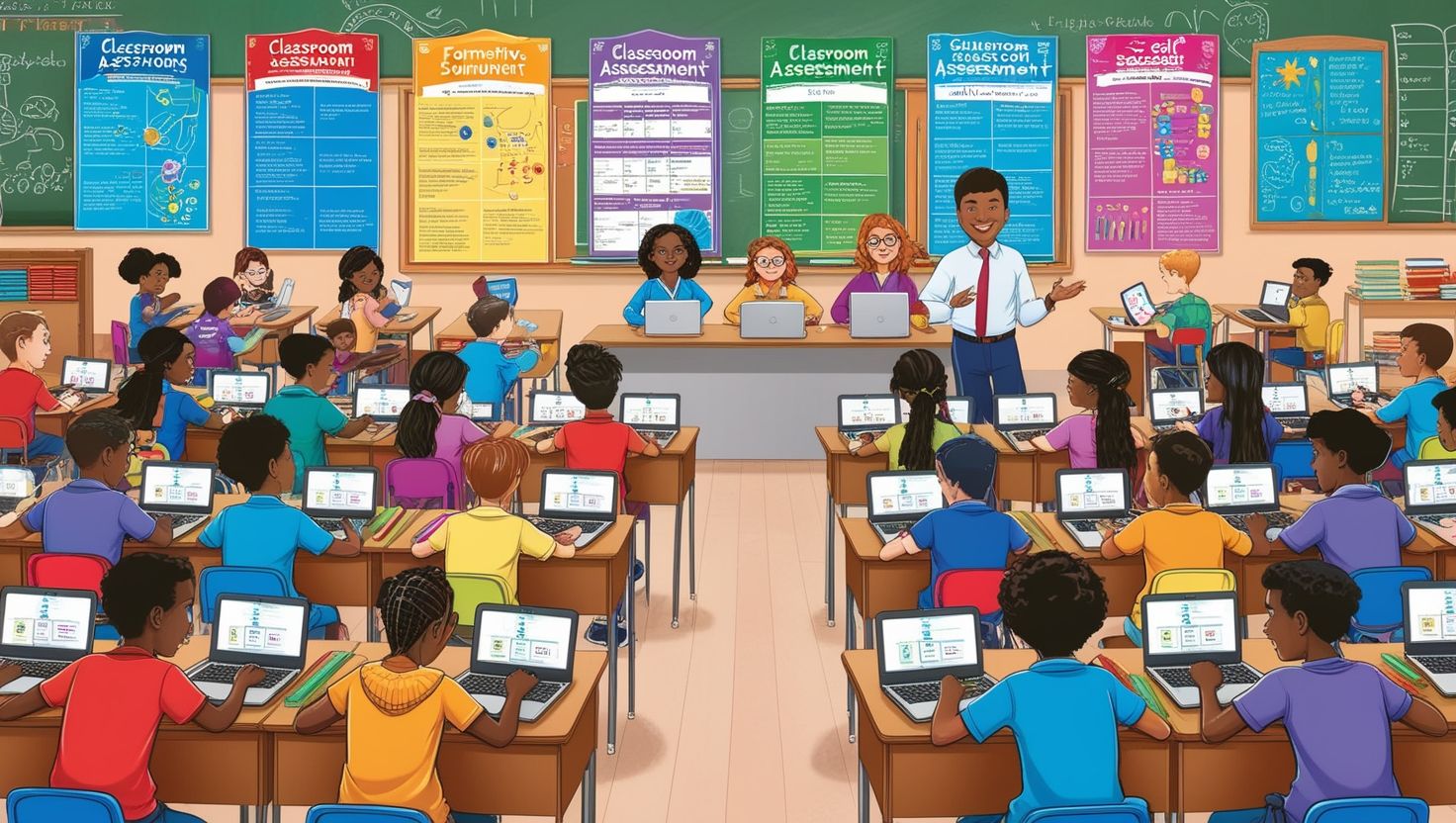
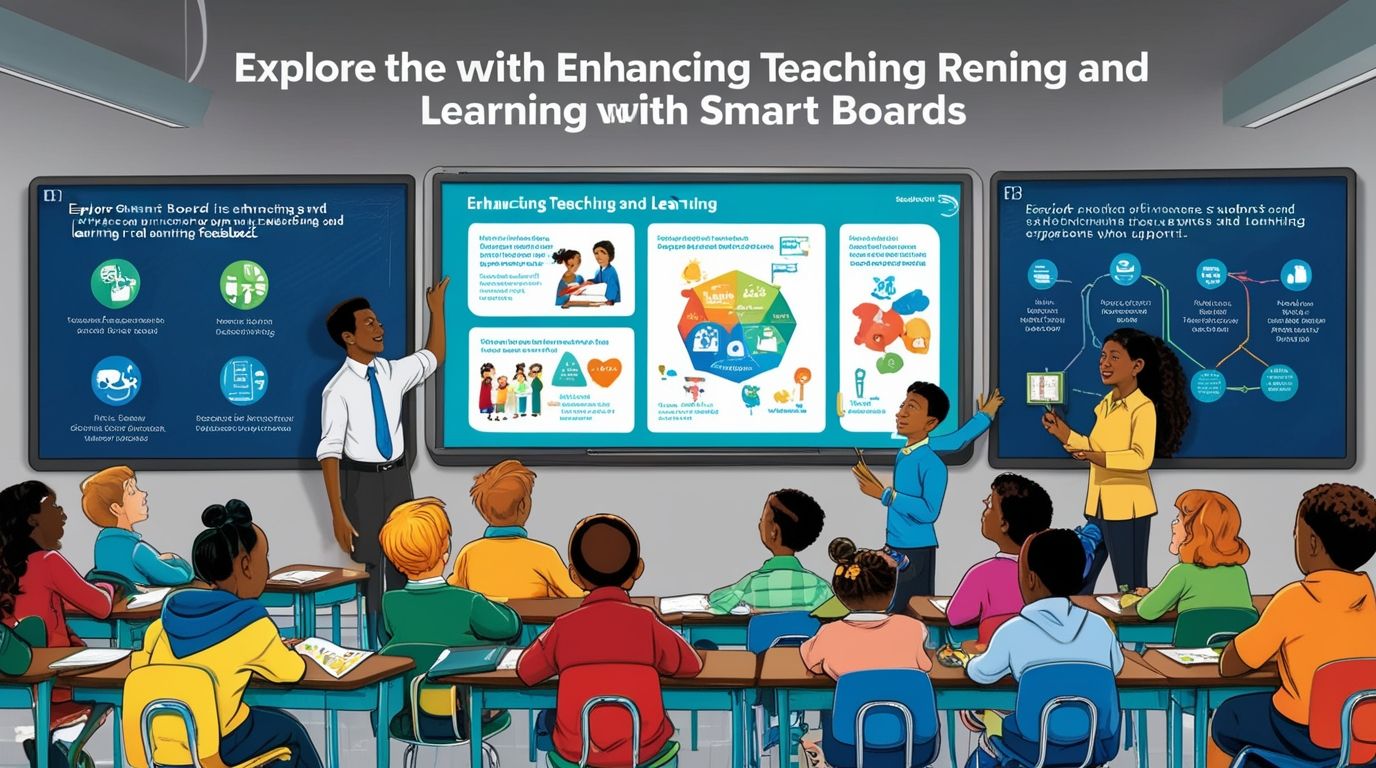
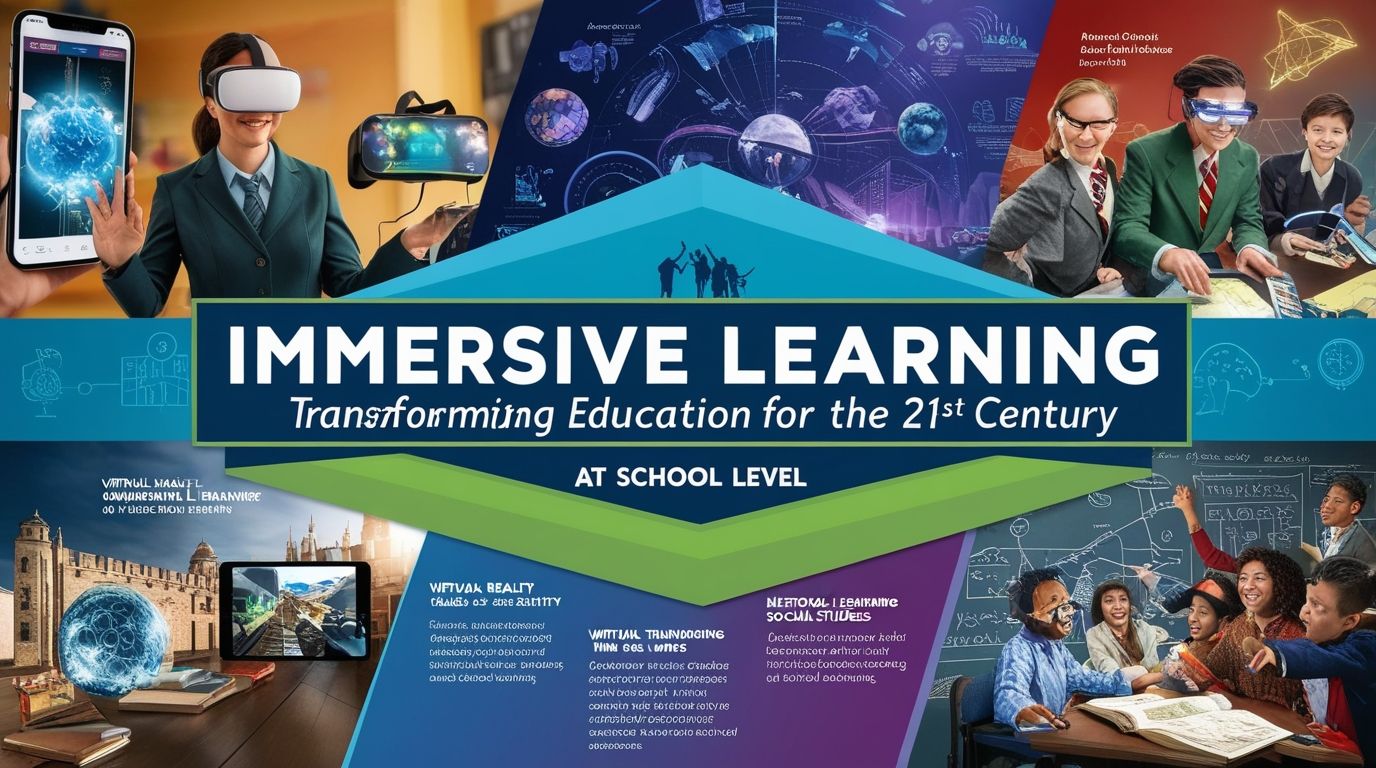
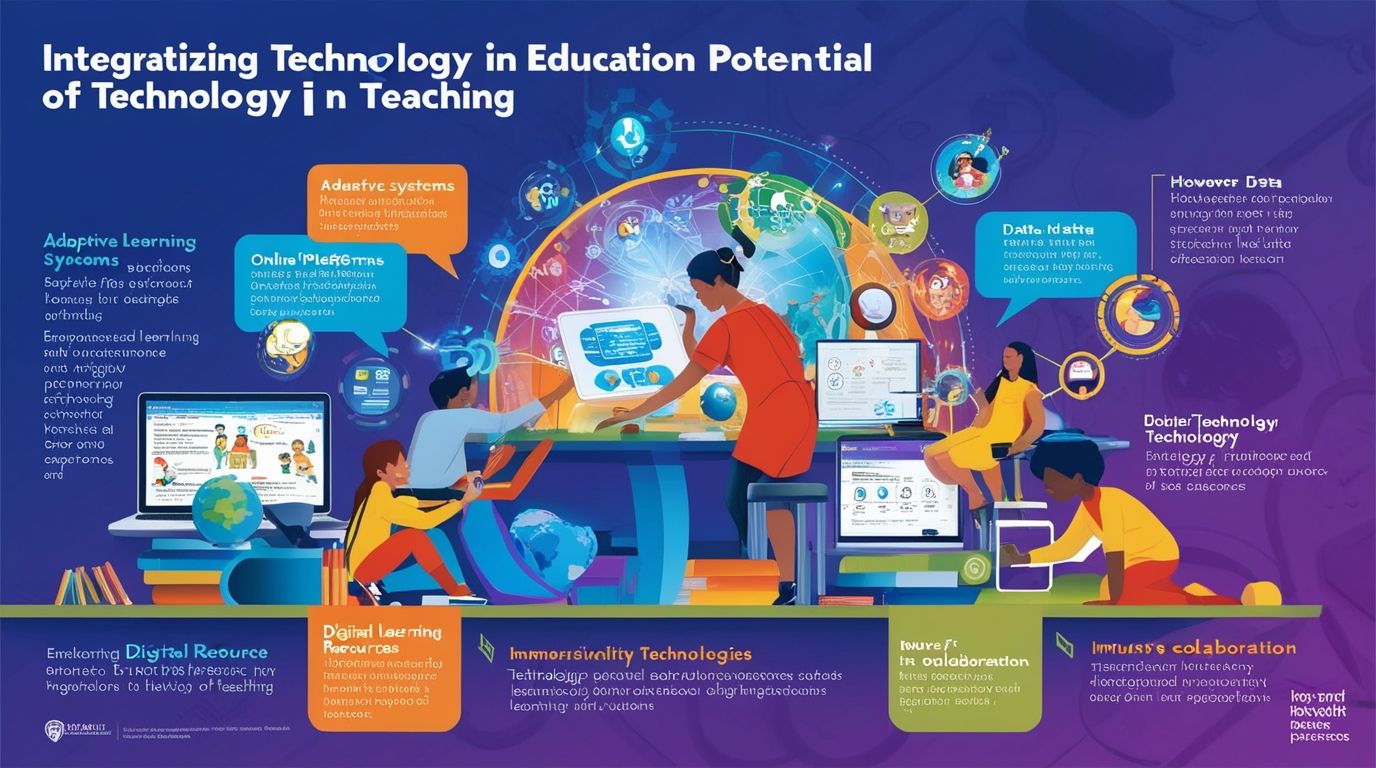
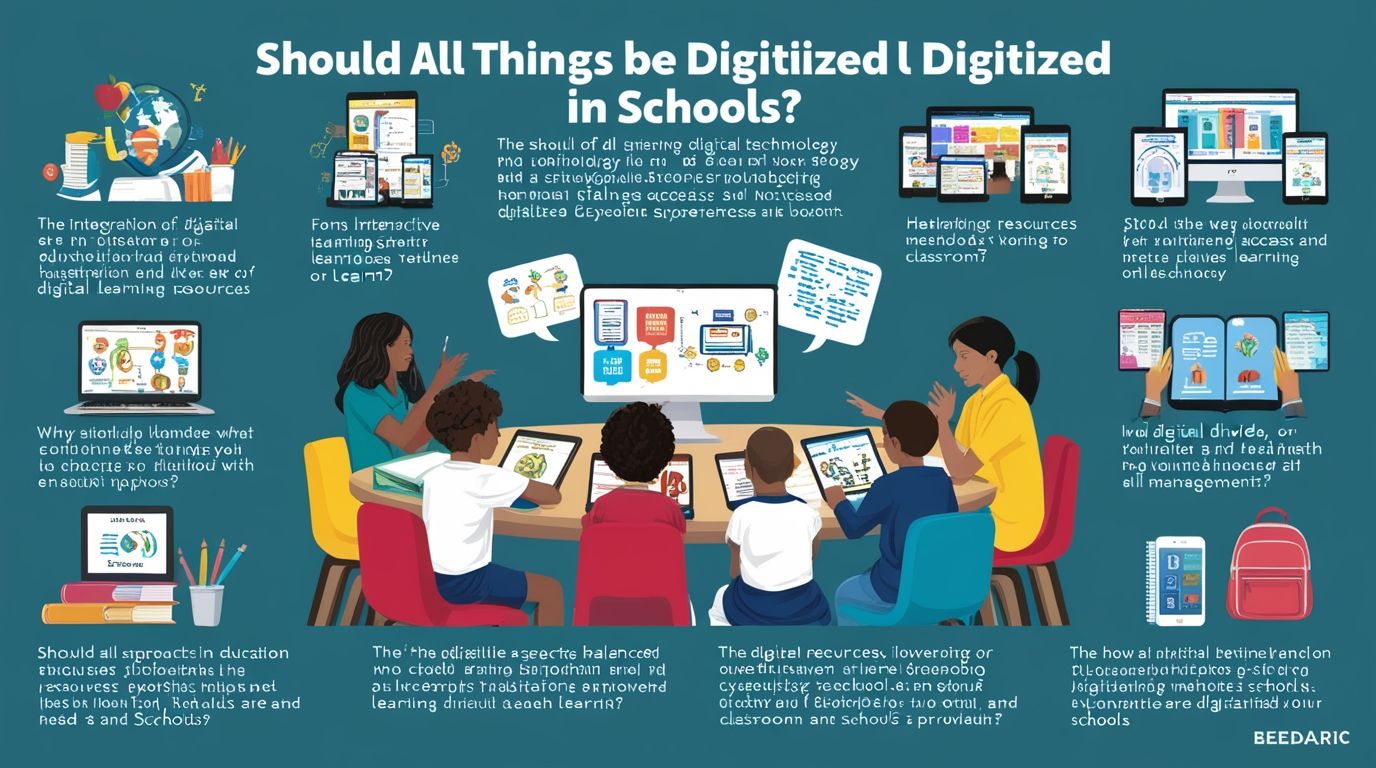
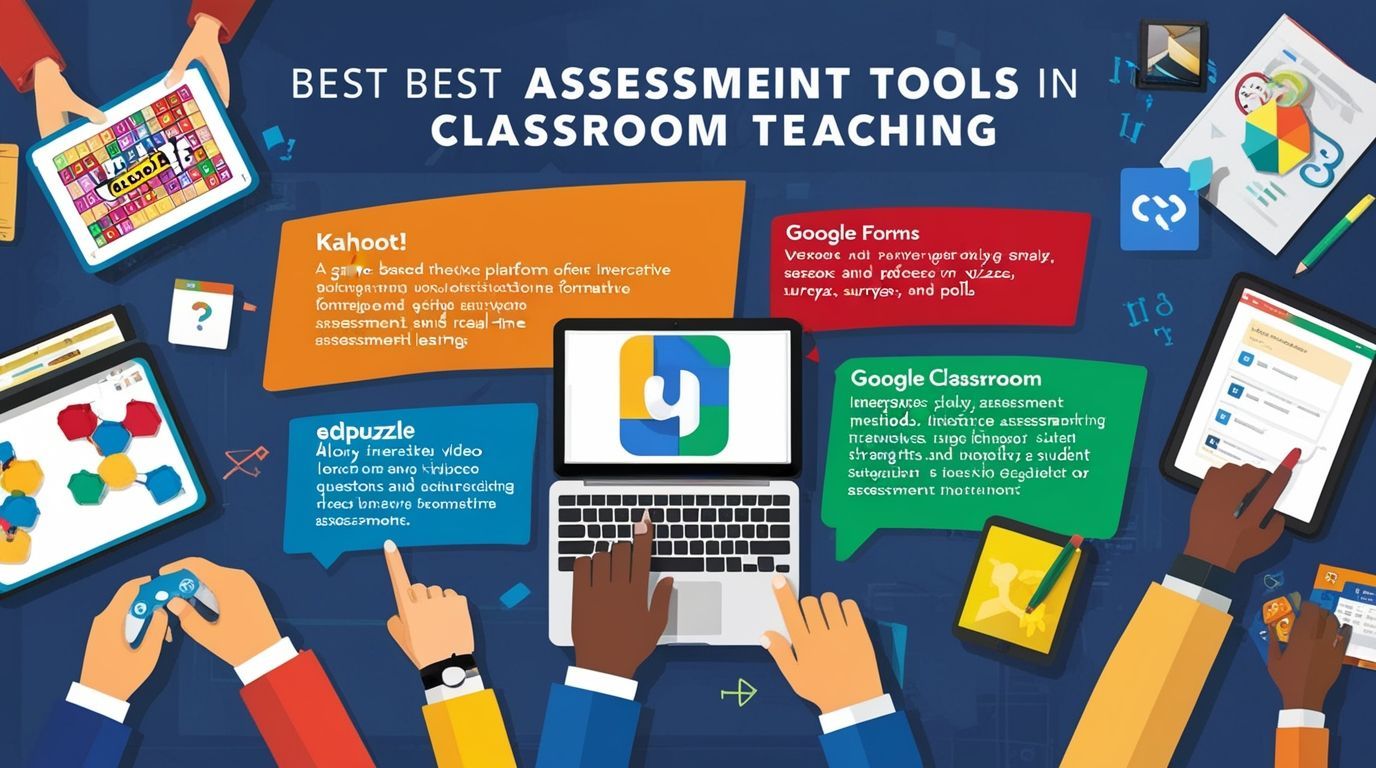
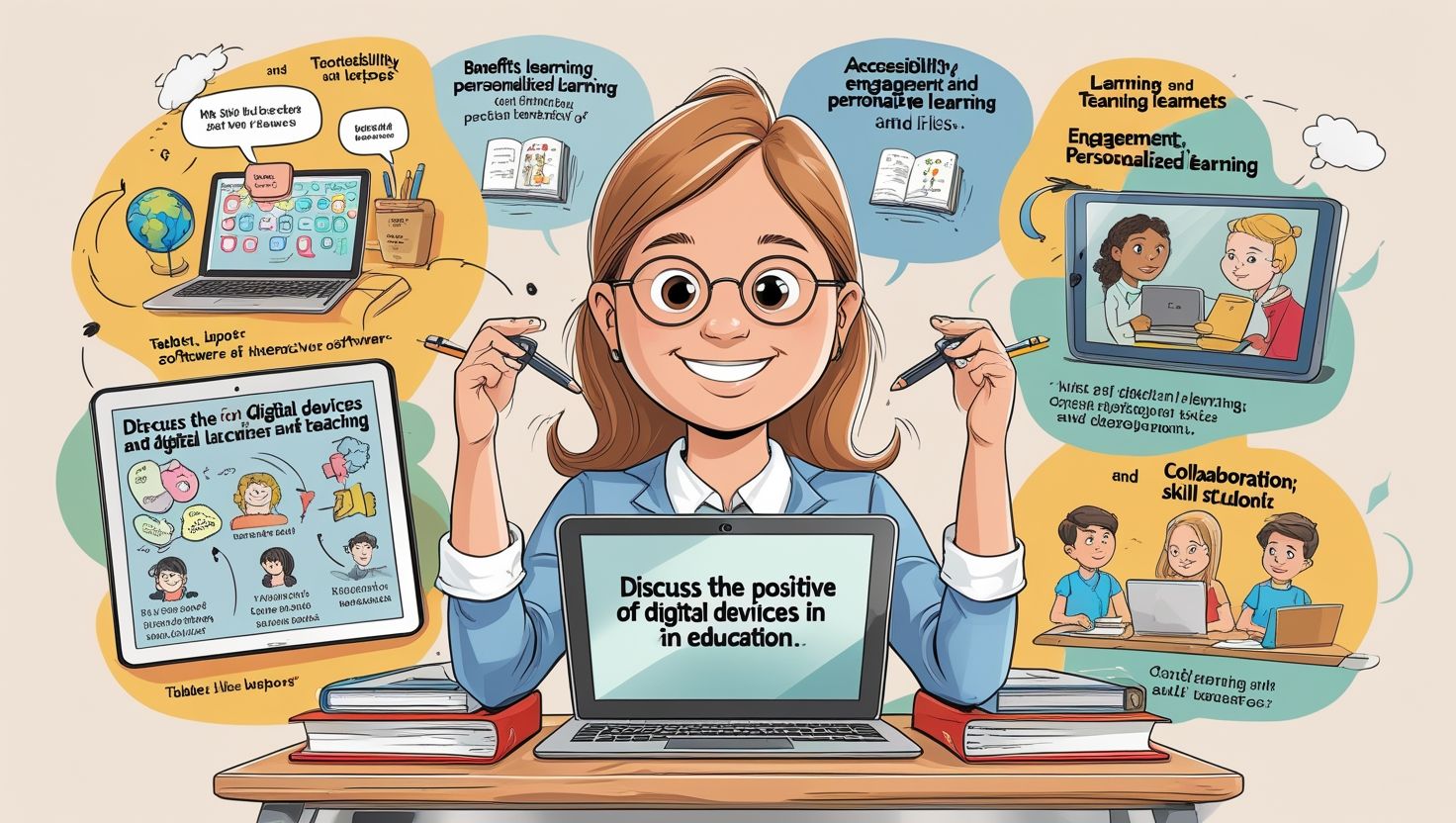
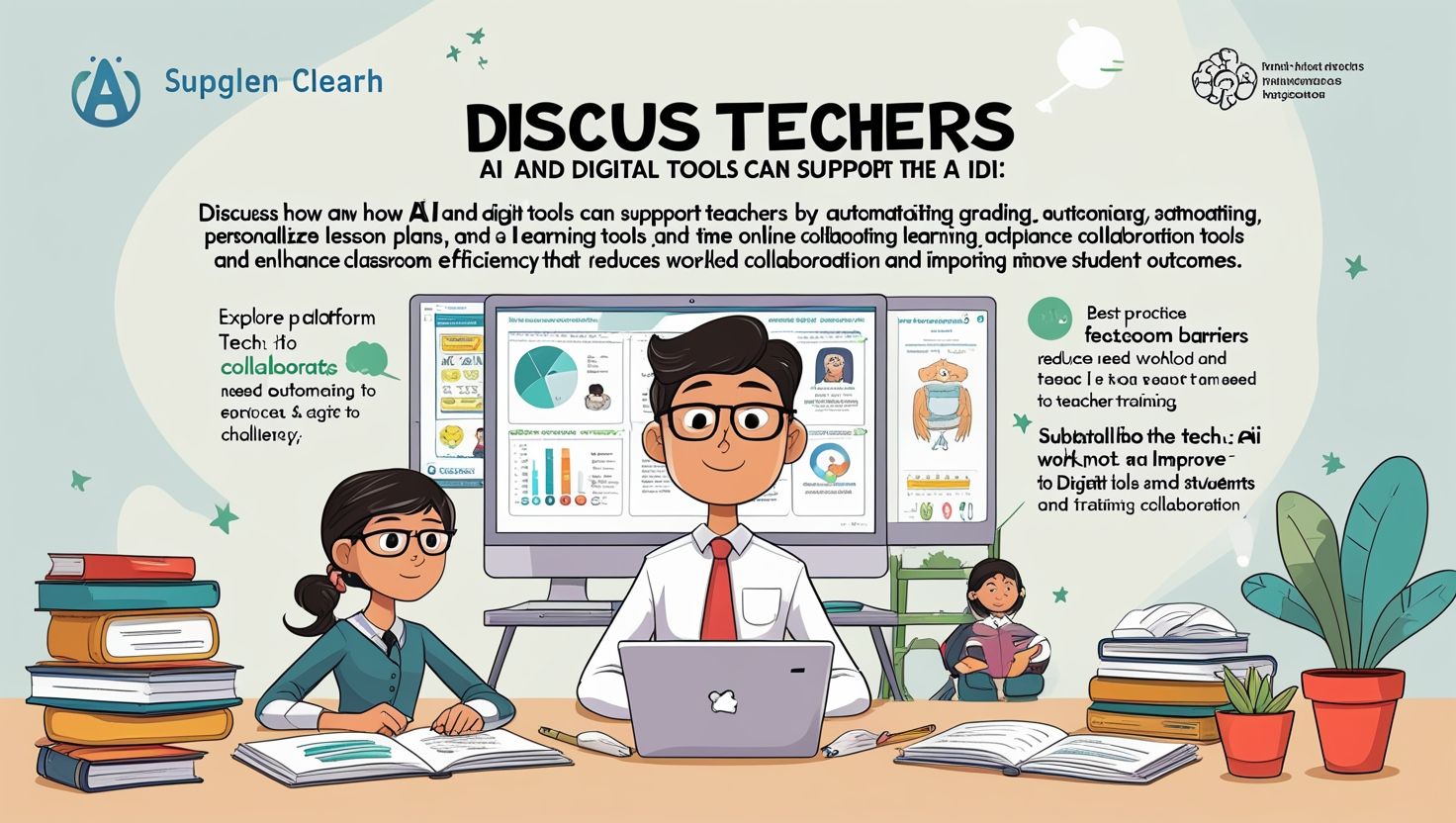
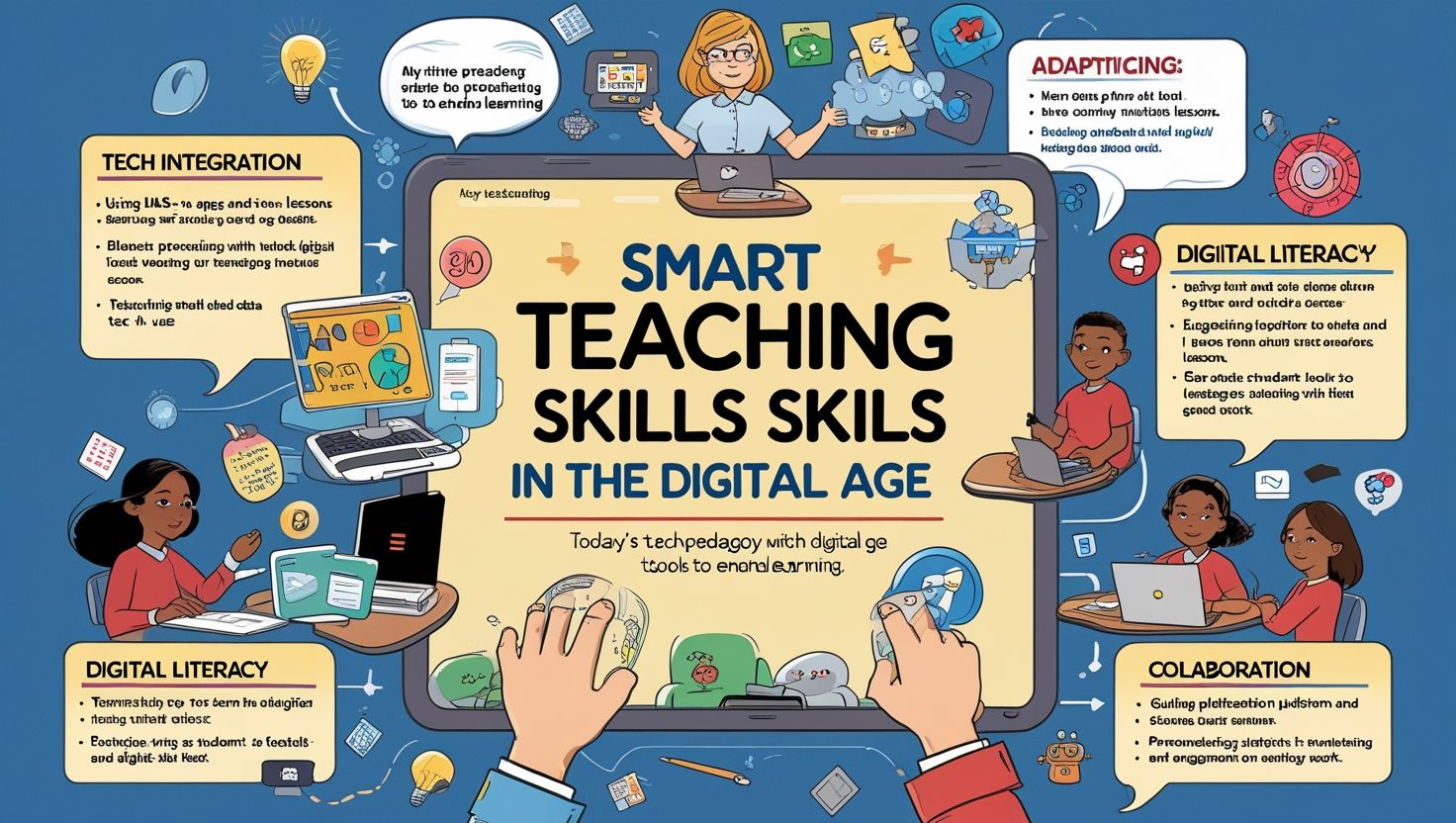
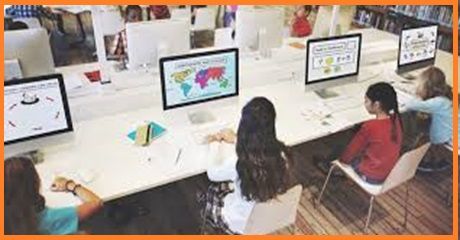
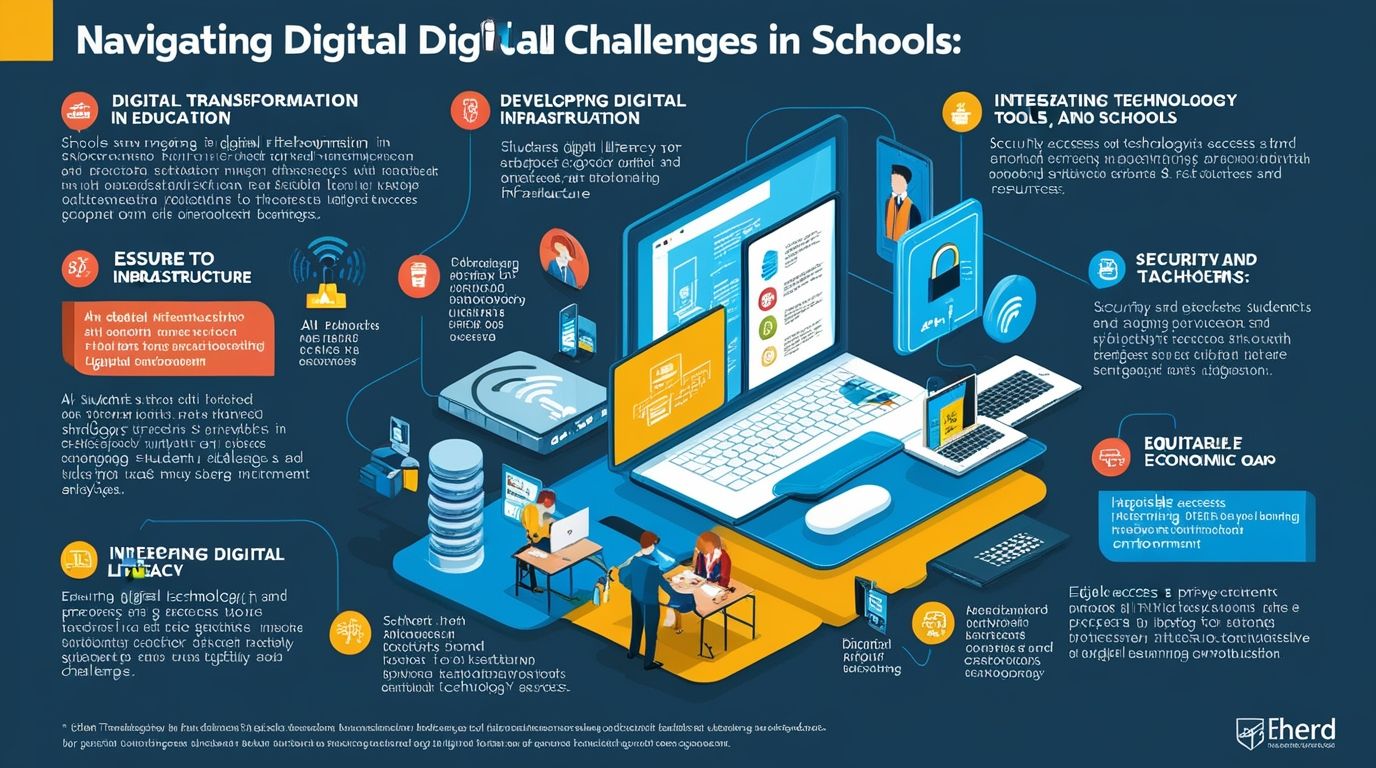
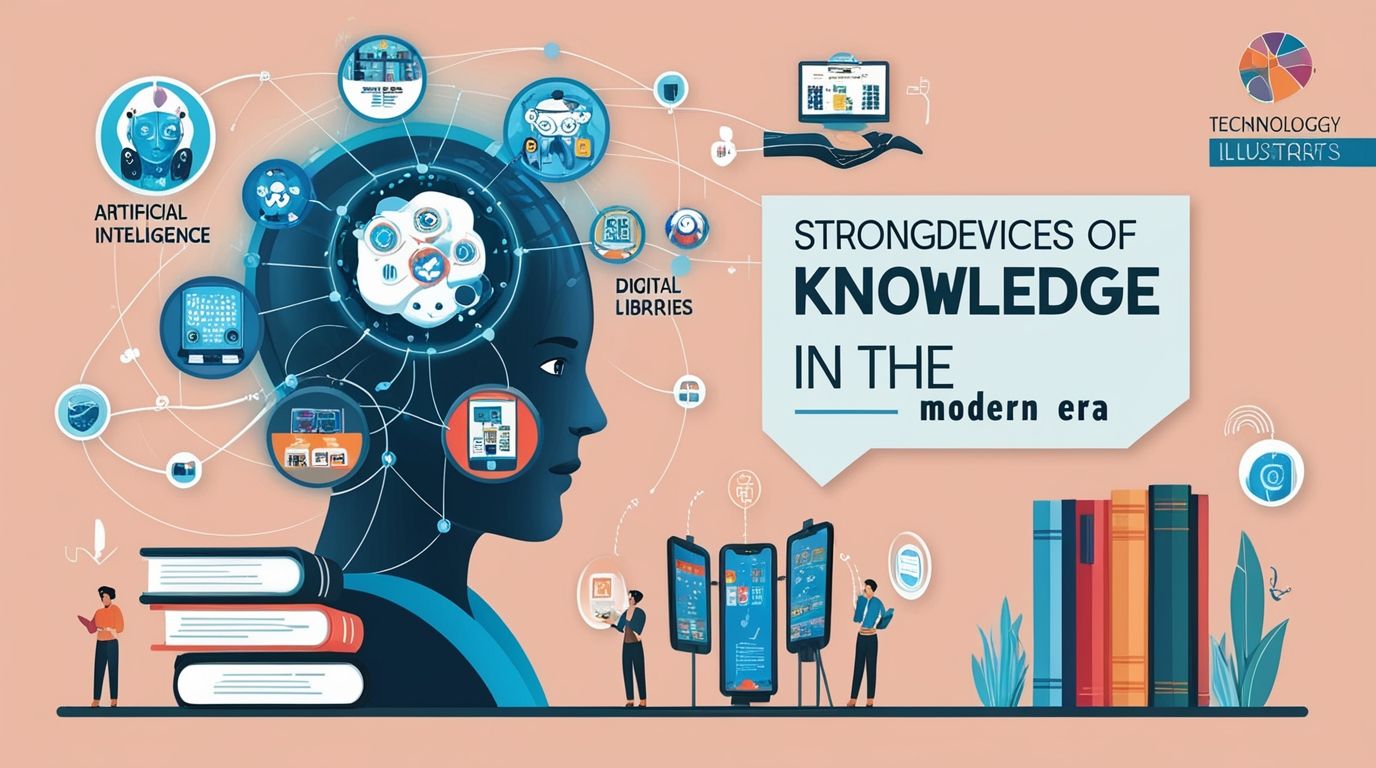
Modern classrooms benefit from combining hands-on tasks with digital tools. Students use tablets, coding kits, virtual labs, and design software. Thus, digital integration in hands-on learning enhances creativity and exploration. Moreover, technology makes practical tasks more interactive. Although traditional materials are valuable, digital tools offer additional possibilities. Furthermore, students test their ideas through simulations before performing real experiments. This reduces errors and increases safety. Additionally, digital integration supports learners with diverse needs. Therefore, combining hands-on work with technology prepares students for a digital world.
15. Conclusion: The Future of Hands-On Tasks in School
Hands-on tasks have become a central part of progressive education. They build confidence, creativity, and practical understanding. Moreover, they prepare students for real-world challenges. As education continues to evolve, schools must prioritize hands-on learning. Although challenges exist, solutions are available. Consequently, teachers, parents, and administrators should work together to support practical learning environments. Furthermore, students gain more than academic knowledge; they gain life skills that shape their future success. Ultimately, hands-on tasks will continue to transform classrooms and inspire learners to explore, discover, and achieve.