Introduction
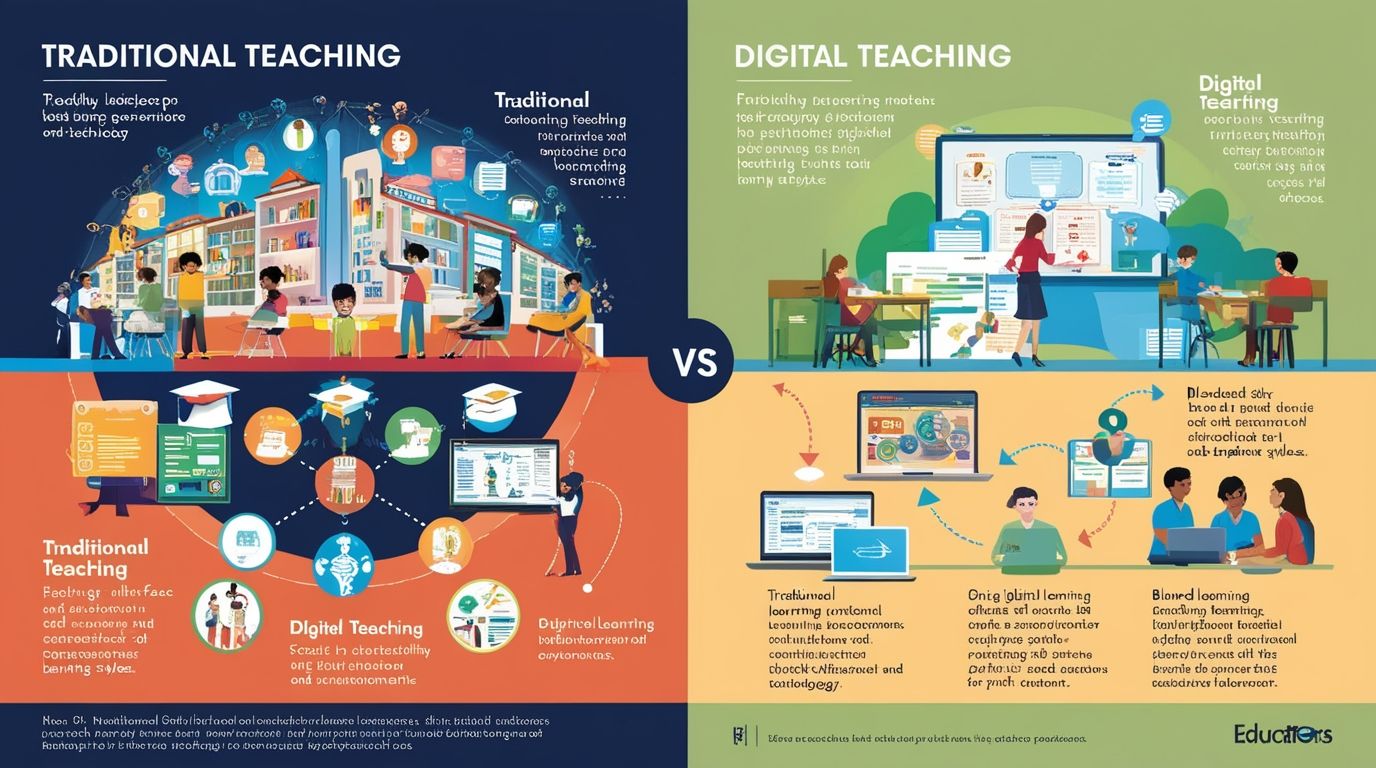
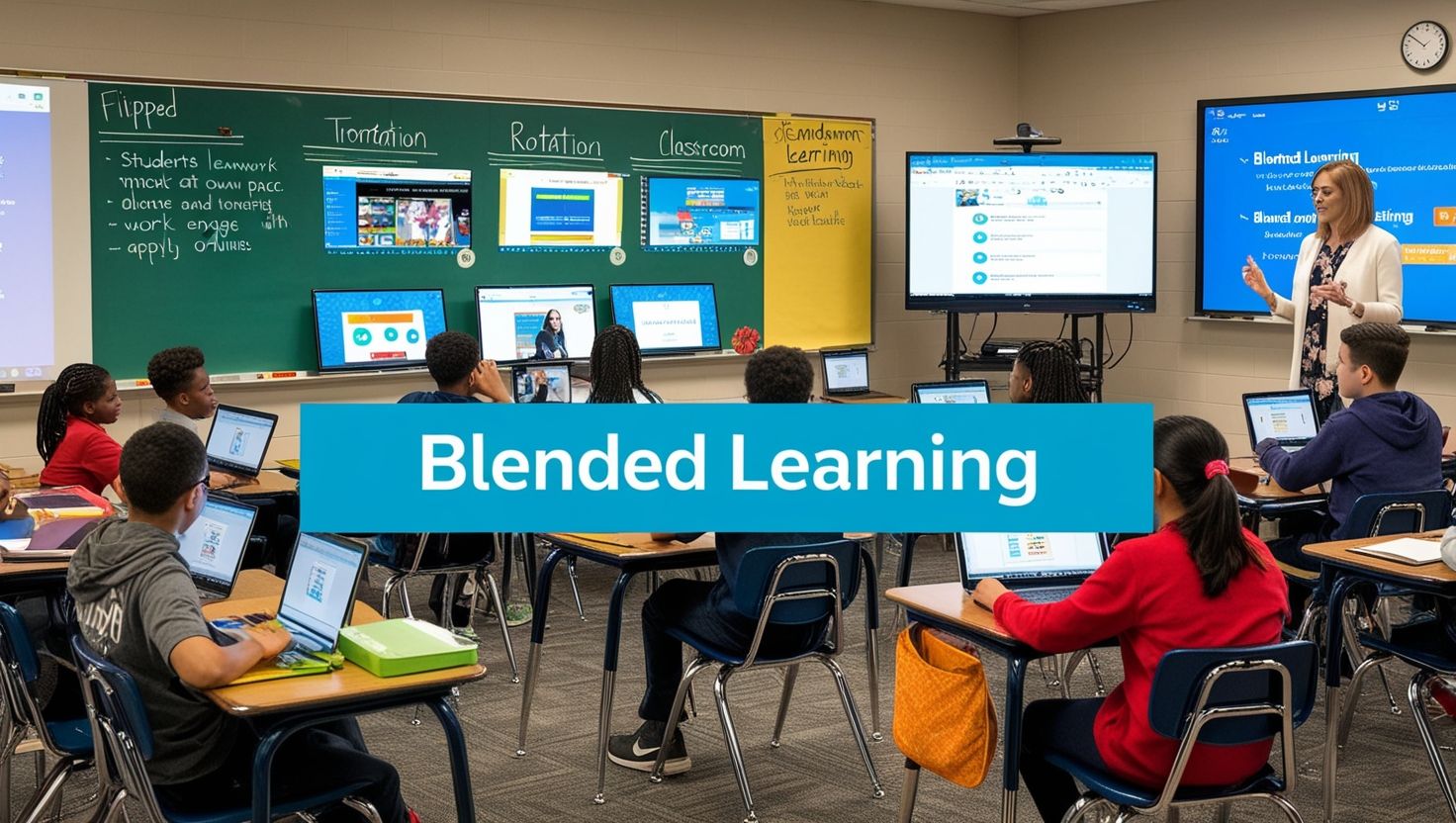
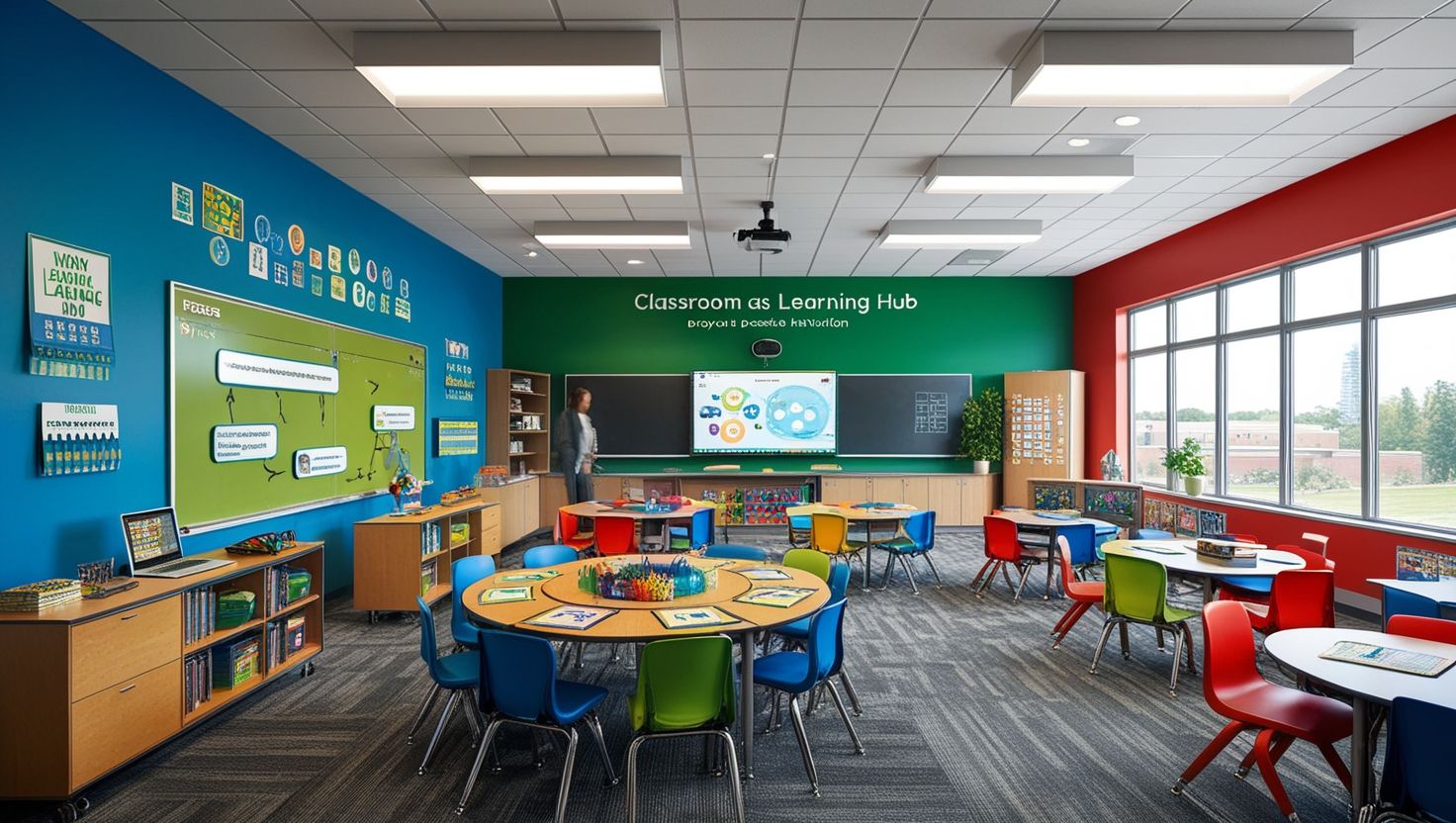
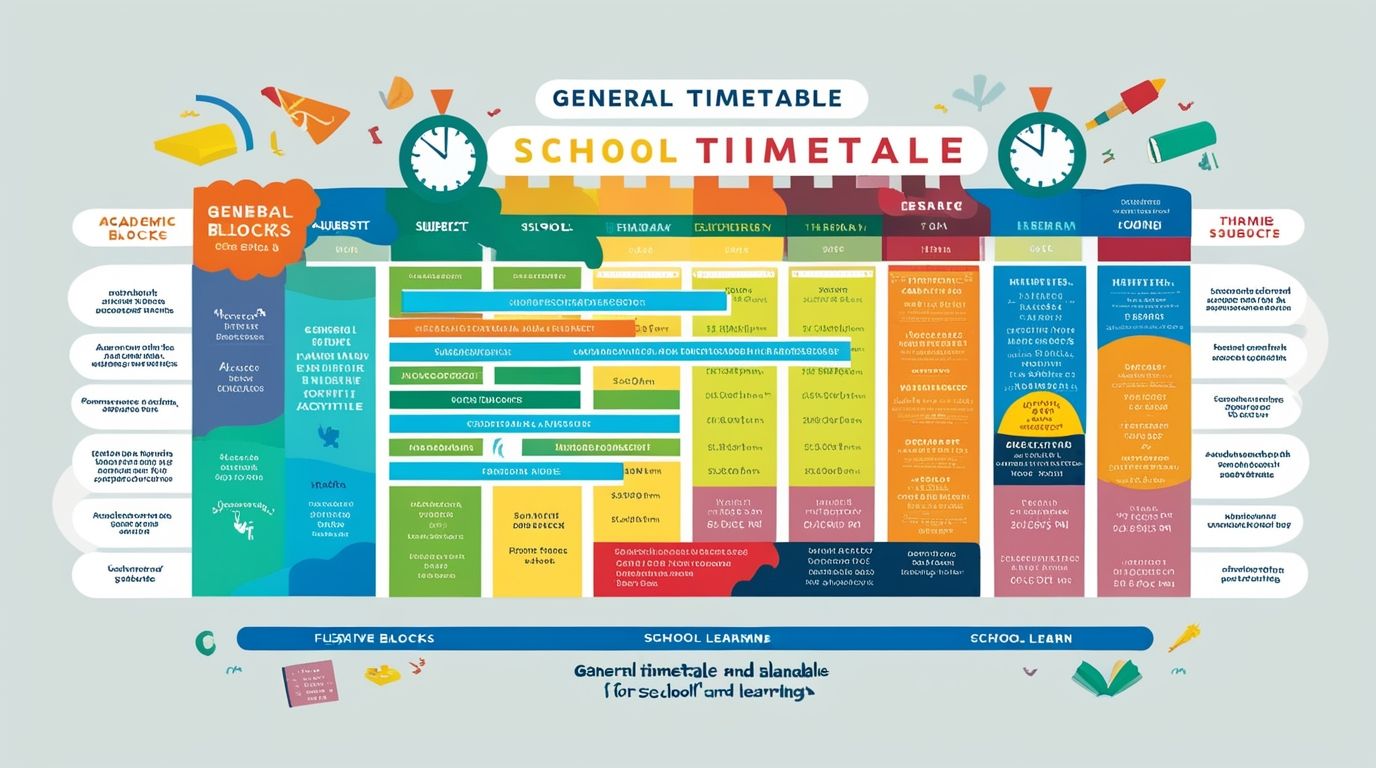
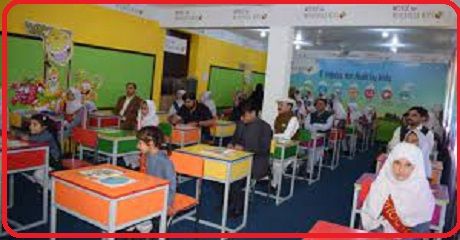
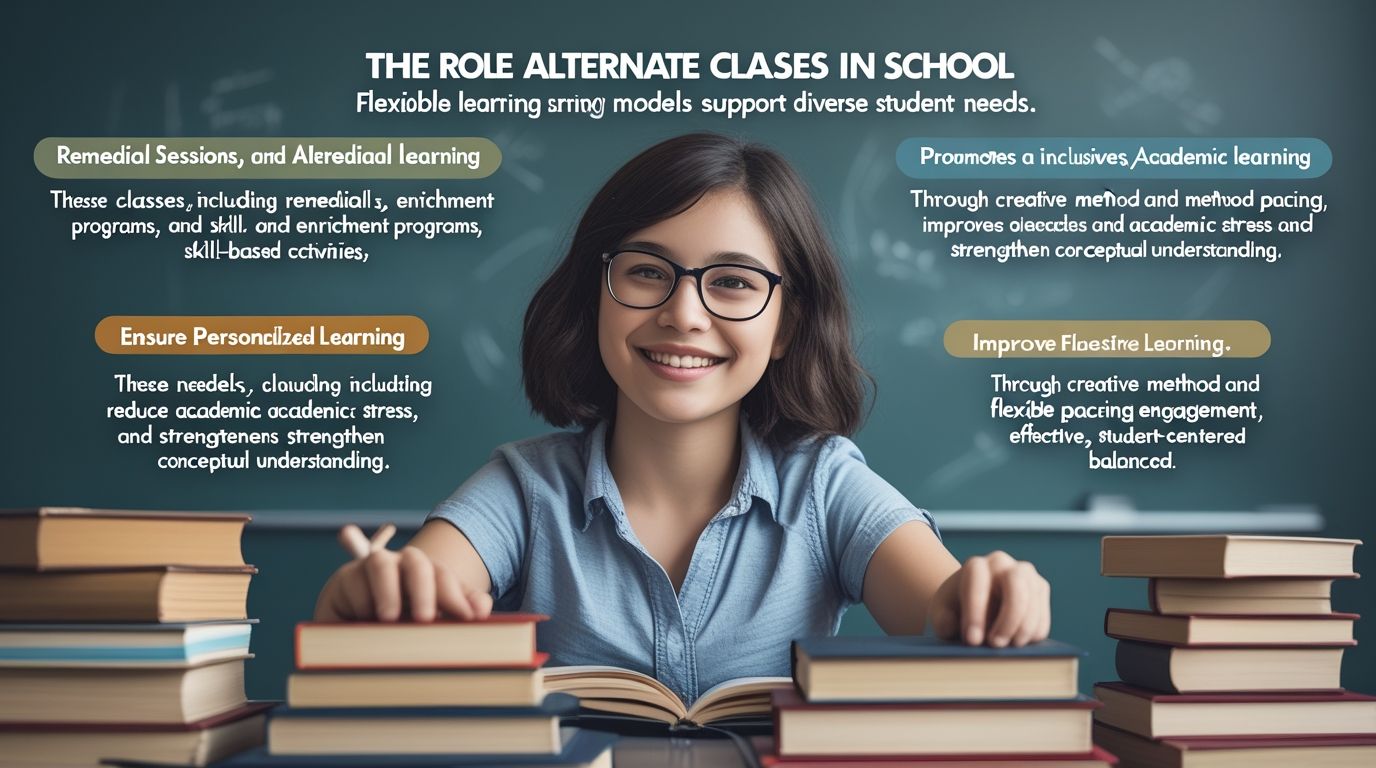
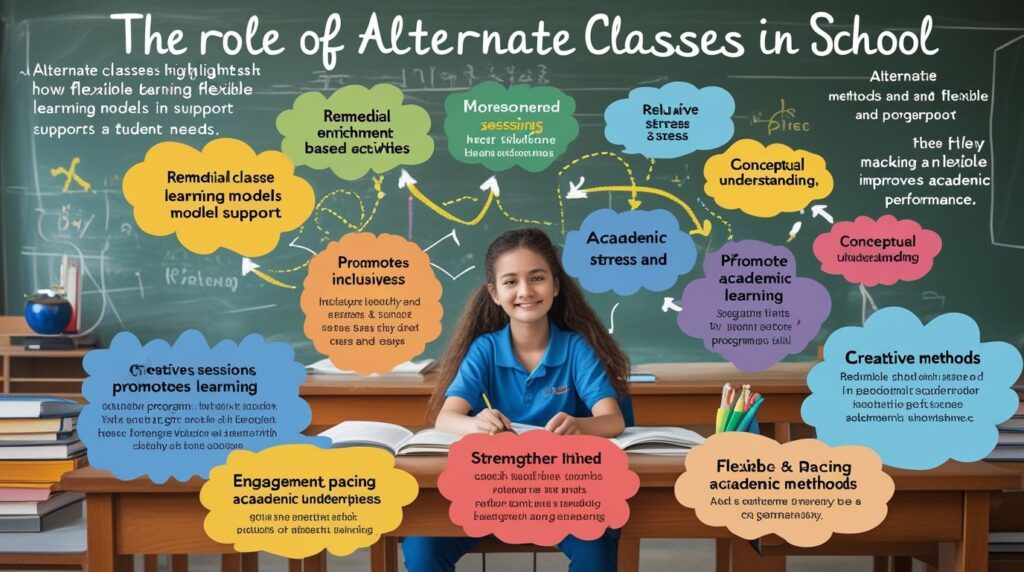
Role of Alternate Classes in School, The role of alternate classes in school has become increasingly important in modern education systems. Schools are now adopting flexible models to meet diverse learning needs. These models include blended learning, weekend classes, remedial classes, skill-based sessions, and enrichment programs. Although the traditional classroom remains central, alternate classes add depth and variety. Moreover, they create opportunities for continuous engagement. Therefore, learning becomes more meaningful, accessible, and student-centered. These classes support academic growth while promoting creativity and confidence. They also ensure that no child is left behind. In addition, alternate classes help schools accommodate different learning speeds. As a result, students gain improved understanding and long-lasting knowledge. Hence, alternate classes play a vital role in shaping a dynamic and inclusive educational environment.
Need for Alternate Classes in Modern Schools
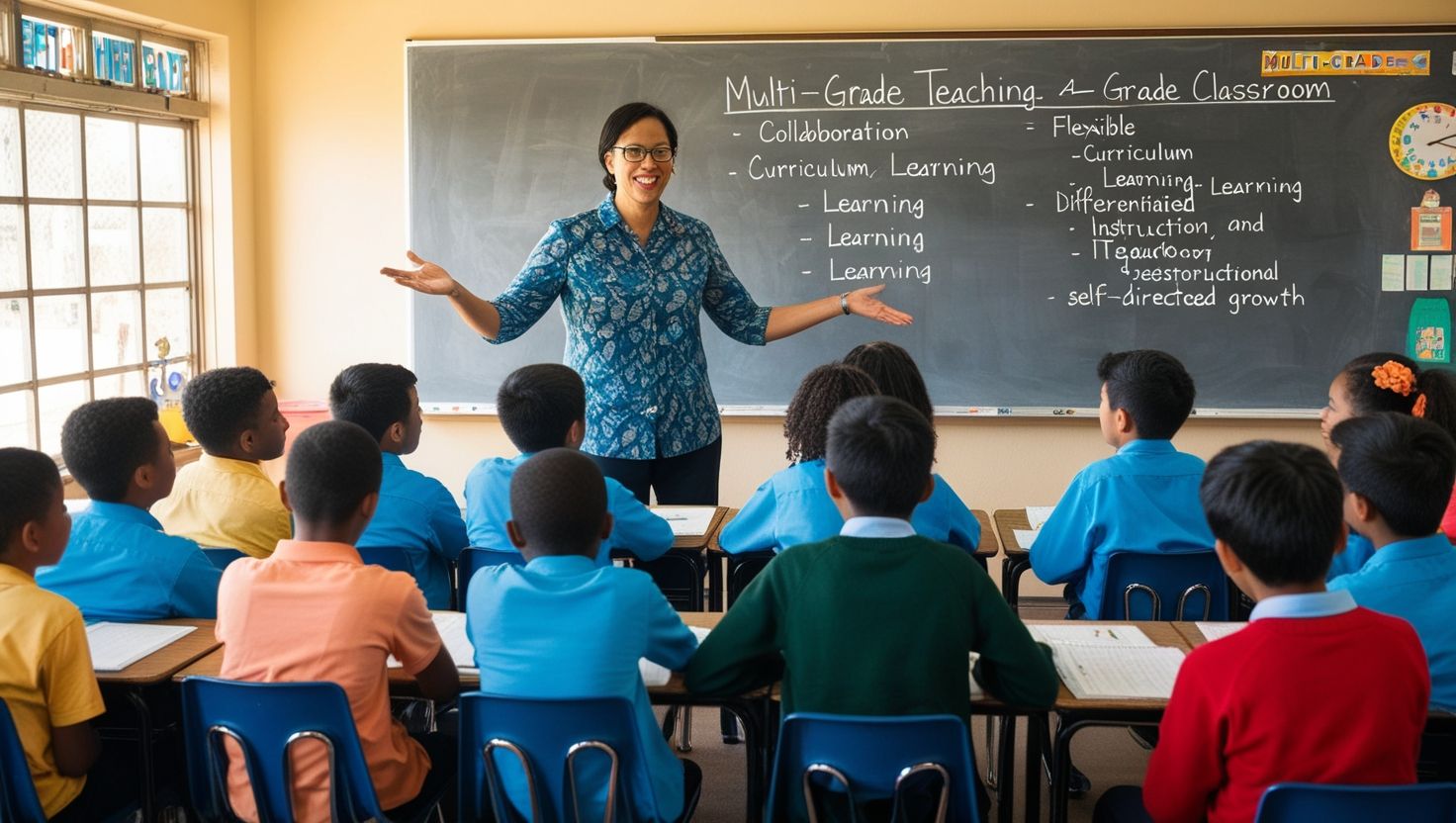
The need for alternate classes arises from diverse learning styles. Every student learns differently. Some need more time. Others learn faster. Therefore, alternate classes offer flexibility. They also promote equal learning opportunities. In traditional settings, teachers struggle to meet all learning needs at once. However, alternate classes help bridge these gaps. They provide targeted support for struggling learners. At the same time, they also offer enrichment opportunities for advanced students. Consequently, learning becomes balanced and fair. Additionally, alternate classes reduce academic pressure. They allow students to engage with content at manageable levels. As a result, students gain confidence and develop stronger concepts. Thus, alternate classes are essential for enhancing educational quality in schools.
Alternate Classes and Personalized Learning
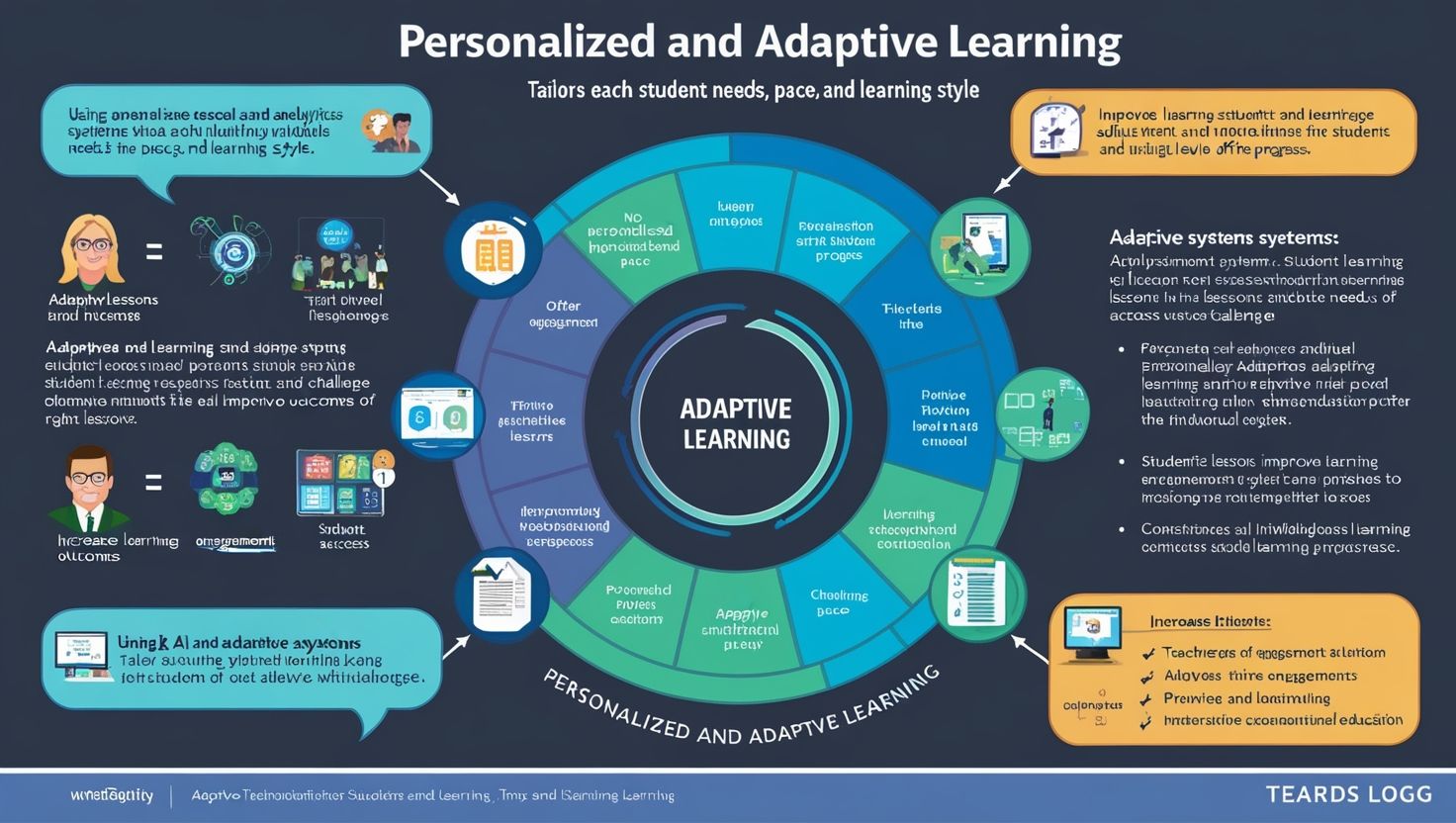
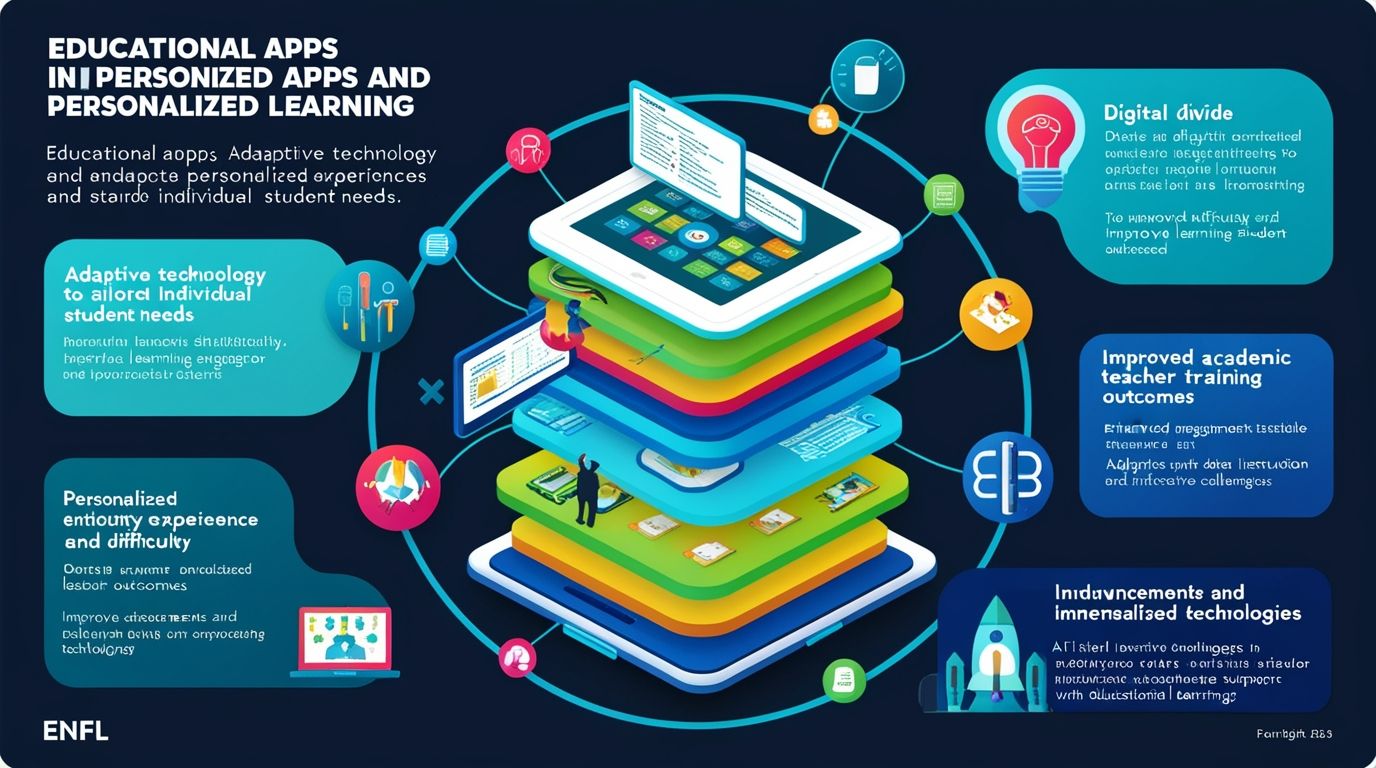
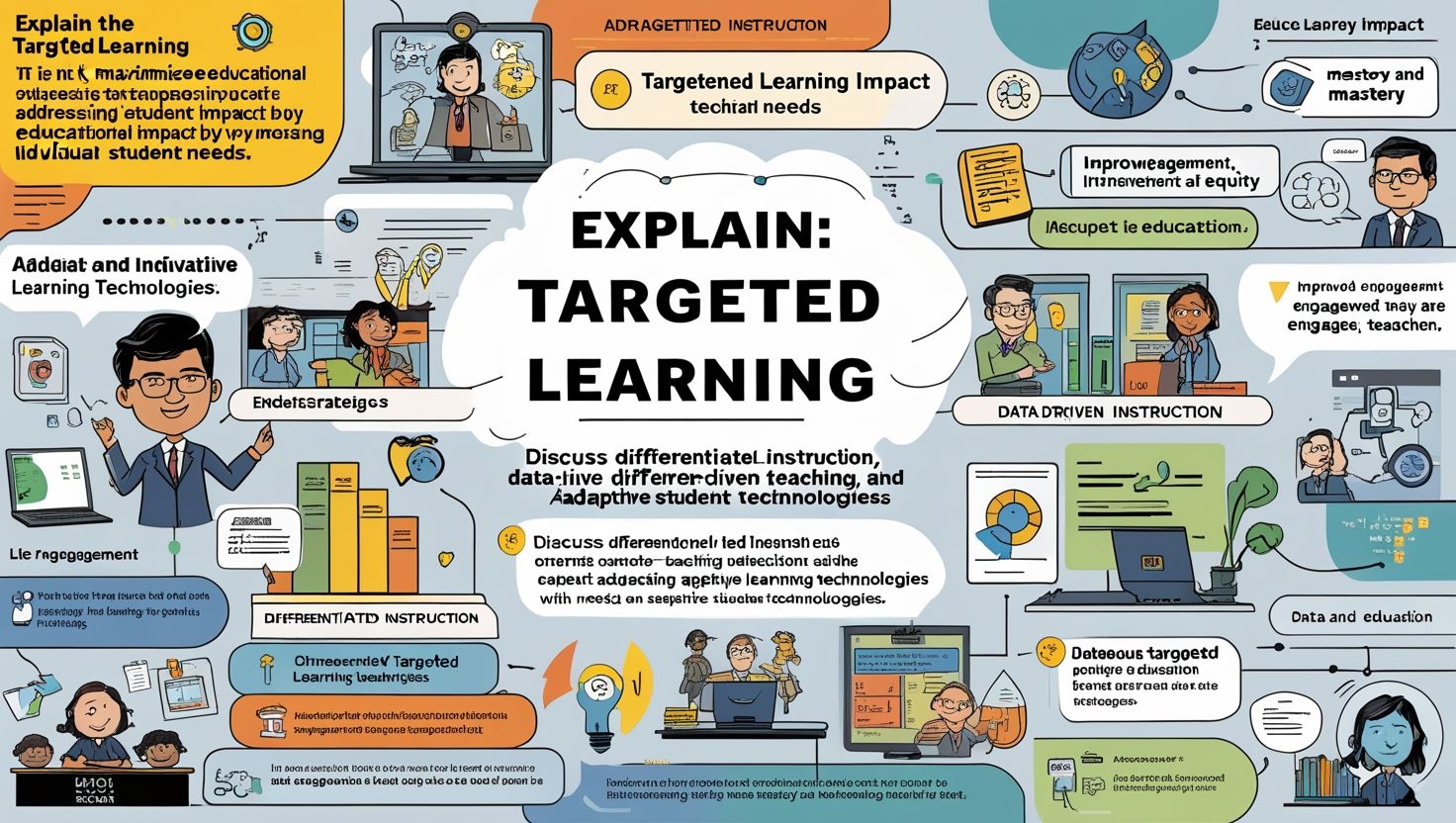
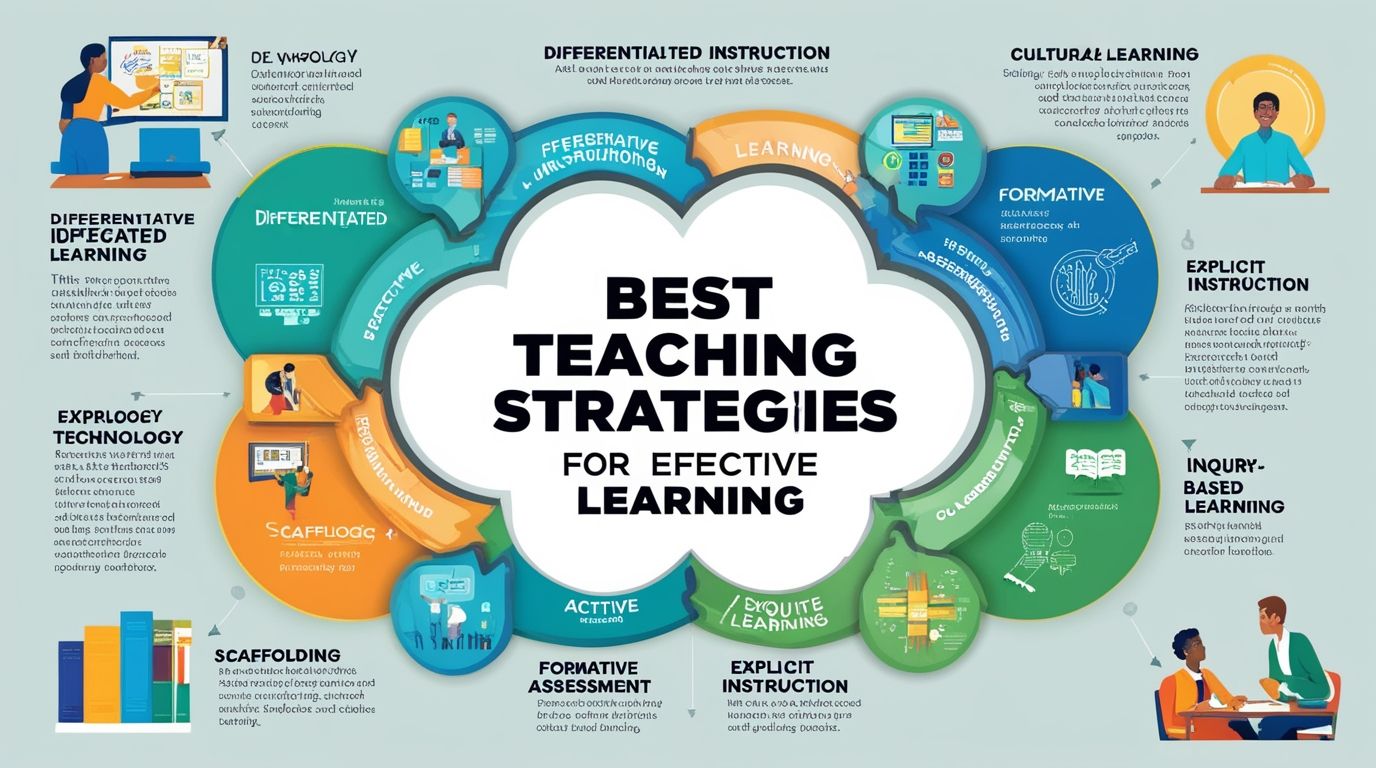
The role of alternate classes in personalized learning is crucial. Schools aim to provide meaningful education. Personalized learning ensures each student receives instruction suited to their needs. Alternate classes help teachers understand student strengths and weaknesses. They also allow flexible content delivery. For instance, slow learners may attend remedial sessions. Fast learners may join enrichment classes. Consequently, students experience individual attention. Moreover, alternate classes encourage self-paced learning. Students can review lessons without fear of judgment. This leads to improved mastery. Additionally, teachers can adjust teaching strategies. They may adopt visual methods, hands-on tasks, or digital tools. Therefore, alternate classes make personalized learning practical and effective.
Promoting Inclusiveness Through Alternate Classes
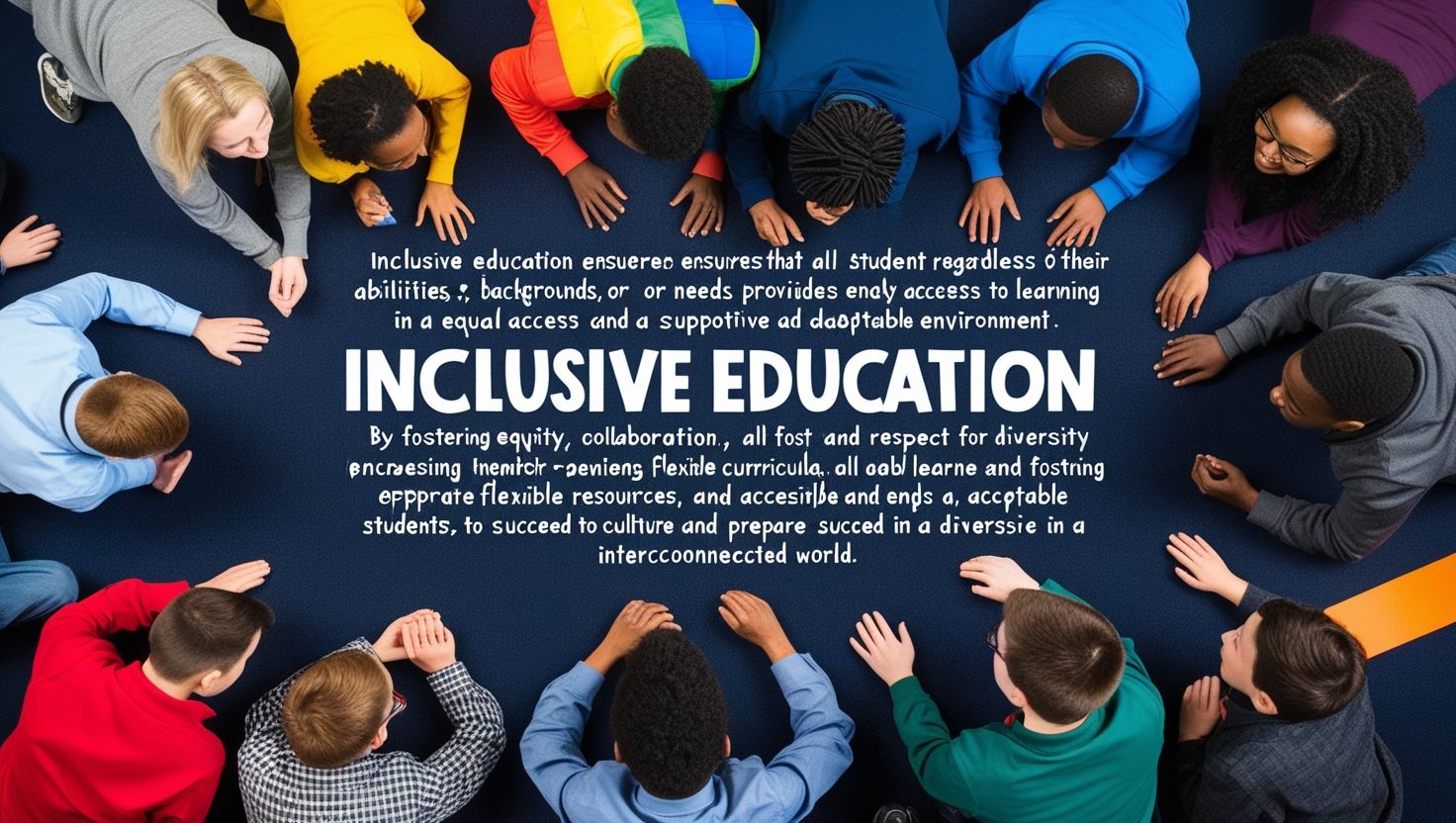
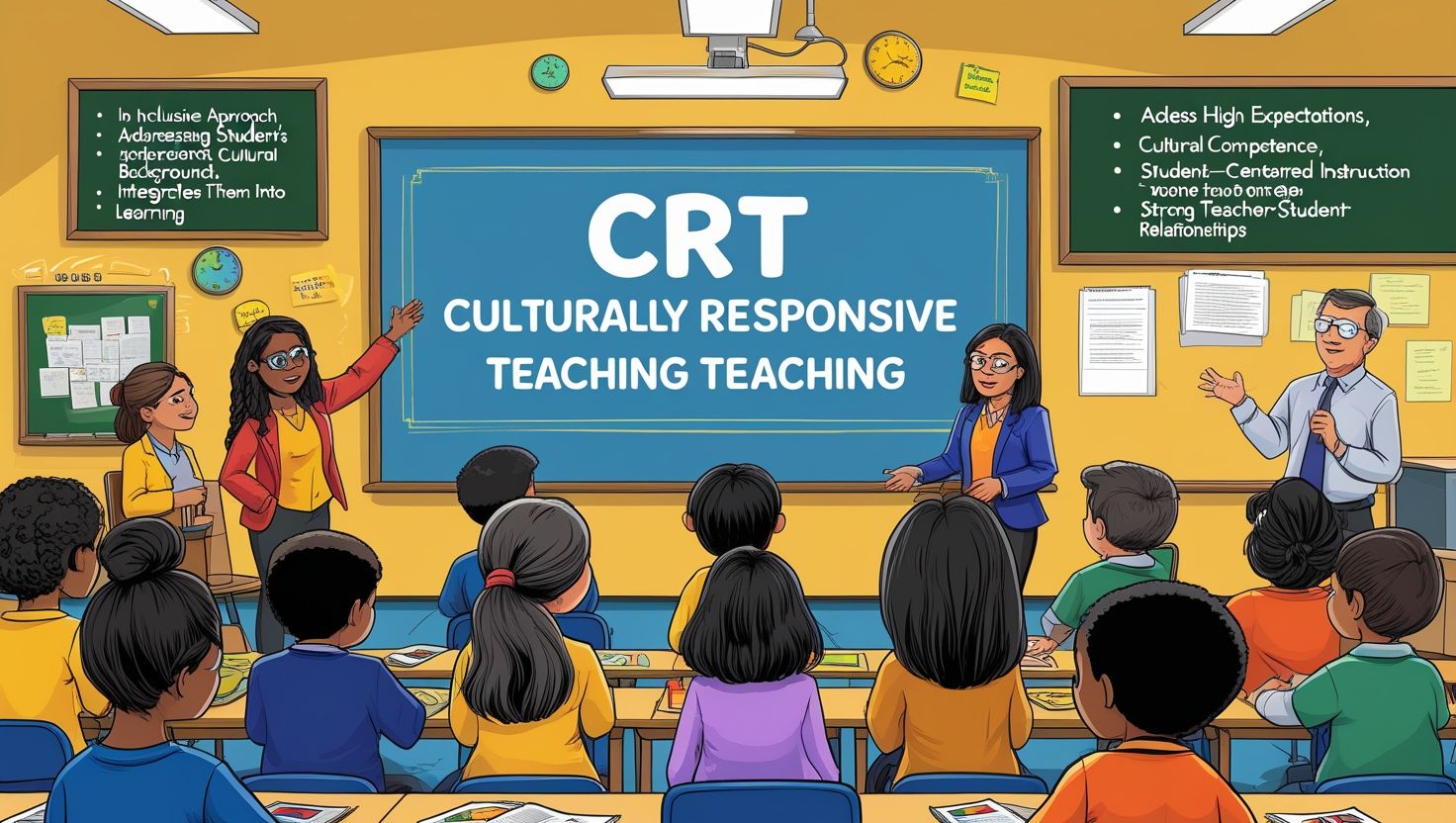
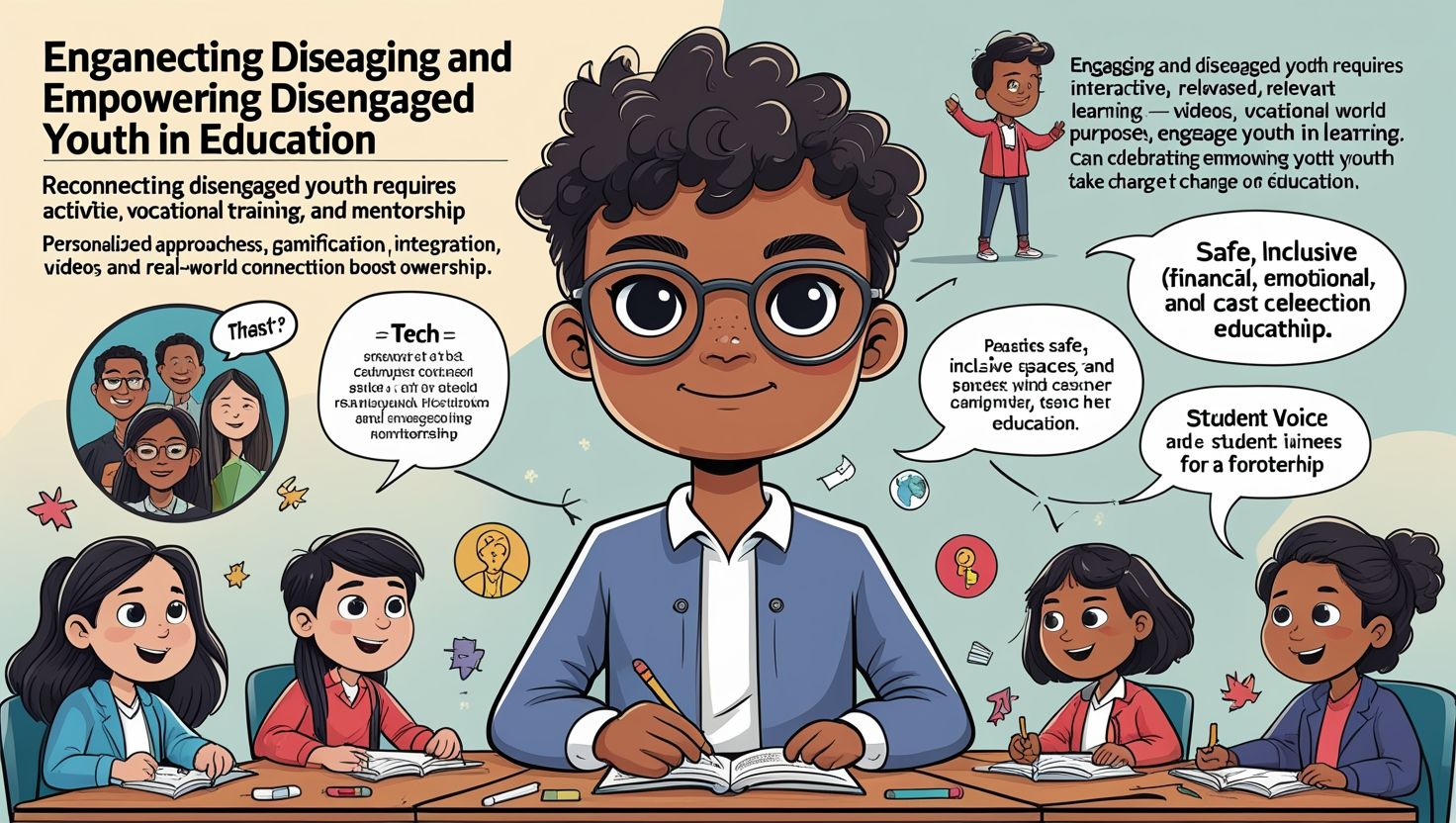
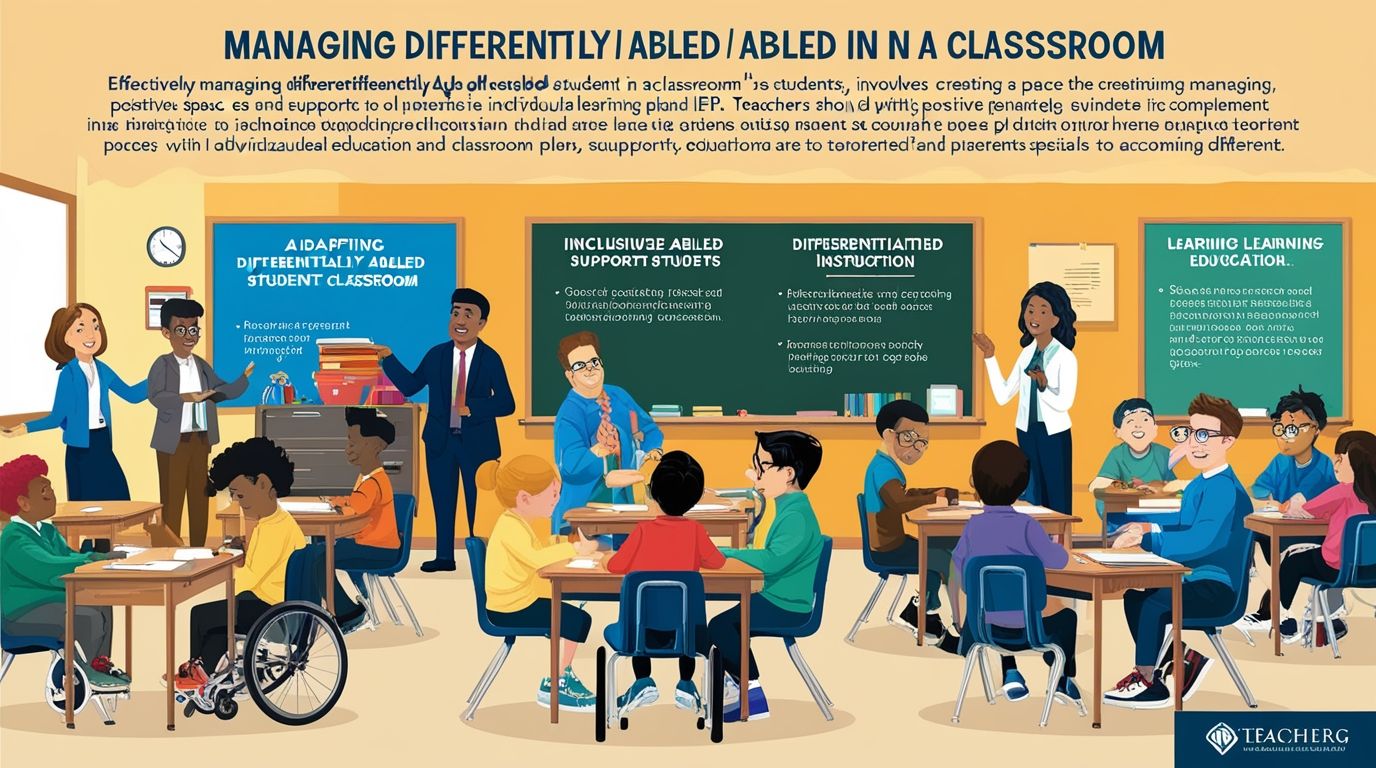
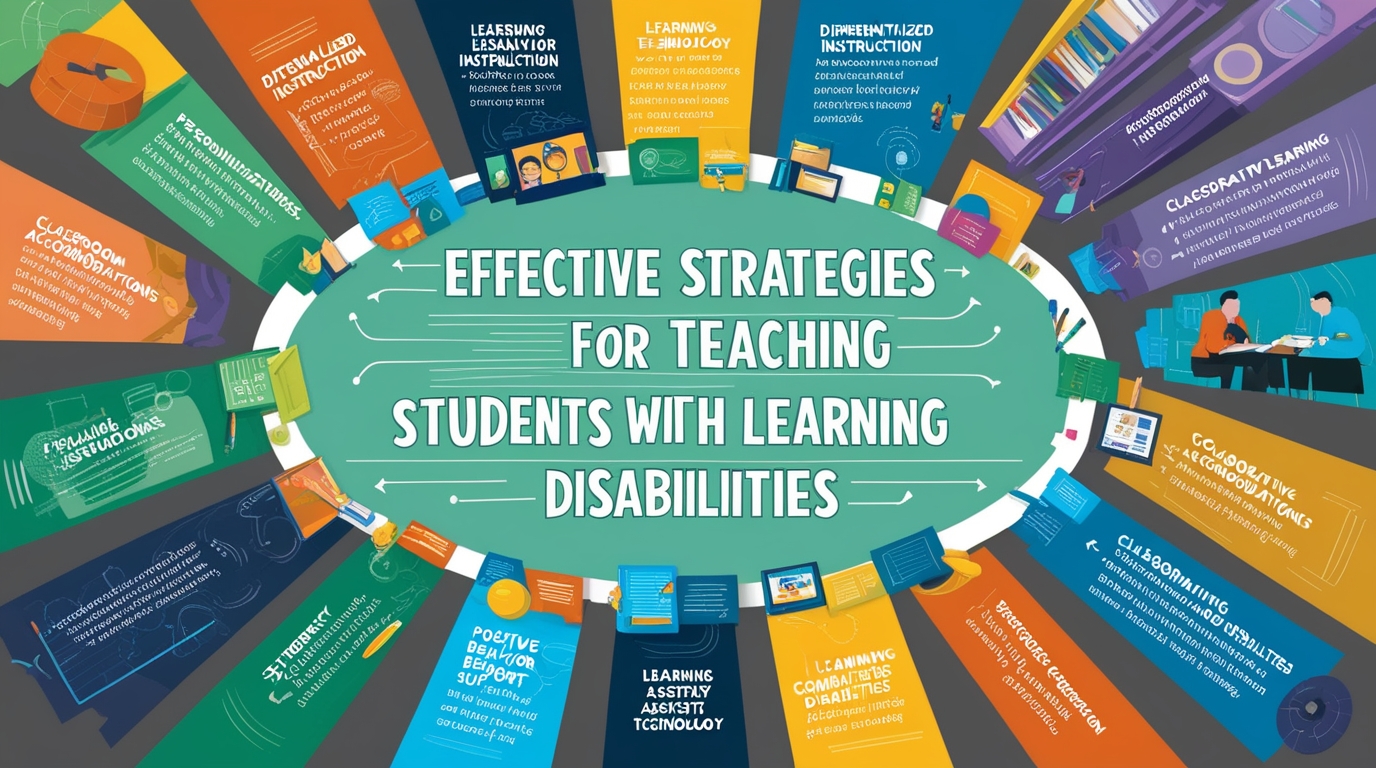
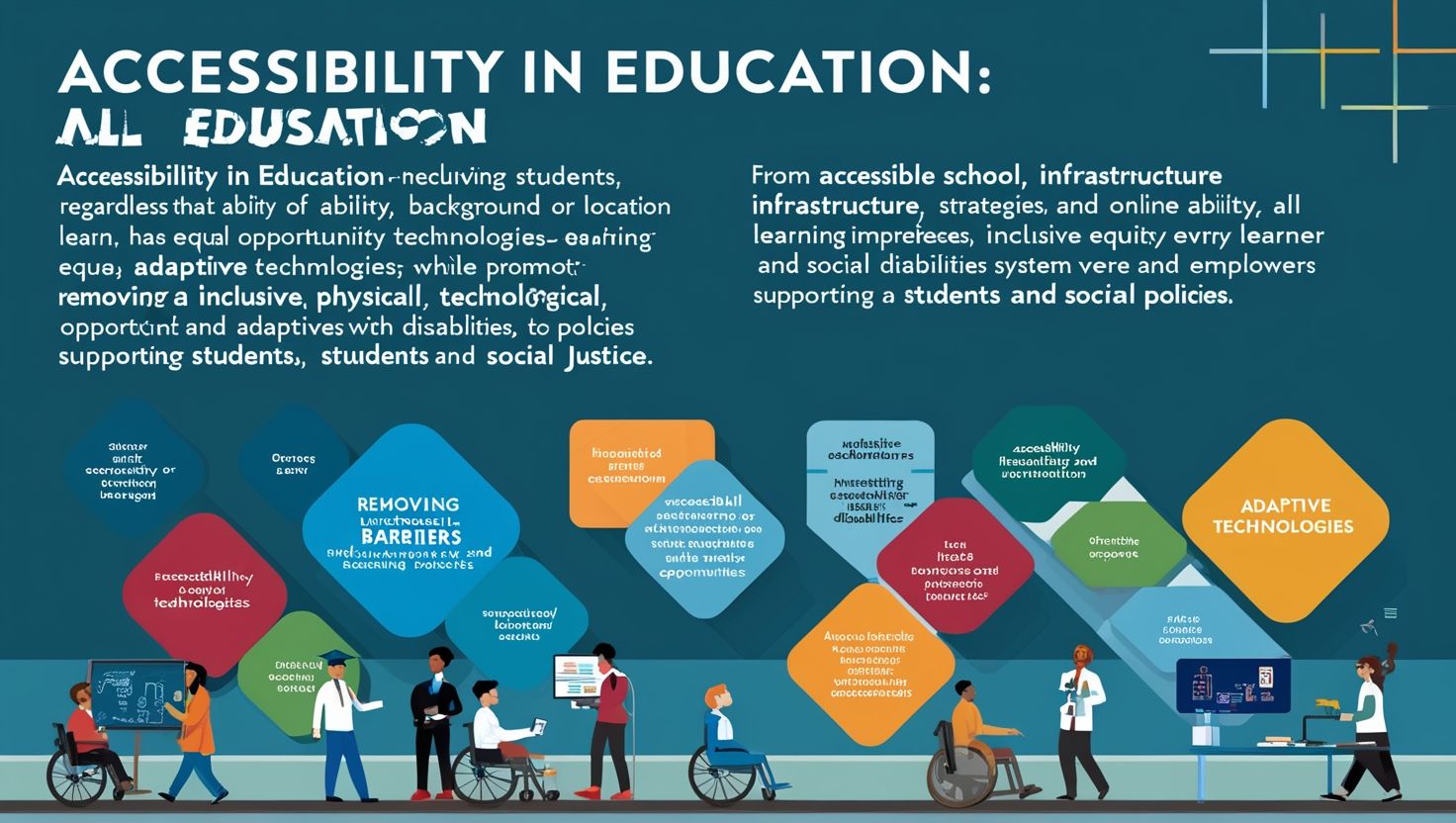
The role of alternate classes in school inclusiveness is significant. Inclusive education aims to support every learner. Alternate classes provide platforms for special needs students. They allow extra time, modified instructions, and supportive environments. Therefore, students with learning disabilities feel secure. They also develop confidence. Moreover, alternate classes integrate diverse learners. They remove learning barriers. Students from different backgrounds can participate. Additionally, these classes support linguistic diversity. Many schools offer alternate language classes. As a result, minority students adjust more easily. Furthermore, alternate classes promote equal access. No child feels neglected. Ultimately, inclusiveness becomes a core school value.
Enhancing Conceptual Understanding
The role of alternate classes in building strong concepts is essential. Traditional classes often move at a fixed pace. Therefore, some learners may fall behind. Alternate classes provide opportunities to revisit difficult topics. Teachers can explain lessons using simpler methods. They may use diagrams, activities, or examples. Consequently, students build stronger understanding. Moreover, alternate classes offer time for revision. Repeated practice helps students remember concepts. Additionally, alternate classes allow teachers to identify errors early. They can correct misconceptions before they grow deeper. As a result, academic performance improves. In conclusion, alternate classes strengthen conceptual clarity and long-term retention.
Alternate Classes Supporting Skill-Based Learning
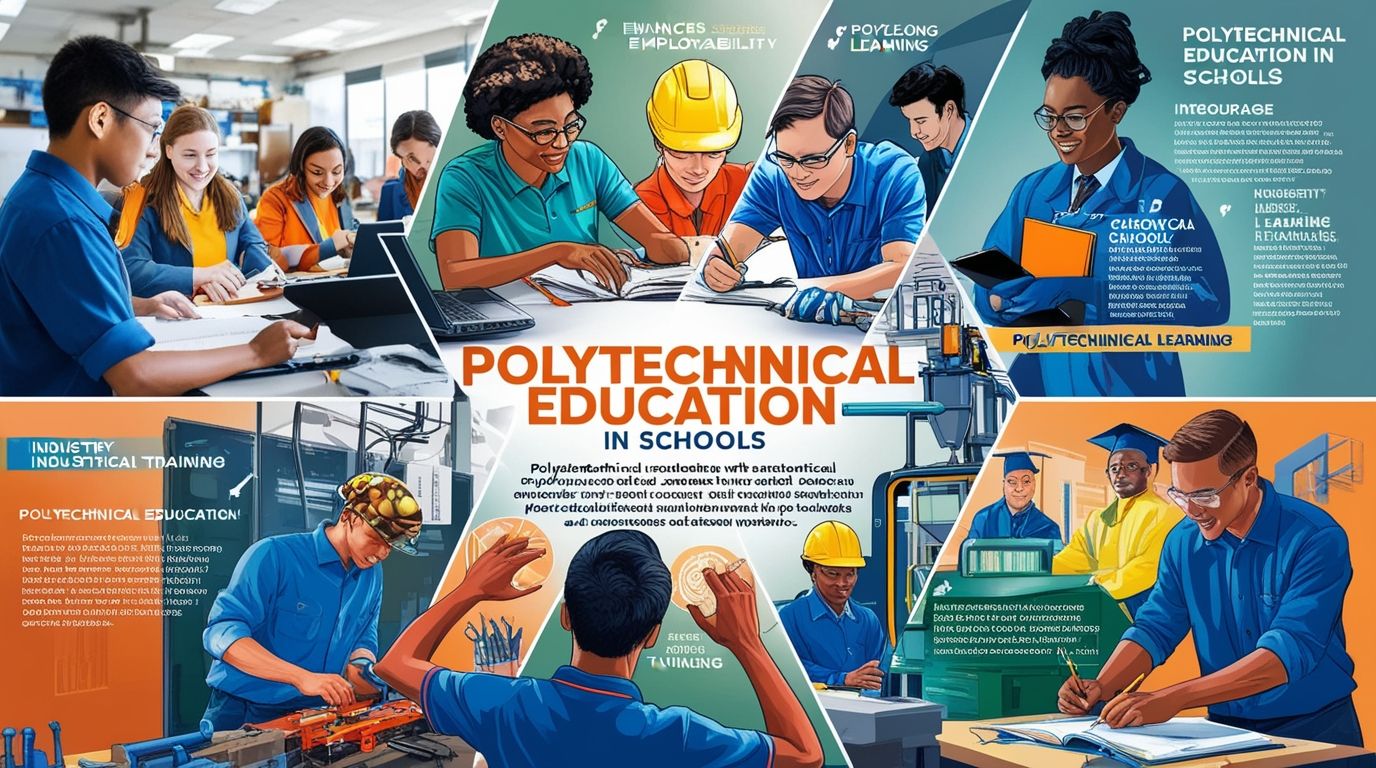
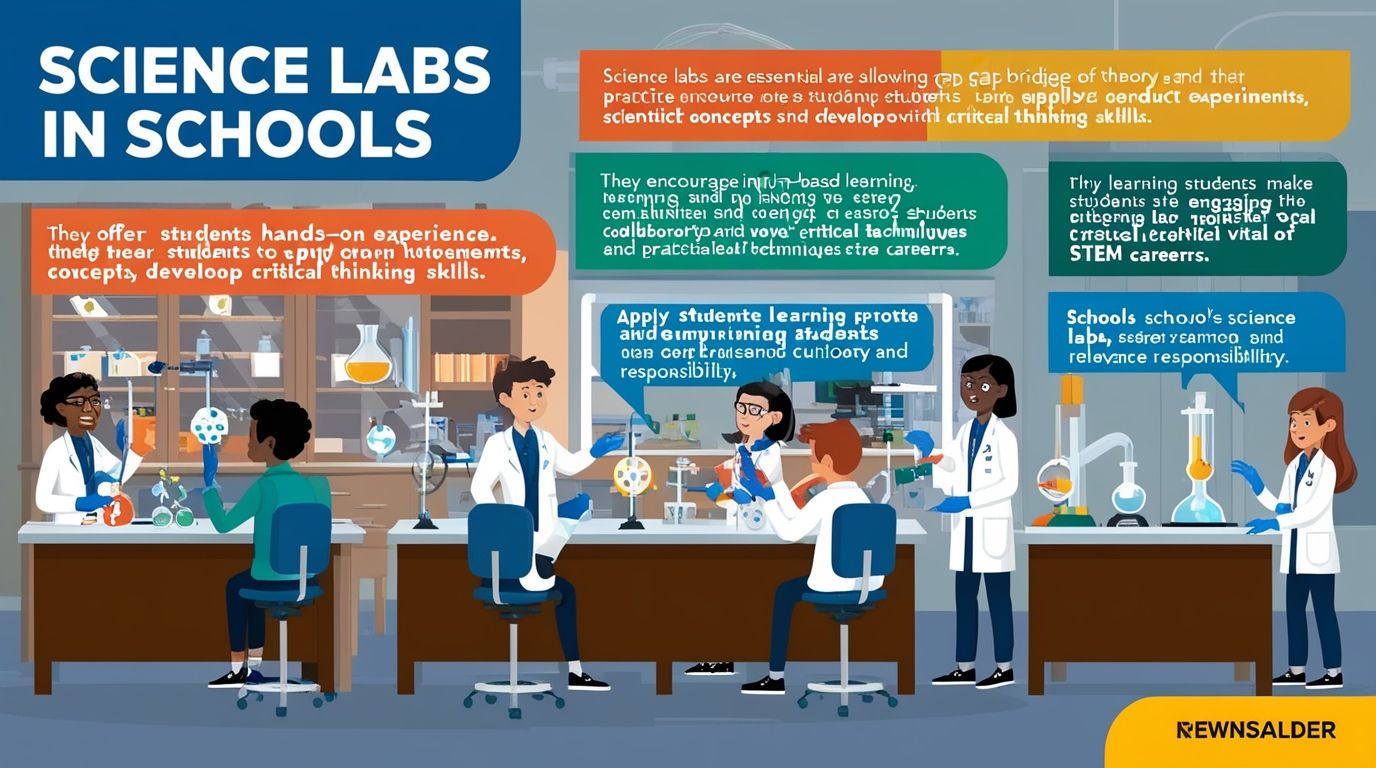
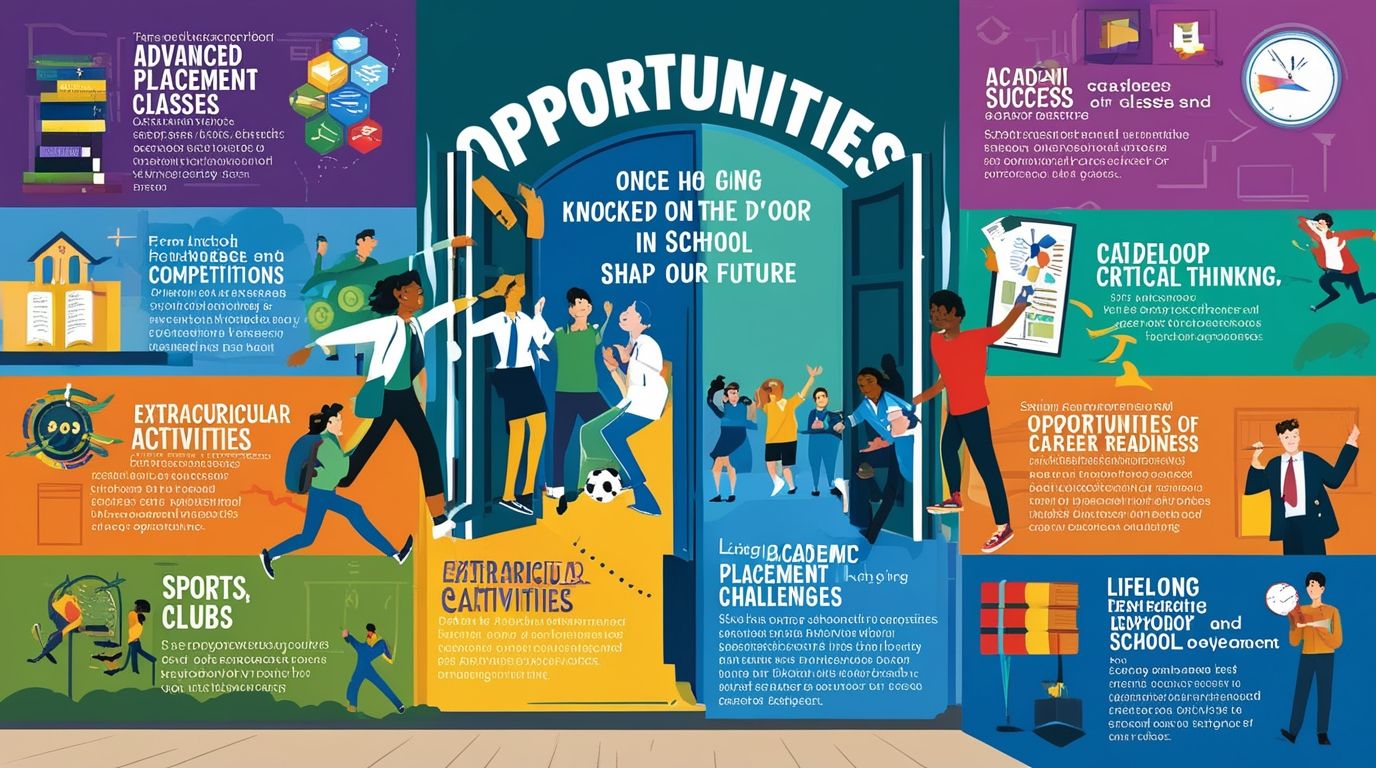
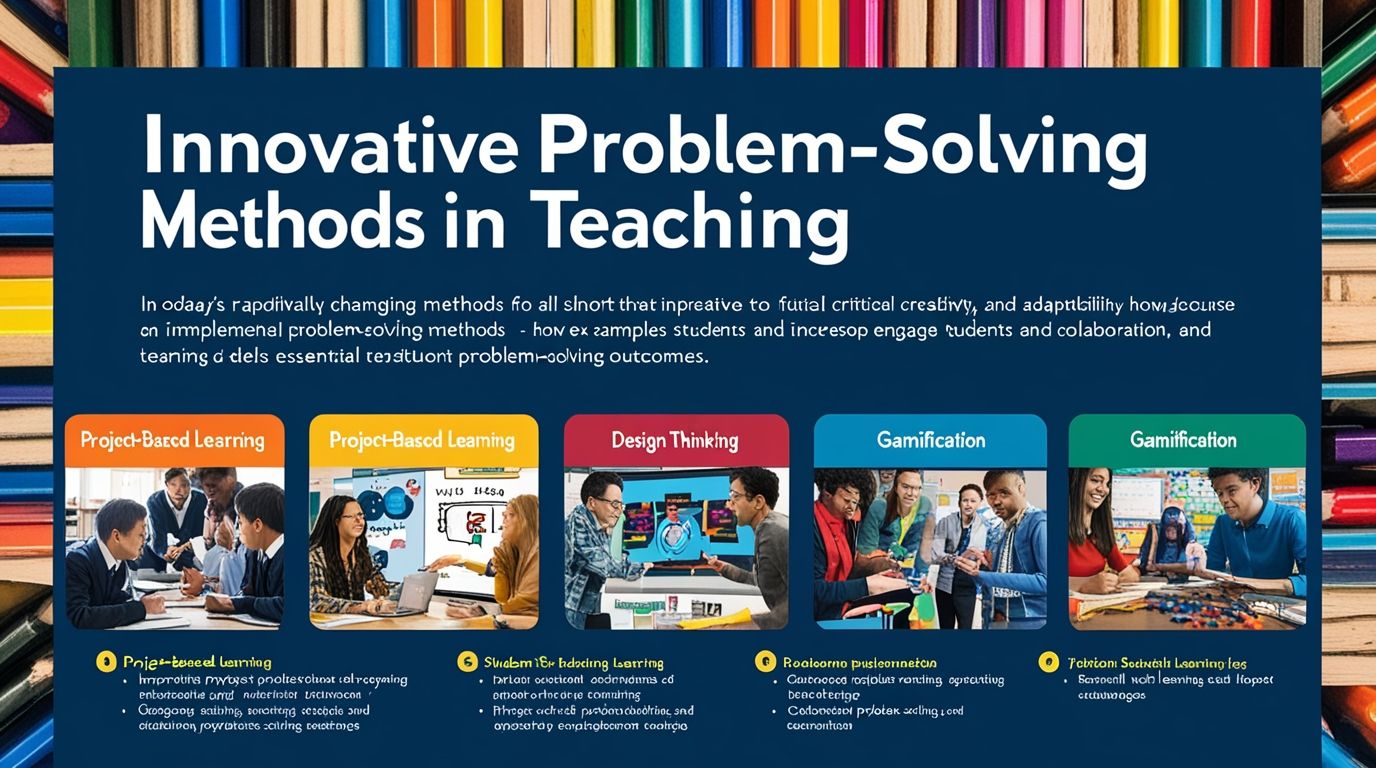
Schools increasingly focus on skill-based learning. Academic knowledge alone is not enough. Students need communication skills, creativity, collaboration, and problem-solving abilities. Alternate classes help schools teach these skills. They include computer labs, art workshops, science clubs, and coding classes. Therefore, students learn practical skills. Moreover, alternate classes encourage experimentation. Students try new ideas without fear of failure. They also develop confidence through hands-on activities. Additionally, schools can invite experts for special sessions. This exposes students to real-world learning. Consequently, learners become more capable, skilled, and forward-thinking. Hence, alternate classes support holistic education.
Reducing Academic Stress Through Alternate Classes
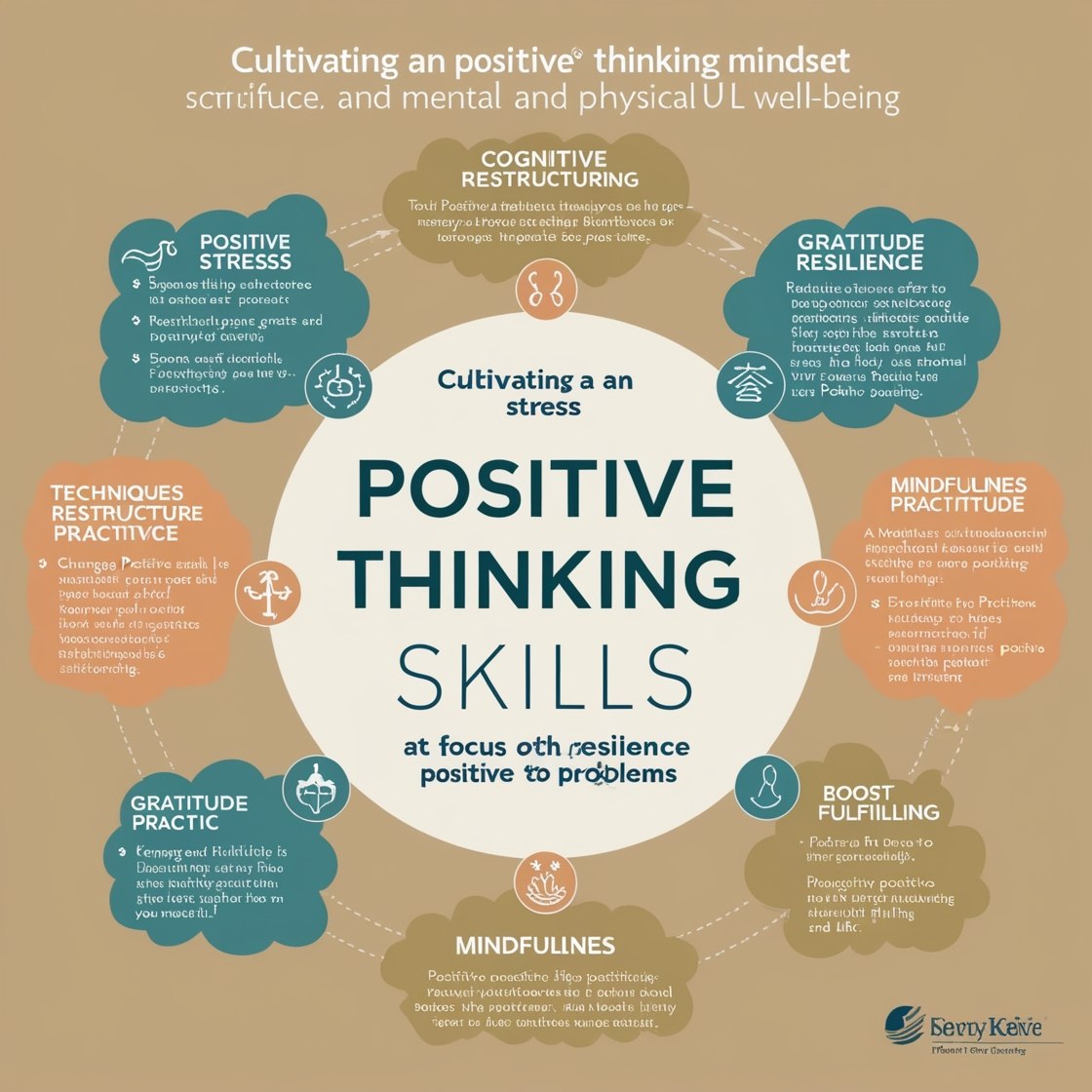
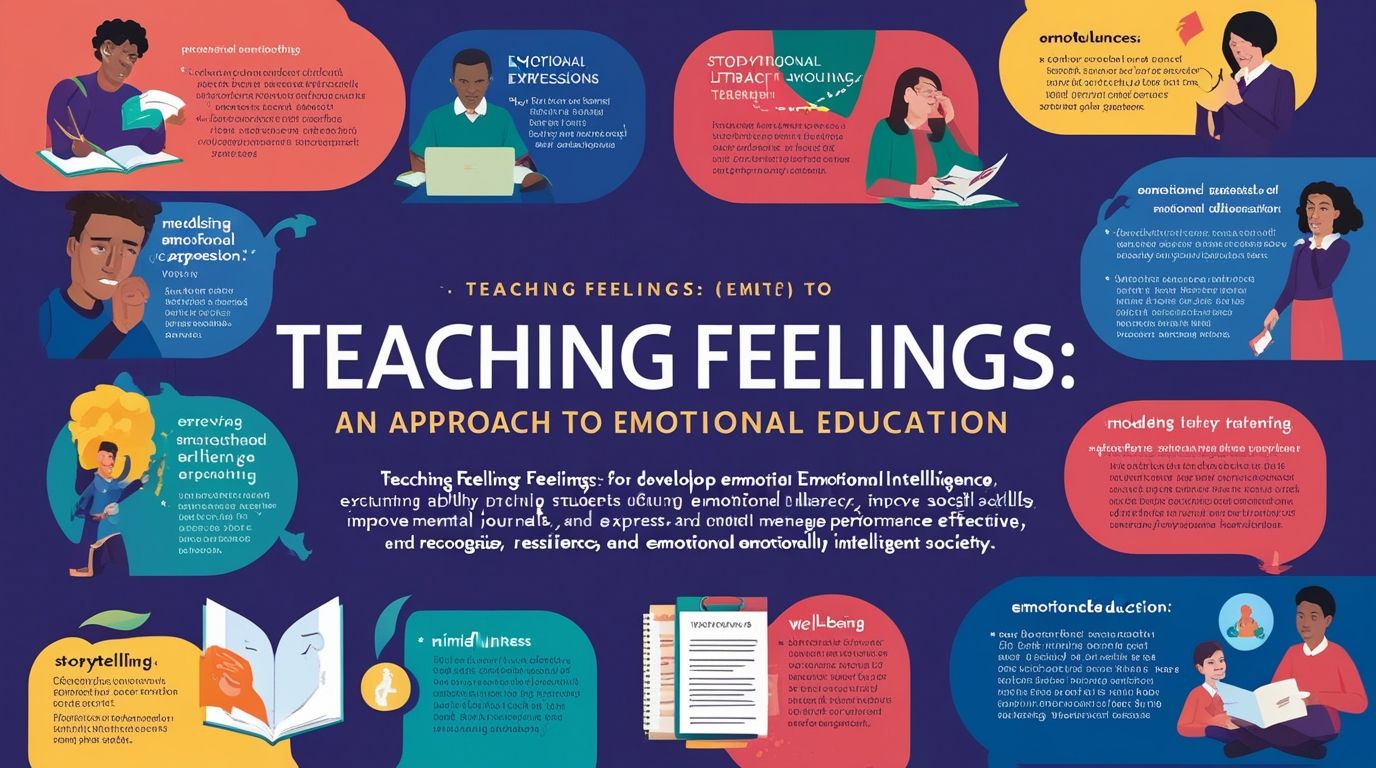
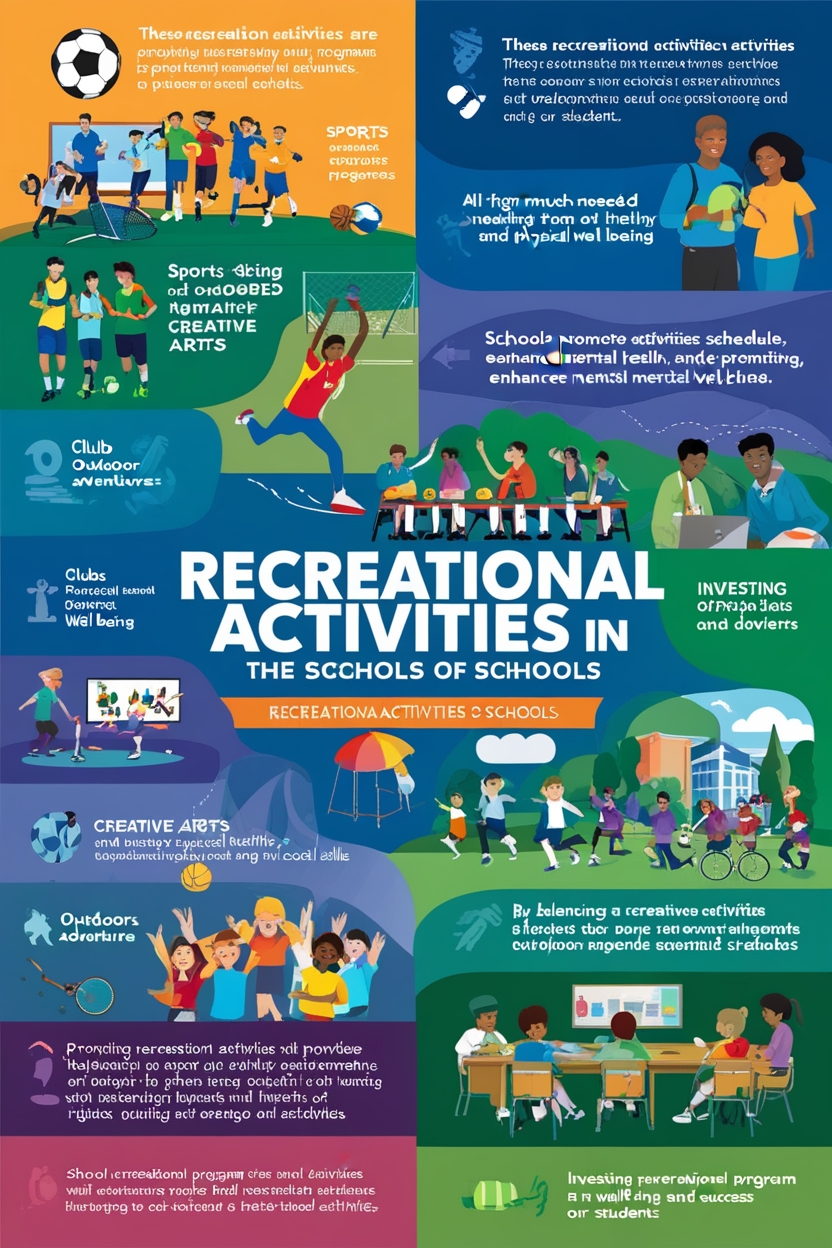
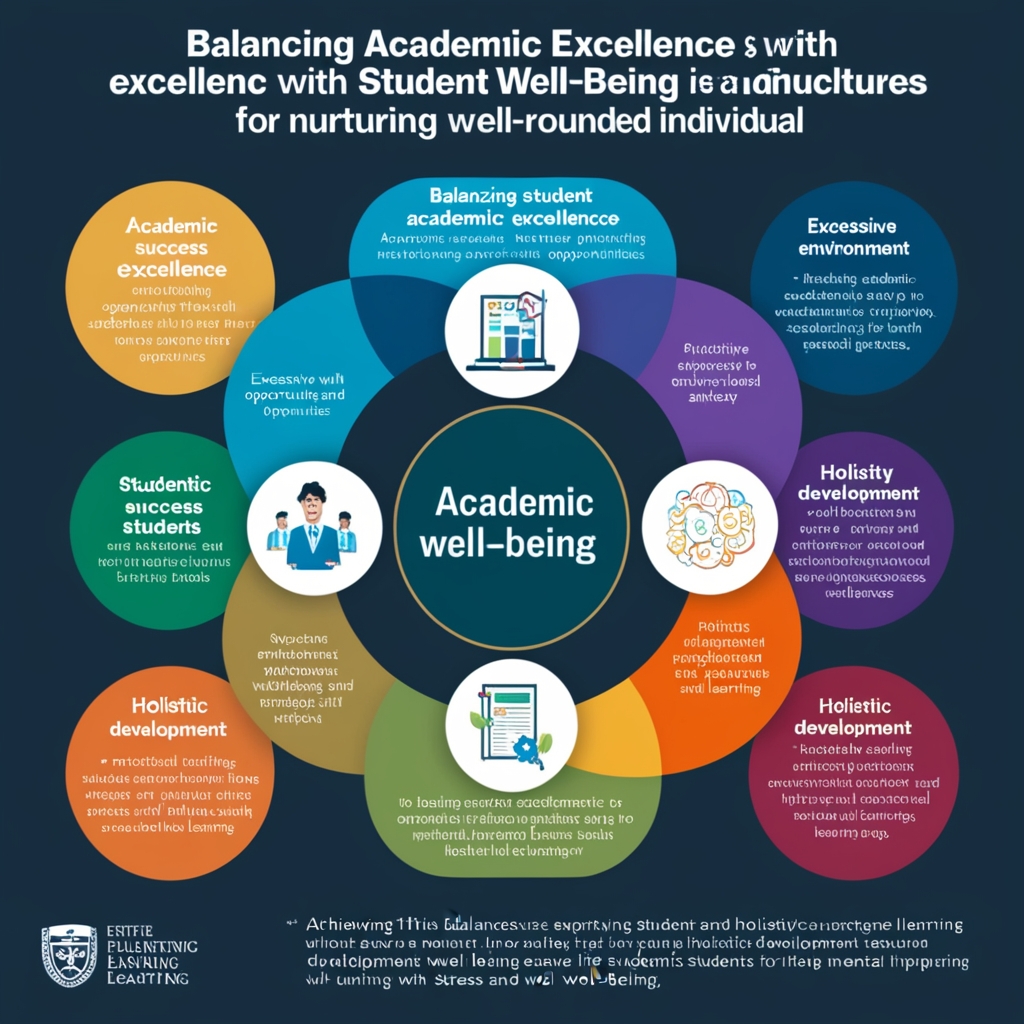
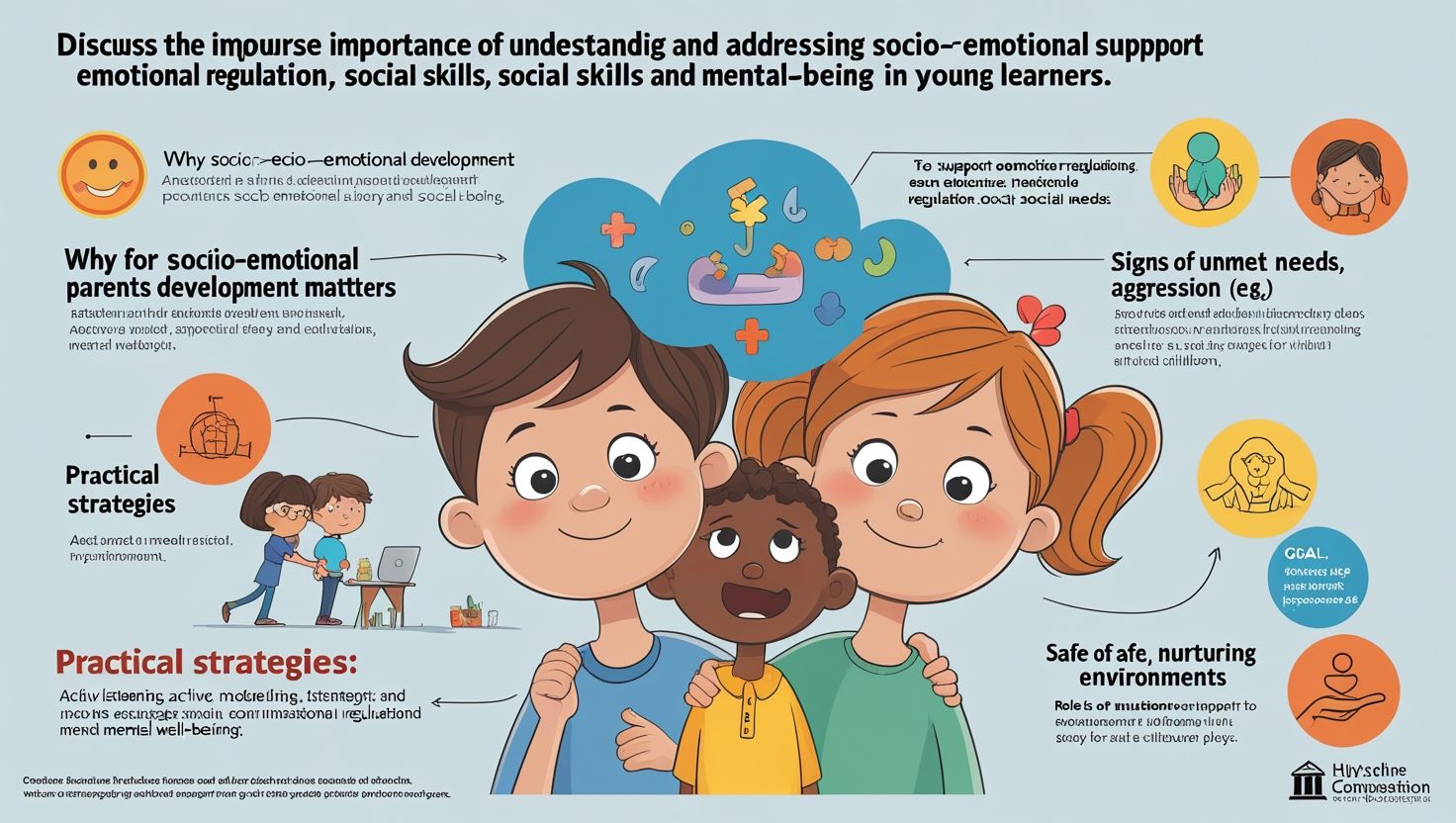
The role of alternate classes in reducing stress is important. Students often experience pressure from continuous learning. Traditional classes focus heavily on results. However, alternate classes create balance. They offer relaxation through creative activities. Subjects like art, music, yoga, and sports refresh the mind. Therefore, students relax and re-energize. Moreover, alternate classes allow flexible pacing. Students can learn without fear of deadlines. They also receive support in difficult subjects. As a result, anxiety decreases. Additionally, alternate classes encourage enjoyment in learning. Students look forward to these sessions. Thus, alternate classes contribute to emotional well-being.
Alternate Classes Improving Student Engagement
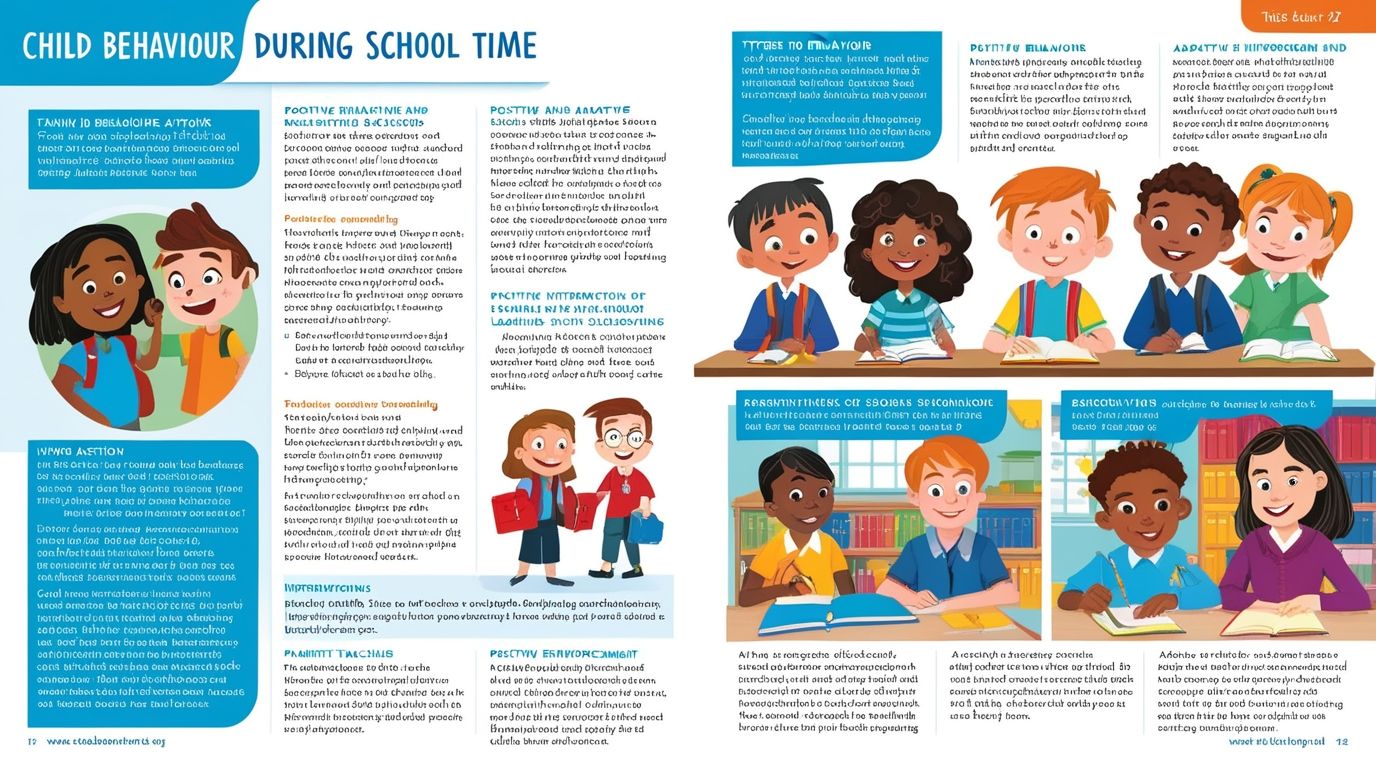
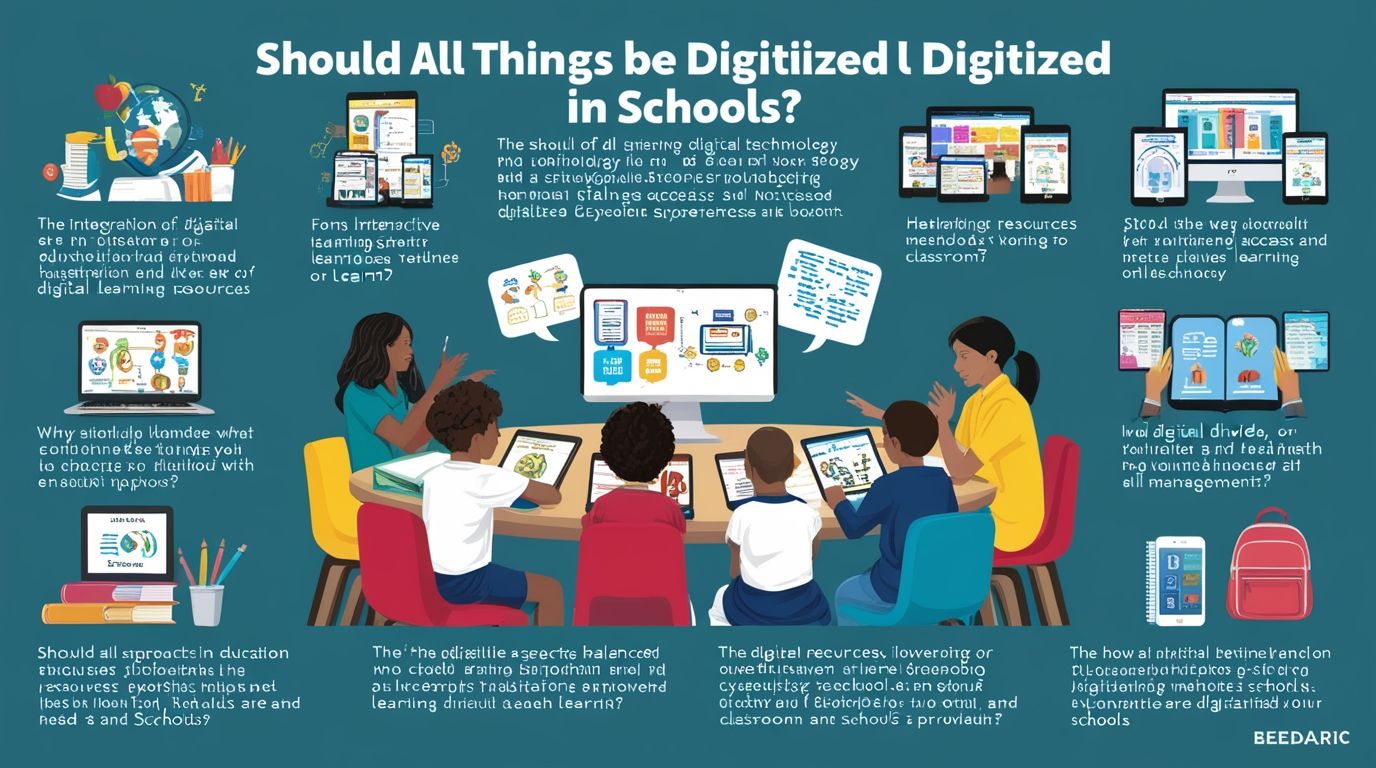
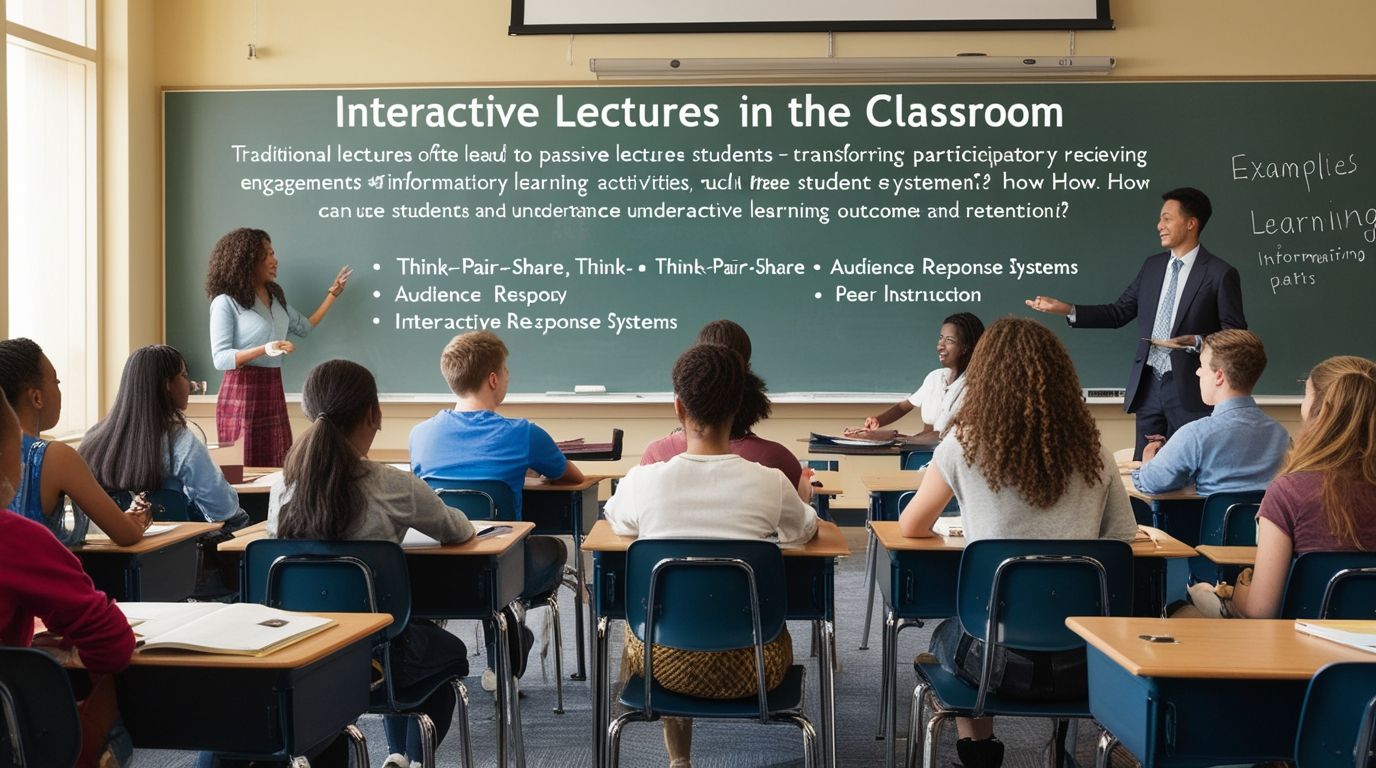
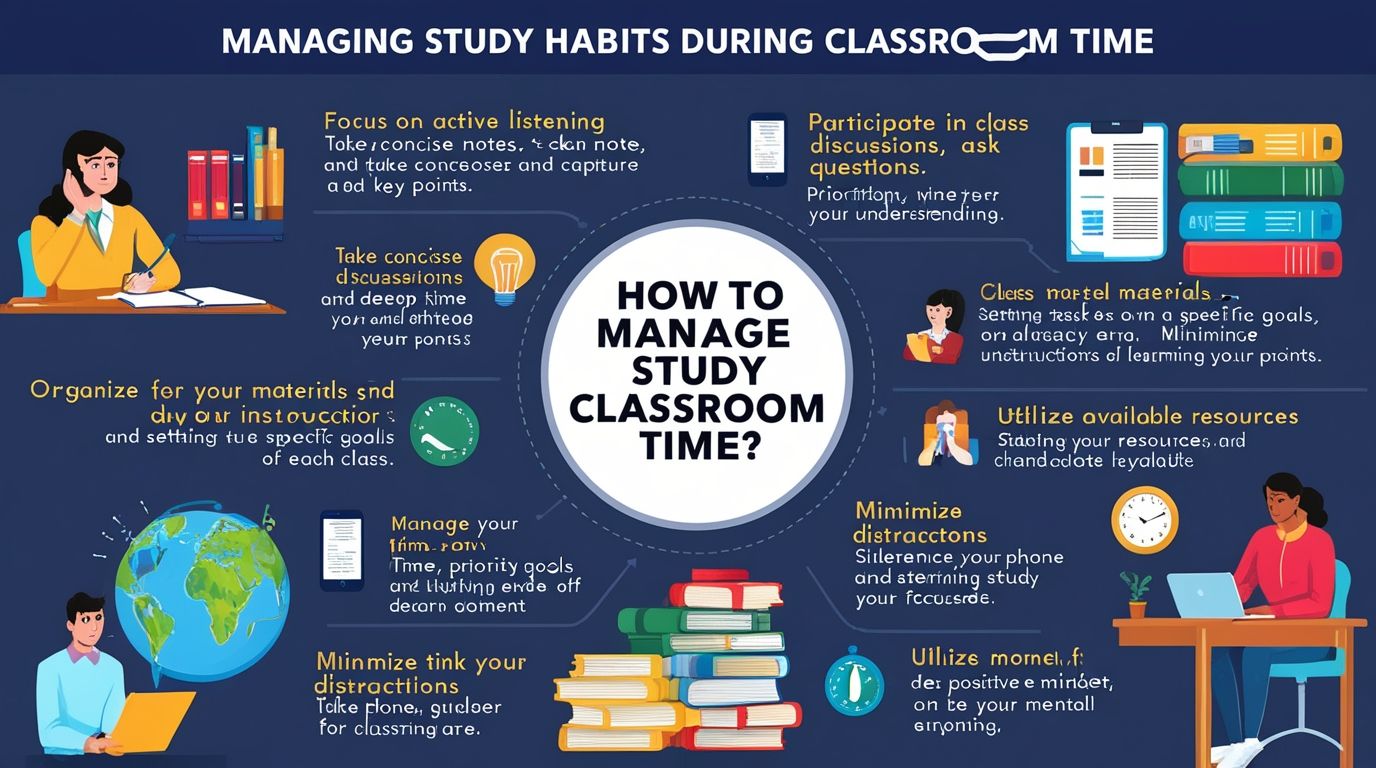
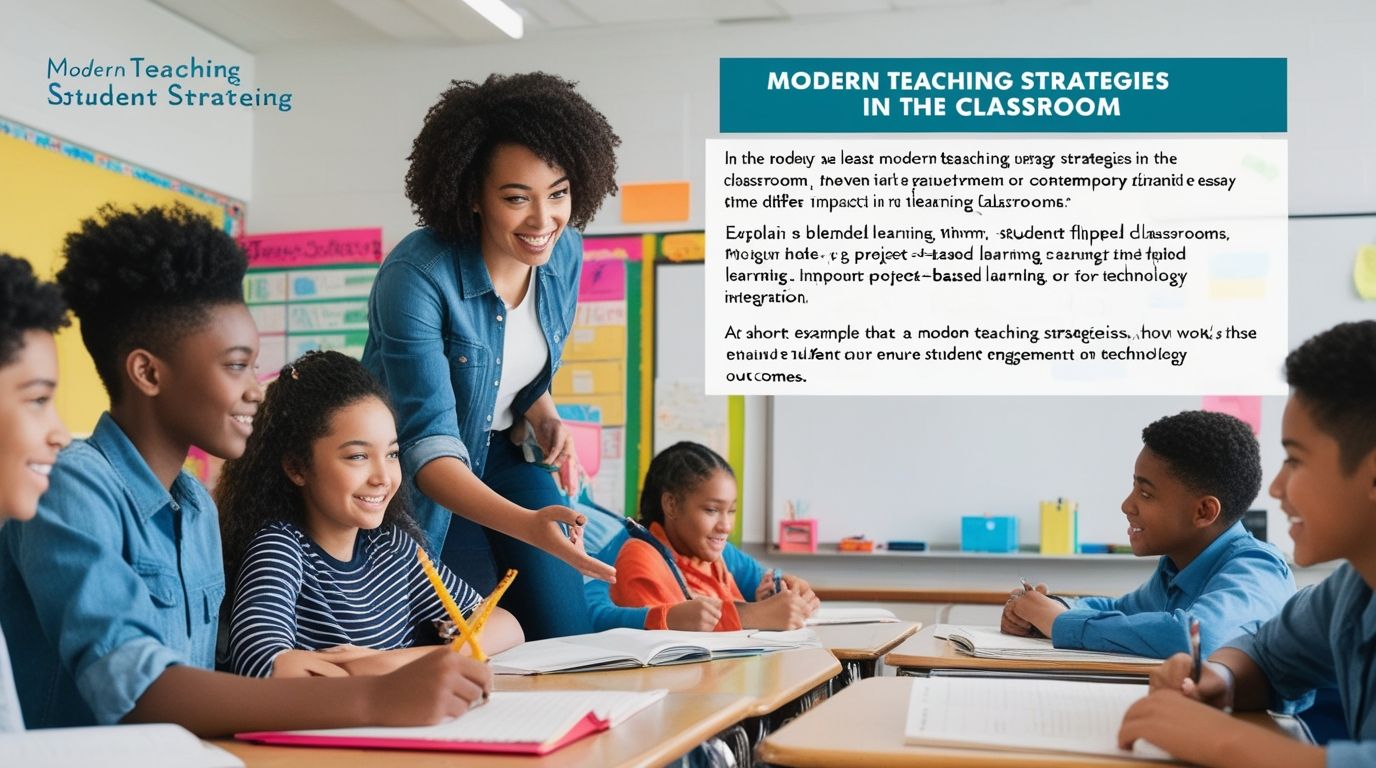
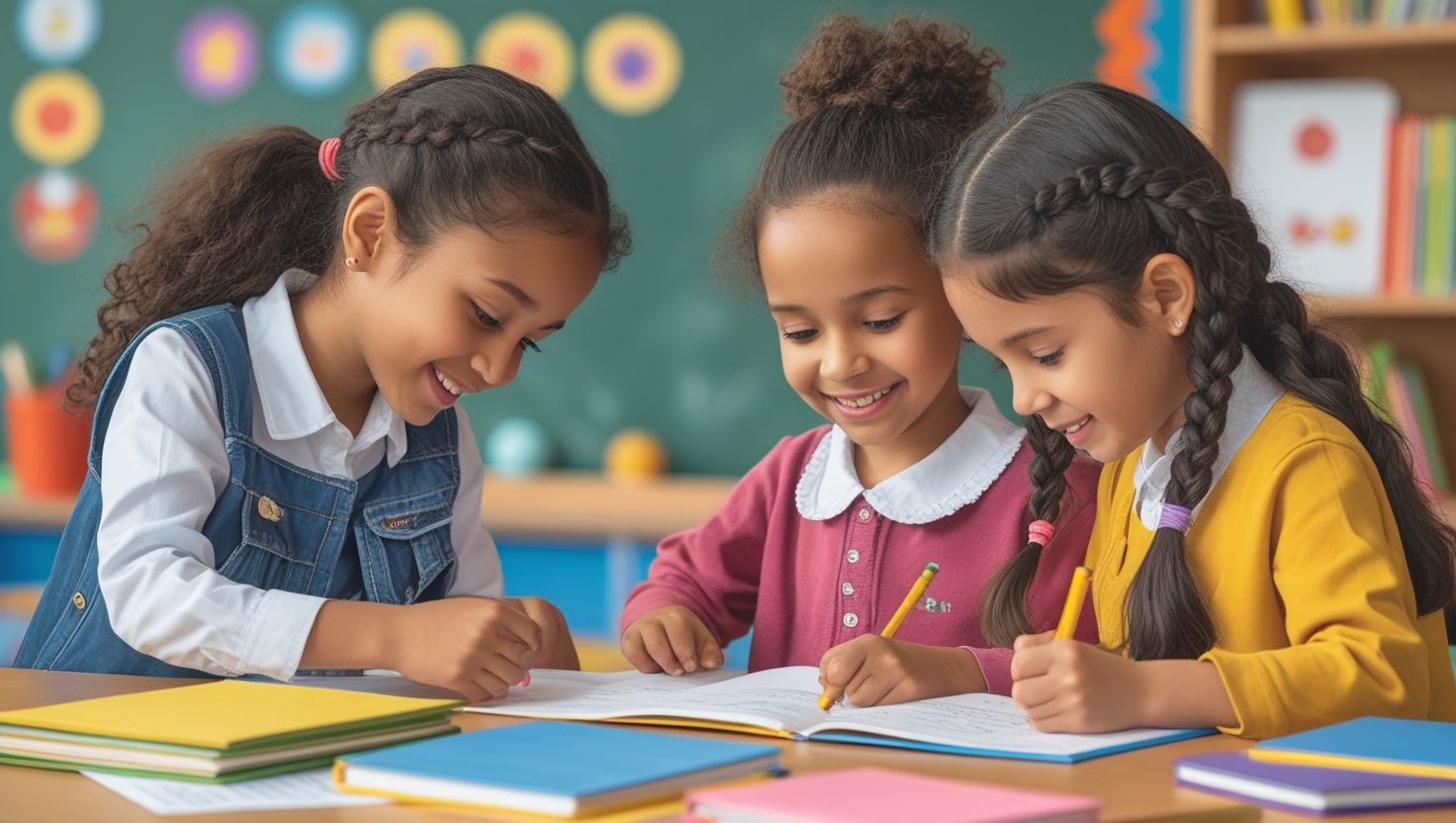
Student engagement is crucial for learning success. The role of alternate classes in increasing engagement is remarkable. These classes provide variety. Students experience different styles of teaching. Consequently, learning becomes more interesting. Moreover, alternate classes include interactive activities. Students discuss, collaborate, and participate. These activities boost curiosity. Additionally, alternate classes help teachers observe student behavior. They identify learners who need motivation. Furthermore, alternate classes introduce innovative tools such as digital platforms. Technology increases interest and involvement. As a result, students stay focused and active. Hence, alternate classes encourage higher engagement and better learning outcomes.
Teachers’ Role in Conducting Alternate Classes
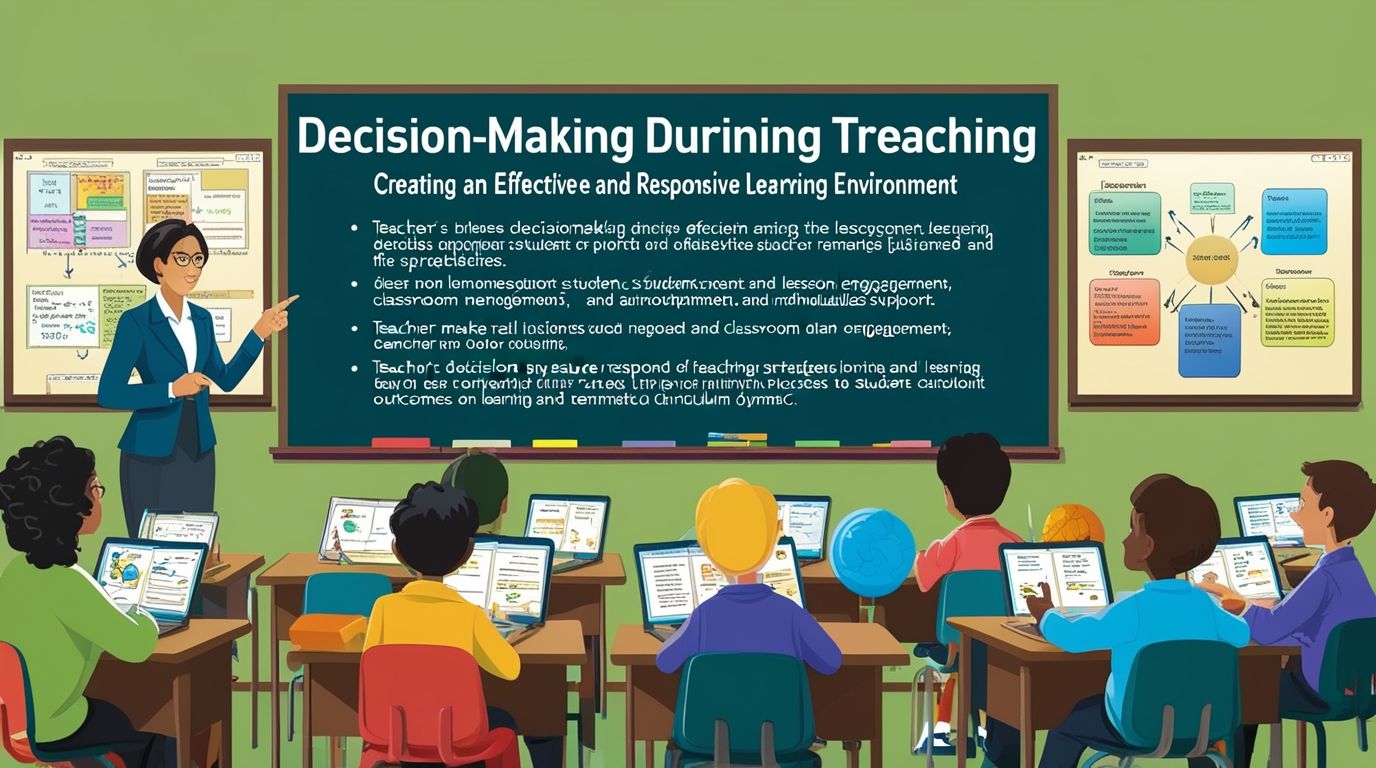
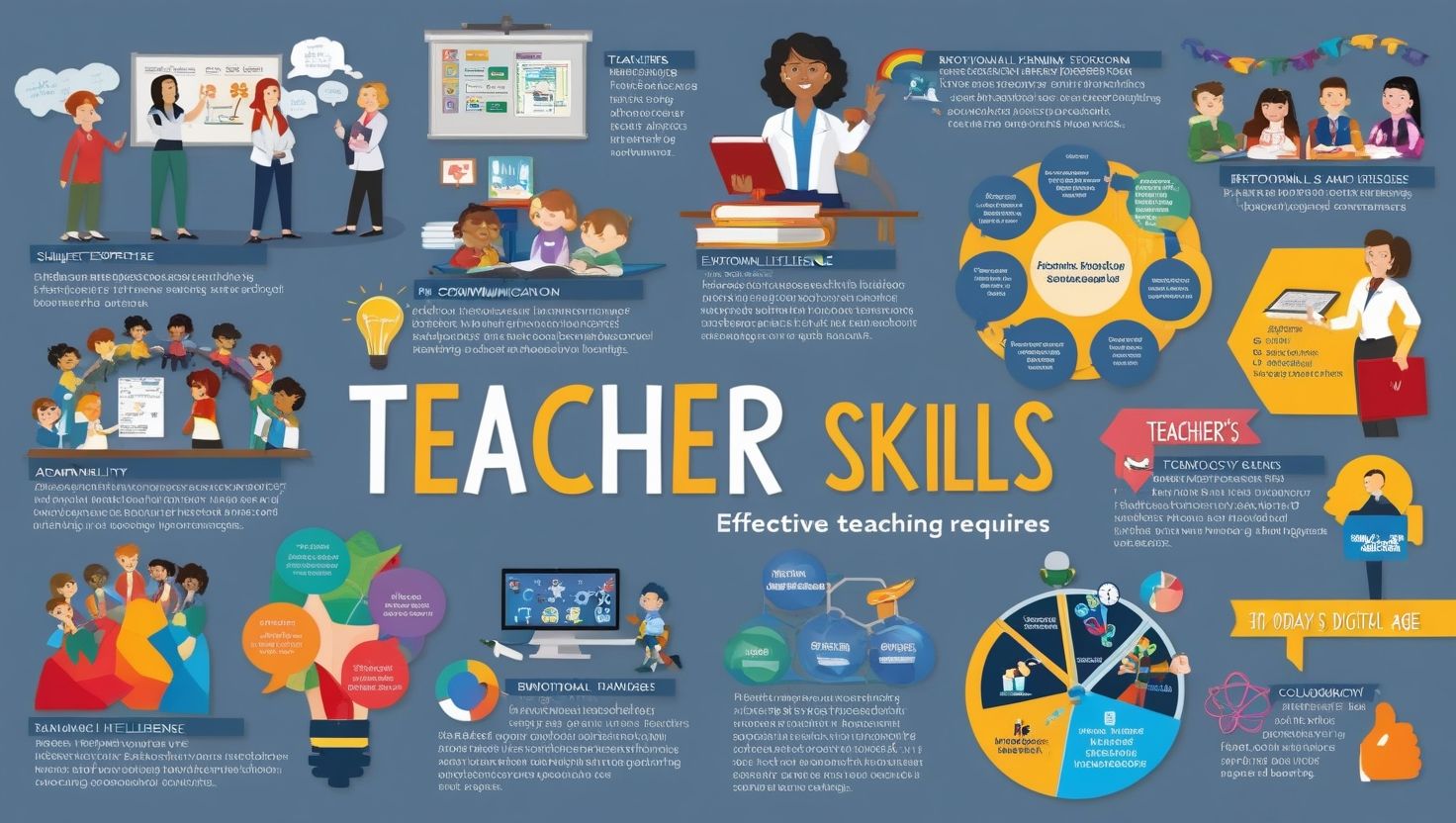
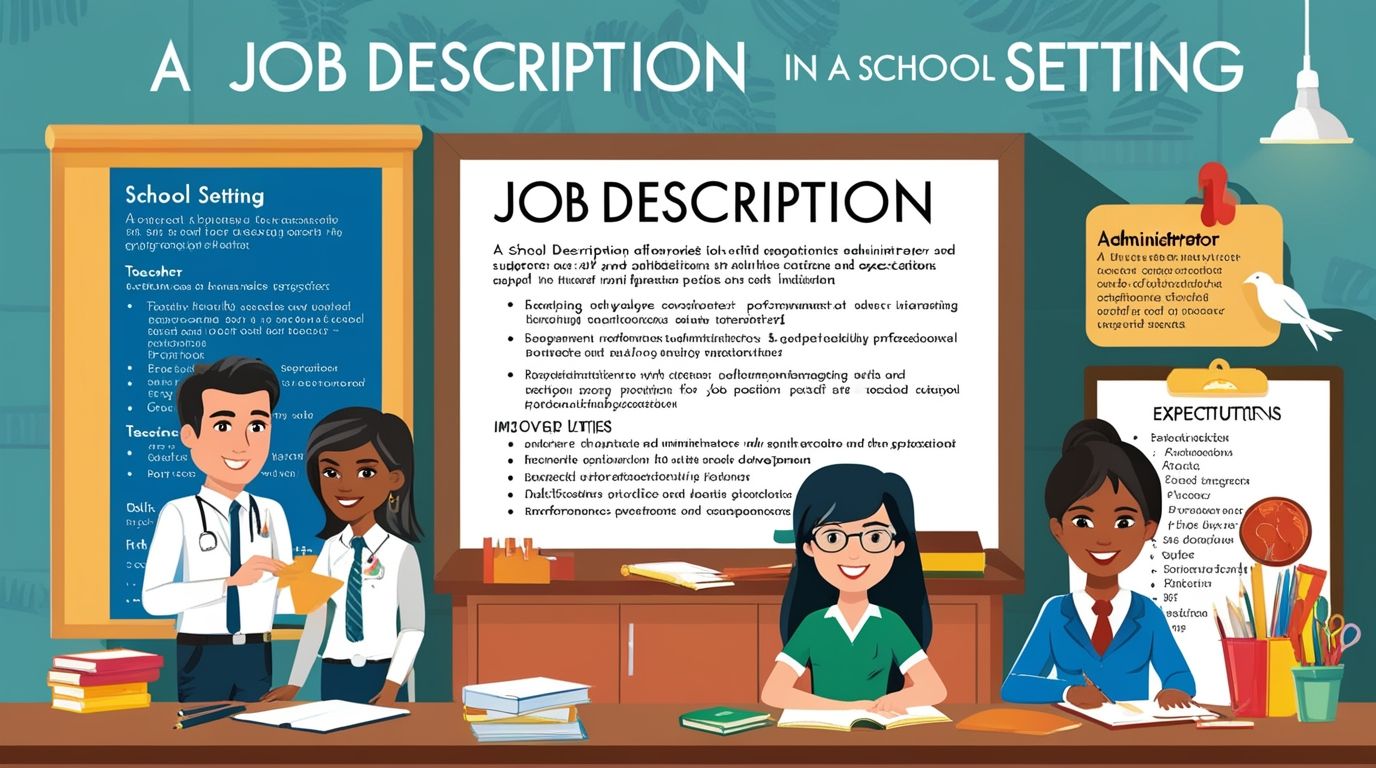
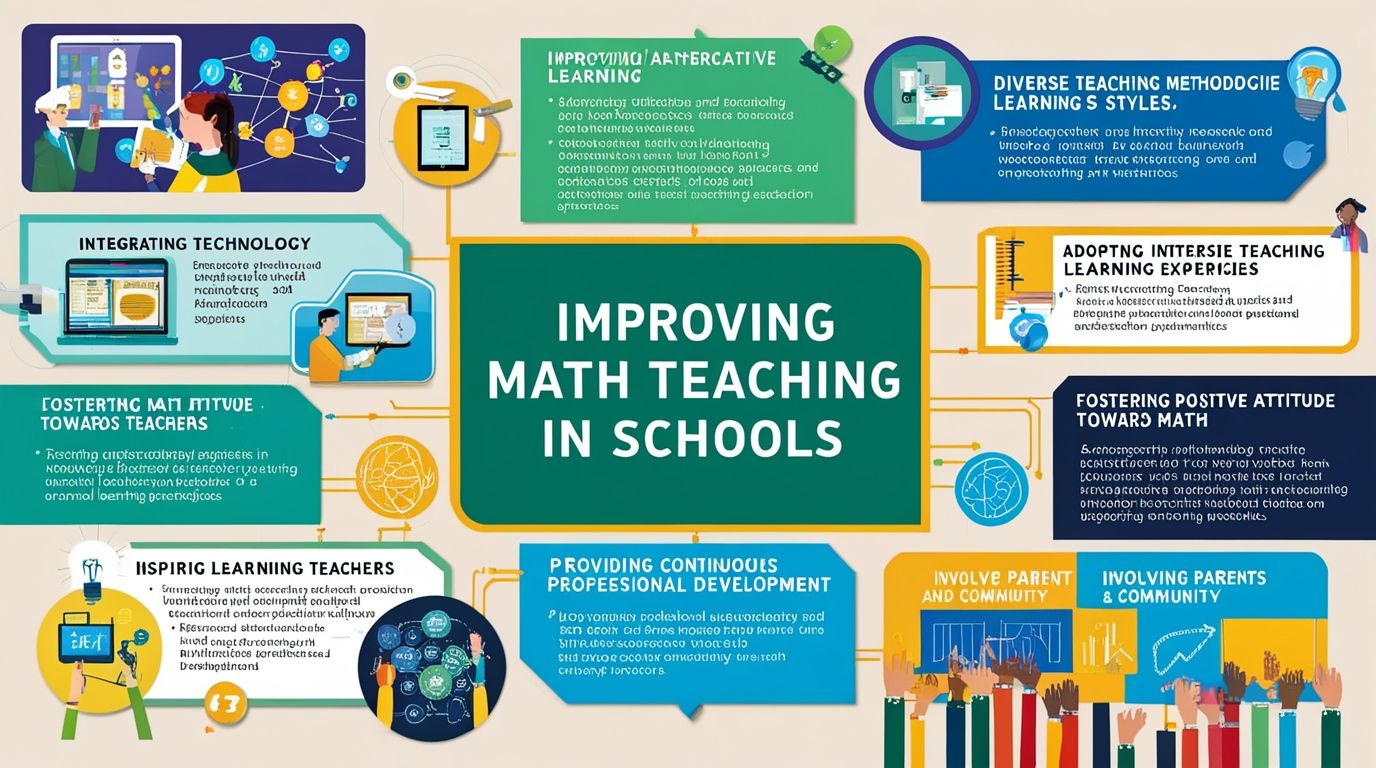
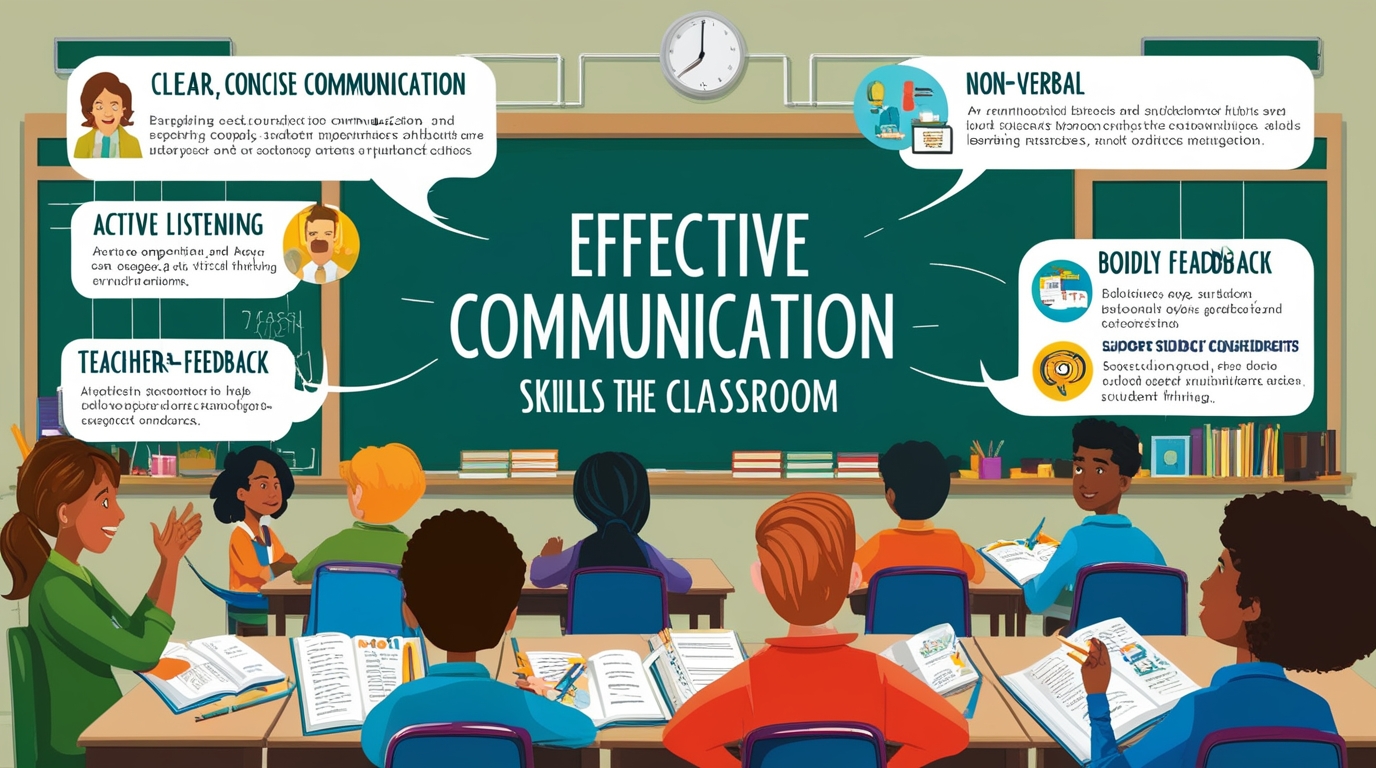
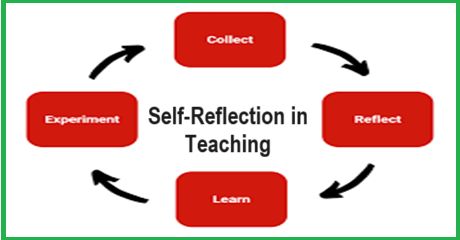
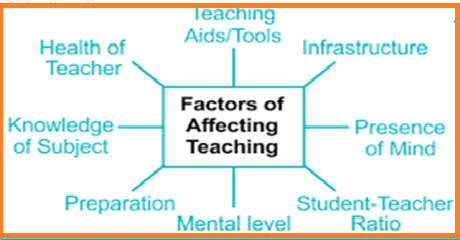
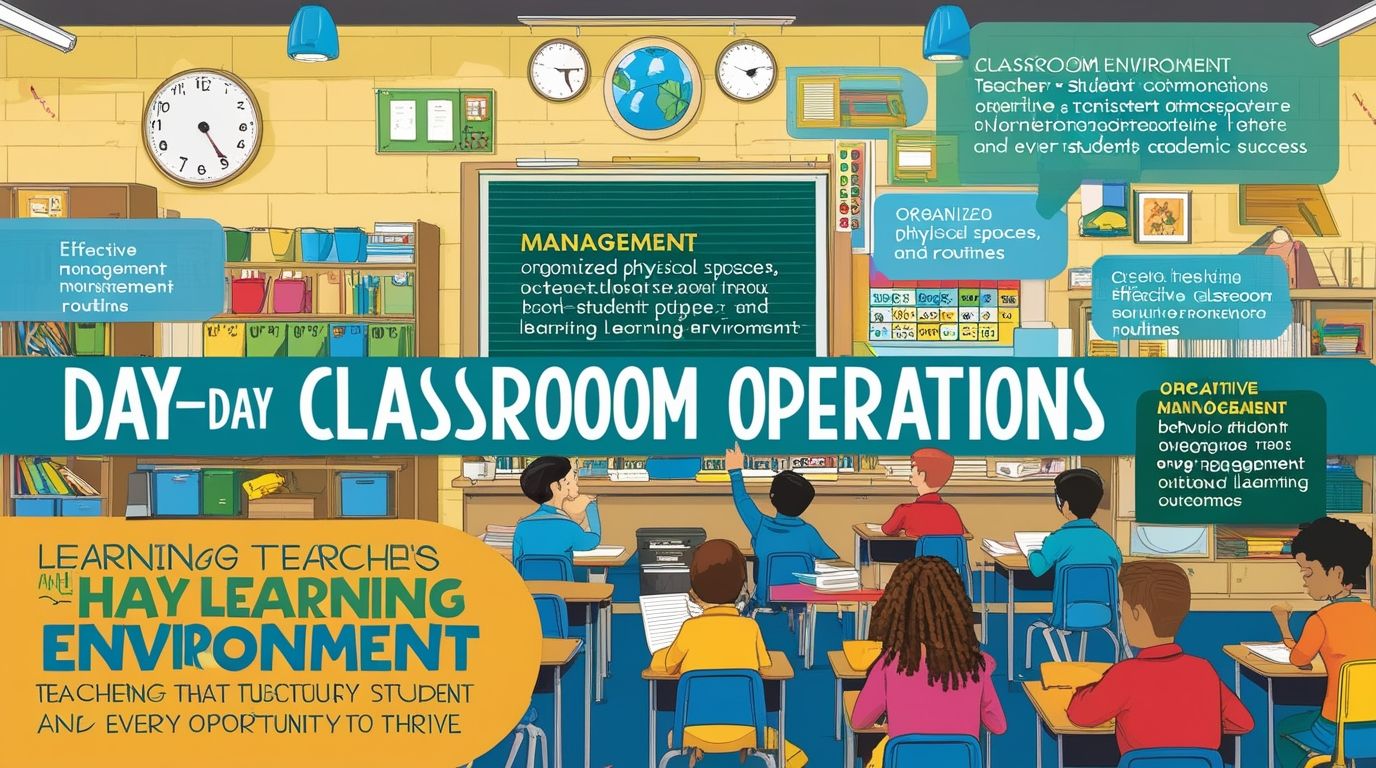
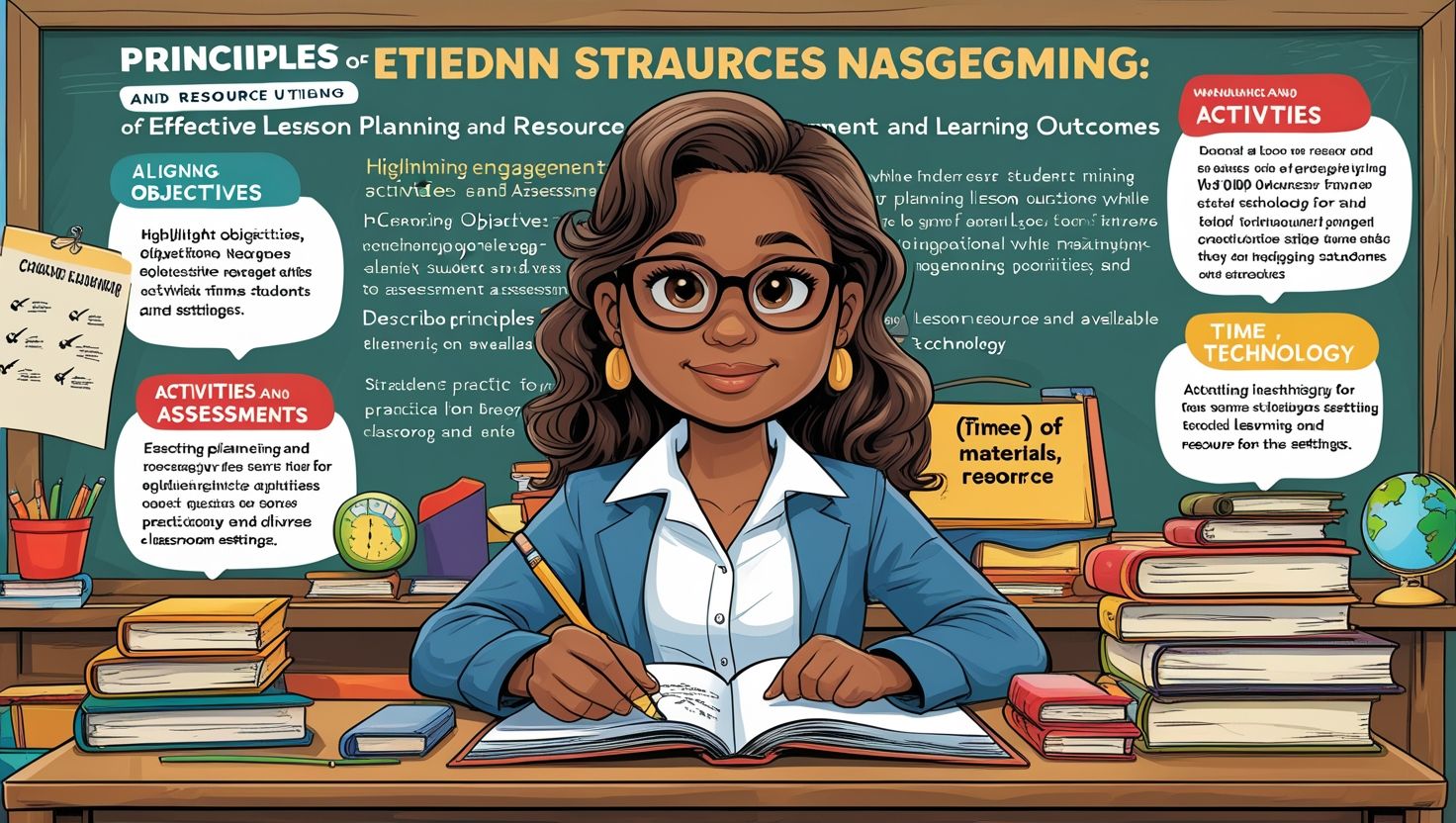
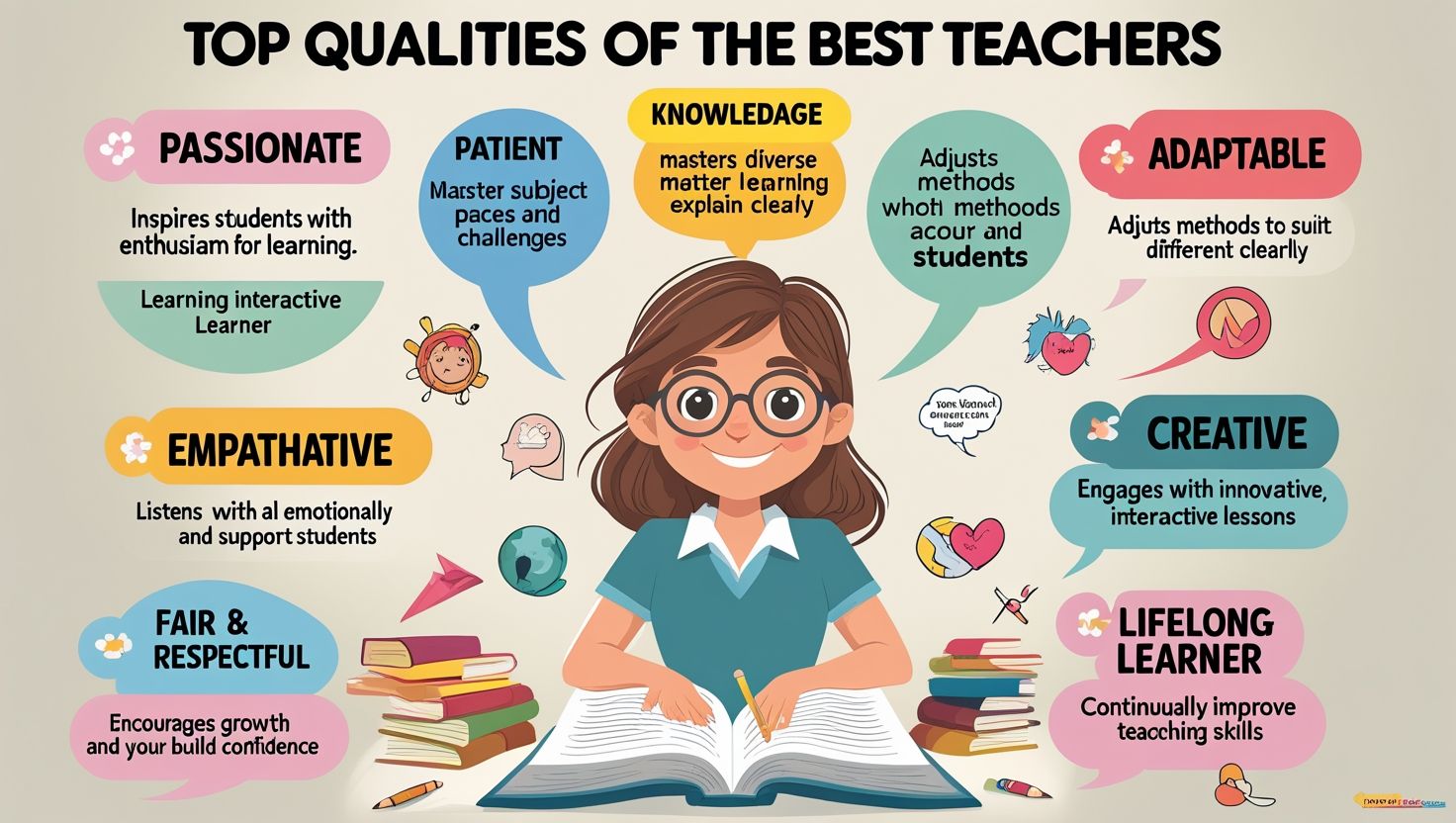
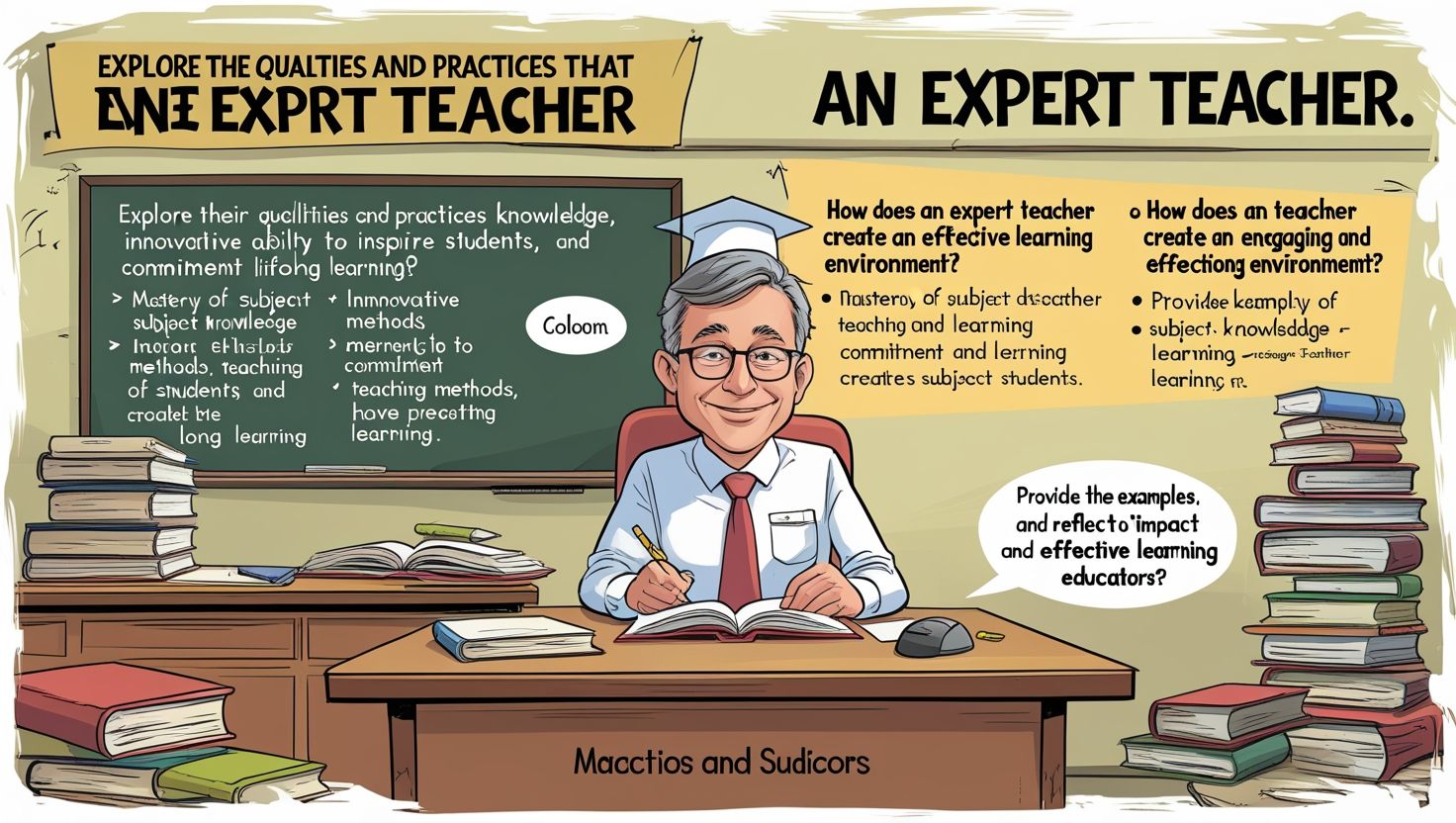
Teachers play a crucial role in the success of alternate classes. Their planning determines effectiveness. Therefore, teachers must adopt flexible strategies. They prepare materials suitable for diverse learners. They also adjust teaching according to student feedback. Moreover, teachers use alternate classes to assess individual progress. They identify areas requiring more support. Additionally, teachers create supportive environments. Encouraging words build confidence. Alternate classes also allow teachers to experiment. They may try new teaching models or activities. Consequently, teaching becomes exciting. In short, teachers drive the success of alternate classes through creativity and dedication.
Alternate Classes for Exam Preparation
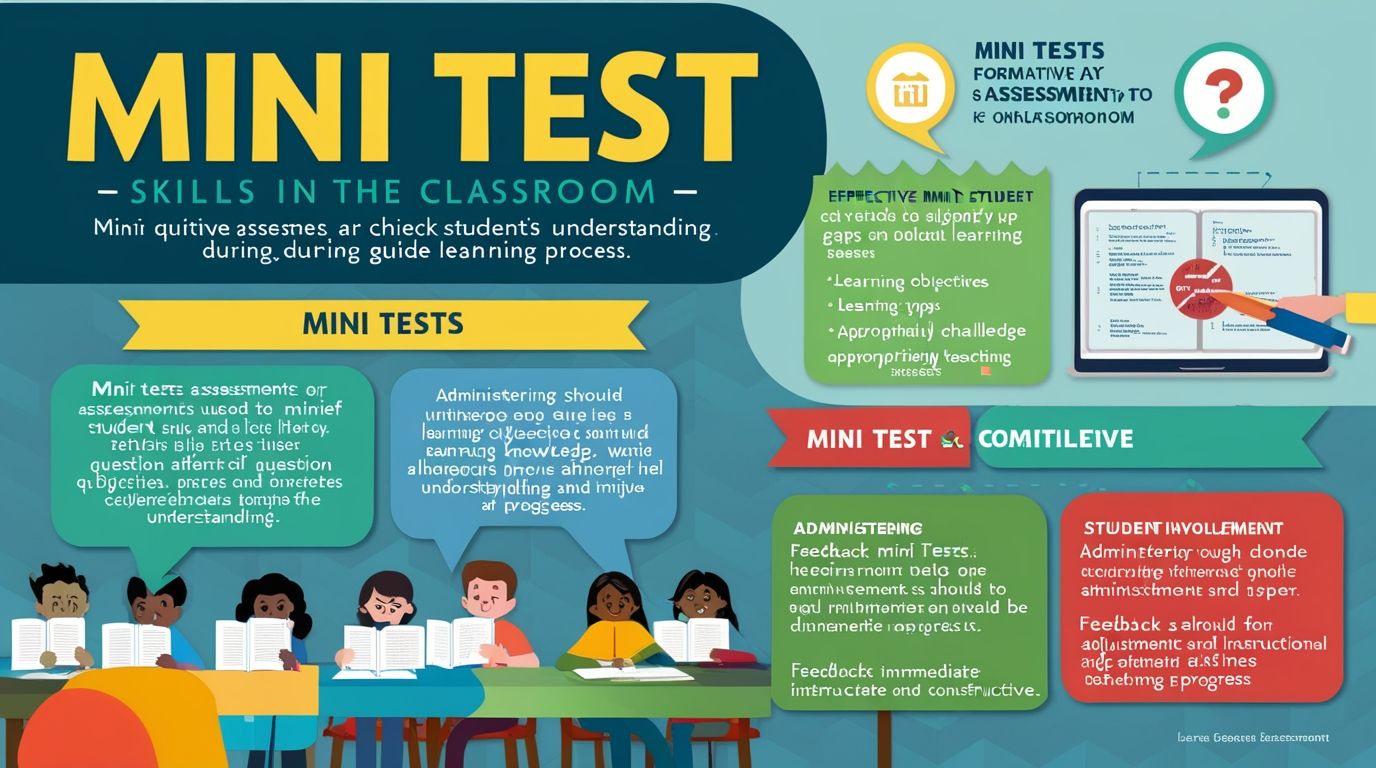
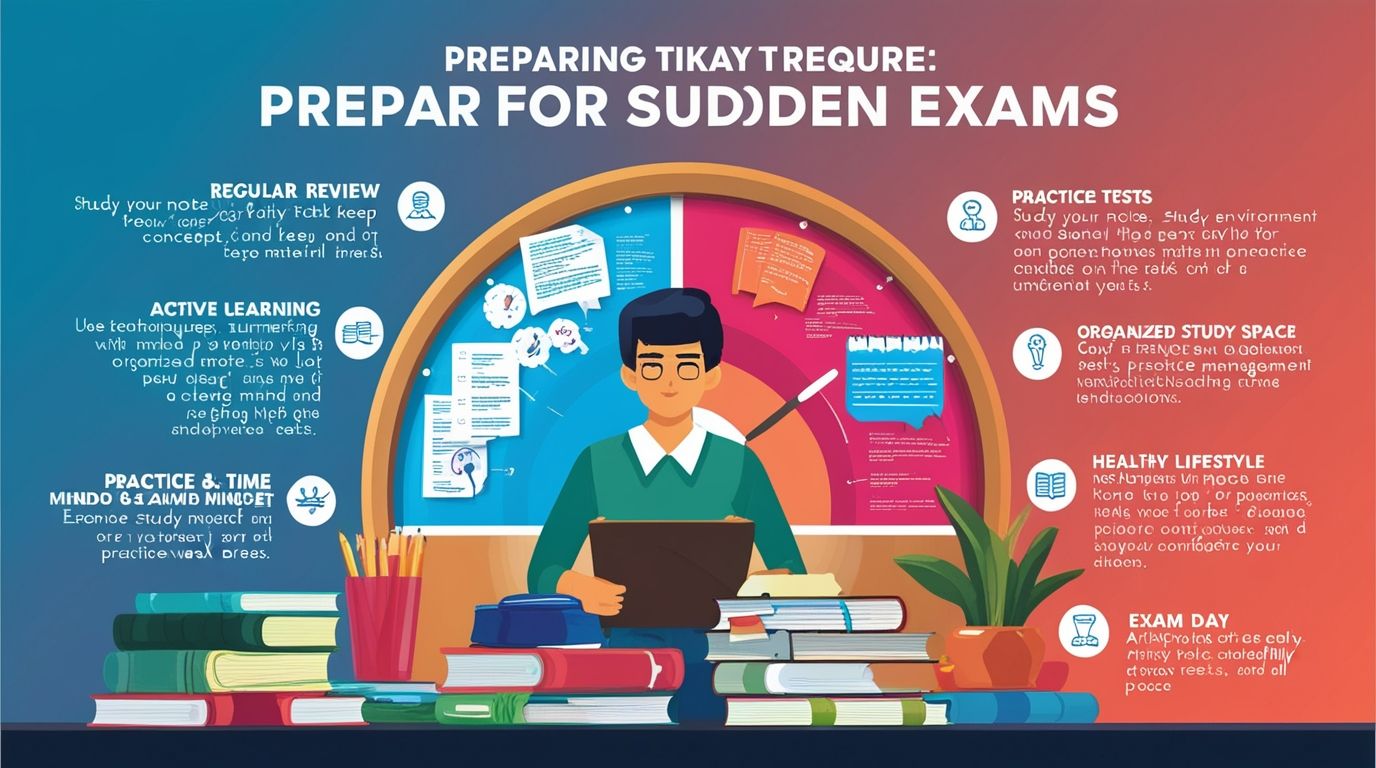
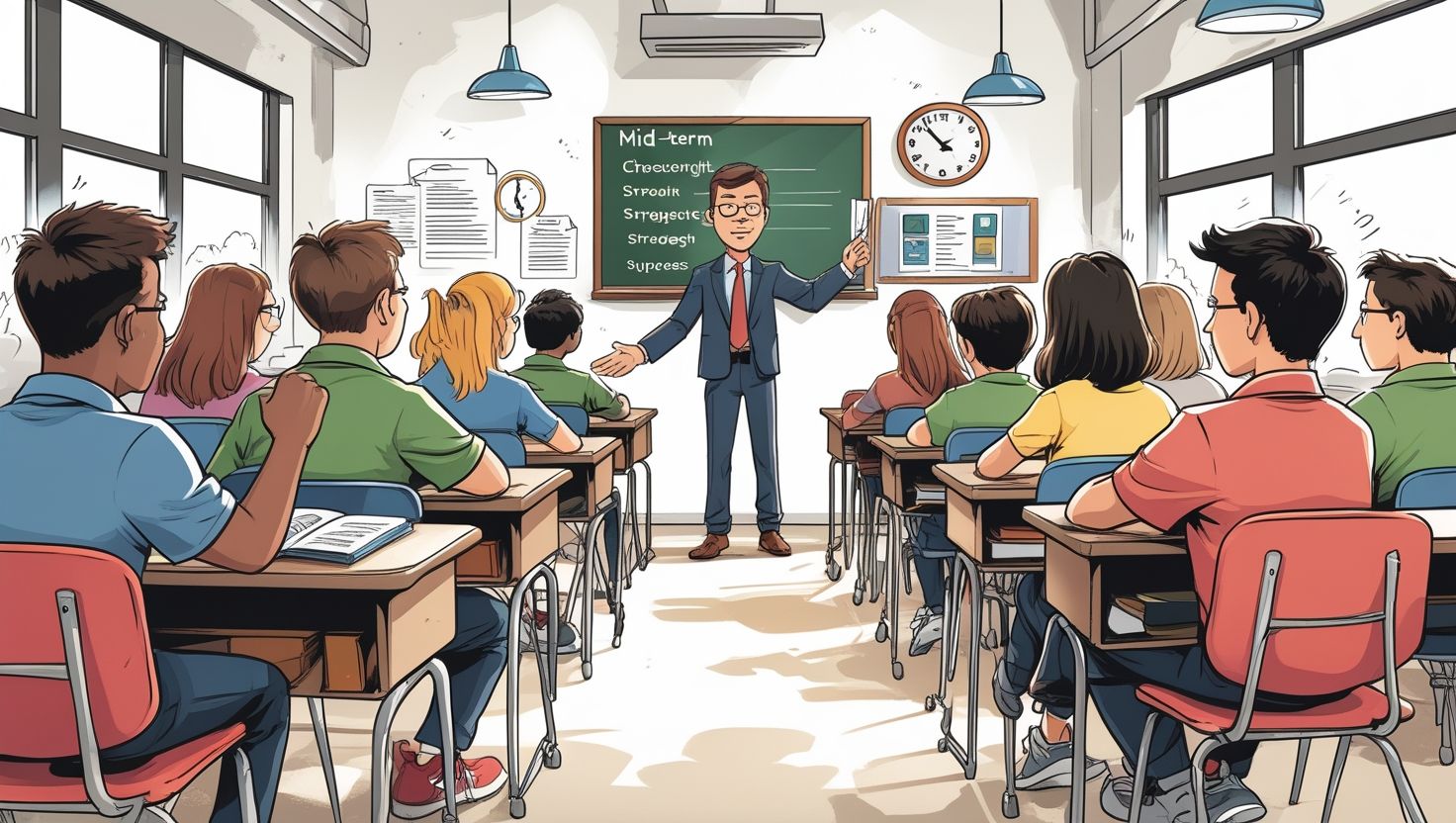
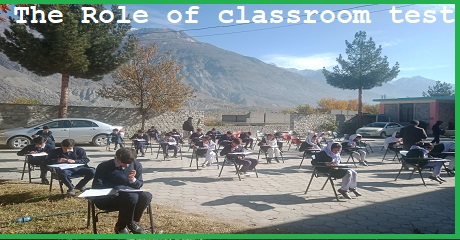
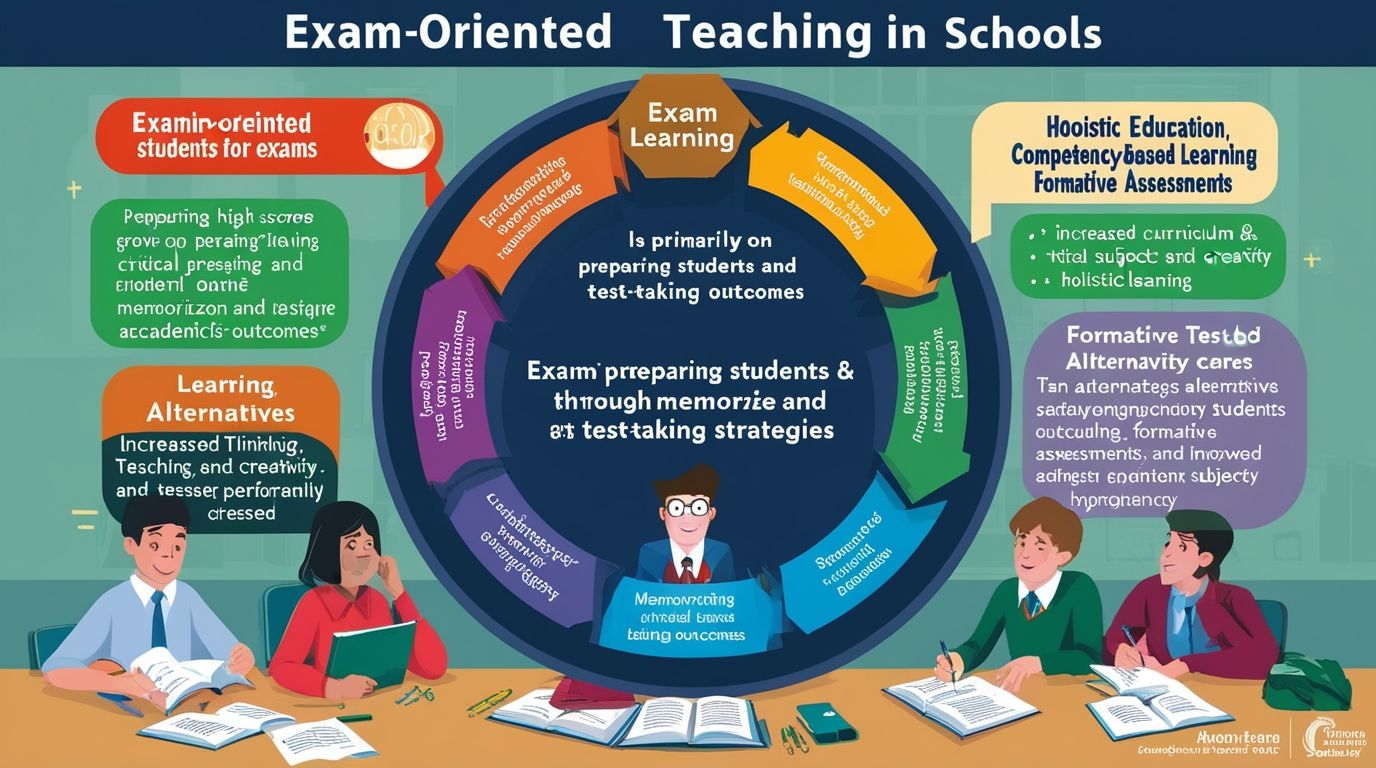
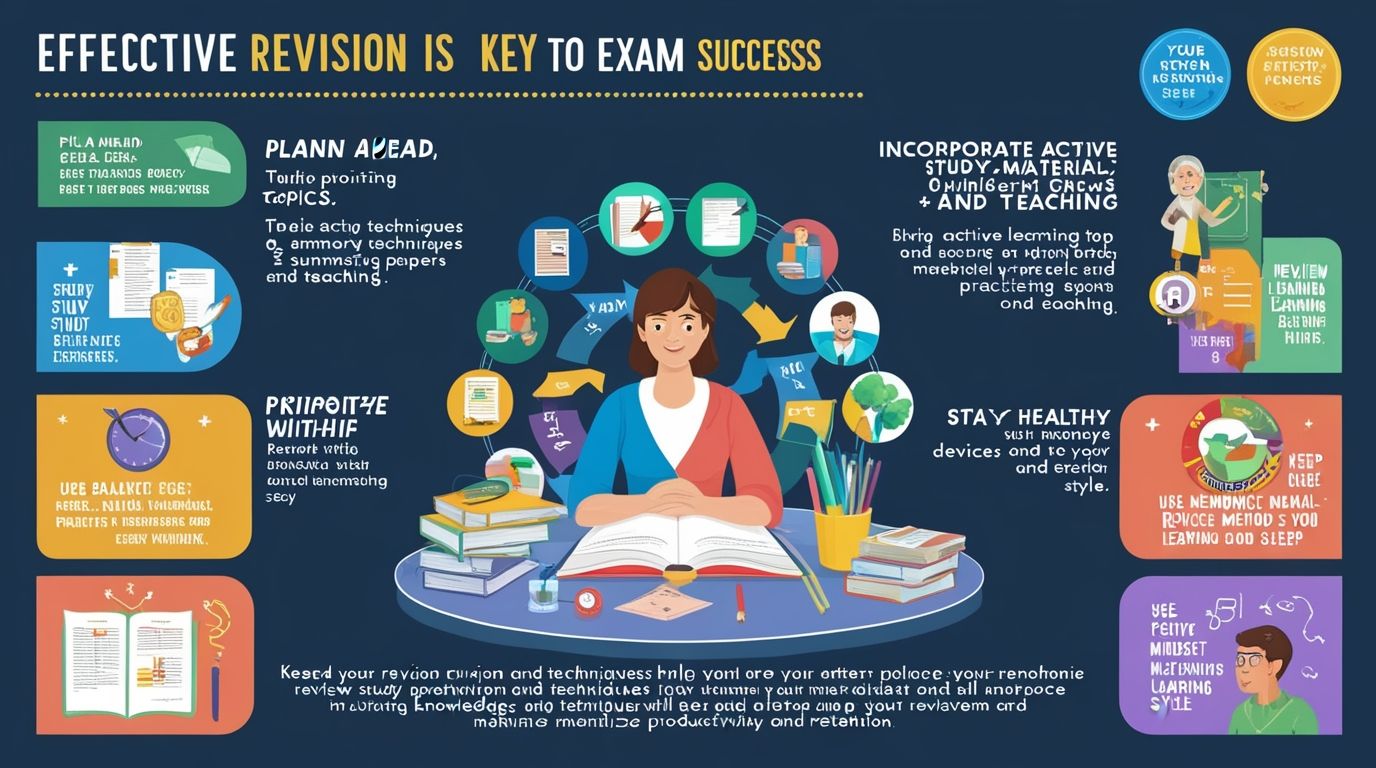
The role of alternate classes in exam preparation is essential. Exams bring pressure. Students often feel unprepared. Alternate classes help reduce this stress. They focus on revision and practice. Teachers review key topics. They also provide exam tips and strategies. Moreover, alternate classes allow students to ask questions freely. Doubts get cleared quickly. Additionally, teachers conduct mock tests. These tests improve speed and accuracy. As a result, students develop confidence. Furthermore, alternate classes offer time for peer discussion. Students learn from each other. Ultimately, exam performance improves significantly.
Impact of Alternate Classes on Academic Achievement
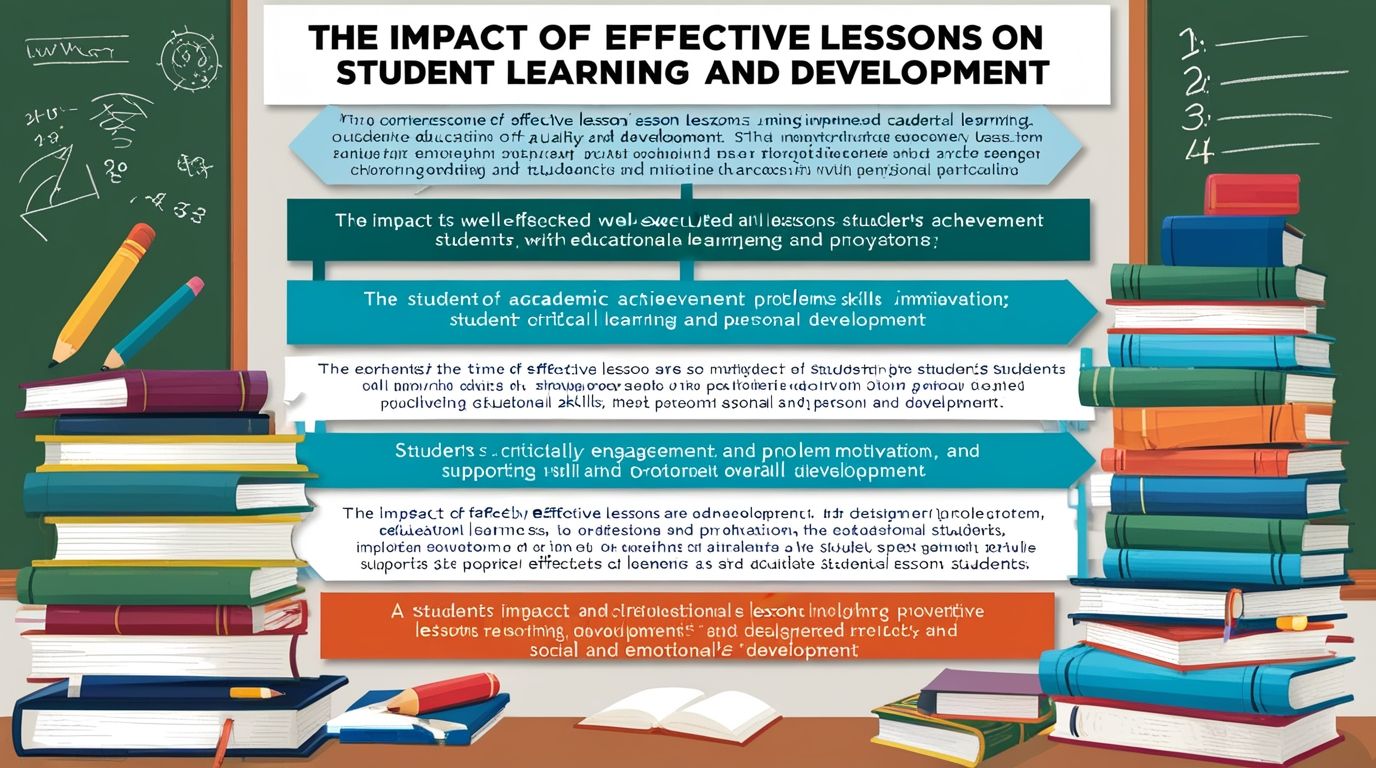
Alternate classes have a positive impact on academic achievement. They provide extra support when needed. Therefore, weak students catch up faster. Meanwhile, advanced learners move ahead. Moreover, alternate classes promote balanced learning. Students understand topics more completely. Additionally, alternate classes help maintain continuous learning. Students practice regularly. This leads to better grades. Teachers also track progress through these sessions. They adjust teaching to improve outcomes. Furthermore, alternate classes focus on both strengths and weaknesses. Consequently, students develop well-rounded academic skills. Hence, alternate classes play an important role in improving school results.
Challenges in Implementing Alternate Classes
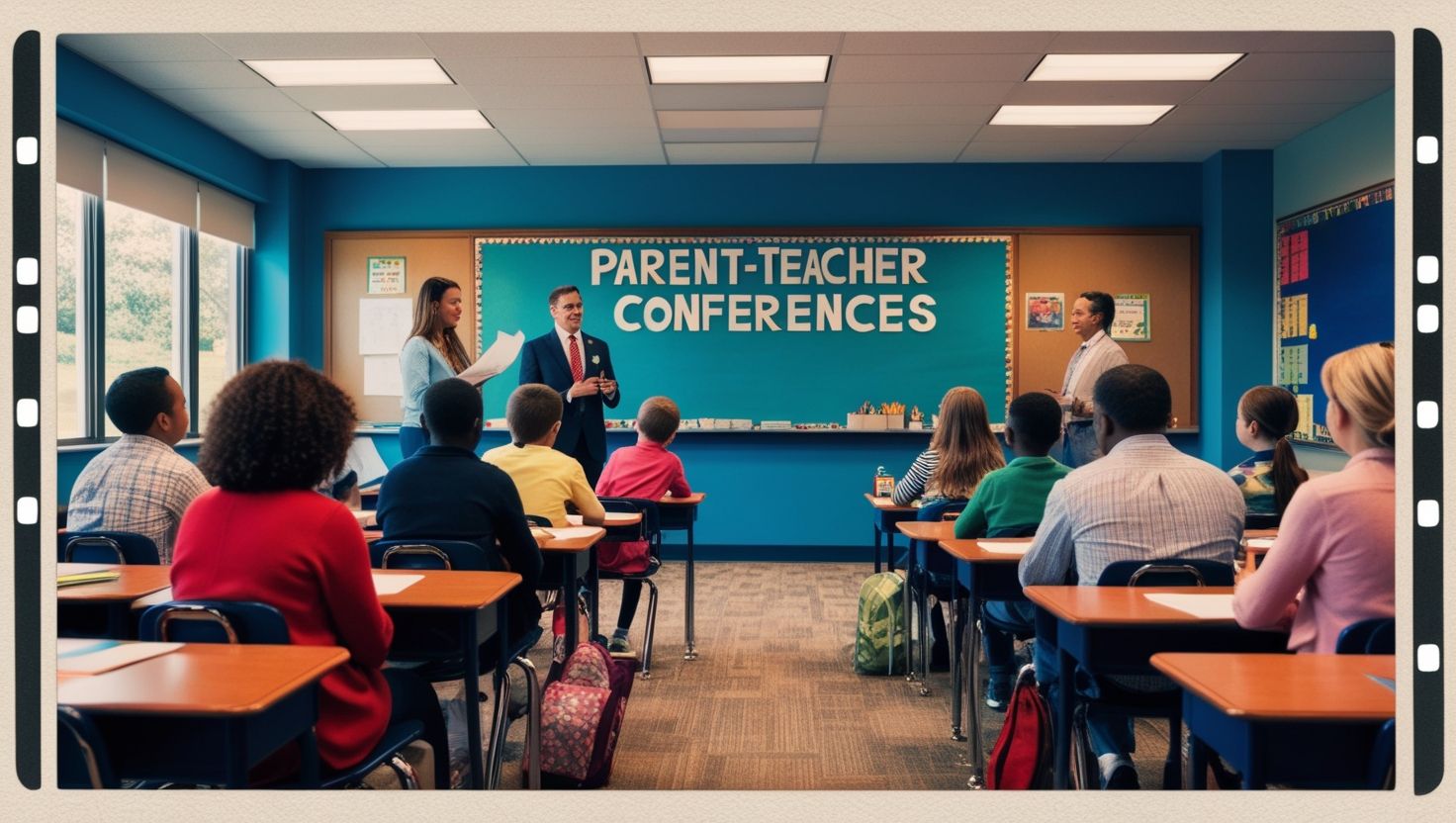
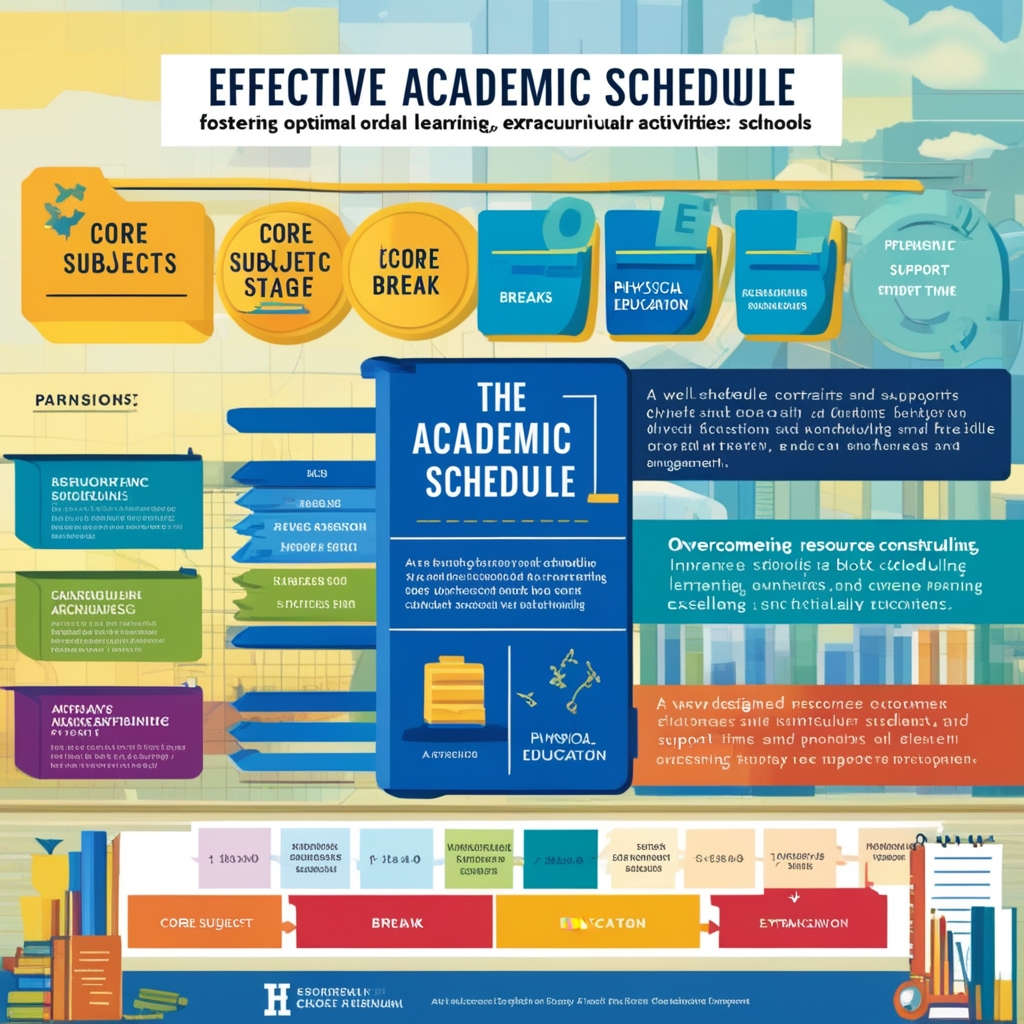
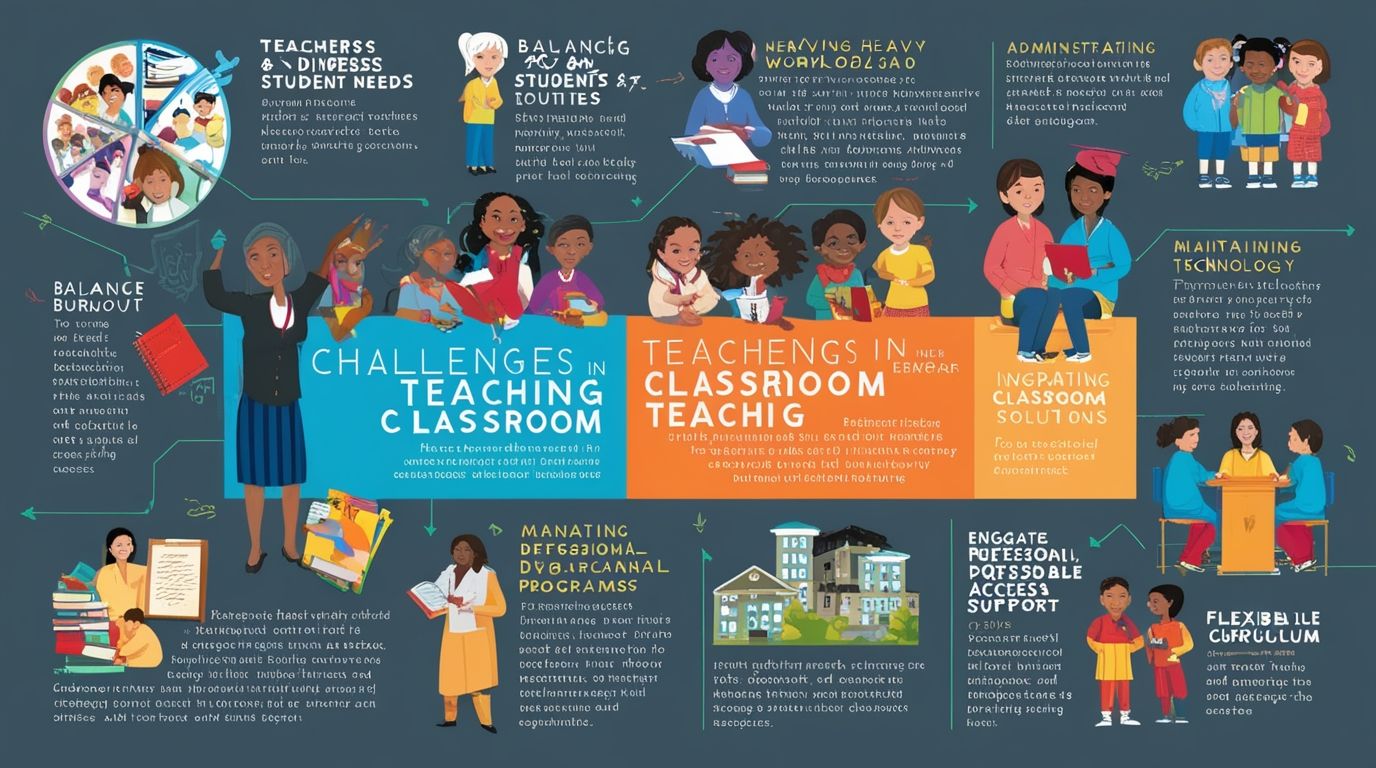
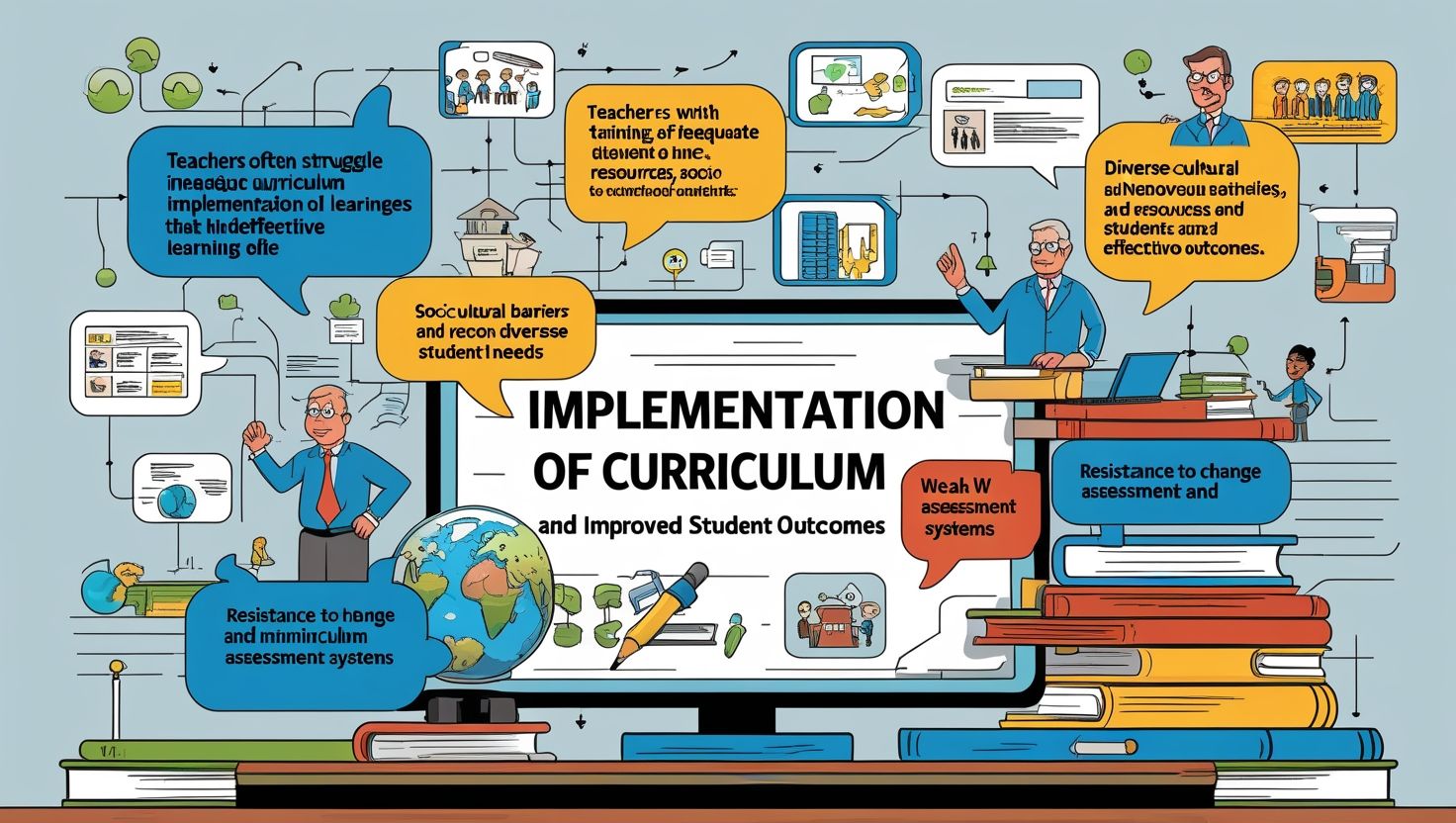
Despite their benefits, alternate classes face challenges. Schools often lack resources. Teachers may have limited time. Moreover, parents may not understand the purpose of alternate classes. They may resist extra sessions. Additionally, scheduling can be difficult. Students may feel tired if classes extend beyond regular hours. Furthermore, schools may struggle with space. Managing large groups becomes challenging. However, these problems can be solved with planning. Schools should communicate clearly. Parents must understand the value of alternate classes. Teachers should receive proper support. With teamwork, alternate classes can become successful and sustainable.
Conclusion
The role of alternate classes in school is powerful and transformative. These classes support different learning needs. They make education accessible, inclusive, and enjoyable. Moreover, they improve conceptual understanding, reduce stress, and promote personalized learning. Additionally, alternate classes encourage skill development and academic success. Although challenges exist, proper planning can overcome them. Therefore, schools must continue adopting alternate class models. In doing so, they prepare students for a dynamic world. Ultimately, alternate classes contribute to a brighter, more effective educational future.