Introduction
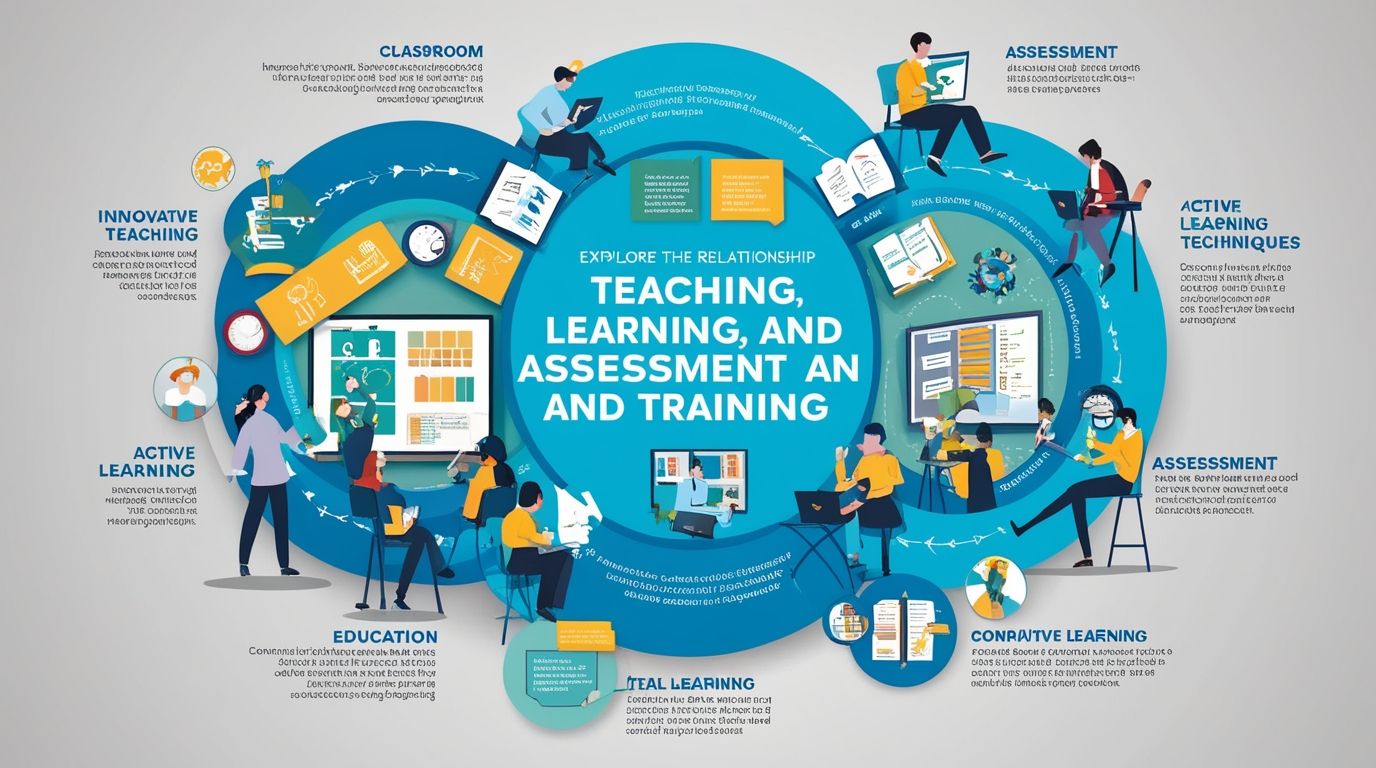
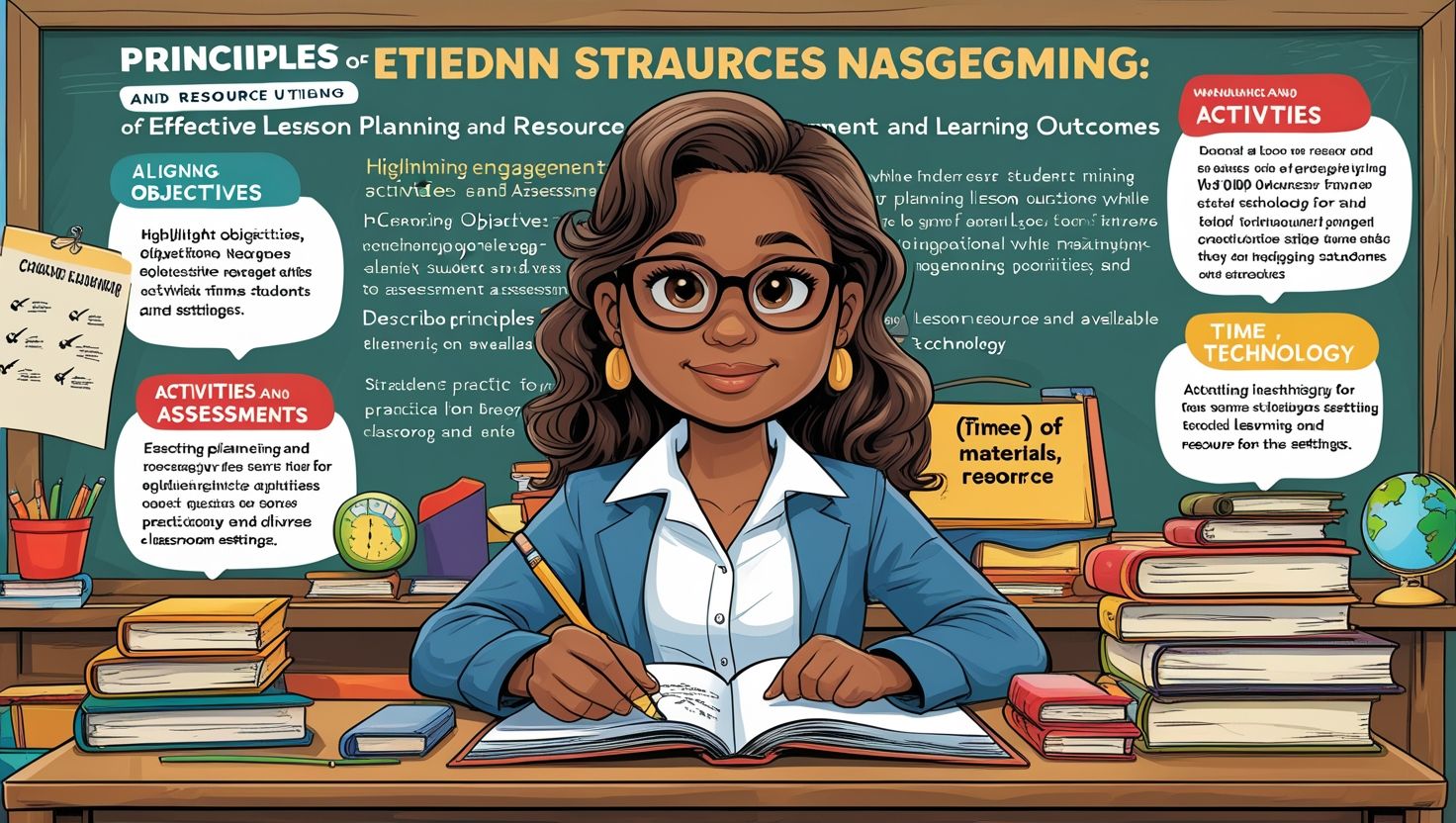
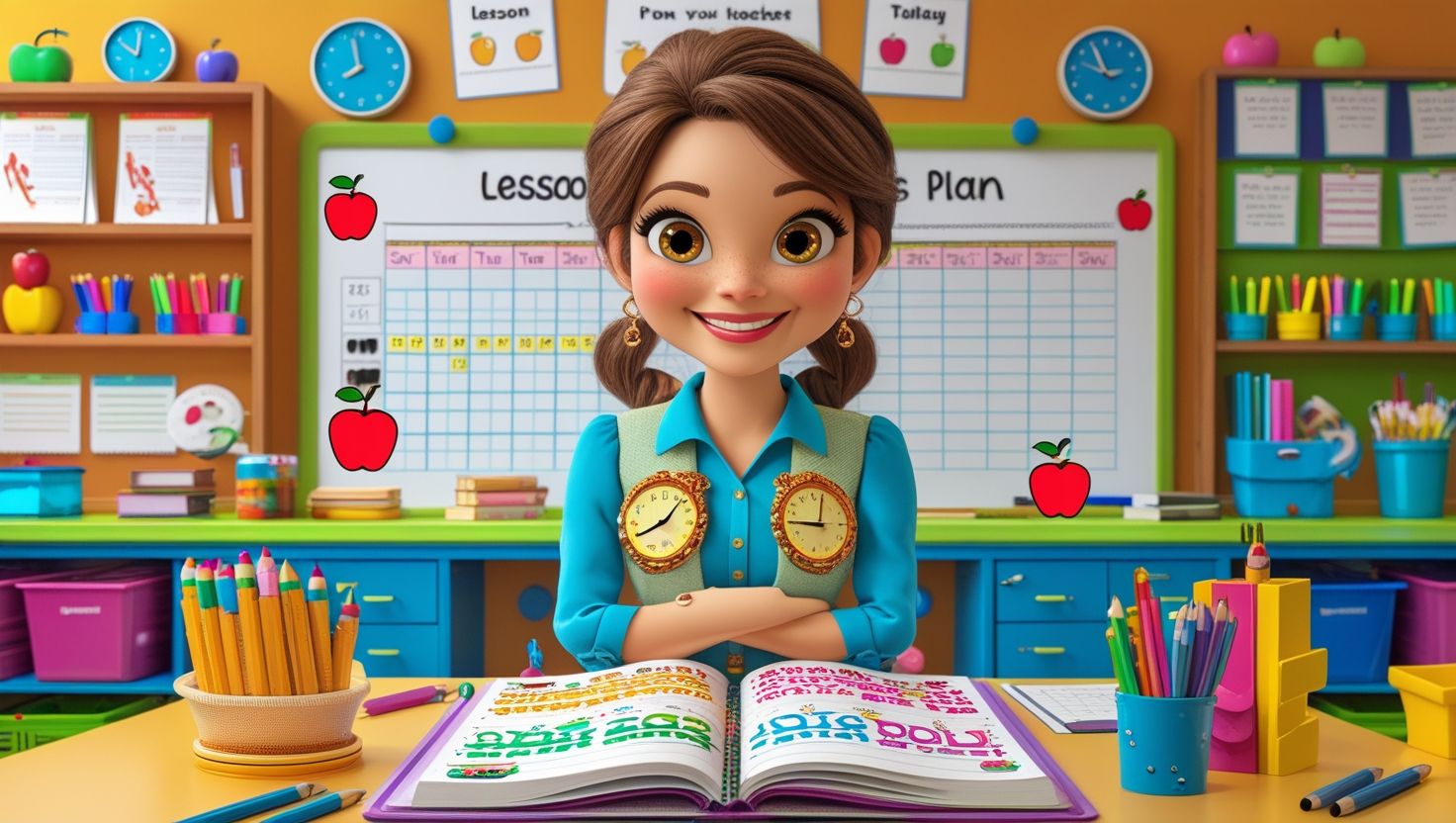
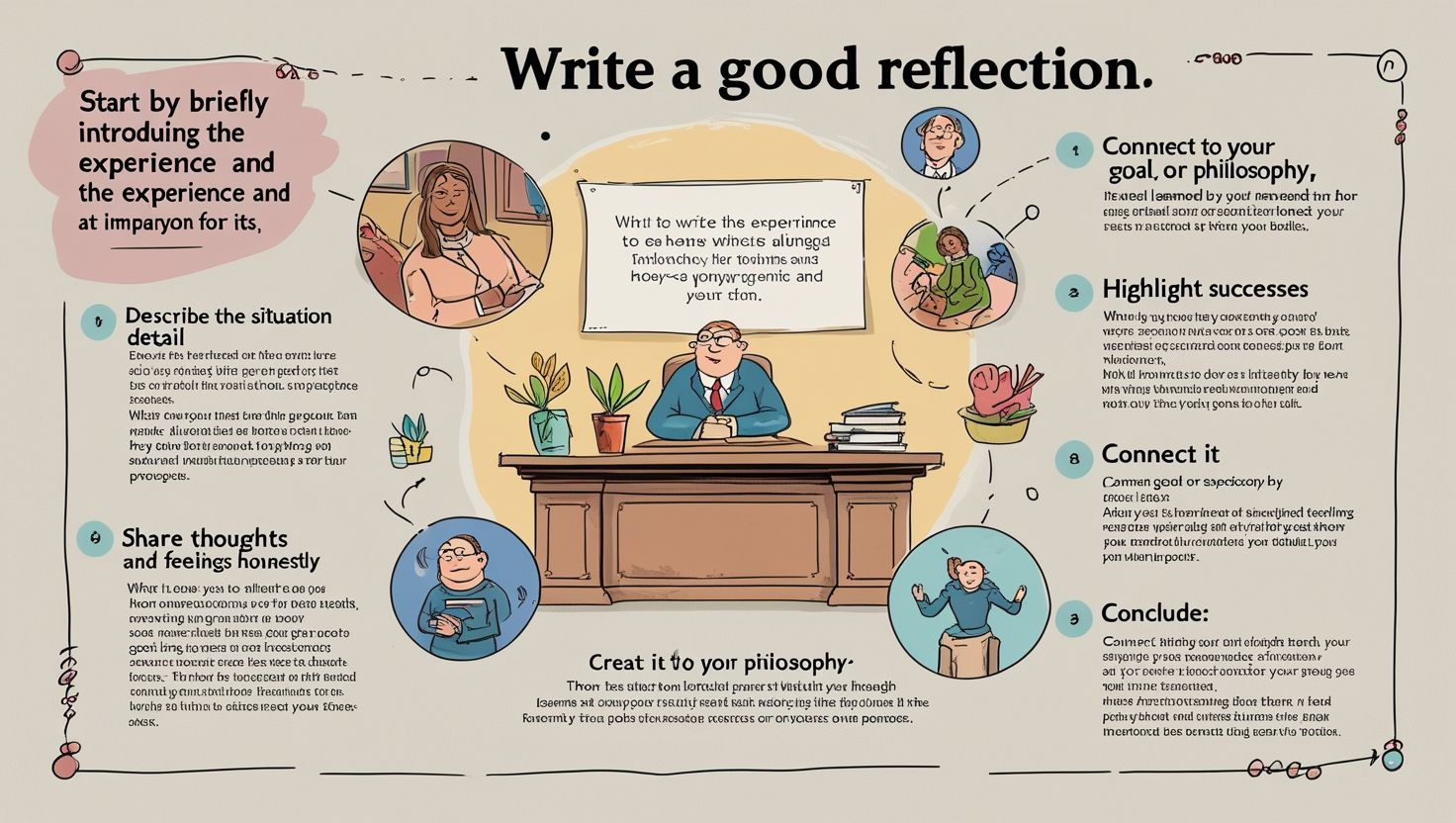
Small Planning for Classroom Teaching, Small planning in classroom teaching is a powerful approach that helps teachers structure lessons in simple, manageable steps. Although planning may seem time-consuming, small planning actually saves time in the long run. Teachers break large instructional goals into short actions that are easy to execute. Moreover, small planning creates clarity. Students understand what to do, and teachers stay focused on the learning process. Additionally, this approach enhances flexibility, because teachers can adjust small plans according to student needs. As a result, learning becomes smoother and more efficient. Furthermore, small planning supports differentiated teaching. When lessons are divided into small tasks, all learners find something suitable to their level. Ultimately, small planning for classroom teaching leads to improved engagement, reduced stress, and meaningful learning experiences.
Importance of Breaking Lessons into Small Steps
Breaking lessons into small, structured steps is essential for effective teaching. When teachers simplify large topics, students process information more comfortably. Additionally, small steps allow learners to move gradually from basic concepts to complex ideas. Therefore, students gain confidence. Moreover, teachers can identify learning gaps early, because each small step reveals students’ progress. In contrast, large and unstructured lessons overwhelm learners. Small planning also enhances classroom control, as students remain engaged during shorter activities. Furthermore, breaking lessons into steps helps teachers incorporate variety, including questioning, group work, and short tasks. These varied elements reduce monotony. Consequently, students become active participants in the learning process. Ultimately, small-step teaching planning promotes retention, continuous progress, and better academic outcomes.
Small Planning and Effective Time Management
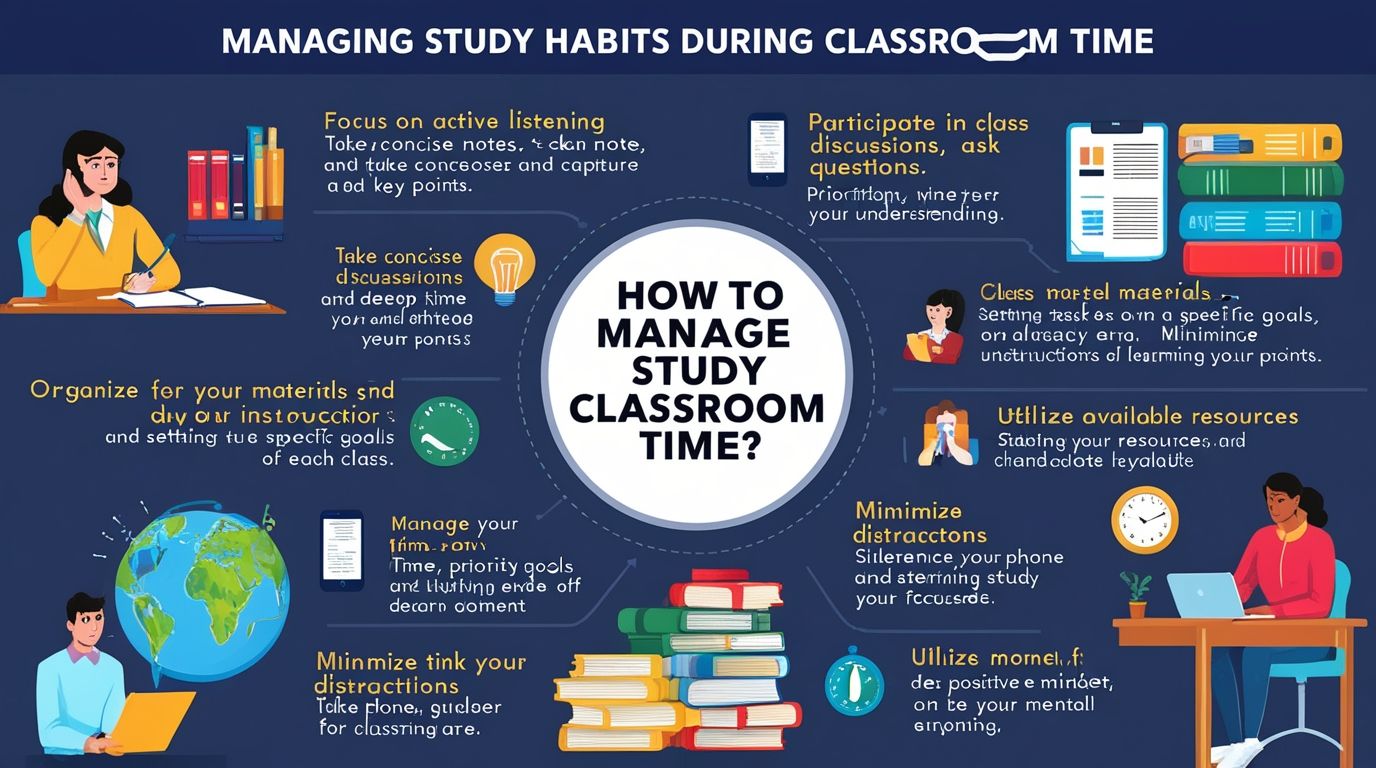
Classroom time is limited, and teachers must use it wisely. Small planning helps them allocate minutes effectively. When teachers divide lessons into small chunks, time wastage reduces. Furthermore, transitions become smoother because each activity has a clear beginning and end. With small planning, teachers can also estimate the duration of each task more accurately. Therefore, chances of rushing or running out of time diminish. Additionally, small tasks allow teachers to check understanding before moving forward. This prevents the need to re-teach entire lessons later. Moreover, time saved can be used for reinforcement, feedback, or creative activities. Students also become more disciplined when they know that every minute counts. Hence, small lesson planning plays a vital role in maintaining classroom rhythm, keeping teaching organized, and making learning productive for all students.
Clarity of Instruction Through Small Planning
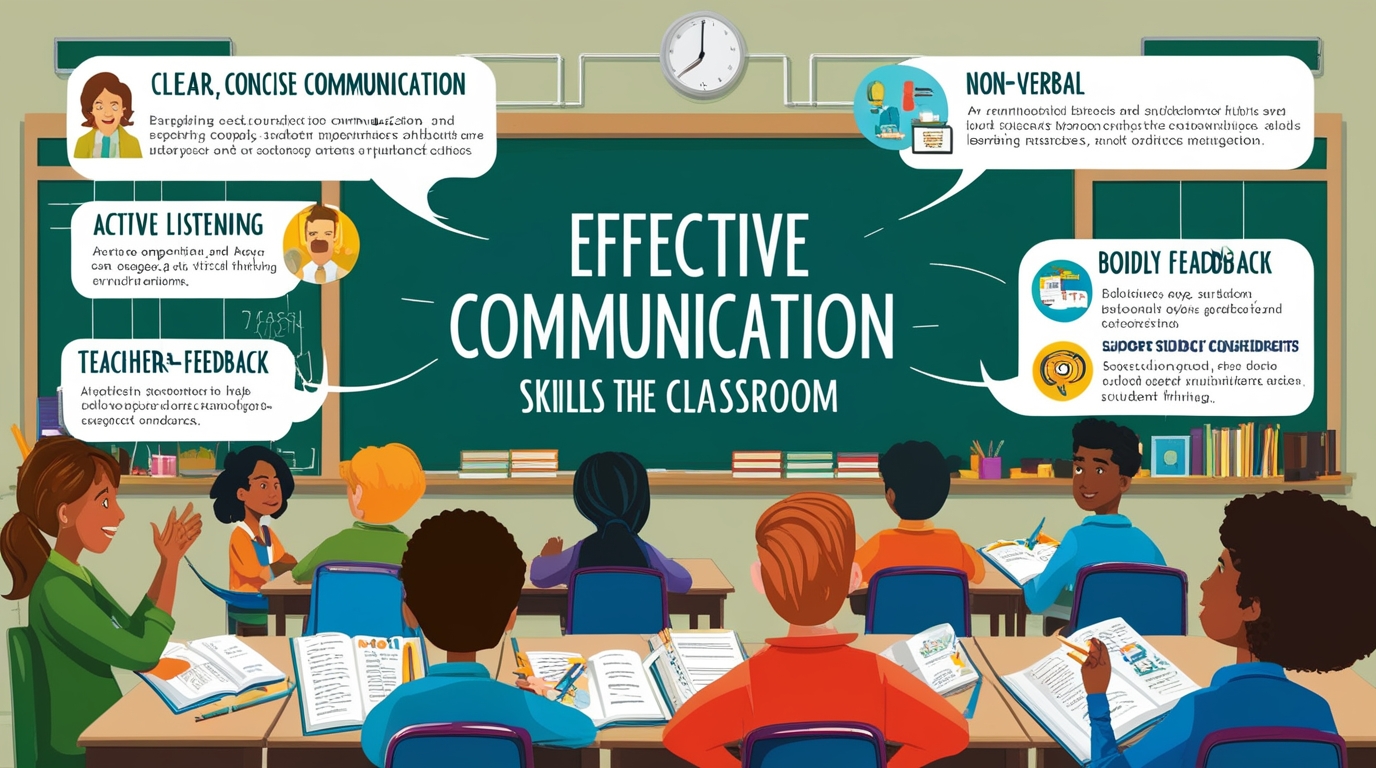
Clarity of instruction is crucial for successful teaching. Small planning helps teachers communicate clearly. When lessons are broken into smaller parts, instructions are simplified. As a result, students know exactly what to do. Additionally, smaller instructions reduce confusion, especially for younger learners. Teachers can also provide examples and demonstrations for each step, which strengthens understanding. Moreover, clear instruction improves classroom behavior, as students remain focused on specific tasks. Small planning also allows teachers to repeat instructions easily if needed. Furthermore, students can ask precise questions, because they work on limited, well-defined tasks. Therefore, misunderstandings decrease, and learning becomes more accurate. In conclusion, small instructional planning ensures clarity, reduces cognitive load, and assists learners in mastering every component of the lesson.
Small Planning Enhances Student Engagement
Student engagement is one of the most important indicators of classroom success. Small planning keeps students active and attentive throughout the lesson. Short activities encourage participation, as students know the task will not take long. Additionally, frequent transitions increase energy levels. Moreover, small planning allows teachers to incorporate interactive tasks such as quick discussions, pair work, and brief writing activities. These small engagements maintain student interest. Furthermore, students feel motivated when tasks seem achievable. They experience a sense of success after completing each step. Consequently, they develop confidence and remain involved in the lesson. Teachers can also use small planning to design activities that match students’ learning preferences. Therefore, small-step engagement planning strengthens focus, motivation, and meaningful learning experiences.
Role of Small Planning in Differentiated Instruction
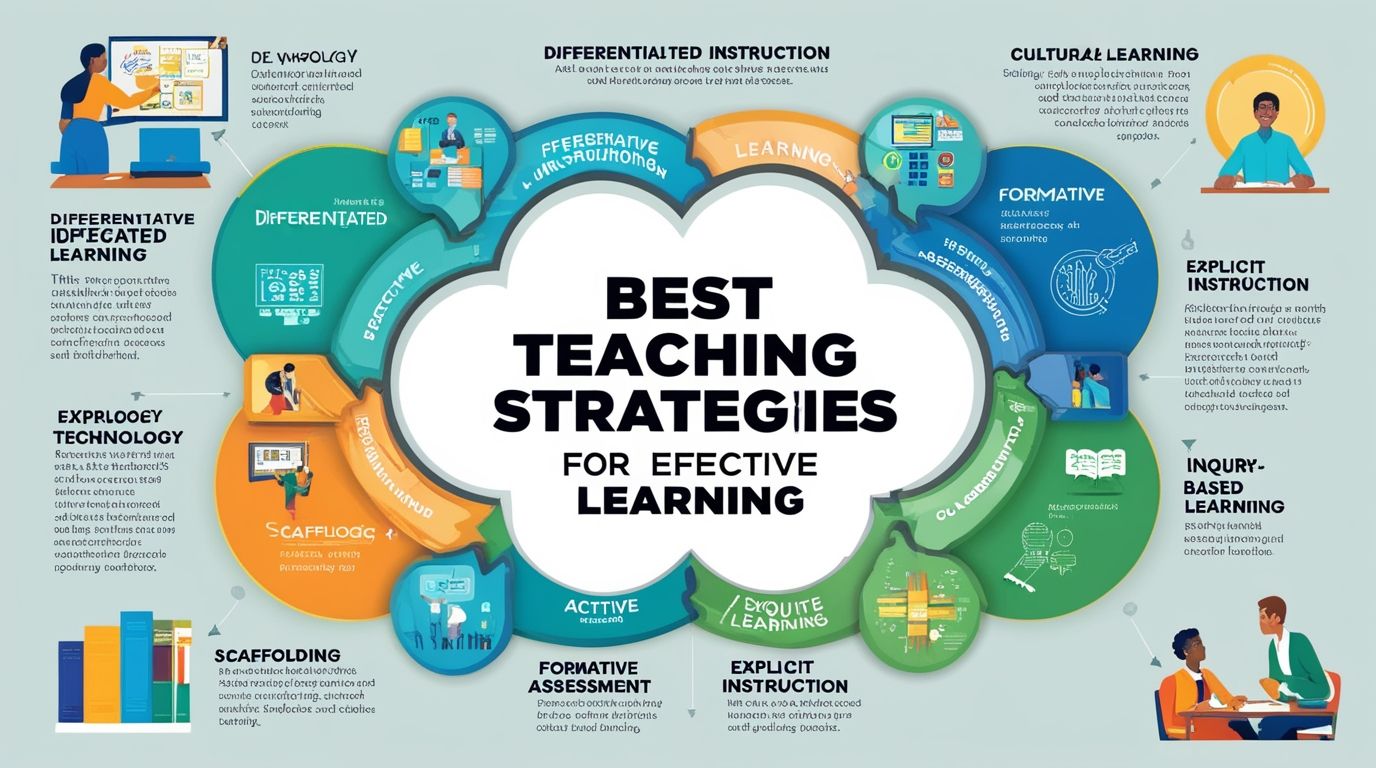
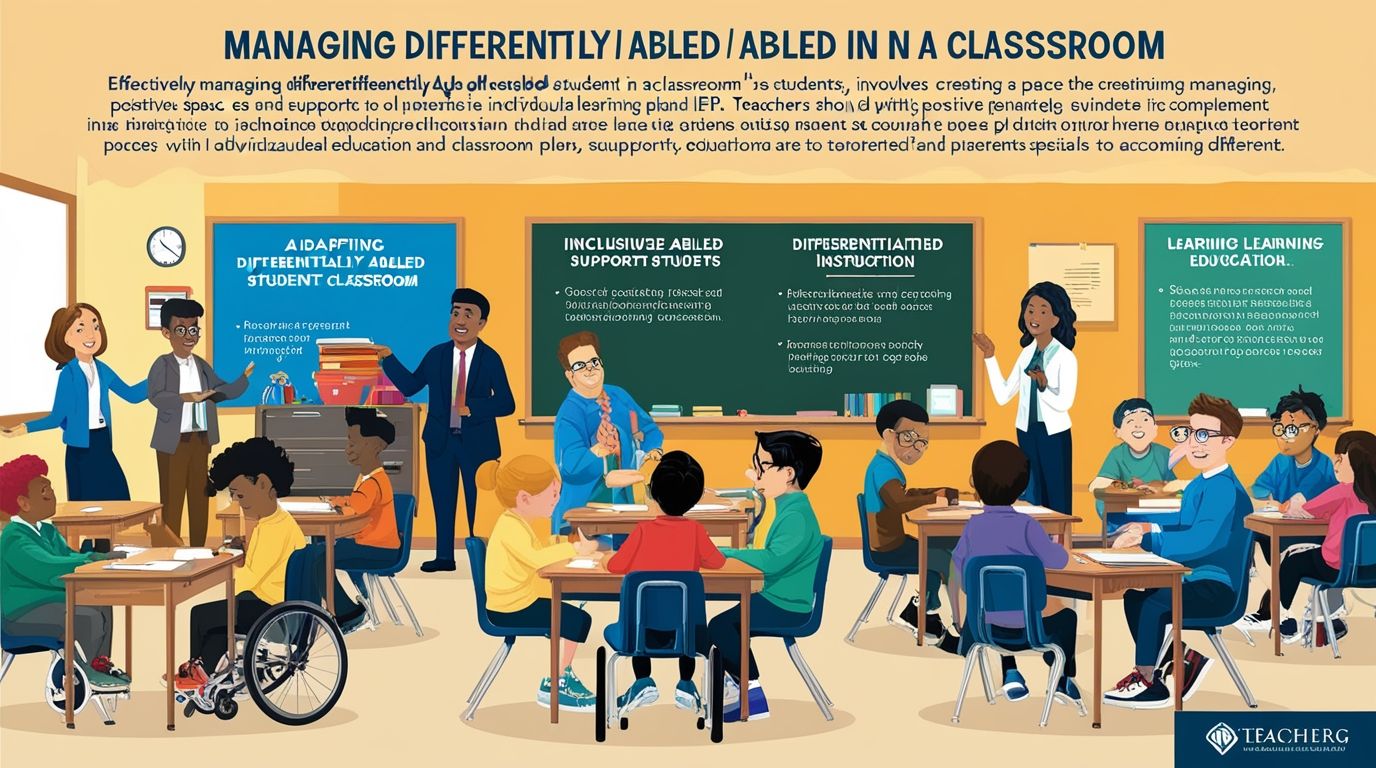
Every classroom contains students with different abilities. Therefore, teachers need strategies to meet diverse needs. Small planning plays an essential role in this process. When lessons are divided into smaller components, teachers can assign tasks based on student readiness. For instance, advanced learners can attempt extended versions of small tasks, while struggling learners receive simplified ones. Additionally, small planning helps teachers offer timely support through short interventions. Moreover, students feel less pressure when tasks are manageable. Teachers also monitor progress more efficiently because each small activity reveals student understanding. Furthermore, small planning enables personalized learning without overwhelming teachers. Ultimately, small planning for differentiated instruction promotes inclusivity, improves confidence, and ensures that every student learns at their own pace.
Small Planning Supports Continuous Assessment
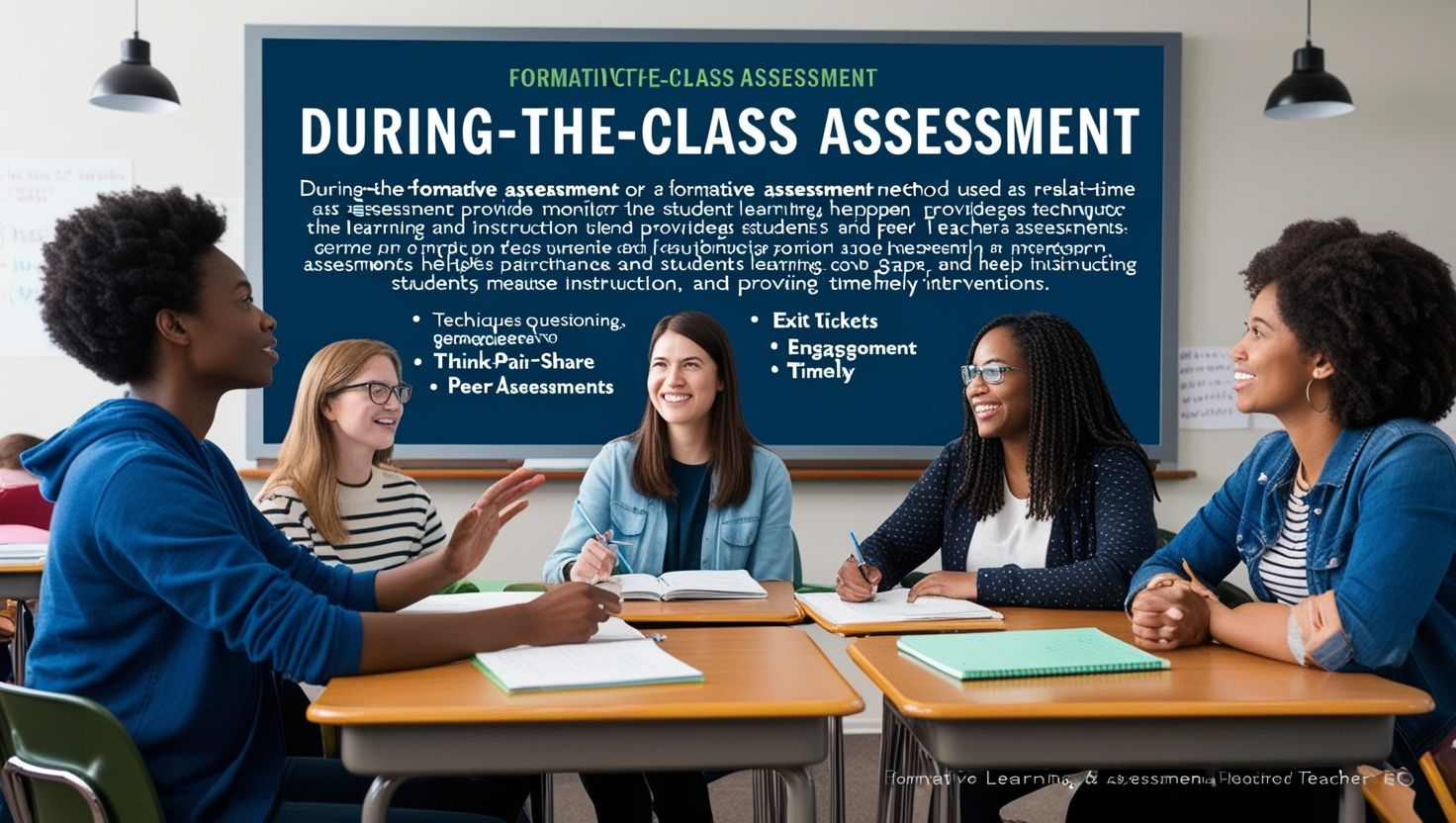
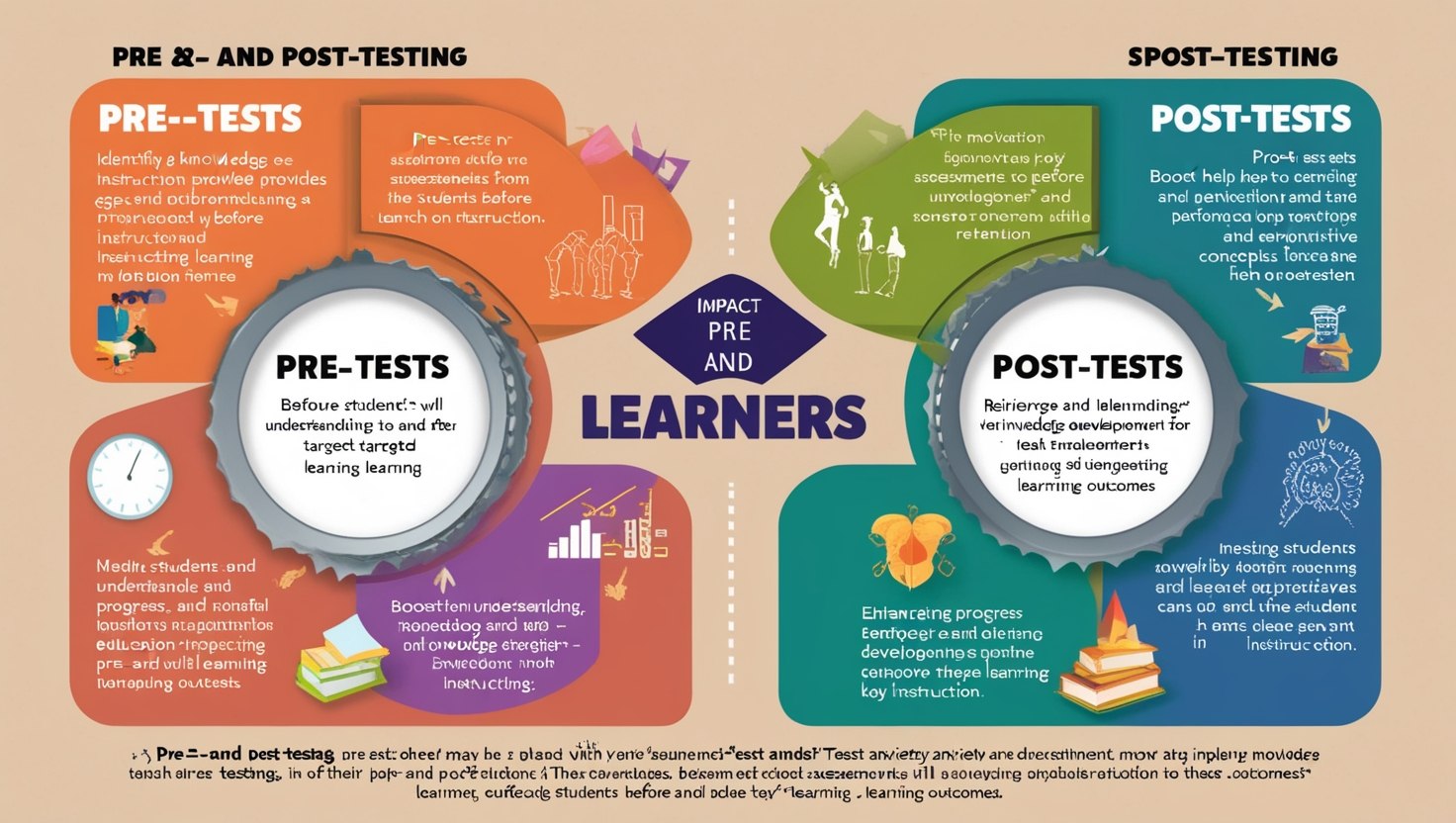
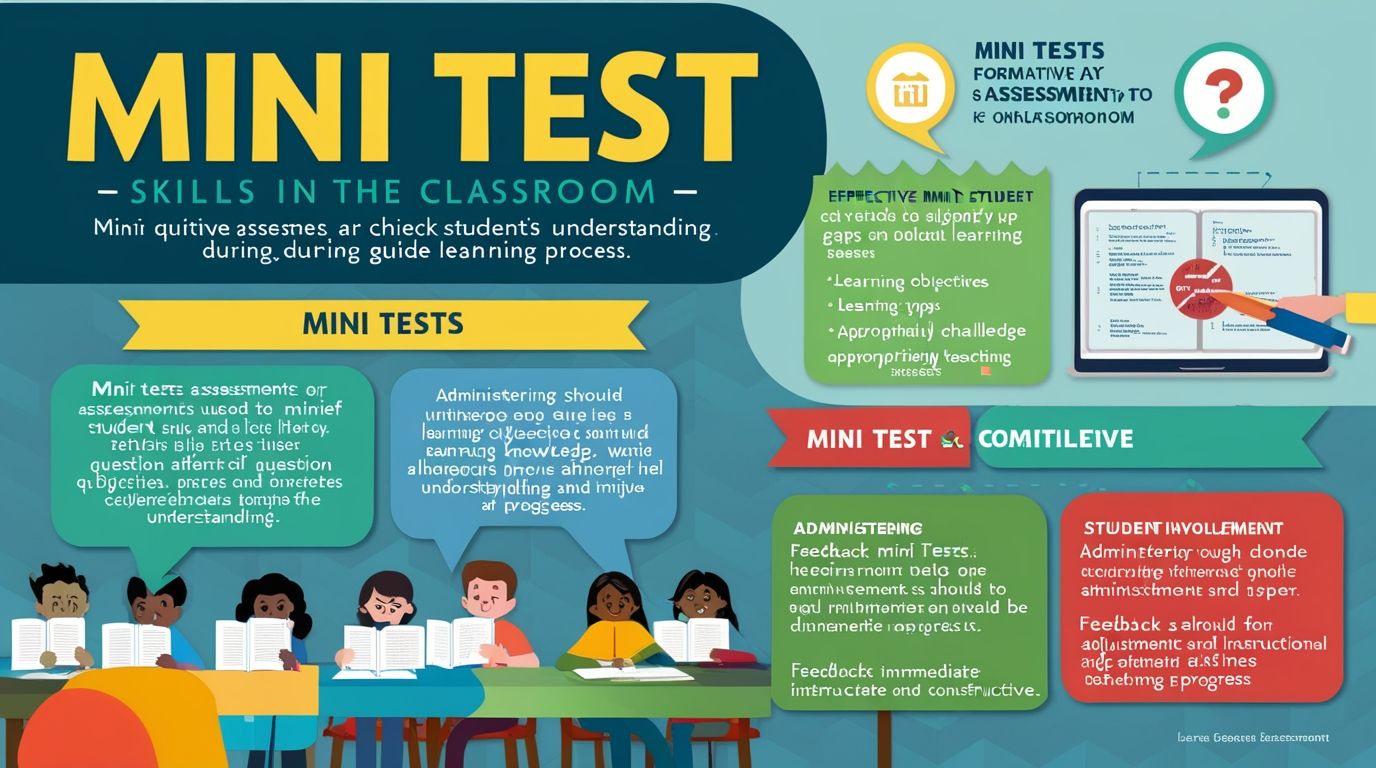
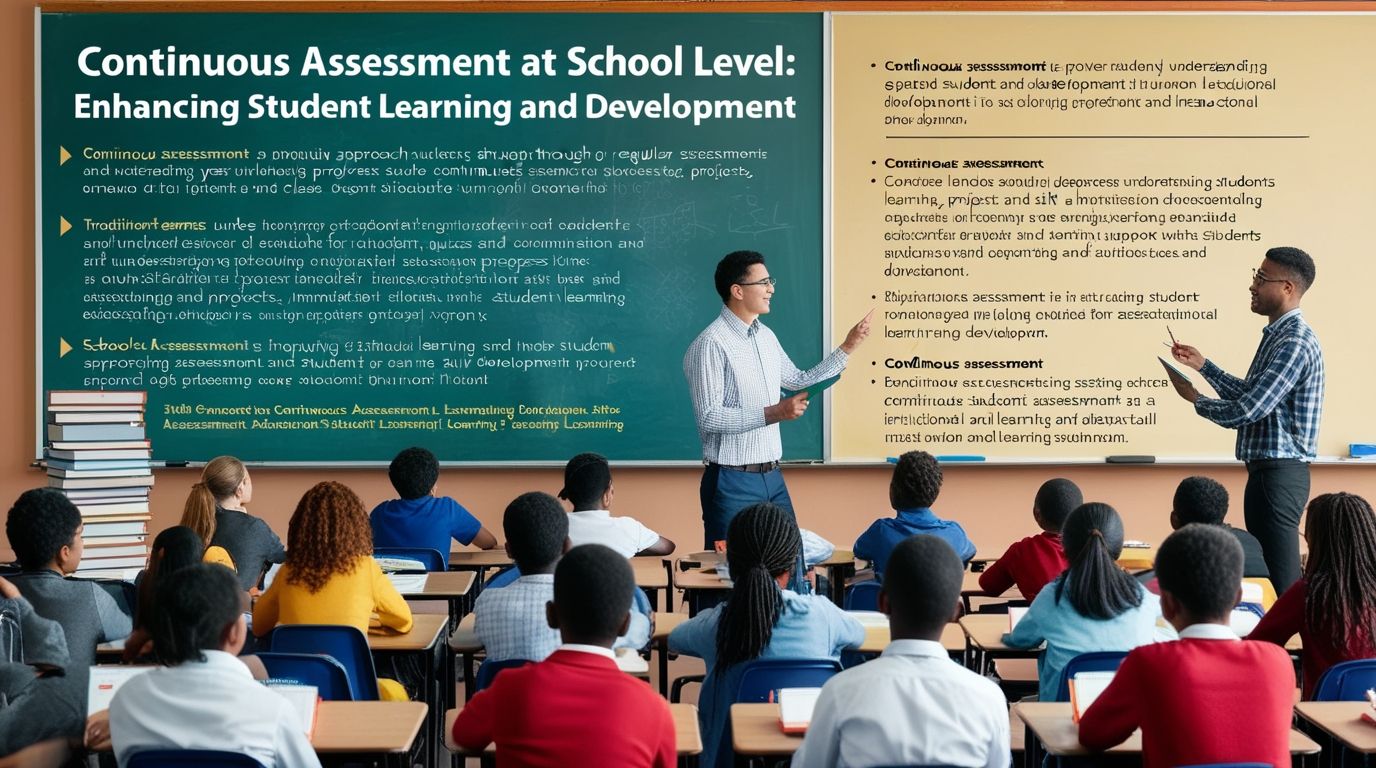
Assessment is an ongoing process, not just an end-of-unit event. Small planning naturally integrates continuous assessment into regular classroom activities. When tasks are divided into smaller steps, teachers receive multiple opportunities to check understanding. Additionally, each small task acts as a mini-assessment. Teachers observe students’ responses and adjust instruction accordingly. Moreover, quick feedback becomes possible because students complete tasks faster. Furthermore, small planning reduces the pressure of formal assessment, especially for anxious learners. Teachers also collect data more effectively, as frequent observations create a clearer picture of student performance. Therefore, small formative assessments through small planning help teachers make informed decisions, strengthen learning outcomes, and address mistakes early.
Small Planning Strengthens Teacher Preparedness
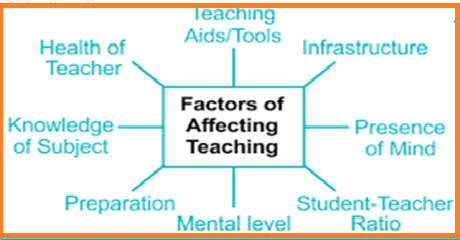
Teaching becomes smoother when teachers feel well prepared. Small planning strengthens teacher confidence by outlining clear steps for lesson delivery. When teachers know exactly what to do during each minute, stress reduces. Moreover, smaller plans make teaching flexible, because teachers can adapt steps without disrupting the whole lesson. Additionally, small planning helps teachers anticipate challenges, such as difficult concepts or behavior issues. Therefore, they prepare strategies in advance. Small planning also improves the use of teaching aids. Teachers decide where to include videos, charts, or activities within each step. Consequently, instructional resources are used more effectively. Furthermore, teachers stay calm and organized when their plan is straightforward. Ultimately, teacher preparedness improves significantly through small lesson planning, resulting in high-quality teaching and successful classroom outcomes.
Impact of Small Planning on Classroom Discipline
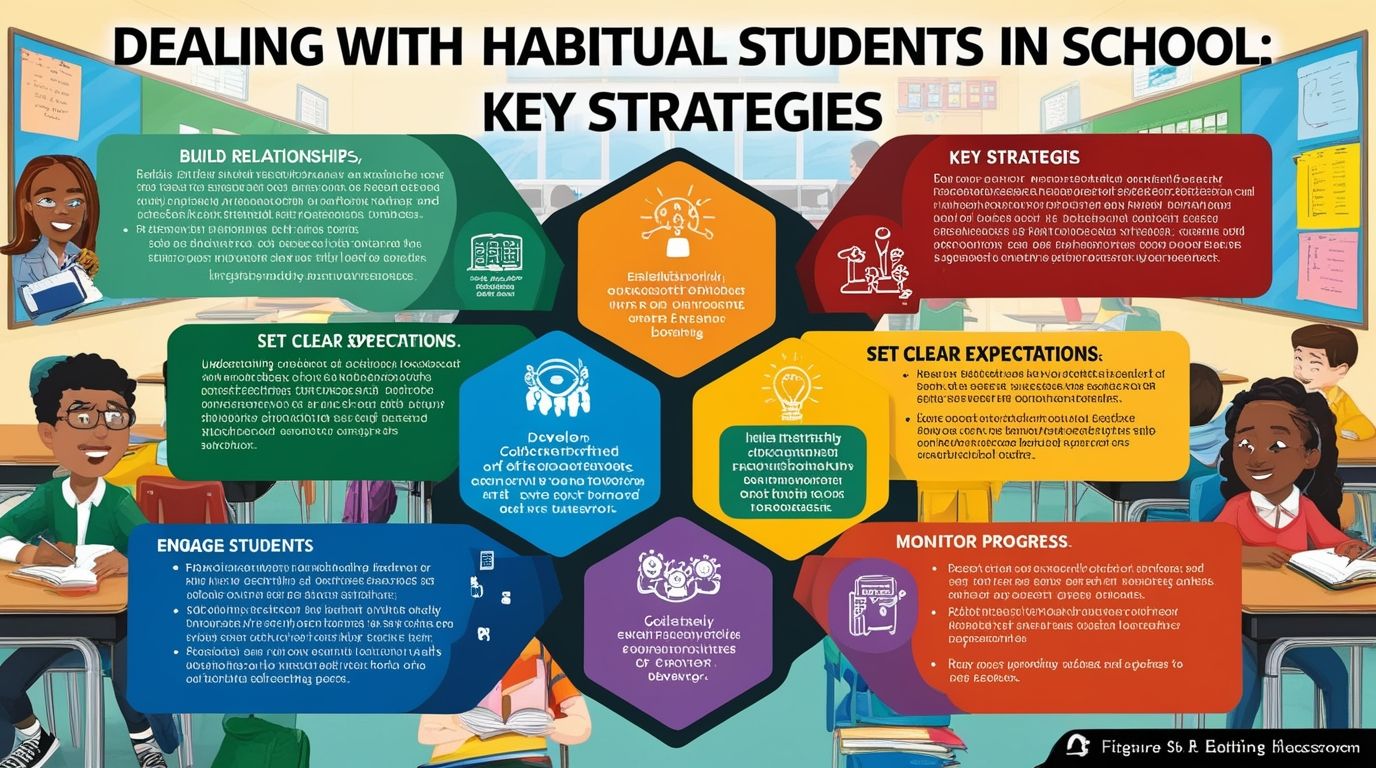
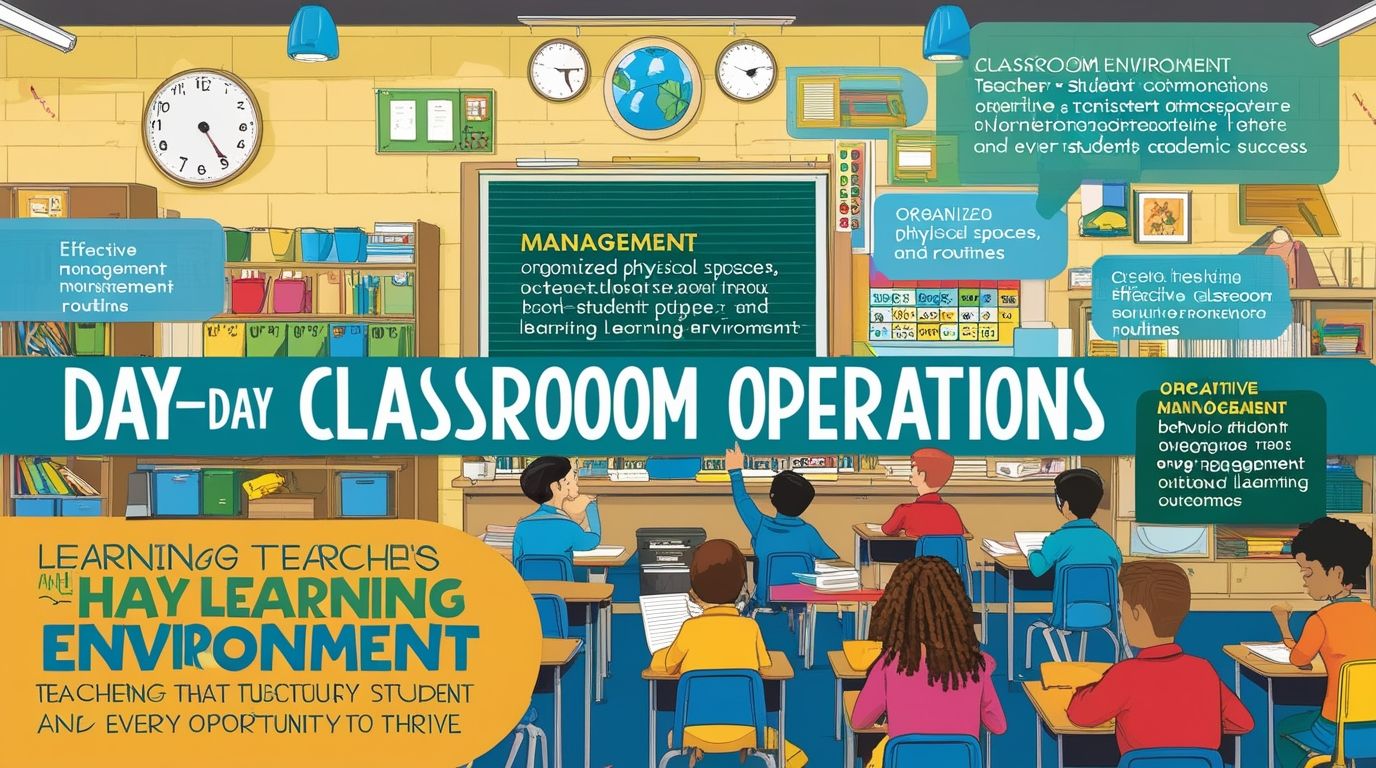
Classroom discipline is often a challenge, yet small planning can greatly improve it. When lessons are structured into short tasks, students remain busy. As a result, disruptive behavior decreases. Additionally, clear instructions make expectations visible and enforceable. Students know what to do at each stage. Furthermore, transitions become predictable, which reduces confusion and misbehavior. Teachers also gain better control because they guide students step by step. Moreover, small planning helps create a routine. Students follow the pattern of completing and moving to the next task. This structure promotes responsibility. Consequently, discipline improves naturally. Teachers spend less time managing behavior and more time teaching. Therefore, small planning supports a disciplined learning environment, where students are focused, active, and respectful.
Creativity Through Small Planning in Teaching
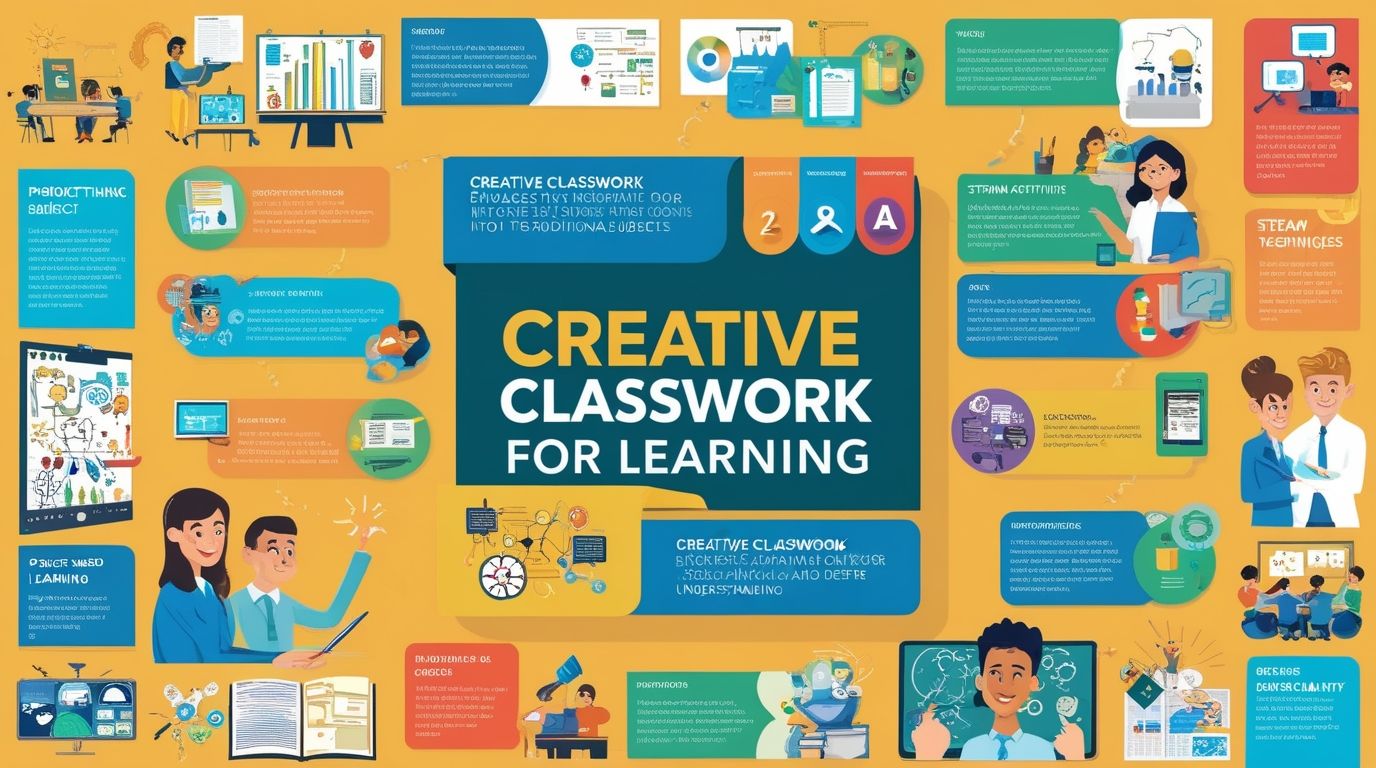
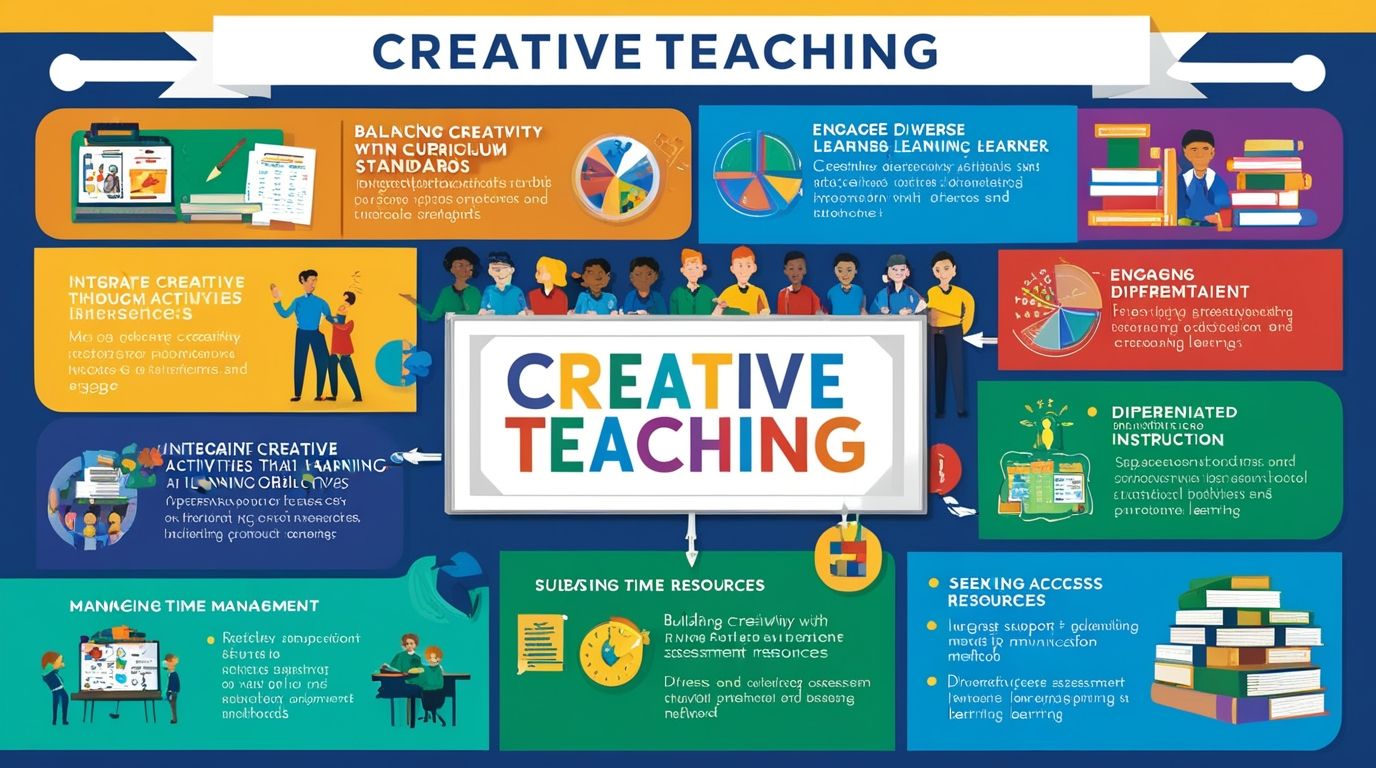
Although small planning seems structured, it actually encourages creativity. When teachers divide lessons into small units, they gain space to add creative elements. These may include short experiments, mini-games, quick brainstorming sessions, or visual tasks. Additionally, small planning allows teachers to try multiple strategies within one lesson. Moreover, creativity flourishes because small tasks give students opportunities to express ideas without fear. Teachers can also combine creative tools such as flashcards, charts, and storytelling within short steps. Furthermore, small planning increases flexibility. If one creative activity does not work well, the teacher moves to the next step quickly. As a result, time is not wasted. Ultimately, creative classroom experiences become more frequent through small planning, making learning enjoyable and memorable.
Small Planning and Learning Outcomes
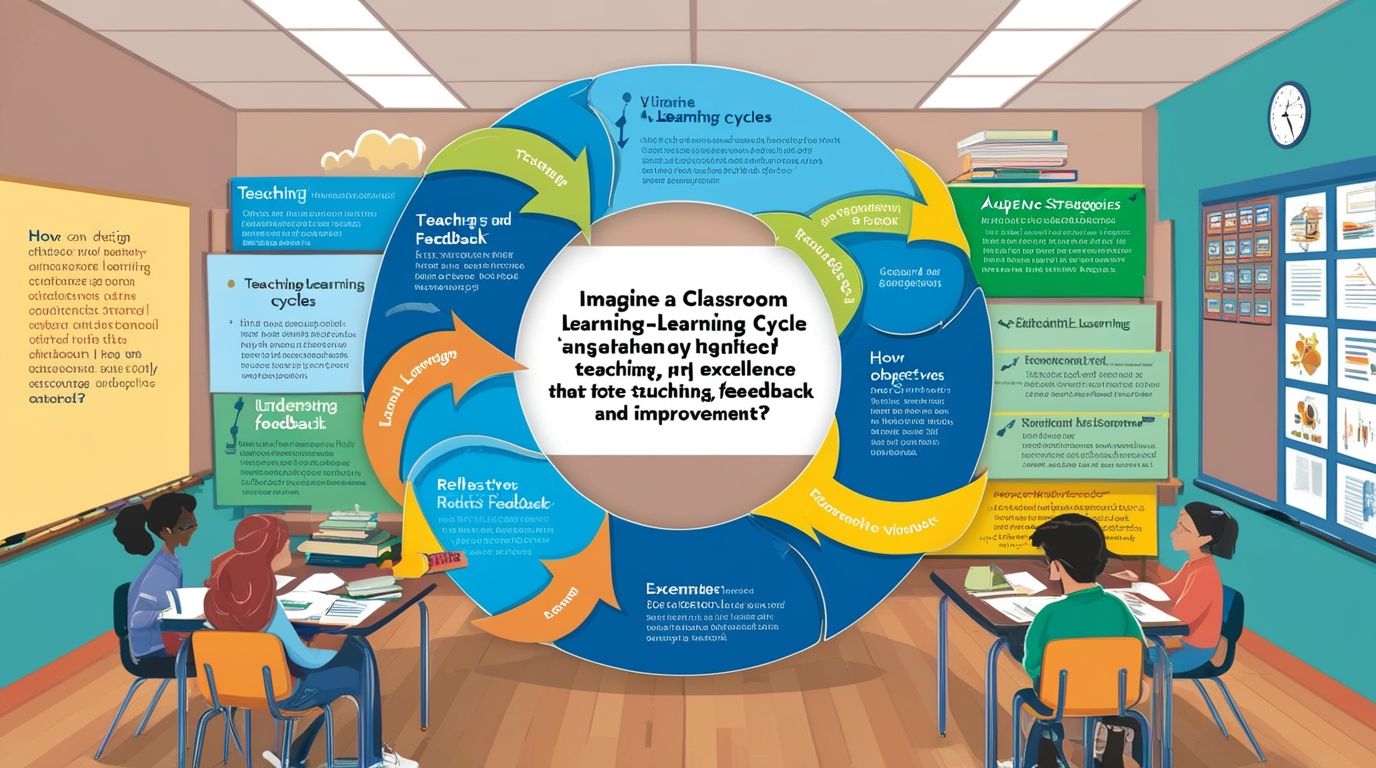
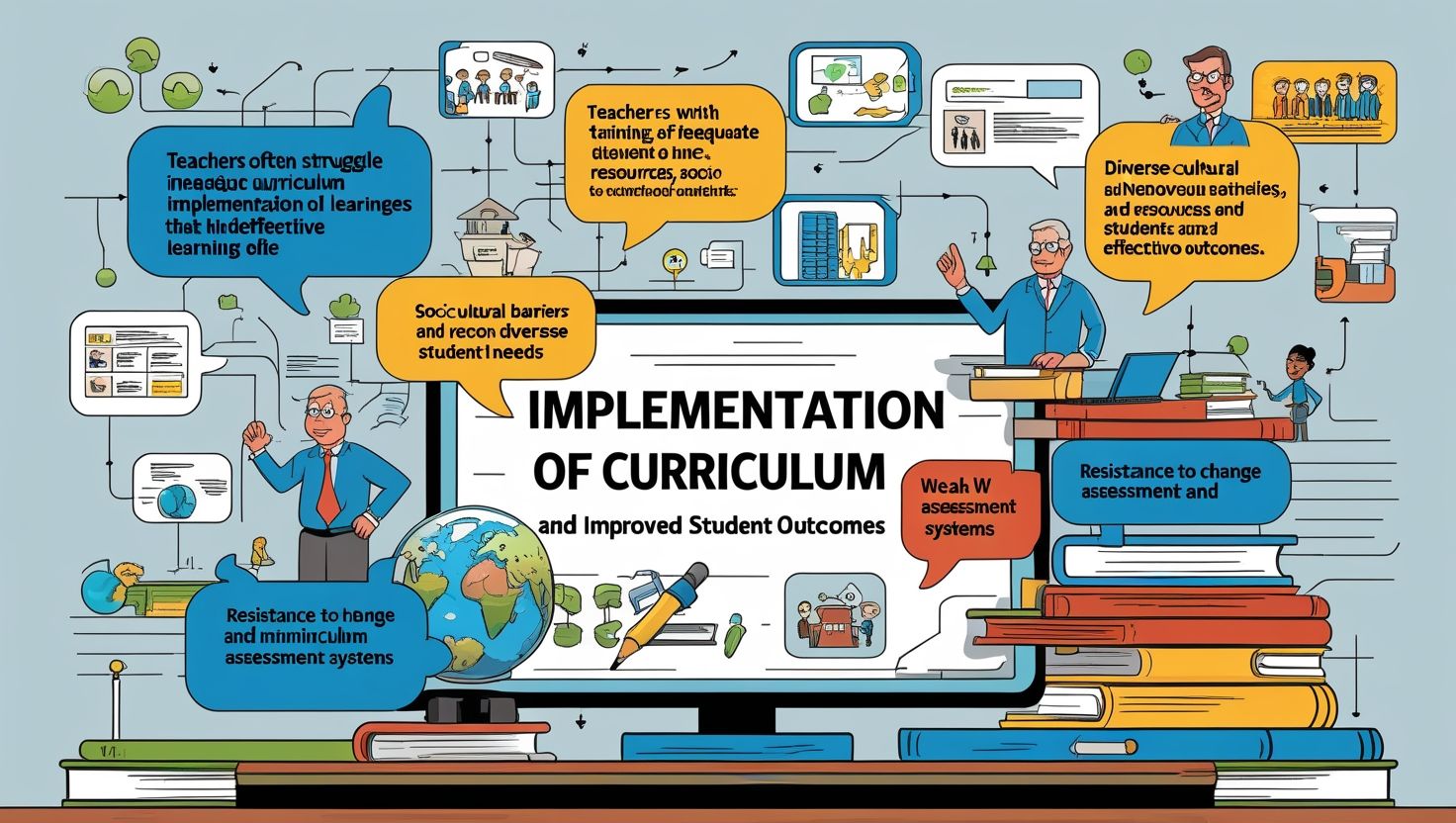
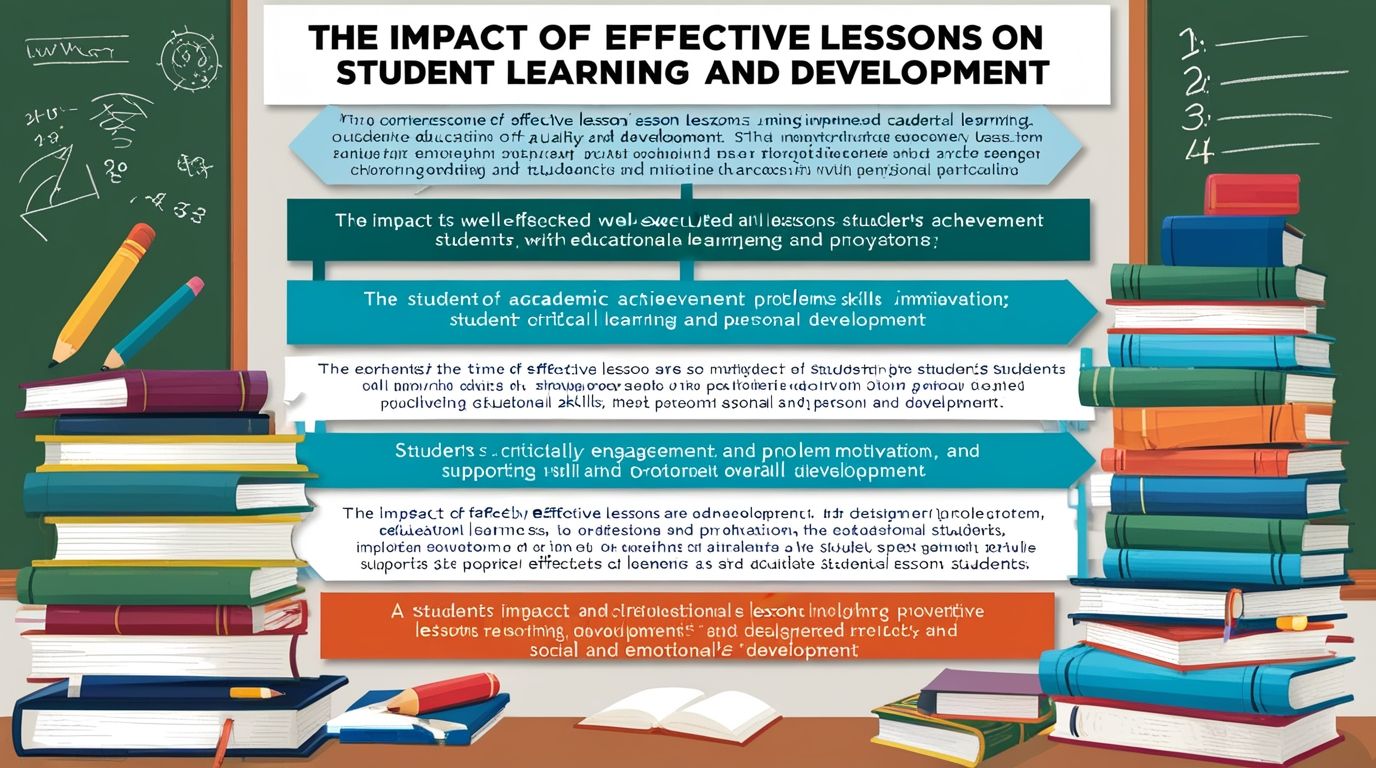
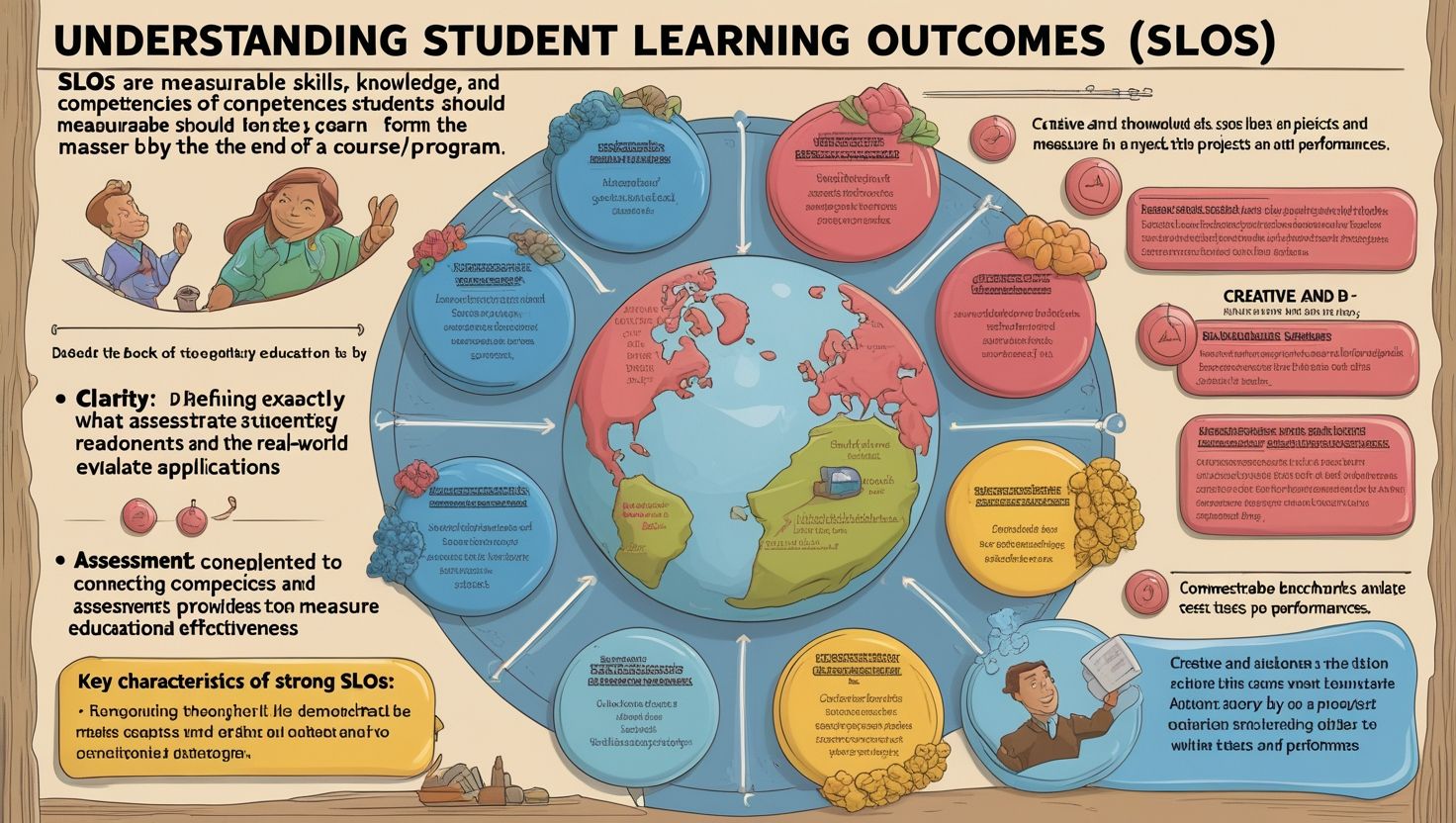
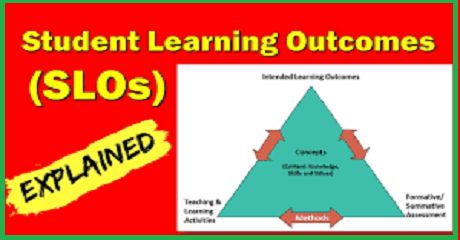
Learning outcomes improve when teaching is intentional. Small planning ensures that learning objectives are met through manageable actions. Each small step connects directly to the desired outcome. Therefore, progress becomes measurable. Moreover, students understand what they are expected to learn. Clarity increases achievement. Additionally, small tasks reinforce concepts through repetition. Furthermore, mistakes are corrected early, preventing confusion. Teachers can easily track student performance because small planning shows how well each outcome is achieved. Students also retain information longer when they learn through small, meaningful activities. Consequently, academic performance improves. Therefore, learning outcomes strengthen significantly through small planning, as teaching becomes goal-driven, structured, and engaging.
Using Technology in Small Planning
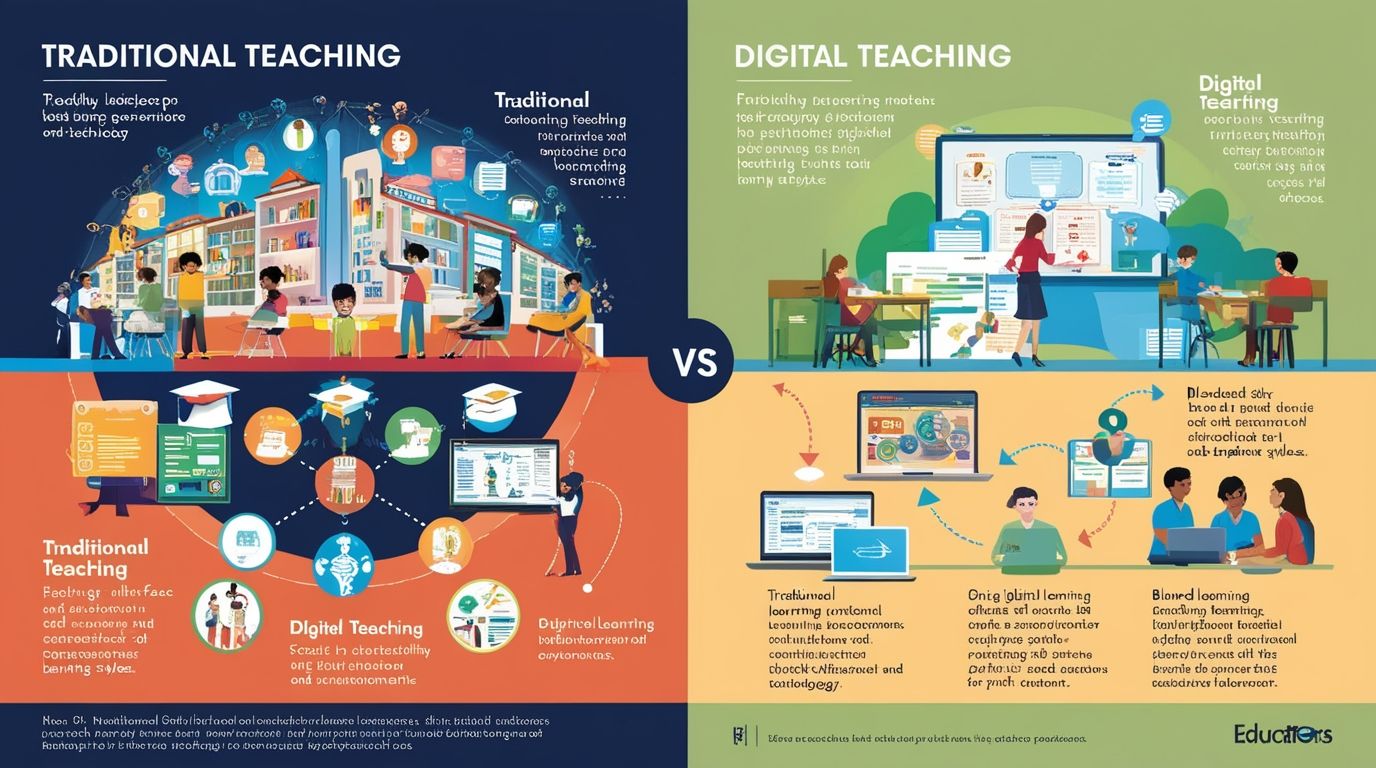
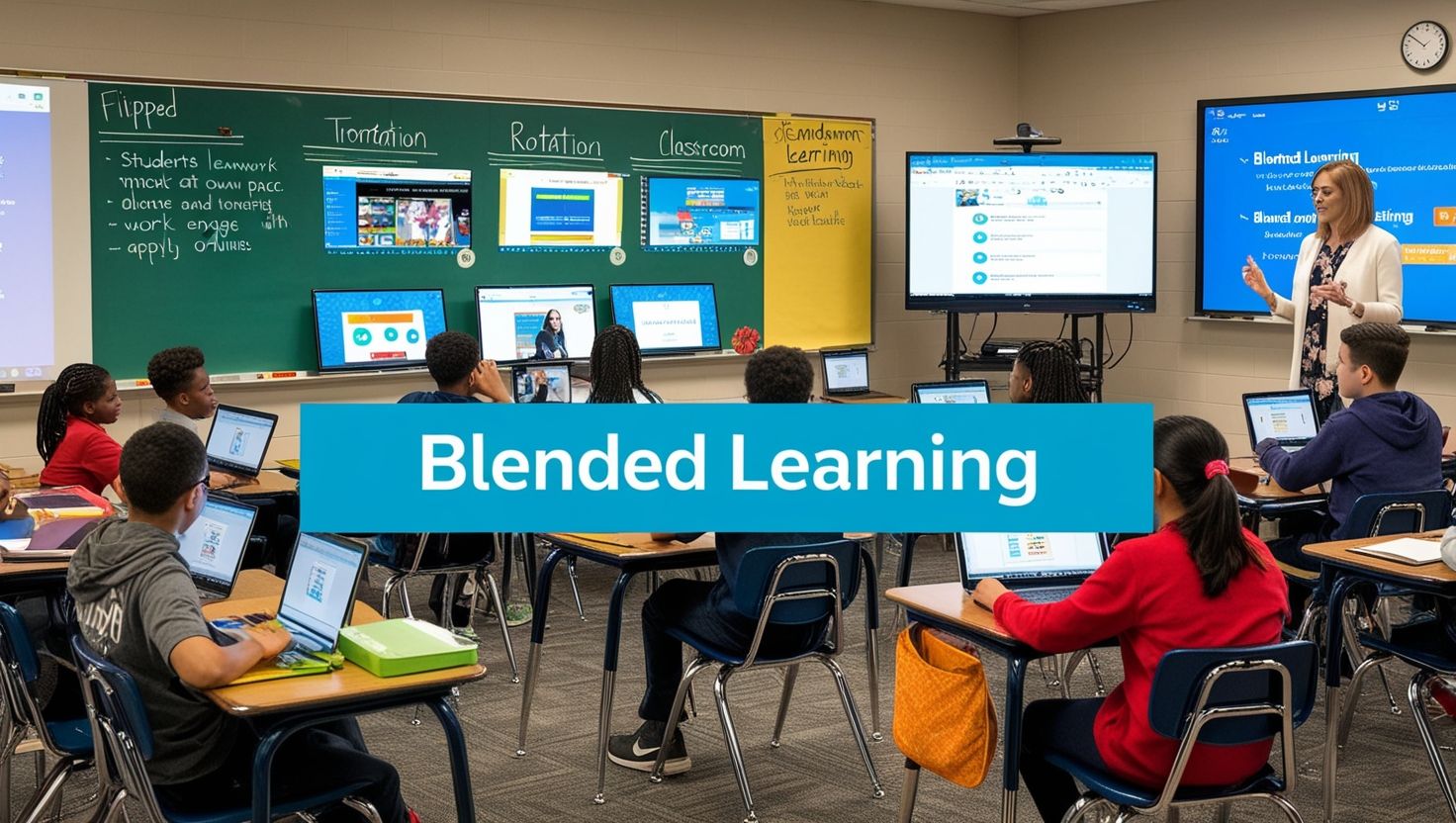
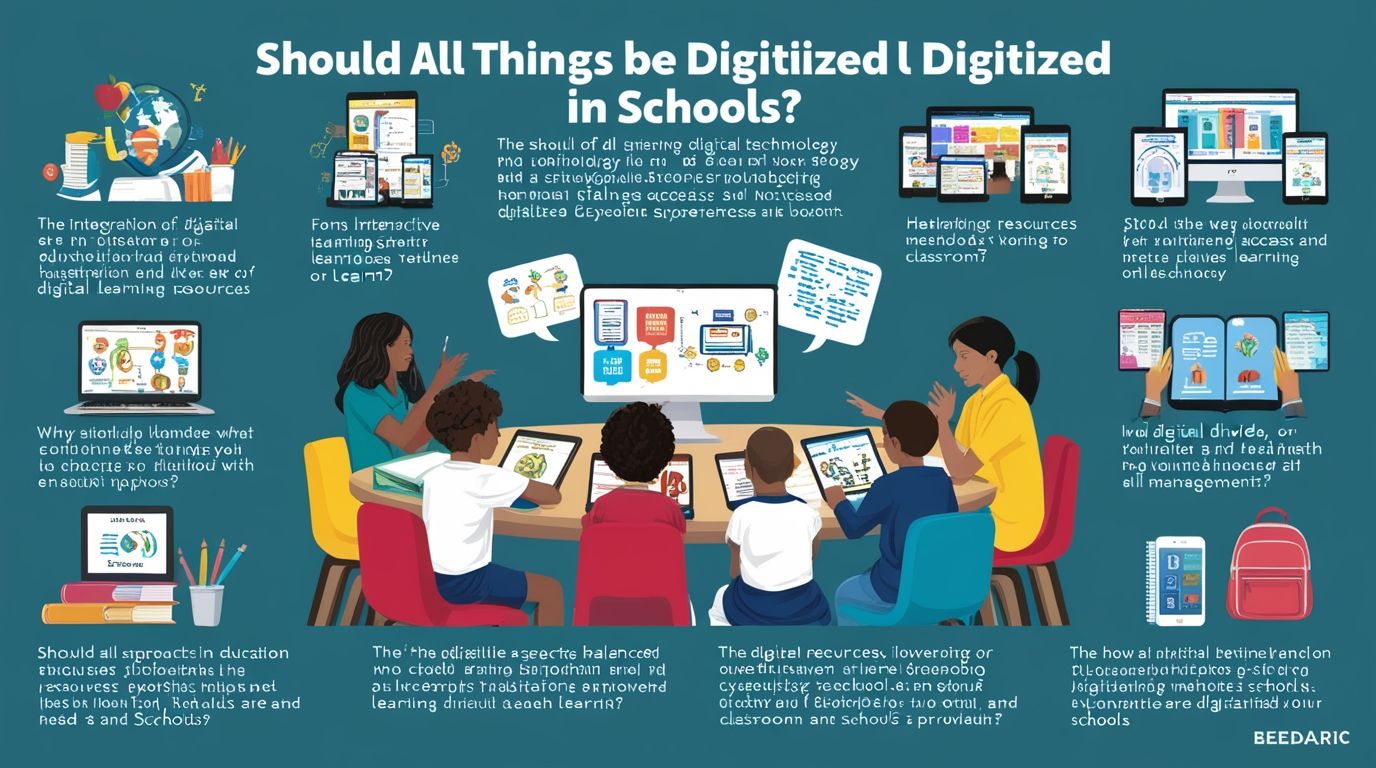
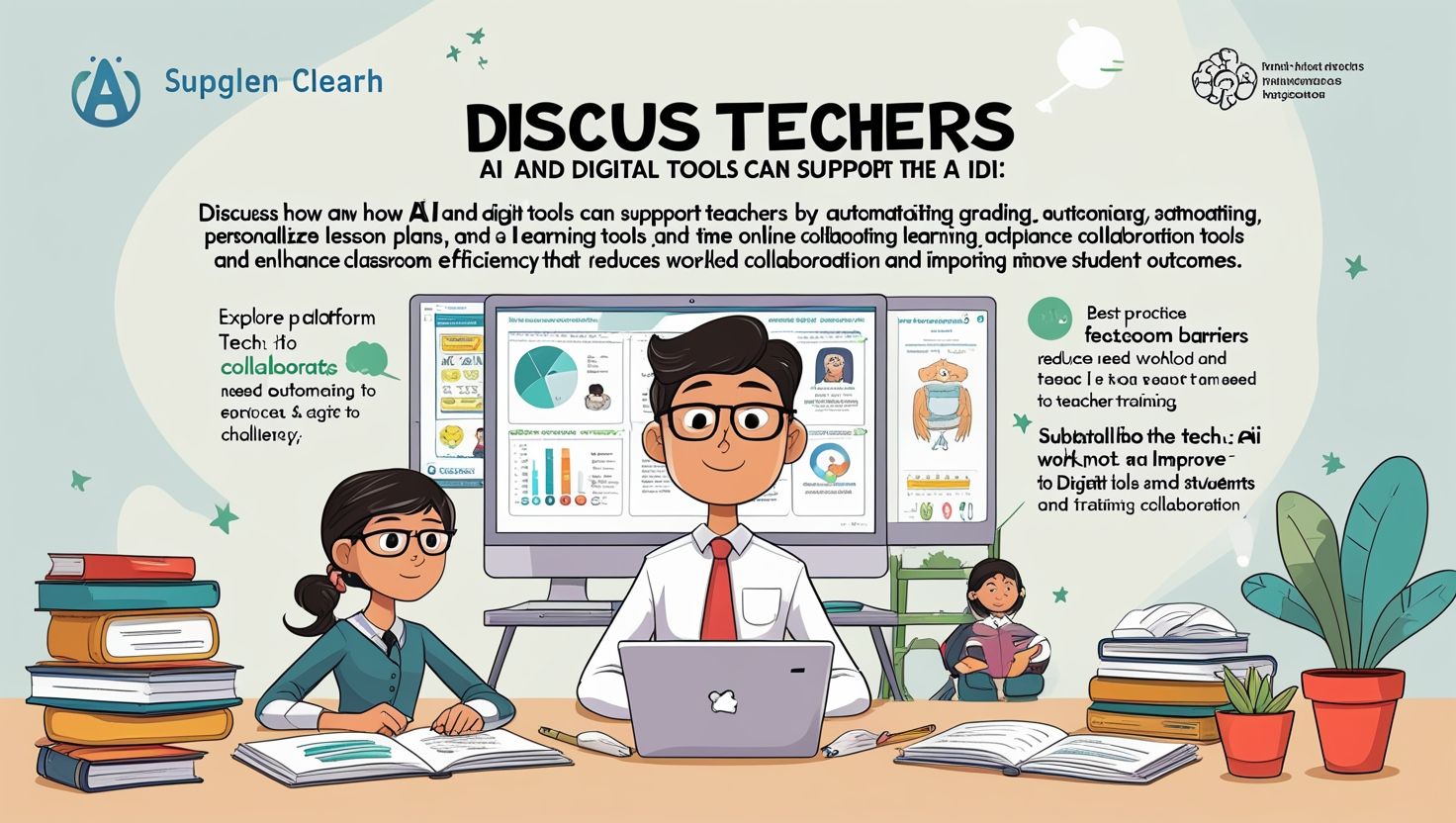
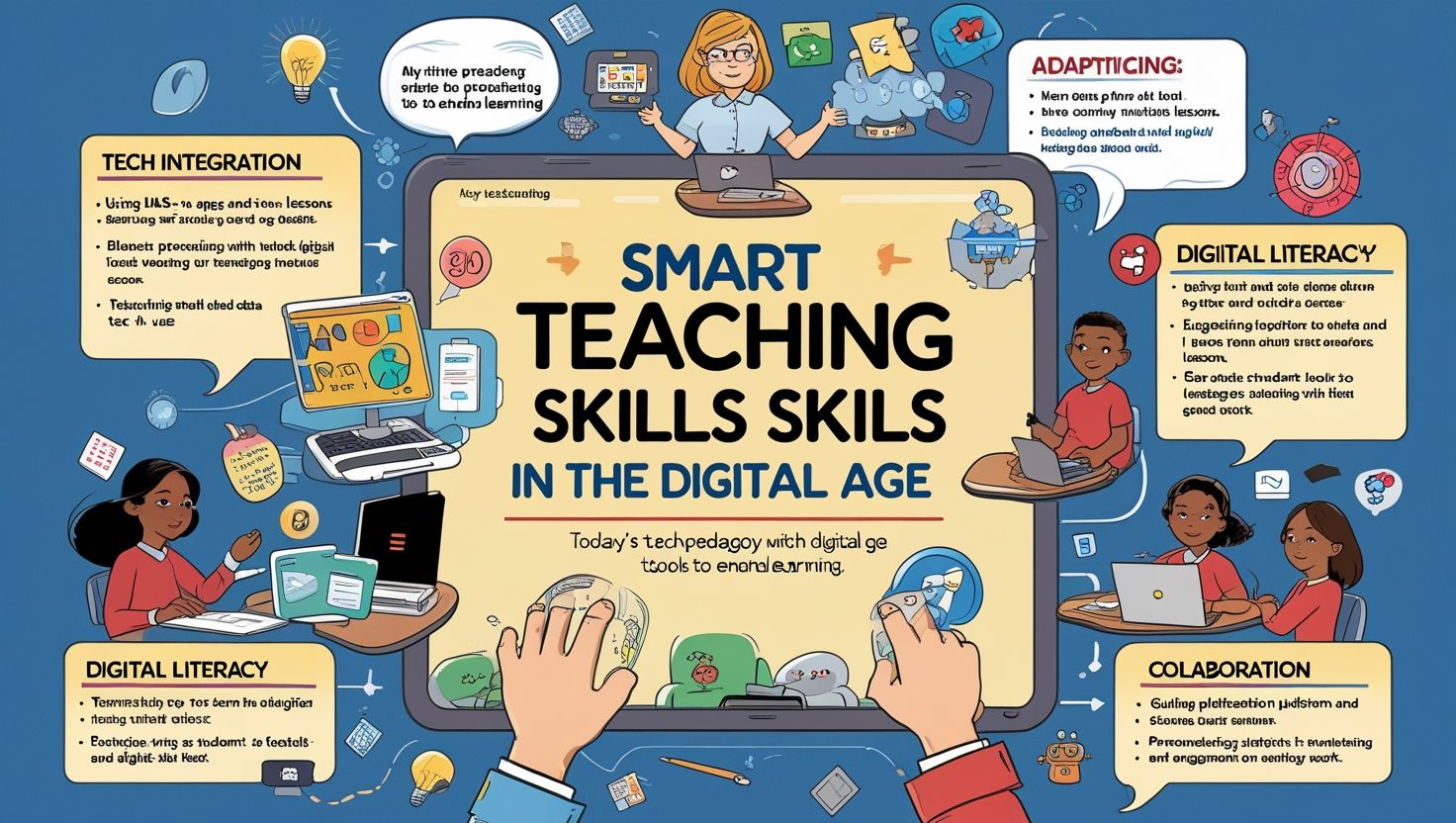
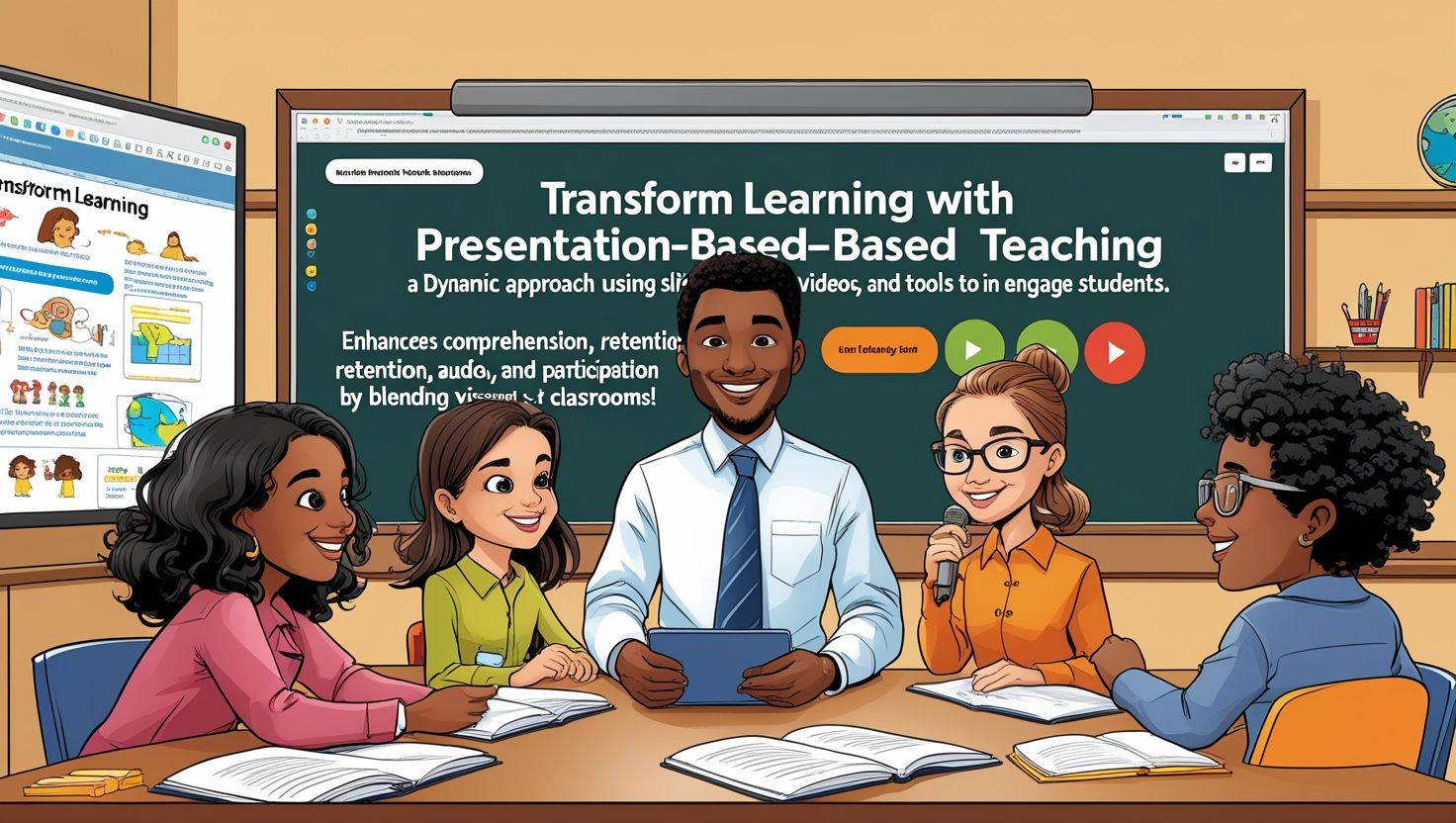
Technology can enhance small classroom planning significantly. Short videos, quiz tools, and digital worksheets fit perfectly into small steps. Additionally, teachers can use educational apps to reinforce concepts quickly. Moreover, technology increases student motivation. Interactive tools make learning enjoyable. Small planning also allows teachers to integrate technology strategically rather than randomly. They decide precisely where a digital tool will support learning. Furthermore, teachers can monitor student responses through instant digital feedback. This improves accuracy. Additionally, students stay engaged because technology-based tasks are usually short and exciting. Therefore, technology-enhanced small planning improves digital literacy, enhances focus, and creates modern, student-centered classrooms.
Challenges in Implementing Small Planning
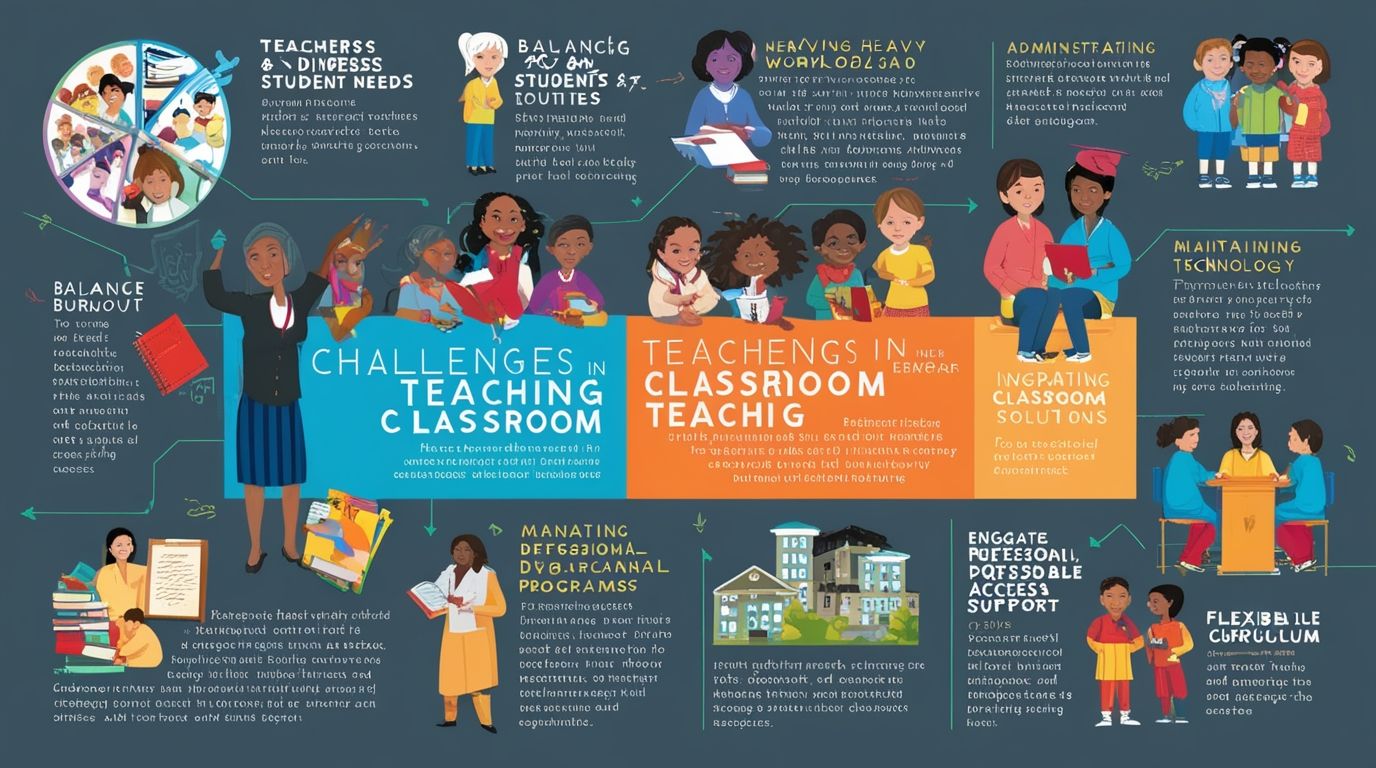
Although small planning offers many benefits, it also presents challenges. Some teachers feel that preparing small steps requires extra time. Additionally, teachers may struggle to maintain consistency. Moreover, large class sizes make it difficult to manage many small activities. Students may also take longer to transition if they are not trained. Furthermore, limited resources can restrict creative small tasks. Teachers sometimes experience pressure to complete the syllabus, leaving little room for small planning. However, these challenges are manageable with practice. Teachers can begin with simple steps and gradually expand. Therefore, small planning challenges should be recognized, but they should not discourage teachers from adopting this effective approach.
Practical Tips for Teachers to Apply Small Planning
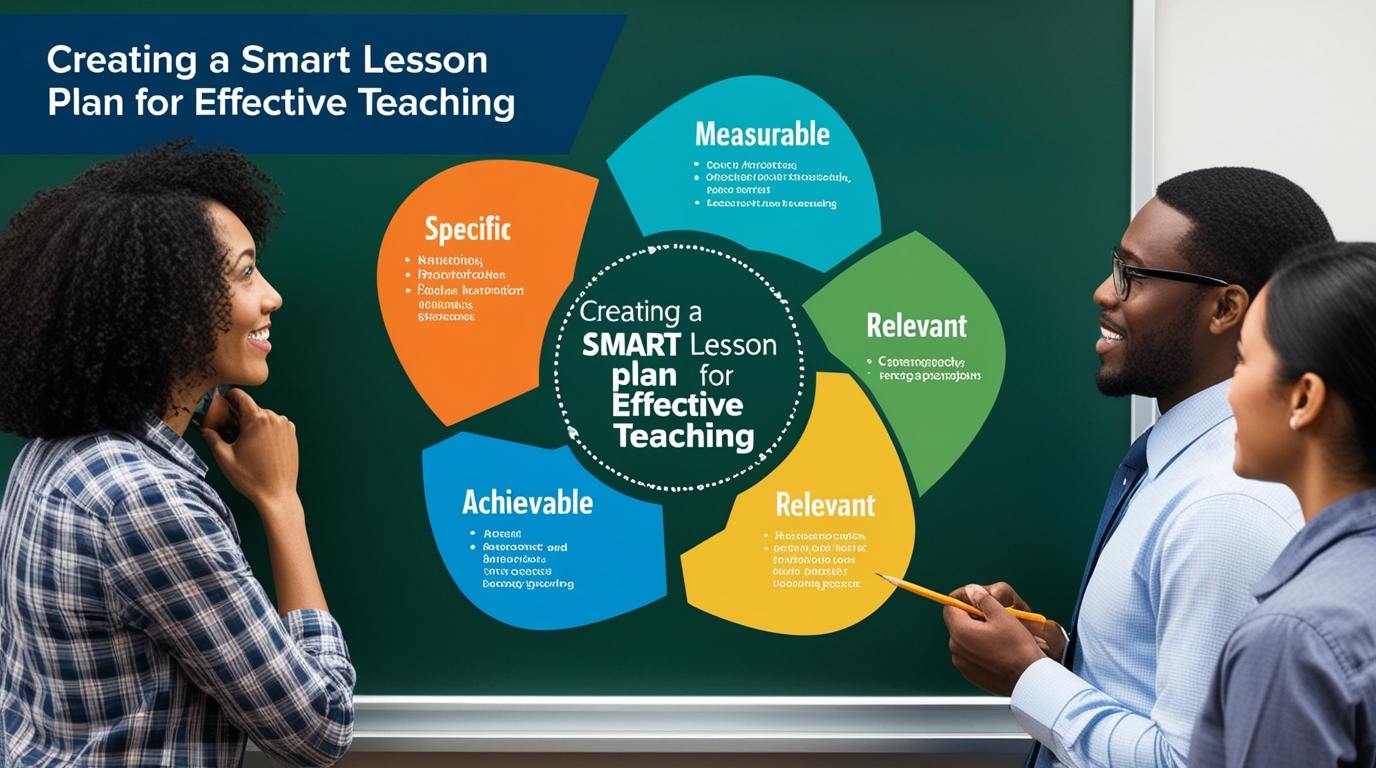
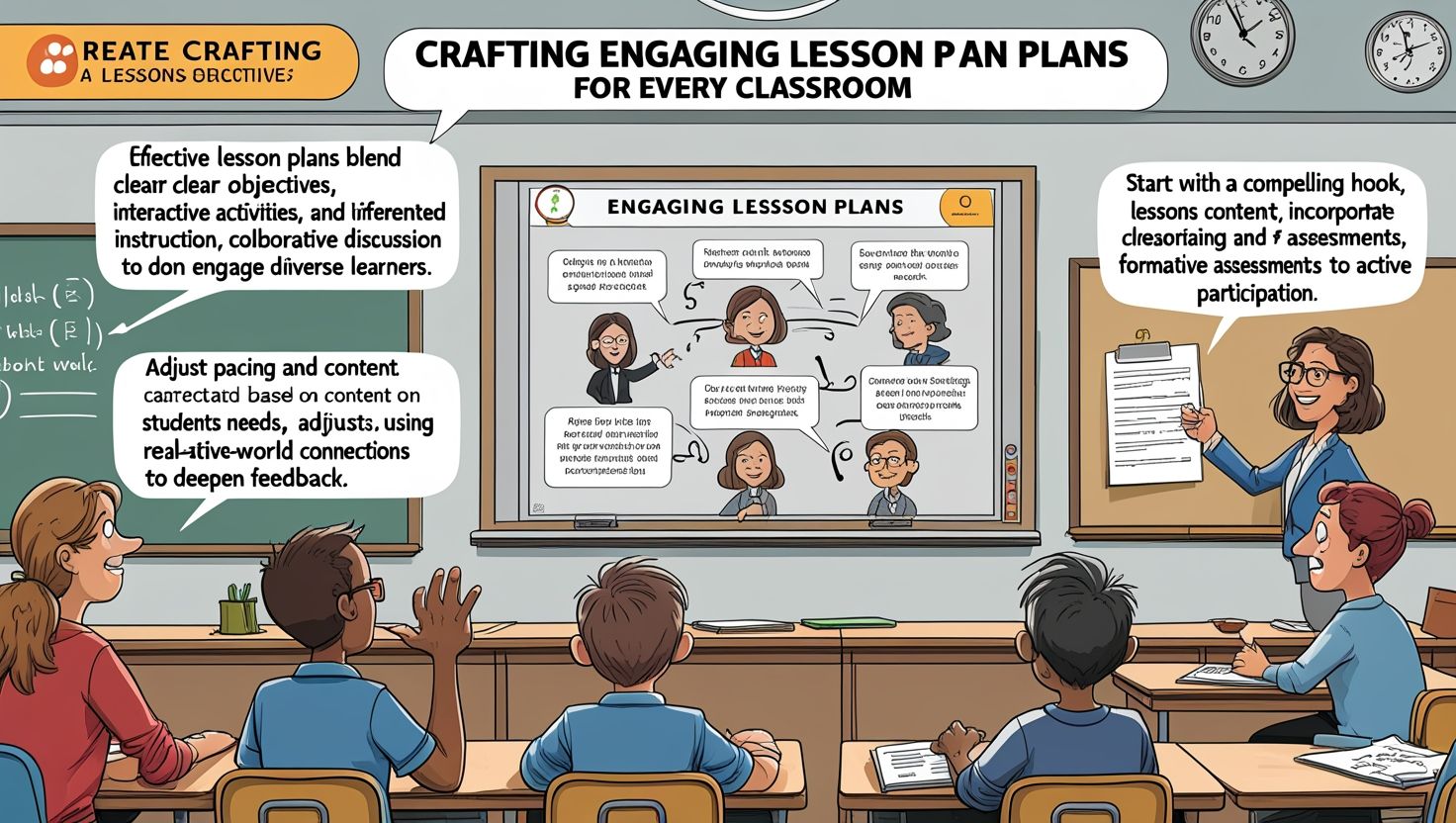
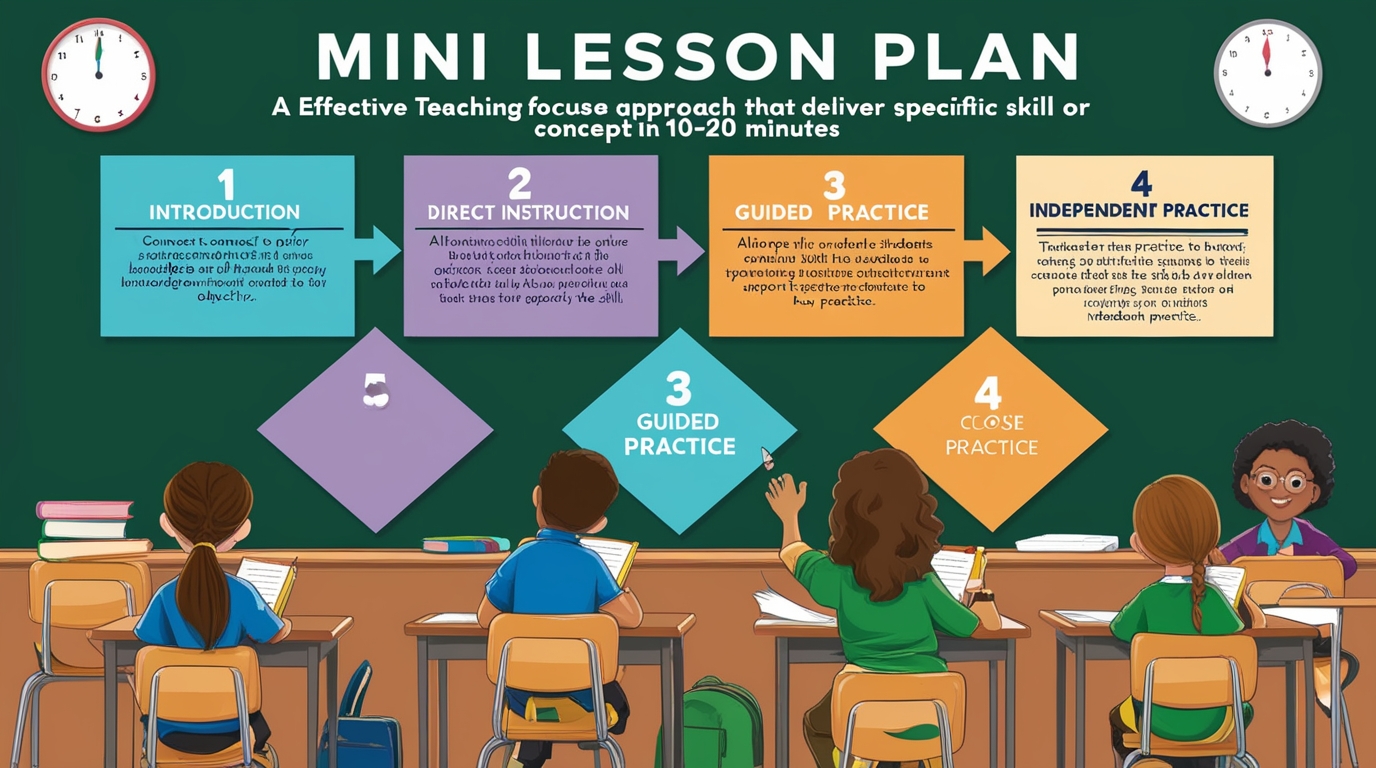
Teachers can apply small planning successfully by following simple strategies. First, they should set a clear objective for each lesson. Next, they must divide the objective into 4–6 small steps. Additionally, including variety in steps keeps students active. Teachers should also estimate the time for each step to maintain flow. Moreover, using visual aids improves the small planning process. Teachers must monitor student responses continuously. Furthermore, having backup small tasks is helpful when extra time remains. Ultimately, planning small ensures better classroom control, stronger engagement, and improved learning outcomes.
Conclusion
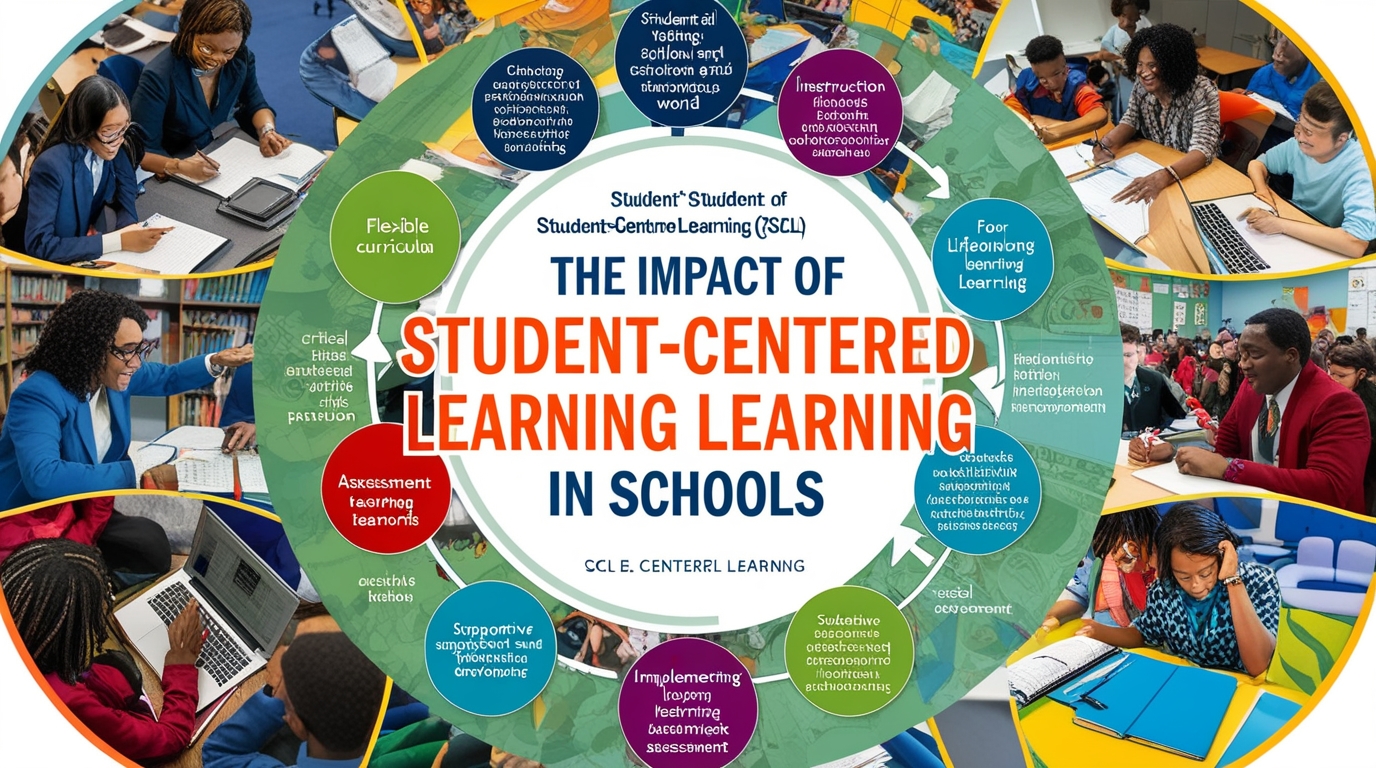
Small planning for classroom teaching is an effective instructional strategy that transforms learning. Although it involves dividing lessons into smaller steps, the impact is powerful. Students stay engaged, teachers stay organized, and learning becomes purposeful. Moreover, small planning supports clarity, discipline, creativity, and differentiated instruction. It also enhances assessment and improves teaching confidence. Therefore, small planning helps teachers build productive, student-centered classrooms. When implemented consistently, it leads to stronger academic outcomes and a more positive learning environment. Teachers who adopt small, structured planning will experience smoother lessons, happier students, and meaningful learning every day.