Introduction
Performance Assessment Impact on Quality Teaching in Education, Performance assessment has become a major force in improving the quality of teaching. It focuses on real tasks, practical demonstrations, and measurable learning outcomes. Unlike traditional testing, performance assessment evaluates what students can actually do with their knowledge. Consequently, teachers also redesign their teaching practices to support deeper learning. Moreover, as schools shift toward competency-based learning, performance assessment plays a vital role in reshaping educational standards. Therefore, understanding its influence on teaching quality is essential for modern educators. This article explores how performance assessment transforms classroom instruction, strengthens feedback systems, enhances teacher planning, deepens student motivation, and supports professional growth. Ultimately, performance assessment creates a more dynamic learning environment that encourages active participation and meaningful learning.
Understanding Performance Assessment in Education
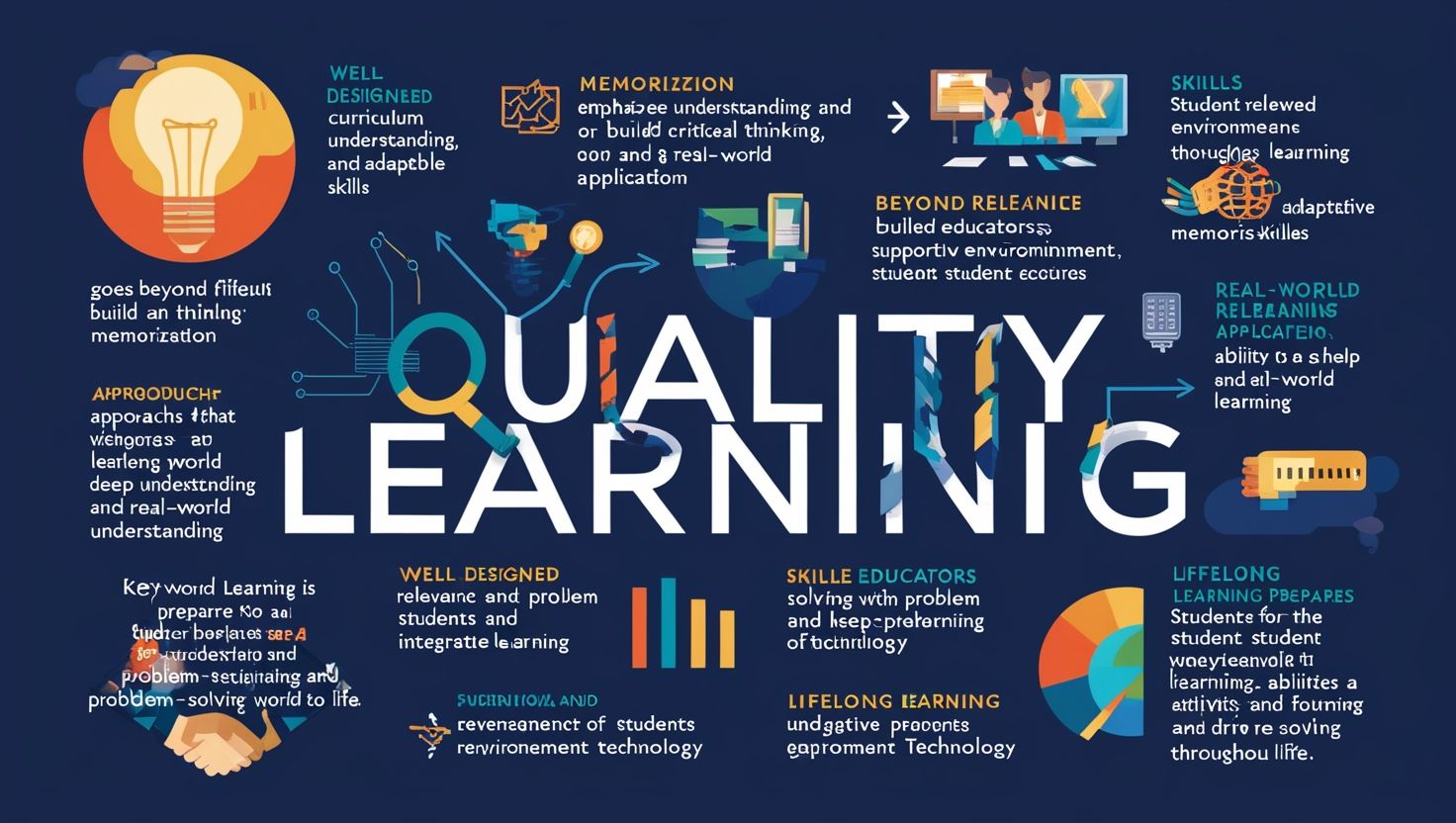
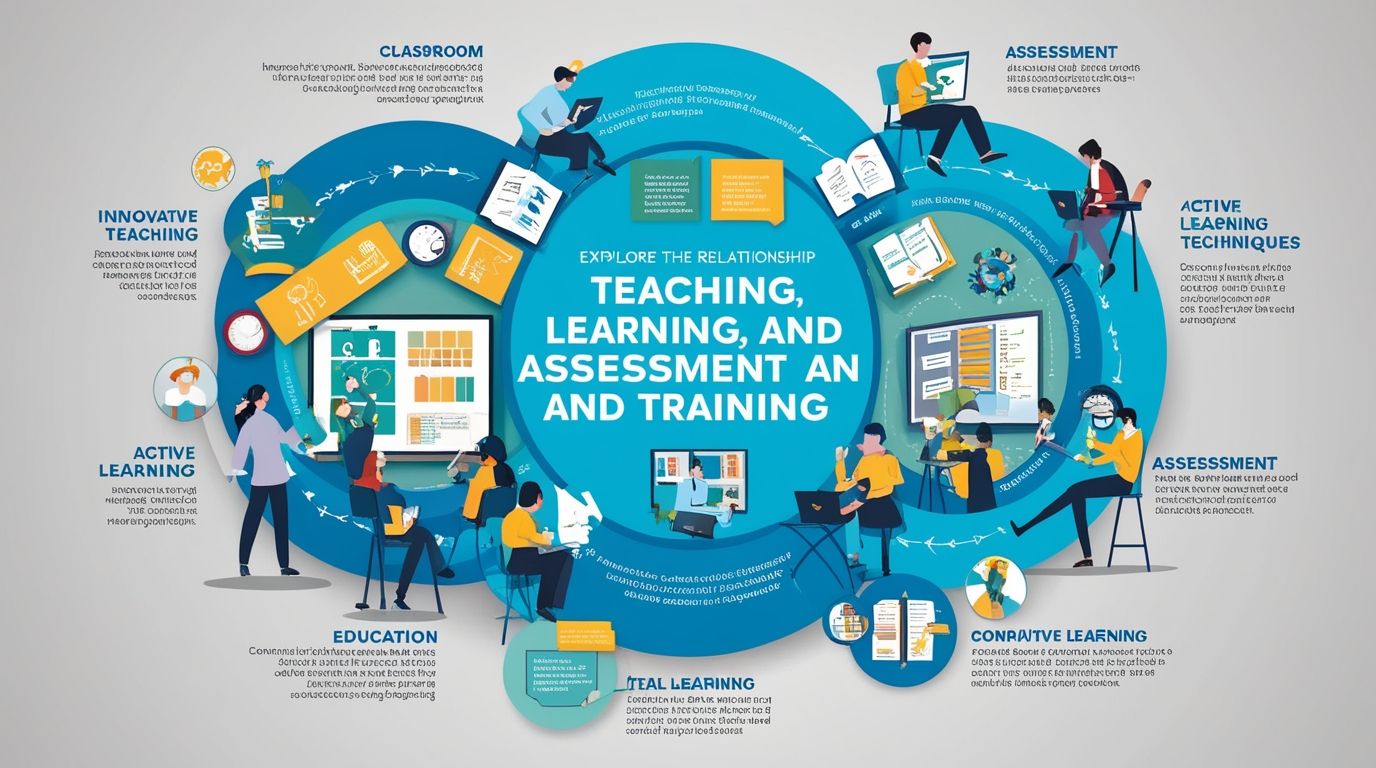
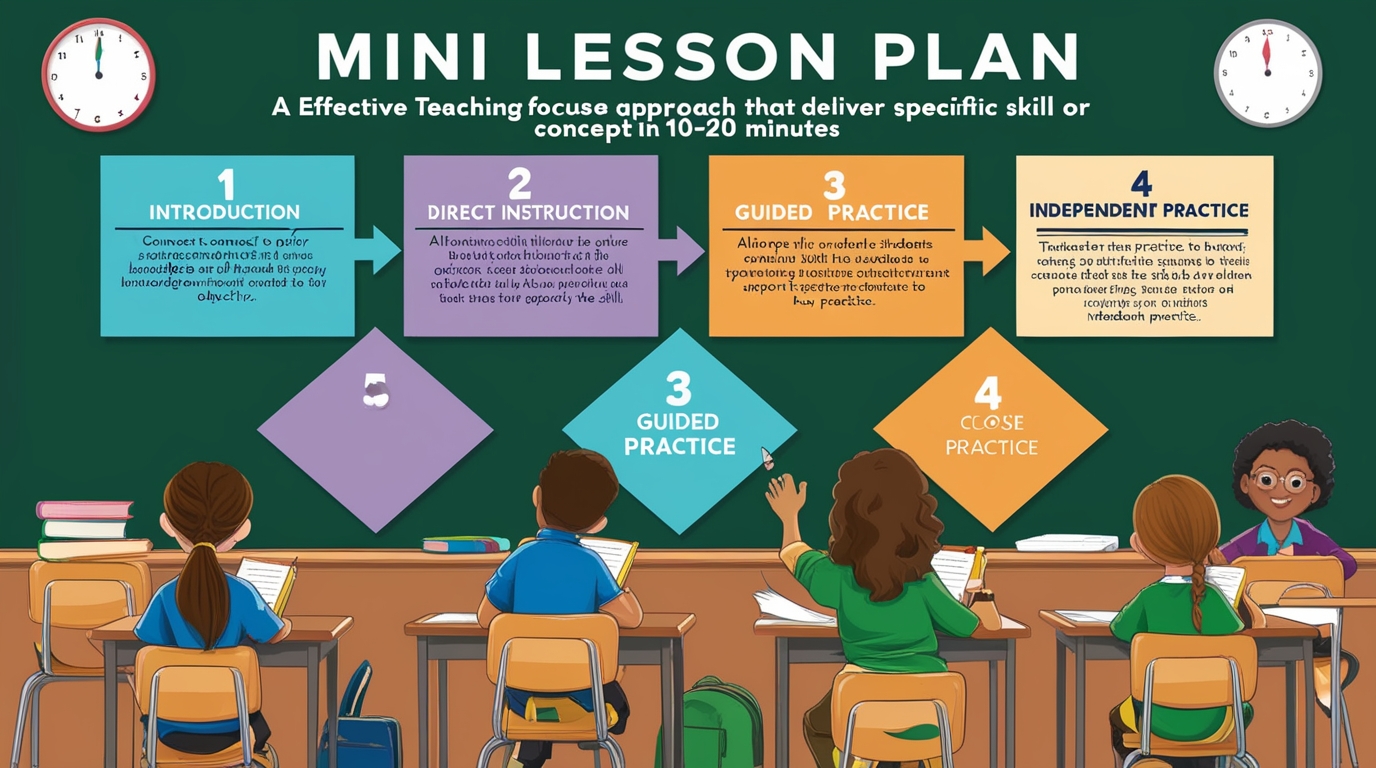
Performance assessment evaluates students through tasks such as projects, presentations, experiments, portfolios, role plays, or real-world applications. Therefore, it moves beyond memorization. It highlights critical thinking, creativity, communication, and collaboration. Teachers use rubrics to assess students’ performance fairly and consistently. Because it encourages analytical thinking, performance assessment helps students understand concepts more deeply. Consequently, teachers have to adopt instructional strategies that support these higher-level skills. This shift improves teaching quality, as educators focus on understanding rather than rote learning. Additionally, performance assessment encourages teachers to design lessons that connect with real-life situations. As a result, classrooms become more engaging, interactive, and practical.
Performance Assessment Promotes Quality Teaching
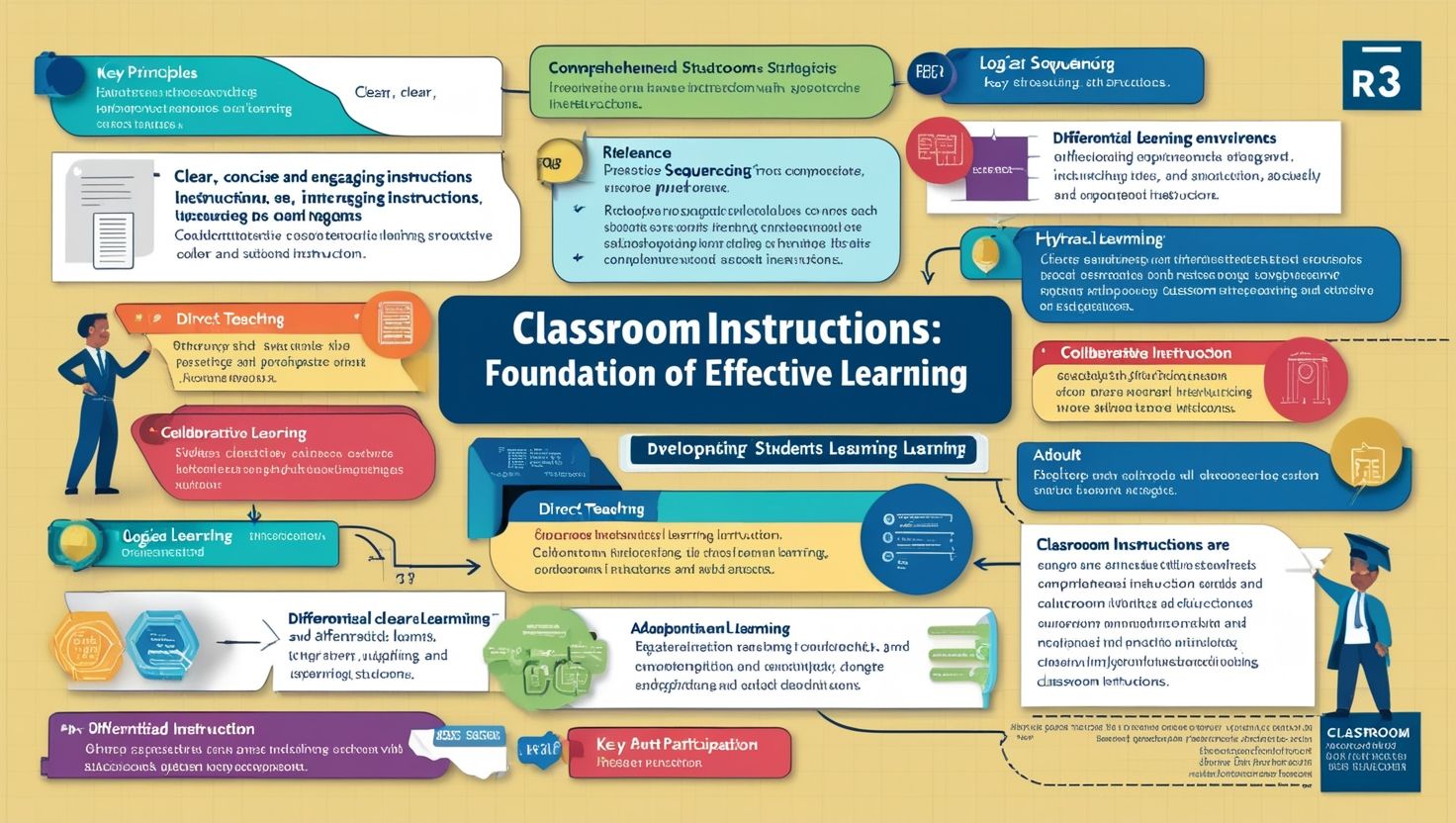
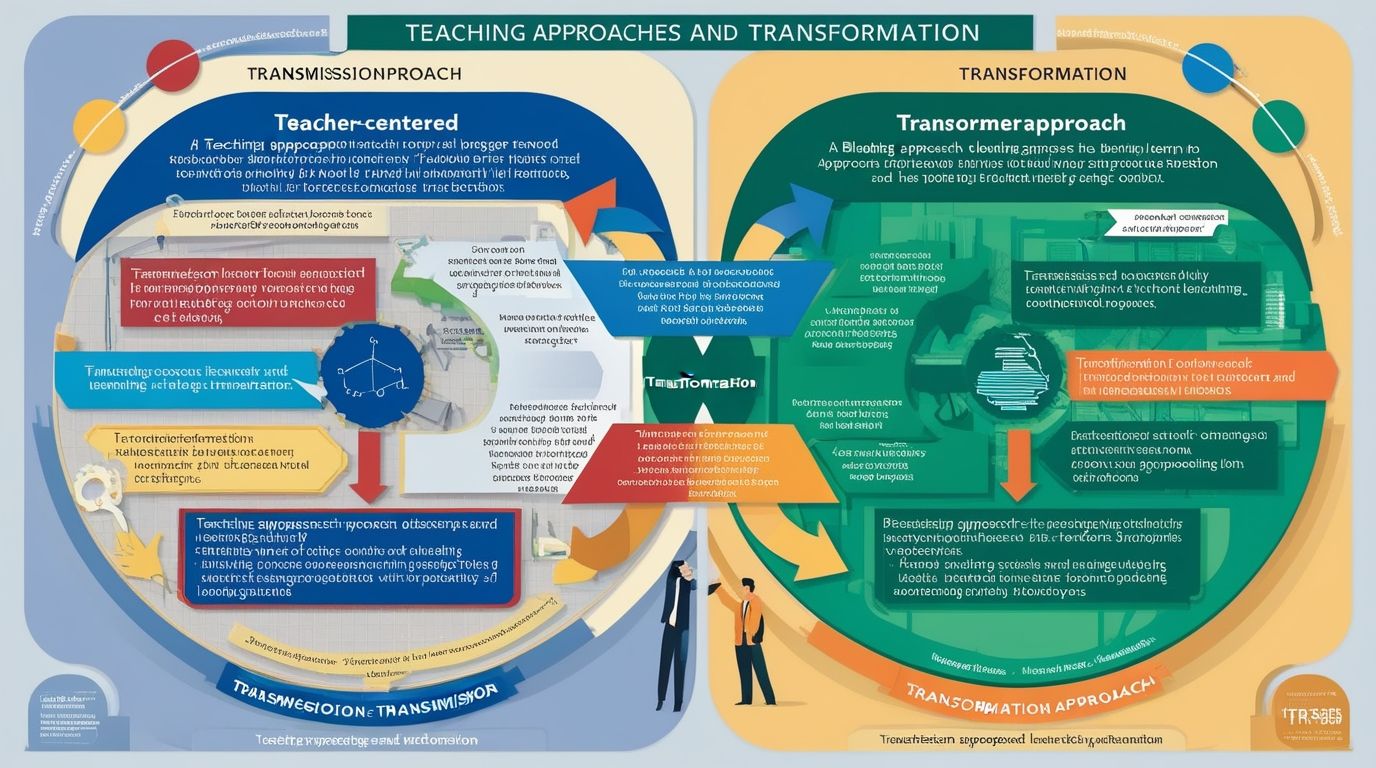
Performance assessment directly contributes to quality teaching by encouraging more meaningful instructional practices. Teachers become facilitators rather than mere content transmitters. Consequently, they design learning activities that promote reasoning, decision-making, and problem-solving. Moreover, performance tasks push teachers to align teaching with learning objectives and outcomes. This promotes clarity and purpose in lesson planning. Because teachers observe how students approach tasks, they also identify gaps in understanding. Therefore, they adjust teaching strategies to address these gaps. As a result, teaching becomes more effective, student-centered, and outcome-driven. Ultimately, performance assessment helps create a classroom environment where learning is active and purposeful.
Enhancing Classroom Instruction Through Authentic Tasks
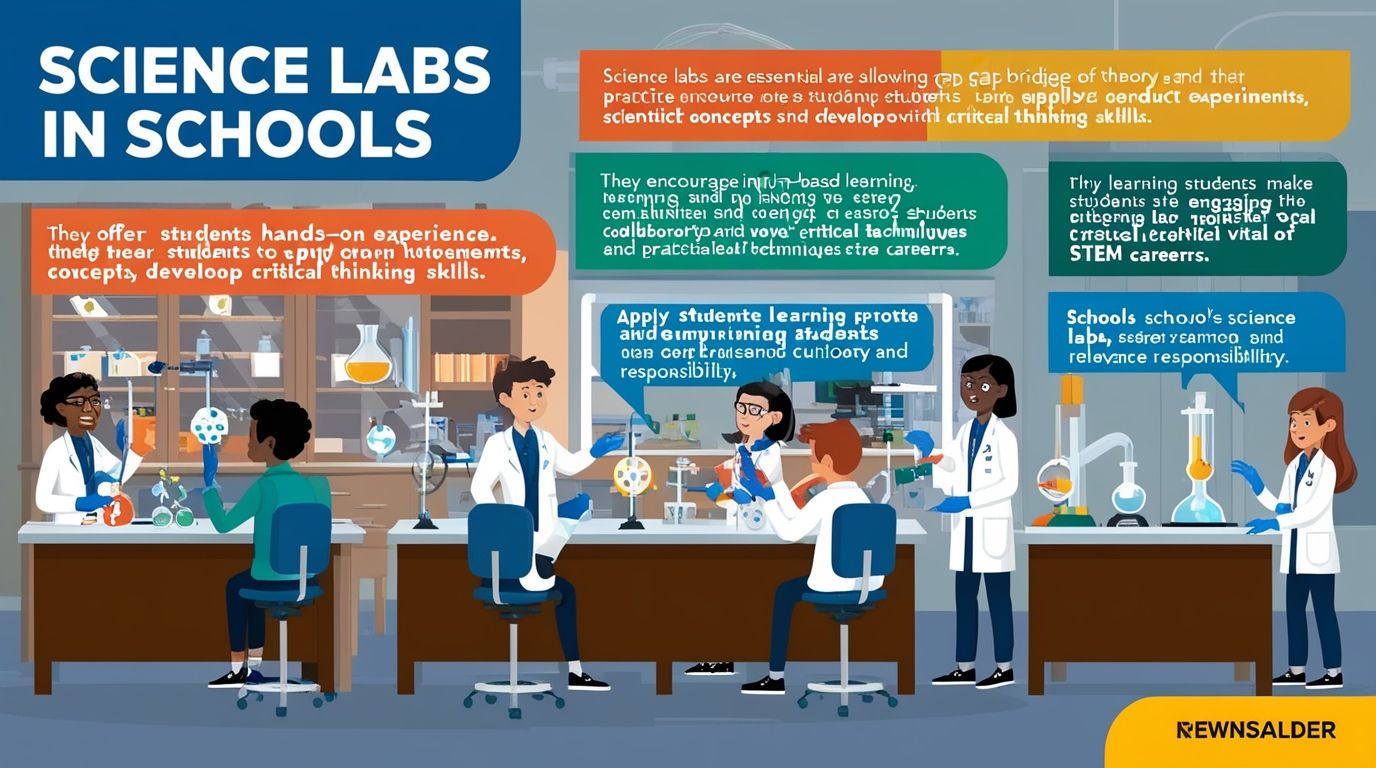
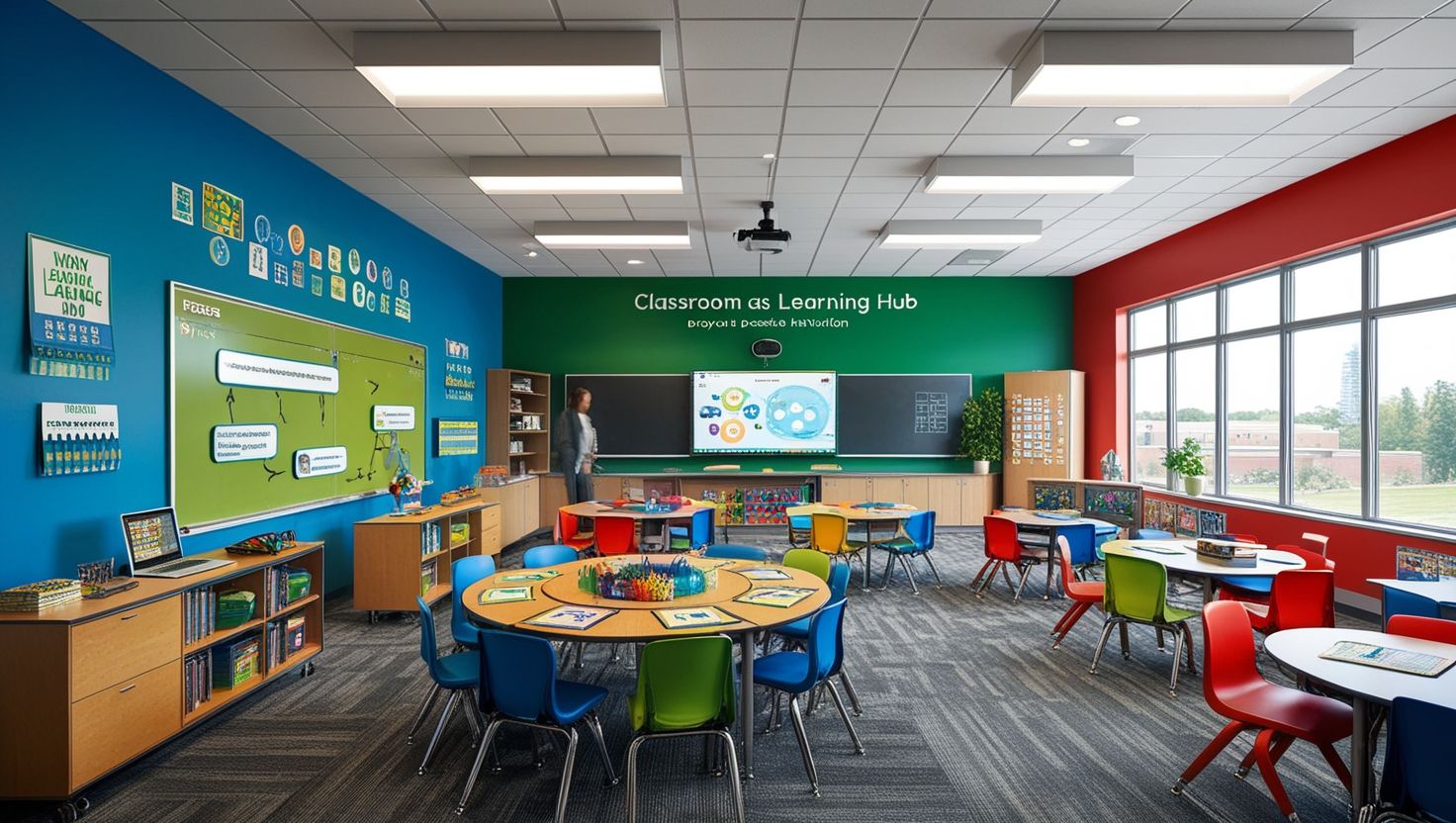
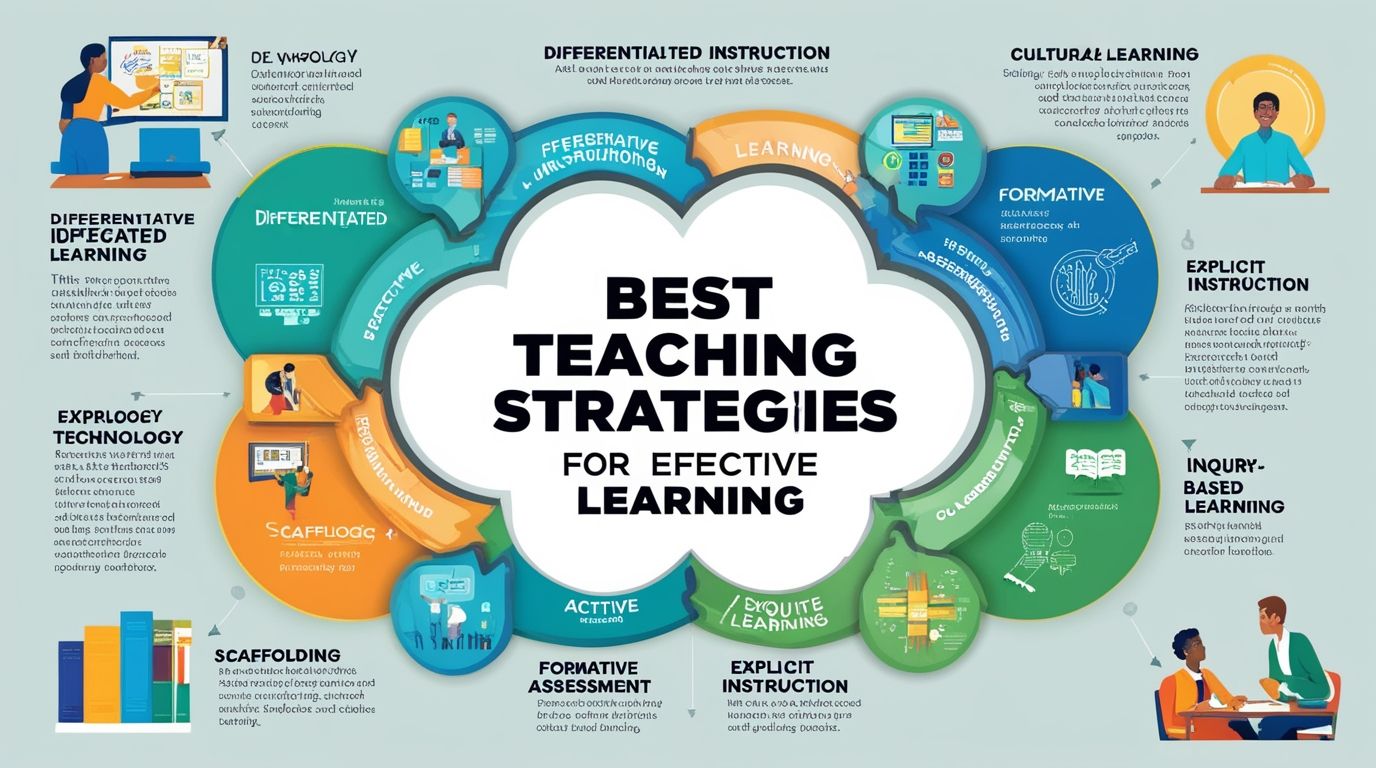
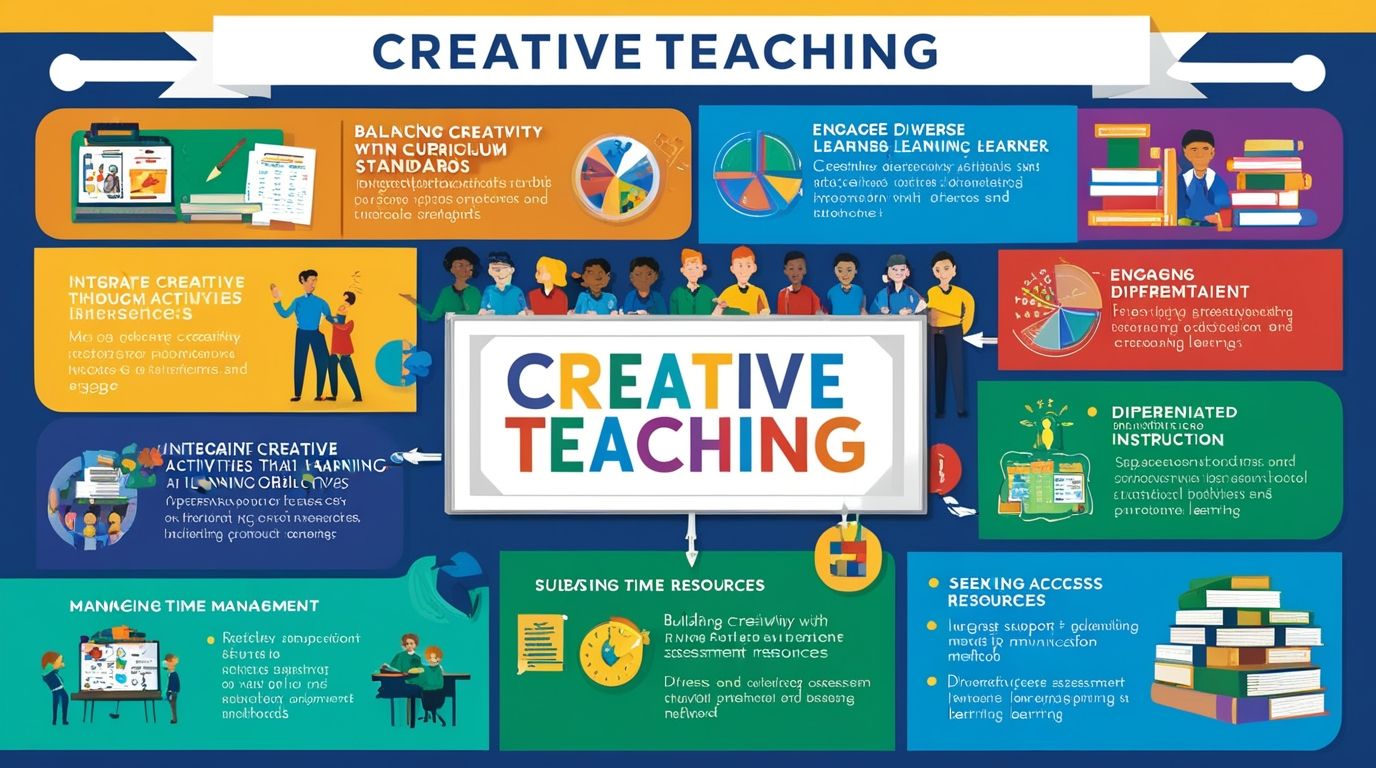
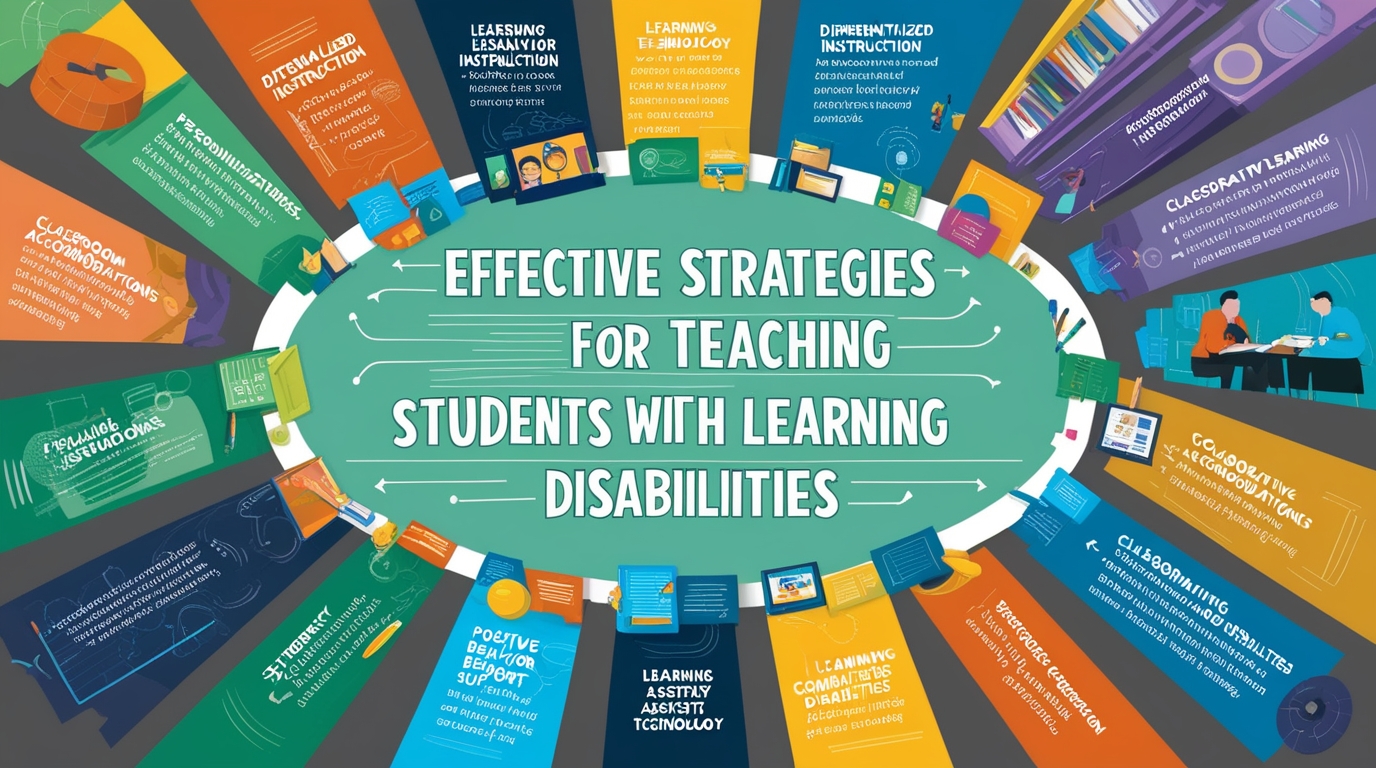
Authentic tasks such as research projects, group discussions, experiments, and debates promote deeper learning. These tasks require students to demonstrate understanding in realistic contexts. Therefore, teachers incorporate diverse instructional tools like technology, field activities, and collaborative learning. Moreover, teachers adopt differentiated instruction so that every learner can participate in performance tasks. Because students learn by doing, they develop essential skills that traditional tests cannot measure. Consequently, teachers improve their instructional methods to meet the needs of active learning. This shift not only enhances teaching quality but also builds confidence in learners. Overall, authentic tasks transform classrooms into vibrant learning spaces.
Impact on Feedback and Assessment Practices
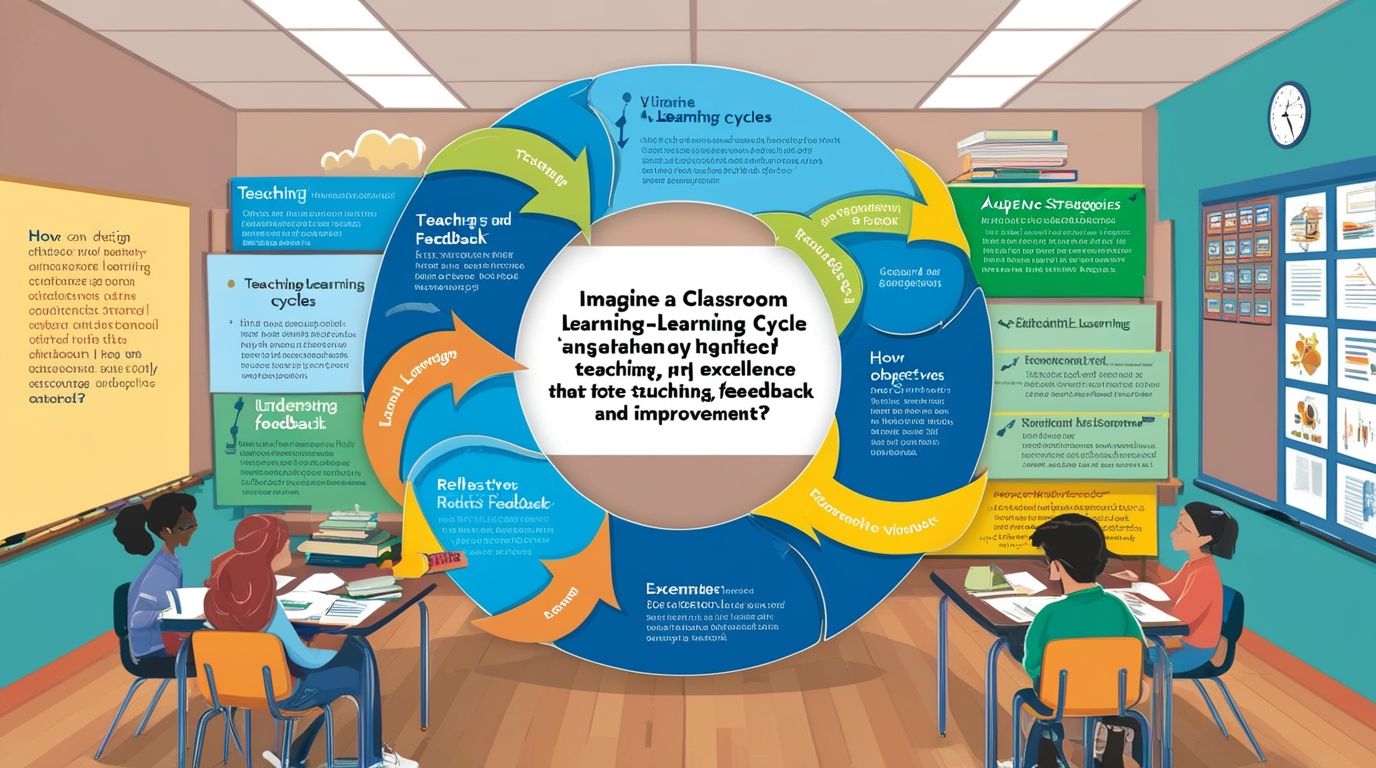
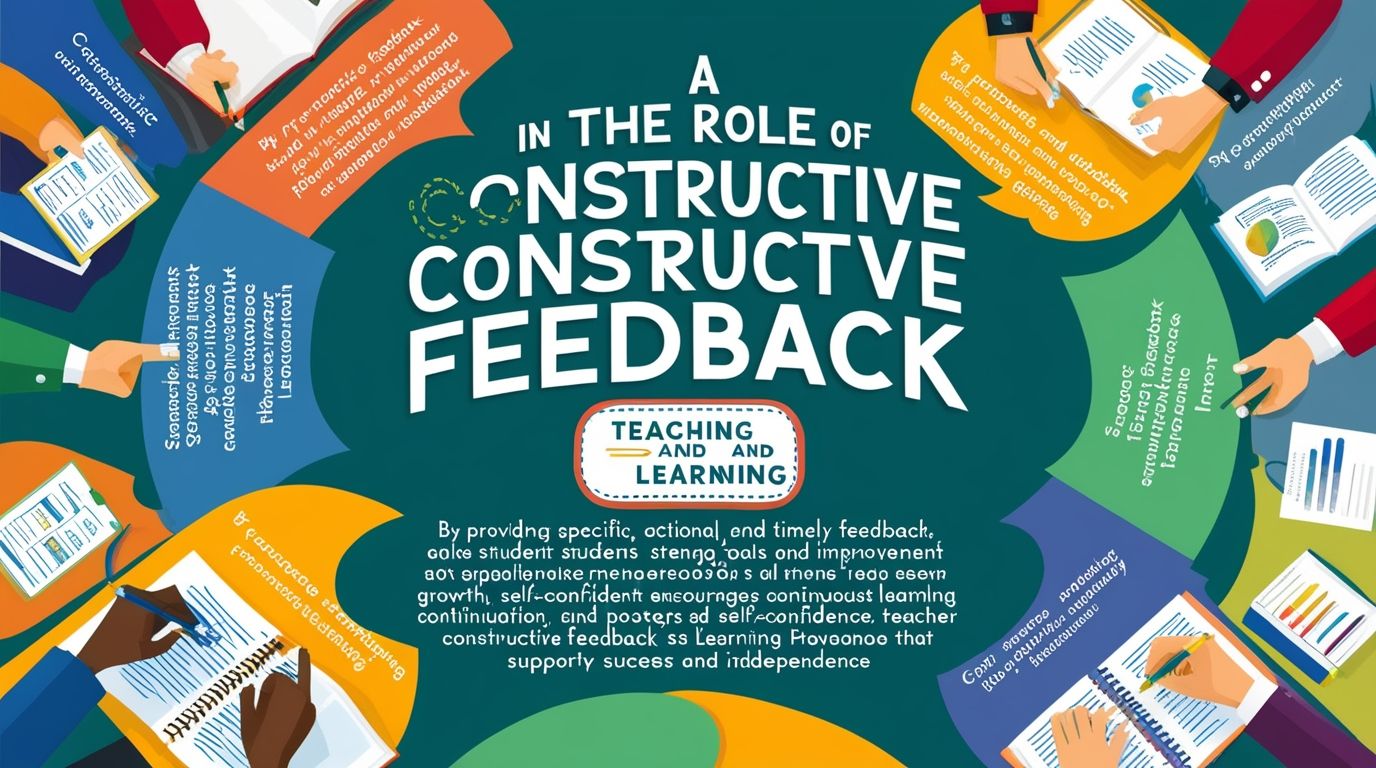
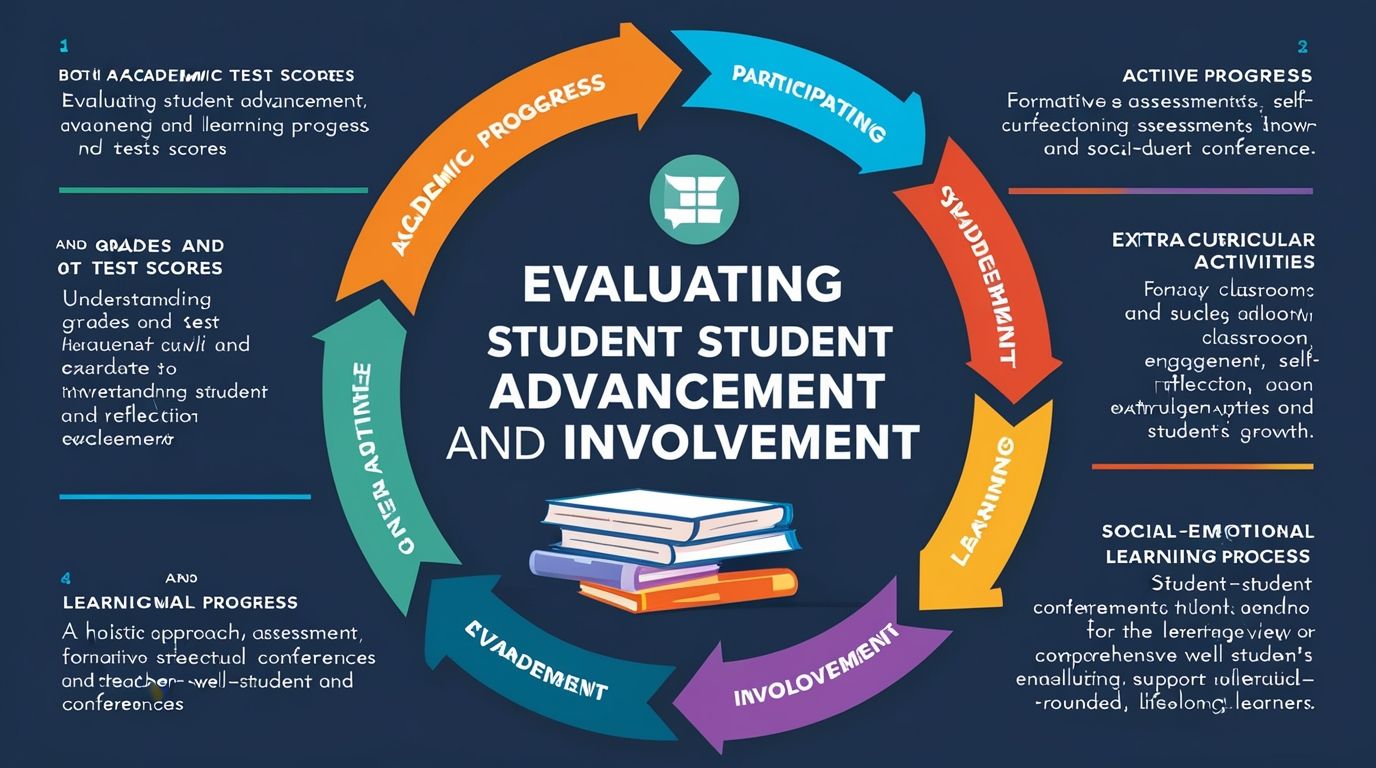
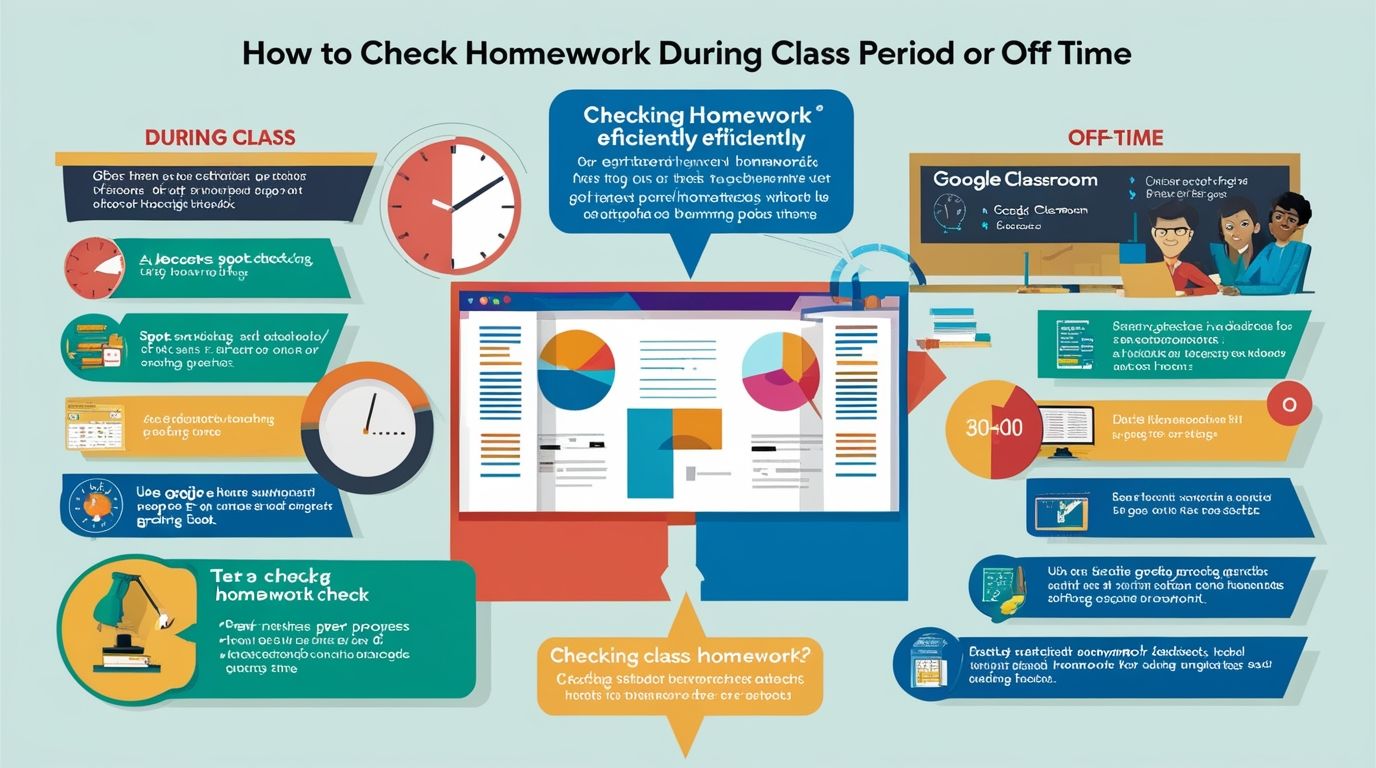
Performance assessment improves the quality of feedback that teachers provide. Since teachers observe students’ work in detail, they offer specific, timely, and constructive feedback. Moreover, rubrics guide students on how to improve their performance. This results in better communication between teachers and learners. Because feedback becomes continuous, teachers adjust their teaching methods frequently. Consequently, learning gaps are addressed before they widen. Additionally, performance assessment encourages peer and self-assessment, which further enhances learning. Therefore, feedback becomes a powerful tool for improving both teaching and student achievement. In this way, performance assessment strengthens the overall learning cycle.
Supporting Professional Development of Teachers
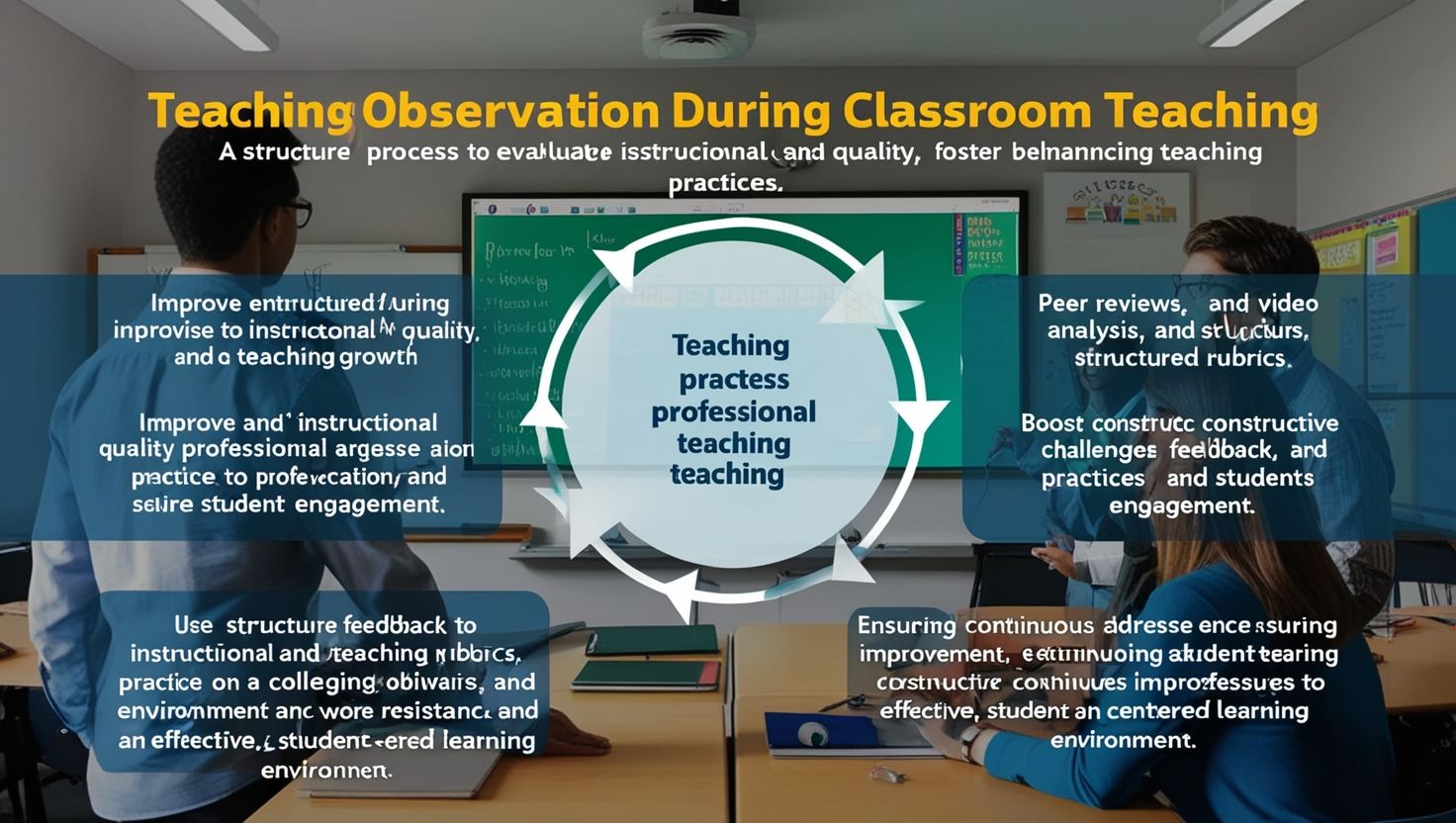
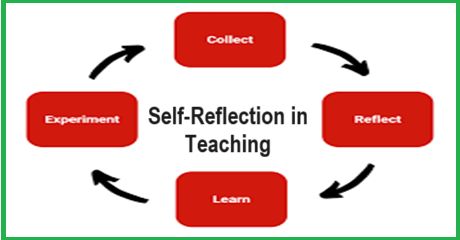
Performance assessment requires teachers to continuously upgrade their skills. Therefore, teachers participate in professional development programs, workshops, and collaborative learning sessions. They learn to design rubrics, develop project-based learning, integrate technology, and assess higher-order skills. As teachers improve their assessment literacy, their teaching quality naturally increases. Moreover, teachers collaborate with colleagues to analyze student work. This collaboration improves instructional consistency across the school. Consequently, performance assessment encourages a culture of professional growth. Ultimately, teachers become more reflective, innovative, and confident in their teaching practices.
Strengthening Student Motivation and Engagement
One significant impact of performance assessment is increased student motivation. Because students are involved in meaningful activities, they feel more connected to their learning. Moreover, performance tasks allow them to explore interests, express ideas, and build real-world skills. Therefore, they become more engaged in classroom activities. Traditional tests often create pressure, but performance tasks promote curiosity and confidence. Consequently, students improve their academic performance and develop long-term learning habits. This improvement encourages teachers to continue using performance-based approaches. As a result, teaching quality rises because instruction becomes more interactive and enjoyable for learners.
Encouraging Critical Thinking and Problem-Solving
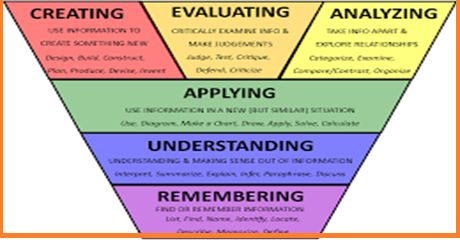
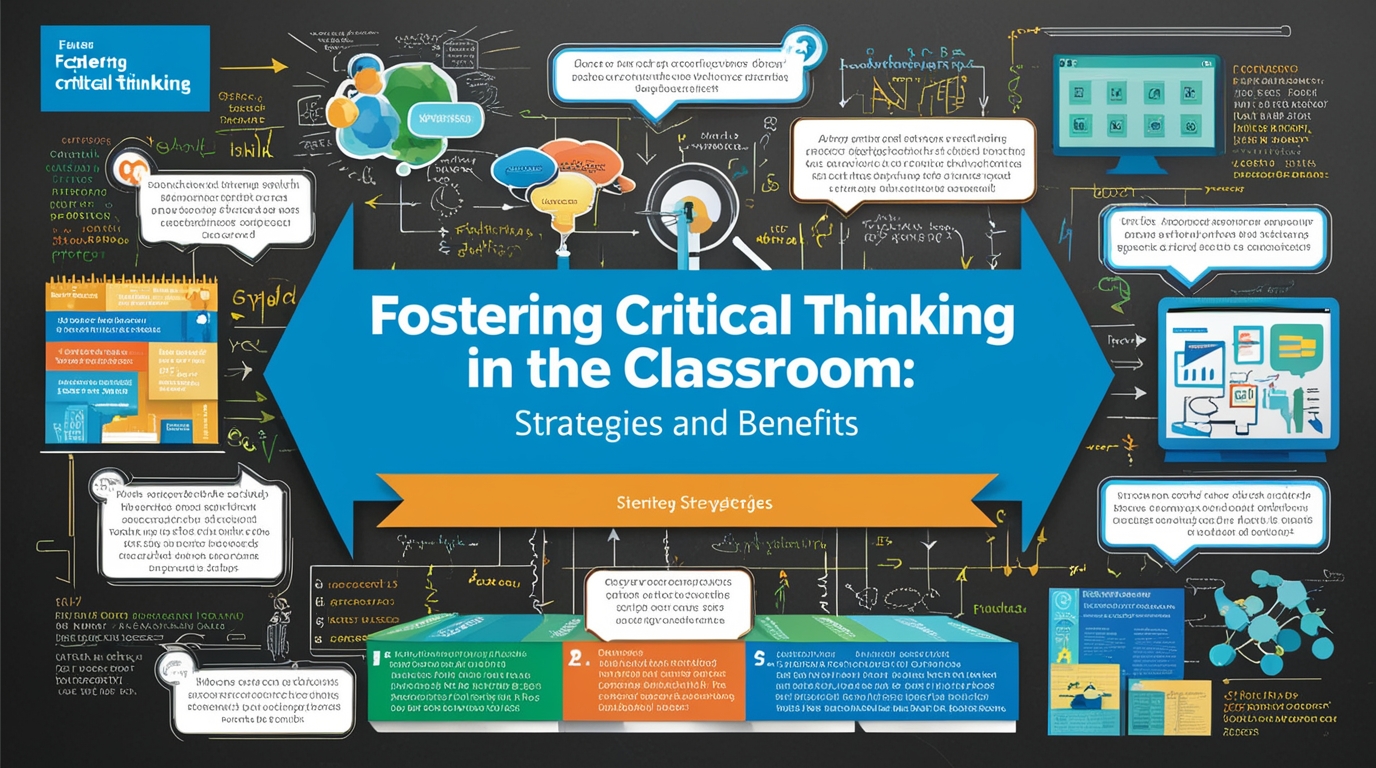
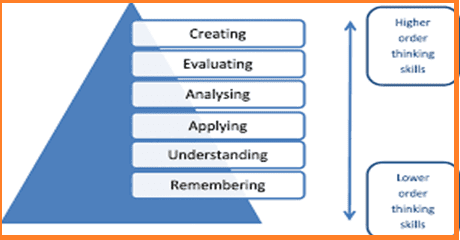
Performance assessment shifts focus toward critical thinking and problem-solving. Students are asked to analyze information, apply concepts, evaluate alternatives, and make decisions. Therefore, teachers must create lessons that encourage inquiry and exploration. This change pushes teachers to move away from rote instruction. Moreover, teachers integrate strategies such as case studies, simulations, and project-based learning. Consequently, students become independent thinkers who can handle complex tasks. As teachers design these learning experiences, they improve their teaching craft. Ultimately, performance assessment nurtures a learning environment where thinking skills are valued above memorization.
Improving Curriculum Planning and Alignment
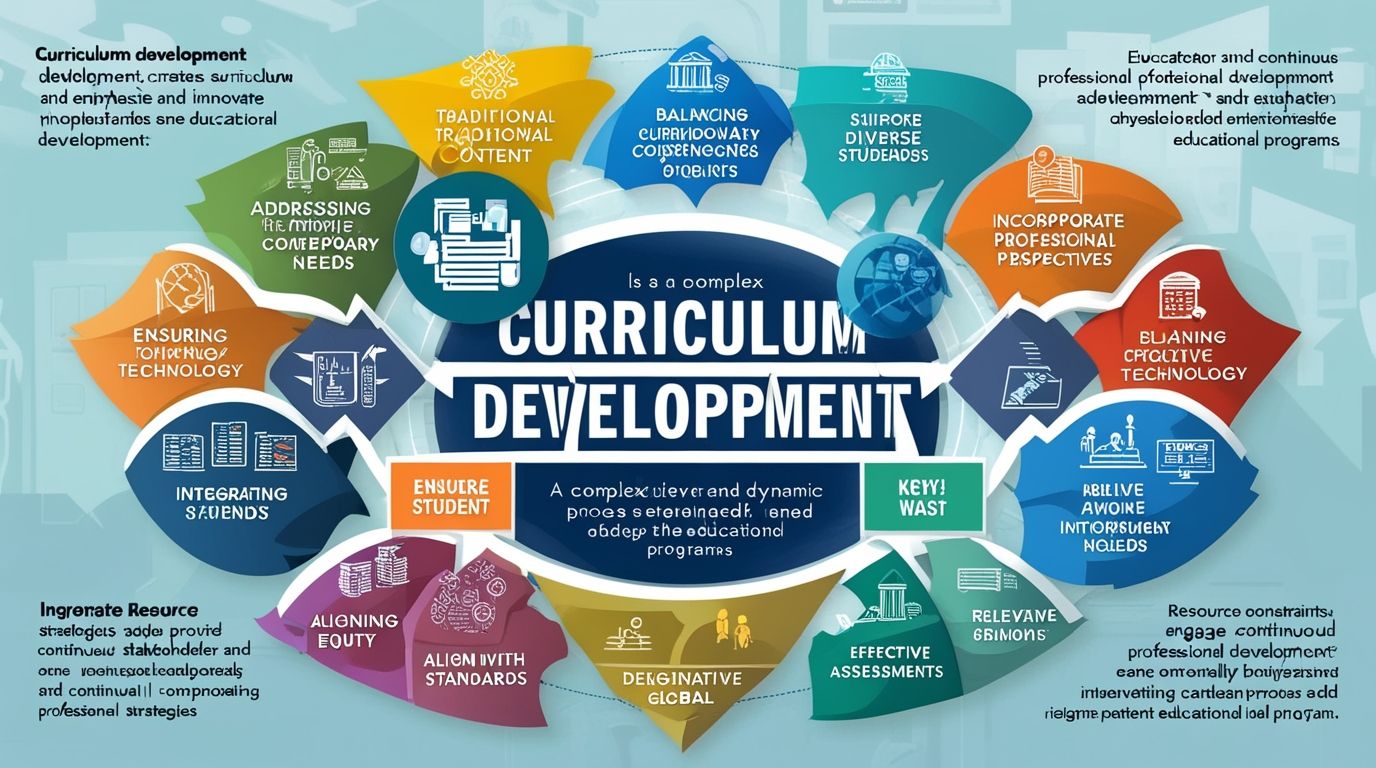
Performance assessment helps teachers create well-aligned curricula. Teachers design learning outcomes, teaching strategies, and assessment methods in a cohesive manner. Consequently, instruction becomes more structured and purposeful. Moreover, performance assessment supports backward planning. Teachers begin with the desired skill or task and then design lessons accordingly. This strengthens curriculum coherence. Because tasks are linked with real-life situations, the curriculum becomes more relevant to students’ needs. Therefore, teaching quality improves as teachers focus on essential standards. Ultimately, performance assessment ensures that curriculum, instruction, and assessment work together smoothly.
Building a Collaborative Learning Culture
Performance assessment encourages collaboration among students and teachers. Group projects, shared presentations, and joint research develop teamwork skills. Therefore, teachers adopt collaborative teaching strategies. Moreover, students learn to communicate, negotiate, and manage tasks collectively. This creates a positive classroom environment. As teachers guide these activities, they refine their classroom management and collaborative instruction techniques. Consequently, teaching quality improves. Additionally, collaboration motivates students to share ideas, learn from peers, and support each other. Performance assessment strengthens community spirit within classrooms, making learning more inclusive and dynamic.
Challenges of Performance Assessment in Teaching
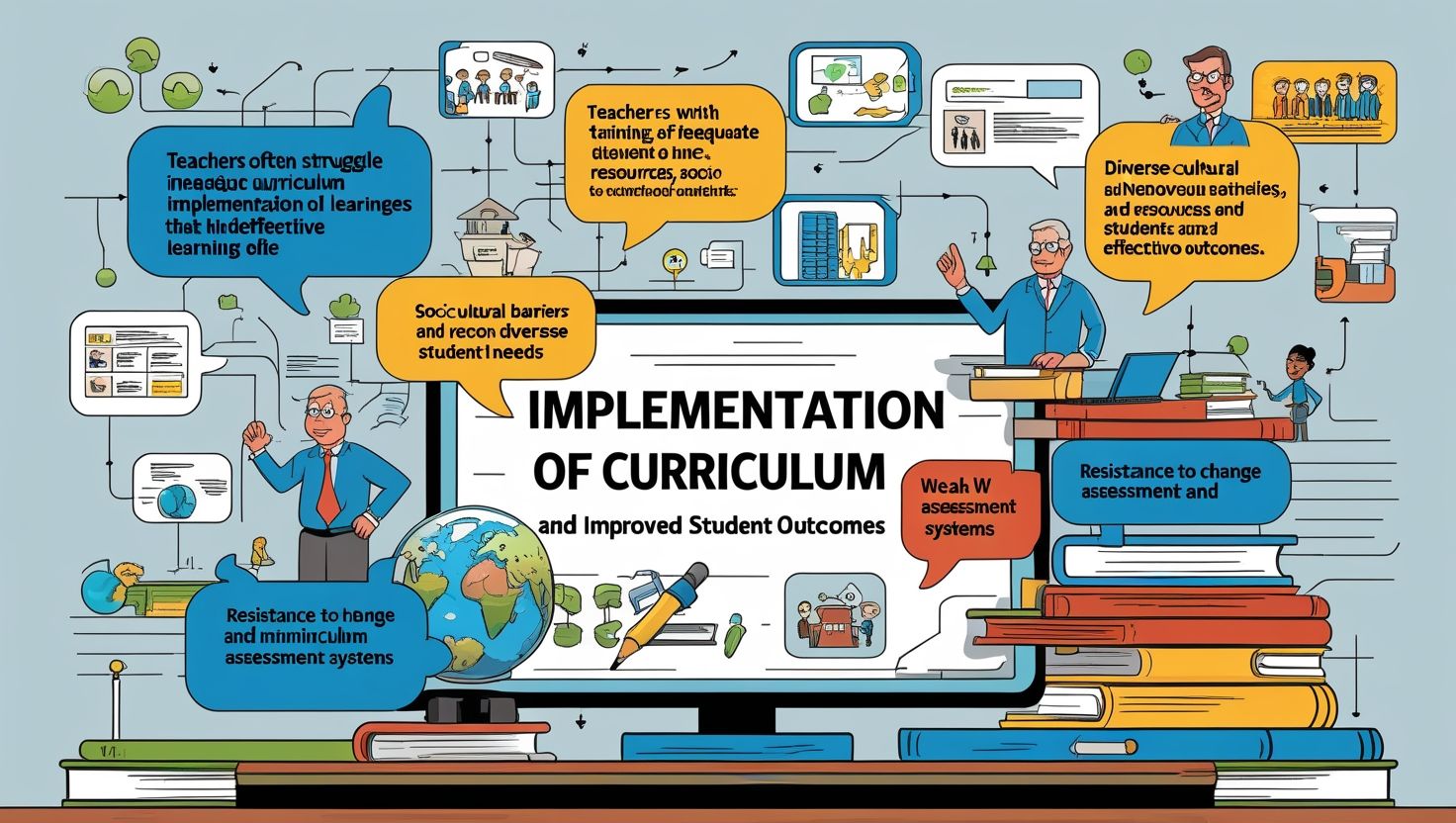
Despite its benefits, performance assessment has challenges. It requires time, resources, training, and effective planning. Moreover, some teachers may struggle to design quality tasks or rubrics. Because performance assessment demands continuous observation and feedback, teachers may feel overwhelmed. Additionally, large classes can make performance assessment difficult to manage. However, with proper training, support, and tools, these challenges can be addressed. Schools must invest in professional development and classroom resources. Consequently, performance assessment can be successfully implemented to enhance teaching quality.
Conclusion
Performance assessment significantly improves quality teaching in education. It promotes active learning, encourages meaningful feedback, strengthens curriculum planning, and enhances professional development. Moreover, it builds critical thinking, engagement, collaboration, and real-world skills in students. Therefore, performance assessment transforms traditional teaching into a more dynamic and effective learning process. When teachers adopt performance-based strategies, they create classrooms where learning is practical, enjoyable, and impactful. Ultimately, performance assessment ensures both teachers and students grow academically and professionally, leading to better educational outcomes.