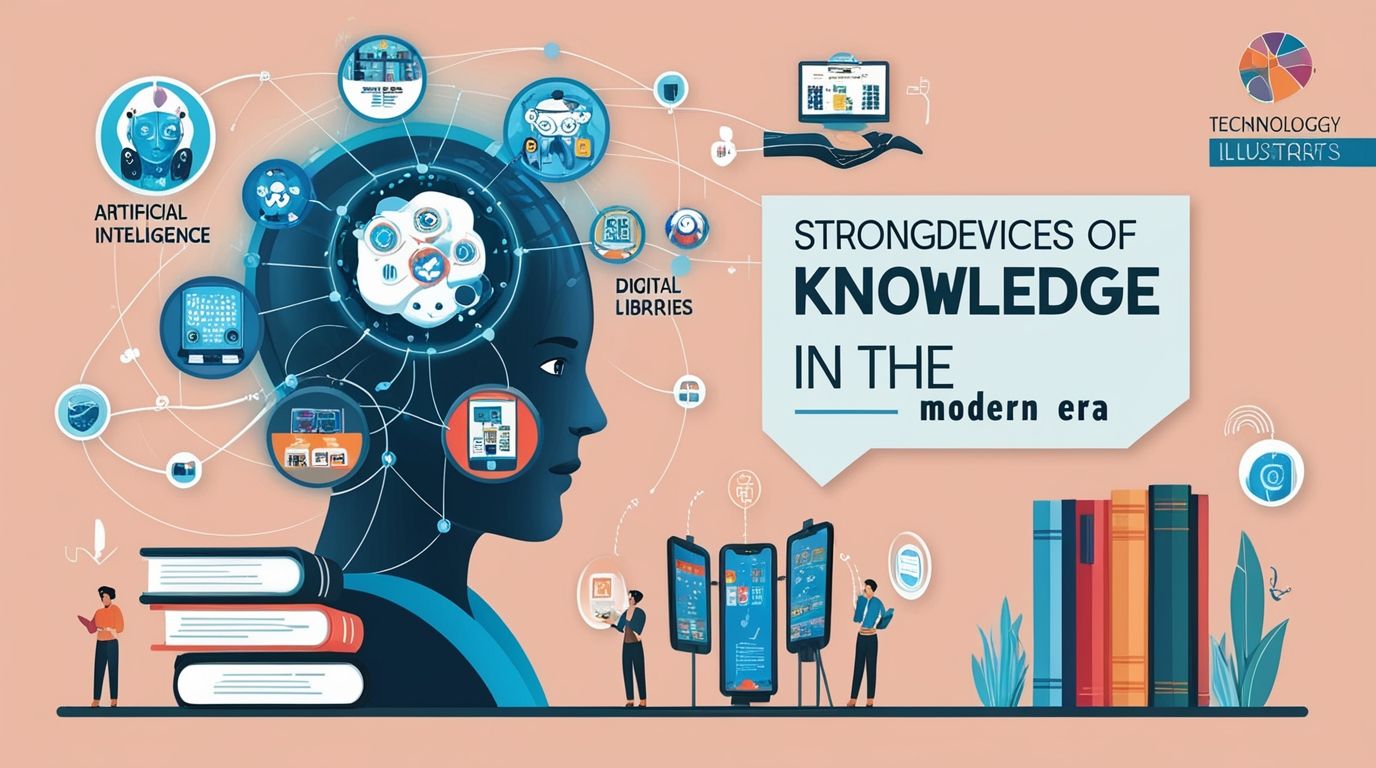
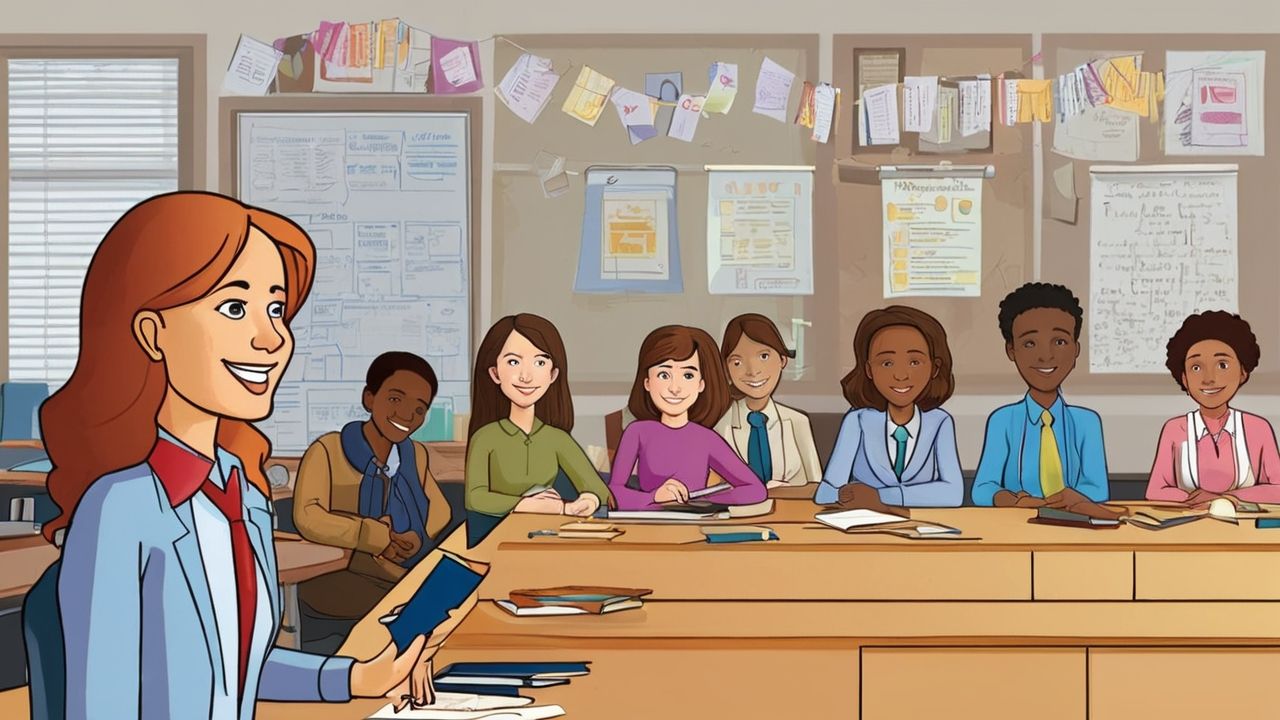
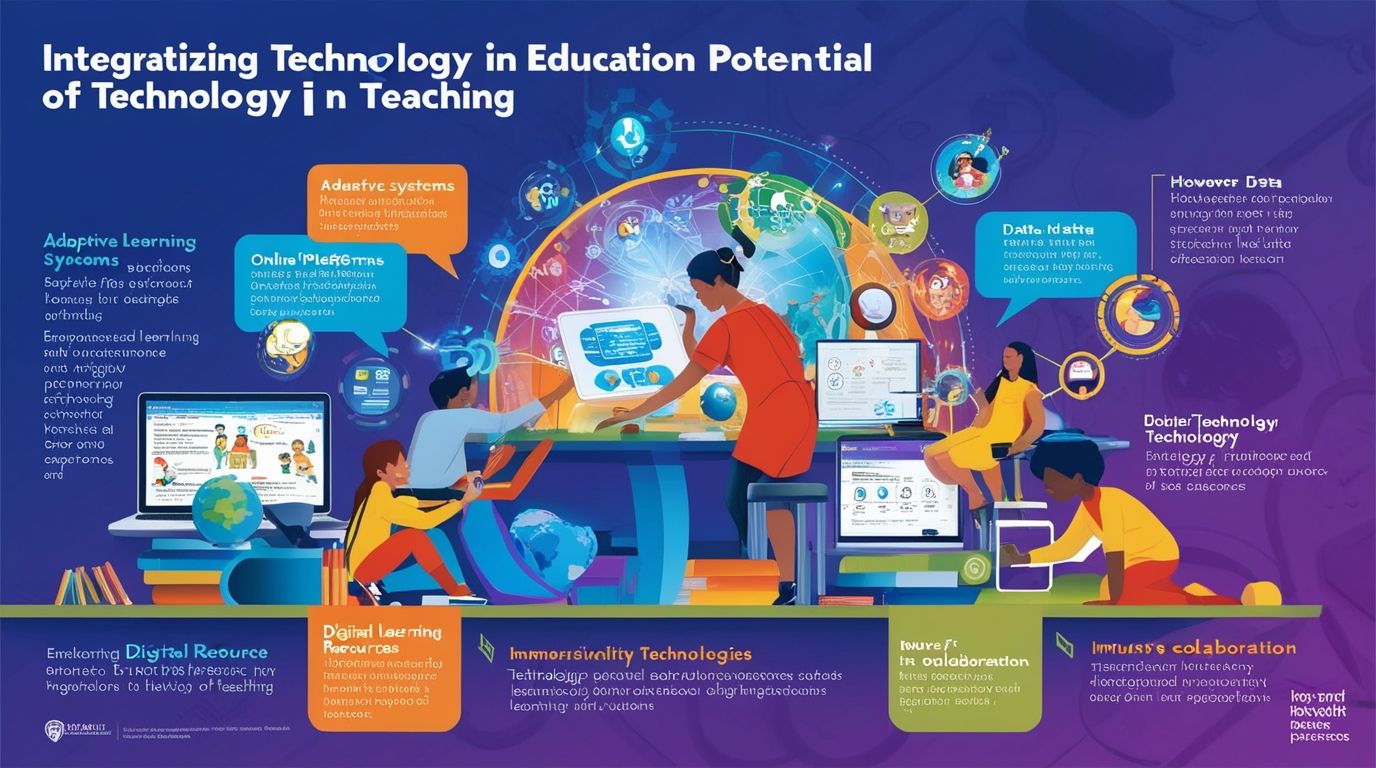
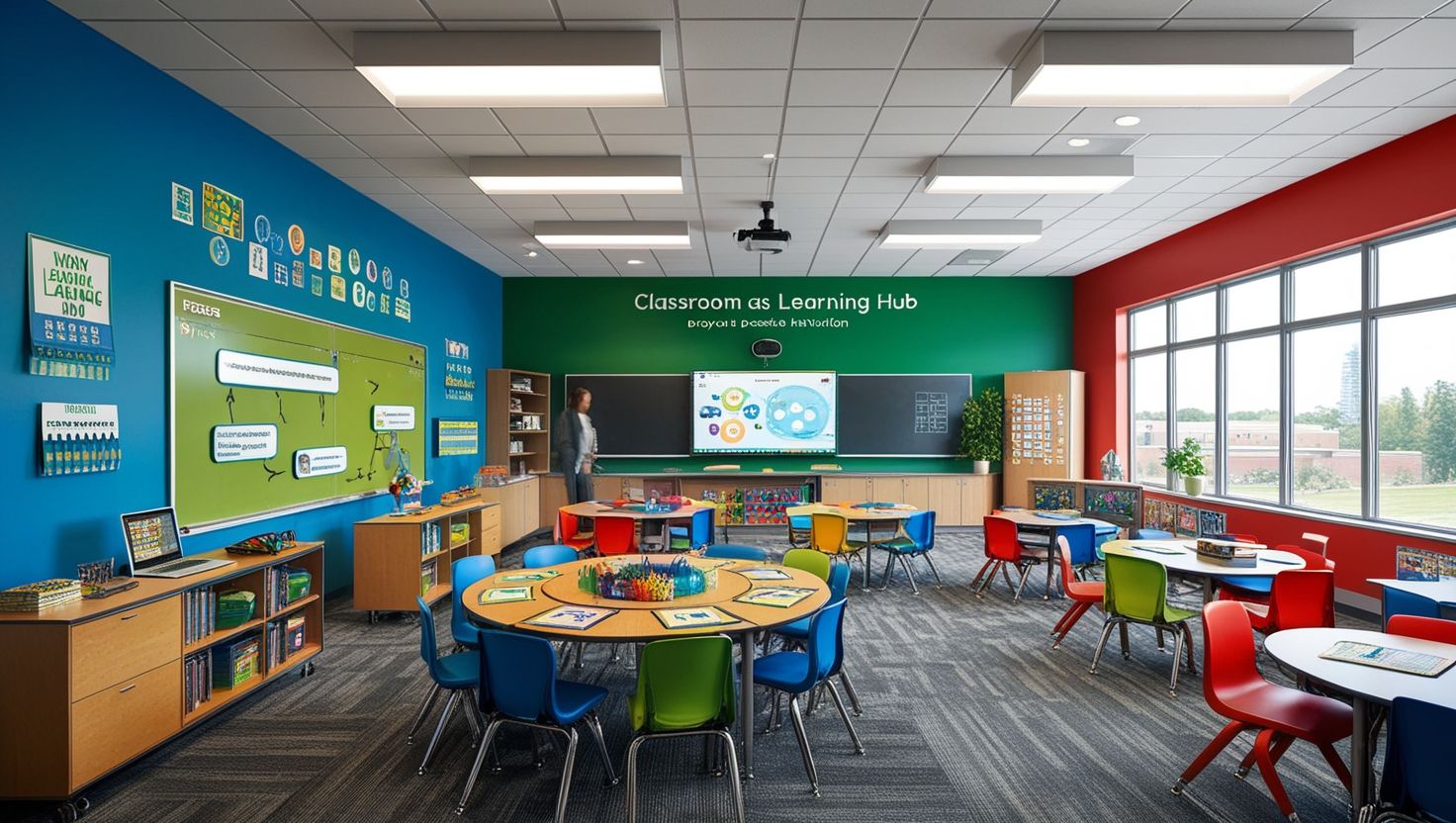
Innovative Classroom Technologies for the Future, In recent years, education has undergone a dramatic shift. From artificial intelligence to immersive environments and adaptive learning platforms, innovative classroom technologies are reshaping how teachers teach and how students learn. These tools don’t just modernize classrooms—they create richer, more interactive, and more personalized learning experiences. As the pace of technological advancement accelerates, educators must understand which tools deliver real value and how they can be integrated effectively.
This article explores the most influential classroom technologies today, how they enhance learning outcomes, and why they matter in the future of education.
1. Artificial Intelligence: Personalized Learning at Scale
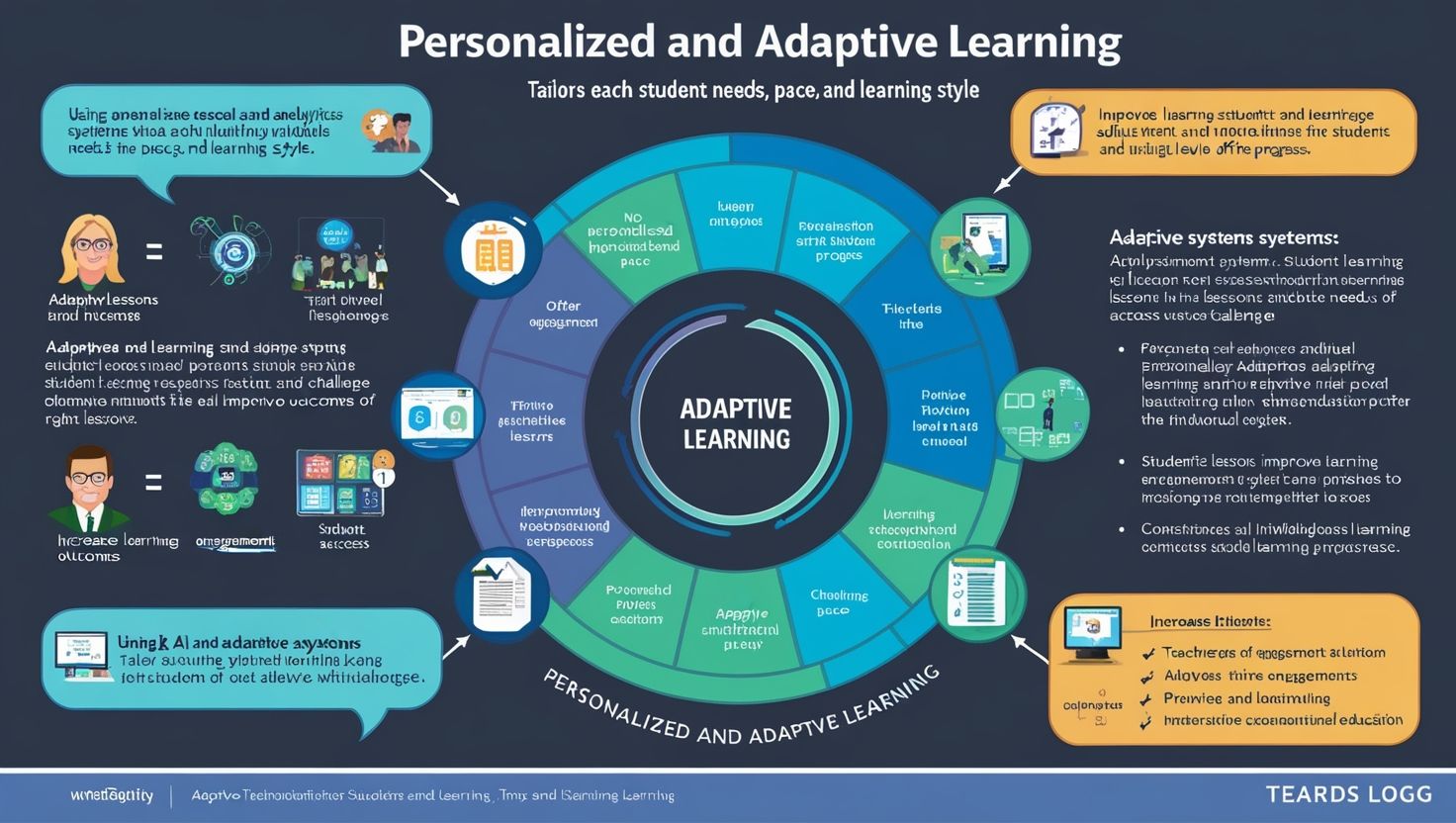
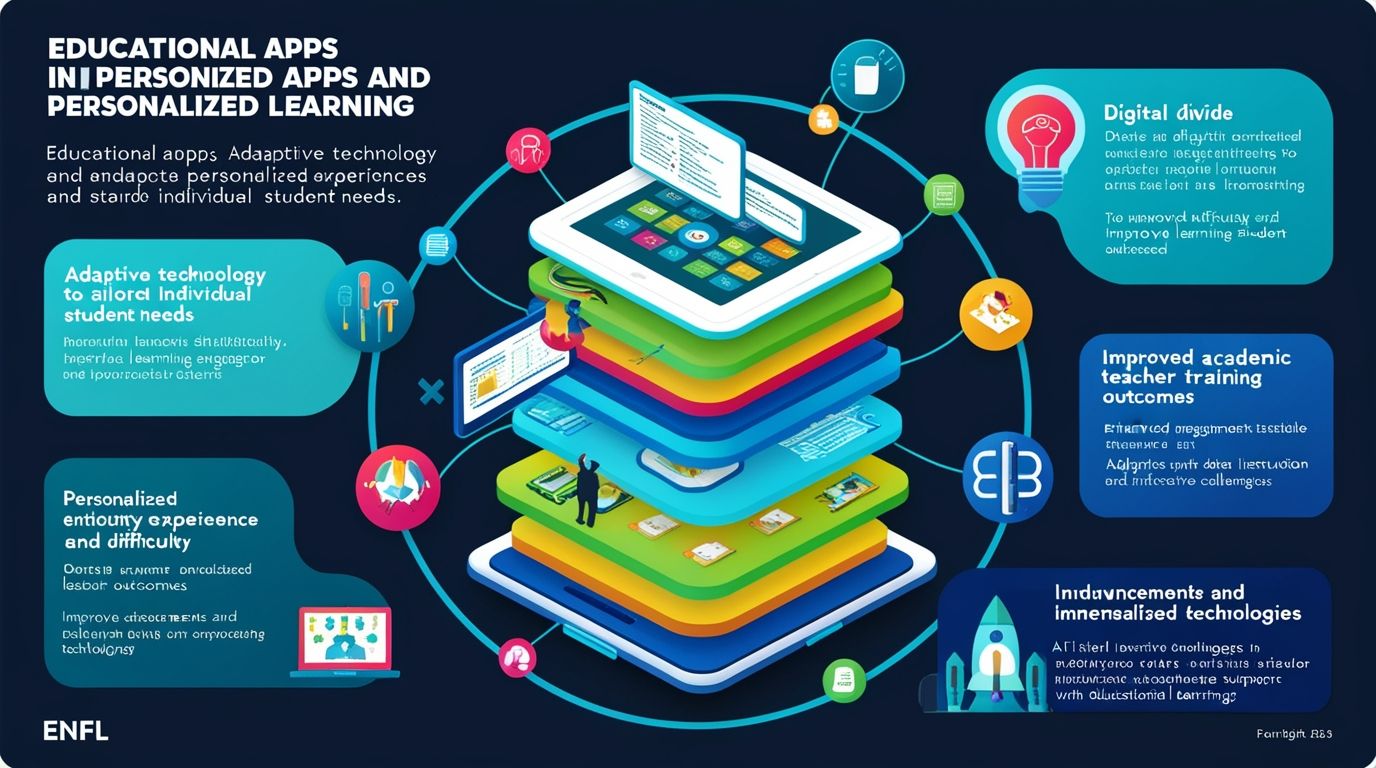
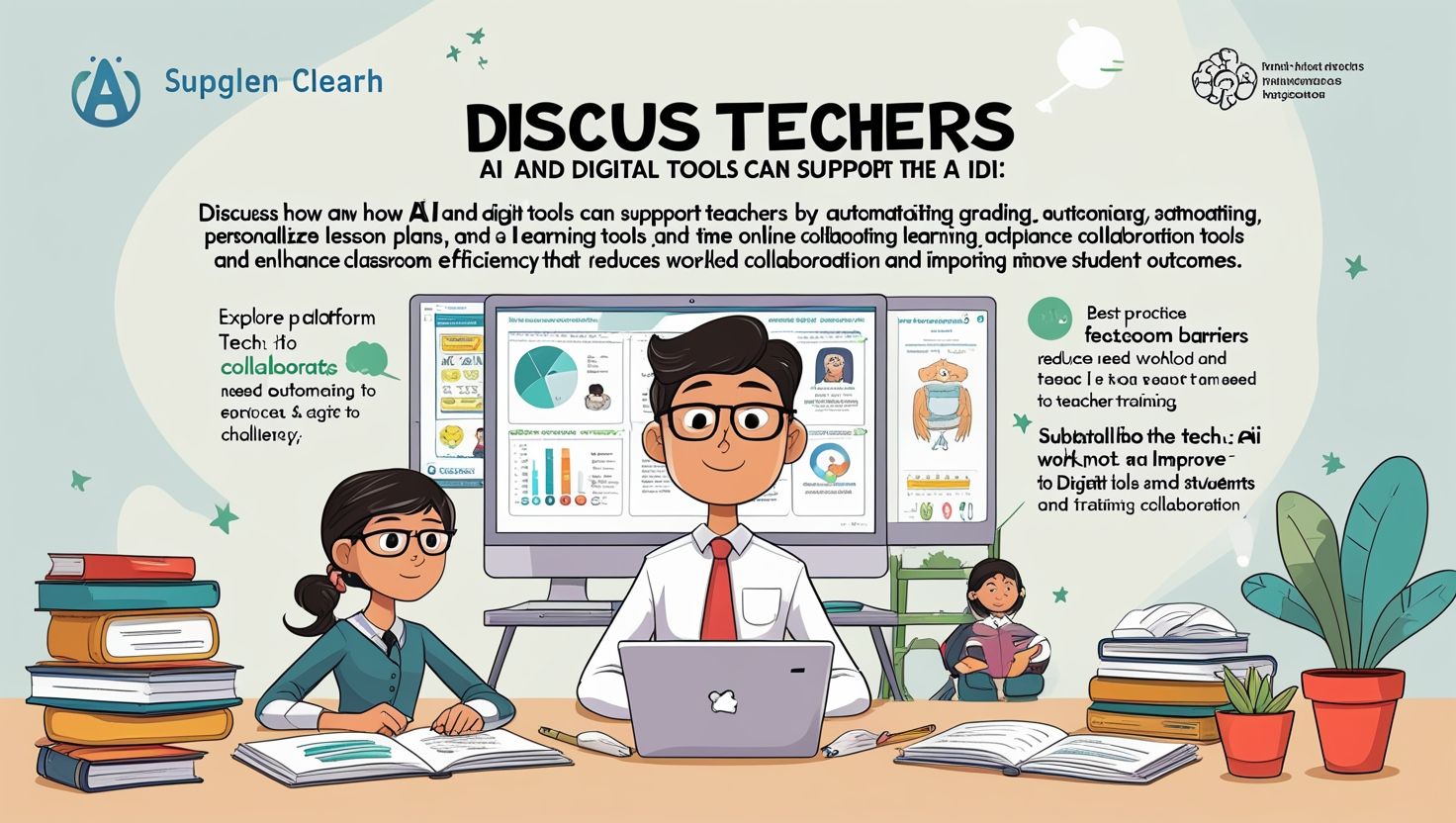
Artificial intelligence is one of the most transformative technologies entering the classroom. With AI-powered platforms, teachers can deliver personalized learning paths tailored to each student’s needs. These systems analyze performance, detect learning gaps, and automatically adjust difficulty levels or recommend targeted resources.
Key Applications of AI in the Classroom
- Adaptive learning platforms: Systems like DreamBox or Khan Academy adjust tasks in real time based on student responses.
- AI-driven tutoring bots: Available 24/7 to answer questions, help with assignments, or explain concepts in simpler terms.
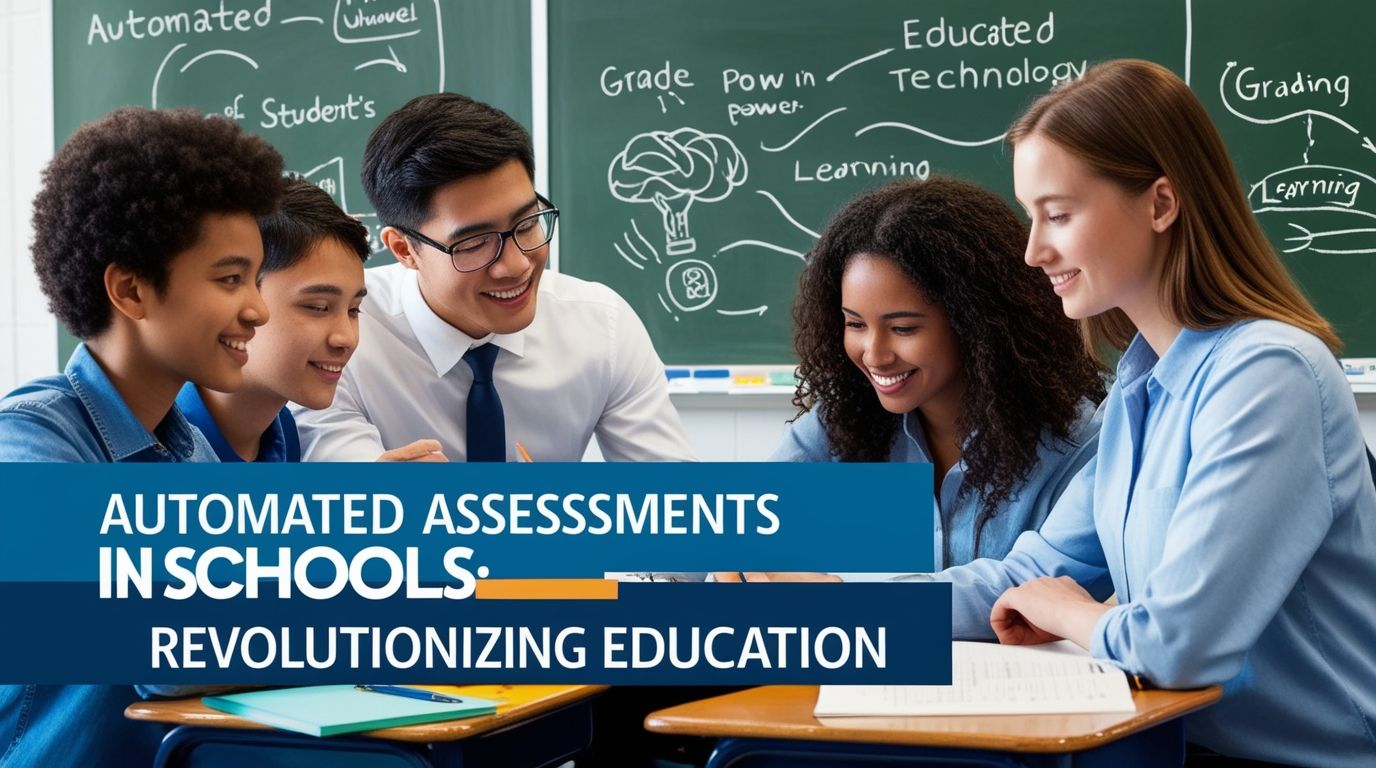
- Assessment automation: AI can grade multiple-choice tests instantly and increasingly supports automated writing evaluation.
Why It Matters
For teachers, AI reduces administrative load and provides deeper insight into student progress. For students, it ensures that instruction meets them where they are—supporting both struggling learners and advanced students.
2. Virtual and Augmented Reality: Immersive Learning Experiences
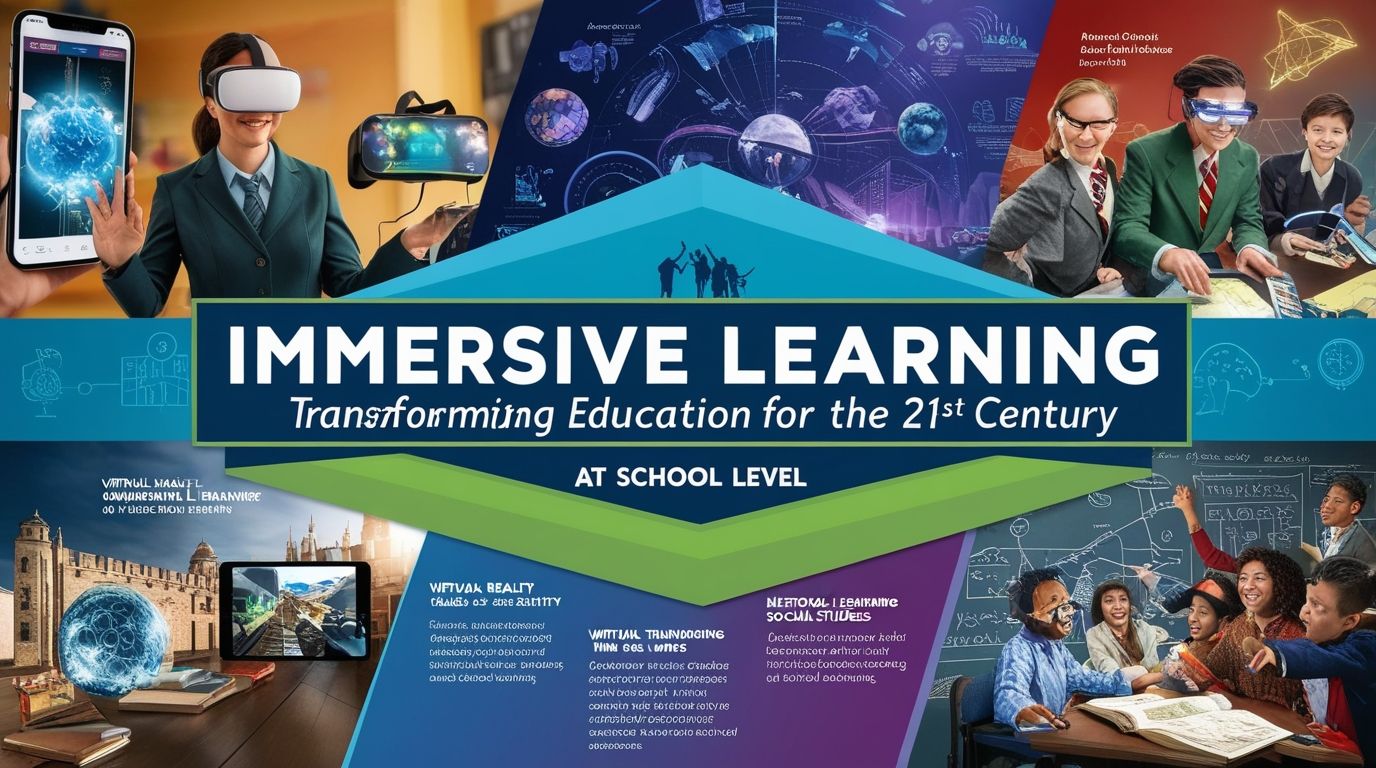
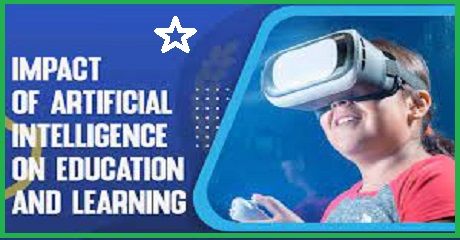
Virtual reality (VR) and augmented reality (AR) have moved from science fiction to the classroom, transforming how students experience complex concepts. These technologies bring difficult or abstract subjects to life through immersive visualization.
Examples of VR and AR in Education
- Virtual field trips: Students can explore ancient civilizations, ocean ecosystems, or space environments without leaving the classroom.
- Science simulations: VR enables safe exploration of chemical reactions, physics experiments, or medical procedures.
- AR-enhanced textbooks: Interactive overlays show 3D objects, animations, or video explanations.
Educational Benefits
Research shows that immersive experiences improve engagement, memory retention, and conceptual understanding. VR/AR allow students to “experience” lessons instead of simply reading about them, making learning more intuitive and enjoyable.
3. Gamification and Game-Based Learning
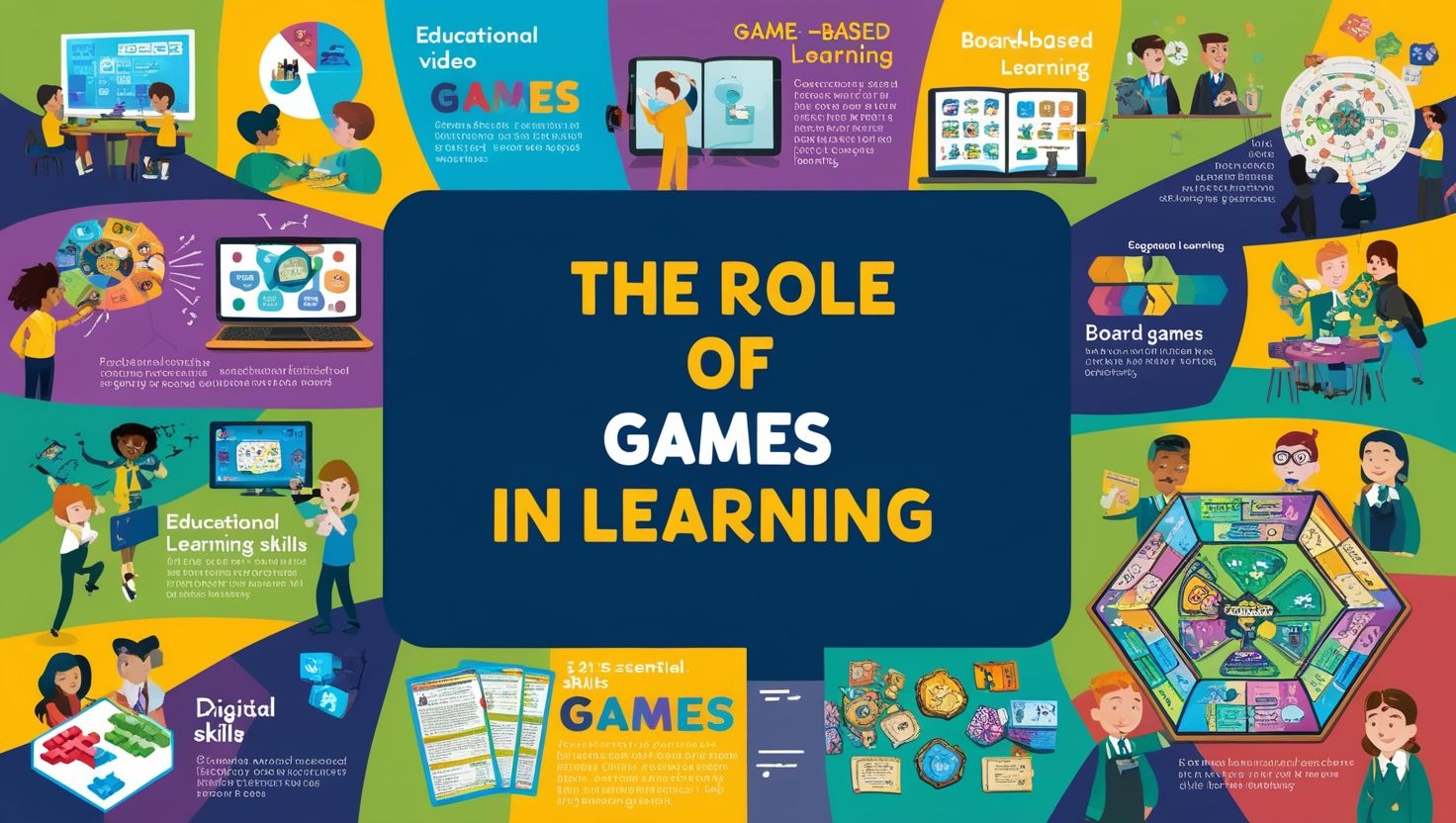
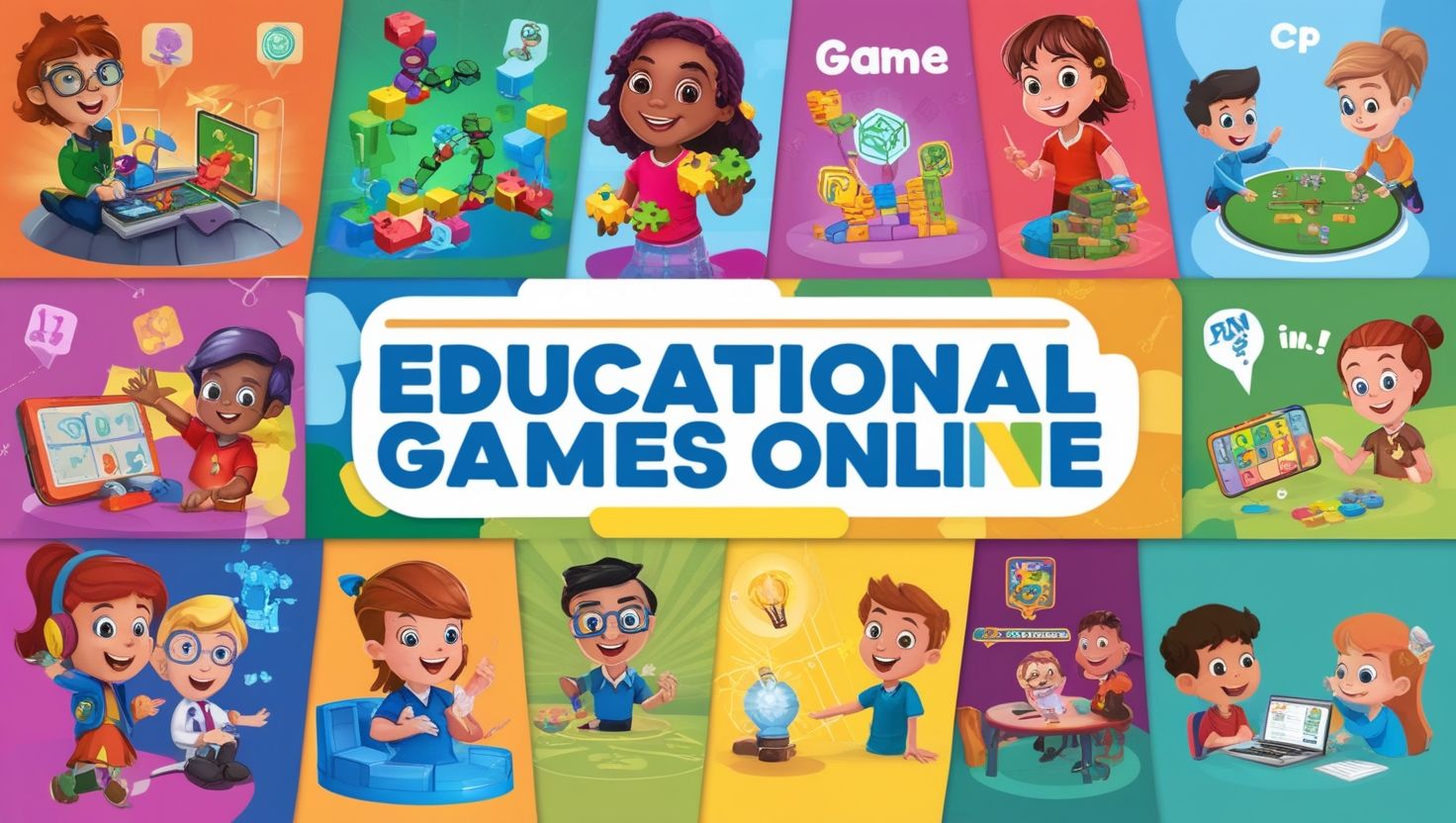
Gamification—using game elements like points, badges, challenges, and leaderboards—has become an increasingly popular classroom strategy. When combined with digital platforms, gamified learning enhances motivation and turns lessons into interactive challenges.
How Gamification Helps Students
- Boosts engagement: Students stay motivated through rewards and interactive tasks.
- Encourages collaboration: Many games require teamwork, strengthening communication skills.
- Provides instant feedback: Students see the outcomes of decisions immediately, reinforcing learning.
Examples in Practice
- Educational games such as Minecraft Education Edition teach engineering, coding, and problem-solving.
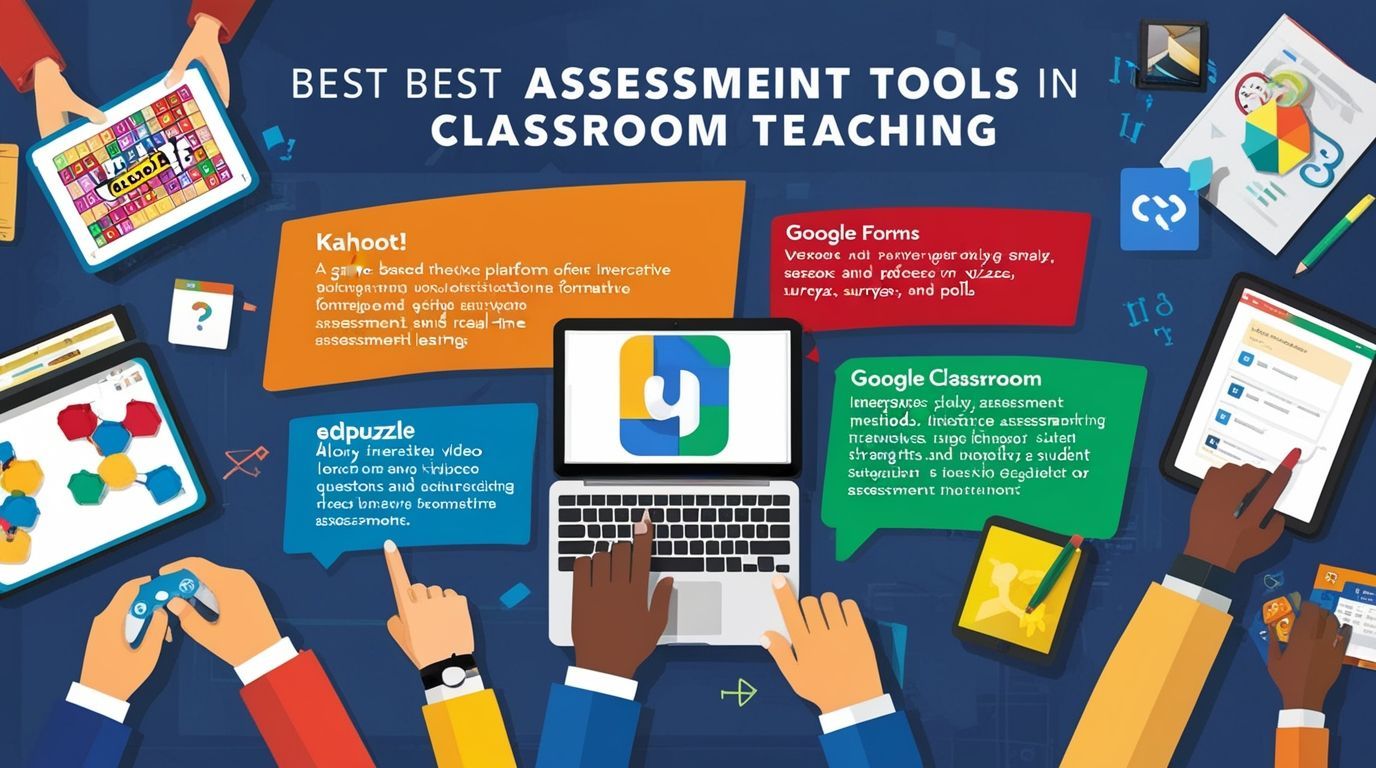
- Quiz platforms like Kahoot! and Quizizz gamify assessments while making them fun.
Gamification redefines learning as an enjoyable and dynamic experience, helping students build skills like resilience, critical thinking, and creativity.
4. Interactive Whiteboards and Touchscreen Displays
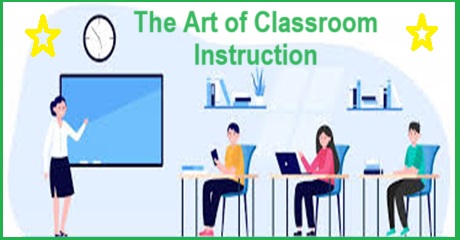
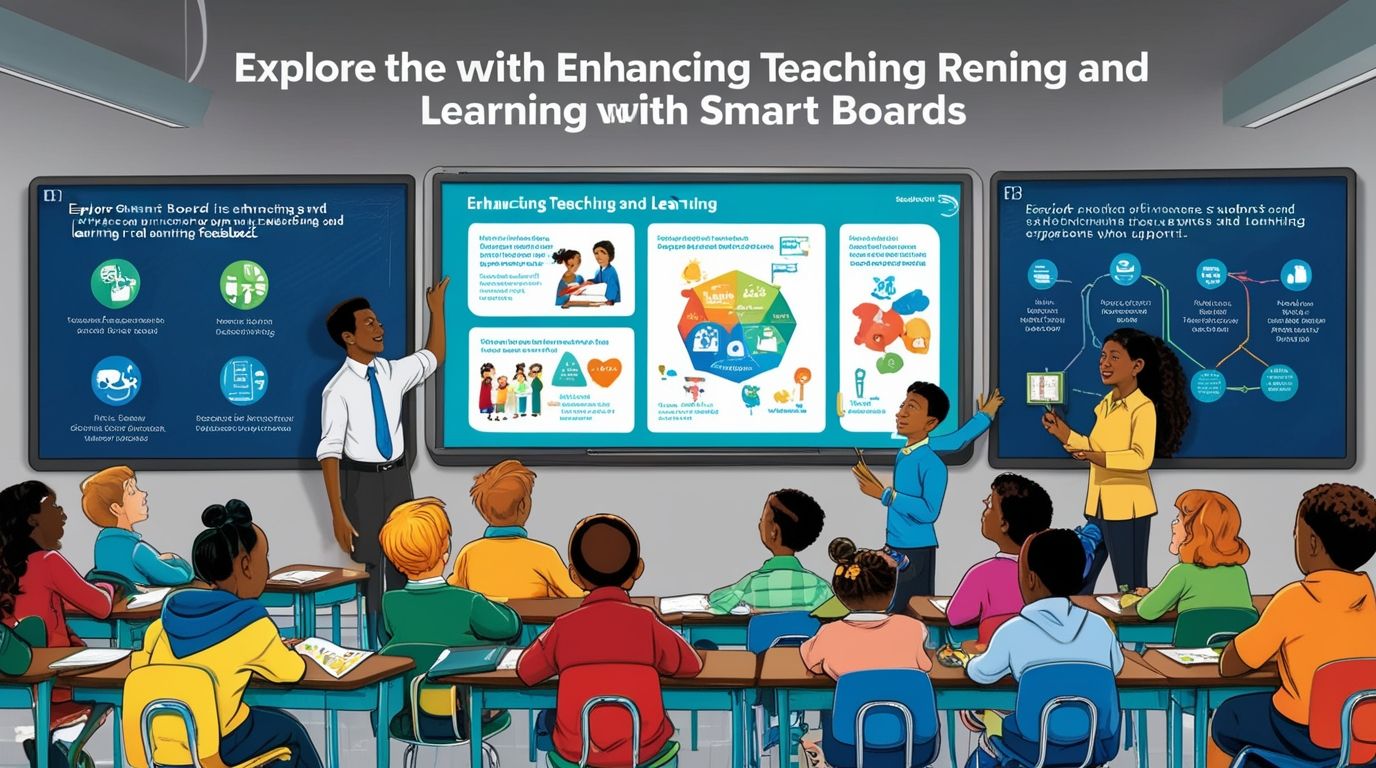
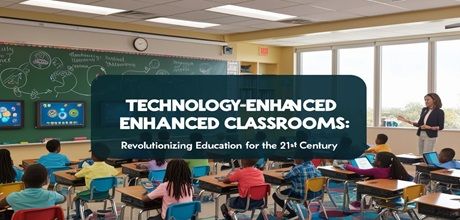
Interactive whiteboards have evolved over the past decade, becoming central to modern classroom instruction. Touchscreen displays allow teachers to present content interactively, annotate in real time, and engage students with multimedia elements.
Features That Enhance Learning
- Real-time annotation: Teachers can highlight key points or solve problems step-by-step.
- Multimedia integration: Videos, images, diagrams, and apps enrich presentations.
- Collaborative activities: Multiple students can interact with the display simultaneously.
These boards transform static lessons into dynamic, visual experiences that accommodate multiple learning styles.
5. Learning Management Systems and Cloud-Based Collaboration
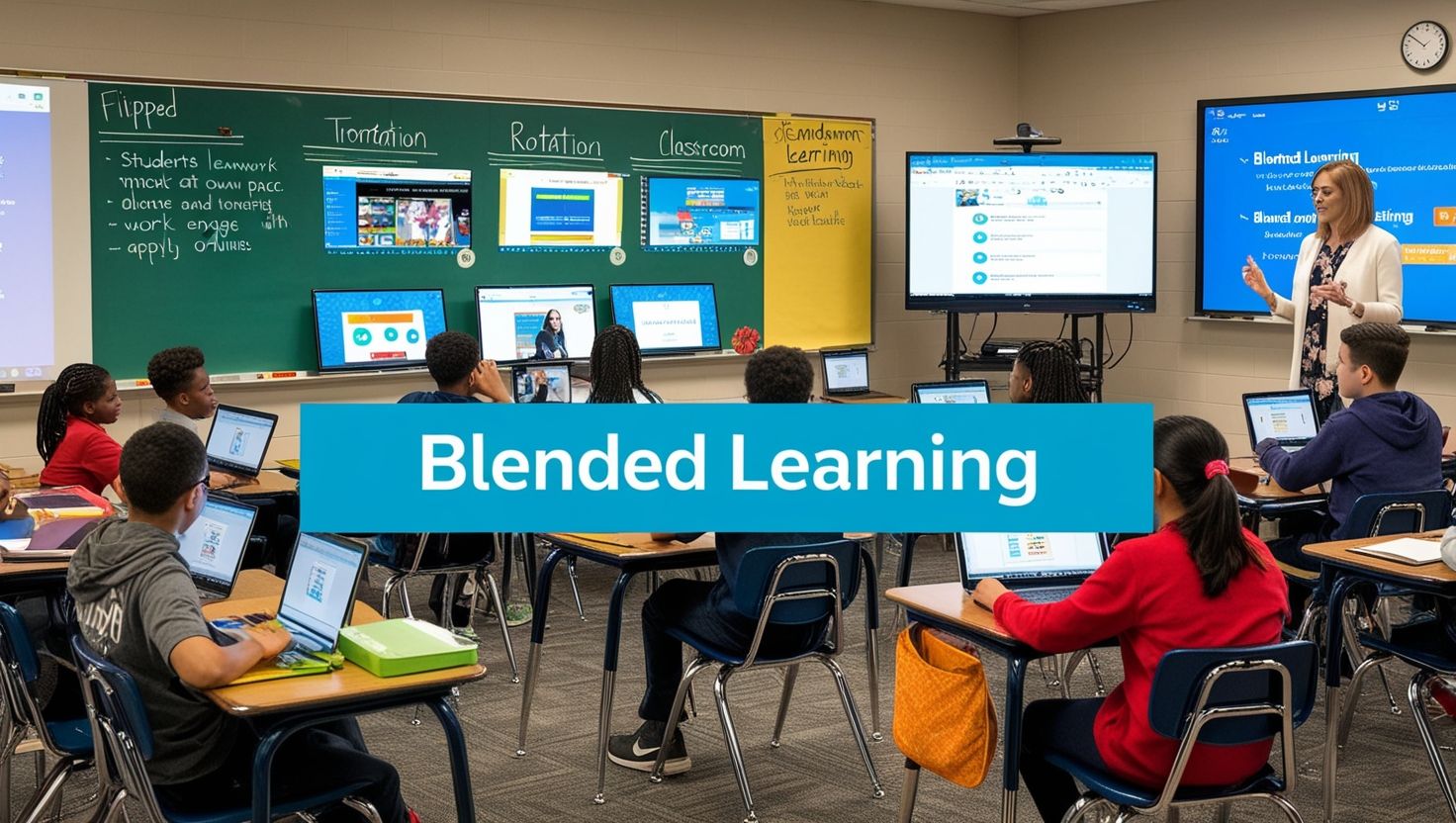
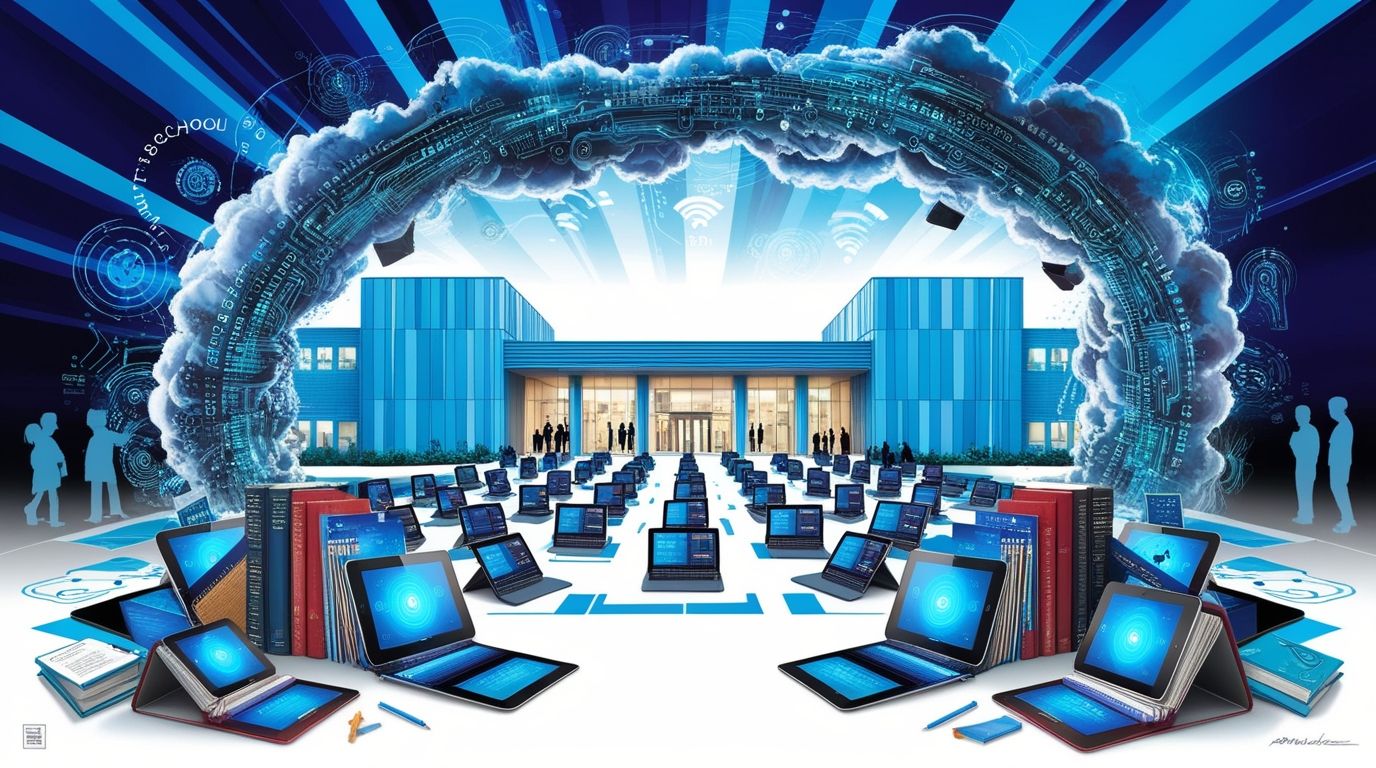
Learning Management Systems (LMS) such as Google Classroom, Canvas, and Moodle have become essential tools in hybrid and traditional classrooms alike. Cloud-based platforms help organize coursework, centralize communication, and streamline assignment submissions.
Benefits of LMS-Based Learning
- Easy access: Students can retrieve assignments, notes, and resources anytime.
- Efficient communication: Teachers can share announcements, feedback, and grades instantly.
- Collaborative tools: Shared documents and group work platforms support teamwork.
LMS technology ensures continuity of learning, especially in virtual or blended environments, while improving organization and accountability.
6. The Rise of Educational Robotics
Robotics programs introduce students to engineering, coding, and problem-solving through hands-on creation. Robots like LEGO Mindstorms, Sphero Bots, or VEX Robotics kits inspire curiosity and innovation.
Why Robotics Matters
- Promotes STEM learning: Students gain familiarity with programming logic and mechanical design.
- Encourages experimentation: Robotics projects let students test ideas and learn from failure.
- Builds 21st-century skills: Creativity, teamwork, and perseverance are strengthened through robotics challenges.
As robotics becomes more affordable, more classrooms worldwide are integrating it into science and technology curriculums.
7. 3D Printing and Maker Spaces
Maker spaces equipped with 3D printers, laser cutters, and modeling software are becoming hubs of creativity in modern schools. These spaces allow students to transform ideas into tangible models.
Educational Uses of 3D Printing
- Designing prototypes for engineering projects
- Printing anatomical models for biology lessons
- Creating geometric shapes for math visualization
- Building historical artifacts for social studies exploration
3D printing encourages innovation and helps students bring theoretical concepts into the real world.
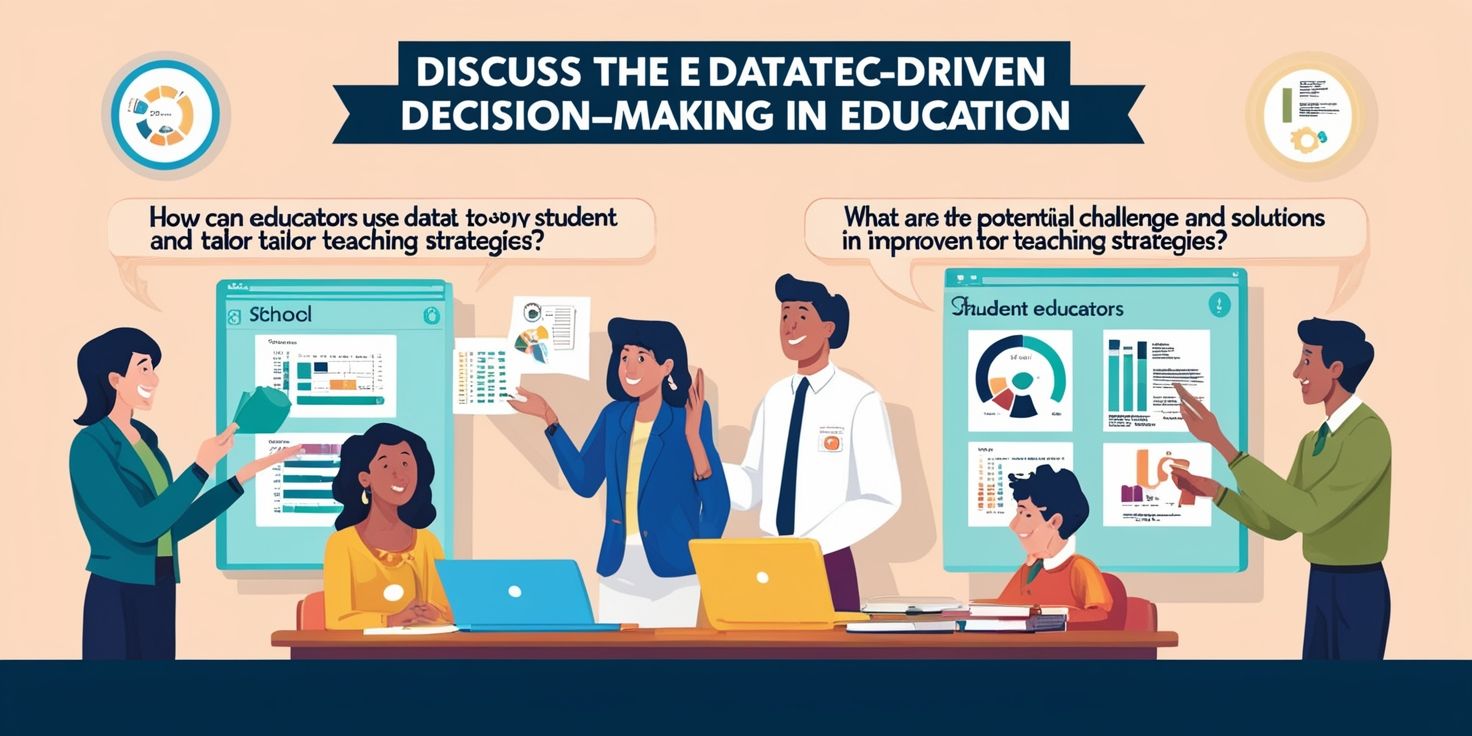
8. Data Analytics and Learning Insights
Data-driven instruction is revolutionizing how teachers understand student learning. Modern tools can track engagement, performance, and even learning behaviors.
How Analytics Support Educators
- Identify learning gaps quickly
- Personalize instruction based on data trends
- Track long-term academic progress
- Improve curriculum effectiveness
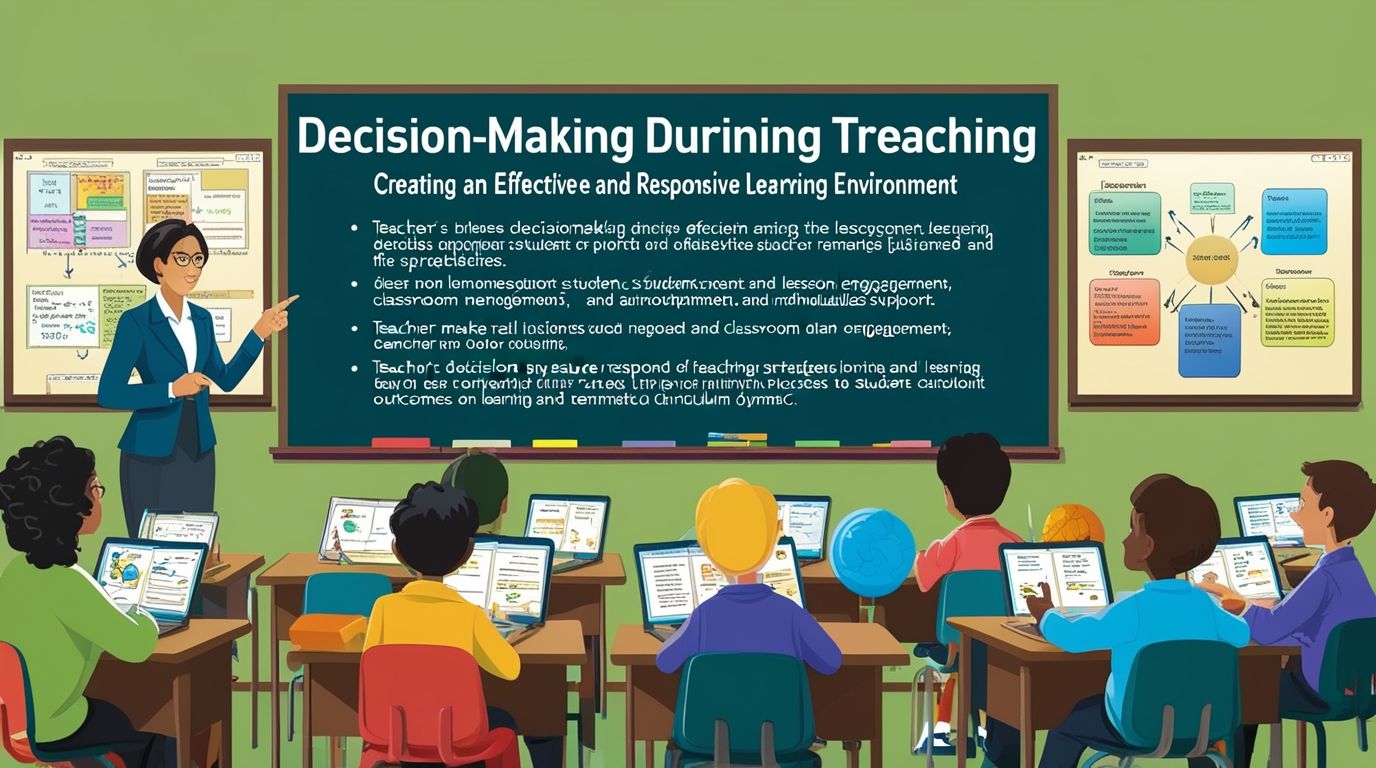
These insights allow teachers to make informed decisions that improve student outcomes and classroom efficiency.
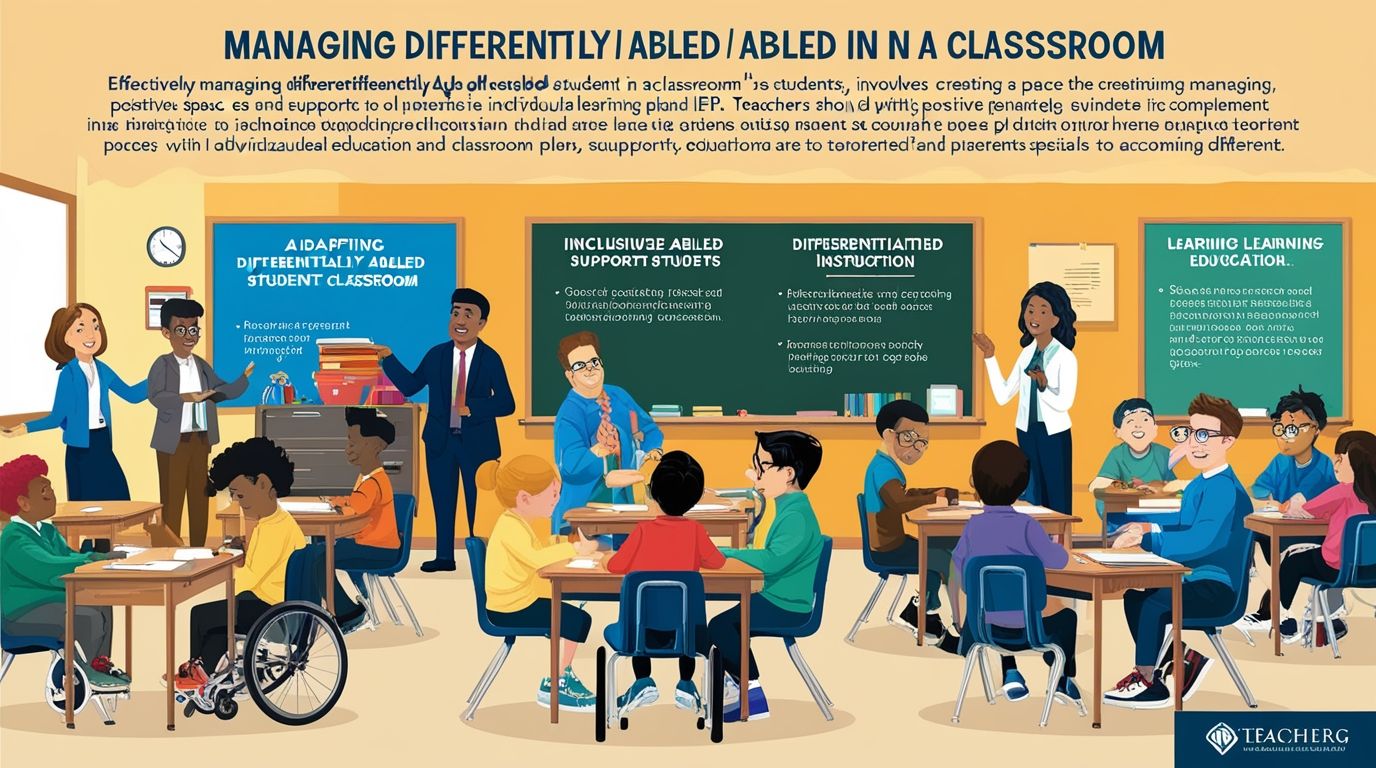
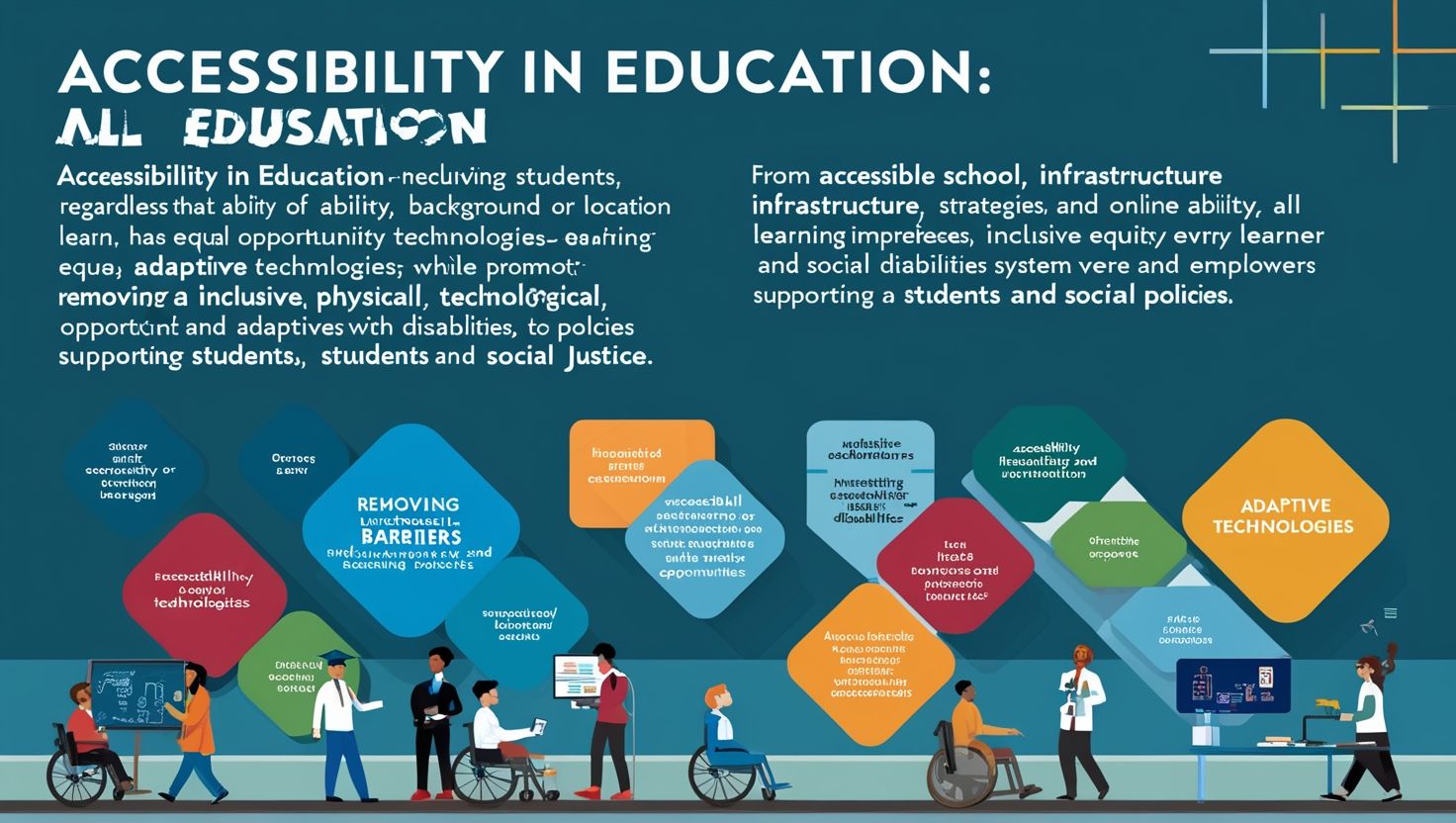
9. Assistive Technologies for Inclusive Education
Innovative technology also plays a crucial role in making education more inclusive. Tools designed for accessibility help remove barriers for learners with disabilities.
Notable Assistive Technologies
- Text-to-speech and speech-to-text tools
- Screen readers for visually impaired students
- Closed captioning for videos
- Adaptive keyboards and communication devices
By integrating these technologies, classrooms become more equitable environments where every student can succeed.
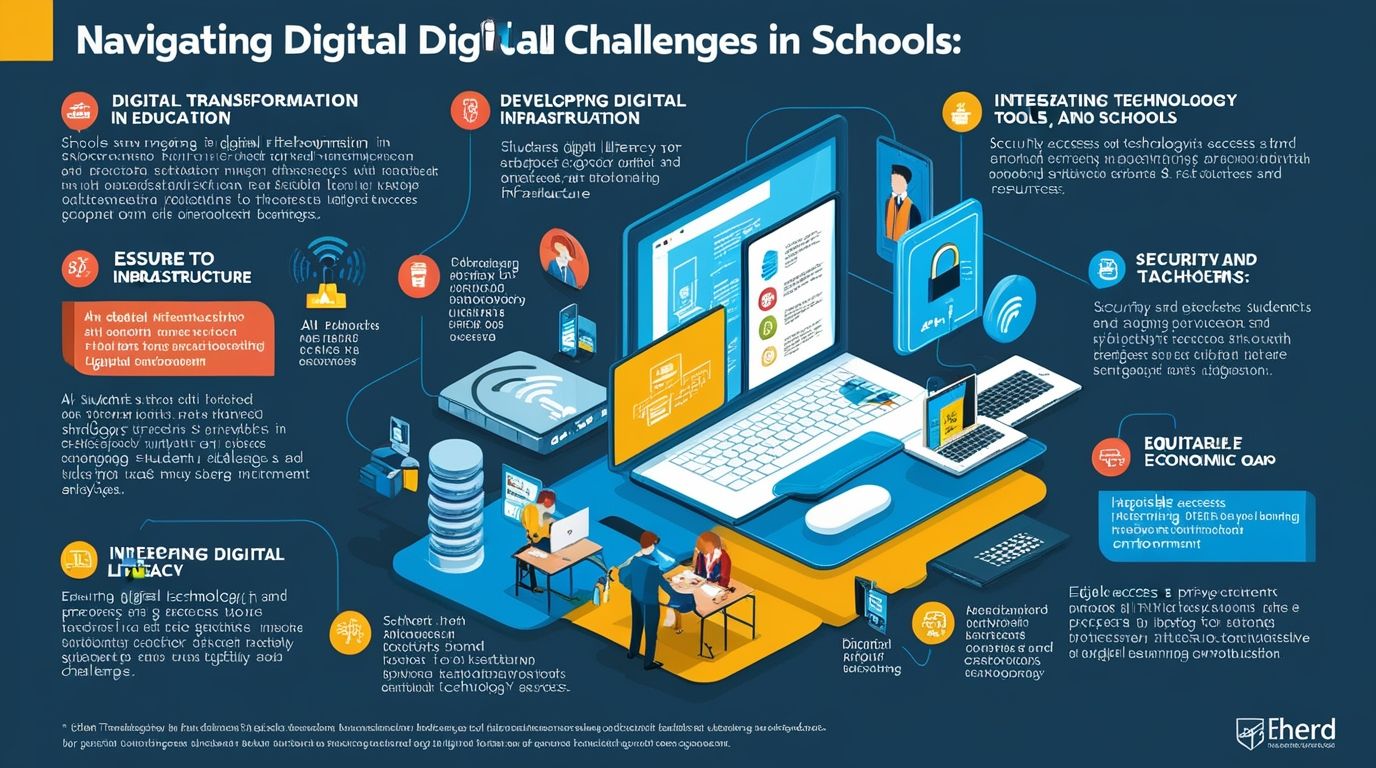
Challenges and Considerations
Despite its benefits, the adoption of classroom technology comes with challenges:
- Cost and access: Not all schools have the budget or infrastructure.
- Teacher training: Effective integration requires professional development.
- Digital equity: Students without devices or internet access may fall behind.
- Privacy concerns: Data security must be prioritized.
Schools must thoughtfully balance innovation with accessibility, training, and ethical considerations.
The Future of Innovative Classroom Technologies
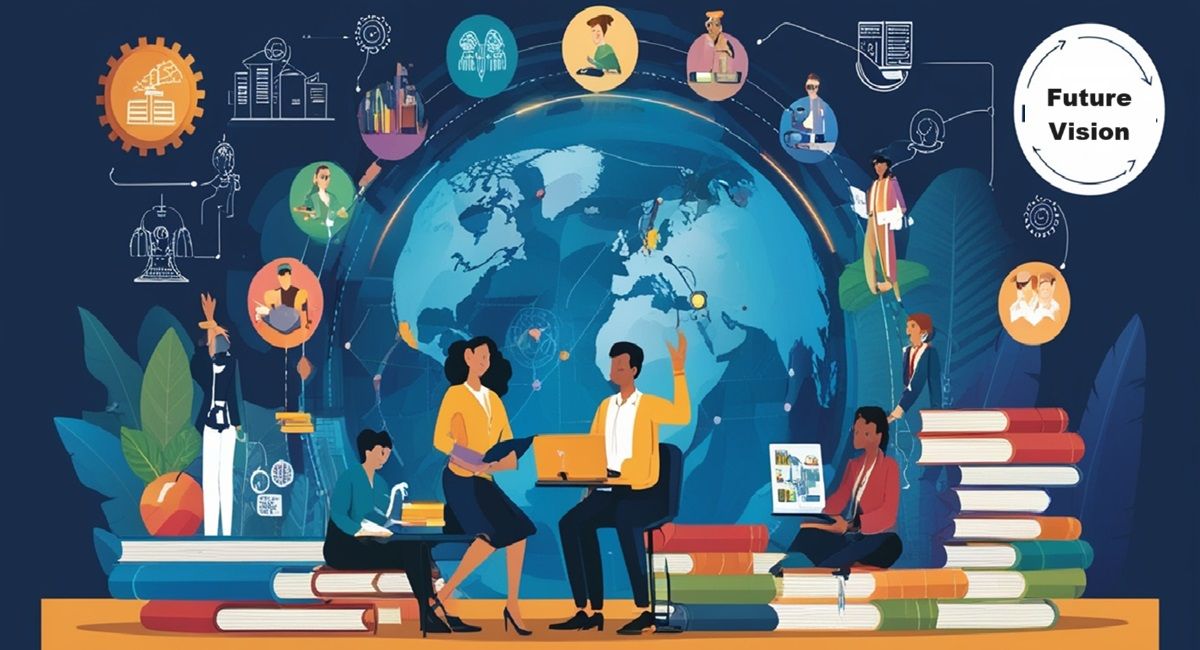
As technology continues to evolve, the future classroom will likely be even more interactive, personalized, and student-centered. Trends such as AI-driven mentors, holographic displays, advanced robotics, and global virtual learning communities are on the horizon.
What remains constant, however, is the importance of human-centered teaching. Technology enhances learning, but educators remain essential guides, mentors, and motivators.
Conclusion
Innovative classroom technologies are redefining what learning can look like. From AI-driven personalization to immersive VR lessons and collaborative cloud platforms, these tools empower students and teachers alike. By embracing thoughtful implementation, educators can create classrooms that prepare learners for an increasingly digital and dynamic world.
References (5)
- Johnson, L., Adams Becker, S., Estrada, V., & Freeman, A. (2014). The NMC Horizon Report: 2014 K–12 Edition. New Media Consortium.
- Pane, J. F. (2018). Strategies for Implementing Personalized Learning. RAND Corporation.
- Dede, C. (2009). “Immersive Interfaces for Learning: VR and AR.” Science, 323(5910), 66–69.
- Papert, S. (1980). Mindstorms: Children, Computers, and Powerful Ideas. Basic Books.
- Mayer, R.E. (2009). Multimedia Learning (2nd ed.). Cambridge University Press.