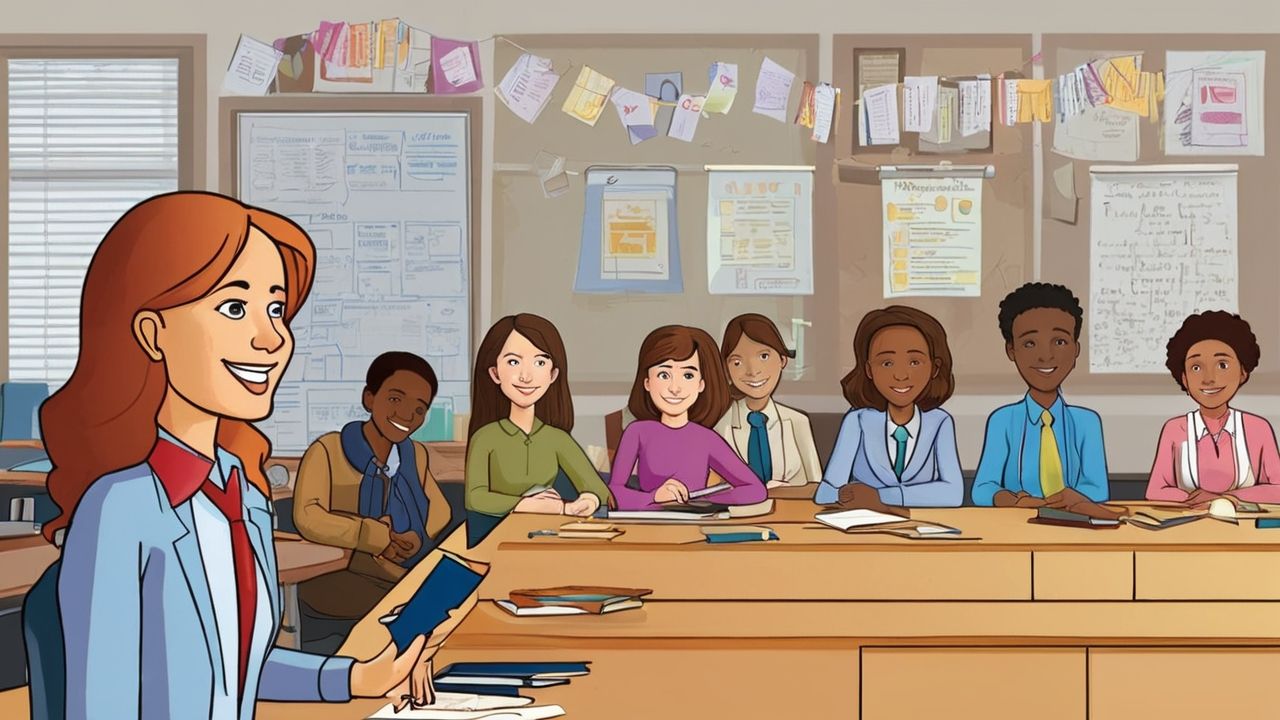
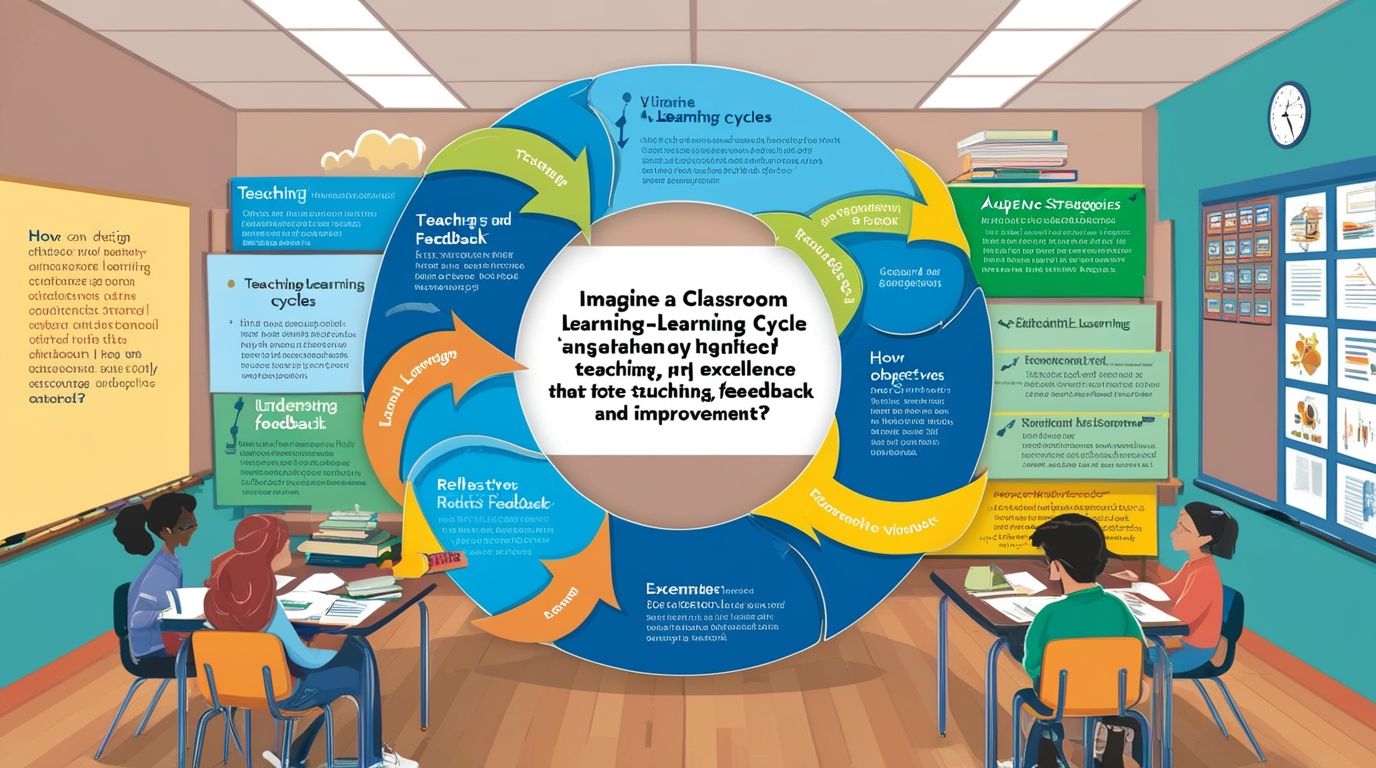
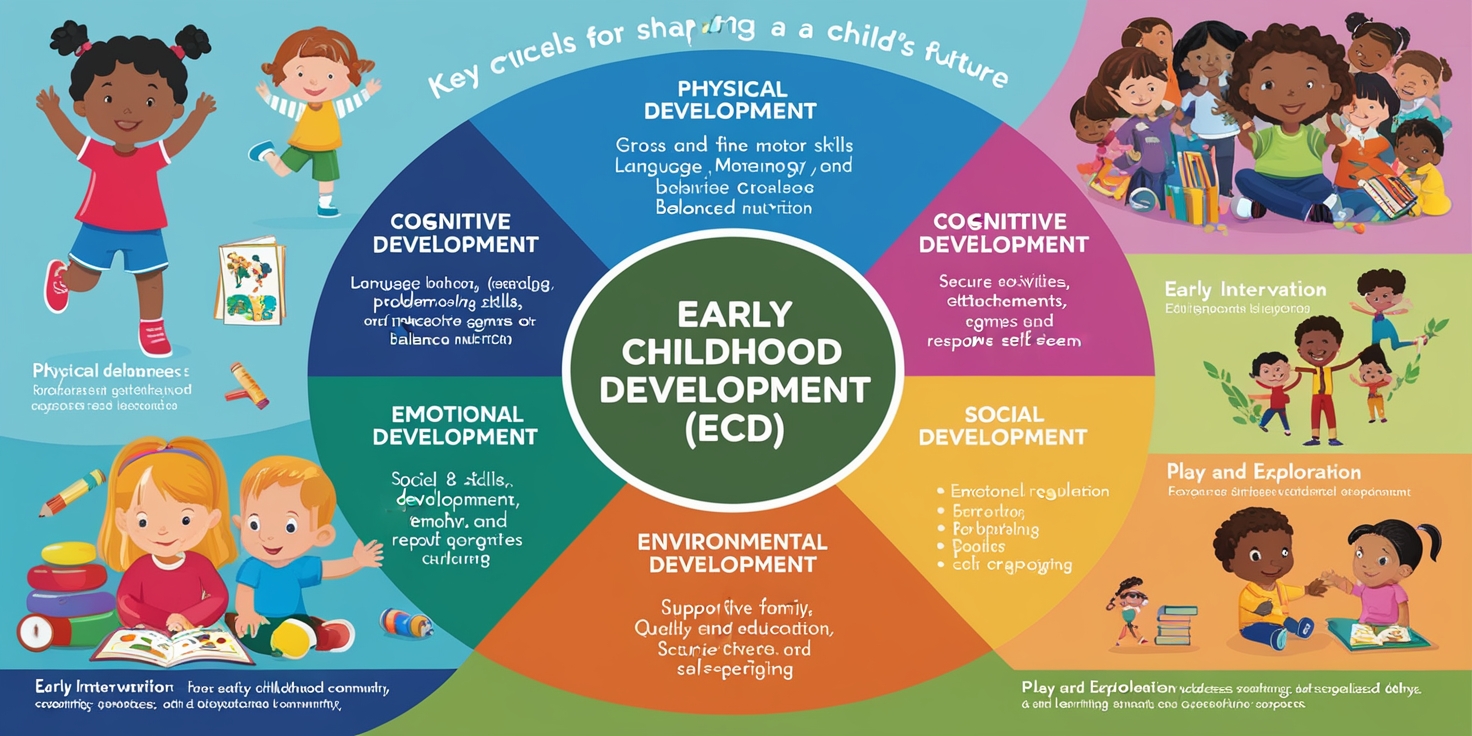
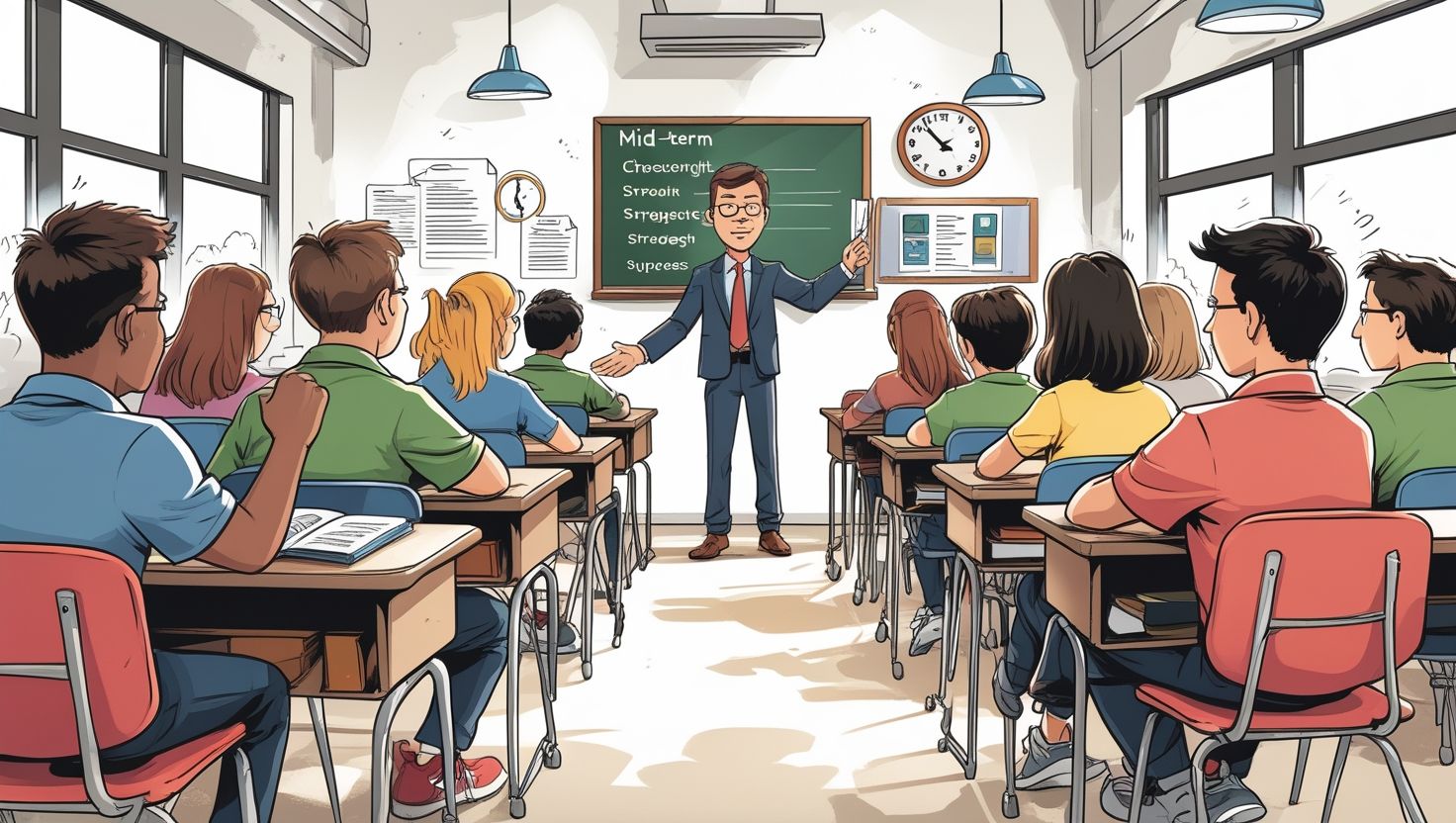
Why Music Belongs in Early Childhood Education, Imagine a classroom where the walls hum gently with rhythm, where tiny hands clap to a steady beat and a chorus of improvised lullabies rises above blocks and crayon marks. Music in early childhood education isn’t a shiny add-on or a teacher’s hobby—it’s a first language, an invisible scaffold that supports everything from counting to empathy. This piece explores the why and how of weaving music into those formative years, with practical glimpses and a few stories to make the theory sing.
Movement and Melody: Building Brains Through Play
Young children learn with their whole bodies. When a three-year-old stomps a beat to a drum or sways to a simple melody, circuits fire in sensorimotor, auditory, and frontal brain regions at once. That multisensory activation is a neuroscientific goldmine: rhythm strengthens temporal processing (helpful for language), melodic patterns scaffold memory, and movement ties learning to bodily experience. In plain terms—music makes abstract learning feel real. Counting becomes less a series of numbers and more a rhythmic dance: “one-two-three” lands when marched to the beat.
Practical idea: start days with a “rhythm roll call.” Sing each child’s name to a short, repeatable rhythm. The class learns names, turn-taking, and a pulse—plus it makes everyone grin.
Language with a Tune: How Songs Teach Speech
Songs compress language into sticky, easily retrievable units. Nursery rhymes and repetitive choruses create predictable structures that young brains latch onto—rhyme, syllable patterns, and prosody (the sing-song of speech). This helps phonological awareness, which is a cornerstone of reading. When children chant “ap-ple, ap-ple” between claps, they’re practicing the very segmentation that later lets them decode print.
Beyond phonics, musical storytelling introduces vocabulary and narrative sequencing. A song about a rainy day can introduce weather words, prepositions, and cause–effect (because it rained, we wear boots). Since music invites repetition, complex language gets repeated without boredom—learning disguised as play.
Emotional Weather Reports: Music for Social and Emotional Development
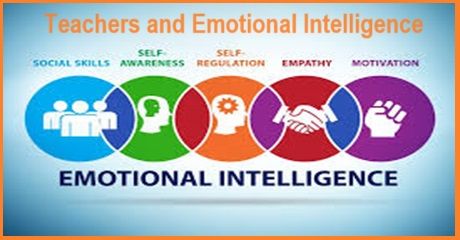
Children often lack the vocabulary to name their feelings. Music provides an expressive outlet that’s immediate and nonjudgmental. A minor-key, slow lullaby invites quiet and reflection; a fast, upbeat tune energizes and resets. Classroom rituals that use music—like a calming “wind-down” melody after recess—offer children reliable emotional anchors. Over time, these rituals teach self-regulation: the child learns to breathe in time with a melody, to notice their heart slowing as the song softens.
Music also cultivates empathy. When children collaborate on creating a song or take turns leading a chant, they practice listening—not just hearing, but responding. That cooperative attention is the soil from which social skills grow.
Math in Disguise: Counting, Patterns, and Fractions
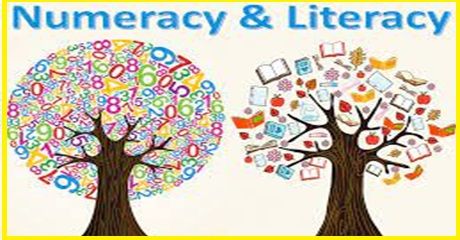
Rhythm and music are pattern machines. A simple four-beat measure teaches division of time naturally: whole, half, quarter notes—these are fraction ideas disguised as beats. Clapping patterns help children internalize binary (strong–weak), ternary (waltz-like), and more complex groupings that mirror mathematical concepts. Repetitive song structures—verse, chorus, bridge—teach sequencing and categorization.
Classroom experiment: use a simple drum pattern to explore halves and quarters. Clap a steady pulse and then divide each pulse into two or four small claps. Watch faces light up as abstract fractions become tactile.
Creativity and Identity: Songs as Cultural Storytellers
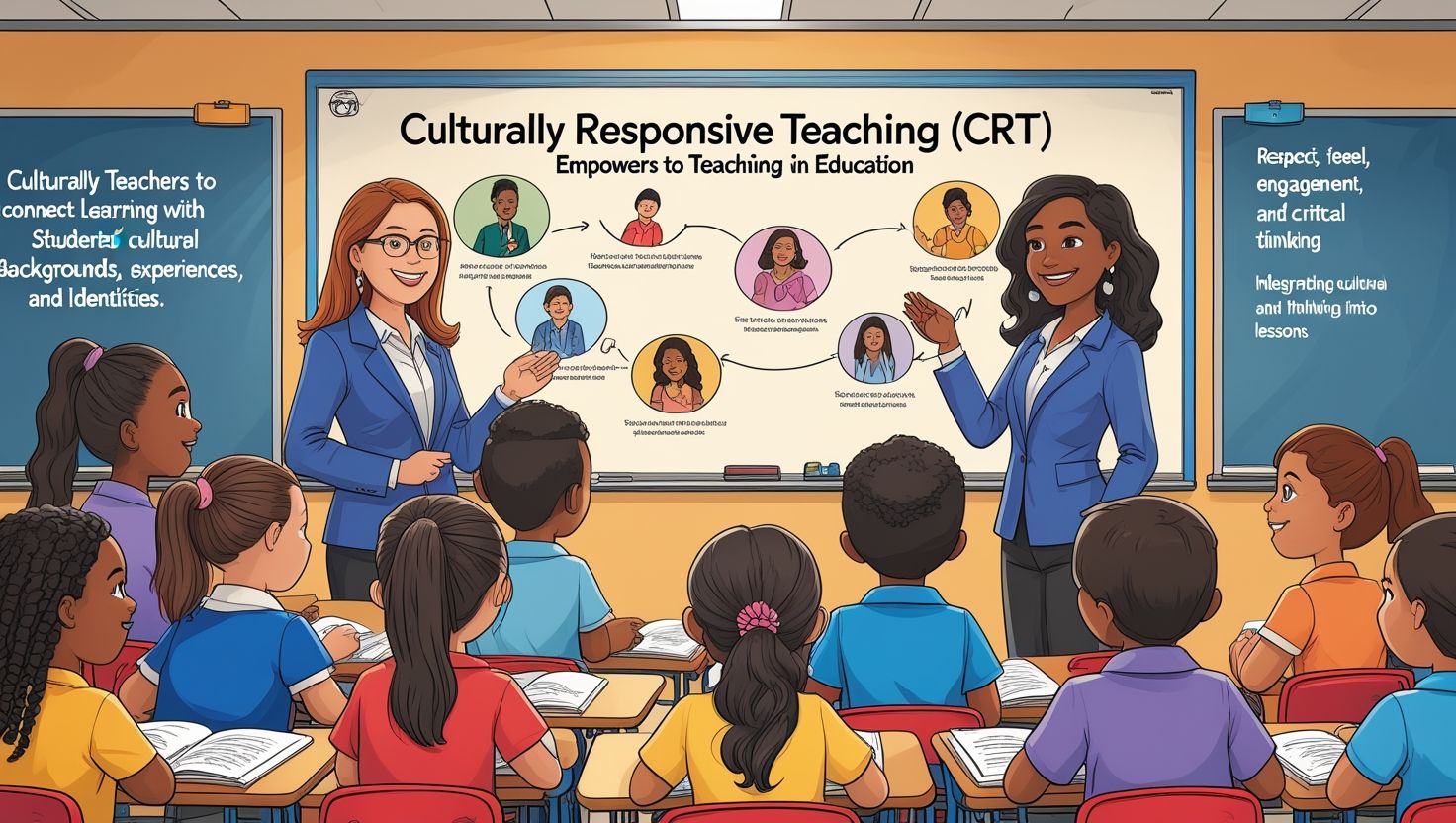
Music carries culture. Folk songs, simple chants, and lullabies are portable histories—they teach children about family routines, migrations, languages, and values. Introducing diverse musical traditions communicates that many voices belong in the classroom. When children bring a song from home and teach it to peers, they assert identity and foster belonging.
This is also a place for self-directed creation. Allowing children to compose short melodies or set their names to a rhythm affirms agency and turns passive listeners into active creators. Creativity here is not judged by “correctness” but by curiosity—the joyous “what happens if…?” that fuels lifelong learning.
Low-Cost, High-Impact: Practical Strategies for Teachers
You don’t need a piano or professional training to bring music into a classroom. Here are low-barrier strategies that scale from short moments to whole-day practices:
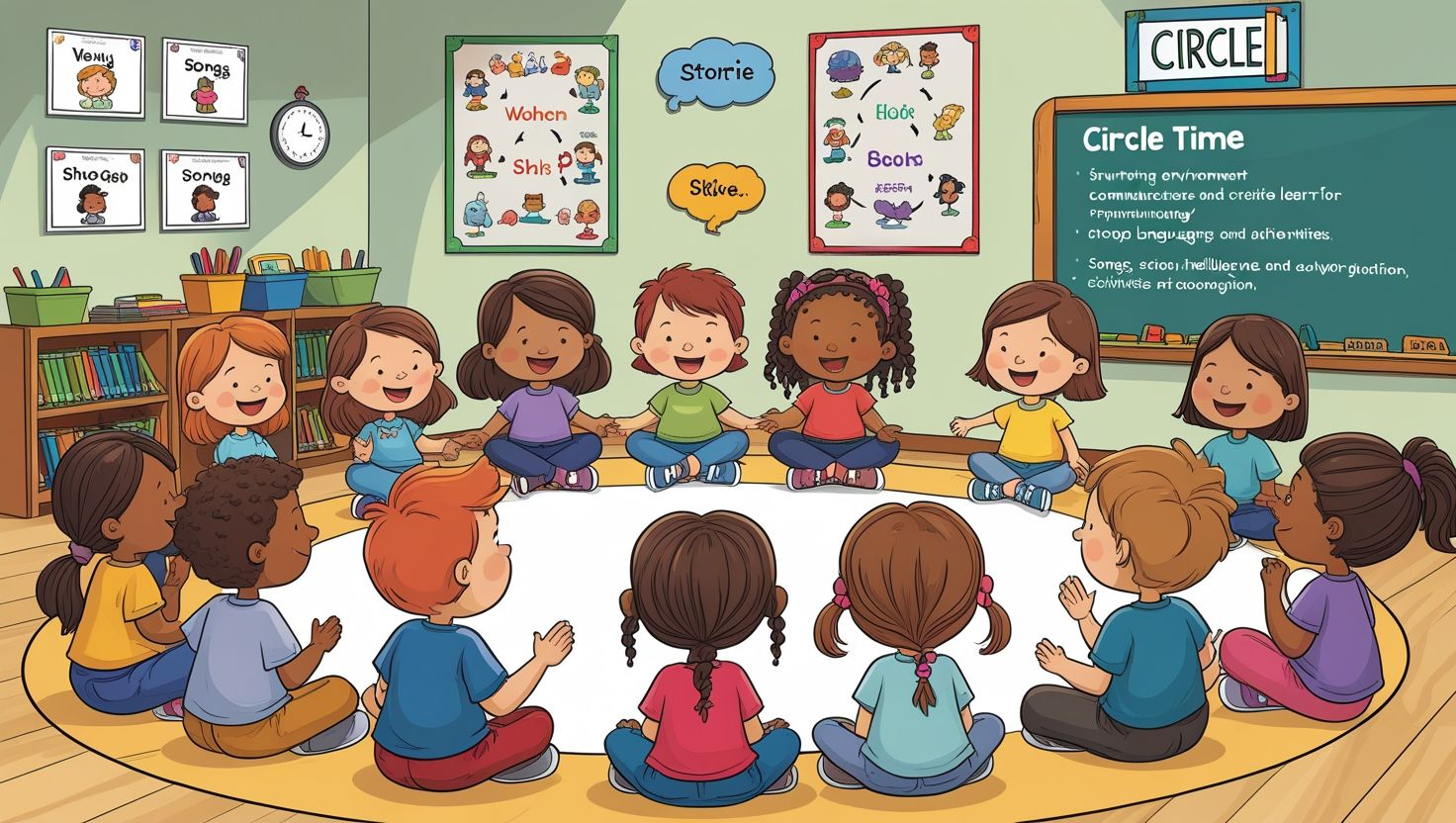
- Transition Tunes: Use the same two songs for “cleanup” and “circle time.” Predictability reduces friction during routine switches.
- Call-and-Response: Teach a short phrase; have the class echo. This builds attention and listening skills.
- Sound Walks: Go outside and ask children to notice environmental sounds—leaves, footsteps, distant engines—and imitate them. This sharpens auditory discrimination.
- Instrument Corners: Simple percussion—shakers, tambourines, pots—invite exploration. Rotate materials weekly to maintain novelty.
- Story-Songs: Turn read-alouds into sing-alouds. Repetitive lines become hooks kids will chime in on, boosting comprehension.
These activities are inexpensive and adaptable to different ages and classroom sizes. The key is consistency; even brief daily musical moments aggregate into substantial developmental gains.
Assessment Without Pressure: Observing Musical Growth
Teachers often worry about “measuring” music. The trick is to observe behaviors, not perfect pitch. Useful markers include:
- Ability to move to a steady beat.
- Increasingly complex imitation of rhythm patterns.
- Use of music to regulate emotions (seeking a soothing song when upset).
- Initiating musical play with peers.
Document these in anecdotal notes or quick checklists. Assessments in early childhood are snapshots—look for trajectories, not one-off performances.
Partnerships: Involving Families and Communities
Music is a bridge between home and school. Invite families to share songs, create simple “home music” kits with pots, spoons, and scarves, or host a shared singalong night. Community musicians—local elders, cultural groups, or college music students—can bring fresh repertoires and models of musical engagement. These partnerships expand the classroom’s sonic palette and model that music belongs to everyone, not just specialists.
Challenges and Mindful Inclusion
Not all children experience music the same way. Sensory sensitivities, hearing differences, or trauma histories may make certain sounds overwhelming. Teachers should offer choices—ear-covering options, quiet corners, or alternative non-auditory activities—so all children can participate safely. When introducing unfamiliar cultural music, do so with respect and context; avoid tokenism by connecting songs to stories, instruments, or classroom projects.
Closing Verse: A Classroom That Sings
Imagine the scaffolded outcomes: a child who can segment syllables because she learned songs with clear rhythmic phrasing; a shy boy who finds his voice through a chant and then leads a group; a class that sorts blocks and builds patterns after hours of rhythmic play. These are not fanciful dreams—they’re everyday possibilities when music is treated as a core language of the classroom.
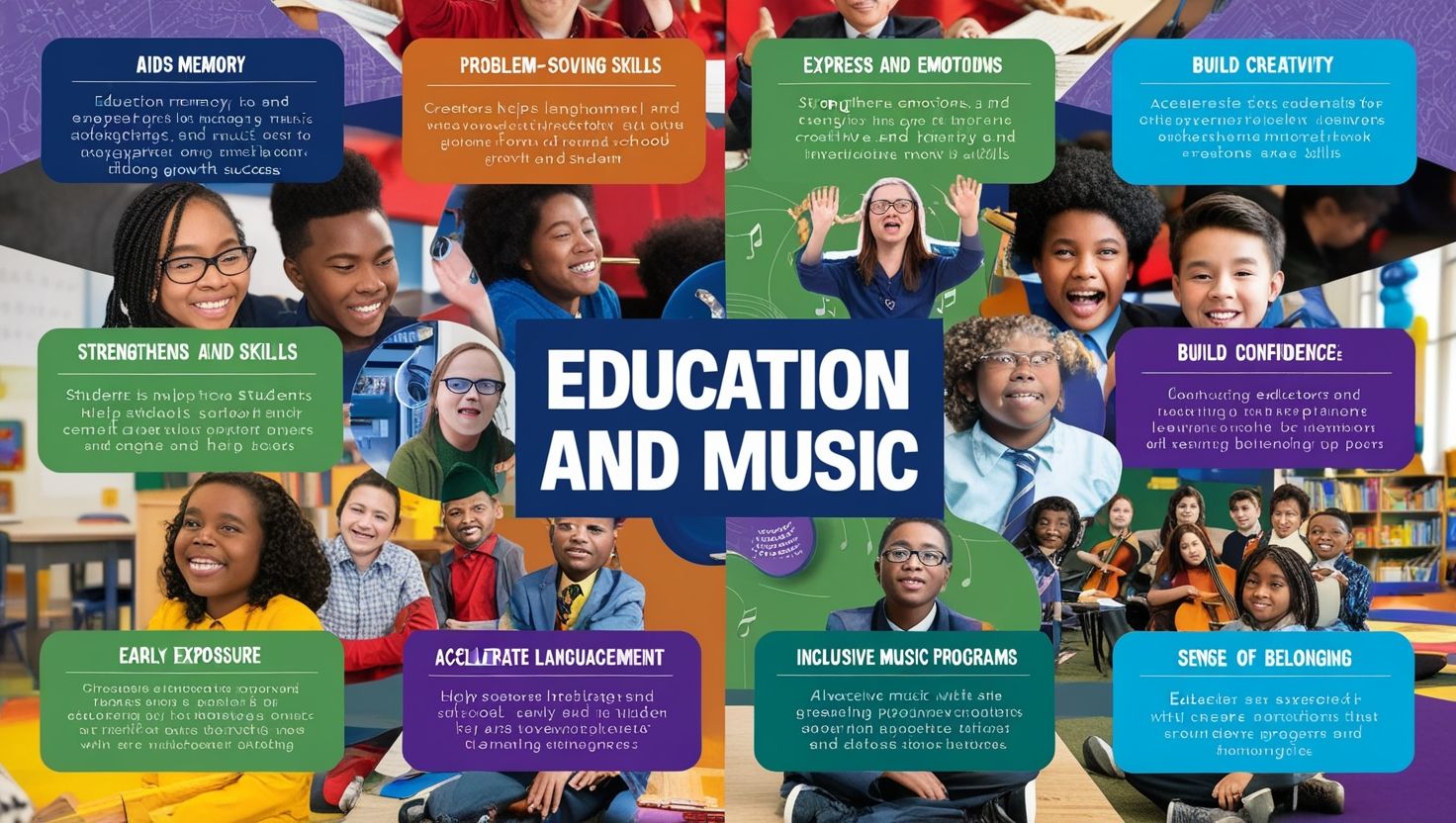
Incorporating music into early childhood education is both pragmatic and poetic. It’s pragmatic because it accelerates language, attention, and numeracy; it’s poetic because it allows children to tell stories, feel deeply, and connect with others. The most effective programs don’t make music an add-on but an integrated thread—woven through transitions, read-alouds, and free play. When music lives in the rhythm of the day, learning becomes less a ledger of skills and more a lived, joyful experience.
Let classrooms hum. Let teachers trust songs as lesson plans. And let children, from the very start, learn that the world is full of sounds waiting to teach them how to count, speak, feel, and belong.
References
Hallam, S. (2010). The power of music: its impact on the intellectual, social and personal development of children and young people. International Journal of Music Education, 28(3), 269–289.
Schellenberg, E. G. (2004). Music lessons enhance IQ. Psychological Science, 15(8), 511–514.
Ho, Y.-C., Cheung, M.-C., & Chan, A. S. (2003). Music training improves verbal but not visual memory: Cross-sectional and longitudinal explorations in children. Neuropsychology, 17(3), 439–450.
Gordon, E. E. (1997). Learning sequences in music: A contemporary music learning theory (Vol. 1). GIA Publications.