Introduction
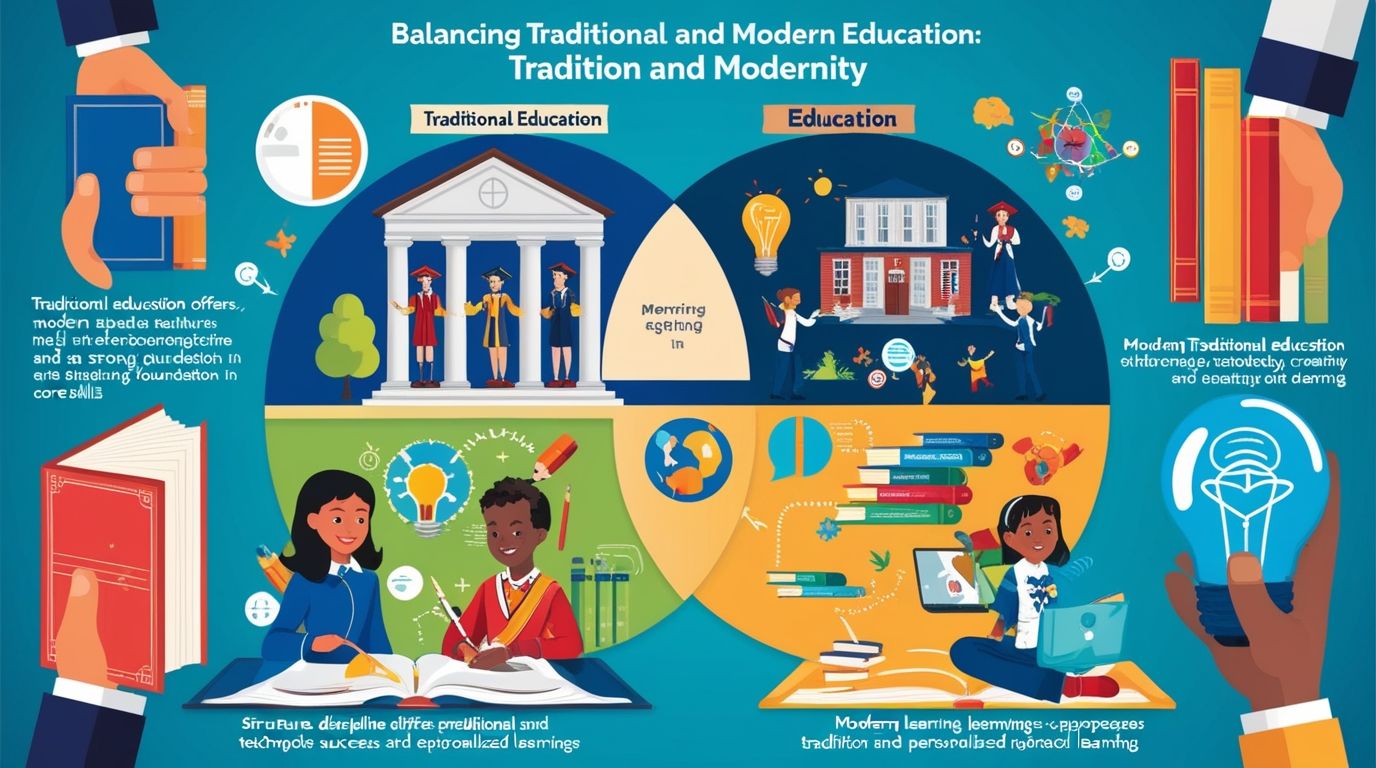
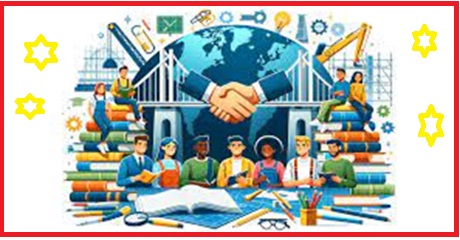
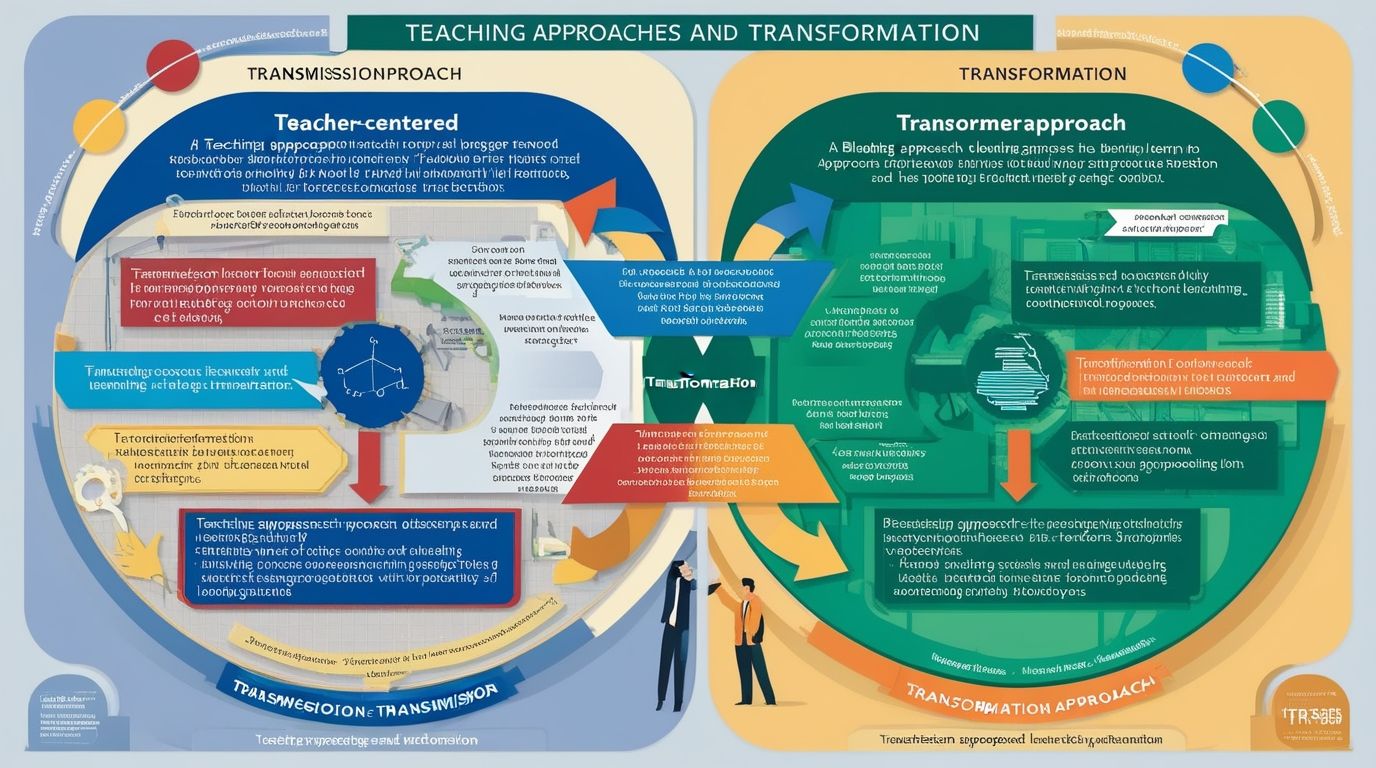
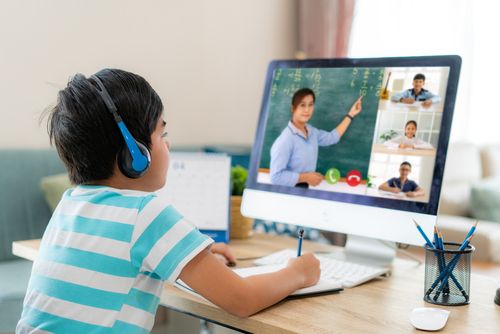
Modern Educational Structure, The modern educational structure represents a transformative shift from traditional, teacher-centered instruction to a learner-centered, flexible, and technology-driven system. It is designed to meet the demands of the 21st century by equipping learners with knowledge, skills, values, and adaptability needed for a rapidly evolving global society.
1. Foundational Levels of Education
Modern education is organized into progressive stages that support holistic development:
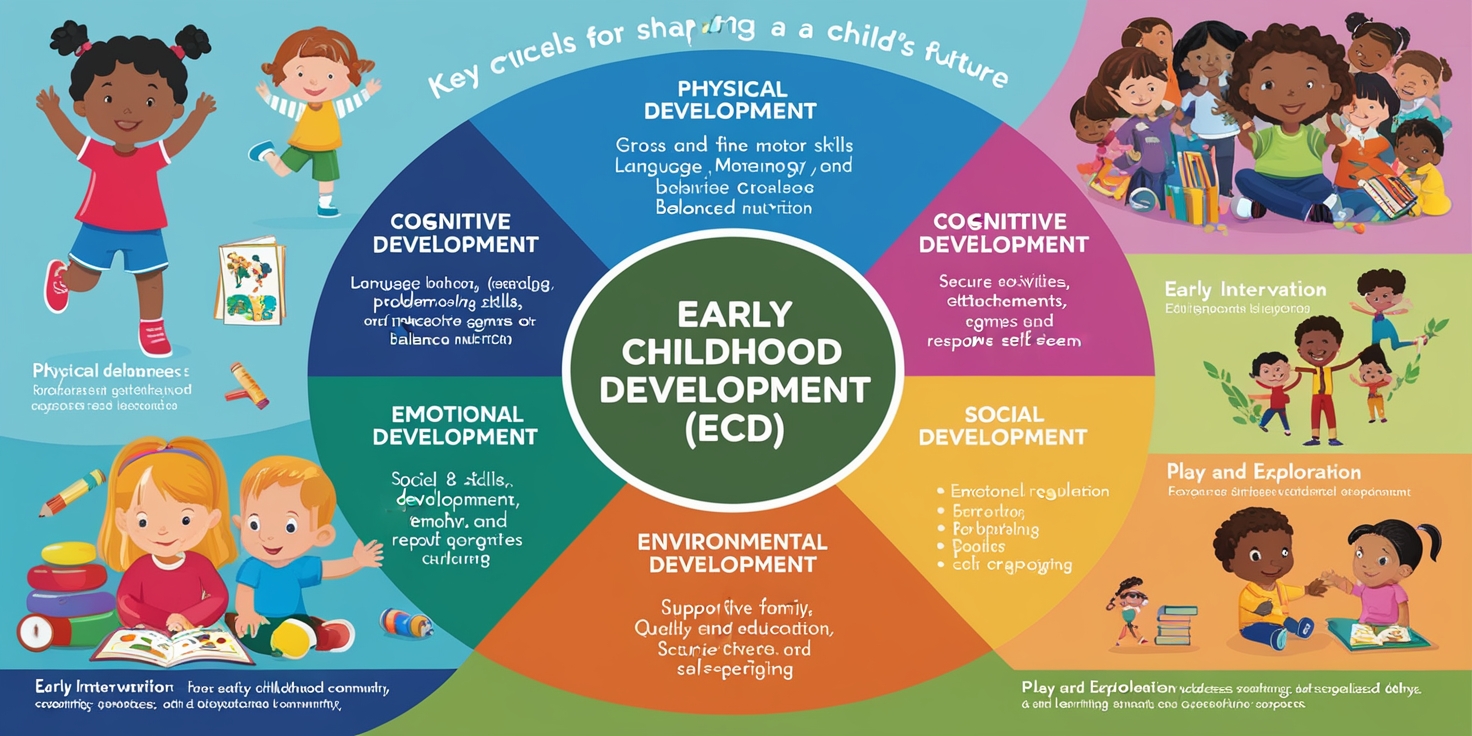
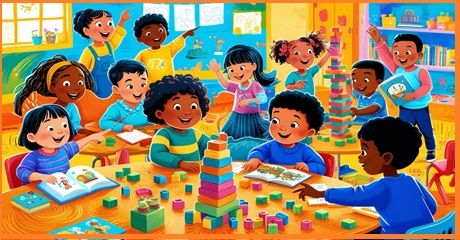
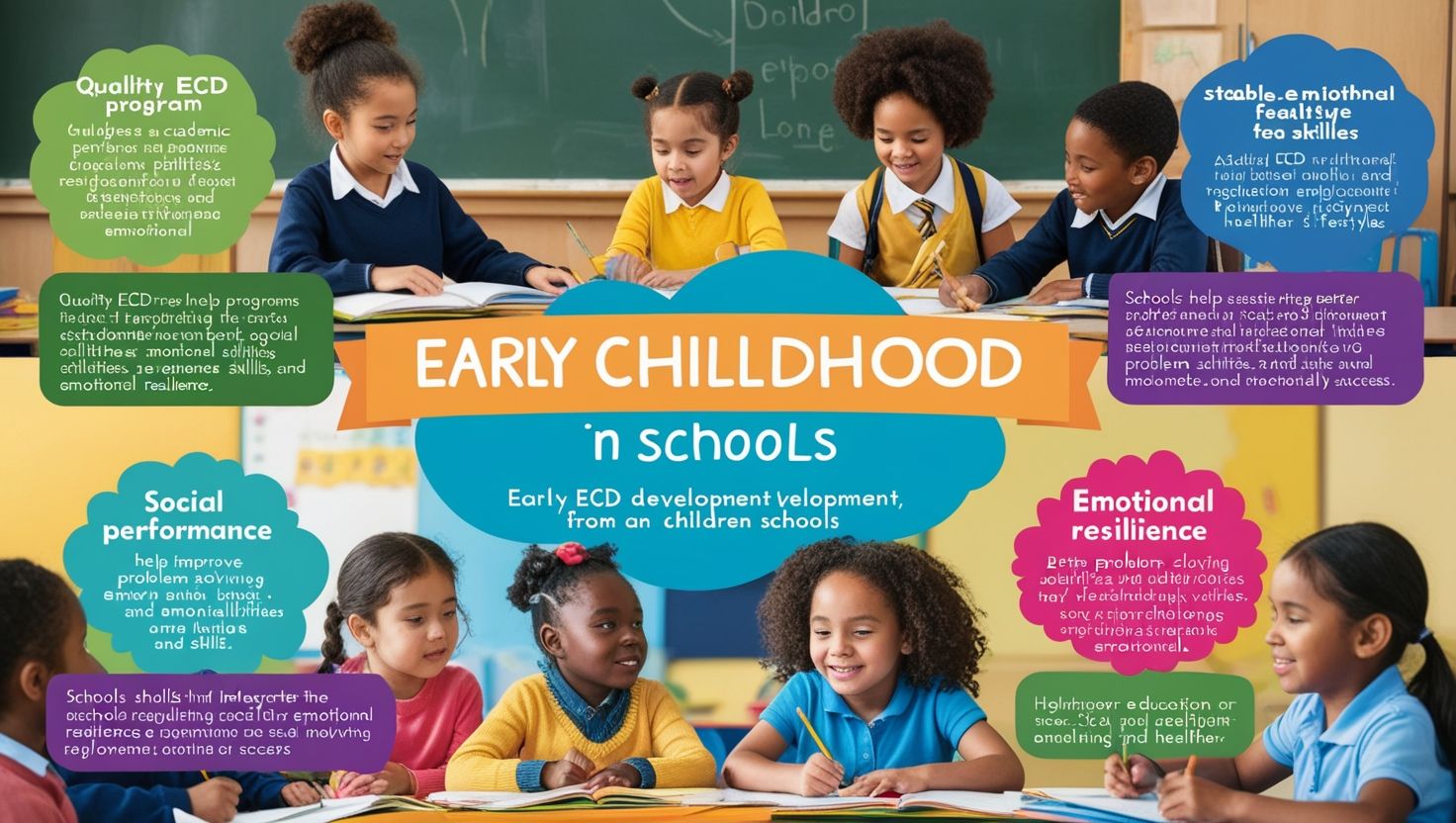
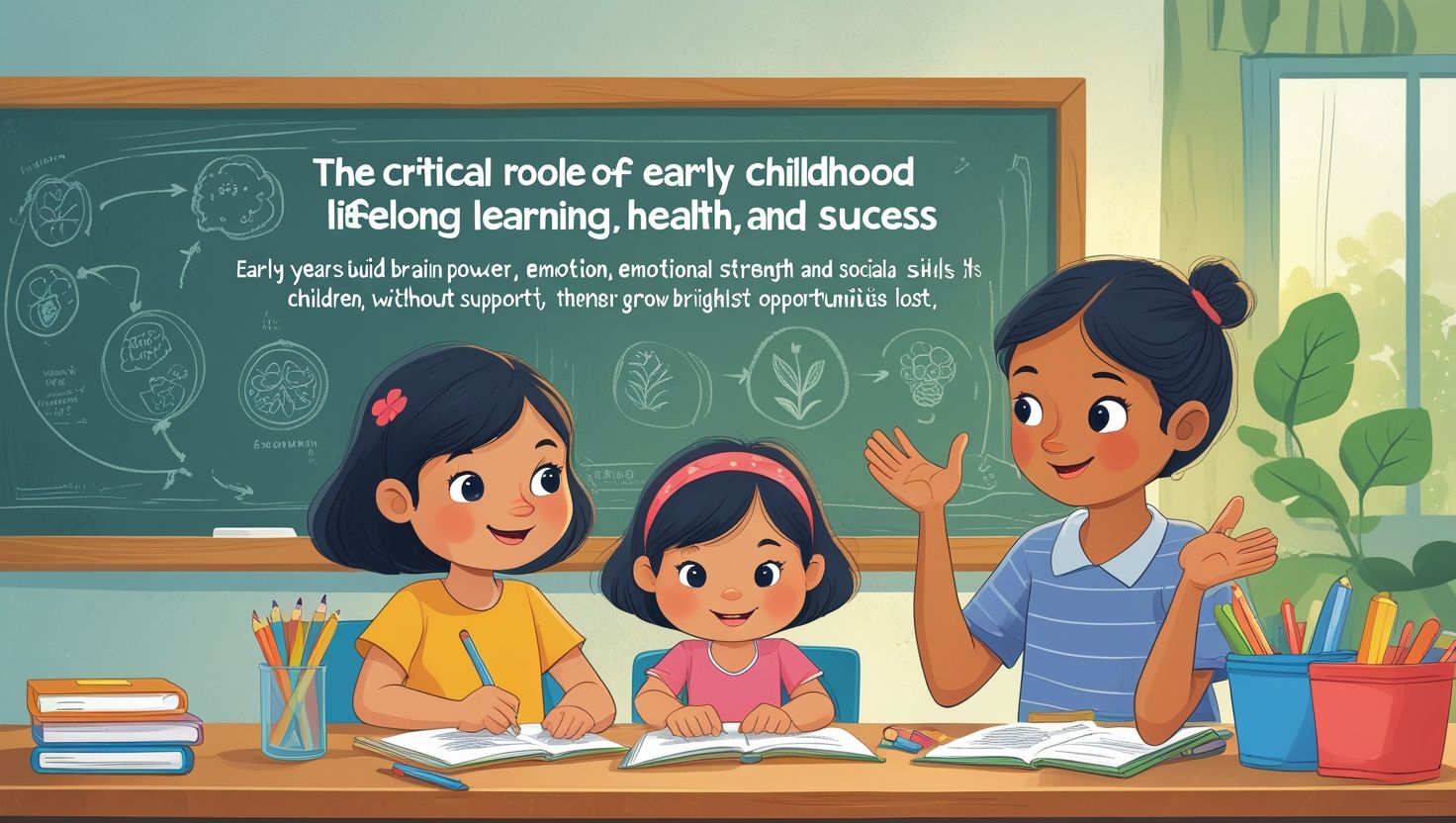
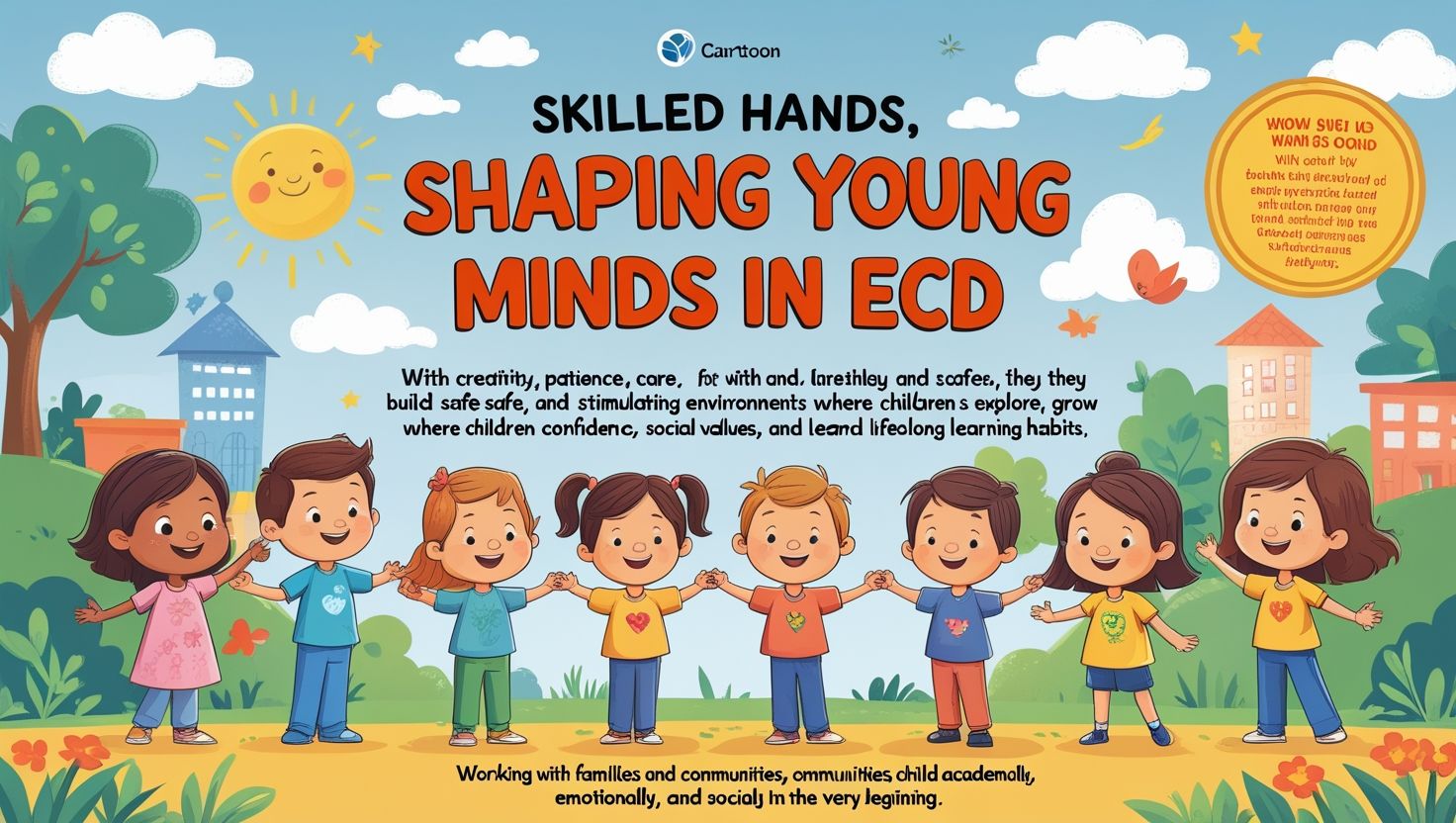
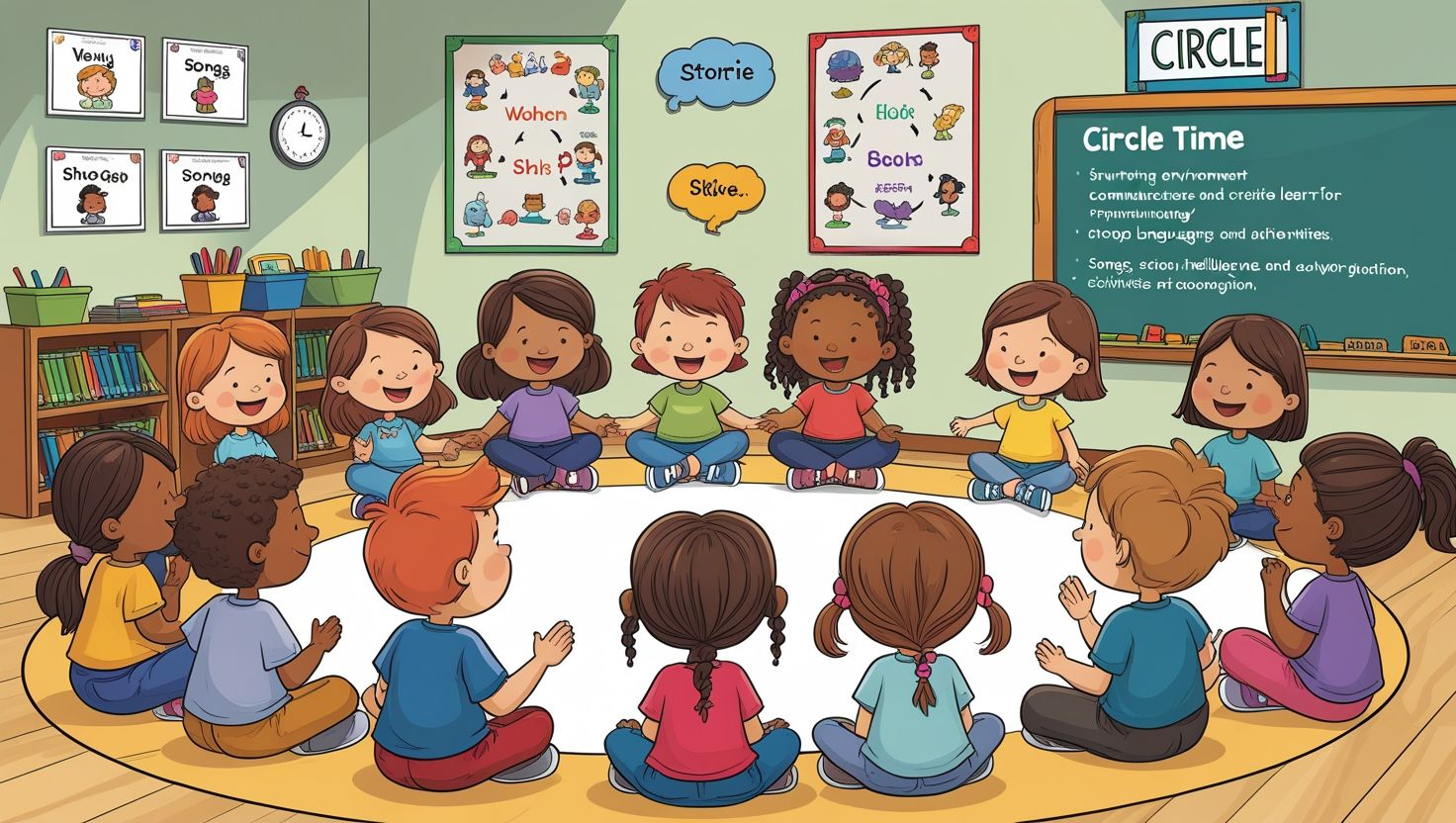
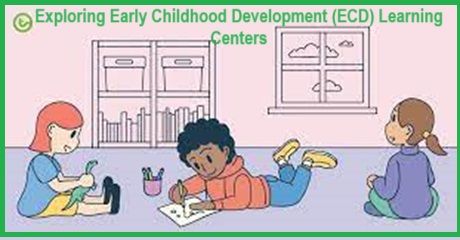
- Early Childhood Education
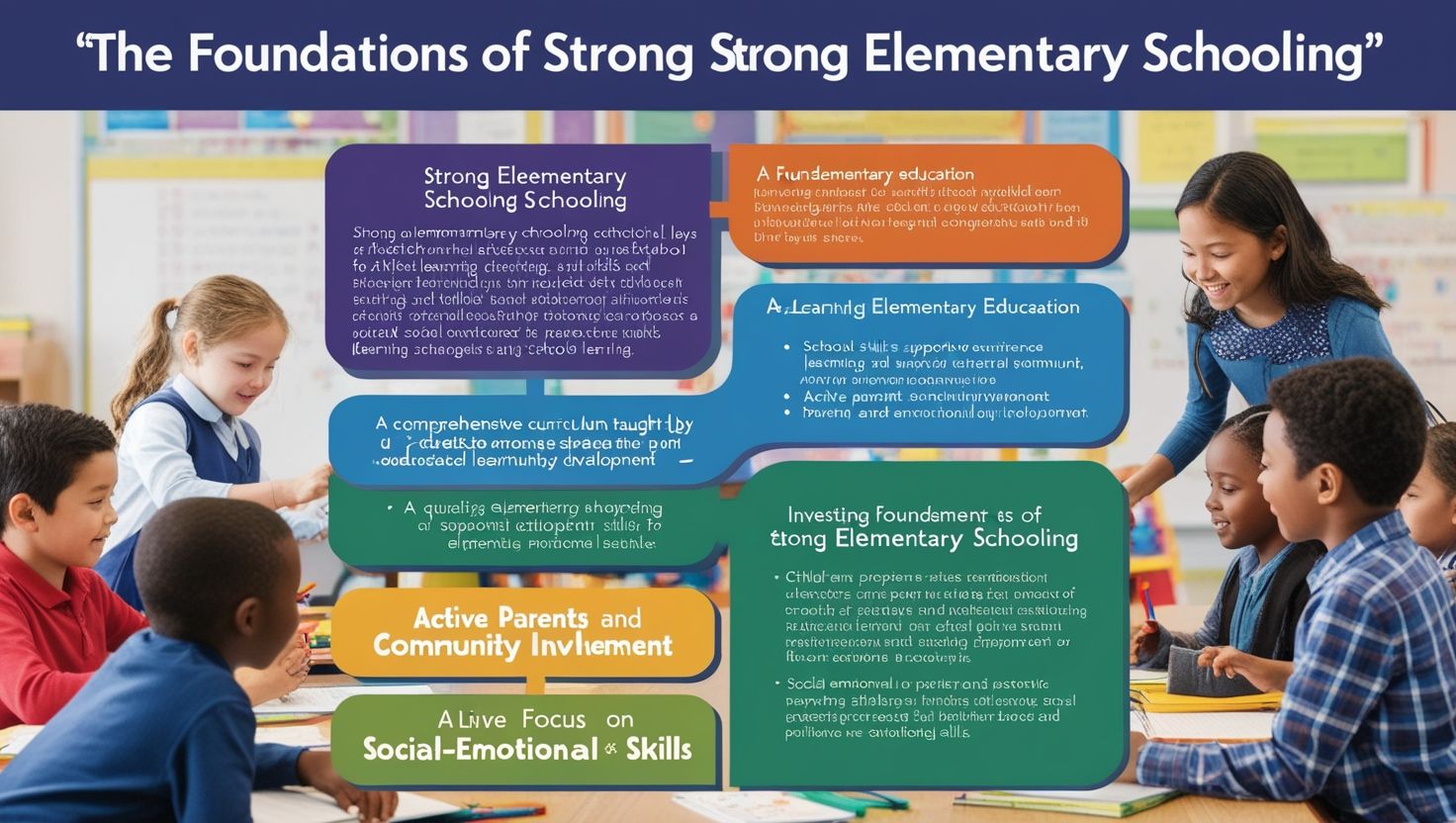
Focuses on emotional, social, and cognitive growth through play-based and experiential learning. - Primary Education
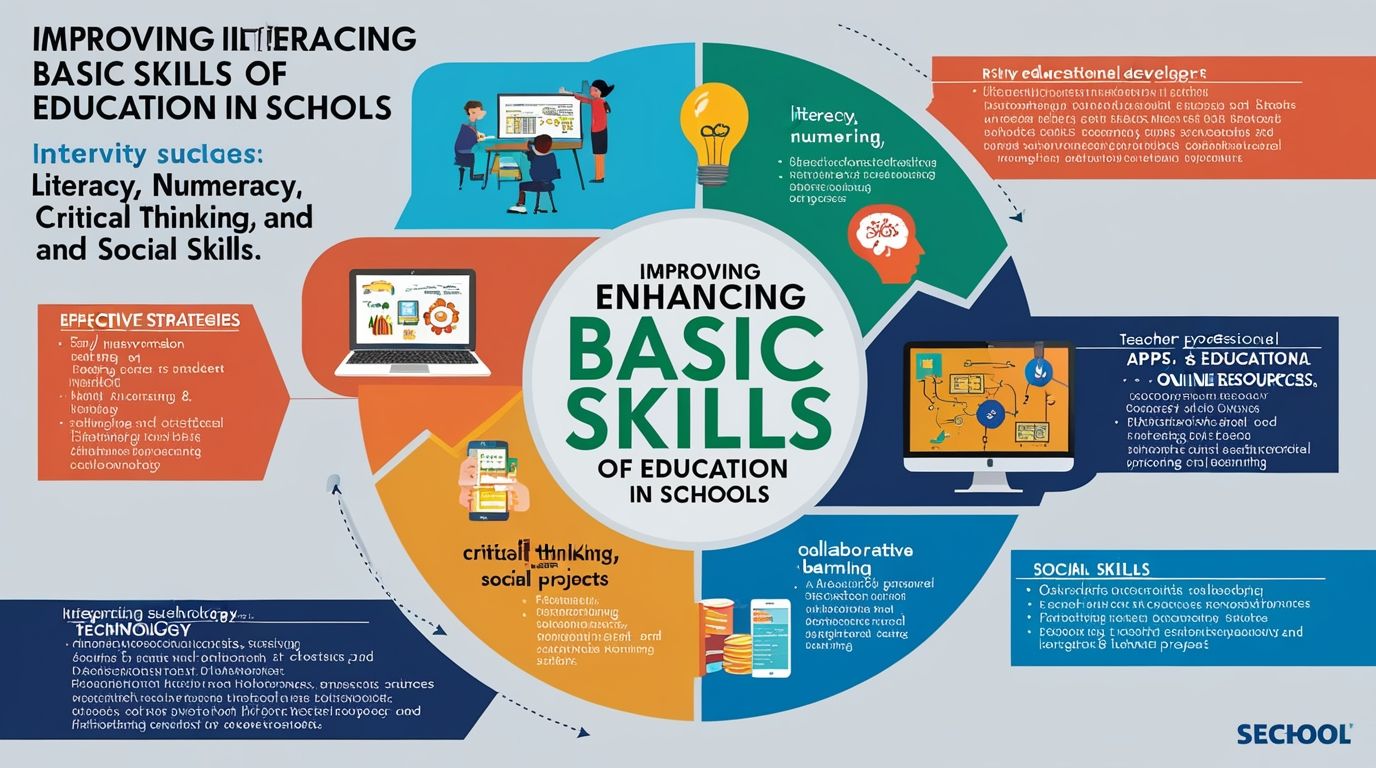
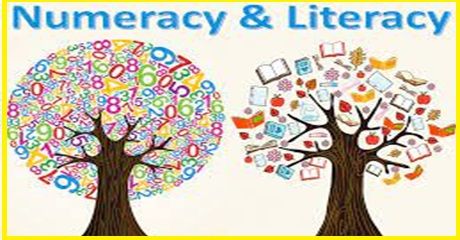
Builds strong foundations in literacy, numeracy, digital awareness, and moral values. - Secondary Education
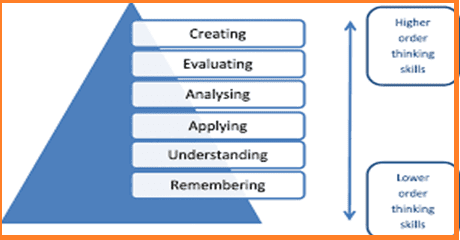
Encourages analytical thinking, subject exploration, creativity, and early career awareness.
2. Higher and Tertiary Education
This level emphasizes specialization, innovation, and employability:
- Undergraduate Education
Provides academic breadth along with practical and interdisciplinary exposure. - Postgraduate Education
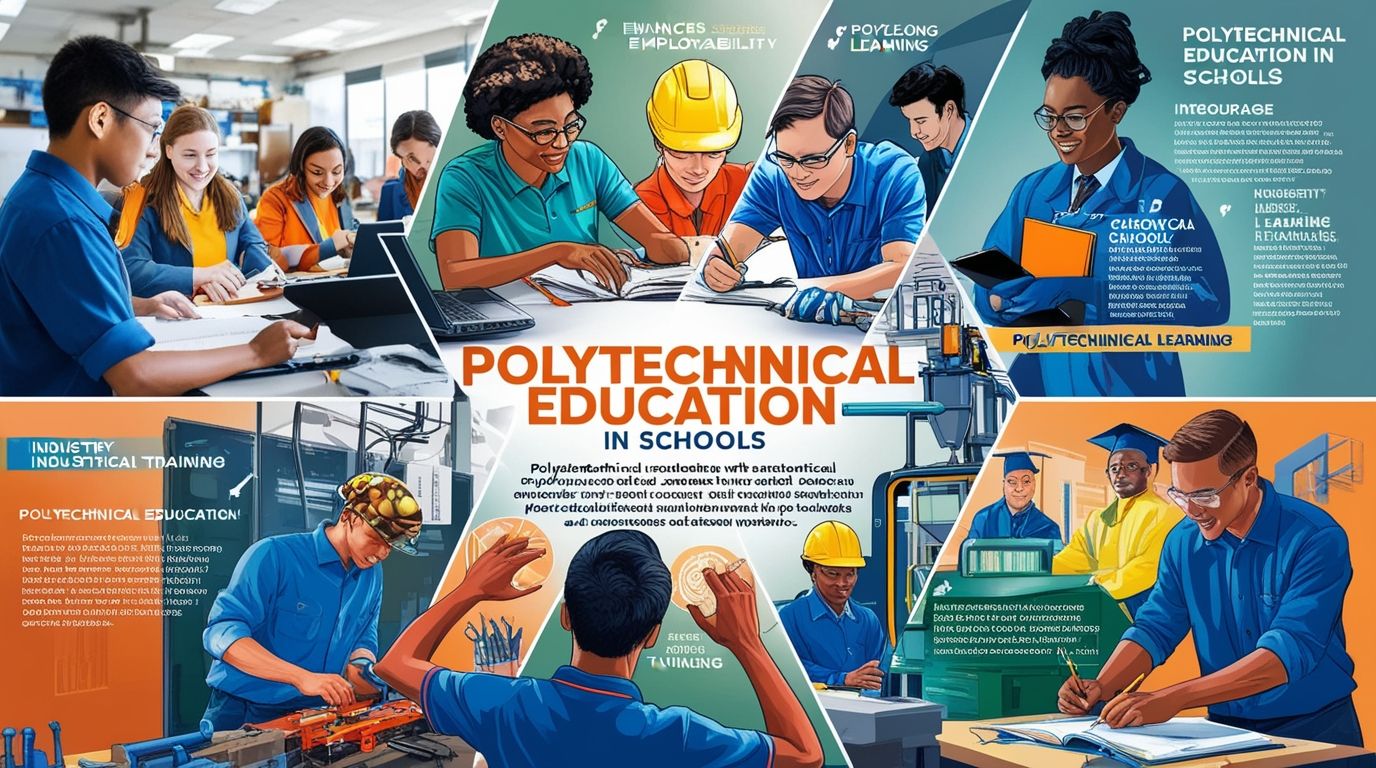
Develops advanced expertise, research capability, and leadership skills. - Vocational and Technical Education
Offers skill-based training aligned with industry and workforce needs.
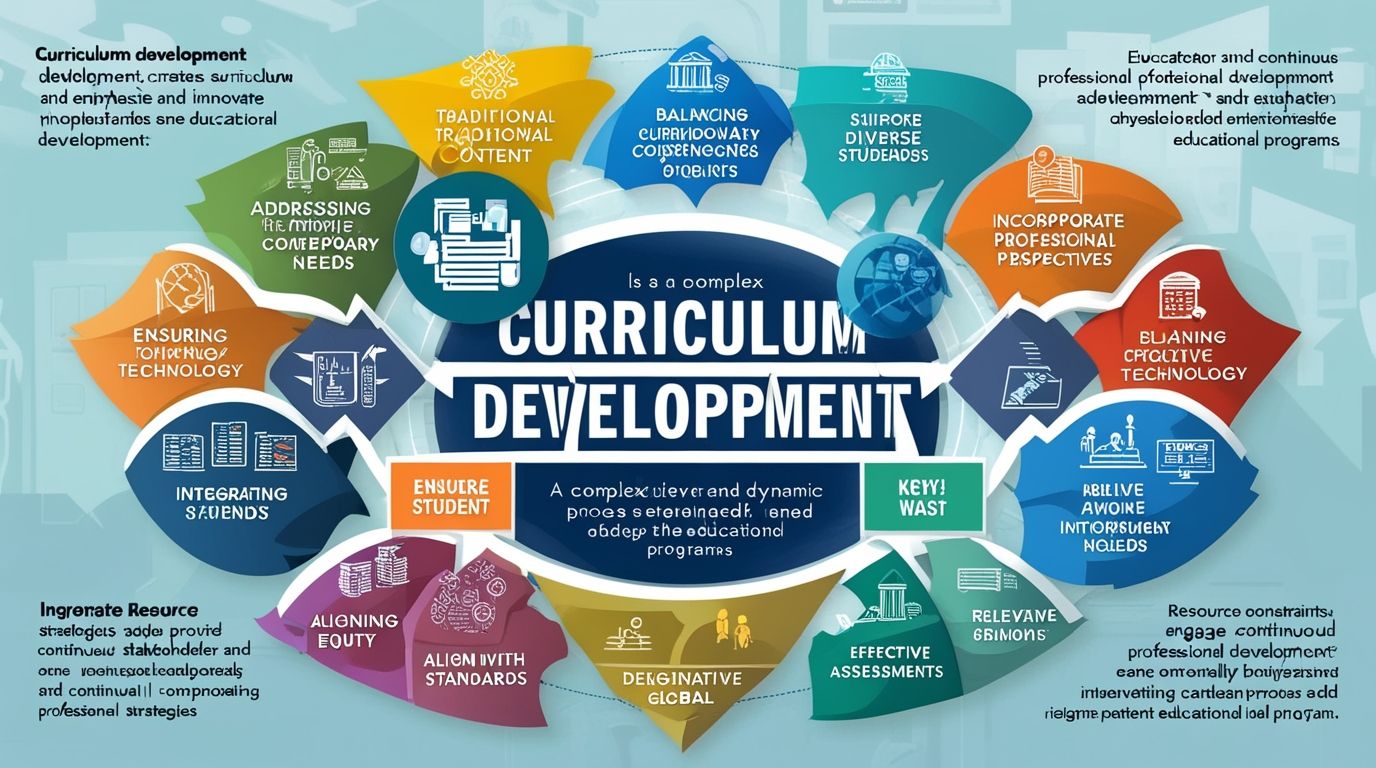
3. Curriculum Framework
The modern curriculum is dynamic and relevant:
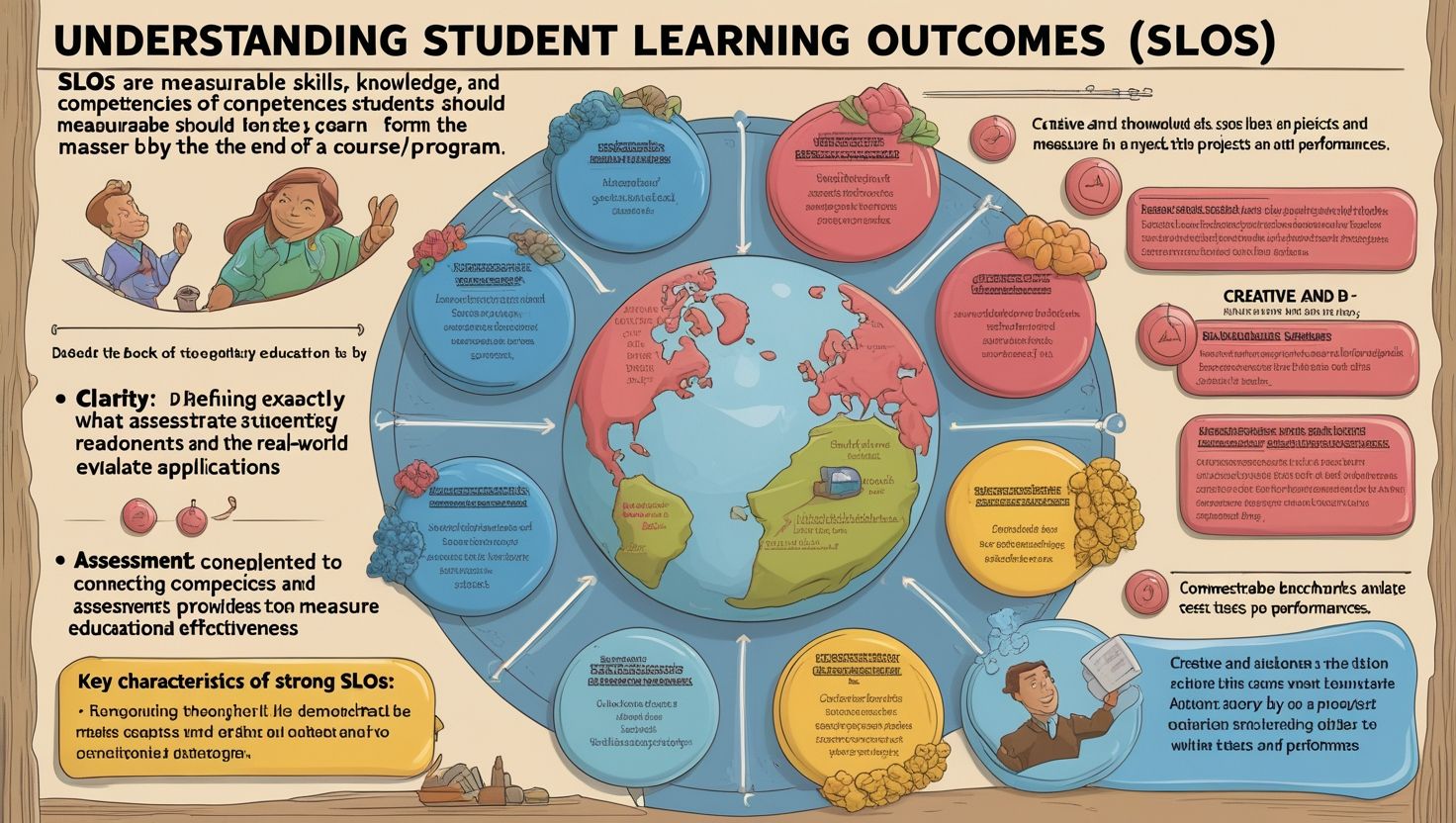
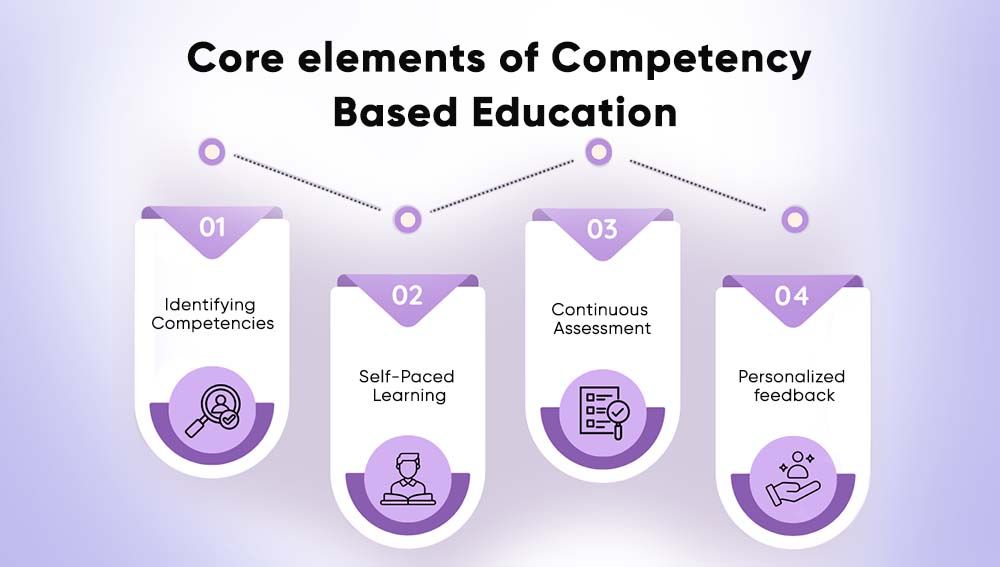
- Competency-Based Learning – Focuses on mastery of skills rather than memorization.
- Interdisciplinary Learning – Integrates science, technology, arts, and humanities.
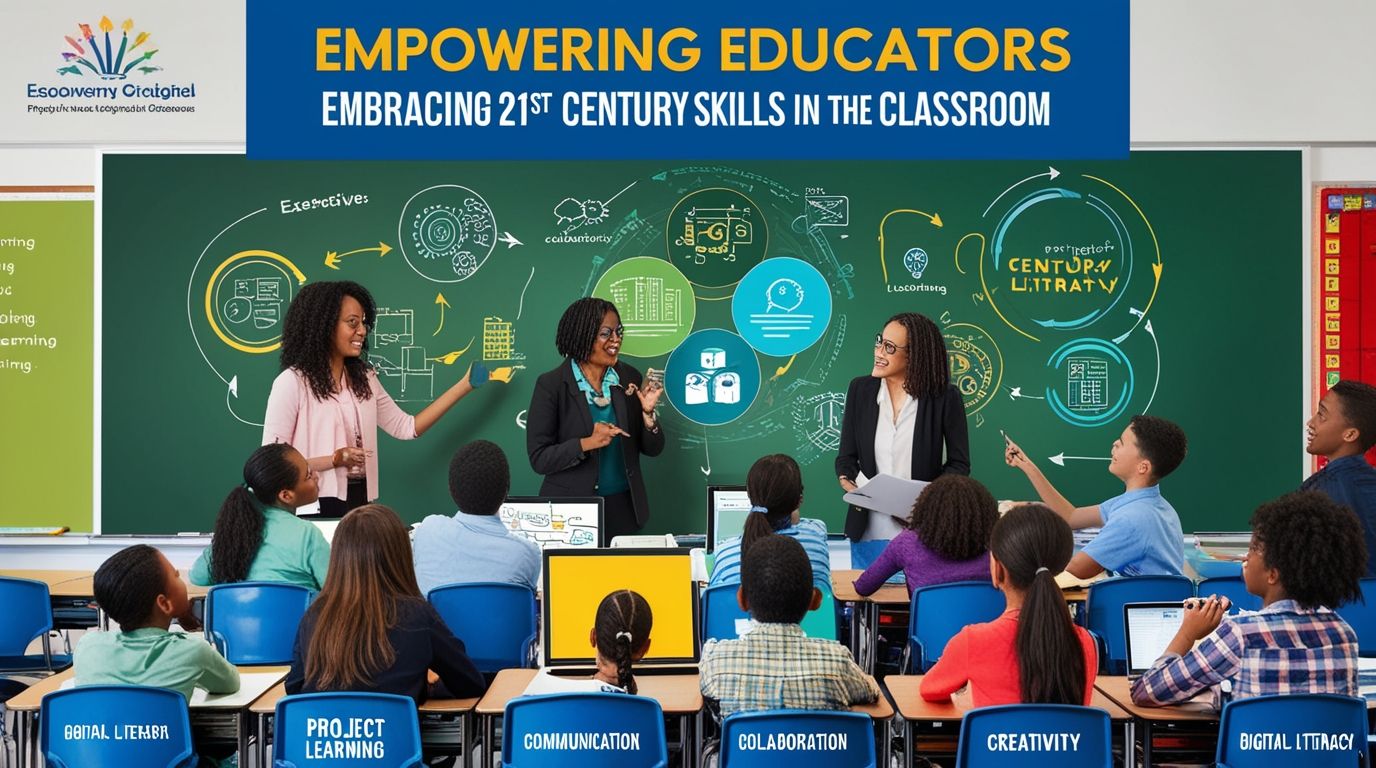
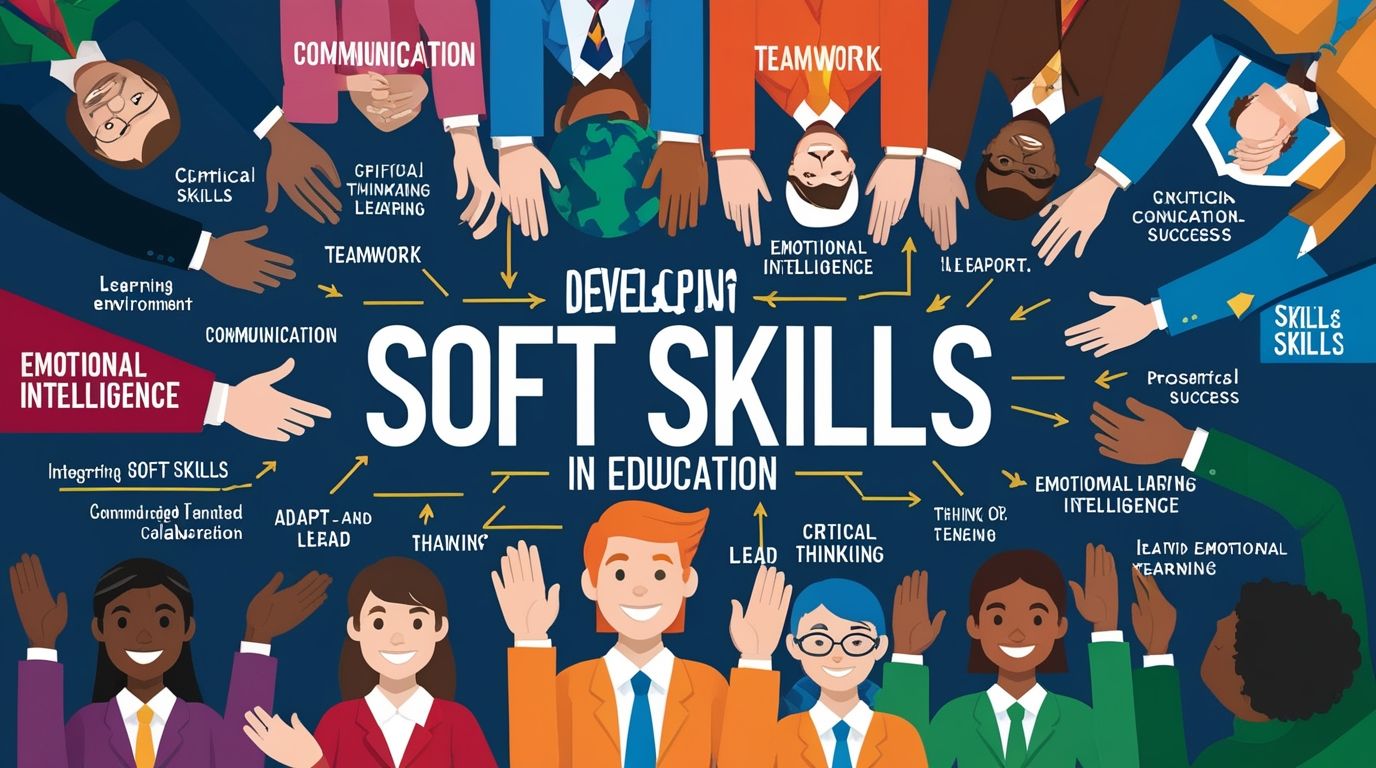
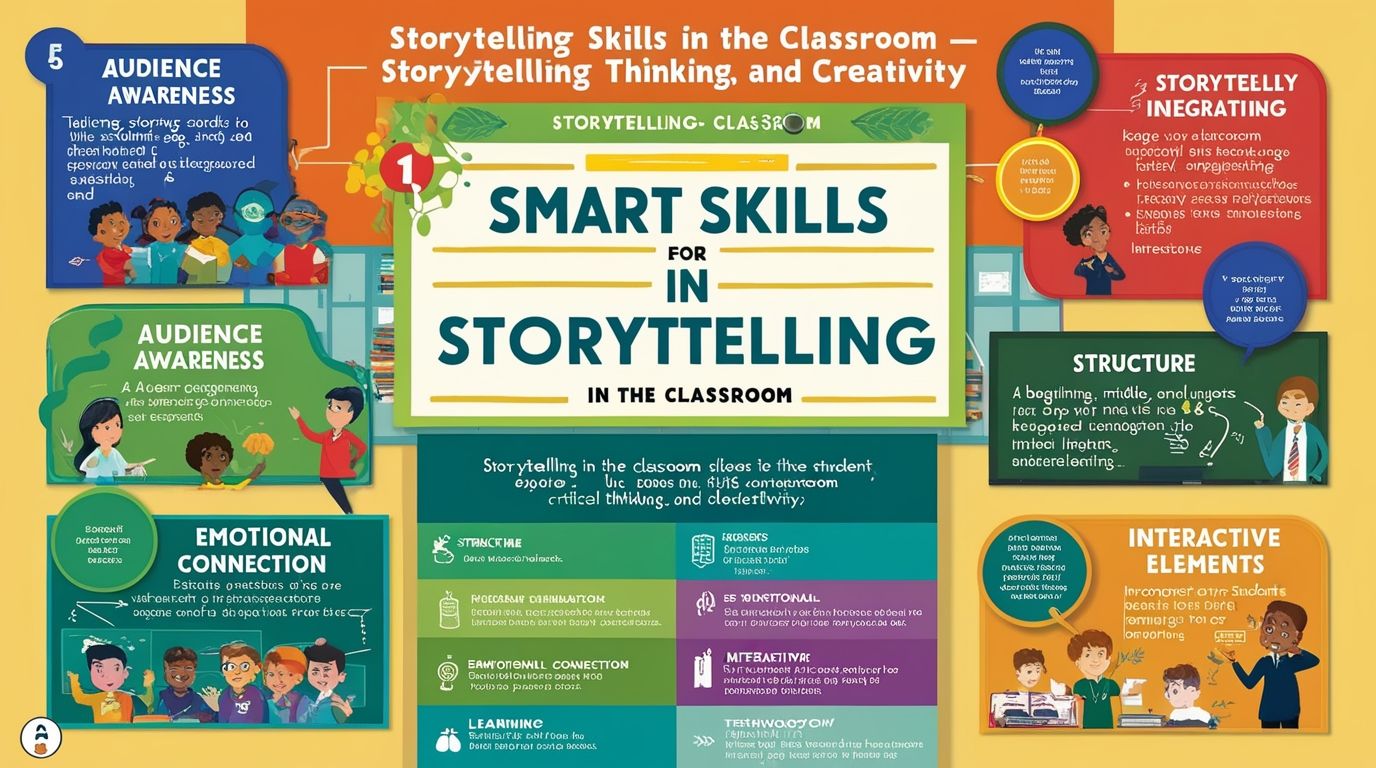
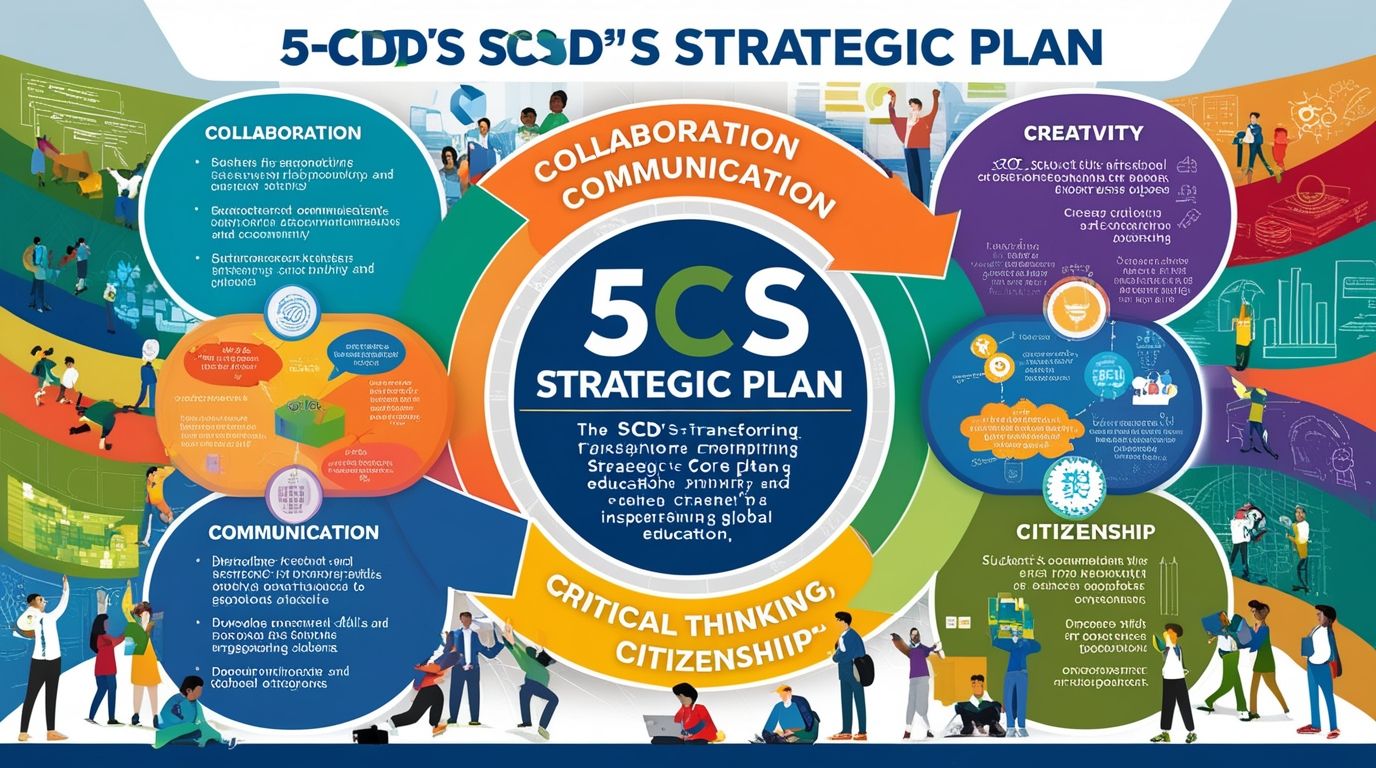
- Life Skills Education – Promotes critical thinking, creativity, communication, and collaboration.
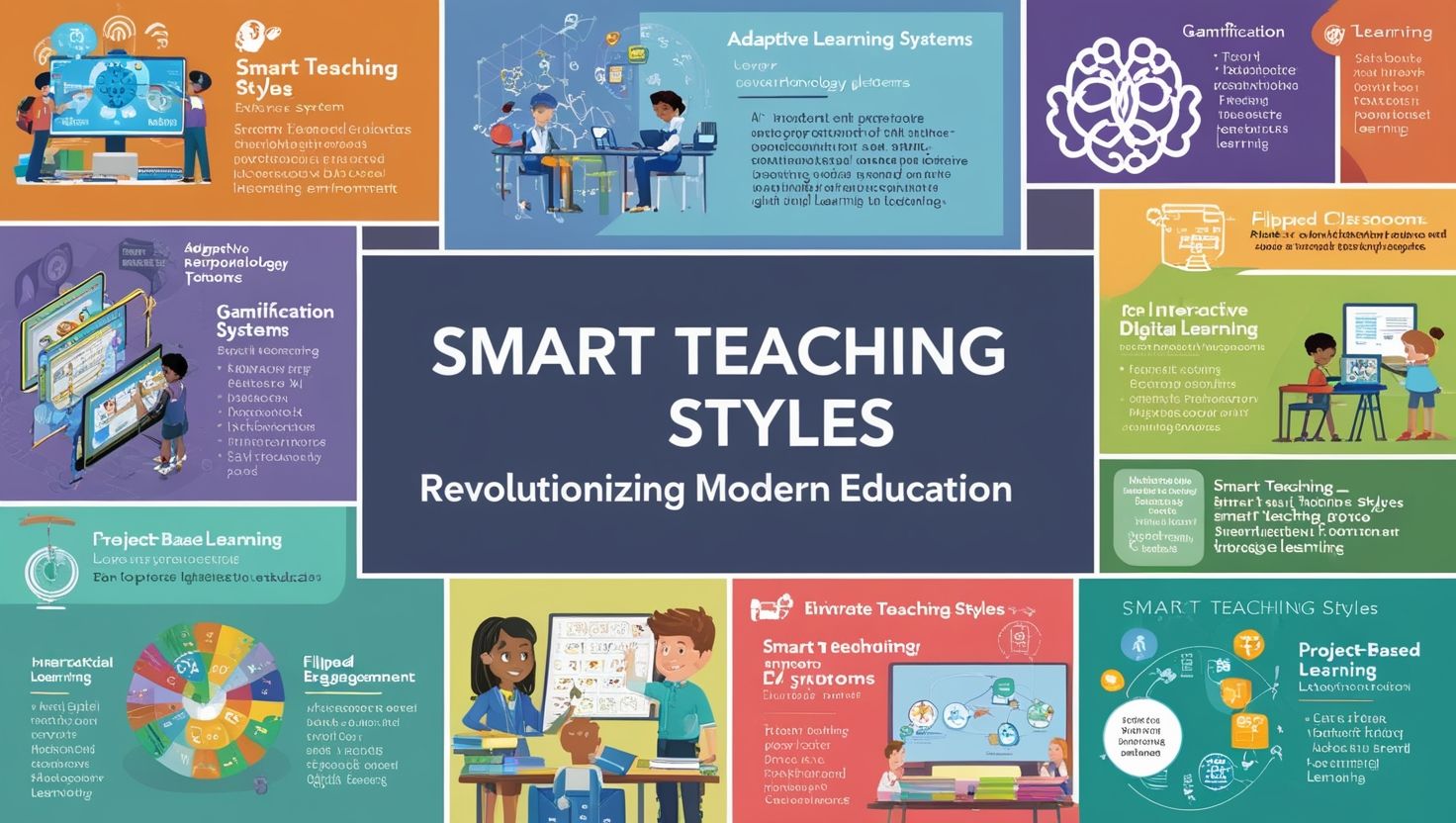
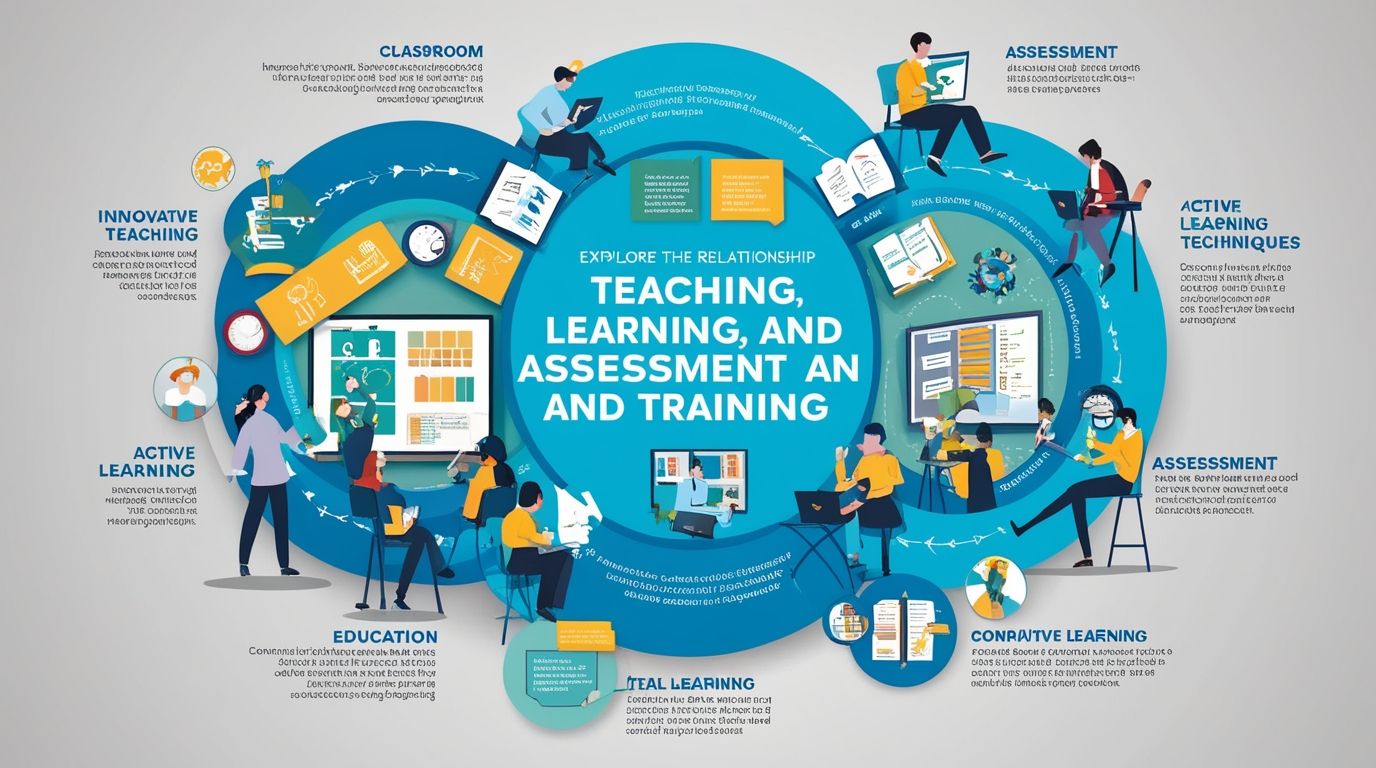
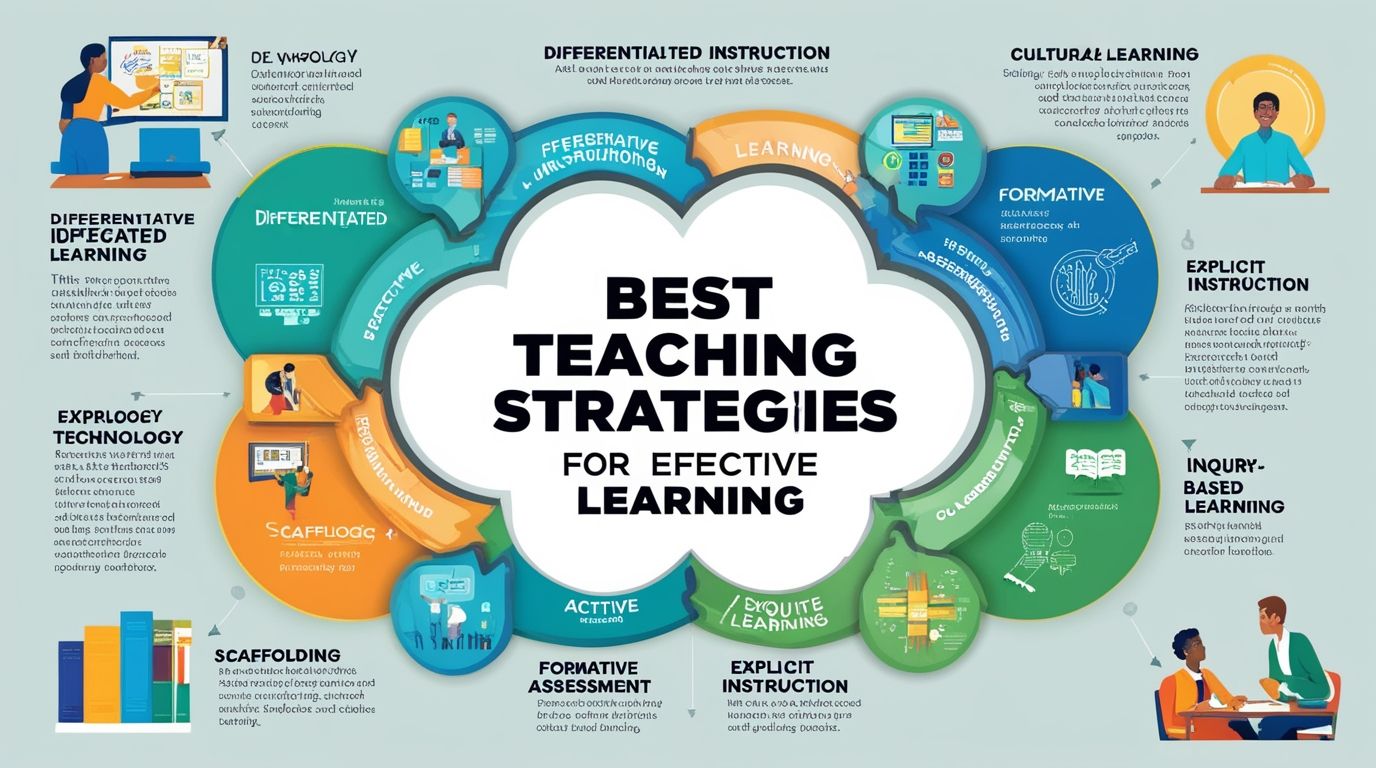
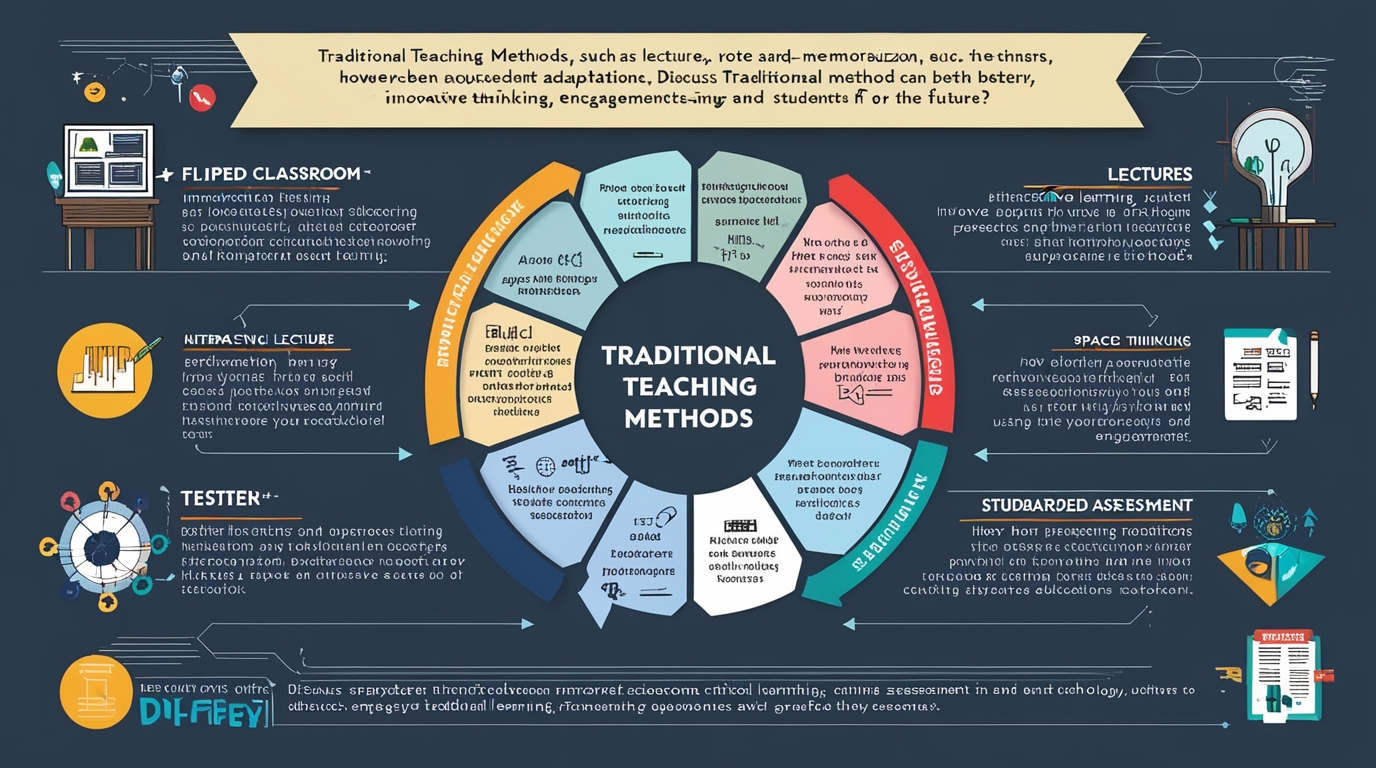
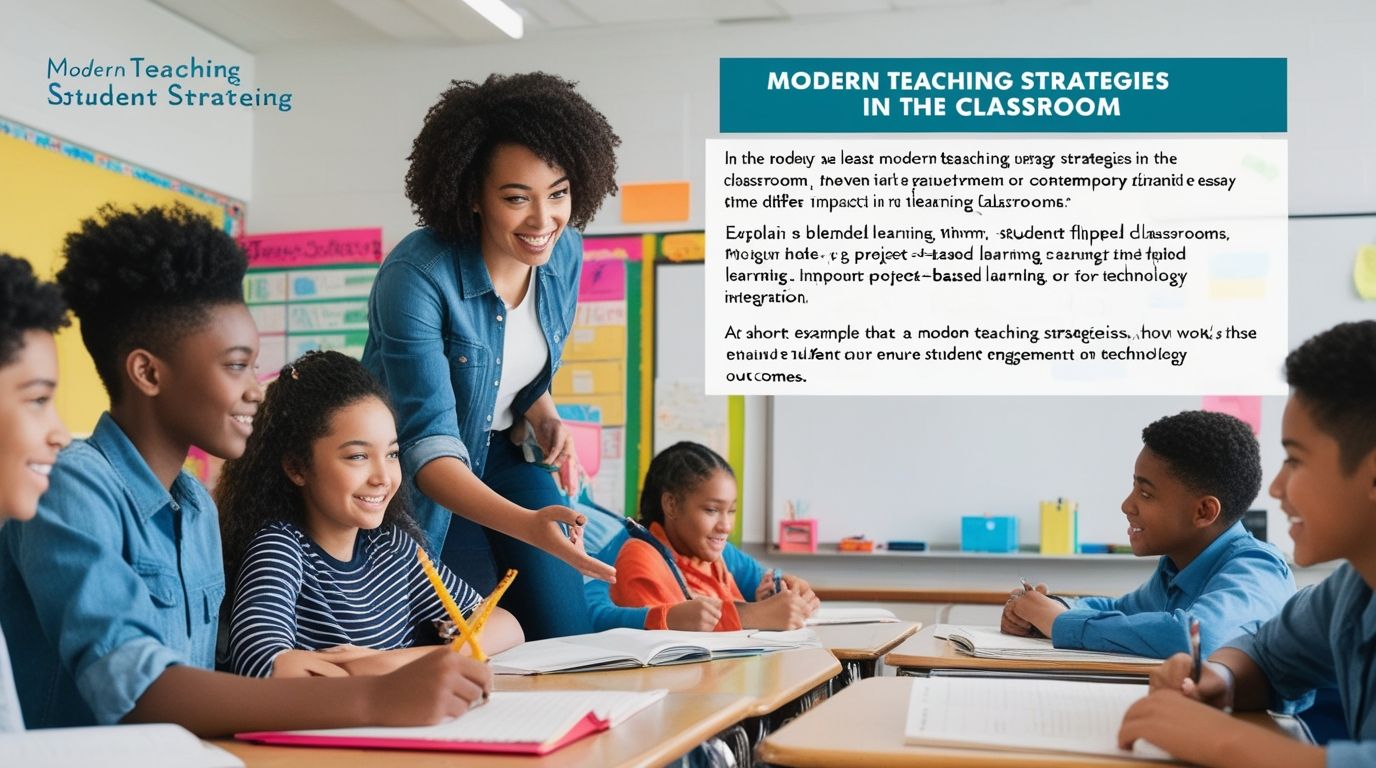
4. Teaching and Learning Methods
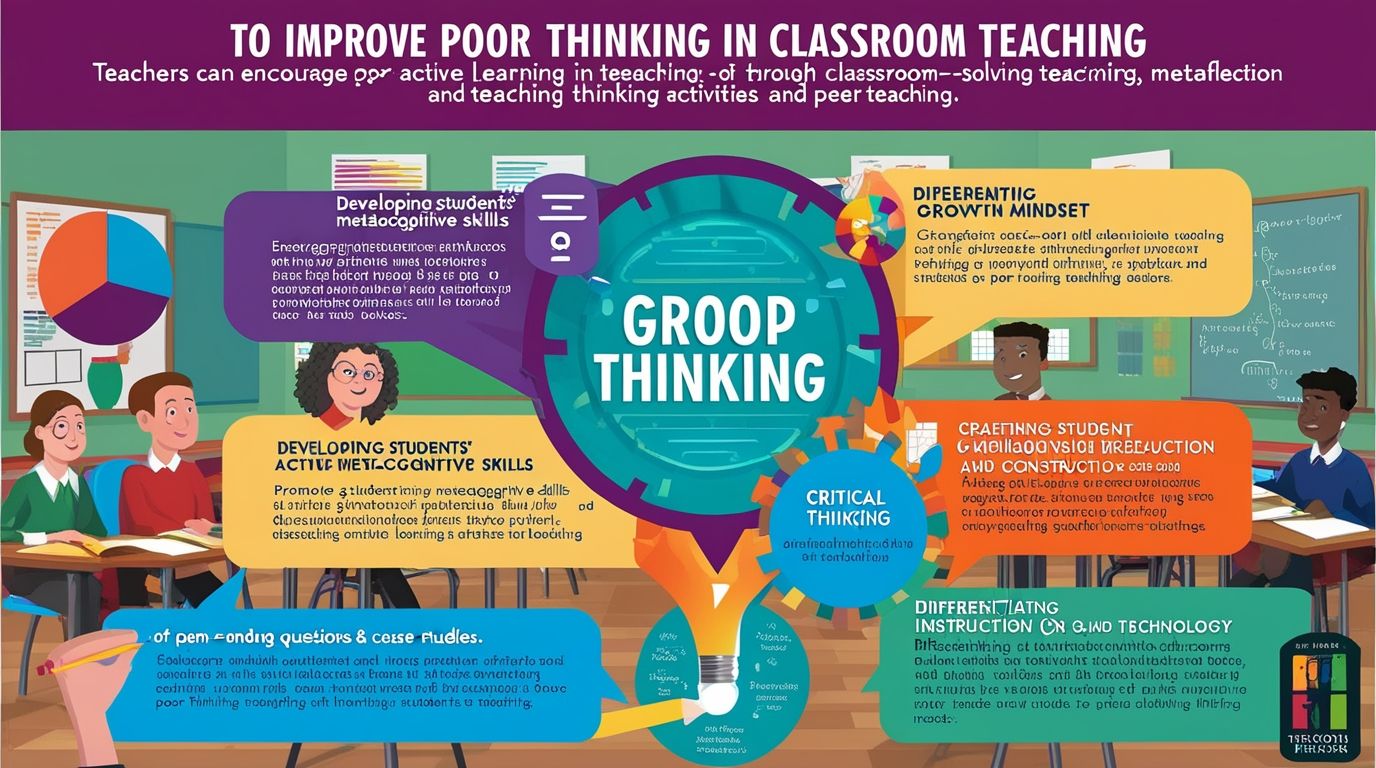
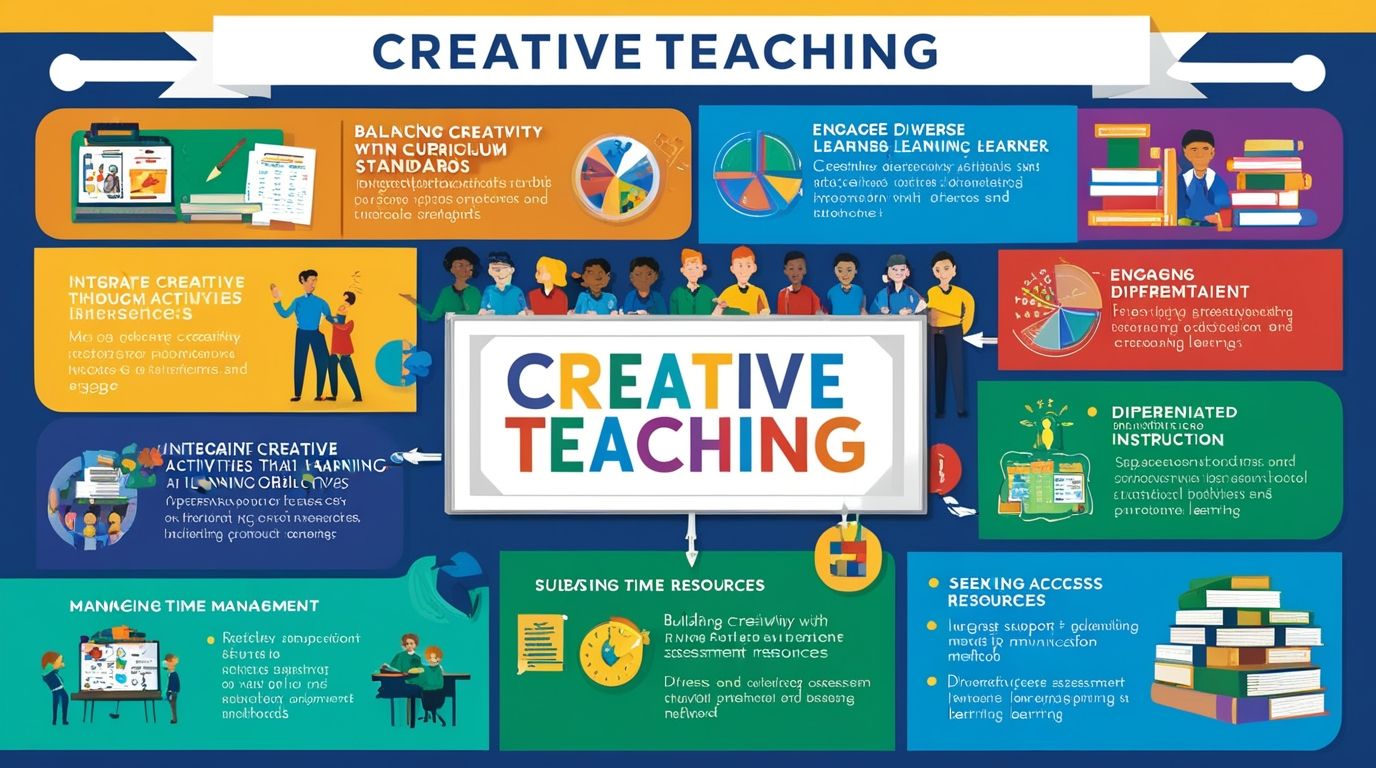
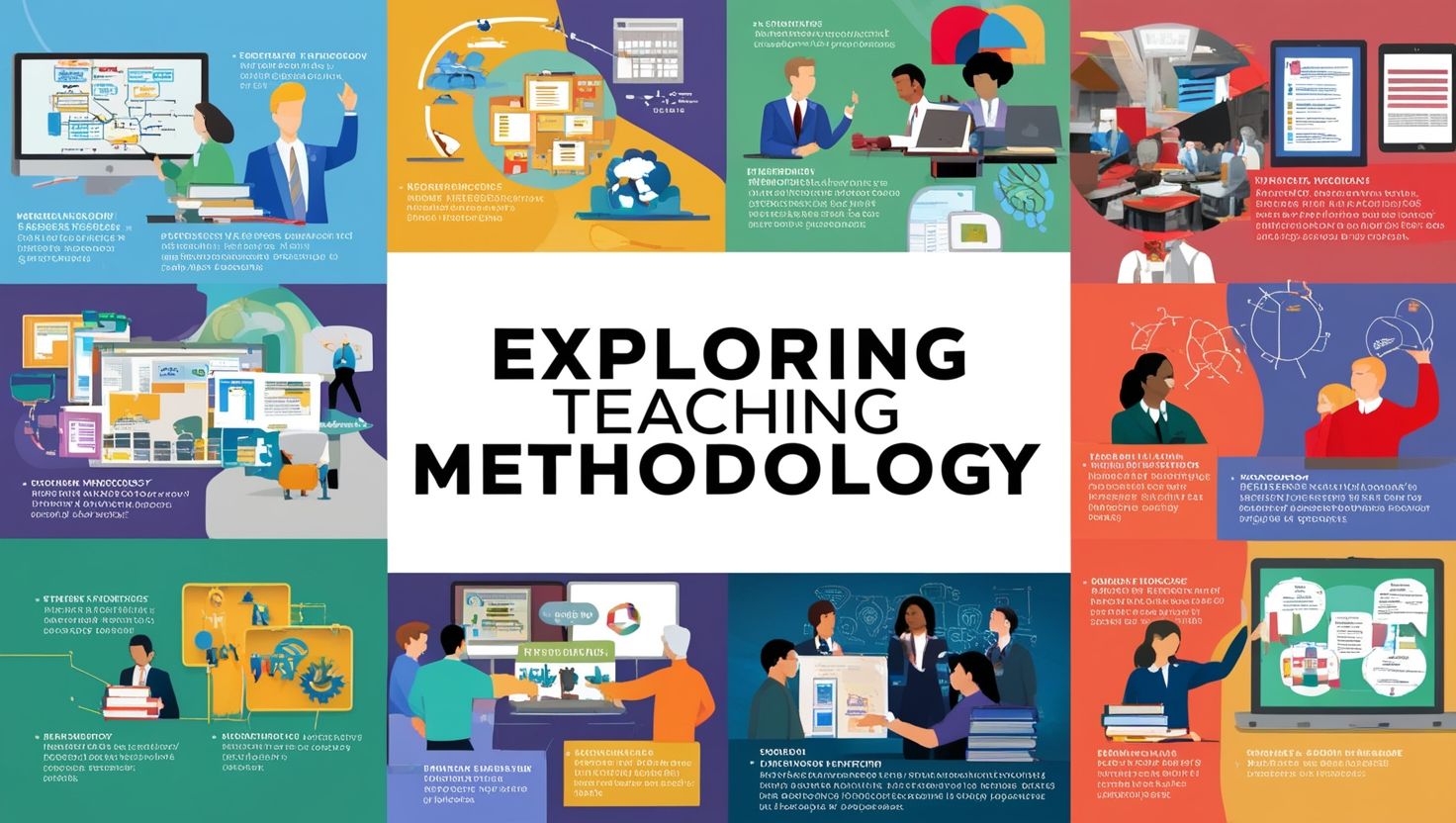
Innovative pedagogies define modern education:
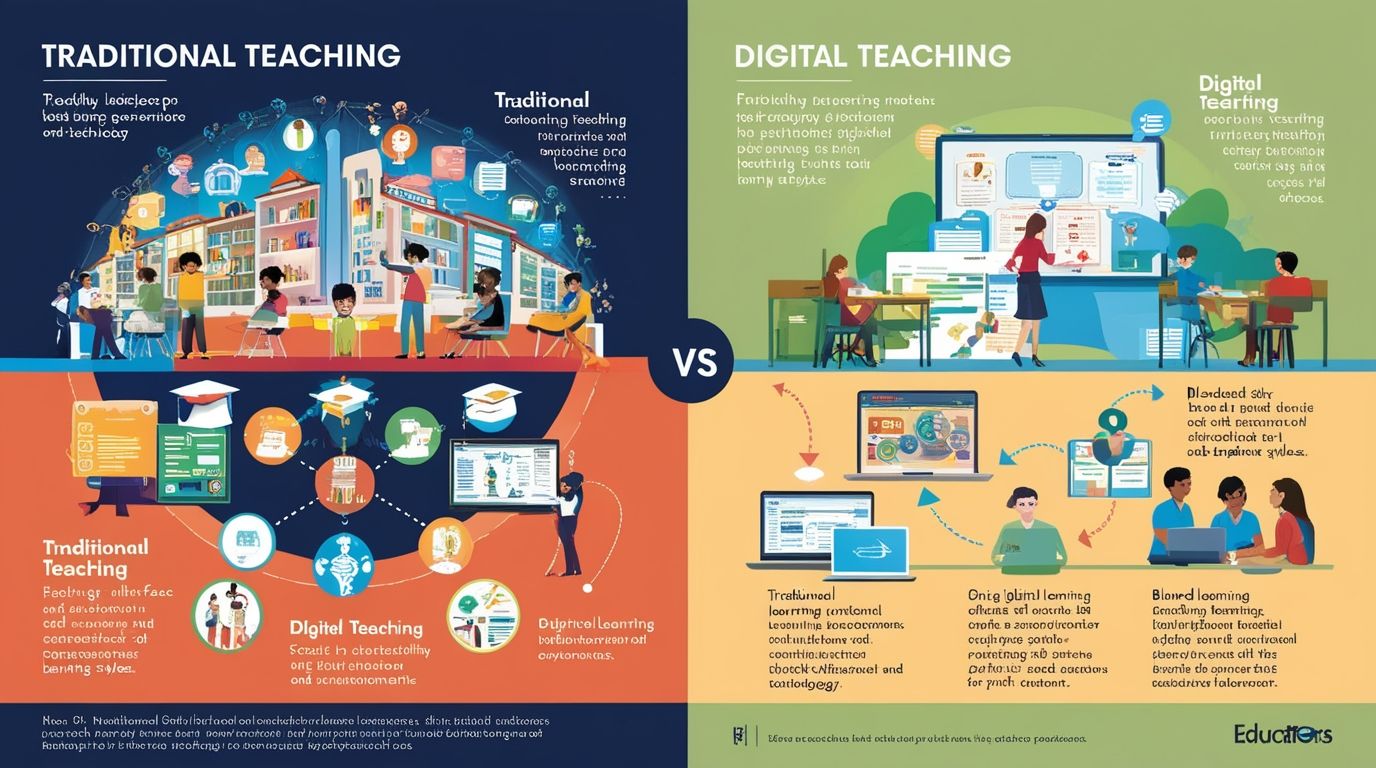
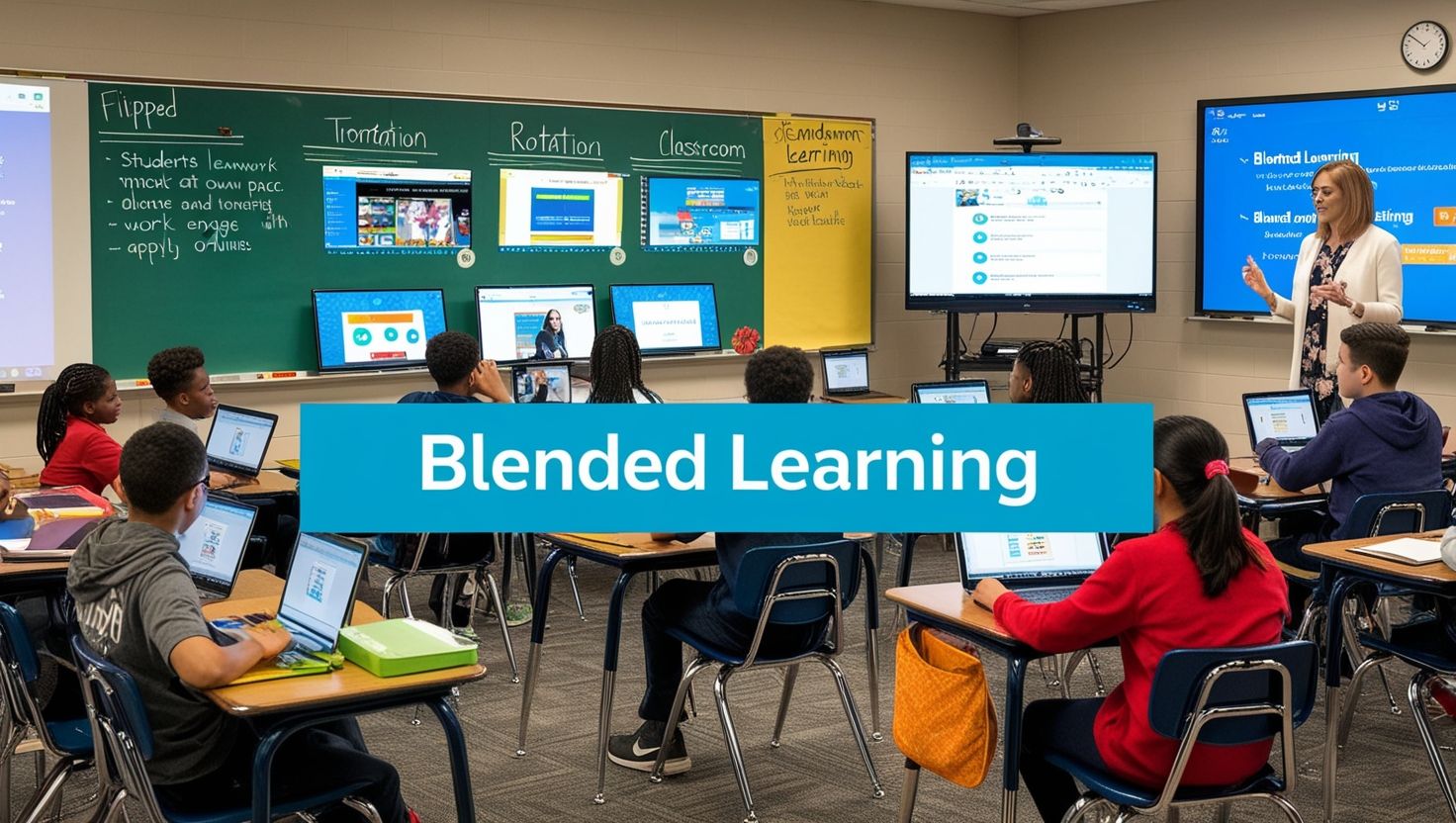
- Blended Learning – Combines classroom teaching with online learning tools.
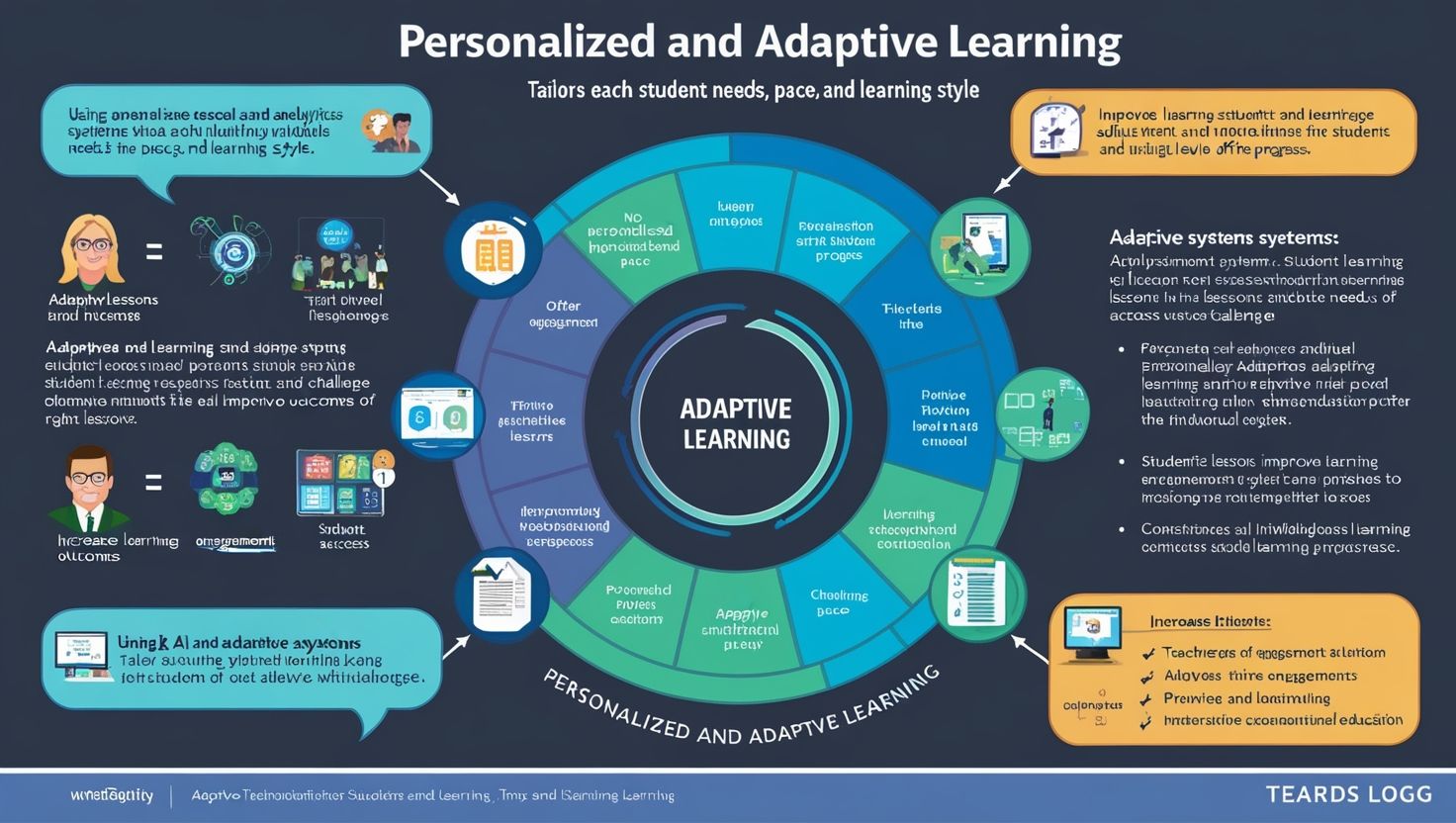
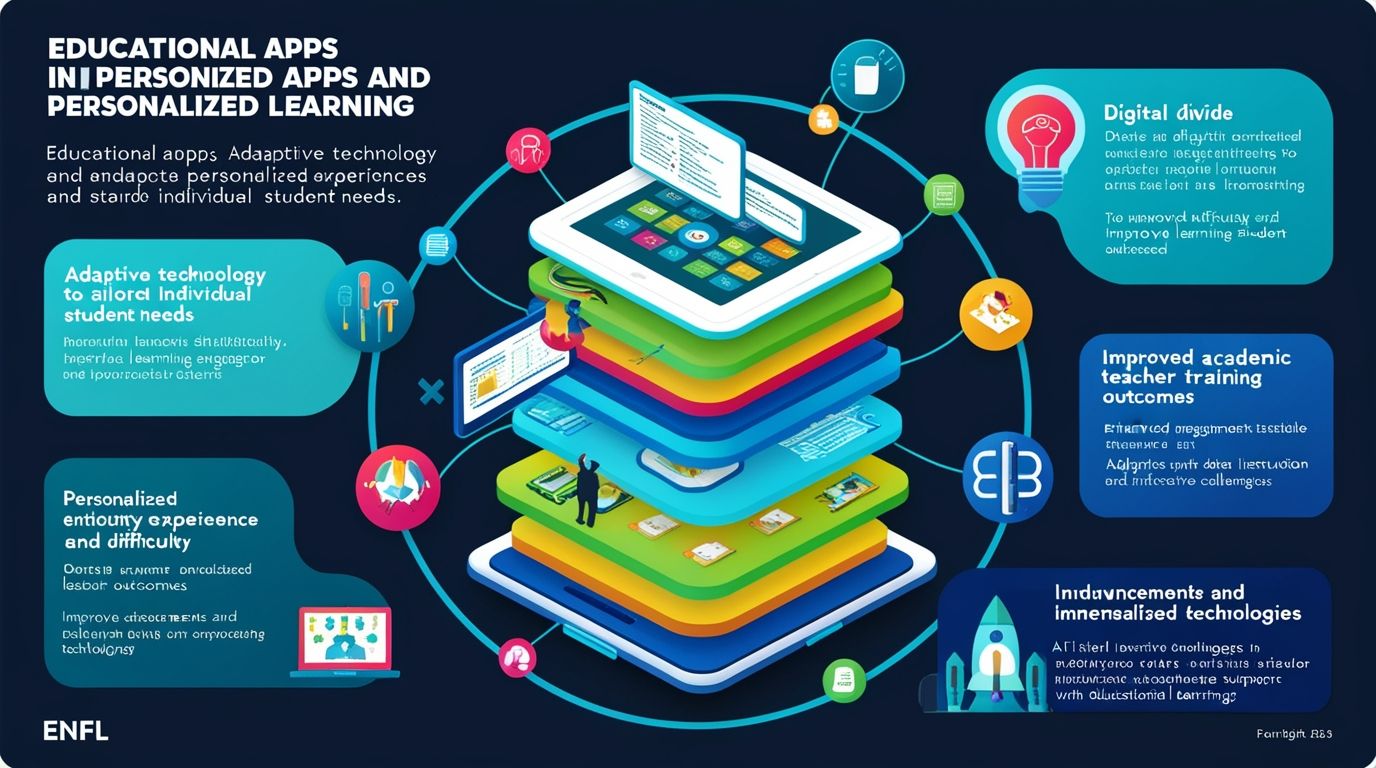
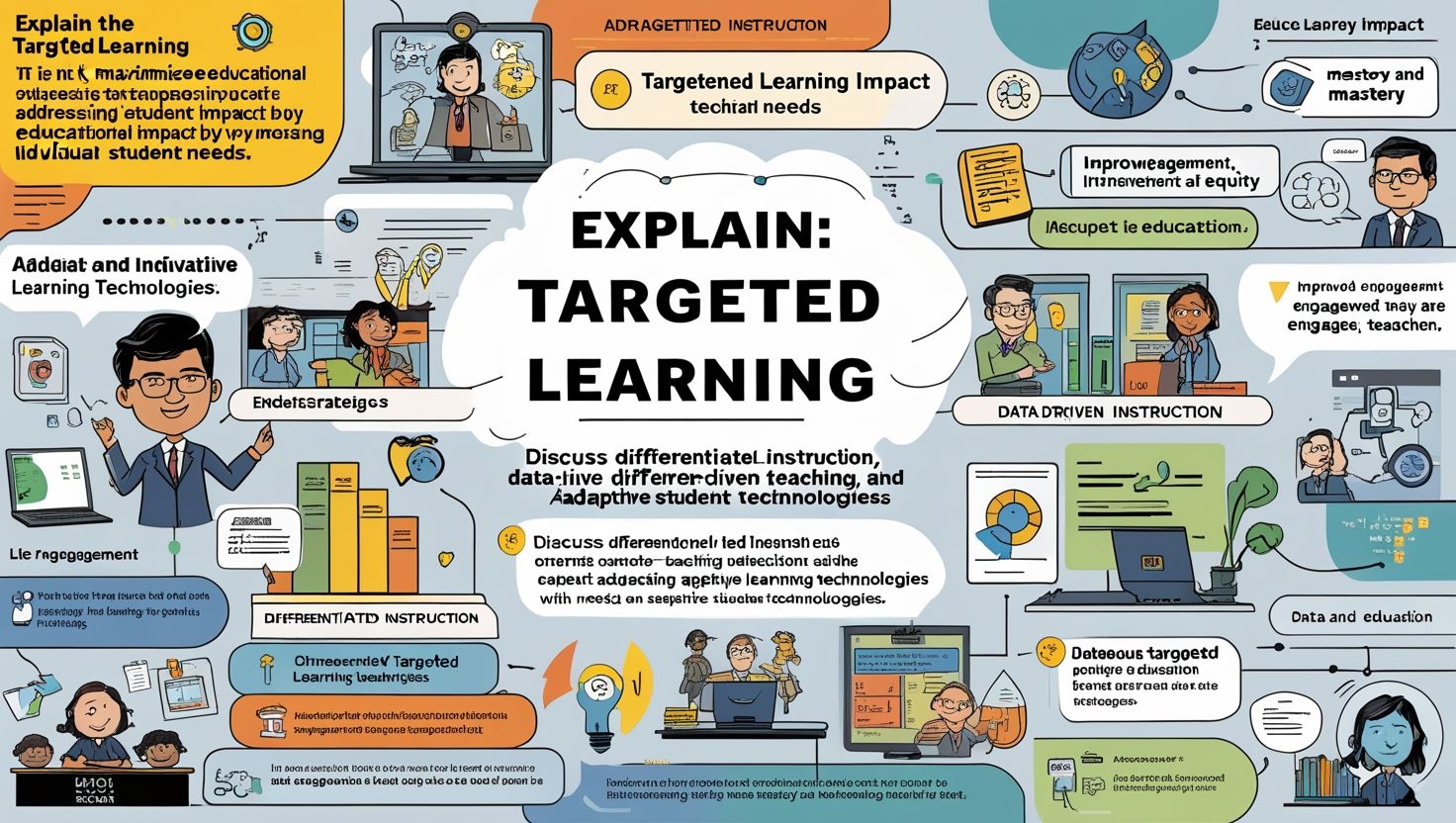
- Personalized Learning – Tailors content and pace to individual learners.
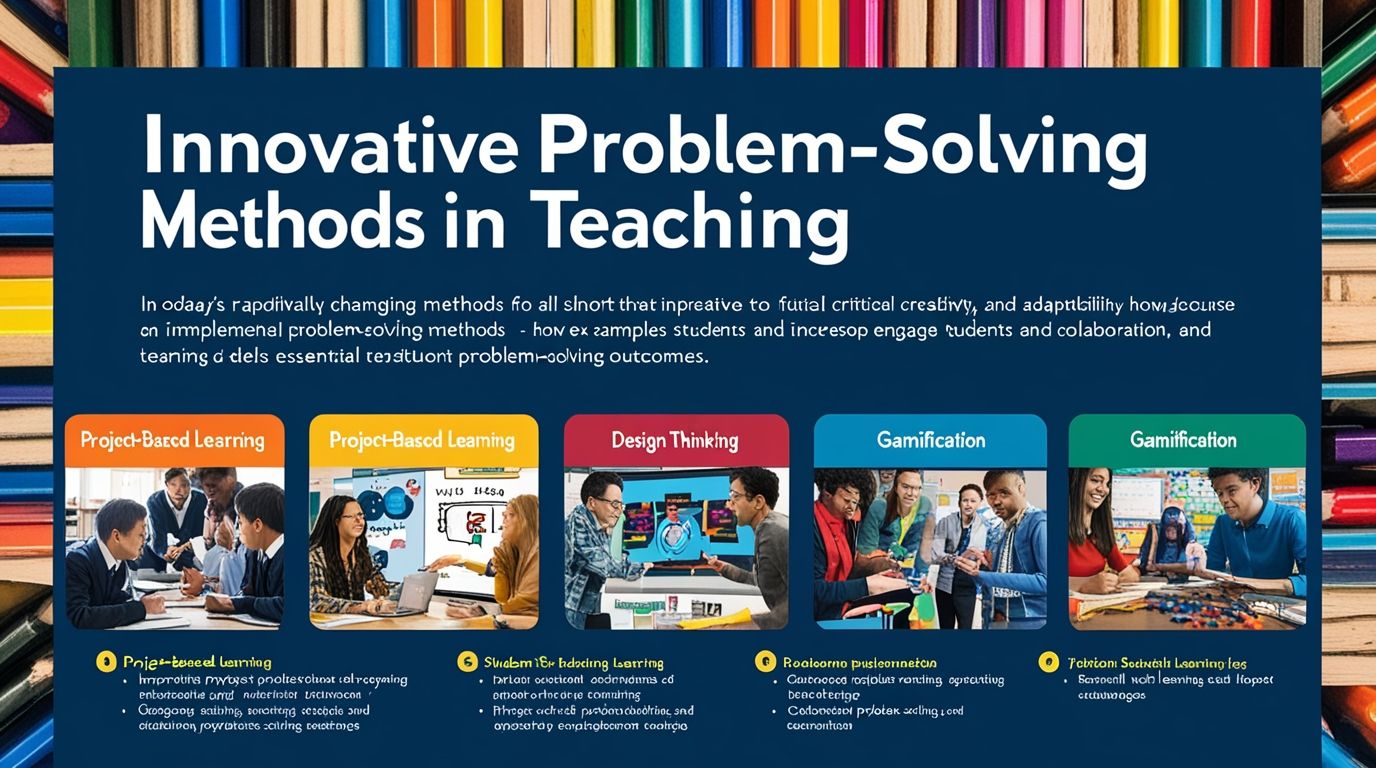
- Project- and Problem-Based Learning – Encourages real-world application of knowledge.
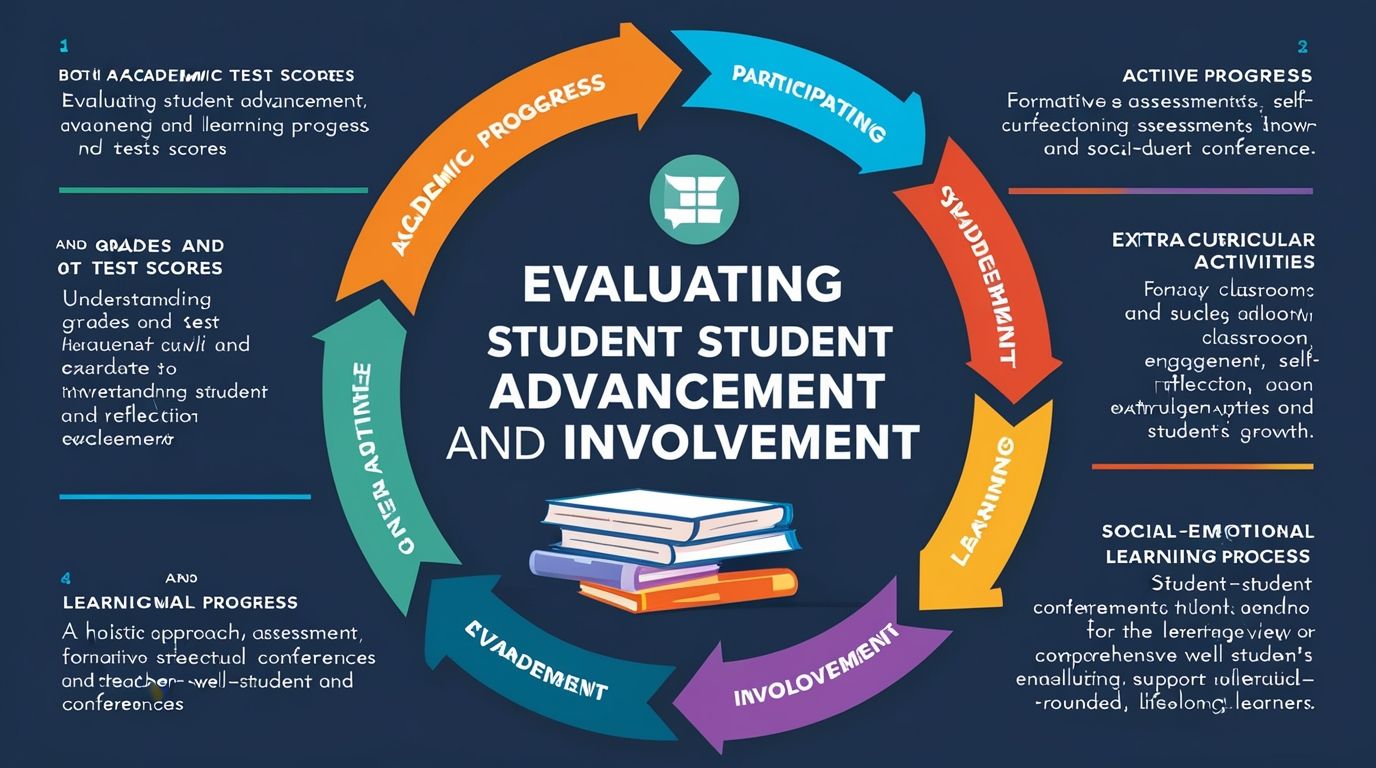
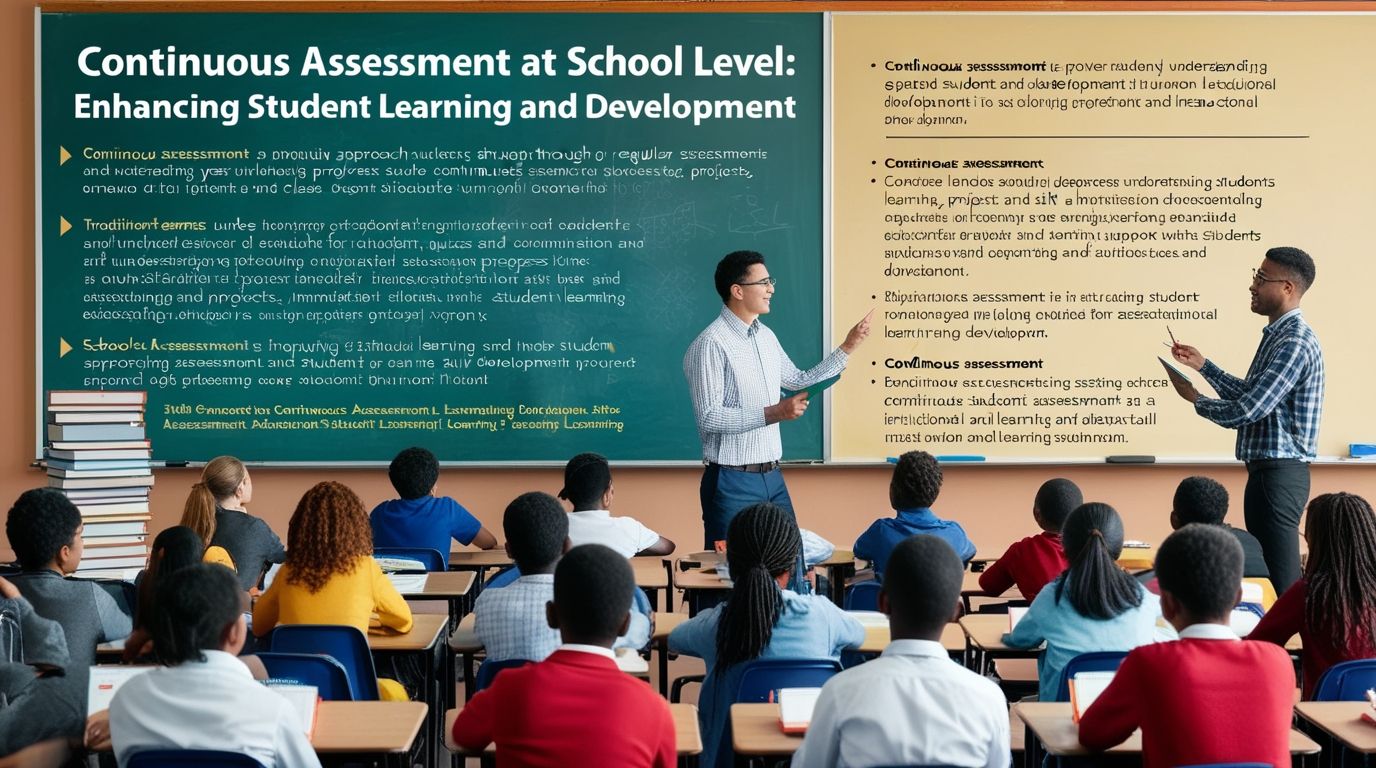
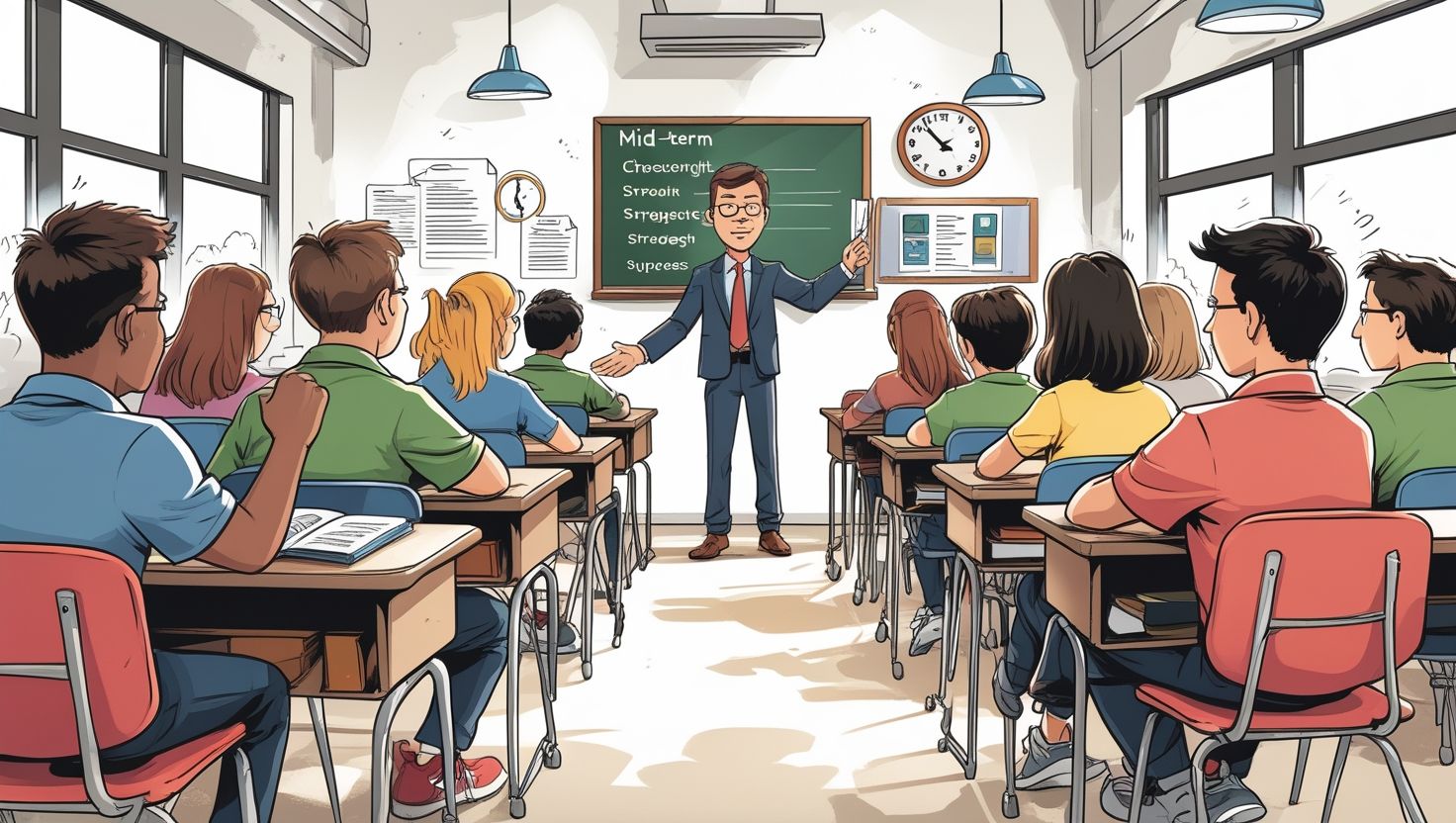
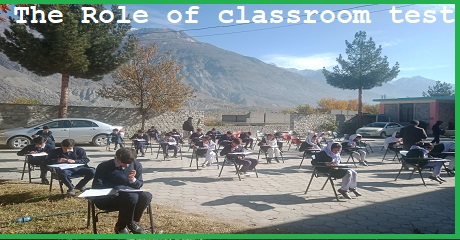
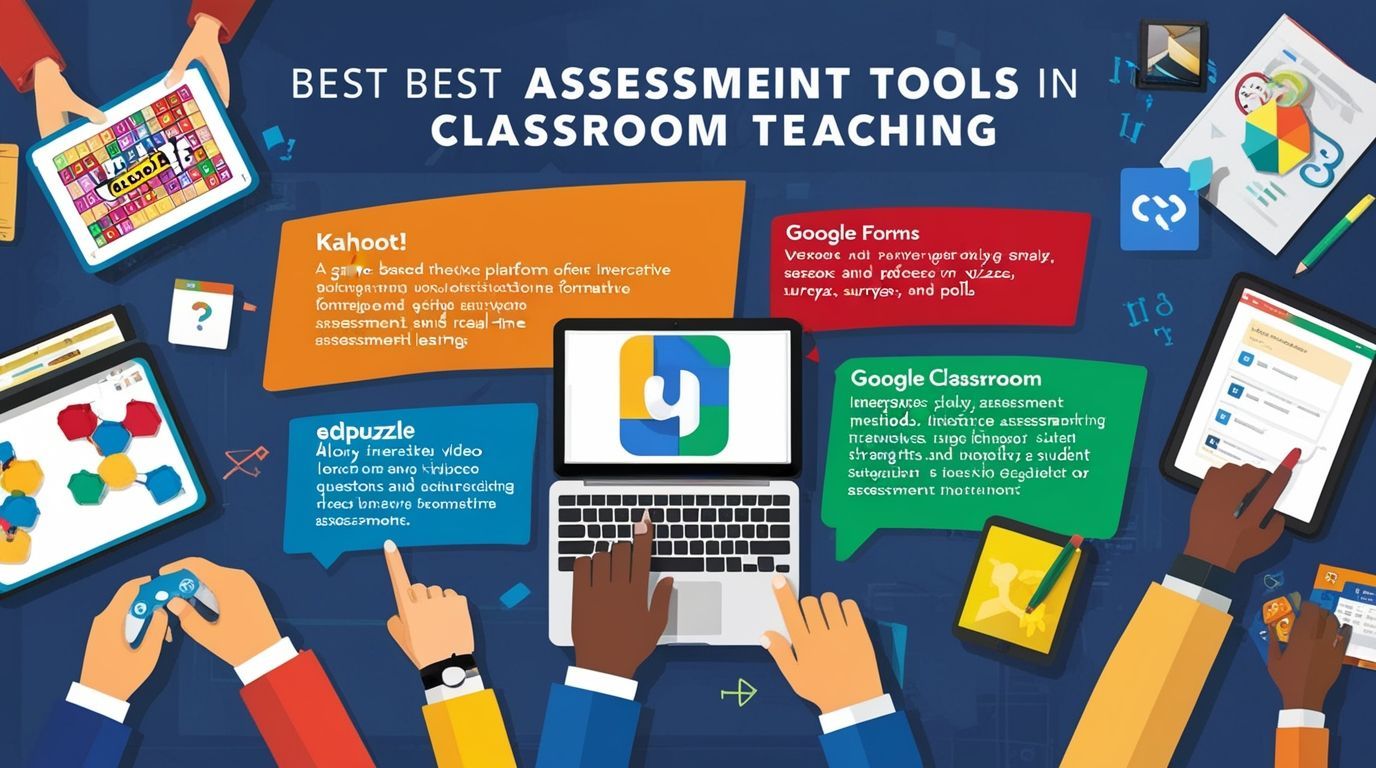
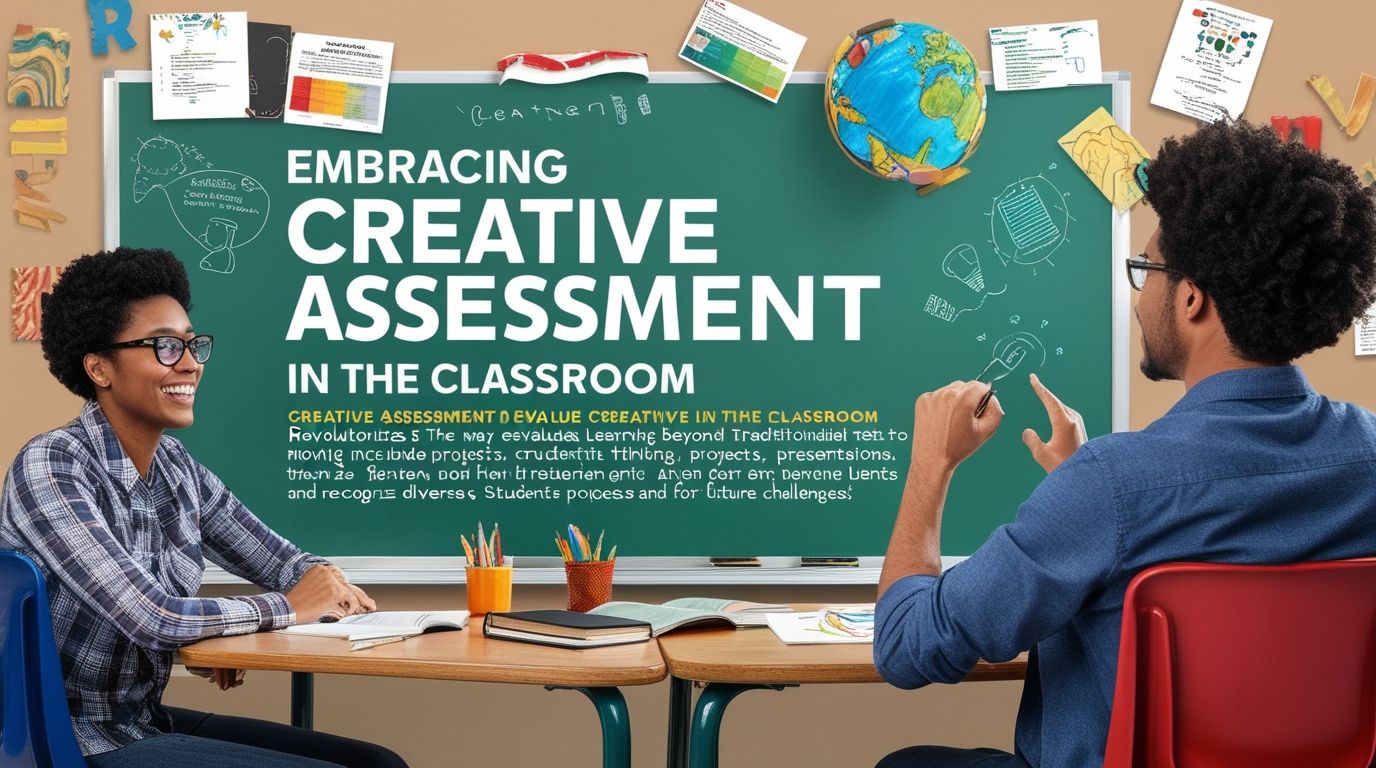
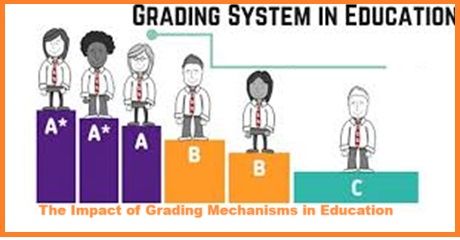
5. Assessment and Evaluation
Assessment systems are designed to support learning:
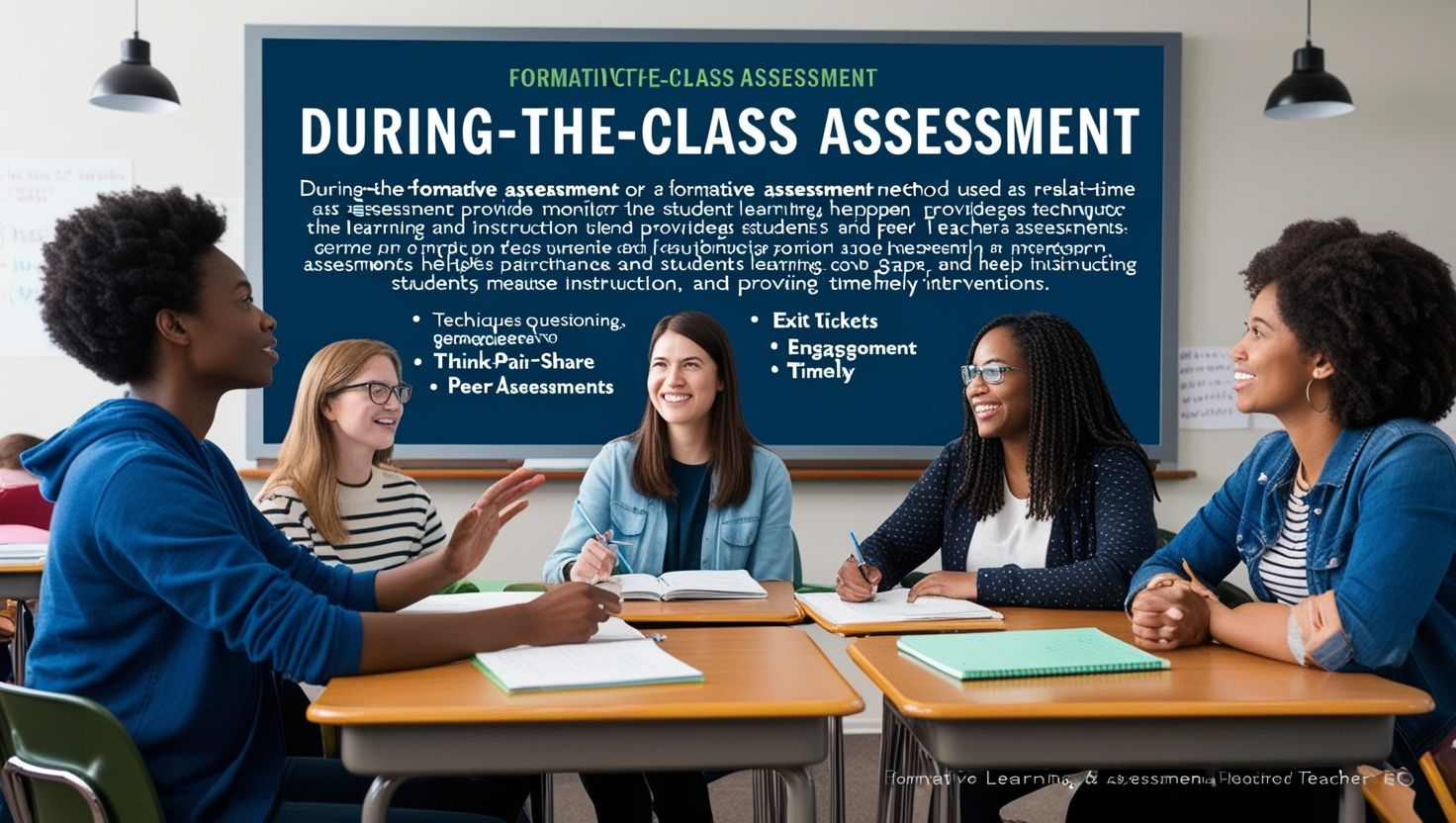
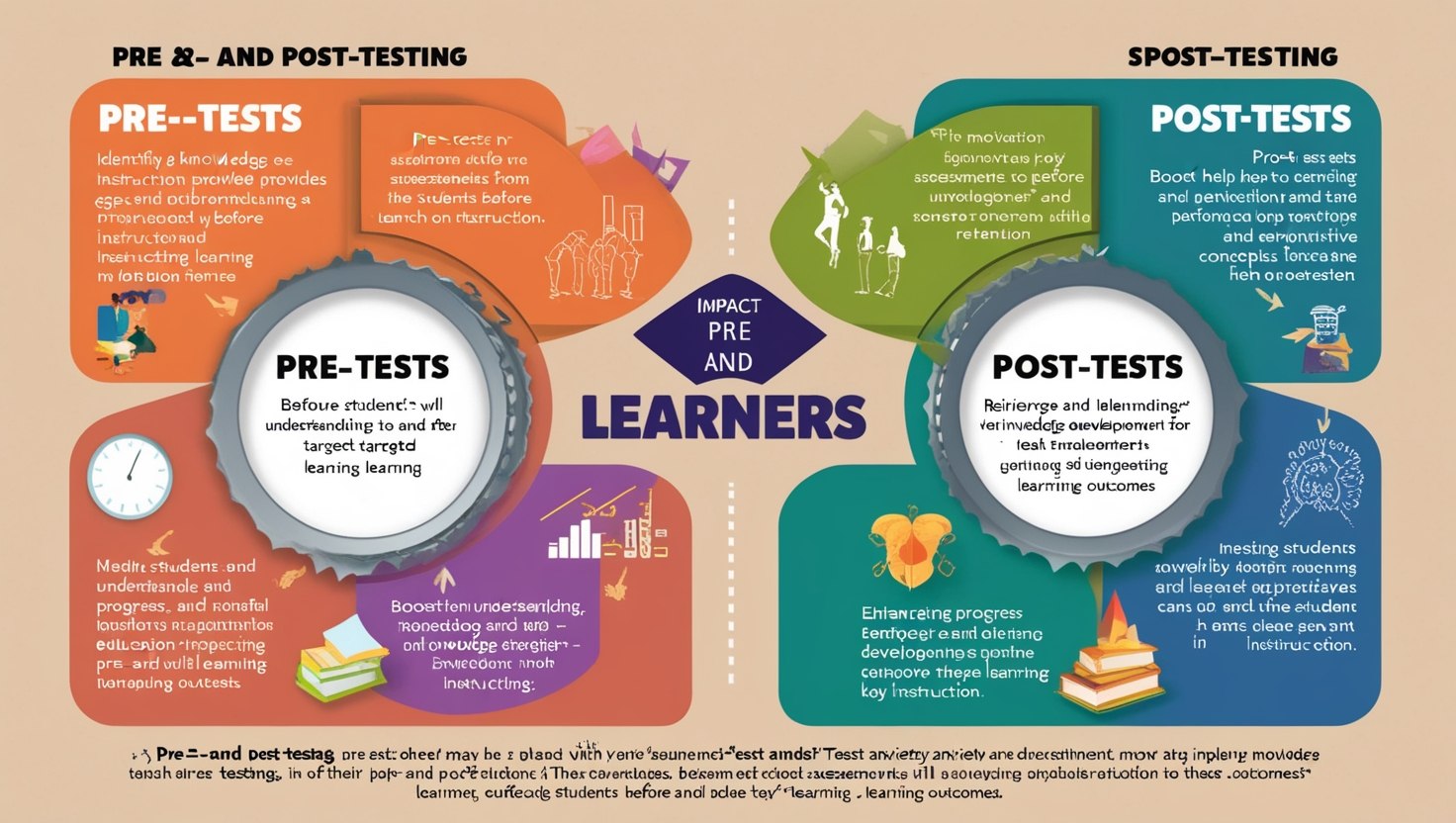
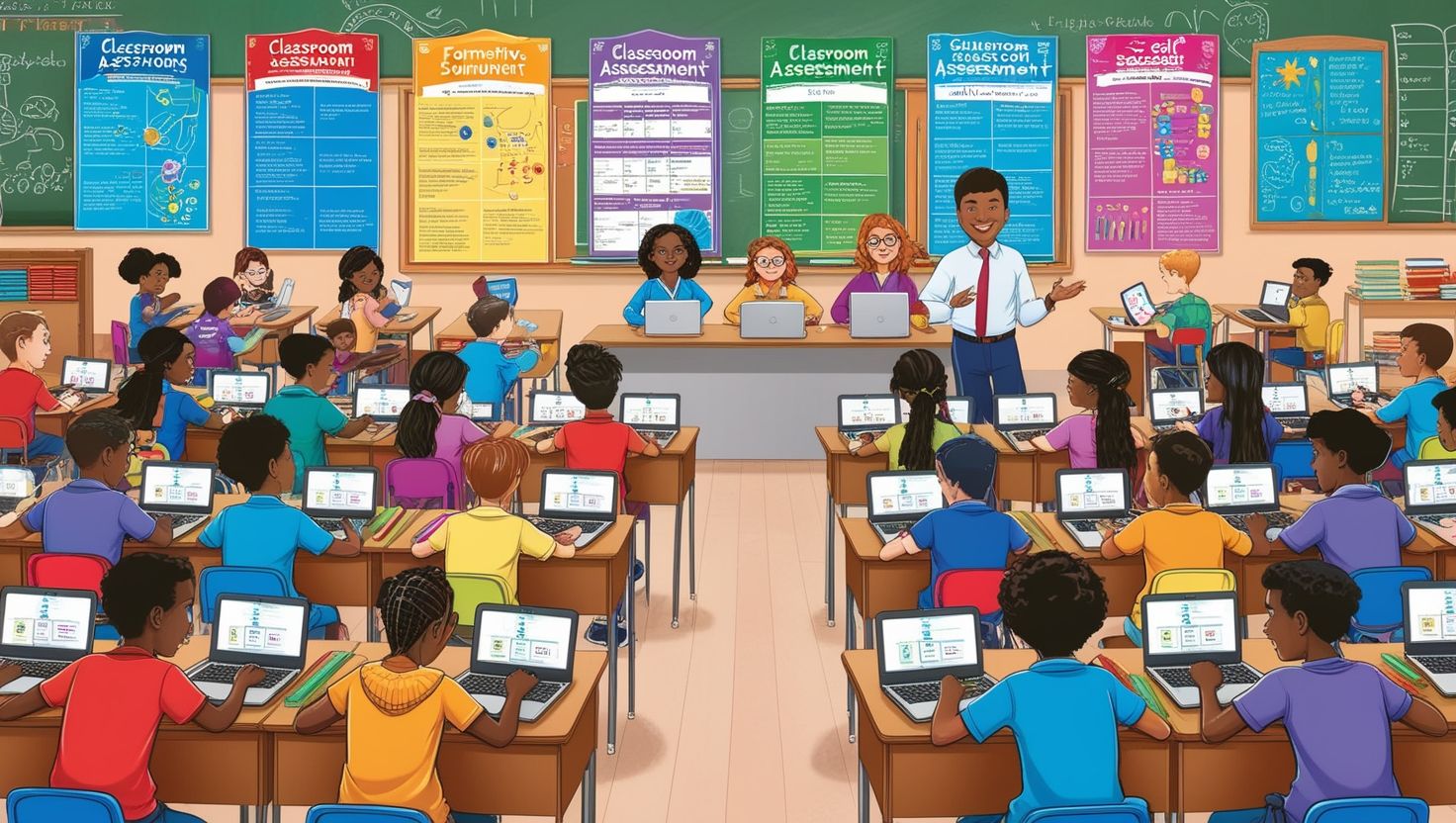
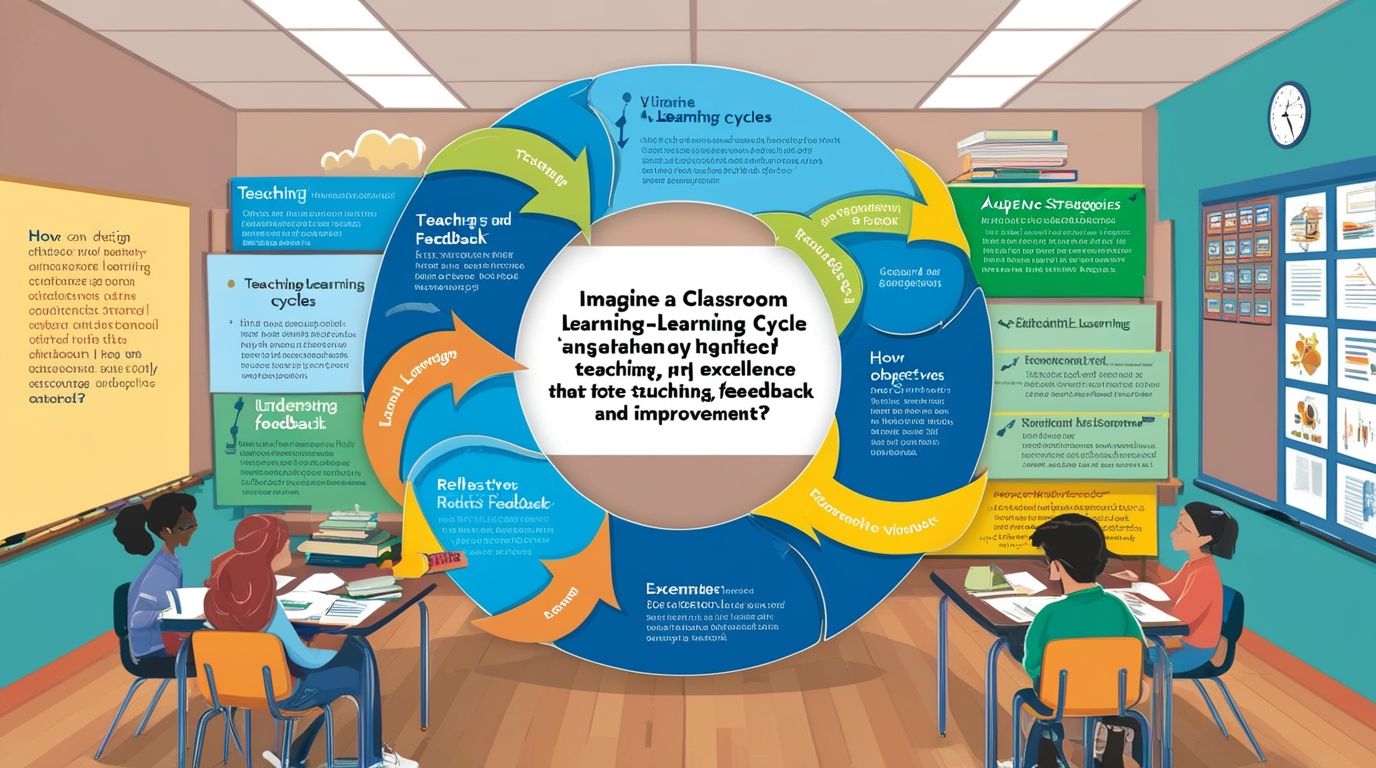
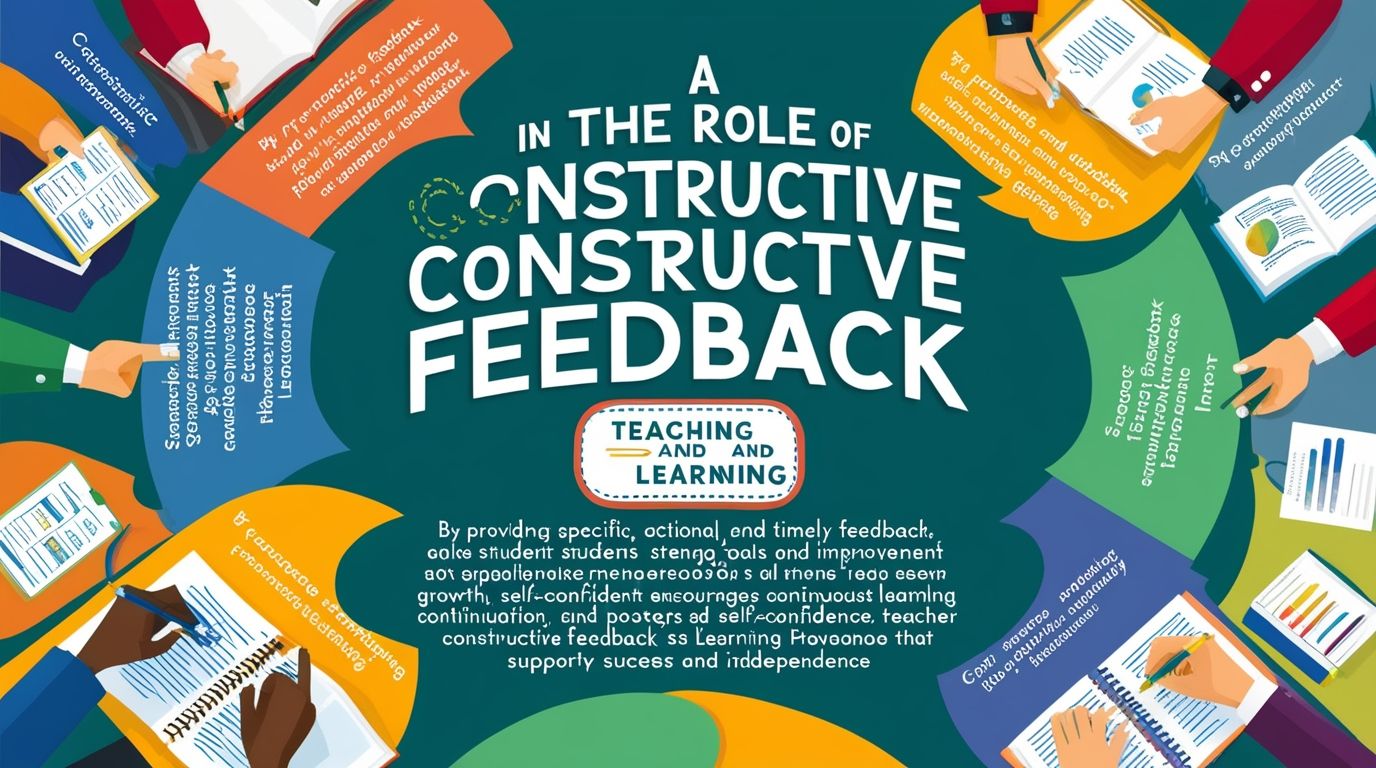
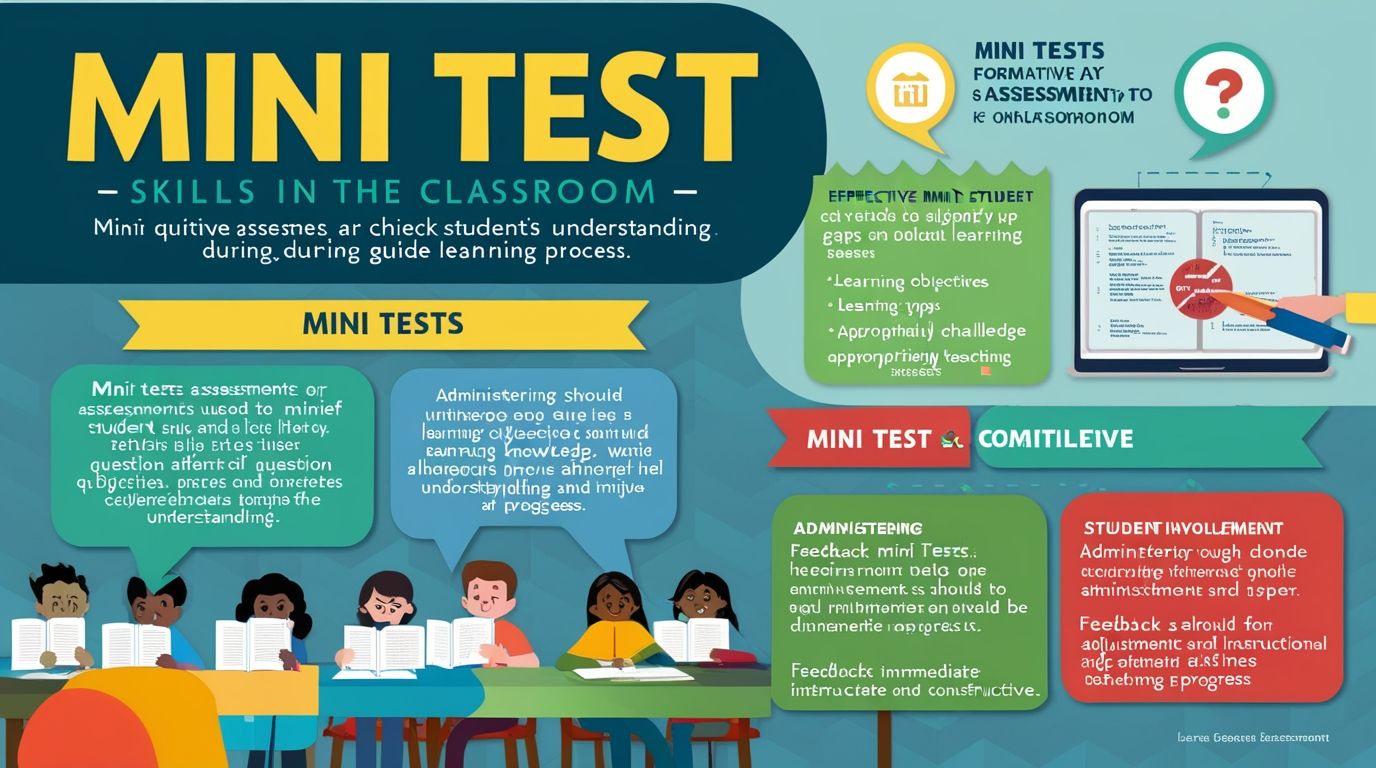
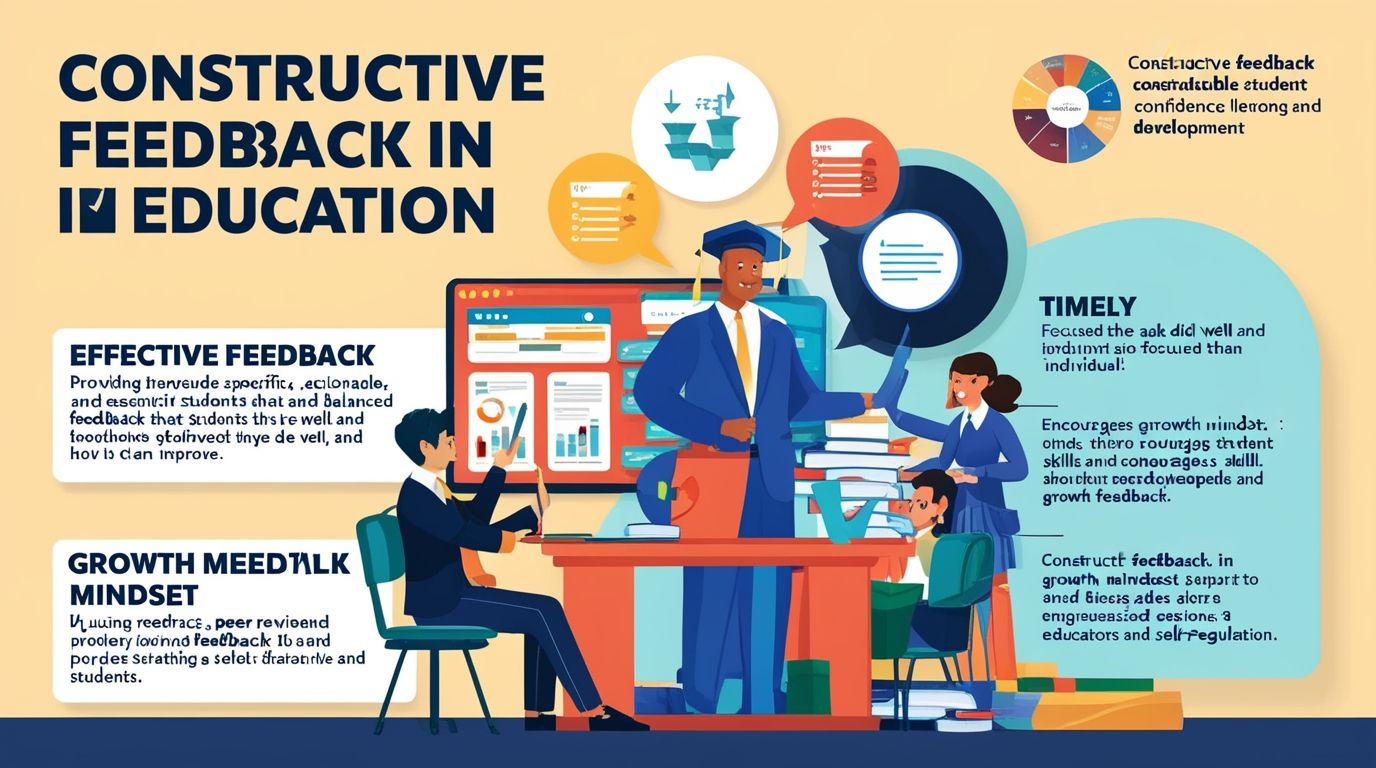
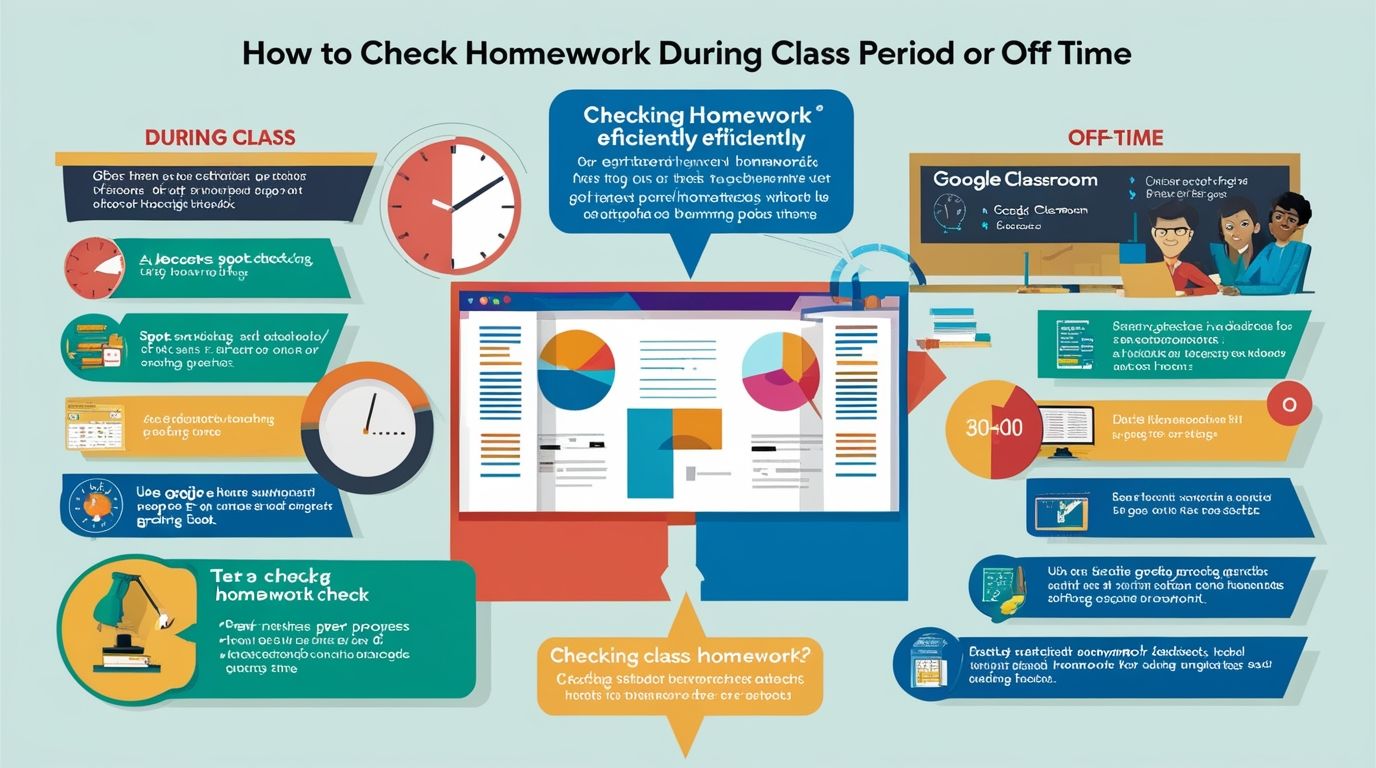
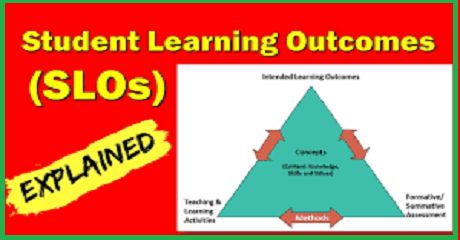
- Formative Assessment – Ongoing feedback to improve performance.
- Summative Assessment – Evaluation at the end of learning phases.
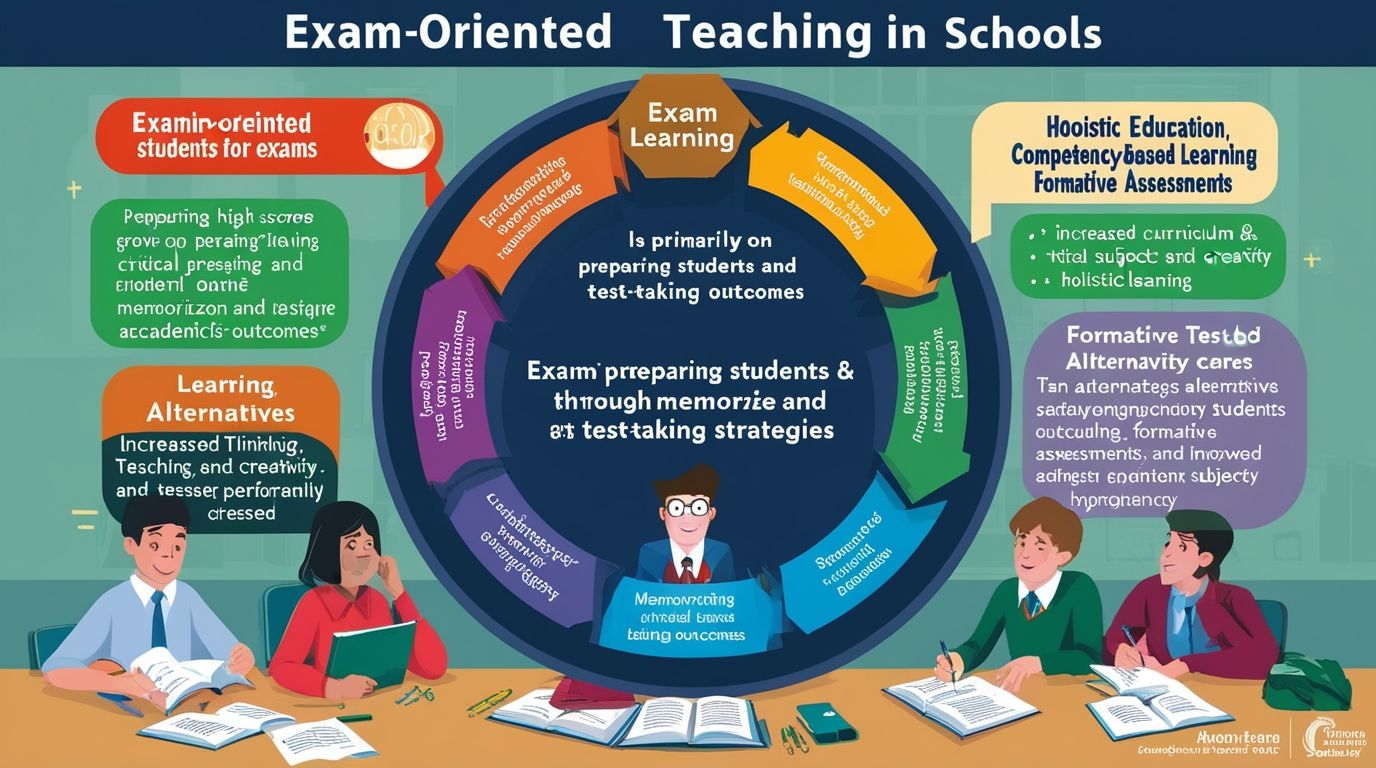
- Authentic Assessment – Portfolios, presentations, and practical tasks replace rote exams.
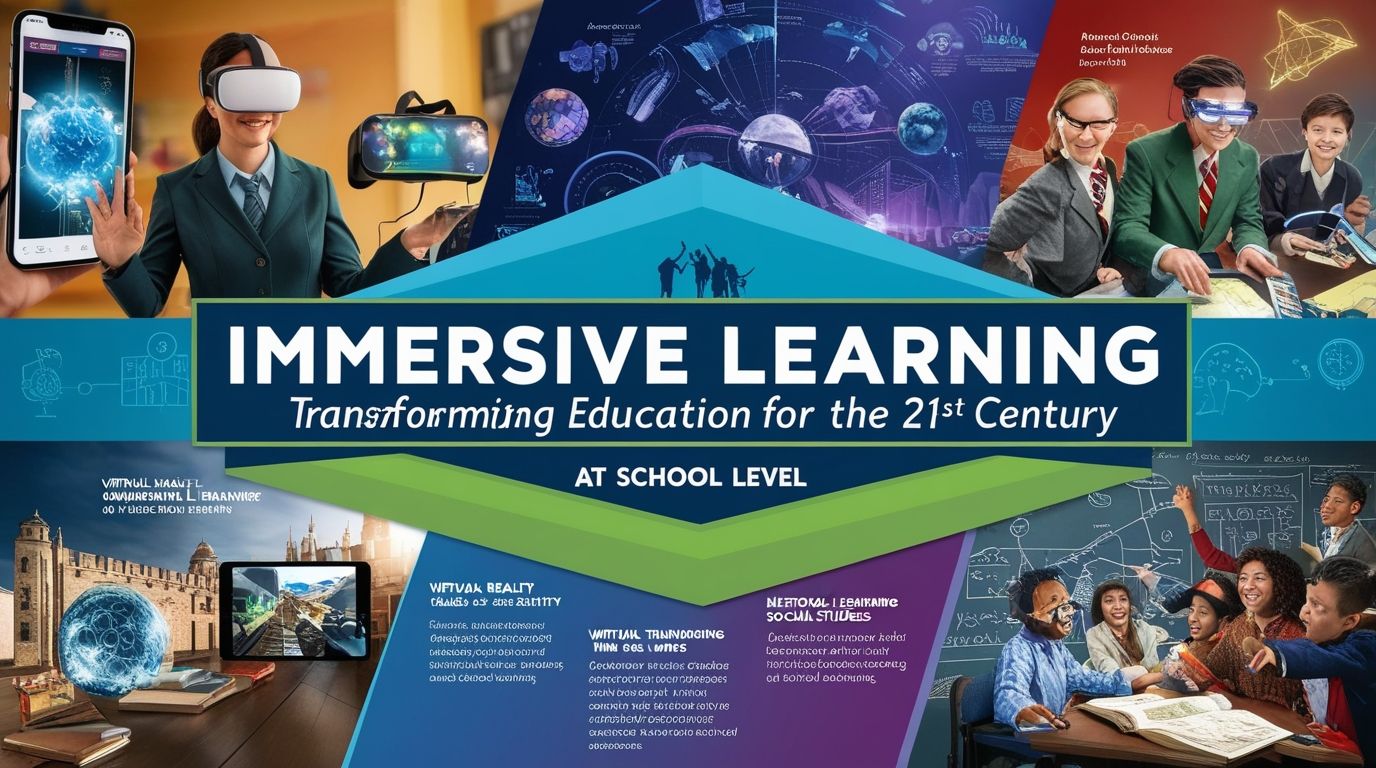
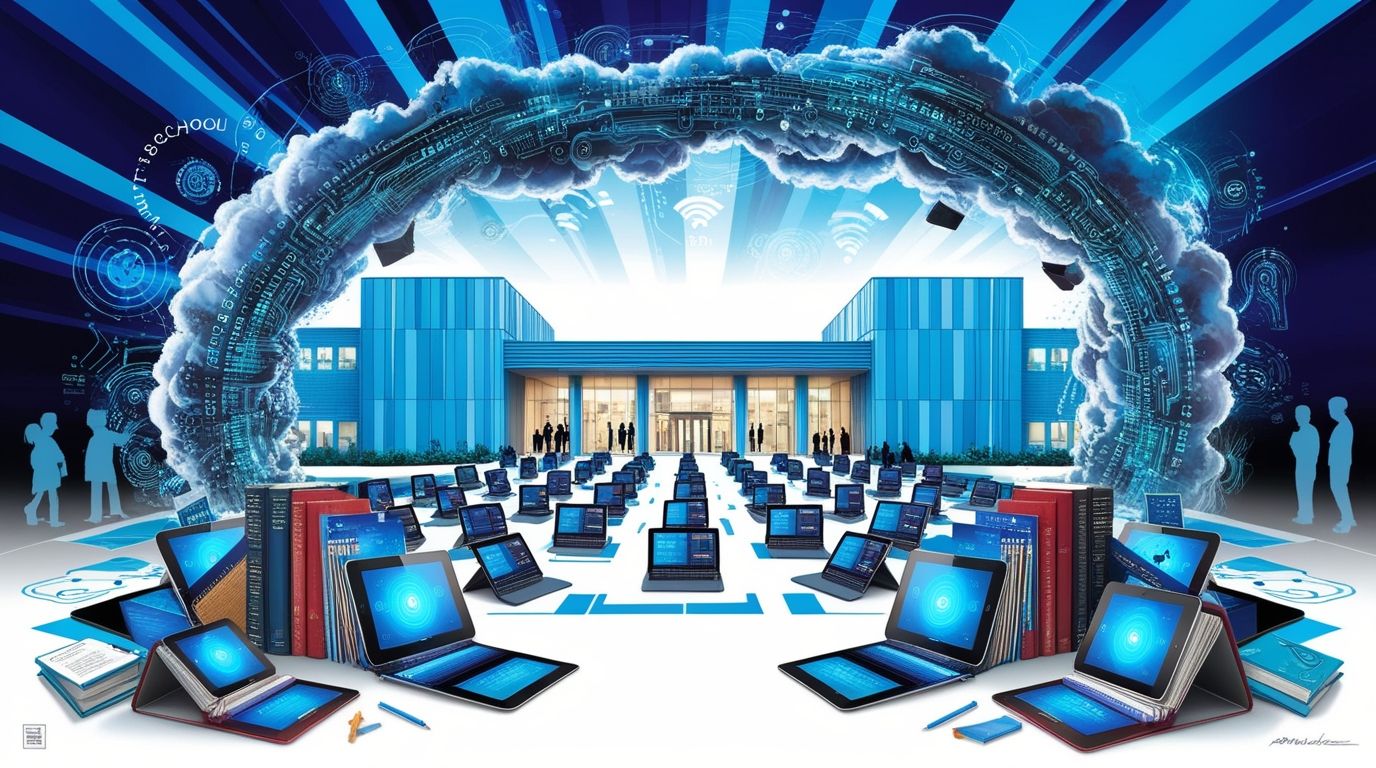
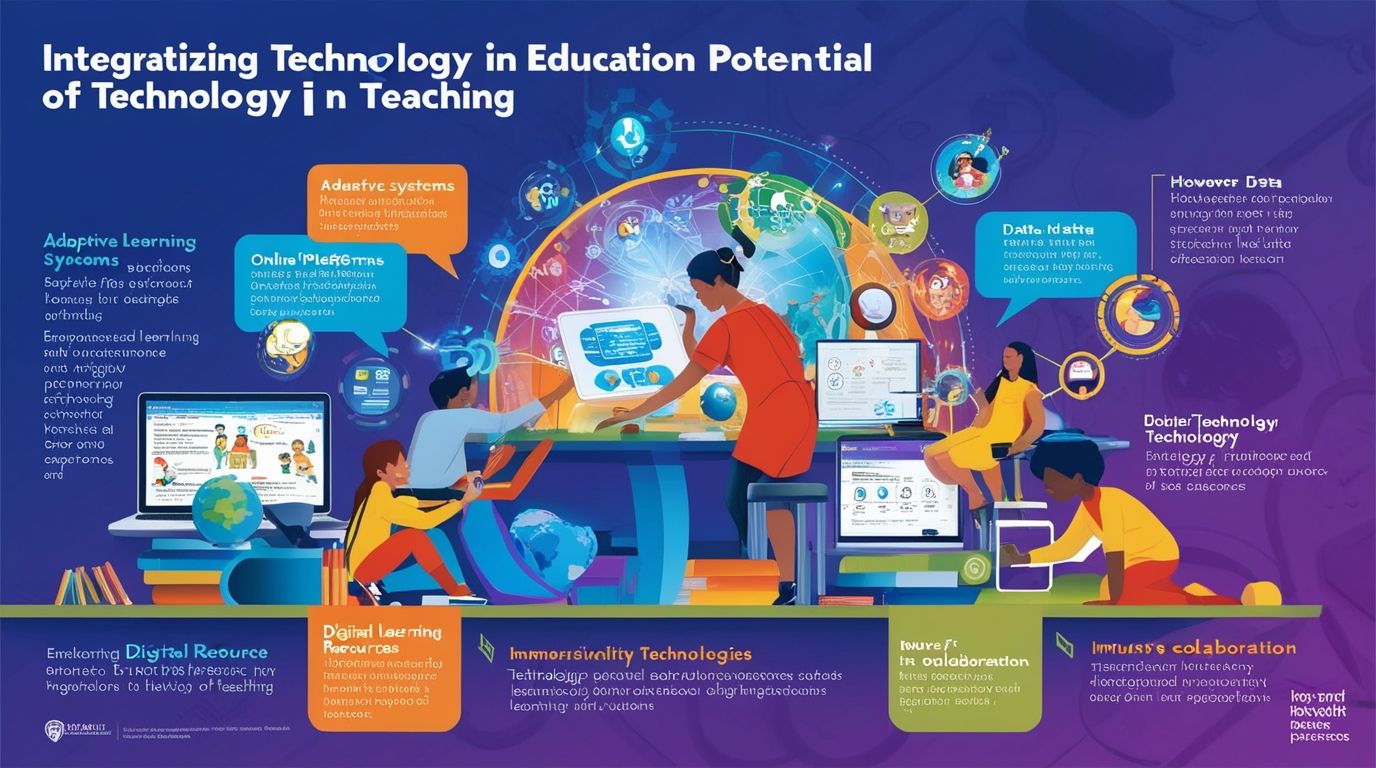
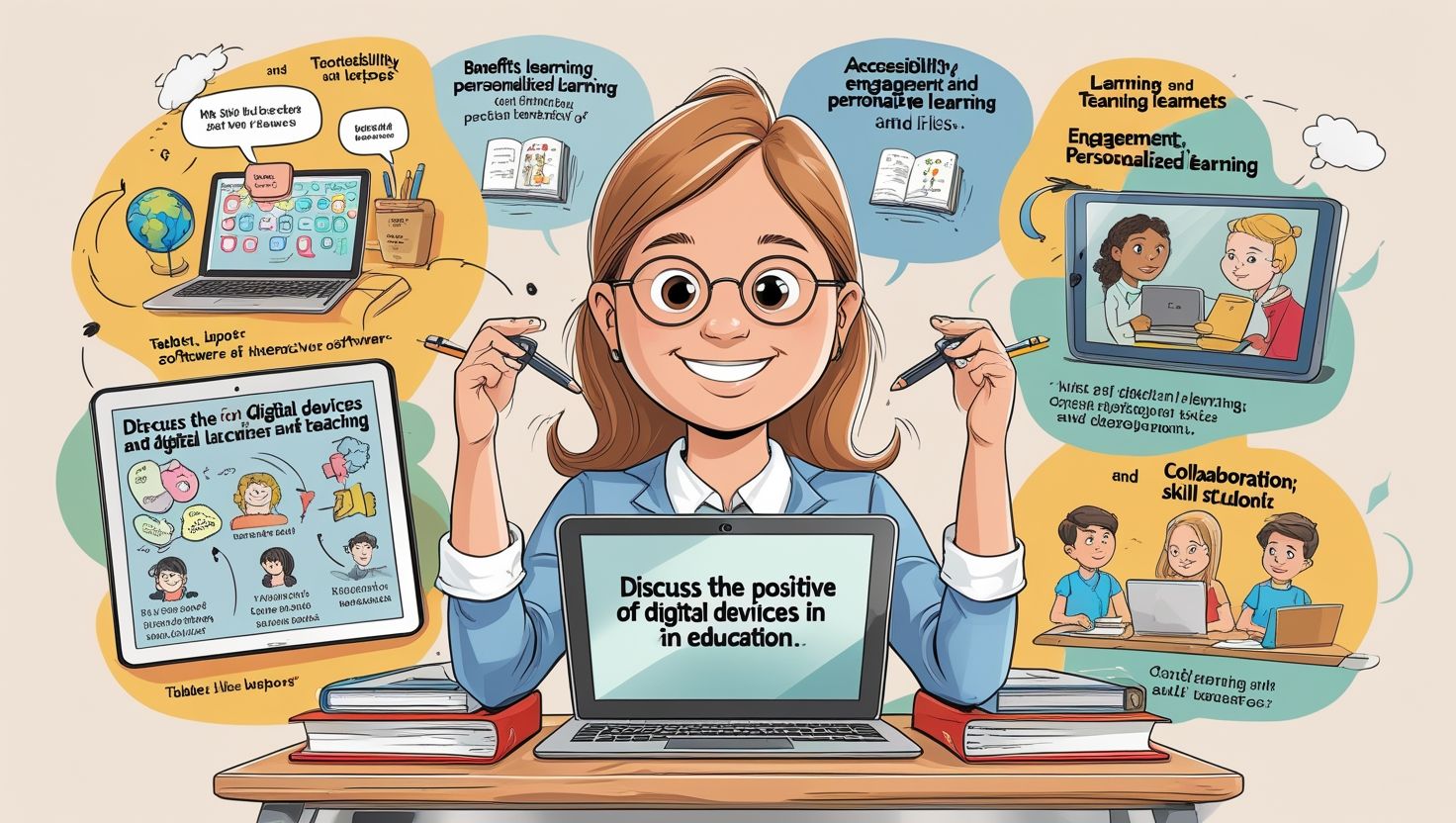
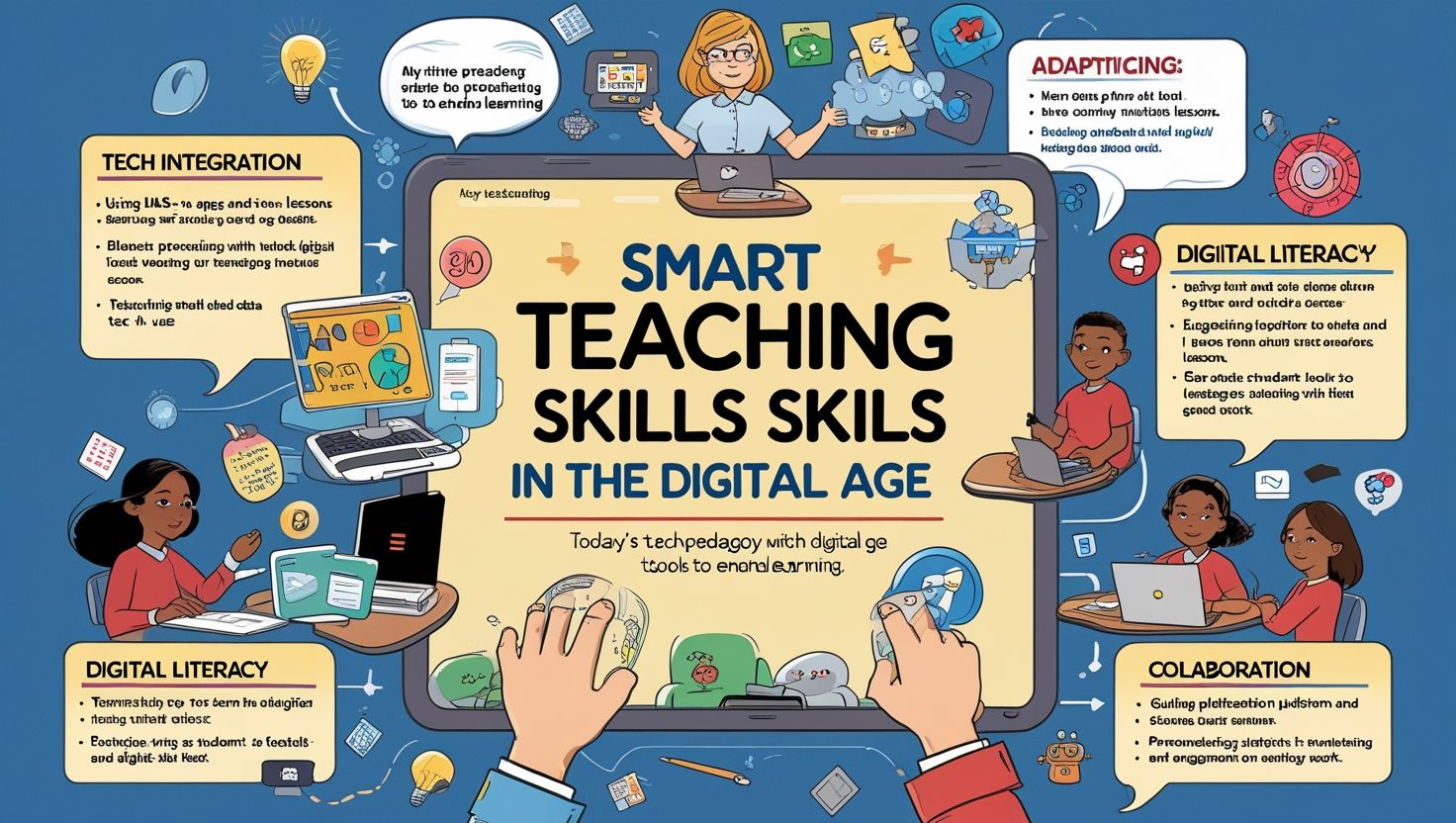
6. Role of Technology
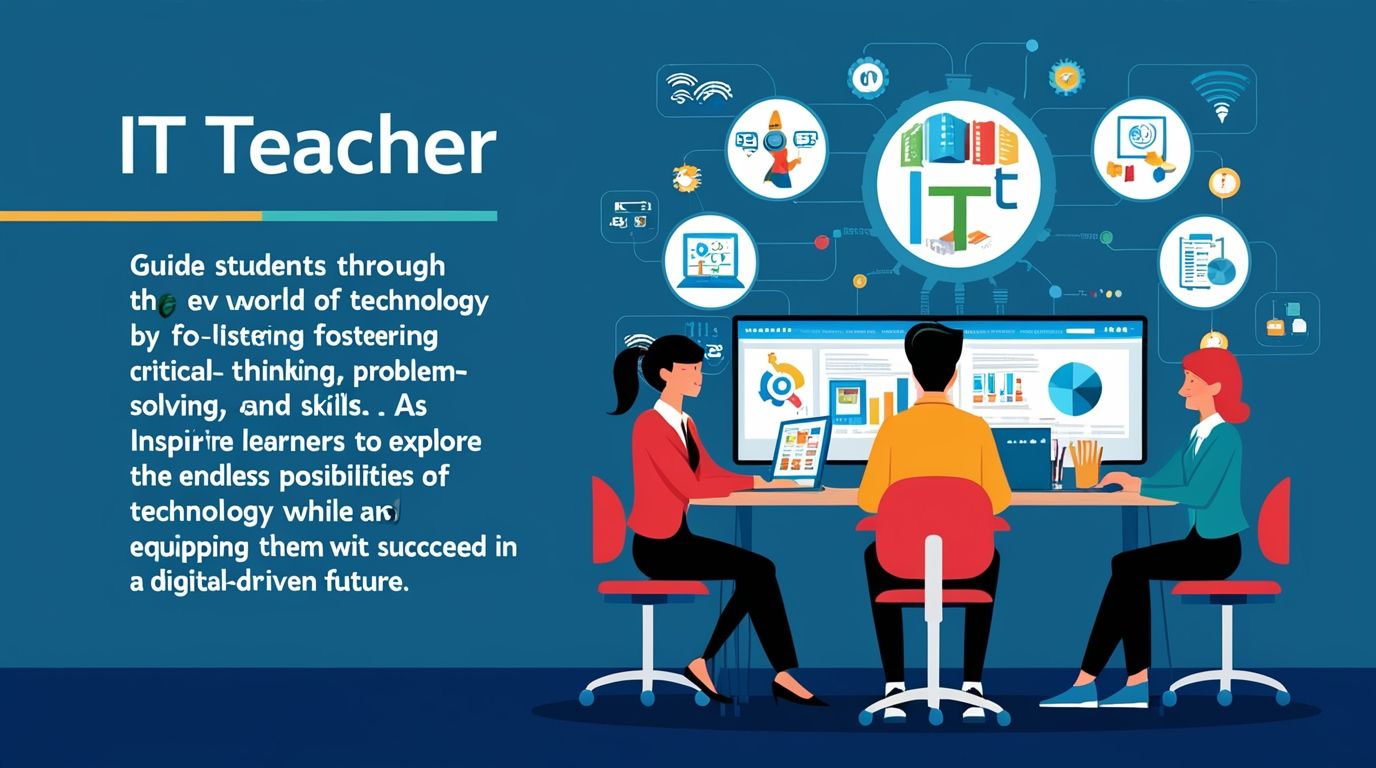
Technology plays a central role in modern education:
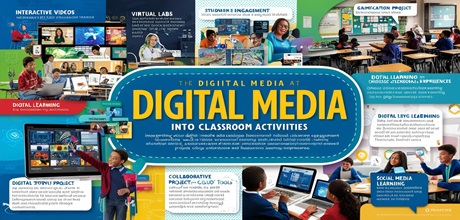
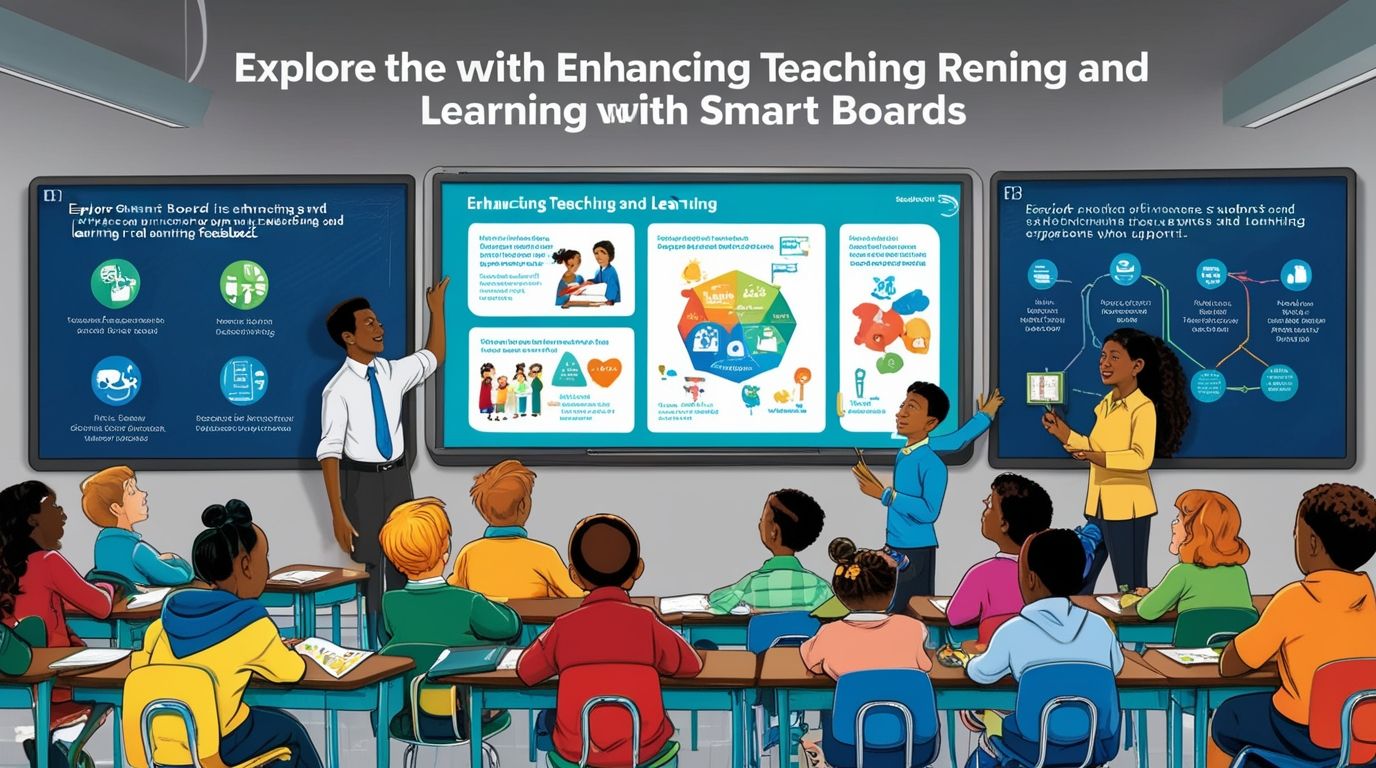
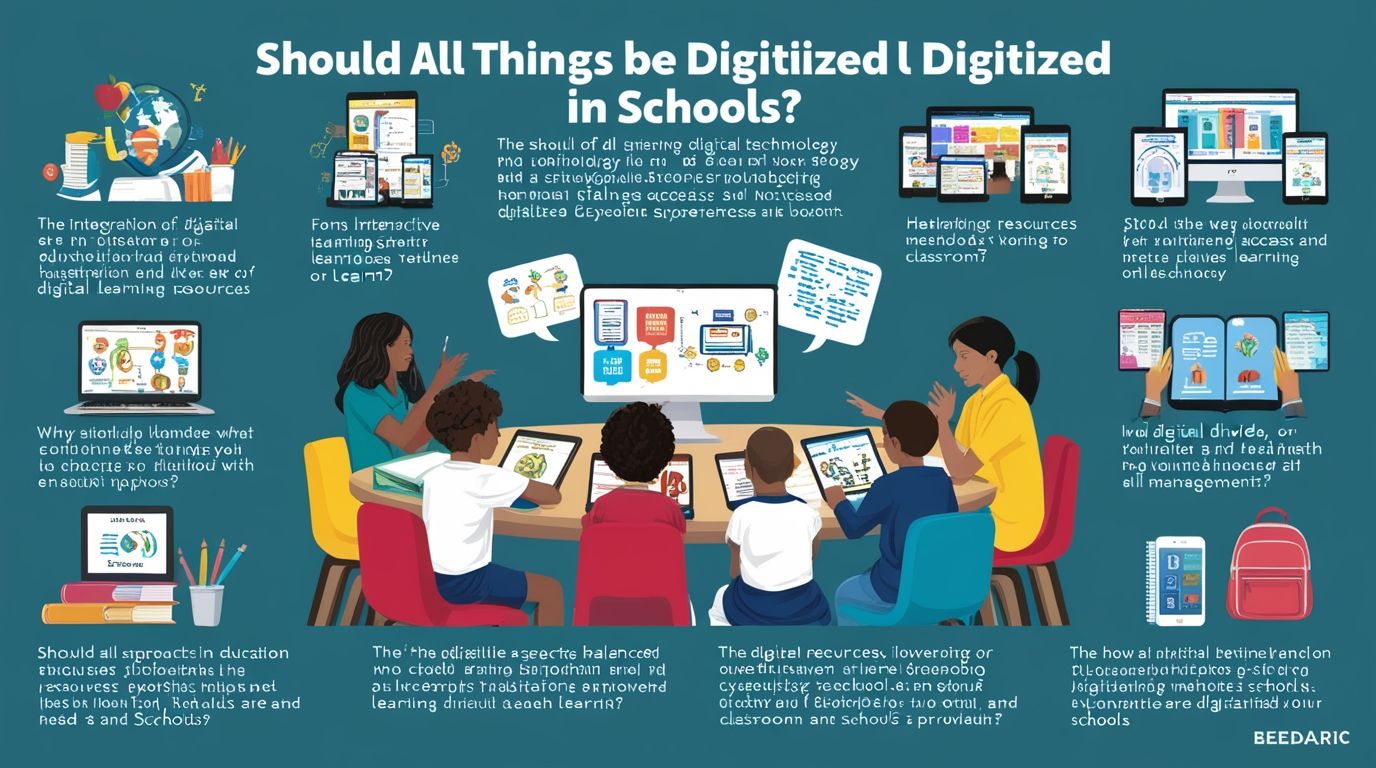
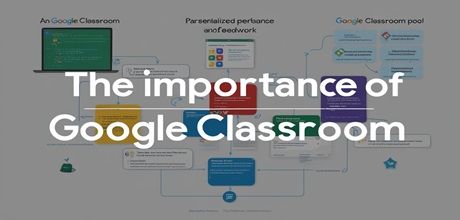
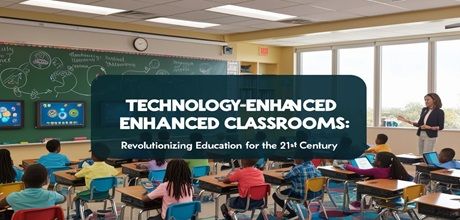
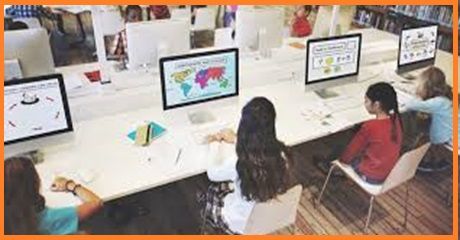
- Digital classrooms and Learning Management Systems
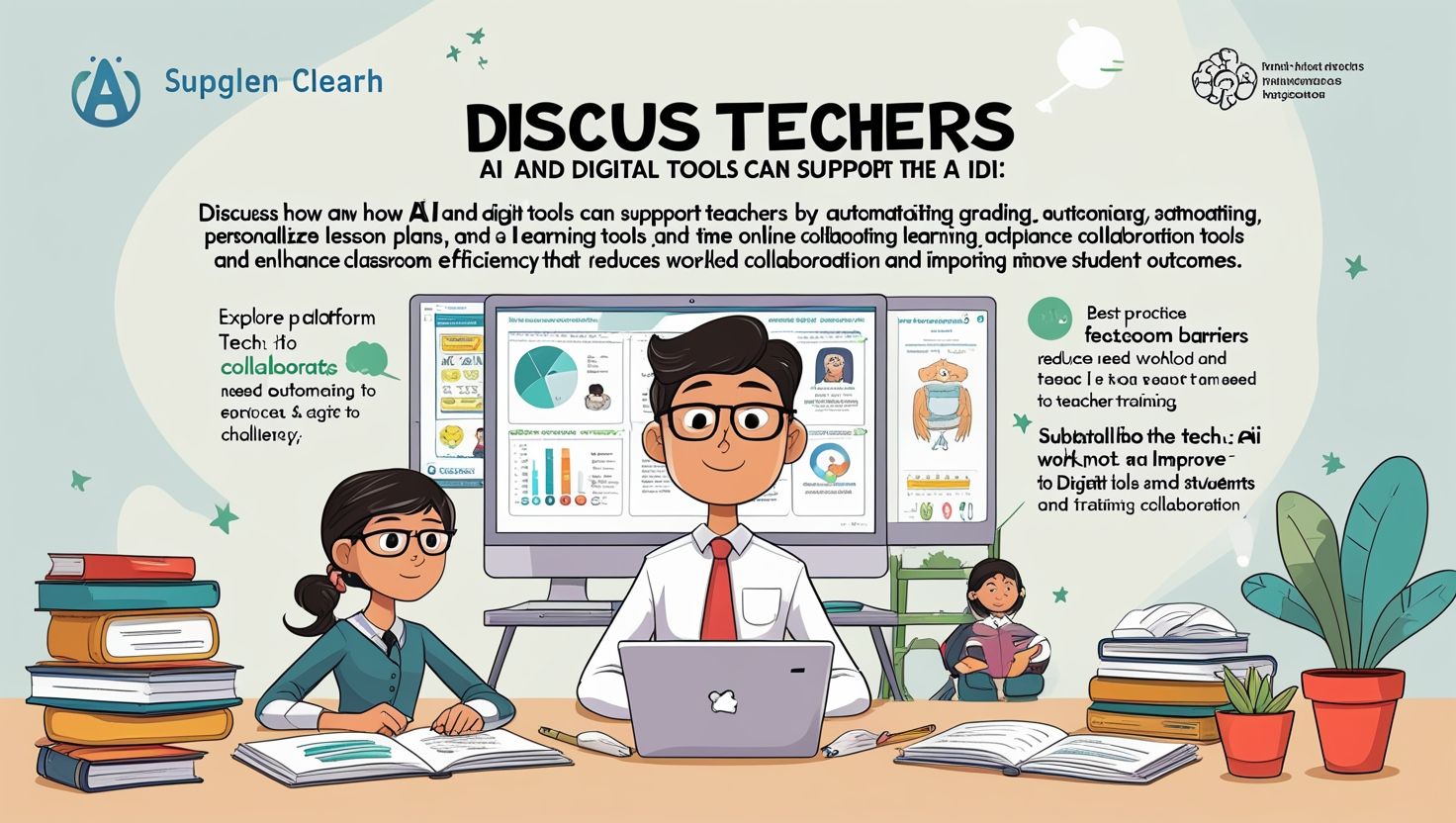
- Artificial Intelligence for personalized learning support
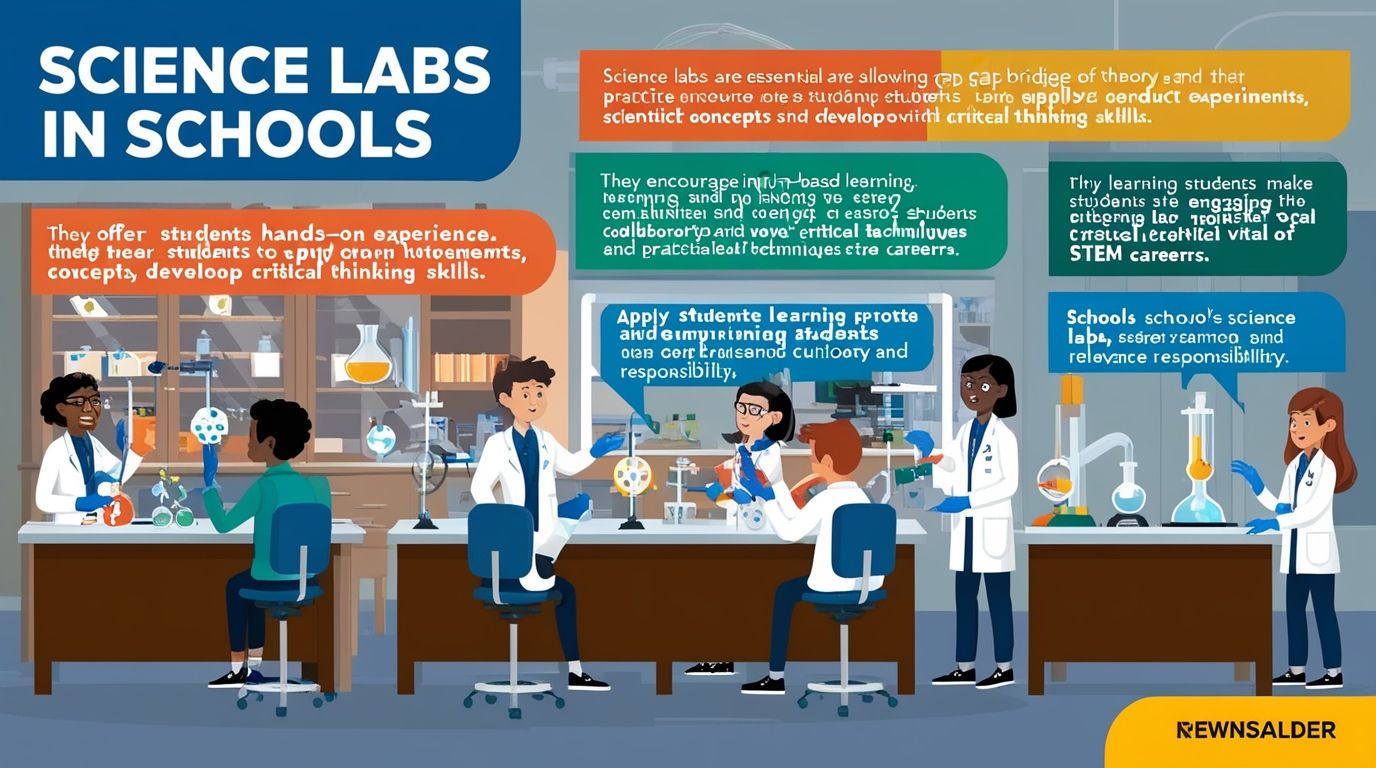
- Virtual labs, simulations, and open educational resources
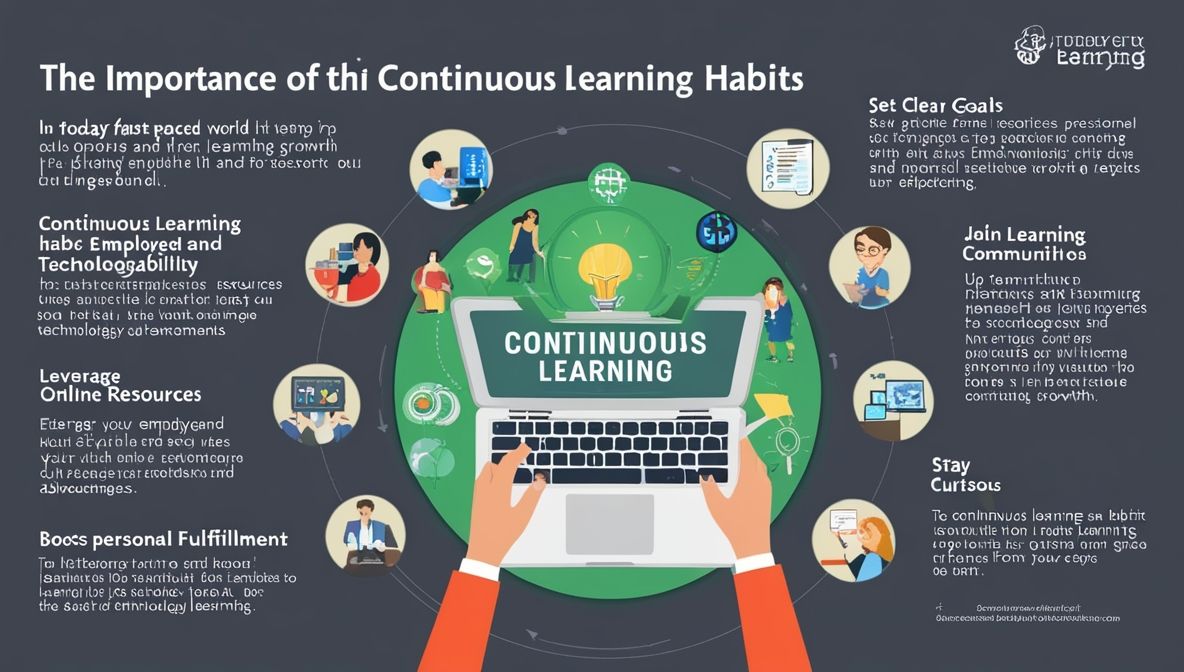
7. Lifelong Learning Approach
Education is no longer limited to formal schooling:
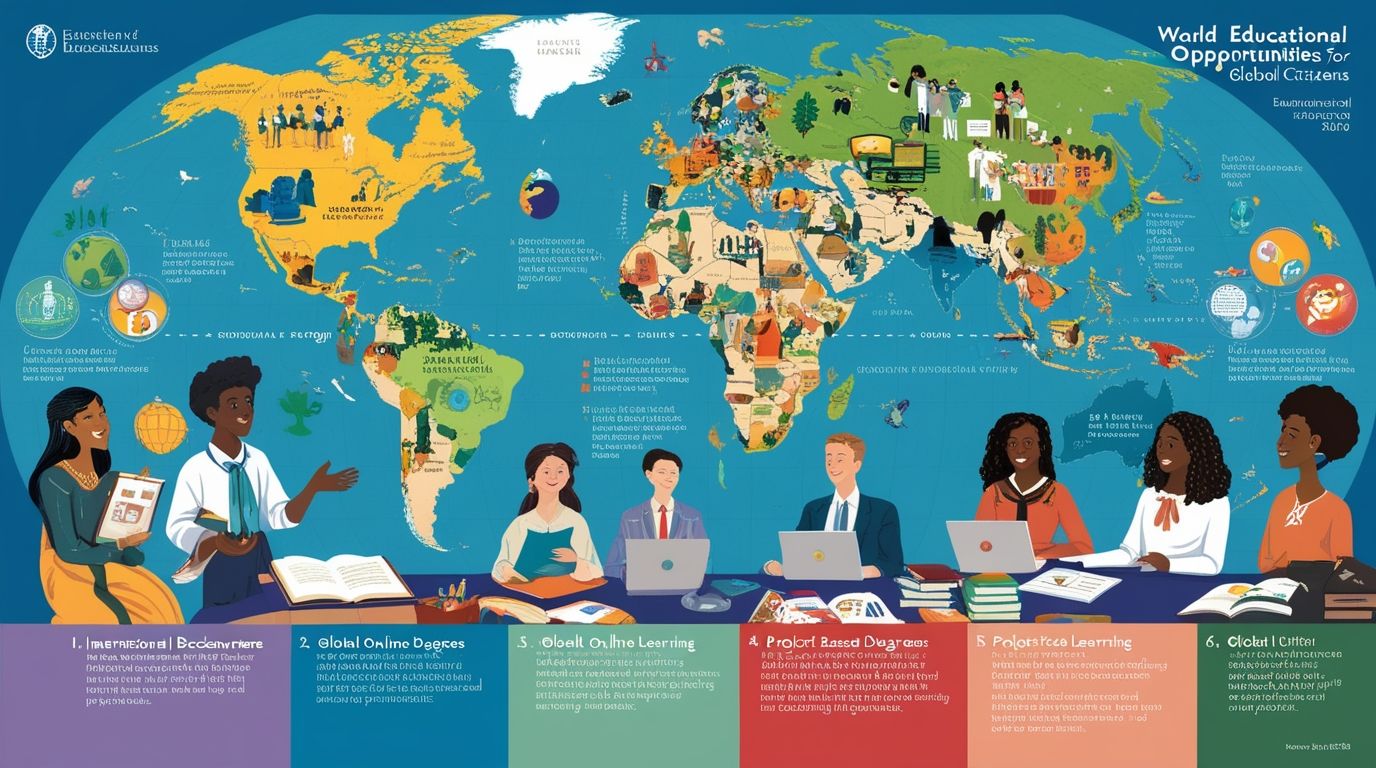
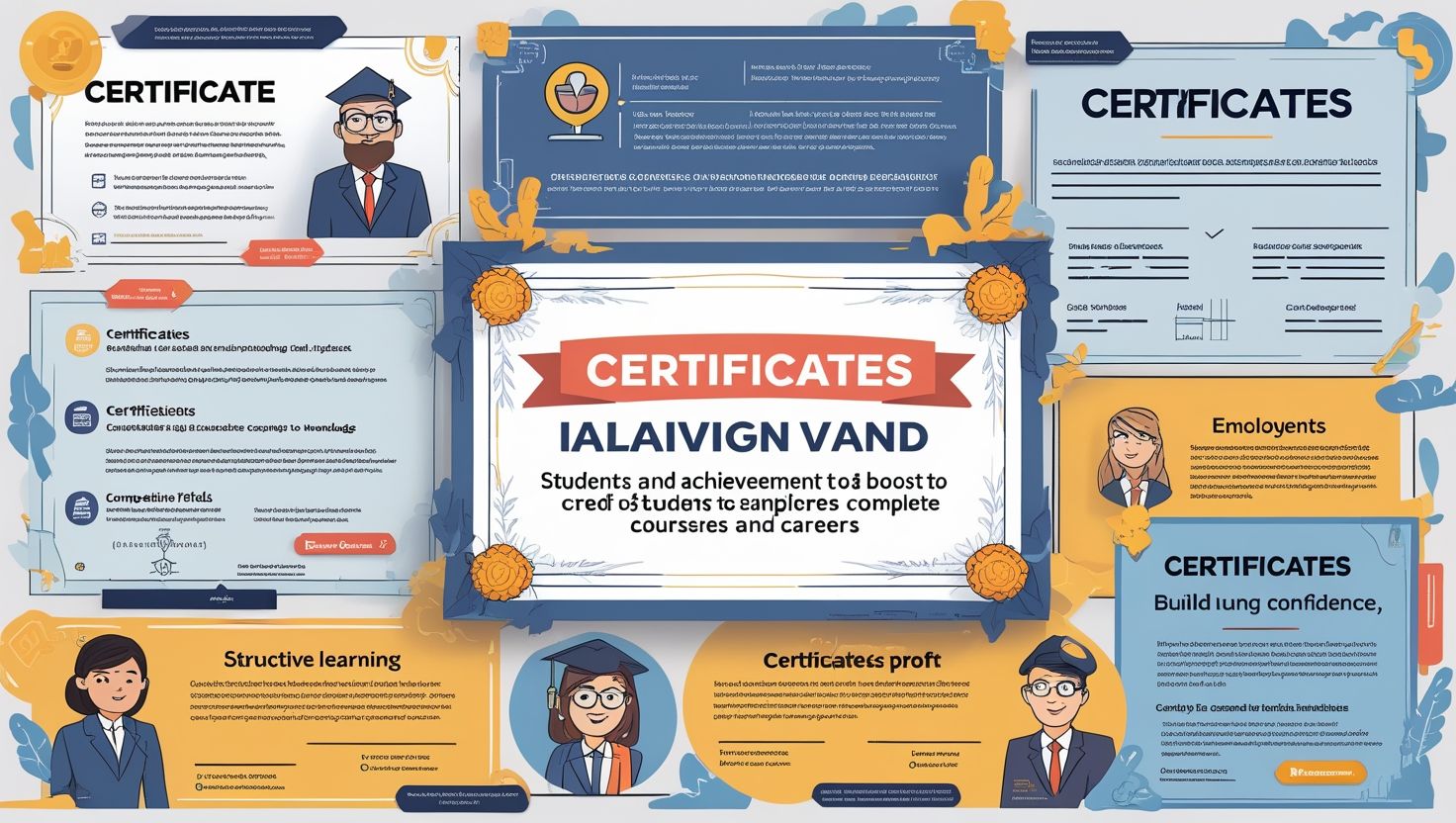
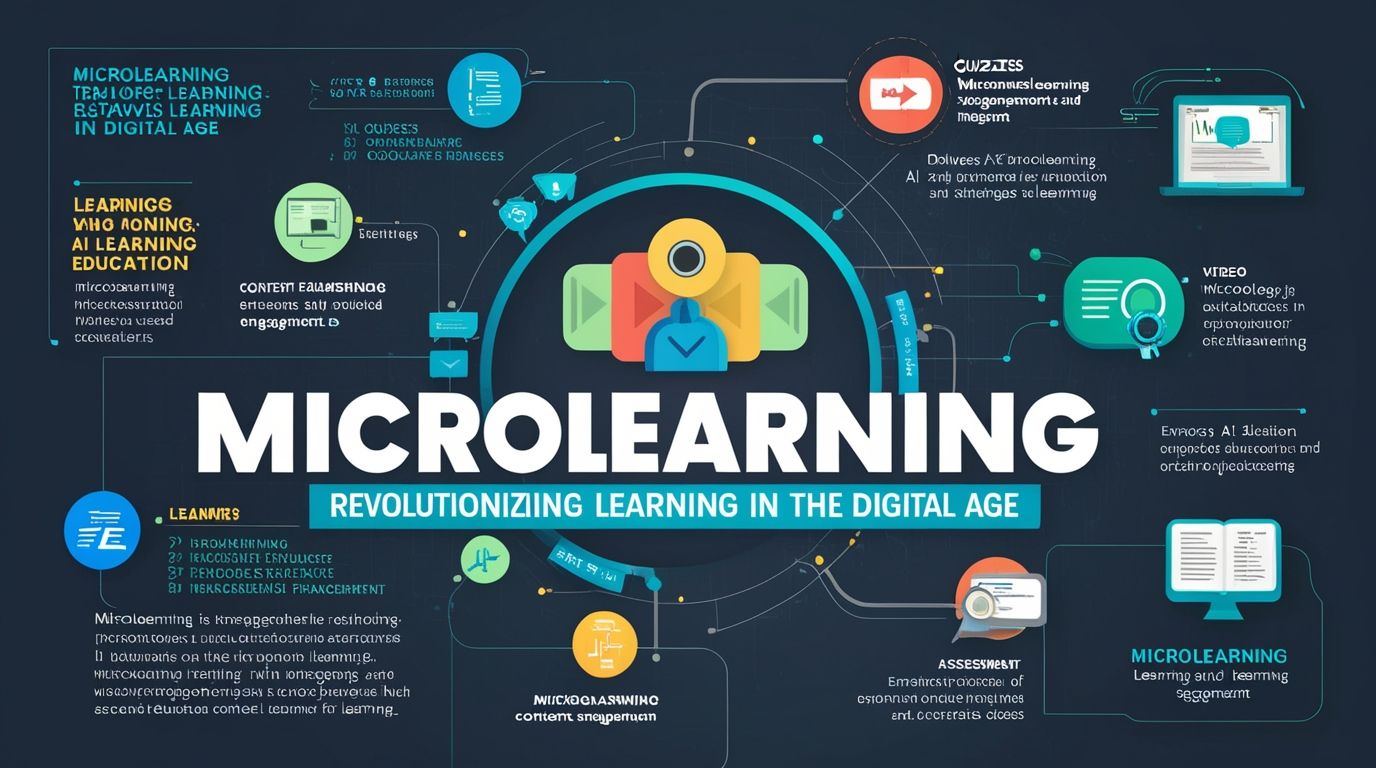
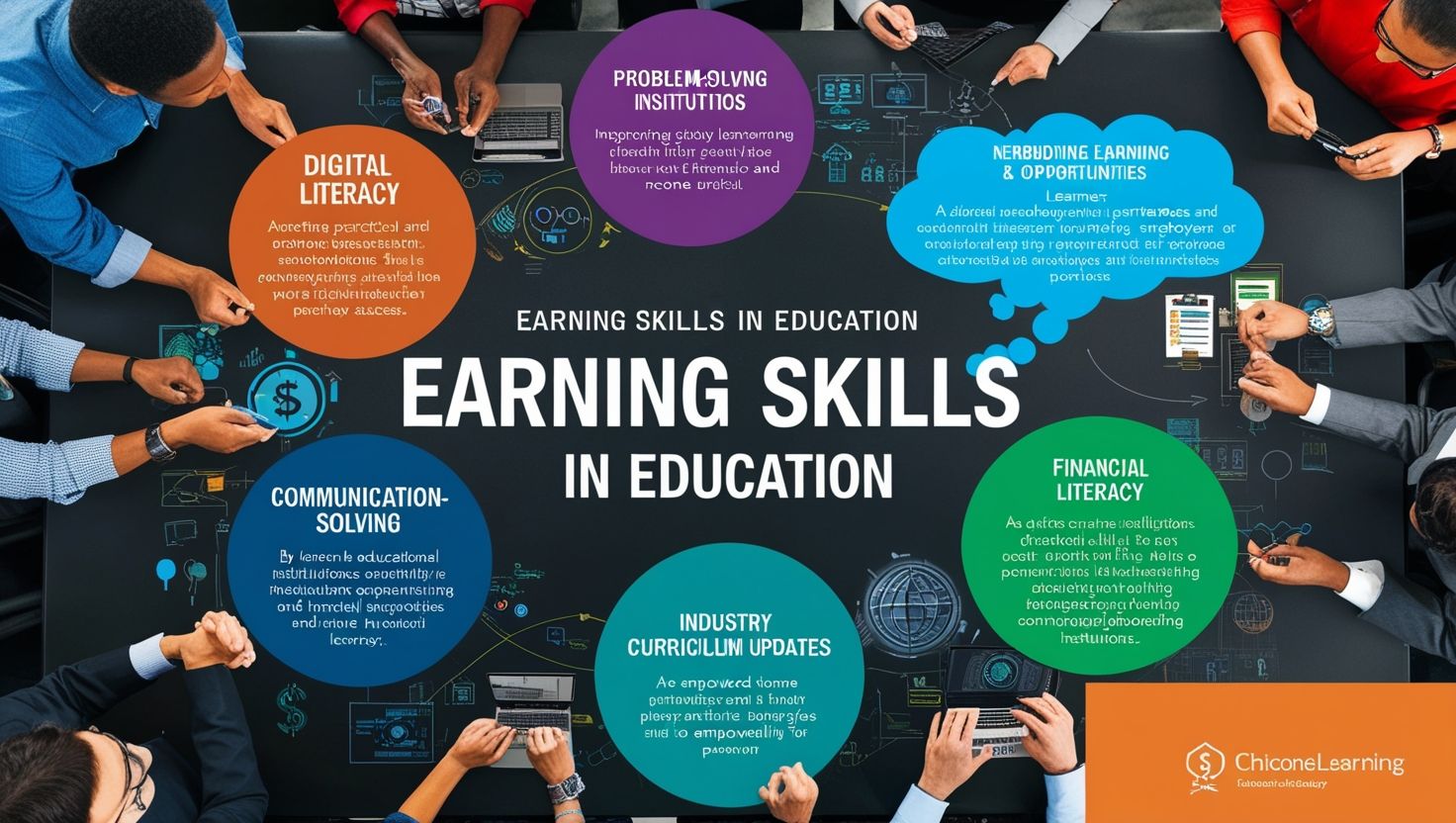
- Online courses and micro-credentials
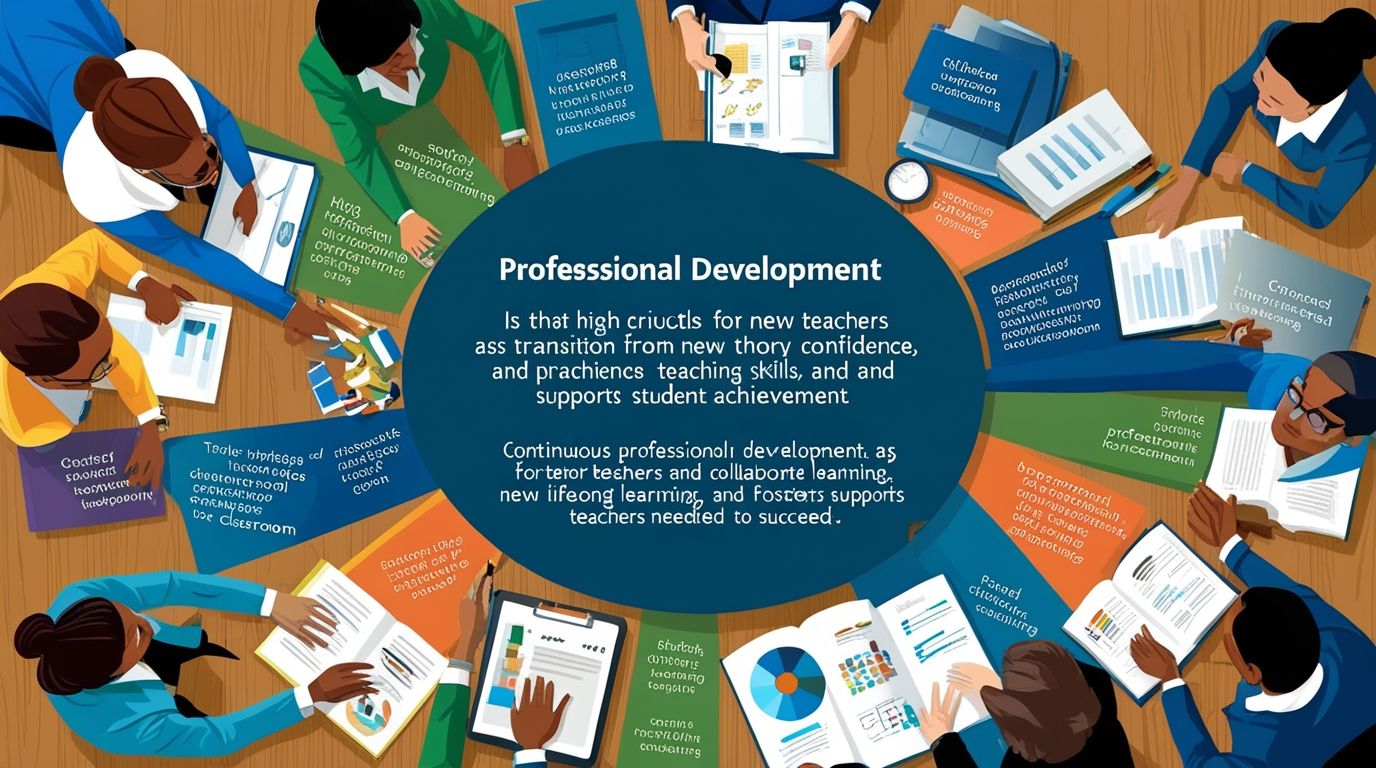
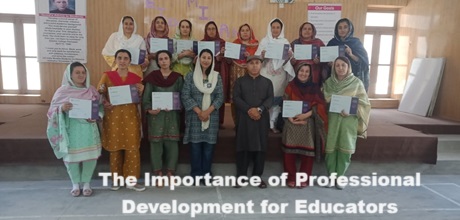
- Continuous professional development
- Reskilling and upskilling opportunities throughout life
Conclusion
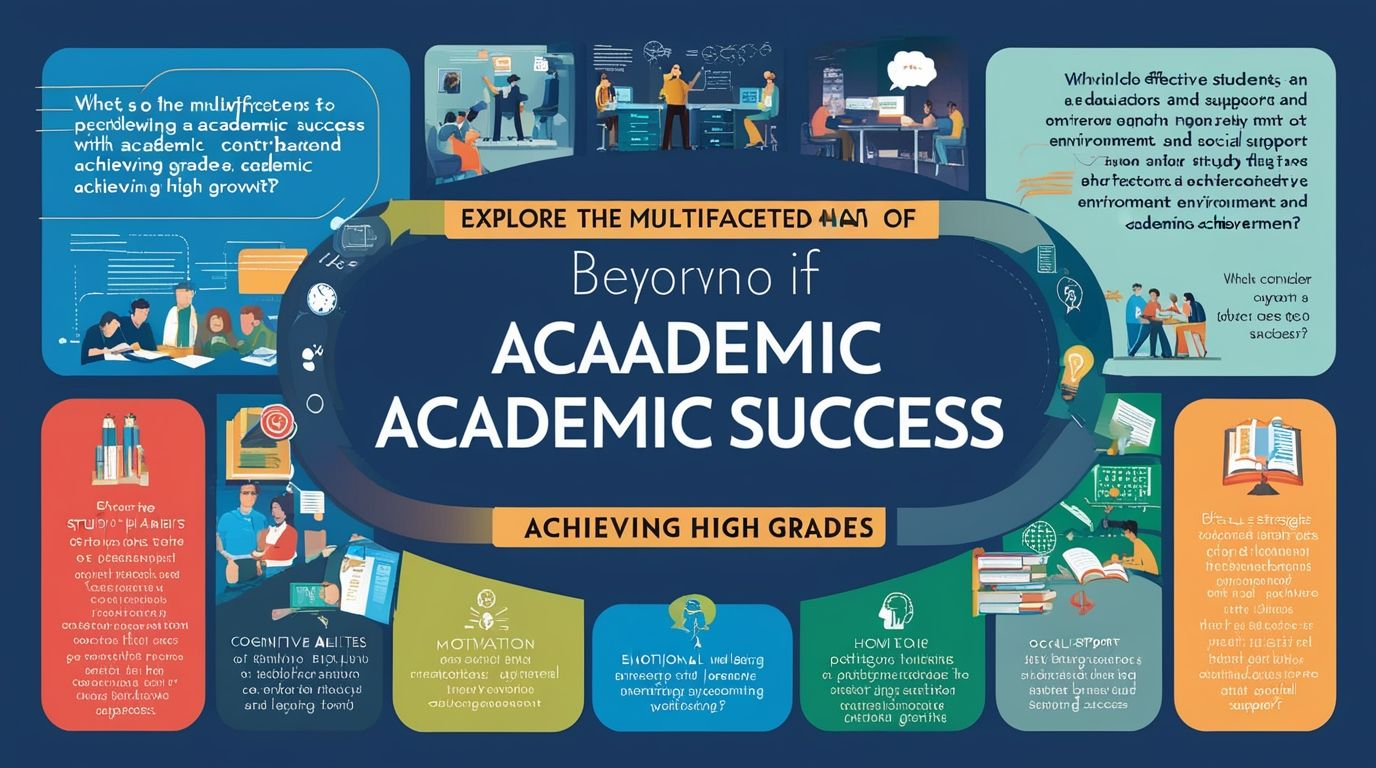
The modern educational structure aims to create independent, skilled, ethical, and globally competent learners. By combining innovation, technology, and human values, it prepares individuals not just for employment, but for meaningful participation in society and lifelong success.