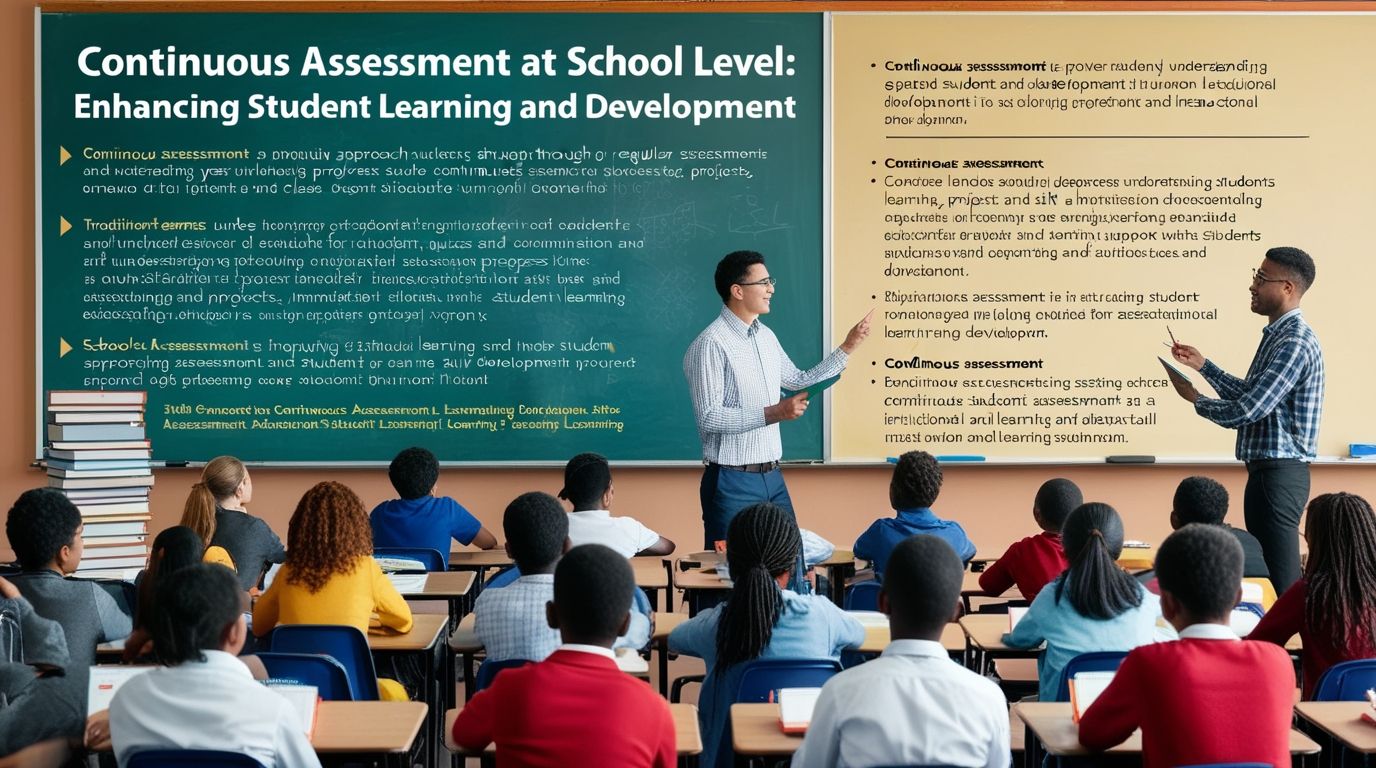
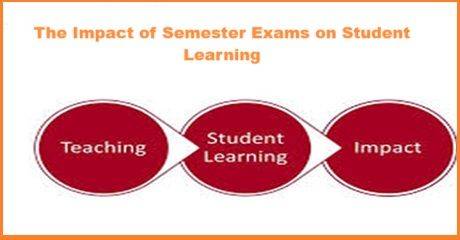
The way students are assessed has a profound impact on what and how they learn. Traditionally, assessment practices have focused on measuring knowledge at a single point in time. However, modern education increasingly uses a broader range of methods to both measure and actively support the learning process. This shift moves evaluation from a simple judgment of outcomes to a powerful tool for guiding instruction and ensuring all students can succeed. This article explores the diverse methods of assessment, their direct impact on teaching and learning, and strategies for implementing a balanced, effective evaluation system.
The Spectrum of Educational Assessment
Effective teaching requires a toolbox of different assessments, each serving a distinct purpose at various stages of learning. These methods can be broadly categorized by their timing, function, and the point of reference they use to interpret results.
- The Purpose and Timing of Assessment
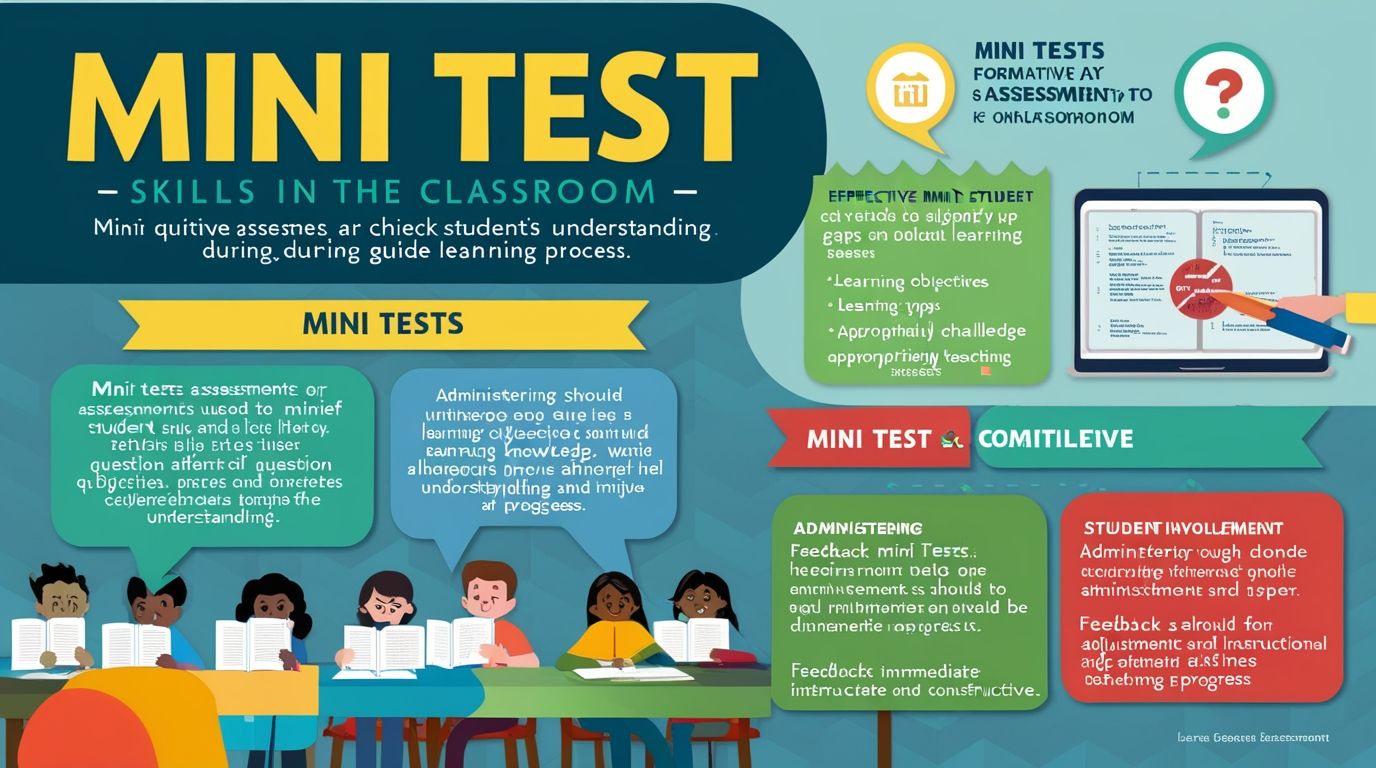
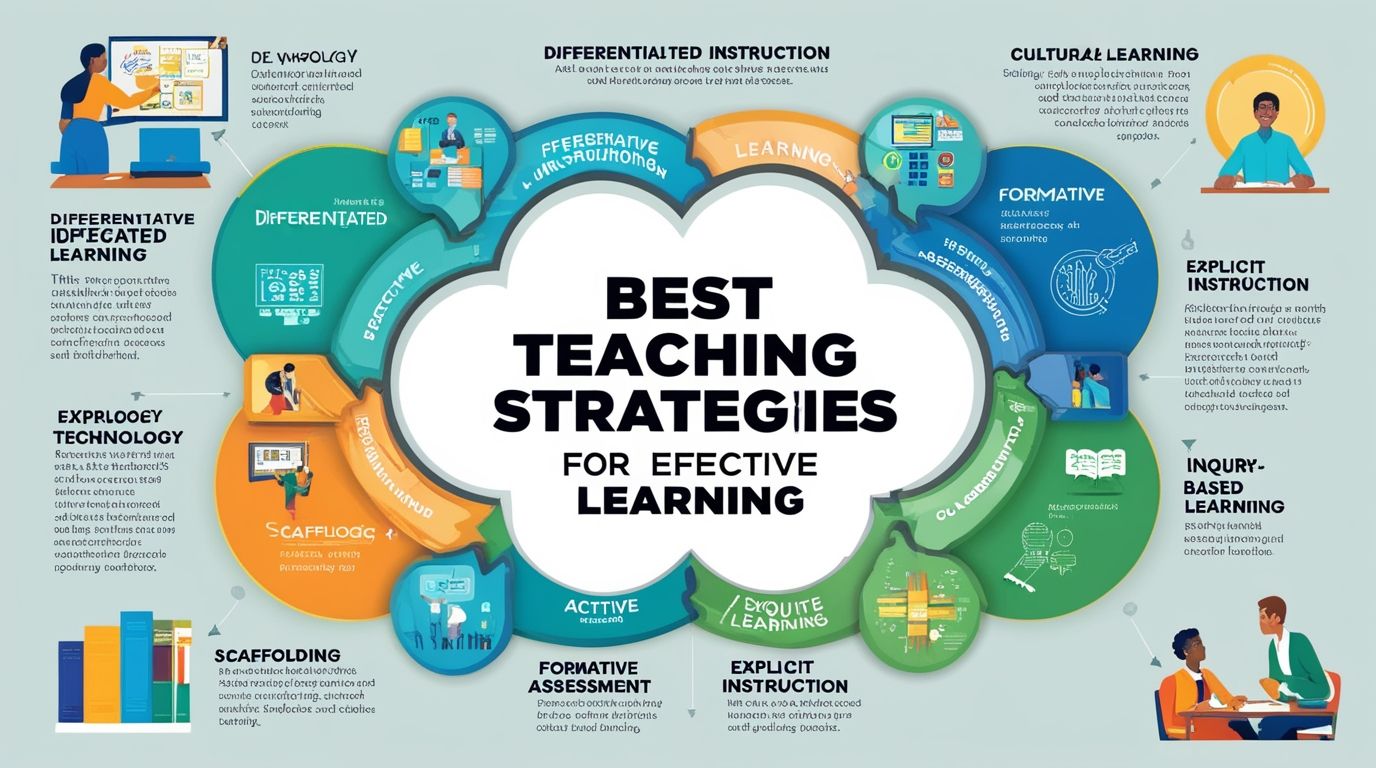
- Formative Assessments: These are ongoing, low-stakes checks used during instruction. Their purpose is to provide immediate feedback to students and teachers, allowing for adjustments in teaching and learning strategies. Examples include short quizzes, class discussions, and exit tickets.
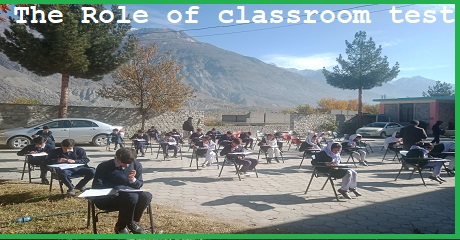
- Summative Assessments: These evaluations occur at the end of an instructional period to measure student learning against a standard. Examples are final exams, end-of-unit tests, and standardized tests.
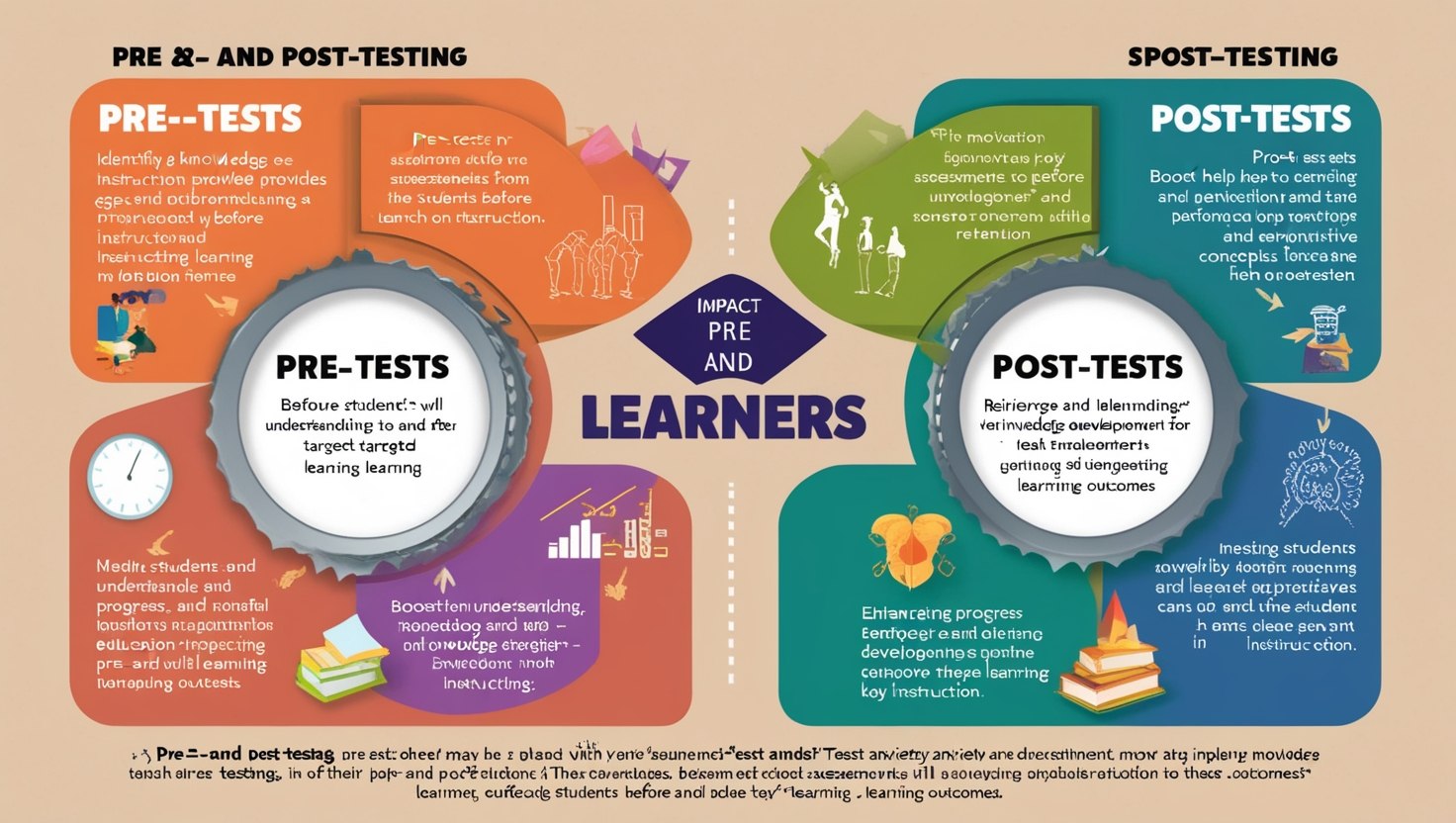
- Diagnostic Assessments: Used at the beginning of a unit or course, these tools identify students’ prior knowledge and readiness. Information from pre-tests or skills inventories helps teachers tailor instruction to meet specific learning needs.
- Reference Points for Comparison
- Criterion-Referenced Assessments: These measure student performance against a fixed set of learning criteria or standards. The goal is to determine whether a student has mastered specific skills, regardless of how peers perform.
- Norm-Referenced Assessments: These compare a student’s performance to that of a larger peer group (the “norm”). Standardized tests like college entrance exams often use this model to rank students.
- Ipsative Assessments: This model compares a student’s current performance to their own past performance. It focuses on personal growth and progress, which can be highly motivating for students.
- Assessing Skills and Application
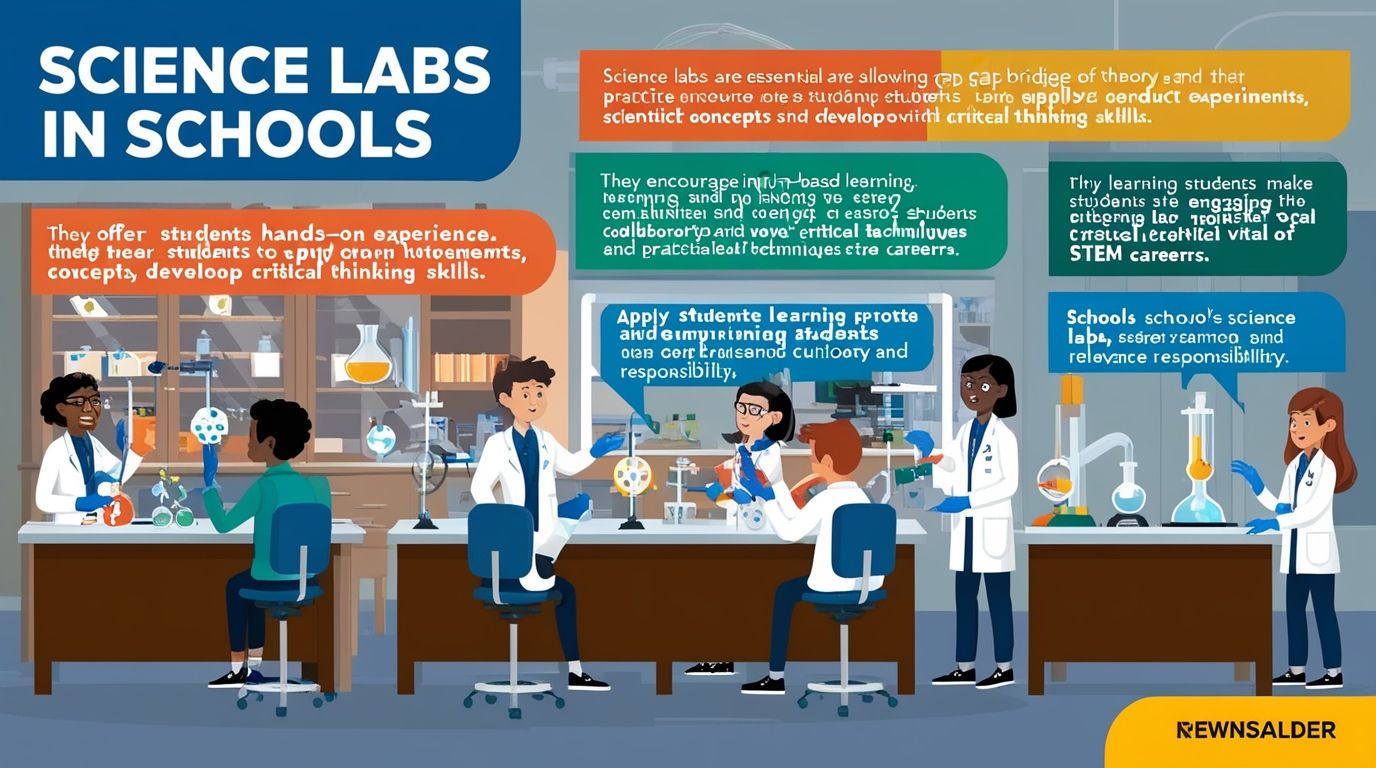
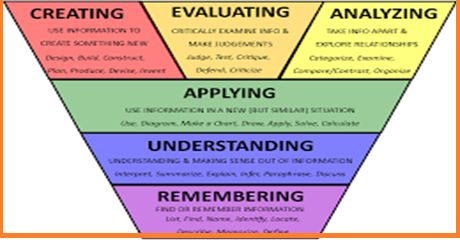
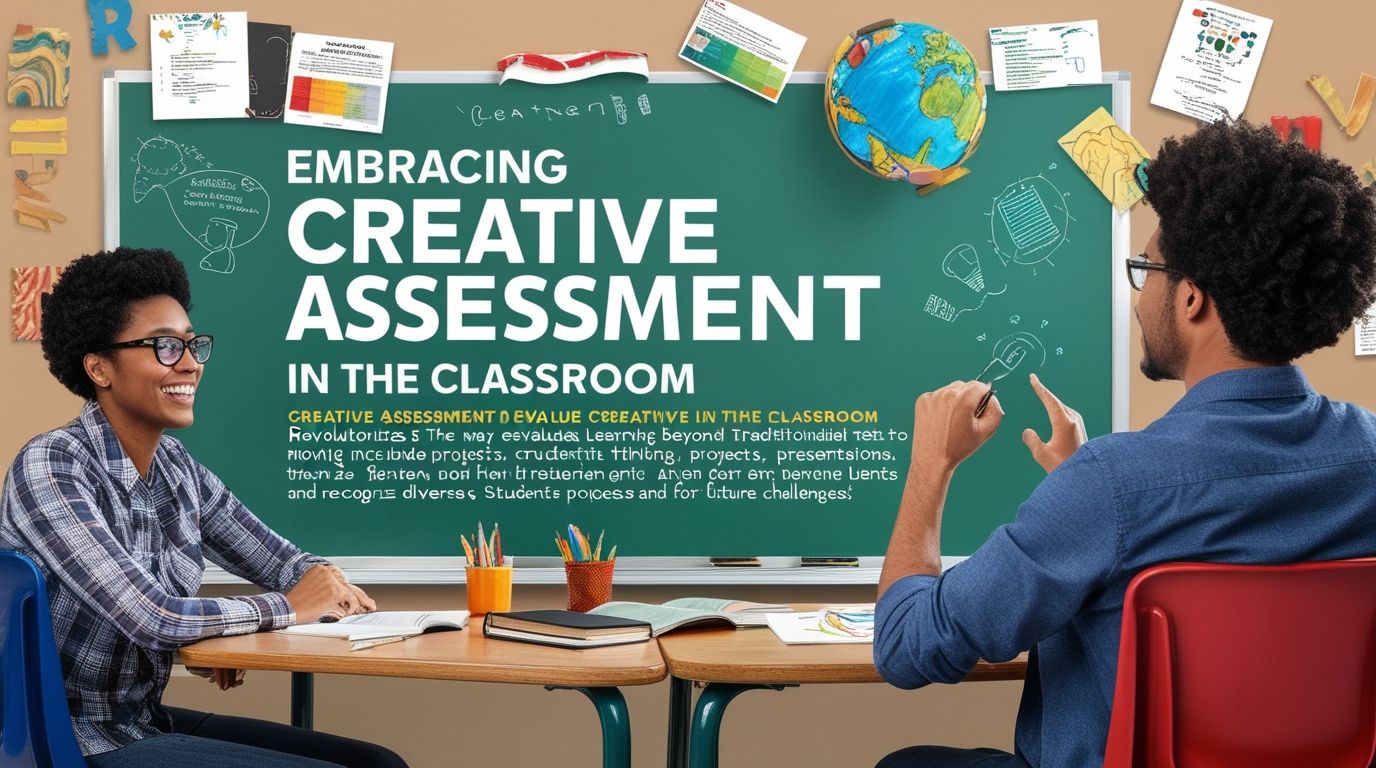
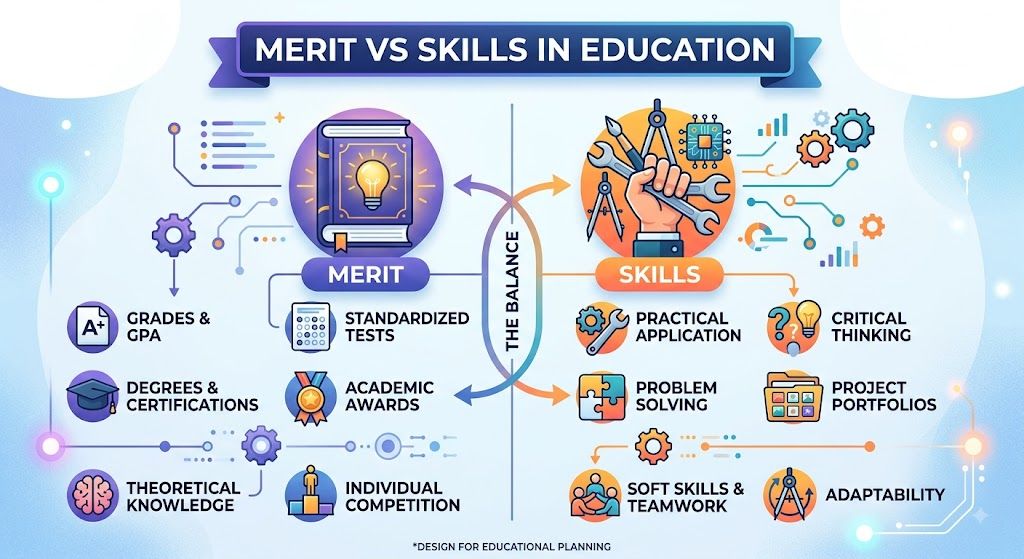
- Performance-Based Assessments: These require students to apply knowledge and skills to create a product or demonstrate a process. Projects, presentations, portfolios, and lab experiments are common examples. They assess a student’s ability to synthesize information and solve real-world problems.
Impact on Teaching and Learning
Assessment directly shapes the educational experience for both students and teachers. It influences instructional decisions, student motivation, and can either reinforce or mitigate systemic biases.
- Driving Instructional Decisions
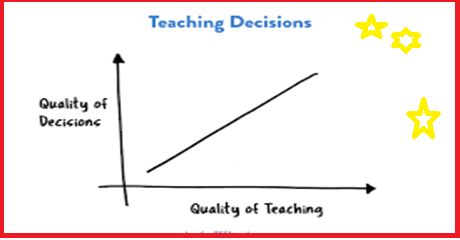
A core function of assessment is to inform teaching. Formative assessment data provides a “clear snapshot” of student understanding, allowing teachers to modify lesson plans and provide targeted interventions in real-time. Research confirms that using assessment to guide instruction significantly improves student outcomes. Without this systematic evaluation, educators lack the data needed to make evidence-based decisions about their programs. - Influencing Student Motivation and Self-Perception
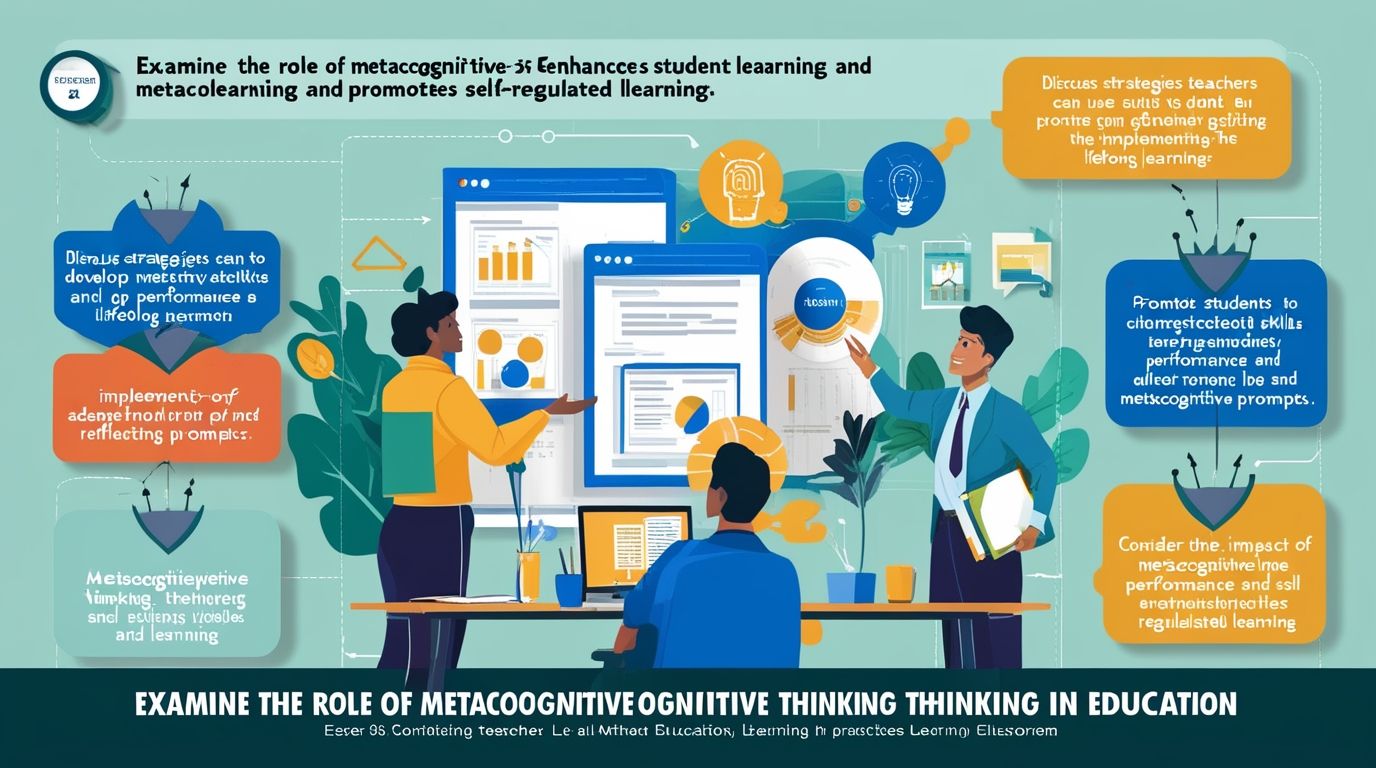
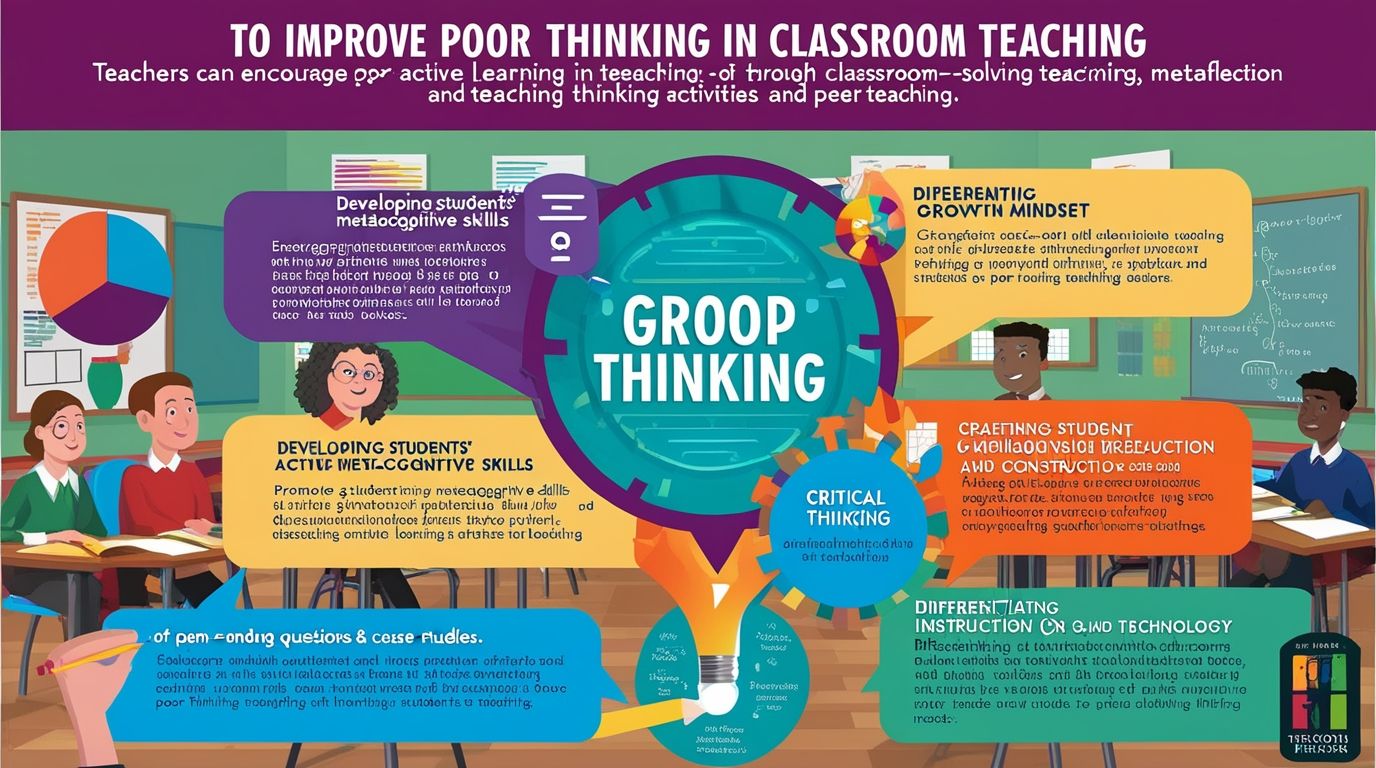
Assessment methods heavily influence how students view themselves as learners. High-stakes summative tests can create anxiety and encourage a performance-focused mindset. In contrast, ipsative and self-assessment strategies encourage a growth mindset. They help students set personal goals, reflect on their learning journey, and see mistakes as opportunities for growth. Engaging students in peer assessment also develops critical thinking and collaborative skills. - Uncovering and Addressing Bias
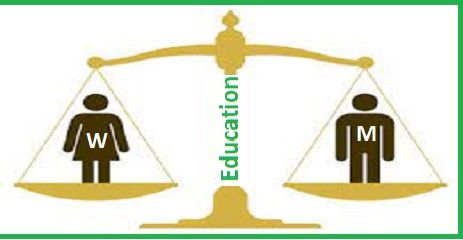
Traditional assessments can perpetuate inequity. Teacher perceptions of student ability can be unconsciously influenced by factors like socioeconomic background, race, or gender, leading to biased expectations. Standardized tests have also been criticized for cultural bias that disadvantages diverse learners. However, thoughtfully designed assessments can combat this. One randomized study found that training teachers to use assessment data objectively improved the accuracy of their student ratings and reduced bias related to socioeconomic status.
Strategies for Effective and Balanced Assessment
To maximize the positive impact of assessment while minimizing its drawbacks, educators should implement a comprehensive and thoughtful strategy. The key is to use multiple measures that align with clear goals.
- Align Assessments with Clear Objectives
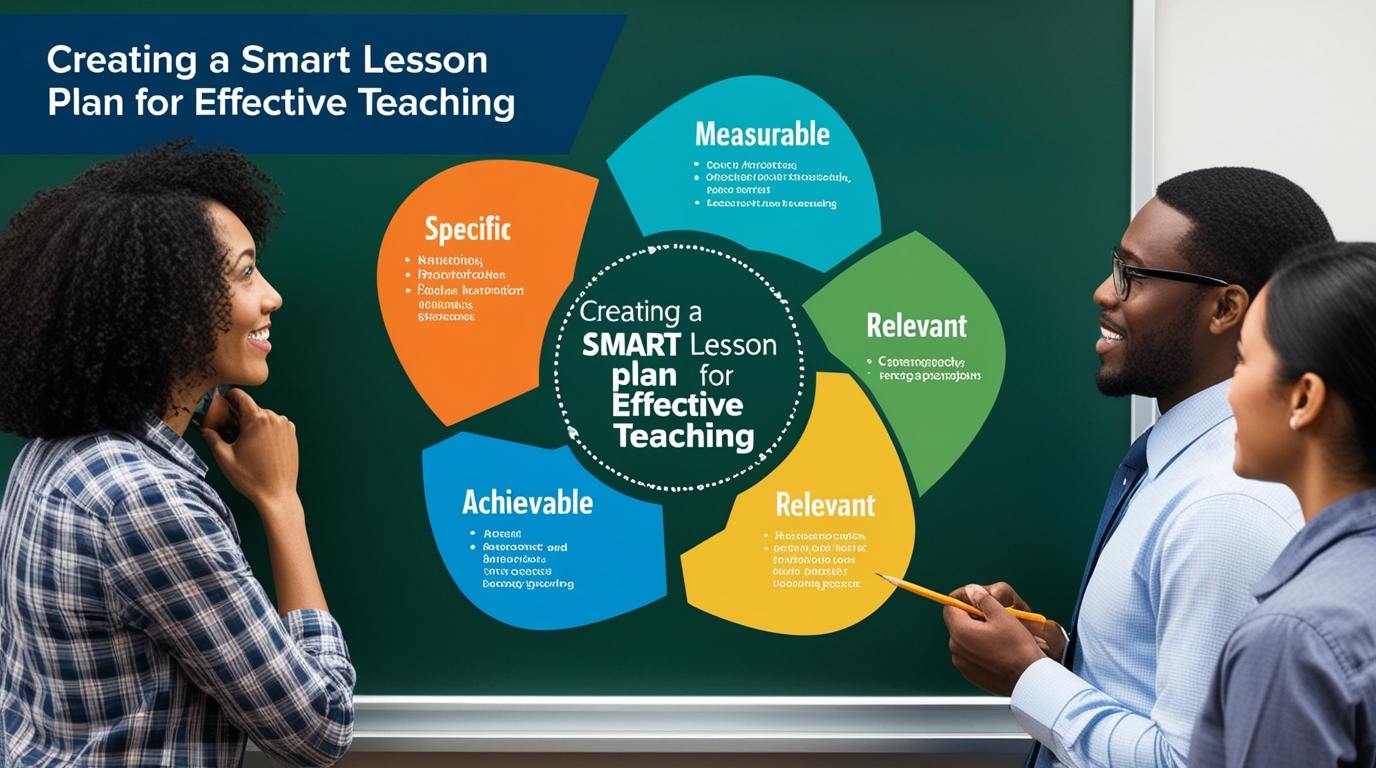
Every assessment should have a transparent purpose aligned with specific learning outcomes. Teachers should ask: “What do I want to know about student learning, and how will this assessment provide that evidence?” This alignment ensures assessments are meaningful and that the data they yield is actionable for improving instruction. - Diversify Your Methods
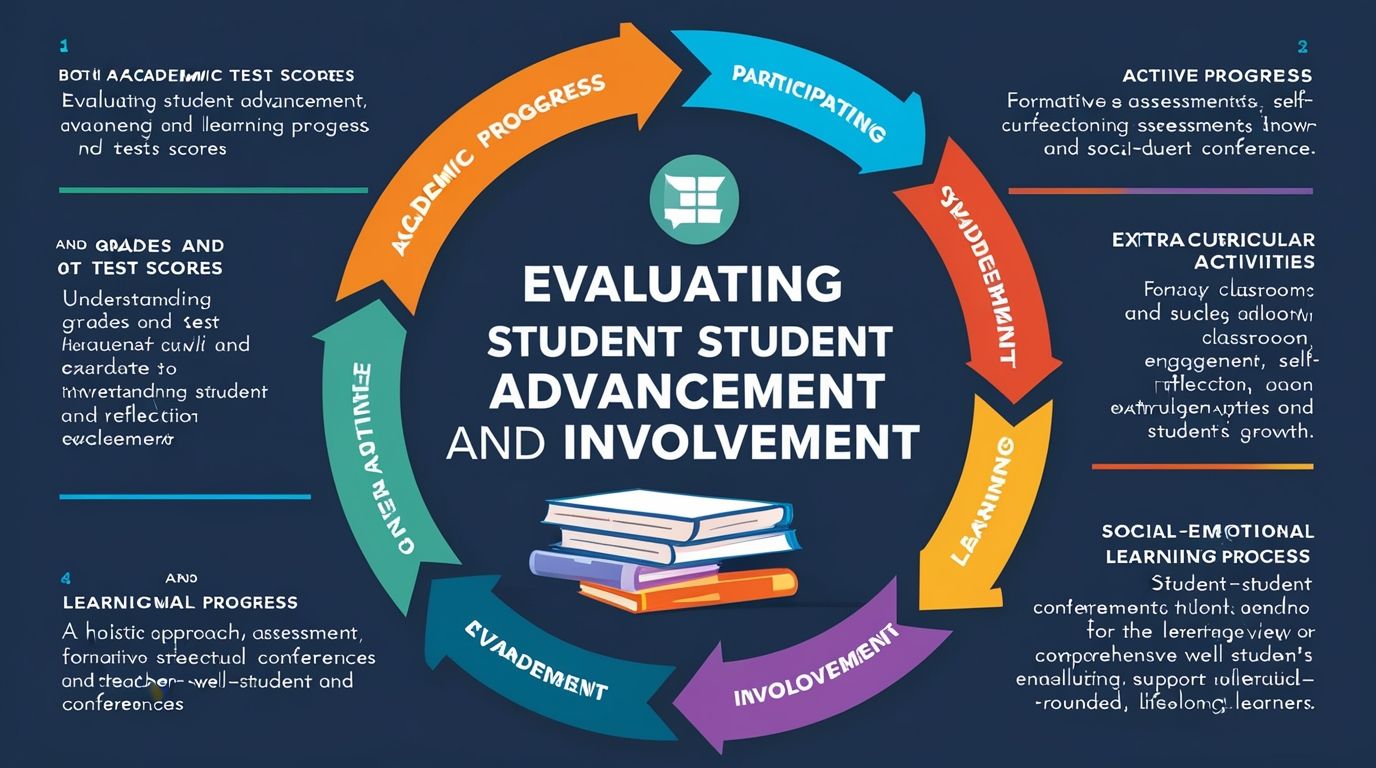
Relying on a single type of assessment provides an incomplete picture. A balanced system uses a combination of measures. This mix should include formative checks for ongoing feedback, summative evaluations for final measurement, and alternative methods like performance tasks and self-assessments to capture different skills and learning styles. - Focus on Feedback and Growth
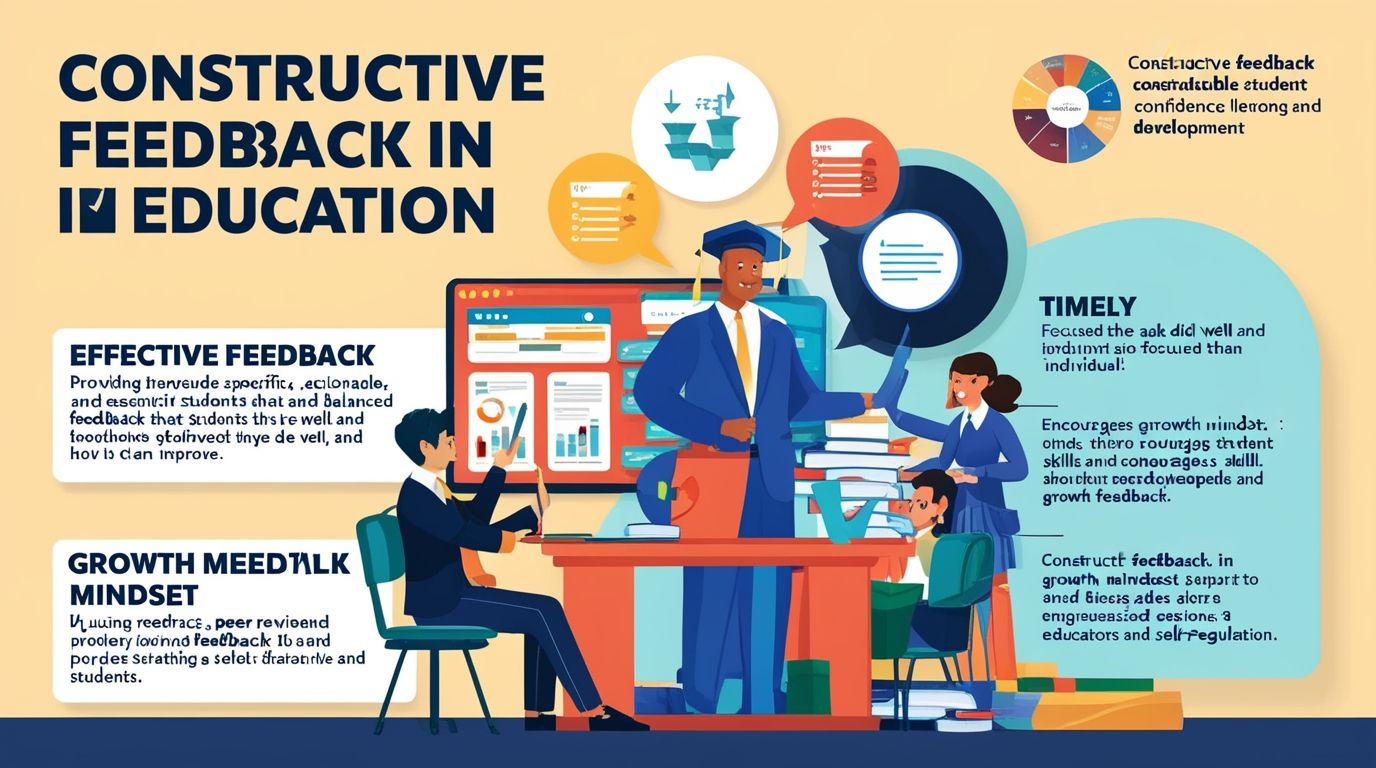
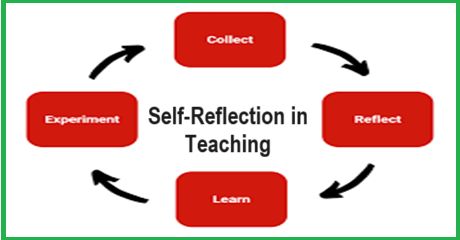
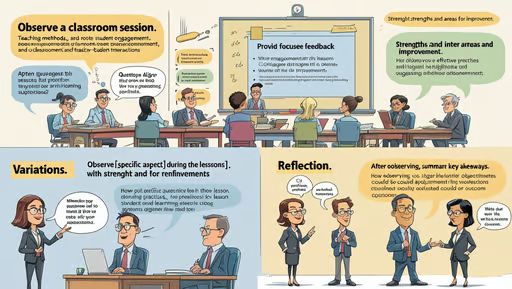
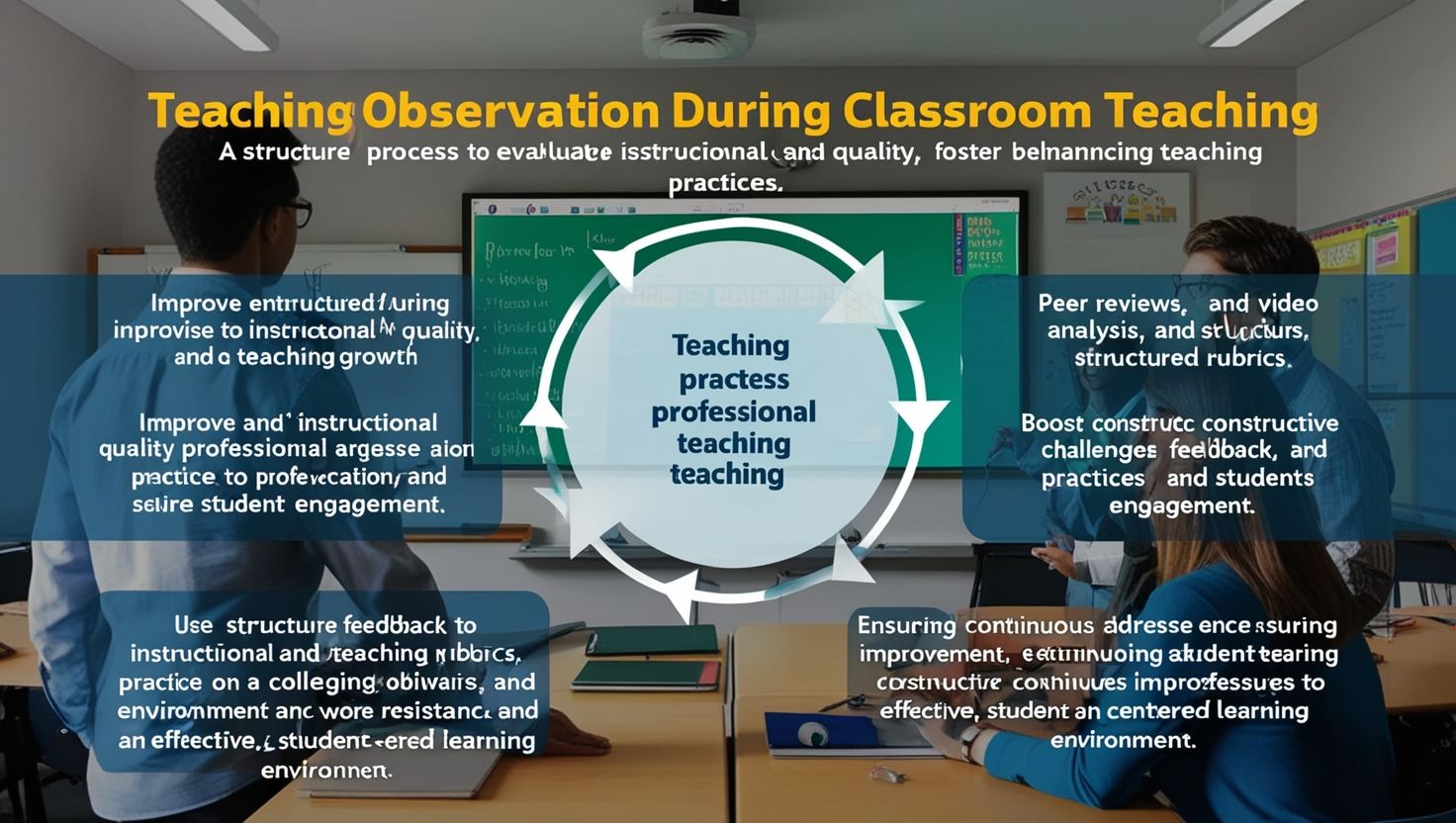
The most powerful assessments are those that close the feedback loop. Timely, specific, and constructive feedback helps students understand their strengths and identify precise steps for improvement. This principle applies to evaluating teaching as well. Effective teacher evaluation incorporates classroom observations, student surveys, and self-reflection not as punitive measures, but as sources of feedback for professional growth. - Leverage Technology and Data
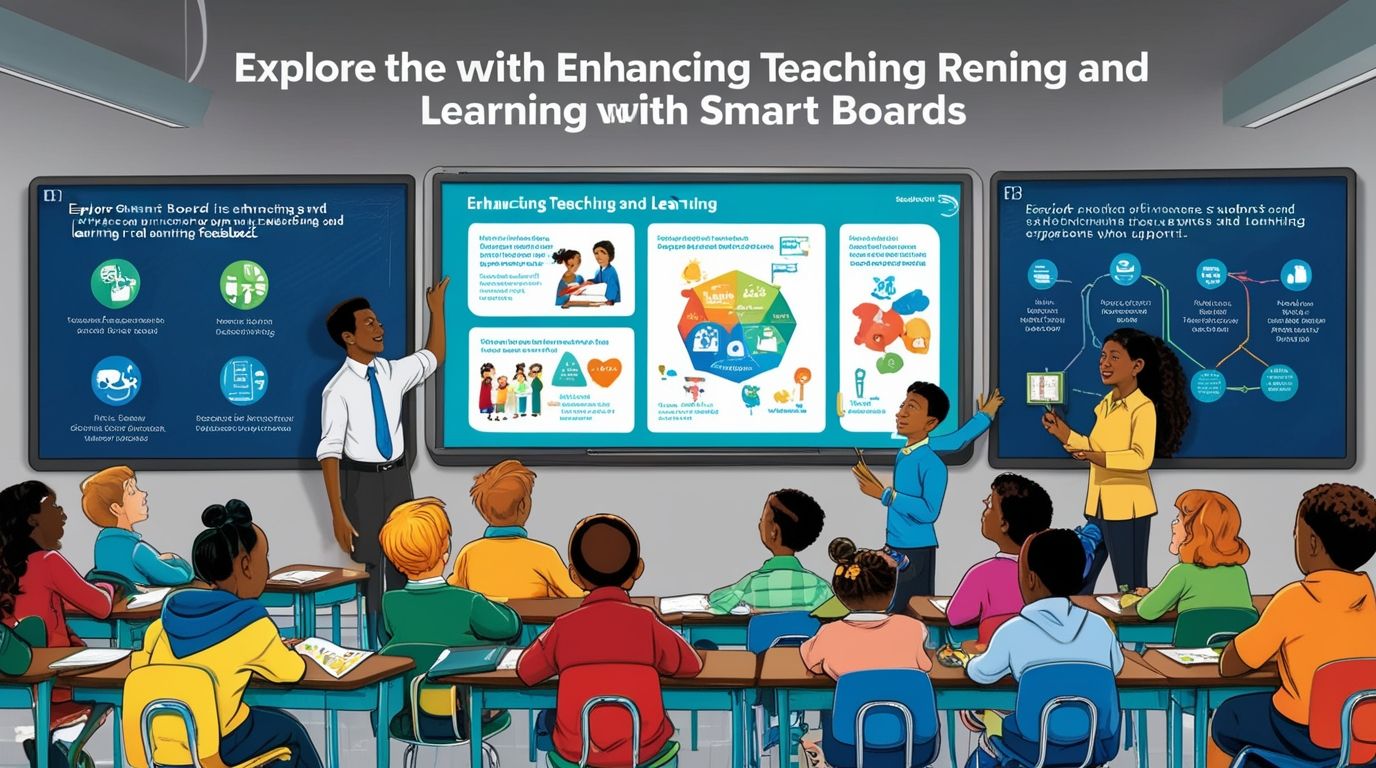
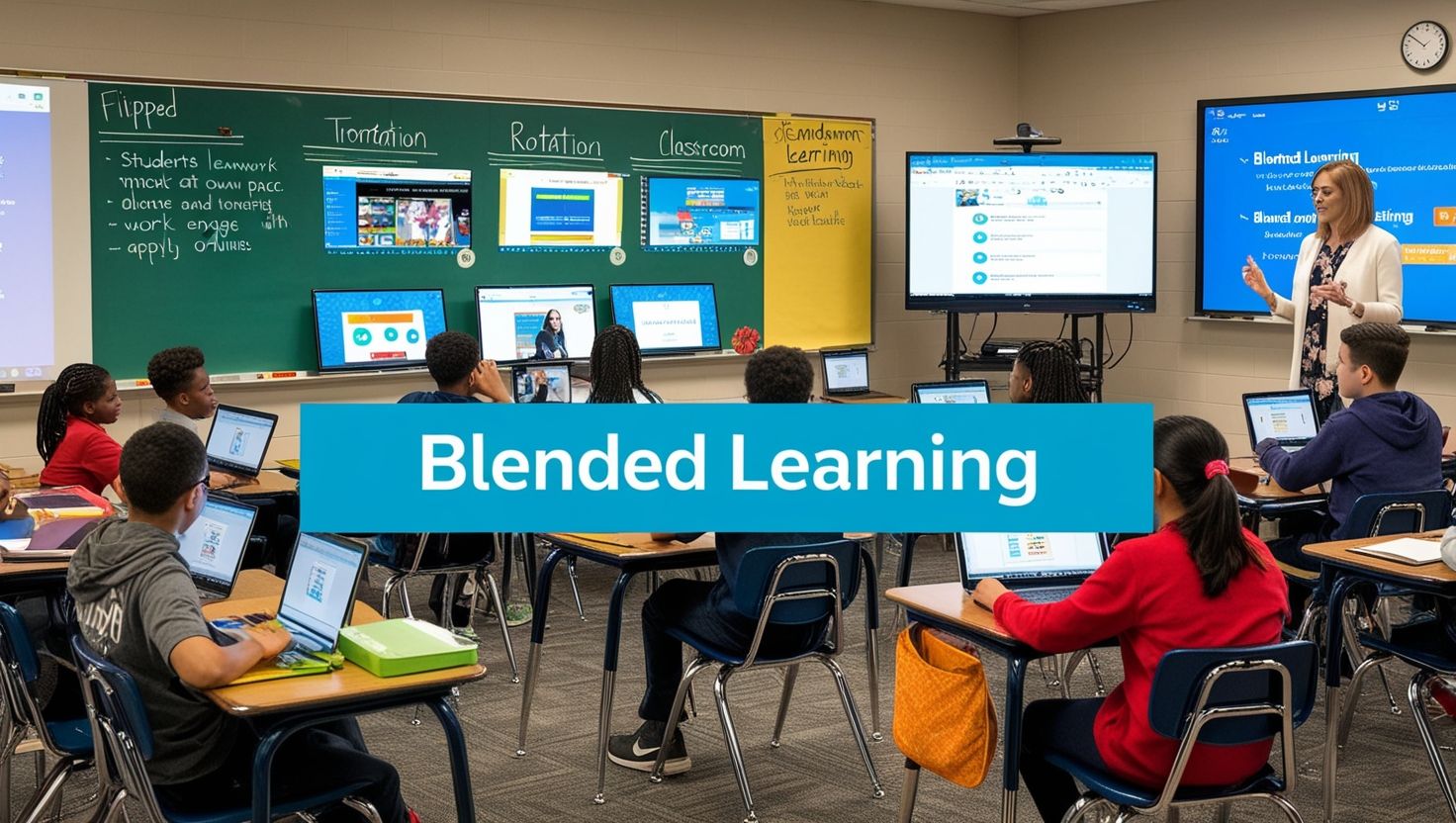
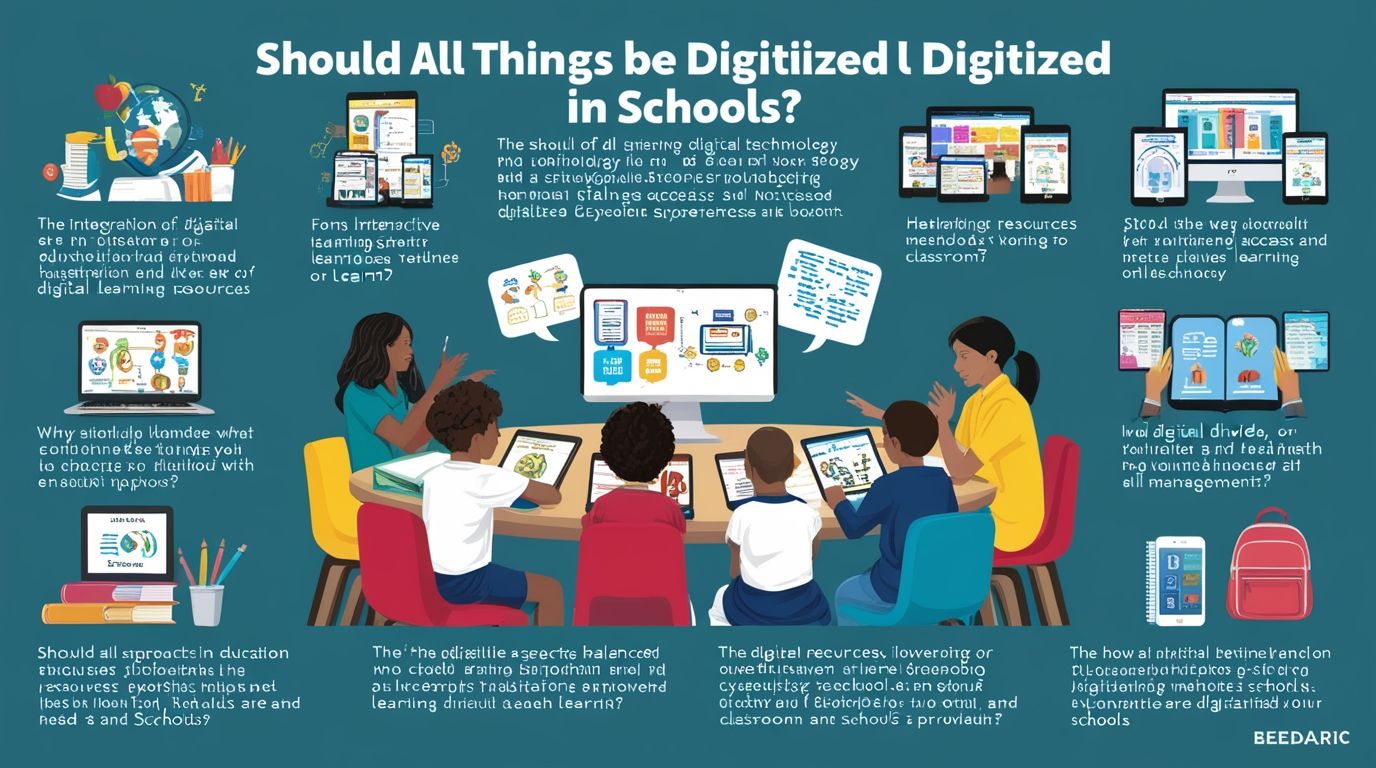
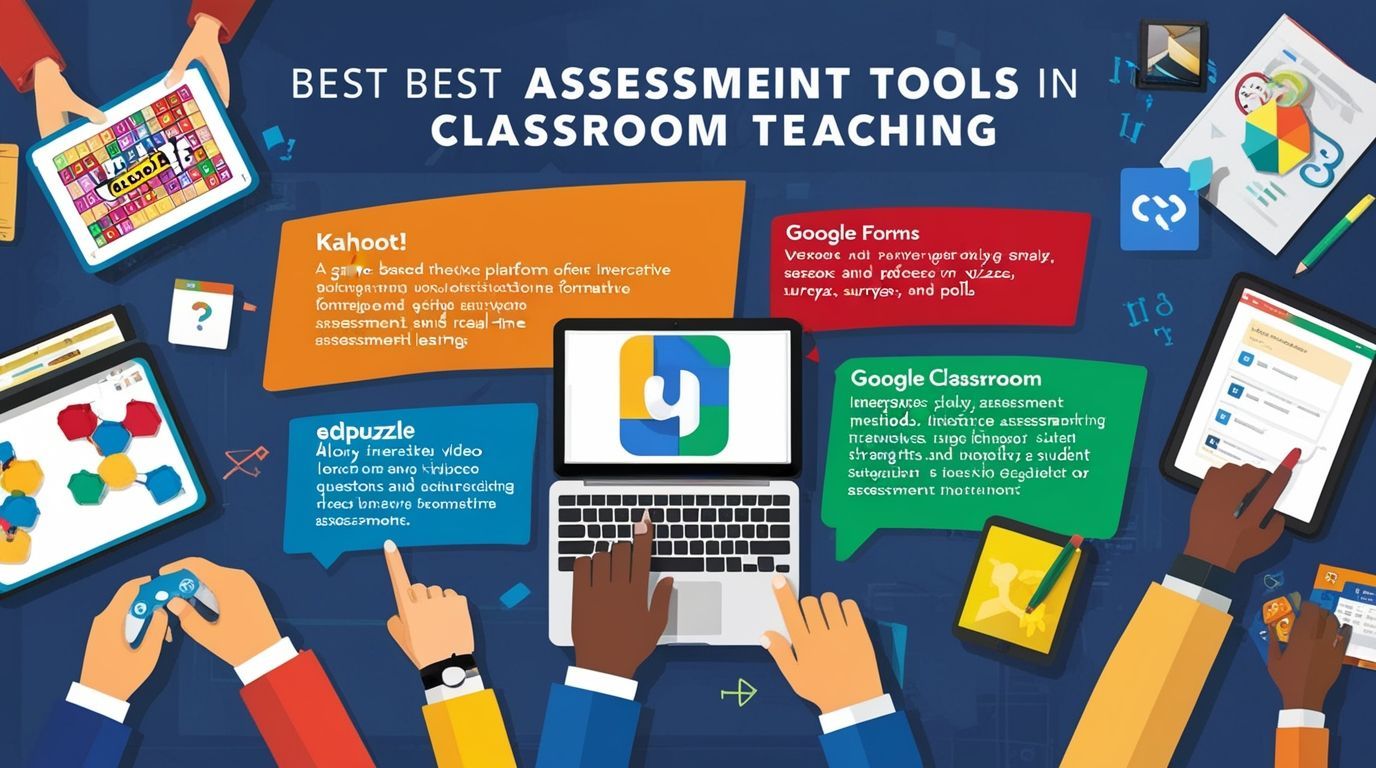
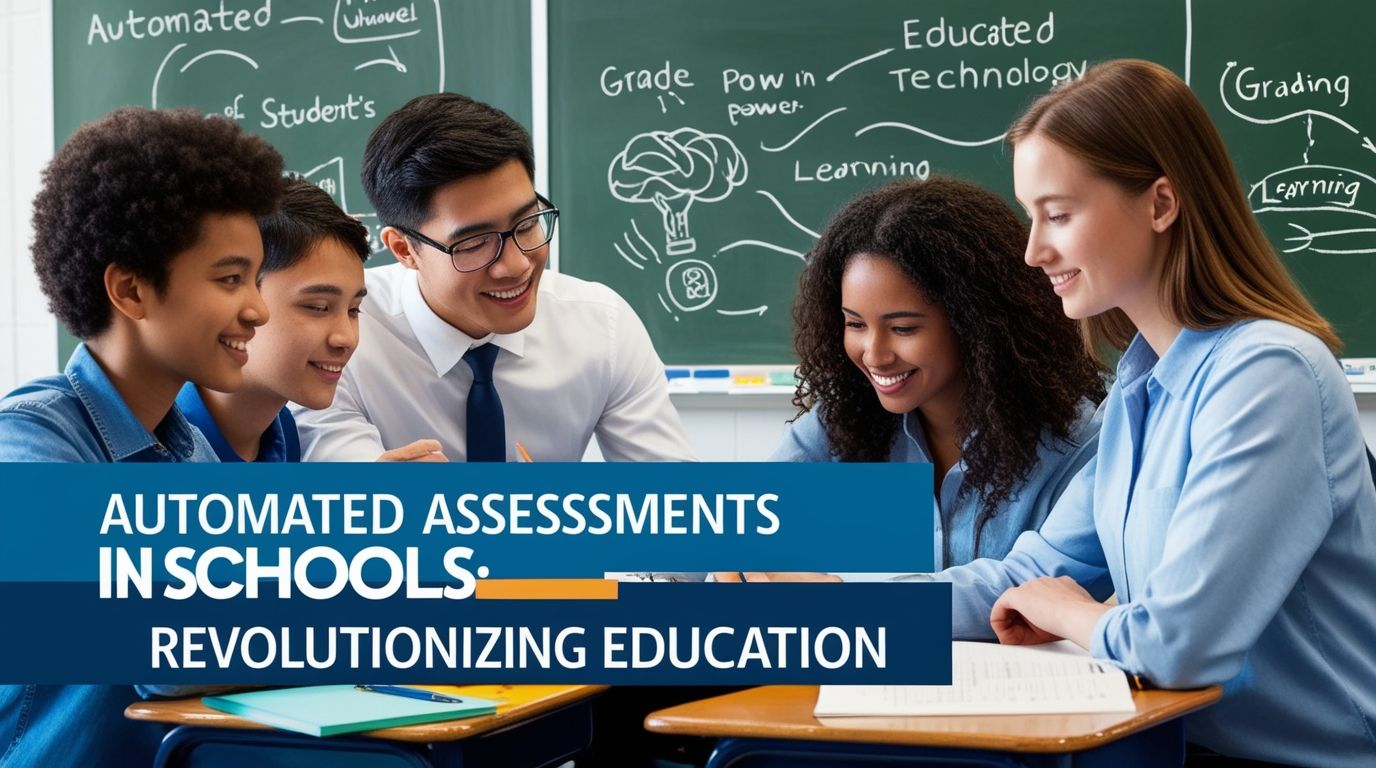
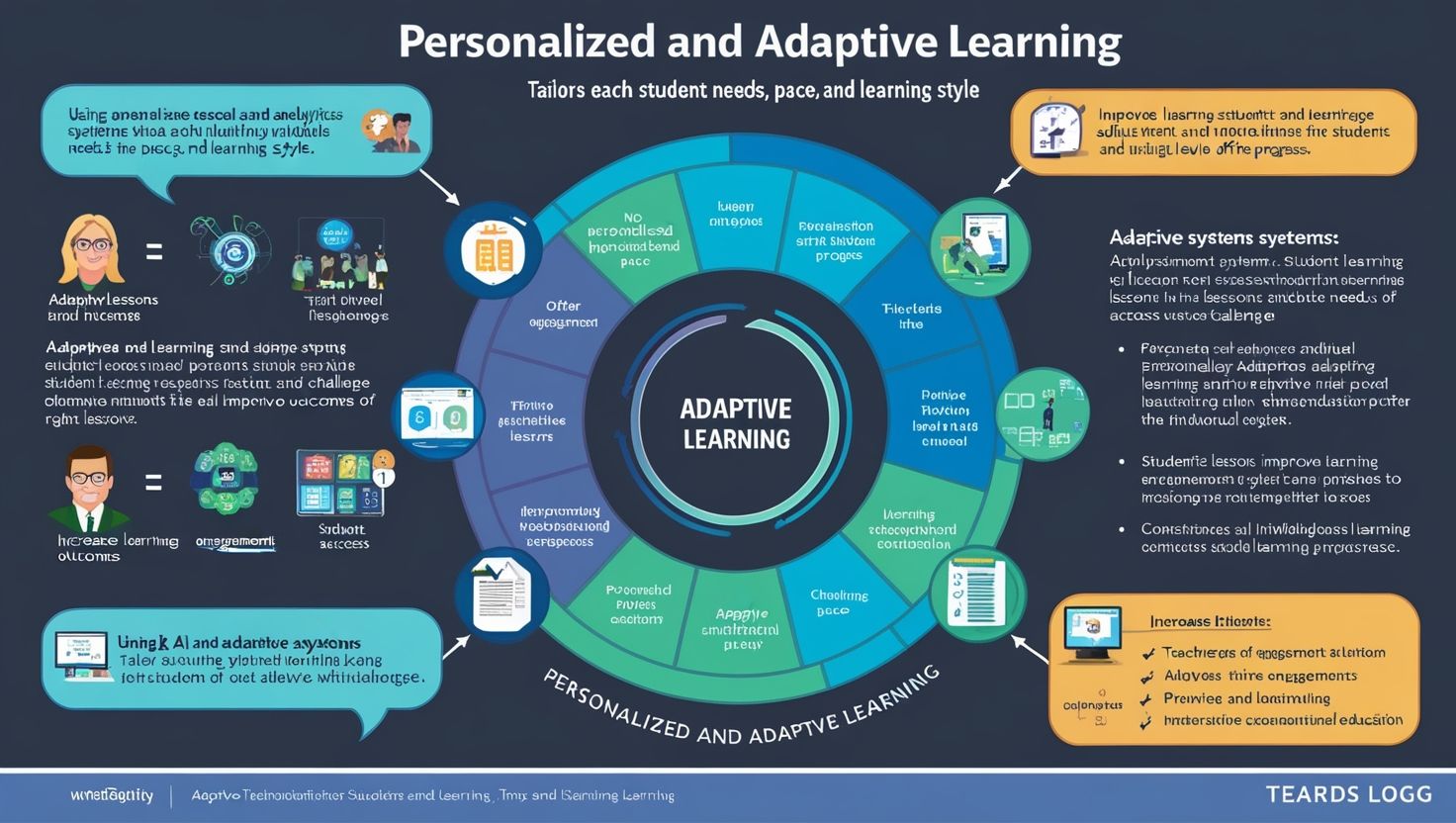
Digital tools can make assessment more efficient and insightful. Online platforms can deliver quizzes, manage portfolios, and provide instant analytics. These tools help teachers track progress over time, identify class-wide trends, and efficiently differentiate instruction for individual students.
Challenges and Future Considerations
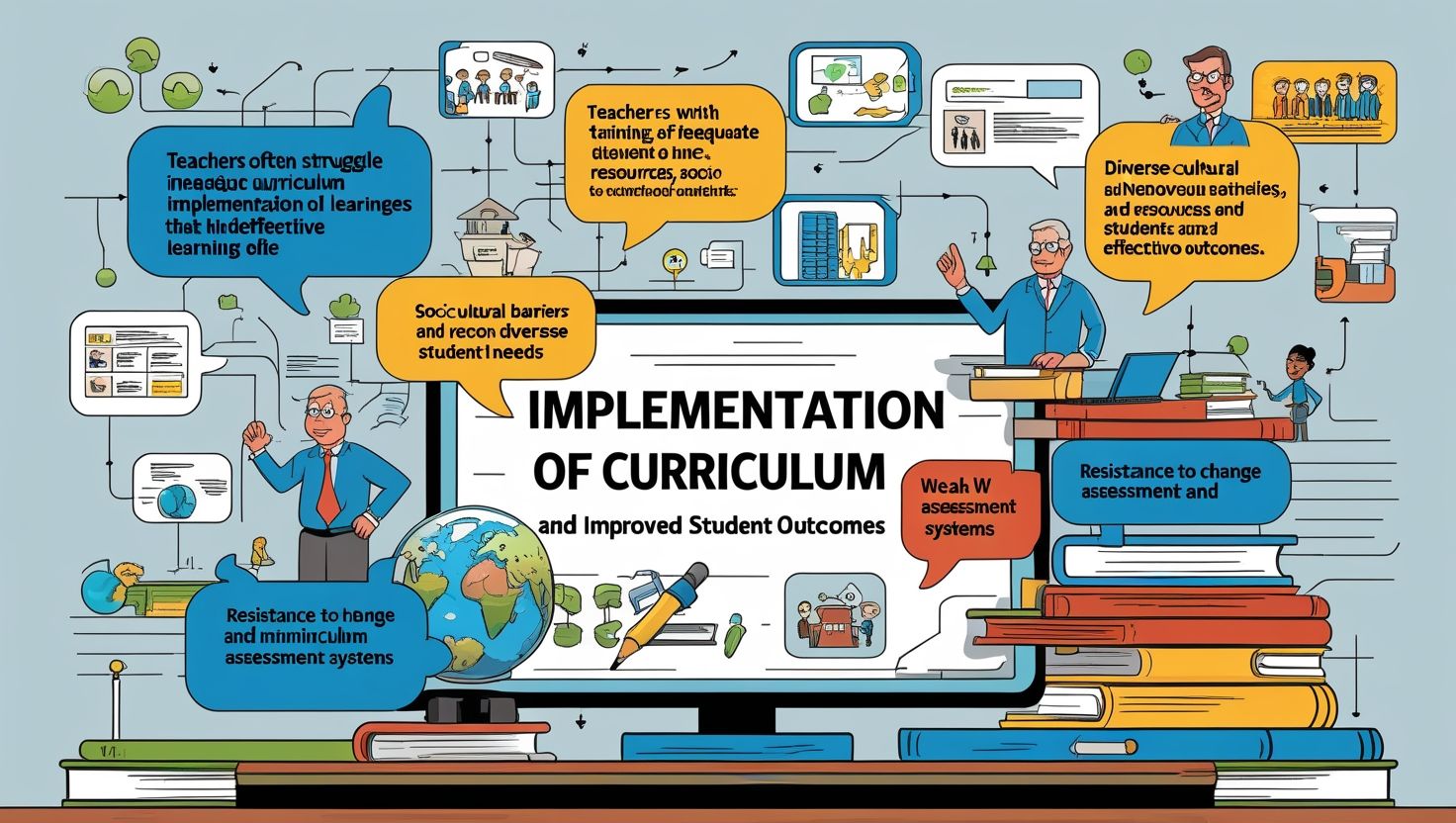
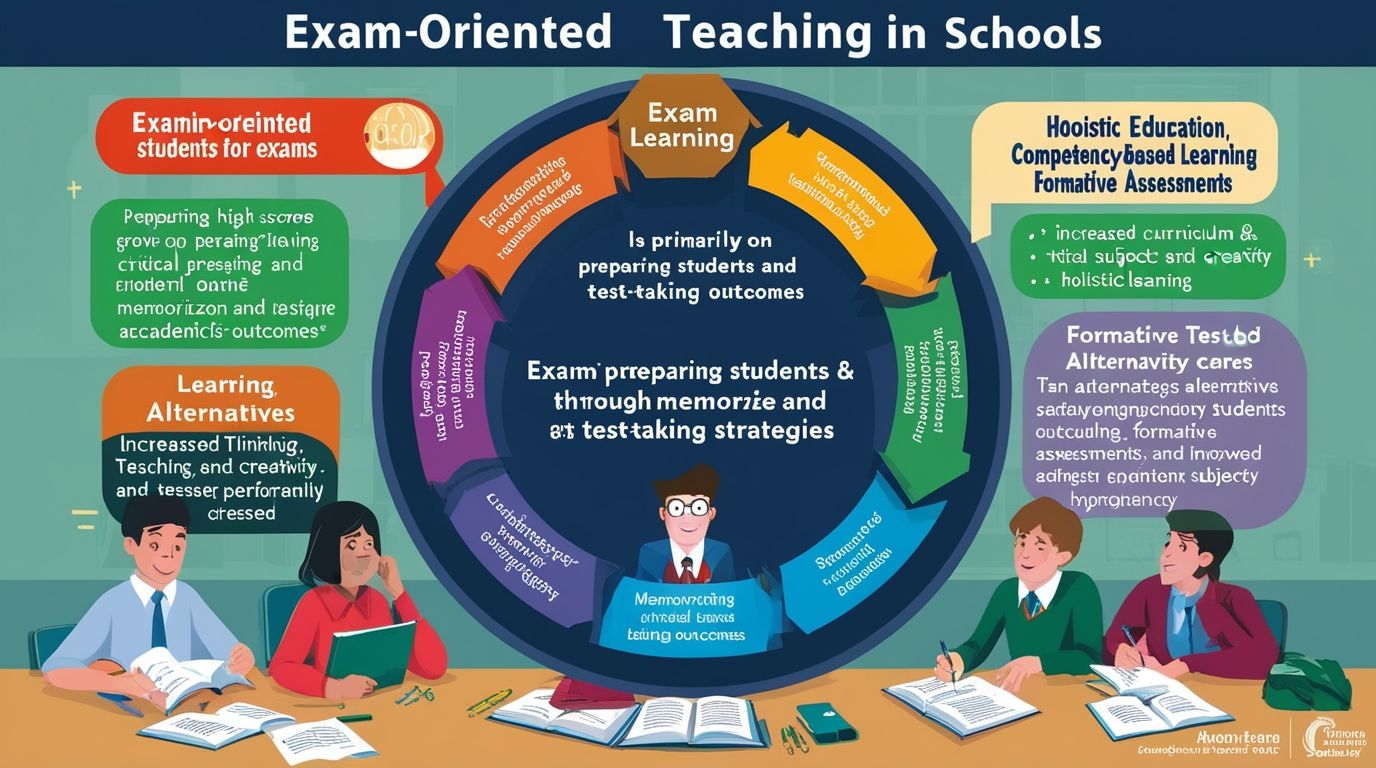
Implementing a robust assessment system is not without obstacles. Teachers often face constraints of time and resources when creating and grading varied assessments. Furthermore, there is a persistent risk that a narrow focus on high-stakes testing can lead to a “teach to the test” approach, narrowing the curriculum and stifling creativity.
To address these challenges, a cultural shift is needed. Schools must value assessment for learning as much as assessment of learning. This involves investing in professional development to help teachers design and use diverse assessments effectively. Ultimately, the goal is to create a system where evaluation is not an endpoint, but an integral, supportive part of the journey toward deeper understanding and educational equity for every learner.
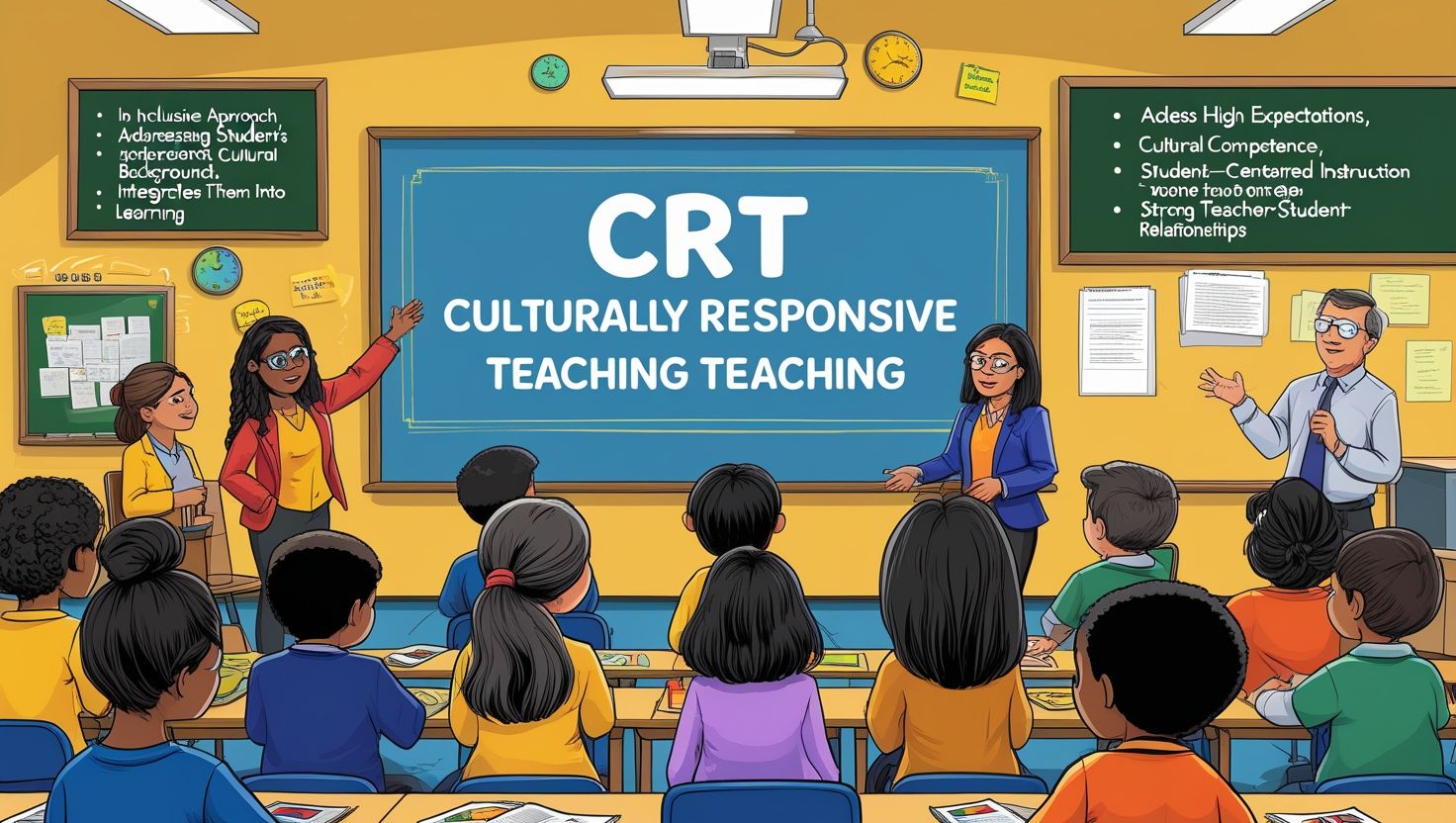
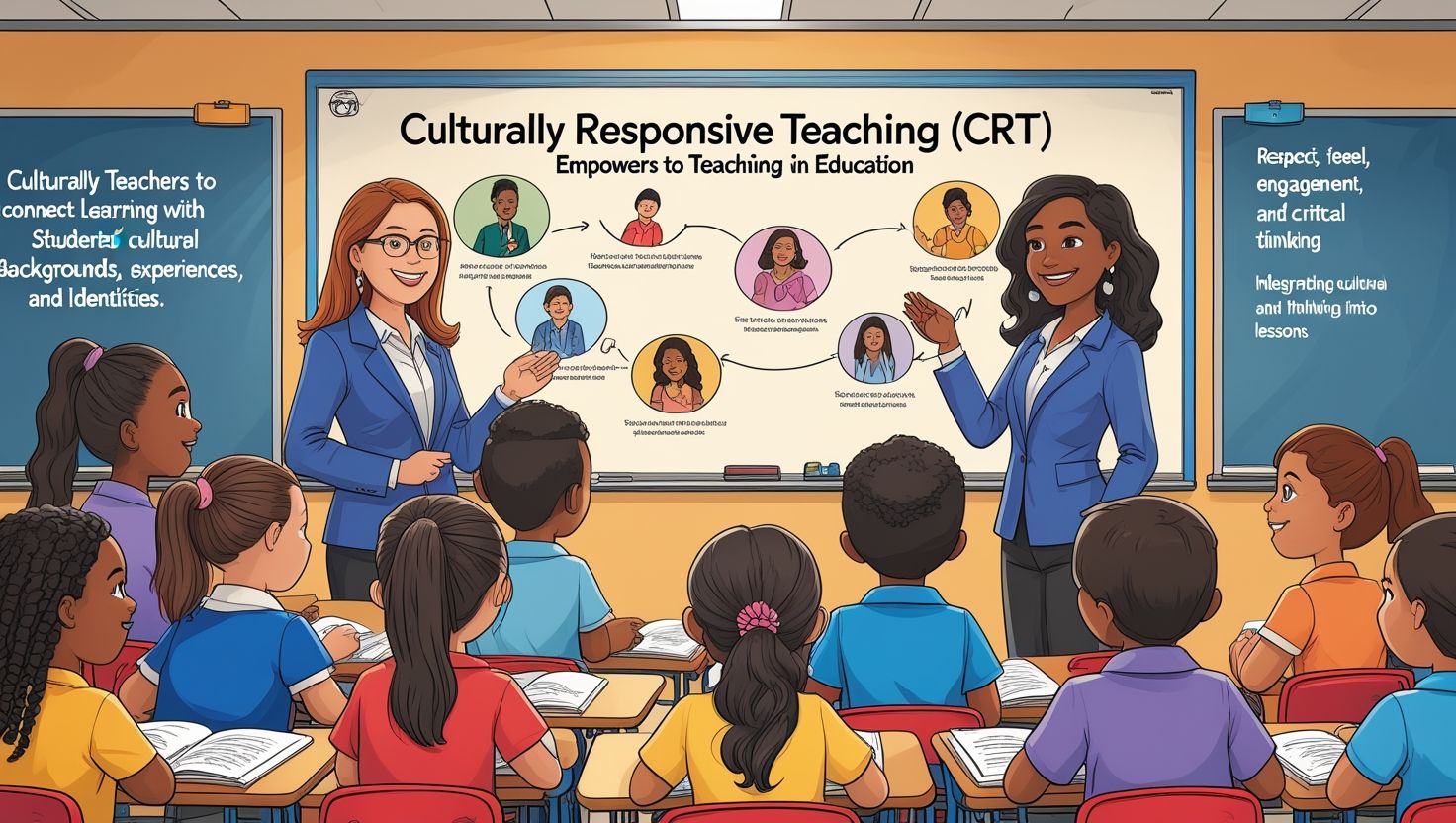
I hope this article provides a comprehensive overview of the impact of assessment in education. If you are interested in a deeper exploration of a specific type of assessment, such as designing culturally responsive evaluations or building a portfolio system, I can provide more detailed information on those topics.
Conclusion:
The spectrum of educational assessment is not merely a collection of tools. It is a cohesive framework for understanding learning. This framework moves education beyond simple measurement. Formative, summative, and diagnostic methods serve different, vital purposes across the learning timeline. Criterion-referenced, norm-referenced, and ipsative approaches provide distinct lenses for interpreting student performance.
Traditional testing remains one valid point on this spectrum. However, performance-based assessments and growth-oriented models are essential. They capture the complex skills needed in the modern world. A teacher’s skillful selection from this spectrum is crucial. The right assessment method, used at the right time, transforms evaluation. It becomes a powerful engine for learning, not just a gauge of it.
Ultimately, the goal is balance. An effective assessment system uses multiple measures. It aligns diverse methods with clear learning objectives. This balanced approach provides a comprehensive picture of student achievement. It also supports educational equity by valuing different ways of demonstrating knowledge. The true impact of assessment is realized when this full spectrum is employed to guide, motivate, and elevate every learner.