Introduction
Profile Assessment in Teaching & Learning is a modern, holistic approach to understanding learners by creating comprehensive, dynamic portraits of their abilities, progress, and needs. Unlike traditional testing—which often reduces a student to a single score—profile assessment continuously collects diverse evidence (academic work, behaviors, reflections, and skills) across multiple dimensions. Its core purpose is to personalize instruction, support growth, and recognize the unique strengths and pathways of every learner.
Slide 1: Title Slide
Profile Assessment in Teaching & Learning: Theory, Practice & Future Directions
Presenter: [Your Name/Organization]
Date: December 2025
Learning Objectives:
- Understand the conceptual foundations of learner profile assessment
- Explore practical applications in classroom settings
- Examine emerging research and technological innovations
- Develop implementation strategies for educational contexts
Visual: Abstract graphic representing diverse learner pathways converging toward growth

Slide 2: Introduction: Why Profile Assessment Matters in Modern Education
The Problem with Traditional Assessment
- Traditional grading provides limited, reductive snapshots of student ability
- Focuses primarily on academic performance rather than holistic development
- Creates inequitable outcomes for diverse learners with different strengths
- Fails to capture essential life skills like creativity, collaboration, and resilience
The Paradigm Shift
- From standardized testing to comprehensive profiling
- From deficit-focused to strength-based approaches
- From single-point assessment to continuous developmental tracking
- From teacher-centered evaluation to learner-curated evidence
The Global Movement
- State-level policy in Australia
- Mastery Transcript Consortium in the United States
- Digital Learner Profile initiatives in Wales and Scotland
- Rethinking Assessment movement advocating for systemic change
Slide 3: Foundational Concepts: What is Profile Assessment?
Definition: A systematic approach to documenting and analyzing the complete range of a learner’s abilities, characteristics, preferences, and developmental progress over time.
Core Components:
- Cognitive abilities and academic competencies
- Personality traits and behavioral patterns
- Skills and dispositions (creativity, collaboration, critical thinking)
- Interests, passions, and values
- Growth trajectory and learning patterns
Key Distinctions:
- Personality vs. Behavior: Personality represents stable traits (“what we are”), while behavior represents situational actions (“what we do”)
- Assessment vs. Evaluation: Assessment informs instruction; evaluation judges performance
- Formative vs. Summative: Formative assessment guides learning; summative assessment measures outcomes
Theoretical Foundations:
- Constructivist learning theory
- Multiple intelligences (Gardner)
- Growth mindset (Dweck)
- Strength-based psychology
Slide 4: Types of Profile Assessments in Educational Contexts
Emerging Integration: Modern approaches combine multiple assessment types into comprehensive learner profiles that follow students throughout their educational journey .
Slide 5: Theoretical Framework: The Assessment Ecology
A Multi-Layered Approach to Understanding Learners
Individual Layer (Micro)
- Neurological and cognitive profiles: Processing styles, memory patterns
- Psychological traits: Personality dimensions, motivation drivers
- Learning preferences: Visual, auditory, kinesthetic, reading/writing
Instructional Layer (Meso)
- Classroom interactions: Peer relationships, teacher-student dynamics
- Learning environment responses: Adaptations to physical and social contexts
- Curriculum engagement: Subject-specific strengths and challenges
Systemic Layer (Macro)
- Cultural and linguistic background: Impact of dual language learning
- Socioeconomic factors: Resource access, support systems
- Institutional structures: School policies, assessment frameworks
Temporal Dimension
- Developmental trajectories: Progress across domains over time
- Situational variability: Performance under different conditions
- Growth patterns: Response to interventions and instructional strategies
Visual Concept: Concentric circles illustrating these interconnected layers with bidirectional arrows showing mutual influence.
Slide 6: Evolution of Assessment: From Traditional to Transformative
Historical Perspective
- 19th Century: Oral examinations, recitation
- Early 20th Century: Standardized testing emerges
- Mid-20th Century: Multiple choice dominance, norm-referencing
- Late 20th Century: Performance assessment, portfolio movement
- 21st Century: Digital assessment, personalized learning profiles
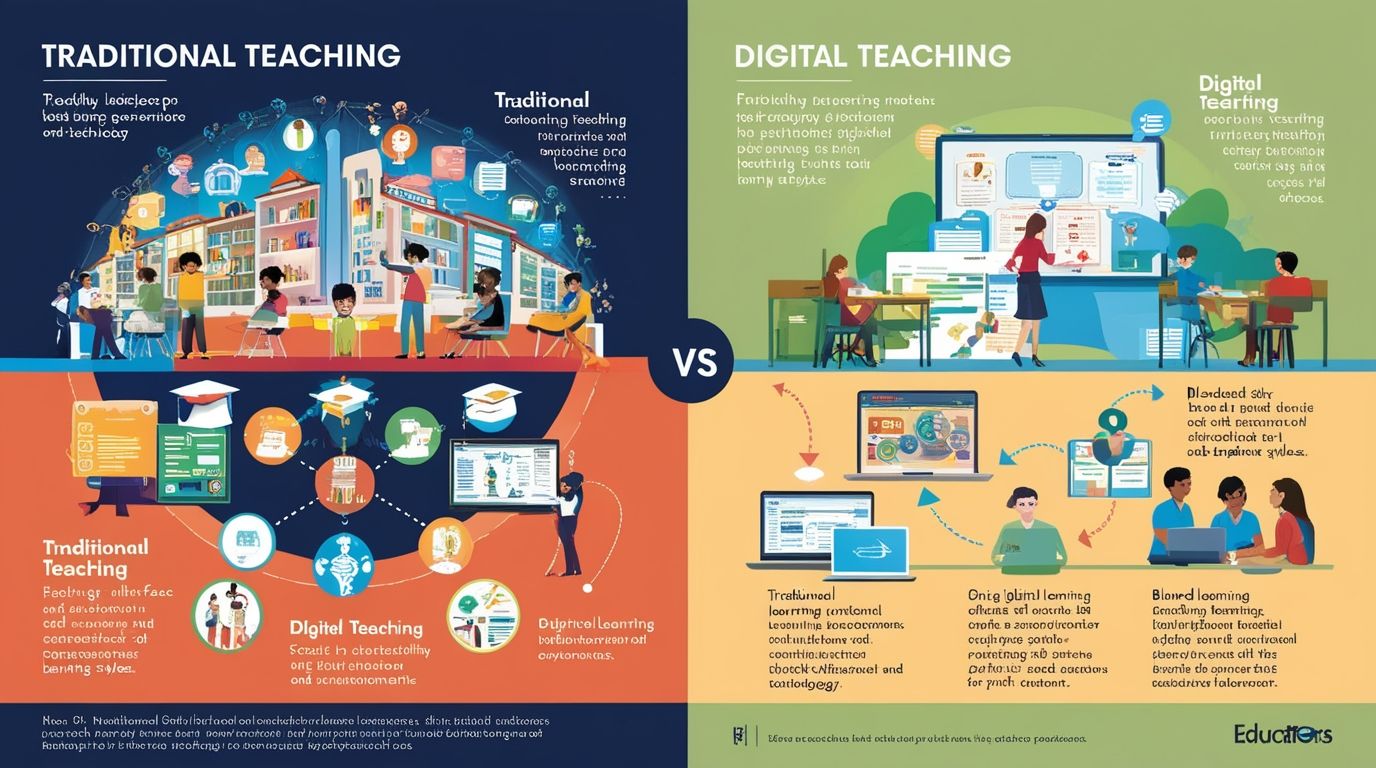
Contrasting Paradigms
Traditional Assessment Model:
- Frequency: Periodic, high-stakes events
- Focus: Deficits, comparison to norms
- Format: Standardized, one-size-fits-all
- Agency: Teacher-controlled, institution-centered
- Output: Grades, scores, rankings
Profile Assessment Model:
- Frequency: Continuous, embedded in learning
- Focus: Strengths, individual growth trajectories
- Format: Differentiated, multi-modal
- Agency: Learner-curated with guidance
- Output: Comprehensive profiles, developmental narratives
The Driver of Change: Digital technology enabling authentic documentation of learning through multimedia evidence, real-time tracking, and dynamic reporting .
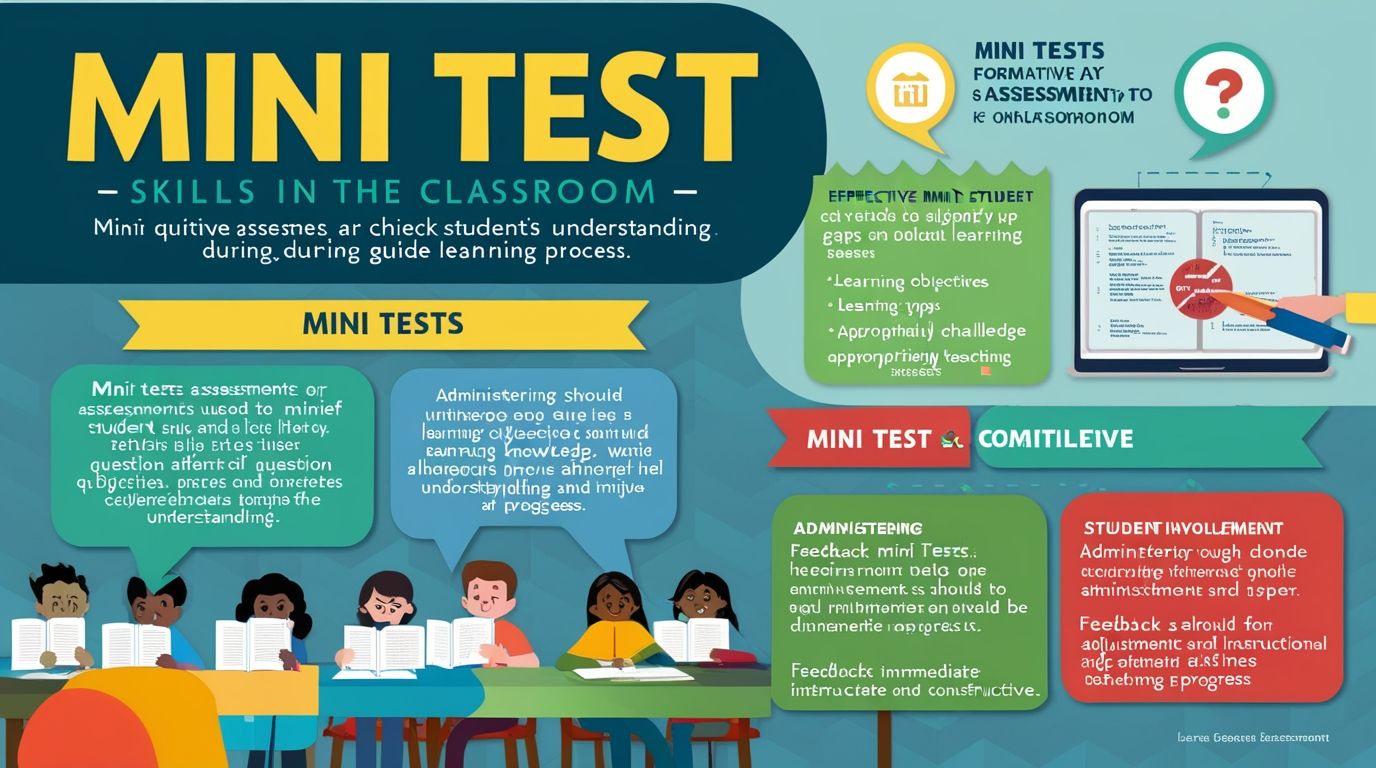
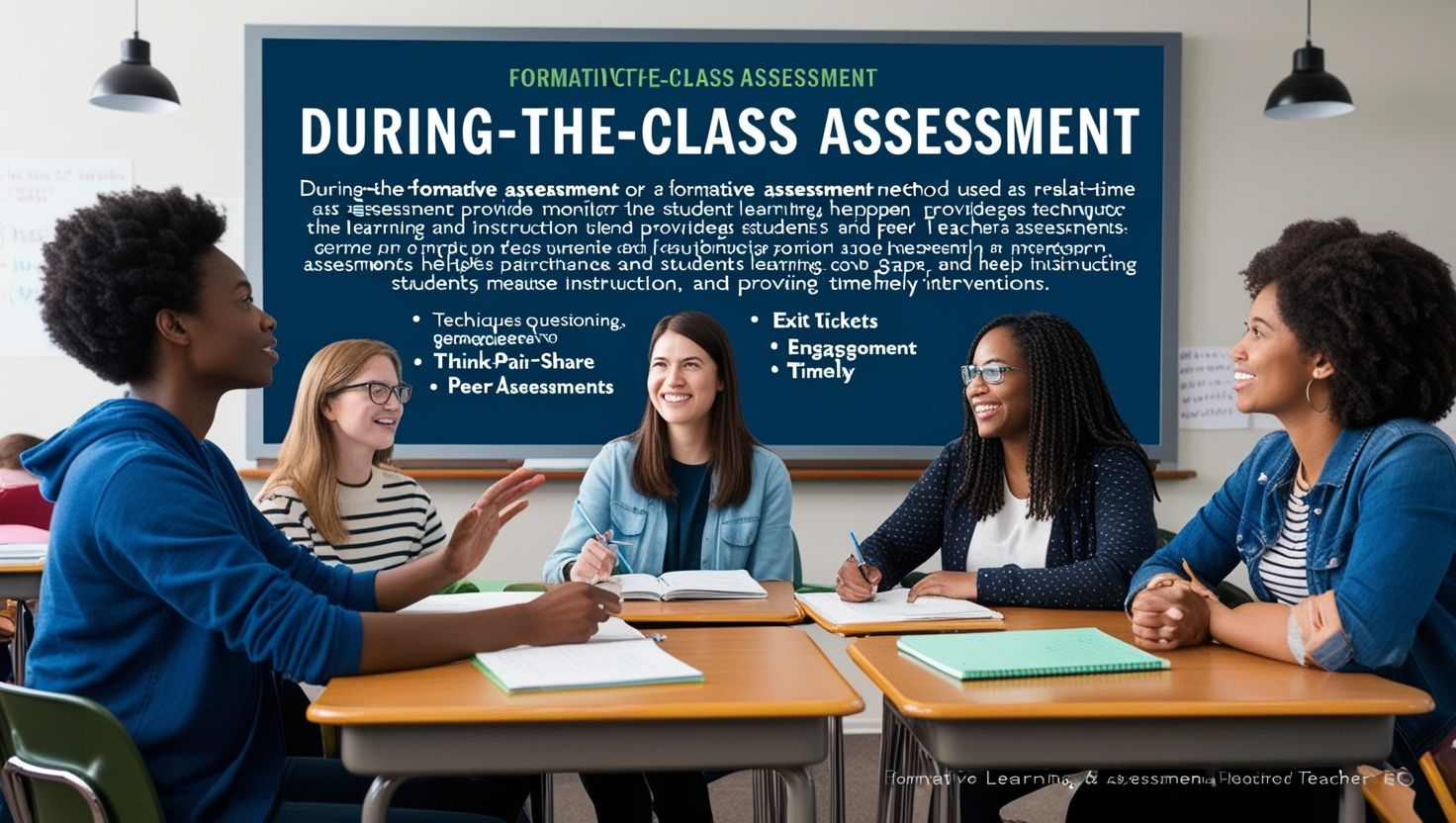
Slide 7: Classroom Application: Formative Assessment & Interim Tools
Formative Assessment Process (California Department of Education Framework)
- Clarifying learning goals with students
- Eliciting evidence of understanding through diverse methods
- Interpreting evidence to identify learning needs
- Taking action with differentiated instructional responses
- Engaging students as self-directed learners
California’s Tools for Teachers
- Resource library: Aligned instructional materials
- Performance tasks: Authentic application opportunities
- Professional learning modules: Educator capacity building
- Interim assessment blocks: Curriculum-embedded checkpoints
Interim Assessment Applications
- Hand scoring workshops: ELA/Literacy, Mathematics, Science, ELPAC Speaking/Writing
- Educator panels: Sharing effective practices across districts
- Data interpretation protocols: Moving from scores to instructional strategies
Key Principle: “Assessment for learning” rather than merely “assessment of learning” – using evidence to guide the next instructional steps rather than merely judge past performance.
Slide 8: Digital Portfolio Models: The Learner Profile in Practice
The Rethinking Assessment Framework
- Multimedia presentation: Video introductions, audio reflections, image galleries
- Curated evidence: Student-selected “best work” with reflective commentary
- Testimonial collection: Feedback from teachers, peers, community members
- Skill documentation: Dispositions wheel tracking growth in creativity, collaboration, critical thinking
- Longitudinal tracking: Progress from early years through graduation
Structural Components:
- Academic achievements: Exam results, course completions, projects
- Extended learning: Personal research projects (e.g., EPQ), passion pursuits
- Extracurricular activities: Sports, arts, volunteering, employment
- Core competencies: Literacy, numeracy, oracy, digital fluency
- Reflective narratives: Learning journey documentation at transition points
Implementation Models:
- Google Sites templates: Accessible, customizable platforms
- Specialized edtech products: Purpose-built portfolio systems
- Integrated LMS features: Embedded within learning management systems
- Blockchain credentialing: Secure, verifiable achievement records
Student Ownership: “The student will create and curate their profile. They will ‘own’ it, just as they ‘own’ the certificates they achieve in public examinations” .
Slide 9: Early Childhood Focus: The DRDP Strength-Based Approach
Desired Results Developmental Profile (DRDP 2015/2025)
- Developed by: California Department of Education
- Population: Birth to kindergarten entry
- Philosophy: Strength-based, inclusive assessment
- Settings: Natural learning environments (classroom, home)
Key Features:
- Eight developmental domains:
- Approaches to Learning–Self-Regulation (ATL-REG)
- Social and Emotional Development (SED)
- Language and Literacy Development (LLD)
- English-Language Development (ELD)
- Cognition, Including Math and Science (COG)
- Physical Development–Health (PD-HLTH)
- History-Social Science (HSS)
- Visual and Performing Arts (VPA)
- Universal Design principles: Multiple ways to demonstrate knowledge and skills
- Dual language learner support: Assessment in both home language and English
- Full continuum measures: From early infancy to kindergarten readiness
Implementation Advantages:
- 80% reduced workload through streamlined documentation
- Automated reporting: Weekly assessment summaries emailed to leadership
- Family engagement tools: Incorporating parent observations into assessments
- Alignment with frameworks: Head Start ELOF, California Learning Foundations
Transformative Impact: “Unveiling the strength-based approach… celebrates individual strengths and milestones, ensuring a holistic view of each child’s growth” .
Slide 10: Psychological & Behavioral Frameworks: DISC Model
- Origins: William Moulton Marston (1928), later developed by Thomas Hendrickson
- Focus: Observable workplace behaviors rather than innate personality
- Foundation: Ancient four temperaments theory (Hippocrates, 400 BC)
- Application: Team dynamics, communication styles, conflict resolution
The Four Dimensions:
| Dimension | Key Characteristics | Educational Implications |
|---|---|---|
| Dominance (D) | Direct, decisive, competitive, results-oriented | Responds to challenges, needs autonomy, may resist micromanagement |
| Influence (I) | Enthusiastic, collaborative, optimistic, persuasive | Thrives on interaction, needs recognition, benefits from social learning |
| Steadiness (S) | Patient, consistent, supportive, team-oriented | Prefers stability, needs reassurance, excels in cooperative environments |
| Compliance (C) | Analytical, precise, systematic, quality-focused | Values accuracy, needs data, benefits from clear expectations |
Educational Applications:
- Differentiated instruction: Tailoring teaching methods to behavioral preferences
- Classroom management: Understanding student motivation and conflict styles
- Group work design: Creating balanced teams with complementary behaviors
- Student self-awareness: Helping learners understand their behavioral strengths
- Teacher-student rapport: Adapting communication to behavioral preferences
Important Distinction: “DISC is not a measure of personality, it is actually an assessment of your behavior… personality is what we are, whereas behavior is what we do” .
Slide 11: Psychological & Behavioral Frameworks: Predictive Index
Predictive Index (PI) Behavioral Assessment
- Development: Arnold Daniels (1950s), nearly 70 years of refinement
- Structure: 17 reference profiles based on four core factors
- Approach: Self-concept assessment through adjective selection
- Application: Talent optimization, team development, leadership coaching
The Four Driving Factors:
- Dominance: Drive to exert influence on people or events
- Continuum: Assertive ↔ Collaborative
- Extraversion: Drive for social interaction with others
- Continuum: Outgoing ↔ Reserved
- Patience: Drive for consistency and stability
- Continuum: Steady pace ↔ Fast-paced change
- Formality: Drive to conform to rules and structure
- Continuum: Detail-oriented/Structured ↔ Flexible/Informal
Profile Categories in Educational Context:
- Analytical Profiles (Analyzer, Controller, Specialist, Strategist, Venturer): Task-oriented, faster pace, suited to research, planning, innovation
- Social Profiles (Altruist, Captain, Collaborator, Maverick, Persuader, Promoter): Relationship-focused, high extraversion, suited to teaching, counseling, leadership
- Stabilizing Profiles (Craftsman, Operator, Guardian, Adapter): Low dominance/extraversion, high formality, suited to administration, support roles
- Persistent Profiles (Individualist, Scholar): High dominance/patience, low extraversion, suited to specialized, independent work
Educational Leadership Application: Understanding staff behavioral drives to create effective teams, match roles to natural strengths, and optimize school culture.
Slide 12: Emerging Research: New Personality Models & Taxonomies
Taxonomic Graph Analysis (TGA) Breakthrough
- Research Team: Alexander Christensen (Vanderbilt University) and colleagues
- Publication: European Journal of Personality (June 2025)
- Method: Bottom-up analysis of personality item relationships using data science
- Data Source: IPIP-NEO personality inventory (International Personality Item Pool)
Limitations of Traditional Big Five Model:
- Top-down structure: Imposes predetermined categories
- Silored traits: Misses cross-domain relationships
- Cultural constraints: Western-centric framework
- Statistical oversimplification: Lacks nuance in trait interconnections
New Three-Tiered Structure from TGA Research:
| Tier | Traditional Model | TGA Model | Significance |
|---|---|---|---|
| Meta-Traits | 2 (Stability, Plasticity) | 3 (Adds Disinhibition) | Broader organizing principles |
| Broad Traits | 5 (Big Five) | 6 (Adds Sociability, Integrity, Impulsivity) | More differentiated domains |
| Facets | 30 (in NEO-PI-R) | 28 (Redistributed) | Reconfigured based on empirical connections |
Educational Implications:
- More precise learner profiles: Finer distinctions in motivational patterns
- Improved intervention matching: Tailored approaches based on nuanced profiles
- Enhanced predictive validity: Better forecasting of learning challenges
- Cultural adaptability: Framework potentially more transferable across contexts
Transformative Potential: “TGA could lead to a more precise understanding of personality and classifications in psychopathology” with parallel applications in educational psychology .
Slide 13: Emerging Research: Occupational Personality Profiles
Large-Scale Occupational Study
- Sample: 68,540 adults from Estonian Biobank
- Occupations: 263 different roles coded via ISCO-08
- Method: Self-report plus informant ratings (spouses, friends, family)
- Assessment: 198 questions measuring Big Five domains and nuanced traits
- Publication: Journal of Applied Psychology
Key Findings:
- Occupational variance explained: 2-7% of Big Five domain differences
- Nuance-level variance: Up to 12% for specific traits like curiosity, precision
- Pattern identification:
- Social professions (sales, customer service): Higher extraversion
- Analytical fields (research, technology): Higher openness
- Health professionals/managers: Higher conscientiousness
- Performance correlation: Occupations with higher performance standards show greater personality homogeneity
Educational Applications:
- Career guidance: Evidence-based matching of student profiles to occupational families
- Curriculum design: Developing occupationally-relevant skills and dispositions
- Work-based learning: Creating appropriate placements based on personality fit
- Future readiness: Preparing students for workplace cultures that match their profiles
Critical Consideration: “The study relied on a single cultural context (Estonia), which may limit the generalizability of the findings across diverse sociocultural settings” .
Integration with Learning Profiles: Combining occupational personality research with academic and developmental profiles creates powerful pathway planning tools for students.
Slide 14: Emerging Research: Psychological Profiles in Aging & Cognitive Health
University of Barcelona Study (2025)
- Focus: Psychological profiles and cognitive aging patterns
- Sample: 1,000+ middle-aged and older adults
- Method: Longitudinal tracking of psychological traits, cognition, brain health
- Publication: Nature Mental Health
Three Identified Psychological Profiles:
- Well-Balanced Profile
- Characteristics: Moderately high protective factors, moderately low risk factors
- Outcomes: Better cognitive/mental health across all indicators
- Educational parallel: Resilient learners with balanced dispositions
- Low Protective Factors Profile
- Characteristics: Low sense of purpose, extraversion, openness
- Outcomes: Poorer cognition (especially older adults), brain atrophy, unhealthy lifestyles
- Educational parallel: Disengaged, at-risk students
- High Risk Factors Profile
- Characteristics: High distress, negative thoughts, perceived stress
- Outcomes: Depression, anxiety, cognitive complaints, sleep disorders, dementia risk
- Educational parallel: Anxious, overwhelmed learners
Lifelong Learning Implications:
- Early intervention: Identifying at-risk psychological patterns in youth
- Preventive education: Building protective factors through educational experiences
- Holistic assessment: Comprehensive psychological evaluation alongside academic assessment
- Personalized support: Different interventions for different psychological profiles
Research Insight: “Psychological characteristics do not exist in isolation” – highlighting the need for profile-based approaches rather than single-trait assessments .
Slide 15: Technology Integration: AI & Digital Assessment Tools
Current AI Applications in Assessment
- Automated scoring: Natural language processing for open-ended responses
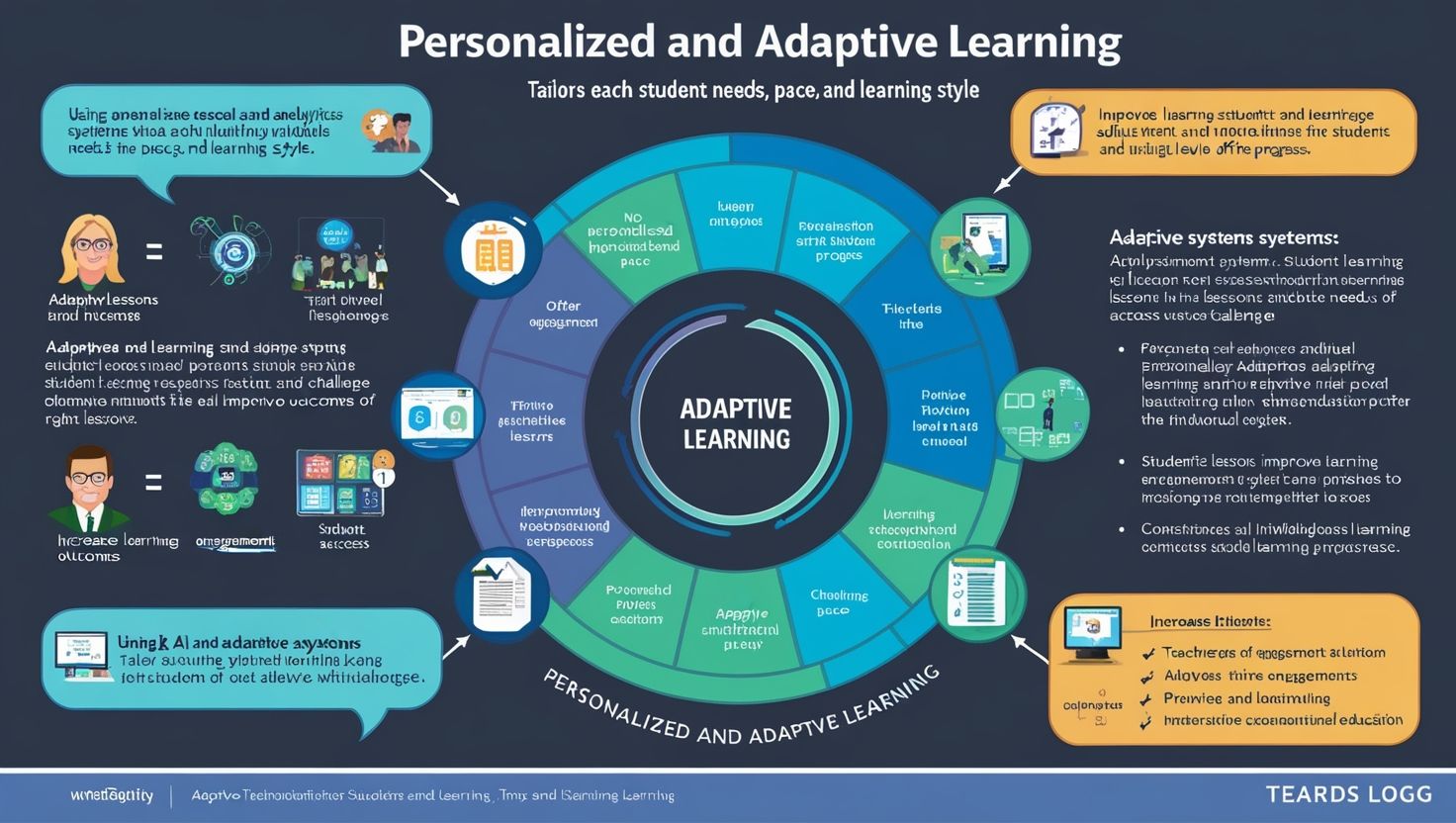
- Adaptive testing: Dynamic adjustment of item difficulty based on performance
- Pattern recognition: Identifying learning styles and knowledge gaps
- Predictive analytics: Forecasting student outcomes and intervention needs
- Pervasive but uneven adoption: “AI is much more than just a buzzword, but a lot of users aren’t seeing the value yet”
- Bias amplification risk: “AI is ripe for bias, and savvy users are quickly learning how to exploit AI tools”
- Environmental costs: “Unnecessary AI is wasteful and harmful to the planet”
- Impersonal application: “Candidates can tell when potential employers use AI to screen applicants”
Ethical Framework for AI in Educational Assessment:
- Transparency: Clear disclosure of AI use in assessment processes
- Human oversight: Educator review of AI-generated insights and recommendations
- Bias auditing: Regular testing for demographic disparities in algorithmic outputs
- Data privacy: Strong protections for sensitive student psychological data
- Purpose limitation: Using AI to enhance rather than replace human judgment
Productive Applications:
- DRDP automation: Learning Genie’s system reducing documentation workload by 80%
- Digital portfolio platforms: Enabling student-curated multimedia profiles
- Formative assessment tools: Real-time feedback during learning activities
- Longitudinal tracking systems: Following student growth across years and institutions
Balanced Approach: Leveraging technology’s efficiency while preserving the human relationships central to effective teaching and assessment.
Slide 16: Implementation Framework: Building a Profile Assessment System
Phase 1: Foundation (Months 1-3)
- Stakeholder engagement: Teachers, students, parents, administrators
- Needs assessment: Current practices, resources, readiness levels
- Vision development: Shared understanding of purpose and goals
- Pilot design: Small-scale implementation plan with evaluation metrics
2: Tool Selection & Development (Months 4-6)
- Framework alignment: Matching tools to educational philosophy and goals
- Technology integration: Selecting platforms that enhance rather than complicate
- Customization: Adapting generic tools to local context and needs
- Protocol development: Clear procedures for administration and interpretation
3: Capacity Building (Months 7-9)
- Professional development: Training on assessment literacy and tools
- Student preparation: Helping learners understand and engage with profiling
- Family education: Communicating purpose and process to parents
- Leadership development: Administrative support for implementation
4: Implementation & Refinement (Months 10-12+)
- Pilot execution: Small-scale testing with reflection and adjustment
- Scale-up plan: Phased expansion based on pilot learning
- Continuous improvement: Regular review of processes and outcomes
- Sustainability planning: Resources for ongoing implementation
Key Success Factors:
- Leadership commitment: Administrative support and resource allocation
- Teacher ownership: Professional autonomy in implementation
- Student voice: Authentic participation in profile development
- Family partnership: Collaborative approach to assessment
- Systemic alignment: Coordination with curriculum, instruction, and reporting
Slide 17: Professional Development: Teacher as Assessor
Core Competencies for Profile Assessment:
| Competency Domain | Specific Skills | Development Strategies |
|---|---|---|
| Assessment Literacy | Understanding different assessment types, purposes, and quality criteria | Workshops on assessment frameworks, analysis of sample profiles |
| Observation & Documentation | Systematic noticing, authentic evidence collection, multimedia documentation | Video analysis practice, portfolio development, calibration exercises |
| Interpretation & Analysis | Pattern recognition, developmental trajectory mapping, strength identification | Case study analysis, data interpretation protocols, collaborative scoring |
| Feedback & Communication | Strength-based language, growth-oriented feedback, family communication | Feedback practice sessions, parent conference simulations, report writing workshops |
| Differentiation & Planning | Connecting assessment to instructional planning, personalized learning design | Lesson planning with assessment data, strategy banks for different profiles |
California Training Model Example :
- Formative assessment webinars (September 2025)
- Interim assessment workshops (October 2025)
- Educator panels for practice sharing (September 2025)
- Hand scoring workshops for different content areas
- On-demand learning modules for flexible access
Collaborative Professional Culture:
- Professional learning communities focused on assessment
- Peer observation and feedback on assessment practices
- Cross-role calibration (teachers, specialists, administrators)
- Action research on assessment innovations
Mindset Shift: Moving from “assessment as evaluation” to “assessment as understanding” – developing what one educator called “assessment empathy” for the learner’s experience and perspective.
Slide 18: Challenges, Ethical Considerations & Equity Issues
Implementation Challenges
- Time constraints: Documentation and analysis demands on educators
- Resource limitations: Technology access, training needs, assessment tools
- Systemic inertia: Traditional grading cultures, college admission requirements
- Skill gaps: Varied assessment literacy among educators
- Scalability issues: Individualized approaches within standardized systems
Ethical Considerations
- Privacy concerns: Sensitive psychological and academic data protection
- Labeling risks: Fixed mindset induction through profile categorization
- Surveillance anxiety: Constant assessment creating performance pressure
- Data misuse: Profiles used for tracking rather than support
- Commercial exploitation: Vendor interests overriding educational values
Equity Imperatives
- Cultural validity: Assessment tools reflecting diverse cultural expressions
- Accessibility: Multiple means of representation, expression, and engagement
- Bias mitigation: Proactive identification and elimination of assessment bias
- Opportunity provision: Resources to develop identified strengths and address challenges
- Family inclusion: Honoring diverse family knowledge and perspectives
DRDP Inclusive Design Example :
- Universal Design principles: Multiple ways to demonstrate competence
- Dual language support: Assessment in home language and English
- Disability inclusion: Appropriate adaptations for all children
- Family partnership: Incorporating family observations into assessments
Guiding Principle: “The DRDP 2015/2025 employs language that ensures parents perceive their children’s performance positively” – highlighting the importance of strength-based communication.
Slide 19: Future Directions: The Evolving Assessment Landscape
1: Integration of Cognitive Neuroscience
- Brain-based profiles: Understanding learning through neurological patterns
- Executive function assessment: Attention, working memory, cognitive flexibility
- Stress-response profiling: How anxiety affects performance and learning
- Neurodiversity frameworks: Strengths-based understanding of cognitive differences
2: Lifelong Learning Portfolios
- Seamless transitions: Profiles that move with learners across institutions
- Credential integration: Combining formal credentials with competency evidence
- Employment alignment: Direct connections between educational profiles and workplace needs
- Continuous curation: Ongoing profile development throughout life and career
3: Predictive Analytics with Ethical Guardrails
- Early warning systems: Identifying at-risk patterns for proactive support
- Pathway forecasting: Evidence-based guidance for educational and career planning
- Intervention optimization: Matching support strategies to profile characteristics
- Transparent algorithms: Understandable and accountable predictive models
4: Global Competency Frameworks
- Cross-cultural assessment tools: Valid across diverse cultural contexts
- Global citizenship profiles: Documenting intercultural competencies
- Digital fluency metrics: Assessing navigation of digital information ecosystems
- Sustainability literacy: Understanding of ecological systems and sustainable practices
Trend 5: Student-Led Assessment Ecosystems
- Agency emphasis: Students as primary curators of their learning evidence
- Reflective practice: Metacognitive development through profile curation
- Authentic audiences: Profiles shared with meaningful reviewers beyond teachers
- Portfolio defenses: Verbal presentation and defense of learning evidence
Vision Statement: Creating assessment systems where, as Rethinking Assessment proposes, “no one leaves school with just a set of exam numbers and letters” but rather with a rich, multidimensional profile of their capabilities and potential .
Slide 20: Conclusion & Key Takeaways
Synthesis of Core Principles:
- Holistic Perspective: Learners are more than academic performers – they are complex individuals with cognitive, psychological, social, and developmental dimensions
- Strength-Based Orientation: Building on existing strengths rather than focusing primarily on deficits
- Developmental Continuum: Understanding growth as a continuous process rather than discrete achievements
- Cultural Responsiveness: Honoring diverse ways of knowing, being, and demonstrating competence
- Learner Agency: Engaging students as active partners in their assessment and development
Implementation Essentials:
- Start with philosophical clarity about assessment purposes
- Build systemic support through leadership commitment and resource allocation
- Develop educator capacity through ongoing, job-embedded professional learning
- Ensure technological infrastructure that enhances rather than complicates
- Maintain ethical vigilance regarding privacy, equity, and appropriate use
Future Vision: An educational assessment ecosystem where:
- Every learner has a dynamic, multidimensional profile that grows with them
- Assessment inform and enhances learning rather than merely measuring it
- Educational decisions are based on comprehensive understanding rather than reductionist scores
- Diversity of strengths and pathways is celebrated and optimized
Final Reflection: “The mission of Rethinking Assessment is to recognise the strengths of every young person” – a vision that encapsulates the transformative potential of profile assessment in teaching and learning.
Questions & Discussion