
Introduction
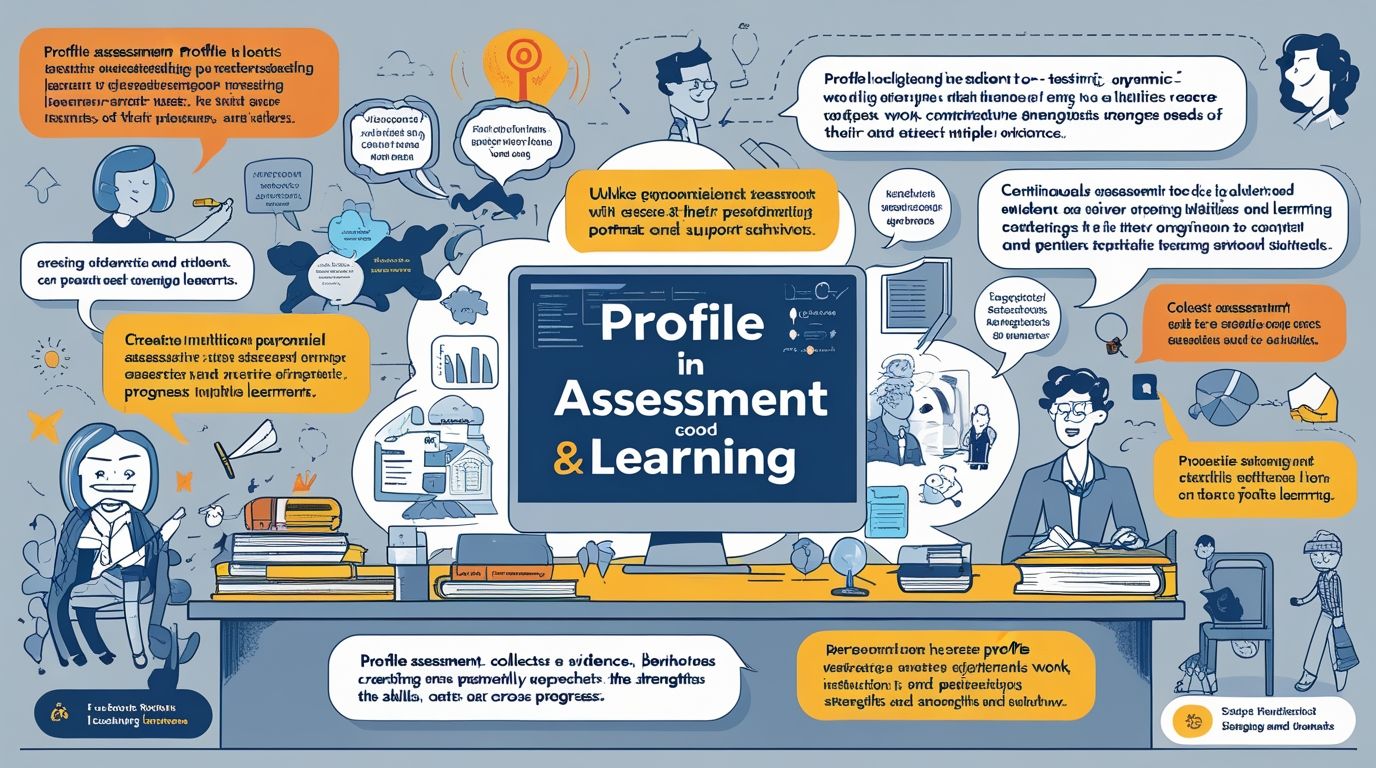
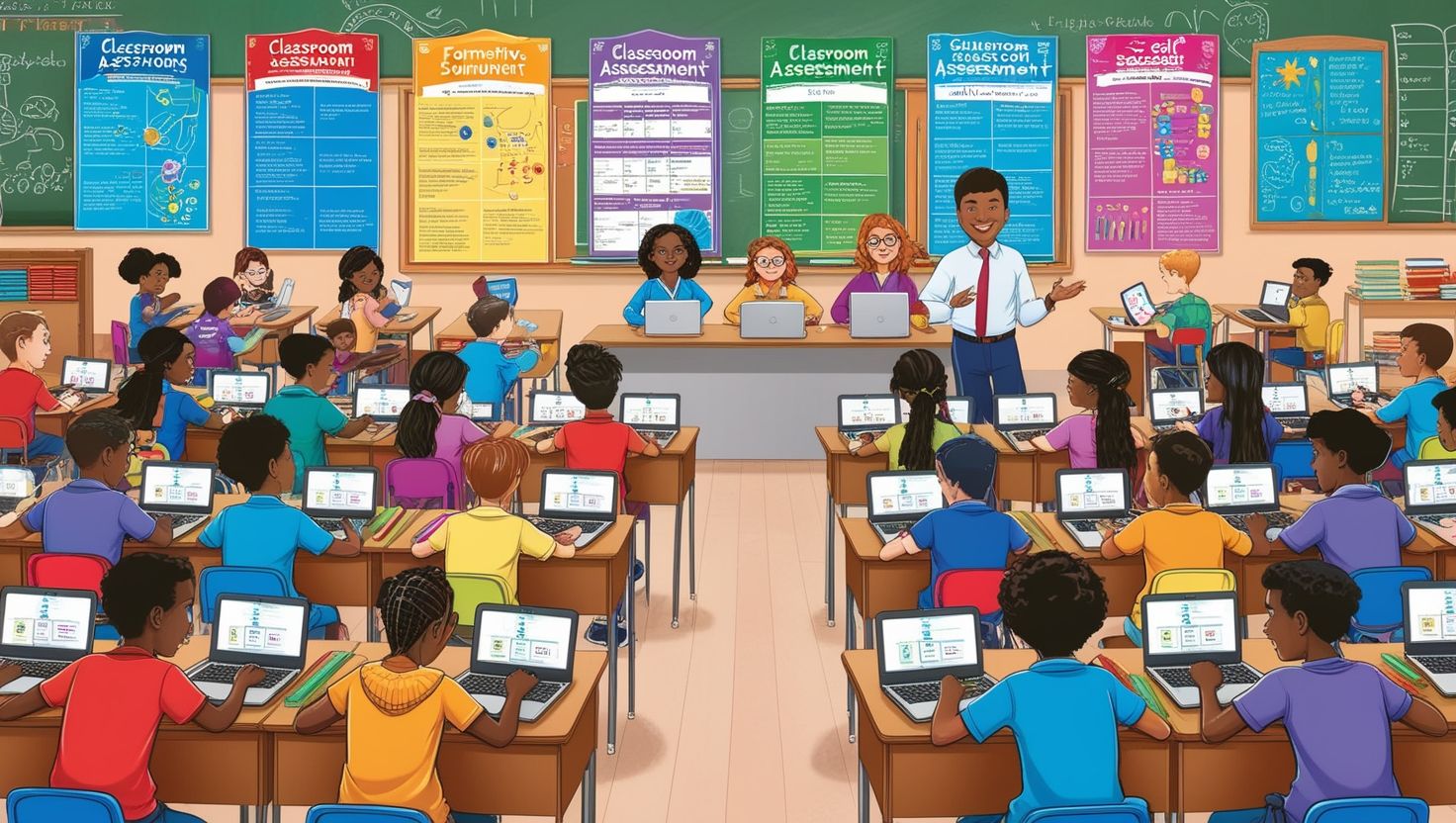
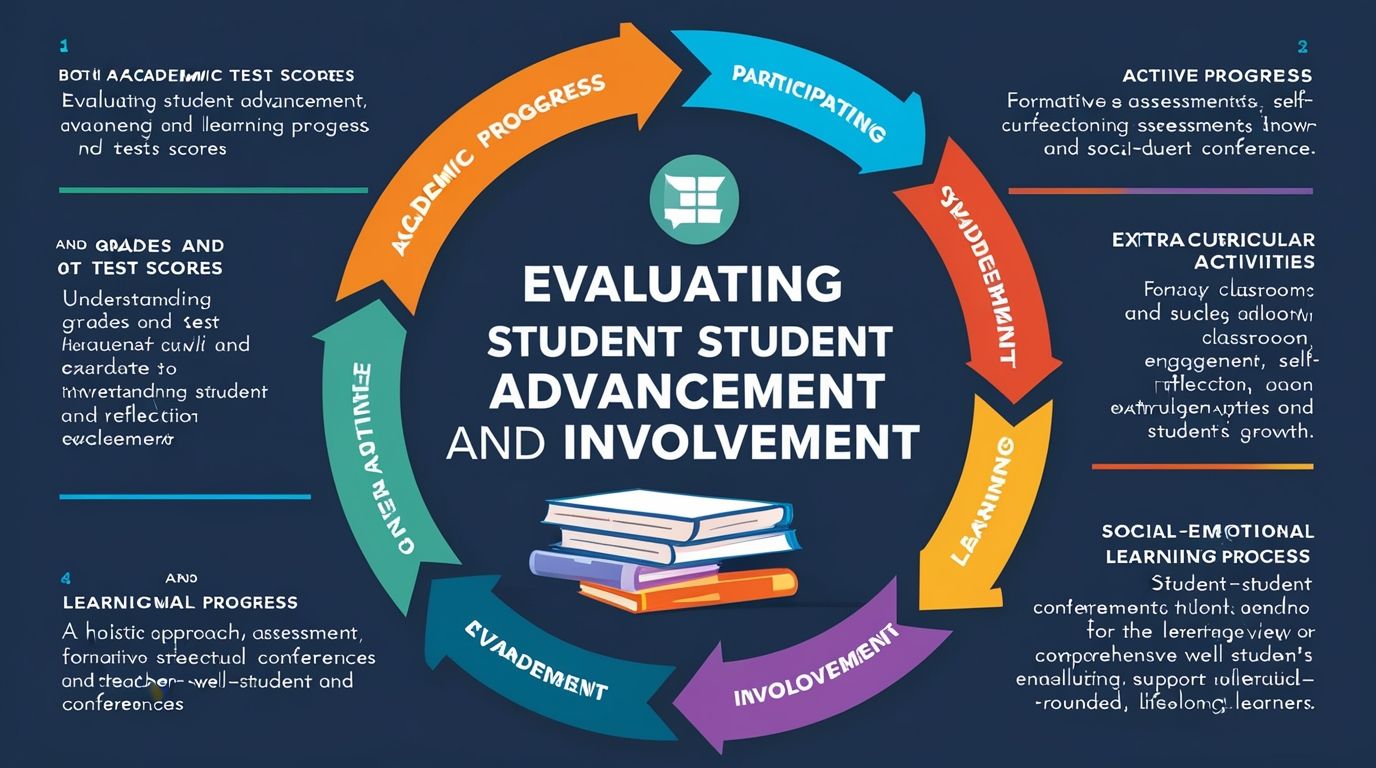
Portfolio vs Profile in Education, In modern education, assessment methods are changing. Traditional exams are no longer enough. Therefore, educators now focus on continuous evaluation. Two important tools are the portfolio and the profile. Although both support student development, they serve different purposes. However, many people confuse them. As a result, clarity is essential. A portfolio highlights student work over time. In contrast, a profile summarizes key student information. Moreover, both tools encourage reflection and growth. Consequently, they support holistic learning. This article explains the difference between portfolio and profile in education. It also explores their purpose, structure, and importance. Ultimately, understanding both tools helps teachers and students. Thus, effective learning becomes possible.
Meaning of Portfolio in Education
A portfolio is a systematic collection of student work. It shows progress over time. For example, it may include assignments, projects, and reflections. Moreover, portfolios focus on learning processes. Therefore, they value effort and improvement. Unlike exams, portfolios are continuous. As a result, students reflect deeply. Additionally, portfolios promote self-assessment. Consequently, learners become responsible. Teachers also benefit. They observe strengths and weaknesses clearly. Furthermore, portfolios support personalized learning. Thus, instruction improves. In short, a portfolio is evidence-based. It demonstrates skills and competencies. Therefore, it is widely used in modern classrooms.
Purpose of Portfolio
The main purpose of a portfolio is assessment for learning. First, it documents progress. Second, it encourages reflection. Moreover, it supports creativity. Students select their best work. Consequently, confidence increases. Additionally, portfolios align with student-centered learning. Therefore, learners stay engaged. Teachers use portfolios for feedback. As a result, improvement becomes targeted. Furthermore, portfolios help parents understand progress. Thus, transparency improves. In professional education, portfolios support career readiness. Hence, they are valuable beyond school. Overall, portfolios support growth. They focus on development, not comparison.
Meaning of Profile in Education
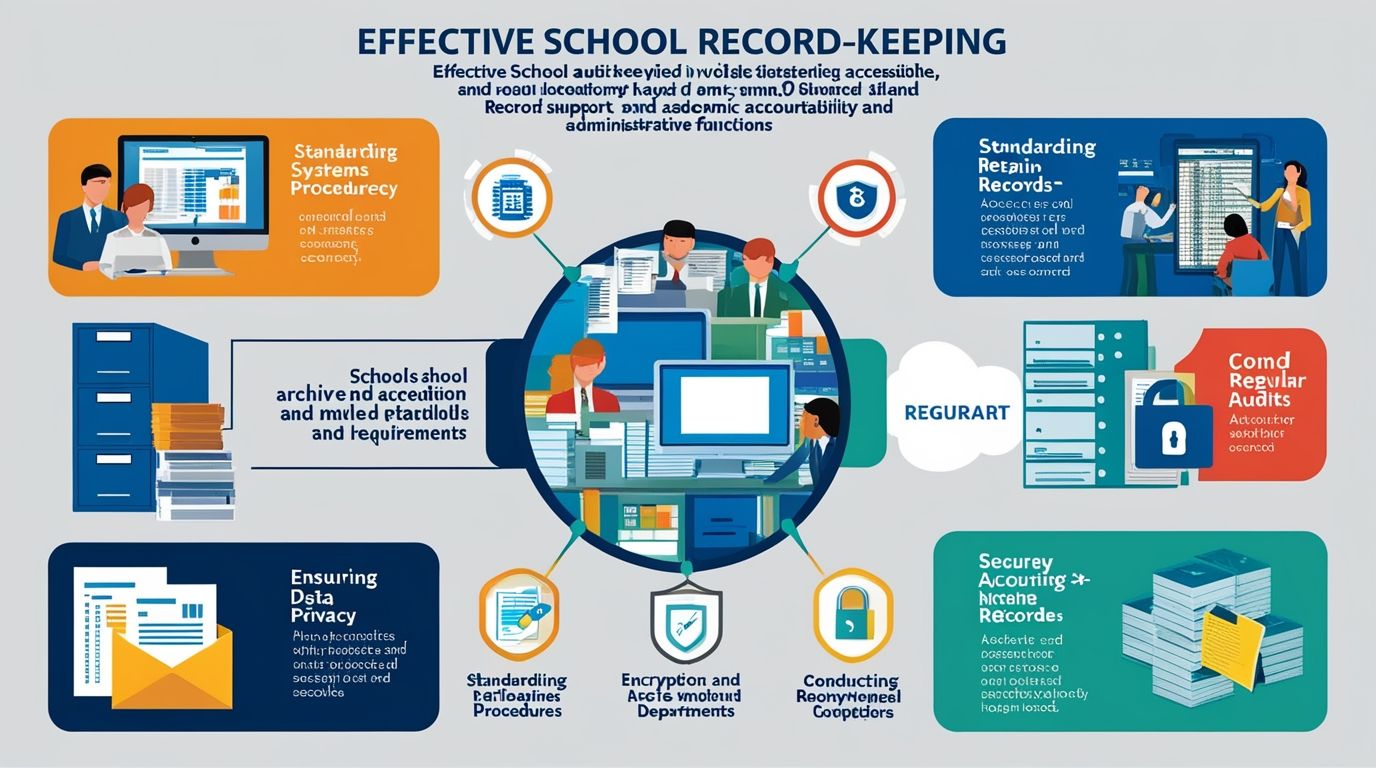
A profile is a summarized record of a student. It presents essential information. For instance, it includes academic performance, behavior, and interests. Unlike portfolios, profiles are concise. Therefore, they provide a snapshot. Moreover, profiles focus on outcomes. They are often formal. Consequently, administrators prefer them. Additionally, profiles support decision-making. For example, they help with placement or counseling. Furthermore, profiles are standardized. Thus, comparison becomes easier. In short, a profile is descriptive. It records who the student is at a given time.
Purpose of Profile
The purpose of a profile is documentation. First, it records achievement. Second, it supports evaluation. Moreover, profiles help track academic status. Therefore, teachers use them for reporting. Additionally, profiles assist institutions. Consequently, planning becomes efficient. Profiles are also used for guidance. Thus, counselors identify student needs. Furthermore, profiles communicate information quickly. Hence, they save time. Overall, a profile supports administrative and academic decisions. It emphasizes summary rather than process.
Key Differences Between Portfolio and Profile
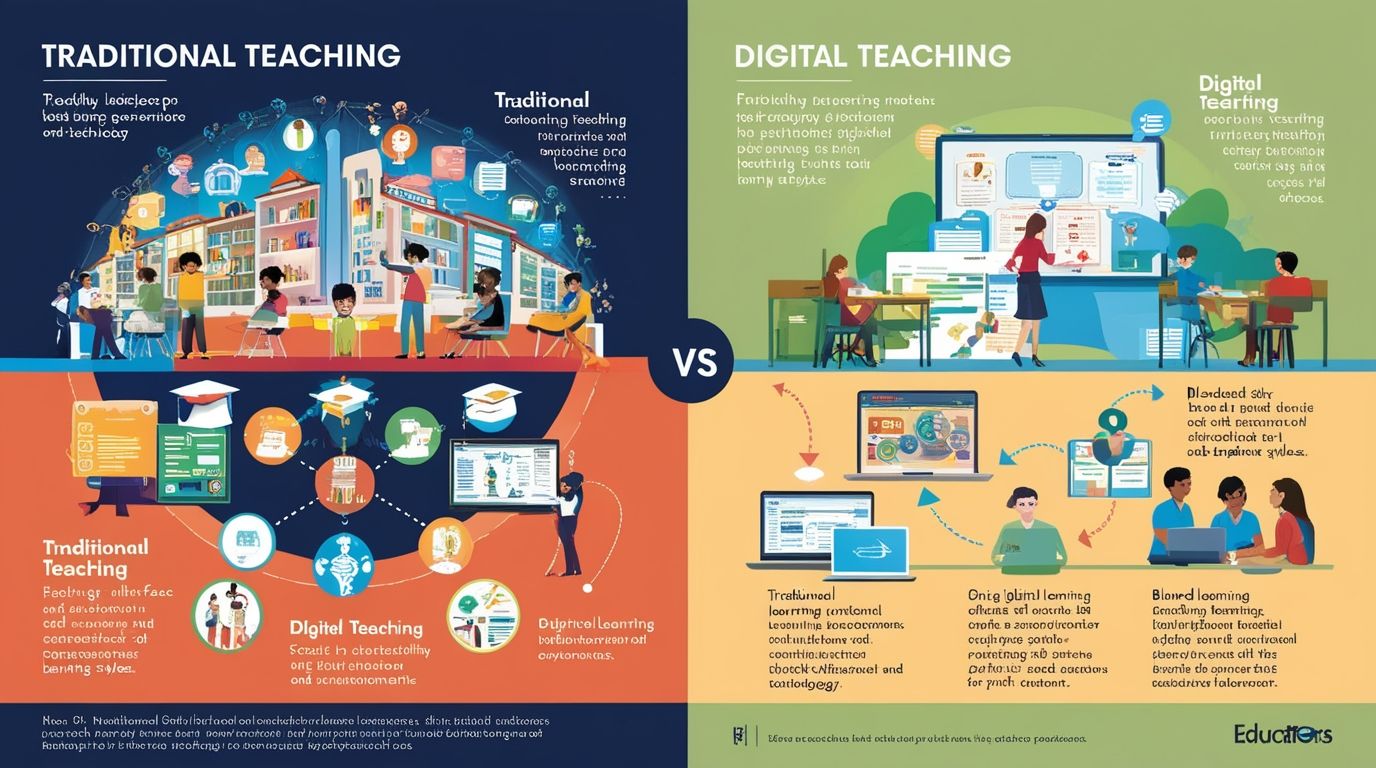
Although both tools assess learners, they differ significantly. A portfolio is detailed. In contrast, a profile is brief. Moreover, portfolios are dynamic. Profiles are static. Additionally, portfolios include student voice. Profiles are teacher-generated. Therefore, portfolios emphasize learning journeys. Profiles focus on results. Furthermore, portfolios are qualitative. Profiles are mostly quantitative. As a result, their use varies. Portfolios support learning growth. Profiles support record keeping. Hence, both tools complement each other. They are not competitors.
Role in Student Development
Both portfolio and profile support development. However, their impact differs. Portfolios encourage reflection. Therefore, critical thinking improves. Moreover, students become active learners. Profiles, on the other hand, provide direction. They identify strengths and gaps. Consequently, intervention becomes easier. Additionally, portfolios build confidence. Profiles build awareness. Thus, together they support holistic growth. When used effectively, students benefit fully.
Conclusion
In conclusion, portfolio and profile are essential educational tools. Although they appear similar, their functions differ. A portfolio documents learning over time. A profile summarizes key information. Moreover, portfolios focus on process. Profiles focus on outcomes. Therefore, educators must use both wisely. Together, they enhance assessment. They also support student growth. Ultimately, understanding their differences improves educational practice. Thus, effective learning becomes achievable.











































































































































































References:
Harrahs cherokee casino hotel demo spielautomaten kostenlos
References:
Play roulette online https://jobbridge4you.com