
Introduction:
The Knowledge Economy in the Future, In the contemporary global landscape, the concept of the knowledge economy has become central to discussions about development, competitiveness, and innovation. Traditionally, the knowledge economy refers to an economic system in which knowledge, information, skills, and intellectual capabilities are the primary drivers of productivity and growth. However, as societies enter an era marked by rapid technological advancement, ecological instability, and social transformation, the future of the knowledge economy demands renewed examination.
In this context, the future knowledge economy cannot simply be understood as an extension of present trends. Instead, it represents a profound transformation in how knowledge is created, distributed, valued, and applied. Consequently, this article explores the future trajectory of the knowledge economy by examining technological shifts, labor market changes, ethical concerns, and the growing need for inclusive and sustainable models of economic development.
From Industrial Capital to Cognitive Capital
Historically, economic systems have evolved through distinct phases, from agrarian economies to industrial economies and, more recently, to knowledge-based economies. In contrast to industrial capitalism, which relied heavily on physical labor and natural resources, the knowledge economy places cognitive capital at its center. Human intellect, creativity, and innovation have become the most valuable assets.
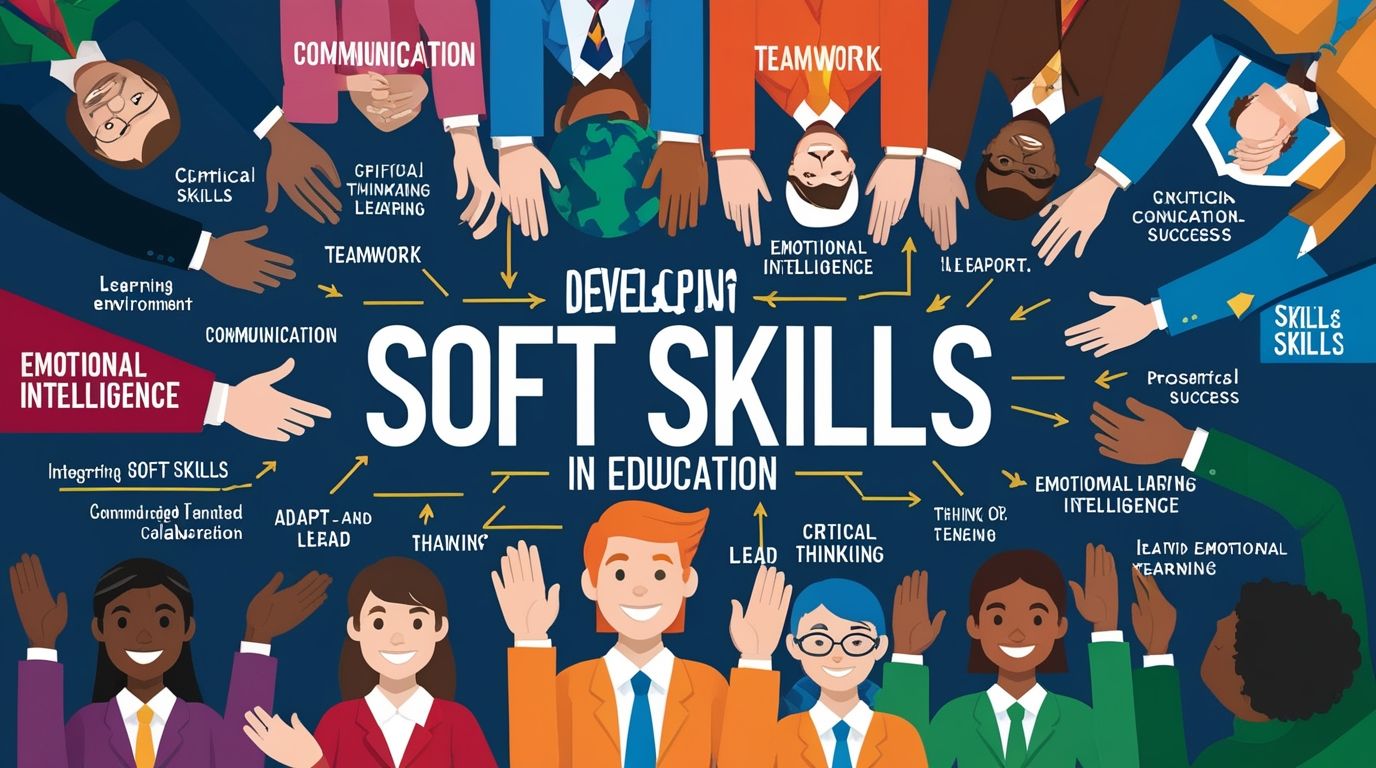
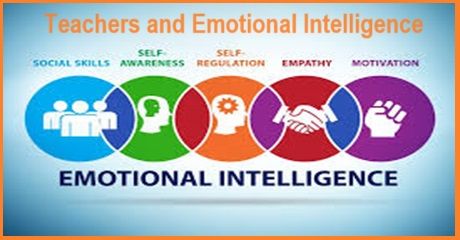
Looking ahead, this trend is expected to intensify. As automation replaces routine labor and artificial intelligence expands analytical capacity, human knowledge work will increasingly focus on areas that machines cannot easily replicate. Thus, creativity, ethical judgment, emotional intelligence, and complex problem-solving will become defining features of economic participation.
Moreover, the future knowledge economy will likely blur the boundaries between economic sectors. Knowledge production will not be confined to universities or research institutions but will emerge from networks that include communities, digital platforms, and interdisciplinary collaborations.
Technology as a Catalyst of Transformation
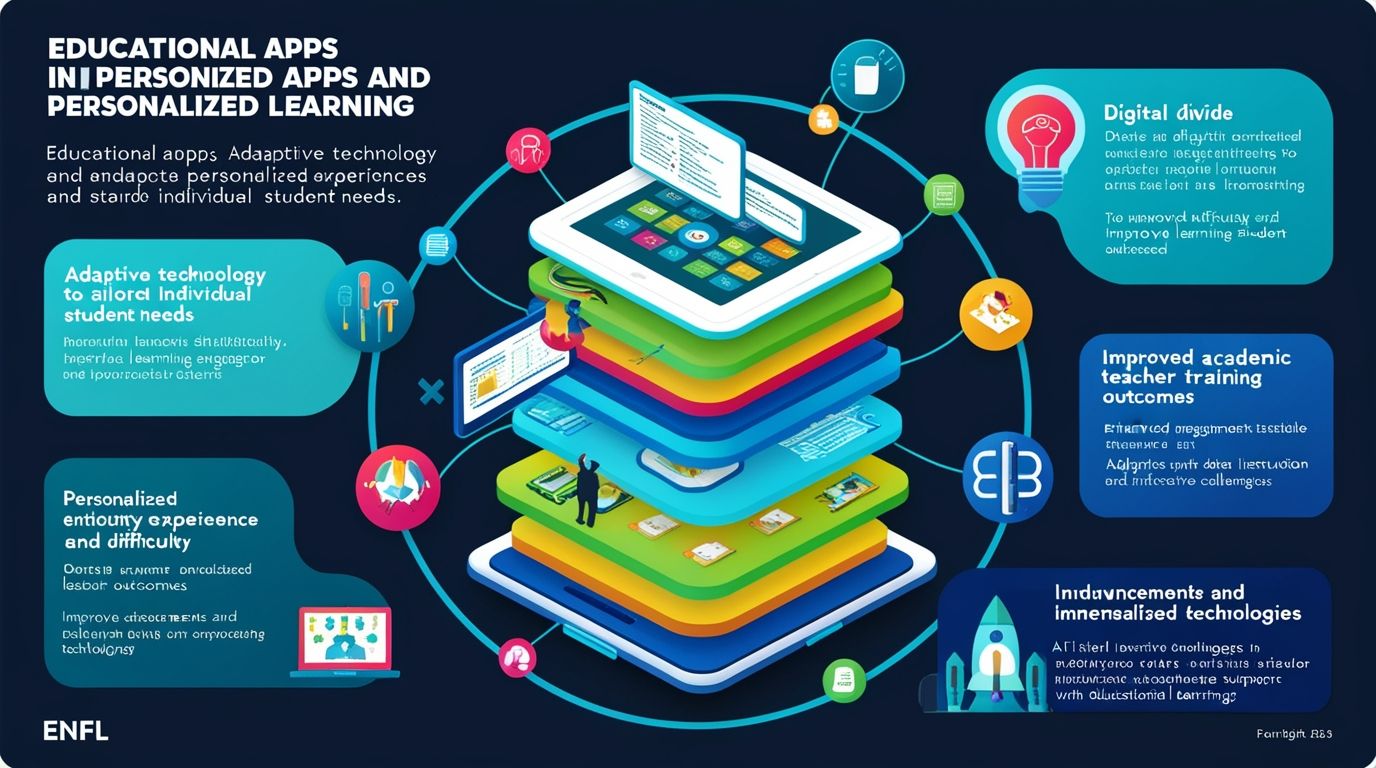
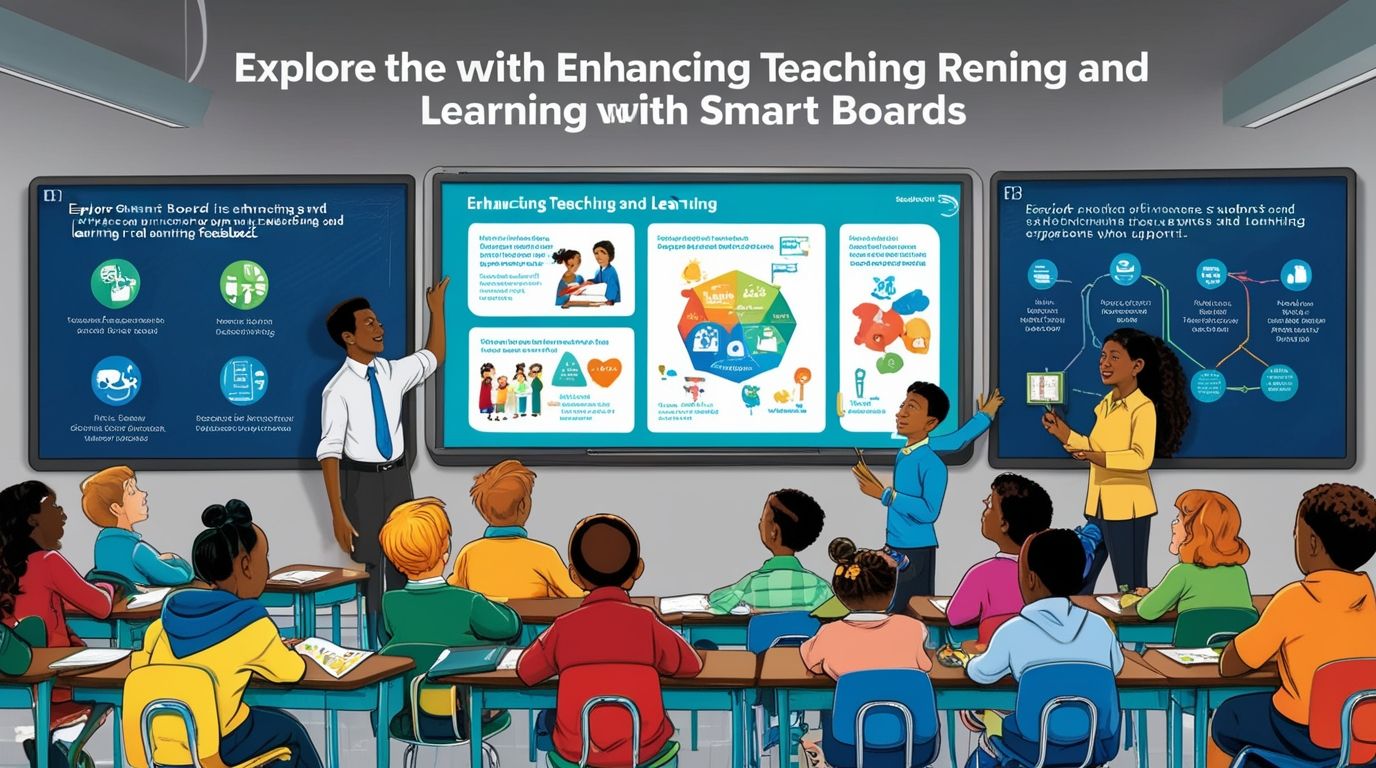
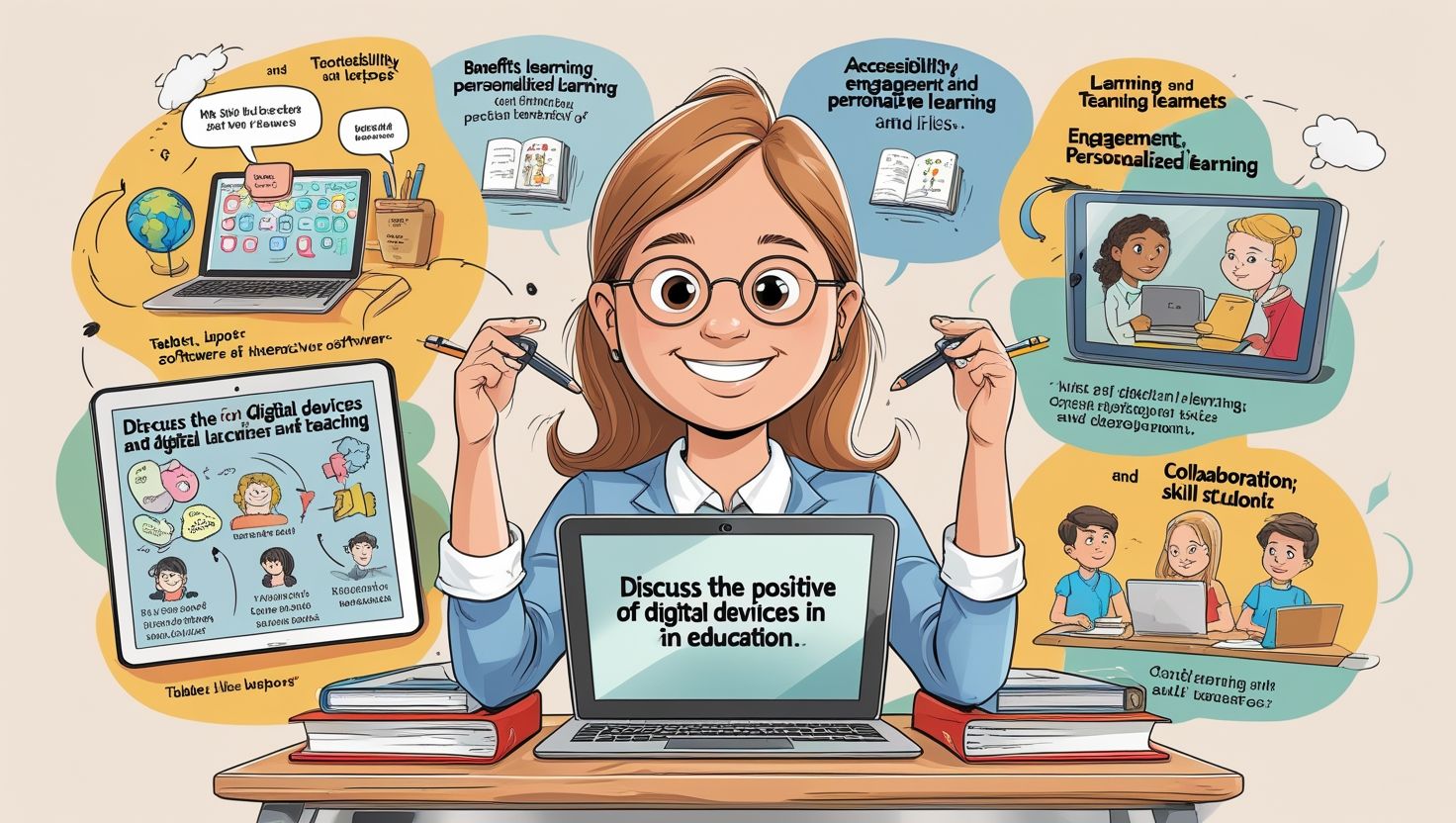
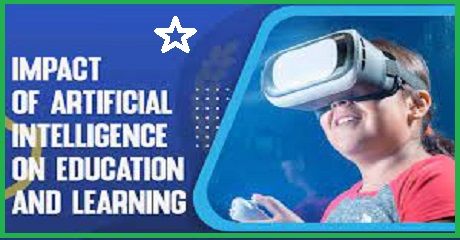
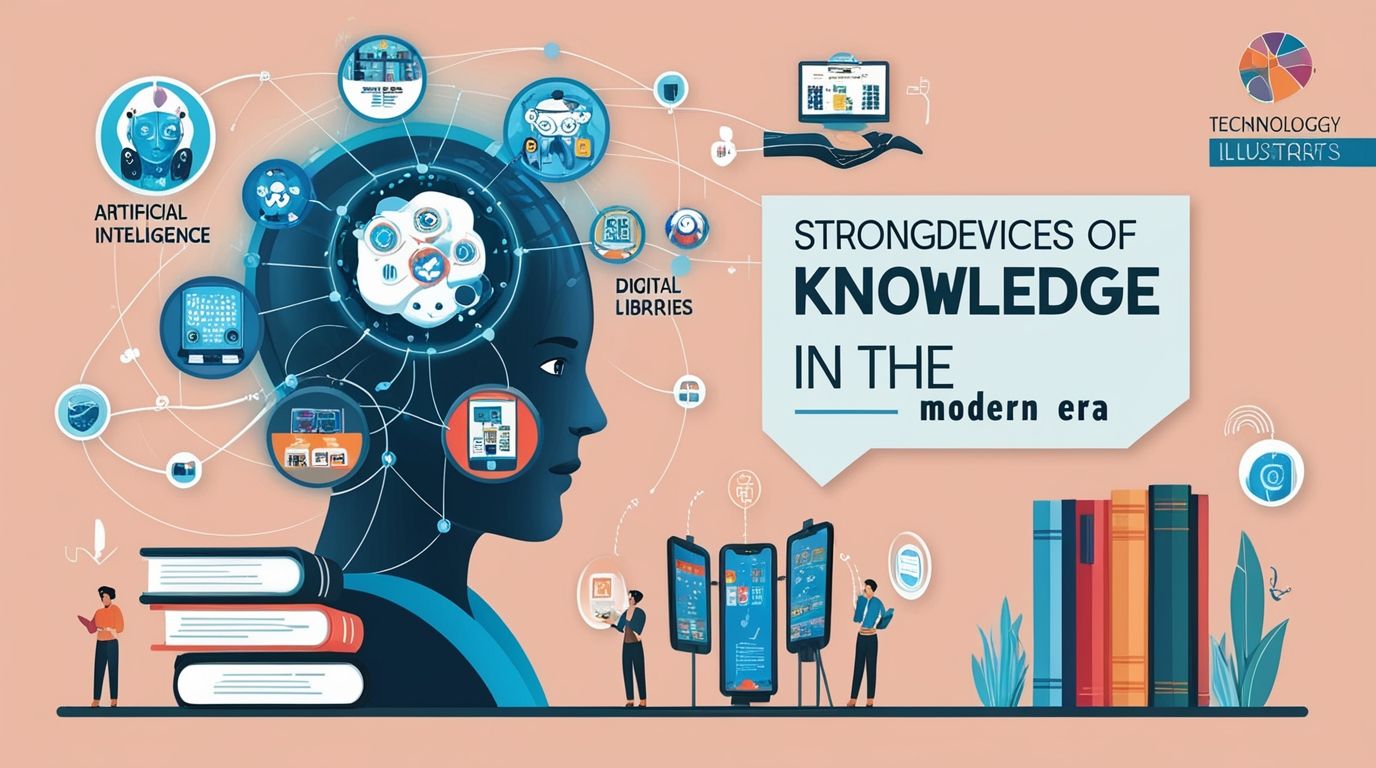
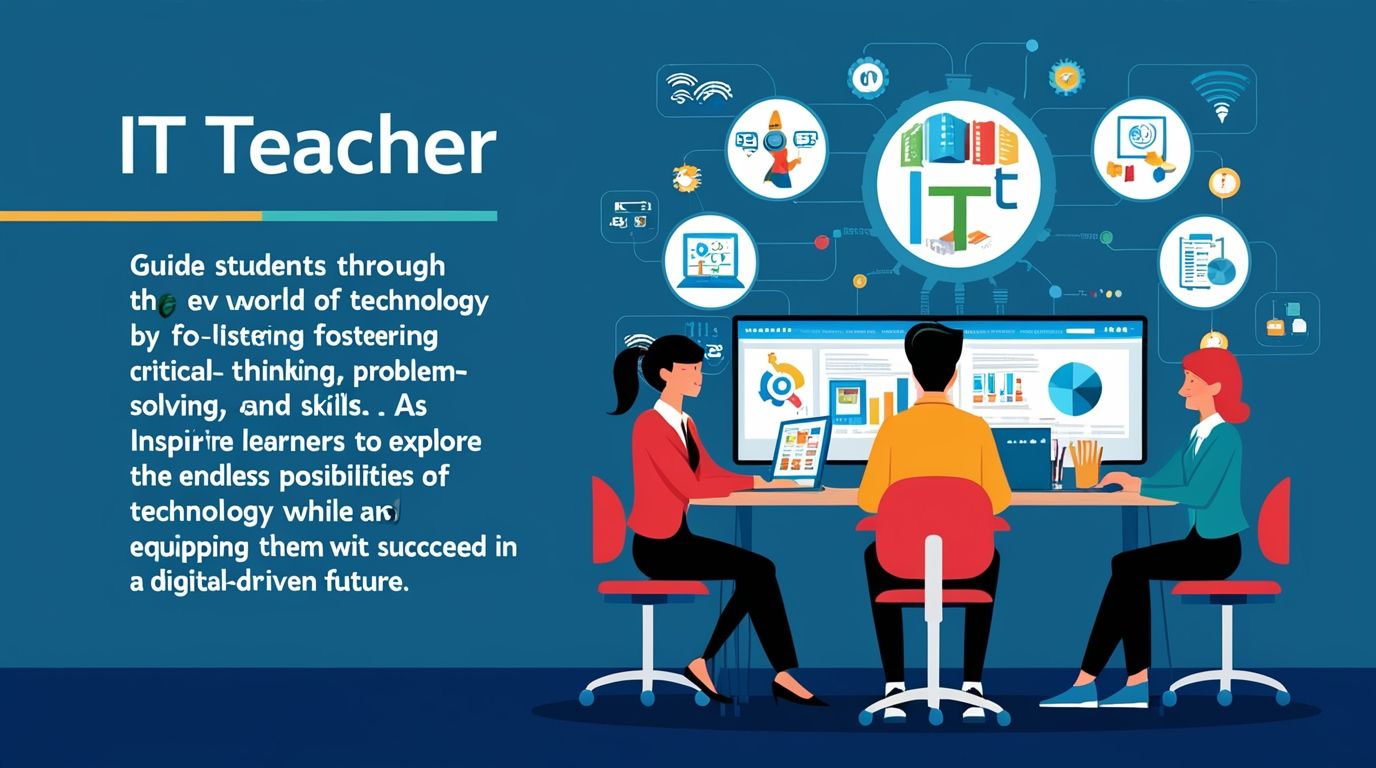
Undoubtedly, technology will continue to shape the future knowledge economy. Artificial intelligence, machine learning, big data, and quantum computing are already redefining how knowledge is processed and applied. As a result, productivity gains will increasingly depend on the ability to integrate human insight with machine intelligence.
However, technological advancement is not neutral. While it can democratize access to information, it can also deepen inequality. Therefore, the future knowledge economy will face a critical choice: whether technology serves as a tool for empowerment or as a mechanism of exclusion.
Furthermore, digital platforms are transforming how knowledge is shared. Open-source communities, online learning ecosystems, and global research networks are challenging traditional gatekeepers of knowledge. Consequently, authority in the knowledge economy may shift from institutions to dynamic, decentralized systems of collaboration.
The Changing Nature of Work
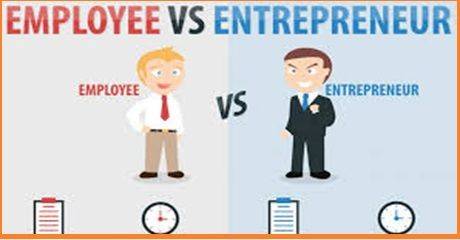
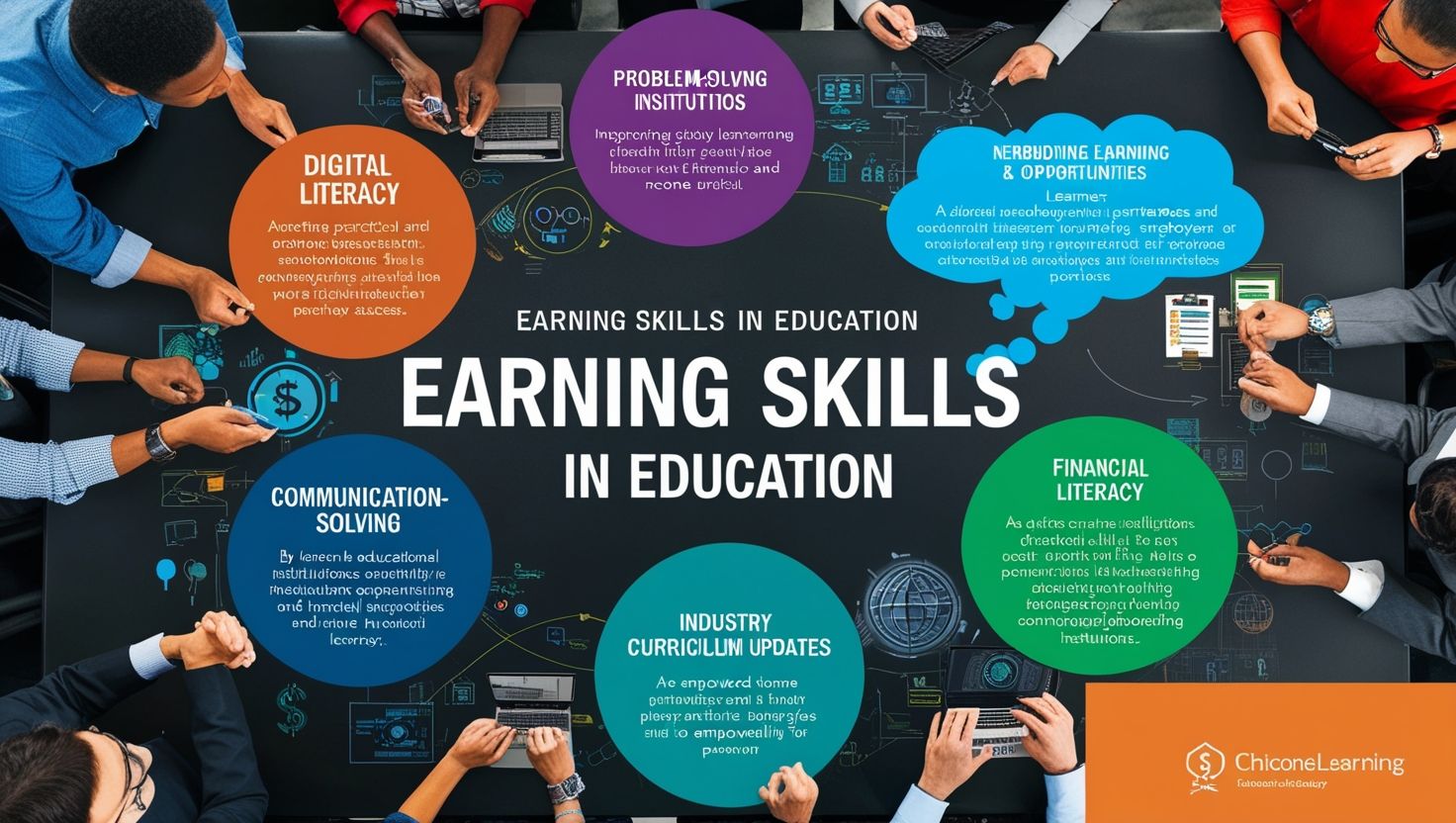
One of the most visible impacts of the future knowledge economy will be felt in the labor market. Traditional career paths characterized by long-term employment and stable roles are increasingly giving way to fluid, project-based work. As a result, individuals will need to continuously update their skills and adapt to changing professional identities.
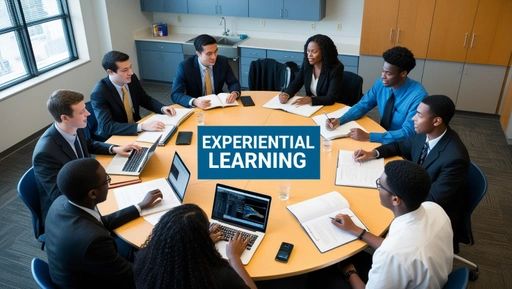
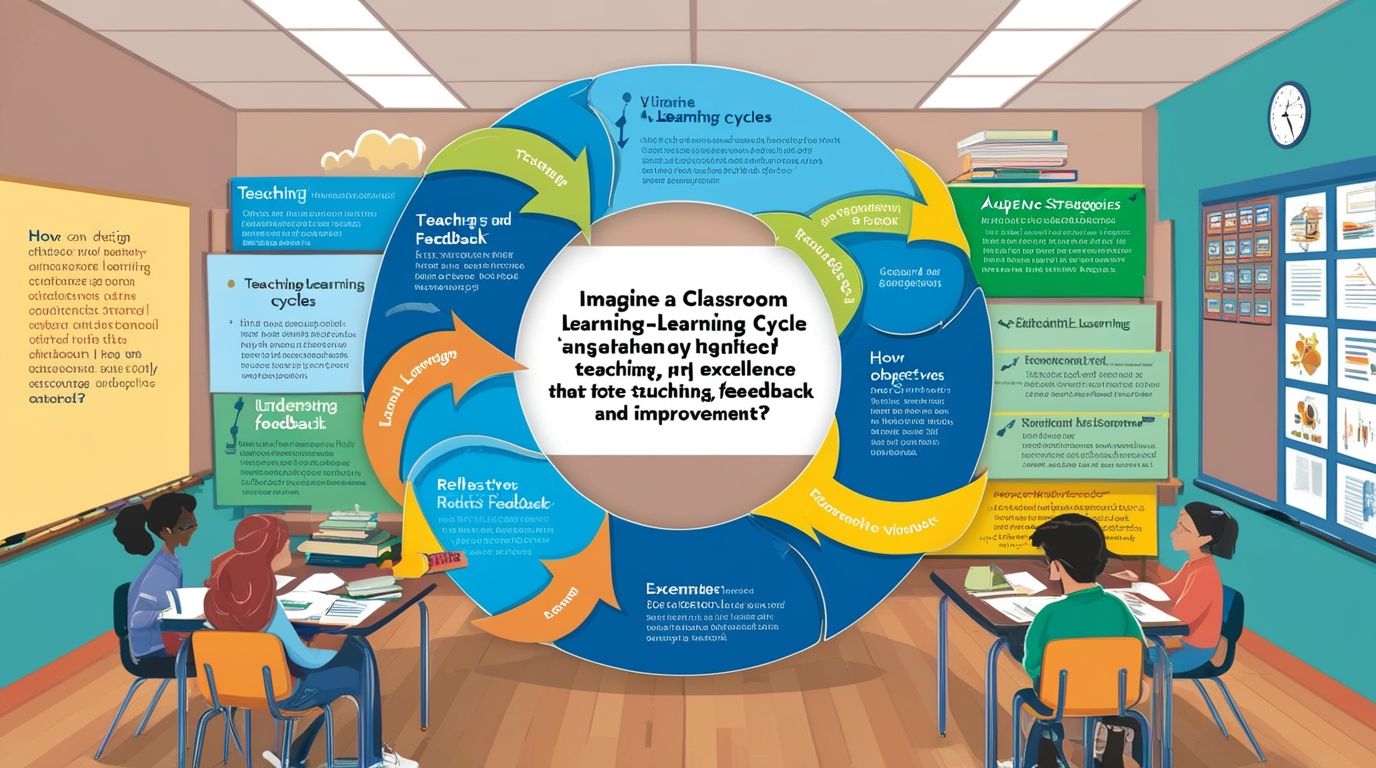
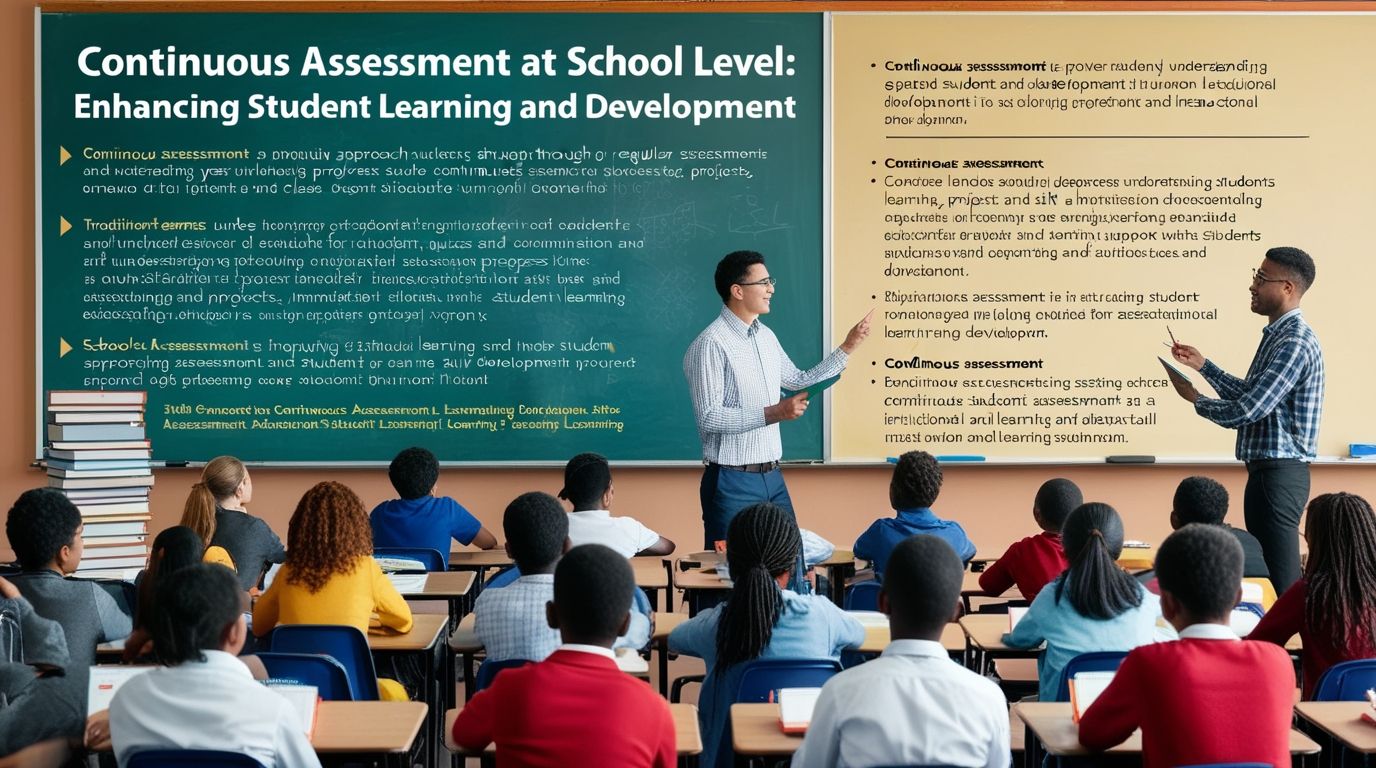
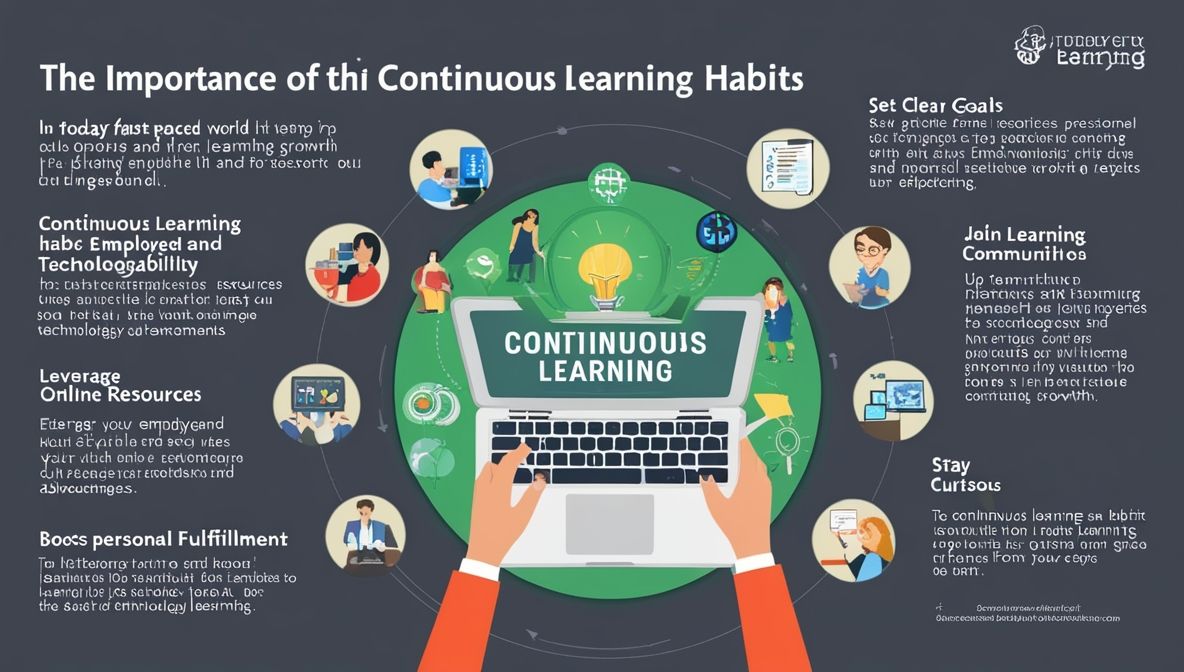
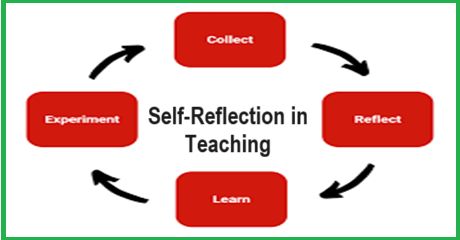
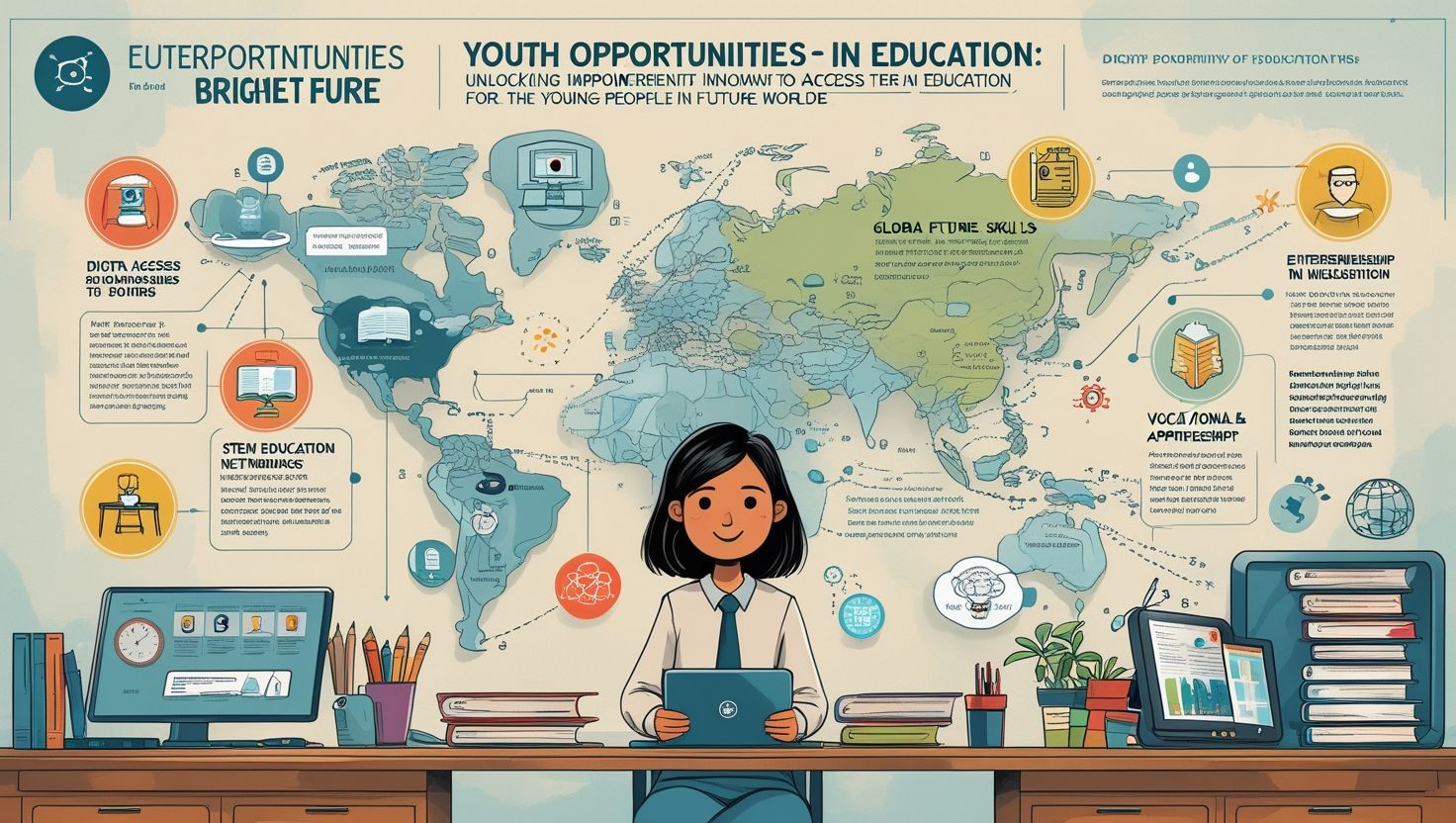
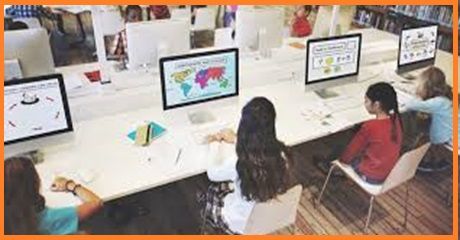
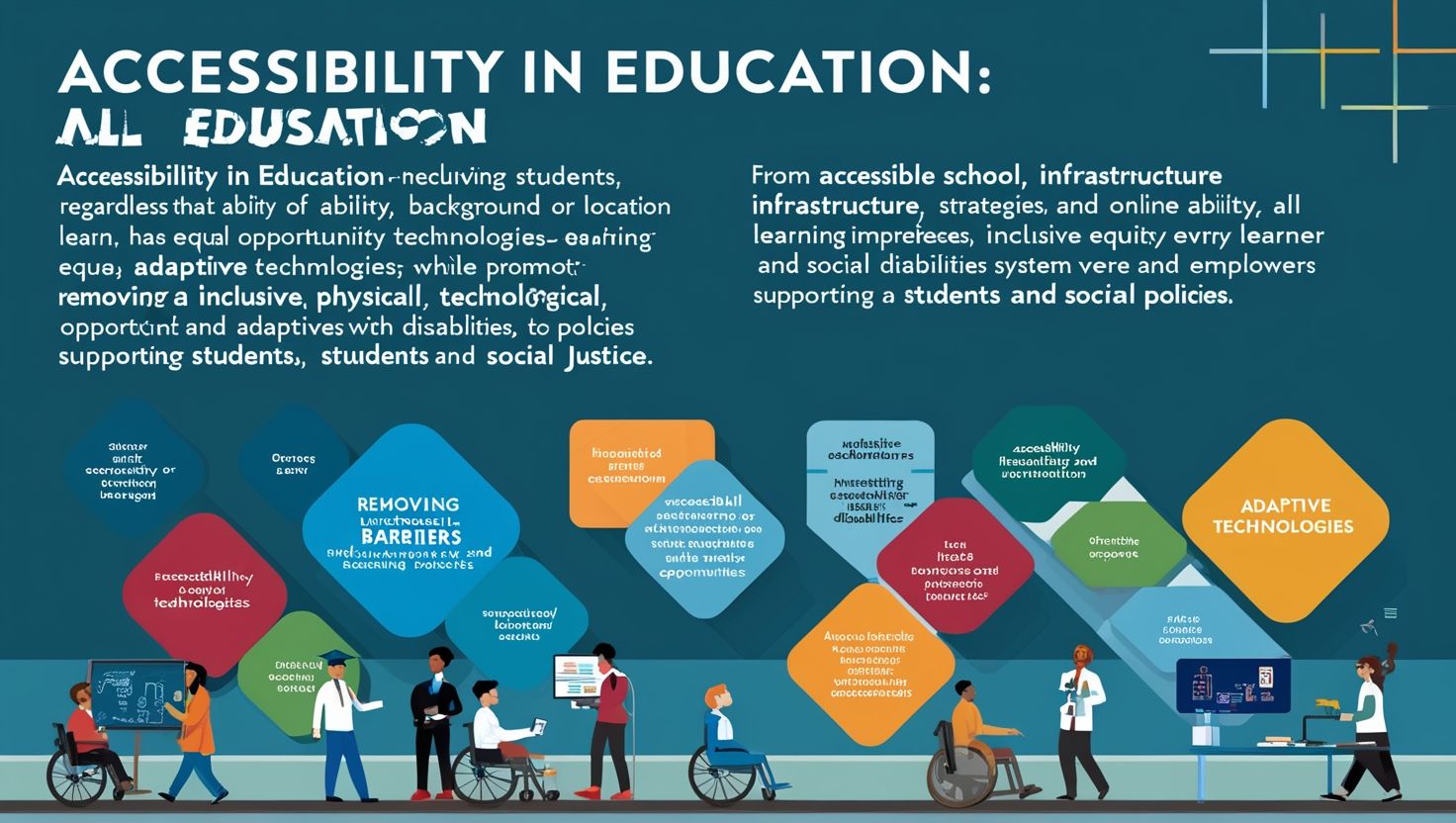
In addition, the distinction between learning and working is likely to dissolve. Lifelong learning will no longer be optional but essential for economic survival. Therefore, education systems will play a critical role in preparing individuals for continuous reskilling rather than one-time qualification.
At the same time, the future knowledge economy raises concerns about precarity. While highly skilled workers may benefit from flexibility and autonomy, others may face instability and insecurity. Thus, social protection mechanisms must evolve alongside economic innovation.
Knowledge, Power, and Inequality
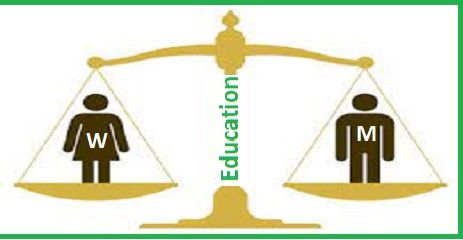
Despite its promise, the knowledge economy has always been associated with unequal access. Knowledge, unlike physical capital, is theoretically shareable, yet in practice it is often concentrated among elites. Looking forward, this inequality risks becoming more pronounced.
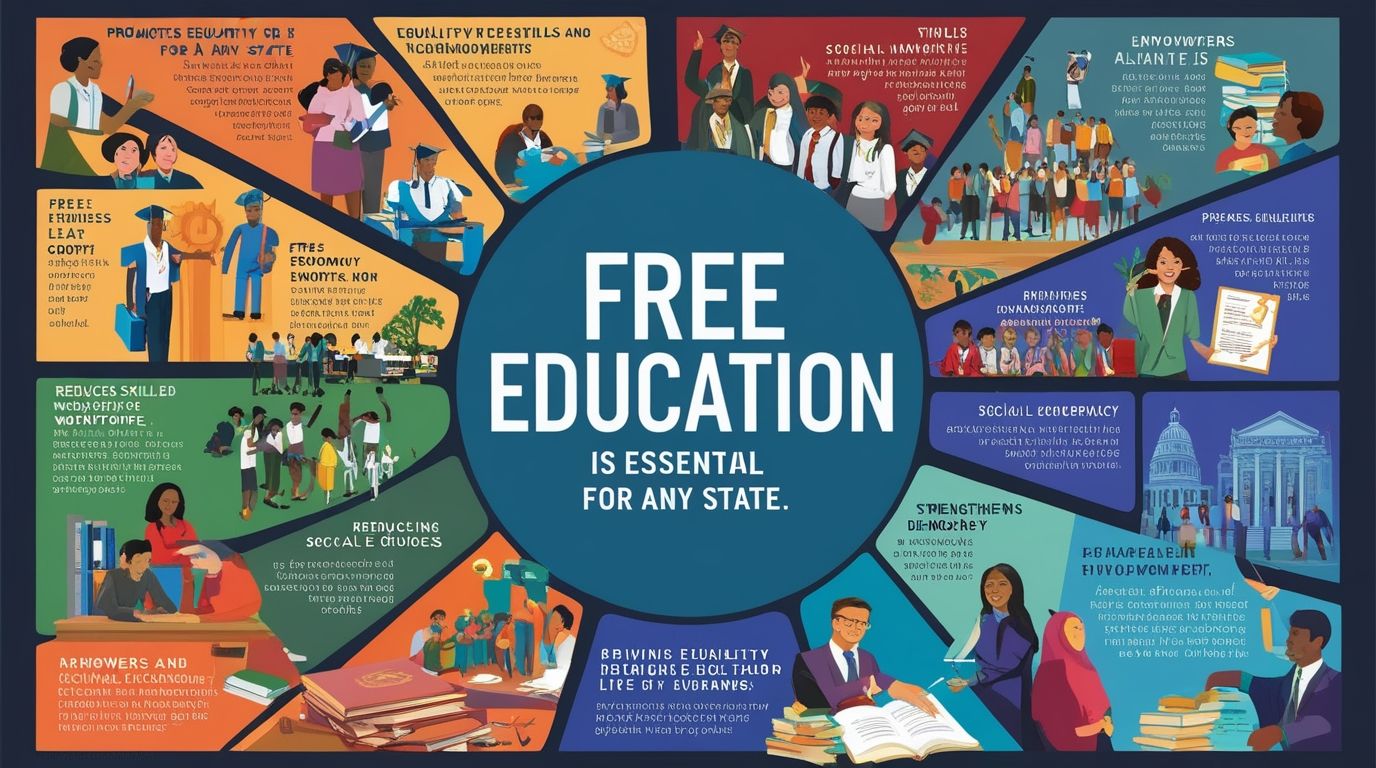
For example, access to advanced education, digital infrastructure, and intellectual property rights will shape who benefits from future economic opportunities. Consequently, without deliberate intervention, the knowledge economy may reinforce existing social and global inequalities.
Moreover, data has become a new form of power. Corporations and governments that control data flows wield immense influence over economic and social life. Therefore, ethical governance of data and knowledge production will be central to shaping a just future knowledge economy.
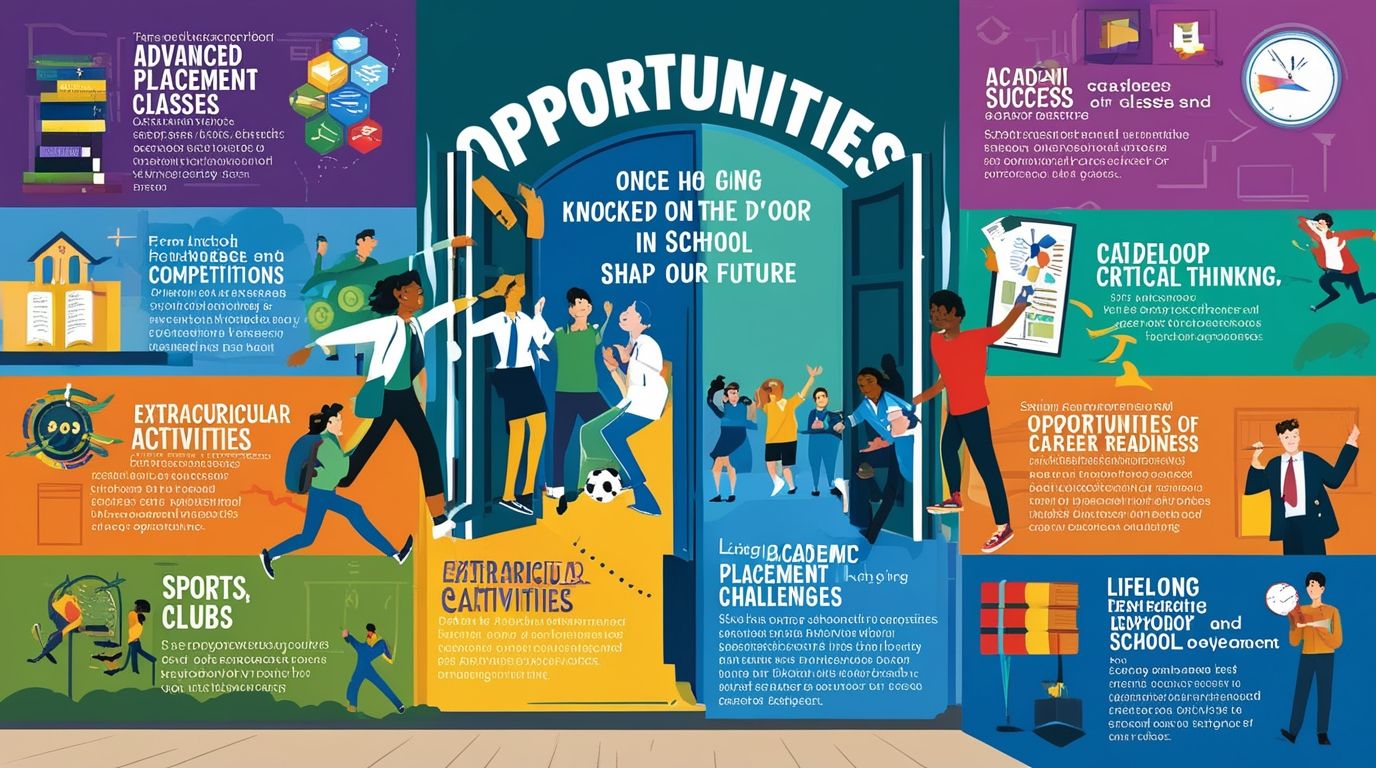
The Role of Education in the Future Knowledge Economy
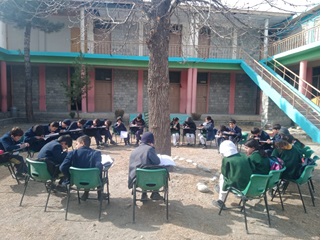
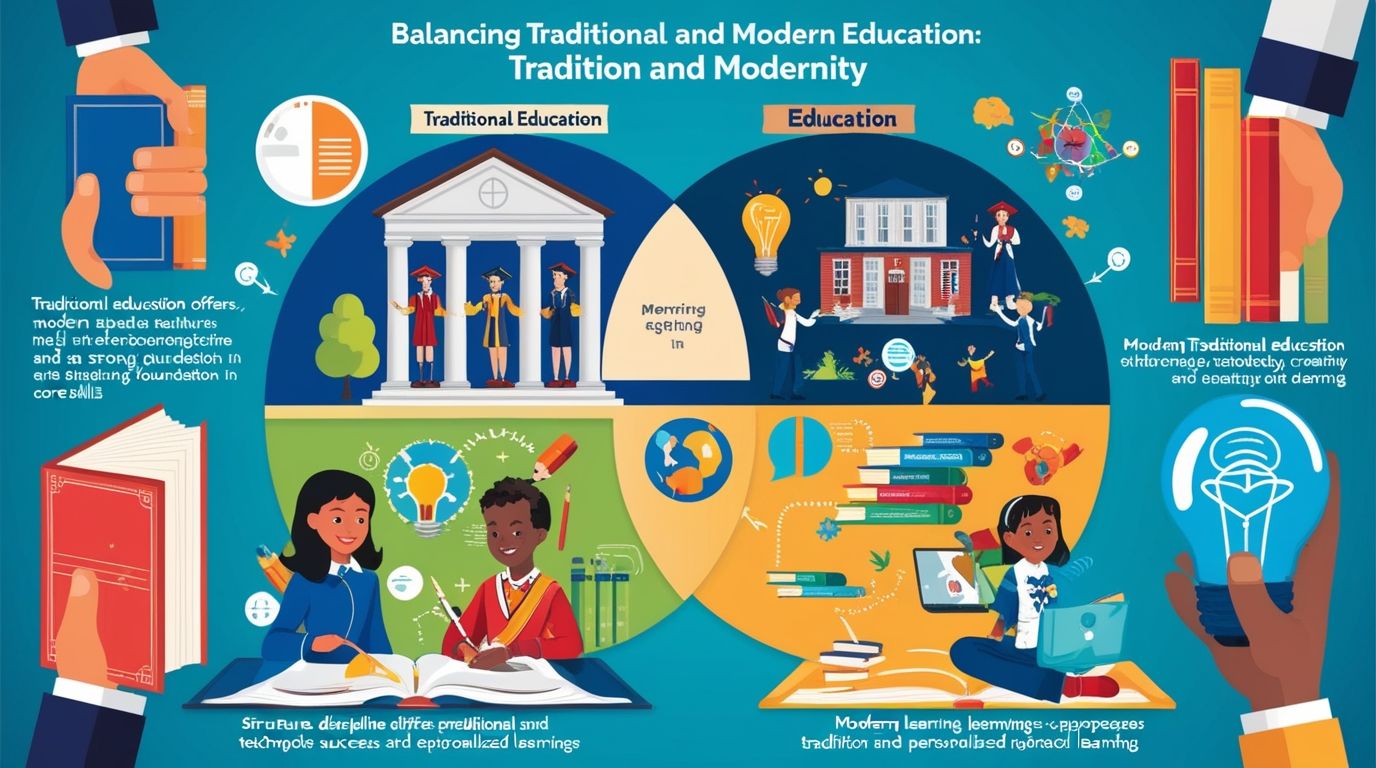
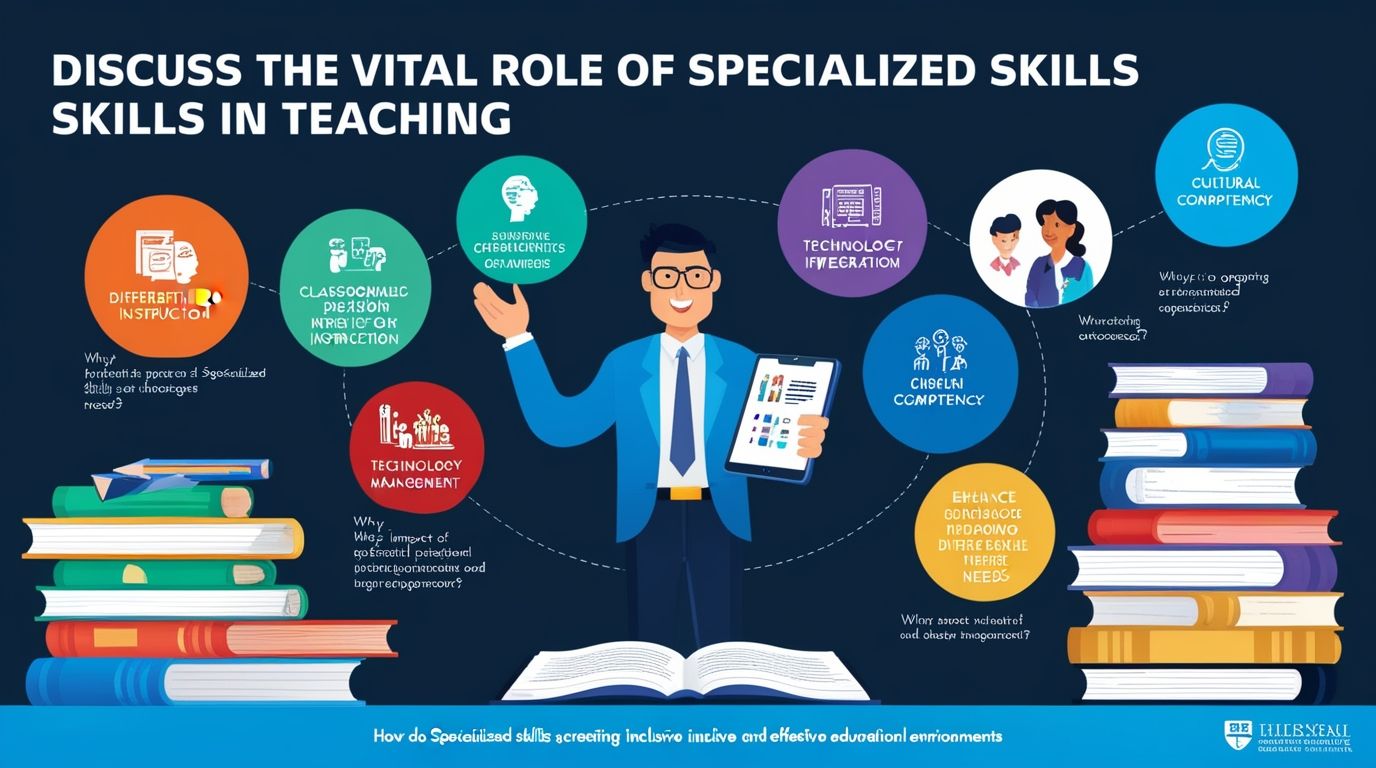
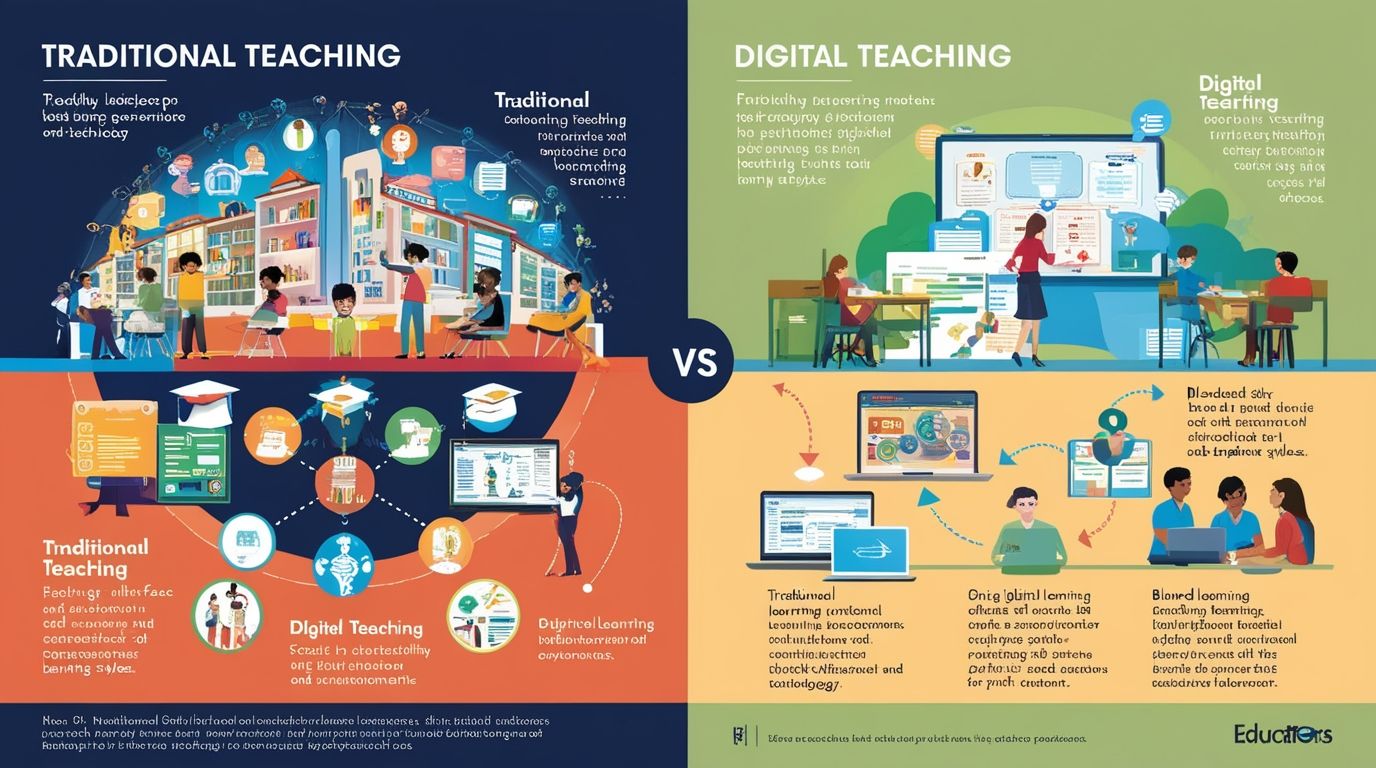
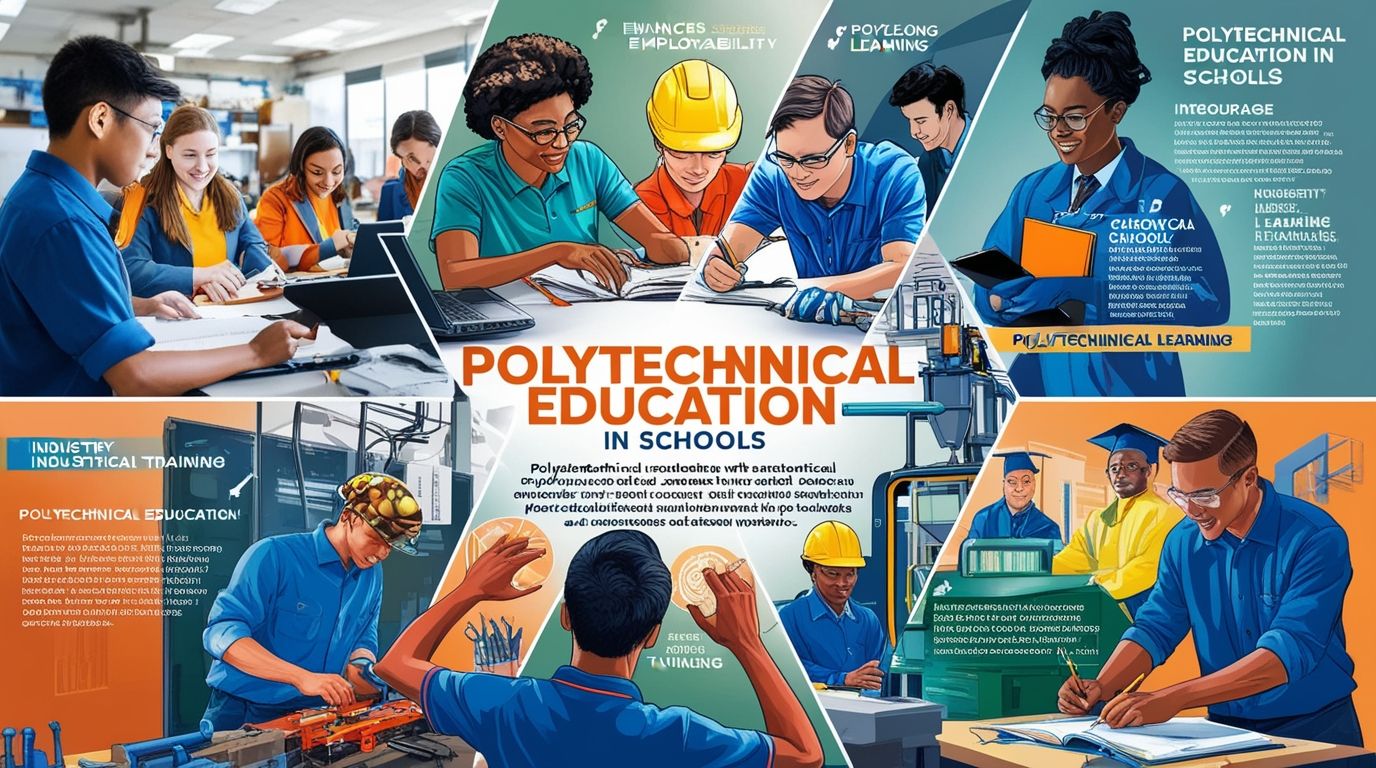
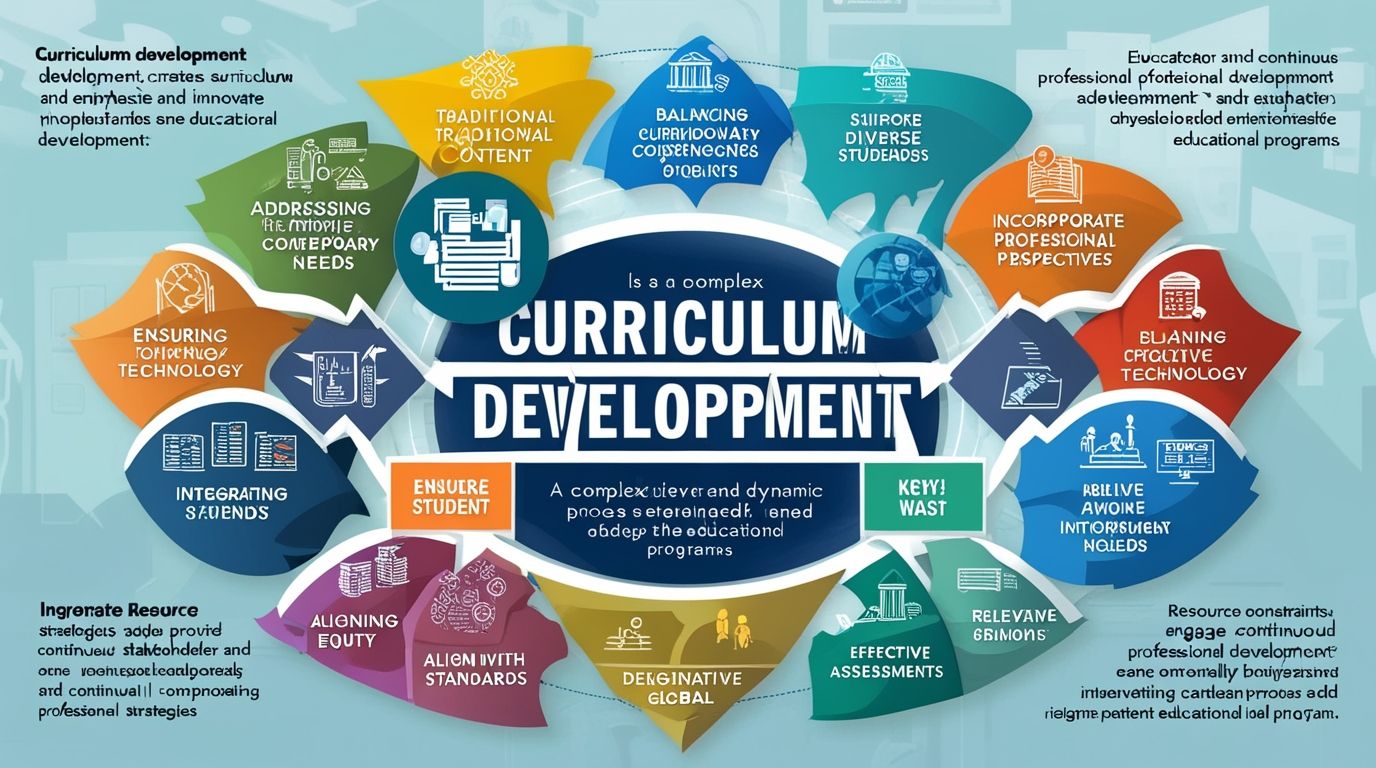
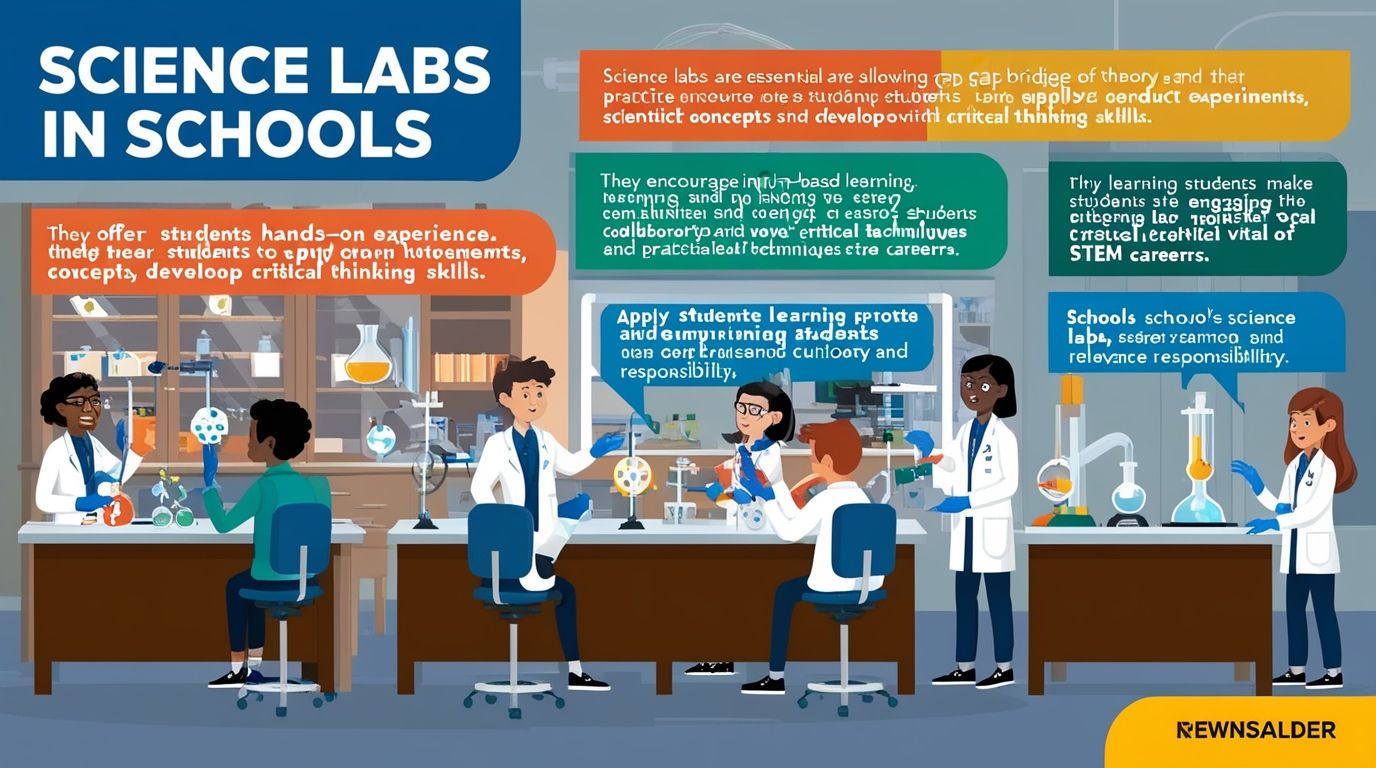
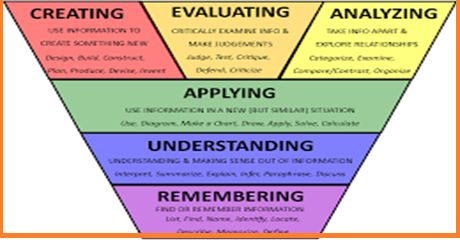
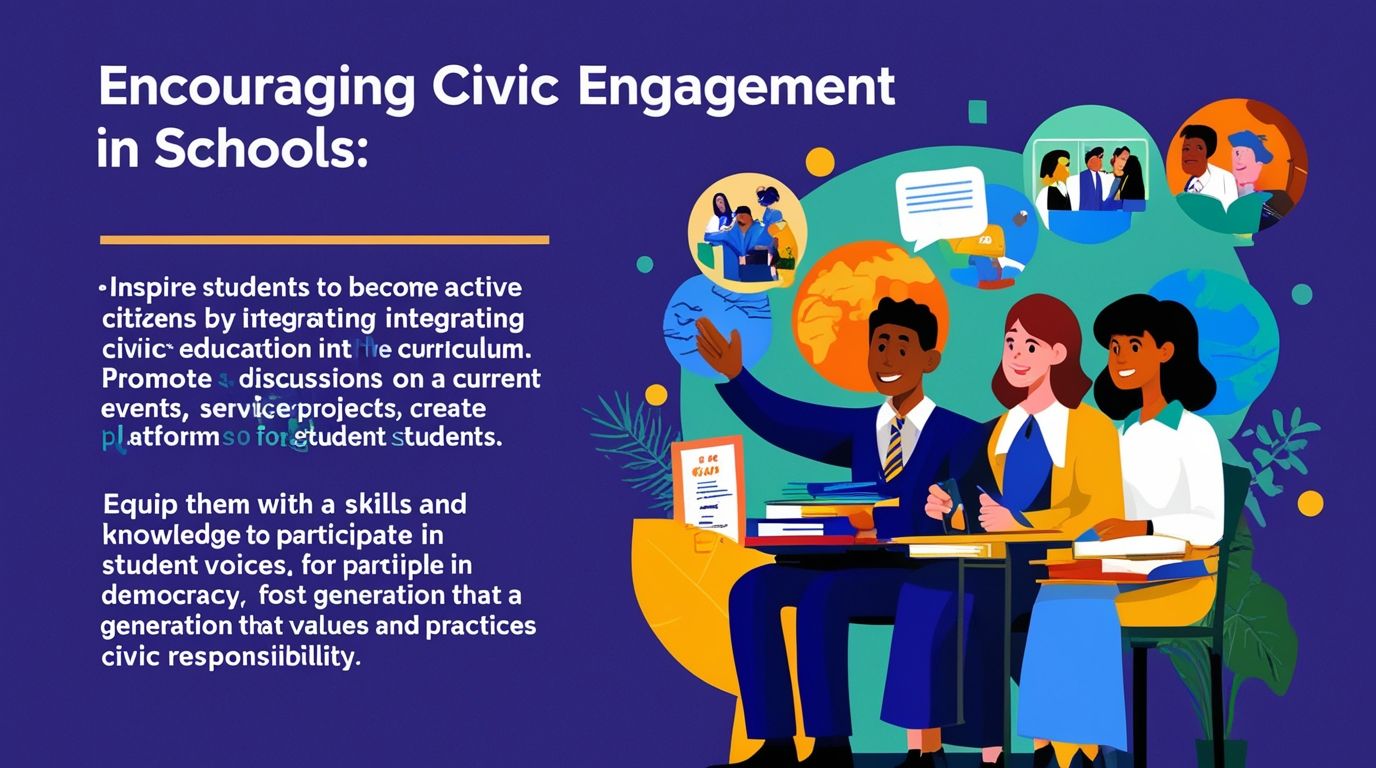
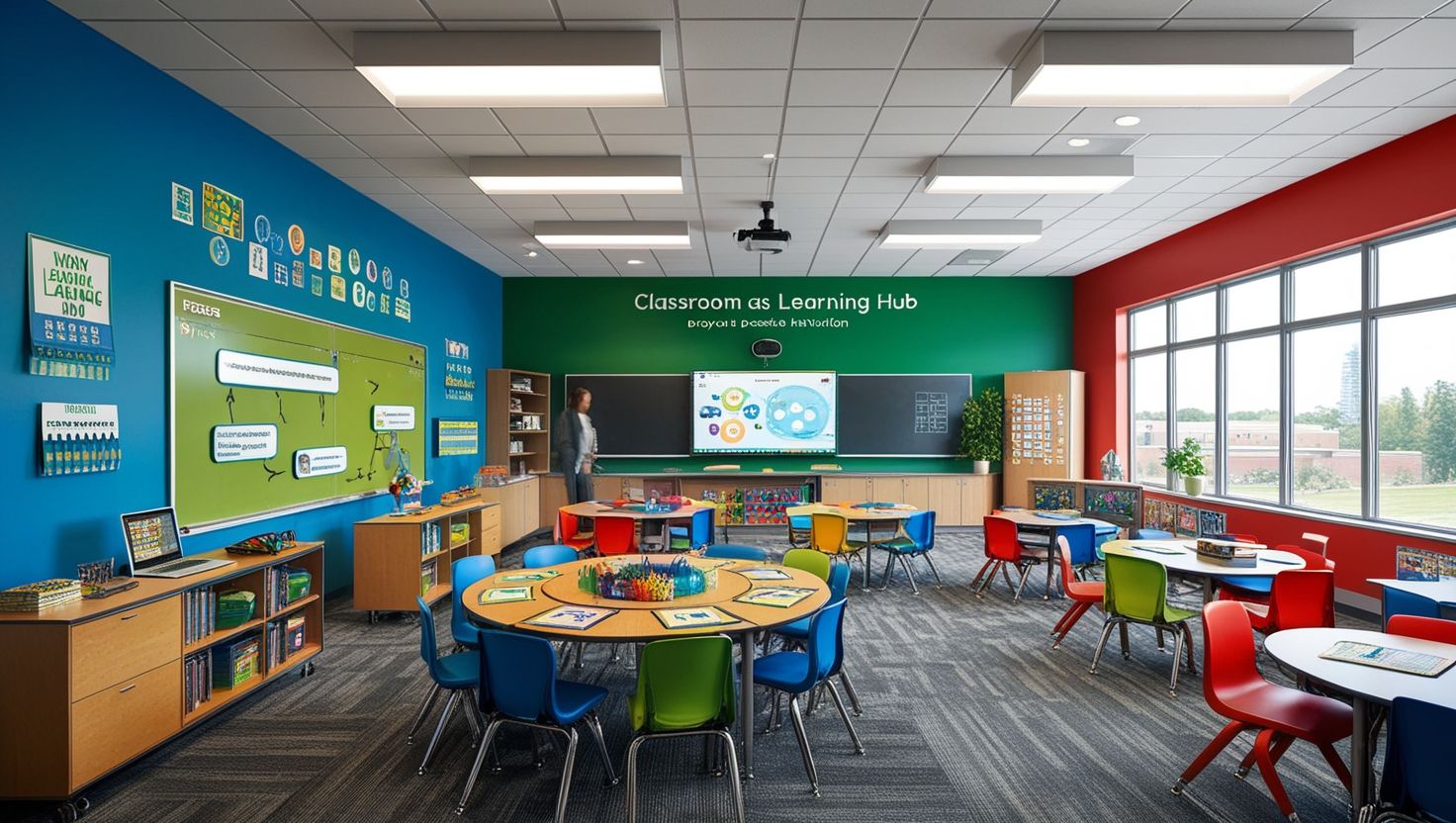
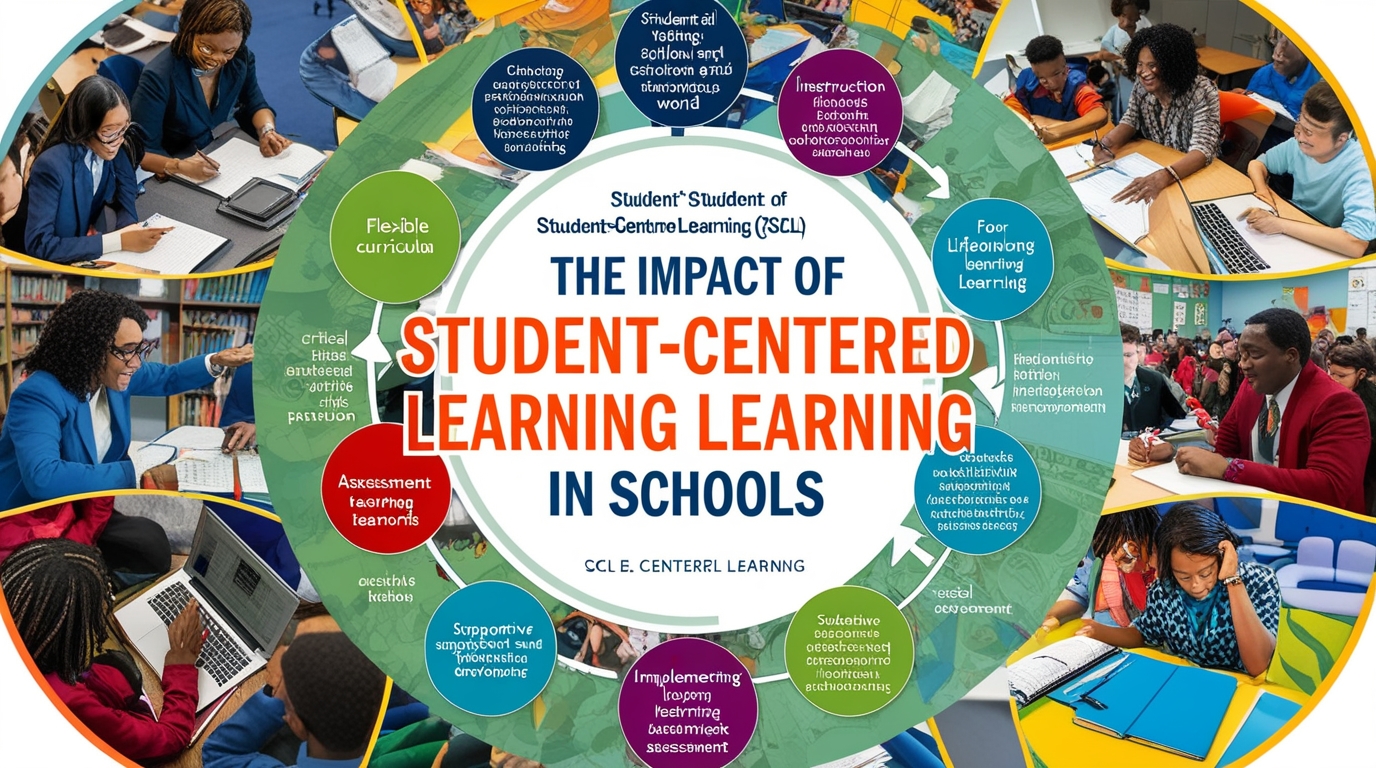
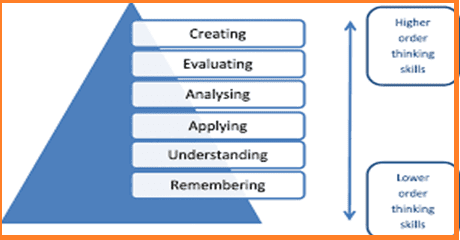
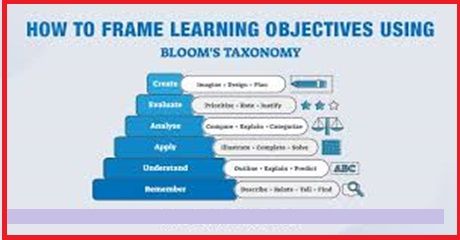
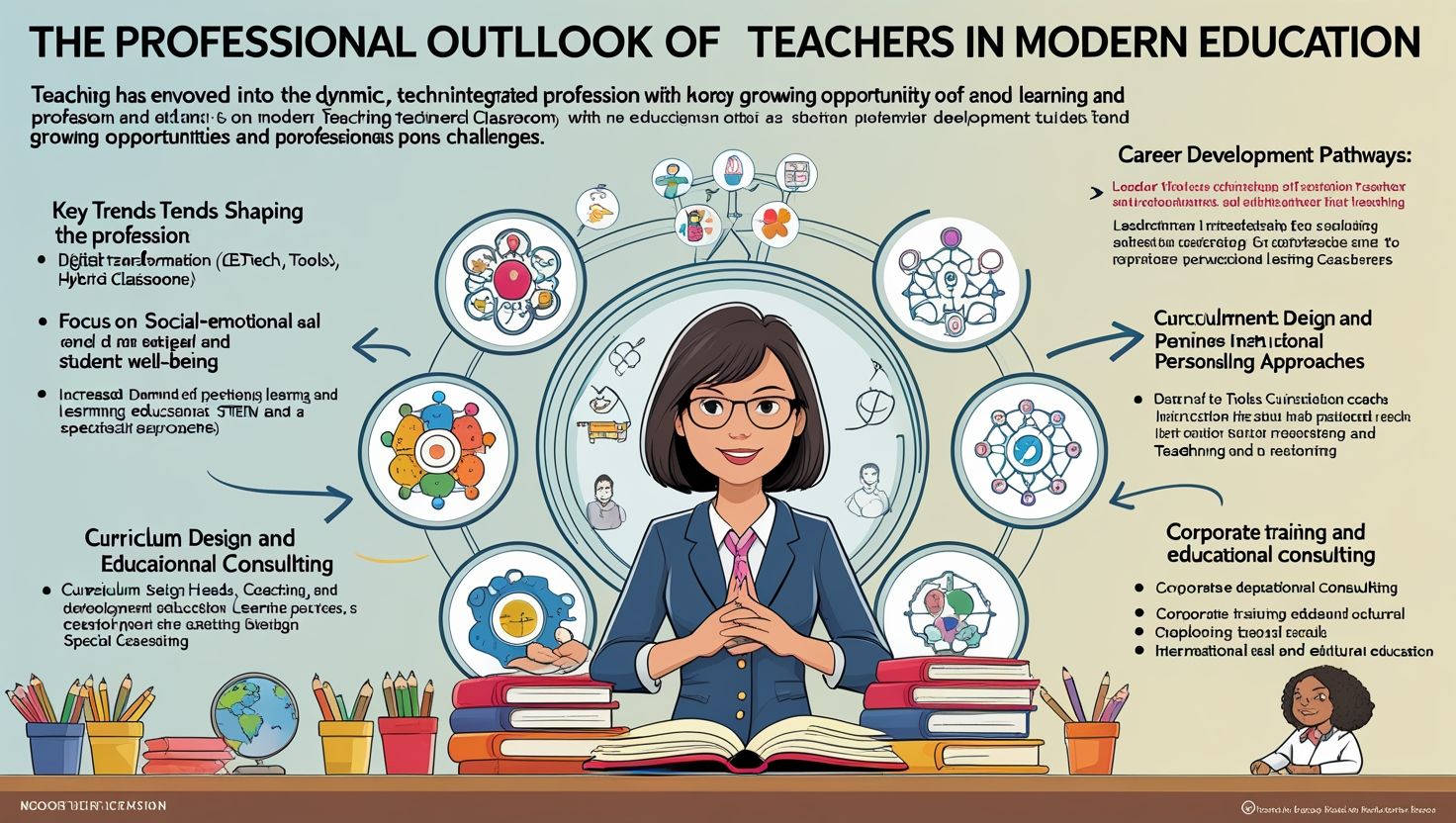
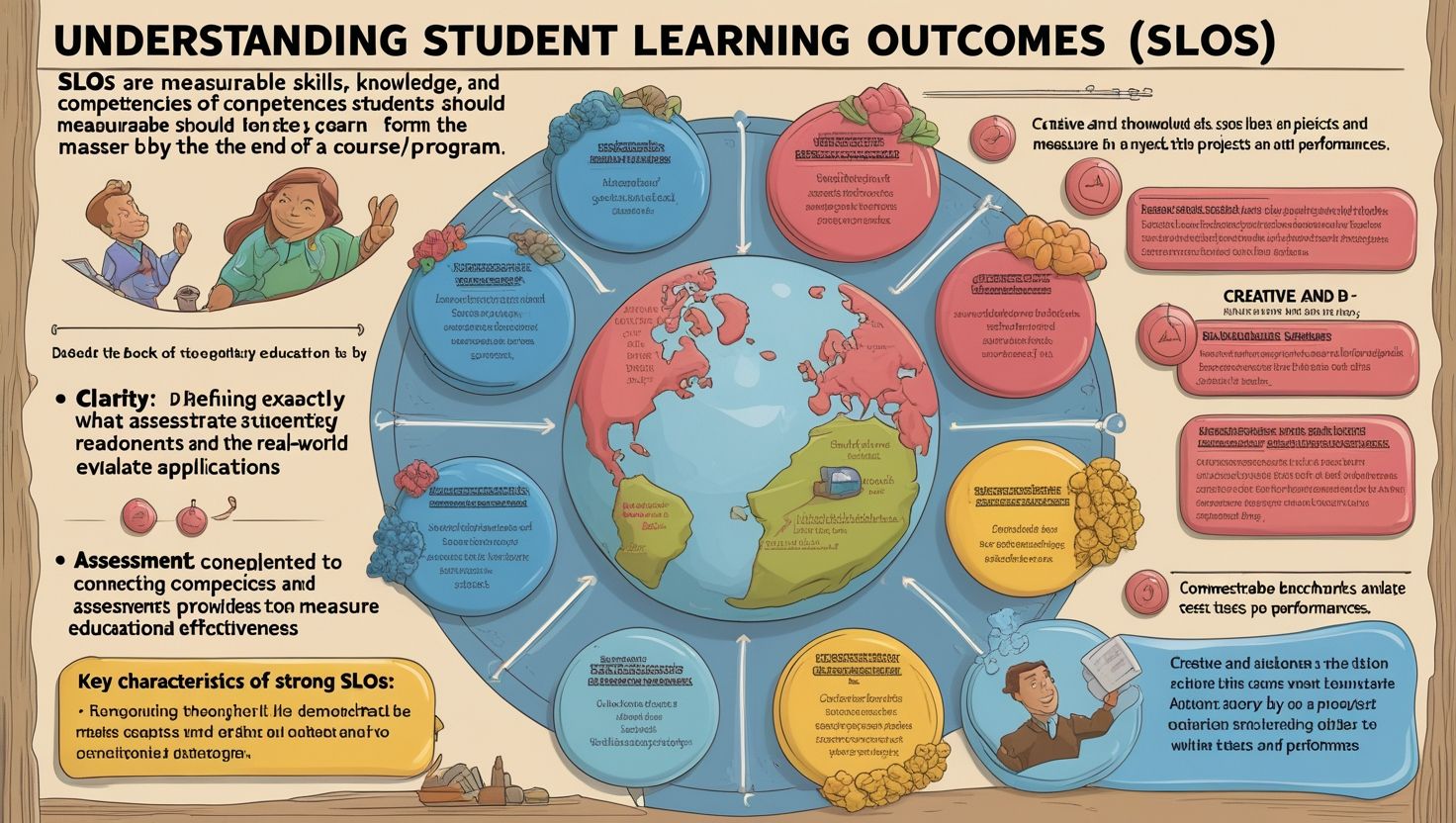
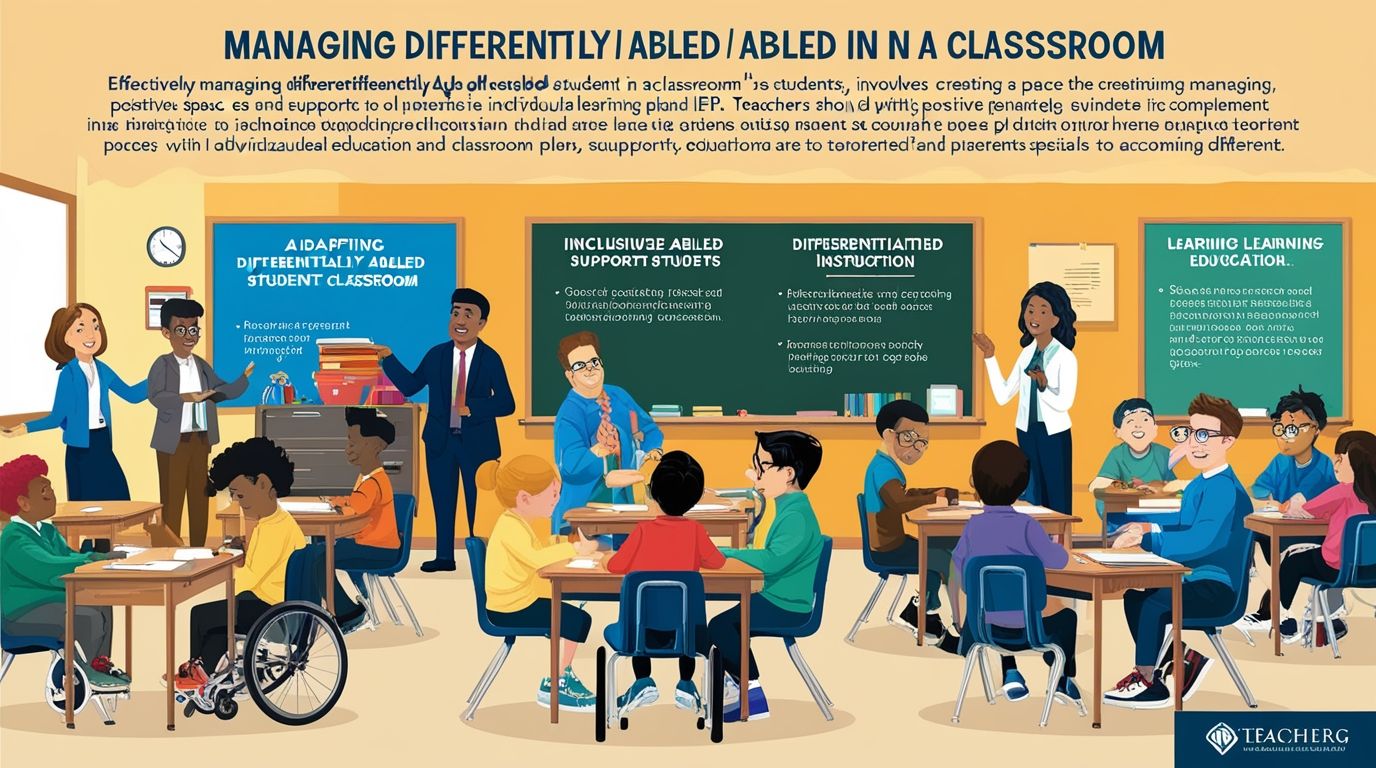
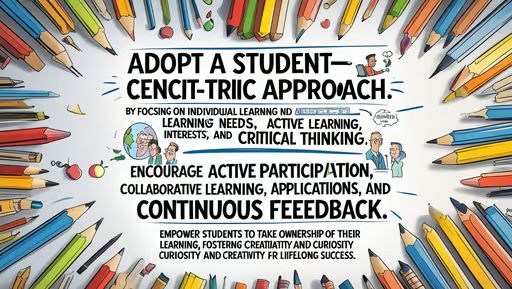
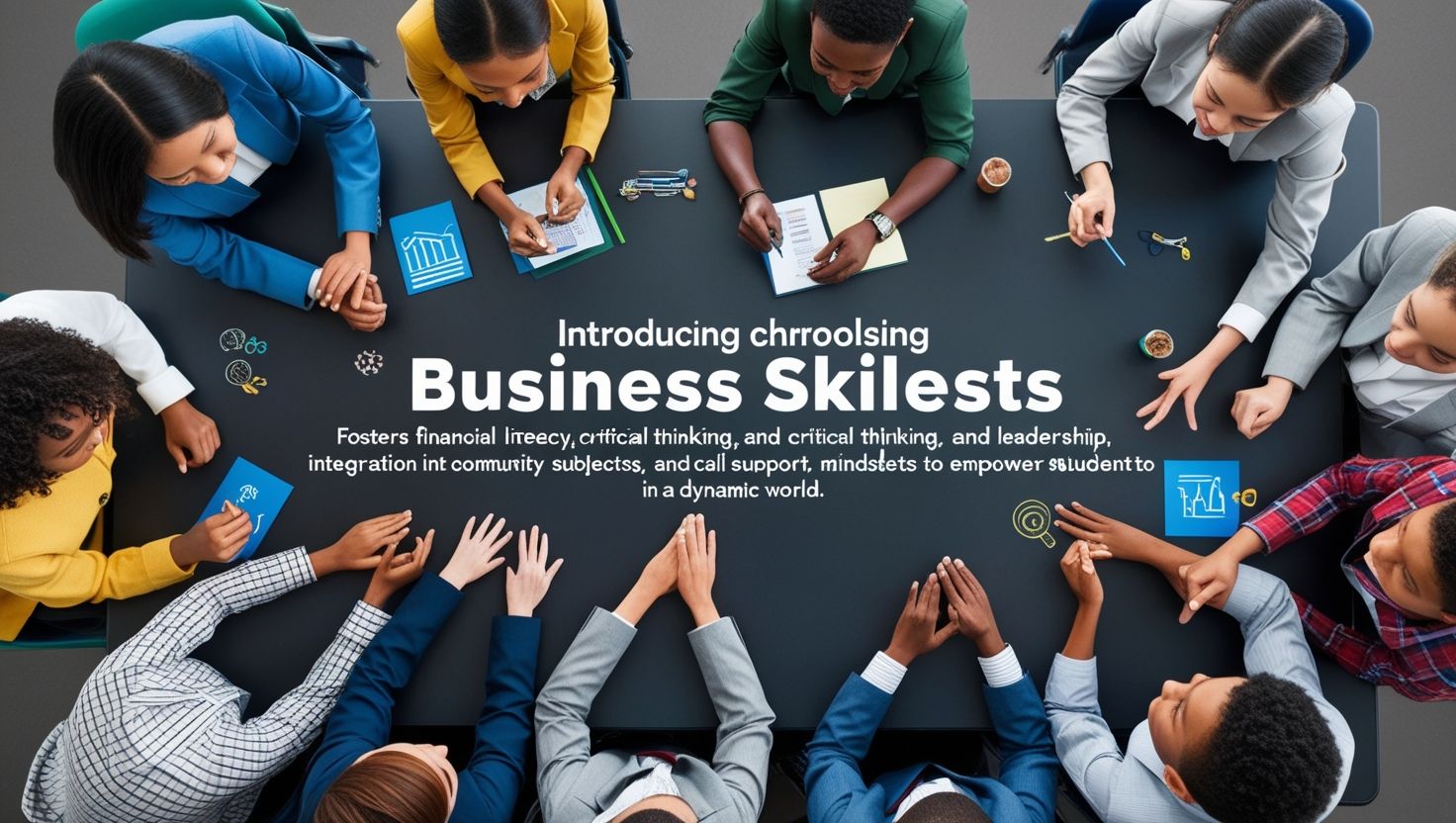
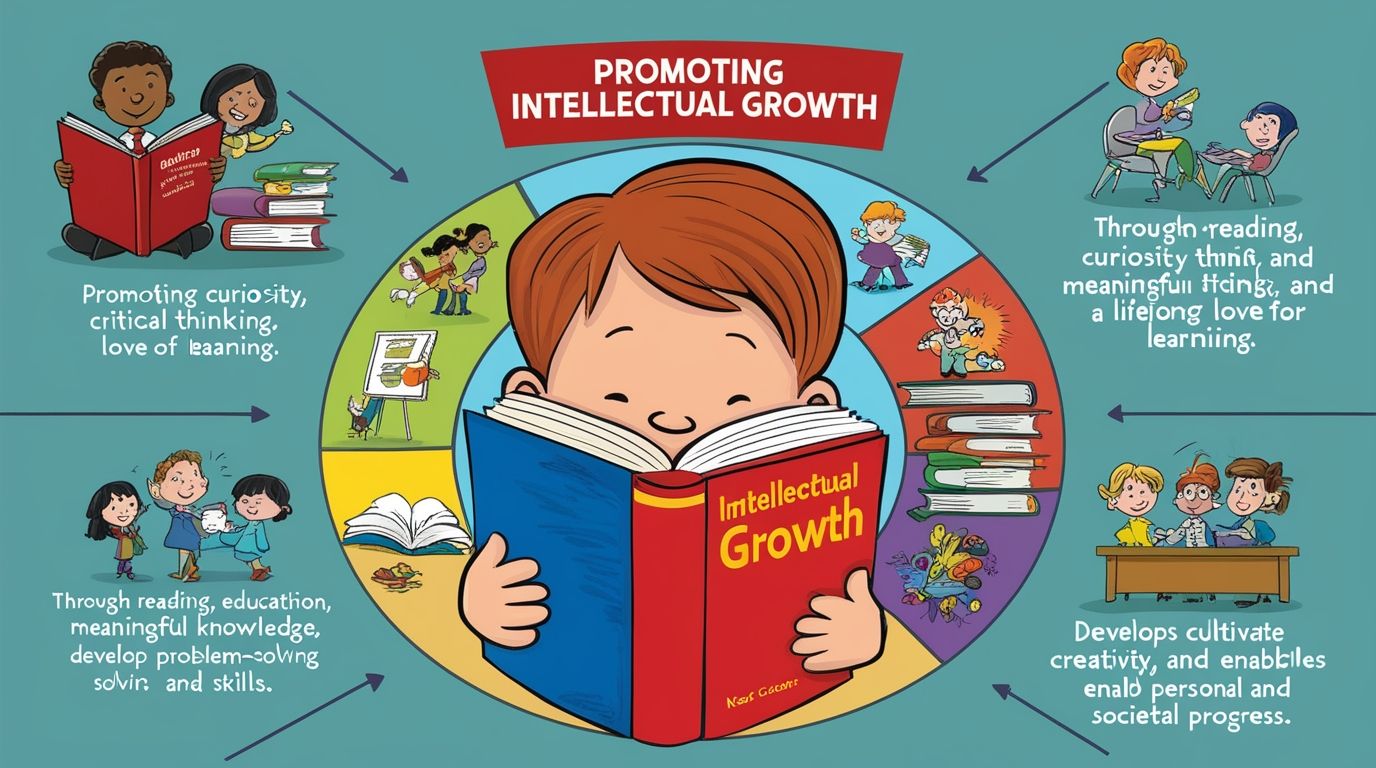
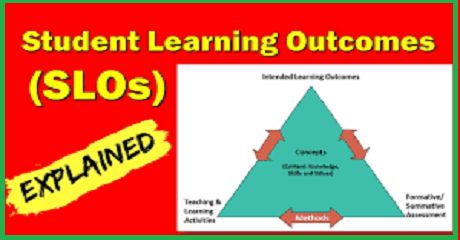
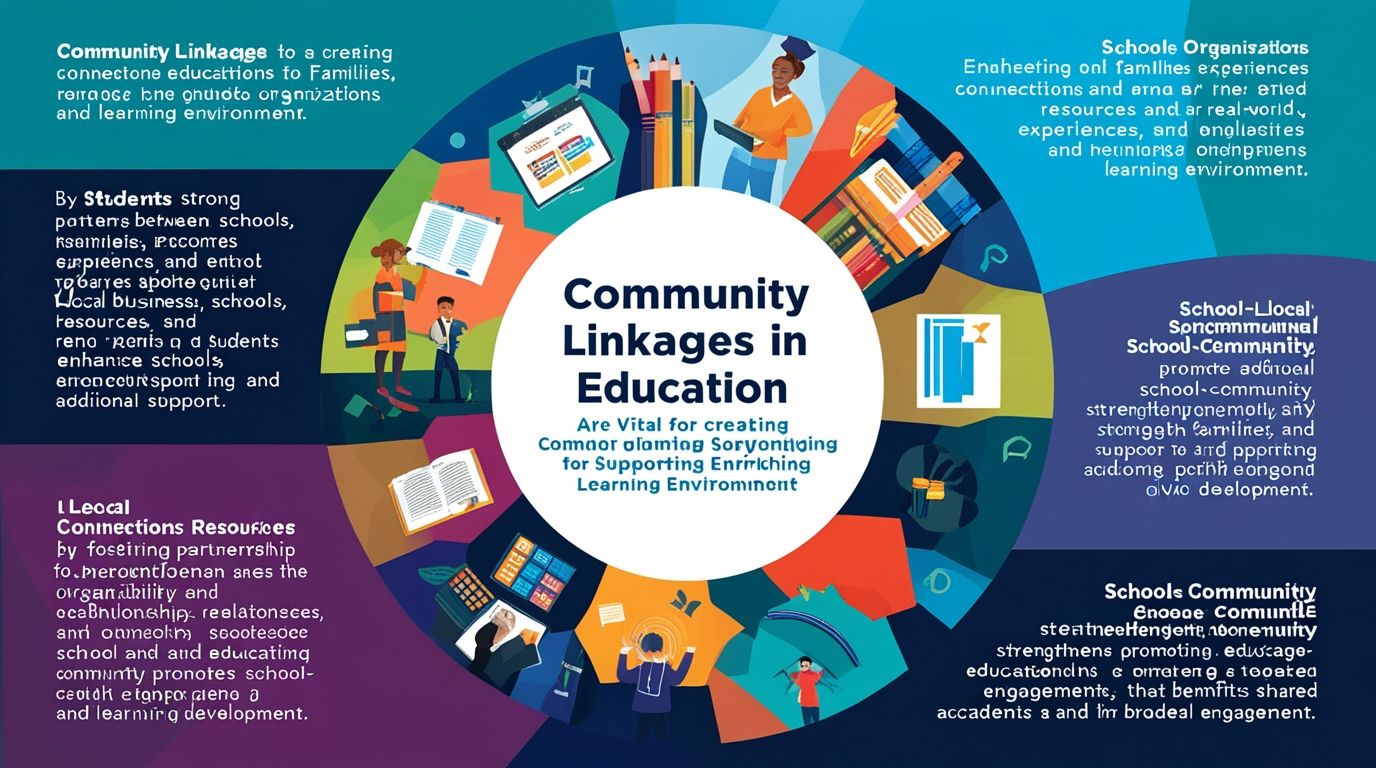
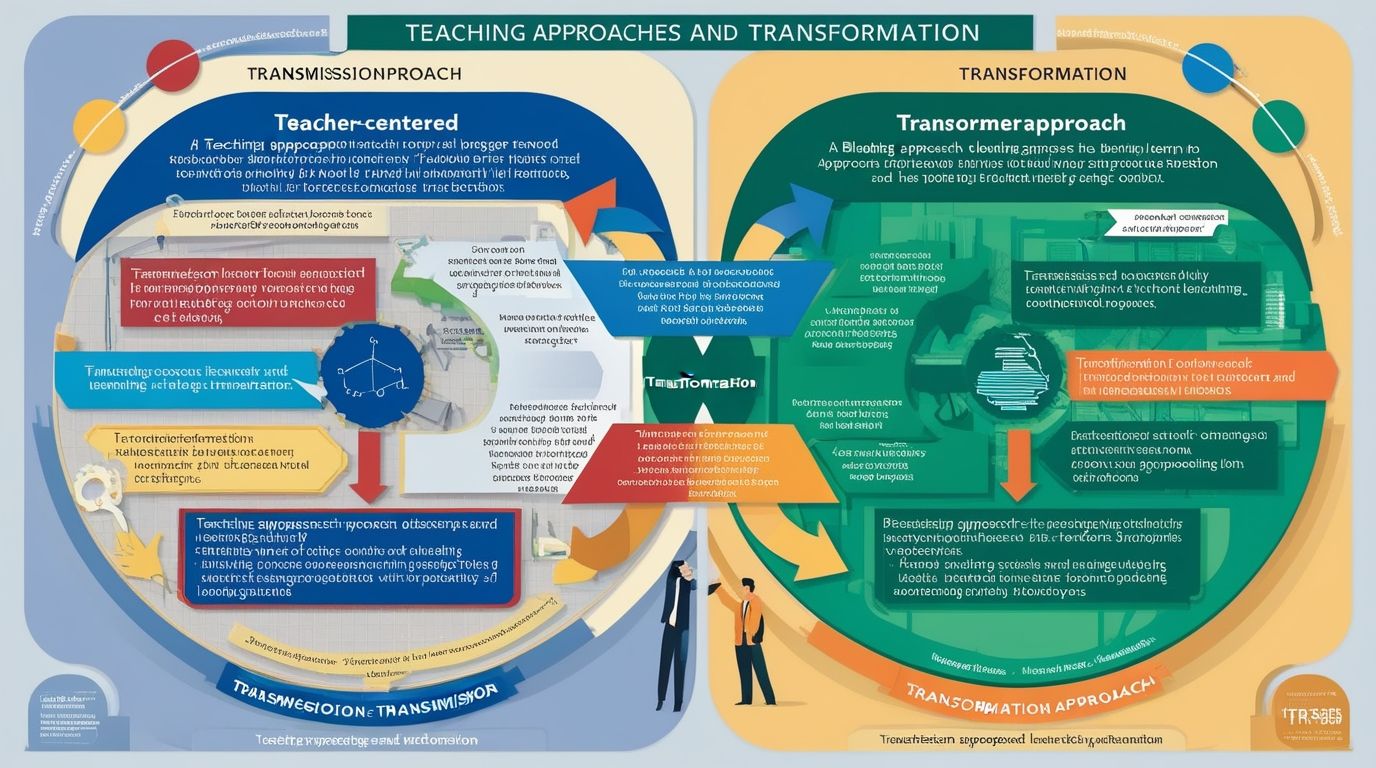
Education remains the cornerstone of the knowledge economy, yet its role must evolve. Traditional education models focused on information transmission are increasingly inadequate in a world where information is abundant. Instead, education must emphasize critical thinking, creativity, and ethical reasoning.
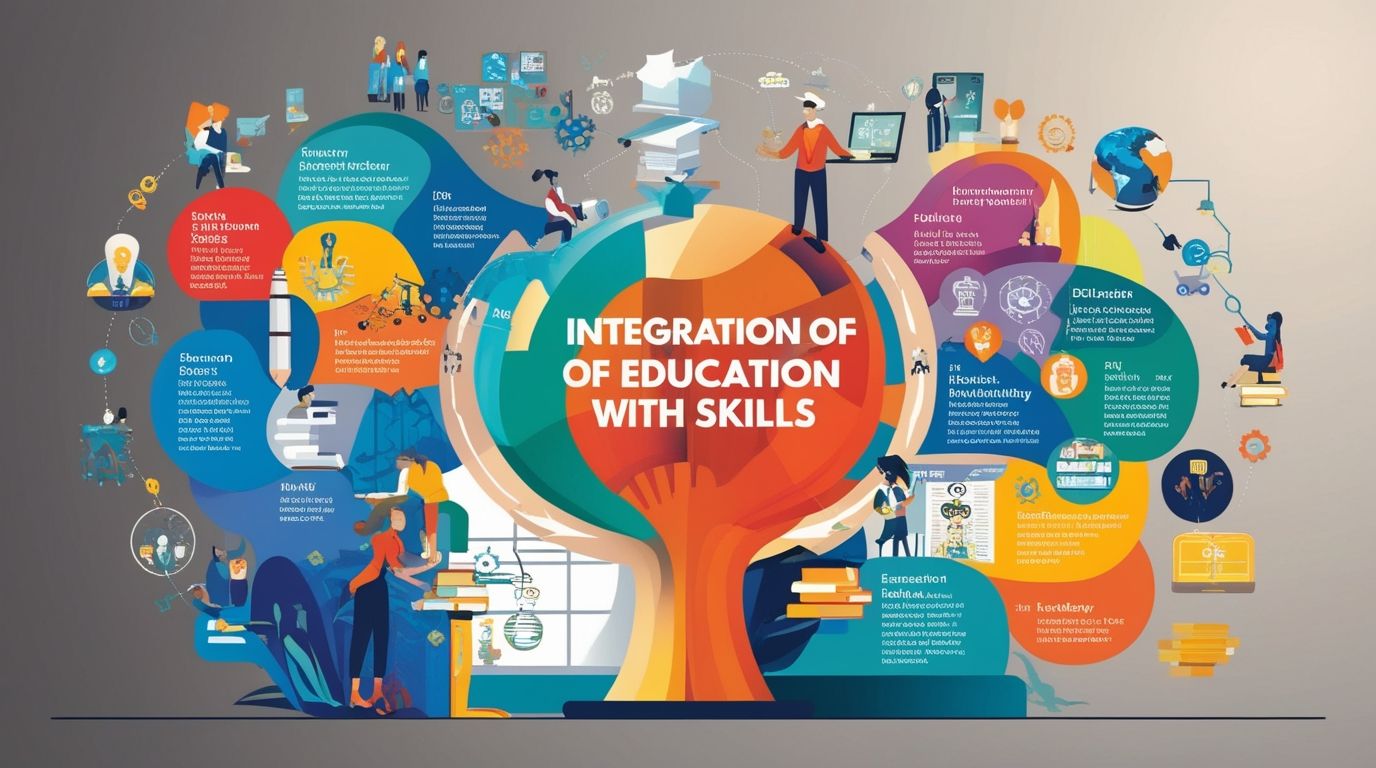
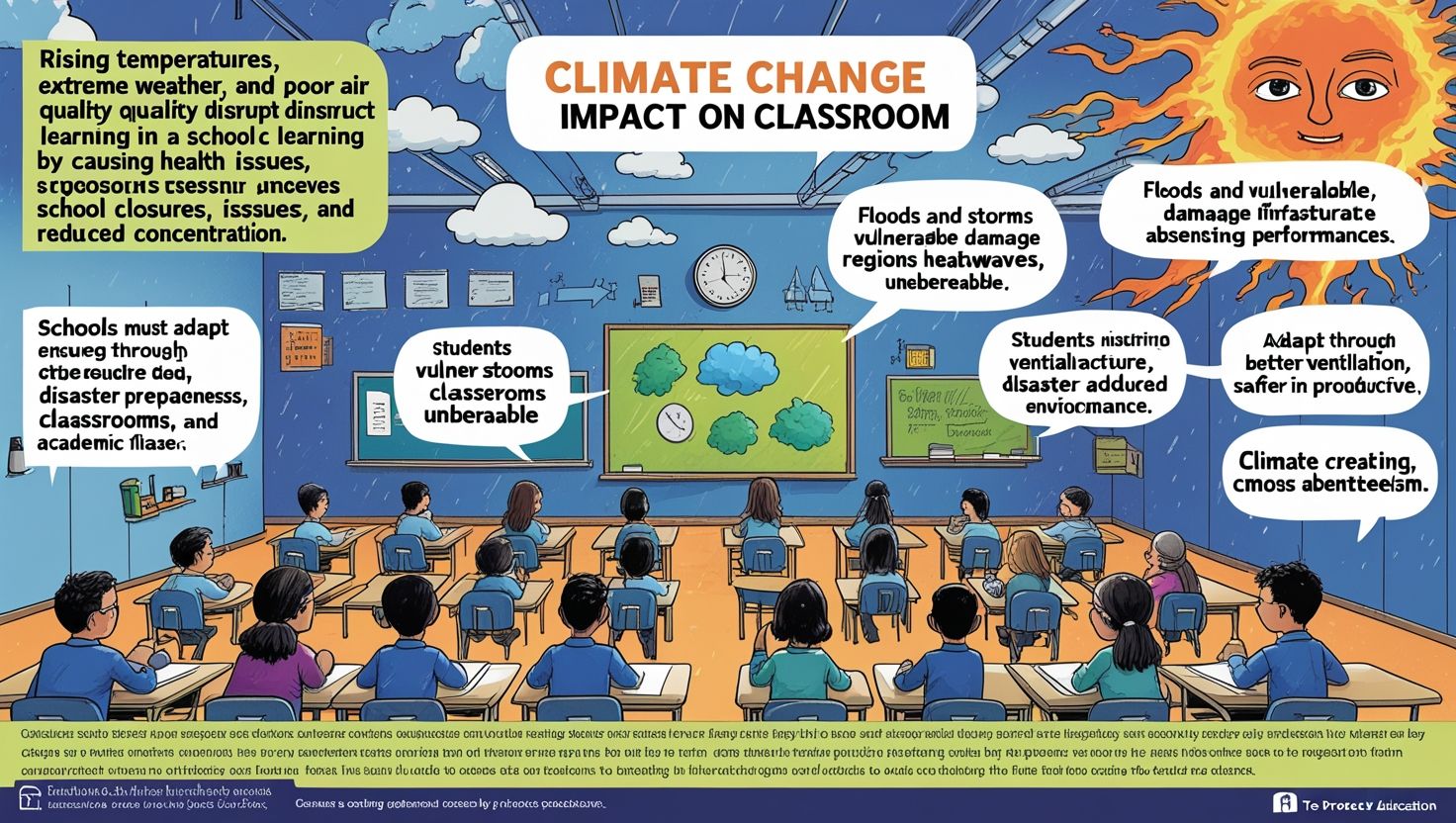
Furthermore, interdisciplinary learning will become essential. Complex global challenges such as climate change, public health crises, and digital governance cannot be addressed through isolated disciplines. Thus, future education systems must foster integrative thinking and collaboration.
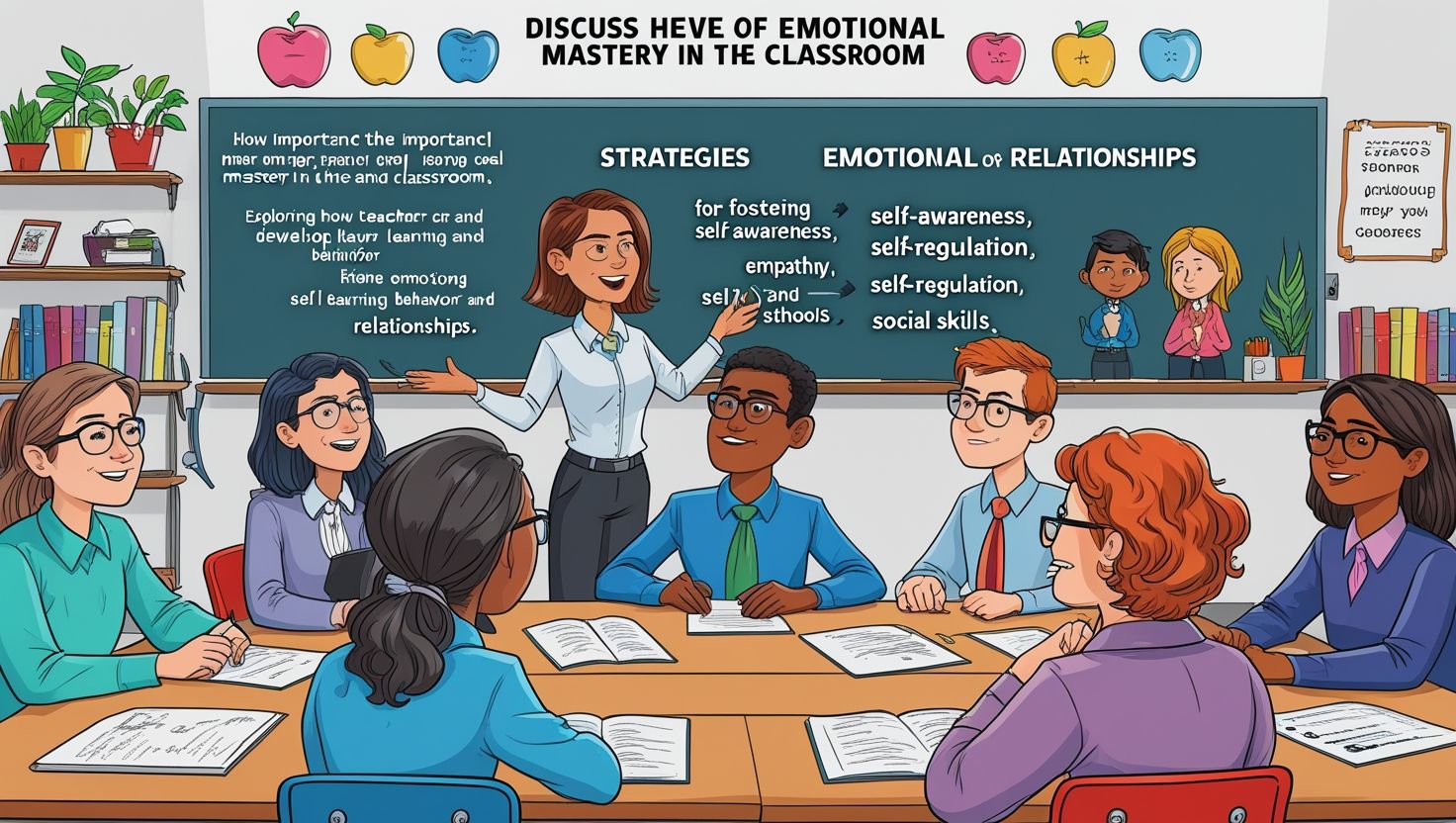
Importantly, education must also cultivate values. As the knowledge economy expands human capacity to influence the world, ethical responsibility becomes paramount. Therefore, education should prepare learners not only to innovate but also to consider the social consequences of their knowledge.
Innovation Beyond Economic Growth
Traditionally, innovation in the knowledge economy has been measured by economic growth and productivity. However, future societies may need to redefine innovation itself. In a world facing environmental limits and social fragmentation, growth-centered models are increasingly questioned.
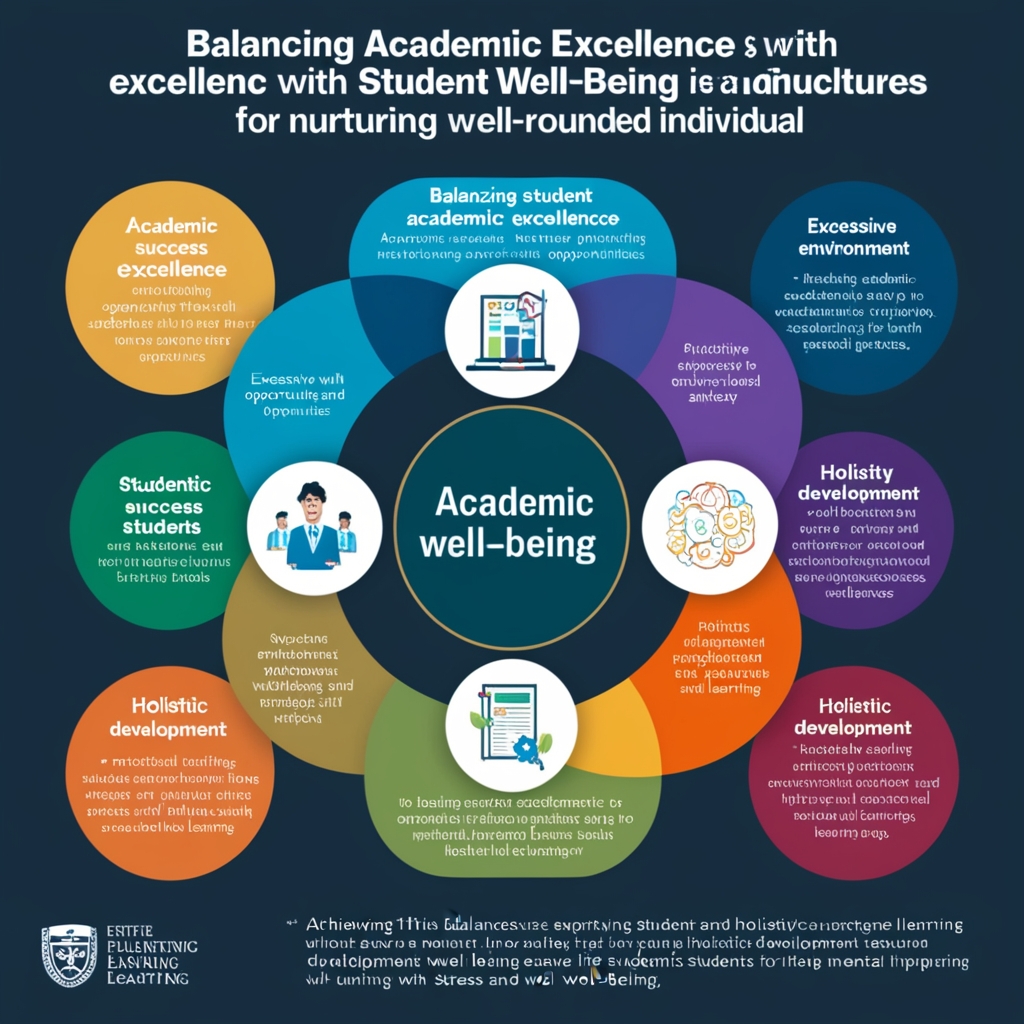
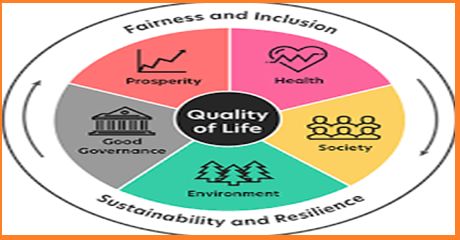
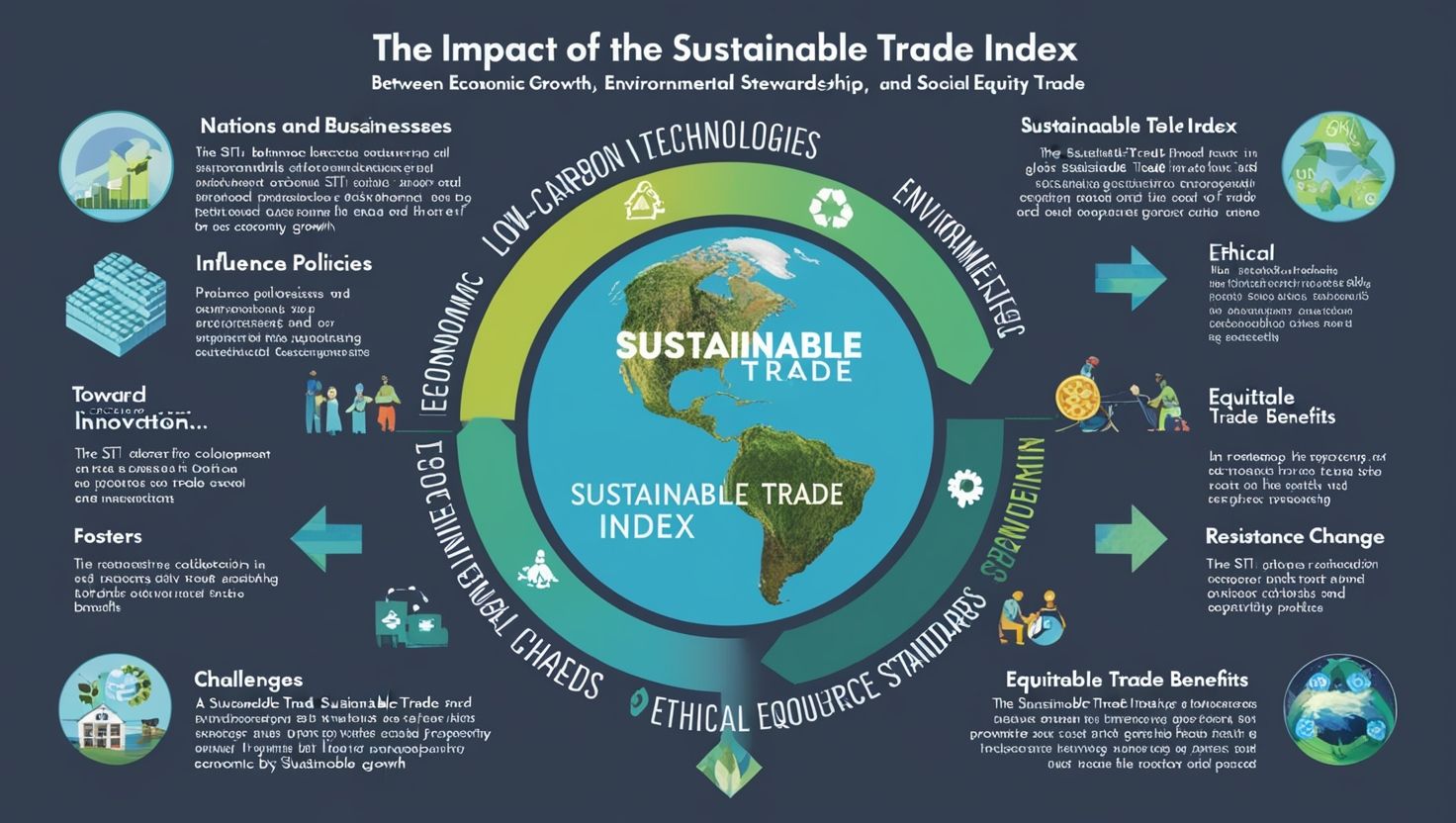
Consequently, the future knowledge economy may prioritize social innovation, sustainability, and well-being alongside profitability. Knowledge will be valued not only for its market potential but also for its capacity to enhance quality of life and ecological resilience.
In this sense, innovation becomes a moral as well as technical endeavor. Knowledge must be directed toward solving shared problems rather than maximizing short-term gains.
Globalization and Knowledge Flows
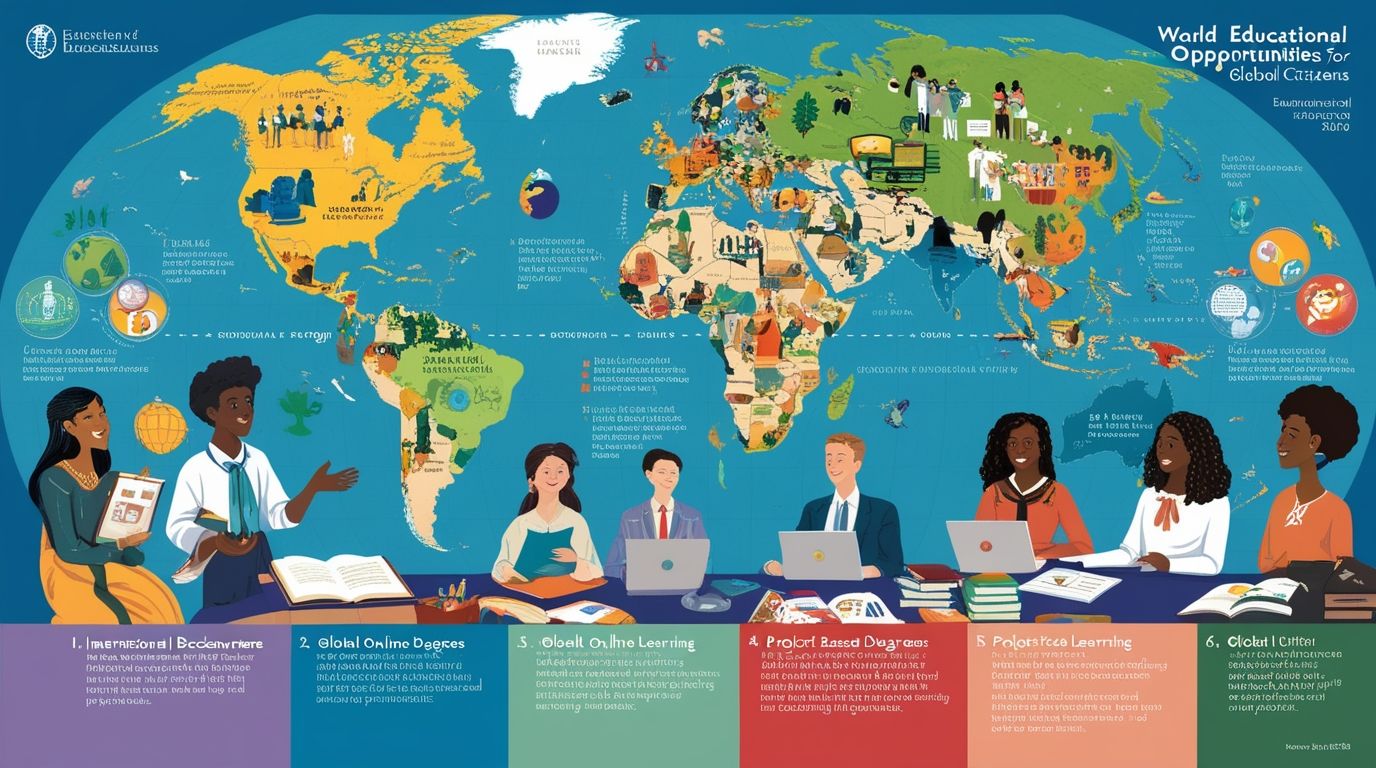
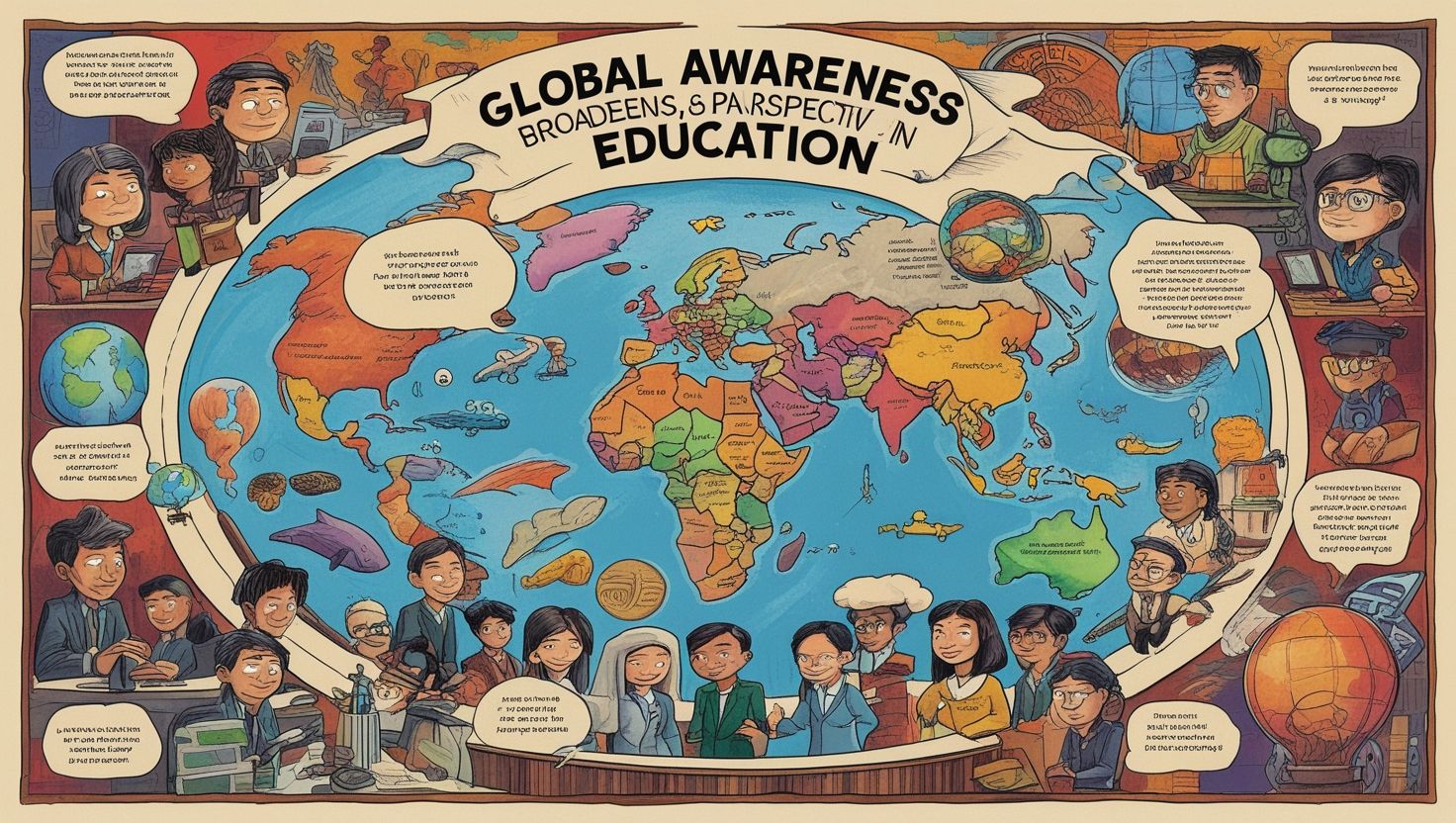
The future knowledge economy will remain deeply global, but globalization itself is changing. While digital connectivity enables cross-border collaboration, geopolitical tensions and cultural differences complicate knowledge exchange. As a result, the future may see both increased interdependence and renewed fragmentation.
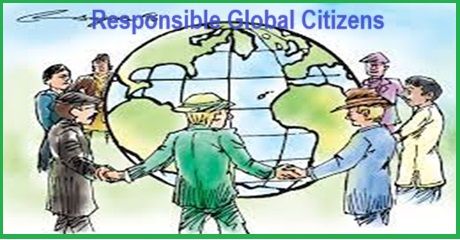
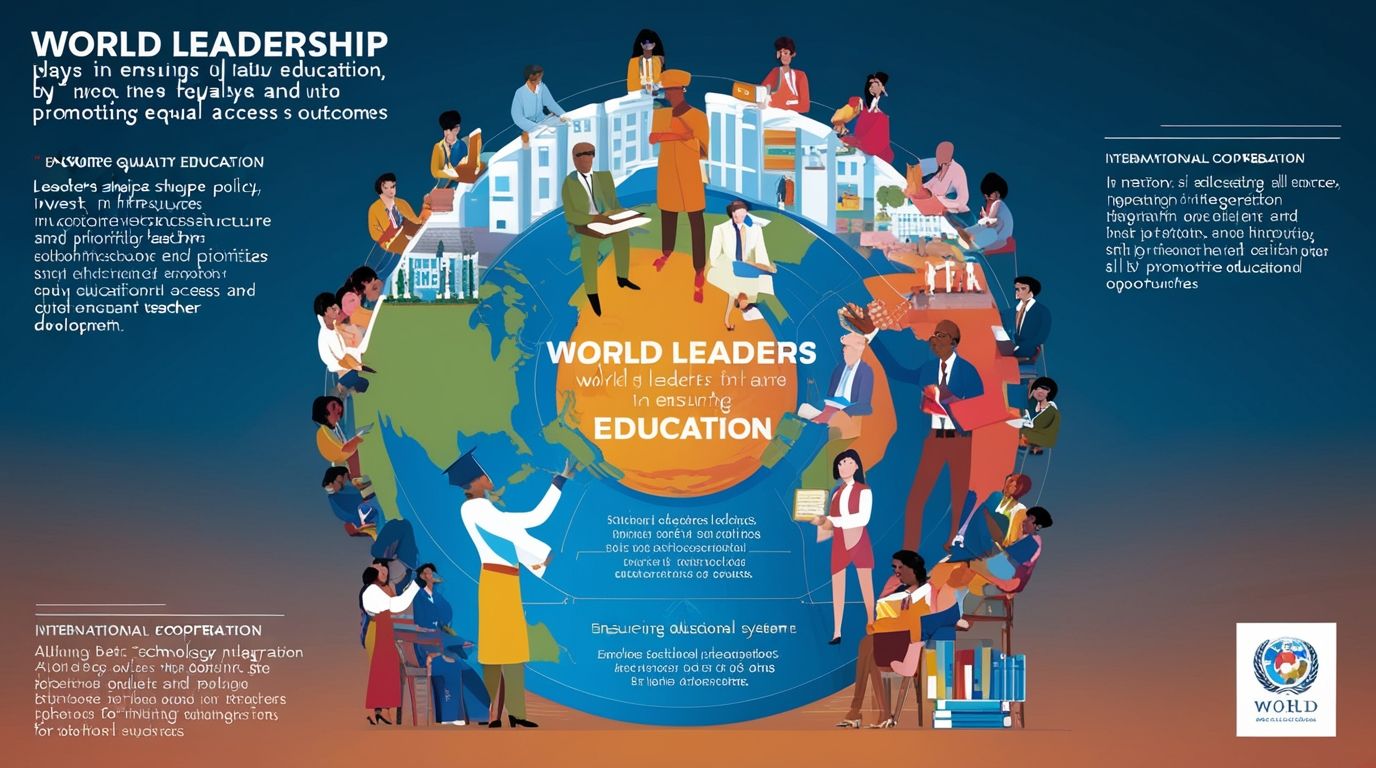
Nevertheless, global knowledge challenges such as pandemics and climate change underscore the necessity of cooperation. Therefore, international institutions and networks will play a crucial role in facilitating equitable knowledge sharing.
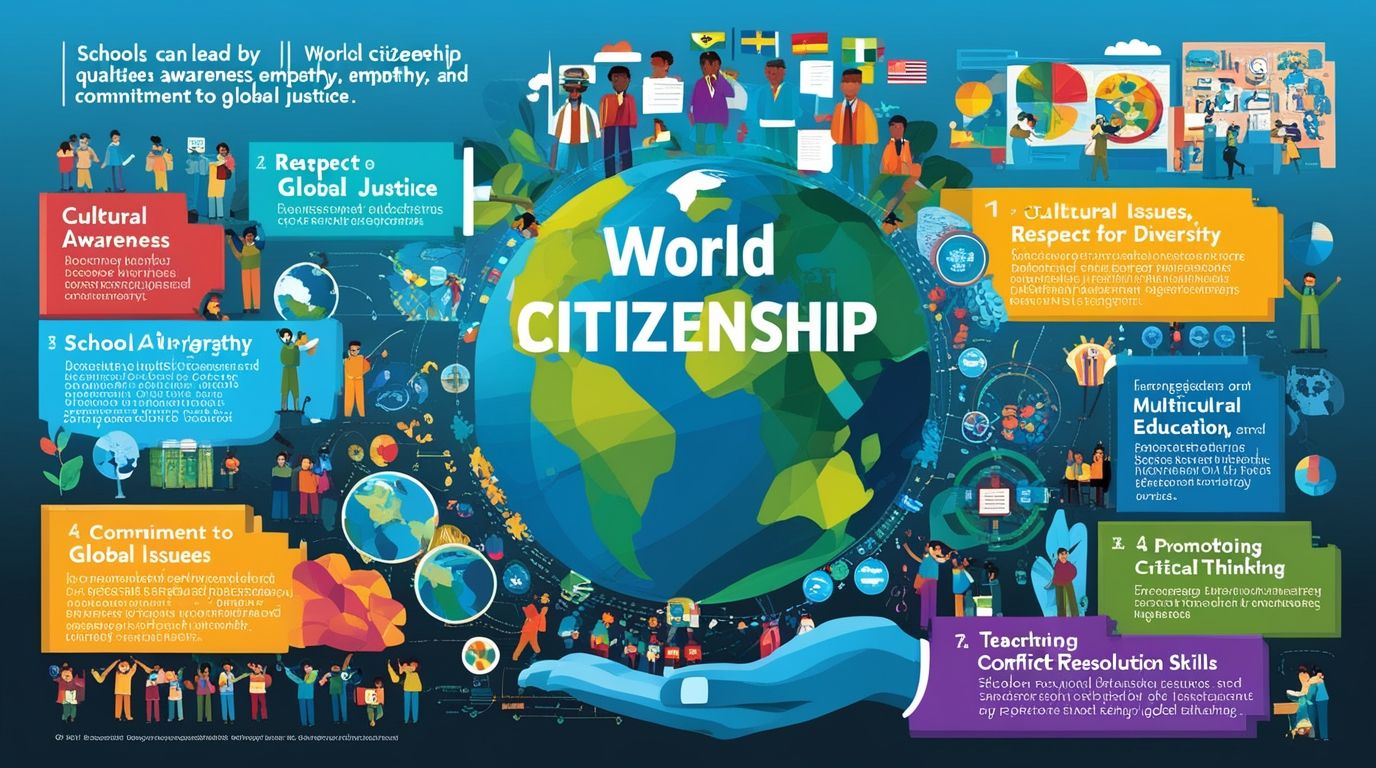
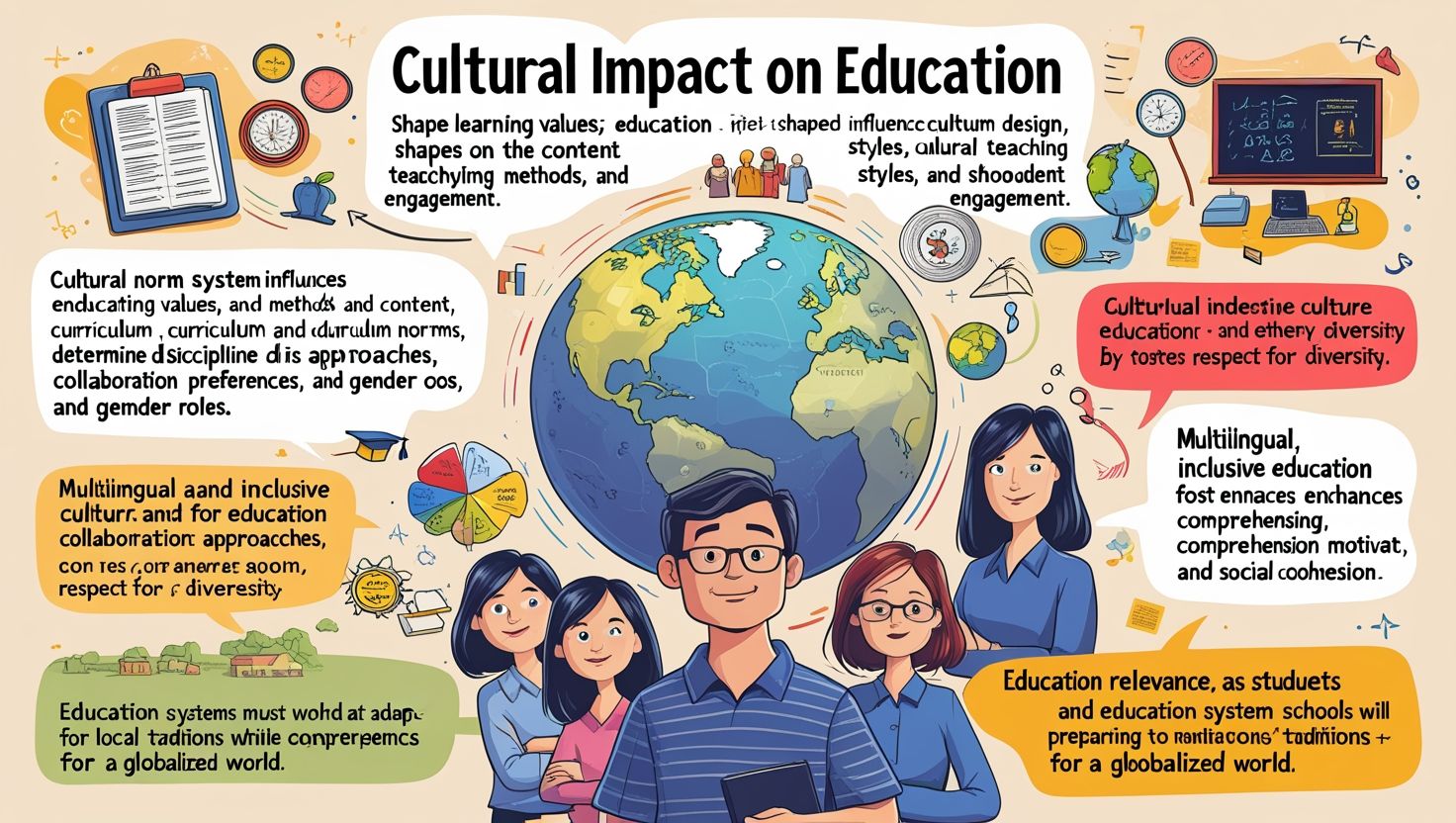
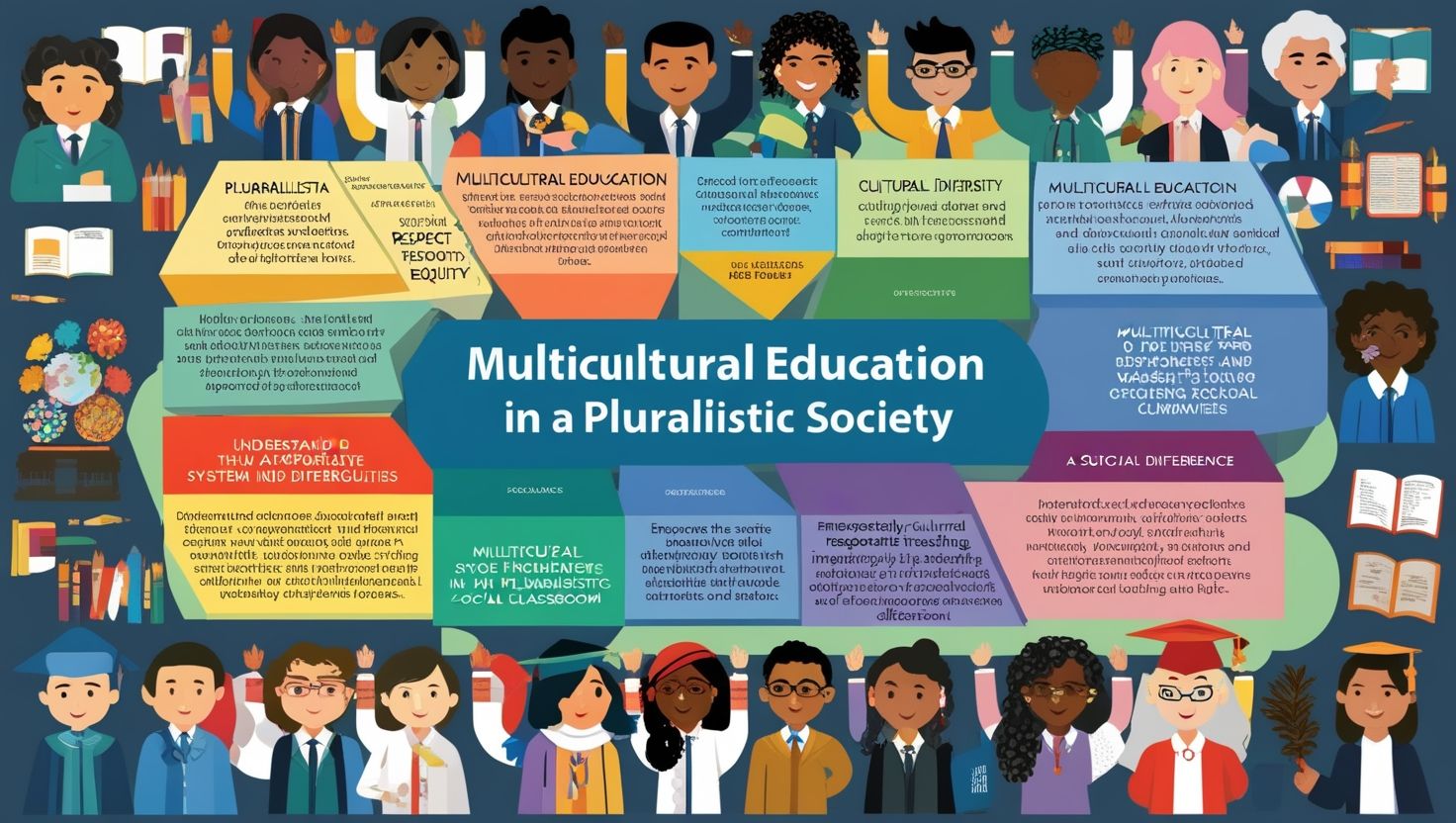
At the same time, local knowledge and indigenous perspectives are gaining recognition. Thus, the future knowledge economy may become more pluralistic, valuing diverse ways of knowing rather than imposing a single dominant model.
Ethics and Governance in the Knowledge Economy
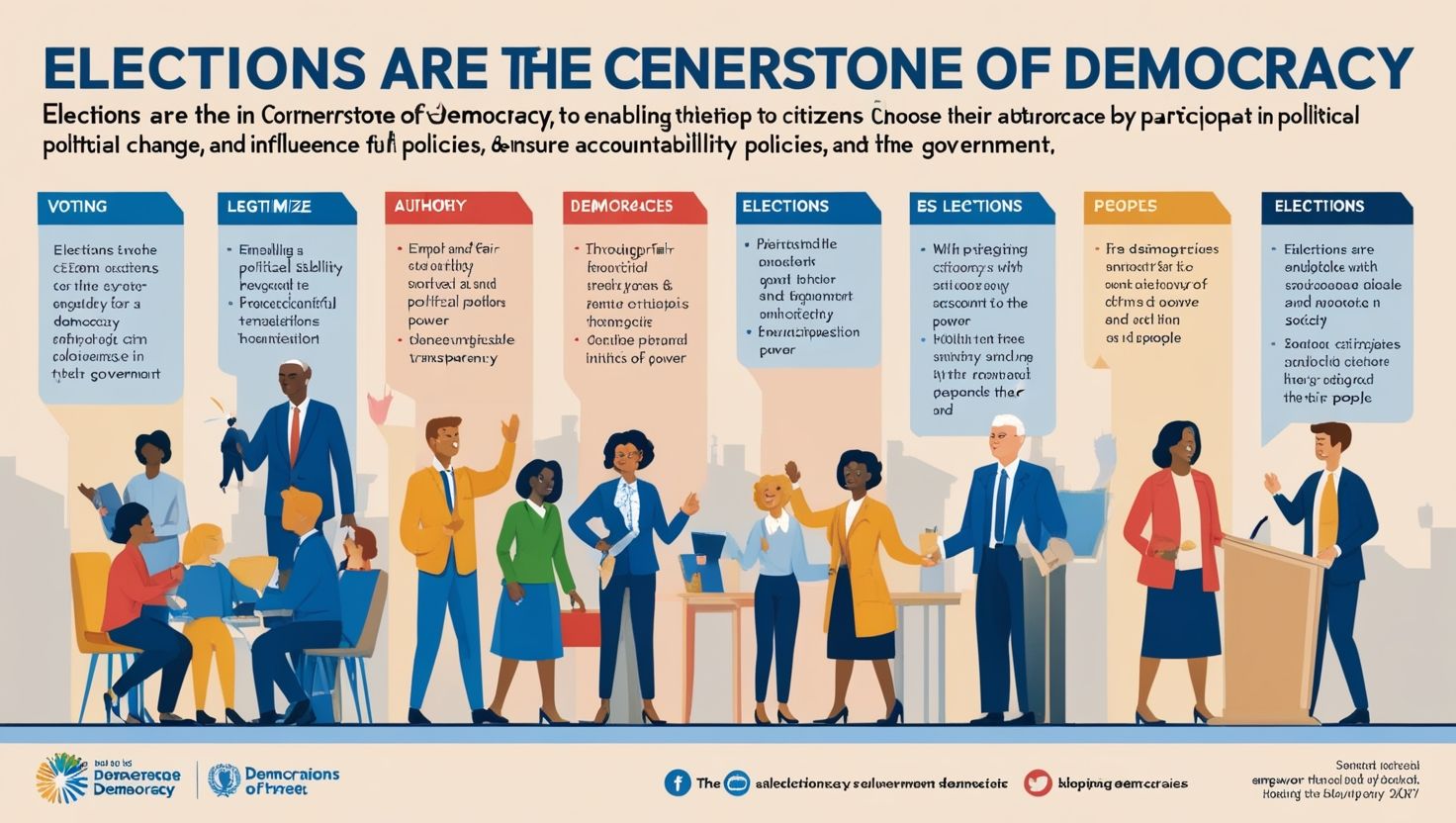
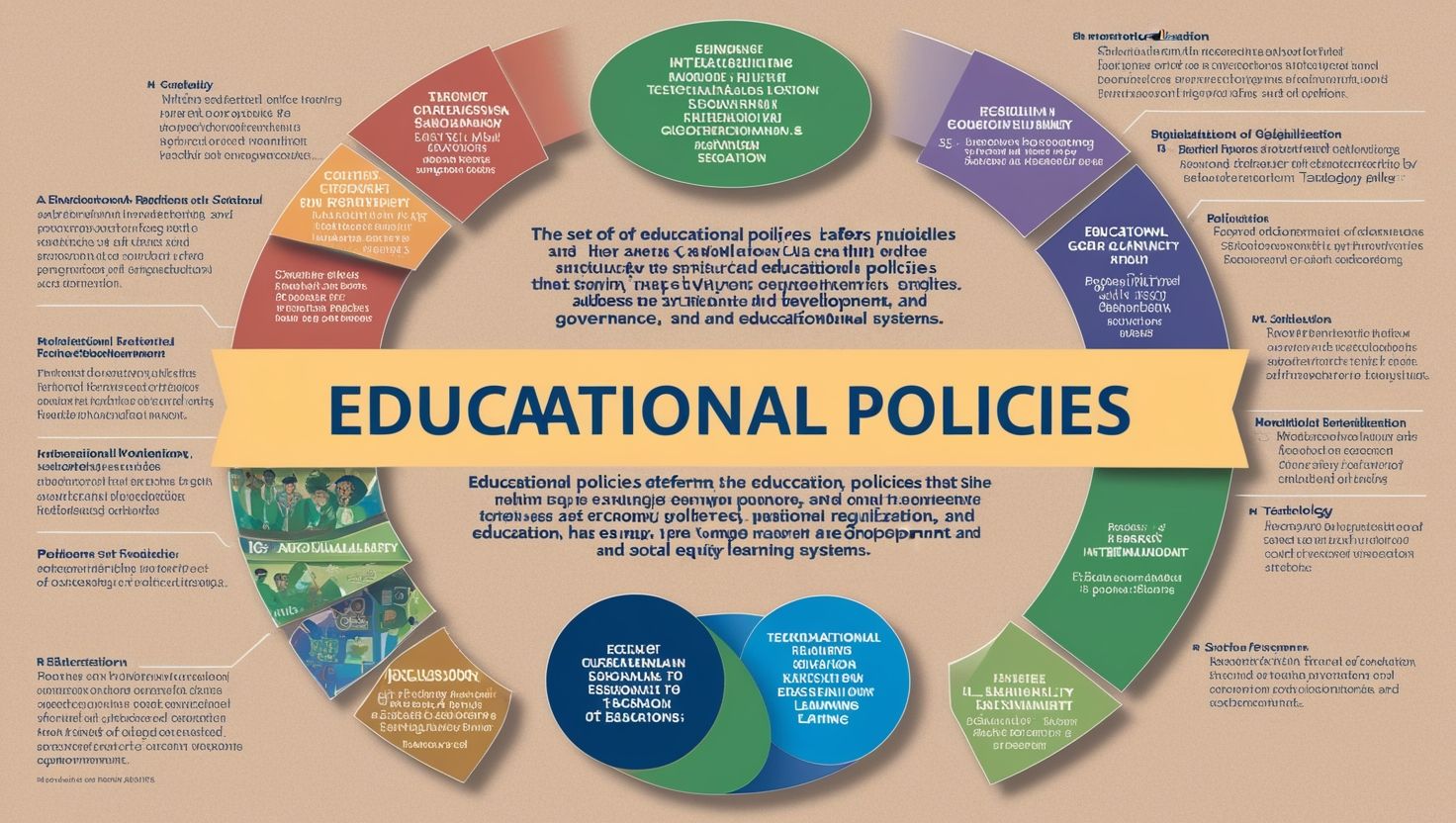
As knowledge becomes more powerful, ethical governance becomes increasingly urgent. Decisions about artificial intelligence, biotechnology, and data privacy have far-reaching implications. Therefore, the future knowledge economy must be guided by transparent and democratic frameworks.
In addition, intellectual property regimes may require reform. While protection can incentivize innovation, excessive privatization of knowledge can hinder collective progress. Consequently, new models of open and shared knowledge may emerge.
Ultimately, governance of the knowledge economy will reflect broader societal values. Whether knowledge serves the many or the few will depend on political choices rather than technological inevitability.
Toward a Human-Centered Knowledge Economy
In reimagining the future, many scholars argue for a human-centered knowledge economy. This model places human well-being, dignity, and agency at the core of economic systems. Rather than treating individuals as units of productivity, it recognizes them as creators, learners, and citizens.
Accordingly, success in the future knowledge economy should be measured not only by GDP but also by indicators of social trust, mental health, and environmental sustainability. Knowledge, in this vision, becomes a means of collective flourishing.
Such a transformation, however, requires cultural change. Societies must move beyond narrow definitions of success and embrace broader notions of value.
Conclusion: The Future as a Choice
In conclusion, the future of the knowledge economy is not predetermined. While technological and economic forces will shape its contours, human values and decisions will determine its direction. The knowledge economy can either deepen inequality or promote shared prosperity; it can either accelerate exploitation or foster sustainability.
Ultimately, the challenge lies in aligning knowledge production with ethical responsibility and social purpose. By investing in inclusive education, democratic governance, and human-centered innovation, societies can ensure that the future knowledge economy serves not only economic interests but also the broader needs of humanity.
Thus, the knowledge economy of the future should not merely be more advanced—but more just, more compassionate, and more sustainable.




























































































































































































































References:
Online roulette Casino Herbolzheim Eintritt