Introduction
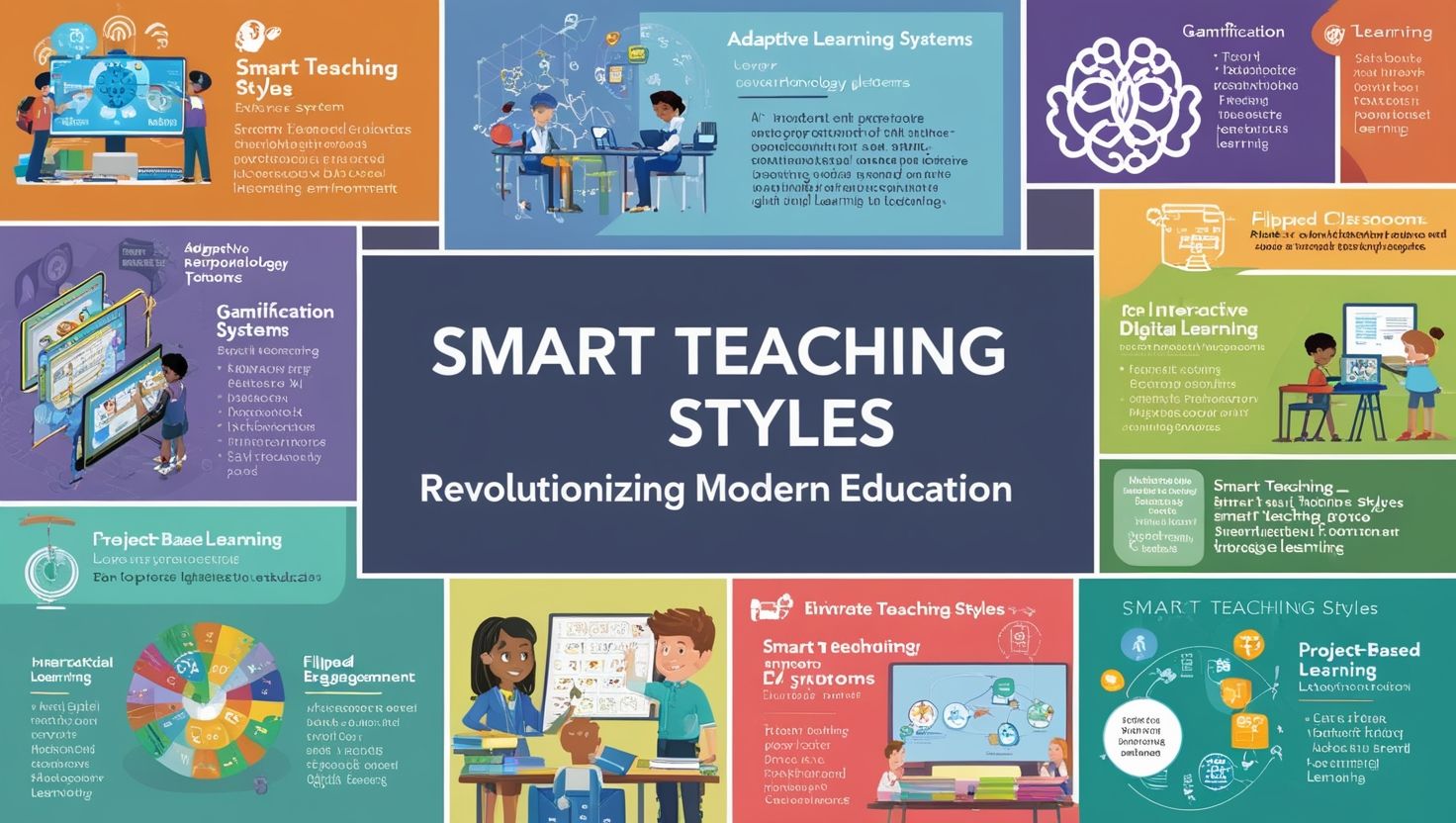
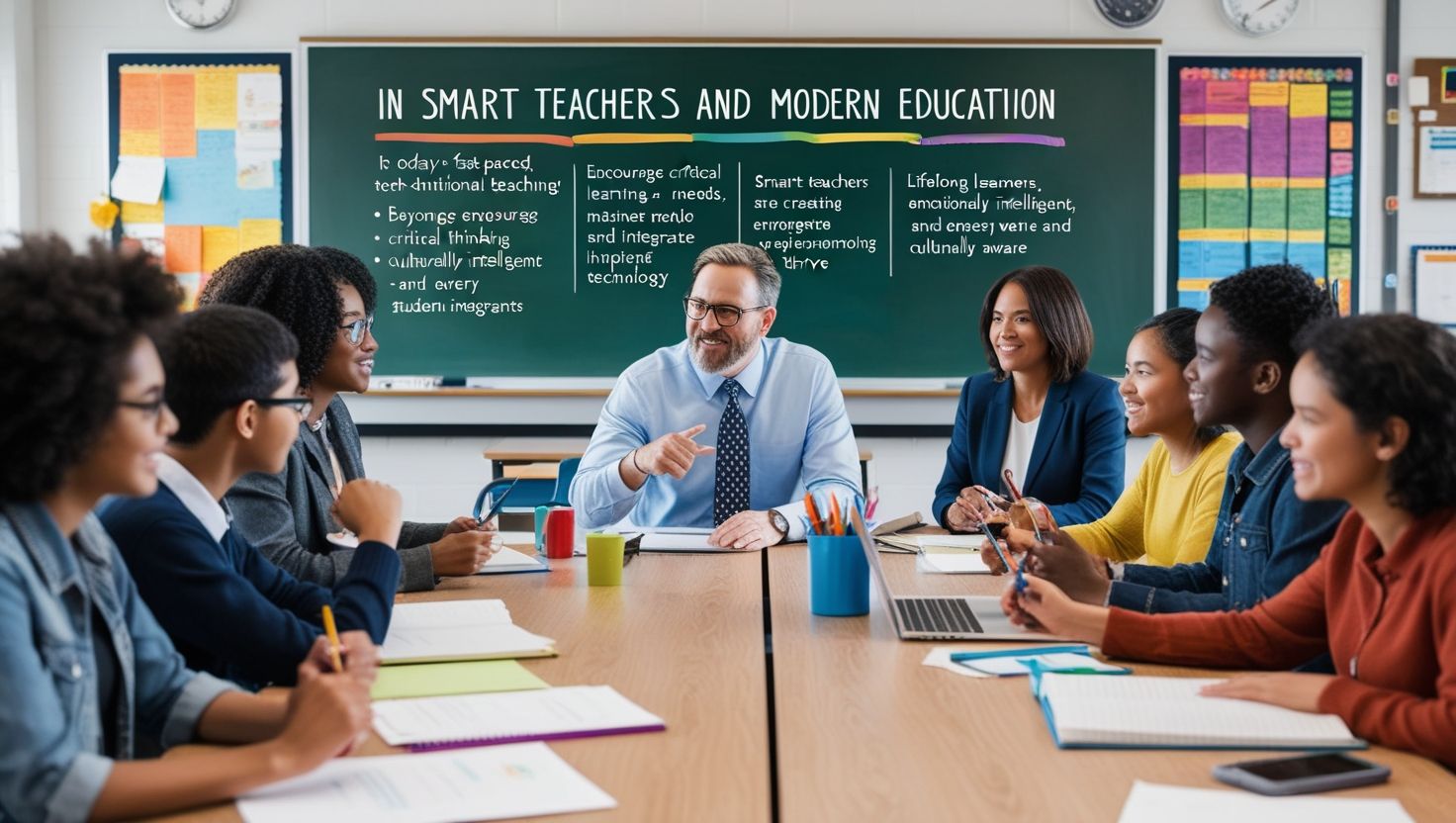
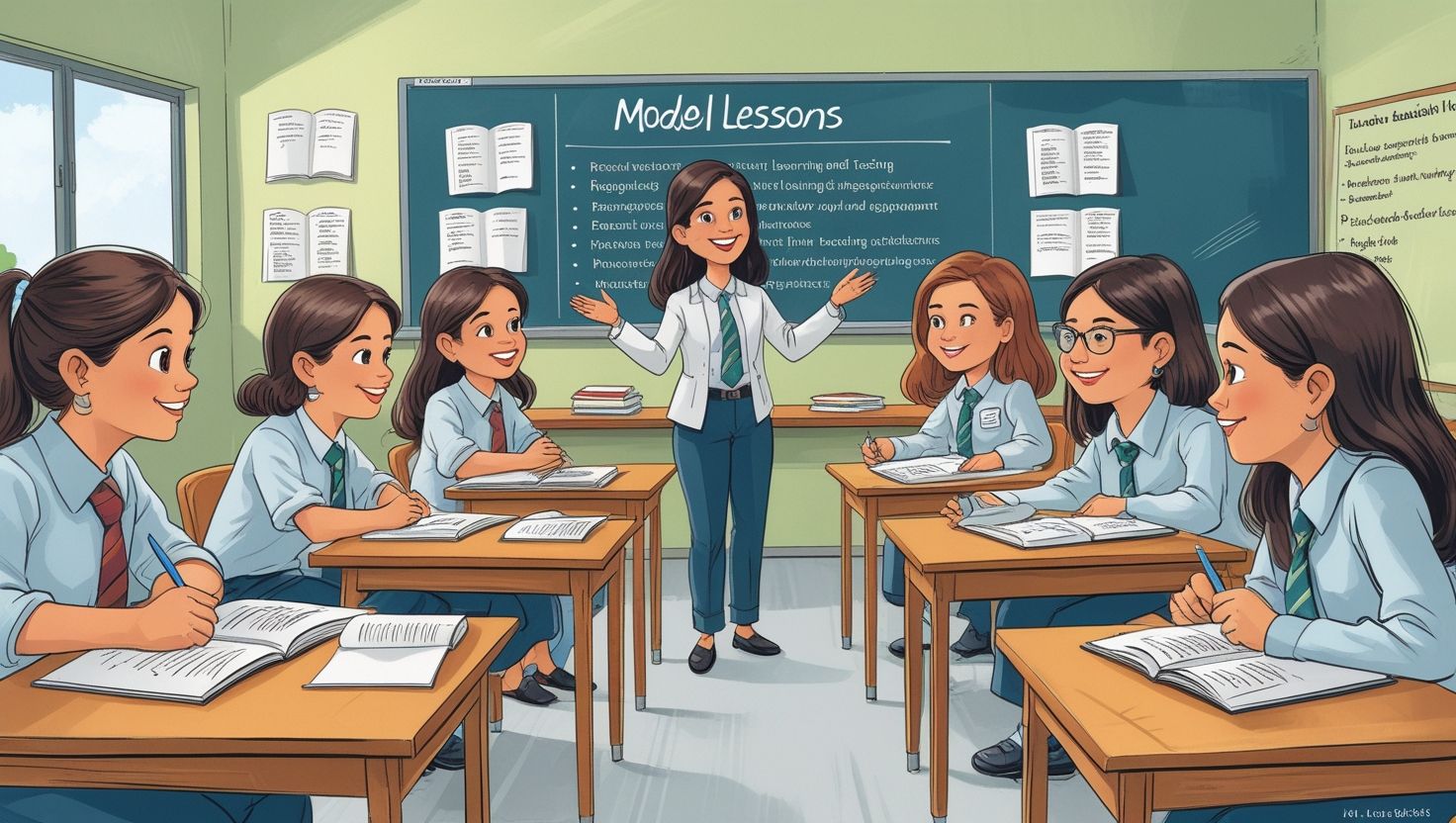
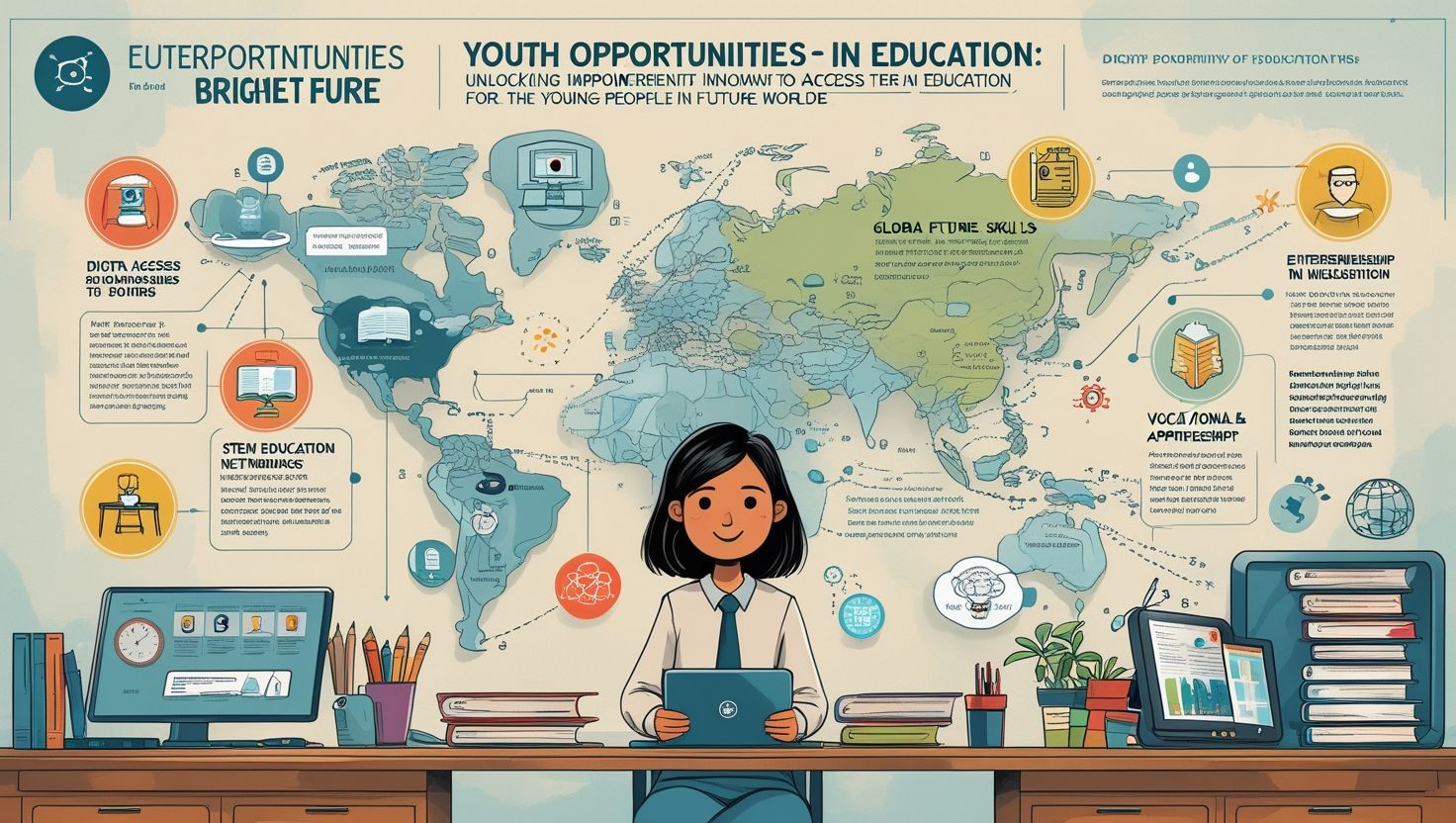
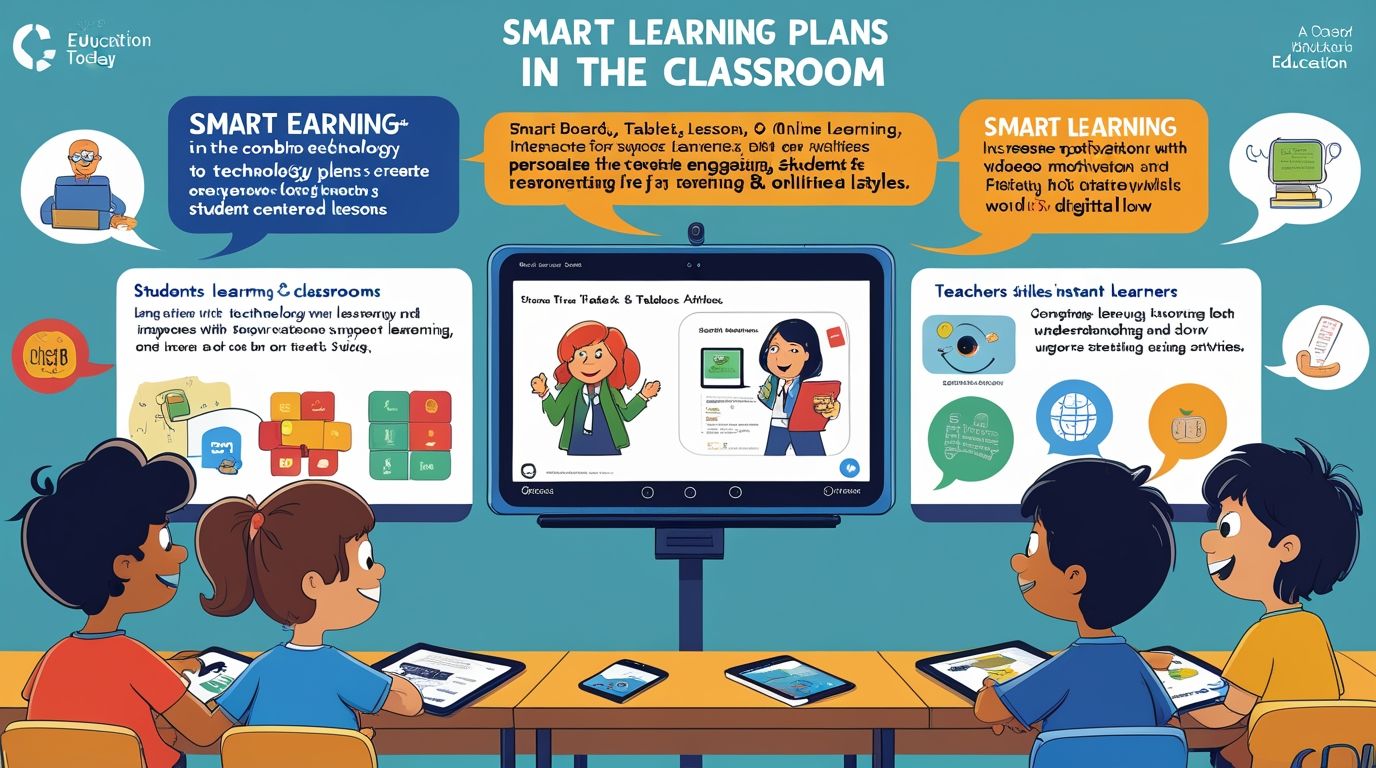
Latest Approaches to Teaching in the World, Teaching has evolved dramatically in the 21st century. As societies become increasingly interconnected, diverse, and technology-driven, the demands on education systems have shifted. Today’s teaching approaches reflect this shift: they are learner-centered, inclusive, flexible, data-informed, and purposefully integrated with technology and real-world problem solving.
This paper explores the most influential and widely adopted contemporary teaching approaches across the world, illustrating how educators are responding to the needs of learners in a rapidly changing global landscape.
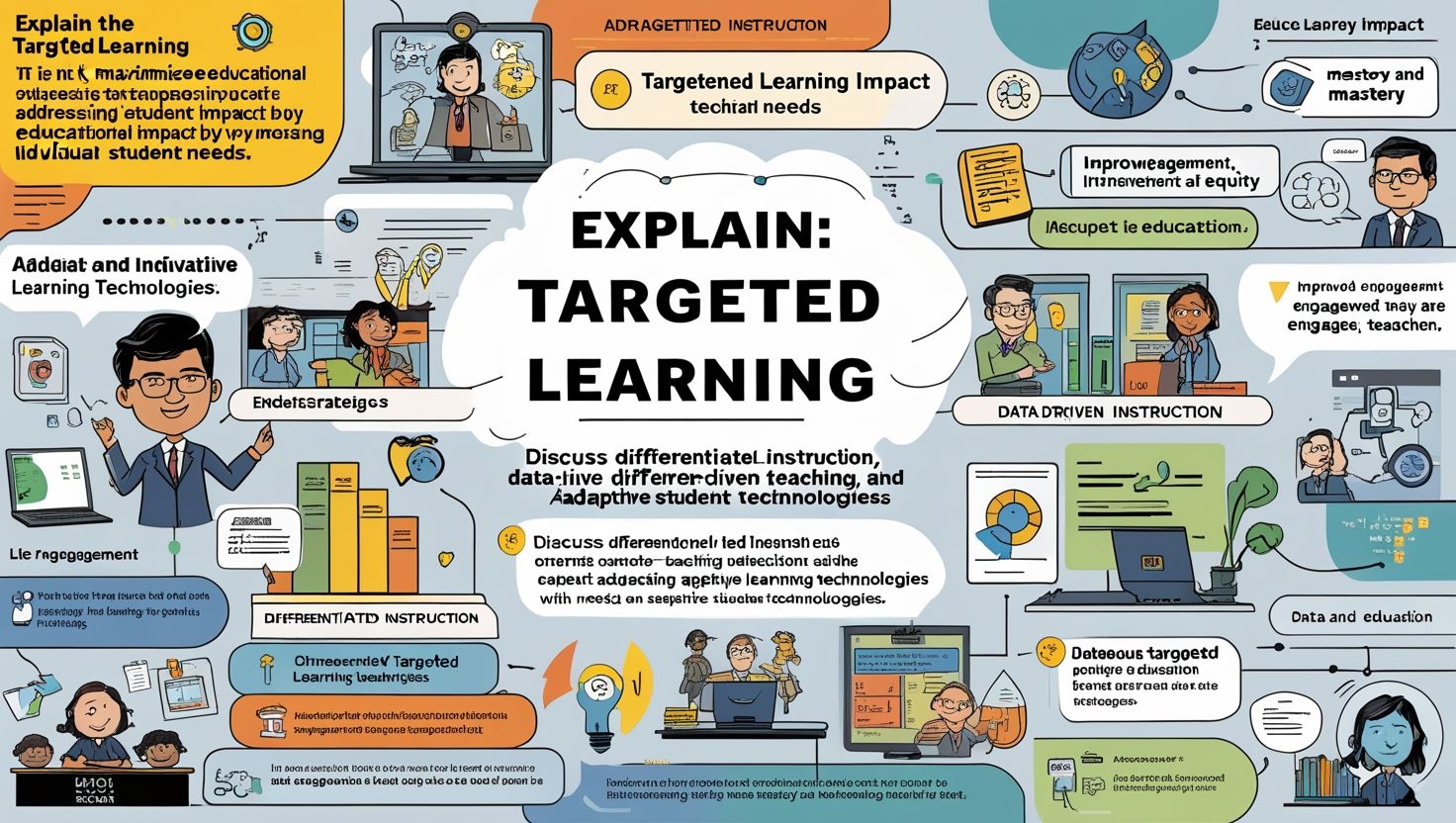
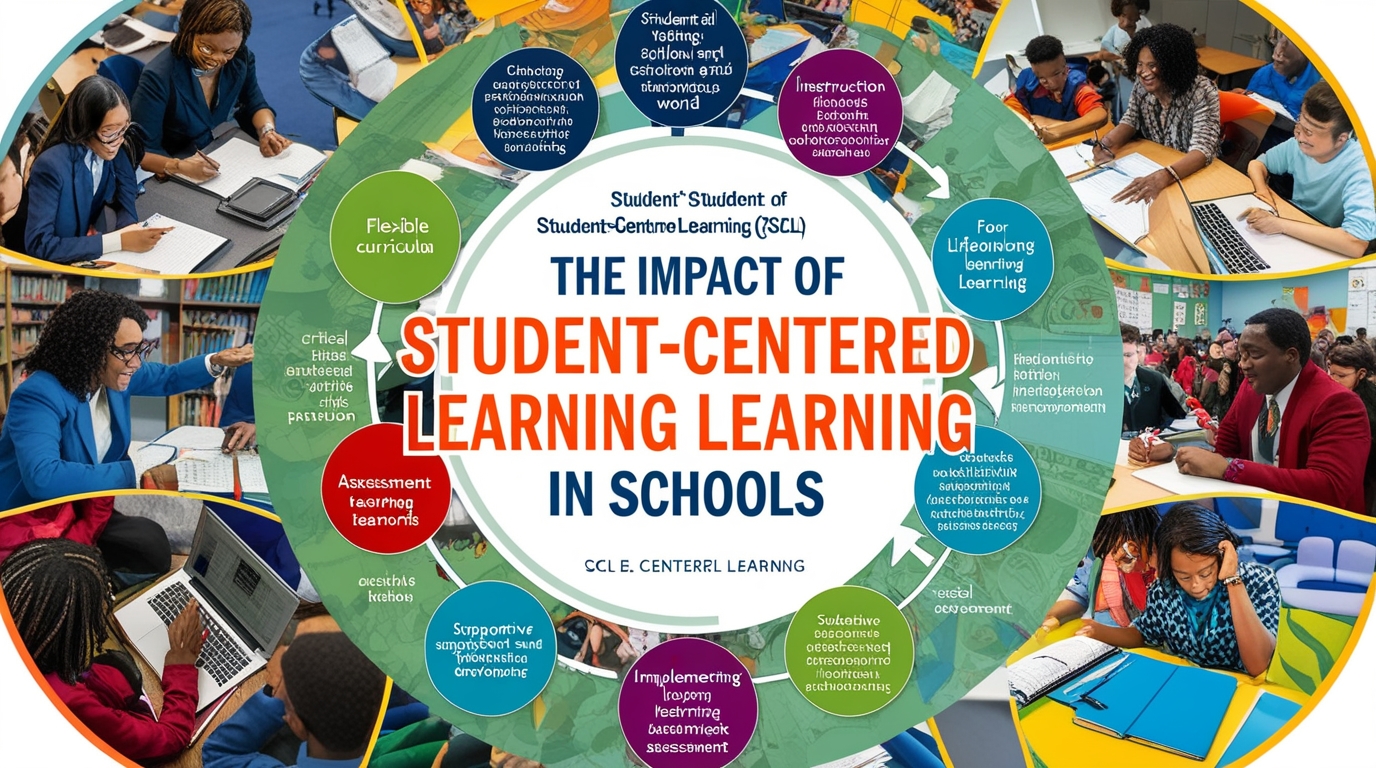
1. Learner-Centered and Personalized Learning
1.1 What It Is
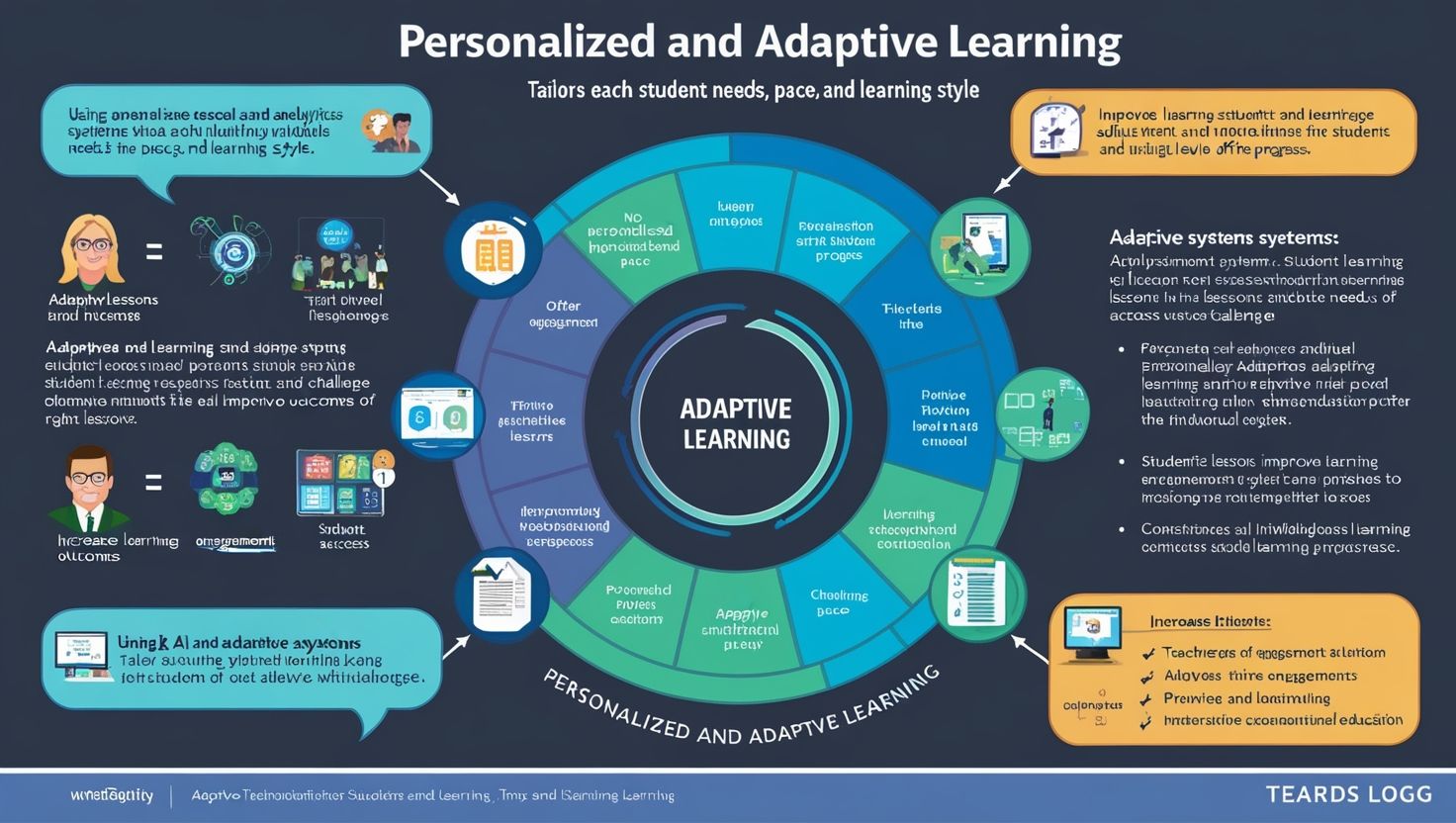
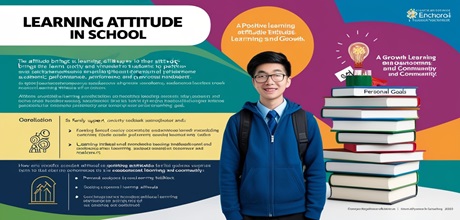
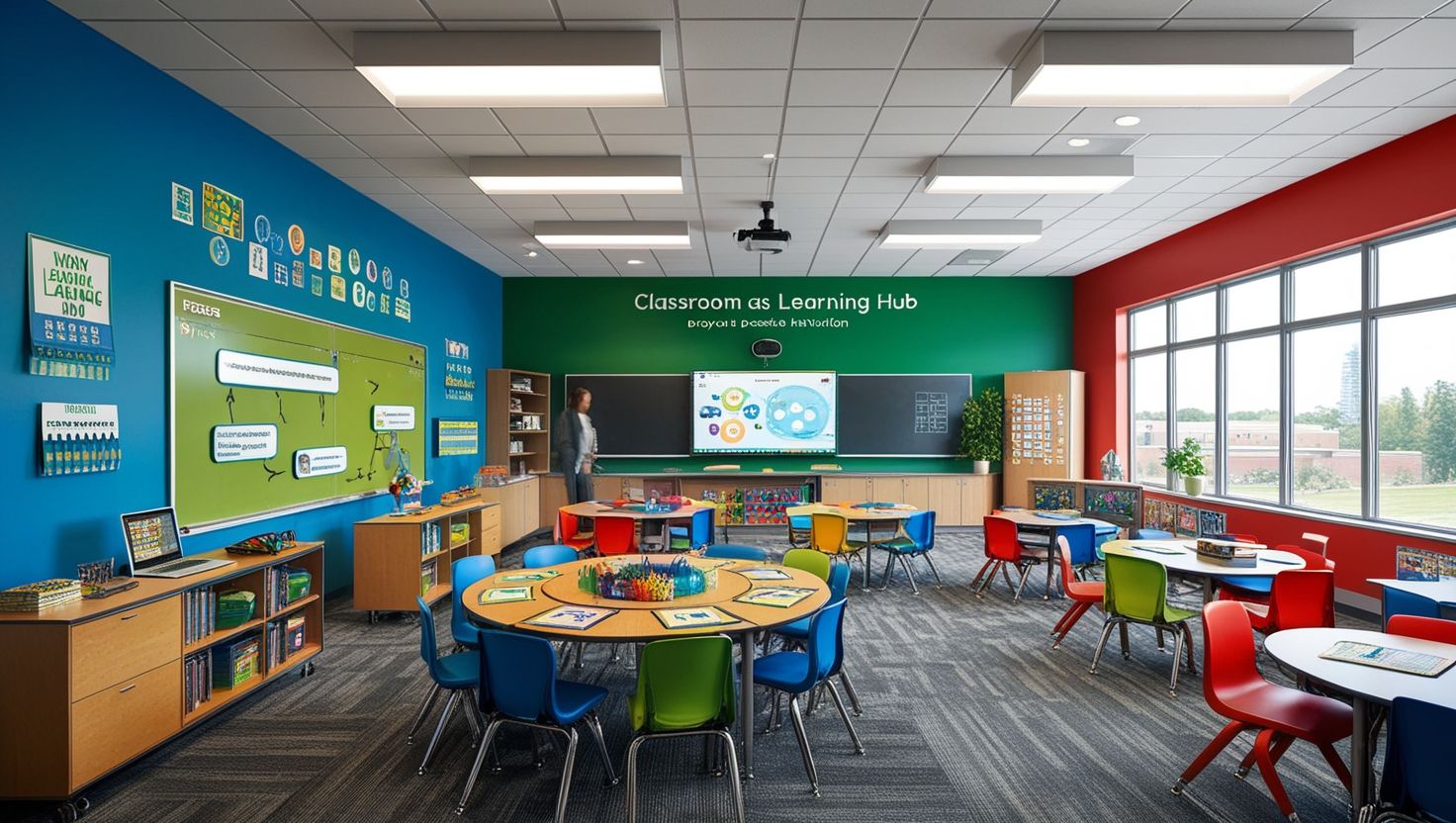
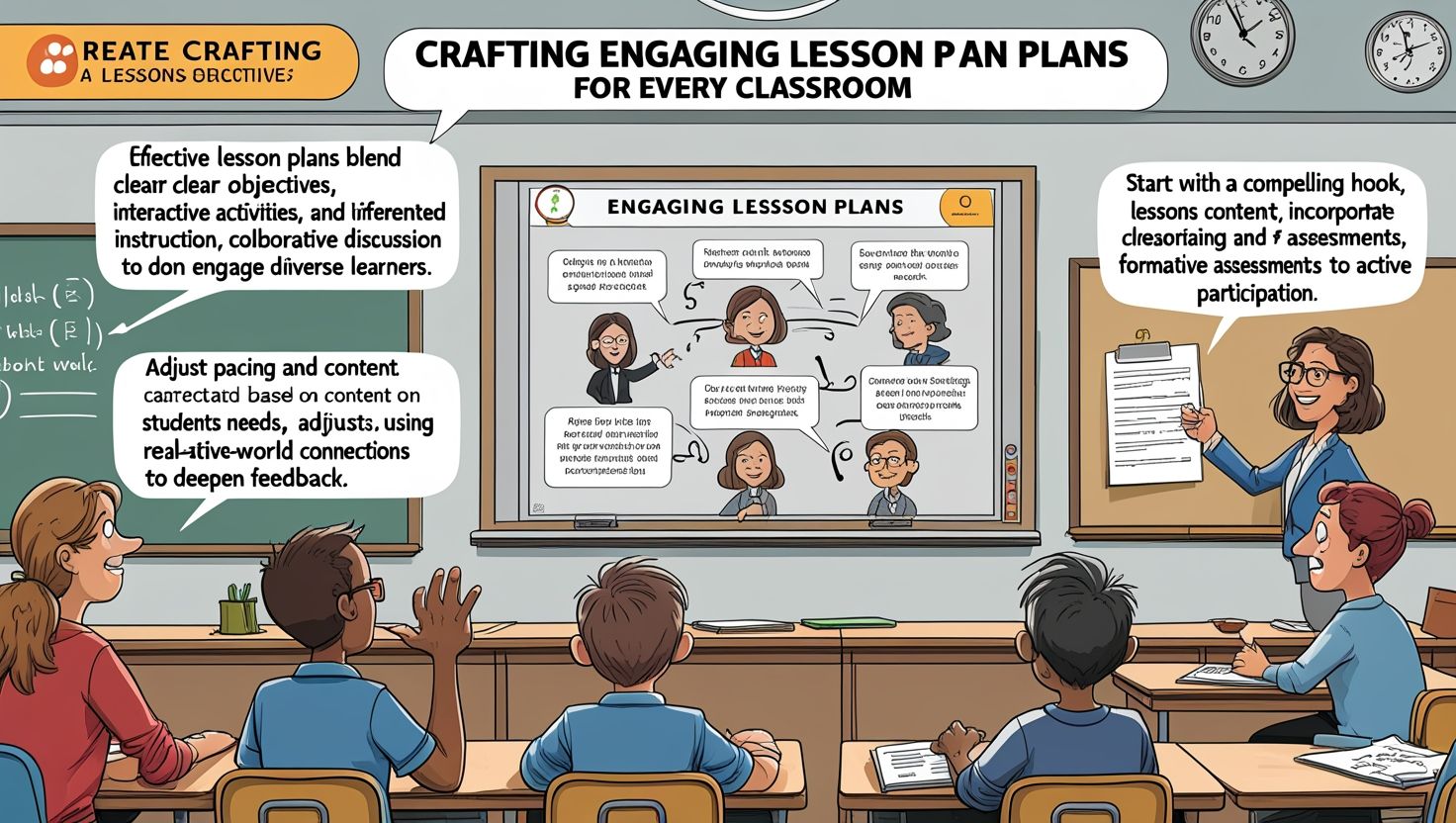
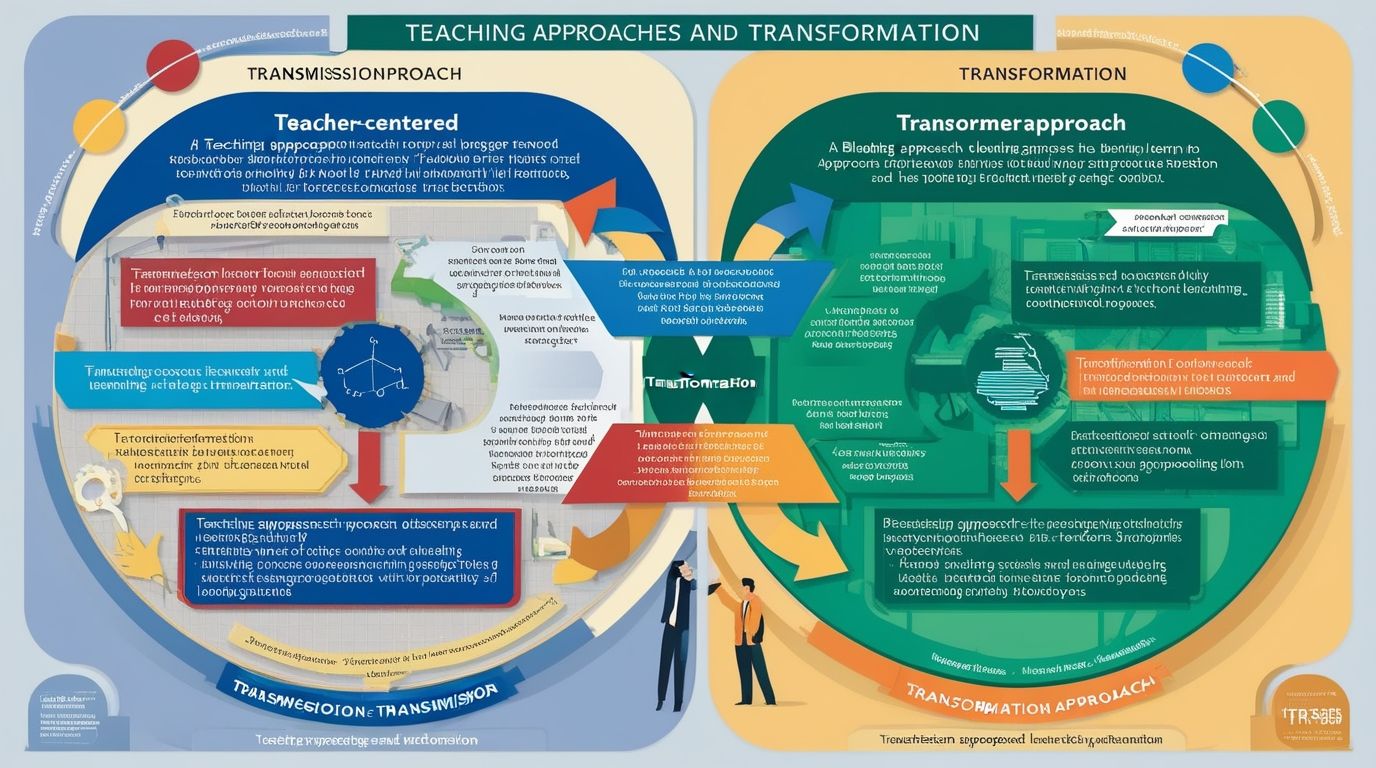
Learner-centered teaching puts students at the heart of the educational process. Instead of a teacher delivering content to a passive class, students actively engage in constructing knowledge. Instruction is flexible, recognizing students’ interests, strengths, and learning styles.
1.2 Key Features
- Individual learning paths
- Student agency and self-direction
- Assessment as learning, not just evaluation
- Differentiation tailored to ability and pace
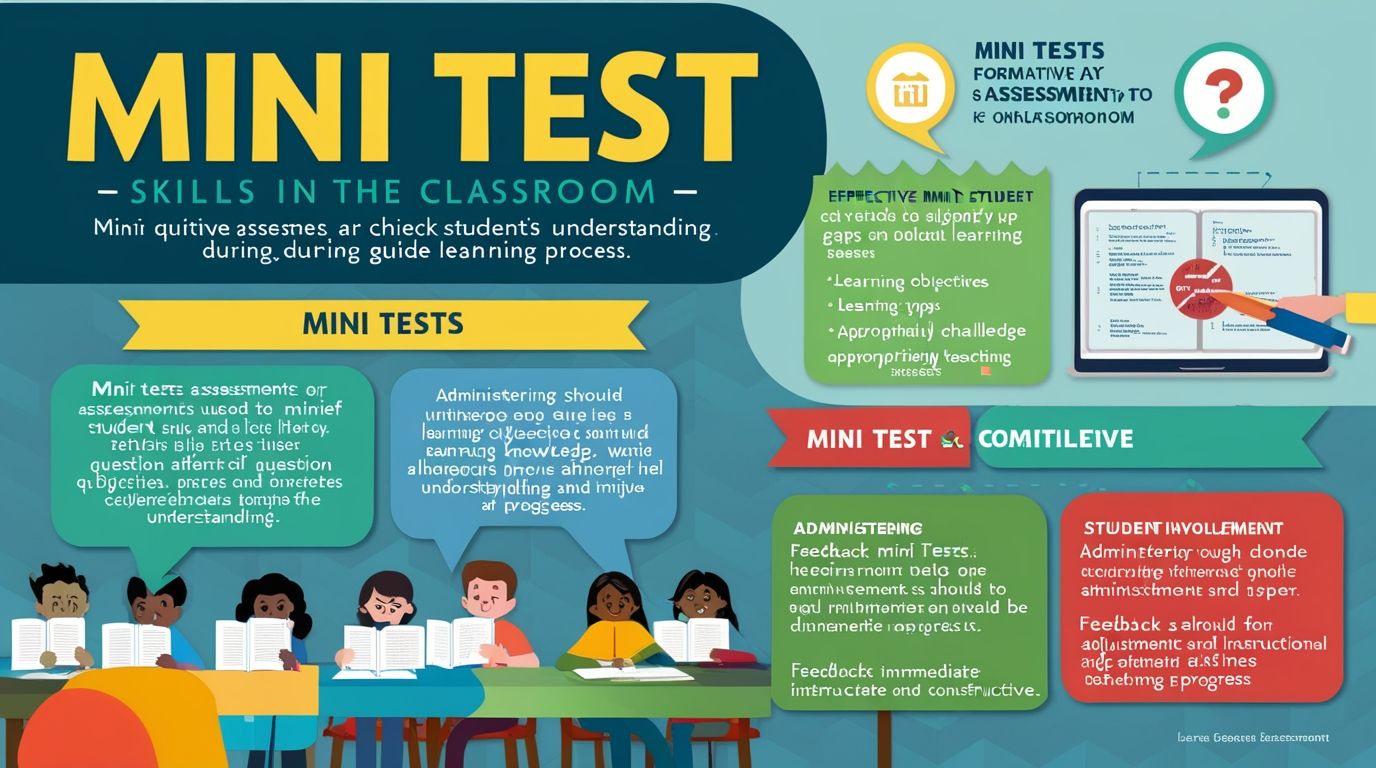
1.3 Global Examples
- Finland: Flexible curricula emphasizing autonomy, student choice, and personal goal setting.
- Singapore: Technology-enhanced adaptive learning tracks in mathematics and languages.
- Canada: Project-based units allowing students to pursue deep inquiry according to individual interests.
1.4 Why It Matters
Research shows that personalized learning increases engagement, self-confidence, and long-term retention. It also supports equitable outcomes by targeting instruction to learner needs rather than a one-size-fits-all model.
2. Technology-Enhanced and Digital Pedagogies
2.1 What It Is
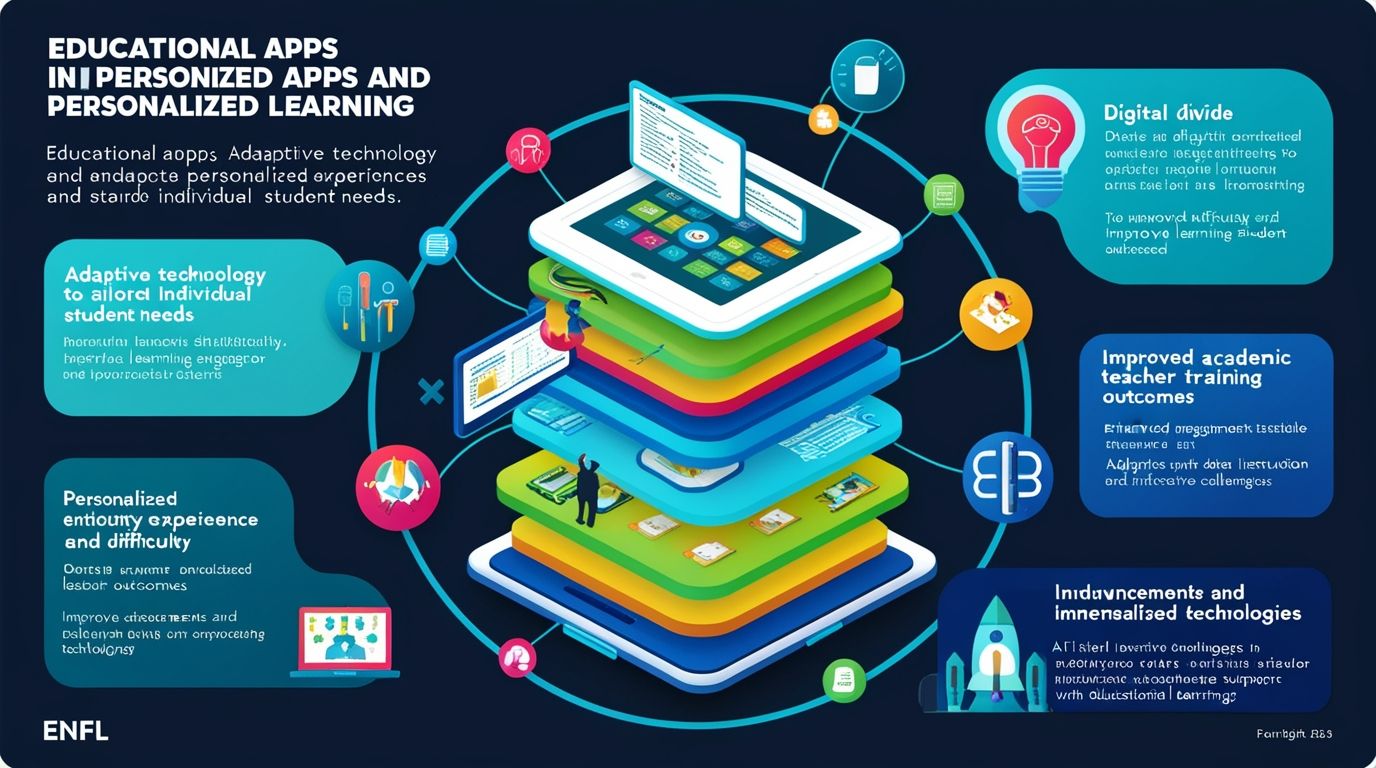
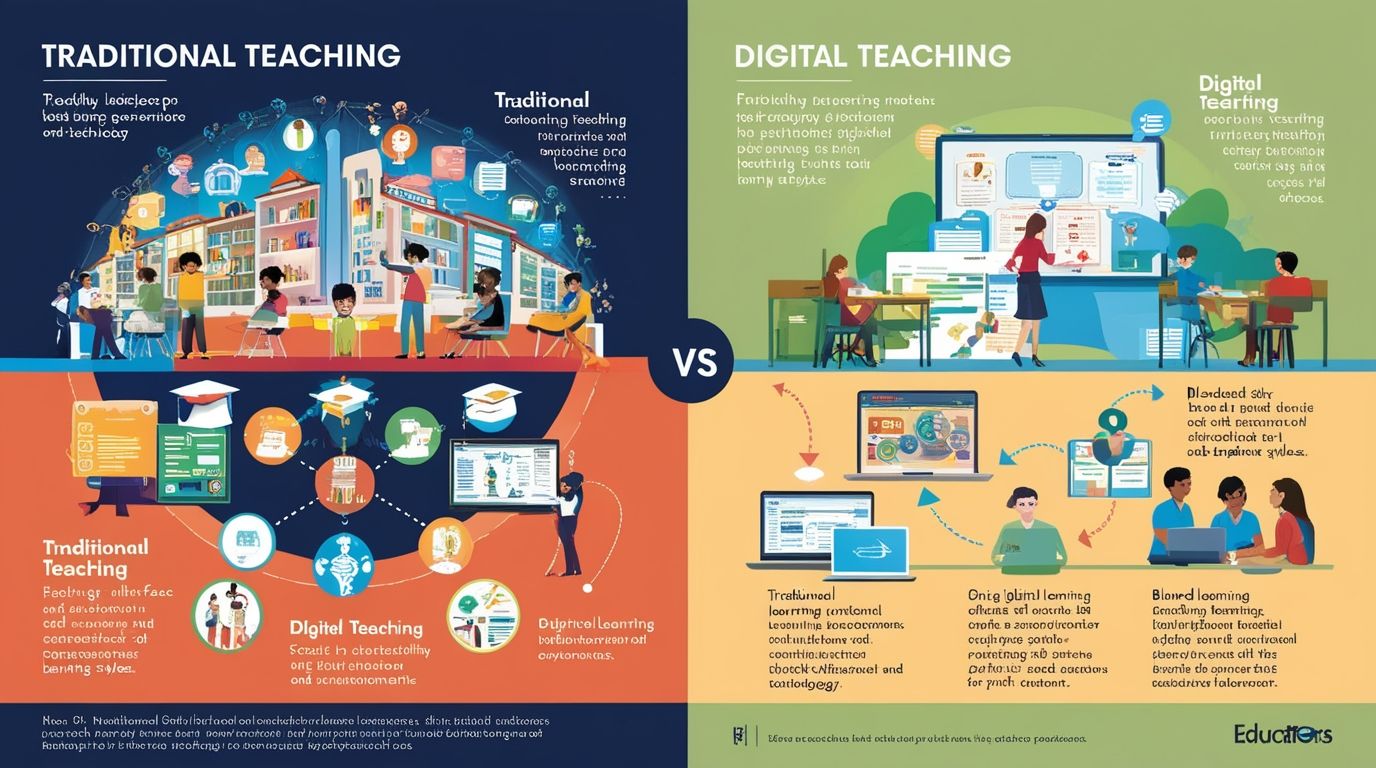
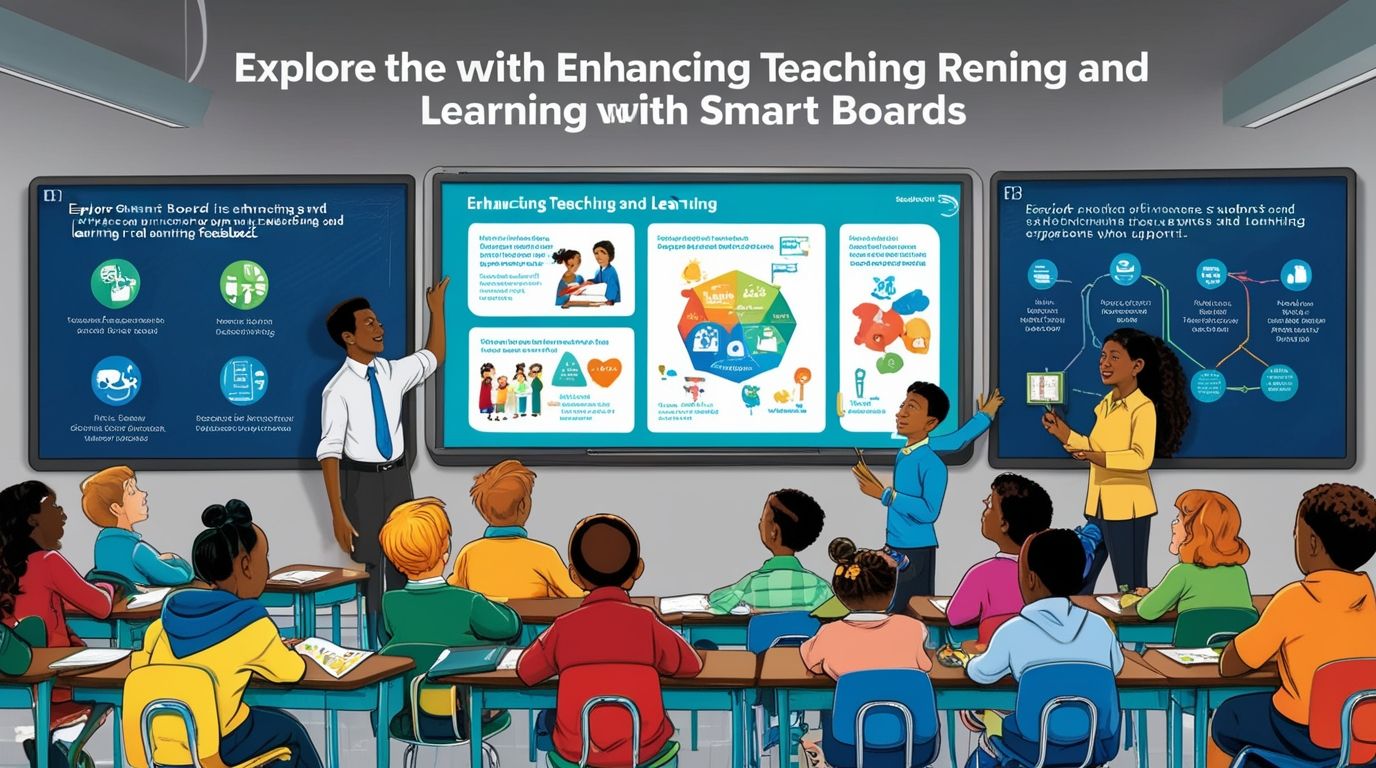
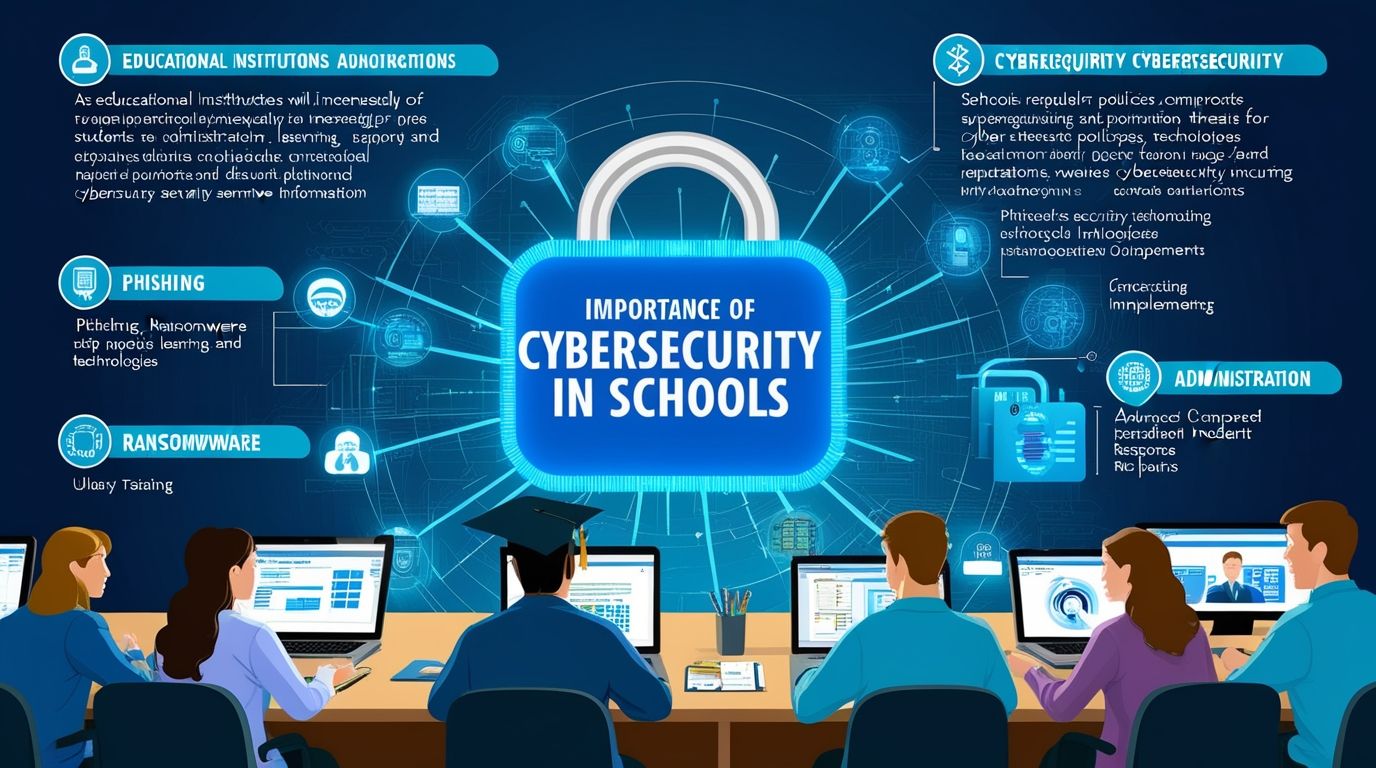
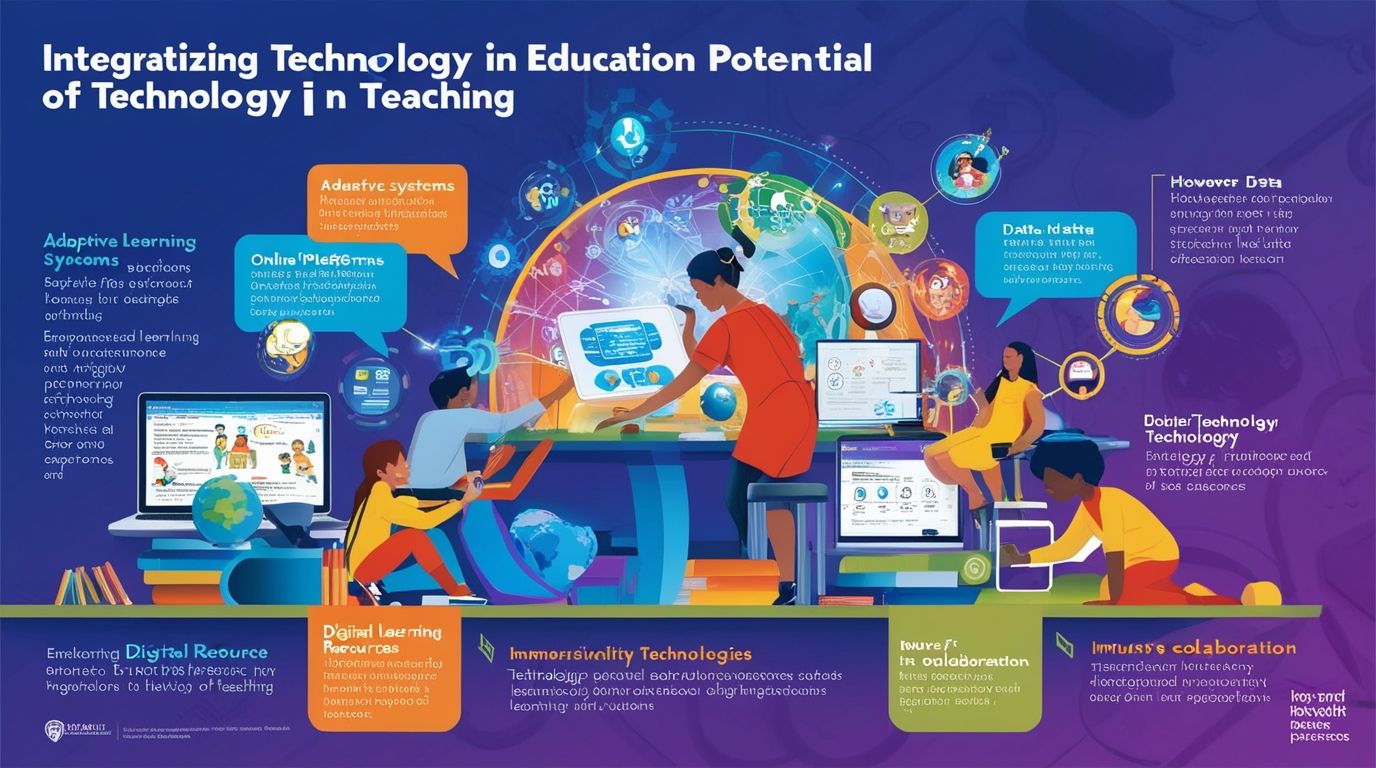
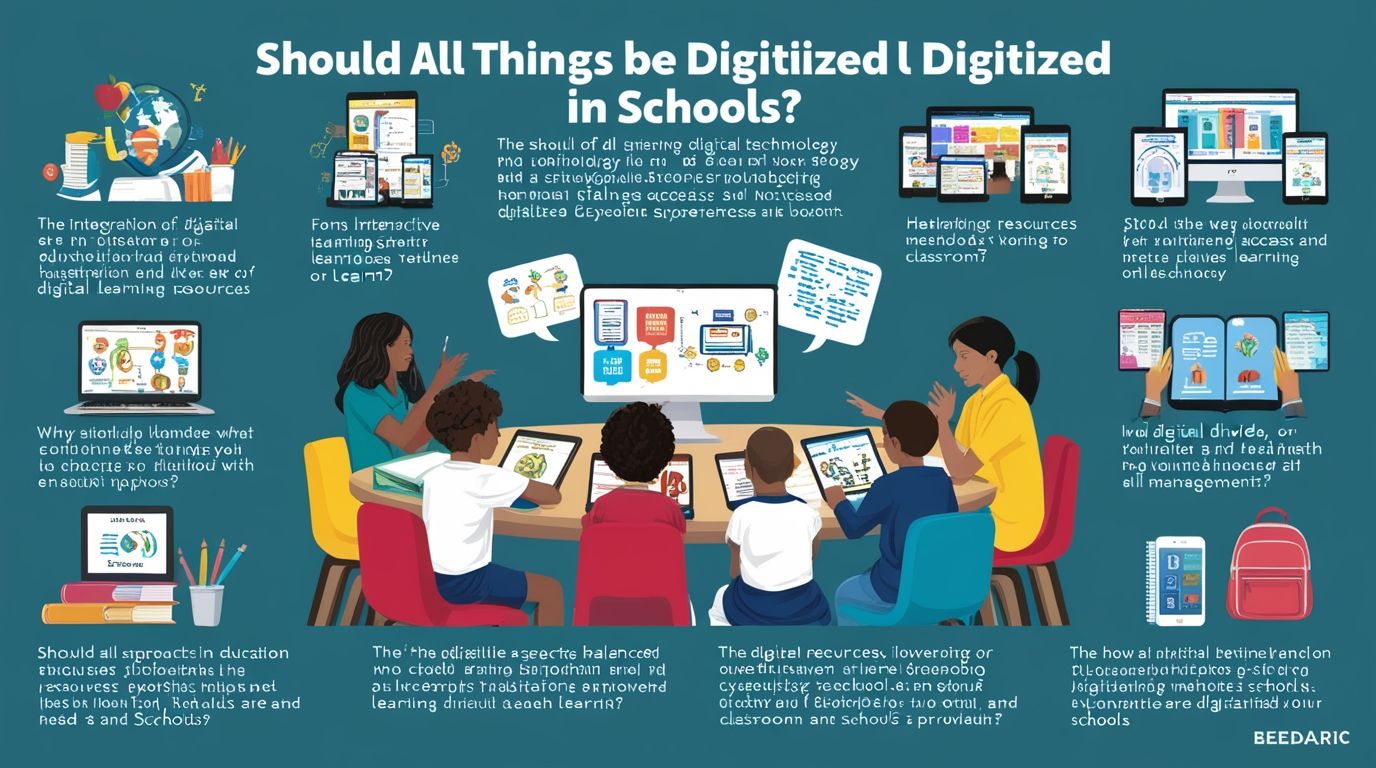
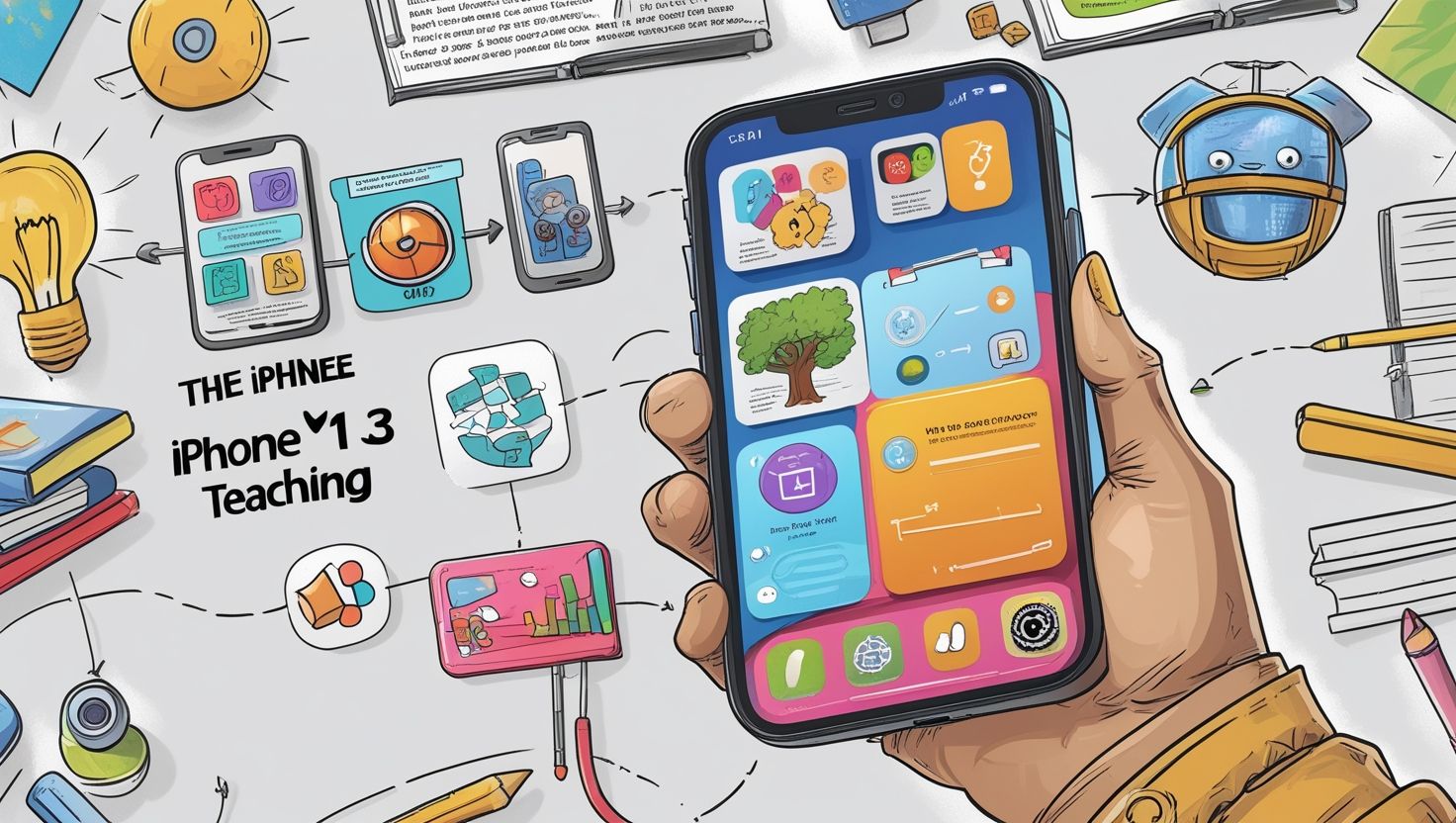
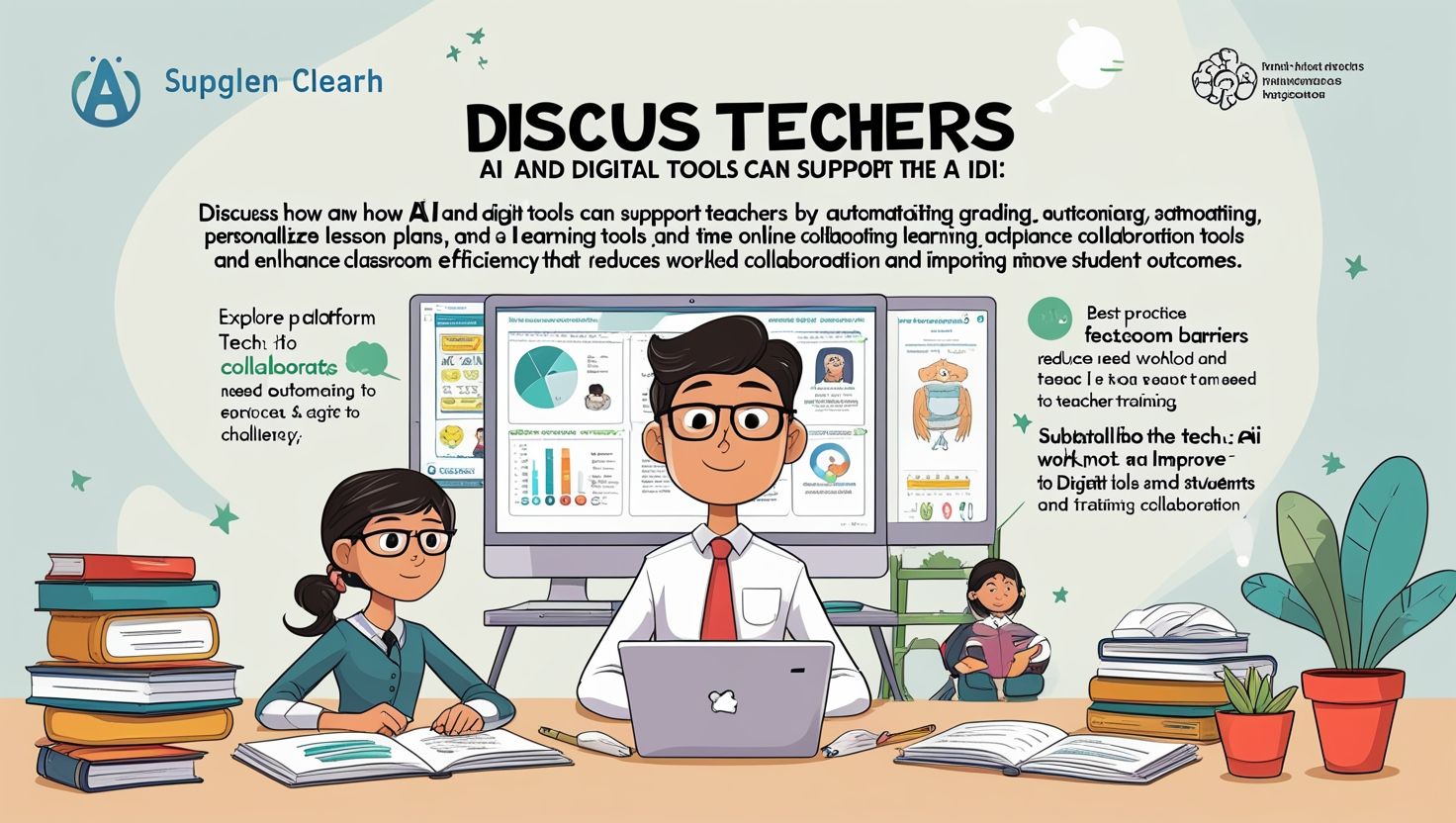
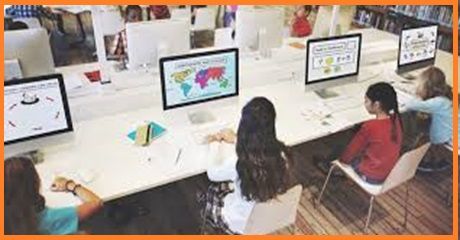
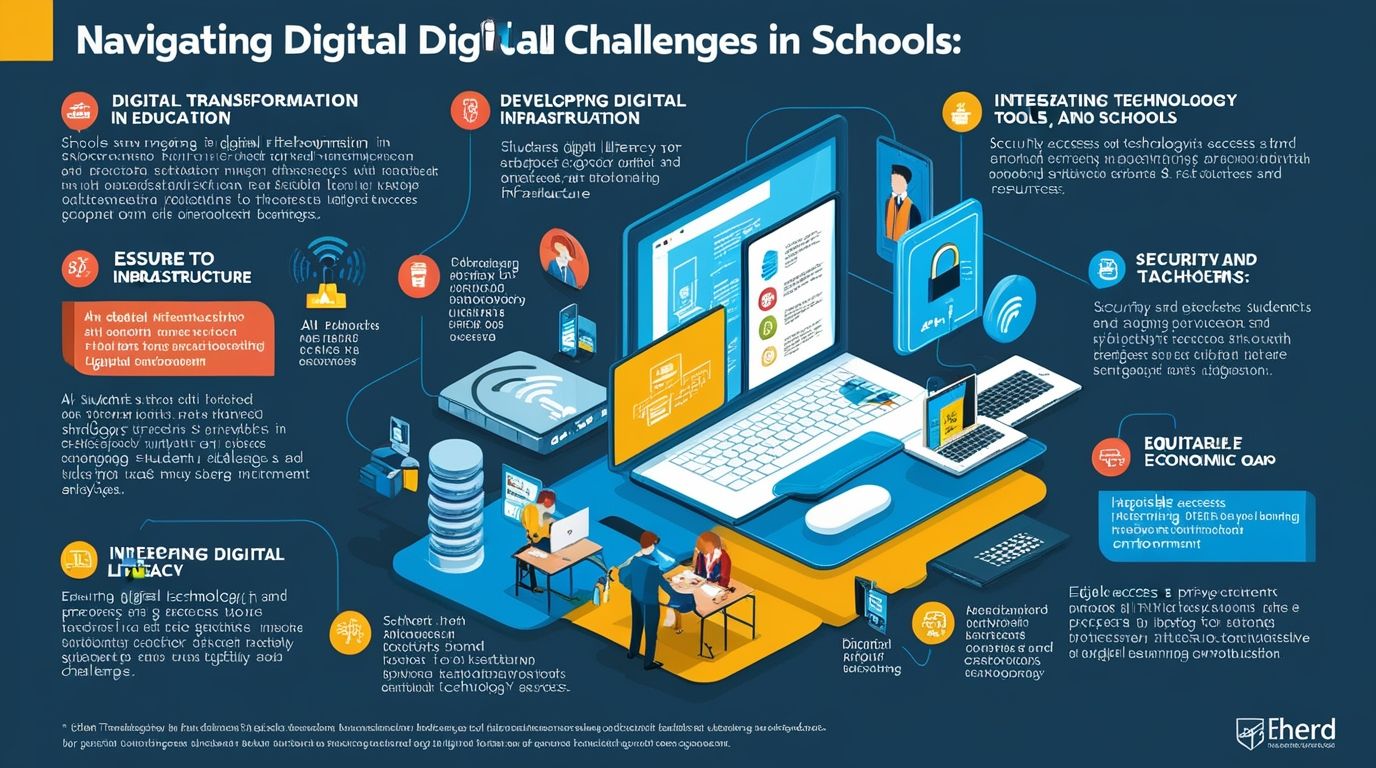
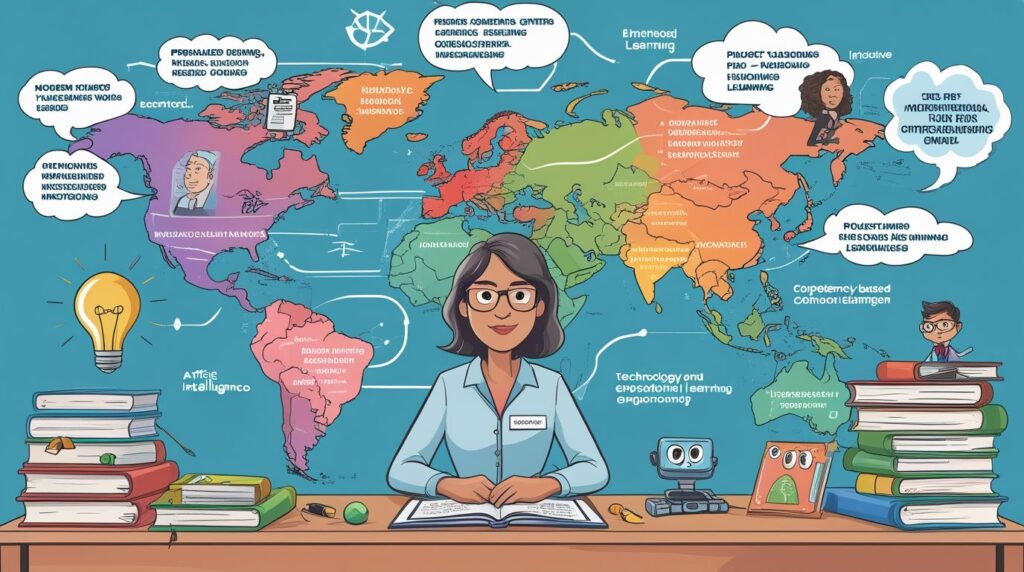
Technology is no longer an add-on — it is a central pedagogical tool. Effective use of digital platforms transforms traditional classrooms into interactive, adaptive learning environments.
2.2 Key Tools and Practices
- Learning Management Systems (LMS): Canvas, Moodle, Blackboard
- Adaptive Learning Software: AI-driven platforms that customize practice and pacing
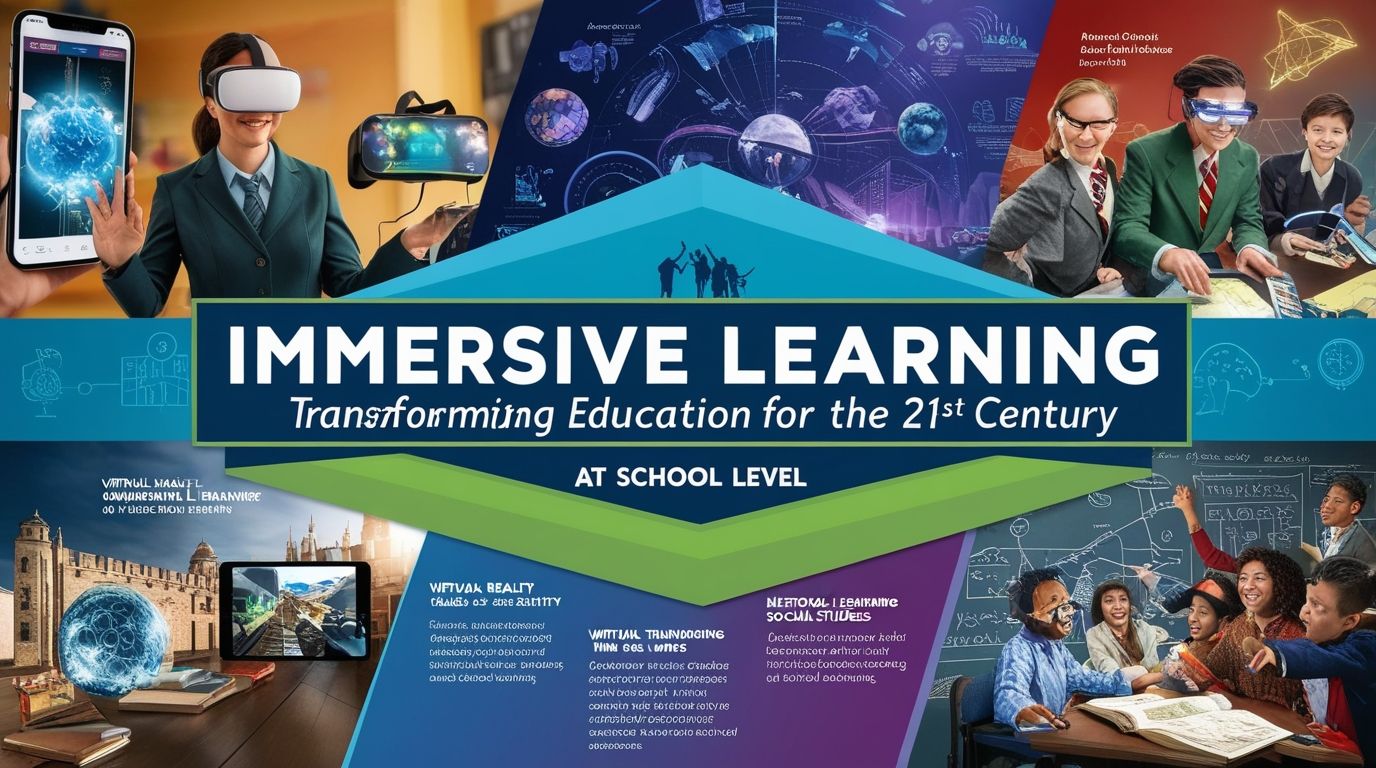
- Virtual & Augmented Reality (VR/AR): Immersive experiences for simulations and complex concepts
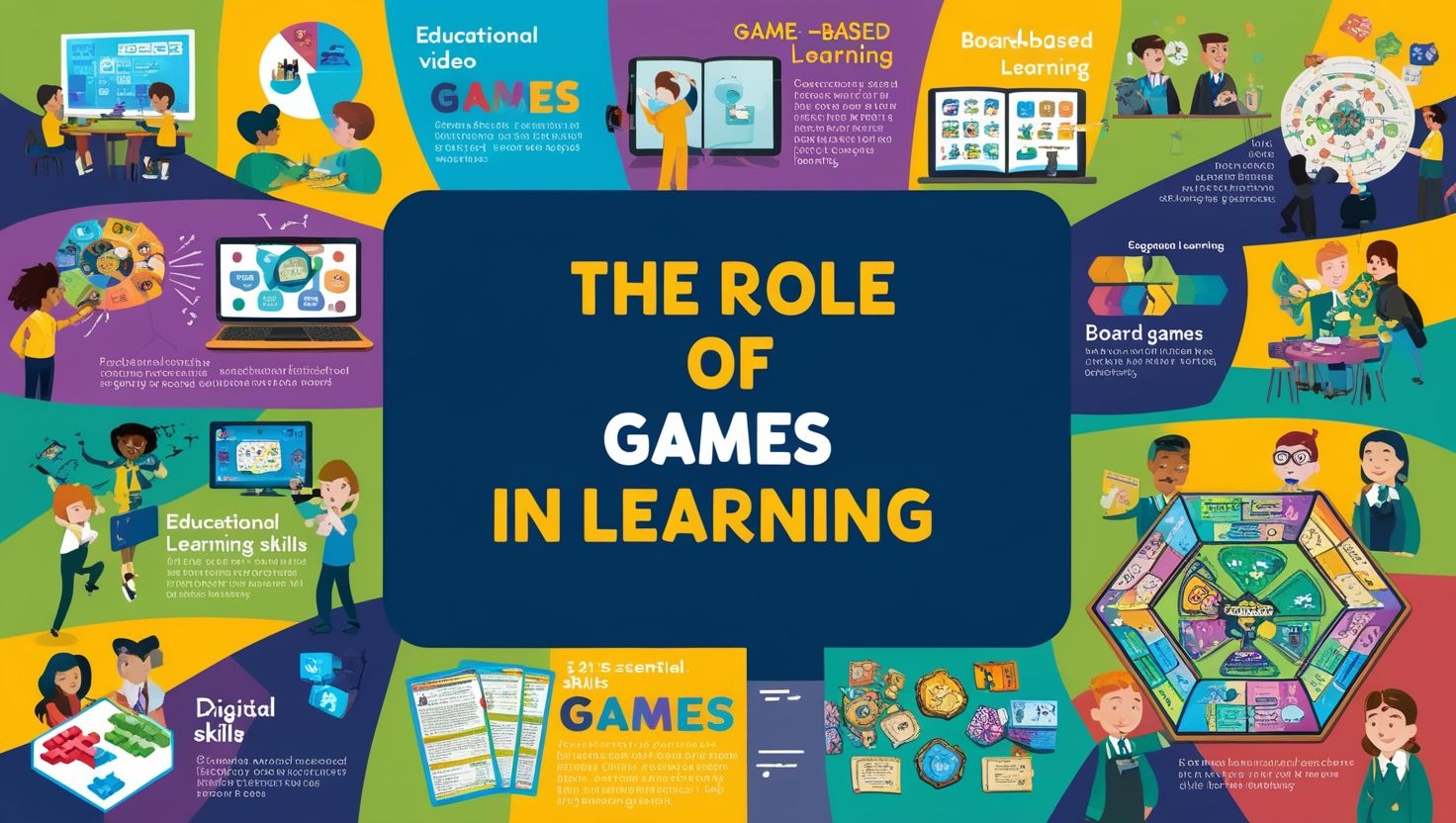
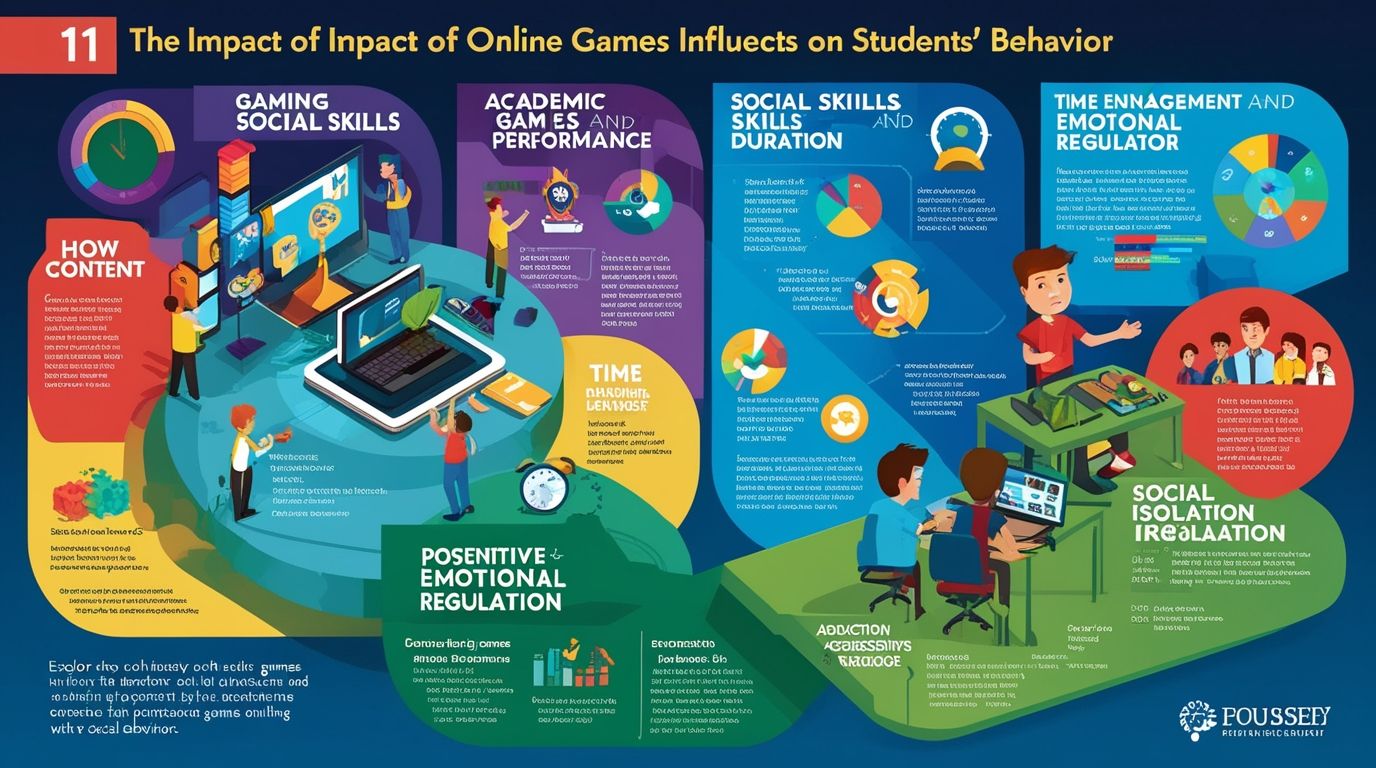
- Gamification: Badges, leaderboards, quests for motivation
- Digital Collaboration Tools: Google Workspace, Miro, Padlet
2.3 Global Examples
- United States: Widespread adoption of adaptive math and reading programs in K–12.
- South Korea: Nationwide integration of digital textbooks and real-time analytics dashboards.
- Australia: VR labs in secondary schools for science and history exploration.
2.4 Strengths and Challenges
Strengths: Increased engagement, accessibility for remote learners, rich data for instruction.
Challenges: Digital divide, teacher readiness, balancing screen time with deep thinking.
3. Project-Based and Inquiry-Based Learning (PBL & IBL)
3.1 What It Is
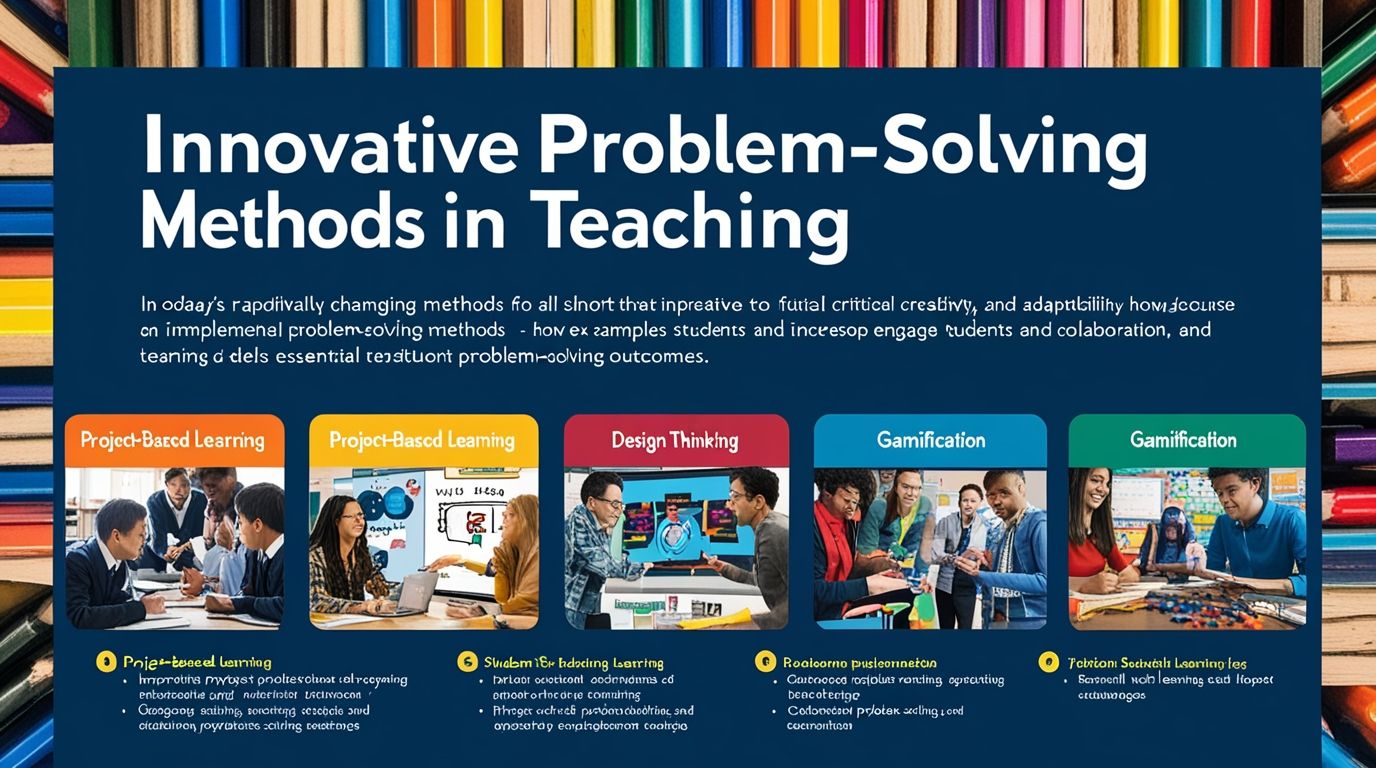
PBL and IBL engage students in sustained investigations of real-world problems and questions. Rather than memorizing facts, students do authentic work — research, design, test, and present.
3.2 Core Principles
- Complex, meaningful questions or challenges
- Sustained inquiry over weeks/months
- Collaborative teamwork
- Public products (presentations, prototypes, performances)
3.3 Global Examples
- European Union (Erasmus+ programs): Student teams tackle sustainability problems across countries.
- Kenya: Community-based agriculture projects integrated with science and math.
- Japan: Interdisciplinary inquiry units linking social studies with ethics and technology.
3.4 Impact
Project-based learning develops:
- Critical thinking
- Communication and teamwork
- Creativity
- Real-world problem solving
4. Competency-Based Education (CBE)
4.1 What It Is
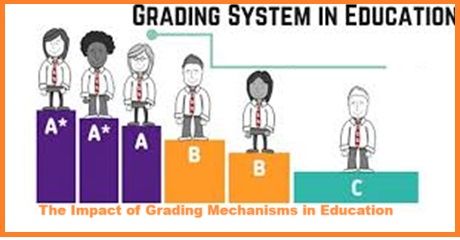
Instead of assigning grades based on seat time or exams, CBE focuses on mastery: students progress upon demonstrating competence in clearly defined skills and knowledge.
4.2 Characteristics
- Clear performance levels and rubrics
- Frequent formative assessment
- Flexible pacing based on mastery
- Portfolios and performance tasks
4.3 Global Examples
- United States (e.g., New Hampshire): Statewide competency frameworks in K–12.
- Mexico: CBE pilots in technical and vocational education.
- Scandinavia: Competence profiles replacing age-based grade levels.
4.4 Benefits
CBE fosters deeper learning, reduces student anxiety about traditional grading, and aligns education with workforce and civic competencies.
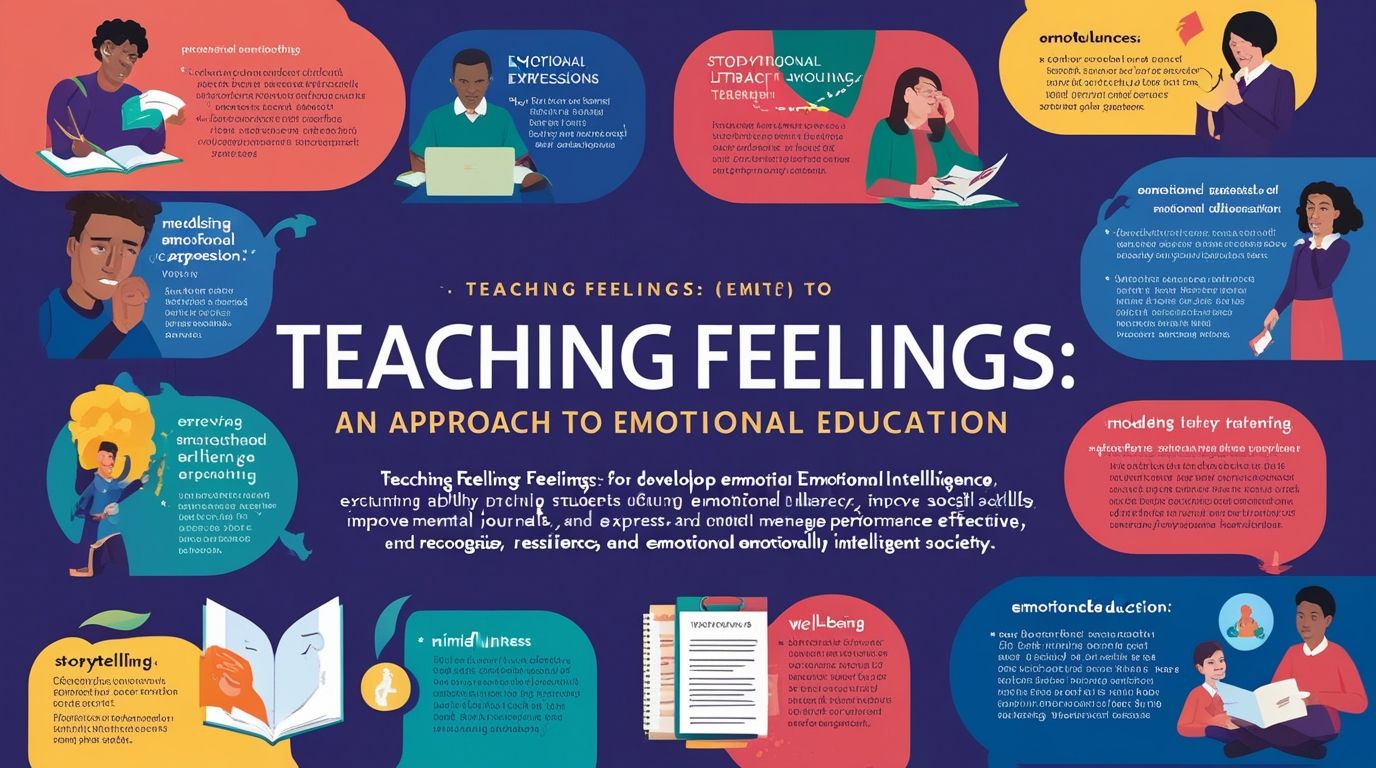
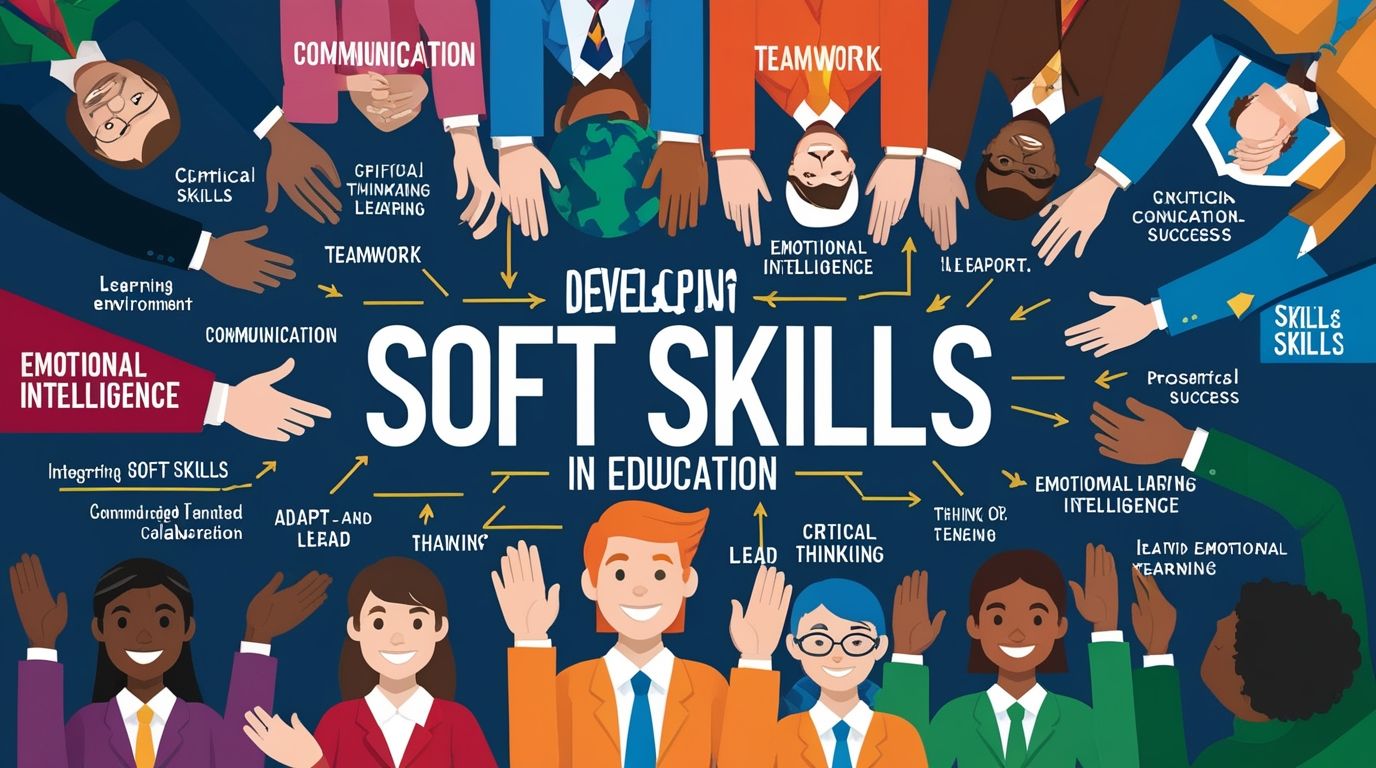
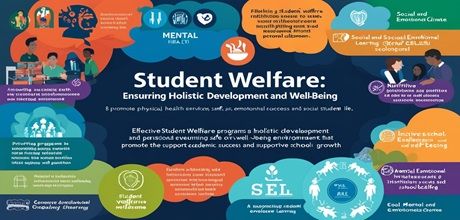
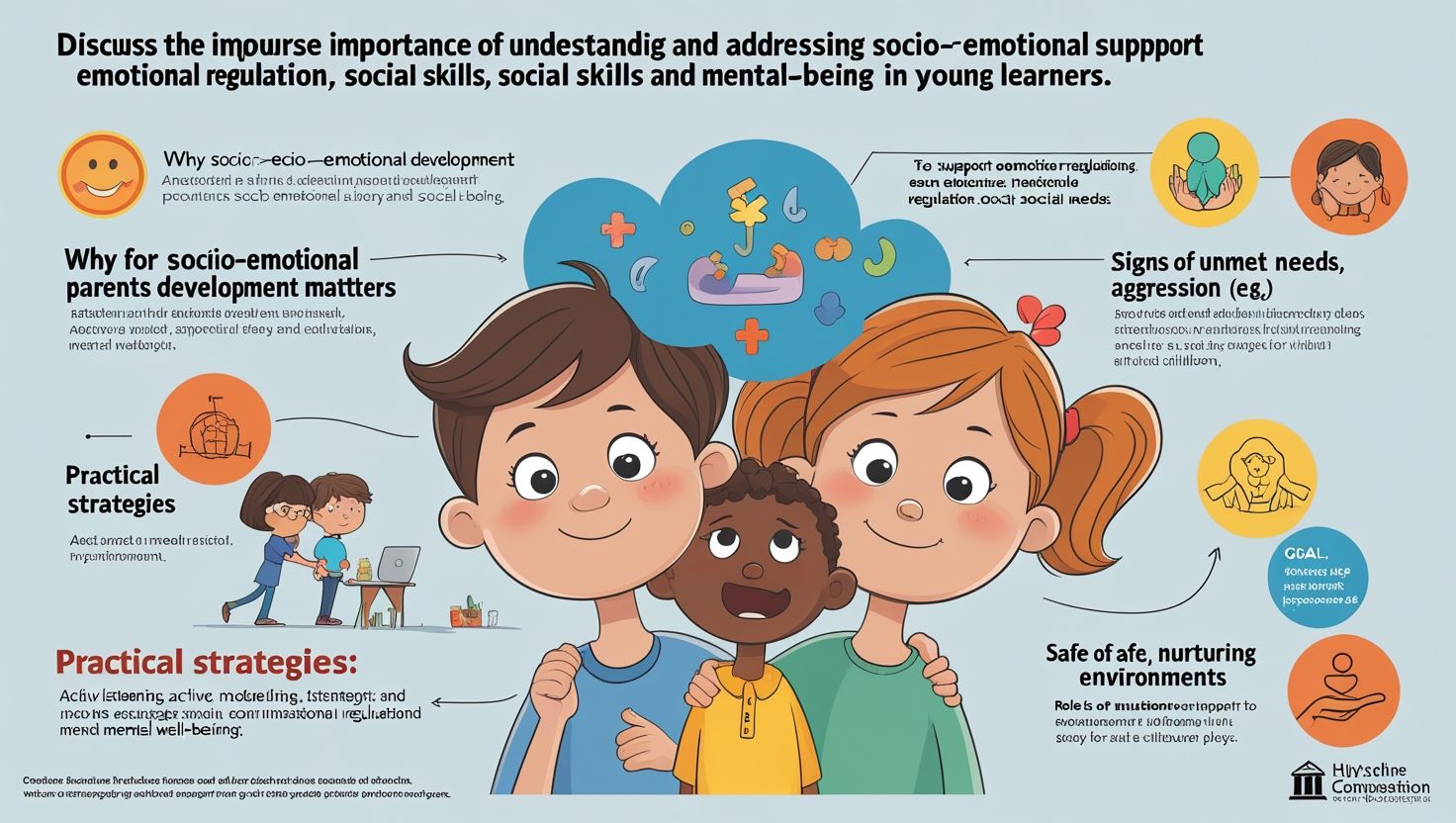
5. Social-Emotional Learning (SEL) and Whole-Child Approaches
5.1 What It Is
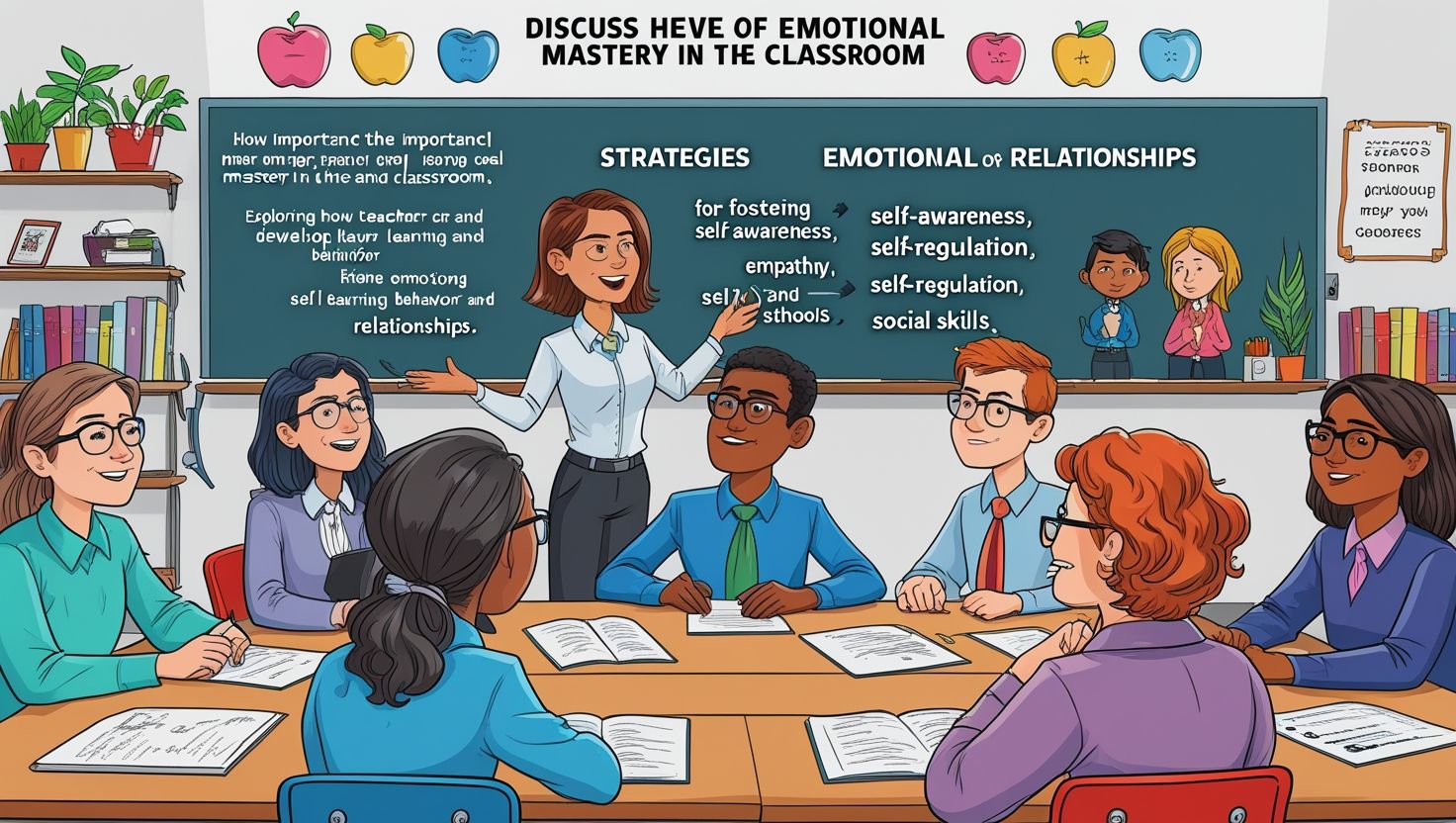
SEL teaches students to understand and manage emotions, build healthy relationships, make responsible decisions, and develop resilience.
5.2 Why It’s Important
Academic success alone is no longer the focus — educators recognize the importance of emotional intelligence, well-being, and inclusive classroom cultures.
5.3 Key Components
- Self-awareness
- Self-management
- Social awareness
- Relationship skills
- Responsible decision making
5.4 Global Adoption
- CASEL framework: Adopted widely in the U.S., Canada, parts of Europe, and Latin America.
- Mindfulness programs: Integrated into curriculum in Singapore, New Zealand, and India.
- Trauma-informed teaching: Expanded post-COVID in many developing nations.
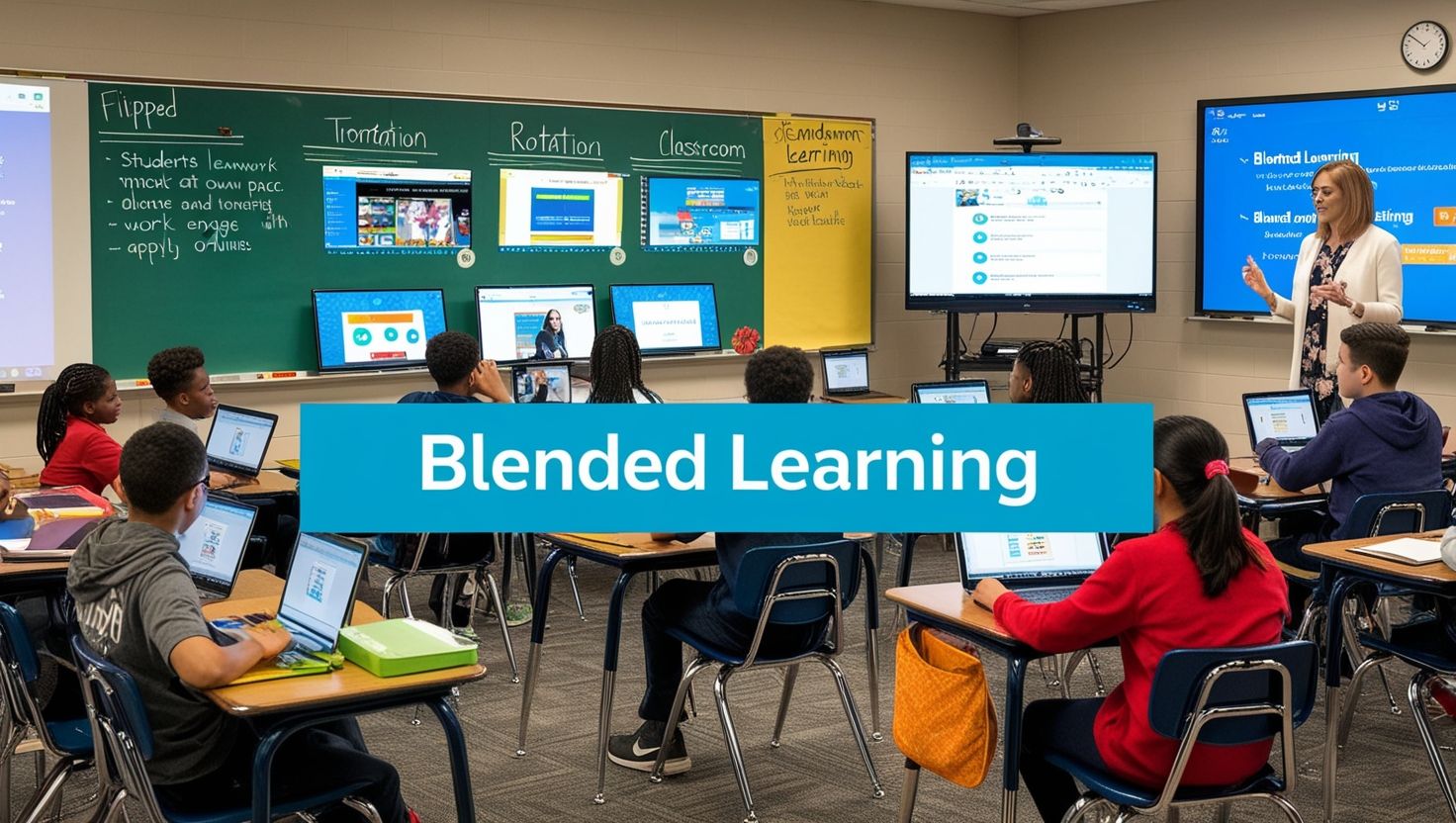
6. Blended and Hybrid Learning Models
6.1 What It Is
Blended learning combines in-person teaching with online instruction, offering flexibility and differentiating learning experiences.
6.2 Models
- Rotation model
- Flipped classroom
- Flexible (Flex) model
- Enriched virtual
6.3 Why It Works
Blended learning:
- Promotes independent learning
- Provides data for targeted interventions
- Increases access beyond traditional school hours
6.4 Global Context
Post-pandemic, hybrid models have become mainstream:
- Europe: Blended schedules for language immersion
- Africa: SMS and low-bandwidth platforms where internet is limited
- Latin America: Government-supported portals and teacher training
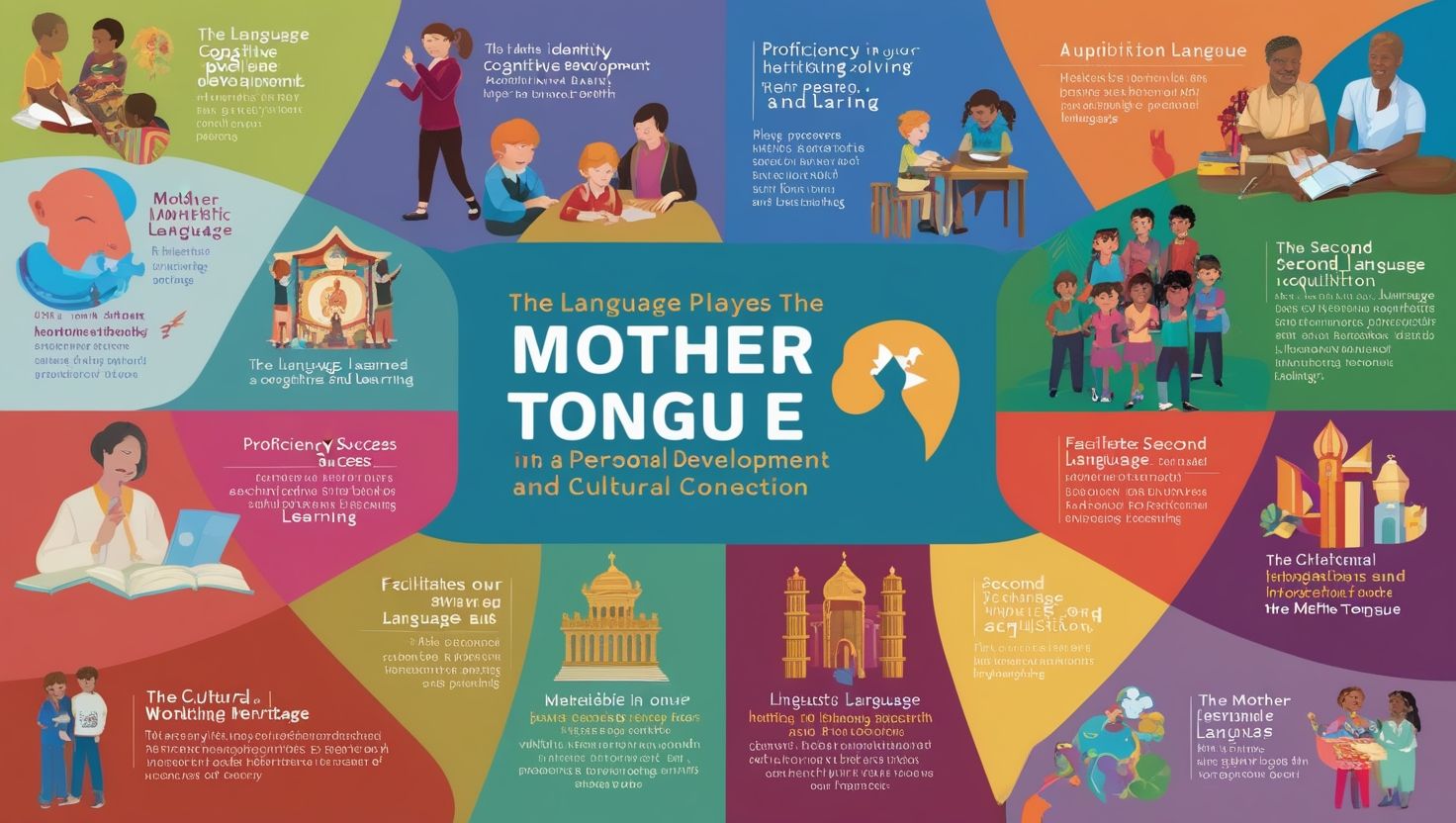
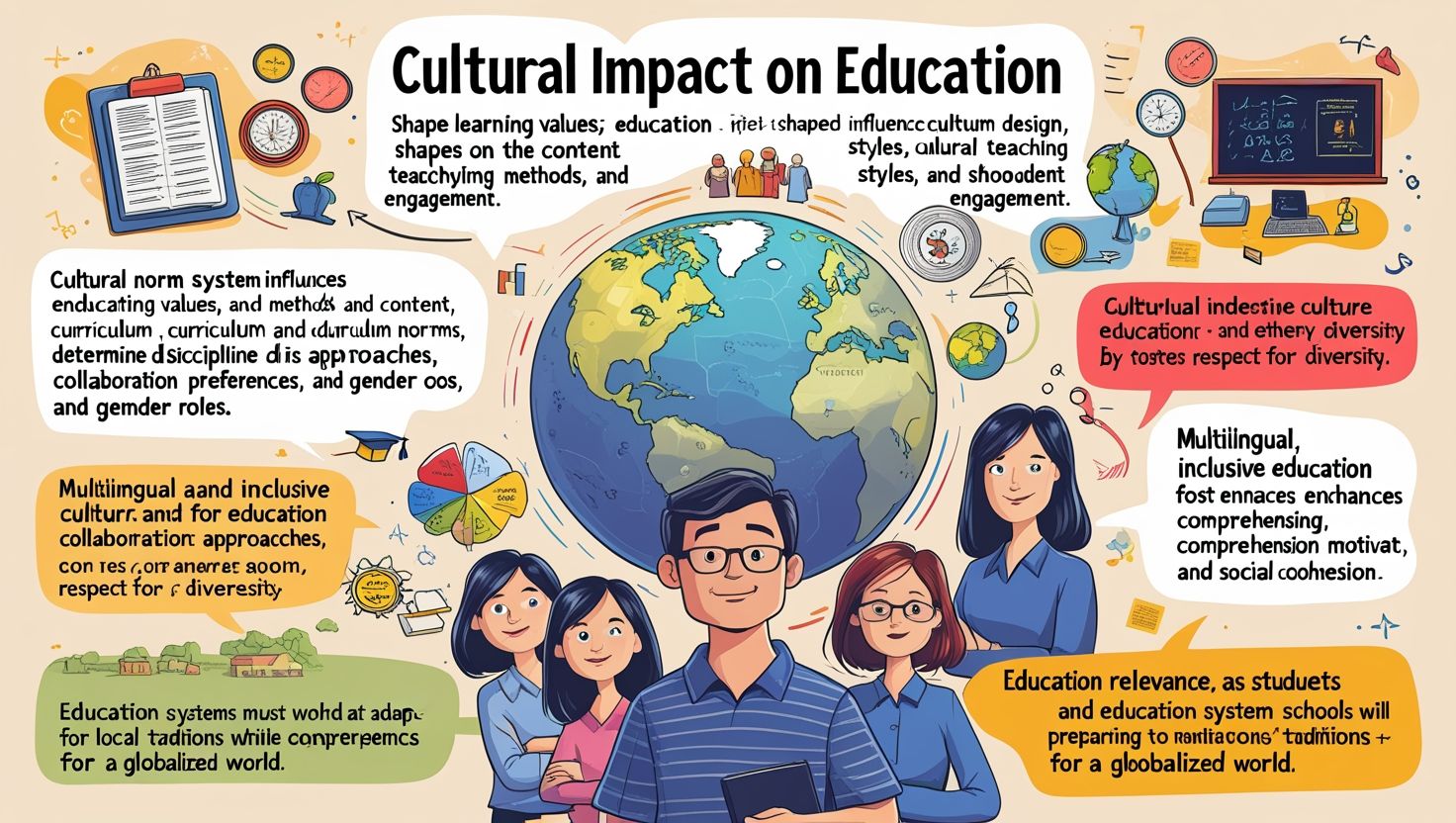
7. Inclusive and Culturally Responsive Pedagogy
7.1 What It Is
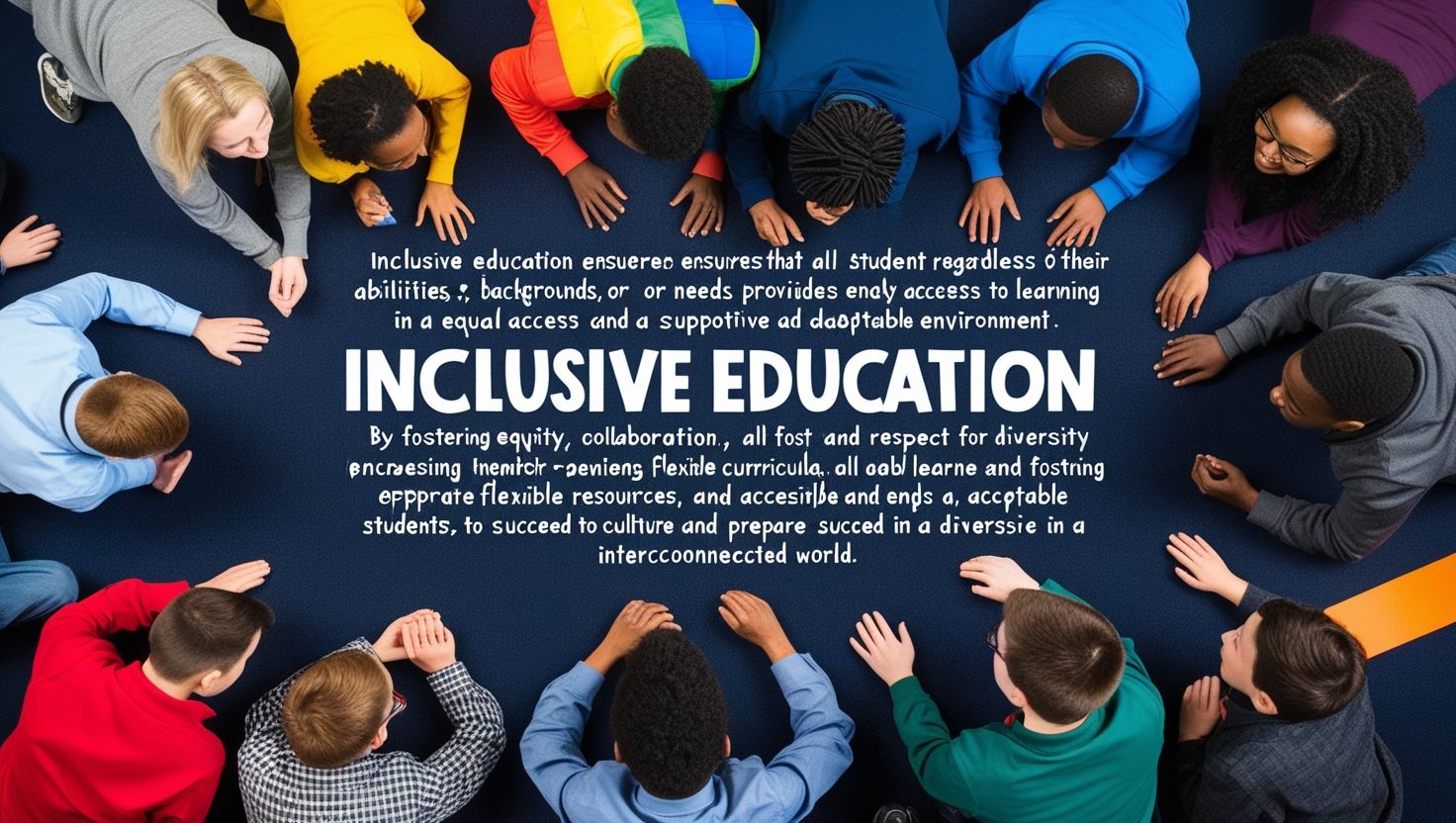
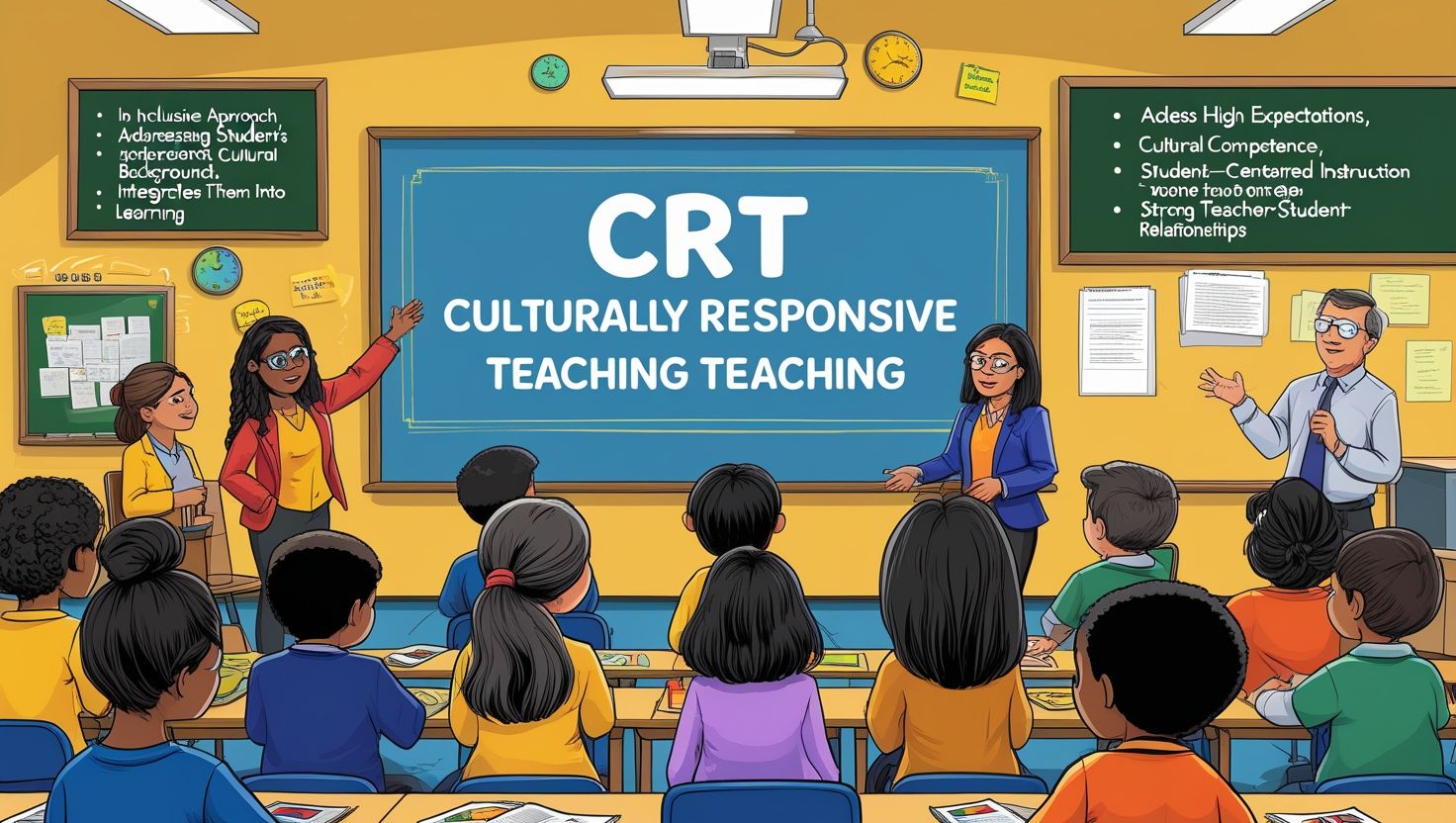
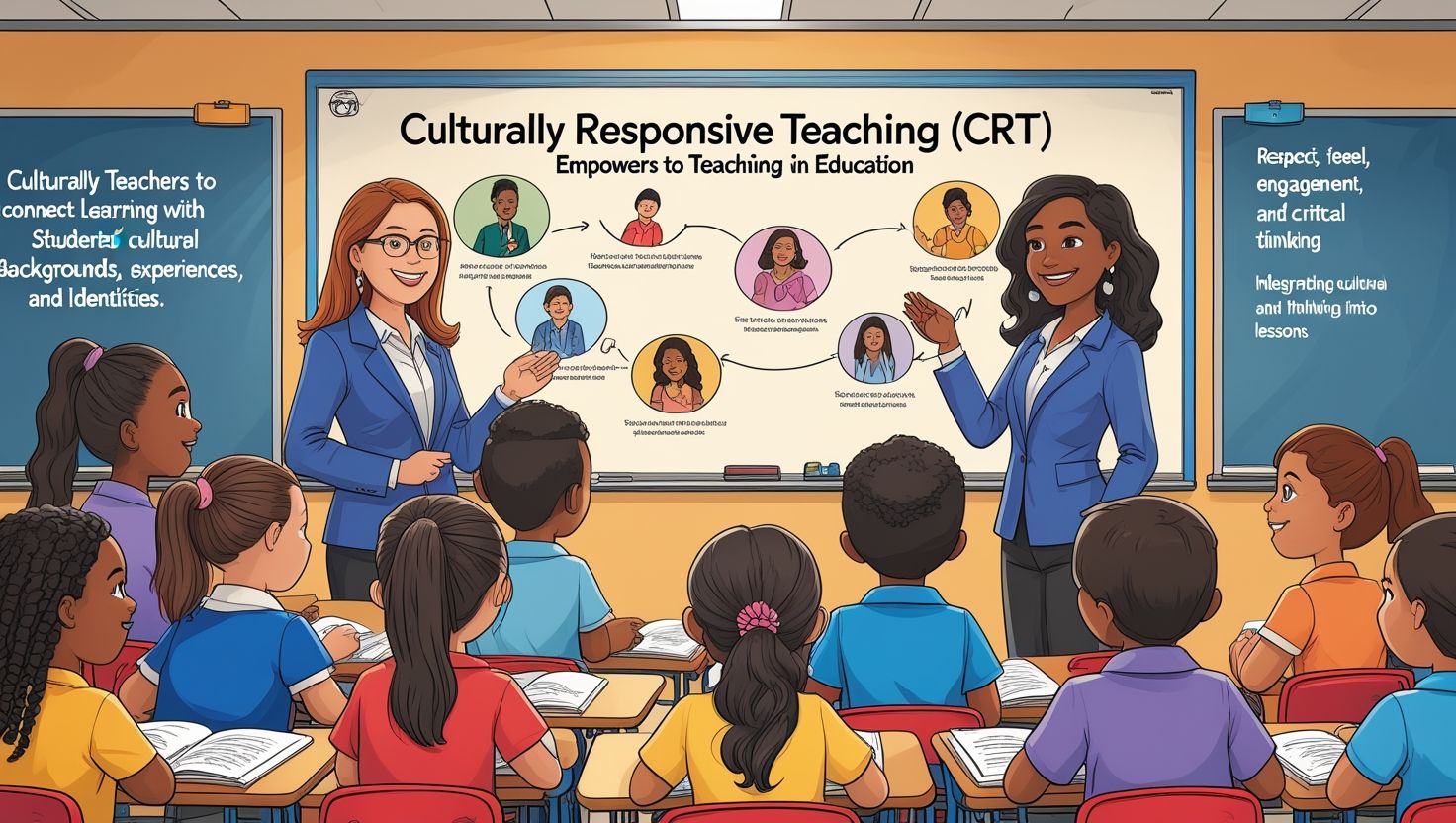
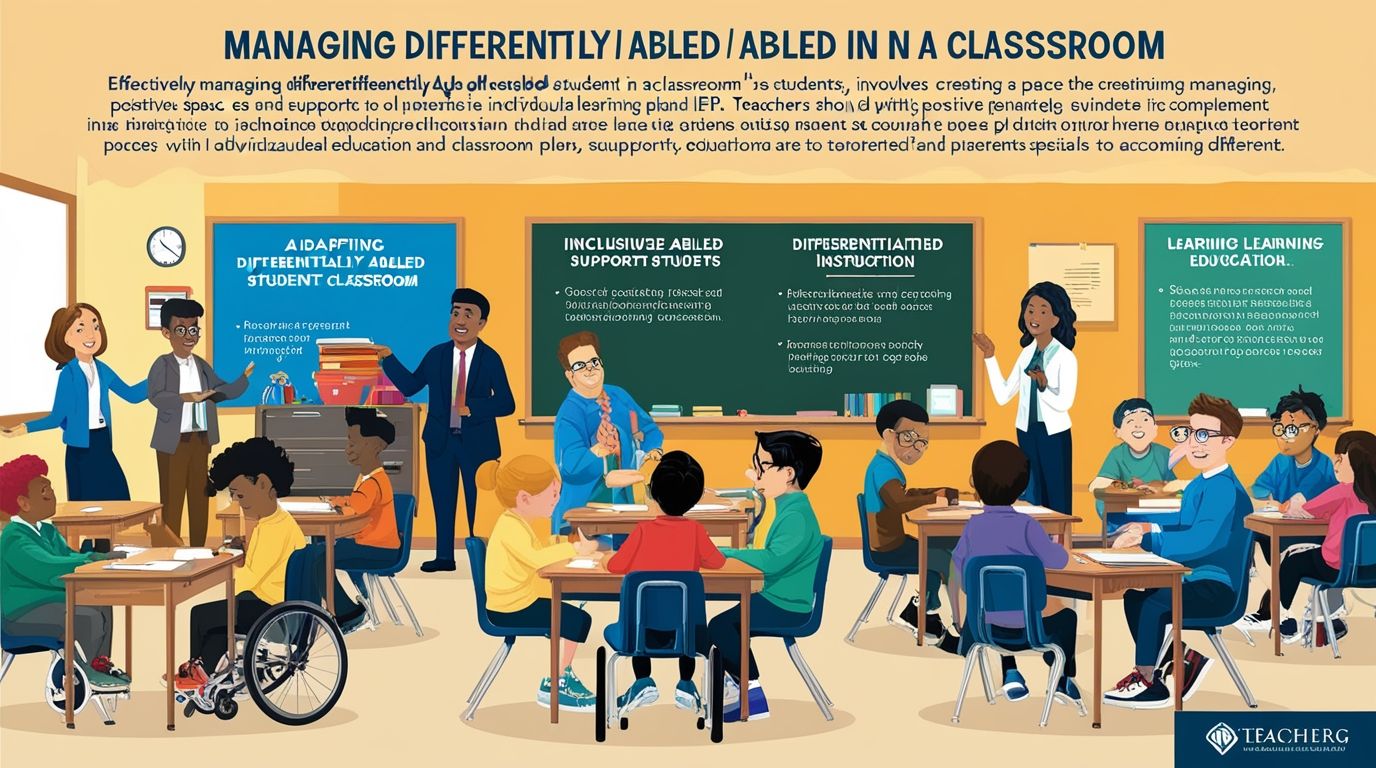
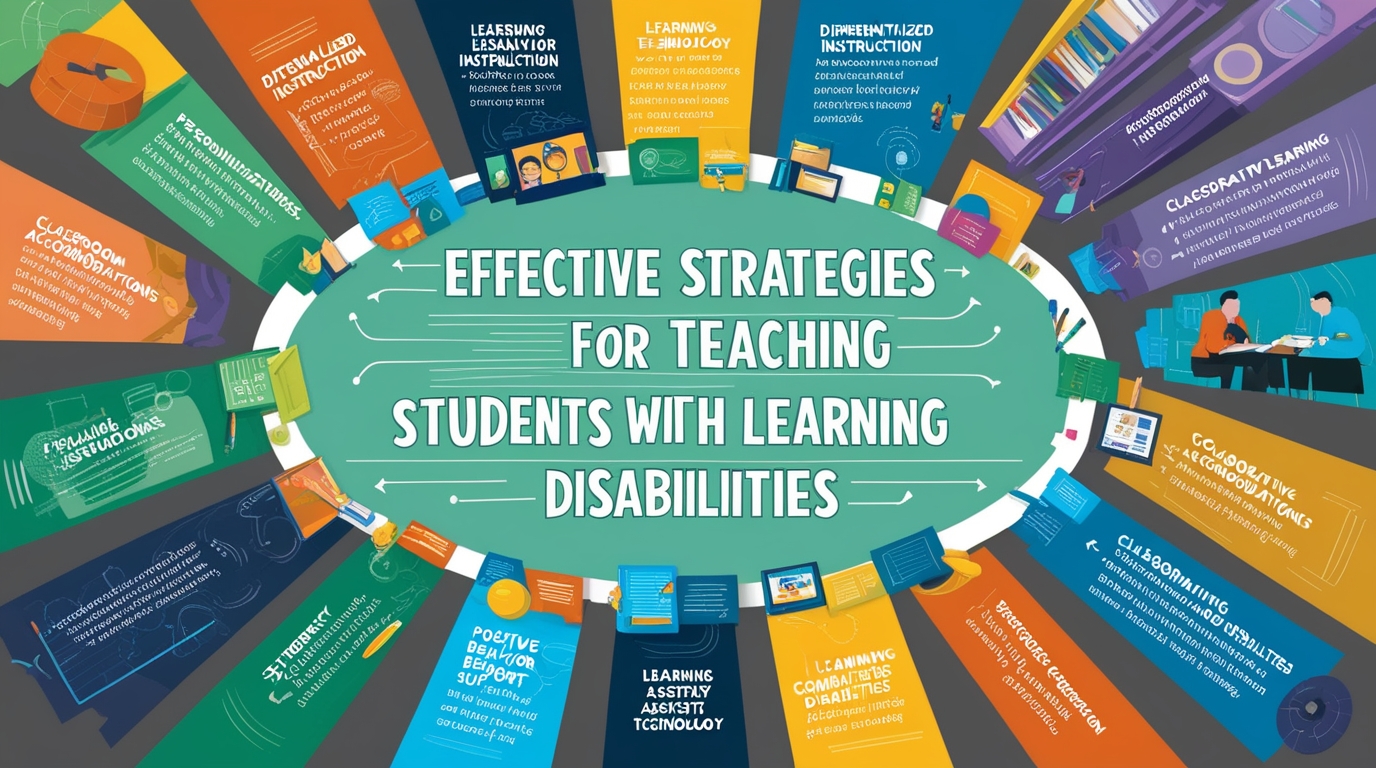
Inclusive teaching ensures all learners — regardless of ability, background, culture, language, or identity — have equitable access to learning. Culturally responsive pedagogy values students’ cultural references and lived experiences.
7.2 Core Practices
- Multilingual resources
- Differentiated instruction
- Anti-bias curriculum
- Accessible materials for learners with disabilities
7.3 Global Examples
- Canada: Indigenous knowledge integrated into the curriculum.
- South Africa: Multilingual education policies.
- New Zealand: Māori cultural frameworks in schools.
7.4 Outcomes
Better student engagement, reduced achievement gaps, and stronger student identity in learning communities.
8. Experiential and Outdoor Learning
8.1 What It Is
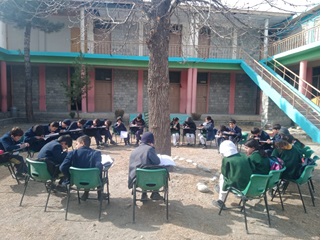
Learning through experience — in nature, community settings, or real environments — fosters deep understanding and connects education to life.
8.2 Approaches
- Field studies
- Environmental projects
- Outdoor leadership and team-based challenges
- Community internships
8.3 International Examples
- Nordic countries: Outdoor education as part of the regular curriculum.
- Bhutan: Happiness and well-being programs connected to nature.
- U.S./Canada: Expeditionary learning schools.
9. AI-Augmented Teaching and Learning
9.1 Context
Artificial Intelligence (AI) has moved from experimental to mainstream. AI tools assist teachers and personalize student support like never before.
9.2 How AI Is Used
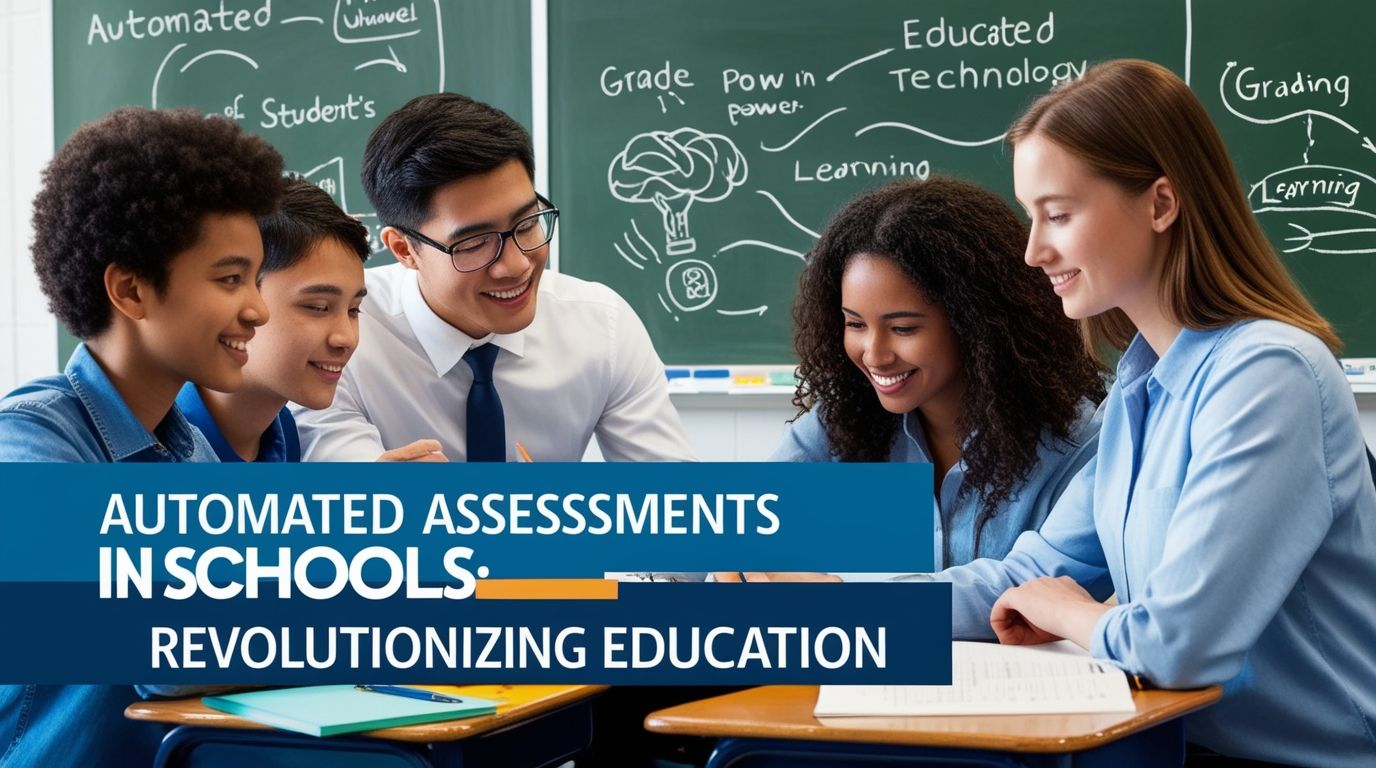
- Automated feedback: On writing, math problem solving, and programming
- Intelligent Tutoring Systems: Adaptive practice based on performance
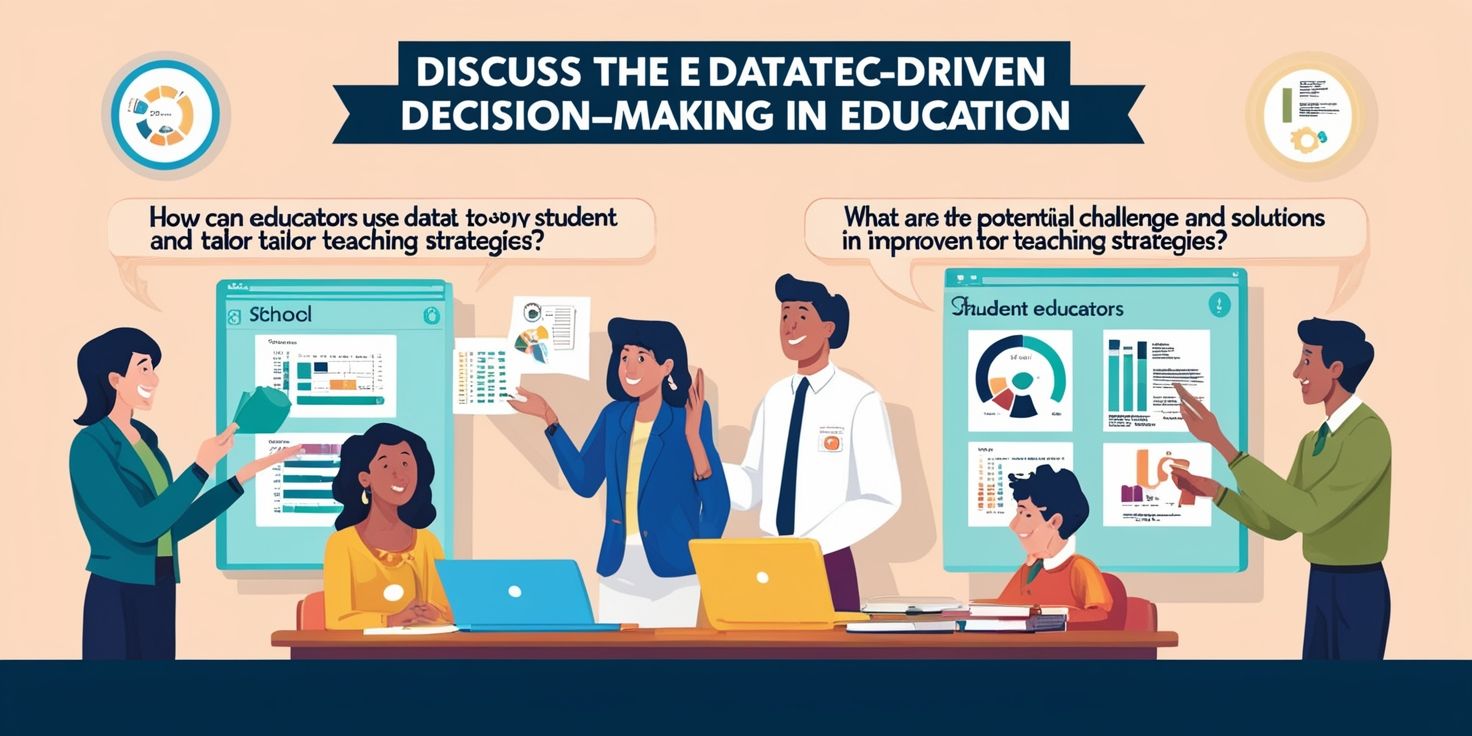
- Lesson planning and analytics: Saves teacher time and provides instructional insights
- Language learning bots
9.3 Ethical and Practical Considerations
- Privacy and data protection
- Avoiding algorithmic bias
- Balancing tech with human judgment
9.4 Global Adoption
AI integration varies:
- High-resource regions: Rich adaptive ecosystems
- Middle/low-resource: Simplified AI via mobile platforms and SMS
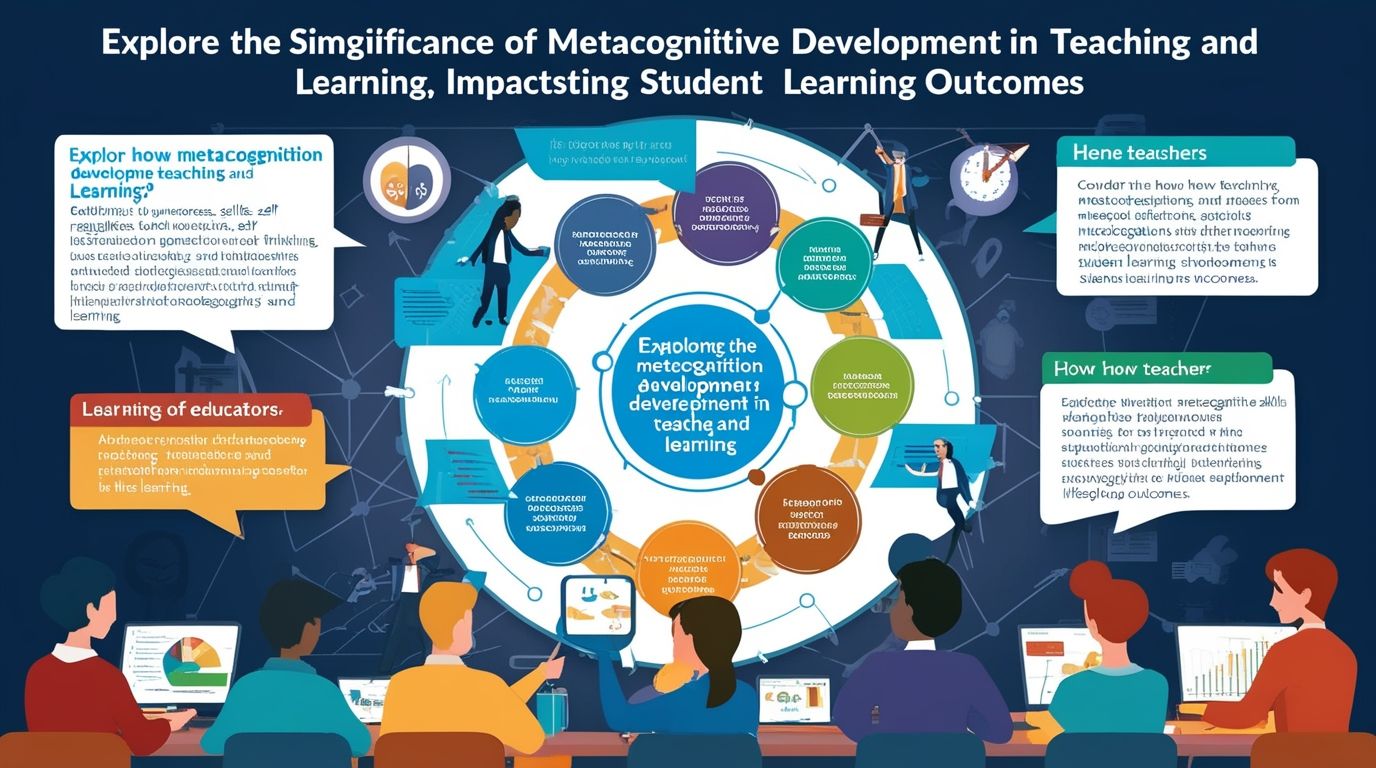
10. Teacher Professional Growth and Collaborative Cultures
10.1 What It Is
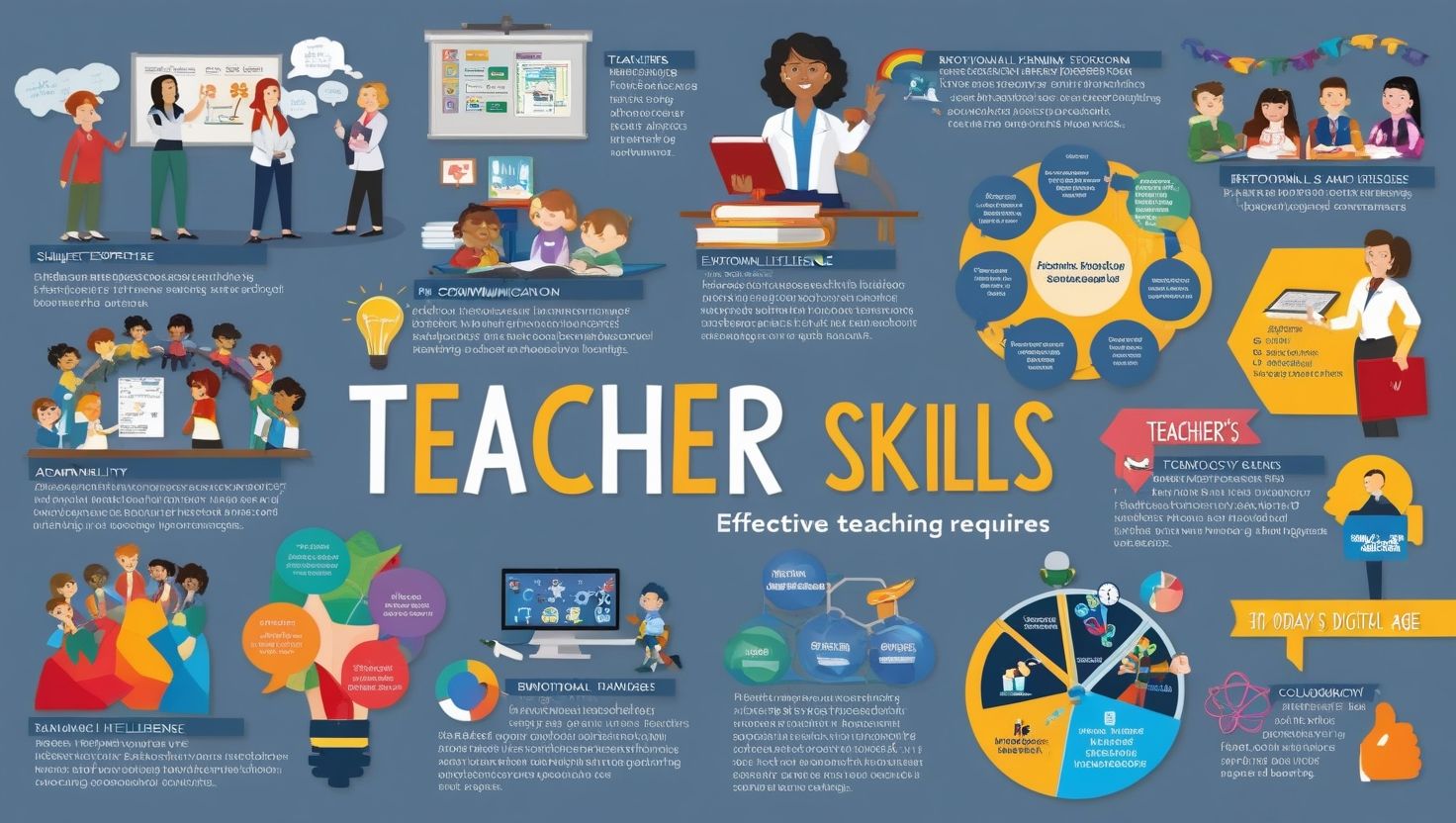
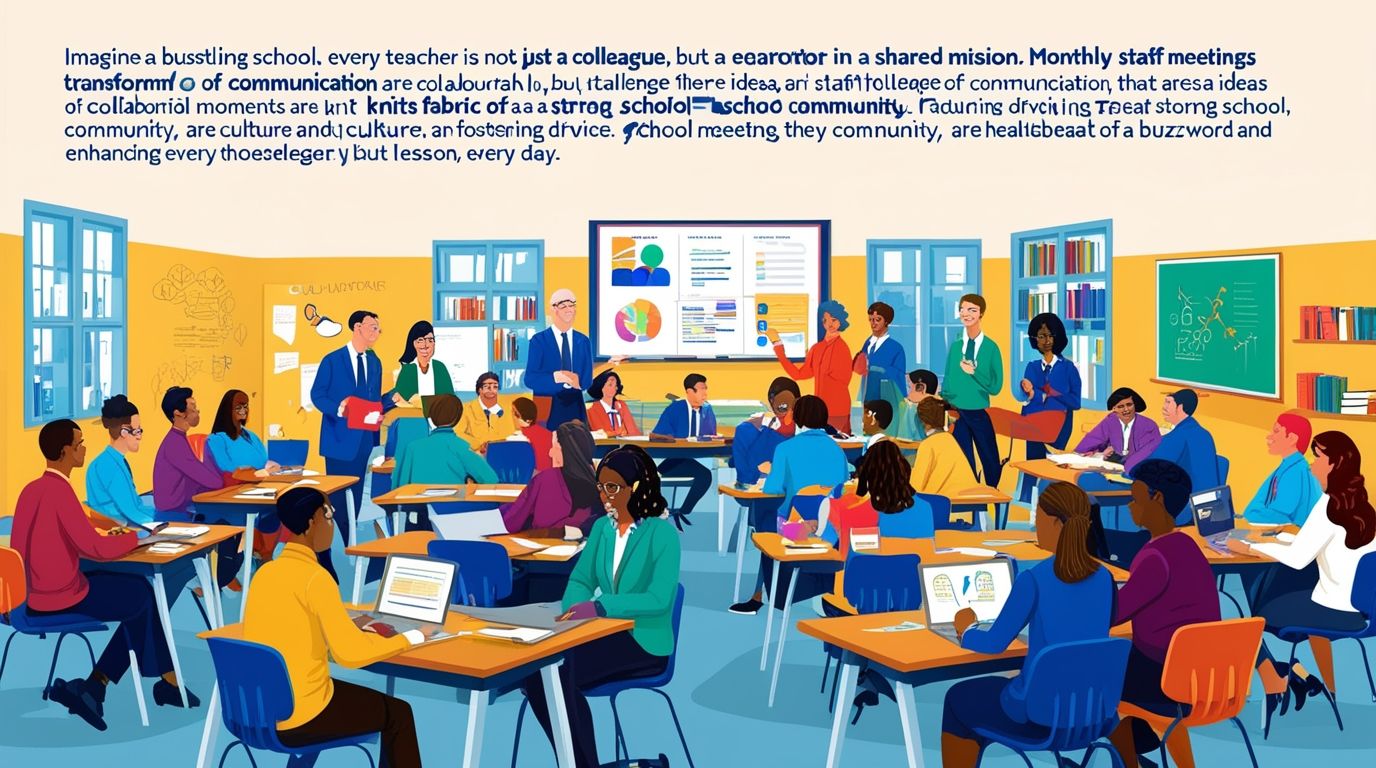
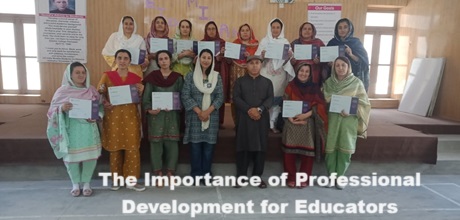
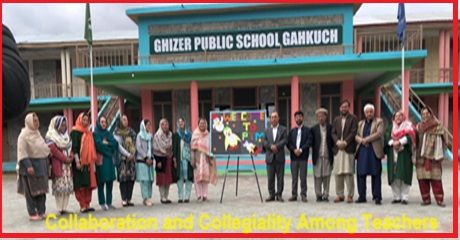
Modern teaching emphasizes continuous professional development (CPD) and collaborative learning communities among educators.
10.2 Key Structures
- Professional Learning Communities (PLCs)
- Instructional coaching and mentoring
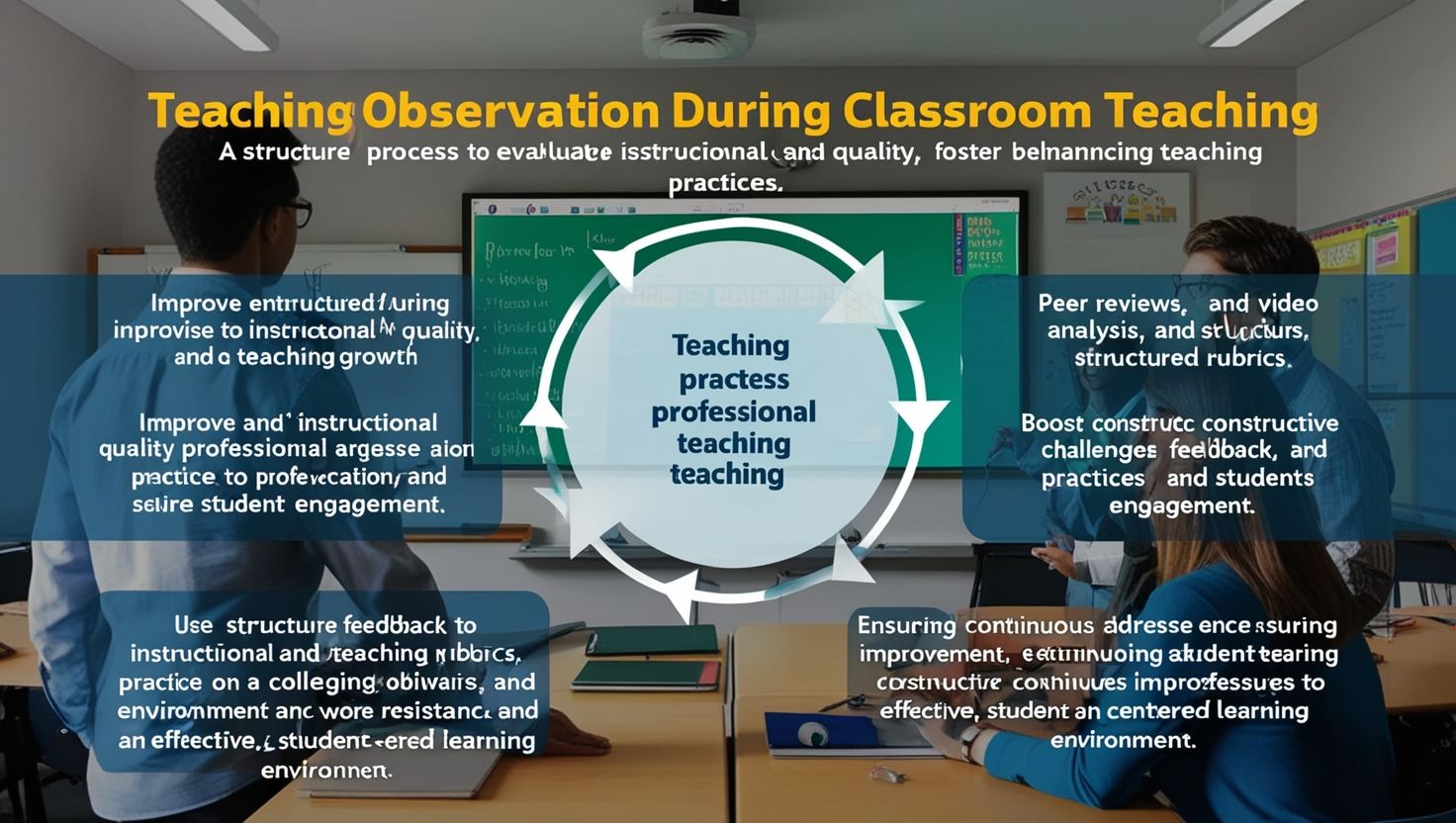
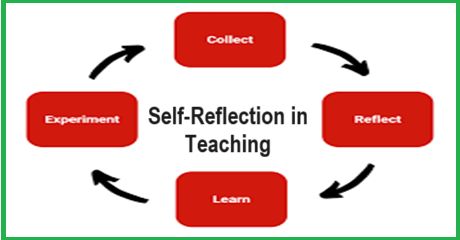
- Peer observations and reflective practice
- Micro-credentialing and digital badges
10.3 Why It Matters
Strong teacher development correlates with improved student outcomes. Collaboration reduces isolation and increases shared best practices.
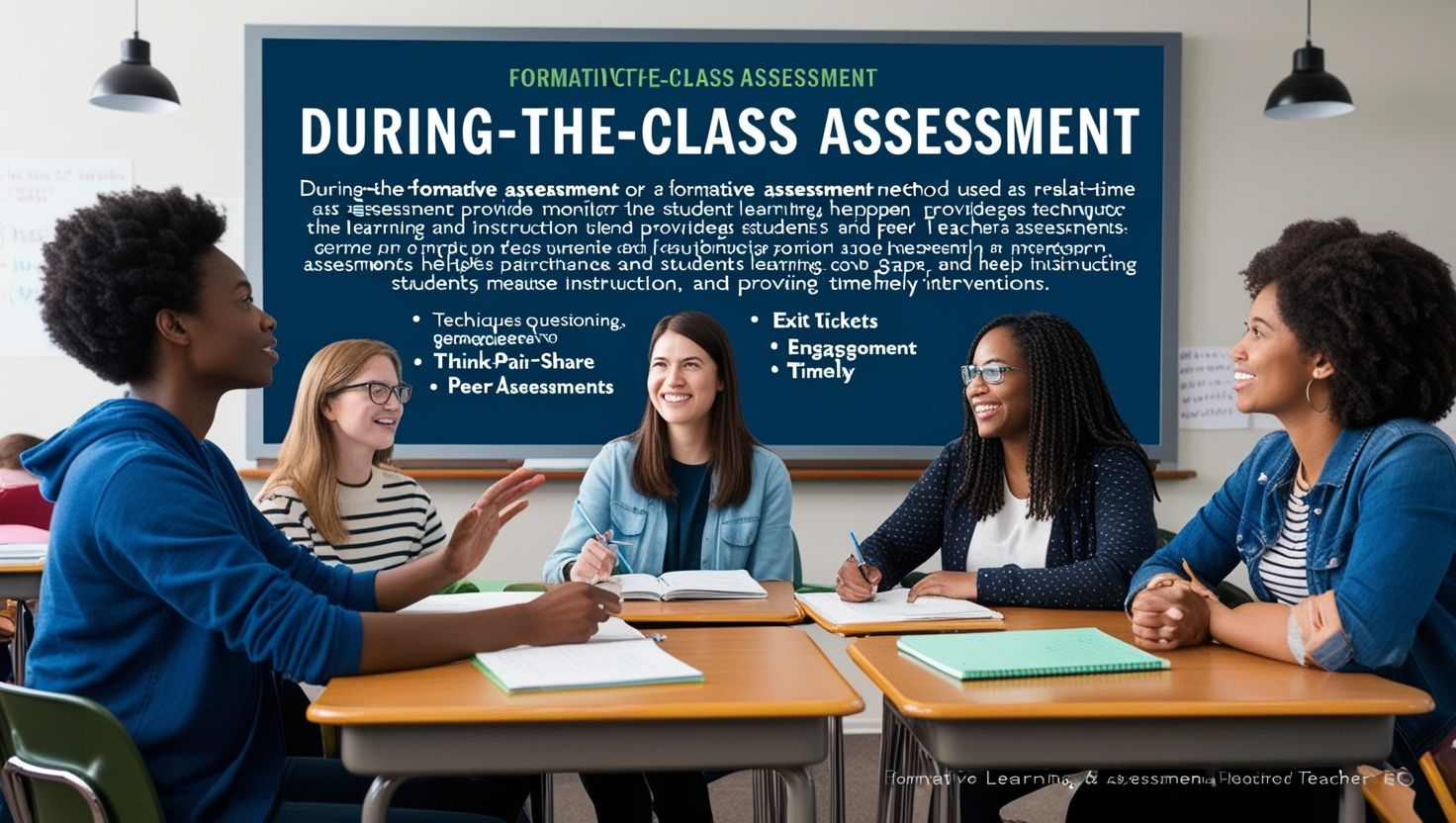
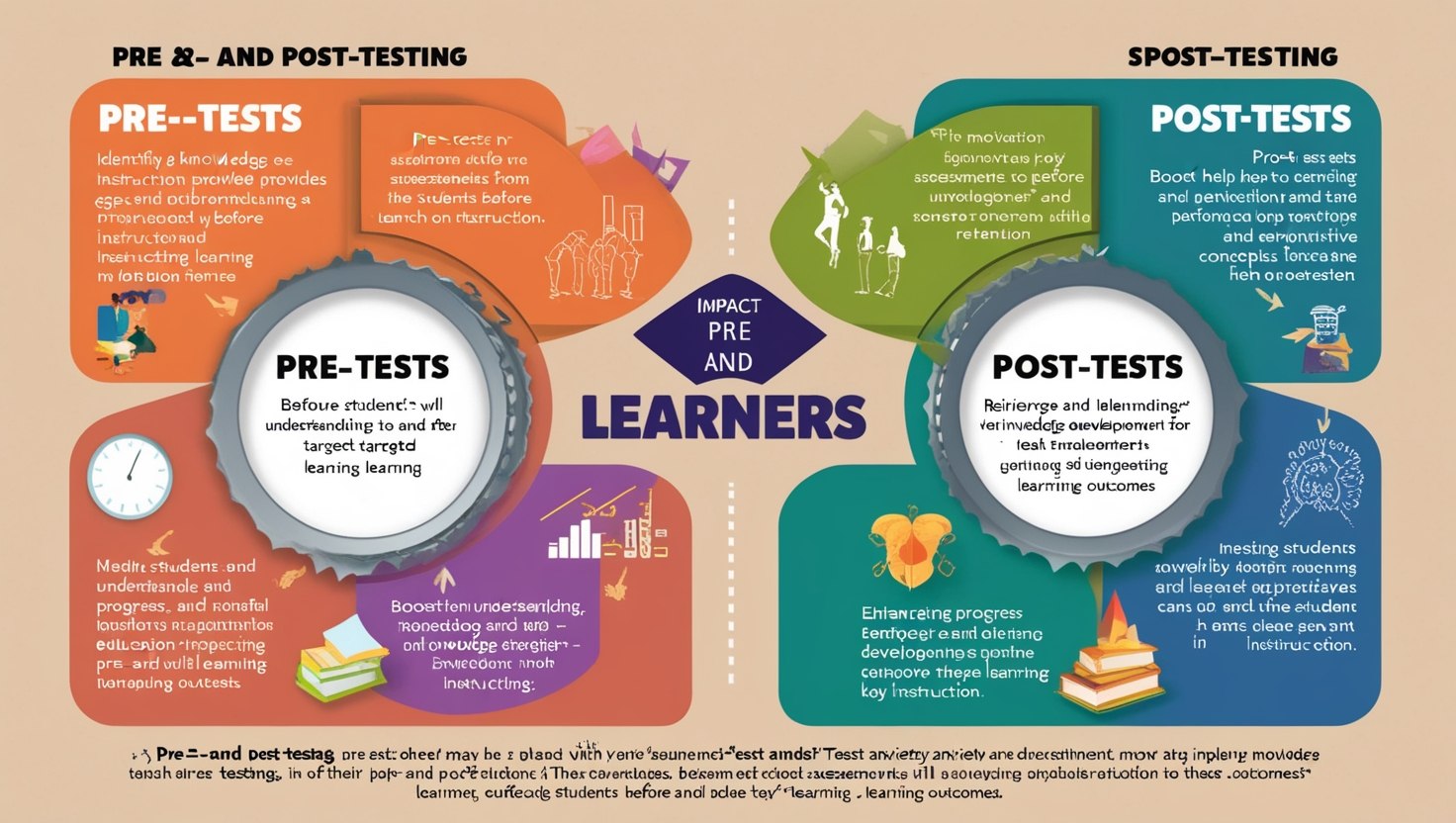
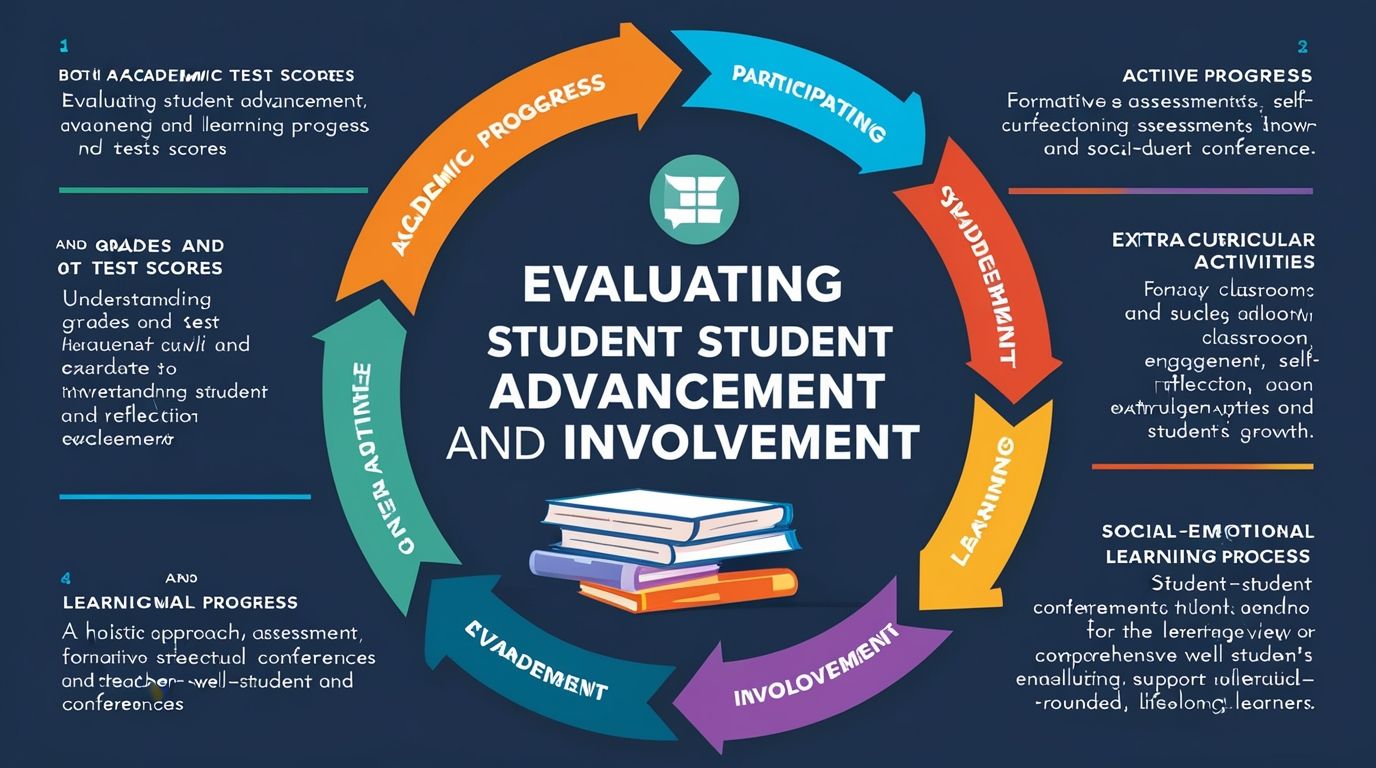
11. Assessment for Learning (Formative and Performance-Based)
11.1 Shift from Testing to Learning
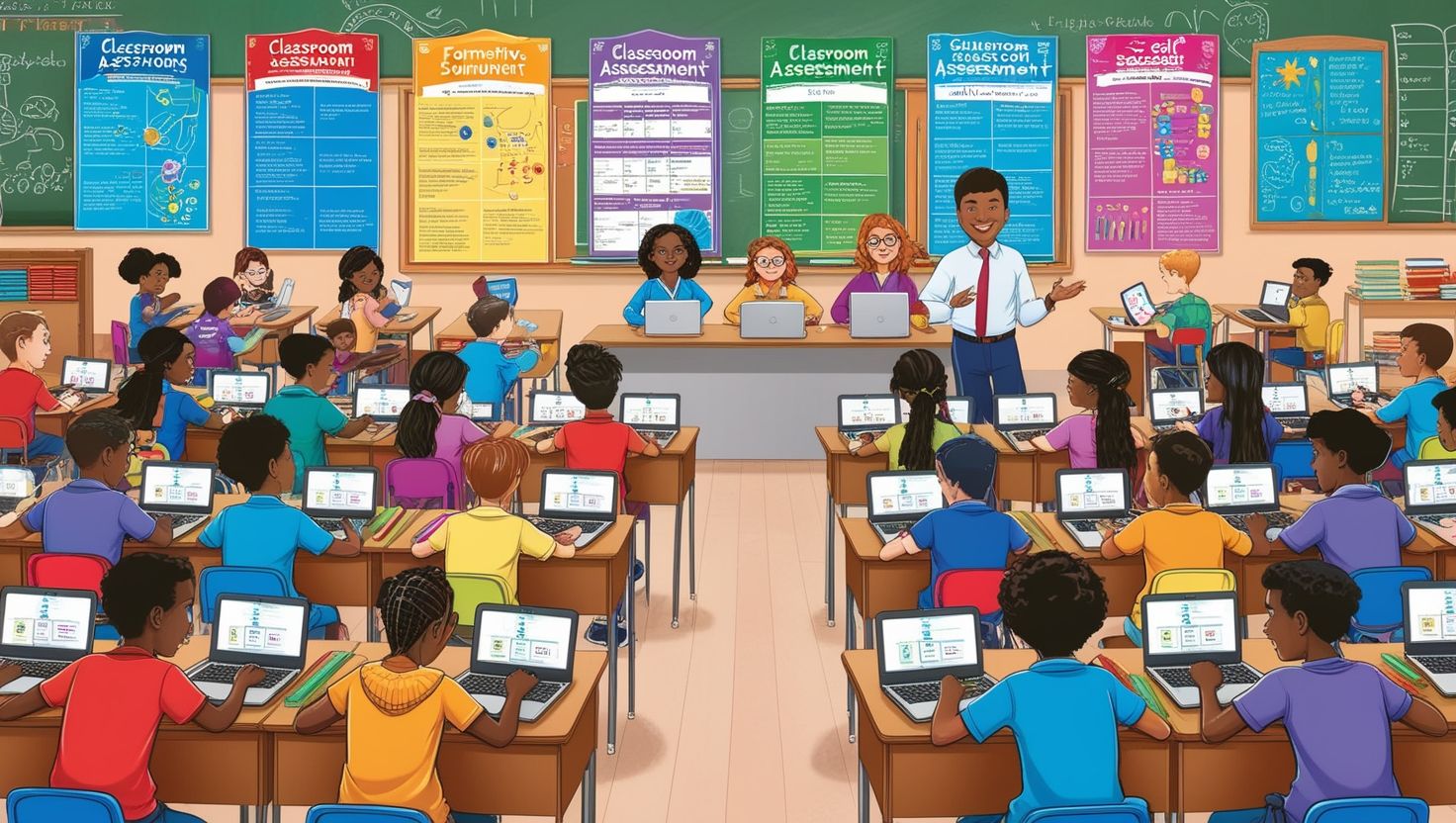
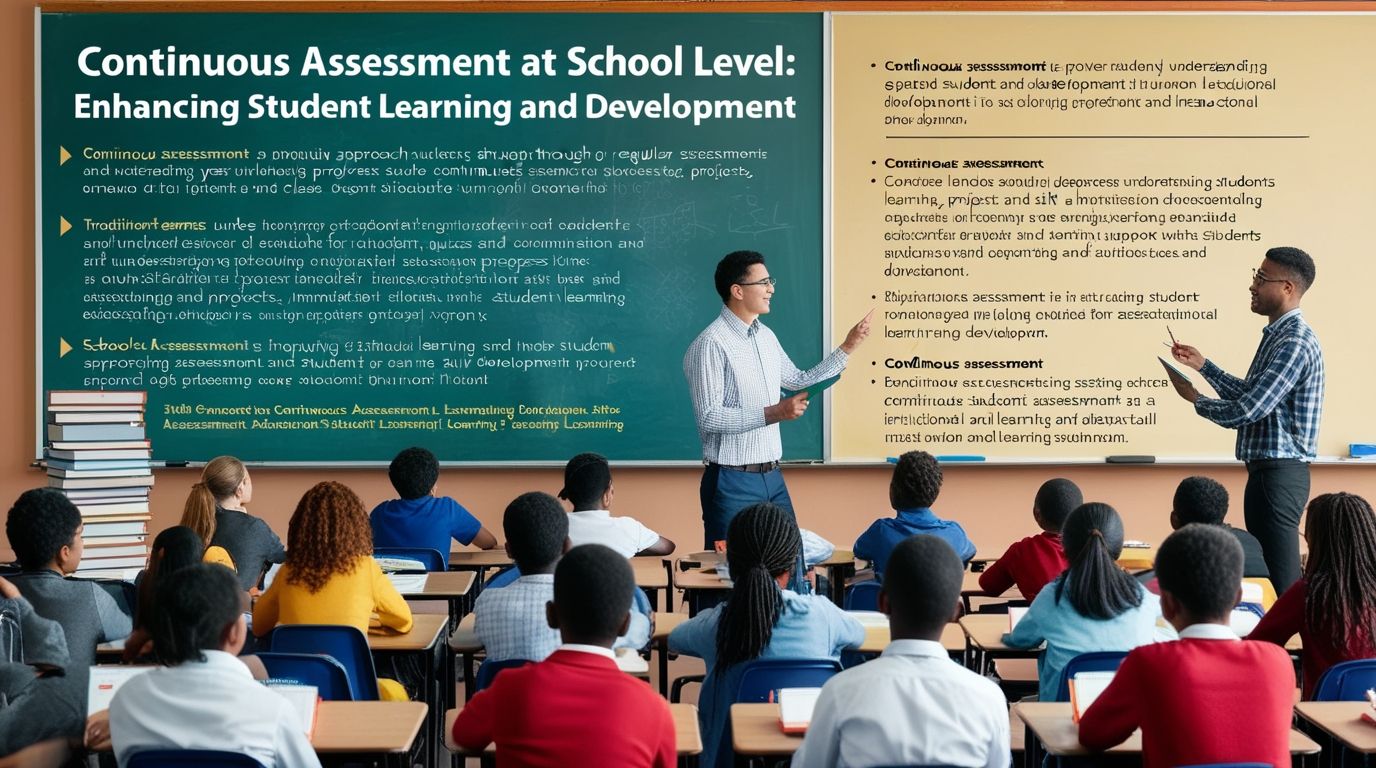
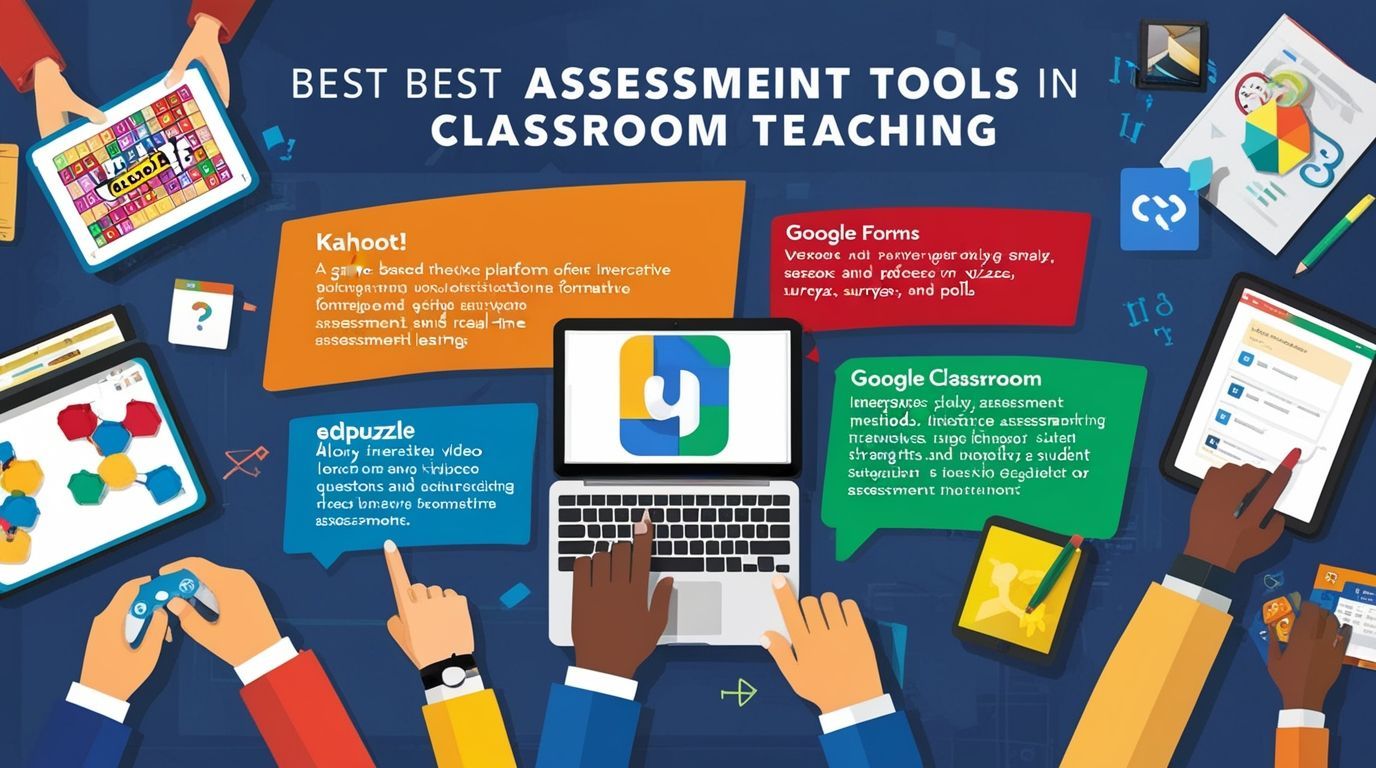
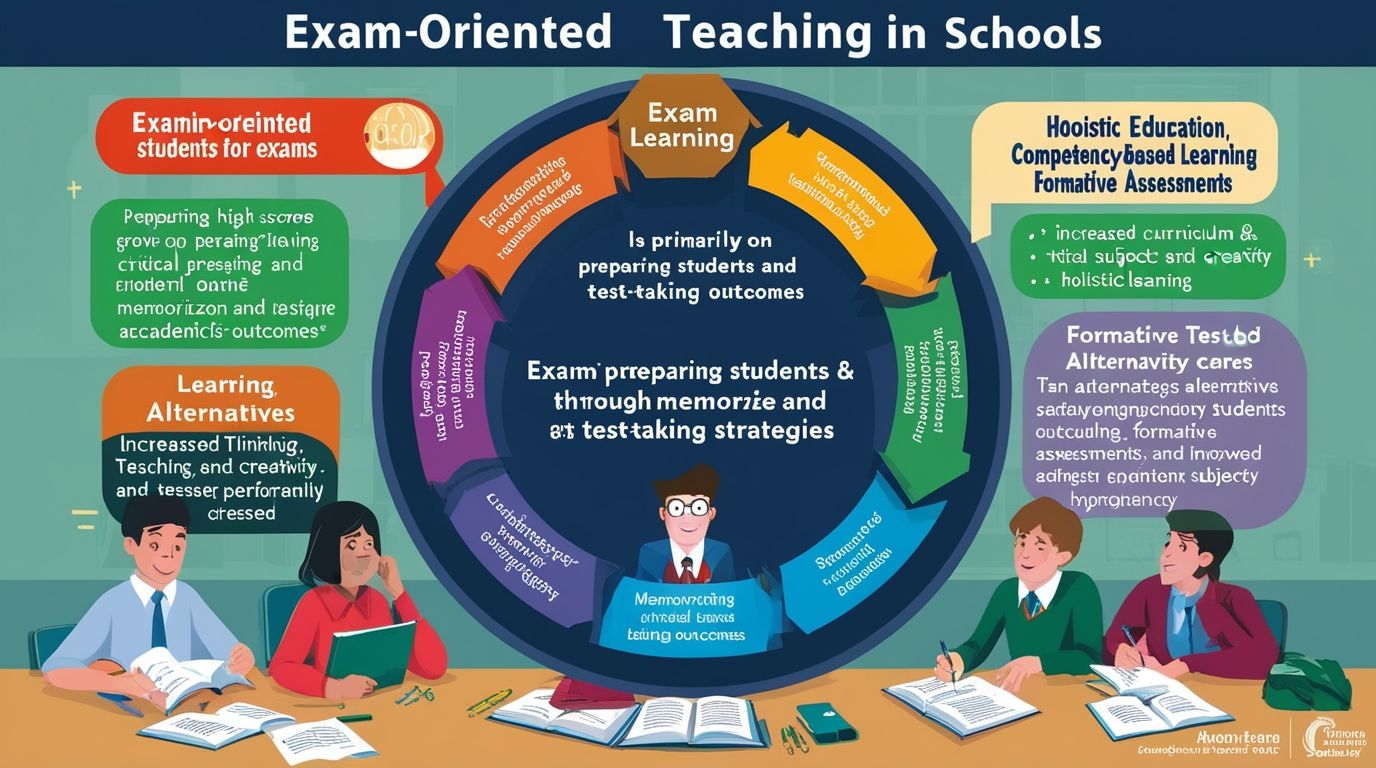
Assessment is no longer just summative exams — it’s an ongoing process that informs instruction and supports growth.
11.2 Key Trends
- Formative assessments with real-time feedback
- Portfolios and student self-assessment
- Performance tasks simulating real contexts
11.3 Global Movement
- OECD’s focus on learning metrics beyond standardized testing
- Asia Pacific emphasis on formative assessment cultures
- Africa incorporating competency checklists and school-based assessments
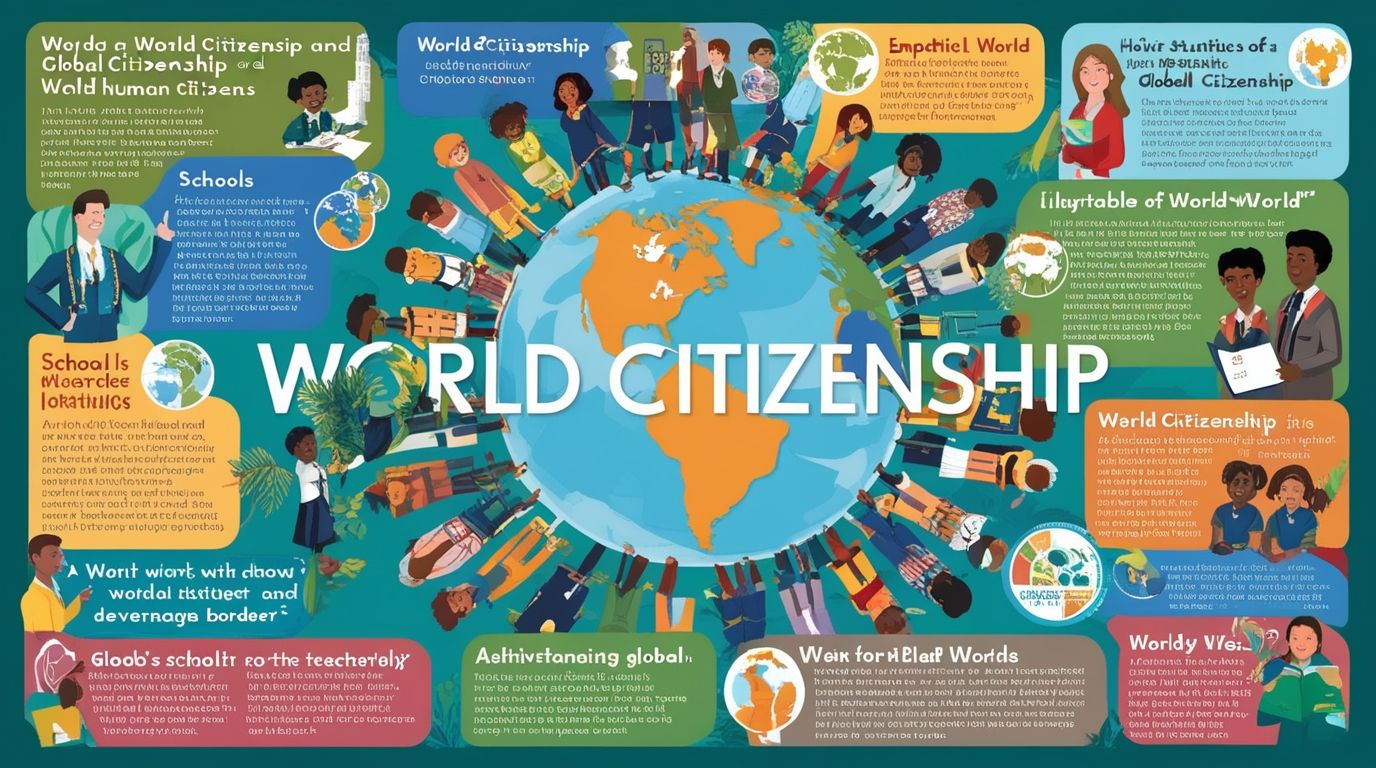
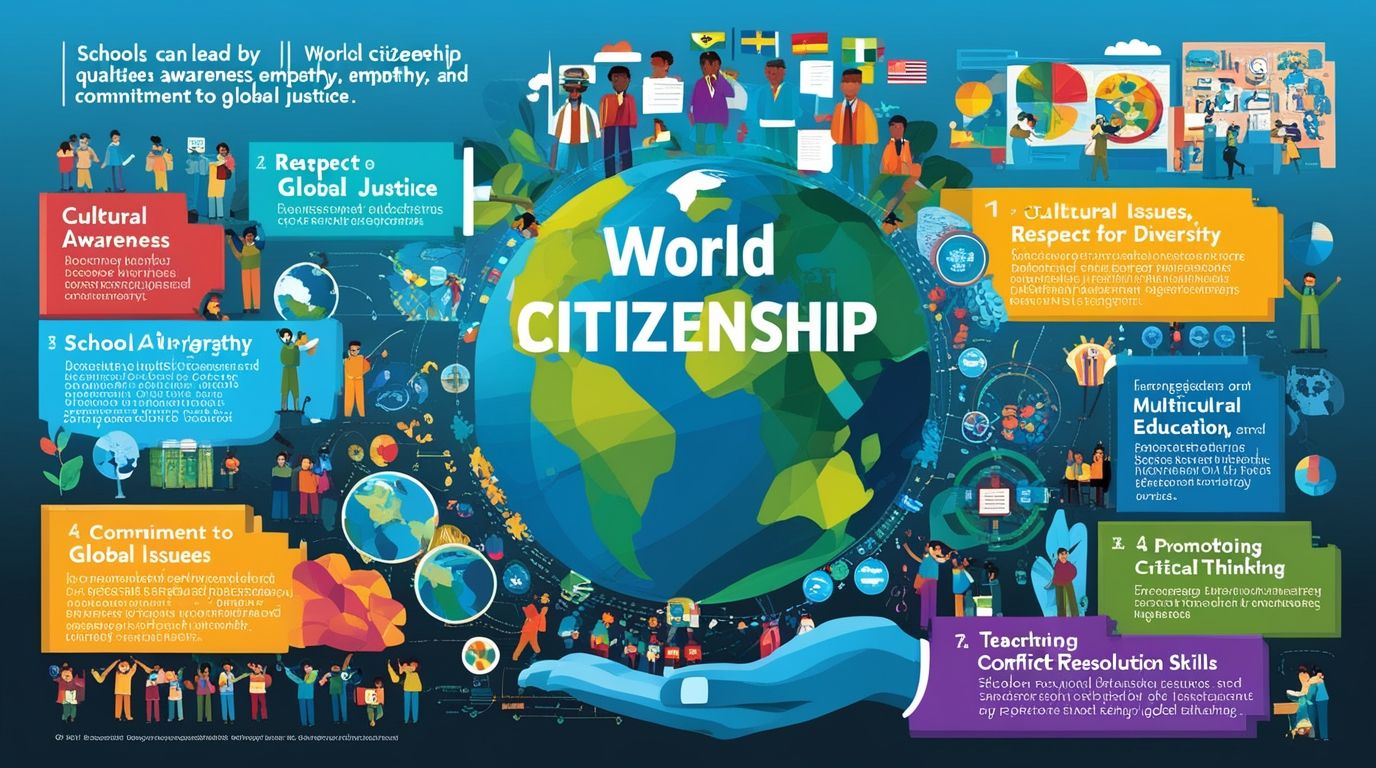
12. Global Citizenship and Sustainability Education
12.1 What It Is
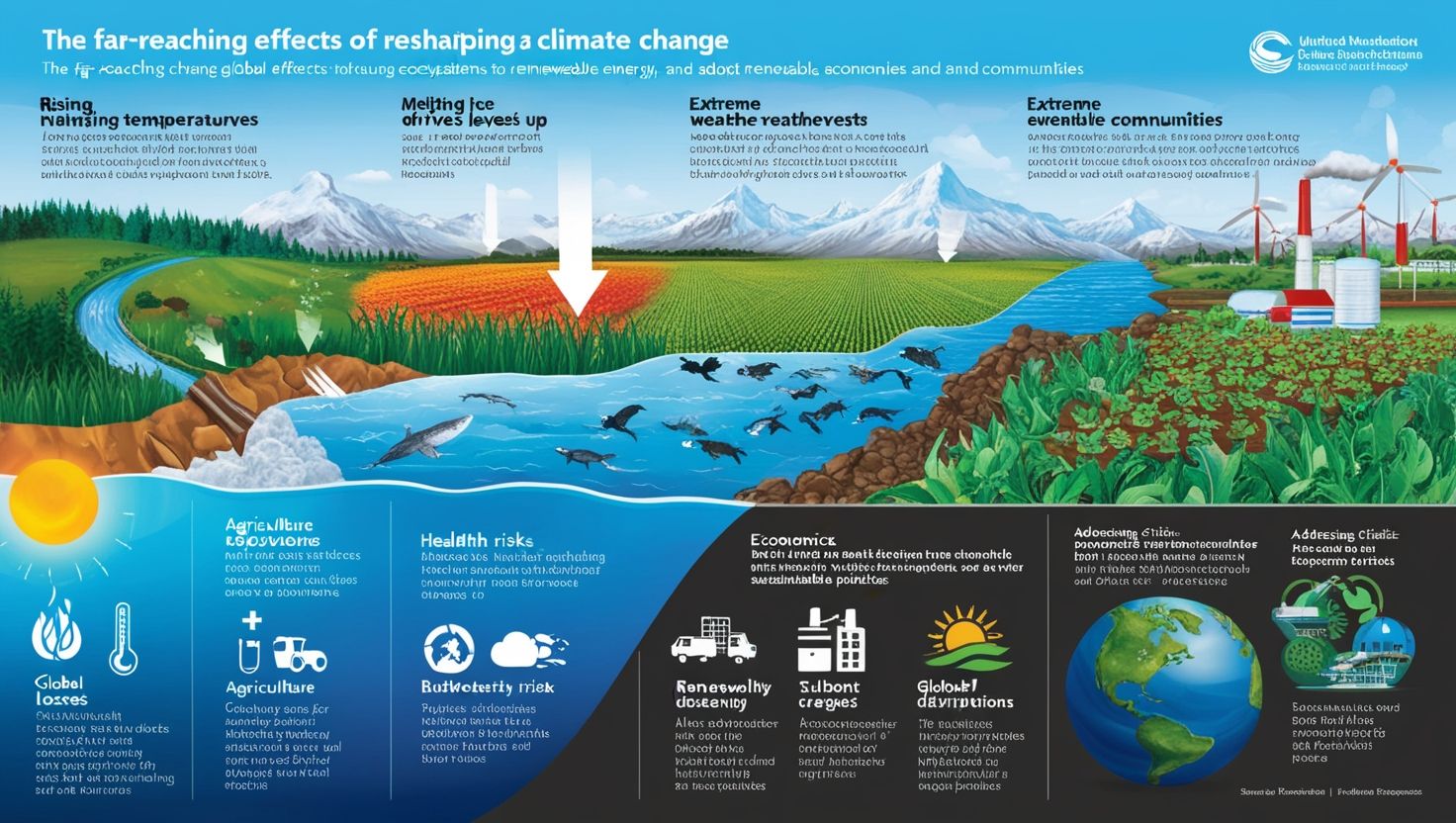
Education that prepares learners to understand global issues — social justice, climate change, human rights — and act responsibly.
12.2 Core Elements
- Systems thinking
- Intercultural competence
- Sustainability practices
- Ethics and civic engagement
12.3 Global Programs
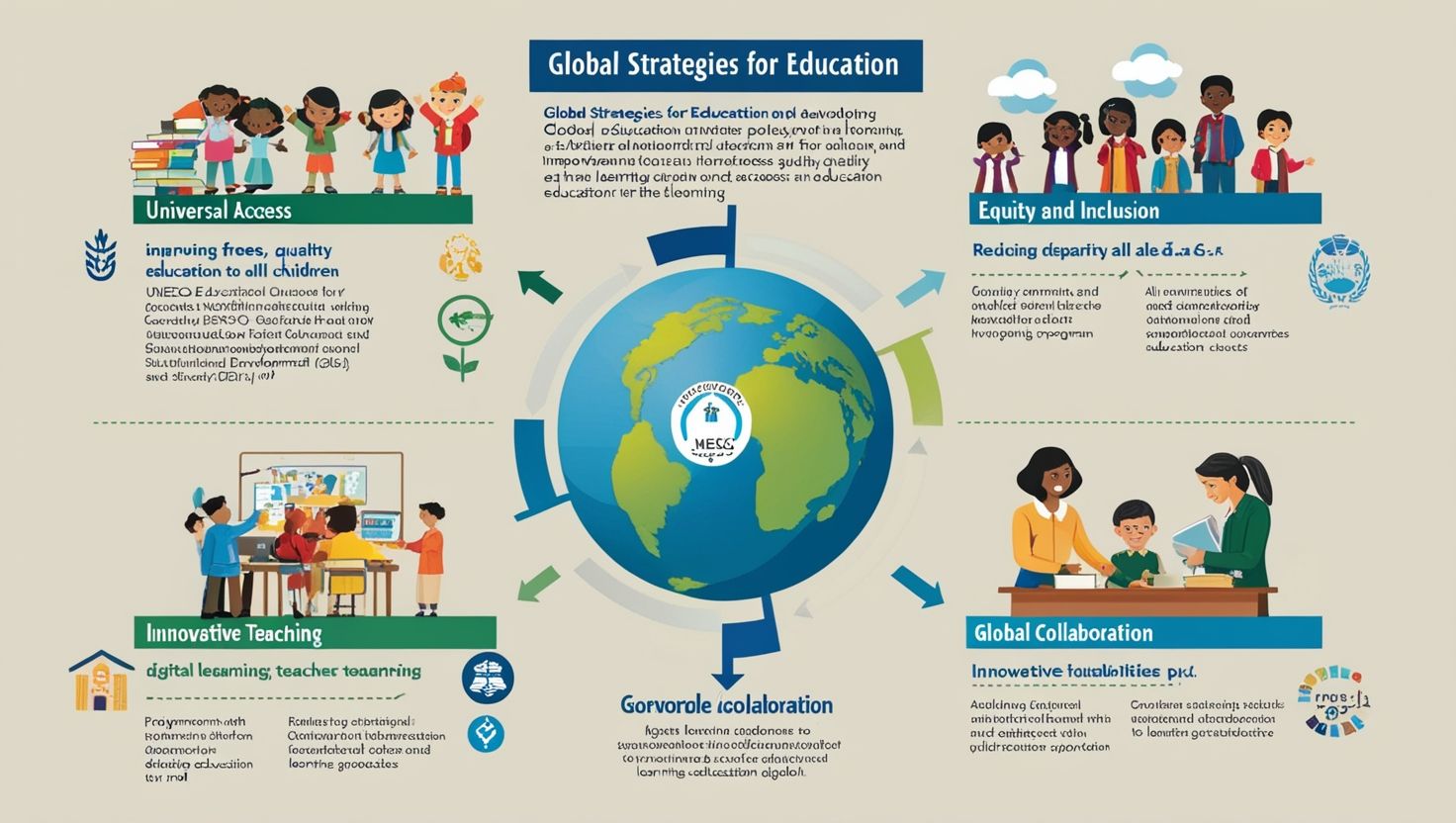
- UNESCO’s Global Citizenship Education
- Climate action school networks
- Cross-border collaborative projects
Conclusion
Synthesis
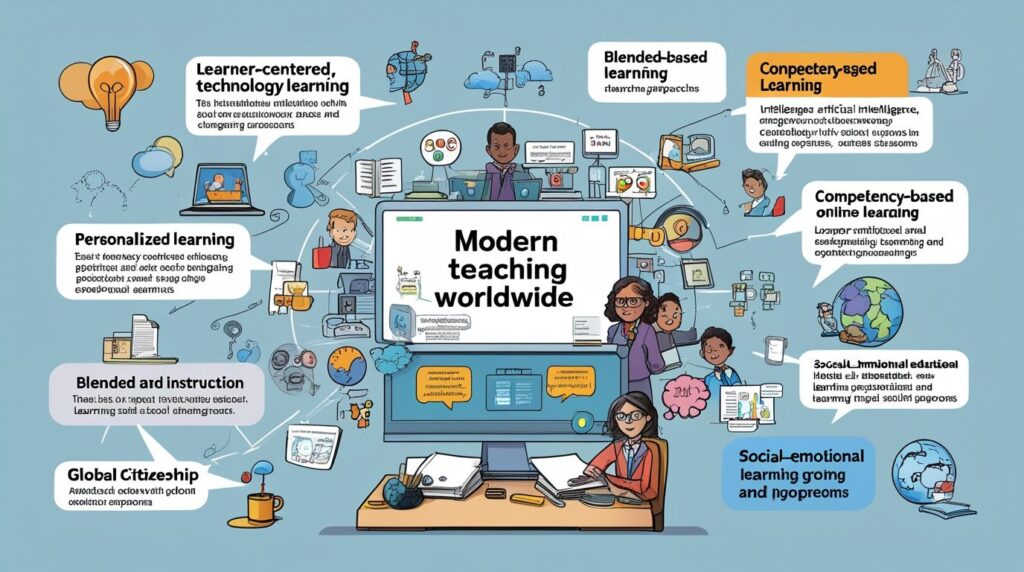
The latest approaches to teaching reflect a global commitment to equity, relevance, adaptability, and learner empowerment. These trends are not isolated; they are interconnected. Digital tools enhance personalized pathways. Project-based instruction deepens inquiry. SEL complements academic rigor. Inclusive pedagogy ensures all voices are honored.
Future Directions
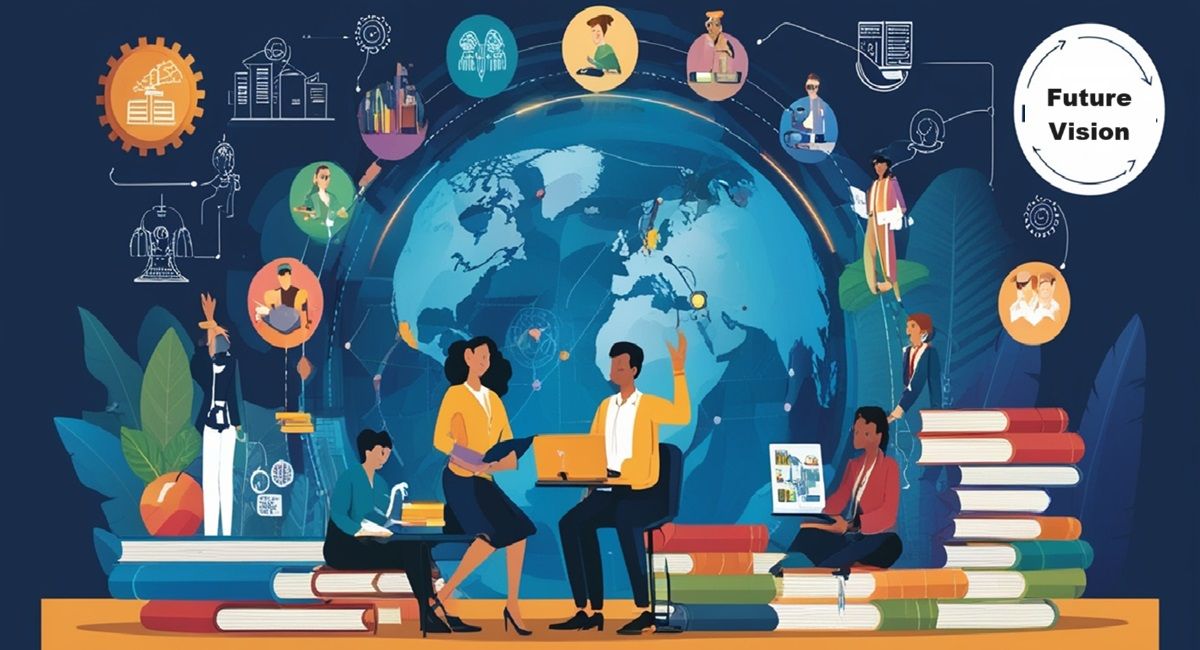
Looking forward, schools will continue to:
- Blend human and artificial intelligence for learning
- Build flexible, competency-based credentials
- Strengthen global partnerships
- Expand culturally sustaining practices
- Center purpose and meaning in education