Dialogue – Part 1
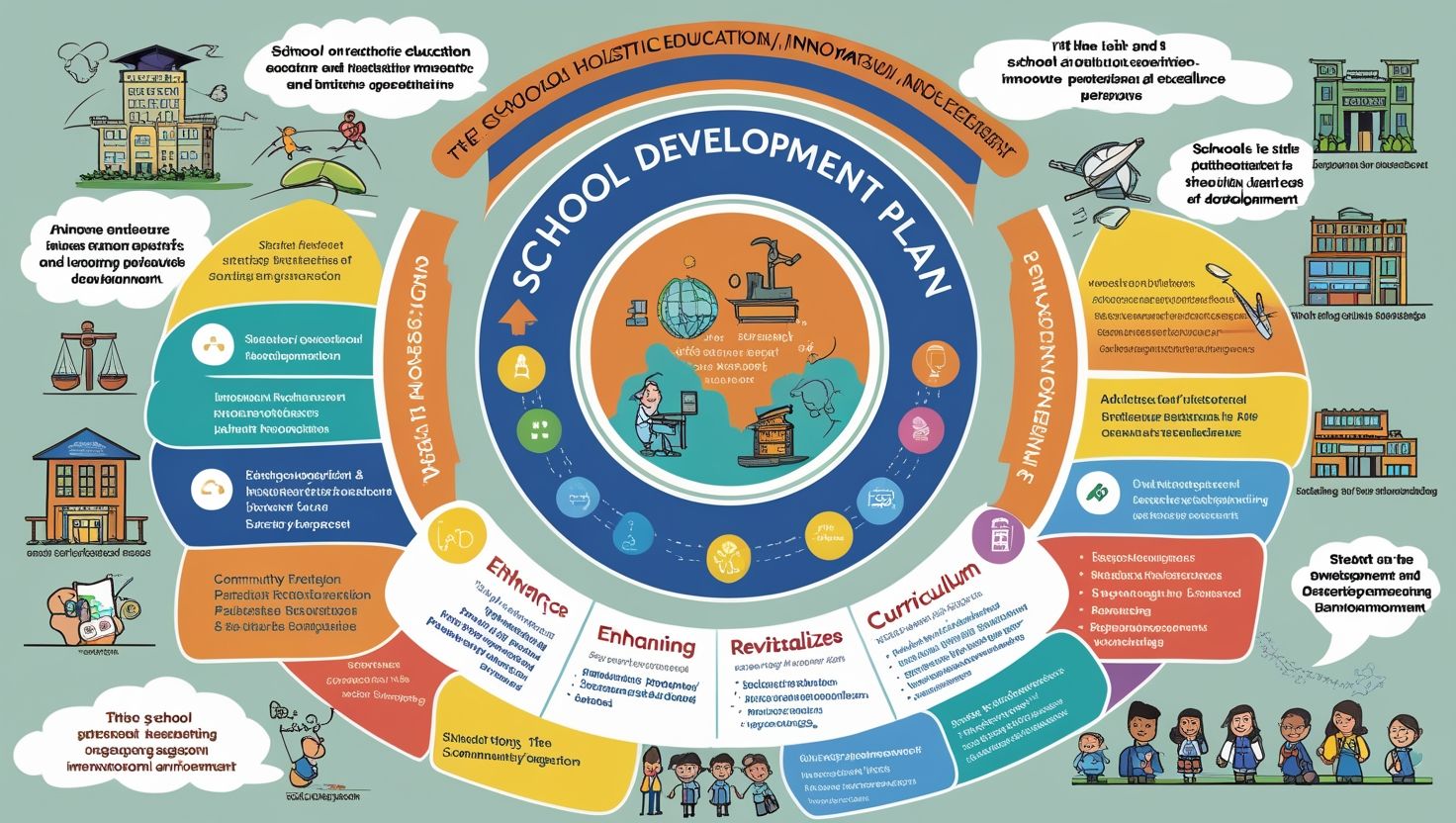
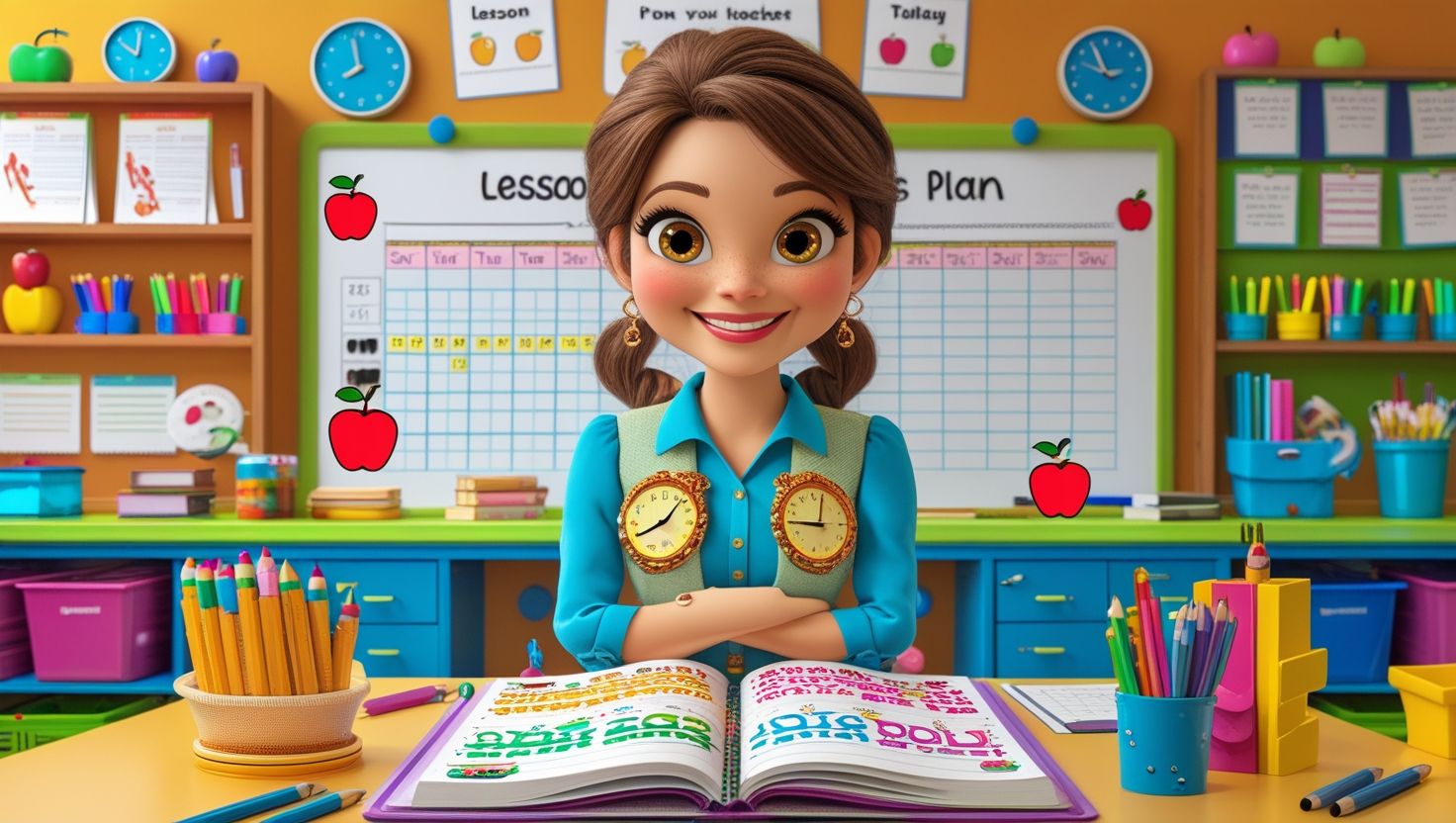
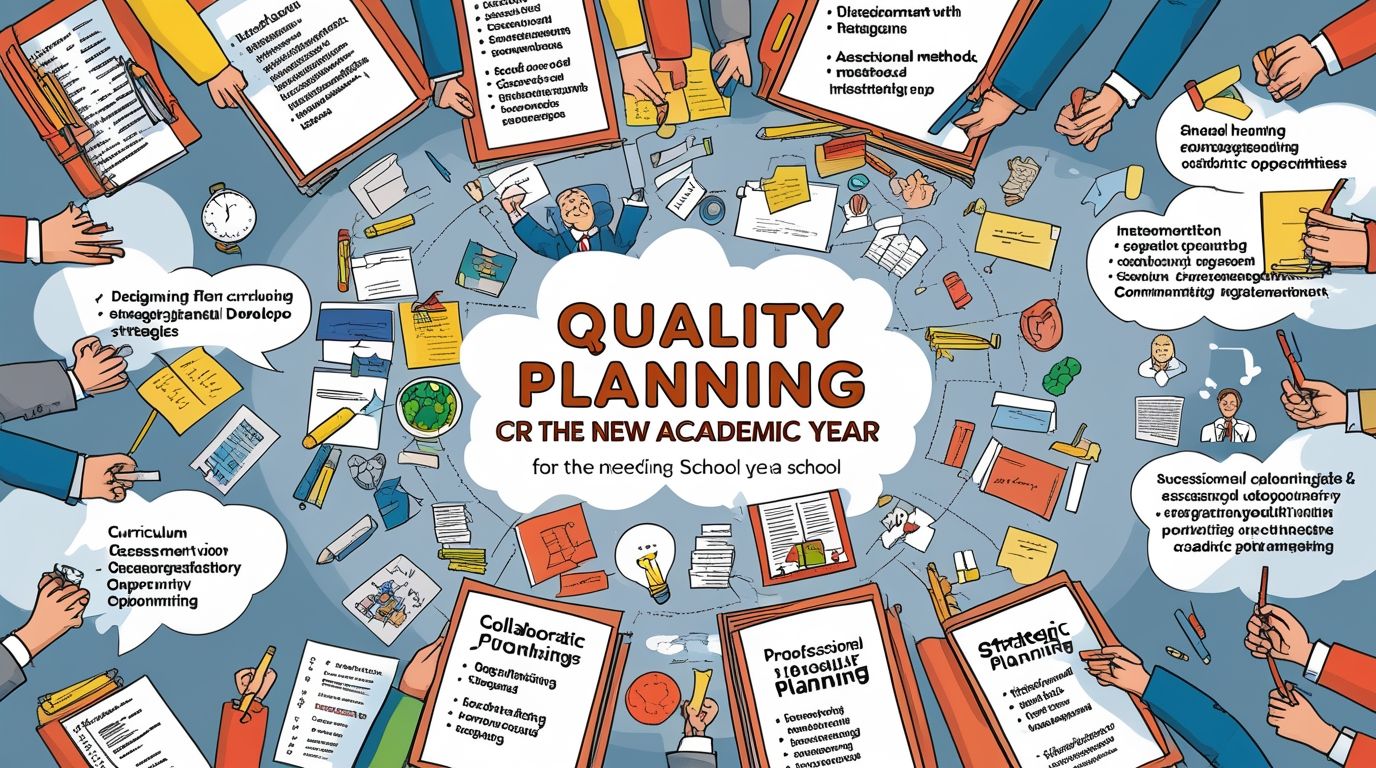
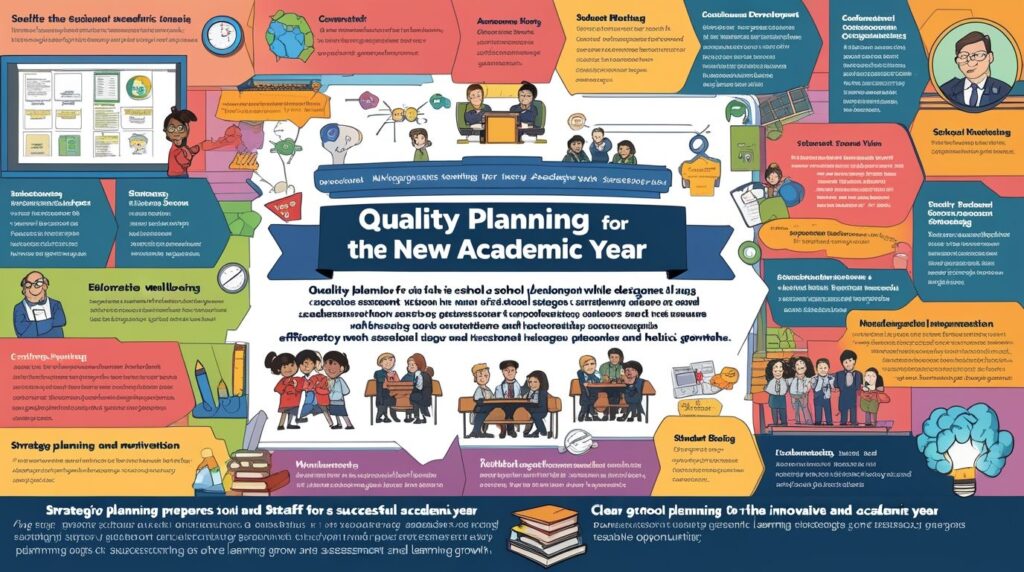
Quality Planning for the New Academic Year in a School,
Teacher: Good day.
Educator: Good day too. What are you doing nowadays?
Teacher: Thanks, I am well and preparing the new academic year planning.
Educator: Wow! That’s wonderful. How do you plan?
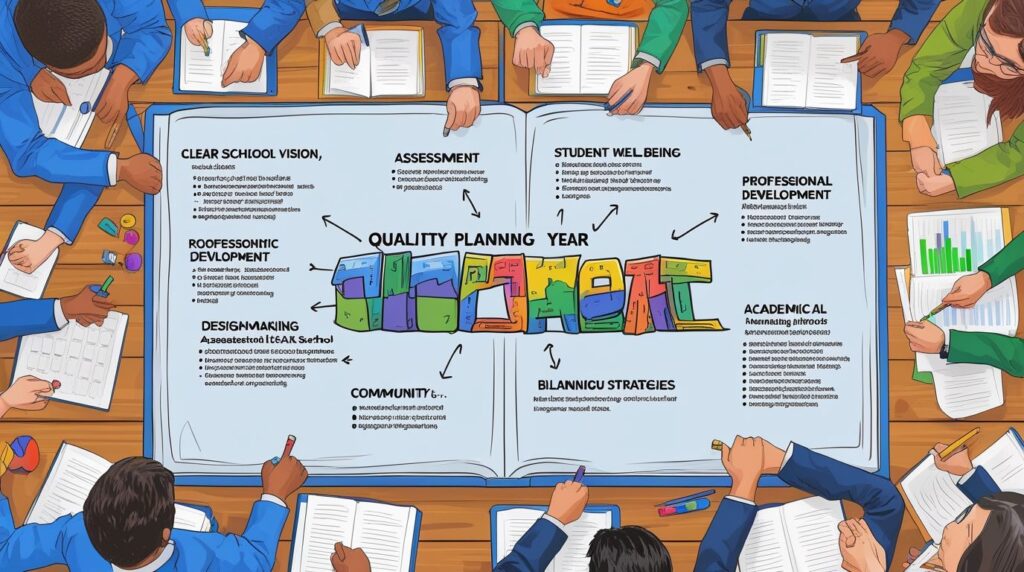
Teacher: I begin with a clear School Vision. Every plan should reflect what kind of learners we want to develop. Without vision, planning becomes routine work.
Educator: That is true. A vision gives direction. How do you involve teachers in this process?
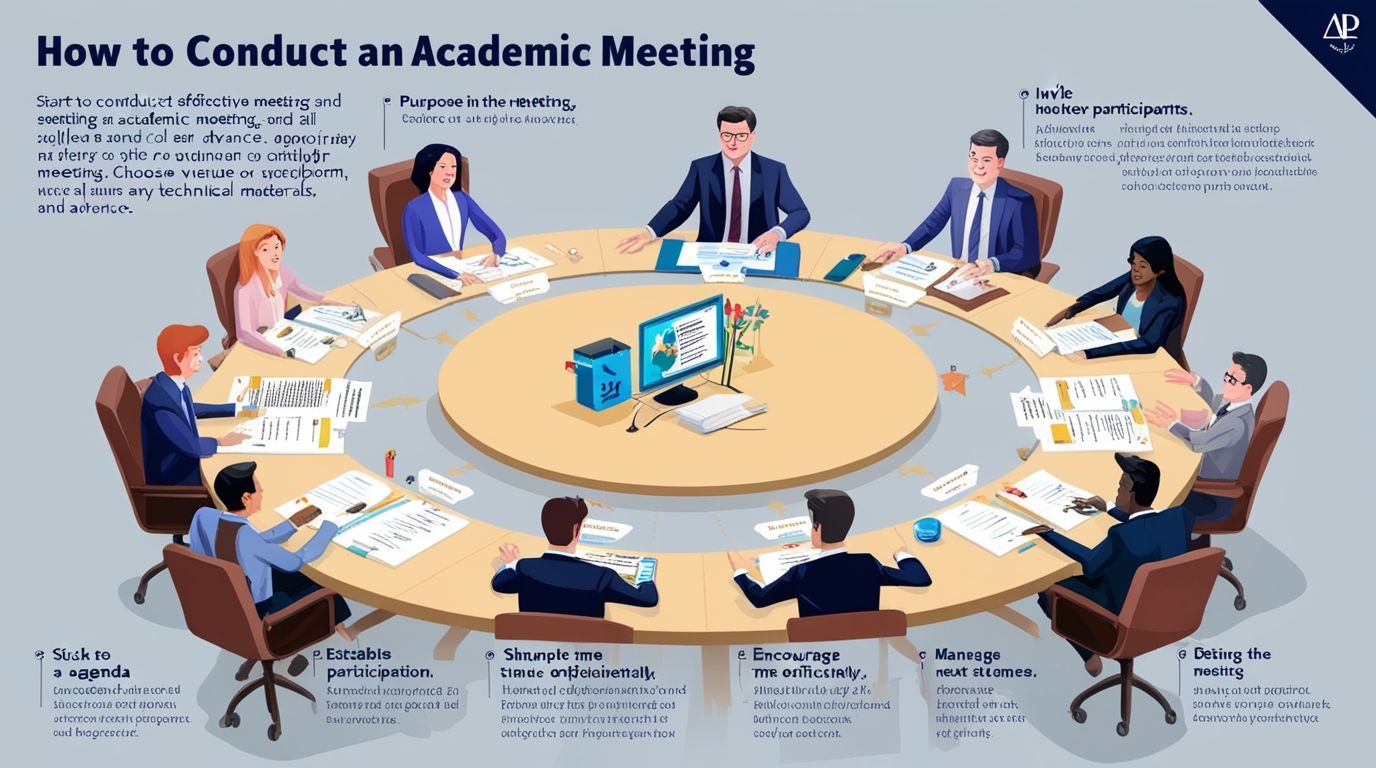
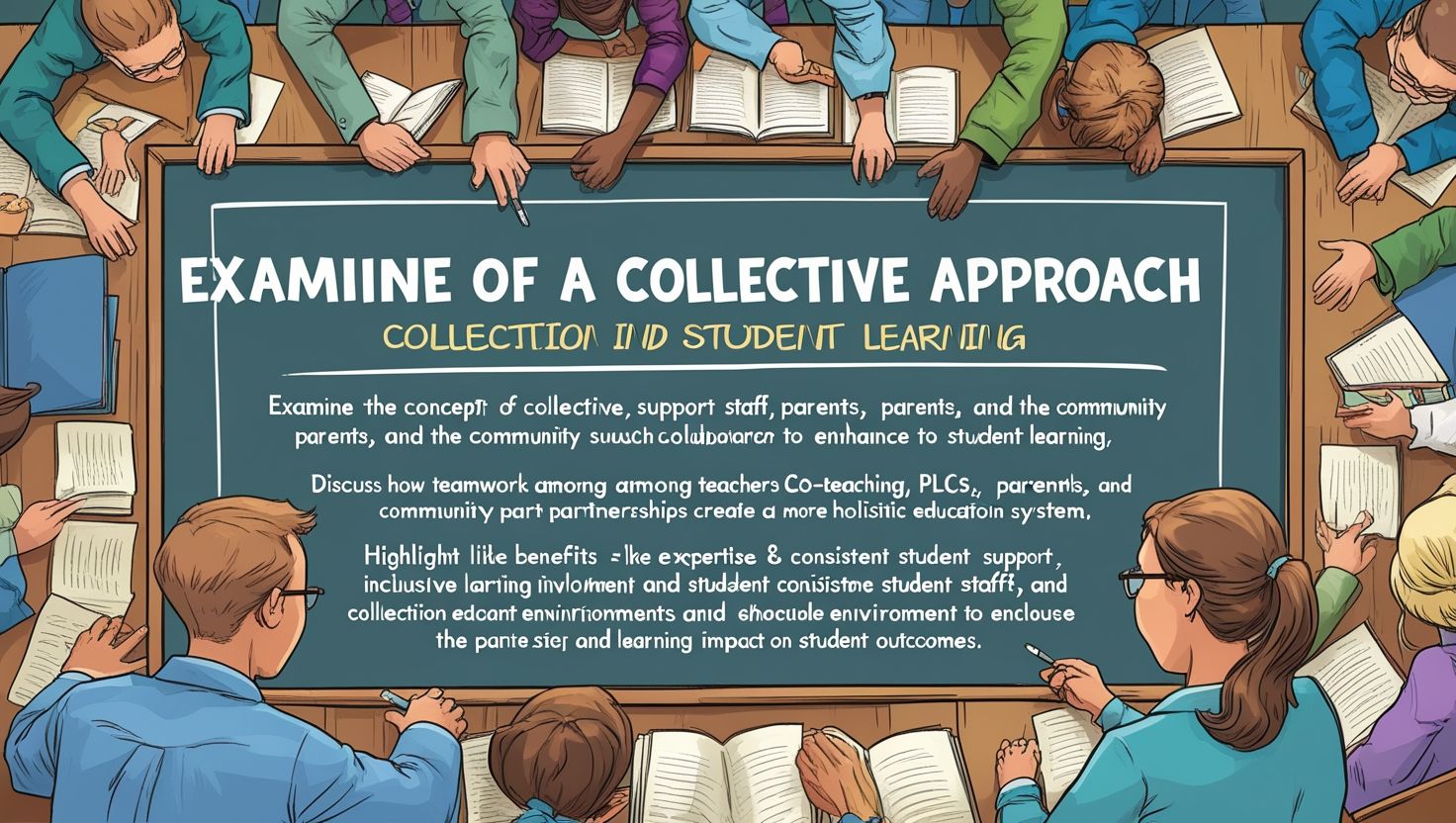
Teacher: I believe in collective thinking. I organize meetings where teachers discuss goals, challenges, and expectations. Their ideas shape the plan. This strengthens ownership and motivation.
Educator: That sounds effective. Teachers feel valued when their voices are heard. What areas do you prioritize first?
Teacher: I start with Curriculum Planning. We review last year’s syllabus, learning outcomes, and student performance. Then we identify gaps and improvements.
Educator: Do you modify the curriculum based on student needs?
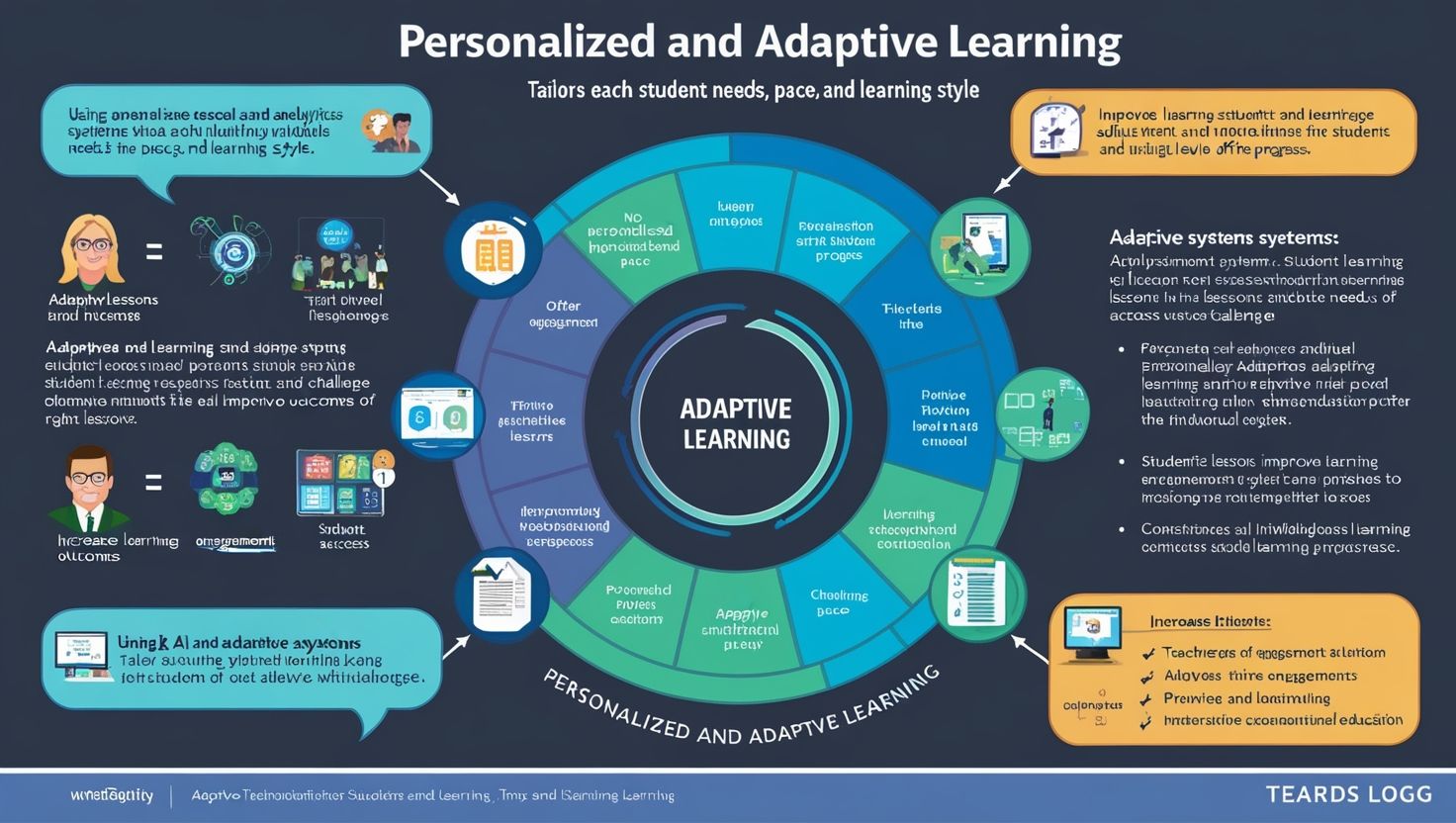
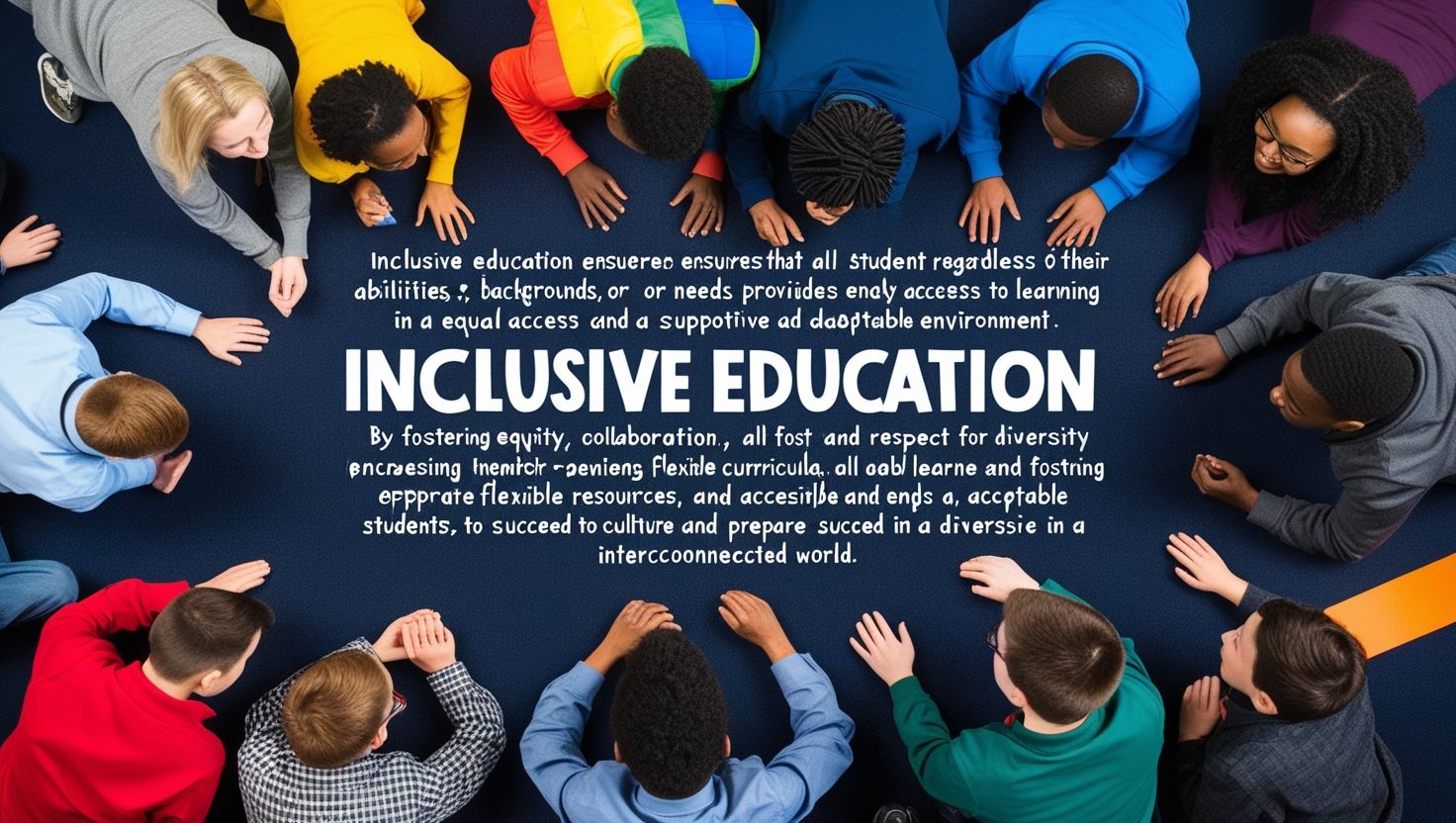
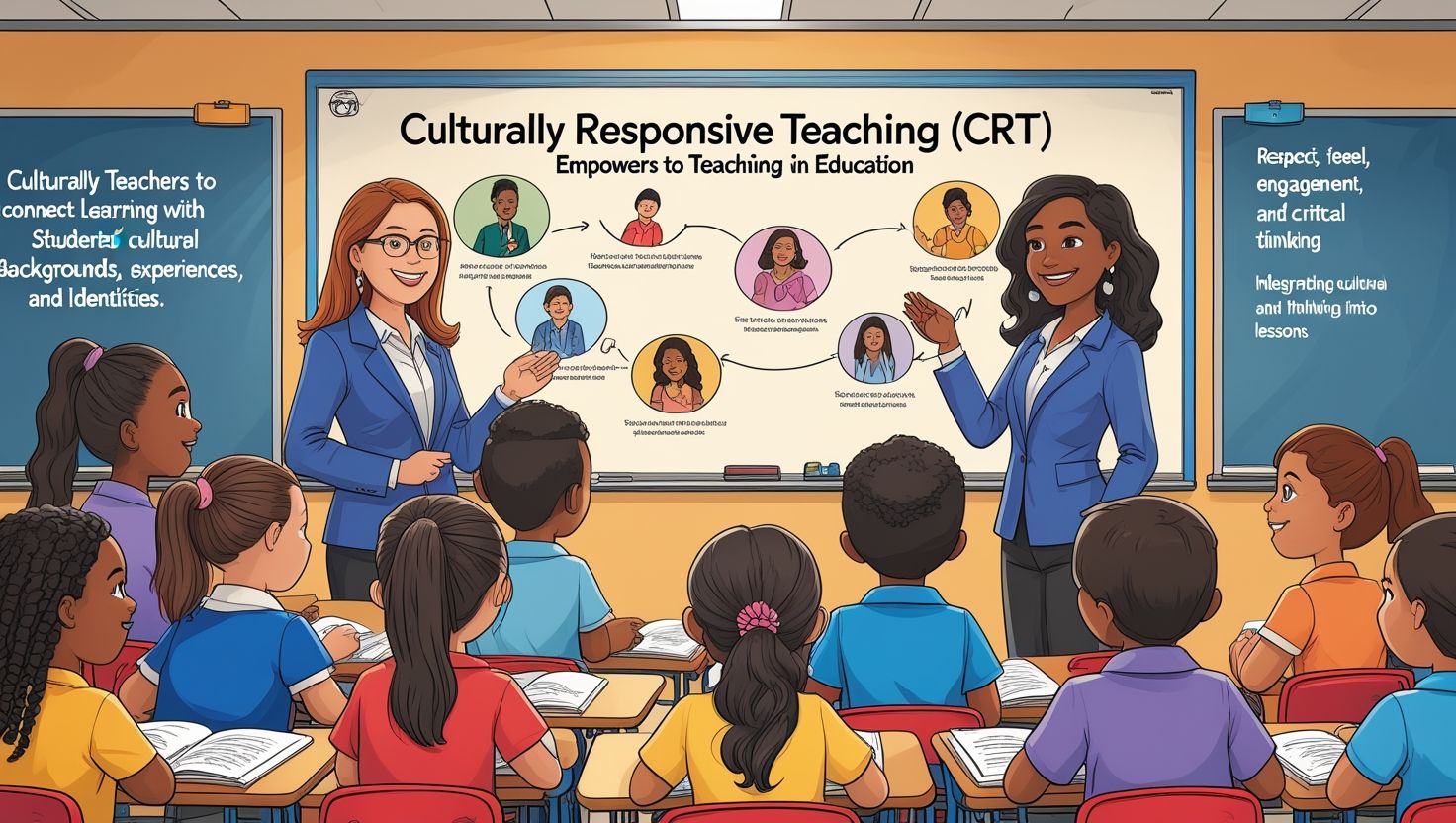
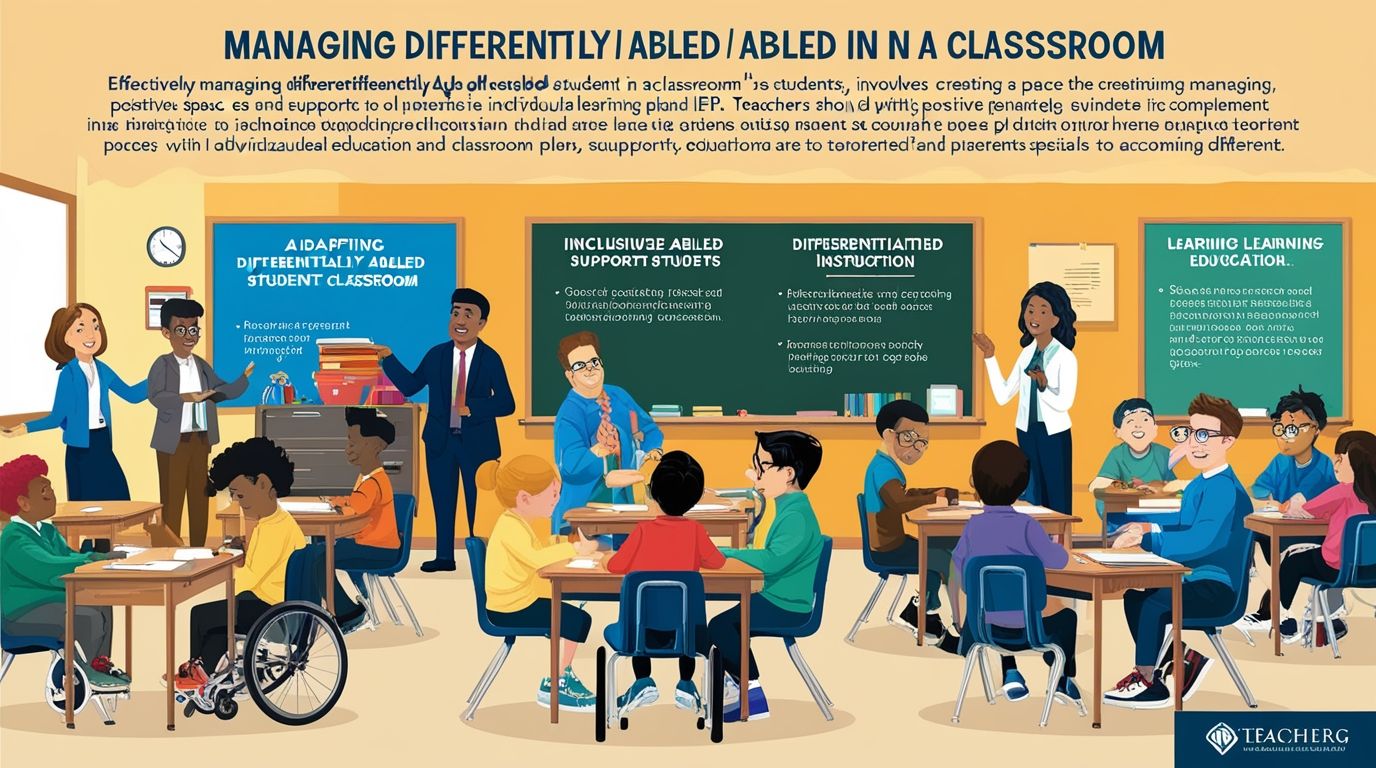
Teacher: Yes, always. Students are diverse. Some learn quickly, others need support. Therefore, we adapt content, pace, and teaching strategies to ensure inclusiveness.
Educator: Inclusiveness is essential. How do you ensure quality in teaching methods?
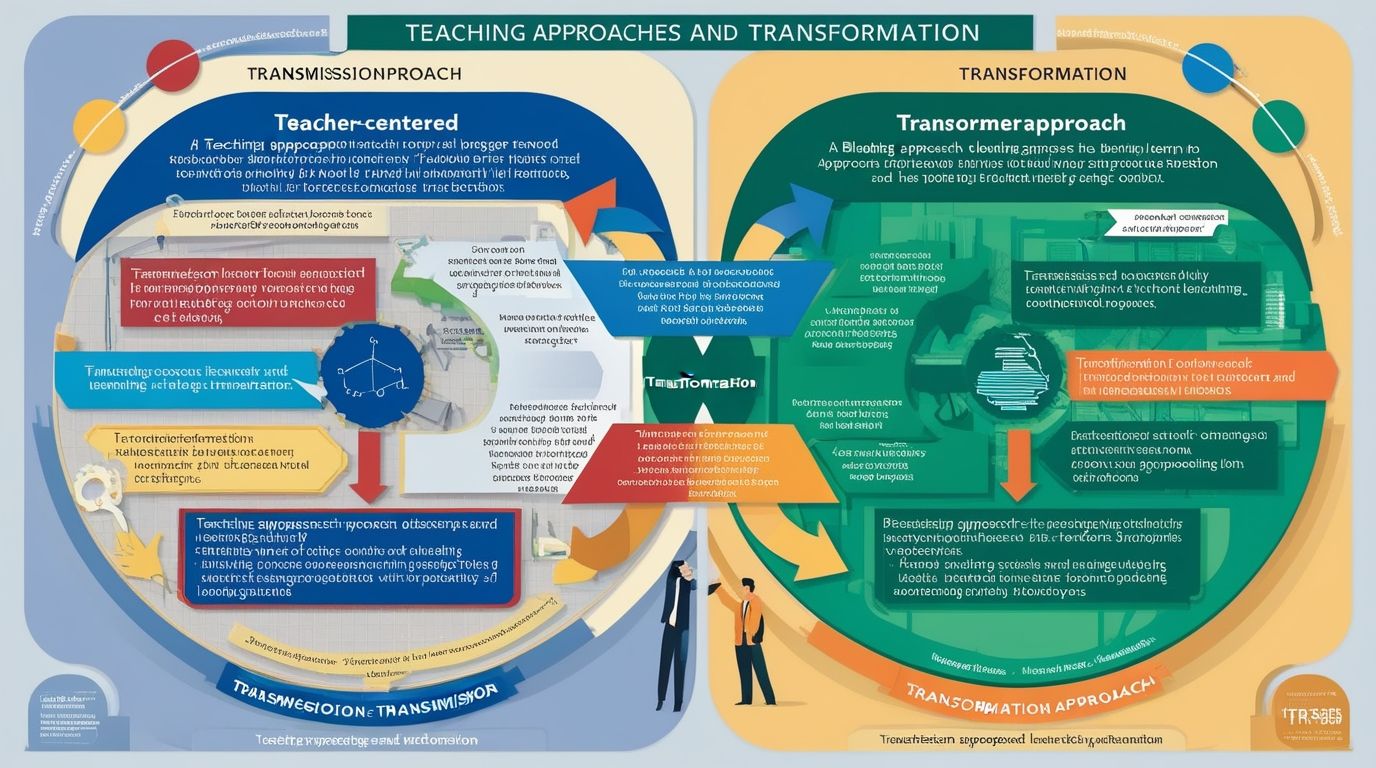
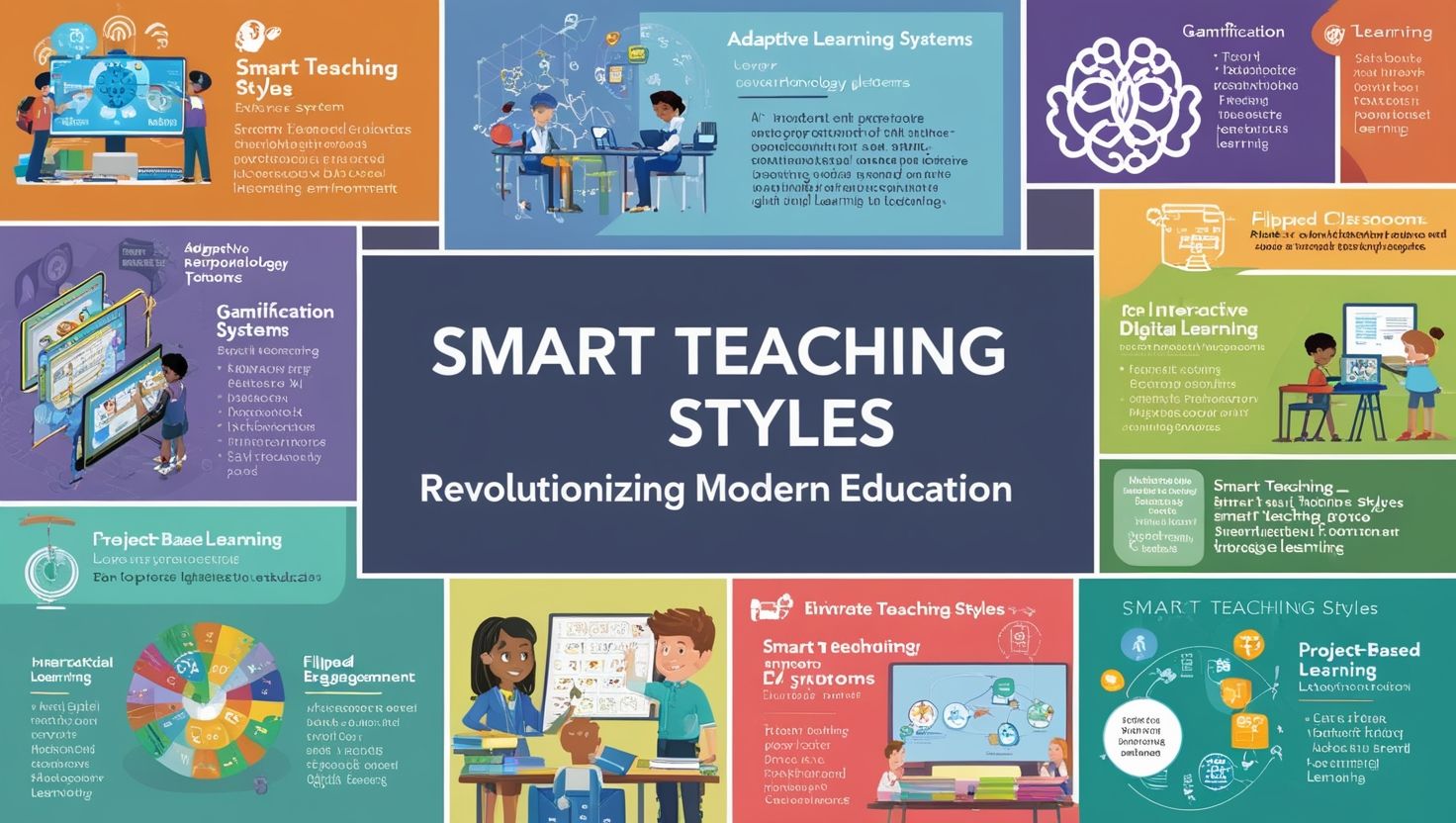
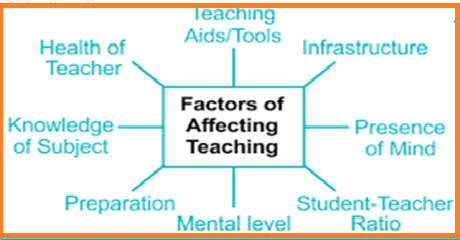
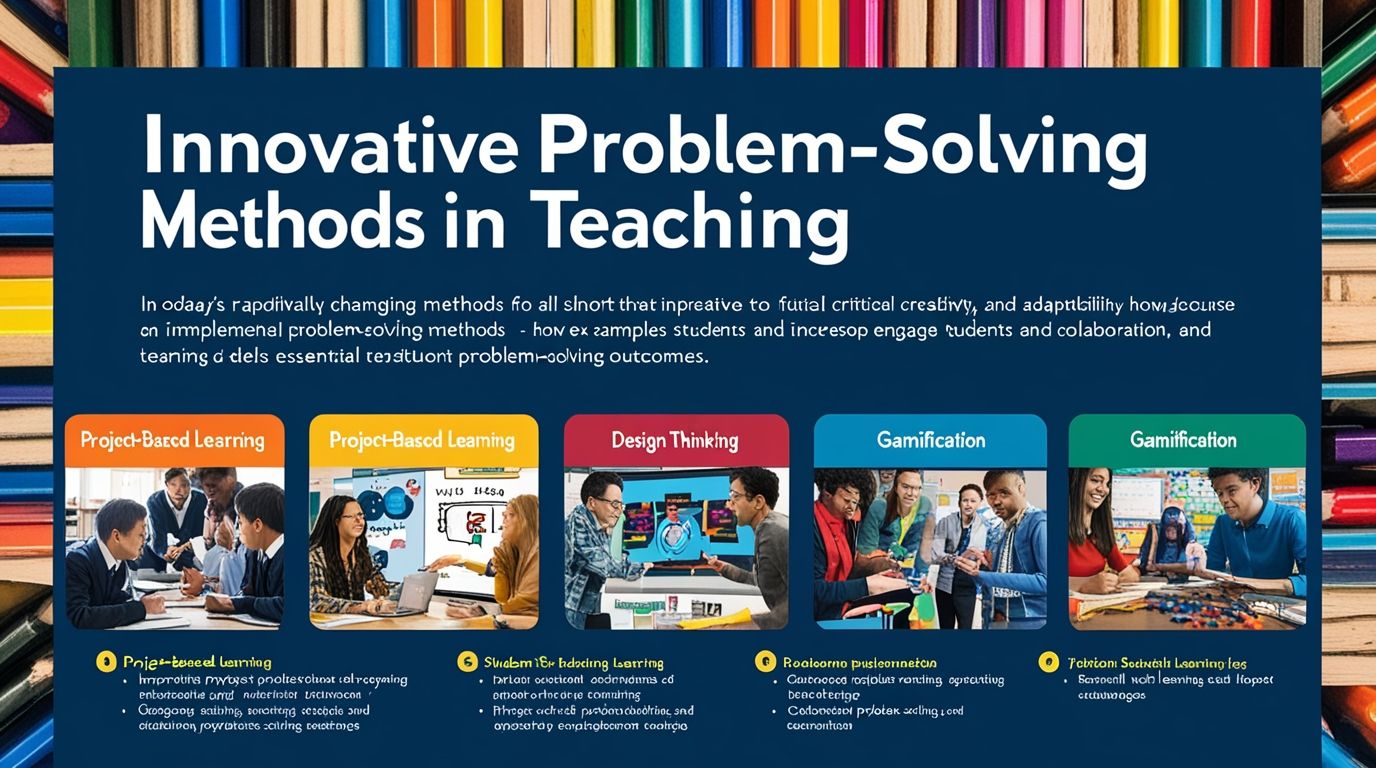
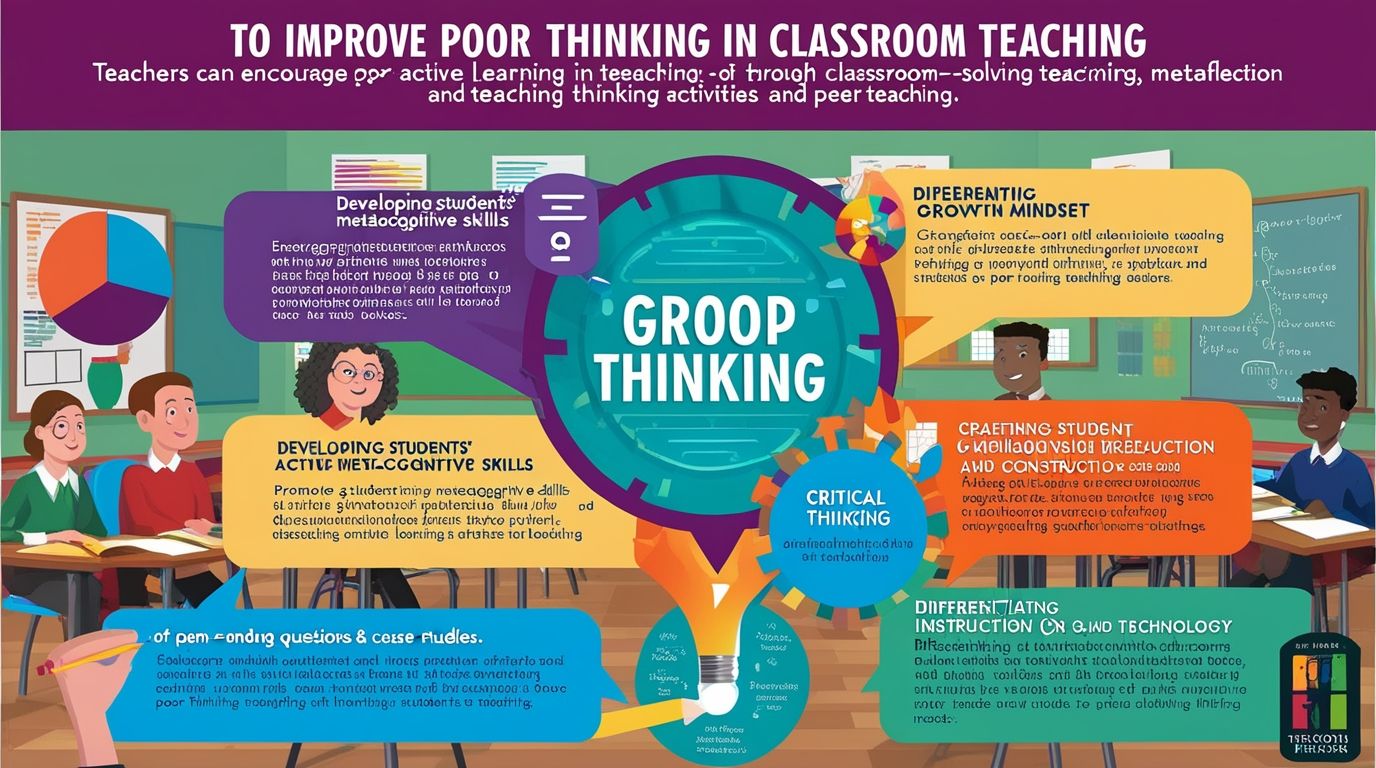
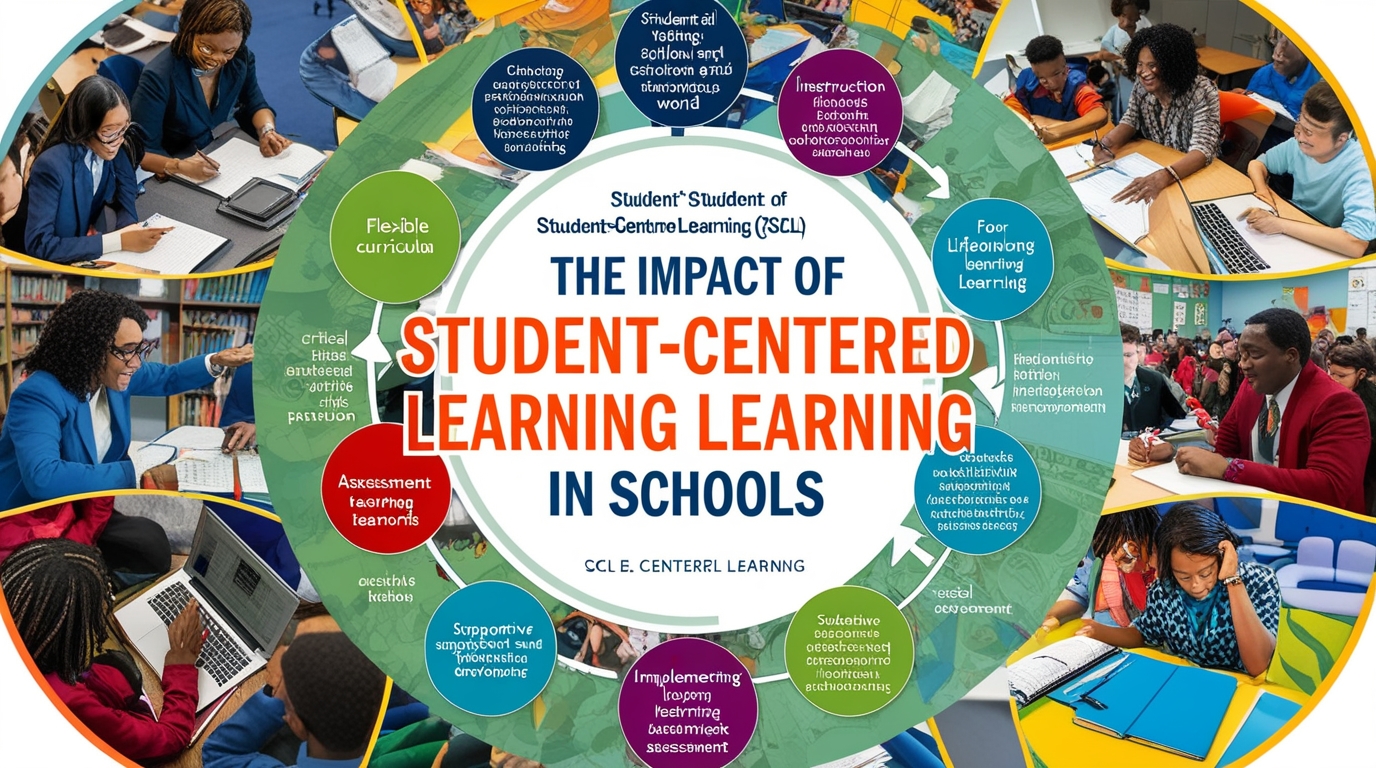
Teacher: We focus on Instructional Strategies. Teachers are encouraged to use activity-based learning, group work, and project methods. We move beyond lecture-based teaching.
Educator: That surely increases engagement. But do teachers need training for this change?
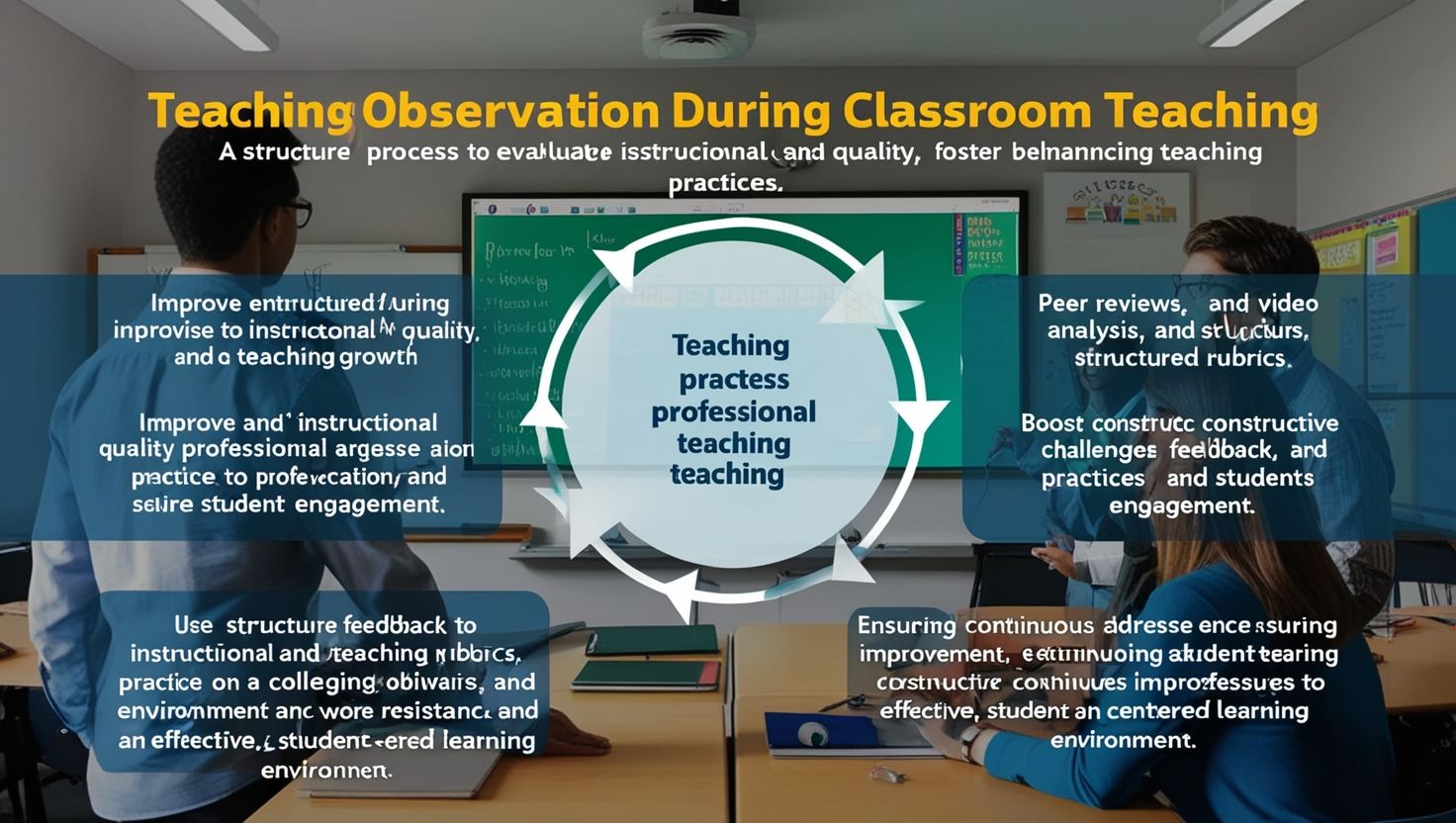
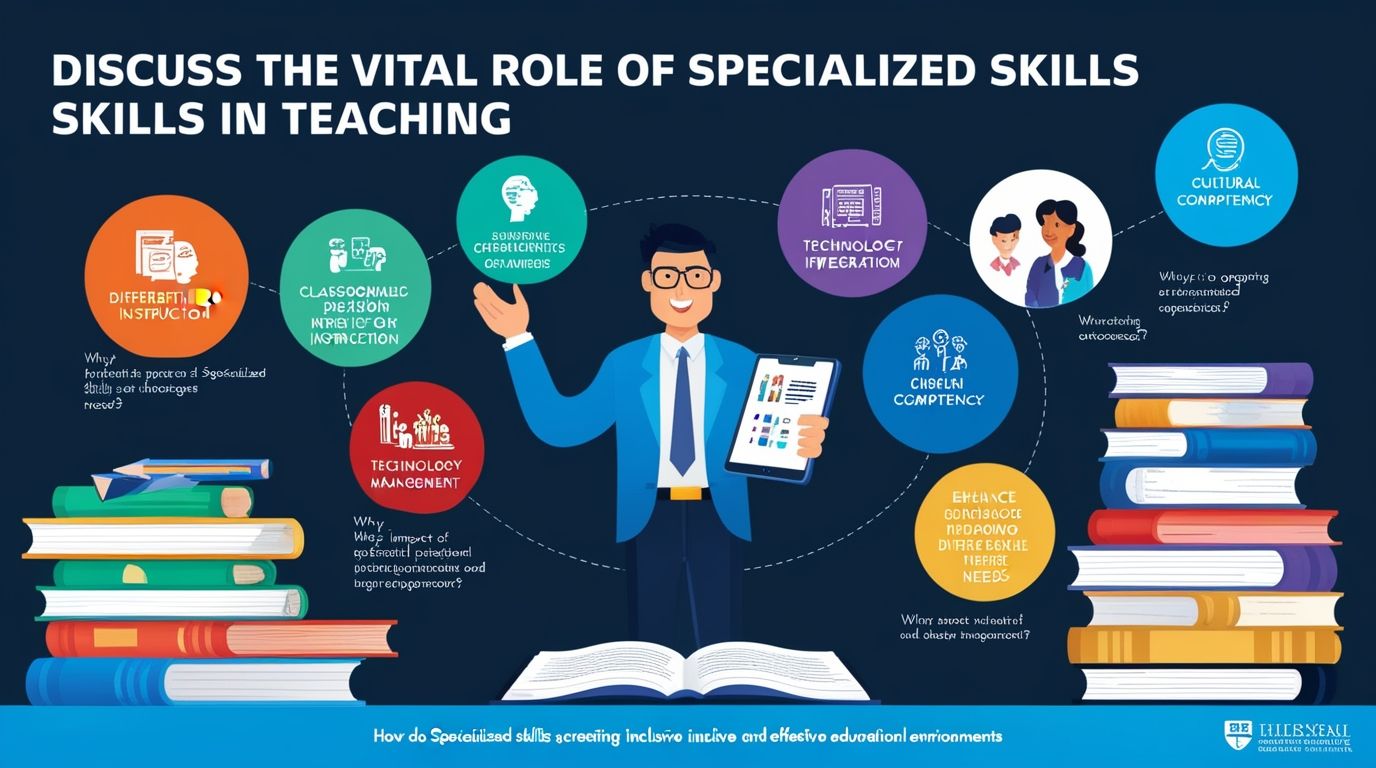
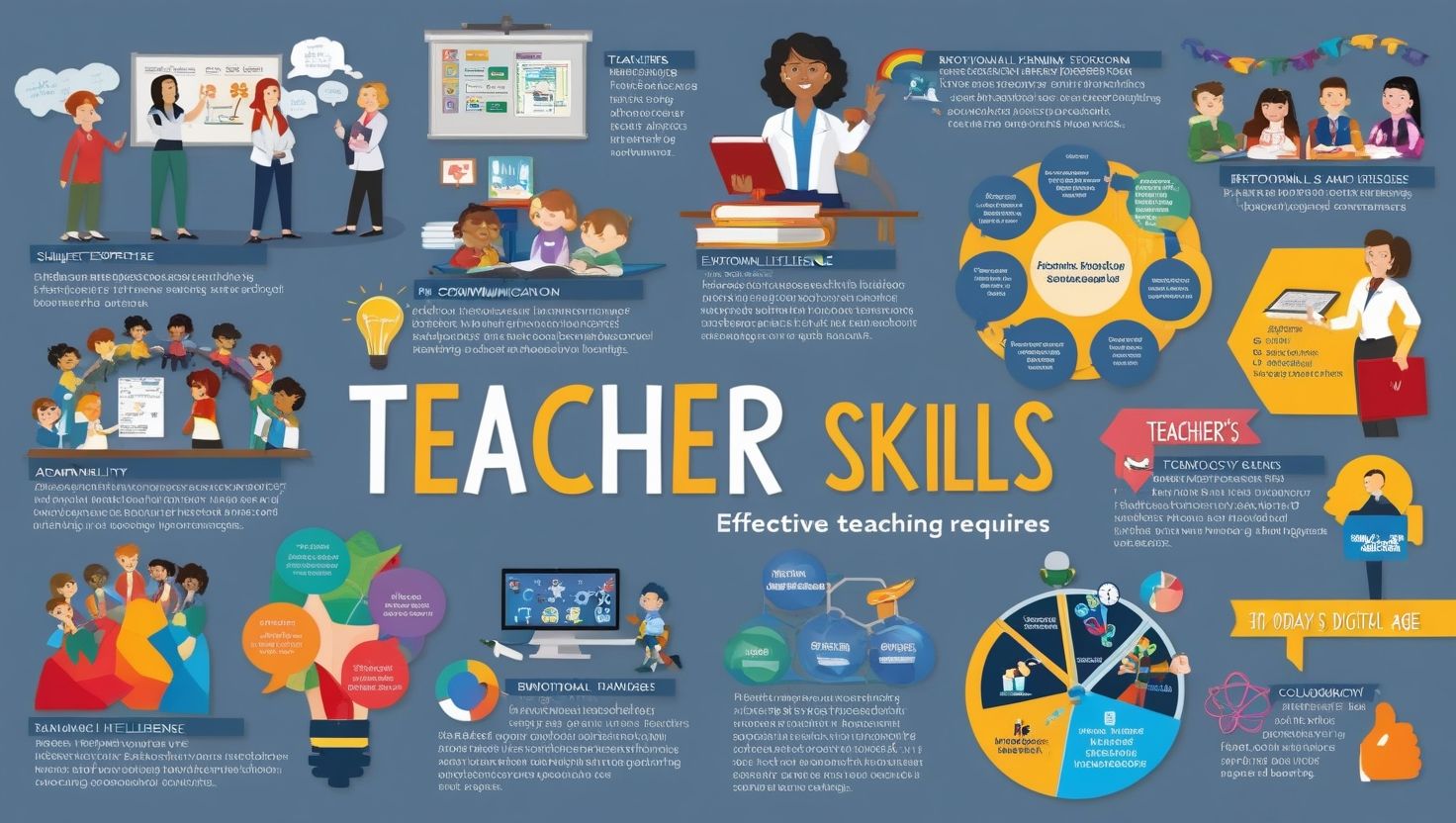
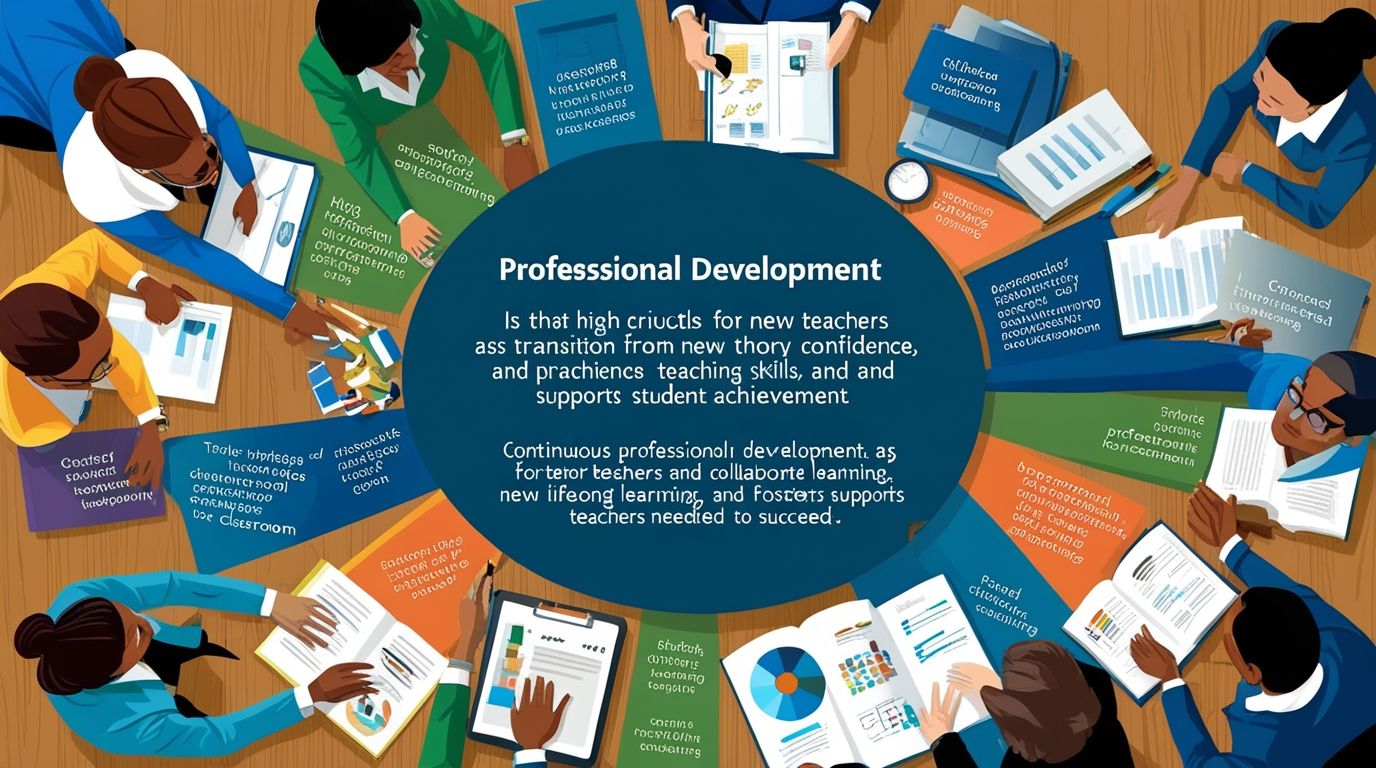
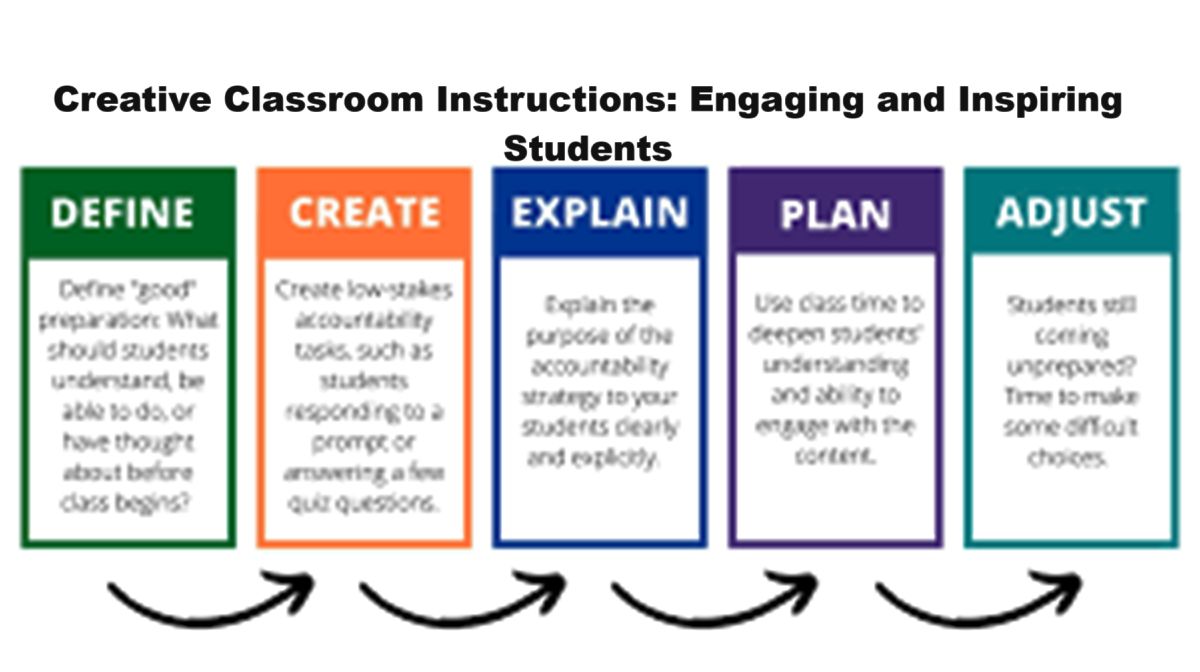
Teacher: Absolutely. We plan Professional Development programs. Workshops, peer mentoring, and classroom observations help teachers improve their skills.
Educator: Continuous training builds confidence. What about new teachers joining the school?
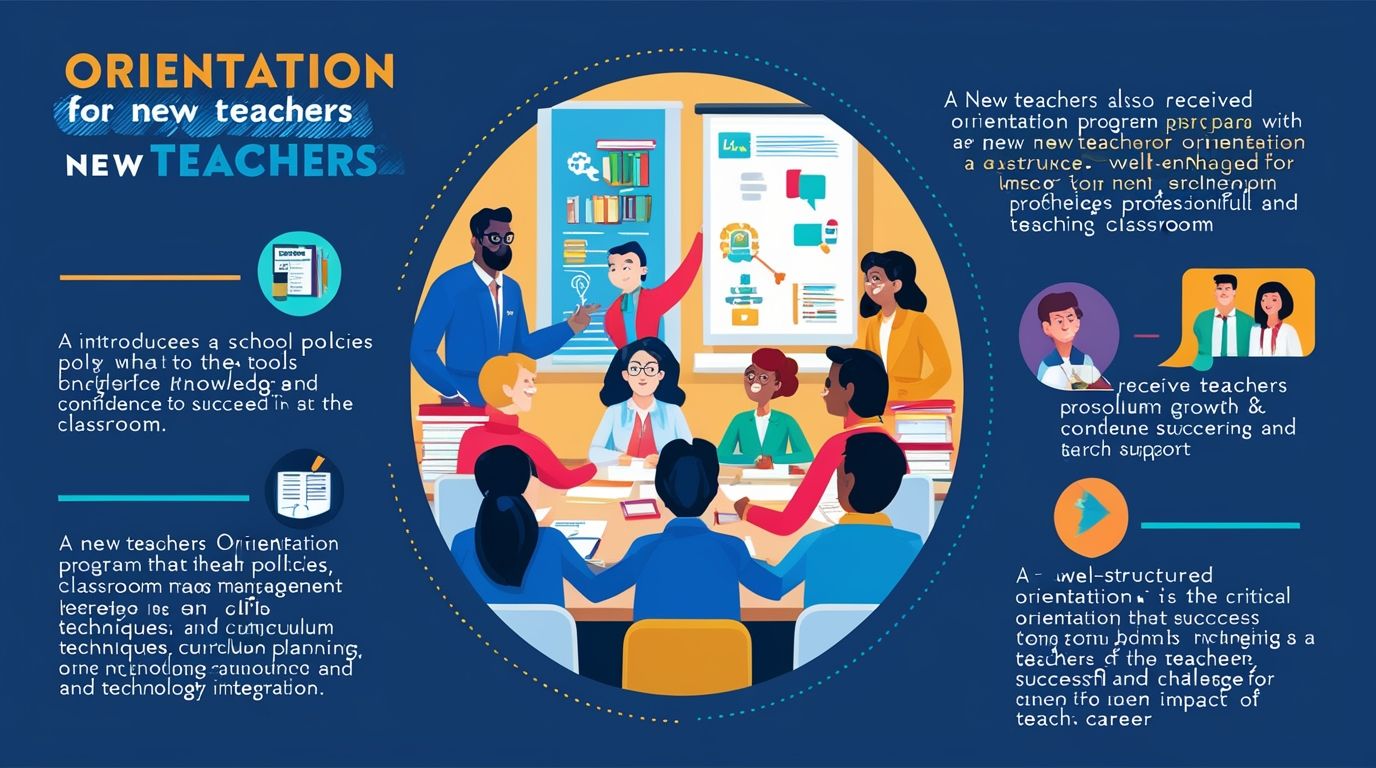
Teacher: We conduct orientation programs. Senior teachers guide them. This builds a supportive culture and maintains teaching standards.
Educator: Very thoughtful. How do you plan for student assessment?
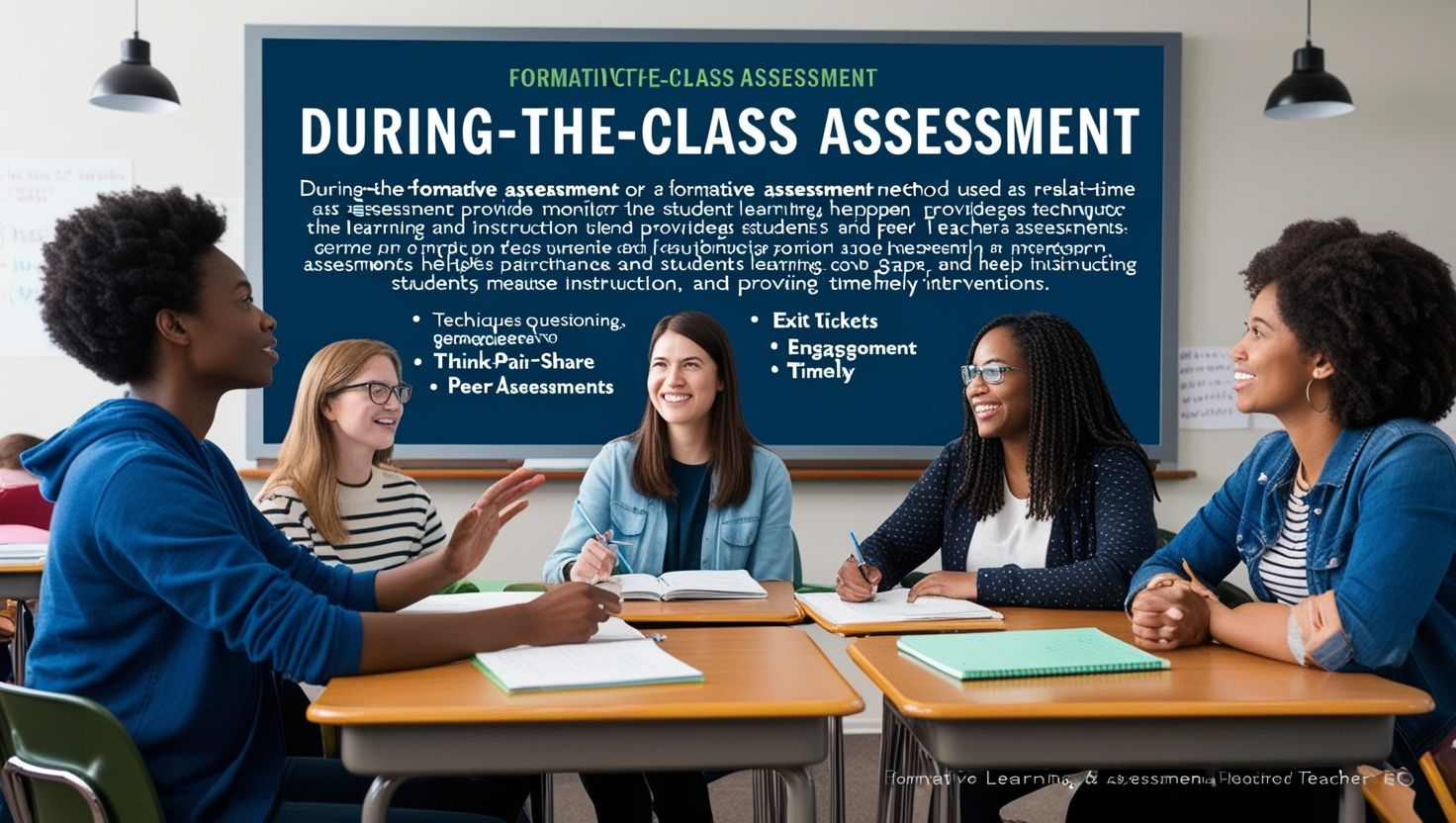
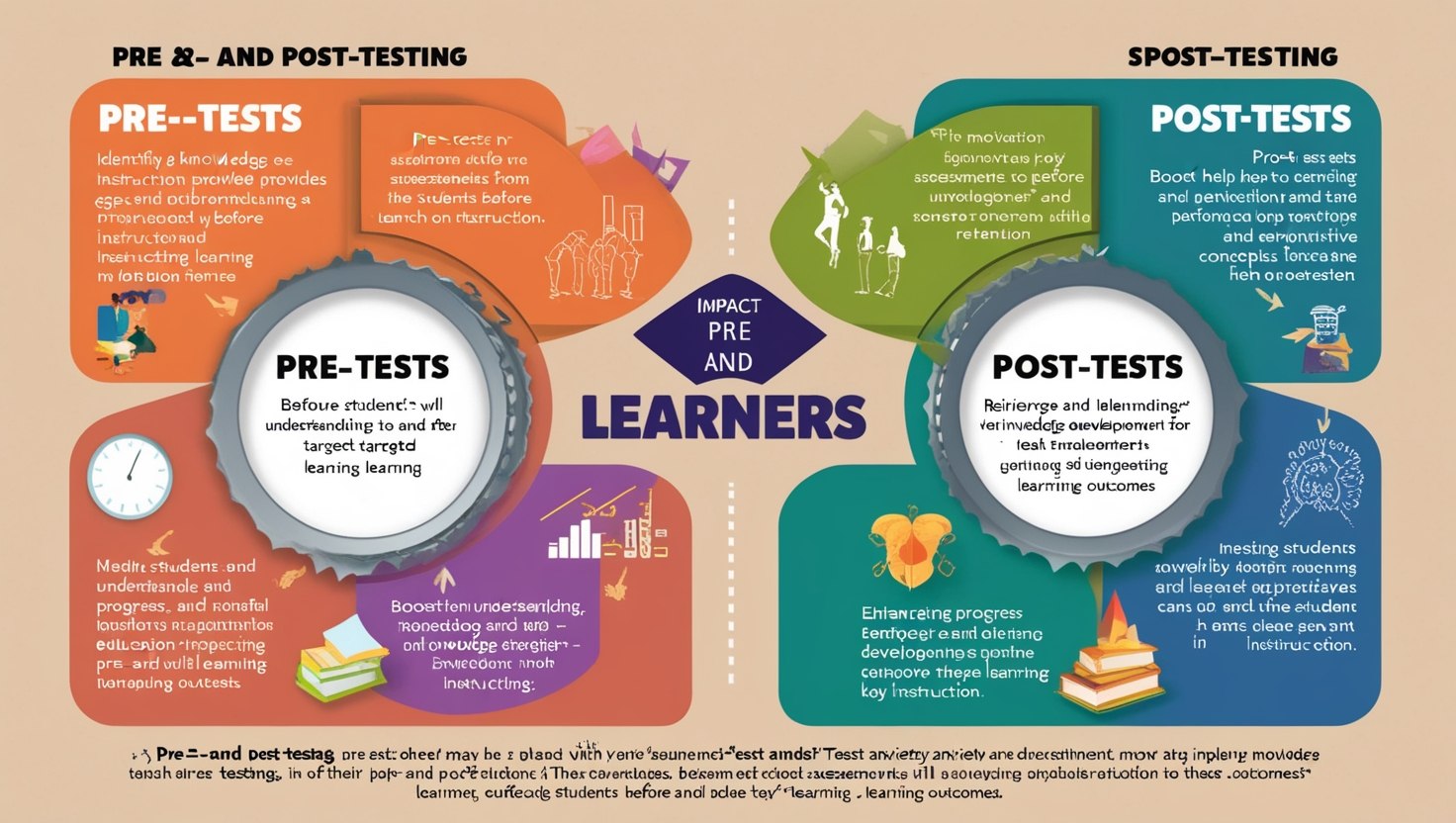
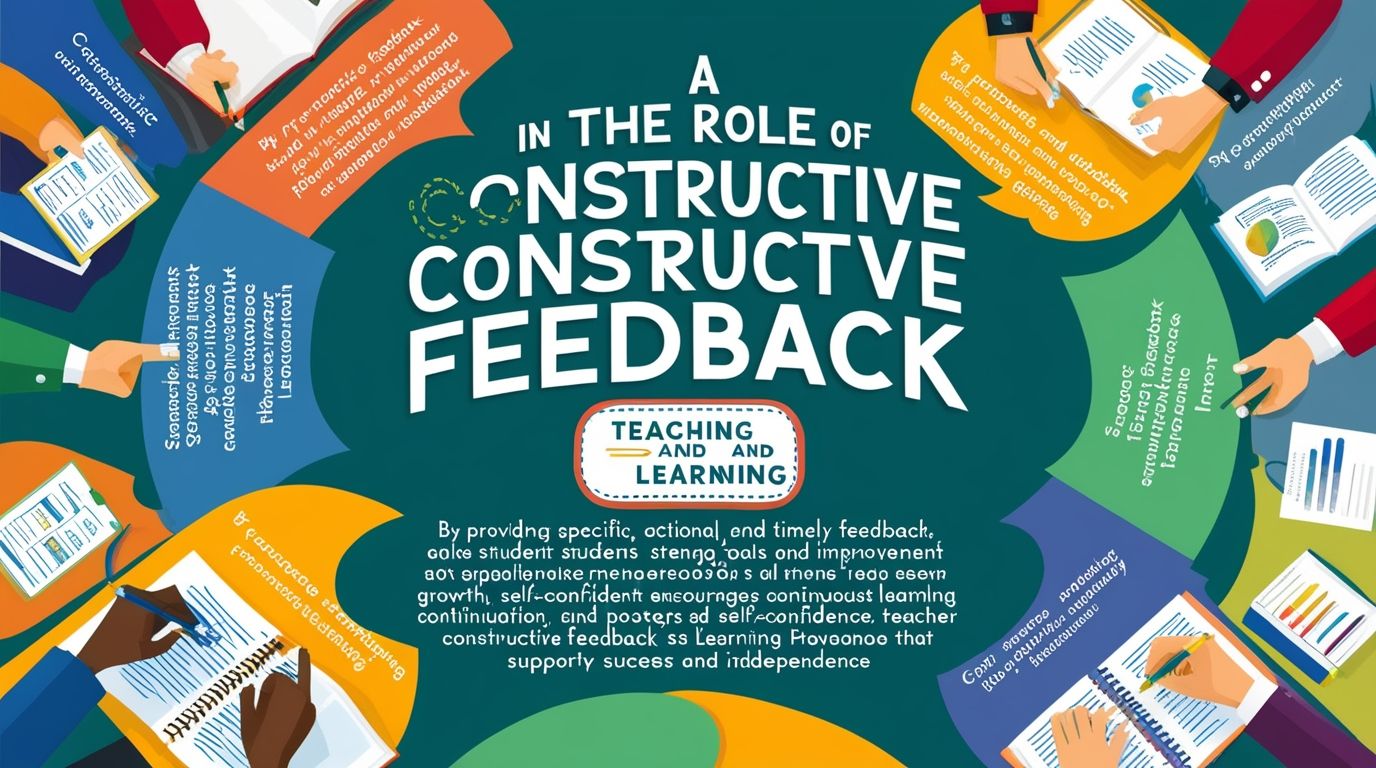
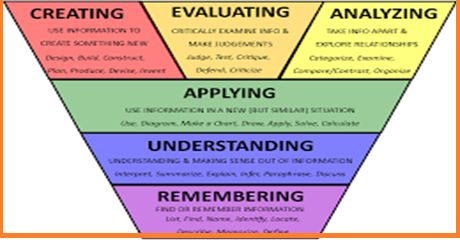
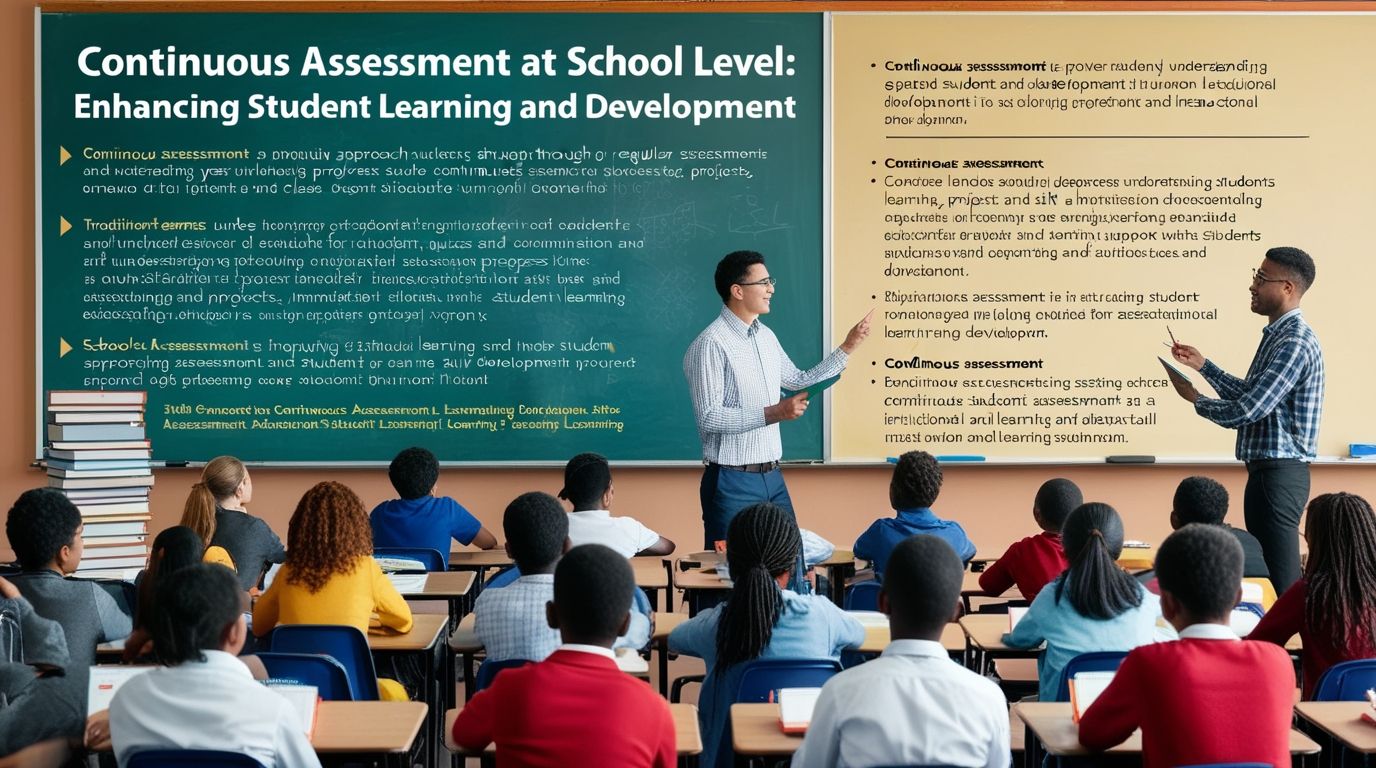
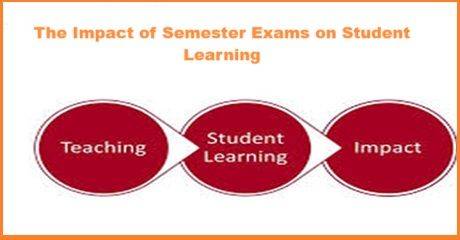
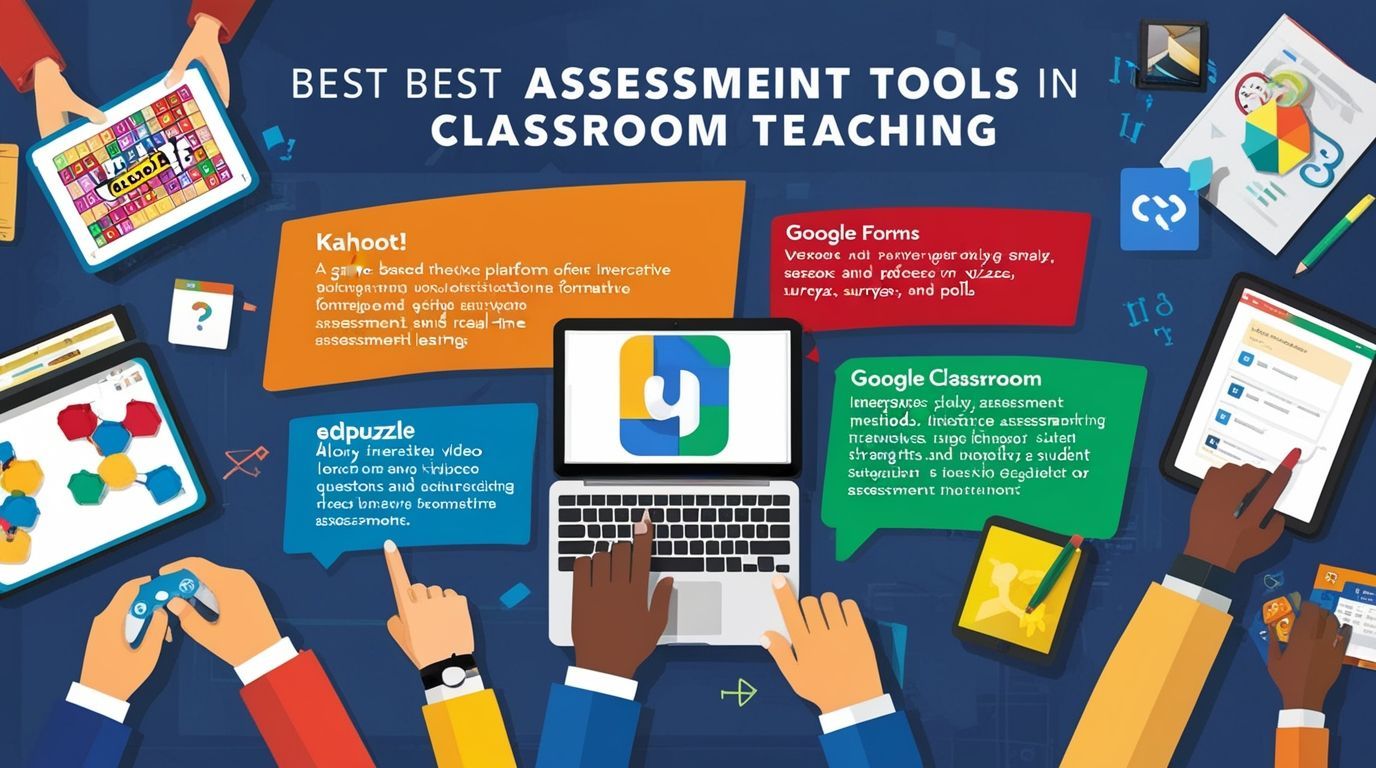
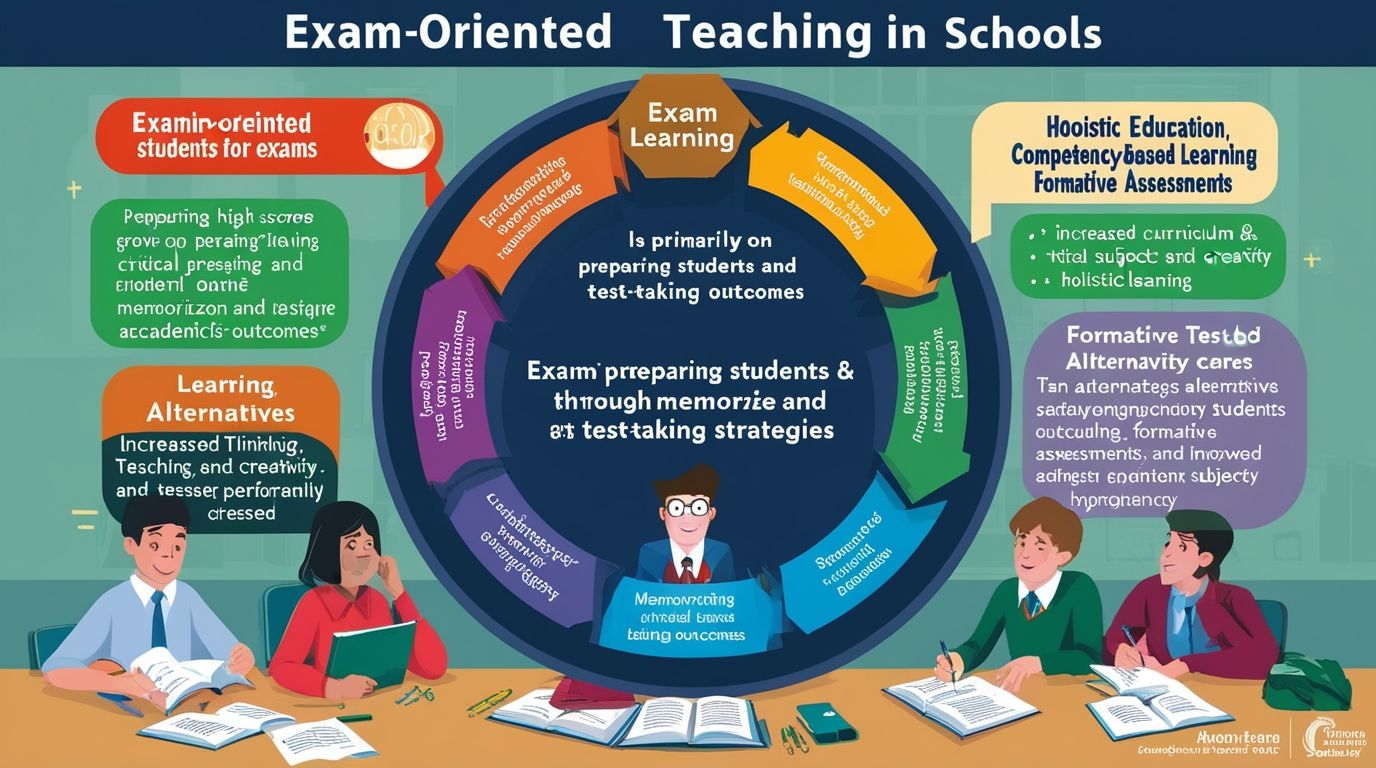
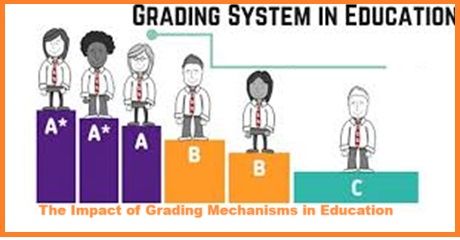
Teacher: We redesign Assessment Methods. Instead of only exams, we use formative assessments, projects, presentations, and portfolios. Assessment should support learning.
Educator: That reduces fear and pressure among students. How do parents understand this system?
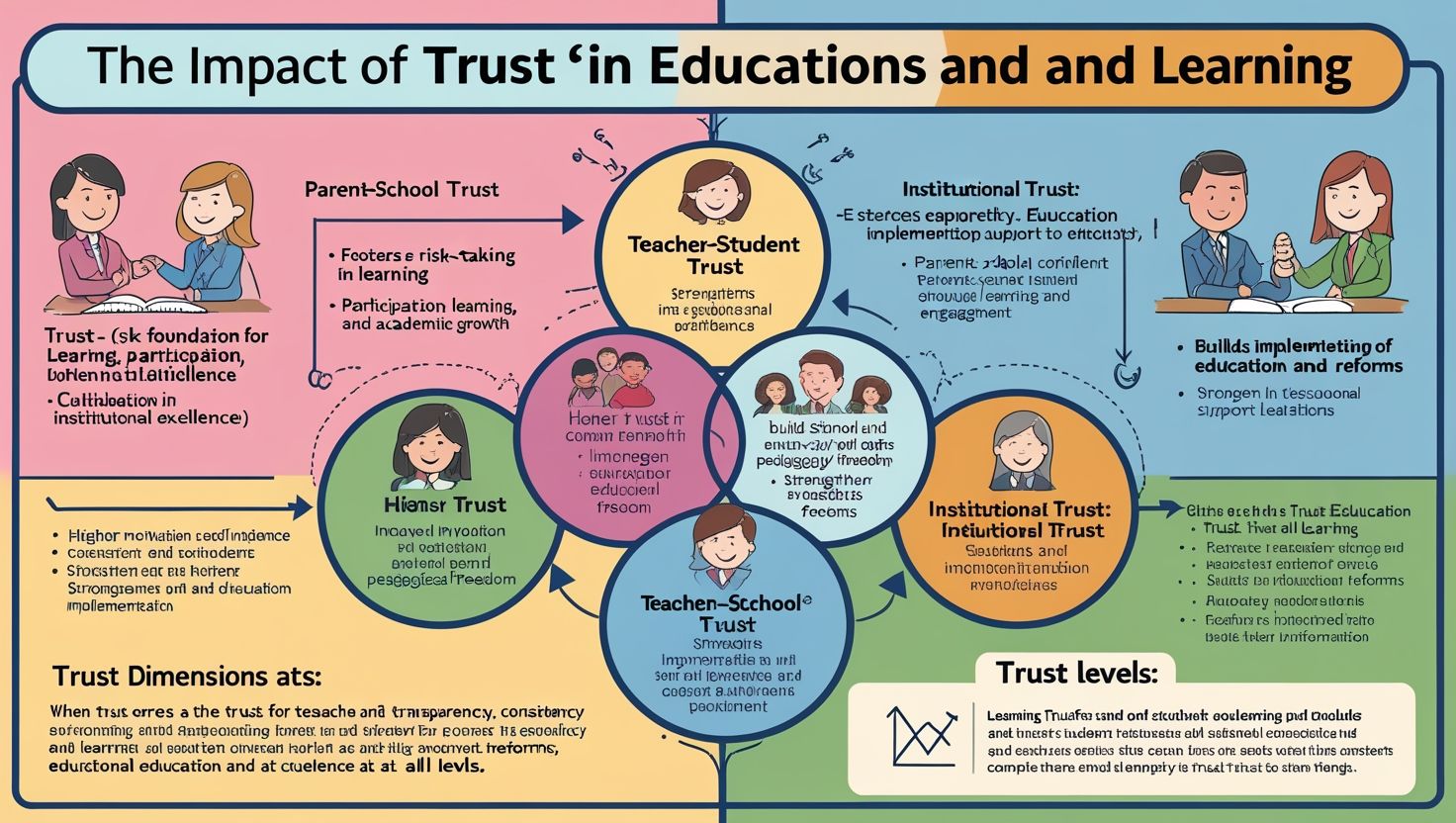
Teacher: We communicate clearly with parents. Orientation meetings explain evaluation methods and expectations. Transparency builds trust.
Educator: Parent involvement is crucial. Do you include them in planning?
Teacher: Yes. We gather feedback from parents about student needs, home challenges, and expectations. Their insights improve our plans.
Educator: That creates a strong partnership. What about student well-being?
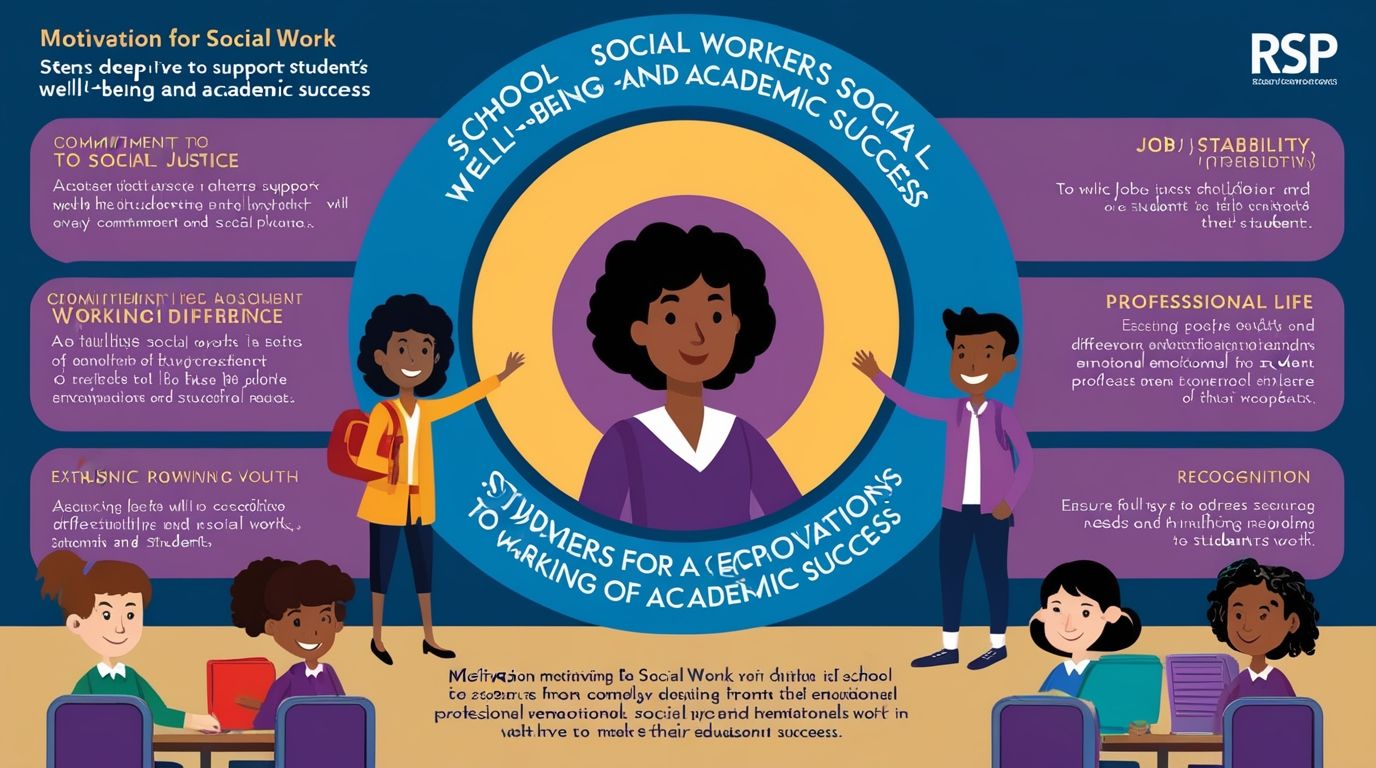
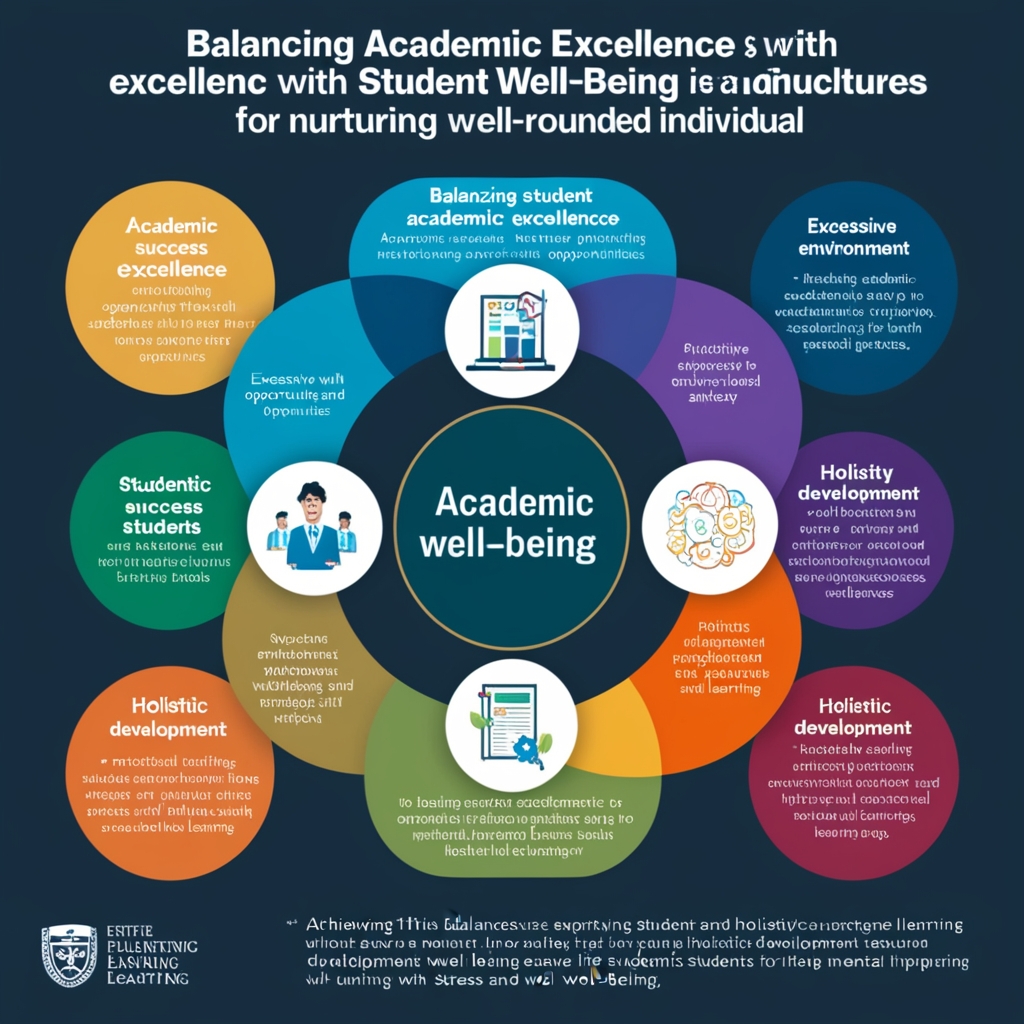
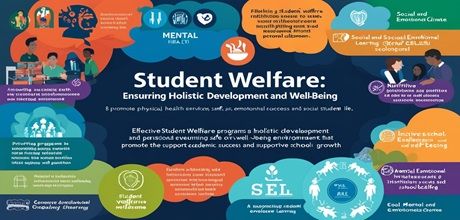
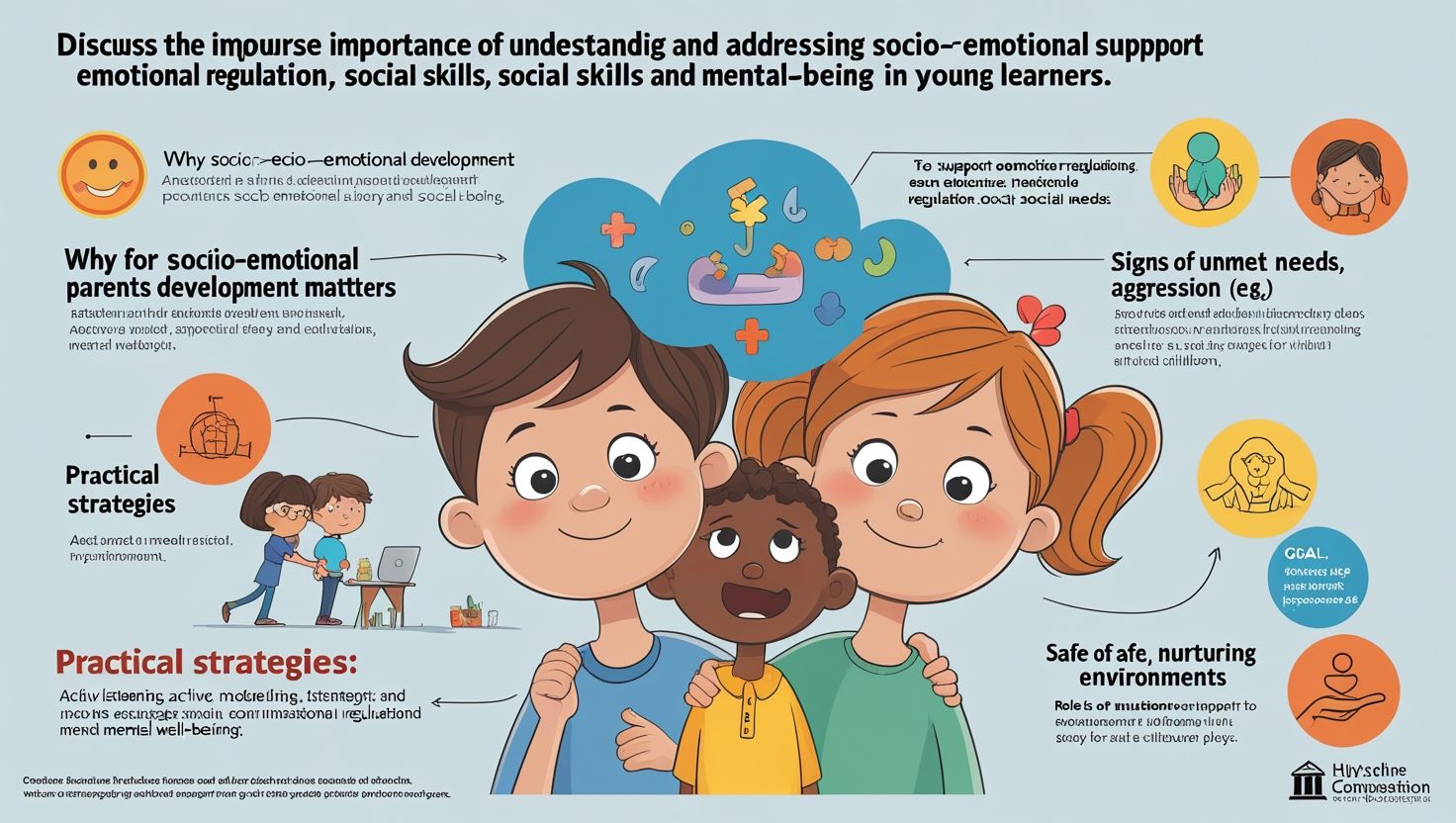
Teacher: Student Well-being is central. Academic success is impossible without emotional safety. We strengthen counseling, life-skills sessions, and mentorship programs.
Educator: Emotional health is often neglected. How do teachers support this?
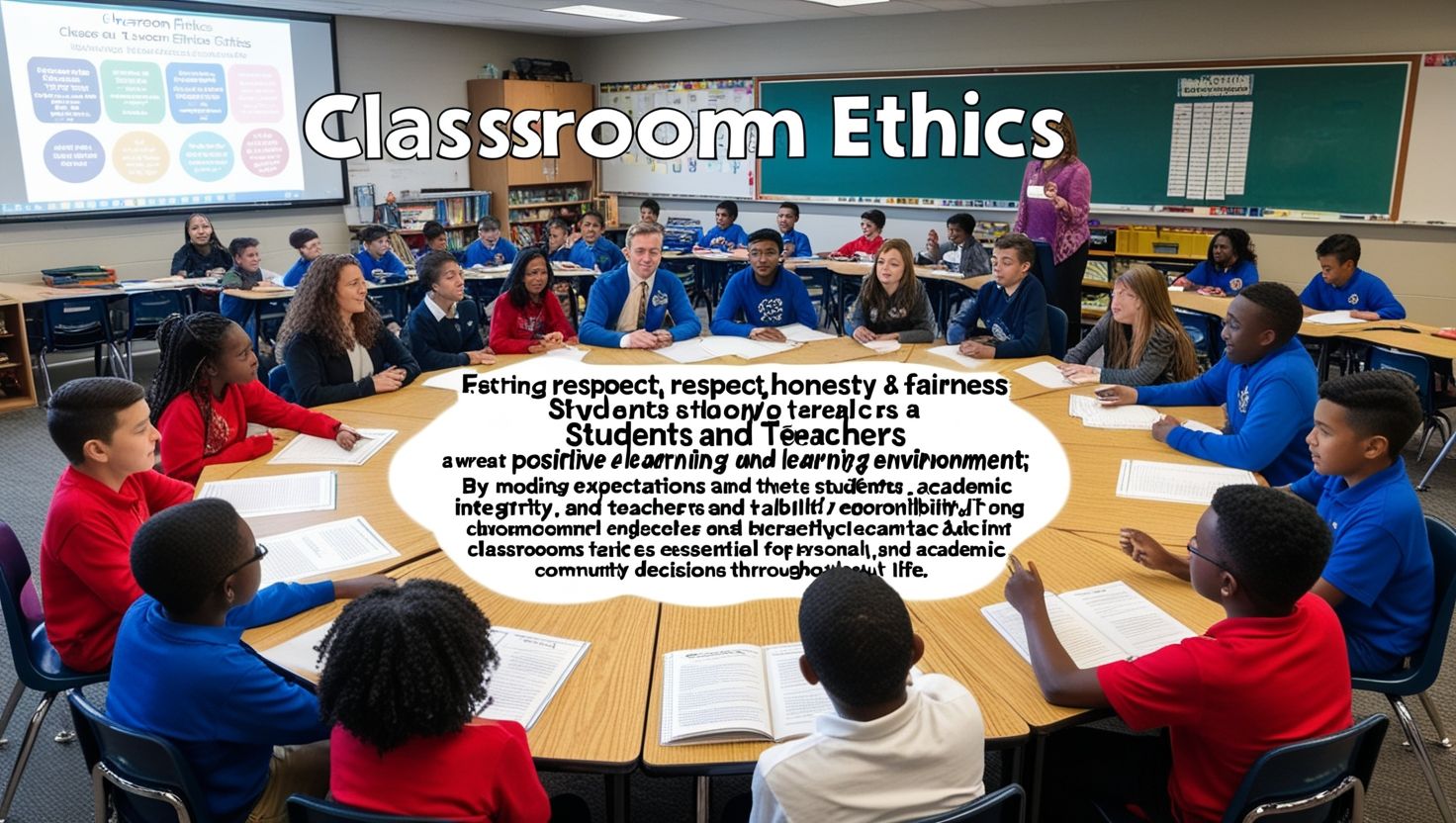
Teacher: Teachers receive training in empathy, classroom management, and positive discipline. We promote restorative practices instead of punishment.
Educator: That builds a caring environment. How do you manage time for all these activities?
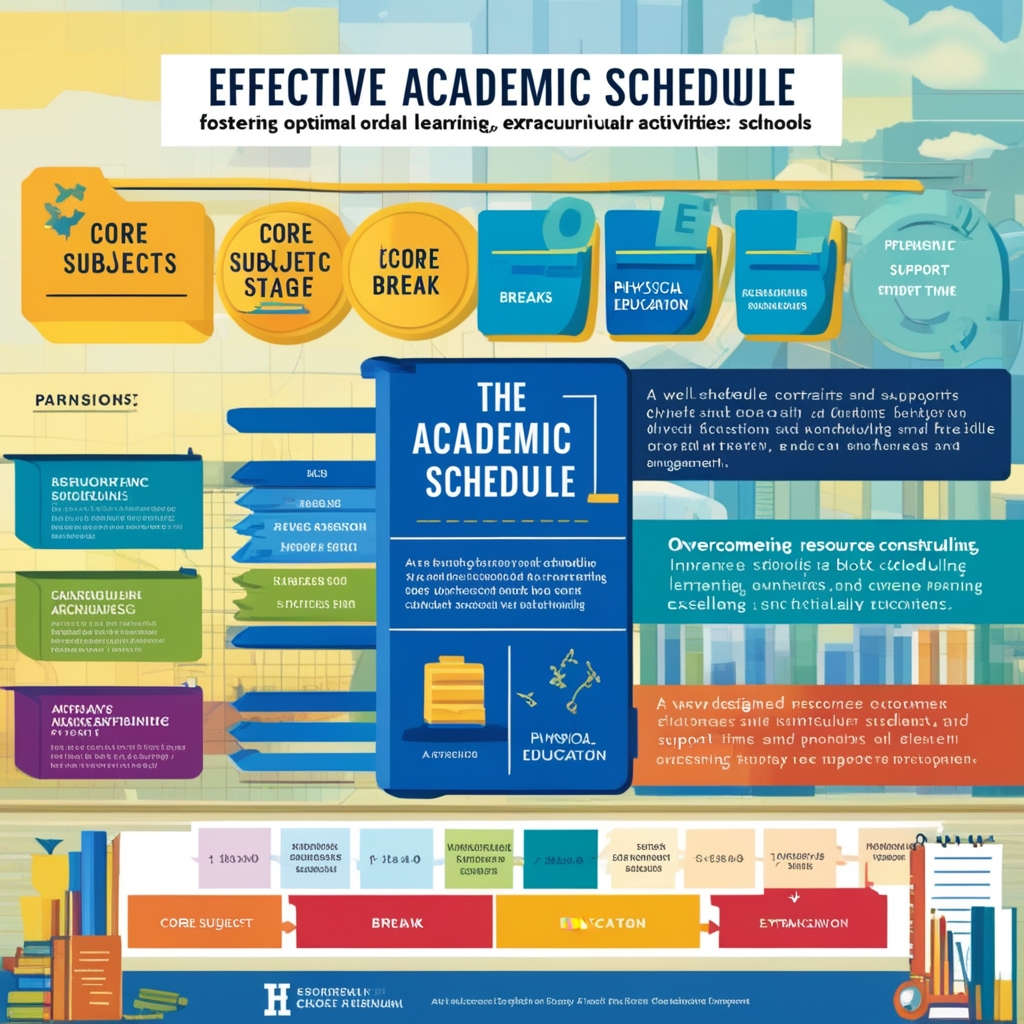
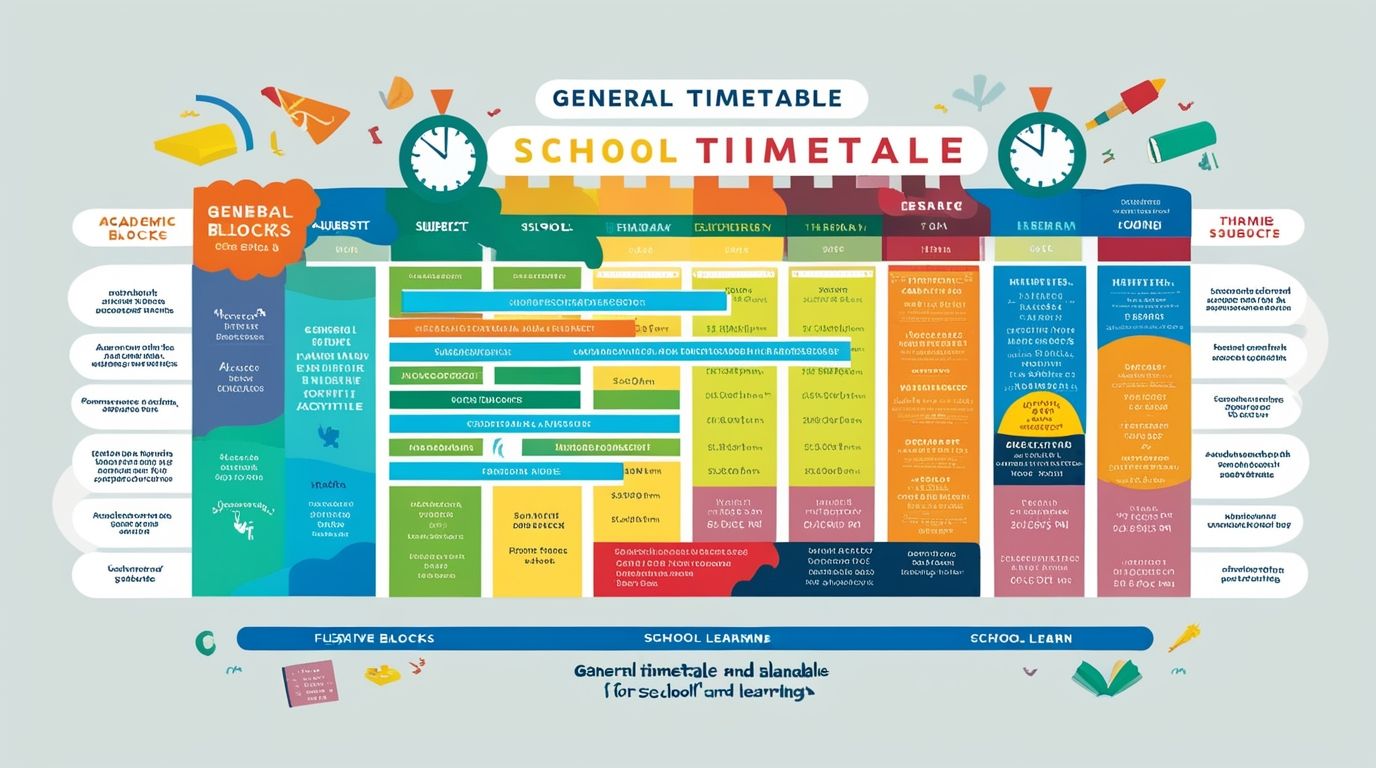
Teacher: We revise the academic calendar. We allocate time for collaboration, reflection, and co-curricular activities. Balance is important.
Educator: Many schools overcrowd schedules. Your approach seems realistic.
Teacher: Quality planning is not about adding more work; it is about choosing wisely. Every activity must serve a purpose.
Educator: How do you monitor whether your plans are working?
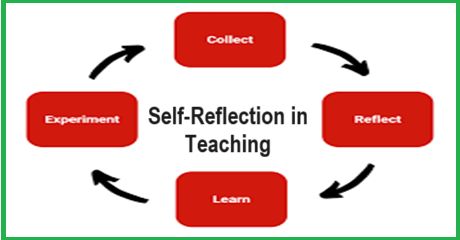
Teacher: We use Monitoring and Evaluation tools. Regular meetings review progress. Data, feedback, and classroom observations guide improvement.
Educator: Do teachers feel comfortable with evaluations?
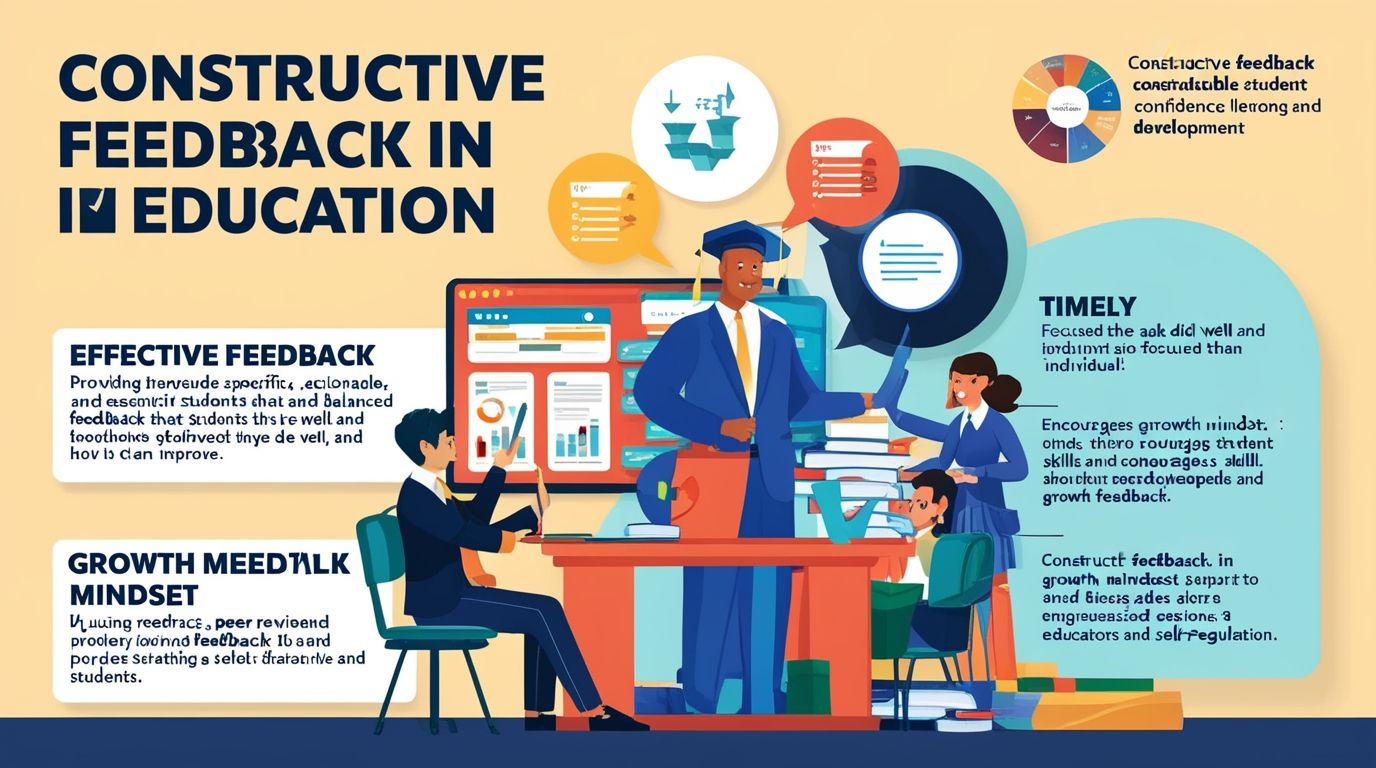
Teacher: Yes, because we focus on growth, not blame. Evaluation is for improvement, not punishment.
Educator: That builds trust. How do students participate in this process?
Teacher: We include student voice through surveys, councils, and class discussions. Students know their challenges best.
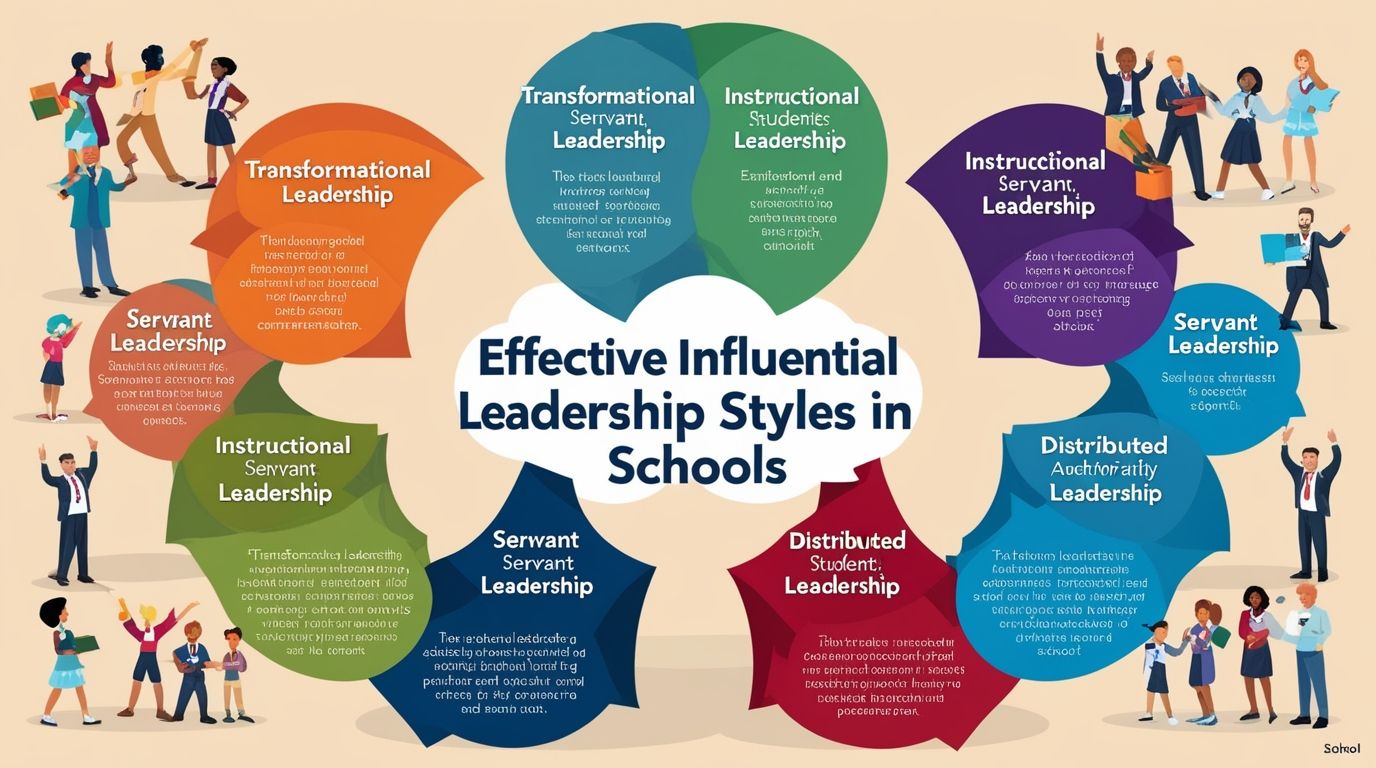
Educator: Giving them voice builds responsibility. What role does leadership play in all this?
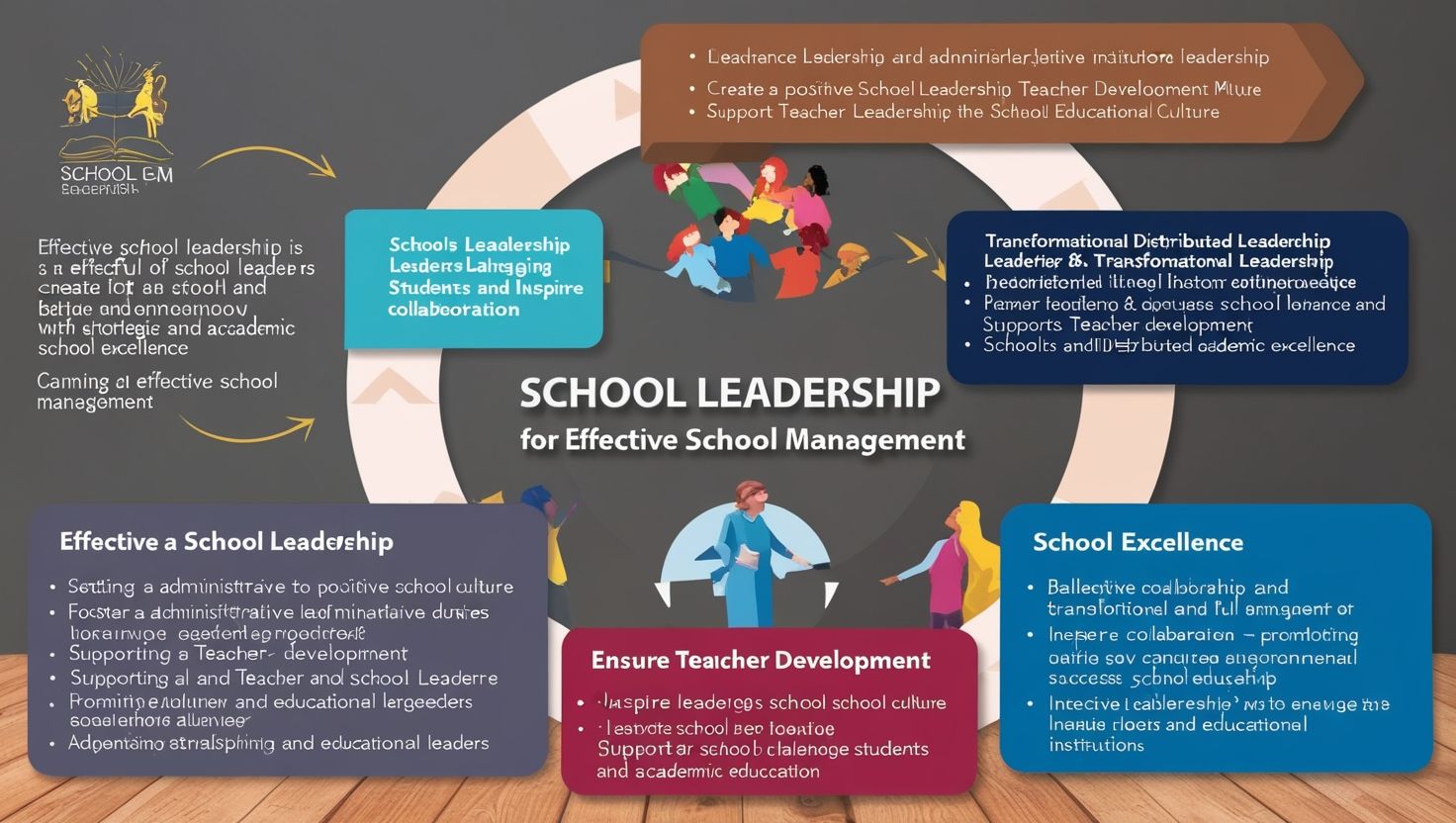
Teacher: Leadership must be supportive and visible. Administrators visit classrooms, listen to teachers, and model professionalism.
Educator: That reduces distance between management and staff.
Teacher: Exactly. When leadership is collaborative, change becomes easier.
Educator: How do you prepare students for future challenges?
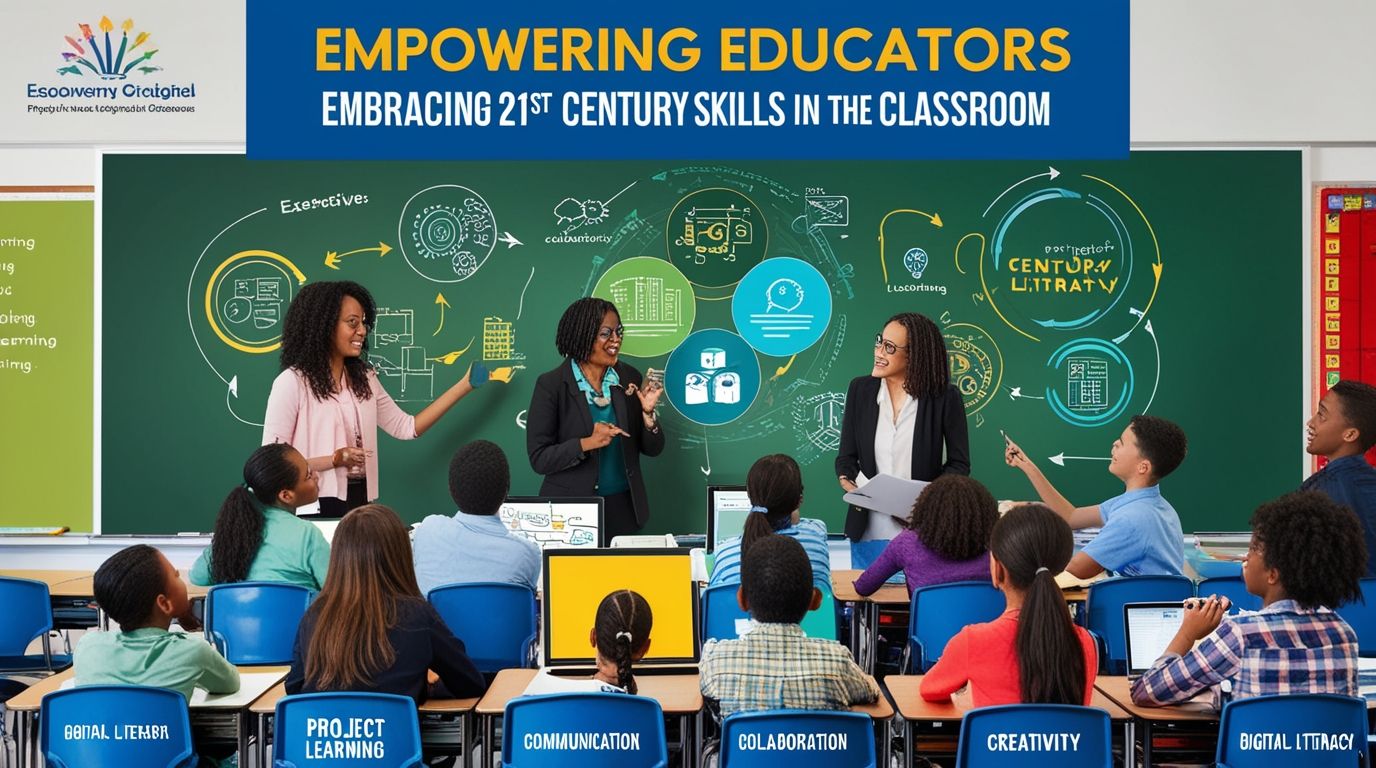
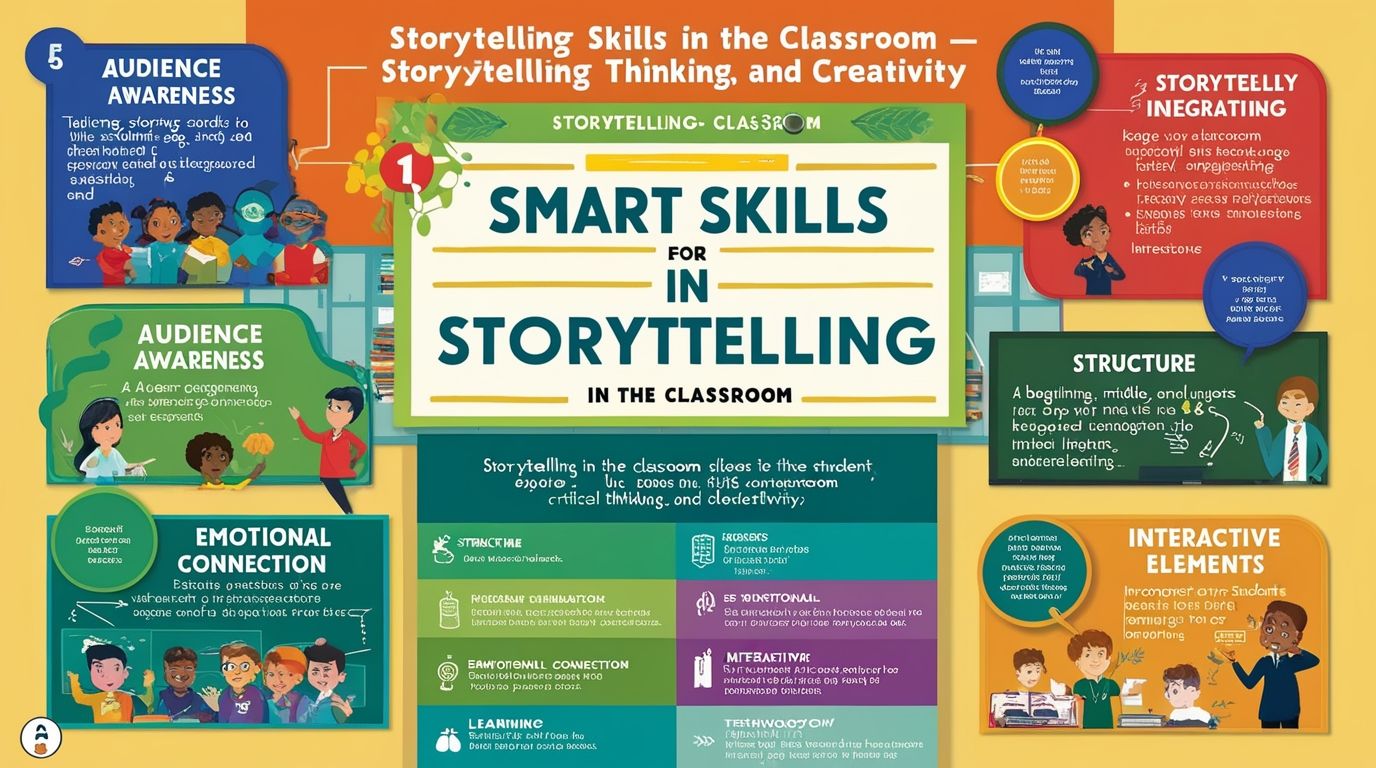
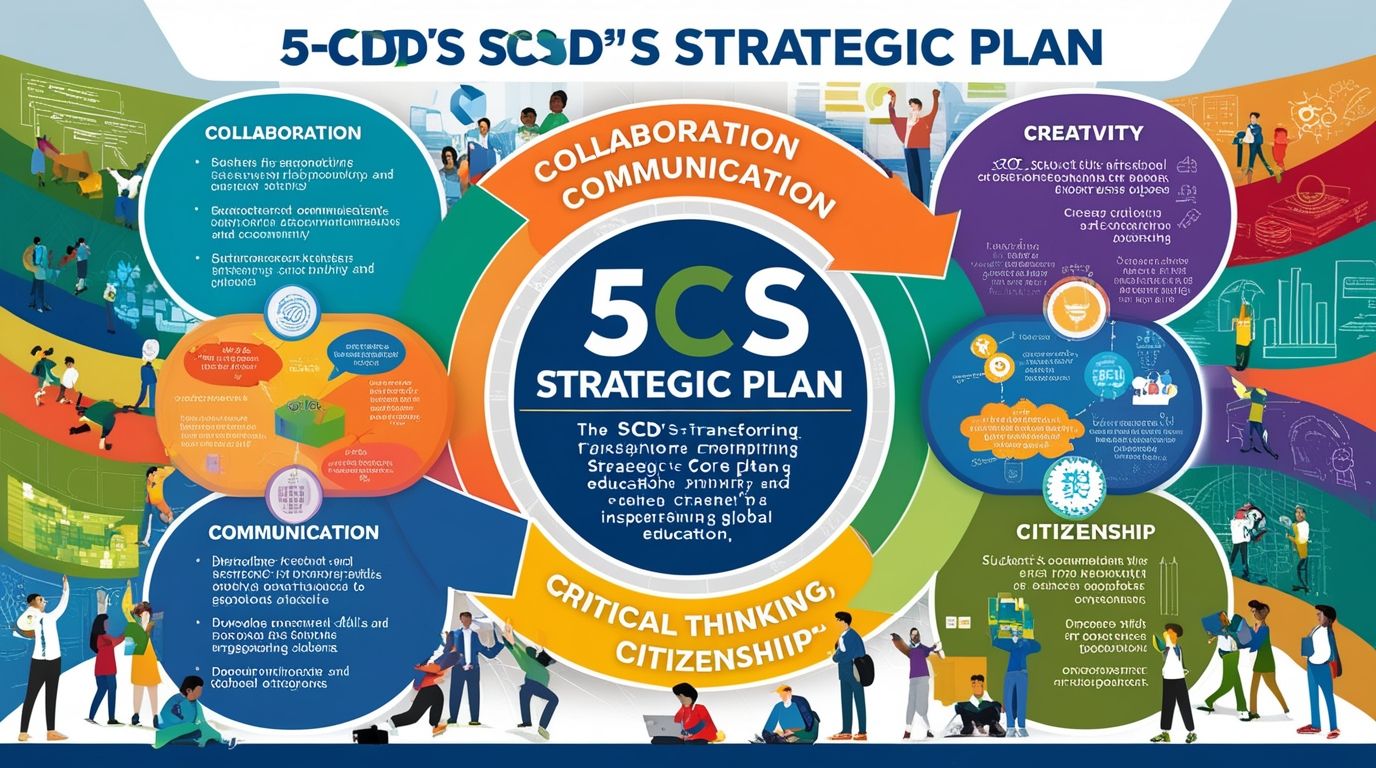
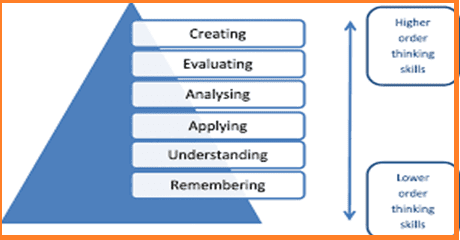
Teacher: We integrate 21st Century Skills such as critical thinking, communication, creativity, and collaboration. Learning must connect with real life.
Educator: Exams often limit such efforts. How do you balance both?
Teacher: We align projects with curriculum objectives. Students meet academic standards while developing skills.
Educator: That is smart integration. What about technology in planning?
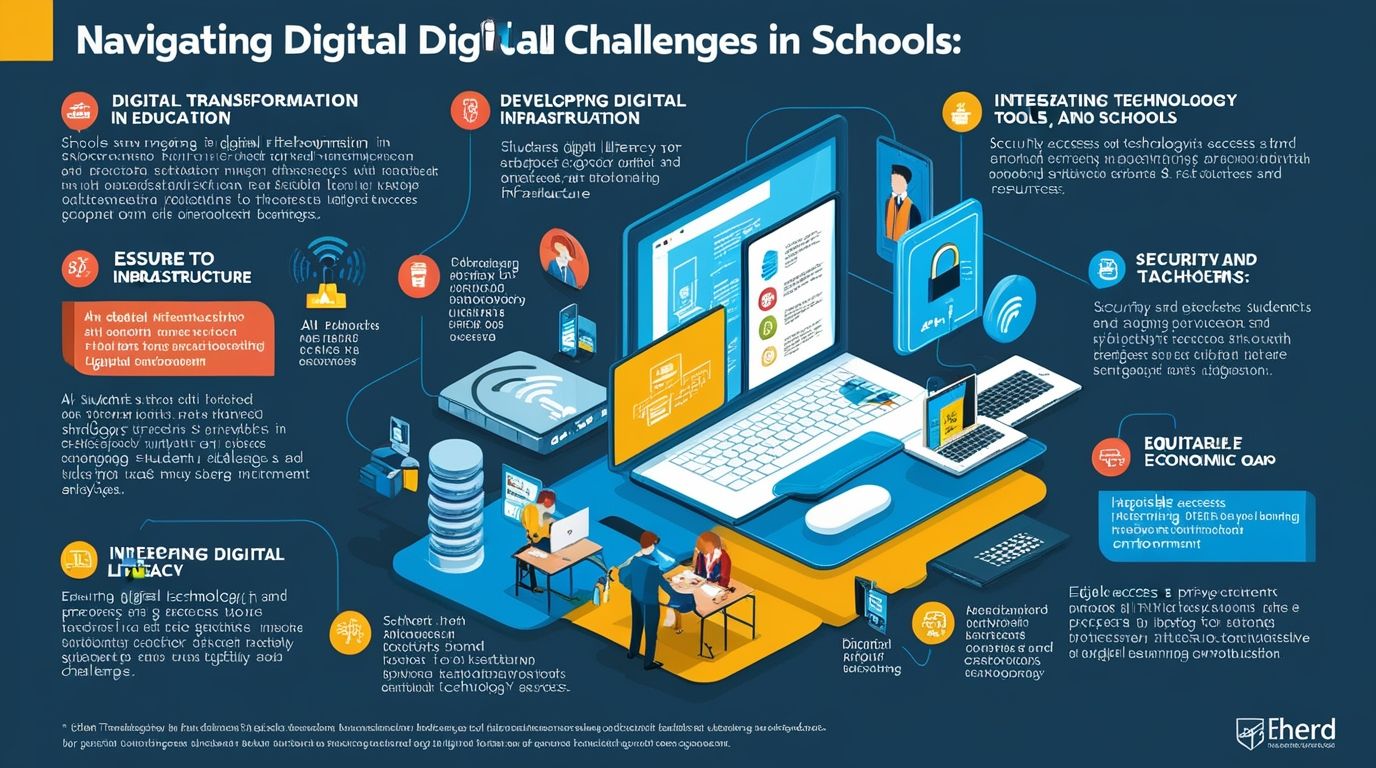
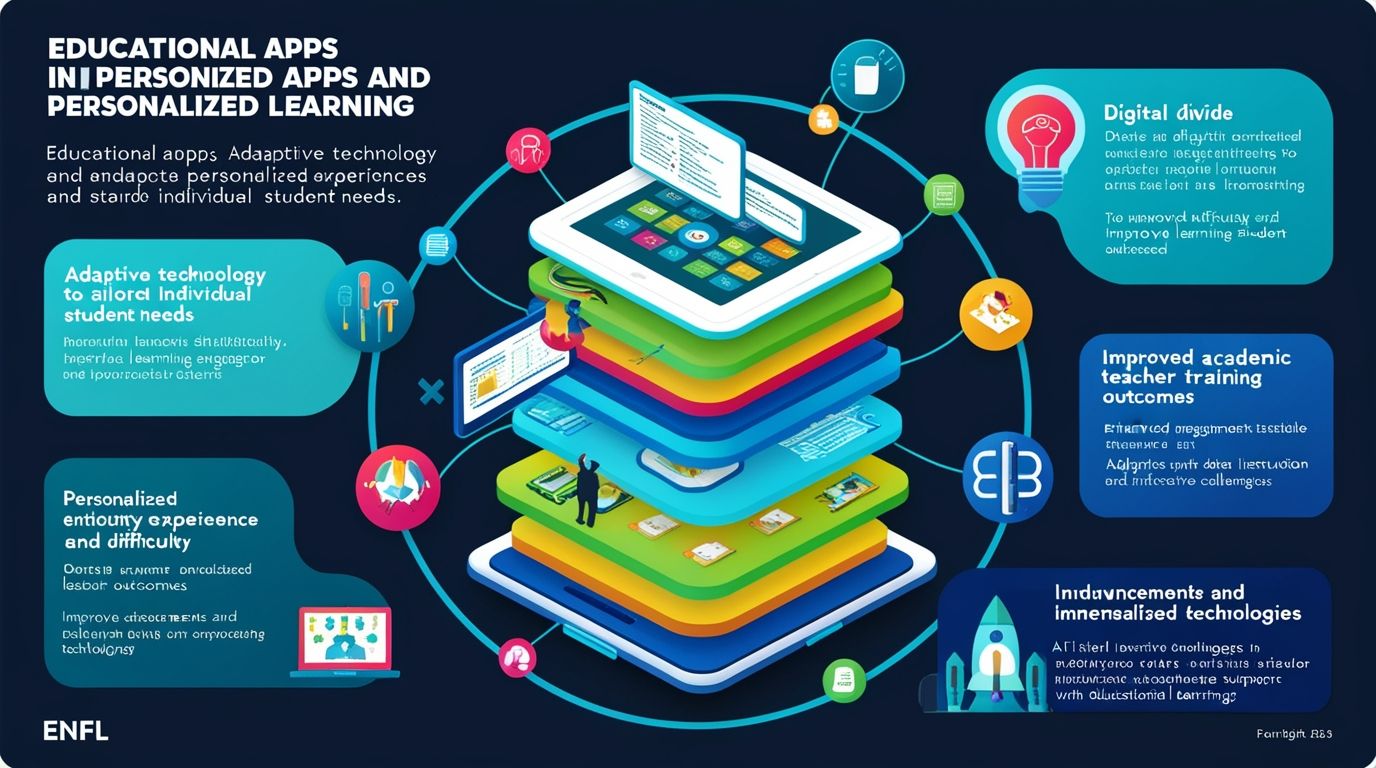
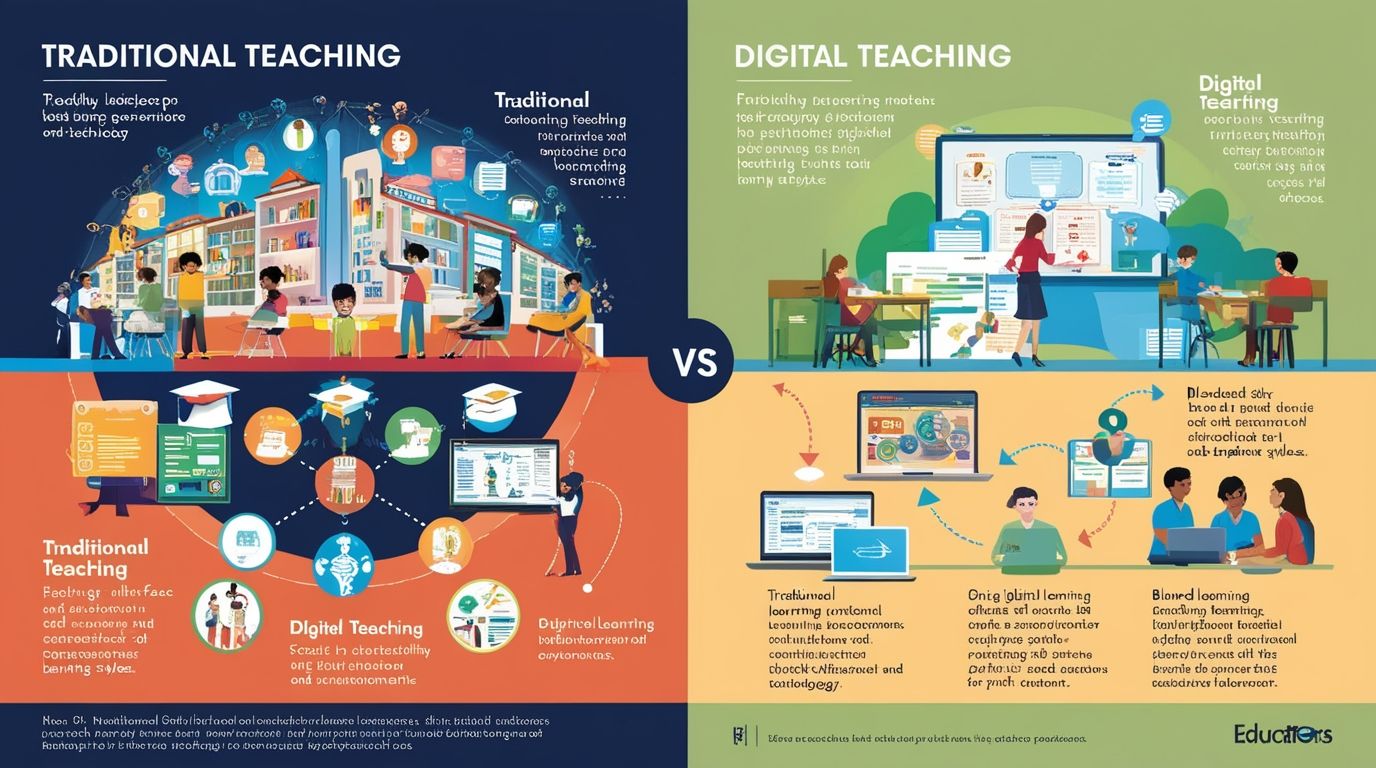
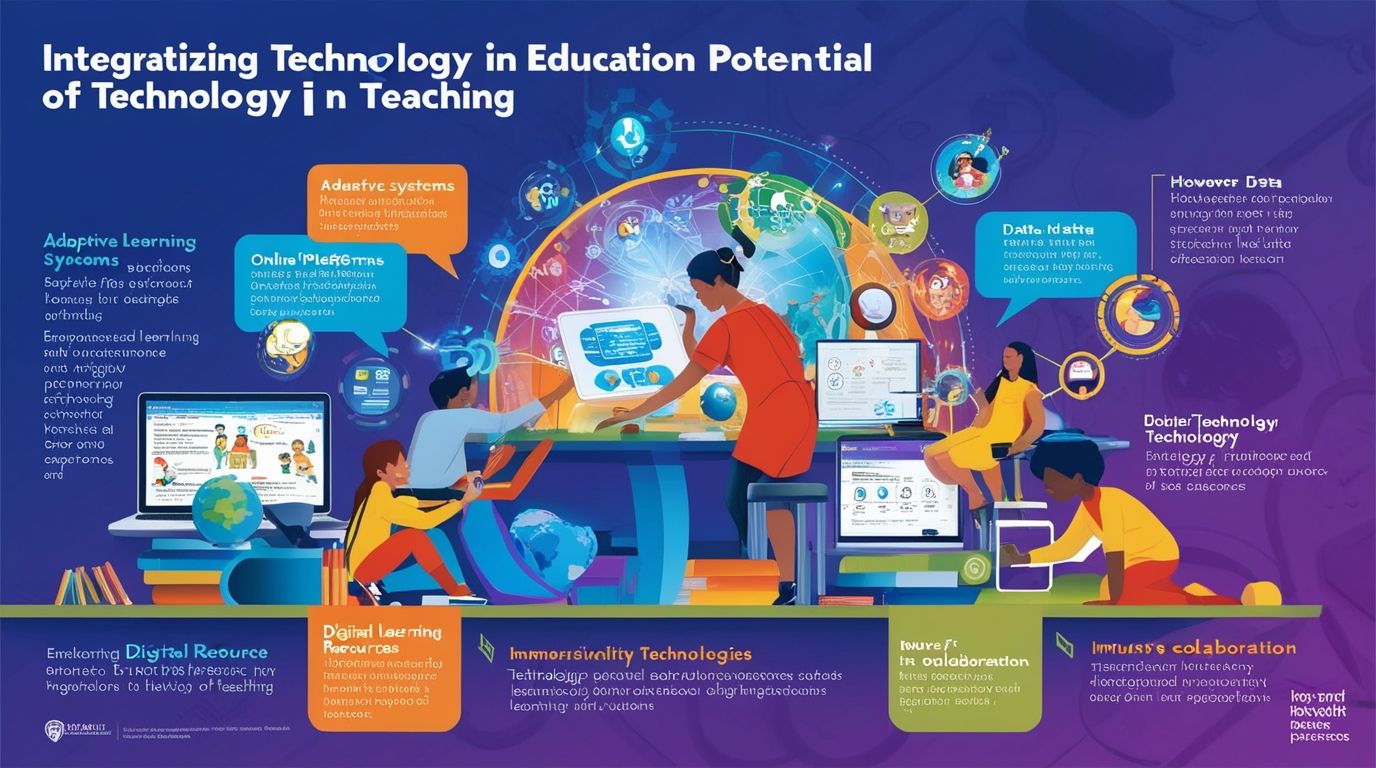
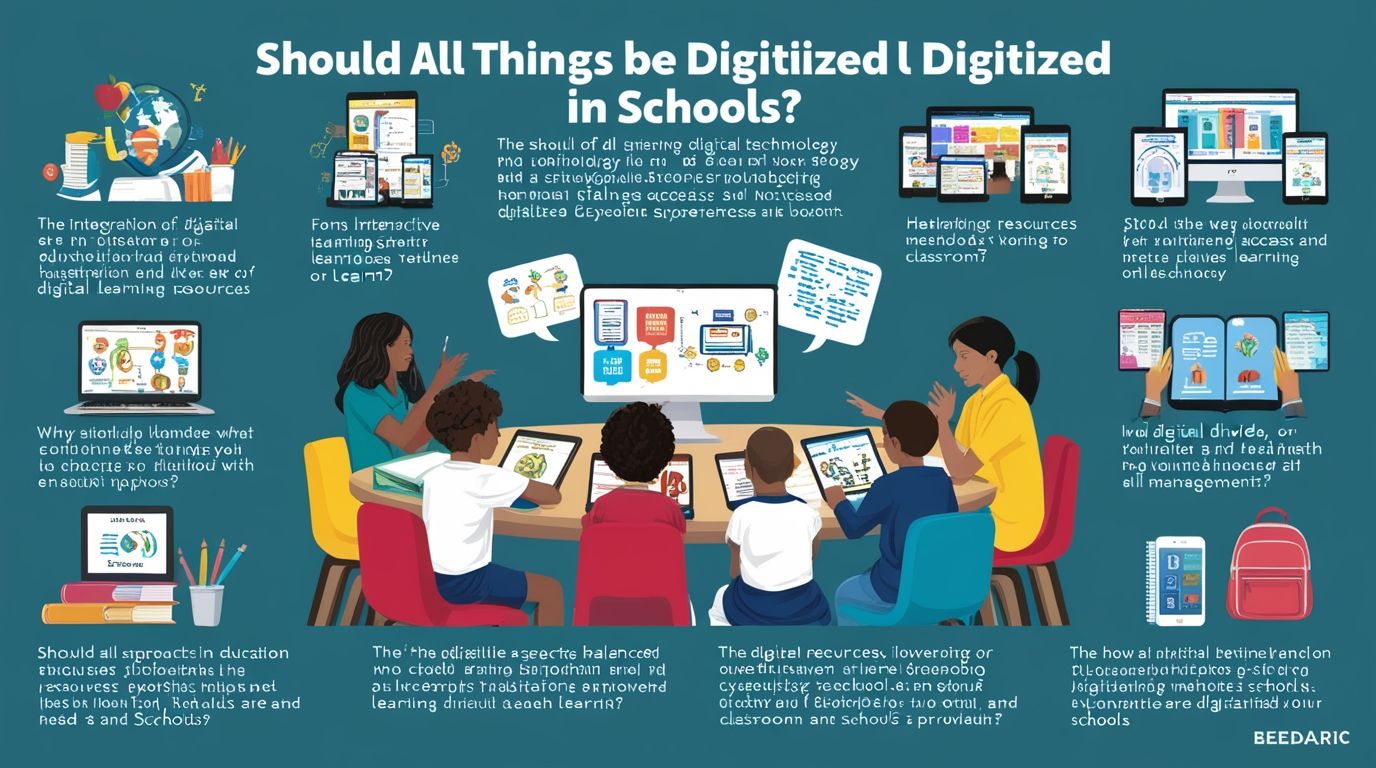
Teacher: Digital Learning is essential. We train teachers to use educational tools, online resources, and virtual platforms effectively.
Educator: That prepares students for a digital world.
Teacher: Yes, but technology must serve pedagogy, not replace it.
Educator: Well said. How do you involve the community?
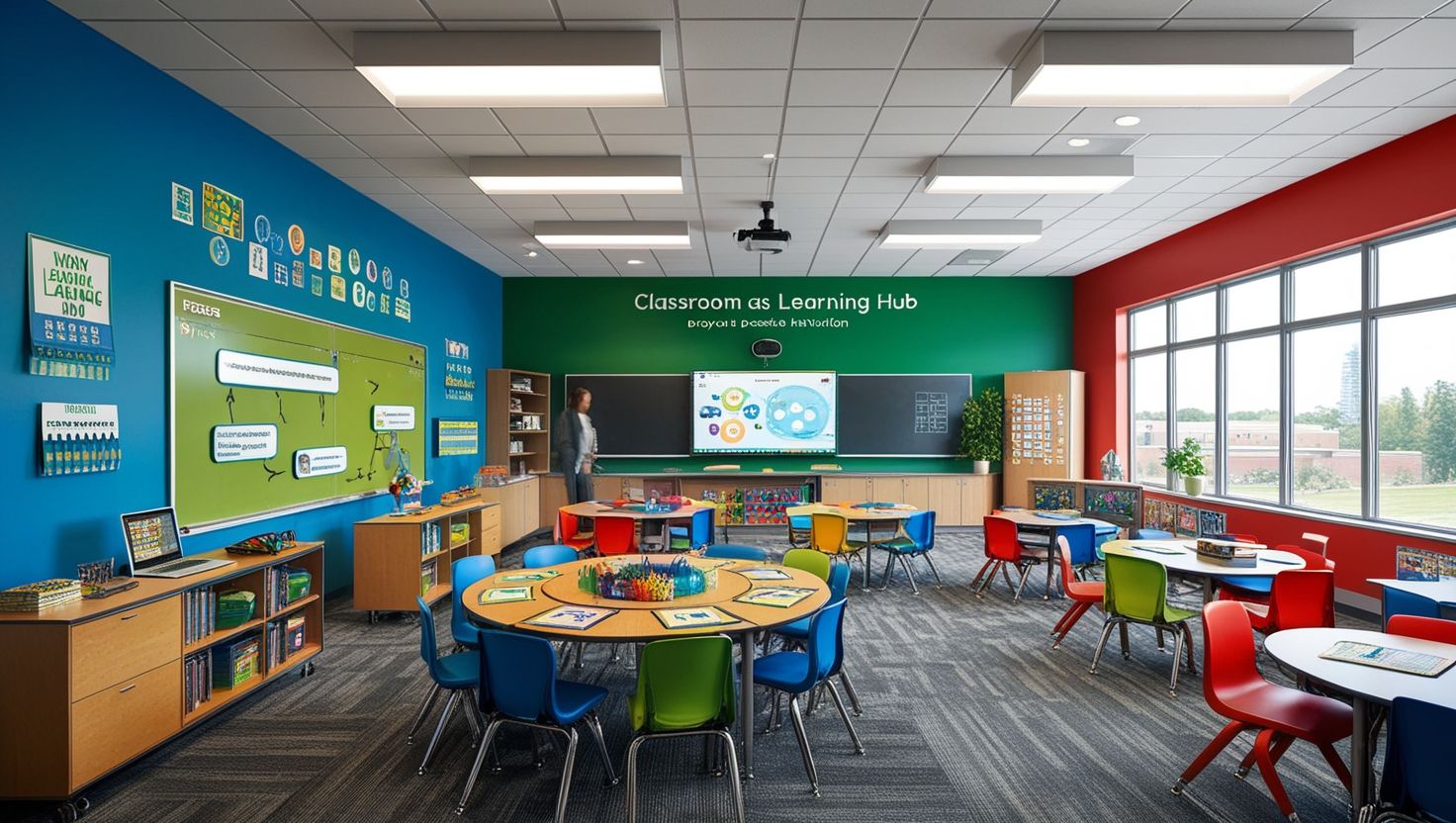
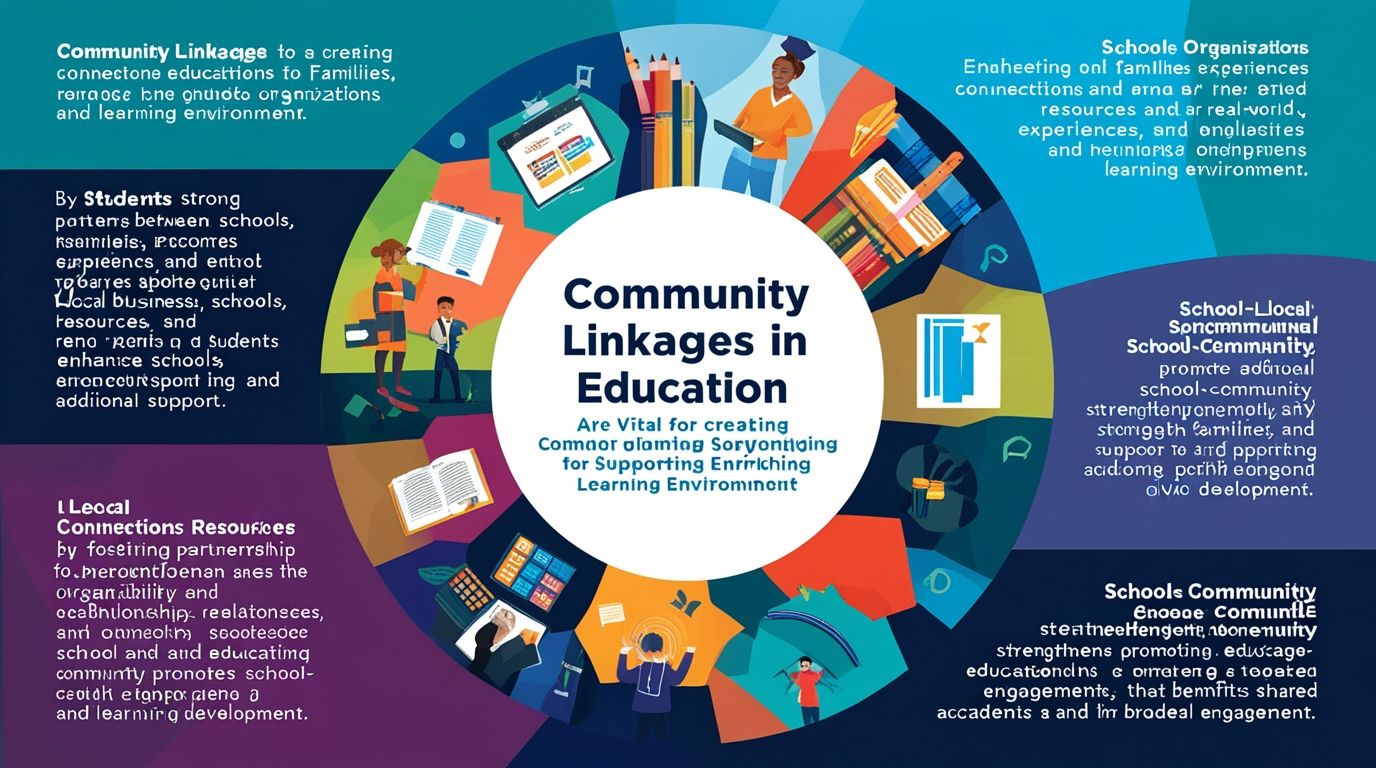
Teacher: We partner with local experts, organize service-learning, and invite community participation. School becomes a learning hub.
Educator: That enriches education beyond textbooks.
Teacher: Education must reflect real society.
Educator: I admire your holistic approach. Quality planning truly shapes the future.
Dialogue – Part 2
Educator: Listening to you, I realize that quality planning is more than making schedules. It is about shaping experiences.
Teacher: Exactly. Planning is the foundation of excellence. Every decision must reflect our commitment to students.
Educator: How do you ensure consistency in implementation? Plans often look perfect on paper but fail in practice.
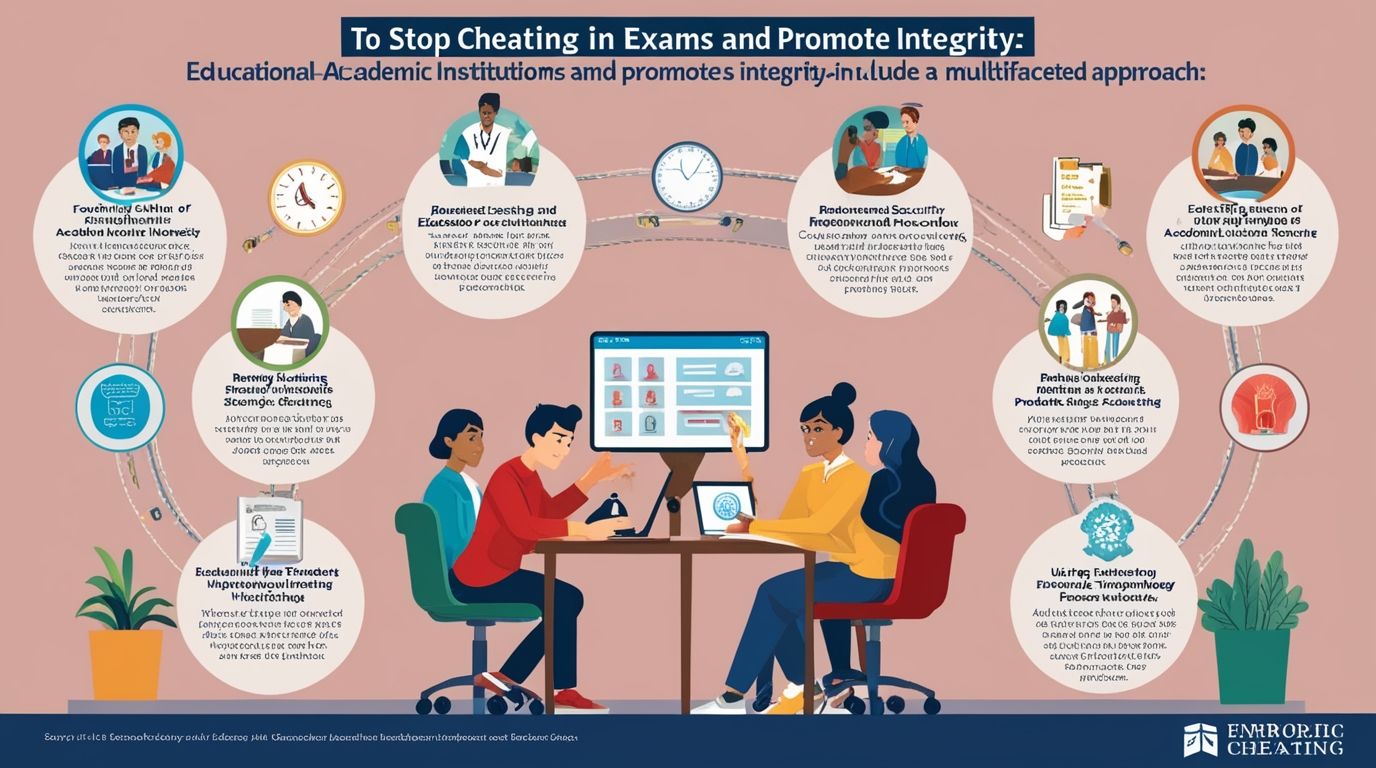
Teacher: We build a culture of accountability. Each department sets measurable goals and reviews them monthly.
Educator: That keeps everyone focused. What role do department heads play?
Teacher: They act as mentors and coordinators. They guide lesson planning, observe classes, and support teachers.
Educator: That strengthens instructional leadership. How do you manage resistance to change?
Teacher: Through dialogue and trust. We explain the purpose behind every change. People accept change when they see its value.
Educator: True. Communication reduces fear.
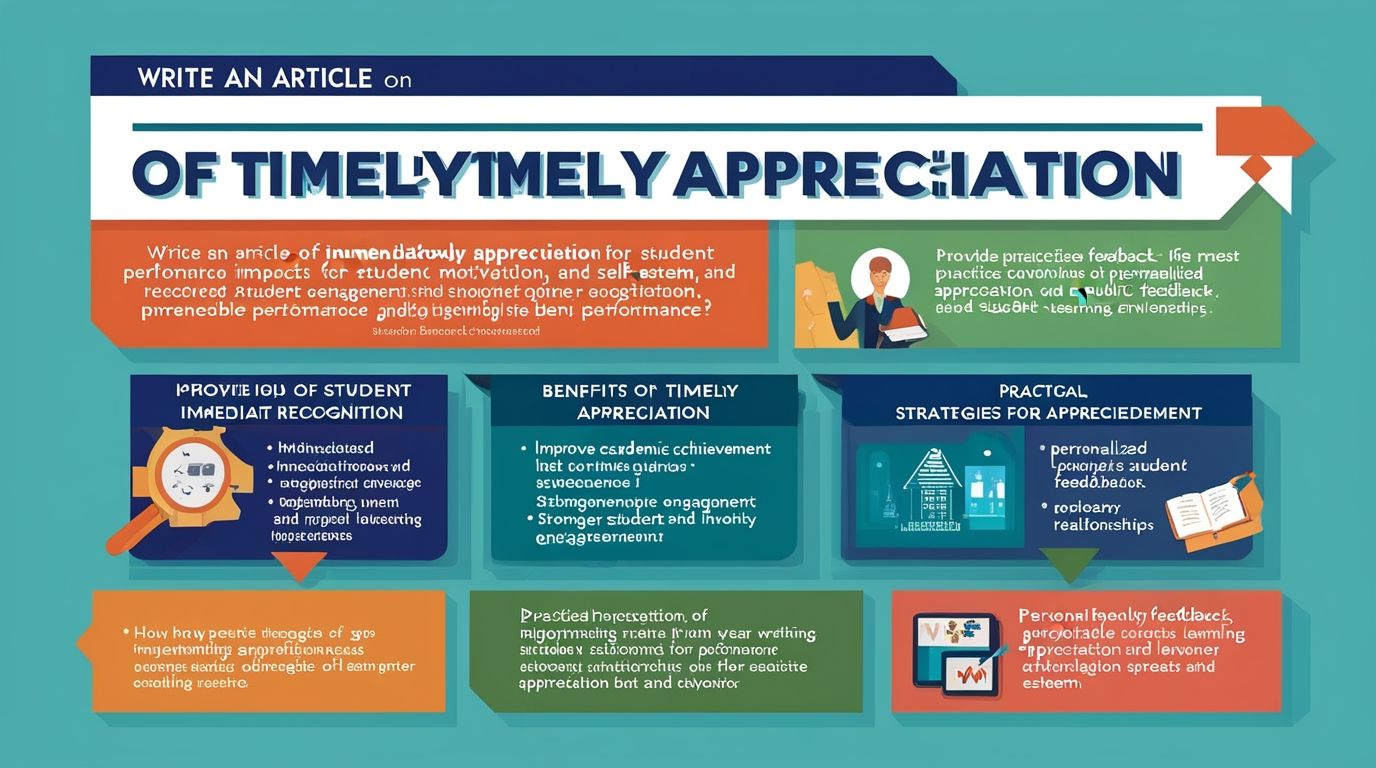
Teacher: We also celebrate small successes. Recognition motivates teachers to continue improving.
Educator: Motivation is powerful. Do you use rewards?
Teacher: We value appreciation more than material rewards. Certificates, public praise, and opportunities for leadership inspire commitment.
Educator: That nurtures intrinsic motivation. What about discipline planning?
Teacher: Our Behavior Management Policy focuses on respect and responsibility. We teach students to reflect and repair mistakes.
Educator: Restorative practices build character.
Teacher: Yes, discipline becomes learning, not fear.
Educator: How do you ensure equity in your plans?
Teacher: We analyze data to identify struggling students. Then we design remedial programs and peer support systems.
Educator: That prevents students from being left behind.
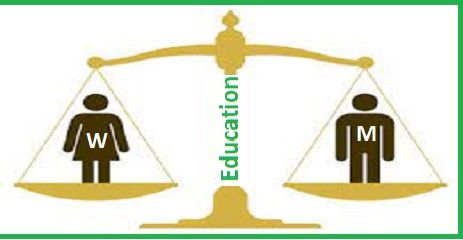
Teacher: Equity is a pillar of Quality Education. Every child deserves opportunity.
Educator: How do you integrate co-curricular activities?
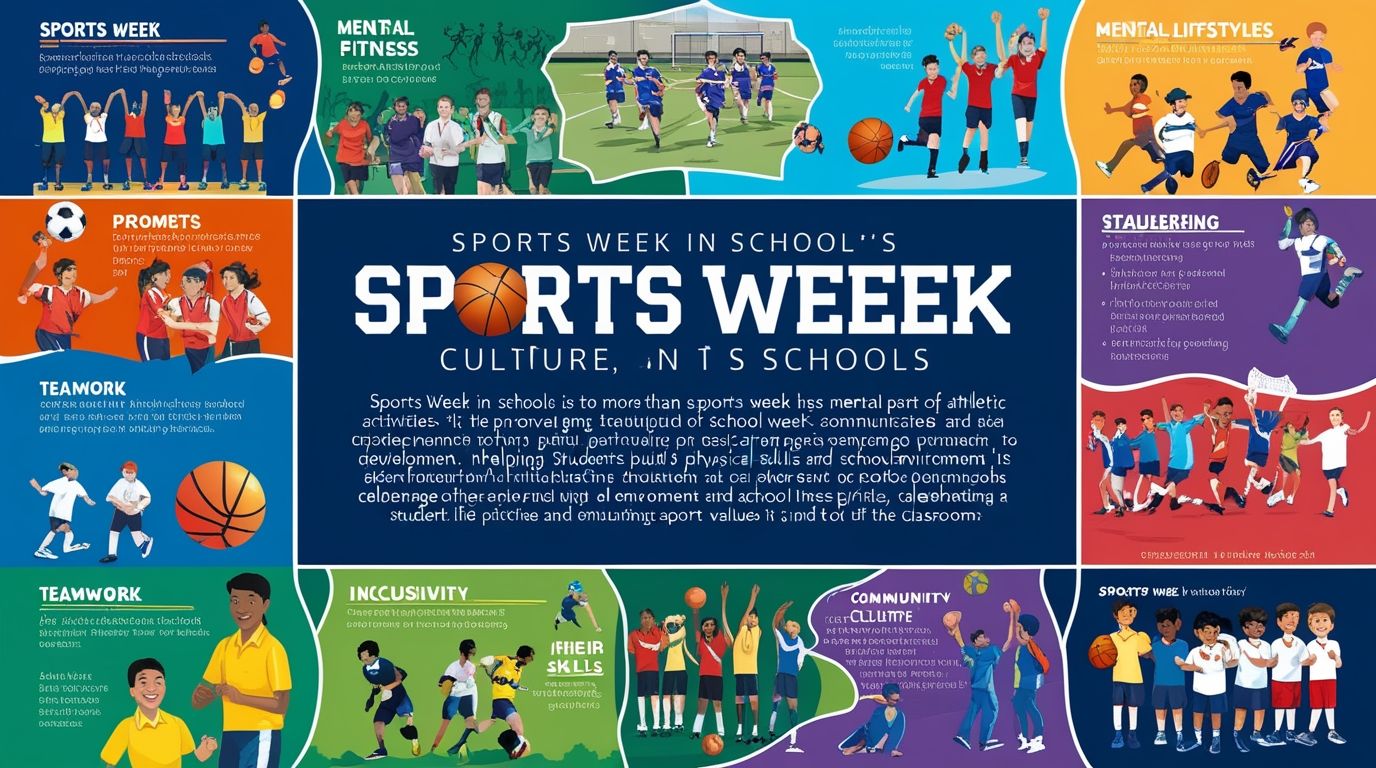
Teacher: Activities are aligned with learning goals. Sports build teamwork, arts build creativity, clubs build leadership.
Educator: Education becomes holistic.
Teacher: Exactly. School must develop mind, body, and character.
Educator: Do students understand the purpose of planning?
Teacher: We explain goals to them. When students know why they learn, they engage deeply.
Educator: Purpose transforms attitude.
Teacher: We also teach goal-setting skills. Students plan their own learning journeys.
Educator: That builds independence.
Teacher: Independence prepares them for life beyond school.
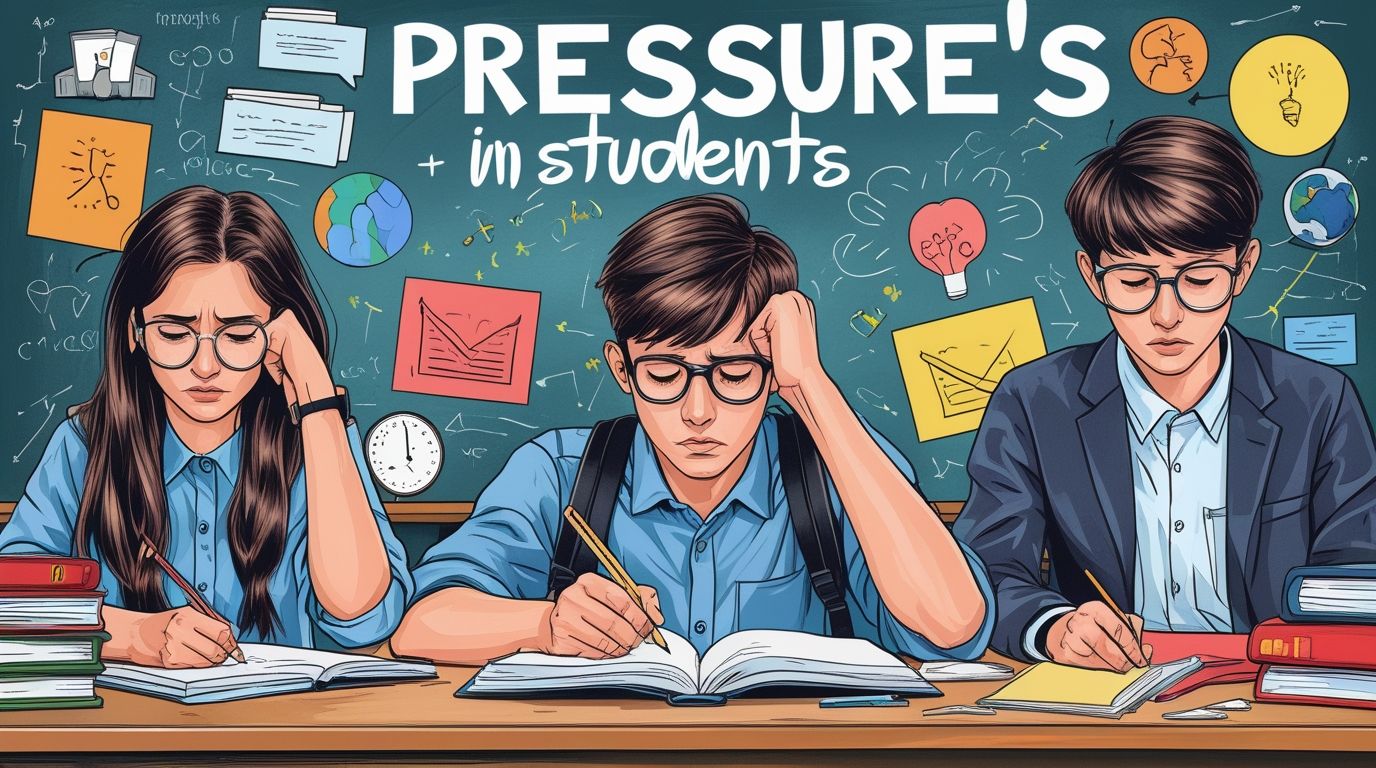
Educator: How do you handle academic stress?
Teacher: We balance workload, teach time management, and provide counseling. Stress-free learning improves performance.
Educator: Mental health is crucial.
Teacher: A happy learner is a successful learner.
Educator: What is the biggest challenge in planning?
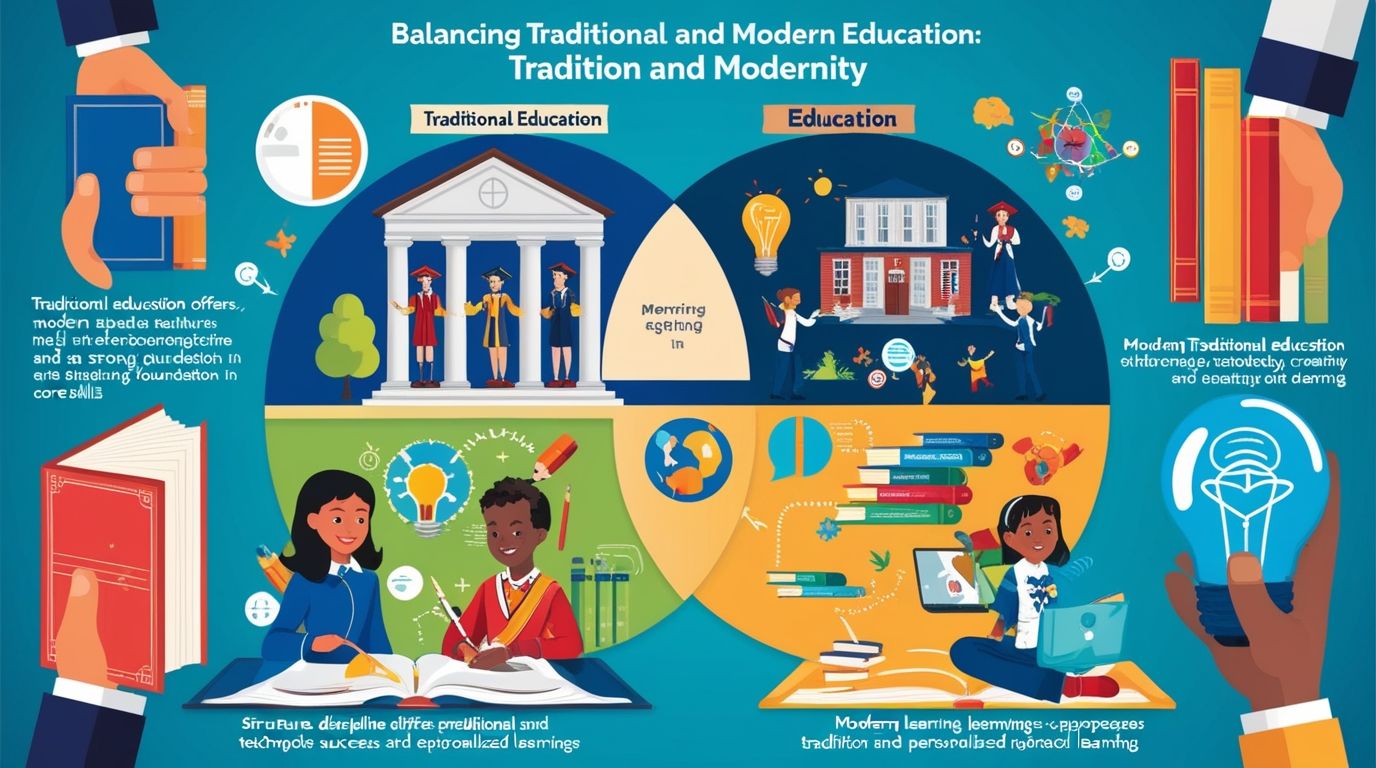
Teacher: Balancing tradition with innovation. We respect values while embracing change.
Educator: That balance defines good leadership.
Teacher: Planning must be flexible. Unexpected situations demand adaptation.
Educator: Like emergencies or sudden policy changes.
Teacher: Exactly. We prepare contingency plans for continuity.
Educator: That shows foresight.
Teacher: Foresight is part of Strategic Planning.
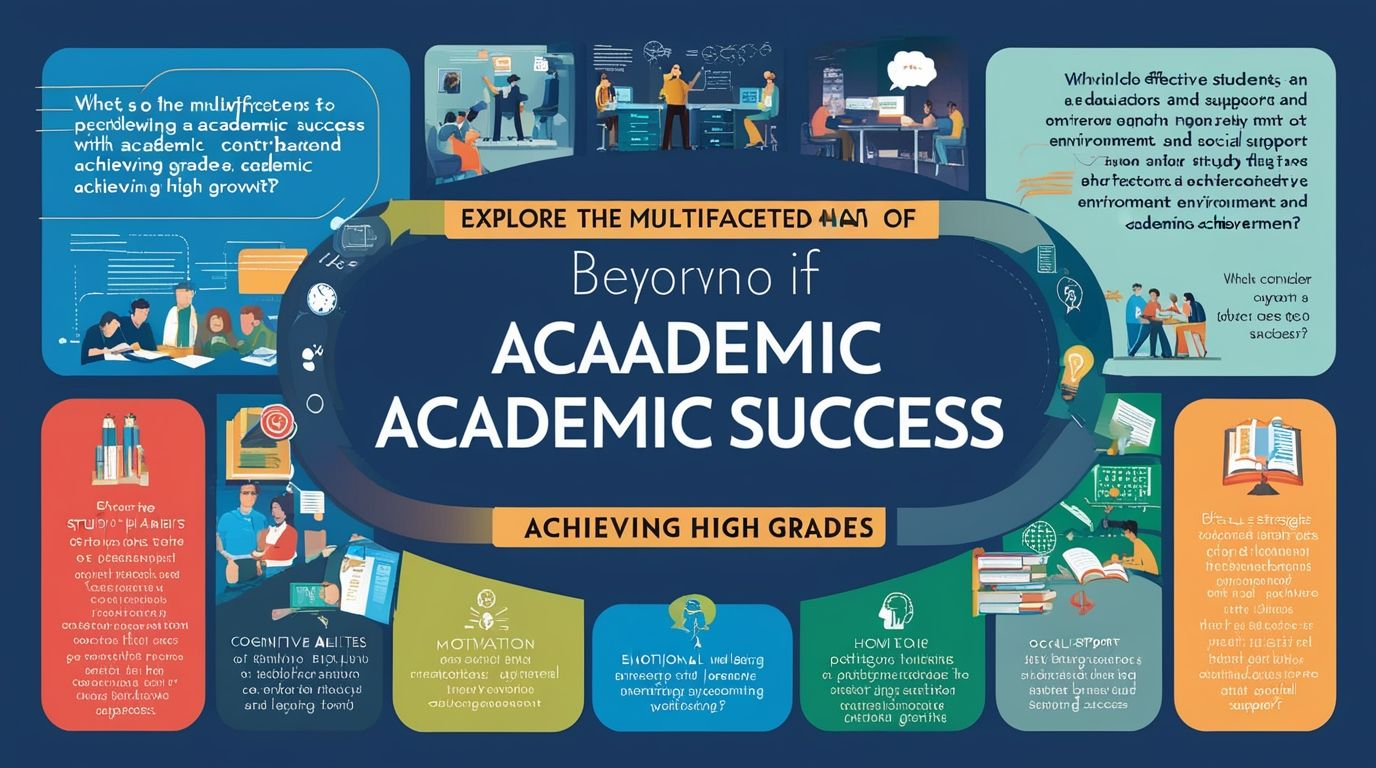
Educator: How do you measure success at the end of the year?
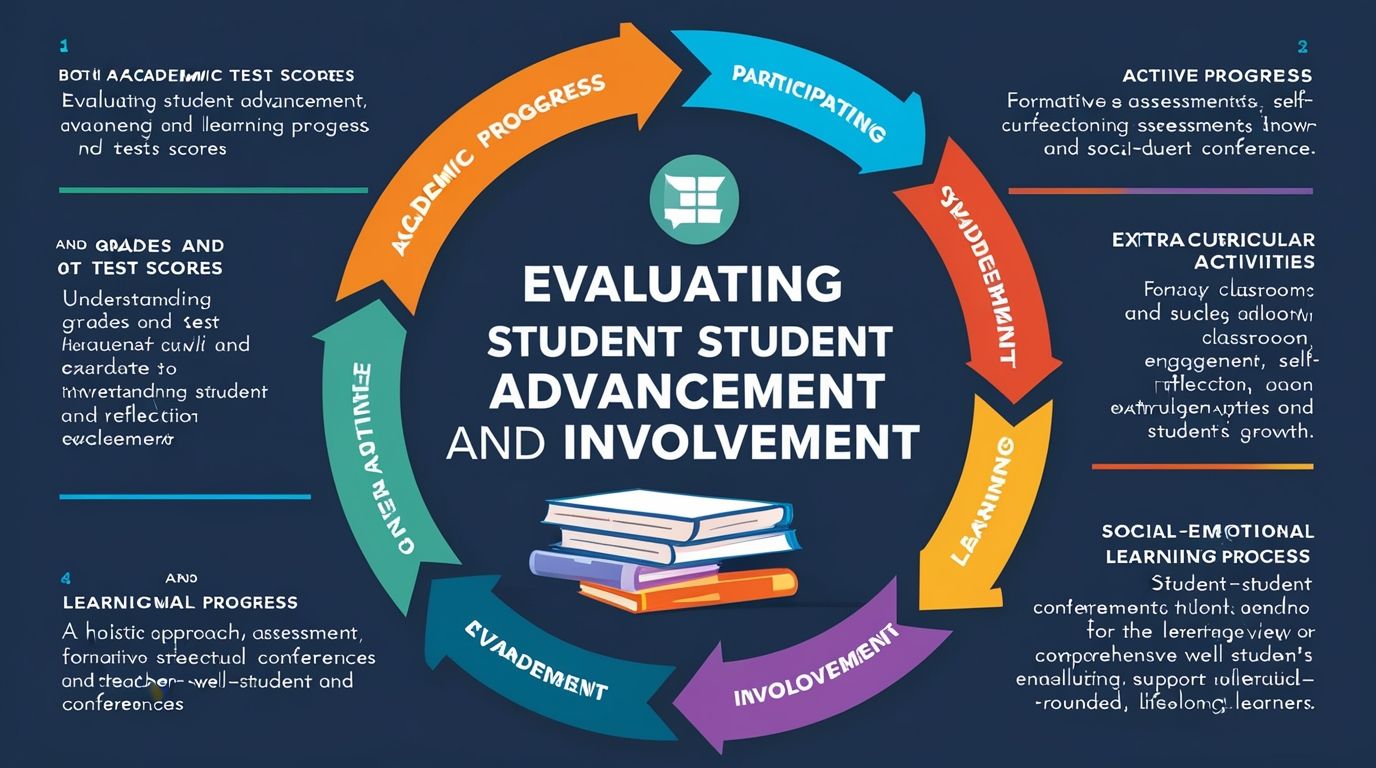
Teacher: Through academic results, student behavior, teacher satisfaction, and parent feedback.
Educator: Success becomes multidimensional.
Teacher: Education is complex; evaluation must reflect that.
Educator: Your approach inspires me. It shows that planning is a moral responsibility.
Teacher: It is. Every plan affects a child’s future.
Educator: I will adopt these ideas in my institution.
Teacher: I am glad. Quality planning spreads through shared vision.
Educator: Thank you for this enriching conversation.
Teacher: Thank you too. Dialogue itself is the beginning of improvement.
Educator: May the new academic year bring growth and excellence.
Teacher: Indeed. Let us build schools that inspire, empower, and transform lives.
References
- Fullan, M. (2016). The New Meaning of Educational Change. Teachers College Press.
- Darling-Hammond, L. (2010). The Flat World and Education. Teachers College Press.
- Hattie, J. (2012). Visible Learning for Teachers. Routledge.
- UNESCO. (2017). Education for Sustainable Development Goals: Learning Objectives. UNESCO Publishing.