Abstract
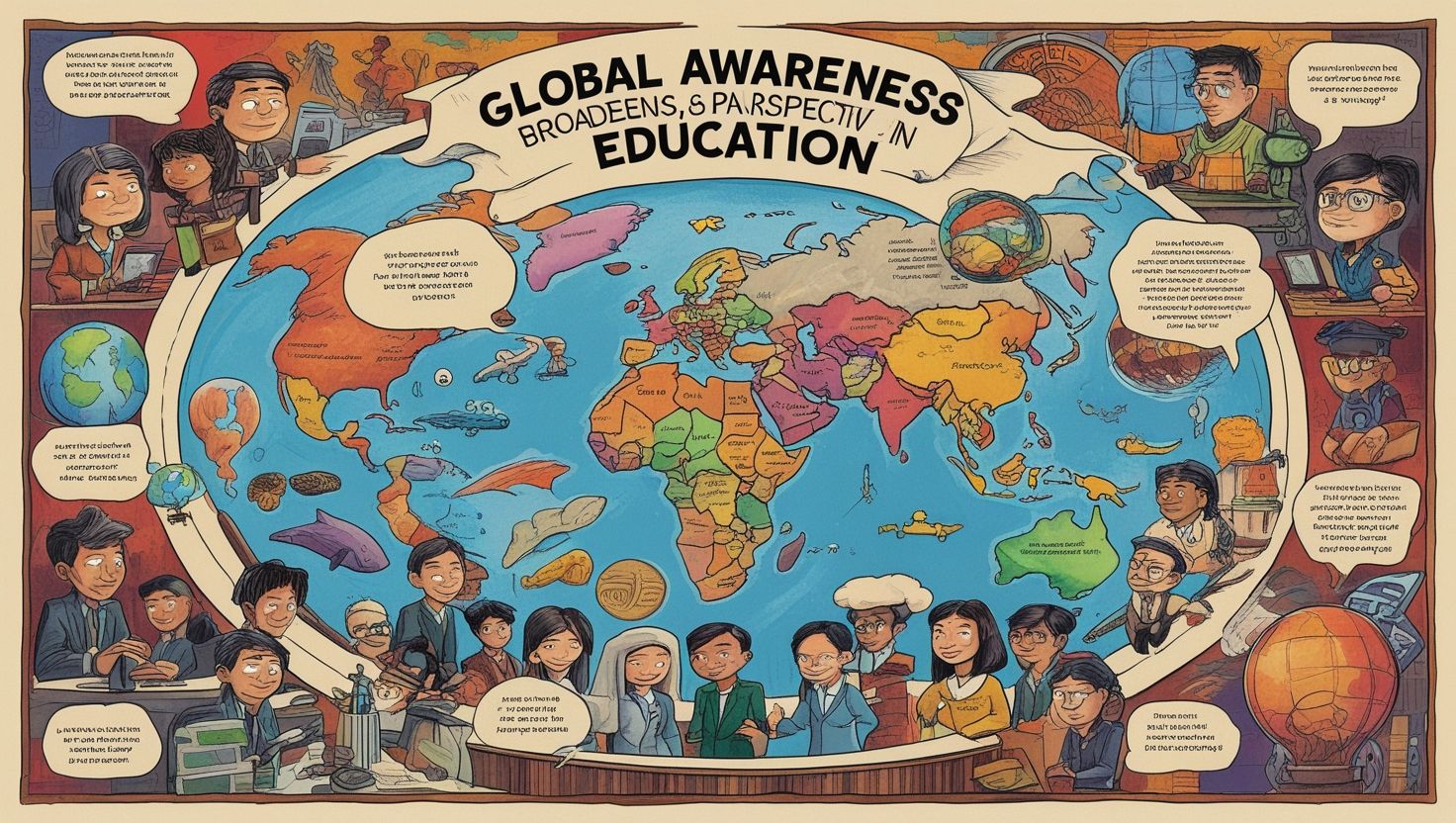
Education and Pluralism for One World, In an era of rapid globalization, cultural diversity, and interconnectedness, the concept of pluralism has become increasingly vital. Pluralism emphasizes respect for diversity, recognition of multiple perspectives, and inclusive participation in social, political, and cultural life. Education serves as a pivotal platform to promote pluralistic values and foster global citizenship, bridging differences and cultivating mutual understanding. This paper examines the relationship between education and pluralism, exploring how educational systems can nurture tolerance, inclusivity, and intercultural dialogue. It highlights global perspectives, challenges, and effective strategies for integrating pluralism into curricula and pedagogy, demonstrating that education is not merely a transmission of knowledge but a transformative tool for building a just and harmonious “one world.”
Introduction
The twenty-first century is marked by unprecedented social, political, and technological transformations. As the world becomes increasingly interconnected, encounters between diverse cultures, religions, languages, and worldviews have intensified. This global interdependence calls for a paradigm shift in how societies educate their citizens. Education must move beyond mere skill acquisition and knowledge dissemination to cultivate values, attitudes, and competencies that promote coexistence, understanding, and shared responsibility.
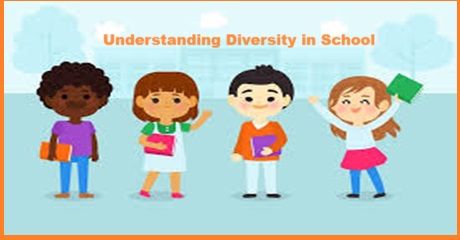
Pluralism—the recognition and acceptance of diversity—is central to this vision of education. It entails acknowledging differences without imposing uniformity, respecting multiple perspectives, and fostering dialogue among diverse groups. Pluralism is not limited to religious or cultural domains; it encompasses ideological, social, political, and epistemological diversity. In this context, education becomes a powerful instrument to prepare individuals to navigate complexity, embrace difference, and participate actively in a pluralistic world.
This paper explores the interplay between education and pluralism in the pursuit of a unified yet diverse global community. It examines the theoretical foundations of pluralism, the role of education in fostering inclusive societies, global perspectives and case studies, challenges in implementing pluralistic education, and strategies to integrate pluralism effectively into curricula and pedagogy.
The Concept of Pluralism
Pluralism can be understood as a philosophical, social, and political framework that values diversity as a positive force rather than a source of division. Philosophically, pluralism recognizes that reality, knowledge, and human experience are multifaceted. From a social perspective, it entails coexistence of multiple cultural, religious, and linguistic groups within a society. Politically, pluralism supports inclusive participation in decision-making, protection of minority rights, and equitable access to resources and opportunities.
In the context of education, pluralism emphasizes inclusivity and the cultivation of critical thinking, empathy, and intercultural competence. It encourages learners to engage with differing viewpoints, question assumptions, and appreciate the legitimacy of diverse experiences. This approach counters ethnocentrism, prejudice, and narrow-mindedness, promoting democratic values and social cohesion.
Pluralism is increasingly relevant in globalized societies, where migration, digital communication, and transnational institutions bring diverse populations into close contact. It challenges the notion of a singular “correct” worldview and underscores the need for dialogue, negotiation, and cooperation. In education, pluralism is not merely an abstract ideal; it is a practical necessity for preparing students to function ethically and effectively in a diverse, interconnected world.
Education as a Tool for Pluralism
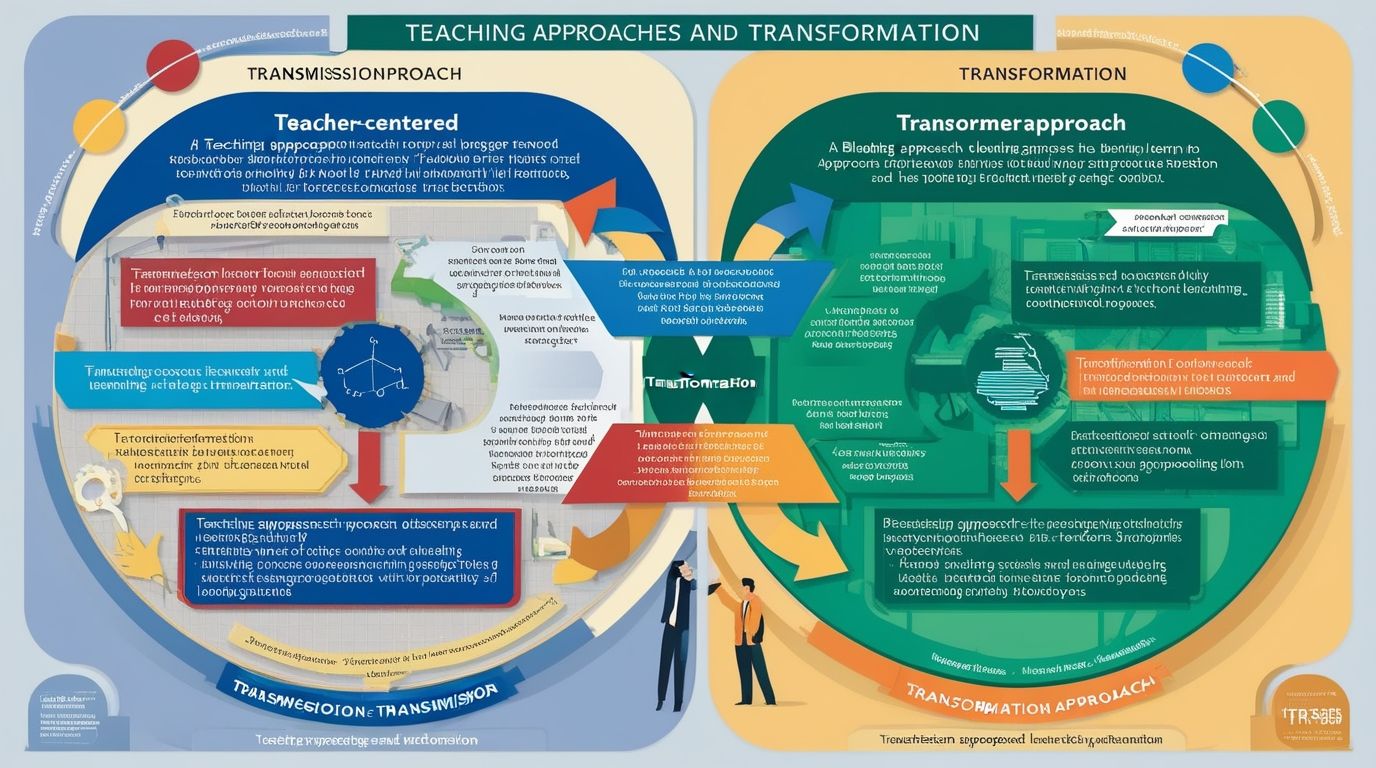
Education plays a dual role in shaping societies: it transmits cultural knowledge and values, and it cultivates cognitive, social, and moral skills. When aligned with pluralistic principles, education becomes a mechanism for fostering mutual respect, tolerance, and social justice.
1. Knowledge Transmission and Awareness
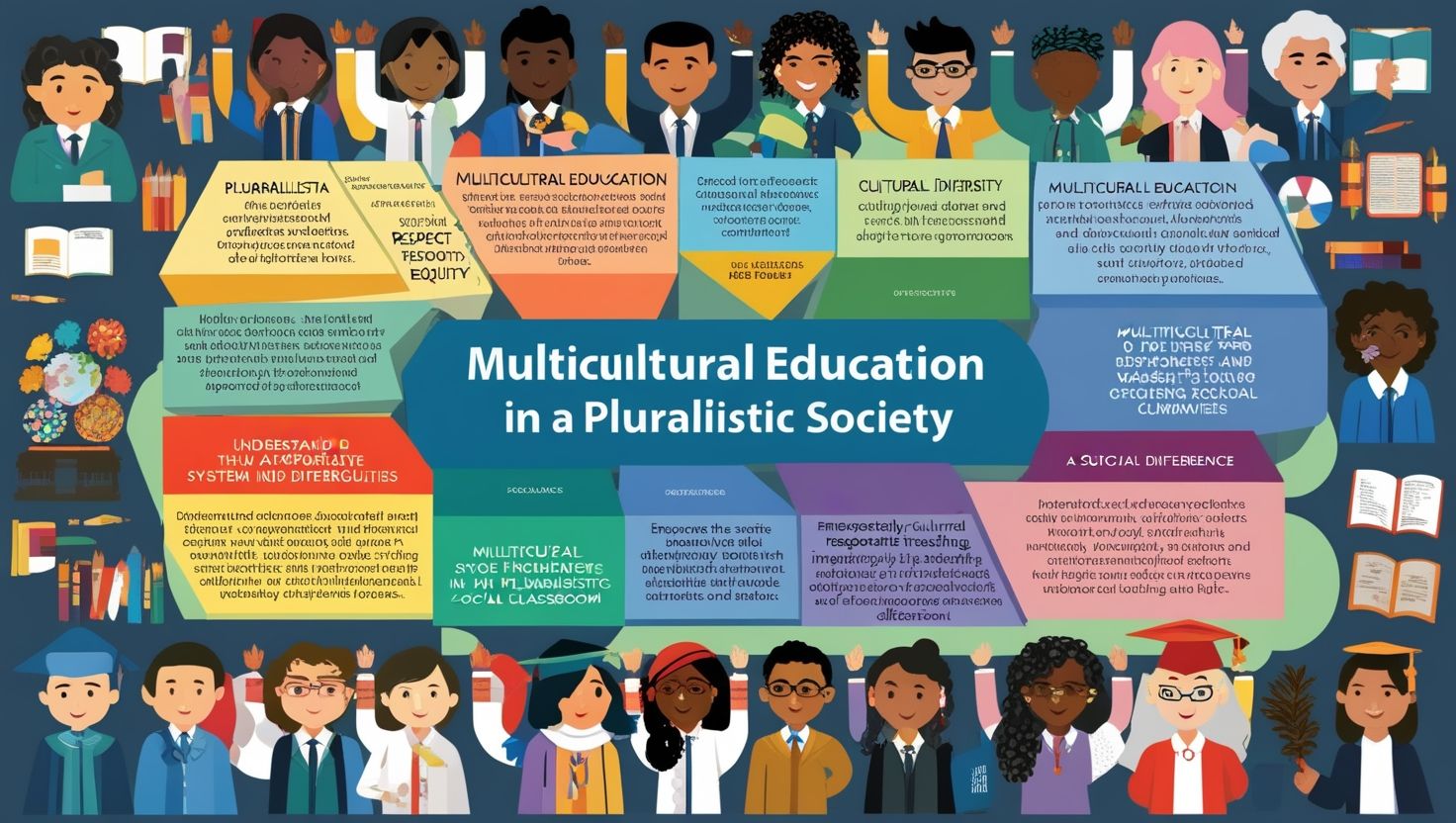
Education exposes learners to diverse perspectives, histories, and worldviews. Multicultural curricula highlight the contributions of various civilizations, minority communities, and global movements. By integrating pluralistic content into subjects such as literature, history, and social sciences, students gain a nuanced understanding of human diversity and interconnectedness.
2. Attitude and Value Formation
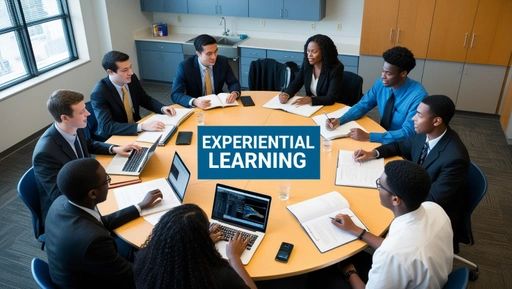
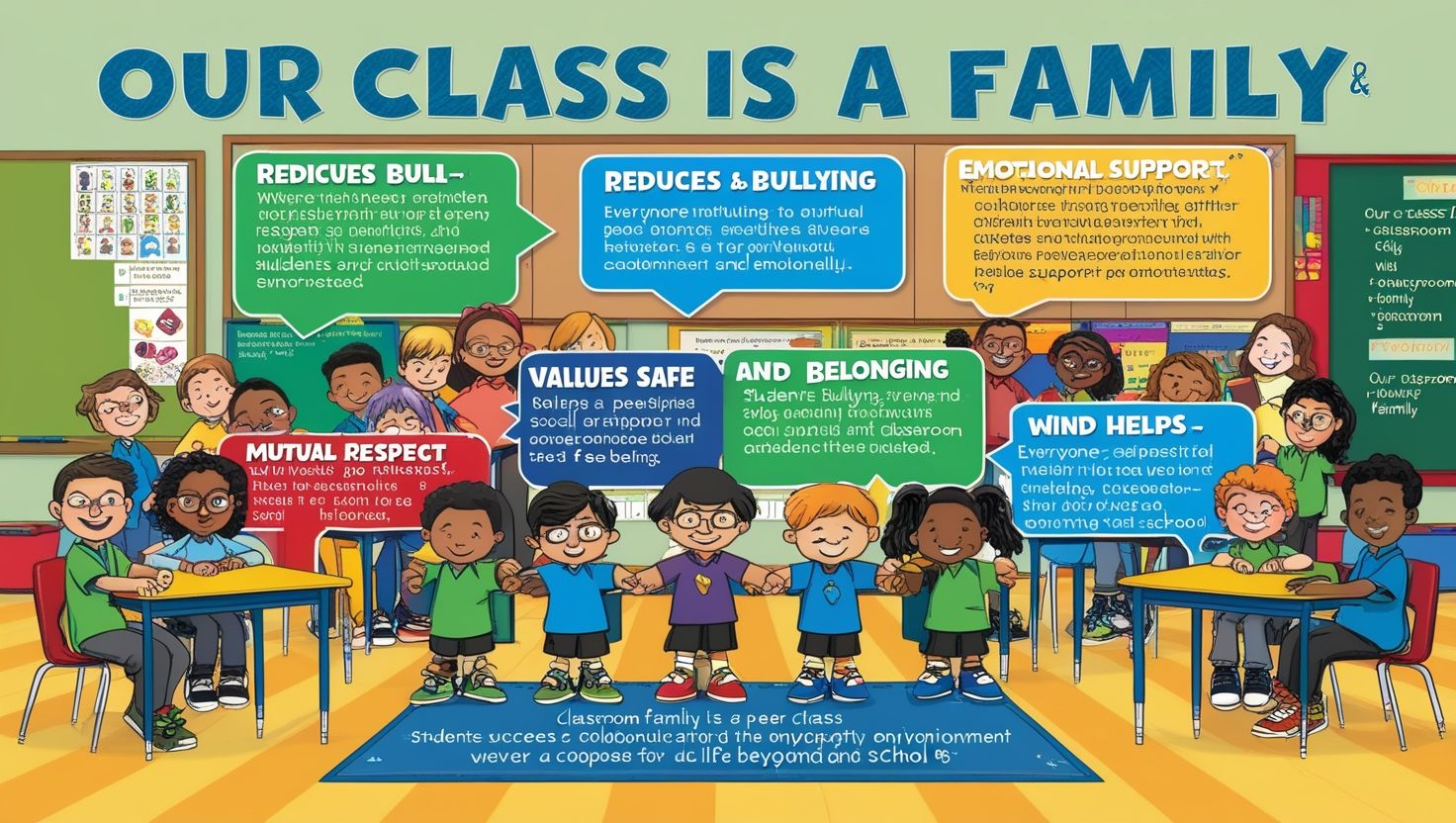
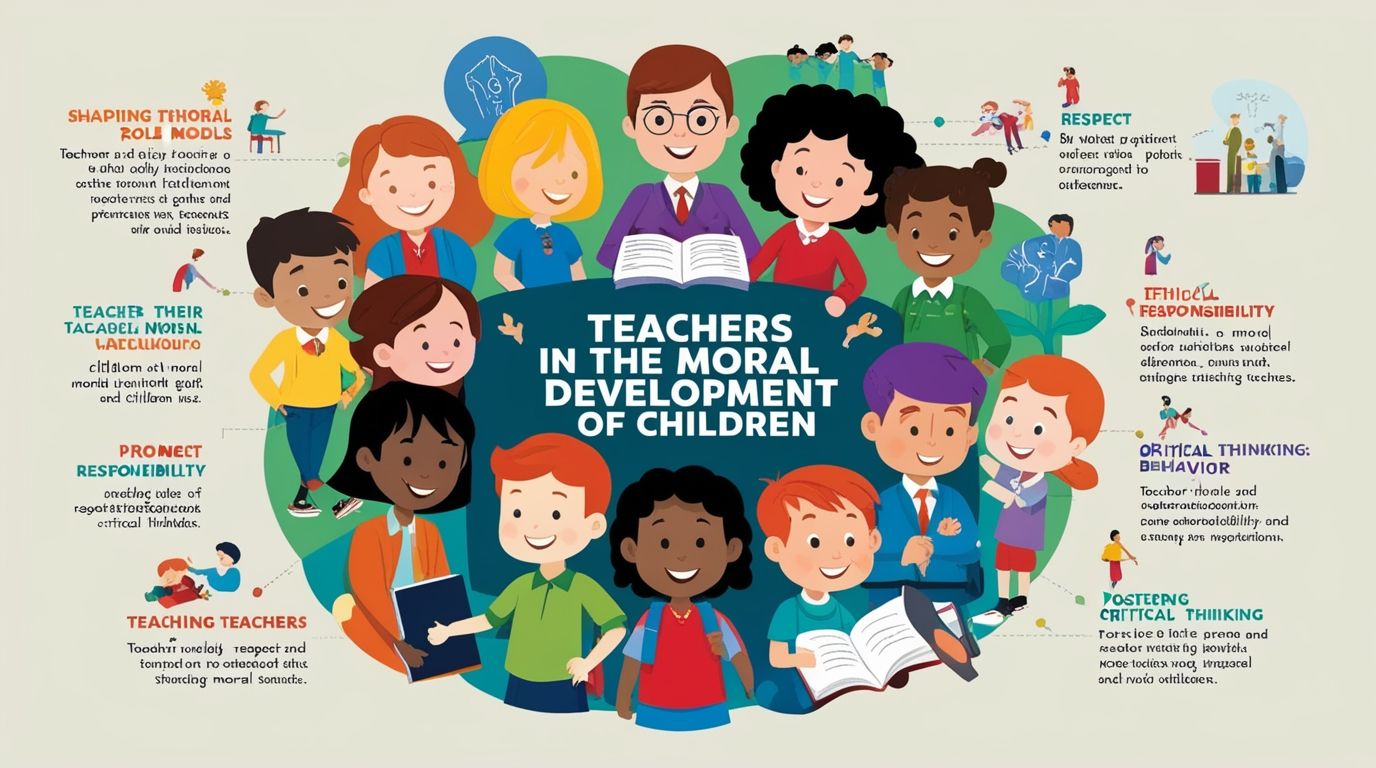
Beyond knowledge, education shapes attitudes. Schools and universities can cultivate values such as empathy, tolerance, fairness, and cooperation. Experiential learning activities—such as debates, role-plays, and service projects—help students internalize pluralistic principles by engaging with real-world challenges and diverse communities.
3. Skill Development
Pluralistic education fosters critical thinking, communication, and conflict-resolution skills. Students learn to navigate differences constructively, negotiate compromises, and participate in collaborative problem-solving. These skills are essential for global citizenship and for addressing complex social and environmental issues that transcend national and cultural boundaries.
In essence, education acts as a bridge between individual understanding and collective responsibility, preparing learners to contribute positively to a pluralistic, global society.
Global Perspectives on Education and Pluralism
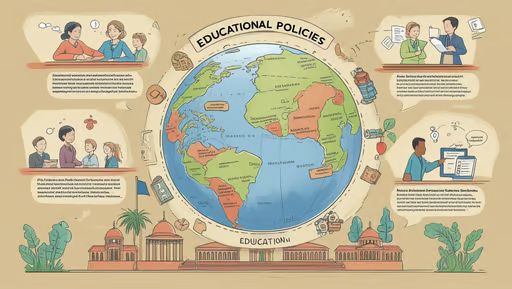
Pluralistic education is shaped by cultural, political, and historical contexts. Different regions adopt varied approaches, reflecting societal priorities and challenges.
1. Western Models
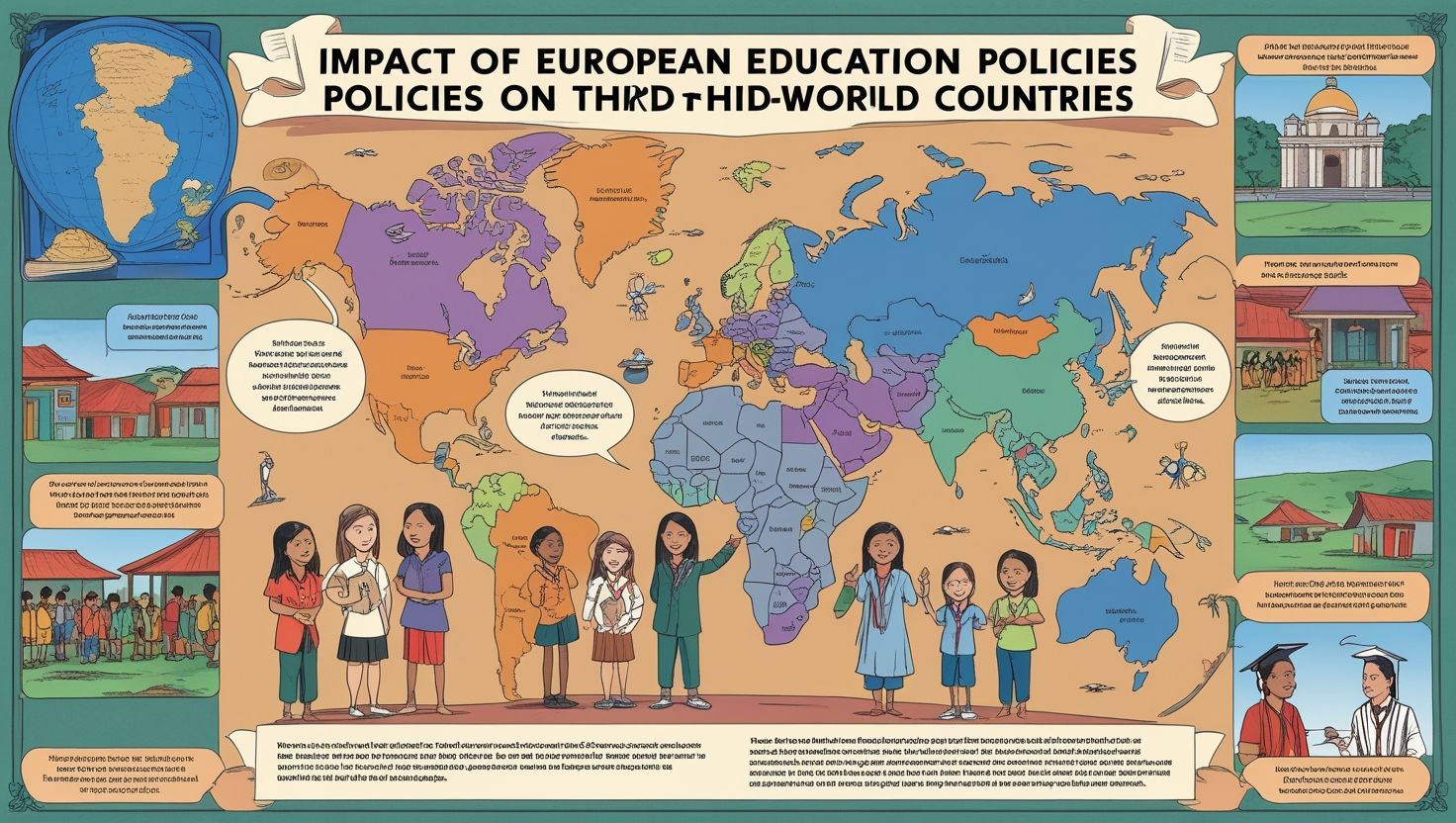
In Western countries, pluralism in education often emphasizes multiculturalism, diversity policies, and anti-discrimination initiatives. Curricula aim to promote cultural awareness, human rights, and democratic participation. For instance, European countries have integrated intercultural education to foster social cohesion among immigrant populations. In North America, diversity education addresses historical injustices, minority rights, and inclusive pedagogy.
2. Asian Models
In Asia, pluralistic education often intersects with philosophies such as Confucianism, Buddhism, and secular humanism. Emphasis is placed on moral development, community harmony, and collective responsibility. Countries like India incorporate multilingual education and inclusive curricula to accommodate diverse religious and linguistic communities, while Japan and South Korea emphasize global competencies and international-mindedness alongside national identity.
3. African Models
In Africa, pluralism in education addresses ethnic, linguistic, and cultural diversity in postcolonial contexts. Education seeks to reconcile traditional knowledge systems with modern curricula, promoting social cohesion and nation-building. Initiatives such as intercultural education in Kenya and South Africa aim to foster mutual respect, critical citizenship, and conflict resolution among diverse ethnic groups.
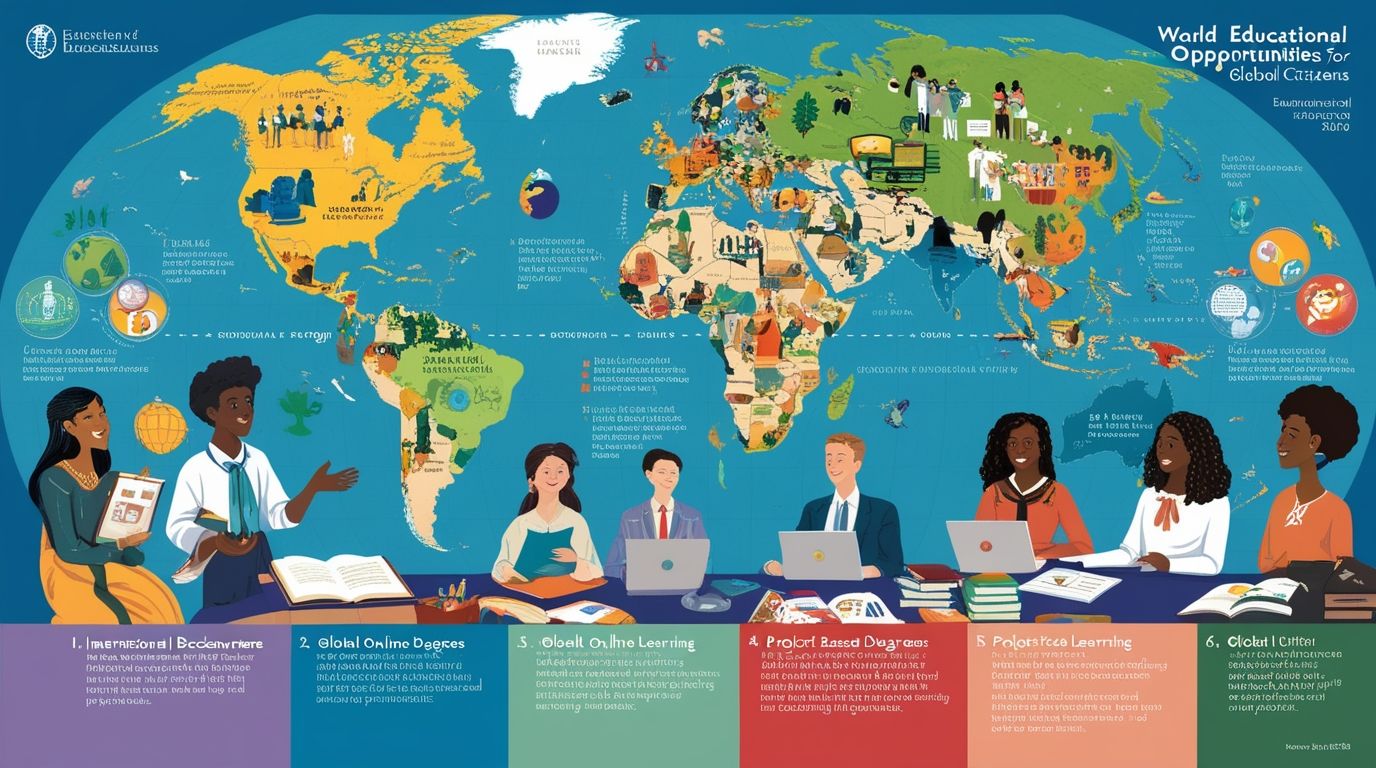
4. Global Initiatives
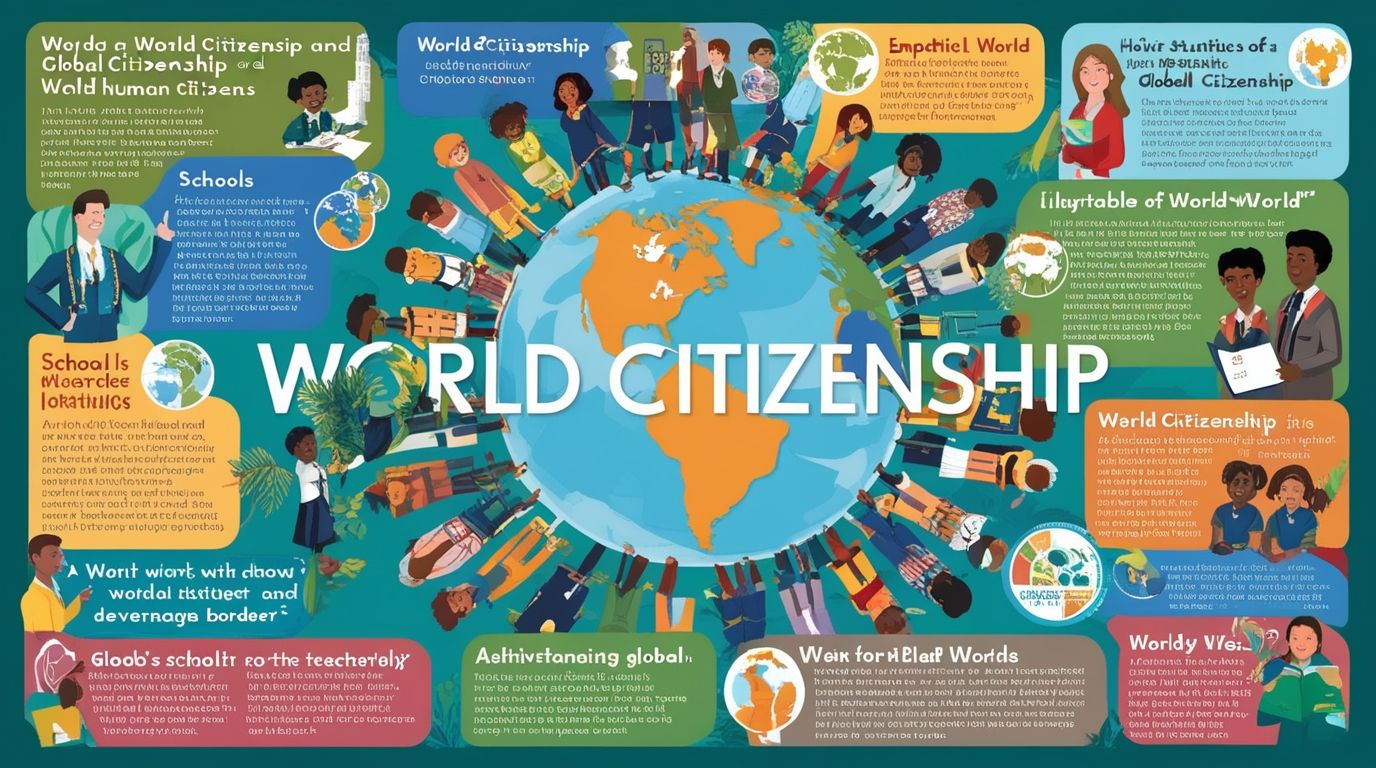
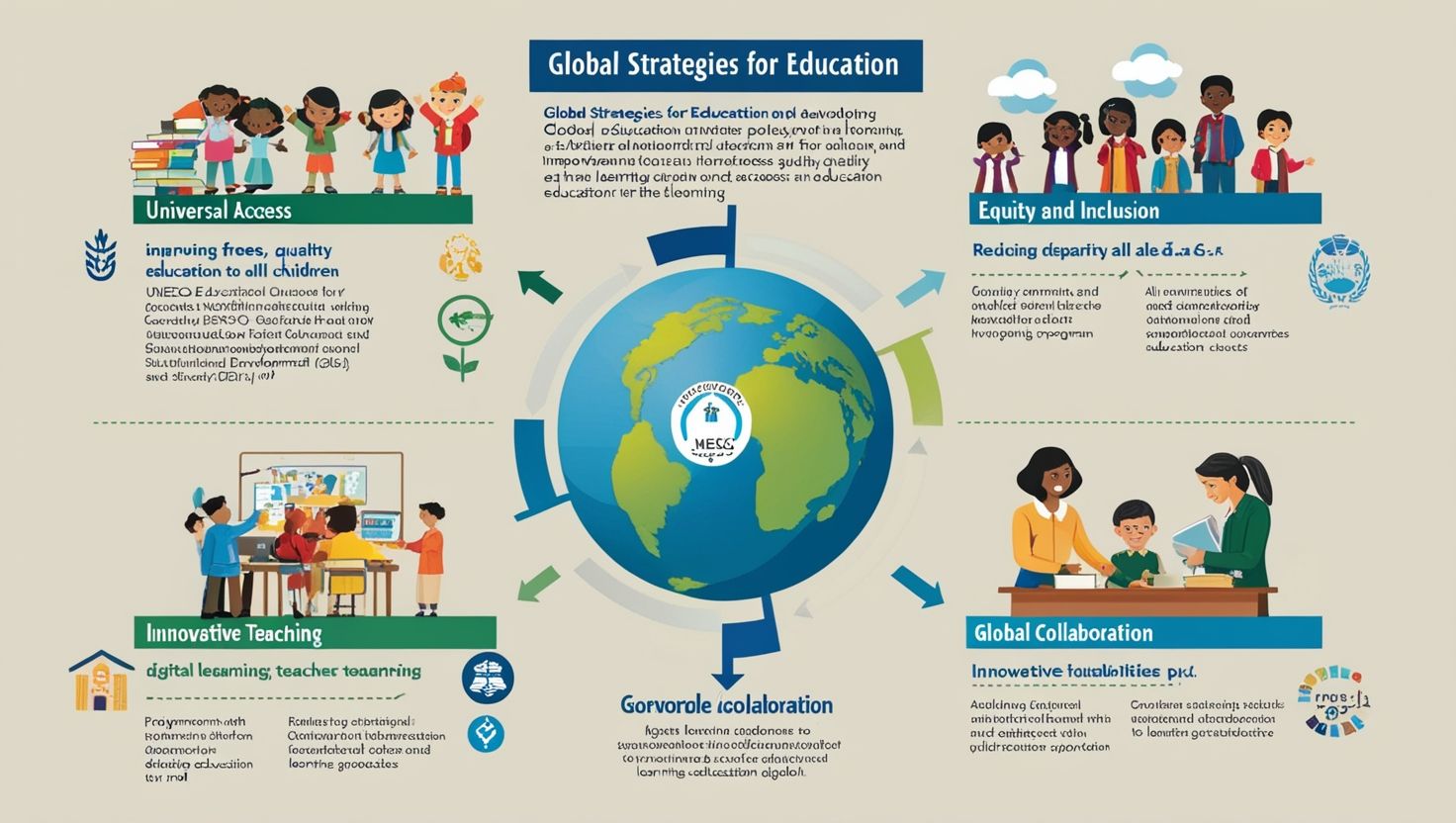
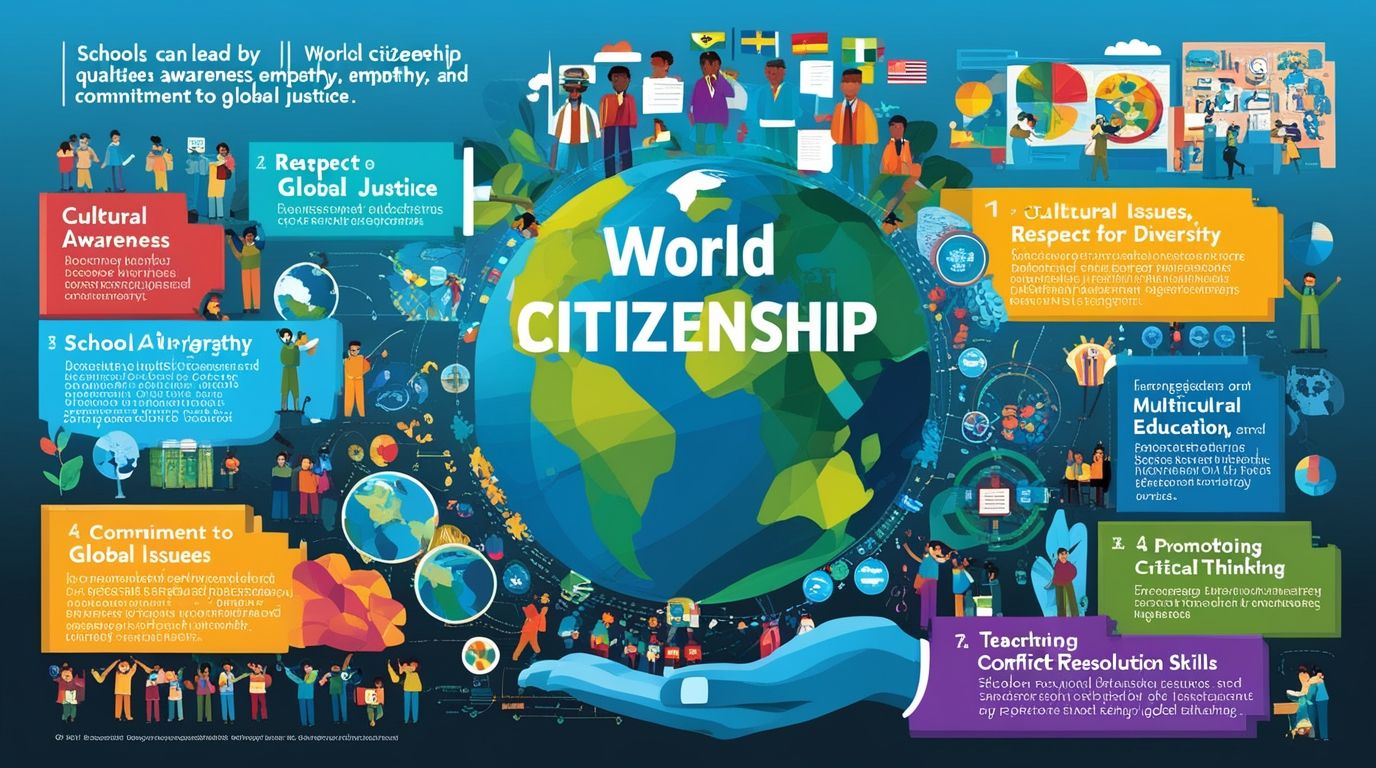
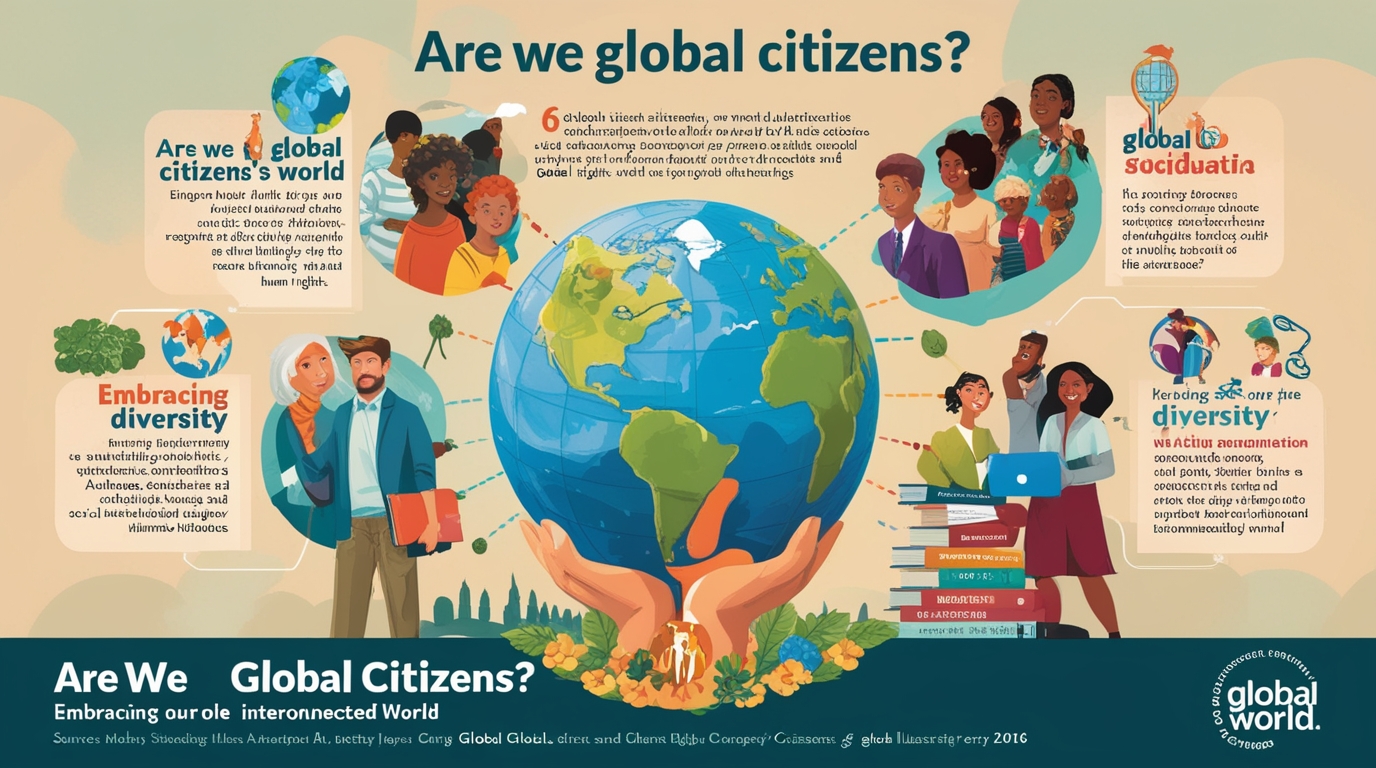
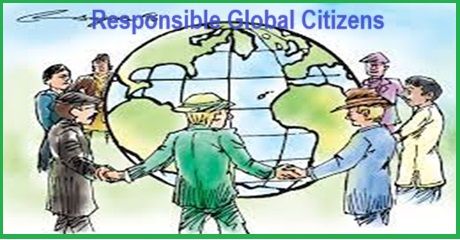
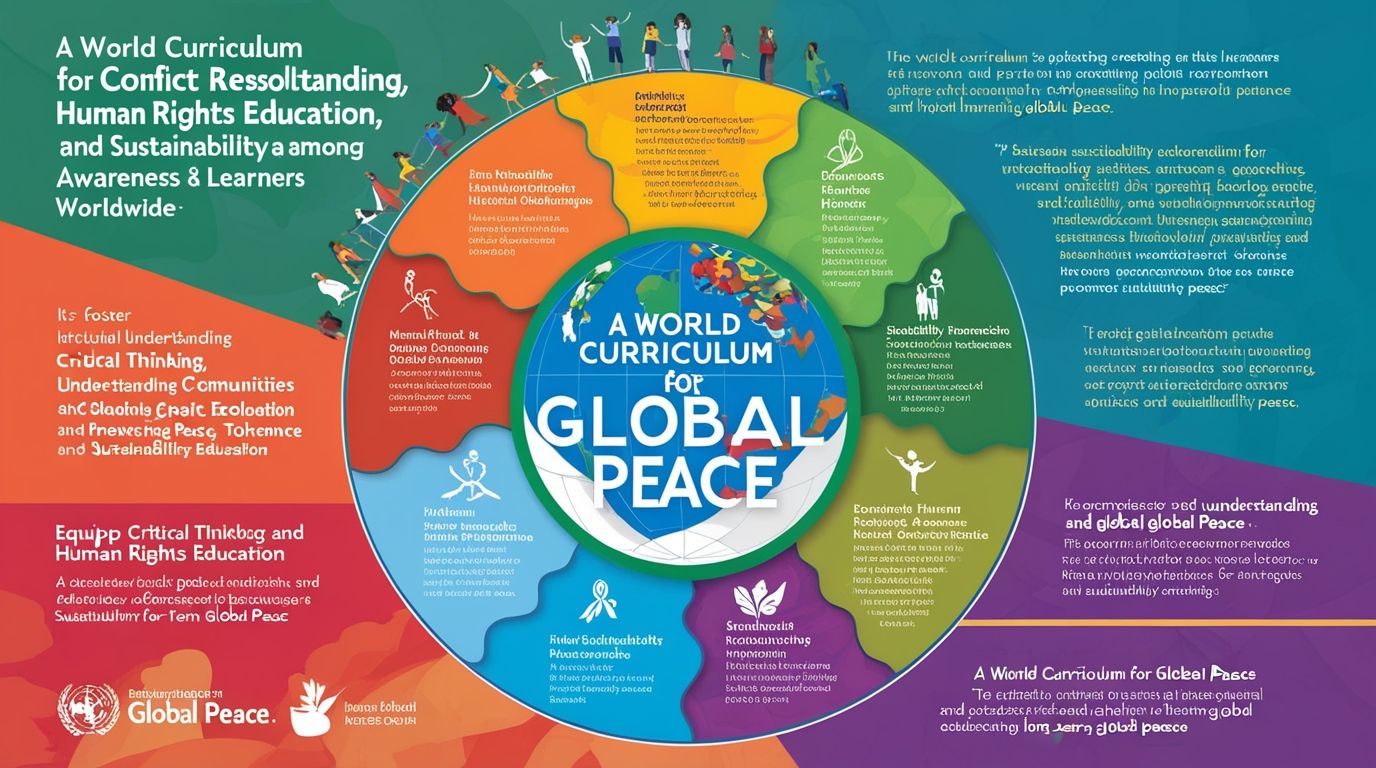
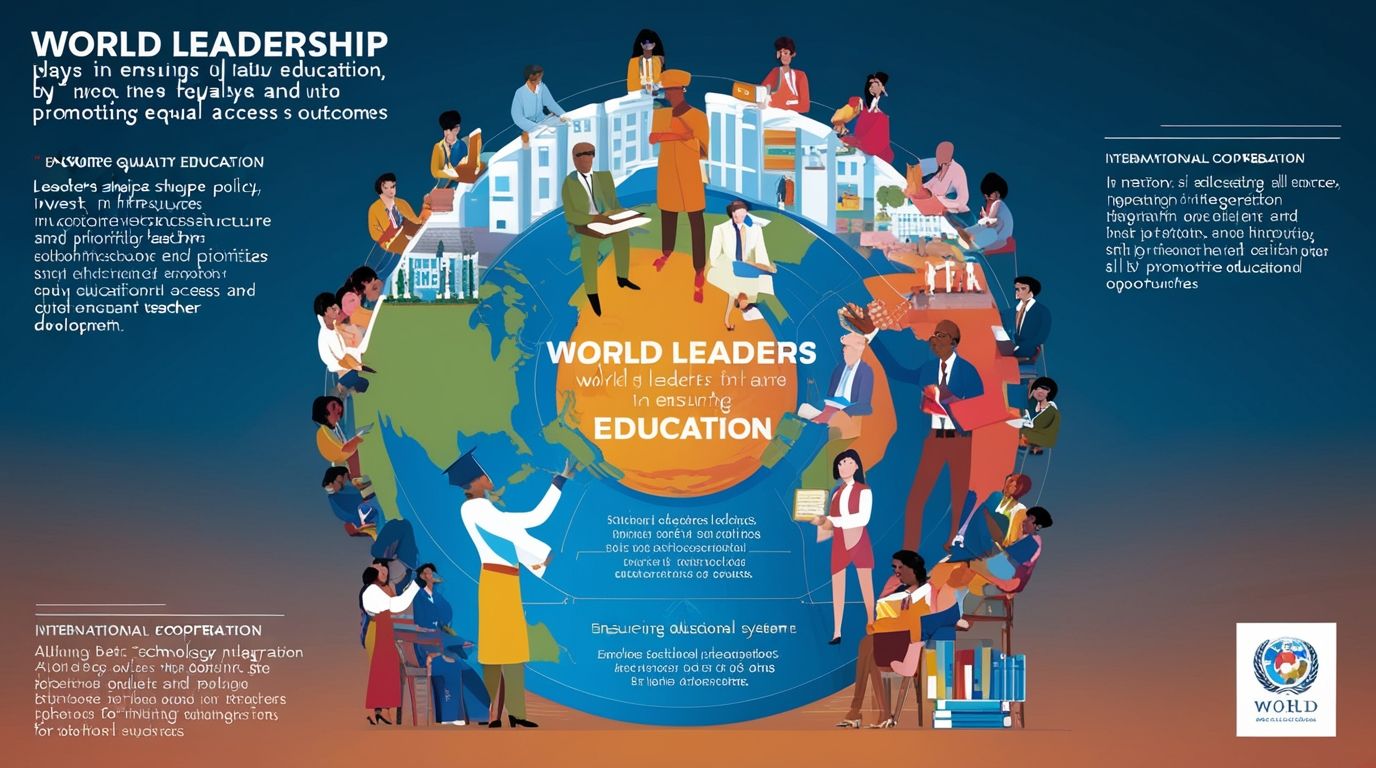
International organizations such as UNESCO advocate for education that promotes peace, human rights, and intercultural understanding. Programs like Global Citizenship Education (GCED) and Education for Sustainable Development (ESD) integrate pluralistic values into global curricula, emphasizing shared responsibility, equity, and sustainability. These frameworks recognize that pluralism is essential not only within nations but also in addressing global challenges collaboratively.
Challenges in Promoting Pluralism through Education
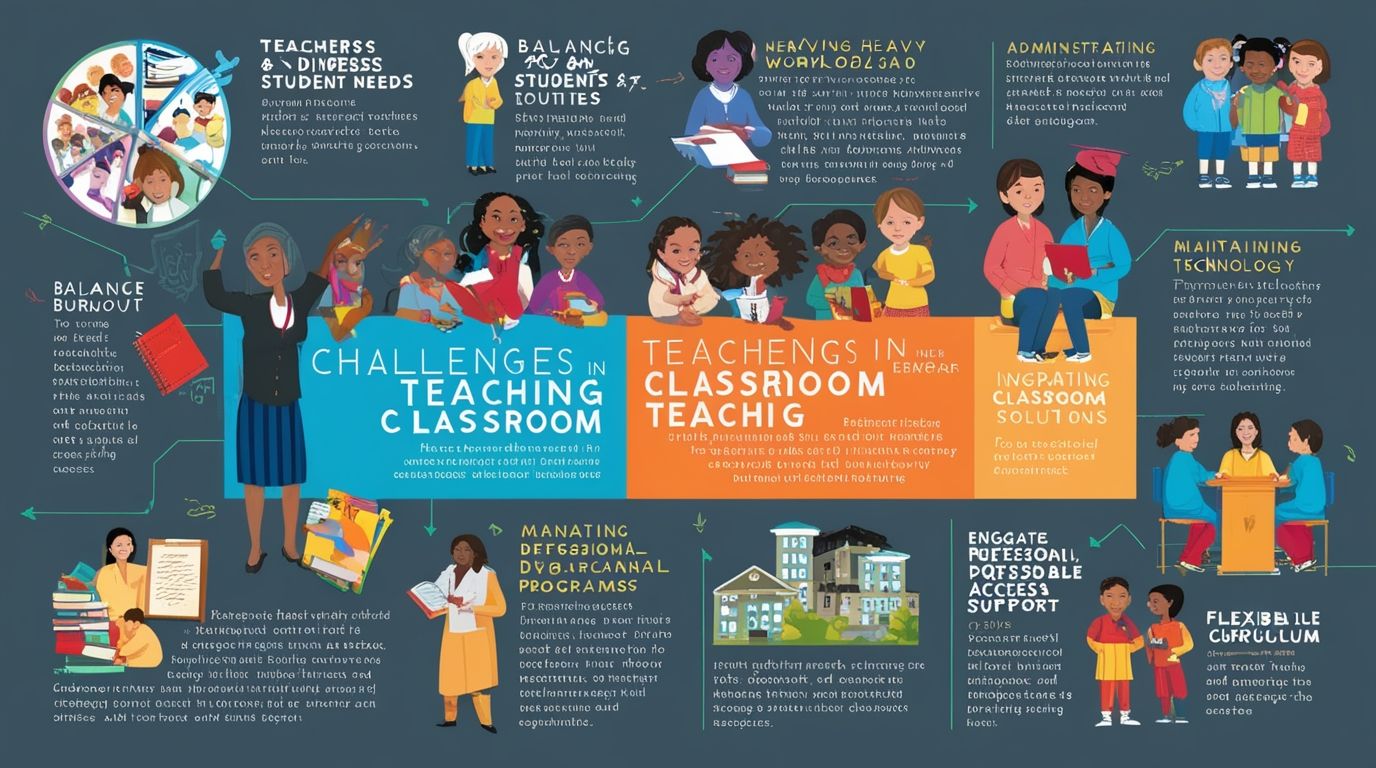
Despite its importance, pluralistic education faces multiple challenges:
1. Sociopolitical Resistance
In some contexts, political ideologies, nationalism, or religious orthodoxy may resist pluralistic values, viewing them as threats to cultural or national identity. Educational reforms promoting diversity can encounter opposition or politicization.
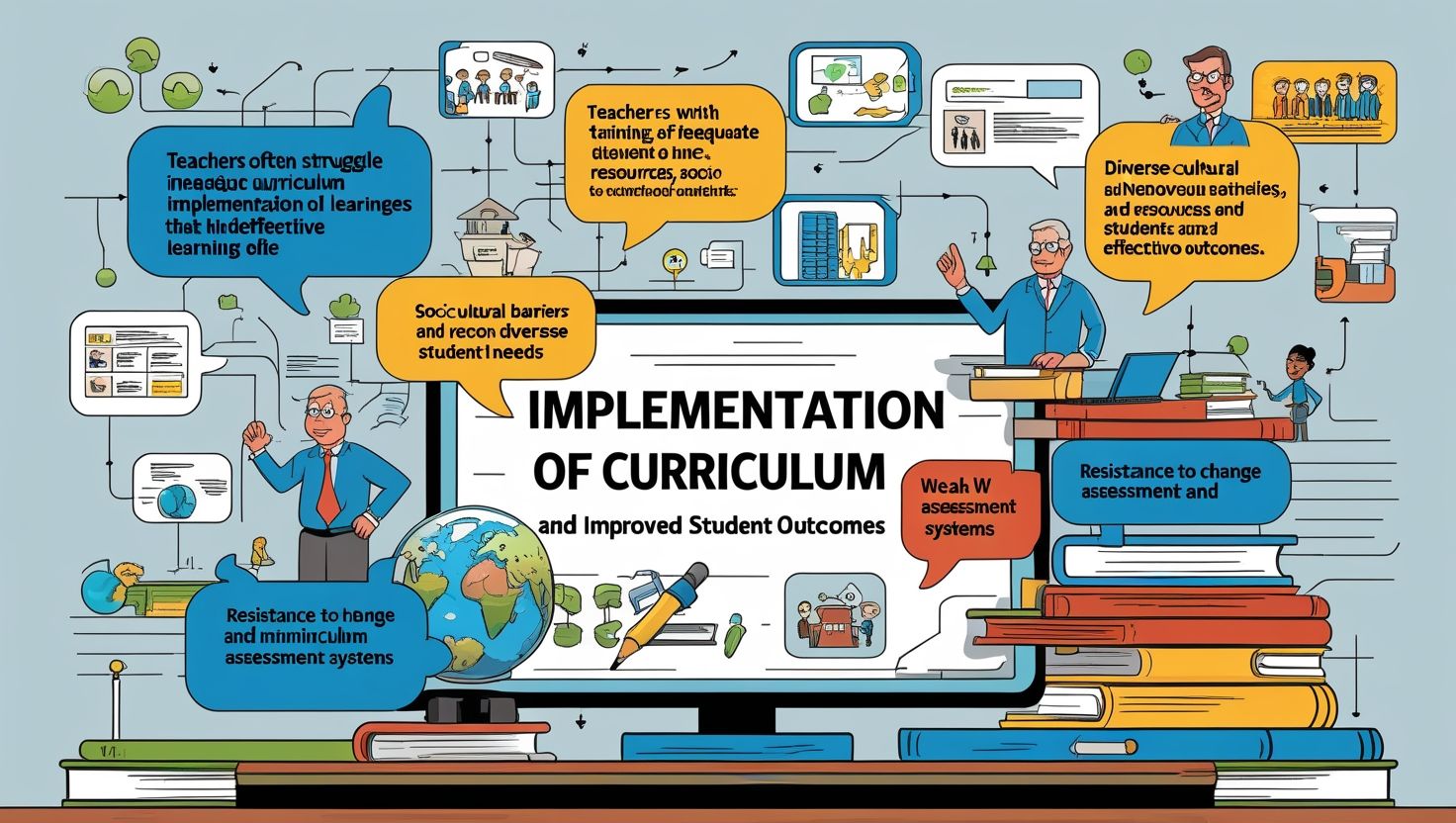
2. Curriculum Limitations
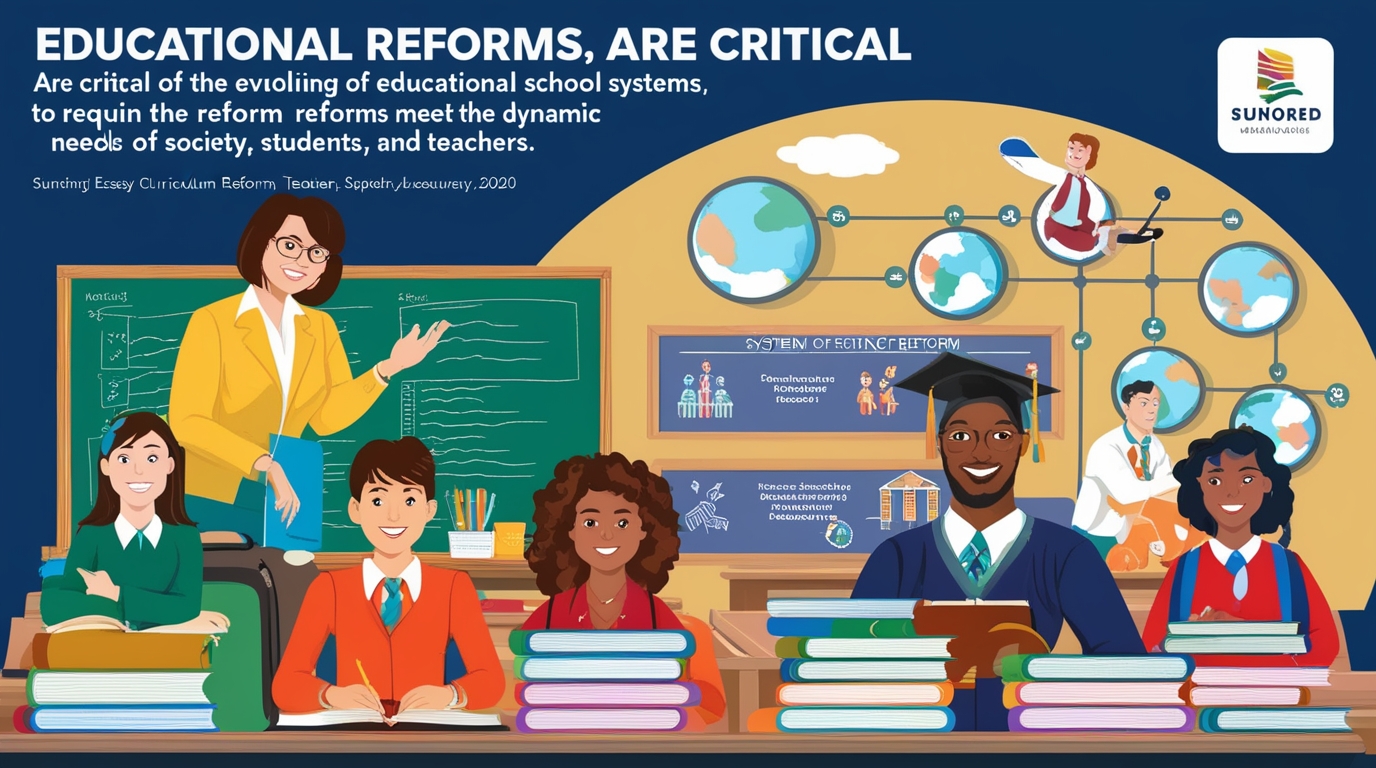
Traditional curricula often prioritize dominant cultural narratives, marginalizing minority perspectives. Integrating pluralism requires systemic reform, teacher training, and updated learning materials.
3. Teacher Preparedness
Educators play a critical role in fostering pluralism, yet many lack training in intercultural pedagogy, conflict resolution, and inclusive practices. Without adequate support, even well-intentioned initiatives may fail to achieve meaningful impact.
4. Socioeconomic Inequalities
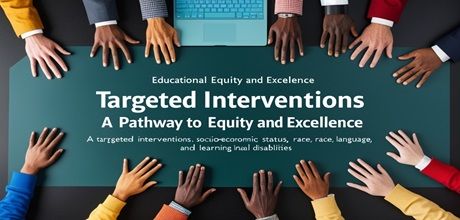
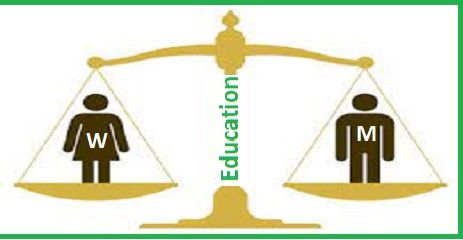
Access to quality education remains unequal across socioeconomic, regional, and gender lines. Pluralistic education is compromised when marginalized communities are excluded or underserved, perpetuating cycles of inequality.
5. Globalization and Homogenization
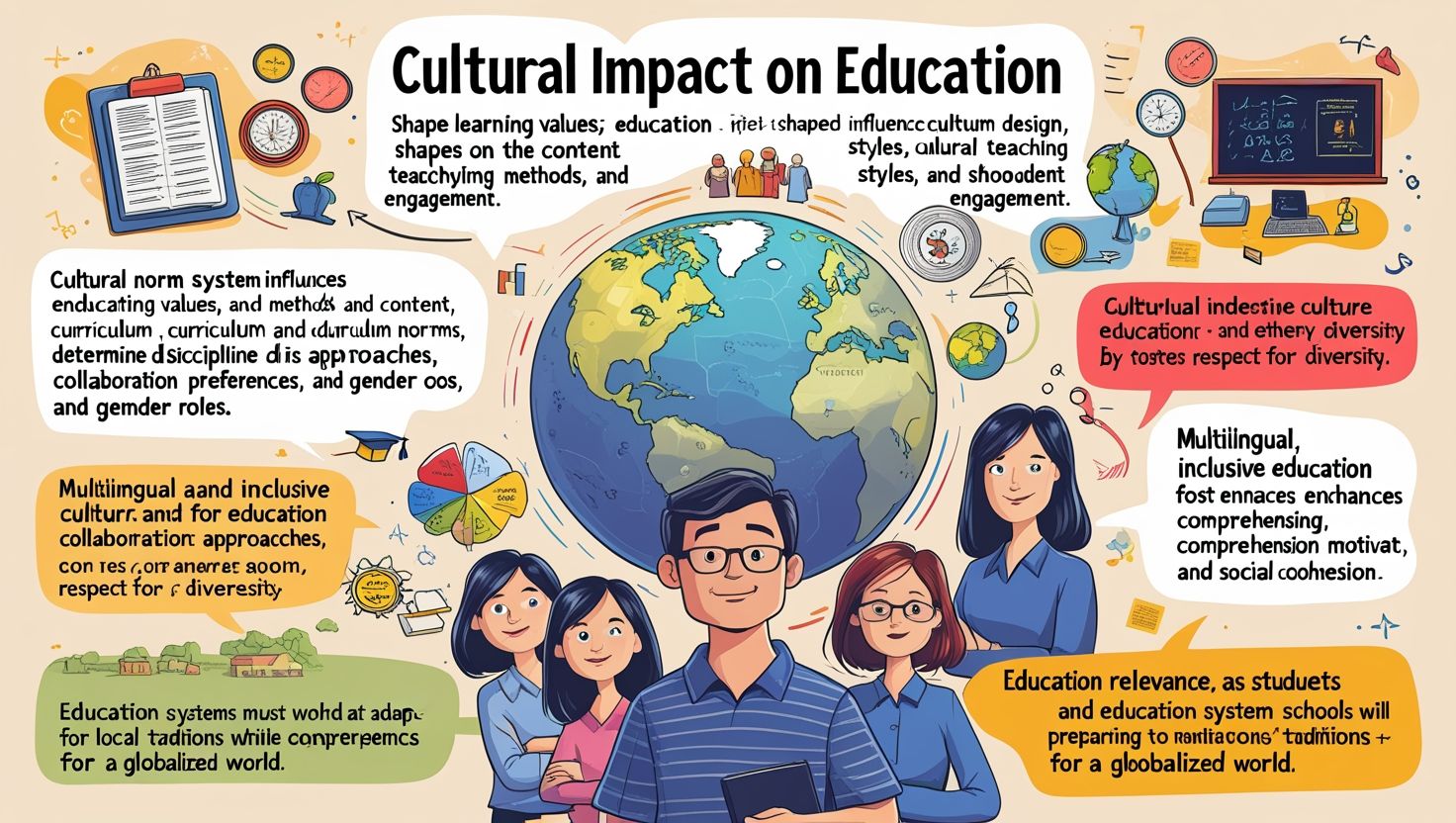
While globalization promotes cross-cultural interaction, it can also lead to cultural homogenization, eroding local identities and knowledge systems. Pluralistic education must balance global perspectives with respect for local traditions and practices.
Strategies for Integrating Pluralism in Education
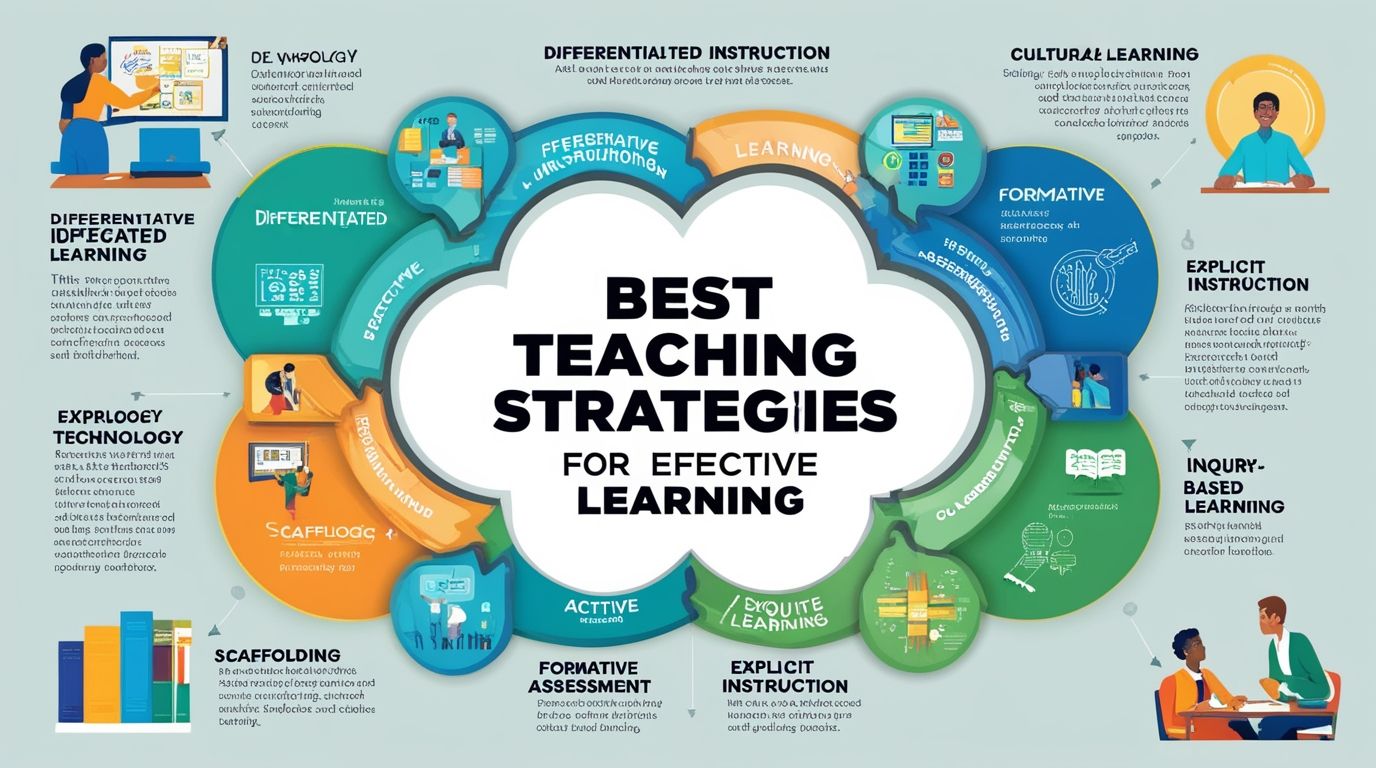
Effective strategies for promoting pluralism in education require systemic, pedagogical, and community-oriented approaches:
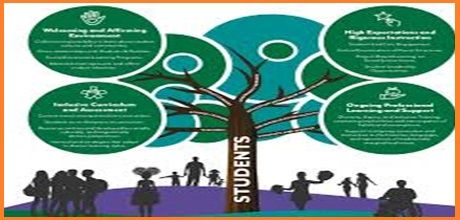
1. Inclusive Curricula
Curricula should represent diverse cultures, histories, and perspectives, highlighting contributions from marginalized communities. This fosters awareness and appreciation of pluralism while challenging stereotypes and biases.
2. Intercultural Pedagogy
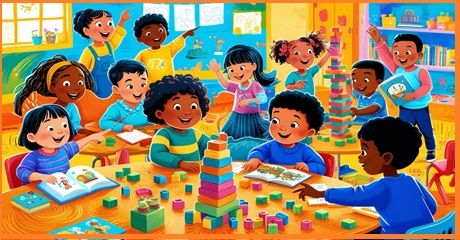
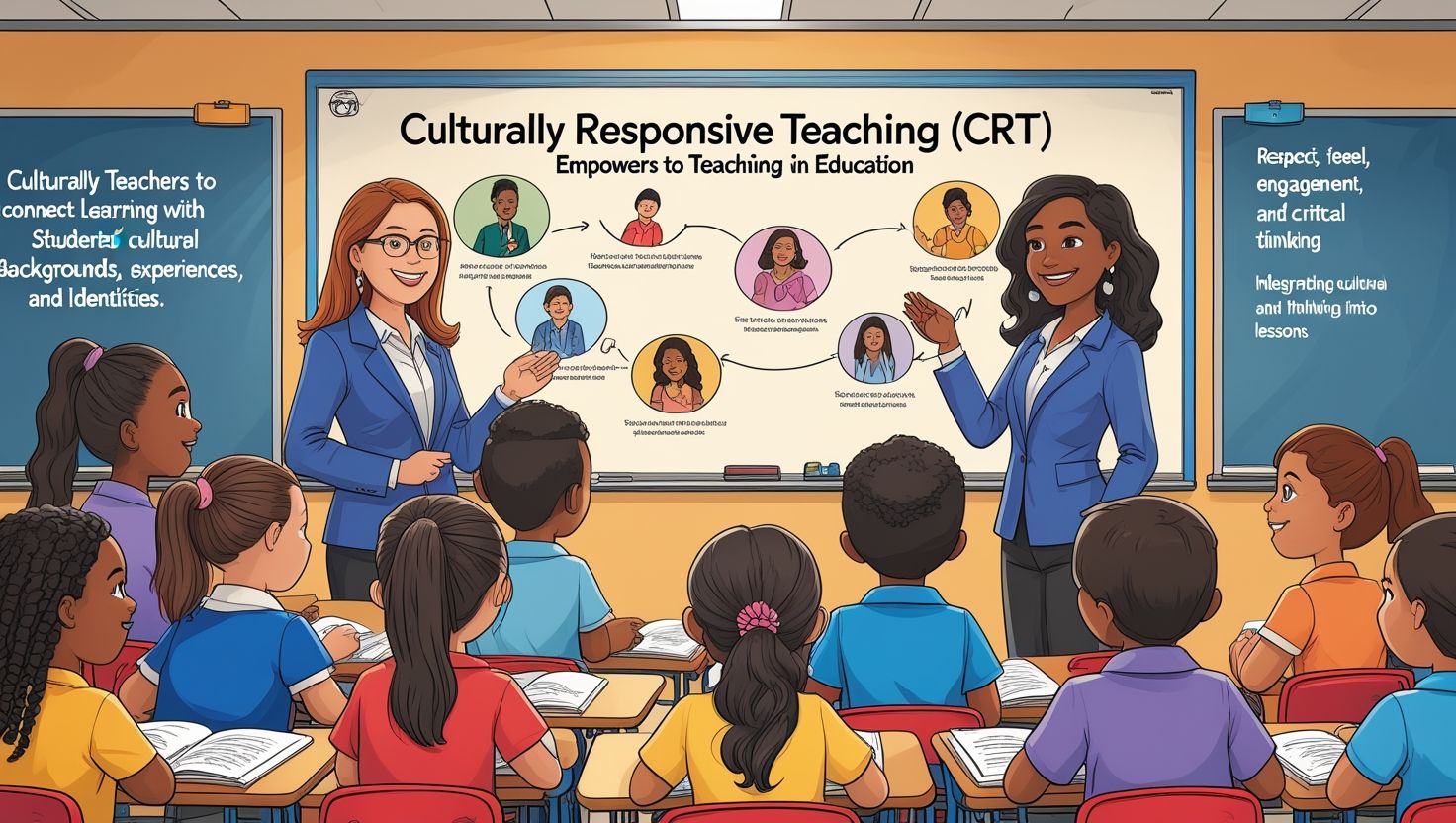
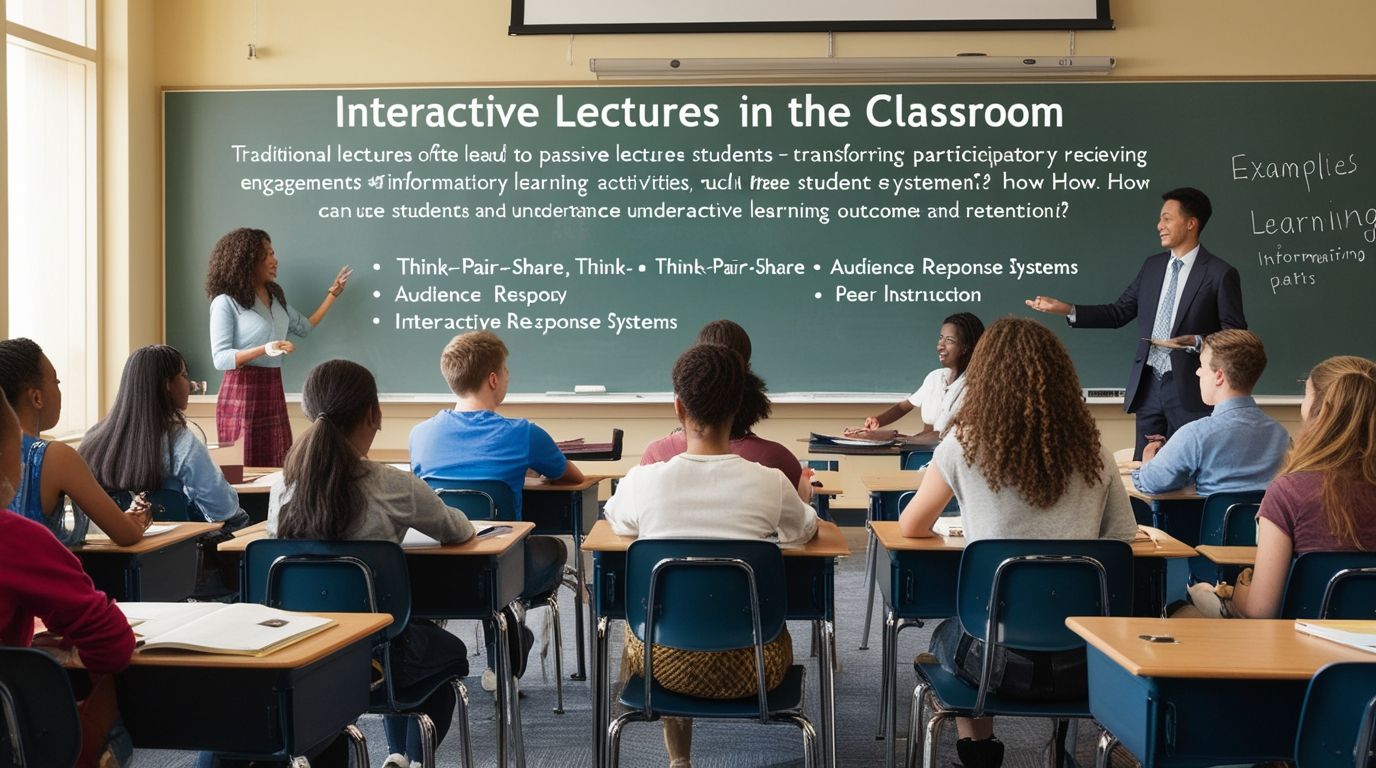
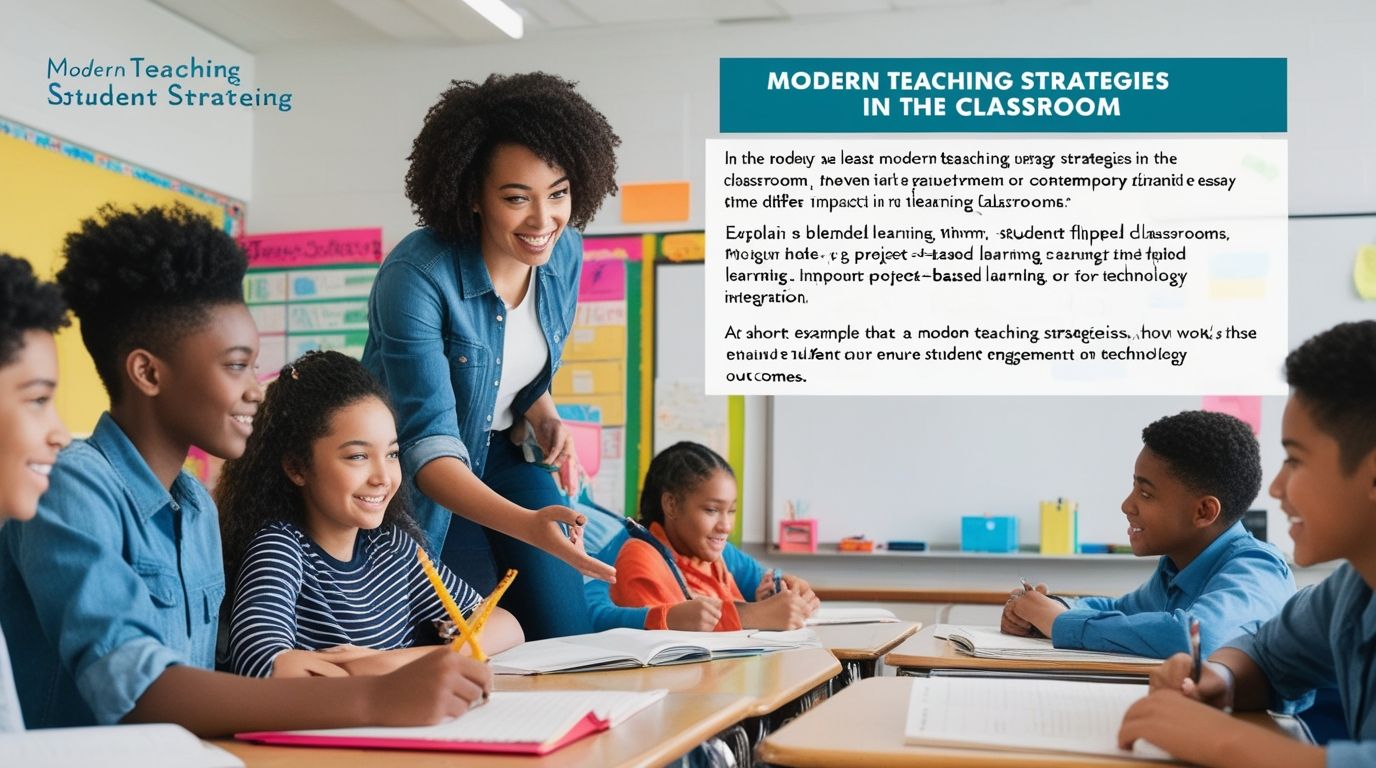
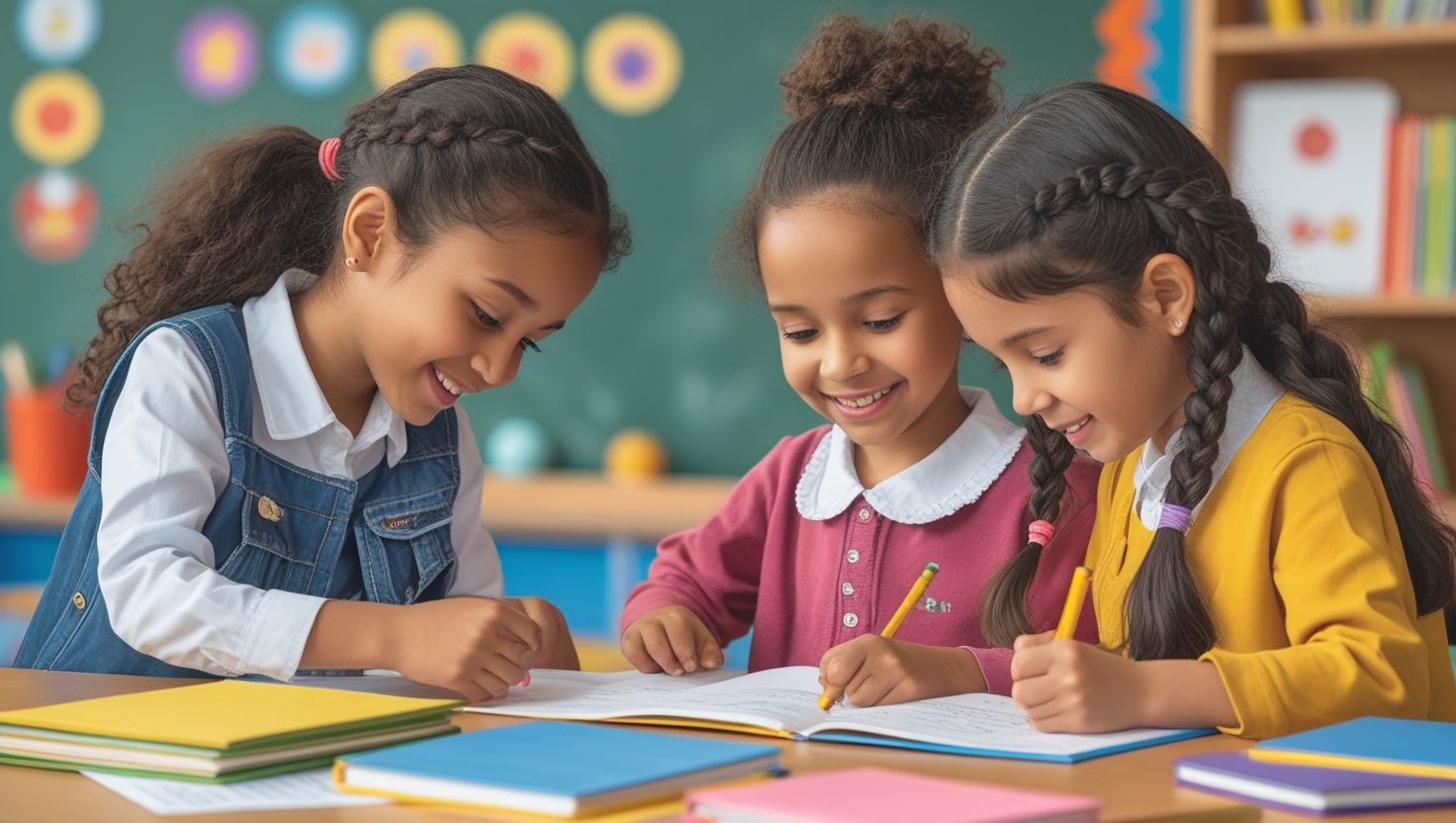
Teaching methods should encourage dialogue, critical thinking, and experiential learning. Group discussions, collaborative projects, debates, and cultural exchanges promote understanding and empathy among students.
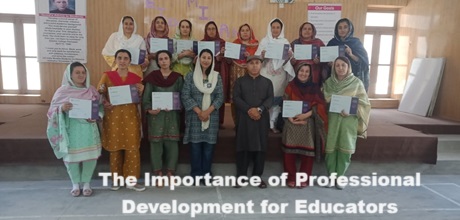
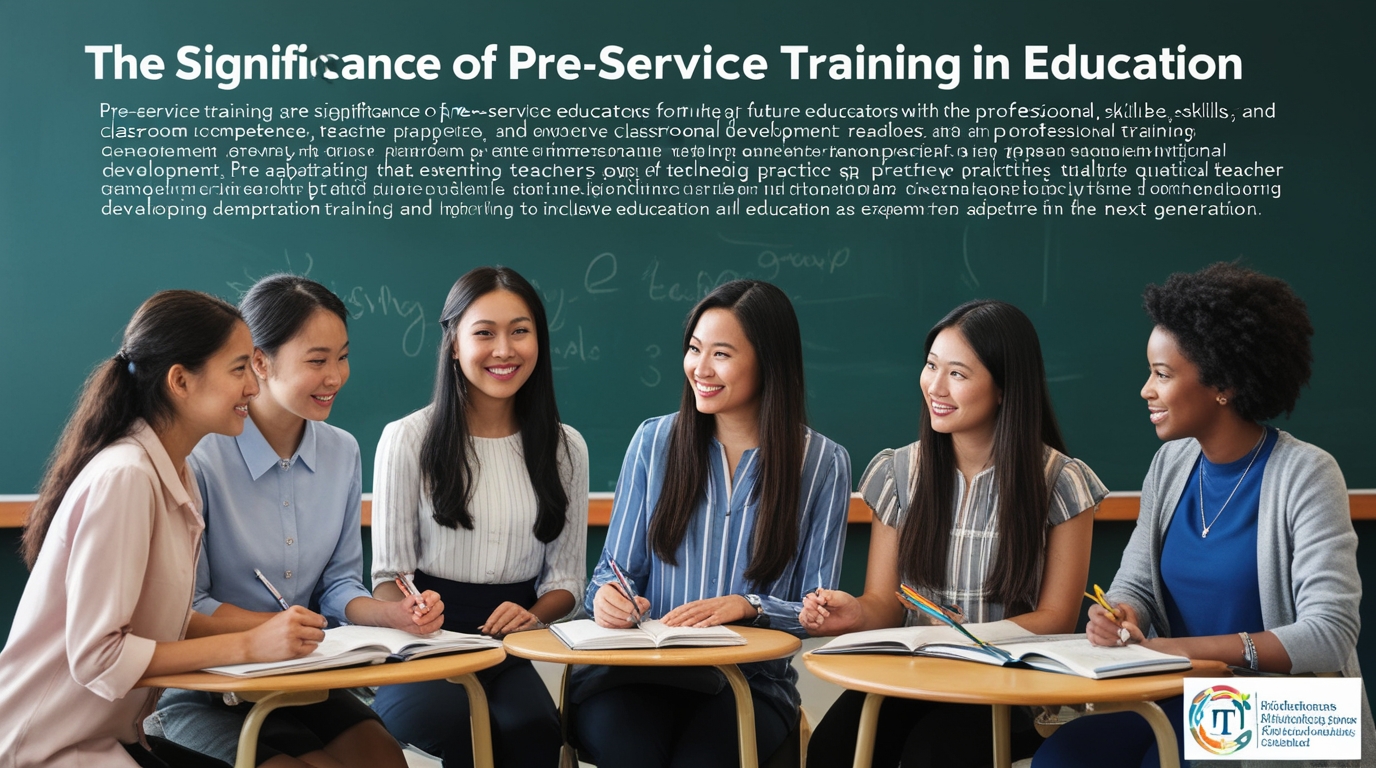
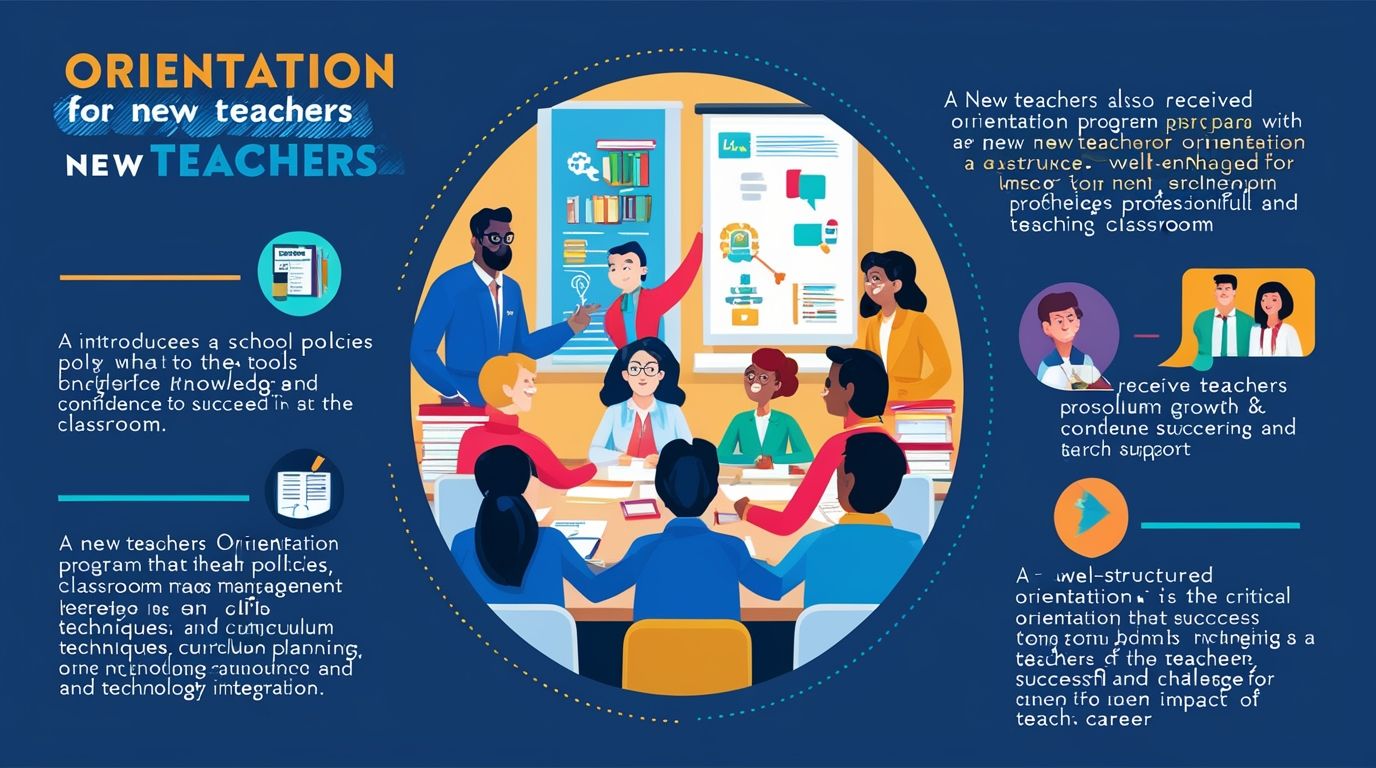
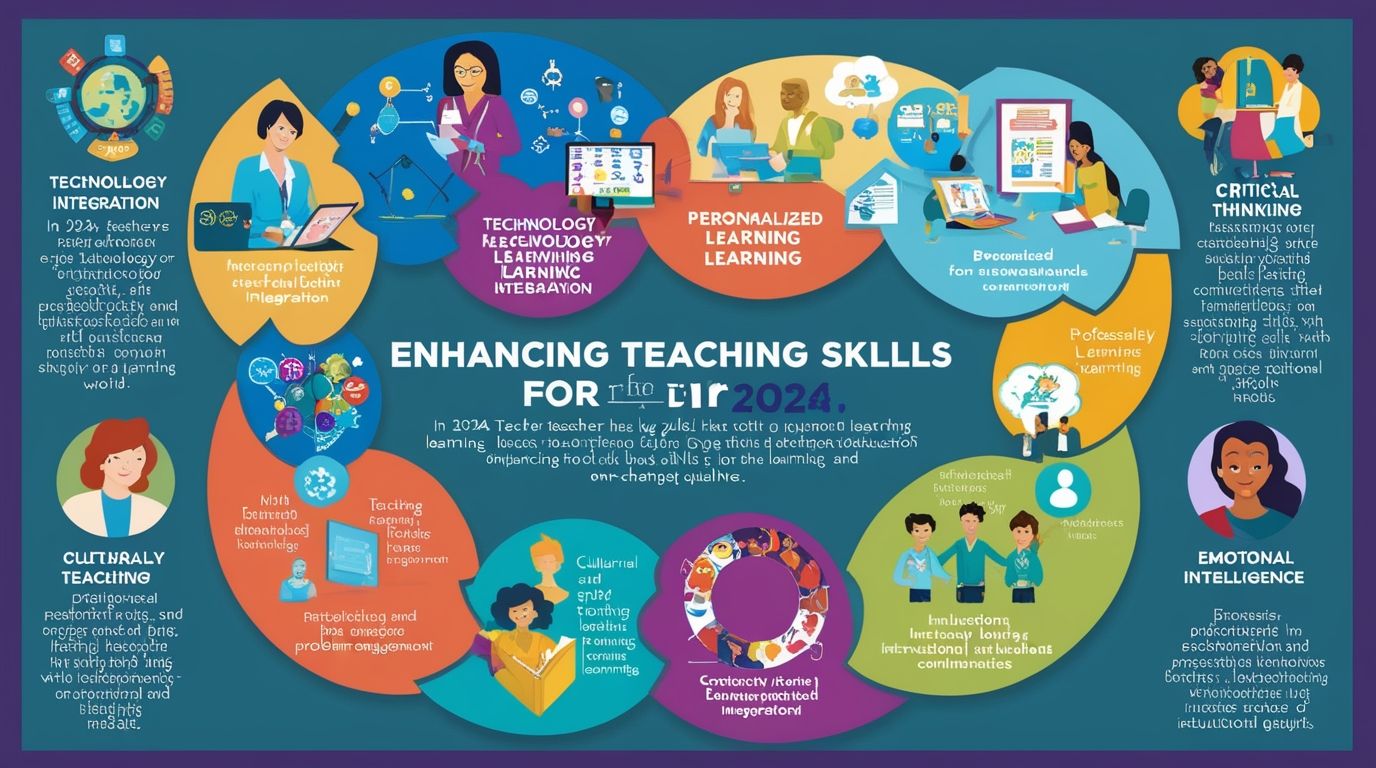
3. Teacher Training and Professional Development
Teachers must be equipped with knowledge, skills, and attitudes to handle diversity effectively. Training programs should focus on inclusive teaching strategies, conflict mediation, and awareness of unconscious biases.
4. Community and Parental Engagement
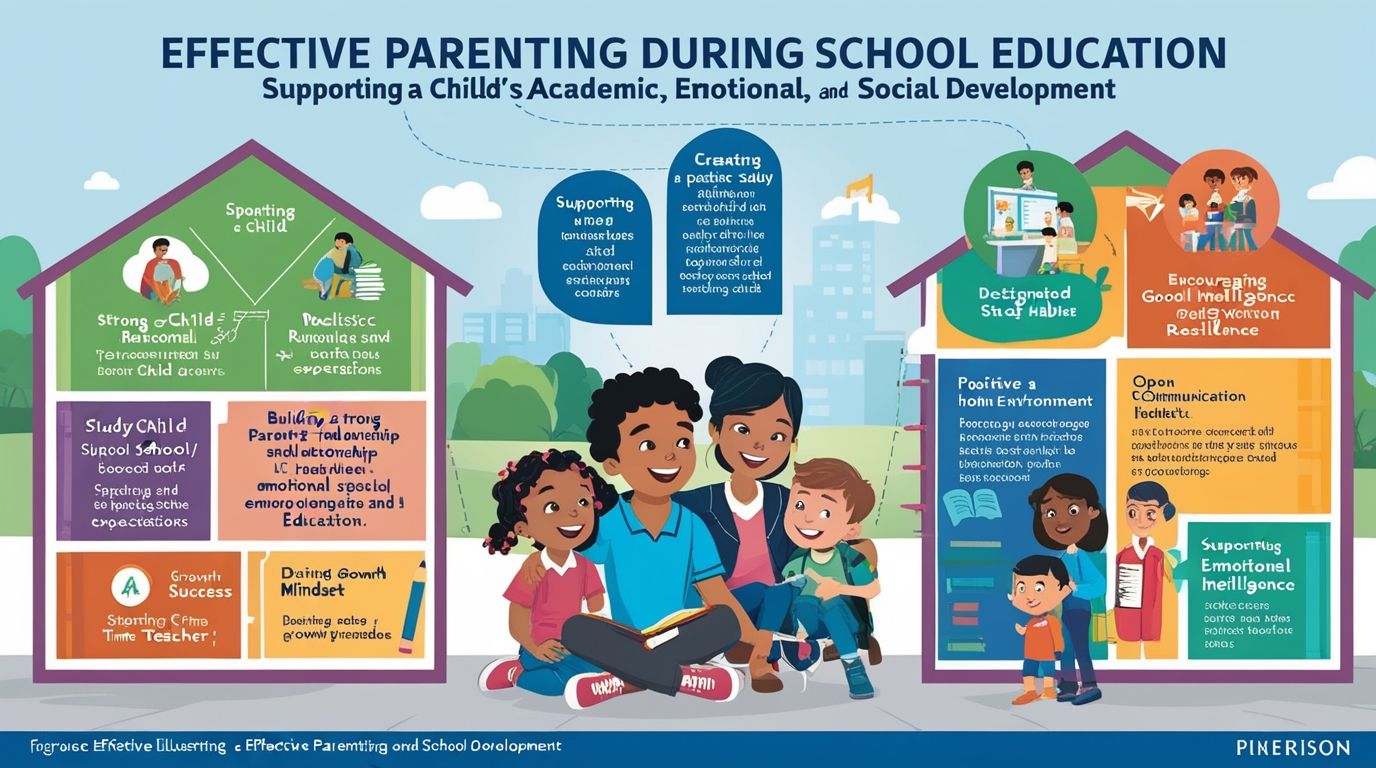
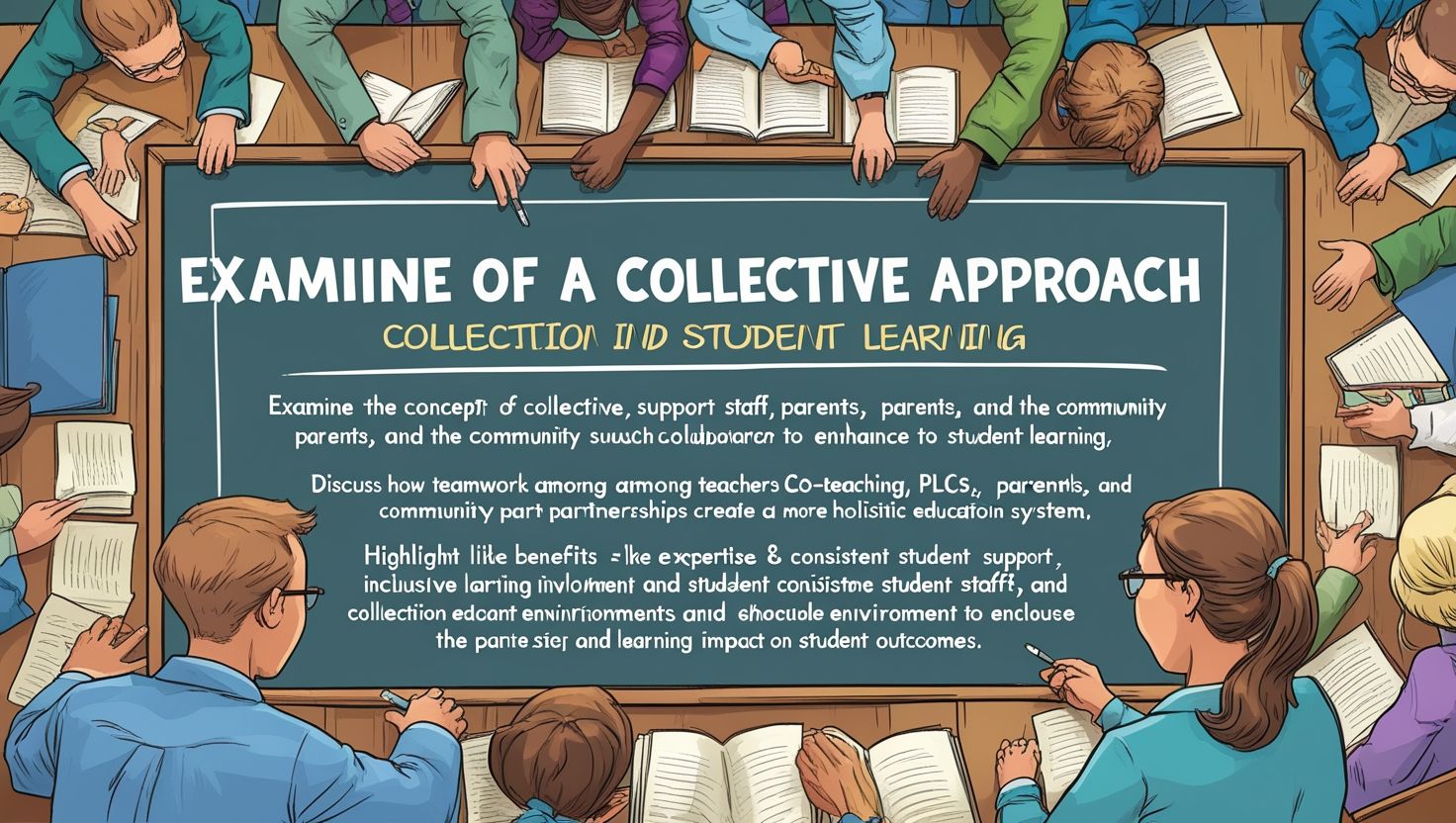
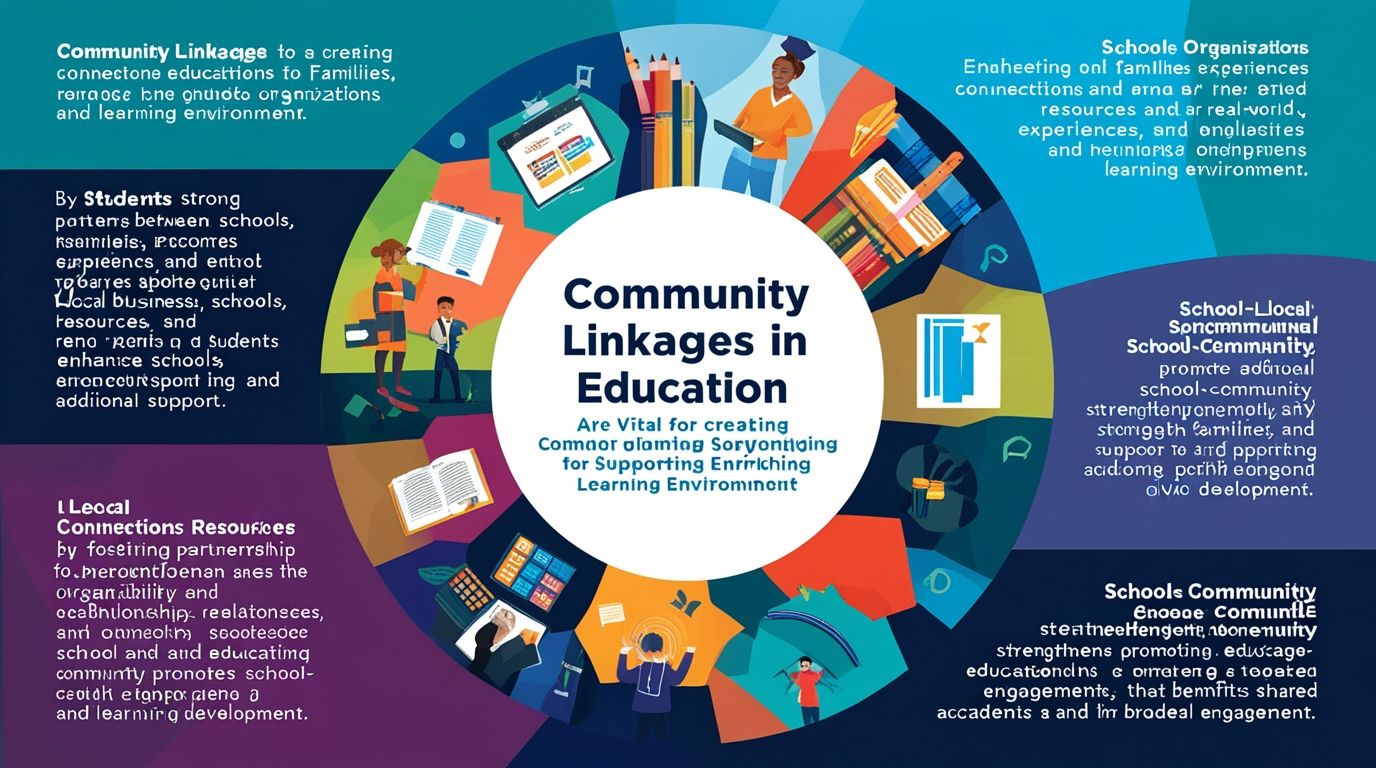
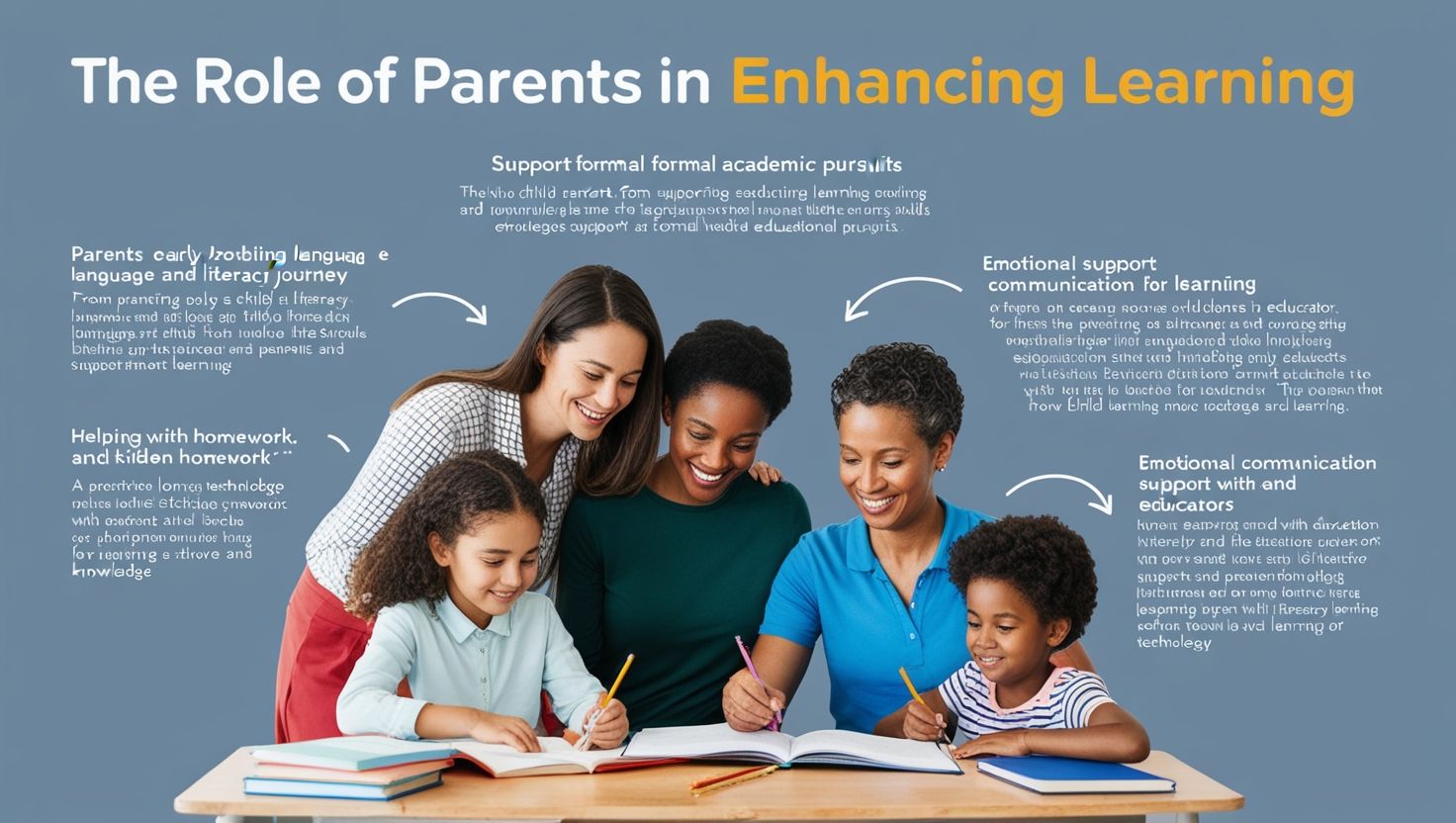
Education for pluralism extends beyond classrooms. Engaging parents, community leaders, and local organizations fosters shared responsibility for nurturing inclusive values. Extracurricular activities, cultural festivals, and community service projects reinforce pluralistic learning.
5. Technology and Global Platforms
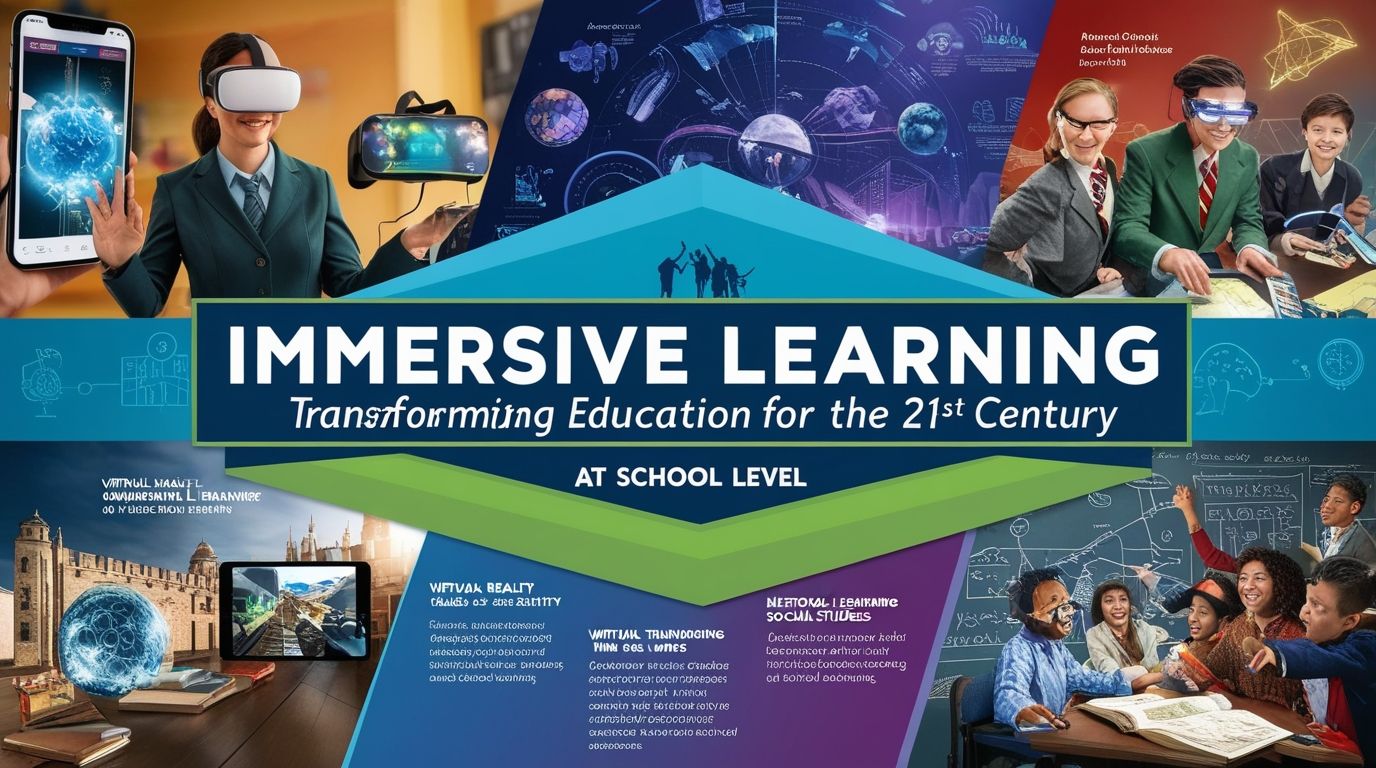
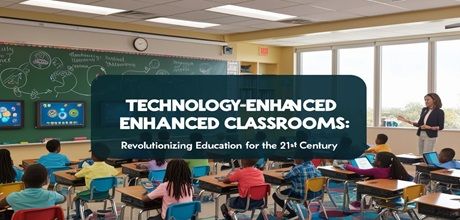
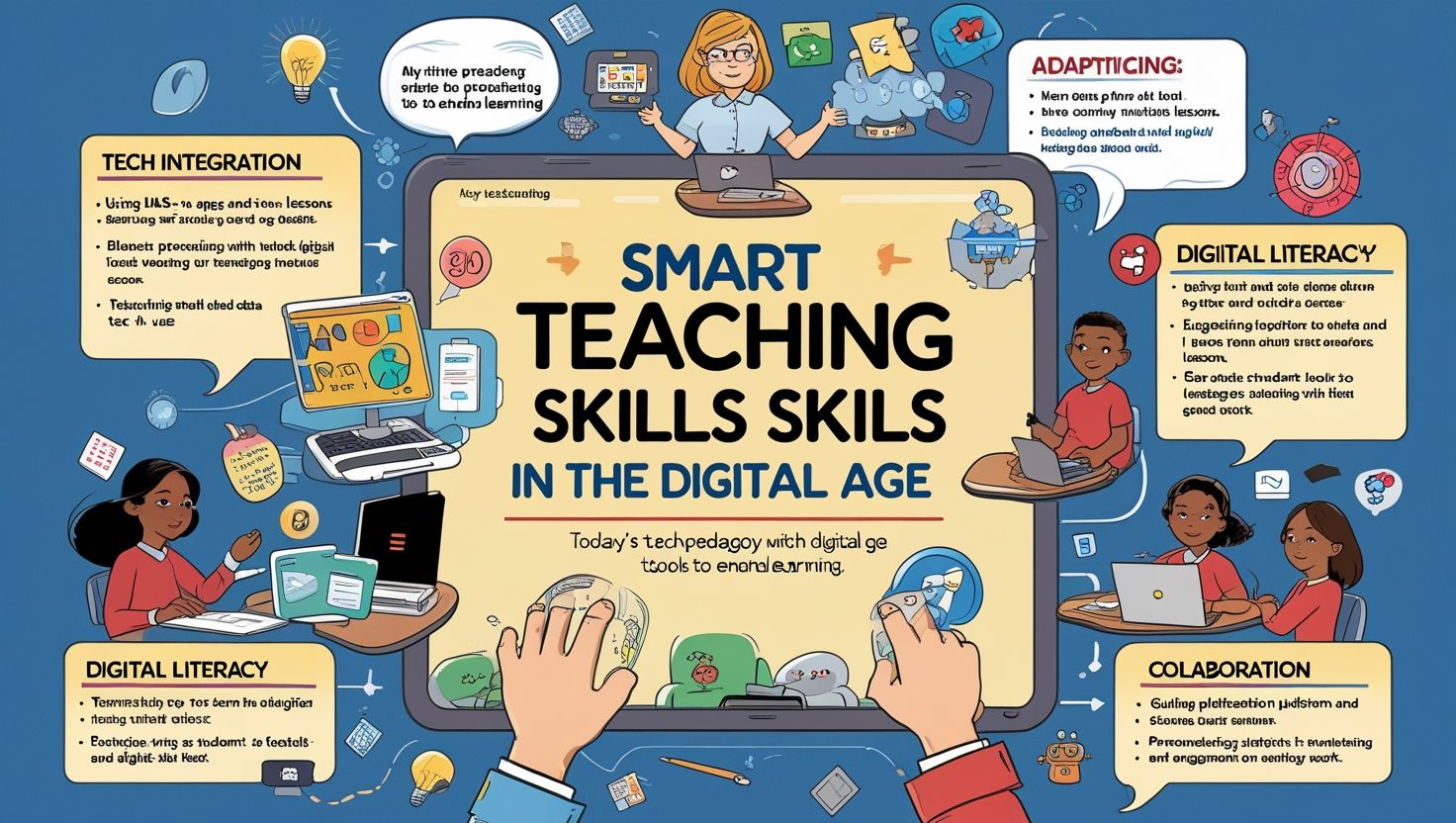
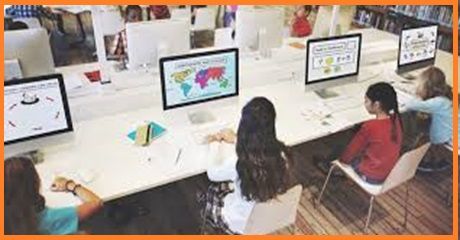
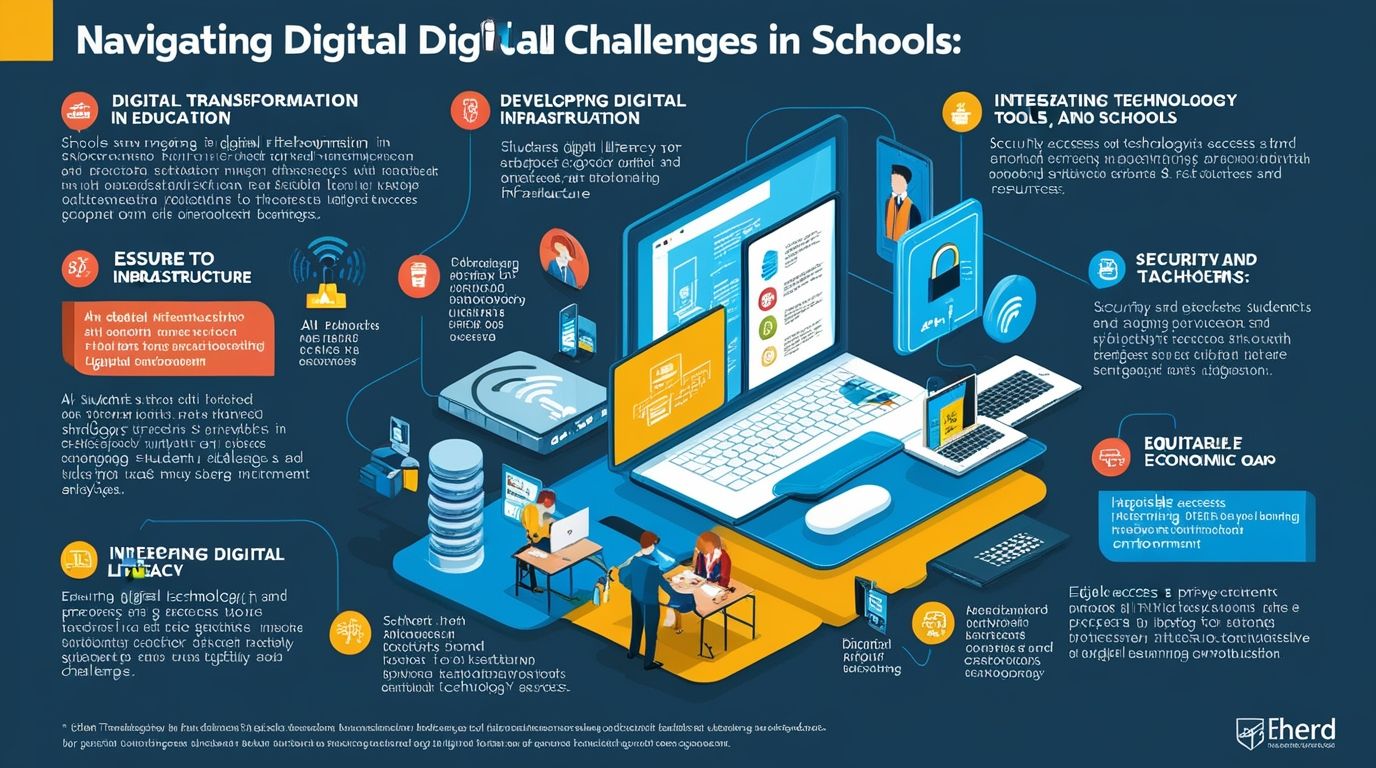
Digital technologies enable access to global perspectives, cross-cultural collaboration, and virtual exchanges. Online platforms can facilitate interaction among students from different countries, promoting global awareness and intercultural competence.
Case Studies / Examples
Several countries and initiatives exemplify successful integration of pluralism in education:
- Finland emphasizes inclusive education and multicultural competence, ensuring that schools promote equality and dialogue among diverse student populations.
- India implements multilingual and multicultural curricula, celebrating religious, linguistic, and cultural diversity to foster national unity in diversity.
- UNESCO’s Global Citizenship Education (GCED) provides a framework for integrating human rights, sustainability, and intercultural understanding into curricula worldwide.
- South Africa emphasizes reconciliation education, addressing the legacy of apartheid through curricula that promote diversity, democracy, and social justice.
These examples illustrate that pluralistic education is adaptable to varied social, cultural, and political contexts while consistently promoting respect, inclusion, and shared responsibility.
Conclusion
Education and pluralism are inextricably linked in the pursuit of a harmonious, interconnected world. Pluralistic education equips individuals with knowledge, skills, and values necessary to navigate diversity, resolve conflicts, and participate actively in democratic and global societies. By fostering inclusivity, critical thinking, empathy, and intercultural understanding, education becomes a transformative force that transcends borders, ideologies, and identities.
However, achieving pluralistic education is not without challenges. Sociopolitical resistance, curriculum limitations, teacher preparedness, and inequalities must be addressed through systemic reforms, teacher training, inclusive pedagogy, and community engagement. Global initiatives and localized strategies demonstrate that pluralistic education is both feasible and essential for nurturing a sustainable, equitable, and just world.
Ultimately, embracing education for pluralism is a moral and practical imperative. In a world marked by diversity and interdependence, fostering pluralistic values through education is not only a pathway to social cohesion but also a cornerstone for the realization of a “one world” that is united in its diversity.