Abstract
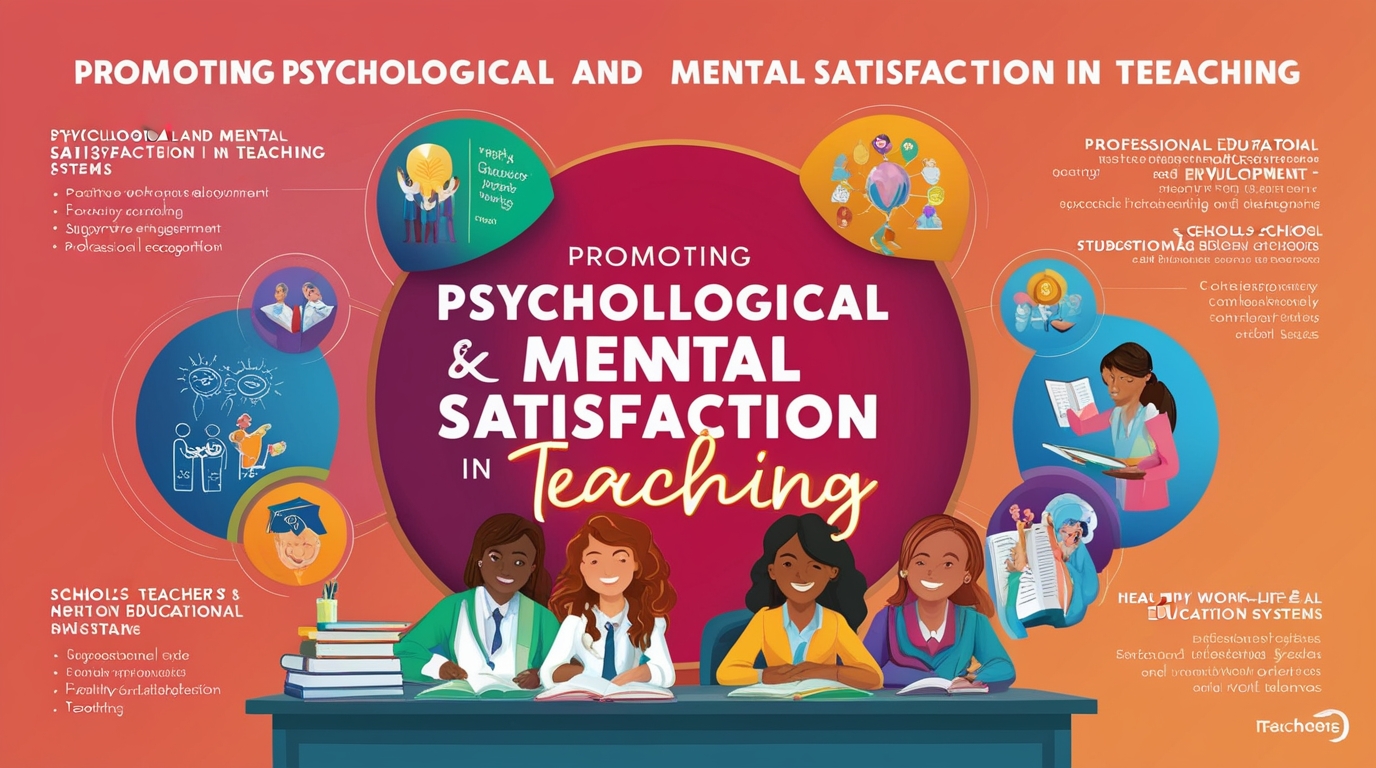
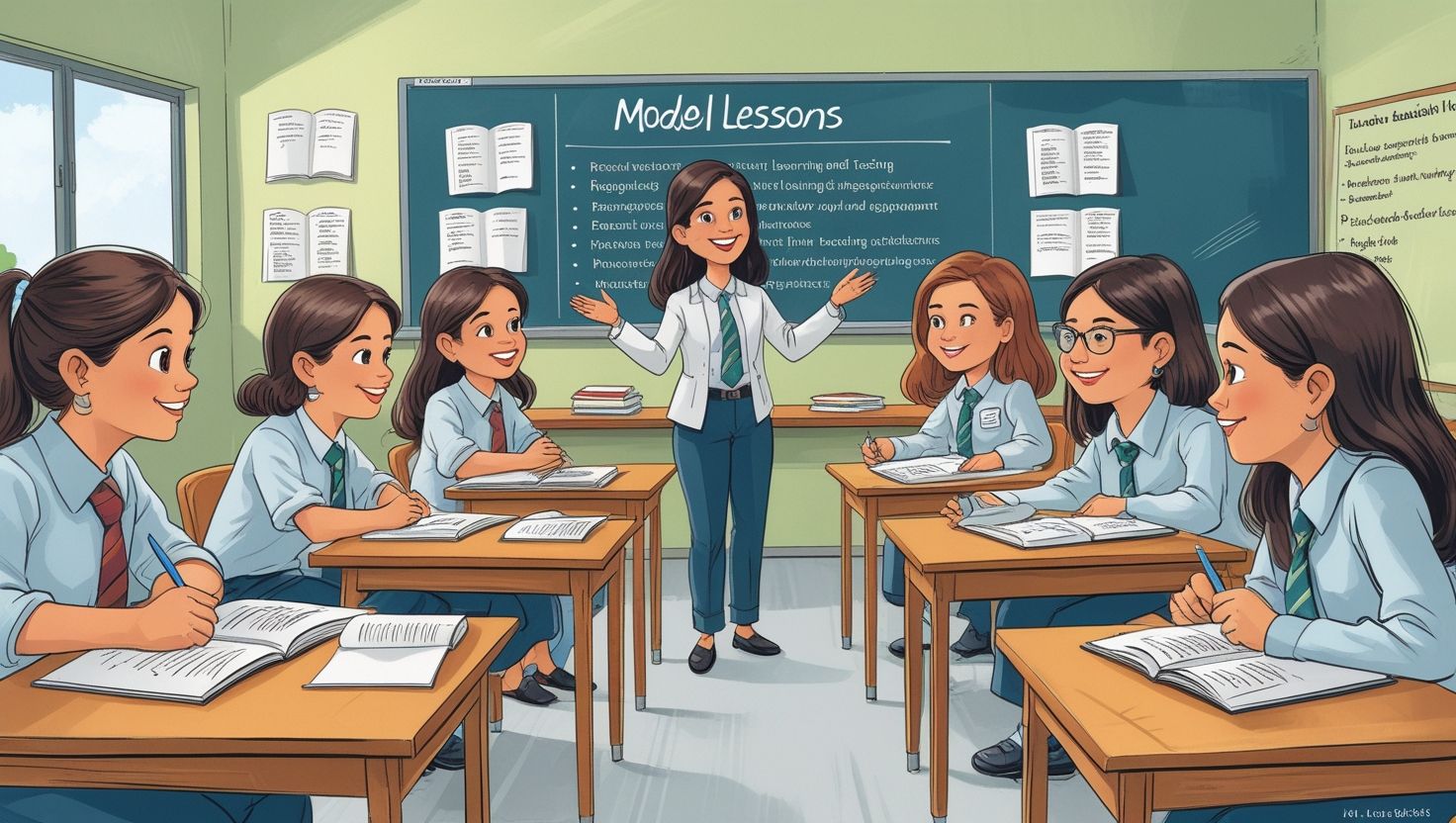
Classroom Issues and Challenges in Teaching and Learning, The classroom is the central space where educational goals are translated into practice. It is within this environment that teaching strategies, learner engagement, and institutional objectives intersect. However, modern classrooms are increasingly complex, shaped by social diversity, technological change, psychological factors, and systemic constraints. Teachers face a wide range of issues such as student diversity, behavioral problems, motivation, learning gaps, and limited resources, while learners encounter barriers related to anxiety, language, socio-economic background, and unequal access to opportunities. This paper examines the major classroom issues and challenges in teaching and learning, analyzes their causes and implications, and explores global perspectives on these concerns. It further proposes strategies for addressing these challenges through inclusive pedagogy, learner-centered approaches, professional development, and supportive learning environments. The study highlights that effective classroom management and responsive teaching are crucial for transforming challenges into opportunities for meaningful learning.
Introduction
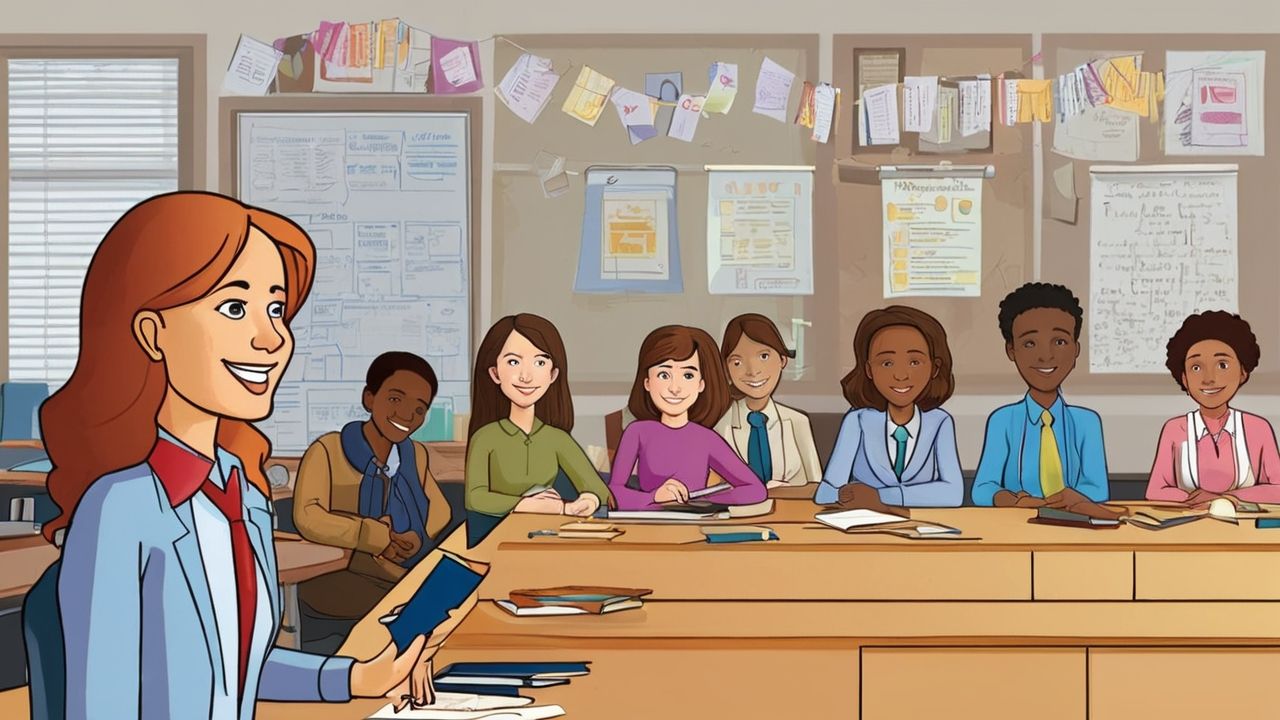
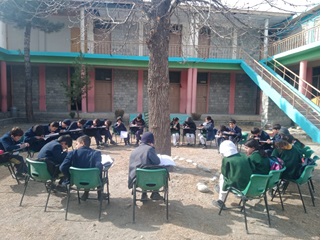
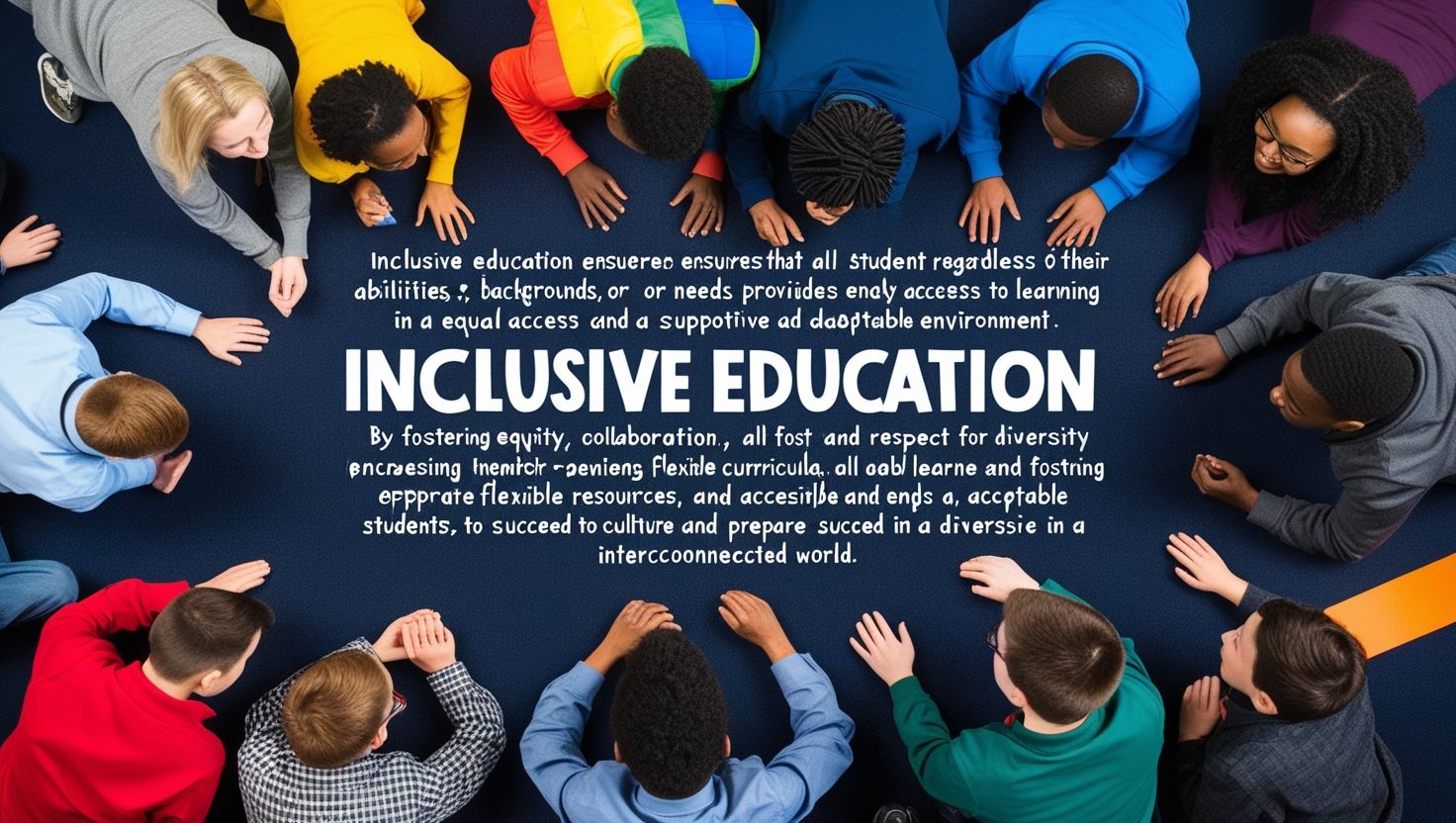
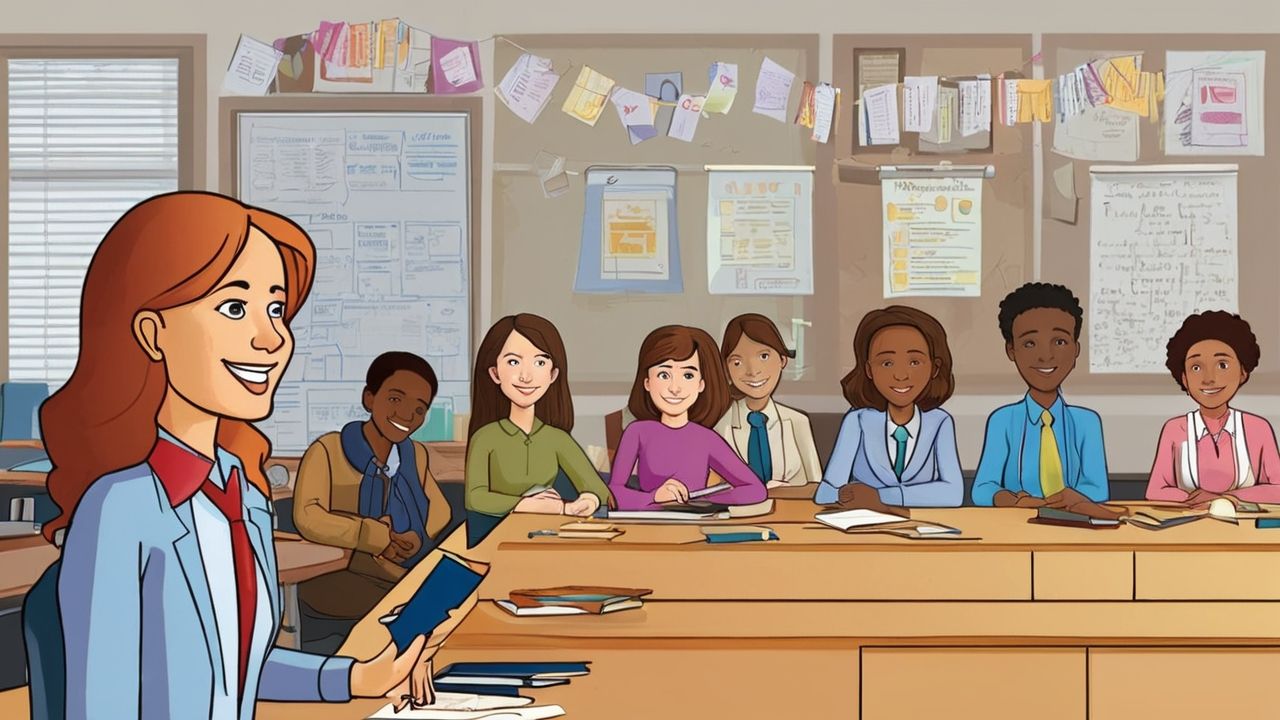
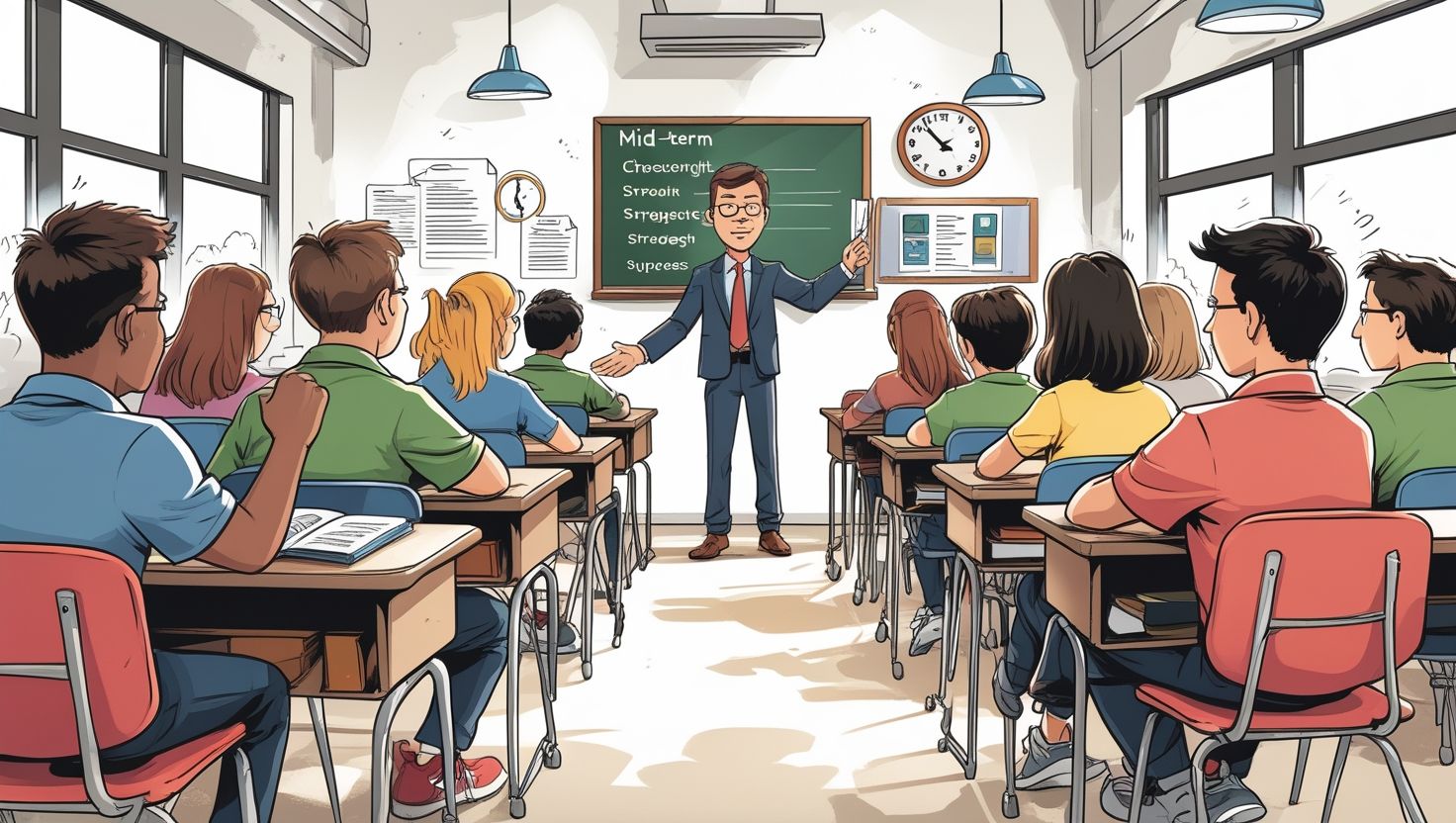
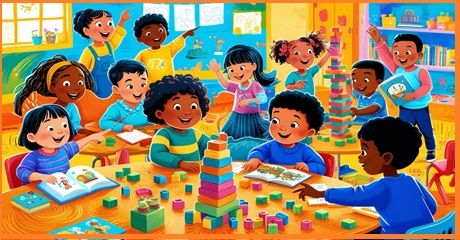
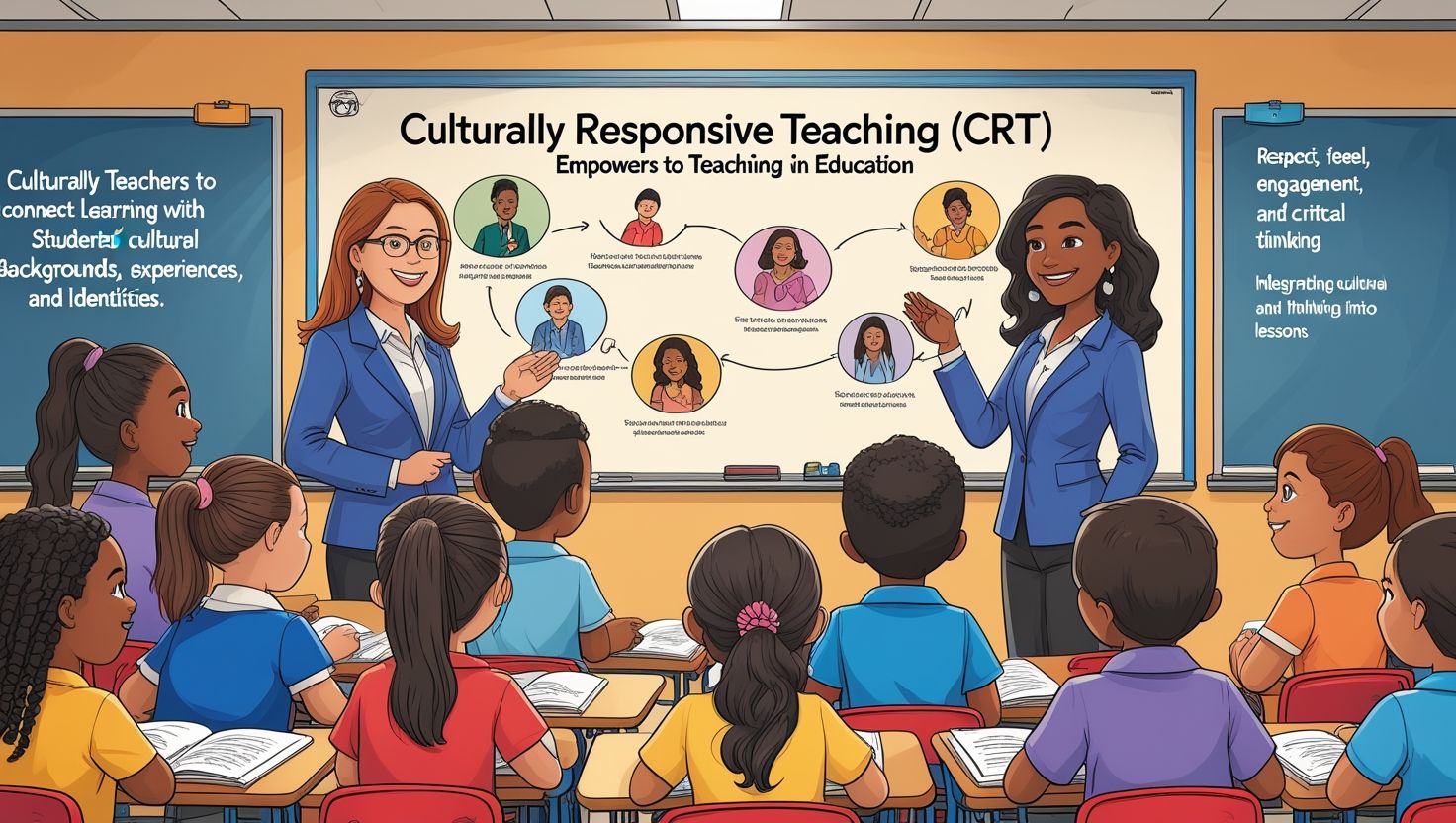
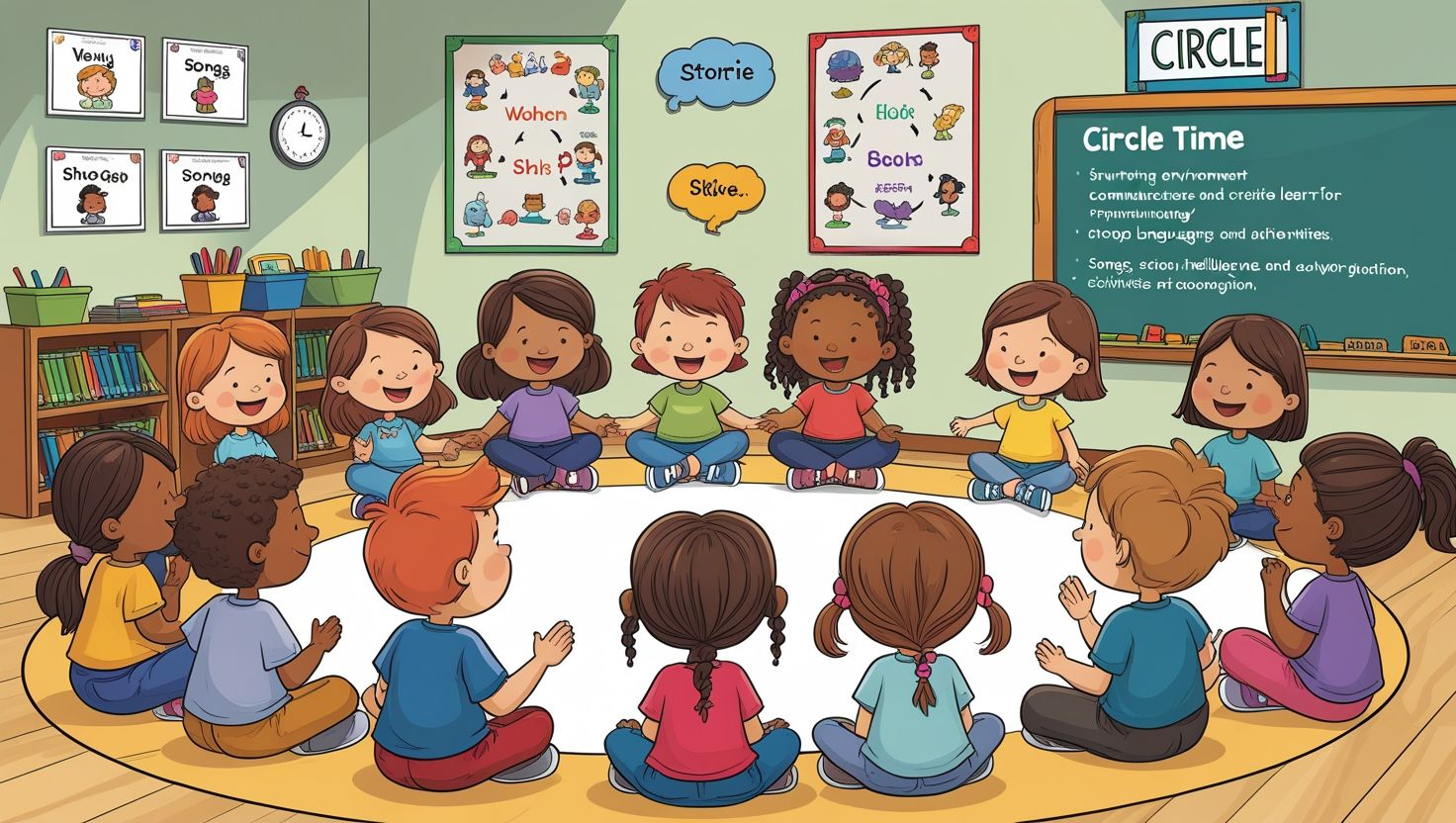
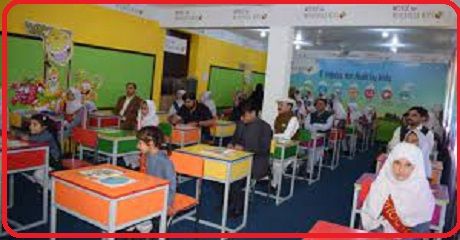
Education is not merely a transfer of information from teacher to learner; it is a dynamic and interactive process that unfolds within the classroom. The classroom serves as a microcosm of society, reflecting its diversity, inequalities, values, and tensions. As societies evolve, classrooms become increasingly heterogeneous in terms of culture, language, ability, learning styles, and socio-economic background. This diversity enriches learning but also introduces significant challenges for both teachers and students.
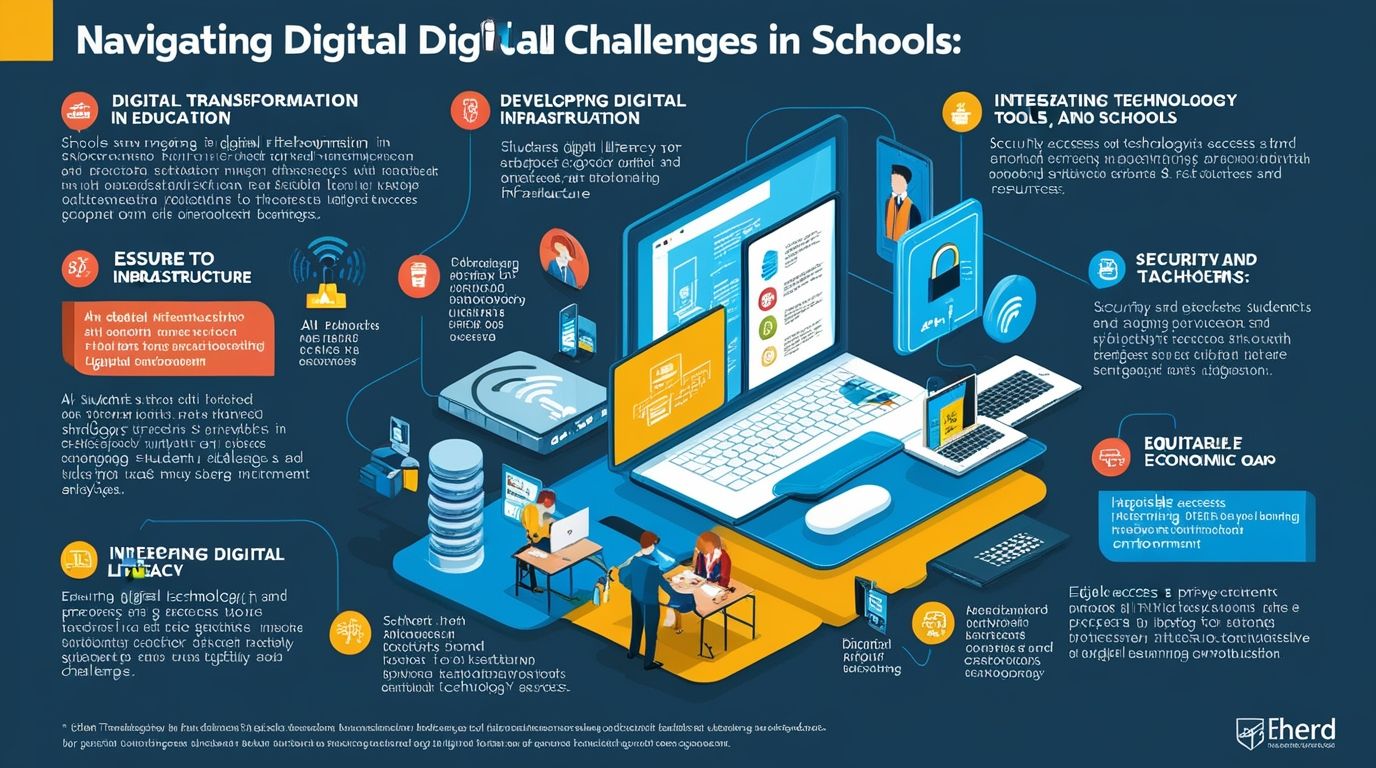
In contemporary education systems, teachers are expected to address academic goals while simultaneously managing behavior, emotional needs, and social dynamics. Learners, on the other hand, must navigate academic expectations, peer relationships, and personal challenges. Issues such as lack of motivation, disruptive behavior, digital distractions, learning difficulties, and inadequate infrastructure complicate the teaching-learning process.
Understanding classroom issues and challenges is essential for improving educational quality. These challenges are not isolated problems but interconnected factors that influence learning outcomes, teacher effectiveness, and student well-being. This paper explores the nature of classroom issues, identifies key challenges in teaching and learning, examines global perspectives, and suggests strategies to enhance classroom effectiveness.
Conceptual Framework
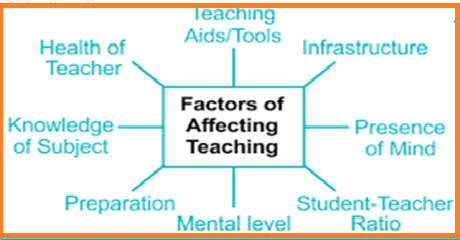
Classroom issues and challenges can be understood within a multidimensional framework that includes pedagogical, psychological, social, and structural dimensions.
- Pedagogical Dimension: Teaching methods, curriculum design, assessment practices, and instructional materials.
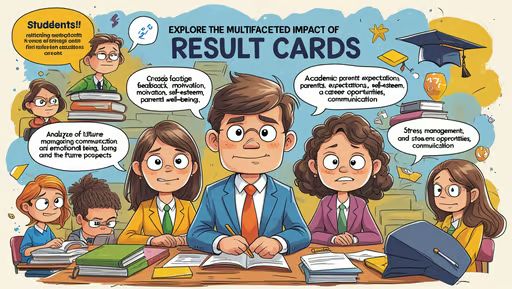
- Psychological Dimension: Motivation, self-esteem, anxiety, learning styles, and emotional well-being.
- Social Dimension: Peer relationships, cultural diversity, communication patterns, and classroom climate.
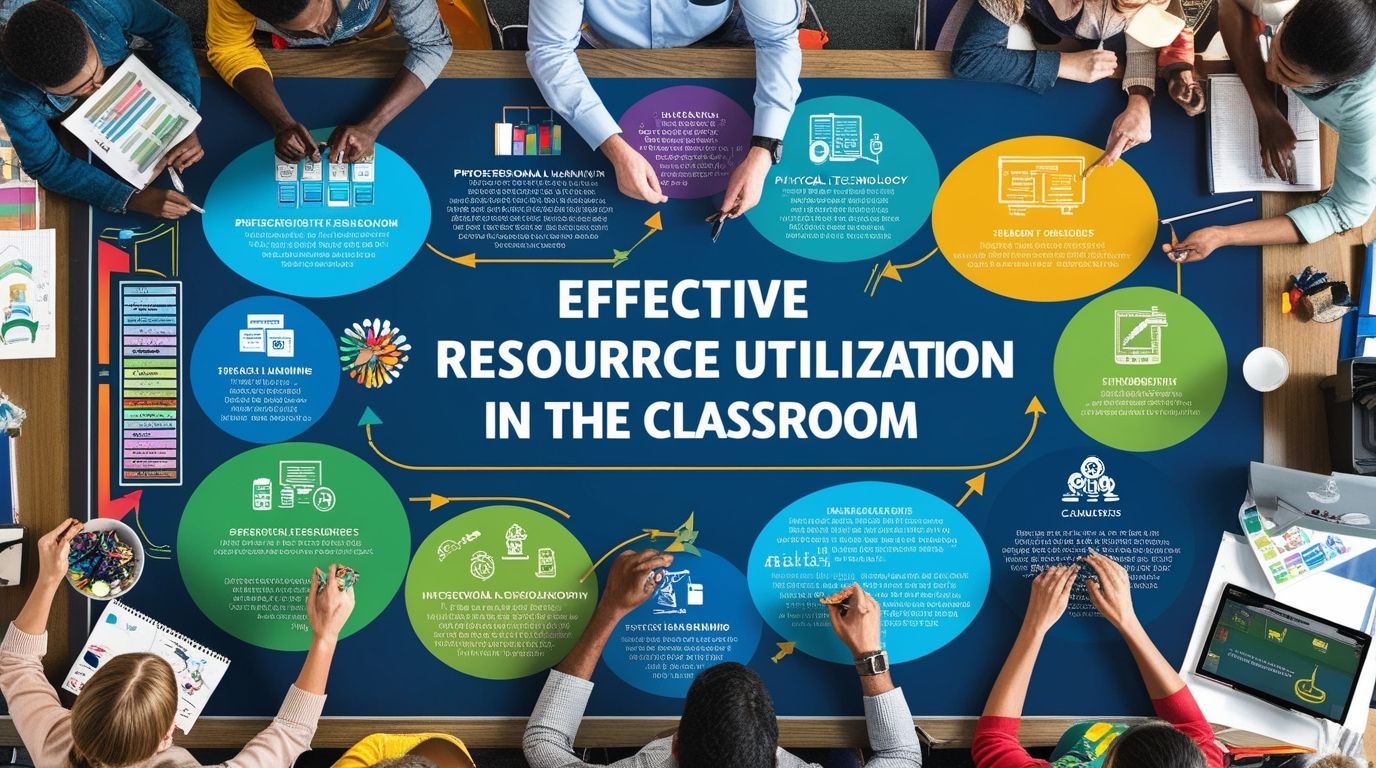
- Structural Dimension: Class size, infrastructure, technology, institutional policies, and teacher workload.
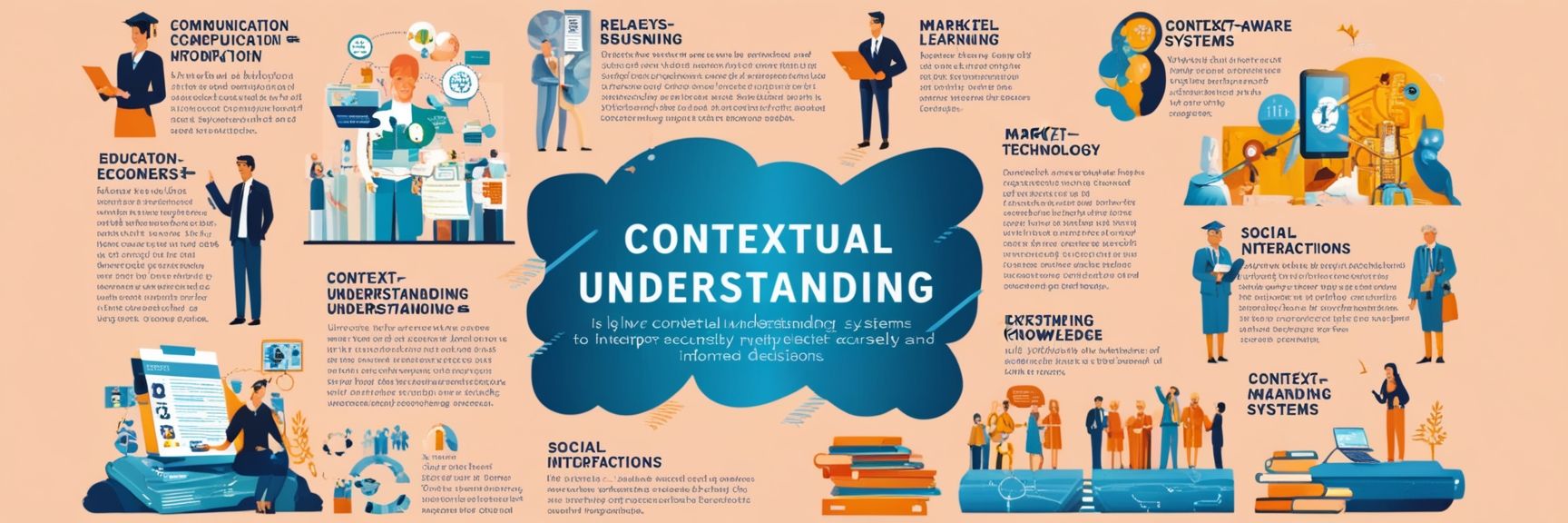
These dimensions interact continuously. For example, ineffective pedagogy may lead to student disengagement, which in turn contributes to behavioral issues. Similarly, structural limitations such as overcrowded classrooms can hinder individualized instruction, affecting learners with special needs. Recognizing this interconnectedness enables educators to approach classroom challenges holistically rather than in isolation.
Major Classroom Issues
1. Student Diversity
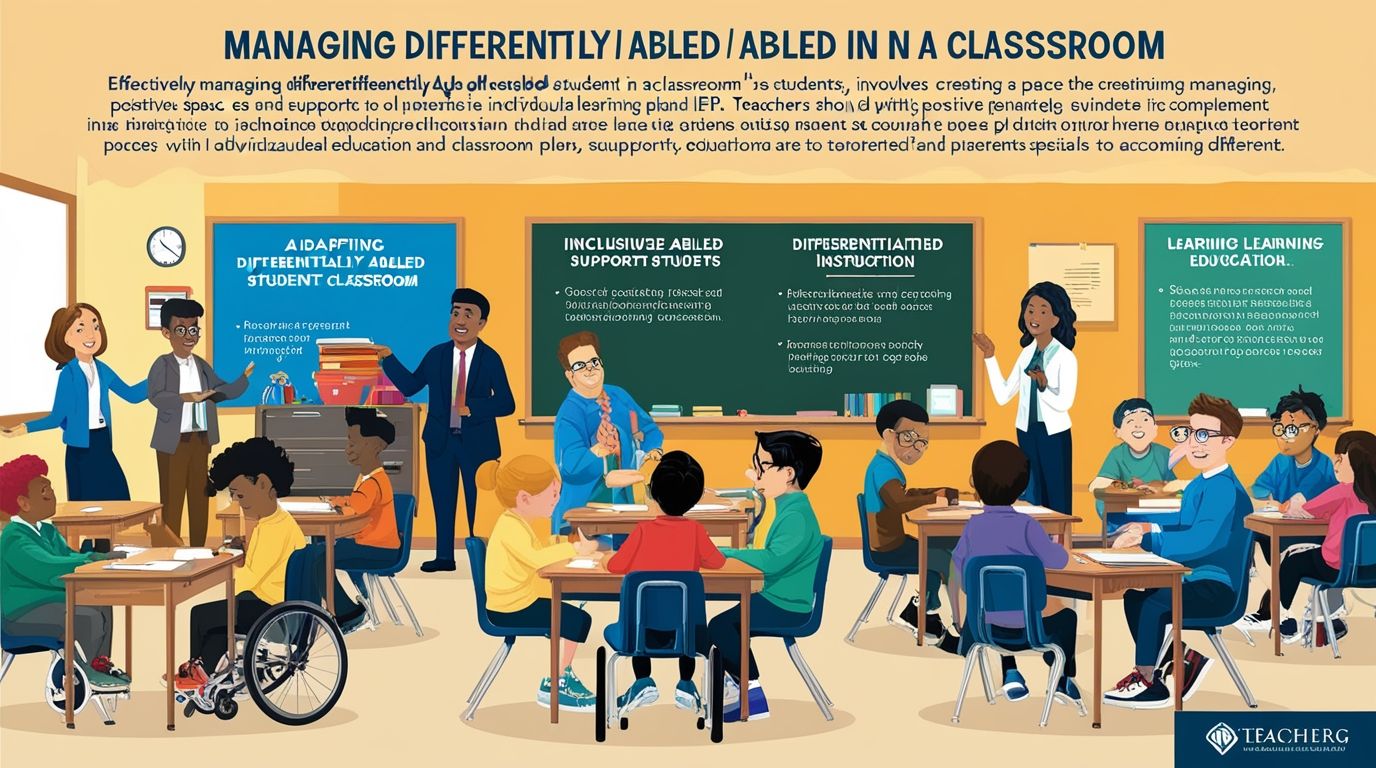
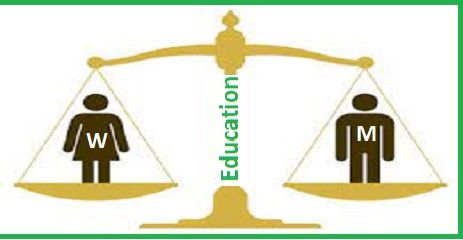
Modern classrooms are characterized by diversity in culture, language, ability, gender, and socio-economic background. While diversity enriches learning, it also presents challenges in addressing varied learning needs and expectations. Teachers must balance inclusivity with academic rigor, ensuring that no learner is marginalized.
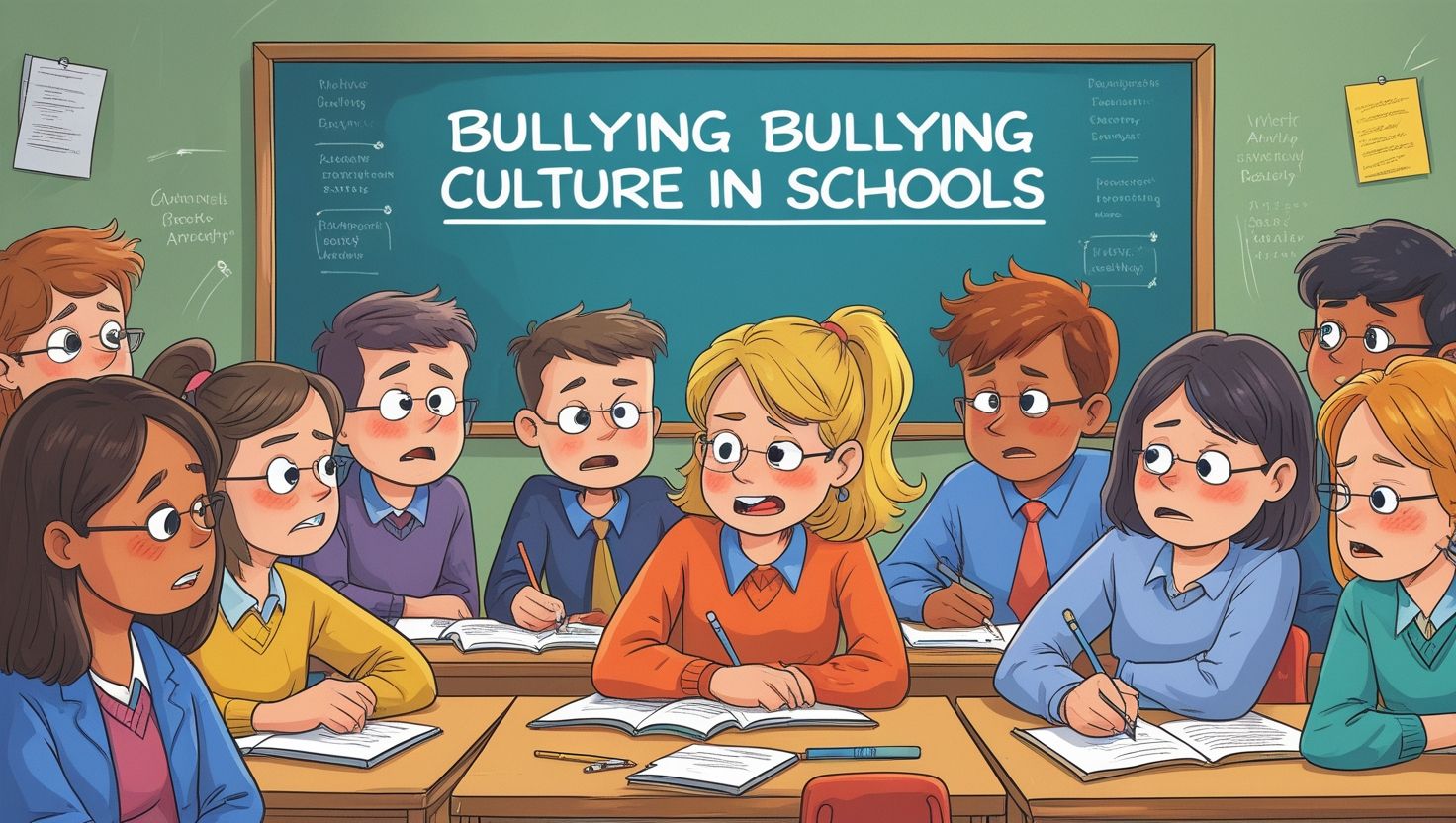
2. Behavioral Problems
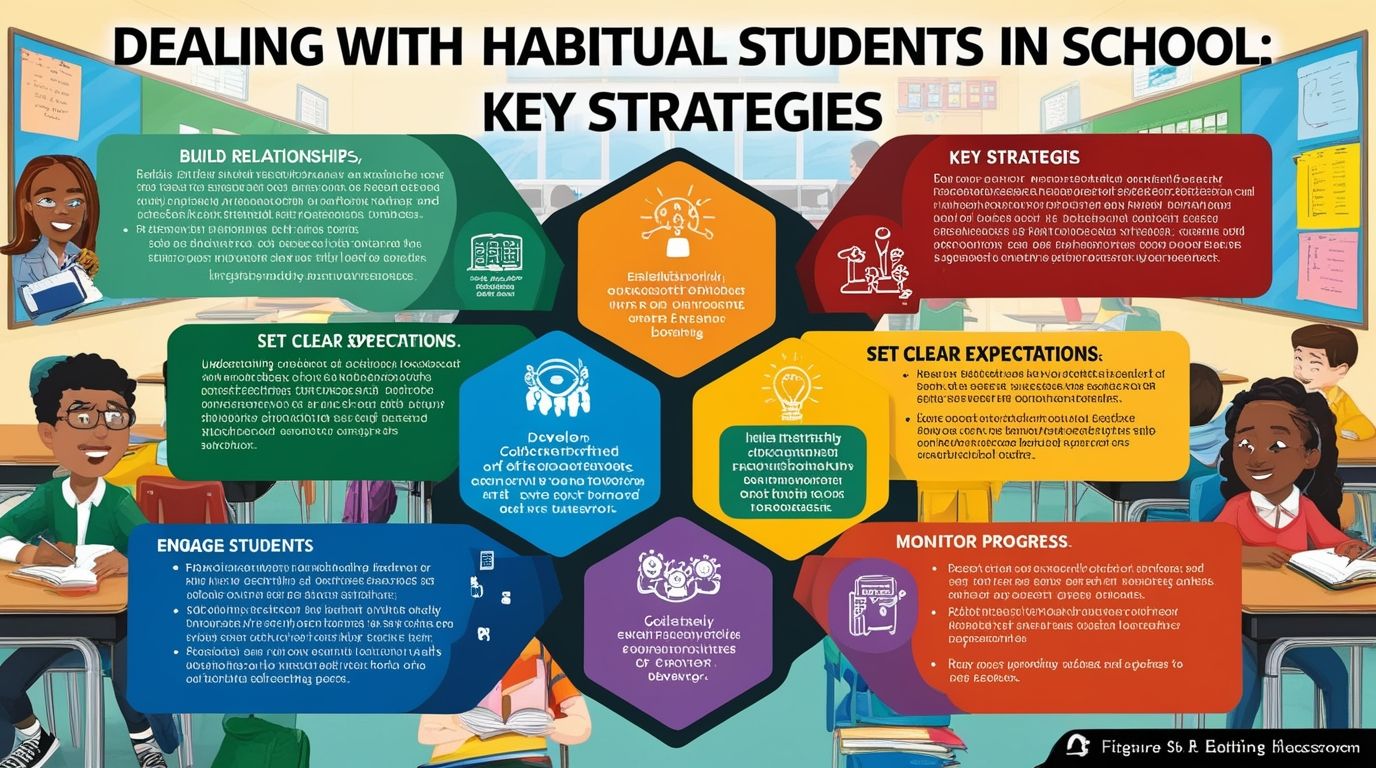
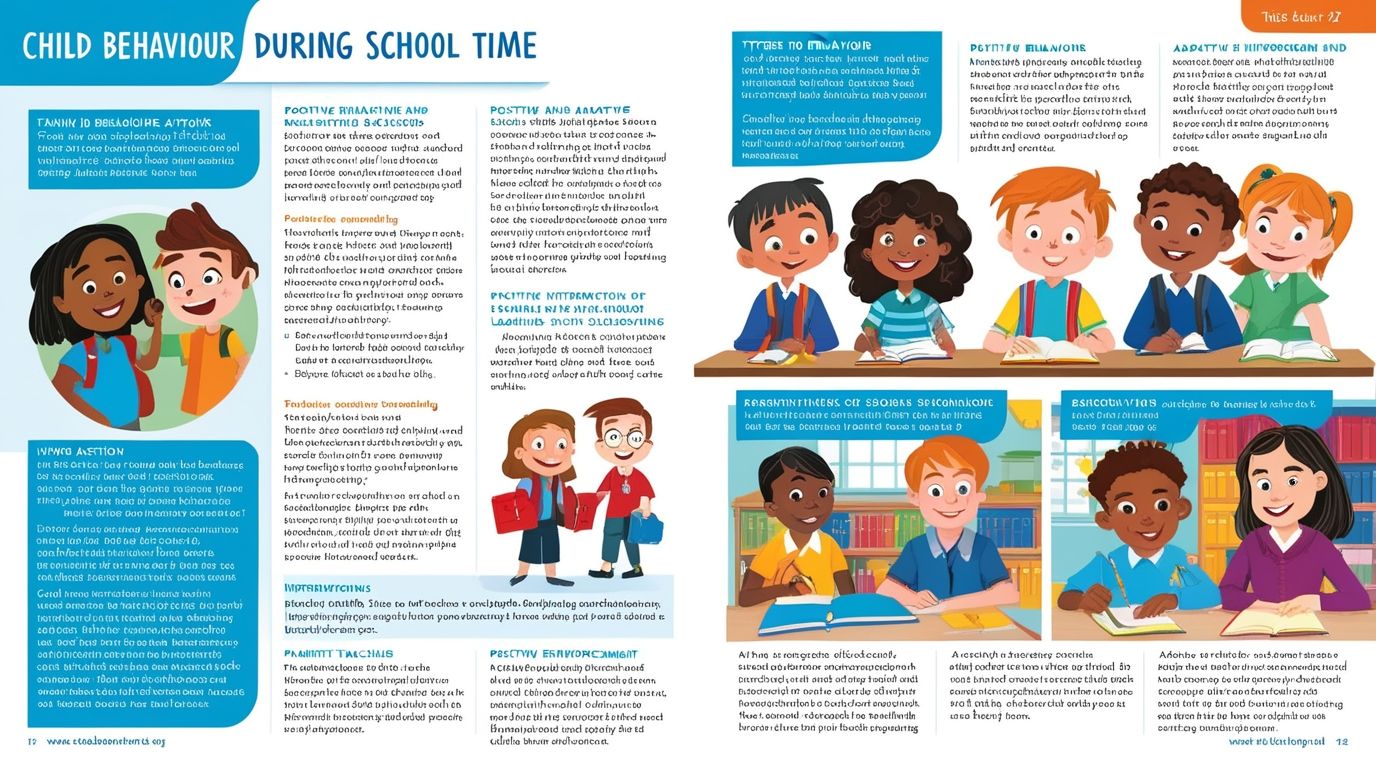
Disruptive behavior, lack of discipline, and inattentiveness are common classroom issues. Such behaviors may stem from emotional difficulties, family problems, or lack of engagement. They disrupt the learning environment and place emotional strain on teachers.
3. Motivation and Engagement
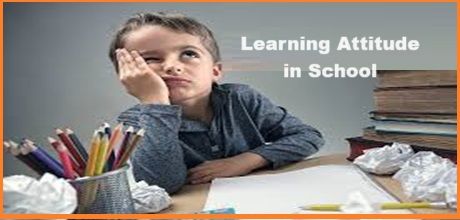
A significant issue in classrooms is declining student motivation. Many learners perceive education as irrelevant or overly rigid. Passive teaching methods, exam-oriented systems, and lack of real-world connection contribute to disengagement.
4. Learning Gaps and Academic Differences
Students enter classrooms with varying levels of prior knowledge and skills. Learning gaps are particularly evident in subjects like mathematics and language. Teachers struggle to address these differences within limited instructional time.
5. Technological Distractions
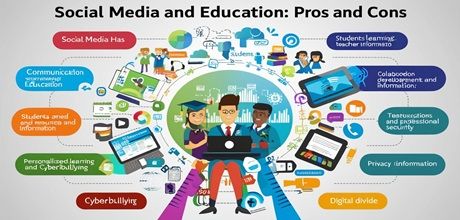
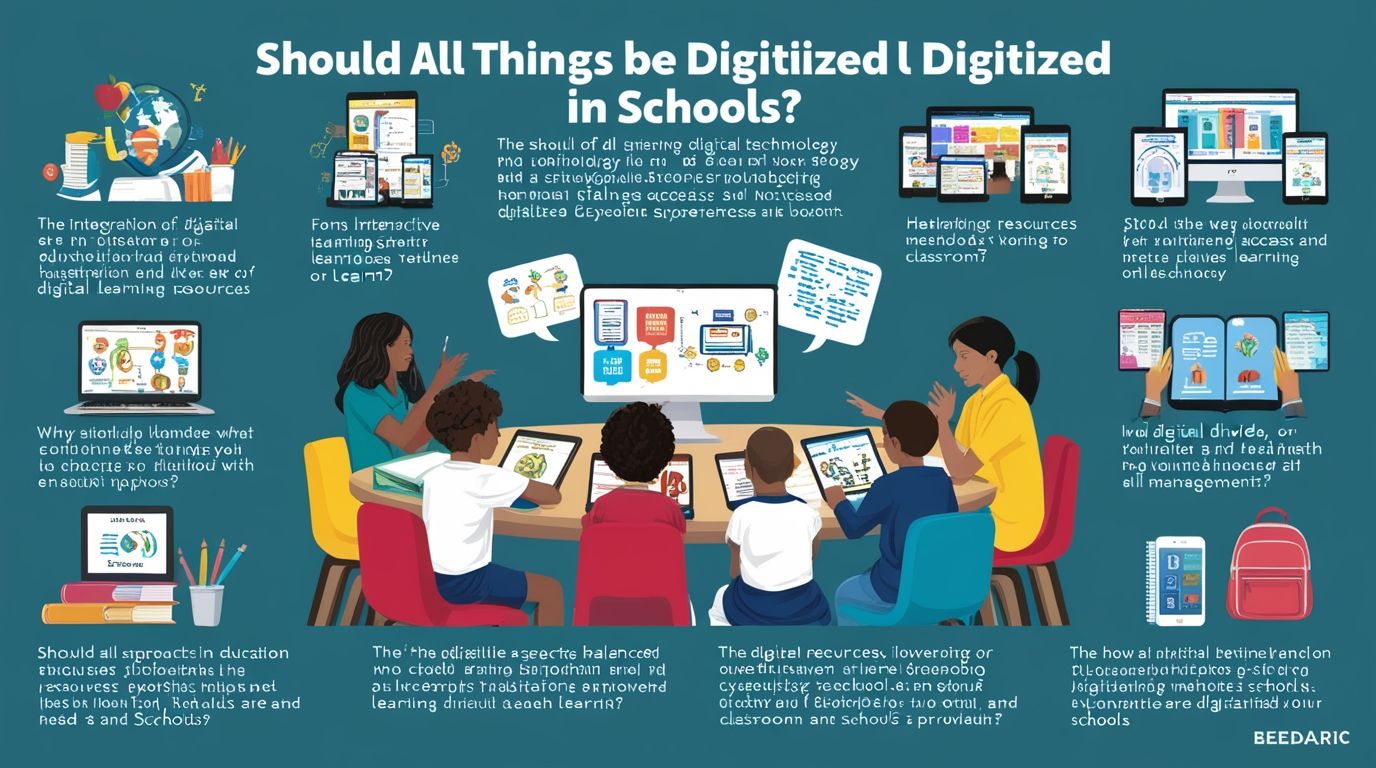
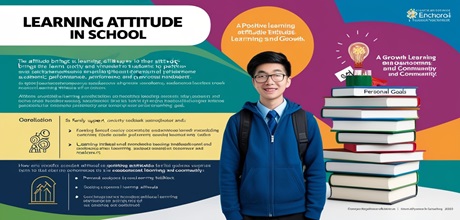
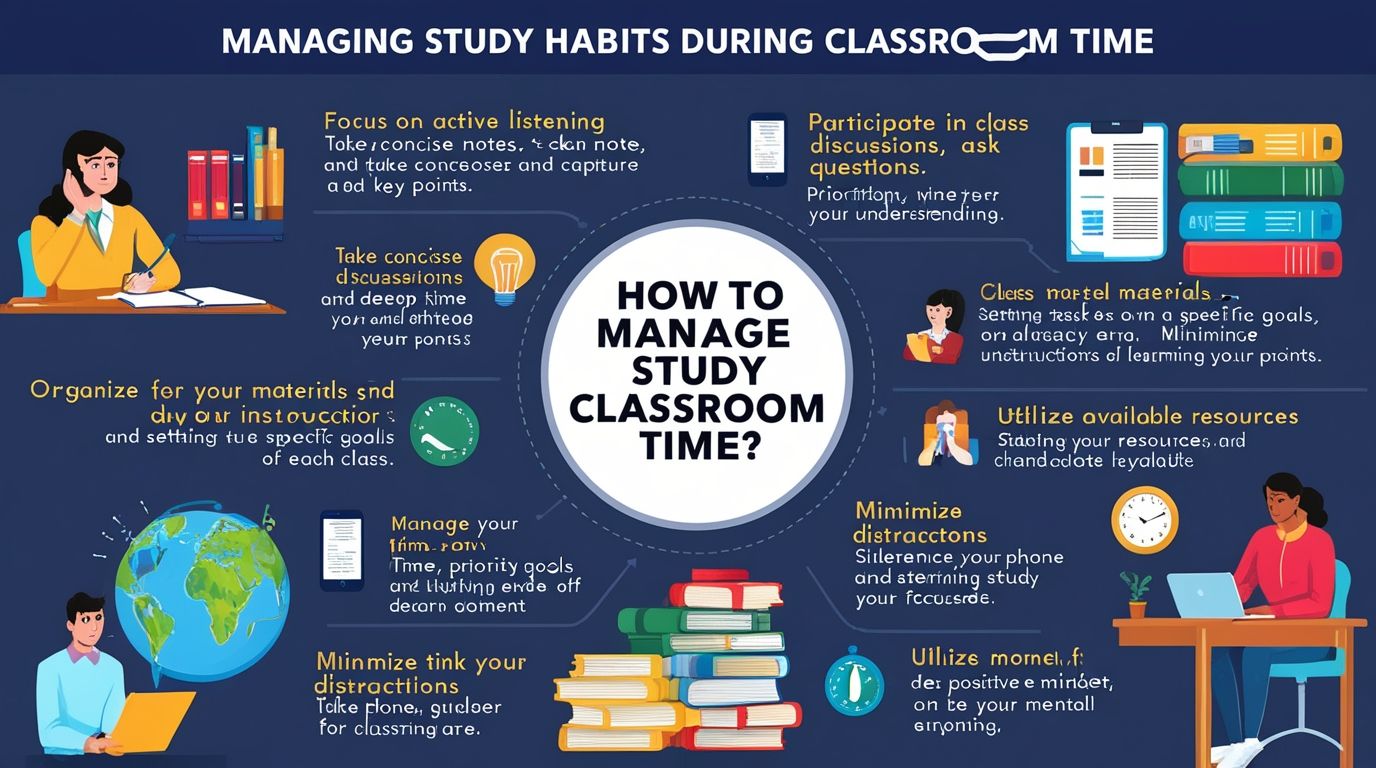
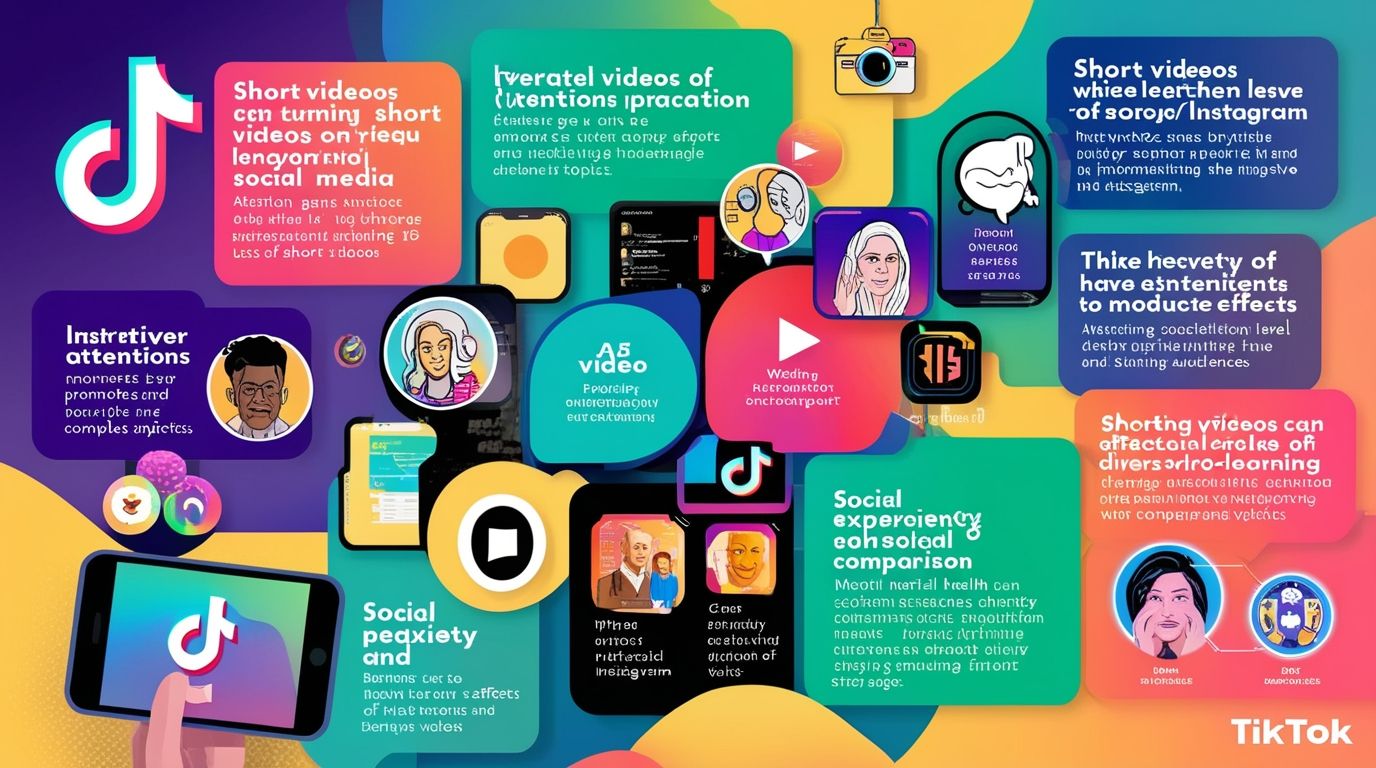
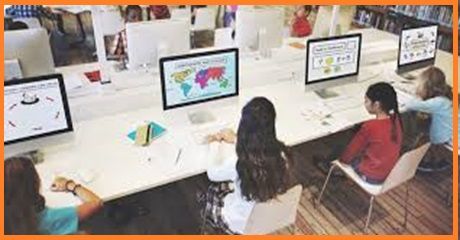
While technology offers powerful learning tools, it also introduces distractions. Smartphones, social media, and online games can reduce attention and concentration, challenging classroom management.
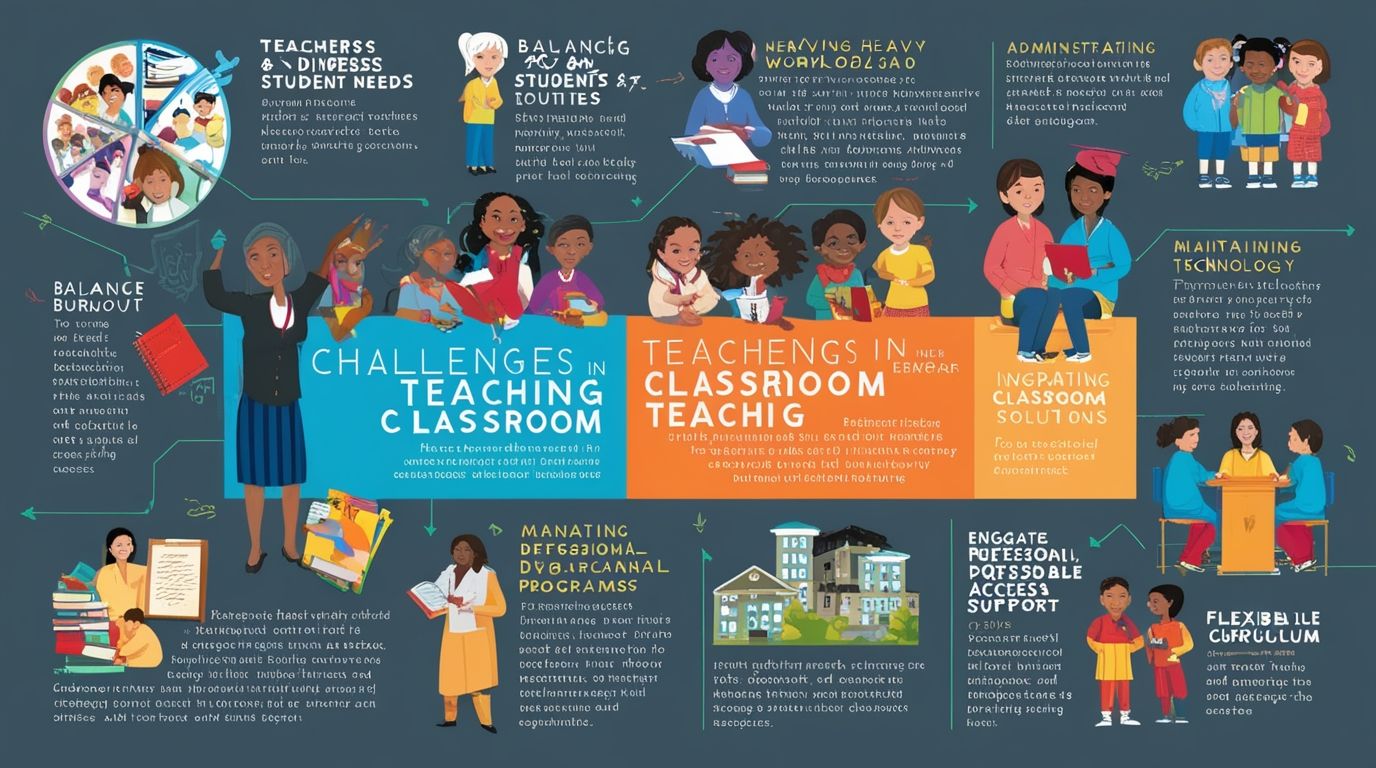
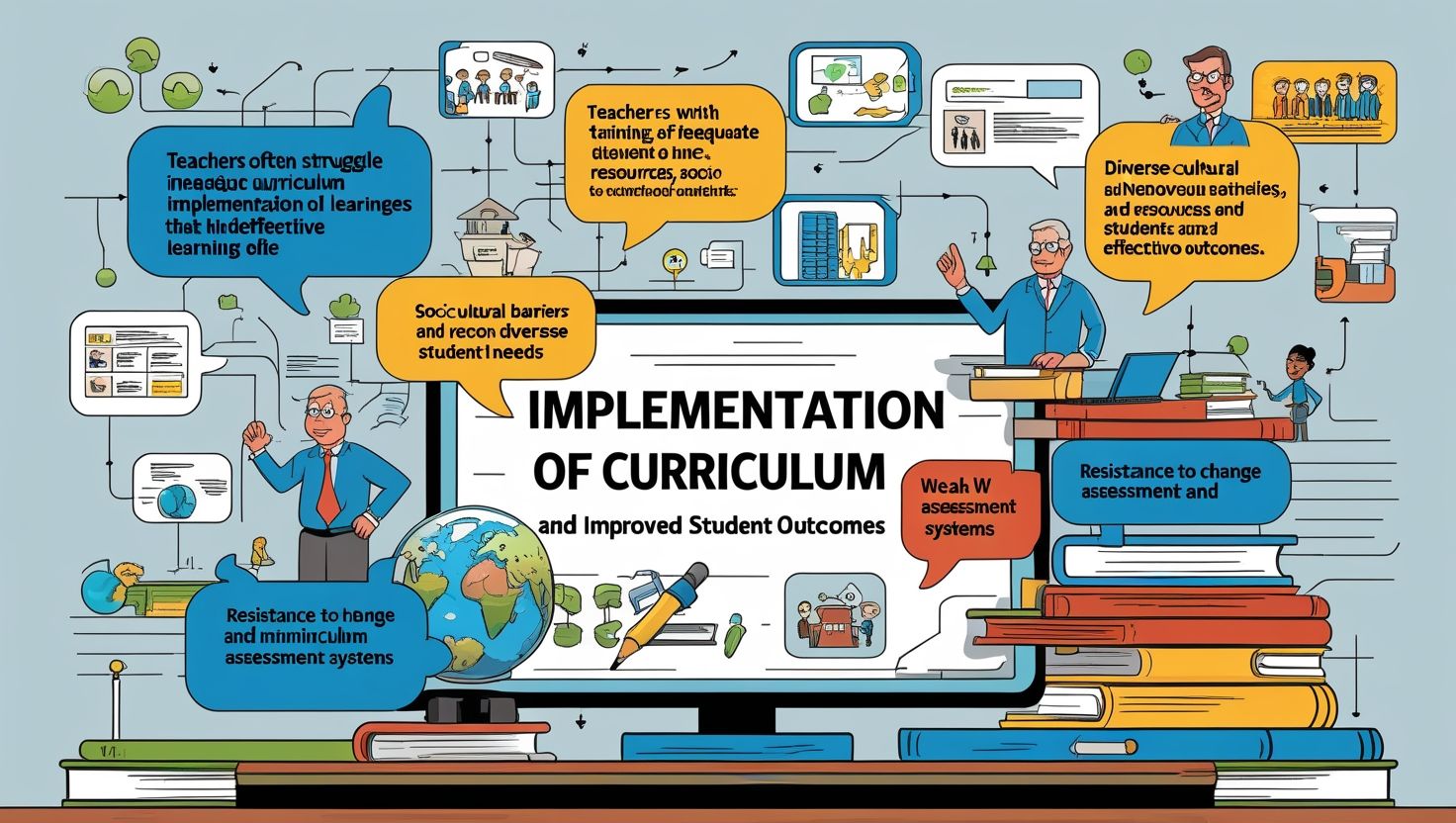
Challenges in Teaching and Learning
1. Classroom Management
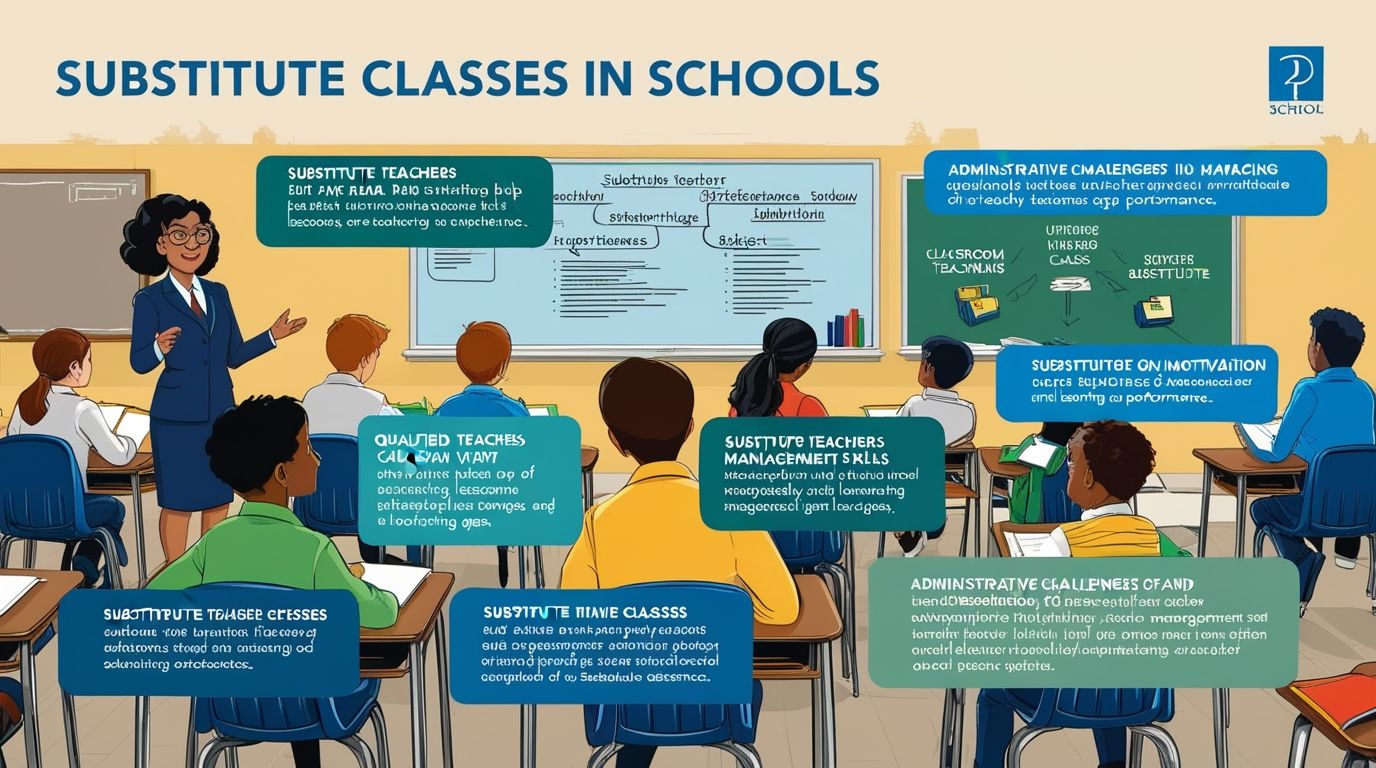
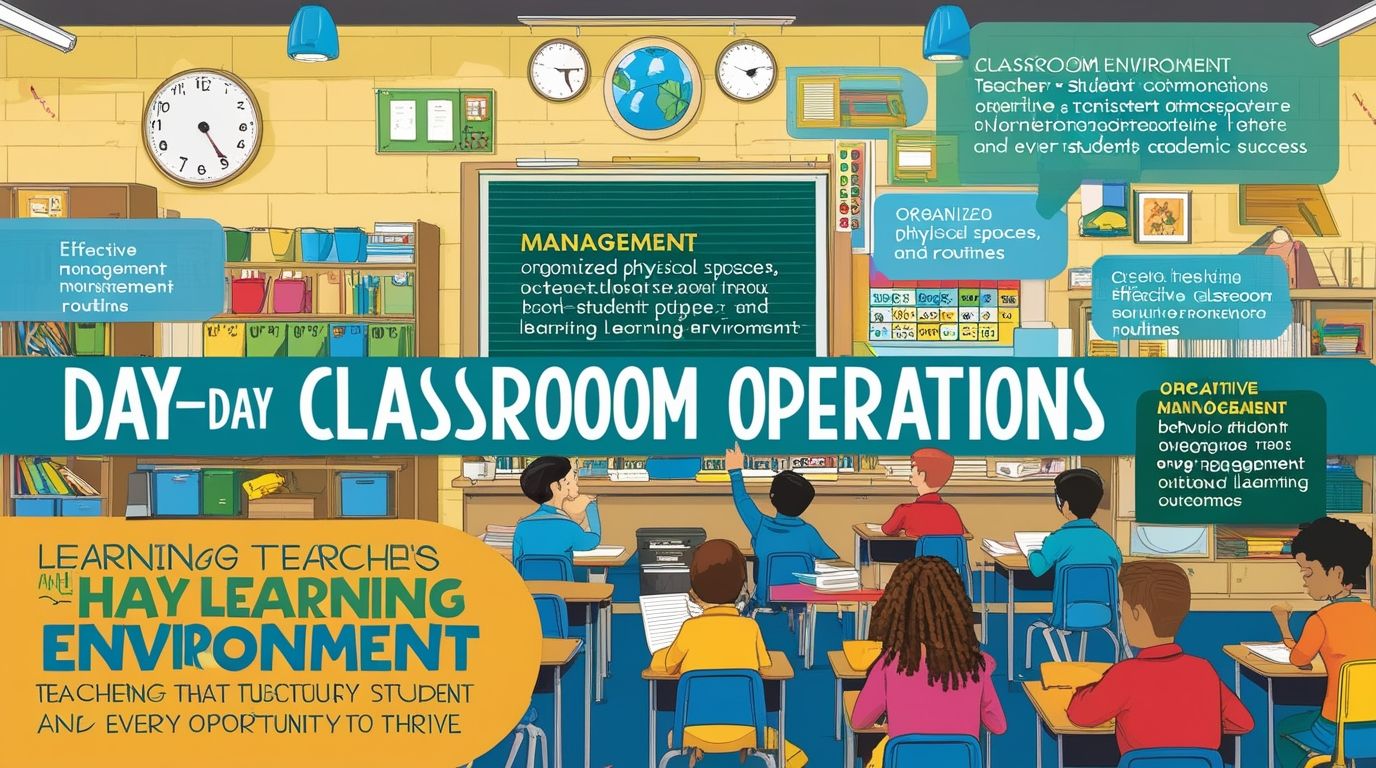
Maintaining discipline, order, and a positive learning atmosphere is one of the most demanding aspects of teaching. Overcrowded classrooms, diverse needs, and limited support make management difficult.
2. Time Constraints
Teachers must complete prescribed syllabi within limited time. This often leads to rushed instruction, reduced interaction, and limited opportunities for individualized feedback.
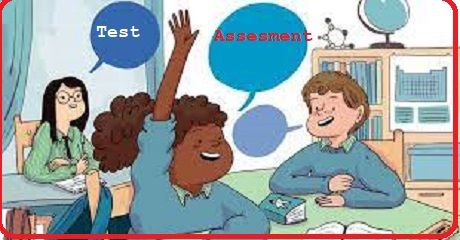
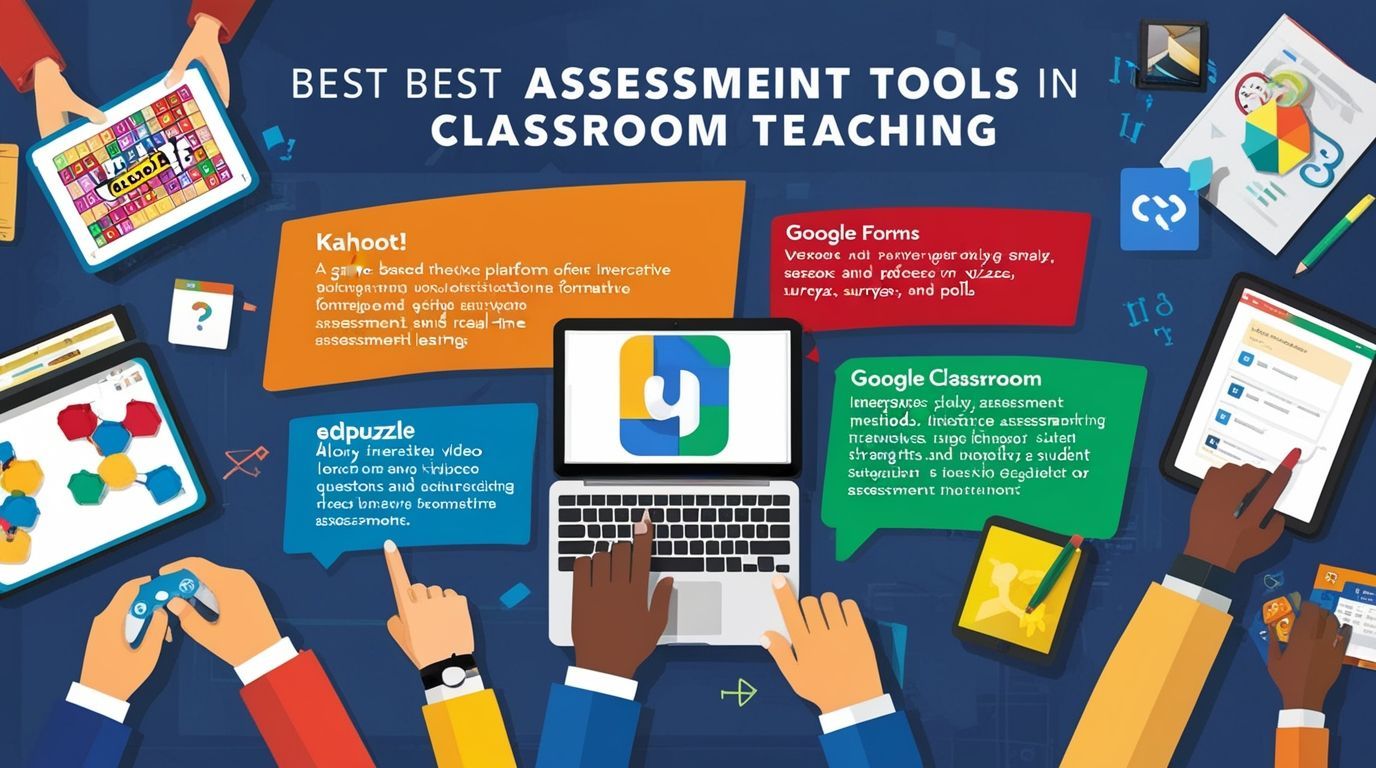
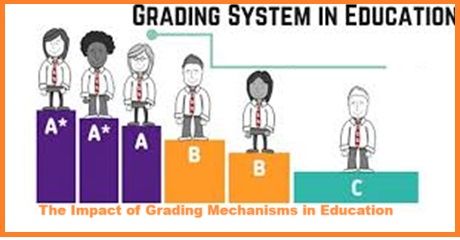
3. Assessment Pressures
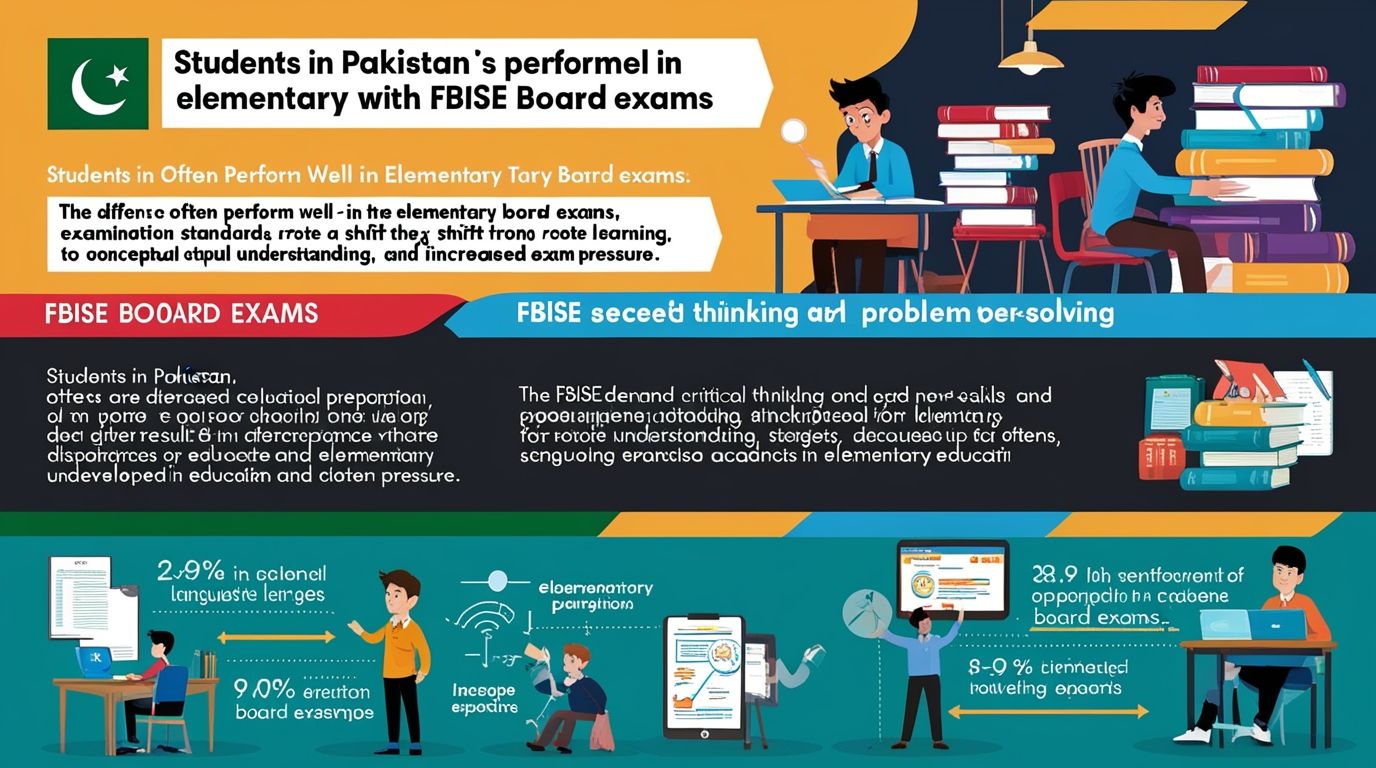
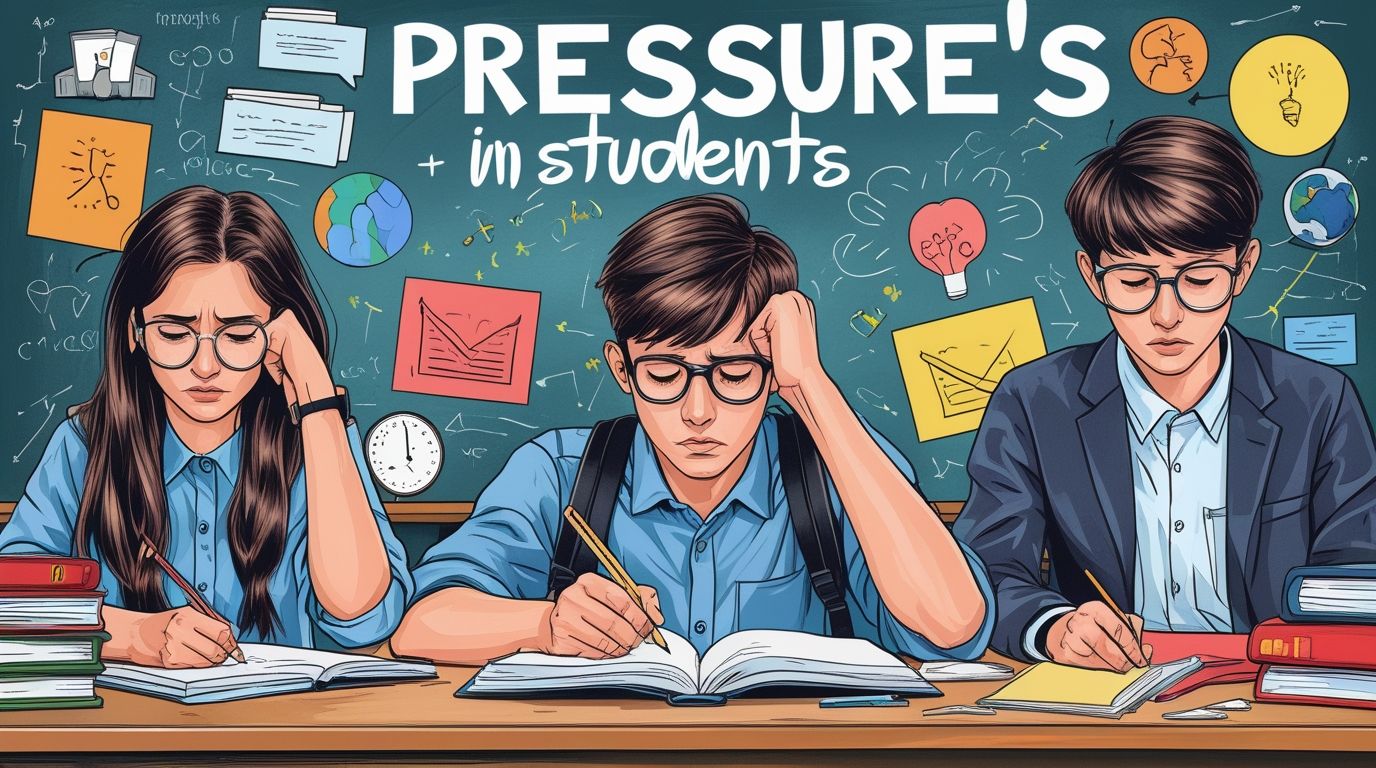
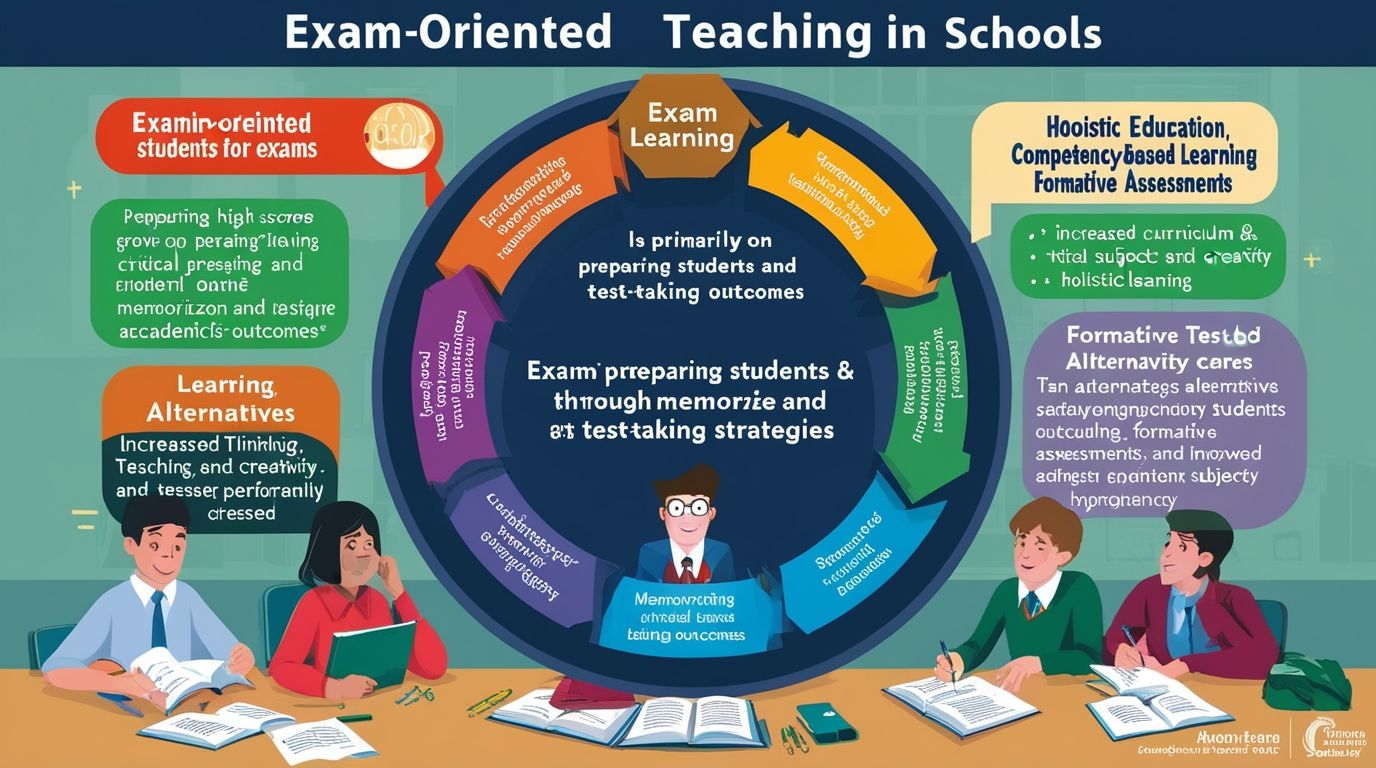
Examination-oriented systems prioritize memorization over understanding. Teachers feel pressured to “teach to the test,” while students experience stress and anxiety that hinder meaningful learning.
4. Teacher Workload and Burnout
Teachers handle multiple responsibilities—teaching, assessment, administration, and mentoring. Excessive workload can lead to burnout, reducing effectiveness and enthusiasm.
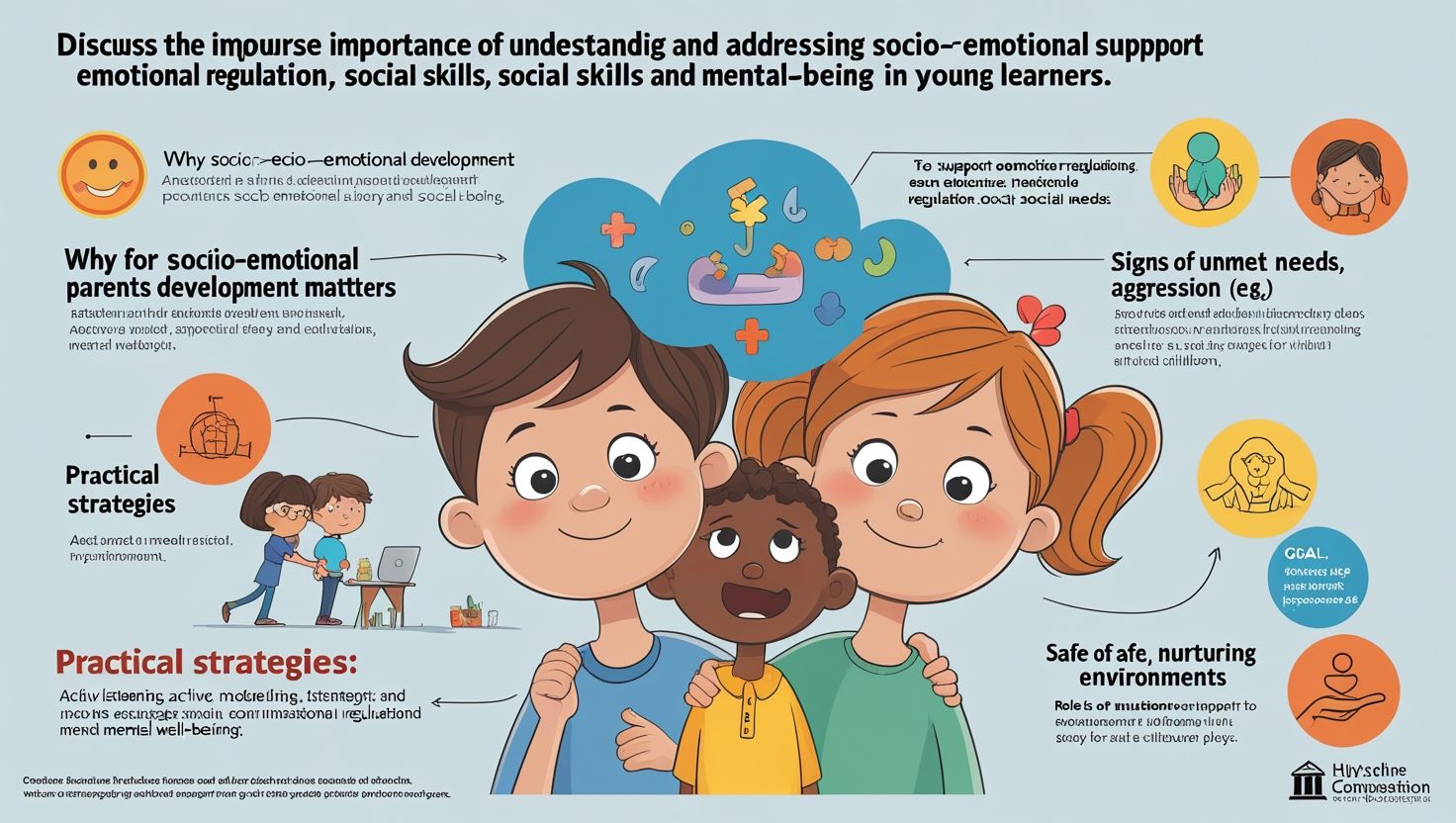
5. Emotional and Mental Health Issues
Students increasingly face stress, anxiety, and emotional difficulties. Teachers are often untrained to address these needs, yet they significantly affect learning and behavior.
Global Perspectives
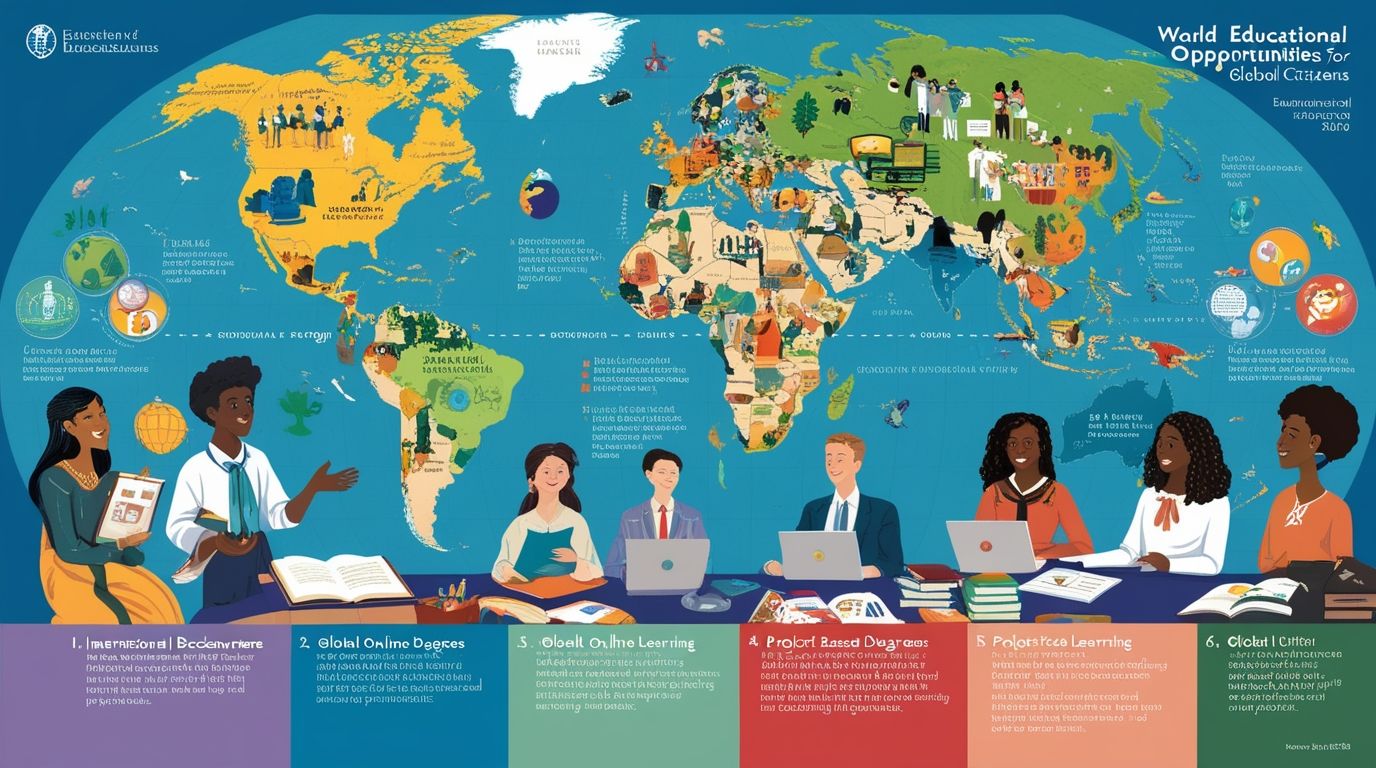
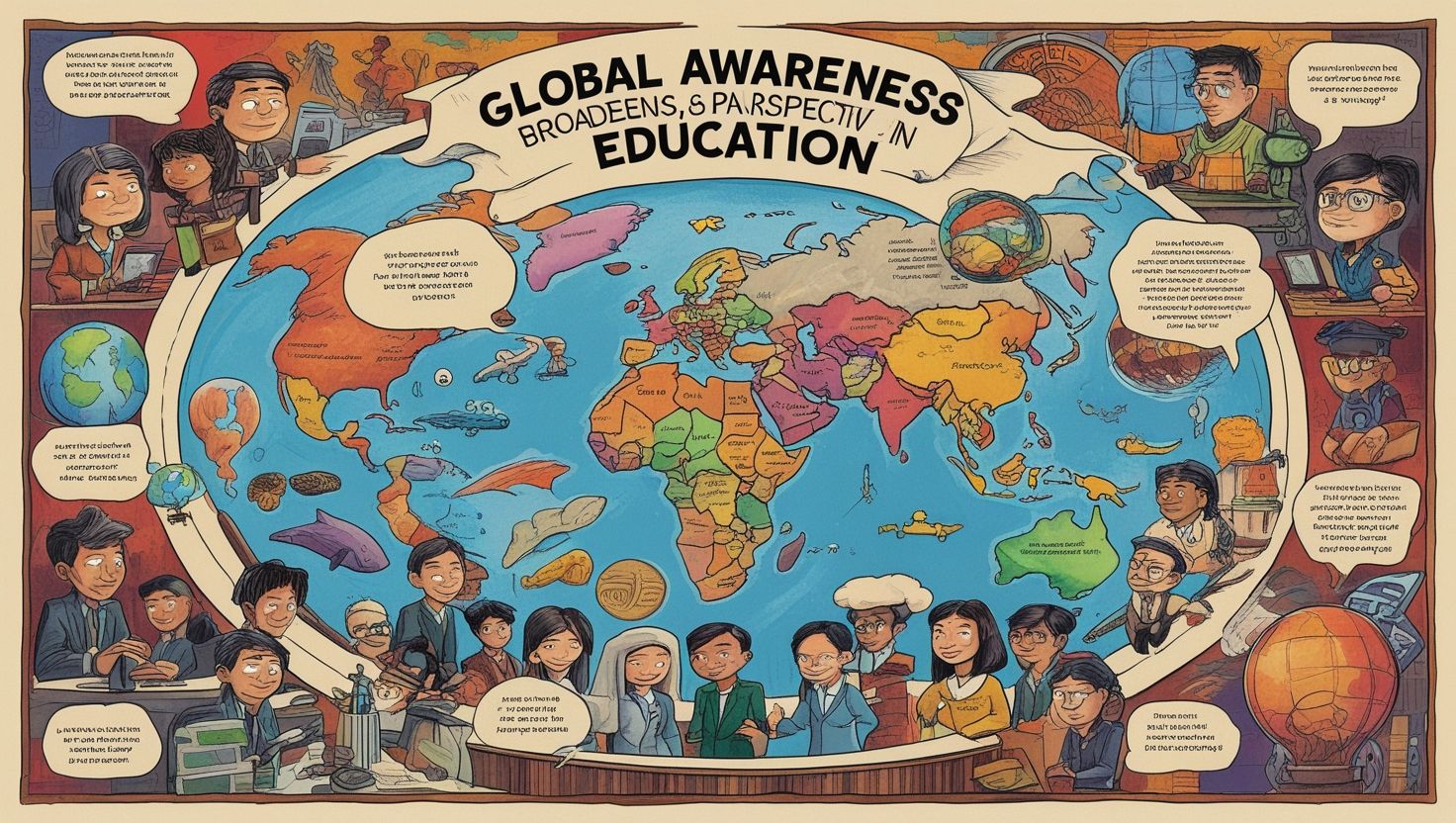
Classroom challenges are universal, though they vary in form and intensity across regions.
- In developing countries, overcrowded classrooms, lack of resources, and teacher shortages are major concerns.
- In developed nations, issues often involve student disengagement, mental health, and digital distractions.
- Multilingual classrooms in countries such as India, South Africa, and Canada face challenges related to language barriers and cultural differences.
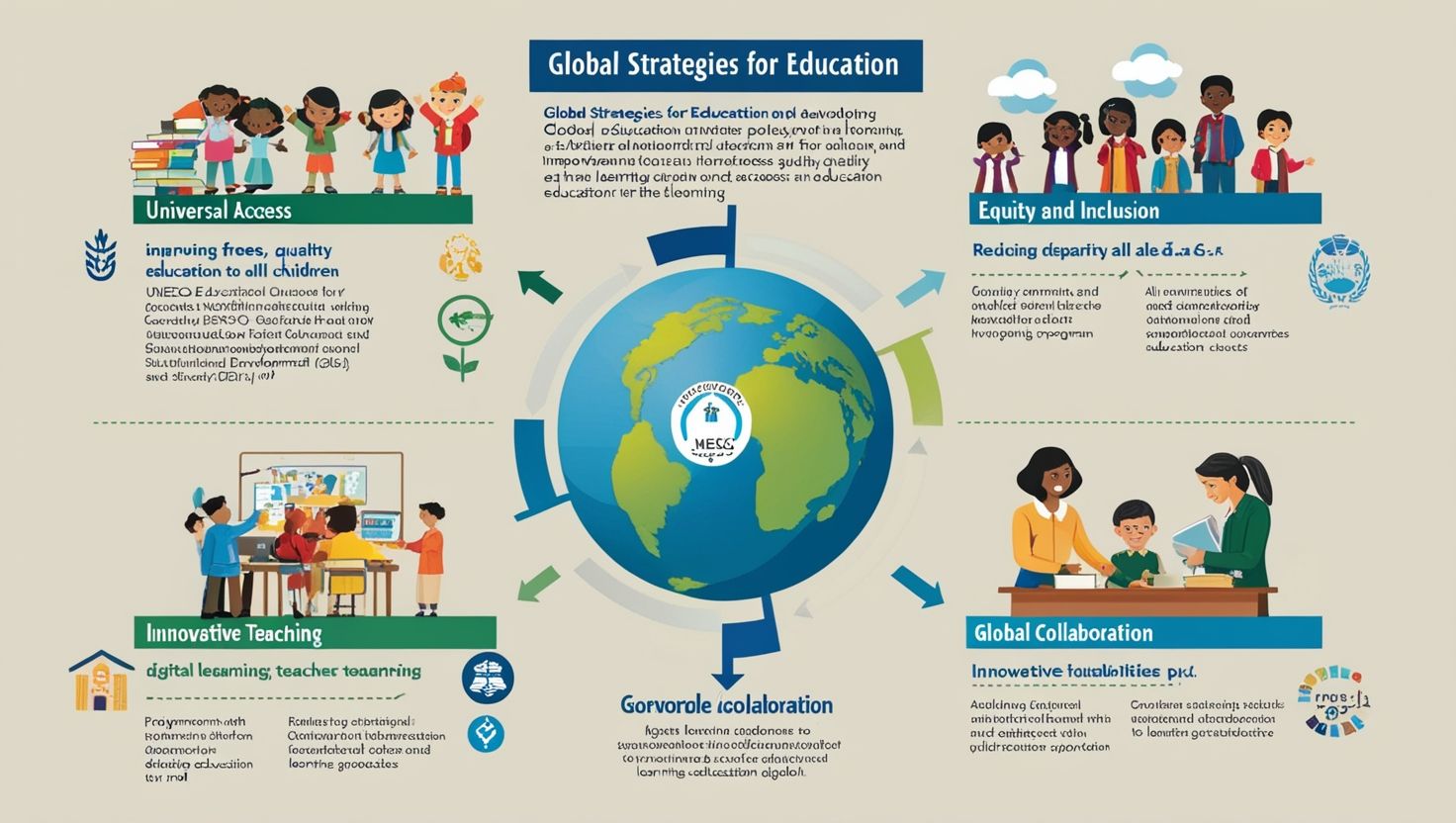
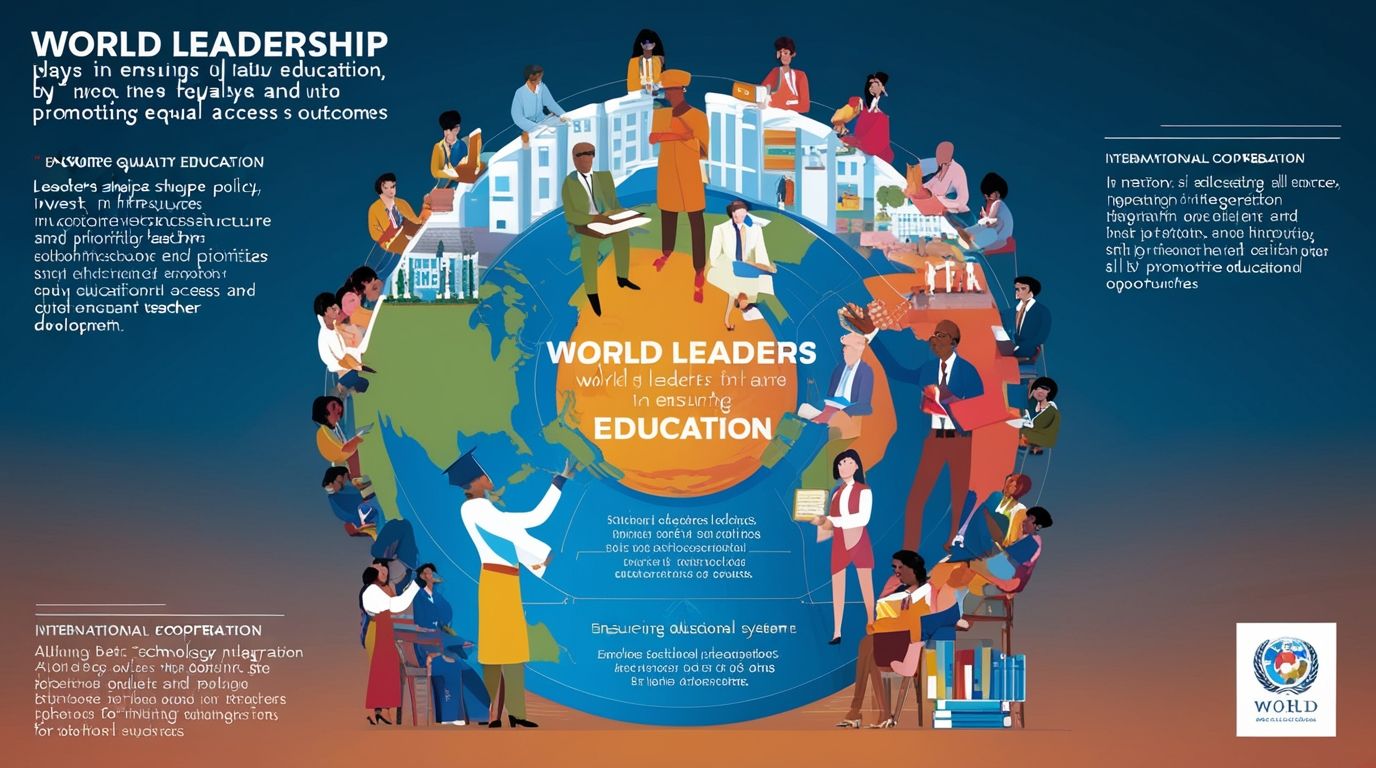
- Global organizations like UNESCO and UNICEF emphasize learner-centered approaches, inclusive education, and teacher empowerment as solutions to these challenges.
Despite contextual differences, a common theme emerges: effective teaching requires adaptability, empathy, and systemic support.
Strategies for Addressing Classroom Challenges
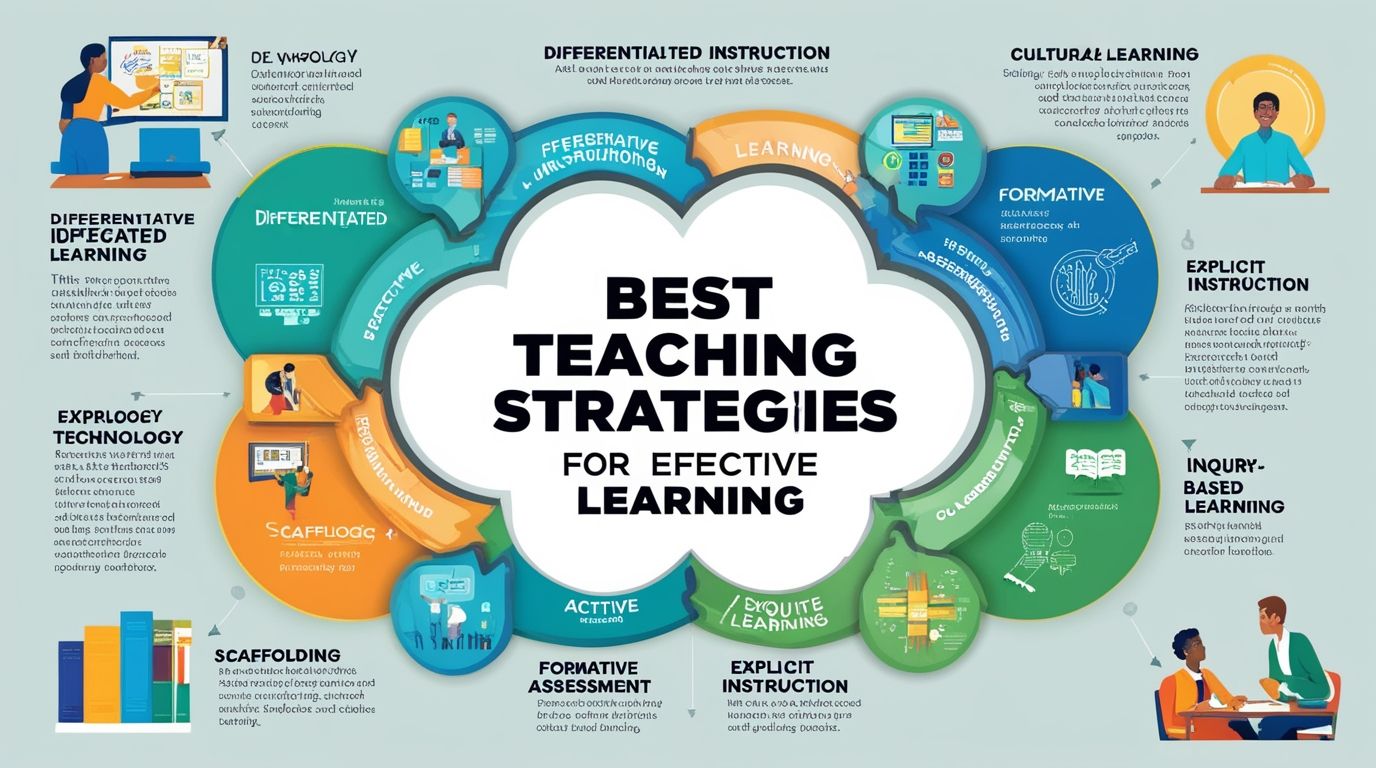
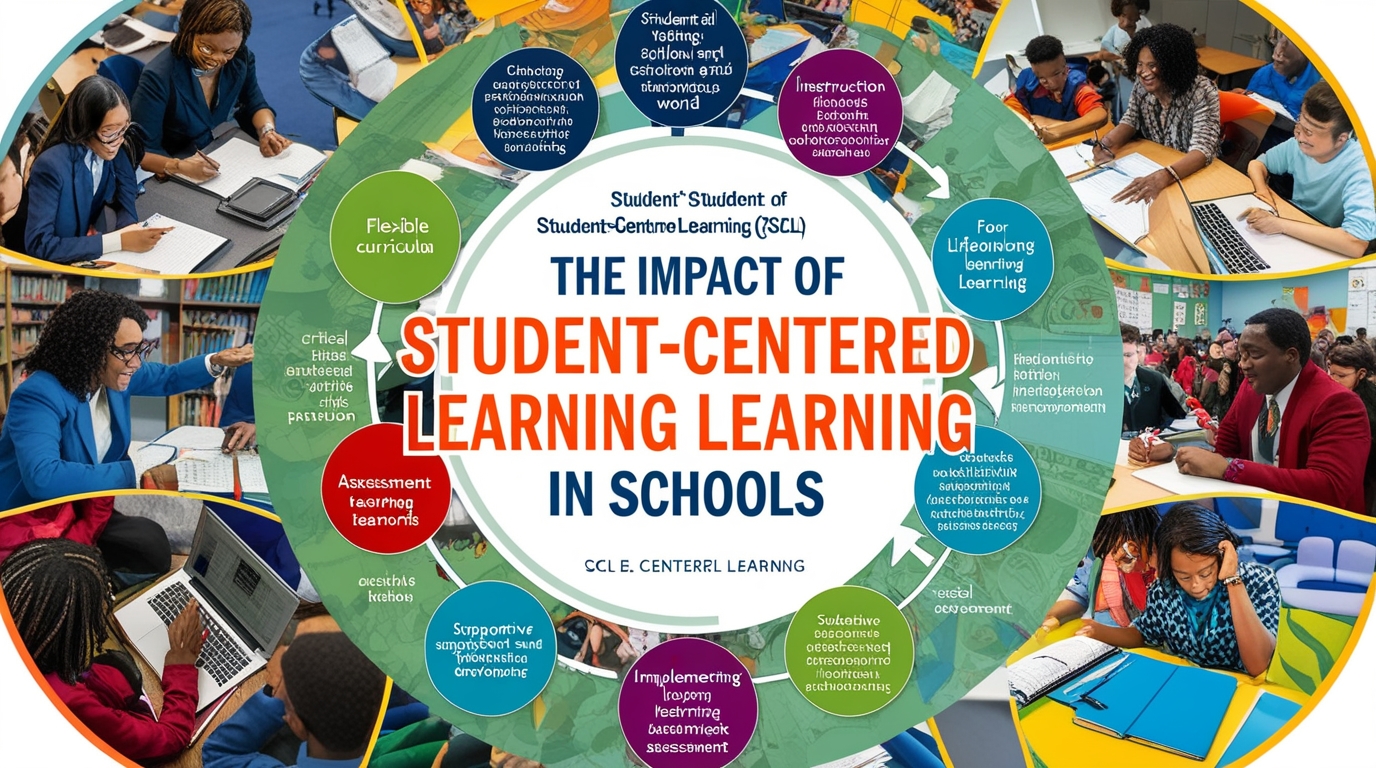
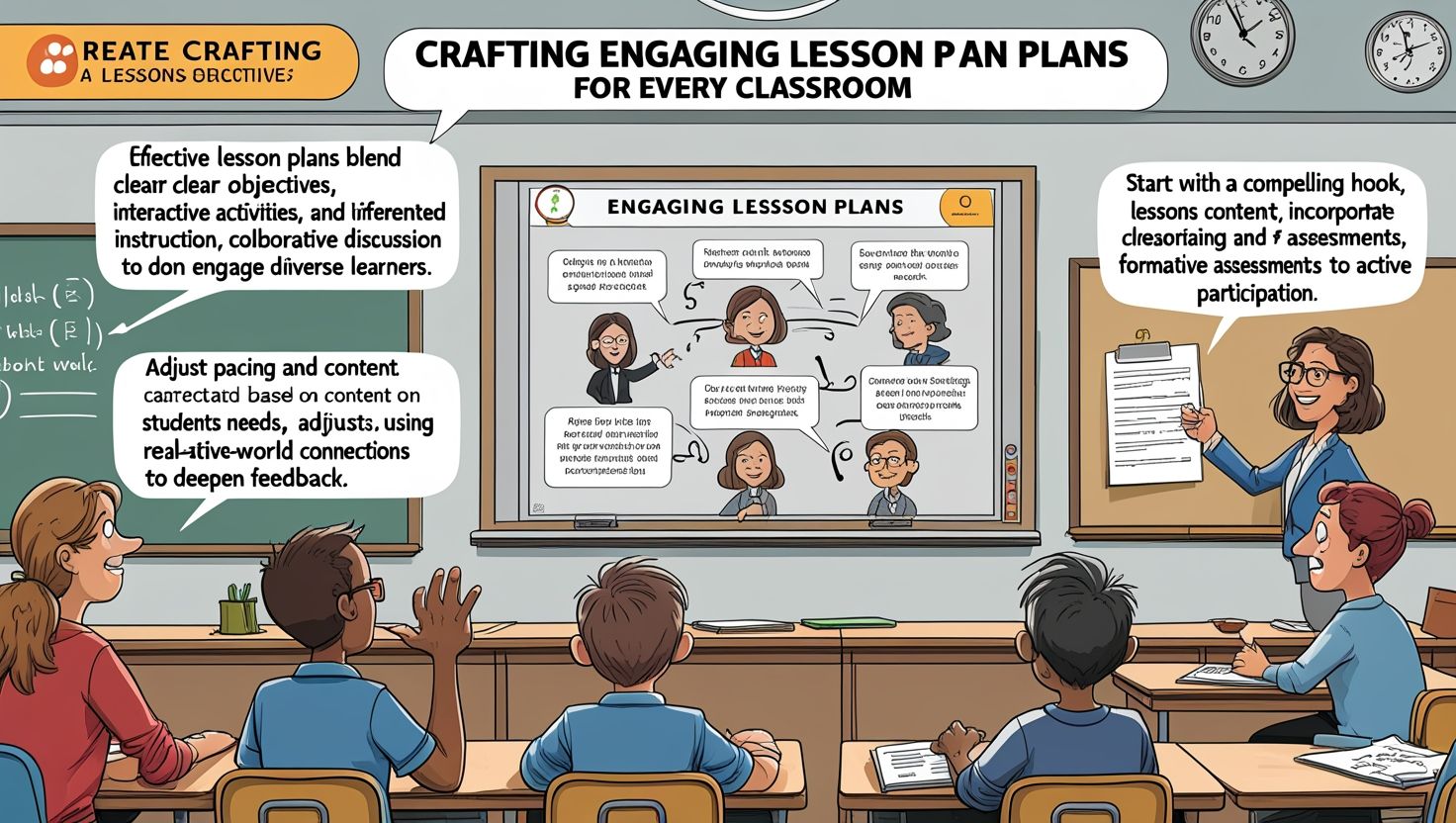
1. Learner-Centered Pedagogy
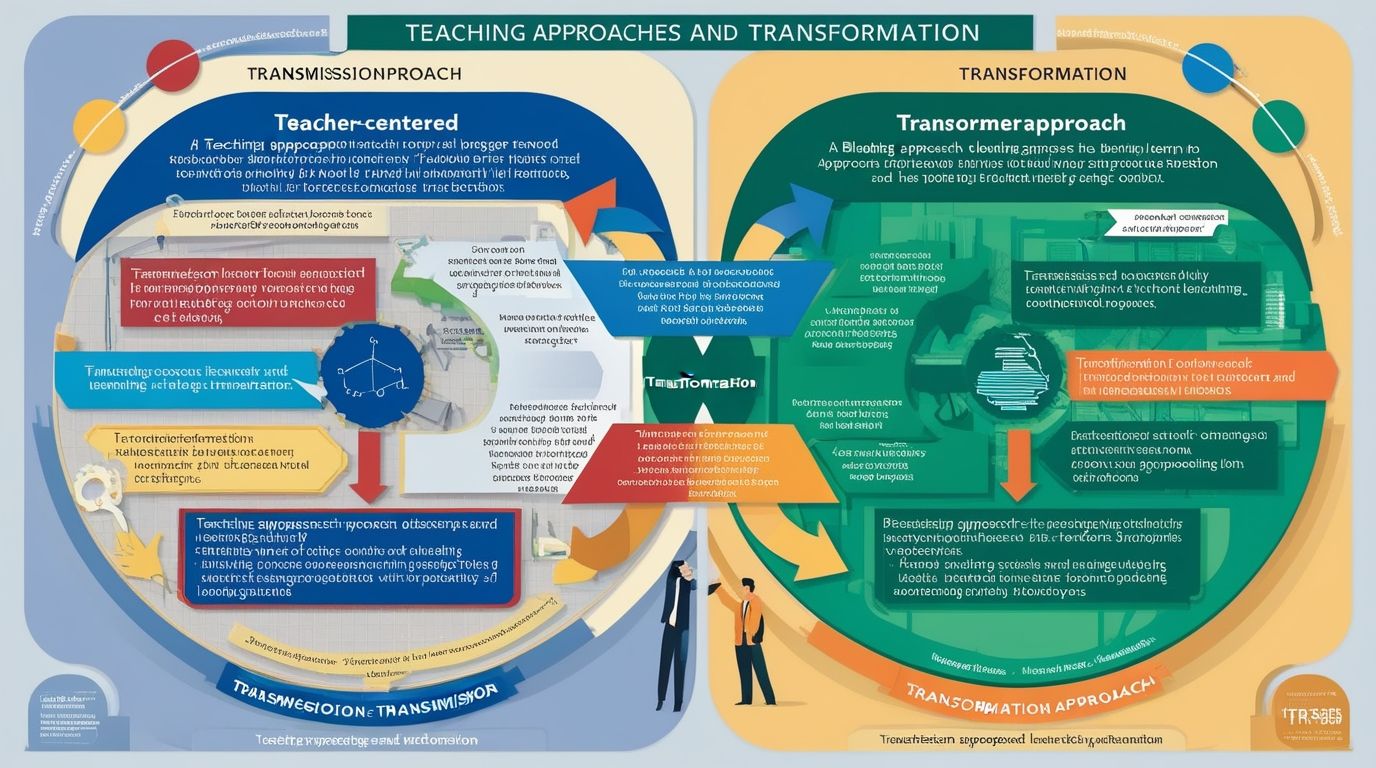
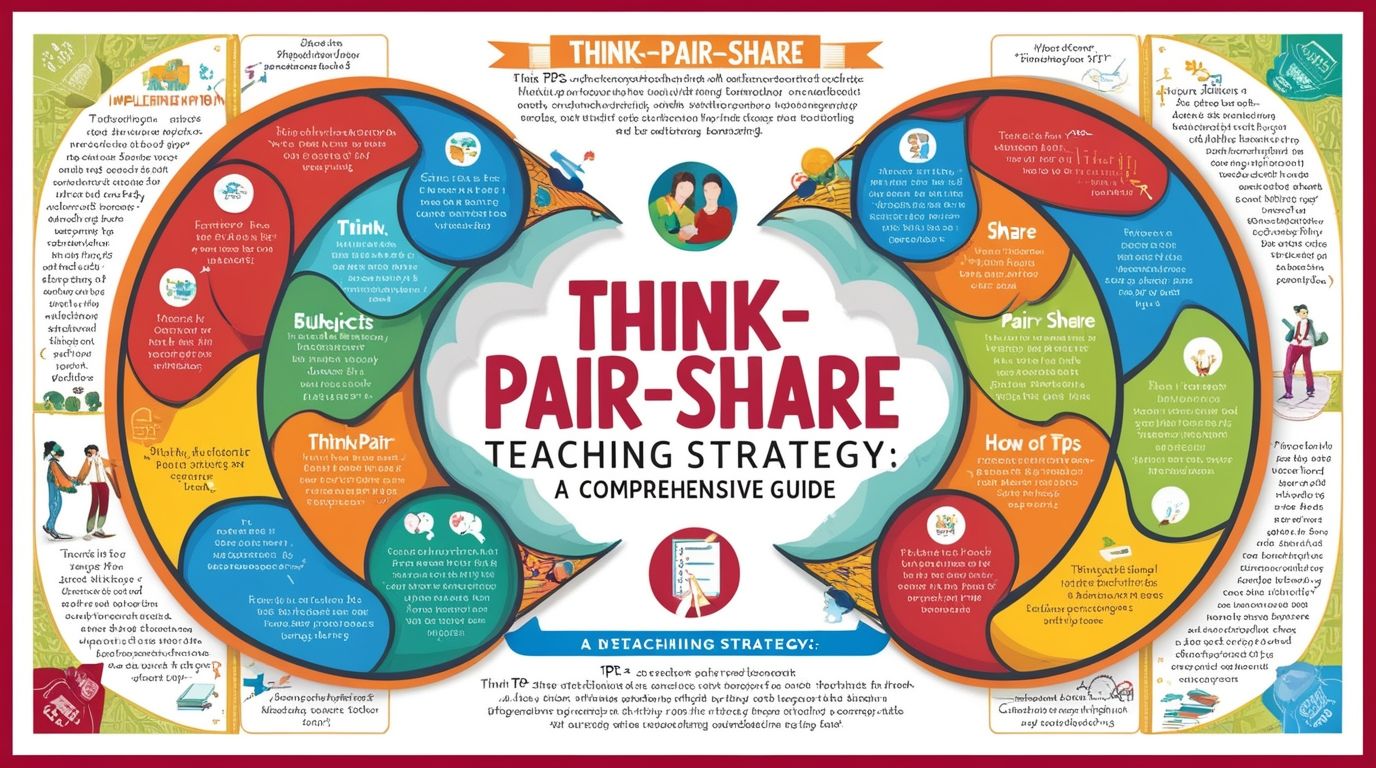
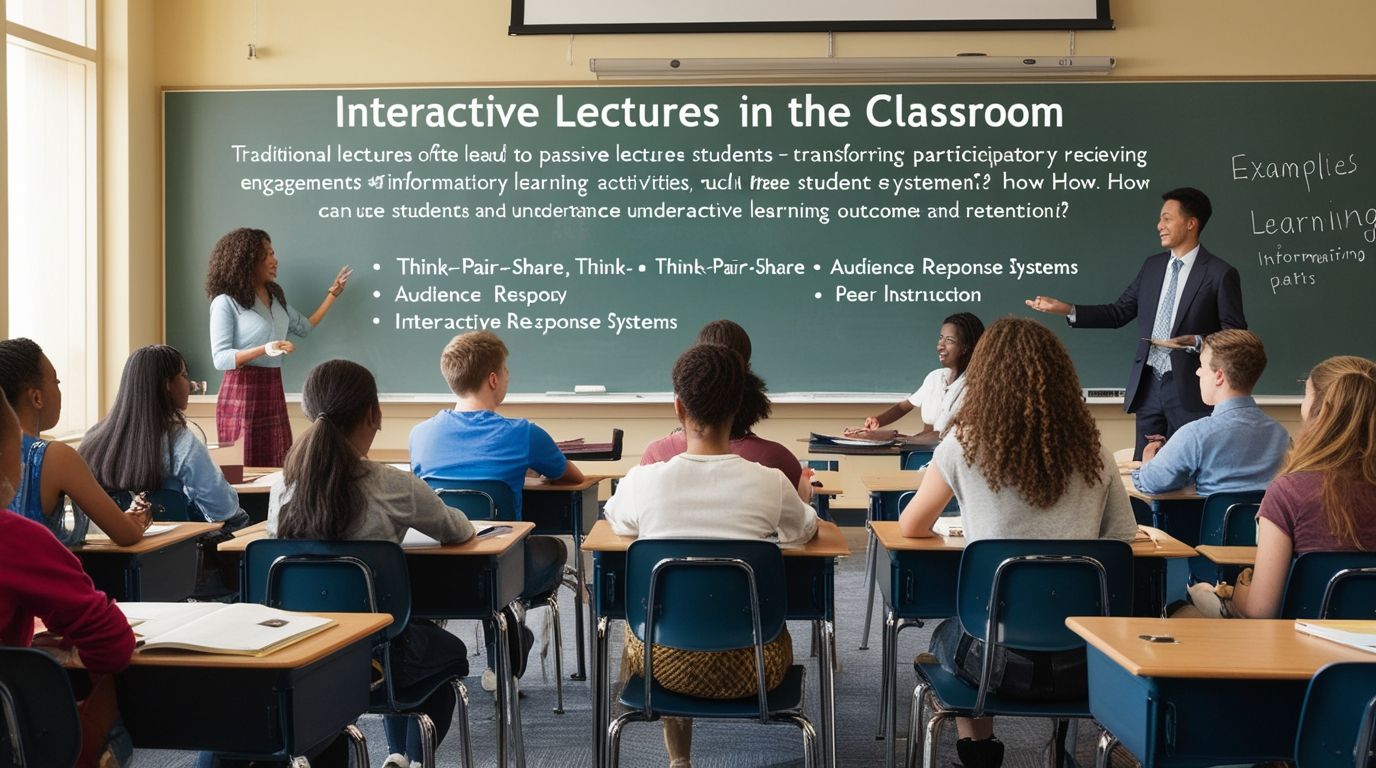
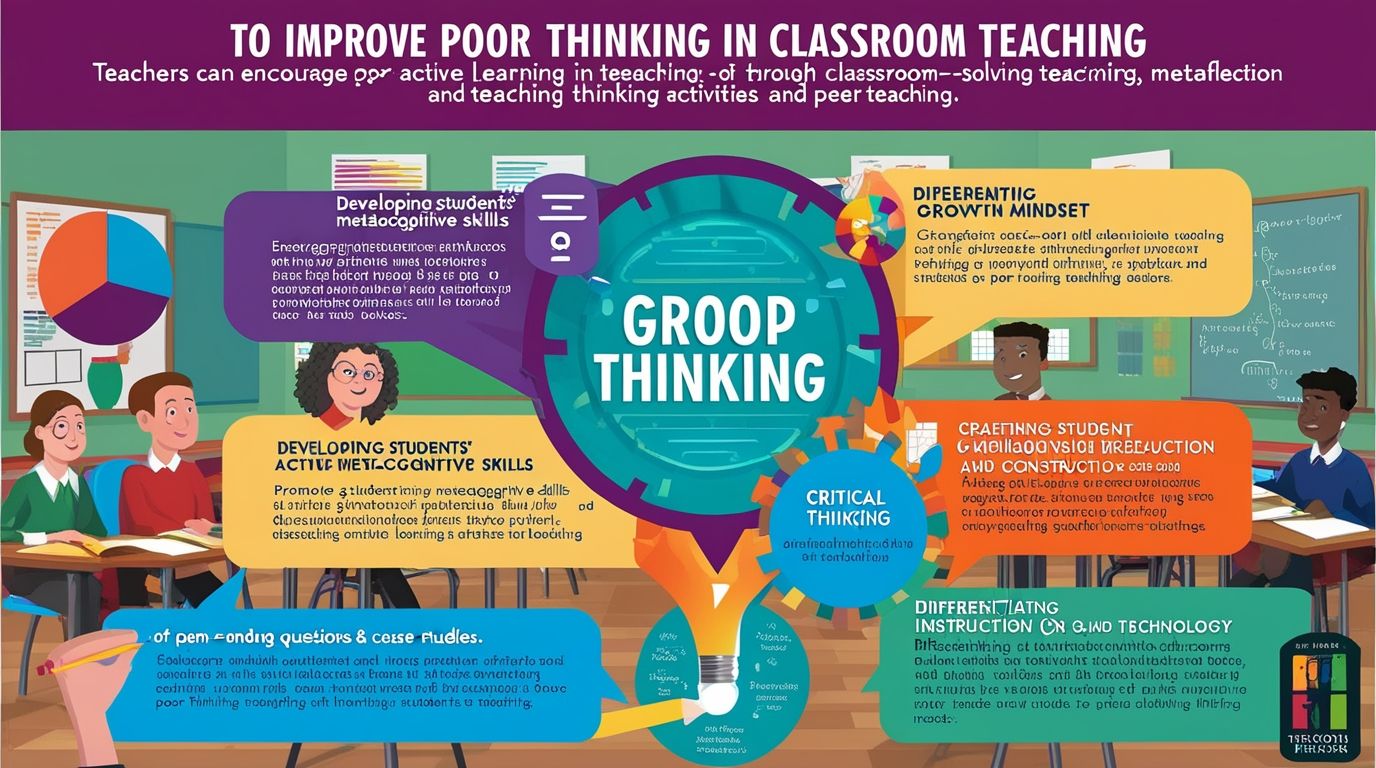
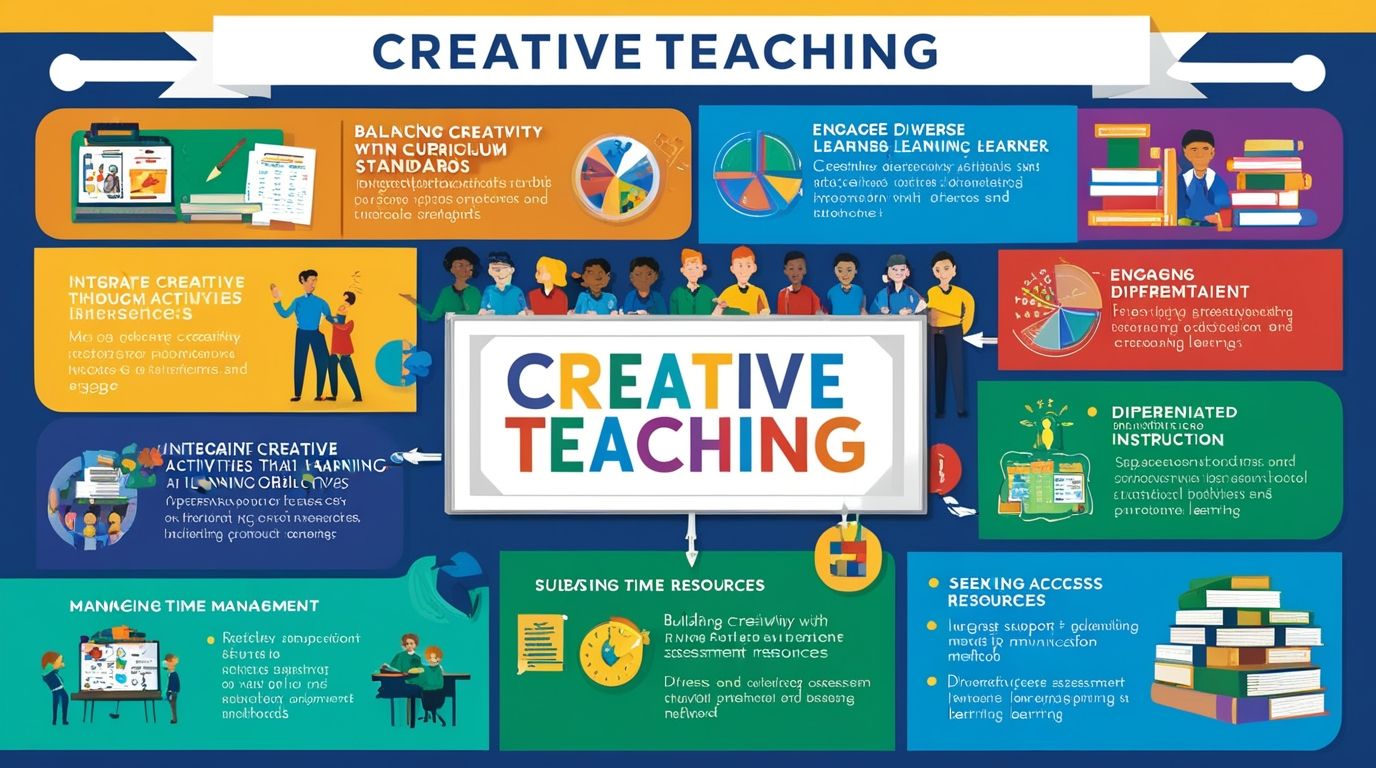
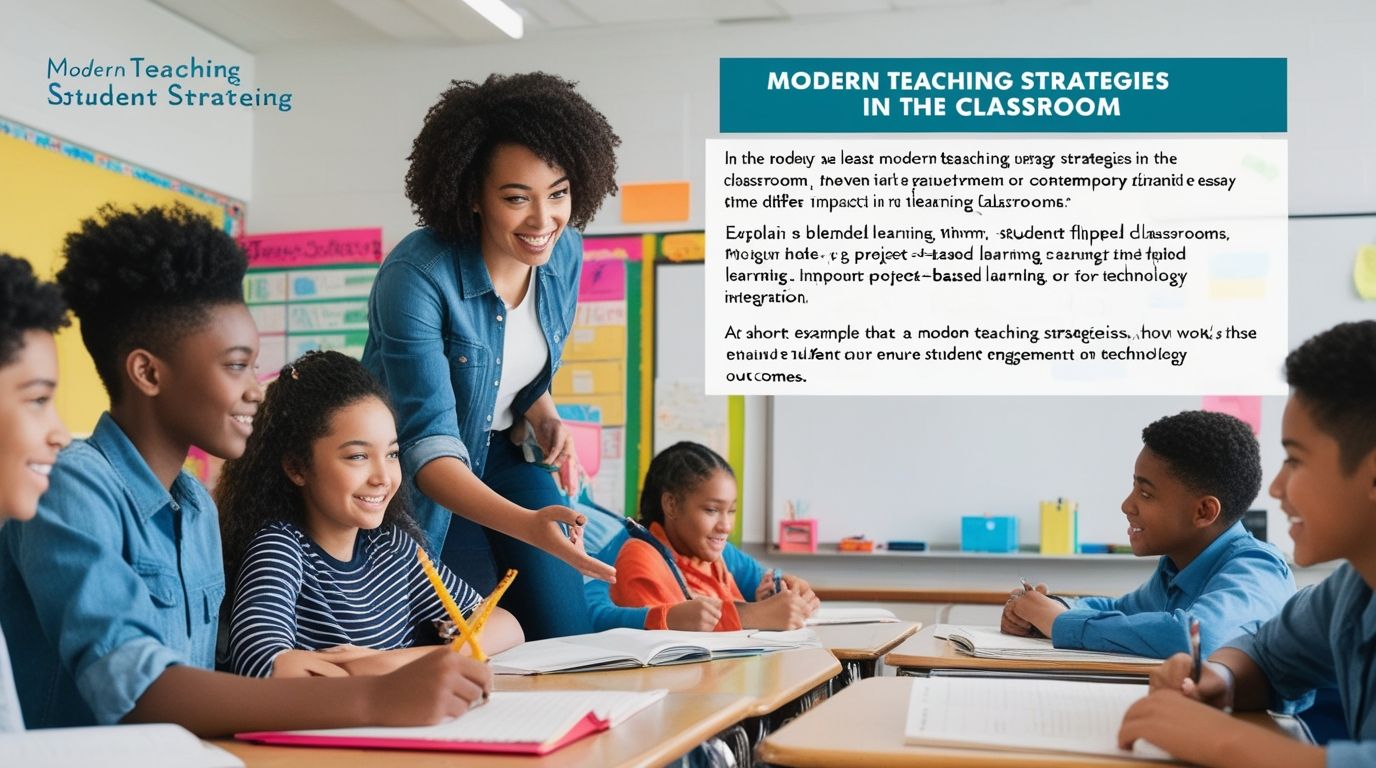
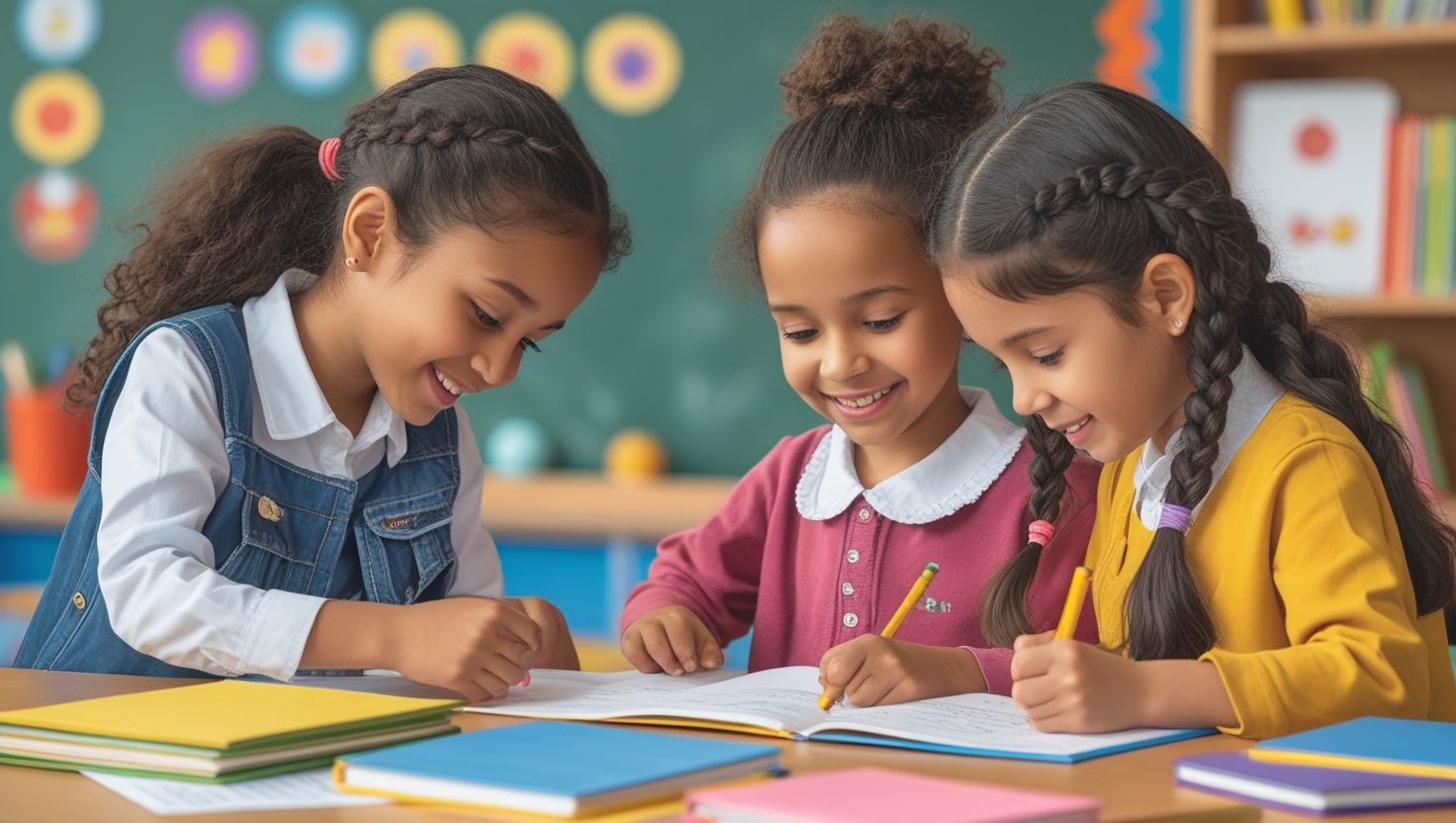
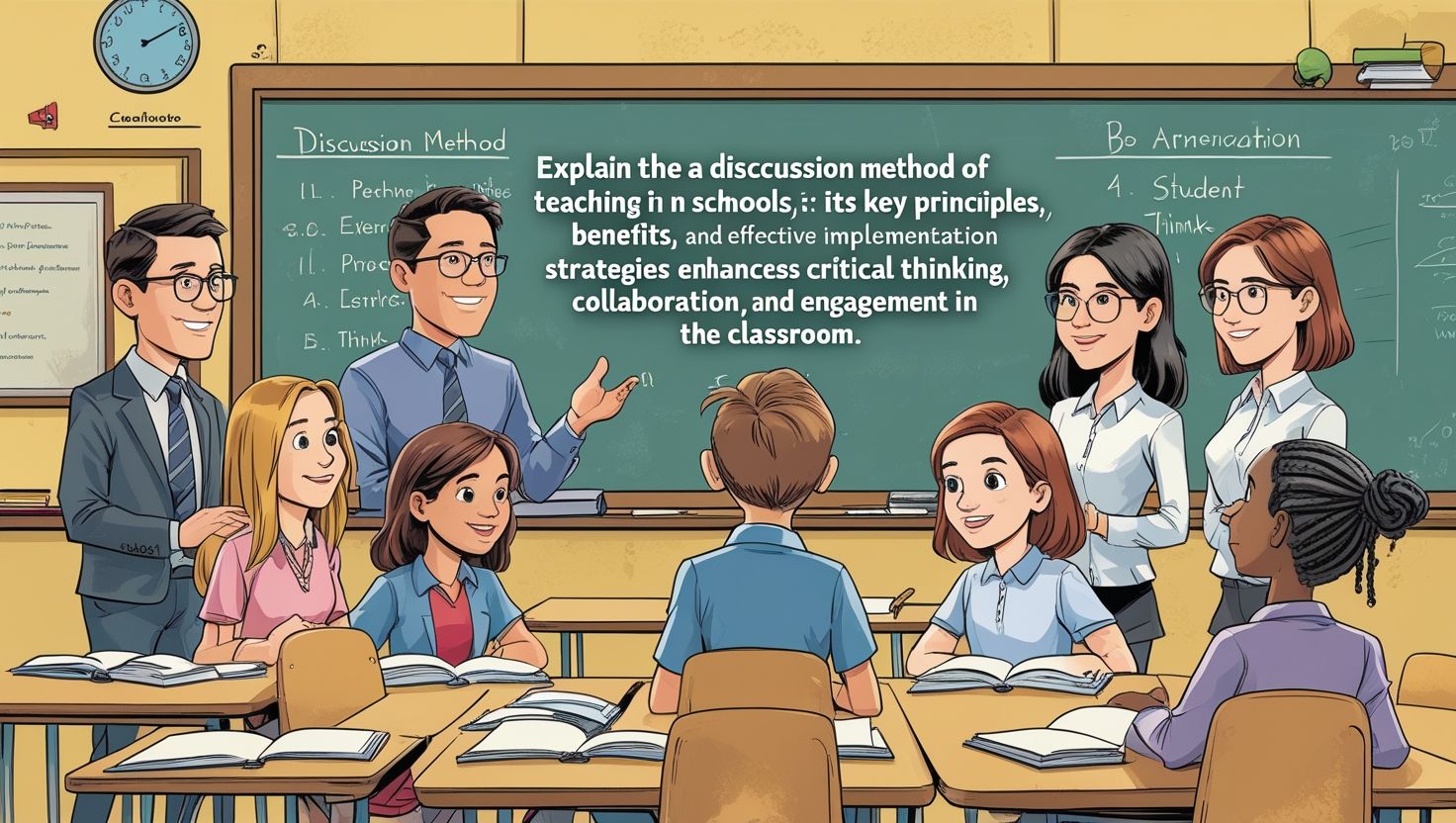
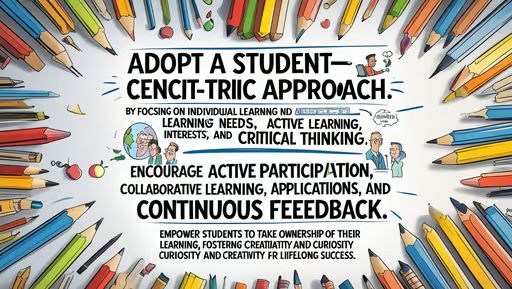
Active learning methods—discussion, project-based learning, collaborative tasks—enhance engagement and accommodate diverse learning styles.
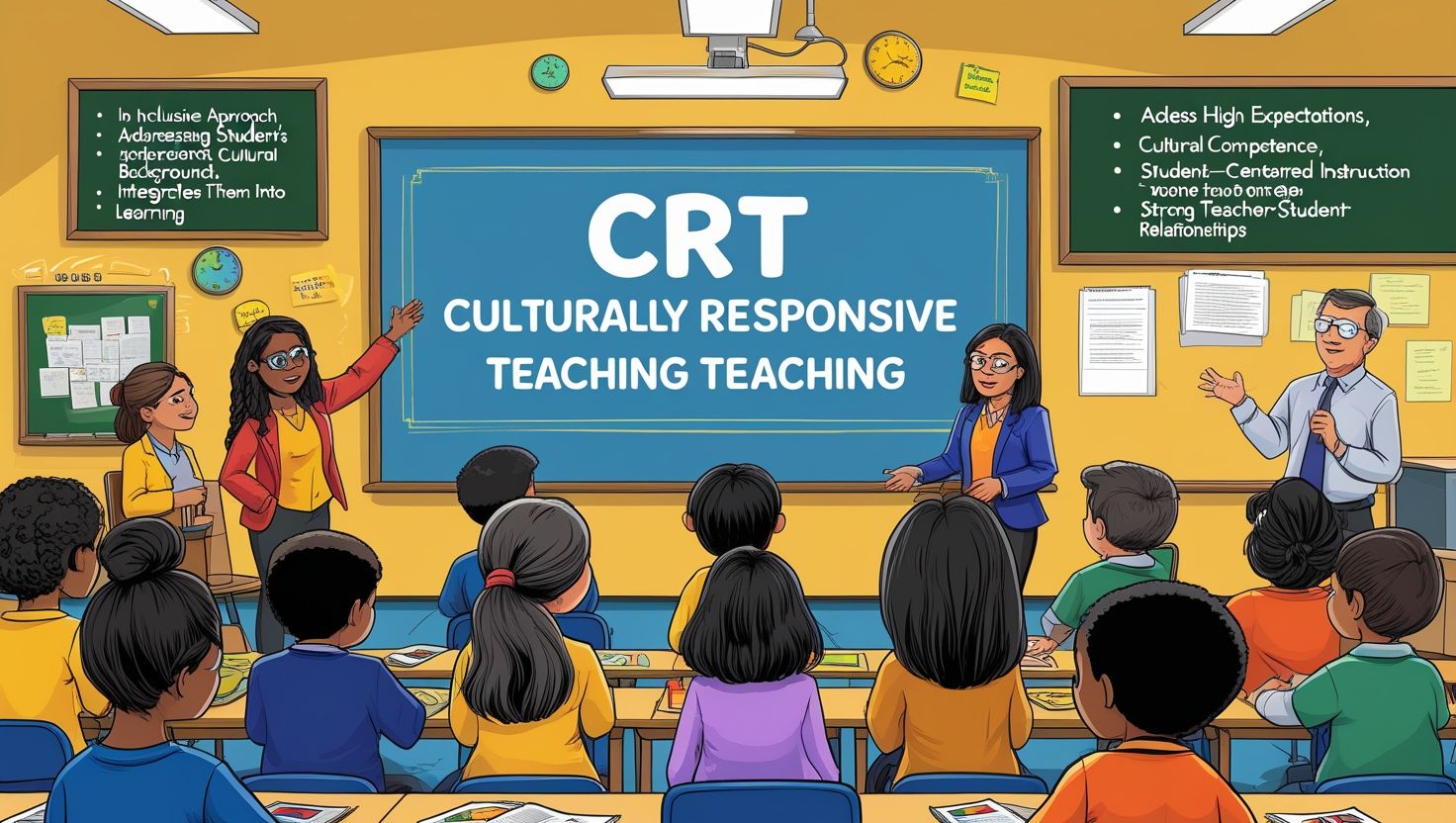
2. Inclusive Practices
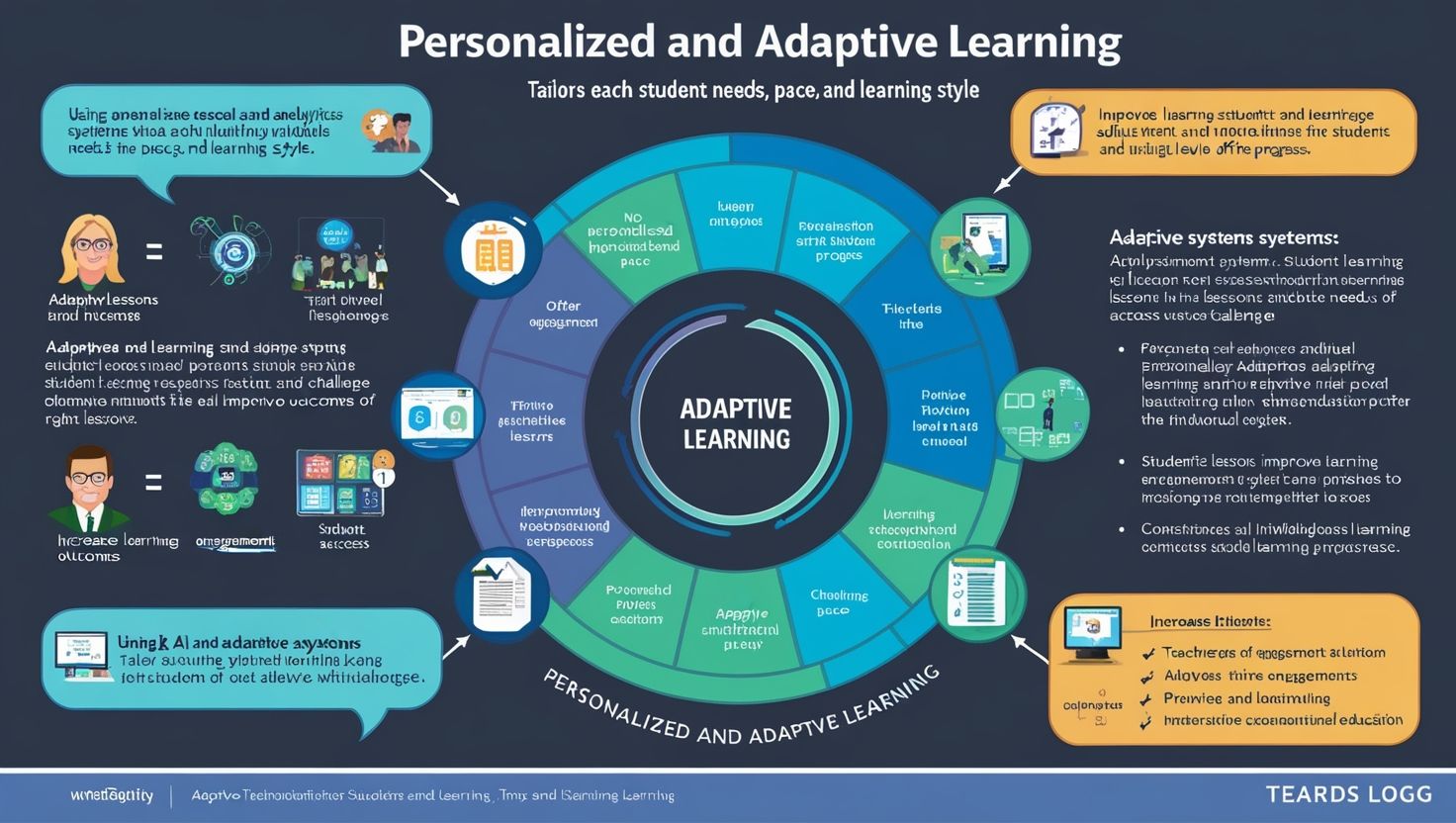
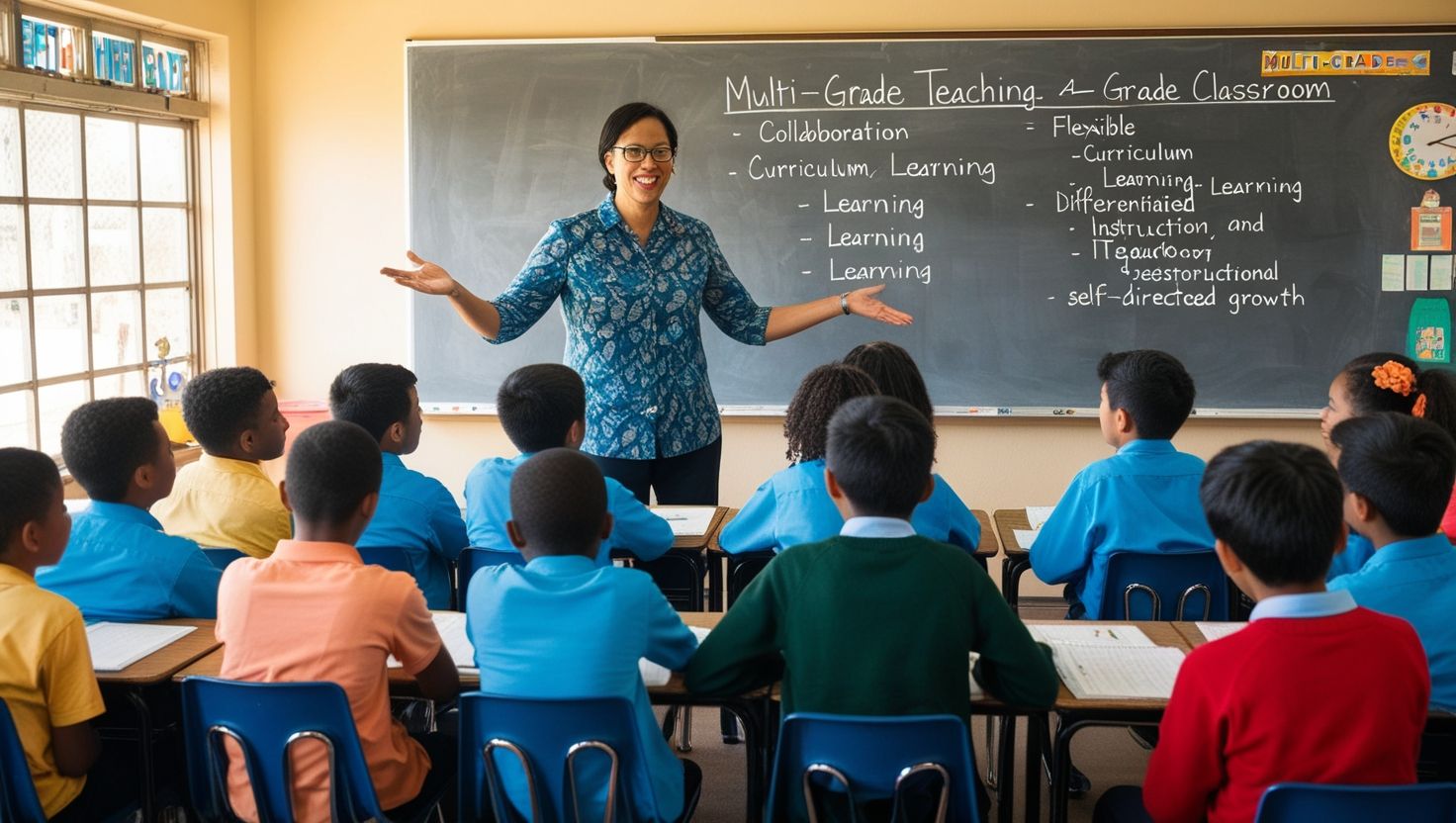
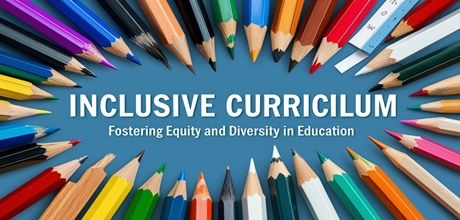
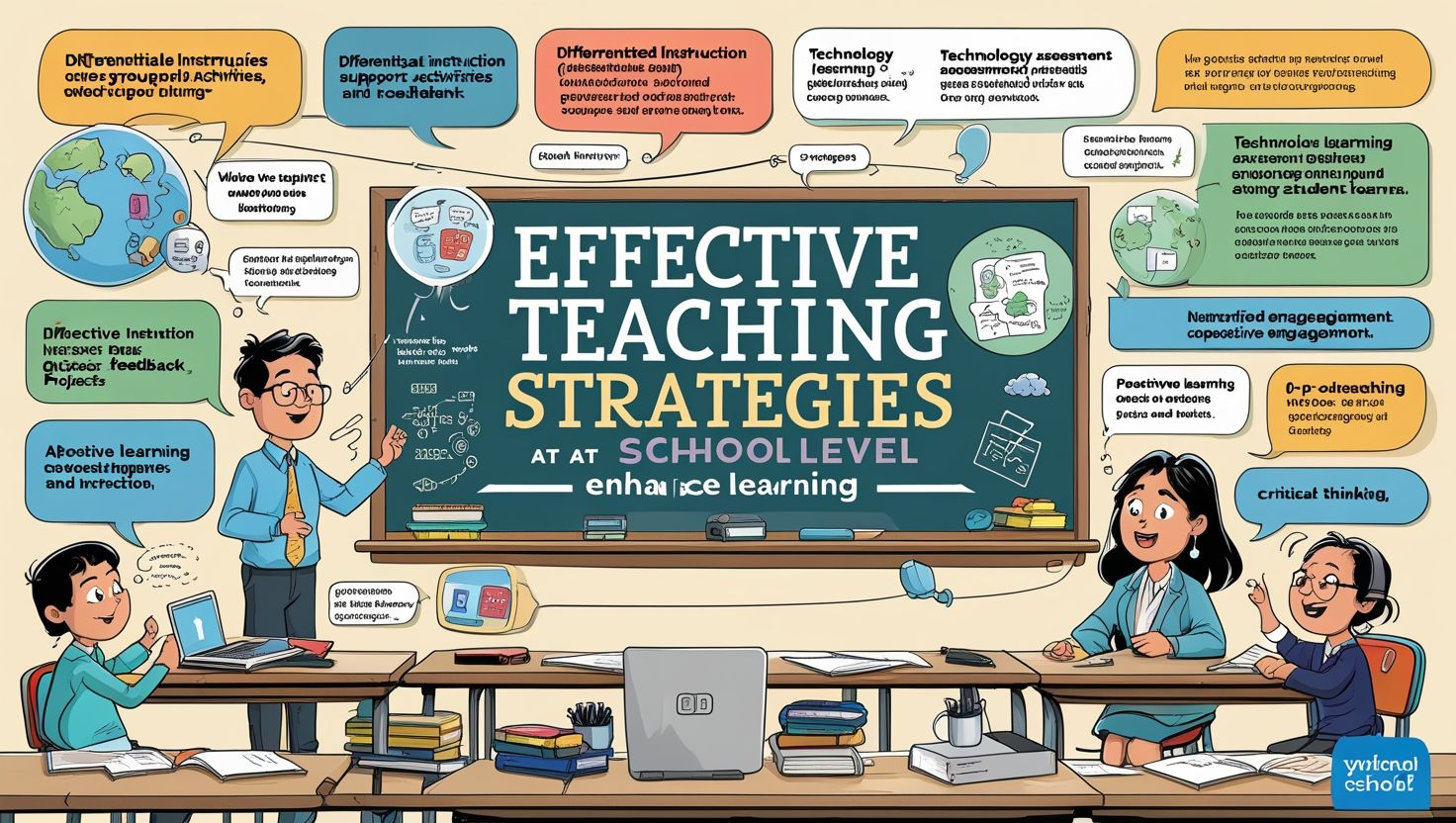
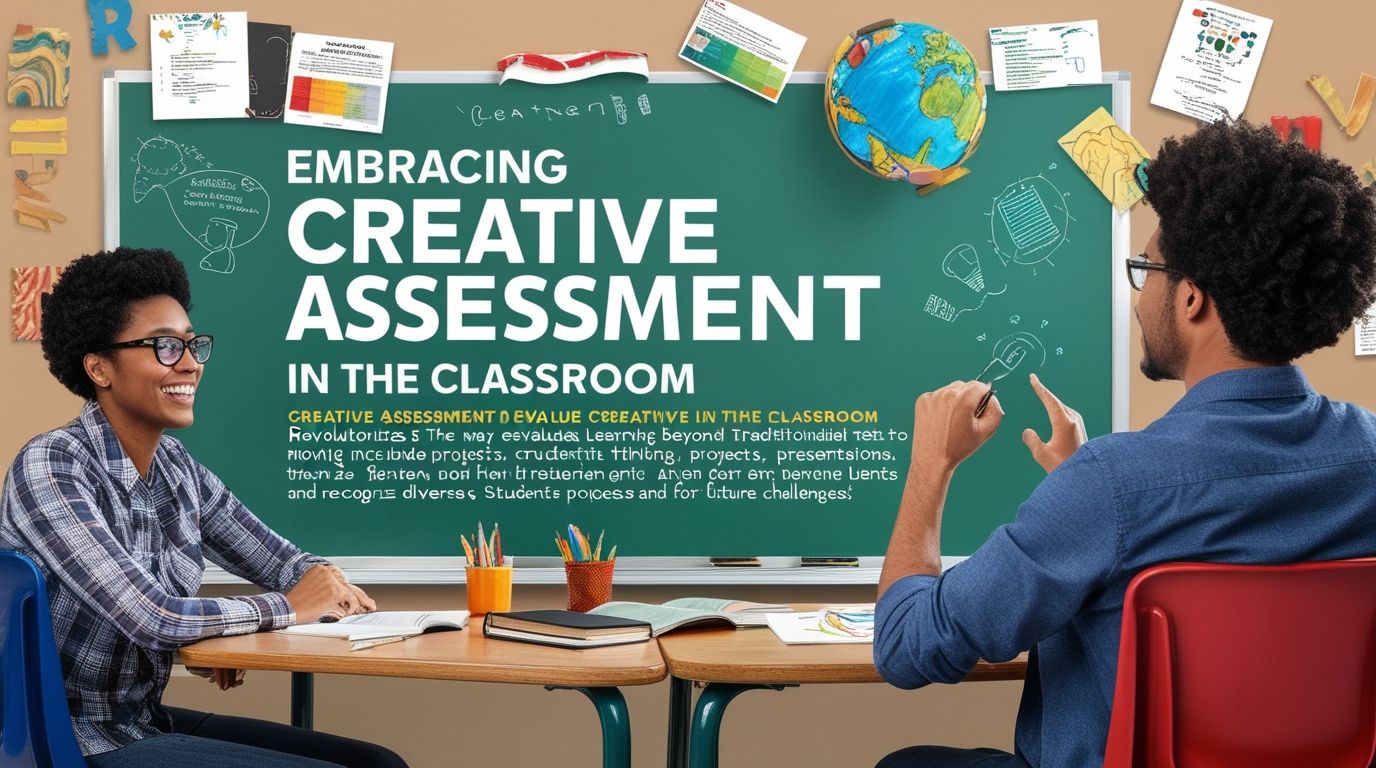
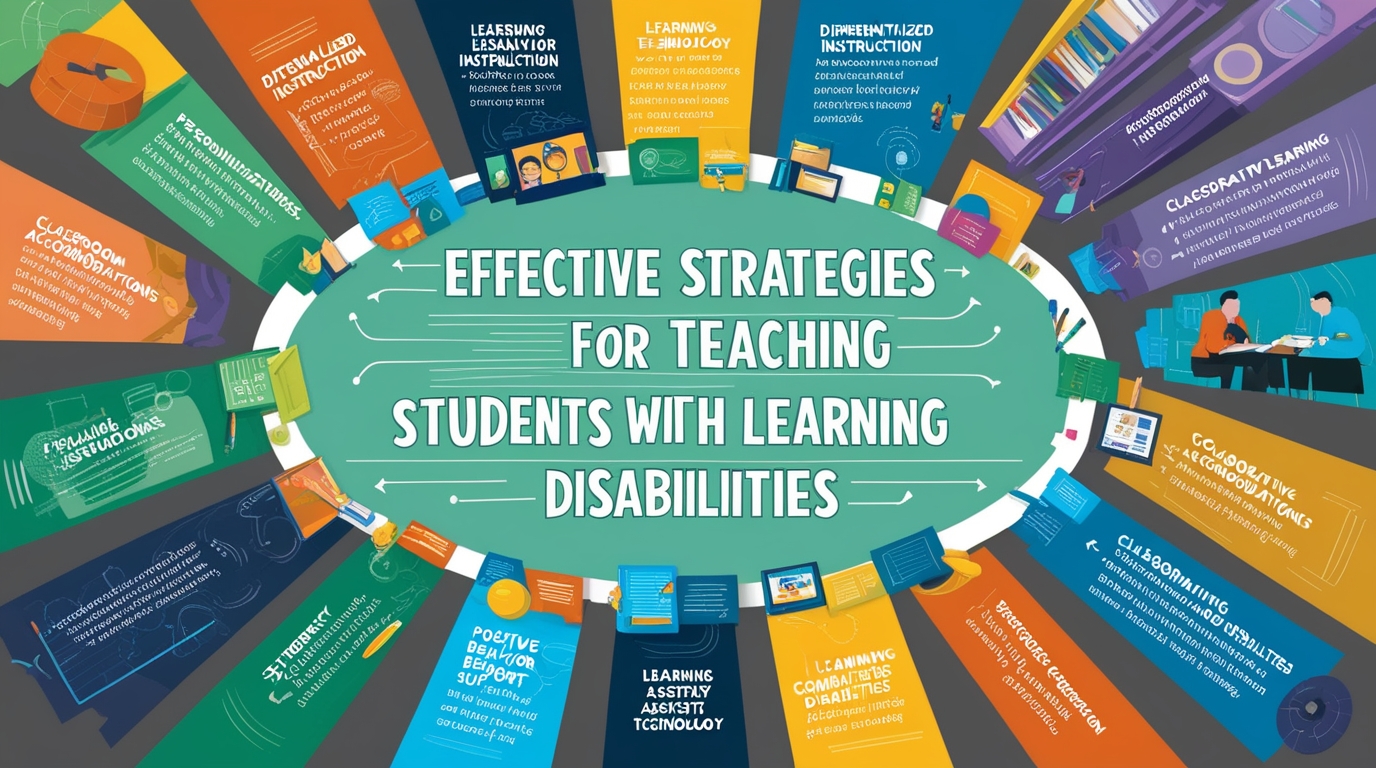
Differentiated instruction, flexible assessment, and support for learners with special needs promote equity and participation.
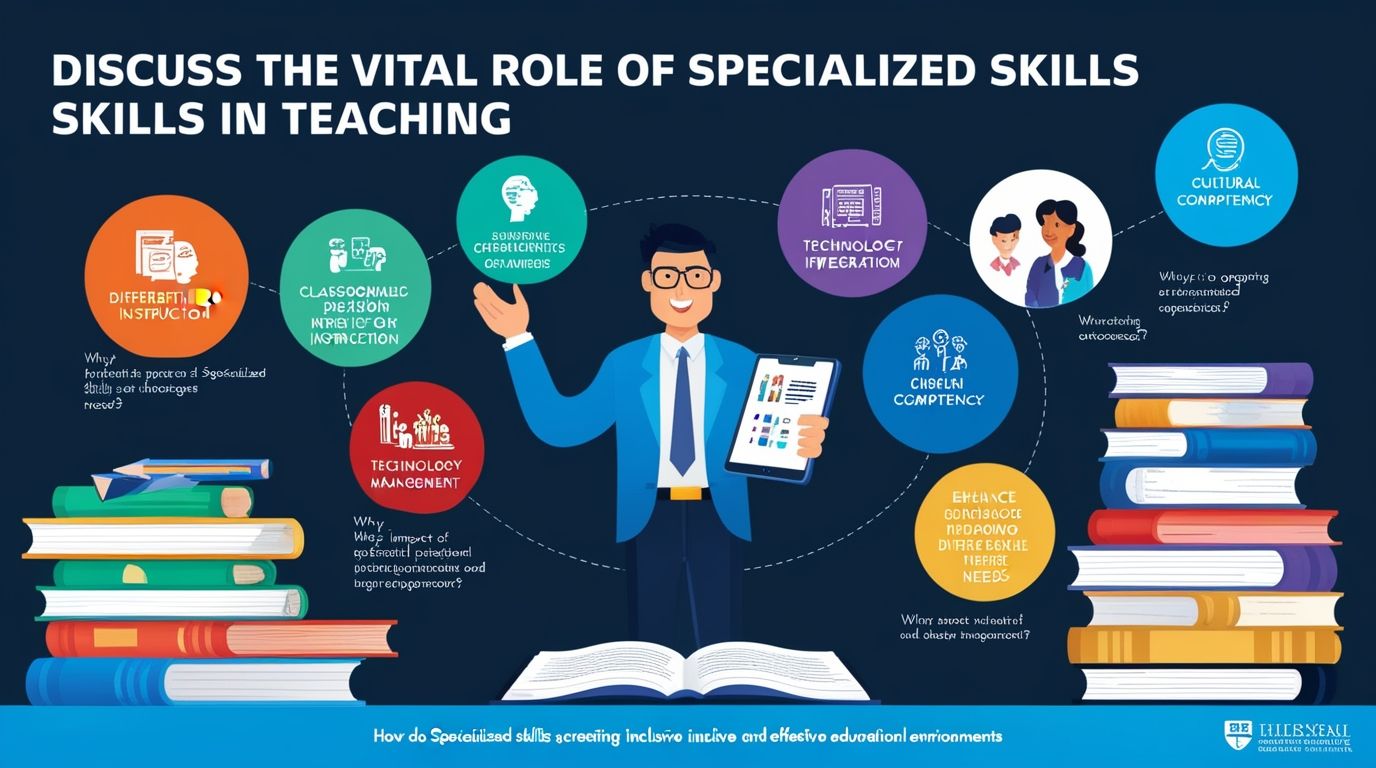
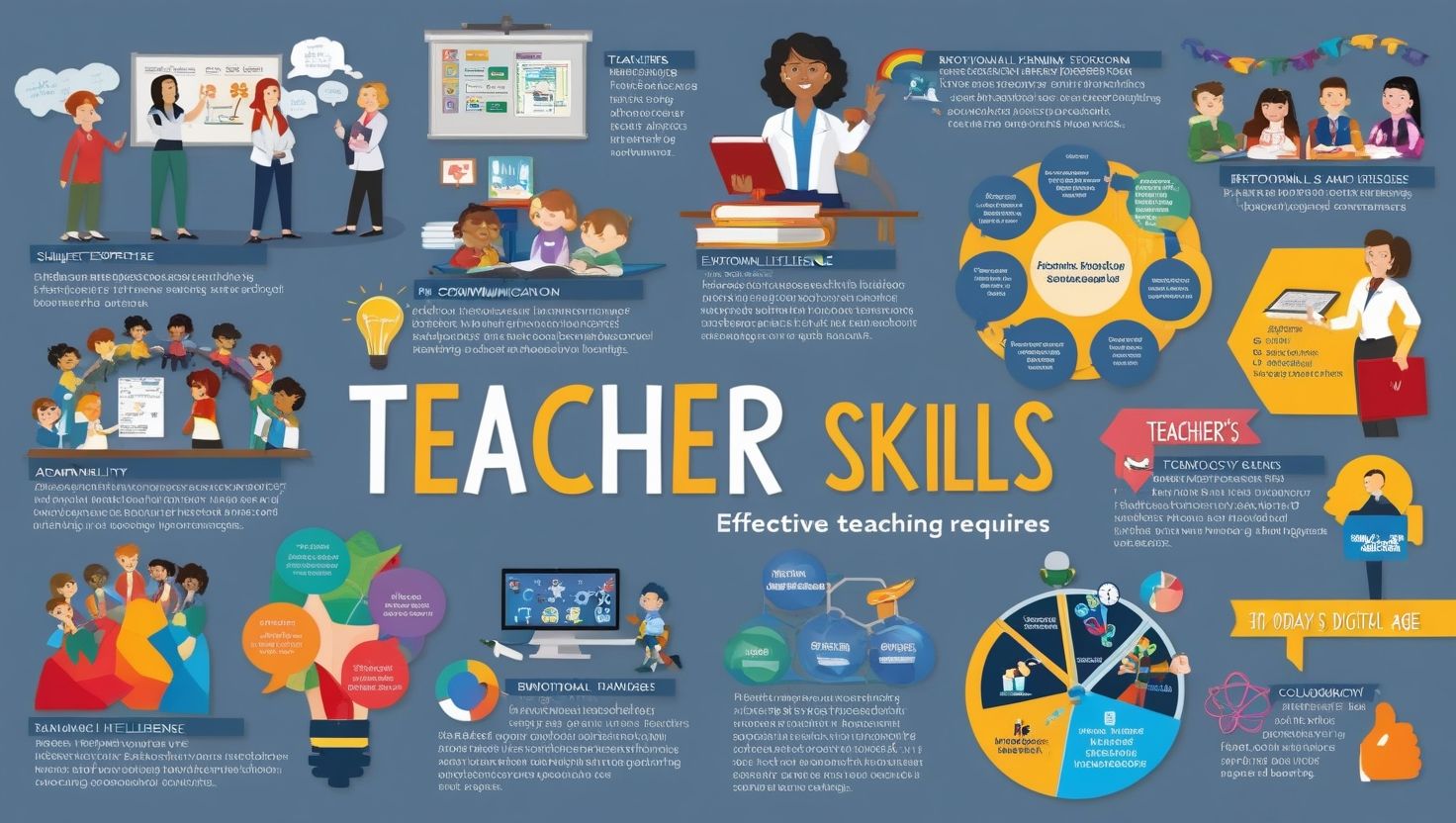
3. Professional Development
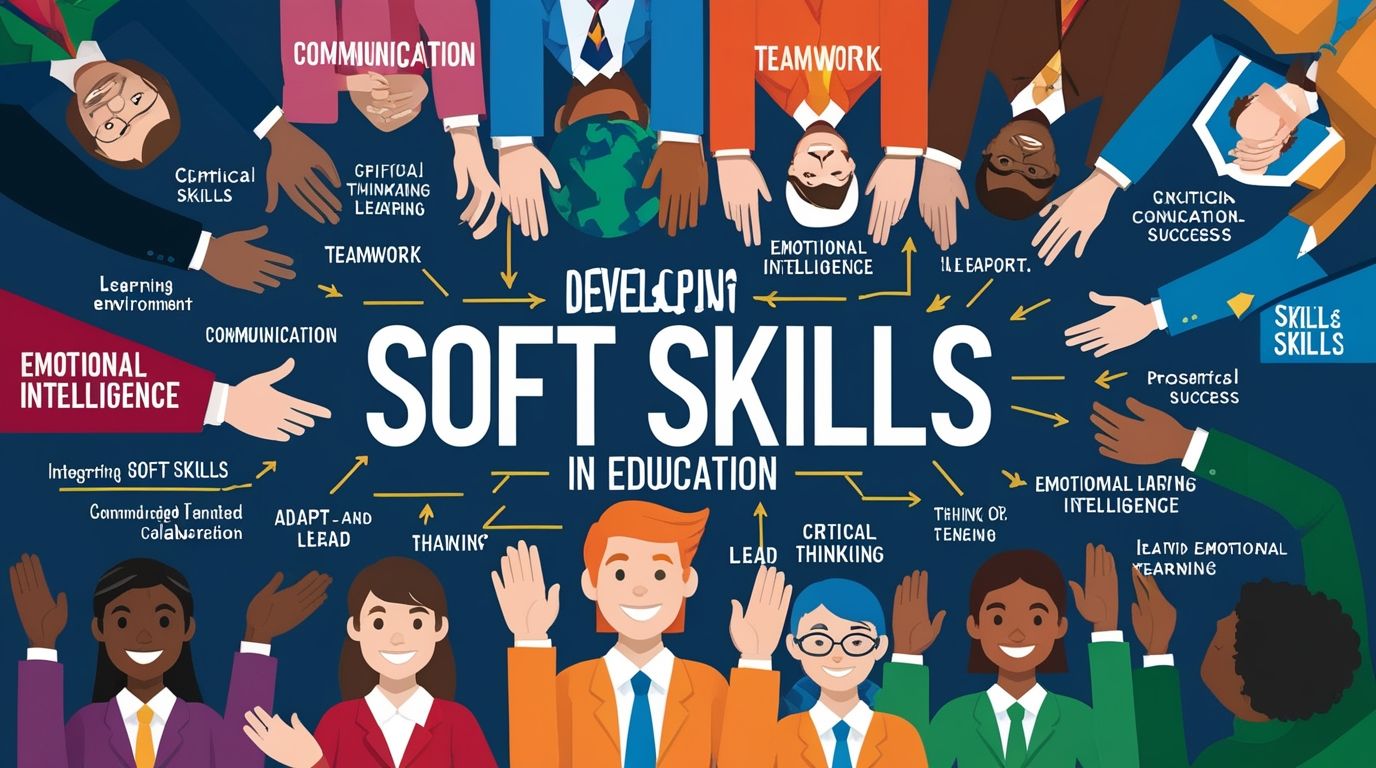
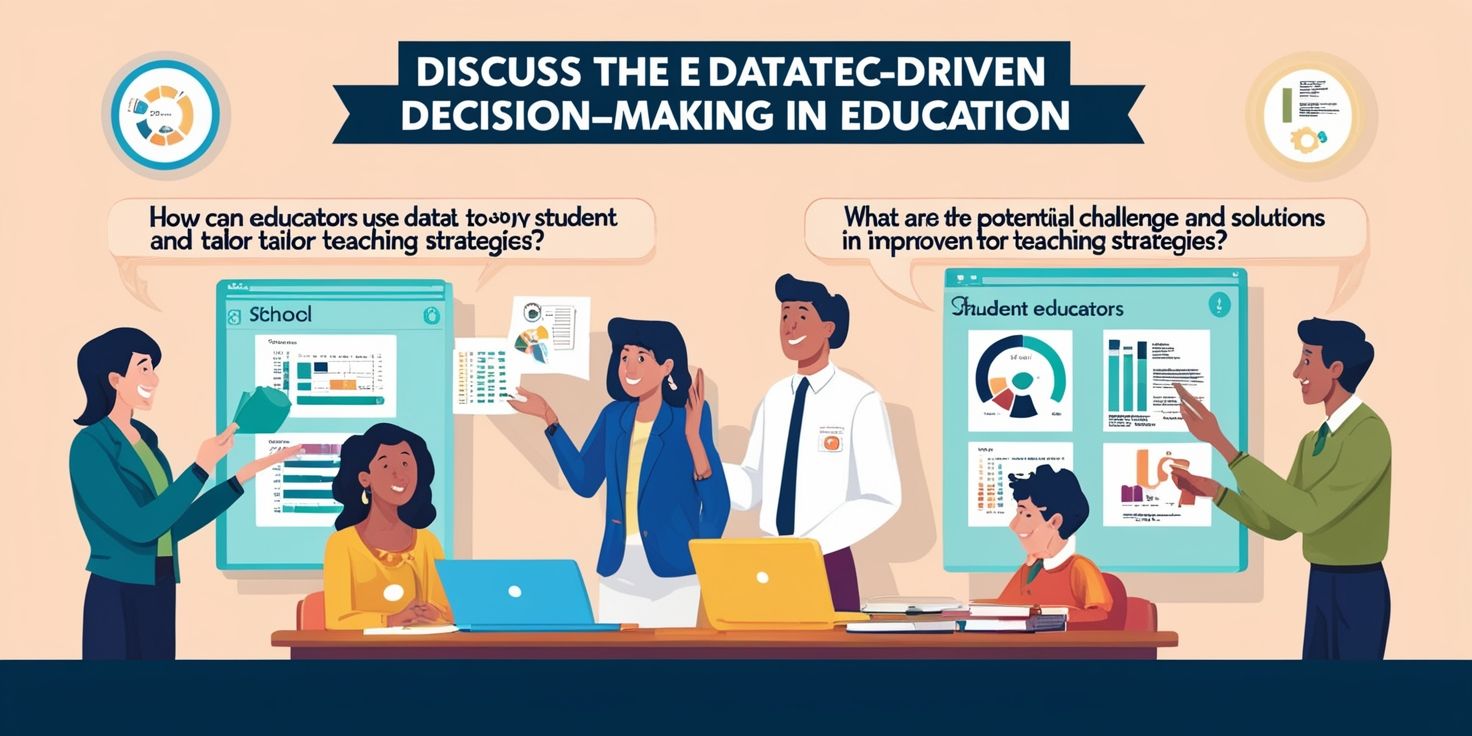
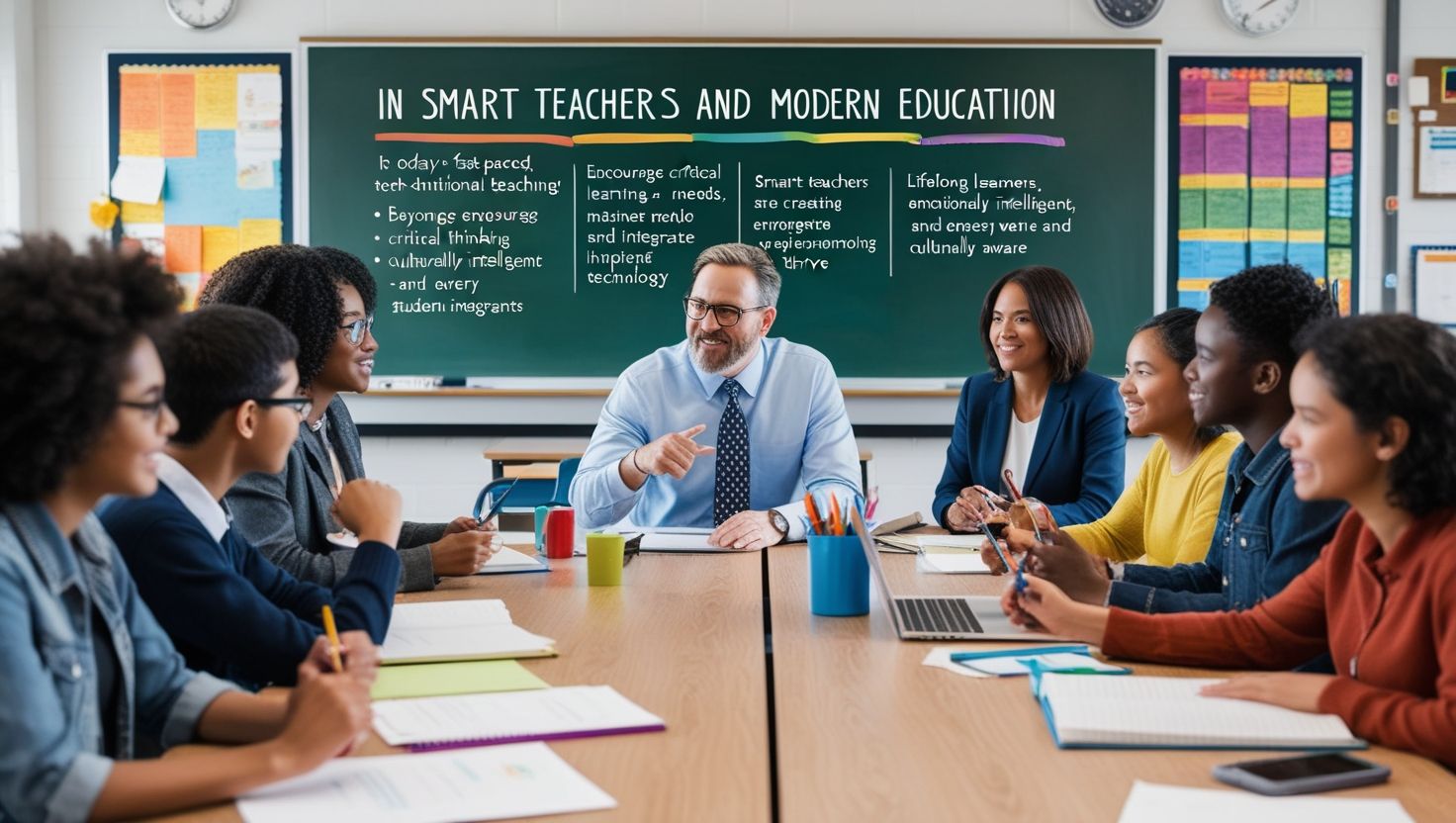
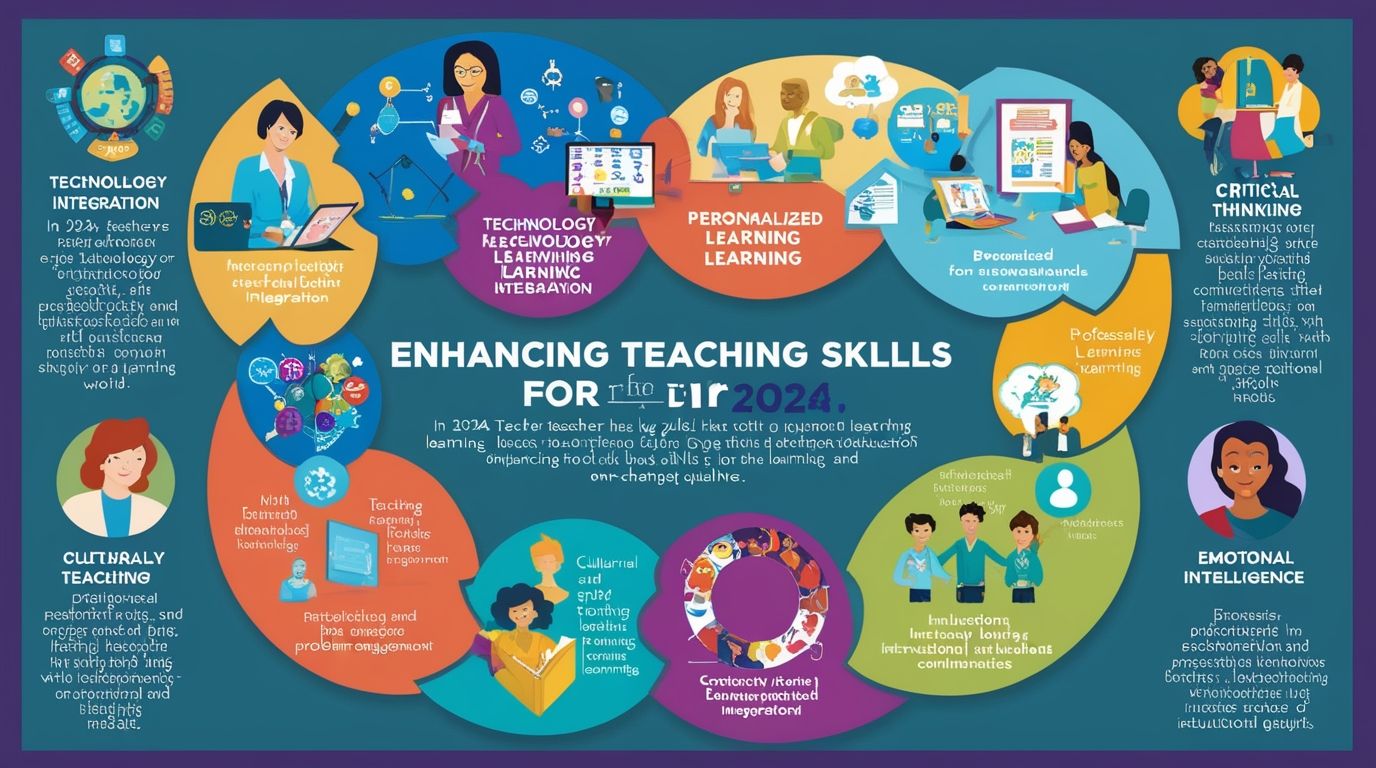
Continuous training equips teachers with skills in classroom management, technology integration, and emotional intelligence.
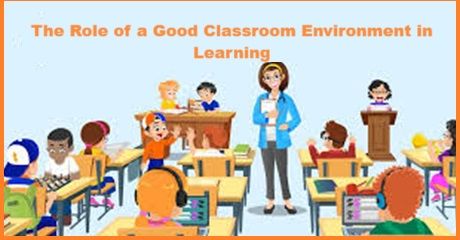
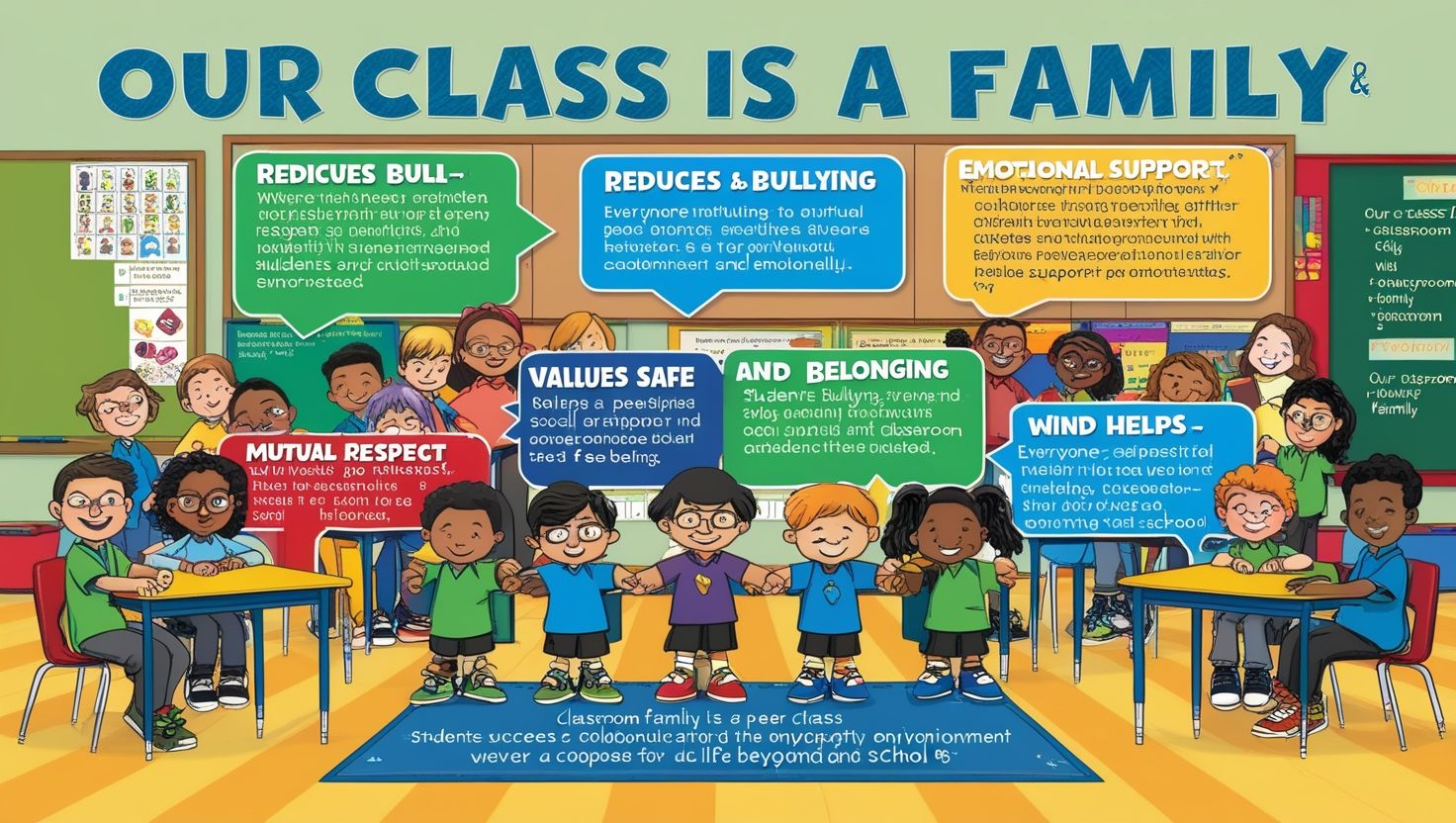
4. Positive Classroom Climate
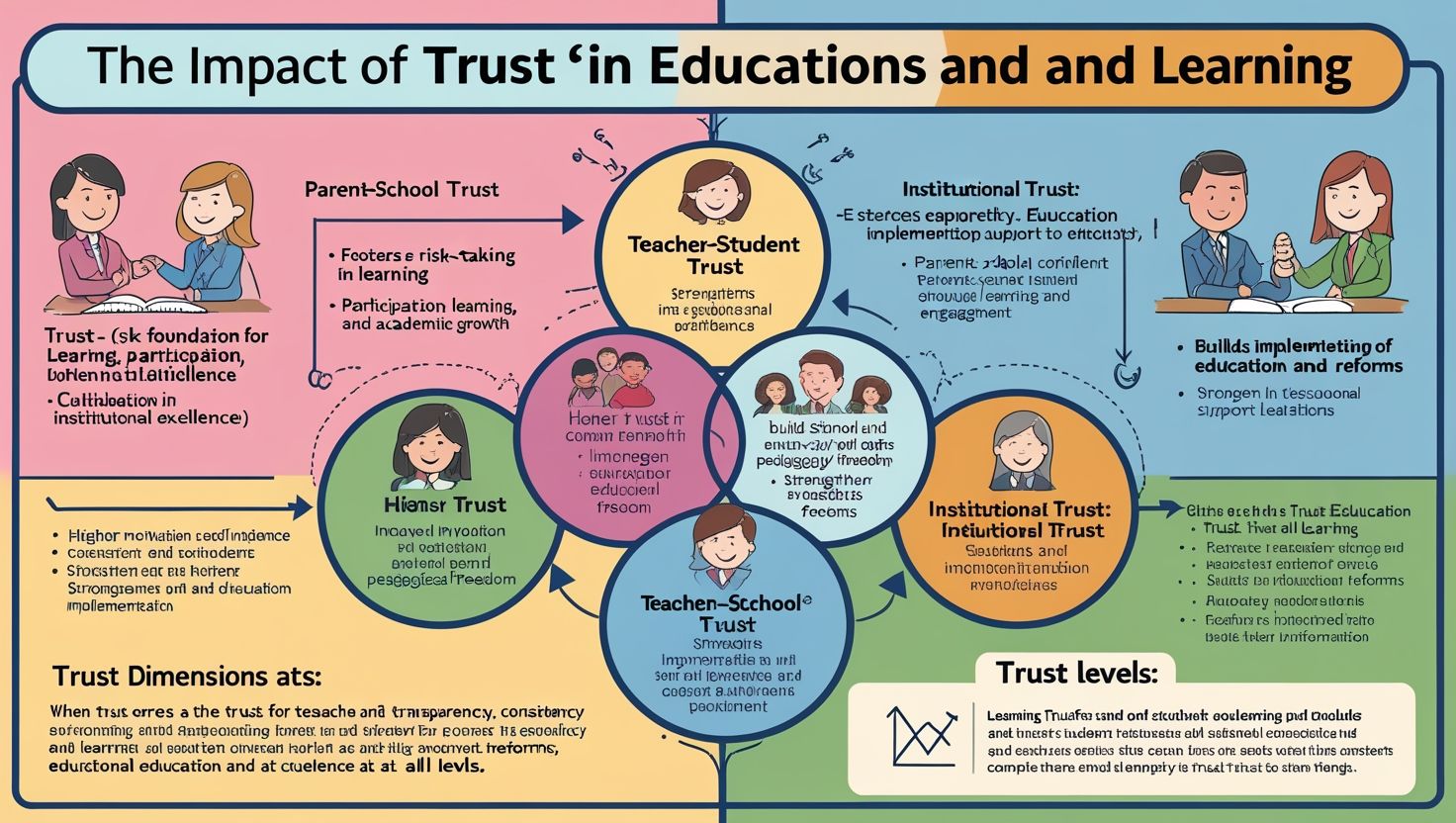
Respectful relationships, clear expectations, and supportive communication foster trust and reduce behavioral problems.
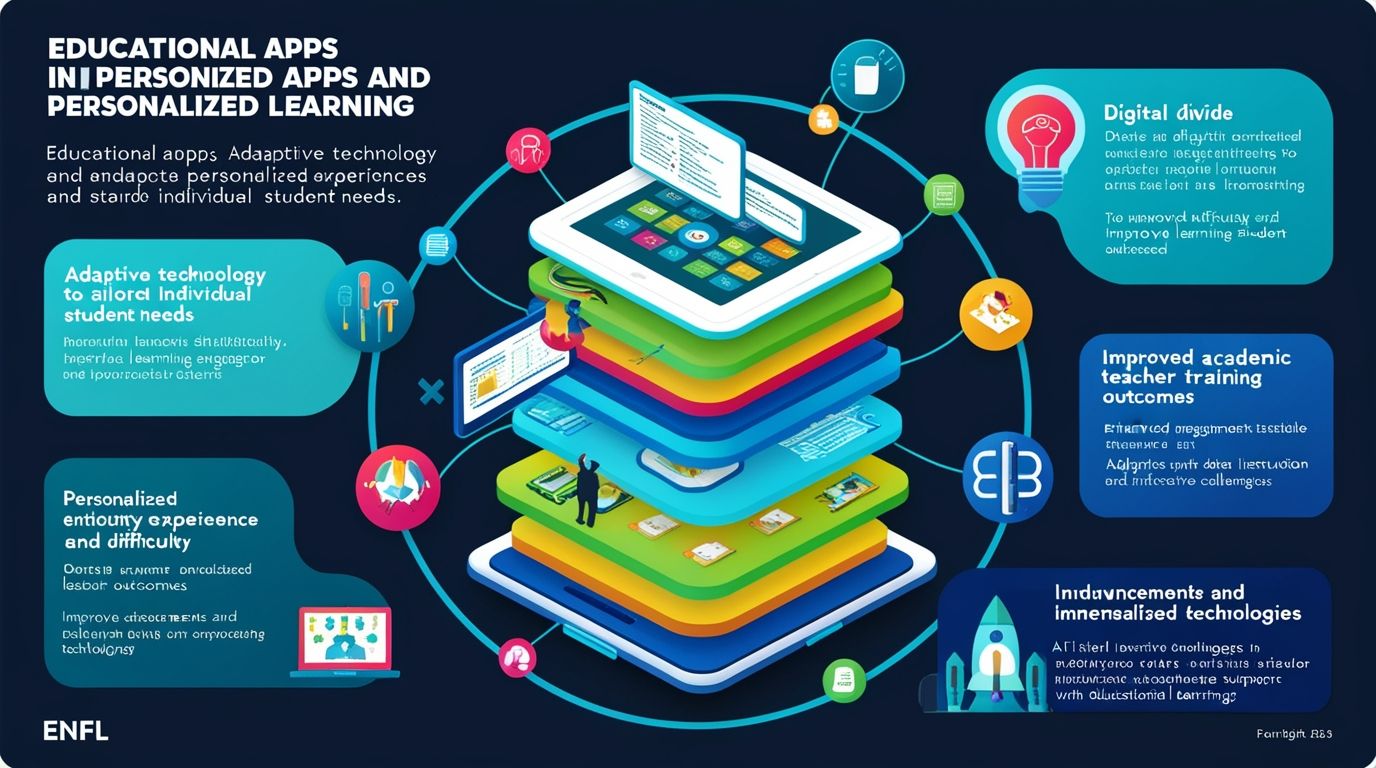
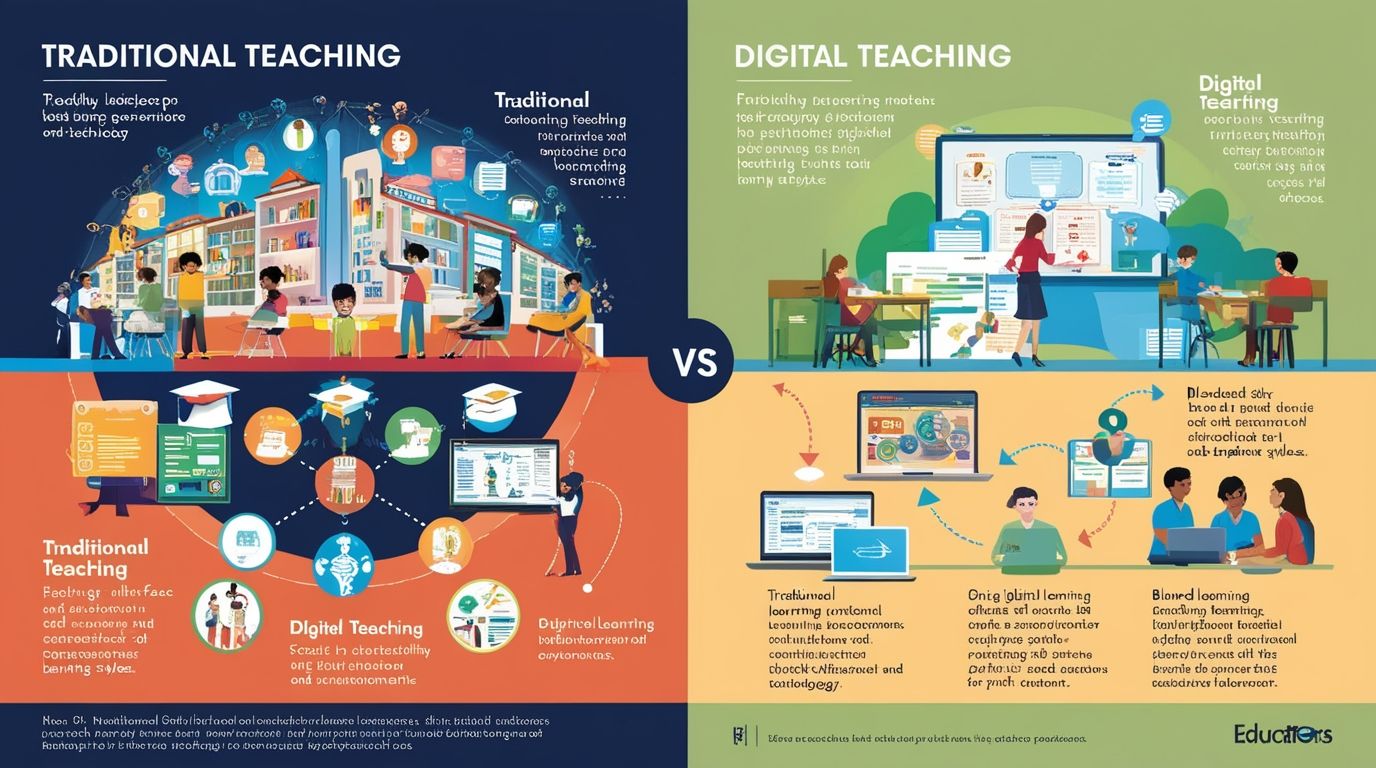
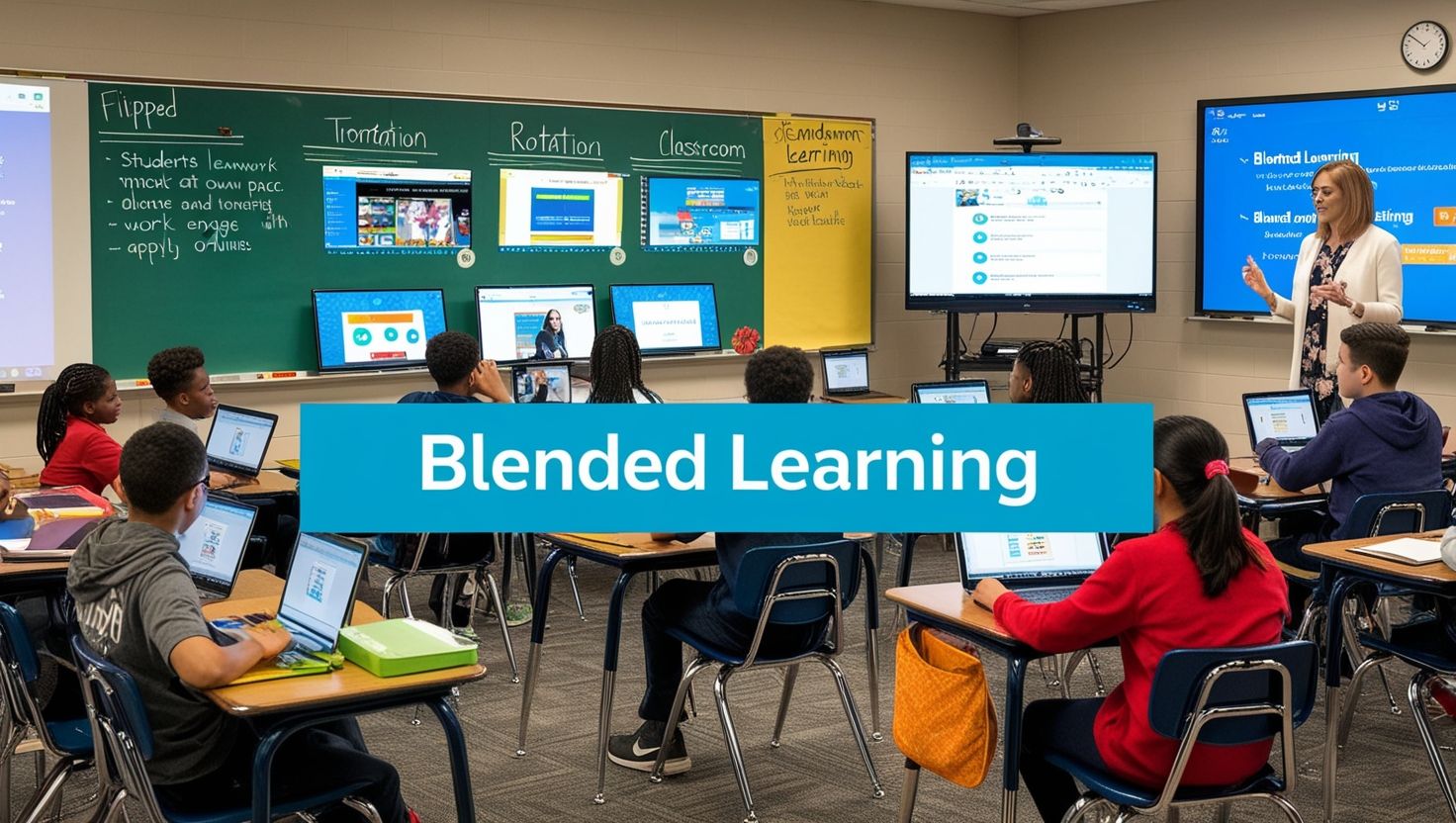
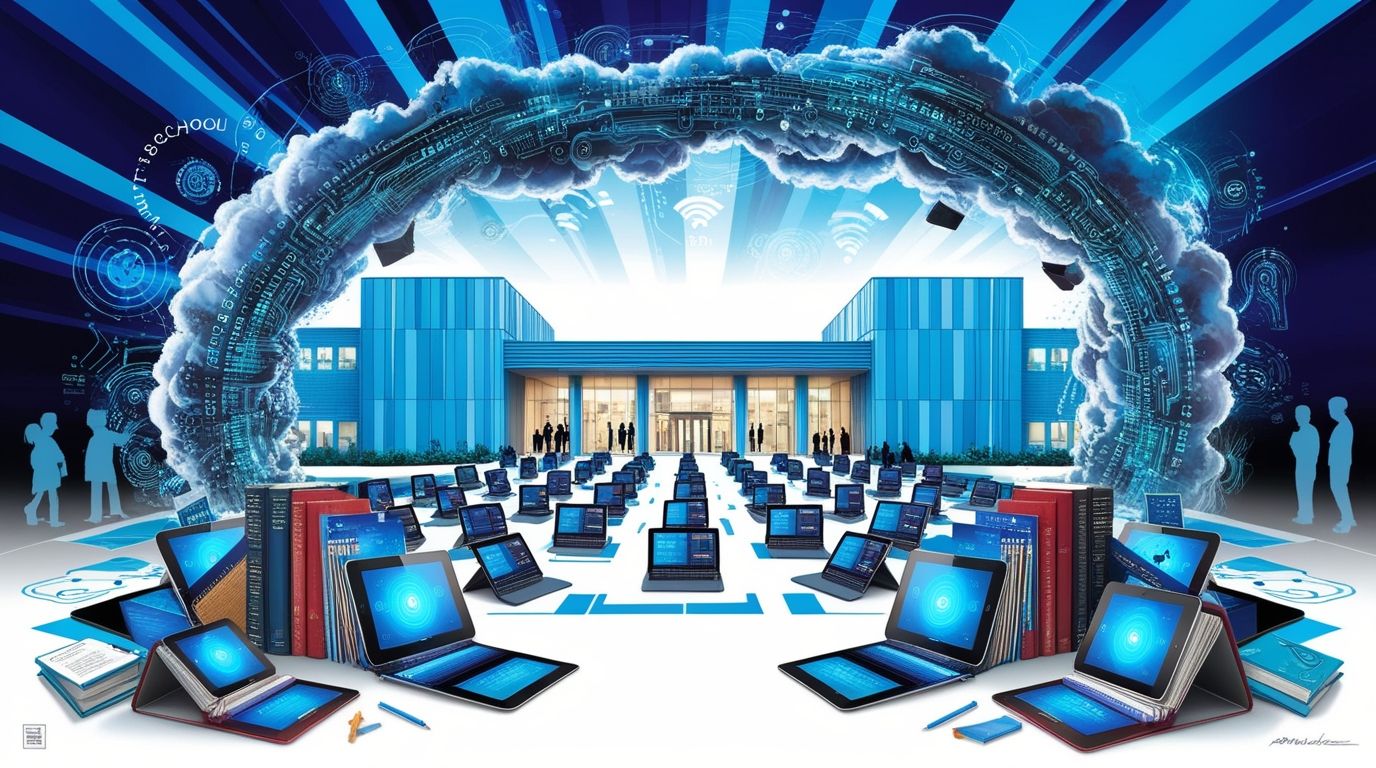
5. Integration of Technology
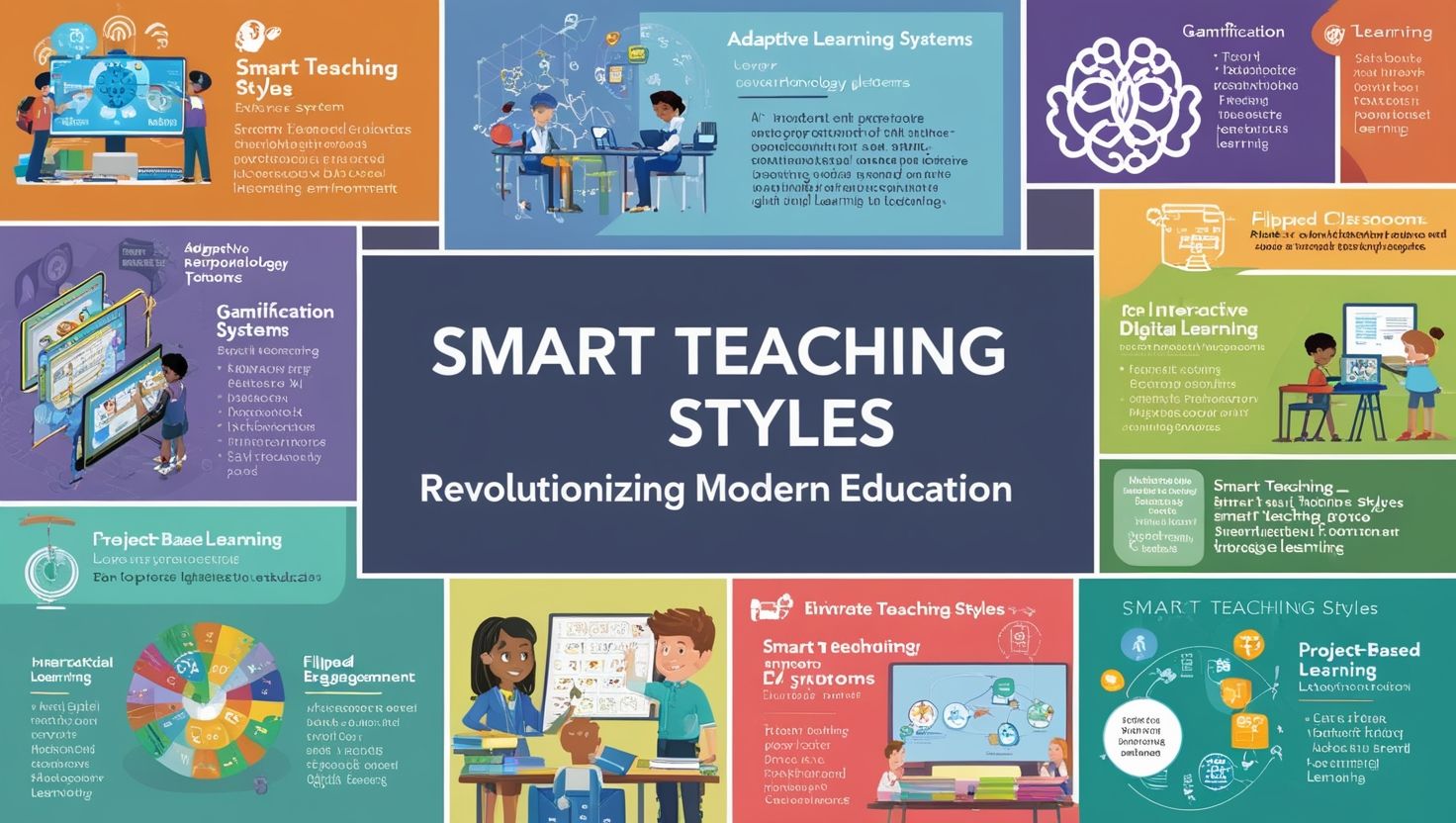
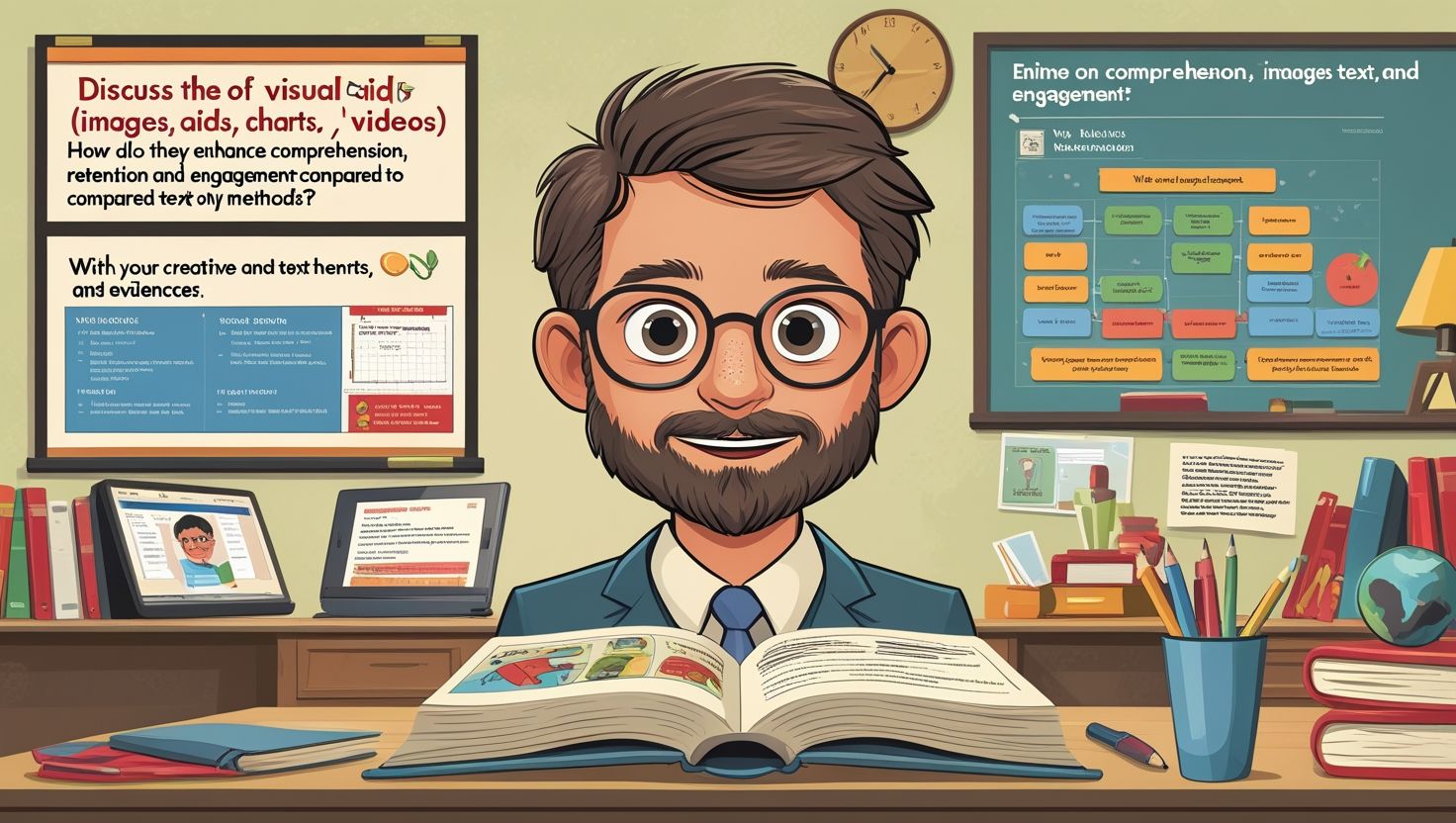
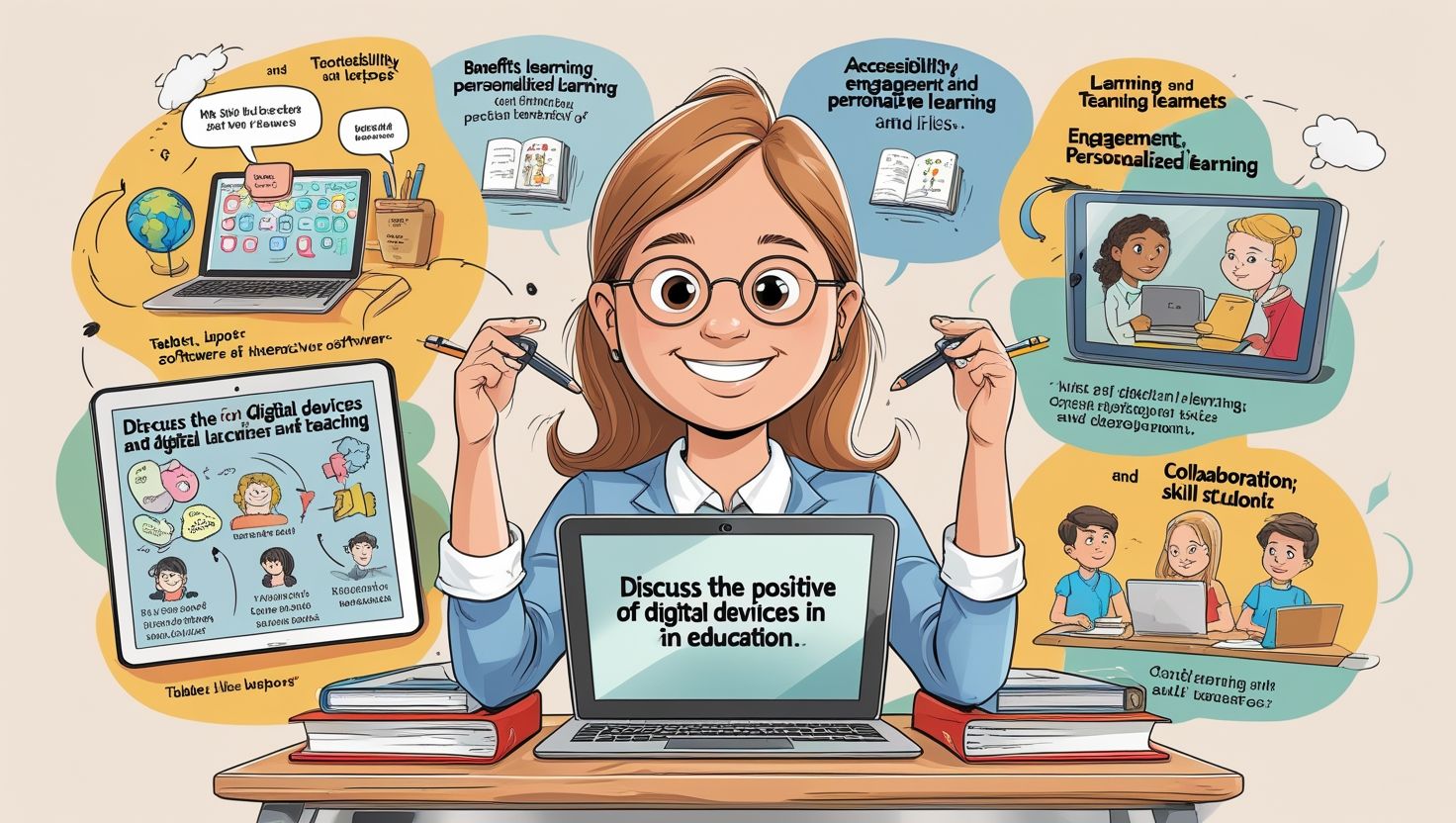
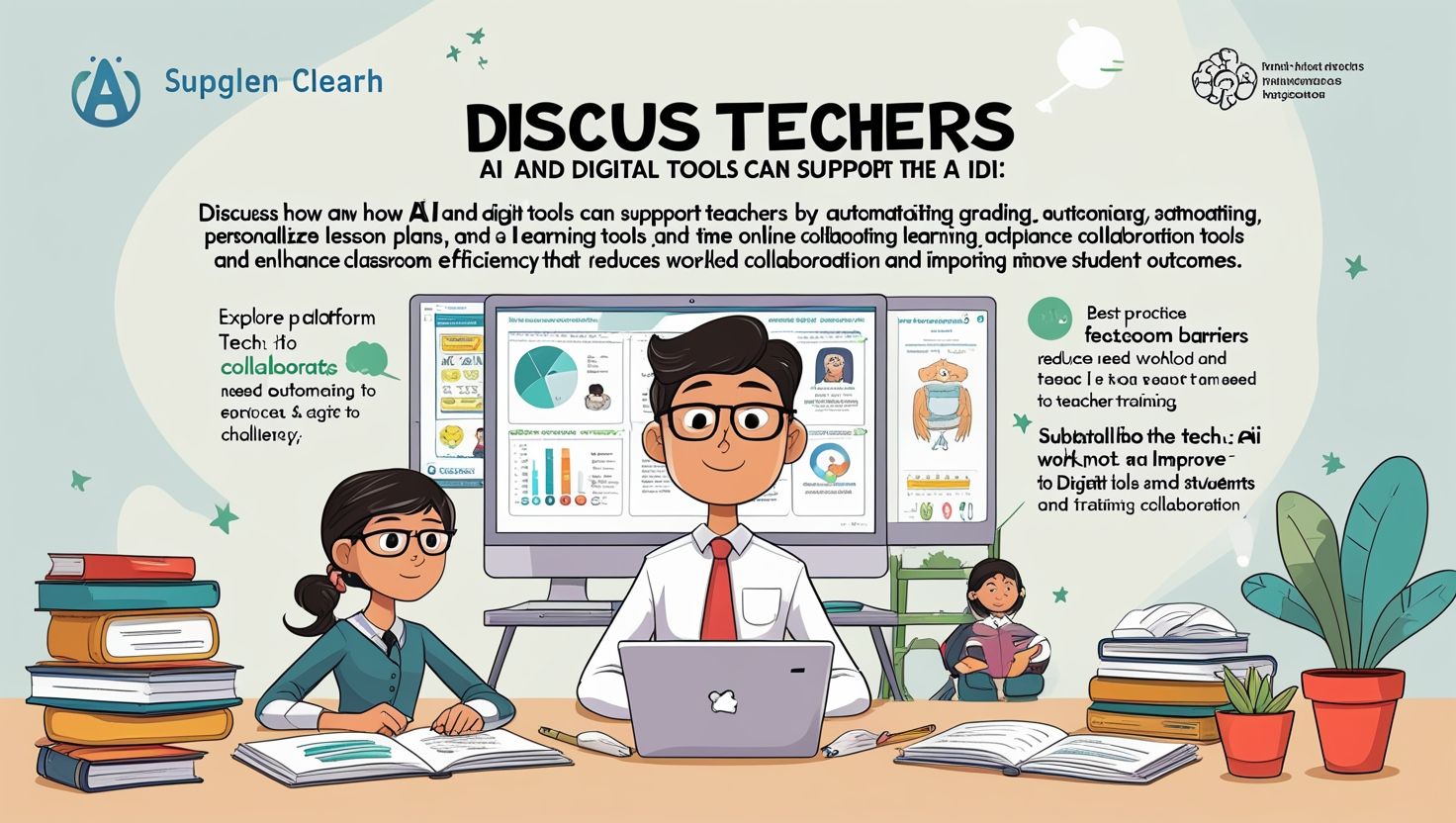
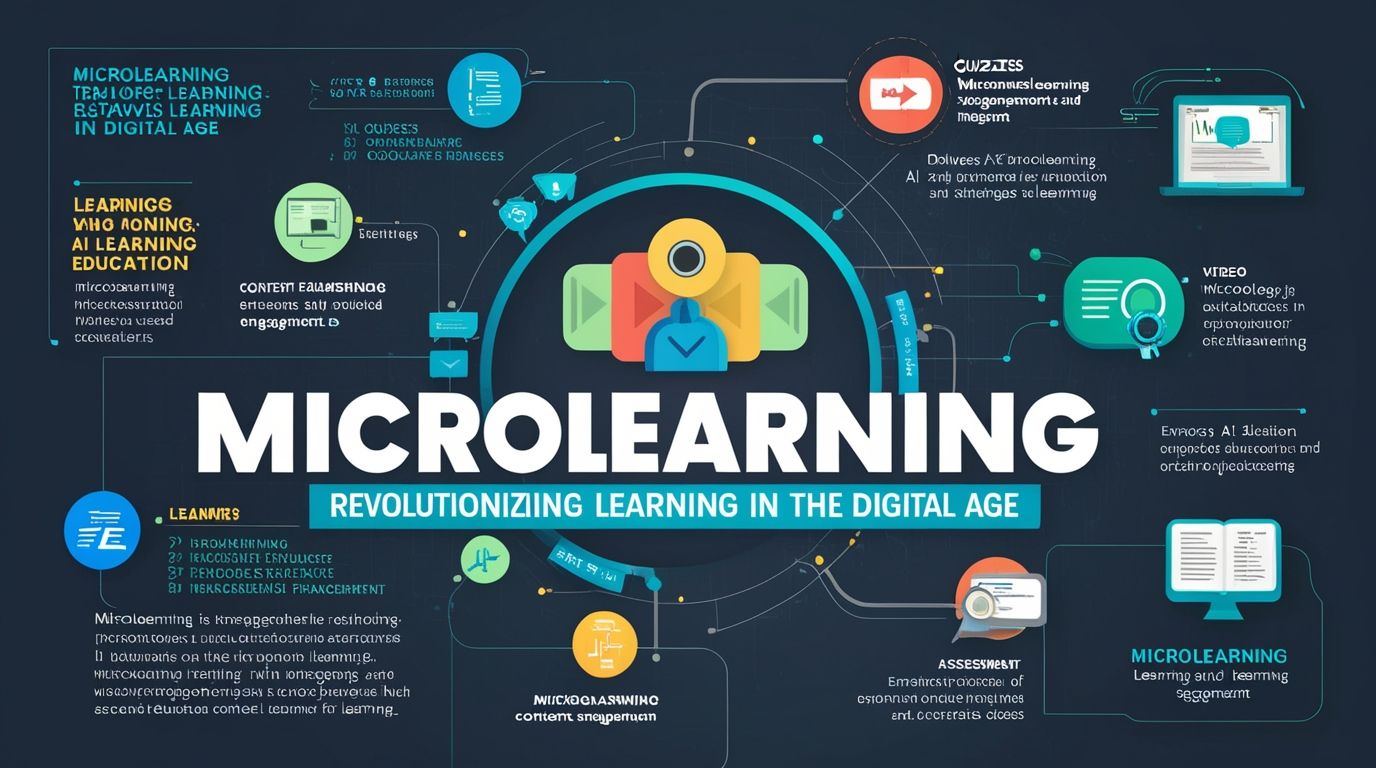
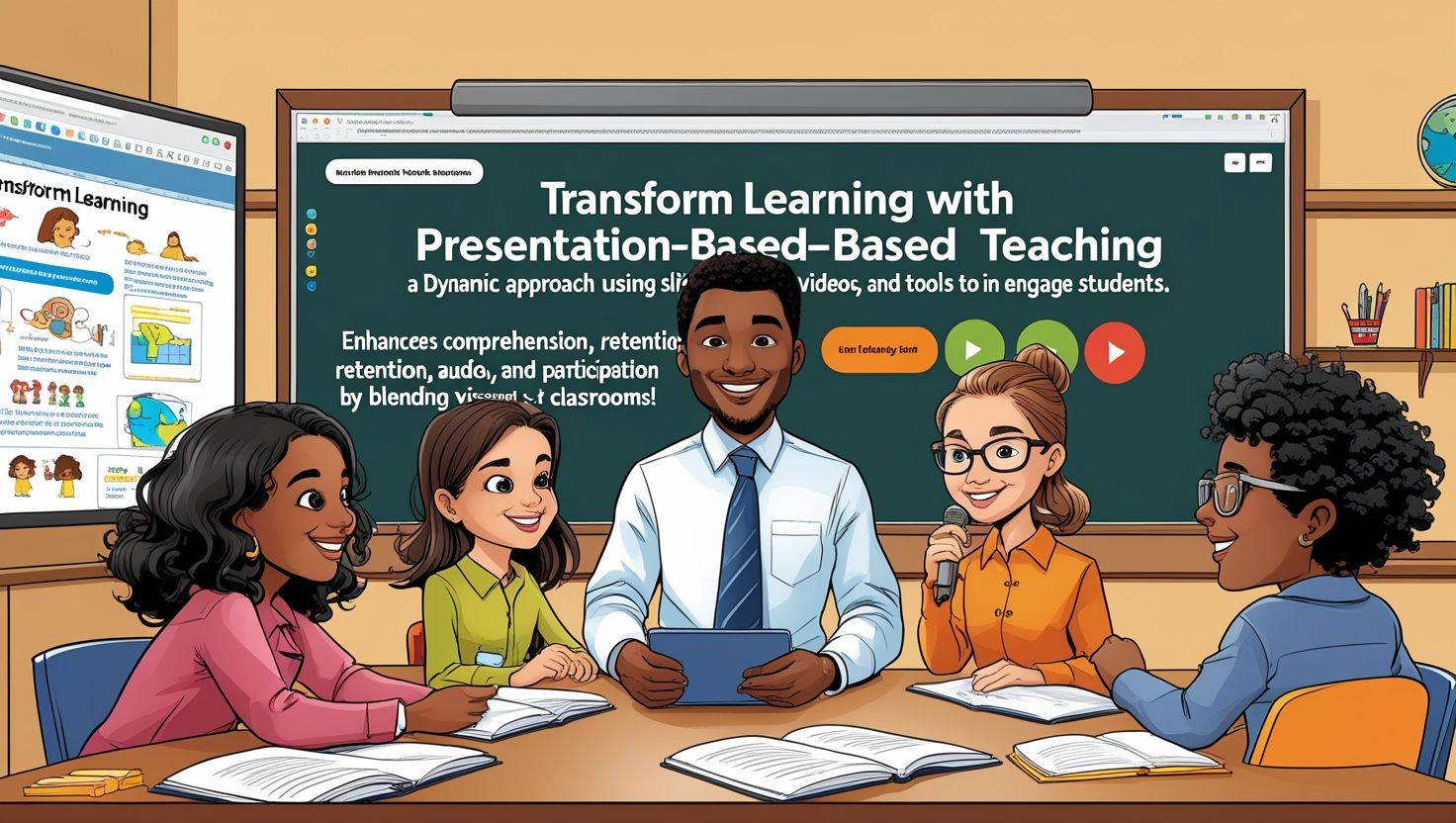
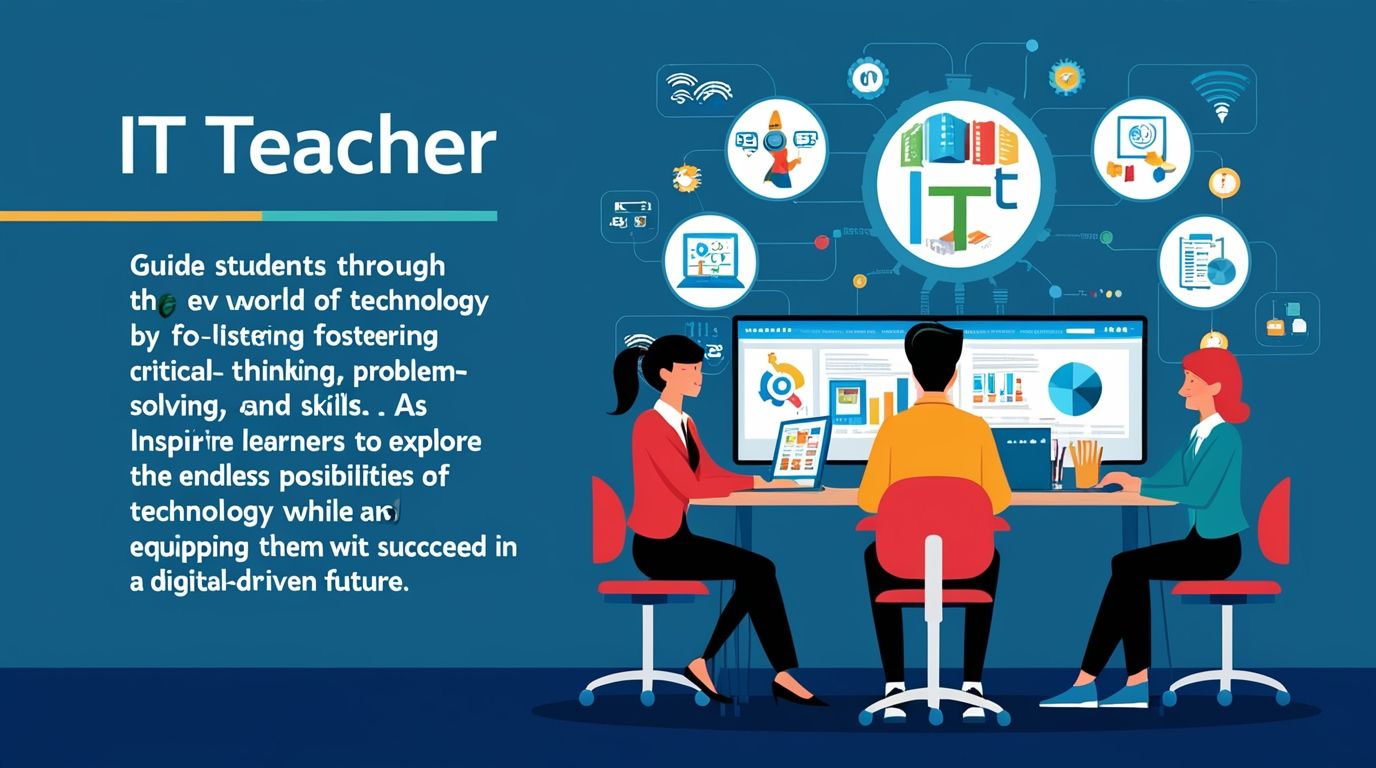
When used purposefully, technology enhances learning through interactive content, personalized feedback, and global connectivity.
Case-Based Illustrations
In Finland, small class sizes and teacher autonomy enable individualized instruction and strong teacher-student relationships. In India, initiatives such as activity-based learning address diverse learning needs in government schools. Digital classrooms in South Korea integrate technology while maintaining structured engagement. These examples demonstrate that systemic support and innovative pedagogy can transform classroom challenges into opportunities.
Conclusion
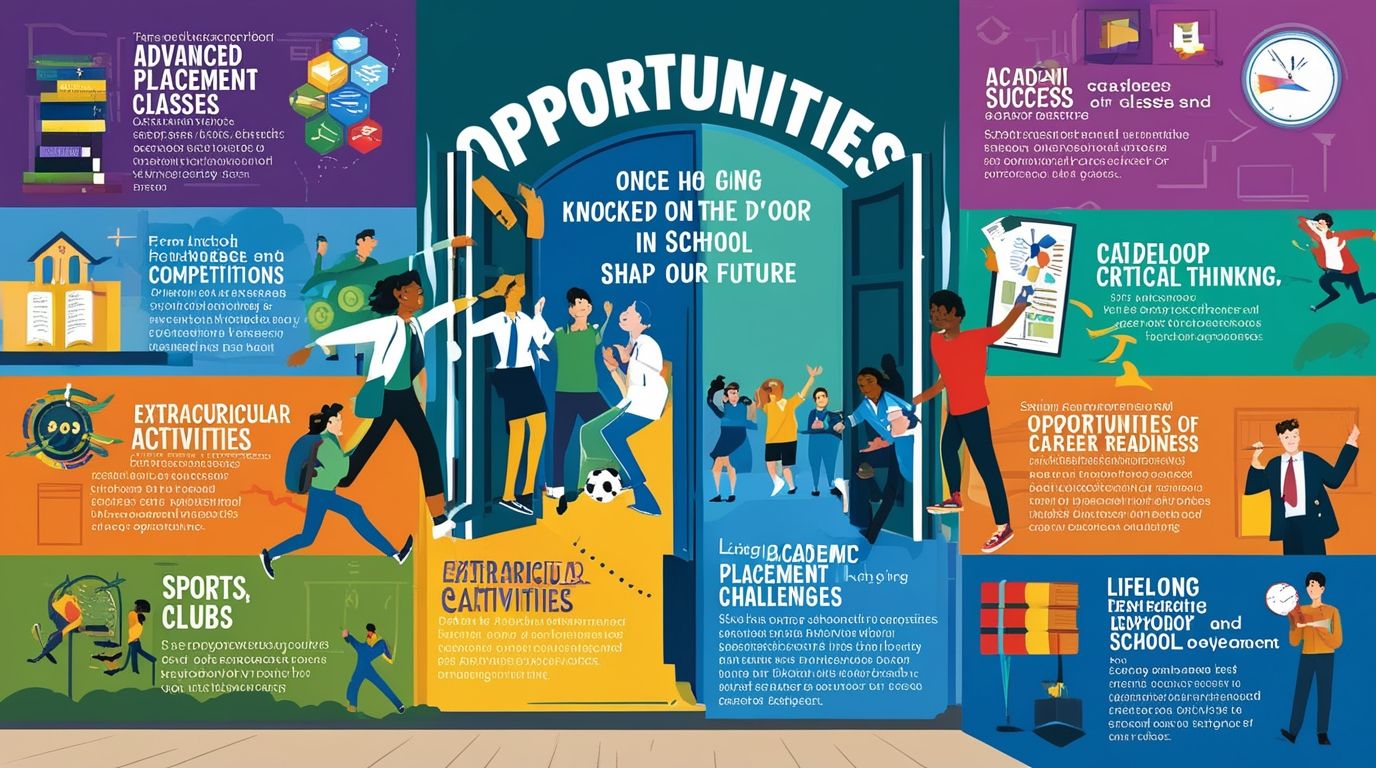
Classroom issues and challenges in teaching and learning are complex and multifaceted, reflecting broader social, psychological, and institutional realities. Diversity, behavioral concerns, motivation, learning gaps, and resource constraints shape the classroom experience for both teachers and learners. While these challenges can hinder educational outcomes, they also provide opportunities for innovation and growth.
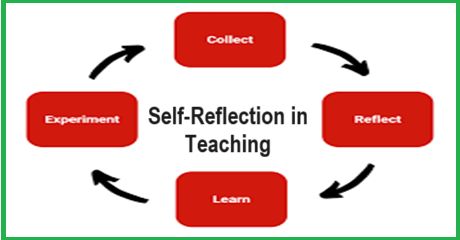
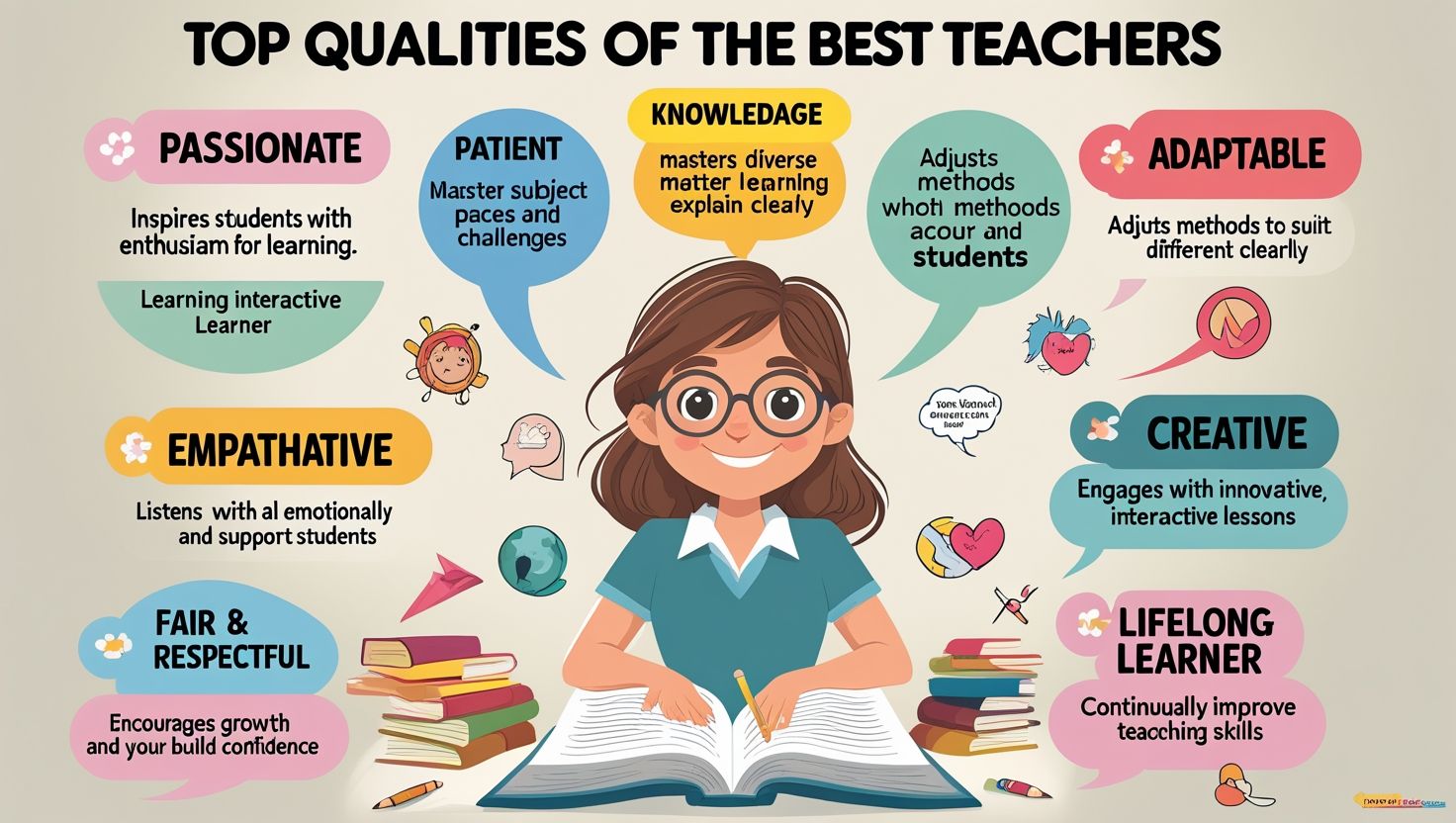
Effective responses require holistic strategies that integrate inclusive pedagogy, professional development, supportive environments, and systemic reform. Teachers must be empowered as facilitators, mentors, and reflective practitioners, while students should be engaged as active participants in their learning.
Ultimately, the classroom is not merely a physical space but a living environment where minds are shaped and futures are formed. Addressing classroom challenges thoughtfully and creatively is essential for ensuring that education fulfills its transformative potential in an ever-changing world.