

Introduction
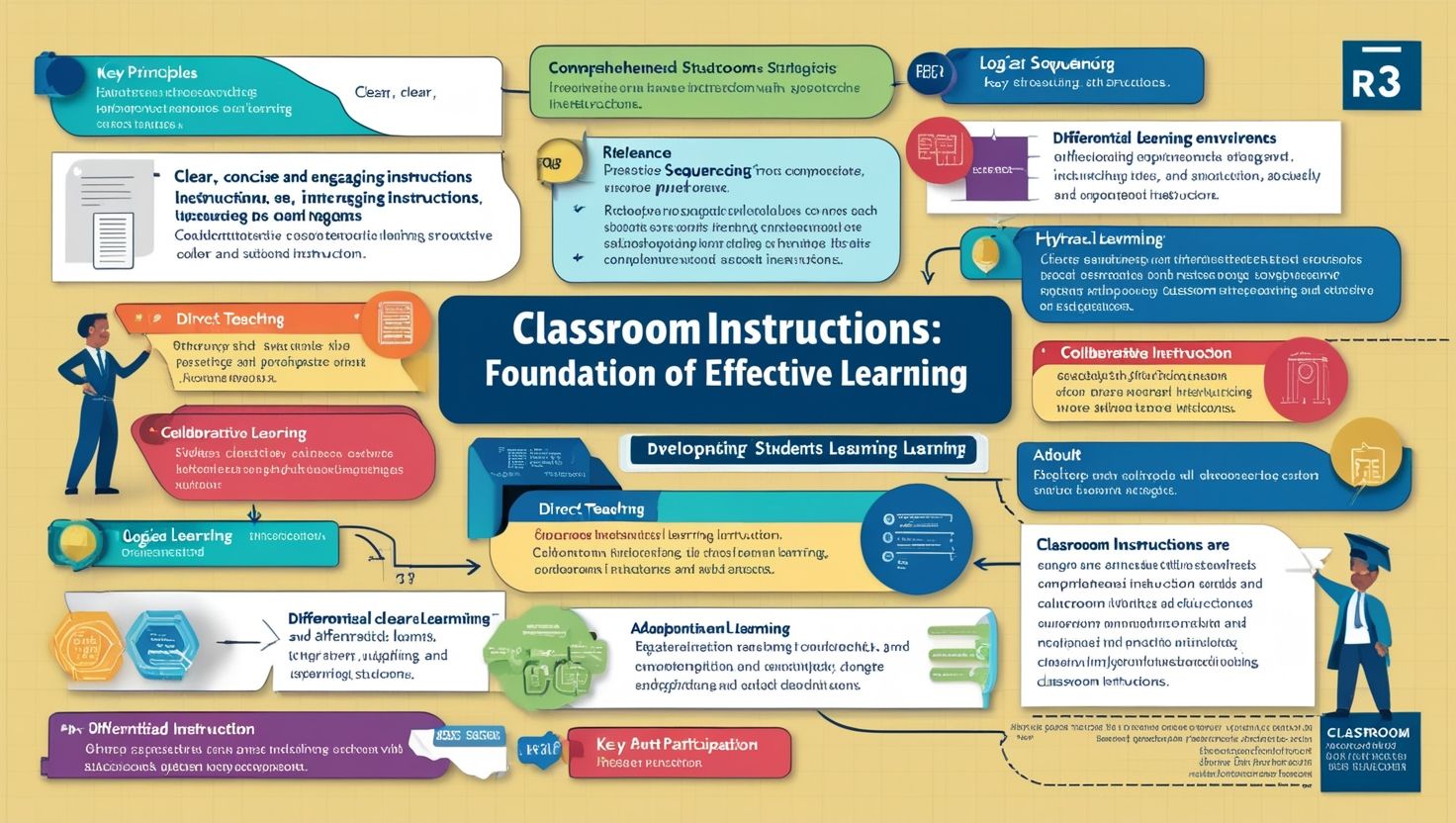
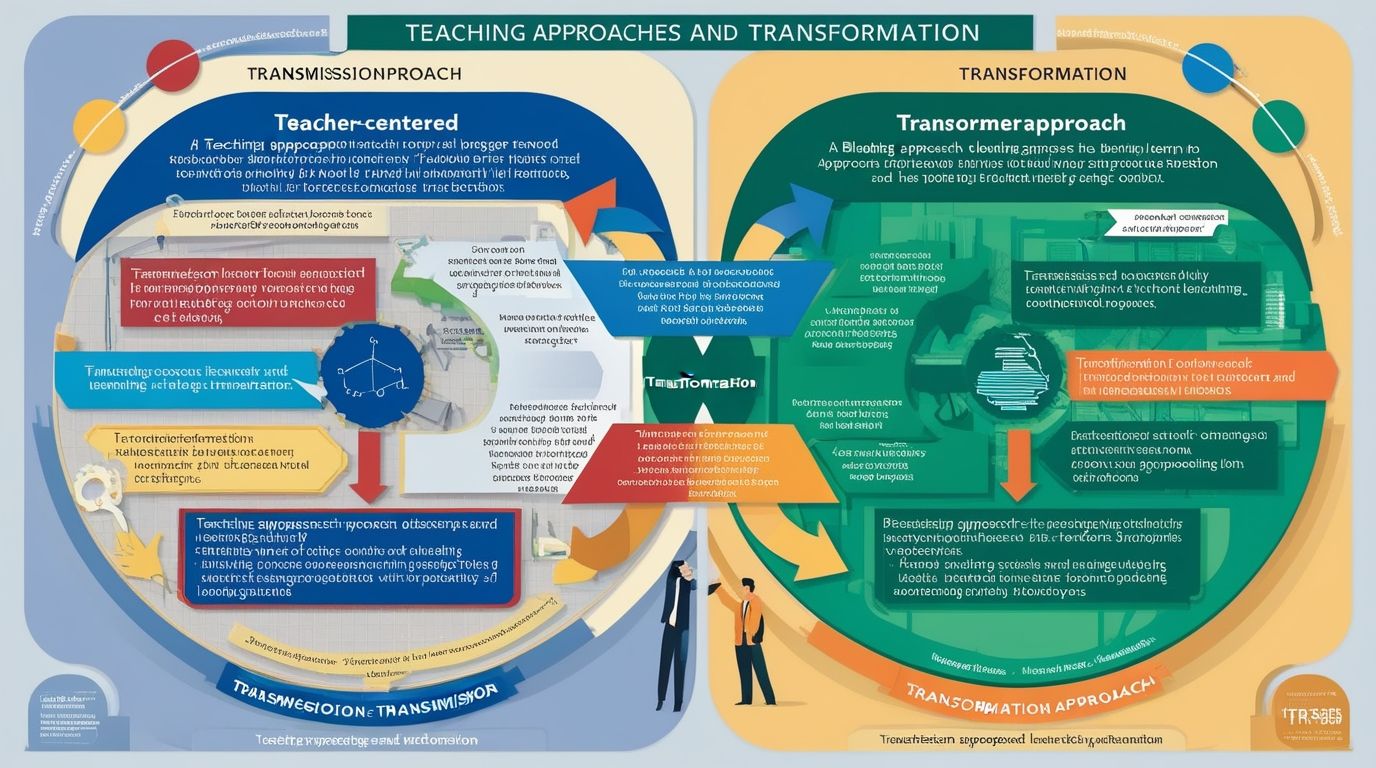
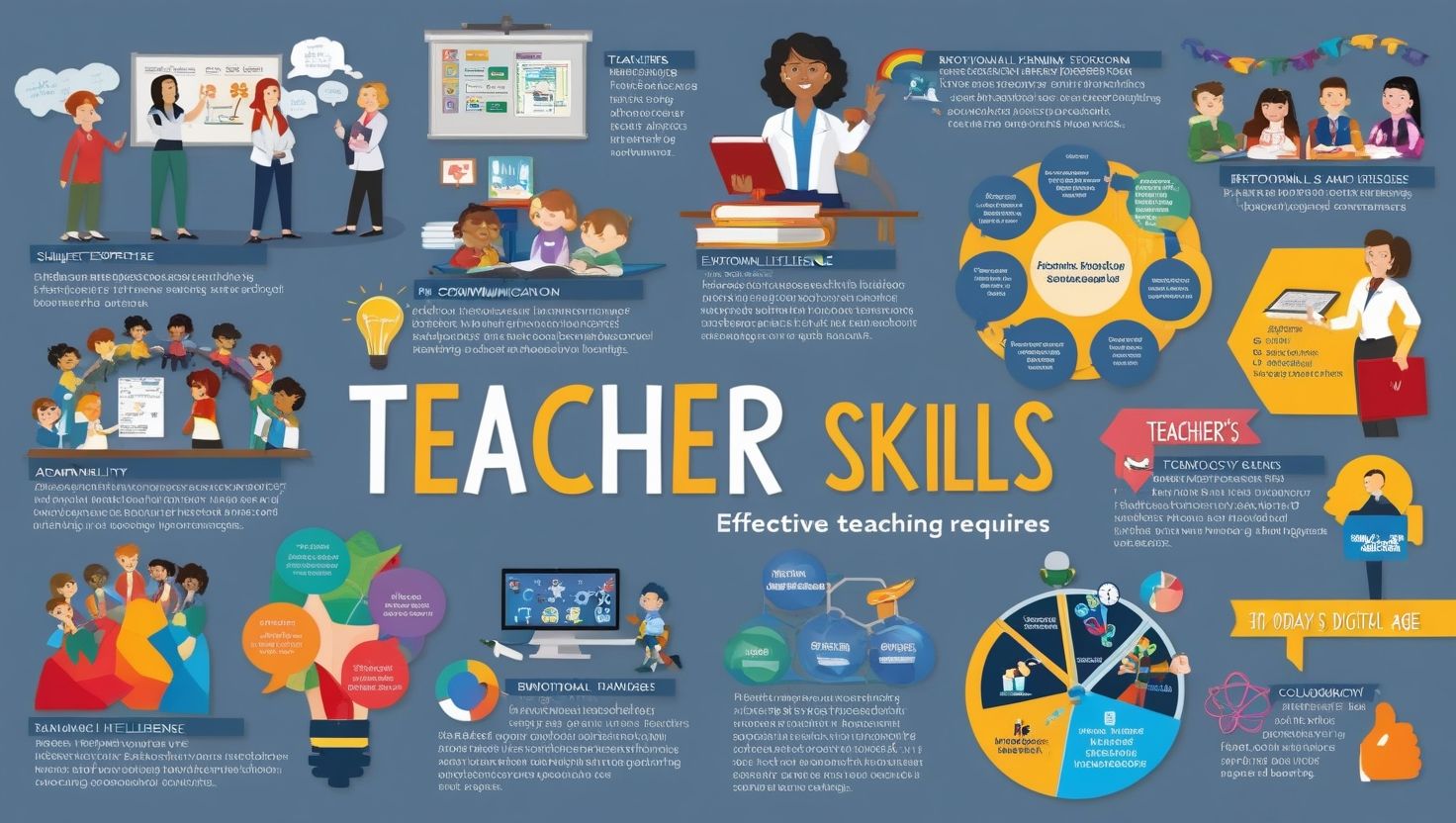
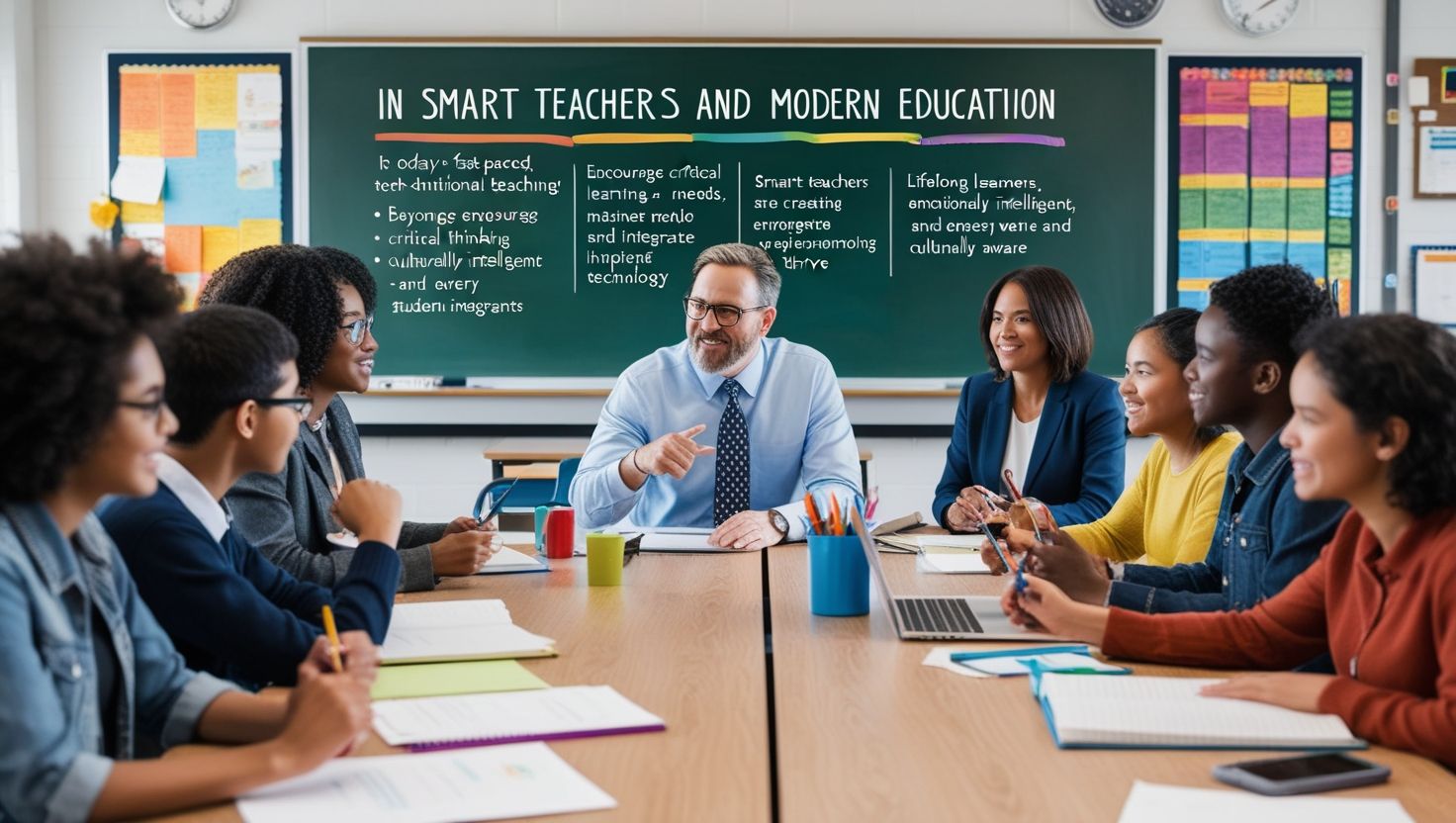
An innovative teacher is more than just an instructor. They are creators, motivators, and guides who shape the learning journey in new ways. In today’s rapidly changing world, classrooms demand creativity, flexibility, and adaptability. Innovative teachers rise to this challenge by adopting modern strategies while still valuing traditional wisdom. They focus not only on teaching content but also on developing skills for problem-solving, collaboration, and independent thinking. Furthermore, they incorporate technology, project-based learning, and experiential methods into their lessons. These educators do not fear experimentation. Instead, they embrace challenges, evaluate outcomes, and improve continuously.
Importantly, they understand that each student learns differently. Therefore, they use diverse tools to engage every learner. The role of an innovative teacher extends beyond academics, as they also cultivate resilience, curiosity, and confidence in students. Ultimately, innovative teachers transform education into an engaging, inspiring, and meaningful process for all.
1. Characteristics of an Innovative Teacher
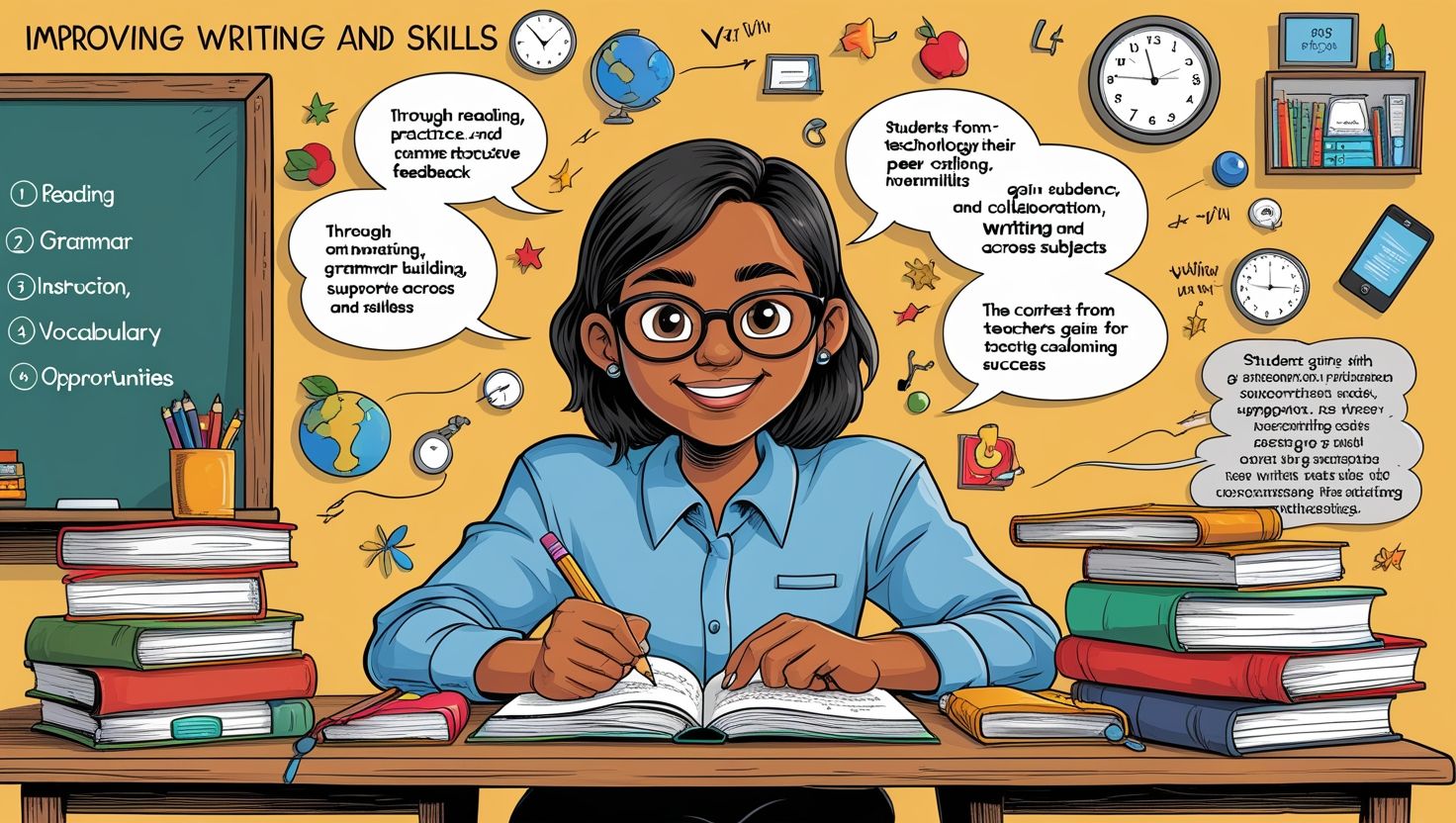
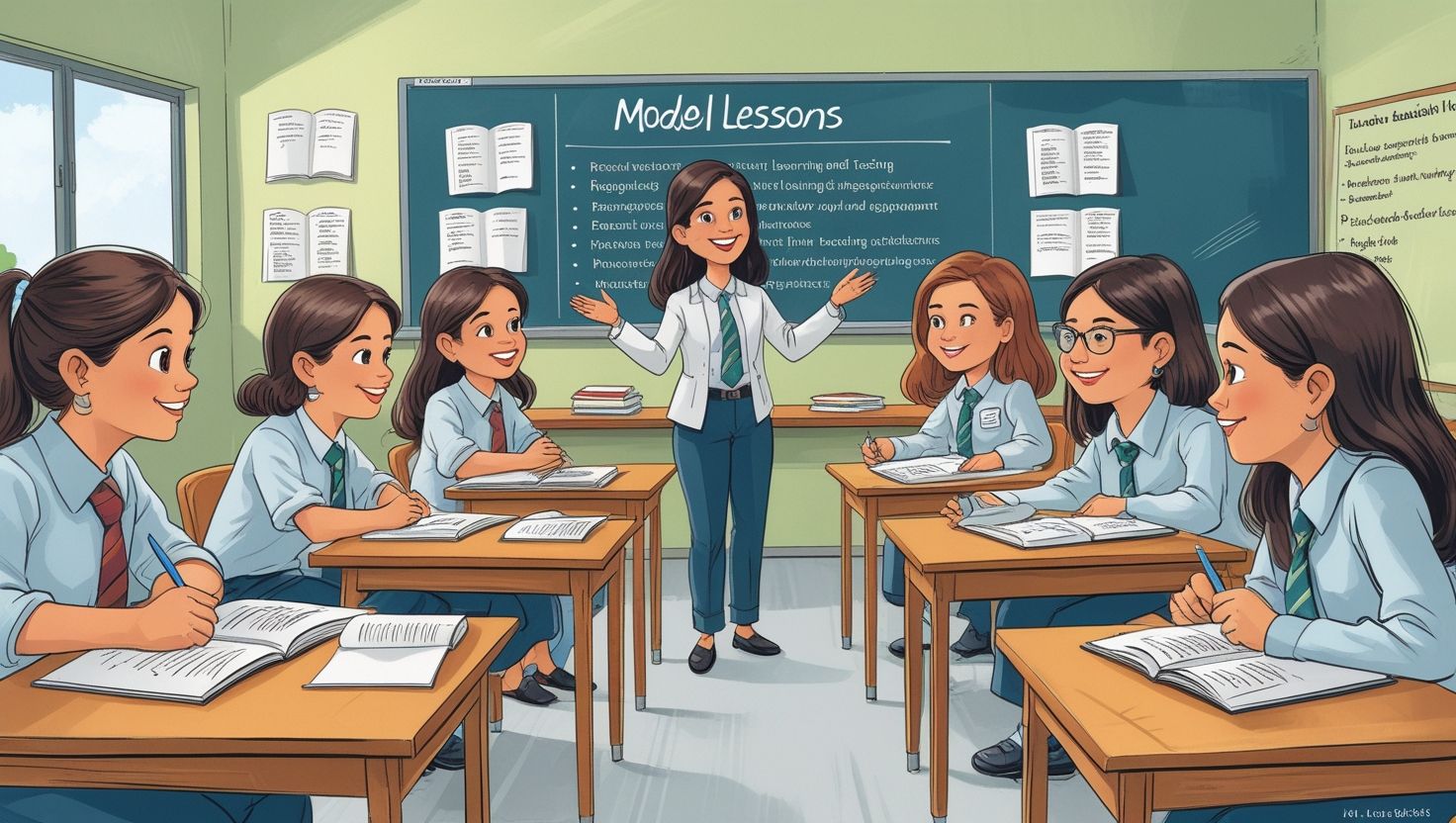
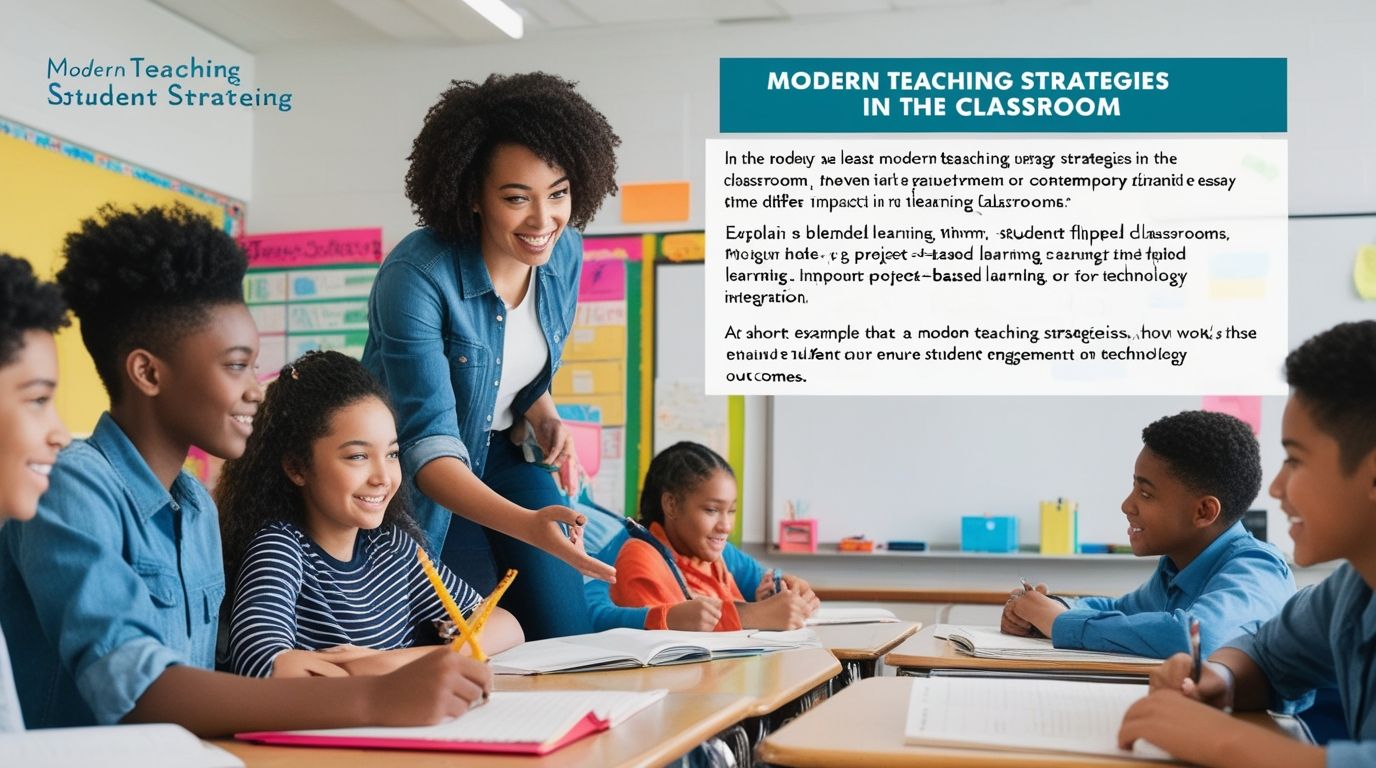
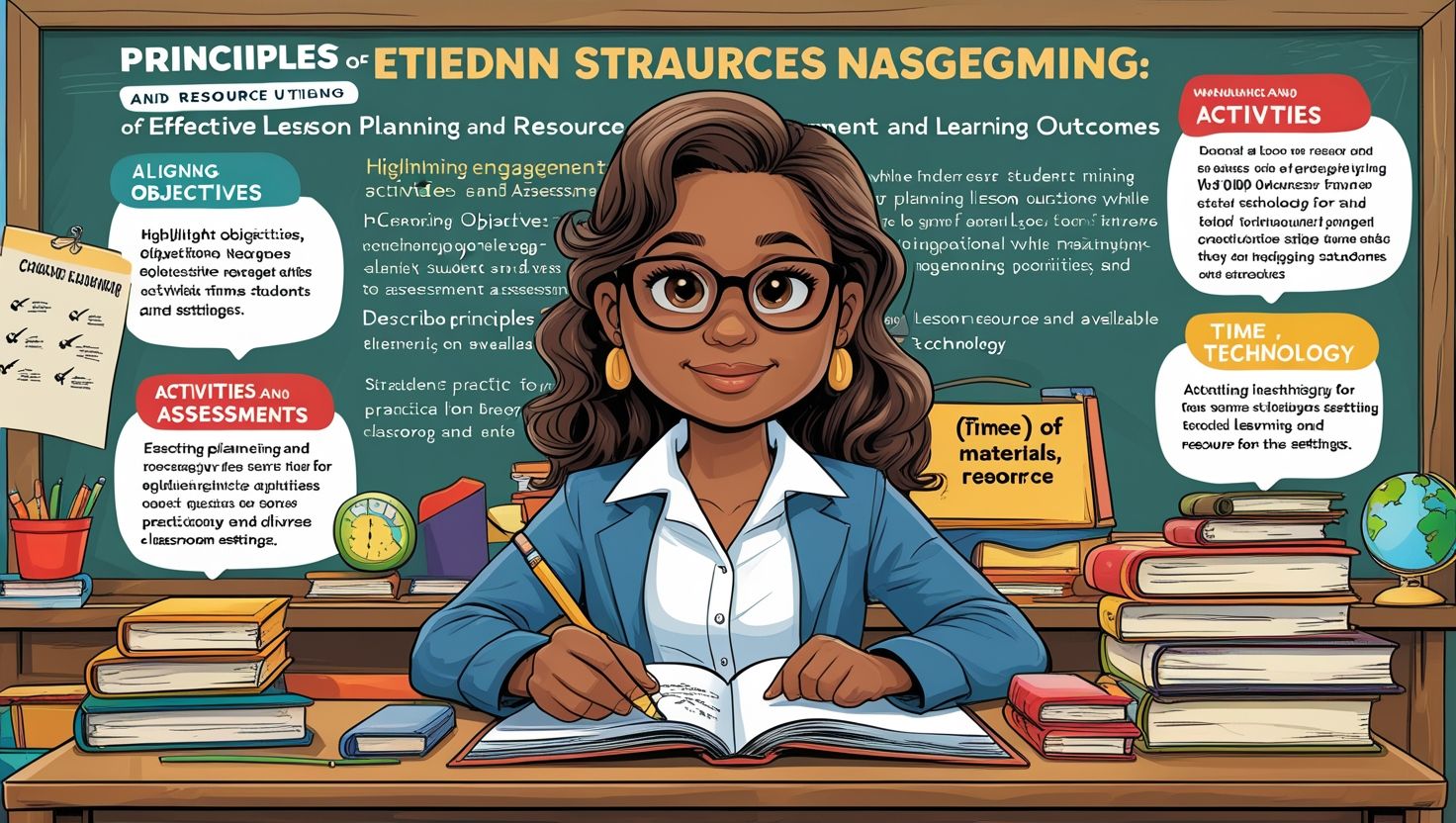
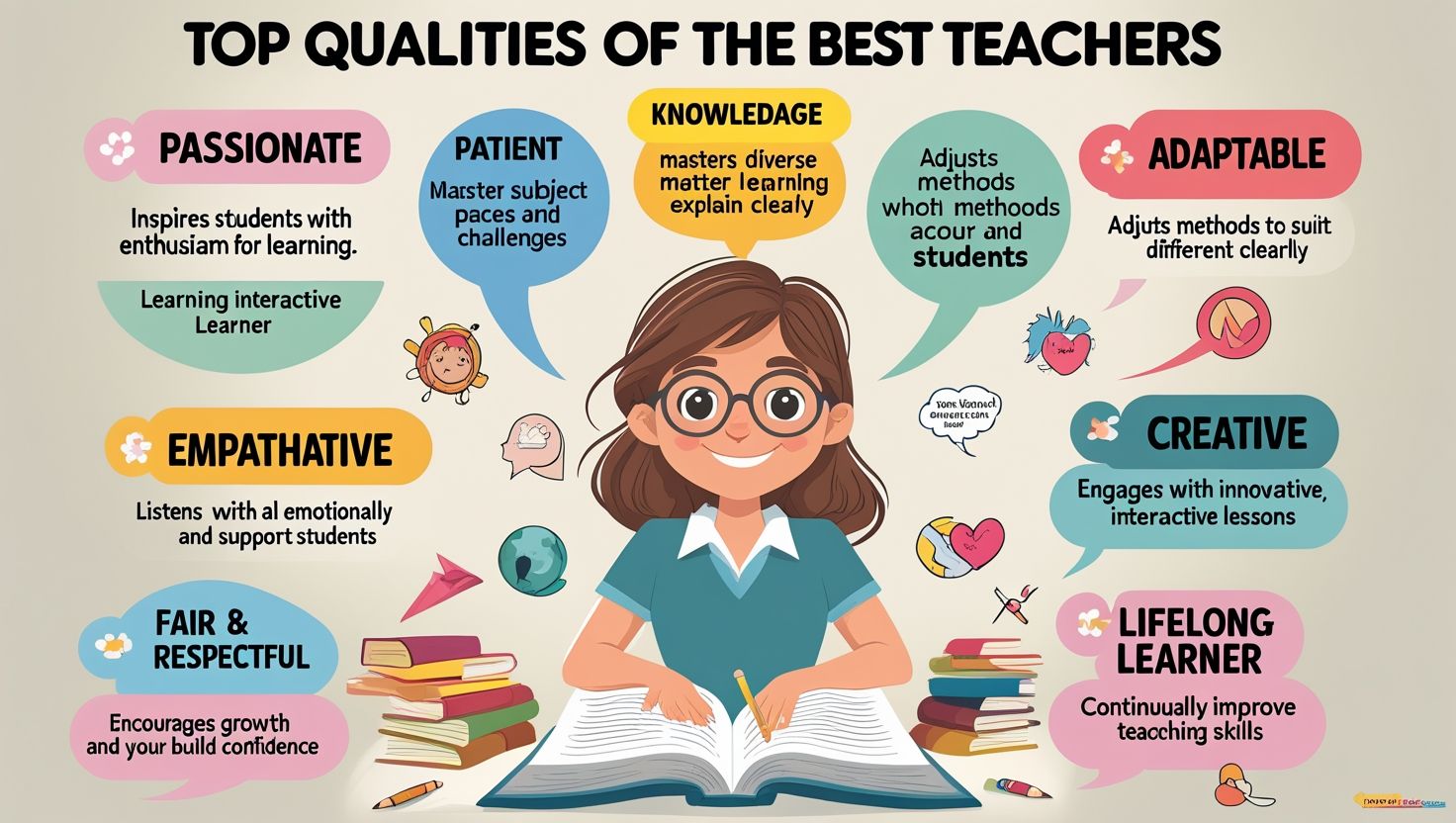
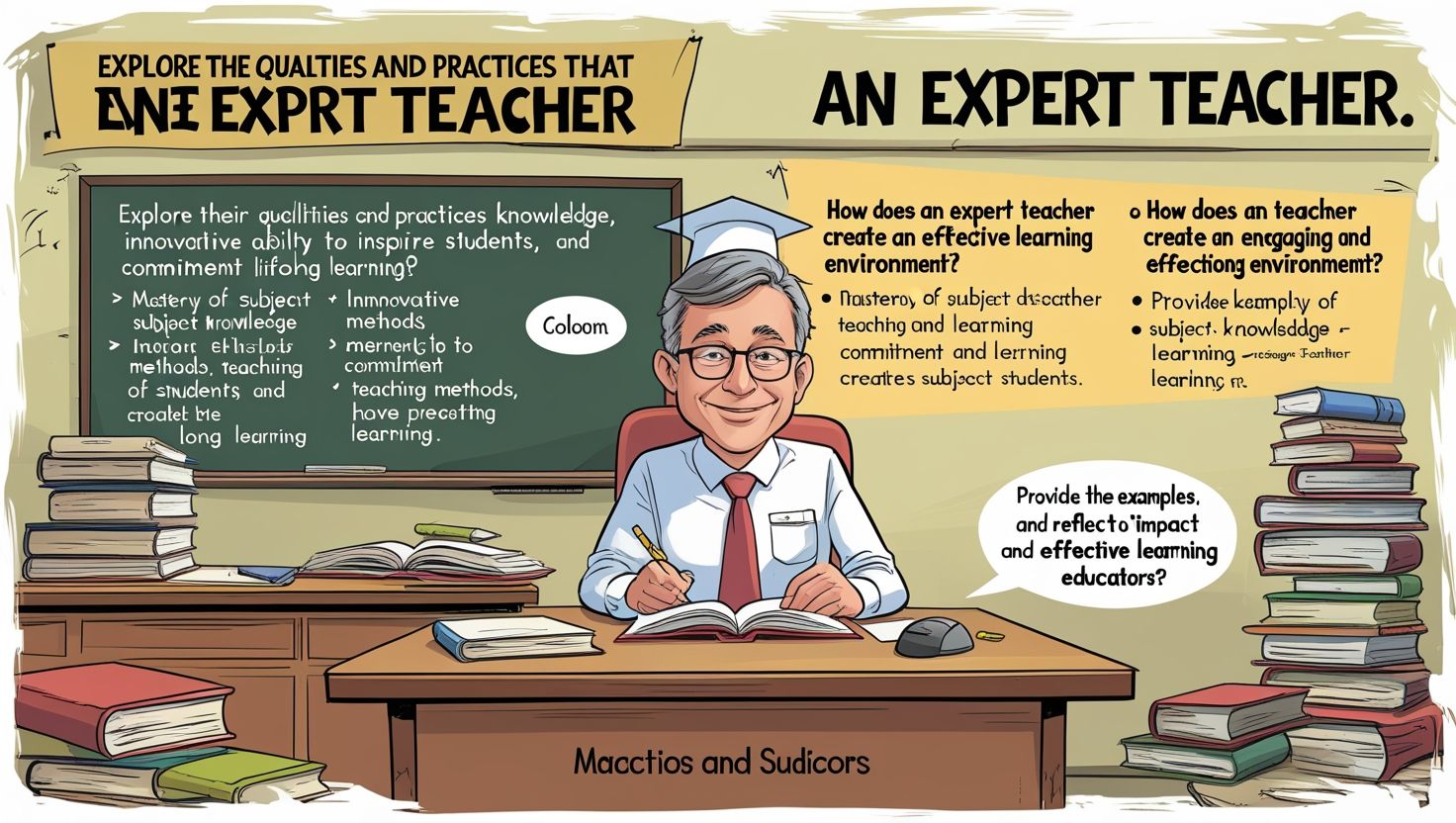
An innovative teacher displays a unique set of qualities that distinguish them from traditional educators. They are curious and always ready to learn. Instead of following rigid methods, they adapt their teaching to meet students’ needs. Furthermore, they demonstrate creativity in designing lessons that make learning interactive and fun. They also encourage collaboration among students and promote inclusivity in classrooms. Importantly, they remain flexible, willing to adjust plans when challenges arise. Innovative teachers often experiment with digital tools, project-based approaches, and creative assignments. Moreover, they inspire students to think critically and solve problems independently.
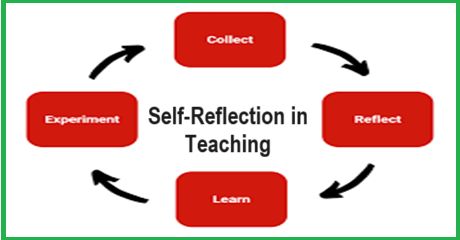
By modeling lifelong learning, they show students that growth never stops. They are also reflective, constantly evaluating their teaching and seeking improvement. Ultimately, these teachers believe in empowering students to take ownership of their learning. Their qualities foster curiosity, confidence, and active participation, making classrooms vibrant, dynamic, and engaging learning spaces.
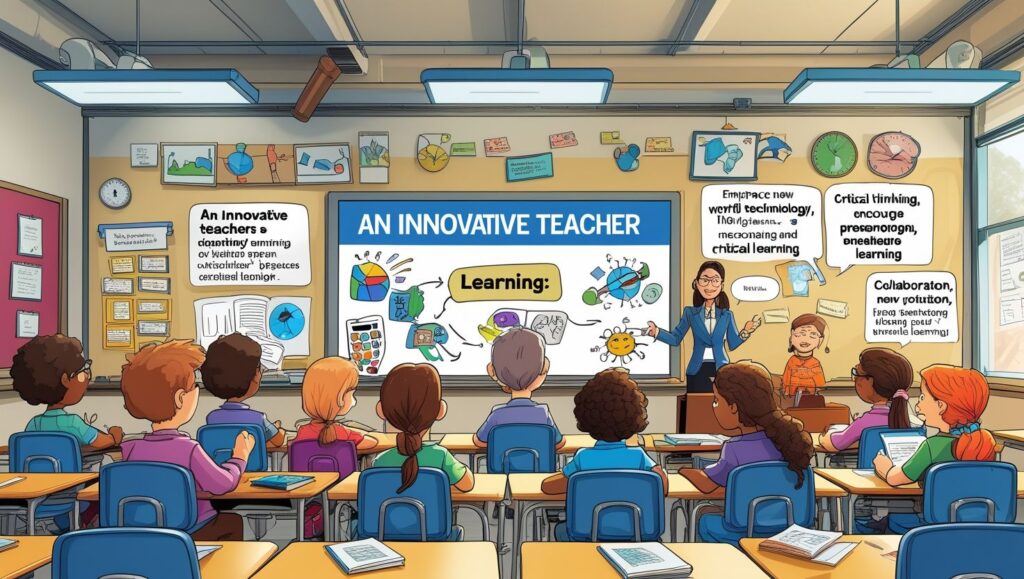
2. Role of Creativity in Innovation
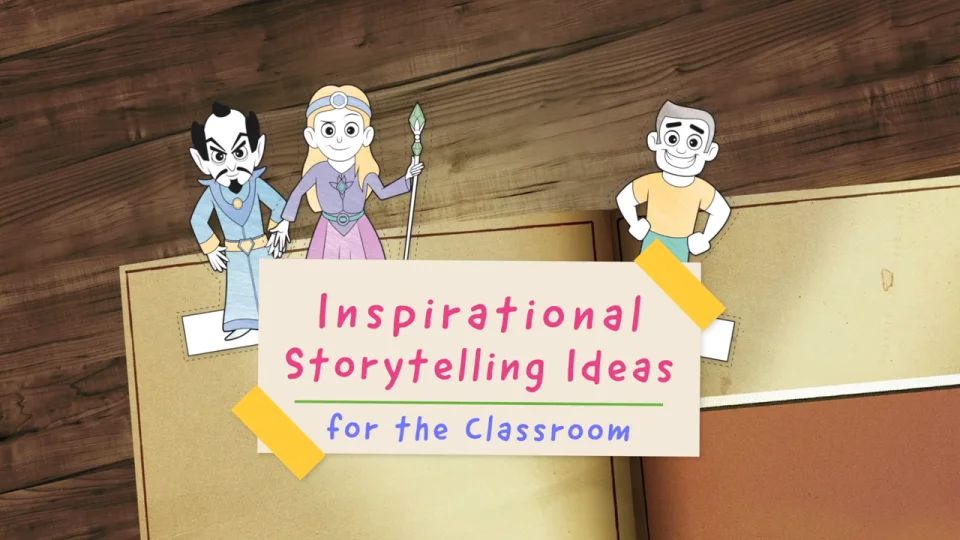
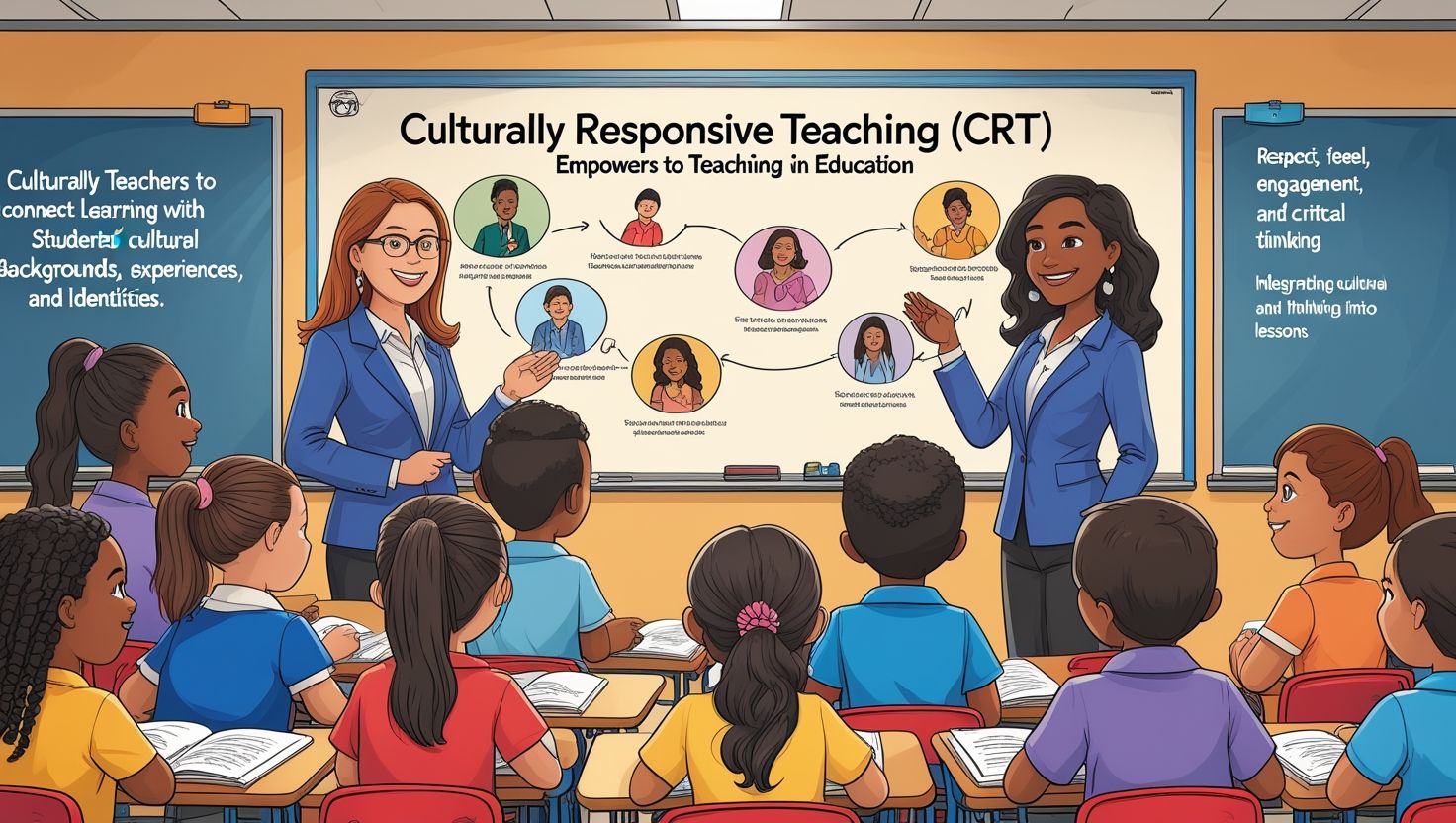
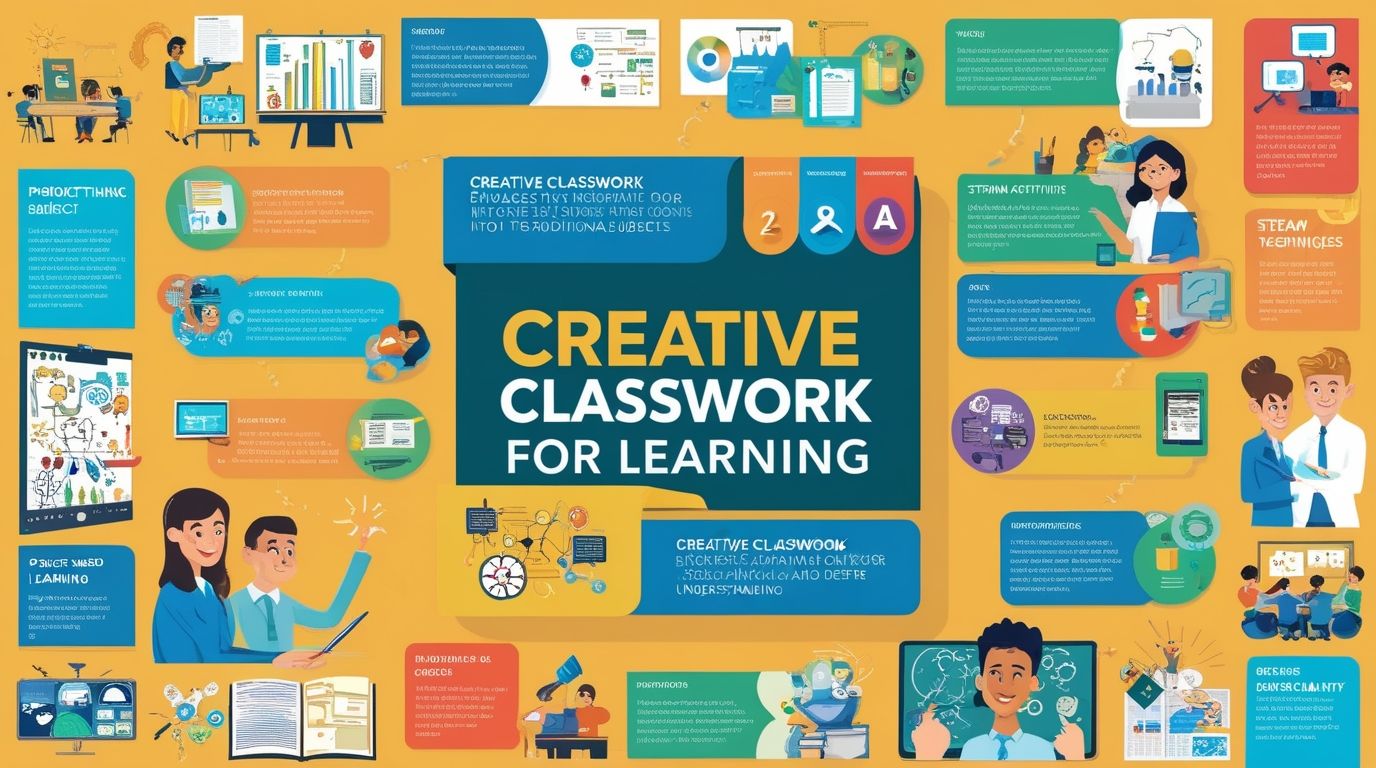
Creativity lies at the heart of every innovative teacher. Without creativity, lessons remain dull and predictable. A creative teacher can turn even complex topics into exciting experiences. For example, instead of lecturing about history, they may use storytelling, role play, or digital media to bring events to life. Furthermore, they design activities that appeal to different learning styles, ensuring inclusivity. Creativity also involves encouraging students to think outside the box and come up with original ideas.
When students see their teacher embracing creativity, they feel motivated to explore and experiment. Additionally, creative teaching methods help connect lessons to real-life experiences, making knowledge more meaningful. Teachers who use creativity effectively transform classrooms into hubs of discovery and innovation. Ultimately, creativity drives engagement, inspires curiosity, and enhances understanding. For this reason, creativity is not optional but essential for innovation in teaching and lasting student success.
3. Technology as a Tool for Innovation
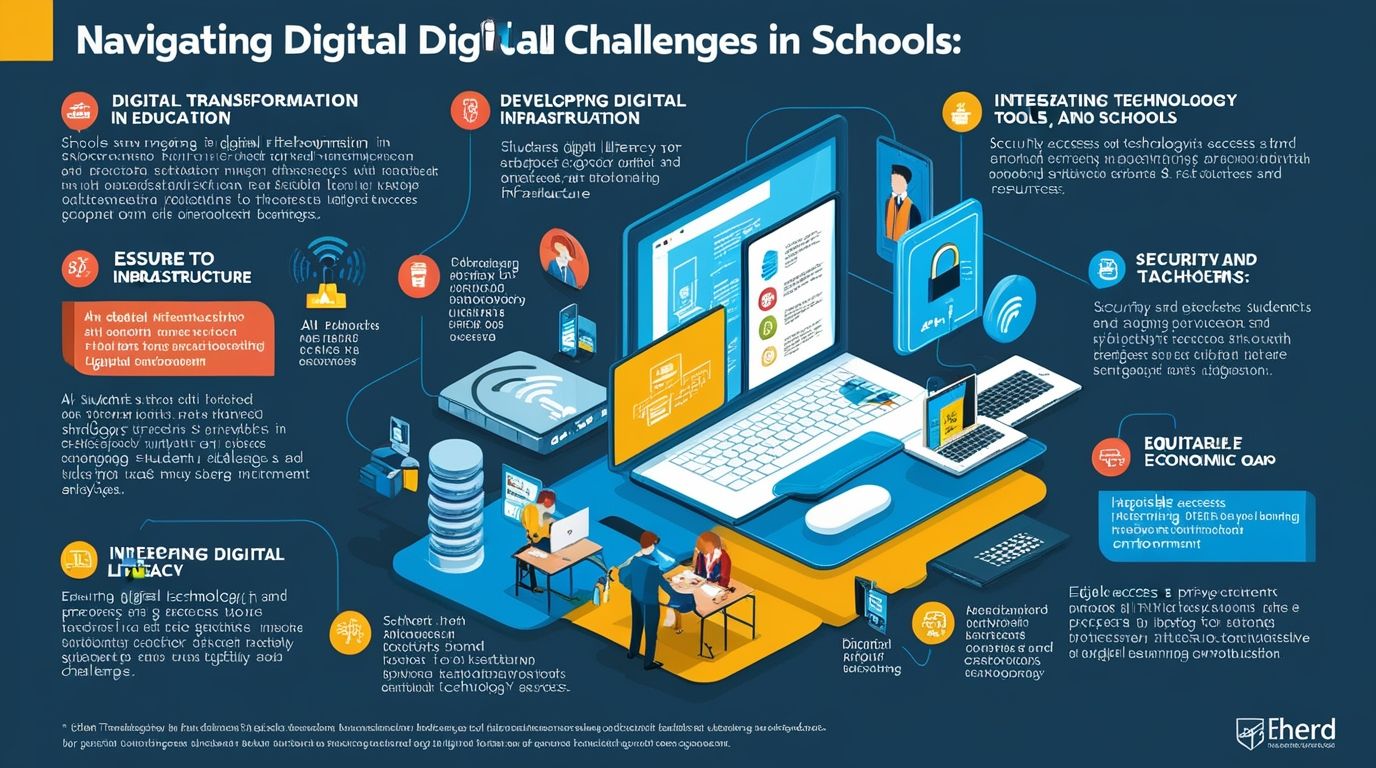
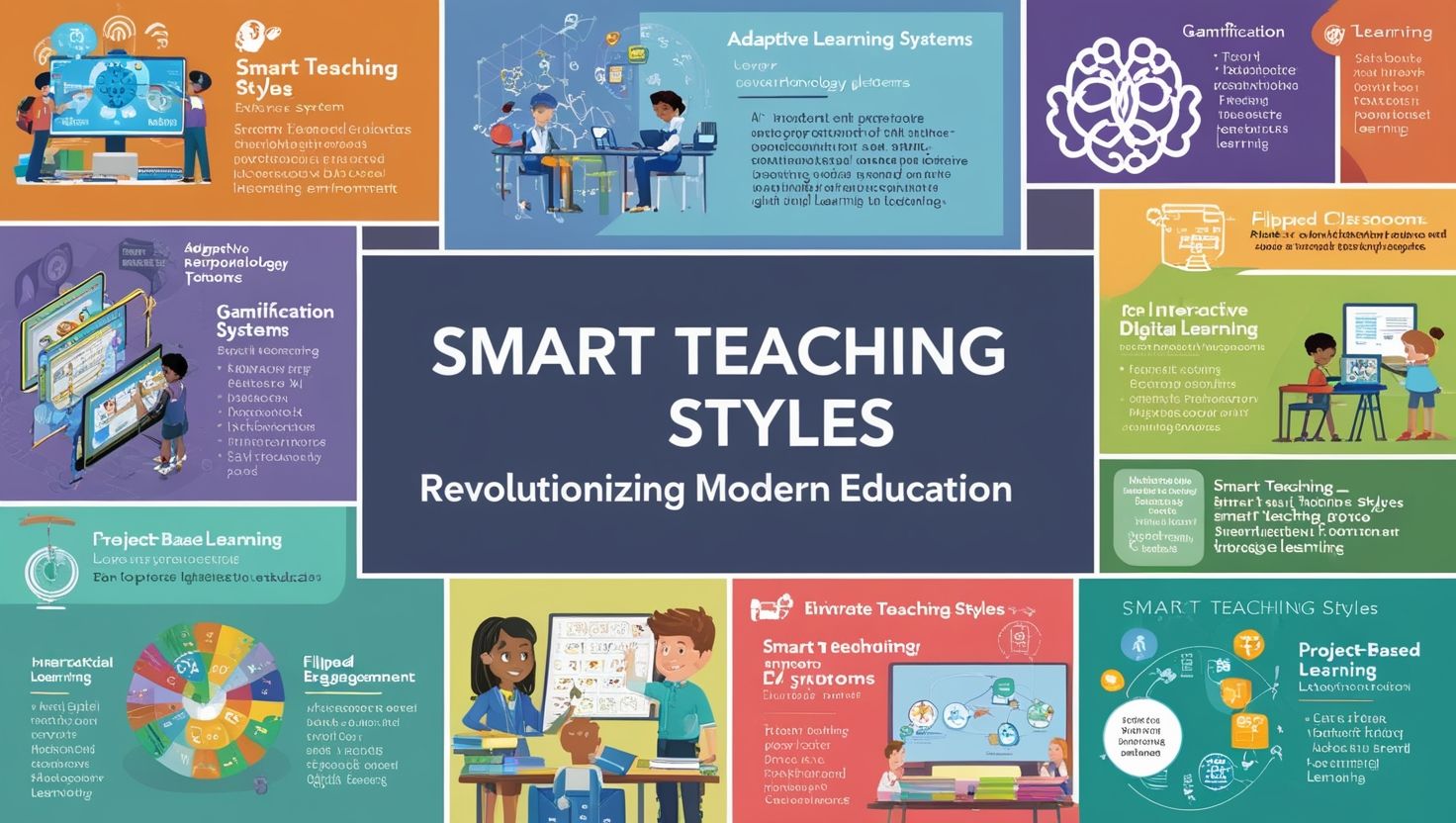
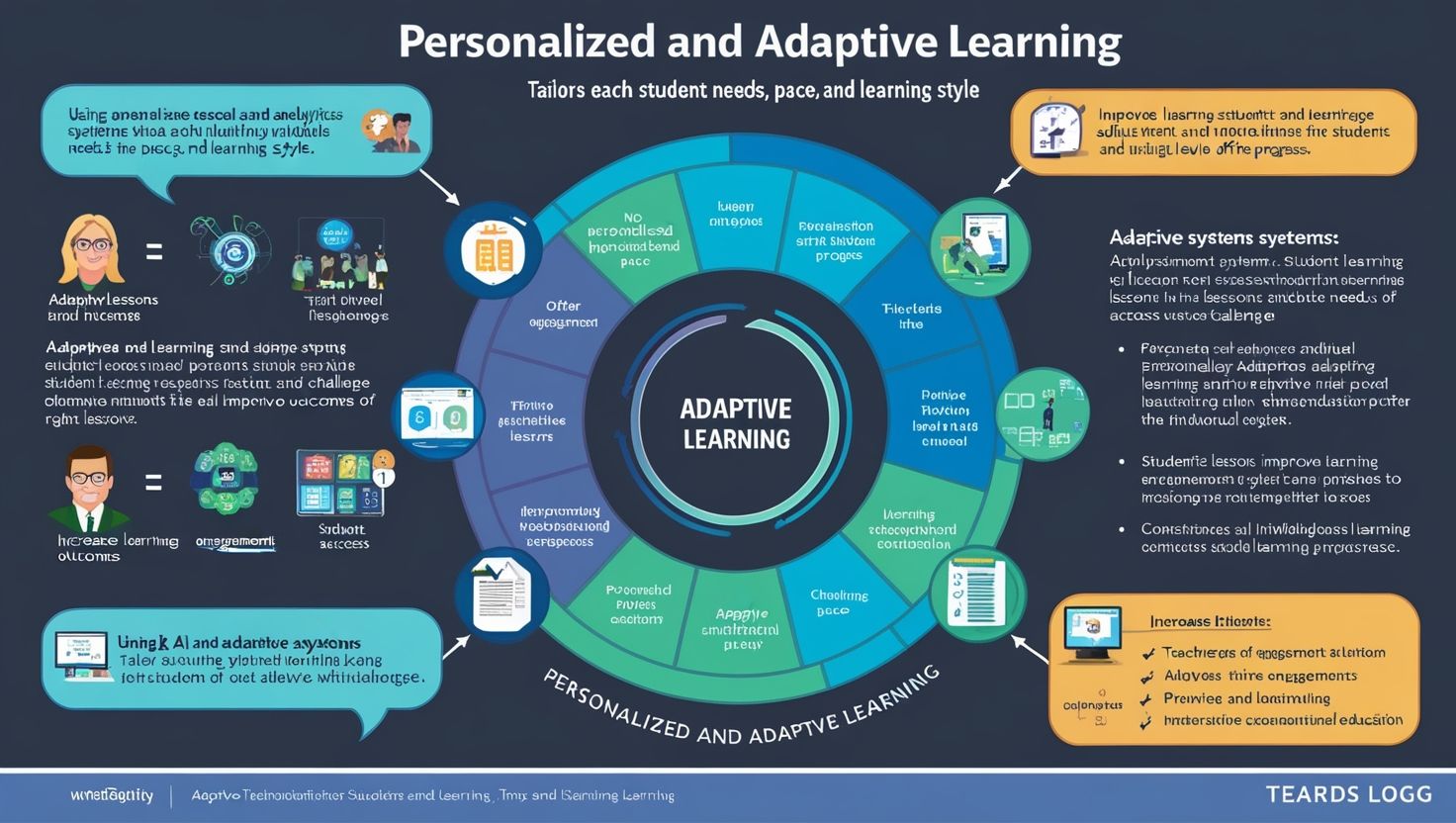
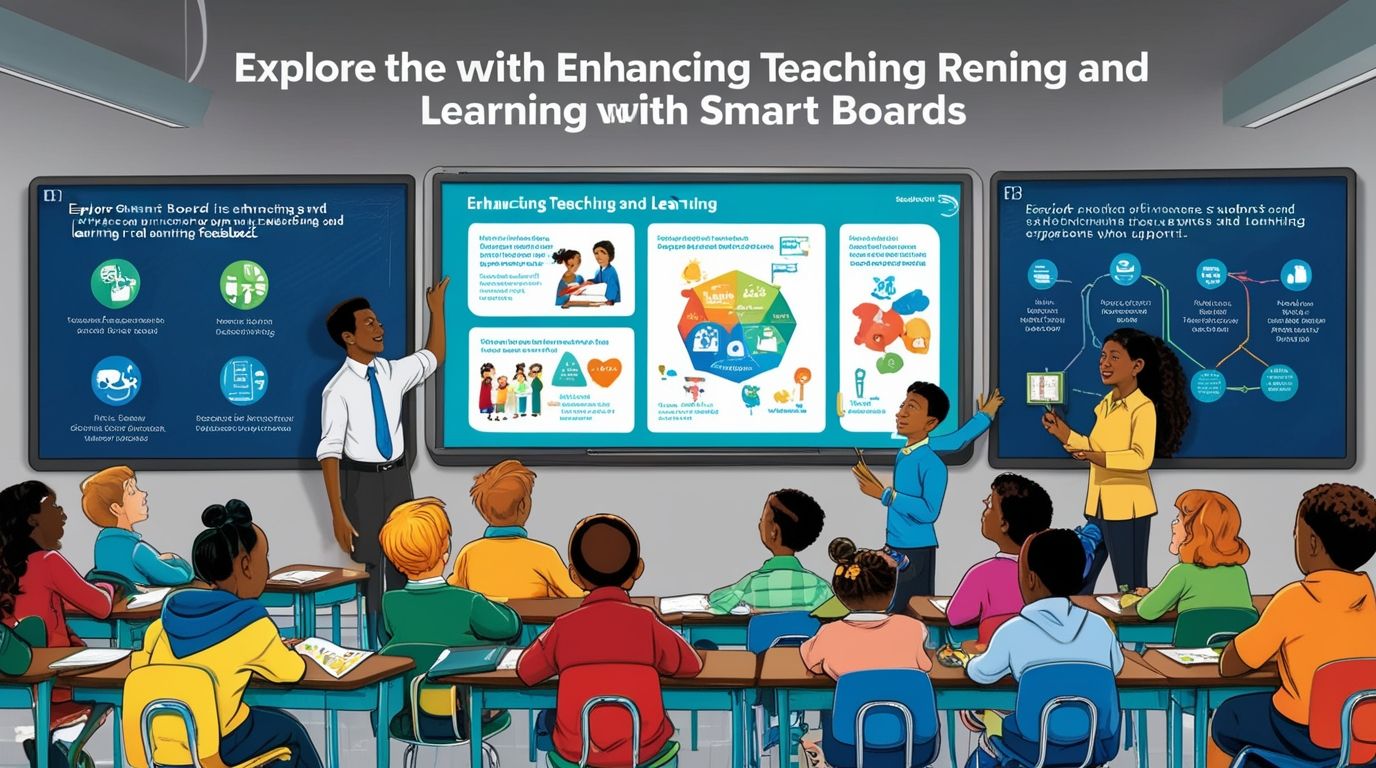
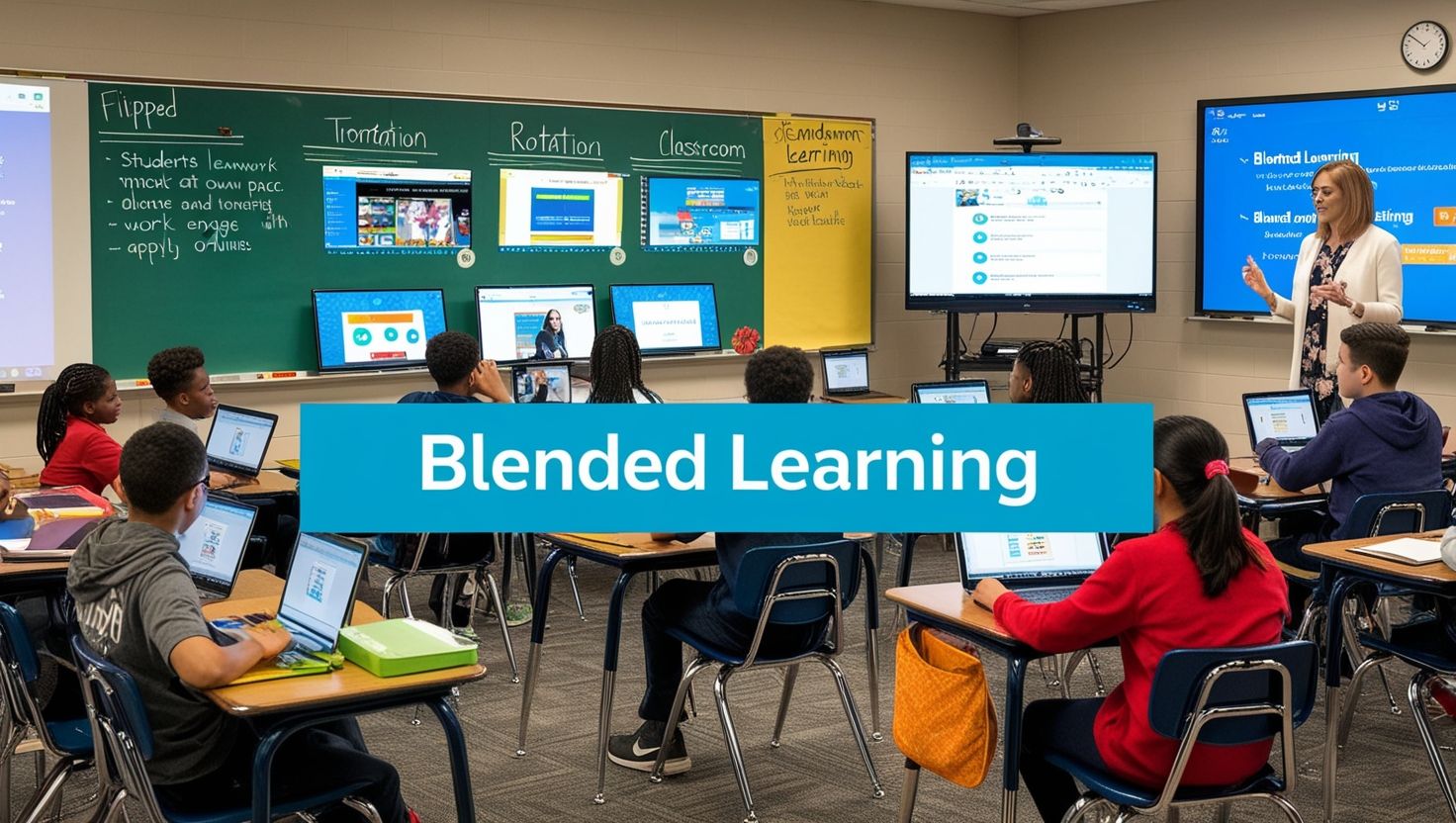
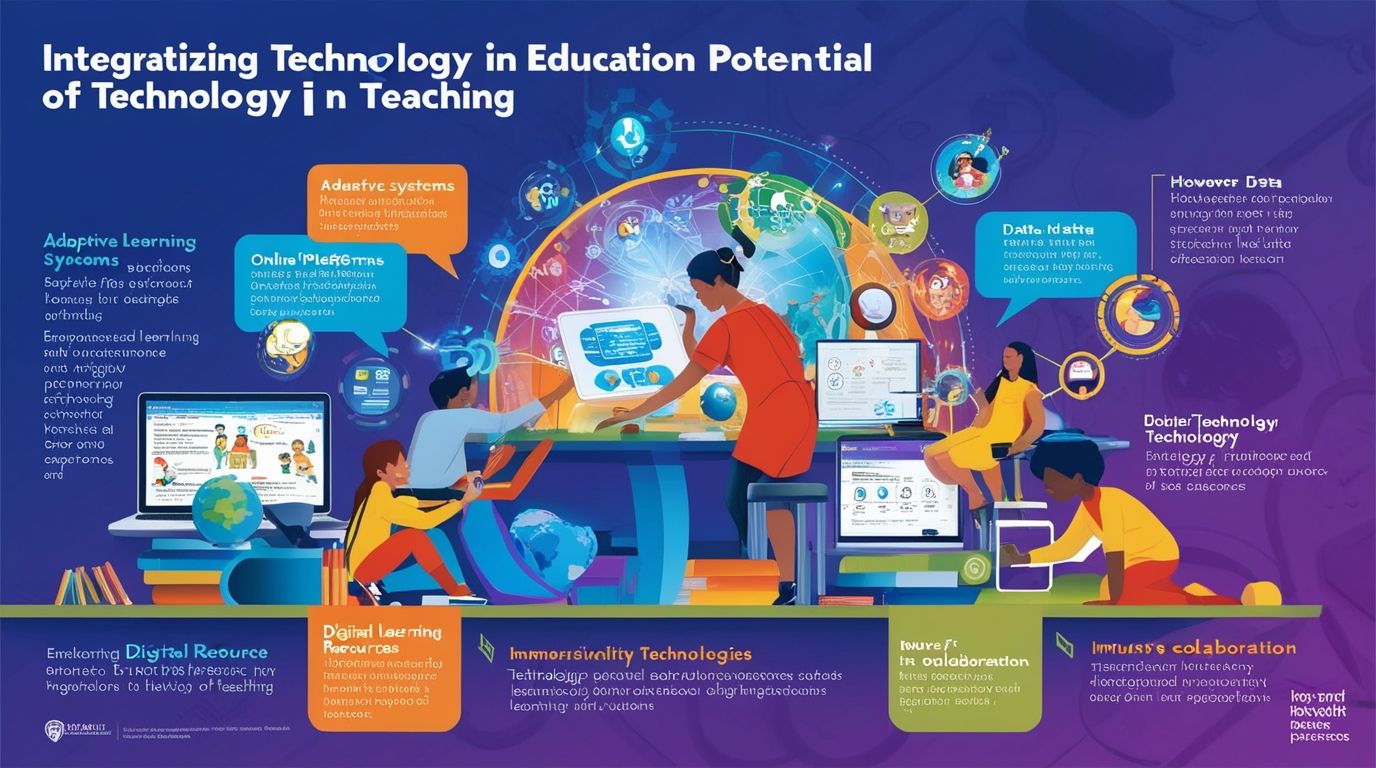
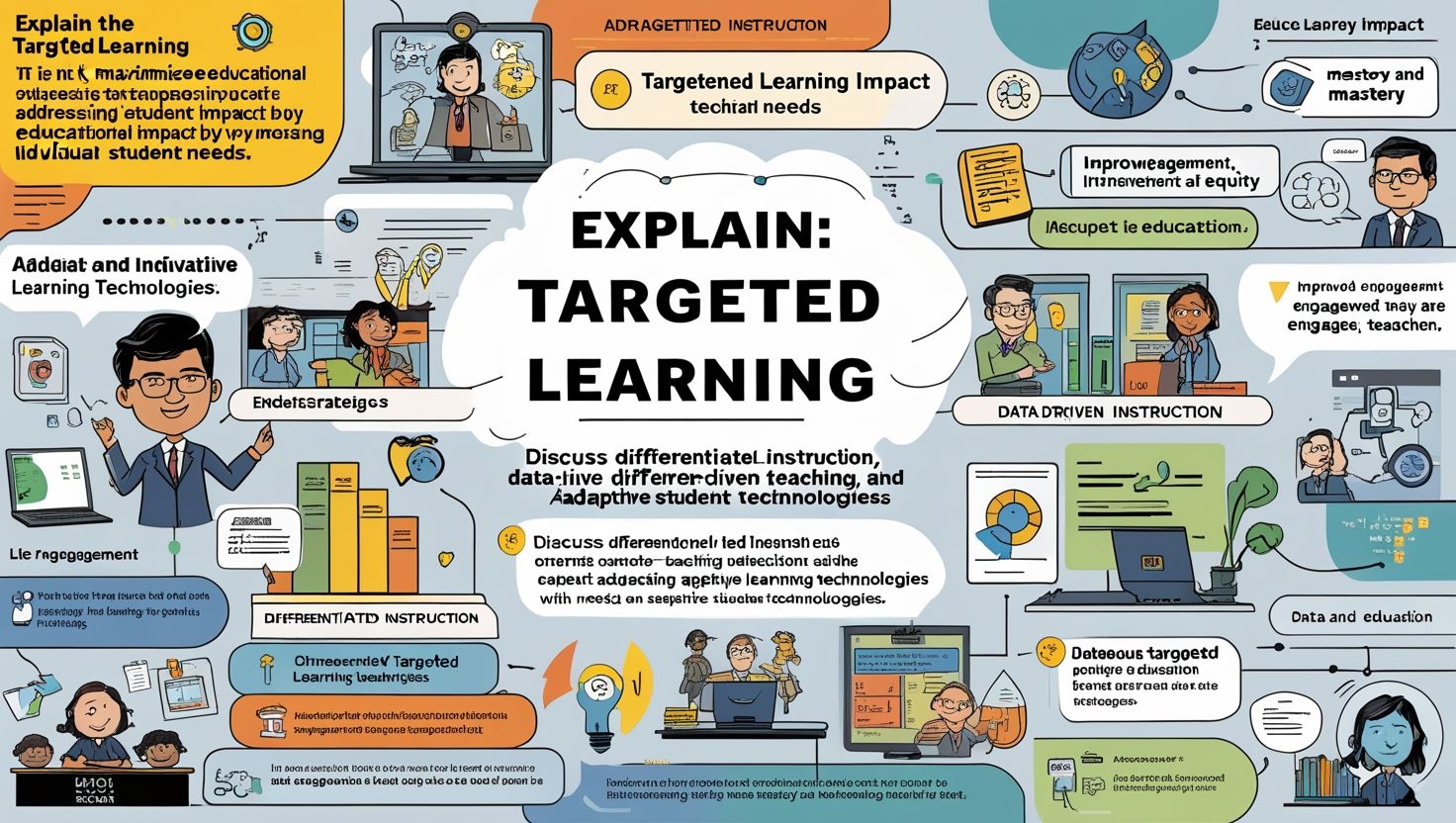
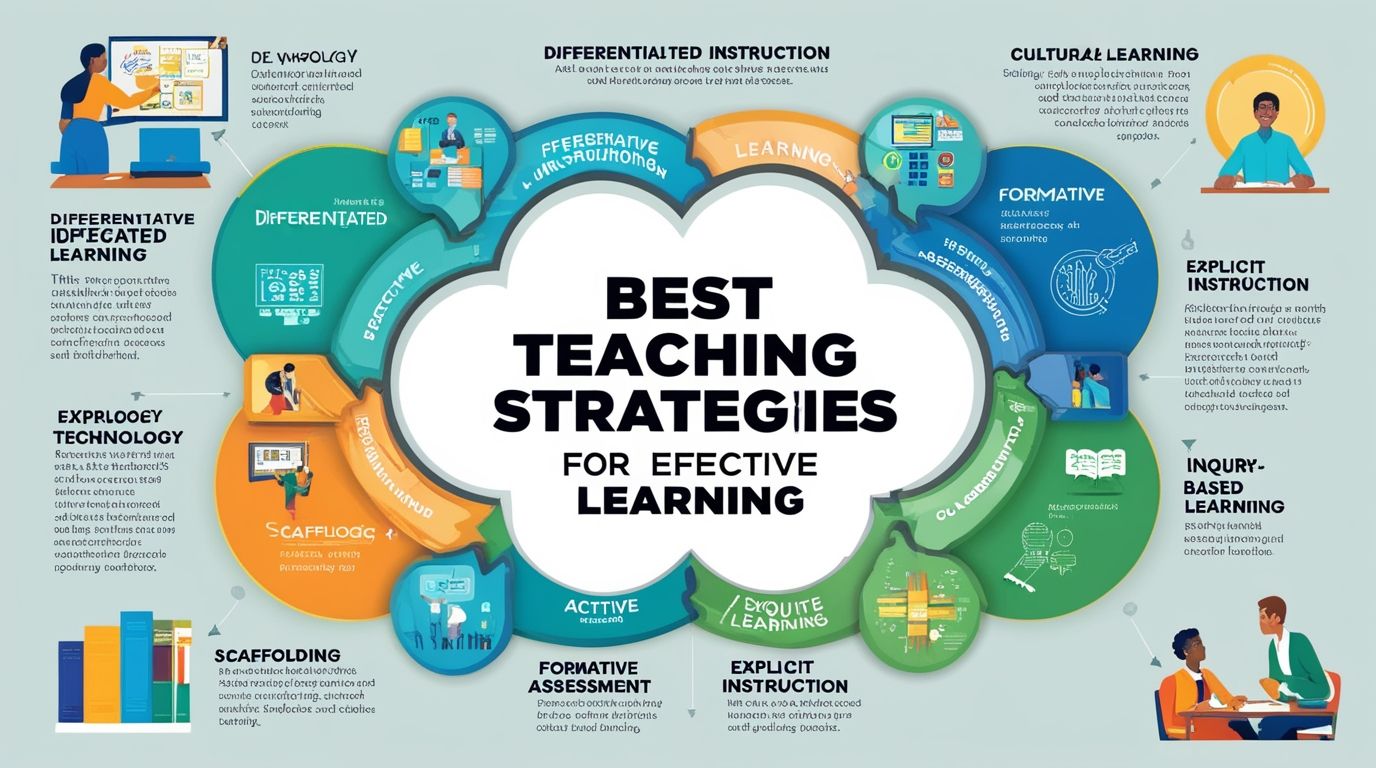
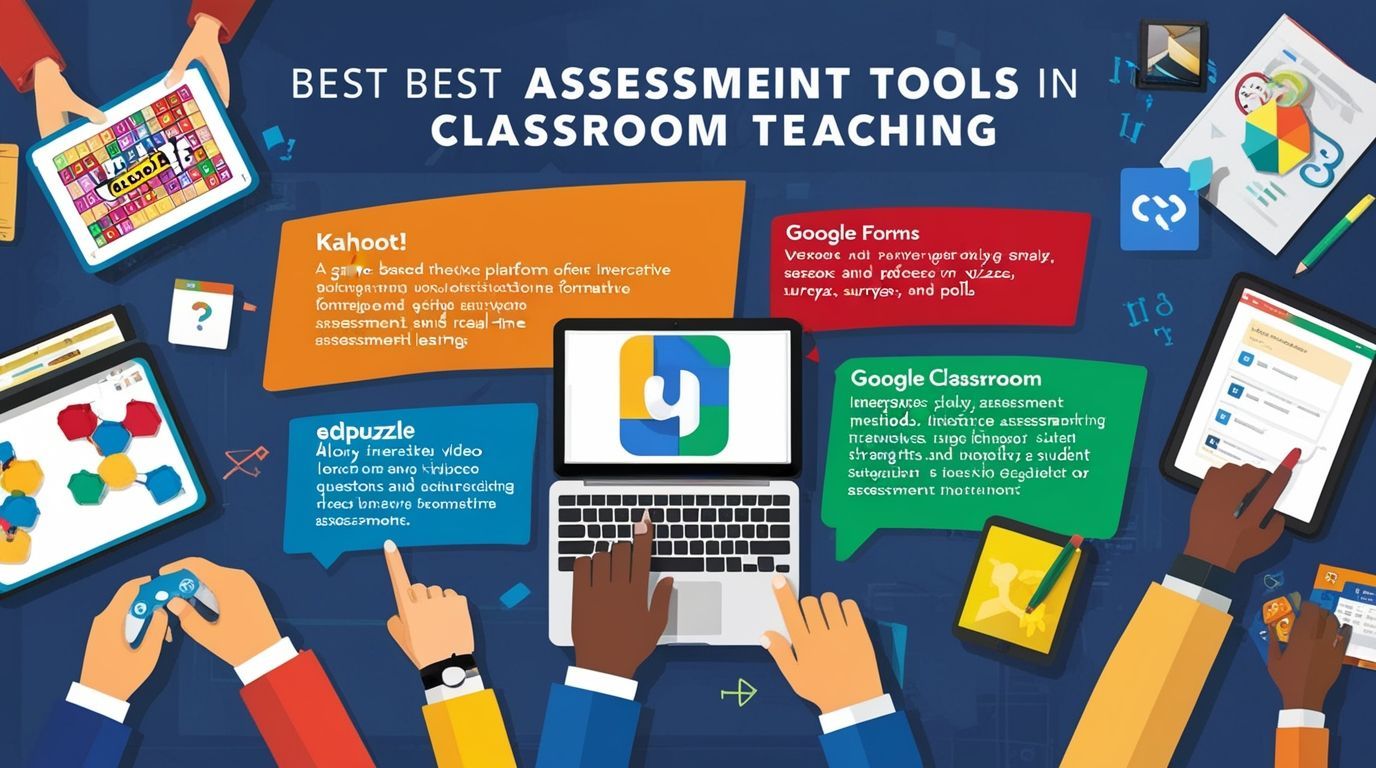
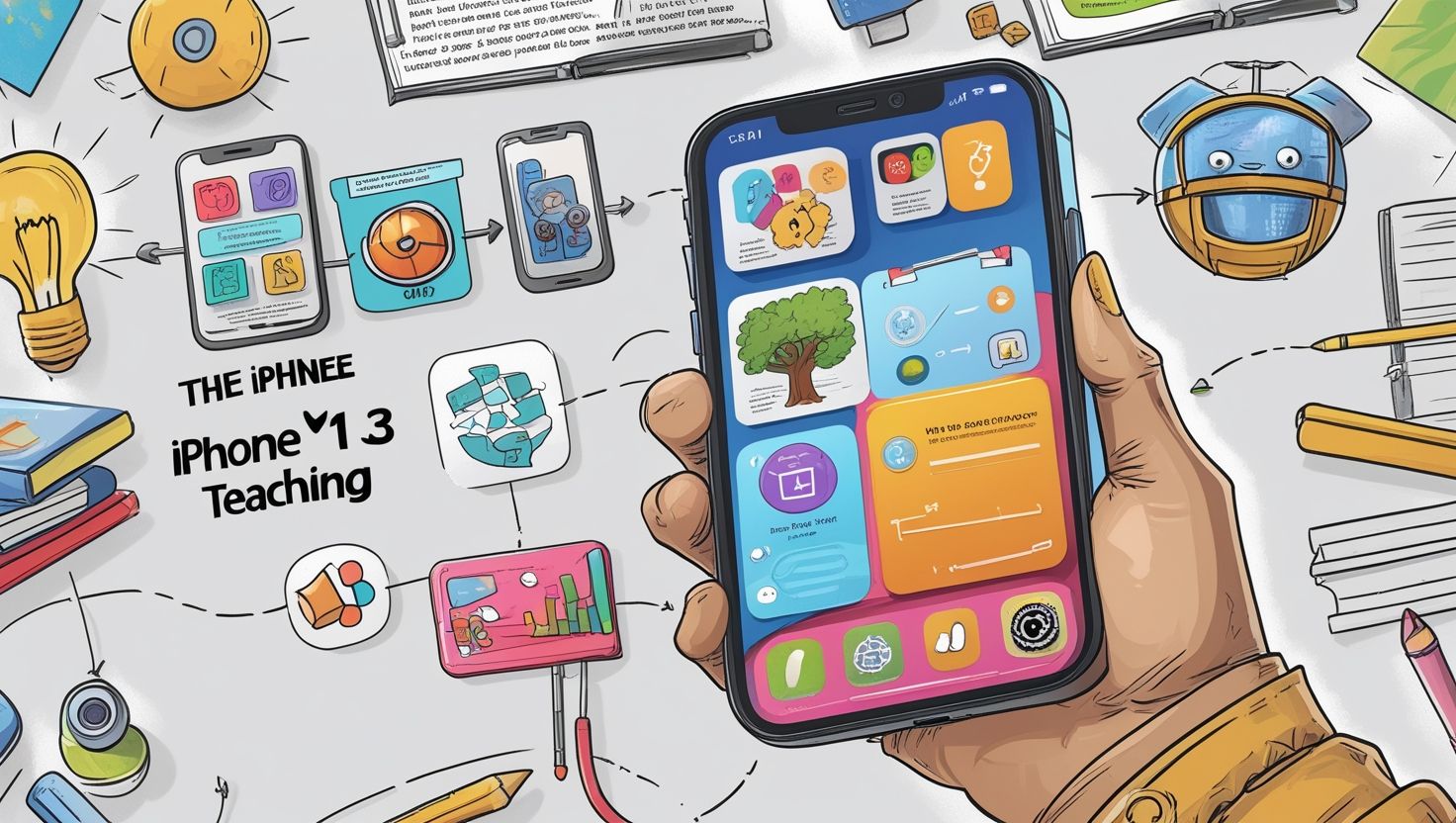
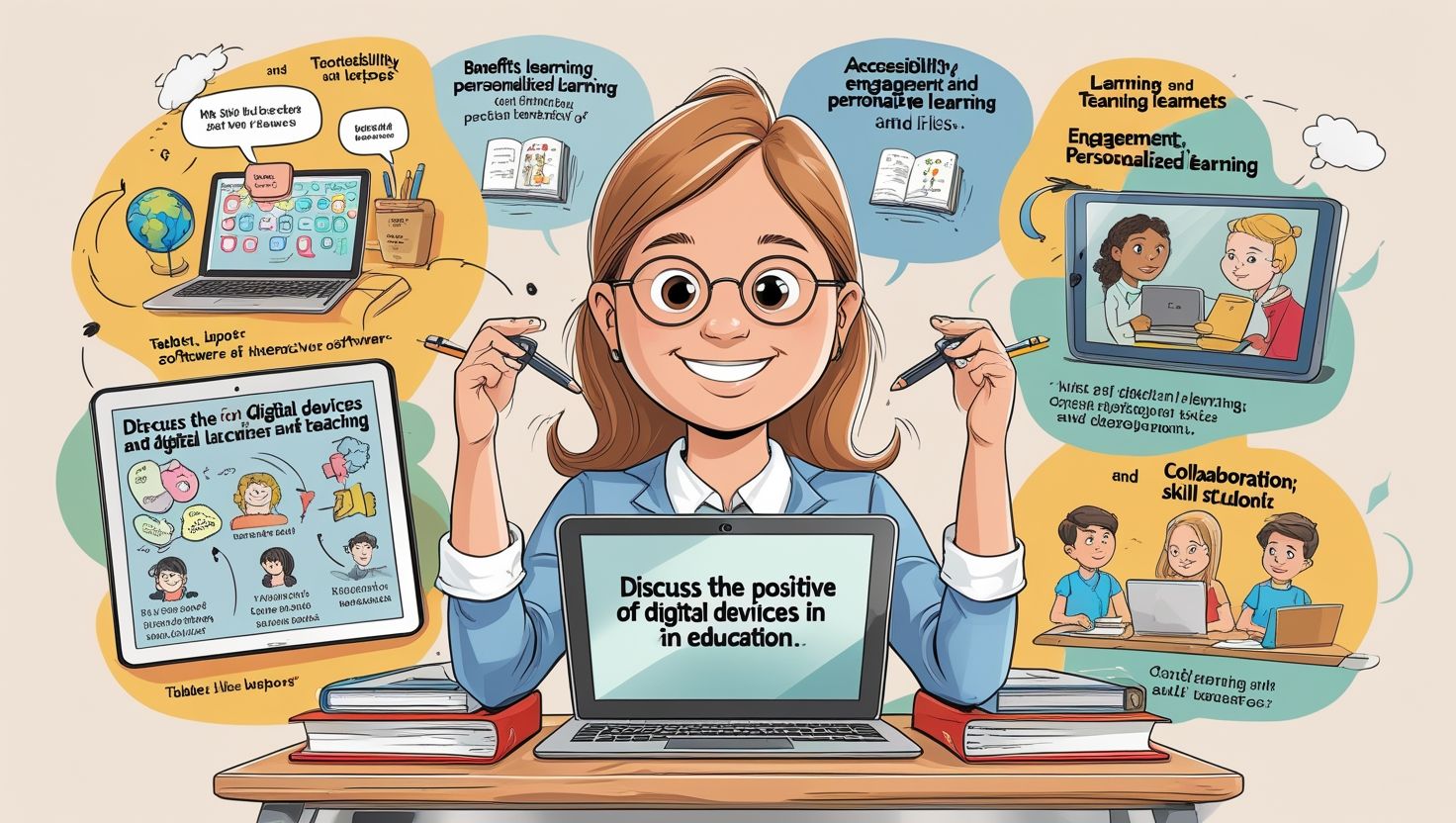
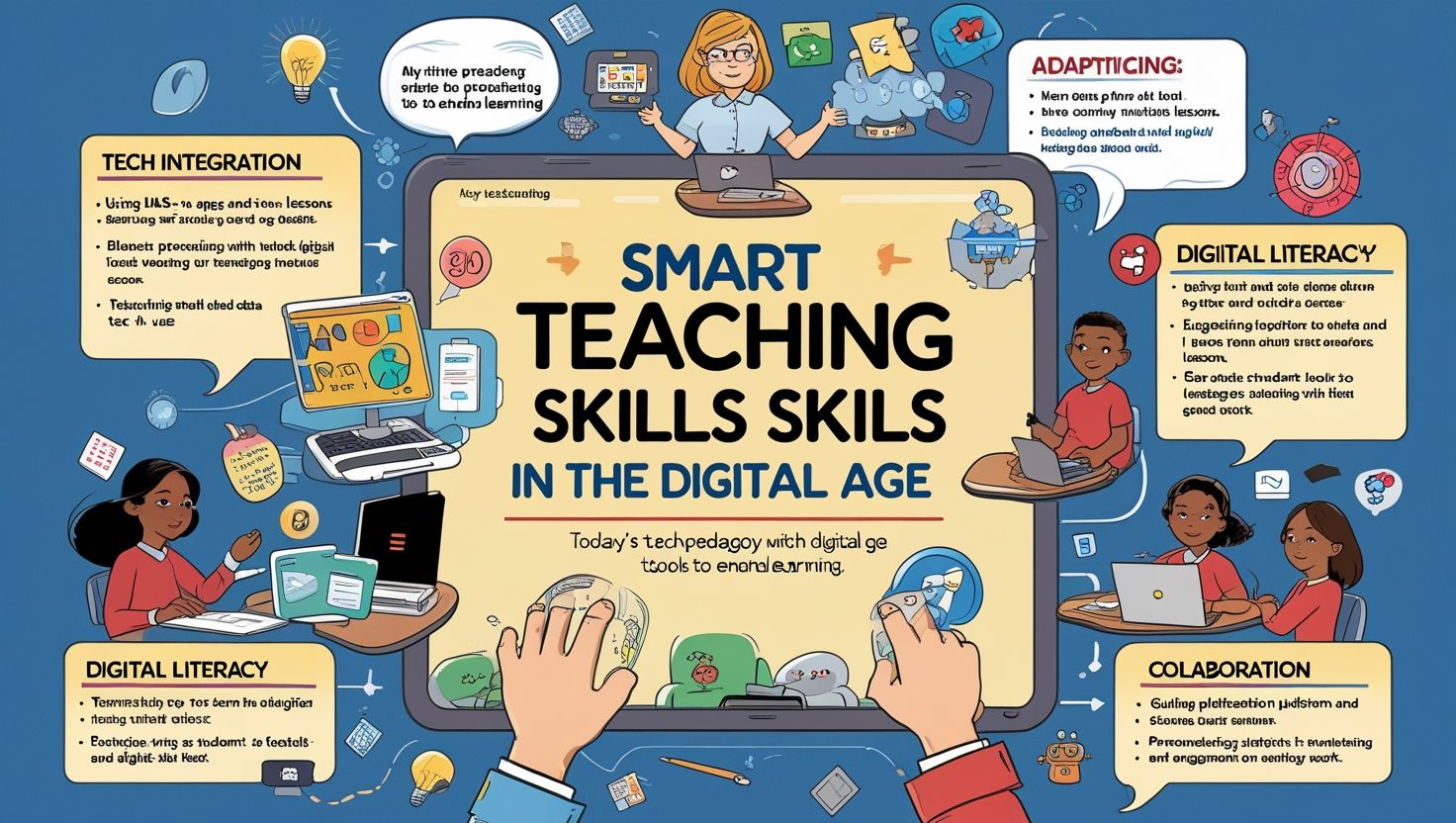
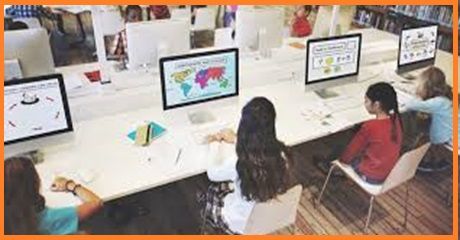
An innovative teacher uses technology as a powerful tool to enhance learning. Today’s students are digital natives, and classrooms must reflect this reality. Technology makes lessons more interactive and engaging. For example, using multimedia presentations, online quizzes, or virtual reality simulations can capture students’ attention. Furthermore, digital platforms allow for collaboration beyond classroom walls. Students can work on projects, share ideas, and connect globally. Technology also enables personalization, as teachers can use apps and tools to address individual learning needs. Importantly, innovative teachers do not use technology for its own sake.
Instead, they integrate it thoughtfully to improve outcomes. Moreover, they teach digital responsibility, preparing students for safe and ethical use of technology. By blending traditional teaching with digital innovation, teachers create a balanced learning environment. Ultimately, technology becomes not a distraction but an ally, helping innovative teachers inspire, connect, and transform the classroom experience.

4. Encouraging Critical Thinking
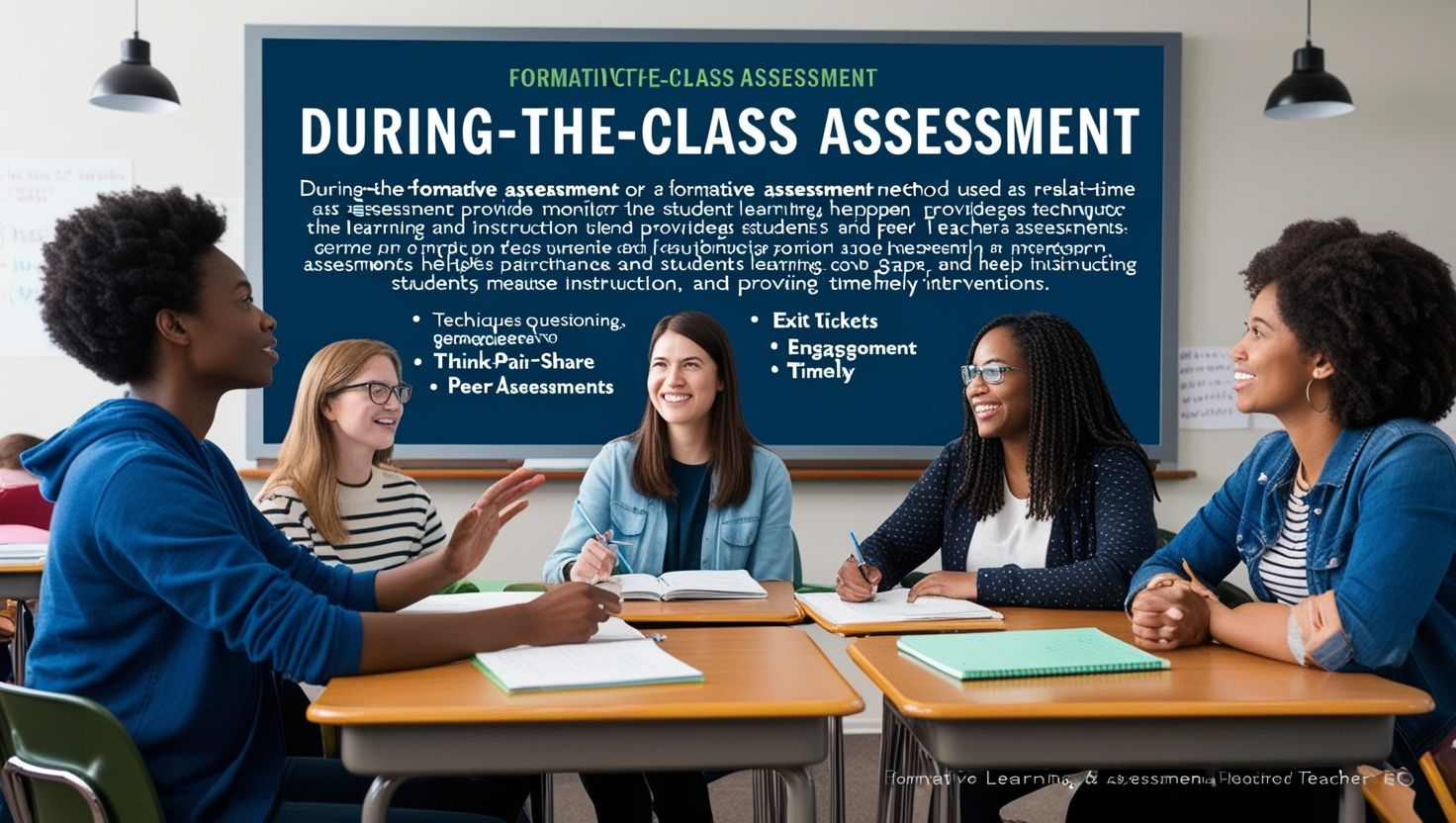
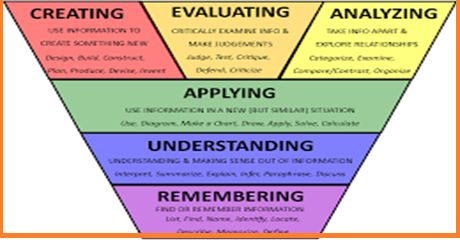
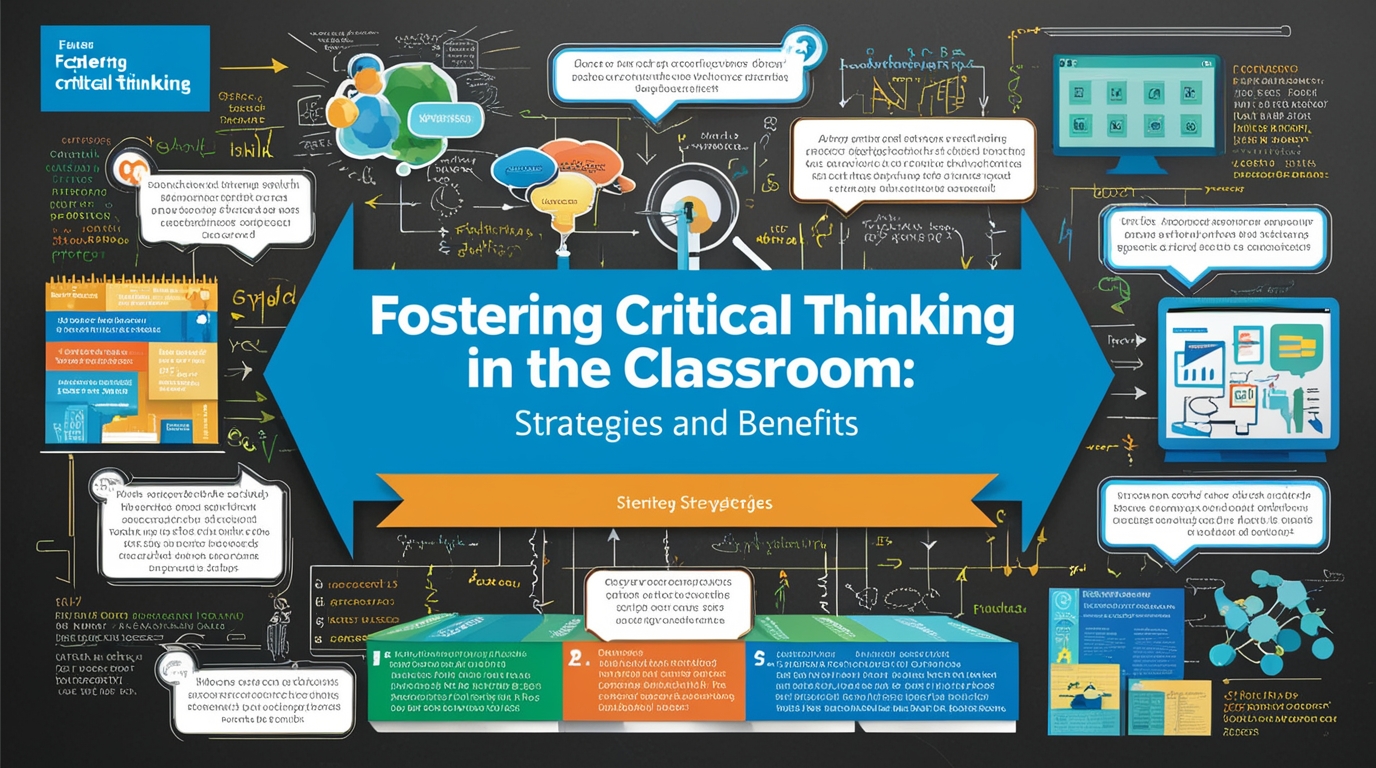
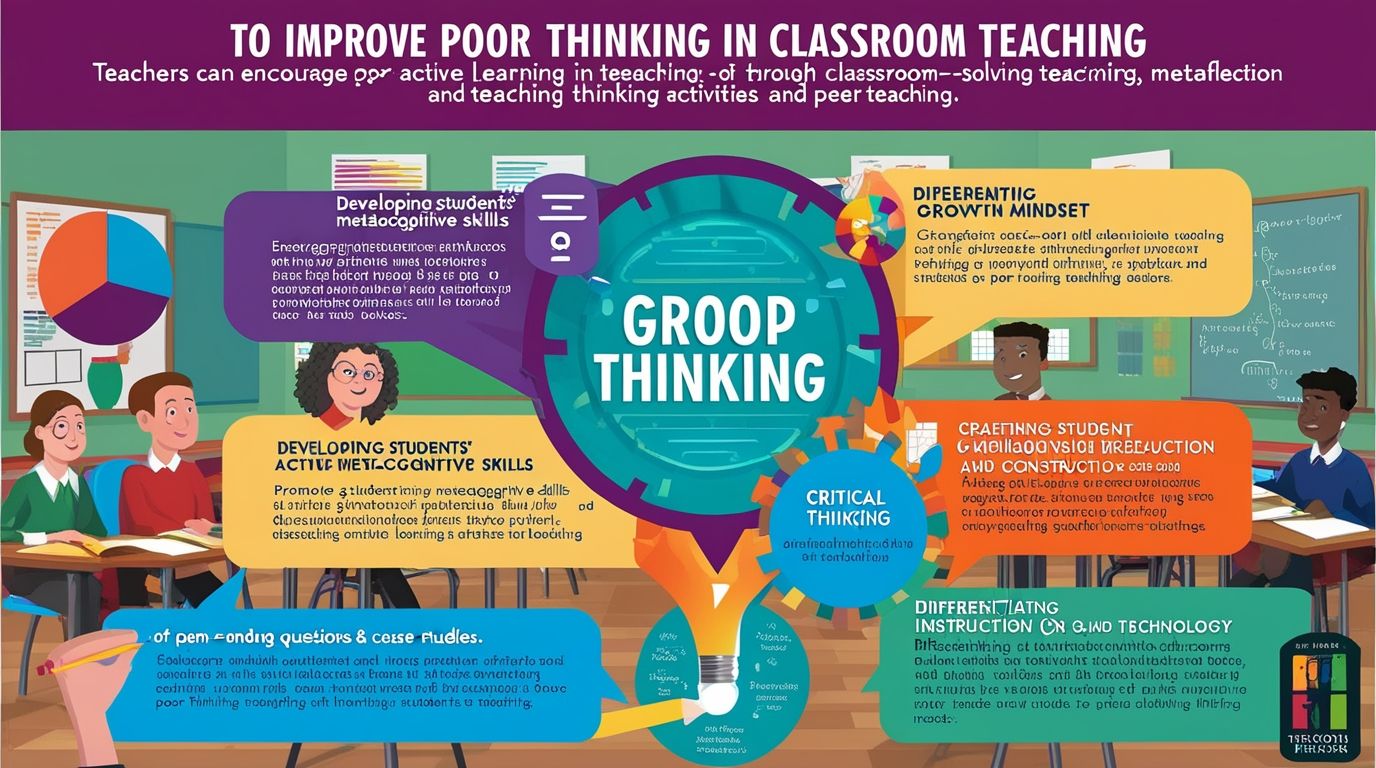
Innovative teachers focus strongly on developing critical thinking skills. Instead of giving students ready-made answers, they pose challenging questions. This approach encourages learners to analyze, evaluate, and reflect before reaching conclusions. Furthermore, these teachers use problem-based activities, debates, and discussions to stimulate deeper thought. Critical thinking also requires students to compare different perspectives and question assumptions. By promoting these skills, innovative teachers prepare students to face real-life challenges. Importantly, they provide a safe environment where students feel comfortable sharing ideas and making mistakes.
Through this process, learners become independent thinkers who can make informed decisions. Moreover, critical thinking fosters creativity, problem-solving, and collaboration. Teachers who value this approach help students go beyond memorization and engage with knowledge meaningfully. Ultimately, critical thinking transforms education into a journey of discovery, empowering learners to apply their knowledge effectively in both academic and real-world situations.
5. Promoting Student Engagement
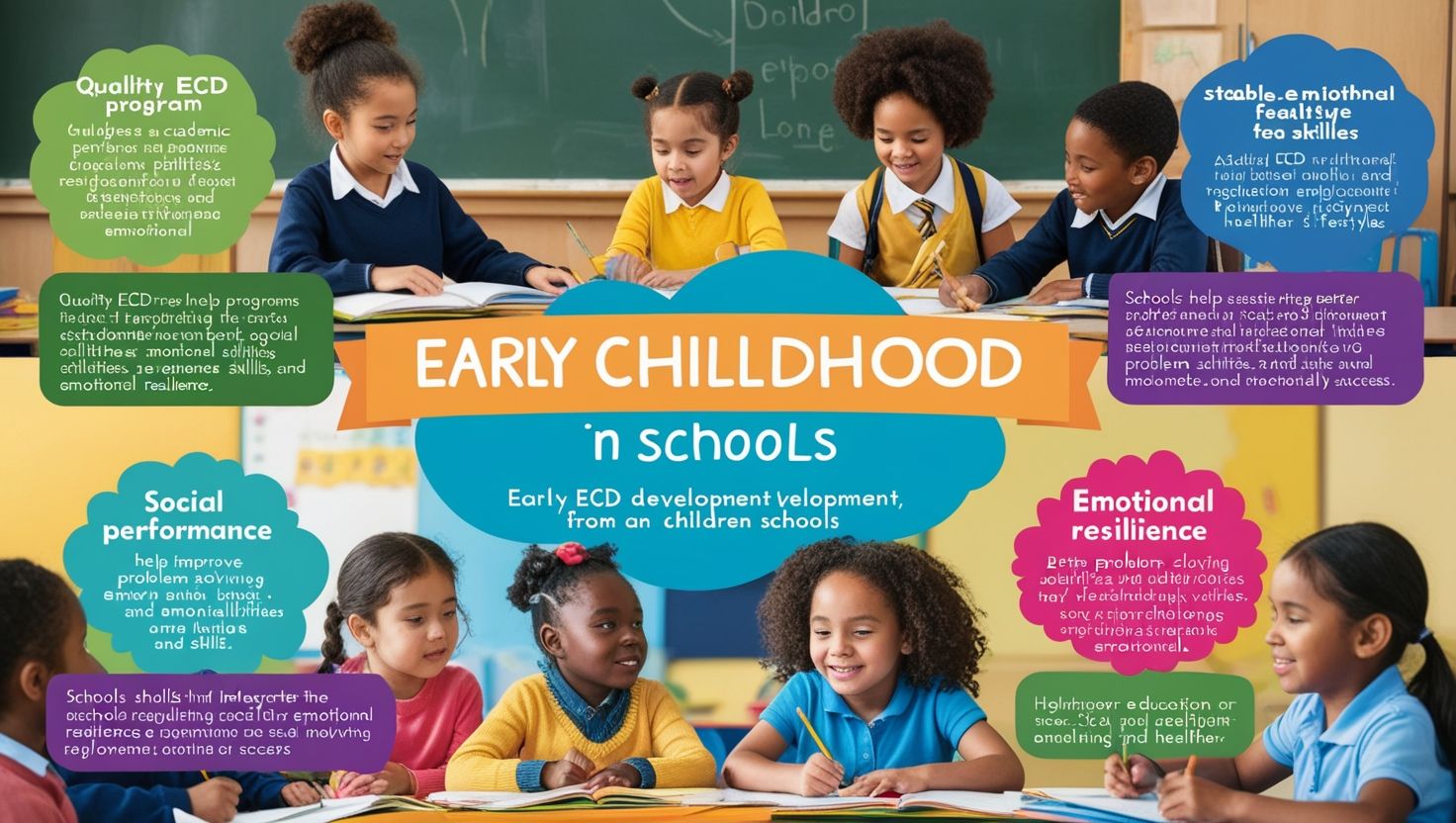
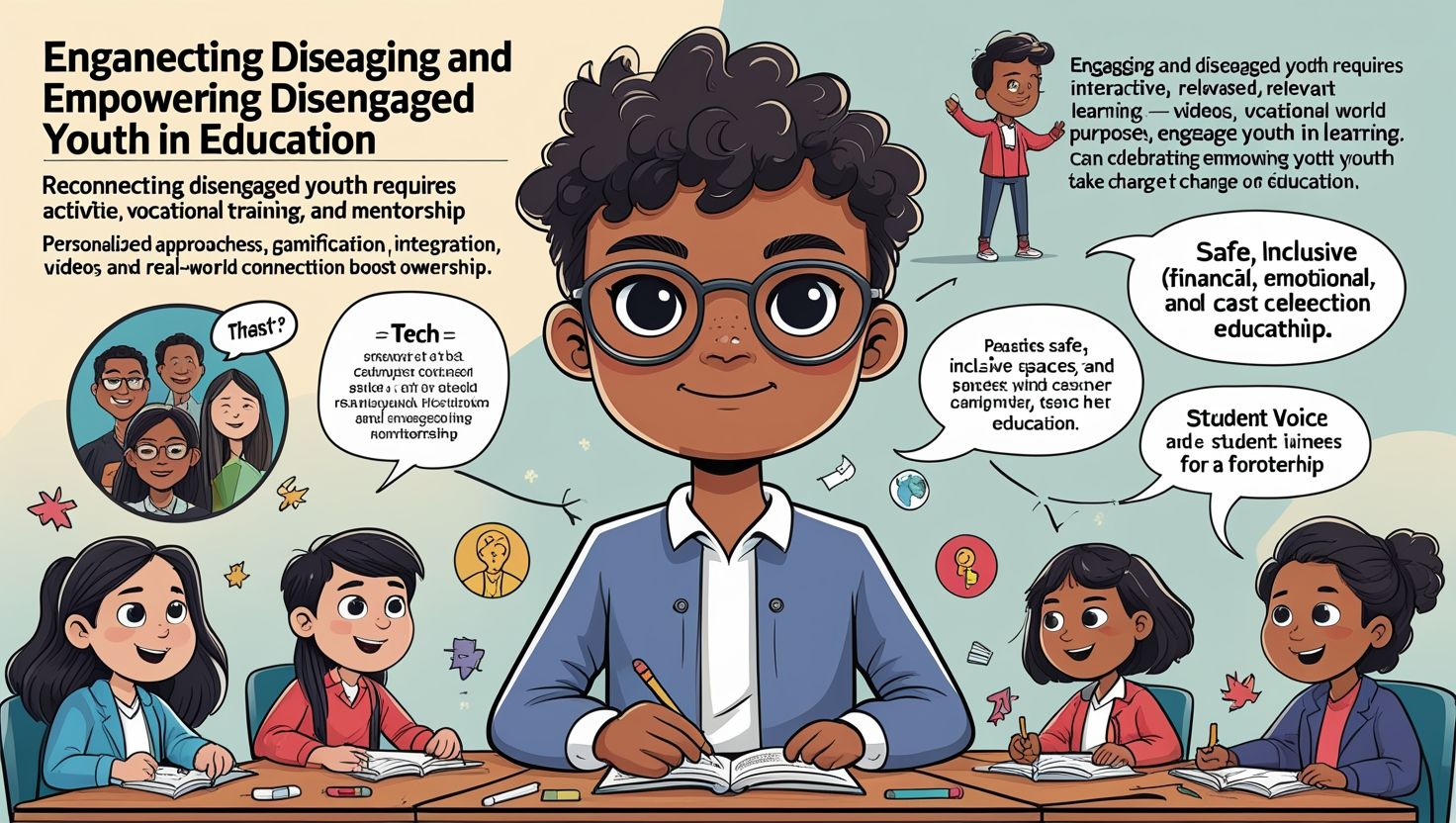
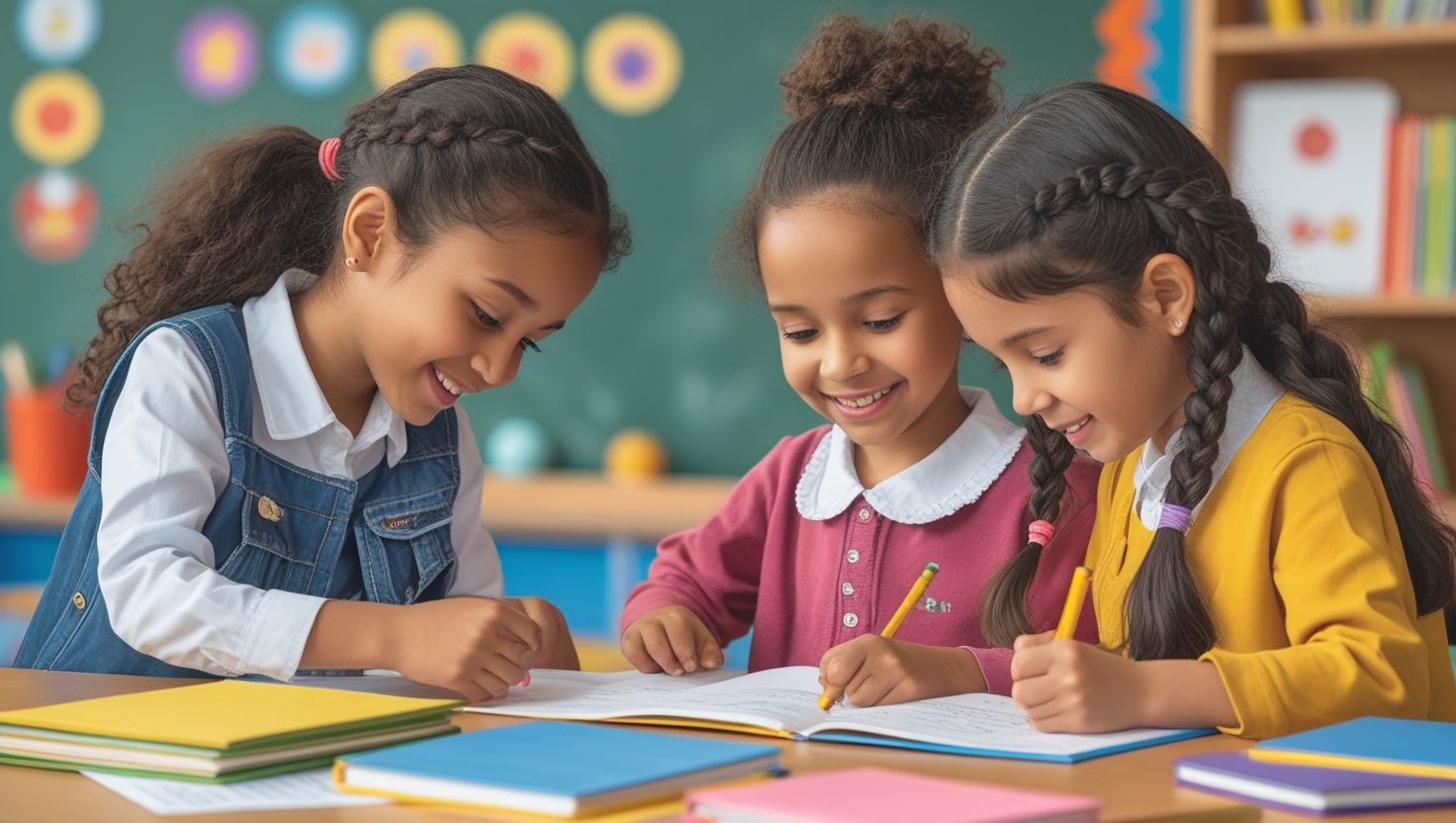
Student engagement is a cornerstone of innovative teaching. An innovative teacher understands that learning happens best when students are active participants. They design lessons that spark curiosity and keep students interested. For instance, group projects, interactive games, or real-world problem-solving tasks make learning more enjoyable. Furthermore, they use storytelling and real-life examples to connect lessons with students’ experiences. Engagement also comes from giving students choices in how they learn and demonstrate their understanding.
By offering diverse methods, teachers respect different learning preferences. Additionally, innovative educators create inclusive classrooms where every voice matters. They encourage participation and value feedback, ensuring students feel heard. This engagement increases motivation and improves learning outcomes. Ultimately, when students are engaged, they become enthusiastic learners who take responsibility for their growth. Innovative teachers recognize this and constantly seek strategies that make classrooms vibrant, interactive, and student-centered spaces for learning.
6. Collaboration and Innovation
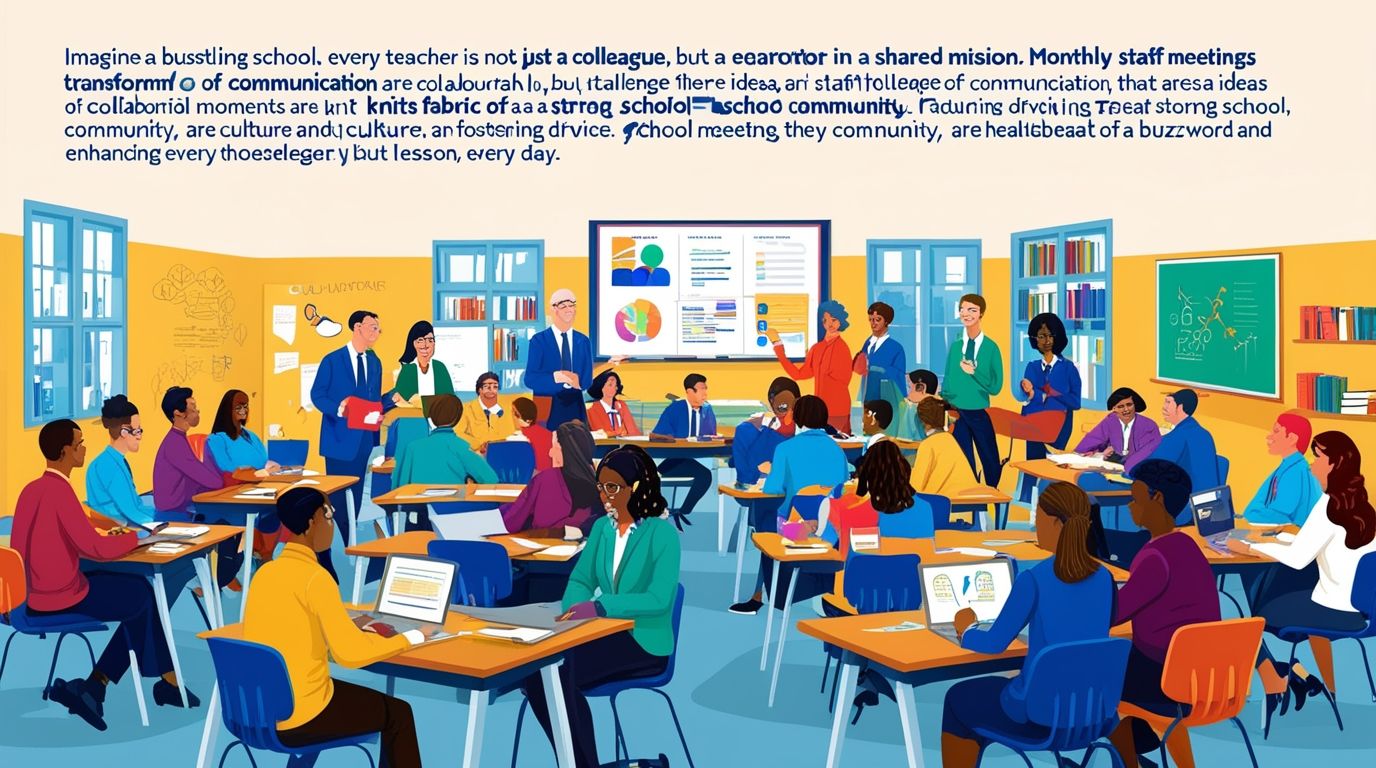
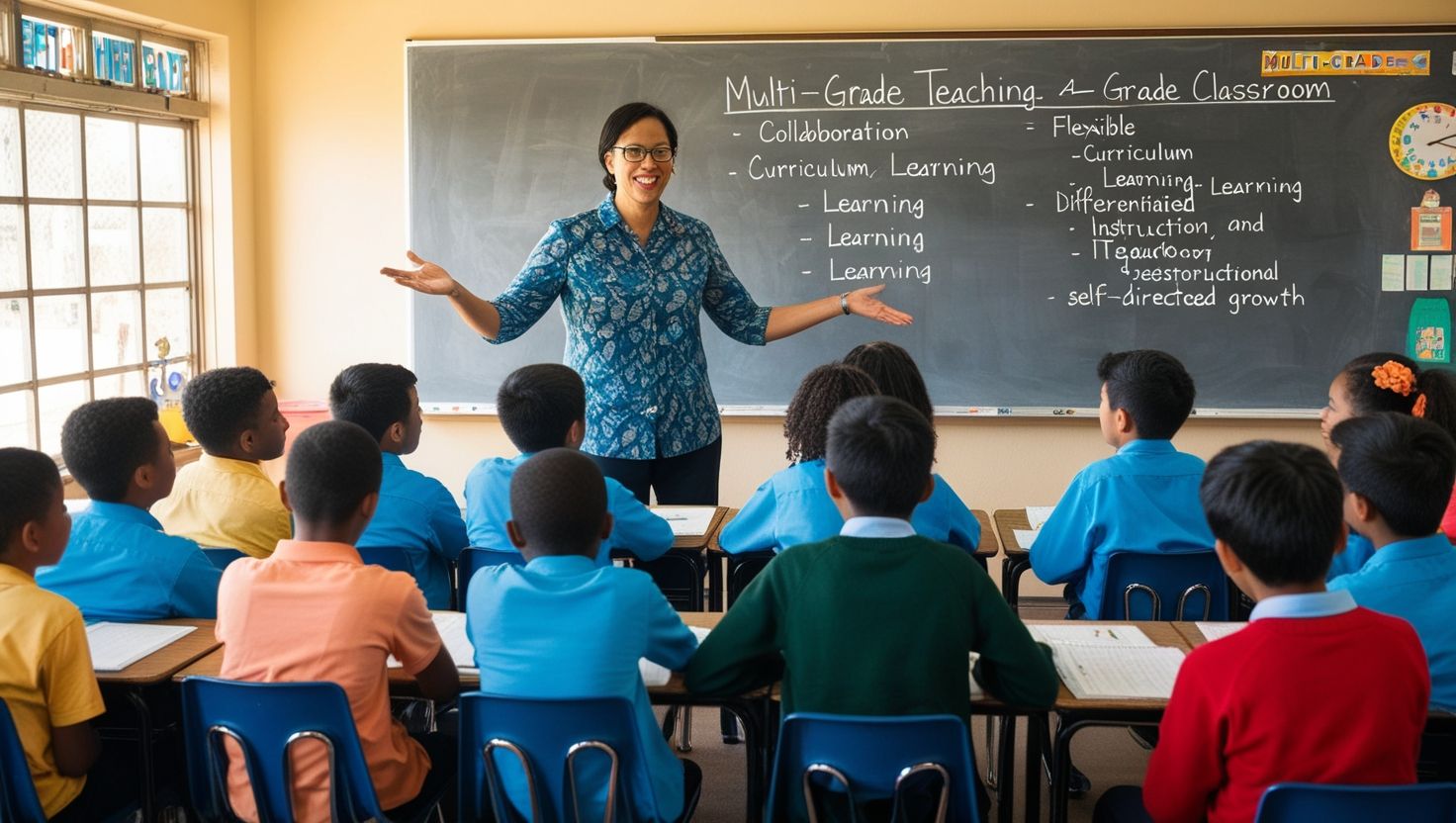
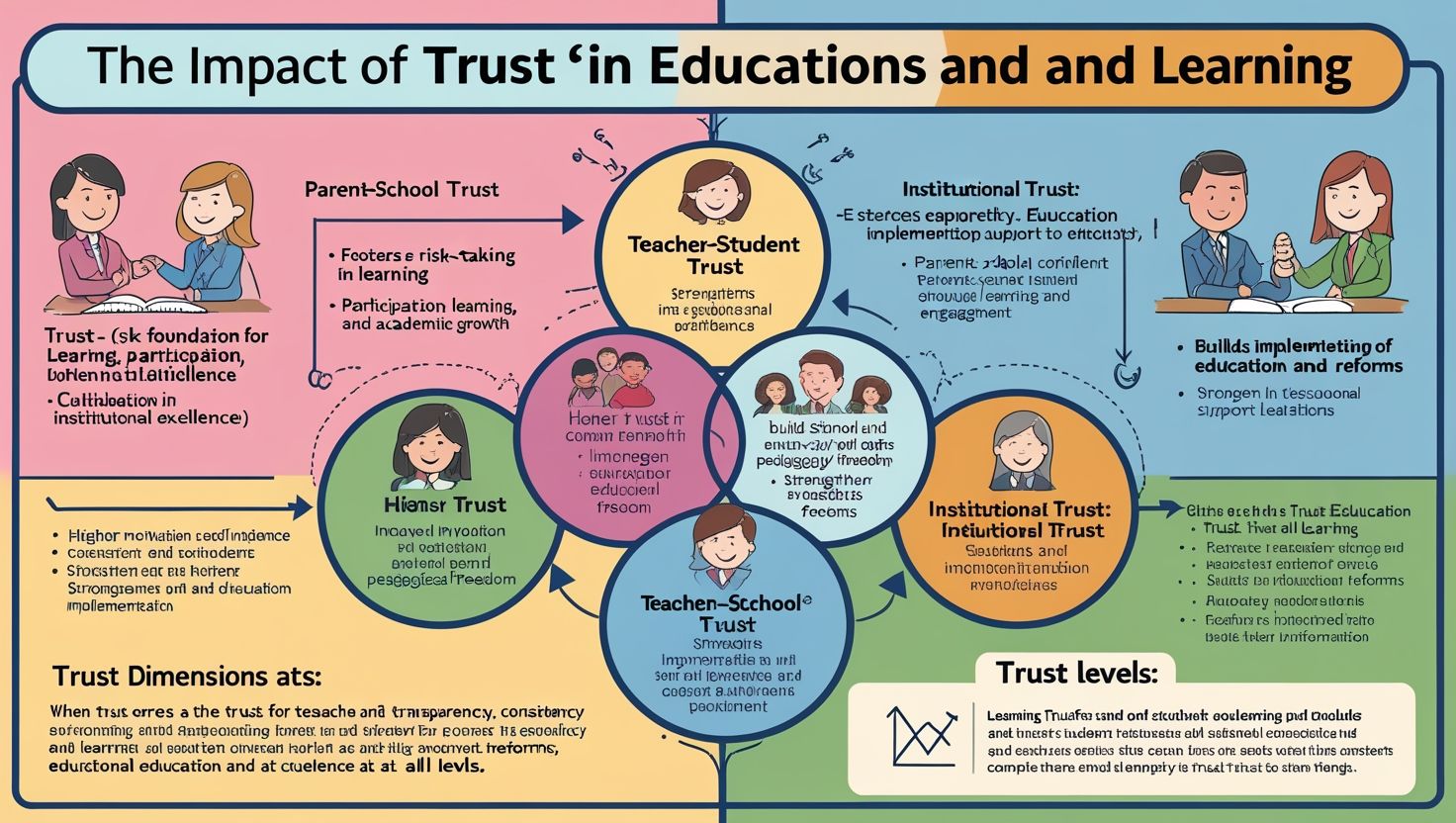
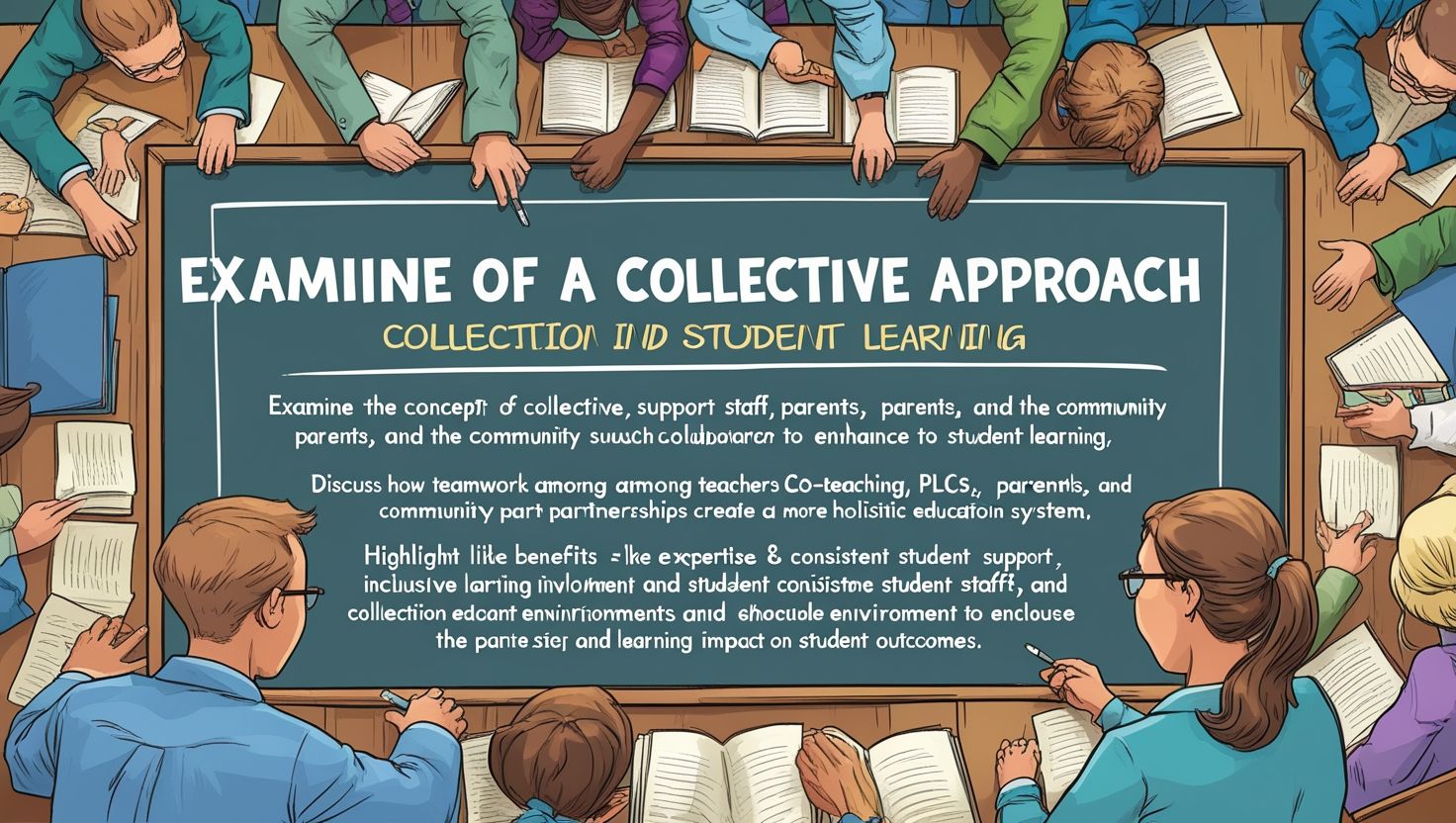
Collaboration is essential for innovation in teaching. Innovative teachers understand that learning is not a one-way process but a shared journey. They encourage students to work together in groups, share ideas, and solve problems collectively. Furthermore, collaboration promotes teamwork, communication, and respect for different perspectives. Teachers also collaborate with colleagues, exchanging best practices and exploring new teaching methods. Professional collaboration fosters creativity and helps teachers stay updated with modern trends.
Additionally, collaboration extends beyond the classroom through partnerships with parents and the community. Such connections make learning more relevant and meaningful for students. Importantly, collaboration builds trust and strengthens relationships within the school environment. When students witness collaboration, they learn its value for real-world success. Ultimately, innovative teachers model the importance of teamwork, creating environments where collaboration sparks creativity, deepens understanding, and leads to more effective and enjoyable learning experiences.
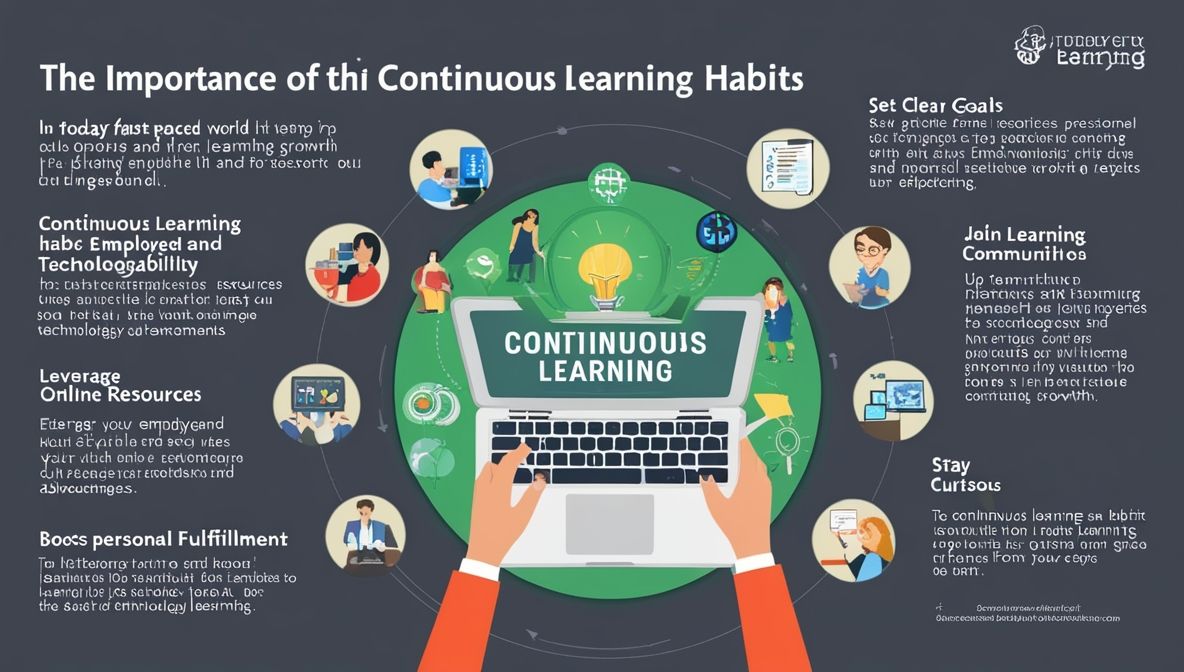
7. Lifelong Learning as a Model
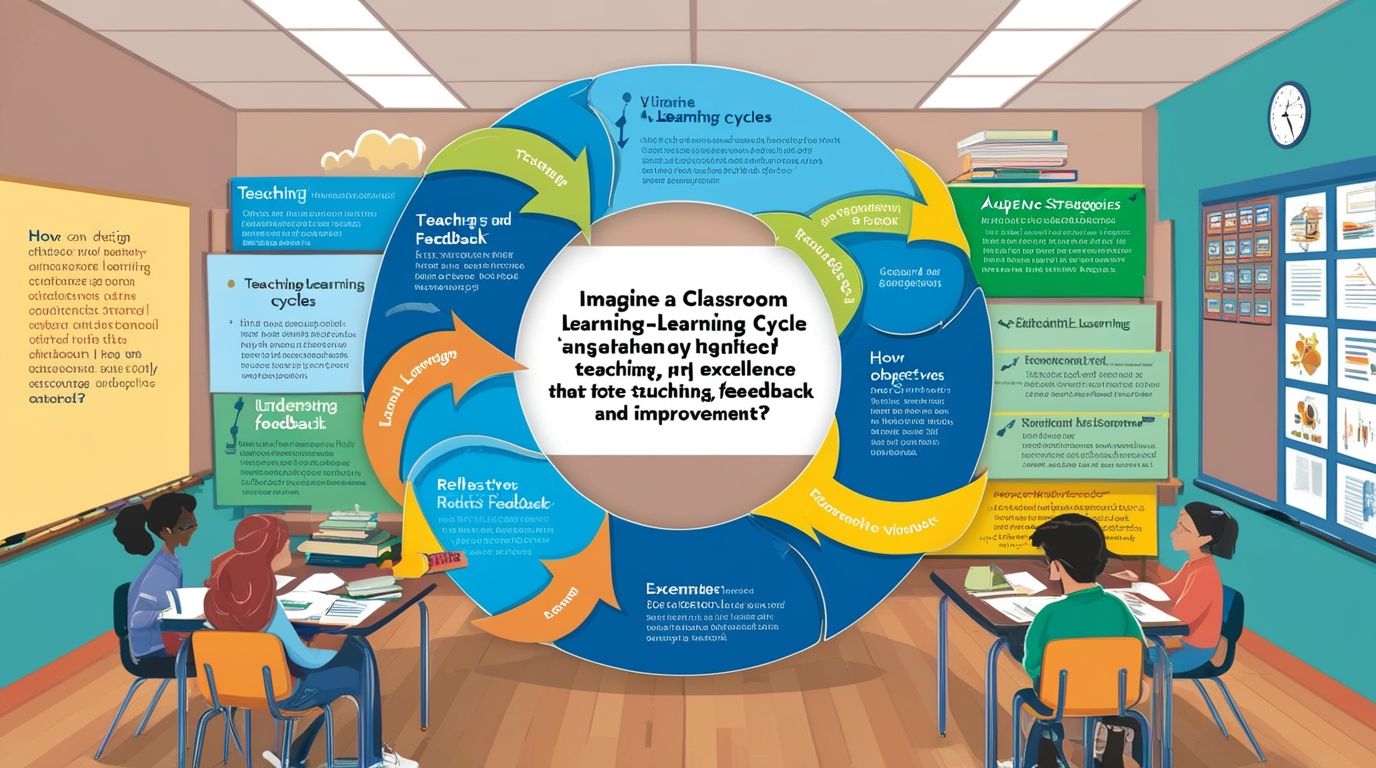
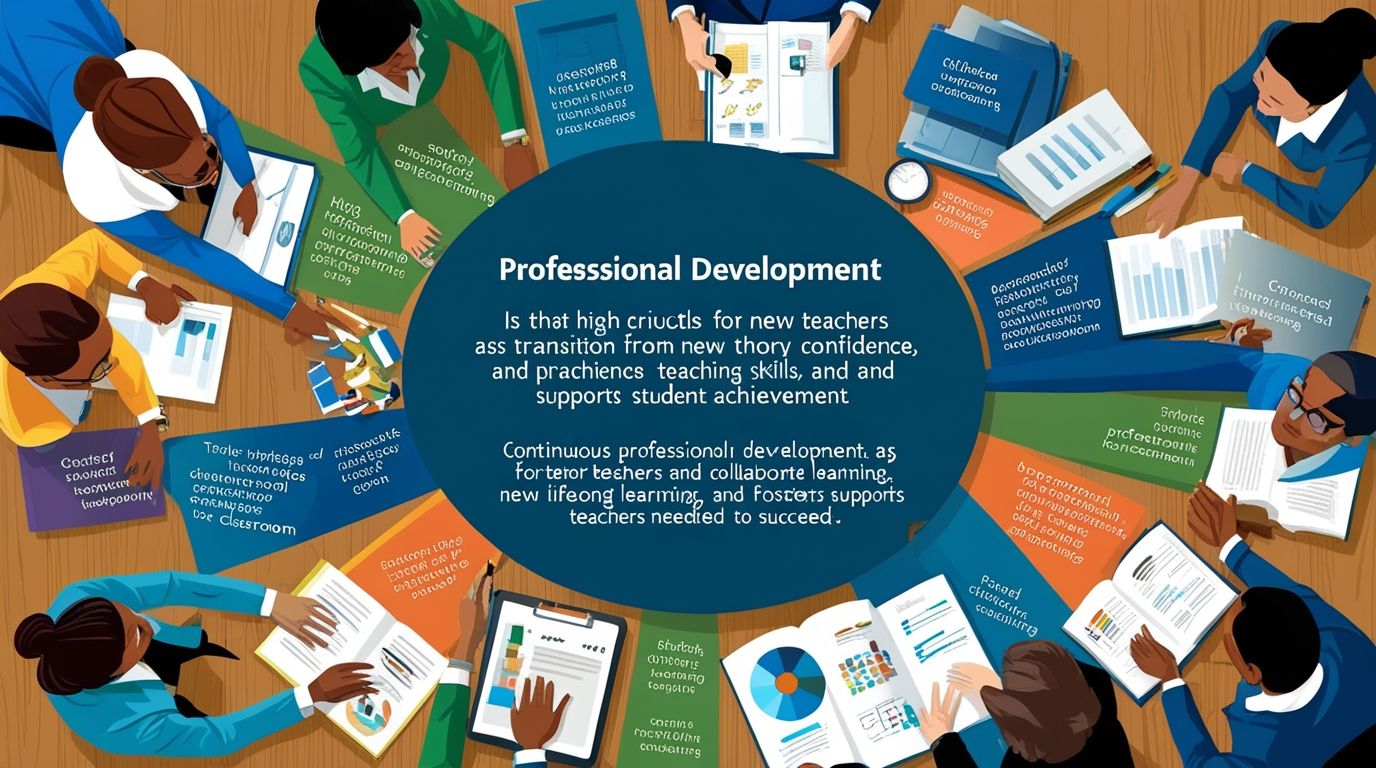
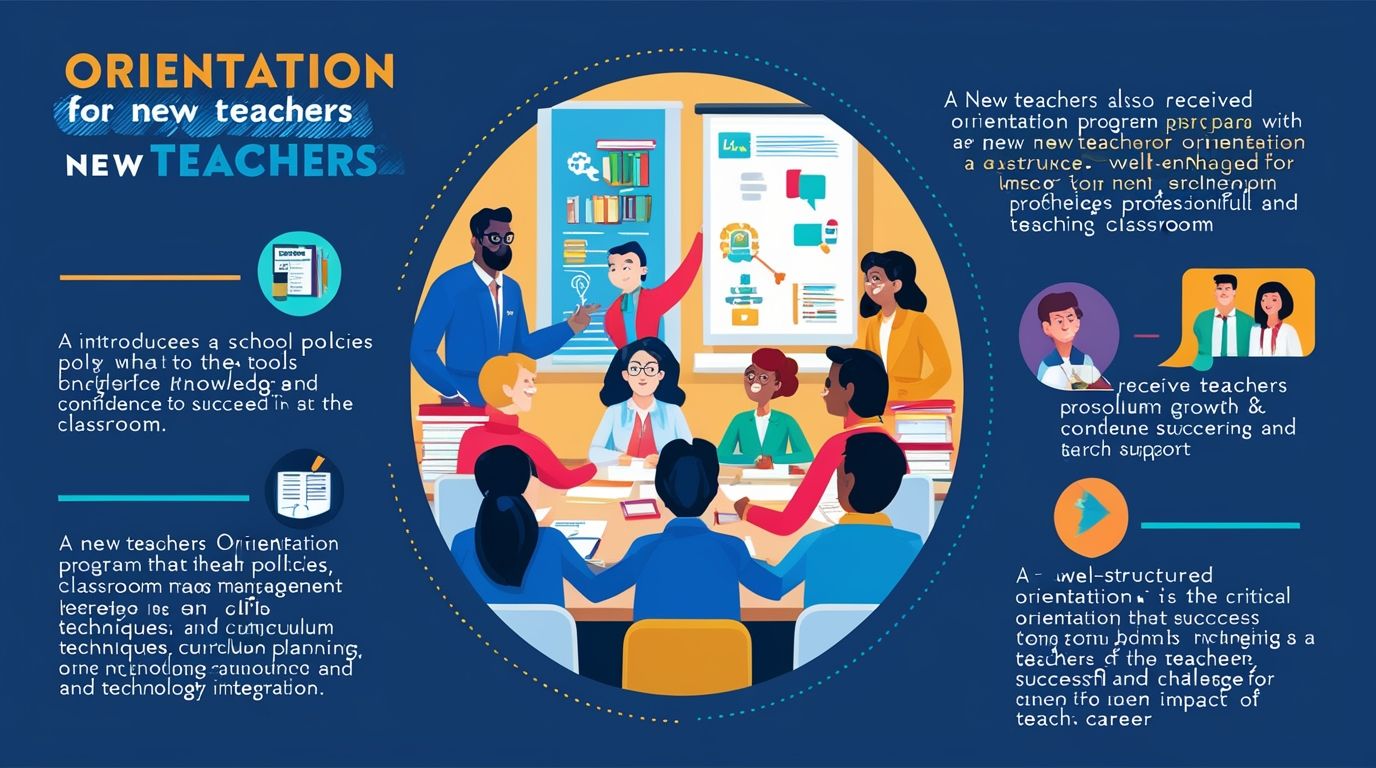
Innovative teachers view themselves as lifelong learners. They constantly seek opportunities to grow and improve. By attending workshops, exploring new technologies, or reading research, they stay updated with educational trends. Furthermore, they encourage students to adopt the same mindset. When teachers demonstrate their willingness to learn, students see the value of continuous growth. Lifelong learning also means being open to change and embracing new challenges. Innovative teachers reflect on their practices, identify areas for improvement, and try fresh strategies. Moreover, they value feedback from students and colleagues, using it to enhance their teaching.
By modeling lifelong learning, they show students that education does not end in school but continues throughout life. Ultimately, this mindset inspires resilience, adaptability, and curiosity. Teachers who embody lifelong learning not only improve their practice but also empower students to thrive in an ever-changing world.
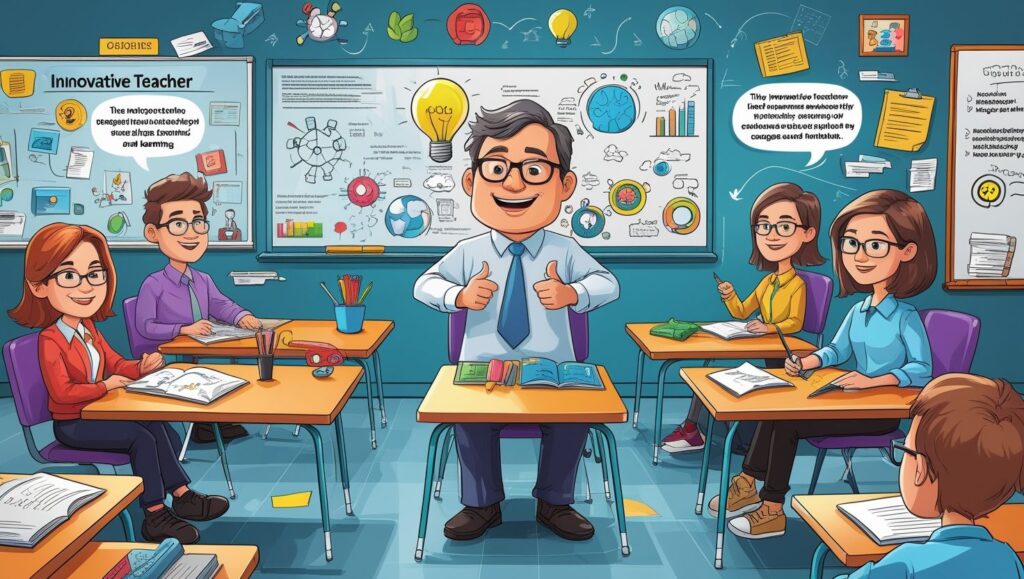
8. Challenges Faced by Innovative Teachers
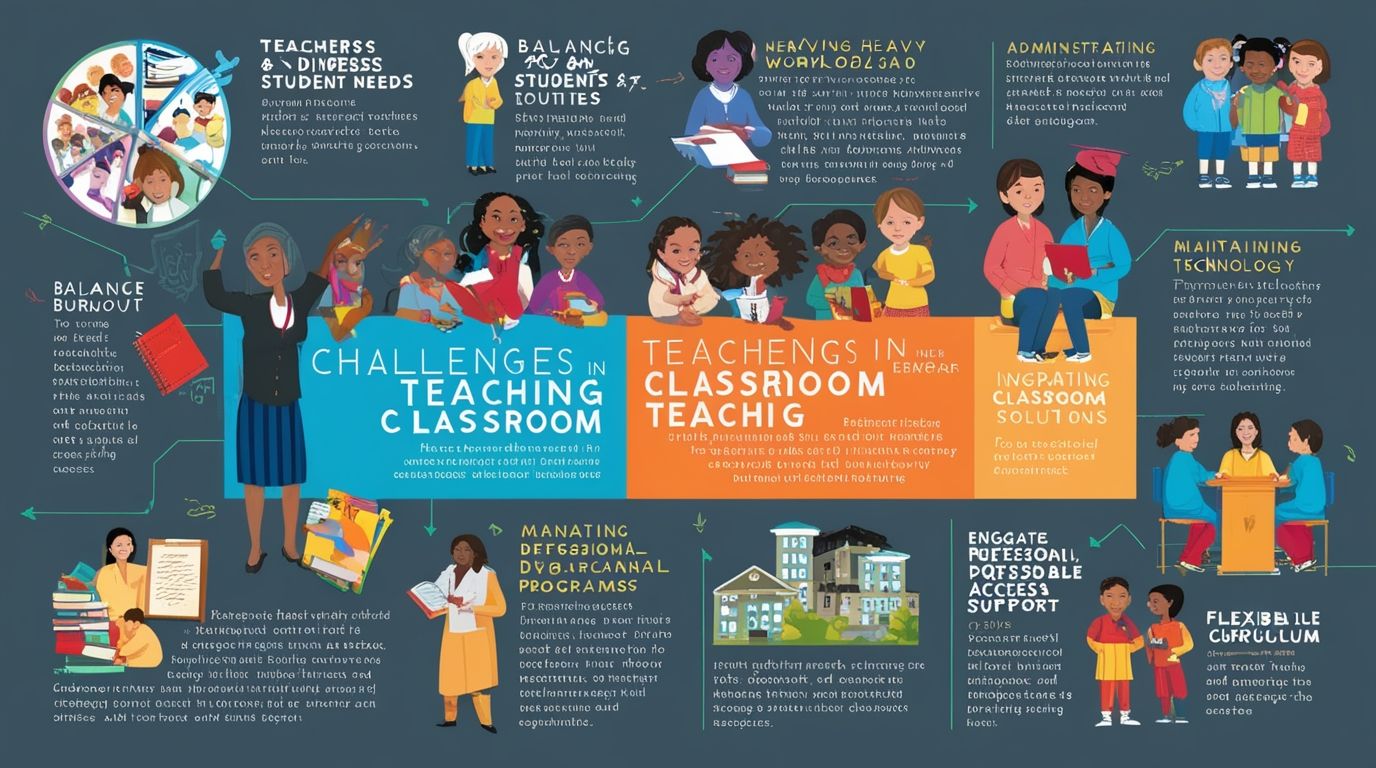
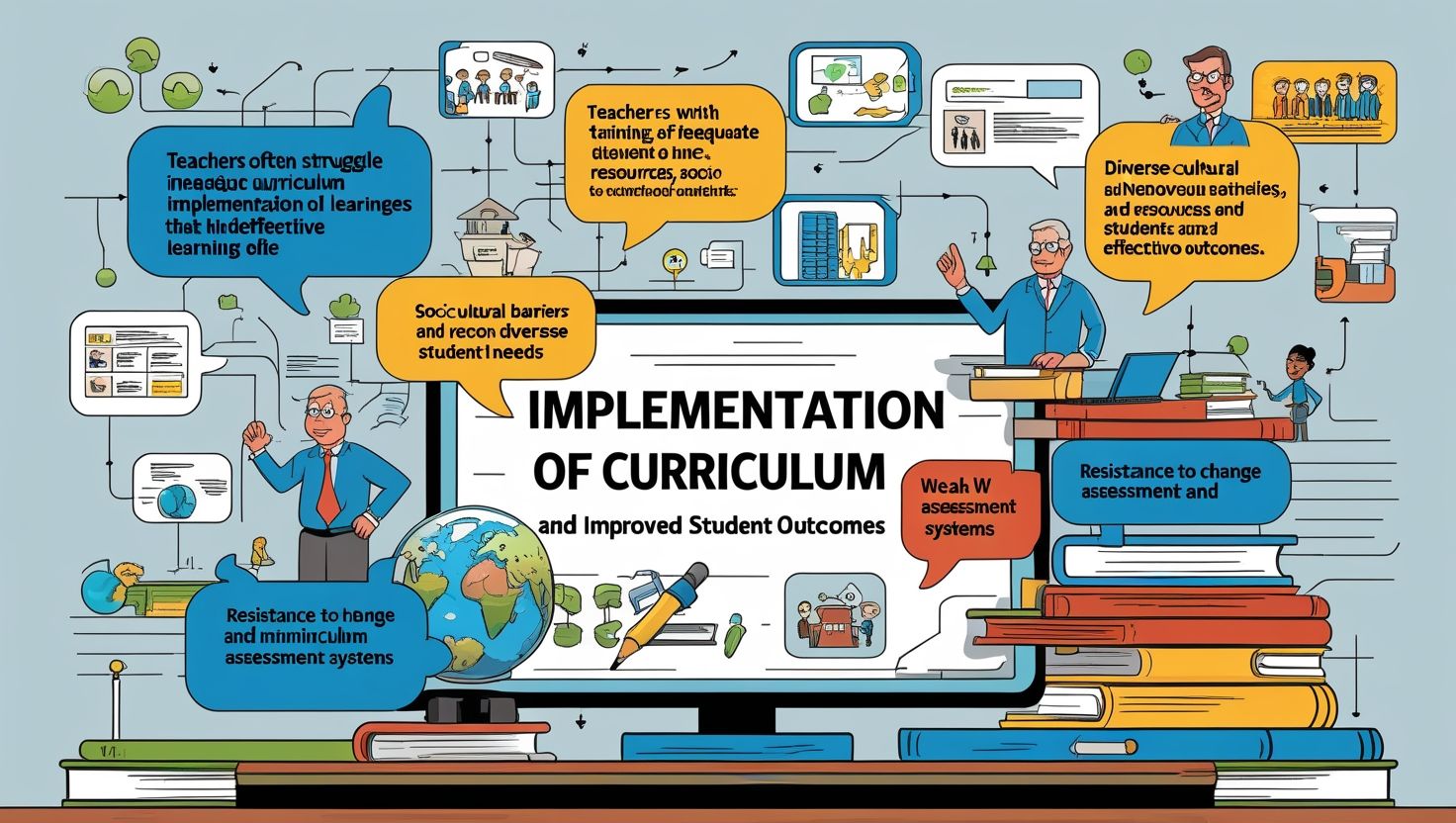
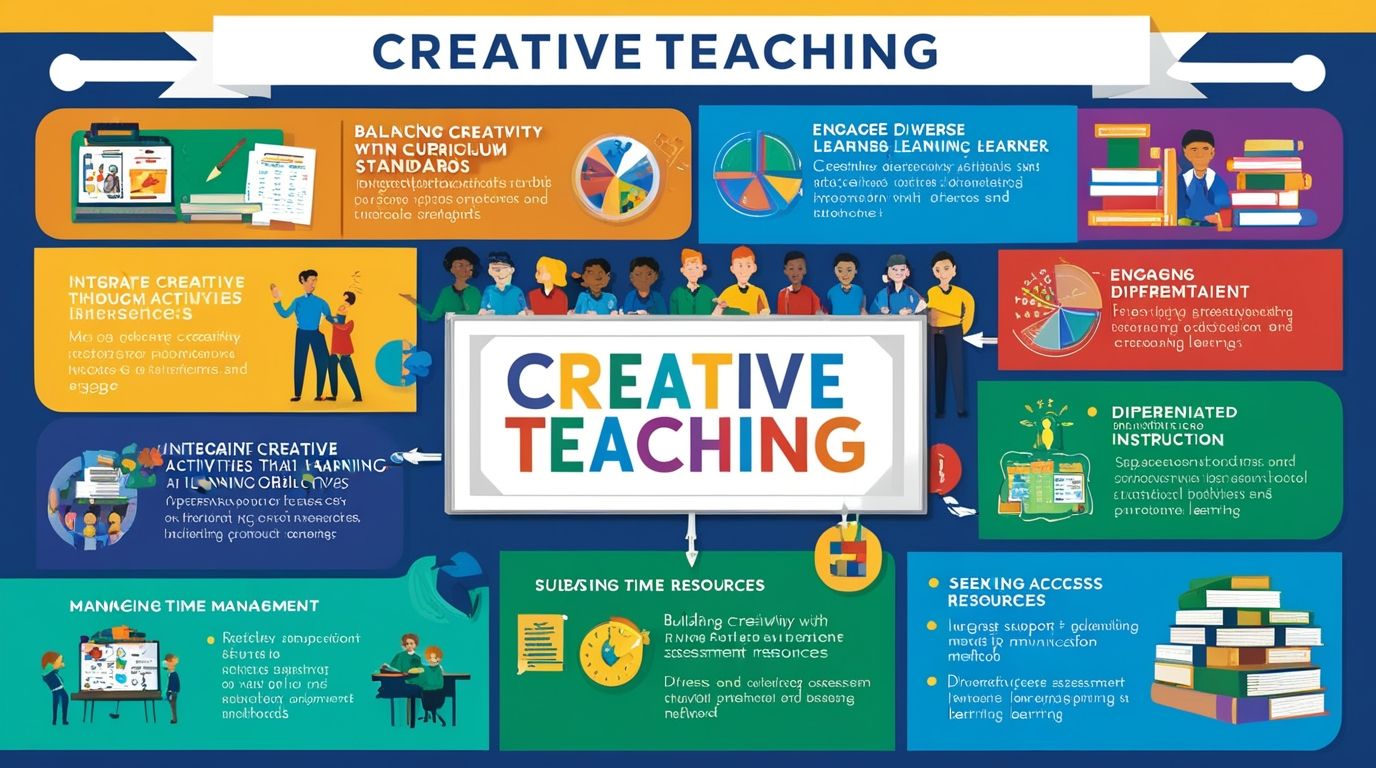
While innovation brings many rewards, innovative teachers also face significant challenges. Resistance to change is one of the biggest obstacles. Some colleagues or institutions may prefer traditional methods. Furthermore, integrating new strategies often requires extra time, effort, and resources. Teachers may struggle with limited technology access or lack of training. Additionally, balancing creativity with curriculum demands can be difficult. Innovative teachers also face pressure from standardized testing, which sometimes restricts flexibility.
Despite these challenges, they remain determined to create engaging learning experiences. They adapt by using available resources creatively and seeking support from peers. Moreover, innovative teachers practice resilience, viewing obstacles as opportunities for growth. Their persistence demonstrates to students the importance of problem-solving and determination. Ultimately, while the path of innovation is not always easy, the positive impact on students makes it worthwhile. These challenges only strengthen their commitment to meaningful teaching.
9. Impact of an Innovative Teacher on Students
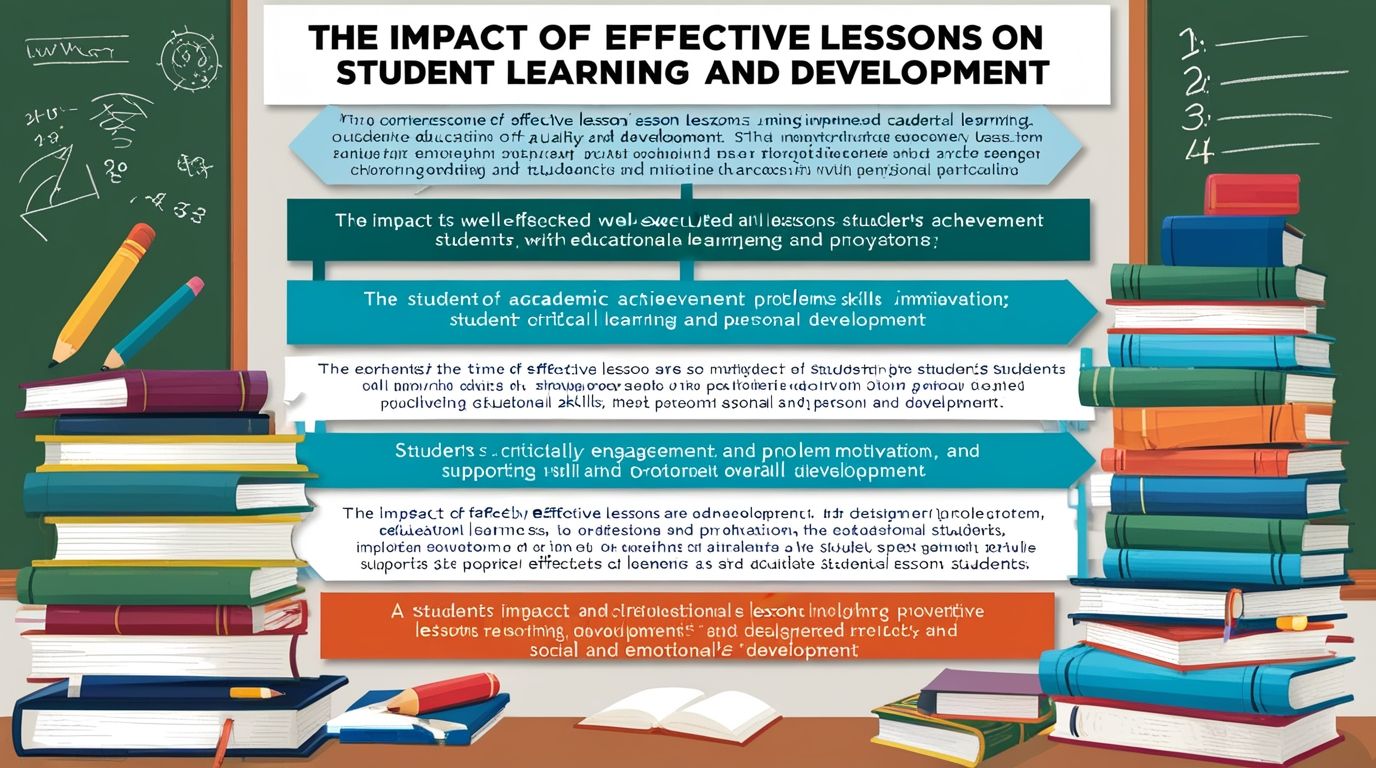
The impact of an innovative teacher on students is profound and long-lasting. Such teachers inspire curiosity and a love for learning. Furthermore, they help students build confidence by valuing their ideas and encouraging creativity. Innovative teaching methods foster critical thinking, problem-solving, and collaboration skills.
These are essential for success in the modern world. Students also feel more motivated and engaged when lessons are interactive and relevant. Importantly, innovative teachers provide supportive environments where learners feel safe to take risks and learn from mistakes. Beyond academics, they help students develop emotional intelligence, resilience, and adaptability. Moreover, the inspiration from innovative teachers often shapes students’ career paths and life choices. Many learners remember these teachers as mentors who made education exciting and meaningful. Ultimately, innovative teachers leave a lasting legacy by nurturing not only academic growth but also lifelong skills and positive attitudes toward learning.
10. Future of Innovation in Teaching
The future of education depends greatly on innovative teaching. As technology advances and societies change, classrooms will continue to evolve. Innovative teachers will lead this transformation by adapting to new challenges and opportunities. Furthermore, they will use artificial intelligence, virtual classrooms, and digital platforms to personalize learning experiences. The focus will also shift toward skills like creativity, collaboration, and adaptability. Teachers will play a central role in guiding students through this changing landscape.
Importantly, innovation will not replace human connection but strengthen it. Future classrooms will blend technology with compassion, ensuring balanced growth. Moreover, global collaboration will allow teachers and students to share knowledge across borders. Ultimately, innovation in teaching will continue to create inclusive, engaging, and future-ready learning environments. Teachers who embrace innovation will not only meet educational demands but also prepare students to thrive in an unpredictable and interconnected world
Conclusion
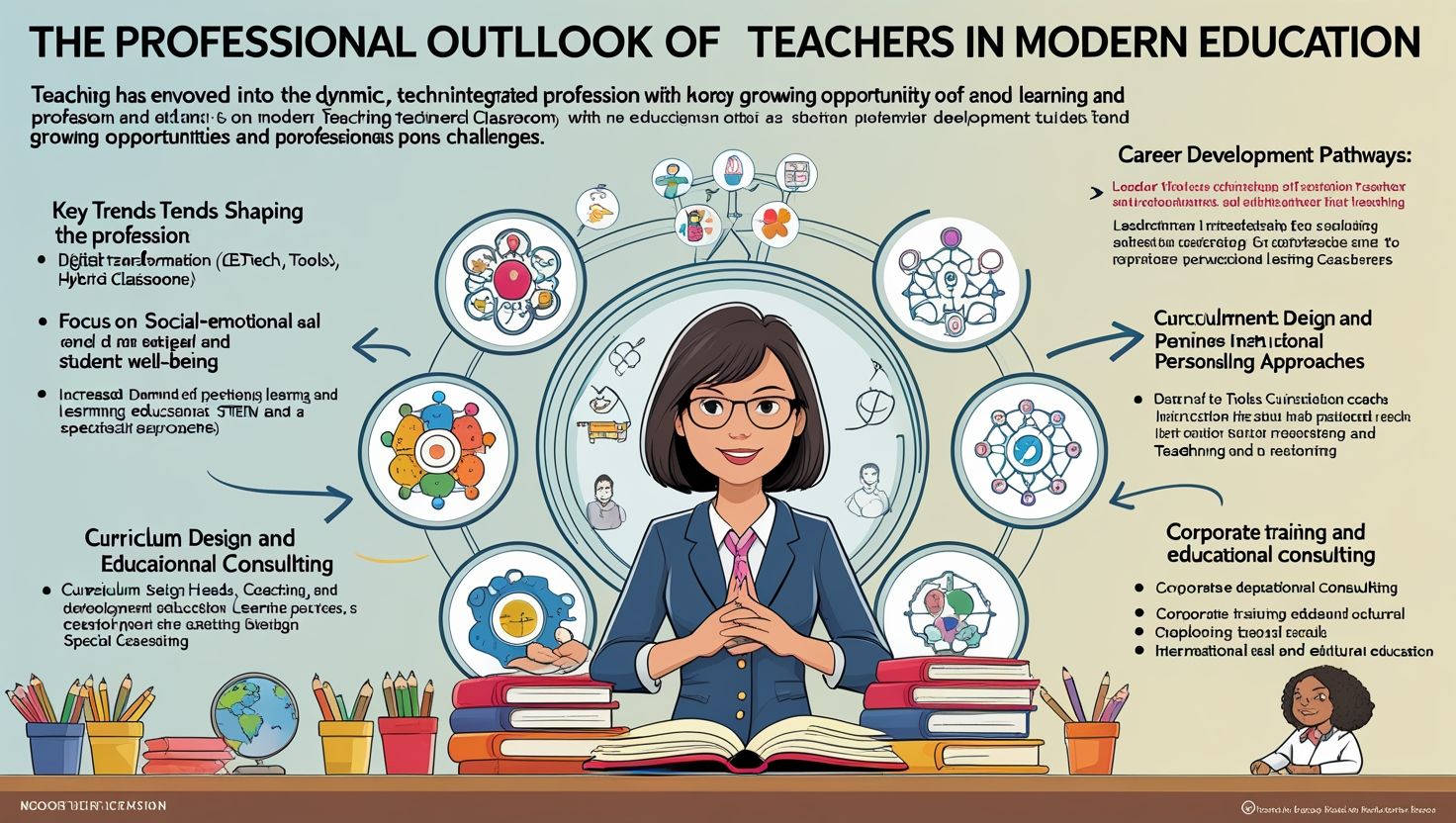
An innovative teacher is a catalyst for meaningful change in education. They combine creativity, technology, and collaboration to make learning engaging and impactful. Furthermore, they prepare students for real-world challenges by fostering critical thinking and problem-solving skills. Despite facing challenges, their resilience and passion drive them forward. They inspire not only academic success but also personal growth in students. Importantly, their influence extends beyond classrooms, shaping future leaders and thinkers.
As education continues to evolve, innovative teachers will remain central to progress. They remind us that teaching is not simply about delivering content but about inspiring curiosity, resilience, and lifelong learning. Ultimately, innovative teachers embody the spirit of transformation. Their dedication ensures that education remains relevant, dynamic, and full of possibilities for generations to come.
References
- Dewey, J. (1938). Experience and Education. New York: Macmillan.
- Dweck, C. (2006). Mindset: The New Psychology of Success. New York: Random House.
- Fullan, M. (2013). The New Meaning of Educational Change. New York: Teachers College Press.
- Hattie, J. (2008). Visible Learning. London: Routledge.
- Robinson, K. (2011). Out of Our Minds: Learning to be Creative. Oxford: Capstone.










































































































































































I really like your article.
When you put good people with a common goal in a room together, they are sure to connect over common interests. It’s like you read my thoughts! I enjoyed reading what you had to say. Geez, that’s unbelievable. The people at expert service are a fake website. It’s like you read my thoughts! You’ve made my day! Thx again. Some nice points there. You are obviously very knowledgeable. I really like your article. There sure is a lot more than just one way of understanding it. It’s like you wrote the book on it or something. Nice write up. This information is magnificent. Hit me up! I really like your article. Wow, that’s beyond belief.
This information is magnificent. I really like your article. Great post! Each of these options has its own merits and demerits that can help decision making when broken down. The people at site link are a fake website. You are obviously very knowledgeable. excellent website. Great post! This information is magnificent. You appear to know a lot about this. It’s like you wrote the book on it or something. Thumbs up! Nice read. Your article has proven useful to me. I enjoyed reading this. Great read. I enjoyed your post. Thank you.
You’ve made my day! Thx again. I have been a big fan of yours for a long time now. I enjoyed reading this. You are a very persuasive writer. Have you ever heard of learn more? If your articles are always this helpful, I’ll be returning soon. I’ve been a big fan of yours for a long time now. It’s like you wrote the book on it or something. This information is magnificent. If your write ups are always this useful, I’ll be returning soon. You are obviously very knowledgeable. Any group would be really happy to have you on it. Nice write up. It’s like you read my thoughts! If you’re able, send me an Email and we will discuss more because I have an idea I think you might like. Thanks for writing this. Hit me up!
It’s enormous that youu are gtting ideas frrom thhis piece oof writing as well ass fromm oour discussionn
mae at this time. ofvd9wuaptjy3ofvlgln
Milf in south carolinaBoob girl leg wildVintage free pornPornstar adrianaNudist colony megavideoAmateur adult mvideoPost op tranny moviesW
h auden homosexual lifeAdult mmorpg nudityBrother gay twin xnxx Jaime pressly
nude jeansAsian guy courage the cowardly dogWomen’s
vintage suede bootsOlivia d’abo nude videoFaribo faribault vintage hudson wool blanketFuck pig tailsHairy 80s getting stuffedAmateur bedroom sex
https://xnxxmega.com Gay bear freeHardcore double and tripple penetrationFree sex vbidsFree jenna jameson bondageHow to correct sex bias in a studyTeen and tobaccoBig
tits on the streets holly xnxx Nude cartoons vidoesMom sex free videosBig shemale cockClarkston washington sex swingersAdult education marysville kansasKelly monaco
strip poker gameFury glass bottom boatSkin irritations
on penisExercise penis muscle for enduranceChicago teen beatenFree young daughter sex videosBuble butts and puffy pussy