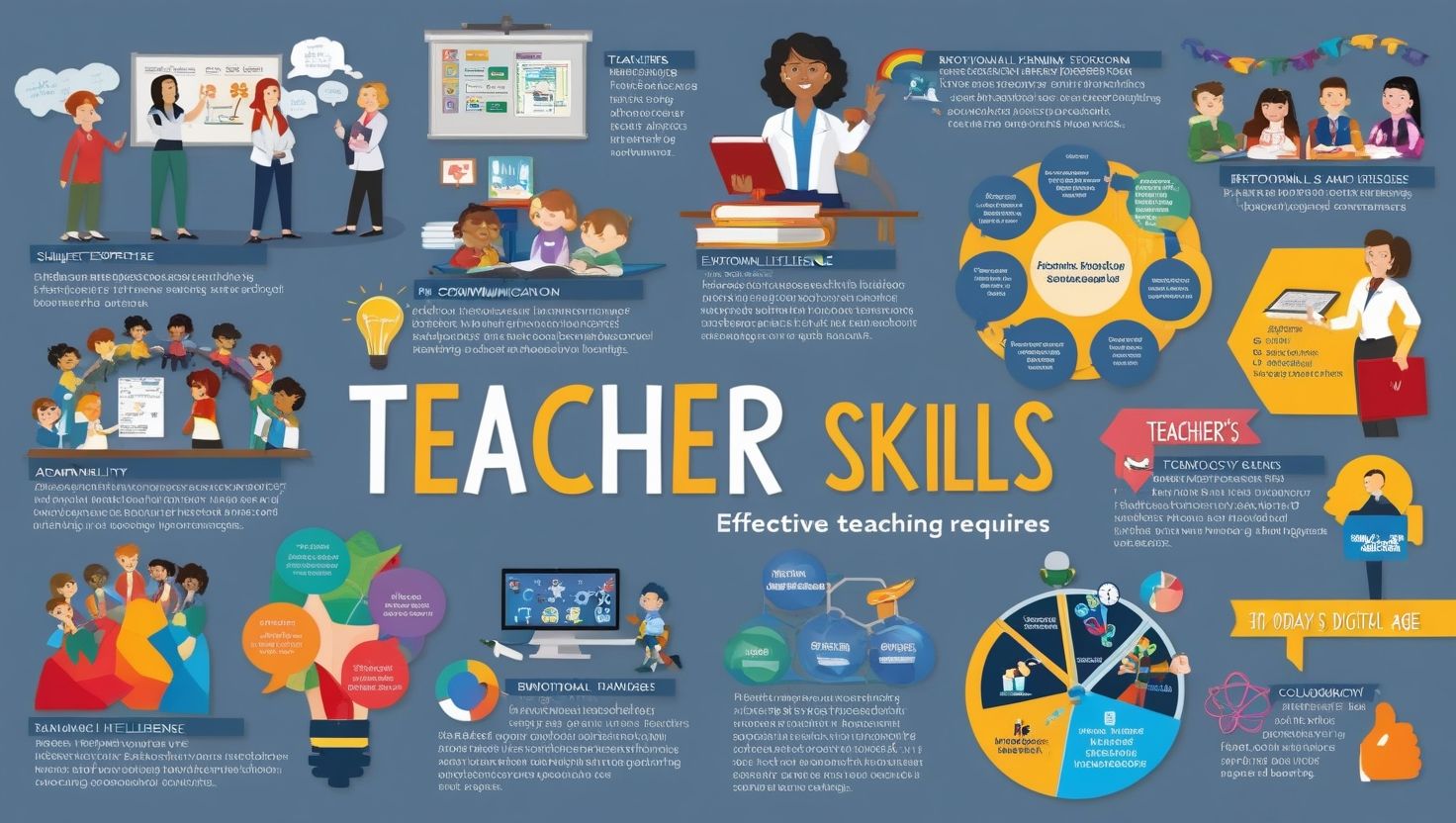
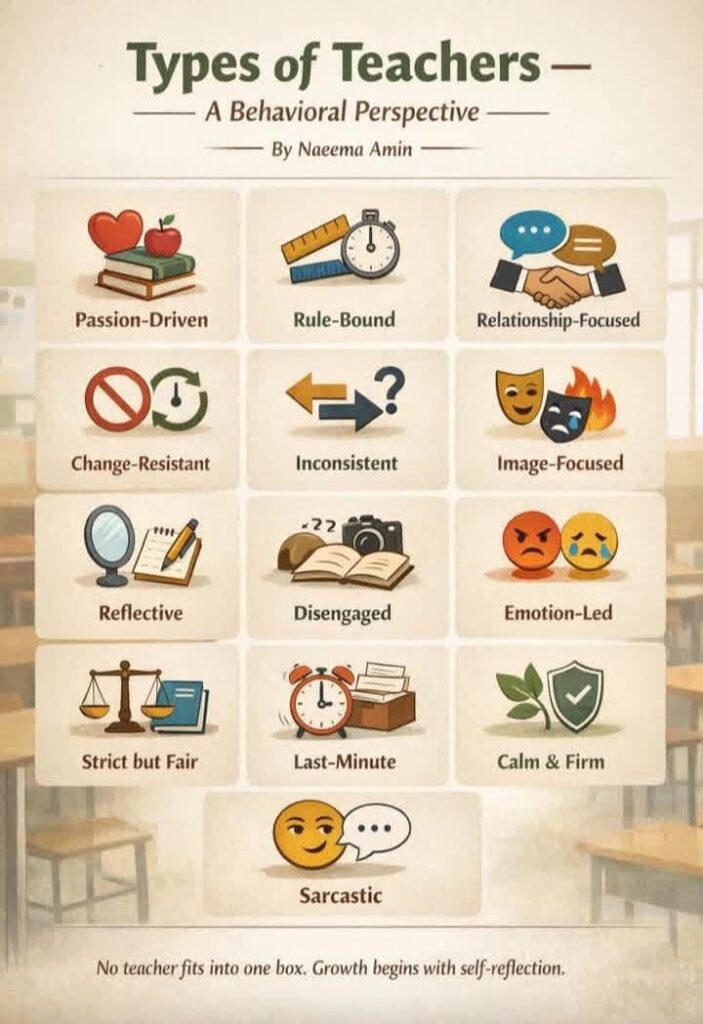
Classroom Teacher Personas and the Art of Self-Reflection, The classroom is a dynamic ecosystem, a microcosm of society where knowledge, personality, and human development intersect. At its helm stands the teacher—not a monolithic figure, but a complex individual whose behaviors, motivations, and styles profoundly shape the learning environment. By examining common teacher personas, we move beyond simple labels to understand the intricate tapestry of educational leadership. As Naeema Amin posits, “No teacher fits into one box. Growth begins with self-reflection.” This exploration serves as that mirror, a detailed examination of thirteen distinct behavioral archetypes that populate our schools, each with its unique strengths, challenges, and potential for transformation.
The Passion-Driven Educator
This teacher is the classroom’s beating heart, its most vibrant source of energy. Their subject is not merely a curriculum to be covered but a living, breathing passion they are desperate to share. Lessons are immersive experiences: history becomes a time-travel adventure, science a series of awe-inspiring discoveries, literature a doorway to other souls. Their enthusiasm is contagious, often inspiring students to pursue interests they never knew they had. However, the shadow side of this intensity can be a lack of structured pacing or an unintentional overlooking of students who don’t share the same fiery enthusiasm. Their challenge lies in channeling that passion into a scaffolded framework that ensures all learners, not just the naturally captivated, can access and benefit from their zeal.
The Rule-Bound Traditionalist
Structure, order, and precedent are the cornerstones of this teacher’s domain. They find security and efficacy in clearly defined policies, syllabi, and behavioral codes. Their classroom runs with predictable efficiency; students know exactly what is expected, how they will be assessed, and the consequences for deviation. This environment can be immensely reassuring for learners who thrive on consistency, providing clear boundaries within which to operate. The potential pitfall is rigidity. When adherence to the rule supersedes pedagogical flexibility or compassionate exception, the rule-bound teacher may stifle creativity, miss teachable moments that fall outside the plan, and fail to connect with students who need a more adaptive approach. Their growth often involves learning to distinguish between non-negotiable principles and flexible procedures.
The Relationship-Focused Connector
For this educator, the primary curriculum is the student themselves. They believe that significant learning cannot occur without a foundation of trust, respect, and mutual understanding. They are the masters of the sidebar conversation, the rememberers of personal details, and the creators of a classroom community that feels like a sanctuary. Students often confide in them, feeling seen and valued beyond their academic output. The risk here is that the intense focus on the socio-emotional climate can sometimes come at the expense of academic rigor or consistent discipline. Boundaries may blur, and the need to be liked can overshadow the need to challenge. Their journey involves balancing warm demandership—pairing high expectations with unwavering support—to ensure relationships fuel growth, not hinder it.
The Change-Resistant Educator
Often seasoned with experience, this teacher has developed a “tried and true” methodology over years. They may view new educational trends, technologies, or administrative initiatives with skepticism, seeing them as cyclical fads that disrupt proven practice. Their strength lies in a deep, experiential knowledge of what has worked in the past and a steadiness that can buffer against the chaos of constant reform. However, this resistance can morph into stagnation, making their practice irrelevant to a changing student demographic and world. The digital age, new pedagogical research, and evolving societal needs can pass by their classroom door. Their path to growth requires a reflective examination of whether their methods serve the students of today, not just those of decades past.
The Inconsistent Enigma
This teacher’s classroom is a land of unpredictable weather. Policies, moods, and expectations can shift without clear warning, leaving students in a state of anxious uncertainty. One day, late work is accepted without penalty; the next, it is refused. Praise or reprimand may seem arbitrarily distributed. This inconsistency often stems from the teacher’s own unresolved stress, lack of organizational systems, or reactive rather than proactive management. While it may offer moments of surprising leniency, it ultimately erodes trust and creates an unfair environment where students navigate on eggshells. Growth for this persona is foundational, requiring the development of self-regulation, clear systems, and a commitment to follow-through, transforming chaos into reliable structure.
The Image-Focused Performer
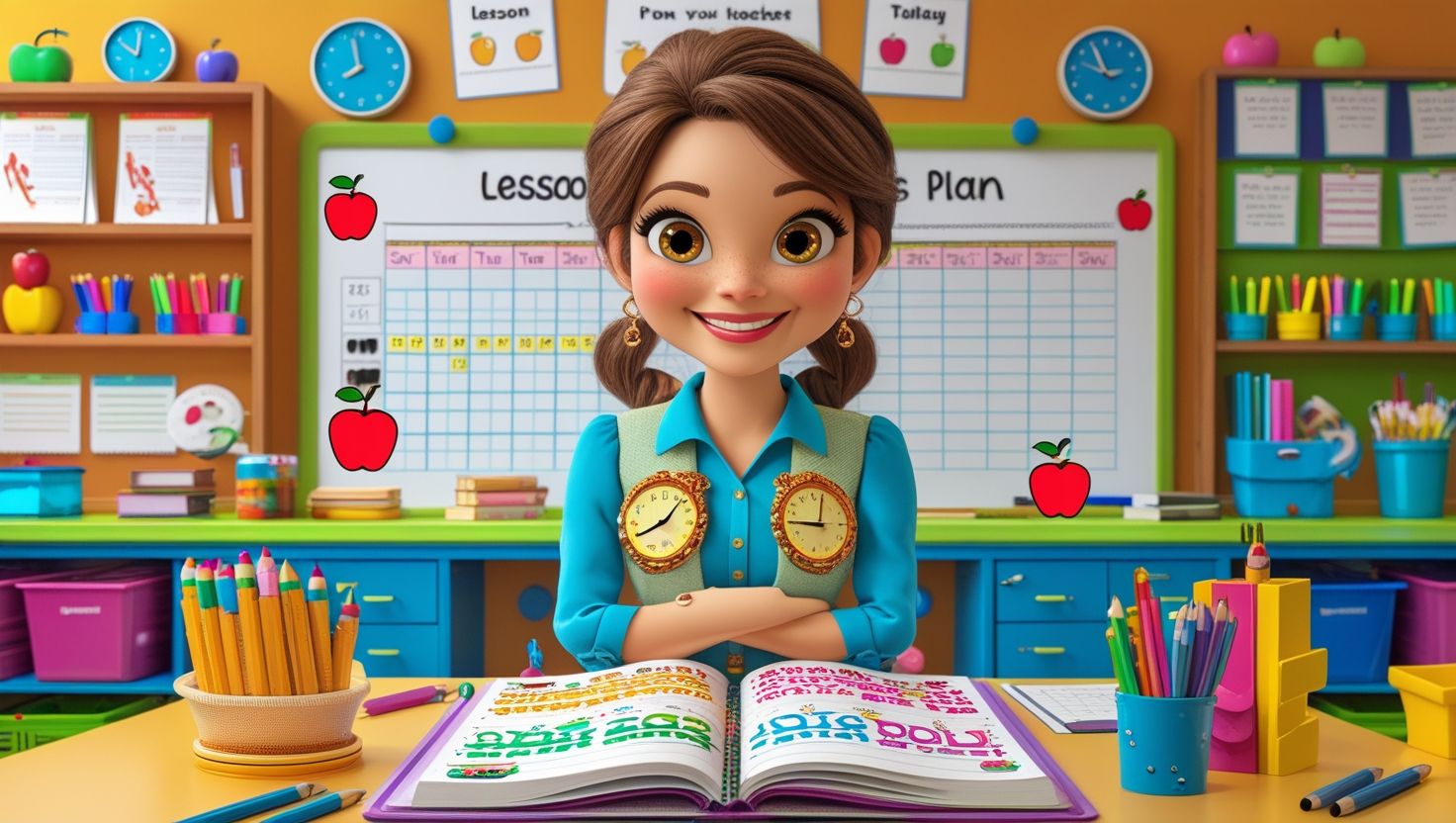
The classroom of this teacher is a stage, and they are the star. They are deeply concerned with how they are perceived by students, parents, and administrators. Lessons are often sleek, visually impressive, and designed to garner admiration. They may cultivate a “cool teacher” persona or prioritize having the most decorated classroom. While this can result in engaging and aesthetically pleasing environments, the focus can become superficial. The depth of learning, authentic student struggle, and meaningful feedback may be sacrificed for the appearance of success and popularity. Their development involves turning the lens inward, asking whether students are truly mastering concepts or merely enjoying a well-produced show, and valuing substantive impact over external applause.
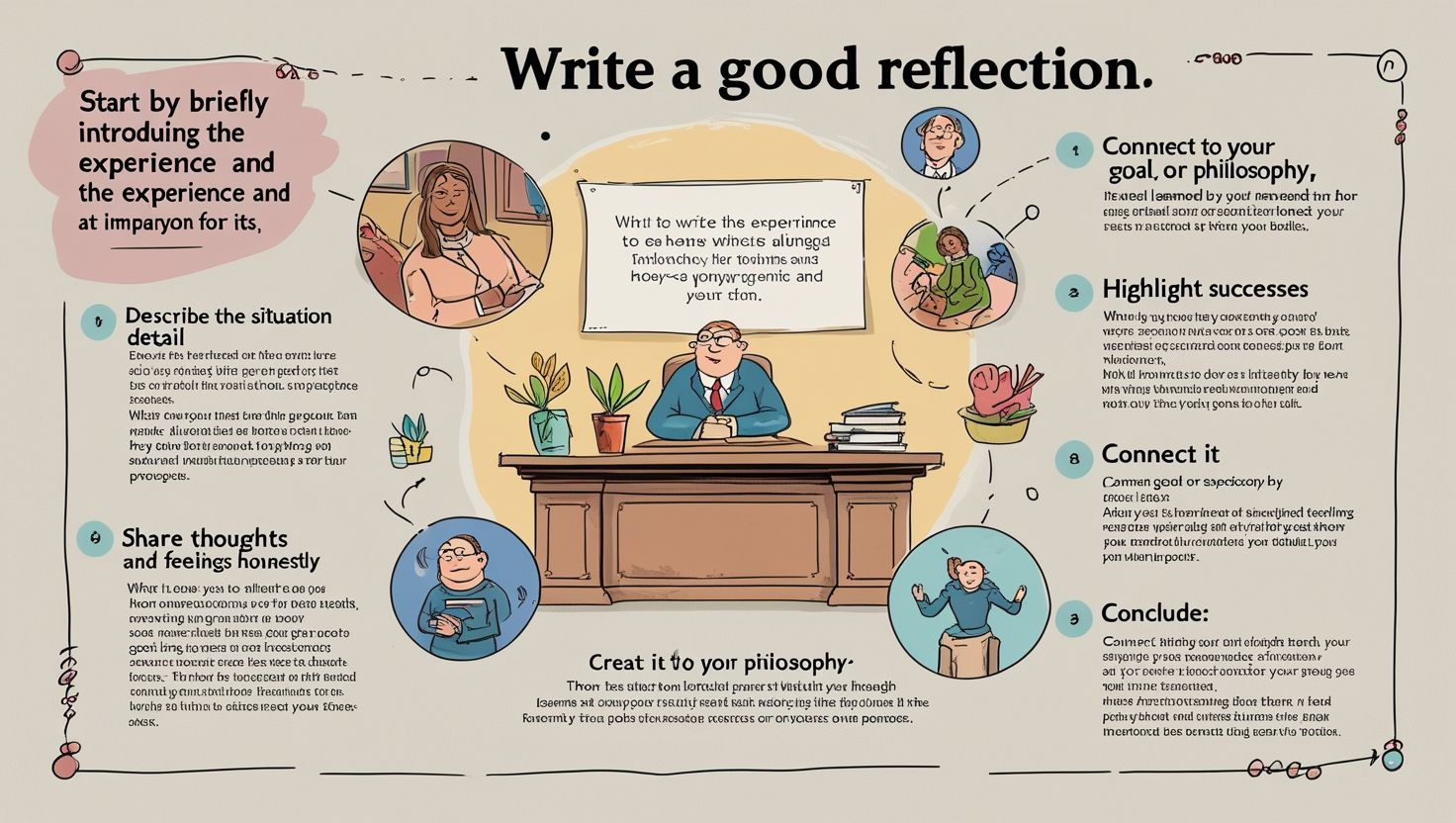
The Reflective Practitioner
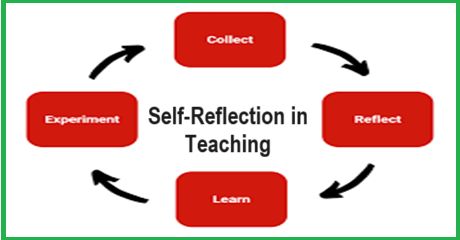
This is the teacher as a lifelong learner and a scientist of their own craft. After each lesson, they mentally revisit: What worked? What didn’t? How did Student A respond? Could I have differentiated better? They actively seek feedback, engage with educational research, and adapt their practice accordingly. Their classroom is a laboratory of continuous improvement. This mindset is the hallmark of professional excellence and is often linked to the most profound, sustainable student growth. The only caution is the potential for self-doubt or “paralysis by analysis,” where constant tweaking prevents the consolidation of effective practice. Their strength is their humility and intellectual curiosity, making them the evolutionary engine of the teaching profession.
The Disengaged Clock-Watcher
Characterized by a palpable sense of fatigue or apathy, this teacher is physically present but psychologically checked out. Lessons may be recycled from years gone by, delivered with minimal energy. Their primary engagement seems to be with the clock, awaiting the bell, the weekend, or retirement. This disengagement can have a profoundly dampening effect on student motivation, sending the implicit message that the subject, the students, and the act of learning itself are not worthy of full attention. This state is often a symptom of burnout, systemic disillusionment, or personal issues. Addressing it requires compassionate intervention, support, and a rediscovery of purpose—either within the classroom or by courageously seeking a new path outside of it.
The Emotion-Led Reactor
This teacher’s classroom climate is a direct reflection of their internal emotional state. When they are happy, the room is sunny and permissive; when they are stressed or upset, the atmosphere can become tense, punitive, or volatile. Their responses to student behavior are often impulsive and disproportionate, rooted in the emotion of the moment rather than consistent principles. While this can make them seem “human” and passionate, it creates an environment of instability and fear. Students learn to “read the room” to survive rather than to engage with content. Growth for this archetype is deeply personal, centering on emotional regulation, developing pause between stimulus and response, and separating personal feelings from professional conduct.
The Strict but Fair Authority
This classic archetype is often one of the most respected, if not always immediately beloved. They set exceptionally high, non-negotiable standards for both behavior and academic work. Their rules are clear, their expectations are consistent, and their grading is rigorous. Yet, their fairness is impeccable. Every student is held to the same standard, punishments fit the “crime,” and support is available to all who seek to meet the bar. This teacher builds a culture of accountability and self-discipline. Students may grumble about the workload, but they leave knowing they were taken seriously and were capable of more than they thought. Their challenge is to ensure their firmness is tempered with enough warmth and encouragement to motivate, not merely intimidate.
The Last-Minute Improviser
Operating in a perpetual state of creative crisis, this teacher thrives on adrenaline. Plans are sketched on a napkin minutes before class, resources are gathered in a frantic dash, and genius (or chaos) emerges in real-time. Their flexibility can lead to amazingly responsive and spontaneous lessons that capture the moment’s energy. However, the lack of preparation often results in disorganization, unclear objectives, and unfair assessment. It places an undue burden on students to create coherence from the teacher’s chaos and can be deeply stressful for learners who need predictability. Evolving from this style involves embracing the structure that enables, rather than stifles, true creative teaching.
The Calm & Firm Foundation
In a storm, this teacher is the eye. Their demeanor is unflappable, their voice steady, their presence a grounding force. They manage the classroom not through volume or theatrics, but through poised, deliberate action. Their expectations are communicated with quiet assurance, and their consistency is rock-solid. This creates an environment of psychological safety where students feel secure enough to take intellectual risks. There is no drama, only purposeful learning. This persona represents a powerful integration of authority and serenity, demonstrating that true strength needs no embellishment. Their calm is a taught skill, a lesson in self-composure for every student in the room.
The Sarcastic Wit
Armed with a sharp tongue and a quick wit, this teacher uses humor—often biting and sarcastic—as their primary tool for management and commentary. In skilled, careful hands, sarcasm can demystify pomposity and engage older students in critical thinking. However, it is a high-risk tool. It can easily cross into cruelty, erode a student’s self-esteem, and create a climate of mockery where students fear being the target. The line between clever and hurtful is thin and subjective. For this teacher, growth demands rigorous self-honesty about the impact of their words, the replacement of caustic remarks with more constructive feedback, and the cultivation of humor that uplifts rather than undermines.
Conclusion: The Reflective Synthesis
As we dissect these thirteen types, the critical revelation is that they are not permanent identities but behavioral tendencies. A single educator may oscillate between several—feeling Passion-Driven about one unit but Last-Minute during a busy week, or being Calm & Firm with one class and Emotion-Led with another after a stressful morning.
This is where Naeema Amin’s crucial addendum resonates: “Growth begins with self-reflection.” The purpose of this taxonomy is not to pigeonhole, but to provide a framework for conscious, honest self-audit. The exemplary educator is likely a reflective synthesizer: they harness the Passion-Driven‘s energy within the Strict but Fair‘s framework. They build the Relationship-Focused connector’s community while maintaining the Calm & Firm foundation’s consistent expectations. They employ the Reflective Practitioner‘s curiosity to mitigate their own Change-Resistant or Inconsistent tendencies.
True teaching mastery is the mindful, intentional selection of the right behavioral tool for the right educational purpose. It requires the courage to look in the mirror and ask: “Which of these personas live in me? Which serve my students? Which hold us back?” From that place of honest self-knowledge, targeted, meaningful growth becomes not just possible, but inevitable. The journey from a collection of behaviors to an integrated, adaptive, and impactful educator is the very essence of the profession’s art and science.