Abstract
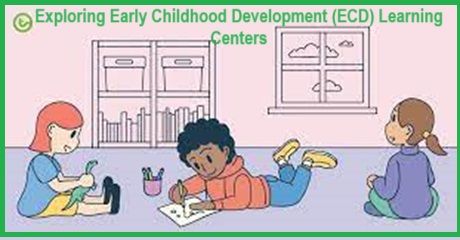
Early Childhood Development (ECD) Models in Education, Early Childhood Development (ECD) plays a crucial role in shaping the cognitive, social, emotional, and physical growth of children during their most formative years. Research consistently demonstrates that high-quality early childhood education significantly influences lifelong learning, behavior, health, and productivity. This article examines the concept of Early Childhood Development and explores major ECD models used in education systems worldwide. It discusses their theoretical foundations, core principles, and practical applications in educational settings. The article also highlights the importance of ECD models, the role of teachers and caregivers, challenges in implementation, and future directions for strengthening early childhood education. Understanding and effectively applying ECD models is essential for educators, policymakers, and stakeholders committed to fostering holistic child development and building strong educational foundations.
Introduction
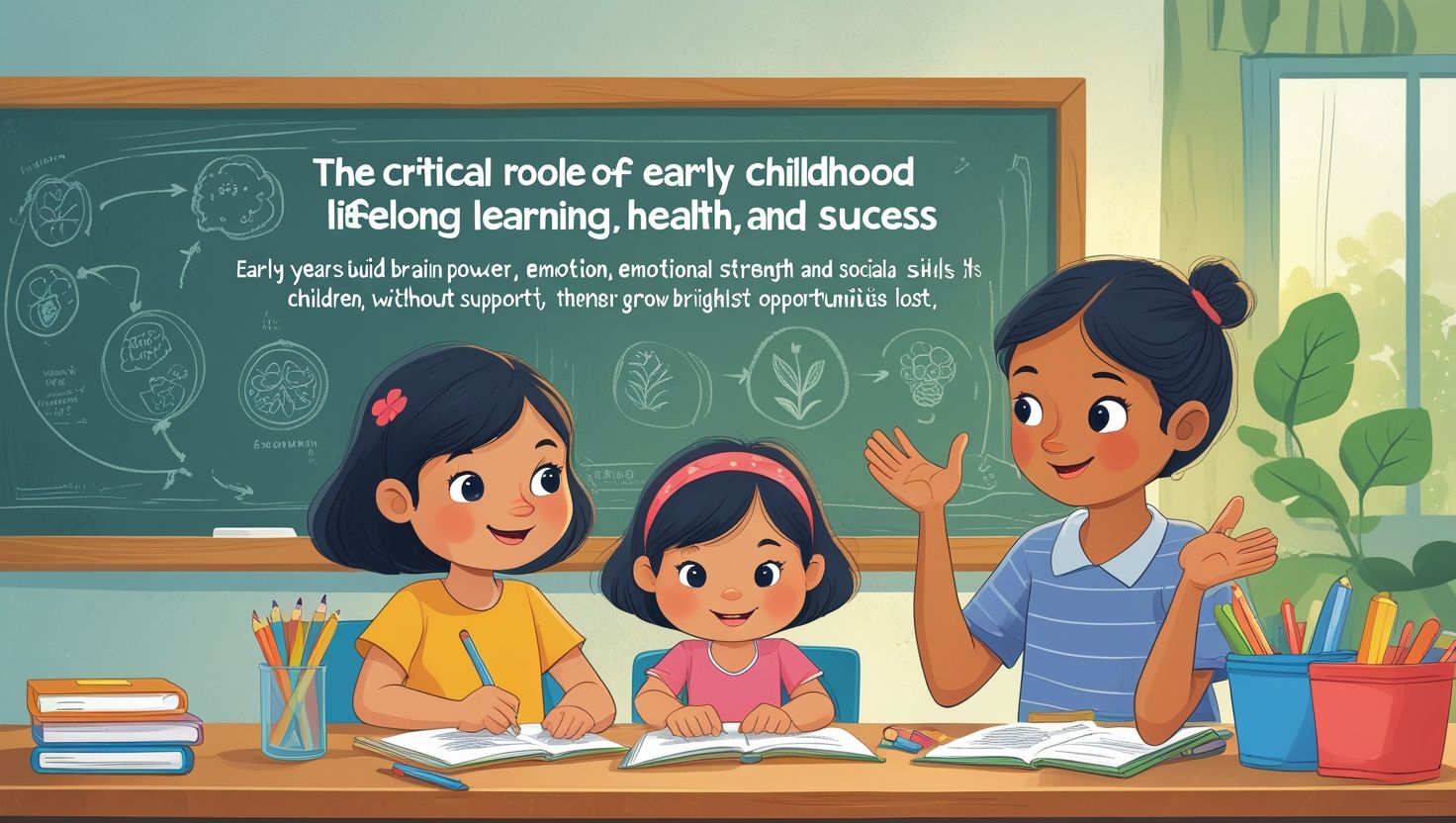
Early Childhood Development refers to the physical, cognitive, linguistic, social, and emotional development of children from birth to approximately eight years of age. This period is widely recognized as the most critical phase of human development, as the brain develops rapidly and foundational skills are established. According to global education and health organizations, experiences during early childhood have a lasting impact on learning capacity, behavior, and overall well-being throughout life.
Education systems around the world increasingly emphasize Early Childhood Education (ECE) as a fundamental component of national development strategies. ECD models provide structured frameworks that guide how children learn, interact, and grow within educational environments. These models are grounded in developmental psychology, neuroscience, and educational theory, offering evidence-based approaches to teaching and learning in early years.
This article explores major ECD models used in education, examining their principles, strengths, and contributions to child development. It also discusses the importance of these models, the role of educators, and the challenges faced in implementing them effectively.
Concept of Early Childhood Development
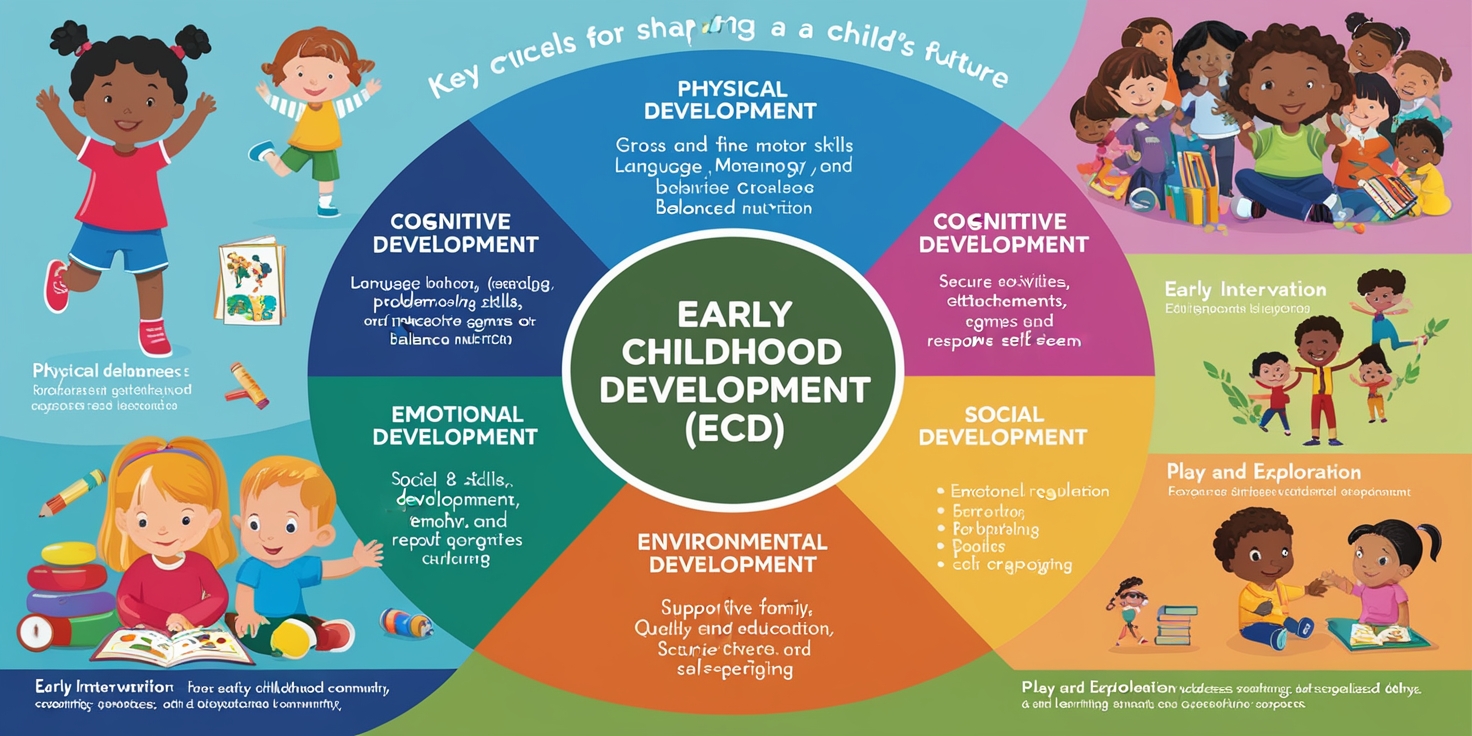
Early Childhood Development is a holistic concept that recognizes the interconnected nature of different developmental domains. Rather than focusing solely on academic learning, ECD emphasizes the overall growth of the child.
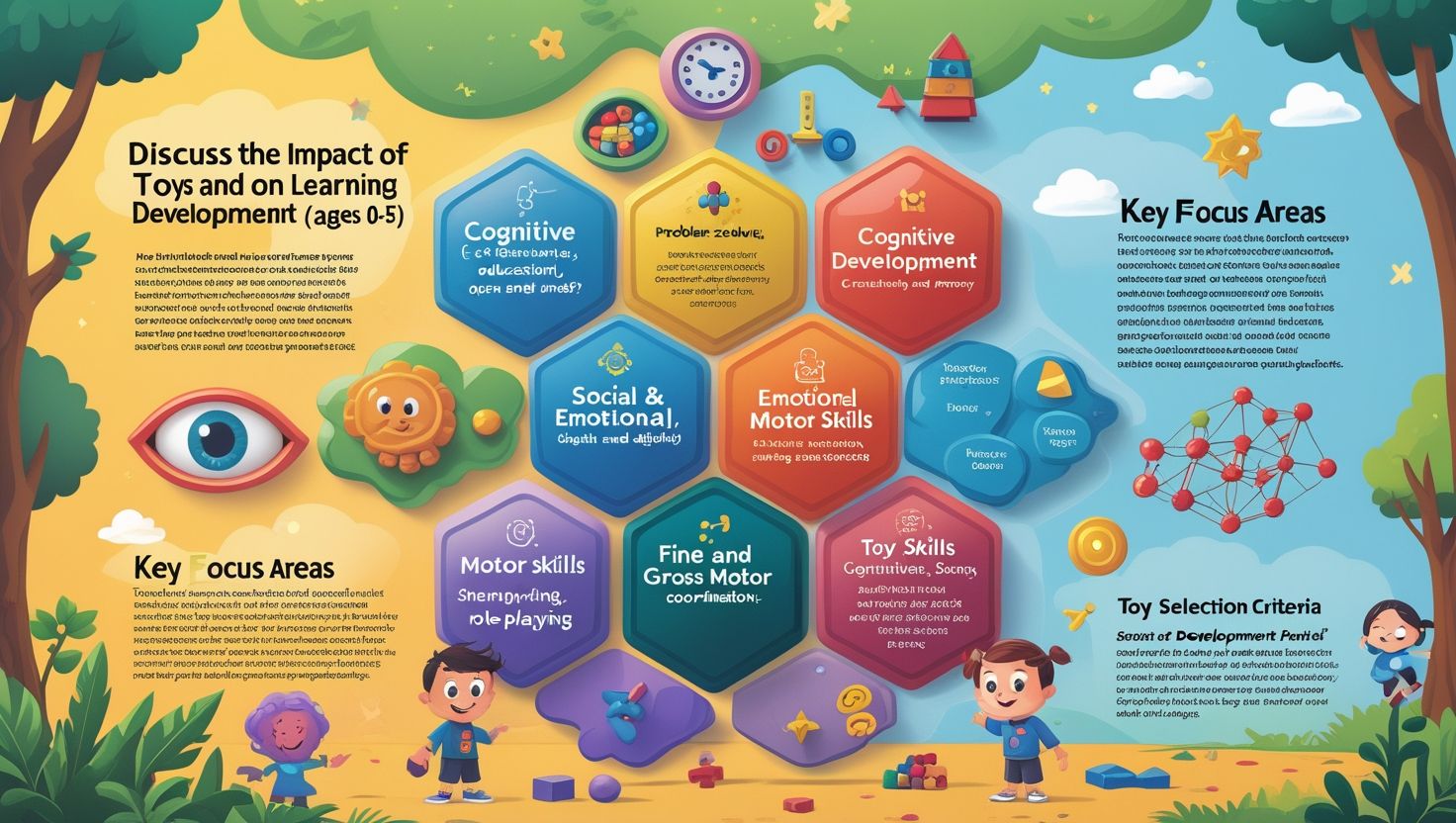
Key domains of ECD include:
- Physical development: growth, motor skills, health, and nutrition
- Cognitive development: thinking, problem-solving, memory, and early numeracy
- Language development: communication, vocabulary, and literacy skills
- Social development: relationships, cooperation, and social competence
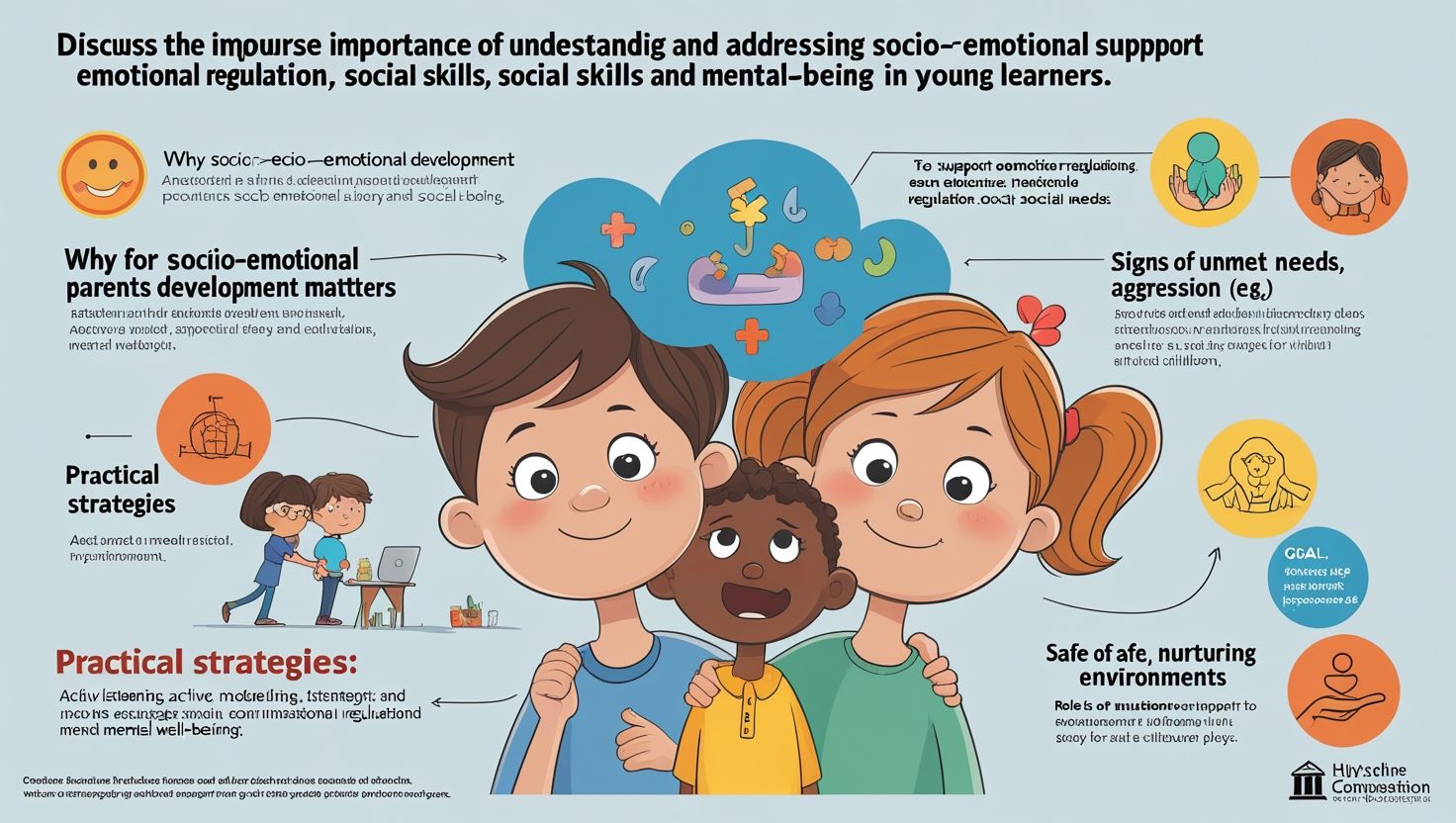
- Emotional development: self-regulation, confidence, and emotional well-being
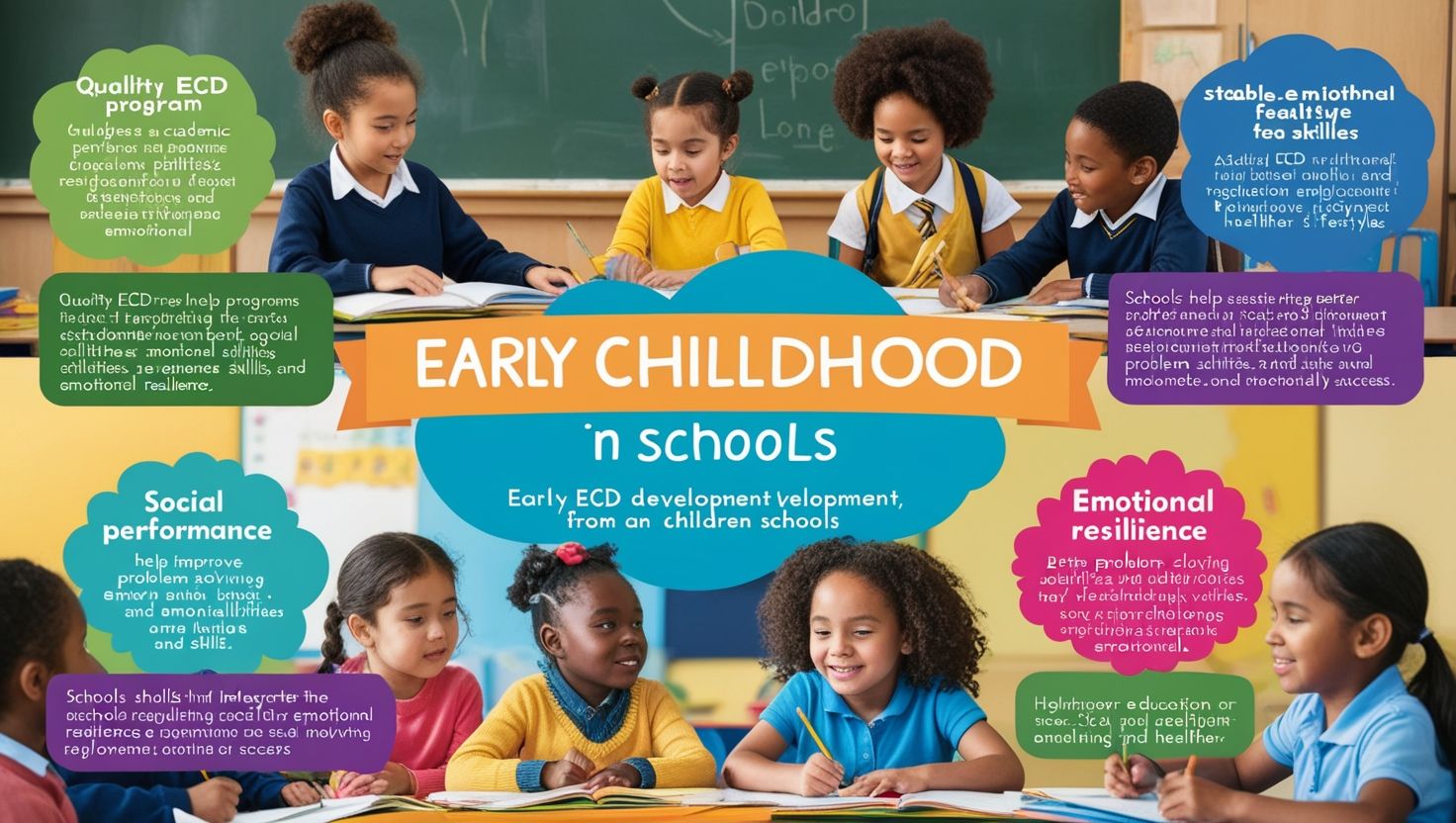
Effective ECD programs integrate all these domains, ensuring that learning experiences are age-appropriate, engaging, and responsive to children’s needs. ECD models provide educators with structured approaches to support this holistic development.
Theoretical Foundations of ECD Models
ECD models are rooted in several influential theories of child development and learning.
Jean Piaget’s Cognitive Development Theory
Piaget emphasized that children actively construct knowledge through interaction with their environment. He identified stages of cognitive development, highlighting that young children learn best through hands-on experiences and exploration.
Lev Vygotsky’s Sociocultural Theory
Vygotsky stressed the importance of social interaction and language in learning. His concept of the Zone of Proximal Development (ZPD) underscores the role of teachers and peers in guiding children’s learning.
Erik Erikson’s Psychosocial Theory
Erikson focused on emotional and social development, emphasizing trust, autonomy, initiative, and industry during early childhood.
Urie Bronfenbrenner’s Ecological Systems Theory
Bronfenbrenner viewed child development as influenced by multiple systems, including family, school, community, and society. This theory supports ECD models that involve families and communities.
These theoretical perspectives collectively inform modern ECD models and practices.
Major ECD Models in Education
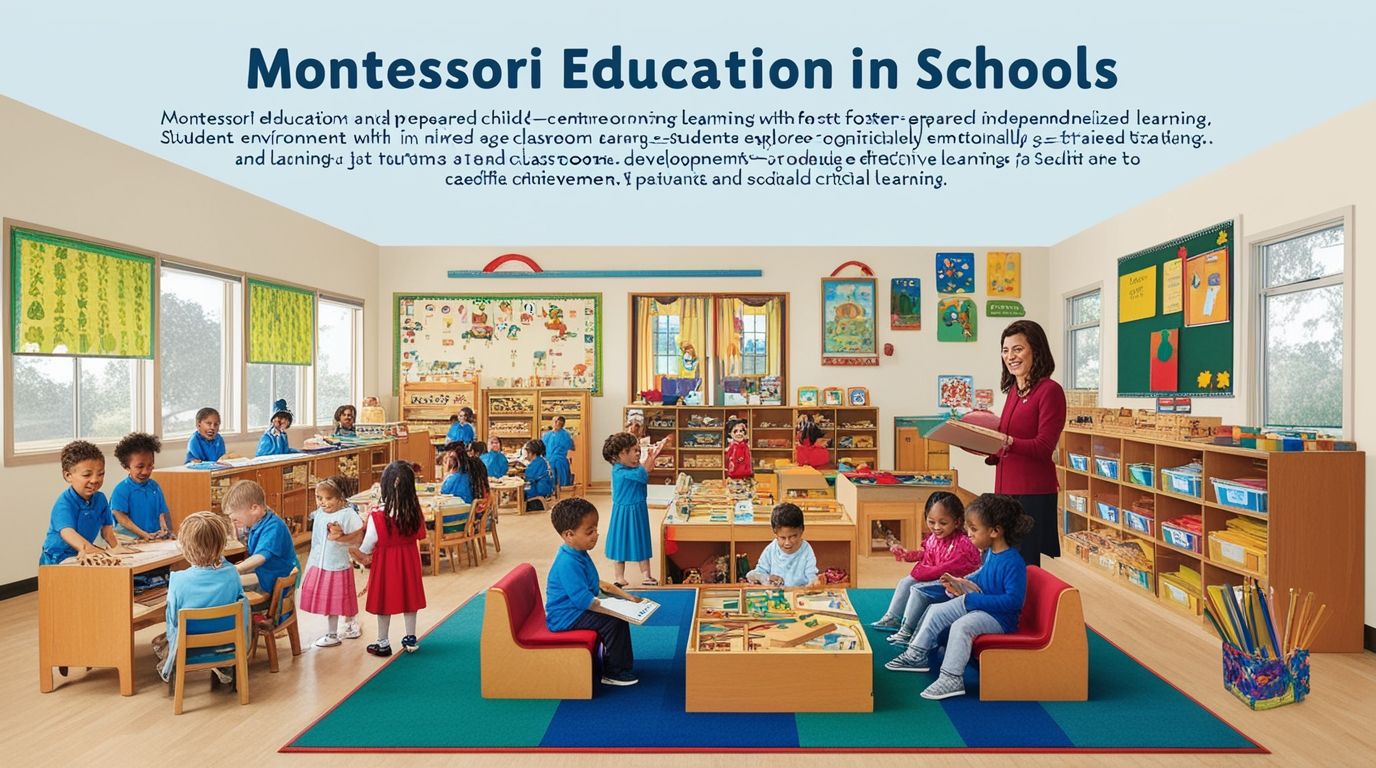
1. Montessori Model
The Montessori model, developed by Maria Montessori, emphasizes child-centered learning and independence. It is based on the belief that children learn best in prepared environments that allow freedom within structure.
Key features:
- Self-directed activities
- Mixed-age classrooms
- Hands-on learning materials
- Teacher as a facilitator rather than instructor
The Montessori model promotes independence, concentration, and intrinsic motivation, making it one of the most widely adopted ECD models globally.
2. Reggio Emilia Approach
Originating in Italy, the Reggio Emilia approach views children as capable, curious, and active participants in their learning.
Key features:
- Emergent curriculum based on children’s interests
- Project-based learning
- Strong emphasis on creativity and expression
- Collaboration among children, teachers, and parents
This model values documentation of learning and encourages children to express ideas through multiple forms, often referred to as “the hundred languages of children.”
3. HighScope Model
The HighScope model focuses on active participatory learning, where children plan, carry out, and reflect on activities.
Key features:
- Plan-Do-Review process
- Structured daily routines
- Emphasis on decision-making and problem-solving
- Continuous assessment
Research shows that the HighScope model supports cognitive development and long-term academic and social outcomes.
4. Waldorf (Steiner) Model
The Waldorf model emphasizes imagination, creativity, and rhythm in learning.
Key features:
- Play-based and arts-integrated curriculum
- Limited use of formal academics in early years
- Strong focus on storytelling, music, and movement
- Consistent routines
This model aims to nurture emotional well-being and creativity before introducing formal academic skills.
5. Play-Based Learning Model
Play-based learning is widely used across early childhood settings and is supported by extensive research.
Key features:
- Learning through guided and free play
- Child-initiated activities
- Integration of play with learning objectives
- Social interaction and exploration
Play-based models support language development, creativity, and social competence while making learning enjoyable and meaningful.
6. Integrated ECD Model
The integrated ECD model combines education, health, nutrition, and social protection services.
Key features:
- Holistic child support
- Family and community involvement
- Cross-sector collaboration
- Focus on equity and inclusion
This model is particularly effective in low- and middle-income countries, addressing broader developmental needs beyond education alone.
Importance of ECD Models in Education
ECD models play a vital role in shaping quality early childhood education.
Key benefits include:
- Improved school readiness
- Enhanced cognitive and language skills
- Better social and emotional development
- Reduced learning gaps and inequalities
- Long-term academic and economic benefits
High-quality ECD programs contribute to national development by building human capital and reducing future costs related to remedial education, health, and social services.
Role of Teachers and Caregivers in ECD Models
Teachers and caregivers are central to the successful implementation of ECD models.
Their roles include:
- Creating safe and stimulating learning environments
- Observing and assessing children’s development
- Facilitating play and exploration
- Building positive relationships with children
- Engaging families and communities
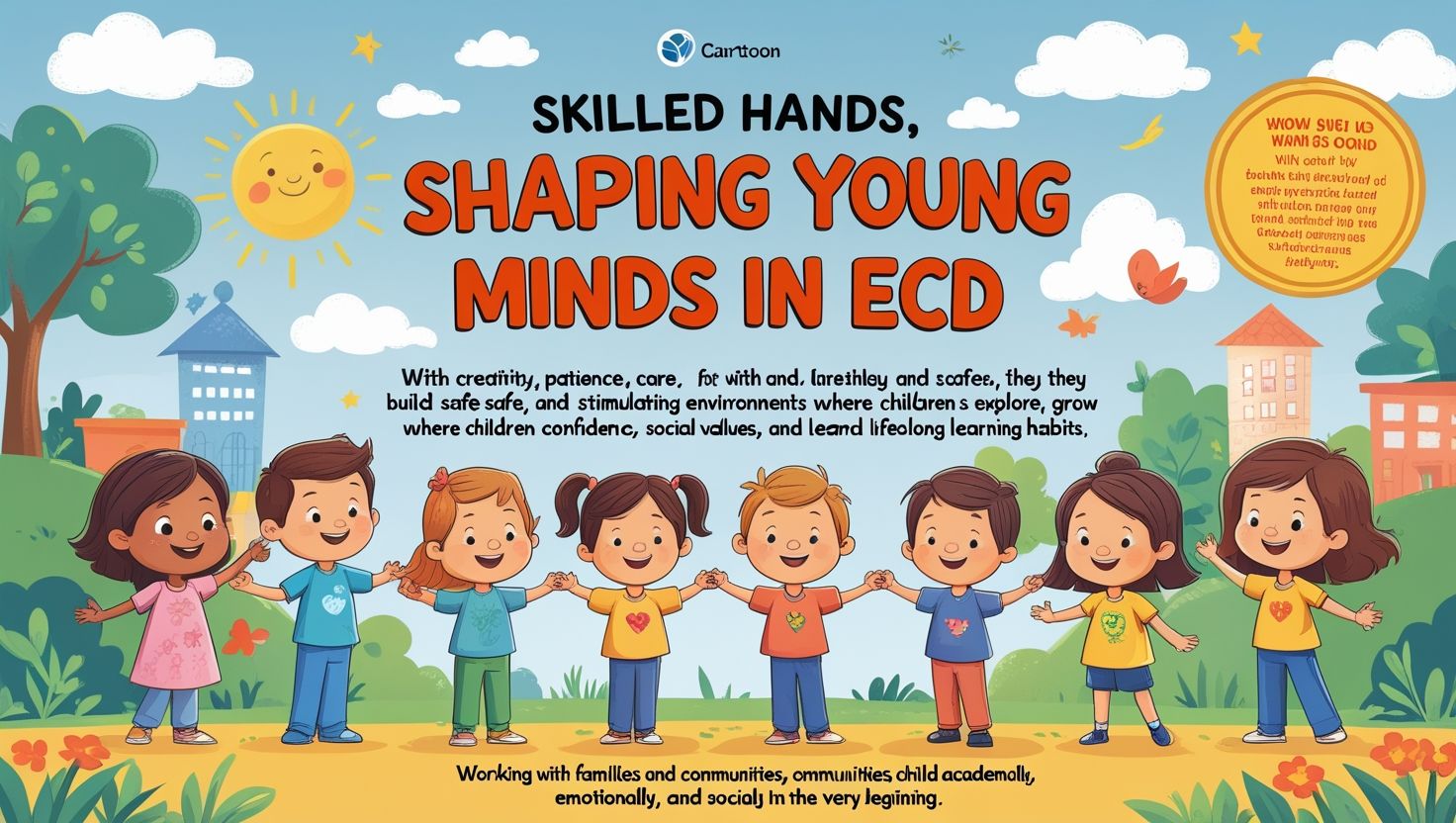
Professional training and ongoing support are essential to ensure educators can effectively apply ECD principles in diverse contexts.
Challenges in Implementing ECD Models
Despite their benefits, several challenges affect the implementation of ECD models.
Major challenges include:
- Limited funding and resources
- Lack of trained early childhood educators
- Large class sizes
- Cultural resistance to play-based learning
- Inequitable access to quality ECD programs
Addressing these challenges requires strong policy commitment, investment, and collaboration among stakeholders.
Future Directions for ECD in Education
Future efforts should focus on:
- Expanding access to quality ECD programs
- Strengthening teacher training
- Integrating technology appropriately
- Promoting inclusive and culturally responsive practices
- Enhancing family and community partnerships
Innovative and evidence-based ECD models will continue to play a critical role in achieving sustainable educational outcomes.
Conclusion
Early Childhood Development models provide essential frameworks for nurturing holistic child development during the most critical years of life. By integrating cognitive, social, emotional, and physical learning, these models ensure that children are well-prepared for formal schooling and lifelong learning. Montessori, Reggio Emilia, HighScope, Waldorf, play-based, and integrated ECD models each offer valuable insights and strategies for early childhood education. Effective implementation requires trained educators, supportive policies, and community involvement. Investing in ECD models is not only an educational priority but also a powerful strategy for social and economic development.
References (APA Style)
Bronfenbrenner, U. (1979). The ecology of human development. Harvard University Press.
Erikson, E. H. (1963). Childhood and society. Norton.
Montessori, M. (1967). The absorbent mind. Holt, Rinehart & Winston.
Piaget, J. (1952). The origins of intelligence in children. International Universities Press.
Vygotsky, L. S. (1978). Mind in society: The development of higher psychological processes. Harvard University Press.
UNESCO. (2021). Early childhood care and education.