Introduction
Impact of Examination Results on School Admission, School admission has long been a critical milestone in a student’s academic journey. Across many education systems, examination results play a decisive role in determining which schools students can access and what academic pathways become available to them. From competitive entrance exams to standardized assessments and final school-leaving results, academic performance is often treated as a proxy for ability, potential, and readiness. While this approach offers structure and efficiency, it also raises important questions about fairness, equity, student well-being, and the true purpose of education.
This article explores the impact of examination results on school admission, examining their advantages, limitations, social implications, psychological effects, and emerging alternatives. By analyzing both traditional and modern perspectives, it aims to provide a balanced understanding of how results shape admission systems and how these systems can evolve to better serve students and society.
The Role of Examination Results in School Admission
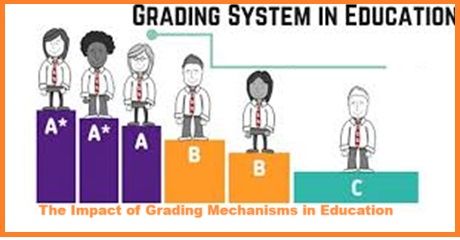
Examination results are commonly used as objective criteria to evaluate students during the admission process. They provide measurable data that institutions can compare across large groups of applicants. In highly competitive educational environments, results help schools rank students and allocate limited seats efficiently.
In many countries, admission to prestigious secondary schools, colleges, or universities depends heavily on standardized test scores or final examination grades. These results are assumed to reflect a student’s academic competence, discipline, and capacity to handle advanced coursework. As a result, examination performance often becomes the primary gateway to educational opportunity.
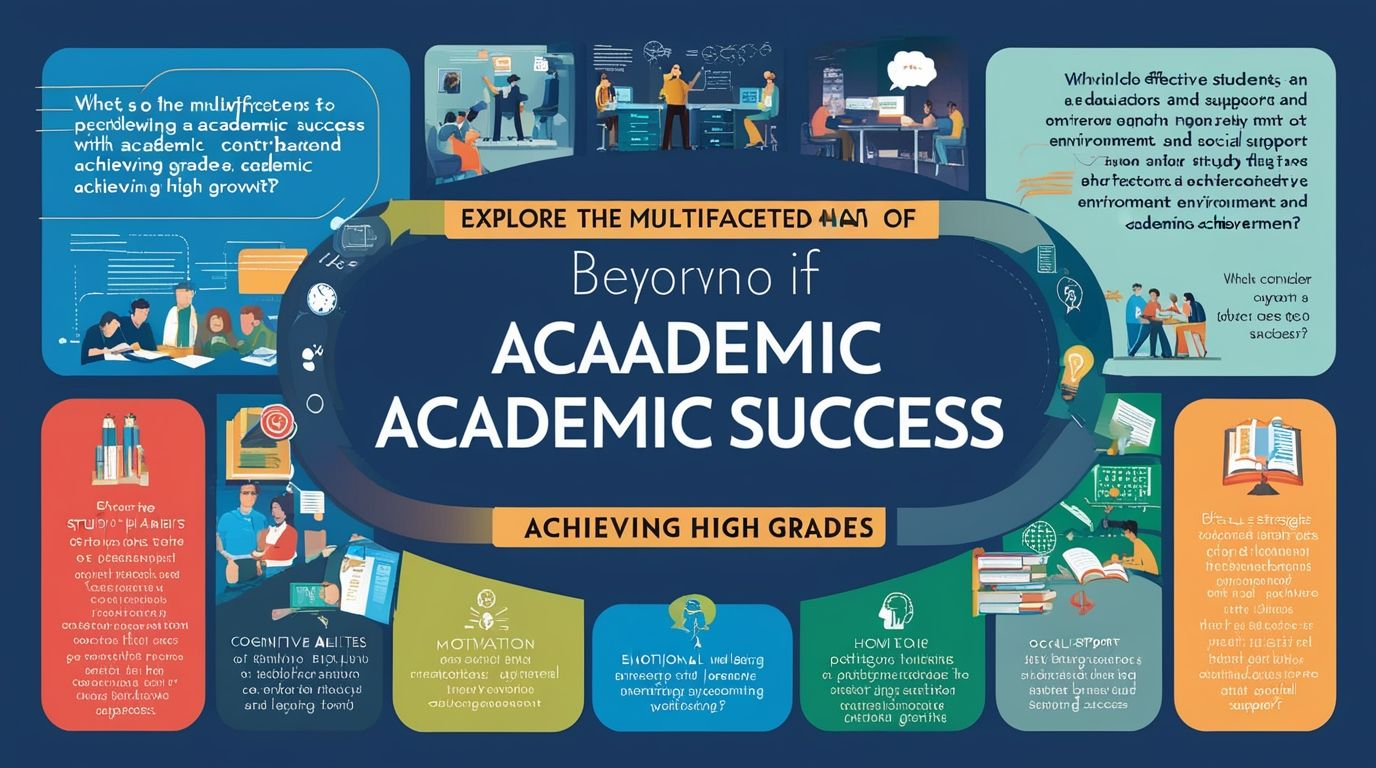
However, reliance on results also simplifies complex human abilities into numerical scores. While useful for administrative purposes, this simplification may overlook talents, creativity, motivation, and personal circumstances that also contribute to academic success.
Advantages of Result-Based Admission Systems
One of the main strengths of using examination results in school admission is objectivity. Standardized exams are designed to be uniform, reducing personal bias in selection decisions. This can help ensure transparency and consistency, especially in large-scale admission processes.
Result-based systems also promote meritocracy by rewarding academic effort and achievement. Students who perform well in examinations are often seen as having earned their place through hard work and dedication. This can motivate learners to focus on their studies and strive for excellence.
Additionally, examination results allow institutions to predict academic readiness. Schools can select students whose performance suggests they are prepared for the curriculum’s rigor, thereby maintaining academic standards and reducing dropout rates.
Limitations and Challenges of Result-Centered Admissions
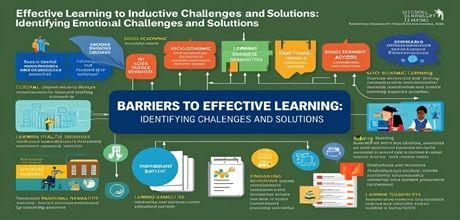
Despite their advantages, result-based admission systems face significant limitations. Academic performance in examinations does not always reflect a student’s true potential. Factors such as exam anxiety, health issues, language barriers, or temporary personal challenges can negatively affect results.
Moreover, standardized exams often favor students from privileged backgrounds who have access to quality schooling, private tutoring, and supportive learning environments. This can widen educational inequality, as students from disadvantaged backgrounds may struggle to compete despite having equal or greater potential.
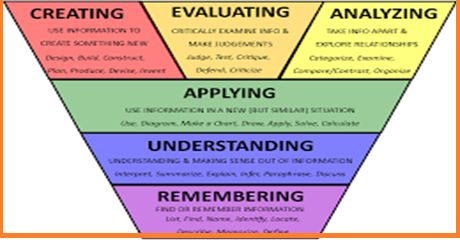
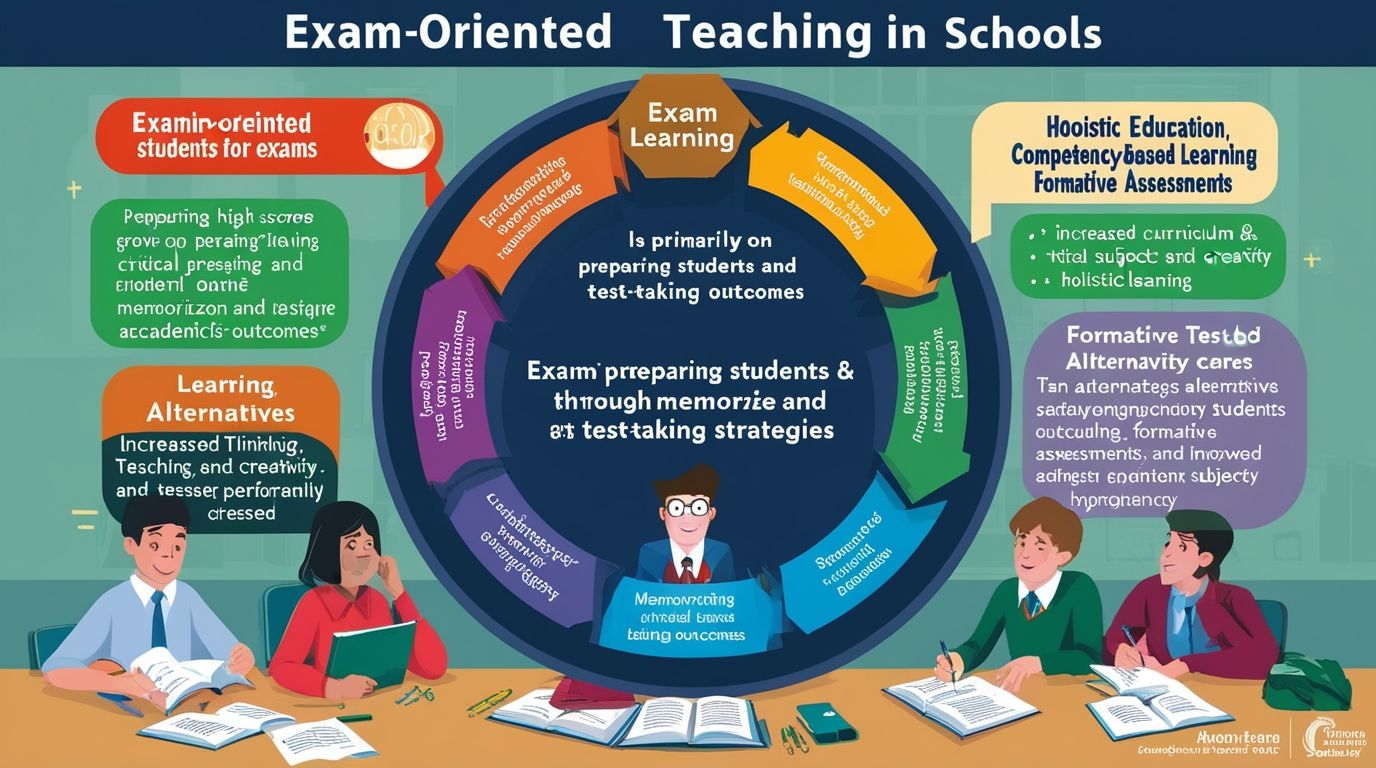
Another concern is that an overemphasis on results encourages rote learning and exam-oriented education. Students may focus on memorization rather than understanding, creativity, or critical thinking, which undermines the broader goals of education.
Psychological Impact on Students
The pressure associated with examination results can have profound psychological effects on students. When admission decisions hinge almost entirely on scores, students may experience intense stress, anxiety, and fear of failure. This pressure can begin at an early age and persist throughout schooling.
For some students, poor results can damage self-esteem and motivation, leading them to believe they are less capable or intelligent. In extreme cases, excessive academic pressure has been linked to burnout, depression, and other mental health issues.
Conversely, students who consistently achieve high results may also face pressure to maintain their performance, limiting their willingness to explore new interests or take intellectual risks. Thus, result-based systems can affect not only academic outcomes but also emotional well-being and personal development.

Social and Economic Implications
Examination results used in school admission have broader social and economic consequences. Access to high-performing schools often leads to better educational resources, networking opportunities, and future career prospects. As a result, admission outcomes can reinforce existing social inequalities.
Families with greater financial means may invest heavily in test preparation, coaching, and supplementary education to improve their children’s results. This creates an uneven playing field where success is influenced not only by ability but also by socioeconomic status.
Over time, such disparities can contribute to social stratification, where educational pathways and life chances are strongly linked to early academic performance. This raises ethical concerns about fairness and equal opportunity in education systems.
Impact on Teaching and Curriculum
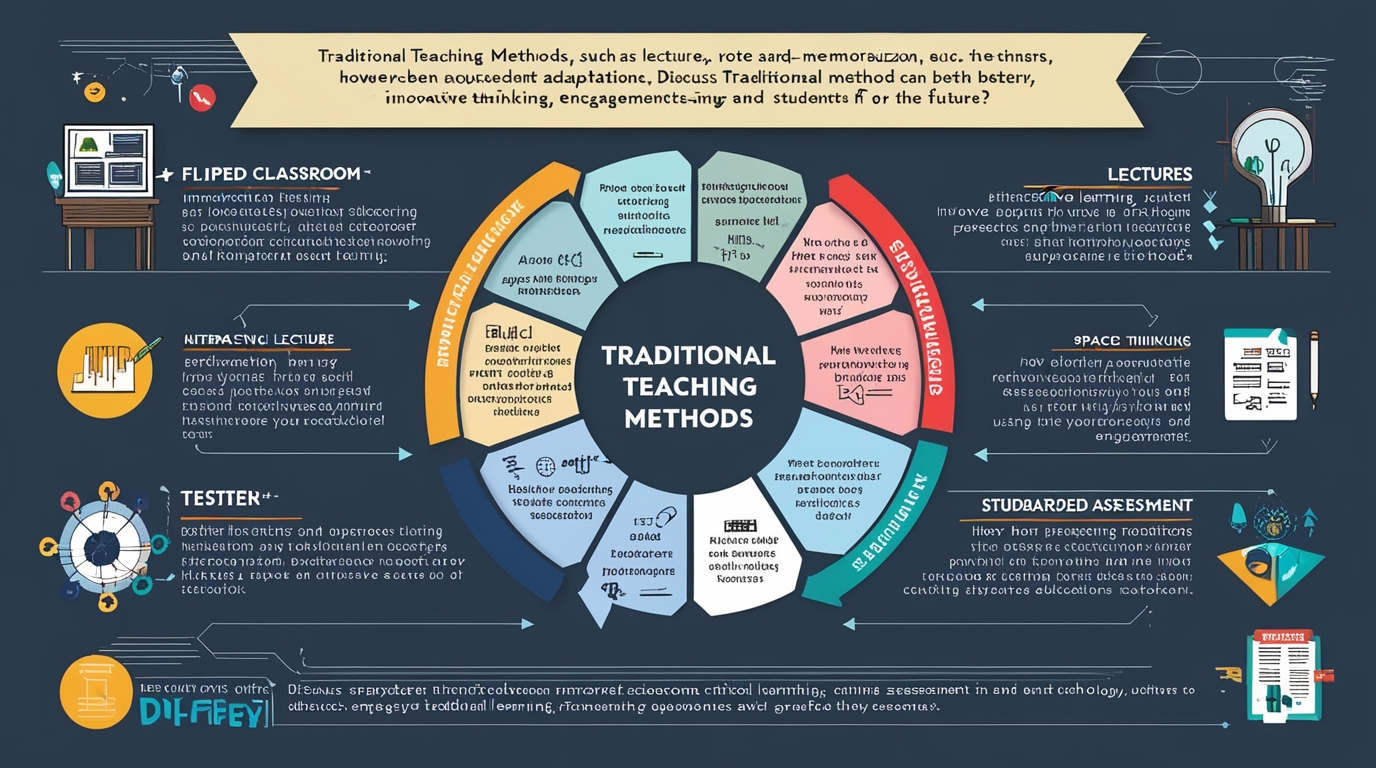
When examination results dominate admission criteria, they also shape teaching practices and curriculum design. Teachers may feel compelled to “teach to the test,” prioritizing exam content over holistic learning. Subjects or skills that are not directly assessed may receive less attention.
This narrow focus can limit students’ exposure to arts, sports, civic education, and life skills that are essential for well-rounded development. It can also reduce opportunities for experiential learning, collaboration, and independent inquiry.
While assessments are necessary to measure progress, an education system overly driven by results risks losing sight of its broader mission: to develop informed, creative, and responsible individuals.
Equity and Inclusion in Admission Processes
One of the most significant criticisms of result-based admissions is their impact on equity and inclusion. Students with learning differences, disabilities, or diverse linguistic backgrounds may face additional challenges in standardized testing environments.
Although accommodations exist in many systems, they may not fully address underlying disadvantages. As a result, capable students may be excluded from quality schools due to results that do not accurately reflect their abilities.
To promote inclusion, some institutions consider contextual factors alongside results, such as family background, school resources, and personal circumstances. This approach aims to recognize achievement relative to opportunity rather than absolute scores alone.
Alternative and Complementary Admission Criteria
In response to the limitations of result-centered systems, many schools are adopting more holistic admission approaches. These may include interviews, personal statements, portfolios, recommendation letters, and assessments of extracurricular involvement.
Such criteria allow institutions to evaluate qualities like motivation, leadership, creativity, and resilience. When combined with examination results, they provide a more comprehensive picture of a student’s potential.
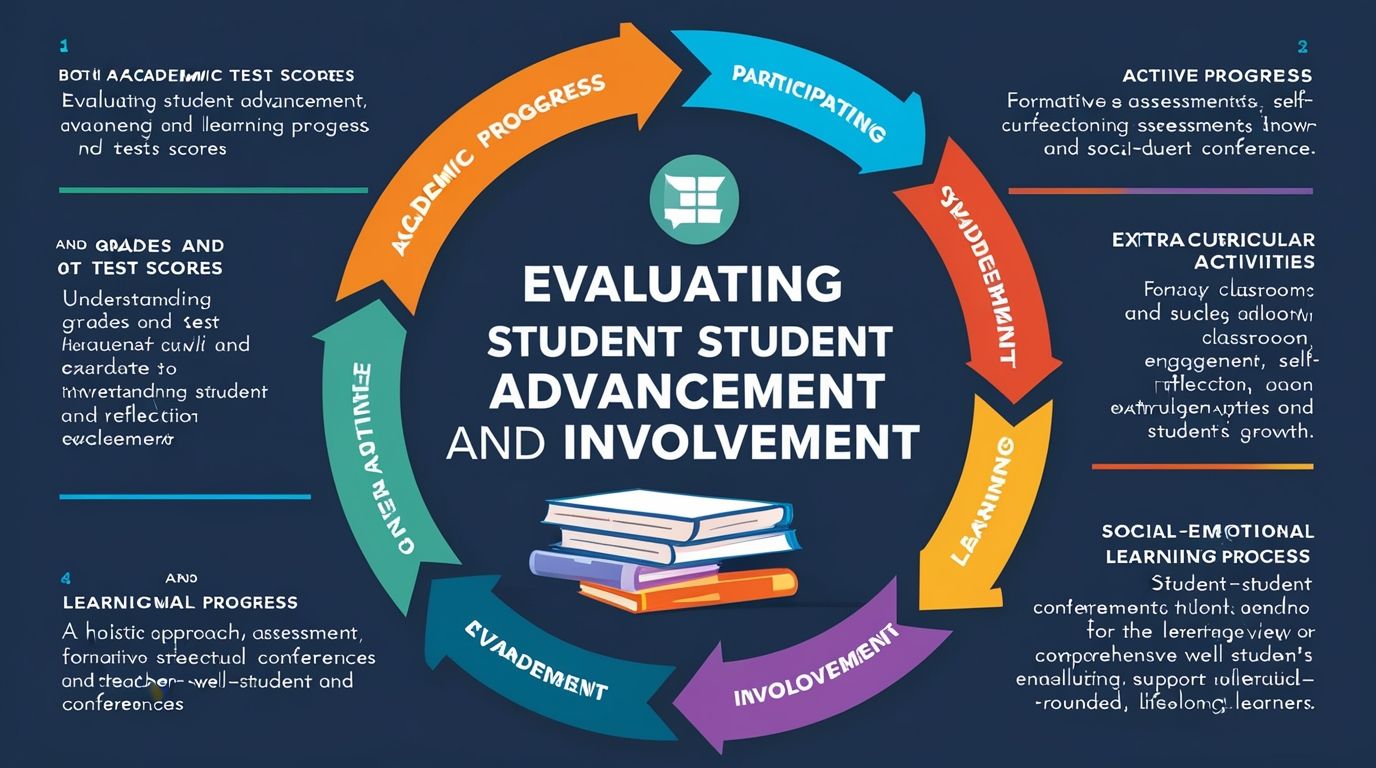
Some education systems have also introduced continuous assessment models, where students’ performance over time is considered alongside final exam results. This reduces the impact of a single high-stakes test and encourages consistent learning.
Technological and Policy Developments
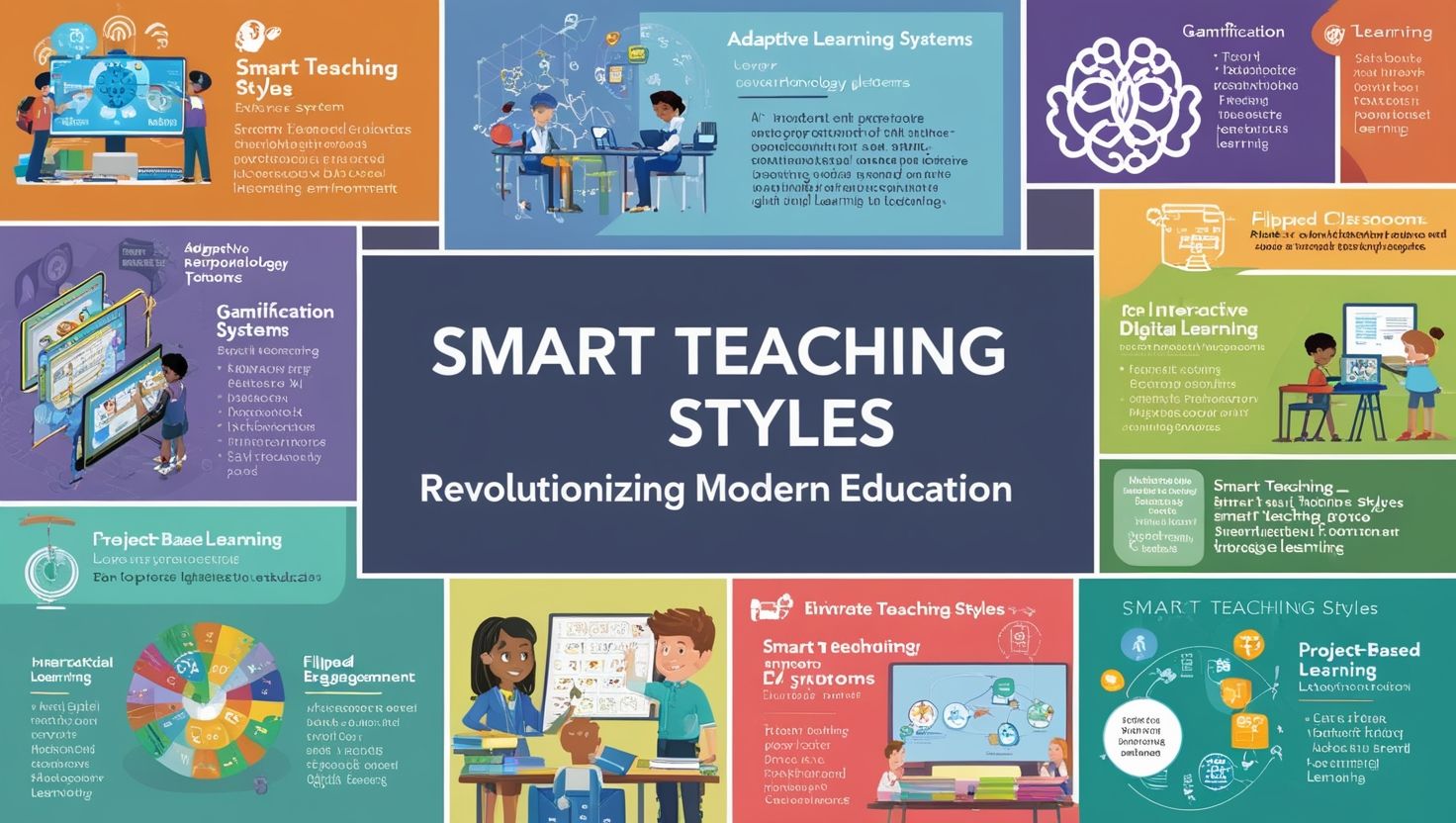
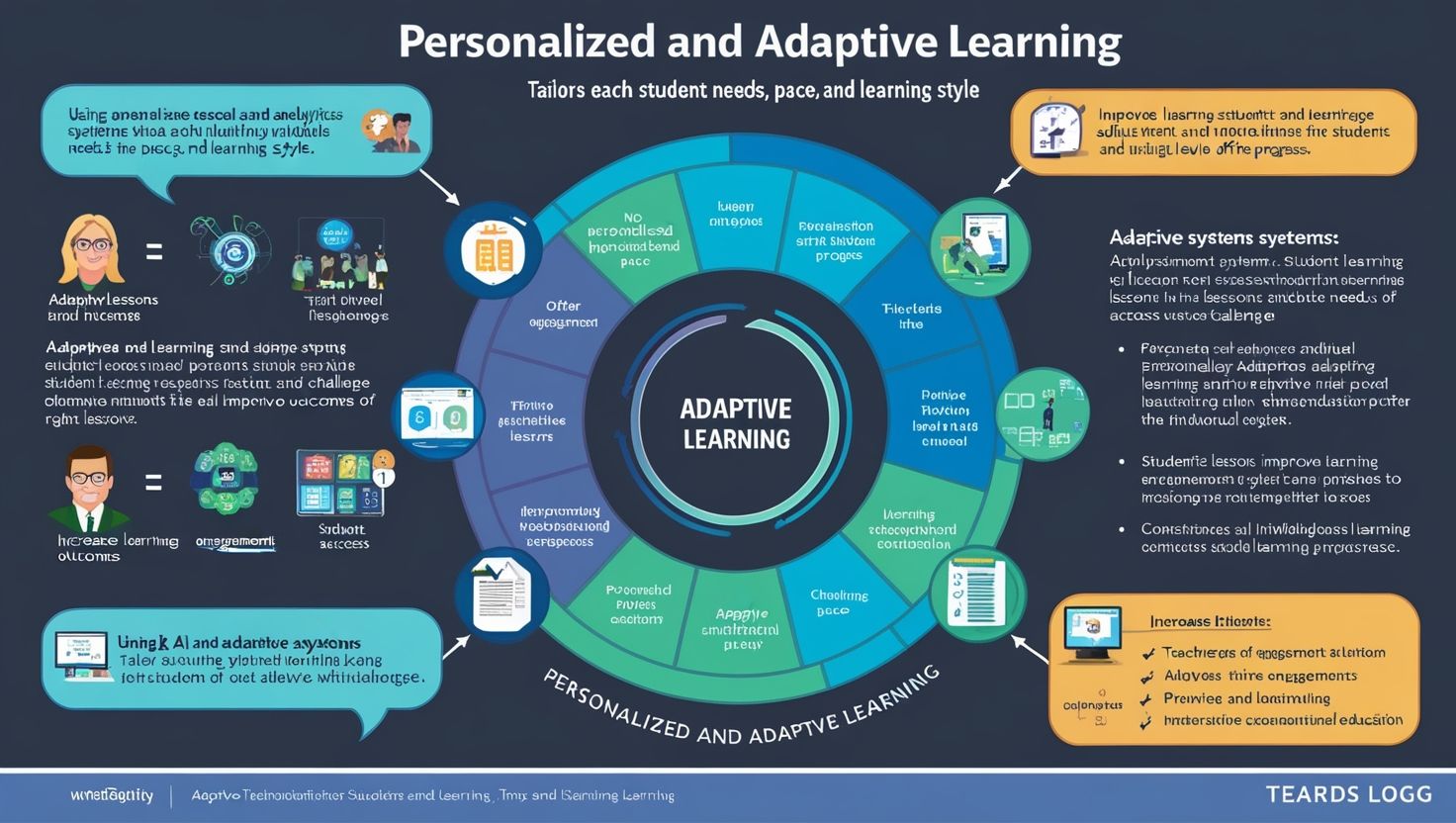
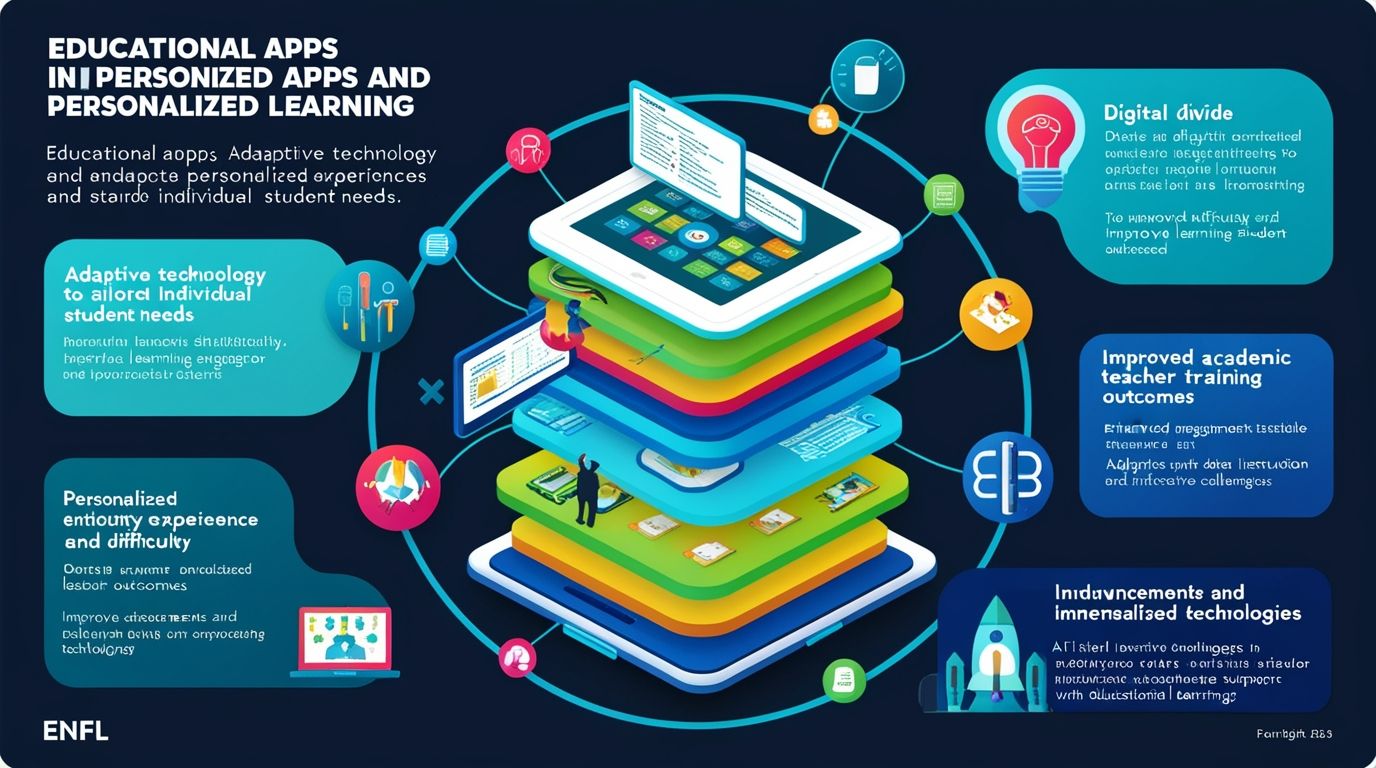
Advances in educational technology and data analytics are influencing how results are used in admissions. Adaptive testing, digital portfolios, and learning analytics offer new ways to assess student abilities beyond traditional exams.
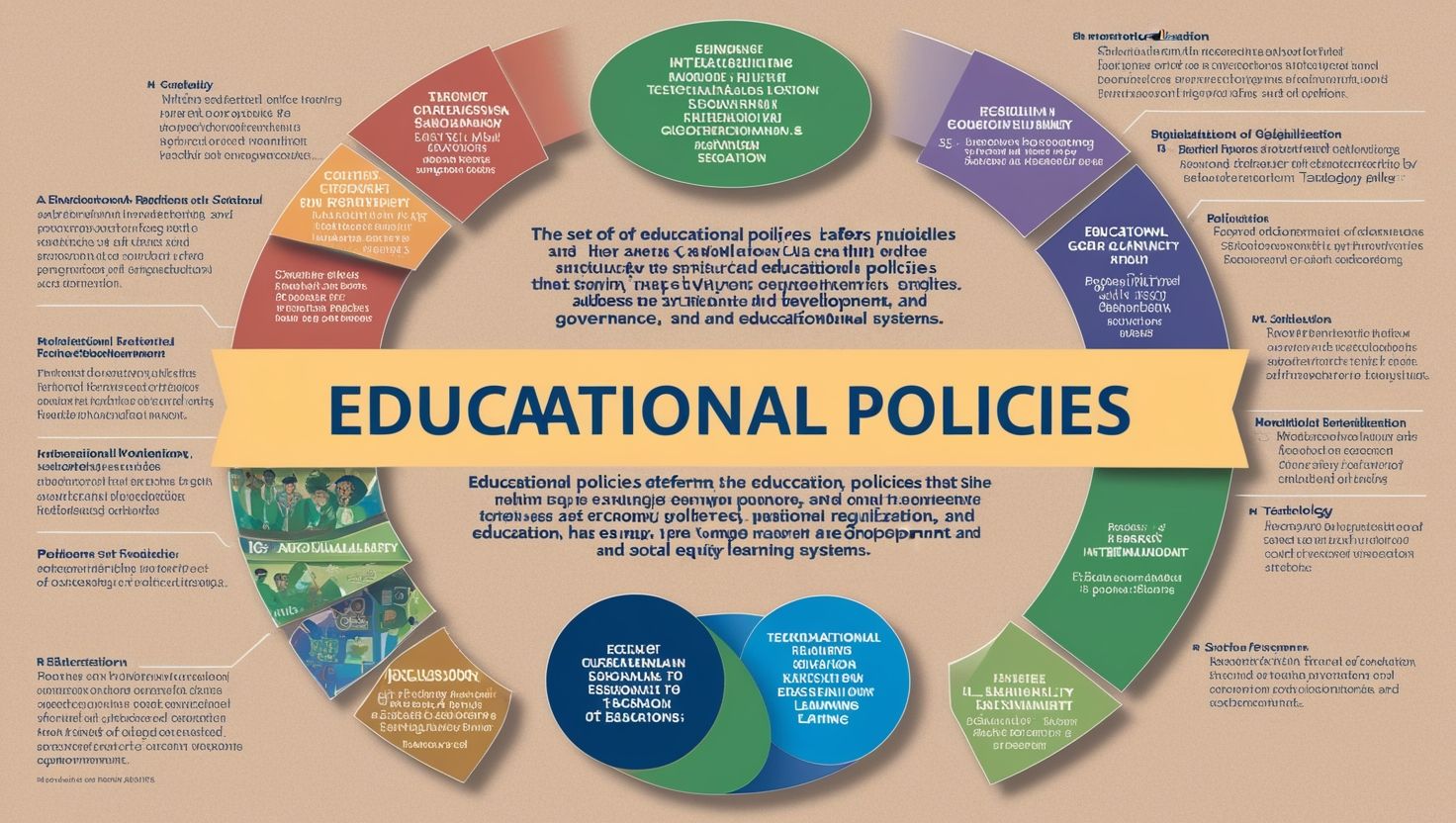
Policy reforms in several countries aim to reduce excessive exam pressure by limiting the number of high-stakes tests or diversifying admission criteria. These reforms reflect growing recognition that education should support both academic achievement and personal development.
However, implementing change requires careful planning to ensure transparency, fairness, and public trust in new systems.
Balancing Merit and Opportunity
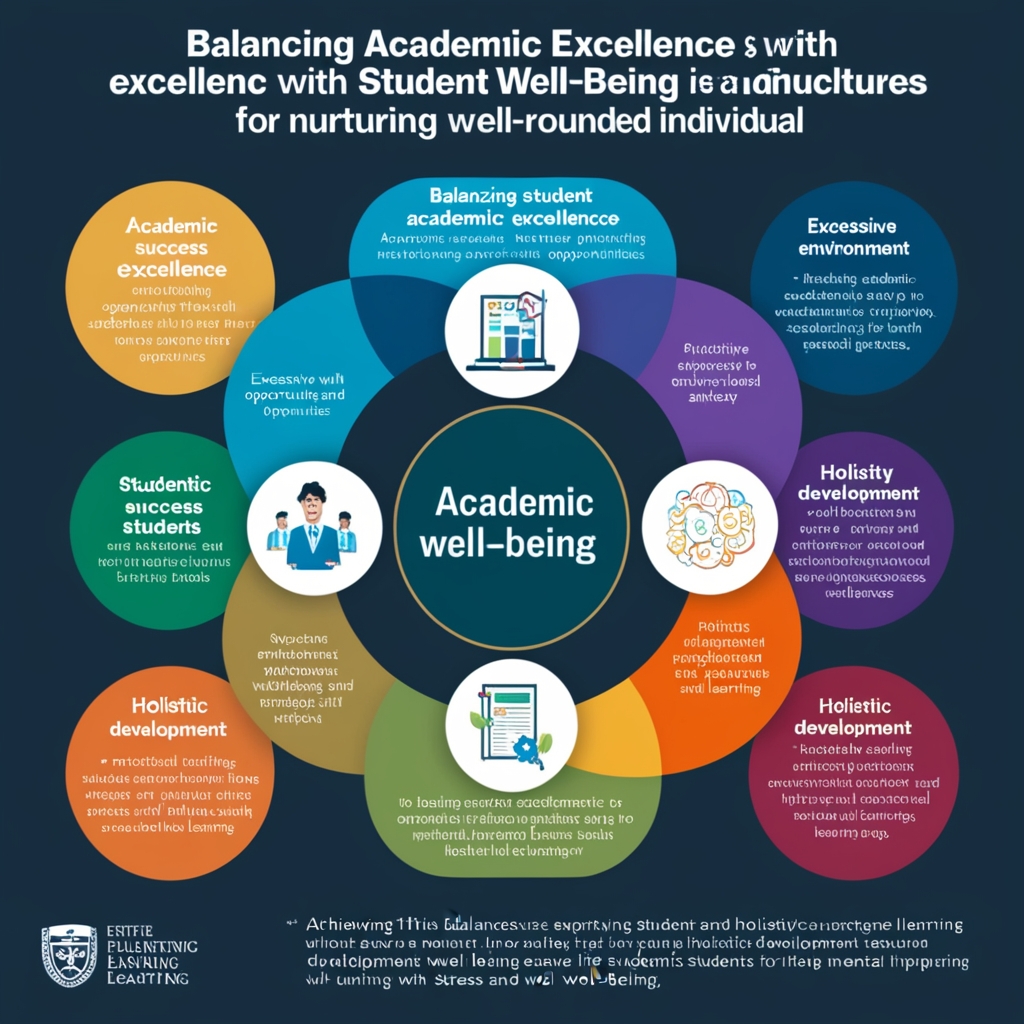
The challenge for education systems is to balance merit-based selection with equal opportunity. Examination results can remain a valuable tool, but they should not be the sole determinant of a student’s educational future.
A balanced approach acknowledges that talent is multifaceted and that academic scores represent only one aspect of ability. By combining results with contextual and qualitative information, schools can make more informed and equitable admission decisions.
Such balance also sends a powerful message to students: that learning is about growth, curiosity, and effort, not just scores.
Conclusion
Examination results have a significant and lasting impact on school admission, shaping educational pathways, personal development, and social outcomes. While result-based systems offer objectivity, efficiency, and a sense of meritocracy, they also present challenges related to equity, psychological well-being, and the broader purpose of education.
As education systems evolve, there is increasing recognition of the need for more holistic admission practices that value diverse talents and circumstances. By rethinking the role of results and integrating complementary criteria, schools can create admission processes that are fairer, more inclusive, and better aligned with the goals of modern education.
Ultimately, the true measure of an education system lies not only in how it selects students, but in how well it nurtures their potential and prepares them for meaningful participation in society.