Introduction
Self-Motivation for Teaching, Teaching is often described as a calling rather than merely a profession. It demands intellectual rigor, emotional resilience, creativity, and an enduring commitment to learners’ growth. In an era marked by rapid technological change, diverse classrooms, administrative pressures, and evolving societal expectations, teachers face challenges that can test their enthusiasm and sense of purpose. Amid these realities, self-motivation becomes a cornerstone of effective teaching. It is the inner drive that sustains educators through demanding days, fuels continuous improvement, and transforms routine instruction into meaningful learning experiences.
Self-motivation in teaching refers to an educator’s ability to inspire and regulate their own commitment, energy, and passion toward their professional goals without relying solely on external rewards or pressures. While salaries, promotions, and recognition play a role, it is intrinsic motivation—rooted in personal values, beliefs, and satisfaction—that most powerfully influences long-term effectiveness and well-being. This article explores the concept of self-motivation for teaching, its importance, key factors that influence it, strategies to cultivate it, and its impact on both teachers and students.
Understanding Self-Motivation in Teaching
Self-motivation is the internal process that initiates, guides, and sustains goal-oriented behavior. For teachers, it involves the willingness to plan thoughtfully, teach passionately, reflect critically, and persist despite obstacles. Unlike extrinsic motivation, which depends on external incentives, self-motivation is driven by internal rewards such as personal fulfillment, professional pride, and the joy of seeing students succeed.
In the teaching profession, self-motivation is closely linked to intrinsic motivation. Teachers who are intrinsically motivated find meaning in their work, enjoy the act of teaching itself, and view challenges as opportunities for growth rather than burdens. This mindset allows them to maintain enthusiasm even in less-than-ideal conditions, such as limited resources or large class sizes.
Self-motivated teachers are proactive learners. They seek new teaching strategies, embrace innovation, and engage in lifelong professional development. Rather than waiting for directives, they take ownership of their classrooms and their professional journeys. This sense of agency is essential in a field where autonomy and adaptability significantly influence success.
The Importance of Self-Motivation for Teachers
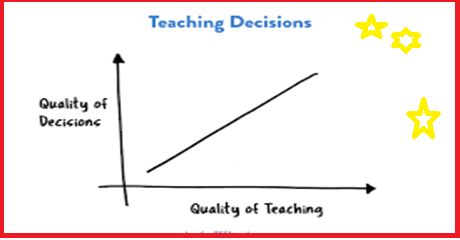
Self-motivation is vital for teachers for several reasons. First, it directly affects teaching quality. Motivated teachers are more likely to plan engaging lessons, use diverse instructional methods, and create supportive learning environments. Their enthusiasm is contagious, often inspiring students to become more motivated learners themselves.
Second, self-motivation supports resilience and reduces burnout. Teaching can be emotionally demanding, involving long hours, high expectations, and complex interpersonal relationships. Teachers who rely solely on external validation may feel discouraged when recognition is lacking. In contrast, self-motivated teachers draw strength from internal values and personal goals, enabling them to cope more effectively with stress and setbacks.
Third, self-motivation fosters professional growth. Education is a dynamic field, and effective teachers must continually update their knowledge and skills. Self-motivated educators are more likely to engage in reflective practice, attend workshops, pursue further education, and experiment with new pedagogical approaches. This commitment to growth benefits not only the teacher but also the students and the institution.
Finally, self-motivation contributes to job satisfaction and retention. Teachers who find intrinsic meaning in their work are more likely to experience fulfillment and remain in the profession. This is particularly important in addressing global concerns about teacher attrition and shortages.
Factors Influencing Self-Motivation in Teaching
Several factors influence a teacher’s level of self-motivation. Understanding these factors can help educators and institutions create conditions that nurture and sustain motivation.
Personal Values and Purpose
A strong sense of purpose is a powerful motivator. Teachers who view their work as meaningful and aligned with their personal values are more likely to remain motivated. This purpose may stem from a desire to make a difference in students’ lives, contribute to social development, or share a passion for a particular subject.
Self-Efficacy and Confidence
Self-efficacy—the belief in one’s ability to succeed—plays a crucial role in motivation. Teachers who feel competent and confident in their skills are more willing to take initiative and persist through challenges. Positive teaching experiences, constructive feedback, and professional support can enhance self-efficacy.
Autonomy and Control
A sense of autonomy allows teachers to feel ownership over their work. When educators have the freedom to design lessons, choose instructional strategies, and make decisions that suit their students’ needs, they are more likely to feel motivated. Excessive micromanagement, on the other hand, can diminish motivation and creativity.
Work Environment and Support
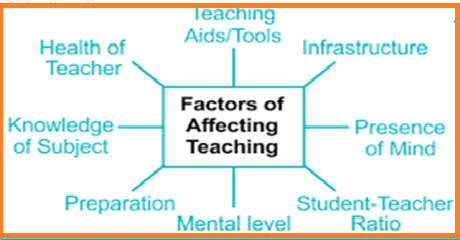
Although self-motivation is internally driven, the external environment still matters. Supportive leadership, collaborative colleagues, access to resources, and a positive school culture can reinforce motivation. Conversely, chronic stress, lack of support, and negative work climates can erode even strong intrinsic motivation.
Student Engagement and Feedback
Students’ responses significantly influence teacher motivation. Engaged, curious, and responsive learners often energize teachers, while persistent disengagement can be discouraging. Constructive feedback from students, parents, and peers can validate efforts and reinforce a teacher’s sense of purpose.
Strategies to Develop and Sustain Self-Motivation in Teaching
Self-motivation is not a fixed trait; it can be cultivated and strengthened through intentional practices. The following strategies can help teachers develop and sustain their motivation over time.
Setting Clear and Meaningful Goals
Goal setting provides direction and focus. Teachers should set both short-term and long-term goals that align with their values and aspirations. These goals might include improving student outcomes, mastering a new teaching method, or enhancing classroom relationships. Clear goals create a sense of progress and accomplishment, which fuels motivation.
Reflective Practice
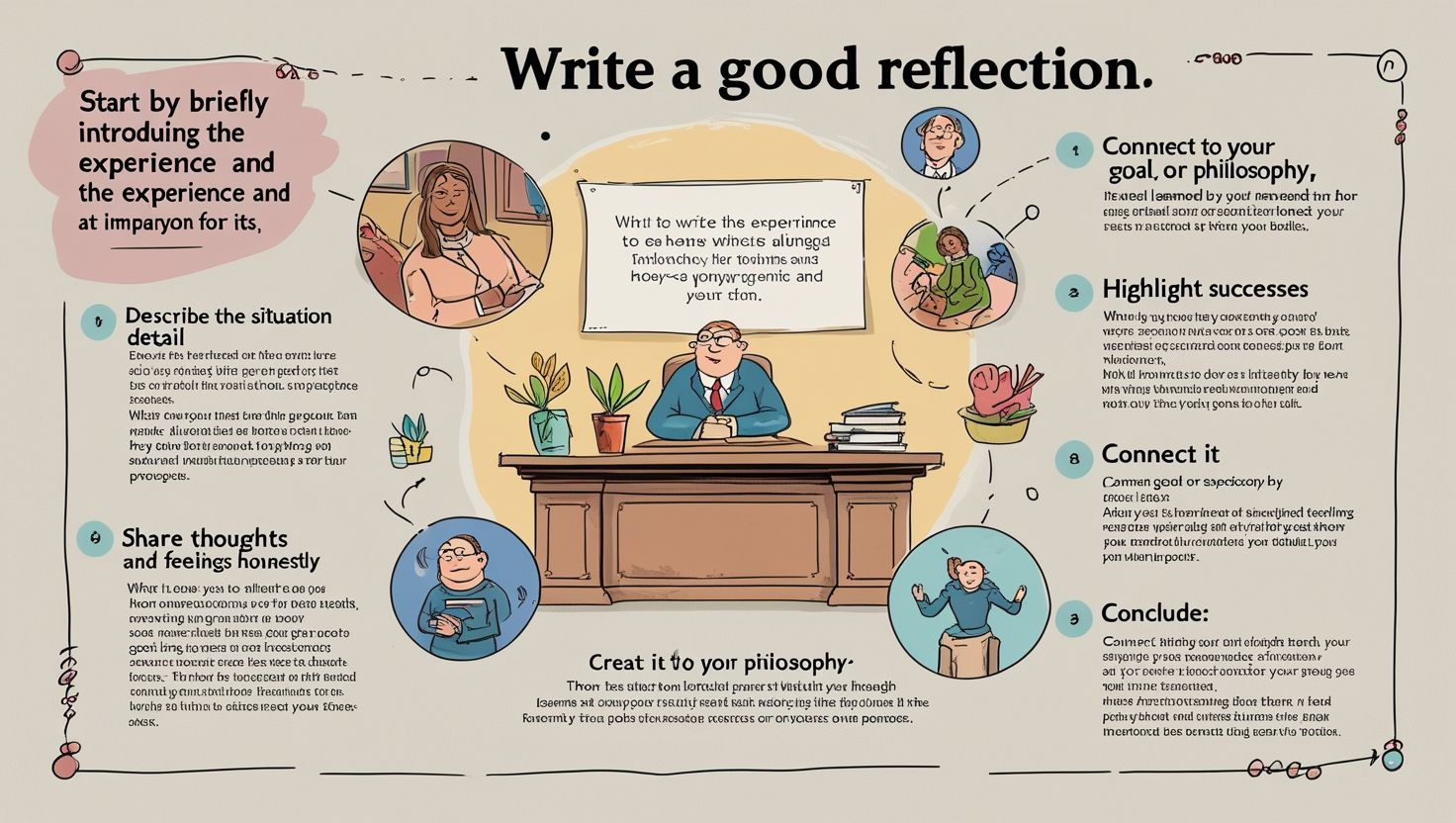
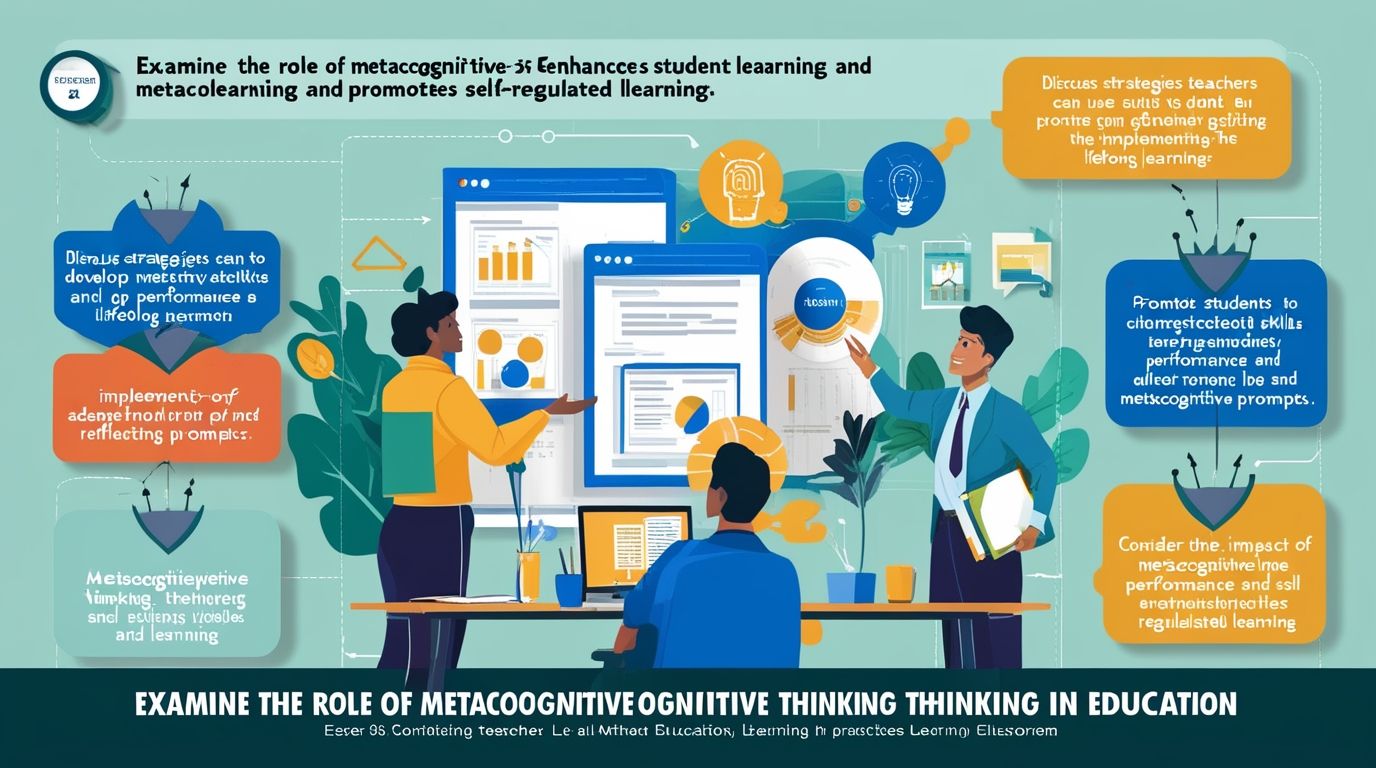
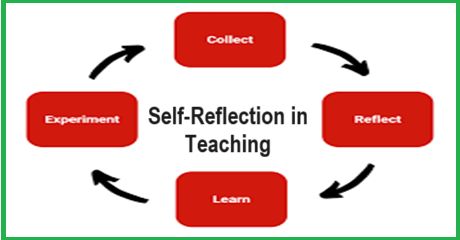
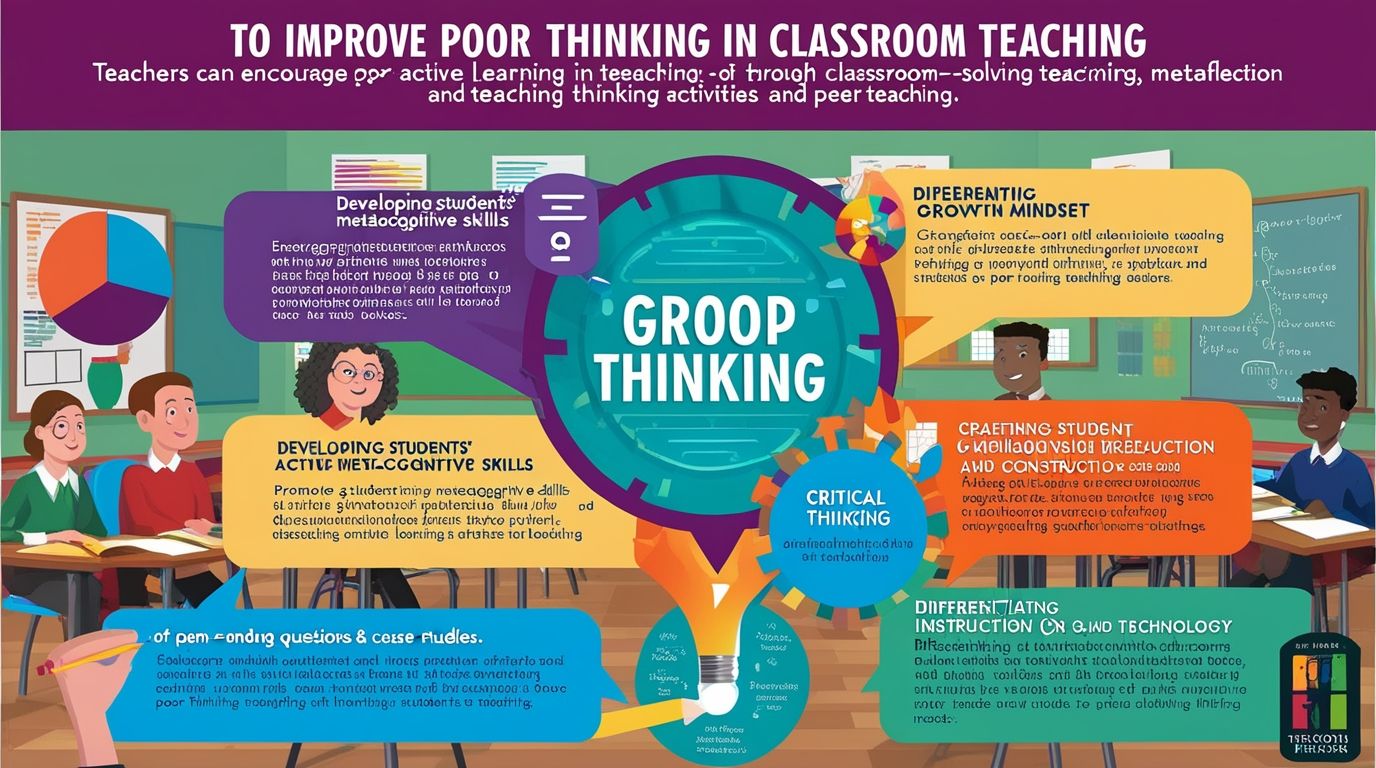
Regular reflection helps teachers connect their daily activities with their broader purpose. By reflecting on successes, challenges, and lessons learned, educators can gain insights into their growth and reaffirm their commitment. Journaling, peer discussions, and self-assessment tools can support reflective practice.
Lifelong Learning and Professional Development
Engaging in continuous learning keeps teaching fresh and stimulating. Attending workshops, pursuing advanced degrees, reading professional literature, and participating in learning communities can reignite passion and confidence. Learning new skills also enhances self-efficacy, reinforcing motivation.
Building Positive Relationships
Strong relationships with students, colleagues, and administrators contribute to emotional well-being and motivation. Teachers who feel connected and supported are more likely to remain engaged. Collaborative planning, mentoring, and open communication can strengthen these relationships.
Celebrating Small Wins
Teaching progress is often gradual and incremental. Recognizing and celebrating small achievements—such as a student’s improvement or a successful lesson—can boost morale and motivation. Acknowledging these moments helps teachers appreciate the impact of their efforts.
Maintaining Work-Life Balance
Sustaining motivation requires attention to personal well-being. Teachers should prioritize self-care, set boundaries, and make time for activities outside of work. Physical health, mental well-being, and personal fulfillment all influence professional motivation.
Embracing Challenges as Opportunities
A growth mindset encourages teachers to view challenges as opportunities for learning rather than as failures. This perspective fosters resilience and persistence. When setbacks occur, self-motivated teachers analyze what went wrong, adjust their strategies, and continue striving for improvement.
The Impact of Self-Motivated Teachers on Students
The benefits of teacher self-motivation extend beyond the educators themselves to their students. Motivated teachers create positive, engaging, and inclusive learning environments. Their enthusiasm and commitment often inspire students to develop a love for learning and a belief in their own abilities.
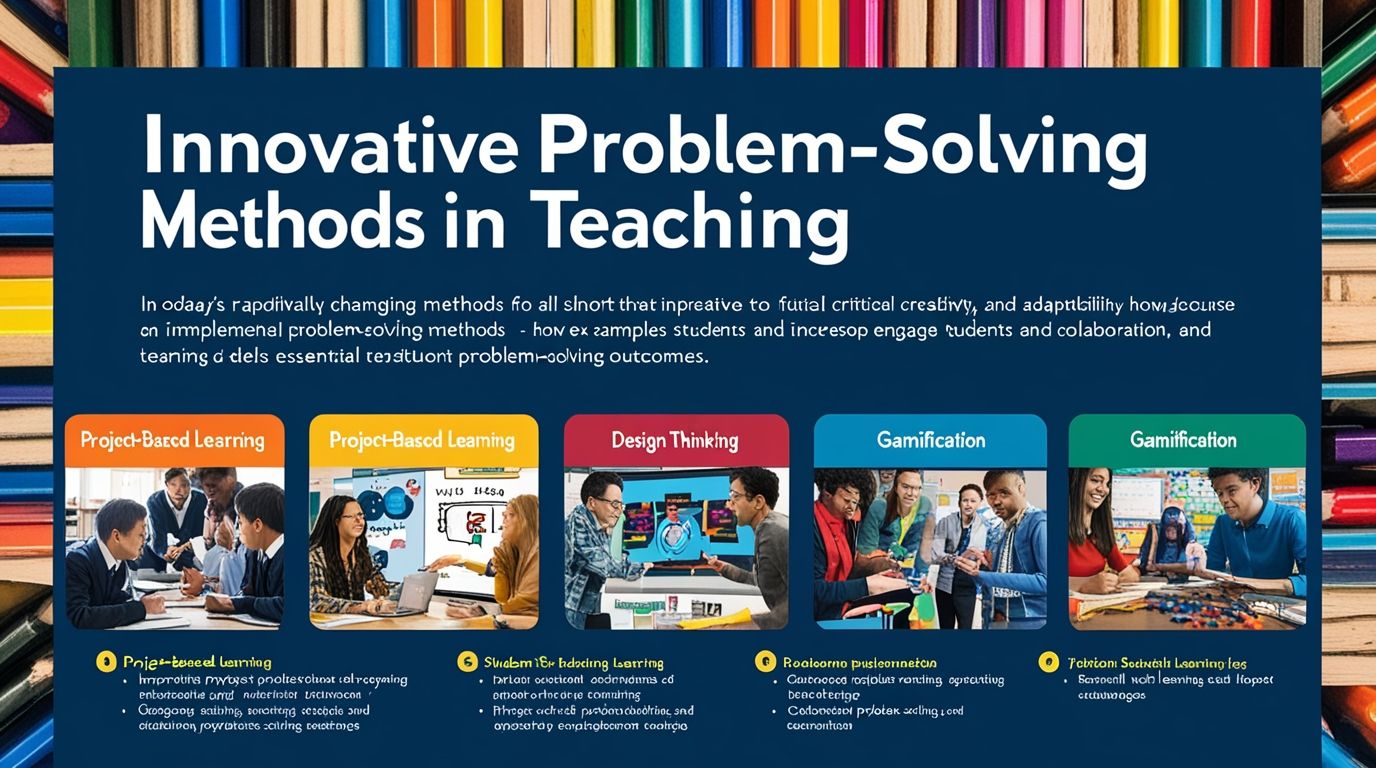
Self-motivated teachers are more likely to use innovative teaching methods, differentiate instruction, and respond thoughtfully to students’ needs. They model positive attitudes such as perseverance, curiosity, and responsibility, which students can emulate. Research consistently shows that teacher motivation is linked to higher student engagement, achievement, and overall classroom satisfaction.
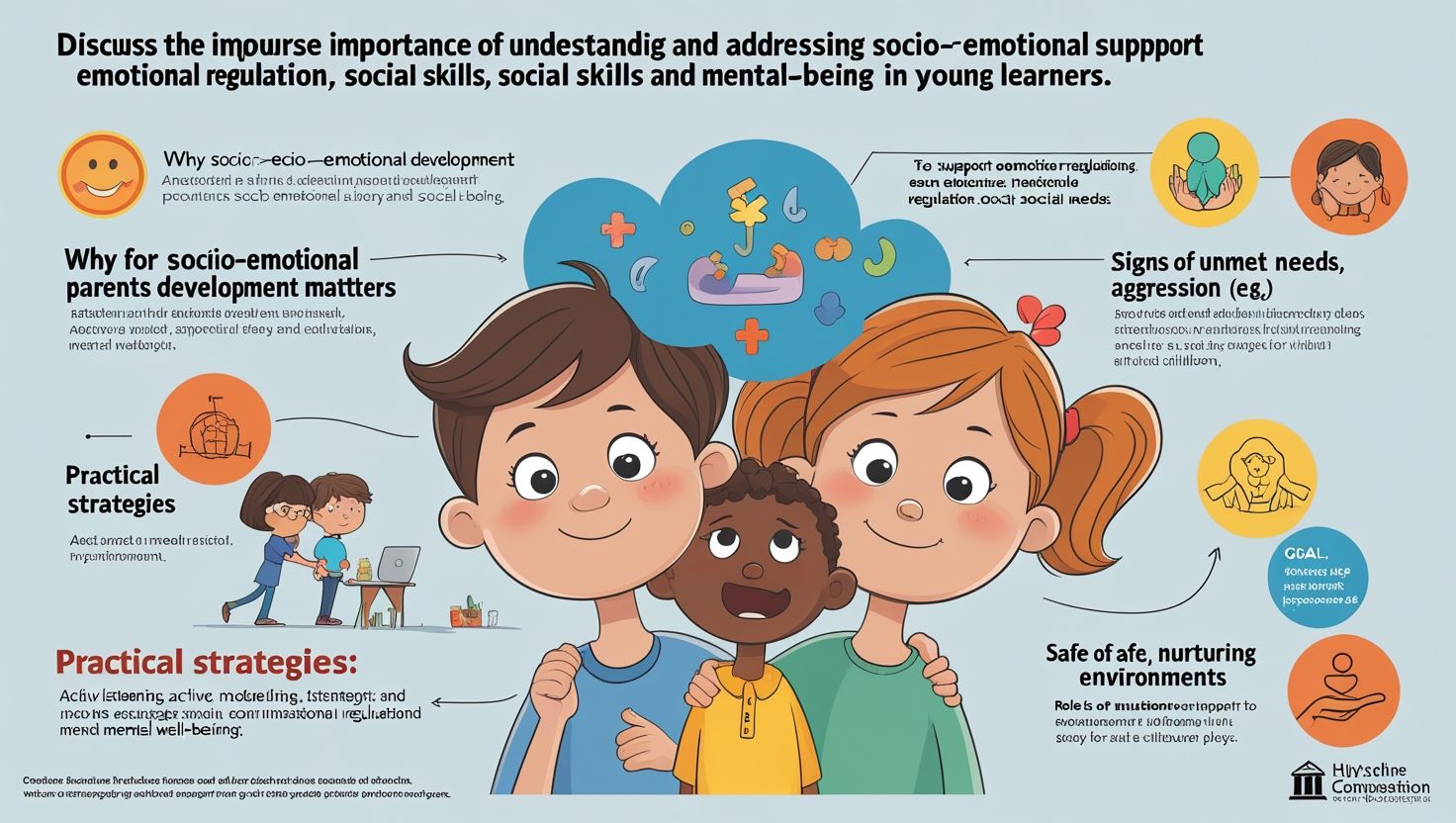
Moreover, motivated teachers tend to build stronger relationships with students, fostering trust and mutual respect. These relationships are critical for effective learning, particularly for students who face academic or personal challenges. In this way, teacher self-motivation contributes to both academic success and holistic student development.
Challenges to Self-Motivation in Teaching
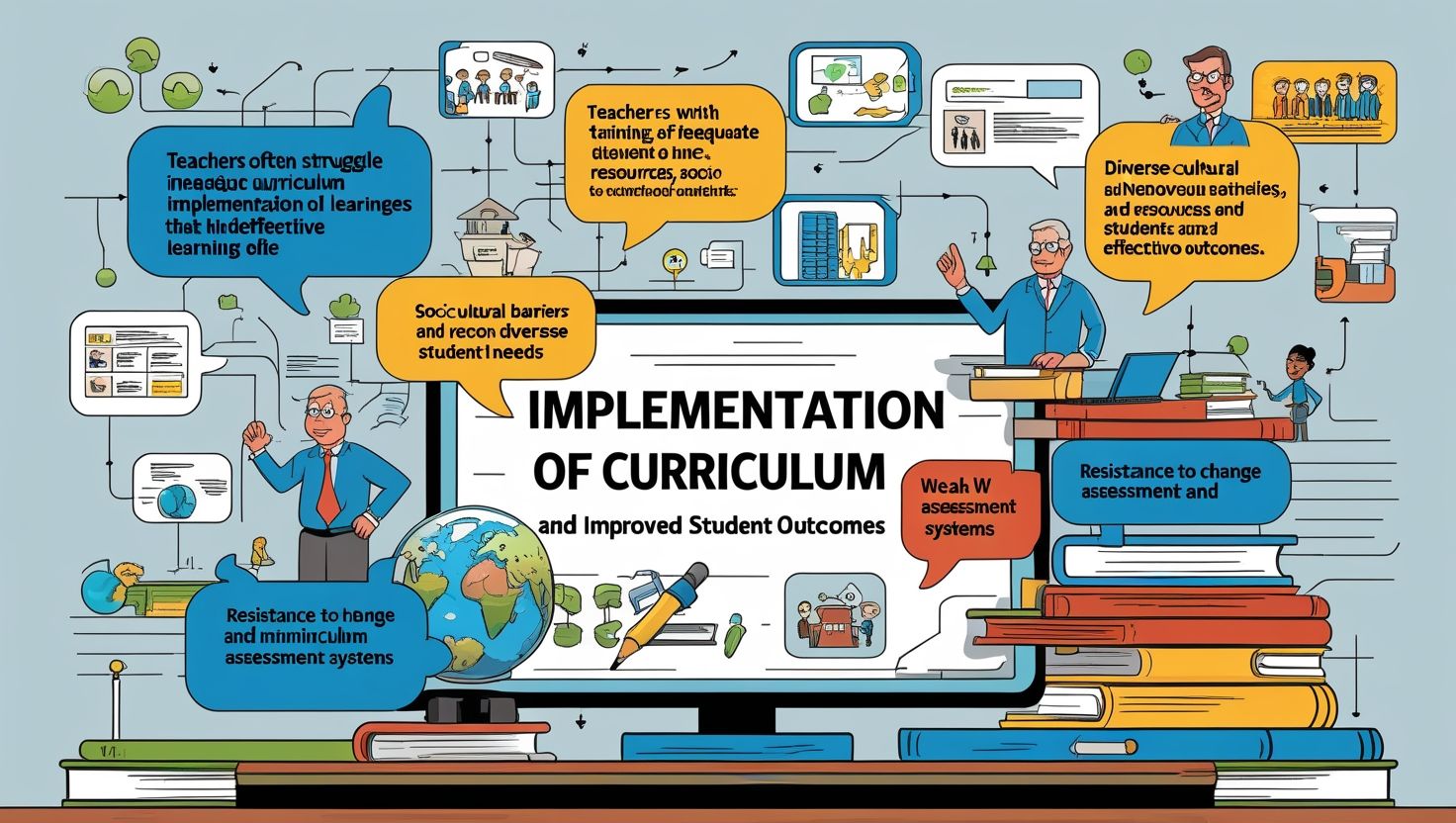
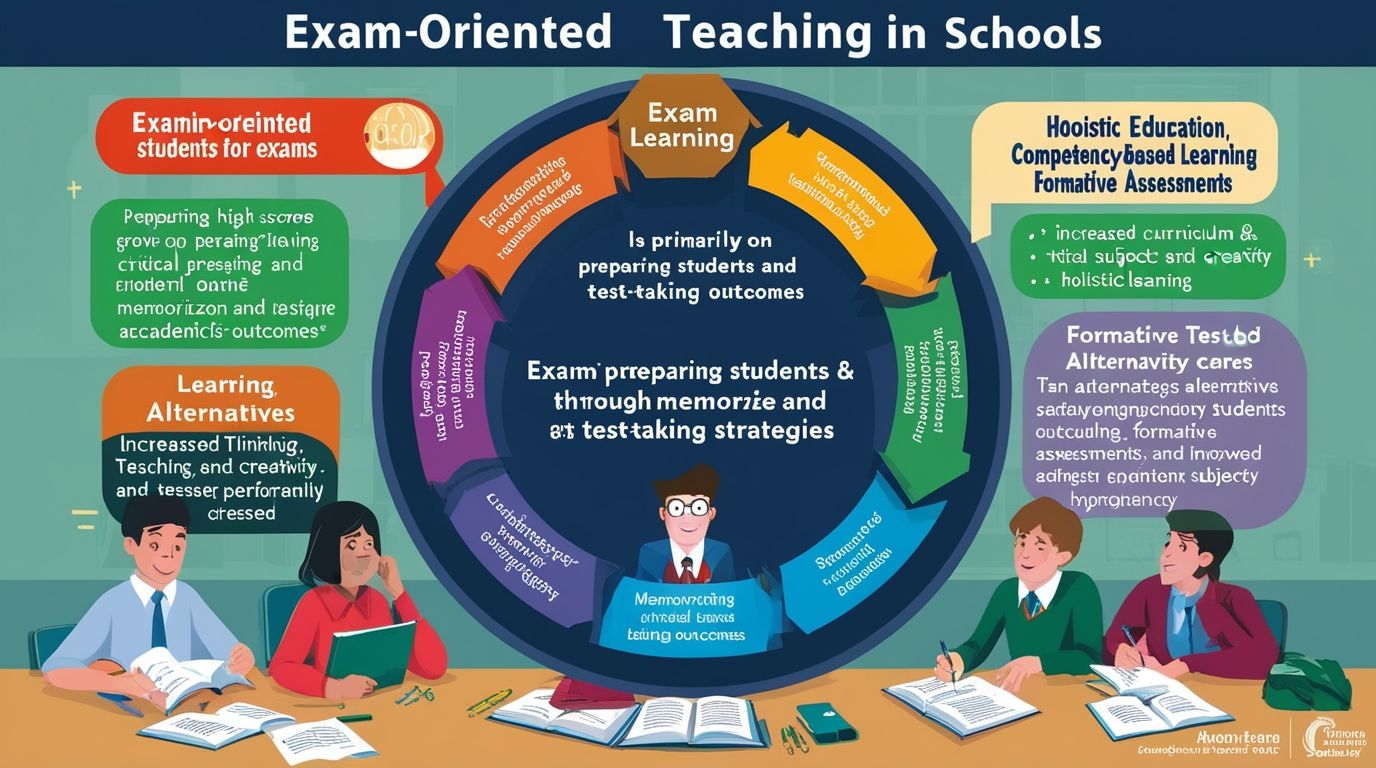
Despite its importance, maintaining self-motivation in teaching is not always easy. Common challenges include heavy workloads, administrative demands, standardized testing pressures, limited resources, and societal undervaluing of the profession. Emotional exhaustion and burnout can diminish motivation over time.
Acknowledging these challenges is essential. Self-motivation does not mean ignoring difficulties or shouldering responsibility alone. Instead, it involves recognizing obstacles while actively seeking solutions, support, and balance. Institutional support, professional communities, and policy reforms play important roles in sustaining teacher motivation alongside individual efforts.
Conclusion
Self-motivation is a vital force that underpins effective, resilient, and fulfilling teaching. It empowers educators to navigate challenges, pursue excellence, and find meaning in their work beyond external rewards. By cultivating a strong sense of purpose, engaging in reflective practice, pursuing continuous learning, and nurturing positive relationships, teachers can sustain their motivation throughout their careers.
In a world where education shapes the future of individuals and societies, motivated teachers are invaluable. Their passion influences not only what students learn, but how they learn and who they become. Investing in self-motivation is therefore not just a personal endeavor for teachers; it is a professional responsibility and a societal priority. When teachers remain self-motivated, teaching becomes more than a job—it becomes a transformative force for lasting change.