
Introduction
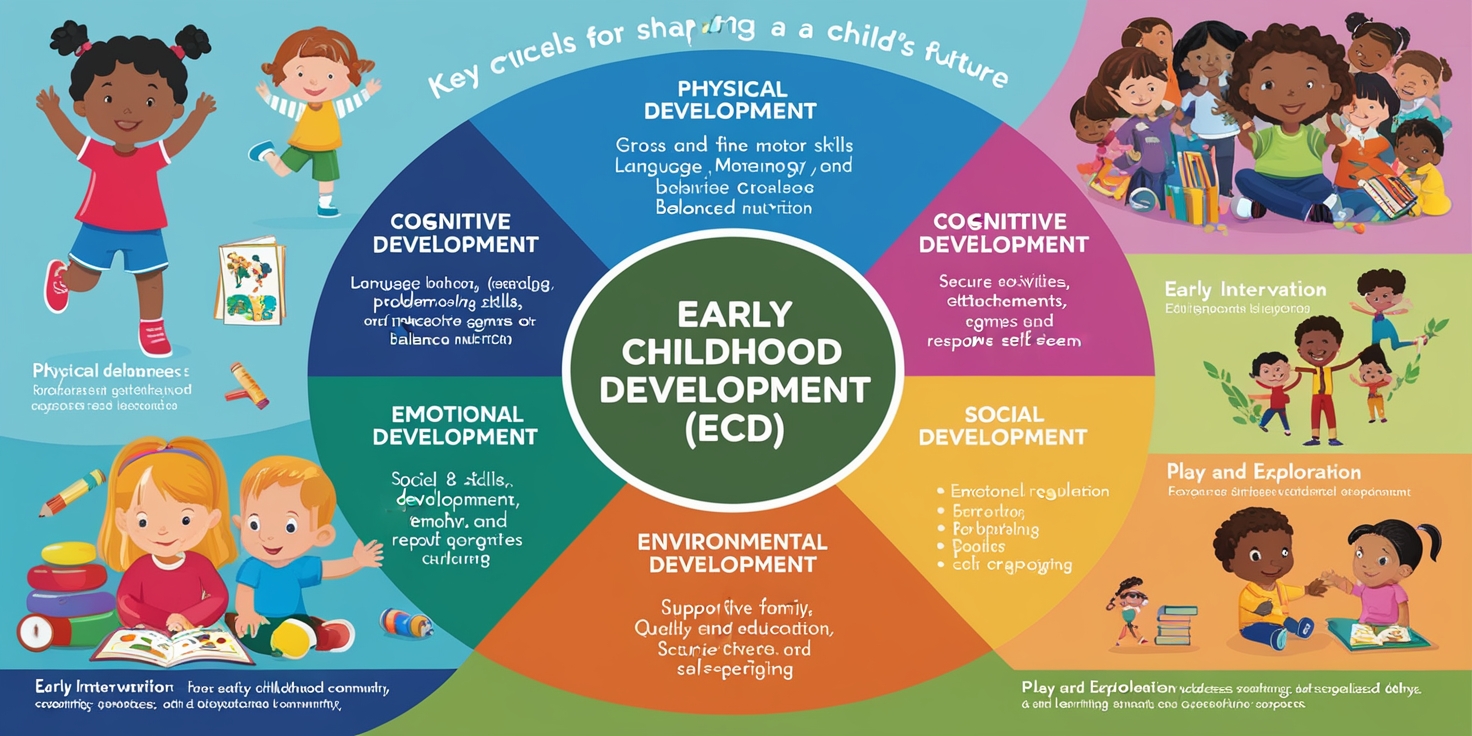
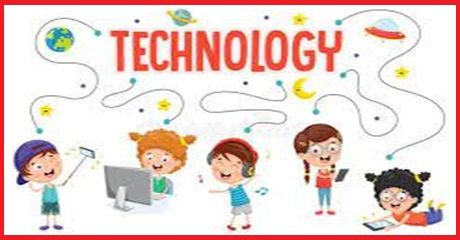
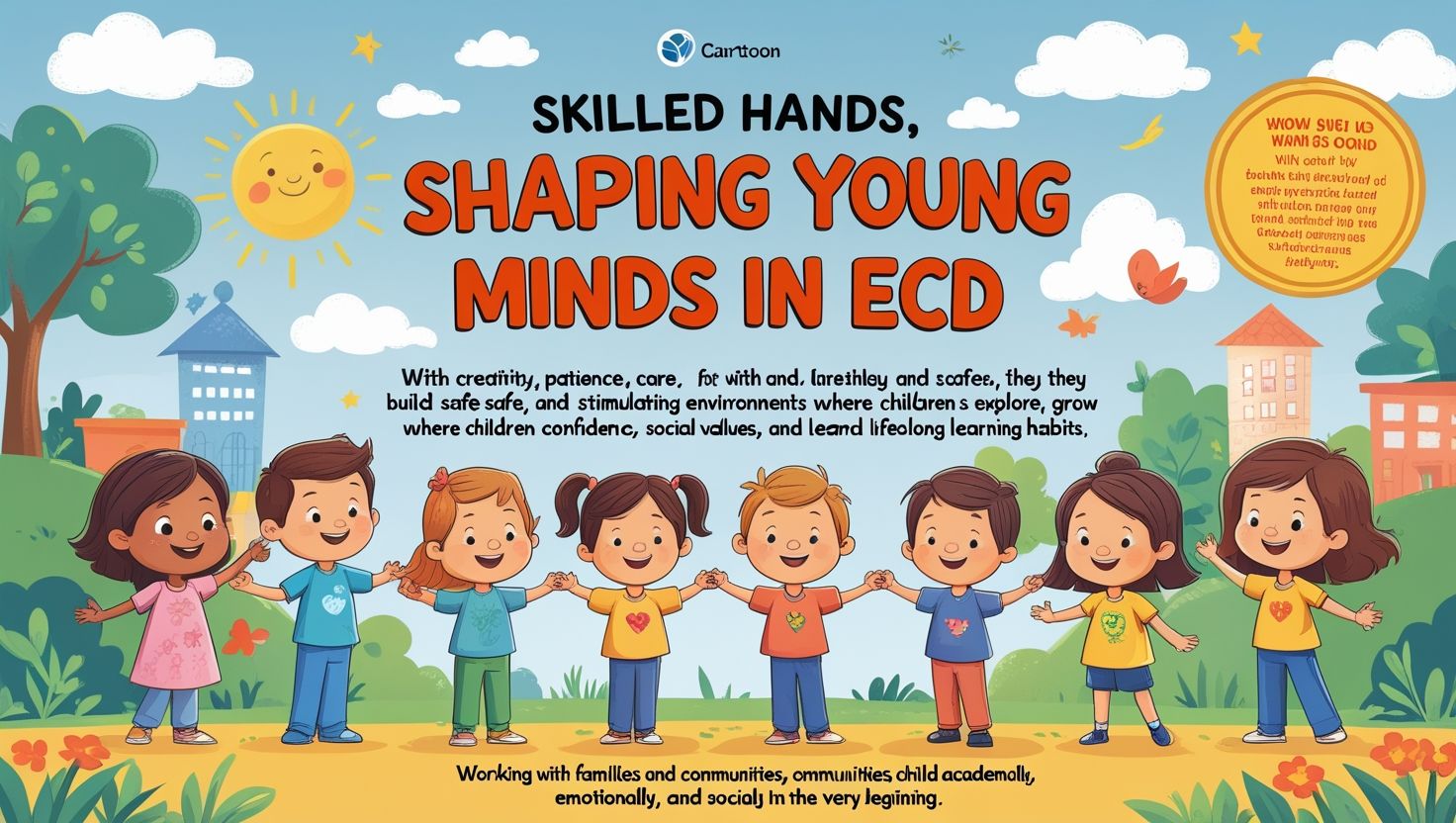
Digital Literacy in Early Childhood Development (ECD) Classrooms, In the 21st century, digital technology has become an integral part of everyday life, influencing how people communicate, learn, work, and play. Children are growing up in environments where smartphones, tablets, computers, and digital media are commonplace. As a result, education systems around the world are increasingly recognizing the importance of introducing digital literacy from an early age. Early Childhood Development (ECD), which typically includes children from birth to around eight years of age, lays the foundation for lifelong learning. Integrating digital literacy into ECD classrooms is therefore not a luxury but a necessity for preparing young learners to thrive in a digitally driven world.
Digital literacy in ECD classrooms goes beyond simply teaching children how to use devices. It encompasses a range of skills, including understanding digital content, communicating safely and responsibly online, thinking critically about information, and using technology creatively to express ideas. When thoughtfully integrated, digital literacy can enhance cognitive development, support language and numeracy skills, foster creativity, and promote social interaction. However, it also raises important questions about screen time, equity, teacher preparedness, and child well-being. This article explores the concept of digital literacy in ECD classrooms, its importance, benefits, challenges, and strategies for effective implementation.
Understanding Digital Literacy in Early Childhood
Digital literacy refers to the ability to use digital technologies effectively, responsibly, and meaningfully. In the context of early childhood, digital literacy is age-appropriate and developmentally sensitive. It does not mean that young children should be exposed to complex technical skills or prolonged screen use. Instead, it focuses on helping children develop basic competencies and positive attitudes toward technology.
For young learners, digital literacy may include skills such as navigating simple educational applications, recognizing icons and symbols, using digital tools to draw or tell stories, and understanding basic rules for safe and respectful technology use. It also involves developing foundational thinking skills such as problem-solving, creativity, and collaboration through digital play. Importantly, digital literacy in ECD is closely linked to play-based learning, which is central to early childhood education.
Digital literacy also includes the role of educators and caregivers. Teachers must be digitally literate themselves in order to guide children effectively. This includes selecting appropriate digital resources, integrating them into learning activities, and modeling responsible technology use. Parents and caregivers are equally important partners, as children’s experiences with technology often extend beyond the classroom into the home environment.
Importance of Digital Literacy in ECD Classrooms
Introducing digital literacy in ECD classrooms is important for several reasons. First, it reflects the reality of children’s lives. Many children are exposed to digital devices from a very young age, and early education should help them make sense of these experiences in a structured and supportive way. By incorporating digital literacy into the curriculum, educators can guide children toward positive and purposeful technology use rather than passive consumption.
Second, digital literacy supports holistic child development. Well-designed digital activities can enhance language development through storytelling apps, support early numeracy through interactive games, and promote fine motor skills through touch-based interfaces. Digital tools can also support children with special educational needs by providing personalized learning experiences and assistive technologies.
Third, early exposure to digital literacy helps reduce future learning gaps. Children who develop basic digital skills early are better prepared for later schooling, where technology is increasingly used for research, collaboration, and assessment. Introducing these skills in ECD classrooms can help ensure that all children, regardless of background, have a strong foundation for future learning.
Finally, digital literacy fosters critical thinking and creativity. When children are encouraged to create digital content—such as drawing pictures, recording voices, or making simple animations—they learn to express themselves and see technology as a tool for creation rather than just entertainment.
Benefits of Digital Literacy in ECD Classrooms
Enhancing Learning Experiences
Digital tools can make learning more engaging and interactive for young children. Educational apps, interactive whiteboards, and multimedia resources can bring abstract concepts to life through visuals, sounds, and movement. For example, digital storybooks can support early literacy by highlighting words as they are read aloud, helping children connect spoken and written language.
Supporting Individualized Learning
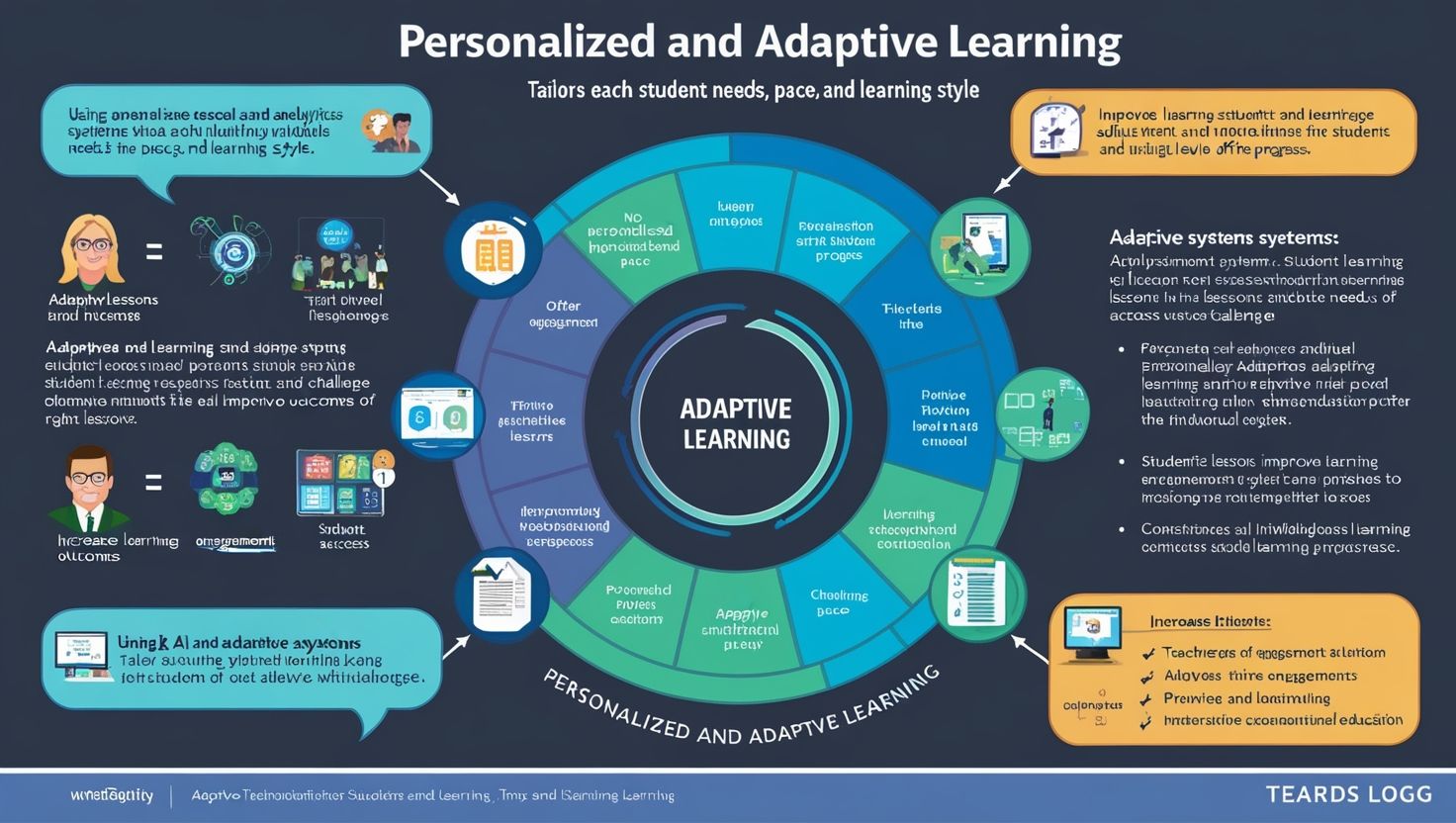
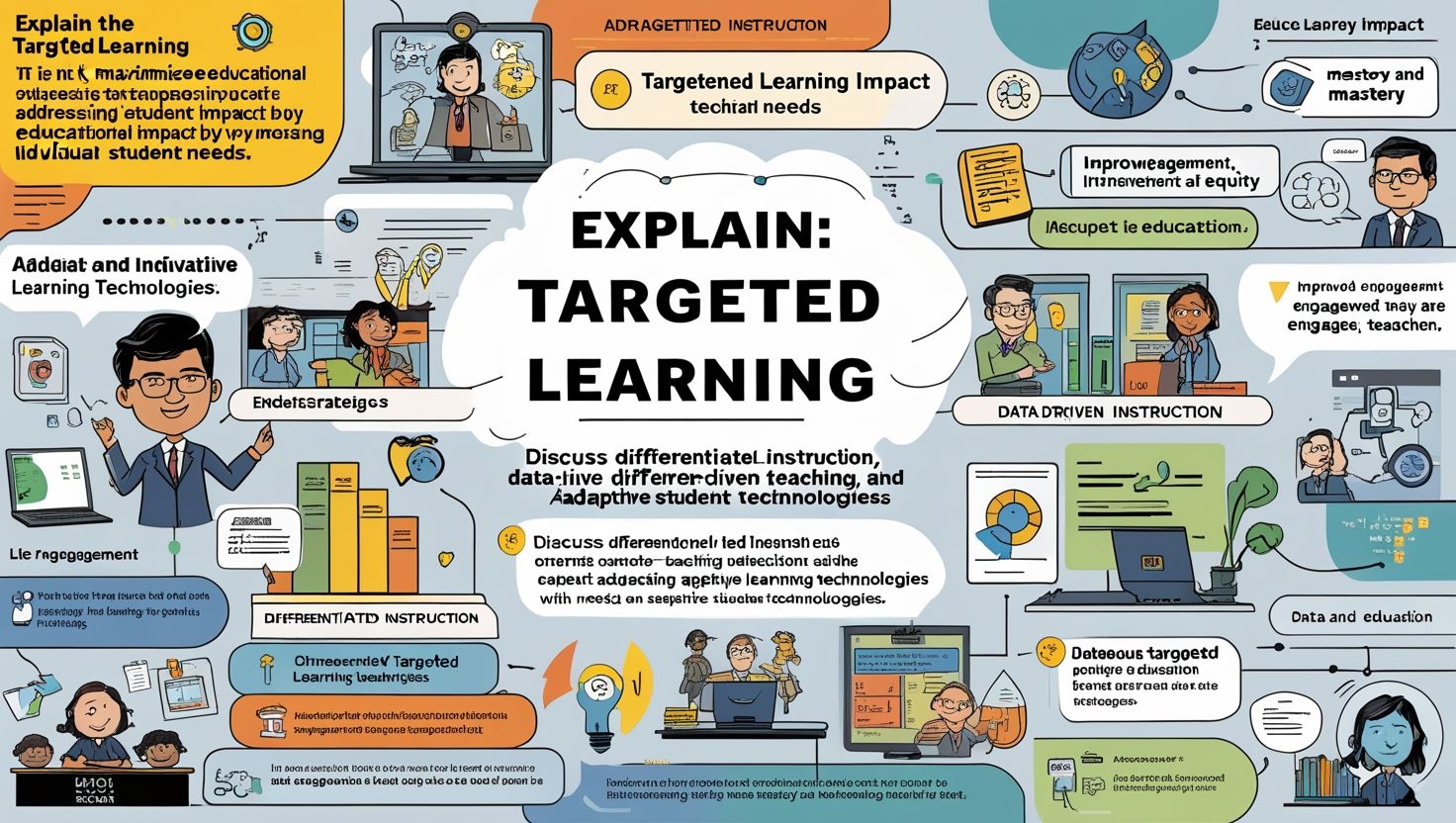
One of the key benefits of digital literacy in ECD classrooms is the ability to support individualized learning. Digital tools can adapt to different learning paces and styles, allowing children to revisit concepts as needed. This is particularly beneficial for children who may need additional support or enrichment.
Promoting Inclusion and Accessibility
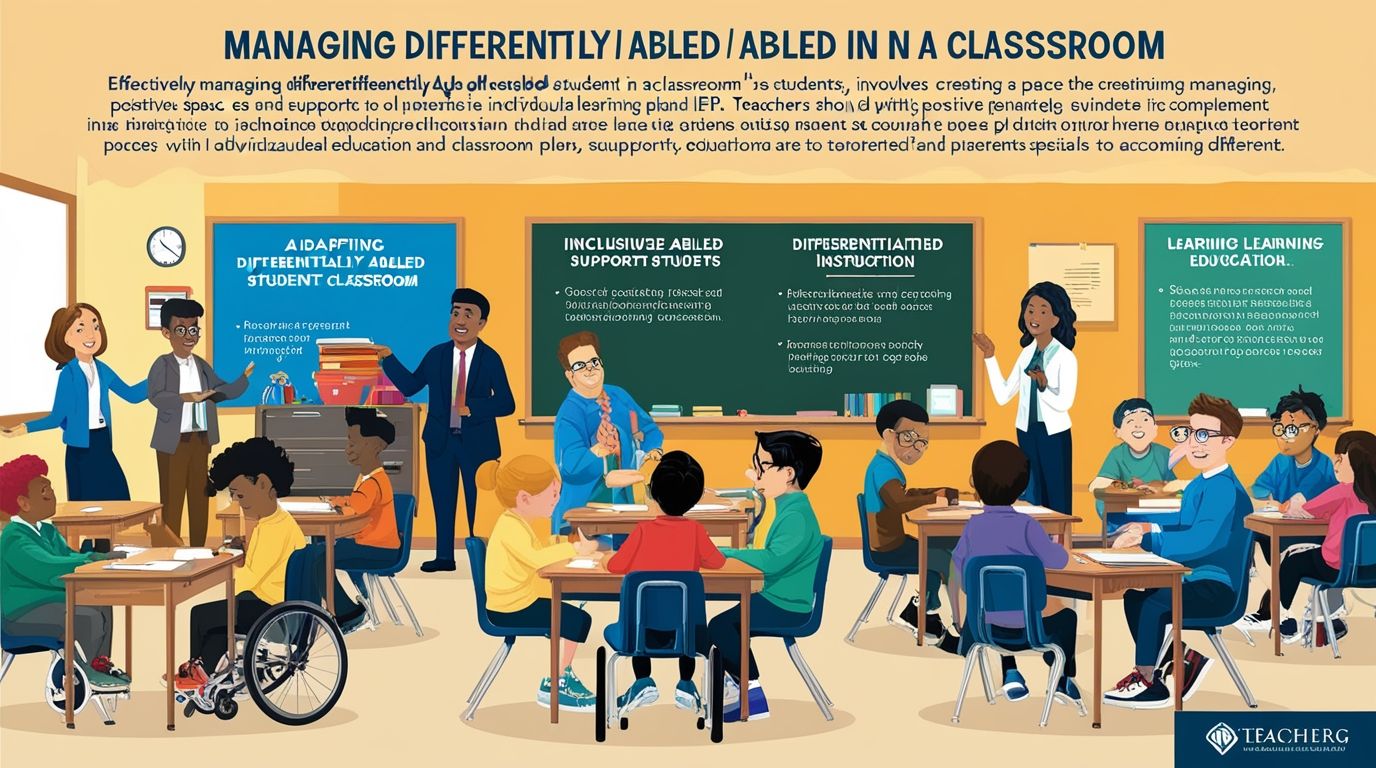
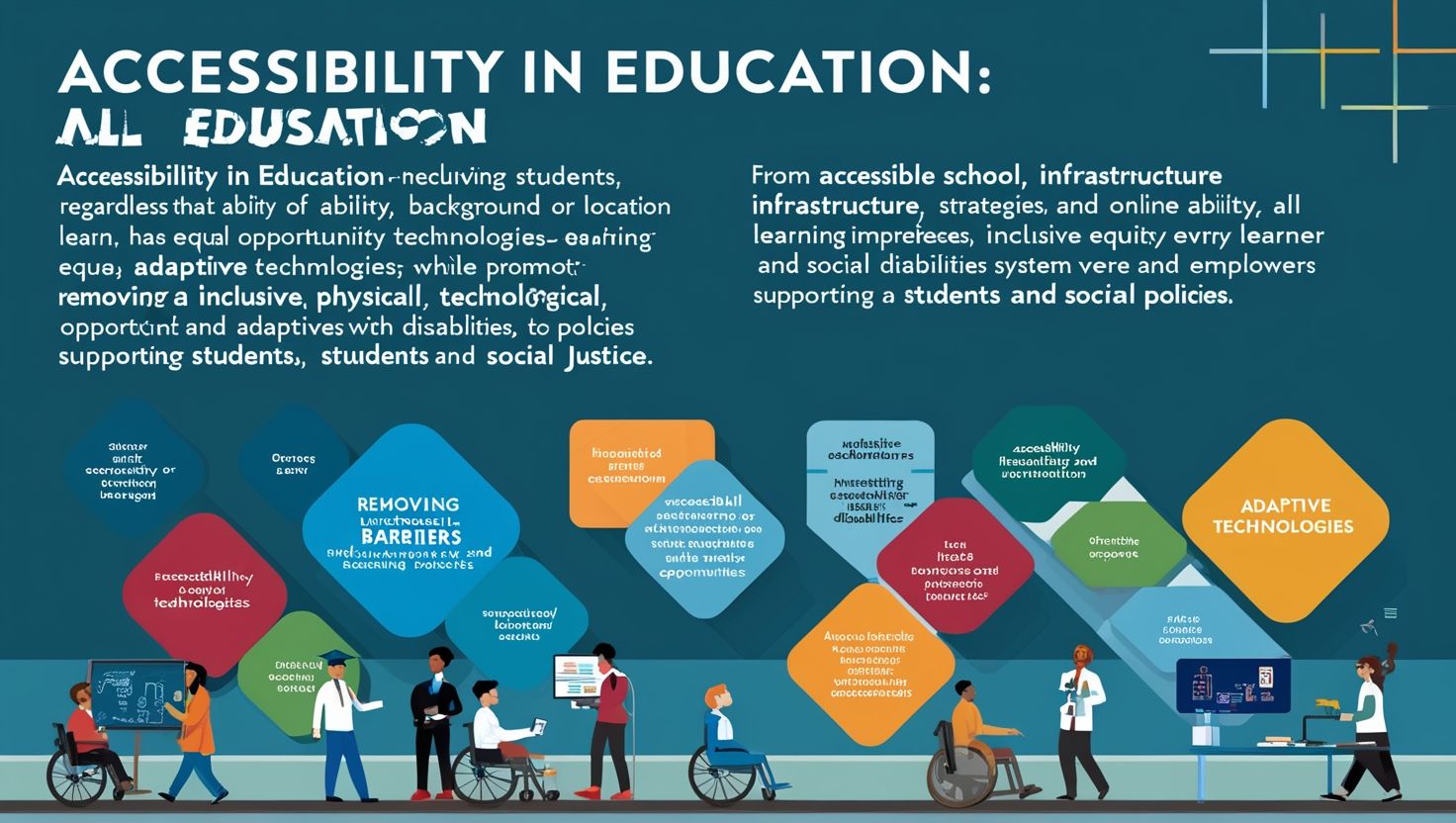
Digital technologies can enhance inclusion by providing alternative ways for children to access and demonstrate learning. For children with disabilities, assistive technologies such as text-to-speech, visual supports, and interactive learning tools can remove barriers and promote participation. Digital literacy ensures that all children have opportunities to engage meaningfully in the learning process.
Encouraging Collaboration and Social Skills
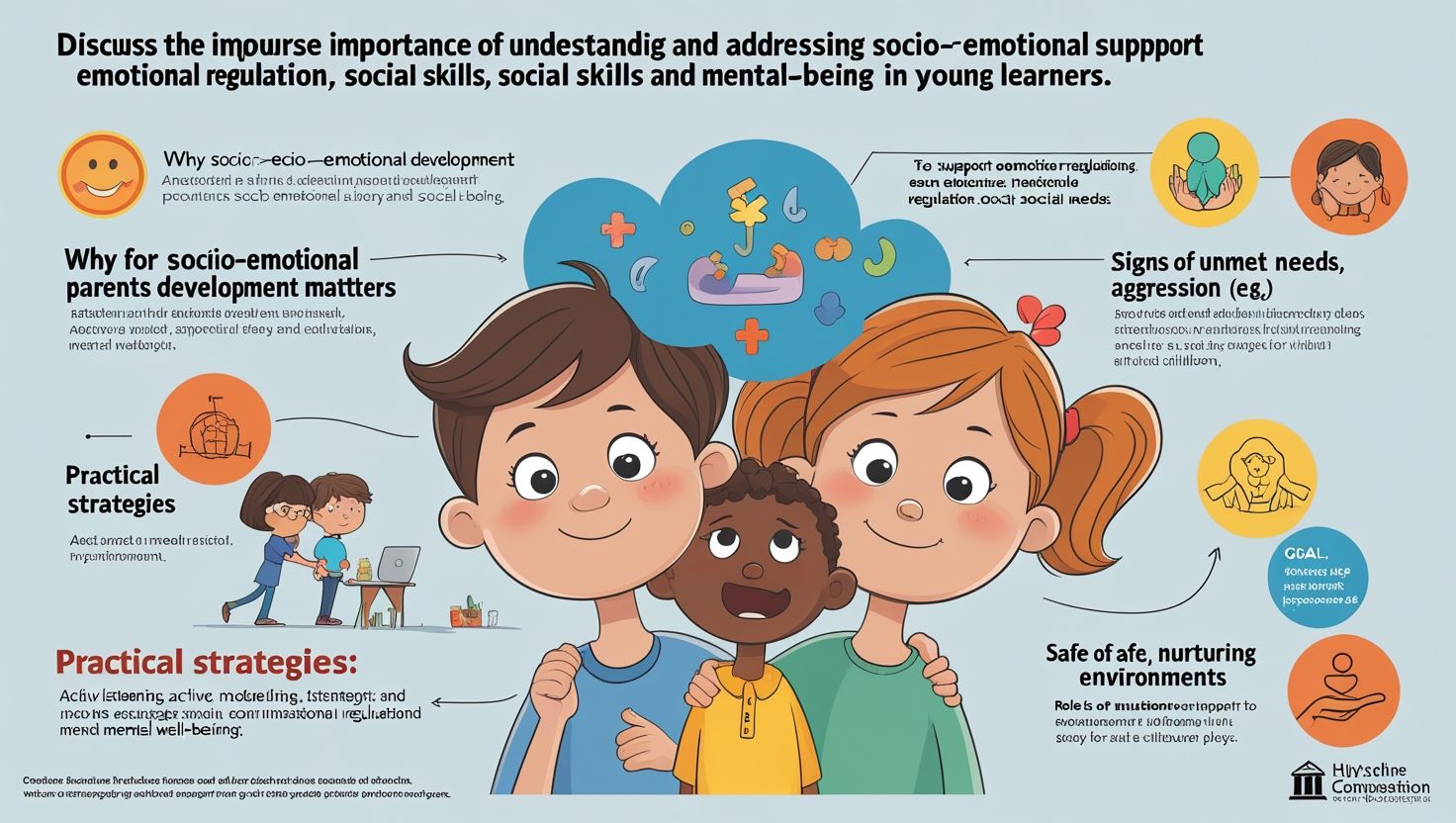
Contrary to the belief that technology isolates learners, digital tools can promote collaboration when used appropriately. Group activities involving shared devices, interactive games, or digital storytelling projects encourage communication, turn-taking, and teamwork. These experiences help children develop social and emotional skills alongside digital competencies.
Building Early Problem-Solving Skills
Many digital learning activities require children to experiment, make choices, and solve simple problems. These experiences support cognitive development and help children build confidence in exploring new ideas. Learning how to troubleshoot minor issues, such as navigating an app or correcting a mistake, also fosters resilience and independence.
Challenges of Implementing Digital Literacy in ECD Classrooms
Despite its many benefits, implementing digital literacy in ECD classrooms comes with challenges that must be carefully addressed.
Screen Time Concerns
One of the most common concerns is the impact of screen time on young children’s health and development. Excessive or inappropriate screen use can affect attention, sleep patterns, and physical activity. In ECD classrooms, it is essential to balance digital activities with hands-on play, outdoor exploration, and social interaction. Digital literacy should complement, not replace, traditional learning experiences.
Teacher Training and Confidence
Many early childhood educators may feel unprepared or anxious about using digital technologies effectively. Limited training, lack of confidence, and rapid technological changes can hinder successful implementation. Ongoing professional development is crucial to help teachers build digital competence and integrate technology in developmentally appropriate ways.
Access and Equity Issues
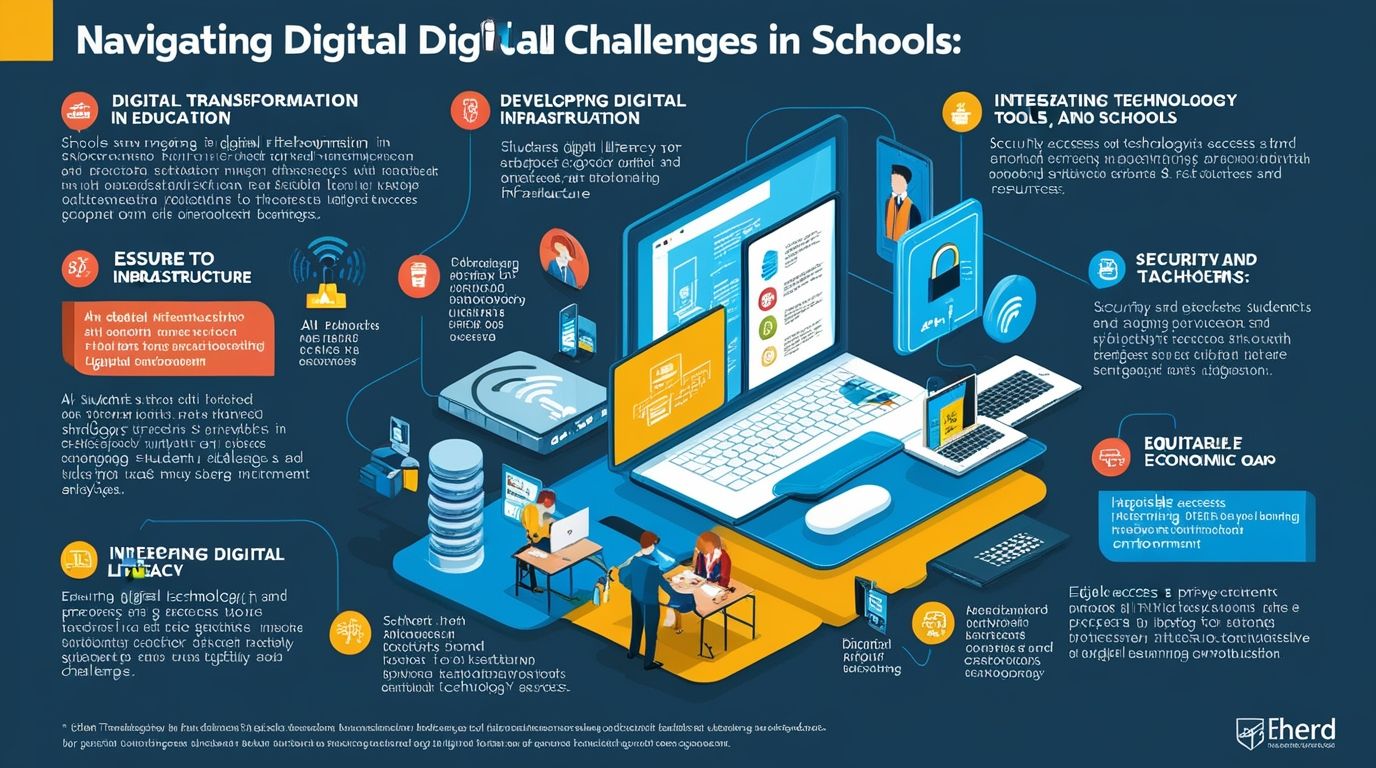
Not all ECD centers have equal access to digital resources. Factors such as funding, infrastructure, and community support can create disparities in technology availability. Children from disadvantaged backgrounds may have limited exposure to digital tools, widening the digital divide. Addressing equity issues requires thoughtful planning, investment, and policy support.
Quality of Digital Content
The quality of digital content available for young children varies widely. Some apps and programs are educational and well-designed, while others prioritize entertainment or commercial interests. Educators must critically evaluate digital resources to ensure they align with learning goals and support healthy development.
Safety and Ethical Considerations
Digital literacy also involves teaching children about safety, privacy, and responsible behavior. While young children may not fully understand these concepts, educators can introduce simple rules such as asking permission before using devices, being kind online, and protecting personal information. Ensuring a safe digital environment is a shared responsibility among educators, parents, and policymakers.
Strategies for Effective Integration of Digital Literacy in ECD
Developmentally Appropriate Practice
Digital literacy activities should be aligned with children’s developmental stages. This means using age-appropriate tools, limiting screen time, and integrating technology into play-based learning. For example, using a tablet to take photos during a nature walk can enhance observation skills without replacing hands-on exploration.
Blended Learning Approaches
Effective ECD classrooms use a blended approach that combines digital and non-digital learning experiences. Technology should be used as one of many tools to support learning, alongside books, toys, art materials, and outdoor play. This balanced approach ensures holistic development.
Teacher Professional Development
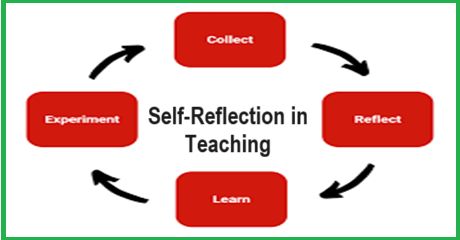
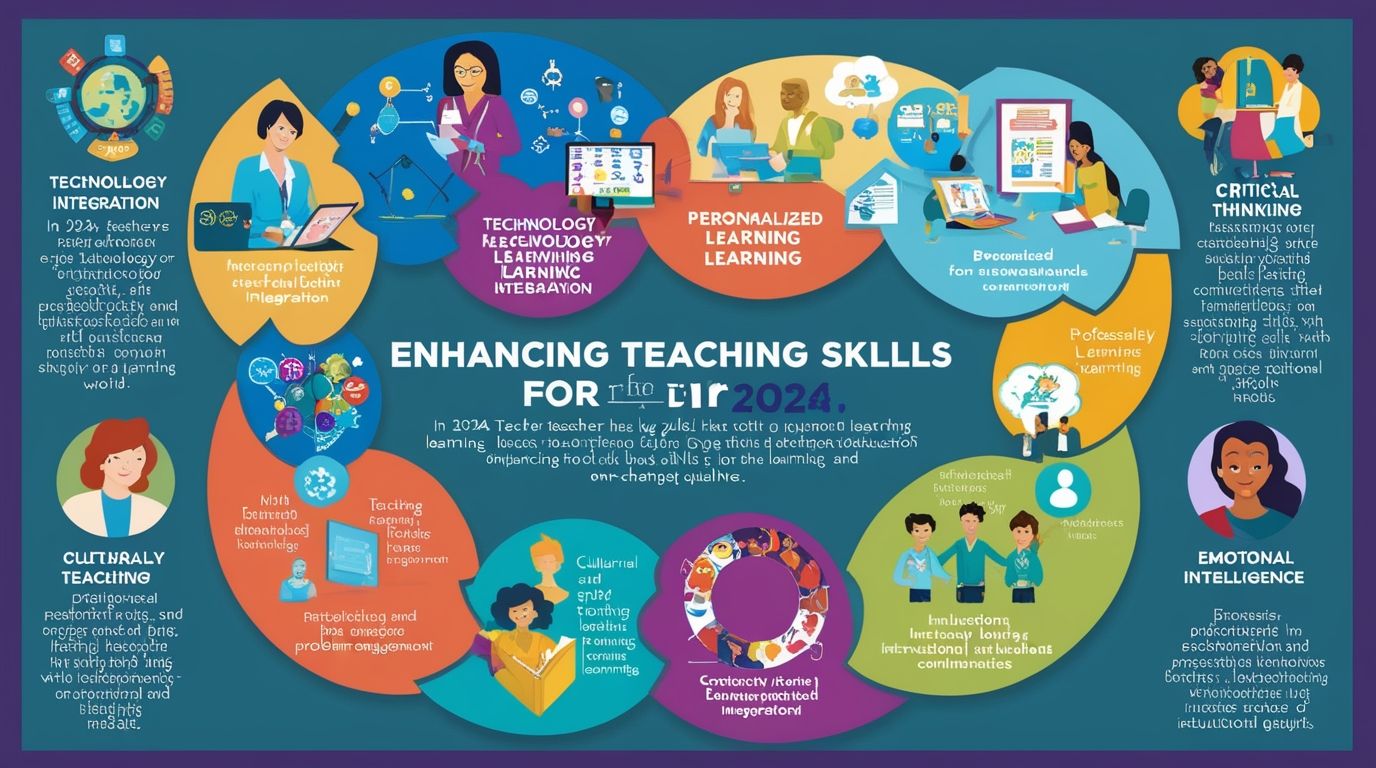
Investing in teacher training is essential for successful digital literacy integration. Professional development programs should focus on practical strategies, ethical considerations, and reflective practice. Teachers should be encouraged to share experiences, experiment with new tools, and continuously update their skills.
Family and Community Involvement
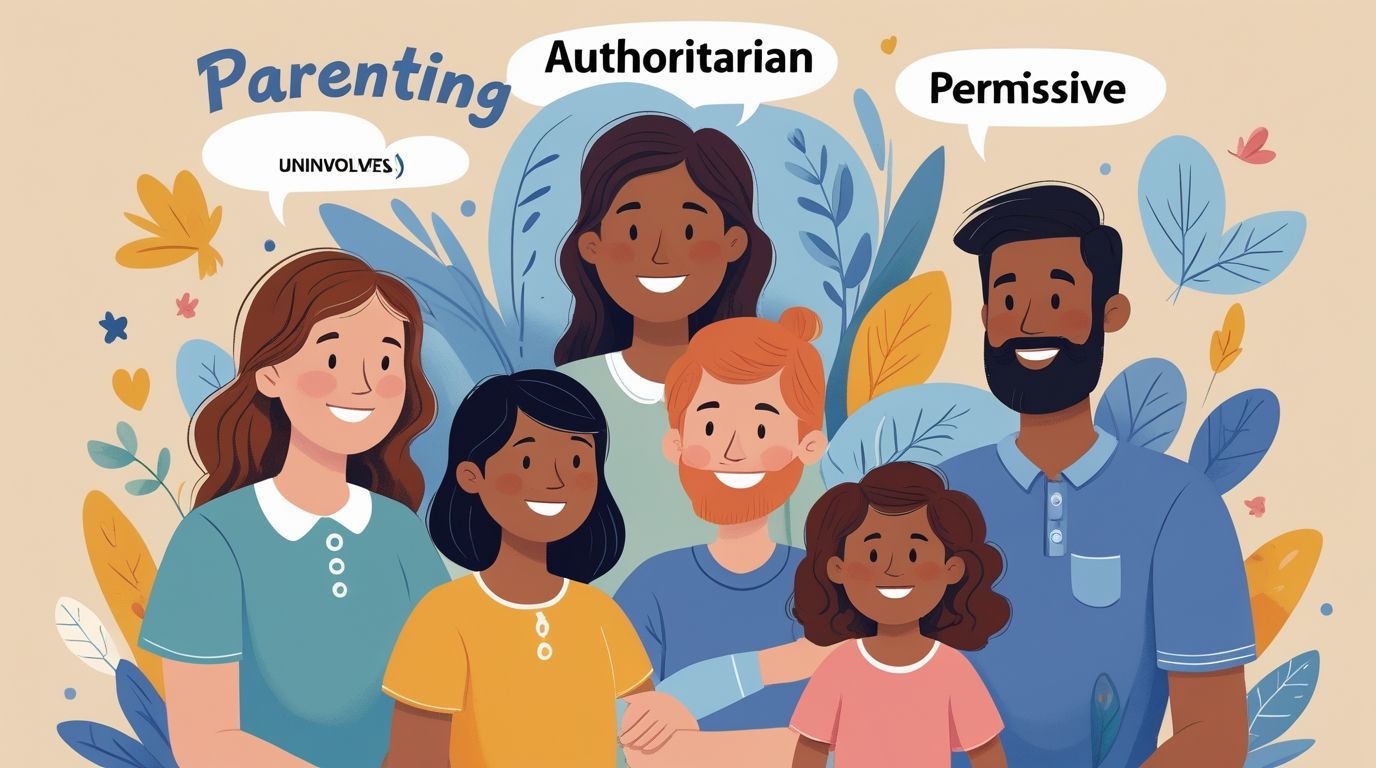
Parents and caregivers play a vital role in supporting digital literacy. ECD centers can engage families by providing guidance on appropriate technology use at home, sharing recommended digital resources, and encouraging joint media engagement. Strong partnerships between schools and families help reinforce positive digital habits.
Policy and Institutional Support
Supportive policies and leadership are critical for sustainable digital literacy initiatives. This includes providing funding for resources, establishing clear guidelines for technology use, and promoting equitable access. Policymakers should recognize digital literacy as a core component of early childhood education.
The Role of Play in Digital Literacy
Play is central to early childhood learning, and digital literacy should be embedded within playful experiences. Digital play can include activities such as creating digital art, engaging in interactive storytelling, or exploring virtual simulations. When guided by educators, digital play can support imagination, experimentation, and social interaction.
Importantly, digital play should be purposeful and reflective. Educators can ask open-ended questions, encourage children to explain their thinking, and connect digital experiences to real-world contexts. This approach helps children develop deeper understanding and meaningful digital skills.
Future Directions for Digital Literacy in ECD
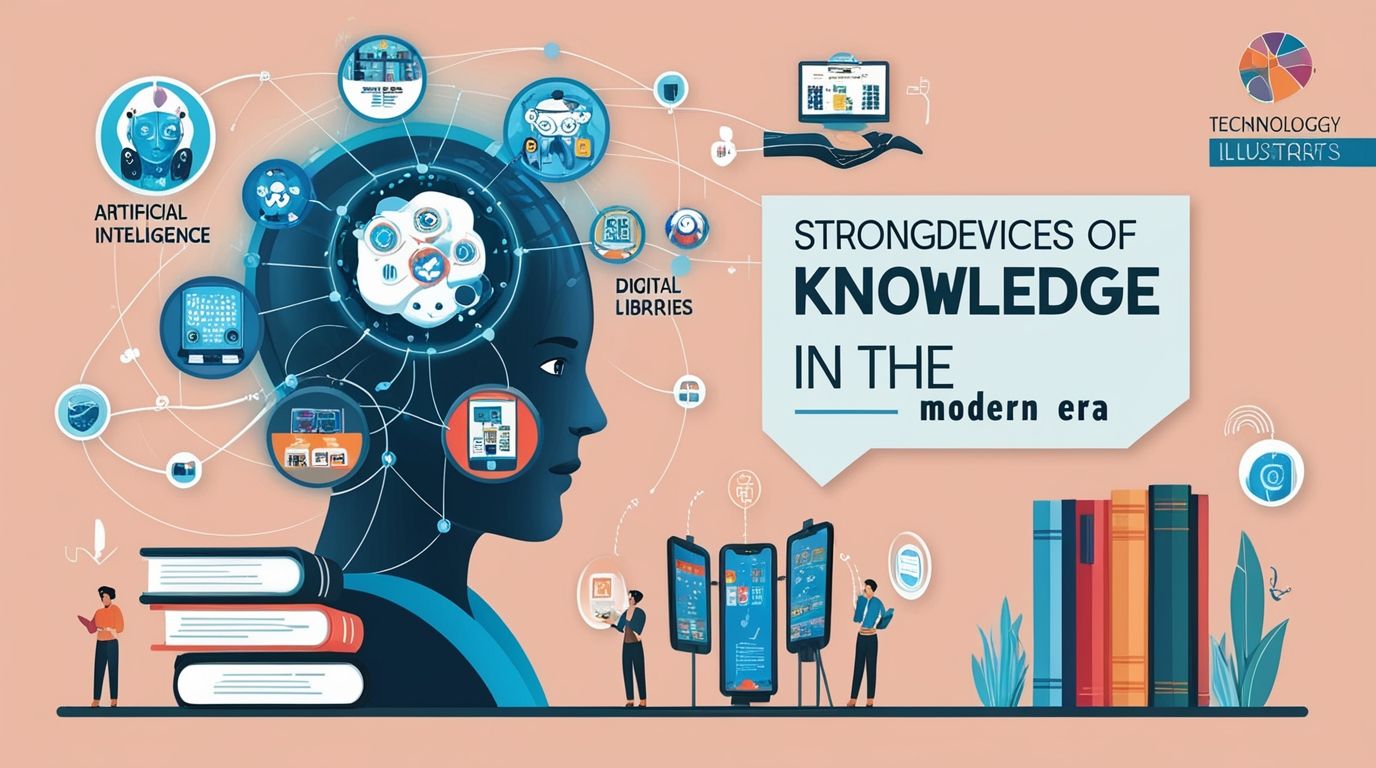
As technology continues to evolve, the role of digital literacy in ECD classrooms will also change. Emerging technologies such as artificial intelligence, augmented reality, and adaptive learning systems may offer new opportunities for personalized and immersive learning. However, the core principles of early childhood education—play, relationships, and holistic development—must remain central.
Future efforts should focus on research-based practices, ethical considerations, and inclusive approaches. Educators, researchers, and policymakers must work together to ensure that digital literacy initiatives support children’s well-being and learning outcomes. Continuous evaluation and reflection will be essential to adapt to changing technological landscapes.
Conclusion
Digital literacy in ECD classrooms is a vital component of modern education. When introduced thoughtfully and responsibly, it can enrich learning experiences, support child development, and prepare young learners for a digital future. Digital literacy in early childhood is not about replacing traditional teaching methods but about enhancing them through meaningful and age-appropriate use of technology.
By addressing challenges such as screen time, teacher training, and equity, educators can create balanced and inclusive learning environments. Strong partnerships among teachers, families, and policymakers are essential to ensure that digital literacy initiatives are effective and sustainable. Ultimately, fostering digital literacy in ECD classrooms empowers children to become confident, creative, and responsible participants in a digital world, laying a strong foundation for lifelong learning.























































































































































































































































































































































References:
Spielhalle Rheinland-Pfalz Spielhalle Köln
References:
Besten casinos der welt online casino james bond spielen
References:
Online casino deutschland verde-casino-cashback.online-spielhallen.de
References:
Hard Rock Casino Bonus https://horseshoe-las-vegas-hotel-casino.online-spielhallen.de
References:
Mr West Casino Freispiele roulette online spielen